Editor’s Note: Each issue of Good Country, our co-founder Ed Helms will share a handful of good country artists, albums, and songs direct from his own earphones in Ed’s Picks.
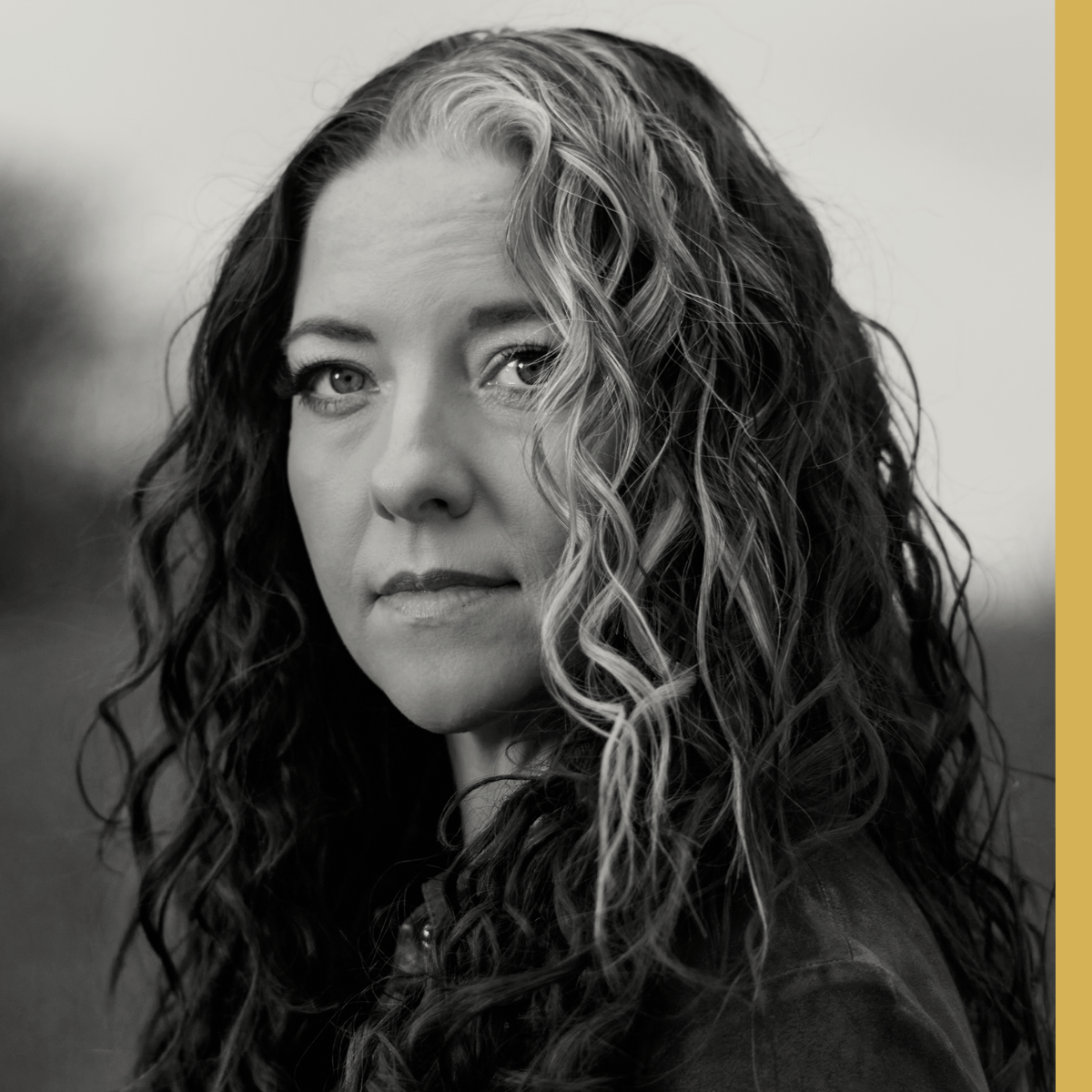
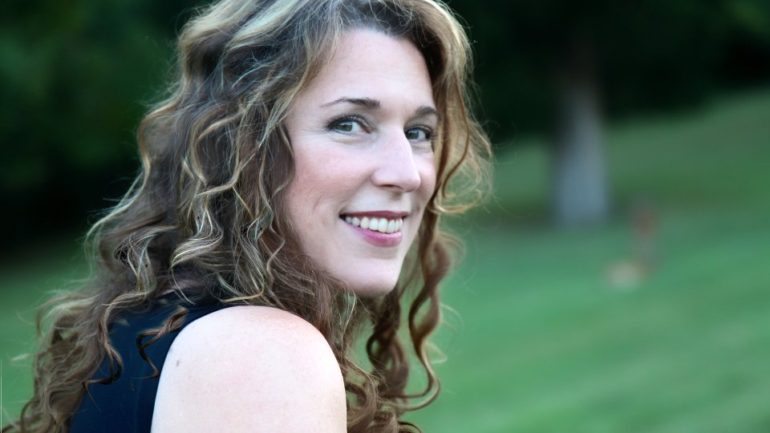
Ashley McBryde gets the year started off right with a soaring, anthemic new single. As you’ll see with “What If We Don’t,” Good Country and arena country aren’t mutually exclusive styles. Garage rock, country grit, and stadium-ready flair – McBryde is doing it better than almost anyone else out there.
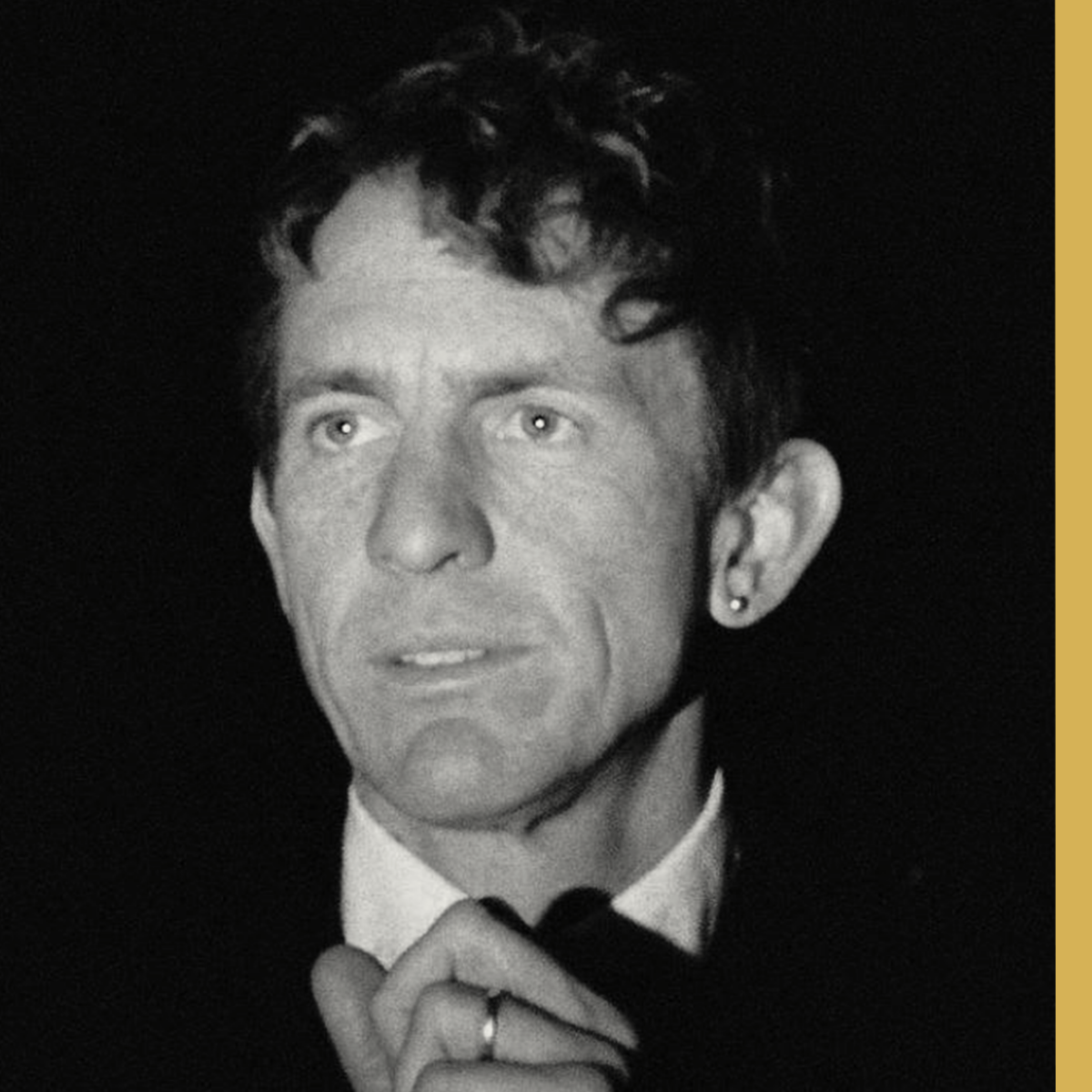
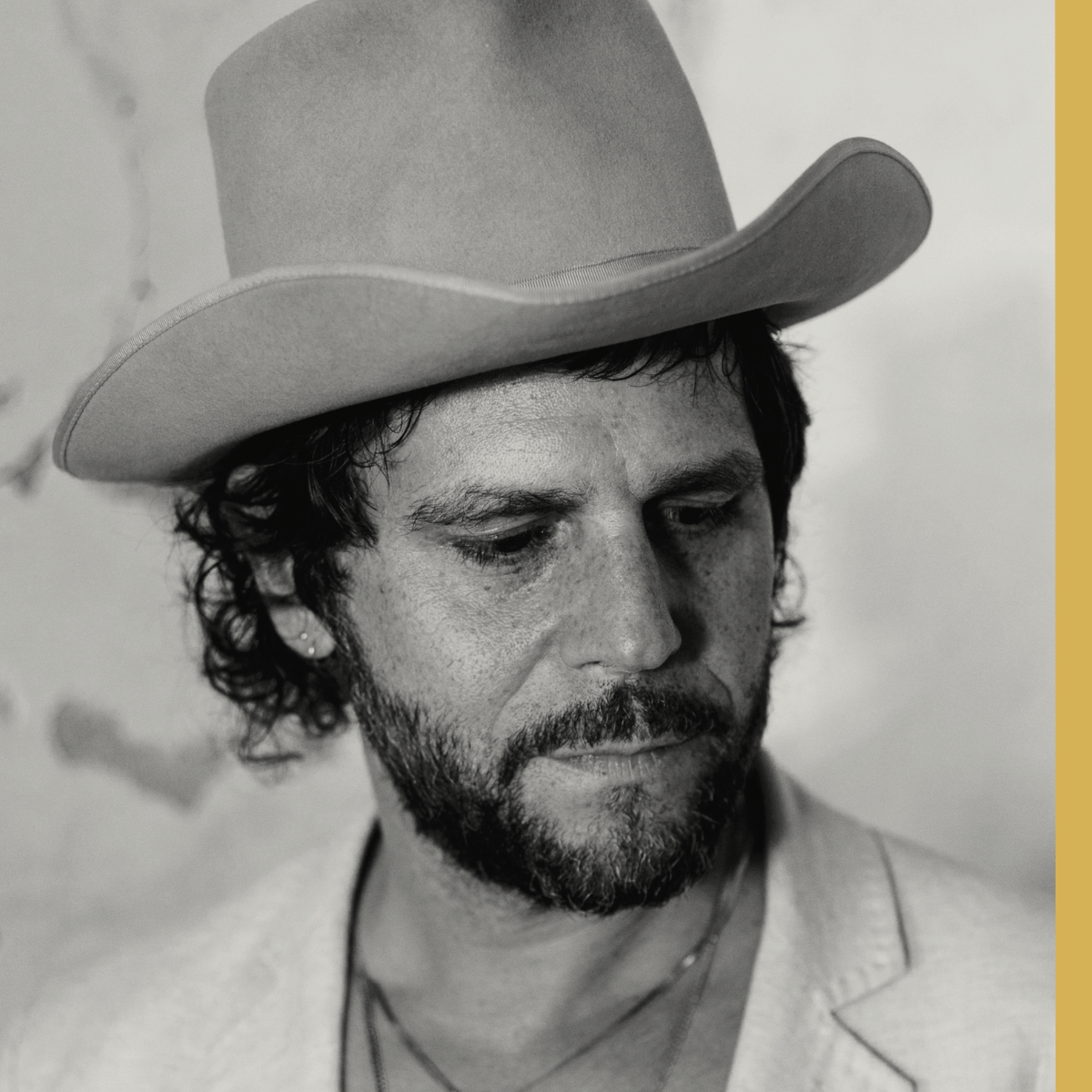
Not your mamaw’s “Ring of Fire.” Big Thief’s Buck Meek launches his upcoming solo album, The Mirror, in just a couple of weeks. Its songs were grown where alternative, indie, folk, and country overlap, though each feels just outside of reach of any single one of those terms. Featuring Adrienne Lenker on BGVs, “Ring of Fire,” like Johnny’s classic by the same name, is about love and connection – but is perhaps the flipside of the Cash coin.
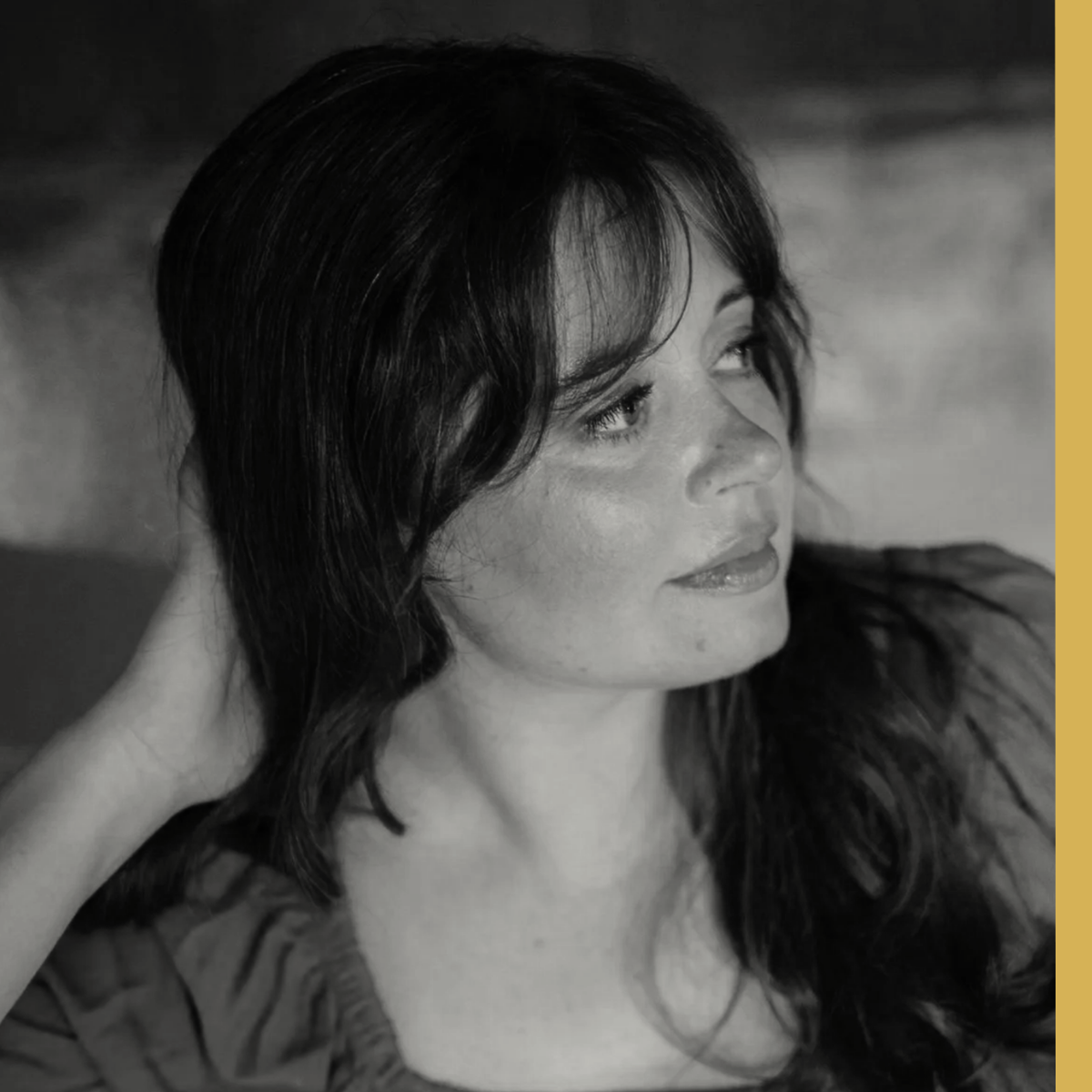
You can always trust the John Prine-founded Oh Boy Records to put out amazing music by generational songwriters. Emily Scott Robinson is certainly one. Her new album, Appalachia, embodies her heart-forward, community-minded approach to songcraft and musicmaking. Stand outs include “Hymn for the Unholy,” “The Time for Flowers,” the album’s title track “Appalachia,” and this lovely duet with John Paul White, “Cast Iron Heart.”
Read our recent interview with Emily Scott Robinson here.
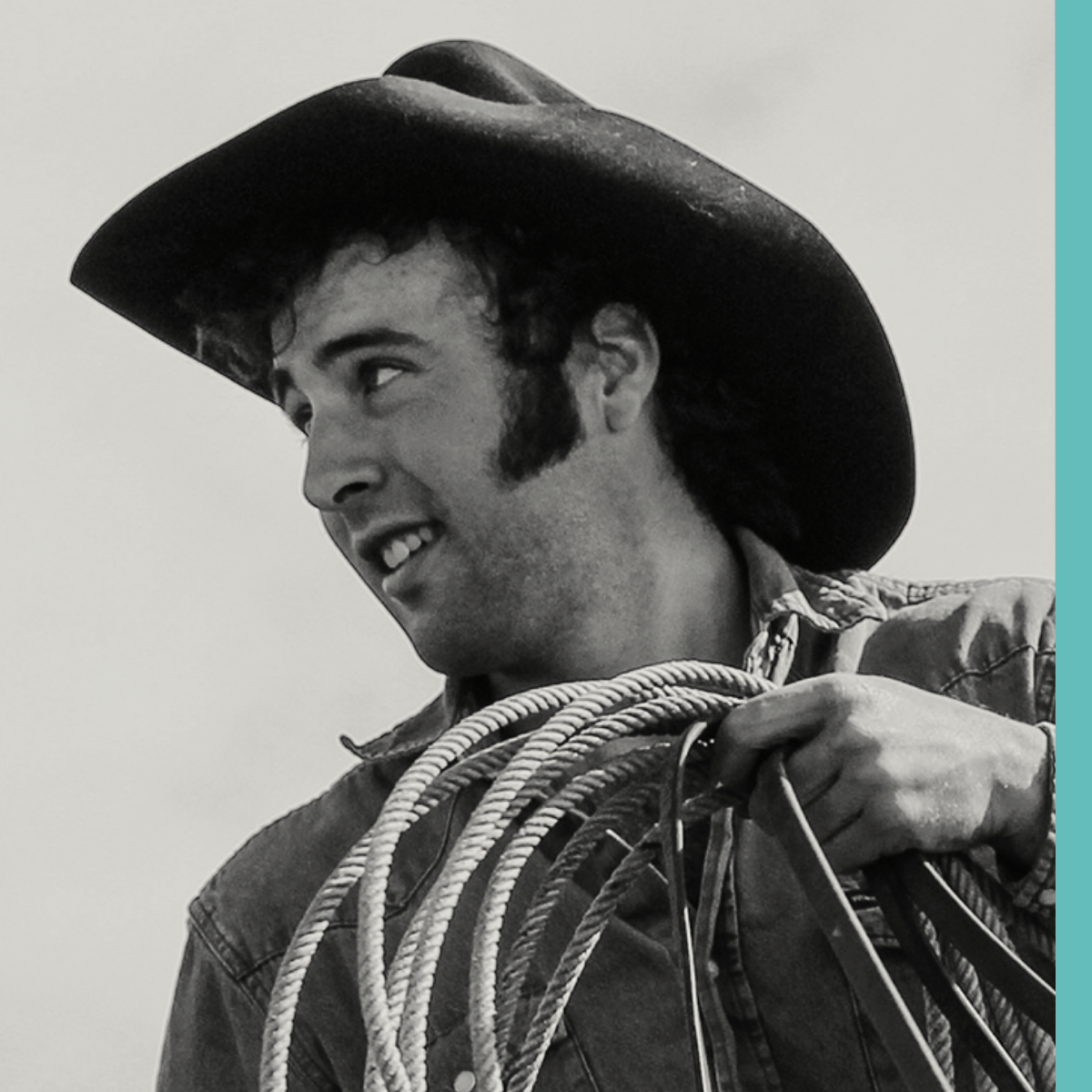
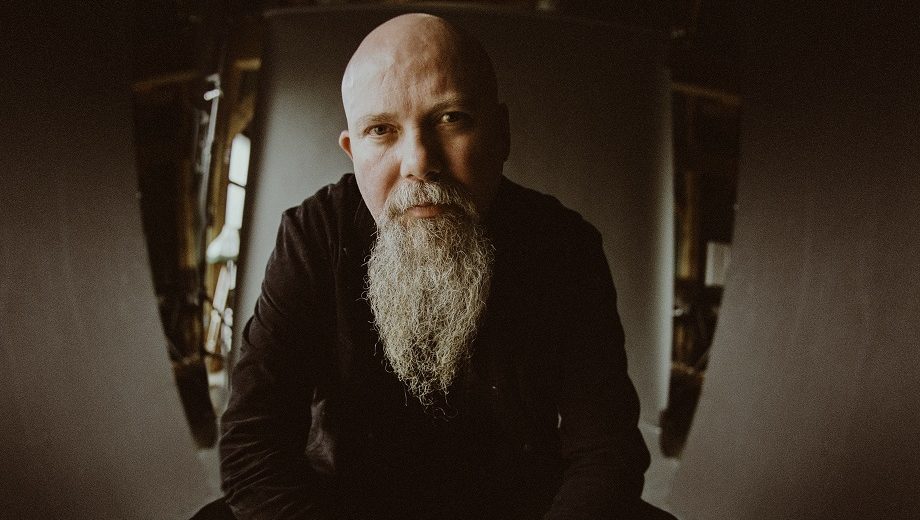
Speaking of rock ‘n’ roll, our old pal Langhorne plugs in and turns up on his new album, The Dreamin’ Kind, which was produced by Greta Van Fleet’s Sam F. Kiszka. Slim’s personality – and the signature, charming touches that made us all fall in love with his music – is front and center on the new collection, however far into rockin’ territory he brings his Americana and folk sensibilities.
Find out more about
The Dreamin’ Kind in our recent Cover Story interview.
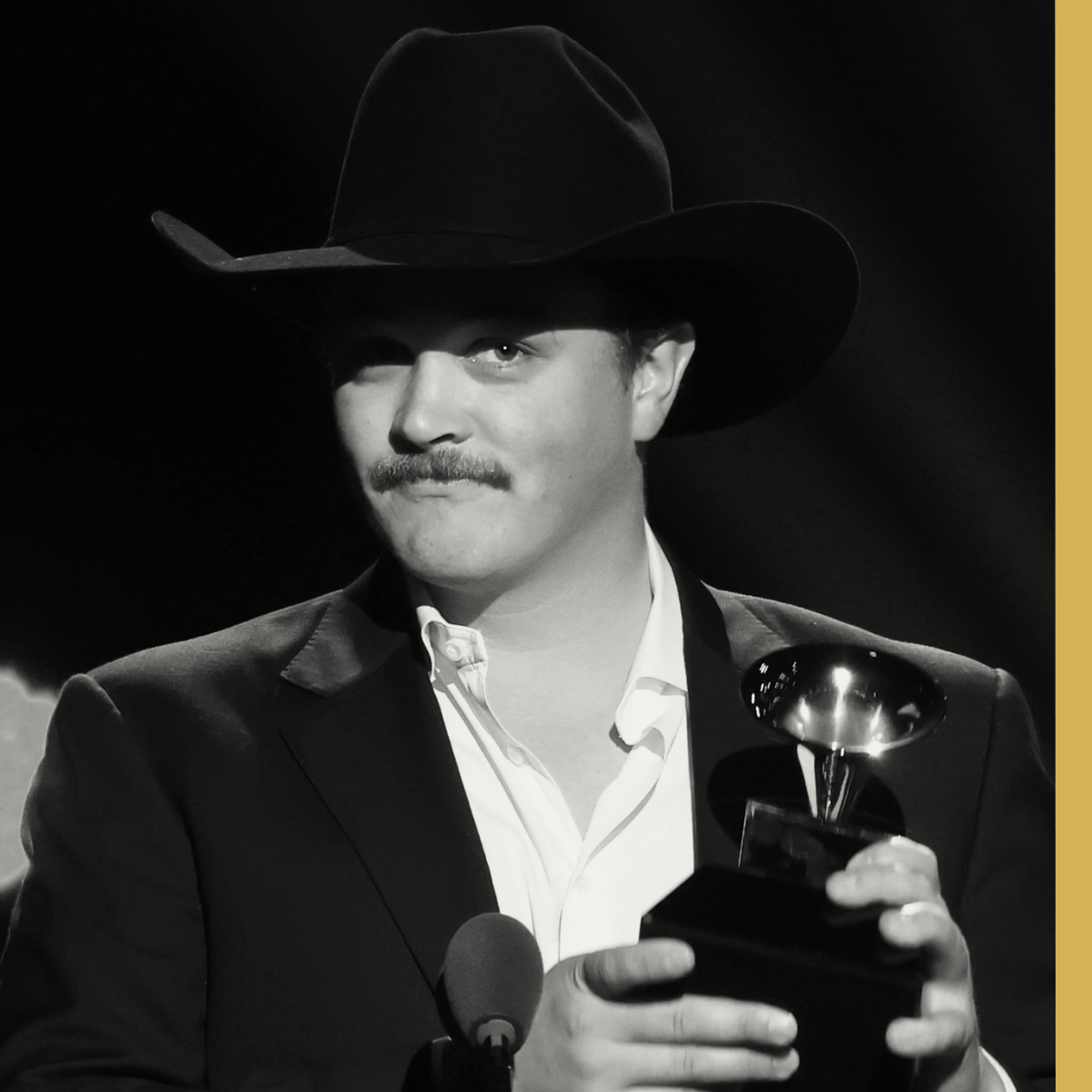
He started as a bluegrass picker in a family band and a Keith Whitley and Tony Rice diehard. Now everyone’s favorite trad country revivalist is a GRAMMY Award winner. Top took home the trophy for Best Traditional Country Album for his sophomore release, Ain’t In It for My Health earlier this month. He’s the first awardee in the buzzed-about new category opposite Best Contemporary Country Album. Well deserved!
Want more Good Country? Sign up to receive our monthly email newsletter – and much more music! – direct to your inbox.
Photo Credits: Ashley McBryde by Nathan Chapman; Buck Meek by Germaine Dunes; Emily Scott Robinson by Angelina Castillo; Langhorne Slim by Savannah Lauren; Zach Top by Getty Images for the Recording Academy.
Editor’s Note: Each issue of Good Country, our co-founder Ed Helms will share a handful of good country artists, albums, and songs direct from his own earphones in Ed’s Picks.
When country singer-songwriter and community-builder Luke Bell passed away in 2022, he left an enormous vacuum in the scenes that made him and adored him. But, he left an even larger legacy. His only posthumous album, The King Is Back, was released last week after being lovingly compiled by his mother Carol, sister Jane, and his team, friends, and collaborators – many of whom perform the LP’s 28 Bell-penned songs. It’s a devastating and heartfelt collection that benefits the Luke Bell Memorial Affordable Counseling Program. Learn more and donate here.
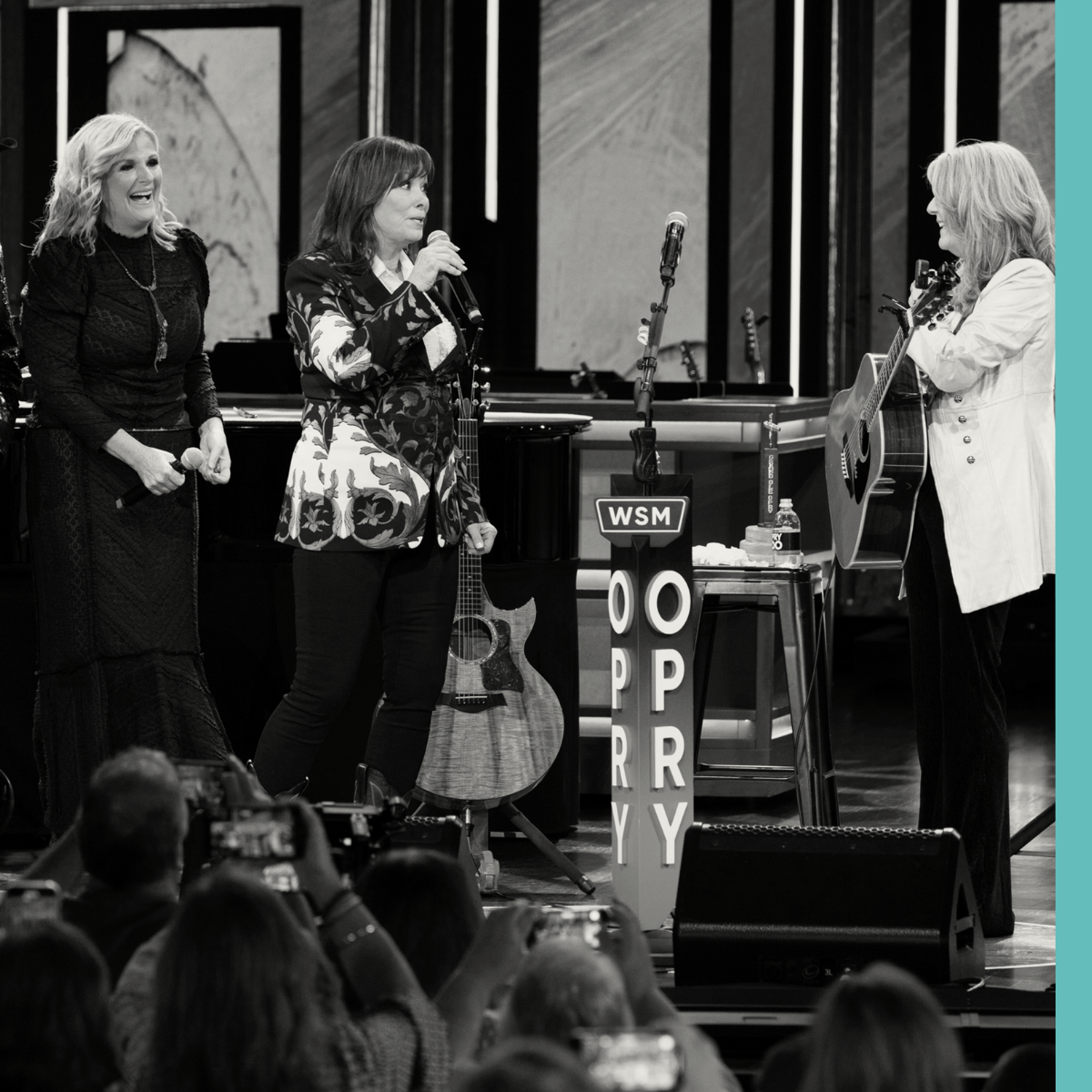
Suzy Bogguss is a country artist and singer-songwriter who’s won a GRAMMY, two CMA Awards, and an ACM award, and has had eight original songs become top 10 hits on the country charts across her career. Now, she’s adding another impressive title to her resumé: Grand Ole Opry Member! Last month, while her longtime friend Kathy Mattea celebrated her own induction into the Opry, Mattea interrupted her performance of “Eighteen Wheels and a Dozen Roses” (with Bogguss, Trisha Yearwood, and Terri Clark singing along) to surprise Suzy with her own invitation. Congratulations, Suzy! (She’ll be inducted in early 2026.)
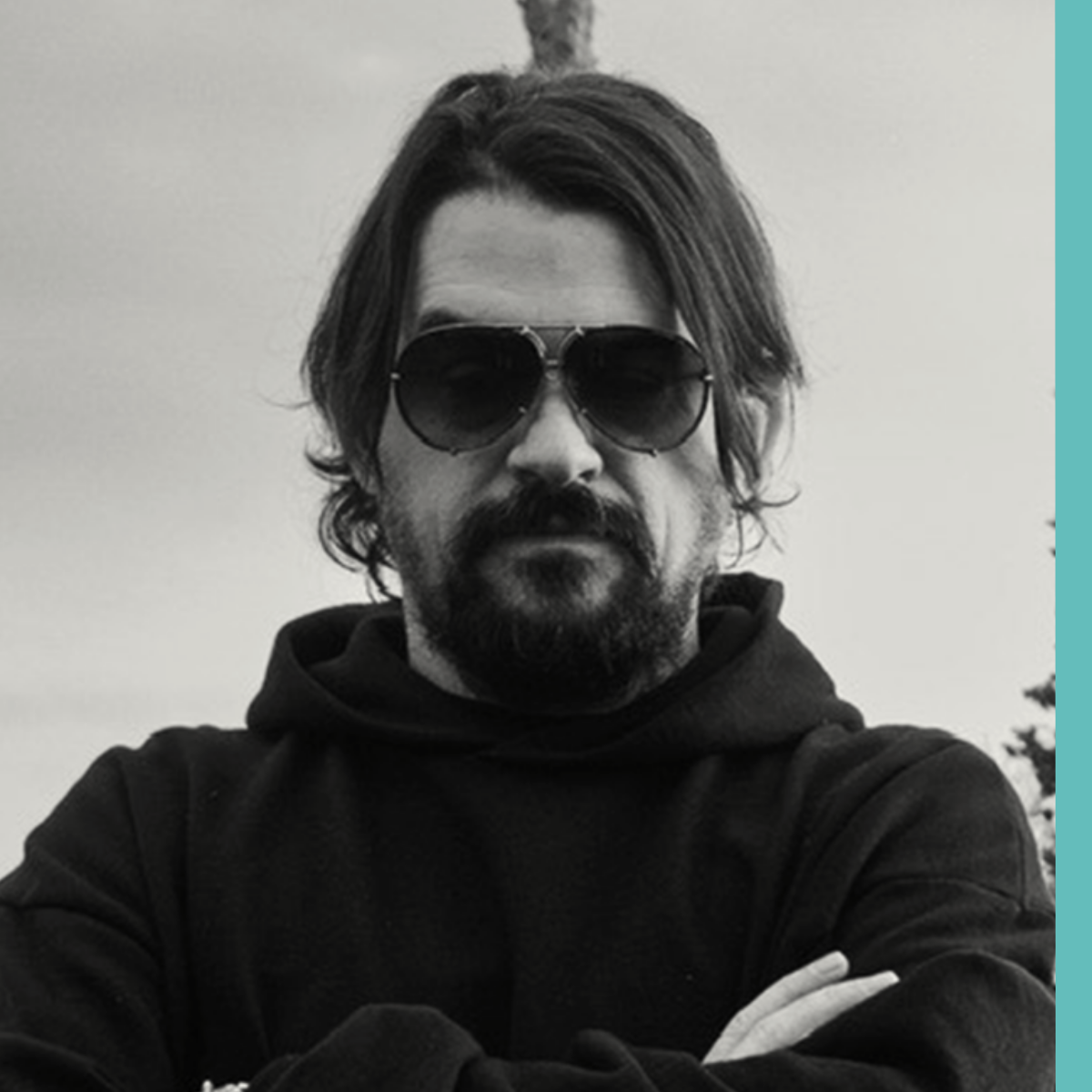
It would be hard to find a more prolific artist-producer-actor in country these days. Shooter Jennings is everywhere, producing albums for Jake Owen, Charley Crockett, Jeremy Pinnell, and the Turnpike Troubadours this year alone. In addition, he’s reached back into the archive of his outlaw father, Waylon Jennings, to release Songbird, the first in a three-album series of posthumous Waylon releases curated by Shooter. His influence is everywhere in modern country – and we’re glad about that.
Read our brand new feature on Shooter Jennings and the new Waylon project, Songbird, here.
We first heard about Memphian modern blues-Americana family band Southern Avenue way back in 2017 and now, more than eight years later, they’re nominated for a GRAMMY! Their most recent album, Family, dropped in April and gained the group their second GRAMMY nomination last week for Best Contemporary Blues Album. The band showcases how Memphis, though it’s often overlooked in favor of its nearby music city sisters, produces fascinating, genre-blending roots music dripping with personality.
Everyone’s favorite Canadian cowboy recluse is back with more of his signature raw, down-to-earth, and grizzled country & western sound. Memories and Empties, Wall’s first studio release in two years, is out today. Tracked in Nashville at the legendary RCA Studio A with his touring band, Scary Prairie Boys, and production by bandmate Pat Lyons, it’s a stellar collection of traditional, working-class, flatland-steeped country that wouldn’t even dare to try getting above its raising. Plus, it celebrates the communities and relationships often obscured or overlooked in songs and recordings that sound like this. Good Country? That’s for damn sure.
Want more Good Country? Sign up to receive our monthly email newsletter – and much more music! – direct to your inbox.
Photo Credits: Luke Bell by Mike Vanata; Suzy Bogguss, Kathy Mattea, and Trisha Yearwood at the Grand Ole Opry by Chris Hollo; Shooter Jennings by Jared Christopher; Southern Avenue by Rory Doyle; Colter Wall by Jake Zielke.
In 1925, world leaders were signing the final treaties coming out of WWI; Congress authorized work on Mt. Rushmore as a national memorial; the Scopes Trial was held in Tennessee; and the first patent on radio transmission was only 28 years old.
And, in 1925, WSM first broadcast its barn dance – soon to become the Grand Ole Opry.
One hundred years later, the Grand Ole Opry is the world’s longest-running radio program. After a century that saw changes unparalleled in world history, audiences are still drawn to the Opry. Every week thousands make the pilgrimage to the Grand Ole Opry House in Nashville while others tune in around the world. The show continues to inspire new generations of performers to aspire to step “into the circle” on the Opry House stage.
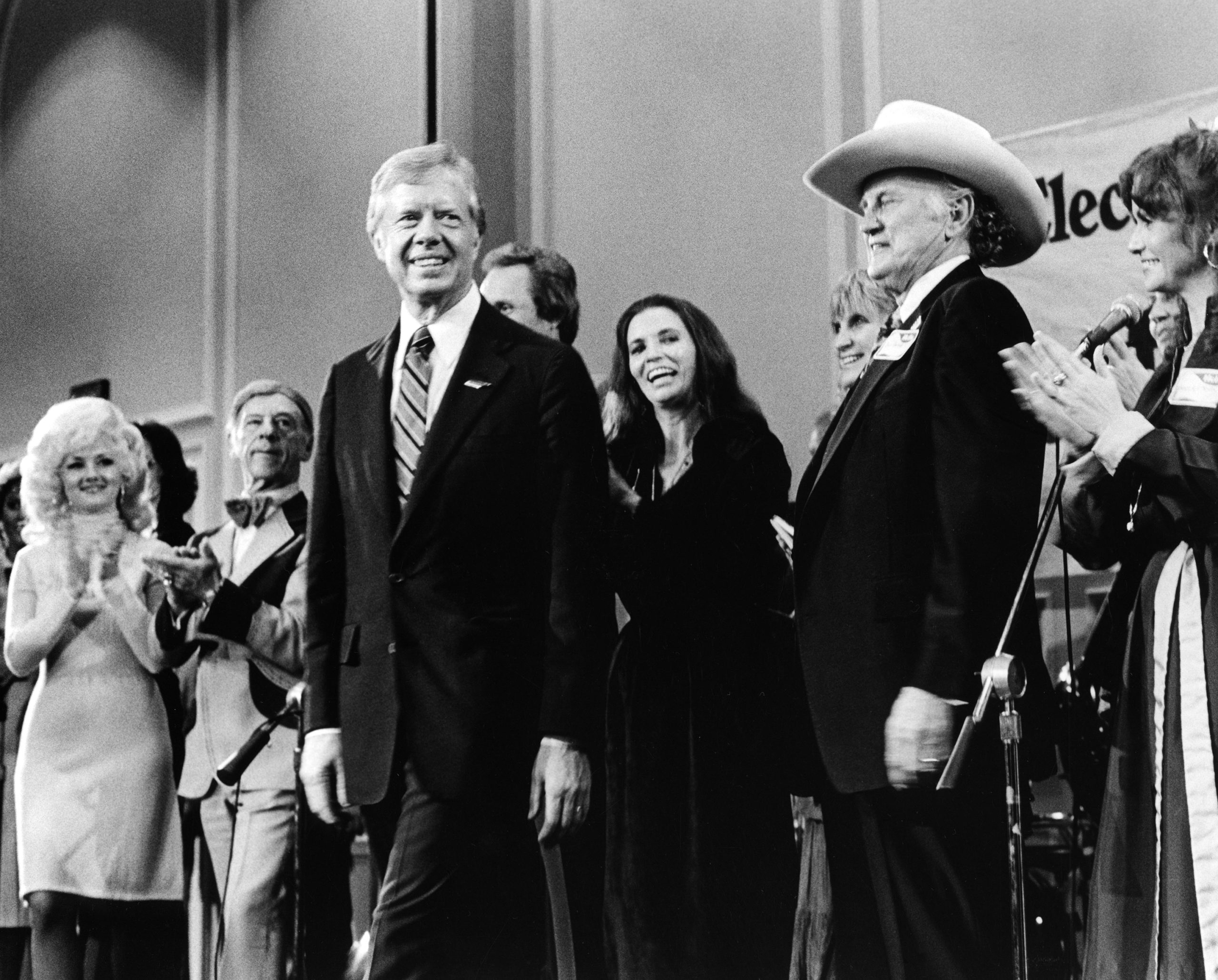
President Jimmy Carter on the Grand Ole Opry stage with Kelly Foxton, Hank Snow, Mel Tillis, June Carter Cash, Skeeter Davis, Bill Monroe, Jeannie C. Riley, and others on October 9, 1980. Photo courtesy of Ryman Hospitality Properties.
In The Beginning Was Insurance
In the 1920s, Edwin Craig was watching radio stations emerge across the nation – and seeing the money-making potential for sponsors and owners. He convinced Cornelius Craig, his father and founder of the National Life and Accident Insurance Company, that a radio station could sell a lot of insurance.
Soon, the fifth floor of the company’s downtown Nashville building held a radio studio. The call letters WSM stood for “We Shield Millions,” the company’s motto. A program that would become the lifeblood of country music started as a way to promote life insurance.
The hiring of George D. Hay away from Chicago’s WLS was the beginning of the WSM Barn Dance. The 30-year-old who called himself The Solemn Old Judge and started every show with a steamboat whistle would set the tone for much of the Opry’s 100 years – including its name.
Which all started with a clash of cultures.
Some upper-crust Nashville residents complained the only radio they could hear on weekends was string band programming from the dominant WSM station. In response, WSM began carrying the syndicated “Music Appreciation Hour.”
The Barn Dance slot followed the classical program, and Hay, not one to pass up a good line, said, “For the past hour, we have been listening to music largely from Grand Opera, but from now on, we will present ‘the Grand Ole Opry.”
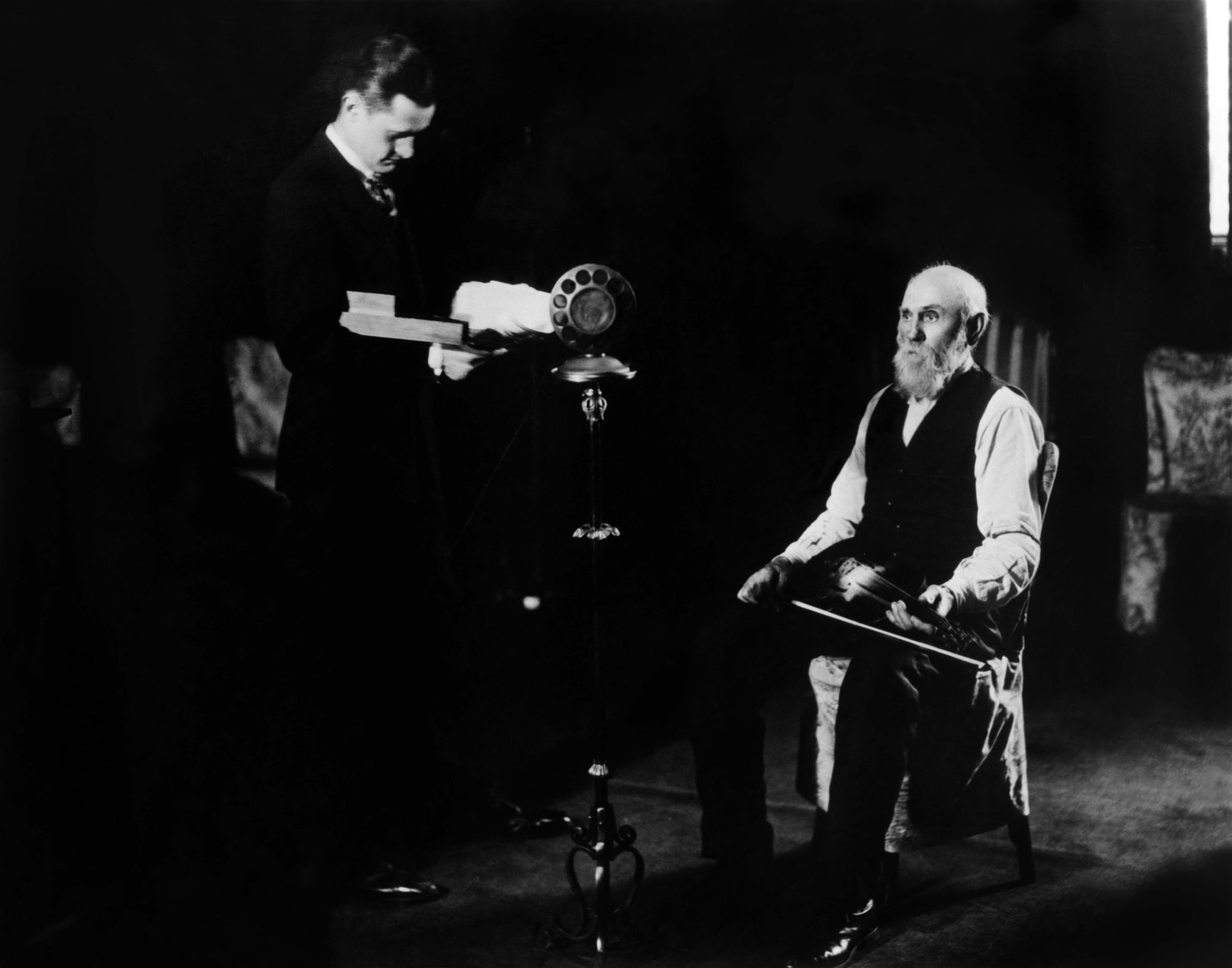
George D. Hay is pictured at microphone with a whistle and Uncle Jimmy Thompson is seated in this 1925 photograph from when the Grand Ole Opry was still the WSM Barn Dance. Photo courtesy of Ryman Hospitality Properties.
For years, the Shield Men – door-to-door National Life and Accident insurance salesmen carrying the company’s shield logo – introduced themselves as representing the Grand Ole Opry. They would even listen outside windows to see who was tuned in to the Opry – and who would be a likely customer.
The earliest WSM shows relied on local talent, running heavily toward fiddlers and string bands. But Hay would invite whoever he thought the audience would like.
DeFord Bailey, a Black musician grounded in both the blues and old-time string band music, became a regular, wowing audiences with his harmonica. Kitty Cora Cline, the first female soloist, performed on hammered dulcimer, and Fred Shriver played the accordion. Uncle Dave Macon on his banjo with Sid Harkreader on fiddle and guitar set the stage for the comedy that would remain central to the Opry’s success, with songs like, “Keep My Skillet Good and Greasy.”
A Beacon
As the recording industry grew, the variety of musicians available to the Opry grew, as well. The show began featuring brother duets, cowboy music, Western swing and solo crooners. Bill Monroe & the Blue Grass Boys were featured stars for decades.
Opry singers expressed the joys of new romance, the happiness of Sunday dinner on the lawn, the sorrow of lost love, and the loneliness of leaving home. Audiences across America listened – and related. The Opry became a focus of family life.
Dolly Parton, like many rural listeners, grew up without electricity. Her family faithfully listened to the Opry on a battery-powered radio. Waylon Jennings’ dad would hook their radio to the car battery. Jeannie Seely’s family would pile in the car and drive up a hill until they could get the signal. Opry history is filled with stories of musicians who listened as children – and dreamed of growing up to perform, like their idols, on the iconic stage.
Opry member Dierks Bentley, who gracefully moves between country and bluegrass, told BGS, “Being invited to join at all is the biggest honor – especially for me, personally. I grew up listening to all the Opry greats on the radio with my dad, so becoming a member is like having the ultimate backstage pass to see the best musicians in the world. And to be invited by Marty Stuart … hands down, it was one of the coolest nights of my life.”
Dan Rogers, the Opry’s senior vice president and executive producer, said the Opry has always been a place to celebrate the good times and be uplifted during the tough times. “Think about,” he said, “the folks who tuned in on Saturday nights during World War II. That was their only source of entertainment throughout the week.” Minnie Pearl, with her signature “How-dee,” and Roy Acuff gave them respite from war news.
On the first show after the 9-11 attacks in 2001, Rogers said, “Our background singers sang an a cappella version of ‘God Bless America.’ And one by one, the people in the audience stood and sang along. And I remember thinking, I bet everybody tuned in across the country is singing along to ‘God Bless America.’”
The Opry’s response to the COVID-19 crisis created desperately needed connection during a frightening time of isolation.
Just a week after deciding that live audience shows weren’t safe, Opry staff arranged a pared-down streaming production with no audience and a skeleton crew. Longtime cast members Bill Anderson, Jeannie Seely and Connie Smith held down the first night alongside Mandy Barnett, Michael Cleveland & Flamekeeper, and Sam Williams.
For the second weekend of restrictions, veterans Vince Gill, Marty Stuart, and Brad Paisley sat on stools spread out across the stage and pulled off what Rogers called “a beautiful, beautiful show.”
Watching from his office, Rogers started reading comments from grateful listeners. For months, people marked their calendars to tune in. They wrote, “I’m in Europe. I set my alarm. It’s 2 a.m. here, but I wanted to experience this with a community.”
Marty Stuart, Vince Gill, and Brad Paisley perform for an empty Grand Ole Opry House during the COVID-19 lockdowns in 2020. Photo by Chris Hollo, courtesy of Ryman Hospitality Properties.
Kathy Mattea, the newest Opry inductee, feels those connections whenever she performs there.
People may have sung along to her hit “18 Wheels and a Dozen Roses” in their car or in the shower, but at the Opry, she says to BGS, “Here’s your chance to sit with an audience and sing this song that everybody knows. Nobody knows who the person next to them voted for and it doesn’t matter at that moment.”
“The Ellis Island of Country Music”
In the early days of radio, what was called hillbilly music was as limitless as the range of a 50,000 watt radio station. And the Opry remains dedicated to maintaining those wide open spaces.
Garth Brooks and Trisha Yearwood, in their forward to the book 100 Years of the Grand Ole Opry, refer to the show as the “Ellis Island of Country Music – a place where all are welcome.”
Contemporary country often has been accused of being homogenous and limited. But despite the factors that have controlled commercial country, the Opry maintains its open-arms attitude. Rogers said, “The two core tenets of an Opry show are celebrating the past, present, and future of country music, and also showcasing multiple genres under the country music umbrella.”
In any show, he said, “You might have something that’s on the top 20 of the country charts today. And you’ll have country classics. You might have a contemporary Christian song, Americana string music, or even something from outside the genre by somebody who just happens to be a country music fan or was influenced by country music.”
In 1974, the R&B-oriented Pointer Sisters included an original country song, “Fairytale,” on their second album. The cross-over hit earned them an invitation to the Opry stage, where they became the first Black group to perform.
Ringo Starr appeared for the first time in 2025 and James Taylor’s debut on November 11 will be remembered as a big part of the 100th anniversary celebration.
And, Rogers said, “Because we can do it, it’s fun to take a chance on a new artist.”
Before his first Opry appearance in July 2022, Zach Top had no hits to his name. But Rogers remembered the programming team saying, “You don’t see an artist like that every day. It sure feels to us like our audience would absolutely eat that guy up!” Today, Top’s music is everywhere.
Bluegrass has been a staple since before it had a name and it has never lost its place on the stage. Bentley and Del McCoury played “Roll on Buddy, Roll On” when the Grand Ole Opry House first reopened after the 2010 flood closed its doors for months.
Charlie Mattos is a 10-year veteran Opry announcer and longtime co-host and producer of WSM’s morning show. He said that on any given night, a portion of the Opry House audience “may truly have never seen a bluegrass band play.”
“And when Del McCoury and the boys finish with an incredible instrumental,” Mattos continued, “or Sister Sadie blisters the stage … the enthusiasm that comes out of that crowd, the immediate standing ovation for the insane musicianship that they have just witnessed …” Mattos said, “it blows their minds.”
Mattea said, “Bluegrass is front porch jazz – the virtuoso playing and the vocals and the harmonies and the trading off of licks. That’s how I fell in love with bluegrass.” And the Opry exposes millions to that brilliance.
A Good-Natured Riot
The Opry show is a complex set of acts and sets requiring precision planning, flexibility, and good nature on the part of the announcers – and commitment on the part of the performers. Rehearsals are brief or non-existent. Timing is everything.
Borrowing a phrase from George D. Hay, the Opry is still sometimes called a “good-natured riot.”
Mattos said, “When you come to see the show live, you see it all. The set changes. The artists leaving as the announcer sends them off. You can see the stage crew out there and usually in 90 seconds they can completely swap things around.”
But while reading a commercial during set changes, Mattos may notice the stage manager giving the “stretch” signal. He might have to keep talking for as long as four minutes – a millennium in radio time.
Sometimes the commercials themselves become the entertainment.
The first time Glad Wags sponsored an Opry segment, Chuck Morgan was announcing. While he stood off-stage reading the dog food commercial, house bassist Bill Linneman came up behind him and started barking. “By my last year there, there were like 20 people behind me going at it,” Morgan said. (The consensus is that Connie Smith does a great chihuahua imitation.)
A Family
Jeannie Seely – who racked up nearly 5,400 performances on the Grand Ole Opry before her passing in August 2025 – remembered it was more than the music that fueled her desire to join the Opry: “That’s hearing these people, like Mr. Acuff and Minnie [Pearl] and Jimmy Dickens and all of them, coming together every week,” she says in 100 Years of the Grand Ole Opry. “They always sounded like they were so glad to be together. They picked on each other and joked, and I thought, that’s just like a family.”
And they were family. When the plane Jim Reeves was aboard crashed in a wooded Nashville suburb, Marty Robbins and Ernest Tubb joined the search party, as did the elegant Nashville socialite Sarah Ophelia Colley Cannon – known as Minnie Pearl.
Opry star Jean Shepard was expecting her second child with husband Harold “Hawkshaw” Hawkins when Hawkins died in the plane crash that also killed Patsy Cline and Cowboy Copas. After months feeling adrift, as Shepard was quoted in the 100 Years book, “I looked down my driveway one day and here come two big black limousines full of the so-called ‘higher-ups’ from the Grand Ole Opry. They said, ‘We want you to come back to the Grand Ole Opry.’ And it really meant a lot to me.”
The family feeling is no accident. In earlier years, Opry members had to perform a specified number of Saturday nights a year. While there’s no set number today, Rogers said they look for a sense of commitment in new members. “It truly is about that relationship,” he said.
Rogers quoted Mattea, upon her invitation to become a member, saying, “These people treat you like family, no matter what.”
One of Mattea’s favorite Opry memories involves a bass player who toured with her. “He was sitting on a stool, playing and singing some old Western swing chestnut, and suddenly Riders in the Sky leaned into the dressing room in full regalia and started singing harmony.
“He was gobsmacked. He felt it was the highlight of his life,” she said.
Bluegrass performer Kody Norris’ music is influenced heavily by first- and second-generation bluegrass. But the band’s preference for flashy suits dates back to a family-friendly welcome Norris received 25 years ago.
His parents took nine-year-old Kody backstage at the Opry, “and I met Bill Anderson. And he had on a red rhinestone suit. That’s the first one I ever saw up close, where I could touch it.”
Later that day, upon meeting his equally rhinestone-clad hero, Porter Wagoner, young Kody got so excited he spit out his chewing gum. Wagoner graciously grabbed two Opry-logoed napkins, one of which the little boy used for his gum. The other one the grown Norris still keeps in perfect condition.
The Circle is Unbroken
In 1974, the Opry left its revered home of decades, the Ryman Auditorium, to move to the deliciously air-conditioned 4,400-seat Grand Ole Opry House.
To honor its longtime home, the Opry crew cut a circle out of the Ryman stage and inset it in the new Opry House stage. The circle symbolizes the Opry’s continuity, respect for the past, and optimism for the future.
Mattea experienced that sense of a completed circle on the day she became an Opry member.
“Suzy [Bogguss] was there. We’ve toured together and sung on each other’s records. She’s my closest artist friend, and she was the only one at the ceremony who was not a member. And I thought how generous it was of her to be there.
“So, while I was overflowing with celebration, to get to invite my friend to the party publicly in the name of the Opry was the sweetest gift. It was a moment I’ll never forget, and I’m going to be there for her induction, too.” Bogguss will officially be inducted as an Opry member in early 2026.
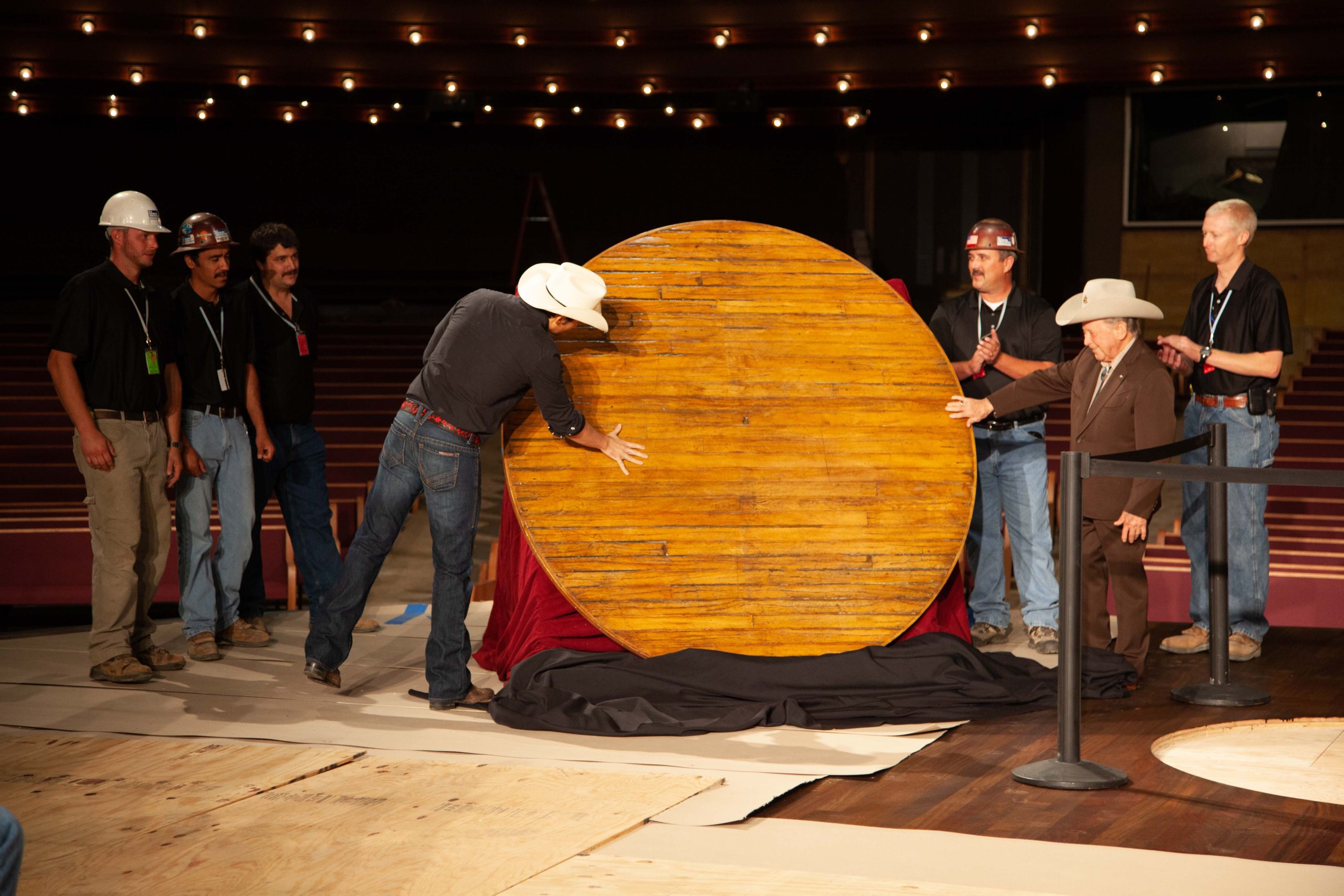
Braid Paisley and Little Jimmy Dickens return the Circle to the Opry stage after the 2010 flood. Photo courtesy of Ryman Hospitality Properties.
Join The Celebration
There’s nothing low-key about the Grand Ole Opry – so in the classic Opry spirit, fans have had plenty of opportunity to celebrate the centennial all year long.
Earlier this year, NBC broadcast a three-hour anniversary special, with dozens of stars ranging from Reba McEntire to Jelly Roll to The War and Treaty. The Opry also took the show to London’s Royal Albert Hall for the very first time. You can stream clips of these and other Opry events on YouTube and social media.
With the Virgin Music Group, the Opry has produced the album Opry 100, Country’s Greatest Songs (released November 7). Among the unforgettable recordings are Vince Gill singing his heart-rending “Go Rest High on That Mountain,” Dolly Parton singing “I Will Always Love You,” and Ashley McBryde covering the classic “Your Cheatin’ Heart.” You can order the album from the Opry site.
Craig Shelburne, Brenda Colladay, and Opry members and employees collaborated on 100 Years of the Grand Ole Opry, a book filled with anecdotes and photos that vividly illustrate the Opry’s remarkable history. And to teach your children well, there’s also a new childrens’ picture book written by Emily Frans and illustrated by Susanna Chapman. Find them in your local bookstore.
And, on November 28, 2025, the official 100th anniversary of the Grand Ole Opry we all hold dear, the Opry is celebrating with two huge birthday party shows featuring country stars and Opry members like Vince Gill, Ricky Skaggs, Trace Adkins, Dailey & Vincent, Bill Anderson, Jamey Johnson, Marty Stuart, and many, many more. Tickets are available here.
Of course, the celebrations will continue in 2026.
“The Opry is the core and soul of country music,” Bentley said. “It’s a place where the past, present and future of our genre all come together. There isn’t anywhere else like it.”
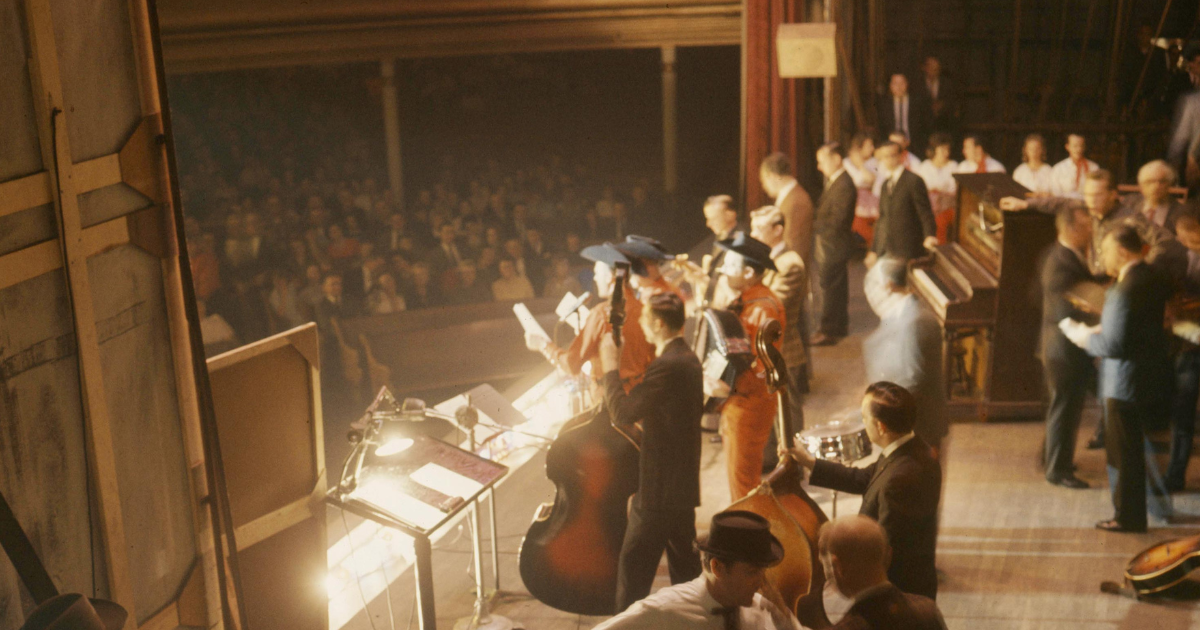
All photos courtesy of Ryman Hospitality Properties, credits and attributions as marked. Lead image: Bill Monroe & the Blue Grass Boys and the Opry Square Dancers take the Opry stage at the Ryman Auditorium in the 1960s.
While every country star knows how to tell a good story, it takes a particular strain of excellence to also be able to write one.
Songwriting is the gravitational center around which Good Country orbits. Lyrics that strike at the oceanic spread of human existence, chords that evoke its sprawling underbelly – the songwriter weaves both words and notes together, using each as a tool to explore the other.
Uniquely attuned to the value in lyrical narrative and authenticity, country music self-selects its fair share of multi-hyphenate talents who, beyond their performative prowess or instrumental skills, have a knack for setting pen to paper. From Willie Nelson to Kacey Musgraves, country carries an extensive lineage of talented songsmiths. The following collection merely scrapes the surface of the best country star songwriters. Unsurprisingly, this list is a tangled web with many superb songwriters covering, popularizing, and collaborating on one another’s songs in true communal country fashion.
Willie Nelson
With over 300 songwriting credits to his name, Willie Nelson is indubitably one of the most prolific songwriters of all time – not just in country. Having written his first poem at the age of six, Nelson has nearly nine decades of steadfast dedication to the craft under his belt. Patsy Cline’s 1961 recording of “Crazy” lifted his songwriting further into the limelight. His pen went on to produce such potency that it helped define an entire new subgenre in the ‘70s— “outlaw country.”
Prized for his rebellious and forthright lyrical attitude, Nelson values raw emotion over placative commercial appeal, ironically earning him one of the most successful careers in country history. Over the years, Nelson has delivered a seemingly endless stream of hits performed by both himself and countless other musical giants, including Loretta Lynn, Merle Haggard, and Dolly Parton, just to name a few.
Bobbie Gentry
Bobbie Gentry is the keeper of a robust legacy of composing and performing. Having written her first song at age 7, Gentry taught herself to play a slew of instruments throughout her youth. When she attended college at UCLA, she began performing her songs out at the occasional nightclub, signing to Capitol Records some years later as an aspiring songwriter. In 1967, Capitol Records released “Ode to Billie Joe,” a song that Gentry had written and recorded herself. Gentry told The Washington Post that despite wanting to write songs for other artists, she only sang “Ode to Billie Joe” herself because it was cheaper than hiring another singer.
Despite her previous obscurity and the song’s dark tenor, “Ode” crept up the charts, surpassing the likes of Aretha Franklin and The Doors until it eventually pushed “All You Need is Love” out of the No. 1 spot. This astronomical success marked only the beginning of an industrious career for Gentry; she would go on to write and perform several other smash hits in addition to becoming the first woman to host a variety show on the BBC. She would later produce, choreograph, and write the music for her own nightclub revue in Las Vegas prior to retiring from show business.
Roger Miller
The King of the Road had range! Roger Miller’s songwriting legacy entailed chart-topping hits he wrote and performed himself, such as (of course) “King of the Road,” “Dang Me,” and “England Swings,” in addition to many that he wrote for other artists, such as “Billy Bayou” for Jim Reeves and Ray Price’s “Invitation to the Blues.”
His imaginative impulse made him uniquely qualified for the projects he took on later in life, including writing the music and lyrics for several songs in the 1973 animated Disney film Robin Hood, in which he also voiced Alan-a-Dale, the film’s rooster narrator. His acting career was even furthered by another musical project – Miller wrote the entire score for Big River, a Broadway musical based on Mark Twain’s The Adventures of Huckleberry Finn. The musical premiered in 1985 and earned a total of seven Tony Awards, including Best Score. Miller even played the part of Pap (Huck Finn’s father) onstage for three months following the original cast member’s departure for Hollywood.
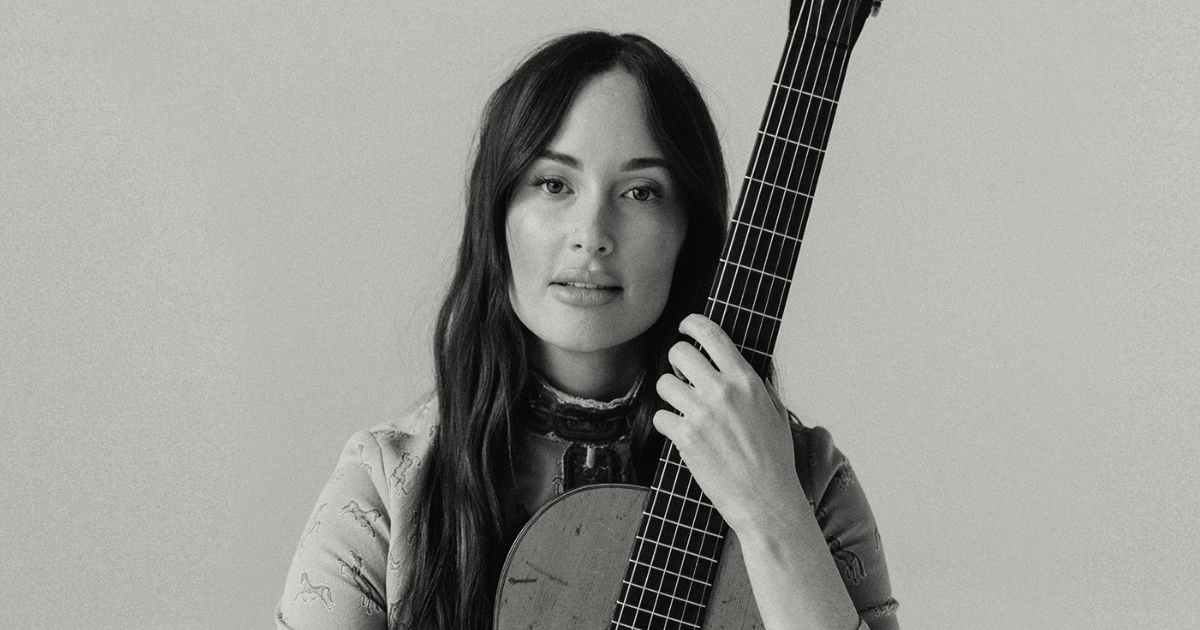
Kacey Musgraves
One of the most influential women in today’s country sphere, Kacey Musgraves has sculpted a name for herself for both her instrumental/vocal prowess and her impactful songwriting capabilities. Her solo catalog is chock-full of compelling songs that explore the “nuances of being a human, alive and experiencing consciousness,” as she told The Cut. The thoughtful universality of her songwriting has attracted a distinguished array of performers, with Musgraves contributing her skills to songs performed and recorded by Martina McBride, Miranda Lambert, and Deana Carter, among others.
Kris Kristofferson
This September marked a year since his passing, but Kris Kristofferson’s legacy continues to burn bright. His songs maintain a rugged, raw quality without sacrificing any of their vibrance. Though Kristofferson only landed one No. 1 hit on Billboard’s Hot Country Songs chart performing his own original material, his songs were platformed by many others featured on this list, including “Help Me Through the Night,” which Sammi Smith, Loretta Lynn and Willie Nelson recorded, and “For the Good Times,” a tune made famous by Ray Price that was later recorded by Dolly Parton, Merle Haggard, Willie Nelson, and more. Kristofferson also penned a fair number of tunes for The Highwaymen, the country supergroup composed of Waylon Jennings, Willie Nelson, Johnny Cash, and Kristofferson himself, including their titular hit, “Highwayman.”
Trisha Yearwood
Author, singer, chef, Food Network television show host – just when we thought Trisha Yearwood had done it all, her 16th studio album, The Mirror, arrived this past July to showcase yet another talent you may not know that she held all along: songwriting. In an interview with Billboard, Yearwood recounts that discouragement during her college years largely held her back from incorporating songwriting into her career over the past three-plus decades. “It made me think I wasn’t a songwriter and I just always downplayed it,” she says.
The Mirror boasts powerful co-writes with many songwriters who’ve contributed to Yearwood’s earlier albums, including Rebecca Lynn Howard (“I Don’t Paint Myself into Corners”) and Maia Sharp (“Standing Out in a Crowd”). Of homing in on her songwriting craft, Yearwood shares, “It was really something that clicked a couple of years ago. I started writing and it was really kind of therapeutic and really evolved naturally out of something I felt like I needed to do and I’m so happy with how it came out.”
Merle Haggard
Widely recognized as one of the most legendary singer-songwriters of the country canon, Merle Haggard was a staunch believer in writing from his own experiences – of which he had many worth writing about. After losing his father at age nine, Haggard wound up in all sorts of trouble, from several stints in juvenile detention to developing a strong hitchhiking and train hopping habit. His rambunctious tendencies followed him into adulthood and eventually landed him in prison after an attempted robbery and subsequent failed jailbreak.
In 1960, Haggard’s life changed forever upon attending a Johnny Cash concert while incarcerated at San Quentin State Prison, which deeply inspired him. Upon his release later that year, Haggard set out to forge his own country career, garnering unspeakable success. From “Workin’ Man’s Blues” (co-written with Roy Edward Burris) to “The Bottle Let Me Down,” many of Haggard’s songs have become perennial classics.
Jimmy Buffett
Of all the narrative-focused songwriters, Jimmy Buffet undoubtedly took the premise of “world-building” the most literally. “Margaritaville,” the hit song which Buffett claimed took him only six minutes to write, has a transcendent legacy. From hotels to casinos to Broadway musicals, Buffett’s profoundly popular songwriting grew an empire. Of course, “Margaritaville” was certainly neither the beginning nor the end of Buffett’s extensive songwriting career; having released 30 albums (8 of which are certified gold and 9 of which are certified platinum or multi-platinum by the RIAA), Buffett was credited on upwards of 350 songs over the course of his life.
Don Gibson
Responsible for the songwriting behind some of the most famous songs in country history, Shelby, North Carolina, native Don Gibson was such a force that he, in fact, penned two of his most influential songs in the same day. “Oh Lonesome Me” and “I Can’t Stop Loving You” – which would go on to be recorded over 700 times by other artists including Ray Charles, Kitty Wells, and Loretta Lynn – were both conceived in a trailer park north of Knoxville, Tennessee, in 1957.
Bonnie Raitt
In addition to being the utter powerhouse musician that she is, Bonnie Raitt also knows her way around some lyrics. Having written most of her own music and with artists like Stevie Nicks and The Chicks covering her songs, Raitt’s songwriting has left an indelible mark on the blues, country, and Americana scenes. She’s known for her thoughtful and emotionally dynamic posture; for instance, her song “Down the Road” was inspired by a New York Times article Raitt read about a prison hospice program. Another, “Just Like That,” earned her a GRAMMY for Song of the Year and was inspired by a news segment featuring two families experiencing either end of an organ donation. Written from heartful depths, Raitt’s lyrics are both inspired and inspiring.
Cam
Best-known for her Grammy-nominated 2015 hit, “Burning House,” Cam (AKA Camaron Ochs) is one of the most prominent songwriters in the contemporary country scene. Another star and composer, in addition to her own four studio albums, Cam has writing credits featured on work from some of the largest industry giants in any genres. She has composed material for artists from Sam Smith to Miley Cyrus and 2024 saw her songwriting, backing vocals, and production lending a hand in several songs off of Beyonce’s chart-topping, culture-shifting country release, Cowboy Carter.
John Hartford
John Hartford’s talents truly knew no bounds. In addition to his multi-instrumental expertise, he was a fleet-footed clogger who could tear up a rug while he played. And he sure did know how to write a song. His most successful songwriting credit, “Gentle on My Mind,” (popularized by Glen Campbell and henceforth covered over and over again) earned him three GRAMMY awards and a listing among BMI’s Top 100 Songs of the Century. With covers from folks like Loretta Lynn, Willie Nelson, Dolly Parton, Merle Haggard, and many more, it’s safe to say Hartford was one of the most respected – and most recorded and most covered – roots songwriters of his time. And of our time, too, as evidenced by this I’m With Her performance of “Long Hot Summer Days,” a Hartford original fiddler Sara Watkins once recorded on her own solo project.
Chris Stapleton
A fav of Good Country and our audience alike, Chris Stapleton has had a tremendously successful performing career in both bluegrass (via The SteelDrivers) and country (as a solo artist). His guitar prowess and smoky vocals aren’t his only claims to fame; even before his rise to stardom, Stapleton had written songs for some of the most commercially successful names in country and beyond. He’s been the pen-power behind songs for industry giants such as Luke Bryan, Kenny Chesney, Darius Rucker, George Strait, Lee Ann Womack, and more. Adele even recognized the potency of Stapleton’s powers back in 2011, having recorded a version of his smash hit SteelDrivers song “If It Hadn’t Been for Love” on a deluxe version of her album 21.
Dolly Parton
They don’t call Dolly Parton the queen of country for nothing! Illustrious and industrious, Parton estimates that she’s composed nearly 3,000 songs in her lifetime, with somewhere around 450 of them recorded. Her ability to world-build through dynamic characters and narratives has set the modern country standard for story-songs, with “Coat of Many Colors,” “9 to 5,” and, of course, “Jolene” being just some of her most chart-topping successes. She’s also written plenty for other artists – think Merle Haggard, Kenny Rodgers, Hank Williams Jr., Waylon Jennings, Emmylou Harris, and Tina Turner, just to name a few. And of course, we’d be remiss not to mention that Parton penned the biggest hit of Whitney Houston’s career!
Darrell Scott
In 2007 Darrell Scott was named the Americana Music Association’s Songwriter of the Year, and this year, 2025, he received a Lifetime Achievement Award from the organization, too. In short, Darrell Scott is a songwriting powerhouse – in addition to his status as one of Nashville’s premiere session musicians.
Similarly to many other artists on this list, albeit with his own stylistic flares, Scott champions the narrative song, writing tunes full of dynamic characters and story arcs that mesmerize. Outside of his own successful solo work, songwriting for others is the bedrock of Scott’s career. Among countless other contributions, Scott wrote the Chicks’ “Long Time Gone” (later to be sampled in Beyoncé’s “Daddy Lessons”), Travis Tritt’s hit song, “It’s a Great Day to Be Alive,” and the ever-relevant “You’ll Never Leave Harlan Alive,” which has been covered by Patty Loveless, Brad Paisley, Chris Stapleton, Kathy Mattea, Luke Combs, and many more.
Want more Good Country? Sign up to receive our monthly email newsletter – and much more music! – direct to your inbox.
Editor’s Note: Each issue of Good Country, our co-founder Ed Helms will share a handful of good country artists, albums, and songs direct from his own earphones in Ed’s Picks.
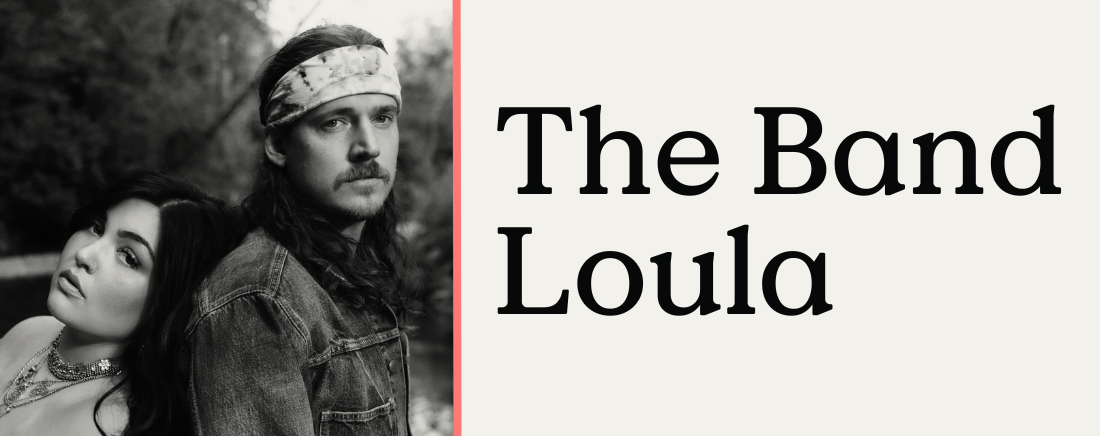
Gospel-infused, blues-inspired “swampgrass” from North Georgia, this Americana duo reminds of the Civil Wars, the SteelDrivers, and the Secret Sisters. Even so, they certainly have a sound all their own. Their new EP, Sweet Southern Summer, arrives August 22.
Read more about the Band Loula in conversation with Dierks Bentley here.
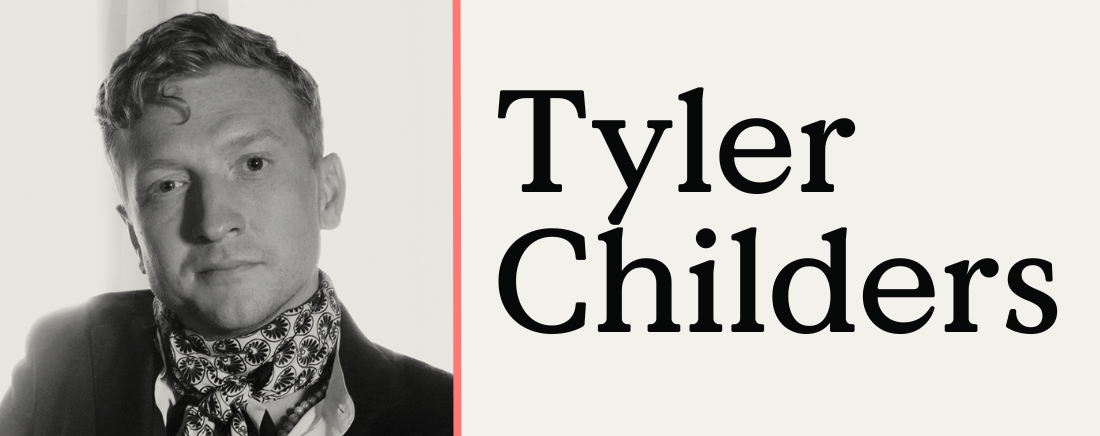
Our old favorite Timmy Ty has done it again! Snipe Hunter is a masterpiece of traditional postmodern Appalachian music. It’s hilarious and heartfelt, entirely unserious and devastating, too. No matter the textures and genres he references in his work, Tyler has always been Good Country (and very bluegrass, too).
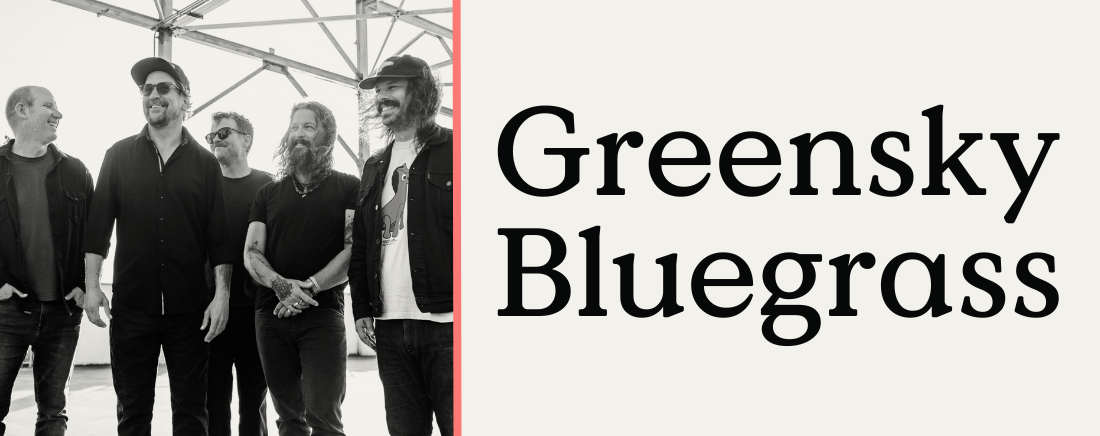
Bluegrass and jamgrass fans rejoiced in late July when our longtime pals in Greensky announced their upcoming album, XXV, marking 25 years of this incredibly impactful string band. With the announcement they released “Reverend,” featuring their Michigan compatriot Billy Strings. Here’s to the new album – and to the next 25 years! We can’t wait.
The Texas Hill Country floods devastated fertile territory for roots music and Good Country in west Texas in early July. The artistic community has responded en force, quickly assembling quite a few star-studded benefit shows, concerts, and on-the-ground relief efforts.
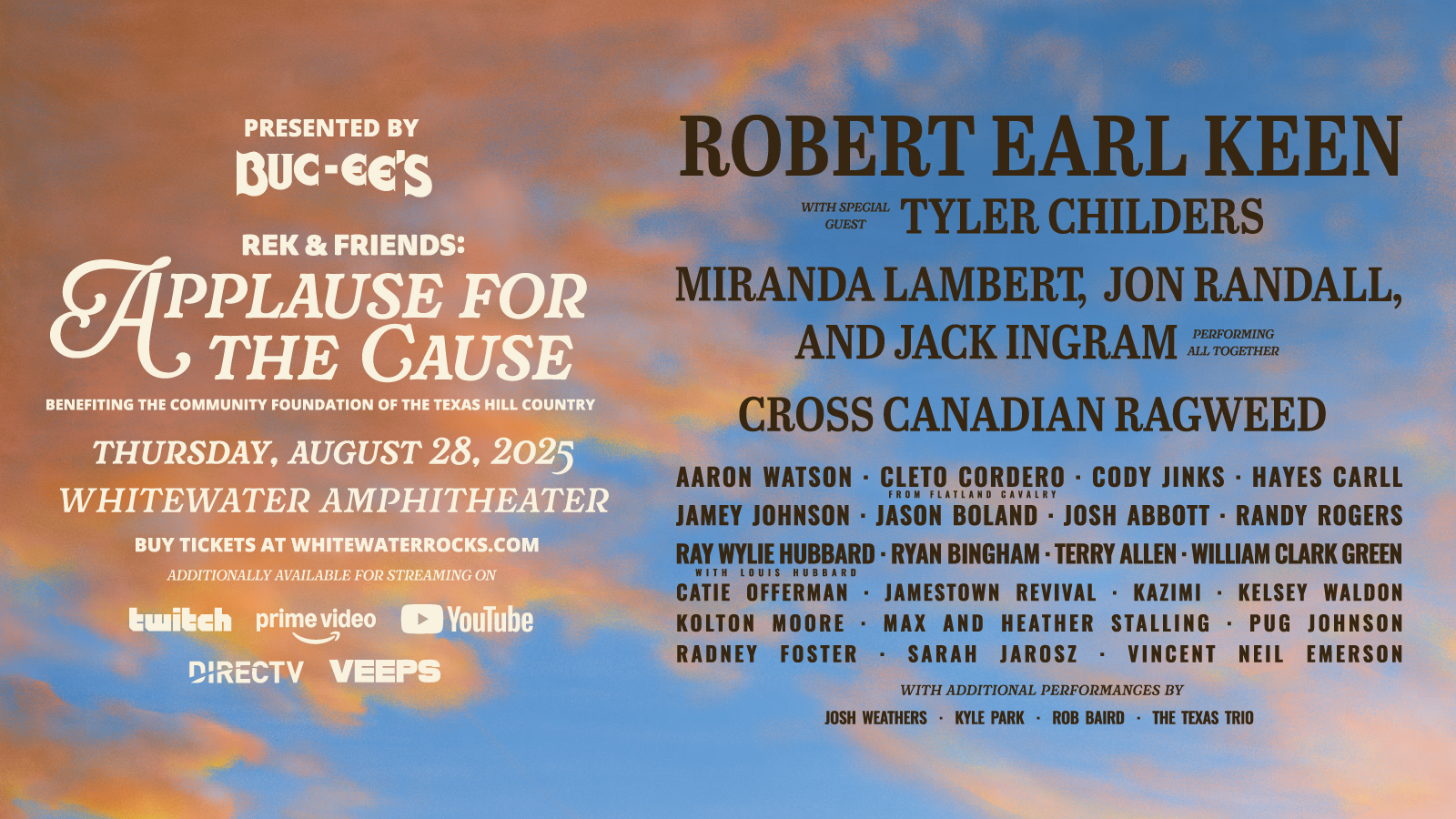
Robert Earl Keen – together with a host of partners and sponsors – has convened a superlative lineup for just such an event, Applause for the Cause, to be held August 28 in New Braunfels, Texas. Featuring appearances by luminaries such as Tyler Childers, Miranda Lambert, Cody Jinks, Ray Wylie Hubbard, Kelsey Waldon, Jamey Johnson, and many more, the show almost immediately sold out. The good news is you can watch the performances via streaming (Amazon Music, DIRECTV, Veeps) and REK’s YouTube channel. The even better news is you can still donate directly to the Community Foundation of the Texas Hill Country, beneficiaries of the evening, to support the cause.
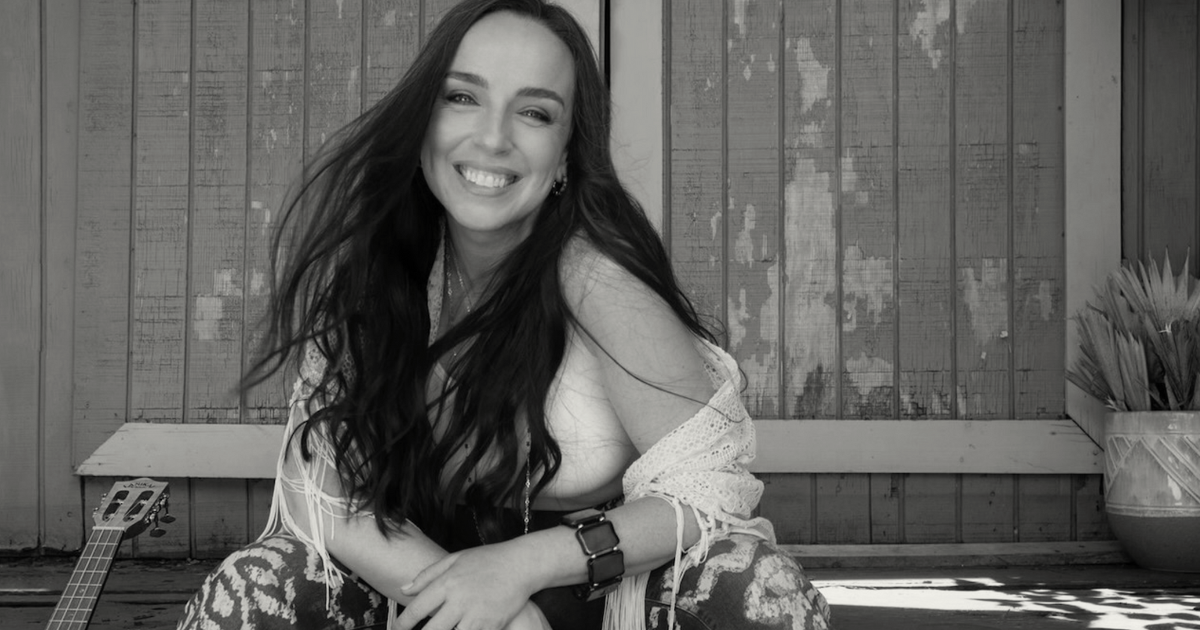
Yes, Trisha Yearwood is a country legend of stage and screen, but did you know she’s a stellar songwriter as well? Her brand new album, The Mirror, reflects this fact with 15 tracks all co-written by the Grand Ole Opry member. Plus, the collection features guests like Jim Lauderdale, Charles Kelley, and Hailey Whitters. THIS is Good Country!
Want more Good Country? Sign up to receive our monthly email newsletter – and much more music! – direct to your inbox.
Photo Credits: The Band Loula by Sara Katherine Mills; Tyler Childers by Sam Waxman; Greensky Bluegrass by Dylan Langille; Robert Earl Keen by Emma Delevante; Trisha Yearwood by Russ Harrington.
Artist:Rebecca Lynn Howard Hometown: Salyersville, Kentucky Latest Album:I’m Not Who You Think I Am (out May 2, 2025) Personal Nicknames (or rejected band names): My family and friends call me Aunt B
What has been the best advice you’ve received in your career so far?
The best advice I’ve ever received is to tell the truth, no matter how hard, no matter how messy. People don’t connect with perfection, they connect with honesty. When I started writing from that place, everything changed. Music became more than just a craft. It became a way to heal, not just for me but for my fans too.
What’s the toughest time you ever had writing a song?
Honestly, the hardest songs to write are the ones I need to write the most. There was a time after my dad passed away when I couldn’t write at all. Every time I tried, it felt like I was staring into this giant void of grief and I didn’t have the words to make sense of it. Eventually, I stopped trying to force it and just let myself feel everything. When I finally sat down to write again, the song came out in one sitting. It was like the words had been there, waiting for me to be ready.
Which elements of nature do you spend the most time with and how do those impact your work?
Water, hands down! There’s something about being near water, whether it’s the ocean, a river, or even just a hard rain that takes away the noise in my head. It’s where I think the clearest and where my best lyrics come from. It helps me know that everything moves in seasons, especially the hard things.
If you were a color, what shade would you be – and why?
I’d be a deep blue… the kind that’s somewhere between dusk and the ocean just before a storm. That kind of blue is my favorite color cause it holds a lot of depth, beauty, a little bit of sadness, but also an understated kind of strength.
Since food and music go so well together, what is your dream pairing of a meal and a musician?
I’d love to sit down to a slow, home-cooked Southern meal. Something warm and comforting, like my mom’s homemade biscuits and honey butter, with a side of conversations about Jesus. And the perfect soundtrack? Probably someone like Johnny Cash or Brandi Carlile. Something raw – and real – and full of stories.
In 1993, Alice Randall became the first Black female songwriter to pen a #1 country hit (“XXX’s and OOO’s” recorded by Trisha Yearwood).
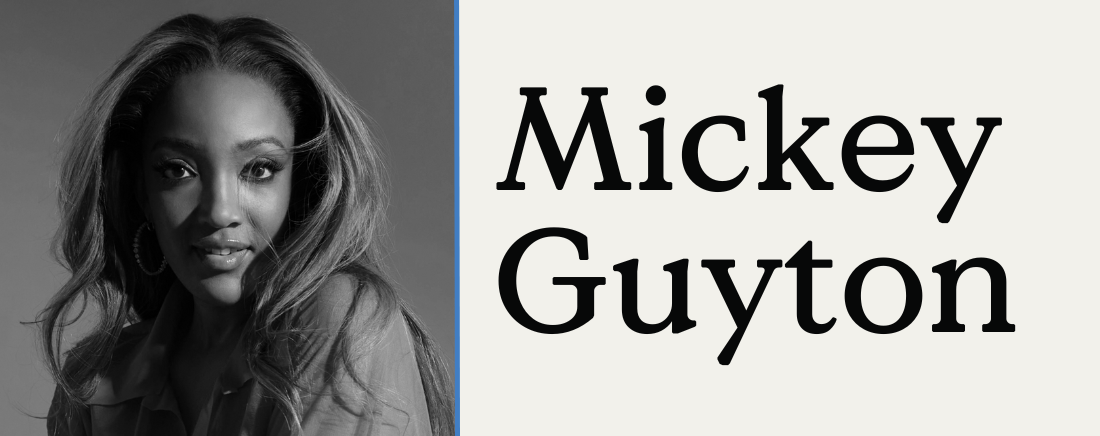
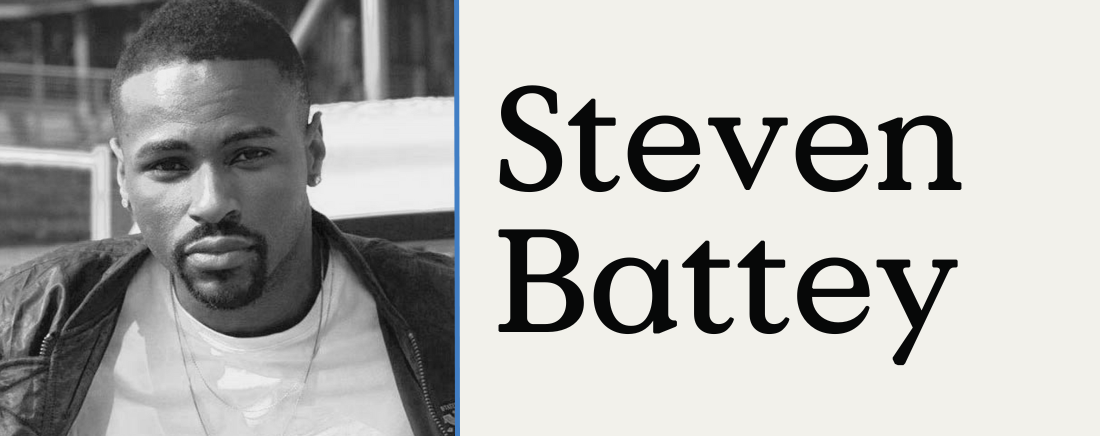
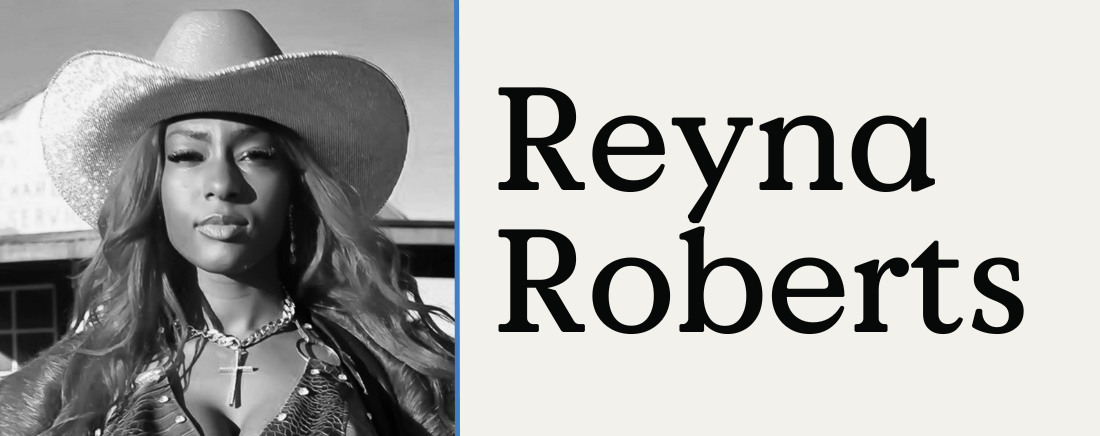
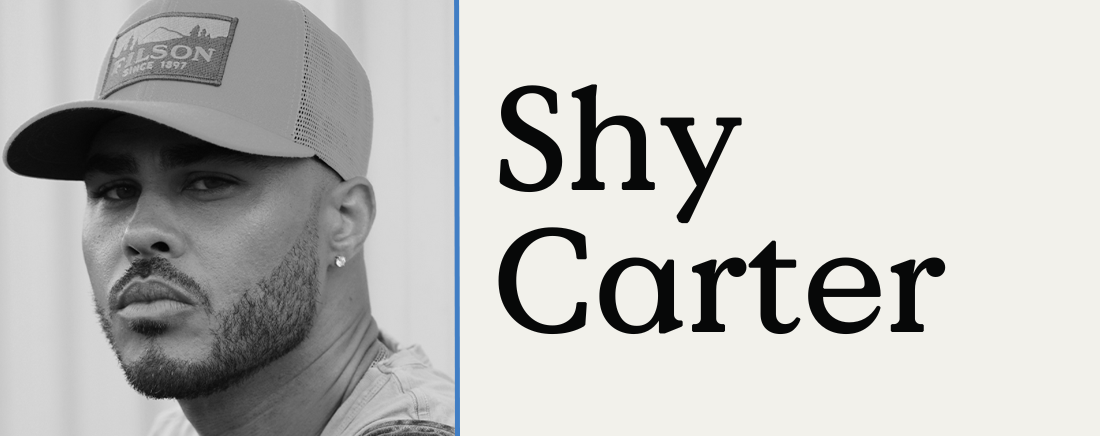
Even today, over thirty years later, the representation of Black writers on Music Row is seriously lacking. But that doesn’t diminish the immense talents that have found success in Nashville, both writing for themselves and others. From Shy Carter to Brittney Spencer, here are eight Black songwriters changing the country music scene one song at a time
Hometown: Detroit, MI
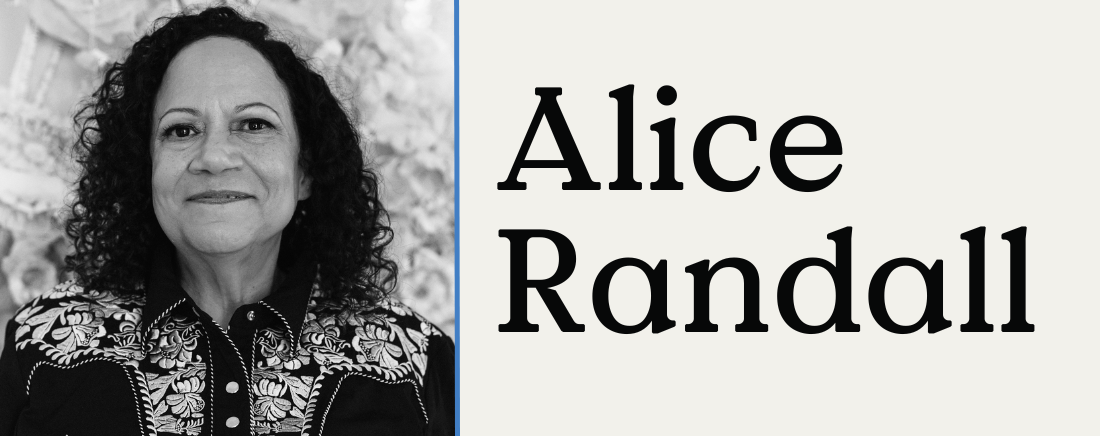
Songwriter, author, and educator Alice Randall is a Harvard grad, a New York Times best-selling novelist, a professor of African American and Diaspora Studies at Vanderbilt University, and was the first Black woman to co-write a number-one country song with Trisha Yearwood’s “XXX’s and OOO’s.” Her songs have been cut by artists like Glen Campbell, Mark O’Connor, Radney Foster, Holly Dunn, and many others.
Alice is a preeminent historian telling the story of the immense and foundational influence of Black people on country music, a narrative largely eclipsed by Nashville’s retelling of the origins of the genre. She recently released a new book called My Black Country, alongside an Oh Boy Records album release of Randall’s songs performed by prominent Black women artists.
Hometown: Baltimore, MD
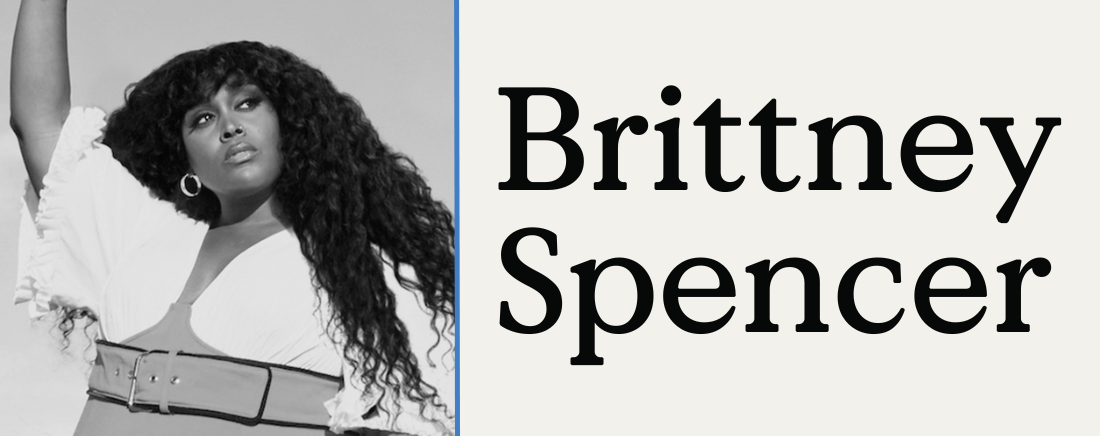
A fateful viral tweet in 2020 may have brought powerhouse performer and songwriter Brittney Spencer to the spotlight but her phenomenal songwriting and performing talents have positioned her as a key voice in the zeitgeist. Raised in a musical family, she began singing at an early age at her church in Baltimore. She honed her musical abilities on the piano and guitar before moving to Nashville in 2013 to attend MTSU and pursue a career in country music.
Her candid truth-telling pushes boundaries and opens doors that were previously hard to open. She told CBS News, “I don’t know, I’m a plus-size Black girl from Baltimore City, in Nashville doing country music. On paper that sounds weird as hell!”
Her meteoric rise has placed her on stages with some of the all-time greats like Willie Nelson, The Chicks, Reba, and Maren Morris, and appearing on shows like The Today Show, The Late Show, the CMAs, and ACMS.
In January 2024, Spencer released her first full-length album, My Stupid Life, to much critical acclaim. She recently appeared as a guest artist on Beyoncé’s Cowboy Carter album rendition of The Beatles’ “Blackbiird.”
Hometown: Muscle Shoals, AL
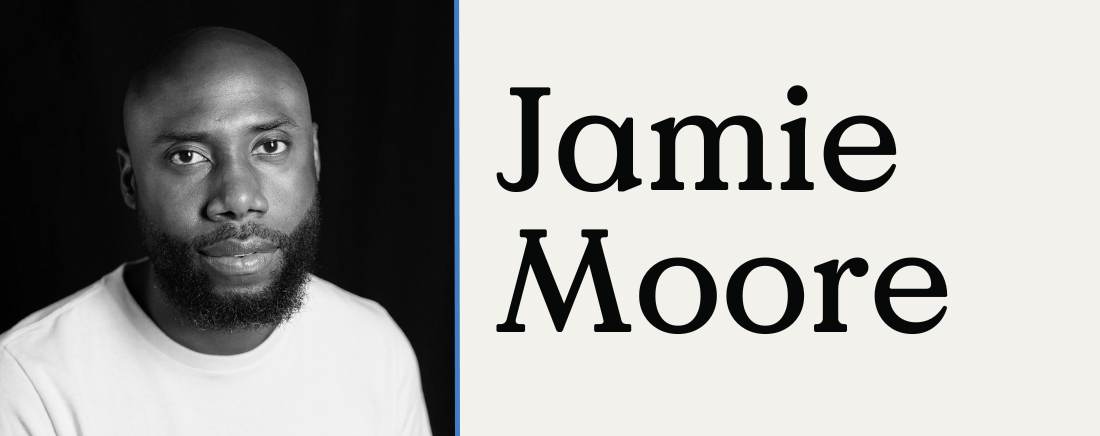
Three-time Grammy nominee Jamie Moore is a multi-hyphenate embodied. As a producer, songwriter, and multi-instrumentalist, Moore’s rise began soon after arriving in Nashville. As a songwriter, he’s received cuts from artists across many genres like Meghan Trainor, Idina Menzel, Carrie Underwood, TobyMac, Chris Lane, Bren Joy, Blake Shelton, Florida Georgia Line, Tim McGraw, Carly Pearce, and Andy Grammer. He had 2020’s fourth most streamed song of the year with Morgan Wallen’s double platinum number-one, “Chasin’ You.” In 2016, Moore found his song “May We All” at the top of the charts with Florida Georgia Line.
Moore recently testified in front of the Tennessee House Banking and Consumer Affairs Subcommittee on behalf of the Human Artistry Campaign on the importance of protecting human creation in the face of AI developments, which led to the passage of the historic ELVIS Act.
Hometown: Arlington, TX
Raised in Texas, Mickey Guyton began singing and performing at an early age, inspired by a LeAnn Rimes’ performance of “The Star-Spangled Banner.” Her resilient career has been bolstered by her commitment and passion for addressing societal issues and her own, sometimes bumpy, journey to the forefront of country music.
Leaving Texas for California, Guyton spent the early years of her career in Los Angeles before arriving in Nashville in 2011. She signed to Capitol Records and released Unbreakable, her first EP, in 2015 and hit the charts topping out at #34 with her single “Better Than You Left Me.”
Out of the events of the momentous summer of 2020, in the wake of the George Floyd protests and the Black Lives Matter movement, Guyton released “Black Like Me” to much critical acclaim and her first GRAMMY nomination. With a shift to an open and passionate reflection on her experiences with racism and sexism in the country music world, her songwriting and performances launched her to international stardom. She was the first Black woman to host the Academy of Country Music Awards in 2021. In a full circle moment for the performer, Guyton performed “The Star-Spangled Banner” at the 2024 Super Bowl.
Hometown: Savannah, GA
Along with his brother Carlos, as songwriting duo Jackie Boyz, the Batteys have written and produced songs for artists like Madonna, Justin Bieber, and David Guetta. Raised in Georgia and named after their mother Jackie, the two moved to Los Angeles and together received a GRAMMY Award for 2011’s David Guetta-led remix of Madonna’s “Revolver” and went on to receive many more nominations.
Steven relocated from LA to Nashville in 2014 to pursue a shift to country music, and quickly fell in with country darling Luke Combs. Together, they penned “One Number Away,” which reached Billboard Country Airplay’s number-one spot in 2018 and won Battey ASCAP’s Song of the Year award in 2019.
Hometown: Anchorage, AK
Though born in Alaska, Reyna Roberts’ journey to country music brought her to the American south due to her parents’ military careers. Her childhood passion for performing took the family to California so that Roberts’ could pursue a career in music. She bounced between Nashville and Los Angeles for years, honing her songwriting and performing craft before permanently relocating to Nashville in 2020. It was in Nashville that Roberts quickly became a key figure in the country music scene and a leader in the new generation of Black country artists.
Pianist, songwriter and performer Roberts released her 2020 debut single, “Stompin’ Grounds,” followed by multiple appearances on Monday Night Football. In 2021, Roberts opened for country superstar Jamey Johnson on his 2021 summer tour and shortly thereafter signed a publishing deal with Nashville-based Eclipse Music Group.
In the fall of 2023, Roberts released her debut album Bad Girl Bible, Vol. 1. Alongside Brittney Spencer, Roberts was featured on Beyoncé’s version of The Beatles’ “Blackbiird” on 2024’s Cowboy Carter.
Hometown: Memphis, TN
Genre defying songwriter, artist and producer Shy Carter was raised between the suburbs of Atlanta and Memphis. Steeped in the music of church and Beale Street and playing saxophone from an early age, Carter was discovered by a talent scout in 2007.
He had his first hit as a songwriter with Rob Thomas’ “Someday” in 2009. He secured his name in the Nashville songwriting lexicon when he penned Sugarland’s infectious bop “Stuck Like Glue” in 2010.
With production, featured artist, and songwriting credits a mile long, including Charlie Puth, Billy Currington, Tim McGraw and Faith Hill, Kane Brown, TobyMac, Jamie Foxx, Keith Urban, and Meghan Trainor, Shy Carter is solidified as a go-to creator in the Nashville country music scene.
Hometown: Columbus, GA
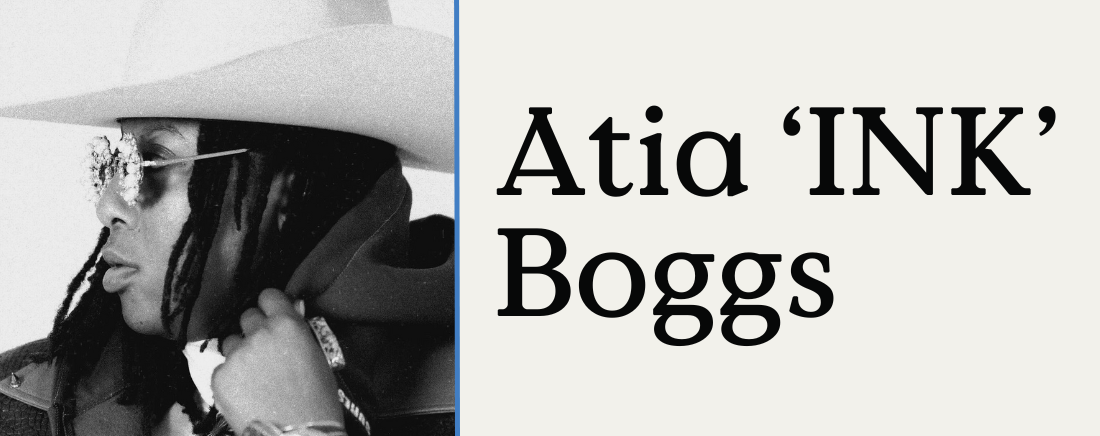
Grammy-nominated, multi-genre, and multi-hyphenate INK has been on the songwriting scene since 2015. She has collaborated with artists like Tamar Braxton, Monica, Rick Ross, Chris Brown, and Leon Bridges. In 2022, she penned three songs on Beyoncé’s powerhouse album Renaissance, including “Alien Superstar.”
Always rooted in her southern upbringing, INK was a natural call for Beyoncé to collaborate with on Cowboy Carter (which INK revealed was actually completed prior to the release of Renaissance). INK wrote and produced the wildly successful single “16 Carriages.” She also recently penned songs for artists Joy Oladukon and Jennifer Lopez.
The year’s most discussed, and in some respects, most controversial LP to date has been Beyoncé’s Cowboy Carter. Its admirers have painted Beyoncé as a trailblazer for Black country artists. They cite her inclusion on the album of both past – like Linda Martell – and contemporary Black country artists, including Rhiannon Giddens, plus the foursome of Brittney Spencer, Reyna Roberts, Tanner Adell, and Tiera Kennedy, all featured on the update of The Beatles classic, “Blackbird” (stylized “Blackbiird”). They also cite Beyoncé’s Texas background as ample proof of her country roots and sincerity.
Others, notably contributors to The Washington Post and The Guardian, have attacked the 27-song project for a variety of sins ranging from overproduction to such emphasis on idiomatic variety that the result to their ears is faceless, forgettable music. Beyoncé herself has repeatedly said “It’s not a country album, it’s a Beyoncé album,” a line that can and has been viewed many different ways.
Still, there’s been a genuine explosion of interest in Black country music the past couple of years prior to the release of Cowboy Carter. It has resulted in a host of attention for artists ranging from Charley Crockett, Mickey Guyton, Miko Marks, Rissi Palmer and Brei Carter to established hitmakers like Darius Rucker and Kane Brown. But there’s one name that stands above all others as a key figure who’s been in the country music trenches over five decades. That’s author and songwriter Alice Randall, a superb novelist and academic. Randall, a Detroit native, made the move to Nashville from Washington, D.C. back in 1983, because she wanted to showcase her skills as a country songwriter and simultaneously wanted to demolish the widely held myth that the music had no links or connection to Black music and zero audience among African Americans.
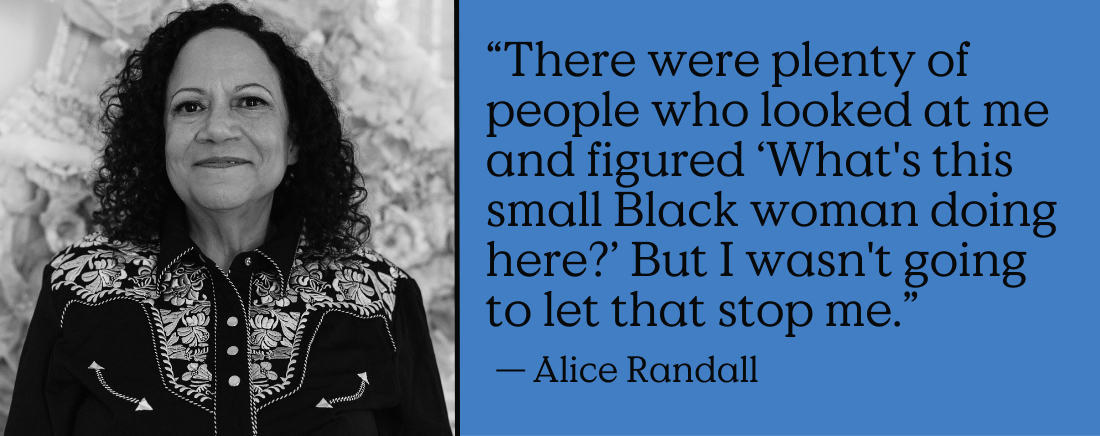
“Yes, I faced open hostility and overt racism when I began,” Randall told Good Country during a recent interview. “There were plenty of people who looked at me and figured what’s this small Black woman doing here? But I wasn’t going to let that stop me.” Randall spent plenty of time attending songwriters rounds, plus examining and analyzing the songs that were becoming hits. In her book she pays credit to Bob Doyle, who was then a songwriter liaison at ASCAP. Doyle’s Bob Doyle & Associates is the longtime management firm for Garth Brooks. Another of her early Nashville mentors was singer-songwriter Steve Earle, whom she met through Doyle. She cites Earle’s willingness to address personal and social trauma and pain as an influence on her writing style.
Randall earned her first Top 10 country hit in 1987 with the Judy Rodman-recorded “Girls Ride Horses, Too,” which she wrote with Mark D. Sanders. She also launched the publishing company Midsummer Music (which she later sold), with the aim of aiding and developing a community of storytellers. She’d soon enjoy bigger success, becoming one of the first Black women to write a No. 1 country hit, when she and Matraca Berg co-wrote “XXXs and OOOs (An American Girl),” for Trisha Yearwood in 1994. (Donna Summer previously co-wrote Dolly Parton’s “Starting Over Again” in 1980).
Randall was also a writer on Moe Bandy’s top 40 hit, “Many Mansions.” Some other notable Randall milestones include writing the treatment for Reba McEntire’s “Is There Life Out There?” music video, which won an ACM Award and features a Randall cameo. In addition, she wrote and produced the pilot for a primetime drama “XXX’s and OOO’s,” which later aired as a made-for-TV movie on CBS.
But as Randall notes in her book, additional trials can come with success. Randall recounts how after the success of “XXXs and OOOs,” a music publishing executive pressured her into signing a contract before she had time to let her lawyers look at the paperwork. That move eventually led to Randall signing away much of her writer’s share of the song’s profits, an experience she called “part of my graduate school.”
Her new book, My Black Country (and its co-released, eponymous album), nicely combines personal reflection with historical commemoration and cultural examination. It highlights Black country’s finest performers and personalities, while noting that early country music was a far more interracial activity than many realized. “It’s amazing to me how many people don’t realize that Jimmie Rodgers recorded with Louis Armstrong, or that Lil’ Hardin was also involved in that historic recording,” she continues.
Randall cites Hardin as the mother of Black Country, the premier vocalist/harmonica soloist DeFord Bailey as the papa, multi-idiomatic master Ray Charles as the genius child, Charley Pride as Bailey’s side child, and the vocalist and TV/film star Herb Jefferies, also known as the Bronze Buckaroo, as Hardin’s stepchild.
She’s equally passionate about the frequent omission from country music histories and commentary of the contributions of Black cowboys. “I fight for all the Black cowboys who have been erased, all the country and western songs through the years that did not tell those stories,” Randall told Billboard magazine in an earlier interview. “When I wrote songs like ‘Went For a Ride,’ a lot of people did not realize they were Black cowboys I was writing about… but 20 or 30% of all cowboys were Black and brown in the 19th and 20th centuries, so it’s one of the ways that African Americans have contributed so much to the legacy of country music, is through cowboy songs.”
The book also chronicles a further lineage of Black country artists, including the Pointer Sisters and Linda Martell, as well as other artists like Sunny War, Miko Marks, Valerie June, and Rissi Palmer.
With 2024 being a big year for Black country, it’s only fitting that Nashville and the music world at large recognize and celebrate Alice Randall’s achievements. Last month she published the memoir, My Black Country (Simon & Schuster), while an accompanying LP, My Black Country: The Songs Of Alice Randall (Oh Boy Records), was also released.
A pair of sold out events in Music City – a book signing at Parnassus bookstore and a combination celebration/Black Opry concert at the City Winery where contemporary Black country vocalists performed Randall tunes – were just the first events to honor the current Vanderbilt Professor of African American and Diaspora Studies as well as writer-in residence. Randall’s other notable literary feats include The Wind Done Gone, a blistering examination and parody of the book and film, Gone With The Wind.
During Black Music Month in June, Randall will appear at the Smithsonian National Museum of African American History & Culture on June 7, and she’ll return to Nashville on June 15 for another in-person conversation about Blacks and country music.
Randall’s book traces her love for country to a family relocation. While growing up in Detroit, she was also a fan of Motown and even spent some time with Stevie Wonder. But upon moving with her mother to Washington, D.C., country became the dominant music she regularly heard. As a student at Harvard studying both English and American Literature & Language Randall says it was after closely surveying Bobby Bare’s 1976 song, “Dropkick Me Through Jesus (Through the Goalposts of Life),” she really began to understand the depth and breadth of country music storytelling.
That knowledge, along with her excellence as a lyricist and storyteller, resonates throughout the many memorable and unforgettable numbers on the album My Black Country: The Songs Of Alice Randall. The roster of 12 women selected to perform the various tunes features many of today’s finest country stylists. The honor roll includes Ada Victoria’s soaring “Went For a Ride,” Allison Russell’s glorious “Many Mansions,” Rhiannon Giddens’ routinely spectacular rendition of “The Ballad of Sally Anne,” and Rissi Palmer’s poignant performance on “Who’s Minding the Garden.” Randall’s daughter, poet and commentator Caroline Randall Williams, delivers a strong performance on “XXXs and OOOs.”
Randall credits Russell for introducing her to Ebonie Smith, better known for her work as a producer on Sturgill Simpson’s Grammy-winning album, A Sailor’s Guide to Earth.
And it’s no surprise Randall would conclude our interview by weighing in on the Beyoncé LP, herself.
“She’s the only Black woman to achieve those feats [No. 1 country single and album], but I don’t think she’ll be the last,” Randall concludes. “I’m more proud of the fact that there are so many great Black country artists out there, that the Black Opry is getting national attention, and that we’re finally putting to rest that garbage about country only being for white people.”
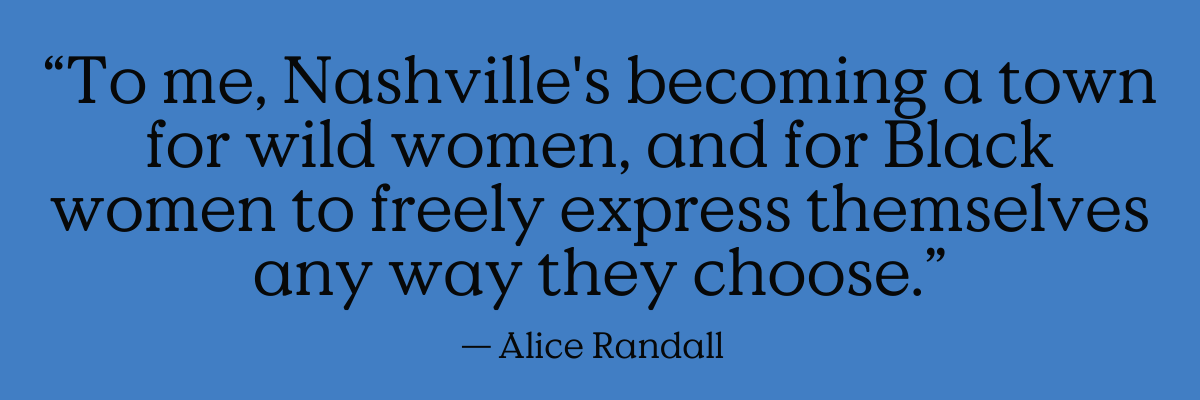
“In fact, to me, Nashville’s becoming a town for wild women, and for Black women to freely express themselves any way they choose.”
Often when songwriters talk process, we hear the same few nuggets about craft on repeat. Not Nashville Songwriters Hall of Famer Beth Nielsen Chapman, though. She has a deeply considered take on the art form and the personal work and qualities of mindfulness that truly unlock creative potential.
Chapman’s workshops and lectures are in high demand and coming in 2020 she launches The Song School, a podcast that will include her wisdom and critiques of real songs in real time. Here, she invites host Craig Havighurst into her home studio to talk about her success as an artist and writer for others (Willie Nelson, Tanya Tucker, Faith Hill, Trisha Yearwood, and many more) and how she keeps the flame lit.
“Listening to music when I run keeps my mind from wandering. It keeps me motivated and helps me keep a pace so I can sweat out whatever evil I got into the night before.” – Kendell Marvel
“Running on Empty” – Jackson Browne Those days when I don’t really feel like going for a run, all I have to do is put on this tune to get moving. That classic ‘70s feel and the lyric to this song are pure motivation. Hell, look what it did for Forrest Gump.
“Against The Wind” – Bob Seger There isn’t any other song that feels more open-road than this song. Bob Seger may be the greatest songwriter of our time. This song paints a perfect picture of the wind in your face. It just feels like freedom.
“It Ain’t My Fault” – Brothers Osborne Not only does this song have the stomp, but the guitar riffs, the B3 and the hand claps! Combined, they all make this the perfect tune to kick it up a notch. The first time I heard this ditty I was sitting around the fire in Lake Creek, Alaska, with John and TJ and they played it acoustic. It blew me away.
“Life in the Fast Lane” – Eagles From the opening riff of “Life in the Fast Lane” it is pure adrenaline. Southern California ‘70s rock ‘n’ roll had it all. From the great melodies to the even greater lyrics, these guys were head and shoulders above any other bands of that era. Except Petty, of course.
“Wrong Side Of Memphis” – Trisha Yearwood “Wrong Side Of Memphis,” was written by Matraca Berg and Gary Harrison and sung by the great Trisha Yearwood in the early ‘90s. It has that swampy, gritty feel that fires me up. It’s the perfect mid-tempo for an early morning run.
“Boots On” – Randy Houser This tune by my buddy Randy Houser is the perfect in your face, barn burner country song to work up a sweat to. His vocals are stellar on everything, but this one is exceptionally good. Not many people can sing like that cat.
“Hippies and Cowboys” – Cody Jinks This one’s my cooldown tune. After a good 4- or 5-mile run, Jinks’ laid-back retro sound brings the heart rate back down. Badass vocal by a badass dude.
“Fast as You” – Dwight Yoakam Dwight Yoakam is the king of cool and this song from the get-go gets me going. Pete Anderson’s guitar work and production on this song [make it] everything an uptempo song should be.
“Cocaine Country Dancing” – Paul Cauthen Good Lord, this song! It’s new to my playlist, but all I gotta do is push play and imagine wild man Paul Cauthen runnin’ up behind me. Immediately I knock a minute off my next mile.
“La Grange” – ZZ Top “La Grange” is dripping with angst. It either make me wanna fight or run. Since I’m a little older now I better stick to runnin’ with this Little Ol’ Band from Texas blaring in my AirPods.
“I Ain’t Living Long Like This” – Waylon Jennings The title of this Waylon tune, written by Rodney Crowell, pretty well sums up my reason for running every day. A musician’s lifestyle ain’t always the healthiest lifestyle. So I figure if I wanna hang around this world for a while I better stay in half-assed shape, so this title alone is motivation. Plus, this song just feels so good.
“Mowin’ Down the Roses” – Jamey Johnson I think Jamey Johnson is a modern-day Willie Nelson. This song has so much grit and cockiness it’s hard not to run with a little swagger when it’s on.
“Runnin’ Down a Dream” – Tom Petty Well, I saved this one for last because who do you play after Petty? Nobody! “Runnin Down a Dream” is the perfect rock ‘n’ roll song as far as I’m concerned. It’s reckless, it’s rockin’, it’s brilliant, and it makes me feel young. How else do you wanna feel when you’re on a run?
Photo credit: Alysse Gafkjen
This website uses cookies to improve your experience. We'll assume you're ok with this, but you can opt-out if you wish.AcceptRejectRead More
Privacy & Cookies Policy
Privacy Overview
This website uses cookies to improve your experience while you navigate through the website. Out of these, the cookies that are categorized as necessary are stored on your browser as they are essential for the working of basic functionalities of the website. We also use third-party cookies that help us analyze and understand how you use this website. These cookies will be stored in your browser only with your consent. You also have the option to opt-out of these cookies. But opting out of some of these cookies may affect your browsing experience.
Necessary cookies are absolutely essential for the website to function properly. This category only includes cookies that ensures basic functionalities and security features of the website. These cookies do not store any personal information.
Any cookies that may not be particularly necessary for the website to function and is used specifically to collect user personal data via analytics, ads, other embedded contents are termed as non-necessary cookies. It is mandatory to procure user consent prior to running these cookies on your website.