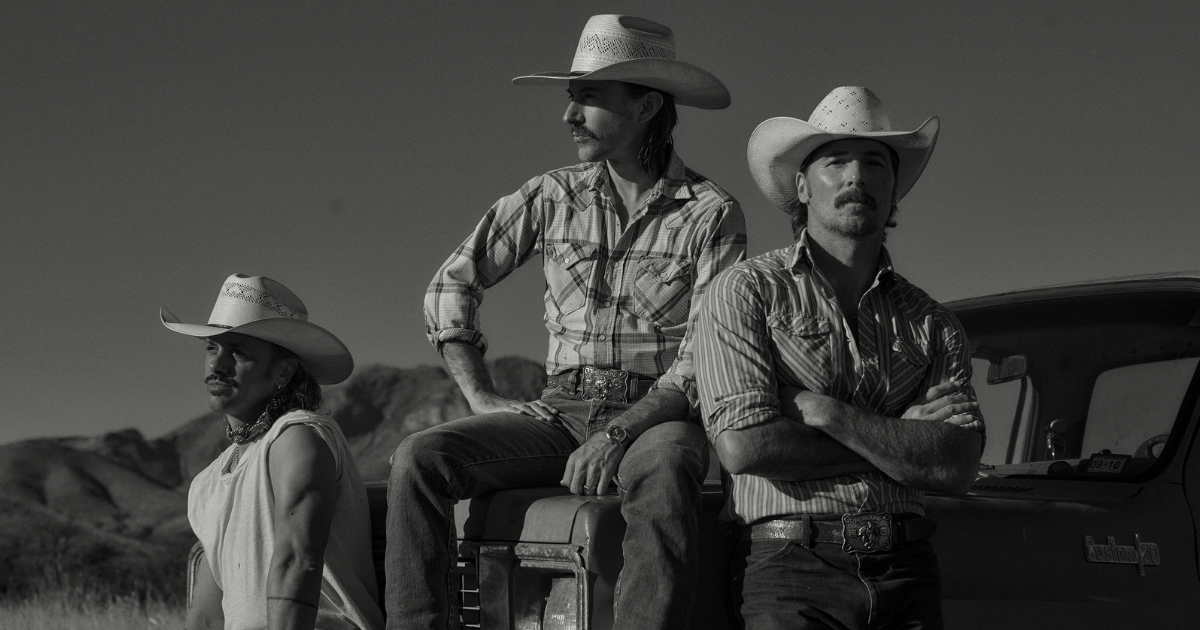
Midland Continue to Lead Country’s Vintage Revival

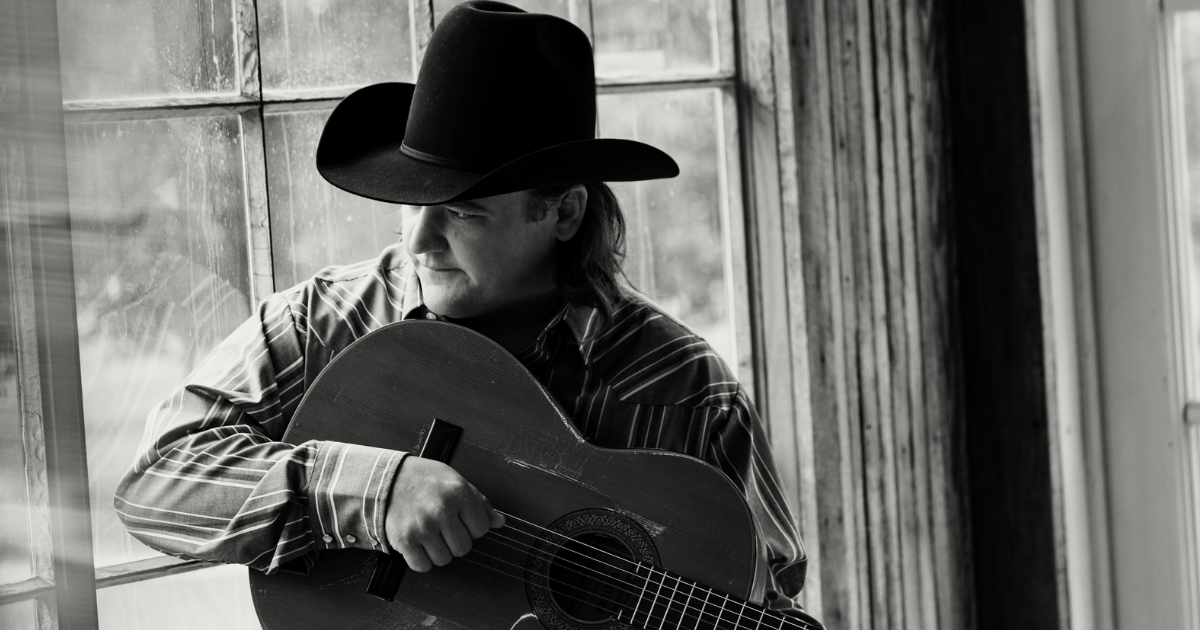
Ever since they injected vintage swagger and rhinestoned style back into the country mainstream with 2017’s “Drinkin’ Problem,” Midland’s Mark Wystrach (lead vocals), Cameron Duddy (bass/vocals), and Jess Carson (guitar/vocals) have been on a journey.

The GRAMMY-nominated trio have welcomed new stages of life alongside new physical stages, rising from roadside honky-tonks into the legendary clubs they still consider home, and on to the biggest venues in the world. Their climb mirrored their evolving country influences, which began with a love for the treble-and-twang sound of the 1960s and progressed on through the ’70s, ’80s, and beyond, helping lay a revivalist foundation for this current new generation of neo-traditionalist artists. Despite all these changes, they never lost sight of their own brotherhood – or their bar-band roots. Their new album Stages is the proof.

Working primarily with producer Trent Willmon for the first time (Jamie Moore also contributed), Stages finds Midland looking back to their road-dogging Texas beginnings, while bringing their throwback renaissance toward the rich tones of the ’90s era. As a former artist with a late-’90s/early-2000s Texas pedigree, Willmon knows that form well, and it fits Midland like a tailored Manuel suit. Over 10 new tracks, timeless barstool themes unfold under gentle, genuine twang and three-part harmony, taking the masters of modern retro to a new peak.

Good Country spoke with Jess Carson about the current stage of Midland’s story and where the classic-country resurgence may go next. We also touched on the band’s ideal venue, covering bluegrass tunes, and the best course of action when encountering a song written by Dean Dillon.

Midland has always struck me as being about more than just throwback nostalgia. There’s a theme and message behind your work, so what’s the title Stages mean to you?

Jess Carson: I think there’s definitely a part of it that is self-referential for us. I think it’s there in the title, it kind of references our own journey all the way back to The Sonic Ranch, which we ended up releasing later, but was the first time we got together– shoot, 12 years ago. It’s been a long road and journey and we’ve been through a lot of stages. And we’re also very much a road band, so there’s that play on words that’s so popular in country music.

Different physical stages too, right?

Yeah. Which is really where we’ve grown up. From playing in dive bars around the Austin, Hill Country area to … I mean, our last show was at [Arlington, Texas, stadium] Globe Life Field.

That’s amazing. There’s a lot of growth there. You guys have gone through a lot together.

We have, yeah. We’ve done a lot of growing up – but are still pretty immature, probably.

“Young at heart” is a better way to put it, maybe.

Well, part of being a musician is that Peter Pan thing. It’s hard to imagine Keith Richards on the phone trying to figure out some bank charge or something.

I’m interested in the physical stages idea, because your band has stayed really committed to and supportive of smaller stages [like the Palomino Club in LA, which Midland reopened for one night in 2019 to record a 2020 live album], even as you’ve leveled up to the biggest venues in the world. I just wonder why you love the small stages so much?

I think as a musician, you’re always going to love that. It’s the most intimate. It’s where you start out – for us and country music. The kind of dive bar honky-tonk thing is always going to be the most intimate and at least for us, it’s where things feel the most at home. These places around here [in Austin], The Broken Spoke and Gruene Hall, Luckenbach, and places like that. That’s where it feels like the music is at home and it’s the easiest place to catch a vibe. If you play at Global Life Field, for example, you can see the people right in front of you. But you can’t see the people way up in the upper deck.

Where did you want to take the sound this time? Over your career you’ve always blended Texas, Nashville, and California country influences very freely.

I don’t know. All of our albums are really a mix of what we’re listening to at the time, what we’re inspired by. For some reason I was reading this Tom Waits interview recently and he said that he’s in the salvage business. More than being a musician, he’s salvaging all these different bits of inspiration. I can identify with that. Going through the stages of our history and our catalog, I think in the beginning we were maybe inspired by stuff that was even older than where we are now. Maybe our stuff sounds more ’90s now than when we started, when there was a lot more, like, ’60s influence.

It’s just whatever place we’re in. I don’t know how thought out it is. I don’t know how thought out anything we have ever done is. [Laughs]

Maybe that’s the secret. How do you feel about where the country mainstream is right now? I would imagine you’re really enjoying this, because you have a lot of like-minded artists out there with you.

Yeah, I think we played a big part in opening the door for what’s going on right now.

Absolutely.

There was a handful of people. Cody Johnson is one that was really doing that sound in 2014 and is massive now, and Jon Pardi. And then I think we inspired a lot of acts. That’s a big part of our legacy. We were in that class of people who kicked the door down and got steel guitar on the radio again, or at least back on the radio during a time when the mainstream was really thriving. So yeah, I’d say more than ever since we’ve been doing it, it’s like classic country is having this moment. Like, that’s being valued now. You know what I mean?

Totally. I wonder though, do you feel like maybe it’s time for a second wave of this renaissance that you guys helped kick off? Now you can have steel guitar on the radio. Songs with a honky-tonk edge are taken seriously commercially. But could we go further? I mean, do we need some Eddy Arnold-style crooning?

Ooh, that’s a good question. I mean, I don’t know. The older stuff feels more difficult.

You’re saying it could go too far.

It’s like, the stuff that’s ’90s influenced right now, it feels very effortless. Who’s going to say they don’t love Alan Jackson or George Strait, Keith Whitley, Clint Black, Shania Twain?

The ’50s stuff, I love all of that. “Make the World Go Away” and all that kind of stuff, I love it. For whatever reason, it’s harder to make that not feel like cosplay. But, that would be super cool if there was somebody who felt like they came out of this time warp and it felt authentic, because that’s some of my favorite songwriting. Willie Nelson’s songwriting from back then. Tin-Pan-Alley-meets-Nashville/American-songbook type songwriting. It’s the coolest in my opinion. But I think maybe it is harder to do that and have it not feel like a shtick in 2026.

Tell me a little bit more about the album here. Was there a moment when Stages started coming into focus for you creatively, and when was that?

Well, we work on albums through the tour cycle. We don’t really take time off to work on the album, so they definitely have their own way that they take form over time. … This one was the way we’ve done the other albums, where we’ll go to Nashville and spend two days here or four days there. I think the first song we did was “Drunk Enough” and that was like – I don’t even know, over a year ago?

“Drunk Enough” almost felt like a follow-up to “Drinkin’ Problem.” Like, it’s a little farther on in the story. You’re still having fun in the “Drinkin’ Problem” time period, but then things progress and it gets a little sadder.

Well, actually I think “Drunk Enough” is, to me, as close as we probably can get to doing that old American-songbook type sound. With the chord changes and the melody, I think there’s a lot of that old inspiration. If there’s something that could be tied to Eddy Arnold, it would probably be that one from the album.

Can you tell me a little about where “Marlboro Man” is coming from? It seems like there’s a cost that comes to living the way you guys do. Have you felt that?

Definitely. We didn’t write that one, but when we heard it, it was like, “Yeah, we can identify with the aging cowboy.” Or just the guy that’s acknowledging the sacrifices and what it takes to get to this place. All three of us can certainly identify with that character.

It was really fun to go down to Southern Arizona and shoot that music video and also tap into the visuals, the images in that song and the cinematic quality of it, too. But yeah, that’s an old Dean Dillon song that he wrote a while ago. I don’t even know, maybe 10 years ago.

Well, his are all timeless immediately.

Yeah. If you can get an old Dean Dillon song, take it.

Another I want to ask you about is “Drinkin’ Dark Whiskey.” BGS [the parent outlet of Good Country] is a bluegrass outlet at its core, and I remember that song from the SteelDrivers back when [Chris] Stapleton and Mike Henderson were there. What made you want to record that and turn it into something new?

That was one the label sent over and they just felt like it would be great to get an uptempo [track] on [the album]. I think our albums, you want to hit these different cornerstones and especially to be able to integrate into the live set. We’re always going to want to have a “Mr. Lonely,” or we’ve been playing “Boot Scootin’ Boogie” in the set since we re-did that with Brooks & Dunn [for Reboot].

Certainly from the SteelDrivers and Gary Allan, the song had a life before us getting to it. But I think we’re able to put our own spin on it and we’re already playing that one live. It’s just a fun one in the set.

What about “Up In Texas.” You co-wrote this, and it features Clint Black. You mentioned some of the famous Texas dancehalls earlier in the chat here, and this song is kind of a tribute to all the cool things that make Texas what it is, right? Do you still have a lot of love for Texas?

Oh yeah. I’ve been here for, gosh, close to 20 years, and it’s where I’m going to stay. It’s where the band was formed. Mark’s in Colorado now. Cameron and I are still here in Texas. We’ve always been a Texas band. We never did move to Nashville. We probably would’ve gotten a lot farther if we had. But I very much see ourselves as a Texas honky-tonk band still. And there’s been so many songs written about Texas.

Totally.

It’s like that old saying, “How do you tell if somebody’s from Texas? Just wait 10 seconds and they’ll tell you.” People here are so proud of Texas. But you got to do it. The thing is, you can tell if it’s forced. You can tell if you’re pandering.

When we did “Up In Texas,” Josh Osborne came in with that line, “Out of 10, it’s 11/ I bet even in heaven/ They say ‘Up In Texas.’” That was one of those ones that when he said that, it gave me goosebumps. Lines like that don’t come along that often. I love that payoff so much.

Let me get your take on what you think is next. Not just for your band, but what’s next for your kind of music? For country that still feels rooted in the past, but also has a progressive soul. Life has changed for everybody and now you’ve got AI coming online. Where’s your music headed?

We’re hoping to get some AI robots that can just take over touring for us. [Laughs] We’re trying to build something in the garage right now. No, man, who can even say they know where this is all going to land with AI stuff?

I saw an Instagram post yesterday of this guy, it was a Bronc rider and it was a video of his ride, and somebody commented, “AI ain’t taking this guy’s job.” I think in music we hope that there will always be this kind of soul that you can’t replicate. … I don’t know that I have too much wisdom. We don’t have any interest in using [AI] for songwriting or anything like that. I think that’s pretty obvious. … I think we are purists in that way and the stuff that we love was done very organically, and we’re going to just continue to do what we do.


Photo Credit: Harper Smith
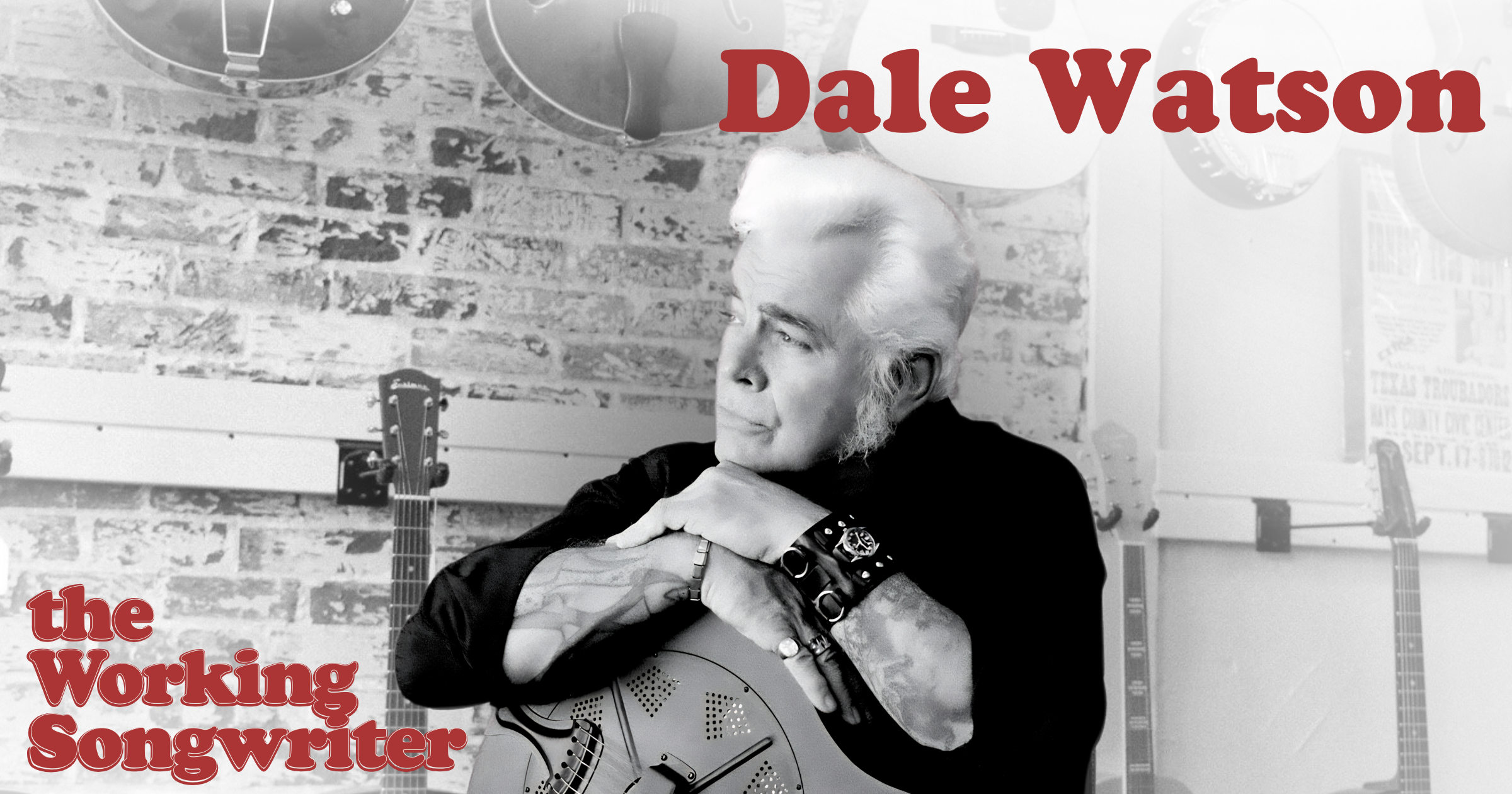
The Working Songwriter: Dale Watson

Our guest this week was born in Birmingham, Alabama, but, just like Davy Crockett, got to Texas as soon as he could. Dale Watson began his musical career playing the clubs of Houston before decamping to Austin and becoming a fixture in the live music capital of the world. The music machine in Nashville never fully embraced Watson’s traditionalist combination of Western swing, rockabilly, and country, but he’s built a devoted cult following the world over on his own. It’s a style of music that he calls “Ameripolitan.”

LISTEN: APPLE • SPOTIFY • REDCIRCLEMP3

Watson has toured with all the greats: Merle Haggard, Johnny Cash, Willie Nelson, and Kris Kristofferson. He’s appeared on The Late Show with David Lettermen, Jimmy Kimmel Live!, and of course Austin City Limits. He’s performed at Stagecoach, Bristol Rhythm & Roots, and a host of other festivals.

He was a 2005 Austin Music Hall of Fame inductee and he was awarded the title of Texas State Musician in 2007. He founded the Ameripolitan Music Awards in 2014. The Austin Chronicle calls him their “local honky-tonk hero” and Saving Country Music says that “Dale Watson is all about keeping the honky-tonk traditions alive.”

I got a chance to catch up with Watson a few months ago to hear about his musical journey so far.


Photo courtesy of the artist.

Are the Brudi Brothers More Cowboy Than You?

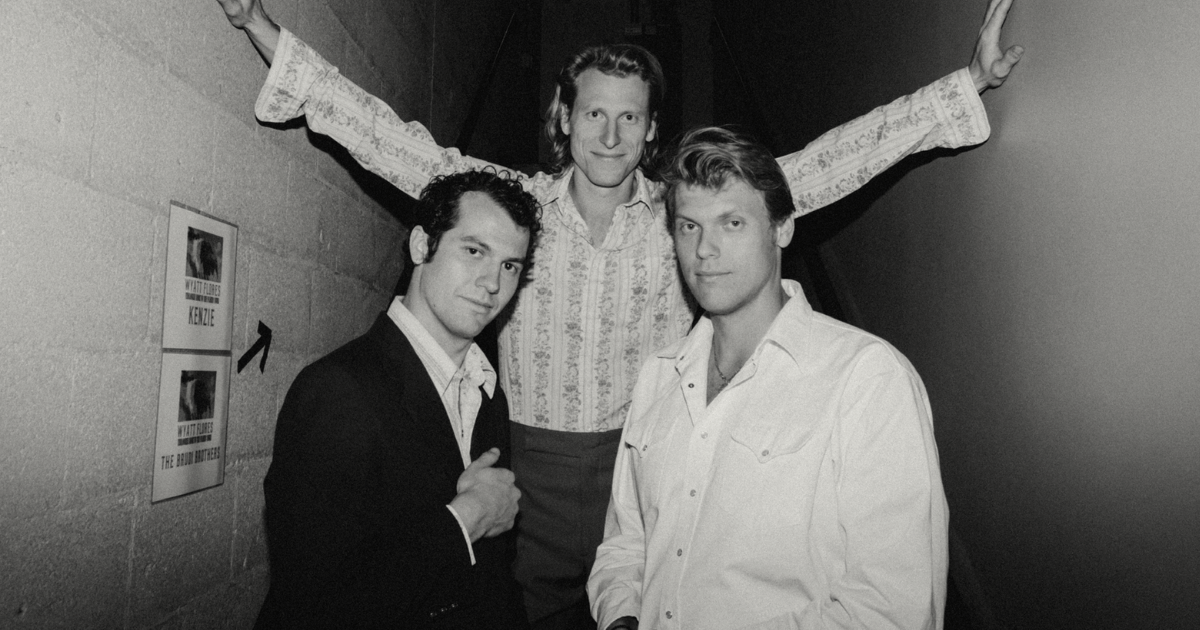
With three-part sibling harmonies and acoustic arrangements that harken back to the music of the 1940s, the Brudi Brothers are still somehow right in step with the modern era.

Seattle-based brothers Johannes, Conrad, and George Brudi charmed millions on social media with “Me More Cowboy Than You,” a catchy and clever number written after a winter trip to San Francisco. In the midst of tech workers in puffy L.L. Bean jackets, the brothers couldn’t help but notice the occasional random guy in 1960s cowboy attire. The anachronism naturally lent itself to some gentle ribbing. Who among us hasn’t seen someone, camera in hand, doing a country fit check?

When “Me More Cowboy Than You” took off on TikTok in January 2025, the Brudi Brothers already knew how to sing loud and hold a crowd, giving them a runway to a touring career. They’ve signed business deals with Mom and Pop Records and CAA, but they’re still leaning toward the DIY aesthetic. (For example, their best friend from school is their tour manager; he even built out a trailer for them.)

@brudibrothers Wrote a mean song because we’re bad boys. Let us know if you want to hear more of it #folk #country #americana #blues #fyp #fypシ #guitar #seattle #LA #local #localmusic #harmony #bass #nationalguitar @Welles ♬ original sound – The Brudi Brothers

In the summer of 2025, the brothers broadened their audience on bills with fellow former busker, Sierra Ferrell. They’ll join her on dozens of dates this summer, too. Last November, the band made their Nashville debut at the Ryman Auditorium on a bill with 49 Winchester and Noeline Hofmann. While the brothers weren’t familiar with the history of the venue, being from the Pacific Northwest, they are well-versed in the golden era of country music.

“Being in the back of the Ryman, we saw all these photos of these legends of the national country scene from the ‘50s and ‘60s and ‘70s,” Conrad Brudi says. “In the photos, you can see that you’re standing in the same doorway as the photo was taken. That was pretty exciting.”

Already this year they’ve opened select concerts for The Head and The Heart, headlined a club tour, and confirmed a pair of hometown dates in Seattle warming up the crowd for Kacey Musgraves. They’ve also brought in one of their favorite folk musicians, Eleni Govetas (violin and percussion) to tour with them, adding not only musical dexterity, but also a hint of instrumental mystique.

Good Country tracked down the Brudi Brothers by phone somewhere in Ohio, as they spent a day off driving to their next gig to promote their new Dark and Stormy EP.

When you hear the phrase “dark and stormy,” you might think of that literary line, “It was a dark and stormy night.” Or you might think of a rum cocktail. Now it’s the title of your EP released in April. What was it about that phrase that kind of sparked your interest?

Conrad Brudi: Actually a dream that Eleni was having. She was talking in her sleep while we were camping, and she said, “Who’s your Mr. Handsome Darkened Prairie?” – a weird character in her dream that was like a sexy version of Mr. Clean. I woke her up, like, “What’s going on?” And she said, “It was like this sexy, bald guy on a burnt prairie.”

[The title] “Mr. Handsome Darkened Prairie” would be a little bit too avant-garde. So I just changed it and wrote a song about a guy we used to busk with who died, from the perspective of his dogs. This guy was a real piece of work. Basically, there were some girls that liked him, but mostly just his dogs liked him. And I figured his dogs must miss him. So I wrote that song sort of about these two dogs who stuck with him despite the fact that he was kind of a bad guy.

You’ve been performing since you were young, right? How old were you when you started?

CB: We have been doing this since we were teenagers. I was 16 or 17 when I started. George was 14. So we have over a decade of busking and learning traditionals and standards and all these folk songs of jazz and ragtime, and bluegrass standards. We busked a lot in Europe. We were, at times, one of very few American acts in a city at that time. For much of our busking career, we’ve been sort of a novelty in town. And so coming back to America, it was daunting, not knowing how we would be accepted in the actual American music community.

How did you get linked up with Sierra Ferrell?

CB: It was just being part of the same busker circuit. All of her friends are buskers or in that community, so we know so many people who busked with her in various groups that she was part of or leading. We’ve sort of missed [crossing paths with] her for years now, but we’d always known about her and saw her online stuff and heard stories about her. So we met her on the first of May last year, officially, and we played a show with her in Albuquerque on May Day.

George Brudi: But how we got linked up is a lot less romantic than just happenstance. It was our agent who linked us up.

CB: We had been told by bookers before that we should sign with their booking agency because we could play with people like, say, Sierra Ferrell.

That’s a good pitch, right?

CB: We said, “Nah, we’ll pass on this one.” They’d say, “I guess you’ll never play with Sierra Ferrell.” So we ended up playing with her anyway.

At the Exit/In show in Nashville, you played “Moon Over Montana,” and it’s not that often you hear a Jimmy Wakely shout-out. What made you want to record that song for this EP?

CB: It’s one of those songs that does well busking, and we enjoy singing it. And it’s a fun, three-part harmony tune. Then you have that cool violin part for it. So, it was sort of thrown in last minute, actually. We were trying other songs because we wanted to put one cover on the EP. We were trying all these other things. We tried recording “Goin’ Up the Country” and we didn’t really like that. Then we tried “Moon Over Montana.” It came out naturally and sounded much better than anything else that we had tried, cover-wise, that session.

Listening to that song on the EP, you’re an impressive whistler. How did you learn to whistle?

CB: From cowboy movies, like The Good, The Bad and the Ugly. Ennio Morricone, “The Ecstasy of Gold.” I loved whistling that when I was a kid. That was my favorite movie, and we had really good acoustics in the bathroom where we went to school. That’s where I learned to whistle.

At that show in Nashville, you were playing originals, but you pulled out a Lonnie Johnson song and a Lead Belly song and a Sons of the Pioneers song. How did you discover this wealth of music? Where did you hear about these older artists?

CB: Our grandparents. We lived with our grandparents, and our grandpa was a Dixieland banjo player and harmonica player. Also our dad had a lot of CDs, and played fiddle and guitar. We just grew up with it. Some of it was the atmosphere we were in that led us to discover the kind of music we actually related to, as opposed to just listening to whatever our friends in school were listening to, the Top 40 or something. I think all of us have an aversion to music that doesn’t feel good to us. I don’t know how else to say it.. We all don’t listen to a whole lot of music, but when we do listen, we’ll obsess over one artist or one song or one album. And so it’s not necessarily a wide breadth, but it’s a deep trench. [Laughs]

George, when did you gravitate towards playing the upright bass?

GB: It was a little more than a year ago, right before we played “Me More Cowboy.” I was telling Johannes that I should get an upright bass and we should sing into one microphone. The bassist standing in the middle, then two guitars on the side, and we sing three-part harmony. And then I got the bass without really realizing you actually have to learn how to play upright. So, this last year, I’ve been trying as fast as I can to figure out how to play the instrument.

How did that go for you? Did you pick it up pretty quick?

GB: I think I picked up the basic technique of it quickly, then I plateaued really heavily. I’m slowly digging myself out of it, because it’s hard to make notes, but to have them be in tune is the harder part.

How did “Me More Cowboy Than You” change the game for you?

GB: It’s the reason why we’re able to tour now and why we have a record deal and all that stuff. It’s like, that’s to thank for it. But I hope that it’s seen as a jumping off point, and isn’t just like the thing that people recognize, and then they’re like, ”All right, moving on.”

Are you getting that vibe? It seems like it fits in pretty well with a general show.

CB: It’s more of our concern that the suits will see it that way. “Well, write another hit,” you know? … There was even a write-up in a big magazine that put an article out saying that “Me More Cowboy Than You” was clearly about our experience in Nashville. I looked into it. The writer was from London. It was just sort of him guessing.

I noticed as soon as you played that song in Nashville, all the phones came out. “The flickering screens,” right on cue. It’s got to feel good to have a song that everybody’s excited to hear. What is it like to travel the country with a song that people love?

GB There’s nothing really to compare it to. We played the Ryman last November and when we played that song, looking at the stained glass windows and the crowd of people in the beautiful theater, that was a pretty cool moment to realize, like, “Wow, this is the reason why we’re here.”


Photo Credit: Kat Vandergriff

From Lonesome, Gorgeous Texas Hill Country
to the World

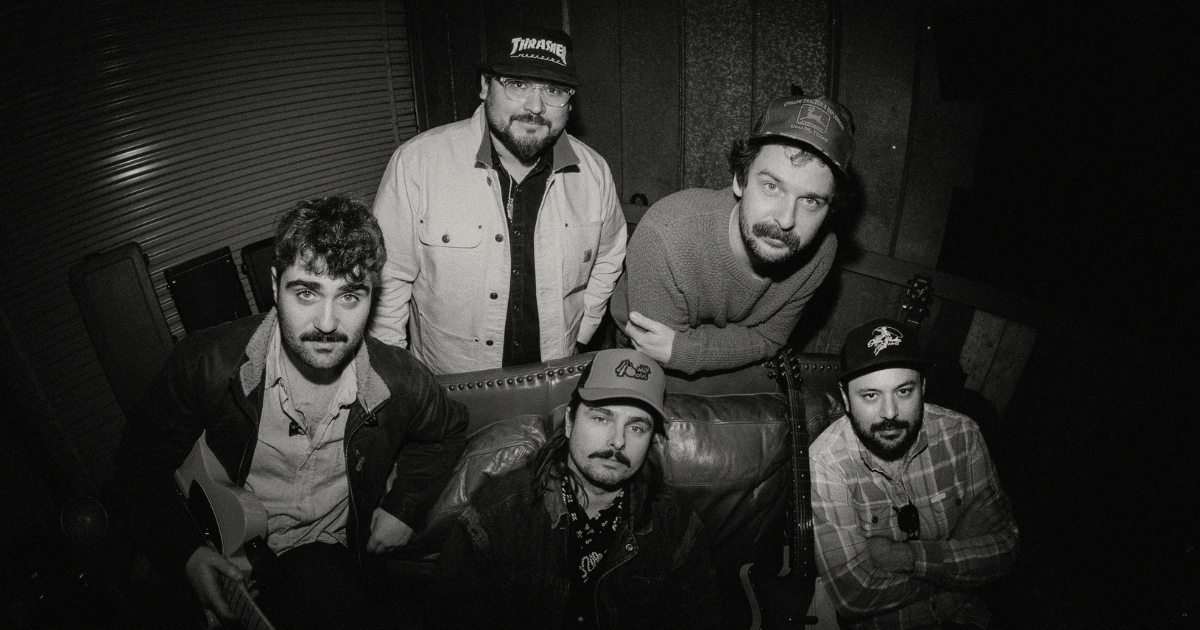
There’s little to no stage banter when the Droptines play a show, with the Austin, Texas-based band sometimes cramming 30 songs into a 90-minute set. However, as their new album, Drought Flower proves, they still have plenty to say. Their original songs touch on broken relationships (“Old Tricks”), family grief (“Mamaw,” featuring Sarah Jarosz), and losing loved ones to addiction (“What Ate My Friend”). As a nod to classic country, there’s often a little bit of clever wordplay to offset the drama, too.

Named for the downturned deer antlers that are prized by hunters, the Droptines (rhymes with “stop signs”) first took shape with an EP release in 2019. Lead singer-songwriter Conner Arthur has since guided the group through indie albums, relentless touring, and now their debut set on Big Loud Texas, the label founded by Miranda Lambert and Jon Randall. The five-piece band hasn’t yet moved into a tour bus, though. Instead, they travel in a retrofitted school bus with upgrades that would impress any road musician. (It sleeps 10 people and has a bathroom, two air conditioners, and a built-in trailer space.)

Growing up in the Texas Hill Country town of Concan, Arthur watched countless musicians play at his family’s venue, House Pasture Cattle Company, during the summer season of city folks floating the Frio River. But the rest of the year, when nothing was really going in town, influenced him just as much.

“I learned how to be alone in Concan,” Arthur says. “I learned how to clear my mind and ignore my hunger pangs. But I would always watch and study people. Especially because if you’re driving through Concan in, say, January, and you see a car that you don’t recognize or someone you don’t recognize, you’re shocked and you want to go talk to them. You’re just caught in your own little village for so long. Having an outside perspective from my little narrow worldview was very, very important to me.”

A few days ahead of a full slate of tour dates (and just before stocking the school bus), Arthur called into Good Country to talk about what inspired the new music.

For people who haven’t been to the Texas Hill Country, how would you describe it?

Conner Arthur: The drama of the limestone bluffs, the crystal clear waters of the Frio River – man, it’s hard not to have a religious experience every other day. Especially when it rains and the floodwaters start moving. Everything there is so dramatic and explosive and chaotic. From the summer to the off-season, you have three months of complete and utter chaos, then the rest of the year is just silent. There are some days where I’d walk out and just sit there looking at River Road waiting for a car to drive by. And I was starting to freak out, thinking that I was the last person on Earth.

More than likely I think that made its way into my personal life. It’s just a large juxtaposition, and a dichotomy of high highs and low lows. But I learned how to handle it, growing up there. We didn’t get internet or cell phone service until 2012, and that’s a great way to grow up. My backyard was 200,000 acres. I could ride horses without hitting a fence line for miles. I wish that more people had that upbringing. I wish that I could provide that for my kids.

If you didn’t get the internet until 2012, then you got to experience live music at your family’s venue before the cell phones in the air and people documenting every show.

Oh yeah. The funny thing about House Pasture is [that] it’s changed hands but it stayed in the family. My biological father and my uncle started it. They failed, so my grandpa bought it from them. And then it was kind of a “break even” type of venue. It was just an addendum for someone who’s gonna go down to Concan and float the Frio anyway. Like, “Oh, we can go see so-and-so.” I mean, I’ve got scars all from being this tall and women ashing cigarettes out on my collarbone. Not on purpose!

I learned more about what I didn’t want to be, seeing the evolution of the Texas country scene come through there. I saw that evolution get commercialized in the mid-2000s, like 2005 and 2006. But when I was a little guy, I got to see the Great Divide. I got to see Gary P. Nunn. I got to see John Conlee. I got to see Earl Thomas Conley. I got to see all these really high-class acts. Reckless Kelly is still one of my favorites from that era. Robert Earl Keen, the list goes on. Even if I didn’t like it, the song’s going to be in my head. It is still red dirt Texas country. I still know every word to all these other musicians’ stuff that I’m not a fan of, because it’s just ingrained in you. You can’t avoid it in that environment.

What were you doing before you jumped into music?

I was in construction throughout high school and I’ve gone back and forth over the years when I needed money. But when I was 18 years old, my mom pretty much gave me an ultimatum. She said, “If you don’t go to college, you’re cut off.” And I was like, “Well, I don’t really care. I don’t like ultimatums.” So I grabbed my banjo and I hitchhiked the country for about a year and a half.

I got back home, and that was like going 90 miles an hour into a brick wall. The fantasies in my head were dashed out by my mom’s disappointment. She said, “You’re gonna have to get a job.” So I went back to construction for a little bit, then I joined up in the oil field. I was an oil field mechanic for about two years, and I said, “I’m not going to die out here in the Eagle Ford Shale.” So I made a decision. Just to give me some more confidence, I went to the bluegrass program in Levelland, Texas, at the [South Plains] College. I did that for two years and went home and knocked out our first EP with David Beck.

I knew you played the banjo, but I didn’t know that you had studied bluegrass.

Dillon [Sampson], our bass player, and I both went to South Plains and he’s way more of a bluegrass cat than I, but my story about how I got into playing banjo is just kind of happenstance. My older brother came into some money when we were young, and I won’t go into the details on how he got it, but it was burning a hole in his pocket. He bought this Deering Goodtime open-back banjo and it was sitting in the back of his truck. I was about 14 and I had plenty of guitars floating around the house. And I had a piano, but I never really broke through on it because it was just an instrument for me to get a song out.

I don’t know if it was the open tuning or just the fact that it’s hard to not have a good time playing banjo, but I broke through on it. I could start developing an understanding of music theory and scales. I don’t know why it made sense in my mind that it was less intimidating than 72 keys or six strings. You go down that road, and then are you a gimmick banjo player or are you good? That’s what led me to South Plains. I’m not going to disrespect the institution of bluegrass or the instrument of banjo. I’m going to do my best to play it. But I need to play more. I need to stay on it, because that is not a bike. Your agility and endurance of playing the banjo collapses if you’re not tickling it once or twice a day.

Is that the same for writing with you? Do you need to consistently write, or can you put that away for a while and come back to writing?

I’m always kind of writing in my head and building concepts, then I’ll scribble it down. I’ll more than likely lose the piece of paper I scribbled it down on, but I’ve always said if it’s worth remembering, then I’ll remember it. But I probably lost a thousand songs that way. It’s like a floodgate. I sit around and I’ll have an idea, and I’ll get a quarter way through it, blah, blah… But it’s not until the band all sits down in a room and we all have the intention to write, and these things just… “Boom!” There goes the dam.

In several of your songs, there are references to pills or addiction. On this record, you have “What Ate My Friend.” That’s a reality for a lot of people. When you’re tackling a heavy topic like that, how do you get into that headspace, knowing you’re going to jump into something serious?

A lot of that, it’s lived in for sure. I’ve had men that came before me that did it so I didn’t have to. Back to, I know what not to do now. And my brother Landry being one of them. I lost him to all that shit a couple years ago. He and I were Irish twins. The same thing happened to my biological dad’s brother. At the same age, the same exact circumstance, and they both died on their birthday.

“What Ate My Friend,” I can’t even remember writing that one, but I know that I showed up with all of it, and that’s rare. I have this band to lean on, but I showed up with every bit of that. This was all here. It’s not just about my brother, but a couple friends I have. Just like, “I know you’re on meth, dude, but why is it making you a liar?” Like, you can be honest with me, just tell me. It’s getting in the way of our friendship if you’re going to turn into a liar.

I thought there was a nuance, kind of, what I refer to as the days of country gold, the wordplay of like, “She’s Acting Single (I’m Drinking Doubles).” That’s so important in country and bluegrass music – that play on words – and that one is like, “Hey man, what’s eating at you?” All right, what’s the extreme of that? “What ate my friend?” I thought it was pretty decent, but yeah, that’s a rough one, you know, but it’s real, unfortunately. It’s real for a lot of people. And I hate that. I hate that anybody has to suffer.

You’ve been around music from the time you’re a kid, and now you’re doing this full time. What has surprised you the most about this career path that you’re on?

The main one is that there’s viability. I said this in an interview before, but I just thought playing music was a good excuse to be a loser. And then to see it all pan out! It starts to feel like work, but work is good, especially if it bears fruit, which it is, and it’s starting to even more so. But to be able to build a foundation for my future family off of the back of these songs, that right there is top tier, number one, the most important thing. I can’t be more grateful for that and the blessings that God’s given us. Just having people come religiously to your shows, and singing words, it gives you faith in live music, for sure. It is a little shocking to me, at the end of the day that I didn’t make all this up.


Want more Good Country? Sign up to receive our monthly email newsletter – and much more music! – direct to your inbox.

Photo Credit: Jessie Addleman

See the Winners From the 59th Annual CMA Awards

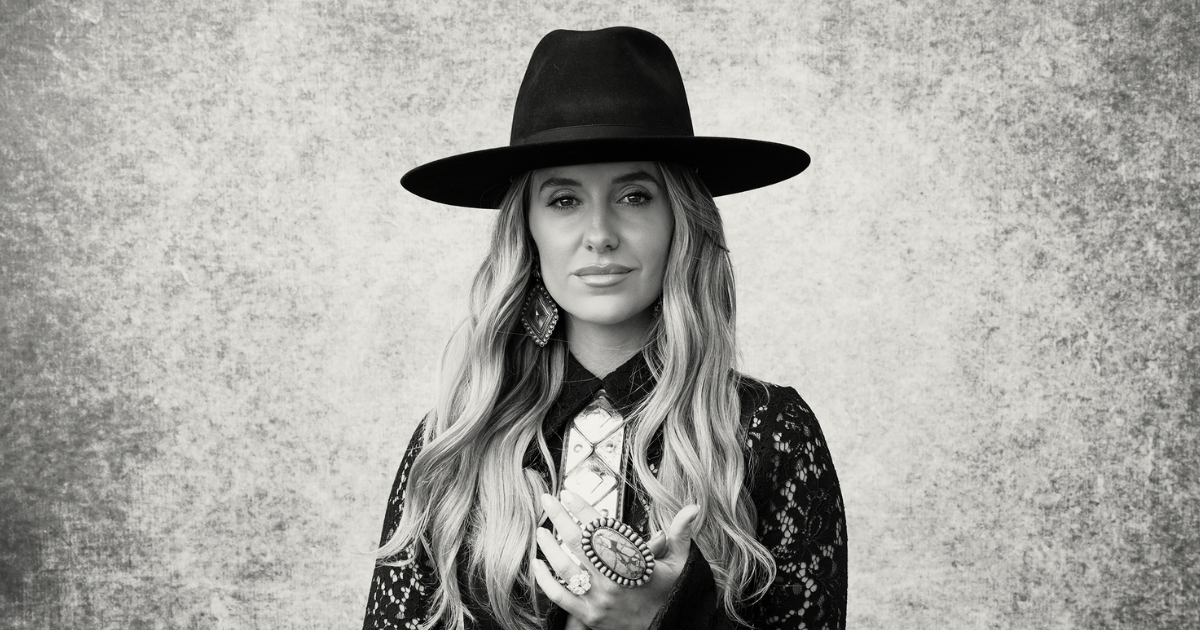
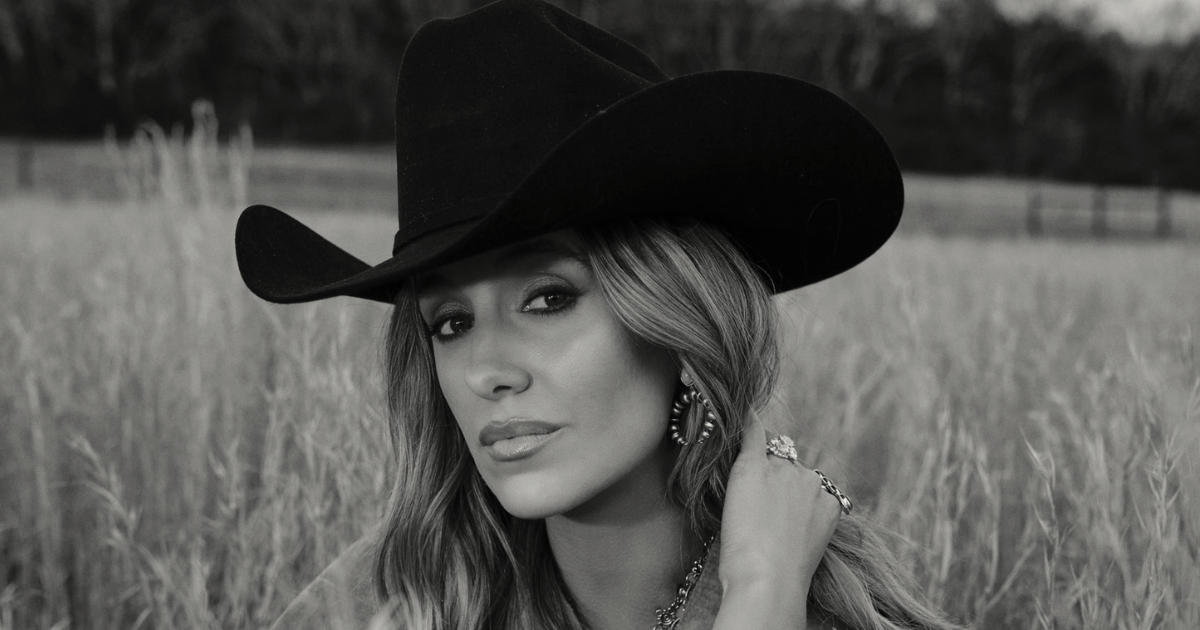
On November 19, 2025 the 59th Annual CMA Awards were broadcast live on ABC from Bridgestone Arena in Nashville, Tennessee. Hosted by Lainey Wilson for the second year in a row, the primetime awards show is now streaming on Hulu for any viewers who were unable to tune in live. Wilson not only hosted, she also dominated the awards, taking home trophies for Album of the Year, Female Vocalist of the Year, and the evening’s top honor, Entertainer of the Year. The Louisianan country sensation has now won 12 CMA Awards out of 25 nominations in just four years of eligibility – including two Entertainer of the Year wins.

The other standout award recipient of the night was “you look like you love me,” a viral hit for mainstream country stars Ella Langley & Riley Green. The track garnered trophies for Single of the Year, Song of the Year, and Music Video of the Year. Meanwhile Post Malone, who has now been nominated for CMA Awards five times over the past two years, landed his very first CMA Award for Musical Event of the Year for his song, “Pour Me A Drink,” featuring Blake Shelton. Bluegrass-steeped country phenomenon Zach Top also received his first CMA Award – for New Artist of the Year – after two huge, breakout years for everyone’s new favorite neo-traditionalist.

The broadcast included live performances and exciting collaborations from artists like Wilson, Top, Kenny Chesney, Chris Stapleton, Luke Combs, Miranda Lambert, Shaboozey and Stephen Wilson Jr., the Red Clay Strays, Tucker Wetmore, and many more. Legendary country, bluegrass, and Americana multi-hyphenate Vince Gill was honored with the Willie Nelson Lifetime Achievement Award – the presentation featuring a surprise appearance by last year’s awardee, George Strait. Gill’s longtime pal and collaborator, pedal steel guitarist extraordinaire Paul Franklin, took home the award for Musician of the Year.

Chesney, who recently released a best-selling book, Heart Life Music, performed a medley of “American Kids” and “When the Sun Goes Down.” to mark his induction into the Country Music Hall of Fme, and to celebrate his fellow newly minted Hall of Fame members June Carter Cash and Tony Brown, too. Brandi Carlile and Patty Loveless joined together to honor Gill with a rousing performance of “When I Call Your Name,” a No. 2 Billboard hit for Gill that shone and sparkled on the CMA stage with rich, reedy harmonies by Carlile and Loveless.

Fans can stream the CMA Awards Show now on Hulu. Find the full list of nominees and winners (in bold) for the 59th Annual CMA Awards below:

ENTERTAINER OF THE YEAR

Luke Combs
Cody Johnson
Chris Stapleton
Morgan Wallen
Lainey Wilson

SINGLE OF THE YEAR

“4x4xU” – Lainey Wilson
Producer: Jay Joyce
Mix Engineers: Jason Hall, Jay Joyce

“Ain’t No Love In Oklahoma” – Luke Combs
Producers: Luke Combs, Chip Matthews, Jonathan Singleton
Mix Engineer: Chip Matthews

“Am I Okay?” – Megan Moroney
Producer: Kristian Bush
Mix Engineer: Justin Niebank

“I Never Lie” – Zach Top
Producer: Carson Chamberlain
Mix Engineer: Matt Rovey

“you look like you love me” – Ella Langley & Riley Green
Producer: Will Bundy
Mix Engineer: Jim Cooley

ALBUM OF THE YEAR

Am I Okay? – Megan Moroney
Producer: Kristian Bush
Mix Engineer: Justin Niebank

Cold Beer & Country Music – Zach Top
Producer: Carson Chamberlain
Mix Engineer: Matt Rovey

F-1 Trillion – Post Malone
Producers: Louis Bell, Charlie Handsome, Hoskins
Mix Engineer: Ryan Gore

I’m The Problem – Morgan Wallen
Producers: Jacob Durrett, Charlie Handsome, Joey Moi
Mix Engineers: Charlie Handsome, Joey Moi

Whirlwind – Lainey Wilson
Producer: Jay Joyce
Mix Engineers: Jason Hall, Jay Joyce

SONG OF THE YEAR

“4x4xU”
Songwriters: Jon Decious, Aaron Raitiere, Lainey Wilson

“Am I Okay?”
Songwriters: Jessie Jo Dillon, Luke Laird, Megan Moroney

“I Never Lie”
Songwriters: Carson Chamberlain, Tim Nichols, Zach Top

“Texas”
Songwriters: Johnny Clawson, Josh Dorr, Lalo Guzman, Kyle Sturrock

“you look like you love me”
Songwriters: Riley Green, Ella Langley, Aaron Raitiere

FEMALE VOCALIST OF THE YEAR

Kelsea Ballerini
Miranda Lambert
Ella Langley
Megan Moroney
Lainey Wilson

MALE VOCALIST OF THE YEAR

Luke Combs
Cody Johnson
Chris Stapleton
Zach Top
Morgan Wallen

VOCAL GROUP OF THE YEAR

Lady A
Little Big Town
Old Dominion
Rascal Flatts
The Red Clay Strays

VOCAL DUO OF THE YEAR

Brooks & Dunn
Brothers Osborne
Dan + Shay
Maddie & Tae
The War And Treaty

MUSICAL EVENT OF THE YEAR

“Don’t Mind If I Do” – Riley Green (featuring Ella Langley)
Producers: Scott Borchetta, Jimmy Harnen, Dann Huff

“Hard Fought Hallelujah” – Brandon Lake with Jelly Roll
Producer: Micah Nichols

“I’m Gonna Love You” – Cody Johnson (with Carrie Underwood)
Producer: Trent Willmon

“Pour Me A Drink” – Post Malone (feat. Blake Shelton)
Producers: Louis Bell, Charlie Handsome

“You Had To Be There” – Megan Moroney (feat. Kenny Chesney)
Producer: Kristian Bush

MUSICIAN OF THE YEAR

Jenee Fleenor – Fiddle
Paul Franklin – Steel Guitar
Brent Mason – Guitar
Rob McNelley – Guitar
Derek Wells – Guitar

MUSIC VIDEO OF THE YEAR

“Am I Okay?” – Megan Moroney
Directors: Alexandra Gavillet, Megan Moroney

“I’m Gonna Love You” – Cody Johnson (with Carrie Underwood)
Director: Dustin Haney

“Somewhere Over Laredo” – Lainey Wilson
Director: TK McKamy

“Think I’m In Love With You” – Chris Stapleton
Director: Running Bear

“you look like you love me” – Ella Langley & Riley Green
Directors: Ella Langley, John Park, Wales Toney

NEW ARTIST OF THE YEAR

Ella Langley
Shaboozey
Zach Top
Tucker Wetmore
Stephen Wilson Jr.


Photo Credit: Lainey Wilson by CeCe Dawson

Outlaw Country That’ll Make You Smile

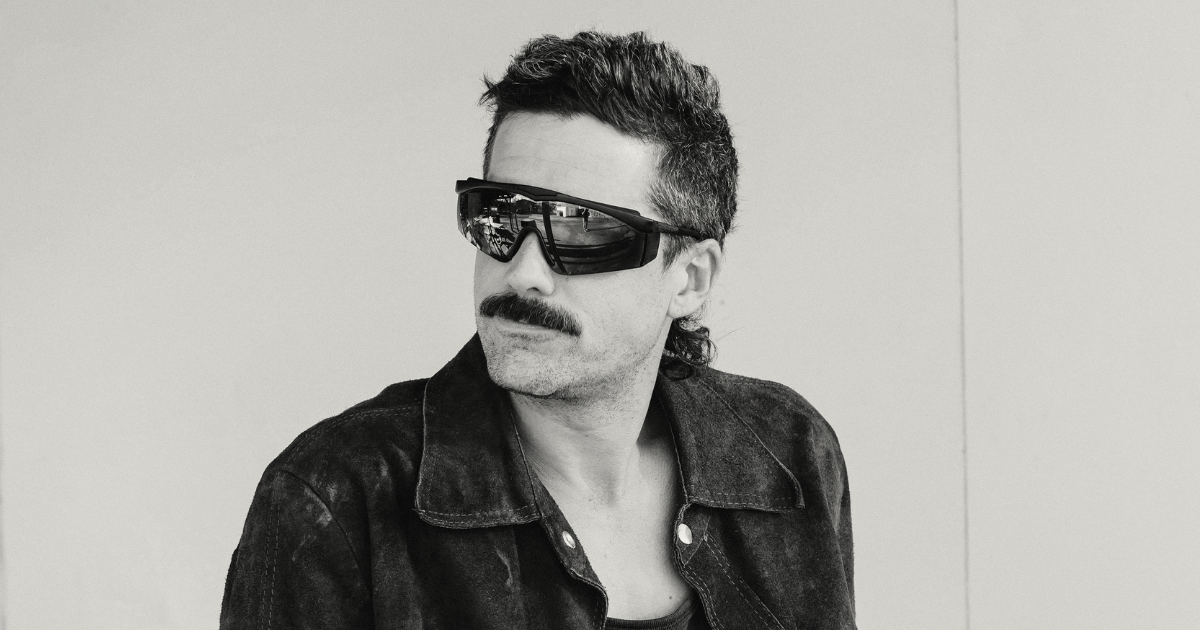
Holding the attention of a roomful of moderately smashed bar-goers is no small feat, let alone with a traditional Irish folksong. But last May, country singer-songwriter Dylan Earl ended his set at Brooklyn’s Skinny Dennis standing on top of the bar and singing an a cappella version of “Wild Mountain Thyme.”

“Will you go, lassie go/ And we’ll all go together/ To pull wild mountain thyme/ All around the blooming heather,” Earl implored in his warm baritone, towering above the room in worn jeans, boots, and a sleeves-cut-off T-shirt from his Arkansas-based label, Gar Hole Records. In spite of all the alcohol collectively consumed by the listeners who packed the venue to its beer-tinged walls that evening, the room was just about as quiet as a divey honky-tonk can be.

By ending his set with the kind of folk song which, passed down through generations, comprises one major lineage of country music – indeed, “Wild Mountain Thyme” is based in a much older Scottish folk song – Earl invoked a deep vernacular tradition and history often left out of modern country. Earl’s music attracts labels like “old-school” and “classic country,” and his voice certainly lends itself to those comparisons, but his own compositions convey a whole lot more. Rejecting the banality of tired Southern stereotypes, Earl writes punk-hearted, poetic music rooted in a love of people and place; music which is both socially and class-conscious and captures wide-ranging cultural unease and indignation with nuance and wit.

On his fourth studio album, Level-Headed Even Smile (released September 19), Earl makes clear that his is not a return to a bygone era so much as a carrying on of a long tradition of speaking truth to power and of imbuing dimension and worth into the lives of overlooked characters and issues too easily reduced to absolutes.

“I’d rather be an outlaw than in with the law/ All this authority worship is the strangest thing I ever saw,” he sings in “Outlaw Country,” a thesis statement of sorts for the album and Earl himself. Earl wrote “Outlaw Country” out of frustration at how many people made assumptions about his beliefs and morals because of his appearance – and because he plays country music with a whole lot of Southern twang. Earl wanted to make it clear where he stands.

“I finished high school in a very rural part of Arkansas; I identify with the Deep South, but I don’t identify with its most prevalent fucking right-wing rhetoric… I still want to remain approachable to those people I completely disagree with, because I think that’s an important part of making art, is creating discourse,” he says. “I want to try to approach these people and try to have that conversation. Be like, ‘Listen here, brother, I’m just like you, but you don’t have to be a racist piece of shit. It’s way more fun in life to be happy and be inclusive. Your soul will be happier because of that.’”

Lately, outlaw country morphed from its subversive roots into a shorthand for wicked good independent country or a slightly more specific alternative to Americana. While both wicked good and independent, Earl’s version also rekindles contempt for the establishment that fueled the original outlaw country movement:

I’d rather be a bootlegger than a bootlicker
A side stepper than a homewrecker
And I don’t get a pick me up
From putting other people down

It’s clear to see by the air I breathe
Working class solidarity
Is the only way
We’re gonna stamp that fascist out

Sardonic and irreverent, “Outlaw Country” is an anthem for anyone who ever believed in love and community over corruption and power. But rather than a callback, Earl’s music is of and for the next generation of ne’er-do-wells and dreamers living on the fringes, hoping for something better.

Earl grew up in Lake Charles, Louisiana, where he split his time between separated parents. Chafing at the craven habits of money and influence that he witnessed from his father, a powerful local lawyer, Earl preferred the warmth and love he felt in the house his mother shared with his grandmother. (Despite a rocky childhood, Earl’s now building a relationship with his dad.)

“I was living in poverty on one side and then I was living in opulence on the other side, and the poverty side is where I wanted to be, because that’s where all the love was,” Earl says. “I’m so lucky to have that, to be able to have identified where love was at a young age and identify where my soul felt good.”

Earl’s mother showed him how to seek joy and adventure, filling life with road trips and camping weekends. When he was just five years old, Earl’s mother plopped a map in his lap and taught him to navigate. Perpetually tight on money and resources and mired in an enduring custody battle with his father, she nonetheless taught him how to get away from it all, instilling in him a curiosity about the world. On the road, they stopped to check out historical markers, explored parks and rivers and the Gulf Coast, and watched giant boats come in while picnicking along the Intracoastal Waterway.

“That developed a sense of wonder and being like, ‘I don’t fucking need money to feel this type of happiness, to feel this sense of joy and adventure and love of life, just life in its purest form,” Earl says, choking up. (He firmly believes more men should cry, and that it helps him be more humane.)

“Her sense of adventure, her true passion for living, it’s amazing to me; it still is amazing to me.”

The album’s title and thematic heart – level-headed even smile – are derived from that approach to living life fully. For Earl, it’s an essential mechanism of coping and connecting. Remain engaged in the world and aware of all its horrors and tragedies, he says, but then, when it gets to be too much, know when and how to take a break:

Some nights I’m crying on the backroads
Rolling my smoke backwards
Trying to keep a level-headed even smile
Don’t you know I might take a while to get there
Just hoping I get anywhere
Trying to keep a little level-headed even smile

“At some point we’ve got to unplug from the fucking screen and just go explore things that are fucking real, like the trees around us, or the grass, or the water, or the sun or the moon, and try to get in touch with that more primal sense of ourselves,” Earl says. “That is where we can really most quickly and most efficiently achieve happiness, it’s getting in touch with the simplest form of ourselves.”

Beside the love from his mother, Earl describes himself as a depressed kid who struggled in school and wanted desperately to escape his hometown and father and stepmother. At 15, he convinced his father to send him to boarding school which, in part because of Hurricane Katrina’s devastation of Louisiana, ended up being in rural Arkansas. At the Subiaco Abbey and Academy, Earl studied with monks who’d taken a vow of poverty and offered rigorous, benevolent study, kindness, and care. Though he’s an atheist, Earl counts the monks, whom he visits regularly, as mentors, connecting with them still through shared spirituality.

“We all fucking showed up pissed off as hell. And we found love and we found love amongst each other; we found love from those monks and found nature,” Earl says, reverently, of his time at Subiaco. “It saved my fucking life. The whole thing; I found joy and happiness for the first time in my life.”

Level-Headed Even Smile is dedicated to Earl’s late friend, William, who was the first to befriend him at Subiaco. “He helped me clear my heart,” Earl says. As he sings of those halcyon days on “Two Kinds of Loner,” “We were two kinds of loner/ A misfit and a wayward son…”

Armed with the sense of wonder his mom taught him, liberated by the fallow morals of youth, and subsumed by the ready escapism afforded by their surroundings, Earl and William learned every back road. They’d steal beer from the back of William’s dad’s Crossroads Tavern and drive for hours exploring the backwoods and levees along the Arkansas River.

“William was the first to show me the country air. Hanging out with him, something about getting in that truck after class, taking off down Lile Ridge Road, cracking a beer, putting on whatever weird music he was listening to at the time, that was the first sense of fucking true freedom I ever had in my life,” Earl says.

Stopping just shy of wistful, “Two Kinds of Loner” is a bittersweet, intimate portrait of the desperately important work of becoming oneself as a teenager – and of the raw beauty in forming kinship through human connection rather than blood relation:

Down where the kudzu meets the bodark
And the darkness first let go of me
High in a cab of a buddy I had
He showed me the county air
I used to not care about nothing
Because no one seemed to care for me

After high school, Earl attended Hendrix College, a liberal arts school which lived up to its name situated in Conway, Arkansas. A few years earlier, Earl borrowed his father’s old guitar – a Yamaha FG 180 Red Tag, which he still plays today – and learned enough chords to make himself useful around a bonfire and impress the local girls. Encouraged by one of the monks at Subiaco, who noticed him straying from lesson plans, Earl started writing his own music.

When he got to college, he landed feet first in a robust DIY music scene. Together with a group of friends – including Gar Hole Records cofounder and label manager Kurt DeLashmet – Earl played a circuit of local house venues: White House, Blue House, Brick House, and occasionally Shit Mansion, where both also lived for a time. To this day, their two-day, 28-band Butt Ranger music festival thrown by friends at the White House remains one of Earl’s favorite shows.

“We were drunk off our fucking asses on plastic bottle whiskey and snorting Adderall and fucking ripping cigs and shit like that. It was fucked up. It was so awesome. It was just blood and piss everywhere,” Earl says. He recalls the floor at White House buckling so deeply that by the end of the night all his gear, including his oversized amp, wound up in a pile in the middle of the floor. Volume was of primary concern, tone and other nuances distinctly secondary. “What a fucking beautiful, carnal, amazing culture to be a part of,” he says.

Two songs on Even Smile come from those early days playing music first in college and, afterwards, in Little Rock, where Earl and his band Swampbird moved. (Earl lived in Little Rock for a few years then moved to Fayetteville, where he still lives.) Both songs are paeans to the chaotic moil of early adulthood rendered heady and hazy by too much booze and too little grounding: “Broken Parts,” which he first recorded with Swampbird, and “Little Rock Bottom,” about his time in Arkansas’ capital city.

“I don’t really quite realize it until I am talking about it, how much of my life and my story is wound up into that album,” Earl, who’s now in his mid-30s, admits. The album feels like a fitting way to process and close that chapter of life. “I do feel like I’ve left it on the table and I’ve left it all out on the field, so to speak.”

In total, Even Smile is a loving, layered depiction of both Arkansas specifically and the south in general. Among his many influences, Earl includes Arkansas gonzo poet Frank Stanford (who also attended Subiaco and whose burial there Lucinda Williams memorialized in her song, “Pineola”). Stanford’s realism and wild abandon creep into Earl’s songwriting sensibilities; they share a love of the South and its complexities and a reverence for and dedication to illuminating those stories.

Alongside a few cheeky disquisitions on life on the fringes – including road dog ode “Get In The Truck” – throughout the album Earl relishes the beauty of his home territory. Perhaps nowhere more so than on “High On The Ouachitas,” an extended soliloquy on the wild beauty of the mountain range, his chosen retreat for a reset and solace:

When I’m high on Ouachita
High as I ever saw the Arkansas
With goldenrod and reindeer lichen
Twist flowers in bloom
There’s just no place
I’d rather waste my afternoons
Than high on Ouachita

“I love it so fucking much, because I know all of the nuance and I know all the beauty that’s deep underneath all of the stereotypes. And just how fascinatingly complex our communities are,” Earl says. “It’s fucking beautiful. You have two and a half million acres of national forest. So we have the cleanest drinking water in America; we have endless amounts of outdoor recreation; the food is fucking kick ass; the people are the sweetest ever.”

Earl rounded out Level-Headed Even Smile with two very on-theme cover songs: beloved Arkansas folksinger Jimmy Driftwood’s “White River Valley,” a love letter to Arkansas’s pastoral beauty, and Utah Phillips’ peripatetic wanderer’s lament, “Rock Me to Sleep,” which concludes the album. Together they bracket the glib “Lawn Chair,” written with Cameron Duddy and Jonathan Terrell.

Earl jokes when playing the song live that it might be the worst song he’s ever written. And superficially it sounds like the kind of redneck anthem that might confirm the uneducated listener’s worst stereotypes about uncouth Arkansans: “It’s a whipass life just being me/ It don’t cost much to be the free/ I got my lawn chair/ And I’m sitting on top of the world.” Yet the song is also a sly rebuke against taking everything too seriously. Convivial in its roughness, it’s a gleeful, carefree reminder of the many ways to keep a level-headed even smile.

“If I’m feeling bogged down and feeling depressed, oftentimes it has nothing to do with the task at hand, it’s just that I’ve been absorbing how terrible the fucking world is and it makes me incapable of interacting and interfacing with my immediate world, because I’m so fucking caught up in that goddamn bullshit… and it is not allowing you to reach your full potential as a biological piece of anatomy that is somehow living on this planet,” Earl says.

“[A level-headed even smile is] an attempt to focus on your humanness and try to reattach yourself to the earth and detach from the problems of the earth; and just go out and find your smile. Go find your joy amongst all the fucking evil.”


Photo Credit: Justin Cook

Classic Country
Is Here to Stay

With a new generation boasting unapologetic traditional influence, there’s more classic-sounding country in the mainstream today than in many years before. With his second album, When I Write the Song, Jake Worthington captures one specific aspect of honky-tonk history better than the rest – its sense of humor.

That’s definitely not to say Worthington’s new album is a joke. Far from it. Over 14 songs, the Texas native sinks down into the depths of sorrow and lets his heart believe in miracles all the same. His love of the classic country form is just as authentic as his barrel-chested vocal twang, and with producers Jon Randall and Chuck Ainley joining his team, it gets highlighted with more sincerity than ever. But right from the opening track, Worthington walks in the footsteps of artists like Johnny Paycheck or Jerry Reed; his down-home demeanor is as country as it gets.

Meanwhile, the solo-written title track is almost alarmingly personal and Worthington welcomes Miranda Lambert, Marty Stuart, and Mae Estes as special guests on other tracks. When I Write the Song arrived on September 12 and by touring through the end of the year with both Jon Pardi and Zach Top, Worthington adds even more evidence of an ongoing trad renaissance.

Good Country spoke with Worthington about writing the way he lives and chasing honky-tonk inspiration farther than ever. Plus, he reveals a secret appreciation fans might not suspect.

For fans who don’t necessarily know, you have always been a proud purveyor of the classic country arts. I think that’s pretty fair to say. Are fans going to get more of that on this record or what?

Jake Worthington: Damn right. Yes, sir. I guess that whole narrative don’t ever really change for me. I don’t ever want to make any other kind of music. When somebody listens to a record that I am a part of or put together, I hope they can have a definitive direction to point to and say “That’s what country music sounds like.”

I think that comes across for sure. Now, it’s good timing because there’s kind of a little traditional renaissance going on in the mainstream. Do you agree with that?

Damn right. Absolutely. I’ve never been more inspired in terms of our genre than I am right now. I think a lot of people are writing and singing and recording great country music and I think that folks of all ages are wanting to hear it. Another thing, too, is I don’t think it’s a fad of any sort. I find it interesting – you hear terms like “traditional” or the whole “’90s” deal or whatever. To me, it’s just country music getting made in 2025. I think that’s really exciting, to know that’s the case. It wasn’t like that just a couple years ago.

So you don’t think it’s people cosplaying country?

I know it’s genuine for me. I can’t control what other people do, but hey, if they want to play dress up, that don’t bother me none. I think it’s good for country music. I’m glad that they’re wanting to dress like a grownup.

One thing that I’ve always loved about classic country itself, and something that you do well on this record, is to have a touch of humor. That’s not around as much anymore, but you do that well.

Well, I think it’s funny. I have always struggled with the idea that I never wanted to not be taken serious as a singer or songwriter, but I still like to have fun. I still cut up and it ain’t all rain and storms all the time. I think country music allows room for all of that. There’s definitely a couple songs on this record that is lighthearted, and I guess I was all right with that.

There’s definitely some hardcore heartbreak in here, but the reason I ask is because of the opening track, “It Ain’t the Whiskey.” There are not many songs about getting pulled over and accused of a DUI these days – even fewer that are fun.

Well, some of us write from the research department, I guess. Unfortunately, I was just trying to make light of what was a really shitty situation for me at one point in time in my life. I’ve made some dumb decisions in my adolescence, I guess. That was a good way to look back and laugh at it.

How about “Two First Names”? This one reminds me of a little bit of Joe Diffie and the way he was able to merge classic country and a funny line.

Well, shoot man, thanks. That’s just about a country girl. I’ve got a handful of women I know and love in my life that got two first names and I love that we got away with writing it without ever saying an actual name. … There wasn’t one of us that wrote that song who ain’t from the country, and we’ve all got women we love and know that got two first names. We all love a country girl.

Hell yeah. Now, one thing about this record, you definitely got to work with some big names. You got Jon Randall and Chuck Ainley helping out on production, along with Joey Moi. I wonder with those two guys specifically, Jon and Chuck, did they help you move your sound or your style forward?

Definitely I think. There’s four tracks that I recorded top to bottom with Chuck and Jon … there’s a lot of really awesome things that I got to do through working with Joey. But I think for me, I wasn’t ever totally happy with the way things were ending up sonically. That was my biggest change that I was after, was just kind of where it landed sonically.

Really?

Especially with the vocal. I’m a very imperfect singer. I’m not a perfect singer. I want that to be heard. I don’t want to be masked.

Joey’s amazing, but he definitely comes from a different world sonically, right?

Yeah, and I wanted to work with guys that were making country records that inspired me. But again, I tracked nine of them songs with Joey and man, I love all of it. Chuck wound up mixing the record and Jon come in when we went to track the last four songs and it’s been a dream come true. I get to work with my heroes, man.

You also got to work with Miranda Lambert [plus Marty Stuart and Mae Estes]. Tell me about doing “Hello Shitty Day” with Miranda, it’s a cool broken-hearted waltz. Did you guys get to know each other?

Sure. I mean, I know it sounds a little simple, but she had texted me the song and I asked if I could cut it. She said yes and I said, “Would you sing on it?” And she said, “Hell yes,” so by God, that’s what we did. I don’t know, man. I wasn’t trying to get on the radio with that song. I just thought it was brilliant. I love that song.

One thing I’ve got to ask you, since this is BGS. Do you have any ties to bluegrass, or was that ever a part of what you listened to?

Where I’m from, oddly enough down there in Southeast Texas, we had to go find that stuff. There’s nooks and crannies in East Texas where these cats kinda start out in bluegrass and I think they find it through gospel music and stuff like that. But I wasn’t in the church or nothing – I was baptized in beer and I’m here to testify, you hear me?

Ha!

The great words of Kevin Fowler. But a lot of the stuff I loved the most was coming out of Ohio. When I discovered Dave Evans, that shit knocked me out.

Really?

Oh gosh. There’s something called “99 Years [Is Almost for Life].” One day I’d like to record it, but I understand that bluegrass is just as sacred as country music, so if you’re going to do it, you got to do it right and I think it starts with putting your heart and soul in it.

But I always loved Ralph Stanley. I’ve always loved Flatt & Scruggs and Bill Monroe. I mean, that might sound a little standard, but I love that stuff. Harley Allen’s one of my favorite songwriters and his daddy, Red Allen, I love the records he done. Ronnie Bowman and Lonesome River Band. I like that stuff.

Short answer – yes, sir. Hell yes. I love bluegrass.

That’s amazing. It sounds like you’re deep into it. I mean, maybe it doesn’t show up too much in what you’re doing right now, but maybe one day you ought to do a bluegrass record.

Oh, man. We’ll see, but right now all I want to do is what sounds like country music to me. I think it’s a matter of if you got electrics on it or not. It’s just soul music. It’s gotta come from the heart.

That’s a good segue because I wanted to ask you about the title track, “When I Write the Song,” and writing that solo. You were able to share your pain quite a bit. Where did that come from?

I don’t always wind up writing by myself. I think a lot of us writers sit down and try, and if we could, we would write a lot by ourselves. But that one just kind of fell out. I’d been six, seven years in [to my career] and I don’t know, I think I was a little hurt and kind of angry. I got a whole lot of, “You can’t sing that kind of music. That ain’t never going to work.” Sad songs and waltzes and whatnot. I don’t know why it’s so easy to write about the hard things or the bad things. It seems to be easier than it is to write about the good things sometimes. That’s just kind of where I was at with it.

When I wrote it, I was headed home from some gig and at the time I had been staying at my parents’. They had just got one of them push button door locks to the house with a code on it and I did not remember the damn code. There wasn’t no way I was getting in the house, so I had a guitar and a six pack of beer, a back porch, and plenty of time.

You’re kidding.

That’s what come out of that. I sat on that song for a long time. I was kind of scared of it. I wasn’t sure if it was for anybody. I wasn’t sure if it was any good. But I’m a songwriter and I think that’s just my way of showing it.

That’s real country music to me, so thank you for sharing the story. It’s funny that you got locked out – almost feels meant to be.

I’ve been locked out of a lot of things, hoss.

You’re going to be out on the road with Zach Top and Jon Pardi, right? In their own way, they both definitely inject some classic country into the mainstream, too. Are those tours a good fit for you?

Damn right, man. You tell me anywhere else, you’re going to see three steel guitars and three fiddle players in one stage. … I’m a fan of both of them guys and they know it, and I revere and respect the hell out of them. I’m grateful to get to go work with ‘em. That’s going to be a lot of band, buddy.

All right, Jake, thanks for the time, man. Let me leave you with the big picture. Just tell me what you hope people get from this record.

Well, take away a little piece of my heart while I’m giving it to you. Country music’s here to stay and I don’t think it ever left. I’m just grateful to be a little spoke in the wheels and I hope that when they hear this record, it’s something that they can go to and say, “This is what country music sounds like.”


Photo Credit: Jim Wright

CMA Awards
Nominations Are Here

On Monday, September 8, 2025 the Country Music Association announced the nominees for the 59th Annual CMA Awards. With six nods a piece, country stars Lainey Wilson, Megan Moroney, and Ella Langley tied each other for the lead in total nominations at the longest-running country music awards show. The CMA Awards will be broadcast live from Nashville’s Bridgestone Arena on Wednesday, November 19 at 8 p.m. EST on ABC and will be available to stream the next day on Hulu.

Following Wilson, Moroney, and Langley in nominations is a quickly rising star at the very top of most listeners’ minds these days, Zach Top, who will vie for awards in the Single of the Year, Album of the Year, Song of the Year, Male Vocalist of the Year, and New Artist of the Year categories. Fiddler Jenee Fleenor, a five-time winner of Musician of the Year, is nominated again in the category this year, alongside guitarists Brent Mason, Rob McNelley, and Derek Wells and pedal steel genius Paul Franklin.

In addition to Top and Fleenor other notable nominees from the bluegrass and Americana worlds include the War and Treaty (Vocal Duo of the Year), Chris Stapleton (Entertainer of the Year, Male Vocalist of the Year, Music Video of the Year), and the Red Clay Strays (Vocal Group of the Year).

Shaboozey is nominated for the second year in a row for New Artist of the Year, and relative newcomer to the genre Post Malone gained two nominations this year (remarkably, one less nomination than in 2024), for F-1 Trillion (Album of the Year) and “Pour Me A Drink” featuring Blake Shelton (Musical Event of the Year).

It’s clear that whatever your preferred subspecies of country music, this year’s batch of nominees for the CMA Awards holds more than enough variety to satisfy your tastes. From the most polished radio-ready pop country to gristly full-bore rock and roll, from high femme glamor bops to ’90s vocals (and of course the hairstyles, too), there’s plenty of Good Country to be found among this year’s nominations.

Find the full list of nominees for the 59th Annual CMA Awards below:

ENTERTAINER OF THE YEAR

Luke Combs
Cody Johnson
Chris Stapleton
Morgan Wallen
Lainey Wilson

SINGLE OF THE YEAR

“4x4xU” – Lainey Wilson
Producer: Jay Joyce
Mix Engineers: Jason Hall, Jay Joyce

“Ain’t No Love In Oklahoma” – Luke Combs
Producers: Luke Combs, Chip Matthews, Jonathan Singleton
Mix Engineer: Chip Matthews

“Am I Okay?” – Megan Moroney
Producer: Kristian Bush
Mix Engineer: Justin Niebank

“I Never Lie” – Zach Top
Producer: Carson Chamberlain
Mix Engineer: Matt Rovey

“you look like you love me” – Ella Langley & Riley Green
Producer: Will Bundy
Mix Engineer: Jim Cooley

ALBUM OF THE YEAR

Am I Okay? – Megan Moroney
Producer: Kristian Bush
Mix Engineer: Justin Niebank

Cold Beer & Country Music – Zach Top
Producer: Carson Chamberlain
Mix Engineer: Matt Rovey

F-1 Trillion – Post Malone
Producers: Louis Bell, Charlie Handsome, Hoskins
Mix Engineer: Ryan Gore

I’m The Problem – Morgan Wallen
Producers: Jacob Durrett, Charlie Handsome, Joey Moi
Mix Engineers: Charlie Handsome, Joey Moi

Whirlwind – Lainey Wilson
Producer: Jay Joyce
Mix Engineers: Jason Hall, Jay Joyce

SONG OF THE YEAR

“4x4xU”
Songwriters: Jon Decious, Aaron Raitiere, Lainey Wilson

“Am I Okay?”
Songwriters: Jessie Jo Dillon, Luke Laird, Megan Moroney

“I Never Lie”
Songwriters: Carson Chamberlain, Tim Nichols, Zach Top

“Texas”
Songwriters: Johnny Clawson, Josh Dorr, Lalo Guzman, Kyle Sturrock

“you look like you love me”
Songwriters: Riley Green, Ella Langley, Aaron Raitiere

FEMALE VOCALIST OF THE YEAR

Kelsea Ballerini
Miranda Lambert
Ella Langley
Megan Moroney
Lainey Wilson

MALE VOCALIST OF THE YEAR

Luke Combs
Cody Johnson
Chris Stapleton
Zach Top
Morgan Wallen

VOCAL GROUP OF THE YEAR

Lady A
Little Big Town
Old Dominion
Rascal Flatts
The Red Clay Strays

VOCAL DUO OF THE YEAR

Brooks & Dunn
Brothers Osborne
Dan + Shay
Maddie & Tae
The War And Treaty

MUSICAL EVENT OF THE YEAR

“Don’t Mind If I Do” – Riley Green (featuring Ella Langley)
Producers: Scott Borchetta, Jimmy Harnen, Dann Huff

“Hard Fought Hallelujah” – Brandon Lake with Jelly Roll
Producer: Micah Nichols

“I’m Gonna Love You” – Cody Johnson (with Carrie Underwood)
Producer: Trent Willmon

“Pour Me A Drink” – Post Malone (feat. Blake Shelton)
Producers: Louis Bell, Charlie Handsome

“You Had To Be There” – Megan Moroney (feat. Kenny Chesney)
Producer: Kristian Bush

MUSICIAN OF THE YEAR

Jenee Fleenor – Fiddle
Paul Franklin – Steel Guitar
Brent Mason – Guitar
Rob McNelley – Guitar
Derek Wells – Guitar

MUSIC VIDEO OF THE YEAR

“Am I Okay?” – Megan Moroney
Directors: Alexandra Gavillet, Megan Moroney

“I’m Gonna Love You” – Cody Johnson (with Carrie Underwood)
Director: Dustin Haney

“Somewhere Over Laredo” – Lainey Wilson
Director: TK McKamy

“Think I’m In Love With You” – Chris Stapleton
Director: Running Bear

“you look like you love me” – Ella Langley & Riley Green
Directors: Ella Langley, John Park, Wales Toney

NEW ARTIST OF THE YEAR

Ella Langley
Shaboozey
Zach Top
Tucker Wetmore
Stephen Wilson Jr.


Photo Credit: Lainey Wilson by Cece Dawson.

You Gotta Hear This: New Music From Olivia Ellen Lloyd, Kora Feder, and More

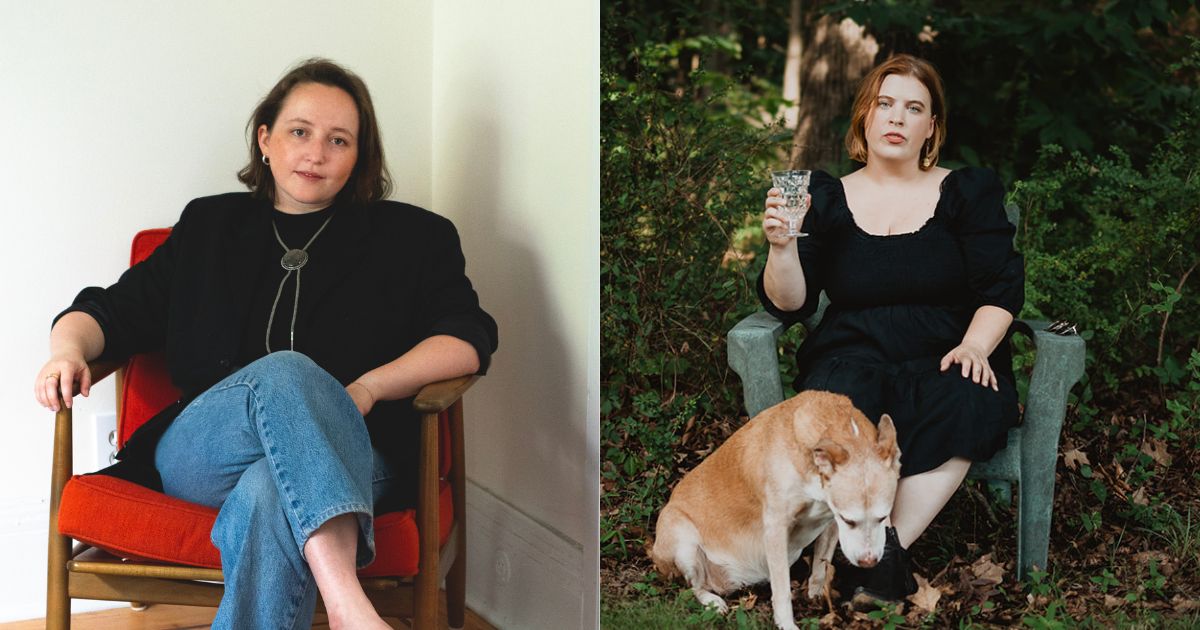
Happy New Year! Our very first New Music Friday of 2025 brings our very first premiere roundup of the new year, too. We’re so excited to dive into another 12 months’ worth of superlative Americana, country, folk, bluegrass, old-time, and more.

Don’t miss a brand new track from critically acclaimed singer-songwriter Kora Feder, who debuts “Rambling Man” from her upcoming album, Some Kind of Truth. Her voice shines, crystalline and pure above a warm and crisp folk-rock-meets-Americana backing track. It’s a song about gender, wanderlust, expectations, and inhabiting agency – freedom.

Next, West Virginian (via Brooklyn) folk artist Olivia Ellen Lloyd brings us a lyric video for the title track for her highly anticipated 2025 record, Do It Myself. Staying within our coincidental theme of agency and autonomy, “Do It Myself” celebrates Lloyd’s self determination and self possession with her particular agnostic West Virginian blend of roots genres and styles. It’s indie, folk, Americana, country, and string band all wrapped up into one tidy, charming musical package.

To wrap up our first premiere collection of the year, don’t miss our latest Good Country Goodtime session from our debut GC variety show in Los Angeles last September. The latest installment of our exclusive clips from the show features “garage country” artist and songwriter Aubrie Sellers offering her stellar take on a country classic, “Make the World Go Away.” That voice!

You can find all this incredible music below and, honestly – You Gotta Hear This! Happy new year, happy new music.

Kora Feder, “Rambling Man”

Artist: Kora Feder
Hometown: Detroit, Michigan
Song: “Rambling Man”
Album: Some Kind of Truth
Release Date: January 3, 2025 (single); March 18, 2025 (album)

In Their Words: “‘Rambling Man’ is about self confidence as quiet rebellion. It’s about gender and beauty standards, about the feeling of achieving freedom from expectation and self-suppression. It’s the kind of song that can fuel a solo drive or inspire barefoot dance sessions in the kitchen. I hope that it is as empowering to listen to as it was to make.” – Kora Feder

Track Credits:
Paul Mayer – Piano, drums
Justin Farren – Guitar, bass, pads
Written by Kora Feder
Mixed by Justin Farren
Mastered by Eric Broyhill


Olivia Ellen Lloyd, “Do It Myself”

Artist: Olivia Ellen Lloyd
Hometown: Shepherdstown, West Virginia
Song: “Do It Myself”
Album: Do It Myself
Release Date: January 3, 2025 (single); March 21, 2025 (album)

In Their Words: “When I sing this song, I think of the Rilke poem, ‘Archaic Torso of Apollo.’ To me, that poem summarizes how art can move someone into action, and how we can be perceived by our creations just as we perceive them. I had memorized that poem over a decade ago for a speech class in undergrad, and on the day I sat down to write ‘Do It Myself,’ the last lines, ‘For here there is no place that cannot see you. You must change your life,’ came to me like a meditation.

“At many points over the almost two-year process of making this record, I had no idea how I was going to take the next step, pay for the next expense, or reach the next milestone. But I had a song that insisted that I could, I would – do it myself. So I kept moving, slowly at times, until it was complete. And every so often, at various stages of creating this album, I would play this song – first the bounce, then the rough mix, then drafts of the final mix – and dance around my apartment in Brooklyn. As if to remind myself that I could do it. Even if I didn’t know how (yet).” – Olivia Ellen Lloyd


The Good Country Goodtime: Aubrie Sellers

On September 27, Good Country and BGS debuted our brand new variety show, the Good Country Goodtime, at Dynasty Typewriter in Los Angeles. The inaugural show was hosted by country and bluegrass singer-songwriter Robbie Fulks and featured appearances by artists Victoria Bailey and Aubrie Sellers as well as a hilarious set by comedian and actor Kurt Braunohler. Backing up the talent was our first class Goodtime house band led by the Coral Reefers’ Mick Utley.

For our second installment in our series of clips from the September edition of the show, “garage country” artist and singer-songwriter Aubrie Sellers offers an incredible cover of a country classic, “Make the World Go Away.” Sellers is a fascinating roots artist with a deep and broad country and Americana pedigree. Her music combines so many genres – indie, folk, rock and roll, grunge, and blues blend effortlessly with bona fide old country chops and pop-meets-countrypolitan glamor. But here, on the Dynasty Typewriter stage, her rendition of the indispensable Hank Cochran-penned hit is remarkably simple and down-to-earth.

Read more here.


Photo Credit: Kora Feder by Anna Barber; Olivia Ellen Lloyd by Aaron May.

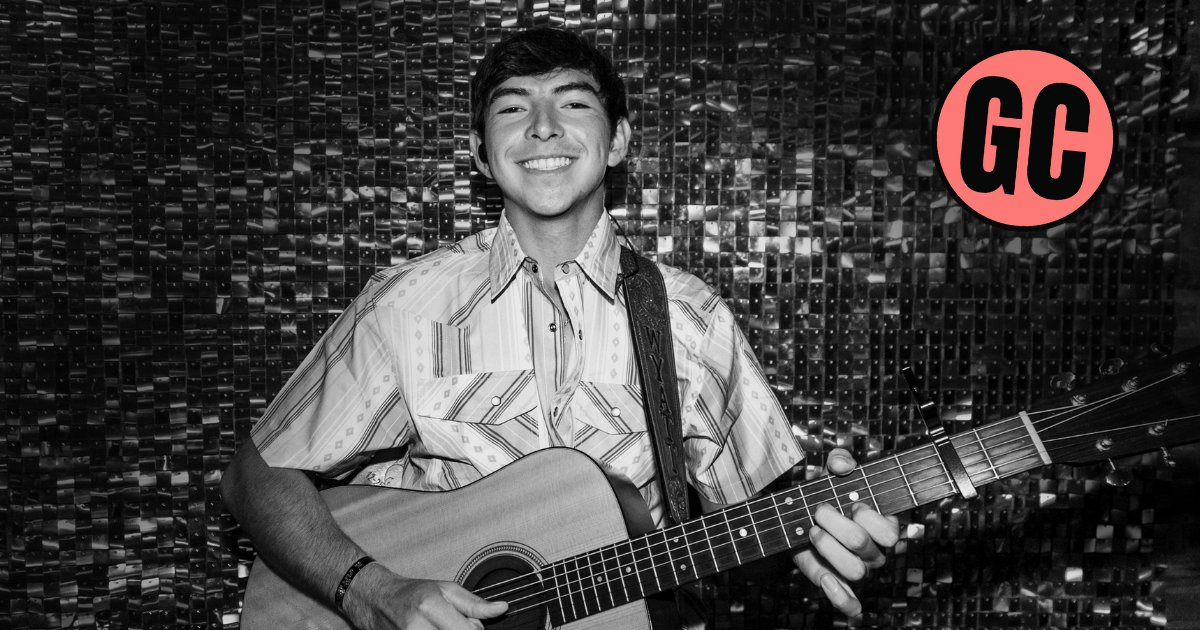
‘Welcome to the Plains’ and to the Red Dirt Universe of Wyatt Flores

Each year, the country music machine and its many fans and acolytes turn over, again and again and again, the quintessential question of “What is authenticity?” We’ve asked that very question quite a few times on Good Country over the last year ourselves, and we know as long as roots music and folk music are made, listeners will continue to ponder what is or isn’t “real,” “raw,” or… “authentic.”

Wyatt Flores has been chosen as authentic. Country Music has spoken, and this quickly skyrocketing young artist has been riding a wave lately surfed by folks like Sierra Ferrell, Tyler Childers, Colter Wall, and Zach Top. Like these real country “poster children,” Flores’ music is realistic and grounded. It isn’t idealized revisionism in outlaw trappings. His songs never attempt to sugarcoat or mythologize, paving over the complications of rural life, red dirt realness, or the gritty patina of a rural places – like his homeland of Oklahoma.

Flores’ new album, Welcome to the Plains, is decidedly and delightfully trad country with nearly universal critical and listener acclaim. He currently racks up 3.5 million streams a month on Spotify alone, bolstered by a series of incredibly popular and consistently viral singles and EPs leading up to this, his full-length debut. For so many writers, diehard fans, and critics, Flores has long been “one to watch,” but that visibility stretches further and wider, to listeners across the country and around the world from so many different backgrounds and starting points.

Part of the reason why such a young artist with a relatively nascent career could have already amassed such a coalition of followers is that realistic, unguarded, “I know who I am, even though I’m still figuring out where I’m going” approach. It’s evident in his artistry, his performing prowess, and his skill for songwriting – all of which are evidenced prominently across this album.

Welcome to the Plains is one of the most remarkable records of 2024; it continues a tone long set in Flores’ career and music, even before this current inflection point and its substantial momentum. Wyatt Flores is bound for longevity, for many more successes, for many more millions of plays, as long as he remains exactly who he is: Wyatt Flores.

Your music has such a strong sense of place, so I wanted to start by talking about Oklahoma and growing up there. You’re down to earth in the way that you talk about Oklahoma from the beginning of the album, from the first notes of the title track. You’re viewing it in a very realistic way, not just in an idealized way. Can you talk about how Oklahoma inspired the album and what “home” means to you?

Wyatt Flores: When you think about Oklahoma, you have to [barely] scratch the surface to know that the history behind it is pretty screwed up, how Oklahoma came about, and we’re not one of the best states, if that makes sense? We’re 49th in education. And we’ve got a lot of people from California moving there just because it’s cheaper and everything else, but to live in Oklahoma, you gotta bear through the weather.

Then also, every year is a coin toss if things are going to grow, right? This year’s been a struggle up until this past couple of weeks, [during] which we just got like a foot of rain. But yeah, it’s been one of the hardest places to really build. And the people are so damn nice in Oklahoma, but it’s a tough place to live. Most people don’t want it. But I love it. “Welcome to the Plains,” it’s trying to describe [Oklahoma] … in the verses I really wanted to try and find more of a nature side to it, and then by the chorus just really tell the truth about it.

It feels really authentic and grounded, but you can still hear that you love Oklahoma in it, too. I think that’s a really interesting combination. Country is really good at rural America propaganda – and I love rural America, so I’m for it, to a degree – but to me, your album doesn’t feel like it has to close an eye to the history of Oklahoma to love it.

Yeah, it was a fun journey to try. I was sitting there just trying not to write songs about the road, because that was the only thing that I was doing. I was like, “This is the only life I’m living.” And not many people know what it’s like to be on a bus or on tour – at that time we were still in the van. It was more so daydreaming about home, missing the place, and then just trying to find the memories to piece everything together.

And I had a lot of weird influences, like “Little Town,” I was really trying to find the same feeling as listening to “Pink Houses” by John Mellencamp. I don’t write too many happy songs, and I was not in a good headspace in that time period. For some reason, I guess I was just daydreaming of a better life, and I kept writing about home, but in a different format of not always missing it.

Another song that really captures this topic is “Stillwater.” I love that it has this sort of dark, contemplative tinge and it feels gritty. Could talk a little bit about writing “Stillwater” and about your relationship with “home” and the construction of “home”? That’s such a country tradition as well, not just talking about home and missing it, but understanding that home is a nebulous, intangible thing, even if it literally exists.

There’s a lot of bands that say they come from Stillwater, but they really just started in Stillwater and they came from a different area, since it is a college town. But I was born and raised there in Stillwater. All my life the college has been my backyard. When I wrote that song in the summer of ’22, I had my guitar player with me and my fiddle player’s husband and we sat down to write that. It was more so just trying to give people a different perspective on what it’s like to actually grow up in a college town, because it’s a vicious cycle of the same shit – like, no one else sees it, because they’re living inside of the four years of going [to college].

And me also being a college dropout, I never got to actually go to [Oklahoma State University]. I went to OSUIT in Okmulgee, Oklahoma. And that did not last long. [Laughs] But yeah, I was like, “No one’s ever actually talked shit on a hometown and actually put the name in it.” So I was just being ballsy with it. I had to change quite a few lyrics, because I kind of went a little too far. I probably would have pissed a lot of people off.

The song was intentional. I don’t know, [I wanted to] make people think differently. Because that is my home. A lot of times, you just see people take advantage of the town, and the town keeps growing. Every single time I come back home now, there’s another chicken place and another damn car wash. I was like, “How many do we need?” Good lord. I was really pissed off in the mindset of it. I’m glad that we captured it, because for a while, I was scared to release it just because I was like, “People are gonna think that I hate Stillwater.” But really, it’s still a love song towards it.

It feels like you’re loving Stillwater, you’re loving Oklahoma, but your love for it requires you to look at it through an accurate lens and not an idealized version of it.

And it’s a relationship. My relationship with that town has just been back and forth. You’ll have that resentment, and you’ll have that frustration with it, but you still love it. It’s crazy to think about it that way, through that lens, but that’s what it is.

You touched on your co-writing process and I was excited to see how forward your own writing and your own perspective is on this album. Can you describe your co-writing and collaboration process for these songs? I noticed, too, that Ketch Secor co-wrote the title track.

When I wrote with Ketch, that was super cool. ‘Cause I had just gotten done watching Killers of the Flower Moon. I was already so inspired by that and wanting to really speak some truth. But not just by absolutely laying into people on the bad shit that’s going on – you can’t force-feed people. When we sat down [to write, Ketch] said that he wanted to write shit about Oklahoma and I was like, “That works out great!” The song just came together and it was it’s one of the coolest things, because I didn’t know how to feel about it quite yet. I was like, “This has some good shit in there…” and then when we went to record it, I was like, “Here it is! This is the way it’s supposed to go.”

But with the writing of this entire album, I was scared shitless. I didn’t think I was good enough, and I didn’t think these songs were good enough for an album. I started overthinking the entire thing. People can get mad at me all they want for doing co-writes, but I’m still writing. It’s not like I just sit in there and wait for these people to write these songs for me. This is all me.

The other thing is, my music taste [has] so much variety that I think it’s only better if I sit down with other people that have other strengths, to get to where I want to go – into these different styles of songs. I don’t want to do the same song, different chords, you know what I’m saying? I wanted it to be so unique and to keep it the way that I’ve always done it, which is to have different styles of songs. For that, I feel like you have to have different songwriters come in and give you different pieces.

I also have to ask you about bluegrass. One of the first things that we shared on our site of yours was a Tyler Childers cover that you recorded with Sierra Hull at Red Rocks. Our audience loved it so much. I think part of why your music resonates across diehard country fans to indie fans to bluegrass fans is that you’re not just a performer and a songwriter, but you’re a picker, too. What is your relationship like with bluegrass music? Is it something that’s prominent in your listening and in your influence?

So, I will first and foremost say this: I am not that good of a picker. [Laughs]

That stuff, that is something that I love. That is a different art. That is so beautiful. But my love for it– everyone in Oklahoma started listening to Tyler Childers and that’s when he came around, I want to say in my high school days. That’s when everything took a shift. I was like, “I don’t know what this is…” because we all grew up listening to red dirt [country], which is what I am. But my influence has really changed. In the summer of ‘22, Laurel Cove Music Festival was the first time that I had seen Nicholas Jamerson, Charles Wesley Godwin, Sierra Ferrell, Cole Chaney. That changed everything for me. It changed the entire way that I looked at music, and from that point on I started listening to every single one of those artists. It just led to more.

I love bluegrass and I try to have a couple songs [in that style], but I can’t call myself bluegrass. As much as I love what they’re doing and I try, I have my influences, I’m still red dirt. The way that those artists do what they do, it’s because they are them. I have my influences, but I am still just me. So whatever comes out, it’s just me loving and respecting it. But I can’t fully call myself a bluegrass musician, because I’m not. I’m jealous of it though, I’ll tell you that much. I’m jealous, I wish!

The production style and the different aesthetics that you’re utilizing on the album feel like classic country and old country plus dashes of country & western. There are moments that are really rocking and there are moments that are really subdued. It’s also really modern and crisp. How much of that is coming from you or from the ensemble and how much is coming from your producer, Beau Bedford?

A lot of that was Beau. I learned so much from him. [Before,] I really didn’t ever get the experience of being in a studio with musicians that are just wizards. Beau really took care of me.

It was a challenge, because we recorded in three different places. We were in Nashville, in North Carolina, in LA, and then we finished in Nashville. We were scared that it wasn’t gonna flow together, being in these different studios and then also just having this [group] of songs. Luckily, it all came together and as different as they do sound, they still flow. That was all just luck. We’re all we’re all sitting there going, “Huh? Hope this goes right!” I had my doubts, too, and [Beau] goes, “Wyatt, everything’s gonna be all right, because you are the main character that runs through this entire thing.”

That’s the constant throughout the entire project. I’m just lucky that it worked. When you go from different styles of songs – red dirt, and then you got this beachy [thing], old-time. It’s just crazy how they all go along together. Then it goes into this weird psychedelic rock and “Falling Sideways.” It was a wild adventure, and I’m so grateful for it. I just can’t believe the way that it turned out.

I ask this last question often, especially with people like yourself who are so effortlessly traditional country. There are a lot of folks out there who are excited about you – and artists like Zach Top and Tyler Childers and Zach Bryan – because these listeners sense that there’s this “new movement” that’s going to save country music, that’s going to renew country. That country is going to be what it used to be before “murder on Music Row.”

I wondered what your thoughts and feelings are on that paradigm? Because I sense that you don’t care so much about what is or isn’t traditional or what is or isn’t “inside” country. Does country music need to be saved? Do you see yourself as part of that saviorship? Do you care?

There’s something to be said about it, because yeah– I have my opinions about commercial country. There’s some really good songs and then I also think there’s some songs that say absolutely nothing. I guess as a songwriter, my goal is to keep writing about real shit and keep expressing myself with vulnerability. And to still write good songs.

I have a very important person in my life who’s been a mentor to me; his name’s Shane Lamb. I used to talk about writing these super-poppy melodies. And he goes, “Yeah, it’s because it’s popular music. … Who are some of your favorite artists?” We started going through Tyler Childers, early on in the days of me being in Nashville. [Shane] was like, “Listen to the fucking melody, Wyatt. It’s a pop melody. It’s for popular music. That’s why it works. But his arrangement is country.”

And I was like, “Oh… when you think about it that way, yeah, I guess you’re right.” So, I do try to have poppy melodies as much as I can, but I still try and keep my verses very needy, if that makes sense. I like putting a whole bunch of detail and really trying to focus in on the verses and let the chorus speak for itself.

That’s so perfectly put; yes, country has always been popular music. It’s one of my favorite Tyler Mahan Coe quotes, the creator of Cocaine and Rhinestones, the podcast and the book. He talks regularly about how country music has always been popular music. That’s not to say that fact absolves Music Row and Music City from all the truck and beer songs, but it certainly helps remind us that hand-wringing over “Is country music going to be okay?!” is not something that’s ever going to go away, but it’s also not something we really need to worry about.

And I think for the first time ever with social media, people are able to find new music that’s always been there. They’re just now finding out about it for the first time, because the radio stations aren’t playing it. That’s its own deal. But now they’re able to find all this new music and I feel like country is still going to be country. Like you said, when it comes to beer and truck songs, I think the thing that’s missing is them not explaining what they love about it. They’re just talking about it, not being vulnerable with it.

I think about “Drive” by damn Alan Jackson, dude. That is just talking about driving. That’s really all it is, but the sentiment is there, because it has to do with the father and the son. And then, all of a sudden, there’s the father and the daughter – that is fucking awesome country music that I still absolutely love! I wish that I could do that, like that Zach Top thing. I told him that whenever I met him, I was like, “Dude, I wish I could do it.” I really do. ‘Cause he’s fucking killing it. There’s so many different styles of music and I’d rather just do what I want to do, which is all of them, rather than just settle for one sound.


Photo Credit: Natalie Rhea