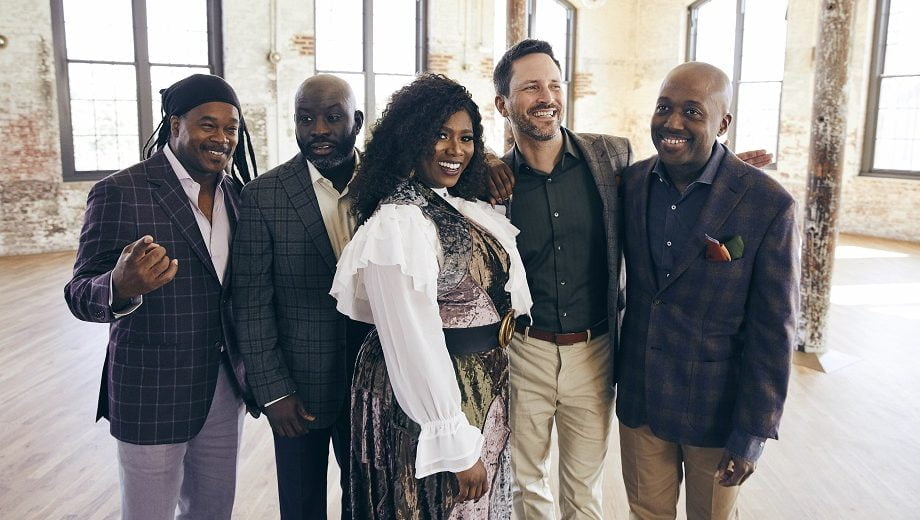
Ranky Tanky Takes Gullah Culture Around the Globe

You don’t need to know the first thing about Gullah culture to appreciate Good Time, the second album by the South Carolina quintet Ranky Tanky. But each song provides a short lesson on this little-known corner of American music.

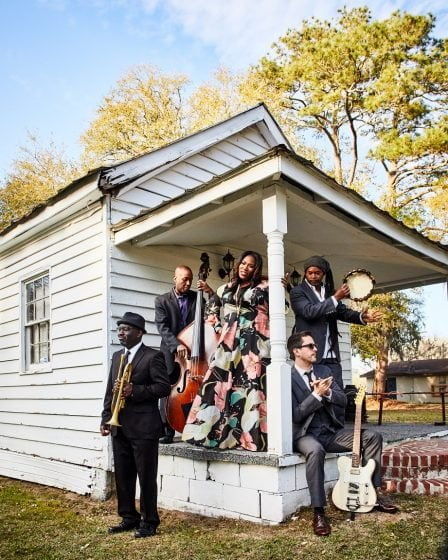
Take “Sometime,” an absolute jam that’s so fast, so breakneck that you have to wonder how the musicians can keep up with it. The rhythm section sets the white-knuckle pace, with drummer Quentin Baxter playing his snare like he’s an entire fife-and-drum band and Kevin Hamilton’s nimble bass adding a percolating low end. Vocalist Quiana Parler instigates a boisterous call and response with her bandmates, hitting high notes like she’s in church. Charlton Singleton’s trumpet snakes fluidly around the other instruments, while Clay Ross interjects a quick guitar solo that sound like New Orleans by way of Mali.

Delirious and joyous, “Sometime” presents all the individual elements of Gullah music, tracing a lineage through the U.S. and back to Africa. Never as popular as zydeco in Louisiana or rural blues in the Delta, it nevertheless has a unique sound, at once fresh and familiar as the instruments interact energetically with each other. Gullah culture developed along the South Carolina coast and on the Sea Islands, extending down into Georgia where it became known as Geechee culture.

It is a culture weighted with history, but perhaps the most remarkable thing about Ranky Tanky is how they work around that history, taking it into account but never letting their music settle into a revivalist vein. Good Time lives up to its title by sounding perfectly present tense. “We have a good time, as a band,” says Quiana Parler. “When I deliver these songs, I’m having so much fun onstage.”

They have taken that joy around the world, too. When they spoke to the Bluegrass Situation, the band was sitting in a hotel lobby in Madrid, where they were enjoying a day off from touring and getting ready to take in the sites of Spain.

BGS: Do audiences respond differently to your music in Europe than they do in America?

Clay Ross: Our experiences at festivals in Europe have probably been among our best gigs ever. The audiences are engaged on a different level. They’re really invested. We’re a band that maybe they’ve never heard of or seen, because in a lot of cases it’s the first time we’re playing that city. But when we do a crowd participation thing in our show, you can see every person engaging with the music, from the front of the stage all the way to the back of the room. It might be 5,000 people, but they’re all right there with you. It’s been a pretty powerful thing. I don’t know if there’s a greater cultural appreciation for music here or perhaps we’re more novel here than we are in our own country.

Quiana Parler: The support at home has been unbelievable, but overseas it’s completely different. They appreciate you differently. We don’t take any of it for granted, though. We’ve played only five or six times at home in the past five or six years because we’ve been so busy. What a blessing.

CR: By far the vast majority of our performances have been in the U.S., so we don’t have as much to compare it to. But the two dozen concerts that we have done over here, every single one of them has been sold out. And every single one of them has been met with an overwhelming response. We try to make our live shows exciting. We’re a touring band, after all. We’re live performers and improvisers, so every concert is a different event.

That seems to make the music very urgent and immediate. The new album doesn’t sound like a revivalist project.

QP: That’s our duty, I like to say. It’s a way of life for us. We went into this with good intentions — to get the message of the Gullah people out there internationally — and I think when you go into a project like this with something positive, you really get what you put into it. When Clay brought the idea for this band to us, we decided that we had to figure out a way to get the message across and have it be relatable. It couldn’t get lost in translation. So we had to remain true to the Gullah culture. We couldn’t sugarcoat anything. We had to make it very authentic.

CR: One thing I think is very special about this band is that we have different perspectives on that culture. Four of the group members are descendants of the culture and have their own unique cultural experiences growing up. I myself grew up around it and consider myself a disciple of the music, but I’m not a Gullah descendant and I’m not integrated into it the same way. I think that process has been special for us, because it allows us to see things in fresh ways and to qualify those ideas against actual experiences. But most of all we just want to make sure we honor and respect the Gullah culture.

Do you find that people are familiar with Gullah culture? Do they know where you’re coming from?

QP: Not really. People know about zydeco and other cultures, but we’ve never had much focus on the Gullah community, which is the root. But people are very open to it and very intrigued by it. They want to know more, which is a good thing. It’s been received very well, thank you Jesus.

Why do you think Gullah culture has been ignored?

QP: I have no idea. I don’t know. It’s not in history books either. I didn’t learn about this in school. Somehow it got put away. It’s sad.

On both of your albums, you’re going back and finding older songs to add to your repertoire. What is that process like?

CR: I brought a lot of that repertoire to the group for their consideration. I’ll bring in a field recording or some ideas based on research that I’ve done. We’ve studied the music of Bessie Jones, the field recordings of people like Alan Lomax. He and other folklorists visited the Sea Islands in Georgia and South Carolina and created books and recordings of that material.

Those places were so remote, so geographically isolated, so those songs and traditions would have been passed down through a hundred years or more of oral tradition. Now things are changing with technology and those places aren’t so isolated. It’s become a little more difficult to preserve those traditions, so we want to honor the people who passed this music down through so many generations while adding our own voices.
What is your background with Gullah music?

QP: It’s the church! It’s all embedded in the church. Most of us grew up in church and that’s where we learned a lot of these songs. There might be a few differences in the words or the rhythms of a song from one church to another, but it’s still the same. That’s how it’s been for generations and generations, and I’m still passing it down to my children. My son is 11 years old and playing drums in church. They’re playing the same songs that we grew up singing. It’s a little different with the millennials, but it’s the same thing. It’s in their DNA. My son was born into Gullah culture on his dad’s side, so it’s in his blood.

CR: When I came to the band members three or four years ago, it was maybe more of an academic idea: Let’s do these specific public domain songs with these unique arrangements and put our own spin on them. It was very specific material. What I think has been the most special thing about evolution is that with this new album, we’re writing our own songs inspired by just spending time together and playing concerts together. Our goal in the writing process is to create a seamless bridge between the traditional material and our original material. If you hear it and you think something doesn’t fit, that would represent a failure on our part artistically. We’re very conscious of that during the writing process.

What is that process like? Is it something where one of you brings ideas to the band, or are you working these out together?

CR: A lot of the material — I would say the frame of the house — might start with Quiana in soundcheck. Maybe Kevin [Hamilton] starts a riff on his bass and Quiana sings a line, then from that point something that just feels good can be the flame that starts a fire. We start to shape it, and everybody contributes. Everybody designs their own parts and everyone contributes to the shape of the songs. I end up writing a lot of the words, but that’s just something I’ve always liked to do. It’s a way I can contribute.

What can you tell me about the song “Freedom”?

QP: The idea for “Freedom” is something I came up with because of something I was going through personally. And it just so happened to coincide with adversity that other people have had to deal with. African people have always dealt with adversity. We all want the same thing at the end of the day. We all want freedom. That’s something Clay emphasizes in the lyrics—that struggle for freedom.

CR: When Quiana came up with that idea for “Freedom,” I went home and wrote ten verses about that idea. Then we ended up picking up three or four that worked the best. It’s a bit like that. But everybody contributed, and that’s something I’m grateful for. We’ve had this amazing opportunity to align our powers.

Dealing with adversity and struggle seems to be a theme on the album. “Beat ‘Em Down” is a good example. It sounds like a violent phrase, but the song clarifies: “Beat ‘em down with love.”

QP: Kill ‘em with kindness. Hate is such a strong word, and I’ve always [believed] that you love someone instead of hating them. You love the hell out of them! You don’t fight fire with fire. You reciprocate with love and compassion. That’s the only thing you can do.


Lede photo credit: Sully Sullivan for Garden & Gun Magazine

Church photo credit: Peter Frank Edwards
LISTEN: The Brookses, “The Bridge”

Artist: The Brookses
Hometown: Atlanta, Georgia
Song: “The Bridge”
Album: Lucky Charm
Release Date: April 26, 2019

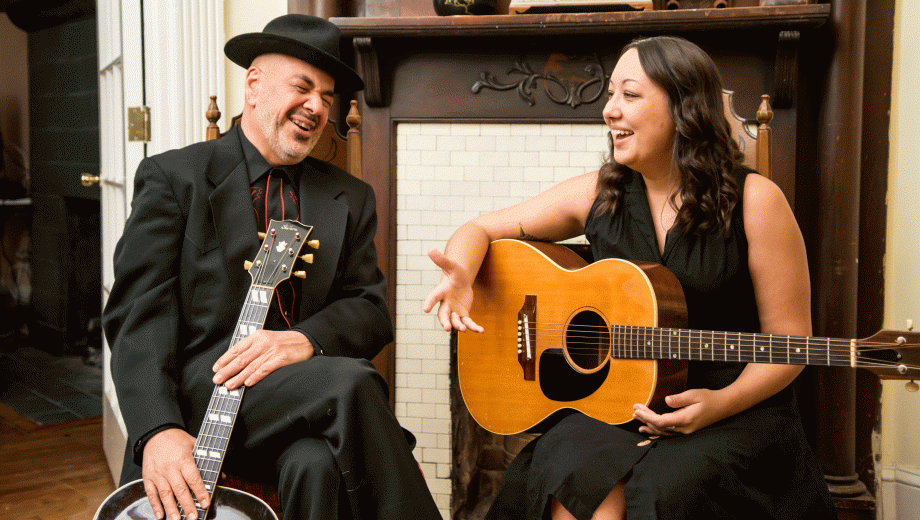
In Their Words: “‘The Bridge’ is a song about songs — about how music can be a salve; a lifeline between people; a way to communicate when conversation fails. Playing music with another person has a special magic, and I think that’s because it’s gratifying in the most simple and human way: it makes us feel heard, but it also forces us to listen.” — Meg Brooks

“‘The Bridge was Meg’s first foray into songwriting, and it really was the impetus for creating The Brookses and crafting the album. I’ve been a songwriter and musician for many years, and I was impressed with the quality and maturity of her writing right out of the gate. We’ve been singing and playing together since Meg was a little girl — that family harmony is a real thing, just listen to the Carter Family, or the Louvin Brothers, or the Delmores. I’ve sung harmonies with some amazing women singers in my career, but there is something very special about the way Meg’s voice blends with mine. It’s almost like there’s a third voice in the mix.” — Jim Brooks


Photo credit: Mia Yakel

LISTEN: Son of Cloud, “Who Could Ask for More”

Artist: Son of Cloud
Hometown: Macon, Georgia
Song: “Who Could Ask For More”
Album: Son of Cloud
Release Date: April 12, 2019
Label: Mason Jar Music

In Their Words: “I wrote this song as a high school graduation present for my younger sister, Jenni. I tried to play it at a family celebration but couldn’t make it through because I got too choked up. Then I tried again at her wedding five years later with only marginally more success. We grew up singing together as a family. That’s her singing harmony on the recording. The day we tracked the song at Mason Jar Music Studios in Brooklyn, a swarm of cicadas gathered outside the control room window just like they used to in Macon, Georgia, where we went to high school together. I stuck a microphone out the window and put it on the record. That was the first and last time I’ve heard cicadas in the area.” — Jonathan Seale, Son of Cloud


Photo credit: Katrina Sorrenti

LISTEN: Jontavious Willis, “Take Me to the Country”

Artist: Jontavious Willis
Hometown: Greenville, Georgia
Song: “Take Me to the Country”
Album: Spectacular Class
Release Date: April 5, 2019
Label: Kind of Blue Music

In Their Words: “The past 22 years of my life and the places I’ve seen are what inspired this song. No matter where I go in the world, I can’t wait to go back to the country. For me, that special place is a rural southern town in Georgia where I grew up. It’s such a quiet and calm place, and somewhere I crave when I’m far from it. I hope you enjoy and follow me to to the country.” –Jontavious Willis


Photo credit: Jeremy Cowart

WATCH: Larkin Poe, “Bleach Blonde Bottle Blues”

Artist: Larkin Poe
Hometown: Atlanta, Georgia
Song: “Bleach Blonde Bottle Blues”
Album: Venom & Faith
Release Date: November 9, 2018
Label: Tricki-Woo Records

In Their Words: “’Bleach Blonde Bottle Blues’ is a punchy little number that lends itself to a stripped-back performance. We really had fun working it up just the two of us — this is the first time we’ve ever sung three-part harmony with Megan’s slide joining in as the third vocal! During the writing process, the rhythmic imagery of the lyric came so naturally to me that it almost felt like this song wanted to be written; it feels like a reminder of the importance in choosing to vibrantly live our lives while we have them: ‘You’ve gotta ride, feel the fire like a first kiss… you’ve gotta ride at your own risk.’” — Rebecca Lovell


Photo credit: Robbie Klein

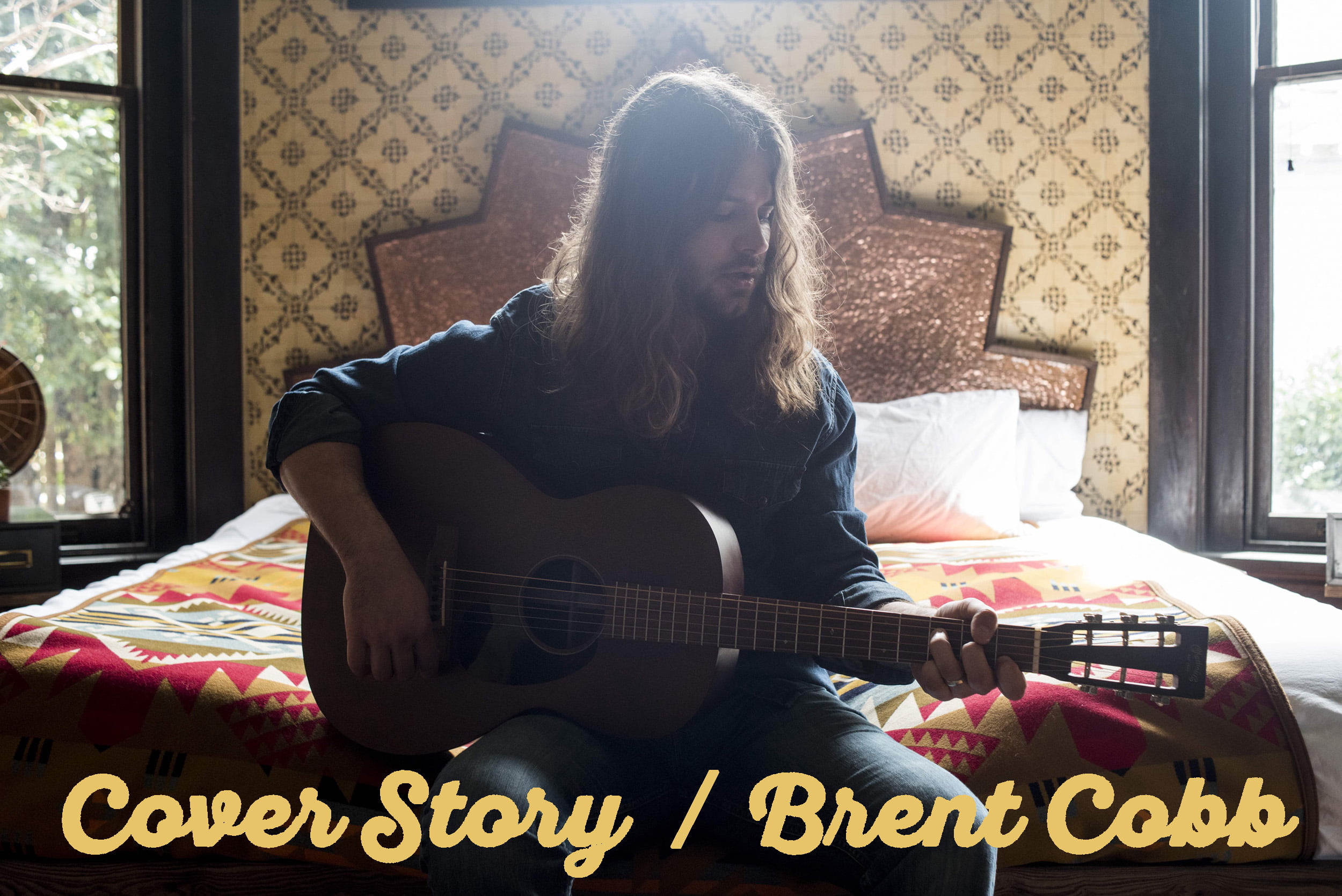
Georgia on His Mind: A Conversation with Brent Cobb

Georgia-born Brent Cobb doesn’t run from his roots. The singer/songwriter, a cousin to well-known Americana producer Dave Cobb, includes bits from his hometown and his upbringing throughout his latest full-length, Shine on Rainy Day. But this isn’t an album about a homebody or a good ol’ boy pining for old times. Rather, the record balances the comforts of homes and hometowns with the forward-moving momentum of life on the road. Songs like “Country Bound,” a number Brent borrowed from his father Patrick Cobb, is a homesick number, while “Traveling Poor Boy” shows off Cobb’s troubadour side. Shine on Rainy Day is a record for listeners with those same sensibilities, appealing to homesickness and travel and loss with an enduring message that urges its audience to see past current hardships.

Let’s start off with something basic: Can you tell me about growing up with music — your first experiences starting to write songs and also seeing songs written?

Yeah, I can still remember the first song I ever wrote … I don't know if you want to hear about that …

I do!

It was about rocks.

[Laughs]

It was walking around through the iron ore pits at my grandmother's house with my little sister. We were collecting iron ore rocks and it was a song about collecting rocks. It was "Millions and Billions and Jillions of Rocks," that was the name of my first song. [Laughs] I was 8 or 9. We just had picking parties — family picking parties and everybody played, and everybody wrote, and everybody sang.

Just to let you know what level it went to … In ’92, my dad had the opportunity — Doug Stone flew him to Nashville and took him around to a lot of publishers and with agents and record labels — and my dad was going to sign with Giant Records. He wound up not doing it because I was 7 and my sister was 3, and they kept talking about how much he would be gone on the road. So he decided to stay local, stay regional, and just play on weekends. I just always grew up around music. It was accepted as a trade and a career in my family.

“Country Bound” was the first song that I ever witnessed being written. I was 5, and we were in Cleveland, Ohio, for Christmas with my mama's folk. I was seeing snow for the first time out the window and then I would turn around and my dad and my uncle were writing "Country Bound." I remember them like it was yesterday writing "Country Bound." Every year on Thanksgiving, when my aunts and uncles would come into Georgia from Cleveland, we'd always play "Country Bound." I wanted to include it on this album because it's always been my favorite song. This album sort of has a theme of getting back home a little bit to it.

I really noticed that theme of getting back home. I know Dave Cobb produced this record, and you guys are related and you’d worked together before. How did this specific record come about?

After he moved to Nashville, we'd get together here and there and we always were just like, "Someday we'll do a record here." I toured for about four years — did 120 dates a year — and I stopped when I found out that I was fixin’ to have my first baby. I had a little baby girl, and so I took an indefinite amount of time off the road, and didn't know if I'd ever go back to making records as an artist or if I'd continue to just write songs.

In the middle of this break, Dave called me and he was making Southern Family. He said "Man, I'm putting together a concept album called Southern Family and I only thought it'd be appropriate for me to have my own Southern family be a part of the record, if you would write a song for it." And I was like, "Hell, yeah, I'll do that! That'd be great!" And so I wrote a song for Southern Family called "Down Home." I also helped … I was fortunate enough to write Miranda Lambert's song with her in "Sweet By and By."

When we were in the studio recording both of these songs, it just felt so good to be back in there with Dave. It just felt like home, and we knew that we had to make a record, but we didn't know that it was going to turn into all of this and I was going to do a deal with him or anything.

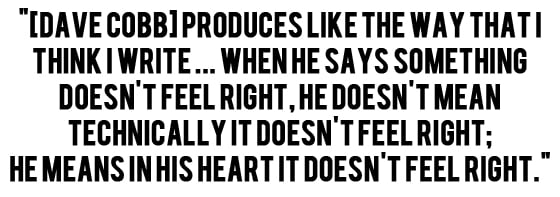
He produces like the way that I think I write. I write real spontaneously, and I write off of the muse of a moment. He's the same way as a producer. When he says something doesn't feel right, he doesn't mean technically it doesn't feel right; he means in his heart it doesn't feel right. And that's the way that I am when I write songs. It just magically happens.

Tell me a little bit more about writing songs. You’ve got the one song on the record, “Solving Problems,” that digs into the songwriting portion of your career. I think there is an interesting dynamic between this idea of being an artist versus being a songwriter when really, songwriting is an art.

I know! I never knew there was a difference! I thought they were all one and the same. But apparently, that's the first question that every publisher asks on Music Row. When I first went down there and I was checking on getting a publishing deal, they asked, "Are you more of a writer or are you more of an artist?" I just didn't know it was that different, really. And I guess it's because I like to do both — performing and writing — so much. Some people don't like the idea of going to Music Row and and co-writing in a publishing house, but I love it.

What is it that you like about it?

Well, I'll just tell you what my day is, so you can get an idea of what it's like: I get up at 6:30 with my baby and I drink coffee, and my wife gets home from work. I go in to write about 9 or so in the morning. I write till 3 o'clock in the afternoon with someone, whether it’s a co-writer or my publisher schedules a writer with me. While we write, we treat it like a regular job. It’s so cool to me because of the history of Music Row. If you read Willie Nelson's memoir — It's a Long Story is the name of it — he talks about writing "Hello Walls." That was the first song that he ever co-wrote on Music Row, and he just thought that it was such a strange feeling walking in there and not knowing a person and having to write these personal songs.

It is like that, but once you get used to it, it just becomes so much fun. It's just a bunch of collaboration … It's the best job in the world. I'm just glad to have it.

What made you decide to talk about it in “Solving Problems?”

I didn't have nothing else to write that day. [Laughs] That's the God's honest truth. I couldn't make anything else come, so … It's like, "Well, man, let's just write about exactly what we're doing right here." It's cool to be on Music Row writing songs about being on Music Row writing a song.

Speaking of co-writes, I would love to talk about "Shine on Rainy Day." That song appeared on Andrew Combs' record, and it says so much about the strength of the song that you guys can both make it your own. The title is different and I'd love to hear about why you decided to make that the title track of the album and what that song means specifically to you.

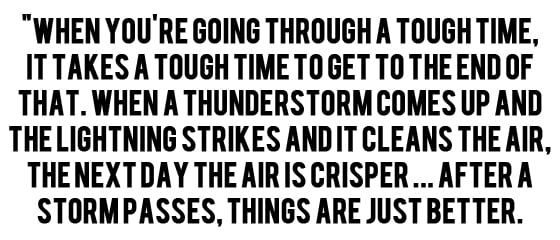
For me, that song meant a lot of things, really. It was coming from a lot of different places, so it's kind of hard to say. When you're going through a tough time, it takes a tough time to get to the end of that. When a thunderstorm comes up and the lightning strikes and it cleans the air, the next day the air is crisper, and the sky is bluer, and the trees are greener, and the grass is greener. After a storm passes, things are just better. They're new again. So that's what that meant for me, and it was from the last 10 years trying to pursue this career. Just like anything, it's got its ups and downs and it gets tough sometimes. So it's really about that for me.

I love that Andrew did it, as well. In the past, there'd be five or six different versions of the same song. I don't know how many different versions of "Sunday Morning Comin' Down" there are, but there are a ton of them that were all made back then. I love when a bunch of different artists do a song and I wish that would come back. I don't know why it doesn't exist as much anymore.

I named the album Shine on Rainy Day because I had given a pre-copy of the album to a close friend of mine, when he and his wife had just gone through a very personal family tragedy. That song was the one that really stuck out to him. It just really inspired me to name the album after it.

You write a lot about Georgia. I recognize landmarks and highways in the lyrics. How much of this was influenced by where you’re from and the idea of home?

I grew up in real rural Georgia, the southwest side of Georgia. It’s the surroundings, the wildlife, the pine trees, the red clay. It's the people down there. Growing up, you couldn't buy beer on Sundays. People are a little more cut off from the rest of the world. Their traditions and their ways — and mine, too — they're a little more old school. Everything's got a routine to it. It's just like reading a book that's been around forever. I don't know how to explain it. It's just something I've always noticed, too, and I've always studied. I guess it was a mixture of those surroundings and that environment, but then also with my family, too, being musical. I just love Georgia.


Photo credit: Don VanCleave

7 Amazing Oral Histories from the Southern Foodways Alliance

If you're unfamiliar with the Southern Foodways Alliance, you're missing out on one of the most important contributors to culinary culture — Southern or otherwise — operating today. Housed at the University of Mississippi's Center for the Study of Southern Culture, Southern Foodways "documents, studies, and explores the diverse food cultures of the changing American South." Through research, outreach, events, a fantastic podcast and print journal, and a number of other efforts, SFA has become the go-to authority on the South and its intimate connection to food. 

A primary component of SFA's work is producing oral histories — a series of in-depth, multimedia interview projects that offer glimpses into overlooked communities, tackle tough subjects like race and class, and shine a much-needed light onto some of the region's most storied culinary traditions. There's an entire online archive of oral histories worth poring over, but here are some of our favorites. 

Bluegrass & Birria

This oral history looks at the quickly growing Latino population in Kentucky, focusing on the growing trend of regional dishes popping up at Mexican restaurants. Interviews feature several Louisville-based restaurant owners, including the husband and wife owners of Con Huevos, which specializes in serving desayuno (Mexican breakfast), and the owner and chef of the Mayan Café, a purveyor of Yucateco cuisine.

Women Who Farm: Georgia

According to this oral dispatch from Georgia, "women are the fastest-growing group of farmers in the country." Dig into tales of farming with several badass Georgia-based female farmers, including a Jamaican transplant educating her Atlanta community about farming and a fifth-generation farmer tending land in the small town of Bluffton.

Carter Family Fold

The Carter Family is perhaps the most famous family in roots music, but they also established a culinary legacy at their small Virginia venue, the Carter Family Fold. Hear first-hand accounts from visitors, musicians, and family friends of the delicious cornbread and homemade cakes served at the famous Fold. 

Restaurants of Oxford's Past

Best known as either a college town or the home of William Faulkner, depending on who you talk to, Oxford, Mississippi, is also home to a vibrant restaurant scene. Learn about several historic Oxford restaurants — some still serving delicious food, others defunct — in this assortment of interviews.

Kentucky Bacon

Ah, bacon, pork fat supreme and public enemy number one of would-be vegetarians across the globe. Kentucky is home to some of the country's greatest bacon, and this series of interviews provides a glimpse into why the Bluegrass State should consider changing its name to Hog Heaven, as well as the challenges that have afflicted the industry in recent years.

Nashville's Nolensville Road

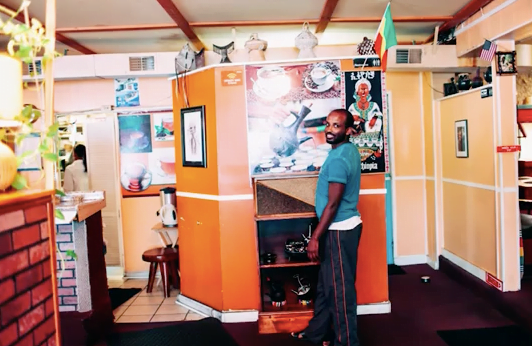
Nashville may be in the news for its influx of hip farm-to-table joints, but the real eats are along Nolensville Pike, a stretch of road south of town that boasts some of the best international cuisine around. Visit with restaurant community pillars from Ethiopia, Bhutan, UAE, and beyond in this oral history project.

Louisville Barroom Culture

Go on a virtual bar crawl and learn about the history of booze and bars in bourbon-soaked Kentucky in this set of interviews which features, among other storied establishments, the Seelbach Hilton Hotel which is famous for housing Al Capone during Prohibition and plying literary boozehound F. Scott Fitzgerald with its renowned cocktails.


Lede screenshot via Southern Foodways Alliance

Traveler: Your Guide to Savannah

Located in the middle of the Lower Coastal Plains and salt marshes of Southeast Georgia, Savannah — founded in 1733 — is one the oldest cities in the American South. With its rich colonial history, diverse Southern architecture, and growing reputation as a regional haven for arts and culture, Savannah has long been a popular tourist destination. Affordable, nonstop flights that clock in at under two hours from New York make for the perfect trip from the Northeast. 

Lodging

There are countless hotels in the touristy, downtown historic district. If you’re looking for more local flavor, try staying at any of the countless bed and breakfasts or Airbnbs in more residential neighborhoods for roughly the same price as most of the mid-level hotels. Look for a rental in the Starland District, the rapidly gentrifying neighborhood located south of Forsyth Park and the historic district.

Coffee

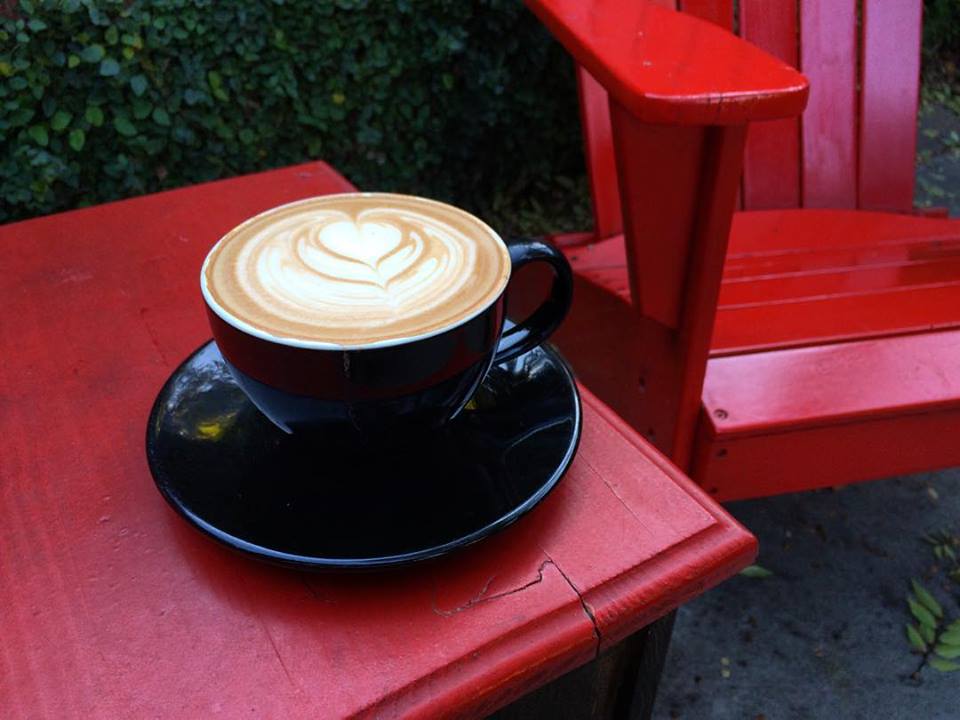
[Coffee at the Foxy Loxy Café. Photo courtesy of Foxy Loxy]

As a tea drinker, I deferred to my girlfriend on the matter of coffee during our four days in Savannah. She says the best coffee she had in town, bar none, was at the Foxy Loxy, the Tex-Mex-inspired café that takes up an entire two-story house in the Starland district. Every Tuesday night, Foxy Loxy hosts an evening of acoustic music from local songwriters and artists. The Coffee Fox, located downtown on Congress Street, is the shop’s flagship location. Also recommended: Shop the Fox, the sibling gift shop next door.

Food

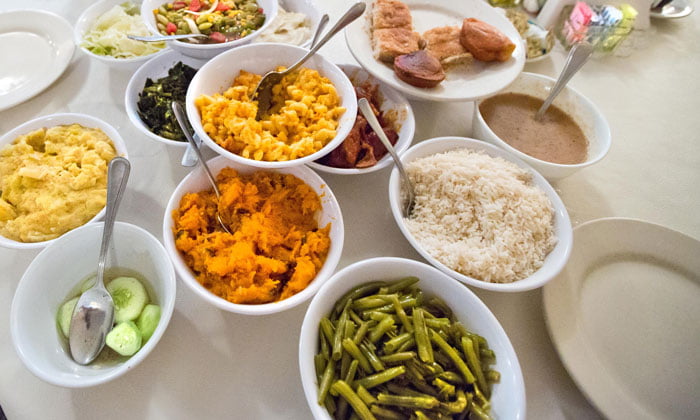
[Southern cooking, family-style. Photo courtesy of Mrs. Wilkes Dining Room]

It may be touristy, but lining up at 10 in the morning for the 11 am opening at Mrs. Wilkes Dining Room is the best decision you can make in Savannah. For $20, you’ll get seated at a large table with fellow diners where you share over a dozen dishes — family-style — of the best Southern cooking you’ve ever tasted … sweet tea included, of course.

Goose Feathers Café is another solid, cheap option for breakfast. The Bird’s Nest — which features two poached eggs, salsa, and cheese over a bed of grits — was particularly great. The best lunch we had in town was easily Zunzi’s, a take-out sandwich spot that sells gigantic hot sandwiches with a combination of South African, Swiss, Italian, and Dutch cooking. The Chicken Conquistador sandwich was massive, delicious, and well worth the $12.

Drink

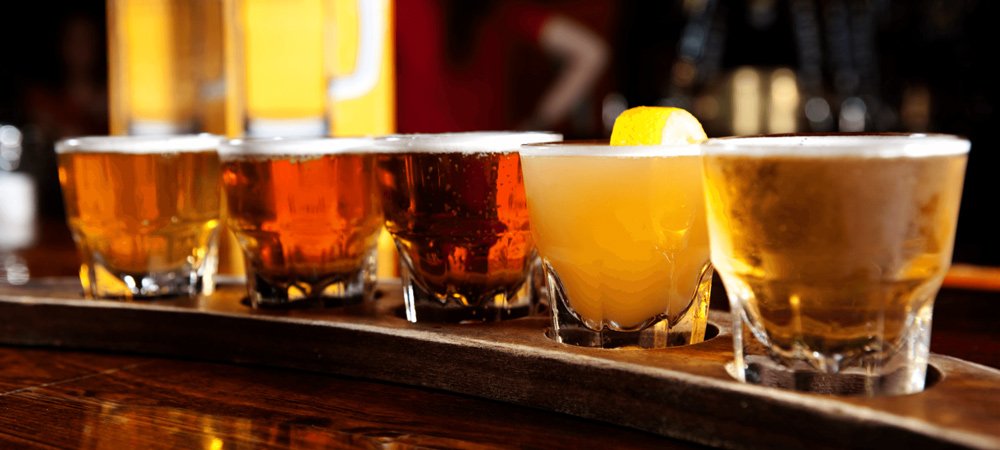
[The sample pack. Photo courtesy of Moon River Brewing Company]

Savannah is a serious beer-drinking town, with several craft beer bars conveniently located downtown, from Savannah Taphouse to Moon River Brewing Company. With drinking on the street legal in the city’s historic district, the to-go cups that any bar or restaurant offers is surely an added bonus. Another newer restaurant, the Distillery Ale House, is also worth a visit with an excellent beer selection and first-rate chicken wings.

One of the stranger, most enjoyable drinking experiences in Savannah can be found at the Savannah Bee Company, which offers mead tastings for just $5. The company offers various delicious tastings from many of the relatively few meaderies that produce the fermented honey-based drink throughout the United States.

Located right in the heart of downtown and recommended by a local, HangFire was the most charming bar we went to in Savannah. It’s a hangout for musicians and young folks from all over town, and the bar regularly hosts a diverse array of local bands and singer/songwriters. If you’re looking for a fun night, I highly recommend ordering a couple of Scorpion Teas, one of the bar’s specialties. With an expiring lease fast approaching, the bar is currently scouting new locations to open in somewhere else in town, so make sure you look up HangFire, wherever it soon may be, next time you’re in town.

Arts and Culture

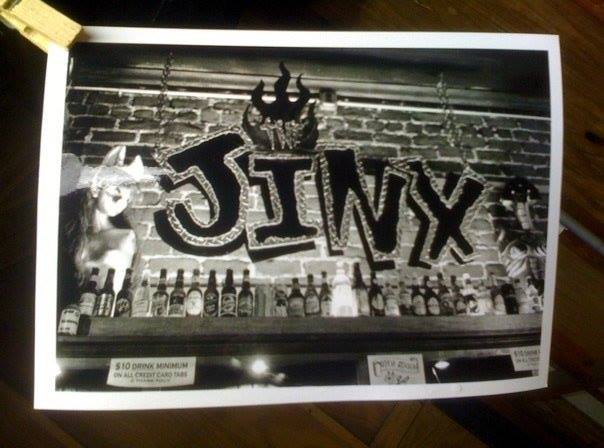
[Photo courtesy of the Jinx 912]

With the Savannah College of Art and Design (SCAD) located right downtown, Savannah has long been a hotbed of arts, music, and culture. “Savannah has always been a creative enclave,” writes local music writer Bill Dawers in a recent issue of Oxford American. “Today, it’s common to see metalheads at country shows or punks supporting hip-hop.” From venues like the Wormhole to HangFire, there are more clubs and stages than ever for local musicians. For bigger shows, the Johnny Mercer Theatre and the Lucas Theatre host touring acts like Jackson Browne and Jason Isbell.

Much of the city’s local music scene revolves around the Jinx, the downtown rock room that has been operating since 2003. The divey, intimate club is the most important gig in town for local bands, as well as a regular stop for countless national touring bands. The club has a storied history with the town’s local metal scene, but its bookings are wide-ranging and cover a number of styles and genres.

For books and records, your best bets are the Book Lady, which offers a great mix of new and used books (and sports a solid music section, to boot), and Graveface Records, located just a block from the Wormhole. Graveface is run by Ryan Graveface of Black Moth Super Rainbow and the Savannah-based Dreamend. Graveface also runs the small, independent record label, Graveface Records, which puts out a great array of indie releases.

Local Flavor

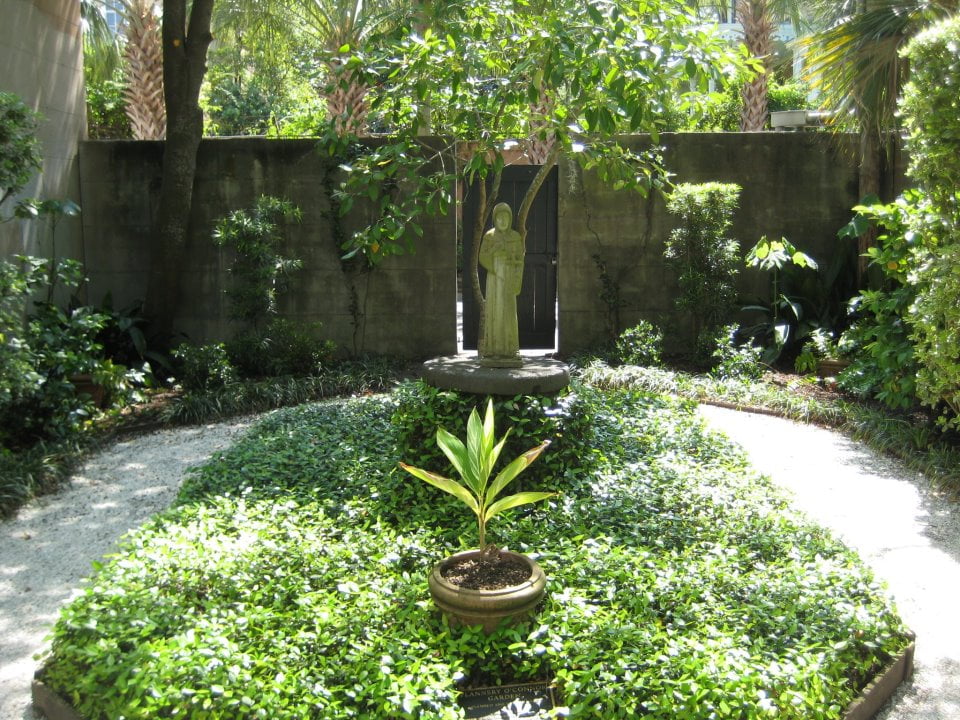
[Photo courtesy of the Flannery O'Connor Childhood Home]

The mix of history, architecture, and arts give Savannah a unique feel unlike any other small Southern city I’ve ever been to. Some of the most popular tourist attractions are the many ghost tours throughout town, which is often called one of America’s most-haunted cities. Like many historical destinations throughout the South, Savannah effectively whitewashes — both literally and figuratively — a large portion of its long history, and our biggest regret on the trip was not being able to take the city’s walking tour with Johnnie Brown, a longtime Savannah native who offers a historical walking tour focused on the African-American history that the city does not readily present to the general tourist.

Otherwise, the city is highly walkable, so the best way to absorb the city is to spend a couple of days wandering among its countless squares, parks, and cemeteries. If you’re a literary nerd, taking the 20-minute tour through the Flannery O’Connor Childhood Home, a restored 1920s house that the Georgia writer lived in until she was 13, is a must. Another essential stop is the SCAD Museum of Art. Expanded and renovated in 2011, the museum is a gorgeous, expansive, world-class art museum featuring everything from photography to furniture design, and hosts an impressive rotating exhibit from the Walter O. Evans Collection of African-American art.


Lede photo credit: jeffgunn via Foter.com / CC BY