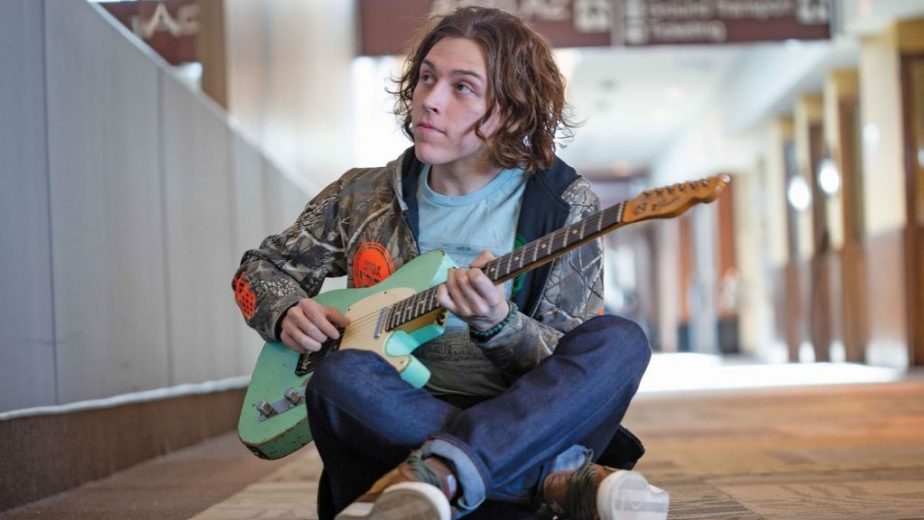
LISTEN: Daniel Donato, “Always Been a Lover (Stripped)”

Artist: Daniel Donato
Hometown: Nashville, Tennessee
Song: “Always Been a Lover (Stripped)”
Release Date: December 17, 2019

In Their Words: “Something that I’ve always been tested with as a musician is the fact that I’m very dynamic-based, so depending on the song, I’m letting loose in different ways and I’m holding back in different ways. This was a great opportunity to take this song and fulfill it in an acoustic manner. You know, it goes back to that old Nashville trope, ‘Can you boil it down to an acoustic version and still satisfy?’ And I absolutely feel that it does. It’s like it passed the test.” — Daniel Donato


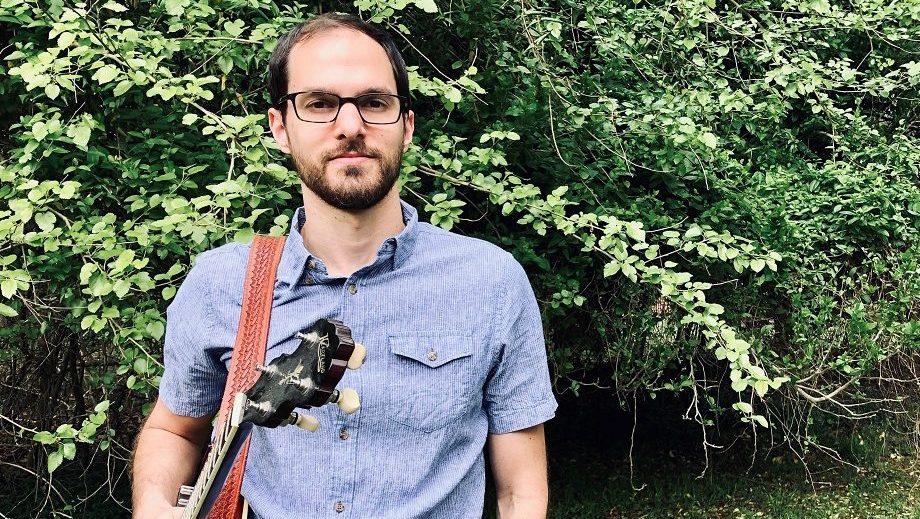
Photo Credit: Saverio Donato #cosmiccountry

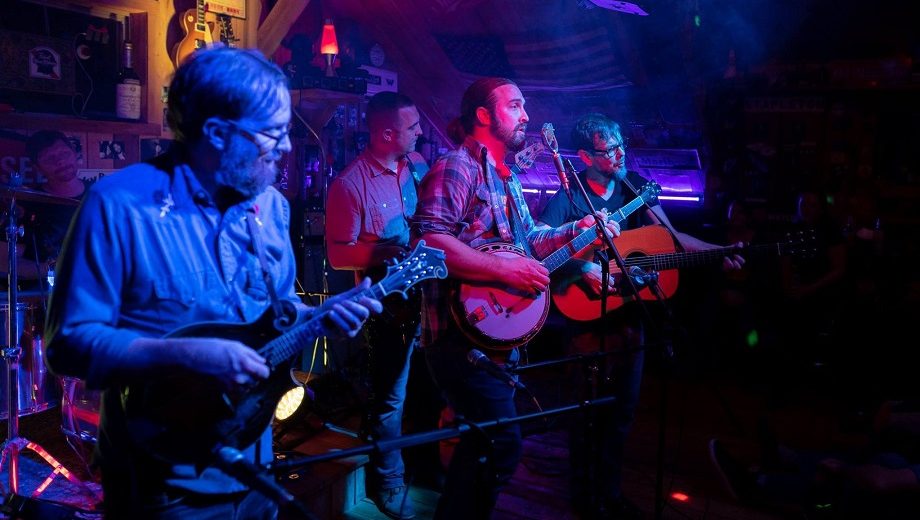
WATCH: Aaron Bibelhauser & Relic, “Loving You Again”

Artist: Aaron Bibelhauser & Relic
Hometown: Louisville, Kentucky
Song: “Loving You Again”
Album: Lovin’ & Leavin’: A Bluegrass Tribute to Mickey Clark
Single Release: December 13, 2019

In Their Words: “After the passing of Kentucky songwriter Mickey Clark, I decided to produce a collaborative bluegrass album centered around some my favorite songs from his catalog, in particular his lovin’ and leavin’ songs — that was the way he would describe them. ‘Loving You Again’ is an emotional expression of this timeless dichotomy. Poignant lines like ‘There’s ramble written on my boots, there’s a map in my guitar’ capture the human longing to wander, while the resolving lyrics fly in the face of that free-spiritedness: ‘When I look into your eyes, I know I won’t go far.’ Recording this track with my twin brother Adam and our band Relic seemed like an incredibly special way to honor our old friend. We’ve been making music together with this band for over a decade and when we get the chance to share our take on such a special song, it seems our journey has only just begun.” — Aaron Bibelhauser


Photo credit: Winston Garthwaite
Video by Chris Witzke

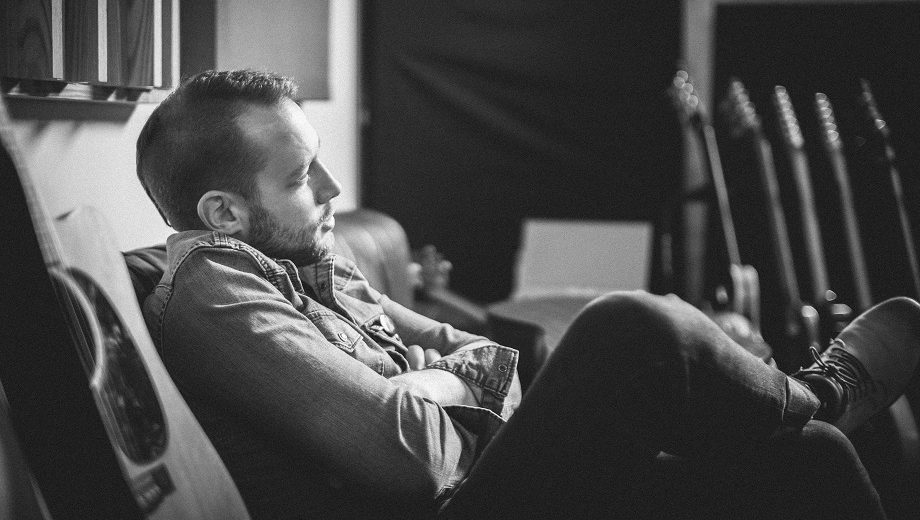
LISTEN: B. Knox, “The Fault Lies”

Artist Name: B. Knox
Hometown: Barrie, Ontario, Canada
Song: “The Fault Lies”
Album: Heartbreak and Landscape
Release Date: Early 2020

In Their Words: “It’s hard to feel any sense of permanence when the seasons are constantly changing. I love the interplay between landscape, weather, and emotion. I think most of what I write reflects that, in one way or another. I tried to lean heavily on barren images and vast amounts of space: the distance between things. Emotions, like the seasons, are things we all experience, but they are also extremely individual. Here in Canada, we have a lot of open space and vastly different seasons. In a way, that’s what both connects and isolates us.” — B. Knox


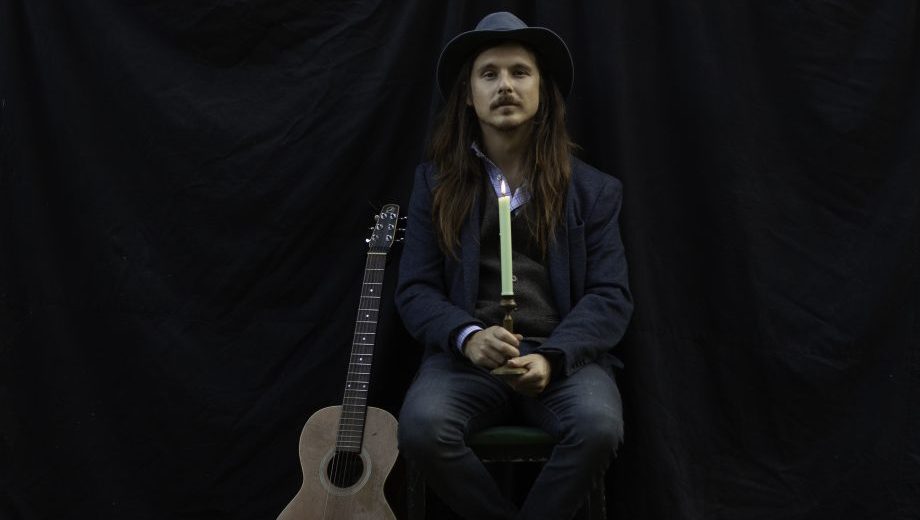
Photo credit: Baldwin

LISTEN: Jennah Barry, “Pink Grey Blue”

Artist: Jennah Barry
Hometown: Mahone Bay, Nova Scotia
Song: “Pink Grey Blue”
Album: Holiday
Release Date: March 27, 2020
Label: Forward Music Group

In Their Words: “‘Pink Grey Blue’ is about my deep and lasting body dysmorphia. The song speaks from the perspective of a voice in my head trying to convince me to look at myself with gentle eyes.” — Jennah Barry


Photo credit: Kira Curtis

LISTEN: Ben Krakauer, “Heart Lake”

Artist: Ben Krakauer
Hometown: Black Mountain, North Carolina
Song: “Heart Lake”
Album: Heart Lake
Release Date: December 17, 2019
Label: Blue Hens Music

In Their Words: “I wrote ‘Heart Lake,’ along with the rest of the tunes on this album, with these particular musicians in mind. ‘Heart Lake’ was my attempt at a fiddle tune, which morphed into something different by the time I finished writing it. Like John Hartford’s string band records, it shifts in texture every 16 or 32 bars. It’s named for one of my favorite places, near Mt. Shasta, California. Featuring Duncan Wickel on fiddle, Nick Falk on drums, and Dan Klingsberg on bass.” — Ben Krakauer


Photo credit: Laura Ogburn

WATCH: Twin Kennedy, “Blindspot” (Live)

Artist: Twin Kennedy
Hometown: Victoria, BC
Song: “Blindspot”

In Their Words: “‘Blindspot’ is a special song for us as both musicians and songwriters. We were excited to release something so vulnerable and sincere, and we felt connected to the song from the day we wrote it. ‘Blindspot’ is about heartbreak and about finding yourself in a place where you are not feeling seen or valued by your loved one. It is also about feeling strong enough to say. ‘I won’t stay here in your blindspot.’ We’ve had our hearts broken before, but through the experience we have found more strength and self-love. We hope this song connects with our listeners and serves as a reminder to love yourself and choose to be with people who would never put you in their blindspot.

“It was so amazing to record this one-shot video live-off-the-floor in such a beautiful space at The Warehouse Studio in Vancouver, BC. We wanted to represent the title of the song by standing back-to-back, tuning into our ‘twin-tuition’ and performing while we were in each other’s blindspots.”


Photo credit: Suzanne Sagmeister Photography

LISTEN: John Dennis, “First Light”

Artist: John Dennis
Hometown: Freeburg, Illinois
Song: “First Light”
Album: Mortal Flames
Release Date: January 31, 2020
Label: Rainfeather Records

In Their Words: “This tune is my own version of a creation myth. Because the whole record is intended to tell a larger chronological story, I wanted to set up the ‘mortal flames’ idea by challenging myself to imagine my own poetic version of existence coming to be. The idea that resonated most with me was all life being a part of one great, harmonious (and sometimes cacophonous) song and dance; and its fundamental ‘meaning’ is to continually experience the wonder of itself. (‘Each given a freedom and time to make up their own meaning for this life, When really they were merely born to see, to shine first light.’)

“There are a multitude of stories and myths we can all inhabit, but, as someone who can get consumed and paralyzed by existential questioning, it gave me peace to think that, at the very bottom of it all, I’m fulfilling a ‘purpose’ just by being. These themes get explored throughout the record, but if you listen closely after the final song, you’ll hear the whistling motif from ‘First Light’ again, which was meant to signify the cyclical nature of life — the constant rising and falling, creation and destruction, darkness into light back into darkness.

“It’s also worth noting that I was listening to a lot of Paul Simon when I wrote this — specifically The Rhythm of the Saints and So Beautiful or So What records.” — John Dennis


Photo credit: Kristin Indorato

WATCH: Stelth Ulvang, “Mornings”

Artist: Stelth Ulvang
Hometown: Denver, Colorado
Song: “Mornings”
Album: American Boredom

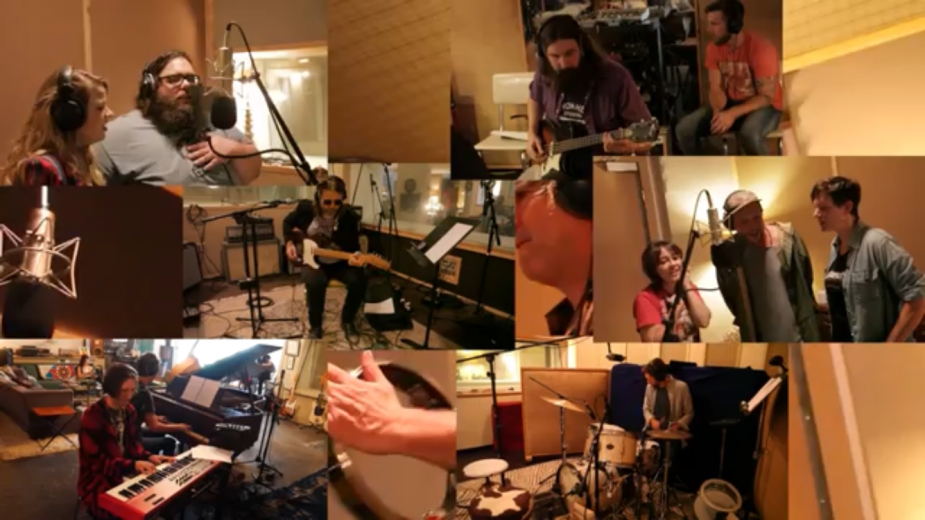
In Their Words: “I thought it would be nice to shed a small glow on the darker side of tour life. As lighthearted as a tune about seasonal depression can be, I wrote ‘Mornings’ in one of the harder and longer stints of touring (with The Lumineers). The beautiful late light of Sean Spellman’s studio in Westerly, Rhode Island, seemed like the best spot to record with my two bandmates Dorota Szuta and Max Barcelow. Often with everything glowing and bright on the outside, it is even harder to show people that seemingly endless, all encompassing, darkness. Ha, enjoy!” — Stelth Ulvang


Photo credit: Norah Hoover

WATCH: Nashville Covers Dylan for SAFPAW, “All I Really Want to Do”

Artist: Nashville Covers Dylan for SAFPAW
Hometown: Nashville, Tennessee
Song: “All I Really Want to Do” (Bob Dylan)
Release Date: November 18, 2019

In Their Words: “Each person involved with this project donated their time and skills to make this happen. We all see what Laurie Green of Southern Alliance for People and Animal Welfare (SAFPAW) is doing for our community, and we love the spirit and songs of Bob Dylan, so we have merged concepts and talents to raise awareness for something truly worthwhile.” — Tim Easton

Donations can be made here.

Editor’s Note: New West Records artist Aaron Lee Tasjan, ANTI- artist Darrin Bradbury, Cafe Rooster Records artists Brian Wright, Sally Jaye, Jon Latham, and Nikki Barber of The Minks, spearheaded by Tim Easton and producer Gabe Masterson, gathered at Club Roar Recording studio to record Bob Dylan’s “All I Really Want to Do” to raise awareness for SAFPAW (Southern Alliance of People and Animal Welfare). Directed and edited by Stacie Huckeba, the live video session marks the fifth consecutive year that Easton, Huckeba, and Masterson have partnered to record and film a Bob Dylan cover for a Nashville-based charity.

String Cheese Incident, Jim Lauderdale Share “Stories For Another Day”

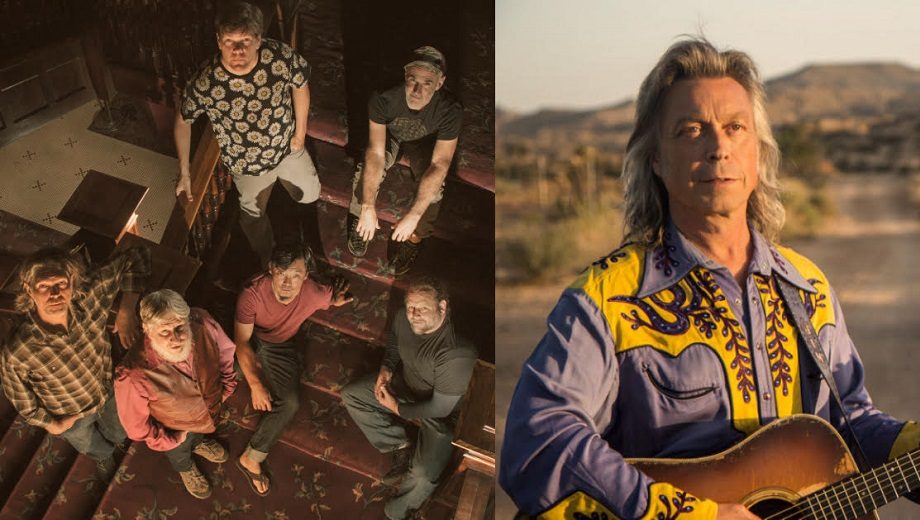
Colorado-based jamgrass troupe String Cheese Incident turned 25 this year, and although they’ve already established themselves as one of the most accomplished groups in jam music, they show no signs of slowing down in the next quarter-century. The band has spent their 25th year touring the country and releasing new music on a regular basis, their most recent single featuring the country-music-great Jim Lauderdale. (See the premiere below.) We called up SCI’s lead singer Bill Nershi to discuss the history of the band, how they’ve managed to stay so productive, and more.

BGS: Thinking about the fact that you’ve been a band for a quarter of a century has got to be awe striking. How have you managed to continue doing things your own way for so long?

Bill Nershi: Ever since we started, which was really 1995, we decided we were going to actually go for it. We met and played some local shows for a while, and then we moved out here to Boulder in ’95 and really started getting after it as far as touring. All these bands used to look for record deals and when we talked about it with other bands who had been through that we heard a lot of negative stories about dealings with record labels, so that’s when we decided to start our own label.

Twenty-five years ago, that must have been a big decision to make. How did the band come to the conclusion that music is what you were going to commit to?

We’ve always been trying to achieve things and get the best results we can from playing together. We work hard on rehearsing. Trying to improve our weaknesses as a band and trying to promote the positives. But really, when we first started, we were encouraged by the audiences that we were playing to and that really motivated us.

I had been playing a long time, and other people in the band had played music with different people, but that was the first time for me that I got together with a group that clicked right away. Even before our skills were really developed musically, there was a chemistry that we could feel — mostly that the crowd had picked up on — and that encouraged us to go for it. From then it was just “How are we going to go about this?”

We’re not going to be the band that has the hit single. So, we looked at some of the bands that had paved the way for us a little bit. How did the Grateful Dead do it? They didn’t have a hit for a really long time but they developed a following. And Phish of course was already successful. So we decided we were going to have to start traveling around and playing lots of shows in lots of different areas of the country to hit all the regions. We had two years where it seemed like I was gone almost the whole time. I think we played 450 shows in two years, and that gave us a lot of momentum for developing a bigger fan base.

It sounds like you approached this very methodically and really thought about how you were going to fit into the grand scheme of music.

Yeah, it needs to be thought out. Especially when you’re out that much and making sacrifices. You know, not seeing your family, or even just not being able to be at home. The idea for us was always, “We want to make every gig count.”

We were going around the country playing these clubs. Some of them had good sound systems, some of them didn’t, but we were carrying our own sound system. Money that we were making touring, which was not a lot back then, we put back into the band. We bought a sound system. We bought a bus from Crested Butte Mountain [Resort], and it was a good transit bus. We gutted it and put in bunks, so when other people were driving around in those little vans, which were just kind of torture chambers on wheels, we had our bus that we were driving around the country with.

We had a trailer with the sound system and our back-line amps and stuff, so we were going into places and sounding a little bit better than the last band sounded, you know? Trying to make it count when you’re making a lot of sacrifices. You don’t want to be wasting shows and wasting the ears that you do get in the room.

And that hits on another point: You’re perhaps best-known for your live performances. How does performing a song live contribute to its development before you hit the studio to record it?

Sometimes you have a new song that you play the same way for months, or even a year, and then you discover a different part or a way to open up a section of a song and go a little bit of different direction. Or you decide, “Hey, this would be better if it had one more verse here.” Things happen that change the song. It’s a bit of a quandary whether that’s better, or whether it’s better to release a song, let people hear it, and then play it live, which is what we’ve been doing mainly lately.

Sitting down and arranging a song in the studio before you play it live — what does that process look like for you?

You want to try to look at the song at some different angles and play it with some different approaches to see if there’s anything there that you may have missed or you might be able to add to the song, or what parts are expendable if you want to make it a little shorter.

The thought in the back of your head is, “I hope I don’t put this out and decide that part of it would be better played a different way, because then we’ll have to change the song and it’s going to be different than what the recording is.” You’re trying to exhaust some different ideas to make sure that you’re not missing something, and at the same time thinking about what are the crucial things that make this song tick so they can be brought the forefront when you record. Build the songs around the best ideas in the songs.

Moving on to this latest single with Jim Lauderdale. I hear very clear elements of his sound along with very clear elements of your own sound. What did that collaboration process look like?

I’ve written, and other members in the band have written, with Jim Lauderdale before and we’ve always had good results. You never walk away from sitting down with Jim empty-handed. He’s like a stream of ideas. You get done with one idea and he’s already singing some melody into his recorder, or some lyric from your conversation with him. And he has this whole chain of ideas going at all times.

I like to show up when I write with Jim with some different ideas of my own. Whether it’s a chord progression, or a lyrical idea, or a concept. Just an idea for a song. So I went out to Nashville and spent a few days out there with him, and you don’t want to go into a project like that and be sitting around going, “Uh….” So you come in with some ideas.

For this song, “Stories for Another Day,” I had this melodic chord progression with all these different parts. I played with a few different ideas and I played this one thing in D minor that I had been working on. I had been trying to think about how to make it work as an instrumental, or with lyrics. I played it for him, and he picked three chords out of one of the three different sections and said, “Let’s just write a song with that chord progression right there. Those three chords.”

So I had a lot of stuff that was maybe gratuitous in this concept that I had and he plucked this one simple idea out of it. We sat down and started writing some lyrics to that. It’s great writing with Jim.

Looking at some of the artists you’ve collaborated with in the past 25 years, the list is seemingly endless. How much of your own sound has sprouted out of collaborating with so many different kinds of artists?

Everybody’s contributing, so you get this blend of different styles and you can come up with something you definitely would not come up with on your own. You also learn things from the different people that you write and play music with. They rub off on you either consciously or subconsciously. Co-writing and collaborating is really important.


Photo courtesy of the artist.