The Origins and Evolution of Jamgrass – And Where It Goes From Here

Whether it’s Bill Monroe, Sam Bush, Sister Sadie, or Billy Strings, bluegrass has always pushed boundaries. At the forefront of that movement sits jamgrass, which brings together a barrage of influences performed with grassy, stringed arrangements and an improvisational sensibility that makes each song and show feel like a living organism – and results in each performance having its own qualities and quirks.

However, despite many tying the origins of jamgrass to ’90s upstarts like Leftover Salmon and Yonder Mountain String Band, its roots actually go back at least a half-century – and in some cases to the very origins of bluegrass music itself.

“When Bill Monroe started the Blue Grass Boys and they came on the Grand Ole Opry with that band, they were so far removed and different from other string bands of that same era even though they had the same instrumentation,” says Bush. “They were light years ahead of all the rest of the music on the Grand Ole Opry in terms of progressiveness and innovation, so in his own way Bill Monroe was a rebel. The Opry audience was just astounded with the way they played, and then when Bill introduced a great fiddler like Chubby Wise and the banjo playing of Earl Scruggs, that’s what kicked what we call bluegrass into gear.”

That same trailblazing spirit of Monroe could also be found in Bush himself several decades later, with the formation of the Bluegrass Alliance and, shortly after, New Grass Revival. The latter went against the grain of traditional bluegrass in nearly every way imaginable, from covers of Jerry Lee Lewis, Bob Marley, and The Beatles to their long hair and the tie-dye they dressed themselves in. All more akin to Deadheads and the hippie movement than bluegrass at the time. Per Bush, the group was inspired by bands that had already deviated from the old-time ways of bluegrass like the Osborne Brothers, Jim & Jesse, the Country Gentlemen, the Dillards, the Greenbriar Boys, Area Code 615, and even John Hartford – who he’d later pay tribute to with his 2022 album Radio John.

That being said, New Grass Revival and the movement they helped spark also held the tradition of bluegrass in as high regard as anyone, even as the band pushed the music in a direction it had never been before. “We always said that if you want to play newgrass, you first have to know how to play bluegrass,” recalls Bush.

The band’s rise gave way to the progressive leaning newgrass movement that saw an influx of outside influences and experimentation flood into the music that Monroe and the Blue Grass Boys made famous, with one of the most notable being Leftover Salmon. Formed in 1989 – the same year New Grass Revival first broke up – in Boulder, Colorado, Salmon brought together acoustic and electric arrangements with percussion to create an offshoot of newgrass they coined “Cajun slamgrass.” The outfit’s hybrid sound was an instant hit, and by the early ’90s the band found itself on the H.O.R.D.E tour with rock and jam bands like Phish, Widespread Panic, Spin Doctors, and Blues Traveler. This further connected the worlds of bluegrass and jam, resulting in what many refer to as the official launch of the jamgrass movement later in the decade when Yonder Mountain String Band burst onto the scene.

In fact, Yonder’s bassist, Ben Kaufmann, recalls attending that H.O.R.D.E tour and credits it for sending him down the rabbit hole of bluegrass. But being from Boston and growing up a Deadhead, he knew that any music he’d go on to create would be radically different from what had come before it.

“We didn’t grow up in the rural South,” explains Kaufmann. “We were suburban kids, which was critical to whatever Yonder ended up achieving. If we weren’t, the band likely would’ve leaned much more traditional. We thought the music of Flatt & Scruggs, Bill Monroe, and the Stanley Brothers were the coolest things ever, even though it was born out of an environment that’s not ours.

“That, combined with the influences of our formative years, helped to mold our own little version of what a bluegrass band could be, even though not everyone thought it was the ‘right’ way to play it. For a while the bluegrass community didn’t want any part of us, which made me realize that if people weren’t going to invite us to their party that we’d create our own, which is exactly what we did.”

From there, Yonder integrated their high-strung and energetic live show even more than the jam band circuit, piecing together the foundations of what would soon become the jamgrass scene in the process. That momentum reached a fever pitch for the band in the late 2000s when the band was headlining bigger rooms than it ever had before and landing opening slots on arena tours with the Dave Matthews Band and Widespread Panic, similar to the gigs New Grass Revival had opening similar venues for Leon Russell in 1979.

Thinking back on that era of the band, Kaufmann says it made him understand the full potential of what jamgrass and bluegrass could achieve if given the opportunity, which he says is now being realized with artists like Billy Strings, Mountain Grass Unit, and others.

“Even in the late aughts when Yonder was at max room capacity and opening these arena shows, we wondered if bluegrass would ever work in rooms this big. And, to our amusement, it did – you just needed to fill the venue with the right people. We didn’t know if that would be us headlining those places one day, but playing those gigs showed us it was something that could happen.

“With that in mind, it’s no surprise to see a young gun like Billy Strings come along and set the world on fire. In the little amount of time we’ve spent together it was obvious that he is a special talent, so observing his rise and all he’s done for this kind of music has been mind-blowing.”

Yonder’s success lit a spark for the jamgrass movement that’s been burning ever since, with countless performers crediting the band for the influence they’ve bestowed upon them. One of those people is Kyle Tuttle, who grew up following the band around on tour in the early 2000s before eventually landing a spot playing in founding member Jeff Austin’s band after Austin departed Yonder in 2014.

“I was just starting to see real bluegrass and already loved the Grateful Dead, so when Yonder Mountain String Band came along and overlapped with those two worlds, it was like a dream come true,” Tuttle explains. “I’d been seeing all these suit-and-tie bands playing straight bluegrass and loved it, but at the same time I was also wondering where I fit into it. Then Yonder pops up and it feels like what I’d been waiting my whole life to discover.”

Tuttle played his first gig with the Jeff Austin Band in 2016 and remained in the group up until the singer’s untimely death in 2019. He went on to perform with the GRAMMY Award-winning Molly Tuttle & Golden Highway from 2021 to early 2025. Now he leads his own collective, the Kyle Tuttle Band, where he intertwines original compositions with traditional bluegrass covers and other off-the-wall influences as he puts his own spin on what jamgrass is.

“It’s a common perspective for people to not want you to mess with their bluegrass and tradition, whereas the jamgrass world tends to be more wide open,” admits Tuttle. “Fans nowadays are ready to hear whatever interesting mashup you create, which makes for a really nice union.”

With how wide open the jamgrass has become, even bands outside its periphery have found their way into the community from time to time. Take Fruition for example, a band that began busking on the streets of Portland over 15 years ago with a mix of string instruments and a poppy folk sound that sits on the far outer reaches of the jamgrass spectrum. Similar to how Yonder struggled to be embraced by the bluegrass community in its early days, Fruition’s Kellen Asebroek said it was the jamgrass community that first embraced and welcomed the band when nobody else would. “There’s no telling where we’d be if they hadn’t welcomed us into their family.”

“I was introduced to [jamgrass] in 2002 before I even knew what it was,” recollects Asebroek. “My uncle was a big Leftover Salmon fan and gave me an audience recording from the ’90s to listen to that left me in awe wondering what the hell it was they were doing. I grew up in more of a punk, reggae and classic rock world, so that was the first time I heard something remotely grassy. It wasn’t until we started Fruition and were busking on the street that people began referring to us as a jamgrass band. That being said, Fruition tends to be on the more structured side, so much so that I wouldn’t even call ourselves a jam band. We’ve always been in a unique place in that world in the sense that the jamgrass community is who took us in as babies and showed us around even though we were on the fringes of it.”

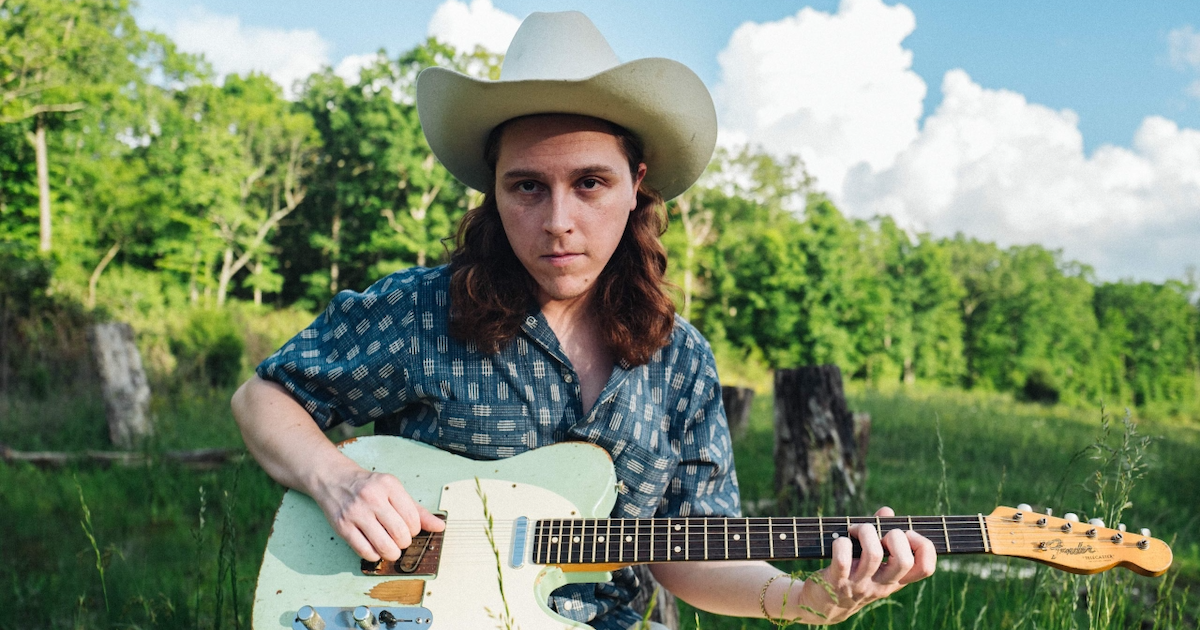
Also on the fringes of jamgrass is Daniel Donato, who began picking country and bluegrass tunes on Nashville’s Broadway strip as a teenager before launching his own project, Cosmic Country, in 2015 after seeing shapeshifting country singer Sturgill Simpson at the Ryman. The sound that grew out of that moment is equal parts Simpson and the Dead, but Donato says that bluegrass legends like Bill Monroe are also critical to what he creates as well, even though he utilizes mostly electric instrumentation.

“Jerry Garcia also had a really sophisticated understanding and appreciation for bluegrass music,” compares Donato. “The arrangements of the Dead were not succinctly bluegrass, but there was a ton of bluegrass influence that went into the way he played, especially with Old & In The Way and the Jerry Garcia Band. My goal has been to tap into a similar feeling, but with a slightly more prominent country twang.”

Someone else who’s spent plenty of time in the jamgrass scene despite not always producing music that would be categorized as such is Sierra Hull. The mandolin prodigy grew up on a heavy dose of traditional bluegrass in East Tennessee, with acts like Blue Highway, the Seldom Scene, and Lonesome River Band being the soundtrack of her youth. While she’s tended to lean more towards “chambergrass” and singer-songwriter styles in her adult life, she also takes plenty of time to let loose and jam, whether it’s stretching out her own material or joining artists like Cory Wong, the String Cheese Incident, Greensky Bluegrass, Béla Fleck, and Sam Bush on stage. The latter of whom she credits – along with luminaries like Peter Rowan and David Grisman – for planting the seeds that later grew to become jamgrass.

“For people like me, [Sam] was such a huge gateway to a lot of these other musicians who were really open-minded about what they played and who they collaborated with,” confides Hull. “Coming from a more traditional background, what I’ve enjoyed most about getting out to these bluegrass and jam festivals [is] mixing it up with folks. I’ve become a fan of jamgrass from seeing it all happen up close, rather than having grown up on albums – which I feel is the case for a lot of fans of jam music. The recorded music is still awesome, but the live shows are where the spirit and energy of jamgrass truly live.”

Hull continued, stressing how despite the current momentum behind jamgrass it’s still a very niche genre that nobody gets into expecting to become famous from it, which makes the heights Billy Strings and others are taking it to that much more mesmerizing.

“There’s something really cool about seeing folks who maybe don’t know who Bill Monroe or Doc Watson is, but they can go to a Billy show and immediately connect to the authenticity of what the music is,” exclaims Hull. “We live in a day and age where people are ripping on their pedals and doing more progressive stuff than they ever have before with string music, but at the same time most all of these bands have their moments where they throw that all away and just play a straight-up bluegrass tune. Seeing people resonate with that is central to what this music is and does.”

Another woman staking out a career in and around jamgrass is Lindsay Lou, who first discovered the subgenre witnessing the early days of Greensky Bluegrass performing in Michigan. Although she’d already been vaguely familiar with Yonder and Leftover Salmon, Lou credits Greensky’s sound and proximity to her as the driving factors for introducing her not just their music, but jamgrass as a whole.

“Greensky was my gateway to the jam world, because we were both part of the same scene,” says Lou. “I started hanging with them and soon found myself at festivals with other like-minded bands that sent me diving into the music of the Grateful Dead and others.”

One of those artists she wound up connecting with was a young Billy Strings, who she’d grow close with and later live across the street from in Nashville. The two would even go on to co-write a number of songs together including “Freedom” and “Nothing’s Working,” which both appeared on Strings’ albums Home and Renewal, as well as the latter appearing on Lou’s Queen Of Time. “It’s been really cool having written songs with Billy and hearing him perform them to arenas packed with 30,000 all singing along.”

“It’s no surprise to me that Billy has brought so many people to jam and bluegrass music in the same way that Yonder and Greensky did for so many before him, including Billy himself,” she stresses. “It’s been so much fun watching a young hippie kid like him take a traditional song to places you never thought it could go due to him embracing the musical conversation that jam music is centered around.”

Someone at the heart of the Billy Strings phenomenon is Jarrod Walker, who’s played mandolin in the Michigander’s band since 2018. Similar to Sam Bush, Walker believes the roots of jamgrass can be traced all the way back to Bill Monroe, due to how he took popular songs of the day and breathed new life into them with stringed arrangements – similar to how modern day jam bands pull from influences far and wide to create something entirely new. And although he credits Sam Bush as being a central figure for the movement, he also holds the Seldom Scene – who recorded an extended version of the Grateful Dead’s “I Know You Rider” (simply called “Rider”) on its 1973 album Act III – in a similarly high regard.

“There have been a smorgasbord of different influences in jamgrass from the very beginning with Irish and English music and gospel and blues – all of it was an integral part of what Bill Monroe originally did,” says Walker. “Then someone like Jerry Garcia comes along and follows Monroe like people would soon be following the Dead, which led to Old & In The Way, continuing the prophecy that’s still playing out to this day.”

But even as that prophecy continues to play out, Walker is amazed by where it’s taken not just the Billy Strings band, but string music as a whole. Having been accustomed to gigging at performance art centers and other smaller, seated venues for most of his pre-Billy picking days, he says that the experience of performing at rock clubs and now arenas with fans going crazy for bluegrass music has been mind-boggling and a phenomenon he’ll never stop being captivated by.

“[Playing arenas] is something none of us saw coming and is a combination of being at the right place at the right time and the contributions of everyone who came before us that paved this path for us to do it,” states Walker. “Billy is also a fantastic musician and student of bluegrass whose love for the music combined with his other influences is emblematic of the cohesion that is core to jamgrass and everything it stands for.”

Like all forms of music, jamgrass is a living, breathing organism that is constantly evolving and bringing new ideas and influences to the table. Whether it’s traditional and progressive bluegrass or rock, blues, punk, soul, country and everything in between, it all has a place in the jamgrass setting and is without a doubt the biggest driving factor of the genre’s success. It truly is a “rising tide lifts all boats” scenario that may have been a long time coming to arrive, but now that it’s here and thriving shows no signs of departing anytime soon.

“It took a long time for listening tastes to catch up with this kind of music and these instruments, but it’s no surprise to me that someone as talented as Billy is having the success he’s having,” declares Bush. “It’s only natural that the music is going to grow, and it’s in a really healthy place right now. But even with the rise of jamgrass you still have good ole Del McCoury leading the pack with his Bill Monroe style of bluegrass, and the same audience that loves jamgrass loves him too.”


Continue exploring our Jamgrass in July coverage here. This content brought to you in partnership with Preston Thompson Guitars.

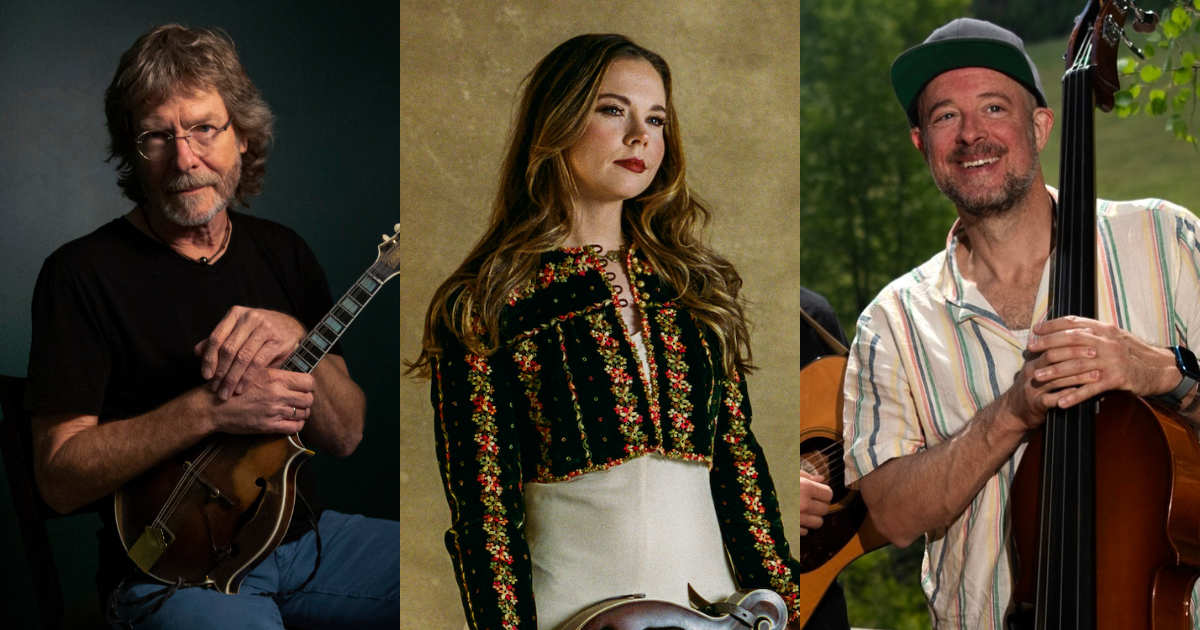
Photo Credit: Sam Bush courtesy of Crossover Touring; Sierra Hull courtesy of the artist; Ben Kauffman courtesy of Crossover Touring.
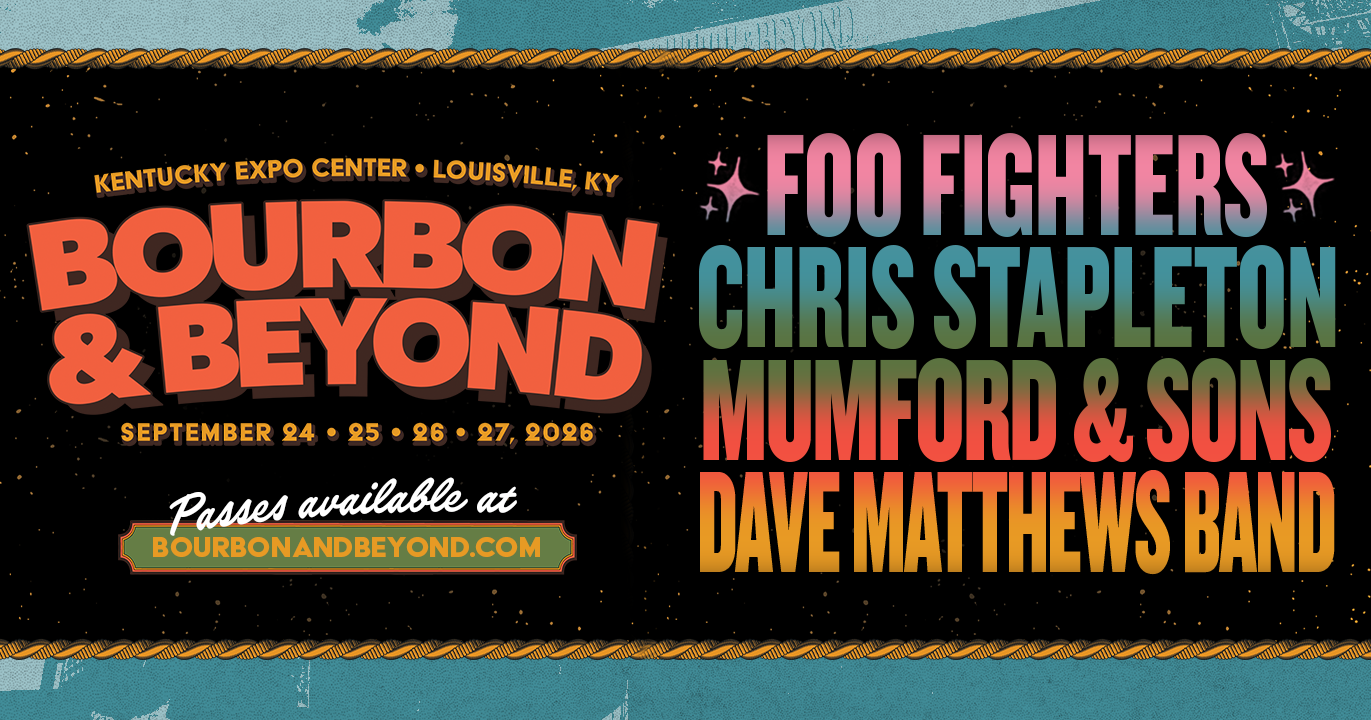
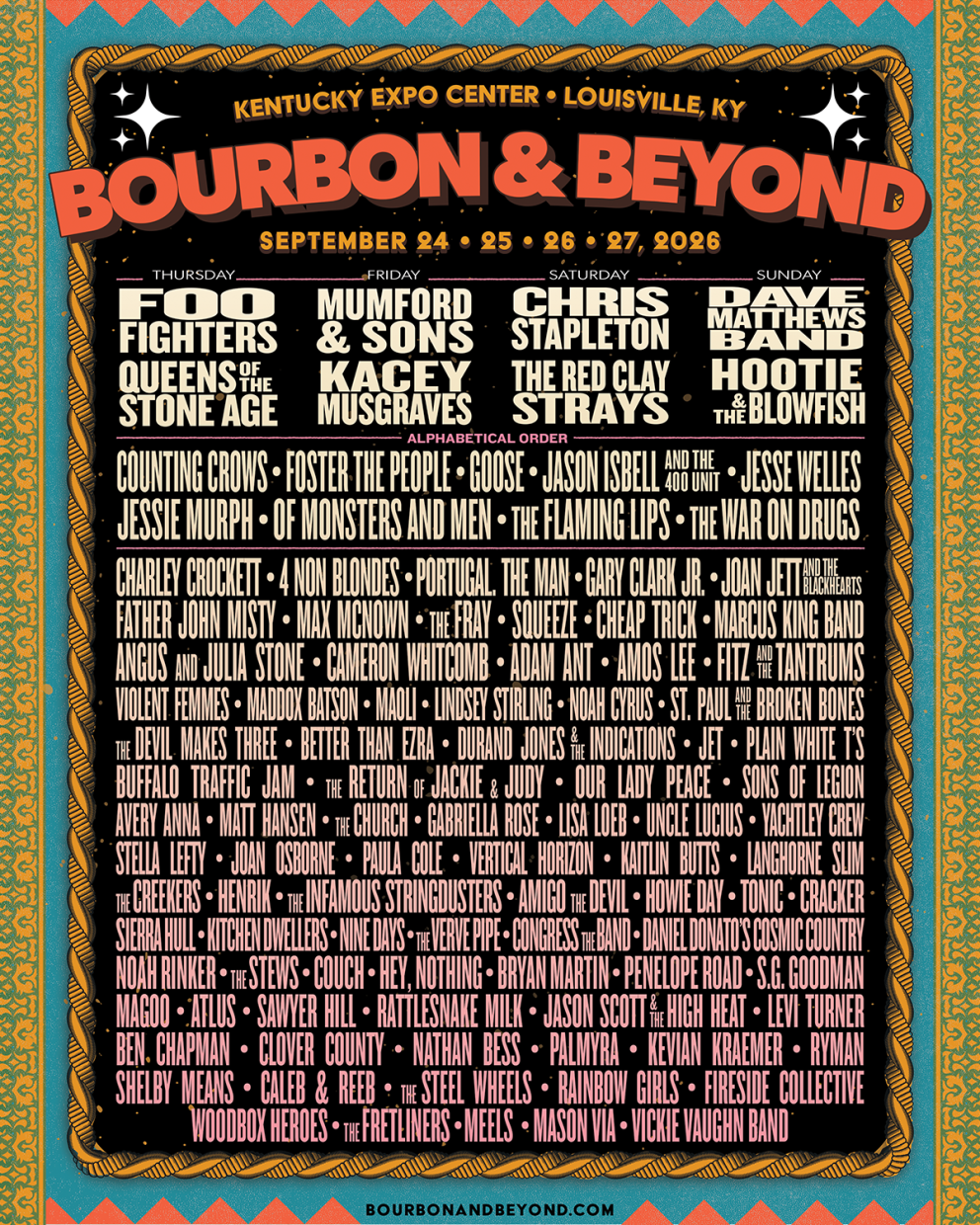
ANNOUNCING: Bourbon & Beyond’s 2026 Lineup is Here

Danny Wimmer Presents has announced the full lineup for the 2026 edition of Bourbon & Beyond, the world’s largest music and bourbon festival. Held September 24-27 at the Kentucky Expo Center in Louisville, Kentucky, the hugely popular event – which attracted more than 200,000 attendees in 2025 and boasted more than $40 million in local economic impact that year alone – will include headline performances by Foo Fighters, Queens of the Stone Age, Mumford & Sons, Kacey Musgraves, Chris Stapleton, the Red Clay Strays, Dave Matthews Band, and Hootie & the Blowfish. Passes are on sale now; view the full lineup poster below.

For our eighth consecutive year, BGS will return to Bourbon & Beyond to curate and present the Bluegrass Situation Stage inside the mouthwatering Kroger Big Bourbon Bar tent. Over four days, Thursday to Sunday, the BGS Stage will include performances by some of the most exciting and buzzworthy bands in bluegrass, Americana, jamgrass, and folk. Headlining acts on our stage will include mandolinist and GRAMMY nominee Sierra Hull, psychedelic jamgrassers Kitchen Dwellers, our current February Artist of the Month the Infamous Stringdusters, and the expansive sonic universe of Daniel Donato’s Cosmic Country. Other performers on the BGS Stage include Wood Box Heroes, Magoo, Shelby Means, Rainbow Girls, Meels, Caleb & Reeb, and many more. See our full BGS Stage lineup below.

Though we tend to stay close to our own stage during Bourbon & Beyond – we’re partial, what can we say! – each year the DWP team does an excellent job of spreading roots music, country, bluegrass, and Americana across the event’s five stages. This year, we’re excited to catch performances by so many of the artists and musicians included on the lineup, from Charley Crockett, the Red Clay Strays, Mumford & Sons, and Kacey Musgraves to Langhorne Slim, Maoli, Paula Cole, Kaitlin Butts, Clover County, S.G. Goodman, the Devil Makes Three, Palmyra, Amos Lee, Max McNown, and many more. Plus, we’ll be sure to catch Kentuckian viral sensations the Creekers while on-site.

Music isn’t the only draw, of course, as bourbon, food, and fellowship are equally tempting alongside the superlative roster of bands and artists. Hundreds of bourbon labels from dozens of distilleries will be on sale or available for tastings as well as impeccable food by local chefs and celebrity culinary personalities. Catch cooking and beverage demonstrations at the Fork & Flask stage curated by Kroger or enjoy bourbon panels and workshops at the Bourbon Experience. Our team, partial to tiki vibes and tiki drinks, will be sure to stop by the Jim Beam Black Tiki Barrel Bar over the course of the weekend, as well.

BGS has been proud to partner with Bourbon & Beyond and Danny Wimmer Presents ever since the festival’s very first iteration more than eight years ago. We are so excited to return to Louisville to celebrate bluegrass, roots music, bourbon – and beyond! – with you all in 2026. Buy your passes now and check out our full BGS Stage lineup below. We’ll see you at the Big Bourbon Bar in September.

The 2026 Bourbon & Beyond Bluegrass Situation Stage Lineup

Thursday, September 24

Wood Box Heroes
Mason Via
Magoo
Sierra Hull

Friday, September 25

Fireside Collective
Rainbow Girls
Shelby Means
Kitchen Dwellers

Saturday, September 26

The Fretliners
Meels
The Infamous Stringdusters

Sunday, September 27

Vickie Vaughn Band
Caleb & Reeb
The Steel Wheels
Daniel Donato’s Cosmic Country


All artwork courtesy of Bourbon & Beyond and Danny Wimmer Presents.

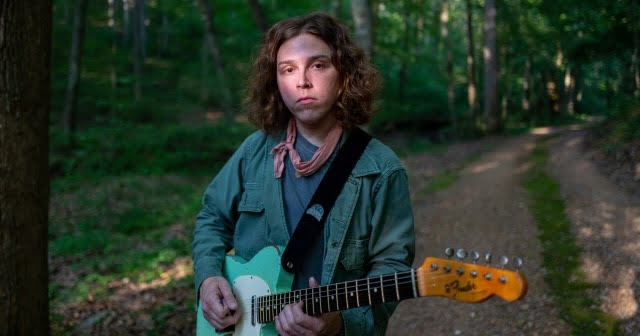
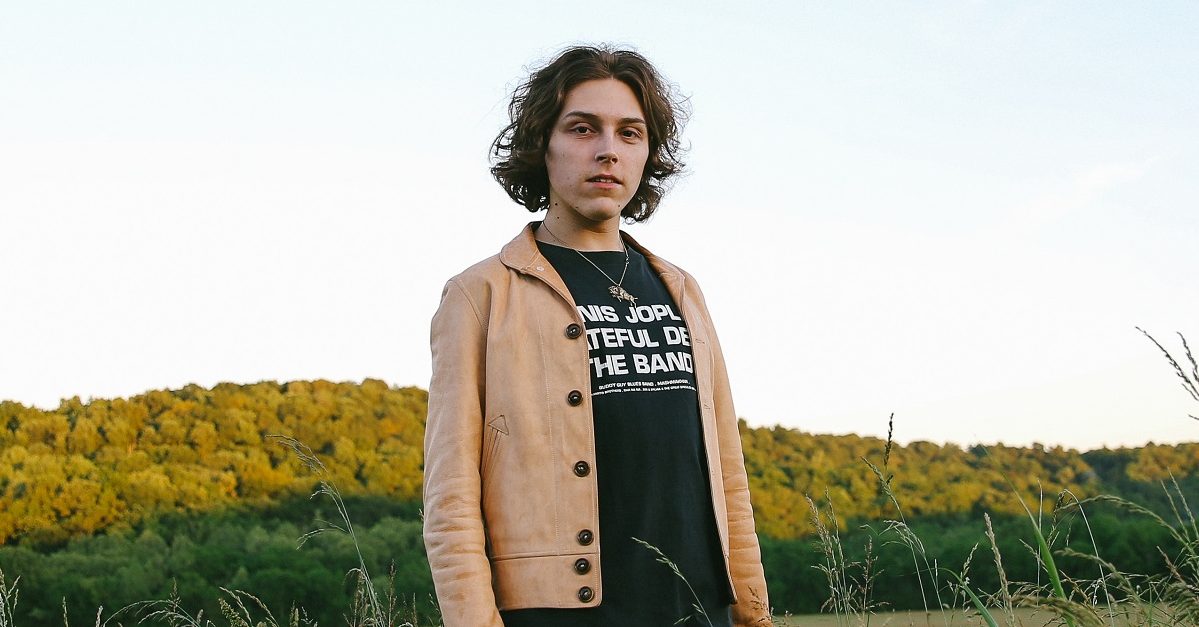
Daniel Donato Has Many Horizons in Sight, Literal and Metaphorical

Although names like Billy Strings and Sturgill Simpson currently corner the market at the intersection of country, jam bands, and bluegrass, rising star Daniel Donato has emerged in recent years with an out-of-this-world sound – and his newest project may be his best yet.

On Horizons (which released in August) the prodigy who as a child honed his skills on Guitar Hero and Nashville’s Lower Broadway turns a new page with an 11-song, hour-long compilation that brings his live and studio sounds together with drawn-out jams conjured up by his longtime bandmates from Cosmic Country – a moniker that describes both the group’s sonic and spiritual ethos.

“I want there to be a Cosmic Country sound where you can hear it right away, you can hear the first eight bars of any song and say, ‘That’s it!'” says Donato.

“Some of it is technical, like using the same microphones and the same studio as the last record. And some of it’s just in the way we approach it – and that’s something we get better at every time.”

Sitting on the back of his month-old tour bus affectionately referred to as “The Snowman” prior to a recent show in Lexington, Kentucky, Donato spoke to BGS about his Lower Broadway roots, creative freedom and restraints, and the catalysts for Cosmic Country.

We already touched upon your similarities with Billy Strings, but what about your parents’ influence – I know they played a big role in your musical foundation as well?

Daniel Donato: Everything when I was younger came from my parents. My father had a certain disposition for great rock and roll music like Pink Floyd, Stevie Ray Vaughan, and Led Zeppelin. But to be honest, I really don’t know where all of it comes from, because if you and I listen to a record we’re both going to hear it in different ways. For that reason I think a lot of this just comes from something that’s already dwelling within us and we’re just expressing from within that place.

For example, when I first heard Marty Robbins, I loved all the great guitar on it. And when I heard the Grateful Dead play “Big River” and make it eight minutes long in a really artistic and authentic way, I love that too. They’re all influences, but they start externally and creep inside you to the point that you take them with you everywhere you go and create from that place of soul, which is a combination of the body, the mind and the spirit.

Ever since I started playing guitar, I’ve always felt like I sounded like me and that “me” is constantly changing and revealing itself more and more. It’s like what Bob Dylan said – “I contain multitudes” – and it’s true. There are multitudes of self that just keep getting revealed through this authentic expression.

Was there a specific moment that served as the catalyst for you picking up the guitar and pursuing a career in music?

There have been many, but arguably the biggest was when I first saw the Don Kelley Band at Robert’s Western World and was in a state of shock – I’m getting goosebumps just thinking about it. That moment of hearing them and seeing how they interacted was amazing and was a big motivator in me wanting to do that too. It was a call to adventure and a reminder to believe I’m capable of anything, which is what ties all of these moments together.

That is not a self-assertive belief, that is a belief grounded in an authentic desire to make something beautiful so I can be of service. It was a big turning point in my life when I first started conceptualizing and receiving that, because then you can give it and then it turns into the cosmic circle of all things.

Some might perceive it as arrogance, but I think there’s a lot to be said for having the confidence to know what you’re doing is worthwhile and constantly chipping away to get better and reach your goals, whether that’s in a musical sense or wherever else life takes you.

I had already tried other forms of expression in my life before it, like sports. I also tried skateboarding and really loved video games like RuneScape, World of Warcraft, and chess. Even so, there were so many things I was bad at and I didn’t have beliefs that I could do them. But with music and the guitar, I could intuitively feel the potential I had with it and immediately locked in.

Artistry nowadays is parasocial on a lot of levels because of this immense amount of connectivity that we have on the various social platforms. [They] make it so anyone can get into the business of needing the world to give them permission to say something or express something real, when in reality the world does not need to give you permission for any of that. I’m not saying you should participate in any of the unspeakable, ungodly things we see happening to humans around the world, but if you want to express something artistically and you feel it’s true to you, then why should you need to get someone else’s approval to do that?

That idea to the mind is [like a] letter to the Pony Express – it needs to be delivered and it needs us to exist in flesh so we can externalize these internal values and expressions. It doesn’t need other people, it needs you, but at the same time it does bring people together – it’s so strange. It’s the thing that comes from most within an individual, but it’s also the thing that is the most unifying to an external community. It’s this weird “as above, so below” reflection that is purely righteous, so as I get older I feel I have more grace in relation to that particular part of existence.

The communal element seems to be a huge driving force behind not only your live show and fans, but this new record as well. Whereas some artists opt for a more straightforward studio approach, what made you want to emulate the energy from a gig on Horizons?

Cosmic Country records, to me, are like movies. The most enduring elements of certain movies that I love are the really long ones that have a very dynamic and rich storyline with a lot of drama and comedy in an attempt to scale the human experience. Like in A Fistful of Dollars, Django Unchained, or The Hateful Eight. The art is asking a lot of you during these three hour-long films, but it’ll give you a lot, too. There’s reciprocity there and our community is always willing to take the trip, which is equal parts liberating and terrifying. [Laughs]

If you were asked to write the score for a film, what would you want it to look like?

It would have to be a very truthful opportunity for me. I have always wanted to do that, even when I was really young. I always wondered where music and movies came from. But for now, we put out our records, and we play a lot of shows.

Speaking of the new album, you’ve been playing most of the songs on it live for a while now. What kept you from holding some or all of these songs back until the project’s official release, which it seems more and more singers are doing nowadays?

I like to look at our music as living music. It’s liberating in potential, but it’s also liberating because it gives you a framework to operate and create within. Every day of your life is different, so why wouldn’t the music that accommodates your life every day be different? These new songs are no different than a young child – they do better when they get to go out and be around people so they can grow spiritually.

That’s why it’s also important to share stories that everyone knows, which is why we incorporate a lot of covers into our shows and even recorded a volume called Cosmic Country & Western Songs in 2021. It gives people context and I love doing that. My favorite part of playing at Robert’s was we only played covers all those years so I’ve always loved making other’s songs my own – because if a song is good enough, you can play it with an original feeling.

But with Horizons every song I had my hand to the pen, even “Hangman’s Reel” – a traditional Celtic fiddle tune that the band and I fit into the Cosmic Country framework.

You’ve mentioned Robert’s Western World a couple times now. A couple weeks ago you returned there after making your headlining debut at the Ryman. What was that like?

We’ve done what’s never been done down on Broadway – going from cutting your teeth on the street corners and at places like Robert’s to topping a bill at the Ryman. It’s a common storyline for folks in Nashville to get their starts down here. Some go on to become songwriters, others become singers on stage and some become session musicians, but it all starts down on Broadway.

What I learned down there led me to getting in the door at Robert’s and leaving my blood and sweat on that floor there – like a dojo – before carrying us all the way to the Ryman. It was incredible getting to do a full headlining set up there and then going back home to where it all began at Robert’s and doing another set of music for their fans. We’re actually planning to release both soon as live recordings, so stay tuned!

With Horizons you placed parameters on how many times you’d go back to record and work on each song. With how open-ended so much of your creative process seems to be, what made you opt to place constraints there?

If your personality has a disposition for conscientiousness and open mindedness, it becomes that individual’s responsibility to see the trends of that because it can help optimize the way you engage with human relationships when creating projects. When we went and did Reflector we spent a lot of time on things we didn’t need to because I didn’t know better at the time.

When it came time to record Horizons I knew we could take half the amount of time to make it because we play it every night and shouldn’t need a bunch of tries to get it right. So I decided we’d just aim for three takes of a song to be more efficient. There’s a liberating faith that comes with knowing that’s good enough. If you know you have seven chances, you’re probably going to take seven – but we’re trying to work to ensure it only takes one.

You were talking earlier about creating living music, and stuff like this seems like it helps to keep what you do in the studio just as fresh as what you’re doing out on the road.

They’re two very different things. One’s a picture of a person and the other one’s a person. A picture can do a lot, but it’s not that person, especially when it comes to thinking about a picture of someone that you love who is no longer alive. Even then it’s not the same as them being in the room with you again to hug you.

For instance, I know that there will be a day where I have a gig and I won’t be able to call my dad to debrief – that’s gonna be a tough one. So the live thing is almost like a conveyor belt trying to make it an exact replica of what’s going on on the albums. There are people I see do that and I really respect how they do it because it’s authentic to them, but it was never for me.

How did your approach to bringing Horizons to life differ from how you tackled Reflector and other projects previously?

We had two years of intense experience constantly working on these songs between albums. It made me a different person on some level because I had a better idea of what to aim for and what not to aim that really allowed us to hit the bullseye this time compared to Reflector. And I’ll probably be saying the same thing again when the next record comes around, which will be a lot different than Horizons.

You just alluded to going a different direction with your next album. Someone else known for that who I know has heavily impacted your musical trajectory is Sturgill Simpson. How’d you get sent down the rabbit hole of his music?

Man, I remember when Sturgill Simpson worked at the Turnip Truck in the Gulch in Nashville, I would always see him there and thought nothing of it until one night when I was at The 5 Spot and heard him on stage singing for the first time. Then when Metamodern Sounds In Country Music came out I was in my friend Harrison’s basement. We had gone to Grimey’s to buy the record, we smoked some weed, turned it on, and listened with headphones on. It was and still is a defining moment in my listening experience of music – that record is so special.

Looking back I can see why Sturgill wanted to make a bunch of 180s, because from SOUND & FURY to Sailor’s Guide each album is its own thing. Most successful artists have one signature piece of work, like Tyler Childers’ Purgatory, Chris Stapleton’s Traveller, Tom Petty’s Wildflowers, the Grateful Dead’s Workingman’s Dead, or Neil Young’s Harvest. Unless you’re someone like Bob Dylan or Willie Nelson where you have over 100 albums out. There’s usually one record where you’re like, “that’s the one.” With cosmic country we don’t have that album yet, but I think Horizons could be it.

What has the process of bringing Horizons to life taught you about yourself?

The concept of a Horizons is two-fold. There’s a literal, geographical, physical, material horizon where the land meets the heavens. Then there’s the metaphorical one, and we’re always pushing the cosmic country horizon. But there’s also a psychological horizon where you’re meeting your potential that the sky is symbolic of.

As Alan Watts would say, “there’s a dance to those things,” and I feel that since we put out Horizons that the band and I are on the verge of new horizons. It truly is the dawn of a new day.


Photo Credit: Jason Stoltzfus

BGS Wraps: Irene Kelley, Jon Pardi, Wynonna, and More

To celebrate one of the most roots music-y times of year – the winter holiday season – we’ll be showcasing the best in new and classic holiday music from our BGS family with a weekly BGS Wraps round up. Welcome to its first edition!

Whether you adore or abhor holiday music – and we certainly understand both of those mindsets – we hope you’ll find plenty to love with our BGS Wraps playlist (below) and these bluegrass, country, folk, and Americana albums, songs, videos, and shows all celebrating the most wonderful time of the year. From Irene Kelley to Jon Pardi, Wynonna to Brandy Clark, Daniel Donato’s Cosmic Country Christmas to Warren Haynes’ Christmas Jam, BGS Wraps is a splendid roots music family reunion. Plus, don’t miss our weekly Classic Holiday Album Recommendations to close out each edition of this mini-series. Check it all out:

Brandy Clark, “My Favorite Christmas” / “I’ll Be Home For Christmas”

Brandy Clark’s self-titled, Brandi Carlile-produced album released earlier this year has been a favorite good country record of the BGS team this year. For the holidays, Clark has followed up the success of her full-length 2023 release with an A side / B side single of an original, “My Favorite Christmas” and a classic, “I’ll Be Home for Christmas.”


Helene Cronin, Beautiful December

Singer-songwriter Helene Cronin has released an EP of six original holiday songs entitled Beautiful December. This track, “I Could Use a Silent Night,” is described by Cronin as “a song for all who are holiday weary, tired of the commercial chaos that comes around every year at Christmas.” We can certainly relate! Roots music is always a perfect reminder of what really matters this time of year: People, love, kindness, and togetherness.


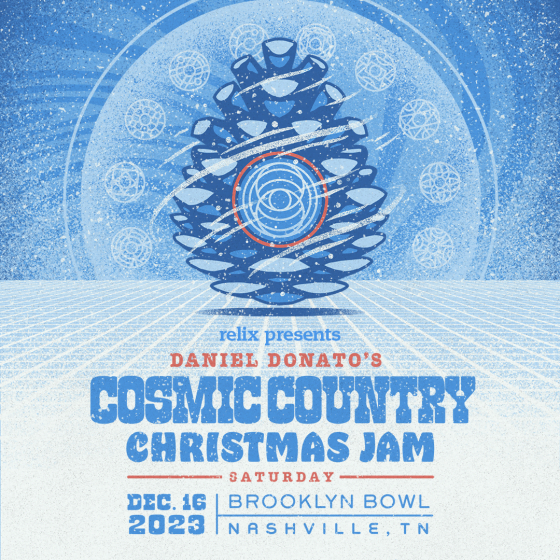
Daniel Donato’s Cosmic Country Christmas Jam (December 16, Nashville, TN)

If you’ve been enjoying Daniel Donato’s recent Cosmic Country Mixtape – a BGS exclusive – you won’t want to miss his Cosmic Country Christmas Jam at Brooklyn Bowl in Nashville on December 16. (Tickets and info here.) It’ll be pickers’ polar paradise with appearances by Sierra Hull, Duane Trucks, Grace Bowers, Willow Osborne, and many more. 


Steven Gellman, “Jewish Christmas”

An adorable and delightfully cheesy holiday song – as all of the best holiday songs are – that reminds us how cultural traditions blend and transform, not only in the American “melting pot,” but all around the world, too. Hear more from this award winning folk singer-songwriter with our October premiere of “Little Victories.”


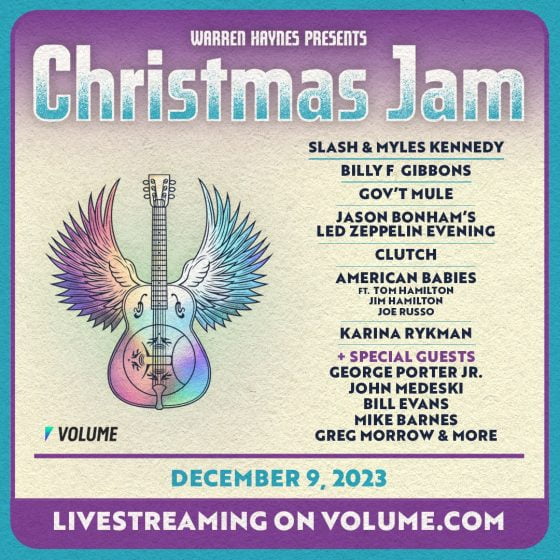
Warren Haynes Presents: Christmas Jam (December 9, Asheville, NC)

If you’re in North Carolina’s High Country, here’s a rockin’ Americana Christmas Jam you won’t want to miss. The annual event, organized and hosted by Grammy Award winner Warren Haynes, will be held on December 9, benefits Asheville Area Habitat for Humanity, and will feature appearances by Billy F. Gibbons, John Medeski, Gov’t Mule, Bill Evans, and many more. Plus, its bonus/offshoot event, Christmas Jam by Day, will showcase a handful of fast-rising roots artists including Colby T. Helms and Red Clay Revival. Tickets are still available and, if you don’t happen to live within striking distance of the Blue Ridge Mountains, you can stream Christmas Jam live on Volume.com.


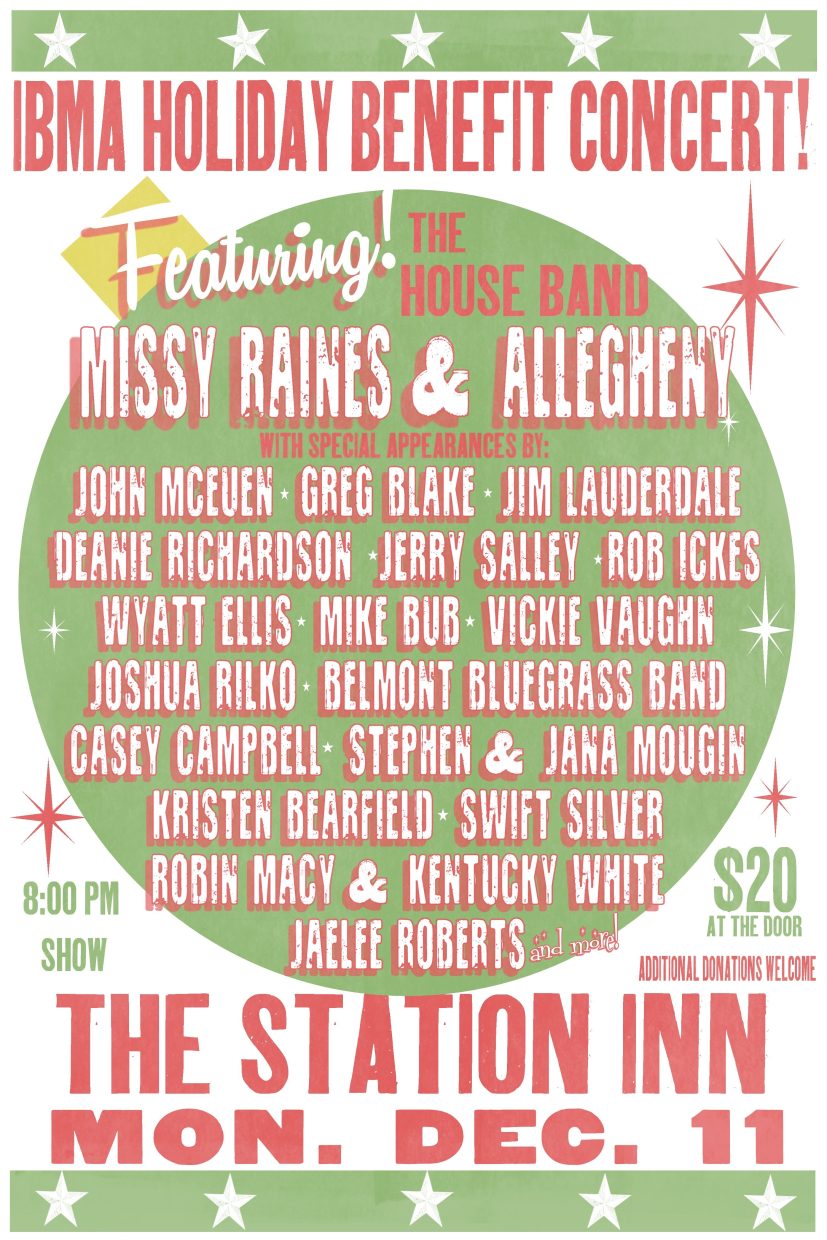
IBMA Holiday Benefit Concert (December 11, Nashville, TN)

A heavenly host of our bluegrass buddies will be convening at the World Famous Station Inn in Nashville on December 11 to raise funds for the IBMA Trust Fund and the IBMA Foundation. The lineup – anchored by house band Missy Raines & Allegheny – features a wide swathe of artists and community members from reigning IBMA Award winners to acclaimed songwriters to exciting up-and-comers. Holidays in Nashville are truly incomplete without a visit to a festively decorated Station Inn.


Irene Kelley and the Kelley Family, The Kelley Family Christmas

Staying with bluegrass for another moment, venerated bluegrass songwriter Irene Kelley has brought along her two talented daughters, Justyna and Sara Jean – both successful artists and songwriters in their own right – for a cozy and comforting album of holiday classics, Kelley Family Christmas. The project benefits Patio Records’ Healing Gardens initiative, with a goal of raising funds to build healing gardens at hospital treatment centers. It’s a lovely family-centered album that showcases how much great music runs in the veins of the Kelleys. 


Paul McDonald & the Mourning Doves, “Maybe This Christmas”

If the holidays make you blue, you’re not alone. There’s plenty to enjoy in this tune of Christmas misery from Paul McDonald & the Mourning Doves. “So maybe this Christmas folks will just leave me alone,” he sings, plaintively. “And quit asking how I’m doing without her and if I’m ever going to let that girl go.” There’s a delicious quality to holiday melancholy and that’s on full display here, in this languid and loping alt-country holiday song of lost love.


Mr Sun, Mr Sun Plays Duke Ellington’s Nutcracker Suite

We’re big fans of the bluegrass, old-time, and new acoustic tradition of artful and virtuosic cover albums. Here, Mr Sun bring the form to its highest level, synthesizing and transforming Duke Ellington’s Nutcracker Suite into compositions fitting of a four-piece, ostensibly bluegrass string band. We premiered a track from this collection, “Shovasky’s Transmogrifatron (Ballet Snow Scene),” earlier this week, so we can guarantee Grant Gordy, Joe K. Walsh, Aidan O’Donnell, and Darol Anger’s rendition of this classic record will make your jaw drop – and your toe tap!


Jamie O’Neal & Ty Herndon, “Merry Christmas Baby”

Pop country is often good country too, and this collaboration from Jamie O’Neal and Ty Herndon demonstrates how artful the format can be – that ear-grabbing chromaticism in the melody of the first line, for instance. “Merry Christmas Baby” is another holiday lament, but packaged in a radio-ready production style that belies the loneliness in the lyrics, co-written by O’Neal and Allen Mark Russell. If this track came on the local Top 40 country station, none of us would be complaining. Merry Christmas, BGS readers – wherever you are!


Jon Pardi, Merry Christmas From Jon Pardi

We can’t believe just how perfect this intro is played on pedal steel and, despite the fact that we don’t think Jon Pardi could hit Mariah’s whistle notes, his rendition of this quintessential holiday smash hit is ideal for Christmas boot scootin’. Pardi is a definitional example of timeless country traditions packaged for the mainstream. His entire holiday album, Merry Christmas From Jon Pardi, is a heavy dose of joy, fun, and delight executed with flawless old country musicality. Twin fiddles on “All I Want For Christmas?” Yes, a thousand times, yes.


Wynonna, “Beautiful Star of Bethlehem”

While we argue over which modern version of this track is the exemplary version – The Judds’ or Patty Loveless’, of course – the holiday season is the perfect time to hold our fond memories of Naomi while we celebrate how Wynonna and her husband/producer Cactus Moser pay tribute to 1987’s Christmas Time with The Judds with this new iteration of “Beautiful Star of Bethlehem.” No matter who sings the song, its bluegrass bones and Stanley Brothers touches are obvious, and we adore how simple and unpretentious this recording by Wynonna and Cactus is.


Our Classic Holiday Album Recommendation of the Week:
Sharon Jones & the Dap Kings, It’s a Holiday Soul-Party

We miss Sharon Jones desperately. Each year, when the holidays roll around, we go back to our (now classic) Non-Crappy Christmas Songs playlist and, in general, try to remind ourselves just how much actually good Christmas and holiday music exists out there. As we do, this album from Jones & the Dap Kings is one of the first to come to mind. It’s iconic, it’s traditional, it’s far out, it’s comforting, it’s surprising, and it’s effortlessly inclusive in its scope and its sonics. We come back to this record year in and year out, so it’s a perfect first pick for our Classic Holiday Album Recommendations.

More BGS Wraps are coming your way next week!


Photo of Jon Pardi: John Shearer
Photo of Wynonna: Eric Ryan Anderson
Photo of Brandy Clark: Victoria Stevens

MIXTAPE: Daniel Donato’s Cosmic Country

It is a tale as old as time itself. As above so below. Yin and Yang. The explored and the unexplored. The hero’s journey, any and all of them, are exposed to the eternally enduring dance of chaos and order. We must leave the garden, enter into the forest to find the gold, kill the dragon, and return back to where we began, returning back more harmonized, realized, and higher frequency than we began.

Musically, Cosmic Country takes this pattern and uses it as its sole fuel for the soul and all of its musical fruits. Cosmic Country is an approach that uses simplicity, complexity, and truth to tell stories of life that bring beauty and goodness into reality. This 9-track mixtape I have assembled for your enjoyment and exploration today covers some ground of the far-flung lands of music that is Cosmic Country, where the high frequencies fall like rain and blossom like lilies in the fields that never end nor never began. Let’s get Cosmic. – Daniel Donato

“Honky Tonk Night Time Man” – Merle Haggard

This is a country song. But just like any country, there is more nuance to be discovered and brought to light than meets the eye. This is an archetypal honky-tonk song. A few of these will be on here. Honky-tonk songs cover truthful states of life that apply to all of our brothers and sisters sojourning in space and time together down on this chaotic planet. This song talks about relief from the grind and finally getting around to what is right for the soul when quittin’ time comes around.

“Doggone Cowboy” – Marty Robbins

This is also a country song, but it is also more nuanced than that. This is a cowboy song. The cowboy is one of the great American archetypes. The cowboy embraces a life of service, hard work, endurance, adventure, and most enduringly, faith. It takes faith to stay patient and persistent in pursuing your work through realms of chaos that you must travel through and come out on the other side stronger than you did prior. Marty had a way of personifying sorrow, acceptance, reflection, and hope in his delivery of these transcendant, simple lyrics.

“Mystery Train” – Jerry Reed

It can’t be fully Cosmic Country unless it moves you. Internally, songs move us, but sometimes the pocket and groove move us externally, which is a brilliant expression of personality. What I love about this song is that Jerry Reed always had a vision in his mind that could create a groove for people to dance to and for players to have fun-expression in. Everyone knows “Mystery Train,” but this version can make any club, honky tonk, theatre, or arena dance and move all together. Bonus points for a train song. Everyone loves a train song.

“Everybody’s Talkin’” – Harry Nilsson

The bottomline is that we are on our own trip. It is an individual experience of life, personality, and dynamics that only you experience. No one will ever live your life for you or as you. Songs that find promise and truthful reflection on the truly individualized nature of existence are my favorite. The movie Midnight Cowboy turned me onto this song when I was 16. I’ve never wished I had written another song as much as this American classic.

“I Can’t Help It (If I’m Still In Love With You)” – Hank Williams

The Shakespeare of country music. The man who was able to take the power of the word – through a Western lens of faith, hardship, and hard living – and deliver to us some of the most truthful and beautiful songs composed of themes ranging from love, loss, religious experience, jail time, honky tonkin’, and the universe. This song specifically has a brilliant form to it, just one verse and two B sections, coupled with that classic lap steel signature sound from Don Helms.

“Waiting for a Train” – Jimmie Rodgers

Any storyteller of American songs, country songs, any songs based in truth and experience, must tip their “Slouch Hat” to Jimmie Rodgers in one way or another. A lot of everything country begins with the songbook of Jimmie Rodgers. This song is just a fantastic story through and through. The lyrical furniture, the sophisticated use of actual terms of water tanks, brakemen, boxcar doors, all bring the listener into the simulated reality that this song conjures.

“Long Black Veil” – Lefty Frizzell

Murder songs are a necessity. The reaper takes his toll, and with that, law and order speak their truth. One of the brilliant elements of this song is that the perspective is from the deceased character. That is innately Cosmic, especially given the window of time this song was released. Lefty was one of Merle’s favorite vocalists, and was the band leader with which Roy Nichols and Merle Haggard first played together when Merle was 16.

“You Ain’t Goin’ Nowhere” – The Byrds

Even though Bob Dylan penned this one on the side of the road, in the rain, waiting for a motorcycle fix, The Byrds – with Gram Parsons and Clarence White – deliver to us one of the most archetypal Cosmic Country recordings there will ever be. The instrumentation, the vocal melody, and harmonies on this song alone explain this sentiment, but the lyrical detail is another universe worth noting with great reverence. The olden language of the great folk songs of America inform the meter and colloquialisms in this song, giving it an ability to exist in the past through its roots, the present through its great orchestration and arrangement, and the future through its seeds of truth, beauty, and goodness – the only values in any creation that endow it to persist through the fleeting episodes of space and time.

“Truck Drivin’ Man” – Buck Owens

If I left out truck driving songs, then everybody from my time at Robert’s Western World would be ashamed of me. The truck driver is a minister of the highways, the great vehicle of true exploration and discovery. The eternal, long white line drags on and on, and the road songs of her fruits just keep coming, but some of the great ones came from Capitol Records in L.A. in the early ’60s.

An element of Cosmic Country that this song relates to is the overall “sound.” What is “the sound?” It is ultimately unqualifiable – it cannot be fully explained or qualified by words – especially when The Sound is doing what it can be doing in potential, which is rendering feelings that hit deeper than words can describe. With the Transcendant Twang of Don Rich’s Telecaster, the immensely clean and powerfully compressed sound of Mickey Cantu’s snare drum, along with that Tic-Tac Fender Bass playing, Buck Owen’s vocal and story rests upon a divinely simple and reverberated landscape of country gold. If there ever was a record that “sounds” like a country song, this one certainly qualifies.


Photo Credit: Jason Stoltzfus

MIXTAPE: Kitchen Dwellers & Daniel Donato’s Cosmic Cattle Drive

Back when cowboys were king, ranchers used to have to make regular pilgrimages across long, winding trails to sell their cattle at stockyards and make their living. One such trail, known as the “Goodnight-Loving Trail,” extended all the way from central Texas to Cheyenne, Wyoming, and has been immortalized many times over in movies and songs. The journey involved with moving these cattle countless miles on horseback was known as a cattle drive. This fall we’ll be hitting the road on the Kitchen Dwellers and Daniel Donato tour, and we’d like to think of it as a bit of our own “Cosmic Cattle Drive.” We hope you enjoy and hope to see you out on the road this fall.

Selections 1-6: Torrin Daniels, Kitchen Dwellers
Selections 7-12: Daniel Donato

Colter Wall – “Cowpoke”

One of the oldest and most famous cowboy songs to date, this one tells the story of the life of a ‘cowpoke.’ Colter Wall did a damn fine version here, with each country-western instrument beautifully represented — but what really sells it is the ‘cattle call’ in the chorus.

Daniel Donato – “Justice”

This tune was my introduction to Daniel’s music, way back in the spring of 2020. Nothing screams western psychedelia quite like that opening guitar riff, and right off the bat it shows that these boys are masters of their realm in a place of no space and time. Plus the chorus got that Gangstarr reference.

Gram Parsons – “Return of the Grievous Angel”

Gram Parsons is the father of country-rock and maybe the first person to coin the term “cosmic country.” With references to “truckers, kickers, and cowboy angels” and “lighting out for some desert town” — as far as road songs go, this one’s got it all.

King Gizzard and The Lizard Wizard – “Billabong Valley”

“Outlaws on the run, faster than a stolen gun.” KGLW are gurus of many things across the musical spectrum, but above all, they have mastered the dark art of “evil guitar.” That same style of gained up, tremolo-drenched guitar which can be heard across the soundtracks of countless western movies.

Billy Strings – “Heartbeat of America”

As a musician on any road trip, it’s an inevitable fact that you’re eventually gonna start listening to your buddies’ music. Billy and the boys really knocked it outta the park with this one, with instrumental sections that are both bluegrass-laden and psychedelic in nature. We can only hope that once we embark on our journey, we may begin to hear the heartbeat of America out there on the road.

Chris LeDoux – “Horses and Cattle”

Chris Ledoux was sort of a family friend of ours growing up. I was going to his shows long before I was old enough to realize the legend that he was. I honestly don’t know of any other country musicians that can hold both a Grammy nomination AND a Pro-Rodeo Bareback World Championship as accolades. The guy was as western as it gets, and so is his music.

Kitchen Dwellers – “Guilty”

This song is a prime example of how music can be a harmony of light and dark, hard and soft, and reflective and joyful. Emotional content not considered, the arrangement and musicianship The Dwellers play with is inspiring and transcendent.

Jimmy Wakely – “Moon Over Montana”

This song is a transportation device into a Tarantino movie taking place in a spacious and vast unknown Big Sky prairie where the search for the light through the darkness of troubles and sorrow every hero finds on their journey is about to begin.

Waylon Jennings – “T For Texas”

There was a time when country was astonishing in its danger and sensibility of pocket and edge. This live track should satiate any live music experience fix of that special vibe that a listener should have, but in a musical context that is Honky Tonk and Twangy.

Marty Robbins – “Big Iron”

The story is the framework for dark and light, love and sorrow, and life and death. The story that creates the experience that is within this song is pungent and captivating. Also note the fantastic Grady Martin picking the nylon string guitar throughout the song and story.

Khruangbin – “So We Won’t Forget”

There are few things more magnetic than music being made live by a band that understands listening and arrangement, in a format that is easy to access and feel. This song captures a myriad of emotions that feel like nostalgia, joy, and vulnerability.

Little Feat – “New Delhi Freight Train”

Lowell George was a genius in capturing a feeling, and communicating it through his sensibility of arrangement, orchestration, and singing, with these lyrics written by Terry Allen. This song feels like an adventure, like something new is on the horizon, and for all of us, this is the case in this very moment.


Photos Provided by Big Hassle Media

The String – Daniel Donato and Jake Blount

This week, two remarkable emerging artists who’ve put in a quarter century and found unique pathways.


LISTEN: APPLE PODCASTS

Daniel Donato landed a plum guitar gig in downtown Nashville at age 16 and now he’s building a new world of twangy jam with his debut LP ‘A Young Man’s Country’. Jake Blount is re-defining old-time music with banjo and fiddle out of his DC base. His anti-racist push is forcing bluegrass and Americana to investigate its origins and its audience. His new album Spider Tales is a showcase of the Black roots of our shared music.

BGS 5+5: Daniel Donato

Artist: Daniel Donato
Hometown: Spring Hill, Tennessee, an hour south of Nashville.
Latest Album: A Young Man’s Country (August 7, 2020)
Personal Nicknames: DD, sometimes.

What was the first moment that you knew you wanted to be a musician?

I was walking by Legend’s Corner, a bar in Nashville with my father. This was the first day I ever busked on the street, and I made $0. The lead singer was taking a break to pass the tip jug. The bass player called me on stage, over the microphone. “You look like you play guitar,” he said. “I try,” I said! I got on stage, plugged in, and played for two songs that were completely improvised. That was it for me. I knew the stage was my soon to be dojo.

What other art forms inform your music?

Podcasts are big for me. Hence, why I started my own “The Lost Highway.” I think podcasts and jam bands aren’t all that different. What you have is complete improvisation with the instrument of language. Improvisation forces honesty but also unique expression out of your skill with said instrument. A moment in time is created by humans that truly could never happen again. It also is OK if this moment lasts a few hours! That sounds a whole lot like the Grateful Dead. Or a Cosmic Country show!

If you had to write a mission statement for your career, what would it be?

DD’s 3 P’s! Patience. Persistence. Positivity. These fuels are essential to keeping things Cosmic.

What’s the toughest time you ever had writing a song?

Songwriting is day one, each time. A perpetual white belt. Because each song is different. Quite literally, each song is the toughest one to write. Performance, content creation, and guitar playing are not like this at all.

What rituals do you have, either in studio or before a show?

I get as calm as possible. I get stoic. Essentially, view yourself outside of being yourself. This gives you a humbling perspective that allows you to see that everyone is quite on the same level. On stage, it is important for me to keep that in mind, so I can steer the wheel in the way that the audience will get the most out of the experience. It is all about the people. The more calm I am, the better the moment will be for the listeners on the other side of the guitar.


Photo credit: Jason Stoltzfus

LISTEN: Daniel Donato, “Always Been a Lover (Stripped)”

Artist: Daniel Donato
Hometown: Nashville, Tennessee
Song: “Always Been a Lover (Stripped)”
Release Date: December 17, 2019

In Their Words: “Something that I’ve always been tested with as a musician is the fact that I’m very dynamic-based, so depending on the song, I’m letting loose in different ways and I’m holding back in different ways. This was a great opportunity to take this song and fulfill it in an acoustic manner. You know, it goes back to that old Nashville trope, ‘Can you boil it down to an acoustic version and still satisfy?’ And I absolutely feel that it does. It’s like it passed the test.” — Daniel Donato


Photo Credit: Saverio Donato #cosmiccountry