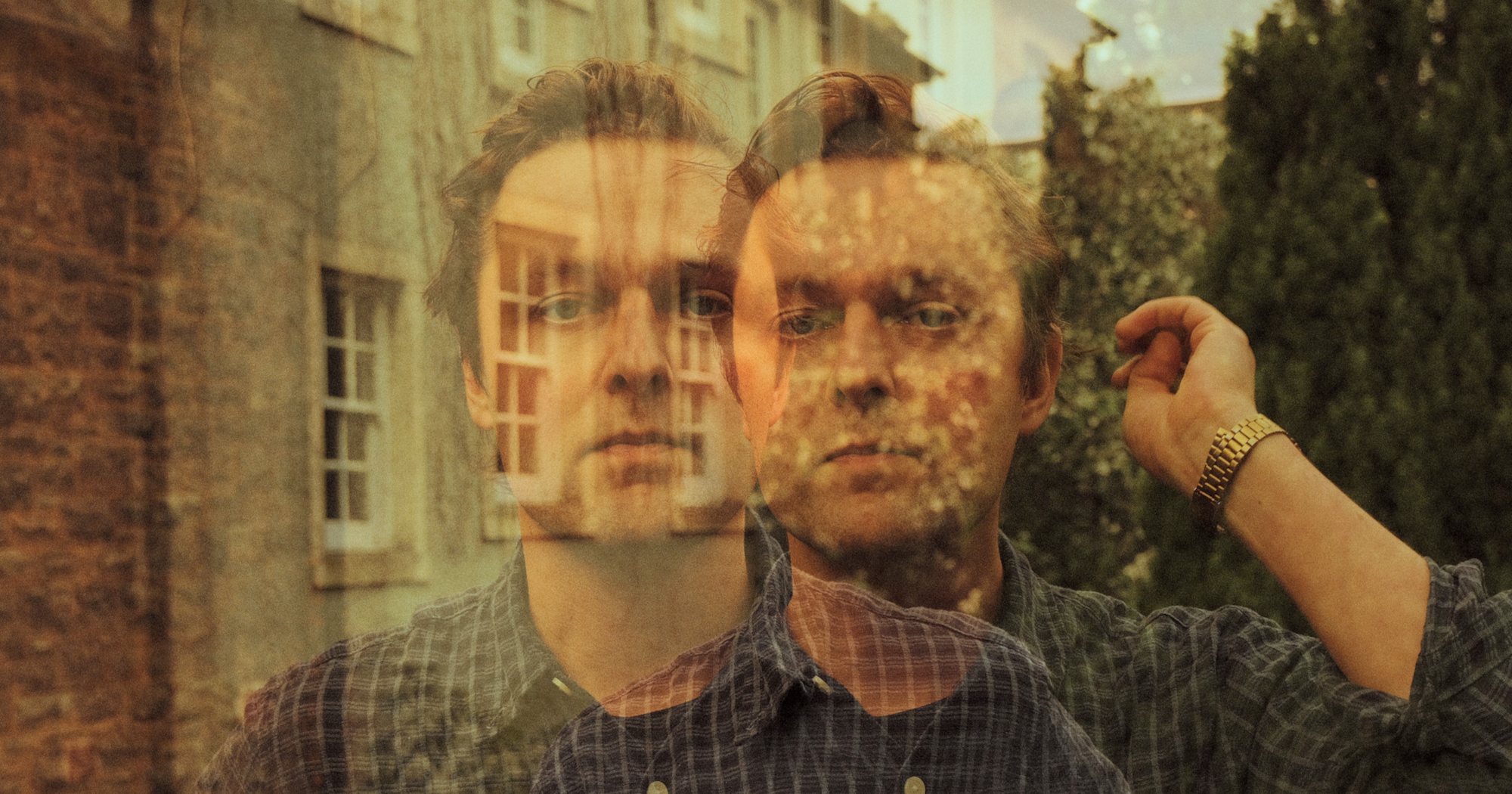
Joshua Burnside’s It’s Not Going To Be Okay is an Absolutely Shattering Album

Irish folksinger Joshua Burnside has always shown an affinity for expressing grief, once calling it the reason he began writing songs as a precocious 13-year-old. He’s 36 now, and that sense of grief has never felt as overt as it does on his latest music. Burnside’s It’s Not Going To Be Okay is absolutely shattering, an album that more than lives up to its title. Written and recorded in the wake of the death of Burnside’s best friend Dean Jendoubi, who died of a drug overdose in August of 2024, the album is a bittersweet requiem.

Burnside’s previous albums combined Irish folk with electronic flourishes, worldly rhythms, and elements of sonic collage. His multi-layered experimentation reached a peak with 2025’s Teeth of Time, a record that felt like a major statement and milestone. Barely a year later, It’s Not Going To Be Okay could almost be his Nebraska move – bare-bones stark with minimal embellishment, focused on unadorned voice and guitar in the service of deep, deep mourning.

It’s a state of mind where everything brings back memories of the departed, like the opening of “The Last Armchair”:

Oh, the last armchair you ever sat on
Before you overdosed
Is the one I sit in every morning
To eat my egg and toast…

Ahead of the album’s release on March 20, 2026, we caught up with Burnside for a Zoom interview about his musical past, present and future plans.

It’s Not Going To Be Okay is quite a title. How did that come to be the name of this body of work?

Joshua Burnside: These songs are about the inevitability of pain, suffering, and death, which is what I was dealing with while accepting the loss of my friend. But it was at least a little bit tongue-in-cheek, too, such a ridiculously depressing statement to make. I thought it would be funny in a way. In Northern Ireland, we have a very strong sense of gallows humor. So I was drawing on that a wee bit. I don’t think it’s supposed to be taken literally.

How did you and Dean Jendoubi first meet?

Our paths crossed briefly in school and then we met playing music. Formed a band with a few other people. He and I were maybe 14 and got on immediately. Then there was a trio when we were 16. He played drums, I played guitar, and another friend played bass. We didn’t really gig, just played for the fun of it at his parents’ house. He was a great musician and songwriter himself. His music is amazing and beautiful and weird and dark, like him in many ways. He released a few EPs. The last one is called Skin Hunger and I sing on one of those tracks. Recorded in his mum’s greenhouse, our summer shed 10 years ago.

Since it’s been not much more than a year since Teeth of Time was released, when did you make It’s Not Going To Be Okay?

My sense of time has been so terrible the last few years. It was maybe a few months after Dean passed away in 2024, which is strange to say now. So, end of 2024 is when I started writing and recording and I finished it up autumn of 2025. I was recording it as I was writing it, and the last song I wrote was “It’s Not Going To Be Okay.” It was in the last month of making the record that that one happened.

Is it unusual for you to be working ahead like that, on the next record before the last one was even released?

It’s not typical. It was five years between Teeth of Time and Into the Depths of Hell. That one was a similar dark-humor title, but then COVID hit not long after I’d written those songs. That was some strangely perfect timing. So no, it’s not really normal for me to write and record this quickly. But I just felt an urgency, because one of the main ways I’ve always processed painful feelings is writing and singing about them.

The songs came quickly and easily. I had not planned to focus on just one topic, but most of what came out happened to be that. It felt natural to have them all together like this, almost like a grief journal. That’s the story. A lot of people thought some songs on Teeth of Time had been about Dean’s passing, but they were all written before that. Some of those songs seem resonant with this new record. That seems to happen to me a lot, I’ll write a song and then it seems like life imitates it. If I were not of sound mind, I’d start to worry about ever writing anything tragic or sad.

Was it your intention from the start for this one to be so sonically spare?

Absolutely. I’d been listening to Bill Callahan and Smog, A River Ain’t Too Much To Love. I love how sparse his records are – guitar and cymbal and voice – and they’re still so alive and rich. So sparse, you hang on every word. His voice is so clear. I wanted to do something like that.

Teeth of Time had a lot going on, so I wanted to go with more of a less-is-more principle. See if I could make the songs simpler, almost minimalist, and keep attention with straightforward and very to-the-point lyrics. So I challenged myself. Before that, I was almost hiding behind production and layered instruments. I’d maybe felt a little insecure. But after all these years, I’m feeling more confident.

What has the response been to this record and these songs?

It’s been interesting. I’ve already been playing a lot of these songs live, and so many people come up afterward to say how they lost a friend, dad, uncle, and how much it means to them to connect with my music in a time of grief. That’s powerful, makes me think it’s worthwhile to make music and do this at all. It’s special. I feel a great responsibility not to take this lightly.

I did send the album to Dean’s family, my family, his closest friends, to make sure it’s okay and wouldn’t upset anyone to put this out in the world. My brother and dad knew Dean as well and they told me they couldn’t finish it at first. Just too painful. It took them a while to come around to it. It’s so raw for people who knew him. A bit of an emotional whirlwind in general.

Touring with a record this intimate and personal seems like it would be challenging. Does it feel like you’re delving into difficult feelings every night?

Actors have an ongoing debate about performance technique, whether you should act an emotion or actually feel it. I think it’s similar to performing as a musician. I don’t know what’s more correct or authentic, but the main thing seems to be to stay present in the moment. Playing these songs does make me revisit those feelings a little bit. But I have to be careful with that because I only have so much emotional bandwidth. In performance, I try to remain as present as possible with the feeling of the song, the melody, sound of the words, and craft of the song, as opposed to tapping directly into the original emotion. Sometimes I’ll do that and it’s powerful. But I can’t do that the whole gig or every night, because then touring would be too much.

How many of these It’s Not Going To Be Okay songs will be in your every-show setlist this go-round?

I’ve been toying with the idea of playing all of it start to finish. I was thinking of it that way while writing these songs, how I wanted to play every track and have it hold up even if it was just me. I need to get into the rehearsal room with my bandmates to see if we can crack it. Would be nice to make some different arrangements with electric guitar and cello. We’re a three-piece most of the time.

What were you listening to while growing up?

Lots of heavier stuff, hardcore and post-hardcore, new metal, funk, grunge. Nirvana, Offspring, Fall of Troy. An endless list of screaming, shouting, loud bands, which I still love. But alongside that, I also got a heavy dose of what mom and dad were listening to – Simon & Garfunkel, Fleetwood Mac, Alanis Morissette. Jagged Little Pill was a favorite of my mom’s and I still love that one. Great pop record.

You’ve often cited the experimental duo The Books as a major influence and the source of some of your experimental tendencies.

I saw The Books playing when I was a student in Manchester 15 years ago and they just knocked my socks off. It did not sound like any music I’d ever heard before. All the sampling and found-sound collaging was just eye-opening, a completely different way of making music. I loved the aesthetic, the sound, the folksiness of banjo and cello with all that. It was just inspired.

I would not think about music the way I do without The Books. I still listen to them all the time, and you can hear their influence on loads of my tracks. “Under the Concrete” has city noises I recorded in a park in Belfast, sirens in the distance. I wanted that song to have the feeling of being set in that park in that city. It felt like that’s where it had to take place emotionally.

After two such vastly different records back to back, what’s next for you?

I don’t know yet. I need a bit of time for gestation and recalibrating why I make music and to try to come at it from a different angle. I’m very excited at the prospect of making something new that goes away from what I’ve done before, something a bit more experimental. That’s where my head is at now. Maybe someplace percussive. At the moment all I’ve got are loose imaginary mental soundscapes, but that’s enough to keep me happy for now.


Photo Credit: Tom Johnson
Your Roots Are Showing Conference Unites Nashville and Northern Ireland

Always in search of a balance between the traditional and the contemporary, the official Sister Cities of Nashville, Tennessee, and Belfast, Northern Ireland, shared the spotlight in a special conference called Your Roots Are Showing, held January 13-18, 2026 in Belfast. Across six days, music industry leaders and artists from both countries mingled at panels and showcases – and perhaps an Irish pub or two. Immediate friendships were formed throughout the event, proving that folk music still has the power to bring strangers together.

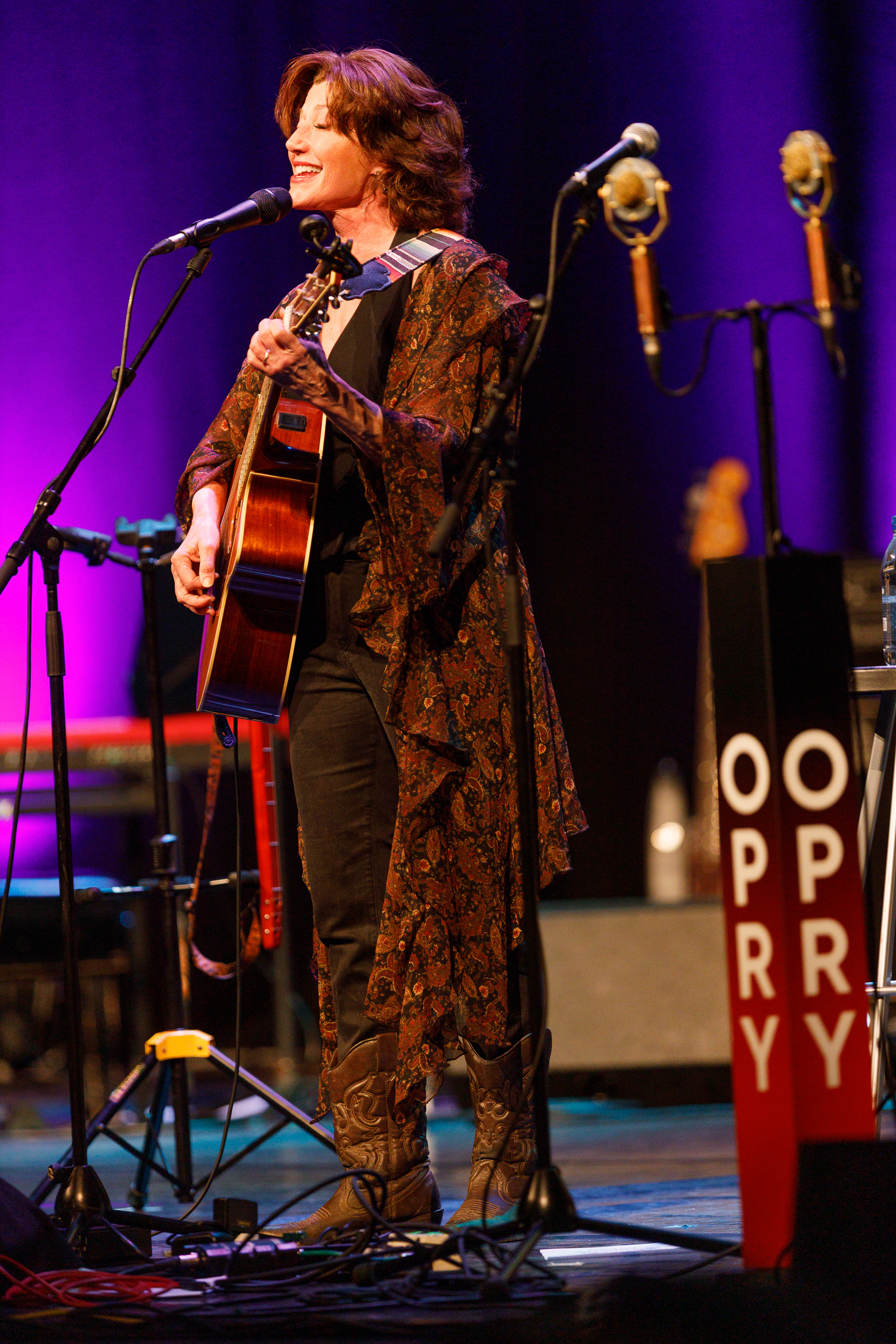
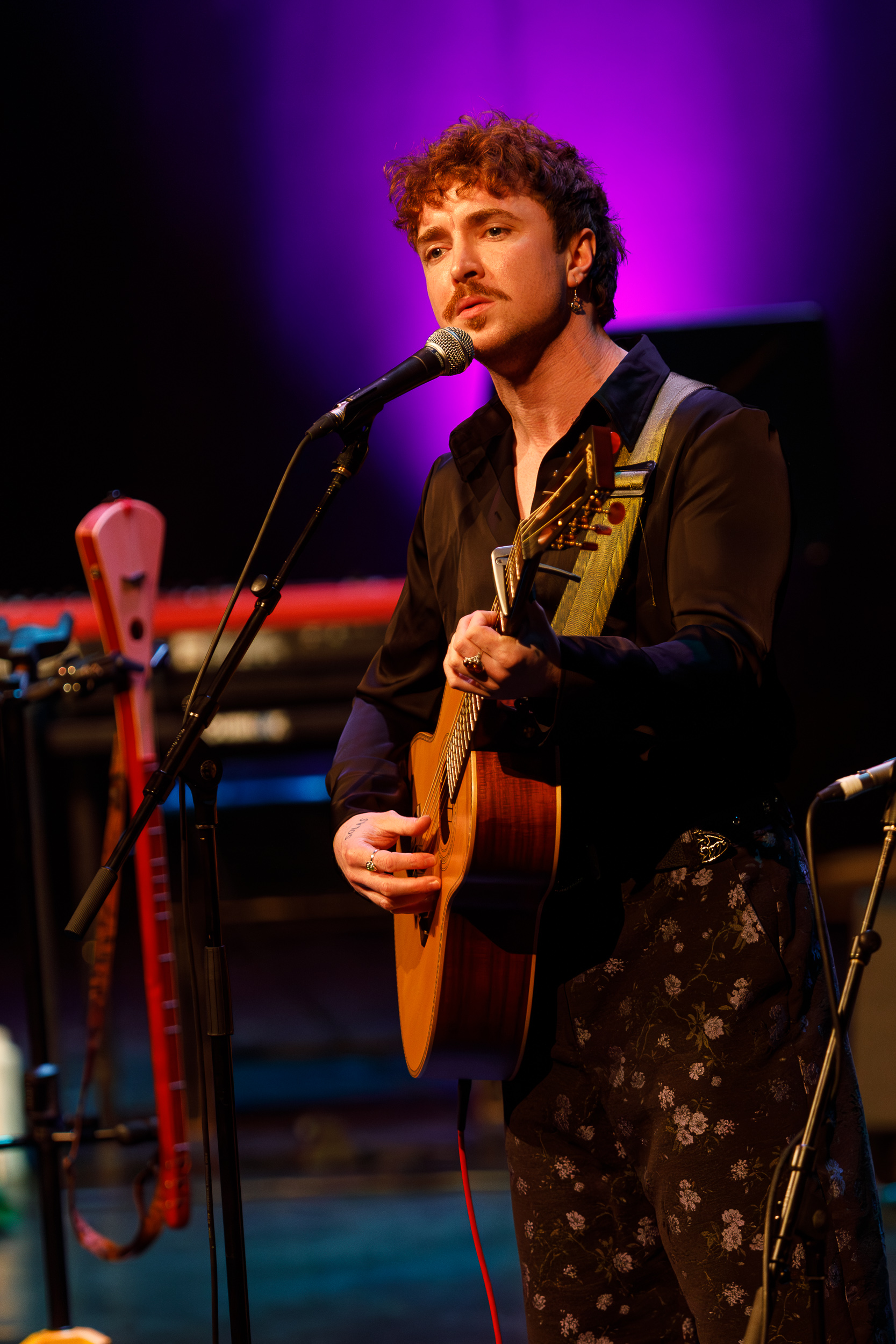
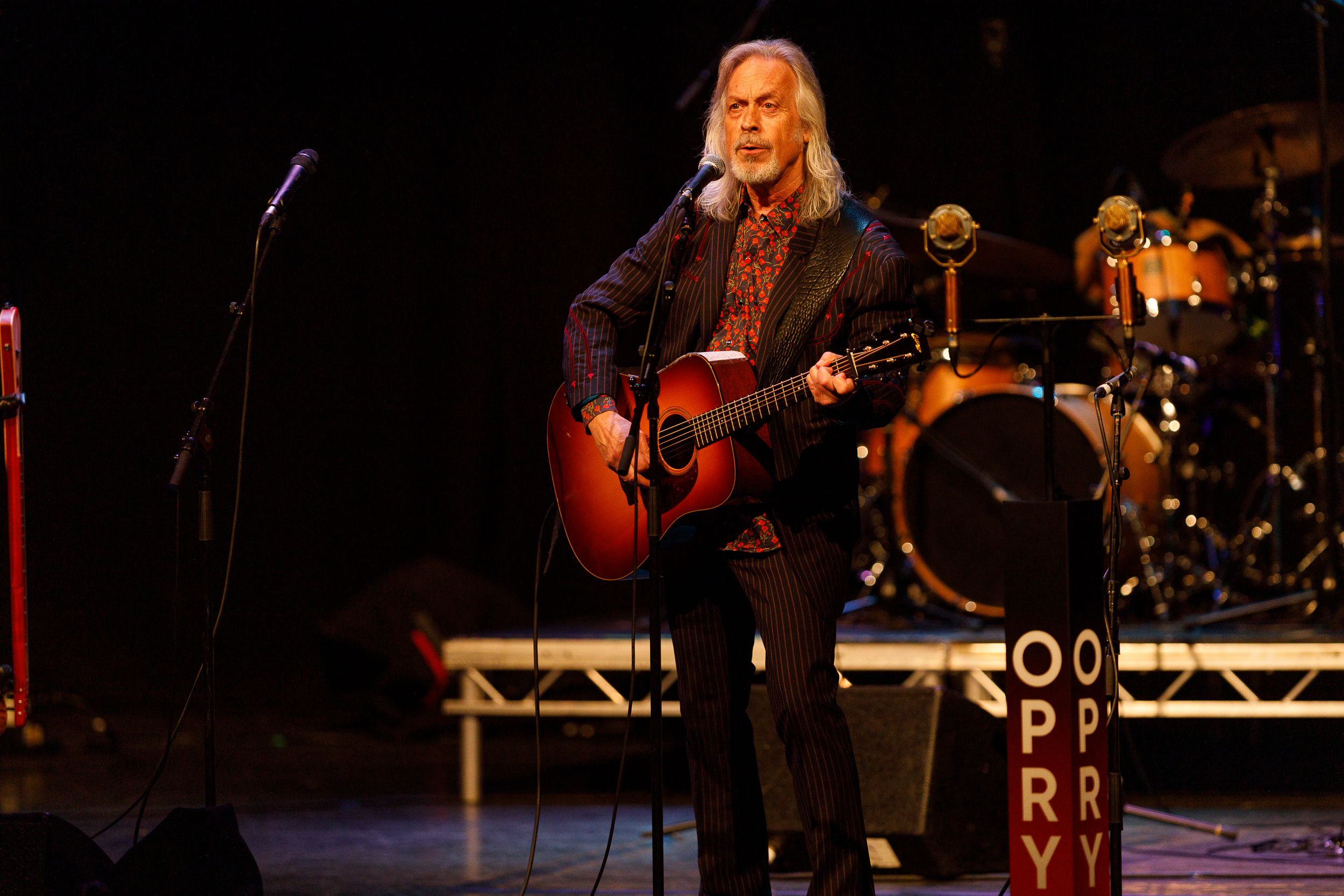
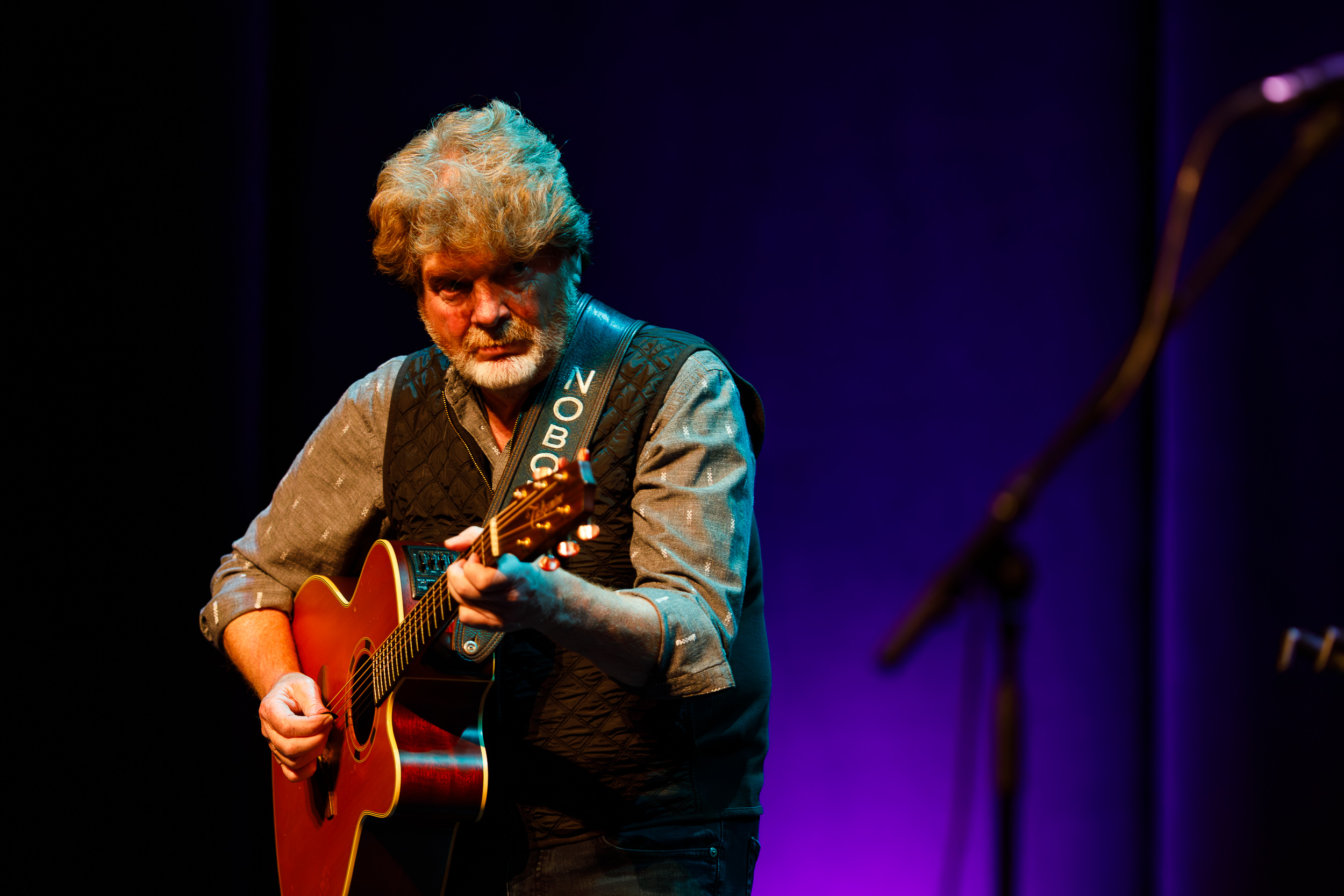
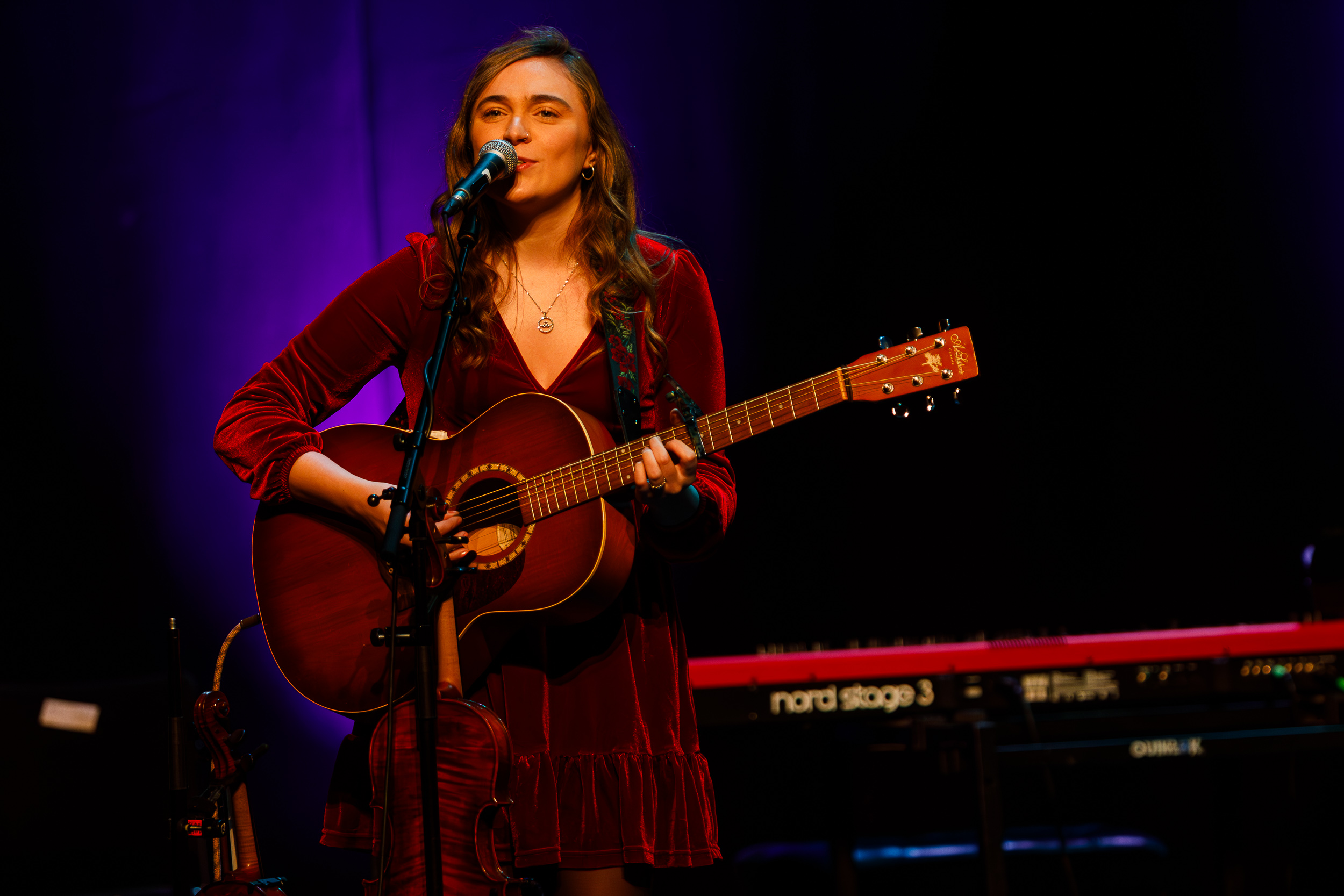
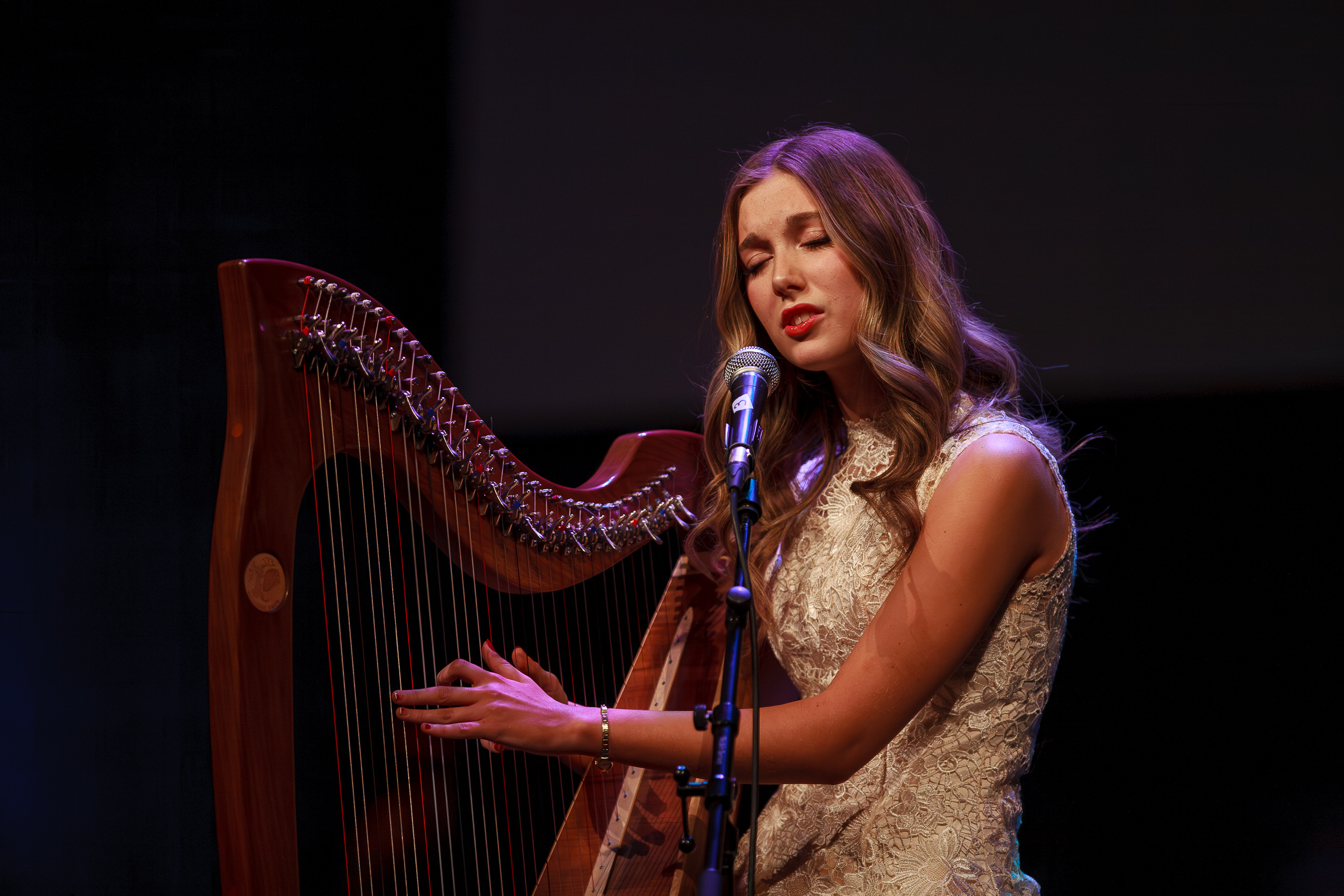
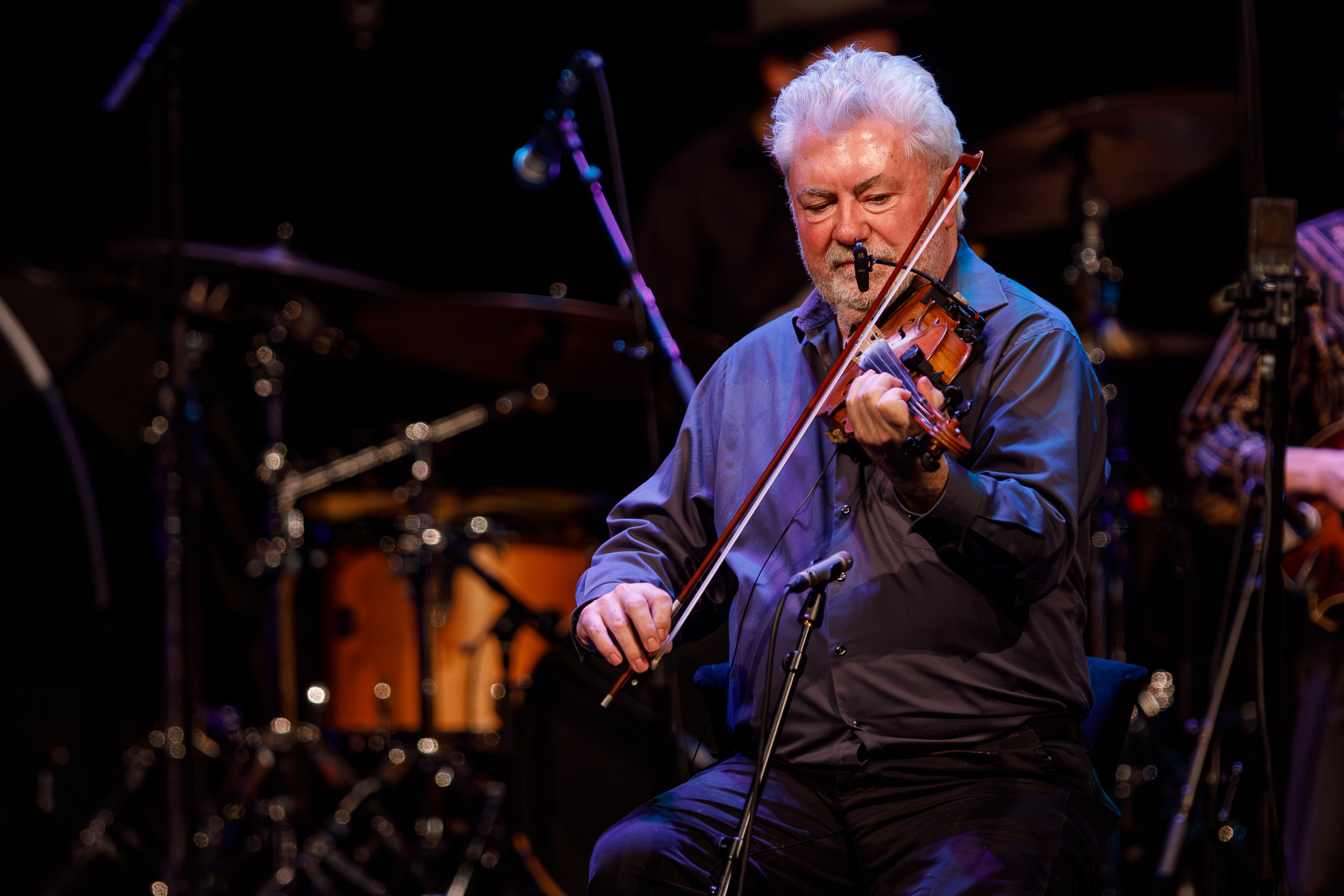
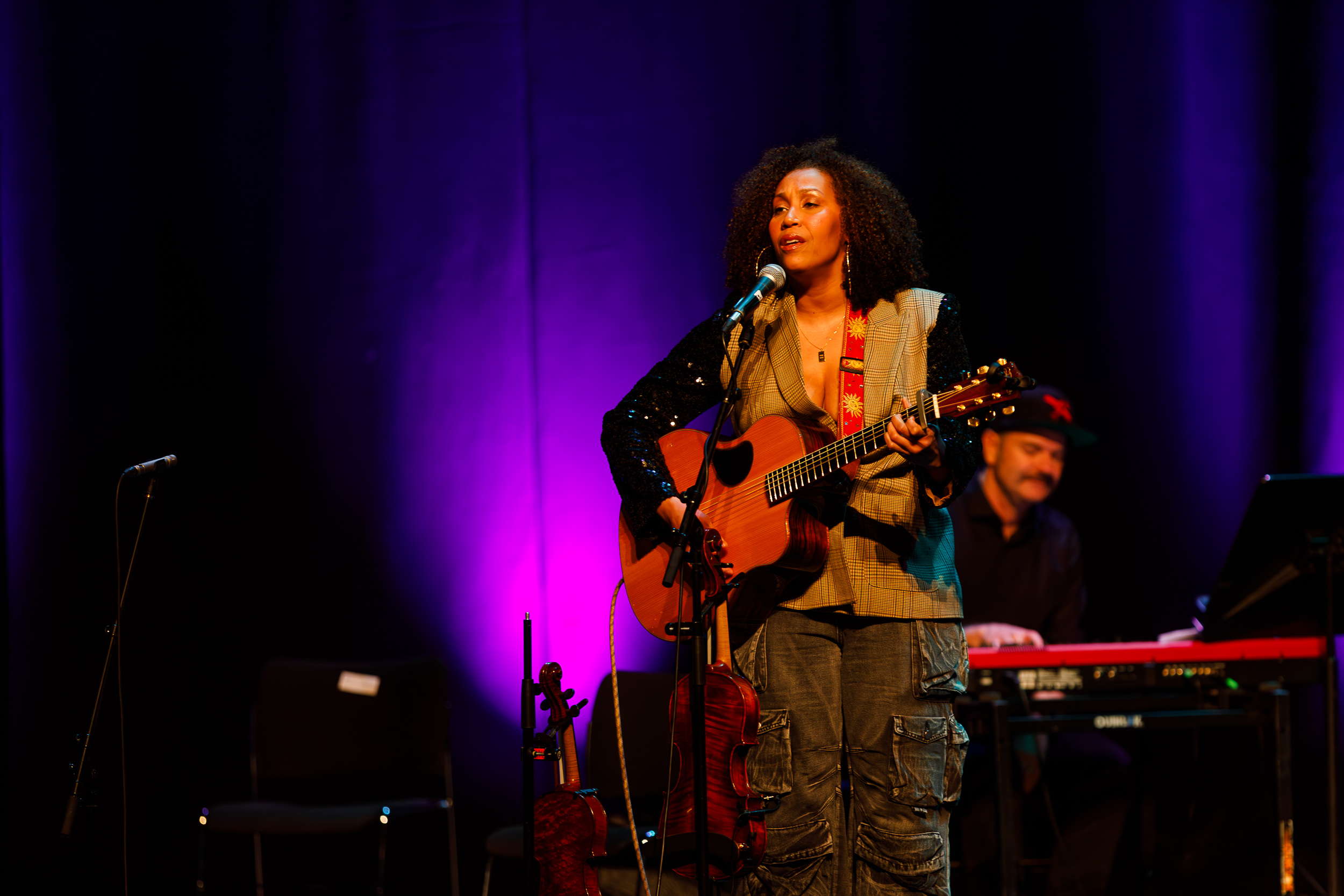
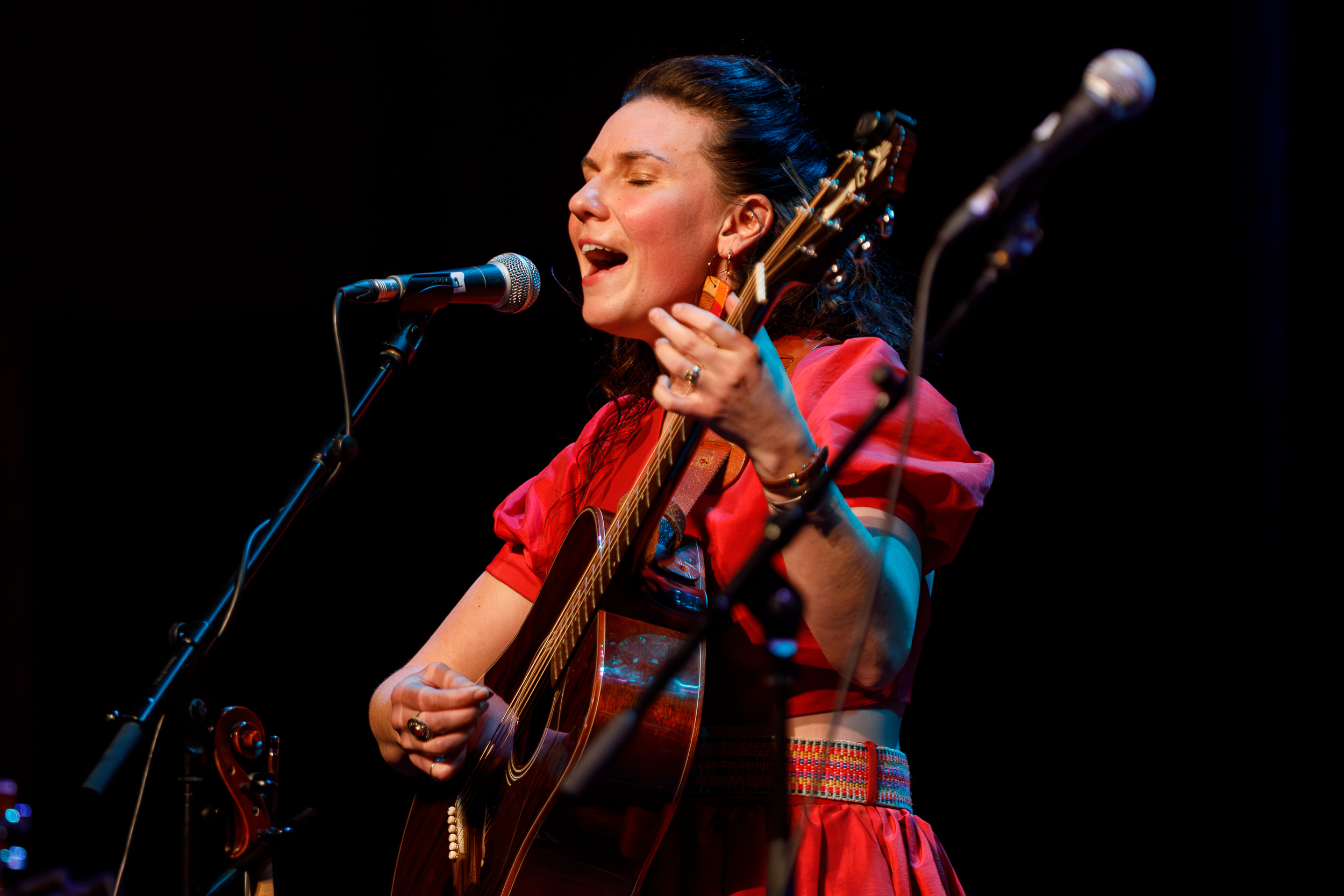
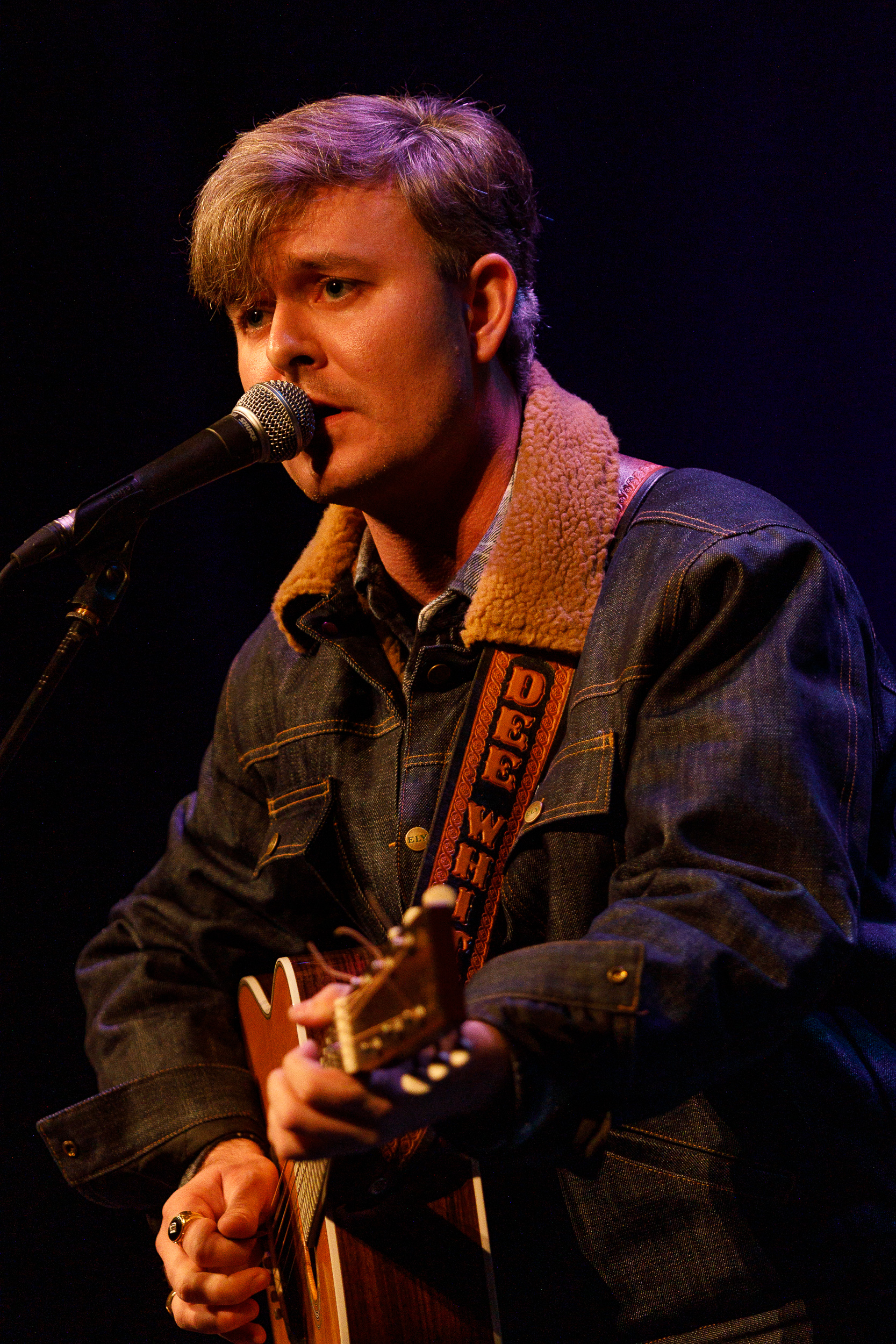
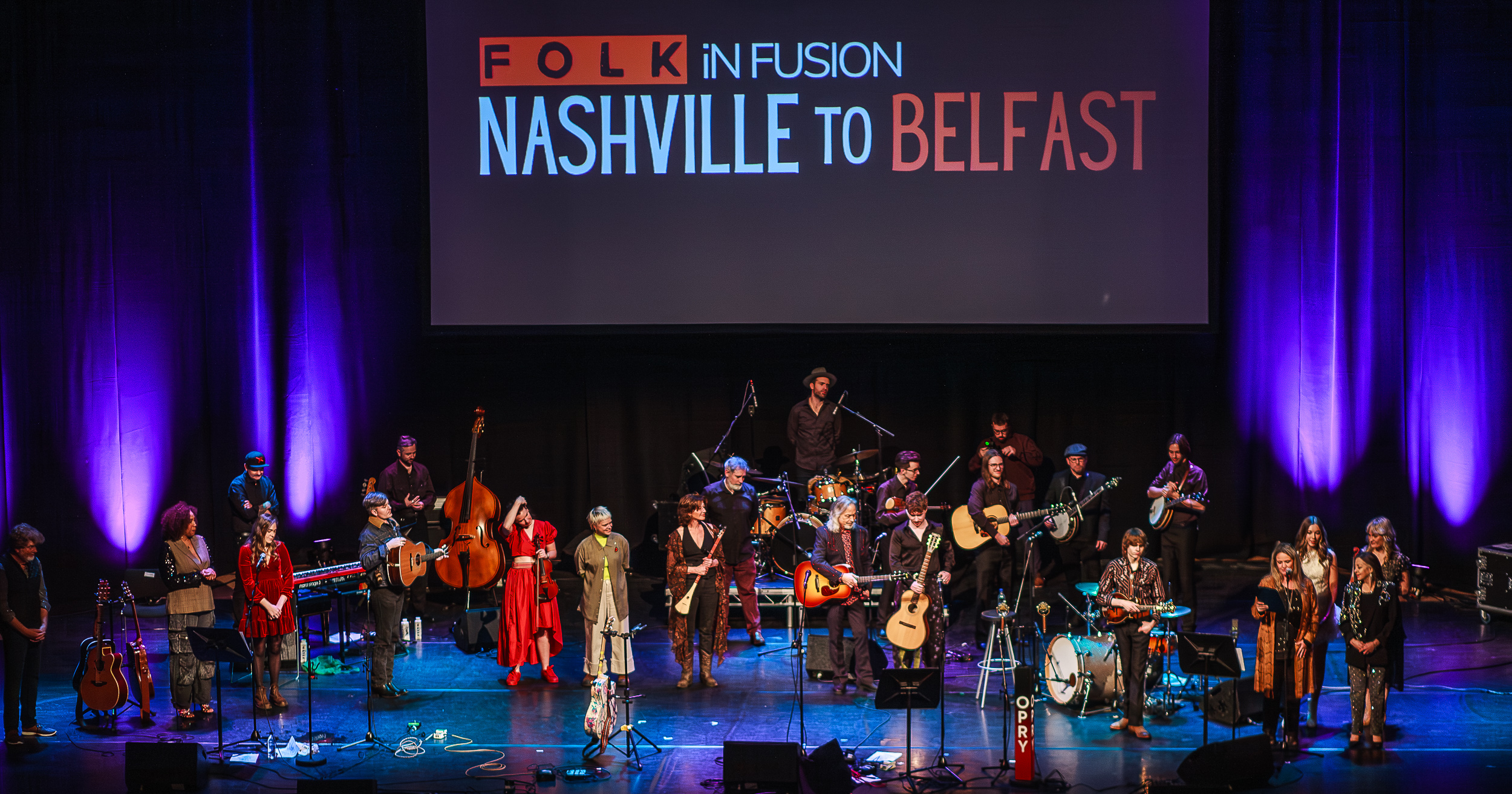
Nashville Songwriters Hall of Fame members Amy Grant, Jim Lauderdale, and Mac McAnally led the impressive list of Nashville artists at the Folk iN Fusion concert event at Waterfront Hall on opening night, alongside Irish performers such as Wallis Bird, David Keenan, and Lorraine Nash. Other American roots artists taking the stage included Ron Block, Wyatt Ellis, Jessica Willis Fisher, Rissi Palmer, and Dee White, while Lorraine Nash, harpist Niamn Noade, Gerry O’Connor, and Clare Sands represented the Emerald Isle with their folk songs.

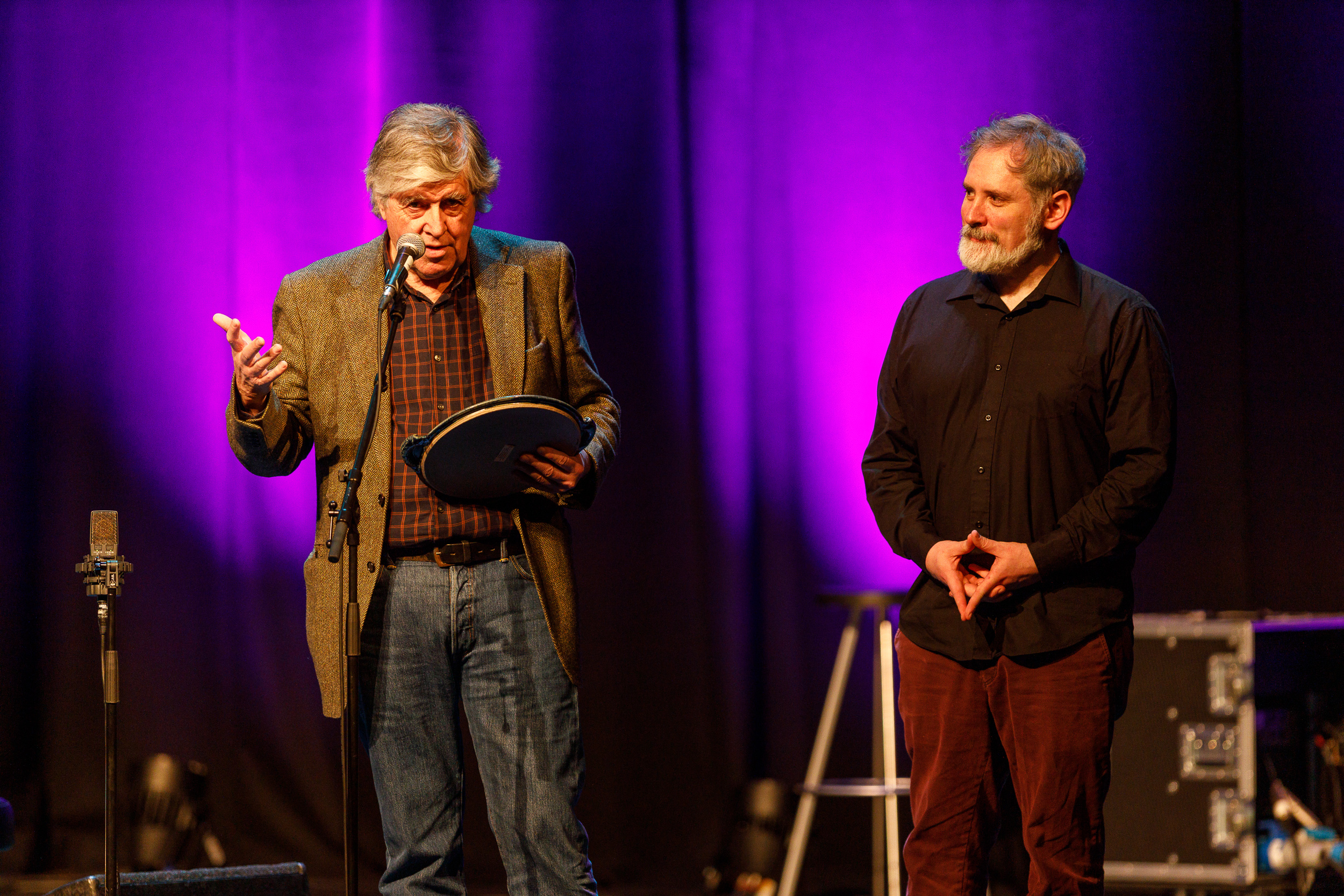
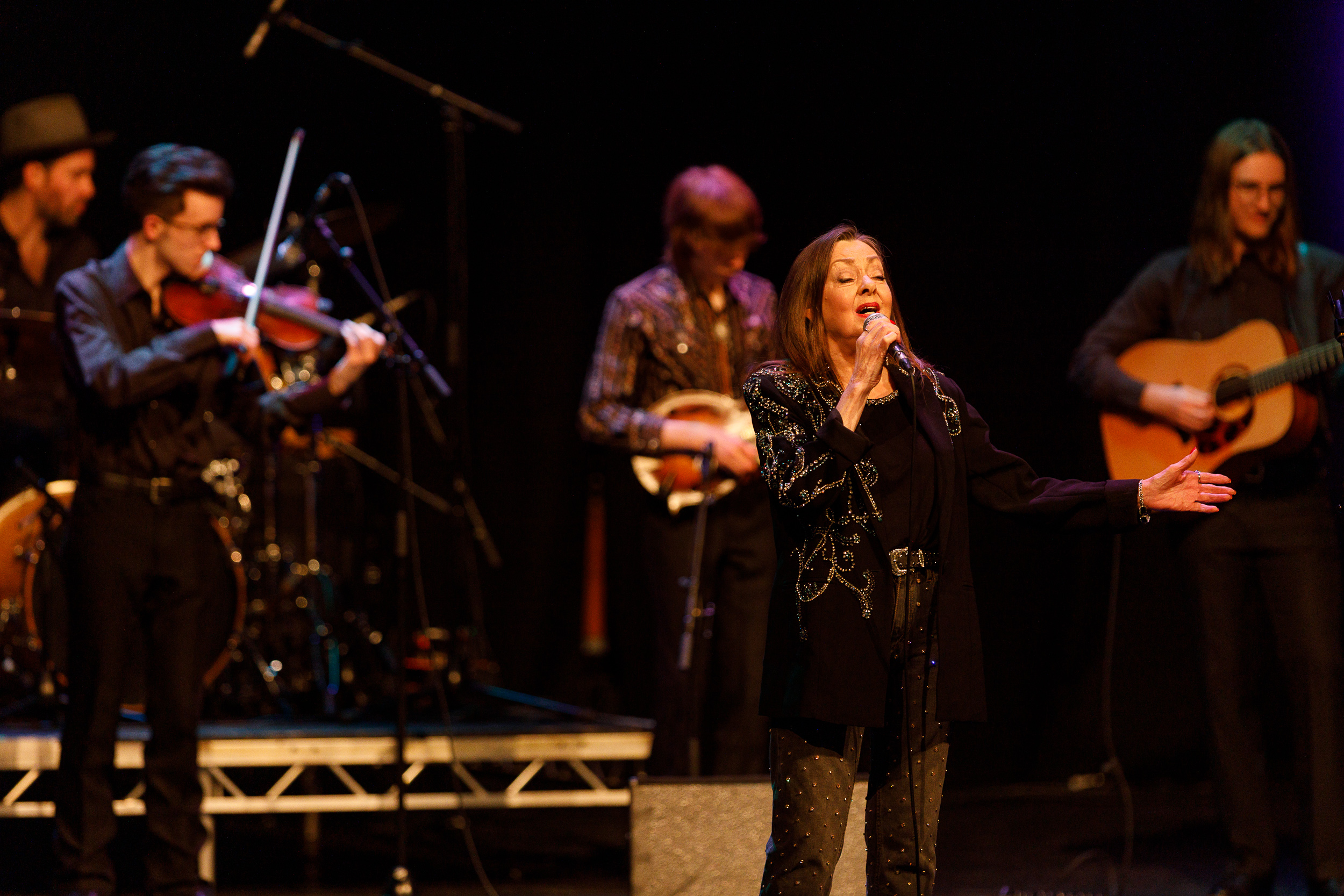
In addition, Paddy Keenan of the Bothy Band was recognized with the Anam Award at the opening night concert, with lifelong friend Paddy Glackin accepting on his behalf. Irish music icon Sandy Kelly performed and co-hosted Folk iN Fusion with Brenda Willis. The all-star evening concluded with a group performance of “Nashville Blues,” “People Get Ready,” and “We All Shall Be Reunited.”


Through a wide variety of panels, leading industry figures shared their knowledge and experiences with an audience of aspiring artists and others in the international roots music community. The Lord Mayor of Belfast, Tracy Kelly, personally welcomed attendees to a panel discussion about the 100-year history of the Grand Ole Opry, moderated by author Craig Shelburne with panelists such as former Opry GM Pete Fisher and performers Amy Grant, Rissi Palmer, Jessica Willis Fisher, and Brenda Willis.

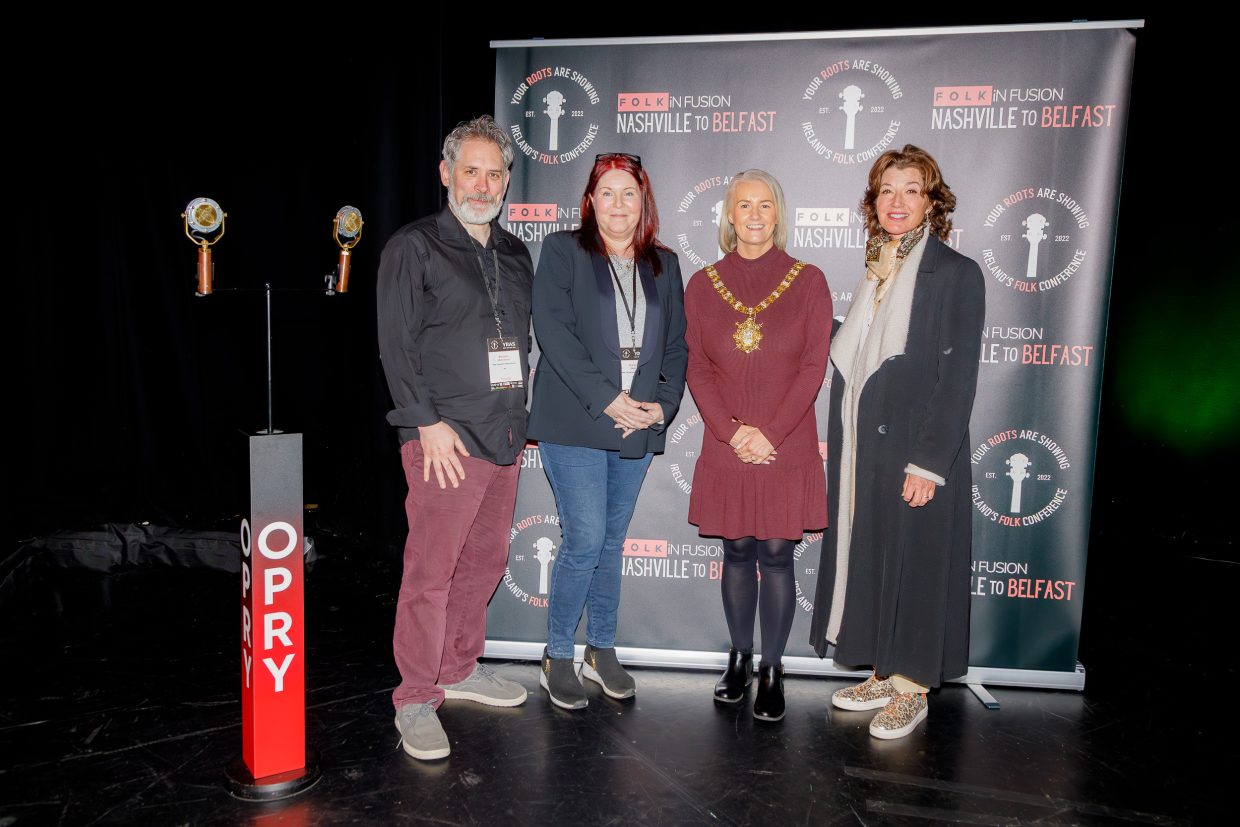
Conference producers Charlene Sloan and Brendan McCreanor, Lord Mayor of Belfast Tracy Kelly, and Amy Grant pose for a photo at Your Roots Are Showing. Photo by Colin Gillen.

Other panels offered insight on booking agencies, contracts, distribution, publicity, publishing and social media, among many other topics. Wyatt Ellis led a mandolin workshop, songwriters and producers Kristian Bush and Brandon Bush hosted a conversation about the role of rules in the creative process, and music supervisor Andrea von Foerster of Firestarter Music shared stories about placing music in TV series such as Yellowstone and Landman. On Friday afternoon, Amy Grant discussed the origins of her career in a keynote interview before taking questions from captivated audience members.

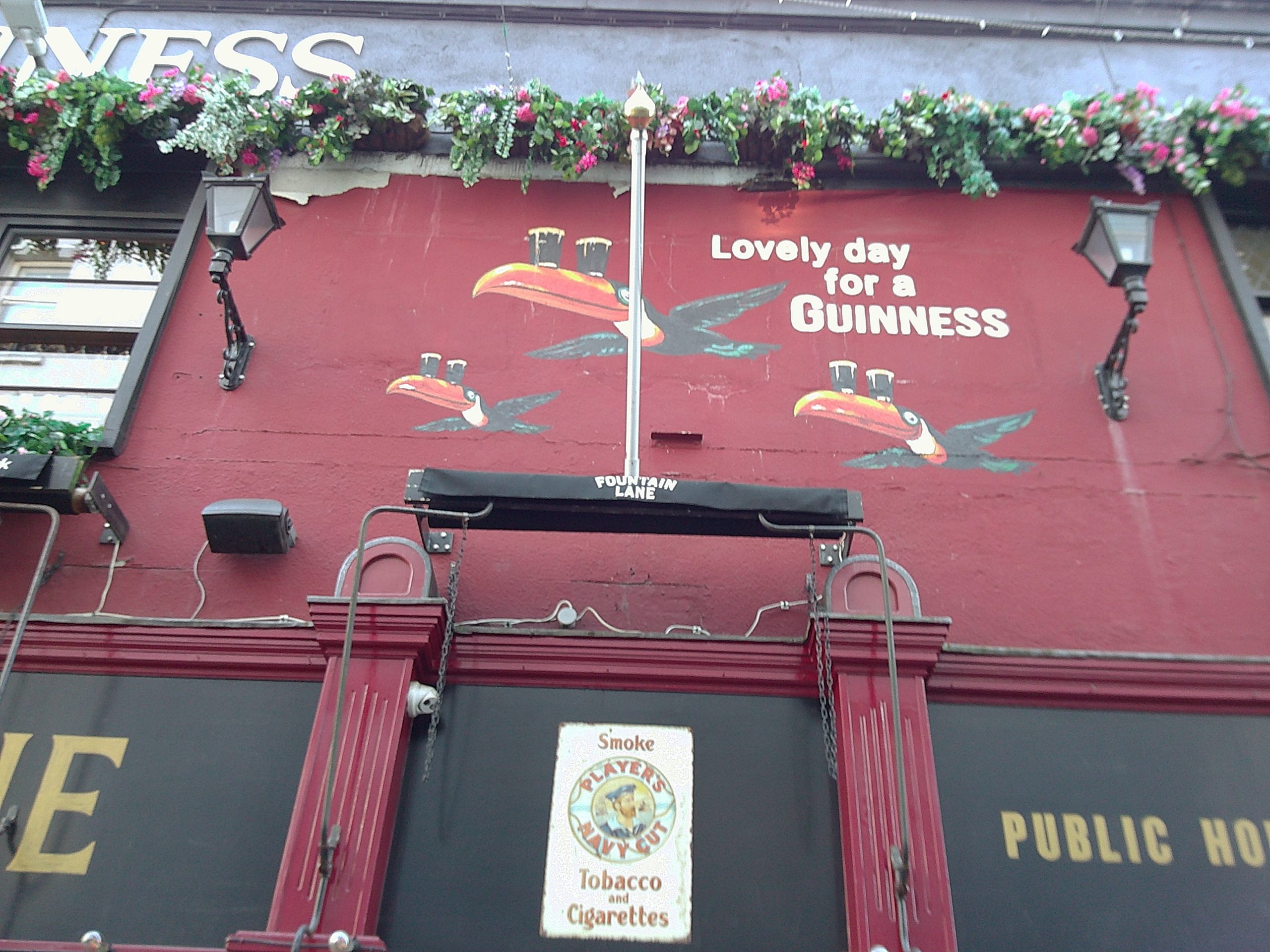
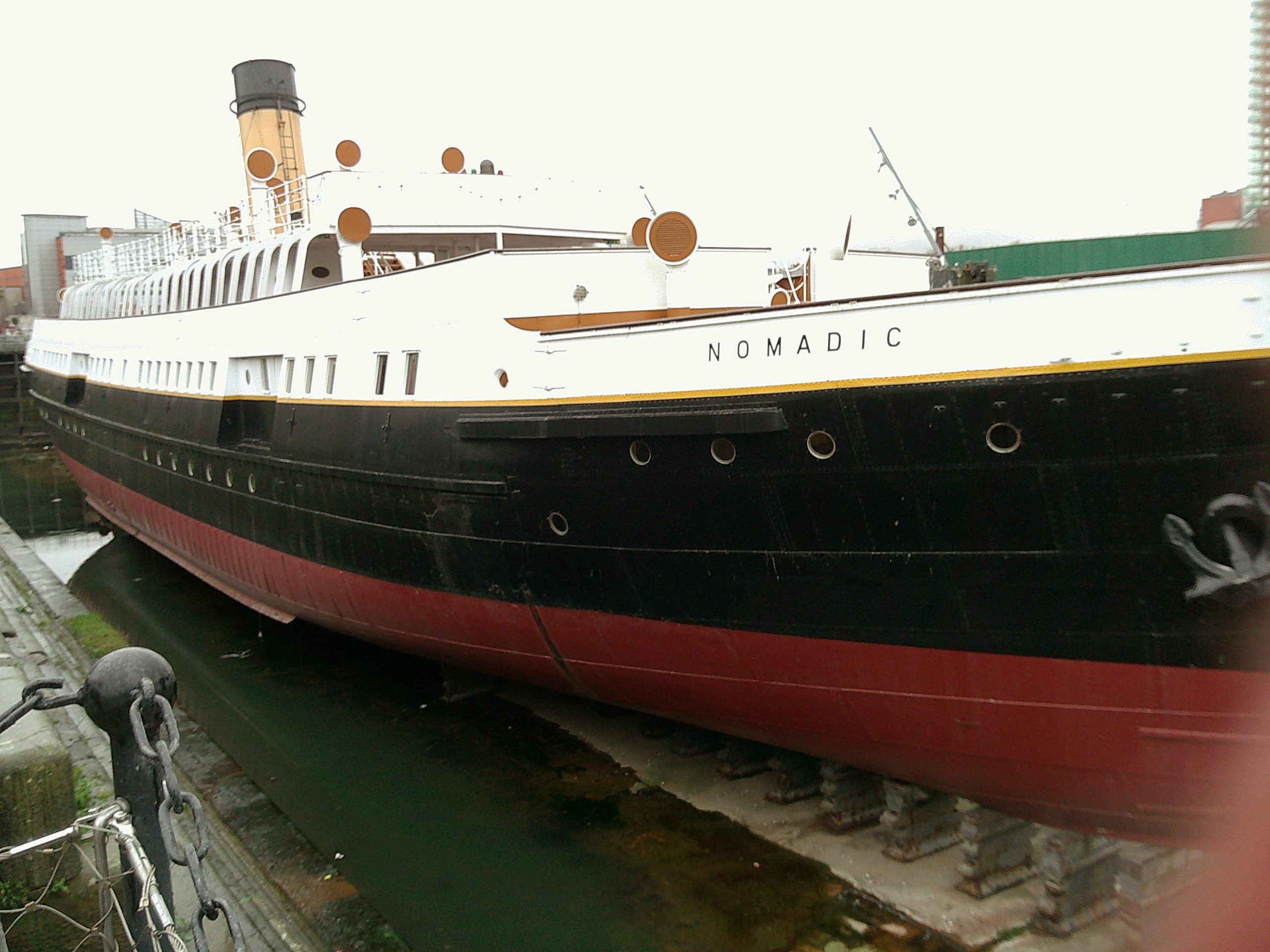
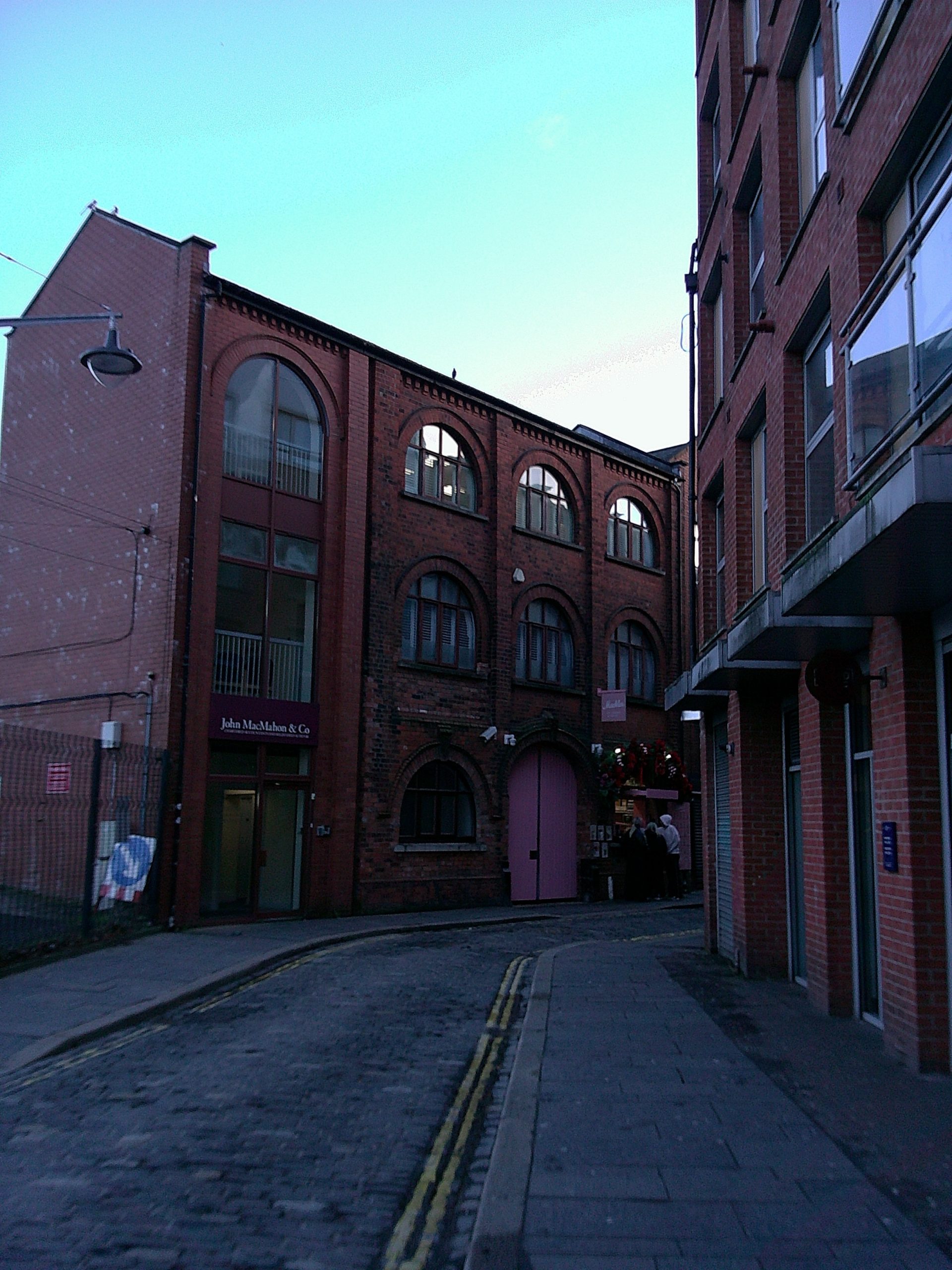
While many of the showcasing artists are based in Ireland and Northern Ireland, listeners were also treated to showcases by performers from Australia, Canada, Czech Republic, England, France, Italy, the Netherlands, Norway, Scotland, Spain, Sweden, the United States, and Wales. During programming breaks, some attendees ventured into Belfast for a visit to the Titanic Museum, St. George’s Market, or a Black Taxi Tour. Others simply explored the streets of the city center, taking photos of the architecture or seeking out a perfectly poured Guinness. BGS staff strolled the picturesque city taking photos on our Camp Snap camera.


Photo Credit: All photos from Your Roots Are Showing and Folk iN Fusion by Colin Gillen, courtesy of Your Roots Are Showing.
Lead image: The entire lineup of Folk iN Fusion join each other on stage for a concert finale.

Camp Snap photographs shot by BGS Staff.

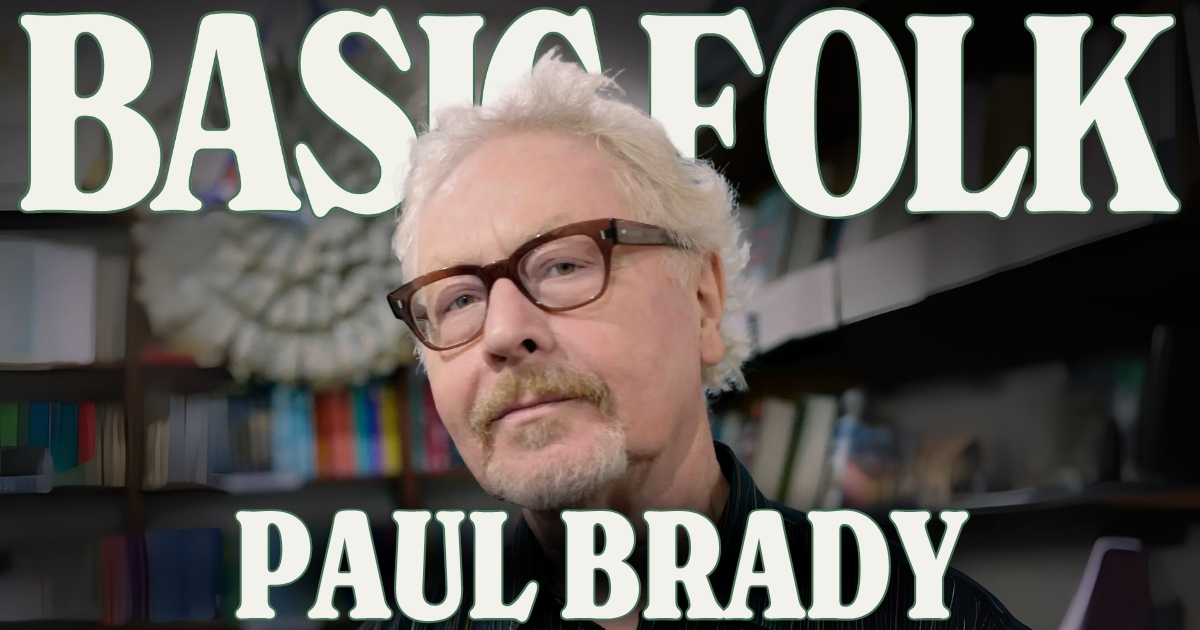
Basic Folk: Paul Brady

Bob Dylan once called Paul Brady a “secret hero” and meant it as a compliment. The Irish songwriting legend has not been bothered by the fact that his profile has not risen as high as some of his peers. Starting off in the world of traditional Irish music, Brady spent time in the hugely influential Irish group Planxty until they disbanded in 1975. After that, he and bandmate Andy Irvine recorded a record of trad music together. In 1981, Brady released an album of original songs titled Hard Station that was based on his experience of growing up during The Troubles in Northern Ireland. It was a huge left turn for him stylistically and in being so personal with his writing. After that, Brady’s songwriting career took off; he has written songs for Bonnie Raitt, Santana, Tina Turner, and many others.

LISTEN: APPLE • SPOTIFY • AMAZON • MP3

In our Basic Folk conversation, Brady reflects on his upbringing and how music served as his reliable companion. He also discusses his parents’ artistic influences, particularly his father’s passion for acting and how it shaped his own stage performances. We touch on themes of perfectionism, impostor syndrome, and the inherent pressures of the music industry. Additionally, Paul talks about his latest massive box set, The Archive, which features rare demos, live recordings, and unique collaborations, offering a comprehensive look at his extensive body of work.


Photo Credit: Stuart Bailie

MIXTAPE: JigJam’s Irish Bluegrass

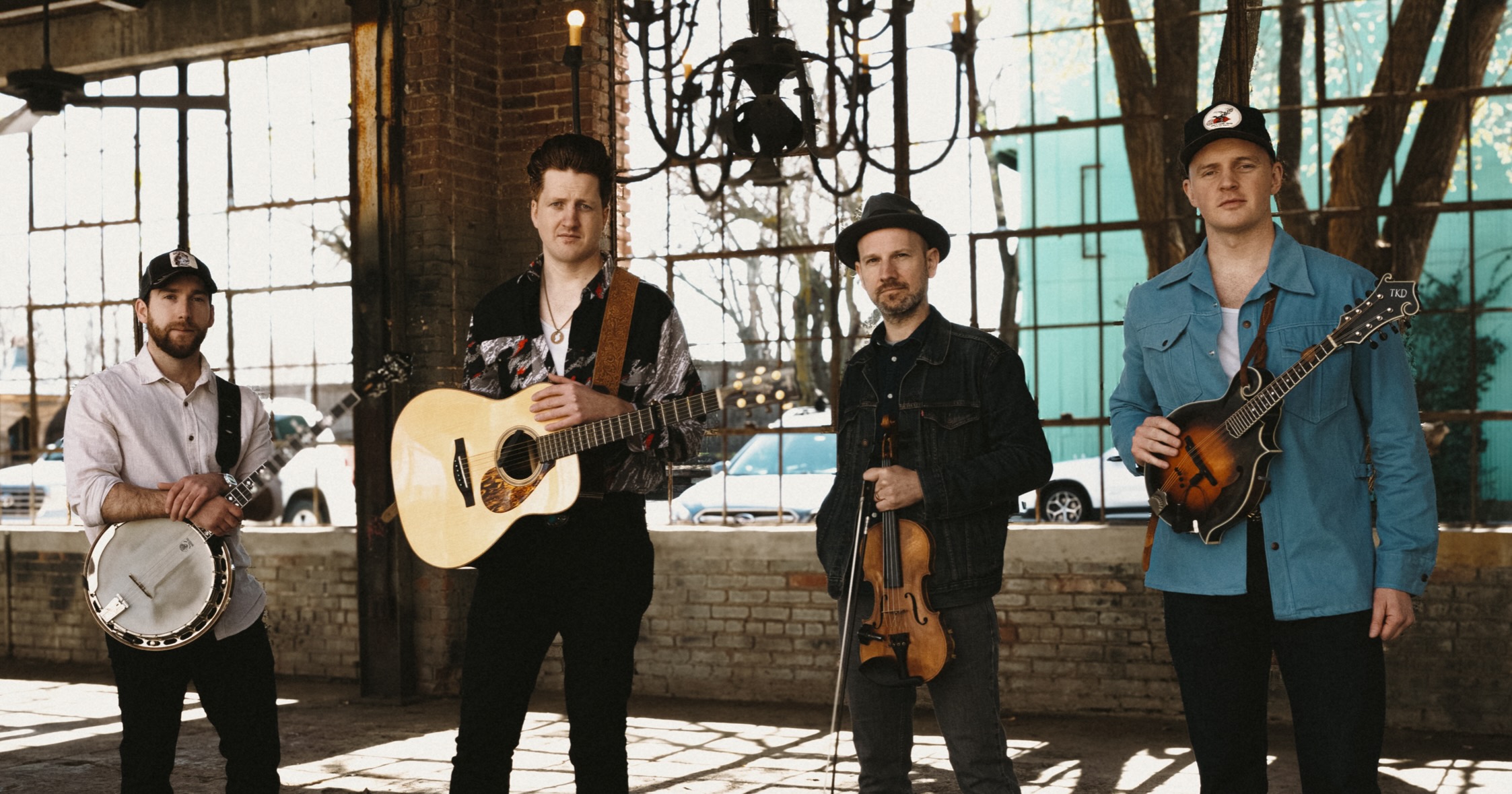
We all grew up in rural Ireland in small communities in the midlands around County Offaly and County Tipperary. From a young age we were brought up with traditional Irish music, learning the tunes and playing in local sessions. Bluegrass was never a part of our musical upbringing, however, little did we know how strong the relationship between Irish and bluegrass music is. Our band JigJam was formed in 2012 and over the years we developed a sound which captures the crossover between these musical genres.

The creation of bluegrass music and its development over the years is heavily influenced by Irish music. When the Irish people emigrated to North America years ago they brought their music and culture with them, which you can hear within bluegrass music from tunes, melodies, and songs.

We released our new album, Across The Pond, on March 1st of this year. The theme of Across the Pond is to creatively celebrate the deep connection between Ireland and North America through newly composed material that is a dynamic fusion of bluegrass, old-time, and Irish traditional music. By also including traditional tunes and songs which are popular amongst the people from both Irish and American traditions, we added their voice to this transatlantic conversation. This album has been inspired and composed on themes of immigration, nostalgia, cultural difference, and cultural amalgamation. It views the immigrant experience through the lens of pre-immigration, the journey of immigration itself, and their lives upon having settled in North America.

This is our Irish Bluegrass Mixtape, hope you all enjoy! – JigJam

“Good Ole Mountain Dew” – JigJam

Here’s our version of the bluegrass standard, “Mountain Dew,” that we put our own spin on. There’s a similar Irish song called, “The Rare Old Mountain Dew.” It’s about the same subject – “Good Old Mountain Dew” is obviously about moonshine. What we call the “mountain dew” at home is poitin, which is Irish moonshine.

We took some of the lyrics of that song and put it into our version and also wrote our own lyrics based on where we come from. We took the instrumental tune from “Rare Old Mountain Dew” and put it in “Good Old Mountain Dew” while also adding in a bit of Irish lilting. It’s a mashup of both cultures in one song!

“Classical Grass” – Gerry O’Connor

When I was young and first learning how to play the tenor banjo one of my musical heroes was Gerry O’Connor. I was always mesmerized by the speed and precision of his banjo playing. The first time I saw him in concert was at a banjo festival in Ireland called Johnny Keenan Banjo Festival. He was sharing the bill with Earl Scruggs and his band. As a 12-year-old Irish boy, I had no idea who Earl Scruggs was at the time. Little did I know the influence he (Earl Scruggs) would have on my music and JigJam’s music in years to come, when we discovered what bluegrass was and where it came from!! In this track from Gerry, he shows his bluegrass influence himself with pristine crosspicking along with his renowned clean triplets, which was always a favourite of mine growing up.

“Colleen Malone” – Hot Rize

“Colleen Malone” is one of our favorite songs that Hot Rize recorded. Here’s a great live version from their Hot Rize’s 40th Anniversary Bash album. A lovely song co-written by Leroy Drumm and Pete Goble about an Irish girl, Colleen Malone.

“Tennessee Stud” – The Chieftains

In many ways The Chieftains paved the way for Irish bands touring in America and that is something for which we’ll always be incredibly grateful. Their album, Down The Old Plank Road: The Nashville Sessions, paints a vivid picture of the crossover between between the Irish and American music traditions.

“B/C Set” – Beoga

Beoga are an Irish trad band who we all listened to as kids growing up. They were known for thinking outside the box and being ahead of their time as regards arrangements. The second tune in this set is “Daley’s Reel,” which I only realized in recent years when I heard some of the great bluegrass players like Bryan Sutton and Aubrey Haynie playing it. Beoga have a very unique version of “Daley’s Reel,” played on two button accordions and accompanied by piano, bodhrán, and even brass near the end of the track. Certainly a fun one to listen to!

“Streets of London” – Tony Rice

This is one of my favourite songs sung by Tony Rice. “The Streets of London” is a very popular song in Ireland and has been covered by many Irish artists. Written by English songwriter Ralph McTell, I learned this song from the playing of the great Liam Clancy of The Clancy Brothers, Irish powerhouses. I only heard Tony Rice’s version in recent years when I delved into bluegrass guitar playing and I loved it straight away. Tony Rice’s rendition is beautiful as he incorporates his flawless bluegrass crosspicking and signature approach to this classic.

(Editor’s Note: Watch JigJam guitarist Jamie McKeogh perform “Streets of London” for a recent Yamaha Session here.)

“Water’s Hill” – JigJam

“Water’s Hill” is a song off our new album, Across The Pond. The lyrics were written by Ken Molloy as he tells the story of a couple falling in love together and marrying on water’s hill, a mound near Tullamore in County Offaly. The music is by Jamie McKeogh and Daithi Melia along with an old traditional Irish reel that is incorporated into the middle of the song. “Water’s Hill” features a driving Scruggs-style 5-string banjo part along with a strong mandolin backbeat, fiddle counter melodies, and rhythmic acoustic guitar which creates the JigJam sound, capturing the crossover between Irish and bluegrass music.

“Forty Shades of Green” – Rosanne Cash and Paul Brady, Transatlantic Sessions

The Transatlantic Sessions is an amazing platform for the collaboration of Irish and bluegrass musicians. With the likes of Jerry Douglas, Aly Bain, Mike McGoldrick, and many more, this project has wonderfully captured Irish and bluegrass crossover for years. I could have chosen many songs from their repertoire, but I went with this one. It’s “Forty Shades of Green” from the legend that is Johnny Cash. Here, it’s being sung by his daughter Rosanne and Irish singer-songwriter Paul Brady, backed up by the Transatlantic band.

“Sally Goodin / The Blackberry Blossom” – Gerry O’Connor

Gerry O’Connor from Co. Tipperary is the reason I began to play the tenor banjo and he has always been a musical hero of mine – his music still inspires me to this day. This set showcases his skill set, pickin’ on these classic bluegrass fiddle tunes.

“Battersea Skillet Liquor” – Damian O’Kane, Ron Block

One of my favorite tracks off one of my favorite albums. I always loved the groove in this track and of course the playing from this star-studded crew of players always leaves me feeling inspired.

“Bouli Bouli” – JigJam

This set combines the traditional Irish jig, “The Miller of Glanmire,” with the bluegrass fiddle tune, “Big Mon.” It showcases the dynamic and genre fluid nature of JigJam through seamlessly traversing both traditions while highlighting each instrument’s capabilities. We’ve been having a lot of fun playing this one live!

“On Raglan Road” – Dervish & Vince Gill

I always enjoyed this song being performed by the great Luke Kelly from The Dubliners and recently came across this beautiful version of Patrick Kavanagh’s “On Raglan Road” by the legendary Dervish featuring the iconic vocals of Vince Gill.

“The Stride Set” – Solas

I love this set by Solas from their album, The Words That Remain. We are influenced by their creative way of arranging Irish tune sets. I love the addition of the 5-string banjo featured on this track.

“Did You Ever Go A-Courtin’, Uncle Joe” – The Chieftains

Here’s a mighty set from The Chieftains’ live album, Another Country. The crossover between Irish and American genres is great here with a medley of American songs and Irish tunes and also featuring a 5-string banjo. With a great lineup of The Chieftains with Chet Atkins, Emmylou Harris, Nitty Gritty Dirt Band and Ricky Skaggs.

“County Clare” – New Grass Revival

New Grass Revival are one of our biggest influences as a band. Béla Fleck is one of the reasons why I fell in love with the 5-string banjo and started to learn ‘Scruggs style’ while delving into the bluegrass world. Here’s his great instrumental “County Clare,” which Béla wrote inspired by his time spent in Ireland.


Photo courtesy of the artist.

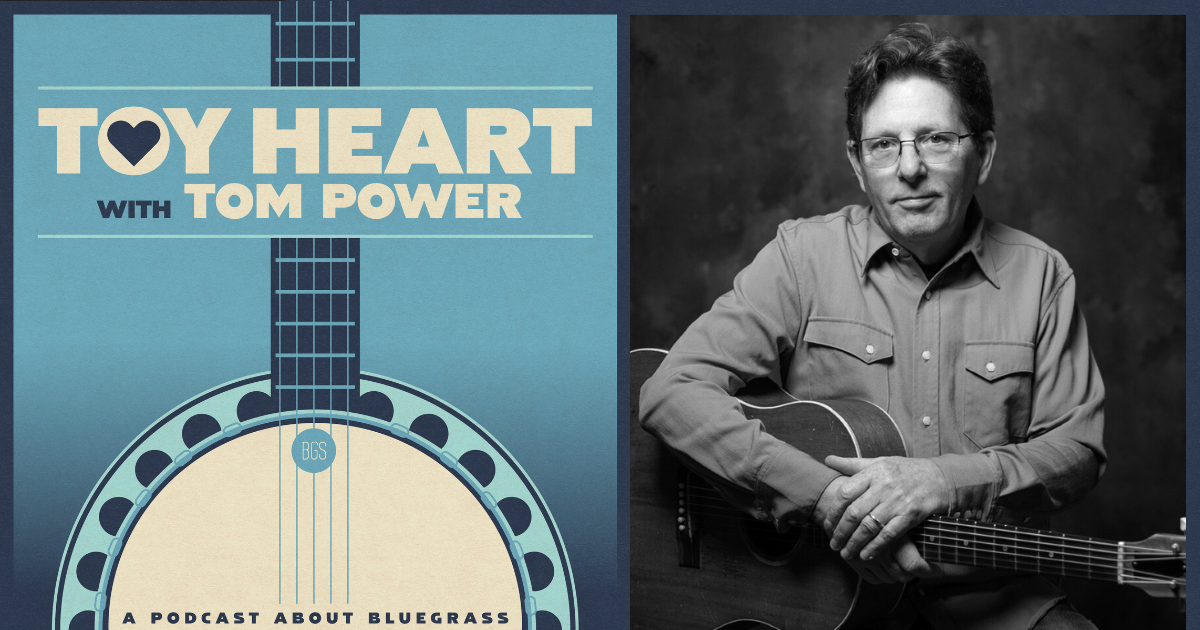
Tim O’Brien – Toy Heart: A Podcast About Bluegrass

Our latest guest on Toy Heart is bluegrasser, multi-instrumentalist, and songwriter Tim O’Brien. His conversation with host Tom Power begins by remembering the music of his childhood, growing up in Wheeling, West Virginia listening to Chubby Checker on his crystal radio set and attending the nationally renowned country variety show and radio broadcast, the Wheeling Jamboree. Encountering the music of Merle Haggard and Doc Watson via local radio and television, he fell in love with music as a kid before a few friends introduced him to Bill Monroe’s mandolin playing while smoking a post-gig joint as a teen.

After dropping out of college, O’Brien hitchhiked west to Wyoming, before landing in Colorado and eventually founding Hot Rize in the mid to late ‘70s with newly married and relocated Dr. Banjo himself, Pete Wernick. Over the course of their winding and dense conversation, Power and O’Brien chat about Gibson mandolins, the burgeoning Colorado string band scene, working with Bill Monroe, and the strange, circuitous story of his fiddle’s provenance.

LISTEN: APPLE PODCASTSSPOTIFYMP3

O’Brien’s career, as multifaceted as it has been, is a wellspring of stories, anecdotes, and yarns about the bluegrass scene of the ‘80s and ‘90s, Irish music, writing hit country songs, working with and alongside so many first generation bluegrass legends, and the inception of Hot Rize’s alter ego band, Red Knuckles & the Trailblazers. Having recorded and performed with the Chieftains, Darrell Scott, the Transatlantic Sessions, and so many others, Tim O’Brien’s career is a melting pot of styles and sounds with one primary throughline: the true originality of his own musical vocabulary. As Power puts it, “I ​couldn’t ​tell ​you ​what ​Tim ​O’Brien ​sounds ​like, ​but ​I ​know ​Tim ​O’Brien ​when ​I ​hear ​it.”

Our Toy Heart episode examines O’Brien’s expansive and impressive career at a fascinating juncture in its span, as he shifts from being a bluegrass and Americana workhorse to a forebear, mentor, and roots music elder to entire generations of young musicians.


Photo Credit: Scott Simontacchi

WATCH: Charm City Junction, “Roll On John”

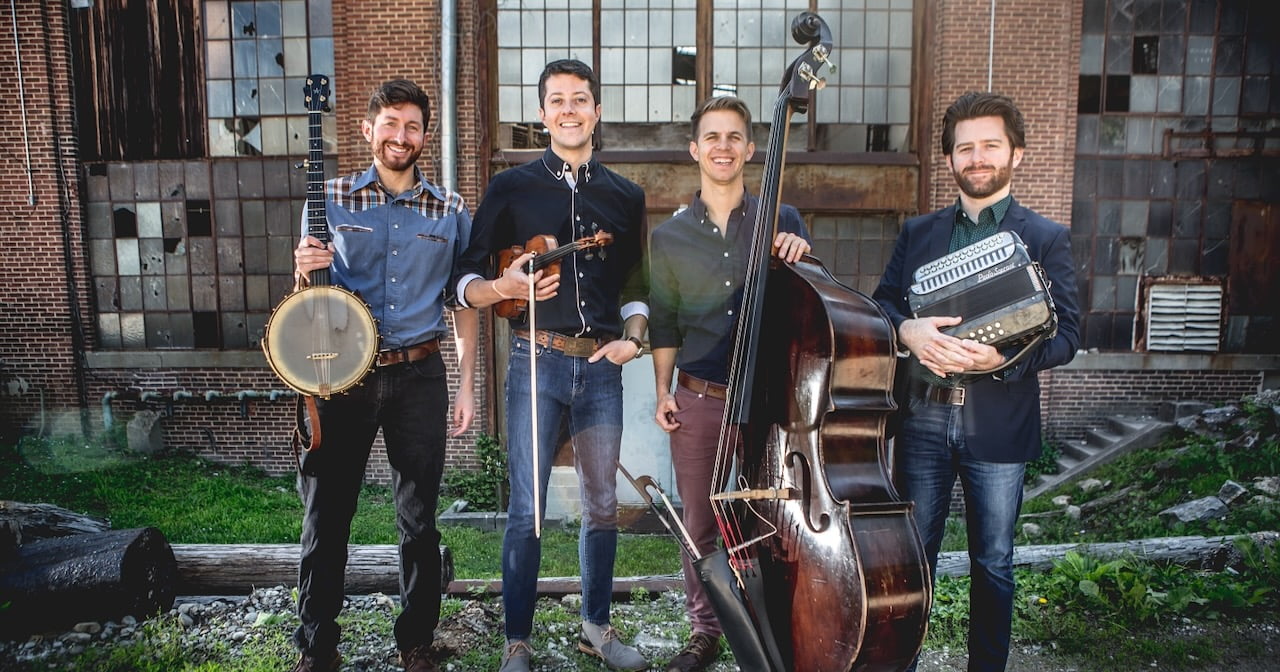
Artist: Charm City Junction
Hometown: Baltimore, Maryland
Song: “Roll On John”
Album: Salt Box
Release Date: January 10, 2024 (single); February 2, 2024 (album)
Label: Fenchurch Music

In Their Words:“I first heard ‘Roll On John’ on an old Mike Seeger recording called Southern Banjo Sounds. His rendition is haunting yet enchanting, like a lot of old-time music. One of the most rewarding parts of playing in Charm City Junction is how each band member brings their own unique approach to roots music. When we first started playing together nearly 10 years ago, we essentially said, ‘Heck with the genre boundaries! Let’s play music we enjoy playing and see where it goes.’ It’s not quite old-time, it’s not quite bluegrass, it’s not quite Irish music. In a sense, it’s all of those, but none of those. We like it that way.

“Fun fact, this performance was captured live in a restored grist mill barn in Baltimore County, just a few miles from where our fiddler, Patrick McAvinue, grew up.” – Brad Kolodner, banjo

Track Credits:

Alex Lacquement – bass, vocals
Brad Kolodner – banjo, lead vocals
Sean McComiskey – button accordion
Patrick McAvinue – fiddle, vocals


Photo Credit: Jordan August
Video Credit: Directed by Rick Barnwell, RFBV Films

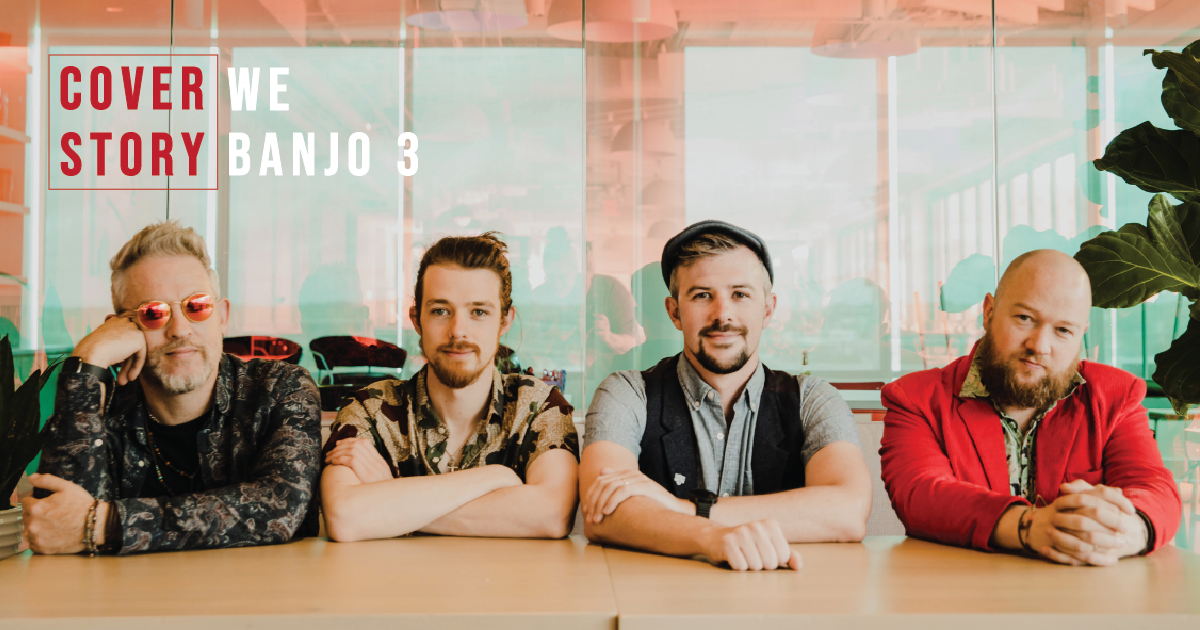
In a Time of Fear, We Banjo 3 Make a Brave Statement on ‘Open the Road’

Walking through life, people learn, grow, and develop their own identities, and eventually find others who become figures in their chosen family. In a lot of ways, a band is a kind of chosen family. However, what if one’s chosen musical family is also their family of origin? Folk music in particular, being tied to so much oral and performative tradition within families, is plenty familiar with this dynamic. Still, it’s hard not to be intrigued by the overlapping bonds of band and brotherhood that shape We Banjo 3. This duality only sparks further curiosity knowing the two pairs of brothers –– David Howley, Martin Howley, Enda Scahill, and Fergal Scahill –– are celebrating 10 years together, with the Galway band’s new album, Open the Road, marking the occasion.

Several songs on Open the Road germinated from very specific ideas –– like the conceptual substance of Hans Rosling’s Factfulness prompting “Rialto” or a literal group writing exercise leading to a whole character profile for the young bird in “Long Way Down.” At the same time, a lot of unspoken dynamics infuse the music with memorable and individualized character. On the latter track, the casual camaraderie among the band is likely what gives the dense layers of background vocals their warmth and feeling of positivity.

We Banjo 3’s album encompasses all of the creative knowledge and musical proficiency that the four gentlemen have accrued over the last decade. However, and perhaps even more meaningful than those qualities, Open the Road also sheds light on the many kinds of interpersonal relationships that are forged and strengthened in a band –– particularly a band anchored by family ties. It’s these almost indescribable instincts and insights that make their music stand out.

For our BGS Cover Story this month, we caught up with Martin Howley by Zoom.

BGS: What’s the most unexpected difference between the We Banjo 3 of a decade ago and the We Banjo 3 that’s on tour right now?

Howley: We started out with [myself, Enda Scahill, and David Howley,] exploring the sounds that the Irish tenor banjo could make, and being very interested in using the banjo as sort of a nexus for being able to cross over and understand bluegrass music and old-time music. It was pretty much an exploration of old-time American music, bluegrass music, and Irish music and where they enmeshed. We were mining that rich vein of culture throughout those three musical genres and finding old songs and trying to find new corners in them that we could explore. And that was the genesis of the band.

If I look towards now, 10 years of poring over that material and celebrating it and then having these lovely interactions where we tour around the world and meet people, and they’re having these conversations musically with us each night, you end up with these deep connections that are ephemeral and they inform how we feel about the music that we’re playing, and that informs new music that we create. And over time, we started to write more in our own voice, all the while coming from this arc of exploration of these other older cultures and having had this really lucky and serendipitous journey where people have supported us and grew alongside us.

I’d say that’s the biggest change: [We Banjo 3] has gone from being maybe like a retrospective, looking at the music that had gone before and trying to celebrate it in new ways, to now having the focus firmly on the future and how we bring the past and its beauty with us into the future.

What are some ways the band’s literal brotherhood enhances the improvisatory and energy-driven nature of We Banjo 3’s music, in ways it might not if the family ties weren’t there?

We grew up 30, 40 minutes apart but with very similar upbringings, in terms of the exposure to the music that we encountered. And obviously, trad music here in Ireland is very strong. It’s got a very strong community scene. That was a big part of our social upbringing. Each set of brothers experienced that. We had this arc where we all played together casually in different ensembles in our hometown of Galway. Part of our semi-professional basis of music was just playing for tour groups that came through –– international tourists and locals –– just lots of celebration of Irish music in its various guises. And we had this rich timeline, probably before the band ever started, with 10-plus years of playing together in Vegas.

The four of us have a loose markup, a loose structural beginning to most of our pieces. Particularly the instrumental pieces, they have a very textural, overarching philosophy and a loose structural arrangement of where it’s going. And then inside of that we paint collectively, and it’s not like there’s a dominant lead and everyone else follows. It’s because we’re two sets of brothers and I think that’s where we’re different: Traditionally in jazz and different improvisational structures, you tend to have a dominant lead, or at least a lead that’s moving through time, and then other people following that direction. That’s very much commonplace in improvisation. We’re unusual because the four of us almost speak with one shared language, and there’s this collective brain power of almost a brotherly intuition of knowing where the direction is going, so we can very democratically play together on stage. And the music has been improvised in real time, collectively, and we all just trust that we know where each other is going and we can back that up and follow that and amplify it. That’s not something any of us have experienced outside of playing in these contexts.

A big part of We Banjo 3’s identity revolves around blending traditional Irish folk music and the rootsy folk music of the U.S. That said, how would you describe the way the banjo, with its distinct sonic qualities and complex history as an instrument, is perceived and received in music scenes around Ireland?

There’s evidence that the banjo was in Irish music as early as the 1900s. The Flanagan brothers in New York –– they’re one of the first Irish recording artists that featured banjo and accordion and they played incredibly virtuosic stuff. There are wax cylinder recordings of banjo in Irish music. But I think the four-string tenor banjo coming into force and becoming a real common part of the Irish traditional music would have started in the 1960s. And through youth groups like the Dubliners, you really saw the banjo become a part of the tradition. It fits in really well because Irish music has this innate rhythmic punchiness that is part of being for dancing. And the banjo really can act as you’d like it to –– it can jump subdivisions really well and in a melodic sense, it has all these bright overtones that caught on really well. And so that blends with the more legato instruments, like fiddle, and accordion and flute.

Songs like “Long Way Down” and “Garden Song,” seem crafted using an almost academic mode of thinking. How much was trying these songwriting approaches about wanting to shake things up rather than waiting for creative lightning to strike?

We all write individually and bring kernels of ideas to the band as they might apply to the band –– themes that might fit in with a loose collection of thoughts. David wrote “Garden Song” on Instagram live, with the kernel of that idea, rolling with 200 people all helping him write lyrics. I think he might have created a rough form and then started throwing lyrics together. That came to the band and we started to refine it: rewrite some things, change some things, and build arrangements around it. That’s eventually what “Garden Song” is now.

And in the case of like, “Long Way Down,” that was actually a very interesting process because that was a group write. We basically sat down with a whiteboard and went, “Let’s try writing a song together today as a creative exercise,” and we never really thought that it would end up on an album –– just more like something to do together, because the four of us were in a room. Like, “This is sort of interesting, let’s do this.”

Whereas if you look at something like “Rialto,” that song was more like a personal journey that was almost entirely written in a 10- or 15-minute sitting. That was informed more by the divisive news cycle, experiencing that as an immigrant, and thinking about being a white immigrant or a white, male immigrant and the sort of differences of perception that other people experience. It was connected back to that. It was very much written from the emotive base of “In this particular time, this is what I’m experiencing,” and writing ideas like, spitfire away, down on a sheet. Then it just came together and became a song. There’s a variety of writing processes, from one extreme to the other.

What do you see as the element that binds these songs together to make a unified statement? And what is that statement?

I think the album attempts to be brave. For us, it’s a statement of artistic exploration in a time of intense fear –– collectively for us in the music industry, and also individually. … We wish it to be very egalitarian and for it to feel like a humble but brave statement of intent towards growth collectively. And on the widest scale, that it would attempt to ask, how do we build our societies? Are there things we do as individuals in the collective that we could do better in a way to incorporate more people, and for more people to live more authentic experiences for themselves?

With all the stuff that’s happened in recent days with Supreme Court rulings and such, more than ever, we feel like our mission as artists and musicians is to be really cognizant of the oppressed or those who have a less visible or audible voice and to try and create art that brings us all together and connects us in a really humanistic and holistic way.


Photo Credit: Acacia Evans

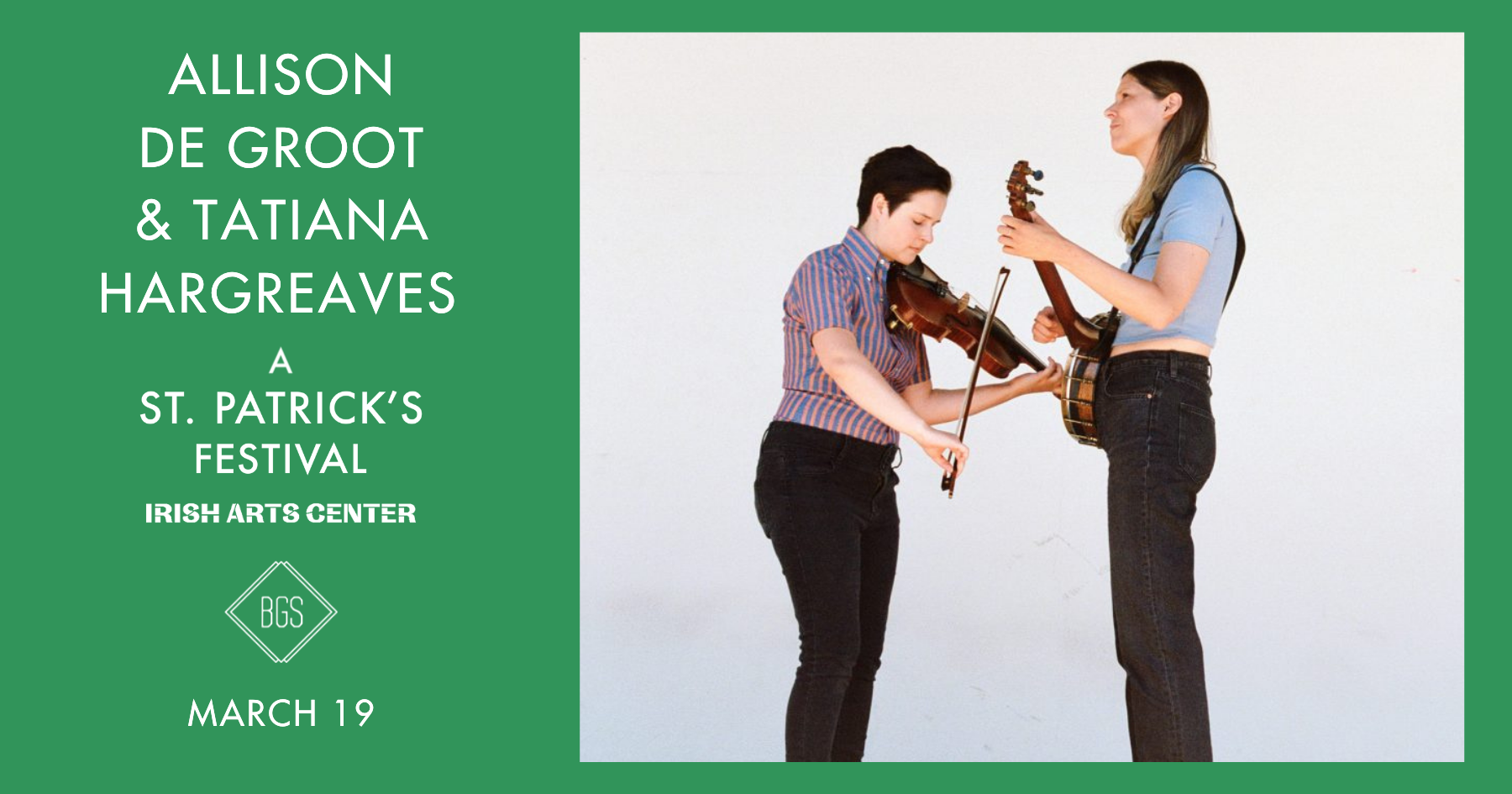
GIVEAWAY: Enter to Win Tickets to Allison de Groot & Tatiana Hargreaves @ Irish Arts Center (NYC) 3/19

Grab tickets to the rest of the festivities at the Bluegrass Situation Presents: A St. Patrick’s Day Festival at New York’s New Irish Arts Center, with de Groot and Hargreaves participating in an opening night jam session with fiddler-banjoist Jake Blount and traditional dancer Nic Gareiss on March 17 as well as a headlining show from Blount and Gareiss on March 18.

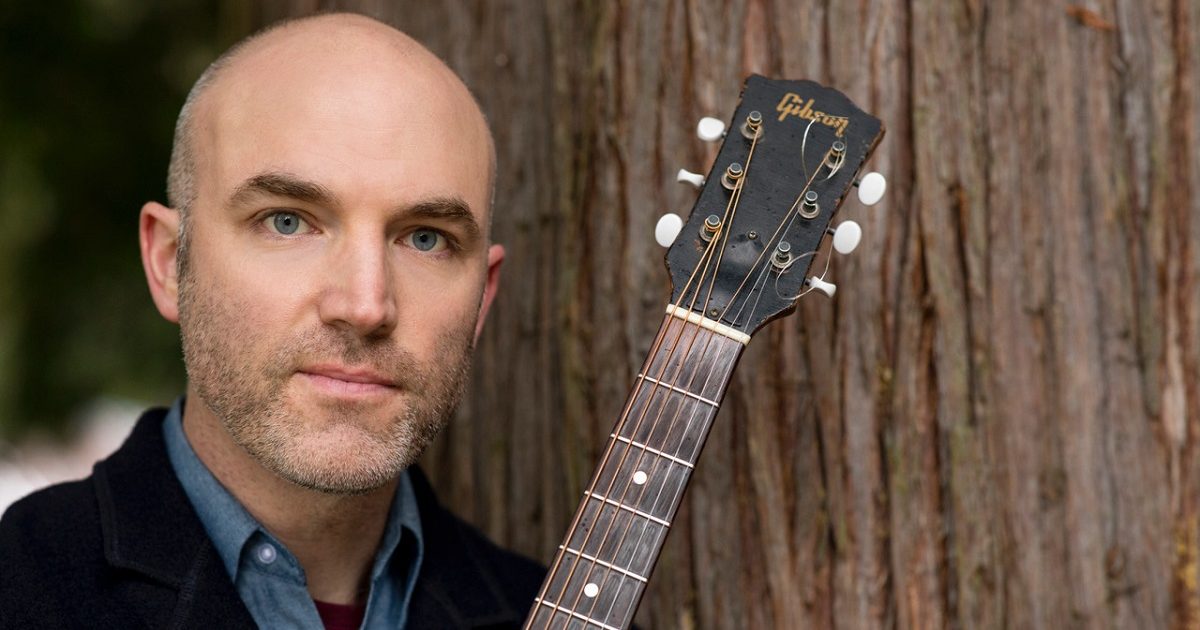
BGS 5+5: Eli West

Artist: Eli West
Hometown: Olympia, Washington
Latest Album: Tapered Point of Stone

Which artist has influenced you the most … and how?

Probably Paul Brady, as a singer and guitar player. While I don’t play Irish folk music much, the tradition, while having lots of shapes and inflection, isn’t inherently showy. You don’t see an Irish folk musician put their foot up on a monitor to take a solo. I think communicating something interesting in an understated way is so satisfying…. Leaving room for the listener, not hitting you over the head with an idea. Tim O’Brien is an American version of that as well.

What other art forms — literature, film, dance, painting, etc — inform your music?

I’m a visual learner. Visual and spatial art, woodworking, painting, all have something to do with my musical decisions. I love understated chaos, like arranging things that seem to already be there. Goldsworthy is an obvious example of this, but there are many folks who do this in a variety of mediums. I tend to overthink, so anything that helps me escape my head to see things in a simpler way.

What rituals do you have, either in the studio or before a show?

Running, for my mental health. Also, getting to know a new town before a show. Also, eating. Big fan of eating.

Which elements of nature do you spend the most time with and how do those impact your work?

I grew up on salt water, sailing, and kayaking with my dad. Also skiing and backpacking in the mountains of the Northwest. I think the understory of a dense cedar grove is pretty inspiring, usually quiet while full of life.

Since food and music go so well together, what is your dream pairing of a meal and a musician?

Huh… I love seafood. There is a restaurant in Tel Aviv called the Old Man and the Sea. I would love to sit outside, eating fish, talking to someone like Django or Jim Hall about guitars. Since both those guys are gone, maybe drunk BBQ with Sting or Mark Knopfler would be fun (all those things borrowing from my high school self).


Photo credit: Jenny Jimenez

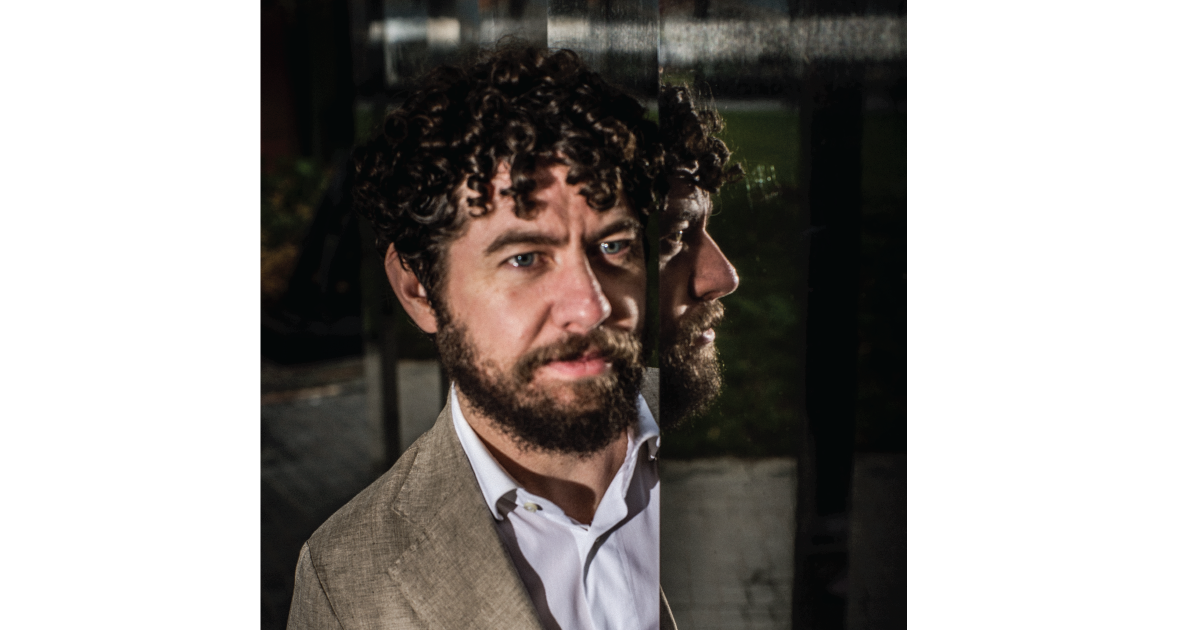
BGS 5+5: Declan O’Rourke

Artist: Declan O’Rourke
Hometown: Kinvara, Co. Galway, Ireland
Latest Album: Arrivals

Which artist has influenced you the most … and how?

Joni Mitchell. She taught me to sing. When I was a kid I could sing well, but then my voice broke as a teenager and fell into my boots. I didn’t know what to do with it. I was already playing guitar and loved it, so I concentrated on just that for a while, but I started writing songs along the way, and presumed they’d be for someone else. Unbeknownst to me I kept singing along with my favourite records and somehow learned to use what I had. Joni was my biggest teacher. It was accidental and surprised me, as of course I was singing in another register and didn’t realize it was happening. Then one day I started singing my songs. I owe her a lot!

What rituals do you have, either in the studio or before a show?

Breathe. Remember that my parents always told me to make every show count. That whatever happens it doesn’t matter. Life will be over before we know it and you’ll be happier you did it than if you didn’t. Say whatever you feel. Enjoy it. And oh yeah, where are my fisherman’s friends? I always have a couple in my pocket going on. In case my mouth gets dry. And they remind me of my Grandad — and that all my ancestors and relatives are with me, and inside me.

What’s your favorite memory from being on stage?

I was in the middle of a gig with a 50-piece orchestra on Valentine’s Day in a concert hall in Dublin. While introducing a song some lady about 20 rows back shouted up some alluring funny comment, it made us all laugh so I shouted something back and had this little dialogue for a moment or two. It was fun. Unusually for me there was this wireless microphone and when the song started I walked down into the auditorium, went and sat on her knee, sang a few lines to her, then made it back to the stage just in time to finish the song. The atmosphere was electric and fun, so spontaneous. Just for giggles, I said on the mic, “I hope that was the right person.” The conductor who was barely holding it together told me to turn around, and pointed down to the lady I’d sang to. I had to squint to see her, and he said, “You see the woman in the green dress about five rows in front of her? That’s the woman you were talking to!” Well I almost died laughing. I finished that part of the show by saying, “I should have gone to Specsavers.” You couldn’t make it up.

Which elements of nature do you spend the most time with, and how do those impact your work?

I live by the sea on the west coast of Ireland. There’s just a couple of fields between me and it. It absolutely zens me out. I love it. It makes it into a lot of my songs, and did long long before I — reared as a city boy — got to live so close to it. In fact singing about it helped me to get there. Manifested in a way.

If you had to write a mission statement for your career, what would it be?

Move people. Remind them of what’s the important thing in their life at any given moment. Help to ground yourself first, and if you can do it, and share a thought or an emotion that’s pure, and felt very significant to you then there’s a good chance it will resonate with other people too. We’re all more similar than we think we are.


Photo credit: Lawrence Watson