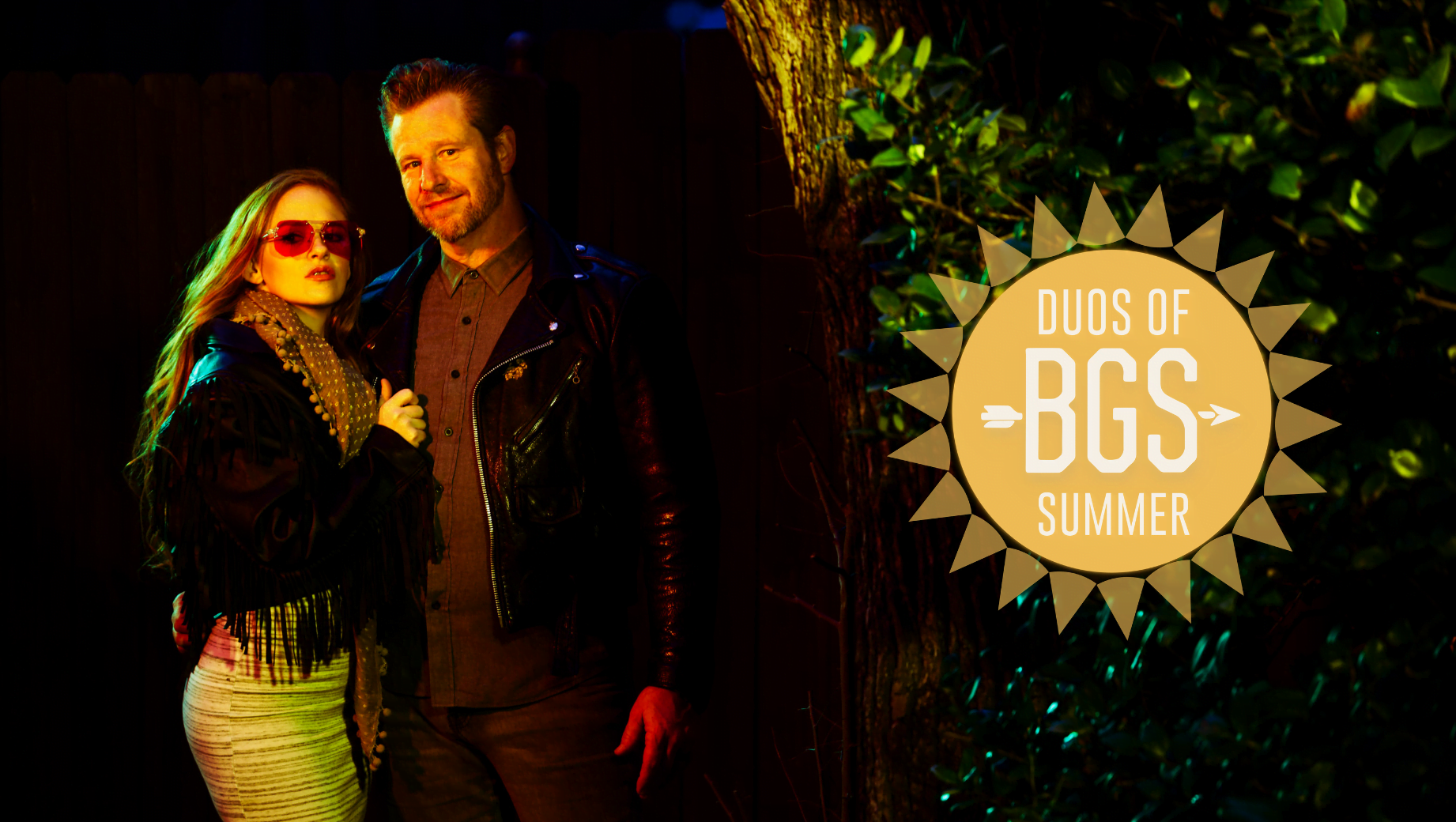
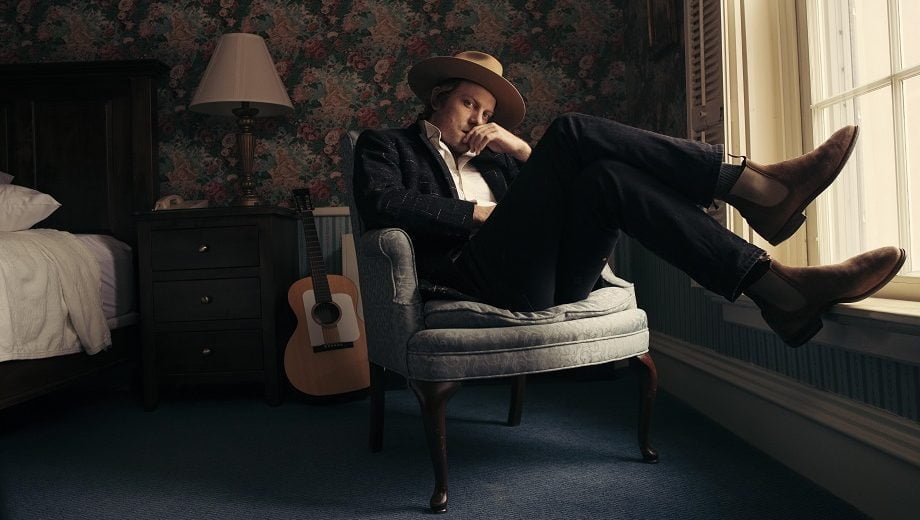
LISTEN: Guy Forsyth & Jeska Bailey, “Things That Matter”

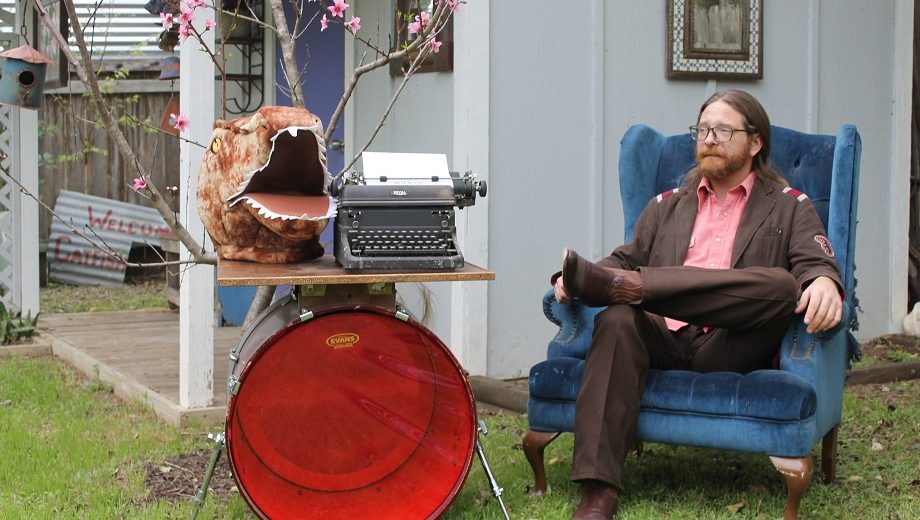
Artist: Guy Forsyth & Jeska Bailey
Hometown: Austin, Texas
Song: “Things That Matter”
Album: Conspirators
Release Date: July 26, 2019
Label: Small & Nimble Records

In Their Words: “I lived a lot of different places while I was growing up. My dad worked for the airlines while I was young and we moved around a lot. Rich or poor, lucky or unfortunate, people are the same everywhere. It has never made sense to me that some have and some don’t. I wrote “Things That Matter” after my daughter was born. She has taught me a bunch, but this more than anything: We are all we have. People are at their best when they are sharing the thing they love. In the poorest places happiness is still possible in the connection of two souls.” — Guy Forsyth


Photo credit: Josh Baker

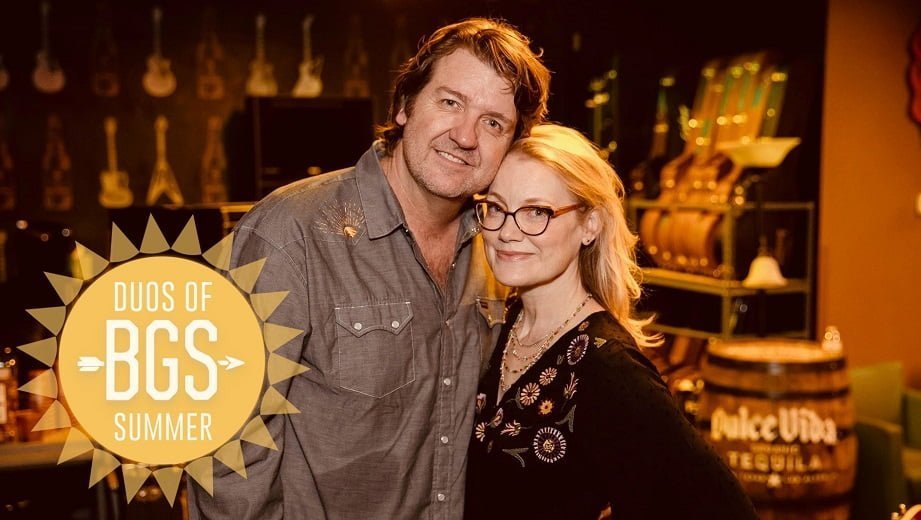
Bruce Robison & Kelly Willis: In Service of the Song

Although their individual careers have been moving in different directions over the last few years, Bruce Robison and Kelly Willis have circled back closer to each other and put together a group of songs — a mix of originals, carefully selected covers, and choice vintage nuggets — for their newest project, Beautiful Lie. “We were just ready to make another album,” Willis says. “Enough time and space had passed and it felt fresh, and we had all these ideas that we wanted to work on.”

On Beautiful Lie, Willis’ crystalline vocals wind around Robison’s grizzled voice and float along a river of pedal steel, piano, and guitar, creating a pure beauty that the couple is so adept at calling forth when they work together. While it’s never easy to find time to record, the two have fun and feel the joy of their union when they can come back together for a project, even though they both love their solo work, too.

Last year Willis released her first solo album in more than a decade, Back Being Blue, and she’s just come off the road from a mini-tour with Dale Watson. In 2017, Robison released Bruce Robison & the Back Porch Band, which he recorded in his own studio, The Bunker, in Lockhart, Texas, near the couple’s home base in Austin. He’s also been producing artists for his Next Waltz record label, including future singles from William Clark Green, Carrie Rodriguez, Flatland Cavalry, Shakey Graves, Wood & Wire, and Willis Alan Ramsey. “We have this core group of musicians there now,” he says, “and it’s a place where people can come to record this kind of music that you can hear on this album. We’re still growing and developing a lot.”

“For this album, we just got the machinery up and roaring,” Willis says. “It’s funny because we make music together and then go out and play solo. When we’re playing together, we miss playing solo; when we play solo, we miss playing together. We miss making music together.”

Robison and Willis have been married since 1996, but this is only their fourth album of duets, including a holiday collection. Robison observes, “It’s always been great that we had our own careers. I’ve always seen the stuff we did together as magical stuff.”

For the new album, they collected songs along the way and they “would just sit down and start singing them,” says Willis. They know when to sing, when to pull back, when to add that special verse, and when to put a song aside for another album.

“I love his instincts for me,” Willis says. “I have a hard time communicating my musicality. We’re able to enhance and understand each other. It’s sort of a natural undertaking. I’ve always really understood his music and wanted to add something to it.”

Willis isn’t credited as a songwriter on any of the album’s ten tracks but her interpretative stamp can be heard throughout Beautiful Lie. As Robison says, “Kelly and I have creative differences in a way that is helpful. Take a song you like and stick with it and give it to her. Sometimes she loves the melody, or she gets into it and changes it all up.”

Willis points out that those creative differences can sometimes be challenging, but the choices they make are ultimately in service of the song: “When we do music together, it’s different from doing a solo album. I might bring in a song I really want to do, but if it’s not working—no matter how much I try to make it work—we’ll put it aside.”

The couple’s dynamic vocals define the project, with each singer taking lead on songs that fit their own vocal approach perfectly. “We messed around with each song to see who would sing the lead,” Willis says. “Ninety-five percent of the time it sounds better for the female to sing lead. Sometimes Bruce will say, though, that for a certain song he thinks it works better with a male lead.”

The material on Beautiful Lie ranges from the aching title track (an Amazing Rhythm Aces cut) to the rollicking Robison original “Brand New Me.” Adam Wright contributed three songs including the skittering “Can’t Tell Nobody Nothin’,” written with his wife Shannon Wright. Meanwhile, Robison and Willis deliver a stunning cover of “Lost My Best” from Uncle Walt’s Band, as well as the skate-across-the-sawdust-floor Del Reeves classic “One Dime at a Time.”

Perhaps the best getting-over-a-breakup song in either artist’s sizable repertoire, the wry “Nobody’s Perfect,” also by Adam Wright, celebrates the freedom that comes with discovering just how much better it is to be with nobody than with somebody who’s always leaving. The loneliness settles in the hollow of absence at first, but not for long. With brilliant use of a mundane phrase, which cuts several ways in the song, “Nobody’s Perfect” turns the meaning of its titular phrase on its head.

A native Texan, Robison even found a muse in the Astrodome, which he’s been going to since he was 4 years old, when the Houston landmark was still new and shiny: “It was this arena where I saw demolition derbies and circuses.” Following a recent visit, he recalls the tiles dropping from the ceiling and how the once-golden palace of his memories has fallen apart – an observation that inspired a wistful song simply called “Astrodome.”

“Jack Ingram and I wrote the song,” he says. “I had fun looking back into my past and remembering going to the Astrodome. The song’s a tribute to a lost past.” The jaunty, dancehall tune belies the sadness of the song, even as the lyrics celebrate the bittersweet nature of life: “I’m gonna go on down and sit in the Astrodome/Just me and you and all of them blue and faded memories/Yeah I’m gonna go on down and sit in the Astrodome/And wonder whatever ever became of me.”

Capturing the overwhelming power of love, “Coming Down” opens with guitars floating over a subdued steel and blossoms into a straight-ahead country love ballad. Robison carries the song with an honest, plaintive vocal that’s elevated on the chorus by Willis’ harmonies. “I don’t write love songs,” Robison says. “If you went and listened to the other 200 songs in my catalog, you wouldn’t find a love song. I was [at] the songwriters’ festival in Key West a few years ago, and I wrote this song out real quick. I can’t fake the feelings in this song.”

As Willis points out, “I love his songwriting and his songs. I think the mark of a great songwriter is the ability to turn a phrase, and he is great at it.”


Photo Credit: HAAM
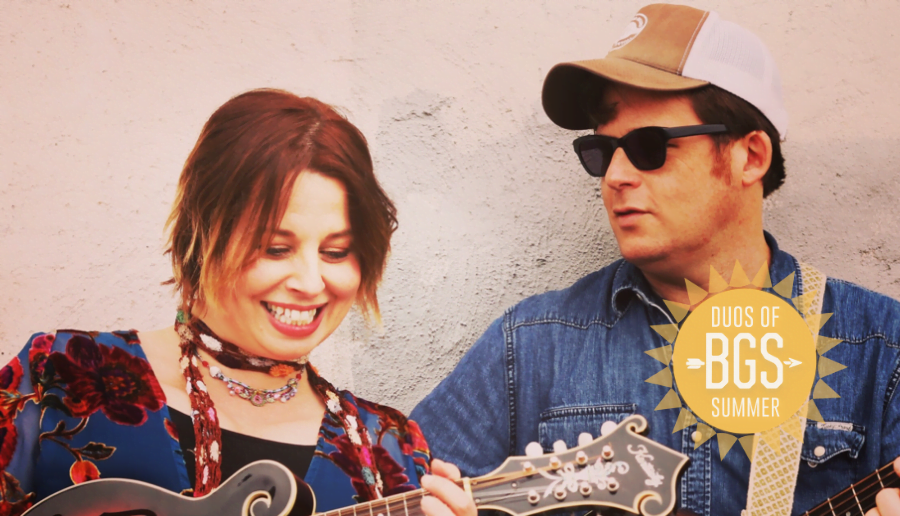
LISTEN: Jordi Baizan, “Between the Sun and the Moon”

Artist: Jordi Baizan
Hometown: Houston, Texas
Song: “Between the Sun and the Moon”
Album: Free and Fine
Release Date: June 28, 2019
Label: Berkalin Records

In Their Words: “‘Between the Sun and the Moon’ is a song about love at first sight that weaves in my fascination with serendipity and synchronicity. I was inspired to write it when I was out in the Central Texas countryside towards the end of a beautiful spring day. The sun was setting in the western sky just as the moon was rising. If it was not for that memorable moment, the song would not be written today. Here are two lovers who meet, dance, and are forever marked by their romantic encounter between the sun and the moon. Is their story one of luck or is there a greater significance?” — Jordi Baizan


Photo credit: Valerie Fremin

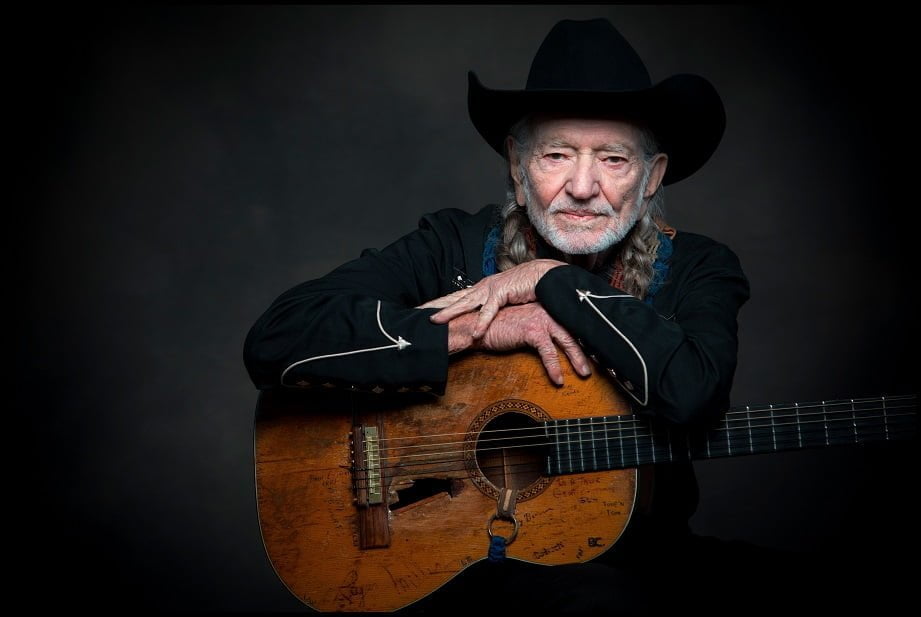
LISTEN: Willie Nelson, “My Favorite Picture of You”

As one of country music’s greatest interpreters, Willie Nelson has put his indelible stamp on Guy Clark’s late-career masterpiece, “My Favorite Picture of You.” It is a stunning centerpiece of Nelson’s latest project, Ride Me Back Home.

“What I remember most about recording the song was the reverence and respect with which all the musicians showed the lyrics and melody as we were recording it,” says producer Buddy Cannon. “I chose to present this song to Willie because, from the moment Guy Clark sang it for me at his home one morning a few years ago, I have not been able to get the song and the photograph the song was written about out of my head. As Guy was getting ready to sing the song for me he reached behind him and took the photograph of his wife off the wall and told me the story of where the song came from. The song is timeless, just like Willie Nelson is timeless. A perfect marriage of singer and song.”

In the exclusive video below, Nelson shares his own thoughts on Guy Clark and “My Favorite Picture of You.”


Photo credit: Pamela Springsteen
Video courtesy of Sony Music Entertainment

LISTEN: Will Beeley, “Been a Drifter”

Artist: Will Beeley
Hometown: San Antonio, Texas
Song: “Been a Drifter”
Album: Highways & Heart Attacks
Label: Tompkins Square

In Their Words: “I wrote this with an old friend of mine named Bob Smith. Bob did extra work in the movies back in the ’50s, mainly Westerns. We were comparing our life stories and decided we were both graduates from the school of hard knocks. As I remember, the song pretty much wrote itself.” — Will Beeley


Photo credit: Jesse Fisher

LISTEN: Matt Harlan, “K&W”

Artist: Matt Harlan
Hometown: Houston, Texas
Song: “K&W” (featuring Kelley Mickwee)
Album: Best Beasts
Release Date: July 12, 2019
Label: Eight 30 Records

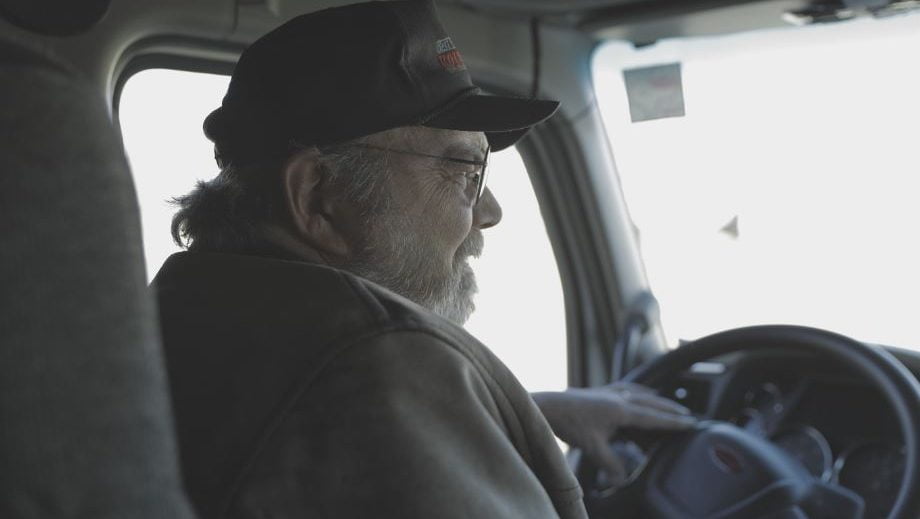
In Their Words: “‘K&W’ is about two addict truck drivers in a relationship. One’s a drinker and one’s into heavier stuff. Whatever your poison, it can be easy to settle into self-destructive behavior when you’re traveling all the time and missing home and each other. Theirs is a modern day Romeo and Juliet tale. Boy meets girl and falls in love, but it’s their jobs and habits keeping them apart instead of their families. He assumes the worst about her before she can truly break his heart herself and ends it all.” — Matt Harlan


Photo credit: Brian T. Atkinson

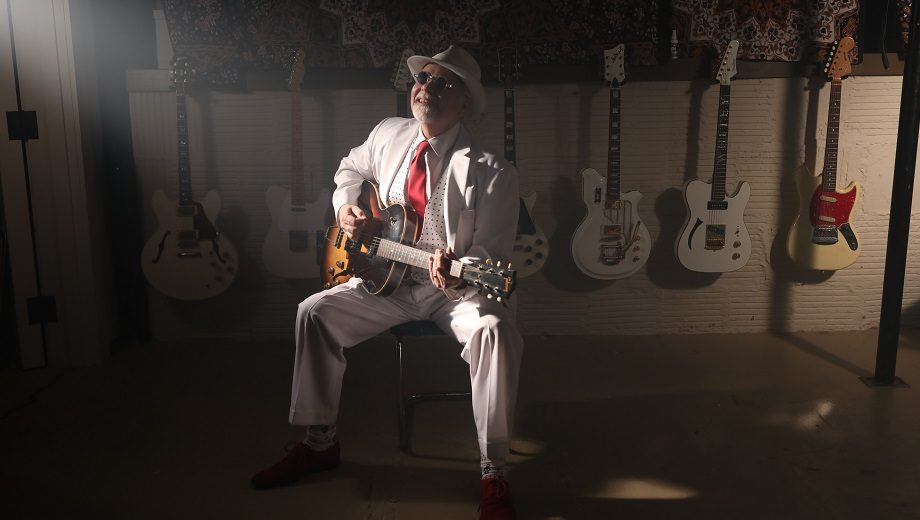
LISTEN: Whitey Johnson, “If It’s Really Gotta Be This Way”

Artist: Whitey Johnson (aka Gary Nicholson)
Hometown: Dallas/Fort Worth, Texas
Song: “If It’s Really Gotta Be This Way”
Album: More Days Like This
Release Date: June 7, 2019
Label: Blue Corn Music

In Their Words: “‘If It’s Really Gotta Be This Way’ was co-written with Donnie Fritts and Arthur Alexander. One of Donnie’s treasured memories is of being present at the studio above the drugstore in Florence, Alabama, when Arthur walked in snapping his fingers and singing ‘You Better Move On.’ I was thrilled to have the opportunity to write and play on a new record by one of the greatest singer-songwriters of his time, revered and covered by Beatles, Stones, Dylan, and many more. It was so sad when Arthur passed before he could tour for the record. I played his last show with him, and we did our song. It’s so great to finally record my own version. I’m forever grateful to my dear friend Donnie Fritts for getting us together.” — Whitey Johnson


Photo credit: Stacie Huckaba

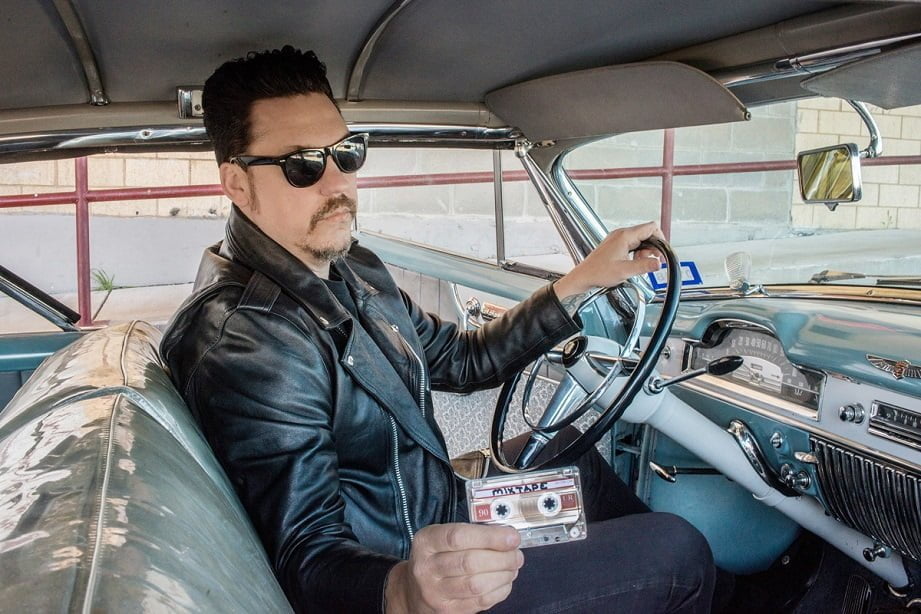
BGS 5+5: Frankie Lee

Artist: Frankie Lee
Hometown: Pampa, Texas
Latest album: Stillwater
Personal nicknames: frankly, Frank Ely, bolo

Which artist has influenced you the most … and how?

My mother. Anyone who can raise three children on their own, work in public health and provide a foundation for free thought and exploration is going to an influence you. She also makes time for music as a spiritual extension of our souls and sings from her experiences. Unlike most parents of today who hand their kids phones and let them listen to garbage all day and buy them Beyoncé tickets to make up for their non-present parenting styles. She showed us a way into music and it wasn’t through a screen or a wallet

What’s your favorite memory from being on stage?

I once sang “Let’s Get It On” in a biker bar outside Missoula, Montana. Drank for free that night…on the house, let me tell ya. You want an honest reaction to drunk divorcees butchering classic songs, you don’t have to go to Tokyo, you go to the Chug n Loaf outside Missoula, Montana.

What other art forms — literature, film, dance, painting, etc — inform your music?

I like comedy. I like what comedy brings out in people. The tragedy of life. The weak spirits having truth shoved in their face from the dog dish of life. They cry out in despair and demand censorship and apology. Plus, the sound of laughter is very hard to fake and I feel it brings the heart in people together. Nothing is funnier than the truth, as the saying goes…and the world has become so truly absurd, all one can do is laugh.

Which elements of nature do you spend the most time with and how do those impact your work?

Any tree or flower or weed that cracks through concrete. I like things that find light, those who reach for something above where they were planted or from what seed they were sown. We’ve tried to cover this country in concrete. There’s a lot on the surface of it…but last night’s vomit will sprayed away, some dead dogs paw prints will be jackhammered to dust, the blood will run into the gutters and the city will crumble back down to dirt.

Since food and music go so well together, what is your dream pairing of a meal and a musician?

I’d love to be backstage with any of today “stars” and see how they react when they don’t get what they want to eat. I’d love to be in the same room with any “musician” who complains about food when their job is to stand on stage and spin around to a backing track and make more money in a night than an entire hospital staff of nurses do in a year. Perhaps the water is too warm or the vegan wings aren’t dressed right. Maybe someone’s allergic to nuts! Can you imagine what a dream that would be?

LISTEN: The Iveys, “Whatever Comes”

Artist: The Iveys
Hometown: El Paso, Texas
Song: “Whatever Comes”
Album: Colors of Honey
Release Date: June 7, 2019

In Their Words: “This song was a work of love. ‘Whatever Comes’ came to me as an idea I had of a parent talking to their child and telling them to not listen to any negativity from others, to not ever doubt themselves, and to believe with all their heart that they can, and will, accomplish great things in life. My co-writer and sister, Jenna Ivey, deserves a lot of credit for bringing this song to where it is now. I almost gave up on it at one point! But she is a great lyricist, and as we talked through the song, she reminded me that parents want their children to grow up strong, to climb mountains, take on challenges, and face the fears…whatever comes. After all, there’s no such thing as a dream too big.” — Arlen Ivey


Photo credit: Fernie Ceniceros

Patty Griffin Regains Her Voice After Cancer Battle

Reflecting the fortitude shown by the characters she’s written about for the last two decades, Patty Griffin made the decision to keep on working when her singing voice disappeared, the result of a battle with breast cancer in 2016. With encouragement from close friends and her own determination to carry on, Griffin spent a year writing and recording at home in Austin, Texas, ultimately regaining the strength to create her new, self-titled album, perhaps her most stripped-down work since her stunning 1996 debut, Living With Ghosts.

Speaking by phone in the middle of her American tour, Griffin offered insight into new songs like “River” and “Had a Good Reason,” and shared her love for her dogs, her guitar, and her dedicated fans.

BGS: On your new record, I keep going back to the song “River.” What was on your mind when you wrote that?

Griffin: I had been spending time with Donny Hathaway’s version of Leon Russell’s song, “A Song for You.” I actually covered that song for a little gig where I decided to do all covers. The song just kind of kicked my butt. Leon Russell is writing about something with this super sharp honesty, it’s almost like confessional, and it’s sort of healing for him and for whoever he’s singing that to.

And then Donny Hathaway picked it up and ran with it. It’s so true that it moved right over to Donny Hathaway’s voice and became his song. Just the feeling of that made me want to try to write “River.” Like, what’s down in there that I want to say, and that makes me want to sing this song? What do I have of my own to say that feels like that?

I noticed the lyric in there: “She’s been left for dead a million times / And keeps coming home, arms open wide.” That lyric seems like it might be emblematic of this record – that notion of mortality and making it through. Is that fair to say?

I think that’s fair to say, but in my mind it goes between me, as a part of nature, and what nature does. We’re beating up on this planet as fast as we can, tearing down trees. Forgetting all about the rivers, but the rivers are going to be here long after we’re gone. The rivers just keep going. There’s something in us that no matter how far away we get from understanding how we’re a part of this big incredible magical thing — this existence that no one really understands — we still are! It’s always there to go to, and in us, too.

Is this a new perspective for you? Did it hit you within the last couple of years to write about that broader scope?

I think I’ve tried to do that. But I think honestly as you get older, you do learn more about the broader scope, you know? I don’t know. Sometimes I feel like the more I go along, the less I know, too. (laughs) So I don’t know. That’s a question mark from me.

I had read that you had lost your speaking voice and your singing voice in the last few years.

Yeah.

What happened?

I believe leading into being diagnosed with cancer, I may have had it for a while. So, your immune system’s working pretty hard. Your body’s amazing. It works pretty hard at trying to eliminate it. So I was out on the road a lot, which is a good place to get sick, even on a good day. I was just getting cold after cold after cold after cold. Like one long, non-stop respiratory illness. It depleted the strength of my voice quite substantially, and then you know, you’ve got the diagnosis. There’s the surgery that’s not so hot for singing. And then there’s the treatment, there are the drugs… it was sort of this cocktail of things that finally depleted it to something I didn’t know how to use at all, and couldn’t use at all.

So, there were a few months there where it was pretty bad. I wasn’t sure what to do, but I knew I wanted to keep playing, so I just kept writing. And I thought, people do this. People’s voices change all the time and they keep going. You know, my old friend Robert Plant talked to me a little bit about that, just how he doesn’t sing those high notes anymore. (laughs) He doesn’t like to sing those high notes, but he’s discovered this other part of his voice that, to me, is so much more beautiful. So, things like that, and other moments like that that I thought about as I was going along. You know, [thinking] I’ll just have to figure this out — keep writing and figure this out as I go, what I can do next.

Where did you record this album?

Most of it was done in my house in Austin, Texas, with Craig Ross. [Recording engineer] Mike Poole came down from Nashville, and we set up the gear in my house. We did that with Mike a couple of times, and then the rest of the time throughout the year — it took about a year to do it — Craig and I worked on it, in the house mostly.

So, when you’re talking about your house, is that a home studio? Or more of a living room set-up?

Yeah, the dining room table, the living room, and the kitchen.

Do you think that environment affected the warmth of this record, and the vibe of this record?

I feel like I can hear my house in it, for sure, and I like that. But also it took the heat off me. It was Craig’s idea to do it this way, just sort of explore, without the pressure, what we had and what we could do. He was very positive about it, just hearing a few songs that I had from the get-go. He’s a dear friend of mine and I think he was huge part of this. I love his production style anyway, but beyond that, he really guided me with it and was just a friend. He said, “You can do this. Let’s start and see what we got.”

The guitar playing on this album is exquisite. How did you come to pick up the guitar and develop that talent?

I just thought it would be a great tool to write with. I thought, when I was a teenager, ‘How do these people come up with these songs? And how do you make a song happen and not depend on somebody else?’ (laughs) I got a Hohner guitar for $55, which was really the entirety of my savings account when I was about 14 years old. The strings were probably a half-inch off the neck, you know? It really hurt your fingers to play, and I started taking guitar lessons with that.

And I hated the guitar, honestly, until I was probably in my 20s. It was just really a tool. Then I started understanding that it’s also a percussive instrument, and when I saw the “Bluegrass” word next to who I was going to be talking to today, I said, “Ohhhh!” (laughs) That’s some serious playing going on there! I’m just more of a “feel” person. I experiment more than I used to on guitar. I really started to love it and it’s more of a comfort to me, like singing. So, I’ve made friends with it. I even have to say I love it. We’re like an old couple now.

I would be remiss if I didn’t mention the cute dogs on your album cover.

Awwww, those are my boys. Sal is the brown guy and Zeke is the blond guy. Zeke was actually in the original photo at my feet. You can see in his eyes that he was protecting me from Michael Rosen, the photographer. (laughs)

You have a way of bringing your family stories into your music. How has your relationship with them affected your musical direction?

They shape who you are, whether you are close to them or not. I think everybody’s been shaped by where they come from. They’re in your DNA and their stories are in your DNA. I’ve just been sort of piecing the puzzle together with them, and it’s been good for me to do that.

“Had a Good Reason” is about a mother-daughter relationship but I don’t know that it’s necessarily about the relationship that you have.

No, it’s more based on a combination of stories that I had heard about Billie Holiday and Edith Piaf. Two of those beautiful singers from the last century with these tears in their voices, and they were rock stars, really almost at the same time in their day. The sadness in those voices — both of them at a certain point had that sort of [tumultuous] relationship with their mother. I believe they both ended up living in whorehouses and being taken care of by prostitutes, and they both were not able to be with their mothers as young girls. I think for a woman, there’s some deep, deep, deep, deep sadness that would happen from that. That was just me making a guess and the song came out around that.

To me, “Luminous Places” sounds like a love letter to your fans. What is it about heading out on the road, and having that audience, that compels you to keep coming back, year after year?

That’s what is so mysterious to me. I feel like it’s mutual generosity between humans, you know? I work really hard to bring them something, but they also bring themselves and give a lot. That seems to be how the relationship works. And the older I get, the more I am grateful for that, and in awe of that. It’s really wonderful.

Is touring going well for you now? Do you feel like you’re back in the game?

I’m having a blast! I’m getting stronger every day out here and I’m working with the greatest people on earth. I’m having a really good time and I’m really lucky.


Photo credit: Michael Wilson