Editor’s Note: Each issue of Good Country, our co-founder Ed Helms shares a handful of good country artists, albums, and songs direct from his own earphones in Ed’s Picks.
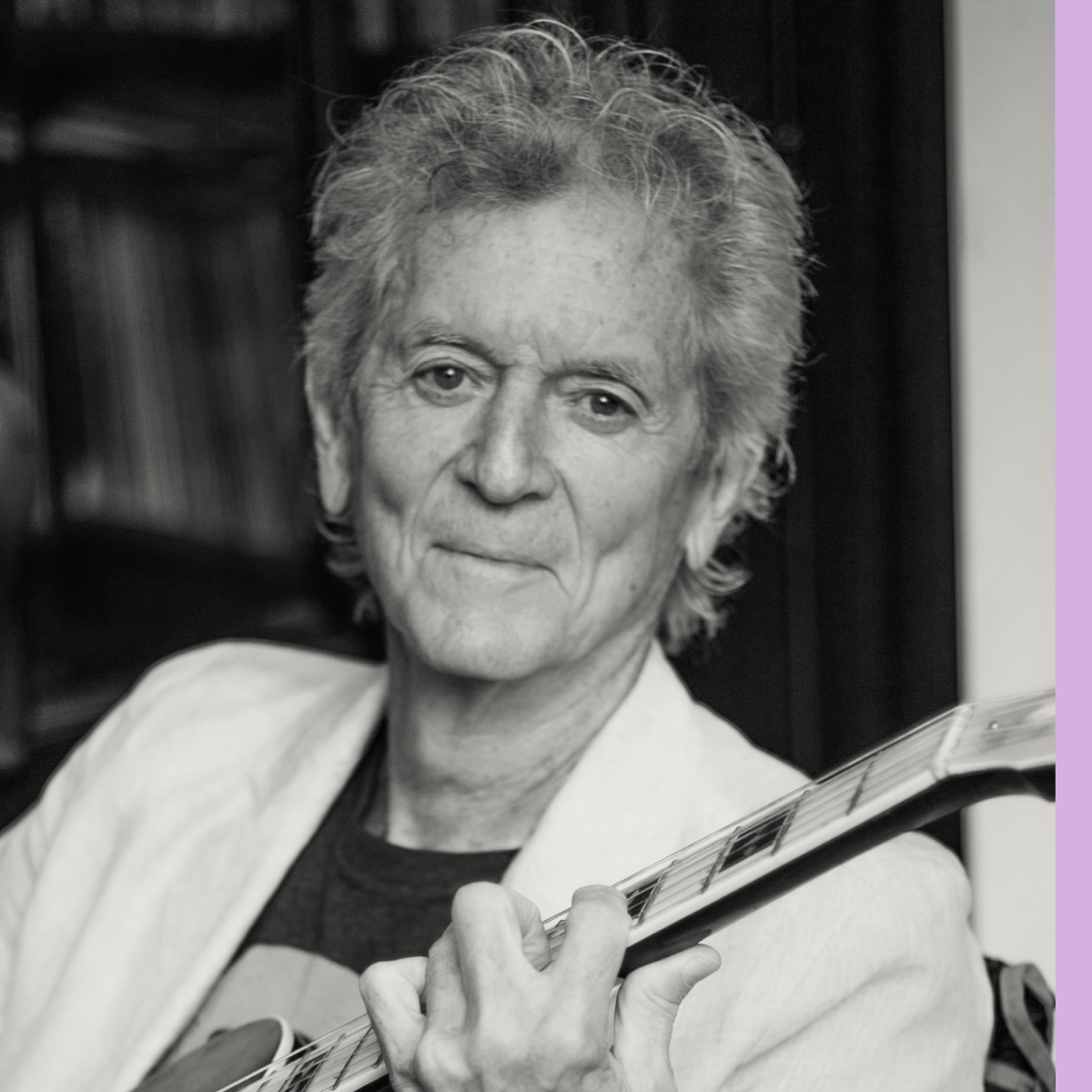
Great news from a roots-country legend, Rodney Crowell returns with a “new/old” album on June 26, Then Again. Largely recorded over two decades ago in the early 2000s with Steuart Smith co-producing and completed with Dan Knobler stepping in, its lead single, “Are You One of Us?,” is the final recording by Crowell and his friend and compatriot Guy Clark. It’s a track perfectly suited for these divided times we’re living in, bringing wisdom and wit like only Crowell and Clark could. We can’t wait to hear more from Then Again!
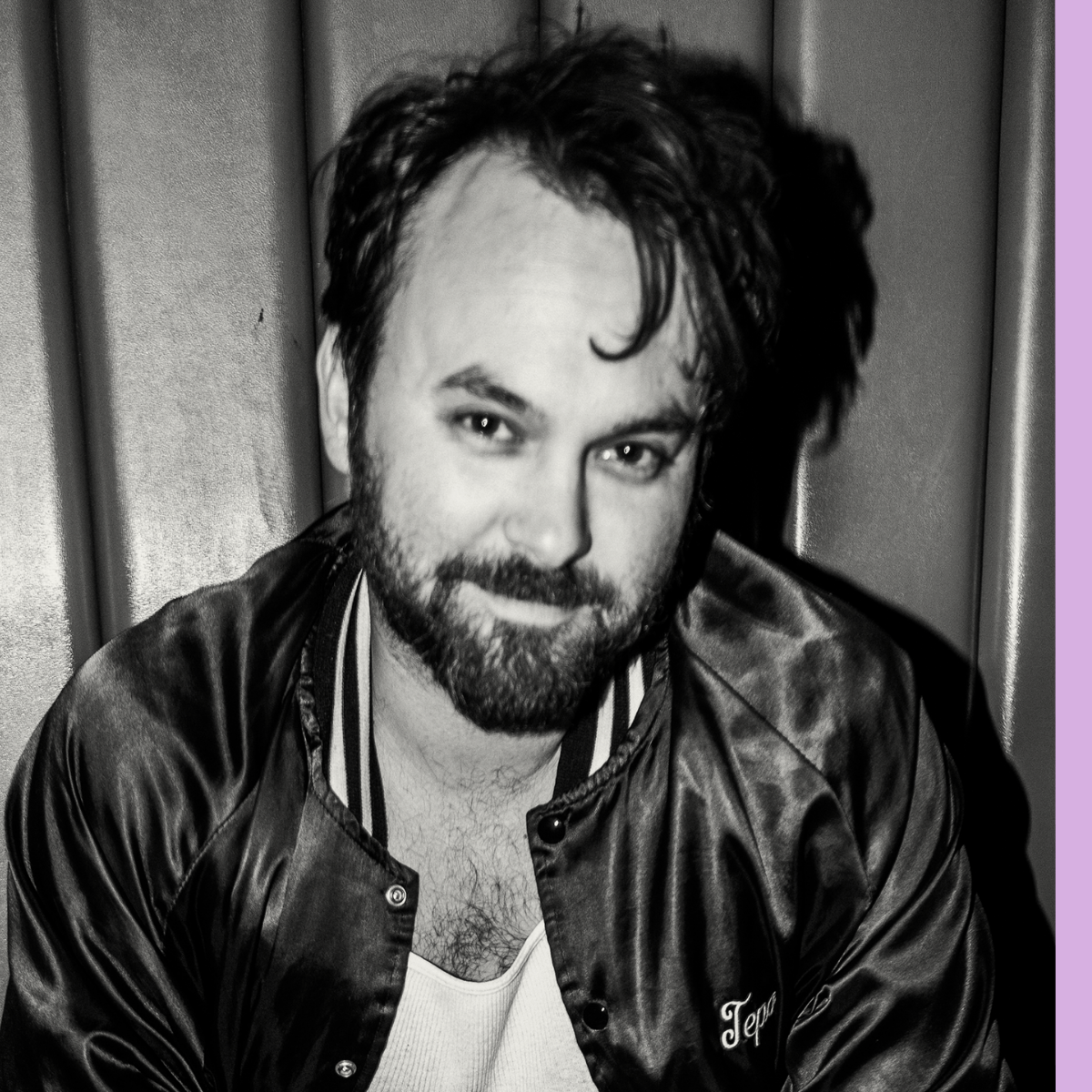
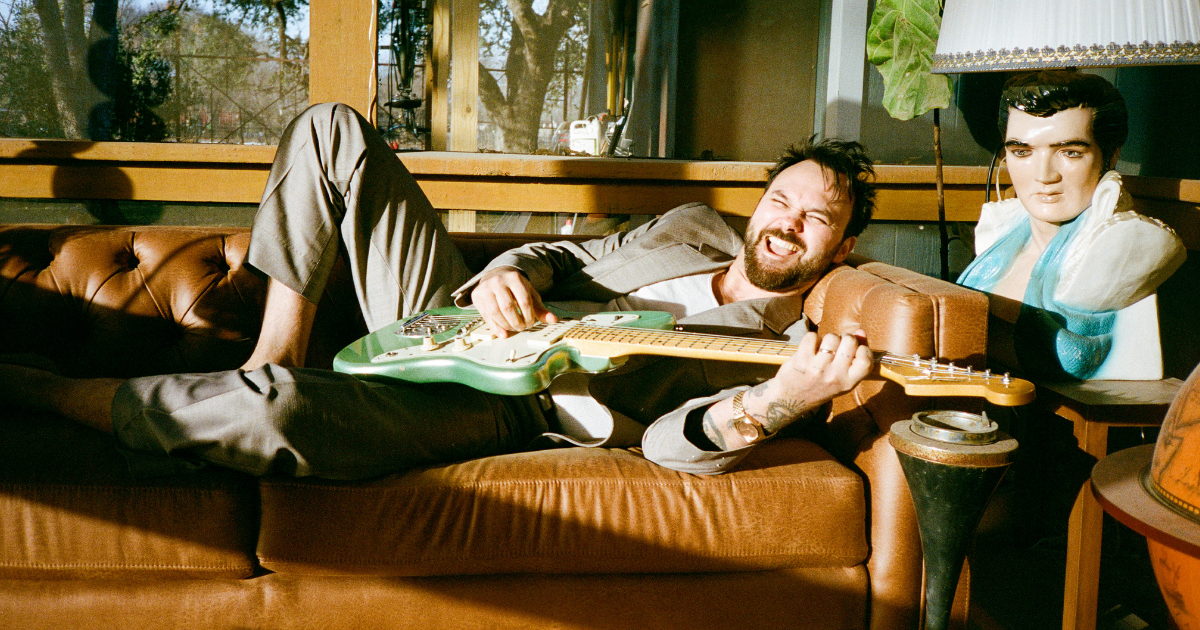
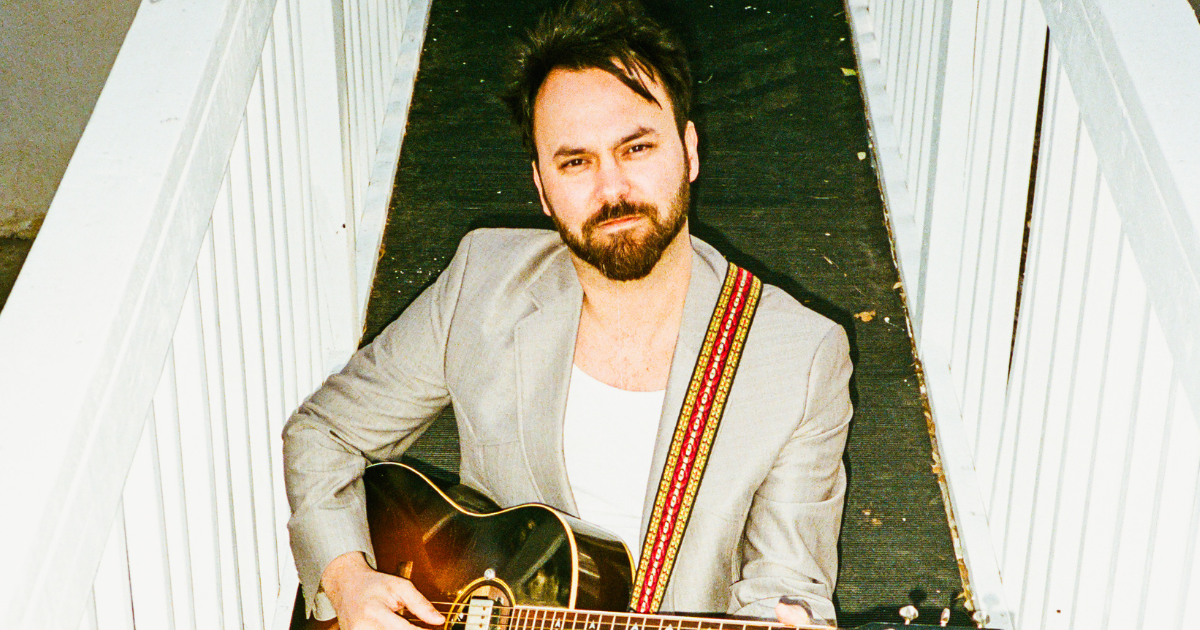
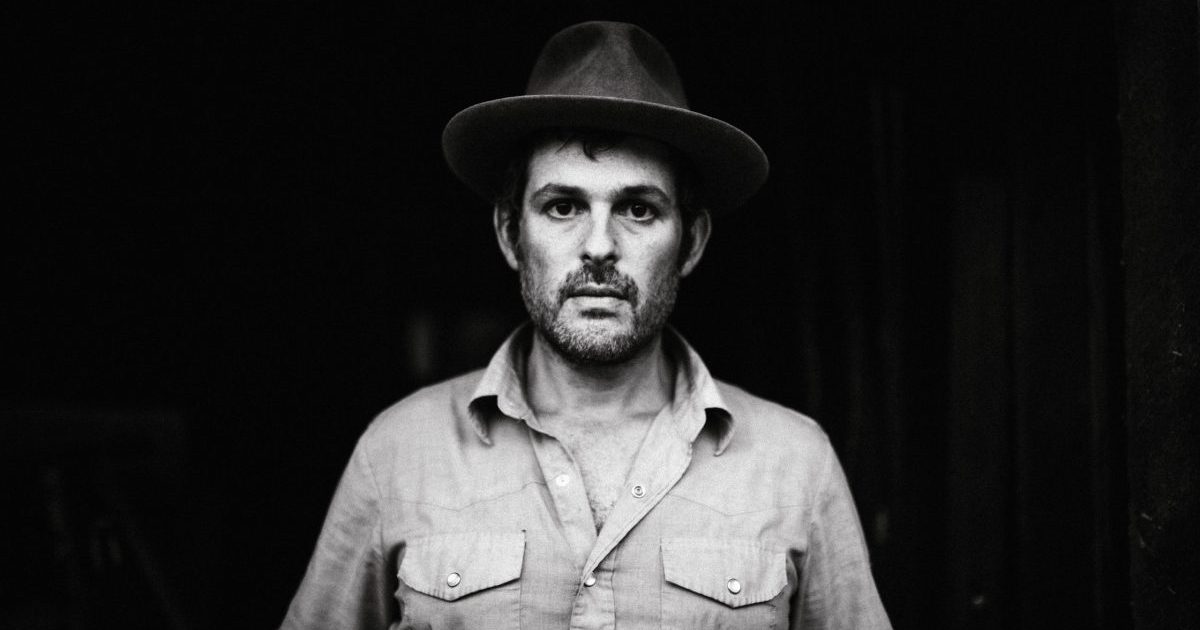
We’ve known, covered, and collaborated with our friend Alejandro for years and years, so we’re especially excited to have him as our current BGS Artist of the Month, celebrating his brand new album Fondness, Etc. For an artist who’s adept at sonic and aesthetic reinvention, his music still always sounds exactly like himself – even as he bends and breaks the barriers of alt-country, neo-folk, Americana, and western to his liking. This is one of our favorite Shakey eras yet.
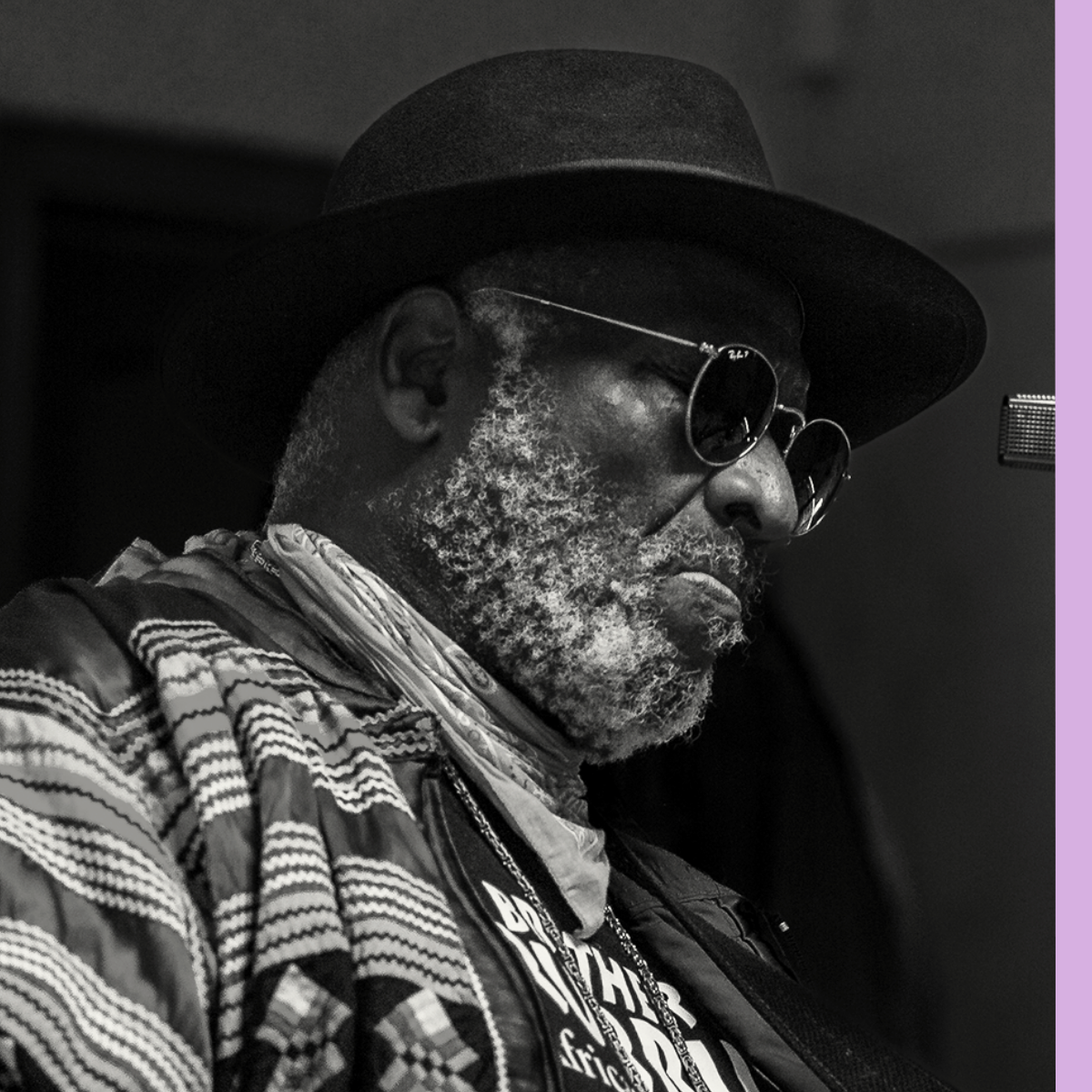
Another legend of American roots music, Taj Mahal is woefully underappreciated and undersung, even while being rightfully worshipped by so many as a keystone of blues, Americana, string band, and country musics. His new album, Time, released with his Phantom Blues Band on Resonatin’ Records/Thirty Tigers, shows that he remains as dynamic and innovative as ever. The title track is a deep-pocketed and smooth never-before-heard Bill Withers number that Taj makes his own. If you’re used to his gritty, playful, and down home blues, the sound here may surprise you – but damn, that’s Good Country, isn’t it?
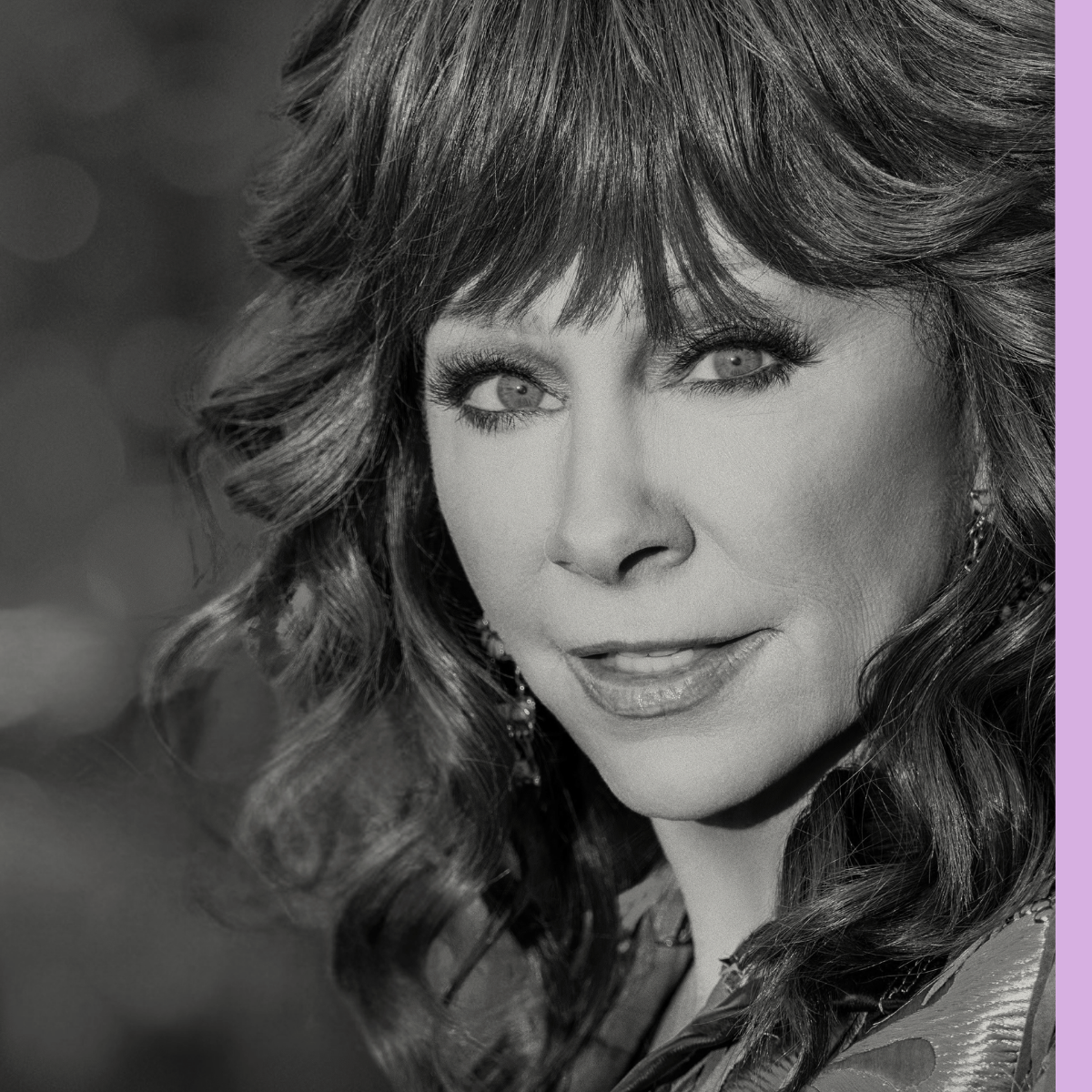
Our queen of country, Oklahoma, and corn dogs is celebrating her 50-year groundbreaking, iconic career with new music – lucky for all of us! A brand new track, “One Night In Tulsa,” leads off an EP that encapsulates a few of her musical tributes to her home state from over the years: “Tulsa Time,” “Oklahoma Swing” featuring Vince Gill, “Does the Wind Still Blow in Oklahoma” with Ronnie Dunn, and the excellent Buddy Cannon-produced “No U in Oklahoma.” “One Night In Tulsa” is a soaring, dramatic, and longing love song to Tulsa and beyond, uttered like only Reba could. This version is the just-released live performance video of the song shot live at Reba’s Place, her restaurant, gift shop, and music venue in Atoka, OK.
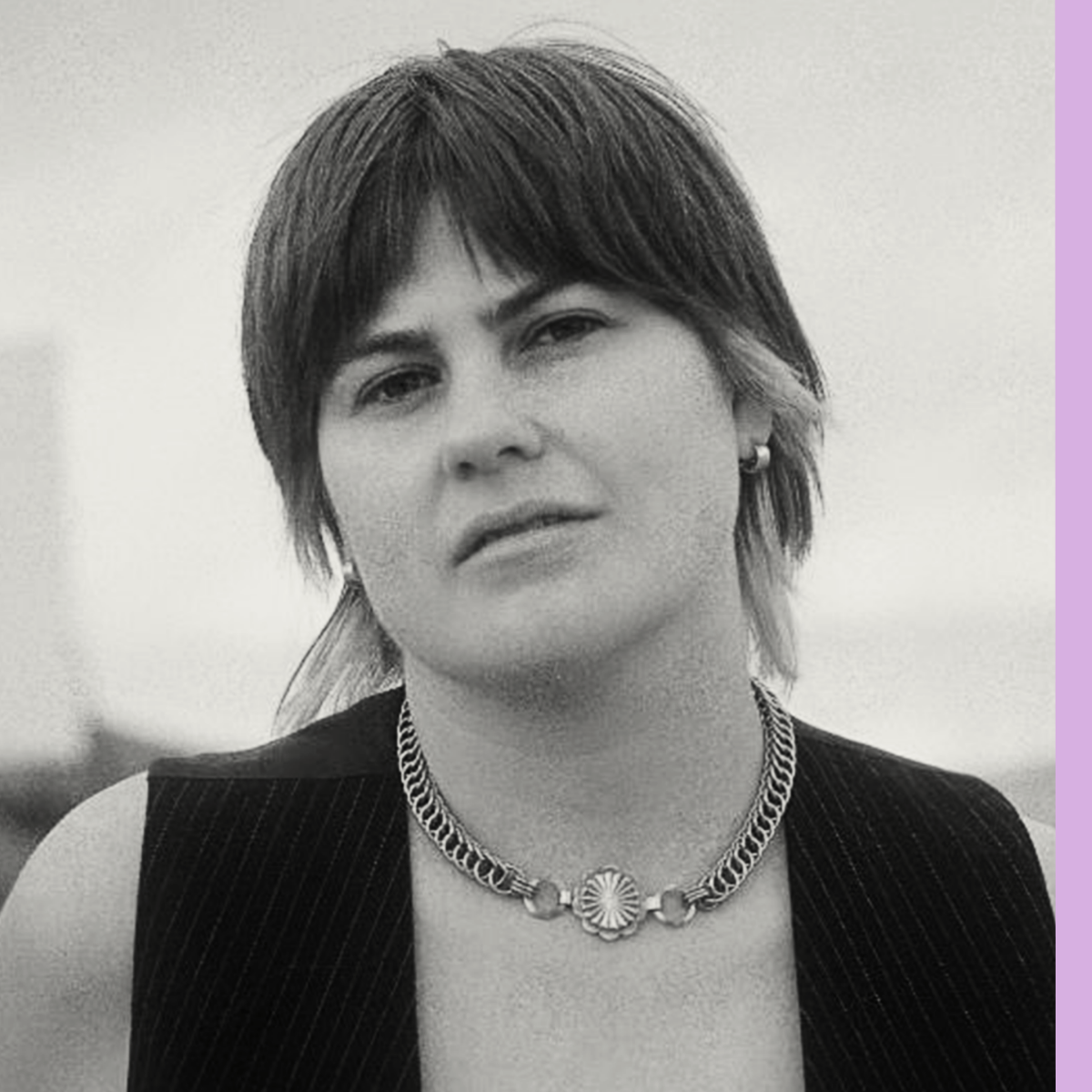
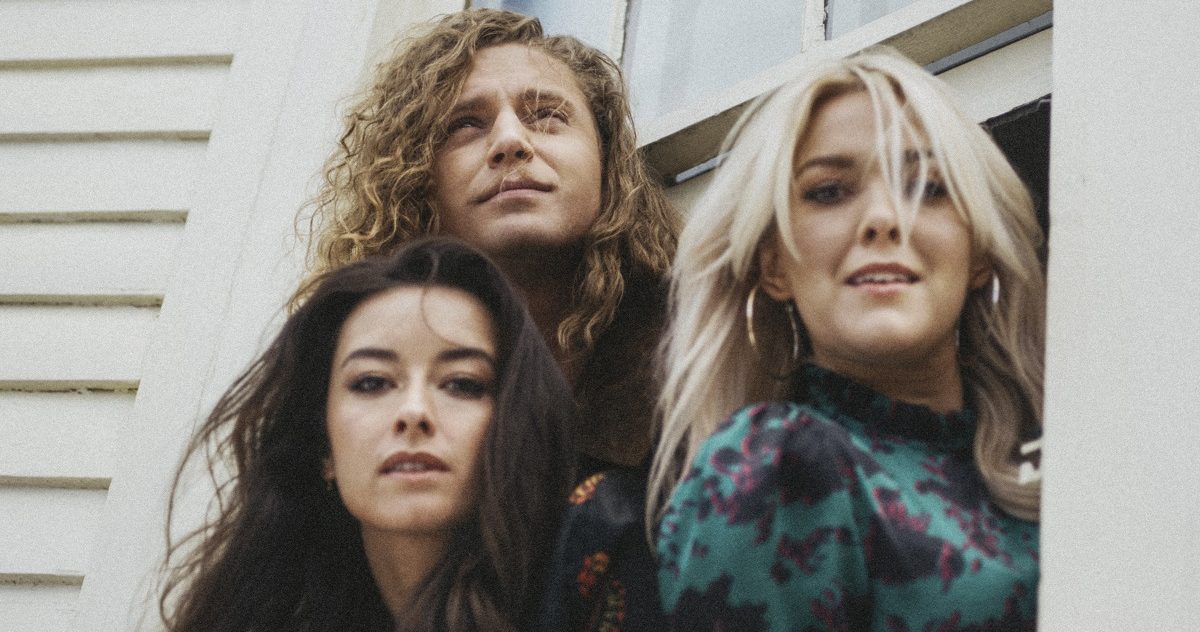
Jobi Riccio charmed the country universe with her 2023 debut, Whiplash, but hold onto your necks, ‘cause her brand new album, Face the Feeling, finds the Coloradoan singer-songwriter evolving her production styles and genre descriptors in a big way. She’s infused grunge, alt-folk, and country-rock into these new songs; the results vary from straight-down-the-middle Southern rock to expansive, electronic indie-twang. We especially find Good Country touches in songs like “Pilar, NM” and “Wildfire Season,” but they can be found throughout the rockin’ project.
Listen to this issue of Ed’s Picks in one YouTube playlist here.
Listen to the full Ed’s Picks archive playlist here.
Want more Good Country? Sign up to receive our monthly email newsletter – and much more music! – direct to your inbox.
Photo Credits: Rodney Crowell by Claudia Church; Shakey Graves by Jonathan Terrell; Taj Mahal by Mike Coeyman; Reba McEntire, One Night in Tulsa album cover; Jobi Riccio by Rett Rogers.
There has always been something uncontainable about Shakey Graves – a sense that his songs arrive not as glossy statements but as lived artifacts, scuffed at the edges, humming with the residue of wherever they’ve been. Born Alejandro Rose-Garcia, he first emerged from Austin’s DIY scene as a one-man band, stomping out rhythms on a suitcase kick drum while threading guitar lines that felt equal parts front-porch confession and desert hallucination. It was a sound built on immediacy and invention, earning him a devoted following long before the industry quite knew what to do with him.
That restless instinct runs straight through Fondness, Etc., his fifth studio album, due May 15, and the subject of the hour-long Artist of the Month conversation that follows. Where earlier releases by Graves leaned into the spectacle of one-man-band ingenuity, this collection turns inward – quieter, stranger, and more revealing. Recorded at home over a single, focused month, the album trades gloss for atmosphere, unfolding as a lo-fi meditation on time, memory, and the uneasy grace of becoming someone new while still carrying who you once were.
The record often feels more uncovered than constructed. Graves tracked the songs onto a pair of TASCAM tape machines, committing performances in ways that resist the endless revisions of digital recording. What remains are nine lived-in tracks that breathe with their surroundings – passing trains, stray birds, the soft blur of the tape – all of it absorbed into the music’s grain. In that sense, Fondness, Etc. becomes a document of a moment, caught before it could be refined into something less human.
That approach shapes the album’s sound, which drifts between avant-garde folk and restrained indie rock without settling too comfortably in either. Graves plays nearly everything – guitar, drums, synth, even Optigan – building arrangements that feel intimate but slightly off-center. There’s a tactile quality throughout, as if each sound has been handled, worn down, and set in place with intention rather than perfection.
“I Once Was an Ocean,” the album’s lead single, offers a clear window into that sensibility. Inspired by mid-century composer Martin Denny, the track re-envisions exotica through the stark geography of West Texas. It moves in a slow, dreamlike sway, as if the land itself were remembering what it used to be. The idea that the Big Bend area of the Rio Grande River was once a prehistoric ocean lingers beneath the surface, mirroring the album’s quiet fixation on change and the long arc of transformation – how nothing holds its shape forever, and perhaps never did.
Elsewhere, the album keeps its footing in that same reflective terrain. A cover of “Time Flies,” originally by Frankie Sunswept, is rendered with a measured restraint, its string arrangement adding a subtle weight to an already wistful meditation on love and impermanence. Across the record, Graves circles a familiar tension: how to hold onto the past without getting stuck in it.
That question carries added weight now. Removed from his early, road-worn persona, Graves approaches this work from a life reshaped by family and fatherhood. The songs don’t proclaim that shift, they absorb it. There’s a quiet awareness of time passing, of priorities morphing in ways that are less dramatic than they are decisive – changes that, indeed, tend to reveal themselves only in hindsight.
If there is a unifying thread here, it is the idea that imperfection can tell the truth more plainly than shine. By choosing limitation – tape over digital, immediacy over endless revision – Graves has made a record that resists easy categorization. It stands as a snapshot of a particular stretch of life, captured without much concern for how it might be received.
In the interview that follows, he traces that path with candor, moving between the making of Fondness, Etc., the milestones that have marked his recent years, and the earlier chapters that continue to echo through his work. It’s a conversation about process, memory, and the slow accumulation of experience – how a life in music is shaped not just by forward motion, but by the willingness to look back and take measure of what still lingers.
You’ve had an ongoing relationship with the Bluegrass Situation over the years, across different formats and moments. What has that meant to you?
Shakey Graves: I’ve always really loved the way Bluegrass Situation approaches things. It’s never just one lane – it’s a bunch of different formats, different kinds of events, different ways of presenting music. That flexibility feels true to how music actually exists in the world. I’ve gotten to be part of it at a bunch of different stages, and it’s always felt natural, never forced. There’s something about that openness that I really connect with.
Austin is a destination for so many people – a pilgrimage of sorts. But you were born there. What has it been like watching it change from the inside?
Growing up, Austin always felt small. Not isolated, but intimate – like a place where you could run into people you knew almost anywhere. Even as the capital, it had a small-town heartbeat. That’s probably the most noticeable shift: it’s now fully becoming a major city.
There was a time when “Keep Austin Weird” didn’t exist. That slogan showed up at some point during my lifetime and, honestly, people who grew up here didn’t feel like it was necessary. It was already weird. So when that phrase came along, it felt almost like labeling something that didn’t need to be labeled.
Now it’s different. The growth is real, the changes are real, but at the same time, the essence is still there if you know where to look. For me, Austin isn’t just a place – it’s the backdrop to everything I’ve done creatively. I don’t really know how to separate it from my identity.
Your parents were both involved in the arts. How did that shape your sense of what was possible?
They both ended up in Austin through the University of Texas theater department. My dad was a set designer, my mom’s an actor who later taught directing. So from the beginning, I was surrounded by people whose lives revolved around making things – plays, performances, stories.
But it wasn’t a traditional path. It wasn’t like there was a clear blueprint for success. I used to think of it as “magic beans income.” Somehow, through theater or dance or whatever project was happening, we’d get by. That unpredictability didn’t feel scary to me. It felt normal. What that did was make creativity feel viable. It never seemed unrealistic to pursue something artistic, because that’s what the adults around me were doing. The more I’ve traveled, the more I’ve realized that’s actually a rare environment. Austin gave me that without me even realizing it at the time.
What are your earliest musical memories – the ones that really stuck with you?
Music was always there, but it wasn’t always front and center. It was part of the atmosphere – something happening around me all the time. The first moment where I really engaged with it was in middle school. My mom let me go to a concert with my neighbor; we saw the Bloodhound Gang at La Zona Rosa. I got to come into school late the next day, which already felt rebellious. Then at the show, I got crowd-surfed, got kicked in the head – just total chaos. It was perfect. That’s probably my first vivid concert memory.
At home, my parents had their own band, Moon Coup. It was kind of this eclectic, world-music thing. There were always strange performances happening – Alejandro Escovedo playing in our backyard at a birthday party, stuff like that. It wasn’t polished or industry-driven. It was just… happening.
What about the records that shaped your taste early on? How did you discover music for yourself?
It was a mix of tapes and CDs, a lot of those old mail-order deals – buy one, get a bunch free. I got a steady stream of whatever my parents were into: R.E.M., Talking Heads, The Beatles, even Enya. For a long time, I didn’t really know what I liked. So I leaned heavily into soundtracks. If I loved a movie, I’d get the soundtrack, even if the music didn’t quite hold up outside the film. I had some strange ones – like the Predator 2 soundtrack, a lot of Alan Silvestri stuff. So my early listening habits were kind of all over the place. It wasn’t curated. It was just whatever stuck.
You’ve experimented with performance in a lot of settings, but busking never really stuck for you. Why is that?
I’ve barely done it – maybe a handful of times. It’s not something I enjoy. Even when I built my setup in LA, which could have worked for busking, it wasn’t about that. It was about having control over my sound wherever I went. I wanted to feel like I could present something intentional, not just fill space.
The challenge with busking – or even playing certain bar gigs – is that you’re often background noise. And I’ve always wanted the opposite. I want people to stop, to listen, to be pulled into it. I had friends who were incredible at busking. They had systems, routines, ways to make real money doing it. But for me, it felt like it took me away from what I actually wanted, which was connection.
Where did you first start playing your own material in a serious way?
A lot of that happened in Los Angeles. I was bouncing between LA and Austin at the time. One of my first gigs came through Craigslist – a Chinese restaurant on the [Sunset] Strip. I thought it sounded great. It wasn’t. I basically played to people who were just trying to eat dinner, yelling songs at them for half an hour.
Then there were the pay-to-play situations, like the Viper Room, where you had to bring a crowd or pay to perform. I didn’t always know what I was getting into, but I learned quickly. At the same time, I was playing DIY spaces – warehouse shows, house shows. That’s where things started to make more sense. When I moved back to Austin, everything clicked a bit more. I got a happy hour slot at the Hole in the Wall, and that place became foundational for me. It’s still one of the most important venues in my life.
You’ve said there’s no “right” or “wrong” way to make music. Where does that philosophy come from?
It’s something I come back to constantly. It’s kind of my guiding principle.
Recently, my daughter gave me a new perspective on it. She’s two, and at her preschool they were explaining how she loves the process of doing things. Like painting – she’ll get excited about setting everything up, picking colors, putting on the apron. But when it comes to the actual painting, she doesn’t really care about the result.
That hit me. Somewhere along the line, we lose that. We start focusing on outcomes – on whether something is “good” or “successful.” But the process is the real thing. You don’t need a studio or a perfect setup to make music. You can make it with anything. What matters is that you’re engaged in it. Some days I feel completely lost with my gear and other days everything aligns. That unpredictability is part of it.
How has fatherhood changed the way you approach your work and your life?
It shifts everything. Suddenly, the stakes are different. Spending hours worrying about a reverb setting feels a little absurd when you’re also responsible for raising a person. But at the same time, I’ve realized how important it is to hold onto your sense of self. Parenthood can completely disrupt your routines – everything you’ve built to manage your life just gets wiped out. You have to rebuild from scratch. That process – figuring out how to balance those things – is a big part of what this record came out of. It’s not about losing one identity to gain another. It’s about learning how to carry both.
Fondness, Etc. feels reflective, even intimate. How did it take shape?
It felt less like building something and more like uncovering it. Like an archaeological dig. I don’t usually go in with a clear concept. I start with a song, or even just a feeling, and follow it. The first piece was “When the Love Is New,” which I wrote before my daughter was born. It had a certain honesty, a kind of Western tone, and that became the direction. From there, the record revealed itself as a series of vignettes – little snapshots of relationships. Not necessarily my own, but drawn from experiences, observations, stories. It’s not linear, but it’s cohesive in its own way.
Big Bend shows up in your writing. What draws you to that landscape?
It’s an otherworldly place. Growing up in Texas, you learn that it was once a shallow ocean and when you’re out there, you can almost see that history. It looks empty, but it’s full of life – you just don’t always see it. That contrast is something I connect with. Texas in general has that dual nature. It’s complicated, layered, sometimes contradictory. No matter who you are, there’s a little bit of that mythology in you if you’re from Texas. Big Bend just makes it visible.
You’ve also talked about exotica music influencing you. What appealed to you about that genre?
I got into it pretty late – about 10 years ago – and then went all in for a while. What I love about it is that it’s not literal. It’s music imagining a place rather than representing it. It’s like fictional geography in sound form. That idea resonates with me. I’m not a traditional country artist, but there’s something Western in what I do. It’s not about authenticity in a strict sense – it’s about interpretation, imagination.
As a DIY artist, who helped shape your sense of independence?
Elliott Smith was huge for me – someone who could do everything himself. And Beck, especially One Foot in the Grave. That record felt chaotic and free. Hearing that made me realize there were no rules. Songs could be short, messy, weird – whatever they needed to be. That freedom has stayed with me.
Your audience has grown steadily over time. What does that connection feel like?
It means everything… The first time someone I didn’t know – someone far away – connected with my music, that was it. That was the moment I felt like I’d made it. What’s really amazing is how people continue to discover it. There’s always a new group coming in, finding something in it that I might not have even intended. That’s incredibly comforting.
Have you ever felt like walking away from it, or has it always been forward momentum?
I’ve never really felt like quitting, but I do think about expanding. If I could go back, I might have separated some of my projects under different names, just to give myself more freedom. Everything being under one umbrella can get a little limiting. Moving forward, I want to collaborate more, experiment more, maybe not always be the center of it. That feels exciting.
Storytelling is such a big part of your work. Where does that come from?
It’s always been there. My family are storytellers, my dad especially. And then there’s what I grew up on: Calvin and Hobbes, The Far Side, The Simpsons, Shel Silverstein. Those things are deceptively deep. They’re funny, but they’re also philosophical. Later, hearing artists like Townes Van Zandt or Tom Waits, it felt like a natural extension of that. Storytelling through music just made sense.
There’s a remarkable story behind the 1932 Gibson L-7 guitar that you’ve recorded with on this new album and other previous offerings. What does that instrument mean to you?
It’s one of those things that feels almost mythic. I met a guy at a weird speakeasy in LA, a bar in the warehouse district when I was figuring out who Shakey Graves was. After talking for a while, he told me he had this guitar – his grandmother’s boyfriend had owned it. The guy played on the Chitlin’ Circuit, took it to World War II, survived a fire that burned his hands, but still kept playing. It was a crazy guitar with all of the newspaper clippings of the guy who played it.
After the ten-year anniversary of my first album, Roll the Bones, the guy I met in LA gave it to me. When I first handled it, it was this stubborn, living thing – it didn’t want to stay in tune, felt like it had its own personality. But I connected with it immediately. I wrote some of my most important songs on that guitar. Then I broke it. The neck snapped clean off. It stayed like that for years before it was finally restored. Getting it back for this record felt like being reunited with something essential. Like picking up a tool that had shaped you in the first place.
What do you want at this point in your life and career?
I want everything. I want contradiction. I want to be obscure and famous. I want to be a family man and also like a scamp disappear into something unpredictable. I don’t think I’ll ever stop wanting all of it at once. That’s kind of the beauty of it. I don’t think I’ll ever be able to stop wanting every opposing direction in some shape or form.
Texas has long been known for its singer-songwriters and country acts, but there’s plenty of music within the Lone Star State that navigates outside those boundaries as well. A few recent examples include Spoon, Gary Clark Jr., Khruangbin, White Denim, and Shakey Graves, the latter of which has become a cult hero of sorts in the folk and roots music space.
Born Alejandro Rose-Garcia, Graves’ career in music didn’t begin to take hold until the mid-2000s following acting roles with the Spy Kids franchise and television series Friday Night Lights, but once it did momentum hasn’t slowed since. Each step along the way the singer has reinvented himself. From the solo one-man band setup on his independent 2011 debut, Roll the Bones, to 2014’s And The War Came – which featured the indelible Esmé Patterson on songs like “Dearly Departed” and “Big Time Nashville Star” and eventually culminated in Graves winning Emerging Artist Of The Year at the 2015 Americana Honors & Awards – to the trippy, extended jams of 2023’s Deadstock anthology.
That constant transformation leaves listeners in perpetual awe. Among those caught in the cycle of captivation has been BGS executive director and co-founder Amy Reitnouer Jacobs, who first encountered Graves at Pickathon in Happy Valley, Oregon.
“I remember hearing him start his set and watching the crowd grow,” recalls Reitnouer Jacobs of that maiden experience. “There’s certain festival sets where you can feel a palpable energy and buzz, and this was one of them. It was just him, a guitar, a harmonica, and a suitcase holding a kick drum. It was a truly magical moment where you knew the person you’re watching is really gonna hit.”
In the 18 months that followed, Reitnouer Jacobs began booking Graves on several BGS-related gigs and sponsored stages at places like Bonnaroo, the Newport Folk Festival, and the LA Bluegrass Situation Festival. Around the same time, Graves was starting to pop off with his first big hit, the aforementioned “Dearly Departed,” which to this day remains his second-most streamed song ever with over 133 million listens on Spotify at the time of this story’s publication.
According to Reitnouer Jacobs, being around to witness Graves then was like a once-in-a-lifetime opportunity that is still in the process of playing out: “There’s a few key moments in anyone’s career where, if they’re lucky, they get to witness and be adjacent to somebody’s incredible talent,” she explains. “Getting to know Alejandro feels exactly like that.”
“He is always beholden to himself first and foremost,” she continues. “He’s not an artist that will crank out material just for the sake of doing so. When he comes up with something it’s going to be really considerate and developed. He’s also not afraid to try new things. I’ve seen him with a full band and solo, acoustic and plugged in. It really speaks to his multifaceted nature and how no one artist exists within a vacuum. Sometimes roots music can get a bit caught up in that, but Alejandro does a good job of having these different sides of him coexist and come through in his music.”
Speaking of trying new things, Graves does just that on his latest record, Fondness, Etc. Out May 15, the album of home recordings takes on an ambient and lo-fi approach that most closely compares to his simplified 2017 project, Shakey Graves And The Horse He Rode In On. Accompanying the minimalist methodology on these songs are the sound of bird calls and wind gusts on “On My Own” and various tropical noises on “I Once Was An Ocean” that give the compilation a very lived-in feel, something that’s not often the case for an artist who’s constantly reimagining his own work.
Per Reitnouer Jacobs, she thinks a lot of that intimacy and experimentation goes back to Graves’ roots in Austin, a Texas town known for embracing its weird side. “There’s a lot of really cool stuff happening in that part of Texas, so it doesn’t surprise me that something like ambient music is sneaking into what he does,” she observes. “My favorite artist, personally, is Kate Bush, with my top lyric of hers being ‘let the weirdness in’ on her song ‘Leave It Open.’ I go back to that a lot, because I think artists fearless enough to let the weirdness in are the ones who actually move their genres forward, which is exactly what Alejandro is doing.”
The other day I was going through my closet doing some spring cleaning, when I found a box with a bunch of old things that just took me back. One thing in particular was my old CD binder that I used to keep in the first car I ever owned, my parents old Ford Windstar. When I started looking through the binder, it brought me right back to the first time I moved away from home. At 19, I decided to leave the city and start working on a vegetable farm as a labourer. I was really into gardening and growing food at the time. Being out there was a time of many firsts, first time moving from home, first love, first time out partying (I’d always been a homebody).
This find made me think of turning them into a digital playlist, “Songs That Take Me Back.” Something that I could take with me, wherever I may go. Here’s a playlist of songs that somehow take me back to a moment in my life, and I’d like to share them with you. – Jeremie Albino
“Trouble” – Ray LaMontagne
This was the first CD in that CD binder that really brought me back. I could just smell the lilacs in the spring time driving out in the country with my old Windstar with the windows down, blasting this record.
“Sylvie” – Harry Belafonte (At Carnegie Hall)
This song brings me right back to an early Sunday morning when I was a kid. I’d be sleeping in and my dad would throw this on his five disc CD player, blaring records while he’d clean the house. This is probably one of my all time favourite records.
“Dust My Blues” – Elmore James
When I hear this tune, it reminds me of the first open mic I ever participated in. I was probably 15 or 16, I had been so in love with this song and had to learn it. I didn’t do too bad, the audience seemed to enjoy a 15 year old trying to play the slide guitar.
“Only Son” – Shakey Graves
This song takes me back to the summer of 2015 — I was so in love with a fellow farmer who worked at a farm not too far from mine. She was so cool, she had the coolest taste in music. One of the first times I had found someone who liked so much of the same music as I did. The song specifically reminds me of that first date, where we had pizza on a dock and listened to Shakey Graves.
“Harriet” – Hey Rosetta
This song reminds me of the first tour I ever went on. I was in a folk trio with my best friends called En Riet. We went on an epic first tour, drove eastern Canada all the way to Newfoundland, one of the most beautiful places I’d ever seen. We would listen to Hey Rosetta driving through some of the most scenic drives I’d experienced in my life, the music felt so fitting and right.
“Hey Boogie” – John Lee Hooker
The first CD I ever purchased was a compilation record called Blues Legend. It was all John Lee Hooker. I got it from the Future Shop (fellow Canadians, do you remember this store? So good.) when I was 7 or 8. I have no idea why I bought it or why I was drawn to it, I think my parents probably told me I liked blues and brought me to the blues section. I ended up picking it cause I thought the cover looked cool! Turns out it was a good pick and listening to it now, it brings me back to being a kid.
“Shipwreck” – Jeremie Albino
This is the first song I ever wrote. I wrote this one 10 years ago; it’s always nice to look back to see how things started for me. At the time I was having such a hard time writing music, and on weekends I would meet up with some friends and have a kitchen jam session. We’d go in a circle, sharing songs. My friends would always share a new song they’d been working on, and I would just play covers, since I still hadn’t written a full song. After coming home from one of these sessions, I told myself, “That’s it! I’m writing a song.” So I thought about how much of a hard time I was having writing and the line “I’m a wreck” came to me cause that’s what I was feeling when I was writing. Eventually one thing led to another, and I started thinking about what other things are wrecks and long story short, “Shipwreck” was born.
“Stumblin’” – Jackson & the Janks
“Stumblin’” was a song that was a must-listen when I was on tour with Cat Clyde. I remember the Mashed Potato records compilations had just come out and I started listening to these songs non-stop. With “Stumblin’” in particular, I just couldn’t get over how good it was! I had sent over the album to Cat so she could listen to how good it was, too! So by the time we hit the road together, we probably listened to that song a million times combined, no word of a lie.
“Boxcar” – Shovels & Rope
I remember the first time I heard this song was one of the first times I went to a bar and partied with friends. A local band was covering the song. When I finally got my hands on the record I fell in love with their music, the songwriting and vocals. I had a huge crush on Cary Ann’s voice. After that Shovels & Rope turned out to be one of my favourite bands. Ten years later, we actually ended up hitting the road together for a tour and it was one of my “I made it” moments. I feel very blessed to call them my friends, it’s funny to see how things come full circle sometimes.
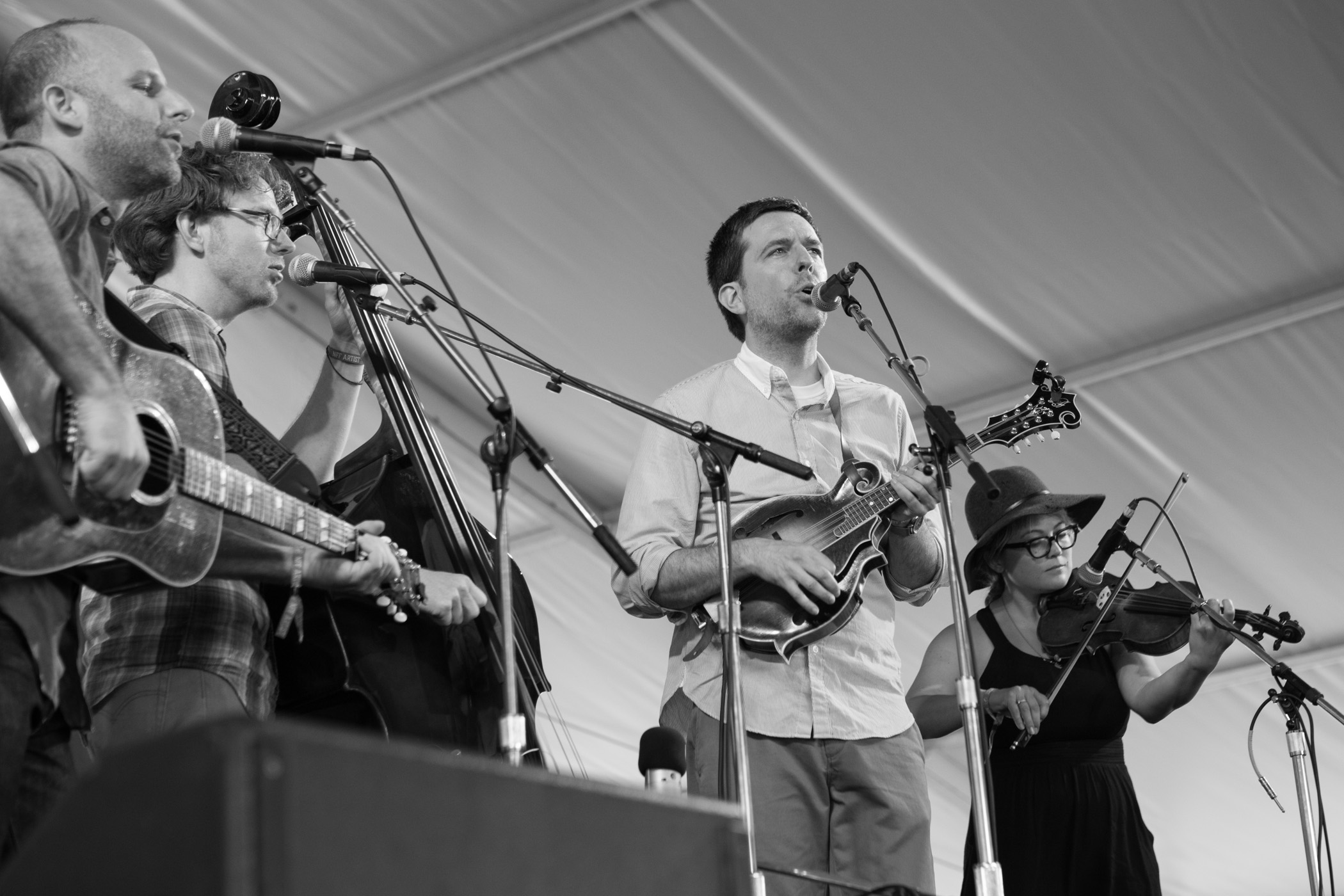
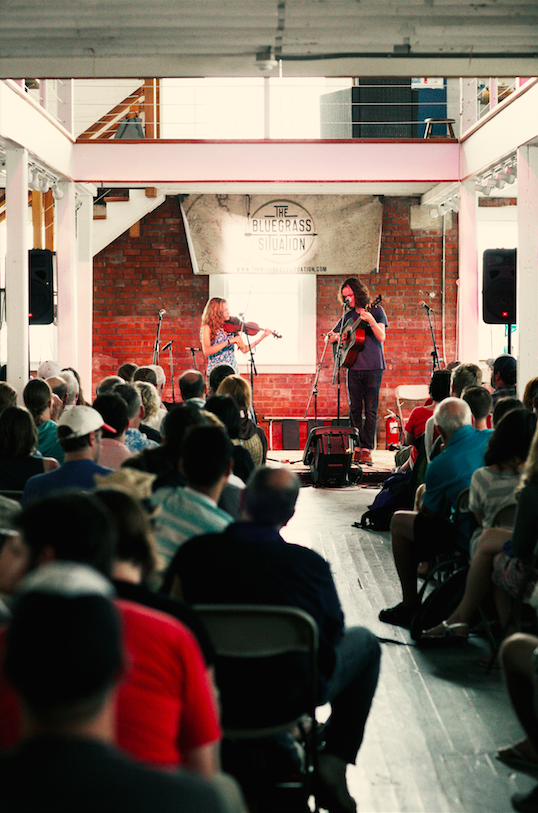
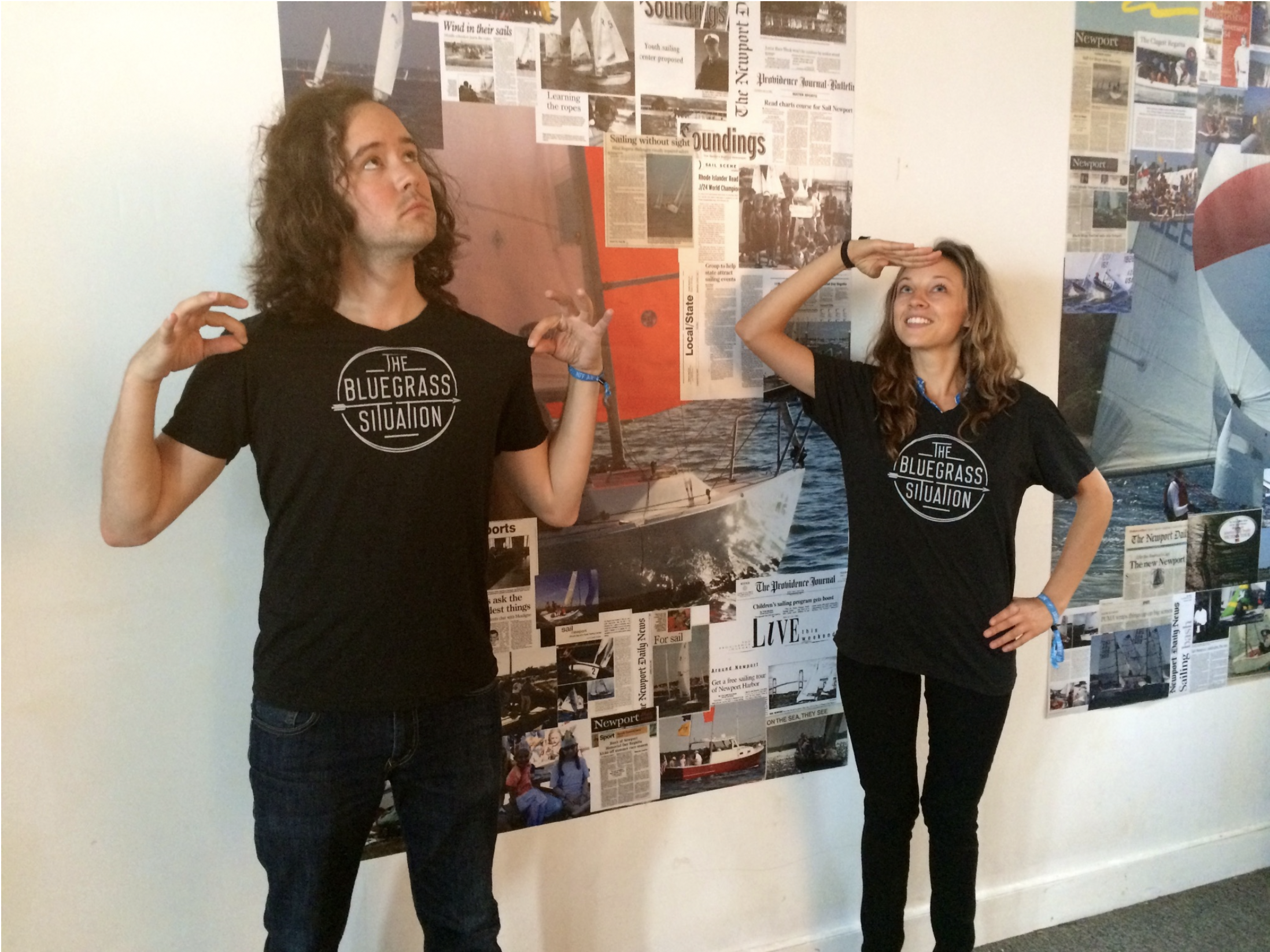
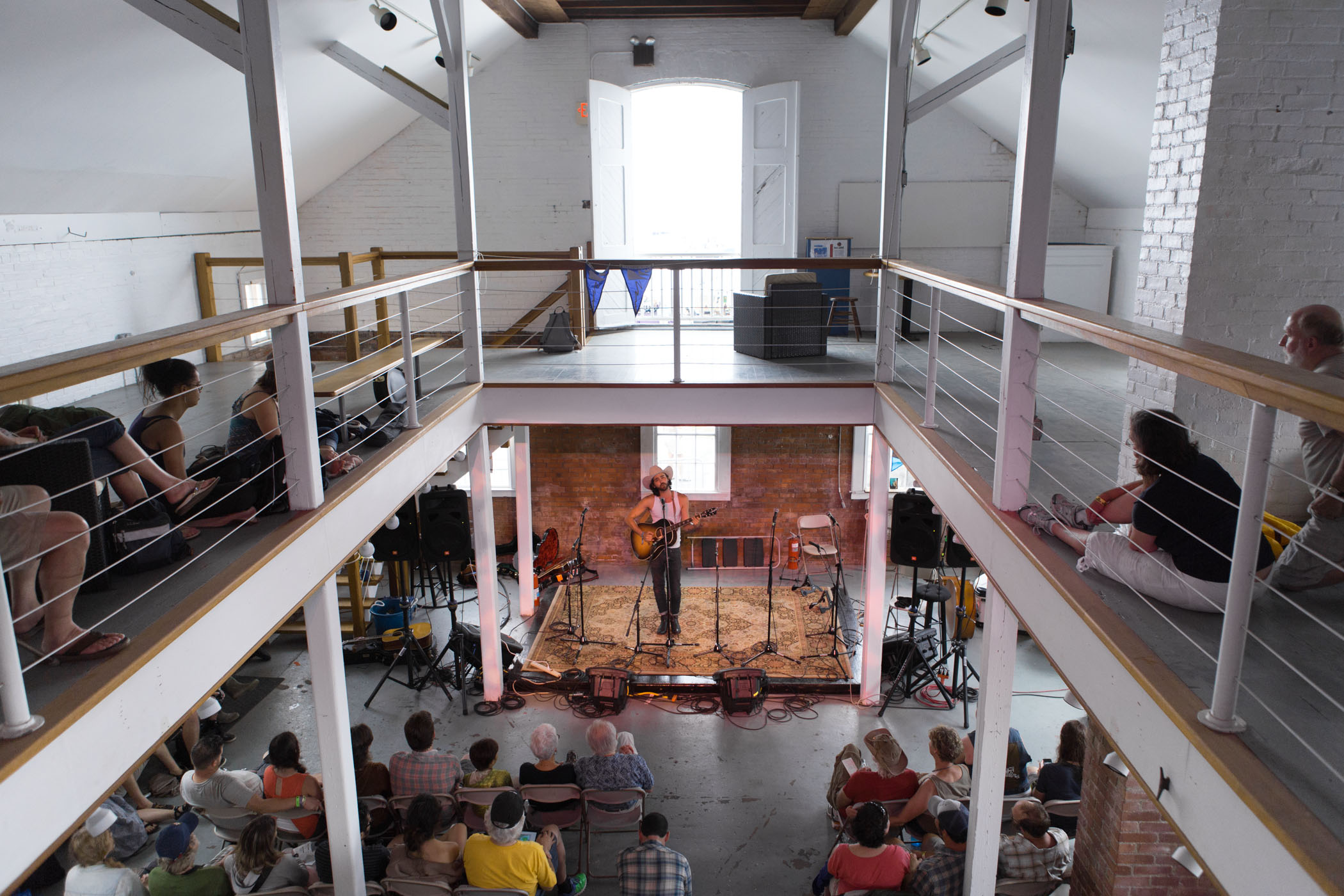
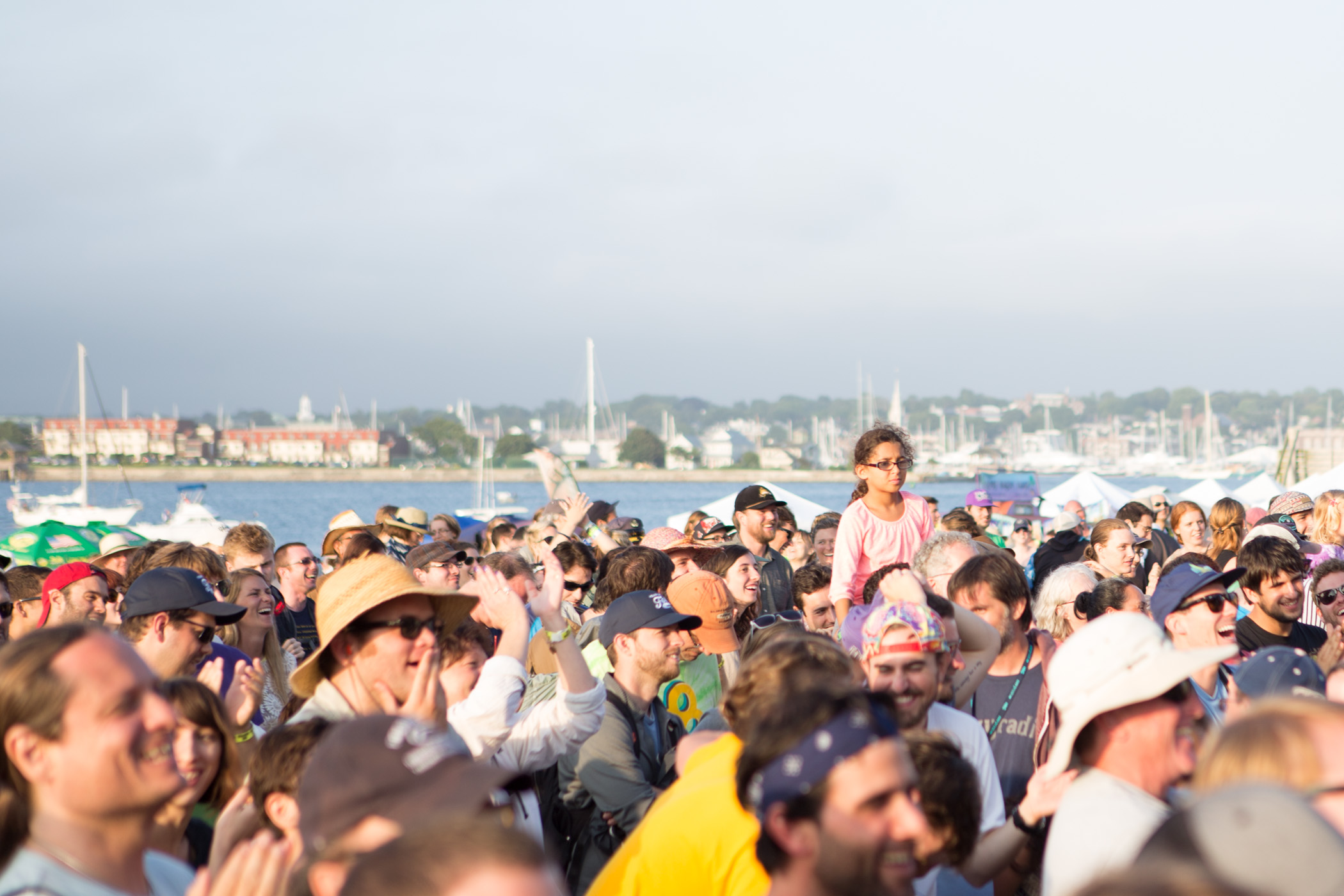
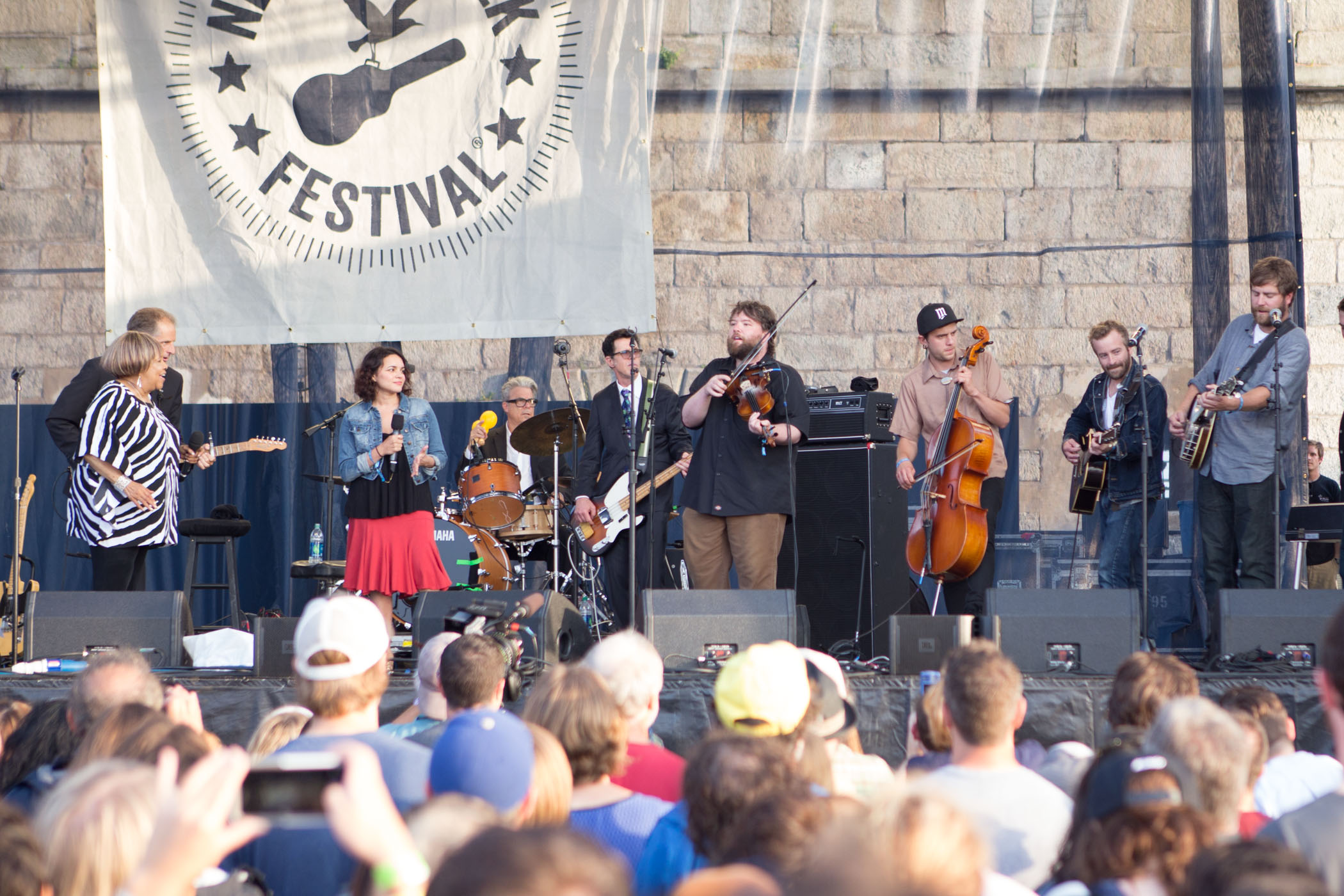
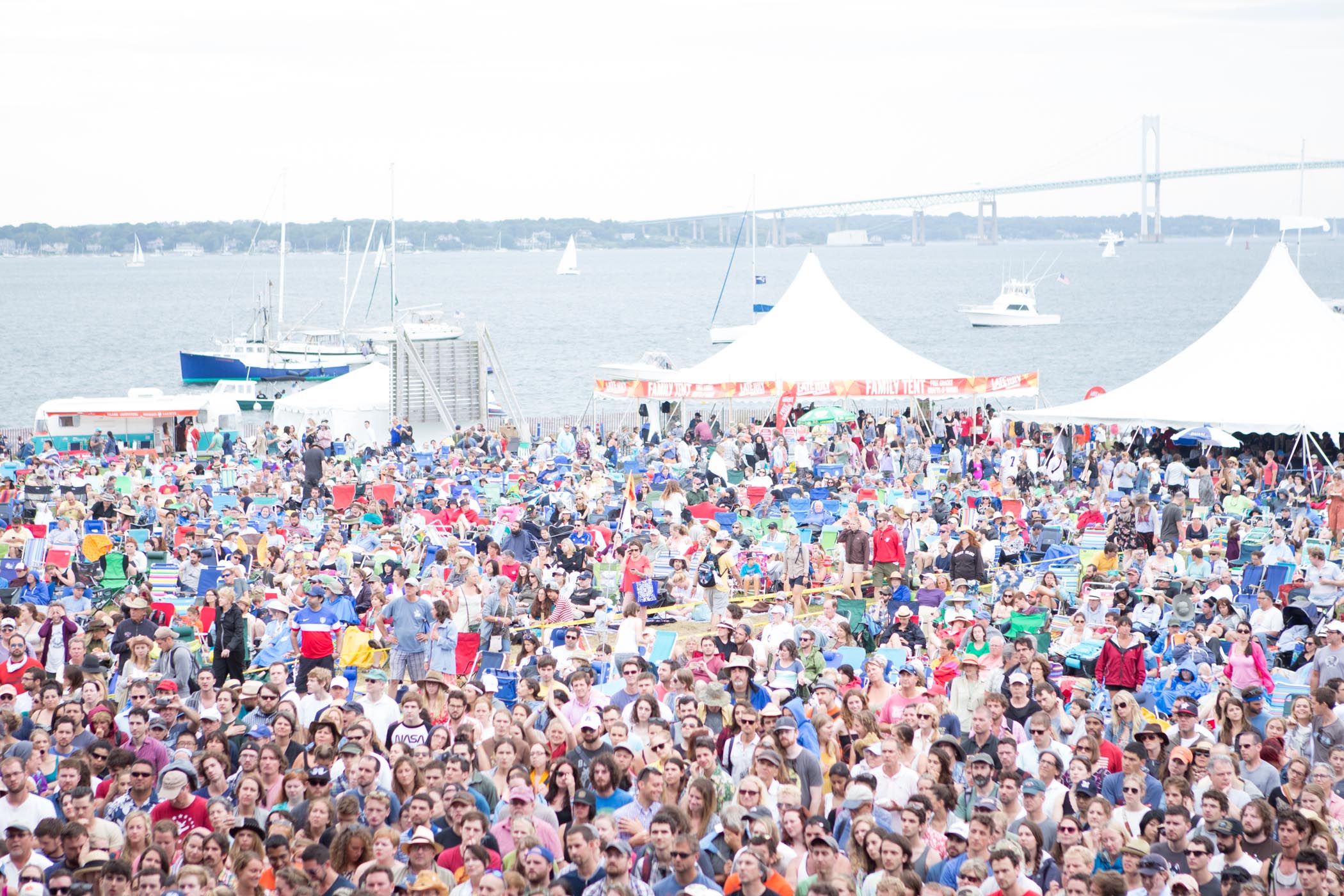
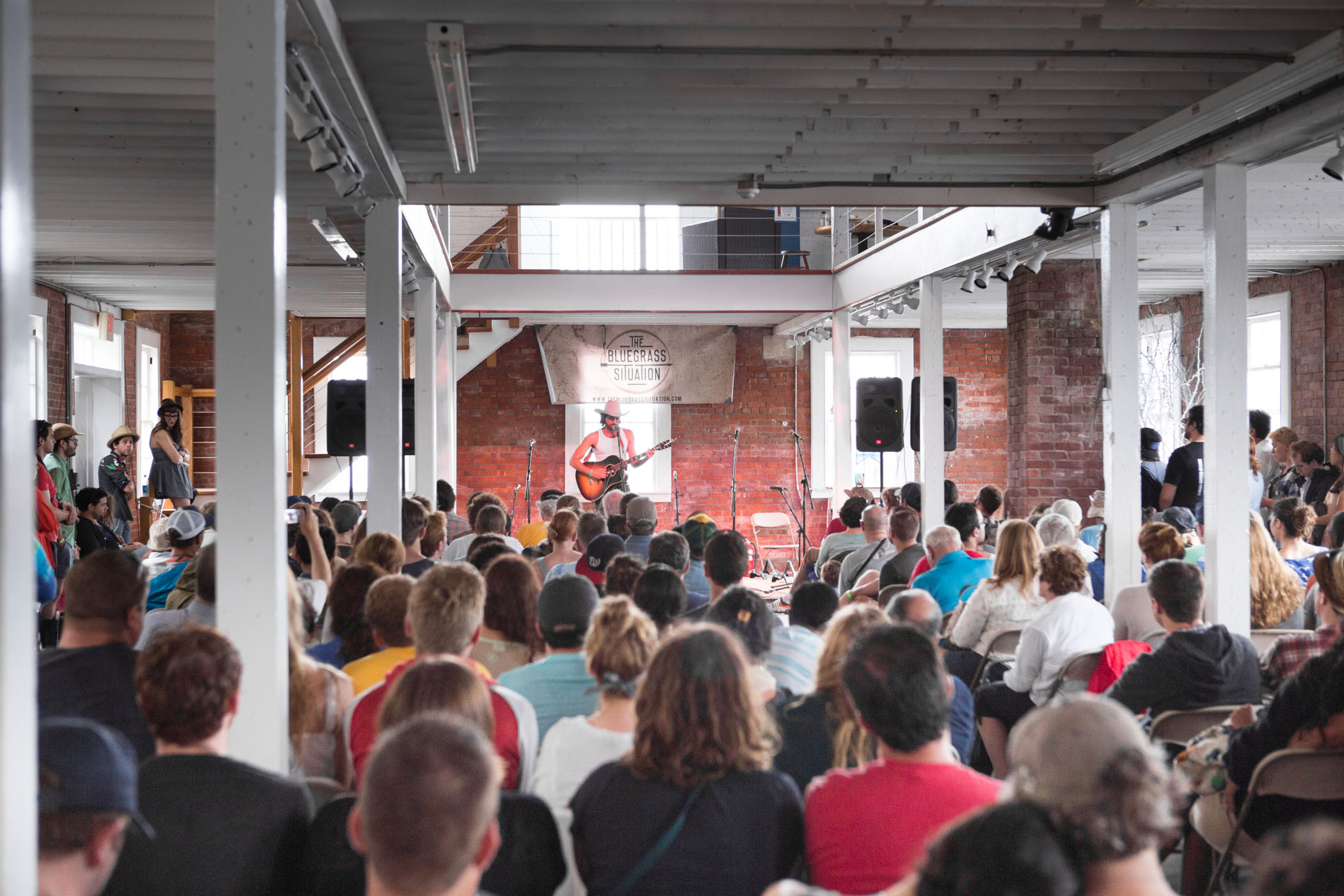
Dylan going electric in 1965. Lomax making his historic archive recordings in 1966. Joni taking the stage after 50-something years in 2022. Newport Folk is a festival full of milestone moments and lots of surprises. And for a brief moment in time in 2014, BGS was a small part of Newport Folk Fest’s long and storied history too, when we presented our Bluegrass Situation Workshop Stage inside the intimate Whaling Museum building on Sunday at the Fort.
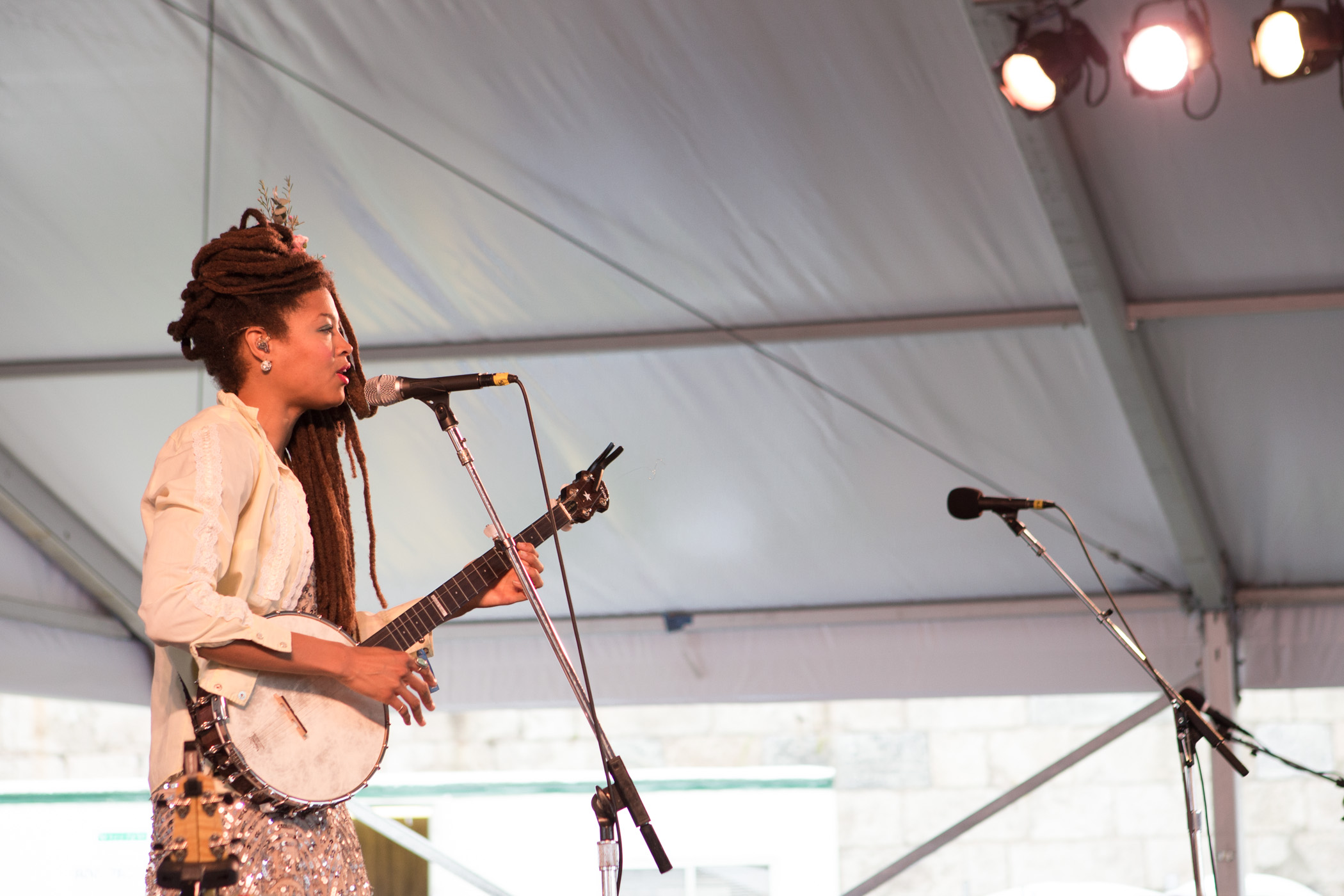
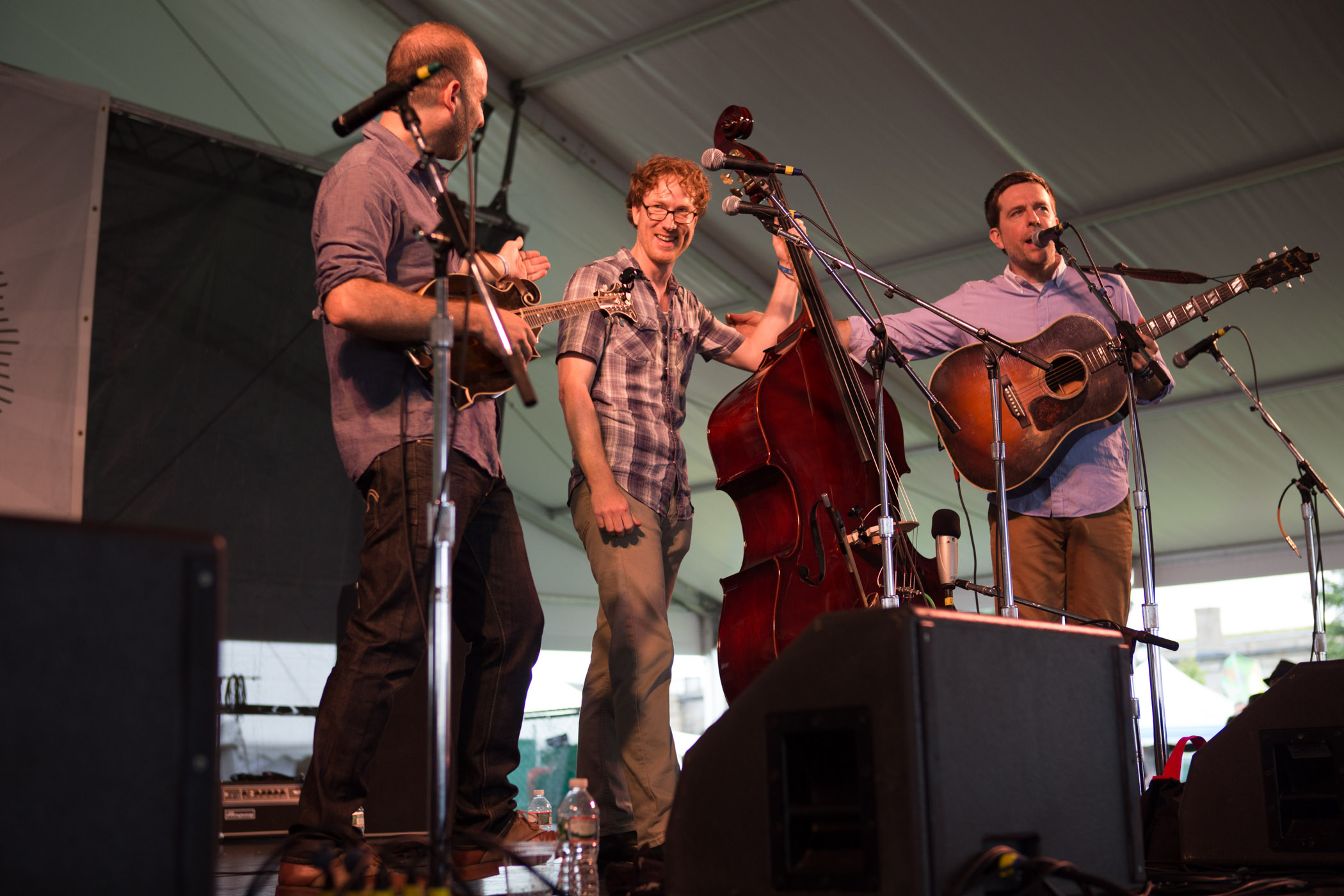
Amidst a festival lineup that included such stalwarts as Nickel Creek, Trampled by Turtles, Dawes, Valerie June, Hozier, Jack White, and Mavis Staples, the BGS crew – helmed by co-founder Ed Helms and his Lonesome Trio bandmates Ian Riggs and Jake Tilove – hosted a few “up and coming” acts we were very excited about, singing songs about significant “firsts” in their lives. Some of those young whippersnappers you might have heard of, like Shakey Graves (joined by Chris Funk of the Decemberists and Langhorne Slim), Aoife O’Donovan, Wilie Watson (with special guest Sean Watkins), and Watchhouse (who were still going by Mandolin Orange at the time), which marked Andrew and Emily’s very first – but certainly not last – appearance at Newport.
That big “first” for us was significant – to be welcomed into the “Folk” Family and made to feel like we were all part of something big and wonderful. And it’s that feeling that’s brought us back to the Fort year after year ever since.
Happy birthday, Dualtone Records! The Nashville-based indie music label is celebrating a tremendous milestone this year, commemorating the 20 years they’ve been in the business of bringing us beautiful albums from an array of classic Americana, folk, and indie artists. To mark the occasion, they have issued a compilation album cleverly titled Amerikinda: 20 Years of Dualtone. The album features many of Dualtone’s artists from the past and the present performing each other’s songs in a whimsical, jovial tribute to the work and achievements of the beloved record company. Upon announcing the album in April, the label released vice versa recordings by Gregory Alan Isakov and the Lumineers, each performing a song written and made famous by the other.
Isakov and the Lumineers are just two of the artists on Amerikinda; they share the liner notes with powerhouse names like Shakey Graves, Langhorne Slim, Drew & Ellie Holcomb, and more. In the video below, hear Isakov’s ghostly rendition of the introspective Lumineers number, “Salt and the Sea.” (The Lumineers also contribute a cover of Isakov’s “Caves.”)
“The Lumineers have been our friends and local comrades here in Colorado for years, and when Wes sent me the premaster of their last record, I was instantly drawn into every song,” Isakov said. “The song ‘Salt and the Sea’ particularly spoke to me, lyrically, along with that haunting melody. I collaborated with my bandmate Steve Varney to pluck out Jeremiah’s piano part with clawhammer banjo. What a beautiful song. I hope we did it justice.”
Upon the album reveal, Isakov added, “Not only are they incredibly good at table tennis, Dualtone is an astounding team of humans. I had never worked with a label before, other than my own label, and it’s been an absolute pleasure teaming up with Dualtone. They are such a hardworking, collaborative, kind-hearted group, and it’s an honor to be a part of their 20th anniversary compilation.”
Label co-founder and CEO Scott Robinson says, “From the very start, we’ve tried to build this safe, encouraging space for artists to experiment and create, and it’s just so cool to see how deeply these bands have connected with each other and to hear the influences and friendships that stretch across the whole history of the label. At the end of the day, there’s something special about the energy of Dualtone, and it’s not because of me or Paul [Roper, President/Partner] or any other individual. It’s because of the way that everyone, artists and staff alike, come together as a community.”
Inspired by the reaction we received from our fans to our new single, “Gold,” The Golden Tonic is a selection of songs that have helped us through tough situations, inspired us, or take us back to a specific moment in time. The past year has been heavy and we hope The Golden Tonic works its magic on you. — The Wandering Hearts (Chess, Tara, and AJ)
Editor’s Note: See the video premiere of “Gold” below.
The Tallest Man on Earth – “The Gardener”
This song lifted my spirits at a very low point of my life. I’d just lost my cousin who I lived with and it made me feel like he was everywhere I went and with me in nature and in all of the beautiful things. I have no idea what the song was actually written about, but that’s what is so powerful about music — it will mean very different things to different people. – Chess
Willie Nelson – “On the Road Again”
The song that always accompanies long journeys. When the band is on the road a lot, it reminds me of how lucky we are to be doing what we do but also gets me hyped for whatever adventure awaits! – Chess
First Aid Kit – “My Silver Lining”
My uncle introduced me to a lot of music which has had a huge influence on me, including this song. I was blown away by the rawness and flawless harmonies. The band had just [gotten] together and this song really made me realize that Tara and I have something special when we sing together. I was working all the jobs under the sun at the time, but it gave me such hope that music was possible and that it was all worth it. – Chess
Sister Sledge – “We Are Family”
During the endless UK lockdowns over the past year, when we were feeling down, demotivated or just fed up, my sister and I would FaceTime each other, put disco music on and dance around our kitchens! It really did the trick of getting me out of a funk and also cheering her up with my silly dancing! This song has featured every time and I will, from now on, blast this song if I’m ever having bad day. – Chess
Jason Isbell & The 400 Unit – “If We Were Vampires”
A sad song, but one of those songs that makes me feel so grateful to have what I have in life. It reminds me to make the most of the time we’re given. – Tara
Cyndi Lauper – “Time After Time”
When you feel hard to love or unworthy, a song about not giving up on yourself. It’s about letting yourself be loved. Reminding you that you are enough. – Tara
Dolly Parton – “The Grass Is Blue”
A cathartic song for me. A sad song about survival and heartbreak but also about not allowing that ache to consume you. To find a way through, even if you have to lie to yourself to begin with. – Tara
Ella Fitzgerald – “Blue Skies”
Ella’s voice is a tonic for me. This song is restorative in her tone and phrasing as much as in the hopeful lyrics of a new beginning. – Tara
The Beatles – “Golden Slumbers/Carry That Weight”
Technically two songs, but you really can’t listen to one and not the other and they run in like one track, so there!! Going through “Golden Slumbers” into “Carry That Weight” has a whole journey for me of going through the reflection associated with loss or sadness, transitioning into the self-realization that we only have ourselves, so it encourages me to suck up the pain and keep going. – AJ
Randy Crawford – “One Day I’ll Fly Away”
Randy Crawford’s performance on this song, as so many of her recordings, just has a perfect energy. She sounds so peacefully resolved despite this sad exhaustion in the lyrics. This resolve is so infectious and when I hear her singing through a smile it makes me want to fly away and leave all my troubles to yesterday too! – AJ
Stone Poneys – “Different Drum”
Maybe it’s just me, but I notice when I look for music to lift me out of a rut, it often ends up including songs that feature escapism or leaving. This is no exception and there’s something about the way this song just ploughs on and Linda Ronstadt sings like she’s sticking two fingers up to her problems while driving off into the horizon. I’d like that to be me. – AJ
Such a tune. It has a really lairy way of facing down feelings of loneliness and subduing them into a kind of angry but empowering joyfulness. I always find this one picks me off the floor a bit and gets me doing the useful easy things, like getting up and making a cup of tea. Might not be the big push I need but just enough to get that movement going. It’s a start and that’s a lot sometimes! – AJ
Welcome to the BGS Radio Hour! Since 2017, this weekly radio show and podcast has been a recap of all the great music, new and old, featured on the digital pages of BGS. This week, we bring you new music from Sara Watkins featuring her old bandmates from Nickel Creek, newly released tracks from Shakey Graves’ archive, and so much more! Remember to check back every Tuesday for a new episode of the BGS Radio Hour.
Sara Watkins recently sat down with BGS to talk about the set of film classics that defined her childhood, and are featured on her new album. With songs like “Pure Imagination” and “Moon River,” this album isn’t just for kids, even if it was first imagined as a collection of lullabies. Instead, it’s a meditative look at these songs which have impacted more than just one generation. And who could forget this classic from the 1980s classic comedy Three Amigos?
Here’s a song about the experience of reading through an old journal and being confronted with your past self — not a particularly comfortable experience. However, for Katie Martucci of The Ladles, it’s a reminder that at any given moment, we only know what we know, and we’re all doing the best we can.
When asked to be a part of a tribute album to singer-songwriter John Lilly, Andrew Adkins knew exactly what song he wanted to sing: one that he’d had a remarkably personal connection to the first time he heard it.
It’s hard to believe that Shakey Graves’ debut album Roll the Bones came out 10 years ago. Since the album’s quiet 2011 release, he’s emerged from the shadows, releasing multiple albums and garnering a substantial following. In celebration of the decade since, Shakey brings us Roll the Bones 10, a deluxe edition which also features 15 unheard songs from the same era as the original album.
Inspired by a trailer park cemetery seen while driving through Florida, this song is more a commentary on life than it is death. Bridget Rian says she has a “fear of being forgotten, of not making a difference” with her life – and this song was a mode of expressing this fear.
Folk legend Peggy Seeger is our Artist of the Month for April here at BGS, and we’re so grateful to have been able to speak with her on her new album First Farewell, her lifelong career in folk music, her hopes for social justice and peace, and much more.
Bluegrass instrumental supergroup Garrison, Gordy, Hargreaves, Walsh have set their fun, rollicking instrumental tune “Sports” to a zany, hand-drawn music video by banjoist Danny Barnes.
Canadian singer-songwriter Donovan Woods recently joined BGS for 5+5 on reading lots of fiction, a memorable London show, writing with Lori McKenna, and more.
Boulder’s The Sweet Lillies bring us their version of a tune originally released by The Stray Birds, a song they chose because they were deeply inspired by its stunning vocal harmonies, its beautiful and meaningful lyrics, and its old-timey structure.
Those who frequent bluegrass festivals in the south may already be familiar with the young savant Giri Peters. Giri and his sister Uma quickly gained popularity in the last number of years for their impeccable musical skills, not to mention at such a young age. Giri, originally known as an up-and-coming mandolinist, has continued to grow as a songwriter and solo artist. His most recent single is a testament to his musical and artistic growth, and brings much promise of an exciting career ahead.
“Human beings are messy emotional creatures,” says June Star’s Andrew Grimm. “Sometimes when we struggle to communicate in relationships it’s because there’s the voice we speak with and that voice in our head. ‘I Don’t Wanna Know’ bounces between a professed love to another person and a confessed loneliness on the inside.”
Miles Gannett heard the melody and some lyrics of this song, including the lines “Thunder River, tumbling down; catch your babes before they drown” in a dream — and it kind of creeped him out. He sat with it for a couple of years before it all came together in this final semi-apocalyptic song.
Photos: (L to R) Shakey Graves by Magen Buse; Sara Watkins by Jacob Boll; Peggy Seeger by Vicki Sharp
This website uses cookies to improve your experience. We'll assume you're ok with this, but you can opt-out if you wish.AcceptRejectRead More
Privacy & Cookies Policy
Privacy Overview
This website uses cookies to improve your experience while you navigate through the website. Out of these, the cookies that are categorized as necessary are stored on your browser as they are essential for the working of basic functionalities of the website. We also use third-party cookies that help us analyze and understand how you use this website. These cookies will be stored in your browser only with your consent. You also have the option to opt-out of these cookies. But opting out of some of these cookies may affect your browsing experience.
Necessary cookies are absolutely essential for the website to function properly. This category only includes cookies that ensures basic functionalities and security features of the website. These cookies do not store any personal information.
Any cookies that may not be particularly necessary for the website to function and is used specifically to collect user personal data via analytics, ads, other embedded contents are termed as non-necessary cookies. It is mandatory to procure user consent prior to running these cookies on your website.