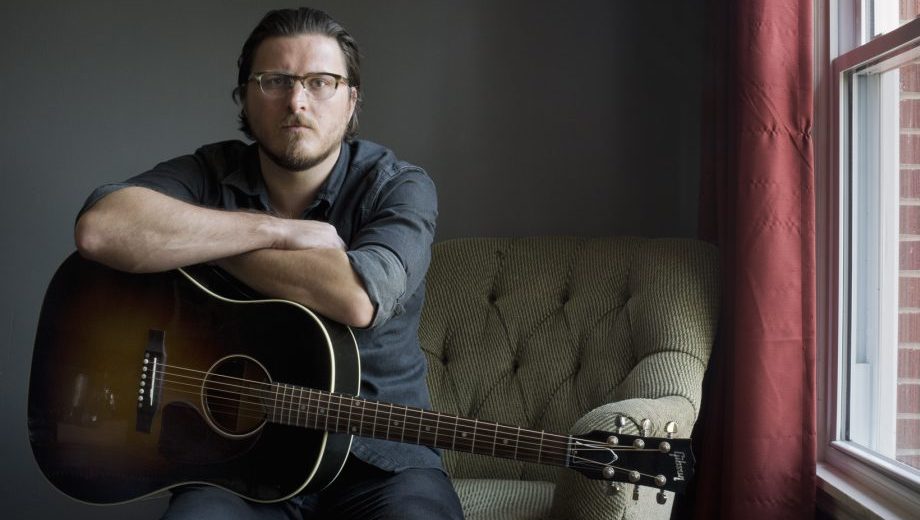
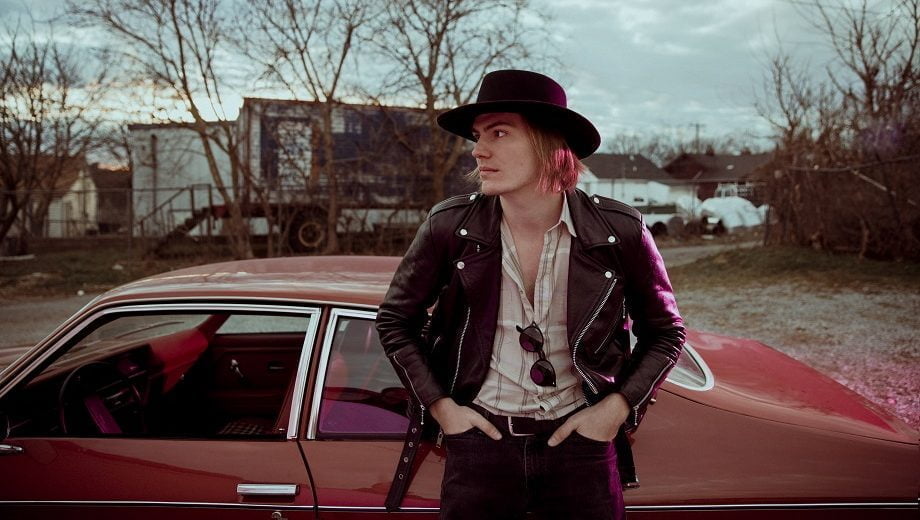
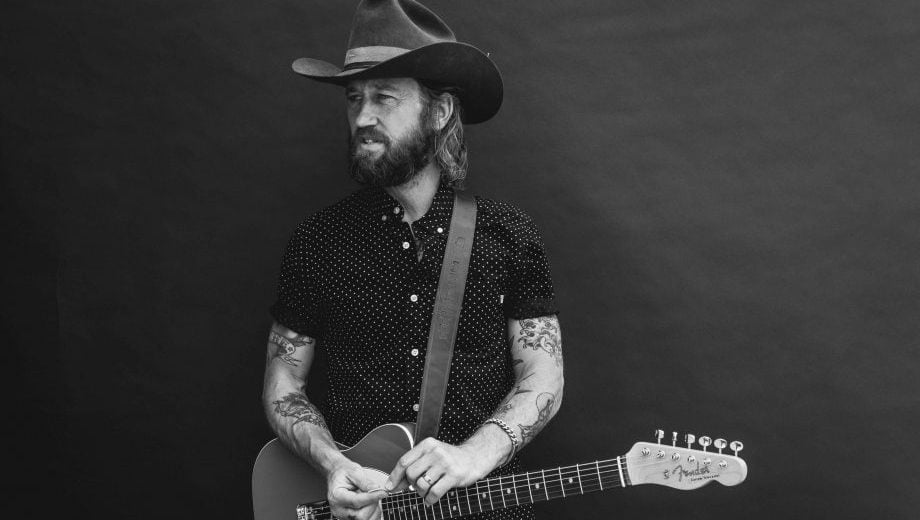
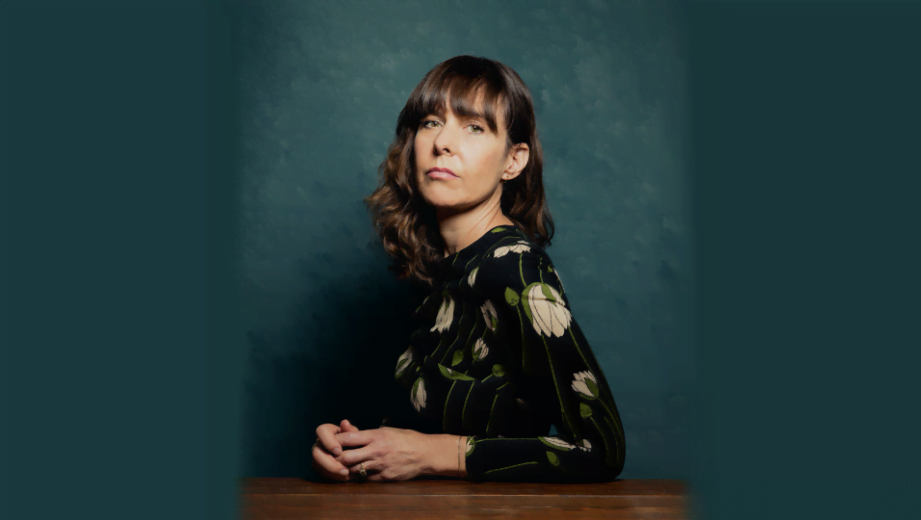
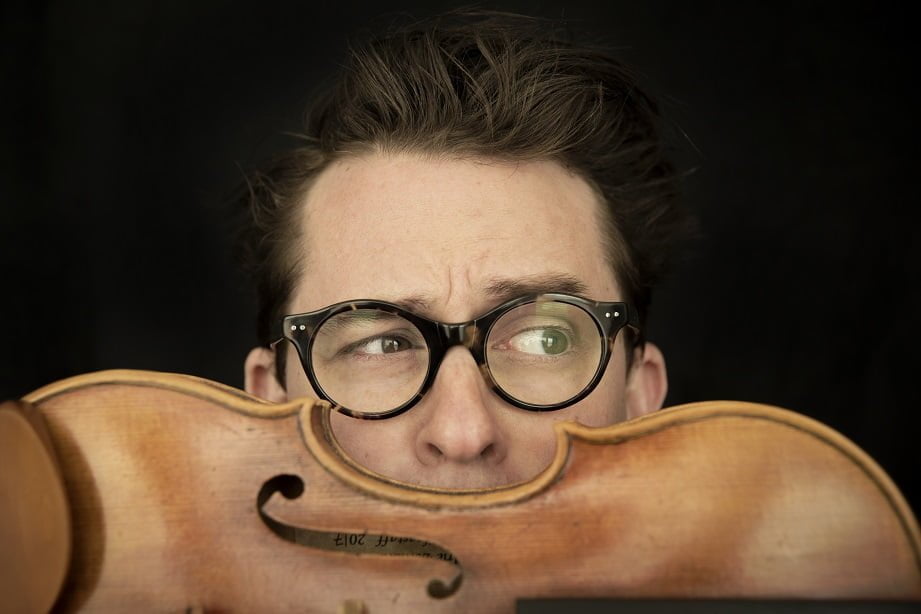
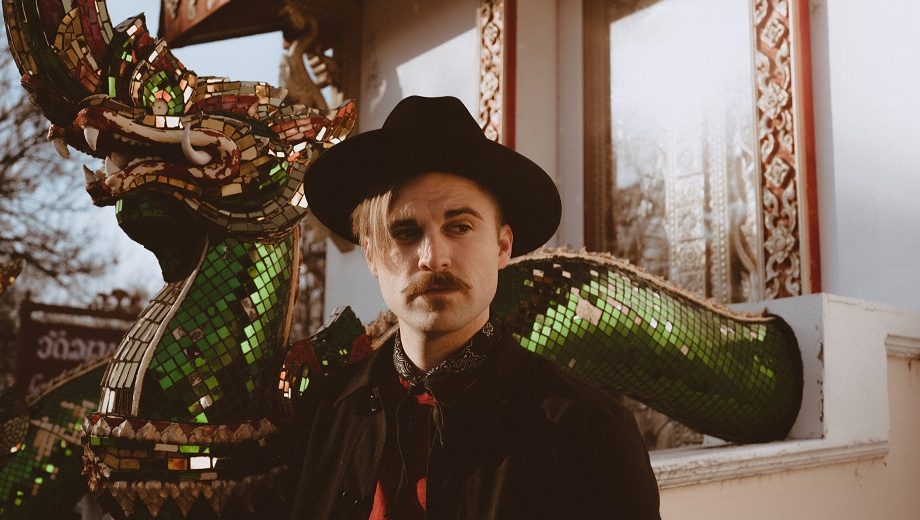
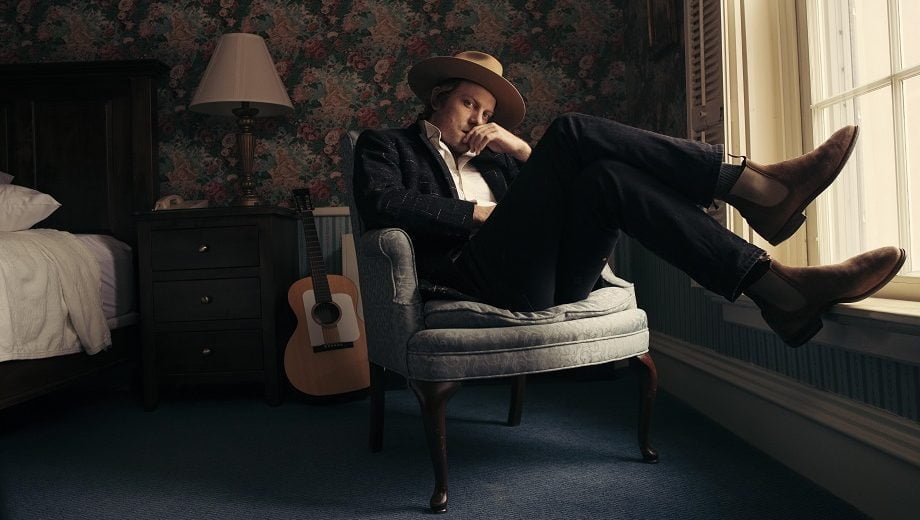
BGS 5+5: Dylan LeBlanc

Artist name: Dylan LeBlanc
Hometown: Shreveport, Louisiana
Latest album: Renegade
Personal nicknames (or rejected band names): My friends all call me D — my only nickname really 🙂

What’s your favorite memory from being on stage?

One of my favorite memories was from a few years ago in Norway and playing a big festival stage. I thought no one was gonna show up during our set and that we shouldn’t be playing the stage we were playing. But we walked out to a roar of thousands of people, I looked back at my drummer, Jon, and the rest of the band said, “All right, let’s let them have it!”

What other art forms — literature, film, dance, painting, etc. — inform your music?

Oh my god, I love literature and music from film, chamber orchestras, symphony. I love Martin Phipps, James Newton Howard, and Hans Zimmer. Music is so important when it comes to film and when I write I sometimes have a little movie playing in my head and imagine myself writing the music to it.

Music really transcends films and if we didn’t have it, the film wouldn’t be near as emotionally devastating, touching, funny, or lighthearted. I miss the long camera shots in movies when you could tell they weren’t working with more than maybe two cameras or sometimes one. You had to rely on the music, frame and emotion of the actor to make it come together.

It proves the theory that less is always more and you don’t need a whole bunch of gadgets and technology to make great art. You just need imagination and drive. I kind of take that philosophy with me in my own songwriting. I love imagery and I think that maybe my strong suit as a lyricist is creating strong imagery that has a feeling attached to it.

What’s the toughest time you ever had writing a song?

A lot of the songs I wrote for Renegade were tough because I was doing something new and had never written necessarily uptempo songs before. I found myself having to dig for inspiration and having to actually “work” for the first time at songwriting. But the reward of finishing these songs was immensely satisfying. If I got a song written in two days’ time of sitting there staring at a blank page I was jumping for joy.

I got frightened there for a minute that I would never write another song again. That’s when you gotta just sit down and make yourself do it, where discipline comes in. I’m the worst about procrastination and when things don’t come easy I very often lose focus, so it was a test of going against my nature and having to really make myself stay focused.

I kept a rubber band on my wrist and would smack myself with it every time I’d catch myself drifting during the writing of these songs. Ultimately I wrote twenty songs for Renegade alone and recorded ten. I wrote some really beautiful songs that didn’t make it that I hope to include on the next one.

Which elements of nature do you spend the most time with and how do those impact your work?

I honestly drive more than anyone I know. I love the deep, deep south, the moss on the trees and the murky water. I love the alligators and snakes. The snake is my spirit animal and at first I thought that was a bad thing but it actually just means that I always need to stay grounded. Any place where there is a rich history and stories of its own, inspires my work. They make me feel like there is an endless supply of stories to tell, of people who have felt what I’ve felt and seen what I have seen long before I ever felt or saw anything. I feel less alone. New Orleans, San Francisco, Charleston, Savannah, London, Paris, Amsterdam — these places always get me creatively flowing. Just passing through and seeing how much time has passed and how that hasn’t change them all that much.

How often do you hide behind a character in a song or use “you” when it’s actually “me”?

Very often, I hide behind characters more often than not. I think a piece of every songwriter goes into their songs. My friend Courtney Marie Andrews, whom I consider to be one of the best lyricists of our time, is really good at pouring herself into her songs, yet making them seem strangely relatable to everyone. She is one of the best at that and I can feel every word she sings. Then you have Jason Isbell who can listen to a story on NPR and then write an incredibly sophisticated and intricate song about a character to [the point] where you feel close to them while listening to the song.

I feel like I’m a writer who tries to achieve it all but ends up putting a piece of myself in everything, trying to hide behind the “you’s” and the characters [I] am writing about. I am very much still growing and learning how to be a good writer. It is a practice I will always be chipping away at for years to come.


Photo credit: Alysse Gafkjen

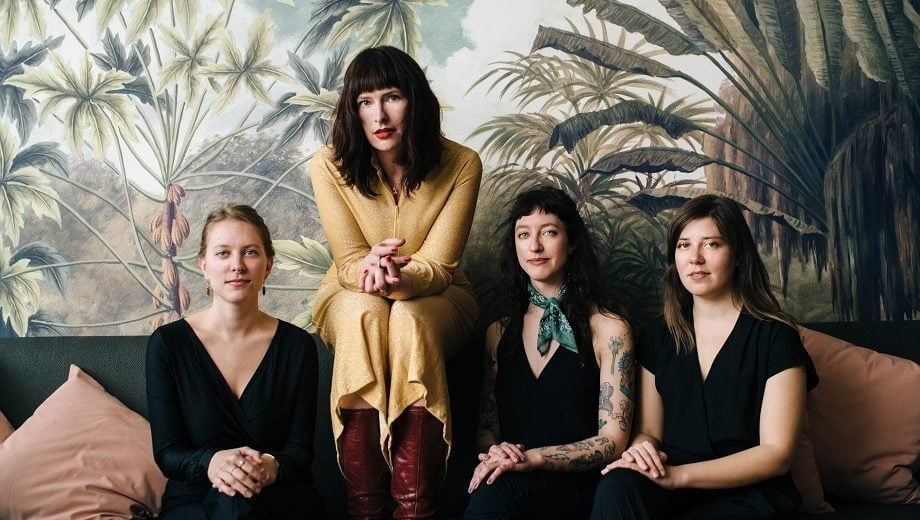
BGS 5+5: Her Crooked Heart’s Rachel Ries

Artist: Her Crooked Heart
Hometown: Minneapolis, Minnesota
Latest album: To Love To Leave To Live
Personal nicknames (or rejected band names): My choir calls me ‘Coach Racket’ or just Coach which is super sweet. (My sister calls me Racket because I make noise, despite being a generally quite quiet person).

What’s your favorite memory from being on stage?

I’m the founding director and choral arranger for a weirdo charming 60-voice indie choir in the Twin Cities. For our first season finale, I arranged a backup choir part for a song of mine called “Ghost” off my last album, Ghost of a Gardener. That moment there on the Icehouse stage [a venue in Minneapolis], when the outro hit and all the vocals coalesced into one determined statement of faith in humanity and purpose — holy is the best way I can describe it. I’ve never felt so proud, satisfied, gratified, faithful, boundless on stage.

What other art forms — literature, film, dance, painting, etc. — inform your music?

I very much enjoy using my hands to create things I find beautiful and pleasing – from linocut prints, hand-sewn CD sleeves, detailed pencil portraits, to homemade rhubarb sour cherry jam… While I can’t say these art forms inform my music, I steadily strive to find ways to merge the various expressions with my music. I make handmade editions of releases, draw portraits of my patrons from time to time, make jam to sell at the merch table… I used to be a fairly unhappy monochrome musician. It’s helped me immensely to find ways to bring more of my entire self to this music-presenting table.

What was the first moment that you knew you wanted to be a musician?

I have no idea what led up to this moment, but I clearly remember being a 4-year-old, the youngest daughter of Mennonite medical missionaries in Zaire, sitting on Sue’s lap in our little house in the village. She was my friend, minder, and a fellow mission-worker. I gazed up at her (I adored her) and declared “I wanna be a singer when I grow up.” I have no idea where that came from and why. But it sure stuck. It’s been my engine of purpose; my wheel of longing for as long as I have memory.

What’s the toughest time you ever had writing a song?

Ah the toughest time… When I was living in a relationship I knew in my core was not right for me; for either of us. The denial was deep and I wouldn’t let myself see it clearly, let alone articulate it. During that time, whenever I’d sit down to write a song, it was as if I’d lifted a manhole cover and this dark demon snarl of “Get me out / Run / Abort! Abort!” was trying to rush out and burn my life to the ground. So I’d quickly slam the cover back down and do something, anything else. Curiously, once I’d finally been honest, all those snarling sad song fumes just… vanished. They dissolved into the ether and I finally had songs again.

How often do you hide behind a character in a song or use “you” when it’s actually “me”?

Almost never. And if I do, it’s an intentional choice with a reveal at the end when the pronoun switches to ‘I’ and I claim my role within the song. If memory serves, I’ve played this card a few times, though, so I might have used up that hand…

But this links up with something quite important to me in songwriting – attempting to articulate universals with emotionally resonant specificity. “Pleasant Valley Reservoir” describes the day I got dumped and willfully got lost driving the backroads of Vermont. It ends with the lyric, sung almost as a dare: “Am I lost if it’s where I choose to be?” I’m the ‘I’ but that’s totally for us. It’s one of my favorite lines to deliver live. If I’ve done my job, I swear I can almost hear the click of recognition in the audience. Pronouns are wonderfully mutable at times.


Photo credit: Nate Ryan

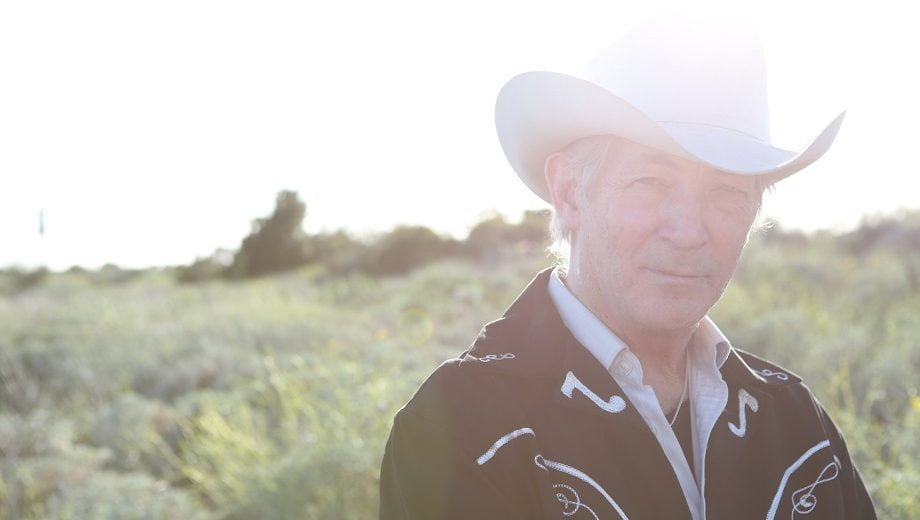
BGS 5+5: Doug Seegers

Artist: Doug Seegers
Hometown: Long Island, New York
Latest Album: A Story I Got To Tell (BMG)
Nicknames: Duke the Drifter (from the days on the NY music circuit, in the band Angels in Overdrive)

What was the first moment that you knew you wanted to be a musician?

I was born a musician and singer — genetically. At 16 I wanted to be a performer. My grandfather put me up on the bar at age 5. My feet dangling down swinging back and forth, he had me singing Elvis songs on the bar.

Singing was always beautiful to me and it was encouraged by my grandmother. Her singing with me provided comfort and supported me. Her encouragement was like water on a flower. She was watering my flower – see, the beauty of the vocals. My grandmother was an important part of my childhood, especially as it related my music and singing. She could hear a song and tell me how to play it on the guitar – she heard the music perfectly.

That support is what helped me know I wanted to be a musician; it was early. Performing gives me a great feeling and a huge smile now. I saw that in using melodies, the melodies come from our head and from God. Paul McCartney’s melodies are incredible and magical. David Crosby jokes about making “A bad song with good melodies and it will be a hit.”

What other art forms — literature, film, dance, painting, etc. — inform your music?

Religion. Poverty. Growing up poor. I don’t know how to put this into words, about how this informs my art and songs. My mom tried to talk me out of music as a career because of what happened to her. [Editor’s Note: Her husband abandoned her to play music.] My grandmother [was] a big influence for me. She loved the Beatles. In my eyes as a younger man, my granny was the first person to recognize the Beatles for their talent. We had a radio on the wall in her kitchen and so I remember we were waiting for the first Beatles record.

Our family did not have a record player. I remember me, my brother, and mother all chipped in and bought a record player because we wanted to play the first Beatles record. We looked in the Buylines, a newspaper with categories of things for sale. On the “stereos” headline, we found one real cheap. A monaural record player — one speaker. My older brother listened to that record player for at least ten years. We played the 78s, and I played the Hank Williams 78 my dad left behind. That is how I learned to play the guitar.

I am working on another song for my next record. A cover song by Sherry Cothran, “Tending Angels.” I want to do it out of respect for her. She ran a soup kitchen. We had dinners on Thursday nights – she would be there, I got to know her. I have been speaking to her on text. Here is something I wrote to her, ‘Hello Sherry, my name is Doug Seegers, and I used to eat at the Thursday night dinners. A friend was telling me that you are a singer-musician, I just wanted to tell you I spent this morning listening to your music. I wanted to tell you how much you have lifted my spirit this morning. The strength of your humbleness is probably one of the world’s best-kept secrets. I wish you peace and tranquility ‘til the day after forever.” Guess that was a little too much for her, she responded with ‘Thank you for your kind words.’’

How often do you hide behind a character in a song or use “you” when it’s actually “me”?

In some of my songs, I am clear it is me, like in “Out on the Street.” It’s a story about my brother and me. The song starts with Well, I found my wisdom when I was a child out on the street / growing up without my father made my life so incomplete.

This sets a foundation for another song, “Angel from a Broken Home.” This song is important to me. It is a message for fathers to pay attention to their precious children. The song is written about an 8-year-old little girl whose father left her all alone. The lyrics are:

She always got a busy tone
Calling her daddy on the phone
How could he ever treat his girl this way?
She is 8 years old with a broken heart.
How could her daddy be so hard?
Yet every night she forgives him when she prays.
Well she’s an angel from a broken home
Growing up with a heart of stone
Lost her love for her daddy
When he left her all alone.

This is my story. My father left me when I was 8 years old, but I wrote it about a little girl.

Which artist has influenced you the most … and how?

Gram Parsons influenced me. I was listening to all of the early country-rock bands, and Gram was a member of the Flying Burrito Brothers. I particularly like Gram Parsons when he did that song “Do Right Woman.” I thought that was an awesome song. It is an Aretha Franklin song — he turned it around. What Gram was trying to do was fuse different styles together and that is why he was so inspirational to me. I never saw him live but listened to him and knew his songs.

After Flying Burrito Brothers, he did that thing with the Byrds, the Sweetheart of the Rodeo record. That just opened up the sky for me when I heard that record. When Sweetheart of the Rodeo came out, that was the real beginning of me listening to Gram Parsons’ music. And then shortly after that along came Emmylou Harris. They went on the road as the Fallen Angels. That was back when country-rock was being born. It was real inspirational for me.

Then I have always loved duets, you know. I have been listening to and loving duets all my life. I think Gram and Emmylou are like the prettiest duets I have ever heard. Listening to them became an addiction at that point. Their duets that really speak to me include “She” — that is on my first album. I was so pleased to have Emmylou provide vocals and sing on my record. The other two duets that stand out for me are “Hearts on Fire” and of course “The Return of the Grievous Angel.”

One Gram song that rattles around in my head is “Hickory Wind.” Back in the day that is what all the cool guys were playing. When Emmylou came along, the big chart-topper was “Love Hurts.” I still love all of his music. I went to Joshua Tree to visit Gram’s special place. It was a wonderful experience for me. There are some videos of me at Joshua Tree Inn, where Gram passed.

What rituals do you have, either in the studio or before a show?

I want to make sure I am alone when I write songs. I need to get some alone time. Secure privacy and safety. I need to have my own time, space, and privacy when writing. Some will get a cabin in the woods. But not me. I wake up with an idea and a song might be there. I write it when it happens, you just got to get a hold of it then. Someone can react to me — maybe get angry, I can write a song about that.

When I listened to Sherry Cothran’s song ‘Tending Angels,’ I knew it was the right thing to do, and I needed to learn that song and record it. I wanted to pay respect to someone special. I use a notebook and a fine tip marker. That is how I like to write — quiet, alone, with a fine tip marker.


Photo credit: Nelson Blanton
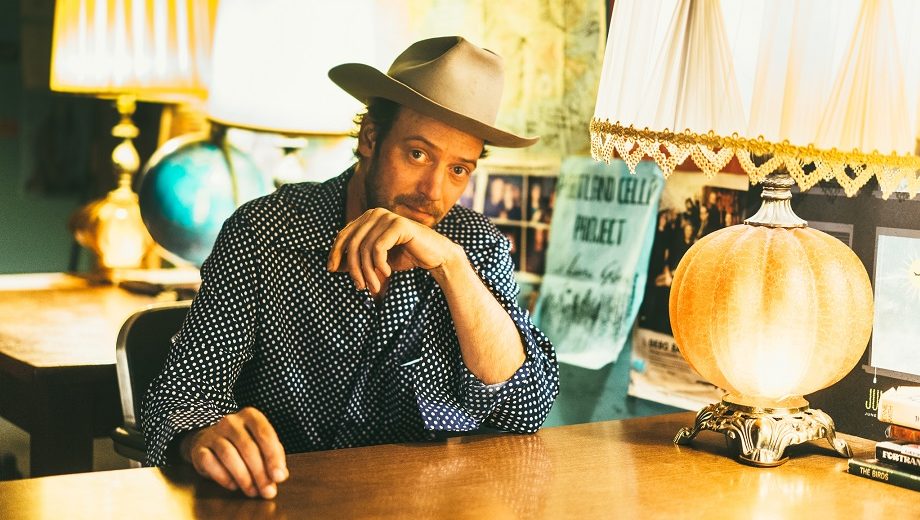
BGS 5+5: Chris Shiflett

Artist: Chris Shiflett
Hometown: Santa Barbara, California
Latest album: Hard Lessons
Personal nicknames (or rejected band names): Shifty, Jake Jackson, Boat Plastic

What other art forms — literature, film, dance, painting, etc — inform your music?

I remember a few years back I realized that I only ever read books on current events, history, politics, etc… and wasn’t reading much fiction, so I dove into some classics and took a couple creative writing classes. You have to put good ingredients into your brain to get the ideas flowing.

What was the first moment that you knew you wanted to be a musician?

It was the summer between 8th and 9th grade. I went to visit a friend of mine down in Los Angeles and it was right when the glam rock thing was kicking off in the mid-’80s. We walked all over Melrose and everyone looked like Hanoi Rocks. I was hooked.

What’s the toughest time you ever had writing a song?

If a song is too hard to write than I usually give up. When they’re too labored they never sound very good.

Which elements of nature do you spend the most time with and how do those impact your work?

I try to surf as much as I can. Sadly, it’s never enough. I don’t know if there’s a direct correlation to song writing but surfing just makes me happy. Puts me in a good frame of mind.

How often do you hide behind a character in a song or use “you” when it’s actually “me”?

Almost never! I’ve tried writing songs in character but they never seem to come out very good. I think sometimes we all use “you” when we mean “we” but that’s just life, right?


Photo credit: Brantley Gutierrez

BGS 5+5: Eleni Mandell

Artist name: Eleni Mandell
Hometown: Los Angeles, California
Latest album: Wake Up Again

What’s your favorite memory from being on stage?

One of my favorite memories from being on stage is from Munster, Germany. For a few years a man named Volker would show up to my shows in different countries and come to say hello to us, the band and me, after we performed. He had an interesting look and demeanor, so we used to try and guess what he did for a living. I think we decided he must be a race car driver or some other exotic career. It turned out that he was the lighting guy for a special theater in Munster called Pumpenhaus. It was an incredible cultural center that focused on producing plays with adults with special needs. I believe that some were residents at the local mental hospital.

Volker, the fan that showed up in different countries, talked the theater into having me play a show there. I believe I was the first musical artist ever to perform there. I developed a special relationship with Pumpenhaus and the people who worked there. One year, one of the actors who also helped around the theater, an adult with special needs, jumped up on stage right after I finished and kissed me on the cheek. Everybody laughed and cheered. His name was Guido. It could have been weird but it wasn’t because the feeling in the room was so positive.

At least an entire year later, possibly longer, we were back in Munster for a show. They treated us like kings there. It always felt like a wonderful reunion and party. Guido came backstage before the show and shyly handed me a present. It was a framed photo of him kissing me on the cheek. I keep that photo on my mantel at home to remind me of the connections you can make with people through music.

What was the first moment that you knew you wanted to be a musician?

I knew I wanted to be a musician the first time I saw the band X perform when I was 13 years old. I had already played violin and piano since I was 5 years old and I distinctly remember wondering how I could write songs and sing with the violin. I always loved singing. My mother finally allowed me to quit classical music at 13 years old. I discovered X through one of the “bad” girls at school. Their sound and lyrics hit me on a gut level that I can’t articulate. I remember looking at them on stage and thinking, “That’s what I want to do.” The wonderful thing about this is that so many years later, John Doe (singer, bass) and D.J. Bonebrake (drums) are both acquaintances of mine. I’d like to say they’re friends but I don’t want to brag.

What’s the toughest time you ever had writing a song?

I’m not sure about the toughest time I had writing a song. Sometimes I have an idea, or am inspired by a word, and then write something that is just terrible and throw it away. Sometimes I don’t throw it away but wish I had. I do remember, though, that I had an old boyfriend that was into vintage motorcycles and trucks. He was always talking about nickel plating the tank of his bike and what kind of truck he’d get, a fleetside or stake bed. Those words made me so curious. I was also in love with him and heartbroken by him all the time. I wrote the title, “Nickel Plated Man,” on top of one page and then another and another and another. I tried a million ways to write that song. I’d write it, turn the page and try again. It just never seemed to work.

Finally, the song fell on the page in 5 minutes, but it was probably a year after I first tried to write it. It came when I started plucking out those notes that repeat throughout the whole song. That is probably my most enduring song and one of the first I wrote. I’m still very proud of it. It’s also a song that Tom Waits said he thought was cool (message delivered by a mutual friend). It takes me back to a time in my life and a person that I knew (and still do). I love that about music, that it can create a whole world full of memories and feelings. I guess the lesson is that sometimes the songs that are the hardest to come to life are the ones that stick with us the longest.

What rituals do you have, either in the studio or before a show?

My rituals before a show are not cool or romantic. I like to get one drink that I sip on throughout the night, usually bourbon. I’m not a big drinker at all but sipping a bourbon on ice puts me in the mood to perform. I need it less and less as I get older but I still like the taste and the warmth. My number one ritual, and the nerdiest of all, is that I have to brush my teeth before I walk out on stage. My father was a dentist and I worked for him after I first graduated college. I am serious about proper oral hygiene! The last thing I want to do is taste food while I’m on stage or breathe on a fan after a show. Now everyone knows. Maybe people will start bringing me toothbrushes. I also always go and hang out at the merch table after shows. I love meeting people and seeing the same people around the world over the years.

What other art forms — literature, film, dance, painting, etc — inform your music?

I feel like any artist learns and grows by experiencing art. I am a word person. I love words, the way they sound or feel in your mouth and the variety of meanings they have, in English or other languages. I love translations bouncing back from one language to another and how that can change or enhance a word for me. So, that said, I think literature always influences my work because when I read a word or combination of words or phrases in literature, I am undoubtedly influenced and inspired.

I also love photography and old movies. I am always inspired by great art that sucks me in, like an Ansel Adams photograph I saw recently at a museum. The intensity of the light and shadows made me fall in love. That euphoric feeling makes me want to pick up a guitar and sing.


Photo credit: Max Gerber

BGS 5+5: Ross Holmes

Artist: Ross Holmes
Hometown: Fort Worth, Texas
Latest album: Not Very Good at Winning
Nickname: ‘Rooster’ is a nickname that has lingered since the glory days of Cadillac Sky.

What’s your favorite memory from being on stage?

I can’t say I have one favorite memory from being onstage, but I do have a great story about a particular gig in late 2014. As a native Texan, there isn’t a more sacred shrine than the Alamo. I’d been invited to perform at an annual ceremony in March of ’14 inside the Alamo chapel. I wound up composing an original piece an hour before the event honoring those who perished in the fight.

An iPhone recording I made of the piece, “We Fall a Sacrifice,” made its way to Phil Collins (who is an avid collector of artifacts from the battle of the Alamo and war for Texas independence), and I was invited to perform this tune again at a ceremony honoring Phil for the donation of his extensive collection to the state.

We took it a step further and, with permission from the Witte Museum in San Antonio, borrowed Davy Crockett’s supposed fiddle for the gala. Here I was, onstage with Crockett’s fiddle at the Alamo, playing this piece I’d written, in the presence of presidents, politicians, astronauts, sports legends, and recognized Texans. My sister, Katie Shore (Asleep at the Wheel), joined me for the set and, to this day, we still laugh at the absurd “WTF just happened” of that evening.

What other art forms — literature, film, dance, painting, etc — inform your music?

Imagery and color stimulate my musical thinking the most. I often turn on films or pull out prints of my favorite artists to glean inspiration from their creativity while I practice. The imagination of others is revelatory and channeling the intent of these minds has helped me grow as a composer and player.

Try this sometime: turn on Planet Earth, mute your TV, and play a soundtrack for the episode as you’re watching. Let the dynamic environment of each scene take you to a place of quiet calm or intense fear. You’ll be amazed at what comes out, maybe a familiar idea you filed away will emerge again, or maybe a new melody or groove will come to you. If anything, it’s really fun to provide fiddle accompaniment to snakes chasing lizards and sloths chilling on a branch.

What rituals do you have, either in the studio or before a show?

I don’t have a set routine when I record or when I take the stage, as those environments are always changing. I do, though, have a special relationship with my case and the process of opening it and taking out my violin and bow. My case is my home-away-from-home and inside I keep a small, personal collection of memories. I find it’s a spiritual experience to unlatch and lift the lid, remove the blanket over my violin, and prepare my heart and mind to play. Those first moments are filled with thoughts and energy, like a prayer, and the respect I show my instrument feels like an abiding friendship when the first notes come so easily.

If you had to write a mission statement for your career, what would it be?

Early in my career I focused, obsessively, on being the “best” player I could be — the most technical, cleanest, impressive, etc., because I felt those skills would prove to listeners I was “elite.” Time has gone by, life has happened, victories and losses, the ups and downs that come with this profession, then something clicked a couple of years ago. I arrived at a point where I didn’t care about being the “best” anymore (thank god), and a new word replaced that selfish adjective — HONEST. I will always push the limits and challenge boundaries, but now my heart’s desire is to simply be the most honest musician I can be. That’s my mission statement, “In all things, be honest.” That’s it.

Which elements of nature do you spend the most time with and how do those impact your work?

There’s no hiding that I’m a bona fide space junkie, completely taken with the cosmos and the notion of leaving earth on the greatest adventures to explore the deep expanse of our universe (I have a tattoo of the Apollo SM, CM, and LM on my right arm). We can’t see beyond blue skies during the day, but we know endless creation is still above us. When night falls and the sky is peeled back, the heavens are once again revealed and we sit and gaze at the mysteries between the stars.

The relationship between mankind and space and music is intrinsically linked because of curiosity and our need to explore. The greatest composers and players continue to seek new heights with their melodies, chords, and expression because that is our nature, journey to the new place. What will beings find on that golden record affixed to Voyager? Bach. Chuck Berry. Blind Willie Johnson. The human voice.


Photo credit: Allen Clark

BGS 5+5: Kirby Brown

Artist: Kirby Brown
Hometown: Nashville, Tennessee (by way of New York City; Dallas; Sulphur Springs, Texas; and Damascus, Arkansas).
Latest album: Uncommon Prayer + new EP, Dream Songs out June 7, 2019
Personal nicknames: Kirbs, KB, Corbin Biscuits (hi, Matty!)

Which artist has influenced you the most … and how?

I could never narrow it down that far, so [I’ll] touch on a few here. Joni Mitchell, for her ability to be raw and personal while simultaneously touching on something emotionally universal. Townes Van Zandt, because nobody else could make plain language sound so sacred. I love Randy Newman for the juxtaposition of his complex sense of character development with the simple familiarity of his melodies. John Prine is the master of using levity to disarm you in one line, only to jab the dagger through your heart in the next. All of these have made a lasting impact on my approach to the song craft, but I could go on and on. Of course, I probably can’t escape the influence of my musical surroundings growing up: country gospel, ‘90s alternative, the radio.

What’s your favorite memory from being on stage?

My friend Dylan LeBlanc took me as solo support on his European tour in Fall 2017. There were several “wow” moments on that tour, but I specifically remember a show at Pustervik in Gothenburg, Sweden. The venue was perfect, the sound was on point, and the audience and I just felt like we had something special going on. It was one of many magical moments on that run. There’s something to be said for European audiences’ capacity to tune in and really “go there” with you. I’m so thankful for that, and I’m looking for any excuse or opportunity to go back.

What other art forms — literature, film, dance, painting, etc. — inform your music?

After my parents split up, I’d only see my father every so often. He’d gone back to college as an English major and (I think) rediscovered a lost interest in literature, specifically poetry. For that reason, many of our visits would come back to whatever he was reading at that time. He gave me Norton’s Anthology of Poetry when I was nine years old, and so began a lifelong journey with language and how we use it. I’m still walking down that road — this year’s focus has been Maxine Kumin, Donald Hall, and Anna Karenina. Film-wise, I once went through a period when I was trying to learn a second language and watched only Spanish-language films for a year. I found one of the songs I recorded on my new EP in an Almodóvar film, and it has haunted me ever since. Lately it’s been Westerns by John Ford. I digress… I guess we’ll save painters for our second date.

What’s the toughest time you ever had writing a song?

Aren’t they all tough? Not really, I guess they do come fast and easy sometimes. Still, the longer I do this the more pressingly I feel the need to filter myself. This is for the best I’m sure, but it does make the writing slower and more arduous. I carried around the phrase “a Playboy for the interviews, a Bible for the maps” for the last three or four years. I don’t even know why, maybe I thought it was funny? Anyway, it only recently found a home in “Little Miss” from the new Dream Songs EP. I don’t even know if it works. Either way, at least I’m not toting it around anymore.

How often do you hide behind a character in a song or use “you” when it’s actually “me”?

All the time, honestly. I approach most everything I write like it’s fiction: made-up characters and stories, some conversation I heard in passing, etc. But somewhere along the way it almost always ends up being me or someone I know or some synthesis of all the above. Still, I don’t think it’s hiding, maybe it’s just a very effective trick I keep playing on myself. Mark Twain has a quote attributed to him about “not letting the truth get in the way of a good story.” I tend to believe that it’s best to not let a little fiction stand in the way of the truth — even if it’s the hard truth about yourself you weren’t ready to hear.


Photo credit: Jacqueline Justice

BGS 5+5: Frankie Lee

Artist: Frankie Lee
Hometown: Pampa, Texas
Latest album: Stillwater
Personal nicknames: frankly, Frank Ely, bolo

Which artist has influenced you the most … and how?

My mother. Anyone who can raise three children on their own, work in public health and provide a foundation for free thought and exploration is going to an influence you. She also makes time for music as a spiritual extension of our souls and sings from her experiences. Unlike most parents of today who hand their kids phones and let them listen to garbage all day and buy them Beyoncé tickets to make up for their non-present parenting styles. She showed us a way into music and it wasn’t through a screen or a wallet

What’s your favorite memory from being on stage?

I once sang “Let’s Get It On” in a biker bar outside Missoula, Montana. Drank for free that night…on the house, let me tell ya. You want an honest reaction to drunk divorcees butchering classic songs, you don’t have to go to Tokyo, you go to the Chug n Loaf outside Missoula, Montana.

What other art forms — literature, film, dance, painting, etc — inform your music?

I like comedy. I like what comedy brings out in people. The tragedy of life. The weak spirits having truth shoved in their face from the dog dish of life. They cry out in despair and demand censorship and apology. Plus, the sound of laughter is very hard to fake and I feel it brings the heart in people together. Nothing is funnier than the truth, as the saying goes…and the world has become so truly absurd, all one can do is laugh.

Which elements of nature do you spend the most time with and how do those impact your work?

Any tree or flower or weed that cracks through concrete. I like things that find light, those who reach for something above where they were planted or from what seed they were sown. We’ve tried to cover this country in concrete. There’s a lot on the surface of it…but last night’s vomit will sprayed away, some dead dogs paw prints will be jackhammered to dust, the blood will run into the gutters and the city will crumble back down to dirt.

Since food and music go so well together, what is your dream pairing of a meal and a musician?

I’d love to be backstage with any of today “stars” and see how they react when they don’t get what they want to eat. I’d love to be in the same room with any “musician” who complains about food when their job is to stand on stage and spin around to a backing track and make more money in a night than an entire hospital staff of nurses do in a year. Perhaps the water is too warm or the vegan wings aren’t dressed right. Maybe someone’s allergic to nuts! Can you imagine what a dream that would be?

BGS 5+5: Carl Anderson

Artist: Carl Anderson
Hometown: Charlottesville, Virginia
Latest album: You Can Call Me Carl (EP release, May 31)
Personal nicknames (or rejected band names): BIG CARL

Which artist has influenced you the most … and how?

I’m not sure I can point to any one artist as being my main influence. Growing up my mom would listen to folks like James Taylor, Simon & Garfunkel, Joni Mitchell, and a handful of other singer-songwriters. At the same time I was also heavily influenced by what my sister was listening to and that was more along the lines of The Smashing Pumpkins, Rage Against the Machine, Weird Al, The Beatles. Some of it I was really moved by, other stuff not so much, but I took it all in nonetheless.

What’s your favorite memory from being on stage?

I had the opportunity to tour around the United Kingdom and Germany this past August with my friends, Sons of Bill. I would have to say my favorite recent memory of being on stage came during a performance in Munich. I remember really connecting with the audience that night and thinking how special it was that here we were, a couple of Virginia boys far from home playing songs that at one point didn’t exist. That night we got what anyone who does this can really ask for and that is an audience’s undivided attention.

What other art forms — literature, film, dance, painting, etc — inform your music?

I am influenced by all sorts of different art. I like to think of it as all being valuable source material. In the last few years I began painting on a semi-regular basic and have enjoyed learning about different painters throughout history and how they worked. I like that Mark Rothko kept traditional office hours while he worked on the Seagram Murals. I’ve taken to such a schedule with my writing and it has actually worked quite well for me.

What was the first moment that you knew you wanted to be a musician?

I remember sitting around with my mom and sister when I was in middle school and listening to the first Nickel Creek record and being moved by the songs. I think it was in that moment that I knew I wanted to try and affect people like that. I had started learning a little guitar prior but hearing that music and getting goosebumps that put fuel on the fire. I was on the path from that point forward.

If you had to write a mission statement for your career, what would it be?

I think my mission is simple. I want to try and write honest songs and be as earnest with people in my performances as I can. I am just a man who, like everyone else, is insecure and looking for love. I feel like I am able to share parts of myself with my music that are otherwise difficult to articulate.

BGS 5+5: The Dead South

Artist: The Dead South
Hometown: Regina, Saskatchewan, Canada
Latest album: Illusion and Doubt
Personal nicknames (or rejected band names): answers by Colton “Crawdaddy” Crawford

Editor’s Note: Look for The Dead South at the Blue Ox Festival, held June 13-15 in Eau Claire, Wisconsin.

What other art forms — literature, film, dance, painting, etc — inform your music?

We’re all big movie fans. We love Quentin Tarantino, Sergio Leone, Wes Craven, etc. Those guys make awesome movies with killer soundtracks. Scores from films such as these have been a big influence on our music from the start. Having a cello can add an orchestral feel to the band, and we try to arrange our songs to include a lot of instrumental parts. It’s been a dream of the band to write a score for a film someday.

What rituals do you have, either in the studio or before a show?

Before the show, we get dressed, listen to System of a Down, and maybe enjoy a whiskey or two. Right after we get off stage, we head straight to the green room and listen to Afroman. Then the lineup for the shower begins.

Since food and music go so well together, what is your dream pairing of a meal and a musician?

I would love to eat a Donair with Tom Waits.

What’s your favorite memory from being on stage?

The scene that always jumps to mind is the first time we ever saw people we didn’t know singing along to our songs. It was a show at the Owl, the university bar in Regina, and there were some people right up front who knew the words to all of the songs. After the show we all asked each other whose friends they were, thinking strangers couldn’t possibly know our music, but they were unknown to everyone in the band.

How often do you hide behind a character in a song or use “you” when it’s actually “me”?

Most of our songs are stories about fictional characters, or sometimes exaggerations of ourselves. We don’t have too many songs, if any, that are meant to be taken literally. As I mentioned earlier, we all love horror and western films, and we draw a lot of inspiration from those films and those characters when writing our songs. We try not to take any of it too seriously and always try to keep an element of comedy (sometimes very dark comedy) in our songs and performances.


Photo credit: Brandon White