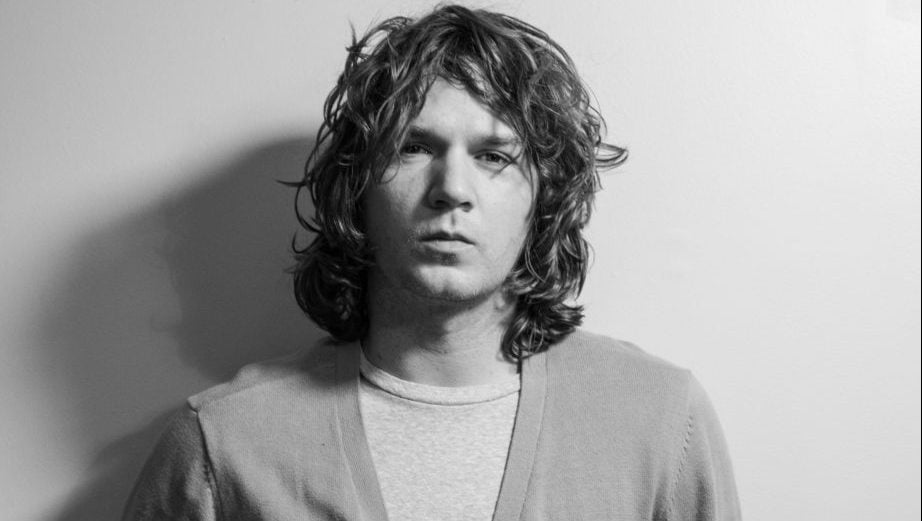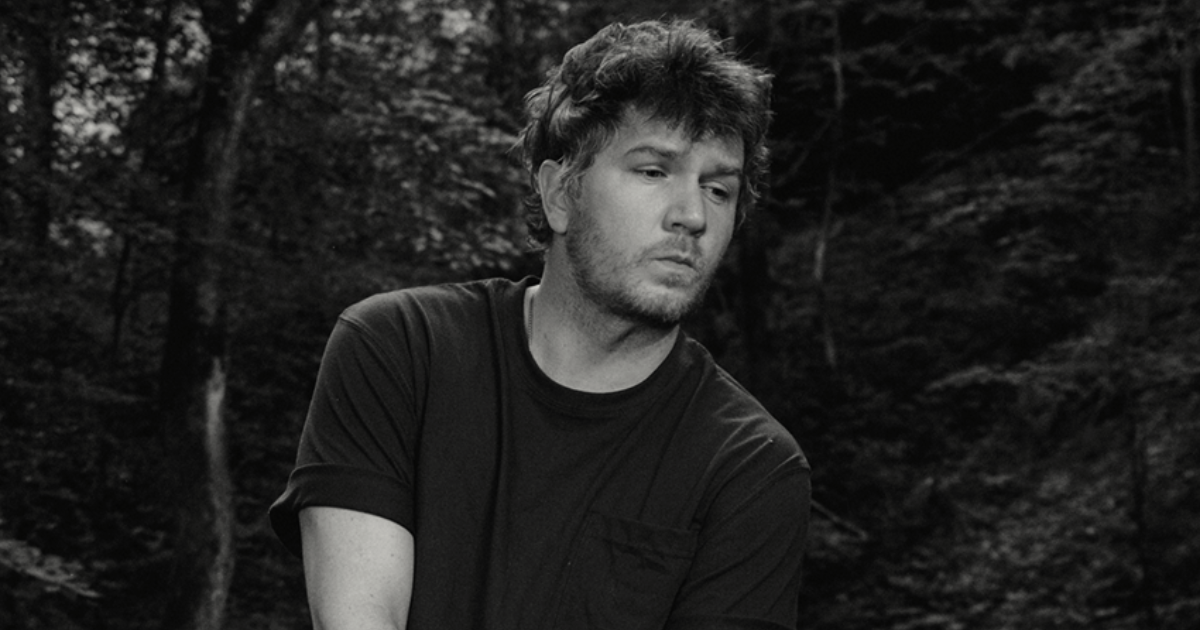
Ian Noe’s Imagination Runs Wild

After a four-year wait between albums that included concert cancellations due to mental health struggles and a broken wrist, Ian Noe returns in full strength on Canyon Falls Trailer Band. The bold and exploratory project centers around an imaginary band that takes to the bright lights of Nashville for one night and one night only in search of industry approval.

With tear-in-your-beer tunes like “She’s Familiar (In the Strangest Ways)” as well as stories about peculiar mountain folk just trying to get by (“Redneck Mess”) and putting LSD on bananas (“Another Night Like That”), Noe’s mind runs wild throughout the album, which he recorded at The Bomb Shelter studio in Nashville with producer Andrija Tokic.

Although the Kentucky native has called Bowling Green home for over a decade, Noe says that the new album’s name comes from a small town about 15 minutes from his hometown of Beattyville in Eastern Kentucky called Canyon Falls. Noe grew up going there to hang with friends, but he didn’t include it in the album title based on nostalgia alone. He simply just thought it sounded good.

“I wrote the song about three and a half years ago and have played it at most of my shows since then,” Noe says. “As for the concept, I can’t remember when I decided to move ahead with the album like that, but I will say that it’s not my first song with Canyon Falls in the title. I have an old song called ‘Canyon Falls Bound’ that I recorded in Louisville 15 or so years ago. There’s a couple other songs I’ve mentioned it in as well, but they aren’t recorded yet and I barely play them live.”

Ahead of the album’s release, Noe spoke with BGS about the origins of his imaginary band, how honky-tonk star Gary Stewart and Nashville songwriter Craig Wiseman influenced the project, and where he got the idea for a lady of the night to take center stage in one of his songs.

BGS: What was this idea for an imaginary band playing one night only, looking for industry approval, born from? Was it a disdain of the music industry?

Noe: There’s no disdain at all. I just started knocking out song after song, knowing [“Canyon Falls Trailer Band”] was going to be the lead track and title of the record, so I wanted to have fun with it. Even though they are only playing for one night, they’ve been working at it for a long time and wrote all kinds of different songs. Some stuff they’re throwing at the wall and on many of them they don’t even have real instruments.

What do you mean they don’t even have real instruments?

If you look closely at the album cover, all the people on it in that “band” are actually my friends from back in Canyon Falls. The whole thing is a recreation of the second verse of “Canyon Falls Trailer Band” where everyone’s playing their instruments, but the only real one is a banjo and the rest of it’s weird objects like barbed wire, a torch, a lit Marlboro cigarette being tapped onto a Mountain Dew can and a windshield wiper that I’m waving around like a conductor. Then we made everyone but me look like silhouettes to play into the imaginary band dynamic even more.

Would you say the song “Kickin’ It in Nashville” is almost like an origin story for your imaginary band?

It is! And going back to what you said earlier about a disdain for the music business, it’s not really about me even though I did come from Kentucky with a Martin guitar like the song mentions. It’s really just a universal story about going to Nashville with the hopes of making it big. The main character in it is the same guy that on the song “Canyon Falls Trailer Band” is trying to jump on stage and join the band, then at the end of the record on this song he’s moving down to Nashville for good to play with them. For the most part though, it’s all fictional. I’ve not spent much time in mainstream Nashville but I just thought it was a funny song and one of the most different ones I’ve ever written.

You recruited an all-star cast of musicians for this imaginary band of yours. Tell me about them?

You don’t do anything alone, so to have everyone we did on this record was a blessing. I have my producer, Andrija Tokic, to thank for all that. I had recorded a couple songs before with Billy [Contreras on fiddle] and always wanted to let him stretch out more, which he did all over Canyon Falls. Then when I finished “She’s Familiar (In the Strangest Ways)” I sent [Andrija] the demo and told him I wanted some country, cross harp harmonica on it because I’d never had one before. I wanted that late ‘70s, early ‘80s vibe to the song and he nailed it, bringing in Charlie McCoy to fill the part.

I remember wondering if he’d actually show up to the studio to record with us. I was standing outside waiting when he came around the corner carrying his harmonica case. He had to be at the Grand Ole Opry in an hour and a half but was so courteous and professional, knocking out his part in just two passes. He’s easily my favorite country harmonica player of all time, so having him be a part of this was a real treat.

This was your third time working with Andrija. What drew you back to him, and is there any new ground you feel like y’all broke together this time around?

He’s very good behind the board and knows what goes where. We’ve always worked well together, but we’re not consciously saying out loud, “Let’s make sure we do this or that.” We’re just trying to match in the studio how the songs sounded in my head. Because of that we stretched out the tunes on here more than on any other record I’ve done. There’s also a lot of harmonies on this album and I’m a big lover of the French horn, so we put some of those on “Tobacco Moon” as well. I wouldn’t call that one breaking new ground, though, because we also used the instrument on [the 2022 album] River Fools & Mountain Saints with “One More Night,” but it was fun to revisit again with all the other experimenting we were doing this time around.

On River Fools & Mountain Saints you recalled rising waters on “Road May Flood / It’s a Heartache.” Is “Kentucky Hurricane” from the new record a similar story of making it through a natural disaster?

Not at all. That one’s actually about a semi-truck driver who has become obsessed with a lady of the night who goes by the name Kentucky Hurricane. “One by one they slide in hot / Crowding up the parking lot / Darling, how I wish they’d let you be.” He loves her, only sees her, and wants her all for himself. The song started with the melody, then I had Exit 22 [which he mentions in the song’s first verse] on my mind because it’s where I get off the highway coming home to Bowling Green and the song took off from there.


View this post on Instagram


A post shared by Ian Noe (@iannoemusic)


I understand that the song “The Heidelberg Fisherman’s Ball” was a catalyst for much of this record’s sonic palette. Care to explain?

Heidelberg is a place located about 15 minutes from where I’m from in the opposite direction of Canyon Falls that has a lock wall where people fish. Last summer I was sitting there picking a minor chord and was beginning to get a bit bored and frustrated with it, so I began watching videos of Craig Wiseman on YouTube. He didn’t give a whole lot of interviews, but I did find one where he gave a speech on self-awareness and not overthinking that really struck a chord with me. It’s something I heard at just the right time, so after watching it I shut the phone off, began playing what became the opening riff to that song and quickly wrote it.

Earlier you mentioned going for a late ‘70s and early ‘80s vibe with “She’s Familiar (In the Strangest Ways).” I couldn’t help but pick up a Gary Stewart sound when listening to that tune. Would you say he was an inspiration for it as well?

110 percent, that’s exactly what I was going for. I was listening to a lot of early Gary Stewart and even George Jones’ I Am What I Am record, the latter of which Charlie McCoy is all over. I love writing narrative songs and am a sucker for trying to come up with crazy characters. That being said, the song is very short on paper and naked in the lyrics, so I didn’t want it to be out of place on the album. It’s easily the most straight-up country song I’ve ever written.

“Whiskey to Work” also seems like a very Gary and Jones-esque tune. Would you agree?

I’d absolutely put them in the same category. I was listening to a lot of [Jones’] “She’s My Rock” when writing that one. Neither song runs over three minutes but both get the job done. I’m hoping to get [“Whiskey to Work”] on one of those compilations where every song mentions beer. [laughs] I’d never written a song before with beer or Jack Daniel’s in it. It’s an old country trope but you can revive any of that stuff as long as the melody’s right.

This album has been described as the conclusion of a trilogy of projects dating back to 2019’s Between the Country. When did you realize this was the case, and where do you go from here?

I didn’t recognize that until I was almost completely done recording. We were getting ready to send the record off for mastering when I first noticed that my last three albums all focus heavily on subject matter related to Kentucky. I’ve written a lot about where I’m from and I’m not necessarily done doing that, but when you write as often as I do naturally you’re going to move into different territory at some point.

Ultimately, I’m just wanting to be in the studio as much as possible putting out more records. It was a four-year wait to release this record, and typically I don’t like to harp on things that much. And I actually already have my next record done, so you definitely won’t be waiting that long to hear from me again.


Photo Credit: Jace Kartye
A Country Road Trip

Editor’s Note: Each issue of Good Country, our co-founder Ed Helms will share a handful of good country artists, albums, and songs direct from his own earphones in Ed’s Picks.

Asleep at the Wheel

Among the many excellent Texan country & western bands Asleep at the Wheel have been standing tall for more than 50 years. Their new album, Riding High in Texas, collects ten of the best songs about the state from some of country’s most iconic artists and writers – and it features quite a few stellar guests as well, like Lyle Lovett, Brennen Leigh, and Billy Strings.


The Creekers

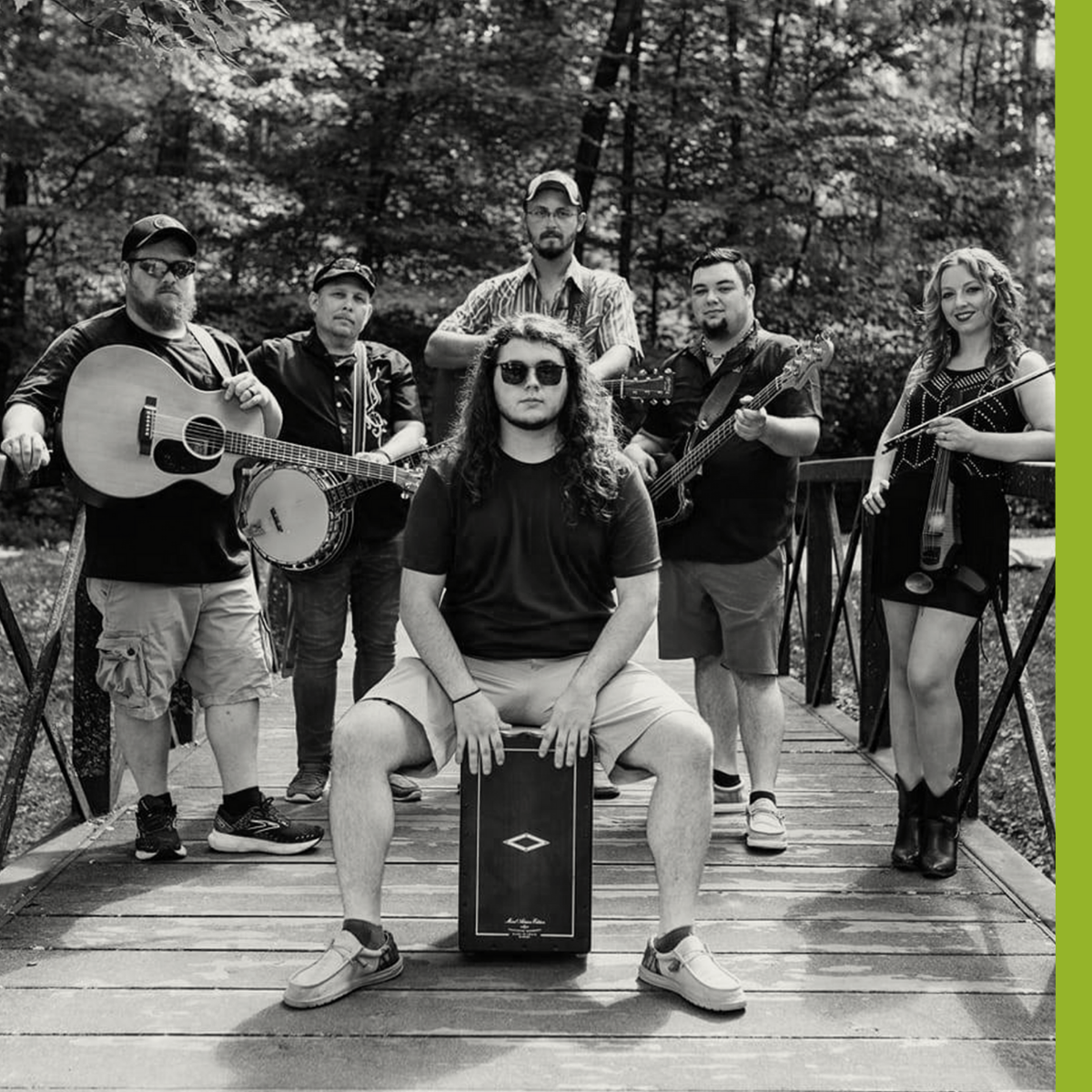
A few short weeks ago, no one would have faulted you for not knowing who Eastern Kentucky bluegrass band the Creekers were. Now, their track “Tennessee” is seemingly everywhere on the internet. The song has been used on more than 36,000 TikTok videos and the group has quickly amassed upwards of 60,000 followers on the platform – plus, “Tennessee” has been streamed more than 3 million times on Spotify and has racked over half a million spins on YouTube! Let the catchy tune do the explaining why.


KIRBY

Here’s some Good Country! Now, it’s true not every track from this Mississippian genre-bender’s brand new album, Miss Black America, would be “permissible” on country radio, there are still plenty of rural, down-home, red clay, Americana moments throughout this impeccable collection. From the visuals of the album and her social media accounts to tracks like “The Man,” “Reparations,” “Mama Don’t Worry,” and “Thick n Country” it’s clear KIRBY and her material would fit right in alongside the best of today’s pop country and country trap – and would certainly outshine most songs in those subgenres, too.


Sabine McCalla

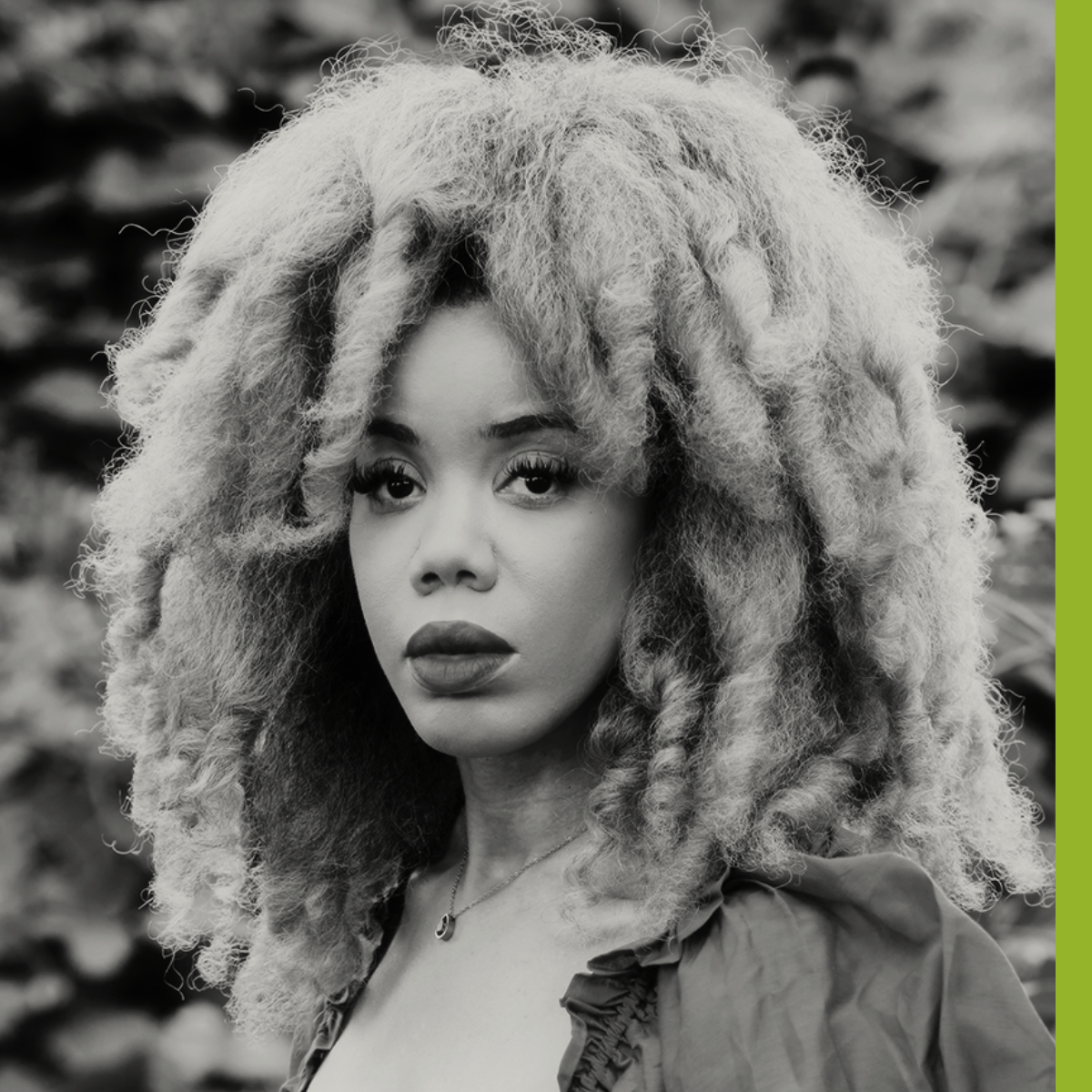
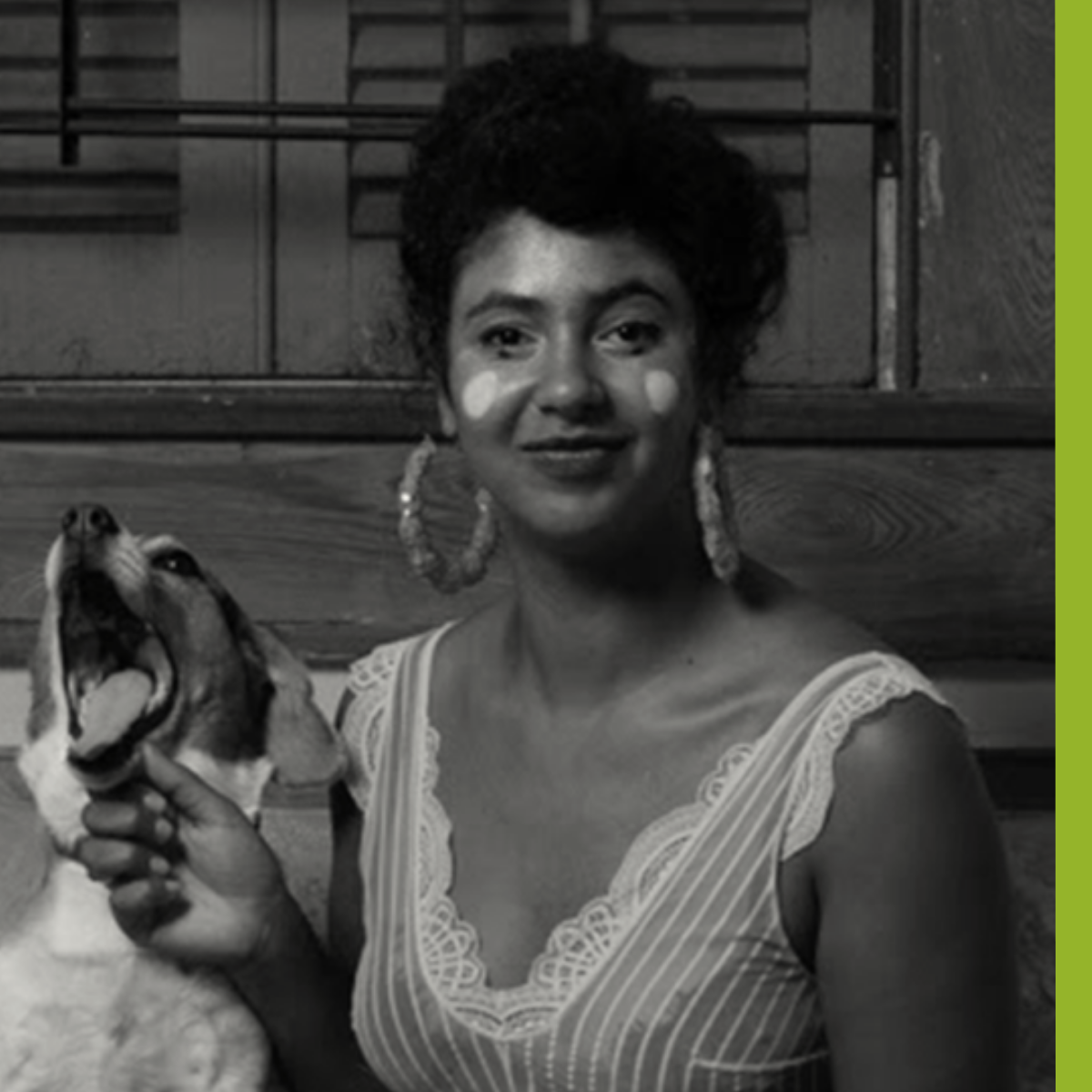
The GC team was first introduced to this incredible singer-songwriter, Sabine McCalla, through her equally talented sister, Leyla. But soon after that she took the internet by storm with her Western AF video performance of “Baby, Please Don’t Go” – which rests comfortably at 1.1 million views on YouTube. McCalla just announced her debut full-length album, Don’t Call Me Baby, arriving November 7 via Gar Hole Records and we can’t wait. The singles she’s released so far promise more lovely and innovative heart-wrenching indie-roots music.


Margo Price

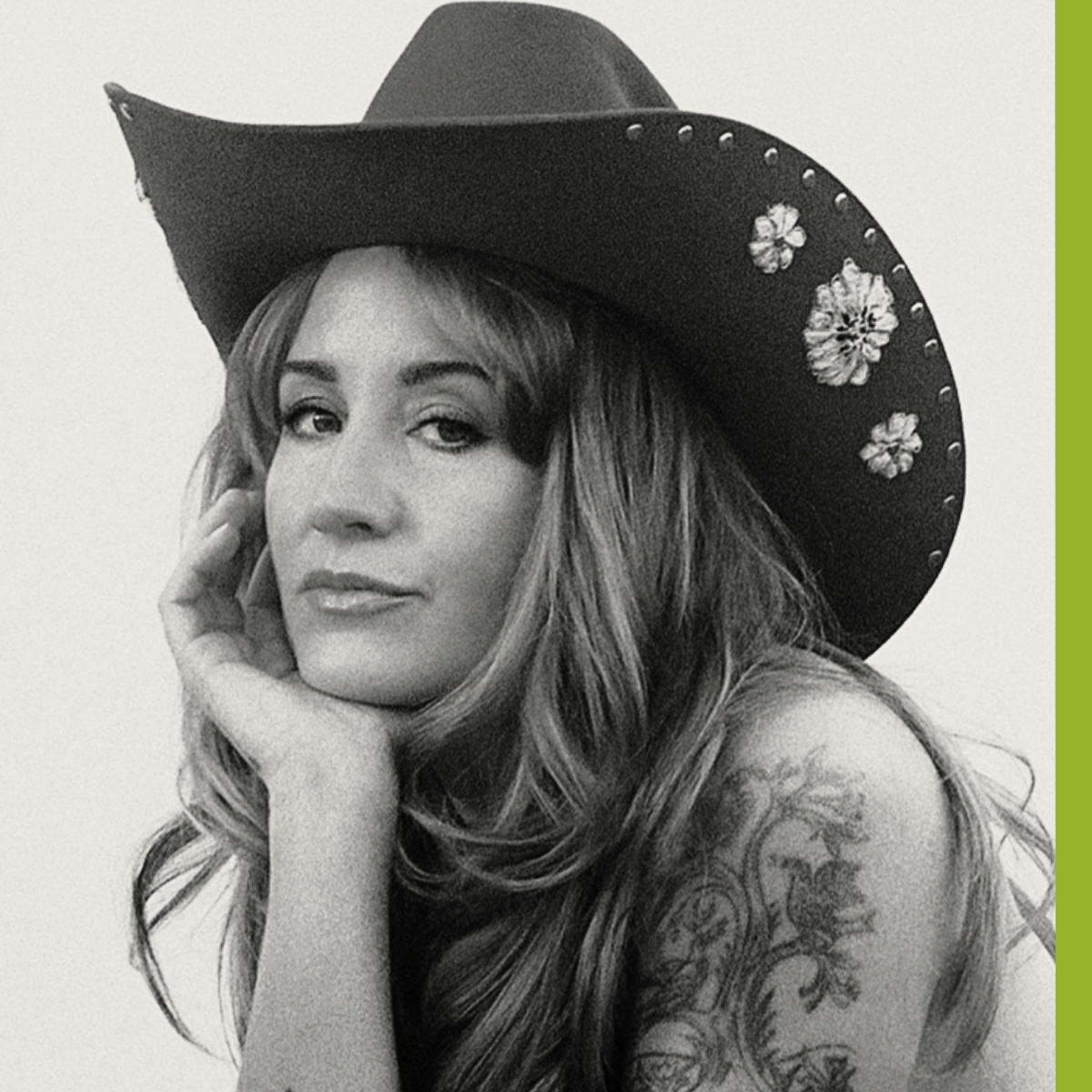
New Margo Price music is always cause for celebration. We’ve worked with Margo a lot over the years, from Bonnaroo to the Good Country Goodtime at Newport Folk Festival this July, and we’re constantly impressed by her drive, grit, tenacity, and the way agency is at the center of all of her work. That’s certainly true for her brand new album, Hard Headed Woman. Don’t ever change, Margo.


Want more Good Country? Sign up to receive our monthly email newsletter – and much more music! – direct to your inbox.

Photo Credits: Asleep at the Wheel by Curtis Clogston; The Creekers courtesy of the artist; KIRBY by Justin Hardiman; Sabine McCalla by Camille Lenain; Margo Price by Yana Yatsuk

The Local Honeys Show How Handmade Guitars Are Helping Eastern Kentucky

“In Eastern Kentucky, coal rules the world,” says The Local Honeys‘ Linda Jean Stockley. For this brilliant short film, Stokley and bandmate Montana Hobbs have partnered with the apparel company Patagonia to raise awareness about the actions of the area’s coal industry, while also telling the story of a non-profit designed to assist the community.

Based in Hindman, Kentucky, Troublesome Creek Stringed Instrument Co. is a manufacturing company that builds guitars, mandolins, and dulcimers, drawing on rich musical traditions to propel an otherwise suffering economy. It works to provide “refugees of the coal industry” a path forward and an opportunity to reintegrate into society post-addiction. In fact, learning to build a string instrument at Troublesome Creek is offered as a class through the local drug court.

Through that partnership, Troublesome Creek has helped effect change in the lives of many citizens of Knott County, Kentucky, and strengthened its noble mission in the face of incredible hardship. However, in July 2022, a torrential downpour led to flooding in the area, causing the banks of the Troublesome Creek to overflow and destroy equipment at the stringed instrument factory. Narrated by the Local Honeys, the 15-minute film tells the story of the luthiers in Knott County and addresses the activism in response to the region’s coal industry. To learn more about Troublesome Creek Stringed Instrument Co., and to hear the Local Honeys perform “Dying to Make a Living,” don’t miss the video below.


Photo Credit: Lila Callie

Ian Noe Finds Carnage and Compassion in ‘Between the Country’

Folk rocker Ian Noe captures both beauty and ugliness on his debut album, Between the Country, populating his isolated Eastern Kentucky home with vivid portraits of human carnage.

Heavily influenced by John Prine, the 29-year-old writes with insight and deep compassion for what some might describe as the dregs of society. Meth-addled junkies, alcoholic drifters, and the gangs that prey on them dominate his songs, but he says shock and awe has never been his real goal. Instead, it’s to write songs reflecting the hardscrabble truth of his hometown. It’s a great place to grow up, he explains, but there’s no denying the dark reality which lurks down almost every holler.

“I guess it’s just the environment and the stuff you see growing up in Eastern Kentucky,” Noe says of his inspiration. “There’s a vibe to it. I hate to be so vague, but there’s a definite vibe.”

Noe has articulated that vibe so well he was invited to serenade Prine during a pre-Grammy Awards tribute at Los Angeles’ iconic Troubadour in February, and this summer he’ll open a series of shows for the legend in Europe. But for now he’s touring the U.S. with a batch of tunes that make traditional murder ballads sound like lullabies.

Noe spoke with The Bluegrass Situation about his admiration for Prine’s work and how it led to Between the Country, as well as his connection to the doomed souls of his songs and producer Dave Cobb’s help in creating a full-band sound.

BGS: Your vocal and the literary quality of the lyrics remind me of John Prine, which I’m sure you get a lot. How big of an influence was he on you?

Noe: Oh, he was huge. I would have to say he’s definitely the biggest influence for me. I started out wanting to be Chuck Berry on guitar, but it didn’t take me long to realize I wasn’t Chuck Berry. [Laughs] Then I heard John Prine through my dad, who would play his songs all the time in between Merle Haggard and Neil Young. But when he went to Prine songs, they would stick out … and I was just obsessed ever since.

What was it that stuck out about Prine?

He can just take simple things and make them profound. He’s the best at that. He can look at a sidewalk and write a song about it, make you laugh and think at the same time.

You’ve done something similar with Between the Country, but there’s a lot of dark themes – songs about substance abuse and self-destructive behavior. Why are those topics given so much prominence in your own writing?

I imagine it would have to be all the stories and people I know, as well as people I didn’t know but heard stories about. Just stuff that you hear happening in a town of six or seven thousand. Lee County is not that big, and it’s a cliché, but you hear everything that goes on in a small town.

Were you exposed to that stuff personally?

Not really, to be honest. I never did go to a meth house or anything like that, or even see anybody using it. But it’s one of those not-really secrets. Everybody knows it’s around.

I think that’s interesting because you seem so good at getting into these characters’ skin. How do you make that happen without first-hand knowledge?

I just think about them. Just think about it and picture in my head how it might be to live that way. It starts with a melody. I like to get the melody going in my head and if it’s a good one, try to see what’s going on with it.

I guess what I’m getting at is even though there’s bad stuff going on, it never seems like you’re judging anyone, or the area, for it.

Yeah, I tried to be real careful not to do that or come off as holier than thou. “Meth Head” is harsh, but I just wanted to be as extreme as I could be because it’s such an extreme drug, you know?

Tell me about coming up with that song. It’s really specific, I mean the imagery of this guy hunting for scrap metal and the woman covered in sores is chilling.

That song used to be about a war hero who was coming home, or at least the melody did anyway. I thought I was wasting the melody because I had already written some songs about battlefields and stuff like that, so I scrapped all of that and started again with the melody. I came up with that first verse pretty quick and just kept going.

How did you get so vivid with it?

It just comes with there being an actual junkyard in Lee County and thinking about the sound of the junkyard, thinking about the rest area that’s down the road and all the smells and sounds, things like that, just trying to get as descriptive as I could be.

Tell me about the title track. What does that phrase, “Between the Country,” mean to you?

Just being in the country, and everything that’s going on in between it. In between this hill or mountain, or what’s going on up in this holler, that’s what it means.

Why did you decide on that for the title track?

My grandmother used to say stuff like “If you treat your parents well, your days will be long on this earth,” which I’m not saying right but it’s from the Bible. She used to say stuff like that all the time, and I got to thinking about it, like “On down between the country, where deer lay along the road / On down between the country, where a long life’s a blessed one, I’m told.” It was like some people don’t make it past 40, you know? And that’s everywhere, it’s not just in a small town. But I didn’t grow up everywhere. I grew up in Lee County.

“Irene (Raving Bomb)” is about an alcoholic who’s not hiding it so well, even though she seems to think she is. How hard is it for you to find compassion for a character like that?

Not hard at all. We’ve all had our issues with this or that or the other, and I grew up seeing a lot of things like that. It wasn’t hard to have compassion for somebody whose disposition turns them to something like that.

How about “Letter to Madeline”? It’s about this guy who’s on the run and he’s carrying a letter he never mailed. What’s his backstory?

I was and still am a big fan of [the FX series] Justified, and I think it’s season two or three where there’s a story arc about the Detroit Mafia. I wanted to make it sound as if it was older. “A Detroit general” just meant a Detroit Mafia boss, and then his company just refers to his gang. It just came from that and people like D.B. Cooper — thinking about somebody robbing this guy and him trying to make it back to Kentucky.

Tell me a little about the sound here. It’s got this mix of folk rock and even a touch of ‘70s psychedelia at times. I know you’ve mostly worked solo in the past but teamed up with Dave Cobb for the album. Did he have a big impact?

It was pretty natural and easy. We were going back and putting in some of the electric lead you hear on “Dead on the River,” and he had bought a specific amp from Carter Vintage [Guitars in Nashville] the day we were mixing and overdubbing, and I believe he said he’d been listening to The Byrds that week. It was off the cuff, but the tone fit the themes, if that makes sense. … I like that there’s not a whole lot of crazy guitar solos, but every one of them suits the song. We don’t have congas or whatever, and it just has enough to breathe. Anything we overdubbed didn’t get in the way of any of the stories.

What do you hope people will take away from this first record?

Like everybody always says, when you make an album you just want people to appreciate it as much as you appreciate it. You want them to listen from track one all the way to the last track, and not everybody does that, which is all right. But the subject matter is all a common theme through the whole thing, and the cohesiveness is important. That’s what I love about all my favorite albums.


Photo credit: Kyler Clark