Roots Songs All About Mental Health

May is Mental Health Awareness Month, but for those with lived experience, every day is about mental health awareness. During the most difficult times, many creators and listeners turn to music. It’s where we connect through lyrics and melodies that express the things we so often cannot, will not, dare not say.

The intersection of music and mental health is nothing new. Long before memes and catchphrases about “break the stigma,” Hank Williams did just that with “I’m So Lonesome I Could Cry.” Years later, Porter Wagoner exposed the ugly unspoken truth about “The Rubber Room.” 

Thankfully, through incremental steps, times have changed – although not enough – in terms of media portrayal and public discourse. With great courage, more and more artists are coming forward about their struggles. Dozens of artists and musicians have spoken openly with BGS and Good Country about how mental health challenges move them to create songs and albums that make us all feel a little bit less alone. (Scroll to find our playlist of roots songs all about mental health below.)

Artists and bands like Becky Buller, Courtney Marie Andrews, Sister Sadie, and Tenille Townes give us glimpses at how mental health and self-care inform their creative processes and how they craft their songs, albums, and sets. Groups like Southern Avenue and the Band Loula – who make music built on the sonic and storytelling traditions of the South – subvert regional expectations about what’s “allowed” to be spoken about in the light of day with their approaches to infusing mental health awareness into their songs. Still more conversations with artists like Fruit Bats, Cole Chaney, Emily Scott Robinson, and Chely Wright reinforce that mental health in roots music isn’t a fad or passing trend, it’s an intentional through line. Songwriting and roots music are perfect vehicles for this sort of vulnerability and these once forbidden topics.

The proliferation of YouTube and democratization of music videos in the 2000s and 2010s opened up new dimensions for artists, giving them more formats in which to express themselves, depict their work, and consider mental health. Additionally, of course, it offers live performances that go beyond anything a studio recording can capture.

“I Think It’s Going to Rain Today” – Randy Newman

Randy Newman’s masterpiece has been covered many times, and the internet is full of those recordings – as well as his. This performance, however, at his induction into the Rock and Roll Hall of Fame, may very well surpass them all.

“God, Can You Hear Me?” – Dax

Dax is fearless in addressing the most difficult and “taboo” topics. “God, Can You Hear Me?” asks the unspoken question within the context of a subject that far too many people refuse to address: suicidal ideation. (Content warning: graphic.)

“Let the Circle Be Broken” – Sister Sadie

In genres predicated upon generational legacies and “handing down” tradition, Sister Sadie’s song of release, letting go, and stepping out from underneath the long shadow of generational traumas is more than powerful. By the same token, that it was written and is sung and performed by a band of all women makes it a truly transcendent message. Some circles are meant to remain unbroken, others must be demolished.

“Bench Seat” – Chase Rice

Chase Rice broke down walls and stereotypes and opened doors to discussions about suicide with this multiple-award-winning video. Country needed this. Country needs more of this. (Content warning: graphic.)

“Hurt” – Johnny Cash

Johnny Cash. Enough said.

“I’m Gonna Be the Wind” – Laurie Lewis

Bluegrass legend Laurie Lewis has penned many a fine song tackling issues of mental health, but this is the song for when you’re ready to stride out anew again. It’s a song of strength, resilience, of realizing that often one of the primary forces keeping us down is our own mindset. Tired of being a blade of grass, bent and bruised by the wind? Be the wind!

“Sunday Morning Coming Down” – The Highwaymen

Mickey Raphael described them as “like Mount Rushmore onstage” and called Kris Kristofferson “the Shakespeare of our time.” This is why.

“Will the Sun Ever Shine Again” – Bonnie Raitt

One of the best songs Bonnie Raitt has ever sung and released was recorded for the 2004 animated film Home on the Range. Devastating, endlessly relatable, but ultimately hopeful, the film cut of “Will the Sun Ever Shine Again” is hard to track down on streaming services and online, but it’s truly lovely. A gem of a soundtrack find from an often overlooked Disney children’s movie from the aughts.

“Alone Again (Naturally)” – Gilbert O’Sullivan

In 1971, Gilbert O’Sullivan bravely addressed loss, grief, heartbreak, loneliness, depression, suicidal thoughts, and questions of faith, wrapped them up in a lovely melody, set them to a catchy beat, and rode to the top of the charts with one of the most gutting, most accurate depictions of mental health challenges ever put to song. Decades and numerous cover versions later, stripped down to keyboard and guitar, his voice aged like fine wine, “Alone Again (Naturally)” remains poignantly accurate and relatable.

“Bad Mind” – Erin Rae

A song so perfect in its illustration of how we project and ascribe mental health, onto ourselves and others. We all may know, somewhere inside ourselves, that there is no such thing as a “Bad Mind,” but stigma and internalized expectations leave so many of us feeling broken and “incorrect.” Listening to Erin Rae sing this lovely, devastating song brings an immediate feeling of needing to reassure the singer that there really aren’t bad minds… and thereby the realization we should also apply that grace to ourselves.

Below, you’ll find our full playlist of nearly 8 hours of roots music created by the teams at BGS and Good Country that features some of the many excellent songs that address mental health. For Mental Health Awareness Month and beyond.


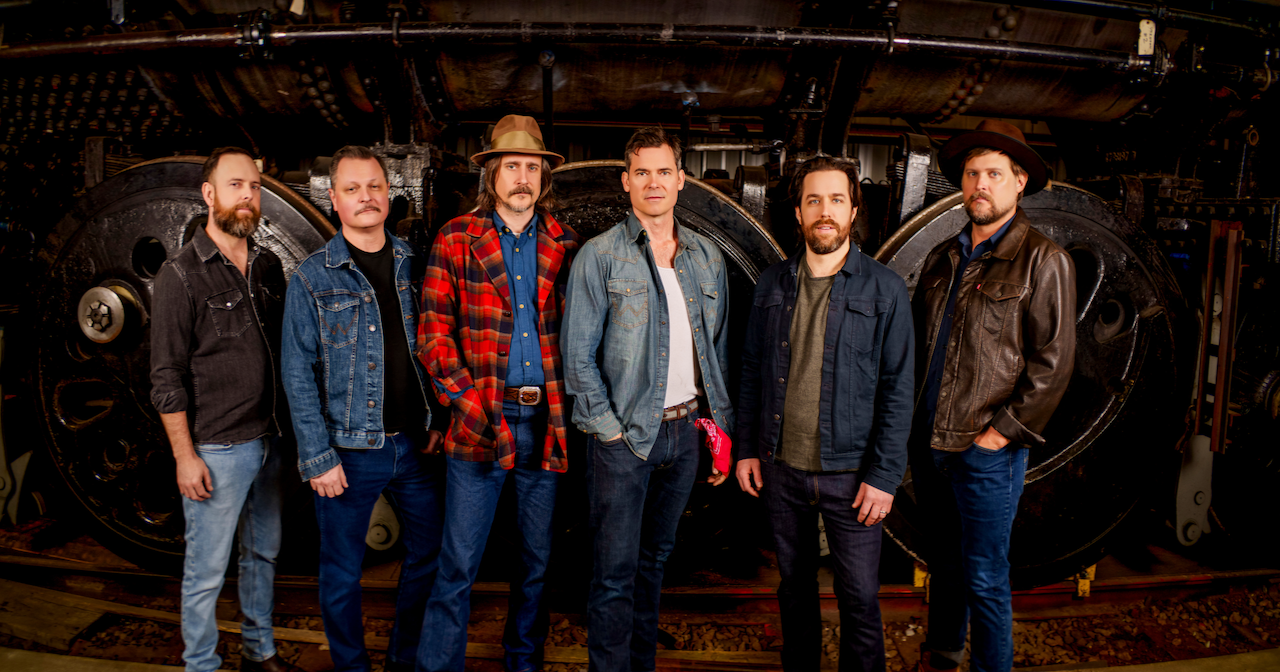
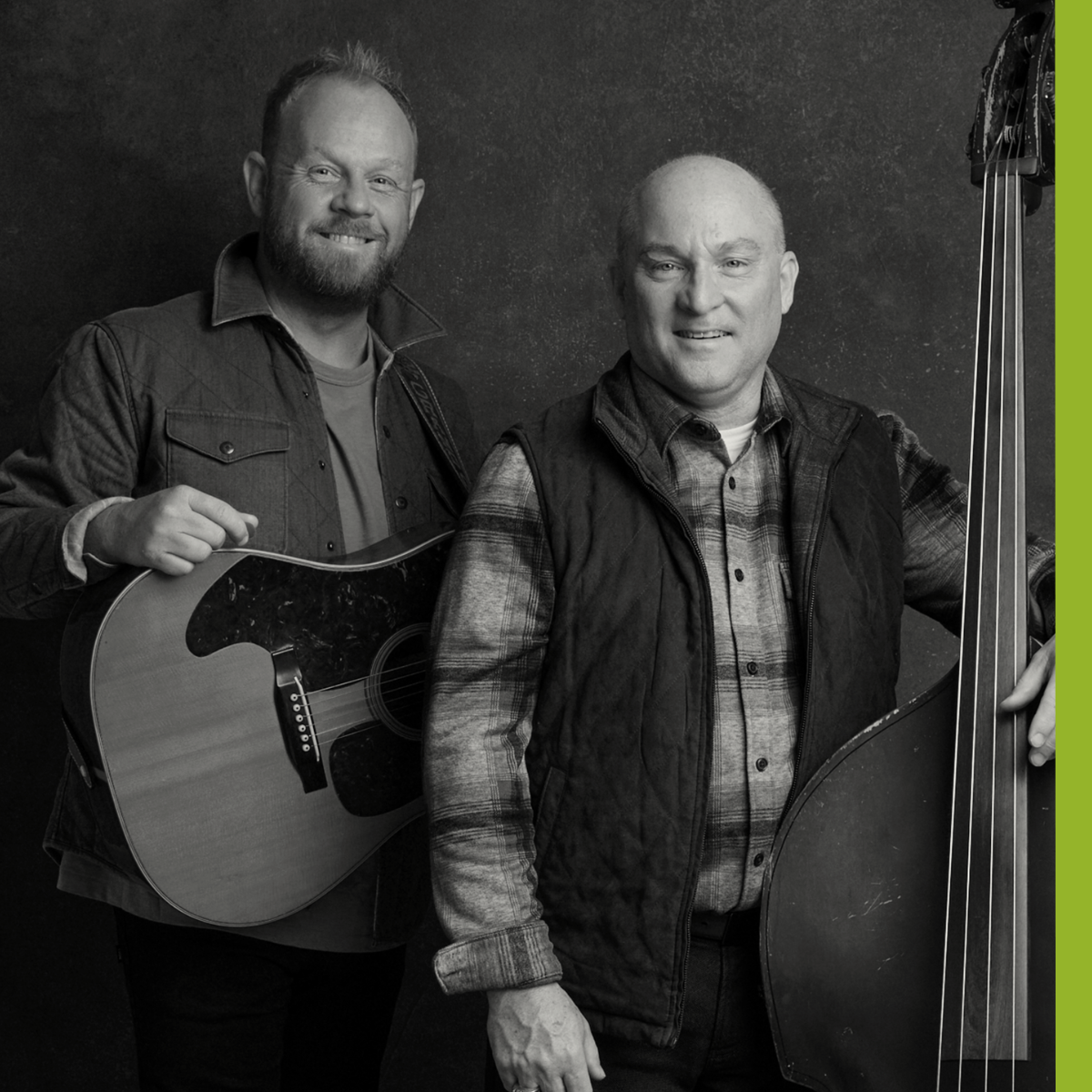
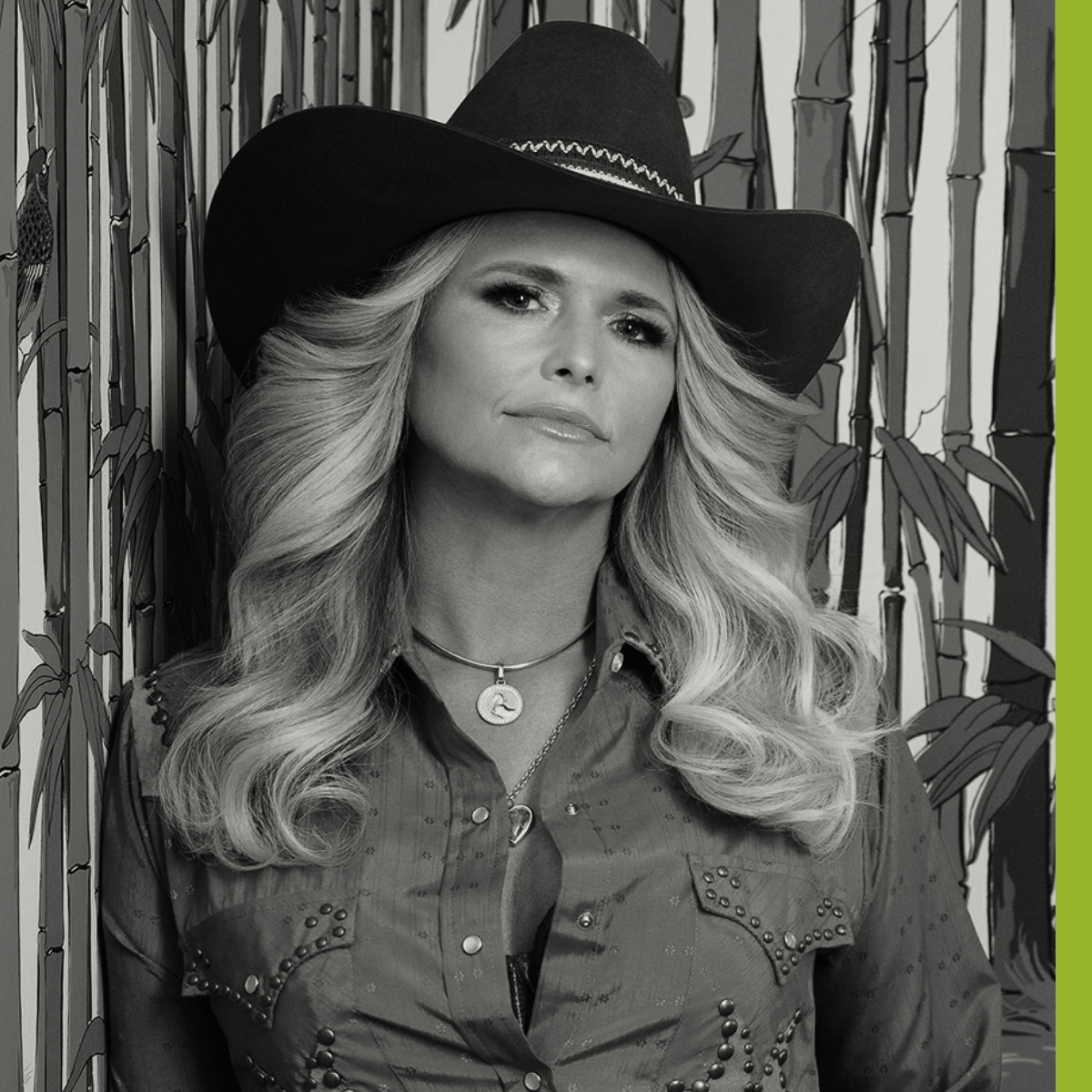
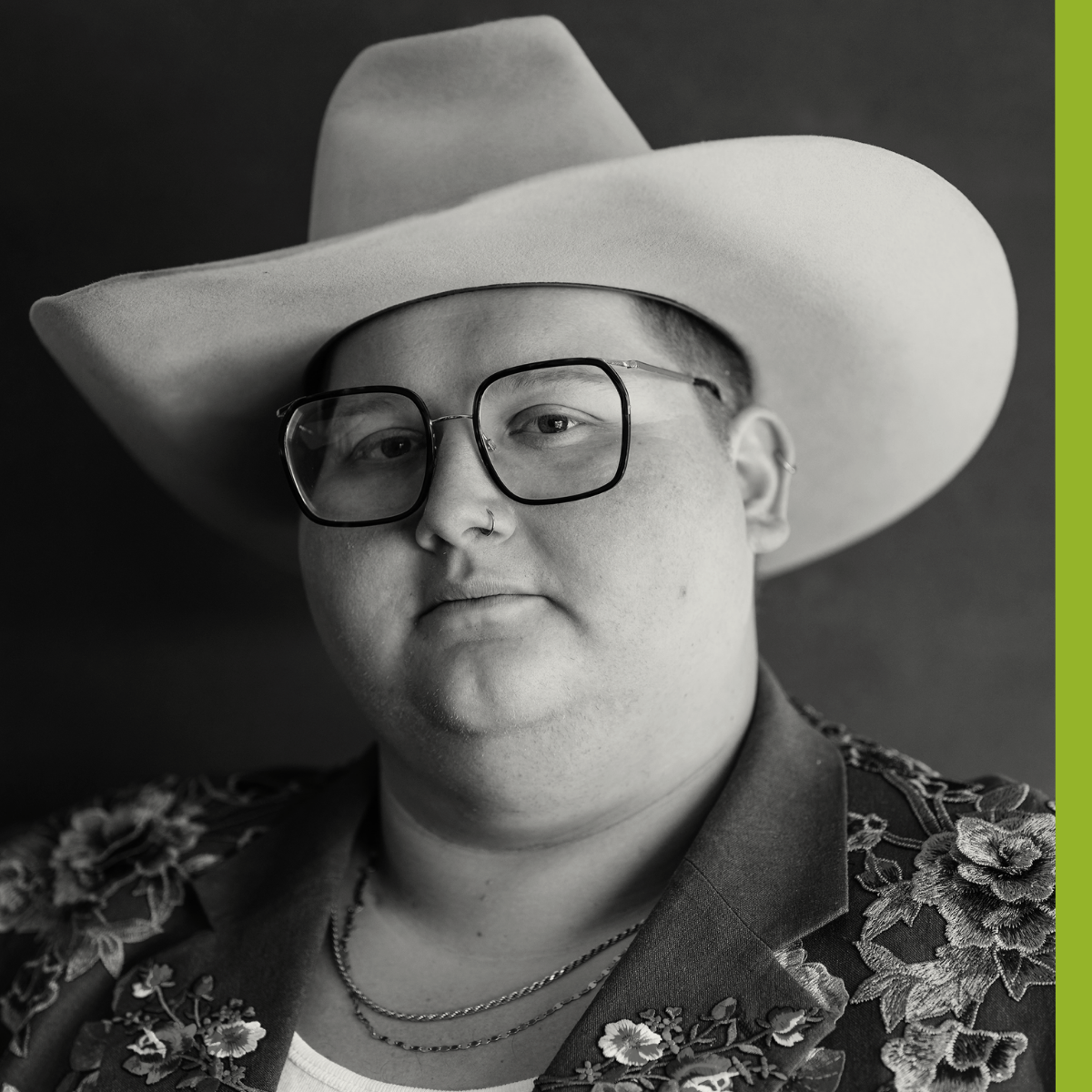
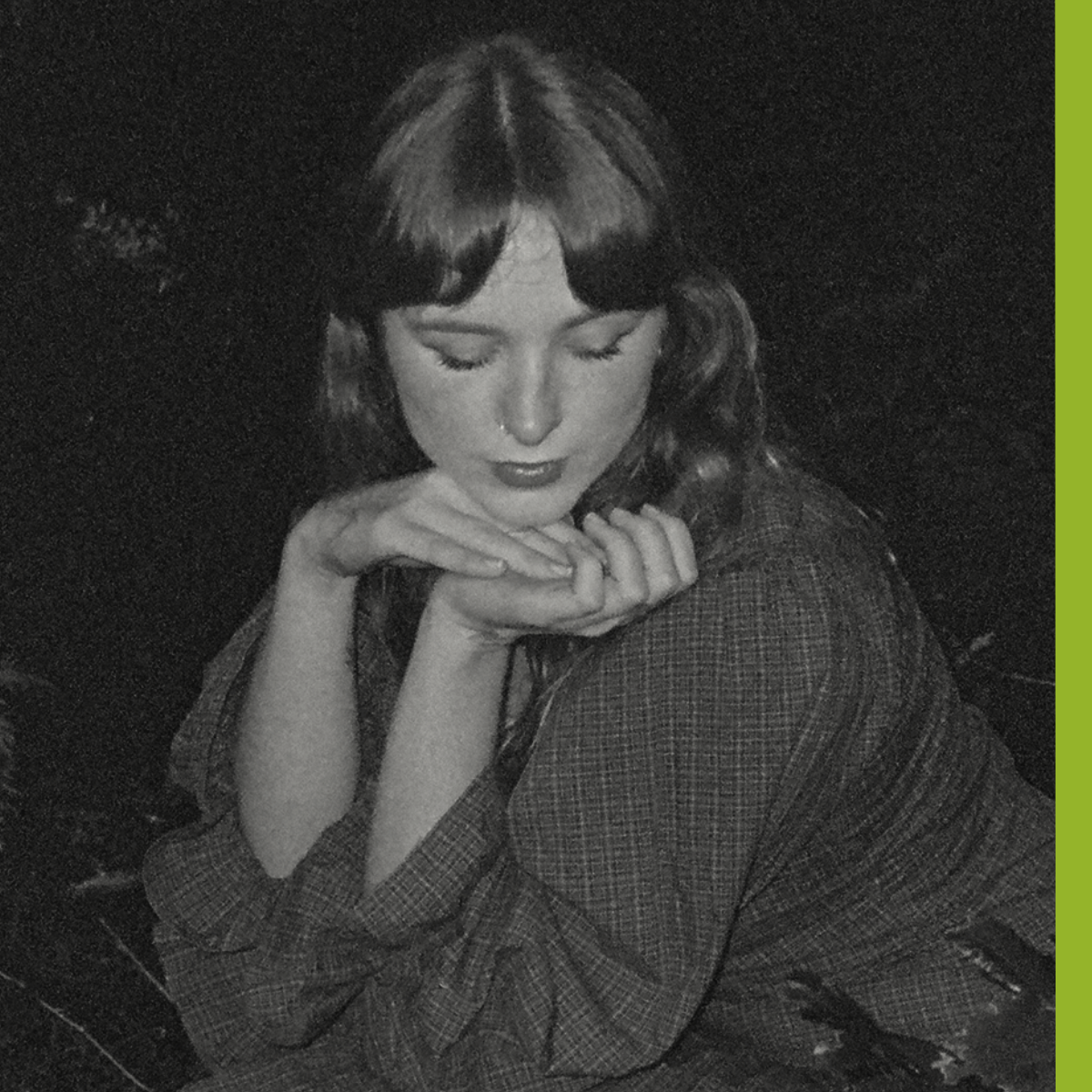
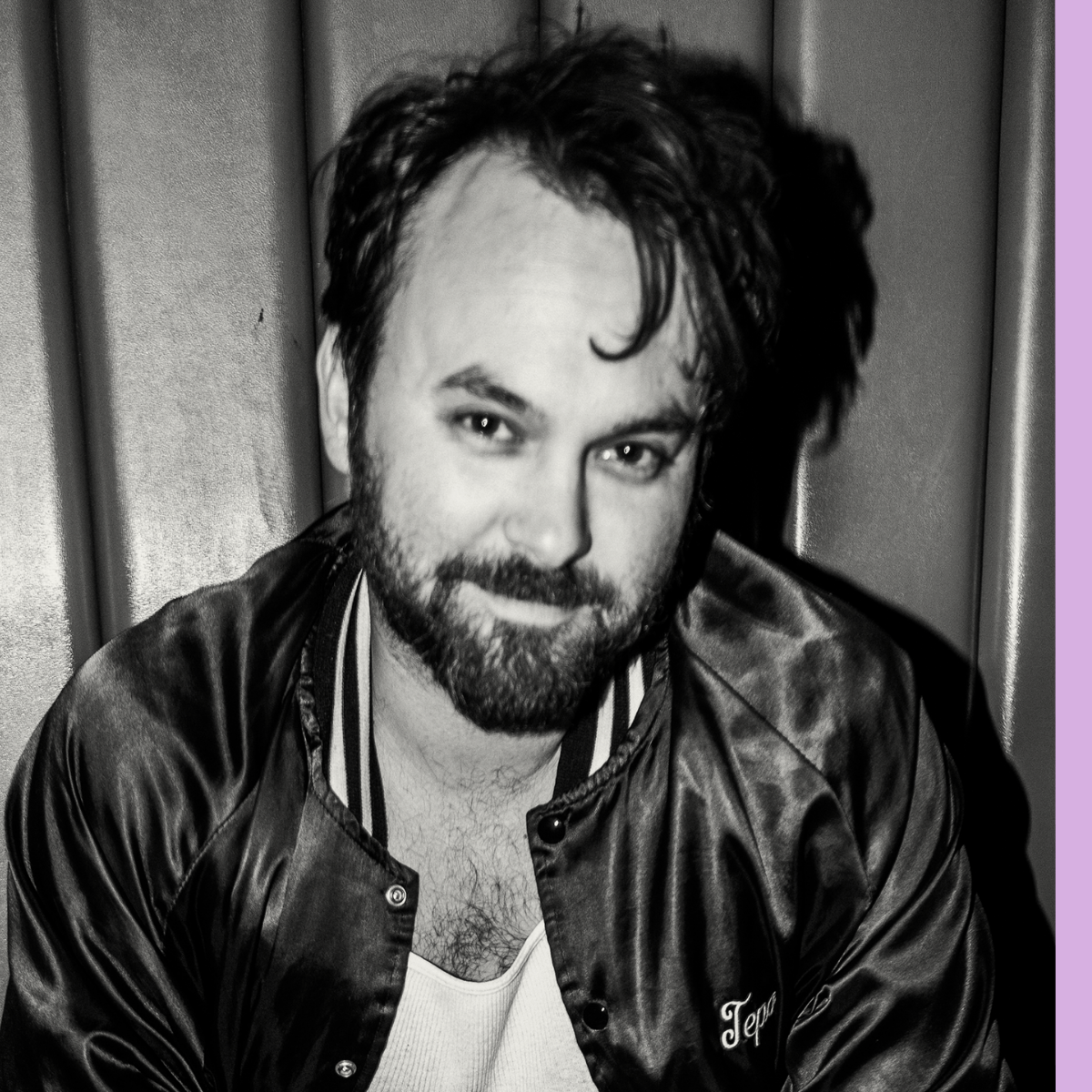
Photo Credit: (L to R) Cole Chaney by Anthony Simpkins; Sister Sadie courtesy of the artist; Dax by Annie Devine.

Additional curation and contributions by Shelby Williamson and Justin Hiltner.

Alt-Country, the Blues, and Oklahoma

Editor’s Note: Each issue of Good Country, our co-founder Ed Helms shares a handful of good country artists, albums, and songs direct from his own earphones in Ed’s Picks.

Rodney Crowell

Great news from a roots-country legend, Rodney Crowell returns with a “new/old” album on June 26, Then Again. Largely recorded over two decades ago in the early 2000s with Steuart Smith co-producing and completed with Dan Knobler stepping in, its lead single, “Are You One of Us?,” is the final recording by Crowell and his friend and compatriot Guy Clark. It’s a track perfectly suited for these divided times we’re living in, bringing wisdom and wit like only Crowell and Clark could. We can’t wait to hear more from Then Again!


Shakey Graves

We’ve known, covered, and collaborated with our friend Alejandro for years and years, so we’re especially excited to have him as our current BGS Artist of the Month, celebrating his brand new album Fondness, Etc. For an artist who’s adept at sonic and aesthetic reinvention, his music still always sounds exactly like himself – even as he bends and breaks the barriers of alt-country, neo-folk, Americana, and western to his liking. This is one of our favorite Shakey eras yet.


Taj Mahal

Another legend of American roots music, Taj Mahal is woefully underappreciated and undersung, even while being rightfully worshipped by so many as a keystone of blues, Americana, string band, and country musics. His new album, Time, released with his Phantom Blues Band on Resonatin’ Records/Thirty Tigers, shows that he remains as dynamic and innovative as ever. The title track is a deep-pocketed and smooth never-before-heard Bill Withers number that Taj makes his own. If you’re used to his gritty, playful, and down home blues, the sound here may surprise you – but damn, that’s Good Country, isn’t it?


Reba McEntire

Our queen of country, Oklahoma, and corn dogs is celebrating her 50-year groundbreaking, iconic career with new music – lucky for all of us! A brand new track, “One Night In Tulsa,” leads off an EP that encapsulates a few of her musical tributes to her home state from over the years: “Tulsa Time,” “Oklahoma Swing” featuring Vince Gill, “Does the Wind Still Blow in Oklahoma” with Ronnie Dunn, and the excellent Buddy Cannon-produced “No U in Oklahoma.” “One Night In Tulsa” is a soaring, dramatic, and longing love song to Tulsa and beyond, uttered like only Reba could. This version is the just-released live performance video of the song shot live at Reba’s Place, her restaurant, gift shop, and music venue in Atoka, OK.


Jobi Riccio

Jobi Riccio charmed the country universe with her 2023 debut, Whiplash, but hold onto your necks, ‘cause her brand new album, Face the Feeling, finds the Coloradoan singer-songwriter evolving her production styles and genre descriptors in a big way. She’s infused grunge, alt-folk, and country-rock into these new songs; the results vary from straight-down-the-middle Southern rock to expansive, electronic indie-twang. We especially find Good Country touches in songs like “Pilar, NM” and “Wildfire Season,” but they can be found throughout the rockin’ project.


Listen to this issue of Ed’s Picks in one YouTube playlist here.

Listen to the full Ed’s Picks archive playlist here.


Want more Good Country? Sign up to receive our monthly email newsletter – and much more music! – direct to your inbox.

Photo Credits: Rodney Crowell by Claudia Church; Shakey Graves by Jonathan Terrell; Taj Mahal by Mike Coeyman; Reba McEntire, One Night in Tulsa album cover; Jobi Riccio by Rett Rogers.

Phillip Phillips’ Songs for Curing (or Wallowing in) Homesickness

This Mixtape sits in that space between where you came from and where life has taken you, full of memories, change, and longing for home. Songs like “Old Friends” by Ben Rector and “Rivers and Roads” by The Head And The Heart reflect on growing up and holding onto the people who shaped you, while “Fast Car” and “Clocks” capture that pull between escape and comfort.

At the center is my song, “Homesick,” written from the tension of chasing a dream while missing the people I love most. It’s about time passing, love deepening, and the quiet ache of being away from home. I’m excited to be touring later this year and releasing more music, and this playlist feels like a piece of that journey I get to share. – Phillip Phillips

“Old Friends” – Ben Rector

I love how this song connects the dots of those friends you grew up with and where you are as you’re older with them. Things change. Life goes on. But the memories and things you shared growing up with someone you’ll always remember. I love the lyric, “But I’ve never seen their parents’ back porch…” Such a real thing.

“Clocks” – Coldplay

Timeless song. You feel as though you need to be somewhere that gives you comfort if things start to feel uneasy or too much.

“Home” – Phillip Phillips

It’s me. Take it as you will and have your own meaning!

“Fast Car” – Tracy Chapman

Such an emotional song about needing to get out of the place that feels like it’s suffocating you. Sometimes the places we come from can feel that way.

“Rivers and Roads” – The Head And The Heart

For me it’s feels like time passing. Longing for the little moments that made life feel slow. I have kids now and it hits that much harder. To go the distance to see the ones you love just one more time.

“To Build a Home” – The Cinematic Orchestra, Patrick Wilson

I cry every time I listen to this song. So pure and raw. “Emotional” is an understatement for this one. It’s hard to listen to sometimes for me.

“Homesick” – Phillip Phillips

This is my newest song. I love it so much. I travel a lot and I get to do something I love, but I also have to sacrifice, spending time away from the people I love more than anything. I wrote this while my son was napping. Knowing that I was going to leave for another trip soon. I love playing music, but I love to be home to change the dirty diapers and take the trash out. Playing in the mud. I hope you love it as much as I do.

“Danny’s Song” – Loggins & Messina

Love over money. Always the goal. I love this classic song. Makes me think about being with my wife before getting married and having kids. How special those times are when you’re building a foundation in a relationship.

“The Book of Love” – The Magnetic Fields

I didn’t hear this song until later in life and it hit me like a train. Gets me emotional every time. Saying that love is boring and long. Which it really can be at times, and that’s okay. Loving someone is difficult. And for me, this song speaks to all relationships. Not just a husband or wife. I have flashbacks of my life when listening to this song.

“Livers and Onions” – Aaron Espe

My good friend wrote this song and when I first heard it, it made me think of growing up and being with my uncle Joey and my dad and thinking about my relationships as a kid with my cousins and family. Such a great song.

“Father and Son” – Yusuf / Cat Stevens

This song is just everything. I can only dream to write a song half as good as this. Makes me cry. Makes me think of being a father to my son and my relationship with my father.


Photo Credit: Sean O’Halloran

Artist of the Month: Shakey Graves

Texas has long been known for its singer-songwriters and country acts, but there’s plenty of music within the Lone Star State that navigates outside those boundaries as well. A few recent examples include Spoon, Gary Clark Jr., Khruangbin, White Denim, and Shakey Graves, the latter of which has become a cult hero of sorts in the folk and roots music space.

Born Alejandro Rose-Garcia, Graves’ career in music didn’t begin to take hold until the mid-2000s following acting roles with the Spy Kids franchise and television series Friday Night Lights, but once it did momentum hasn’t slowed since. Each step along the way the singer has reinvented himself. From the solo one-man band setup on his independent 2011 debut, Roll the Bones, to 2014’s And The War Came – which featured the indelible Esmé Patterson on songs like “Dearly Departed” and “Big Time Nashville Star” and eventually culminated in Graves winning Emerging Artist Of The Year at the 2015 Americana Honors & Awards – to the trippy, extended jams of 2023’s Deadstock anthology.

That constant transformation leaves listeners in perpetual awe. Among those caught in the cycle of captivation has been BGS executive director and co-founder Amy Reitnouer Jacobs, who first encountered Graves at Pickathon in Happy Valley, Oregon.

“I remember hearing him start his set and watching the crowd grow,” recalls Reitnouer Jacobs of that maiden experience. “There’s certain festival sets where you can feel a palpable energy and buzz, and this was one of them. It was just him, a guitar, a harmonica, and a suitcase holding a kick drum. It was a truly magical moment where you knew the person you’re watching is really gonna hit.”

In the 18 months that followed, Reitnouer Jacobs began booking Graves on several BGS-related gigs and sponsored stages at places like Bonnaroo, the Newport Folk Festival, and the LA Bluegrass Situation Festival. Around the same time, Graves was starting to pop off with his first big hit, the aforementioned “Dearly Departed,” which to this day remains his second-most streamed song ever with over 133 million listens on Spotify at the time of this story’s publication.

According to Reitnouer Jacobs, being around to witness Graves then was like a once-in-a-lifetime opportunity that is still in the process of playing out: “There’s a few key moments in anyone’s career where, if they’re lucky, they get to witness and be adjacent to somebody’s incredible talent,” she explains. “Getting to know Alejandro feels exactly like that.”

“He is always beholden to himself first and foremost,” she continues. “He’s not an artist that will crank out material just for the sake of doing so. When he comes up with something it’s going to be really considerate and developed. He’s also not afraid to try new things. I’ve seen him with a full band and solo, acoustic and plugged in. It really speaks to his multifaceted nature and how no one artist exists within a vacuum. Sometimes roots music can get a bit caught up in that, but Alejandro does a good job of having these different sides of him coexist and come through in his music.”

Speaking of trying new things, Graves does just that on his latest record, Fondness, Etc. Out May 15, the album of home recordings takes on an ambient and lo-fi approach that most closely compares to his simplified 2017 project, Shakey Graves And The Horse He Rode In On. Accompanying the minimalist methodology on these songs are the sound of bird calls and wind gusts on “On My Own” and various tropical noises on “I Once Was An Ocean” that give the compilation a very lived-in feel, something that’s not often the case for an artist who’s constantly reimagining his own work.

Per Reitnouer Jacobs, she thinks a lot of that intimacy and experimentation goes back to Graves’ roots in Austin, a Texas town known for embracing its weird side. “There’s a lot of really cool stuff happening in that part of Texas, so it doesn’t surprise me that something like ambient music is sneaking into what he does,” she observes. “My favorite artist, personally, is Kate Bush, with my top lyric of hers being ‘let the weirdness in’ on her song ‘Leave It Open.’ I go back to that a lot, because I think artists fearless enough to let the weirdness in are the ones who actually move their genres forward, which is exactly what Alejandro is doing.”

In celebration of Shakey Graves’ fifth studio record Fondness, Etc., we’ve named the singer our Artist of the Month for May 2026. Throughout the next few weeks, we’ll celebrate Graves by going back into our archives for all-things-Shakey, plus you can read our brand-new exclusive interview with Alejandro himself, watch our Sagebrush SXSW Session featuring exclusive Shakey clips, and of course, don’t miss our Essential Shakey Graves Playlist, below.


Photo Credit: Jonathan Terrell

Old Spot’s Transatlantic Old-Time Playlist

(Editor’s Note: Below, United Kingdom-based old-time duo Old Spot – Rowan Piggott and Joe Danks – curate a Mixtape for BGS celebrating old-time music of the UK and Ireland. In order to include as many tracks as possible representing the vibrant string band scene in the UK, some selections are shared via Spotify and others via Bandcamp, depending on availability. We hope you enjoy listening and learning about transatlantic old-time – and that you support all roots musicians directly whenever possible.)

This is a Mixtape designed to highlight some of the amazing old-time string band music coming out of the UK and Ireland at the moment. Old Spot is a product of a vibrant scene, with the fiddlers and bands around us just as influential to us as their American counterparts.

This playlist looks to reflect some of the musicians performing string band music today, whilst shining a light on lesser-known gems. In compiling it, we’ve realized how much of the music we love on the old-time scene here isn’t on Spotify – if you love any of this music, buy it from the artists who made it! Anyway… less jawin’ more sawin’… – Old Spot

“Elzick’s Farewell” – Rattle On The Stovepipe

Rattle On The Stovepipe formed in 2003 and have played up and down the UK spreading old-time with band stalwarts Pete Cooper and Dave Arthur joined later by Dan Stewart – probably our favorite banjo player in the UK. This groovy version of “Elzick’s Farewell” is from their first album with Dan, No Use In Cryin’.

“Maggie Mead” – Follywren

Follywren is the brainchild of Bristol musician Kai Carter. We love lots of stuff that Kai does – his old-time trio is great and his original music (Kai & Hollis) is also a tour car staple. We have a real soft spot though for this amazing Follywren album, described as a kind of New Orleans-inspired electric string band. The tuba and electric banjo actually end up landing you somewhere between Clyde Davenport, Ghanaian Highlife, and Captain Beefheart’s Shiny Beast era… a good place to be.

“Rainbow” – Cath & Phil Tyler

Cath & Phil Tyler straddle the traditional and experimental music scenes in the UK and run the Newcastle sacred harp singers. Their albums are a treasure trove of ballads, with Phil’s mesmeric guitar and banjo playing supporting Cath’s one-of-a-kind, transportive voice. In some ways though, they are at their best a cappella where their background in shape note style really shines.

“Shanghai Skyline” – Jeri Foreman & Ruth Eliza

Jeri Foreman & Ruth Eliza are a powerhouse fiddle and banjo duo and you always want to see them on a festival lineup. Where these guys go, good tunes follow and their debut album shows off their musical connection beautifully. Recorded live, we’ve chosen one of Jeri’s tunes to highlight here.

“Chicken & Dumplings” – Ben McManus

Welsh musician Ben McManus is a multi-instrumentalist and promoter of old-time music in the UK. He’s schooled in the history of old-time and has done a number of interesting projects exploring the connections between Wales and Appalachia. He’s also interned at the Smithsonian – absolute dude. This is a laid-back clawhammer guitar and cello version of “Chicken & Dumplings,” a favorite of UK sessions. This record makes us miss Ben, and not just because he makes a mean Negroni.

“Dormae” – Hannah Read

Hannah Read’s first Fungi Sessions album is one of our favorite ever records as a band. We loved the sonics of it so much that we travelled to the studio in Scotland where it was recorded to make our new album. Hannah is now based in the US, but hails from Scotland and comes over frequently to collaborate with the incredible Michael Starkey. Hannah has collaborated with indie royalty Big Thief, Julien Baker, and Lucy Dacus, and you can hear this broader sonic palette across her output. But the real star of these Fungi Sessions albums is her incredible composition and the subtle magic of her bow arm.

“Wolves A’ Howlin'” – Kieran Towers & Charlotte Carrivick

Kieran Towers & Charlotte Carrivick can most often be found in the bluegrass scene in the UK, but came together for this one-off old-time album of absolute rippers. Charlotte, one of the best flatpickers in the UK, reveals herself to be one of the finest clawhammer players, and Kieran, best known for shredding bluegrass solos, turns into prime Bruce Molsky. Being able to just casually drop this album as a side project is outrageous. A frustratingly brilliant album from two undeniable musical geniuses.

“Glory In The Meeting House” – Ben Paley & Tab Hunter

In our opinion, Ben Paley is the jewel in the crown of British old-time music. He’s performed in loads of different lineups with musicians from the South of England – probably most notably The Long Hill Ramblers and with his dad Tom Paley of The New Lost City Ramblers. His fiddling is just as good as it gets, full of character, groove, and skill. On this record from 1999, he’s backed by Tab Hunter who is an old-time backer with taste, power, and pocket.

“Pterodactyl” – One Night Stringband (Old Spot, Jeri Foreman, Ruth Eliza)

We recorded this collaborative album with Jeri Foreman and Ruth Eliza over the course of one night and a bottle of whisky. We put it out the following day after some hungover mixing and now we perform sporadically as The One Night Stringband for square dances and concerts. We’ve got our seventh and eighth gigs together this summer!

There’s a kind of exploratory madness in these recordings and we all chose tunes we couldn’t get to hang quite right in our duos. There’s a raging version of Rhys Jones’ “I’ll Reap What I’ve Sown,” a version of “Josie-O,” and this, Ruth’s prog-y old-time wig-out “Pterodactyl.”

“Benton’s Dream” – High Strung Trio

From Cork, Ireland, this is one of our favorite old-time records of the last few years. From ex-members of the Grits & Gravy Stringband comes a new trio record of uncompromising ragers. Fiddle player (and luthier) Ian is an absolute machine on this record, laying down danceable bangers like it’s nothing. A great record to pick up new tunes or to power a long car journey, we can’t stop listening.

 “Two Little Sisters” – Sugarwell Hill

Sugarwell Hill is a trio from Leeds in Yorkshire. This is a new record from them that the scene has been anticipating for a while. Recorded confidently and simply, it’s a great snapshot of what is so magical about this laid-back band. “Two Little Sisters” features Simon’s relaxed vocal delivery and groovy banjo playing set against Mick’s gritty fiddle playing. We’re so lucky to have these three in the scene over here, and can’t think of a bad time to stick this beautiful new record on.

“Walk Me Round” – Rhona Dalling

Rhona is another Bristol-based fiddler, singer, and banjo player. This record is, so far, her only recorded output, but like so many of the best trad musicians, her best music happens in sessions and muddy fields. She has an incredible fiddle style, full of poise and effortless technique, and a beautiful voice. This quietly beloved record features a great waltz and her tune “Balfour Road,” which is played in trad sessions up and down the country and has really transcended the old-time scene, thanks to a recording by bal folk band Topette!. Perfect for a rainy day.

“Bear Creek” – Lankum

Whilst most of their repertoire is drawn from Irish folk, experimental trad behemoths Lankum often close their sets with this old-time tune. We couldn’t not include it after watching 20,000 people bouncing up and down to it at Glastonbury!

“Bowling Green” – Joe Mansfield & The Temperance Two

Bristol-based Joe Mansfield is another person you love to see walk through the door at a jam. He’s got an amazing repertoire and is a great hang. He’s got a new duo called The Low Line (watch that space), but he gigs out all the time with the Temperance Two. This is a great version of “Bowling Green.”

“The Roustabout Song” – Old Spot

We heard “The Roustabout Song” sung at a Morris Dance festival singing session. The song sounded distinctly American – a bit of digging led us to English folklorist Sandy Paton and, in turn, the songwriter Dillon Bustin. The song was written at Pinewoods Camp and according to Paton presented both a cappella and with a “lazy river” banjo accompaniment. We’ve done a new joyful fiddle-singing version, bringing out the song’s subtle political undertones. Unfortunately the parasols are twirling faster than ever.

“June Apple” – The Firecrackers

The Firecrackers are five of the UK old-time scene’s stalwarts, and they whip up a frenzy wherever they go. This album of field recordings is a good snapshot of them doing their thing and Benton Flippen’s “June Apple” is their signature tune.

One of the band’s fiddle players, Dave Proctor, edits Old Time News, the quarterly old-time magazine published by FOAOTMAD (Friends of American Old Time Music and Dance), a grassroots organization that has supported the growth of old-time in the UK so much over many years.


Photo courtesy of the artist.

35 Songs That Hate Nashville

Hating on Nashville – whether Music City, Music Row, Lower Broadway, the tourists, the industry, the traffic, or almost anything and everything else – is a trope and tradition essential to country itself. As long as this town has been a roots music mecca it’s been a curse, too. It’s a maker and breaker of dreams that’s all at once exactly what it is and what it looks like, and a figment of your imagination, too.

On the roots songwriter’s map, it might be the capital city. Flanked by Memphis and “Carolina” and Los Angeles and Malibu and the bluegrass of Kentucky and the “concrete jungle where dreams are made of,” all familiar locales to songsters of all genres referencing places and cities. Places are excellent characters in songs, and we return to our favorite destinations over and over as we relish tracks like “Dublin Blues,” “Eight More Miles to Louisville,” “Big Ball in Brooklyn,” “Take Me Home Country Roads,” and so many more.

But isn’t there just something special about songs that hate Nashville? As a motif, it stands out among songs about places or among places as a trope, in country and outside of it. Songs that hate Nashville can ooze pain or vengeance. They can be aspirational or giving up all hope. But perhaps their real unifier, besides Music City itself, is that each and every song that offers a variation on this theme is really, at its core, declaring a deep love for the town.

In March, country artist, singer, and songwriter Ashley Monroe surprise released an eight-track original album, Dear Nashville. Not quite a concept album – perhaps rather having a concept at its core, instead of as its entirety – it’s an incisive and vulnerable demonstration of Monroe’s love… and hatred of Music City. “I Hate Nashville” opens the album with gauzy pads and a forward-leaning train beat as Monroe sings words that clearly haunt her, and so many like her. Lyrics often uttered by the gatekeepers of the world, the holders of the keys to this city. “They can’t make you a star,” “somethin’ ain’t stickin’,” “pay your dues.”

The rest of the song, though, is something different. It’s exasperated and exhausted, yes. Defeated, almost. But it’s not a hate letter Monroe is writing to her hometown of decades. She sings on the chorus:

Country music
Is the reason I’m alive
Paul Franklin playin’ steel
God knows I love Vince Gill
But I hate Nashville

And wouldn’t you know it, that mournful, heart-wrenching pedal steel singing along with Monroe’s beautiful, East Tennessee voice is played by Paul Franklin himself. Because that’s what Nashville is capable of. That’s what it does best. It makes dreams reality, it makes friends of idols. It can be everything you pictured, but wouldn’t let yourself believe is possible.

Wrote a lot of songs
Made a lot of friends
And if I’m being honest
I’d do it all again
I remember the first time
I saw the skyline shining
Sometimes the road to the top’s
A lot of downhill climbin’

Verse two captures the duality of songs that hate Nashville perfectly. Monroe is displeased with the industry, with the machinations of a community designed to reap profits and profits and profits, and that isn’t so concerned with art or country anymore. But her dreams have come true. She has paid her dues – and then some – and she’s made records and sung songs with Franklin, Vince Gill, Miranda Lambert, and so many more name-droppable peers, heroes, legends, and virtuosos. And, if she’s being honest, she’d “do it all again.” Who wouldn’t?

In each of these 35 songs, you’ll find artists just like Monroe, from across generations and from a variety of backgrounds and origin points inside and outside Music City. Each grapples with these same essential questions of this place. Of Nashville, Tennessee. Struggling with the industry, or Music Row, or the politics of each. Some demonstrate internal battles, others are so external they itch. There are songs that decry capitalism and that long for acceptance by it. There are songs of love lost and romantic haunts turned sour. You may hear someone writing on the outside looking in, or the inside looking out. It’s all compelling, the same but different.

Whatever you hear across these songs that hate Nashville, you’ll hear excellent music and a country tradition so essential to the format it belongs right next to losing your love, your truck, your dog, your house, your job, your… dream of making it in Nashville. Three chords, the truth, and hating Nashville. It’s as country as it gets.

“Heartbreak Town” – The Chicks

“Square people in a world that’s round.” That’s an indictment, for sure, written as only Darrell Scott could. Scott is well-practiced in songs that hate Nashville whether this magnificent track made even more delicious by the Chicks or “Long Time Gone,” also cut by the Chicks and included on this playlist, or even “Hopkinsville,” a Scott original inspired by longing to be done working on the Shelby Street bridge downtown. The Chicks sold the true heartbreak of Nashville on this number even before the city’s central machine turned its ire toward them. As we all know, they survived being on the receiving end of Music City’s ire more than once – and made millions doing it.

“Kay” – John Wesley Ryles

A story song for the ages, and about Nashville, to boot. “Kay” is sung from the perspective of a depressed taxi driver, “I’m living and I’m dying, staring out at Music City, from my cab.” The singer moved his love, Kay, to town to give her a shot at making it big. He’s hearing her record on the jukebox – it “don’t sound bad.” Woof. Gut punch. (At least if she’s gonna be famous, let her sound bad!) The perspective in the song is dynamic and surprising in a modern context, but reminds of how literary and poetic country story songs in the ‘60s and ‘70s could be. And how narratively dense. “Kay” peaked at No. 9 in the U.S. and is Ryles’ best-known record.

“Nashville Blues” – Billy Strings, Bryan Sutton

Out of so many versions to choose from, we chose this one. Can you blame us? Perhaps Bryan Sutton’s joke at the top is the real reason it belongs on this playlist. He introduces “Nashville Blues,” a classic in the bluegrass and old-time canon, thusly, “Here’s a song about Nashville that Billy wrote on the way here stuck in traffic.” The crowd cheers at the joke and a man can be heard responding, “That’s gonna be a long song.” Everybody at the sold-out American Legion neighboring the famous, coveted 37206 zip code laughs. Hating Nashville unites us.

“Ten Year Town” – Hailey Whitters

Speaking of dues, Ashley Monroe’s “I Hate Nashville” immediately brings to mind Hailey Whitters’ “Ten Year Town.” Released in 2020 on The Dream, it drives to the heart of the strange but usual expectations projected by others and ourselves – onto Nashville, careers, dreams, and music- and art-making. What Whitters is really singing about – and Monroe, too, to a degree – is that country music is a trade. Whitters is asking what else she could do besides this, while noting all she’s had to do besides make music in order to make music her trade. But if, like Monroe and Whitters, the trade you’ve plied your whole life or for decades can’t make you a living, what good is paying dues? In investing 12 years in a “ten year town”?

“Nashville Without You” – Tim McGraw

You know what else is country AF? Referencing country songs in a country song. If roots music is going to be one thing, it’s going to be self-referential. All songs about Nashville do this to a degree, but Tim McGraw’s “Nashville Without You” does it remarkably well. Especially for highly stylized mainstream radio country such as this. As a bonus, this is also an “I Left My Heart in San Francisco” sort of love song, where one’s relationship to a place is entirely colored by another person and your shared connection to that place. Ryles’ “Kay” in another generation!

“Nashville” – Indigo Girls

Let’s not forget the folks who have the most reason to hate Nashville – in the music industry and outside of it – have always been women, queer folks, Black and Brown folks, and disabled folks. That’s certainly part of why so many women have written such excellent songs panning Music City. There’s an added layer of truth, an extra heaping helping of grit. 70 cents on the dollar, 12 years to equal the ten-year town requirement.

As an extension of that theory then, being both women and queer as alt-country indie folk artists in the ‘90s is a huge part of what imbues the Indigo Girls’ “Nashville” with honesty and resonance. It’s artful in its lyricism and for painting as much with absence as presence, fleshing out the story by leaving it out here and there. But it’s the perfect song to leave off with, as you continue your listening to the full 35-song playlist below.

Emily Saliers and Amy Ray touch yet again on the maelstrom of mixed feelings musicians and creatives feel about this place, reminding of the central existential love/hate in Monroe’s “I Hate Nashville.” Saliers sings:

I’m leaving
I’ve got all these debts to pay
You know we all have our dues
I’ll pay ’em some other place
I never ask that you pay me back
We all arrive with more
I left with less than I had

The song is so seemingly over-and-done-with Nashville and yet, there’s a crack under the door. The window is not quite latched. A pathway however slight to wiggle back in. You can see it again elsewhere in the song, “I can’t place no blame/ But if you forget my face/ I’ll never call your name again.” Are they singing to a person? To the industry? To Nashville? To all of the above?

One thing we know for sure, they hate (love) Nashville. Just like Monroe. Because how does she close her album, Dear Nashville? It’s how we decided to close our playlist, too. With “Quittin’.” Another song co-written by Monroe with co-producer Luke Laird. It ends:

So much for quitting
I guess I’ll stay on the ride
‘Til the day that I die

We should hope so. There are so many more songs about hating Nashville to write and to enjoy!

Below, sample many more songs that hate Nashville from artists like Marty Stuart, John Anderson, John Hartford, Margo Price, Donovan Woods, Lindi Ortega, Kacey Musgraves, Steve Earle, Kris Kristofferson, Charley Crockett, Dale Watson, Waylon Jennings, and many more.


Additional contributions and curation by Shelby Williamson. 

Photo Credit: Ashley Monroe by Becky Fluke.

Andy Hedges’ Favorite Cowboy Poems Turned Into Songs

Since the very beginning of the cowboy genre, cowboy songs and cowboy poetry have been closely related. Many of the best-known traditional cowboy songs started out as poems and many cowboys have recited song lyrics as poetry. The first man to collect cowboy songs was a New York-bred cowpuncher named Jack Thorp. As Thorp observed in his book, Pardner of the Wind: “Cowboy songs were always sung by one person, never by a group. I never did hear a cowboy with a real good voice; if he had one to start with, he always lost it bawling at cattle, or sleeping out in the open, or tellin’ the judge that he didn’t steal that horse.”

That old-time cowboy singing was mostly done a cappella, as there were not many guitars to be found on the trail drives or in the cow camps. It also seems that there was a fine line between “singing” and “reciting.”

This tradition of setting cowboy poems to music has continued to the present day. My old friend and mentor Don Edwards was master of this. He taught me that if you find an old poem or a set of lyrics with no music, then you just make up your own tune and make your own song out of it. That’s part of the cowboy songster tradition. – Andy Hedges

“The Strawberry Roan” – Harry Jackson

This is the most famous of all bronc ridin’ songs and one of the most famous of all cowboy songs. It was originally written as a poem by Curley Fletcher in 1914. The original title was “The Outlaw Broncho.” Rumor has it that Fletcher wrote the poem about a bronc ride made by the legendary cowboy artist and writer Will James.

Even though the poem became one of the most recorded cowboy songs of all time, Curley Fletcher never made a dime off of it due to unscrupulous copyrighters and publishers. This recording by Harry Jackson is a great example of the old-time unaccompanied style of cowboy singing.

“Sierry Petes” – Gail Steiger

“Sierry Petes” was written as a poem by Arizona cowboy Gail Gardner in 1917. It’s been set to music many times and is better known as “Tying Knots in the Devil’s Tail.” Many folks have failed to give proper credit to Gail Gardner and have also failed to get the words right. This is the original version recited by Gail Gardner’s grandson, Gail Steiger.

“Sierra Peaks” – Ian Tyson

A fun version by the great Ian Tyson with a corrupted title, some incorrect words, and a modern beat. Ian Tyson revitalized cowboy music in the 1980s with both his versions of traditional cowboy songs and his original compositions.

“The Dixie Cowboy” – Taylor’s Kentucky Boys

Montana cowboy D.J. O’Malley published a poem entitled “After the Roundup” in the Miles City Stock Grower’s Journal in 1893. It became known as “When the Work’s All Done this Fall” and a 1925 recording by Carl T. Sprague sold over 900,000 copies. I’ve always loved this obscure version by Taylor’s Kentucky Boys with an alternate melody.

“The Long Road West” – Don Edwards

Henry Herbert Knibbs was a poet, novelist, hobo, and owner of a violin repair shop. He never earned a dime as a working cowboy, but his poetry entered the oral tradition of working cowboys. “The Long Road West” speaks to the kinship between cowboys, hobos, and sailors. It was set to music by the great Don Edwards.

“The Old Cowman” – Andy Hedges & Brenn Hill

In his book Classic Cowboy Songs, Don Edwards tells the story of how he fell asleep reciting this poem one night and woke with the melody in his head. This song is more relevant now than when it was written, over 100 years ago. I recorded this version with my pard Brenn Hill for my 2023 album of cowboy duets entitled Roll On, Cowboys.

“Spanish is the Lovin’ Tongue” – Michael Martin Murphey

Originally written as a poem entitled “A Border Affair” by Charles Badger Clark. I think that Michael Martin Murphey plays the definitive version of this song. And it was also the first song that Murph sang onstage at the National Cowboy Poetry Gathering in Elko, Nevada, when he showed up at one of the early gatherings. It always reminds me of All the Pretty Horses by Cormac McCarthy.

“The Westerner” – Andy Hedges

I found the “The Westerner” in Charles Badger Clark’s 1915 book Sun & Saddle Leather. The poem speaks to the values of folks who live in the rural West. I hope that my melody does it justice. It is the title track of my new album.

“Shadow on the Cutbank” – Trinity Seely

This is a modern-day poem set to music – the poem by horseman, cowboy, and poet Joel Nelson, and the melody by horsewoman and singer-songwriter Trinity Seely. The poem is Joel Nelson’s answer to the historians who have written the cowboy off as a vanishing breed.

“Hitting the Trail Tonight” – Buck Ramsey

“Hittin’ the Trail Tonight” was a signature song for the late great Texas cowboy singer and poet Buck Ramsey. Originally written as a poem by classic cowpuncher poet Bruce Kiskaddon, folklorist and musician Hal Cannon set this one to music sometime in the mid-1980s. I asked Hal about this piece and he told me that he “always felt there is something about Kiskaddon’s words that feel good in the mouth as they come out.” This one will have you singin’ along.


Photo Credit: Gabrielle Watson

Friends New and Old

Editor’s Note: Each issue of Good Country, our co-founder Ed Helms shares a handful of good country artists, albums, and songs direct from his own earphones in Ed’s Picks.

Suzanne Cox & Brandon Ratcliff

Suzanne Cox (of the GRAMMY-winning bluegrass band the Cox Family) and her son, country singer-songwriter Brandon Ratcliff, are taking the internet by storm with their lovely and tender familial harmonies. Their duets have racked up millions of views and likes on social media, leading to a new EP, Mother/Son Volume 1, and a recent appearance on the Grand Ole Opry. Those voices!


Rhiannon Giddens
Rhiannon Giddens

You may have seen, I’ve had the good fortune of getting to spend a lot of quality time making a film – and doing plenty of banjo pickin’! – with Rhiannon Giddens recently. Since shooting An Ode to Mary Jo together, I keep going back to Rhiannon’s catalog of recordings and cannot get enough. This duet with fiddler Justin Robinson is from her most recent release, 2025’s What Did the Blackbird Say to the Crow. Fantastic old-fashioned, down-home fiddle and banjo music drawn from North Carolina.


I'm With Her
I'm With Her

I’m with I’m With Her, too. One of our favorite trios in Americana and bluegrass released a brand new live album today, Sing Me Alive, packed with 20 tracks captured at performances across the country and in Canada. Many familiar favorites can be found alongside cover songs and tracks they’ve never released before. Here, they’re joined by Ye Vagabonds in Rocky Mount, Virginia, on “Rhododendron” in November of 2025.


Tenille Townes
Tenille Townes

Our Good Country and BGS Artist of the Month, Tenille Townes, released the first full-length album of her independent era last week. As she describes in our exclusive Artist of the Month interview, she took a much different approach to recording this music, doing most of the tracking herself, alone. The songs are deep, meaningful, and cathartic – and damn good. But it’s not an entirely solo album, as I’m With Her (how perfect) and Lori McKenna both feature on tracks. Hear McKenna join Townes on the title track, “the acrobat.”


Charlie Worsham
Charlie Worsham

Our old pal Charlie Worsham is back at it – though he truly never stops. A sideman, radio and podcast host, session player, songwriter, and artist, Charlie does it all. He’s got new music of his own out and the GC team can’t wait for more. As he usually does, he’s once again calling on his superlative cohort of friends in Music City. On his most recent single, “They Never Do,” it’s Lainey Wilson joining in. From some teases on social media, though, we’re expecting many more special guests on Charlie’s outings in the future!


Listen to this issue of Ed’s Picks in one YouTube playlist here.

Listen to the full Ed’s Picks archive playlist here.


Want more Good Country? Sign up to receive our monthly email newsletter – and much more music! – direct to your inbox.

Photo Credits: Suzanne Cox & Brandon Ratcliff by Chase Hentges; Rhiannon Giddens by Karen Cox; I’m With Her by Alysse Gafkjen; Tenille Townes by Madison Rensing; Charlie Worsham courtesy of the artist.

12 Fantastic Merle Haggard Covers

April 6 would have been Merle Haggard’s 89th birthday – and was also the tenth anniversary of his death. So, before these anniversaries get too far in the rearview mirror, I wanted to take a moment to remember one of country music’s all-time legends – and one of the great singer-songwriters in all American popular music.

One lesson of Haggard’s career is that you best honor your musical heroes, not only by playing their records at home or talking up their influence in interviews, but by continuing to perform their songs – on stage and in the studio. Merle released tribute albums to Jimmie Rodgers, Bob Wills, and Elvis Presley, and across his catalog cut at least an album’s worth of Lefty Frizzell songs.

Since his death, it’s been nice to see how often Merle’s musical contemporaries and descendants have taken Haggard’s model to heart, recording his songs and even releasing entire Merle Haggard tribute albums.

In recognition of his ongoing legacy, I’ve chosen 12 of my favorite cover versions of songs by Merle Haggard. I shared a kind of companion piece to this list last week, at No Fences Review, pulling choices from the 20th century only. Now, for Good Country, I’m focusing my dozen picks on Hag covers from this century.

I could assemble similarly strong lists every week for months without running out of possibilities. But these dozen Hag covers are among the very favorites.

“You Don’t Have Far to Go” – Candi Staton (from His Hands, 2006)

Co-written with trucker-song specialist Red Simpson, “You Don’t Have Very Far to Go” was the earliest of Merle’s songs to have legs. Recorded more than a couple dozen times through the years (including three versions from Hag himself), it’s proven a special favorite of first-name-basis country women. Bonnie and Connie, Rosanne and Lucinda, and others all seem to sing the song directly to some toxic asshole: “If I’m not crying, you’re not satisfied.”

My favorite reading of the song in that way is by Candi Staton. She became renowned for her disco and gospel recordings, but when first establishing herself as an R&B star circa 1970, it was with striking country soul takes on hits by Tammy Wynette and Patsy Cline. Decades later, she deploys Merle’s old song to deliver a master class in soulful, thought-by-thought phrasing. Staton sounds fragile and beaten down yet, by the end, her tone hints she may finally have had enough.

“Hungry Eyes” – Leona Williams (from Leona Williams Sings Merle Haggard, 2008)

Leona Williams may be best known as Haggard’s third wife, but she’s a tremendous artist in her own right, a country music lifer who played bass behind Loretta Lynn in the 1960s, enjoyed a solo career worth tracking down, and wrote or co-wrote chart toppers “You Take Me for Granted” and “Someday When Things Are Good” for Merle in the early ‘80s.

Leona’s version of “Hungry Eyes,” from her superb 2008 Haggard tribute, always stops me in my tracks. In the verses, she sounds haunted by her parents’ long-ago struggles. At each chorus, she gulps and springs to the top of her range, once again meeting her mother’s dissatisfied gaze. “She only wanted things she really needed!”

“The Running Kind” – Marty Stuart & His Fabulous Superlatives (from The Marty Stuart Show, c. 2009 or 2010)

“The Running Kind” is both one of country music’s great declarations of independence and, for Haggard, a great self-own: Merle boasts that he’s always on the run from one thing or the other even though, “I know running’s not the answer” to anything. The sentiment can serve as a kind of thesis statement for the Hag’s own restless life and career, so it’s ironic that my favorite version of the song isn’t Merle’s but this live cut from Marty Stuart. From an episode of the singer’s television series, Stuart and his Superlatives rage noisily and headlong, while staying absolutely controlled, through Merle’s tune. The solos from Kenny Vaughan and Stuart are my idea of Telecaster heaven.

“Ramblin’ Fever” – Tanya Tucker (from My Turn, 2009)

My pick for the best-ever “Ramblin’ Fever” is this version by Tanya Tucker. Riding an outlaw thump spiked by country disco high-hat, Tucker honors a musical hero, a former paramour, and a kindred rambling spirit. To that end, she loves it when some good-lookin’ fella rubs her back, but what really turns her on comes in the a.m. when she can drink a cup of coffee before leaving. The series of guitar solos that play out the final 1:20 here sound like she’s already out the door.

“How Did You Find Me Here?” – k.d. lang (from Sweet Relief III: Pennies from Heaven, 2013)

“How Did You Find Me Here?” was among Merle’s finest new songs of this century. From 2010’s I Am What I Am, Merle sings the number like a grim but grateful gospel ballad – his savior has come for him in his grave. “Thank you, Lord,” he prays at the close.

k.d. lang’s spare, ethereal reading feels less straightforwardly religious but, if anything, more spiritual. She’s desperately alone, at her nadir, but now someone – a lover or friend, her sponsor or her community – has seen her for who she is, taken her in. Lang’s contralto sounds bleary-eyed and dumbfounded, but she gains strength as she goes, ready to move on up.

“I Think I’ll Just Stay Here and Drink” – Suzy Bogguss (from Lucky, 2014)

Back in 1989, one of Suzy Bogguss’ earliest charting singles was a cover of “Somewhere Between,” still my favorite version of that great Haggard ballad. So my expectations were unreasonably high for Lucky, a full-length Merle Haggard tribute that she released in 2014. But the album’s a gem straight through, and I especially recommend her take on “I Think I’ll Just Stay Here and Drink.”

Most versions of Merle’s boozy romantic complaint have been done by rowdy dudes who sound like they’re slamming shots while ordering their fourth pitcher ahead of passing out. Bogguss, by contrast, comes off country-jazz cool, sipping a good bourbon and commiserating with herself in some dark corner. Don’t wait up. She’s going to be here awhile.

“Shelly’s Winter Love” – Lonesome River Band (from Turn on a Dime, 2014)

Merle’s most haunting song is about depression: Shelly’s depression each winter, the narrator’s the rest of the year round when the sunshine’s lured her back to town. This Lonesome River Band rendition from 2014 is the most haunting I know. Brandon Rickman sings beautifully but frighteningly too, and LRB’s pacing, like seasonal affective disorder set to a melody, reflects the long, slow days of a long dark winter. Midway through, Sammy Shelor’s banjo plunks a drip, drip, drip, that quickly gathers to a stream. A thaw’s coming; spring is on the way. It won’t be long now…

“A Working Man Can’t Get Nowhere Today” – Rob Ickes & Trey Hensley (from Before the Sun Goes Down, 2015)

This was a savvy cover choice by Rob Ickes, 15-time winner of the IBMA’s Resophonic Guitar Player of the Year award, and Trey Hensley, the association’s pick for Guitar Player of the Year in 2023. For one thing, the song is an underappreciated gem of the Haggard songbook, recorded maybe not even half a dozen times since Merle had a hit with it in 1977. More importantly, this Hag number lets Ickes and Hensley trade elegantly exhausted solos while tapping into a perpetually frustrating and common condition: Working your ass off every day to to put food on the table yet still coming up short. Hensley moans, “I’ll still be deep in debt the day that I fall dead.”

“Some of Us Fly” – Bonnie “Prince” Billy (from Best Troubador, 2017)

Merle’s “Some of Us Fly” served as the concluding track to his underrated release Chicago Wind, from 2005, and featured a guest vocal from Toby Keith. Because both men had already experienced such heights in their career, the message of each chorus – “Some of us fly but all of us fall” – comes off a little like superstars performing their humility. But where Haggard and Keith share hard-won wisdom, Bonnie “Prince” Billy casts a spell. With his duet partner, Irish singer/flutist Nuala Kennedy, he surrenders to a mystery.

On the remarkable 2017 Haggard tribute album, Best Troubador, Billy (AKA indie songster Will Oldham) and Kennedy whisper their way through Merle’s song in cautious harmony, their hands clutched tightly. The whole performance feels so fragile a strong wind might blow it way.

“Today I Started Loving You Again” – Eli “Paperboy” Reed (from Down Every Road, 2022)

Eli Reed specializes in making over all manner of roots-adjacent material into cool, committed soul music. Down Every Road does that for the Haggard songbook with thrilling results straight through. (A duet between Eli and Sabine McCalla on Merle’s most covered song, “Today I Started Loving You Again,” was inspired by a famous, but officially unreleased, 1969 version by Buck Owens and soul singer Bettye Swann.)

I especially appreciate Reed’s take on Merle’s celebratory kiss-off “I’m Bringing Home Good News,” which he relocates from Merle’s dusty, country-rocking San Joaquin all the way down to Louisiana for some funky Tony Joe White-styled swamp.

“Workin’ Man Blues” – Willie Nelson (from Workin’ Man: Willie Sings Merle, 2025)

One of Hag’s signature hits, “Workin’ Man Blues,” is usually framed as a purely blue-collar anthem, but it’s good to remember he identified the song as a blues. Having to work to survive while hoping your body holds out as long as you’ll need it is something to be cursed more than celebrated.

From last year’s Workin’ Man: Willie Sings Merle, a 92-year-old Nelson delivers his friend’s lines with a bit of a slur, weary and resigned but also grateful still to be working, to be on the road again until he runs out of road. Similarly, Willie’s arrangement sheds Merle’s Elvis-y fanfare for some hard, use-it-or-lose-it swing. “Play it, little sister,” he says, introducing one of the hot-jazziest solos in the career of the late Family band pianist Bobbie Nelson. Willie’s solos up top and midway through, meanwhile, are things of singular beauty, guitar work that sounds like play but refuses to hide the callouses and the miles. “As long as my two hands are fit to use…”

“Daddy Tried” – Jade Jackson (single, 2026)

Merle’s “Mama Tried” has been covered well over 100 times since he wrote it for the Killers Three soundtrack in 1968. But the song’s indelible ascending chorus and its universal theme – Merle sings it as if he’s as proud of defying his mom as he is remorseful for disappointing her – have encouraged people to use the song in all kinds of ways. Country comic Don Bowman parodied it as “Pappa Tried” as early as 1969 and more recently Angeleena Presley was clearly in conversation with Merle’s classic when she released “Mama I Tried” in 2017. As was Keith Urban when he sampled its lick for “Coming Home” in 2023.

Jade Jackson grew up in a small Cali town between Bakersfield and the Pacific, and her updated, gender-flipped take on Merle’s tale sounds just like that: Her voice feels a little dusty and a little sunny. Switching out Merle’s locale from “prison” to “Nashville” is funny because those two aren’t at all alike, but also because maybe they’re a little alike. For sure the ache in her voice reveals her as another singer-songwriter in a long line of kindred spirits to Merle; she’s going to go her own way, no matter her dad’s good advice.


David Cantwell is the author of The Running Kind: Listening to Merle Haggard, the co-author of Heartaches by the Number: Country Music’s 500 Greatest Singles and the co-creator of No Fences Review. His byline has appeared at Rolling Stone Country, The New Yorker, Slate, and No Depression, among other publications.

Photo Credit: Workin’ Man: Willie Sings Merle on Legacy Recordings

Dale Watson’s Ameripolitan Today Playlist

Ameripolitan music can be best defined as original music with prominent roots influence, and it has four categories: honky tonk, Western swing, rockabilly, and outlaw. My Mixtape features a song by an artist that represents the roots and then I’ll play a new artist that directly was influenced by them. You can hear the natural growth of country music when you listen to Lefty Frizzell and Merle Haggard or Kitty Wells and Loretta Lynn back to back. (Many of the roots artists had nicknames, I miss that.)

While some may hear an artist’s influence and say they are copying them, I’m of the opinion that John Lennon shared when asked about The Beatles’ influences. He said, and I paraphrase here, “One’s originality comes out in their inability to imitate their influences.” Very well said. – Dale Watson

“Who’s Gonna Take The Garbage Out” – Loretta Lynn, Ernest Tubb

Ernest Tubb had a distinctive voice as you hear on this song he sings with Loretta Lynn. Here’s the Texas Troubadour with the Coal Miner’s Daughter.

“My Wife Thinks You’re Dead” – Junior Brown

And no one is more evidently influenced by him than Junior Brown.

“Undo the Right” – Johnny Bush

Johnny Bush, otherwise known as the “Country Caruso,” was a drummer for Ray Price, the Cherokee Cowboy, before going out on his own. You would definitely hear that influence if you back-to-back Ray Price to Johnny Bush. Both are huge influences to every singer that grew up in Texas.

“Texas Honky Tonk” – Justin Trevino

This young man from Texas is carrying the Bush torch.

“D-I-V-O-R-C-E” – Tammy Wynette

The First Lady of Country Music, Tammy Wynette was married to the Possum, George Jones. She is easily at the top of women that influenced the newer singers.

“Houston Belongs To Me” – Sunny Sweeney

Singing her own divorce song, here’s Sunny Sweeney!

“Big Balls in Cowtown” – Bob Wills & His Texas Playboys

In the Western swing category this is the master, Bob Wills & His Texas Playboys.

“Riding High in Texas” – Asleep at the Wheel, Billy Strings

Though they’ve been around a while, they still burn up the road and proudly wear Bob Wills as their biggest influence. Ian Stewart sings as guest picker Billy Strings shines.

“Here in Frisco” – Merle Haggard

The Hag has influenced generations and even in death he still does. He once told me he forgot he wrote this song and was glad I brought it up so he can add it to his playlist again.

“This Highway” – Zephaniah OHora

Zephaniah OHora is now based in Nashville and he’s got a lot of great original songs. On this song you can hear the Hag in him.

“Bob Wills Is Still the King” – Waylon Jennings

In the outlaw world there is none more influential than Waylon, and in Texas we were all influenced by Bob Wills.

“Long White Line” – Sturgill Simpson

This particular song draws heavily on Waylon’s influence. And I like it.

“Ramblin’ Man” – Hank Williams

Hank Williams’ voice is one of the most recognizable in music. His songs are timeless and still inspire singers and songwriters alike.

“Thunderstorms and Neon Signs” – Wayne Hancock

You can definitely hear Hank in Wayne Hancock, but his own voice is definitely original, too – as well as his great songwriting.

“Guitars, Cadillacs” – Dwight Yoakam

Dwight Yoakam has influenced many a newcomer. Just as he was obviously influenced by Buck Owens. He came along when Nashville needed reminded of its roots.

“Lost in the City Lights” – Johnny Falstaff

Though not well known as of yet, Johnny Falstaff is picking up Dwight’s hat.

“Blue Kentucky Girl” – Loretta Lynn

The Coal Miner’s Daughter definitely left big shoes to fill, but her sassy songs inspired many women artists.

“Don’t You Ever Give Up On Love” – Brennen Leigh

That inspiration can be traced right to Brennen Leigh.

“Good Hearted Woman” – Waylon Jennings, Willie Nelson

Here’s the quintessential outlaw song by the most famously influential artists, the Red Headed Stranger, Willie Nelson, and Waymore, sometimes called Wautawsha, Waylon Jennings.

“Willie Waylon and Whiskey” – Dale Watson

The last song I’ll put in here’s is mine, because with pride I will state, yes, I am heavily influenced by Willie and Waylon. And sometimes whiskey.


Photo Credit: Jacob Blinkenstaff