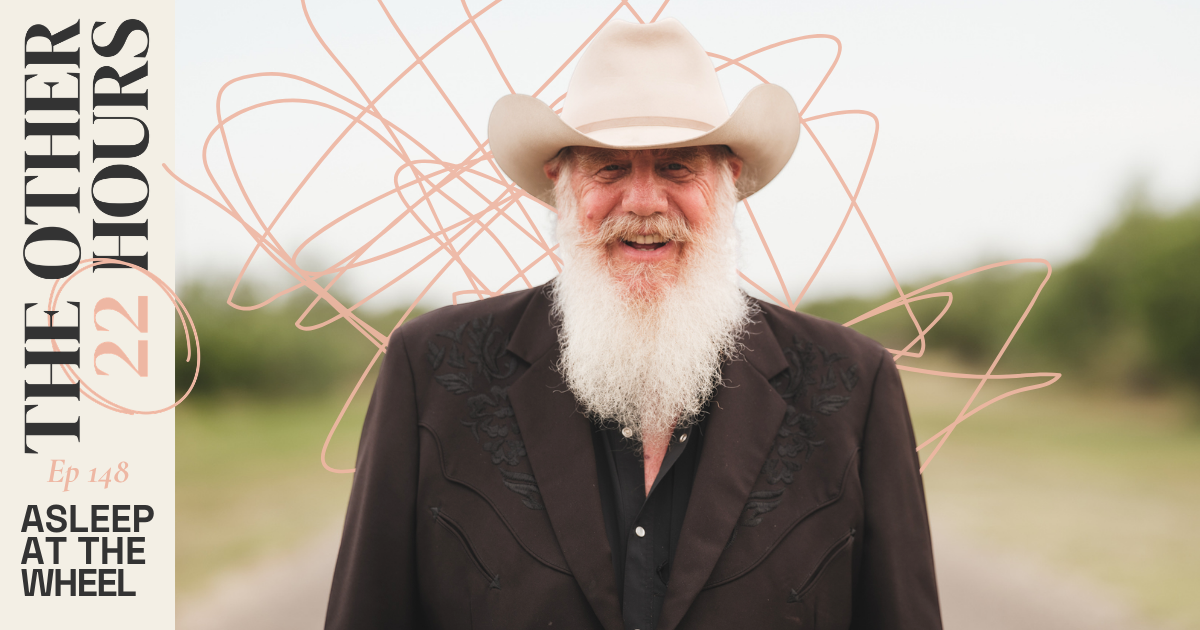
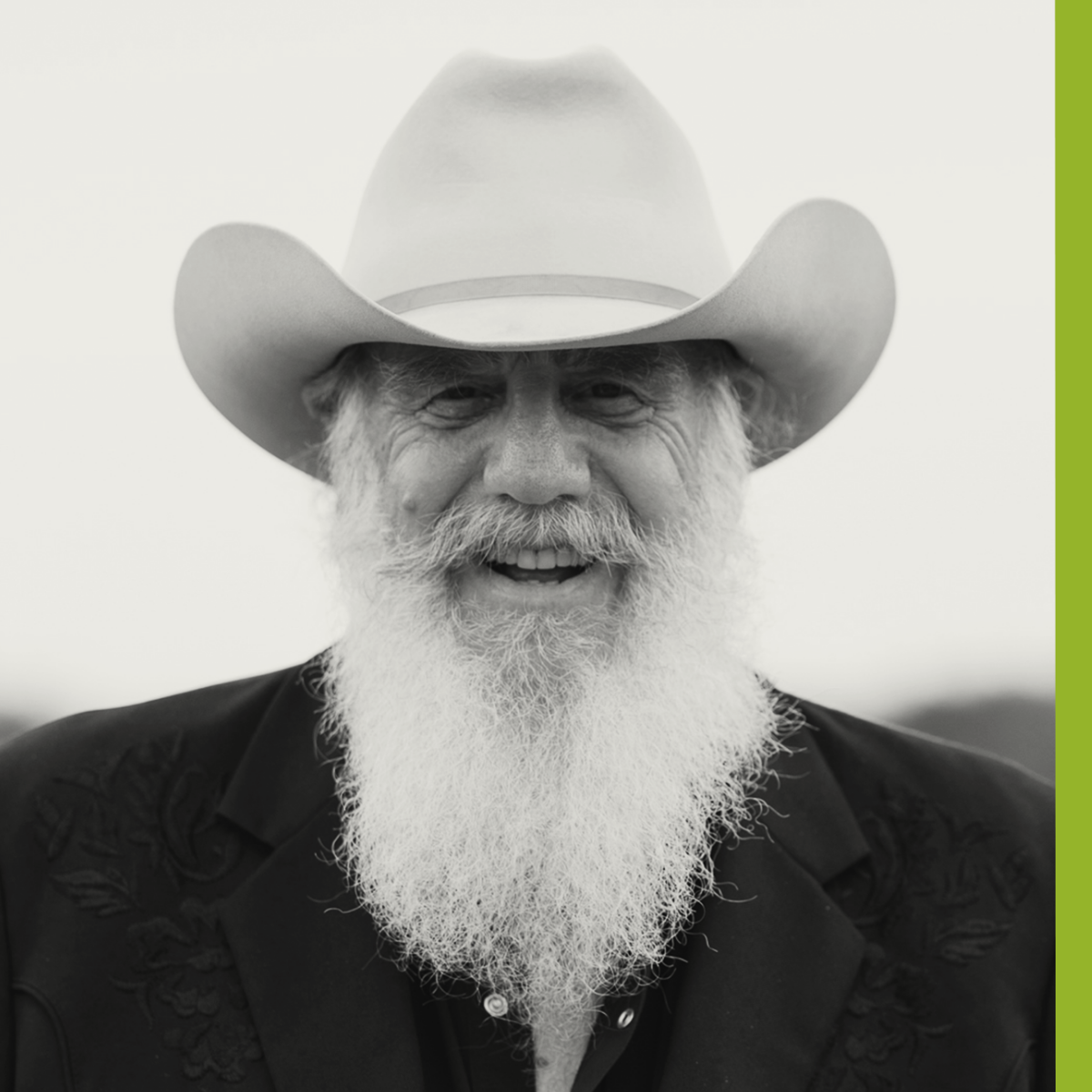
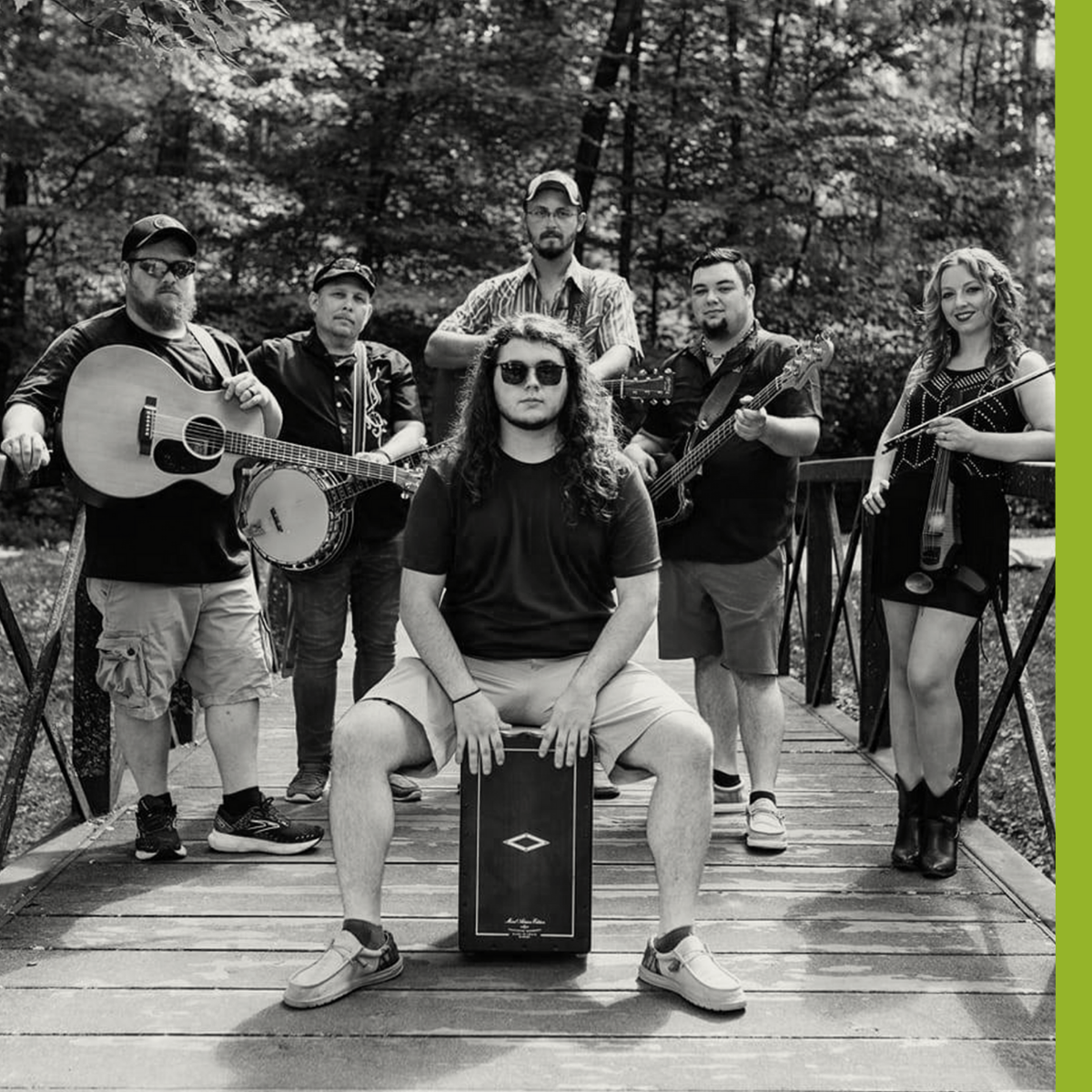
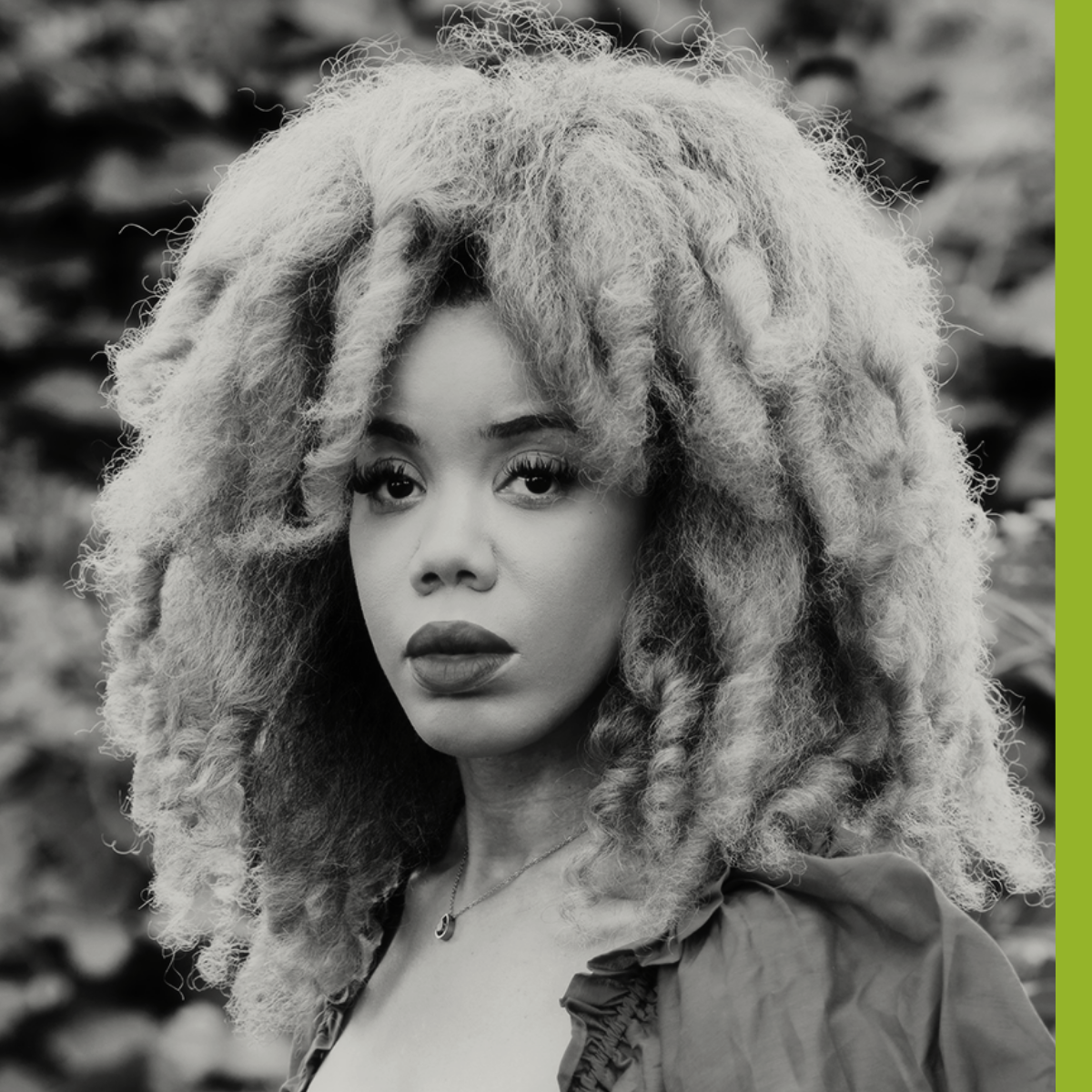
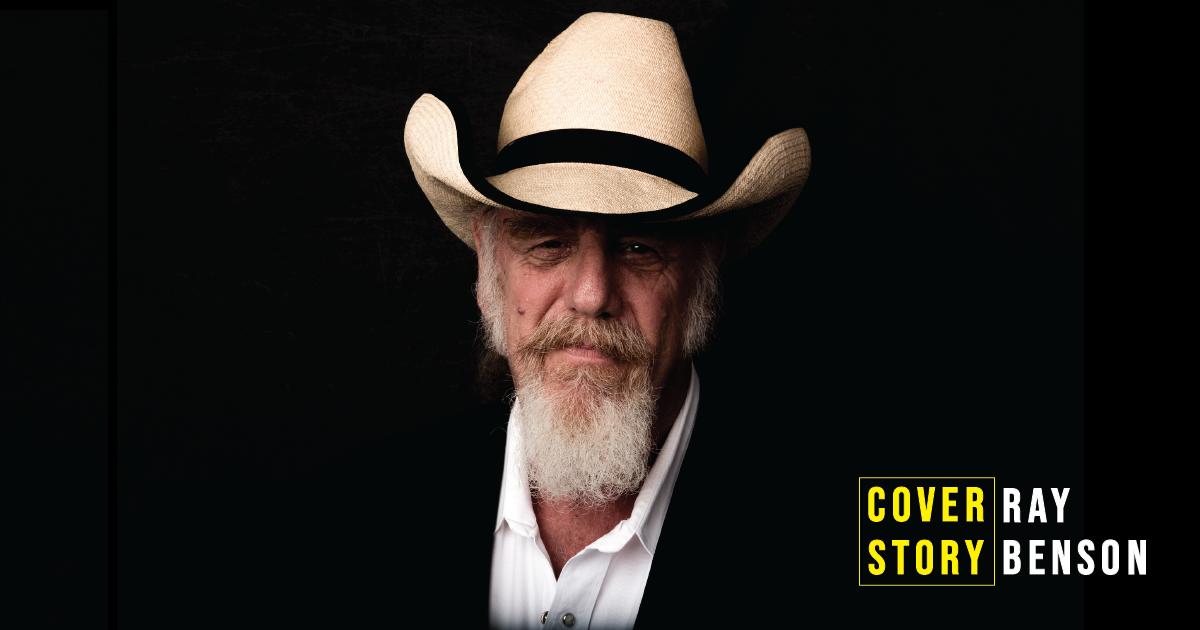
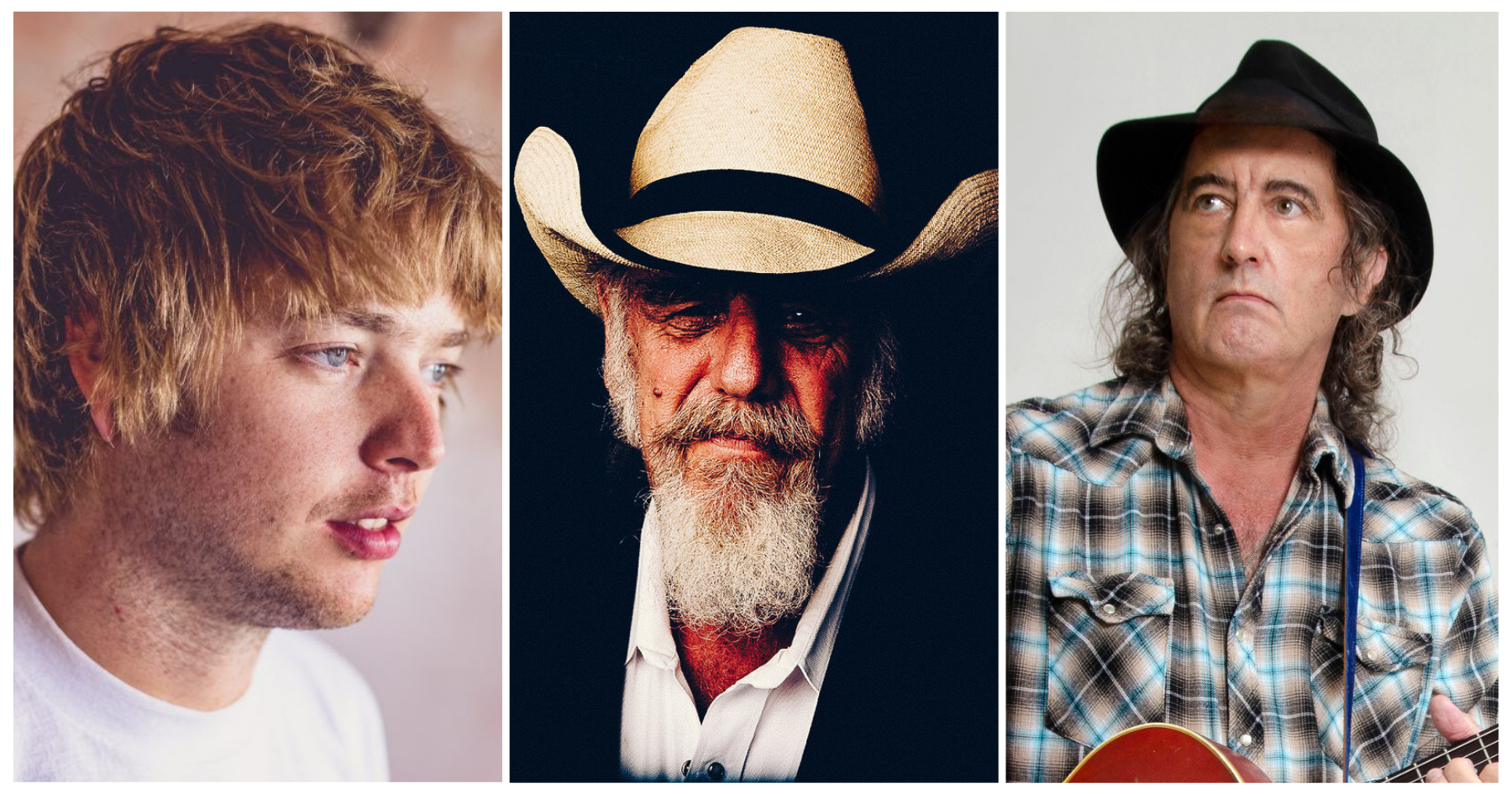
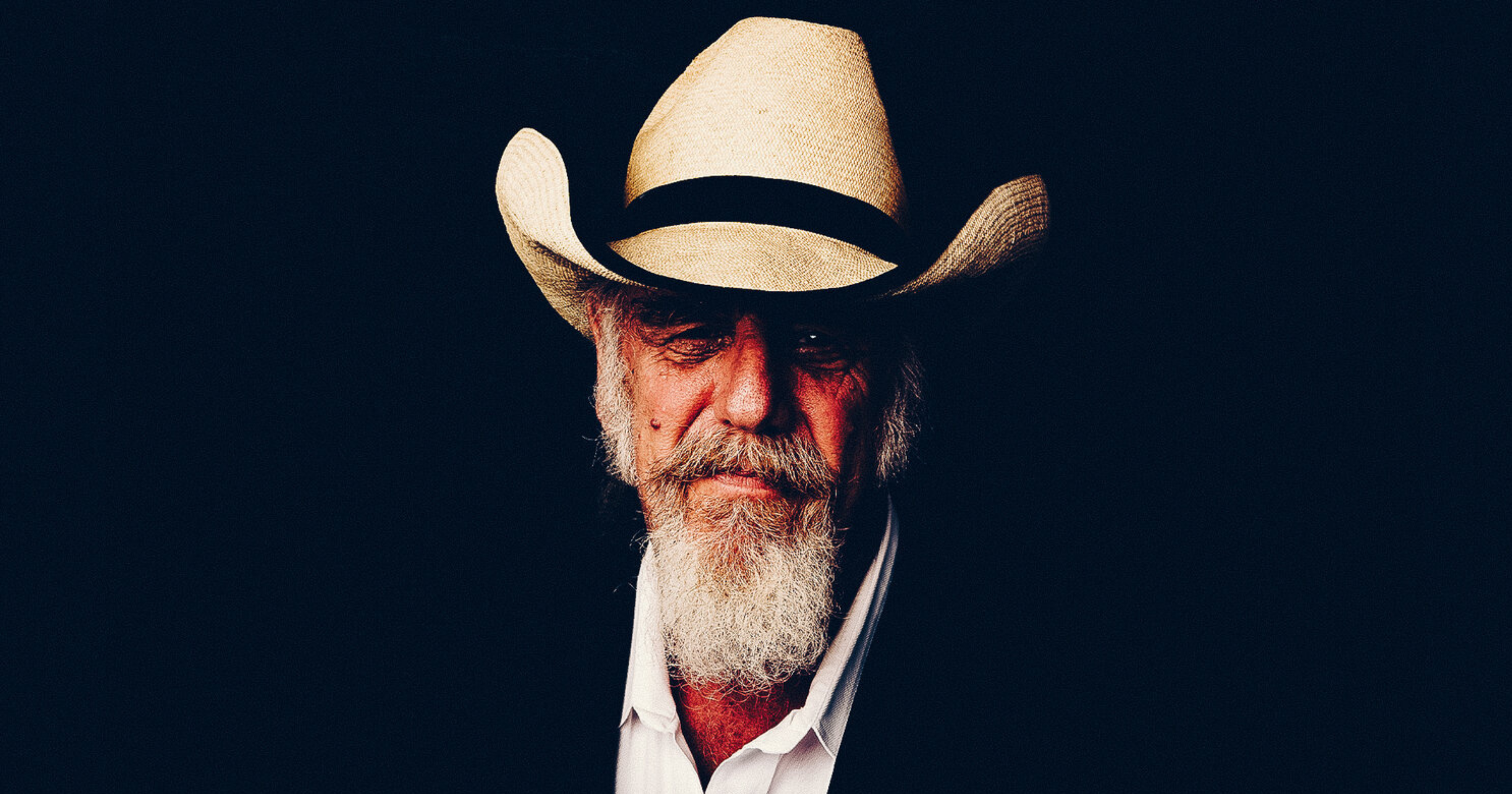
Ray Benson is an absolute pillar of American music, a nine-time GRAMMY winner whose band, Asleep at the Wheel, has defined Western swing for over half a century. In this episode of the Other 22 Hours, we talk with Ray about the “geographical imperative,” rebuilding his career from a broke-down bus to a musical institution, and the delicate balance between the craft of music and the business of image. This is an exploration of longevity, team building, and the importance of finding a “moral compass” in leadership.
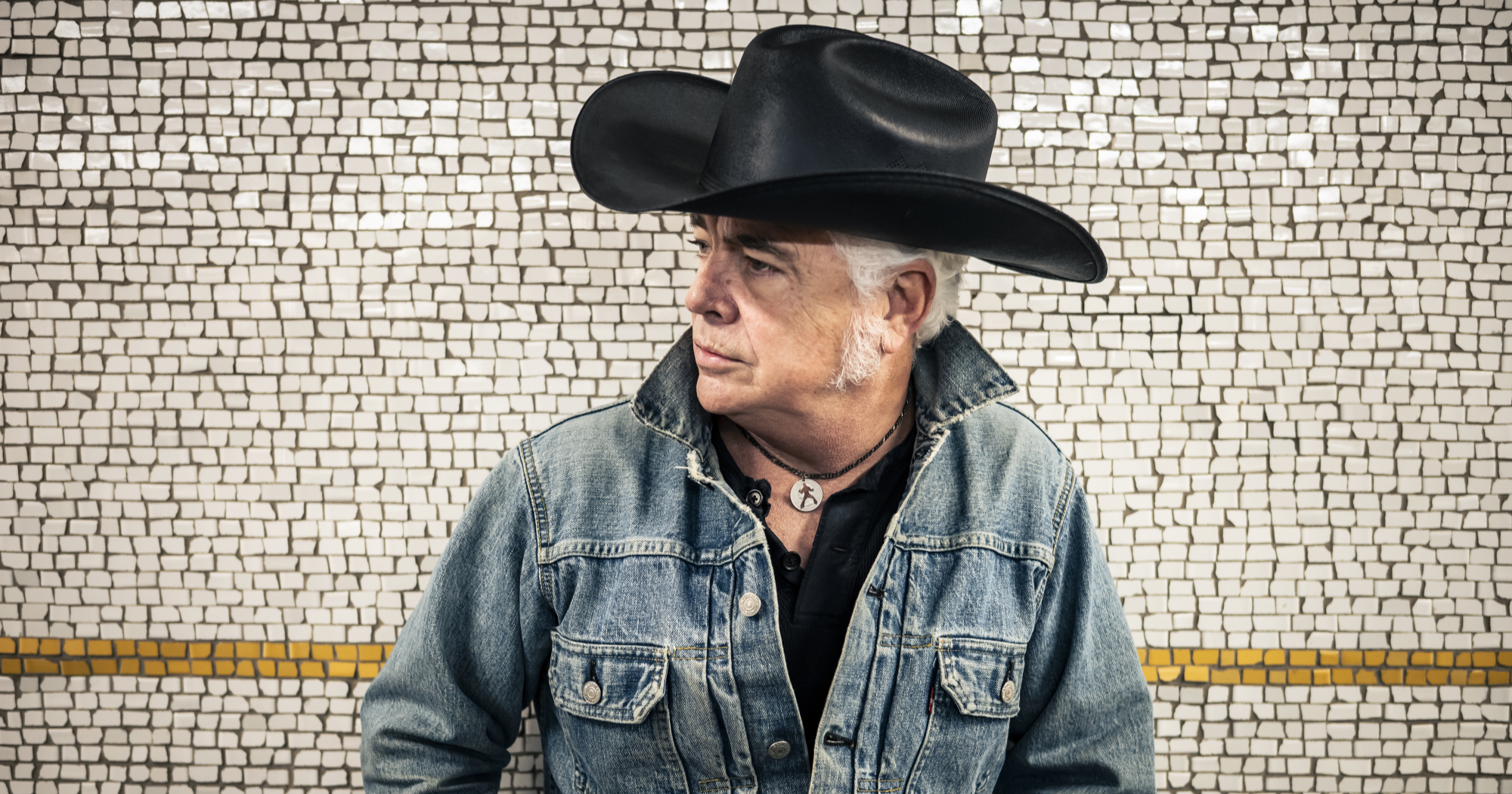
Ameripolitan music can be best defined as original music with prominent roots influence, and it has four categories: honky tonk, Western swing, rockabilly, and outlaw. My Mixtape features a song by an artist that represents the roots and then I’ll play a new artist that directly was influenced by them. You can hear the natural growth of country music when you listen to Lefty Frizzell and Merle Haggard or Kitty Wells and Loretta Lynn back to back. (Many of the roots artists had nicknames, I miss that.)
While some may hear an artist’s influence and say they are copying them, I’m of the opinion that John Lennon shared when asked about The Beatles’ influences. He said, and I paraphrase here, “One’s originality comes out in their inability to imitate their influences.” Very well said. – Dale Watson
“Who’s Gonna Take The Garbage Out” – Loretta Lynn, Ernest Tubb
Ernest Tubb had a distinctive voice as you hear on this song he sings with Loretta Lynn. Here’s the Texas Troubadour with the Coal Miner’s Daughter.
“My Wife Thinks You’re Dead” –Junior Brown
And no one is more evidently influenced by him than Junior Brown.
“Undo the Right” – Johnny Bush
Johnny Bush, otherwise known as the “Country Caruso,” was a drummer for Ray Price, the Cherokee Cowboy, before going out on his own. You would definitely hear that influence if you back-to-back Ray Price to Johnny Bush. Both are huge influences to every singer that grew up in Texas.
“Texas Honky Tonk” – Justin Trevino
This young man from Texas is carrying the Bush torch.
“D-I-V-O-R-C-E” – Tammy Wynette
The First Lady of Country Music, Tammy Wynette was married to the Possum, George Jones. She is easily at the top of women that influenced the newer singers.
“Houston Belongs To Me” – Sunny Sweeney
Singing her own divorce song, here’s Sunny Sweeney!
“Big Balls in Cowtown” – Bob Wills & His Texas Playboys
In the Western swing category this is the master, Bob Wills & His Texas Playboys.
“Riding High in Texas” – Asleep at the Wheel, Billy Strings
Though they’ve been around a while, they still burn up the road and proudly wear Bob Wills as their biggest influence. Ian Stewart sings as guest picker Billy Strings shines.
“Here in Frisco” – Merle Haggard
The Hag has influenced generations and even in death he still does. He once told me he forgot he wrote this song and was glad I brought it up so he can add it to his playlist again.
“This Highway” – Zephaniah OHora
Zephaniah OHora is now based in Nashville and he’s got a lot of great original songs. On this song you can hear the Hag in him.
“Bob Wills Is Still the King” – Waylon Jennings
In the outlaw world there is none more influential than Waylon, and in Texas we were all influenced by Bob Wills.
“Long White Line” – Sturgill Simpson
This particular song draws heavily on Waylon’s influence. And I like it.
“Ramblin’ Man” – Hank Williams
Hank Williams’ voice is one of the most recognizable in music. His songs are timeless and still inspire singers and songwriters alike.
“Thunderstorms and Neon Signs” – Wayne Hancock
You can definitely hear Hank in Wayne Hancock, but his own voice is definitely original, too – as well as his great songwriting.
“Guitars, Cadillacs” – Dwight Yoakam
Dwight Yoakam has influenced many a newcomer. Just as he was obviously influenced by Buck Owens. He came along when Nashville needed reminded of its roots.
“Lost in the City Lights” – Johnny Falstaff
Though not well known as of yet, Johnny Falstaff is picking up Dwight’s hat.
“Blue Kentucky Girl” – Loretta Lynn
The Coal Miner’s Daughter definitely left big shoes to fill, but her sassy songs inspired many women artists.
“Don’t You Ever Give Up On Love” – Brennen Leigh
That inspiration can be traced right to Brennen Leigh.
“Good Hearted Woman” – Waylon Jennings, Willie Nelson
Here’s the quintessential outlaw song by the most famously influential artists, the Red Headed Stranger, Willie Nelson, and Waymore, sometimes called Wautawsha, Waylon Jennings.
“Willie Waylon and Whiskey” – Dale Watson
The last song I’ll put in here’s is mine, because with pride I will state, yes, I am heavily influenced by Willie and Waylon. And sometimes whiskey.
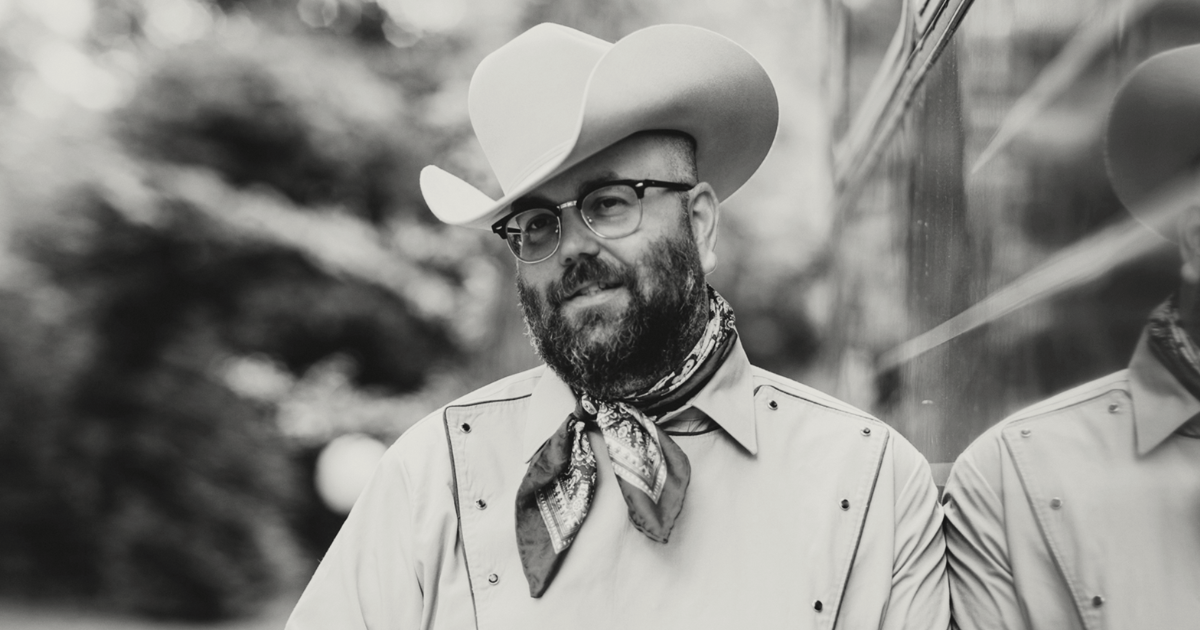
As one of Nashville’s key classic-country connoisseurs, fiddle maestro Joshua Hedley has long been a musician of many hats. In 2018 his first solo album Mr. Jukebox tapped 1960s-style countrypolitan. 2022’s Neon Blue embraced the lush warmth of the ‘90s-era format, and he regularly thrills crowds with cover sets from across time at the famed Nashville honky-tonk, Robert’s Western World. Yet with his new album All Hat, Hedley dons the metaphorical cap he’s long obsessed over – the wide-brimmed stetson of his Western Swing heroes.
A titan of twang and perhaps Broadway’s finest down-home devotee of the traditional arts, All Hat finds the lifelong Bob Wills fan going back to his roots. Produced by Western Swing icon and Asleep at the Wheel founder Ray Benson, the album captures the upbeat joy of an eminently danceable (yet often overlooked) country style, which Hedley has been loving and learning since he was 8 years old.
Over 11 tracks of old-style originals, he celebrates a genre defined by jaunty rhythms and euphoric solos meant to keep a crowd dancing long into the night. With an already-respected resumé, Hedley still calls All Hat his “pièce de resistance,” and feels Western Swing deserves its due in this era of cultural callbacks.
“It’s definitely not seen the renaissance that say bluegrass or the outlaw country sound have,” he laments.
Joshua Hedley spoke with Good Country about the new album, the differences between Western Swing and other country styles, and what it’s like to be produced by one of your heroes. Plus, he explains how “getting stoned and playing country music” is the best cure for creative burnout.
Your new album is called All Hat. But that term is famously used to describe posers – and you don’t fit that bill when it comes to country. So why are you calling it All Hat?
Joshua Hedley: Well some people disagree, man. [Laughs] I don’t know what constitutes “not a poser.” I would think playing country music since you were 8 would take care of that, but apparently not.
Really?
It is what it is. I don’t really give a shit, but it was just kind of poking fun at myself and those criticisms. I just think it’s funny. But honestly, for the album, I was working on a different album. I was writing for something else and I was on the road with Asleep at the Wheel and Brennen Leigh – we were doing a package show tour together – and I was just hanging out with Ray. He was like, “You ought to let me make a record on you.” I’ve been wanting to do another Western Swing album for a long time and I was just like, “This is it.” When Ray Benson wants to make a record on you, you make a fucking Western Swing record.
It came out really great. I’m enjoying it for sure. I wonder, how are you feeling about your craft these days? Like you said you’ve been doing this since… well, your whole life really.
Man, I’m feeling good about it these days. This album in particular has been just a joy all the way around. Writing – it was really fun. Recording – it was really fun. Playing these songs live is super fun, and it’s something I’ve been needing. You get pretty burned out when you do it this much. I come off the road and I go back to playing music just at home. When you play like that, you get burnt out hard – and I was really burnt out. This record is kind of pulling me out of the burnout.
That’s interesting. I’ve been watching you at Robert’s Western World for years and it’s always felt like you had that dialed in. I mean, you’ve earned the respect of everybody in the field, and you could probably be making a more commercial play, but it seems like you’re more inspired to make music with your friends and do small residencies. Is that a more satisfying life?
Definitely. I’ve done a lot of touring and all of that, but when I’m really having fun is when I’m down at Robert’s or Dee’s [Country Cocktail Lounge] or Skinny Dennis. I’ve been playing these solo acoustic shifts at Dee’s, it’s just two hours a week and I just sit there with my guitar and get stoned and play country songs. It’s kind of empty in there, and I get to do whatever I want. I forgot how much fun I have doing that, so I’ve been leaning more towards playing at Robert’s and doing the honky-tonk thing lately, just because at the end of the day, you got to do what makes you happy. If I was going to do something I wasn’t enjoying, then I could get a desk job and probably make a lot more money than I make doing this.
Maybe.
I wonder, do you ever feel like you know a secret that some of your peers are missing? I mean, when you talk about that burnout phase, and being able to sit down and just get stoned and play country music, is that a secret hack of the lifestyle?
I don’t know about a hack or anything like that, but for me, I am having the most fun when I am playing covers and just singing old songs that I really love. You hear a great song on the radio and the feeling that you get from hearing that song? Imagine the feeling you get from singing it. That’s my jam.
You’ve been calling All Hat your “pièce de resistance.” And I cannot speak French, so I can’t say that phrase. But how do you figure?
I love country music in all its forms – well… maybe not all its forms. But most of its forms. Western Swing has always been my very favorite thing to play and sing, and I actually made a tribute to Bob Wills when I was 15 with Buddy Spicher and his band up here in Nashville.
What? Really?
Yeah, it’s all Bob Wills covers, and a lot of ’em, I think probably I learned them from Asleep at the Wheel. … It’s just always been on my mind that I should write one of these instead of just doing Bob Wills songs, and always wanted to do it. And then getting to do it with somebody like Ray and with the players who are on the album – guys I’ve looked up to my whole life. I don’t know, it’s just the vibe was in the room and this record came out better than I could ever imagine.
Tell me a little bit about your songwriting on this one. What do you do differently when you’re writing a Western Swing tune?
Oh yeah. It is actually quite different because a lot of those melodies come out of the pop world. And when I say pop, I mean like ’30s and ’40s pop.
Like the original pop.
The original pop. Big band music and stuff like that. Country’s very structured, at least the classic kind that I do to where you’re verse, chorus, turnaround, chorus, outro, something like that. It’s real regimented and formulaic and it’s a different approach to writing Western Swing. A lot of those songs are just one verse, and then you play a bunch of solos, and then you just repeat that verse and take it home, which is a very jazz standards thing to do.
I guess I never thought of that.
Like on “Fresh Hot Biscuits.” I kind of approached that how Bob and them would approach “Ida Red” or something, which is really just a fiddle tune that he wrote words to. I leaned into borrowing old lines from old blues songs and tried to find some of those old lines. Like in “All Hat” – “I know a gal up over the hill/ She won’t do it, but her sister will.” That line’s as old as time.
Right. So the structure, is that because it’s made for dancing?
Yeah, the vocal is secondary a lot of the time, and the lyrics certainly are. It’s more about dancing and the whole thing evolved out of square dance culture and callers where there weren’t lyrics to the songs. It was just a guy telling you what to do on the dance floor. The lyrics are kind of secondary to the overall vibe, and the musicianship is really a big part of it, too.
I did want to ask you about “Stuck in Texas” because that one’s got Ray on it. It’s got that jumpy beat, and a little bit of yodeling in there, too. Where did that one come from?
I had wrote several songs that had really similar chord progressions at that time. I had written them in a row, and I was trying to get out of that. And I’m also trying to push myself on guitar to write outside of three chords, four chords. I just kind of came up with that. I was thinking about the Sons of the Pioneers when I wrote that song, wanting a real good guy, cowboy-movie cowboy. Thinking about Gene Autry and stuff. Then it was just a no brainer for Ray to step in on. Mr. Texas.
What’s it like to be produced by a guy like Ray Benson? Is it different than playing in his band?
It is different than playing in his band because his band is his brainchild and he knows exactly what he wants it to sound like. I think he recognized that this was my brainchild and we all kind of did it together. Ray, he kind of choreographed a lot of it being like, “We should throw the ensemble part here and twin this,” and “We got to have fiddle on the intro,” that sort of thing. But a lot of it was just a group of guys that play together all the time getting together and playing these songs. And what happened was just natural.
You said somewhere in your bio that you grew up playing fiddle with guys who were in their 50s and 60s, and learning from them. I just wonder, is that what you aspire to be one day?
Yeah, definitely. There’s actually this kid Nash [Grier] that comes down to Robert’s whenever Brazilbilly plays and it’s always a treat. He’s like six or seven years old and he’s a really great fiddle player. He comes up and he sings “Hey, Good Lookin'” and he plays “Orange Blossom Special” behind his back – all the little things I used to do when I was his age. Now that I’m 40 years old, I’m like, “Man, look at that little guy.” It really brings back memories. I was that kid and I love seeing a new generation embracing all this stuff. It’s really special to get to pass it on.
What you hope people take away from this one. I know it’s a labor of love for you and a lot of fun to do, but what do you hope people get from this thing? Do you want to spark a revival?
I don’t know about any revival, but I hope people have fun with it. I hope that they don’t take it too serious. Music can get so heavy these days, and I get it. But I want to remind folks that you can just keep it light and make a great record. Sometimes it’s nice to just dance, to just do some two-stepping, learn how to polka and not be so serious all the time. It’s all fun. That’s why we got into this. So I just want people to remember to enjoy themselves.
Editor’s Note: Each issue of Good Country, our co-founder Ed Helms will share a handful of good country artists, albums, and songs direct from his own earphones in Ed’s Picks.
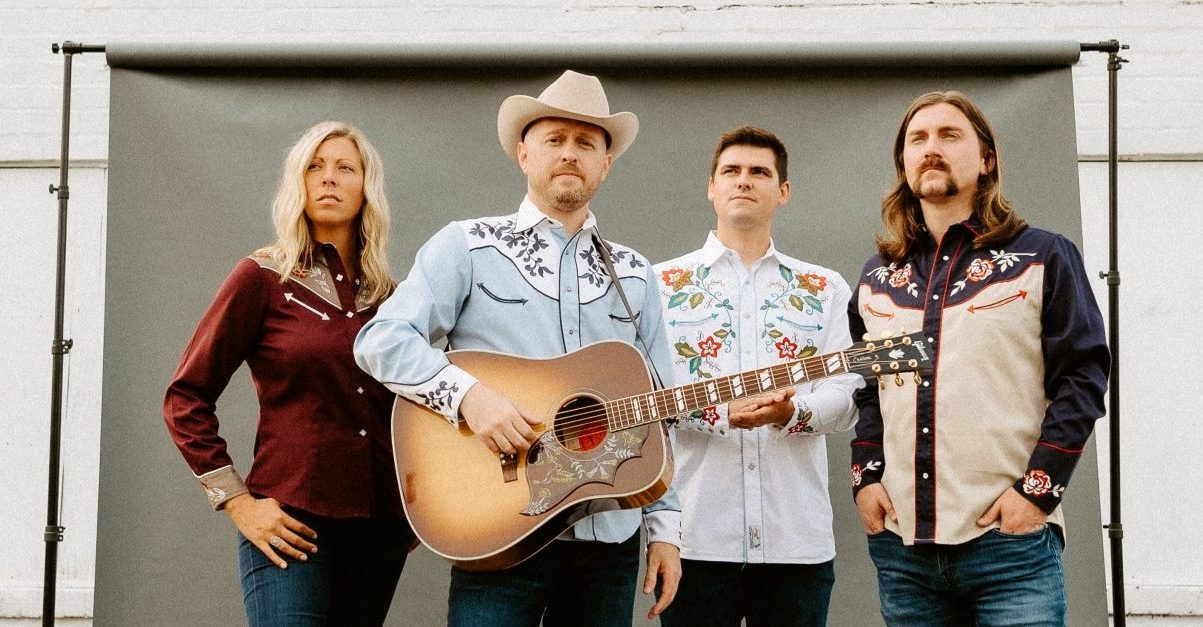
Among the many excellent Texan country & western bands Asleep at the Wheel have been standing tall for more than 50 years. Their new album, Riding High in Texas, collects ten of the best songs about the state from some of country’s most iconic artists and writers – and it features quite a few stellar guests as well, like Lyle Lovett, Brennen Leigh, and Billy Strings.
A few short weeks ago, no one would have faulted you for not knowing who Eastern Kentucky bluegrass band the Creekers were. Now, their track “Tennessee” is seemingly everywhere on the internet. The song has been used on more than 36,000 TikTok videos and the group has quickly amassed upwards of 60,000 followers on the platform – plus, “Tennessee” has been streamed more than 3 million times on Spotify and has racked over half a million spins on YouTube! Let the catchy tune do the explaining why.
Here’s some Good Country! Now, it’s true not every track from this Mississippian genre-bender’s brand new album, Miss Black America, would be “permissible” on country radio, there are still plenty of rural, down-home, red clay, Americana moments throughout this impeccable collection. From the visuals of the album and her social media accounts to tracks like “The Man,” “Reparations,” “Mama Don’t Worry,” and “Thick n Country” it’s clear KIRBY and her material would fit right in alongside the best of today’s pop country and country trap – and would certainly outshine most songs in those subgenres, too.
The GC team was first introduced to this incredible singer-songwriter, Sabine McCalla, through her equally talented sister, Leyla. But soon after that she took the internet by storm with her Western AF video performance of “Baby, Please Don’t Go” – which rests comfortably at 1.1 million views on YouTube. McCalla just announced her debut full-length album, Don’t Call Me Baby, arriving November 7 via Gar Hole Records and we can’t wait. The singles she’s released so far promise more lovely and innovative heart-wrenching indie-roots music.
New Margo Price music is always cause for celebration. We’ve worked with Margo a lot over the years, from Bonnaroo to the Good Country Goodtime at Newport Folk Festival this July, and we’re constantly impressed by her drive, grit, tenacity, and the way agency is at the center of all of her work. That’s certainly true for her brand new album, Hard Headed Woman. Don’t ever change, Margo.
Want more Good Country? Sign up to receive our monthly email newsletter – and much more music! – direct to your inbox.
Photo Credits: Asleep at the Wheel by Curtis Clogston; The Creekers courtesy of the artist; KIRBY by Justin Hardiman; Sabine McCalla by Camille Lenain; Margo Price by Yana Yatsuk
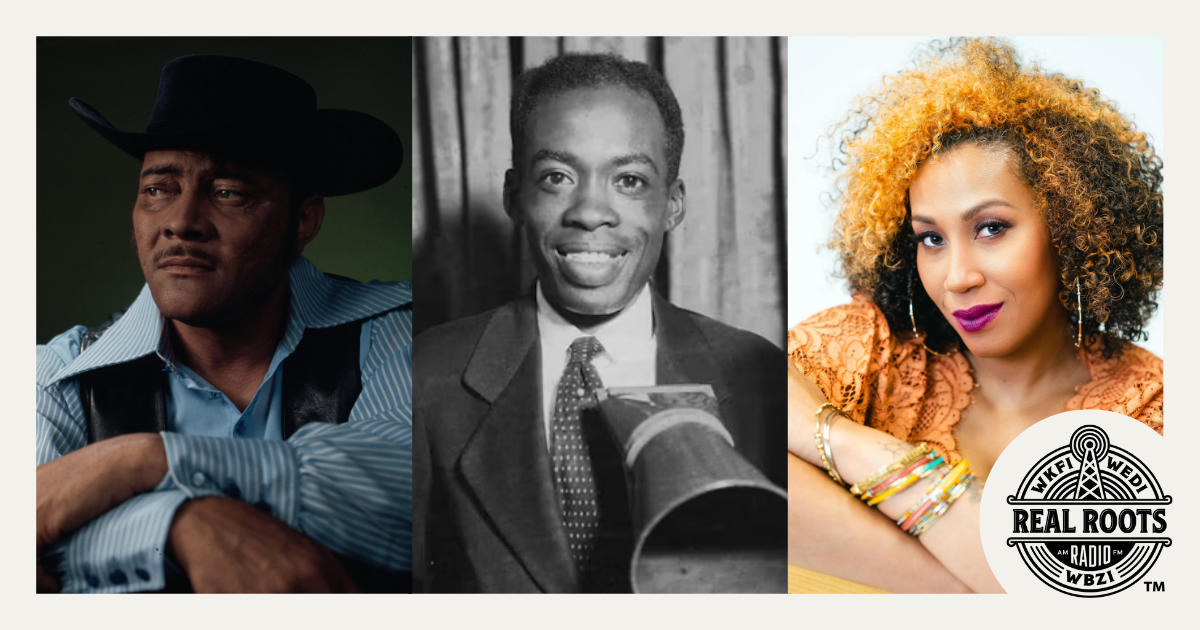
To celebrate Black History Month – and the vital contributions of Black, Afro-, and African American artists and musicians to American roots music – BGS, Good Country, and our friends at Real Roots Radio in southwestern Ohio have partnered once again. This time, we’ll be bringing you weekly collections of a variety of Black roots musicians who have been featured on Real Roots Radio’s airwaves. You can listen to Real Roots Radio online 24/7 or via their FREE app for smartphones or tablets. If you’re based in Ohio, tune in via 100.3 (Xenia, Dayton, Springfield), 106.7 (Wilmington), or 105.5 (Eaton).
American roots music – in any of its many forms – wouldn’t exist today without the culture, stories, skills, and experiences of Black folks. Each week throughout February, we’ll spotlight this simple yet profound fact by diving into the catalogs and careers of some of the most important figures in our genres. For week two of the series, RRR host Daniel Mullins shares songs and stories of Stoney Edwards, Rissi Palmer, Keb’ Mo’, Tina Turner, and DeFord Bailey. Check out the first week of the series here.
We’ll return each Friday through the end of the month to bring you even more music celebrating Black History and the songs and sounds we all hold dear. Plus, you can find a full playlist with more than 100 songs below from dozens and dozens of seminal artists, performers, songwriters, and instrumentalists from every corner of folk, country, bluegrass, old-time, blues, and beyond.
Black history is American roots music history; the two are inseparable. As we celebrate Black History Month and its legacy, we hope you’ll join us in holding up and appreciating the artists who make country, bluegrass, blues, folk, and Americana the incredible and impactful genres that they are today.
Stoney Edwards (1929 – 1997)
If you don’t know the late, great Stoney Edwards’ name, it’s time to fix that – because his story in country is as powerful as the songs he sang.
Born Frenchie Edwards in Seminole Country, Oklahoma, in 1929, Stoney was part African American, Native American, and Irish. The son of sharecroppers, he was a prominent bootlegger in Oklahoma during his younger years. Stoney had dreams of playing the historic Grand Ole Opry. His big break in music would come later in life, in his early 40s, when he was discovered in California singing his honky-tonk style at a benefit for the King of Western Swing, Bob Wills.
Stoney was signed to Capitol Records in the early ’70s and from there he made history. He scored fifteen charting singles, including a pair of Top 20 hits, one of which – his 1973 hit “She’s My Rock” – is still revered as a bona fide country standard later covered by artists like Brenda Lee and George Jones. His songs were deeply authentic, whether he was singing about love, loss, or his own experiences growing up poor and Black in America. He gave a voice to the underdog, often drawing from his own struggles, including battling discrimination and working blue-collar jobs before music. Edwards would also record several songs saluting his country heroes over the years, including “The Jimmie Rodgers Blues,” “Daddy Bluegrass,” and his Top 40 hit, “Hank and Lefty Raised My Country Soul.”
Stoney’s music wasn’t just about catchy melodies; it was about storytelling. His debut single was inspired by a true story. Before he hit it big as a country singer, Stoney was trying to provide for his family working as a forklift operator at a steel refinery in San Francisco. A workplace accident resulted in Edwards being sealed up in a tank and suffering dangerous carbon dioxide poisoning; he endured an extensive two-year recovery, both physically and mentally. During this time, Stoney was struggling to care for his wife and children, so he planned to leave in the middle of the night. However he tripped over one of his daughter’s toys, and it prompted him to stay. In 1970, backed by the virtually unknown Asleep at the Wheel, Stoney Edwards released his debut single, the autobiographical “A Two Dollar Toy.”
While his career didn’t reach the same commercial heights as some of his peers, Stoney Edwards left an indelible mark on country music. He paved the way for greater diversity in the genre and showed that country music is for everyone – no matter where you come from or what you look like. Stoney Edwards passed away from stomach cancer in 1997 at the age of 67.
She’s a trailblazer in country music, a voice for change, and an artist who refuses to be boxed in – meet Rissi Palmer!
Palmer’s mother passed away when she was just seven years old, but she instilled in her a love for the music of Patsy Cline. Rissi would burst onto the country scene in 2007 with her hit single, “Country Girl,” making history as one of the few Black women to chart on the Billboard country charts. Rissi has built a career on breaking barriers by blending country, soul, and R&B into a sound all her own. She has penned some empowering original songs, helping folks on the margins feel seen, especially her most personal song, “You Were Here,” dealing with the heartbreak of a miscarriage.
Beyond the music, Palmer uses her platform to uplift underrepresented voices in country and roots music. As the host of Color Me Country radio on Apple Music, she spotlights Black, Indigenous, and Latino artists in country music – proving that the genre belongs to everyone. With her powerful voice and unwavering spirit, Rissi Palmer isn’t just making music, she’s making history.
Keb’ Mo’ is a modern blues legend. Born Kevin Moore, this L.A. native blends Delta blues with folk, soul, and a touch of country. With his smooth vocals and masterful guitar skills, he’s kept the blues alive for over four decades.
Mo’ is heavily influenced by the late Robert Johnson, who preceded Keb’ by about 60 years. Keb’ portrayed Robert Johnson in a 1998 documentary and included two Johnson covers on his breakthrough self-titled album in 1994. He has since won five GRAMMY Awards, collaborated with legends like Bonnie Raitt, Jackson Browne, and Taj Mahal, and performed for multiple U.S. presidents.
Mo’ is embedded in country and Americana music as well, working with cats like Lyle Lovett, Old Crow Medicine Show, John Berry, Alison Brown, Jerry Douglas, and Darius Rucker over the years. He has been quick to share his respect for country and gospel traditions, appearing on the critically acclaimed all-star album, Orthophonic Joy, recreating the magic of the 1927 Bristol Sessions – country music’s big bang.
Whether he’s playing a heartfelt ballad or a foot-stomping blues groove, Keb’ Mo’ keeps the genre fresh and timeless. His music isn’t just about the past – it’s about where the blues is going next. We love his passion for all things American roots music. Fifty years into his remarkable career, Keb’ Mo’ is still one cool cat.
She was the Queen of rock ‘n’ roll, but did you know Tina Turner had deep country roots?
Born Anna Mae Bullock, she grew up in Nutbush, Tennessee. Tina recalled picking cotton as a youngster during her hardscrabble rural upbringing. Her musical journey began by singing at church on Sunday mornings. She grew up on country, gospel, and blues. Turner and her husband, Ike (who was abusive towards her) had massive success in R&B and rock and roll, but her first solo record was actually a country album.
In 1974, Turner released her debut LP, Tina Turns The Country On!, introducing herself as a solo act. Featuring top musicians, including Country Music Hall of Famer James Burton on guitar, Tina tackled songs from country greats like Dolly Parton, Kris Kristofferson, and Hank Snow. It would go on to receive a GRAMMY nomination for Best Female R&B Vocal Performance in 1975. Over the years, unreleased songs from this groundbreaking album would be dropped, including her powerful take on “Stand by Your Man.”
However, her most enduring impact on country might be as the inspiration behind one of the outlaw movement’s most popular hits. In 1969, Waylon Jennings was staying at a motel in Fort Worth, Texas, when he saw a newspaper ad about Ike & Tina Turner that intrigued him enough to interrupt Willie Nelson during a poker game so they could write a country classic. The phrase that struck Waylon heralded Turner as “a good hearted woman loving a two-timin’ man.” Sound familiar?
From honky-tonks to stadiums, Tina Turner’s fiery spirit left an unforgettable mark on practically every genre – country, rock, and everything in between.
Let’s go back to the early days of country to a name that shaped the Grand Ole Opry, but is often forgotten: DeFord Bailey, “The Harmonica Wizard!”
Born in 1899 in Smith County, Tennessee, Bailey grew up around banjos and fiddles in a musical family, saying that he learned the “Black hillbilly music” tradition. He overcame polio as a child, resulting in his short stature – he was only 4’ 10” tall – but it was through this ordeal that he found his voice in a harmonica. While recovering from the disease, he was bedridden for a year, and learned to mimic the sounds he heard outside on his harmonica: trains, animals, and the rhythms of life.
In 1927, Bailey became one of the first stars of the Grand Ole Opry on Nashville’s WSM, dazzling crowds with hits like “Pan American Blues.” He was actually the first artist introduced after George D. Hay referred to WSM’s Barn Dance as the “Grand Ole Opry” for the first time to poke fun at NBC’s classical Grand Opera. Bailey would also become the first artist to record in Music City. His hits like “Fox Chase,” “John Henry,” and “Evening Prayer Blues” captivated radio audiences, making him one of the Opry’s most popular performers. He would tour with other stars like Roy Acuff, Uncle Dave Macon, The Delmore Brothers, and Bill Monroe, but would often not be allowed to stay in the same hotels or eat at the same restaurants as his white contemporaries due to Jim Crow laws.
In 1941, DeFord Bailey was unceremoniously fired from the Grand Ole Opry under suspicious circumstances. He would make his living shining shoes in Nashville and would not perform on the Opry again until 1974, the first of only a handful of final performances on the radio program which he helped grow during its infancy, before his passing in 1982.
The Grand Ole Opry would eventually work to reconcile its mistreatment of its first Black member, issuing a public apology to the late DeFord Bailey in 2023 with his descendants on hand. Old Crow Medicine Show was there to celebrate the occasion, performing their tribute song to Bailey led by black percussionist Jerry Pentecost, entitled “DeFord Rides Again.”
In 2005, Bailey was rightfully inducted into the Country Music Hall of Fame and over 40 years since his passing, he is still recognized as the Harmonica Wizard.
Artist:The Shootouts Hometown: Akron, Ohio Song: “One Step Forward” (Feat. Ray Benson & Asleep at the Wheel) Album:Stampede Release Date: February 24, 2023
In Their Words: “‘One Step Forward’ was written by our good friend Al Moss, a longtime Shootouts collaborator. While it’s definitely an uptempo love song, I couldn’t help but see it as a perfect analogy for the music business, too: one step forward, two steps back. Someone who knows a thing or two about surviving the ups-and-downs of the music business is Stampede co-producer Ray Benson. You don’t survive 50+ years in the music business without being able to weather the occasional storm. That’s just one of the many lessons we learned from working with Ray. He is a wealth of country music knowledge, and working with him and (Stampede co-producer) Sam Seifert was a true learning experience. We’re really grateful to them for their belief in The Shootouts and our music.
“For this song, and the video, we were also thrilled to be joined by Ray and members of Asleep at the Wheel. We wanted the video to give a little taste of what you might experience at a Shootouts concert, while also documenting some of the fun shows and tour dates we’ve had recently. We shot the portion with Ray and the Wheel on the road at the Blue Gate Theatre in Shipshewana, Indiana.” — Ryan Humbert, The Shootouts (vocals, guitar)
Even if you’re from Nashville or you’ve visited Music City many times, AMERICANAFEST always offers something new. This year, the annual event encompasses more than a dozen places to hear live music, as well as an impressive slate of industry panels and a near-endless list of parties. Where to begin? Although this story is by no means definitive, here are some promising highlights from the 2022 Americanafest daily schedule.
Tuesday, September 13
If you’re in town early, come say hello to BGS at Station Inn, where Jason Carter & Friends will take the stage. Doors at 8. Although it’s not open to the public, all conference and festival passholders are welcome. To pick up your pass, you’ll need to swing by City Winery or the Westin (the host hotel) earlier that day. An exploration of East Nashville might also be in order, with The Old Fashioned String Band Throwdown from 6-9 p.m. at Dee’s Country Cocktail Lounge.
Wednesday, September 14
A plethora of panels awaits conference registrants at the Westin, along with a couple of notable interview sessions. The Indigo Girls will be interviewed by NPR Music’s Ann Powers at 10 a.m. (They’ll be honored with a Lifetime Achievement recognition at the Americana Music Honors & Awards later that night too). Stick around for a conversation between Dom Flemons and Asleep at the Wheel’s Ray Benson, presented by WSM’s American Songster Radio. After that, Stax Records’ Al Bell and Deanie Parker will discuss the historic Wattstax festival in 1972.
You can count on BGS for another party as we celebrate our 10-year anniversary with a happy hour at City Winery Lounge from 3 – 5 p.m. Conference and festival passholders welcome. Special performers include Kyshona, Rainbow Girls, and Willie Watson. And after the awards show, there’s an abundance of awesome shows to consider, including a rare solo set by Angel Olsen (our BGS Artist of the Month in August) at Riverside Revival, a set from Bill Monroe acolyte Mike Compton and a surprise headliner at Station Inn, and an acoustic showcase from members of North Mississippi Allstars at Analog at Hutton Hotel immediately followed by Texas great Joshua Ray Walker.
Thursday, September 15
One of the most intriguing panels on Thursday is titled The Narrators: How Jake Blount, Leyla McCalla and Kaia Kater Re-Mapped the Past, Present and Future With Concept Albums. As the Americanafest app points out, all three artists are students of musical and cultural traditions, as well as Black banjo players. The conversation takes place at noon with moderator Jewly Hight. Coincidentally, these three performers are showcasing at the exact same time later that night, so here’s your chance to catch them all at once.
Ishkōdé Records will celebrate Indigenous voices from Turtle Island at Dee’s Country Cocktail Lounge from 1-4 p.m., with performers such as Amanda Rheaume, Aysanabee, Digging Roots and Evan Redsky. If you’re lucky enough to get into the Bluebird Cafe for a 6 p.m. show, you can enjoy a songwriting round with Gabe Lee, Tristan Bushman and British artist Lauren Housley. A Tribute to Levon Helm with an all-star cast closes out the night at 3rd & Lindsley, following an evening of music with Arkansas roots.
Several of the most buzzed-about showcases of AMERICANAFEST will take place at the Basement East, with a strong lineup boasting Rissi Palmer, Molly Tuttle & Golden Highway, Trousdale, Bre Kennedy and Jade Bird. If you’re up for bluegrass, the City Winery Lounge lineup includes Tammy Rogers & Thomm Jutz alongside rising talent like the Tray Wellington Band and Troubadour Blue. If honky-tonk is more your style, stay up late for Jesse Daniel at 6th & Peabody, with original music that pays homage to the Bakersfield Sound without losing its contemporary appeal.
Friday, September 16
Diversity is a common theme on Friday’s daytime events, with panels like Booking With Intent: How Curating the Stage Impacts Industry Diversity and How Americana Music Is Embracing Minority Representation. Of particular note, British artist Lady Nade speaks on the influence of Black music in country and Americana in a panel titled You Can’t Be What You Can’t See: Why Representation Is Vital for the Americana Genre. Look for a conversation and performance at the Country Music Hall of Fame and Museum at noon with rising artists from the Black Opry Revue.
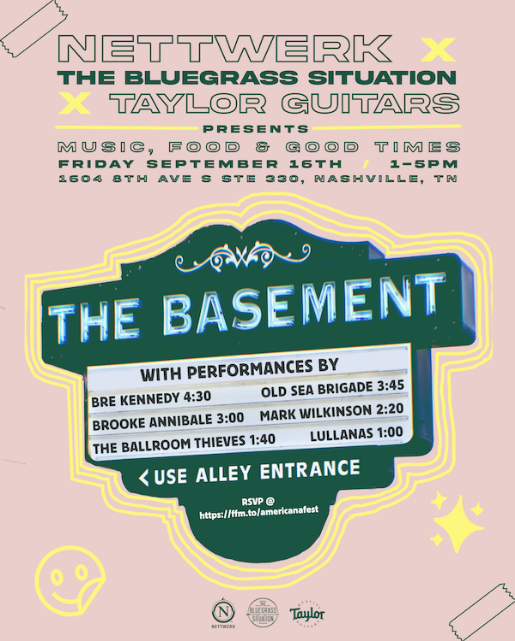
To list all the parties on Friday would take up this whole page. To socialize, you’ve got options ranging from songwriting rounds to label parties to multiple happy hours. (If you’re a craft beer drinker who loves to linger on the deck, it’s worth a visit to Tennessee Brew Works, where Hear Fort Worth is setting up shop.) As for BGS, you’ll find us at the Basement for a party presented with Nettwerk Records and Taylor Guitars. The public may RSVP through the invitation below.
This might be a good time to mention one of the festival’s new venues, The Well at Koinonia. This cozy coffee shop on Music Row played a crucial role in the development of contemporary Christian music, once lending its small stage to a then-unknown Amy Grant. For AMERICANAFEST, it’s providing a listening room environment for a number of quieter artists who still deserve to be heard, such as Nashville songwriter-producer Alex Wong, award-winning acoustic guitarist Christie Lenée, mesmerizing folk duo Ordinary Elephant, Australian troubadour Colin Lillie, and the accomplished Mexican-American musician Lisa Morales on Friday night. If you’re interested in early shows (starting at 6 p.m.), easy parking, and/or enjoying music in a non-alcoholic environment, make an effort to get refueled here.
Not far away lies one of Nashville’s musical landmarks, The Basement (a.k.a. “The Basement O.G.”), and if you’re in town to discover some overlooked voices, this might be an ideal spot to start. Drawing on blues and rock, Chicago musician Nathan Graham is making his AMERICANAFEST debut this year, followed by Southern slide guitarist-songwriter Michelle Malone, who’s touring behind new material like “Not Who I Used to Be.” At Exit/In at 9 p.m., Michigan Rattlers are among Americana music’s best storytellers, with a vibe that’s kind of brooding but still has some rock ‘n’ roll swagger. Hang around for 49 Winchester, a Virginia ensemble that’s been DIY for most of its career. However, 2022’s Fortune Favors the Bold is garnering some much-deserved attention. Listen closely for the Exit/In reference in standout track, “Damn Darlin’.”
For something more mellow, you can zoom over to City Winery for a late set by Milk Carton Kids. It wouldn’t even feel like AMERICANAFEST without seeing these guys. Earlier in the evening, longtime festival favorite Ruston Kelly will play alongside his dad, Tim Kelly, performing exquisite songs that they recorded together (with Ruston serving as producer). Gaby Moreno, Henry Wagons and Rainbow Girls are also on the well-rounded bill. Go ahead, order a bottle.
Saturday, September 17
By the time the weekend arrives, the panels have wrapped and the parties are well underway. You can peruse the Americanafest app for all the options, but first, settle in at City Winery for the Thirty Tigers Gospel Brunch from 11 a.m. to 1 p.m. (It’s on Saturday this year, rather than Sunday.) Artists appearing include Alisa Amador, Brent Cobb, Emily Scott Robinson, Stephanie Lambring, The Fairfield Four and The McCrary Sisters. Musicians Corner in Centennial Park also features free afternoon sets from Nashville mainstay Josh Rouse, Brooklyn’s own Bandits on the Run, Los Angeles songwriter Chris Pierce, Canadian banjo player Ryland Moranz, and more.
Over at The 5 Spot, Alabama bluesman Early James anchors a lineup with Theo Lawrence (a French songwriter-guitarist who opened dates for Robert Plant and Alison Krauss in Europe), Canadian musician Megan Nash, and new ATO Records signing Honey Harper. The night concludes with an 11 p.m. showcase titled Luke Schneider & Friends: A Pedal Steel Showcase. For something similarly atmospheric, consider a one-night-only event, Phosphorescent Performing Songs From the Full Moon Project, also at 11 p.m. at Brooklyn Bowl. He’s promising to play more songs than just the covers he’s chosen for this unique album, so you can bask in the afterglow of an incredible week of music.
For more information about these events and countless more, visit AMERICANAFEST.COM.
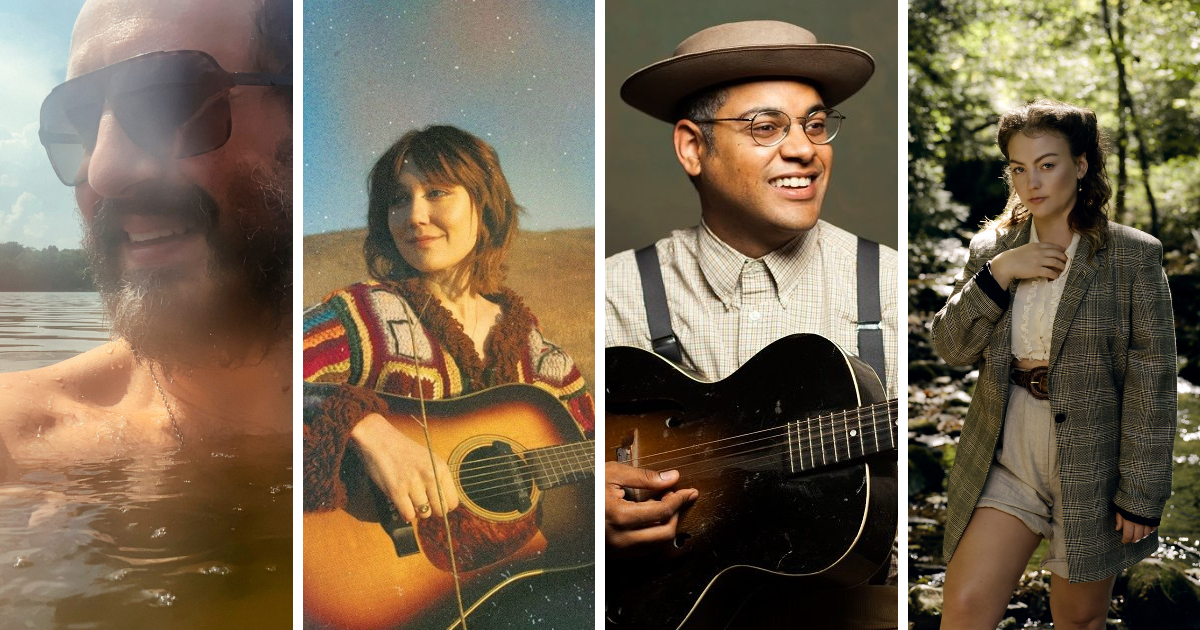
Artists featured at top (L-R): Phosphorescent, Molly Tuttle, Dom Flemons, Angel Olsen
The term eclectic hardly seems broad enough to accurately describe either the approach of the marvelous band Asleep at the Wheel, or the energetic and fluid style of its lead vocalist and guitarist Ray Benson. The band he formed along with Lucky Oceans and Leroy Preston while farm-sitting in Paw Paw, West Virginia, 50 years ago is now an American cultural institution, although things didn’t really explode for them until they relocated to Austin.
Their latest release, Half a Hundred Years, pays homage to Asleep at the Wheel’s diverse and impressive legacy, although it’s one Benson freely admits he never seriously thought would continue for 50 years.
“Well, when you’re a 19-year-old kid, you don’t even know if the band will be around for 10 years,” he tells BGS with a laugh. “It really wasn’t something at the time that I had any notions about, things about legacy or impact. We were a band that wanted to play a lot of different types of music and enjoyed being around each other. That’s kind of been the trademark ever since.”
Country and Western swing are the foundational genres of their music, but the ensemble is hardly restricted or limited by them. Over their tenure Asleep at the Wheel’s repertoire has also included R&B, blues, jazz, rock and pop, while their albums and live shows feature a constantly evolving blend of originals and inspired covers. In addition, the band seamlessly maintained its trademark sound through numerous personnel changes, while navigating shifts in audience tastes and music industry practices.
“I’ve always been a real music lover, and that’s what’s driven the band all these years,” Benson continues. “Of course, the music business today is so different from the way it was when we started out. Hell, when we started they didn’t even have fax machines. You really thought in terms of radio and marketing a song, and you were trying to get your album played and then that would be the springboard for having it sold in the stores. Today, there’s such a focus on streaming. Vinyl’s made a bit of a comeback, but that’s because CDs are doing so poorly. Then the technology changed so dramatically, with the ability to sonically do things in the studio that we didn’t even dream about back in the ’70s.”
Indeed, Benson’s entire career — inside and outside the band — has been one of variety and experimentation. He taught himself to play the guitar as a 9-year-old. The first song he ever played completely came from a beer commercial he heard during broadcasts of his hometown Philadelphia Phillies. Benson teamed with his sister in a folk group The Four G’s at 11, then while in college he encountered a group whose concept he utilized (with variations) upon forming Asleep at the Wheel. It was that Commander Cody & His Lost Planet Airmen concert in Washington, D.C., where Benson saw and heard a band brilliantly mixing multiple genres in a free-flowing performance mode.
Following their time in West Virginia, Asleep at the Wheel relocated out west in the early ‘70s, playing in various East Bay clubs in California. A show where they shared the stage with Van Morrison, followed by his raving about them in Rolling Stone, began to open some doors. They toured with Black country vocalist Stoney Edwards in 1971, cut a debut LP that did well in the Southwest, then moved to Austin in 1973 after being encouraged by Doug Sahm and Willie Nelson. Upon their arrival in Texas, their second LP was issued by Epic.
However it was after their third LP, with the Top 10 country hit “The Letter That Johnny Walker Read,” that Asleep at the Wheel emerged as a top attraction. By 1978 they were winning the first of their 10 Grammys. They survived a lean period in the ’80s, then bounced back in the ’90s. Benson made another savvy decision that helped sustain the band’s success, recruiting several top country artists to cut two Bob Wills tribute LPs. Then came another hit in 2000, “Roly Poly,” with the [Dixie] Chicks. As a result, Asleep at the Wheel became one of the few country acts that’s managed to have chart records across four consecutive decades.
Their journey is duly reflected in Half a Hundred Years. “I looked at this album as a way to kind of look back and ahead at the same time,” Benson continues. “It covers everything that we’ve done and are doing.” Besides including such heavyweight guest stars as Lyle Lovett, George Strait, Lee Ann Womack, Willie Nelson and Emmylou Harris, the CD is sequenced in an intriguing fashion. The first 11 songs are new tracks featuring original band members. Songs 12-16 (with the exception of 14) feature the current band teaming with various band alumni. Cuts 17-19 are previously unreleased material, while track 14 combines the current band with two of Asleep at the Wheel’s former female singers. “We’re putting this out pretty much every way (configuration) that you can,” Benson adds.
Despite the pandemic, Asleep at the Wheel’s already done several shows and plans more in the near future. Benson has also branched out over the years to do things outside the band arena, among them being on the board of Austin City Limits, a role that led to his hosting the regional TV series Texas Music Scene for several years. He’s also been a prolific producer on LPs by Dale Watson, Suzy Bogguss, Aaron Watson, James Hand and Carolyn Wonderland, plus singles for Willie Nelson, Aaron Neville, Brad Paisley, Pam Tillis, Trace Adkins, Merle Haggard, and Vince Gill. Benson even cut a solo LP, Beyond Time, in 2003 and his autobiography Comin’ Right at Ya was published in 2015. In addition, he’s a founding member of the Rhythm & Blues Foundation, and the owner of a recording studio and label (Bismeaux Studios/Bismeaux Records).
Though it doesn’t seem possible that there are things in the music world Benson hasn’t done yet, he’s quick to list a few people he’d love to work with. “Well, I always wanted to record with Tony Bennett, but he’s retired now,” Benson says. “I’ve sung with Boz Scaggs, but have never done a whole album with him. I’d really enjoy doing that. Also, Billy Gibbons of ZZ Top. He’s someone else I’ve sung with, but really would like to do a complete project.”
He concludes, “At this point I really don’t even think about how much longer Asleep at the Wheel will go on because who would ever have given us 50 years? But I can say that I’m still really enjoying it, and this latest project and going out and playing to support it, and the reaction of the people even with everything that’s going on now… well, that tells me we’ve still got a lot of folks out there who enjoy what we do.”
Welcome to the BGS Radio Hour! For the past five years, this weekly radio show and podcast has been a recap of all the great music, new and old, featured on the digital pages of BGS. And this week, we say a bittersweet goodbye to the airwaves with our final episode. We want to give a special thank you to our partner station, WMOT Roots Radio 89.5 FM in Murfreesboro / Nashville, and all the stations that have aired our show over the years! And of course, a huge thank you to our readers and listeners for following along as well.
For this final week of the BGS Radio Hour, we have a recap of last week’s IBMA Awards, brand new music from our Artist of the Month — and newly crowned IBMA Entertainer and Guitar Player of the Year — Billy Strings, and much more.
With a brand new album, Renewal, and his win this past week of IBMA’s highest honor, Entertainer of the Year, there’s no one else we’d rather have as our October Artist of the Month than Billy Strings. Check out our Essential Billy Strings playlist and stay tuned for more Billy content all month long.
Oklahoma-based RC & the Ambers spoke on their biggest musical influence, watching The Golden Girls as a pre-show ritual, kayaking on the Illinois River, and more in a recent edition of 5+5.
On the latest episode of The Show on the Road, we bring you a conversation with Ray Benson: ringleader of the Grammy-winning, half-century-spanning group, and one of American roots music’s most durable and iconic bands, Asleep at the Wheel.
This song from traditional bluegrass group High Fidelity was nominated for Song of the Year at last week’s IBMA Awards. Hard to have the “Banjo Player’s Blues” when you have news like that to share!
Americana duo Haunted Like Human wrote “Ohio” inspired by a true story, and the end result is a tale told through letters of a man wanting to do right by his family while also wanting to get back home to them.
Single Girl, Married Girl has always loved torch songs and big weepy ballads — especially country ones! “Wreck Cut Loose” is placed in a more modern aesthetic and setting, but the lineage — and ties to the likes of Patsy Cline — should be obvious.
The title track for Patrick Dethlefs’ brand new album explores the idea of still feeling connected to loved ones who have passed on. Patrick tells us, “[It’s] maybe even asking the question, ‘Is this person with me now more than they have ever been?'”
Balsam Range, hailing from Haywood County, North Carolina, are no strangers to the IBMA Awards, having won the 2014 and 2018 award for Entertainer of the Year, among other accolades and awards over the years. And now in 2021, they’ve won Song of the Year for “Richest Man.”
Asheville bluegrass band Fireside Collective wrote “And the Rain Came Down” inspired by the many “storms” of COVID and the Great Flood tale from the Old Testament. But, despite the song’s somber overtones and the uncertainty of the story, there is still a message of hope.
Alt-folk singer-songwriter Kris Gruen wrote “Pictures Of” about his daughter, as a tribute to her maturation and readiness for the world. In different words “Pictures Of” says, “Be excited for and in love with the world! Regardless of our collective fear in the unknown…”
Holding a conversation with James McMurtry is similar to experiencing his music. He is frank, eloquent, and gets to the heart of the matter with few words. On The Horses and the Hounds, his first album of new material in nearly seven years, he tells sometimes complicated emotional stories through his fictional characters, crafted within the limits of rhyme and meter. His deft chronicling of human nature woven with descriptions of place and scene give the listener context beyond the experience, almost like each song is the essence of a short story or novel. Listen to “Canola Fields” and read our conversation with McMurtry.
At this year’s IBMA Awards, Appalachian Road Show was the second most nominated group, and they were awarded the honors of Instrumental Group of the Year and New Artist of the Year. On top of those wins, this tune, “The Appalachian Road,” was nominated for Instrumental Recording of the Year.
Old-time musician Clinton Davis has recorded his own version of “Curly Headed Woman,” a rare rendition of one of the most common American folk songs: “The Hesitation Blues” or “If the River Was Whisky” as most people call it.
Sideline reminisces on how they became a band, the importance of teamwork, prioritizing having fun every time they step out on stage, and more in a recent 5+5.
Photos: (L to R) Billy Strings by Jesse Faatz; Ray Benson by Mike Shore; James McMurtry by Mary Keating-Bruton
This week on The Show On The Road, we bring you a talk with the half-century-spanning, Grammy-winning ringleader of one of American roots music’s most durable and iconic bands, Ray Benson of Asleep at the Wheel. The episode is a celebration of their fifty years of diligent song collecting, Western swing camaraderie, and epic genre-spanning collaboration — and features first listens of their new record, Half a Hundred Years, which drops on October 1. The record covers old classics and tells new stories, with spritely cameos from fellow Texans Lyle Lovett and Willie Nelson.
Aligning behind Benson’s commanding, deep voice and impeccable song-historian’s taste, Asleep at the Wheel has managed what few bands in country music — or any genre — have: Keeping a talented, rotating band of mostly-acoustic players together from 1972 on, with little break from the road. Willie Nelson and others have long championed their work, and indeed the band has had fans in even higher places: on September 11, 2001, the group was set to perform at The White House.
Asleep at the Wheel’s story is really one of perseverance and transformation. How did a Jewish kid from the the Philly suburbs end up as a Texas cowboy music icon who toured with Bob Dylan and George Strait (just ask Bob about changing identities), wrote songs and acted in movies with Dolly Parton and Blondie, and became the foremost interpreter of the rollicking music of Bob Wills & His Texas Playboys? Only in America, you could say, but Benson would just tell you that he loves the music deep in his bones, and it’s what he wakes up every day to create and save.
One of the most forward-thinking things Benson did from the very beginning was share the mic with a myriad of talented female vocalists, which maybe confused some radio programmers (“Who is leader of this outfit?”), but made their road shows eternally entertaining and unique. That tradition continues. Also featured on the new record are lovely collabs with Lee Ann Womack and Emmylou Harris.
Photo credit: Mike Shore
This website uses cookies to improve your experience. We'll assume you're ok with this, but you can opt-out if you wish.AcceptRejectRead More
Privacy & Cookies Policy
Privacy Overview
This website uses cookies to improve your experience while you navigate through the website. Out of these, the cookies that are categorized as necessary are stored on your browser as they are essential for the working of basic functionalities of the website. We also use third-party cookies that help us analyze and understand how you use this website. These cookies will be stored in your browser only with your consent. You also have the option to opt-out of these cookies. But opting out of some of these cookies may affect your browsing experience.
Necessary cookies are absolutely essential for the website to function properly. This category only includes cookies that ensures basic functionalities and security features of the website. These cookies do not store any personal information.
Any cookies that may not be particularly necessary for the website to function and is used specifically to collect user personal data via analytics, ads, other embedded contents are termed as non-necessary cookies. It is mandatory to procure user consent prior to running these cookies on your website.