Tag: Nashville
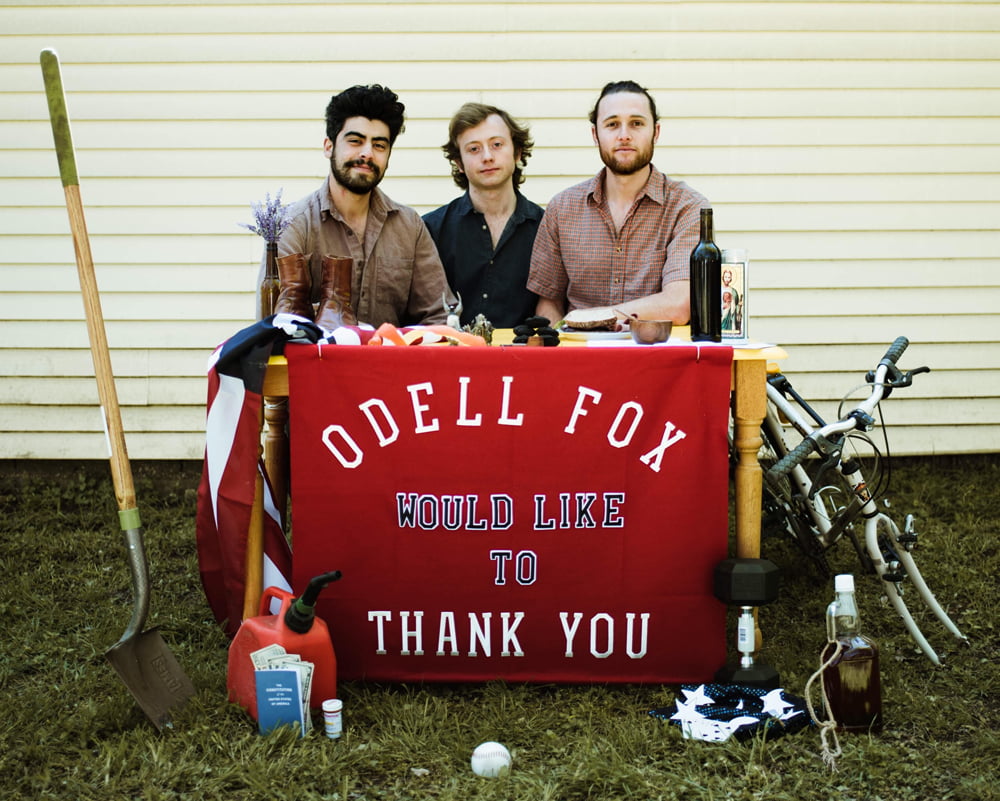
STREAM: Odell Fox, ‘Thank You’
Artist: Odell Fox
Hometown: Austin, TX
Album Title: Thank You
Release Date: September 12, 2017
In Their Words: “Odell Fox is a band that exists mostly on the road; we’ve been touring for a healthy (or unhealthy) chunk of the last three years. As independent artists, we depend a huge amount on the generosity of our families, friends, and fans. The gratitude we feel for our thus-far small but supportive audience is the inspiration for Jenner Fox’s beautiful song, and the title of this album. It’s also about Austin, the city that’s been our sporadic home for the last year-and-a-half. We like to think some of that town’s vibe has rubbed off on these tunes. And then, like so many doe-eyed Americana hopefuls before us, we ran off to record in Nashville, where we were lucky enough to work with producer Kai Welch. He helped us find a sound we didn’t know we had in us. We used one of Béla Fleck’s mics! We sat in a chair that Darrell Scott sat in! That golden sound was in the air around us, seemed like all we had to do was breathe it in and let it back out again.
What we wanted with this record — with any record — is to make something that honestly sounds and feels like the time and place we made it in. We got that with Thank You.” — Raph Odell Shapiro
Nicole Atkins and the Last-Call Lullabye
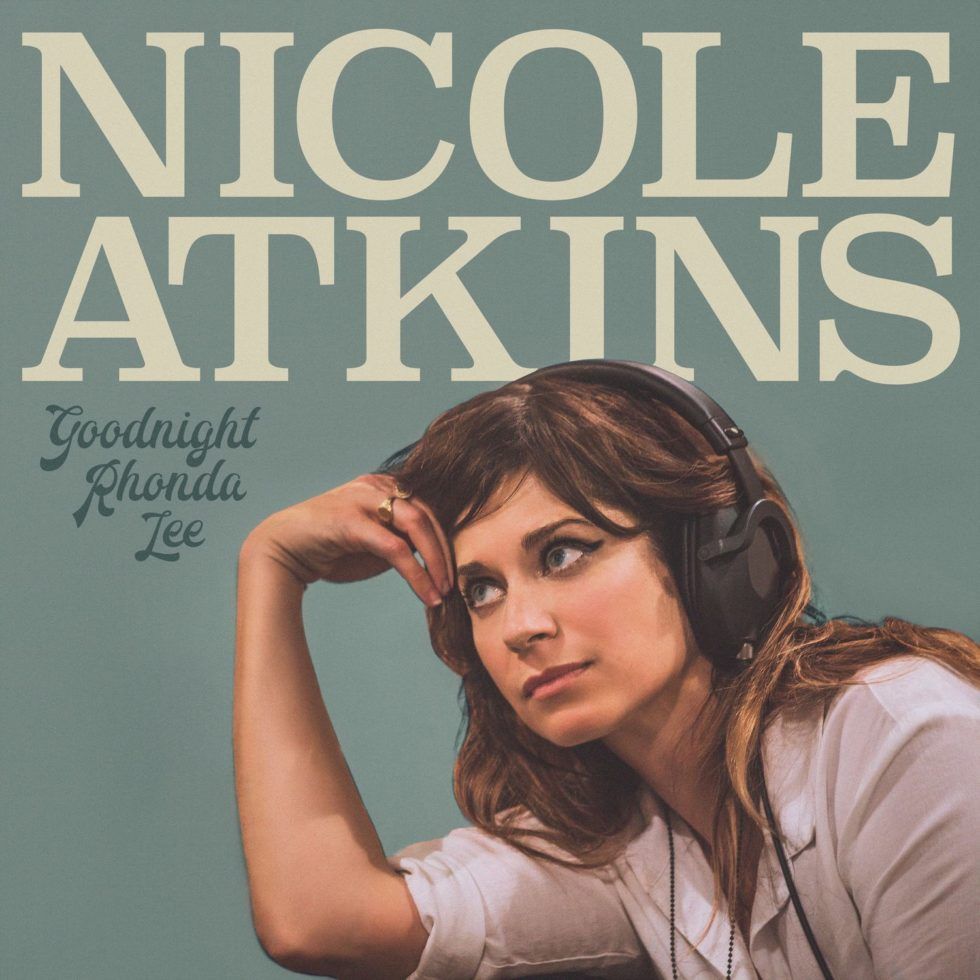
She knew the session would be worth documenting, but at the time, Nicole Atkins didn’t realize that the cover of Goodnight, Rhonda Lee would be a shot of her soaking up one of the most difficult songs she’s ever written.
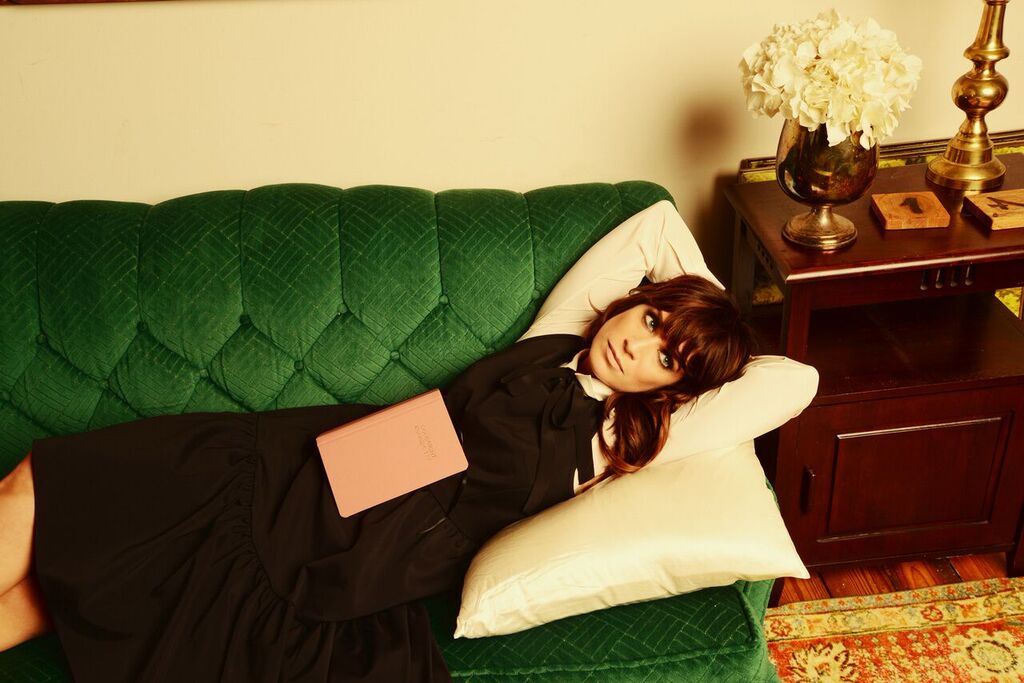
On the night they recorded the string parts for “Colors,” Atkins invited Griffin Lotz — a longtime friend of the Jersey native and a Rolling Stone photographer — to hang around the studio and take a few pictures of her and the guys in action. At one point, Lotz trained his lens on Atkins listening back to the somber strings that accompany her dusky voice and Robert Ellis on the piano. Atkins’s eyes recall the Atlantic waves that wash upon the shore that shaped her, a stunning aquamarine of mirthful reflection that turns tempestuous when the climate calls for it. In Lotz’s photo, the tide is calm: Captivated, and with eyes as big as her headphones, Atkins considers the parts she sang for the string players on the sad ballad that states, in simple, certain terms, that drinking had consumed her life.
“I can see exactly where I was when I wrote that song,” she says of “Colors,” which she and Ellis had recorded in one take in the fitting gloom of a lightless studio. Atkins had just left New Jersey for Nashville with her tour manager husband, Ryan; she had been struggling with sobriety and had gone through a rough relapse when she found herself lonely in their new city and he told her he was heading out to work a two-month jaunt. On top of that, she’d hit a wall on the creative front, and the combination of unlucky breaks had her steeping in despondence. “I was writing tons of songs,” she says. “We were shopping around demos, because we had no money to make a record, and I just had no idea what we were gonna do, you know? It was just months and months of not getting any phone calls, at all, about songs that I thought were good, and a record I thought was, you know, cohesive.”
She decided to go to New York for a few days, as her old friends from college and frequent tour buddies, the Avett Brothers, invited her to their gig at Madison Square Garden, and Margo Price had encouraged her to come along for her Saturday Night Live performance that same weekend. “I just thought, ‘Dude, everybody has stuff to do except for me,’” she recalls. “I was like, ‘I’M QUITTING MUSIC.’ And then I drank a bottle of dark rum and called everyone I knew, and I was like, ‘I’m just gonna write a musical. Fuck this.’”
One of those calls was to Jim Sclavunos, drummer of the Bad Seeds, who stepped out from a photo shoot with Nick Cave to answer the phone and assure her that quitting simply wasn’t something she was “allowed” to do. Another was to Ryan. “I obviously had to tell my husband the next day that we couldn’t have booze in the house, and it was just freaking me out,” she says. The melody for “Colors” came later, when she was sad, tired, and singing lines of the song into her phone on a train platform on her way to the airport in Newark: “Everywhere I go, the only things I see are glowing brown and green. The bottle’s gonna kill me.” That’s when she set the backbone for Goodnight, Rhonda Lee, an album named for Atkins’s drunk alter-ego: This is her sober record, one that thrives off hard-won clarity throughout, but “Colors” is a breakthrough so simple, painful, and pure that it serves as the album’s anchor. It’s a reminder that the toughest trouble can teach us things, though its lessons — to pour out the poison; to wean off a person or substance you can’t quit — are difficult to learn or even discuss.
“I think there’s a lot of shame that comes with being a woman, and being a musician, and being an alcoholic,” she says. “There’s a lot of embarrassment to feel; it’s not pretty or cute to talk about. There are a lot of sober women in music, but I don’t know if a lot talk of them about it — the only one I can think of is Bonnie Raitt. I write about my life on every record. This was just what was going on, and I couldn’t really write about anything else. Being in and out of sobriety for two years was just totally taking over my life. It was all I could think about. It’s weird: You know when they’re like, ‘It gets better, it gets easier, and you’ll have a day when you don’t even think about booze.’ I couldn’t imagine that because, even in long stretches of sobriety, it was like, ‘I’ll just have one.’” She did get there — at Bonnaroo, where she didn’t even think about the open bar, of all places — and reaching that internal summit was illuminating. “I thought, ‘Now, I have all this room in my brain just to think of music and my husband when he comes home.’ It was such a good feeling, that I wasn’t constantly like, ‘I’m so fucked. How am I going to be unfucked?’”

Those “other things” flooding her grey matter include intricate arrangements and some of the most challenging compositions she’s written yet, as Goodnight, Rhonda Lee is as much an instrumental triumph as it is a lyrical one. In addition to Ellis and Sclavuno, Atkins sat down with a number of esteemed pals — including Chris Isaak and Binky Griptite of the Dap-Kings — to hone in on exactly what she wanted to sing and how she wanted to sing it. Thanks to these collaborations and the brassy guidance of Nile City Sound, the Fort Worth-based production team behind the timeless quality of Leon Bridges’s Coming Home, the result capitalizes on the wry grit of her New York-honed chops; her unadulterated adoration of Lee Hazelwood, Roy Orbison, and classic soul; and the alt-country framework that informed her first forays into songwriting. Though her marriage is wonderful and she’s open to compulsively unpacking her relationship with alcohol in songs like “Colors” and the album’s title track, Atkins found inspiration in painful memories of broken romance, the kind of stuff most people are eager to leave in the haze of a blackout-peppered past. One instance took the shape of “A Little Crazy,” the grand, lonely cowgirl call Atkins and Isaak wrote in an hour after he suggested that she revisit a relationship that went wrong instead of the one going right.
“He was like, ‘You’re happily married — but remember the guy you dated when we toured? Let’s write about that,’” she says. “A lot of [Goodnight, Rhonda Lee] was written about a past relationship. I wanted to own a lot of things instead of saying, ‘This is terrible and I’m a victim.’ After that one particular breakup, I was fucking nuts. I had no control of my emotions whatsoever. I was willing to degrade everything I believed in just to have that comfort back.”
And thus we have Goodnight, Rhonda Lee instead of Goodbye. By dusting off the conversations, opening heartwounds of the past, and keeping those tidal eyes of hers open, Atkins is able to mine the hurt, humiliation, and disappointment they caused for musical gold, just as she does while working through her sobriety with the tape rolling.
“There are aspects of Rhonda Lee that are still kind of there that I’m kind of grateful for. I didn’t get sober and become a giant square,” she laughs. “It’s more so being in a place where you feel confident and better about yourself, that you’re able to hold certain situations that were painful and have some empathy for the people involved in those situations — including yourself.”
Soundscapes for the Silver Screen: A Conversation with Steelism
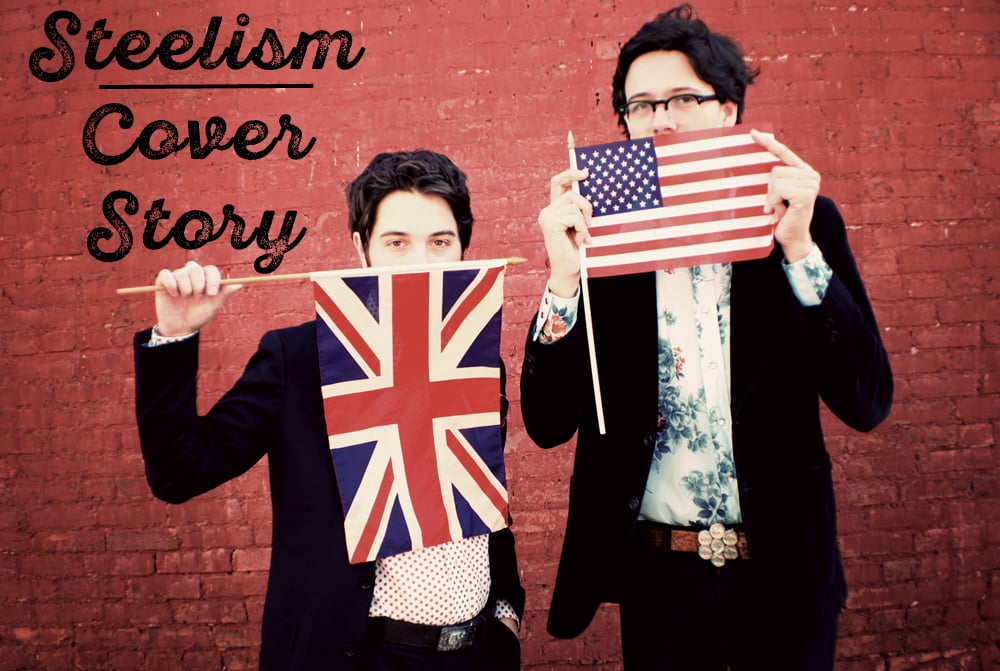
Most music, to varying degrees, conveys a cinematic quality, but for pedal steel player Spencer Cullum and guitarist Jeremy Fetzer — aka the instrumental duo Steelism — their new album ism sweeps across vast film terrain. Influenced by legendary composers like France’s Serge Gainsbourg and Italy’s Ennio Morricone, among an array of classic soundtracks, Steelism’s latest offers listeners a journey through movie genres grounded in and through geographies. Both players are based in Nashville, where they recorded the album, but their travels clearly influenced the resulting soundscapes they explore on their follow-up to 2014’s 615 to Fame. Consider it the soundtrack (of sorts) to a film epic spanning decades, settings, and styles.
Cullum and Fetzer began Steelism after meeting in late 2010 during singer Caitlin Rose’s U.K. tour. Their name came from the fusion of their primary instruments, which both put to use in refreshing ways on ism, pushing past the traditional ideas surrounding each one and fusing a new relationship to the silver screen in listeners’ minds. “Shake Your Heel,” featuring Tristen, conveys the whimsy of a ‘60s British comedy while “Anthem” begins with the forlorn meditation film director Sam Mendes might employ before suddenly shifting into the rippling guitar of a heat-saddled California desert scene. What unites these seemingly disparate threads sits at the nexus of a robust visual sensibility and a lively sense of experimentation. Then, too, there’s the fact that Cullum and Fetzer just so happened to begin recording ism the day after Donald Trump’s election. In an effort to break past the heavy feeling pervading Nashville, they set about chasing a feeling that is emotive, expansive, and vibrant. As a result, their sophomore album offers listeners what many a movie offers viewers: a certain kind of escape-ism.
Let’s talk about the title. You’ve equated ism with bringing together colors and tones like a mid-century modern design, and so the word “prism” springs to mind. But I’m more curious about “ism” as a belief system or ideology. Does that play into the album’s themes in any way?
Jeremy Fetzer: We started recording the day after the election so I think, for all of us, it became an escape, and we did some soul-searching as we recorded the record. So it became our thing that our “ism” was Steelism.
Spencer Cullum: I think recording after the election — and me as an immigrant being rather terrified — there was more feeling involved. I think it helped us, beforehand, having everything demoed and worked out, and then we go in after this terrible election and add a feeling of terrified emotion to it. [Laughs]
JF: I remember driving to the coffee shop the morning after the results, and it looked like everyone was crying. We set up our gear in the studio and were like, “Okay, happy days. Here we go.”

And what does Steelism as an idea or spirit mean to you?
JF: Steelism came out of a lighthearted place where the sidemen rose to the center and removed the leader/singer from the equation. It’s been our way of disregarding the modern music industry norms and seeing how far we can take this project that we all really enjoy.
The cover art especially evokes this ‘70s palette, and you’ve referenced soundtracks from that decade as a particular influence. What is it about the era that inspired you?
JF: I think, with our last record, it had more of a throwback ‘60s sound and, to me, that sounded more black and white. We wanted this to be very hi-fi and colorful, sonically. It’s definitely inspired by ‘70s film soundtracks and Brian Eno productions from the ‘70s, so we wanted that to be part of the cover.
It’s incredibly colorful. On “Shake Your Heel,” you tap into this Italy vibe that reminded me of actor Marcello Mastroianni’s movies and then, on the very next song, “Anthem,” you’re suddenly in the California desert a la Marty Stuart. Was it less about playing with genres and more about playing with geographies?
SC: Yeah, I think it has a lot to do with that, especially with soundscapes of imagining a certain place. There was one song that we wrote called “Let It Brew,” which reminds me of where I used to grow up in the countryside — west coast of England. Every song definitely has a place of where we’ve traveled and how that influenced us.
JF: Right. It’s almost our attempt to create this visual landscape, where it’s like you’re taking a trip with Steelism.
That absolutely comes across in the album. At the same time, it’s undeniably cinematic. You’ve said elsewhere that composers like Serge Gainsbourg and Ennio Morricone influenced you both. What have you learned from them?
JF: So much of their stuff, it’s over the top and dramatic, but it’s also quirky and eccentric. It’s melodic. I think you can hear someone whistling one of their tunes in the grocery store, but then it’s also cinematic and huge in a movie theatre, so it’s trying to achieve both of those things: a pop sensibility and this dramatic landscape that you’re creating.
Do you ever hope to score some day?
JF: Absolutely. I was thinking about that more and more because, in the ‘60s and ‘70s, there were original soundtracks, but nowadays when that happens, it’s rarely ever bands; it’s usually more orchestral, or they’ll have a Trent Reznor soundscape. It’s very rare that there’s original band-style music for films these days.
Right, it seems more common to see an original song added to a soundtrack or score.
JF: Or music supervisors get a bunch of old songs, like a playlist.
So what director would you love to work with?
JF: I listened to a podcast just this morning with Sofia Coppola, and we’re both huge fans of The Virgin Suicides with Air on the soundtrack.
If you had to ascribe your album to a movie genre, what would it fall under?
SC: That’s a good one.
JF: Some sort of twisted English spy movie, where they fly to America and end up in the desert.
Oh absolutely, but then there’s got to be some kind of Italian villain in there.
JF: Absolutely. Then there’s a layover in Nashville, where they pick up a telecaster for some reason, but it doesn’t totally make sense.
SC: Yeah with the ending in Berlin, sort of vibe.
JF: Yeah, we go to Germany, too, that’s true.
What do you find so edifying about Nashville?
JF: We’ve both lived here for a while now; I’ve been here for about 12 years, and Spencer how long have you been here?
SC: About seven years.
JF: We both started our careers here as professional musicians, and we’ve seen the city evolve with growing pains, and we’ve both joked about moving away, but I say we’ve come to this point where we love it here and we’ve taken it in. With this record, we wanted to put the whole city into it. We made the whole thing at the same studio in Nashville, and everyone involved with the project lives here.
Right, you tapped Tristen and Ruby Amanfu, such gorgeous vocalists, to come in and heighten what you’ve already created. Do you have a bucket list about who you’ve love to work with?
SC: There’s a big list.
JF: It’s ongoing. I hope we can make enough records to work with everyone we want to.
Do you see it being pretty Nashville-specific?
JF: As far as Nashville people, we’re big fans of Kurt Wagner from Lampchop, but with each record, we definitely want to do something different. Maybe the next one we’ll do in England or something. We have no idea yet. And we’ve joked about doing a record where we don’t play guitar or steel on it.

Actually, your sound seems so ripe for a concept album. Have you considered that direction, as well?
JF: Absolutely.
SC: Oh yeah.
JF: It’ll be a triple album.
SC: The goal is working toward our triple album concept album where we just completely have our head up our ass and turn into late ‘70s prog idiots. [Laughs]
There are these statistics surrounding Nashville showing 80 people moving there a day. How have you handled that influx?
JF: I think it’s creating more work and opportunity, but we’re getting more crowded. I live a little farther away than in the shit downtown.
Flashing back to the origins of this duo, how did you know this was going to be a more substantial project than just two musicians getting together and jamming?
SC: We were touring so much with Caitlin — three months straight and then 11 months off. We recorded an EP together, and enjoyed it so much it became the monster.
JF: Yeah, we did an EP as a test run just to feel it out and then, when we started to play shows, people were into it. We found that people weren’t really missing the singer, so we kept it going.
The Lonely H, ‘Riding the Clutch’
When our heart moves, it’s called a beat. When a drum sounds, that’s a beat, too. An organic pulse of melody that sometimes can stir us more than a guitar riff, it connects with the body in a visceral way, pumping the music forward just as our ventricles pump blood. There’s a reason that drummers are so often the quiet life force of a band: They may not be in the showiest position, standing atop the stage and interacting with the crowd, but they have that innate ability to tap into that magical, primal pulse of life. They blast what makes us human through those floor toms and hi-hats, a rhythm we’re born knowing how to breathe to but only they can synthesize into such magic.
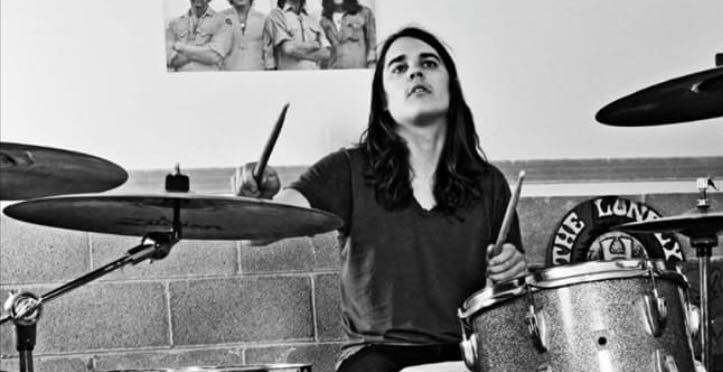
This week, Nashville lost a beloved member of the musical community to cancer, Ben Eyestone, who most recently played drums for Little Bandit and who has also kept the rhythm for Nikki Lane. It was in 2013 that his band, the Lonely H, released their last record, a self-titled album filled with modern approaches to ’60s and ’70s rock that felt so full of boisterous energy and life in no small part due to Eyestone’s pulsing percussion. The Lonely H was, in many ways, a document of the beautiful synchronicity and familial atmosphere that exists in a certain corner of the Nashville music scene — his beloved friends Caitlin Rose, Melissa Mathes, Margo Price, and Alex Caress all appear on the record, as did the legendary sax player Bobby Keys, who peppers “Riding the Clutch” with a stellar, ground-shaking solo.
But at the heartbeat of the song is Eyestone, who builds a glorious pulse that keeps the music going and makes the sound linger in your bones. Eyestone’s family and friends suffered a loss that cannot be measured, and it’s impossible to find the right words to soothe their pain. The one thing the rest of us can do is to listen to him play; the permanence of records is an incredible, eternal gift. Put on “Riding the Clutch” and crank it … LOUD. Let your foot tap to Eyestone’s rhythm, and smile.
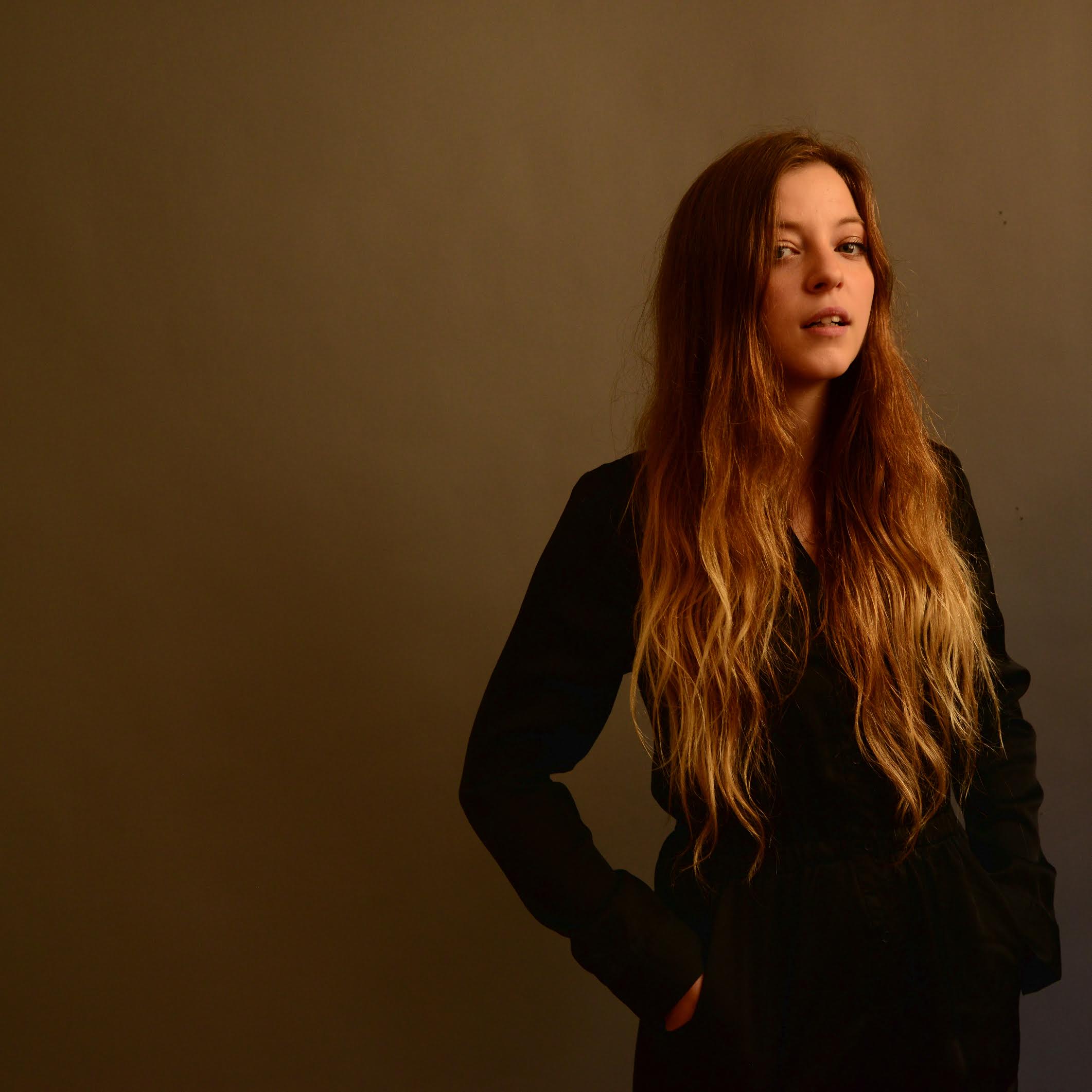
3×3: Jade Bird on Boyfriends, Barbies, and the Bluebird
Artist: Jade Bird
Hometown: London, England
Latest Album: Something American
Personal Nicknames: Jadey … I wish I had something more imaginative … Birdmeister has a ring to it.
If you had to live the life of a character in a song, which song would you choose?
Ooh, great question! Every character seems to have such a bleak ending in the songs I like … I’ve always felt a strange connection to “Look at Miss Ohio.” There’s something about the character’s spirit running from having everything. I suppose any of the girls Ryan Adams or Hank Williams sing about — must be nice to be that doted upon.
Where would you most like to live or visit that you haven’t yet?
Nashville!! Although I’m on my way there soon to play the Bluebird with the incredible Brent Cobb, who I got to know on his tour this side of the Atlantic.
What was the last thing that made you really mad?
If it isn’t a boyfriend … I often get frustrated the most with myself. Generally, not doing the best I can at something really winds me up.
If you had to get a tattoo of someone’s face, who would it be?
Oh wow. I don’t know if I like ANYone that much. If it was do or die, someone with a pretty face, like James Dean or a young Leonardo DiCaprio *swoon*.
Whose career do you admire the most?
Patti Smith or Johnny Cash — both I think are totally authentic through their whole career. The amount of music they put into the world is so inspiring in different ways. Cash’s hundreds of songs and Smith’s real push toward a new sound at that time.
What are you reading right now?
In Cold Blood
Are you an introvert or an extrovert?
Both, I think every artist has a way of being so. I love being on stage more than anything, yet sometimes I very much like to hold up in my room and hide … until food and water is needed … and sunlight. I’m a bit like a plant, really.
What’s your favorite culinary spice?
I can’t cook to save my life, so I’ll go with paprika. On a side note, I don’t like dill .. .or too much coriander — they used to put it on everything in my old school canteen — not good.
What was your favorite childhood toy?
Barbies were definitely leading, at some point, followed closely by a life-sized Siberian husky who I named Shadow. I did used to create an army of my grandma’s ornamental elephants. (You’ve opened a can of worms here!)
Photo credit: Shervin Lainez
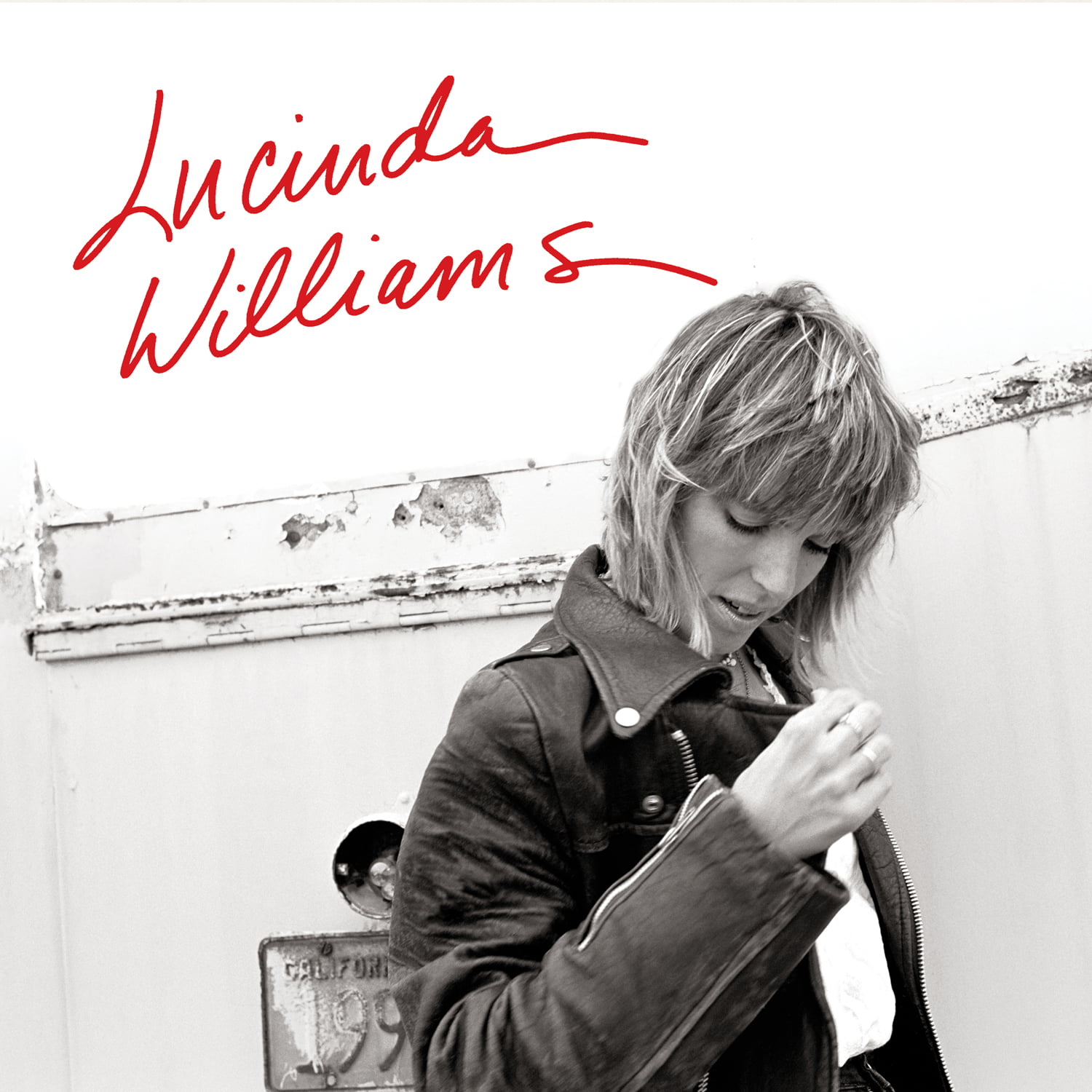
Canon Fodder: Lucinda Williams, ‘Lucinda Williams’
Because she spent so much time between albums — eight years between her second and third, six between her fourth and fifth — Lucinda Williams has been assigned a reputation as a perfectionist, as though country music must be approached with the sonic exactitude of prog-rock. But the near-decade interim separating 1980’s Happy Woman Blues and 1988’s Lucinda Williams doesn’t indicate a maniacal pursuit of a specific vision, although these songs are as close to perfect as just about any country album of that decade. Instead, the Louisiana-born, Los Angeles-based singer/songwriter spent those years redefining her sound away from acoustic blues to something closer to country-rock, moving out of Texas for Southern California, and trying like mad to sell herself to a record label. Recording Lucinda Williams took less than a month. Getting somebody to give a shit took significantly longer.
As Williams has said, in the 1980s, she was perceived as too country for rock radio and too rock for country radio. Lucinda Williams continually writes and rewrites its own rules, with each song presenting a slightly different definition of what “country” and “rock” might be. “I Just Wanted to See You So Bad” opens the album with a bouncy drum beat and a bright guitar lick, with Williams rushing through that title phrase, jumbling the words together as though mid-sprint. It’s full of hope and intense desire, both echoed on the story-song “The Night’s Too Long” and the list of demands “Passionate Kisses.” The blues still informs her songwriting, albeit in different forms: “Am I Too Blue” adheres to the country blues setting, but “Changed the Locks” is something new for Williams, a low-down urban blues tune surprisingly lascivious in its harmonica riff and humorous in its lust and self-delusion. “I changed the lock on my front door so you can’t see me anymore,” she testifies. “And you can’t come inside my house, and you can’t lie down on my couch.” Few singers — including Tom Petty, who covered the song in 1996 — could draw so much sexual promise out of the word “couch.”
Like Wilco’s Yankee Hotel Foxtrot, Lucinda Williams has become symbolic of the old art-versus-commerce debate, a manifestation of the grievous oversight of major labels and radio programmers, held up as evidence that the business of music, by default, ignores good music in favor of marketable product (as though there’s no overlap). Released in fall 1988, the album became a cause célèbre in Nashville, particularly among female musicians: Patty Loveless covered “The Night’s Too Long” in 1990, Mary Chapin Carpenter enjoyed her biggest hit with “Passionate Kisses” in 1991, and Emmylou Harris sang “Crescent City” on Cowgirl’s Prayer in 1993. You could almost reconstruct the tracklist with excellent covers.
Generally perceived as much more conservative than the audience or the artists it ostensibly serves, in the late 1980s, country radio was only just shifting away from the gauzy nostalgia of neo-traditionalists and the last sputterings of legacy artists and moving toward the hat acts who would define the genre into the next decade. In the fall of 1988, when Lucinda Williams finally made it to record store shelves, Dwight Yoakam, Rosanne Cash, Tanya Tucker, and the Oak Ridge Boys all enjoyed number one country hits. Noted country eccentric Lyle Lovett enjoyed two gold records in 1988 and 1989. Mainstream country music has become a thread-bare strawman for alt-country and roots audiences, but it wasn’t just the industry’s prudishness that kept Lucinda Williams off the charts and the playlists, despite that story’s persistence over the years.
It wasn’t something in the lyrics, either. There were rumors that radio executives objected to the prurience of the line, “His back’s all soaked with sweat,” sure to send housewives into a tizzy, but “The Night’s Too Long” was soon a single for Loveless. Williams’ voice was cited as a potentially alienating factor, one that blurred its syllables around the edges, slurring its speech after too many cold Coronas in some lost honkytonk. Williams replaces the recognizable twang with something more idiosyncratic, something more rooted in geography, something that was, at the time (and definitely still is), as foreign to country radio as ouds and zithers. Lovett’s deadpan drawl and Yoakam’s Bakersfield barb were similarly iconoclastic, but they were guys in an industry that preferred women more easily manageable and malleable (which is not to dismiss the self-possession of Williams’ female contemporaries, but more to speak to the considerable feat of their success).
Ultimately, Lucinda Williams just wasn’t designed for radio. It wasn’t meant for the mainstream. It has become exactly what it was supposed to be: a cult record, a foundational document, the wellspring of a new strain of music that would eventually be labeled alt-country. The Jayhawks might have debuted two years earlier, and Uncle Tupelo might have named the magazine, but this album — more than any other — revealed the limitations of Nashville and its neglect of very large swathes of country music listeners. Williams staked out all new territory. She had had a fairly itinerant life, born in Lake Charles, Louisiana, but raised elsewhere. She’d lived in Arkansas with her father, the poet Miller Williams, then Texas, where she made two albums of tentative country blues that even her most avid fans don’t spin much anymore. Most of her 1980s were spent in Los Angeles, which is perhaps the most significant aspect of Lucinda Williams.
That city was a mecca for country music as early as the Great Depression, when itinerant Southerners and Midwesterners moved west looking for work. Singing cowboys proliferated throughout the 1930s and 1940s before they were eventually replaced by crooners and rock stars. The term “country-rock” was coined in Southern California, thanks to Gram Parsons and the Beau Brummels (who recorded the overlooked Bradley’s Barn with Owen Bradley in 1968). Around the same time, Bakersfield became a powerful force in country music; roughly two hours north of Los Angeles, the town supported more than its fair share of roadhouses and honkytonks, where country music was played on electric guitars with strong backbeats and where Buck Owens and Merle Haggard cut their teeth.
Williams might have appreciated those artists, but at least on her self-titled album, her sound never borrowed much from those scenes. Instead, Lucinda Williams sounds bound to a city that, in 1988, would have still been viewed by those back east as a den of crime and ersatz glamour — cocaine and liberalism, yuppies and punks. The city’s punk scene had somehow made room for twang, with X spiking their punk with rockabilly (and sharing stages with Dwight Yoakam) and Lone Justice sneaking out of the underground with “Ways to Be Wicked.” As Williams told Spin in 2016, “There was an actual really cool thing going on out in L.A. in the mid-‘80s, [acts] like the Long Ryders, the Lonesome Strangers, the Blasters, Rosie Flores, and X. I was just opening for bands, and a lot of labels were noticing me and would come to my gigs, but nobody would sign me; they all passed on me, even the smaller labels like Rhino and Rounder.” It took an English label to finally sign her.
To call Rough Trade a punk label would be to minimize the breadth of its catalog, which included a remarkable mix of industrial (Cabaret Voltaire), punk (Stiff Little Fingers), post-punk (the Pop Group), pop (the Smiths), and things in between (Panther Burns). The label opened an American office in 1987, with a mission to sign more U.S. acts. Still, Williams was a departure for the label — a risky bet that paid off. Lucinda Williams peaked at 39 on the Billboard album charts and spawned two EPs in 1989. Her next album would be released by an imprint of Elektra Records, the one after that by Mercury.
The portrayal of Williams as somehow outside the industry — as an alternative to the mainstream — persists today, perpetuated by the woman herself. Williams has continually distanced herself from what she described to Billboard as the “straighter country music industry of Nashville.” In response to that interview, Chuck Klosterman calls her out in Sex, Drugs, & Cocoa Puffs and predicts “Lucinda Williams’ music won’t matter in 20 years. Oh, she’ll be remembered historically, because the brainiacs who write pop reference books will always include her name under W. She’ll be a nifty signpost for music geeks. But her songs will die like softcover books filled with post-modern poetry, endorsed by Robert Pinsky and empty to everyone else. Lucinda Williams does not matter.”
As with so many Klosterman statements, it’s provocative, entertaining, and demonstrably untrue. Fourteen years later, Lucinda Williams still matters — as a songwriter routinely covered by artists in a range of genres, as an industry cautionary tale, as an alt-country figurehead, as an artist boldly reinventing herself on her most recent albums. And Lucinda Williams matters perhaps even more — not because we’re still talking about it 30 years later, but because no one is really from Los Angeles. At its heart, this is an album about small-town transplants in big cities, about Southern ex-pats far from home, and few artists have taken up that musical sensibility as confidently or as comfortably as Williams, an LA native displaced in L.A.
“The Night’s Too Long” makes the theme literal, describing a young woman who sells her belongings to move to where things are actually happening. Williams gives her a name, a job, and a hometown in the song’s first line: “Sylvia was working as a waitress in Beaumont.” She moves away to “get what I want,” which might as well be the laundry list of demands on “Passionate Kisses.” Home and travel and loneliness and melancholy suffuse these songs. “Crescent City” recounts a trip back to Louisiana, where she — maybe Lucinda herself, or perhaps Sylvia — hangs out with her family, listens to zydeco, takes rides in open cars. “Let’s see how these blues’ll do in a town where the good times stay,” she sings, as Doug Atwell’s fiddle solo winds its way through those familiar backroads and across that “longest bridge” over Pontchartrain. It’s a poignant song for any listener who doesn’t live where they grew up. It’s the sound of rediscovering the joy and reassurance of home, a theme that ultimately transcends genre, industry, and even performer.
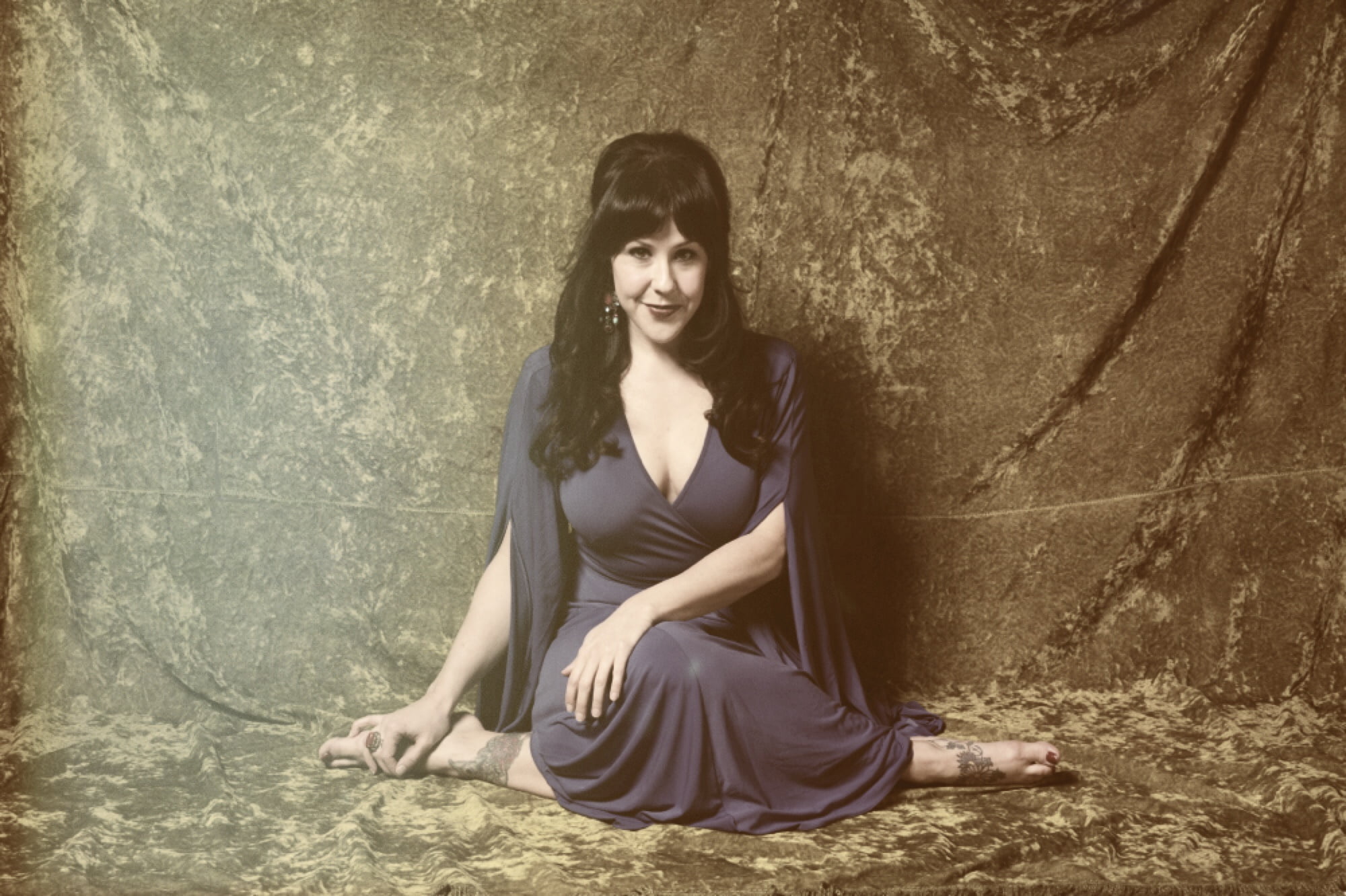
LISTEN: Kashena Sampson, ‘Greasy Spoon’
Artist: Kashena Sampson
Hometown: Las Vegas, NV
Song: “Greasy Spoon”
Album: Wild Heart
Release Date: August 18, 2017
In Their Words: “I bartended my ass off to make this record. I payed for everything with cash! I moved to Nashville without ever being here, didn’t know anyone. I just had a feeling it was where I needed to be and I went with it. I had to make this record. It’s been four years in the making. Some friends mentioned the Bomb Shelter to me, so I met up with Andrija [Tokic] and checked it out. The studio is just awesome. He put me together with Jon Estes, who worked with me on the album, producing and mixing. It was a perfect fit. Like magic! He understood what I was going for right from the start. We tracked all the songs in two days to tape with Jon Radford on drums, Jeremy Fetzer on guitar, and Jon Estes on bass, and a bunch of other instruments. The whole record was recorded in six days total. It was great. I wish I could record at that studio everyday.” — Kashena Sampson
Photo credit: Jonathan Rogers
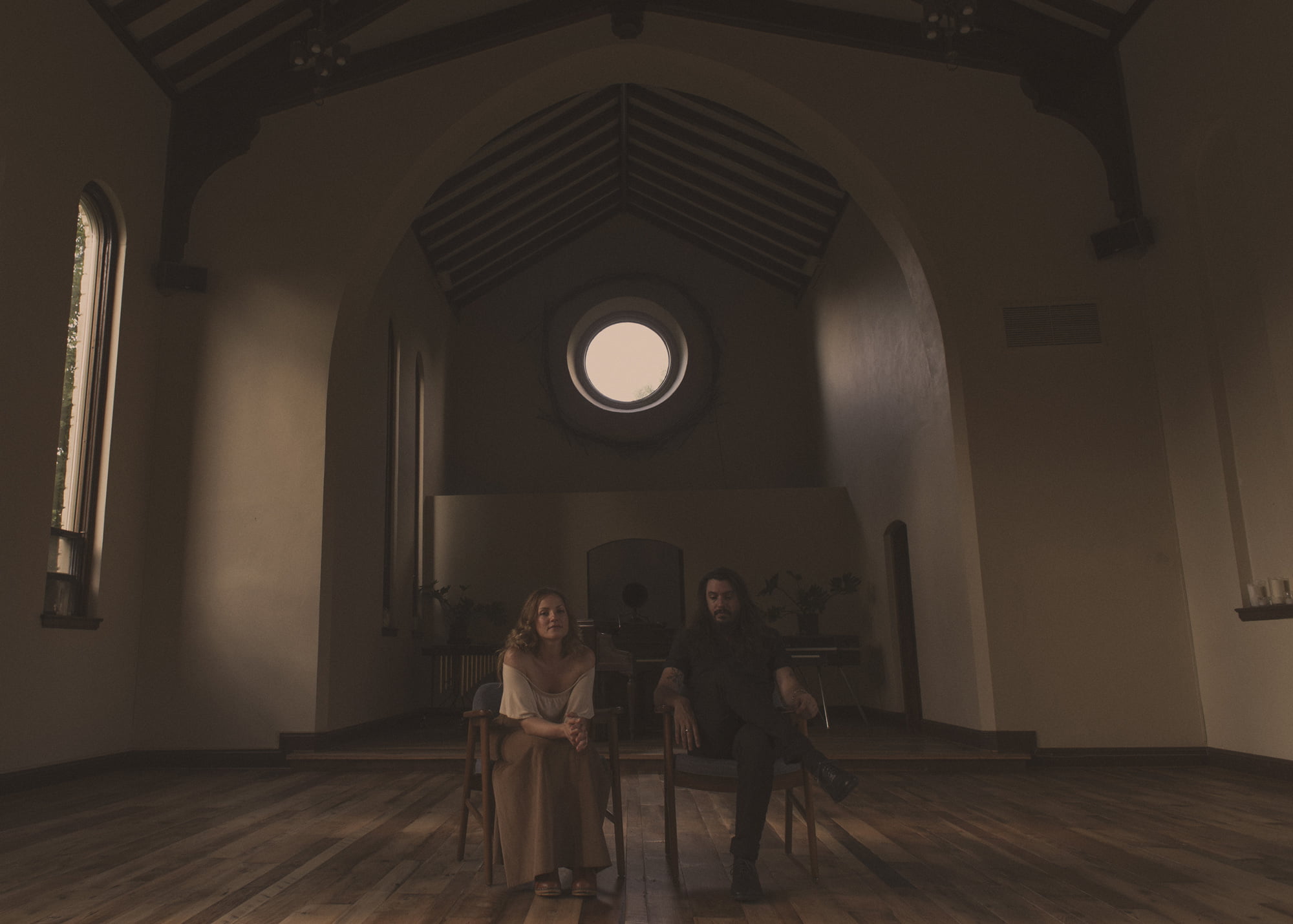
3×3: The Harmaleighs on Socks, Nuts, and Avetts
Artist: The Harmaleighs (Haley Grant and Kaylee Jasperson)
Hometown: Carol Stream, IL + Montrose, CO
Latest Album: Hiraeth (out May 5)
Personal Nicknames: Haley sometimes goes by Halez, and Kaylee goes by Shaye, Kay, or Jasperson.
If you could safely have any animal in the world as a pet, which would you choose?
HG: A pug! We have one already.
Do your socks always match?
HG: They never have matched.
If you could have a superpower, what would you choose?
HG: Oh, I would 100 percent choose the ability to fly! I’ve always wished for that every year on my birthday. (Shh don’t tell, otherwise it won’t come true.)
KJ: I would like to have the ability to fly, but only if I could carry the van, as well. Touring would be so much easier.
What’s your go-to road food?
HG: Nuts, rice cakes, or some sort of granola bar.
KJ: Jerky
Who was the best teacher you ever had — and why?
HG: Best teacher I’ve ever had was my songwriting teacher at Belmont — Tom Douglas. He was incredibly passionate about us writers making a difference in art and not just writing music for a cut. He opened up about his struggles with writing more than anyone I’ve ever met. They didn’t make sense to me much then, but they sure do now.
KJ: The best teacher I’ve ever had is without a doubt my substitute band director, Mr. Smith. We were in a weird transition of band directors at my high school, and he came out of retirement and stepped in for a short period of time to help the band program. He had a very successful career as a musician and pushed me to pursue music. I’ll never forget when he asked me what I would want to do with my life if it wasn’t music, and when I literally had no answer he responded with, “Well then, you need to pursue that. It’s a hard industry to be in and, if you could see yourself doing something else, then you should just do that.” That has always stuck with me through the years.
What’s your favorite city?
HG: NASHVILLE, TN! Every time we go on tour, we end up looking up apartments in different cities and then try to imagine our life there. But by the time the run is over, we realize how much we actually do love Nashville.
Boots or sneakers?
HG: Oh, God. Don’t make me choose. Okay okay — boots. JEEZ that was hard. It really depends.
KJ: Boots, for sure. They have a better stomping sound for the stage.
Which brothers do you prefer — Avett, Wood, Stanley, Comatose, or Louvin?
HG: All amazing, but Avett has my vote.
KJ: Ooh, that’s a tough one. I love the Wood Brothers, but I will never forget listening to I and Love and You by the Avett Brothers for the first time and feeling so many feelings all on one record. That was definitely on replay for a solid two months at our house.
Head or heart?
HG: Heart heart heart. Why do you think I’m still making music? 😉
KJ: Heart always. It feels the feelings and literally keeps you alive.
Photo credit: Joe Caliva
5 Must-See Music Films from This Year’s Nashville Film Festival
Since its founding in 1969 and its rebranding in 2003, the Nashville Film Festival has quietly grown to be one of the more respected festivals in the United States. While the festival isn’t on the scale of, say, Sundance or Tribeca, its dedication to exploring diversity, championing burgeoning stars, and highlighting regional filmmakers makes for compelling lineups each year. Notably, the festival also makes a concerted effort to incorporate music-centric films into its programming — it is, after all, still Music City, film festival or not.
Here are five music films screening at this year’s festival. If you’re in Nashville, grab some tickets and check ’em out. If not, hang tight until they make it to your neck of the woods — all five of these are worth the wait.
Bill Frisell: A Portrait
Bill Frisell is one of the greatest living American guitarists. A virtuoso who knows no genre boundaries, Frisell has earned numerous accolades throughout his 40-year career, counting fans in jazz, Americana, and everything in between. This Emma Frantz-directed film features live performances galore, as well as appearances from Bonnie Raitt, Paul Simon, Lucinda Williams, and others.
All the Way to Tacoma

Songwriter Caitlyn Smith has had a number of big cuts, but perhaps none as big as “Tacoma,” a song recorded by Garth Brooks on his 2014 album Man Against Machine. This film, directed by Justin Key, follows Smith and a handful of other Nashville writers as they journey via Amtrak to the song’s namesake city.
The Last Songwriter
Songwriters’ rights have been in the news for a while now, with hotly contested legal battles over who should be compensated (and for how much) for song recordings. Garth Brooks, Emmylou Harris, Jim Lauderdale, and other big-name artists appear in this documentary, which argues for the integral role of the songwriter in the music industry.
Straight Into a Storm
Deer Tick puts on one of the rowdiest, most energetic live shows you’ll ever see, so it’s no surprise that filmmaker William Miller wanted to document the band’s 10th anniversary show in New York City in 2015. The documentary digs far deeper than just the anniversary, however, giving a never-before-seen history of the beloved roots-rock band.
Honky Tonky
This experimental short film, directed by John Warren and made in conjunction with the Tennessee Art Commission, was shot on Nashville’s famed Lower Broadway, and perhaps is best described as portraying what the world looks like after you’ve spent one drink too long hanging out on the storied stretch. It’s part of the festival’s Experimental Showcase and is also available in its entirety above.