May is Mental Health Awareness Month, but for those with lived experience, every day is about mental health awareness. During the most difficult times, many creators and listeners turn to music. It’s where we connect through lyrics and melodies that express the things we so often cannot, will not, dare not say.
The intersection of music and mental health is nothing new. Long before memes and catchphrases about “break the stigma,” Hank Williams did just that with “I’m So Lonesome I Could Cry.” Years later, Porter Wagoner exposed the ugly unspoken truth about “The Rubber Room.”
Thankfully, through incremental steps, times have changed – although not enough – in terms of media portrayal and public discourse. With great courage, more and more artists are coming forward about their struggles. Dozens of artists and musicians have spoken openly with BGS and Good Country about how mental health challenges move them to create songs and albums that make us all feel a little bit less alone. (Scroll to find our playlist of roots songs all about mental health below.)
Artists and bands like Becky Buller, Courtney Marie Andrews, Sister Sadie, and Tenille Townes give us glimpses at how mental health and self-care inform their creative processes and how they craft their songs, albums, and sets. Groups like Southern Avenue and the Band Loula – who make music built on the sonic and storytelling traditions of the South – subvert regional expectations about what’s “allowed” to be spoken about in the light of day with their approaches to infusing mental health awareness into their songs. Still more conversations with artists like Fruit Bats, Cole Chaney, Emily Scott Robinson, and Chely Wright reinforce that mental health in roots music isn’t a fad or passing trend, it’s an intentional through line. Songwriting and roots music are perfect vehicles for this sort of vulnerability and these once forbidden topics.
The proliferation of YouTube and democratization of music videos in the 2000s and 2010s opened up new dimensions for artists, giving them more formats in which to express themselves, depict their work, and consider mental health. Additionally, of course, it offers live performances that go beyond anything a studio recording can capture.
“I Think It’s Going to Rain Today” – Randy Newman
Randy Newman’s masterpiece has been covered many times, and the internet is full of those recordings – as well as his. This performance, however, at his induction into the Rock and Roll Hall of Fame, may very well surpass them all.
“God, Can You Hear Me?” – Dax
Dax is fearless in addressing the most difficult and “taboo” topics. “God, Can You Hear Me?” asks the unspoken question within the context of a subject that far too many people refuse to address: suicidal ideation. (Content warning: graphic.)
“Let the Circle Be Broken” – Sister Sadie
In genres predicated upon generational legacies and “handing down” tradition, Sister Sadie’s song of release, letting go, and stepping out from underneath the long shadow of generational traumas is more than powerful. By the same token, that it was written and is sung and performed by a band of all women makes it a truly transcendent message. Some circles are meant to remain unbroken, others must be demolished.
“Bench Seat” – Chase Rice
Chase Rice broke down walls and stereotypes and opened doors to discussions about suicide with this multiple-award-winning video. Country needed this. Country needs more of this. (Content warning: graphic.)
“Hurt” – Johnny Cash
Johnny Cash. Enough said.
“I’m Gonna Be the Wind” – Laurie Lewis
Bluegrass legend Laurie Lewis has penned many a fine song tackling issues of mental health, but this is the song for when you’re ready to stride out anew again. It’s a song of strength, resilience, of realizing that often one of the primary forces keeping us down is our own mindset. Tired of being a blade of grass, bent and bruised by the wind? Be the wind!
“Sunday Morning Coming Down” – The Highwaymen
Mickey Raphael described them as “like Mount Rushmore onstage” and called Kris Kristofferson “the Shakespeare of our time.” This is why.
“Will the Sun Ever Shine Again” – Bonnie Raitt
One of the best songs Bonnie Raitt has ever sung and released was recorded for the 2004 animated film Home on the Range. Devastating, endlessly relatable, but ultimately hopeful, the film cut of “Will the Sun Ever Shine Again” is hard to track down on streaming services and online, but it’s truly lovely. A gem of a soundtrack find from an often overlooked Disney children’s movie from the aughts.
“Alone Again (Naturally)” – Gilbert O’Sullivan
In 1971, Gilbert O’Sullivan bravely addressed loss, grief, heartbreak, loneliness, depression, suicidal thoughts, and questions of faith, wrapped them up in a lovely melody, set them to a catchy beat, and rode to the top of the charts with one of the most gutting, most accurate depictions of mental health challenges ever put to song. Decades and numerous cover versions later, stripped down to keyboard and guitar, his voice aged like fine wine, “Alone Again (Naturally)” remains poignantly accurate and relatable.
“Bad Mind” – Erin Rae
A song so perfect in its illustration of how we project and ascribe mental health, onto ourselves and others. We all may know, somewhere inside ourselves, that there is no such thing as a “Bad Mind,” but stigma and internalized expectations leave so many of us feeling broken and “incorrect.” Listening to Erin Rae sing this lovely, devastating song brings an immediate feeling of needing to reassure the singer that there really aren’t bad minds… and thereby the realization we should also apply that grace to ourselves.
Below, you’ll find our full playlist of nearly 8 hours of roots music created by the teams at BGS and Good Country that features some of the many excellent songs that address mental health. For Mental Health Awareness Month and beyond.
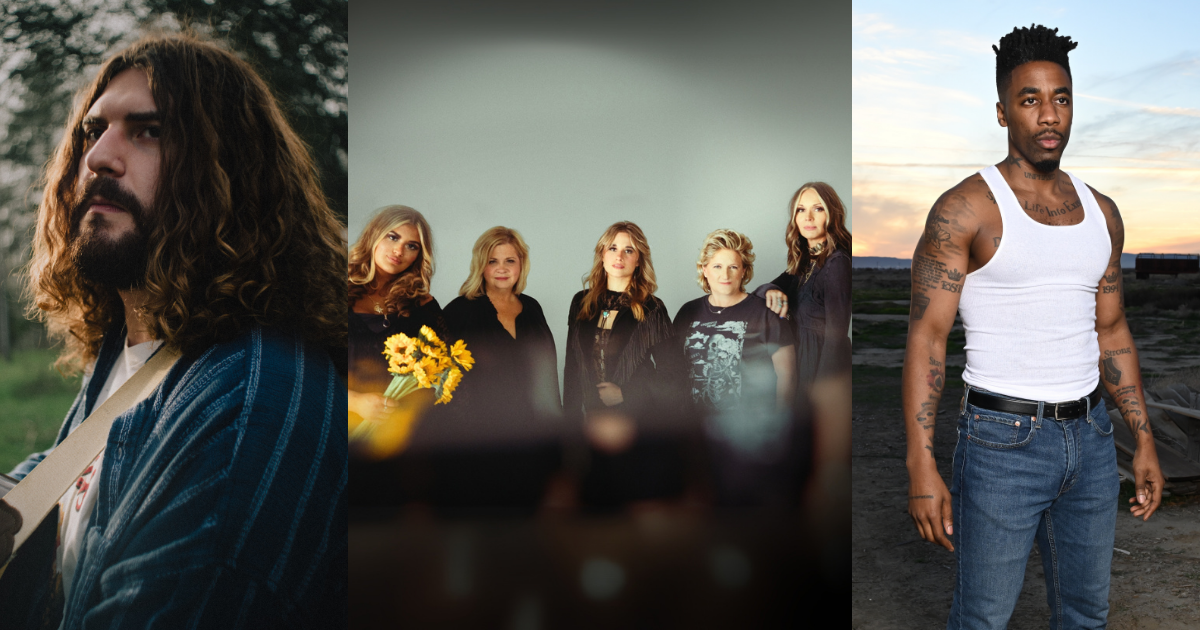
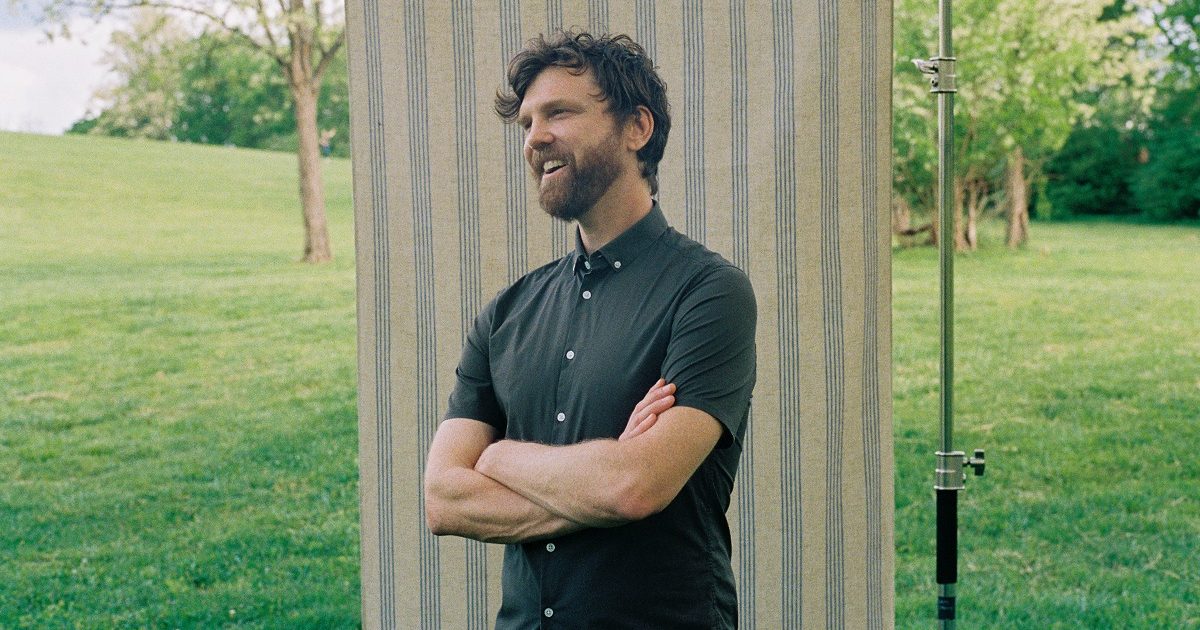
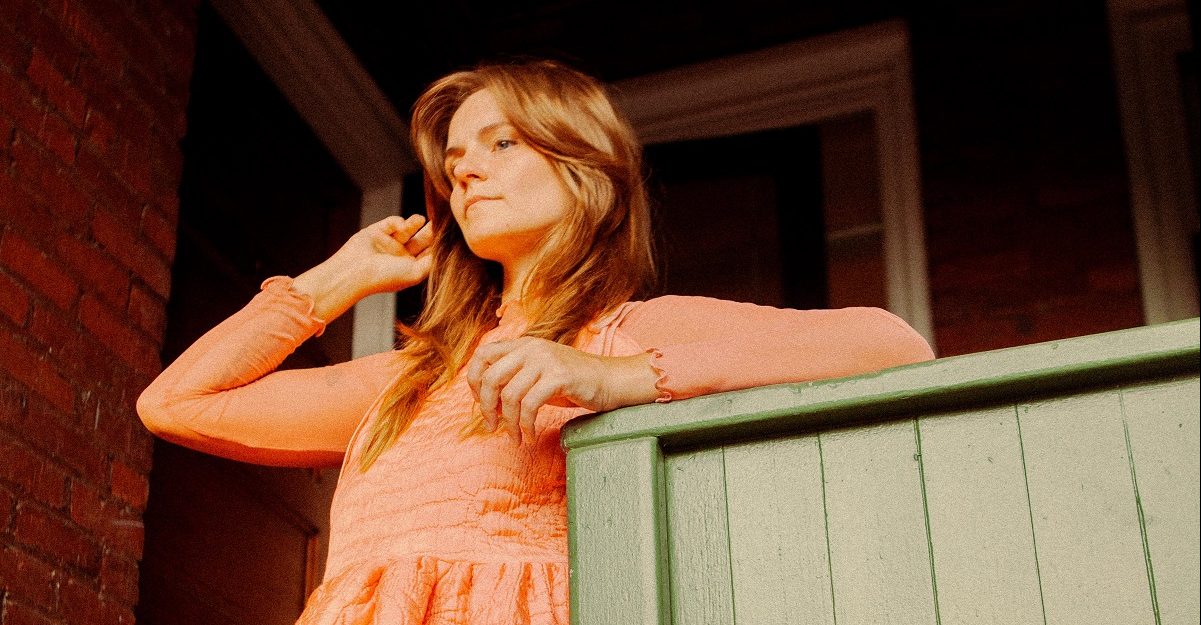
Photo Credit: (L to R) Cole Chaney by Anthony Simpkins; Sister Sadie courtesy of the artist; Dax by Annie Devine.
Additional curation and contributions by Shelby Williamson and Justin Hiltner.
What other art forms – literature, film, dance, painting, etc. – inform your music?
I’m a film nerd. I try to watch as many movies as possible, and also love the cinema (shout out to the Belcourt in Nashville), so if I’m burnt out from touring or music I fall back on that for influence. If you hear my music there is a deep influence of British folk horror from classic titles such as The Wicker Man and The Blood on Satan’s Claw to modern British folk movies such as Enys Men and Bait.
I do tend to go on the hunt for obscure ones I haven’t seen. I recently watched the 1977 TV series Children of The Stone and 1972’s A Warning to the Curious. Both incredible early origins of folk horror. Worth a look if that floats your boat.
What’s your favorite memory from being on stage?
Bonnaroo with Rich Ruth. Our backline was these giant Fender Twin [amps] and we all just turned up. It was this incredible wall of sound. I also think a big percentage of the audience had taken acid and there was a certain sway to everything.
Green Man Festival in Wales was also pretty magical, the sun was setting over Bannau Brycheiniog [National Park] and I got to play my favorite Trees cover, “Road,” in that environment with Sean Thompson, Erin Rae, and Hollow Hand.
What has been the best advice you’ve received in your career so far?
Surround yourself with friends that inspire you and encourage you. Be in a community you treasure.
Commit to what you enjoy and care about.
This is more advice for the “session” musician world. For years I was insecure about not being as good as x-y-z or the older players I look up to, but there’s something so powerful about harnessing insecurity. It’s what makes art special. To be confident in taking a risk and not knowing the outcome. There’s a lack of that in Music Row cause everyone plays to a formula, so the idea of risk and insecurity is not there.
What is a genre, album, artist, musician, or song that you adore that would surprise people?
Oh, I have some very questionable tastes. Especially if I’m behind the wheel and it’s an eight-hour drive home. I love Robert Palmer. I weirdly like Primus (especially the Brown Album) – I think it’s a nostalgia thing with them. Kicking around blasting Tommy the Cat at the Romford Skate Park on my CD Walkman.
Oh, Bruce Hornsby. I can burn through three hours of Bruce in one stint. Easy!
What would a perfect day as an artist and creator look like to you?
With my wife and two dogs on a hike, then a pub lunch by the seaside (somewhere in Cornwall), then a cheeky tobacco pipe outside in the evening with the cat listening to John Peel archives, but like the intense Aphex Twin archives… really loudly.
It is deeply joyful sitting with Jonny Fritz at a restaurant he suggested (Pollos Puebla #1) in an area of Los Angeles he’s an expert on (Pasadena/Altadena border) and talking about subjects he thinks about a lot, ranging from rebirthing ceremonies to alimony to how…“different” Nashville is now. He’s keenly honest about his life, his work, and his thoughts about any question thrown his way. Nothing is out of line or off limits. Nothing is filtered by a publicist or an agenda. It is off the cuff and real and wild.
We met over grilled chicken, rice, and beans to discuss his newest work, Debbie Downers (Woodwinds), a reimagining of the original 2025 album Debbie Downers. The conversation unfolded much like the album, with unexpected turns and humor that expose raw nerves about an unfriendly music industry, the beauty of PG Tips, the subtlety of serving a song, and the goal of taking a ride on the wave of a sliced open above-ground pool.
Well, let’s talk about Woodwinds. I’m a huge woodwind fan. How’d this come about?
Jonny Fritz: Oh, yeah? Me too. I love woodwinds. I’ve always loved them. I think they’re so great.
It’s so expensive making a record. It’s just stupid, you know? For example, the last record I made, Sweet Creep, I made it pretty cheap. I think it cost about 12,000 bucks. But ATO Records had an option on it so they could pick it up. They bought Dad Country, the record before that, for 5,000 bucks. It cost me five grand to make. “We’ll pay you five grand for it.” All right, fine. And then, hidden in the contract – or at least hidden to me – they got the option on the next one. Same deal. So when I made Sweet Creep they picked up the option. So for $5,000, they got this record that cost me $12k. I was like, “Jesus, man, this business is so rough.” And I just knew it was going to be something similar with the next one.
By this one, Debbie Downers, I thought, “What do I really want to do?” I might as well just do what I want, because there’s nothing worse than having something be expensive and unsatisfactory. I just decided I really wanted to make the record over and over and over again. I have a bunch of different visions for how it should go and I wouldn’t call any of them the one.
The Woodwinds one was something I’ve always just wanted to do. So I’m pretty pleased with it. I got this amazing guy in Highland Park who does film and TV stuff. There’s not a lot of work going on right now, so he was willing to do it. And the first couple of arrangements that he came up with, I was just giddy. I couldn’t believe how cool it was.
Were there any revelations for you? When you heard them in that arrangement, was there anything that shocked you about it?
Hmm… Yeah, some of the versions with the woodwinds really lent themselves to the winds better than any other version. I wrote this song called “Have You Seen Her.” I wrote it coming off of anesthesia. I was out of my mind. I got a hip replacement at UCLA 10 years ago. You know, coming off anesthesia affects people in weird ways. I’m one of them. It really got me, I wrote this song and I felt like it was the most brilliant thing.
It was so embarrassing. I wrote everybody who I knew who was high up at Rolling Stone, and all the Newport Folk Festival team, and all their PR team. I mean, I wrote everybody. And I wrote these really incoherent emails. I haven’t actually looked at them in a long time. I looked at them right after I wrote them and I was so ashamed. But I wrote all these emails being like, “You’re gonna want to get Scarlett Johansson down here. I need to perform this for her. And you need to get Joaquin [Phoenix] here, too.”
I’m not a social climber, but there was something in me that was like, “You need to make some moves. Call out a lifeline.” I was so ashamed of it for so long, because it was one of the most embarrassing moments in my life, for sure.
All of that to say, I didn’t want to play it or record it. I had to overcome it, admit it, and start talking about it. When I heard it with the woodwinds, I was blown away.
Years ago, I worked with Chris Crofton on a comedy event at Third Man Records that involved a compilation of found video footage that was submitted. There were so many submissions of people coming out of anesthesia, and I remember Chris immediately going, “No, that isn’t funny.” It really isn’t; you aren’t in your right mind.
God bless that man. He always knows exactly what the fuck is up. He is driven by pure heart and knows exactly where his morals should be. He’s incorruptible.
Do you spend a lot of time on social media? What is your relationship to it as a creator?
Pretty passive. I like social media. I feel like I’m kind of floating above social media. By like eight feet, just kind of looking down at it. Like, “What are you guys doing? That’s insane.” Then I dive into it to interact, and then just kind of get out of it. I get a little hooked on it for sure, but I hear about the addictions and the stuff that people fall for, and just like the amount of engagement. But it’s like engagement versus quality of life. I get so much fulfillment from everything else. I like playing with it. I always have fun with it, but I try not to let it get sticky.
Well, one of my favorite social media posts in the past bit is the one with your kiddo singing “Tea Man.”
Oh, wasn’t that so sweet?
So sweet.
She’s 6.5 now. She was like 2.5 then. And I just was like, I can’t post this. It felt so…I don’t know…
Personal?
It was personal, but I didn’t have a problem with that. I definitely want to protect her, you know? But that’s not her anymore. She doesn’t even look like that. She’s like doubled since that song came out. But then I was like, “Oh, fuck yeah, I’m posting this!” There was no risk of seeing her in public and recognizing that she’s the girl from the video.
Are you a tea man? In real life?
I got a PG Tips tattoo. I really like tea. I drink enough tea to float a canoe every day.
Really? All caffeinated?
Usually. Well, when I’m on tour, yeah. I get so tired. I can’t really mess with coffee. It just makes me so jittery. But I can just drink tea all day.
Are you an equal opportunist, or is it mostly black tea?
Oh, I like it all. Really like it all, but I love the black stuff, though. I think it happened when I was on tour 10 years ago with Josh Hedley. We were in England somewhere on a train, and they came down the lane with a steaming cart and it was £1 for a cup of tea. I don’t have an addictive personality. I don’t care about alcohol or anything. But I felt like, “Oh, I’m in trouble.” Just sitting on a cold, rainy train going through England with a cup of PG Tips.
It reminded me of something I heard about Andy Warhol. Although I’m not a big fan, I don’t know much about the guy. But what I do know about him is that one thing that made me really like him. I heard that he doused his whole world in a certain scent for a season. For example, in the summer of ‘63, he would just cover everything with lavender oil. And then come winter, it would be a totally different scent. And you’d put lavender away, and it’d be bergamot. So then the sense memory of whatever happened around that time would be so strongly connected to that scent that you could be completely brought back. And I really love that.
I think there’s something to it with the tea thing, because that tour was really big for me. It was a fantastic time. It was a really, really wonderful, lovely tour, and drinking PG Tips like that, I just got into English culture too. Everywhere you go, somebody’s like, “Well, you want a cup of tea?” Like, yes, I fucking do. I decided I’m never turning down a cup of tea. And I never have since.
Tell me about writing “Hot Chicken Condos” with Jordan [Lehning] and Skylar [Wilson]. I deeply connect with that song because I also left Tennessee, and for many of the reasons you list in the song.
Yeah, that was the point. Everybody who really gets this place will really understand these things, even like Pit Bull puppies in parking lots.
And humidity.
Fucking unrelenting humidity.
Were those things you were storing? How did that song come about?
God, why I love writing with Jordan and Skyler is because they don’t bring any ego to the write. They don’t fucking care. They’re just such good vibes. I’m really pretty neurotic about writing and also I’m pretty protective of my words, too. When I get into the writing space, I’m just so sensitive about what’s being said. So if somebody says or suggests the wrong thing, I can quickly be like, “This is the wrong association.” I can be a little trigger-happy.
But with Jordan and Skylar, they’re always just like, “Just play what you got.” And they usually edit everything that I have. With that song, one of the lyrics was “Mustard in the corner of his tiny little mouth.” And Jordan said, “Why don’t you say, ‘Mustard cracking in the corner of his tiny little mouth?'” And it was perfect. Mark Twain said the difference between the right word and almost the right word was the difference between lightning and the lightning bug.
It’s so true.
I got to hang out with Guy Clark once in Nashville, and it was like one of the best moments of my Nashville career. I was going through really bad writer’s block. And I asked him, “Do you ever get stuck?” And he said, “Yeah… Do you ever write with other people?” And I told him, “I don’t like the idea of giving somebody 50% of the song just because they’re sitting in the same room.” He leaned over and he goes, “Well, you never would have fucking wrote it if they weren’t sitting there.”
I was like, “Damn, old man schooled me.” Because so much of writing, I feel like, is picking up on something else that’s happening. And who’s to say you don’t owe somebody credit just because they’re sitting there?
The other thing that Jordan suggested for [“Hot Chicken Condos”], which was so right on, was that he asked me how high I could go on the Tennessee part. I told him I could go falsetto, and he told me to try it. I hit it and he said, “That’s it.” He took an idea of a song and made it a song. I just so appreciate those guys.
I just feel it is like a pedal steel player who plays about eight notes per song. That’s the best player in town, ‘cause all the other players are nonstop. Same with fiddle. Take Josh Hedley. The guy just stands there most of the time, then he pulls out something incredible, and he sets it back down. He doesn’t overplay. If you don’t overwrite and you don’t overplay, those are heavy attributes.
Those are both things to do in service of the song, not in service of self.
Absolutely. You know who I saw last night was Erin Rae. Kevin Morby and I were standing next to each other, just like, ”Oh my god, she’s so good.” One of the most amazing things about her is that she underplays the guitar. She’s playing the whole time, but if you really focus on how much she is actually playing, it is barely. It’s just enough to fill in where she’s not singing and she works the mic so well.
All those things are so important, but nobody teaches them, you know? You have to kind of know it. It’s innate, right?
Or you got to learn it trial by fire. And you have to be playing with players who know what they are doing to learn that.
Yeah. That’s right. Sometimes people are technically good, but they just don’t stop noodling, and it sucks.
You took a long hiatus from music, huh?
I did. I took nine years between records. I didn’t mean to. And I didn’t actually think that I was doing it. I was playing shows here and there. I blame it on real estate. I got into real estate because my heart got broken from music so many times from wanting to do better. Wanting to succeed more. Really, really caring what people said and thought and comparing myself. All the things you really shouldn’t do ever in any aspect of life. I mean, if you did that in a relationship, then your therapist would be like, “That’s your problem. Stop. Don’t do that.”
I couldn’t get out of it. I just felt so bad about how it was going. And I know what I’m doing is not for everybody, and it’s not gonna take off. But I love what I do. I’m not putting myself down, but I just knew my ambition was a lot faster than everybody’s interests. It was just wearing on me and I needed to do something that’s purely about money and doesn’t have anything to do with creativity, because I’m just getting my feelings hurt. And I got polyps in my vocal cords. I was touring too much. It just wasn’t going well.
So I thought, “I’m just going to pivot. I’ll still do shows and if somebody asks me to do something, I’ll do it. I love music.” I stopped prioritizing writing. I stopped prioritizing recording, and then the pandemic happened, and I had a kid, and real estate took off, and I looked up, and it was 9 years. It really was like, “Oh, crap, how did that happen?” It shocked me.
What’s your writing process like typically? Do you write everywhere?
I write everywhere. I use my voice memos a lot. I really love just making up new country songs and fake country songs – like, really bad ones. I find that if I can get them out, I can expand upon them or delete them and move on.
I was writing with Skylar [Wilson] one time and we were trying to write a song called “Remember the Alimony?” We wrote for hours and hours and it was a stupid song and it didn’t go anywhere. It went, “I’m just a poor man. All I eat is beans and write checks to my ex, one and only. I rolled the dice, but I lost my wife. But I remember the alimony.” So stupid. God. But we were writing all day and just hanging out, and neither of us thought to finish it. It just didn’t work. But then I got home and I had like 6 other song ideas that went on Sweet Creep. It’s that muscle thing that everybody talks about.
I’m also a pleasure seeker to the nth degree. If things aren’t fun, I just drop them so quick. I’m really bad about that. So I just make sure that it’s really fun and get the idea out quickly. I try to stay hovering above it, just stay light. Because as soon as I dig into it, that’s when I’m like, “Oh, my God, right. I don’t know how to do this.” Just keep it fun and it will grow. But I like to write all the time, every day.
Do you wake up and do it?
It is in the shower, on the way to school, washing dishes. You know, when you have a great idea and no way to write it down.
Soapy hands! Sometimes it happens when there’s an absence of anything else and those ideas pop up.
I have to really protect myself when I’m diving in. I wash all the dishes, do all the laundry, sweep up a bit, and make sure no one is going to ask me for anything. I’m really self-conscious about that. If nobody is home, I’m going to the basement and putting on Ken Burns’ Civil War, and I turn the radio on at low levels where it is just kind of humming. I drink a tremendous amount of caffeine. That’s my favorite.
But it is intense. I can get really emotionally rocky after diving in pretty deep.
I was thinking about Roger Miller when you were talking about the “Alimony” song. I’m drawn to that kind of writing because you can get really dark while staying very light.
People think that the meat is deep, but the nerves are on the surface. There’s meat down there, but it’s dead. I feel like the most cutting and incredible songs kind of sound like an email to an old friend. My favorite Lucinda Williams songs all sound like they were written to a buddy.
Or she’s talking to somebody over tea.
So true. And John Prine, too. Everyone’s like, “How did they do it?” They just did it. They’re just talking.
Will you play any live shows with the woodwinds?
Yes, actually, April 14, we’re doing a free show at Zebulon. It’s going to be good. I have this giant golf ball, it’s like a concession stand, and I’m bringing that to the show. The whole point of it is to give away free tea. It’s my tea ball. The tea is free, just buy a house from me!
What will the live configuration look like? How many players will you have?
Four, but they play multiple winds. It’s the players on the record. They’re such pros. They’re all symphony kids.
There’s something about stripping it down to just woodwinds; it’s so cinematic. It takes you directly to the meat and it makes you lighter when it is time, as music does for film. It helps direct your emotional experience.
I like that. I’ve always loved demos of songs. Sometimes I just want to hear someone play the songs, not the record. Or just hear someone sing it. As close to the song as I can get, I’m most happy. I love a cappella stuff. Sometimes the most powerful way to arrange a song is to remove everything.
With winds, too, it’s nice because that’s pretty much it. There’s the vocal and then there’s some wind behind it. I love that.
At the top of my notes that I took while listening to the record, I have the words “jello rebirth” scribbled down regarding the song “Polished Turd.” Can you tell me more about that concept?
For this record, it was a bit of a cynical and fatalistic career thought, but I wanted to make a record of real estate songs. The whole idea behind it was that people would hear it and would say, “This sucks.” And my reply can be, “Yes. That’s what happens when you give up on your dreams.” Music really suffers when you just write about what you’re doing. It’s like this martyrdom thing.
You know the three D’s in real estate are like death, diapers, and divorce – all the things that make people sell their homes. So I wrote one that went, “Death, diapers, and divorce. And the lottery, of course.”
During the pandemic, I had this fantasy of buying someone an above-ground pool. Have you heard of rebirthing ceremonies?
No.
Oh, rebirthing ceremonies are a thing. A fucking thing. People simulate a mother’s vagina in like a mega fucked up Christian ceremony. They make you relive your birth so you can be reborn and let go of all your childhood traumas. They have a gelatinous vagina and people push themselves through it. So anyway, I got that in my mind and thought, “What the hell is this world?” But I could see that for real estate, like a used car salesman going, “We are doing rebirthing ceremonies, come on down!”
And I have always wanted to slide through the tsunami of an above-ground pool that gets sliced open.
Yeah, that does look fun.
Right, who hasn’t wanted to do that? But then I want to turn it into jello. And then I thought maybe I should do that for my clients or have a commercial about it. I could cut a slice in the pool with a katana sword, then they’d ride in slow motion through the incision of the above-ground pool, I could hand them the keys, and they’d be reborn into home ownership. Follow me?
Yep.
That is a song very near and dear to me, but it is a hard one to explain. What was your experience with it?
Well my first thought was that wherever it was coming from and whatever it meant, you have thought a lot about it.
Patience and persistence have long been traits embodied by the music and songwriting of Kristina Murray, but with her new album, Little Blue, she can add another “P” word to the mix: perseverance.
Now a decade into her time in Nashville, Little Blue (out May 9 on New West Records) is poised to be her “ten year town” breakout moment. Through its blend of old school country twang and swampy southern R&B she ruminates on everything from the grind, pursuing her honky-tonk dream, to finding love, and the unseen burdens placed on women. She shows off her formidable knack for storytelling in the process. The project is also direct evidence of the inroads she’s made in Music City, with artists like Erin Rae, Logan Ledger, Sean Thompson, Miss Tess, Frank Rische, and John Mailander all lending a hand.
Originally from Atlanta, Murray was introduced to country as a child via a cassette of Patsy Cline’s greatest hits in her mother’s car. She eventually got her first guitar in high school, but didn’t play it anywhere outside of open mics and church camps until she moved to Colorado in the mid 2000s to pursue a degree in recreational therapy. While there, she became immersed in the regional bluegrass scene and began playing out more, slowly gaining confidence and building toward her eventual move to Nashville in 2014. While she was only in Colorado for six years, Murray still looks back on her time out west as foundational for her direction in life and the art she’s pursuing now.
“I’d never lived outside the South before and had a couple mentors of mine tell me I should give it a try for a little bit,” recalls Murray. “It was out there where I realized that being a musician is what I wanted to do with my life. Once you get bit by the playing-on-stage bug, there’s no going back. It’s so much more than just playing for people, too. It’s also being in sync with your band and performing at a high level and the energy feedback loop that can come from that.”
Since relocating to Nashville, Murray has become a linchpin of the city’s dive bar and juke joint scene, frequently popping up at places like Dee’s Country Cocktail Lounge and Bobby’s Idle Hour, and became one of the first women to front a full band at Santa’s Pub. But despite all this, she was starting to feel stuck as the pressure of things like her father’s sudden death, car wrecks, watching others have the success she’d been waiting on began to weigh her down. But in that darkness she was able to find a glimmer of light, and Little Blue was born.
Leading up to the album’s release, Good Country caught up with Murray to discuss imposter syndrome, expectations in the music business, the healing power of music, and more.
If going from open mics and church camps in Georgia to diving into Colorado’s bluegrass scene was a big step, then moving from there to Nashville must’ve felt like being on another planet. What was that transition like?
Kristina Murray: My time in Colorado was foundational in some ways. I learned the Nashville number system, how to play with a band, and how to execute a bunch of different songs really well while I was there. But, eventually, it got to being a big fish, small pond kind of thing. You can make a living out there just by playing cover songs in bars, but what I wanted was to write songs and be around people my age who were also writing the kind of songs I like, wanted to listen to, and wanted to write. Moving there was a big step because Nashville is the place where the music I love was and is still being made.
You’ve been grinding away in Nashville for a decade now as an independent musician, but this new record marks your debut with New West. How’d that partnership come about?
Southern Ambrosia [was] the first record I put out after moving to Nashville and, quite frankly, I didn’t know what I was doing. I had seen a lot of my peers kind of take off and naively I thought, “Well, this is a really good record full of great players and good writing and I’m in this kind of circle community; because all those things are true, then this record should get me to the next place that I wanted to go.”
It was actually on the radar of Normaltown and New West back in 2018, but things fizzled out because I didn’t know how to go about having conversations with business people about my music – I’d never done anything like that before. Fast forward a few years, this record was done in 2023 and by early 2024 I was talking with them again about picking it up. Their support means a lot, because it’s really difficult to get your record and your career to the places that you want to go without it.
New West and Normaltown are also based out of Athens, Georgia, and I’m from Atlanta, so it means a lot to be involved with them on that level as well. I was a huge Drive-By Truckers fan in my 20s and can’t get enough of Jaime Wyatt, Lilly Hiatt, Nikki Lane and others. There’s just a lot of people that I love and respect on that record label and I’m happy to be a part of the family.
Better late than never, I suppose! You just mentioned the feedback for Southern Ambrosia not meeting the lofty expectations you had for it. I imagine seeing friends and colleagues having success with their music – from signing with labels to getting on bigger and bigger shows to nailing down high-profile writing sessions – doesn’t help to keep the imposter syndrome at bay.
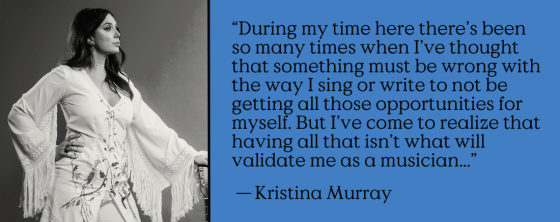
It’s funny, because during my decade in Nashville I really have seen so many people just skyrocket, and it’s all been so deserved, like Erin Rae – nobody sings or writes like her – or Sierra Ferrell, I mean who else sings like that? Logan Ledger, who also joins me on this record, is one of my favorite singers and songwriters around. During my time here there’s been so many times when I’ve thought that something must be wrong with the way I sing or write to not be getting all those opportunities for myself. But I’ve come to realize that having all that isn’t what will validate me as a musician, writer, performer, and person who simply loves this music, because at the end of the day, if I still get something out of it, shouldn’t that be enough? It’s something I’ve grappled with a lot through the years and continue to do on this album.
Speaking of expectations in the music business not always being reality and the illusion of success, are those things you’re tackling head on in the song “Watchin’ the World Pass Me By”?
What’s funny about that song is it started out as me just trying to see if I could write a basic “outlaw” country song. It obviously evolved a bit from a writing exercise parody to a commentary on getting “so tired of watching ‘em livin’ my dreams” and “daddy’s bankroll to make the rules” nepotism and suddenly being a country singer, because you threw on a cowboy hat. But I also poke a bit of fun at myself, too, with lines like “She’s just a bitter, jaded, helpless fool.”
Another tune I’ve really enjoyed is “Phenix City.” In many ways it seems like an outlier on the record, a story song amid a sea of deeply personal, autobiographical tales. With that in mind, what was your intention for including it here?
Most of this record is autobiographical or composite sketches of me and those around me, but that one specifically is a story song. It very much paints a picture of small-town circumstances in Phenix City, a small town in Alabama along the Georgia border. One time I was driving down to a gig in Columbus, Georgia, and instead of going through Atlanta I decided to head straight down from Nashville through Alabama. I rented a car because my van was out of commission, and about a half hour outside Columbus I broke down after running out of gas because I had my music so loud I couldn’t hear it beeping. I eventually got it to a mechanic shop in Phenix City where the man told me I just needed some gas, which was both a relief and a moment that made me feel like the biggest idiot around, but briefly getting stuck there did inspire the song in a roundabout way.
Similar to “Phenix City,” another outlier of sorts on Little Blue is the lead track, “You Got Me,” which seems to revolve around the early, butterflies-fueled stages of love. Mind telling me a bit about it and the mood it sets for the remainder of the project?
I’m not one for writing love songs too much. The only other real love song I have is “The Ballad Of Angel & Donnie” from Southern Ambrosia, which is another story song about a meth dealer and his girlfriend. I wrote “You Got Me” early on in my relationship with my now-partner. It’s a very true-to-life song and I knew if it was going to be about him that it had to be a really cool-sounding song. My guitarist, James Paul Mitchell, came over one night when I was writing it and helped to come up with that signature lick you hear on it right at the beginning, which I loved. I really wanted it to be like a Band song with the Clavinet sounds that they twin throughout the song. My partner, Corey [Parsons], also plays percussion on this one, which is really sweet that he got to put some of his touch on a song about him.
The song also starts with the word “and,” which came from a writing exercise after listening to Robert Johnson’s “Love in Vain.” It begins with “And I followed her to the station.” I thought it was so cool to start a song with “and,” because it’s like you’re just dropping someone into the middle of a story.
While “You Got Me” is a bright spot, a lot of this album leans more toward the somber and dark. What are your thoughts on the catharsis and healing that can come from writing through difficult times such as the ones you’re encountering here?
The album is titled Little Blue for a reason. We are remiss to forget how significant the pandemic was and how devastatingly sad that period of time in our collective human history was. A good chunk of these songs were written during that two-year period along with general ruminations about the sad and unjust world we live in that even the music industry isn’t immune from. It feels silly at times to whine and cry about the music industry when there’s so much other crazy stuff happening, but that’s the world I live in so I have to write through that.
I wouldn’t say that writing songs is cathartic for me as much as sharing in the collective. What grabs me about music is when it feels real and is relatable to me and I hope that I’ve done that here with what I’ve written about. Music is magical, so the fact that I get to do this at all is amazing and continues to drive me. I’m never not going to be amazed by music. For instance, I took a harmonica lesson the other day with Ilya Portnov, who also plays on the record. I’ve done a little bit of Bob Dylan-esque singer-songwriter harmonica, but I really wanted to understand the harp a little bit better. It’s a magical feeling when the music and notes and scale are all working together. I feel endlessly humbled by it and very proud that I get to be a small ripple in the river of music.
What did the process of bringing Little Blue to life teach you about yourself?
That I’m gonna keep doing it regardless of if it makes any sense at all. I didn’t get my record deal until after everything for this album was done, meaning that I funded it all myself. It was a lot to handle, because making records isn’t cheap, especially if you’re paying people what they deserve to get paid. I feel very lucky and grateful for all the folks that lended their talent to this record. It made me realize that the more I keep pushing ahead to more everything will begin to make sense around me. It’s a mix of perseverance and understanding that good things take time and intention. I feel really good about this record and even though it’s only my third, and first in six years, I’m glad to put it out in the world because we need art now more than ever.
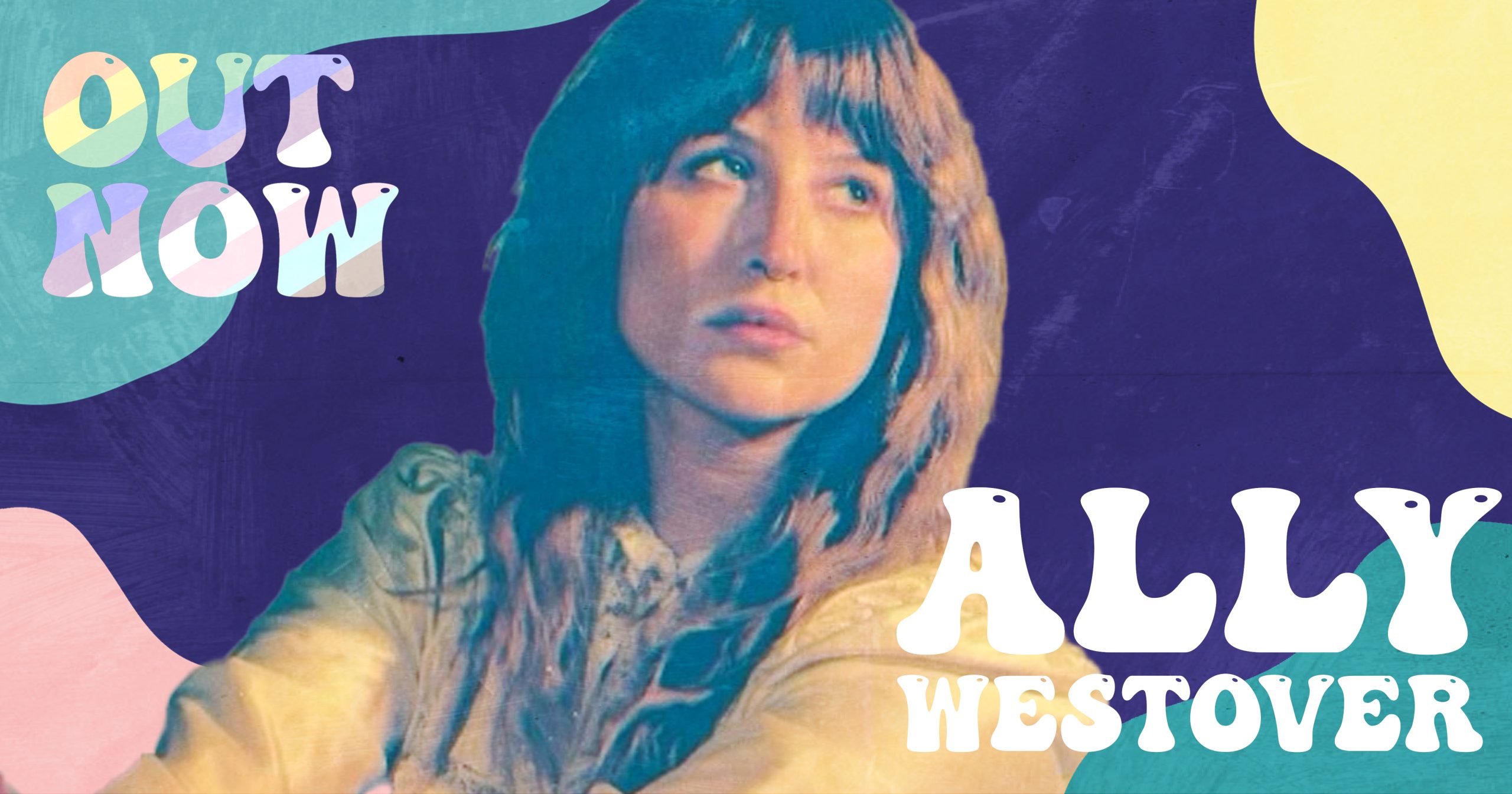
Ally Westover is a Nashville-based artist known for a blend of lullaby-like sounds and groovy indie-folk tunes, stitched together with warmth, imagery, and honesty. Her new single, “Rotten Milk” (available September 6), is an exploration of queer identity. The lyrics circle relatable themes like love gone sour and compulsory heterosexuality – a term coined by Adrienne Rich to describe societal expectations queer women face around conforming to heterosexual norms. The concept resonates with many queer women who struggle to navigate their identities.
It’s exciting to feature an artist who is opening a discussion around these ideas. Ally’s EP, Changing Room, dives further into these themes and is to be released in January 2025. In our Out Now interview, she shares her current state of mind, what it means to her to be an LGBTQ+ artist, and how she balances the business and creative aspects of being an artist.
You are releasing an EP in 2025 titled Changing Room. What was the process of creating this project? And, what do you hope listeners will take away from this collection of songs?
I created this project with my friend and musical mentor, Oliver Hopkins. He is one of the people that inspires me most in this world and to make a record with him is an absolute dream come true. I came to him with a few songs that I loved and believed in, but wanted him to help me make them sound more focussed and sonically interesting.
We wrote “Rotten Milk” in his backyard in the height of the summer heat after I had just gotten out of a relationship with a man that felt like a stranger. The track that follows is “Waterbug,” which is my absolute favorite. It encompasses queer desire and yearning. The last song is called “Digital Body” and it’s all about decompressing and slowing things down. I hope that listeners enjoy the songs and feel maybe a little more understood in their own lives. More than anything I am just happy to have the songs in the world!
Why do you create music? What’s more satisfying to you, the process or the outcome?
Songwriting itself is pure magic. The energy present during the process is what propels me to dig for more songs. I create music because I have to! It is the way that I work through my emotions and thoughts and fears. It is the time capsule for my life. It is the way that I cope with being human.
Do you create music primarily for yourself or for others?
Initially, I create music for myself. And when it is done, I look forward to sharing the songs with other people so that they may feel less alone as I believe we all have similar struggles. It’s my hope that through sharing music, we all feel more connected to each other at a soul level.
Who are your favorite LGBTQ+ artists and bands?
Courtney Barnett, MUNA, Big Thief, Chappell Roan, Katy Kirby, Arlo Parks, Tash Sultana, Cassidy Maude, Ab Lag, Molly Martin, Erin Rae, Liv Greene, Purser, Jobi Riccio, and Saltwater Baby are some of my favorites. Wow! There are so many! I am so grateful for queer visibility!
For anyone reading this who might not be out of the closet, were there any specific people, musicians, or resources that helped you find yourself as a queer individual?
The band MUNA saved me! Chanting songs about being gay and worthy of love really helped me feel empowered. I have an incredible sister, friends, and therapist who have stood by me through the hardest moments. The queer community in Nashville is amazing. Shout out to Jonda, the owner of Lipstick Lounge, for creating a safe haven for queer people. It was only when I realized that it is not my job to make other people comfortable, was I set free.
What does it mean to you to be an LGBTQ+ musician?
I would not be openly making music as a queer person had it not been for the Black lesbians and trans people of color that fought back during Stonewall riots. Thank you to Marsha P. Johnson, Sylvia Rivera, and Stormé DeLarverie for fighting for my right to exist and to love who I love. Being an LGBTQ+ musician means that “no one is free until everyone is free.” It means liberation, justice and resistance.
We’ve had a conversation before about how you left the music industry for a few years and decided you needed to return. What was that like for you? Could you share what drew you back and the importance of creating and sharing your music?
In the time that I was away from music, it was still plaguing my every thought. I tried to study fashion to explore a different creative outlet and that brought me to sustainability, as I learned about the horrors of the fast fashion industry. Because of this, I make all of my merch on thrifted clothes in hopes to be as eco-conscious as possible. Sustainability led me to an existential crisis so I switched majors to philosophy, which only dug me a deeper hole. It was during my philosophy class that I realized I must pursue my bliss – music! Coming back to music as my career focus felt like coming home.
What’s your ideal vision for your future?
When I think of “future me” I imagine myself traveling and playing shows with a small band, throwing killer dinner parties, and tending to a sprawling garden. The ideal vision of my future has much to do with “present me” leaning deeper into the things that I already do.
What is your greatest fear?
I have realized that I am the person who will ultimately affect the outcome of my life – so I would say that I am most afraid of the part of myself that harbors doubt.
What is your current state of mind?
My current state of mind is a collage of gratitude and helplessness; of joy and sorrow; of yearning and grieving. I grieve the genocide in Palestine amongst the many other humanitarian crises in the Congo, Sudan, and in the United States. I find it really challenging some days to be hopeful, but I try to find joy in the small moments and do everything I can to uplift marginalized voices.
I am hopeful about creating and sharing the project that I have been working on for over a year now. Entering into the fall season, I am looking forward to slowing down, going inward, and continuing to lean into my cozy home and my community.
How do you balance being on social media, promoting your music, playing shows, and looking after your mental health?
I tell myself that I want to do this for the rest of my life, so if it takes the rest of my life to do it then so be it. I remind myself that the long game is what matters and that slowly chipping away making good art is what counts. I lean on my community and try my best. I’ve also been trying to intentionally rest without guilt and to say yes to fun experiences that do not center around music. I have found that I create the best and most interesting art when I am living my life for myself. My partner is very organized and business focussed and they gave me some killer advice. They said, “Why don’t you focus strictly on music business for 2 hours a day, in the morning, so that you don’t have to spiral about it for the next 22 hours?” They created the term “Ally’s Office Hours” and it has helped tremendously.
What would a “perfect day” look like for you?
Soft sunlight and fresh air seep through my window. I indulge in light roast pour over coffee and fresh fruit for breakfast. I sit at the kitchen table with my journal and my mini Yamaha as ideas for songs flood my mind like a heavy summer rain. Once the rain has cleared, I walk to the grocery store and grab some fresh seafood, sharp cheeses, and Castelvetrano olives. The rest of the dinner setup will be a harvest from my garden. I pop by the local wine shop for a floral Spanish white wine and perhaps a juicy beaujolais. Friends will arrive at golden hour to a home full of fresh flowers and candle light. We eat and drink and enjoy rich conversation over a delicious meal. I fall asleep beside my lover as we count our blessings.
What’s the best advice you’ve ever gotten?
“If it is urgent, then it is not God.” I can be so impulsive about my decision making, and when a friend told me this, it blew my mind. A sense of urgency is likely never a good sign that something is right.
What are your release and touring plans for the next year?
I am releasing my second EP, Changing Room, in January and could not be more excited. The first single, “Rotten Milk,” comes out today, September 6!
Changing Room encapsulates self exploration, and more specifically queer exploration. The project begins with “Rotten Milk.” It’s about the last man that I ever dated. We were together for a few short months in the summer and much like the milk at the restaurant, the love, too, had gone sour. It was as if I was playing dress up. I couldn’t get access to my true self until I freed myself of compulsory heterosexuality.
I am opening for Louisa Stancioff, Molly Parden, and Eliza Edens in Portland, Maine on October 4 and again in Washtington, D.C. on October 15. The plan is to go on a sweet little tour in early spring to share the songs on Changing Room and then get back to creating more tunes.
Welcome to OUT NOW! We are so excited to bring you the latest LGBTQ+ folk, roots, bluegrass, country, Americana, and indie songwriters, artists, and musicians. Who am I to guide you through the queer music industry? My name is Sara Gougeon. I founded and run Queerfest, which supports LGBTQ+ music by hosting monthly showcases and an annual festival in Nashville, promoting queer-identifying artists and creating spaces for our community. In 2022 Queerfest was named “Best New Music Festival” by The Nashville Scene.
This column is designed to amplify the voices of queer songwriters, musicians, and industry leaders. I am so excited to share just how talented, creative, and supportive the queer music industry is. We are delighted that the release of this column aligns with Pride Month, but we are even more excited to support LGBTQ+ music consistently year-round, beyond just the month of June.
Our first artist is one that I am proud to have known for years, and I can write with undeniable confidence that their music is at the start of a career filled with national tours, stunning releases, and larger followings sure to come.
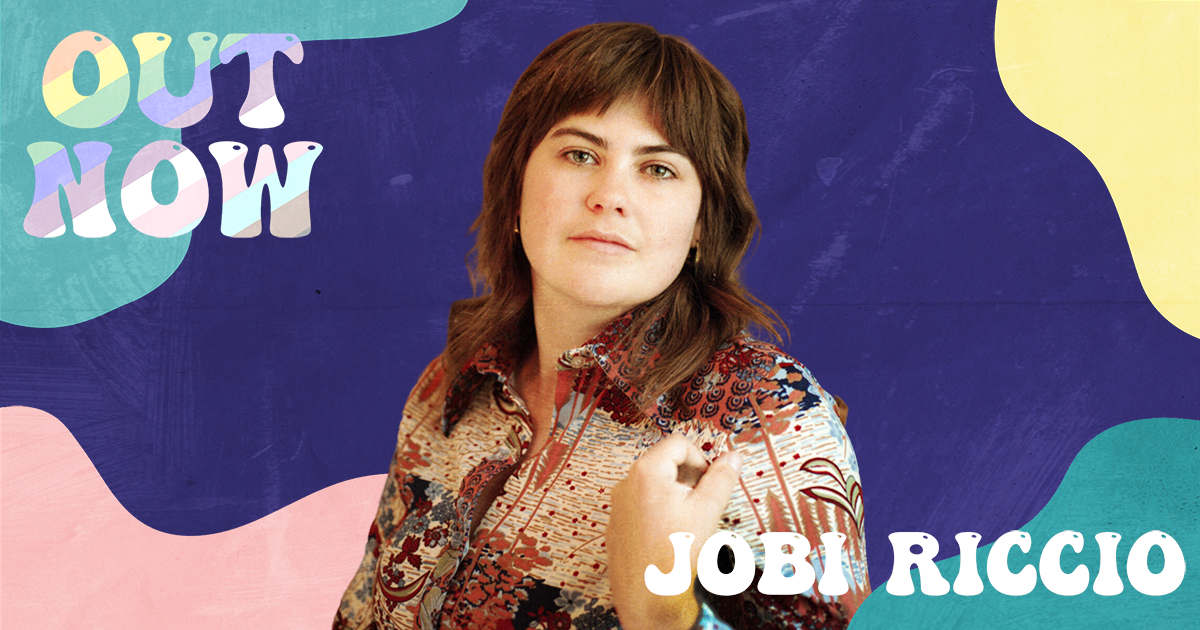
I met the amazing Jobi Riccio in college when we were students at Berklee College of Music in Boston. They’ve come a long way since then: a record deal with Yep Roc, touring, and the move to Nashville. But I knew from day one that their music was exceptional. It is always a complete honor to promote incredible queer music.
Jobi’s carefully crafted lyrics turn songs into movies. Melodies blend with smooth vocals, and mournful fiddle solos lift between lines. It’s the kind of music I catch myself playing for hours before noticing that I’ve fallen so deeply for a few songs that I could listen to them on repeat forever.
And with that, I am deeply proud to present OUT NOW: Jobi Riccio.
BGS: What would a “perfect day” look like for you?
Jobi Riccio: A day spent primarily outside in the sun with those I love that ends playing songs in a living room or around a fire is really hard to beat. I also love being alone exploring nature and any day I spend hiking, biking, kayaking or doing any outdoor activity completely alone is always perfect and healing.
Why do you create music? What’s more satisfying to you, the process or the outcome?
It depends on the day. I love performing just as much as I love songwriting and I view both as a very gratifying way to connect with myself and other people.
Do you create music primarily for yourself or for others?
I honestly don’t know. I create music when I’m feeling something big and feel I need to or have the ability to express it. I’m not sure if it’s completely honest to say I write entirely for myself because sometimes those big feelings I’m experiencing stem from a desire to connect with others.
Rufus Wainwright, Aaron Lee Tasjan, and Caroline Rose all come to mind as LGBTQ+ artists I’ve had in heavy rotation, but also those I’m lucky enough to consider friends: Liv Greene, Erin Rae, Brennan Wedl, Brittany Ann Tranbaugh, Palmyra, and Olivia Barton are all queer artists/bands I’m very inspired by.
Is “Green Flash ” based on real feelings/experiences?
I started “Green Flash” during late spring of 2020, when I moved back home with my mom in Colorado. Lots of these existential crisis-y type thoughts were swirling in my head throughout my senior year of college, and the onset of the pandemic just sent them into overdrive. Most musicians have a fantasy of quitting music at some point and leading a “simple life” and I was caught up in that idea as I had nowhere to play and no hope of touring in the future. Sometimes I find my songs function similar to journal entries — questions I ask myself or little prayers out into the universe — and I think “Green Flash ” functions that way.
One of the main lines in Green Flash is “I’m still learning how to trust a heart.” How do you find a balance between being open to love/vulnerability/life and not getting your heart hurt?
I love this question, I ask myself it almost everyday. More and more I’ve learned to push myself to be vulnerable and honest even when it’s scary because I might be hurt, because it’s the key to real connection with others and is where the true beauty in life lies. Learning how to be authentically myself has a lot to do with learning to trust my heart and myself, and it’s very much a daily practice. All and all, I’d rather be hurt than live in fear of being hurt.
What are your release and touring plans for the next year?
I am releasing my debut record, Whiplash, on September 8 and I’m extremely excited to get this body of work into the world. I’ll be touring around the record this year and next!
Working your way through a hard time is pretty much impossible without the relief that comes from listening to music. In the last four years, I’ve focused a large amount of my listening on songs that talk about the hard stuff, just so I can feel better about my own. Coming out; divorce; difficult family dynamics; political divisiveness — any one of those things could send anybody reeling, but put ‘em all together, and wow, time to put on some tunes. — Mary Bragg
Aaron Lee Tasjan – “Up All Night”
Aaron’s sense of freedom and celebration of self combined with his outrageous talent for songwriting and production comes together wistfully in this wild piece of ear candy that I can never get enough of.
Joy Oladokun – “Breathe Again”
“Breathe Again” was the song that introduced me to Joy’s music, and it is just the most life-giving sentiment spoken through pain with honesty. It’s been meditative and healing for me.
Tegan and Sara – “Closer”
What a bop.
Gillian Welch & Dave Rawlings – “Hard Times”
There’s a Gillian & Dave song for every season of life. This one, of course, could apply to any kind of hard time you’re going through, and Gillian’s lilting delivery has me simultaneously sitting in my pain and crawling out of it one refrain at a time.
MUNA feat. Phoebe Bridgers – “Silk Chiffon”
Again with the bops- MUNA flings themselves into romantic pop bliss and brings us along for the party.
Stephanie Lambring – “Joy of Jesus”
People sure love to talk about your “lifestyle choices.” What I know is that living fully in my heart and my body and mind should not put me in a category that’s cast out, made less than, or made the subject of anyone’s ire. I won’t be told I’m going to hell just for loving an incredible human being who happens to be of the same sex.
Erin Rae – “Bad Mind”
It’s hard to believe that in 2022 there are still millions of people who think you’ve lost your mind for loving a person. Loving a person. And yet, those opinions are much stronger and more deeply felt than I ever realized they were; they can creep into your psyche and try to steal your joy, but I’m just trying to live a good life that leads with love, so I keep showing up as myself, trying my darnedest to claim and protect my own happiness.
Indigo Girls – “Closer to Fine”
More so heroes to me now than they already were, returning to this iconic song has taken on new meaning for me since I came out. Amy & Emily have been trailblazers for a long time, and funnily enough, they were the representation I didn’t know I needed as a teenager. I’m so thankful they exist in this world the way that they do — boldly living their lives but always leading with love and respect.
Grace Pettis feat. Indigo Girls – “Landon”
Producing this album for Grace lives in an almost surreal, fantastical pocket of my memory. When I first heard the demo of this song, I was floored by her willingness to talk about formerly being in that place of judgment; she tells the story of a changed friendship, a forgiveness of self, and a reconciliation that we can all hope for. I had this audible vision of the Indigo Girls’ voices taking it to a new place, and wow, did they ever. I’ll never forget how wonderful an experience it was for me to comp their vocals and drop their magic into this transformative song.
Bill Withers – “Lovely Day”
I’m such a fan of Bill Withers. With a penchant for capturing positivity and heartache in a series of brief melodic nuggets, this one pops up as one of the songs I find playing on repeat in my subconscious, willing a lovely day into existence.
Kacey Musgraves – “High Horse”
Craving a common ground where no one’s on any kind of high horse, this one is a gift to me, expressing frustration with the holier-than-thous. I can’t tell you how to live your life, so…
Brennen Leigh – “Billy and Beau”
The fact that Brennen is of our generation is some kind of country music miracle. Extremely well-versed in the great landscape of country music, yet bold as anyone, here she and Melissa Carper give us the sweetest anthem — “the heart wants to go where the heart wants to go, and you can’t undo it.”
Tom Petty – “Listen to Her Heart”
What intentionally uplifting rock-n-roll moment is complete without Tom Petty? I really believe in listening to your instincts — that feeling you know can trust implicitly, which of course cannot be ignored. “She’s gonna listen to her heart” — you betcha.
Artist:Justin Wade Tam Hometown: Nashville, Tennessee Song: “The Comfort of Our Dream” (Feat. Erin Rae) Release Date: September 16, 2022 Label: Soundly Music
In Their Words: “‘The Comfort of Our Dream’ was co-written with my friend Ben Cramer (of Old Sea Brigade) in his sunroom one morning last winter. We were reflecting on the beauty of the mundane moments of a committed relationship. At some point love stops being ‘flowers in the spring’ and starts being about the story you’re building together and all the ups and downs that entails.
“Ben Cramer and Owen Lewis produced ‘The Comfort of Our Dream’ at The Galt Line studios in Berry Hill, a true dream team of collaborators. We started with my guitar/vocal and then Ben added electric guitars, bass, and keys — he really set the ambient frame for the song. My dear friend Jordan Lehning then arranged a French horn part for the bridge and we ended up tracking the arrangement with Corin Dubie at Jordan’s studio. The French horn/whistle combo really took the production in the whimsical direction that I’d hoped it would go in the bridge. To round out the sound, Erin Rae kindly agreed to come sing harmony. I’m a huge fan of her work and her vocal timbre elevated the song to a whole other level. I’m incredibly grateful for this cast of super talented folks making this song special.” — Justin Wade Tam
Artist:Erin Rae Hometown: Nashville, Tennessee Album:Lighten Up
Which artist has influenced you the most … and how?
Aside from my parents, I’d say it’s a toss up between the melodic storytelling of Kate Campbell, a Nashville songwriter that I grew up listening to, and Feist. Kate’s melodies and the way she captures the experiences of herself and others; the way she captures a feeling, I think I have spent enough time with a couple records of hers specifically that they are grooved into my brain, haha. Not to be dramatic. I listened to her record Moonpie Dreams a lot on my drives from Nashville to Cookeville, Tennessee, in college, and Nashville to Birmingham. There are so many references to Tennessee specifically. I was introduced to Feist by my friend April in high school, when “1234” came out, but then again I was reintroduced at about 19 when I started writing songs. A friend told me to listen to Let It Die in full, and that was in like 2010. I pretty much haven’t stopped listening. Her documentary called Look at What the Light Did Now inspired me and showed me the various avenues to explore and develop when making a record. I loved the input from her creative director, and I am continuously inspired by the soft strength of her voice, and her freaking guitar playing. Geez.
What’s your favorite memory from being on stage?
This will sound like a no-brainer, but last summer, I got to open for Trampled by Turtles + CAAMP at Red Rocks in Colorado. It was my first performance with a band since 2019, not to mention this legendary venue surrounded by all this natural beauty. I think what made it the most special though, was that my family flew out for the shows, and my management team is based just down the road in Denver, so they were there. I was feeling excited, prepared, and most of all extremely supported by everyone in my corner. The show had stayed on the books from the summer of 2020 when it got bumped, so it was that light at the end of the tunnel. I looked over at Sean Thompson, who was playing guitar and his hair was blowing back in the wind and his eyes were closed… epic, haha.
What has been the best advice you’ve received in your career so far?
I feel like I received this advice from two people I admire, but the gist from both folks was this: When you are playing a show, go ahead and consider it practice for the next one. Be in the moment of course, but do not worry so much about how perfect it is. You’re going to be playing shows for a long time. Each one is an opportunity to be present, and an opportunity to learn. Another piece along similar lines was from my dad. He likened playing shows to a meditation practice. Occasionally, you sit down to meditate, or you get up to play, and it’s just amazing; it’s just automatically flowing. And you think, “Oh, awesome, I have to remember this, surely I can make this happen again tomorrow,” and then inevitably the next show or set is just so-so. You can’t get out of your head. The goal is not to have a perfect show or perfect meditation every time; the goal is to be present and show up consistently as best you can. Over time, you’ll have played some great shows! And a lot of shows that were just okay, or even bad. But it’s not really personal.
What rituals do you have, either in the studio or before a show?
I think the main one is a little mini meditation. I’m not saying that to brag about how mindful I am, because I am most definitely NOT. But Questlove said it best in his book, Creative Quest. He said he takes a little second to settle into the present moment. Sometimes I will say a little prayer, but mostly it’s just about feeling my feet on the ground and breathing into the moment. That’s the only place we can connect to one another!
What was the first moment that you knew you wanted to be a musician?
I think I officially caught the bug at Cafe Coco, at the legendary open mic that used to happen there, back when it was hosted by Maurice Barrett. I had been teaching myself guitar a little bit, and was home for Christmas break from what ended up being my only semester in college, and my brother Wil took me to the open mic. I didn’t leave until 3 a.m., and after a couple more Thursdays of that, and some song ideas starting to percolate, I told my parents I was going to stay home for a semester to pursue music. A little optimistic of me, I will say, but that was ten years ago. I started taking guitar and vocal lessons that next month, and felt supported by everyone around me to keep going. That I’ve kept going is due mostly to the encouragement of any friends of mine that have nudged me to make records, or facilitated them. And now I’ve gotten to do so many bucket list things, and see so many places, and I can’t wait to keep going.
For my playlist, I chose five of my favorite songs from that record of Kate’s, Moonpie Dreams.
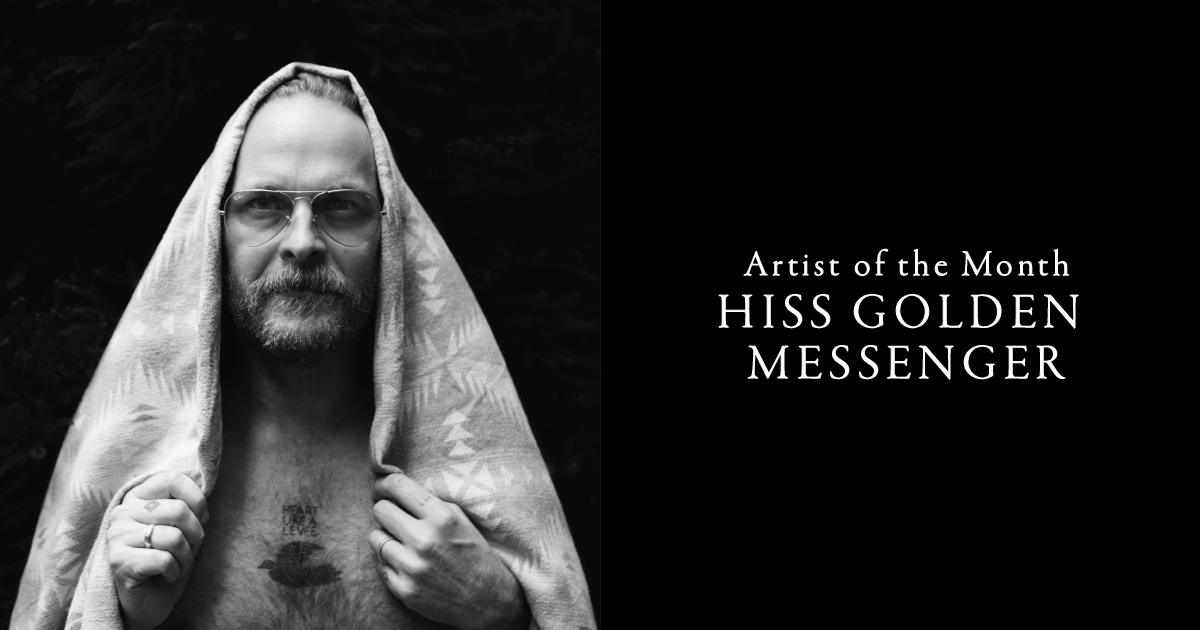
Hiss Golden Messenger is wrapping up the year with an unexpected delight: O Come All Ye Faithful. Along with the familiar title track, the set gathers a few other hymns (“Joy to the World,” “Silent Night”) and three new songs written by Hiss Golden Messenger’s MC Taylor. The lead track, “Hung Fire,” echoes the feeling of the artist’s album from earlier this year, Quietly Blowing It. Meanwhile, it winds down with a warm cover of Creedence Clearwater Revival’s “As Long as I Can See the Light.”
As for that album cover? It’s an homage to Emmylou Harris’ classic Christmas collection, Light of the Stable. Indeed, both projects provide a subtle (and often lovely) interpretation of seasonal music. On O Come All Ye Faithful, Taylor puts a different spin on “Shine a Light” by Spiritualized as well as “Hanukkah Dance” by Woody Guthrie. He also wrote three new songs for the album.
“Big, brash holiday music — the type that we hear in big-box stores in the middle of December — has never resonated with me, and this past year it felt absolutely dissonant. I wanted to make a seasonal record that felt more in step with the way that I, and so many others, experience this time of year: quiet, contemplative, searching and bittersweet,” Taylor says. “The intention was to make a seasonal record with vibe.”
Special guests on O Come All Ye Faithful include Erin Rae and Buddy Miller, along with members of Hiss Golden Messenger’s extended family. For example, speaking about one of the album’s new tracks, Taylor states, “‘Grace’ is about keeping a light for those that are struggling or lost or confused or grieving: the gone ones, our children, poets, teachers. My friends Nathaniel Rateliff, Aoife O’Donovan and Sonyia Turner help me on the choruses.”
At BGS, we’ve been a fan of Hiss Golden Messenger from the start, so we’ll be sharing some of our archived content on our site and socials, like this interview from June 2021. And in the coming weeks, we will present an exclusive interview with MC Taylor — along with plenty of other holiday content.
As we begin to say goodbye to the year, we’re grateful for the music we’ve received in 2021 and we look forward to more. Season’s greetings to all, and please enjoy this BGS Essentials playlist for Hiss Golden Messenger below.
Photo Credit: Chris Frasina
This website uses cookies to improve your experience. We'll assume you're ok with this, but you can opt-out if you wish.AcceptRejectRead More
Privacy & Cookies Policy
Privacy Overview
This website uses cookies to improve your experience while you navigate through the website. Out of these, the cookies that are categorized as necessary are stored on your browser as they are essential for the working of basic functionalities of the website. We also use third-party cookies that help us analyze and understand how you use this website. These cookies will be stored in your browser only with your consent. You also have the option to opt-out of these cookies. But opting out of some of these cookies may affect your browsing experience.
Necessary cookies are absolutely essential for the website to function properly. This category only includes cookies that ensures basic functionalities and security features of the website. These cookies do not store any personal information.
Any cookies that may not be particularly necessary for the website to function and is used specifically to collect user personal data via analytics, ads, other embedded contents are termed as non-necessary cookies. It is mandatory to procure user consent prior to running these cookies on your website.