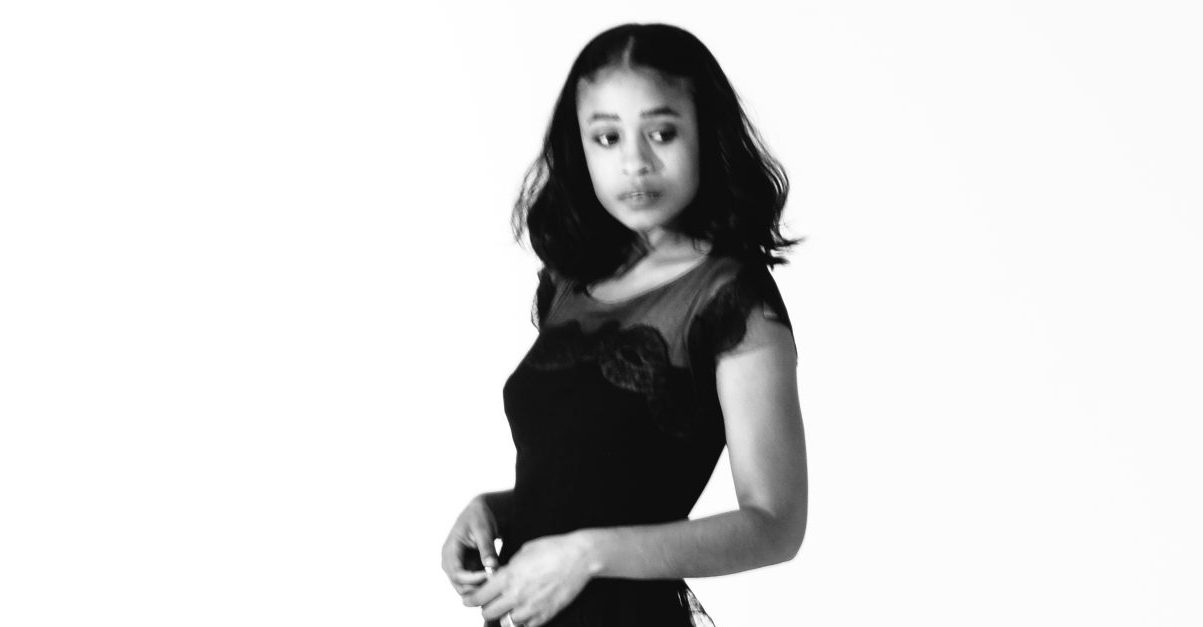
LISTEN: Andrew Duhon, “Everybody Colors Their Own Jesus”

Artist: Andrew Duhon
Hometown: New Orleans, Louisiana
Song: “Everybody Colors Their Own Jesus”
Album: Emerald Blue
Release Date: July 29, 2022

In Their Words: “I was a Catholic schoolboy all the way through high school, and then headed to the secular state university with a Jesus chip on my shoulder. The knock across the head came from a freshman year elective called ‘Religions of the World,’ which made it clear to me just how myopic my perspective was. I can respect the community fostering rituals inherent in much of my experience, but somewhere along the line, I’d convinced myself that my truth was the only truth. I wrote this song about a vague memory from first grade when art and religion came together to teach an unintended lesson, likely the most useful thing I learned in Catholic school.” — Andrew Duhon


Photo Credit: Hunter Holder

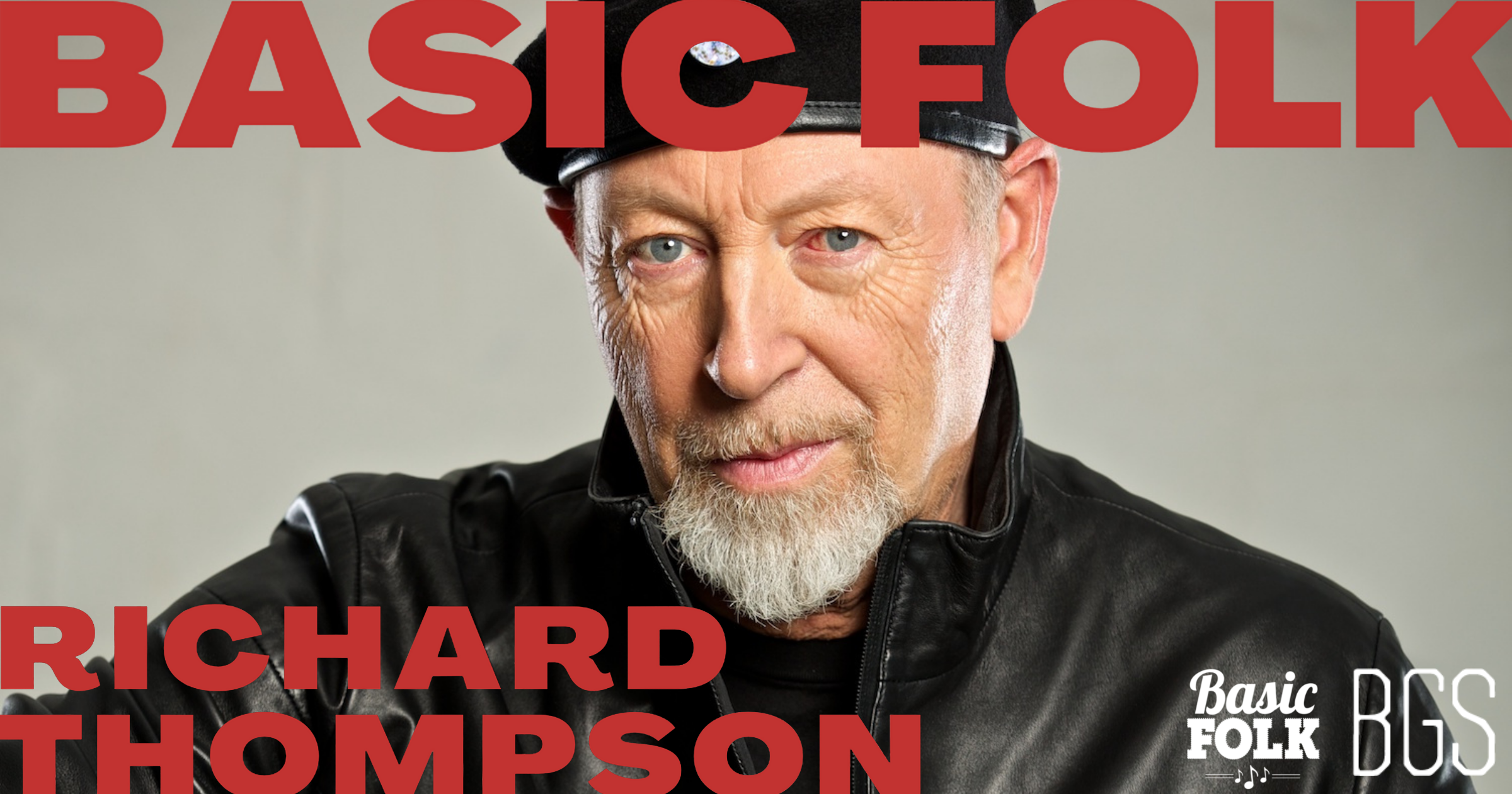
Basic Folk – Richard Thompson

Richard Thompson’s memoir, Beeswing: Losing My Way and Finding My Voice 1967 – 1975 (now out in paperback) is a page-turner of a read about a legend at the dawn of British folk rock. Thompson details his early days with Fairport Convention, one of the most influential folk bands of all time. He writes how they strived to be different and sought out then-unknown songwriters like Joni Mitchell and Leonard Cohen while adapting a modern sound for traditional British folk songs, some that were over 500 years old. He recounts tragedy when the band suffered a huge loss: the 1969 car accident that killed their drummer, Martin Lamble and Richard Thompson’s girlfriend of just two weeks, Jeannie Franklyn. He writes about their first experiences in America: rolling around Los Angeles with the likes of John Bonham and Janis Joplin and their triumphant debut at The Philadelphia Folk Festival.

LISTEN: APPLE • SPOTIFY • STITCHERAMAZON • MP3

RT was game to get into anything I threw at him: talk about experiencing such excruciating grief at a young age, what British fortitude means to him, did he ever really get to know his parents, being outwardly calm and inwardly chaotic. There’s a chapter in the book where he details some session work he did in between the time he left Fairport Convention in 1971 and his solo work and work with his then-wife, Linda Thompson. I had a blast looking up all these albums on YouTube, especially Lal and Mike Waterson’s Bright Phoebus from 1972. Very fun music and fun that RT is playing on it! I highly recommend his memoir and hold out my hopes that there may be a part two in his future. I think there is much left to write: his days after the very public breakup with Linda, establishing himself as a solo act and then coming back to work with his extended family in the group Thompson in 2014 on the album Family. Richard’s got a busy summer ahead of him with a couple of cruises and the tenth anniversary of his writing camp, Frets and Refrains. I’m grateful he was able to make some time for us on Basic Folk!


Photo Credit: David Kaptein

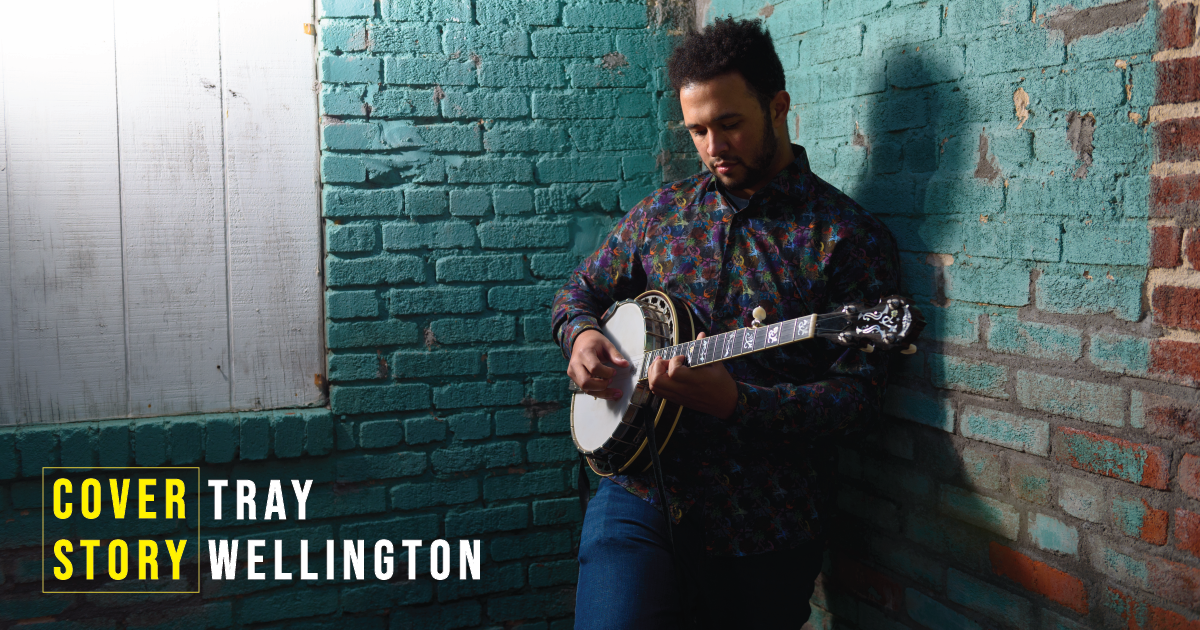
Influenced by Jazz, Tray Wellington Breaks Down Barriers on ‘Black Banjo’

Growing up in the southern Appalachian Mountains of North Carolina, Tray Wellington discovered the banjo as a teenager. Now in his early 20s with a full-length debut album titled Black Banjo, Wellington subverts the musical expectations he has felt as a Black musician by presenting banjo in a jazz-tinged, progressive style. While his influences include many pioneers of the banjo, the impact of jazz musicians such as John Coltrane is undeniable.

Bluegrass is built on these seemingly paradoxical subtleties but has not always afforded people of color the space to express them. In this way, Wellington is bold in his sincerity and Black Banjo is striking in its creativity. While the narrative drifts between different musical and artistic styles, it is all held together by the connection to Tray as an artist, musician, and person. As he explains to The Bluegrass Situation, “When I try to write things, I’m hoping that they touch on things that a lot of people can grab on to.”

BGS: What was your inspiration for the theme of this project?

Wellington: A big thing for me was breaking down some of the expectations that are put on people in the music, specifically people of color in terms of diversity in general. There are all these stereotypes and expectations put on people to play certain types of music or to play it in a certain way. I’ve often heard things like, “Oh, you should be playing old-time music in such-and-such style because that would be a really deep representation of your history.” You know what I mean?

I have never really considered how often that microaggression might occur but it makes a lot of sense hearing you explain it. I can hear exactly how the well-intentioned people we know would say that.

Yeah. I get their purpose behind it, and I don’t mind people that do approach their music that way because I think it’s great to go and look at a historical side of things and pay tribute; I really dig that. I’m totally for that. But I also think when somebody’s trying to make their own way and do what they want to do musically, putting these labels on people, especially in a group of people that have already been marginalized, limits a lot of creative freedom for people.

Your music in general is a lot more like progressive bluegrass. It makes sense that trying to be led into a different style would be frustrating

Yeah, exactly. My music is more influenced by jazz and stuff like that. When I was thinking about putting this record together, I wanted it to kind of be a statement like, “Hey, I’m doing this for myself and I want to make a new path and I want there to be a redefinition of what this means.” If that makes sense. Because I want this idea that Black people have to create a certain style of music, or talk about this, or do this, to be less restricted and broader than it is right now.

The mix of originals and covers on the album strikes a nice balance. Tim O’Brien is singing on “Wasted Time,” right? What’s the story behind that song?

I’m not sure how to explain it. The idea is getting trapped in your own head about things. It also has a lot to do with alcohol, but it’s more about that feeling of getting trapped in your own head about certain things. When certain things are going on in life, it’s easy to get into a state of disarray.

How about the spoken word bit over “Naima,” how did that come about?

I was writing a bunch of poetry over the pandemic and wanted to put something over that track that had meaning to me. John Coltrane’s music had a lot to do with breaking barriers and I had written some poems about barrier-breaking in the world that happened over the pandemic. I wanted to include one of those in that song as an extra tribute to the work he did as far as expanding barriers.

How long have you been writing poetry?

It’s been a recent thing. In the past year, I’ve been writing down little ideas in my phone. I’ll come up with lines that kind of rhyme together, and if I’m feeling a certain way, I’ll pull out my phone and write some stuff down about how I’m feeling at that moment. And it’s cool because if you’re writing a song or looking for a line for something, you can go back and find something that might fit.

Are the other originals all things that you’ve written recently or are there some you’ve held on to for a while?

There are a couple of songs I’ve had for a while. One song I wrote back in 2018 or ‘19 and I just didn’t record it on my first record because it didn’t really fit the feeling of the first record. A lot of the stuff I wrote when it was getting close to recording just because that’s usually when I hit my big creative markers. I sometimes have trouble writing until I feel pressure that I have to get something done. Especially banjo stuff. I’ll write a lot of songs all at once and then I won’t write new tunes for a while until it’s getting close to time to record. I’ll be like, “Oh, wait, I got to get this done. Let’s get writing again.” And then I’ll usually have some creative juices start flowing.

How did you end up getting interested in bluegrass in the first place? And how did you start playing the banjo?

I was originally playing electric guitar. I was listening to mostly rock and had heard other kinds of folk music but I really hadn’t specifically heard bluegrass. But after I had been playing for a while I got to know some guys playing flatpicking guitar. I went to middle school with Jacob Greer, who went on to play with the band Sideline. I also grew up around Zack Arnold, who now plays with Rhonda Vincent. I thought flatpicking guitar was really cool, technique-wise, so I started wanting to learn.

There was a club at my middle school at the time that was like a traditional music club. So I went there and I started trying to learn and that’s where I heard banjo for the first time. And I fell in love with it from the get-go. I just heard it and thought it was so cool. I went home and begged my mom to get me a banjo. We finally got one from a pawn shop somewhere, and I got going that way. The teacher in that class showed me some of my first banjo rolls. And then I started learning. It’s been a journey since then.

Where did you grow up?

I grew up in Ashe County, North Carolina, which is in between Boone and Wilkesboro. During high school I got to take what they call a mountain music class. You could go and play whatever. It was really an open-ended thing as far as music goes. Steve Lewis was the teacher for that. He’s a really good flatpicking guitarist and banjo player.

Having a really clear title like Black Banjo on a bluegrass label like Mountain Home with your great playing and writing in a more modern and progressive style will definitely (hopefully) allow some listeners to question what they think certain things should be. It’s a showcase of Black excellence in a space that doesn’t often see that. Was that your intention when you started this project? 

It wasn’t necessarily my intention when I first started recording for Mountain Home, but it became more of a thing when we were preparing the second round of stuff. I got to the point of thinking this should have something in addition to the music, and the idea behind it should have some meaning to me and not just be an album. I was trying to think of things that meant a lot to me and how I could form the music around that idea to make it make sense. That’s kind of how I decided on the album because one of my goals in general in playing music is to break down some of these barriers related to what people think people of color in this music should do.


Photo Credit: Dan Boner
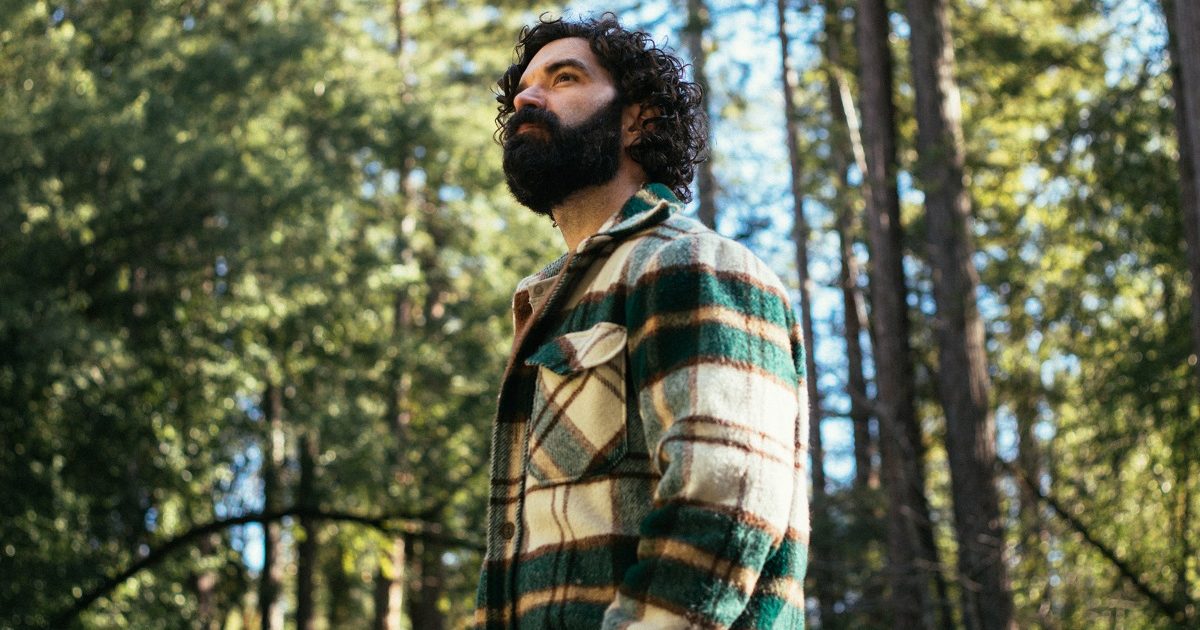
BGS 5+5: Matt Koziol

Artist: Matt Koziol
Hometown: Linden, New Jersey
New Album: Wildhorse

What rituals do you have, either in the studio or before a show?

Rituals before a show are always pretty consistent. I have a glass of bourbon, then find a mirror in a quiet room, look in it, and go, “Hey, have some fun… and don’t screw up.” You can call it some tough love motivation! Then I find the band, and I usually give everyone a hug and say something along the lines of “We ain’t here for a long time, just a good time.” The most important parts to me in any show are a great starting note and a great ending note. Everything in between should be a little unhinged and reckless.

In studio/writing — I have a small ritual. Specifically when it comes to having writers block or needing an idea. I stand between two spaces. So, I’ll stand in the doorway of a room from another. Something about the pulling of two places makes my brain work. I’ve written a good amount of songs that way. If I can’t find the melody or words, I’ll lean in the doorway of a room, and after some time it’ll come to me. I always felt like when my thoughts are left in one space for two long, I need them to move. Standing in the space between two rooms makes me work harder to find the constant while my brain is being pulled.

Which artist has influenced you the most … and how?

Elvis. Always has been. Something about him was fictional — a myth. I was too young to have ever seen him live, but only heard the stories about the weight of his music and his life. I remember the first time I saw a video of him, I just stood there and thought, “That’s it. That’s what I want to do.” Watching him entertain with the guitar was the only thing that made sense in my head. Then add in the collection of rhythm & blues, gospel, and country — I knew what I was going toward. Through the years I went through the genres and really tried to pay attention to all the influences and let them move me. His music brought me to so many levels of appreciating everything from Bruce Springsteen to Pavarotti. He transcends generations with his voice and his songs. It has been the thing that drives me to play music, to be a better musician, and to be an entertainer.

Which elements of nature do you spend the most time with and how do those impact your work?

Mostly I spend my time in the river. I love to fly fish. Am I the best fly fisherman? No. However, at a point it’s not about how many I can catch. It’s about being submersed in the action of it. Everything in nature has a rhythm, and actually wading in the river makes me feel it more. It helps impact my work because it’s one of the few times where I allow my brain to shut off and focus on something other than creating. It gives me space and energy back — along with having fresh air, which usually helps. I will listen to music on the way to the newest place to fish, for inspiration, and then I’ll allow myself to be outside in sounds of the woods and the river. That time away is just as important as the time in the creative space. It has taught me patience that I wouldn’t have given myself otherwise.

Since food and music go so well together, what is your dream pairing of a meal and a musician?

I think music and food/drinks go hand in hand with another. Music sets the tone, and usually food will then take the senses to another level. I think if I had a favorite pairing, I would have to treat it like a three-course meal. I’m Italian, and the appetizer always sets the tone. I would say start with a light wine and an antipasto salad mixed with Tony Bennett. His voice mixed with the flavors of Italian food make sense in my head. It’s nostalgia and tradition to me.

Then we get into the main course — steak. A cowboy cut bone-in steak. This is where I want to hear more Appalachia roots. The SteelDrivers would be a great pairing. The music is smoky and has the feel of grit and the mountains like the steak. Now when it comes to dessert, I’m a fan of sweets; however, my favorite way to end a nice meal is a tall pour of bourbon. Neat, no ice. This is where James Taylor comes in. I want to let my body soak in the meal, and let my mind slip into the lyrics while the bourbon helps me digest and relax. I honestly couldn’t think of a better way to spend a good meal.

If you had to write a mission statement for your career, what would it be?

I feel like it would sound a little something like this: “I make music to feel, to move, and to heal — not only people who hear it, but also myself. So, while I have the chance to do it, I’ll make sure every chord and every note has every last piece of me with it to give. There is no sense and no worth in holding back.”


Photo Credit: Kevin Fagan

LISTEN: Kimberly Morgan York, “Another Lover”

Artist: Kimberly Morgan York
Hometown: Athens, Georgia
Song: “Another Lover”
Album: Keep on Goin’
Release Date: July 22, 2022

In Their Words: “You know rock ‘n’ roll and marriage is a difficult combination and always a little messy. This song was inspired by a workplace romance that occurred during a long separation from my then-husband. I was ready to leave the marriage, but we decided not to give up…to work things out. When we did, I had to put an end to the affair. The object of my short-lived affection was very quick to find my replacement….who happened to be another musician. I’m pretty sure that romance didn’t go very far or last very long either, but it broke my heart a little bit. The marriage for which I left the tryst also did not last.” — Kimberly Morgan York

Team Clermont · Kimberly Morgan York – “Another Lover”

Photo Credit: Adam Smith

BGS 5+5: The Bros. Landreth

Artist: The Bros. Landreth
Hometown: Winnipeg, Manitoba, Canada
Latest Album: Come Morning

Answers provided by Joey Landreth

What was the first moment that you knew you wanted to be a musician?

The answer to this question is different for Dave than it is for me. Dave came to music when he was a little bit older. Myself on the the other hand, I knew that I wanted to play music from a very early age. I remember telling my kindergarten teacher that I was going to be a keyboard player in a band when I grew up.

What’s the toughest time you ever had writing a song?

I struggle with writing a lot. I am very proud of our catalog of songs but I find songwriting to be the hardest thing about being an artist. Dave and I both got our starts in music as for-hire musicians. Side people. As such, I think we are more fluent expressing ourselves musically through our instruments and performing than through writing. So, I guess the short answer is the toughest time writing is every time writing!

What rituals do you have, either in the studio or before a show?

We always do vocal warm ups. It’s something we started doing pre-show back in 2014 and have kept going since. Sometimes we’ll warm up for 15 minutes or sometimes for 45 minutes but we always do a little warming up.

What has been the best advice you’ve received in your career so far?

The best advice I ever got was from one of my mentors, Steve Bell. He said to me in the early days, “Don’t worry about making music for a particular person in mind. Make music for yourself first and then put your energy into finding likeminded folks.”

How often do you hide behind a character in a song or use “you” when it’s actually “me”?

Not that often actually, though I do understand the impulse to do that! I write almost exclusively from the first person. As I mentioned before, writing songs is not my first language and I feel like telling stories about my own experiences or slight dramatizations of my own experiences to be far easier to tap into than stories that exist outside of myself. Or at least that’s how it feels for me!


Photo Credit: BnB Studios

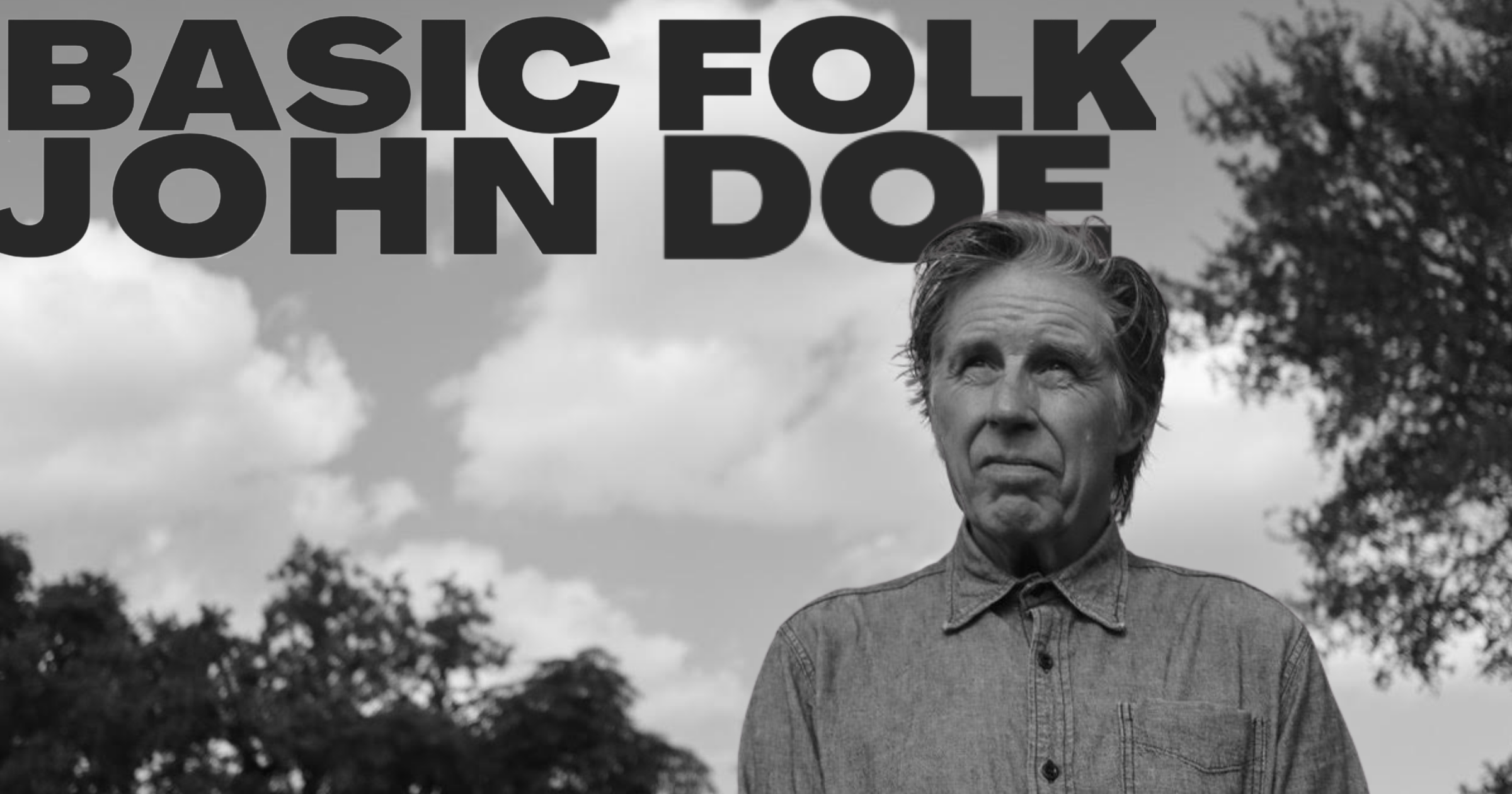
Basic Folk – John Doe

John Doe’s career has gone from poetry to punk to country to acting to punk to folk and back again several times. Frontman for the extremely influential LA punk band X, John was there at the dawn of West Coast punk and has written about it (twice) in his books Under the Big Black Sun and More Fun in the New World. He actually sourced out most of the books’ chapters and had his friends and other people who were there give accounts, which makes them both pretty well rounded.

LISTEN: APPLE • SPOTIFY • STITCHERAMAZON • MP3

John grew up mostly in Baltimore, under the influence of John Waters and Divine. He worked odd jobs and ran a poetry group there. He’d moved to Los Angeles in the mid 70’s and met his future X bandmates Exene, Billy Zoom and D.J. Bonebrake. John’s been in countless films and TV shows since 1987. He kind of stumbled into acting by getting an agent after he was in the indie film Border Radio. You may have seen him in films like Road House or Boogie Nights or series like Carnivale. He’s lived in Austin, Texas since 2017 and loves to tell people it’s terrible, so that no one else moves there.

John Doe’s latest album Fables in a Foreign Land takes place in the 1890’s and surrounds a young man who’s found himself alone in a cruel hard world. The album’s sound was developed through weekly jam sessions in his bassist’s backyard. This time around, John’s played up his interest in folk and roots music, all the while keeping that punk sensibility. He says, “These songs take place alone, wandering, searching and hungry accompanied by horses not machines.” And speaking of horses, John’s got a couple and it seems they’ve kept him grounded especially during the pandemic, so yeah, I ask the guy about his horses. That and we also talk about controlling the ego, listening to intuition, taking care of your physical health and his cameo in The Bodyguard (yes the Whitney Houston movie). Thanks Joe Doe!


Photo Credit: Todd V. Wolfson

WATCH: Ash & Eric, “Never Walking Out”

Artist: Ash & Eric
Hometown: Worcester, Massachusetts
Song: “Never Walking Out”
Album: Sure
Release Date: May 6, 2022
Label: TPIH Music

In Their Words: “‘Never Walking Out’ is a snapshot story of the 60-year marriage between Eric’s grandparents (Dick & Brenda). Inspired by the performances of June & Johnny Cash, we unflinchingly address our highs and lows of life shared over decades. We imbued it with candor and humor so listeners can imagine a lively conversation as though we’re sitting across a table sharing a couple beers or cups of tea. The video features actual studio footage of our many takes at Eagle Hill School in Hardwick, Massachusetts. One of our fans’ favorites, the heartbeat of this song, as with all songs on our new album, is our honest attempt to capture our dynamic chemistry, recorded in real time using just four microphones. After grabbing our favorite take, Eric added additional instrumentation including upright bass, high-strung guitar, percussion, and Mellotron to fill out a folk singer-songwriter vibe reminiscent of yesteryear. It was a very fun and cathartic process.” — Ash L’Esperance


Photo Credit: Tommy Vo

LISTEN: Kevin Andrew Prchal, “American Oblivion”

Artist: Kevin Andrew Prchal
Hometown: Chicago
Song: “American Oblivion”
Album: Unknowing
Release Date: May 27, 2022

In Their Words: “I’m proud to call America my home. Its freedoms have afforded me experiences and opportunities so many around the world could only dream of. Its music changed me and set me down an infinite path of discovery and inspiration. Its people raised me, instilling in me values that are timeless and resilient. And its history, while stained, decorated with stories of courage, dissent and progress.

“But no matter which way you look at it, the past few years have been a sad chapter in American history. The pettiness, the righteousness, the abhorrent meanness displayed by everyone from strangers on the street, to quote-tweeting trolls, to the most celebrated public and political figures. And perhaps most concerning, the complete disregard for human life throughout what should have been a unifying front against a devastating global pandemic. Who or what you choose to blame for how we got here depends on where you get your news, but all I know is this place has been utterly unrecognizable.

“And so rather than dissolving into the outrage and noise, I did what any sensitive guy with a guitar would do: I found a quiet room and wrote a song about it. It’s a silly song. Absurd, even. But as the great Nina Simone once said, it’s an artist’s duty to reflect the times. How we move forward from this moment in oblivion, I don’t know. But there’s hope in remembering one thing: America’s story is still being written.” — Kevin Andrew Prchal


Photo Credit: Brett Rhoades

LISTEN: Adia Victoria, “In the Pines”

Artist: Adia Victoria
Hometown: Mauldin, South Carolina; now Nashville
Song: “In the Pines”
Release Date: May 17, 2022

In Their Words: “In 2019, I spent an afternoon poring over the journal I kept during my junior year of high school in Mauldin, SC. Revisiting the frustrations and observations of my 16-year-old self would lead to the creation of ‘In the Pines’ — a song that tells the story of a teenage girl from a small conservative town whose slow slide towards self-destruction is recounted by her best friend. It is the all-too-familiar story of how young women desperately search in vain for escape from totalizing ideologies that define their lives and the lives around them. It is a young girl’s quest for autonomy via rebellion over her life. Failing that, she will ultimately have autonomy over her own death. The song centers the stories of those who fall victim to the ideologies of emotionally stunted men. I dedicate ‘In the Pines’ to every teenage girl who is desperately scratching at the walls of ideological imprisonment. It is a song that I hope reminds them that they are not alone in their hunt for freedom.” — Adia Victoria


Photo Credit: Huy Nguyen