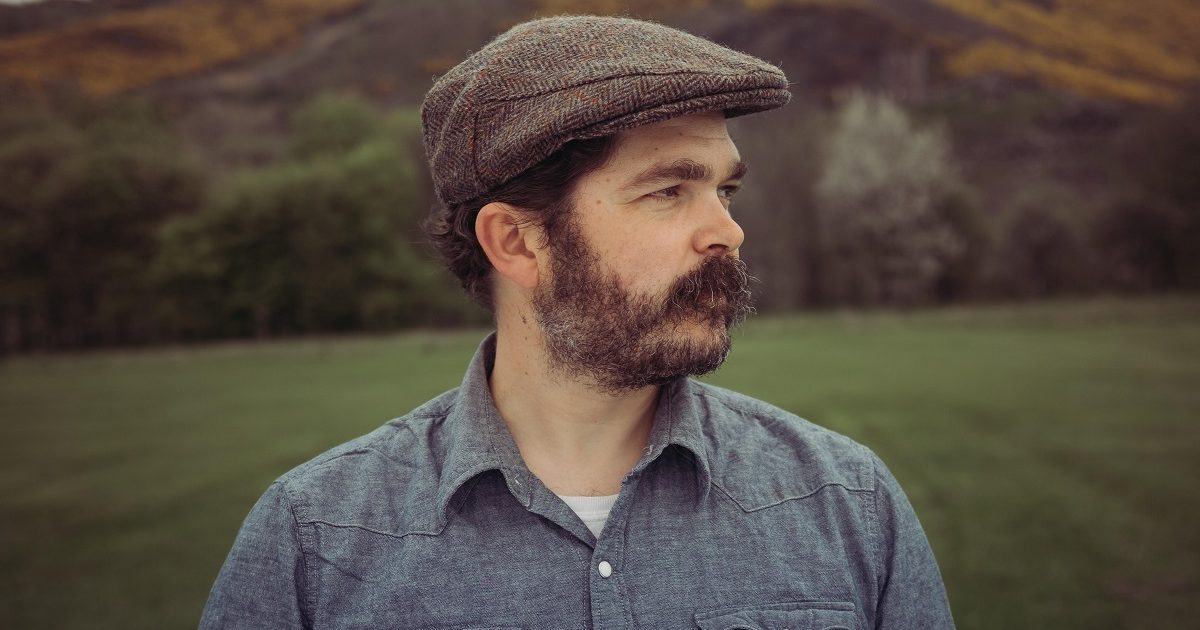
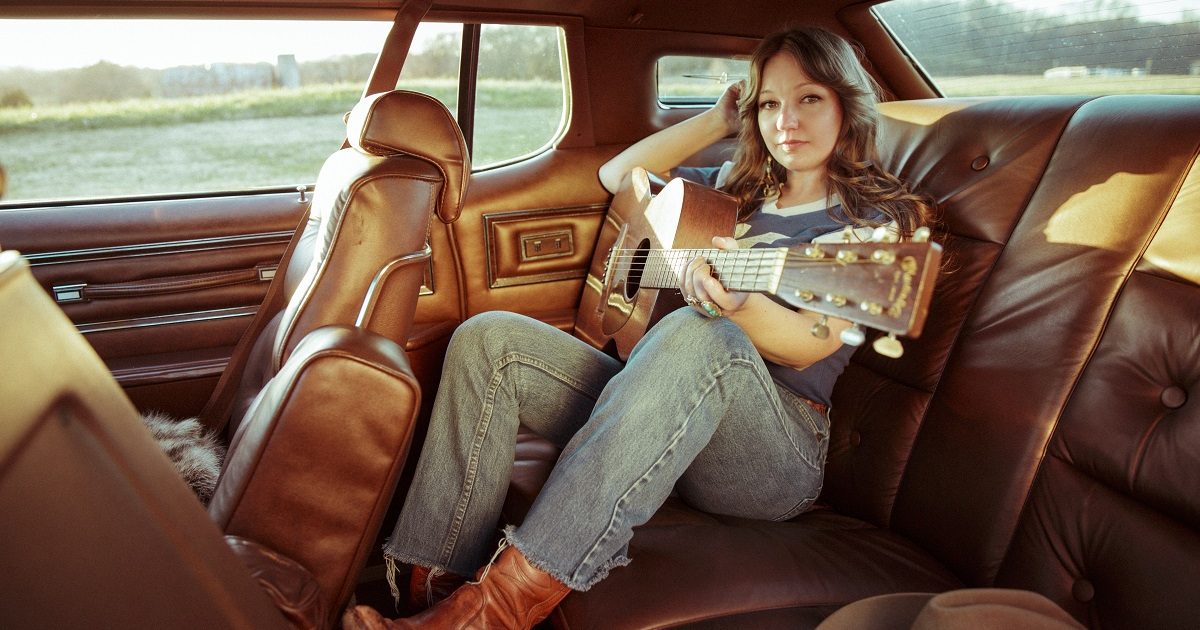
WATCH: Deb Morrison, “Blackbird”

Artist: Deb Morrison
Hometown: Altadena, California
Song: “Blackbird”
Album: The North Fork
Release Date: September 9, 2022
Label: Blackbird Record Label

In Their Words: “The song started out as a track my buddy Nic Capelle wrote as the music bed for my Prickly Pear Americana Music video promos. I always loved the primal beat and cinematic feel of the music and I knew someday we would do something filmic with it. I would put the track on whenever I was on a trail run and needed that extra push to get up a hill, or keep my pace steady. It always gave me a feeling of running from something, but facing it simultaneously. Two of my very good friends were fighting for their lives at the time and it was their unrelenting strength that inspired the lyrics. It’s about looking death in the face, fighting it, and winning. It’s about being a warrior.

“The line ‘I see a blackbird comin’ for me…’ started it all. I knew we had to shoot it outside in nature’s elements and that it had to feel ominous, strong and beautiful at the same time. The basic underlying concept being that we all know it’s comin’ for us, but I’m gonna fight you with all I got. It’s about facing your own demise with a big ol’ middle finger. We got our creative juices flowing with this conversation during a long road trip. I made a few calls from the car, and by the next morning we were out filming rogue with a cast of characters.” — Deb Morrison


Photo Credit: Anna Azarov

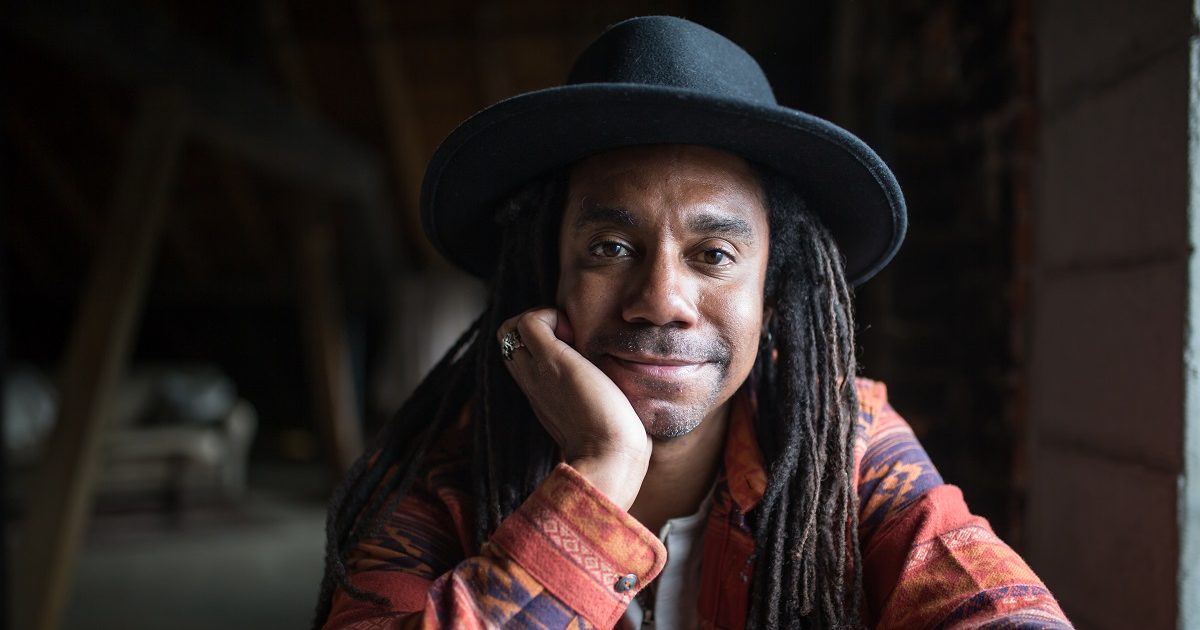
LISTEN: Julian Taylor, “Wide Awake”

Artist: Julian Taylor
Hometown: Toronto, Ontario, Canada
Song: “Wide Awake”
Album: Beyond the Reservoir
Release Date: October 14, 2022
Label: Howling Turtle, Inc.

In Their Words: “I’ve made a lot of mistakes in my life. I deal with feelings of regret. I know that what I think about has a lot to do with my own happiness and the energy that I put out into the world. I know that I am perfect in all of my imperfectness, and that everything that has happened needed to happen exactly the way that it did. Who I am and where I come from means so much because of the struggle that it took for my family to get here in the first place. What I have done and where my thoughts and actions have taken me is important because it has helped shape who I am and who I continue to become. We are interwoven and we are all so fortunate to be a part of the universal fabric of life. When I look at things that way, I am so grateful for everything and for everyone who has ever shown me love. I can only hope that I have repaid the favor in some way.” — Julian Taylor


Photo Credit: Lisa MacIntosh

BGS 5+5: Cahalen Morrison

Artist: Cahalen Morrison
Hometown: Tierra Amarilla, New Mexico
Latest Album: Wealth of Sorrow
Personal Nicknames: Hank

Which artist has influenced you the most … and how?

Probably Tim O’Brien. My dad was a big Hot Rize fan when I was a kid, so that’s the one voice that I really grew up on. Later on in my musical life I found myself doing a lot of things that at least reminded me of Tim. His loose and expressive touch on all the instruments he plays, and he really just lets his voice ring out of his head like a bell. So I think I had subconsciously been modeling a lot of what I did on a lot that he does.

What other art forms — literature, film, dance, painting, etc. — inform your music?

Literature is a big one for me. Both poetry and prose. I guess I’ve even ‘borrowed’ lines from movies, too. When I’m reading a book by a great writer, I love the way it feels to live inside their language. Not only the story, but the rhythm and the tone of their prose as well. It has really helped me craft songs the way that I want to, and find my own, comfortable voice for getting ideas and images out that I want to.

What’s the toughest time you ever had writing a song?

I recently wrote a story song about someone, which I haven’t actually ever done. I really wanted to get the story across, all the darkness and the beauty, but I don’t like to put people in the spotlight. So, I worked on it for quite a while, trying to highlight all that is human about it without having it be too on the nose, and I think I got somewhere that worked. But I guess there’s only one person who can tell me, so we’ll see.

What has been the best advice you’ve received in your career so far?

The late, great Kelly Joe Phelps was a great mentor to me and my career. He always was pushing me to just do what I actually wanted to do, not to do what I think people want from me. Maybe not the best advice to hit the Billboard charts (which I actually did, because I think my record was the only “bluegrass” record to come out for a week during Covid…), but damn good advice for keeping yourself motivated and happy about the work that you’re creating and performing.

Which elements of nature do you spend the most time with and how do those impact your work?

I spend a lot of time walking and hiking, and it certainly has had a big impact on what I write. And it really is all the cliché stuff that people say about it. Noticing the small things, the interconnectedness of all the elements no matter how big or small, and what effects we and all that surrounds us has on it. And plus, what greater source of beautiful and poignant metaphor could there be?


Photo Credit: Archie MacFarlane

A Survivor of Her Dreams, Kelsey Waldon Returns With ‘No Regular Dog’

Kelsey Waldon has a new outlook on life — or at least life as a full-time musician. A native of Monkey’s Eyebrow, Kentucky, she’s charmed audiences all across the country at concert halls and festival stages. But she cut her teeth at plenty of dive bars and honky-tonks along the way, a fact that reveals itself not only in her charismatic, unmistakably country live shows, but also in the independent spirit that courses through her lyrics.

A strong songwriter with the voice and twang to match, Waldon’s musical prowess caught the attention of legendary songwriter John Prine, who signed her to his record label in 2019 — his first signing in a decade and a half — and released the widely acclaimed White Noise, White Lines later that year. This month, she will return with No Regular Dog, her fourth full-length album and her second via Prine’s Oh Boy Records. Brimming with twangy strings, thoughtful imagery, and a tenacious, determined lyrical undertone, the album holds all of Waldon’s usual musical hallmarks. But it also paints the picture of an artist who has grown since her last release; a snapshot of someone who’s stepped back, reconsidered her place in the musical ecosystem, and re-emerged more enthusiastic and clear-eyed than ever.

No Regular Dog was mixed by renowned engineer Trina Shoemaker (“I’m a huge fan,” says Waldon) and produced by Shooter Jennings, who took a highly collaborative approach to the role. “I think Shooter really sees himself much more as a facilitator,” says Waldon. “He felt his job was to stick with my vision but elevate it in any way possible. He really knows how to let the artist be themselves.”

A few days before the release of No Regular Dog, BGS caught up with Waldon about the studio dynamic that molded the album, the life experiences that inspired her, and the daily joys that keep her grounded.

BGS: In the title track, “No Regular Dog,” there’s this great phrase: “survivor of my dreams.” It’s a lyric that could be interpreted a lot of different ways. What did you intend when you wrote it?

Waldon: We wish for so many things. We want them. We work so hard for them. And then, sometimes, we get really lucky from all that hard work and it gets handed to us. At that point, I do think you have to survive it. I don’t mean that in a bad way! Obviously, I’m doing what I love and that’s something I realize is a privilege and a gift. But it comes with its own sacrifices. People always say “livin’ the dream,” and I always joke around and say I’m surviving the dream. [Laughs]

The song was written at a time when we’d been on the road for three months. I was on a plane somewhere, and my poor old manager, who’s one of my best friends now, said something like, “Well, we ain’t no regular dogs.” In my head, I was like, “Yeah. More like a wolf on the kill. We’re going to do this no matter what it takes.”

You work so hard to get to where you are, and then it’s kind of like, “Oh, shit. This is hard.” The road’s not for everybody. But I really wanted it. I wanted it for all the right reasons, and I still do. Especially after taking some distance from my career during the pandemic, I’m finally feeling ready to step into my role. The song is about the idea and the statement that I’m still here. I won’t be put down that easy. I won’t be put down like no regular dog.

You mentioned that some distance from your music career adjusted your perspective. What are some of the things that continue to fill your cup, bring you joy, in between touring or recording?

Well, I’ve always got a pretty lush garden growing. My tomatoes are popping off right now, and we just got a big old mess of greasy beans. I cooked them last night for dinner. Obviously, that’s always brought me joy. I also love this summer heat. I’m one of those people! I really do. I know people hate it, but I love it. I love the bugs at night and everything. That’s bringing me great joy, too. I got to go fishing a little bit, go on some good trips before I left for Europe. And my little cattle dog, Luna, she’s out here on the porch just laying here while I’m talking and that brings me a lot of joy. I love taking care of my chickens out here and being able to spend some time with my partner, Justin. I’ve got a new little niece named PJ, and she is the best. So, aunt life has brought me joy as well.

You recorded this in Los Angeles with Shooter Jennings. How did that come about?

I loved working with Shooter, and that was the first time I’d recorded in Los Angeles — I had done everything in Asheville or in Kentucky thus far. But as soon as I knew I was going to make a new record, I wanted to challenge myself to get out of my immediate bubble and work with someone I didn’t really have any history with. I felt in my gut that I really needed to do that.

Shooter and I met at a Tanya Tucker show in Kansas City at the end of 2019. I was really taken aback that he knew my music. I mean, he was telling me things ​about my songs and I was just kind of like, “OK, he’s actually listened. He’s actually a fan.” I had, of course, heard records he had done. Obviously, I was a big fan of Tanya’s record, and I’d heard that Jaime Wyatt record he had done and I thought it was great. It all felt so natural. We kept in touch. I sent him some voice memos and demos I had done here at the house. It was clear that we were both incredibly excited to make this record. I think he had always kind of wanted to make a deep country record. We both clearly had a common goal and we made it happen.

One of the songs on the record that really stands out to me is the closer, “Progress Again.” What inspired it?

That was one of the only songs on the record that I wrote a while back. I brought it to the studio for White Noise, but it just wasn’t ready yet. But I kept thinking about that song. During the pandemic, I opened up my journal and revisited the tune. I wrote new verses to it. It felt like I was in a different part of my life to finally have the experience I needed to finish it. I mean, everything is progress. I’ve done a lot in my life. I’ve messed up. I’ve had a huge healing time these past couple years — I’ve been off booze for almost two years. There’s a lot that you’re not really able to see when you’re in the thick of things. But being able to look back from a healthy distance, you might realize how many people you were hurting. That you were hurting yourself. “Progress Again” is a little bit about that, but it’s also about accepting that progress is a part of life and just moving on and not dwelling on things. So, you got to learn to let it go and love yourself a little bit.

You say in the song that “there’s hope in persistence.” Has that rung true for you, in your career or otherwise?

Yes, absolutely, in everything I’ve done in life. 100%. Not only in my career, but in my personal life and mental health. It takes a lot of work to turn bad habits into good habits. You have to be consistent, be persistent about it. It’s an everyday thing. But it gets easier, even though it’s still hard. At the end of the day, you’ve got to bet on yourself. You can’t let just one thing fuck it up for you. There’s hope in persistence because something could break through — you just can’t stop.

One of those breakthrough moments for you came a few years ago when you signed with John Prine’s Oh Boy label. You honor him on No Regular Dog with a song written in tribute, “Season’s Ending.” Why was that important to include here?

“Season’s Ending” was the first song that I wrote after John’s death. I couldn’t really do anything for months after that happened. There was so much other death as well. There was a lot of loss; I think it was hard times for a lot of people. I was pretty stricken with grief for a good few months, and I know I’m not the only one. But I finally sat down and that song poured out of me. It was a nod to his song “Summer’s End.” But the seasons were changing and the flowers were blooming and I just started thinking about how everything is cyclical. The song is about coping. Accepting death as a part of life. Maybe everything that dies doesn’t really die. Maybe it comes back. Flowers don’t bloom all year. Some things go dormant, and then they come back. The song was just a way for me to process that. Death is a part of life. John is forever a part of my story, and I’m a part of his legacy as well.

What do you hope this album’s legacy will be—for old fans and new ones?

We’re in really hard times right now, and I hope this album can be a gift to people. I feel like I’m coming to my career with whole new eyes: I’ve been thinking a lot about what I’ve been able to do, what I can do further, and what kind of energy I want to bring. Mostly, I just hope this album makes people’s lives better. I hope they can see the no regular dog in themselves, and I hope it can bring something good to the world.


Photo Credit: Alysse Gafkjen

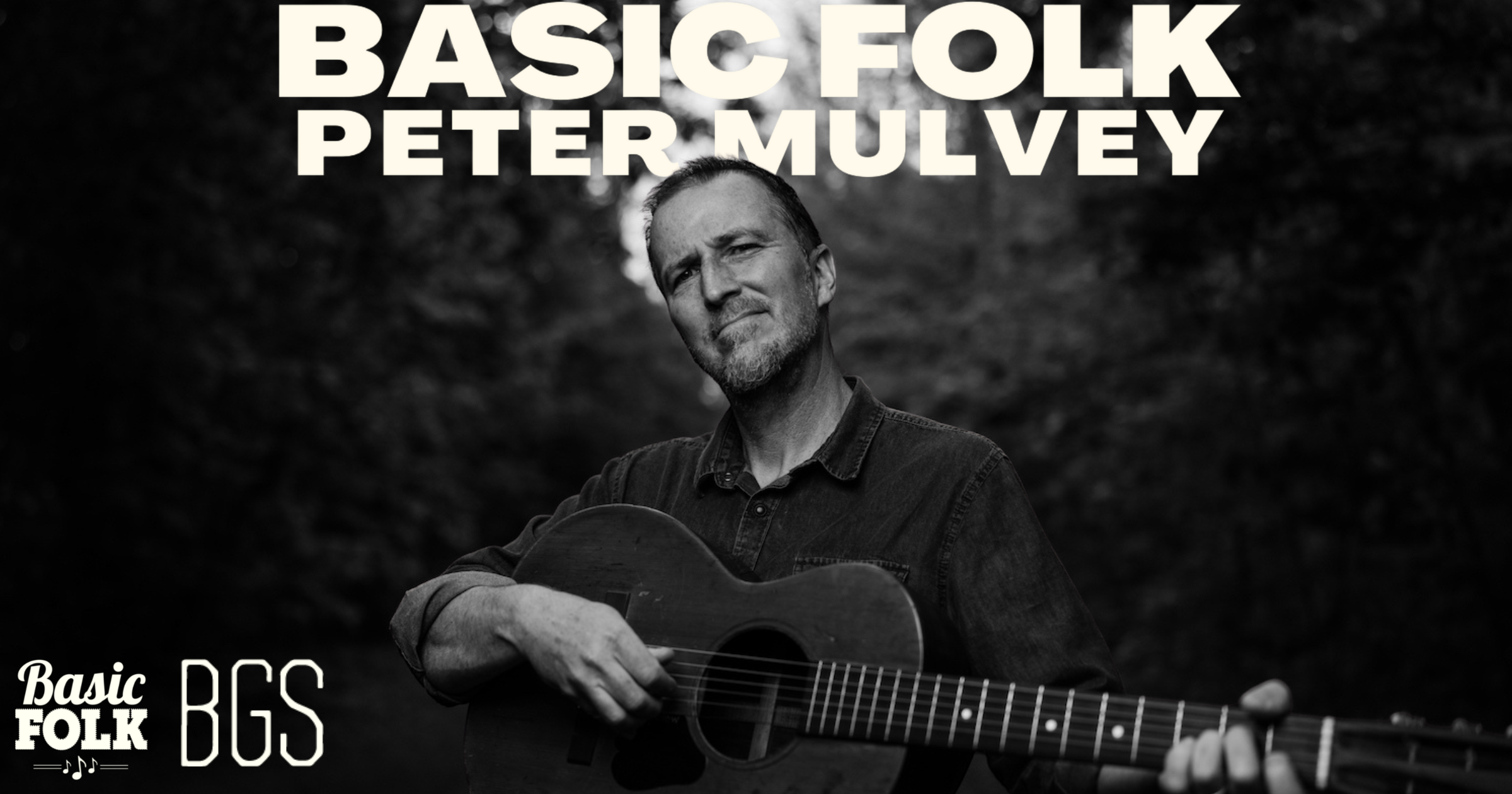
Basic Folk – Peter Mulvey

Milwaukee-born Peter Mulvey has, along with classical duo SistaStrings, made an anti-fascist record. According to Peter, “to make an anti–fascist record, you must keep kindness and compassion in the foreground.” Love is the Only Thing goes from family, to politics, to family, to racism and back to family. It’s as optimistic and introspective as it is filled with “running out of a burning building” type of songs. All the while, Peter is joined by powerful, thoughtful and extremely talented musicians in Monique and Chauntee Ross.

LISTEN: APPLE • SPOTIFY • STITCHER • AMAZON • MP3

Lots has happened in Peter’s life since his last album. He originated himself in New England, fell in love and got married, a pandemic, and he’s become a father. All these eek their way into the songs on the new album. Particularly poignant is his co-write with his partner, the song about their possible future as parents (good luck not crying to all the parents out there!) Don’t worry if you didn’t catch all the Buddhist references, we talk about each one in finite detail. Enjoy!


Photo Credit: Joe Navas

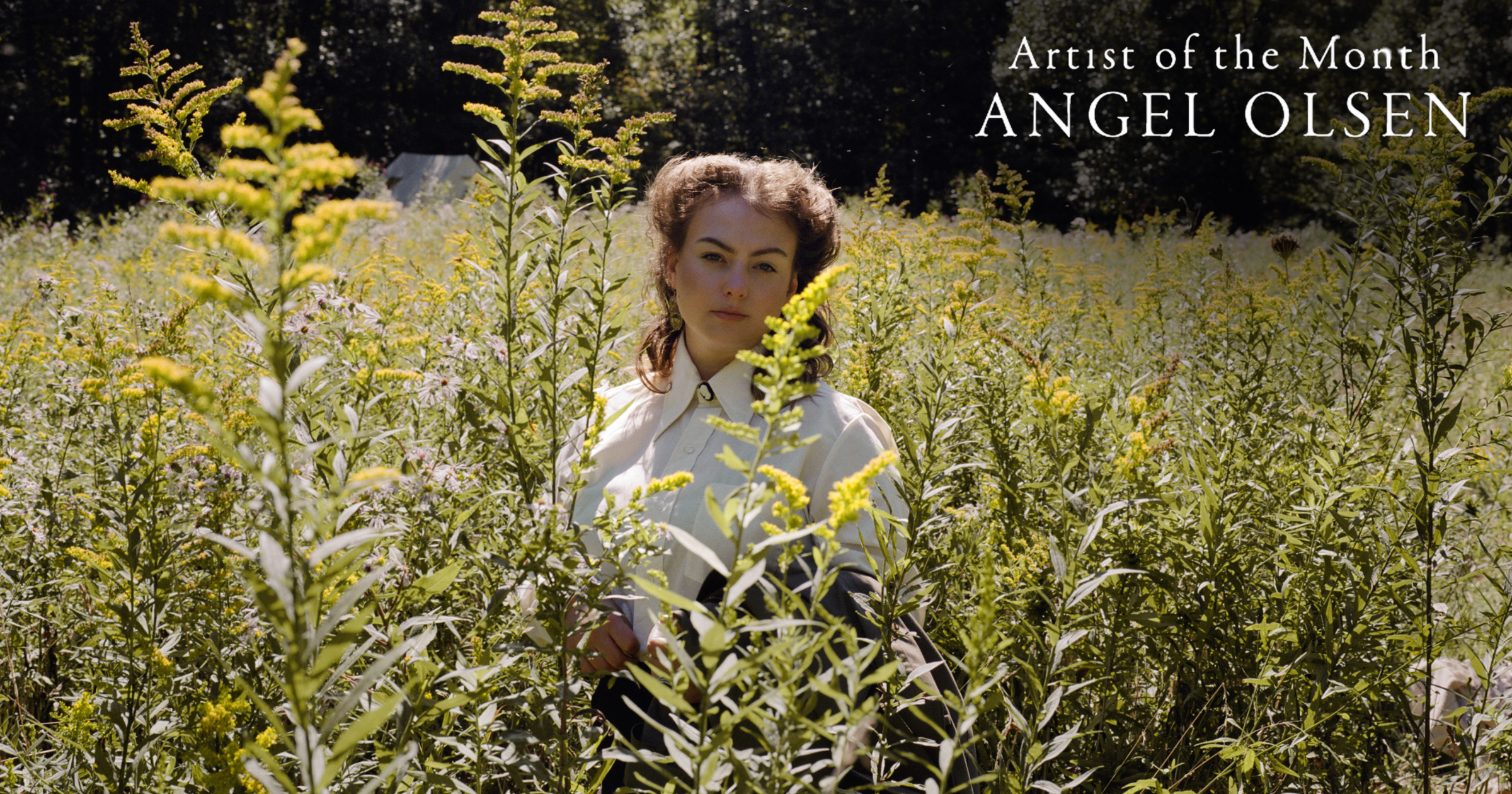
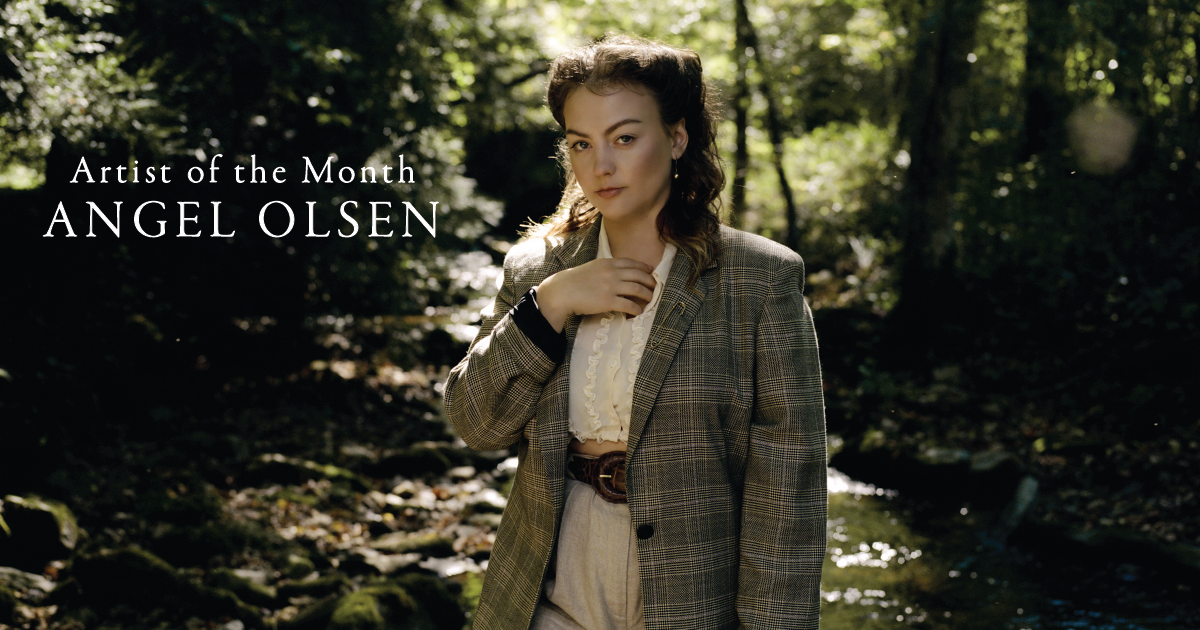
Comforted by Dolly and Lucinda, Angel Olsen Offers a ‘Big Time’ Departure

Angel Olsen wants you to stop what you’re doing and go listen to Dolly Parton’s 1968 album Just Because I’m a Woman. Recorded while she was still singing with Porter Wagoner, it’s not one of her most famous albums, definitely not as celebrated as her records in the early ‘70s and ‘80s, but it’s Olsen’s favorite. She loves “The Bridge,” a song about pregnancy and suicide: “Nobody’s talking about that song, but they should.” And she’s tickled by a tune called “I’ll Oil Wells Love You,” which sounds like parody of Parton’s 1974 smash “I Will Always Love You” despite the fact that it hadn’t even been written in 1968.

“It’s all so scandalous,” Olsen says of “Oil Wells,” but the whole record is “so powerful. Dolly’s just being sassy and very real about her career. I love the way her voice sounds, but the production is one of my favorite parts of the album. It just sounds so good.”

Dolly in particular and country music in general helped Olsen weather the pandemic and a broken heart. While cooped up inside her home in Asheville, North Carolina, she gravitated toward Townes Van Zandt, Lucinda Williams and others. Their music was a distraction from all the worry and stress of Covid, but it was also a balm for the hurt and confusion that followed the abrupt end of her first queer relationship. Country soothed her, and eventually it found its way back into her own music.

Olsen specialized in a dark, austere strain of country folk earlier in her career, both as a member of Bonnie “Prince” Billy’s touring band (that’s her singing on 2011’s Wolfroy Goes to Town) and as a solo artist. Partly as a means of avoiding the pigeonhole of Americana, however, Olsen gravitated more toward rock guitars and icy synths on later albums, including her 2016 breakthrough My Woman. Those instruments brought out new aspects of her songwriting, which favored big choruses and lyrics evoking messy emotions. Last year she even released an EP called Aisles, featuring her covers of ‘80s synthpop hits like Alphaville’s “Forever Young” and Men Without Hats’ “Safety Dance.”

Obsessing over Dolly — and Lucinda and Roger Miller and others — during the pandemic made Olsen more comfortable embracing the sounds and songwriting strategies of country music, which inform her seventh album, Big Time. Most of the music was recorded live in the studio with producer Jonathan Wilson and a small crew of backing musicians; strings and horn overdubs were added later. Songs like “All the Good Times” and “Dream Thing” straddle the line between Dusty Springfield and Owen Bradley, which makes a fine palette for Olsen’s powerful vocals. She doesn’t have much of a twang in her voice, but her singing expresses feelings acutely — a quality that does recall Dolly herself.

Retaining the drama of her previous albums, Big Time nudges Olsen into new musical territory — which is fitting for an album about facing and even embracing big changes in life, about closing old chapters to open new ones. Pandemic aside, the last few years have been tumultuous, to say the least. Just weeks after Olsen came out as queer to her adoptive parents, her father died. Her mother followed two months later. She was still reeling with grief when she flew out to Los Angeles to record Big Time. But she was also starting a new relationship with the writer Beau Thibodeaux (who co-wrote the title track).

Big Time reflects these changes, examining the different ideas of love and devotion. “I’m loving you big time,” she sings on the title track. Olsen might be singing to Beau, or to her parents, or even to herself. But when she sings the chorus of “Ghost On” — “I don’t know if you can take such a good thing coming to you” — she might as well be singing to herself. What makes these songs country, even more than their arrangements, is their deft, real-life balance of grief and joy, mourning and celebrating. Olsen lets all of these conflicting emotions bleed into one another, because there’s never a clear line between happy and sad.

BGS: I wanted to start by asking about the sound of this album. I wondered if these songs suggested this kind of treatment, or if you were writing songs that suggested this kind of Dusty Springfield treatment.

Olsen: I wrote “All the Good Times” years ago and thought about giving it to someone [to record], because I wasn’t making that kind of music at the time. But then during the pandemic, I listened to a lot of outlaw country, a lot of Dolly and J.J. Cale. Roger Miller’s Tender Look at Love. That record is so good. I don’t know if you’ve heard it, but it’s amazing! But I was also listening to a lot of other stuff, like George Harrison. I started to think, you know, the best-sounding things are really simple. I want to write something that really simple. It wasn’t like I thought, “Now I’ll write some country music.”

But I’d just had my heart broken. I had a pretty bad breakup where the person just disappeared. It’s all water under the bridge now, but at the time I thought, “What happened?” I really had to sit with it. I was listening to some Lucinda Williams stuff, so I thought, I’m just going to get into my psyche, into my writing zone a little bit. I never sit down and say, “I’m going to do this kind of record now.” Although I guess I did that with Aisles, which was an EP of ‘80s covers. But covers are different. I never sit down with material that’s mine and think, “This is how this material will go.”

What’s your history with country music? Was it something you grew up listening to, or did you discover it later?

I listened to a lot of stuff like Garth Brooks growing up, thanks to my parents, but I never really got into contemporary country until fairly recently. As I was getting older, I found myself really loving Dolly Parton and Skeeter Davis. She was huge for me. I just loved how she had this voice like a dirty kid, like she’s out on the playground making trouble. It’s not exactly heartwarming or a typically beautiful sounding voice, but her singing is just such a mood. And then I got really into Dolly Parton, of course. During the pandemic I got really into Lucinda Williams and started to really appreciate contemporary Americana. It’s been a long, winding journey for me, but now I’m here.

How did working with producer Jonathan Wilson direct these songs?

Working with him, he just intuitively knew what I was going for. He’s obsessed with the same kind of records and the same kind of sounds. We discussed it openly, and I didn’t have to work extra hard to explain what I needed. He just knew. He didn’t need to try to reinvent my sound, but just wanted to make something that sounded like me. That made a huge impact. We were just able to cut through the bullshit and get straight to the point.

It sounds like you recorded this album during a period of deep grief, where you went in without having rehearsed the songs with your band. This almost feels like a very open-ended approach. Did you ever think something might not come of those sessions?

I like to have a vision of what I want to start with. Otherwise, it wastes money and time. Maybe one day I’ll be able to just go and mess around. But I’m not the kind of person who likes to write in front of people, so I don’t like to write when I’m in the studio. Sometimes songs do happen in that situation just by chance, just by being there. I like to write as much as possible and then book dates, so that I can just be in a cave with the other people there. I’ve learned over time to be more open to what other people hear within my vision, so that it can be more collaborative and not just me telling people what to do.

So we just went in there [Fivestar Studios in Topanga Canyon] and played the songs a few times. We recorded them on tape and listened back to find the structures we liked as a four or five-piece band. Then, if we didn’t like the drums, we could redo that part of it. Or I could redo my vocal. That happened a lot, because I was playing guitar and singing. That changes the way I sing. I can do it live and it’s totally chill. I can get into a flow. But I really wanted to make sure I got the strongest vocals possible. I wanted to make sure my palate was open and I was present with the words I was singing.

How was it recording out in Topanga Canyon?

Topanga is so beautiful! It was so nice to come to L.A. and immediately leave the city for the mountains. That’s more my vibe. But I actually had this thought while we were recording: We better be backing up all these files in case there’s a huge fire! It was just like hanging out with cool people and then we’d make music. That’s what it should be. Maybe not everybody agrees, but I think it’s so important to have a good rapport with everyone to make something that feels good, that you feel good about. It’s important to be open and honest with people without hurting their feelings or creating a really weird atmosphere. That’s a huge part of making music that nobody really talks about. After we left the studio, I just wanted to keep playing with those people. “Can we just hang out together later? Can we all sit on the floor and listen to records?”

You need to trust these people that are playing your songs.

Exactly. Sometimes, when certain songs took a little longer to get, then we tried to experiment with them more. Usually we found something even bigger. That’s so exciting, and I think it makes the songs more exciting. We’d decide, “Oh this chorus on ‘Go Home’ needs something to make it sound eerie. What if we just stacked my voice underneath the main vocals, but just, like, wailing sounds?” I didn’t want it to be coherent. And Jonathan was like, “Oh shit, we should try it through this tape echo and do it at different speeds for each one.” So we sat down on the floor, like little kids with toys, and I’m just sitting there wailing like an idiot. But I love the way it turned out. It sounds like the soundtrack to a desert island gone wrong. We were like, “Whoa, this is trippy.” And there were these wild banshee noises behind my vocals, and I’ve never done that.

That part of the song reminds me of Simon & Garfunkel’s “The Only Living Boy in New York.”

It reminds me of George Harrison. Not that this is anything like what he has ever done, but he does stuff like that a lot. The Beatles did, too, where they would do harmonized vocals where a guitar solo or instrumental lead might be. People don’t really do that anymore. I need to do that more. Instead of thinking, “Oh this is where the guitar goes,” maybe I could just sing that little melody. That’s why it’s so much fun to be in the studio, because it reminds you to use different parts of your brain.

It’s such a simple idea, but very effective.

Yes. It’s simple. I think so much of the music I like is simple. That’s what makes it great — it wasn’t overthought. It was just a confident, weird-ass move that somebody decided to take. It was just a simple little thing that changed the song forever. I love stuff like that. The easiest song on the album was “Chasing the Sun.” “This Is How It Works” was probably my favorite to listen back to, because I love the Crumar and the organ sound together. That detuning sound just sounds so trippy, like you’re standing in place melting.

Did those experiments change how you related to the lyrics you’d written?

It made me feel them in a different way — in a cool way, I think. It brought them out to me.

Earlier you mentioned the mountains being more your vibe. Is that what took you from Chicago to Asheville?

Chicago was great in the early aughts. I loved being there from 2007 on. It was such a special music scene. I don’t know what it’s like now, but Asheville has a growing music scene. There’s a lot of stuff coming out of there now. And a lot of kids are staying there instead of moving away, which I think is really changing the music scene. People who graduate don’t leave. They stay and they play in bands. And now people from Durham and Greensboro and places like that are moving to Asheville. It’s fun. It’s like what people say Austin was like in the ‘70s, before it got eaten up by big industry. There are still some pockets of weirdness left.

When I’m home I like to drive out to Hot Springs and Marshall and Sand Mountain, put on a good album, and then go for a hike. It’s chill. I think a lot of people spend their time that way. You might see some hiker wearing their new Patagonia out there, or you might see a punk kid. Everybody’s going out in nature in Asheville. That’s what I love about it. You can do so many things — you can go trout fishing, you can go kayaking, you can go up to a bald mountaintop and see 360° views of the mountains. It’s just a walk up a hill.

And the state has such a rich musical history.

Yes! There’s a lot of people in their 40s who’ve been playing for 15 years and are playing incredible blues guitar or making incredible Appalachian folk music. I just met a new friend the other day, and we were talking about this one specific ridge. This person is my age or younger, and they told me there is this whole book about the history of this one ridge. That’s my shit! That’s what I wanna know about. I wanna fucking read that book! When I moved to Asheville 10 years ago, I fell in love with it for that reason. There were all these little nooks and crannies, but there was also so much history. And back in the day people in Western North Carolina were very liberal — going back to Civil War times. It’s an interesting place that way. Its history is so fascinating, the moonshine culture and all that.

I guess it’s too early to say, but have these songs changed at all since you wrote them? Have they revealed new meaning for you over time?

Not yet. I think they might, as time goes on. But right now they’re still fresh to me. I sat with them a long time before the record was released, so now I’m just ready to freakin’ play them! The vinyl backup means everyone has to wait for their record to be ready. So you finish everything and then you have to wait for a year. And I don’t want to write too much new material because I don’t want this material to feel like old news yet. I’ve been journaling and writing other stuff, which is nice — good practice — but now I’m excited to play these songs for a while.

Obviously they can’t sound exactly the same as they do on the record. There have been adjustments and things we’ve had to figure out with the live band. I don’t have an entire string section, for example, and I don’t want to do everything for a backing track. So we’ve had to stretch our brains and be more creative during that process. The songs are definitely changing form in that way, but they’re still pretty straight up, still pretty simple.

I think the hardest part is finding people to play these songs and who won’t be upset if I say, “Hey can you play less?” Sometimes it feels so ridiculous to tell a really talented musician to just play in open G. But I’ll pay you the big bucks just to play that one chord! But when you take a bunch of simple parts together, it can make something really special and big. You have to remind yourself and other people that that’s how it can work. A simple part can have a huge impact.

It’s been weird to have this role where I’m telling people what to do and what to play. I never wanted to be a leader! I just wanted to write music. And I don’t even know all the answers. At rehearsal I’ve got seven people asking me different questions, and part of me just wants to say, I don’t know! But I have to know. I have to think about what I want on that moment, which is so much emotional work because you want to say it the right way. The stuff that isn’t music is the hardest part of it all, you know? The easy part is just getting up there and playing music.


Photo Credit: Angela Ricciardi

BGS 5+5: Early James

Artist: Early James
Hometown: Birmingham, Alabama
Latest Album: Strange Time to Be Alive
Release Date: August 19, 2022
Label: Easy Eye Sound

How often do you hide behind a character in a song or use “you” when it’s actually “me”?

I’d say almost never. I have trouble writing about myself and not being honest. It’s gotta be known it’s me or else it isn’t therapeutic anymore.

Since food and music go so well together, what is your dream pairing of a meal and a musician?

Chet Atkins and chitlins.

Which artist has influenced you the most … and how?

I’d say Fiona Apple because her music is so honest and raw. I’ve always wanted to write melodies and lyrics like her.

What rituals do you have, either in the studio or before a show?

Before a show usually a couple beers or a shot of whiskey and a cigarette. In the studio coffee, cigarettes, and before a vocal take a shot of honey and hot sauce.

What other art forms — literature, film, dance, painting, etc. — inform your music?

Video games, honestly. There’s so much good music that I heard as a child before I ever had an understanding of genres or culture. Hearing it made it just a feeling. Now I can never go back to that because I know where the music comes from, but back then it was just magic.


Photo Credit: Jim Herrington

WATCH: Derek Hoke, “Wild and Free”

Artist: Derek Hoke
Hometown: Nashville, Tennessee
Song: “Wild and Free”
Album: Electric Mountain
Release Date: September 9, 2022
Label: 3Sirens Music Group

In Their Words: “‘Wild and Free’ is the first single from my forthcoming album, Electric Mountain. The record is something of a departure from ones I’ve made in the past. My producer Dex Green and I were trying to push the Americana genre a little further, and push my own artistic ideas a little further too. We brought together new sonic combinations — the electric with the folk — and what we ended up with is something I’m very proud of. ‘Wild and Free’ is an acoustic song that builds from a small chorus of voices to something that feels pretty big and epic. Originally it was about 10 minutes long but we trimmed it down, allowing the song fade out slowly.

“For the video, we wanted to replicate that sense of the song building and building. We worked with director Alex Berger at Weird Candy and went back to film the video at the 3Sirens studio in East Nashville, where we made the album. Had a few musician friends of mine join in — Nicole Atkins, Erica Blinn, Dex Green, and Heather Gillis. They helped visually recreate that warmth you hear on the song and that sense of a joyful and hopeful chorus of voices. I love how it turned out.” — Derek Hoke


Photo Credit: Alex Berger for Weird Candy

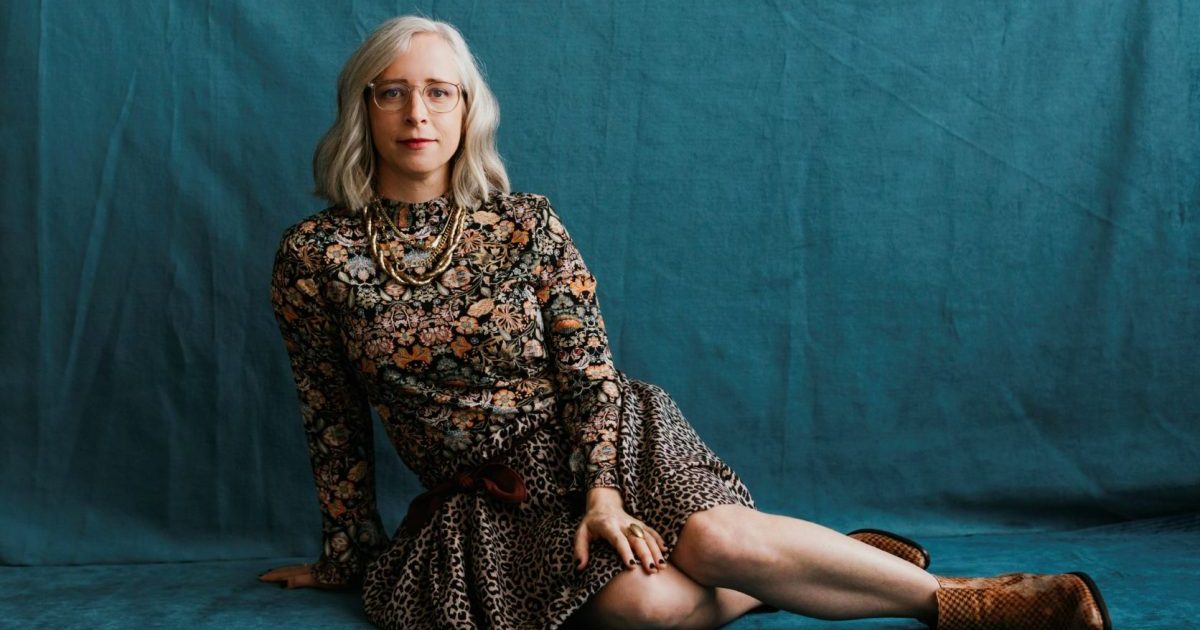
Embracing Many Firsts In a Long Career, Laura Veirs Finds Her Own Light

Laura Veirs has been carving her path forward. Found Light, her latest album, is packaged a bit differently than much of her discography. For one, it’s recorded live, flaws and all; she also stepped into a producer role for the very first time.

The latter is in part due to her divorce from former producer and collaborater Tucker Martine. In his stead she collaborated with Death Cab for Cutie’s Dave Depper and producer Shahzad Ismaily. Across 30 years of experience songwriting — “if you go from the start to now” — Veirs has released 12 albums, one EP, and a collaborative album with k.d. lang and Neko Case, appropriately named case/lang/veirs.

She’s homed in on playing music that sounds live, and even a little bit imperfect, and boasts a spate of influences, from riot grrl to Ethiopian jazz. Veirs spoke about her newfound independence, as well as her overarching career.

BGS: Could you tell me a little bit about what was going on in your life before and while you were recording the record?

Veirs: I was dating and mourning the loss of this long relationship, and trying to figure out how I was going to move forward as an individual because I’d become, I think, overly dependent on my ex’s opinion of everything that I was doing artistically. I reached out to a friend named Shahzad Ismaily, from New York, who ended up co-producing the record with me … I had found my sea legs in terms of being a single mom, and found a great collaborator in him in terms of feeling like we could co-produce as equals: there was no tension, there was no battling for dominance or anything like that. It was just very free and fun.

And we recorded live, which I hadn’t done much of at all: guitar, vocals, with him playing drums. The end result is a really fresh-sounding record — fresh for me because it’s number 12, but it’s very new. First time co-producing, first time curating all the songs myself. I overwrite, that’s something I’m working on now, is not writing too many songs … My goal is to not write more than 50 to get the 10 or 12 to record. I don’t even know if I’m going to make another record, honestly; I don’t feel drawn to it. I probably will, but I never want to make art or do creative things if I feel resistance to it.

Why did you decide to co-produce the album?

I didn’t feel the confidence yet to totally produce it myself. Also, I wanted a friend; I wanted to have another set of ears. And Shahzad was perfect for that. He’s very wide-ranging in his music tastes and his music experience, and he’s very skilled on many instruments … having a friend who I trusted was really nice because I was so used to trusting Tucker with everything and then just focusing on my parts, which were writing and playing in the studio.

I took more ownership of my music, or ownership of the sound. I tried to figure out more about what my taste is, and that was illuminating. I didn’t really do that before, even though I’ve been doing this for 22 years — 30 years, actually. I just hadn’t really, I guess, cared? I don’t know if it’s cared or been in a relationship with someone where I felt like I wanted to talk about that stuff and think about that stuff. If I make another record, I will want to produce again … I’d be curious to see how changing up my crew each time changes the sound of the record.

When you look back to your previous albums, what do you feel is a core difference in terms of your hand in production here?

It’s more sparse, which I like in general. … I can hear the difference. I don’t know whether other people would be able to, but I like that and I will go forward with [the live] approach. And more [leaving] a couple flat notes in there because that’s how I sang it. You know, don’t make it all sound perfect.

Can you tell me a little bit about your early interest in guitar?

I started off playing casually for fun at home at 18; my brother showed me some chords. I was listening to Joni Mitchell … and the pop music of that time, which was the early ‘90s. And when I went to college at Carleton College in Minnesota, I learned about the riot grrrl scene. I wrote [a letter] to Bikini Kill … and I asked, “How do you start a band?” And Tobi Vail, the drummer, wrote back, and she was like, “Play with as many people as you can, and have fun,” which was a really great way of saying, “Get out there and just do it.” And so I made an all-girl punk band.

I moved to Seattle and I was interested in punk music at that time: electric guitar, loud stuff. Then I got influenced by Gillian Welch, more of a country sound, slash I got interested in the roots of American folk music like Elizabeth Cotten, Mississippi John Hurt, Mance Lipscomb, all those people doing really complicated fingerstyle. I learned a bunch of that, and that really influenced the way that I played and wrote. It was a mix of those two things throughout, the older folk stuff and the more edgy punk stuff, and penduluming back between those things the whole time.

It’s funny you mentioned that, because I’ve been reading a book about riot grrrl.

Certainly the DIY ethos around that, like Ani DiFranco’s ethos of doing it yourself, still is a big part of the way I run my business, being my own record label, owning all my own music, being strongly involved in my management team — and they run my label, but they also run my career … I think that me being that involved comes from wanting to have control over my music, from the riot grrrl thing. From DIY punks.

As you were making this album, were there specific artists who inspired you?

In the writing, I was influenced by Adrianne Lenker, who I love. Her approach to her new album songs impacted me in terms of how she’s singing it, playing it live — there’s so much richness in a guitar and a voice and very few overdubs. … I’ve aspired to that for a long time, but I haven’t really done it. African music is an influence, like Oumou Sangaré and the way she uses polyrhythms and shakers, and also Alice Coltrane — she’s a harpist — you can hear her influence on some of the jazzier stuff … Pharoah Sanders from the Alice Coltrane stuff, we referenced him [for “Naked Hymn”].

This is quite a personal album. I think about this a lot in art: how much we share and don’t share about our lives and ourselves; what we warp and what we change and how honest we are. When you’re writing something, how do you decide how much you want to share?

That has also been a pendulum. I veered towards the more vulnerable, open, honest side on this one, and I’ve also pendulumed over to the more obscure, abstract or impressionistic lyrics, and I think both are valid and both are great. But I felt that it was important to get more into the nitty-gritty on this one because I had gone through such a raw, difficult experience: I didn’t want to sugar-coat it.

I would say there were songs like “Time Will Show You,” where I’m talking about Airbnb sex. That was a new thing, for me, to be that open. And initially I tossed that song in the bin … I think I was scared of sharing that much. I teach songwriting, and I teach writing workshops, and I’m always encouraging people to be vulnerable, because I feel like that’s where the connection point is. But then when I was actually doing it, I felt like maybe this is too much. I did have my kids in mind, and my ex: he did some awful stuff but … I didn’t throw him under any buses, which I could have done. But I didn’t want to do that, for my kids’ sake, and because I don’t want to live in that place. I don’t want to have to sing songs that way. I don’t want to have to relive it over and over again; I already have to relive it during interviews.

Of course, and you want to protect yourself too, how you feel; it’s hard to perform things that are so emotionally wrought.

Exactly. I don’t play certain songs. I won’t play “Eucalyptus”: I don’t feel like playing it. It’s the one about how he crushed me. And that’s the truth.

We’ve spoken a lot about having control over the process, so I’m wondering what you’ve discovered about yourself while making the album.

I have a public persona of being very confident, but when I went into this album, I did not feel confident at all. I feel a lot more confidence now in myself as a writer, without needing Tucker to say, “You’re okay.” I feel much more confident as a live player in the studio, a performance bass player, and I feel more confident as a producer: someone who could produce someone else’s record or produce my own record on my own without a co-producer, and those are big changes. That’s liberating for sure.

Outside of the album itself, are there any hobbies you’ve picked up that have fed into that independence or that sense of identity?

I started long-distance cycling … I started painting [too], because I moved to my new house about a year ago, and I didn’t have any art because I’d purged all our old art, slash didn’t have any art because Tucker was always decorating. I was like: Well, I don’t have a big budget. I just spent tons of money on my divorce. Let me start painting because I’ll put something on the wall myself. And then one thing led to the next and I was going into my obsessive mode where I was always painting … It’s been something that I felt has helped me claim my own self as an artist and not have any associations with my ex or pressure to collaborate.

It’s very freeing to pick up a new art form that feels practical in the sense that I can decorate my own home and other people’s homes. I still have that beginner’s mind, [but] I’m starting to feel a little bit of weirdness around it. That’s something I’m looking at: why do we start to get neurotic about art as we get more involved in it? Why can’t we keep that childlike wonder and that lack of attachment that you feel in the beginning? But still, it’s still fun for me and it’s not pressurized, whereas music is my career, it is how I make a living, it is how I feed my family, so there is pressure there that isn’t there with the visual arts yet.


Photo Credit: Shelby Brakken

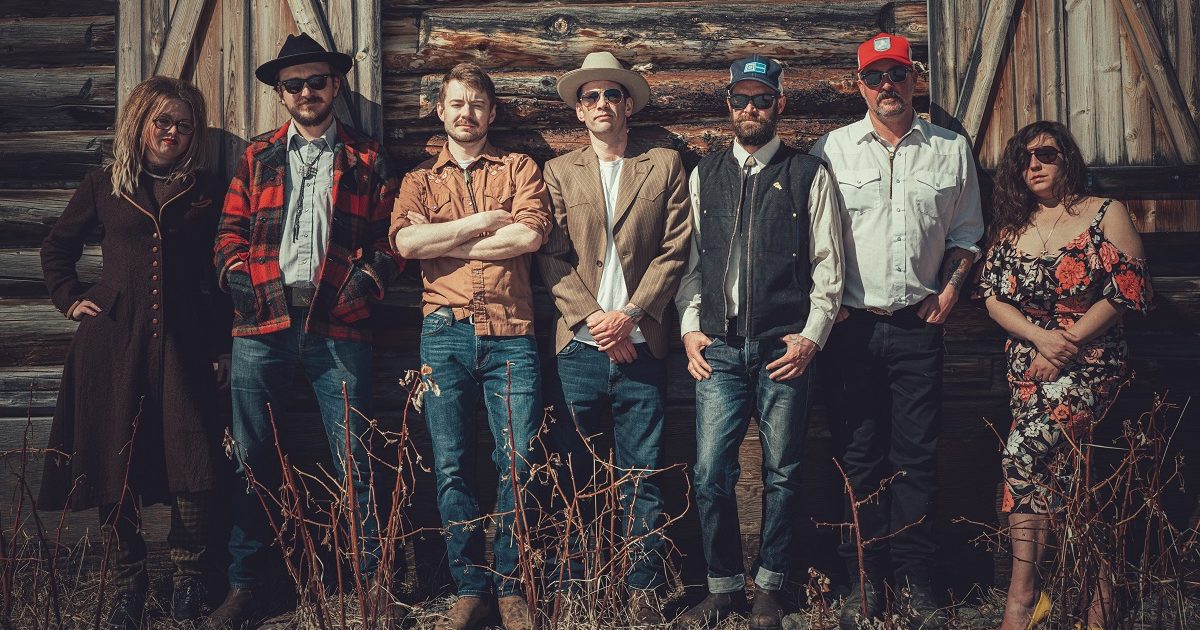
LISTEN: The Lucky Ones, “Goodbye Train”

Artist: The Lucky Ones
Hometown: Whitehorse, Yukon, Canada
Song: “Goodbye Train”
Album: Slow Dance, Square Dance, Barn Dance
Single Release Date: August 19, 2022 (Single)

In Their Words: “I was living in southern Manitoba when I wrote this song, in a bit of a flop house my grandmother owned out in the country. I had a dead-end job and was in a less than fulfilling relationship, and hearing the trains go by in the distance made me wish I could just jump on and let it take me wherever it was going — it was either going to Saskatchewan or Winnipeg, so that should give you an idea of how badly I wanted to get out of there. But for whatever reason, I couldn’t make the jump, either on a train or on anything. I’ve since moved out into the big world and I look at this song as a metaphor for all the opportunities in life that we let slip by, for better or worse.” — Ian Smith (guitar/vocals), The Lucky Ones


Photo Credit: Mark Kelly Photography