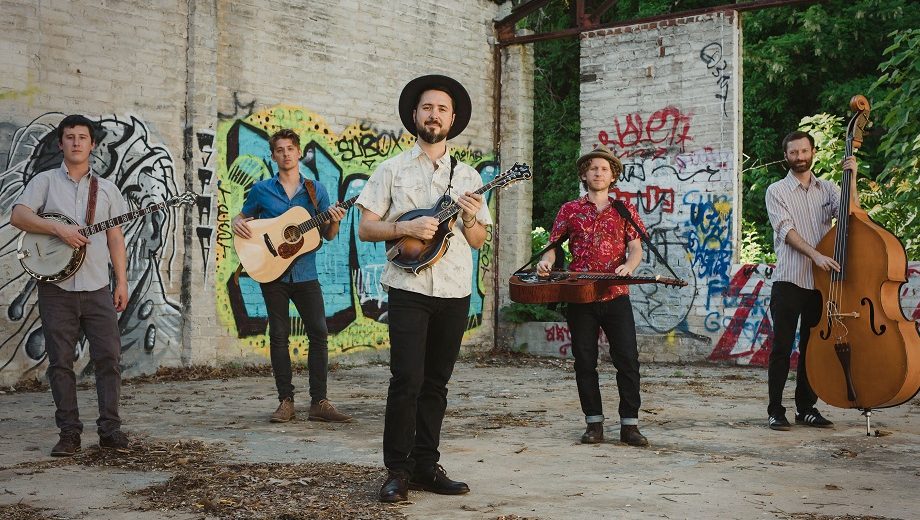
LISTEN: Fireside Collective, “She Was an Angel”

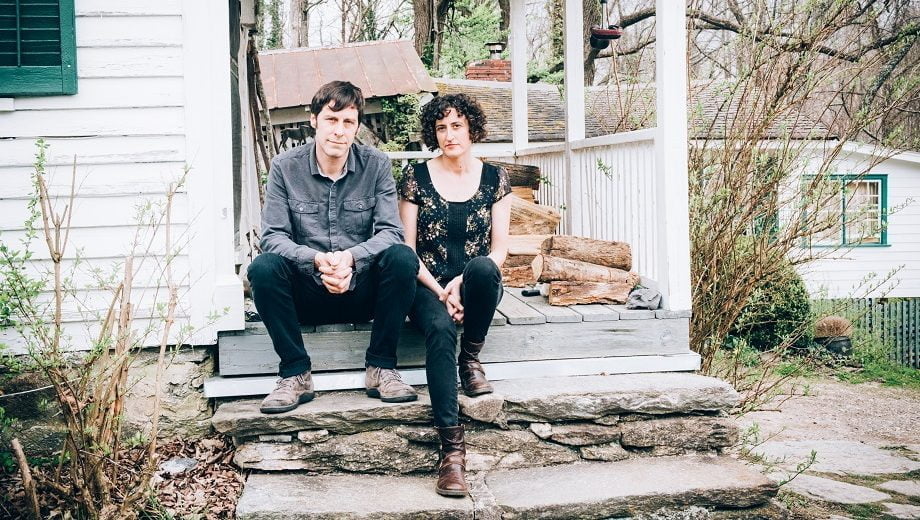
Artist: Fireside Collective
Hometown: Asheville, North Carolina
Song: “She Was an Angel”
Release Date: September 6, 2019 (single)
Label: Mountain Home Music Company

In Their Words: “‘She Was an Angel’ is a song about losing someone you love and seeing them fall into a bad crowd. On the surface, it deals with the emotional repercussions of watching someone sliding down a troubled path. It also explores the feelings of being rejected and left behind, while also hoping for some intervention or circumstance where the one who’s leaving realizes they are on a dark path and turns it around. The music begins as a contemporary bluegrass song which takes a sudden journey into unknown territory during the bridge. The bridge is supposed to serve as the symbolic struggle of the lost lover, and eventually culminates in the realization that it’s time to move on.” — Jesse Iaquinto, vocalist and mandolinist


Photo credit: Heather Hambor

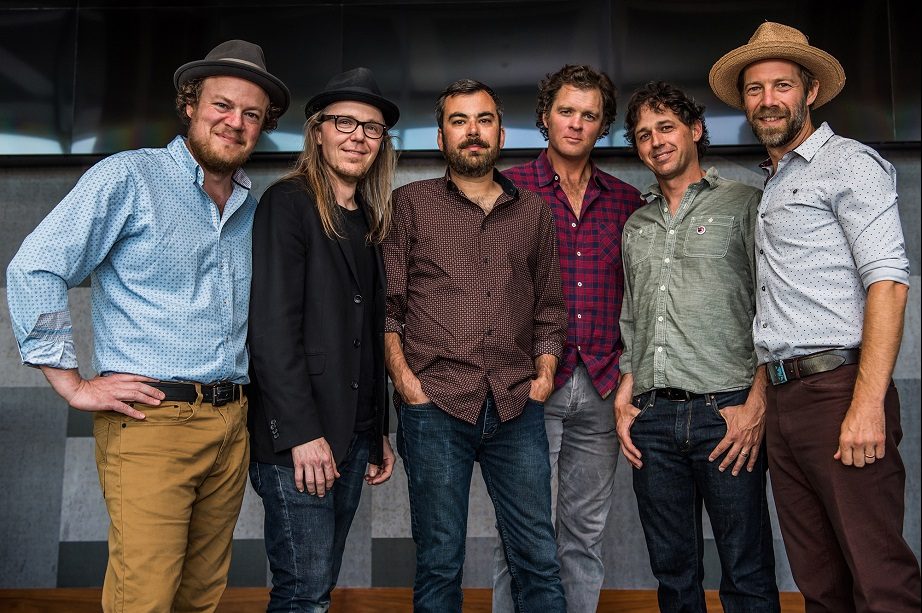
LISTEN: Steep Canyon Rangers, Asheville Symphony, Boyz II Men, “Be Still Moses”

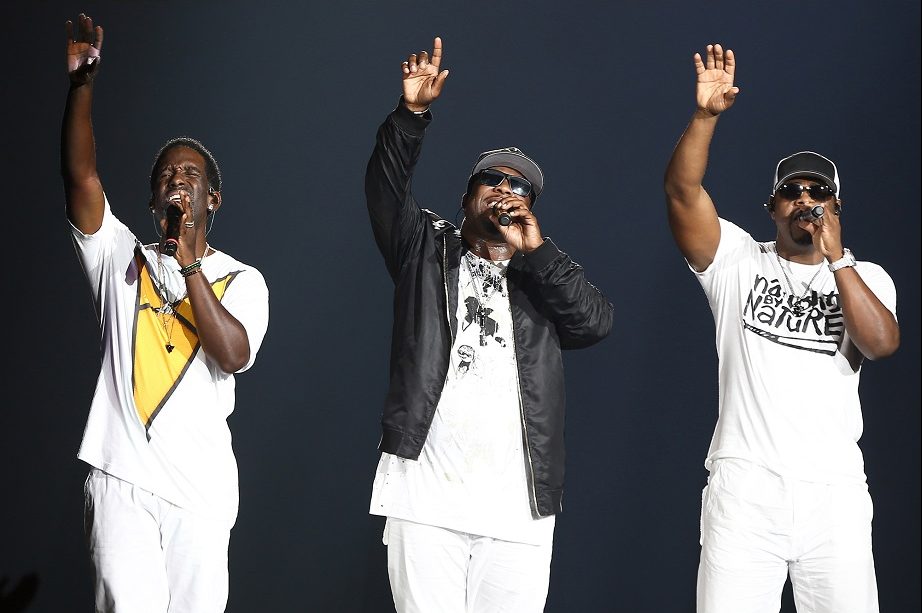
Here’s a surprise from the Western North Carolina music scene. Steep Canyon Rangers and Asheville Symphony have partnered with R&B group Boyz II Men for a refresher of “Be Still Moses.”

Instinctively believing that these genres would blend, Steep Canyon Rangers’ producer Michael Selverne collaborated with musical director Michael Bearden to bring all the entities together, thus elevating an SCR crowd favorite into something special for all three groups.

“We always get this chill when we know we are in the right place,” says Boyz II Men’s Shawn Stockman. “And we got a few chills working on this project.”


Photo credit of Steep Canyon Rangers: David Simchock
Photo credit of Boyz II Men: Debby Wong

Provided by Yep Roc Records

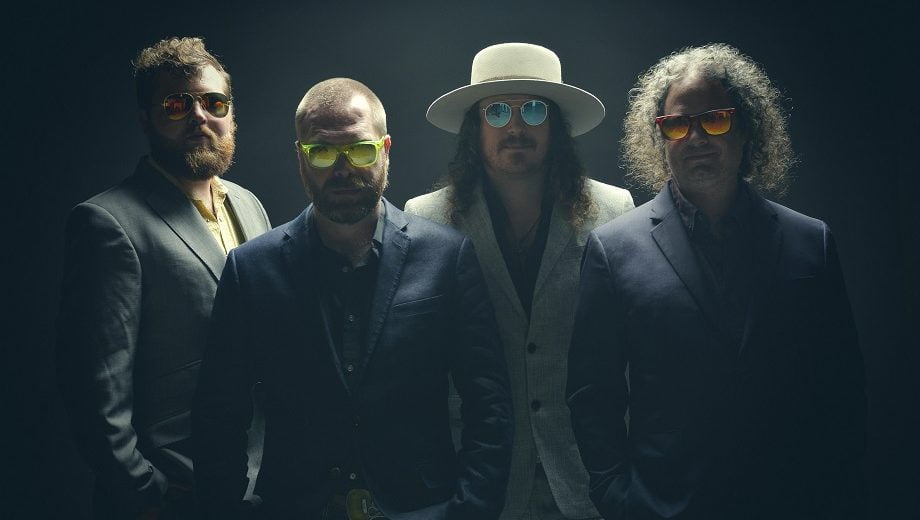
LISTEN: Songs from the Road Band, “Any Highway”

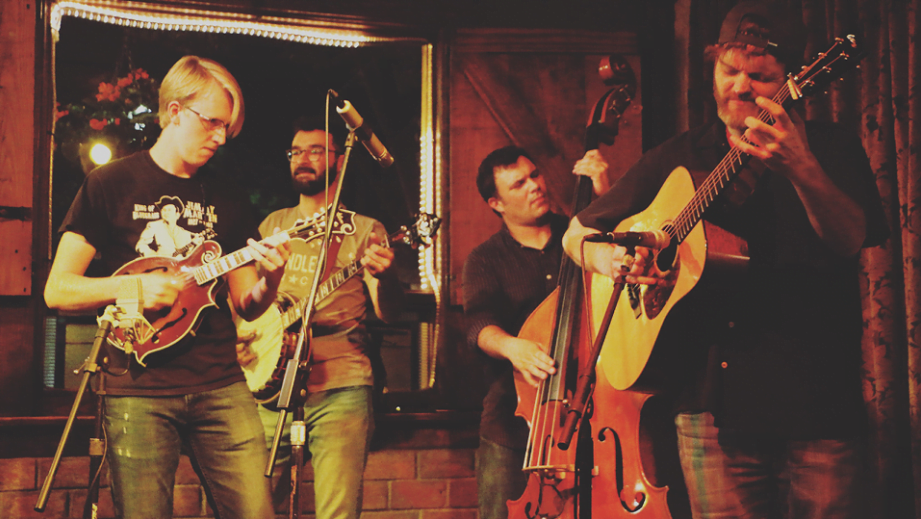
Artist: Songs from the Road Band
Hometown: Asheville, North Carolina
Song: “Any Highway”
Album: Waiting on a Ride
Release Date: July 31, 2019
Label: Lucks Dumpy Toad Records

In Their Words: “‘Any Highway’ is a song about the one that got away! It’s set out west in a desert town. Its relevancy is timeless. It was written by Darren Nicholson of Balsam Range fame and Charles R Humphrey III. We made it the first track on our new album because it introduces the themes of change, transition, travel, and nostalgia. Those threads are woven throughout the album and seem to tie this batch of songs together as one cohesive project.” — Songs from the Road Band


Photo credit: Keith Wright

LISTEN: Zoe & Cloyd, “Satan, Your Kingdom Must Come Down”

Artist: Zoe & Cloyd
Hometown: Asheville, North Carolina
Song: “Satan, Your Kingdom Must Come Down”
Album: I Am Your Neighbor
Release Date: June 14, 2019 (single); Fall 2019 (album)
Label: Organic Records

In Their Words: “‘Satan, Your Kingdom Must Come Down’ is a traditional African American spiritual that we learned from a solo field recording of Frank Proffitt from 1965. Proffitt claimed to have learned the song from a black banjo player named Dave Thompson, also from the Sugar Grove area of northwestern North Carolina. It is a simple yet powerful musical statement, and Natalya’s stark, solo vocal mirrors the sound of many old-time source recordings that we love. The lyrics are haunting and hypnotic and our version features flat-picked guitar and bowed upright bass coupled with the more ‘old-time’ elements of cross-tuned fiddle and clawhammer banjo. There is a timelessness to this song that contributes to its survival. Every generation has its Satan. — John Cloyd Miller


Photo credit: Sandlin Gaither

LISTEN: Tyler Ramsey, “Evening Country”

Artist: Tyler Ramsey
Hometown: Asheville, North Carolina
Song: “Evening Country”
Album: For the Morning
Release Date: April 5, 2019
Label: Fantasy Records

In Their Words: “A couple of years ago my band and I started messing around with some of my older and more pared-down songs and trying to bring them into a band setting. ‘Evening Kitchen’ was a song that I had written for the Band of Horses record Infinite Arms and when we did that record it stood out because it was in contrast with the rest of the album and really bare bones. A lot of that album was lushly produced and I thought having the song recorded with a single acoustic guitar and vocals would help balance things. It worked well in the sequence of that album and led to a lot of the more intimate moments in our live shows and the direction we headed in for the live Ryman acoustic album.

“This version, called ‘Evening Country,’ was a way to reimagine the song and a chance to put it into a new frame with some truly amazing musicians. It was recorded in Louisville, Kentucky, with Seth Kauffman (Floating Action), Kevin Ratterman (Lalaland Studio, My Morning Jacket, Ray Lamontagne), and I doing the basic tracking. Seth had worked with pedal steel guitarist Russ Pahl before and we were able to get him to play on it (I still jump up and down when I hear his playing!). And the goosebump-inducing harmony vocals were sung by Molly Parden and Thad Cockrell and recorded at the Fleetwood Shack in Nashville by my old friend Bill Reynolds (former Band of Horses bassist). The opportunity to revisit this song in the way that we did has given it a new energy for me as well as new meaning.

“A wild memory of this song: years ago we were playing at Bonnaroo after Infinite Arms had been released. We finished our set and climbed down off the stage and our manager came up and told us to go back up and play a couple more songs because Bruce Springsteen had come onto our side stage to watch us play just as we were walking off. We ran back up and ended up playing ‘Evening Kitchen’ last, and all I could think about the whole time was that there was Bruce Springsteen standing fifteen feet away from me and watching us play this song I’d written — don’t f*ck it up! We made it through and headed back down off the stage and there he was with that Bruce Springsteen smile and handshakes all around. Our monitor man Jon Cronin told me afterwards that he heard Bruce say ‘That’s a good song!’ That’s enough for me!” — Tyler Ramsey


Photo credit: Jameykay and Arlie

Camp Tunefox Immerses New Musicians in Bluegrass and Creativity

Camp Tunefox strives to bring out the creativity in aspiring bluegrass musicians, even those who are just starting on guitar, banjo, or mandolin. This year’s camp takes place on May 15-19 in Montreat, North Carolina (right outside of Asheville), with teachers such as Danny Barnes, Wes Corbett, Grant Gordy, Clay Hess, Joe Walsh, and Mike Compton. Tunefox’s Bennett Sullivan answered a few questions by email about the upcoming event.

What sets Camp Tunefox apart from other instrument camps?

I’d say our focus on creativity and musicality over pure technique is what makes Camp Tunefox different. The schedule for the camp is organized using daily themes so each day all of the campers will have a focus that they can practice and discuss together. The teachers will teach their material with the theme in mind and the small group rehearsals will be aligned with it as well.

Tunefox is an app company and we have online content that will help support the students’ learning at camp. We’ll be launching a new feature and the campers will be the first ones to experience it in May.

How do you decide upon the instructors?

We wanted teachers that reflected both the tradition of bluegrass and pushing the envelope. Most of all, the teachers at camp are creators at heart. They’re people that have studied with the great bluegrass artists, either with their records or in person, and they bring that knowledge and passion with them to every gig, teaching event, or recording session.

I also am looking forward to learning from each of the teachers. As a professional musician, I know more than anyone the value of hearing a different perspective, be it musical or academic.

Your 2019 theme is Cultivating Individual Creativity. What does that mean to you?

It’s what I strive for every day! These days I’m writing more music in an attempt to further discover who I am. The creative process is a vulnerable, yet revealing space. At Camp I want the students to be inspired to look in themselves to not only technically play music but play it with intention. Bluegrass can be intimidating and when you label yourself as a ‘bluegrass musician’ it seems you have to play a lot of notes really quickly. I want the students to leave camp knowing themselves a little bit better. And I’d like that for myself, too.

What can a someone who is new to the instrument expect to learn at Tunefox?

[New players] will be immersed in an experience where they will learn foundational concepts like rhythm and chords but also be encouraged to create, improvise, and explore what music means to them. I think beginners can do this from the start. We’ve all listened to music before and we have a taste of what we like and dislike. So when you approach learning an instrument, you bring that discernment with you. It’s important to learn the fundamentals but when it comes to choosing songs to learn, pick what you dig most. Eventually, this will translate into ‘your sound.’

What is it like, from your perspective, to see these beginners develop their ability?

It’s exciting. The smallest breakthrough by a student gives me so much joy. All of the teachers resonate with this as well. Camp Tunefox will be a hands-on experience, giving students even more of an opportunity to make these breakthroughs with the guidance of experts at hand.


Photo courtesy of Tunefox


Discover more about Camp Tunefox and the Tunefox app at tunefox.com

LISTEN: Jane Kramer, “Hymn”

Artist: Jane Kramer
Hometown: Asheville, North Carolina
Song: “Hymn”
Album: Valley of the Bones
Release Date: March 1, 2019

In Their Words: “This song was a kind of ‘homework’ assignment from my songwriting mentor, Mary Gauthier. She looked me in the eye and told me that all of my self-deprecation wasn’t cute or charming and asked me, ‘When are you going to drop the bullsh*t and really own your power and talent?’ She told me that only then would I write the kind of songs that were up to my full potential. She challenged me to write a song from a perspective of self-love. Like, full, real, spiritual and true self-love, and to call it my ‘Hymn,’ whatever that meant to me. I spent a few weeks after that alone, backpacking around Italy with a little travel guitar. I wrote this song in a little mountain village called Vetulonia, where I slept in a little cottage with a hammock for a bed, looking out over mountains that reminded me of home, and it sunk in then that I couldn’t really come home till I came home to myself. So I did.” — Jane Kramer


Photo Credit: Rose Kaz

Greensky Bluegrass Capture the Live Jam on ‘All For Money’

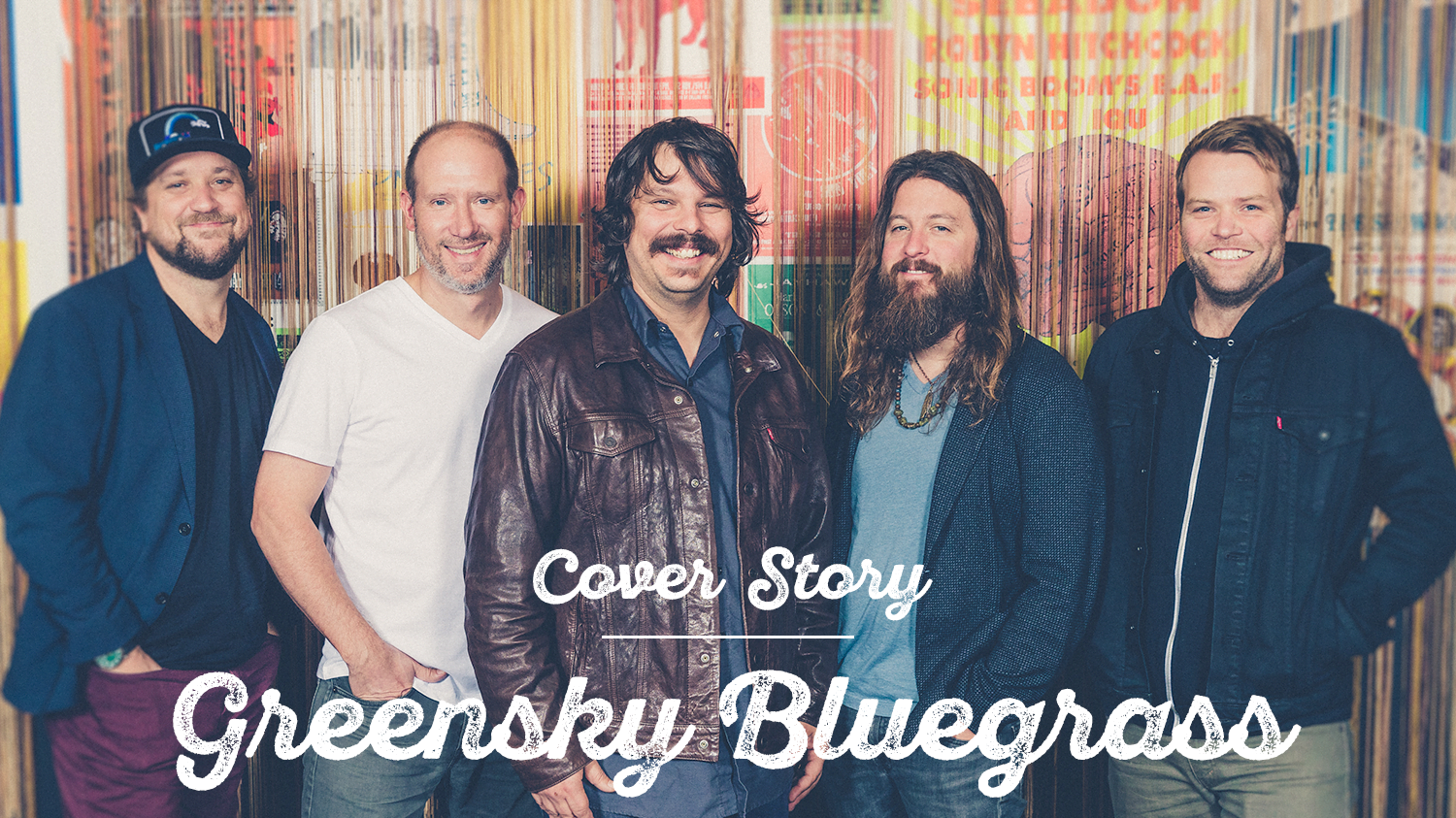
With their progressive mindset and undying faith in the power of the jam, the electrifying live shows put on by Greensky Bluegrass have captivated roots and rock fans alike for nearly two decades – but the Midwestern five piece has always been more than a group of gifted musicians. Layered, thought-provoking songcraft is also a big part of their DNA, and with their new album, All For Money, those two worlds come together like never before.

This month, the band – composed of mandolin player and primary songwriter Paul Hoffman, guitarist Dave Bruzza, banjo picker Michael Arlen Bont, Dobro player Anders Beck, and bassist Mike Devol – embarked on a milestone tour of listening halls that are well suited to showcase both sides of the Greensky Bluegrass double helix, and according to Hoffman, that everything-at-once approach is the next step of their journey.

“We don’t have any grandiose dreams or visions of things we haven’t accomplished,” he says, “and I think it’s been that way for the last 10 years. Being able to go out and play the right venue in all the right towns where we can put on a big show and present everything we do … it’s about getting that to happen everywhere now.”

BGS: You guys were inspired early on by The Grateful Dead, and I hear that improvisational spirit on the new album. Do you feel like All For Money is a return to your roots?

Paul Hoffman: We talk about this album being a lot more like a show than previous records because for us, [studio work and being onstage are] kind of two separate art forms. … With this record we went for the show aspect right from the get-go. It’s a little loose, and a little improvised, and we’ve succeeded with that more and more on every record – finding ways to capture that live spirit but still utilize all the tools available to us in the studio. Like for example, maybe there’s a place where there’s two mandolins at once. We couldn’t do that live, but if it sounds cool on the record, let’s do it.

Tell me about recording in Asheville. What kind of vibe do you guys get there?

We love that town. In the young days of the band we thought we should move there and maybe it would spark our career. We didn’t, and it was probably for the best, but the studio is really cool. It’s like an old church and it’s got a lot of room to work in. All our early records were done in Michigan in this studio that’s really small, and you don’t need a big room or an extra room downstairs with a ping pong table and video games and a kitchen and three couches. You don’t need any of those luxuries, but as soon as we went to [the studio,] Echo Mountain, to record the last record, it was like “Man, this is nice” … and now we probably do need them. [Laughs]

Digging into the live show versus studio album idea, you have a couple of really lengthy songs here. “Courage for the Road” is over nine minutes long, and I get that in a live setting, but why stretch it out for the album?

I think sometimes we’ve found that our fans are separate. Some of them are live music aficionados and don’t really enjoy listening to the records, and some people who like our records come to the show and are like “Why are all these songs so long and psychedelic?” I think there’s a part of us that figures those things don’t need to be separate, and maybe if we did a bit more from both sides of the equation, there’s something there for everybody.

The goal for that song is for it to remain interesting the whole time, and when I listen to it I feel like I’m listening to a well-mixed, well-recorded, live jam. It was so organic with how it happened that it kind of had to be left alone, and I think that translates to the listener as live energy. That’s the thing you sacrifice in the studio if you start overdubbing too much, and that’s when some people complain. What they’re really complaining about is that it loses some of that honest energy and integrity, so those jams should preserve that.

Tell me about the inspiration behind that song. Is this literally about being on the road, or more of a relationship thing?

It’s all of the things. I like to write about multiple things at the same time, and I think it helps. People are gonna read into it how they want anyway. So I’ll often start talking about something and then realize I’m talking about something else, too. It works really well as a simple song about being on tour, but it also works as a song about being in love with someone and not being able to let go, or being obsessed with something for the wrong reasons.

Why might you need some courage for being on the road?

It’s a lonely place sometimes, and that in itself is a paradox. You’re surrounded by people who love you every night, but then the lights go down and the crowd goes home and you’re all alone again. It’s hard to even have an argument for feeling lonely on tour when so many people are coming to see us and support us, but they are real things. And even in general, when you make that commitment to quit your job and leave your family for six weeks at a time, and maybe come home with little to show for it, it’s hard for musicians to keep sticking it out.

Tell me about the song “All For Money” and the interlude in the middle. When you were writing it, were you thinking, “It would be cool to do two minutes of jamming right here”?

Sometimes it comes up in the moment, but with that song it was real intentional. I wanted to explore this idea of the pressure of success and the whole “Be careful what you wish for” kind of thing. Back in the day when we were playing in a bar and all we had to do was win over some fans, in hindsight that’s almost easier than living up to the expectations of all these fans now, who travel and spend money to see us all the time.

They see us a lot so it’s like you’ve got to come up with new tricks and something happened in the last couple of years where it was like the pressure built up. That’s not to say it was too much or that we don’t love it, but it occurred to me that there was a real paradox of success happening where it was like “Man, this is hard!” Sometimes we joke around like “Why don’t they stop following us?!” … Which is absolutely not what we want.

So there’s a joke there, or at least a duality to be explored, and I wanted to set the song up in a way that it’s supposed to get creepy or disorienting, and to make you feel uncomfortable. I talk about being supported but surrounded, contained but captured, and then it comes around to that triumphant chorus that’s all about the love and the songs creating emotion and camaraderie. It goes on this journey of joking around and all these lies we were told in the beginning, and then it gets scary and uncomfortable on purpose. It’s almost supposed to be discomforting, more than a jam.

I love your lyrics, because as you explained there are lots of layers and you’re not afraid to question yourself. What were you trying to get at with “Do It Alone”?

I was trying to touch on this angst-y, rock and roll thing. I wanted something that had an anthem vibe, something a crowd would cheer along with, and again I was thinking about a couple of different things at once. One moment I’ll be thinking about a friend of mine who’s in love with a girl who doesn’t love him anymore, and the next I’m like “Man, I miss my dog.” [Laughs] Sometimes really specific lyrics about really different things can help you get some insight into that other thing.


Photo credit: Dylan Langille/ontheDL Photo

LISTEN: Southern Pine, “Standing Still”

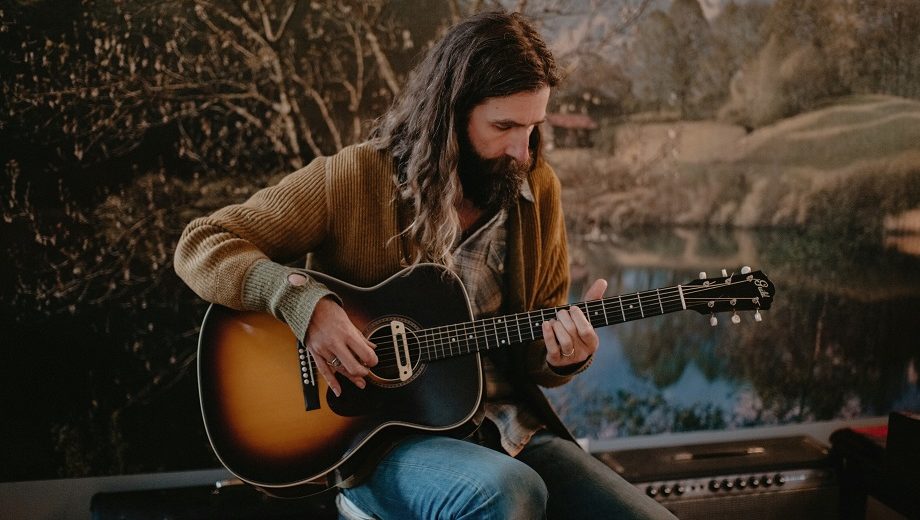
Artist: Southern Pine
Hometown: Asheville, North Carolina
Song: “Standing Still”
Album: Standing Still
Release Date: January 11, 2019

In Their Words: “I wrote the majority ‘Standing Still’ in a small park in North Hollywood. At the time I was nearing the end of my first several-month national tour and it seemed to burst out of me as a reflection of all that had transpired — a meditation on how the places we go and the things we see transform the people we are. The song sat for a long time, present in my mind, but feeling unfinished. I was ready to give up on it, when I met my friend Meryll Davis. I played her what I had and she instinctively came up with the final verse (my favorite of the song). The song now serves me as a punctuation of sorts, helping to guide from the end of one chapter into the next.” — Zack Kardon


Photo credit: John Shuler

Curiosity and Persistence: Amy Ray Gets Down to Her Roots on ‘Holler’

Amy Ray’s new project, Holler, is the closest thing she’s made to a classic country album in a career that stretches across nearly 30 years. As one-half of the Indigo Girls, she’s won a folk Grammy and toured the world, sharing her musical path with Emily Saliers. But on Holler, Ray retreated to Asheville, North Carolina, with a hand-picked band of musicians who knew how to play country music – and she was eager to record the new music to tape using the studio’s vintage machines.

“For this band in particular, there is a real kind of magic quality to knowing that you can’t go back and change a lot of things,” she says. “So it keeps you on your toes the whole time. You have to be well-rehearsed. And at the same time, you just want to go for it.”

Taking a break from signing vinyl copies of Holler a few days before its release, Ray chatted with the Bluegrass Situation about finding happiness on a clawhammer banjo, discovering a commonality with Connie Britton’s character, Rayna Jaymes on ABC/CMT’s Nashville, and staying curious about the world.

How much did you rehearse this new material before going into the studio?

This unit has been playing together for about almost five years, so that’s like been our rehearsal — just touring. For these songs in particular, we did have some rehearsals, but most of the stuff we had rehearsed or worked on arrangements at my house. Or we would have a gig, like we opened for Tedeschi Trucks here and there, and I would use that as an opportunity to practice the day before. We would get together at the hotel and go to the conference room and work on songs – like at the Microtel or whatever – and do arrangements. It bought us a lot of time.

So the band knew the songs well in advance.

Yep, except for “Dadgum Down,” which was a wildcard, which no one knew. We didn’t even know if we were going to do it. I kept saying, “I have this song I wrote on banjo, but I don’t know what I’m going to do with it,” like a broken record over and over and over again. Jeff Fielder, the guitar player, and Alison Brown, who guested on banjo on the track – those two really came up with what became the arrangement for the song. It turned out to be a really fun experience because I put my banjo down and said, “I’m just going to sing.” But everything else, we had really worked on it and spent a lot of time fine-tuning the arrangements.

So the reference in that song about the sting of the bee — is that a reference to drugs?

It’s everything. The stinging [lyric] was another song I was working on, and I was like, “Oh, these are actually about the same thing.” Which is addiction, and relationships. So it’s like, it’s in the nature of the bee to sting. And it’s in the nature of love, and it’s in the nature of drugs. You can’t get mad at that item, because that’s part of their nature, and it’s also what you’re hungry for.

So it’s meant to be more than one dimension because the song is about wrestling with addiction — addiction to a person, and addiction to drugs, and addiction to anything. I’m always fascinated by that because I have an addictive personality, but also I have a lot of friends in recovery. And I don’t drink anymore, so I know how it is to try and beat that.

I want to ask about your musicianship. How did you get interested in the guitar?

It was just a vehicle to sing with probably. I mean, that’s probably why I’m not a better guitar player, too, because I looked at it as, “I want to write songs, and I want to sing, so I gotta learn how to play something.” I was playing piano, but not very successfully. I was in fifth grade and I got a guitar and took lessons at the Y. I learned like five chords and I could play all the Neil Young songs. So I was like, “This is perfect.”

What was the path to learning the other stringed instruments?

Well, mandolin, I just learned. It was like a natural thing for me, I guess. I was interested. I think I learned it because…. I’m trying to remember why I picked up a mandolin. I think I borrowed somebody’s flatiron mandolin and I liked it a lot. I thought this was cool, these chords. And I never really learned how to play properly, which I really want to do one day. But I was learning more from mountain music, like field recording kind of stuff. So I didn’t really learn the bluegrass style, or any of that. And then banjo is just something to knock around on, I don’t really know how to play.

Yeah, but it makes you happy right?

It makes me happy! It doesn’t matter. I try to play clawhammer and it makes me happy. [Laughs]

I’ve followed your career since that first Indigo Girls record, and you always seem to be doing something new and having something coming up. Where did that work ethic from?

Probably my parents, my family, just the way I was raised — workaholic.

Yeah, but you’ve never really rested on your laurels or waited around for it.

I get bored with laurels, and there’s not enough of them to rest on, either. I like the process as much as the prize. I mean, seriously. So for me it’s like I get bored and I really do want to become better at what I do. I think the only way to do that is to keep doing it. And for Emily and I, persistence was our friend forever. I mean, if we hadn’t worked hard and been persistent, and then had a lot of luck, we wouldn’t have made it.

That reminds me of “Tonight I’m Paying the Rent,” which is about putting in the time. Some gigs are not necessarily feeding your spirituality, but you’re still working, doing what you love. What’s the reward for what you’re telling me about – where you’re working, and traveling, and staying busy?

I don’t know, I’m just proud of it. Because when I do a solo tour and get to the end of it, and been able to play all the gigs, and drive all the miles and everything, I feel proud of it. I don’t know why. The process is fun, and I like the people I’m with. I’m just compelled. I think we are compelled by something, and it probably is fear of mortality and all of those deep things too. But it’s also like, well, it beats us sitting around. And it’s fun to try to do something that’s hard to do, and then be able to do it. It feels good.

Is it a calling for you, do you think, to be up there singing?

Who knows? I mean, I have no idea. It’s all I know, though. It’s all I know how to do. So I don’t know if it’s a calling or like a compulsion. I mean, “Tonight I’m Paying the Rent” really also grew out of needing an attitude check. Emily and I were playing a few of these private party kind of things, and I had such a negative attitude about it because they’re soul-sucking. And you’re just doing it for the money, and we stopped doing them because of that.

But then at the same time, I was watching an episode of Nashville where Rayna has to play a private party for a venture capitalist in California. And of course, the guy that hired her is a big fan, but no one else likes her, or likes country. And she’s out there, and she’s smiling, and no one’s listening. And I was like, I’ve totally been there a million times. Then her attitude about it after the show was like, “We all have bills to pay,” or whatever she says.

And that’s the attitude I have. Like, “Tonight I’m paying the rent.” That’s what that song grew out of. It’s like, “Why be so negative about this thing?” Yeah, maybe it’s not fun, but it beats digging a ditch. And look – you’re actually paying bills. That’s hard to do.

To me, “Didn’t Know a Damn Thing” is about history that you haven’t been taught, that you discover it on your own by seeking it out. Where does your own sense of curiosity come from?

I think that’s probably from my family and growing up with role models that were curious. Even my dad, who was super conservative, was also curious about everything. Even though we disagreed about a lot of things, one thing I know about him is that he was curious, and he would always listen to the other side. All the best teachers I ever had in high school and my favorite youth minister at church were curious and they didn’t mind it when I questioned things either.

And I don’t know why I always felt like I needed to question things. … I think part of that was paranoia. It was like the flip side of curiosity, which is paranoia. And I was like, this can’t be all there is, there’s got to be something else going on. It doesn’t feel right. And when you start feeling those feelings, you know you’ve got to look into it.


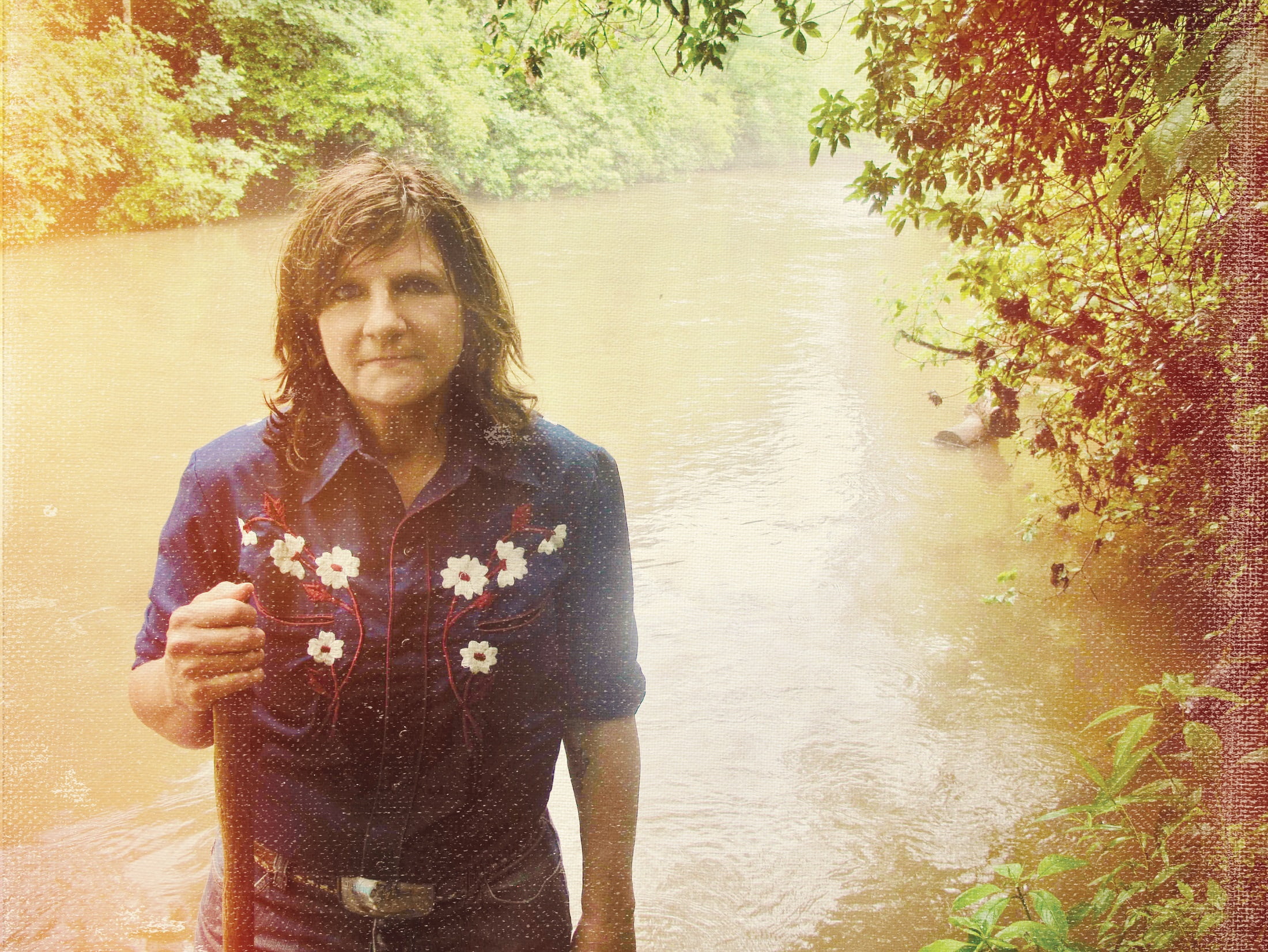
Photo credit (color): Carrie Schrader
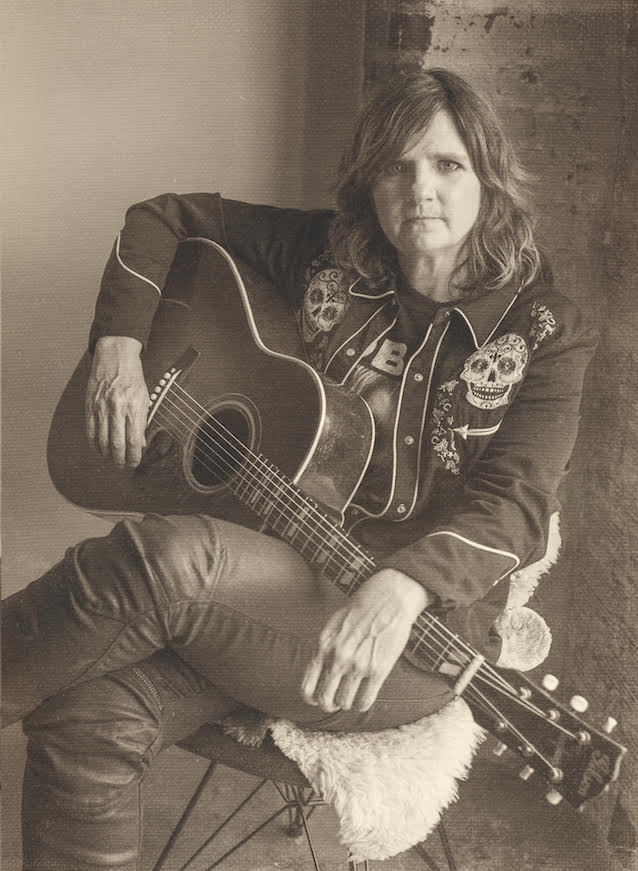
Photo credit (black-and-white): Ian Fisher