You Gotta Hear This: New Music From Full Cord, the Arcadian Wild, and More

It’s another excellent lineup for our weekly collection of premieres and just-released music! You Gotta Hear This…

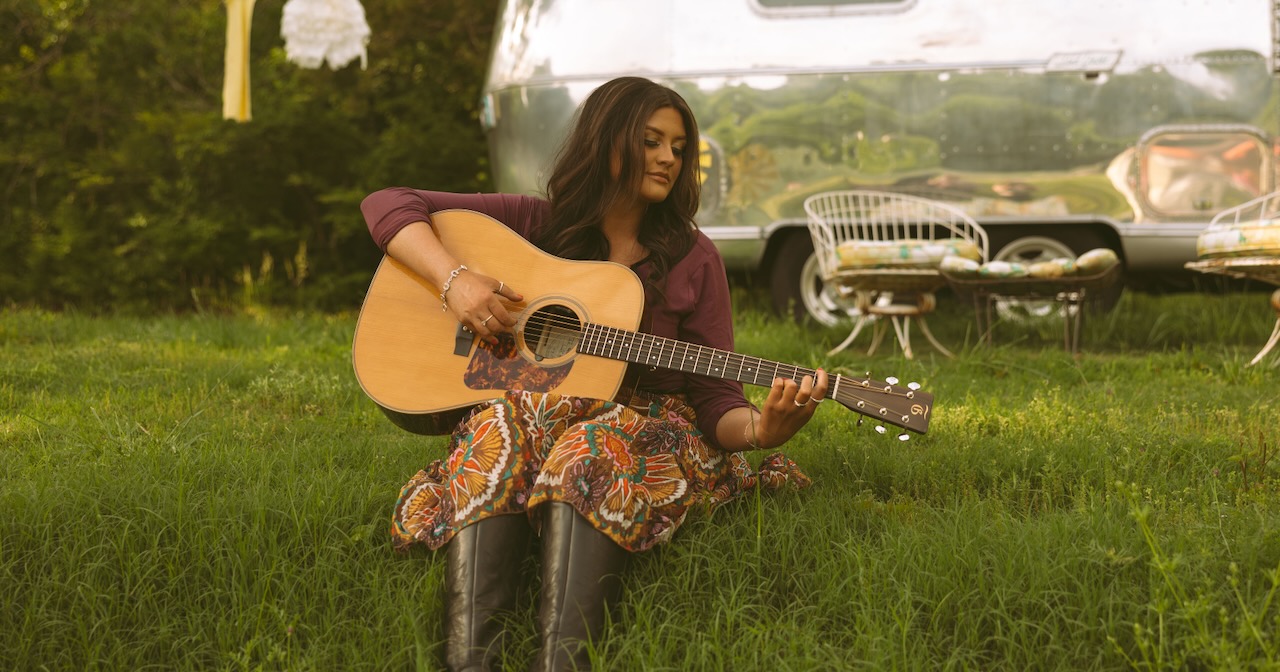
Earlier this week, the Arcadian Wild announced their upcoming album, Make It Out Alive (set for release in August), with a brand new single “Cool To Know You.” Poppy and lush, its deep and vibey production style brings in varied roots influences reminding of Nickel Creek and indie-pop all at the same time, held together with a bluegrassy mandolin chop. Plus, watch a video from geologist-musician-songwriter Benny Bleu, who’s shared “March of the Mollusk” with us today. Old-time with plenty of modern twists, it’s an entrancing instrumental number inspired by the ceaseless march of time, the steady drip of existence spending or being spent. The melody – and rhythms – have that delicious “neverending song” feel, where each subsequent section of the tune has you craving to return back to the start and do it again.

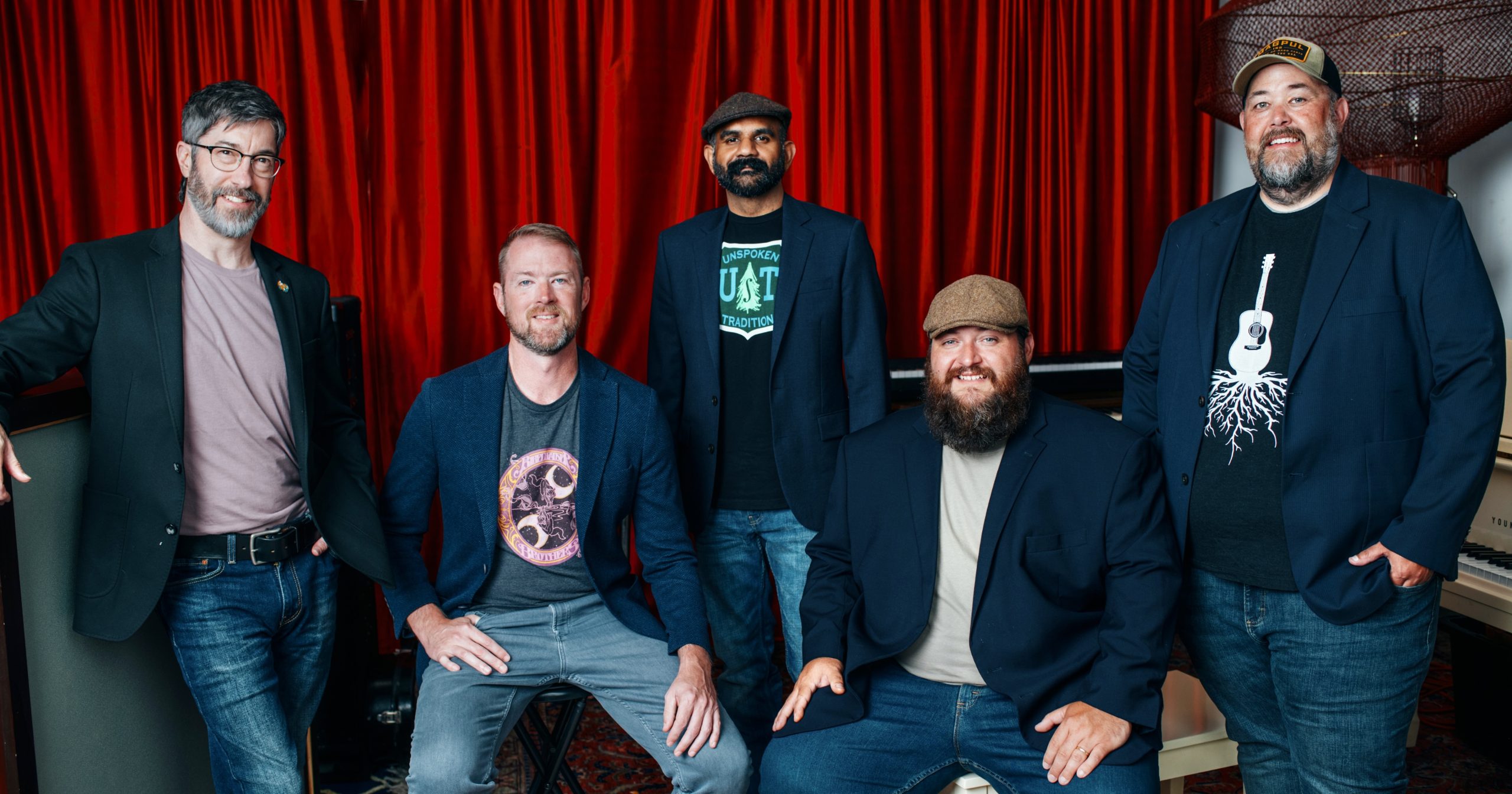
Benson, husband-and-wife bluegrass and string duo Wayne and Kristin Benson, release their brand new album today, Double Dose. We’ve shared a few tracks from the project over the weeks and months in the run up to today; to celebrate release day, we’re shining a spotlight on “Banjo Radio Bounce,” a swingin’ bluegrass instrumental with a title paying tribute to bluegrass radio and streaming service BanjoRadio. Also in bluegrass, long-running Michigan band Full Cord release a new track today featuring their friend, peer, and fellow Michigander Billy Strings. The band tell us a bit about the inspirations behind “Hubris Comes to Town” below. Strings and the stalwart MI band sound great.

Jesse Smathers, who you may know from the Lonesome River Band, has more excellent solo music to share today. A new single, “Gambler’s Last Game,” is another truly timeless number from the young artist and picker. Smathers, born and raised in the old-time and bluegrass rich territory of Southwest Virginia, is one of the most compelling up-and-coming creators who can collapse time with his songs. And he can effortlessly code switch between bluegrass, old-time, string band, and more styles from the primordial ooze that birthed this genre. Not many can.

You’ll also want to watch and enjoy a new animated music video featuring a song by artist, multi-instrumentalist, and songwriter Elena Moon Park and animation by Xuan. “Nothing Is Ordinary” is a song celebrating just how extraordinary every single little detail of life really is. It’s built on a prominent sense of gratitude wrapped with a bouncy, charming vibe – and paired with a music video that perfectly encapsulates its message. It’s beautiful and certainly captures “the grand and the mundane,” both of which are extraordinary in their ways.

We hope you enjoy these songs and videos. You Gotta Hear This!

The Arcadian Wild, “Cool To Know You”

Artist: The Arcadian Wild
Hometown: Nashville, Tennessee
Song: “Cool To Know You”
Album: Make It Out Alive
Release Date: May 27, 2026 (single); August 14, 2026 (album)

In Their Words: “I have known my best friend Carly since I was 3 months old. She is truly a sister that was gifted to me. She is the coolest girl I know, and she makes me cool just by knowing her. We live very far away from each other now and we have to work really hard to stay in touch and spend time together, but it is always worth the effort. This song came out of me after she was having a tough time and I couldn’t physically be there for her, so I wanted her to know that she is seen, she is loved, and I’m a better and cooler person for knowing her.” – Bailey Warren

“We’ve typically just captured intimate acoustic performances in our past work and it was fun to remove some limitations in the studio and really give it a full send approach. It felt like we gave ourselves permission to build an actual pop song from the ground up. Drums?! Electric guitar?! Mandolin overdubs?! What?! It was a delightful process of playful discovery, and we had a blast with our producer, Micah Tawlks, putting it all together.” – Lincoln Mick


Benson, “Banjo Radio Bounce”

Artist: Benson
Hometown: Boiling Springs, South Carolina
Song: “Banjo Radio Bounce”
Album: Double Dose
Release Date: May 29, 2026
Label: Mountain Home Music Company

In Their Words: Kristin: “‘Banjo Radio Bounce’ from our album, Double Dose, honors our good buddy Kyle Cantrell, who launched BanjoRadio around the time we recorded it. Obviously, if this is the title of the station, you know I’m gonna be a fan!” – Kristin Scott Benson

“‘Banjo Radio Bounce’ is a tune I wrote originally on electric mandolin. When Kristin heard the demo, she thought it would work well for banjo – and it did!” – Wayne Benson

Track Credits:
Wayne Benson – Mandolin
Kristin Scott Benson – Banjo
Jon Stickley – Acoustic guitar
Samantha Snyder – Fiddle
Jon Weisberger – Bass


Benny Bleu, “March of the Mollusk”

Artist: Benny Bleu
Hometown: Hemlock, New York
Song: “March of the Mollusk”
Album: When I Am a Fossil
Release Date: May 29, 2026 (video); June 5, 2026 (album)
Label: Circus Tent Records

In Their Words: “Even when I released this song as a solo banjo piece I had this drum groove in the back of my head. We all march forward whether we like it or not. Who sets our cadence? Climate change will march on whether we believe in it or not. Future generations on this planet will live simpler lives. With less stuff. They’ll live more local lives. Now that’s not necessarily all bad. To me, that sounds like the kinda place where folk and acoustic music will fit right in.” – Benny Bleu

Track Credits:
Benny Bleu – Banjo
Huck Tritsch – Drums
Eric Heveron-Smith – Bass
Gus Tritsch – Fiddle

Video Credits: Filmed at Ironwood Studio, Springwater, New York.
Filmed by Mike Martinez. Audio by Benny Bleu.


Full Cord, “Hubris Came to Town” Featuring Billy Strings

Artist: Full Cord
Hometown: Grand Haven, Michigan
Song: “Hubris Came to Town” (featuring Billy Strings)
Release Date: May 29, 2026

In Their Words: “‘Hubris Came to Town’ is a song that has many inspirations. Its structure and harmonic interest are similar to a song I wrote 11 years ago called ‘Downtown.’ The chorus has the vocal harmonies, chords, and darkness from the likeness of System of a Down, while the jam section is lightly inspired by Béla Fleck’s “Charm School.” Rhythmically inspired by the second movement of Shostakovich’s 10th string quartet. The lyric content could be construed as age-old rhetoric about anyone in your life that has these certain qualities. This is the kind of music I like to write for bluegrass, in an effort to put my own stamp on the genre with (primarily) harmonic interest and edgy lyrics. With Billy Strings and the band absolutely ripping throughout the entire song, it now has the aggressive demeanor I intended. All the guys in Full Cord made this version of the song what it is and I am very pleased with the track.” – Brian Oberlin

Track Credits:
Brian Oberlin – Mandolin, lead vocals, songwriter
Chase Potter – Fiddle, harmony vocals
Todd Kirchner – Bass
Eric Langejans – Guitar, harmony vocals
Max Allard – Banjo
Billy Strings – Guitar


Elena Moon Park, “Nothing Is Ordinary”


Artist: Elena Moon Park
Hometown: Oak Ridge, Tennessee
Song: “Nothing Is Ordinary”
Album: Nothing Is Ordinary
Release Date: May 29, 2026
Label: Adhyâropa Records

In Their Words: “This song, the title track of my new album, celebrates the idea that everything around us is magical, while also being oh-so common. We wake up and hear a bird song; in the evening stars appear in the sky. Nothing is ordinary, yet everything is ordinary. Or perhaps, everything is extraordinary. When I embrace this thought, I remember that my greatest joy is in noticing both the grand and the mundane, and listening to the stories around me. Inspired by a piece of art made by my friend Kristiana Pärn and accompanied by a truly magical video by Xuan, the song features an eclectic group of musical friends who encourage us to find our own stories and sing them out loud.” – Elena Moon Park

Track Credits:
Elena Moon Park – Vocals, jarana, Omnichord
Brett Parnell – Guitar, pedal steel
Nathan Koci – Horns, trumpet
Colin Brooks – Drums
Yoshi Waki – Bass
Michael Bellar – Synths
John Foti – Vocals
Sonia De Los Santos – Vocals
Devin Greenwood – Sounds
Chorus: Philippa, Roger and Marianna Thompson, Lyla, Ezra and Sruly Lazaros, Shai Fuller, Jay and Tearin Kim

Video Credits: Written, directed, and animated by Xuan.


Jesse Smathers, “Gambler’s Last Game”

Artist: Jesse Smathers
Hometown: Floyd, Virginia
Song: “Gambler’s Last Game”
Release Date: May 29, 2026
Label: Mountain Home Music Company

In Their Words: “‘Gambler’s Last Game’ was written by my talented pal Mason Via and myself. The modern-day ballad tells of a traveling gambler whose true love won’t settle down with him, so he heartbreakingly stays on the go. This tune was stripped down to the instrumental accompaniment of only Hunter Berry’s fiddle and Corbin Hayslett’s banjo. They did a tremendous job, weaving in and out of each other’s waltzing rhythm with their note selections. Ballad singing and fiddle and banjo interplay is such an important part of string band music tradition. Though this is a new song, its story, form, and melody was approached the same way I tackle learning songs that are 200 years old. It truly transports me to another time. I hope everyone is similarly transported hearing ‘Gambler’s Last Game.'” – Jesse Smathers

Track Credits:
Jesse Smathers – Vocal
Hunter Berry – Fiddle
Corbin Hayslett – Low-tuned banjo


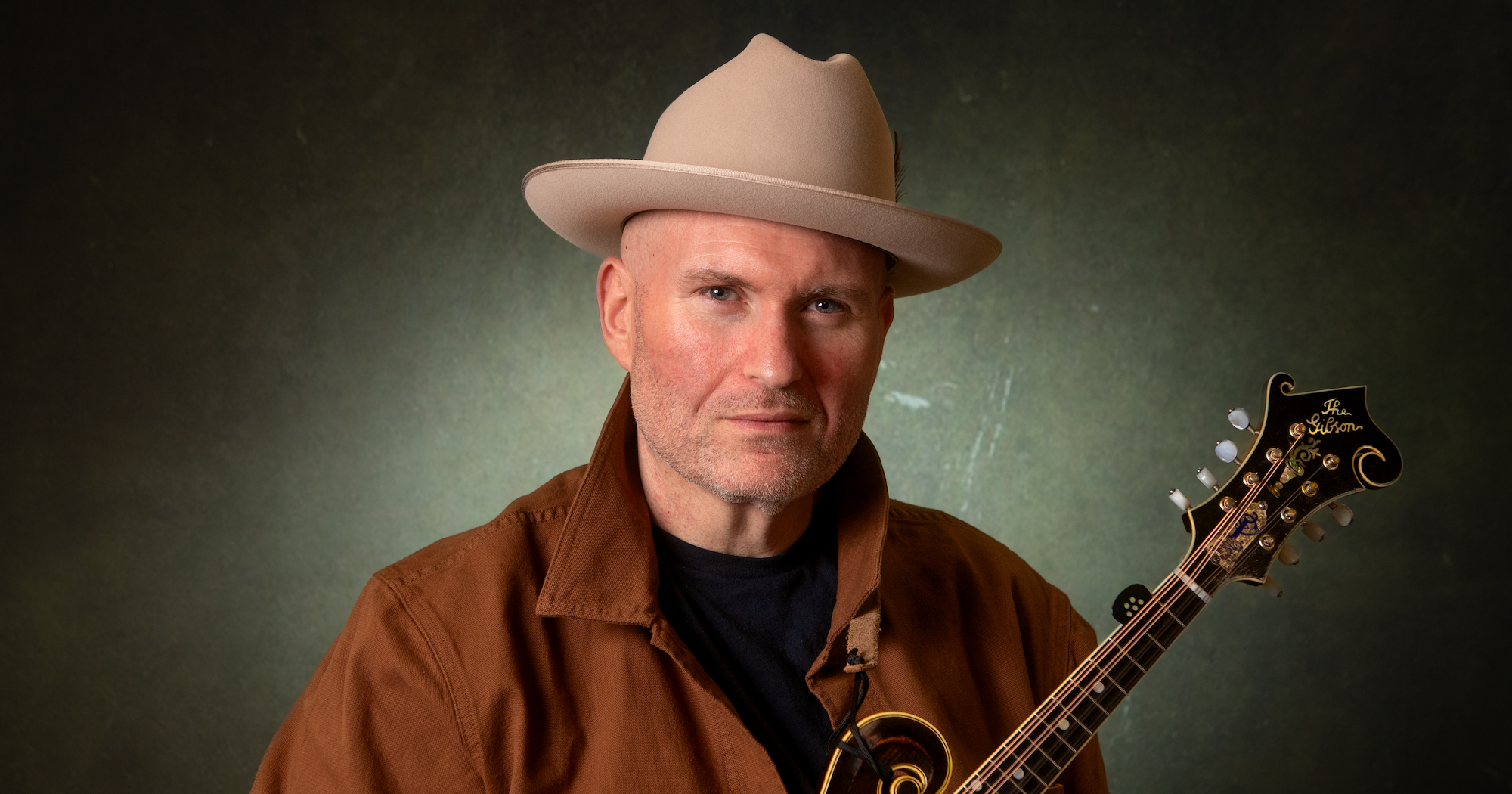
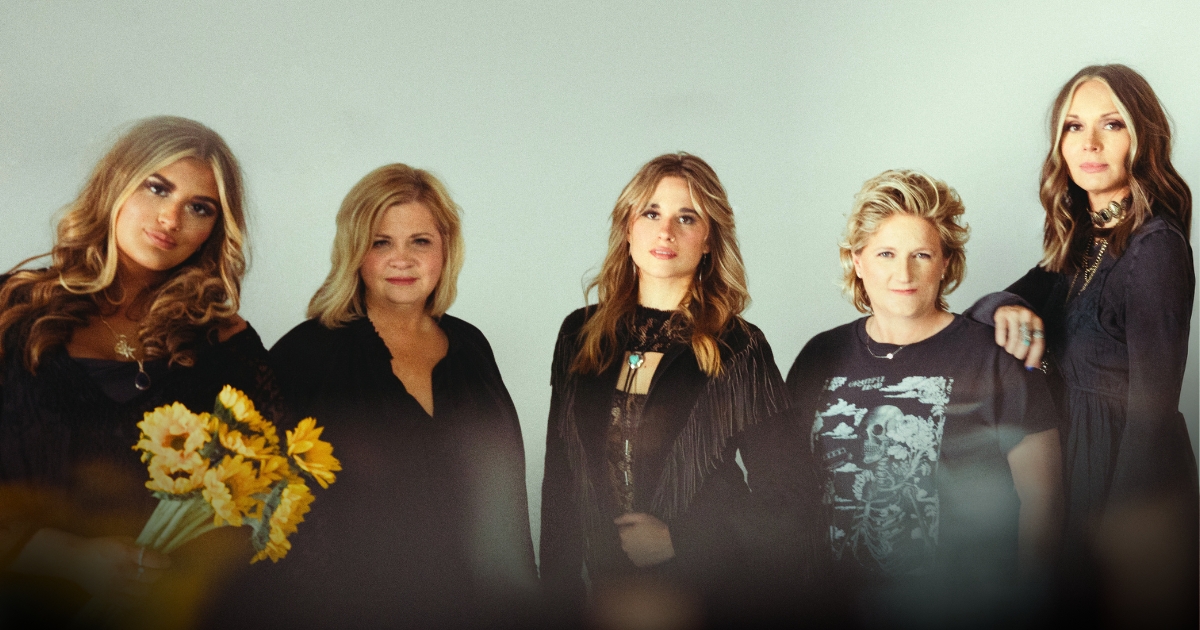
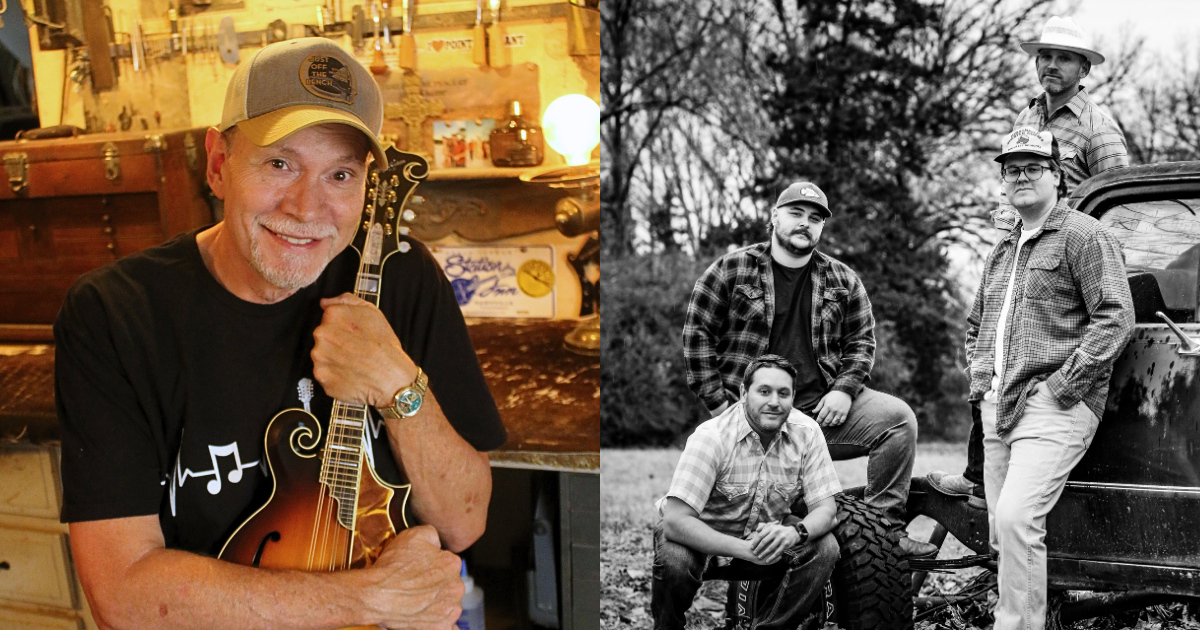
Photo Credit: Full Cord by Karuna Photo; the Arcadian Wild by Shelby Mick.
You Gotta Hear This: New Music From Danny Roberts, Midnight South, and More

Here’s your weekly dose of new roots music! You Gotta Hear This…

A perfect kick-off to the weekend comes from Dominique and the Diamonds, who are previewing their next single, “Cocaine,” ahead of its release next week. Perhaps frontwoman, singer-songwriter (and Honky Tonk Queen) Dominique Gomez, isn’t the “crazy party girl” she once was, but she channels fun rockin’ and rollin’ party energy in full force on the country-folk number.

Next up, Matt Jones and the Bobs share a video for “The Weight of the World,” out today. No matter the burdens we all carry, the song offers a message of hope and resilience. As Jones puts it in talking about the song with BGS, “The song looks at struggle not as defeat, but as a universal weight we all carry and the beauty of having someone there to help lighten the load.” It’s certainly a timely message.

For a little rockabilly-steeped Americana, Arkansas-based country group Midnight South give us an exclusive preview of their upcoming single, “Curves in a Square Body,” set for release next week. Dripping with nostalgia and built around a solid country hook, it’s a twang-ful number perfect for putting the pedal to the metal – even if you don’t happen to be lucky enough to be driving around in a square body. Add this one to the list of actually good country songs about trucks.

Capping off our roundup today is bluegrass mandolinist Danny Roberts, whom you may recognize from The Grascals. Roberts’ brand-new album The Winding Road Leads Home is out today, so we’re celebrating by sharing a lovely and sweet instrumental number – with a funny title, “Tologna Bologna.” (That’s pronounced “Tony Baloney,” per Danny.) If you’re more familiar with the mandolin as a barn-burning instrument, Roberts often shows the depth and breadth of the instrument, as he does on this track.

We’ll let you go so you can get to listening! You Gotta Hear This.

Dominique and the Diamonds, “Cocaine”

Artist: Dominique and the Diamonds
Hometown: Los Angeles, California
Song: “Cocaine”
Album: Honky Tonk Queen
Release Date: May 29, 2026 (single); June 26, 2026 (album)

In Their Words: “‘Cocaine’ is loosely based on a true story. I was a broke and debaucherous 20-year-old in San Francisco with a dealer who incessantly kept asking me out. I started to imagine how my life would have turned out if I did end up going on those dates with him. The song basically wrote itself from there. I’m nowhere near the crazy party girl I once was! But I wanted this song to be the perfect blend of country and rock ‘n’ roll as an ode to that era of my life. ‘Party girl Dom’ was a mess, but I don’t regret a single thing about her.” – Dominique Gomez


Matt Jones and the Bobs, “The Weight of the World”

Artist: Matt Jones and the Bobs
Hometown: Salem, Virginia
Song: “The Weight Of The World”
Release Date: May 22, 2026

In Their Words: “‘The Weight of the World’ reflects on life’s burdens and the quiet strength it takes to face them, while honoring the friends who help shoulder what we can’t. The song looks at struggle not as defeat, but as a universal weight we all carry and the beauty of having someone there to help lighten the load. It is a song about struggle, resilience, and the quiet beauty of friendship, sitting at the emotional center of everything the band has worked toward since their return. For the listeners who have been with them since college and those discovering them now, the message is the same: your story matters, even the hard parts. We have lived that truth, and we are finally ready to tell it in full.” – Matt Jones

Track Credits:
Matt Jones – Vocals, acoustic guitar
Pat Keefe – Electric guitar
Jonthan Crandall – Piano
Trevor Creany – Drums
Andrew Carper – Bass guitar

Video Credits: Matt Jones, Jonathan Crandall, Kevin McNeill


Midnight South, “Curves in a Square Body”

Artist: Midnight South
Hometown: Little Rock, Arkansas
Song: “Curves in a Square Body”
Release Date: May 29, 2026
Label: Rock Ridge Music

In Their Words: “We started with this simple idea of contrast – curves set against a square body – and it just sparked something that felt bigger than the visual. Like a lot of our songs, it naturally drifted into something nostalgic and before we knew it, we were writing about that first truck and all the memories tied up in it.

“From the beginning, the energy of the track pushed us to keep things lively and fun and that really carried through the entire process. Working with Ben Jackson took it to another level – he helped us shape the sound and brought a clarity and punch to the production and mix that really made the song come alive. It’s one of those tracks where everything just clicked in the studio and you can hear that excitement in the final version. We chose it as a single because it feels like a perfect snapshot of who we are right now – high energy, rooted in storytelling, and not afraid to lean into a little nostalgia. At its core, it’s about holding onto those early moments that define you and realizing how much they still ride with you today.” – Darin Davis

Track Credits:
Ben Jackson – Percussion, producer, engineer
Darin Davis – Drums
JL Jones – Acoustic guitar, background vocals
Billy Lowe III – Electric guitar, background vocals
David Tidwell – Bass
Steve Hinson – Pedal steel guitar
Wil Houchens – Keyboards, Hammond B3 organ
Matt Sammons – Lead vocals


Danny Roberts, “Tologna Bologna”

Artist: Danny Roberts
Hometown: Nashville, Tennessee
Song: “Tologna Bologna”
Album: The Winding Road Leads Home
Release Date: May 22, 2026
Label: Mountain Home Music Company

In Their Words: “When I wrote this tune, I had my great friend Tony Wray in mind. He’s played on all of my records and has helped me arrange much of my music, so I wanted to name it for him. If you listen closely to the melody, you might catch a little nod to the old Oscar Mayer bologna TV commercial – which is where the spelling ‘Tologna Bologna’ comes from. (I say it ‘Tony Baloney,’ though.) I hope you enjoy ‘Tologna Bologna,’ and make sure to check out my new album The Winding Road Leads Home that’s out today!” – Danny Roberts

Track Credits:
Andrea Roberts – Bass
Tony Wray – Acoustic guitar, banjo
Danny Roberts – Mandolin
Adam Haynes – Fiddle


Photo Credit: Danny Roberts courtesy of the artist; Midnight South by RK Barger Photography.

Darren Nicholson Wants His Style of Bluegrass to Sound Different

Over the past twenty-some years, Darren Nicholson has played mandolin all over the world – whether with Alecia Nugent, as a member of Balsam Range (a group he co-founded), or on his own (with or without a band). No matter where he traveled, you can be sure that Nicholson was bringing Western North Carolina with him. Nicholson was born, raised, and still lives in the area.

When BGS caught up with Nicholson, he was home in Canton, N.C., a town about 20 miles west of Asheville. It’s a region that he feels has been a bit overlooked in music history. “The oldest folk festival in the country [Mountain Dance and Folk Festival] is held in Asheville,” he shares. “There were recordings that happened in Asheville before the Bristol Sessions.”

The area he pointed out, despite its remoteness, also has been home to many significant musicians – as well as developing a dance-friendly style of bluegrass that drew from many different styles.

Nicholson’s love for the area has led to a rather unique sponsorship for his tour van and trailer. Through a friend he met with representatives of the Avalon Mountain Community, a private mountaintop neighborhood and development in the hills of Western Carolina. Nicholson calls it a “win-win” situation as he receives some financial support for touring expenses while Avalon now has a “rolling billboard.” “I even wrote a jingle for them,” he states.

Nicholson will be traveling around this year touring a fine new album, Lonesome Trails and Tall Tales. He counts it as either his fourth or sixth solo effort, depending on whether you factor in two EPs. Lonesome Trails and Tall Tales arrives after several particularly eventful years for Nicholson, including leaving his longtime band Balsam Range, getting sober, and acquiring a prized 1923 Lloyd Loar mandolin – all among the topics that he was more than willing to talk about with BGS.

How does your new album Lonesome Trails and Tall Tales tie in with your earlier albums?

Darren Nicholson: My records have a sound, you know. I’ve always been pretty much consistent – besides an electric country EP – doing the music that I consider my style of bluegrass or the bluegrass that I grew up on, which is to me the traditional bluegrass of the ’60s. Having a producer like Carl Jackson in the early days influenced how I made records, because Carl had played with Jim & Jesse and he came out of [when] an entire bluegrass movement had almost a country kind of feel to it. I love the sound of those records. And it was partly because I grew up in Western North Carolina and there’s a huge dance element here – the square dance music.

The old-timey driving style of rhythm with that light percussion – like Jimmy Martin, Flatt & Scruggs, the Osbornes – that really fits in with people who danced. And the modern kind of bluegrass – like the Alison Krauss style of bluegrass, which is amazing – does not lend itself to dancing. The modern style of bluegrass that was really kind of heavy on the one and three beat, and then the older style of bluegrass, which was very much more even, rhythmically.

And how does the new album differ from your prior ones?

What separated this particular recording from the others is just my growth as a songwriter… I was picking what I thought were the best songs I had or songs that were different from each other. A lot of times… [with] the way things are being mass produced now, if Nashville finds one song that’s a hit, they’ll write 10 more just like it for all the other artists. So they all start sounding the same.

To me, all the great artists of yesteryear, all their material was different. Their sound was different. Instead of just finding something you could mass produce, make a buck on, and then hop on to the next thing, they were actually creating art and trying to artistically be different. That was what was good about it.

So [in] the same way, I try to pick songs in my set. I don’t want to play five songs in a row that sound the same. Otherwise, it’s boring – I see bands do it all the time. They kick off in [the key of] B and they play five songs that could basically be the same song, you know? I understand why people who are non-bluegrass fans will go, “You know, all bluegrass sounds the same.”

I tried to pick six songs that were completely opposite from each other, so when you go down track by track, it’s a different journey and it doesn’t bore the listener. Every song is a different tempo, it’s a different groove, it’s a different key, it’s a different vibe, and so that’s how I put records together.

Were these songs ones that you’ve accumulated over the last couple years or are they all a recent crop of songs?

A few of them were really old and a few of them were really new. “Big Sky” has been around for a few years and I wrote it with Charles Humphrey. I thought it was “okay,” and this shows you how off-base I can be sometimes.

I’m driving to a gig one day with my buddy Kevin [Sluder]. He plays bass with us. It was a solo gig, but he was just riding with me. We’re listening to songs and Kevin goes, “That song is amazing. You’re an idiot if you don’t cut that song.” I was like, “That song? It’s okay.” He goes, “No, that song’s more than okay. That song is special. You need to cut that.” I took this batch of songs to Jeff Collins, who produced the record, and that was one of the first ones he picked. And sure enough, radio played it. Banjo Radio wore that song out. If it were up to me, I would have probably left that one on the pile of demos.

One of the newer ones was “Eager Overachiever.” I’d just written that song with Andrew Blythe. It was so fun. Every time I would sing it for somebody, they loved it. It’s a funny song about addiction.

It made me laugh, and the song also shows a lot of personality.

That’s the point, you know. That song has personality. One of my favorite artists [growing up] was Roger Miller and he would sometimes do these spoken pieces. Especially in country music, sometimes there would be recitations or things would set up songs. It was interesting and just funny, you know.

Can you talk a little about the music traditions of Western North Carolina where you grew up?

There’s a definite style. If you go across the country, there’s little pockets of bluegrass that have their own sound, for sure. But Western North Carolina and this region was so rural and cut off… If it’s 120 years ago and you’re in the mountains of Western North Carolina, people would walk for 10 miles to get to a barn dance or some place on Saturday night. And the band would be whoever showed up. It might be a banjo and guitar. It might be fiddle and banjo. But it changed the way you played. When Doc Watson plays his leads, he also plays his rhythm; he’s playing lead and rhythm at the same time. Where modern players who have a whole band behind them, they’re like playing rhythm and then when it comes time to take their solo, it’s a whole different mindset.

As [the area] grew and people got together more and more, they still played the same way. They passed it down from generation to generation, that strong sense of rhythm and timing that is a trademark for Western North Carolina. Look at Marc Pruitt and Steve Sutton; you know, Jason Burleson is from Western North Carolina. Doc Watson, Earl Scruggs, Mark Kuykendall, Tom McKinney, Mike Hunter – all of these amazing players are from Western North Carolina. Randy Davis – Bill Monroe introduced him every night for five years: “He’s the man from Asheville, North Carolina; he’s the man with perfect timing.”

At these musical gatherings in Western North Carolina, you’re describing how people frequently would bring whatever instruments they had – acoustic or electric. And it wasn’t doctrinaire about what a bluegrass instrument had to be.

Yeah, it was community. And I’m going to say this, and I don’t care to say this because I’m from here and I’m from generations and generations of people who play this music. It’s always somebody who got into bluegrass in college or they got into it older, and they’re not even from this area. It’s somebody that’s from New York or from California or from Oregon. They write articles, and they become self-proclaimed experts of bluegrass. And they say, “Well, this is bluegrass and this isn’t bluegrass.”

They didn’t come from generations of this music. They don’t know. They’re not at the epicenter of where it came from and how it started, but they’re always the ones who try to dictate. And then most of the time, they don’t even play. But that’s their way of being involved in the music somehow. It really hurts the music because any time you start segregating something, you’re just keeping somebody [out]. That’s not how this music started.

Do you think Earl Scruggs said, “I’m not going to play if there’s an electric bass here”? You know what I mean? Look at the people who created the music: Earl Scruggs, the Osborne Brothers – they had electric bass. They had drums. But there’s somebody, who’s basically a yuppie, who is trying to tell us what the music is. I do take offense to that.

That’s why the Gibson Brothers have that song called “They Called It Music.” That’s great. I love that because that’s what it was. It’s like, they just called it music. We got together and made music and everybody was welcome. And it sounded like bluegrass. It sounded like country. It sounded like old-time. And it’s just sad. It’s like bluegrass has almost tried to put too fine a point on itself. And it’s almost made itself smaller because of that.

To me, sometimes it feels like the more I write or listen to music, the less I know, in a sense – or, the more I learn, to say it another way.

That’s how we all should be. We should remain a green tomato. If we’re red, we’re done, right?

If I moved out to Seattle – I really enjoy grunge. And if after five years, I read about grunge as much as I could, all of a sudden I know more than the people who created it? But I see that happen [with bluegrass], you know. It’s almost like someone is such a fan or likes this so much that they take ownership to a point where they’re hurting it. It’s like a pet. They’re holding it and petting it so much that they’re actually hurting it.

Bluegrass can look like a lot of different things and so there’s different styles depending on the regions, too.

I was wondering who are the main musicians that have influenced your mandolin playing?

Basically, there are four guys who are on my Mount Rushmore of mandolin. Country music or bluegrass or whatever in roots music – and that’s Bill Monroe, Jesse McReynolds, Bobby Osborne, and Jethro Burns.

Every modern style has come out of those four guys or a combination of those guys. That’s where David Grisman, Ricky Skaggs, Doyle Lawson, Sam Bush, [were all] influenced by those. So, there are some songs that I try to sound like Bill Monroe and there’s some songs I cross-pick like Jesse. Then there’re some songs I play more fiddle-note stuff like Bobby and then there’re some songs that get a little swingy and jazzy and I’m channeling my Jethro, you know?

Those guys kind of set the landscape. My big influence, as far as players that I got to see and got close to, is Mike Hunter in Western North Carolina. He was a huge, huge influence. He was an incredible mandolinist.

You have said you tend to let the song guide you and not to impose a style on it. Did this approach come from someone’s advice or was it something you learned along the way?

I had a mentor named Steve Sutton. I started playing with Alecia Nugent in 2004 and Steve was the bandleader. He got me that job. During that time, musicians would come through in little waves, like in five-year clusters. A lot of my peers were Aaron Ramsey, Ashby Frank, Andy Ball, Jesse Cobb, and so there were a bunch of guys during that time. Not all of them are Adam Steffey clones, but a lot of my peers were influenced heavily by Adam Steffey.

It’s like, who can play like Adam Steffey? You can get close, but you’re not going to beat the guy. So, my mentor told me, “All of these other people are in that vein. You would be way ahead to do your own thing and just sound like yourself. You won’t mess up as much either, because instead of thinking about what somebody else did, you’re actually thinking about what you’re doing. So, your brain is actually in the moment with your hands.… Try to play what fits the song and instead of trying to settle into a style – just play what the song or the band needs.”

And, you know, I just never turned back from that. He really helped me with that. Then, all of the sudden, too, if you sound like yourself and everybody else is going after this other thing, then you’re a peacock in a room full of chickens.

A couple years back, you acquired a rare 1923 Lloyd Loar mandolin. How are you enjoying it?

Oh, it sounds incredible. It’s a hundred-year-old wood. You can’t replicate that. Ferdinand [named after the mandolin’s original owner] hadn’t really been played until I got it, but I’ve played it quite a bit. You can play that thing for just a few minutes and it’s just singing. It’s just unreal.

It gets better and better every minute that you play it. It’s balanced. It’s loud, but it’s also got these real pretty, sweet tones in it. It’s just a pretty magical instrument. It’s a life-changing instrument, for sure. It’s a rare bird amongst rare birds.

Early in the pandemic you got sober, which you’ve been quite open about. How has this changed your life?

Getting sober, I had all this time on my hands and I started getting productive. I started recording, writing songs, and all of a sudden, after all these years, I felt my creativity. I started throwing all my time into healthy things… I had my life back. I had my time. I had my energy. I had my mind, my spirit – all that came back because of sobriety.

So, I talk about it because I think talking about it is a great way to maybe touch someone who’s maybe struggling with it out there, you know? Give them a little shot in the arm and say, “You know what? If that poor bastard can do it, I can do it too.”

That was around the time you left Balsam Range too?

When I left that band, people were like, “Why would you leave a high-profile band?” And it’s like, there’s more growth over here [going solo]. The last year I was with them, we went on about 20 dates and I did about 160 dates on my own. I wasn’t stagnant anymore. A band has been together for a long time, people request the same songs and you’re playing the same songs all the time.

The pandemic also resulted in you having something of a revelation about performing music, right?

I found myself doing house concerts for 20 people, and they’re people who saw me on huge stages with Balsam Range. They would cry because they’d never experienced bluegrass like this. I’m like, “Well, this was how it was intended.” This was how it was created in these houses a hundred years ago in the mountains of Western North Carolina — community people entertaining each other.

So, there’s that. Then there’s sobriety. And then there’s like, “Wait a minute, am I doing this for my ego to get famous or am I doing this to be healthy and be part of a community?” It all goes together. Like, I talk about my sobriety to help others. I want to use my music to impact others.

If we do it with a good heart and the right intentions, all that other stuff will fall into place. We want to play anywhere. We’ll go and we’re ready. We’re road ready. We’ve got original music; we can do covers; square dances… I want to be the Bob Wills of Bluegrass.


Photo courtesy of the artist.

You Gotta Hear This: New Music From Don Williams, Victoria Bailey, and More

This week it’s absolutely packed in our weekly roundup of new roots music! You Gotta Hear This…

From the Blue Ridge Mountains of Western North Carolina, the Asheville Mountain Boys kick us off with a new performance video for “Don’t Take Me Back Again.” It’s a track from their debut self-titled album, which was just released in February. It’s straight-ahead bluegrass that will transport you right back to their beautiful home turf in Southern Appalachia. Also in bluegrass, from just down the ridge from NC in Boiling Springs, South Carolina, husband-and-wife duo Benson (Wayne and Kristin Scott Benson) have a new single out today, “Maybe It’s You.” Featuring their friend Heath Williams on the lead vocal, it’s a clean and crisp example of modern bluegrass with traditional bones.

You’ll also get to hear a lovely bluegrass-gospel-western rendition of a Randy Travis cut, “He’s My Rock, My Sword, My Shield” below, brought to us by Southern California singer-songwriter and roots artist Victoria Bailey. She effortlessly combines bluegrass, classic country, country & western, and gospel with her version of the familiar tune. The loping, cowgirl feel is just perfect. Plus, impeccable fiddler and multi-instrumentalist Andy Leftwich has a new album out today, Aced. To celebrate, we’re sharing “Crossville” from that collection, a tune from the catalog of Ricky Skaggs – Leftwich’s former boss, who’s a friend and a mentor – that has a transatlantic and somewhat Celtic feel. It features Leftwich on both fiddle and mandolin.

From further territory on the roots genre map, Paula Boggs Band calls on both Blind Boys of Alabama and Valerie June as special guests on their recording of “Ain’t Gonna Let Nobody Turn Me ‘Round.” Soulful string band folk is a perfect backdrop for the languid, marching track – one that remains all too timely and applicable in 2026. Watch a new lyric video for the song below and join the sing-along party, and the struggle for justice, too. Don’t miss Serafima and the Shakedowns’ paean to Seattle, the Queen of the Pacific Northwest. “Shivers” is a chill and vibing Americana track with lush guitars backing gentle ruminations on friendship, community, and place. Whether you have or haven’t felt the “shivers” in a while, this song will be there for you when you do again.

Keep scrolling, as there’s more gold to find. For instance, Gregory Alan Isakov and Sylvan Esso released a track together earlier this week, “Fade Into You.” It’s a lovely cover song of the cult favorite ’80s and ’90s alt-rock band Mazzy Star. For a while, Isakov wasn’t sure the track was finished – that is, until he called upon Amelia Meath of Sylvan Esso to complete the number with her vocals. Like Isakov, we love how it turned out. Finally, a legend of country music returns, posthumously, with a new album on May 29. Don Williams passed away in 2017, but his powerful legacy lives on. We spoke to his son, Tim Williams, about the latest single from Epilogue: The Cellar Tapes, a collection of found recordings made by Don himself dating back to the ’70s. The new single is an alternate version of a favorite track, “I’m The One,” that puts a magical focus on Williams’ vocals. You won’t want to miss it.

So much to love and enjoy is waiting for you below – You Gotta Hear This!

The Asheville Mountain Boys, “Don’t Take Me Back Again”

Artist: The Asheville Mountain Boys
Hometown: Asheville, North Carolina
Song: “Don’t Take Me Back Again”
Album: The Asheville Mountain Boys
Release Date: February 12, 2026 (album)

In Their Words: “‘Don’t Take Me Back Again’ is an original song written by our guitar player, Marshall Brown, and is featured on our new self-titled LP. Marshall brought the song to the group about a year ago and we had so much fun working it up into an early ’50s-style bluegrass song. Zeb and I wrote exchanging mandolin and banjo riffs for the song instead of normal solos; we felt that was an homage to how early Jimmy Martin songs would have more melody-based riffs than conventional solos. We shot the video at Asheville Guitar Pedals in West Asheville as sort of a tongue in cheek reference to our motto: ‘No Plugs No Pedals Only Bluegrass.’ We loved working with Rebecca Jones (video) and Carter Giegerich (audio) on this in-person, fully live take of the song. “ – John Duncan

Track Credits:
Marshall Brown – Lead vocal, guitar
Jacob Brewer – Tenor vocal, bass
John Duncan – Banjo, baritone vocal
Zeb Gambill – Mandolin

Video Credit: Videography by Rebecca Branson Jones, audio by Carter Giegerich. 


Victoria Bailey, “He’s My Rock, My Sword, My Shield”

Artist: Victoria Bailey
Hometown: Huntington Beach, California
Song: “He’s My Rock, My Sword, My Shield”
Release Date: April 24, 2026

In Their Words: “My cover of this Randy’s Travis gospel song, ‘He’s My Rock, My Sword, My Shield,’ truly sets the tone for where I am in music and with my faith. It’s been a few years since my album release (A Cowgirl Rides On) and I continue to grow a deep love for bluegrass and gospel. It only made sense to go in and record one of my all-time favorites by Randy Travis before I dive into my next record.

“This song was recorded live in studio with my bluegrass band at Station House Studio in Los Angeles, produced by my good friend Brian Whelan. It was a sweet reunion being back in that room and to honor such a beautiful, spiritual song. I often describe my sound as ‘a little bit gospel, a little bit bluegrass, and everything in between.’ This next single is a perfect recipe of all those things and I’m looking forward to more of it this year!” – Victoria Bailey

Track Credits:
Victoria Bailey – Vocals
Brian Whelan – Producer, lead guitar, BGVs
Ted Russell Kamp – Bass
Luke Adams – Drums
Philip Glenn – Fiddle
Leeann Skoda – BGVs


Benson, “Maybe It’s You”

Artist: Benson
Hometown: Boiling Springs, South Carolina
Song: “Maybe It’s You”
Release Date: April 17, 2026
Label: Mountain Home Music Company

In Their Words: “We love the tried-and-true themes of classic bluegrass songs. Cabins, farms, and mountains were relevant to the writers then. In fact, if you can find a new song that is reminiscent of those standards, it’s a real find. I think ‘Maybe It’s You’ is a nice representation of a modern bluegrass song, lyrically. Troubled relationships are timeless, but this is a contemporary take on that same theme.” – Kristin Scott Benson

“Heath Williams sang lead on ‘Maybe It’s You’ and we are so lucky to work with him. He has been a huge part of many Benson songs, like ‘Oh Me of Little Faith’ and ‘Lay ‘Em Down.’ He’s not from a bluegrass background, but is perfectly suited for it and has a really fresh, special take. In fact, Terry Herd, one of the co-writers, specifically mentioned him because Terry thought his approach would be ideal. After years of going to church with Heath and playing with him on occasion, it’s a joy to be recording with him now.” – Wayne Benson

Track Credits:
Heath Williams – Lead vocal
Wayne Benson – Mandolin
Kristin Scott Benson – Banjo
Cody Kilby – Acoustic
Kevin McKinnon – Bass
Zack Arnold – Harmony vocals


Paula Boggs Band, “Ain’t Gonna Let Nobody Turn Me ‘Round”

Artist: Paula Boggs Band
Hometown: Seattle, Washington
Song: “Ain’t Gonna Let Nobody Turn Me ‘Round” featuring Blind Boys of Alabama and Valerie June
Album: Sumatra
Release Date: March 27, 2026 (album)
Label: Boggs Media LLC

In Their Words: “Our cover of the civil rights anthem, ‘Ain’t Gonna Let Nobody Turn Me ‘Round,’ feels more relevant today than when we recorded it. To highlight its American roots heritage, we incorporated bluegrass instruments like banjo and fiddle. The featured artists, Blind Boys of Alabama and Valerie June, further enhance the song’s messages of hope and determination. The lyric video grounds the song in present times.” – Paula Boggs

Track Credits:
Paula Boggs – Lead vocals
Tor Dietrichson – Percussion
Jacob Evans – Drums, percussion
Darren Loucas – Acoustic guitar, Dobro, banjo, ukulele
Paul Matthew Moore – Acoustic piano, percussion
David Salonen – Upright bass, fiddle
Blind Boys of Alabama (Ricky McKinnie, Sterling Glass, J.W. Smith, Joey Williams) – Co-lead vocals
Valerie June – Co-lead vocals


Gregory Alan Isakov and Sylvan Esso, “Fade Into You”

Artist: Gregory Alan Isakov and Sylvan Esso
Hometown: Gregory Alan Isakov: Born in Johannesburg, South Africa; grew up in Philadelphia, Pennsylvania. Sylvan Esso: Durham, North Carolina
Song: “Fade Into You”
Release Date: April 16, 2026
Label: Dualtone

In Their Words: “I grew up listening to Mazzy Star and sort of sketched this song out one afternoon. I had read an article about Hope Sandoval (the singer of Mazzy Star) the week before and there was this paragraph about how she played a few shows at the Sydney Opera House in almost complete darkness. Some of the crowd was super disgruntled about it and walked out. I remember thinking, ‘Wow, what a hero.’ I sat on the recording I made for a long time, thinking it wasn’t quite finished, and reached out to Amelia of Sylvan Esso. She has one of my favorite voices of all time. Once I heard her on it, it felt ready. I really love how it came out.” – Gregory Alan Isakov


Andy Leftwich, “Crossville”

Artist: Andy Leftwich
Hometown: Carthage, Tennessee
Song: “Crossville”
Album: Aced
Release Date: April 17, 2026
Label: Mountain Home Music Company

In Their Words: “One of the greatest joys of playing music with Ricky Skaggs was getting a chance to jam on his original instrumentals! They all have great melodies and are structured in a way that gives you an opportunity to stretch out and push yourself. This song is certainly that. Ricky has always inspired me with his creativity and heart behind each note that he plays and I always looked forward to playing this one with him each night! It’s one of my favorites! I thought I’d pay homage to my friend and former boss by recording one of his wonderful compositions, ‘Crossville.'” – Andy Leftwich

Track Credits:
Andy Leftwich – Fiddle, mandolin
Byron House – Upright bass
Cody Kilby – Acoustic guitar
Matt Menefee – Banjo


Serafima and the Shakedowns, “Shivers”

Artist: Serafima and The Shakedowns
Hometown: Seattle, Washington
Song: “Shivers”
Album: Ride Easy
Release Date: April 14, 2026 (single); May 1, 2026 (album)
Label: BWGiBWGAN

In Their Words: “‘Shivers’ is an ode to Seattle, Queen of the Pacific Northwest – a cloud-soaked rumination that finds the song’s lonely voice wondering, is there anyone out there? My friends have left the city and I’ve heard I’m supposed to have a guardian angel – but where is she? Maybe she’s hiding behind the marine layer.

“This is a song about the city I grew up in, missing all your friends that have moved far away, feeling like they lied to you about stuff like having a guardian angel, and wondering if heaven is a real place – either up there or down here.” – Serafima Healy

Track Credits:
Serafima Healy – Vocals, guitar
Sam Burrows – Guitar
Joe McPhee – Bass
Jules Tennyson – Drums
Finn O’Hea – Trumpet
Aaron Khawaja – Piano
Jay Kardong – Pedal steel

Video Credits: Hand animations by Serafima Healy.


Don Williams, “I’m The One (Alternate Version)”

Artist: Don Williams
Hometown: Nashville, Tennessee
Song: “I’m The One (Alternate Version)”
Album: Epilogue: The Cellar Tapes
Release Date: April 17, 2026 (single); May 29, 2026 (album)
Label: Craft Recordings

In Their Words: “I remember this song very well from when I was 13-14 years old. I always loved the song. Obviously, Daddy did too, or there would not have been strings on it. Strings are always about the last thing before mixing (sometimes percussion). When I realized that it was one of the songs on the tapes in the cellar, I was excited. I did, though, want to take a crack at stripping it down a bit or making a little more room for Dad’s vocal, which was my intention and the approach I took. The original version is definitely cool and pretty complicated, actually, but I wanted a version that would be a platform from which maybe there’d be a little more focus on the vocals.” – Tim Williams, son of Don Williams


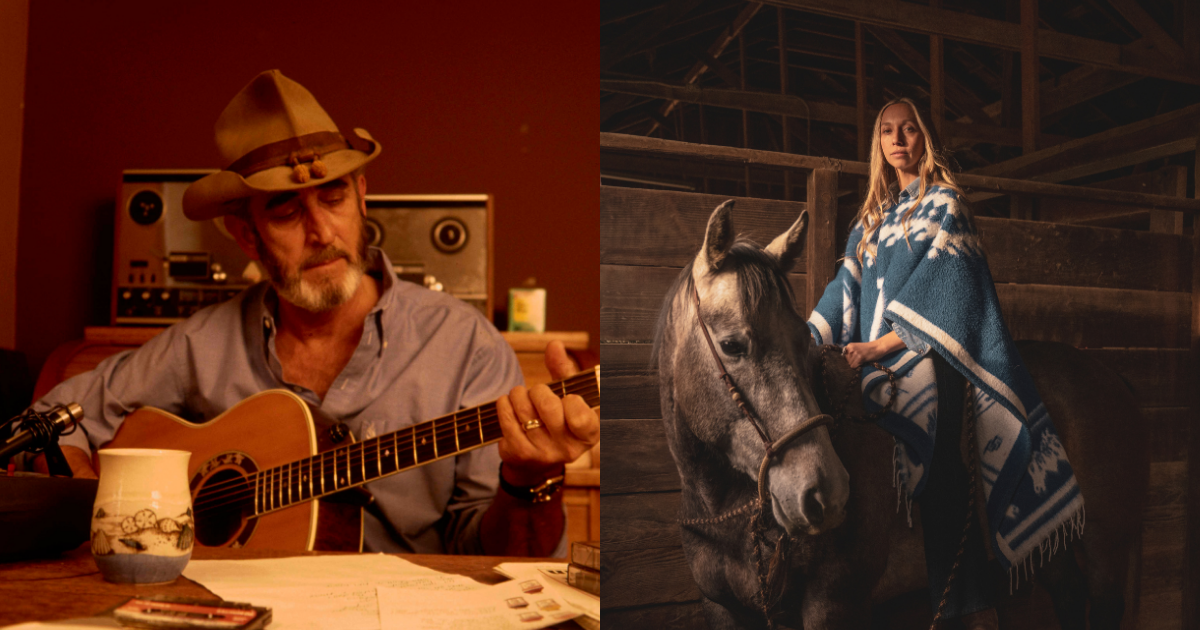
Photo Credit: Don Williams by Jim McGuire via the Grand Ole Opry Archives; Victoria Bailey by Dylan Gordon.

You Gotta Hear This: New Music From Dale Watson, Jonny Fritz, and More

You know what would be the perfect way to end the week? A bevy of new roots songs and videos! Well, we have just the thing – and You Gotta Hear This.

To start us off, South Carolina-based husband-and-wife duo Benson – Wayne and Kristin Scott Benson – deliver a brand new instrumental, “Slayton Court.” Inspired by Wayne’s first address when he moved to Nashville 30+ years ago, and their young adult son’s similar journey in the present, it’s a thoughtful and tender tune that’s lyrical and evocative. Their labelmates, Unspoken Tradition, who hail from just up the mountains from Benson, also debuted a new single today, “Rhythm of the Ridge.” Written by North Carolina native Milan Miller, it’s an excellent song built on regionality, community, and the importance of the cultures that birth roots music.

Keep scrolling, though, as there’s plenty to explore. Singer-songwriter Cuchulain offers an adorable, painstaking stop-motion video for his new single, “Flip Turns.” As he puts it, it’s a song for swimmers and/or folks trying to keep their head above water wrapped in smooth and jazzy, alt-Americana sonics. New Jersey singer-songwriter Sean Kiely kicked off 2026 with a brand new track featuring his friend and hero, Kaia Kater. We’re pleased to share a live performance video of “This Is The Year,” a perfect song for starting the new calendar year on the correct foot.

Los Angeles stalwart Jonny Fritz returns to his most recent album, Debbie Downers, to offer all of us a woodwinds version of that critically acclaimed LP coming in April. Today he unveils the first delightful woodwinds version from the reimagined collection, “Tea Man,” featuring clarinets, bass clarinet, flute, and Fritz holding it all together himself. For a dose of old-time, check out “Cheeky F” by George Jackson’s Local Trio. Stemming from the tradition of Texas-style old-time fiddling and melodies, Jackson, his trio-mates, and guest guitarist (and producer) Stash Wyslouch pick through the swinging and acrobatic pizzicato head with “Flight of the Bumblebee” aplomb.

To round out our roundup this week, we get a healthy dose of alliterative outlaw country from Ameripolitan crooner Dale Watson. “Willie, Waylon and Whiskey” brings alt-country, the Bakersfield sound, and psychedelic surf rock together as only Watson could. The track is driving and frenetic, leaning forward in the beat and referencing so many classic lines, melodic hooks, and tracks from his fellow outlaws. Would country be country without self-referential songs? It’s hard to imagine.

From bluegrass and old-time to folk and outlaw, there’s plenty to enjoy this week on BGS. You Gotta Hear This!

Benson, “Slayton Court”

Artist: Benson
Hometown: Boiling Springs, South Carolina
Song: “Slayton Court”
Release Date: January 23, 2026
Label: Mountain Home Music Company

In Their Words: “‘Slayton Court’ was the first address that I had when I moved to Nashville, Tennessee, around 1993 with my good buddy Greg Luck. This instrumental is inspired by kind of reflecting on that time when you first gain your independence. For me, I was a young working musician for the first time playing with IIIrd Tyme Out. And you fast forward all these years and now I have a 19-year-old son going through a similar season. We were going to make a slideshow to document those years, especially with his activity as a young angler and going into the world of college fishing. As we made that slideshow it felt like this same melody would serve as great background for that, as well. I hope you guys enjoy ‘Slayton Court.'” – Wayne Benson

Track Credits:
Wayne Benson – Mandolin
Kristin Scott Benson – Banjo
Cody Kilby – Acoustic guitar
Kevin McKinnon – Bass


Cuchulain, “Flip Turns”

Artist: Cuchulain
Hometown: Rock Hill, South Carolina, but currently live in Ithaca, New York. This was recorded in Eugene, Oregon, though, which was our hometown for the past five years.
Song: “Flip Turns”
Album: It’s Always Something
Release Date: January 23, 2026 (single); April 3, 2026 (album)

In Their Words: “‘Flip Turns’ is a song for swimmers, for folks keeping their head above water. Written between swim breaks on summer tour 2024 and recorded live last January 2025, this song was our Tiny Desk Contest submission last year. I’ll be touring East Coast listening rooms in April 2026 to support It’s Always Something, the live in-studio album for which this is the lead single. A stop-motion music video accompanies the single release. The video took me most of fall 2025: I hand-felted the figures, constructed sets, and filmed frame by frame on my phone during my newborn daughter’s nap breaks. Equally at home on a coffee shop playlist or swimming workout playlist, the songs on this album are meant to be photographs of what my Oregon band sounded like at our peak, and love letters to hopeless romantics trying to make sense of this wild world.” – Cuchulain

Track Credits:
Paul Carberry – Bass
Malcolm Orr – Drums
Poom Aempoo – Clarinet
Tom Whaley – Trombone
Cuchulain – Vocals, guitar, songwriter

Video Credits: Video by Cuchulain, color by Ashley Barry.


Jonny Fritz, “Tea Man”

Artist: Jonny Fritz
Hometown: Los Angeles, California
Song: “Tea Man”
Album: Debbie Downers – Woodwinds
Release Date: January 20, 2026 (single); April 3, 2026 (album)
Label: Gar Hole Records

In Their Words: “I love woodwinds and have wanted to make this type of record for as long as I can remember. I’ve had this vision of clarinets playing chicken pickin’-style telecaster solos. Just imagine a Jerry Reed covers album played with clarinets and piccolos. There’s something about the staccato tonguing of a reed instrument that seems to me as enjoyable as playing roadhouse country solos. I’ve never played one, so I don’t know, but I do think about it all the time. I couldn’t be happier to finally hear it out loud and share it with the world.

“The version of this record I brought to Andrew Conrad was very different from what it became. My version was ‘Twinkle Twinkle Little Star’ and he made it into ‘The Star Wars Theme’ (or something like that). He was so clearly overqualified for the job and it made me appreciate him even more.” – Jonny Fritz

Track Credits:
Jonny Fritz – Vocals, songwriter
Christine Tavolacci – Flute
Andrew Conrad – Clarinets
Michael Mull – Clarinets
Brian Walsh – Bass clarinet


George Jackson’s Local Trio, “Cheeky F”

Artist: George Jackson’s Local Trio
Hometown: Originally, Christchurch, New Zealand. Now, Madison, Tennessee
Song: “Cheeky F”
Album: Center Of The Universe
Release Date: January 26, 2026 (single); February 13, 2026 (album)
Label: Adhyâropa Records

In Their Words: “I was inspired by the way Texas-style old-time fiddlers hide all sorts of weird notes on upbeats, so this was a bit of a riff on a Texas-style tune and seeing how many non-chord notes I could hide around the melody on weak beats. Stash took a break from producing in the control room to join us with some driving rhythm guitar, which really helped channel the Texas-style energy. I’m really happy with some of the spontaneous energy that we were able to capture in this take, a real edge-of-your-seat, improvised, studio take.” – George Jackson

Track Credits:
George Jackson – Fiddle
Frank Evans – Banjo
Eli Broxham – Double bass
Stash Wyslouch – Guitar


Sean Kiely, “This Is The Year” Featuring Kaia Kater

Artist: Sean Kiely
Hometown: Jersey City, New Jersey
Song: “This Is the Year” featuring Kaia Kater
Release Date: January 1, 2026
Label: Multiple Logo

In Their Words: “I’ve been working on a new record since the fall and I was thrilled that Kaia Kater joined us on ‘This Is the Year’ singing and playing banjo. She elevated the tune so much, both in the vocal and in the groove of the banjo with the band. It came together really naturally and quickly, so we decided to release it on New Year’s Day, even as the rest of the album is still taking shape.

“I have a long list of favorite things about my friend and hero Kaia, but two in particular are her songwriting and her posture as a performer – the self-possession and power that’s just so right-there in everything she sings. They’re qualities I’m reaching for, so having her bring that craft to something I wrote was so rad.

“This video from the afternoon of New Year’s Eve is actually the first time we ever played the tune just as a duo and I gotta say it was no less exciting (and fun) to sit and pick ‘This Is the Year’ on Kaia’s couch just the two of us.” – Sean Kiely


Unspoken Tradition, “Rhythm of the Ridge”

Artist: Unspoken Tradition
Hometown: Western North Carolina
Song: “Rhythm of the Ridge”
Release Date: January 23, 2026
Label: Mountain Home Music Company

In Their Words: “The first time I heard the demo of ‘Rhythm of the Ridge,’ I realized it was as deeply meaningful for me as it was for Milan [Miller]. I grew up in an immigrant family and straddling two worlds. The mountains of Appalachia are where I found the inspiration to write my American story. It feels timely to tell a story of grounding ideals and identity in a time where external forces attempt to rend us further away from each other. Just as the culture of my family’s home is written on their hearts long after they left it, so too is the ‘Rhythm of the Ridge’ on my own.” – Sav Sankaran

“Although it wasn’t my original intention when I began writing ‘Rhythm of the Ridge,’ the song quickly took on a deeply personal narrative as the lines started falling into place. I left the mountains of North Carolina for Nashville almost 30 years ago, yet home is a melody that follows you long after you leave it – a rhythm in your bones and blood that quietly keeps time. This isn’t a song about longing or looking back; it leans into a sense of place that steadies you and guides you through new endeavors and experiences. Fully adept at honoring the traditions of bluegrass while championing material that feels fresh and forward-thinking, Unspoken Tradition has become one of my favorite bands to emerge in the genre over the past decade, and I am beyond thrilled that they’re adding ‘Rhythm of the Ridge’ to their stellar catalog.” – Milan Miller, songwriter

Track Credits:
Audie McGinnis – Acoustic guitar, harmony vocal
Sav Sankaran – Upright bass, lead vocal
Tim Gardner – Fiddle, harmony vocal
Ty Gilpin – Mandolin
Zane McGinnis – Banjo


Dale Watson, “Willie, Waylon and Whiskey”

Artist: Dale Watson
Hometown: Austin, Texas
Song: “Willie, Waylon and Whiskey”
Album: Unwanted
Release Date: January 23, 2026 (single); April 24, 2026 (album)
Label: 40 Below Records

In Their Words: “This song was written on stage in San Antonio at the Lonesome Rose Bar. Inspired by a large man standing in front of me all night because he was wearing a shirt that simply said ‘Willie Waylon and Whiskey.’ I asked if it was a band name or a song name and he just said, ‘No, I just saw it in Walmart and liked it.’ Well, I liked it, too, so I wrote the song on the spot. I knew it would be a keeper when by the second time the chorus came around the entire crowd was singing it with me.” – Dale Watson

Track Credits:
Don Pawlak – Steel
Manny Pagan – Drums
Zack Sapunor – Bass
Dale Watson – Vocals, guitars, songwriter
Matt Hubbard – Keys


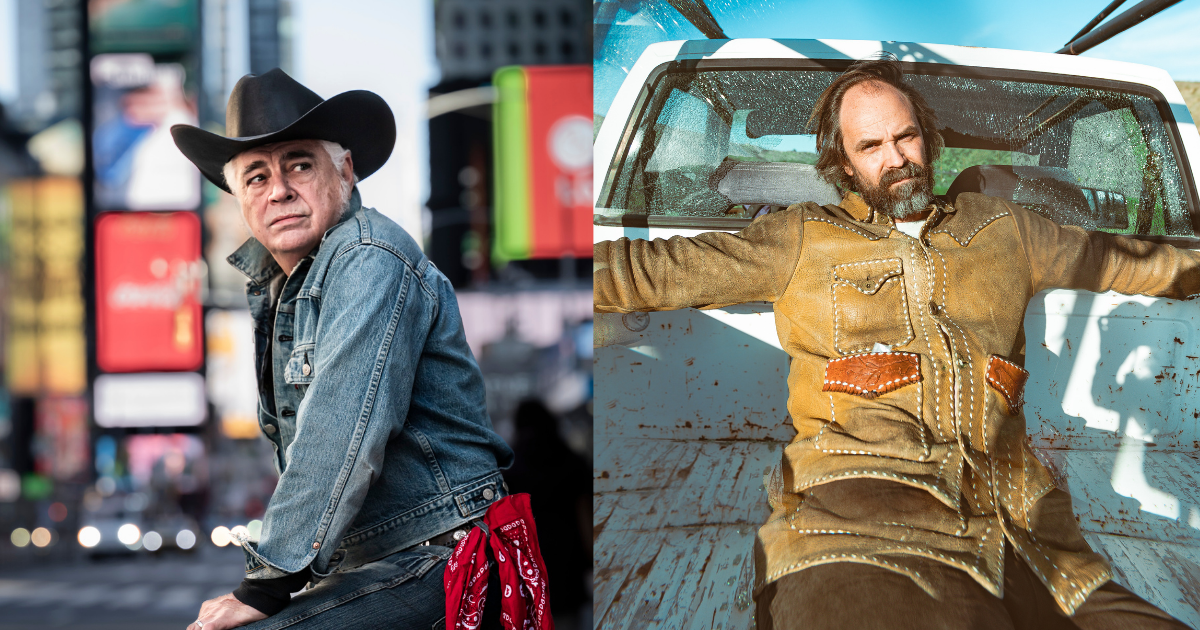
Photo Credit: Dale Watson by Jacob Blinkenstaff; Jonny Fritz by Bobbi Rich.

Award-Winning Bassist Vickie Vaughn Is Ready to Travel On

If you’ve listened to bluegrass made in the last decade, odds are you’re not only familiar with but absolutely enamored by the utter powerhouse that is Vickie Vaughn. Named the IBMA Bass Player of the Year thrice in a row (2023, 2024, & 2025), Vaughn has established herself as more than a class act – she’s an integral anchor of today’s bluegrass scene and beyond. Presently touring with the acclaimed all-women supergroup Della Mae, Vickie has a slew of accolades under her belt, having sung background vocals with Patty Loveless, toured with High Fidelity, and collaborated with just about every esteemed bluegrass musician under the sun.

November 21, 2025 saw Vaughn set sail unto uncharted waters with the release of her debut full-length solo album, Travel On. Released by Mountain Home Music Company, Vaughn deploys an all-star cast to bring her dynamic compositions to light. The record features guest vocals from Ronnie McCoury, Casey Campell on mandolin, Wes Corbett on banjo, Cody Kilby on guitar, Dave Racine on drums, harmony vocals from Justin Hiltner, Lillie Mae, and Frank Rische, and fiddle from Deanie Richardson, who also serves as the record’s producer.

Travel On champions Vaughn as its frontwoman, a role she hasn’t chronicled in studio since her six-song EP came out a decade ago. Her songwriting is full of dynamic abundance, from the deeply stirring gospel song “The Pilot,” to the absolutely raging “Sleepin’ in the Rain” to the emotive and heartfelt “Mama Took Her Ring off Yesterday.” Vaughn manages to strike a full range of emotions throughout the album’s thoughtful arc, a narrative bound by her buoyant relationship to both rhythm and melody alike.

Ahead of the album’s release, BGS had the unmatched pleasure of sitting down with Vickie Vaughn for a chat about Travel On, music, machinations, musicianship, and more.

Congratulations on the album release! I want to hear all about Travel On, but I’m wondering if you’d be able to take us back to the start for a bit and tell us about your personal musical history.

Vickie Vaughn: Oh golly! I started really early because of my cousins, who I adored growing up. I really looked up to them and they were just great singers who sang all the time and could play piano and guitar. I grew up in a Baptist church. When I was little, maybe six years old, the preacher’s wife found out that I could sing, so she asked me to come sing in the choir. I grew up singing in church and then when I was nine years old, back in Kentucky where I’m from, I got hired as a background vocalist. I know it sounds insane – I’m so normal now, but I was like a freak kid! I could hear harmony and sing every part. When the guy running the Kentucky Opry found that out, I was hired as a kind of novelty act at nine years old. I was there every weekend from when I was nine to when I moved out at 17 as a resident female vocalist and background vocalist.

As for the instrument side of things, my parents had me play classical piano and I hated it so much. I honestly got into bluegrass kind of late for a bluegrass musician – around 14. You know, Sierra Hull, Kimber Ludiker – they started when they couldn’t speak words, but I was a little late to the game. I would go to these bluegrass jams and there would be a bass there, but nobody would be playing bass. So I would pick it up, and I could add decent rhythm, stay on beat, learn the open chords. But then I started taking lessons from this guy named Scottie Henson. He traveled with the Grand Ole Opry touring band back when that was a thing. He was a banjo player, but he taught me how to play bass, which is incredible.

When I was 17, I moved to Nashville to go to Belmont and I was a classical vocalist there. I moved to commercial vocals my junior year and bass was a hobby. I got involved in the bluegrass ensemble and that’s kind of how I got known as a bass player in school. And then I got hired by a touring band from a girl I knew from bluegrass ensemble. The rest is history!

As you were growing up drenched in music, do you recall any songs that particularly sparked inspiration or curiosity for you as a child?

I remember when I was in the car with my dad, I used to love the music he listened to. Mama would always listen to Southern gospel and that was just not my jam. I remember telling Dad, “I hate the stuff that mom listens to.” And he was like, “Oh god, me too.” And I just remember thinking, “You’re so cool, Dad.” Once, we were listening to a classic rock station and the freaking “Wreck of the Edmund Fitzgerald” came on – I know there are all these memes about it now. But I remember having a moment with him in the truck where I was just like, “What is this?” And he was like, “Oh yeah, it’s a true story.” And I was like, “Get out!” That one really struck me.

Another one, which isn’t really a song, but there was this radio station, the local country station – 93.3 WKYQ. On the weekends, starting at 10 p.m. on Fridays and Saturdays, there was a radio program called the Outlaw Hours, and they would play stuff like Waylon Jennings, Merle, Steve Earle, Charlie Robison. It was outlaw music, edgier rootsy stuff, even some edgier bluegrass stuff. I remember riding in the car back from the Kentucky Opry and I’m just like, “Daddy, let’s listen to Outlaw Hours.” He was like, “You like that stuff??” Because I was little, and you know, a lot of that was not appropriate for a child to listen to, but I just loved it.

I can totally see how that influence carries through into your music today.

Well, I liked the subject matter. It wasn’t all about love. I don’t really like to write songs about love. There are already a lot of songs about love. I don’t have anything unique to say about love. I have something unique to say about the way I process a hangover. Or my faith! My faith is so individualistic and personal. If I feel like I don’t have a new idea, I’m not gonna write it or sing about it.

What is the songwriting process like for you? How did you go about selecting the songs on this album?

This might sound silly too, but do you ever walk around the house and just sing about what you see? So many of my songs come out that way. Like with “Bottle of Wine” – I collect wine, so I always have some on hand. Then it was the day after a breakup and I was super hungover, because I had decided to just drink about it. I walked out of my bedroom and I saw all these empty bottles of wine on the coffee table. And I thought, “I don’t want to see another bottle of wine. Maybe I’ll write that into a song when I’m feeling better.” That’s how most of my songs come out, the hook will come to me and then I’ll just expand on it. Sometimes I like to co-write, like with Thomm Jutz, we co-wrote “Bottle of Wine.” But then “The Pilot,” a song about my faith, I wrote by myself. Faith is so, so personal. Even if a person of faith and I could agree on some fundamental levels, my faith and my walk are so different than literally anyone else’s. So I had to write my own unique faith-based song.

Then “Mama Took Her Ring Off Yesterday” I co-wrote with Deanie Richardson. I brought that idea to her because my dad passed and he was one of my best friends in the world. He hated sappy sad songs, so I didn’t want to write that. I knew I needed to write a song, then I went to visit my mom about three months after he passed. We went to a Mexican restaurant and she slid her left hand over past the chips and salsa, showing me that she took her ring off. I support her and everybody grieves differently, but I still told her I thought it was early for that. But she’s bootstrap Kentucky and she was like, “We have to move on. Life doesn’t stop.” I was just left thinking, “Wow, Mama took her ring off yesterday. That’s the moment I need to write about.” I took it to Deanie because she knew my dad and knows my mom and she really walked with me through my grieving process.

That one turned out so beautifully! I’m curious – you’ve had an extremely successful bluegrass career for a number of years. What made now feel like the right time to put out a solo album?

The awards. Women always apologize for winning and here I am, apologizing for saying “my awards,” but that’s really what it was. People are paying attention. If I’m gonna write a song, I don’t want it to hit deaf ears. Making a record is such an expensive and painstaking process and your heart and soul go into it. After my dad died – well, he was such a cheerleader for me. And an inspiration – he just inspired me. If I was feeling bad about something, I felt like if he believed in me, then I could do it, you know? I didn’t believe in myself without him for a long time, so I couldn’t do it. Especially in the music industry, you can’t do shit if you don’t believe in yourself. It’s too hard. So I waited a while until I felt like there were enough people who believed in me and then I believed in myself. That’s when I felt like I had the energy and the belief to make a record that people would actually hear.

That makes a ton of sense. How do you feel like your relationship to music has changed now that you’ve taken on the role as captain of a project?

This is the first time I’ve ever made a full-length record that’s my own and not just playing on somebody else’s. And of course, Deanie is producing it, but being in control of the material and the direction of the record – it’s funny that you ask, because I almost didn’t realize the direction of the record until it was done. I realized after I heard it all in one setting. The concept is vulnerable joy.

Working on anybody else’s record and supporting them in that way – especially with the bass, which is such a big vibe creator as an instrument – I never felt like I could choose, or was confident enough to choose, the direction. But finally, here I am in my mid-30s, and I’m ready. It was so fun taking the reins artistically, getting to sign off on every bit of it. Every choice I felt in my heart. I was able to say, “If this doesn’t scream Vickie as fuck Vaughn, then I don’t want it!” I would rather not make a record [any other way]. Because when I was younger, I made EPs that I thought other people would like. That was the point for me. But now I’ve traveled around and I know what works. I know what an audience likes to hear; that base is covered. The process of just having to make it totally “me” – that was my favorite part.

How did you go about choosing the community to help you out with bringing this record to life?

So the engineer, Sean Sullivan, I’ve worked with him for a long time on other people’s records, and then I did a small project with him that never got released. This might sound nitpicky, but I feel like the sound engineer in a recording process makes one of the biggest differences. It’s hard when there’s too much input – that’s the producer’s job. But I wanted to work with Sean because he’s so efficient, he’s quick and he has such a calm spirit. He gives direction or a suggestion so seldom that when he does I really take it to heart.

And then, as for Deanie Richardson, my producer, I always knew that she was an amazing musician, but this is the first time that I have really been enamored with her production abilities. It’s the first time I’ve worked with her as a producer. She has taken each song and made it into my record. I would come to her with just bass and vocals, and she would just shape each song and make them each sound different. She’s a freaking genius! And she’s totally unafraid to just be herself. She’s an unashamed woman and that’s the energy I wanted in my record.

The band on the record is all folks that I’ve known and played with here in town. I didn’t want there to be anybody on the record I hadn’t played with or loved or traveled with. Because it’s my first record and I know me, and I know that I would be self-conscious if there was a stranger in the room. And then Justin, my best friend, he just matched my freak so hard on there. We have such a beautiful community.

It’s so beautiful how y’all uplift and support each other! How is it feeling for you to finally have this piece coming out into the world?

I’m terrified, but I don’t know – I kind of like that! I like a challenge. If I’m not scared, then I don’t care. I’m really excited to hear what folks think about it. I want to see what songs touch people and learn from that. And I’m really excited for Deanie to be introduced as a producer, and for everybody to see her talents in that area. I’m really excited to learn from the release. I’ve learned so much in the process already, because there’s so many firsts, and I’m excited for the reception of this record to influence my next. That one will be even more me. I never want to stop growing!


Photo Credit: Laura Schneider

You Gotta Hear This: New Music From Brit Taylor, Benson, and More

We’re back with another excellent edition of our weekly roundup of new music, fresh videos, and sneak previews of tracks to yet to come.

Bluegrass power couple Benson – Wayne Benson and Kristin Scott Benson – call on Zack Arnold of Rhonda Vincent & the Rage for their new single, “Bully of the Town,” which drops today. You may recognize the track, which is usually performed as an instrumental, but its unique chord progression shines with Arnold’s vocal as the somewhat unexpected cherry on top. Also in a bluegrass space – bluegrass saxophone, of course – Eddie Barbash continues his mini-series with us of classic bluegrass and old-time fiddle tunes rendered superlatively, as only he could, on sax. This time, we’re sharing his new performance video of “Tennessee Mountain Fox Chase,” shot at Larkspur Conservation in Westmoreland, Tennessee. We can’t get enough solo saxophone fiddle tunes!

From the bottom of the globe, progressive New Zealand string band You, Me, Everybody returns to the pages of BGS with a new music video. “The Rest of Us” is a contemplative, introspective song set to sparkling newgrass that’s about leadership, abandonment, and rising above – if you can. From country, our friend Brit Taylor also debuts a new music video this week for “All For Sale,” her most recent single that released just last month. The new video, which only features a short cameo by Taylor, a new momma, is a fun-fueled yard sale spurred by heartbreak and readiness for a blank, clean slate.

To round out our collection this week, legendary blues master Robert Finley is celebrating a brand new album via Easy Eye Sound today, so of course we’re highlighting a track from Hallelujah! Don’t Let the Devil Fool Ya to mark the special day. “Can’t Take My Joy” is an infectious song with a perennial message that Finley holds at the core of his values system – you really can’t steal his joy. And, with music like this in our weekly roundup, you won’t be taking our joy, either!

It’s all right here on BGS and, just like every week before this one, You Gotta Hear This.

Eddie Barbash, “Tennessee Mountain Fox Chase”

Artist: Eddie Barbash
Hometown: Nashville, Tennessee
Song: “Tennessee Mountain Fox Chase”
Album: Larkspur
Release Date: November 28, 2025 (The album will be released one song at a time with the last track coming out Nov. 28.)

In Their Words: “This song was recorded during a spring sun shower on the porch swing at Larkspur Conservation’s cabin headquarters. A barn swallow was nesting in the rafters just over my head and I was inspired by all of the bird songs around me to improvise this introduction.

“I learned the tune late one night from Ric Robertson after a party/concert in his Washington Heights apartment in NYC. I believe he learned it from Nate Leath and my version is also inspired by his recording. I decided to slow it down a bit and give it a lazier, swingier feel that just feels so good to play on the saxophone.” – Eddie Barbash

Video Credits: Shot and edited by Jeremy Stanley. 

(Editor’s Note: Watch the first video in our mini-series with Eddie Barbash here.)


Benson, “Bully of the Town”

Artist: Benson
Hometown: Boiling Springs, South Carolina
Song: “Bully of the Town”
Release Date: October 10, 2025
Label: Mountain Home Music Company

In Their Words: “I’ve always loved to play this song and didn’t even know it had lyrics for years. The chord progression is just different enough to make it work either way.” – Wayne Benson

“‘Bully of the Town’ is a good example of a song that wasn’t originally a part of the bluegrass genre, but is versatile enough that you can play it many different ways and it sounds like it belonged there all along. Wayne and I are pickers first and this arrangement is really built around being able to play around this fun chord progression, but the vocals are the icing on the cake, because prior to this cut, people typically played it as an instrumental. A lot of people don’t even know it has words, so adding vocals differentiates it and we got a young gun to sing it! Zack Arnold, from Rhonda Vincent & the Rage, did such a great job. He delivers it with a lot of energy, power, and a spirit that accompanies youthful musicianship. He really added excitement to an already-grooving track.” – Kristin Scott Benson

Track Credits:
Wayne Benson – Mandolin
Kristin Scott Benson – Banjo
Cody Kilby – Acoustic guitar
Kevin McKinnon – Bass
Zack Arnold – Lead Vocal


Robert Finley, “Can’t Take My Joy”

Artist: Robert Finley
Hometown: Bernice, Louisiana
Song: “Can’t Take My Joy”
Album: Hallelujah! Don’t Let the Devil Fool Ya
Release Date: October 10, 2025
Label: Easy Eye Sound

In Their Words: “There’s an old saying that I used to hear folks say, ‘There’s joy in the world, can’t take it away.’ Joy is something that can’t be measured by man and can’t be controlled by man. That’s why I say, ‘You can’t take my joy.’ You can take everything else, but you can’t take that. You can take my freedom and I can still be happy. Though there are problems, there is still a way to look beyond the faults and accept the good things in life. Joy is something that no man has the power to give and no man has the power to take away.” – Robert Finley


Brit Taylor, “All For Sale”

Artist: Brit Taylor
Hometown: Hindman, Kentucky
Song: “All For Sale”
Release Date: September 5, 2025 (song); October 9, 2025 (video)
Label: RidgeTone Records/Thirty Tigers

In Their Words: “We wrote this song like a script. There’s so much imagery in the song that it just seemed natural for the video to follow the lyrics. I decided only to make a quick cameo in the video and let my friends be the stars of the show! While it seems counterintuitive to what the rest of the industry is currently doing, it felt right to me. After all, the song isn’t about me, it’s about a story that wants to be told. And, honestly, my friends should probably move to Hollywood, because they really nailed their parts!” – Brit Taylor

Video Credits:
Robert Chavers – Producer, director, cinematographer
Steve Voss – Director
Solar Cabin – Production company


You, Me, Everybody, “The Rest Of Us”

Artist: You, Me, Everybody
Hometown: Ngāruawāhia, New Zealand
Song: “The Rest of Us”
Release Date: October 10, 2025
Label: Southern Sky Records

In Their Words: “I woke up with the melody and the lyric in the chorus, ‘If you’re the one who’s going to give up, what are the rest of us doing here tonight?’ And as much as the melody kept hooking me in, it took a while to find an angle for a song that could only really be about leadership. Even though it’s from the perspective of the people who are left when a leader abandons them, I was writing this with an awareness of how I felt I was letting people down at a time when I wasn’t following through on a commitment I had made. That’s why it’s less about blame and more about the heartbreak of watching someone lose faith in something they’d once worked so hard for.” – Kim Bonnington

Video Credits: Produced and edited by Kim Bonnington. Filmed by Ethan Bryant.


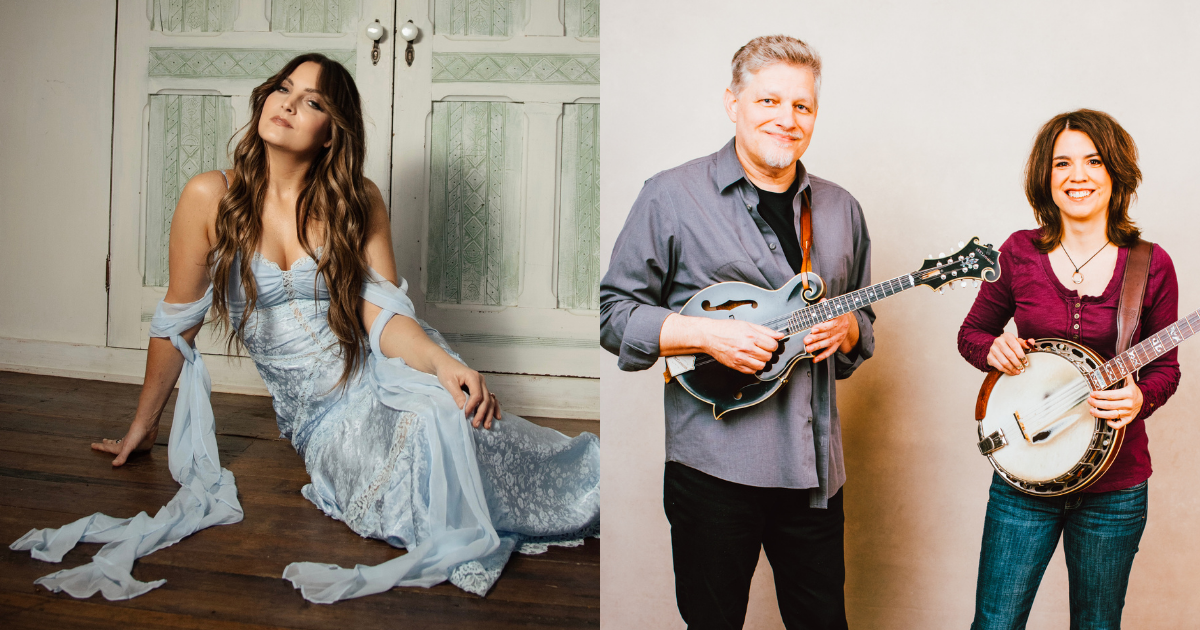
Photo Credit: Brit Taylor by Sammy Hearn; Benson by Sandlin Gaither.

Jaelee Roberts Is the CEO of Super Lonesome Songs

I seriously love sad songs and it’s honestly so hard to keep this Mixtape short. Every time I think I’m done, I remember another song that deserves a spot. Some songs are perfect for those late-night lonely vibes, while others hit harder on a rainy day. I just think sad music has this special kind of beauty that happy songs can’t match. It’s dramatic, emotional, and somehow comforting at the same time.

Honestly, this Mixtape feels more like a mood diary than just a list of songs. Even now, I know I’ve left off some that should be here which means I’ll probably end up making a “Part 2.” At this point I might as well admit I’m the CEO of sad playlists. But hey – you can never really have too many sad songs, right? – Jaelee Roberts

“Desperado” – The Eagles

“Desperado” is a song that has grabbed me by my heart strings for my whole life. The melody alone just has that sad and lonesome feel that I love so much. A line in the lyrics that always jumps out at me is, “You better let somebody love you before it’s too late.” That grabs my heart in the best way.

“Marie” – Blue Moon Rising

The first time I heard this song it stopped me in my tracks. The way Keith Garrett sings it is absolutely the epitome of lonesome. The song is about a man struggling his entire life to make ends meet and finally he gets a glimpse of happiness through a woman he meets, Marie, and she and their unborn baby pass away. Townes Van Zandt’s lyrics paint a heartbreaking picture of poverty and loss.

“He Stopped Loving Her Today” – George Jones

George Jones is my all-time favorite and this is an obvious choice, but such an important one! This song has often been called “the saddest country song of all time” and I might just have to agree with that. A short explanation is that a man lost the love of his life and he was never able to get over her until he passed away – that’s when he finally stopped loving her. That is absolutely gut-wrenching, but I am obsessed with the song and love it so much.

“I’m So Lonesome I Could Cry” – Hank Williams

I am a huge Hank Williams fan and I have always listened to this song when feeling sad. The way his voice almost cries when he sings it just gets me in my heart and feelings every time I hear it. I am a bit of a country music history nerd and I study a lot about the lives of my heroes and learning about him and this song – the lyrics are so sad and hit even harder when you get into the story behind writing the song. He wrote it after he and his wife Audrey split up amongst his struggles with addiction… it’s heartbreaking.

“Are You Lonesome Tonight” – Elvis Presley

I have loved this song since I was a little girl. Elvis was my first love and I can remember this song being one of the first songs to ever make my heart feel sad. I was just a little kid and thinking, “Oh my goodness, is he okay?” The cry and emotion in his voice is so tragically beautiful and it’s a go-to sad song when I need to hear one. The lyrics are so sad. When you hear his voice say, “…And if you won’t come back to me, they can bring the curtain down…” it breaks my heart every time.

“Lonesome Town” – Ricky Nelson

The first time I heard this song I was hooked. The melody, the lyrics, his hauntingly sad voice made my heart hurt in the way you want it to hurt when listening to a sad song. I really love this song!

“Both Sides Now” – Joni Mitchell

This song is filled with the most beautiful imagery. It’s about viewing love one way and then having your heart broken and seeing love a different way – seeing it “from both sides now.” It’s such a perfectly crafted song and Joni’s voice is so sad and raw on this track.

“Let Me Be Lonely” – Jaelee Roberts

When I first heard this song I knew I had to record it. If you can’t tell, sad songs are my absolute favorite songs and this one hit me hard. I am so honored I got to sing this one. I love the way that it all came together with the way the fiddle sounds so sad and then accompanied by the crying steel guitar (my favorite sound in the world). I love the harmonies that the writers of this song, Kelsi Harrigill and Wyatt McCubbin added. It just completed the lonesome feeling. My favorite lyric in the song is the opening line: “Don’t come knockin’ on the door/ That smile’s not welcome here anymore.”

“Chasing Cars” – Snow Patrol

I actually first heard this song during a heartbreaking scene of one of my favorite TV shows and I remember feeling so sad. Every time I hear this song I feel like I’m in a sad music video. Lyrically, the song is just so great. I love the chorus when it comes in strong and says, “If I lay here, if I just lay here, would you lie with me and just forget the world?”

“Manhattan” – Sara Bareilles

I am a huge Sara Bareilles fan and this song has always had a hold on me. It’s one of the first songs that made me want to play piano. Her voice and the piano work together to make such a beautifully sad song. The song is about finding love, sharing their lives together in Manhattan, and letting that other person have that special place when the relationship ends. The way it’s written is just genius, really.

“Weekend In New England” – Barry Manilow

The melody of this song is what first caught my ear’s attention and then Barry starts singing and it’s just so beautiful. I have loved this song since I was just a young girl and have always listened to it when I feel sad. It’s just a classic sad song and you cannot go wrong with listening to it over and over.

“Heartbreaker” – Dolly Parton

I can still remember sitting in the backseat of our car in the driveway at home – small enough that I wasn’t allowed in the front seat yet. My mom would turn on WSM and we’d sit there together listening to the Grand Ole Opry until it was over. I’ll never forget one night when Little Jimmy Dickens had just finished his segment and the Opry signed off. The DJ came on playing music and that’s when it happened – Dolly Parton’s “Heartbreaker” came on. In that moment, my world stood still. I had never felt so heartbreakingly sad from a song, yet so completely happy at the same time. It was the first time music truly hit me that hard and it’s stayed with me ever since. “Heartbreaker, couldn’t you be just a little more kind to me?” So, so good.

“Misery and Gin” – Merle Haggard

This is another song that I have loved as long as I can remember. The music and melody starts off and then you hear Merle’s voice come in singing, “Memories and drinks don’t mix too well/ Jukebox records don’t play those wedding bells…” What a perfectly sad scenario! Merle Haggard is one of my favorites and could sing anything and make it sound sad, which I love so, so very much. This song is so lonely, but so beautiful and the lyrics are everything a sad lonesome song should be.

“Cry In The Rain” – Jaelee Roberts

This song is so beautifully written. Penned by two incredible songwriters – Billy Droze and Chris Myers – it tells a sad story about being heartbroken over someone, but refusing to let them see your tears. Instead, you hide your pain and only let yourself cry in the rain. I really love this image – it’s sad, strong, and poetic all at once. To me, that’s what makes the song so special. I feel truly honored to have had the chance to record it and tell the story in my own voice.

“Between an Old Memory and Me” – Keith Whitley

Keith Whitley had a way of singing that made you feel every single word, as if he lived inside the stories he told in his songs. In this song especially, when he sings the line, “I don’t want to talk about it, why can’t they just let me be?” you can literally hear the raw desperation and aching sadness in the cry of his voice. It’s lonesome, it’s haunting, and it’s heartbreak wrapped in melody. I love this song with my whole heart – it’s everything I admire about Keith Whitley’s music.


Photo Credit: Ava Renee Photography

Unspoken Tradition’s
Resilience Playlist

We find ourselves at a proverbial crossroads in Southern Appalachia. Our land battered by the devastation of a hurricane, scorched by scores of wildfires; ancient rivers, swelled by floodwaters, carving new courses through the landscape. Yet the land and its peoples persist. As artists, we are the guardians of the stories of the people in our communities – stories of hope and love, of loss and desperation, of a community rising above tragic circumstance. Stories of Resilience.

On our new album, we reflect in song about what it means to meet the moment with music that both binds our wounds and demonstrates our healing. In bearing witness to this time and place, we recognize that the path forward is not just survival – it is the conscious choice to innovate, to adapt in the face of adversity. It is in that choice that we find meaning, and renewal.

The songs on this playlist refer to the theme of resilience or have a connection to specific songs on our album of the same name. We wanted to share the work of some of the other artists that wrote the material and/or inspired the songs we recorded. Check out and follow these folks – especially if they are new names. Their catalogs are terrific discoveries and their work is excellent! – Unspoken Tradition

“Linemen” – Zoe & Cloyd

John Cloyd Miller is the author of the song “Weary Town” from our album. Zoe & Cloyd are longtime friends and Western North Carolina natives who experienced the ravages of hurricane Helene in their neighborhood. “Linemen” is a tribute to the heroes of the rescue and recovery effort as they were on the front lines of restoring power to the region. God bless these Linemen!

“Katie and Burl” – Acoustic Syndicate

We wanted to share the original version of this song that we re-recorded for our album Resilience. Acoustic Syndicate is a seminal North Carolina fusion-grass band and writer-guitarist Steve McMurray is a dear friend.

“Dust Bowl Children” – Alison Krauss & Union Station

One of our favorite songs and artists! A story of trials, tribulations, and resilience from another point in history.

“Papertown” – Balsam Range

Western North Carolina native Milan Miller wrote this song as well as one from our album called “Weeds Don’t Wither.” This is the true story of the North Carolina mountain town of Canton and its paper mill that was the heart of the town’s industry. The mill has since been closed, adding an extra layer of disparity to the story.

“Alleghenies” – Saravanan Sankaran

From our bass player’s solo album Back To Bassics. It’s one Sav wrote about his Western Pennsylvania mountain home! This is a mainstay of our live set.

“Weary Town” – Unspoken Tradition

This song’s theme is at the center of our new album. It holds new meaning for us in the wake of the great flood disaster that came to our Western North Carolina home. When we play it live, we dedicate it to the city of Asheville and the resilient people of WNC.

“Back in Yonder’s World” – Norman Blake & Tony Rice

This song! And the album it’s from, Norman Blake & Tony Rice 2, is a “desert island” album for us.

“Margie” – Danny Paisley & The Southern Grass

This artist is one of our biggest influences, especially for Sav. We were thrilled and honored to have Danny join us on “I’ll Break Out Again Tonight” as a featured vocalist!

“Moments” – Unspoken Tradition

One of the first singles we released from the new album. Written by the album’s producer, Jon Weisberger, it embodies the sincerity of appreciating the subtle moments in life.

“I’m In a Hurry (And Don’t Know Why)” – Alabama

This country-rock hit was a radio staple in its time. We thought it would make a great bluegrass song. To hear our version, listen to our Mixtape below or, better yet, check it out on the new album!


Photo Credit: Sandlin Gaither

Sister Sadie Are
At Their Strongest, Together

The last time BGS spoke at length with Sister Sadie, in December 2020, they were two-time IBMA winners, GRAMMY nominees, and clearly on their trailblazing way with two albums to their credit. Fast-forward five years and the group, now in its thirteenth year, is back as BGS Artist of the Month with their new and fourth album, All Will Be Well, following last year’s No Fear.

Sister Sadie 2025 includes founding members Gena Britt (banjo, vocals) and Deanie Richardson (fiddle) with Jaelee Roberts (guitar, lead vocals), Dani Flowers (guitar, vocals), Rainy Miatke (mandolin, vocals), and Katie Blomarz-Kimball (bass, vocals). Along the way to solidifying this lineup, the band notched a few more personal and professional milestones. Since becoming the first all-female band to win IBMA Entertainer of the Year in 2020 they’ve won three Vocal Group of the Year awards from the trade organization as well; performed at The Grand Ole Opry numerous times, fulfilled what they describe as “our ongoing bucket list” of goal festivals and other dates they hoped to play; charted several Number One singles; and were among the artists requested to perform at Patty Loveless’s Country Music Hall of Fame induction.

All Will Be Well is the band’s second project for the Mountain Home Music Company label. It was tracked at Crossroads Recording Studios in Arden, North Carolina, with Clay Miller engineering and Richardson producing. While the band did not set out to write a concept album, All Will Be Well is in many ways just that in its explorations of life lessons, experiences gained, and finding closure – the latter powerfully represented in “Let The Circle Be Broken,” a revealing take on ending the cycle of generational trauma.

Sister Sadie gathered together from various points to speak with BGS. Their six-member Artist of the Month interview, following, has been edited for space and clarity.

How have your many accomplishments to date brought the band to this point?

Deanie Richardson: We never intended to be a full-time band. We were friends who played a one-off at the Station Inn. That went so well that we decided to do another one. Gena started getting phone calls from promoters and we thought, “That might be fun. Let’s do it.” From there, we got a call from a record label and it grew organically, doing everything ourselves, because we weren’t looking to do it a hundred percent.

With every person that’s come into Sister Sadie, the whole band has shifted. The energy changes every time you bring in a new vocalist, a new player. You have to just let this thing guide itself. With each personnel change comes a new sound and you have to rebuild and regroup. I feel like that has happened since the last time we spoke with you guys. With Katie and Rainy here now, the energy feels perfect.

We finally have this team around us – booking agents, management, publicists – helping now and we get to focus more on the music and the amazing women in this band. So, for me, it feels like every step led to where we are right now, and it feels so right.

Gena Britt: With these personnel changes we’ve gained some wonderful songwriters, and they bring this creativity to the band. Like Deanie said, we’ve evolved into what we are today and that has a lot to do with being together, being creative together, growing as a band, and Deanie and I growing as businesswomen. It’s incredible to think of where we were when we first started and had no intention of doing this. And here we are. We have an incredible team behind us and it’s working. All the ingredients are here.

Let’s talk about the theme of All Will Be Well and sequencing the songs to tell that story.

Dani Flowers: When we went in to make the record, we definitely did not go, “This is [the title], this is the theme, and this is what it’s going to be about.” But it almost feels like we did.

We all write songs and send them to each other in Dropbox, an Apple Music playlist, and listen to them over and over. We put our opinions in as to what we might want to sing, what we hear other people singing, what songs we think are a good fit for the band, and it comes together into this thing that we almost never could have planned.

I do feel there is an overarching production style, even a theme, throughout the sequencing. But it wasn’t planned, which is the crazy thing. Deanie did the sequencing, and even outside of the band we’ve had so many folks comment on how it’s such a journey. I think the sequencing on this record is really something.

DR: The title No Fear was about Gena and I facing fears of losing some powerful personnel and deciding, “Do we want to quit? Do we want to keep going?” We decided we wanted to be all in, no fear, let’s get a team around us and do this thing. When Dani brought “All Will Be Well,” the Gabe Dixon song, I thought instantly that would be a great title, coming from No Fear: “We’re going all in on this thing, and whatever happens, all will be well.”

Once we finished the record, I started listening to the tunes. I would go on walks around the neighborhood, listen to the record over and over, and it felt like a journey. It felt like you’re taking a trip or a drive, starting with “Winnebago.” Jaelee’s singing is so powerful – that had to be the first song. You step in this Winnebago, you’re going through your drive, and then “I Wish It Would Rain” just felt like the next thing.

I imagined this person going through … call it a trip or just life in general and that being the case with this sequencing. It’s telling a big story. There’s a lot of personal connections in the writing and the song choices, from “Let The Circle Be Broken” to “First Time Liar” to all of it. This record is a representation of the deepest parts of all of us.

DF: Sister Sadie members had a hand in nine out of these thirteen songs. So there’s a lot of originals here, there’s a lot of our personal stories, our personal feelings and experiences, and it’s not perfect. I love that the record is called All Will Be Well. It’s not “all is well at this very moment.” It’s that even when we make mistakes, when we are in good moods, in bad moods, we have this overall feeling that we are going to get where we want to go. It might not be butterflies and daisies right now, but we know we’re going to get there.

Jaelee Roberts: The sequencing really is quite something, because these songs means so much to all of us individually. Even though I didn’t have a hand in writing them, at the time that I was in my life, some of these songs meant so much to me. The fact that I got to sing some of them, that they trust me to sing their songs, is so cool. I was excited when Deanie sent the sequencing to listen to our final mixes in that order, because it really is like going on a journey. The sequencing is absolutely perfect.

Can you select one track and walk us through the recording process?

DR: We all play acoustic instruments, so from sitting in my kitchen with our instruments, working out arrangements, that’s how we walk into the sessions. We recorded at Crossroads and we trust Clay Miller a lot. He’s great. He sets up the mics, we walk in and record. There’s not a lot of discussion as far as gear and mics.

The song lets you know what it needs. It will arrange itself and produce itself. “Winnebago,” for instance, has dissonant chords. I heard right away a B-3 organ accenting that. So on that song there’s electric guitar, steel guitar, the B-3, some piano. We brought things in that add an incredible amount of texture to our bluegrass instrumentation, our acoustic instruments.

GB: When we got to the studio, I had just acquired a baritone banjo that I hadn’t had an opportunity to play very much. It really lent itself to the sound of “Winnebago” and “Do What You Want.” I don’t know how to explain the feel of that song, but it just fit so well. So I played baritone banjo on a couple of tunes, which was great.

How do your playing styles and backgrounds come together to create the band’s sound?

DF: We are all such music fans, and through our upbringings and our own exploration of music, we’ve all been exposed to the best songs. We have pretty high standards when it comes to writing our lyrics and what we want to sing. We love a good lyric. We love creative harmonies. We have great instrumentalists in this band, so we especially love a melody with a really cool hook.
You can find that in any genre. Onstage we quite often cover rock and roll songs, pop songs, old and new country songs. Katie comes from a jazz background. Rainy comes more from West Coast bluegrass. Gena and Jaelee and Deanie all come from traditional bluegrass. I come strictly from a country background. You can find a good song, good lyrics, good melodies, in any genre.

Katie Blomarz-Kimball: My background is in jazz. I didn’t really grow up with country or bluegrass music. Since I’ve lived in Nashville for about ten years now, I’ve definitely dipped my toe into the genres, but it’s hard when you’re playing with some of the best bluegrass musicians on the scene to come in and not be like, “Am I good enough for this? Can I do this?”

One of the very first things Deanie said to me at the rehearsal two hours before the first show I ever played with them was, “I want you to play like you would play it.” That was important to me, because there is a really interesting perspective that can happen when people from different backgrounds come together in one group. And I think it can change, depending on what naturally migrates as a group. Adding some of my quirky bass playing can influence one way or another for things to have a different feel or vibrancy behind it that maybe shifts the music slightly. It’s definitely a fun part of this experience for me.

DR: We all come from different genres of music that we love, but we have country and bluegrass as a deep-rooted passion. That’s basically why we’re here. Because we are so creatively different, I think that’s a plus. Each of us brings something to the situation that changes it, adds to it, and you have to figure out ways to highlight or bring to the table everyone’s strengths. Once you do that, the sound starts coming together.

Deanie, you produced All Will Be Well. What does the term “producer” mean to you? Is it a democratic process?

DR: It is democratic up to pushing the red button. Everybody has input, but there comes a time when you have to call it, when you have to say, “That’s brilliant. I’m sure you think you could do it better, but I don’t need better. I need feel; I need it to feel a certain way.” This is a killer band, and they don’t need me to tell them how to play or sing. But there has to be some person that says, “You just wrecked me, you just turned me into a puddle on the floor, and I’m not going let you do it again because of that.” That’s what a producer is for me.

We all arrange these songs, pick these songs, write these songs, and at the end of the day, we’re making great records that I am so proud of. That’s not because of something I did. That’s because of something this band did. It’s a group effort. It is six very talented, capable women who I respect and value tremendously. It’s just that there has to be someone calling the shots, if you will.

Could we talk about writing “Let The Circle Be Broken” and presenting it to the band?

DR: We spend a lot of time in the car together, riding up and down the road, so we talk about everything. We know each other’s deepest, darkest secrets. We know the pain we’ve been through, the love we’ve been through, the relationships we’ve been in. We know everything about each other. I love being with a group of people you’re that connected to and that close with, and getting to be creative with them and make music together. That’s the ultimate thing for me. That’s honestly why I stay in tears all the time – because I love these women so much.

Dani, Erin Enderlin, and I got together right after my dad died. We were talking about all the shit I went through as a child growing up with him and all that Dani went through having an abusive mother. Each of the women in this band has experienced some form of generational trauma or abuse from someone in our lives. When we brought the song to the band, everyone knew my story and Dani’s, so it wasn’t a surprise.

Everyone was very supportive about telling the story and getting the song out, and it felt like the right time to do it. Once he passed away, I was ready to finally talk about it. It’s a very personal story, but it doesn’t say anything specific about what I went through. The song hopefully relates to anyone who’s experienced any sort of abuse.

We didn’t write it to make a statement. We wrote it because that’s where we all were, having that conversation that day. The more we talked, the more the song came to life. It was a beautiful thing and very therapeutic to write. I am extremely proud of how it came out, what each girl brought to this tune, and how they supported and loved me through it.

How do you protect yourself, mentally and emotionally, when performing the song live?

DR: Sometimes I don’t. Sometimes I cry, sometimes I get upset. I just want to feel the song as I feel it every night. Some nights it’s just a song for me, some nights I just want to get through it, some nights I feel so much peace with it, and some nights I feel like he’s there. We played in Ogden, Utah, recently, and I could feel his presence and I got very upset.

One night in a theater I looked over at the girls while we were playing the song and I thought about each of them individually and how I know all these things about them. I know the struggles they’ve been through, the people who’ve hurt them, all the things they’ve felt, and struggled with, and beat, and have experienced in their lives.

At that moment, the song was theirs too. It was their experience as well. That night, walking across the stage as I’m playing that play-out at the end, I looked at each of them and told them I loved them as I walked by them. I’ve been doing that every night since, because I don’t feel like it’s just my song. I feel like it represents each of us. These are strong, amazing, talented women, and I’m so grateful to be in their presence every day.

DF: For me, this song is about the fact that we are in control now. We have the ability to stop the cycle that’s happened through our families and could very well carry on to our own children, if we didn’t take accountability, stand up, and say, “This goes no further.” So, for me, there’s not really a need for protection. It’s more letting it all out. Watching the crowd’s reaction every time we perform it is so therapeutic because you can tell there’s always somebody that really needed to hear what we had to say.

You both used the word “therapeutic.” What part does music play in your healing, in your mental health?

DR: It’s the only reason I’m still alive.

DF: To put it in perspective, imagine going through one of the worst things a person could go through, then to live your life and get to a place where … like, for Deanie, her dad passing away … to be able to sit down with two other women that are going, “I know almost exactly what you’re talking about. I have been through this as well. We are going to get it all out through the thing we all love the most.” And then to take that song you wrote that’s so honest and so vulnerable, play it for the people you’re in a band with, and have them all react with such compassion, saying, “Yeah, we have to do this.” And not only record the song, but there also was a conversation about how much we’re going to say about what the song is about, because some of us are really ready to talk about the things that happened to us, and we know that affects the entire band.

To have everybody embrace that, and then to get onstage and perform that with those people every night, to look at these women and tell them you love them — I can’t think of anything more therapeutic than to be able to say, “This happened to me,” and have so many people — the people that you wrote the song with, the people in the band with you, the people who made the record with you, and the people in the crowd listening and buying the record and all the comments we get on this song … I cannot think of anything more therapeutic for a person who has gone through something so traumatic. Other than actual therapy — I’m an advocate for actual therapy!

Rainy Miatke: Music plays such a huge role in my mental health and my healing journey. At times in my life when I’m not playing as much music, I can really feel the difference. Since I was a little kid, I’ve used music, writing melodies, writing songs, playing, and singing as a way to process the emotions I was going through. Now, being part of a band that is on a similar journey and path as I am, in my life and musically, and playing these powerful songs that the band has written about very personal subjects, it feels like we’re all in this together and here for each other, and it feels so healing.

When Deanie’s up there playing that part at the end of “Circle,” I sometimes find myself feeling really emotional and having to almost compartmentalize it, but also sometimes just letting it happen and processing some of the things that I’ve been through, too. I’ve found these people that I can do that with, and that I can process that stuff with through music, so it feels really special.


Read more on our Artist of the Month, Sister Sadie, here.

Photos courtesy of the artist.