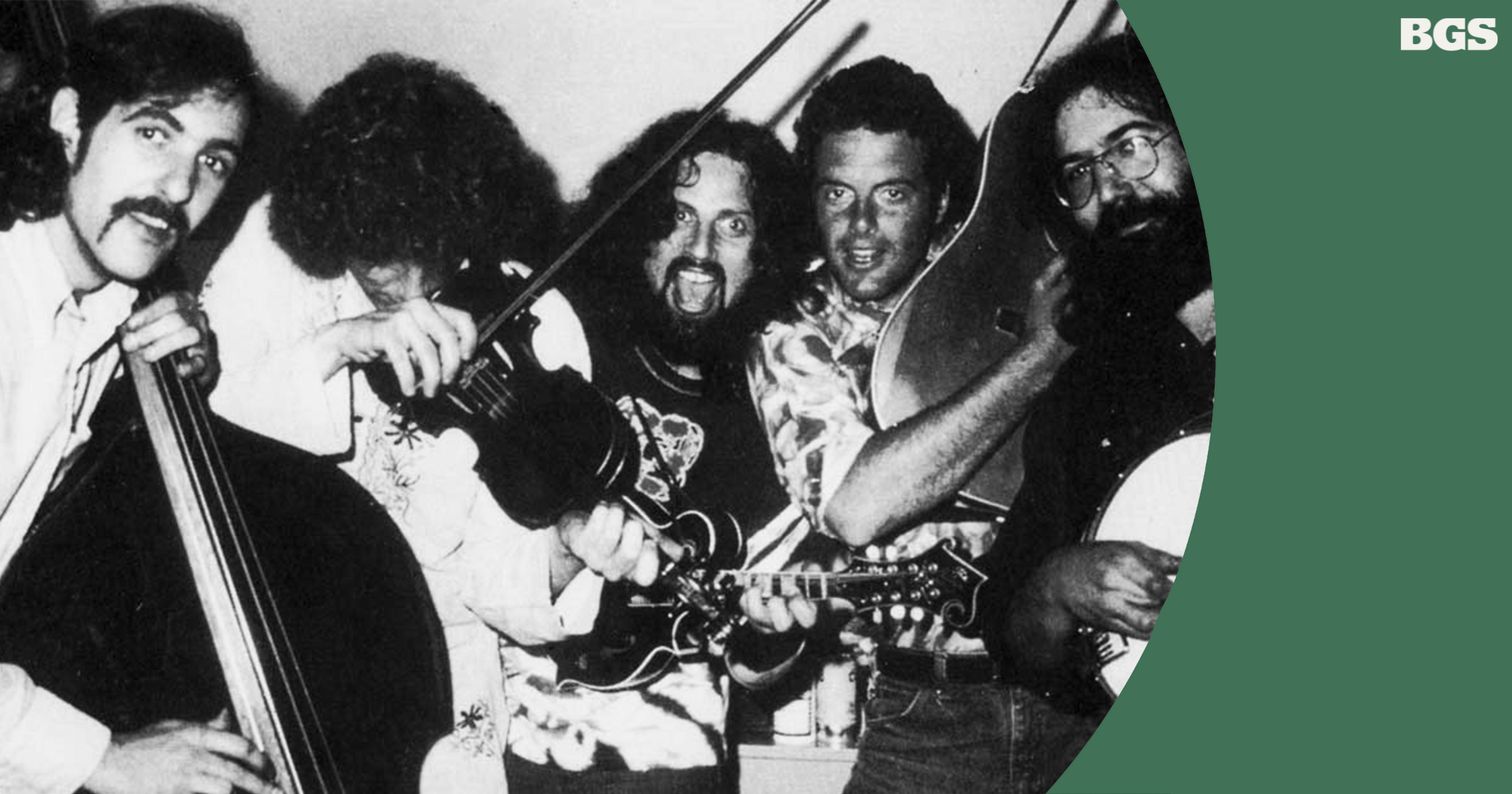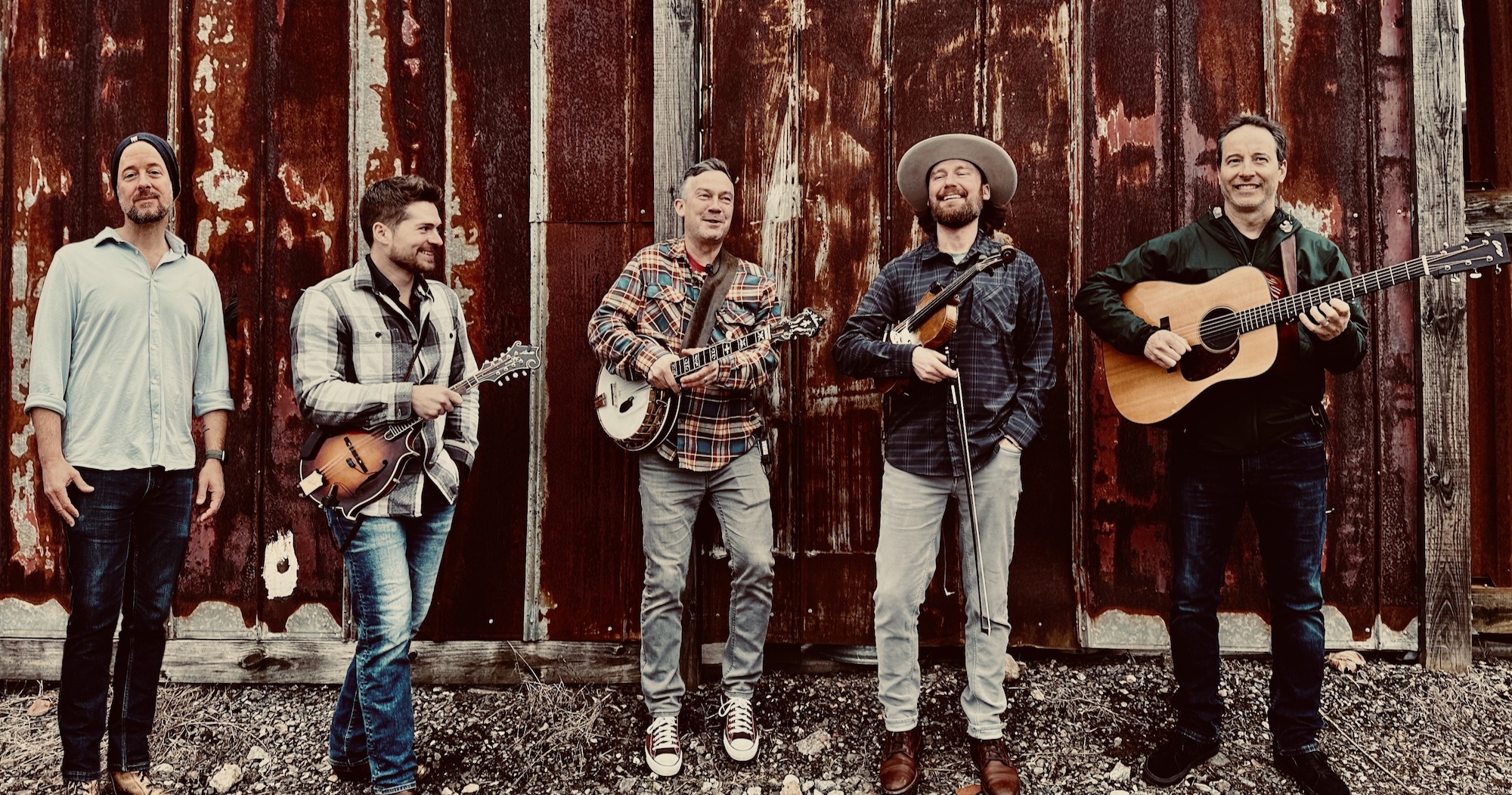
Yonder Mountain Never Meant to Change the Bluegrass Landscape, But They Did

Following instructions for listeners to Get Yourself Outside in 2022 and declaring they’re heading Nowhere Next in in 2024, jamgrass torchbearers Yonder Mountain String Band have reached their zenith on Good As True.

Released March 27, the collection finds the band embracing the skill sets of its newest members Nick Piccininni (mandolin, vocals) and Coleman Smith (fiddle) more than ever, as they dissect the human condition through nine tracks highlighting everything from falling in and out of love (“Brand New Heartache”), to confronting regret (“Blind”), and frustrations with today’s political climate (“The Lie”).

During a recent phone call, bassist Ben Kaufmann spoke with BGS about working Piccininni into the writer’s room, lessons learned from touring, how former band member Jeff Austin’s spirit sticks with him, and more.

This is your third album having Nick in the writer’s room with you, Adam [Aijala], and Dave [Johnston]. What has that evolution of bringing him into the fold there been like?

Ben Kaufmann: Yonder has always had its own special sound. There’s a very specific energy and communal taste with the music that we’ve been tapping into collectively for so long. Nick had already been writing for a while before coming aboard [for 2022’s Get Yourself Outside], so once we got him up to speed with our style we realized how intuitive he is. He has his own understanding of what a Yonder Mountain song is, which has made it fun when it comes to overhearing him workshopping songs or when we swap ideas backstage and on the bus.

We also knew, with recording time on the calendar, that we’d need more material. For most of Yonder’s lifespan we’ve had four writers – going all the way back to the days with Jeff, so it only made sense to give Nick the same opportunity when we saw what he could do. After putting songs from all of us “through committee,” a bunch of his wound up being cut [recorded] these last handful of years.

It’s especially important because Nick is such a wonderful singer. He’s great at everything he does, which is really inspiring to be around. He’s really stepped into his own as a featured vocalist and as a mandolin player. It’s been fun encouraging him to cultivate his own voice while also hearing him take the reins on some of Yonder’s oldest, most beloved songs.

What’s most satisfying for me with this band is writing my own songs, playing them with the band, and having people who are ostensibly there to hear the music enjoying it. There’s no better feeling than that and we wanted Nick to feel it too, since he’s currently in what seems to be a really prolific time of his life for songwriting. He’s the perfect fit for what we do. I’m so grateful he came into our lives and continues to enjoy making music with us. Being in a touring band isn’t for everyone, but everything with Nick has felt very natural from the start.

You just mentioned touring life, which I know the band touches upon with the song “Long Ride.” Do you have any good tips or wisdom you’ve picked up from your 28 years on the road with this band?

It’s like two hours of the greatest time of your life, every day, followed by 22 hours sitting in an airplane. [Laughs] In all seriousness, it’s been very different depending on the time in my life we’re talking about. I’ve handled it really well, but I’ve also handled it terribly. I’ve made mistakes and overcome them, but I’m sure I’ll make even more. When I was young I felt invincible. I’d drink too much and do all the drugs – not to the point of turning disastrous, but I lived that life. Doing that ages you so much faster than otherwise, and touring in general is already not easy.

Because of that I’ve spent so much time, energy, and money working on my personal growth through therapy and reading about ways I am deficient and could improve, to realize my full potential. A massively important part of my life is having a deep curiosity for how to be a better person, which is something I’d like to think I’d still be doing even if I worked in an office or at a place like FedEx. I don’t even know what else I’m qualified to do at this point except survive on the road.

What’s helped me through it all is paying attention to the people around me, investing in myself, and embracing the group dynamic so we can create the highest possible energy state and vibe. Essentially, don’t be a dick! [Laughs]

Lyrically, this record deals a lot with relationships, communication, and the fallout that can occur when those two things break down. With songs like “The Lie” and “One To One Another” this seems to deal partly with politics, but were there any other factors that motivated this direction on the record?

Not in the sense that we spoke about it ahead of time. We didn’t say, “Hey, we’re going to do a record so let’s write about A, B, and C.” A lot of our songwriting is done individually, but there still are some collaborative opportunities for us to get together, as well. As we got closer and closer to our recording dates and the song started being developed, [that] was when we first noticed those common themes. At the same time, I’m not surprised when common themes like this do emerge due to being on the road together and living the same life a lot of the time. When you’re seeing, doing, and talking about the same things regularly it’s easy to have a lot of synchronicity between what we’re writing about and creating.

Ultimately, we’re at our best when we’re writing about our own experiences and what we know. With “The Lie,” I like to think about Jesus, [and] all the bad actors in our world, many of which wield immense power. It makes me feel helpless at times as a bass player and musician – like, what am I supposed to do? It’s an overwhelming predicament, and that song for me speaks to that feeling of, “How did we get here?” It’s also very empowering to sing a song that speaks truth to something like that.

“The Lie” was also one of the songs that got my explicit vote when it came to making the cut for the record. When it came to sequencing, I also wanted that to be one of the first songs you hear when you put the needle down on your vinyl or press play.

“Blind” seems to be a song about regret, mental health, and realizing too late how much someone truly mattered. Have you ever thought about how that tune and what it’s describing relates to your fallout over a decade ago with the late Jeff Austin?

To this point I hadn’t connected that song with how I engage with Jeff’s spirit, but maybe I will now. His spirit and my thinking about him happens at every show. As time has passed, I’ve found that the thoughts I have about him that stick out are all the good times we had together, which wasn’t always the case for us. It was a deeply challenging and complicated relationship we had together and it wasn’t wonderful at the end, which is ultimately why we stopped playing together.

But as time passed, and with his passing – which remains one of the most tragic things I’ve experienced in my life – I became more and more crushed that he didn’t get the help that he needed. I don’t think he knew how important he was to so many people. I think more and more fondly of his spirit, energy, and memory with each passing day.

That original version of the band really changed bluegrass music by building a bridge between it and the jam world. What it did was really powerful, so it’s very interesting trying to think back and conceptualize what it was that we accomplished because we didn’t mean to do anything – we were just trying to play music the best we could.

As I look at it – especially as far down the road as we are now – I see the scene that’s developed from it and all the people doing amazing things with the music as a result. It’s all very humbling, and Jeff was a huge part of that. There’s never going to be anybody else like him, good and bad. We had a pretty complicated relationship – we were the best of friends for a while until we weren’t – but I always have and will love him.

One of my favorite moments on the record is the 17-minute jam on “Barroom Feather.” How did it come about?

One of the things that’s always interested us once we were able to start accessing the data is what our most-streamed song is, for better or worse. [Laughs] What we found is our most-streamed song is a cover of “Dancing In The Moonlight,” which is a good song, but not an original like I wish it was. Then our second most-streamed song is a tune called “Midwest Gospel Radio” that’s an instrumental from our self-titled record. On the album, when we first released it, the song was only two and a half or three minutes long, but along the way someone else released a nine-minute version that’s gotten millions of streams and is now second on our list of top songs.

It got me reflecting on our version and how comfortable we all were in the studio recording it, so when Dave brought us this song we pivoted from doing a shorter, “radio edit” version [that you also hear on Good As True] to something much longer. We recorded a couple takes that way, allowing ourselves to exist in that space and jam a bit, and I couldn’t be happier with the spaces and textures we came up with. It has this time-travel, hypnotic space-time warp thing about it that we were really psyched about. It works really well as both a more streamlined song and as a long jam like what we end the album on, so I’m excited to see how people listen to and engage with it.

You’ve been touring with Yonder for 28 years now. What continues to motivate you nearly three decades in?

First and foremost, I love music. That will never change. I also have a 14-year-old son that I love more than anything in the world. Music is part of the fabric of my flesh, blood, and spirit – I simply don’t know what else I’d be doing if not for it. I’m so blessed that this weird little music project called Yonder Mountain String Band happened, because looking back it doesn’t make much sense. Going from that to seeing what bluegrass music has become, having schools and colleges now devoted to bluegrass music, to [the] elevation of the music’s degree of technicality and musicianship, has been mind-blowing. None of that was the case when we were starting out in the ‘90s. We loved bluegrass music but were a lot more beholden to the spirit of the Grateful Dead than we were Bill Monroe, but we still wanted to play it.

I look at it in the sense of me being good at what I do, but by no means am I the best bass player around. None of us were the best at what we did and when you put it all together it goes against all the laws of physics, mathematics, and common sense. But two plus two equaled five for that one moment in time. I can’t tell you why, but it did and here we are now.

As a result, I get to live this extraordinary musical life that’s navigated some big ebbs and flows. That, along with all the fans who’ve embraced our music through the years and found us in different ways, is what keeps us going.


Photo Credit: Lead image by Robin Vega; alternate images by Mountain Trout Photography, Trent Grogan

Our Jamgrass column is brought to you in partnership with Preston Thompson Guitars.
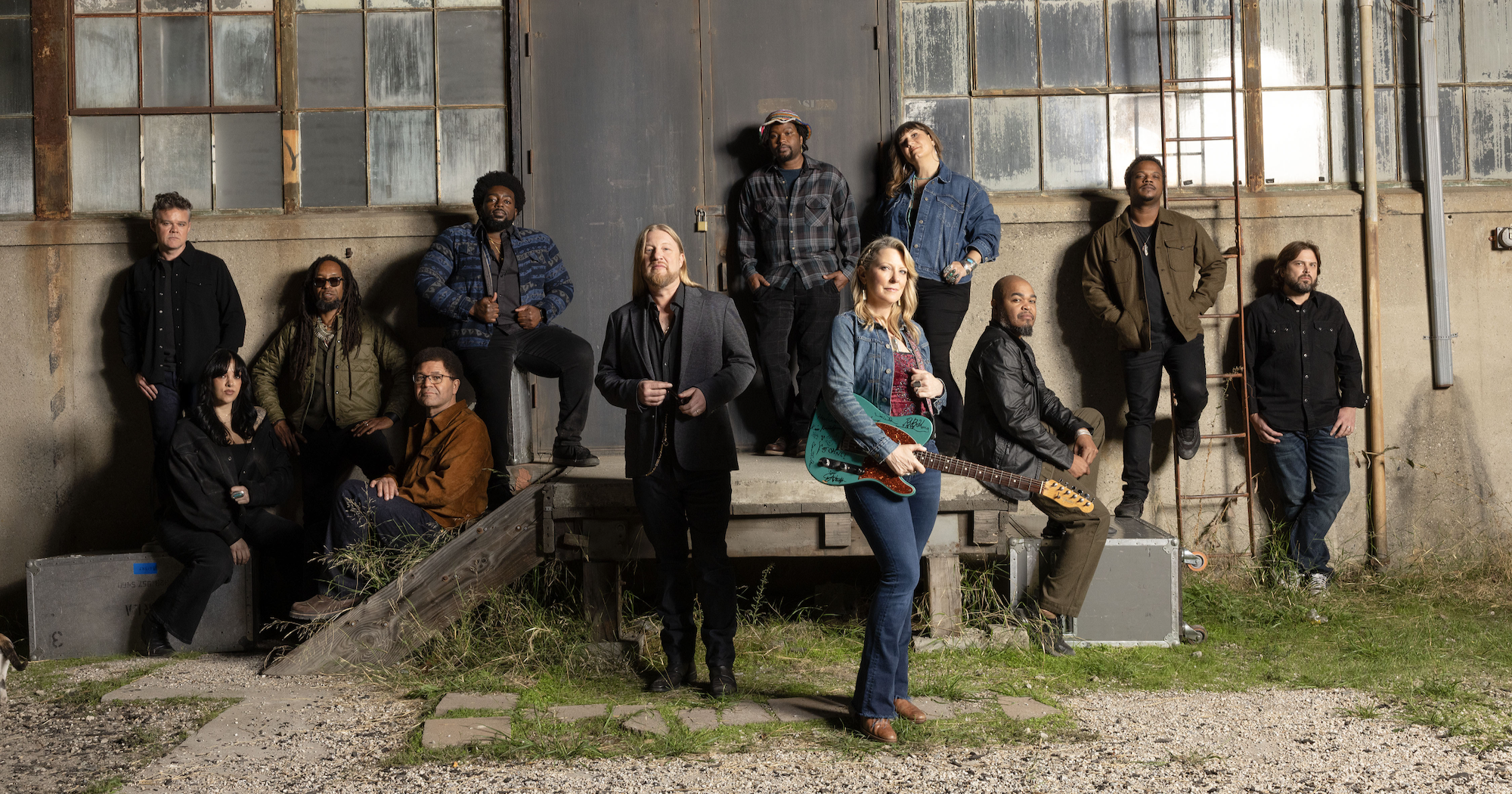
Tedeschi Trucks Band Have Done It Again

When it comes to entirely enjoyable, technically exquisite modern blues, Southern rock, and jam-band soul albums, Tedeschi Trucks Band have a statistically impossible batting average. Their new LP, Future Soul (released March 20 via Fantasy Records), is yet another “no skips” collection from the megalithic 12-person Americana group fronted by husband-and-wife guitarist Derek Trucks and guitarist-vocalist Susan Tedeschi.

On that strength of their catalog – and their ensemble – TTB have amassed hundreds of millions of streams, won eight Blues Music Awards and one GRAMMY, and a handful of their songs have become regarded as modern standards in the Americana and American roots music songbook.

Future Soul simultaneously feels like a surprising departure and familiar, essential territory for the band. With Mike Elizondo producing and songs and creative input sourced from across the group’s lineup, the set ends up sounding and feeling more acoustic than “usual,” while still reaching roaring crescendos and building it all on dank, wide open grooves. Perhaps those acoustic moments are a substantial contributing factor as well, but the cozy, plush pocket of the album is what gives it a laid-back, relaxed, and floating vibe no matter the track’s genre construction.

Screaming slide, no-holds-barred vocals, and wall-of-sound climaxes can all be found herein, as well. But the collection never thrashes or flails, it’s precise and exacting – as Tedeschi and Trucks are both known to be on their instruments, whether guitar or voice – but it’s certainly not sterile or gated or homogenized, either. It’s another remarkable feat for a group so large that you would almost have to assume, live or in studio, musical mud would be an inevitable byproduct.

But no, TTB seem to have no misses, at least not on Future Soul. It’s clear this group works together in harmony not just because of the down-to-earth and collaborative leadership of Tedeschi and Trucks, but because the artistic and musical responsibilities and ownership – of the songs themselves, of the album, of the makings of each, of “success” for the band – are decentralized and distributed throughout the group. The band has a sound, an art, that is consistently collective in the way it’s received by audiences and listeners because, forgive the obviousness, Tedeschi Trucks Band always work as a collective.

In our BGS conversation with Derek Trucks, the magic and unlikelihood of this creative dynamic and the processes by which the band continues to rack up success after success were on full display. We spoke about how they put together Future Soul as a group effort, the many inputs that went into Trucks fashioning his lyrical guitar style, and what bluegrass means to him personally, to Tedeschi, and the band as a whole. It was a joy-filled, passion-led conversation that again reinforced how this wailin’, rockin’, rollin’ band continues to flout and subvert expectations – and thereby has become so beloved.

Something that jumped out at me from the bio about the new album is that you say, “There’s just not a weak spot on this record.” I have to say, I totally agree. I think it’s remarkable that with a 12-person band and such a diverse catalog of recordings and releases, it really doesn’t seem like there’s any “fat” to trim or any duds to cull.

I have to ask, does it feel as magical on the inside of that process as it seems from the outside? It seems unlikely that y’all would work so well together towards a common goal, artistically, and be able to deliver again and again and again. And I don’t just mean commercially, awards-wise, or for audiences alone. Clearly you’re delivering artistically for yourselves and by your own standards, as well. So, does it feel as unlikely on the inside of that process as it maybe does to us on the outside looking in? [Both laugh]

Derek Trucks: That’s awesome. But it does, man! I mean, not every record you do feels the same way. They’re all their own beasts. For I Am The Moon, it was in a time of great uncertainty. We did four records and it was just kind of a heavy, heavy time – and that record feels like that.

This one felt completely different. The band felt much more confident [and] had been touring for two years straight. We had been playing so much together that when we finally got the core of the group up to our farm in Georgia to do some writing, there were a few songs right out of the gate. Like “Future Soul” and “Who Am I,” where immediately, Sue started singing, Gabe [Dixon] started singing these melodies. I got chills and I was like, “Oh, this is gonna be good.”

You’re always kind of worried about running out of ideas, or running out of runway – like a thing in the back of your head. But I feel like we’re incredibly fortunate where, when we’re together, everyone puts everything they have into it. Then, when we’re not on the road together, everyone’s all doing their own things musically. So, when we come back together, there’s a lot to talk about and a lot of music to remember together.

I think it keeps it really fresh and it keeps it moving forward. I feel like everyone’s out honing their craft when they’re away from this. When they come back, there’s a lot of new ground to cover. So far, we’ve been really, really lucky that way. And there’s a handful of just incredible songwriters in the band, so everybody comes in with two or three ideas. You’ve got a pretty strong record right out of the gate. That’s been something that I think me and Sue are just realizing – we’ve known how amazing that is but, you know, Gabe and Mike [Mattison], they show up with some serious ideas.

Then having Mike [Elizondo, the album’s producer] down, just some outside ears – I think that was really important. Sonically, he was trying some different things that I think inspired the band and made everybody play a little differently. That was exciting.

I was struck by the range of styles and the different genre infusions that y’all have put into this collection. What really stuck out to me, listening down to the project in one fell swoop, is there are still those really big energetic moments – and there are still those “wall of sound” moments that y’all are really known for. But I felt like this album is chill and laid-back in a way; it feels deep in the pocket. Can you talk about capturing those seemingly disconnected energies together?

I think one of the things is that with a band or an artist, I think if you’re maturing properly – we learn sometimes slowly – that you don’t have to force the issue all the time. You can trust things around you a little bit more, and sometimes the groove is enough. Sometimes the chord changes are enough, sometimes the melodies are enough. It doesn’t have to be these epic moments at all times. So when they do come, you’re excited about it and wrings you out. Then you lay them back down, and then you go on another little trip.

I think the band, having played together so much, we’re in a different place that way, where we realize that you don’t have to force the issue on every song. You can go to different spaces, different places. And then, again, having some outside ears – Elizondo really helps with that, too. He helps guide you to places that maybe you wouldn’t have gone naturally, so that’s a fun thing. Then you learn things about yourself musically in the band that you didn’t know before. That’s always a good place to be.

One thing that I’ve been obsessed with about your playing, specifically, ever since I discovered you as a teenager, is how lyrical of a guitar player you are. It jumped out at me from the bio, as well, when you’re talking about “I Got You” and how you’re doing a guitar-voice dialogue instead of guitar-guitar. I think of you as one of the most lyrical guitarists out there. You’re so present and so grounded. So I’ve always wanted to ask you how you’ve cultivated that style – as well as being able to have those moments of pure shreddy, lick-y wailing.

Then hearing that you really wanted to make that connection between voice and guitar on this album made so much sense to me, because I’m always thinking about how you’re a lyrical player. And Susan is, too, and you both dialogue with your instruments, and her voice, often.

Pretty early on I had a few musical epiphanies. One was Allen Woody, who played with Gov’t Mule and the Allman Brothers. When we toured with my solo band, opening for a Gov’t Mule in the early days, he would always turn me on to records. He gave me this CD by this guy named Aubrey Ghent, who was a gospel [steel] player. I put on “Amazing Grace” and I was like, “Wow, what an amazing voice.” And then I heard the pick and I realized that it was this guy playing lap steel! But it sounded like a woman singing. I got chills [over] my whole body, and I was like, “That’s it, that’s the thing.”

I had been listening to a lot of Indian classical music – a lot of vocalists and sarod players. Me and our old [Derek Trucks Band] bass player, Todd Smallie, went to Ali Akbar College of Music in San Rafael, [California] and they would let us sit in on classes. I realized he [Ali Akbar Khan] made all the instrumentalists take vocal classes, because his whole thing was that you should be singing through your instrument. So that made it just really obvious.

Those were a few of the things, and then there was a long time where I just stopped listening to any guitar player. It was only singers and horn players. That was kind of the idea [that] musical ideas can come from anywhere, but you really should be singing the thing. There’s time for all of it, but the stuff that moves me the most is, you know – even hearing Duane Allman on “Blue Sky” or something. It sounds like somebody’s singing, like somebody is walking down the road whistling. I think those are probably the touchstones for me.

Maybe I am projecting a little bit, because I’ve been a bluegrass banjo player my whole life – I started playing when I was seven. But when I think of guitarists, especially who end up reaching the pinnacle – whatever that is – or especially in flatpicking and in bluegrass, there tends to be this homogeneity of style. The people who get to the “very top” end up all sounding like each other. Then you have those folks that really stand out, and it tends to be because they’re using space and using air as much as they’re using 16th notes and 32nd notes. I think, being used to really shreddy flatpicking, that hearing steel or slide or blues guitar or jazz or acoustic jazz, anything plays with sustain and plays with space, I just drink it up.

Beautiful, man. I remember the first time I heard the Stanley Brothers, or Ralph Stanley, and I just remember it hit me in that place where those early blues guys hit me. There was just something about it. That kind of cracked that whole world open for me. I mean, I was always a Tony Rice fan. We have the same birthday, so I thought that was cool.

No way, I didn’t know that.

And I remember being at a MerleFest years ago, I think it was one of the last ones that Doc played. I remember seeing this old Oldsmobile or Cadillac – I don’t know, it seemed like an 1980s or ‘90s car – it pulled up to the stage and I see Tony Rice get out, just dressed to the nines. He pops the trunk, gets his guitar, hits the stage, and then right when that set was over, he was back in that car! I was over there thinking, “What a boss.” It was incredible, man. He went up and just annihilated everybody and got back in his car and drove his ass home. Pretty incredible.

So funny.

The last time we talked to you for the site, you were Artist of the Month in 2019 and you talked about Del McCoury and Jerry Douglas. I know you’ve played DelFest a bunch, you’ve collaborated with Billy Strings – oh, and I was super excited to see Molly Tuttle supporting on a couple dates of your TTB tour in April, too.

Yeah, we’re excited for that. That’s gonna be great.

What does bluegrass mean to you? Obviously, there’s Ralph Stanley, Tony Rice – there are pickers and makers in bluegrass that are infused into what you do, but what does the genre mean to you more broadly? And who in the space right now inspires you, or your musical vocabulary, or what you guys are doing in the band?

When I think of American music, I think of blues, I think of bluegrass, and I think of jazz. I think [those are] the things that we’ve really contributed to the world. To me, those are the cornerstones of it.

We’ve become good friends with Sturgill [Simpson] over the years, and he’s dipped into that [bluegrass] place. When I hear him sing it I’m like, “Oh yep, that’s because he’s from there.” He’s from the heart of it, and it makes me feel the way Ralph Stanley does at times. Even guys like Tyler Childers – and Sue’s a big Sierra Ferrell fan. She loves all those records.

That music, even the current guys, it’s always playing around here. I don’t know, it just feels inspiring to hear. People just get on an acoustic instrument and rip one. You’re like, “Oh yeah! There’s still people that know how to do things!” [Laughs]

That’s the big inspiration I take from it. Because [in the music industry] there’s a lot of cutting corners, and that’s a music that there’s no cutting corners. You gotta put your time in and take your licks or you’re just not gonna get on stage. I appreciate not just the dexterity, but the vocabulary and the heart that goes into it.

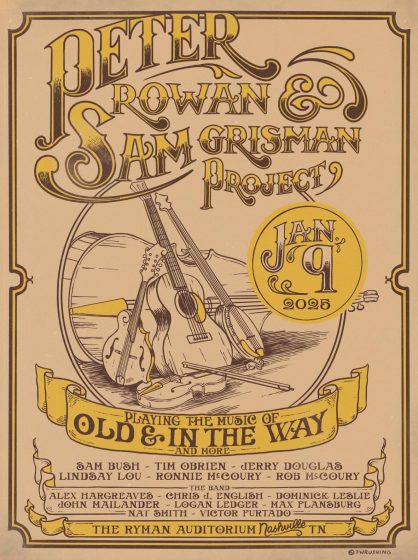
And there’s just something about seeing a group around one microphone just doing the dance that I think is always inspiring. We’ve done some shows recently with Sam Grisman, we did a benefit [for Camp Winnarainbow] out in San Francisco. Peter Rowan was on it, and me and Sue, and it was all acoustics. I had an old National, and just getting to play with that group – just the way that group felt. Sitting on a stool with a Dobro, and they were coming and going around the microphone. And then, getting to hang after the show with Peter Rowan and him telling these stories, man. It was just incredibly inspiring. Some of the songs that we got to play with them – that dude [David “Dawg” Grisman] has written some incredible music. That was one of the highlights of last year. It was pretty damn incredible.

There’s a lot of acoustics on this new album, too. I did find myself wondering, and maybe I’m biased, but does the world need a 12-piece bluegrass band? It might! It might! [Laughs]

Man, that sounds pretty fun to me. I mean, it would be a lot less gear to carry on the road! Which would make it more plausible.[Laughs]

If you wanted to speedrun pissing off a fan base, this might be the way to do it.

[Laughs] Yes, alright, we will be thinking about this! I’m gonna go talk to Sue.

This next one is kind of for me, so I thank you in advance for humoring me. But I wanted to talk to you about Jack Pearson. When I first moved to town, I just met this guy out jamming on mandolin at these bluegrass jams. I’d be like, “Man, this guy’s so nice.” He’s a great picker. He’s a great singer. I got a lot of practice playing swing with him at jams in town. Then folks started being like, “Hey, do you know who that is?” Oh my god, I did not know who it was. He was just my bluegrass jam pal. Then I worked at the Station Inn for a few years and I got to work a bunch of his trio shows. I’d die for the solo acoustic sets he’d do on the set break.

Incredible.

If I were to list maybe my top 5 favorite guitarists of all time, I feel like you and Jack would both be on that list. So I wanted to have a little nerdy moment to talk about Jack. [Laughs] Can you talk about his playing and your guys’ friendship? Of course, I see so many connections between your musical vocabularies and that lyrical style we were talking about.

Yeah, man I need to check up on him. It’s been a minute. I need to check in on old Jackie P.

He’s a monster, man. He’s one of the few people that can actually go play in a straight-ahead jazz band, in a bluegrass band, and then the Allman Brothers. I mean, maybe the only person that can actually do it.

I totally agree.

I mean, he played with Jimmy Smith. This dude is like, he’s an absolute monster. And a sweet fella! You can’t say enough good things. When I joined the Allman Brothers, Jack was just leaving. So all the tapes I got, like learning the new versions of the tunes, were Jack Pearson tapes. At the time, Bud Snyder was the sound man. He would mix these tapes for me with Jack really boosted in the mix. I could hear exactly what he was doing to learn these things. I got an intimate take on the way Jack was approaching these Allman tunes. It was so unique.

There’s no one [that] plays like him, and [his playing is] about as smooth as it gets. Sometimes, you watch him play – and I know he plays really light strings and he plays low action – and the way his hands move, I’ve never seen anyone play quite like that. Then he busts out a slide and you’re like, “Holy shit! This dude can do anything!” [Laughs]

I know!

He’s one of the unsung heroes. There’s no doubt about it.

He does this thing – and you do this as well – where you’re able to leverage that really gritty, aggressive, absolutely on-the-razor’s-edge style that comes with blues and Southern rock and Americana. Then at the same time, like you’re saying, with light strings and low action, still has such a deft touch. Yet he has such great attack and precision and cleanliness. He is a great lesson in taste. His taste is impeccable.

Yeah, I think that’s exactly it. I think we forget a lot of the time that most of what we love about music is the musician’s taste. I mean, you got to put in the work – and Jack has obviously done that, that dude is a master. But his taste is really as good as anybody.

I think he’s probably a bigger influence on me than I even realized. Probably because of that early Allman Brothers time for me. I was jumping in at 20 years old, 21 years old. And all of a sudden it’s, “Here’s 60 songs to learn, and rehearsal/tryout is in a few weeks. I was like, “Well, give me those dates.”

I’m stressed just hearing about that.

I mean, luckily most of that music I had listened to my whole life, but I had never bothered to learn any of them. I mean, I knew “One Way Out” and “Statesboro [Blues],” that doesn’t take long. It was all the other shit!


Photo Credit: Chapman Baehler

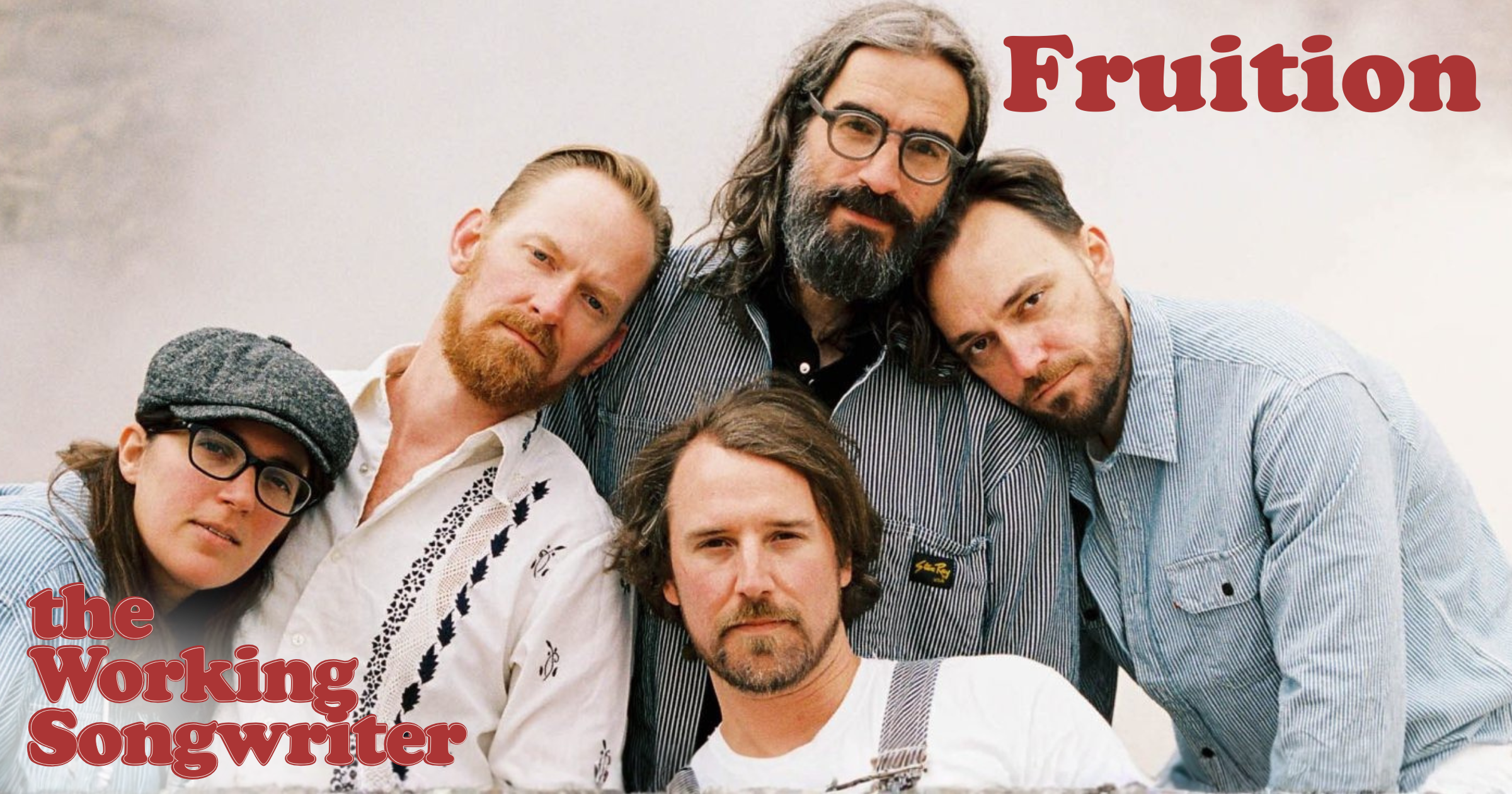
The Working Songwriter: Fruition

Our guests this week got their start busking on the streets of Portland, Oregon, but it wasn’t long before their popularity pulled them onto the open road. Jay Cobb Anderson and Kellen Asebroek are pivotal and founding members of roots music band Fruition. They have toured with Greensky Bluegrass, the Infamous Stringdusters, Yonder Mountain String Band, and many others and have appeared at iconic festivals such as Telluride Bluegrass Festival, WinterWonderGrass, and the Northwest String Summit.

LISTEN: APPLE • SPOTIFY • LIBSYN • MP3

Fruition’s 2018 release, Watching It All Fall Apart, debuted at #3 on the Billboard Bluegrass Albums Chart. Billboard said, “Fruition have matured into one of America’s most compelling roots acts” while Rolling Stone Country noted, “The trio’s harmonies are as tight as anything coming out of Nashville.” No Depression declared that they’re “a band whose chemistry feels lived-in and wholly authentic.”

I got a chance to catch up with them a while back to hear about their musical journey so far.


Photo Credit: Kaja Sigvalda

Magoo on Taking Chances and Giving Up Second Guessing

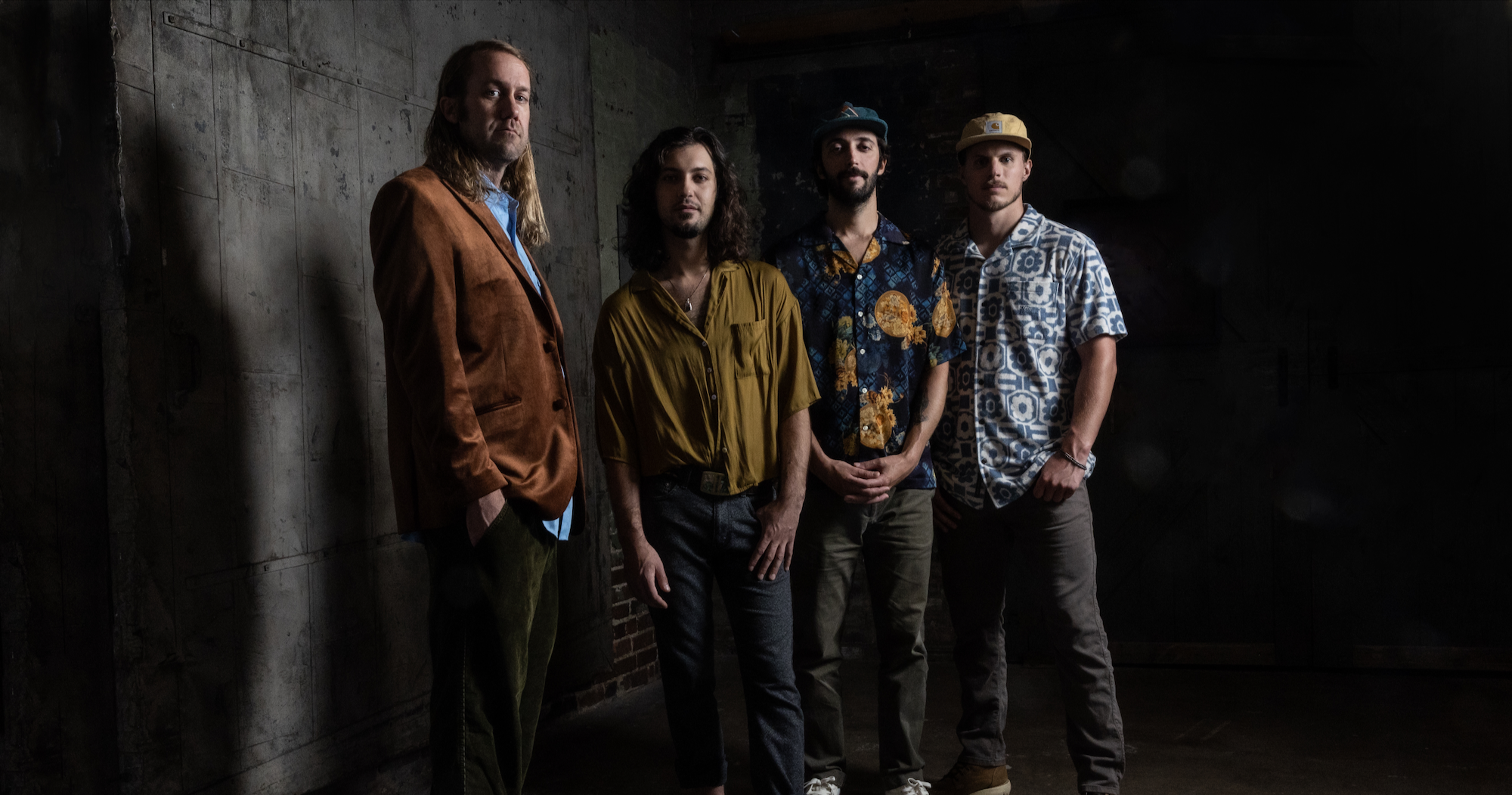
Magoo has been lighting up Colorado’s vibrant and crowded jamgrass scene since 2022. Their collision of string band music with danceable beats, jazzed up instrumental breaks, and anthemic lyrics rooted in rock has led guitarist Erik Hill to coin the phrase “bluegrass with lasers” to describe their sound and style.

After turning heads with two volumes of Magoo The EP in 2023 and 2024, the band – now comprised of Dylan Flynn (Dobro), Courtlyn Bills (mandolin), A. Denton Turner (bass), and Hill – have finally unleashed their full-length debut, What A Life. The 10-song compilation sees the upstart group of pickers contemplating everything from the sacrifices of a life lived on the road, the places that have transformed us, and how our stories are all connected.

Across 52 minutes of run time, the musicians rip their way through meandering jams that flow freely from one song to another as if it was a live show, an approach Hill says was intentional to keep the album from feeling sterile.

“Our live shows and recordings are very important to us, so it was imperative that this album not feel so copy and paste or cut and dry like studio projects often can be,” explains Hill. “I think we landed on a nice, organic feel that stretches the songs out, but not as much as we do when you see us live. In that sense, it serves as a good bridge between the two.”

During a free-flowing conversation with the band inside the green room at The Burl in Lexington, Kentucky, midway through their winter tour, Magoo spoke about the DIY approach to What A Life, Telluride’s significance to the group, near-death experiences, and more.

Why was now the right time to release your debut record?

Erik Hill: We had all the songs that we wanted to record. With the EPs we released previously, we basically recorded the couple originals that we had at the time along with a few covers. Eventually we started collecting a nice set of original music and figured it was time to do a full-length album.

Denton Turner: A big part of it is just having all the parts in place, from our management to booking people, so we can hit the road full speed. But in order to do that right it was important we have an album out to go with it – we needed a product to market. That was a big motivator for us this year, having an album to really kick in the door and make the most of our 100+ shows this year. Getting those other pieces in place on our team gave us ample time to focus on recording. When you’re trying to do everything it’s easy to half-ass it all, so having them by our side allows us to focus on and tackle what we love – the music – head on.

And with What A Life you opted to tackle it in your own DIY studio. Tell me about that experience?

Courtlyn Bills: I’ve made about 80 records in the past, but for this one everything was set up special just to make this album. I was moving and had my dad drive up a bunch of equipment from Texas, including my console he’d been holding in storage that was previously owned by Prince.

EH: Sessions were scattered throughout the month when we weren’t touring. Any time we were able we’d try getting over to Courtlyn’s to bang out a tune or two.

CB: There were a lot of 4 a.m. sessions. The coffee pots were flowing! The only big difference from one session to the next came on the jams, which we decided to use our pedal boards on and mic them up simultaneously. The only other thing is that I changed the action in my mandolin near the end of some tunes, which is why my mandolin sounds a bit thicker to close out three songs. There was a lot of us repeatedly asking each other, “How does your instrument sound?” Because there’s no turning back now, so no pressure. [Laughs]

DT: Even though we’re coming from touring and going straight into recording and back to touring – which seems hectic in a way – it’s nice for me doing [songs] one at a time. Being in a studio can be a grueling, tedious process, so having the luxury of being able to do it ourselves when it made sense for us was nice. We were able to just focus on one song or two songs at a time and give them all our attention. It didn’t feel like we were on the clock and paying by the hour with the pressure to get it all done quickly. Instead we were able to focus on banging out a song then hitting the road and discussing what next song we want to do and develop next before coming back being ready to give that song the attention it deserves, which was a lot of fun.

Courtlyn, you mentioned having a deep catalog of producer credits already. Has it always been a goal of yours to record your own band’s projects?

CB: I first started working in a studio when I was 15, mostly with younger artists that have less developed material, which I love. However, what I don’t love recording is my own music, which is why I never made a record for myself up to this point. But the cool thing about Magoo is, even though I write for and sing a lot with them, it feels like I’m working for a band and not myself. Knowing that removed a lot of the pressure of it being a make or break thing because I could trust my dudes. If they said something was good I wouldn’t question it, I’d just say, “Let’s move on!”

If I’m not mistaken, the only song you didn’t record at the DIY studio was “Angel Of Telluride,” which you flew to Nashville to knock out with its feature artist, Sam Bush. How’d that one come about?

CB: That connection came about through Jeff Fasano, an amazing photographer who used to shoot the rock band I was in prior to Magoo. Whenever we first met I had just started playing mandolin and I remember him telling me that he could see into my soul and could tell that playing it was my destiny, not rock music. I knew he was also close to Sam, so when I eventually wrote “Angel Of Telluride” I did it to be a Sam Bush song.

One day Jeff emailed Sam about the song and once he realized we were a real band and not full of shit he gave me a call and said he’d be honored to be a part of it. When we got to recording, I remember asking him if he wanted a producer credit on the song and he turned it down even though he was still effectively acting as a producer, because every freaking note, chord change, and tone shift he hit was spot on.

DT: Sam actually beat us to the studio the day we recorded. We wound up spending the entire day hanging out with him. It reminds me of a line in “What A Life” – “Buy the ticket, take the ride.” You only get one life, so don’t shy away from taking chances and shooting for the stars. Who knows, you might just wind up at a studio in Nashville recording with one of your heroes. Working with Sam never would’ve happened if we hadn’t taken the chance, and I’m so glad we did. I hope it inspires others to bet on themselves and their abilities too.

That song also holds a lot of significance given what the Telluride Bluegrass Festival has meant to the band, notably how you wound up bringing Courtlyn into the fold. Can you tell me about that?

Dylan Flynn: Erik, myself, and my Uncle Paul [Flynn] were the original Magoo and would regularly attend and pick around at festivals like Telluride, Rockygrass, and Tico Time. Then a few years ago Courtlyn, still new to bluegrass at the time, stumbled into our campsite. We ended up picking all week, through the night until 8 a.m. each day.

Then at one point when we were watching Greensky Bluegrass perform I remember him turning to me and saying, “I want to be in your band” and I responded, “I just met you like five minutes ago. Let me talk to the guys about it first.” [Laughs] But after spending all that time with him there and seeing not just how his brain works, but also how far along he was as someone still new to bluegrass, it was a no-brainer. In the weeks after Telluride it dawned on us that he was the missing piece we needed, not just as a player but as a person as well.

We rode with that lineup for about a year until my Uncle Paul decided he wanted to step away from music to travel the world – he’s actually rooting us on from Thailand right now. But when he departed, Denton was presented to us by a mutual friend. Similar to Courtlyn, after being introduced he tagged along to play several gigs before we formally asked him to join us long-term.

DT: I still remember them proposing to me and making it official with a Slim Jim ring. I still have mine and see it every day. It’s on the bus sitting on the butter tray in our fridge. [Laughs]

Sounds like you’re preserving it like one of those Big Macs you see in a museum that’s unchanged after 20 years!

Switching gears now – Courtlyn, what led to your move from the rock world into bluegrass?

CB: I was seeing the String Cheese Incident and going to festivals like Hulaween a lot, but I still didn’t quite love or understand bluegrass yet. I come from a really progressive and heavy world of jazz fusion, metal, and radio rock, but once I started hearing Cheese do more bluegrass-leaning songs I started falling in love and learning how to do them myself.

Then in 2019 – still prior to picking up a mandolin – I ingested DMT for the first time. When I did, I remember a friend who’d been telling me for years that even though I didn’t know it, that I was a mandolin player. [He] put a 1916 Gibson A[-style mandolin] into my hands and told me to shred. I don’t know how to explain it besides it being like “Dr. Strange,” but with numbers. It was that moment I became a mandolin player.

From there I formed a Celtic band and began plugging away with that, all the while realizing I had to get this bluegrass thing figured out. Bluegrass is one of the most prominent genres in the counterculture-ish scene that I loved being a part of, from String Cheese people to Deadheads and Spreadnecks and beyond. One day I sat myself down and said bluegrass is gonna have to be it – you are married to bluegrass now. Then I started going online and listening to pickers like Ricky Skaggs, Sierra Hull, Jarrod Walker, and David “Dawg” Grisman, slowing down YouTube videos to learn their breaks. That was about it. Once I learned what was going on in bluegrass musically, then it was obvious that these guys and gals are monsters. To be able to create such a back pocket with no drums on that mash grass stuff – there’s nothing like it.

You’re right, there is nothing like it! With that in mind, is that what your song “What A Life” is about – taking chances and being grateful to make a living making music?

CB: The melody and chorus for that song came together really quickly one day in my buddy’s living room. At that time in my life, the songs I was writing didn’t hold a lot of meaning or significance, so I wanted this one to be profound. The last verse really says it all: “What a life/ Is what I thought before I got swallowed by the tide/ Something felt amazing/ But I knew it wasn’t on the other side.”

I had a near-death experience when I was 19 and that is where I take a lot of the song’s inspiration from – although in the beginning I try to get cute talking about grandpas and other relatives and how their actions and memories have impacted the person you are in this very moment. Despite how insignificant those stories may seem to you right now, the fact that they were passed down and made it to you means they must’ve been pretty big moments in their and your family’s history.

So even though something like hopping into a stranger’s car and hauling ass to Telluride may not seem significant to anything other than the present moment, it’s so much more than that. We’re all connected in the climb and the work we put in together to build the memories we cherish. If none of us were here, what would be the point?

DF: …There’d be no life at all. That’s my favorite line in the entire song: “If none of us were here there’d be no life at all.” [Laughs]

A big part of the musical life and memories in your Colorado stomping grounds are its vibrant jamgrass community, a talented and tight-knit group that reminds me a lot of the Kentucky scene I’ve been fortunate to grow up in. What are your thoughts on the scene there and where Magoo fits into it all?

EH: We’re pretty lucky to call Colorado our home base. It’s certainly a breeding ground for a lot of great bands and even better music fans. People that love our type of music are everywhere in Colorado, no matter what town you’re in. From Denver to Boulder and up in the mountain towns, people want to hear that jam music, bluegrass, or a mix of both. It keeps us constantly busy and buzzing with new ideas to explore.

DF: We also have so many friends who are a part of great bands like Clay Street Unit, Tonewood String Band, and The Fretliners. I have more friends in my life now than ever before because of the community that we’re building. It’s also funny too – like one day I was driving home and saw [the Infamous Stringdusters’] Andy Hall in my neighborhood and am in awe, only to find out he lives half a mile down the road. My number one Dobro inspiration is Andy Hall, so having him so close by is a testament to just how unbelievable the music scene is in Colorado right now.

CB: There’s just something about being above 8,500 feet [elevation] that pushes people to their limits, whether it’s climbing a mountain or writing a song. The special thing about Colorado is the people here are making music for their friends. They’re making music for their little community to get together and have a good time. Someone like Vince Herman isn’t out there writing a song to have a number one hit. He’s writing a song so his family and his homies can get in front of the stage and throw down and feel comfortable and have the time of their lives, which is exactly what we’re getting to do now.

All: What a life!

What has bringing this album to life taught you about yourselves?

EH: Doing this album DIY style, we had to learn to trust ourselves and say, “Hey, this is really good.” You can sit here and nitpick each part and each take fucking forever, but at the end of the day what we have is really good, good enough to put out for people.

DT: For me, it’s in line with the phrase “what a life,” to take the chance and take the ride, call Sam Bush, whatever. I hope it inspires others the way it inspired me. When I met these guys, I lived three and a half hours away on a good day, but I saw what was going on and wanted to be a part of it. That meant getting in my car and driving to Denver multiple times a week to practice and learn the material. People thought I was crazy, but if you want something, you’ve got to go for it and give it your all. When you do that, amazing things can happen.

This whole experience has been a case in point of that, especially with the Sam Bush thing and making that call. We didn’t sit there and second guess ourselves about it and look at what happened. It’s always worth your time to give it a shot. You never know where the ride will take you. For me, that’s what this is all about.


Photo Credit: Jeff Fasano

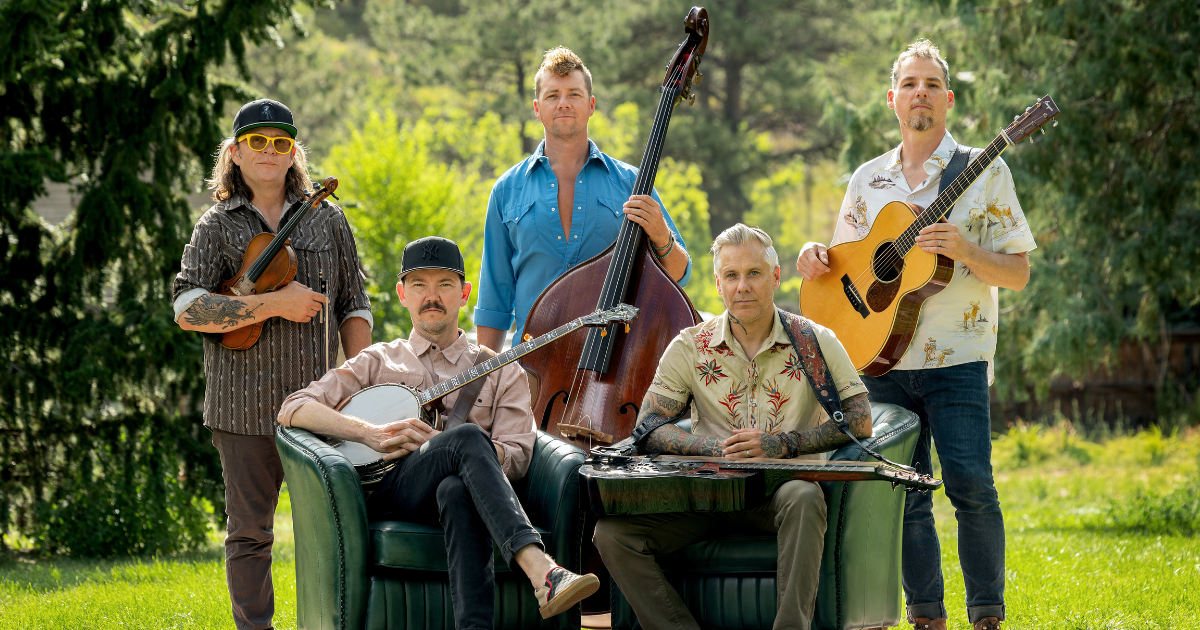
Artist of the Month: The Infamous Stringdusters

During the Infamous Stringdusters’ recent holiday gig at The Orange Peel in Asheville, North Carolina, the storied venue was packed out with jamgrass freaks, the performance itself a kickoff of sorts for the band’s 20th anniversary in 2026. I found myself standing sidestage when show opener Bronwyn Keith-Hynes came up next to me. A smile emerged on her face taking in the band and the audience.

“The Stringdusters made me want to start a band,” the GRAMMY-winning fiddler said, turning to me. “The Fork In The Road album was the most influential modern bluegrass album for me when I was at Berklee.”

Keith Hynes’ sentiment conjured numerous memories and moments I’ve been lucky enough to be a part of when it comes to the ‘Dusters. The first time I ever laid eyes and ears on them, it was the 2008 Targhee Bluegrass Festival in Alta, Wyoming. I was 23 years old and a rookie reporter for the Teton Valley News, based just down the mountain in Driggs, Idaho. By that point in my life, both personally and professionally, I was diving deep into the jamgrass world – the intersection of ancient tones, psychedelia, improvisation, and a collective love of the Grateful Dead.

The initial spark of the modern jamgrass movement was lit by Yonder Mountain String Band, Leftover Salmon, and the String Cheese Incident, all three acts coming into the national spotlight by the end of the 1990s. A musical template had been formed, and the ‘Dusters would emerge in the early 2000s to throw gasoline onto that melodic fire, ultimately becoming a missing link (alongside Greensky Bluegrass) between jamgrass originators, those ‘90s propagators, and folks currently carrying the torch into new, exciting realms: Billy Strings, Sierra Ferrell, Molly Tuttle, Sierra Hull, and more.

“That’s what’s so beautiful about bluegrass music, in particular,” Stringdusters fiddler Jeremy Garrett told me recently. “You pass it on to the next generation and they take it and they do their thing with it. Luckily for us, we were around at a time that [that] was very important, and a transitional time in the industry.”

In 2010, a couple of years after my introduction to the band at Targhee, when I returned to my native North Country of Upstate New York, I found myself covering a show at the intimate Showcase Lounge at Higher Ground in Burlington, Vermont. I was there to see the ‘Dusters once again. Their sound and energy immediately transported me back to the Rocky Mountains that I missed dearly. (Sharing the bill was another rising jamgrass act, Trampled by Turtles.)

I remember walking away from that gig feeling in awe and refreshed with a genuine feeling that something was happening. Something was on the horizon when it came to bluegrass and string band music. This wasn’t a traditional bluegrass band in matching suits, standing like statues. It was a rock show with acoustic instruments. Baseball caps and long hair, grins ear-to-ear. More provocative than standstill, more vibrant than just going through the motions of what past generations were instructed to do.

“Being able to showcase our own songs, in our own way, [our] writing skills, and making the decisions on what was chosen to play and how to play it [were] foremost for most of us at the beginning,” Garrett says. “Over time, we realized that we were actually growing a community. And after all these years, that honestly has become the most important part, the most important thing that we could possibly do.”

What I witnessed in Wyoming and Vermont years ago is what I’ve continued to experience with the Infamous Stringdusters, in person and in method, from Florida to Colorado and beyond. They set the pace then for where we stand with jamgrass right now, built on a full-throttle approach, one which remains sonically elusive as well as paying homage to the architects of bluegrass and those who broke from the pack and made something all their own.

Aside from the talents of the Stringdusters, either as individuals or the sum of their parts, you also have a unique setup. Alongside founding members, banjoist Chris Pandolfi and Dobroist Andy Hall, who emerged from the prestigious Berklee College of Music in Boston, you have the tradgrass pedigree of Garrett, who was born and raised in a traveling family bluegrass band hailing from Idaho. This fusing of road-tested grit and grace with conservatory-style techniques is at the heart of what this group does best: jam.

All of which circles back to the Asheville Orange Peel performance in late 2025. There were tightly knit melodies and freewheelin’ improvisational explorations. They broke down the invisible walls between themselves and the audience, maintaining a two-way street of momentum, energy, and inspiration from both sides of the microphone – a vortex of sound and scope, all revolving around a deep sense of community.

“The band is stronger than ever and making some of the best music we’ve ever made,” Garrett says. “But, the thing I see that is the most important being carried on is that community factor. We certainly didn’t invent that, but we took note and applied the philosophy to our scene, and hopefully the next generation realizes how important that piece is.”

Ultimately, this 20th anniversary celebration for the Infamous Stringdusters is a culmination of a tried-and-true effort to bring this hallowed music into the unknown and unfolding musical landscape of the 21st century. With their upcoming album, 20/20 (out February 13 via Ameriana Vibes) they continue their efforts to break new ground and forge ahead, together, whatever the next 20 years hold for jamgrass and the ‘Dusters.

The Infamous Stringdusters are our Artist of the Month. Below, enjoy our Essential Infamous Stringdusters playlist and stay tuned as we share brand new and archive content on the ‘Dusters throughout the month of February here on BGS – and across our social media channels. Like our exploration of their 20-year discography or our oral history of the band featuring all five members in conversation.


Photo Credit: Daniel Milchev

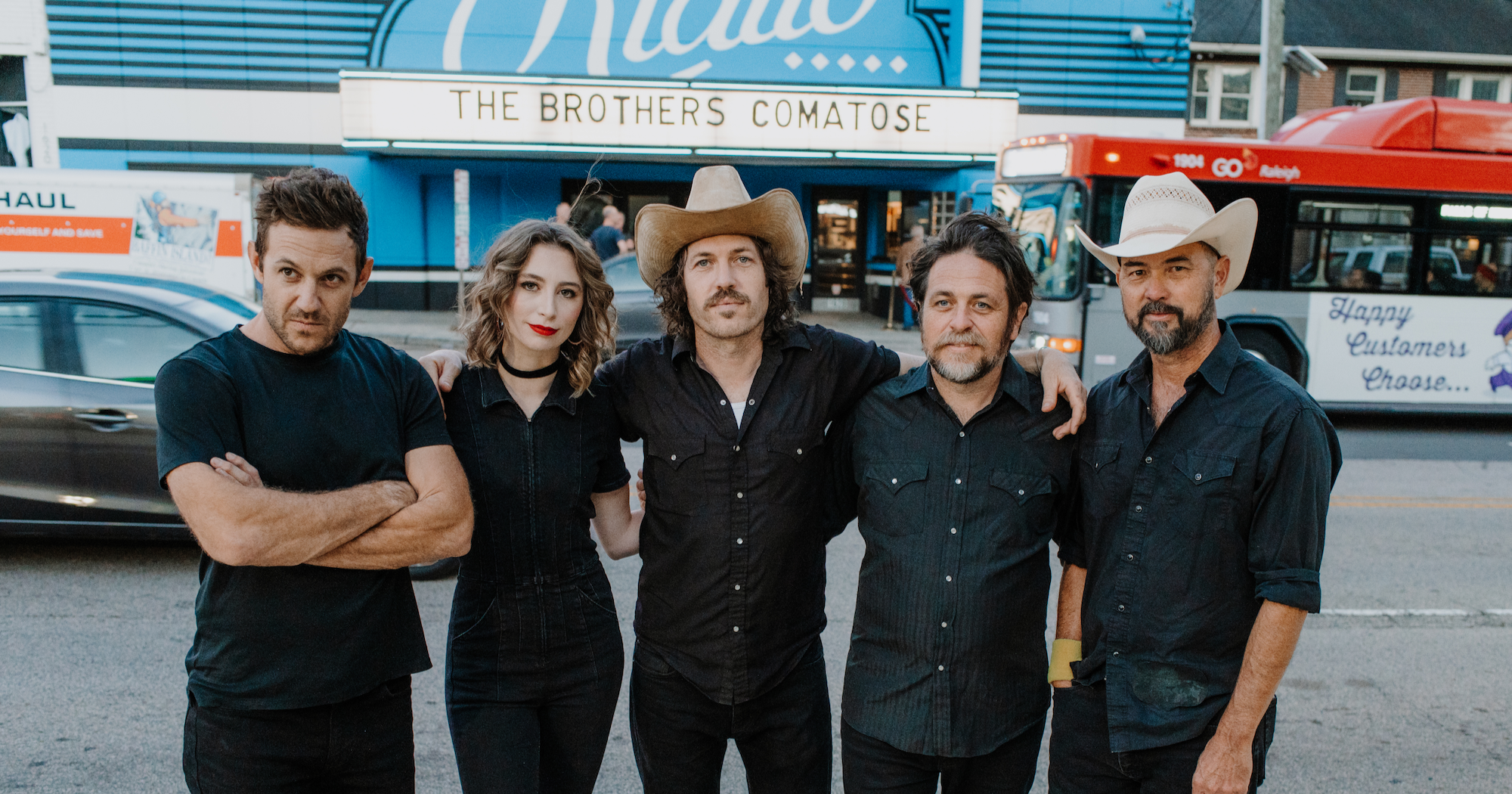
The Glittering Golden Grass of The Brothers Comatose

Bay Area five-piece The Brothers Comatose were actually founded by the brothers Morrison: that would be Ben on guitar and lead vocals and his brother Alex on banjo. The Morrisons came from a musical family and were influenced as much by classic rock as they were by country and bluegrass – their first album, Songs from the Stoop (2010), even contains a cover of The Rolling Stones’ “Dead Flowers.” Initially, the band’s lineup included bassist Steve Height, fiddler Phil Brezina, and mandolin player Greg Fleischut.

In the 15 years since, they have stayed busy both in the studio and on the road. As anyone who has seen the band’s concerts can attest, The Brothers Comatose are anything but… comatose. Their live performances are known to be high energy and often include audience participation. They have supported everyone from Gillian Welch & David Rawlings to Yonder Mountain String Band to Trampled By Turtles. In addition, the group has played festivals like Hardly Strictly Bluegrass and Outside Lands.

The Brothers Comatose returned at the end of July with their fifth studio outing, Golden Grass. The title track, which also opens the album, came from an unlikely source. “A fan started calling our sound ‘golden grass,’” explains Ben Morrison. “And the phrase just felt right.”

Golden Grass arrives three years after the band’s prior album and continues their mix of traditional bluegrass and rock. But behind the scenes, there have been some changes. The Brothers recorded Golden Grass in two separate installments with two different producers, Greg Holden and Tim Bluhm. While they were making the disc, mandolin player Greg Fleischut decided to leave the group. His replacement, Addie Levy, is the first woman in the band and, at just 23, significantly younger than her fellow members. “We always thought it would be cool to have a female voice to hit those high harmonies,” says Morrison. “Addie’s such an incredible mandolin and fiddle player, but she’s also a great singer and songwriter in her own right.”

Golden Grass is probably a bit more diverse than the band’s previous albums. Beyond being their first release to include a woman singer and mandolin player, it’s more collaborative in general. Ben wrote several songs, of course, but other tracks were penned by Levy, Brezina, and Alex Morrison. Still, Golden Grass maintains a pretty consistent sound over its 10 songs. The title track sounds like a lost Allman Brothers tune from back in the day and other highlights include lovely ballads like “Home Again” (featuring Lindsay Lou on guest vocals) and “My Friend” as well as the funny, rollicking “The IPA Song.”

I recently had the pleasure of catching up with Ben Morrison and Addie Levy for BGS.

To start with, tell me a little about the making of Golden Grass. I understand there were some changes between your last album and this one. Addie obviously is the new addition. And I guess Greg was the guy who left?

Ben Morrison: Yeah, Greg was in the band before. He left like halfway through the album. We recorded it in chunks. So we recorded half the album, we were working through the rest of the songs, and in that process, he left the band. Addie joined and recorded the second half of the album with us. But it’s funny. There are four mandolin players on [Golden Grass]. We had a couple of guest mandolin players on the album before Addie joined. Ronnie McCoury’s on there. It’s a good variety, I guess. [Laughs]

Tell me about the title track, which is also the first song on the album.

BM: That’s a good question. It started out with us trying to identify ourselves – that age-old question when you ask a musician what kind of music they play. “Well, it’s kind of hard to define. We’re jazz and pop and metal and boy band!” [Laughs] You know, it’s definitely pulling a lot from the bluegrass world. But also from a bunch of other influences.

We kept posting these things on Facebook and there’s this guy, Cyrus Clark, I believe his name is. He kept commenting about a lot of music coming from California – string band music specifically – going back to Old & In the Way. He kept saying, “Golden Grass! Brothers Comatose, Molly Tuttle, and AJ Lee.” We thought that was really cool.

I think I had just written it down in a notebook one day. And we did a cowrite – myself, our fiddle player Phil, and the guy that produced the second half of the record, Tim Bluhm. I was like, “What if we called it Golden Grass?” We started name-dropping different bands in the lyrics and kind of giving them a little shout out. We had fun with that and went with it.

“Home Again” – reading the press release, I know what inspired it. But just listening to the lyrics, I [probably] would have known anyway. For those of us on the East Coast, tell me a bit more about what [the wildfires] were like and how it affected the song.

BM: That wasn’t a personal story; it was about good friends of ours who lost their house in the Santa Cruz Mountains fires a few years back. For those of you not in California, there’s a fire season [here] where fires can just rip through and destroy communities. It’s pretty messed up and now it’s literally close to home. Some good friends of ours – all their property and their house got destroyed. I think it was during the pandemic and it hit me pretty hard. I was just really feeling for them and that song kinda came pretty quickly.

We had the song and thought about getting somebody to help sing it with us. Lindsay Lou’s been a friend for a long, long time and she’s such a great singer. We sent it to her and she was on it. It’s about a couple losing their house and building back together. So it made more sense to me as a duet.

I like the ballads on the album. Addie, I think you were the one who wrote “Blue Mountain?”

Addie Levy: I am.

Tell me a bit about the inspiration for that song.

AL: I’m from the Blue Ridge Mountains of Virginia. I grew up in Appalachia my whole life. [The mountains] have always been a very big inspiration for my writing and who I am as a person.

I was driving to work one day and was listening to the Infamous Stringdusters’ [version of the Cure’s] “Just Like Heaven” and got really inspired by having a keen lick throughout the whole song. I was like, “I need to write a song like that.” It all came to me within the drive to work. I showed it to my mom when I got home and she kind of looked at me with concern. She was like “Are you and your boyfriend okay?” I was like, “What does that have to do with the song I just played you?” I accidentally wrote the entire thing about him – which is bad ‘cause he cheats on me in the song! But he doesn’t in real life! [Laughs]

There were all these little pieces. Like, I pass his exit to work every day. He knows my Starbucks order. I painted the walls blue in his bedroom in one of our first months of dating. I pulled all these little things I didn’t mean to. Then I had to show it to him. I was like, “I am so sorry I wrote this song about you!” But when you’re in a nice, healthy relationship – I don’t have that much stuff to complain about so I can’t really write about it!

“The IPA Song” is a fun track. Anything either of you want to share with me about that?

BM: When we play shows, we like to get people onstage to help us out – you know, for sing-alongs or whatever it might be. I think we’ve had more children onstage for “The IPA Song” than any other song, which is ridiculous. But they make signs and stuff – like the IPA circled with a line through it. We had a 15-year-old last night playing mandolin with us for that song! I mean, the lyrics are goofy, but I guess it’s a catchy one. It’s been a fun song to play live.

Going back to the Bay Area music scene. In the late ‘60s, it was known for bands like The Grateful Dead, Jefferson Airplane, and the whole psychedelic thing. And in the late ‘70s, there was something of a punk scene. Even in the ‘90s, there were bands like Counting Crows that recorded in San Francisco.

What is the scene like now? And with all these different musical sounds that have come from the city, how did you settle on more of an Americana/bluegrass sound?

BM: The band got its start in 2008 in San Francisco. My brother and I were living in a house on Haight Street – right in the thick of it. Phil lived a few blocks down, so he would come over. We continued to live in the city for a long time and there was a bustling scene. With bluegrass too – like this [past] weekend was the Hardly Strictly Bluegrass Festival. I kind of credit that festival with my direct interest with this kind of music. It’s massive, three-quarters of a million people throughout the weekend. It’s all free. Huge headliners. It’s not all bluegrass but it definitely leans in that direction.

It was so cool being exposed to different kinds of music that I hadn’t really listened to before. What was also cool was watching artists play – Del McCoury, John Prine, Emmylou Harris – all these players that were older. It seemed like the older you get, the more respect you get in this world. [That] was interesting, because I felt like in the rock world there was sort of a shelf life. Like “Oh, you’re in your late 20s in a rock band? Give it up, kid.” That kind of thing. But in this world, when you’re 70, you’re doing it! That was always so cool to me.

So San Francisco does have a pretty cool scene. Probably 10 years ago, a lot of people started moving out because tech started moving in [and it became] more expensive. But I’ve heard that it’s getting cool again. I don’t hang out there as much anymore ‘cause we’re on the road a lot and I’ve got two kids. I mean, Addie probably hangs out there more than I do.

AL: Anytime I’m in town, I try to find a bluegrass gang. There’s a couple of bars [where] I’ve made some good friends. Sometimes there are jams, sometimes they’re just drinking. But there are some really cool musicians in town.

Ben, I know your brother is also in the band. Tell me what Alex brings to The Brothers Comatose that is unique.

BM: Alex has swagger beyond belief. [Laughs] Is that what you would call it?

AL: Yeah. [He’s] the most photogenic, most in the vibe of every situation.

BM: And the way he plays, too. To me, he plays banjo like Keith Richards plays guitar. You know, he’s not trying to be the Yngwie Malmsteen of the banjo or anything. He’s just trying to make it groovy, stanky, in the pocket. It’s just got such good feel to it. And also, he’s a great songwriter and singer. But a lot of his influences come from [bands like] The Rolling Stones, Led Zeppelin. We used to listen to a lot of classic rock when we were kids.

Addie, I guess I wanted to ask you what it’s like so far as the new member of the band and also the first woman. Crashing the boys’ club, as it were.

AL: My very first show with them was in Idaho. I had never met any of them, I had one phone call with them and I had never been west of Nashville! You know, I grew up traveling up and down the East Coast and never really left. I remember touching down in Sun Valley and the realization hit that I knew two people there and they were leaving the next day. And I was like, “I’m gonna get murdered. I am gonna die out here!” [Laughs] I never heard of the festival, it was in the mountains somewhere… I was like, “This is the end.”

[I was] super anxious to start. I mean, our first show was a headlining slot that Sunday. That was terrifying. But [the Brothers Comatose are] just the greatest people. They’re so welcoming. And I’m an only child. So they’re really the siblings [I never had]… They’re the best.


Photo Credits: Lead image courtesy of Burning House Management. Alternate image by Jessie McCall.

25 Years of Greensky Bluegrass Connecting the Dots

On a recent afternoon, Paul Hoffman is standing in a parking lot in Harrisburg, Pennsylvania. Lead singer/mandolinist for Greensky Bluegrass, Hoffman is pacing around the backstage lot before the gig at XL Live that evening deep in reflection about questions posed over the phone – the core of which focus on the upcoming 25th anniversary of the groundbreaking jamgrass outfit. A while back, in the depths of rural New Hampshire, I interviewed Hoffman for another project and I asked him just what the original intent was behind Greensky Bluegrass.

“To play heavy metal music on acoustic instruments,” he replied, a sly grin emerging across his face.

Now, 25 years since its inception, Greensky Bluegrass has adhered directly to Hoffman’s sentiments. These days, the group has become a marquee live act, one which uses its string instruments to transcend all genres of music, whether bluegrass or blues, rock or country, funk or soul – or even heavy metal.

Case-in-point, the ensemble’s latest album, XXV, is not only an ode to a quarter-century of passion, purpose, and performance, but also a mile marker by which Greensky Bluegrass can measure their own road to the “here and now” – this realm where the passage of time doesn’t necessarily matter, only fleeting moments onstage with the ones you love do.

XXV brings together many of those dear friends and collaborators of Greensky – Sam Bush, Billy Strings, Lindsay Lou, Nathaniel Rateliff, Aoife O’Donovan, Holly Bowling, Ivan Neville, Natalie Cressman, and Jennifer Hartswick. Each of these special guests represent chapters of the band’s continued journey to something – somewhere, anywhere – that kind and curious folks congregate in the name of fellowship, compassion, and sonic joy.

With the starting line of Greensky Bluegrass being an impromptu Halloween gig in 2000 in Kalamazoo, Michigan, other pivotal dots pop up quickly along the way. Like the inevitable camaraderie between the group and other Michigan artists like Strings and Lou, who came up in the same scene and have supported each other ever since. Or, like Sam Bush himself – Bluegrass Hall of Famer and the symbolic face of the Telluride Bluegrass Festival – being featured on the project, reminding how the Telluride stage brought Greensky Bluegrass into the national spotlight when they won its famed band contest in 2006.

For Greensky, the friendships made along the way brought endless opportunities to play alongside one another at a show, a festival, or late-night jam. Opportunities that would always be too good to pass up – don’t forget, fun is the original point, and should remain so.

XXV is also a fresh snapshot of Greensky Bluegrass. The songs are pulled from across the entire timeline of the outfit, from their early days in Kalamazoo to the mountains of Colorado. From the bright lights of Nashville to the backroads of Southern Appalachia. From the blue skies of Anytown, U.S.A., to the sandy beaches of some international destination.

After 25 years, what remains is a band of genuine souls where gratitude is only matched by hunger and curiosity for what resides just around the next corner. Greensky Bluegrass, decades later, remain ready to surprise the listener and to carry on the pure intent that emerged those many years ago.

Now that this album’s coming out, whether consciously or subconsciously, the celebration of 25 years is currently underway. What’s been kind of rolling through your mind?

Hoffman: Primarily gratitude. I’d be remiss to not be grateful that we’ve been able to [do this for 25 years]. It’s a celebration, truly. It feels so cool. We’re doing [the anniversary shows] in our hometown and playing the [Wings Event Center in Kalamazoo] for the first time, which we’ve talked about since we were a very young band. And, you know, something interesting I’ve learned is how excited people are about this retrospective project. In true Greensky fashion, it’s this unique, hybrid idea. Like, “What if we did this? What if it took this turn? What if we recorded this and revamped this?”

We didn’t just make a new record, we stopped to reflect and commemorate in a way that was meaningful to us. And it seems like it’s translating. It’s not even out yet. It’s a unique perspective on gratitude that maybe I didn’t expect. [For XXV], I don’t want to say that it was easy or something. Because we did it pretty quickly and we didn’t have to write any material and we didn’t have to make huge choices about how to present it, because there already is an arrangement and an idea. But, in some cases, we did things differently because we could and we were not beholden to some authority on how it needs to go.

[The recording process] was so casual and creative in this really innocent way – “Let’s just record this and see what happens.” And we just kept recording stuff. We didn’t even know what we were going to do next. Every moment is monumental in some way or another, but 25 years is nothing to scoff at. And this all was birthed from, “What could we do?” With making new music and new albums, there’s a pressure to create something better than we’ve ever done. Or genuine to the brand we’ve created and to ourselves, but also exploratory enough [and] a departure from the norm enough that it’s new and exciting. It feels like such a relief to do [XXV], to approach creating new material from a different perspective.

How did you decide on the guests?

I wanted to find guests that celebrate our story, that are close to us and collaborators and such, but also elevated the material in some meaningful way. And there were real pleasant surprises along the way there.

What did it mean to have Billy and Lindsay on the record, seeing as all of you emerged from the same scene in Kalamazoo and have always supported each other?

I mean, to say that it was sort of obvious and natural is probably an understatement. We joked about why we chose “Reverend,” because Billy plays it [live]. But, I also feel it’s an important song. And for me as a writer, it’s kind of a landmark in my journey as a creative. But again, even though I knew [Billy] would crush it on the guitar solo, some of the phrasing choices he makes are subtly different than mine – I love it. And, man, I can’t stress enough, what a gift [“Reverend” is]. I wrote that song almost 20 years ago. It means something different to me now, and it has throughout my life singing that song.

You’ve always been a very sonically elusive band. Was that by design or just how things evolved?

I think that we just have a spirit to not be limited. So, if we want to emulate all the things we love – and we’d love a diverse amount of things, musical things – we honor the acoustic nature of our heritage as a band, but we want so much more. We want [things] to keep us interested and engaged. We’ve allowed ourselves that creative freedom to try anything. And we think we’ve jumped the shark many times. [Laughs]

With getting older, you also start having different perspectives on what you were creating and how you want to present it.

Yeah. You know, art is timeless in some ways, because you can change your opinion about it or the way you relate to it as you mature.

When you had mentioned that you guys “jumped the shark many times,” I think that’s one of the things I appreciate about Greensky – you’re not afraid to just take a leap.

It’s one of my favorite things about musicians I admire, too, are the ones that I watch struggle to either challenge themselves, push themselves, push their boundaries, or convey a message with emotion that’s challenging, you know? If you’re willing to make a mistake, if you’re willing to truly find the line of your capacity, you have to be willing to cross it to know where it is. I’ve always said – in my later maturity – that I wonder if I’ve crossed it too many times, and in sort of a noble quest with noble intentions. [Laughs]

That’s something I love about Billy’s playing a lot. Despite being one of the greatest guitar players I’ve ever seen, I’ve watched him up there grasping for things and struggling. Struggle doesn’t always have to have a negative [connotation]. To not struggle would be complicit and boring.

The upcoming Halloween shows in Kalamazoo are the official 25th anniversary of when the stars aligned, when you, Mike [Bont], and Dave [Bruzza] played together as Greensky for the first time.

When you started asking the question, my brain went to right about now, [25 years ago]. We met [a few] weeks before Halloween. I was a college freshman and I went to this bar called the Blue Dolphin, where there was a bluegrass open mic. I saw Dave and Bont play and approached them after the thing and was like, “Hey, I just bought a mandolin,” that I’d gotten in late August before moving to college. So, I’d only had it for four or five weeks.

I didn’t know what the hell I was doing at all or what bluegrass even was. I bought the mandolin because of David Grisman, who’s so bluegrass-adjacent that I didn’t know who Bill Monroe was. I knew “Shady Grove.” [All of] which is still just a remarkable thing for me to think about. Like, what hell would my life have been had I not made that choice [to play mandolin]? What a bizarre twist of fate and then here we are 25 years later.

So, you guys met and you said, “Let’s jam”?

Yeah. A couple days later, I showed up at Bont’s house for a rehearsal. Him and Dave would just get together and pick. They were both learning bluegrass. Everything was so casual and just for fun. They would have band practices where we would get together and learn songs and stuff. And I just showed up for the next one and then didn’t go away.

What was the name of that [open mic] band?

Greensky Bluegrass. They were already playing as Greensky Bluegrass, which was named by a friend of Dave’s that played mandolin with him a little bit for fun. It was a joke in jest, “Wouldn’t it be funny to have a bluegrass band named Greensky Bluegrass?”

I don’t think I ever knew that you guys were called Greensky before the official [2000] Halloween show.

Well, I mean, what is “official” is interesting to think about. They were already [Greensky]. It wasn’t their first open mic, either. So, the first time the three of us [“officially”] played was the Halloween show. But, I think I joined them at open mics for a week or two or something [before Halloween]. And Halloween was a party. There was a poster made for fun or something. We were on the bill. Dave was in another band called Seeds & Stems. It was a house party in a house that Dave lived in. [Laughs] A pretty wild party, if I may say so.

So, it was billed as Greensky Bluegrass?

“Billed” is still kind of generous. But, yeah, we played a set in the basement and in the living room. I think the living room upstairs was just acoustic and then the jam band played downstairs in the basement, like colleges do, you know? A couple days later, we played a show at a venue in town, Club Soda in Kalamazoo, that was kind of a legendary rock club through the ‘90s and stuff. It was small, but we played there on a triple bill November 5 or something, [just] days later. And that one, I [still] have the poster. I think that was our first paid show.

Were you doing covers or did [Dave and Mike] have originals, too?

They were playing just bluegrass standards for the most part. It’s funny, that [first] night [I met] Dave, he gave me CDs – Seldom Scene, Live at The Cellar Door, a Rounder Records bluegrass compilation, and a Bill Monroe live show. And [he] was like, “Listen to these. See you on Tuesday at Bont’s house.”

In hindsight, man, to be 18 and have that kind of freedom, you know what I mean? I’ve been recently jamming on electric guitar at my house by myself for fun. And I’ve been thinking, “I wonder if I could find some dads around to start a band with for just fun.” And that experience is so foreign to me now, because I’m so immersed in this thing that’s become my life.

Looking back on it, you kind of jumped into the deep end pretty quickly.

I didn’t take a mandolin lesson until COVID. [Laughs] I was self-taught, because I already knew how to play the guitar – “knew how to,” I use that a little loosely, too. Took some [music theory] classes in high school and college and I’m sort of classically trained. But, I was able to teach myself my own instrument for a really long time. I should have sooner harnessed the strength of learning from another, because when I took a lesson during COVID from a friend, I was like, “I should’ve done this a lot sooner.” [Laughs]

You know, so much of what I was learning in those early days was how to express myself as a writer and find my voice. That stuff always superseded my need for technical prowess. I think we all kind of share that sentiment, all five of us – how to present this passion piece is more important than how to do it. We took on this every-other-week gig and stuff like that [in Kalamazoo]. And the commitment to go play shows for the same crowd every other week inspired us to grow, because we needed to. We had that jam band sensibility of satiating the fans. What can we do next week that’ll keep people excited? What can we do that’s new? How can we make this better?

When you look back, you can see where the dots connect. But, when it’s happening in real time, you don’t realize what the domino effect is, where all of a sudden you’ve found yourself in this band that you’re still in 25 years later.

Yeah. I was 18 [when we started the band]. I’ve lived with Dave and Bont for 25 years of my life. I didn’t even live with my parents that long. [Laughs] I’ve spent 200+ days of [every] year of my life with those two guys for 25 years, and the other ones for many years, as well. It’s kind of wild. It’s so cool that we created this project, [which has become] just a celebration of our relationship and that’s so much more important than what it has become. We care about each other and we genuinely have a lot of aligned goals, artistically and personally. We’re still grinding for it, and I’m grateful for what we have.

I think we’ve been very successful. I feel less “grinding” now and more, “Let’s just go and have some fun and play some shows.” Play where people want us to play and not measure our success by how many tickets we sell. And I’m starting to learn that more now. It took 25 years for me to figure out that what we have is great. We’ve got something cool, let’s just keep doing it.

And that’s got to be a nice place to get to, because you don’t get to 25 years by accident. The fact the original three members are still there is amazing, because that story is not that common in the grand scheme of things in this industry.

Even in our culture. It’s not even [common] in business partnerships, families, friendships. And the reality of that – that I’m learning with age – is that relationships change and everything shouldn’t be measured by the testament of time. I want to find value in a moment that is for the sake of “now” and not some transactional [thing]. Like, if I’m nice to you “now,” then we’ll have this friendship that serves us both and we’ll be there for each other. All that kind of stuff is great, but I want to live in the moment.

I think what’s remarkable is that we’ve stayed together, because we’ve all grown and changed in similar ways and our journeys have aligned the whole time, or for the most of the time. We’ve veered away from each other and back to each other many times. But, when one of us has wanted something different, we’ve all kind of shared that desire. In a way, we’ve been able to all be very sincere to ourselves and grow and change together.

I don’t mean to speculate what other bands are like or anything like that, but I don’t have a lot of relationships in my life that have lasted this long. And not just people, but to things like food or activities I enjoy. The only thing maybe is the way I’ve worn my hair for 30 years. [Laughs] When we grow, our tastes change for all things. But, my [creative, intrinsic] tastes for these four other men have not changed.


Continue to explore our Artist of the Month content on Greensky Bluegrass here.

Photo Credit: Dylan Langille

Daniel Donato Has Many Horizons in Sight, Literal and Metaphorical

Although names like Billy Strings and Sturgill Simpson currently corner the market at the intersection of country, jam bands, and bluegrass, rising star Daniel Donato has emerged in recent years with an out-of-this-world sound – and his newest project may be his best yet.

On Horizons (which released in August) the prodigy who as a child honed his skills on Guitar Hero and Nashville’s Lower Broadway turns a new page with an 11-song, hour-long compilation that brings his live and studio sounds together with drawn-out jams conjured up by his longtime bandmates from Cosmic Country – a moniker that describes both the group’s sonic and spiritual ethos.

“I want there to be a Cosmic Country sound where you can hear it right away, you can hear the first eight bars of any song and say, ‘That’s it!'” says Donato.

“Some of it is technical, like using the same microphones and the same studio as the last record. And some of it’s just in the way we approach it – and that’s something we get better at every time.”

Sitting on the back of his month-old tour bus affectionately referred to as “The Snowman” prior to a recent show in Lexington, Kentucky, Donato spoke to BGS about his Lower Broadway roots, creative freedom and restraints, and the catalysts for Cosmic Country.

We already touched upon your similarities with Billy Strings, but what about your parents’ influence – I know they played a big role in your musical foundation as well?

Daniel Donato: Everything when I was younger came from my parents. My father had a certain disposition for great rock and roll music like Pink Floyd, Stevie Ray Vaughan, and Led Zeppelin. But to be honest, I really don’t know where all of it comes from, because if you and I listen to a record we’re both going to hear it in different ways. For that reason I think a lot of this just comes from something that’s already dwelling within us and we’re just expressing from within that place.

For example, when I first heard Marty Robbins, I loved all the great guitar on it. And when I heard the Grateful Dead play “Big River” and make it eight minutes long in a really artistic and authentic way, I love that too. They’re all influences, but they start externally and creep inside you to the point that you take them with you everywhere you go and create from that place of soul, which is a combination of the body, the mind and the spirit.

Ever since I started playing guitar, I’ve always felt like I sounded like me and that “me” is constantly changing and revealing itself more and more. It’s like what Bob Dylan said – “I contain multitudes” – and it’s true. There are multitudes of self that just keep getting revealed through this authentic expression.

Was there a specific moment that served as the catalyst for you picking up the guitar and pursuing a career in music?

There have been many, but arguably the biggest was when I first saw the Don Kelley Band at Robert’s Western World and was in a state of shock – I’m getting goosebumps just thinking about it. That moment of hearing them and seeing how they interacted was amazing and was a big motivator in me wanting to do that too. It was a call to adventure and a reminder to believe I’m capable of anything, which is what ties all of these moments together.

That is not a self-assertive belief, that is a belief grounded in an authentic desire to make something beautiful so I can be of service. It was a big turning point in my life when I first started conceptualizing and receiving that, because then you can give it and then it turns into the cosmic circle of all things.

Some might perceive it as arrogance, but I think there’s a lot to be said for having the confidence to know what you’re doing is worthwhile and constantly chipping away to get better and reach your goals, whether that’s in a musical sense or wherever else life takes you.

I had already tried other forms of expression in my life before it, like sports. I also tried skateboarding and really loved video games like RuneScape, World of Warcraft, and chess. Even so, there were so many things I was bad at and I didn’t have beliefs that I could do them. But with music and the guitar, I could intuitively feel the potential I had with it and immediately locked in.

Artistry nowadays is parasocial on a lot of levels because of this immense amount of connectivity that we have on the various social platforms. [They] make it so anyone can get into the business of needing the world to give them permission to say something or express something real, when in reality the world does not need to give you permission for any of that. I’m not saying you should participate in any of the unspeakable, ungodly things we see happening to humans around the world, but if you want to express something artistically and you feel it’s true to you, then why should you need to get someone else’s approval to do that?

That idea to the mind is [like a] letter to the Pony Express – it needs to be delivered and it needs us to exist in flesh so we can externalize these internal values and expressions. It doesn’t need other people, it needs you, but at the same time it does bring people together – it’s so strange. It’s the thing that comes from most within an individual, but it’s also the thing that is the most unifying to an external community. It’s this weird “as above, so below” reflection that is purely righteous, so as I get older I feel I have more grace in relation to that particular part of existence.

The communal element seems to be a huge driving force behind not only your live show and fans, but this new record as well. Whereas some artists opt for a more straightforward studio approach, what made you want to emulate the energy from a gig on Horizons?

Cosmic Country records, to me, are like movies. The most enduring elements of certain movies that I love are the really long ones that have a very dynamic and rich storyline with a lot of drama and comedy in an attempt to scale the human experience. Like in A Fistful of Dollars, Django Unchained, or The Hateful Eight. The art is asking a lot of you during these three hour-long films, but it’ll give you a lot, too. There’s reciprocity there and our community is always willing to take the trip, which is equal parts liberating and terrifying. [Laughs]

If you were asked to write the score for a film, what would you want it to look like?

It would have to be a very truthful opportunity for me. I have always wanted to do that, even when I was really young. I always wondered where music and movies came from. But for now, we put out our records, and we play a lot of shows.

Speaking of the new album, you’ve been playing most of the songs on it live for a while now. What kept you from holding some or all of these songs back until the project’s official release, which it seems more and more singers are doing nowadays?

I like to look at our music as living music. It’s liberating in potential, but it’s also liberating because it gives you a framework to operate and create within. Every day of your life is different, so why wouldn’t the music that accommodates your life every day be different? These new songs are no different than a young child – they do better when they get to go out and be around people so they can grow spiritually.

That’s why it’s also important to share stories that everyone knows, which is why we incorporate a lot of covers into our shows and even recorded a volume called Cosmic Country & Western Songs in 2021. It gives people context and I love doing that. My favorite part of playing at Robert’s was we only played covers all those years so I’ve always loved making other’s songs my own – because if a song is good enough, you can play it with an original feeling.

But with Horizons every song I had my hand to the pen, even “Hangman’s Reel” – a traditional Celtic fiddle tune that the band and I fit into the Cosmic Country framework.

You’ve mentioned Robert’s Western World a couple times now. A couple weeks ago you returned there after making your headlining debut at the Ryman. What was that like?

We’ve done what’s never been done down on Broadway – going from cutting your teeth on the street corners and at places like Robert’s to topping a bill at the Ryman. It’s a common storyline for folks in Nashville to get their starts down here. Some go on to become songwriters, others become singers on stage and some become session musicians, but it all starts down on Broadway.

What I learned down there led me to getting in the door at Robert’s and leaving my blood and sweat on that floor there – like a dojo – before carrying us all the way to the Ryman. It was incredible getting to do a full headlining set up there and then going back home to where it all began at Robert’s and doing another set of music for their fans. We’re actually planning to release both soon as live recordings, so stay tuned!

With Horizons you placed parameters on how many times you’d go back to record and work on each song. With how open-ended so much of your creative process seems to be, what made you opt to place constraints there?

If your personality has a disposition for conscientiousness and open mindedness, it becomes that individual’s responsibility to see the trends of that because it can help optimize the way you engage with human relationships when creating projects. When we went and did Reflector we spent a lot of time on things we didn’t need to because I didn’t know better at the time.

When it came time to record Horizons I knew we could take half the amount of time to make it because we play it every night and shouldn’t need a bunch of tries to get it right. So I decided we’d just aim for three takes of a song to be more efficient. There’s a liberating faith that comes with knowing that’s good enough. If you know you have seven chances, you’re probably going to take seven – but we’re trying to work to ensure it only takes one.

You were talking earlier about creating living music, and stuff like this seems like it helps to keep what you do in the studio just as fresh as what you’re doing out on the road.

They’re two very different things. One’s a picture of a person and the other one’s a person. A picture can do a lot, but it’s not that person, especially when it comes to thinking about a picture of someone that you love who is no longer alive. Even then it’s not the same as them being in the room with you again to hug you.

For instance, I know that there will be a day where I have a gig and I won’t be able to call my dad to debrief – that’s gonna be a tough one. So the live thing is almost like a conveyor belt trying to make it an exact replica of what’s going on on the albums. There are people I see do that and I really respect how they do it because it’s authentic to them, but it was never for me.

How did your approach to bringing Horizons to life differ from how you tackled Reflector and other projects previously?

We had two years of intense experience constantly working on these songs between albums. It made me a different person on some level because I had a better idea of what to aim for and what not to aim that really allowed us to hit the bullseye this time compared to Reflector. And I’ll probably be saying the same thing again when the next record comes around, which will be a lot different than Horizons.

You just alluded to going a different direction with your next album. Someone else known for that who I know has heavily impacted your musical trajectory is Sturgill Simpson. How’d you get sent down the rabbit hole of his music?

Man, I remember when Sturgill Simpson worked at the Turnip Truck in the Gulch in Nashville, I would always see him there and thought nothing of it until one night when I was at The 5 Spot and heard him on stage singing for the first time. Then when Metamodern Sounds In Country Music came out I was in my friend Harrison’s basement. We had gone to Grimey’s to buy the record, we smoked some weed, turned it on, and listened with headphones on. It was and still is a defining moment in my listening experience of music – that record is so special.

Looking back I can see why Sturgill wanted to make a bunch of 180s, because from SOUND & FURY to Sailor’s Guide each album is its own thing. Most successful artists have one signature piece of work, like Tyler Childers’ Purgatory, Chris Stapleton’s Traveller, Tom Petty’s Wildflowers, the Grateful Dead’s Workingman’s Dead, or Neil Young’s Harvest. Unless you’re someone like Bob Dylan or Willie Nelson where you have over 100 albums out. There’s usually one record where you’re like, “that’s the one.” With cosmic country we don’t have that album yet, but I think Horizons could be it.

What has the process of bringing Horizons to life taught you about yourself?

The concept of a Horizons is two-fold. There’s a literal, geographical, physical, material horizon where the land meets the heavens. Then there’s the metaphorical one, and we’re always pushing the cosmic country horizon. But there’s also a psychological horizon where you’re meeting your potential that the sky is symbolic of.

As Alan Watts would say, “there’s a dance to those things,” and I feel that since we put out Horizons that the band and I are on the verge of new horizons. It truly is the dawn of a new day.


Photo Credit: Jason Stoltzfus

Peter Rowan and Sam Grisman Project Will Bring Old & In the Way to the Ryman

On January 9, 2025, there will be a special performance – more so a once-in-a-lifetime celebration – of the groundbreaking music of Old & In the Way at Nashville’s famed Ryman Auditorium.

Led by the “Bluegrass Buddha” himself, Peter Rowan, the legendary singer-songwriter and founding member of the group will be backed by the Sam Grisman Project. The gathering will also feature a murderers’ row of talent: Sam Bush, Tim O’Brien, Lindsay Lou, Ronnie & Rob McCoury, and more.

“In bluegrass, you just do the beautiful grace of presenting the music, being good neighbors and all that stuff,” Rowan told BGS in an exclusive 2022 interview. “But you could hear us in the band going, ‘go, man, go.’ Go for it, that’s where we came from. That’s what Old & In the Way was – the ‘go for it’ signal to everybody.”

To preface, Old & In the Way started as impromptu pickin’-n-grinnin’ sessions in the early 1970s between Rowan, his longtime friend, mandolin guru David Grisman, and Jerry Garcia, iconic guitarist for the Grateful Dead, who reached for his trusty banjo during the gatherings at Garcia’s home in Stinson Beach, California.

“We started picking every night after supper [at Jerry’s],” Rowan remembers. “We went through old song books and learned a bunch of material.”

At the time, Garcia was searching for new avenues of creative exploration, seeing as the Dead were in the midst of taking a much-needed hiatus after years of relentless touring and recording. He was also, perhaps subconsciously, trying to tap back into his roots before the Dead, this landscape of the late 1950s/early 1960s where Garcia was heavily involved in the San Francisco Bay Area folk scene.

“And you realized that Jerry was an intergalactic traveler, just dropping in on the Earth scene for a little while, but he was totally at home,” Rowan says of Garcia’s restless penchant and lifelong thirst for acoustic music.

When Old & In the Way formed in 1973, the trio recruited bassist John Kahn, as well as a revolving cast of fiddlers (Richard Greene, John Hartford, Vassar Clements). Sporadic gigs were booked around the Bay Area, with the vibe of the whole affair casual in nature – the ethos one of camaraderie and collaboration, but without expectations or boundaries.

“I remember singing the ending of ‘Land of the Navajo’ at the first rehearsal and I looked over at Jerry,” Rowan recalls. “He kept nodding his head like, ‘go.’ It was like Jack Kerouac at Allen Ginsberg’s poetry reading at City Lights Bookstore – ‘go, man, go.’ Encouragement, encouragement.”

By 1974, Old & In the Way simply vanished into the cosmic ether, but not before capturing a handful of live performances that have become melodic sacred texts of a crucial crossroads for acoustic music. To note, Old & In the Way’s 1975 self-titled debut album went on to become the bestselling bluegrass album of all-time – until it was dethroned by the O Brother, Where Art Thou? soundtrack released in 2000.

As it stands today, Rowan, now 82 years old, is the only remaining member of Old & In the Way still actively performing. Garcia, Clements, Kahn, and Hartford have all sadly passed on, with the elder Grisman and Greene retired from touring. Grisman’s son, standup bassist Sam Grisman, is now carrying his father’s bright torch.

And although the tenure of the Old & In the Way was short-lived, the ripple effects of the band’s ongoing influence and enduring legacy remains as vibrant and vital as it was those many years ago, when a handful of shaggy music freaks kicked off a jam that will perpetuate for eternity.

In preparation for the upcoming Old & In the Way showcase at the Ryman on January 9, BGS recently spoke with Sam Grisman, who talked at-length not only about his continued work with Peter Rowan and the intricacies of Jerry Garcia, but also why a band Grisman’s father started over a half-century ago still captivates the hearts and minds of music lovers the world over.

You were five years old when Jerry Garcia passed away. You were really young, but do you remember anything that you hold onto?

Sam Grisman: Yeah, I have a very vivid memory of what our house felt like, smelled like, and just what the energy was like when Jerry was around. And I remember that sort of ease, just the way that he made people feel. It seemed like my parents were at ease when he was around.

And he probably felt at ease being around them. It was probably a safe haven at that house.

Definitely. And, you know, my parents smoked weed in the house. But, my mom was pretty strict about cigarettes. [She] wouldn’t let anybody smoke cigarettes in the house. But, when Jerry was around, he smoked cigarettes in the house. So, part of this smell in my blurry five-year-old memory is the smell of cigarettes. And Jerry would sometimes wear a leather jacket, maybe the smell of leather.

I remember the sound of his laugh. I remember all that music, and some of it I remember so vividly that I just know that part of that memory is reinforced by being there as a little toddler when they were working up [music]. Because they would often work on tunes upstairs in the living room and then take them down to the studio, put them on the mics and pull them.

You just wanted to be around it all and soak it all in.

I was a really curious kid.

With the Ryman show coming up, there’s been a lot of celebration of Old & In the Way as of late, especially with you touring with Peter Rowan and the current Jerry Garcia exhibit at the Bluegrass Hall of Fame & Museum. You’ve been around those songs your whole life. But, when you think about the context of Old & In the Way, and what you’re doing at the Ryman, what really sticks out with why that was such a special time in not only bluegrass, but in the lives of those people?

I mean, what a lightning-in-the-bottle chapter of all those people’s lives, you know? I think 1973, ’73/’74, was a particularly fertile time for Jerry. He was playing a full schedule with the Dead. He had Jerry Garcia Band stuff. He was playing in Old & In the Way. He was playing pedal steel with the New Riders of the Purple Sage. It seemed like he really had an itch to go back to where his roots were, especially when you look at [the Grateful Dead album] Workingman’s Dead [that was released a] couple years prior.

For all of us, who are looking back on it 50 years in the future, it seems like this momentous, heady time that was just meant to be. But, for those guys in the moment, it was just total serendipity. And the quintessence of just going with the flow – Stinson Beach, California, vibes. They just kind of stumbled into this reality.

“Y’all wanna play?” “Sure, why not.”

Yeah, where it would just be really fun to have this bluegrass band that they didn’t take super seriously, which I think really comes across in the recordings, you know? Because there’s all this joy in that music that might not necessarily have been there if those guys were taking it super seriously or if they needed it to pay their bills. It was a very interesting circumstance.

And for them to call their hero Vassar Clements into the mix, on a sort of whim because Peter found his number on a card in his wallet. It was sort of like a fantasy camp for these guys. Like a bunch of hippies sitting around on the beach, smoking a joint, thinking: “Wouldn’t it be great if we had the world’s greatest fiddle player just show up?” “I bet you we could book a gig.” “Hey Jerry, you got these legions of people following you around, you could probably get us a gig, right?”

And that’s kind of how it happened. Those gigs were so magical, because they happened mostly for all of these Deadheads in Marin [County, California], for like 16 months or something.

So, if you really had your finger on the pulse of it and you were going to the Keystone [music club in Berkeley, California], to see [the Jerry Garcia Band] and you loved what the Dead were doing, you knew that they were going to take this time off, but you just saw Jerry the week before and he never took his guitar off. He just finished the [Jerry Garcia Band] set and walked backstage with his guitar on and was smoking a cigarette, and then you saw him 30 minutes later talking to somebody off the side of stage, still had his guitar on — you’re thinking, “Gee, this guy’s not going to stop playing music this year, so I better keep my eyes peeled for what’s next.” And they played all these little gigs mostly around the Bay Area — they kind of captured some lightning in a bottle.

With playing these Old & In the Way melodies not only throughout your life, but also extensively nowadays with Peter Rowan, what’s been your biggest takeaway on what makes those songs and the ethos/history behind them so special to you? What about in terms of musicality, technique, and approach?

It’s hard to articulate how special it is to be exploring these beloved songs that mean so much to so many folks, myself included, with Peter and a cast of some of my best friends and favorite musicians. It’s a catalog that’s got a lot of depth.

Old & In the Way would play anything from songs by bluegrass heroes like Bill Monroe, The Stanley Brothers, Reno & Smiley, and Jim & Jesse to Vassar [Clements], Jerry [Garcia], and my pop’s instrumentals, to the tunes that Peter was writing at the time, which are some of my absolute favorite songs ever written.

Songs like “Midnight Moonlight,” “High Lonesome Sound,” and “Panama Red.” Playing these tunes with Uncle Peter makes me feel connected to the times he spent with David and Jerry in Stinson Beach in the early ’70s.

I grew up in Mill Valley and loved going to Stinson Beach with my friends, so I have a pretty vivid image in my mind’s eye. They played tunes, hung out, relaxed, took in the sea breeze, smoked a bunch of great weed, and developed a highly individuated “West Coast” approach to playing and singing this bluegrass music that they all loved and respected so much.

And then, they called one of my bass heroes, John Kahn, and their fiddle hero, the inimitable Vassar Clements and gave the world about one glorious year – I think around 50 shows – of a rare and lovable breed of bluegrass.

So much of everyone’s personality comes through in the music, and you can hear their camaraderie in the recordings. I guess my biggest take away from getting to play this music with Peter is how important it is to bring your own approach to these timeless songs that we love, while still honoring what it is that makes us love them in the first place.

You’ve known Peter Rowan since you were born. But, what has this latest endeavor together meant to you, to play the Old & In the Way catalog to not only lifelong fans, but also a whole new generation of acoustic music fans and bluegrass freaks?

It means the world to me to get to spend some time out on the road sharing space and time in service of this music with Uncle Peter. Getting to meet all of these folks who care so much about this music and feeling their appreciation and gratitude for Pete has been truly special.

There are so many people from so many different ages and different walks of life for whom this music has been the soundtrack to many fond memories, and I’m honored to be one of them. It’s also been a joy to see fresh faces in the audience and some folks taking in this music with a new perspective.

In your honest opinion, what is the legacy of Old & In the Way when you place it through the prism of the history of bluegrass and the road to the here and now, especially this current juncture where the torchbearers are selling out arenas and creating this high-water mark for acoustic, traditional and bluegrass music?

For many folks who know and love the music of Jerry Garcia and the Grateful Dead, Old & In the Way has been their first exposure to bluegrass. So many people over the years have told me how listening to Old & In the Way led them to further explore bluegrass music and its roots and branches. And others have told me how it inspired them to become pickers and start bands of their own.

I think Old & In the Way has been pivotal in bringing a wider audience with a more adventurous musical palette into the bluegrass universe. The legacy of Old & In the Way is one of exploration and preservation, and they certainly paved the way for many of us to walk a similar path — honoring the music that we love, while exploring its boundaries and finding our own voices and approaches.

It’s wonderful to see my friend Billy Strings out there playing for so many folks on such a big scale simply being himself, playing his own songs with a great group of friends, and also honoring the material that made him the musician that he is — maybe that’s a part of the legacy of Old & In the Way.


Photo Credit: Elliot Siff
Poster Credit: Taylor Rushing

9 Bluegrass Covers of Grateful Dead Classics

It’s certainly true that the Grateful Dead were never a bluegrass band, starting with the fact that their lineup had not just one drummer, but two. And yet it also can’t be denied that the group’s musical DNA has a wide streak of bluegrass deep within, both in terms of licks and improvisational flair.

In large part, that’s due to the late Jerry Garcia – “Captain Trips” – who started out as a banjo player before finding his most famous calling as the Grateful Dead’s lead guitarist. Before that, Garcia played in folk circles for years, and his many extracurricular collaborators included David Grisman, Peter Rowan, Don Reno, Chubby Wise and other titans of the genre. More than a quarter-century before O Brother, Where Art Thou? took bluegrass to the top of the charts, Garcia’s 1973 side project, Old & In the Way, stood as the top-selling bluegrass album of all time.

Garcia and the Dead’s bluegrass bona fides are solid indeed, as shown by artifacts like the Pickin’ on the Grateful Dead series (not to mention Grass Is Dead, a tribute act). But maybe the strongest testament to the strength of the Dead’s bluegrass-adjacent side is what other artists have made of their catalog. Countless bluegrass musicians have covered Dead songs in ways that would appeal to even the staunchest chair-snapping purists. Here are some of the best.

“Friend of the Devil” – The Travelin’ McCourys (2019)

This rounder’s tale is the granddaddy of ’em all, a bluegrass staple from almost the moment it appeared on the Dead’s 1970 proto-Americana classic, American Beauty. Long a picking-circle staple at festivals, it’s been covered by everybody from Tony Rice to Elvis Costello. But here is a fantastic cover by one of the finest family bands in all of bluegrass, captured onstage at the Grey Fox Bluegrass Festival in 2019. In contrast to the manic pace of the original, this version proceeds at more of an elegant glide. But it’s still got plenty of get-up-and-go, with killer solos over walking bass and a great Ronnie McCoury lead vocal.

“Dire Wolf” – Molly Tuttle (2022)

Among the most acclaimed young artists in bluegrass, Molly Tuttle is a two-time Guitar Player of the Year winner from the International Bluegrass Music Association. She also won IBMA’s Album of the Year trophy for 2022’s Crooked Tree, which included the 1970 Workingman’s Dead standard “Dire Wolf” as a bonus track. Equal parts folk fable and murder ballad, it’s something like “Little Red Riding Hood” with an unhappy ending. And Tuttle’s vocal is even more striking than her guitar-playing.

“Wharf Rat” – Billy Strings (2020)

Possibly even more acclaimed as a guitarist is William “Billy Strings” Apostol, another IBMA Awards fixture (and multiple Entertainer of the Year winner) who is frequently likened to Doc Watson. But few guitarists have ever conjured up Garcia’s sound, spirit, and all-around vibe as effectively as Strings. A song about a lost soul in a seaside town, “Wharf Rat” first came out on the Dead’s eponymous 1971 live album. Strings’ 2020 live version from the Capitol Theatre in Port Chester, New York, is amazing, as Strings doesn’t sing it so much as inhabit it. The money shot is his guitar solo that begins just after the five-minute mark.

“Scarlet Begonias” – The Infamous Stringdusters (2020)

Gambling is one of the Dead’s recurrent tropes and “Scarlet Begonias” gives it a playful spin with a loping guitar riff. The original dates back to 1974’s From the Mars Hotel and it’s been widely covered in oddball styles by the likes of electronic duo Thievery Corporation and the ska band Sublime. But “Scarlet Begonias” has never had it so well as in this excellent bluegrass version by The Infamous Stringdusters, shot onstage at Seattle’s Showbox just ahead of the pandemic in early 2020.

“Ripple” – Dale Ann Bradley (2019)

More often than not, vocals tended to be the Dead’s weak link. But that is not a problem for Kentucky Music Hall of Famer and five-time IBMA Female Vocalist of the Year Dale Ann Bradley. The elegiac “Ripple” began life as the B-side to the “Truckin’” single and was also a show-stopper on the Dead’s 1981 acoustic live album, Reckoning. Bradley covered it on her 2019 LP, The Hard Way, with Tina Adair providing truly lovely vocal harmonies.

“Uncle John’s Band” – Fireside Collective (2022)

One of the Dead’s folksiest numbers, “Uncle John’s Band” kicked off Workingman’s Dead at an easy-going amble – a clear departure from the psychedelic excursions of the Dead’s earliest work. This live version by the young Asheville, North Carolina, band Fireside Collective reimagines “Uncle John’s Band” as sprawling jam-band fodder.

“Cassidy” – Greensky Bluegrass (2007)

“Cassidy” first appeared on-record as a Bob Weir solo tune on his 1972 side-project album, Ace, but it’s been on multiple Dead live albums over the years. It’s always been something of an enigma, inspired by a young girl as well as Neal Cassady. Michigan jamgrass ensemble Greensky Bluegrass gets to its beat-poet heart on this version from 2007’s Live at Bell’s.

“Tennessee Jed” – Front Country (2018)

A frequent theme for the Dead was being in motion, whether traveling toward something or running away from it. So it follows that homesickness would be an aspect of their music, perhaps most overtly on this wistful song from the double-live LP, Europe ’72. California’s Front Country put “Tennessee Jed” through its paces in this 2018 version from their “Kitchen Covers” series.

“Touch of Grey” – Love Canon (2014)

If the Dead wasn’t a bluegrass band, they most definitely weren’t a pop band, either. But the group had occasional brushes with the Hot 100, most famously with the 1970 statement of purpose “Truckin’” and its “what a long strange trip it’s been” tagline (even though the group had only been together about five years by then). “Truckin’” stalled out at No. 64 and was later eclipsed by its 1987 sequel “Touch of Grey” – an actual Top 10 hit with its bittersweet conclusion, “We will get by, we will survive.”

From Charlottesville, Virginia, Love Canon strips away the ’80s pop keyboards and covers the song well as straight-up bluegrass on 2014’s “Dead Covers Project.”


Photo Credit: Old & In the Way, courtesy of Acoustic Disc.