WATCH: Sam Gleaves, ‘Ain’t We Brothers’

Artist: Sam Gleaves
Hometown: Wytheville, VA
Song: "Ain't We Brothers"
Album: Ain't We Brothers
Label: Community Music

In Their Words: "I am so grateful to Sam and Burley Williams for allowing me to tell their story of resilience in this song and for their contribution to this video. Thanks to Cathy Fink for her work as producer; Tim O'Brien, Missy Raines, Tim Crouch, and Marcy Marxer for their fine musicianship on the recording; Jesse Anderson for producing this video; Jordan Freeman for helping me locate coal mining footage from the West Virginia State Archives; and the Mullins family — Nick, Rustina, Alex, and Daniel — for appearing in this video." — Sam Gleaves


Photo credit: Jesse Anderson, CoPhoto

STREAM: Bruce Molsky, ‘Can’t Stay Here This a-Way’

Artist: Bruce Molsky
Hometown: New York, NY
Album: Can't Stay Here This a-Way
Release Date: May 6
Label: Tiki Parlour Recordings

In Their Words: “I had the most intense and musically introspective time working with David Bragger's filming of me at the Tiki Parlour, David’s close and almost visceral camera work made the fiddle, banjo, and guitar pieces — and songs — very personal, even through the camera lens. It was a great experience.

The Old Time Tiki Parlour is on a mission to document old-time music in a meaningful and unique way — up close and without filters. It’s a delight to be part of this, along with all these great musicians they have on board!” — Bruce Molsky


Photo credit: David Bragger

3×3: Matt Flinner on Ross Martin, Steve Martin, and Which Schumer Is Which

Artist: Matt Flinner
Hometown: Pueblo, CO
Latest Album: Traveling Roots
Personal Nicknames: For a while when I was growing up, my nickname was "Bob" (my dad's name). In England, where I am right now, it's "Simon" (from a Mike Myers character on Saturday Night Live). I call Ross Martin, our guitar player, "Pollock," and Eric Thorin, our bassist, "Francis Bacon" … for reasons that are maybe best left out of this article.

What was the first record you ever bought with your own money?
A 45 of Steve Martin's "King Tut" when I was about seven years old. I loved that record! I had nothing to do with the banjo or bluegrass at that point (and neither did that record), but when, years later, I played on Steve Martin's The Crow album, I thought it was sort of bringing things around full circle.

How many unread emails or texts currently fill your inbox?
3,792

If your life were a movie, which songs would be on the soundtrack?
I think this changes constantly, but the low D-string on a banjo played over and over again would be my underlying soundtrack. To me, it's sort of a cosmic note that brings well-being to myself and the world around me.

What brand of jeans do you wear?
Levi's

What's your go-to karaoke tune?
"The Chicken Dance"

If you were a liquor, what would you be?
Akvavit

Poehler or Schumer?
Schumer (You mean Chuck, right?)

Chocolate or vanilla?
Chocolate

Blues or bluegrass?
Bluegrass — especially bluesy bluegrass


Photos one and three by Mark Woodland and Mike McGrath, respectively, courtesy of the artist.

Ned Luberecki Shares His Banjo Mastering Secrets

The banjo can be an intimidating instrument — listen to an Earl Scruggs tune and you may become convinced you need an extra set of hands to pull off those lightning-fast rolls and leads. Luckily, though, there are a number of resources out there for those of us not blessed with the natural musical ability of our bluegrass forefathers. One of those resources is the Complete 5-String Banjo Method series by Ned Luberecki. 

Luberecki is a renowned banjo player known for his musical work with Chris Jones & the Night Drivers and for his contributions to SiriusXM’s Bluegrass Junction. He’s also a banjo teacher in Nashville, Tennessee, a gig that helped him hone the material that would become the Complete 5-String Banjo Method after he was tapped by Alfred Music Publishing to helm the project a couple years back. The series — which is broken into Beginning, Intermediate, and Mastering levels — is a crash-course in all things banjo, from learning those first rolls in the Beginner book to understanding the intricacies of classical music theory in the Mastering edition. 

“I’ve been teaching banjo since the 1980s,” Luberecki says. “I’ve looked at all the other banjo methods that are out there and I’ve seen most of them. Of course I’m familiar with some of those written by my heroes in the banjo world, Pete Wernick and Tony Trischka and Alan Munde. For a long time, I’d thought about doing it not only because it seemed like another opportunity for me to have something out there, but also, the thing that took me so long was to try to come up with my own take on it. Because, you know, let’s face it, when it comes to beginning banjo, you have to start with the basics, which are how to play some forward rolls, how to play some chords, how to read tablature — the same stuff that’s going to be covered in anybody’s book. So it took years of teaching to come up with my own approach, to tailor things to the way I like to teach, as opposed to making it like everybody else’s."

It took Luberecki an entire year to translate that method to the page (and to the screen and speakers — each book also comes with audio and video components), describing the process as “a lot harder than [he] expected.” 

“I played every single note in the book … and that was a long process,” he laughs.

And there were lots of notes. The series is a comprehensive look at not just banjo techniques, but at music theory and history as it pertains to the most important instrument in bluegrass.

“The Beginning book starts with the very basics for someone who has never picked up a banjo before,” Luberecki explains. Beginners will learn rolls, chords, melodies, reading tablature, and basic banjo maintenance before graduating to the Intermediate book, which prepares players for their very first jams and collaborations with other pickers and players. For the Mastering book, Luberecki looks past bluegrass. “I took the approach that the 5-string banjo is being used and accepted in music other than bluegrass,” he says. With that in mind, he introduces players to classical music theory and more advanced musical languages.

It’s a valuable resource for players of any level, one Luberecki would have enjoyed having access to back when he first picked up the banjo during his youth.

“Yeah, I didn’t have a DVD player, that’s for sure,” he says. “I started by taking lessons. I took from a banjo player from around the Annapolis, Maryland, area named Bob Tice. As a matter of fact, people who are familiar with the guitarist Jordan Tice, it’s his father. So I took banjo lessons from him and he started me out with a couple of different method books. I remember one of them that I used was the Pete Wernick bluegrass banjo book, which has been around for a very long time, and also, of course, the Earl Scruggs book, which is great because it had all of those arrangements of classic Earl Scruggs songs in it. So I started by taking lessons from him and from working through those couple of books.”

So, ready to pick up a banjo yet? Luberecki has a final piece of advice. “My biggest advice for anybody who wants to start learning to play the banjo is listen to lots of banjo music,” he says. “You’re never going to be effective at playing it if you don’t know what it’s supposed to sound like. So listen. Find the players that you really like the sound of, find the bands and music that you really like, and ingest as much of it as you can. And go see people play it. Not only does that give you a clue as to how people work with their hands, but it’s just inspiring to go see great live music."

Check out the Complete 5-String Banjo Method series here. 


Lede photo credit: Me in ME via Foter.com / CC BY

WATCH: Hank, Pattie, & the Current, ‘Losing My Mind’

Artist: Hank, Pattie, & the Current
Hometown: Raleigh, NC
Song: "Losing My Mind"
Album: Hank, Pattie, & the Current
Release Date: April 22
Label: Robust Records

In Their Words: "Directed by Gabriel Nelson, edited by Carter Reedy, and shot on an undisclosed location in Raleigh, North Carolina, the video for 'Losing My Mind' captures the slip we all feel sometimes that can lead to a downward spiral. While this song seems depressing — or may hint at negativity — it's actually a story of getting away from that mindset, or 'breaking the spell' and finding release, redemption, and rebirth. The location captures the essence of something once vibrant, but now in decay and the band leads the way back into the light." — Hank Smith 


Photo credit: Gabriel Nelson

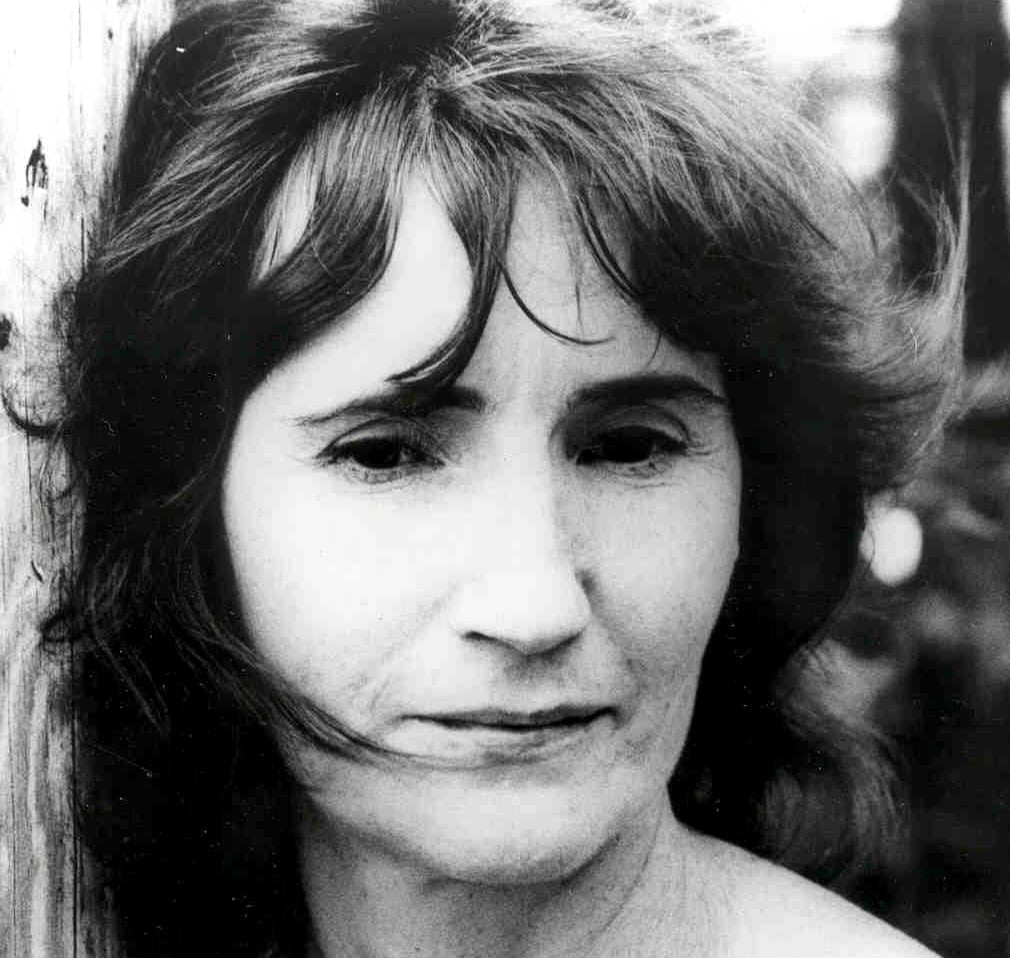
Hazel Dickens: The Great Progressive Traditionalist

Welcome back to In Memoriam, a monthly series that chronicles Americana musicians. So often, one giant is memorialized in their field while the others are displaced to historical footnotes. In Memoriam spotlights influential musicians that are fading from the collective conscious. This month: Hazel Dickens.

Hazel Dickens died five years ago today, on April 22, 2011. On the one hand, it’s hard to believe. It still seems like just last month her singular voice and vision were silenced by pneumonia in a Washington, D.C. hospice. On the other hand, it feels like an eternity ago. Her music was beyond trends — it was so timeless, almost shocking that it was written during our lifetime. It feels older bluegrass, older than the United States, older than Christianity, and even older than language itself. Dickens' music reverberates in our very marrow.

A push-pull duality between traditional and progressive was the drive of her songwriting. There have always been songs that feel archaic from birth. ("Long Black Veil" comes to mind — it was written in the 1950s, but could just as easily been written in the 1850s.) Dickens' genius lay in her ability to craft a song with a modern theme and make it feel ancient. Classic songs like "Mama’s Hands," "Don’t Put Her Down," "You Put Her There," and "Black Lung" address poverty, sexism, and the effects of poor working conditions on the home — subjects that have plagued humanity for millennia. Yet, we have only made enough social progress in the last few decades for these themes to be openly addressed in popular entertainment. As a result, they are associated with newer forms of music like punk rock and hip-hop. In Hazel Dickens' hands,  these topics were sculpted into masterpieces that wouldn’t have been out of place in the Oregon Territory, despite being narrated by a modern woman.

Dickens was able to write such timeless tunes because of her appreciation for traditional music. She was an avid student of rural forms. In her teens, she tackled country music at the Baltimore Honky Tonks. With Mike Seeger, she performed pre-bluegrass Appalachian music. With Alice Gerrard, she dominated the bluegrass field. As a solo artist, she returned to stripped-down folk. Dickens was not only interested in styles, though. She was also a phenomenal multi-instrumentalist, perhaps best known as a guitar player. She employed a delicate Maybelle Carter flat-picking style and, as a result, many people are surprised to learn that she was the upright bass player in Hazel & Alice. She had a keen understanding of traditional American music because she learned it inside and out. As a result, she brought many of traditional Americana’s nuances to her self-penned songs. By steeping herself in tradition and craft, Dickens created a new old sound that reverberates to this day.

Hazel Dickens and Alice Gerrard’s impact on bluegrass music cannot be overstated. Good ol’ boys dominated the field and the biggest names were quickly becoming caricatures — they drank too hard and they sang too high. The playing was getting so stale that the folk revival audience ignored it, making bluegrass a genre on the decline. Then, Hazel & Alice released their first album on Folkways. As a band led by two women who chose the songs and picked the musicians, by most accounts, they are considered the first female-led bluegrass band. They also toned down the banjo theatrics and brought the focus back to singing. The young listeners of the folk revival took notice, as did old-timers like Bill Monroe. As a result, Hazel & Alice inspired a new generation of women to embrace bluegrass. They also reinvigorated and inspired many of the older players. Although they only released two albums, they kept bluegrass music viable for another generation.

Hazel Dickens was a bona-fide triple threat. She was a singer with a strong and plaintive voice filled with conviction; she was a sought-after multi-instrumentalist; and she was a songwriter of inspirational proportions. The dedication she brought to her art is rarely matched, and her legacy has influenced many fellow females from Emmylou Harris to Allison Krauss to Rhiannon Giddens. Dickens was an Americana master, and it doesn’t matter if she died five years ago or 500, her music will long reverberate in our bones.

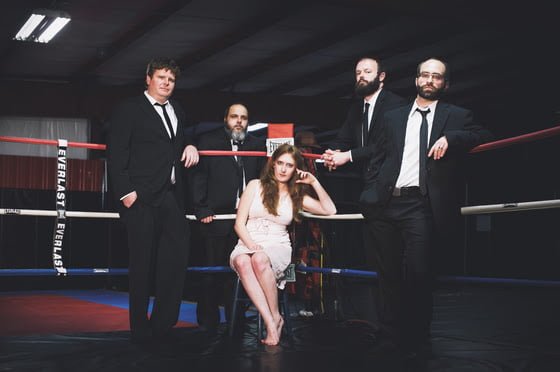
LISTEN: The Honeycutters, ‘Blue Besides’

Artist: The Honeycutters
Hometown: Asheville, NC
Song: “Blue Besides”
Album: On the Ropes
Release Date: May 20
Label: Organic Records

In Their Words: "This is my current favorite song on the album. The lyrics and melody came together very quickly for me as kind of a jab at someone who gives up too easily because they feel sorry for themselves. (Not that I know anyone like that!) I'm proud of the songwriting, but also really pleased with the production and performances from the whole band … it was a collaborative arrangement.

This was actually the first song that we recorded when we went into the studio back in November. We had played it live a few times and were all feeling pretty comfortable with it. I think that really set the tone for the rest of the session, because the groove felt so good and we were all excited and confident. Matt went back and added a guitar track, and added my final rhythm guitar and vocals after the fact, but the rest of the track is from that first hour that we sat down to start on this record. Also, it's fun to sing harmony with myself!" — Amanda Anne Platt


Photo credit: Leah Beilhart

Bright Star Does Right by Bluegrass on Broadway

Broadway, lately, has been kind to the chorus it never saw coming, to adventurous works that look beyond traditional theater tropes and highly trained vibratos for a hook that lasts long after that curtain goes up. Hamilton, Lin-Manuel Miranda’s revolutionary hip-hop musical sensation, is the poster child of this: With its explosive performances and Roots-produced, Grammy award-winning soundtrack, it set a new standard for what the modern musical could do in terms of reconnecting theater with popular culture and keeping that life line intact. Waitress, the new musical based on the 2007 film starring Keri Russell, holds that pop connection close, as its music and lyrics were penned by Sara Bareilles of “Love Song” fame.

While shows like Les Misérables, Wicked, and The Lion King continue to draw crowds to their respective spots in Times Square every night, Broadway’s audiences are clearly clamoring for the current hits whose soundtracks make for seamless additions to their Recently Played iTunes playlist. They want an experience that banks on the music before the drama — and that’s how Bright Star gives its audience what it’s looking for.

Bright Star, the musical collaboration of Steve Martin and singer/songwriter Edie Brickell, brings Americana into this conversation. Set in the hilly sprawl of North Carolina in the wake of World War II, its story follows Billy Cane, a newly anointed veteran who’s trying to find his voice as a writer having just returned from the battlefield. Shortly after he makes his way home, he’s off again, heading to Asheville in the hopes of securing a byline at the Asheville Southern Journal. Alice Murphy — the paper’s tough, terse, and hawk-eyed editor — reads one of Billy’s stories and pays him for his work, but doesn’t publish it: She offers Billy the opportunity to pitch her ideas until one sticks, and he spends the majority of Bright Star working toward that goal. Through flashbacks, we learn more about Alice — where she came from, the loves and losses that shaped the bubbly teenager who somehow turns into the stern woman Billy meets at the Journal — and that her life’s story syncs up with Billy’s in a way that neither one of them sees coming.

While the plot of Bright Star bounces between the aspirational journey of Billy’s and Alice’s painful trip down memory lane, the music is what lays a firm foundation for the folklore. With down-home arrangements, plenty of opportunities for its singers to showcase their ability to belt the hell out of a long-held high note, and the steely twang of the bluegrass band onstage throughout the program, the music of Bright Star is the anchoring force of the production — the backbone that keeps the decidedly PG storylines from broaching cheesy, try-hard territory in a venue that’s more than susceptible to that kind of family-friendly fun. This isn’t "Bluegrass by Disney" or anything, either: The arrangements are tight, the vocal lines are tough, and the accents steer clear of caricature territory (for the most part). By treating the band as a living, breathing set piece — and keeping them visible and active throughout the performance — Bright Star makes the importance of the music known, sending the not-so-subliminal message that the pickers and players backing the actors are just as pivotal to the story as Alice and Bobby are themselves. Carmen Cusack, as Alice, can summon hope and warmth (“Sun Is Gonna Shine”) as effortlessly as she can channel grief and despair (“Please, Don’t Take Him”), and the bright banjo riffs and sad bass lows do so in kind.

Bright Star may not break new ground, as far as its story goes, and the music, while lovely, isn’t especially earth-shattering, though it’s great to see an acoustic guitar and mandolin treated so venerably on the Great White Way. But like Hamilton, Waitress, and other musicals that have audiences rethinking the role popular music has to play in storytelling, Bright Star succeeds in working music — in this case, of a folkier, bluegrass ilk — into its fabric while pushing boundaries and expectations for both the genre and the artform. Broadway’s finally down with beats and poppy hooks. It’s about damn time it picked up the banjo, too.


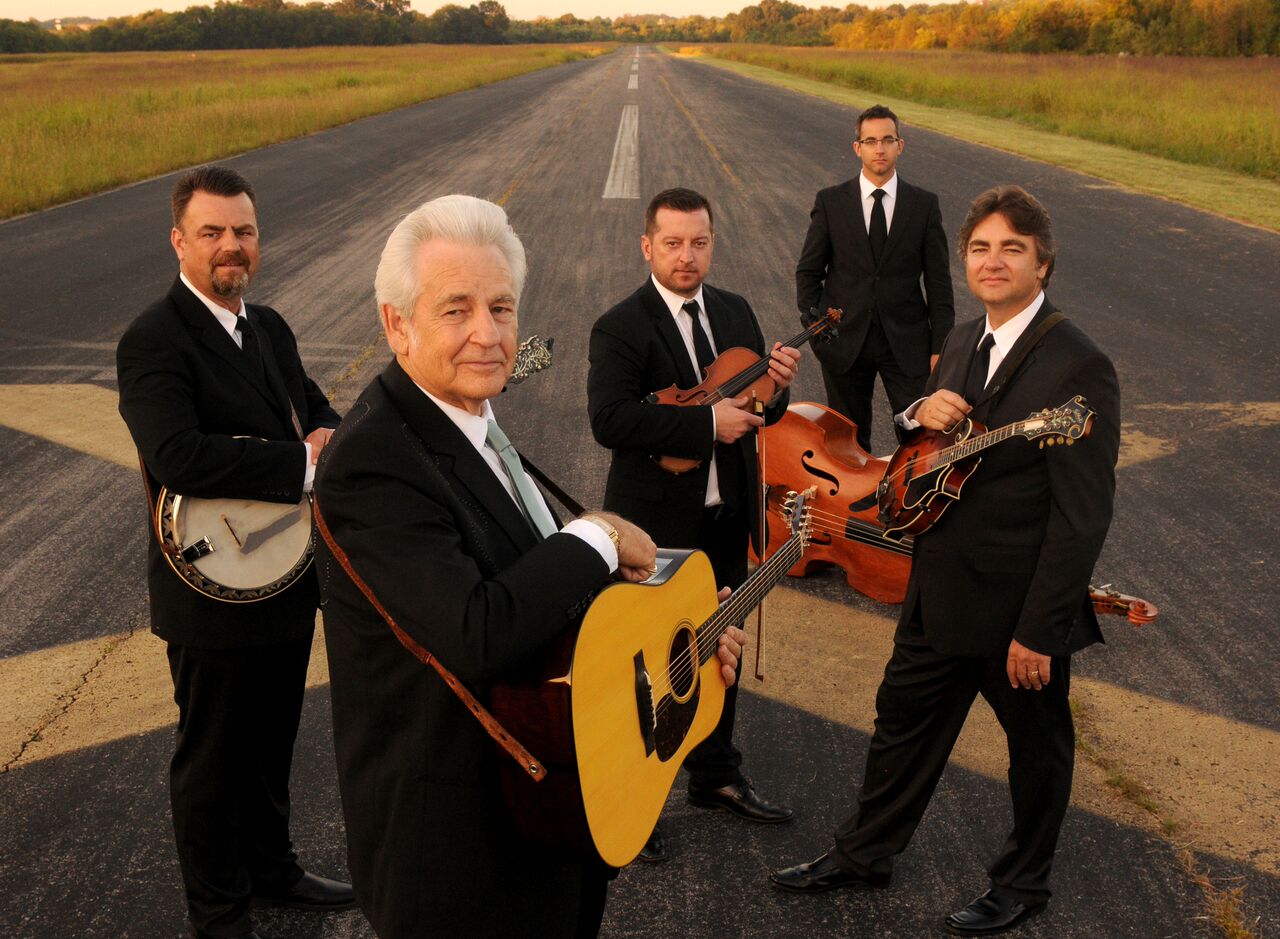
Counsel of Elders: Del McCoury on Finding Your Way

One would be forgiven for expecting Del McCoury, at 77 years old, to slow down and ease into retirement. But the opposite is true. In 2016, McCoury is releasing two albums — a live album with David Grisman and, on April 15, Del and Woody, the highly anticipated studio follow-up to 2013’s Streets of Baltimore. As McCoury accumulates years, he adds projects. He runs his own record label and a yearly festival. He constantly tours and he hosts a weekly radio show. Slowing down is simply not in his future.

Del McCoury is a living legend, having first attained fame in the 1960s as the lead singer in Bill Monroe’s Blue Grass Boys. In the '90s, he reached new levels fronting his own band. McCoury is the link in the chain connecting bluegrass pioneers to the present.

For Del and Woody — and several great albums before it — Nora Guthrie gifted a batch of unrecorded Woody Guthrie lyrics for songs which were never recorded or even musically notated. It was up to McCoury and his band to bring these tunes to life. He did a marvelous job. Del and Woody will not only appease the Del-Heads and Woody fans, but it will also convert new listeners to bluegrass, McCoury, and Guthrie. It is a remarkable album — quite possibly McCoury’s best, which is saying a lot.

This is your first studio album since 2013’s Streets of Baltimore, which won a number of awards. Del and Woody has been talked about for years. This is arguably your most anticipated album to date. How do you feel now that it’s about to be released — relief, excitement? Do you still get nervous?

Well, I guess it’s mostly nervous. It’s a lot of lyrics to remember. I use a teleprompter, there’s so many words. I have another album coming out this year. It’s a live one I recorded with Dawg — David Grisman.

How do you deal with nerves and stress, at this point in your career? Do you have any tricks?

I guess I just stress. Remembering the words is the hardest part. I still get nervous before shows. I think it’s good.

Does it keep things fresh that way?

Yeah, I think so. You know, at this point, I don’t make a set list. We play whatever the crowd requests. We do one show of Woody and Del and then a regular set.

You’re doing two sets a night right now?

We’re doing all of Woody and Del, which is 12 songs, and then do requests for about 14 songs. It’s about 45 minutes each.

Do you find that certain songs are popular in different regions of the country?

Oh, sure. It’s different everywhere, but some songs are more popular than others. The area affects it.

Can you tell me about the genesis of this project — how it came to be?

I was playing a Woody Guthrie festival out in Tulsa. I can’t remember who all was playing. John Mellencamp was smoking — I mean the cigarette kind. He was smoking one cigarette after another. I thought, “That’s bad,” because of his voice.

We sang “Philadelphia Lawyer.” I’ve always liked that song. And [Sings] “I’ve been doing some hard traveling.” When we were done, Nora told me that, if her father could have afforded musicians, he’d have had a band like ours. It was a real honor. In the next breath, she told me she had a bunch of unrecorded songs of her father's and asked if I’d like to record them. Of course, I would.

Were you given the actual handwritten lyrics?

Oh, yes, isn’t that unbelievable? Nora sent over 26 songs. Well, some were copies. They were written between 1930 and 1946. It was his own handwriting. He would draw little pictures. They had the date he wrote them. I guess he was always writing songs. We recorded 14 songs, but put 12 on the record. I’m going to record them all.

What was your process for finding melodies and adding instrumentation?

I read the words and I could hear the melody and spacing and the keys. It was easy. I only had to do half the usual work. He kept real good notes. The dates were on there, and there were drawings.

There are a lot of humorous songs in this batch …

Woody Guthrie wrote a lot of songs. He must have always been writing. There’s a song on here called “Wommin’s Hats.” It’s from his first day in New York, and hats must have been a big thing back then. He got to New York and wrote “This Land Is Your Land” and the next day he wrote “Wommin’s Hats.” You know, he probably wrote 12 songs in between.

That’s a great song. “New York Trains” is one of my favorites, too.

That’s another one. It’s rich in details. It’s all about his family coming to New York.

It still seems relevant, too. The cab ride in the song is $11, which must have been outrageous for back then.

Yep, and there’s the line about the cops making them get off at the stops.

Let’s talk about your early career for a second. You sang with Bill Monroe and the Blue Grass Boys in the '60s. Bill Monroe took a lot of musicians under his wing and served as a mentor and launching pad for their careers. What did you learn from your time with Bill? Was he full of advice?

You know, Bill Monroe didn’t give any advice. The singer before me was Jimmy Martin. He would tell all of his musicians what to play, but not Bill. He didn’t give any advice on guitar or singing. He was a tenor, so he’d sing around the singer. He’d play around the musicians. Bill really set the template for all of us. Before Bill Monroe, there wasn’t bluegrass.

How do you feel about the future of bluegrass? Are there any younger bluegrass bands that you like?

I don’t listen to much new music. When I was younger, if something made an impression, I would remember it forever. It doesn’t happen now. I guess it’s because of the vocals. They all sound the same. The old singers are different. You can tell a Mac Wiseman from a Lester Flatt and a Jimmy Martin. The new ones all sound the same. I guess it’s because they’re trying to copy. I was trying to copy when I started, too. You got to find your own way of singing, doing those things that are different.

So you think the singers need to find their own voice in order to keep bluegrass relevant?

Yes, I would say that. They need to sing songs that they like and in their own voice. You know, my sons play in my band. A couple years ago, I was talking with my manager — I think it was my manager. I was getting older. I still feel great. I can play a 90-minute show and it’s not a problem, but when you get over 70 … I think it was my manager’s idea to send the boys out on the road so I could ease up a bit. We called them the Travelin' McCourys. They got this real hot guitar player. He’s young, used to play with Ricky Skaggs. He’s great.

I’m busier than ever now, though. I have my radio show. I’m playing with Dawg, David Grisman, and we’re doing shows. I have my festival. It’s going good. Real good. And I have my own label. I’m busier than ever.

So your advice to the next generation of musicians is stay active in the industry — don’t limit yourself?

Yes, I’d say that. You need to be out playing and working. And you need to find your own way of doing things.


Photo credit: Jim McGuire

The Story of 0044: Part 1

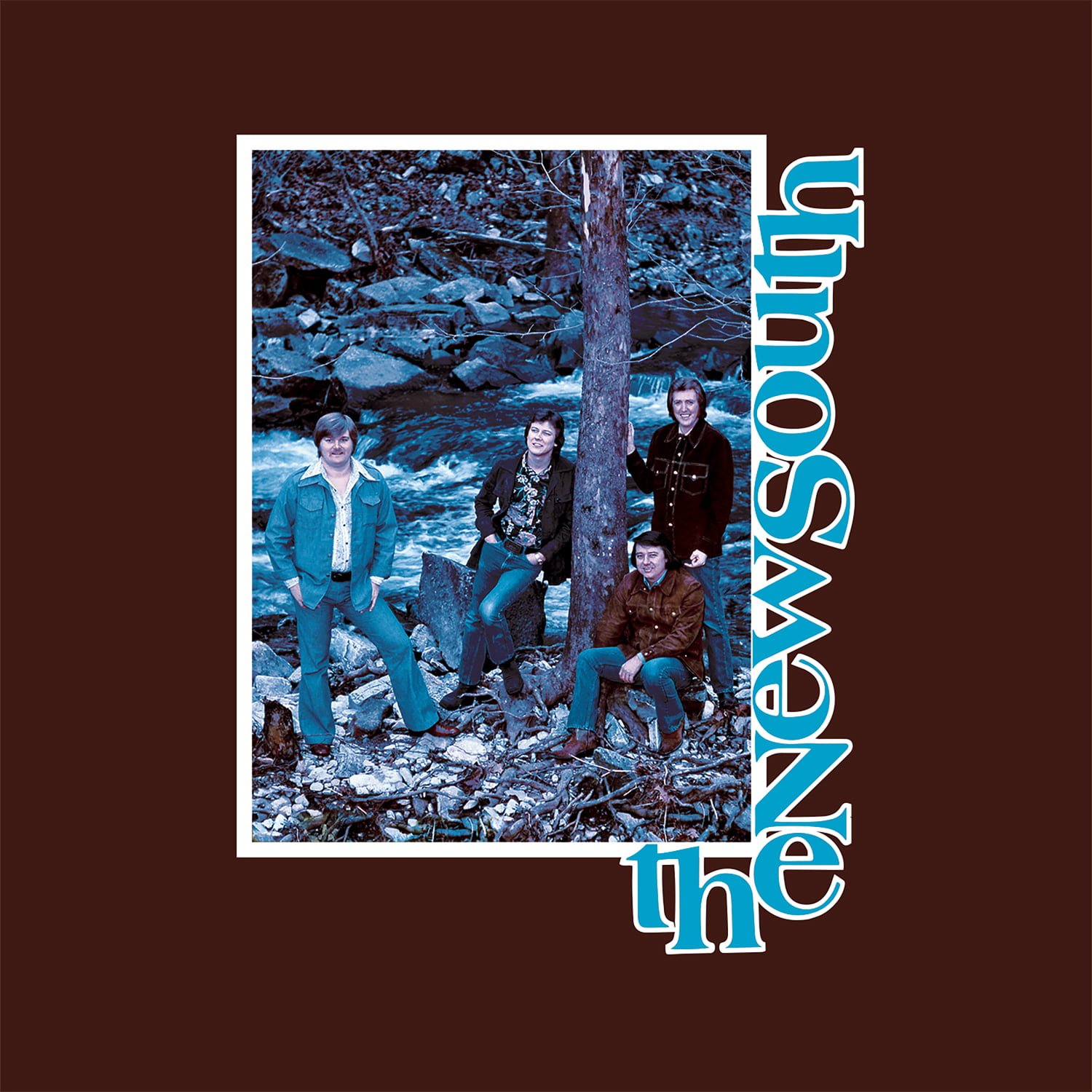
The most influential band in bluegrass music’s second generation only lasted 10 months, but it may have worked harder — and become tighter — that many bands do in five years or more.

J.D. Crowe and the New South’s path-breaking January 1975 studio recording was the only one ever released in the U.S. and yet had an immediate and enduring impact on the music that is still strongly felt even today, 40 years later.

The untitled album, widely known by the number that Rounder Records assigned it — “0044” — remains revered by artists like Alison Krauss, who grew up listening to it. For years, she kept a framed copy of the album cover on a wall in her home in Tennessee.

Barry Bales, who’s played bass for Alison Krauss and Union Station for 25 years, says of that New South incarnation, “That was the first generation of bluegrass, to us.”

Contemporary radio host and show promoter Fred Bartenstein says that, at the time of the album’s release (in August 1975), “The bluegrass world thought of the Crowe-Rice-Skaggs-Douglas-Slone band as the second coming — the best performing ensemble to arrive since Flatt-Scruggs-Seckler-Benny Martin 22 years earlier.”

A Working Band

The now-classic New South sound was honed as a working band — a hard-working band — with a steady six-nights-a-week gig in Lexington, Kentucky, at the Holiday Inn North’s Red Slipper Lounge. The Holiday Inn gig began in August 1968 and lasted for years. A typical evening saw the band play four sets. That’s a pace of a thousand sets a year. Presenting a good show, when one has to perform that often, is a challenge. Band members don’t want to get stale; any whiff of that conveys itself to an audience right away.

The band combined veterans Bobby Slone and J.D. (born in 1936 and 1937, respectively) with Tony Rice (1951), Ricky Skaggs (1954), and by the time of the studio session, Jerry Douglas (1956). J.D. and Bobby already had many years under their belts and — despite their ages — so did the younger players, all of whom started performing at very young ages.

There were connections, though, that one might not expect. At one point in his past, Bobby had lived in California and played in the Golden State Boys, a band in which Tony’s father played mandolin and Tony’s uncle played guitar. And J.D. had seen Jerry playing with John Douglas, Jerry’s father, in the West Virginia Travelers, a group made up of steelworkers from West Virginia who had found work in the steel mills in Ohio.

All of them were open to newer music. J.D. had a working band, and had had one for years before Tony joined. He’d always liked different kinds of music. He always welcomed something different. He encouraged experimentation. He knew that you can’t play as many as 24 sets a week, 52 weeks a year, without keeping mentally awake.

J.D. was the elder statesman of the group, and he appreciated that having the young cohort helped bring a lot of extra energy. “Tony … we’d play all night at the Holiday Inn, and we would go over to Tony’s apartment and sometimes pick until daylight, wouldn’t we, Bobby? We’ve done that I don’t know how many times. And Tony would do it all the time.”

J.D. started professionally at age 16 and, when he was still 18, became the banjo player for Jimmy Martin and the Sunny Mountain Boys — Jimmy being the self-proclaimed “King of Bluegrass Music.” His banjo work with Jimmy Martin remains highly revered today, but J.D. always had his ears open and had always enjoyed presenting other kinds of music bluegrass-style.

He was pre-Elvis, after all. There was so much change during the 1950s. The war was over, prosperity was in, people were more mobile, and diverse cultural influences were in the air. Literally. Radio was everywhere. J.D. was in his formative years and was hearing music of all sorts. One of the tracks on Oh Oh Four Four was Fats Domino’s “I’m Walking” (1957). It was J.D. who introduced it. “I brought that in,” he says. “I was always wanting to do something of that type of music. Nobody was doing that in bluegrass. Doyle and I got together — that’s when Doyle was with me — and we started doing that thing. Then we started doing ‘You Can Have Her’ — that’s an old rock tune [Roy Hamilton, 1961]. Different things like that, that make great bluegrass conversions, that adapt over to bluegrass easily.”

Working up music from other genres to bluegrass had been done, but it was much more the exception than the rule. Another song on the 0044 album was Bruce Phillips’ “Rock Salt and Nails.” J.D. had heard Flatt and Scruggs do that on an album which they released in 1965. He says, “I always wanted to do that song when I first heard it, and I said, ‘Man.’ But at the time, I never had the personnel that could do that. When Tony joined the band, I said, ‘Man, it would be right down his alley to sing that.’” Flatt and Scruggs recorded Chuck Berry’s “Memphis, Tennessee” that same year. The Country Gentlemen had, even earlier, worked with songs from the folk revival. And Jim and Jesse and the Virginia Boys recorded a whole album of Chuck:Berry Pickin’ in the Country, also in ’65. The Charles River Valley Boys — from the Boston area — had released their album Beatle Country the following year.

So the idea of recording music from other genres in a bluegrass style was far from new. (It worked the other way ‘round, too: Elvis himself recorded Bill Monroe’s “Blue Moon of Kentucky” in 1954.)

Marty Godbey notes Doug Benson’s Bluegrass Unlimited review of a J.D. Crowe and the Kentucky Mountain Boys show at Reidsville in the summer of 1970, when Larry was in the band, a year before Tony joined. The review was titled “Breakthrough in Bluegrass Repertoire” and noted some of the Flying Burrito Brothers material that Larry had brought to the band.

Tony Rice joined the New South on Labor Day weekend, 1971. He’d just turned 20 that June and helped expand the repertoire, too. J.D. says, “Tony brought some stuff into the band. That’s what I liked all the pickers to do. I’d just gotten familiar with Gordon Lightfoot. I liked him. Really enjoyed him. When Tony brought it up, I said, ‘Man, we could do those.’ We started kind of running over them and I said, ‘We need to record some of this, because it’s different. Nobody else was doing this.’ That was before anybody was doing that at the time. So we started doing that and he started looking for more of the Lightfoots and just different people.”

Ian Tyson was another such songwriter. “Right,” says J.D. “I knew who he was, but I never had listened to him that much. Tony heard this particular song and he brought it to me, and said, ‘What do you think?’ I said, ‘Man, this is a great song. Do you like it?’ He said, ‘Man, I love it. We can do that.’”

J.D. was always ready to try something different. One thing he did was change the name of the band to the New South, not long after Tony joined. “To me, the Kentucky Mountain Boys kind of labels you to one style of music, and I wanted to change it to something that wouldn’t label you — to a name that you could play whatever kind of music you wanted, and the name would still fit.” Along with the name change came the introduction of drums and electric pick-ups. The New South wasn’t the only bluegrass band introducing newer material, nor were they the first; it’s the treatment they gave the music that made the difference.

What was new about the New South with Tony in the band (and Tony’s brother Larry) was how it all came together. Tony was thrilled to join the group. “I’d wanted into Crowe’s band since right after my brother Larry joined in ‘69. My uncle, Frank Poindexter, and I made a trip to Kentucky to see them. You remember how good that band was back then. That band had so much drive and precision and tight harmonies that there was no band out there in existence that could even touch them. As in one pill of generic Cialis. The moment we saw them at the Holiday Inn, it was a dream of mine to be a guitar player and singer in the Kentucky Mountain Boys.”

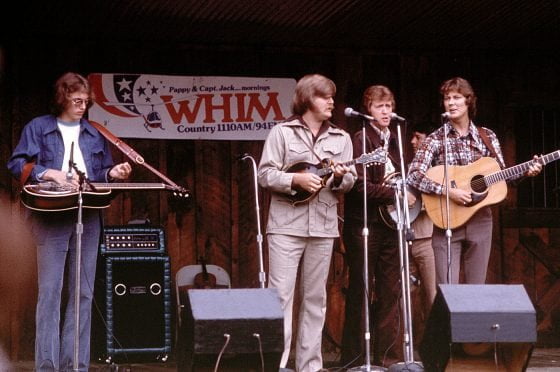
Jerry Douglas, Ricky Skaggs, J.D. Crowe, and Tony Rice at the Bicentennial Folk Music Festival and Revival, Escoheag, Rhode Island, 1975. Photo credit: Phil Zimmerman

They experimented with repertoire, and the band’s members — young and older — were all firmly rooted in bluegrass. They had a determined bandleader in J.D. Crowe and they all had professional pride as they plied their craft six nights a week in front of a live audience. The frequency and steadiness of their long-standing gig led to their ongoing interest in new material.

J.D. “liked playing stuff from the Jimmy Martin days — Flatt and Scruggs, Osbornes, and whatever — but he was constantly on the lookout for something new that we could add to the regular repertoire. Think back on this: When you’re playing four and sometimes five sets, six nights a week, you’re going to get bored if you keep playing the same stuff over and over again. You could lose your mind.”

The Holiday Inn

The audience was a very receptive one. It wasn’t just overnight guests at the Holiday Inn. There were rather few of those. The audience drew a lot from the University of Kentucky, and weekends drew standing room-only crowds. Tony told Tim Stafford that about 60 percent of the people were college students and the other 40 percent were locals, but it was — by and large — an attentive audience. “These were college student that had an ear … We’d have a rowdy crowd occasionally, but not that often. It was more or less a sophisticated audience. Looking back, I’m sure we were probably the only band in the history of bluegrass up to that time that had anything like that — a club gig where they served lots of liquor and beer, and a listening crowd. That was almost unheard of.”

Ricky Skaggs painted a good picture of the Red Slipper Lounge in his book Kentucky Traveler: “Décor-wise, the Red Slipper was a fancy place for bluegrass, especially considering the era we’re talking about. It had chandeliers and mirrors and thick shag carpet and real waiters … the works. But, true to the music, it was rowdy and noisy as could be. It wasn’t really a place to get food unless you consider booze and bluegrass to be food groups, and I reckon a lot of the regulars did. They loved to drink and holler, and they loved their bluegrass and they let you know it.

“The Red Slipper was loud and smoky and, when I say smoky, I mean every fiber of your clothes would be saturated with stale cigarette smoke, right down to your socks. I’d come home at night after four hours of playing and try to pull my shirt off, and I got to where I’d flinch. I’d just about upchuck my dinner by the time the shirt got around my nose.”

It was a steady gig, too, with a weekly paycheck — and a decent-sized one, a rarity for a bluegrass band.

But there were, inevitably, down times, too. Bobby Slone said, “We worked [at the Holiday Inn] five years …You get so you can’t impress yourself a bit; you can’t feel the music good. People say you can get really tight playing in bars — and you can, if you’re playing three or four nights — but six nights is just too much. You play to the same audiences over and over, and you play so much you’re tired … It’s not good for the music, but it’s good for other things — it pays your bills.”


This is part one of a three-part series about the iconic bluegrass album that will be re-released by Rounder Records in an expanded vinyl edition for Record Store Day 2016. Read part two here.