Headed to Earl Scruggs Music Festival? Here’s What to See and Do

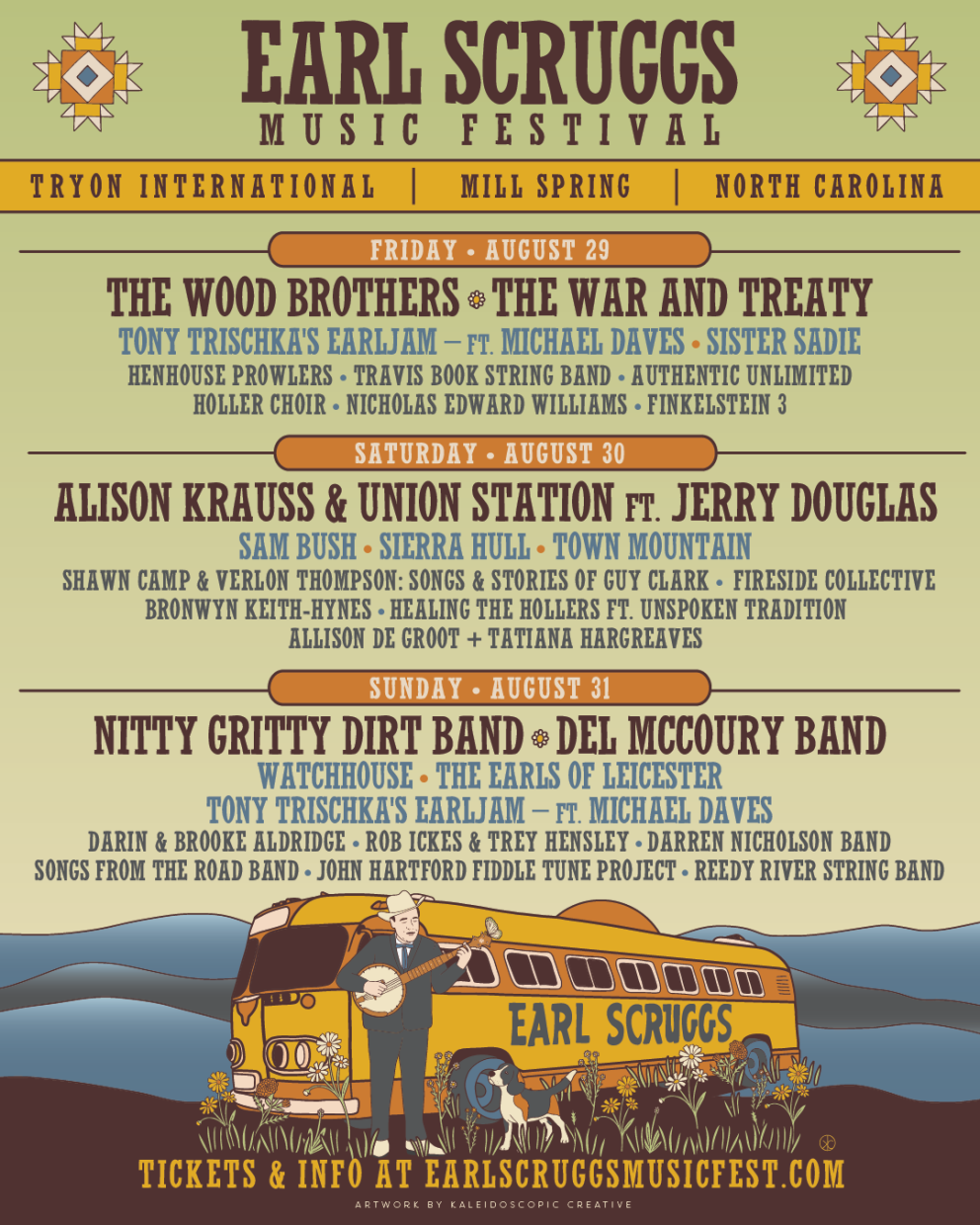
On March 4, 2026, the team behind Earl Scruggs Music Festival announced the lineup for the 5th annual edition of their event, which was recently honored with the 2025 IBMA Award for Event of the Year. Held each year in Mill Spring, North Carolina, at the Tryon International Equestrian Center, the festival will take place September 4 through September 6 with performances from headlining acts Béla Fleck: My Bluegrass Heart, Greensky Bluegrass, and the Avett Brothers as well as many, many more artists and bands. Tickets are on sale now; see the full lineup below.

BGS has been proud to partner with ESMF since the very first year of the festival, presenting special sets of music, doing on-site coverage, and bringing the unique setting and community of the weekend to our audience. This year we’ll be back again for still more of our partnership – and to enjoy some of the best bluegrass, Americana, country, and roots music on offer anywhere in the country.

Get a sampling of Earl Scruggs Music Festival with our photo stories, previews, and recaps from previous years: 2025; 2024; 2023; 2022.
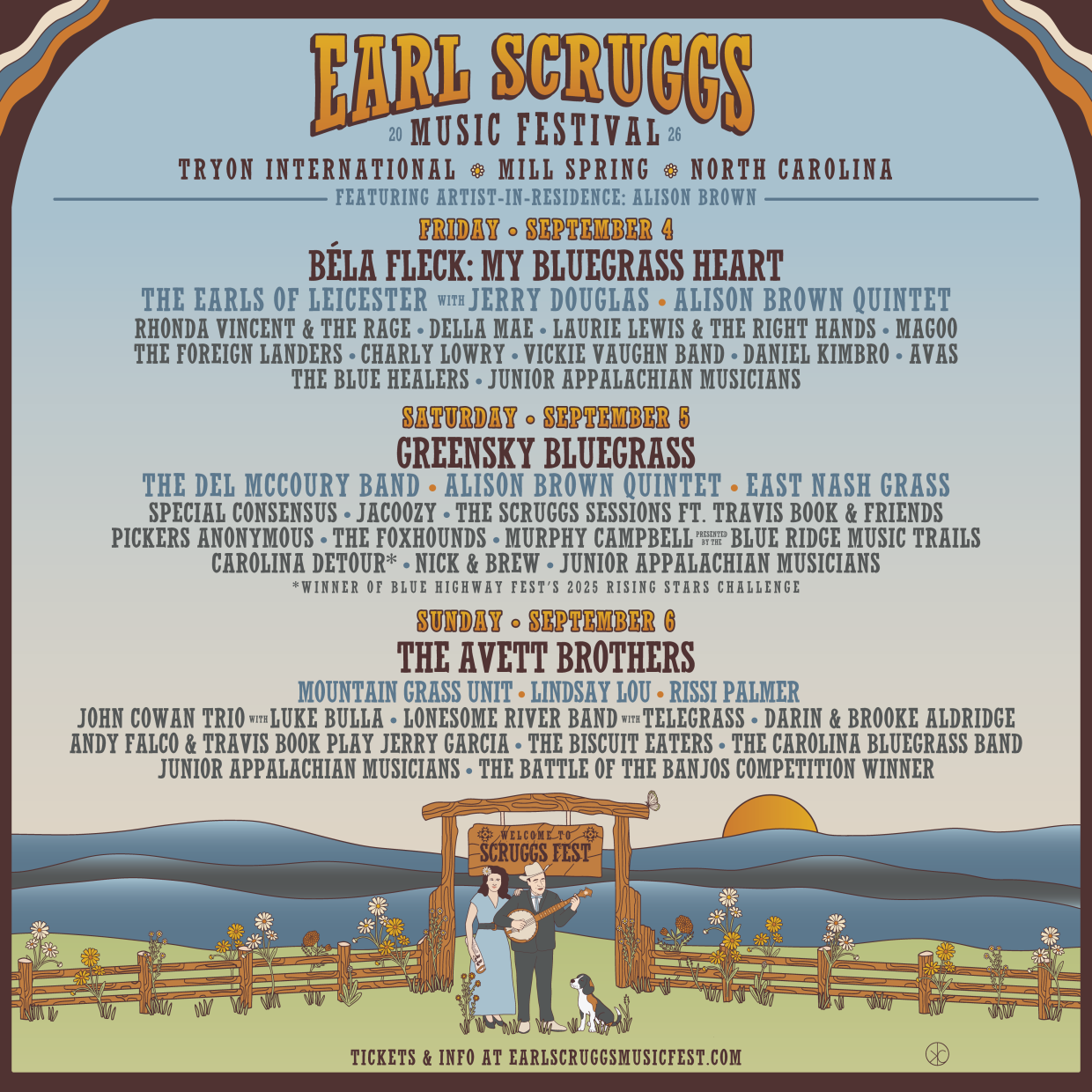
The most striking feature of ESMF each year – besides their superlative lineups, of course – is the grounds and festival footprint. Tryon International is a luxurious, resplendent location for a music festival, featuring brick-and-mortar restaurants (we love Campagna – scratch made Italian and wood-fired pizzas at a bluegrass festival? Yes.), adorable boutiques, horse riding and jumping demonstrations, a shaded grandstand, multiple bars, a general store, posh VIP areas, and much more. There are campsites for RVs and tents, glamping options and tiny homes, and even a just-opened on-site lodge. Tryon International may just be the most amenity-rich site for a bluegrass festival we’ve ever encountered.

Still, it’s worth getting off-site when you can and exploring the foothills of the Blue Ridge Mountains and the many adorable, vibrant communities surrounding Mill Spring and Tryon International. We’ve attended ESMF for five years now and each time we uncover new (to us) hidden gems, restaurants, activities, shops, and highlights around every corner. In 2025, we decided to take our audience – and any potential ESMF attendees who may need extra convincing – along with us for a Camp Snap photo journey as we adventured down the mountains from Asheville, North Carolina, to the festival and beyond. We stopped in Saluda, Tryon, Shelby, and Boiling Springs, North Carolina, getting lunch, shopping for antiques, stopping in adorable boutiques, and visiting the homeplaces of two local legends: Nina Simone (in Tryon) and Earl Scruggs himself (in Boiling Springs). We also hopped just across the border to Landrum and Gaffney, South Carolina, for more markets, horses, and trains – and live music, too.

We’ve only just scratched the surface but if, like us, you’re looking forward to getting back to Earl Scruggs Music Festival this year, we’ve got the list of things to do and see outside of the festival grounds while you’re there. Make your plans to attend ESMF in 2026 here and scroll for more of our tips, tricks, and local favorites.

Saluda, North Carolina
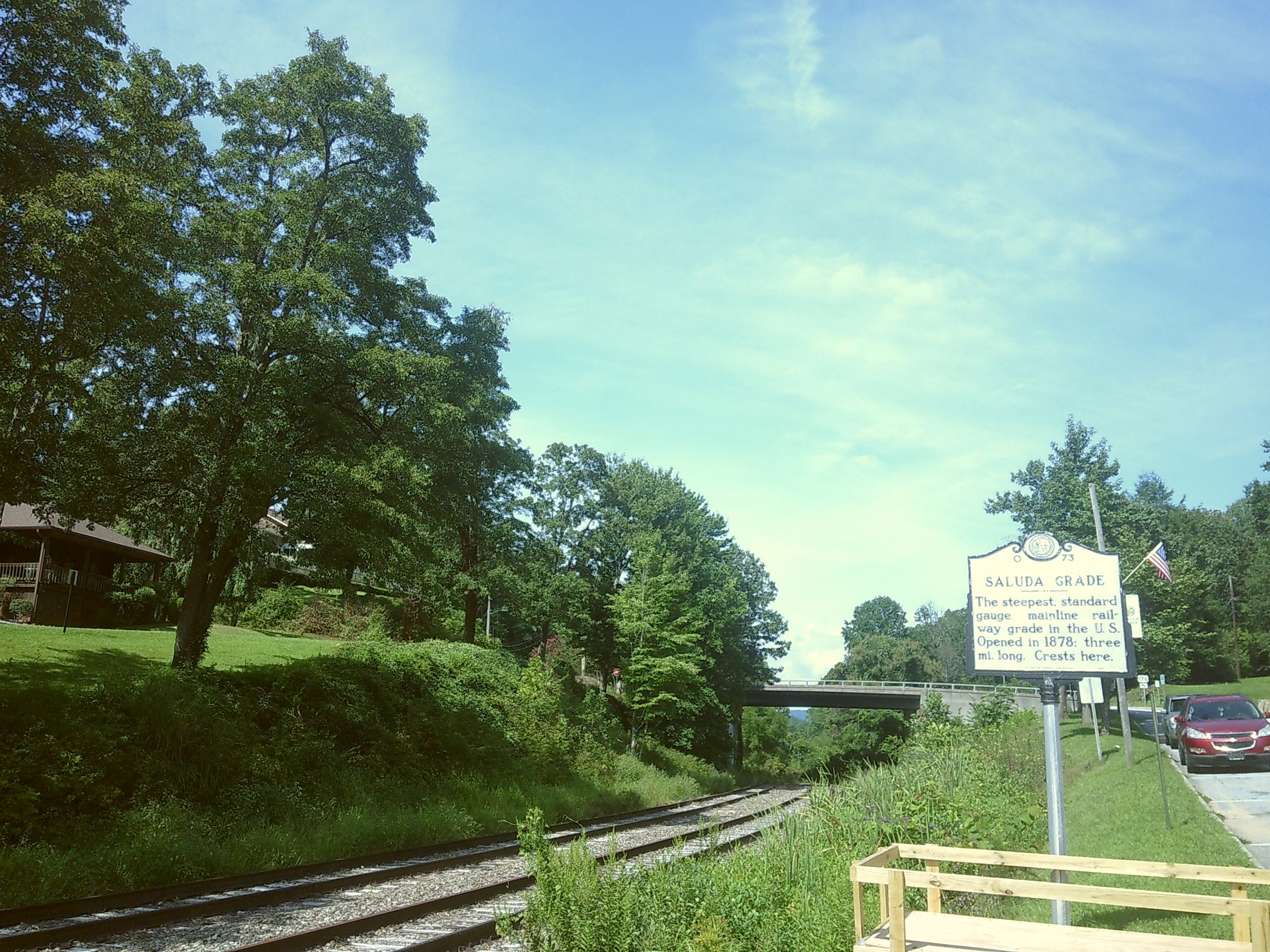
If you’re headed across the Blue Ridge Mountains to ESMF from Asheville, the Asheville Airport, Johnson City, Bristol, TN/VA – or even as far as Knoxville, Nashville, Lexington, or Louisville – a stop in Saluda, North Carolina, is in order before taking on the grade down the mountains to Mill Spring. Here, the United States’ steepest standard gauge railway grade crests in an adorable little music-steeped and outdoor activity-obsessed community.
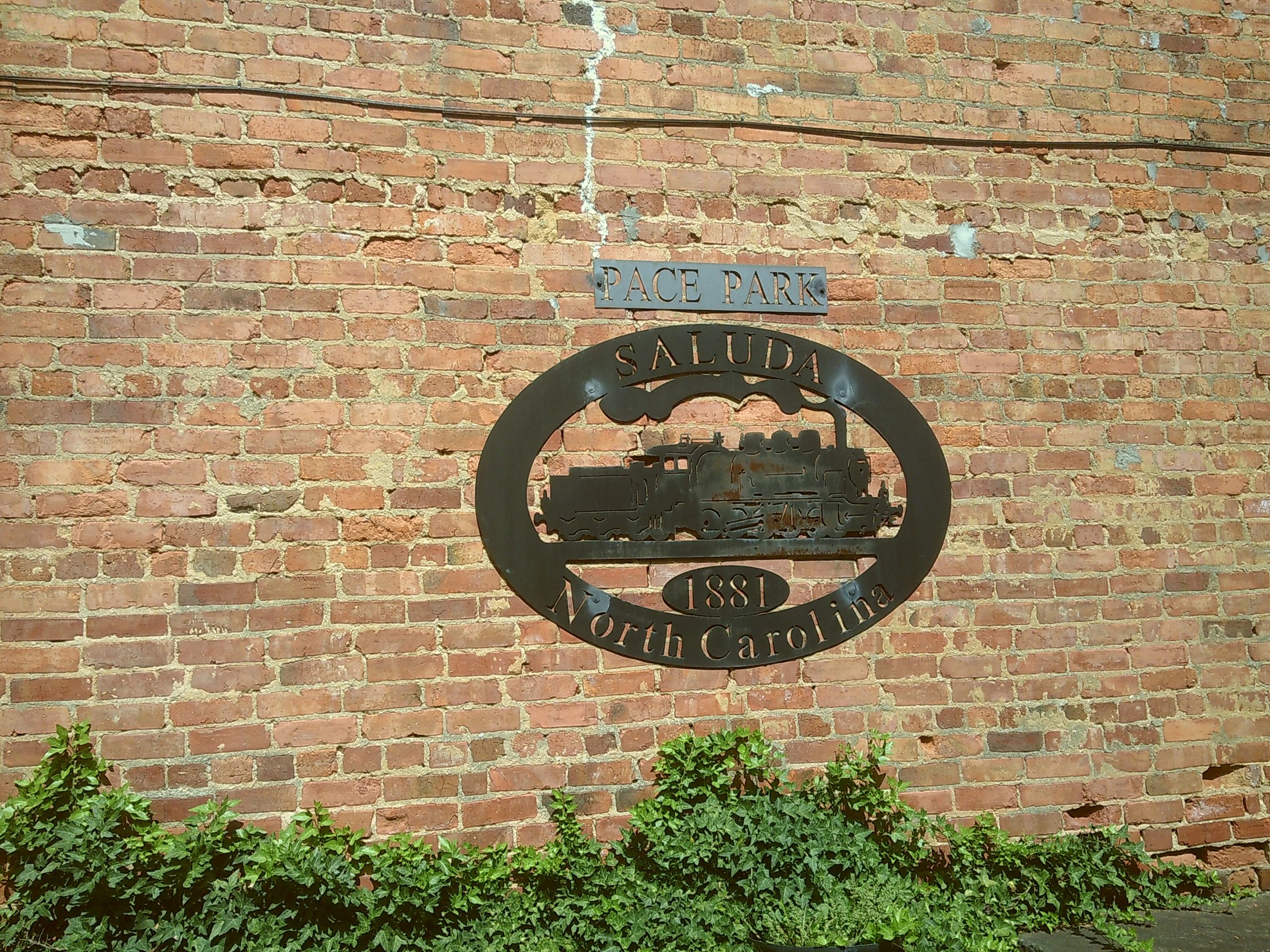
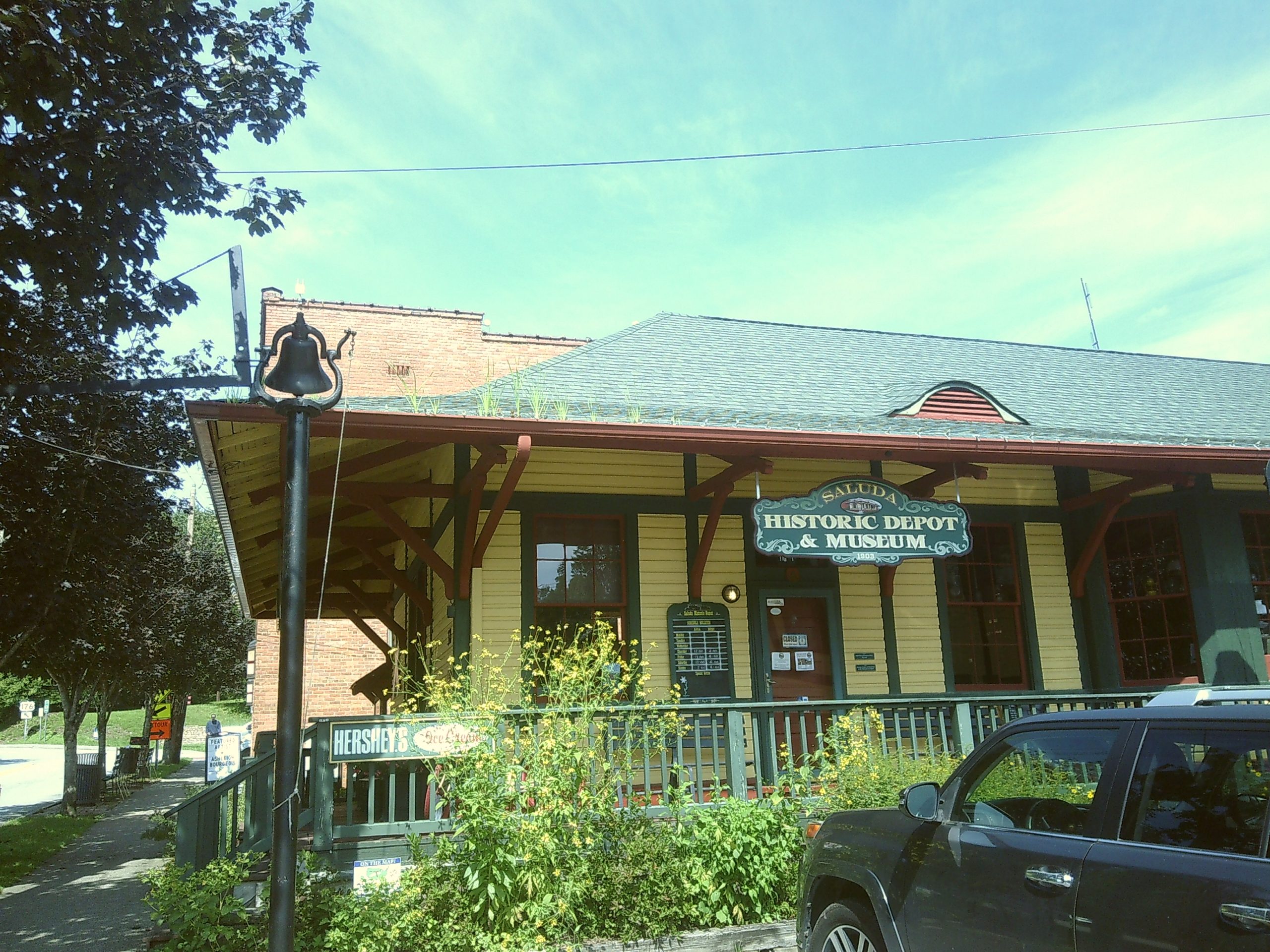
Stop by the Saluda Historic Depot & Museum and the Saluda Visitor’s Center next door – and snack on some delicious ice cream while you’re there.
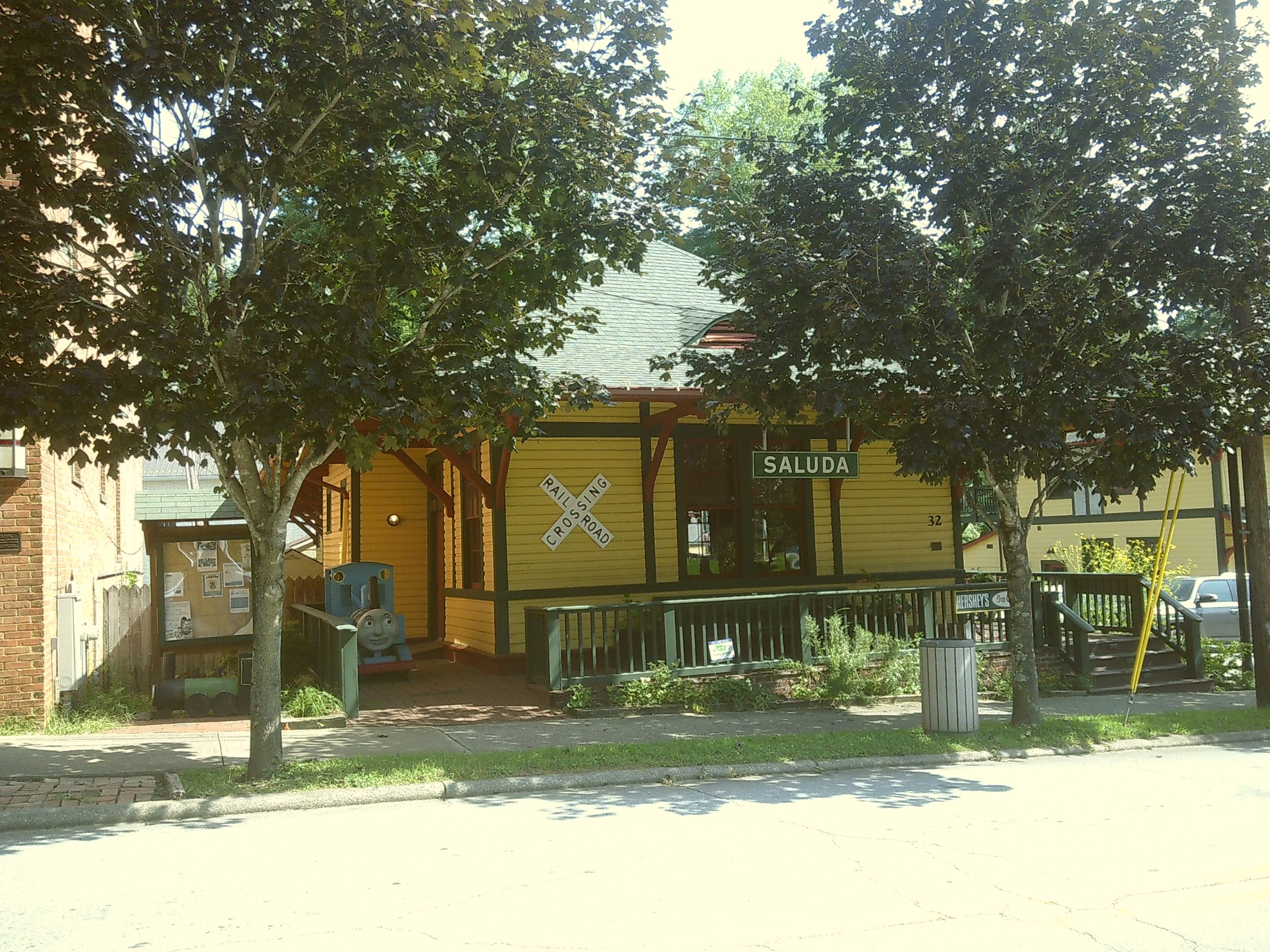
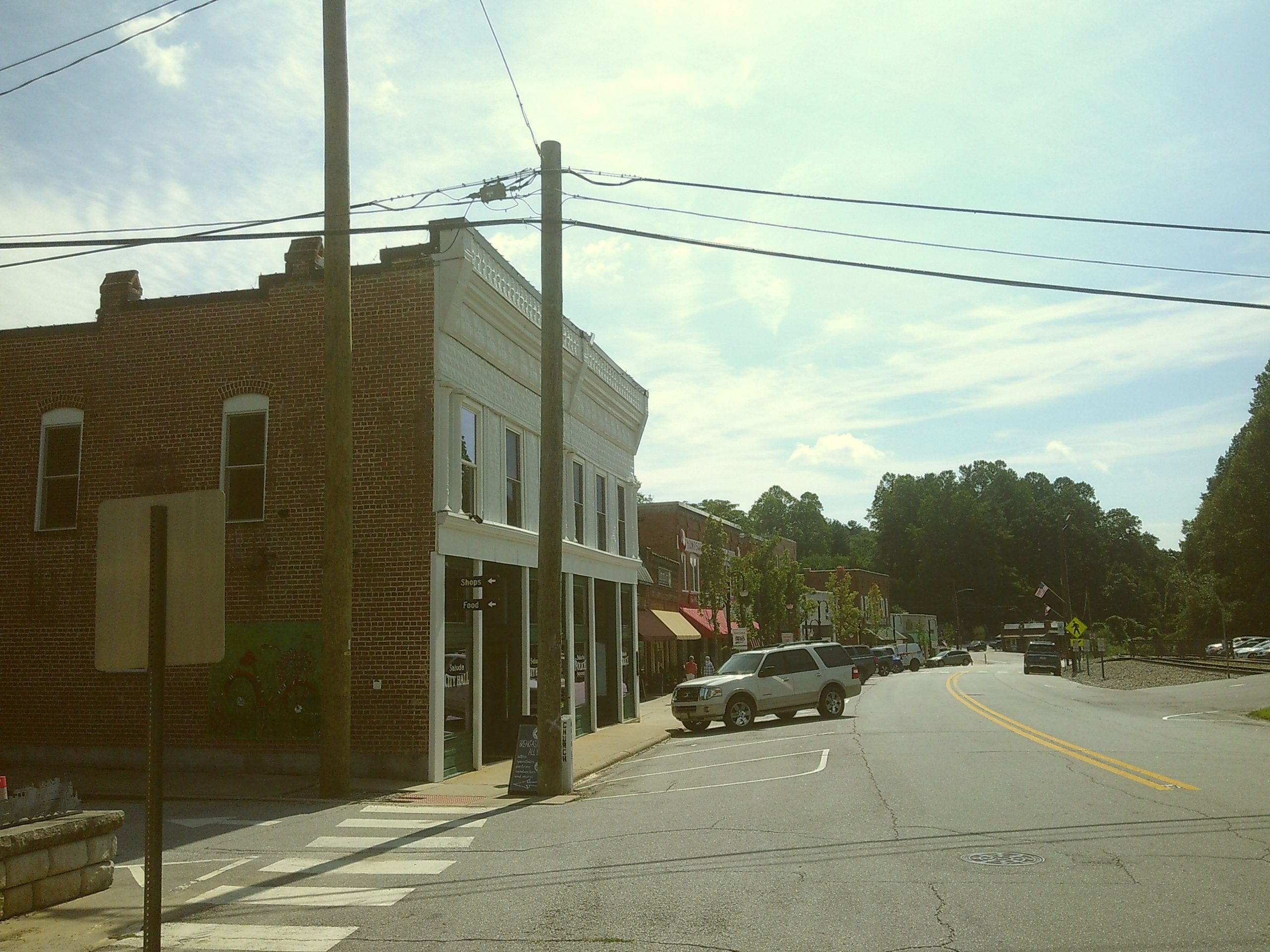
Picturesque and adorable downtown Saluda on a bright late summer day.
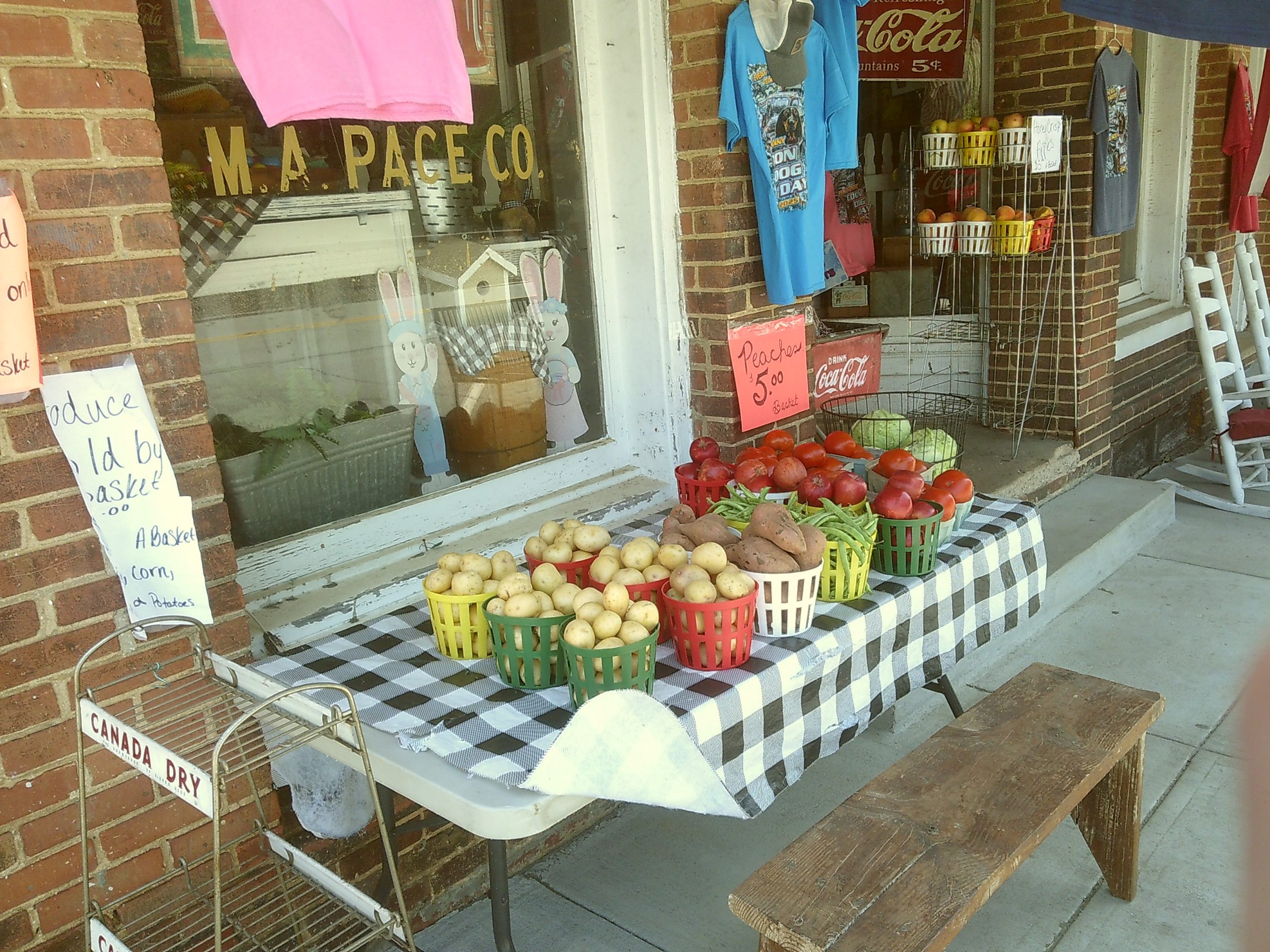
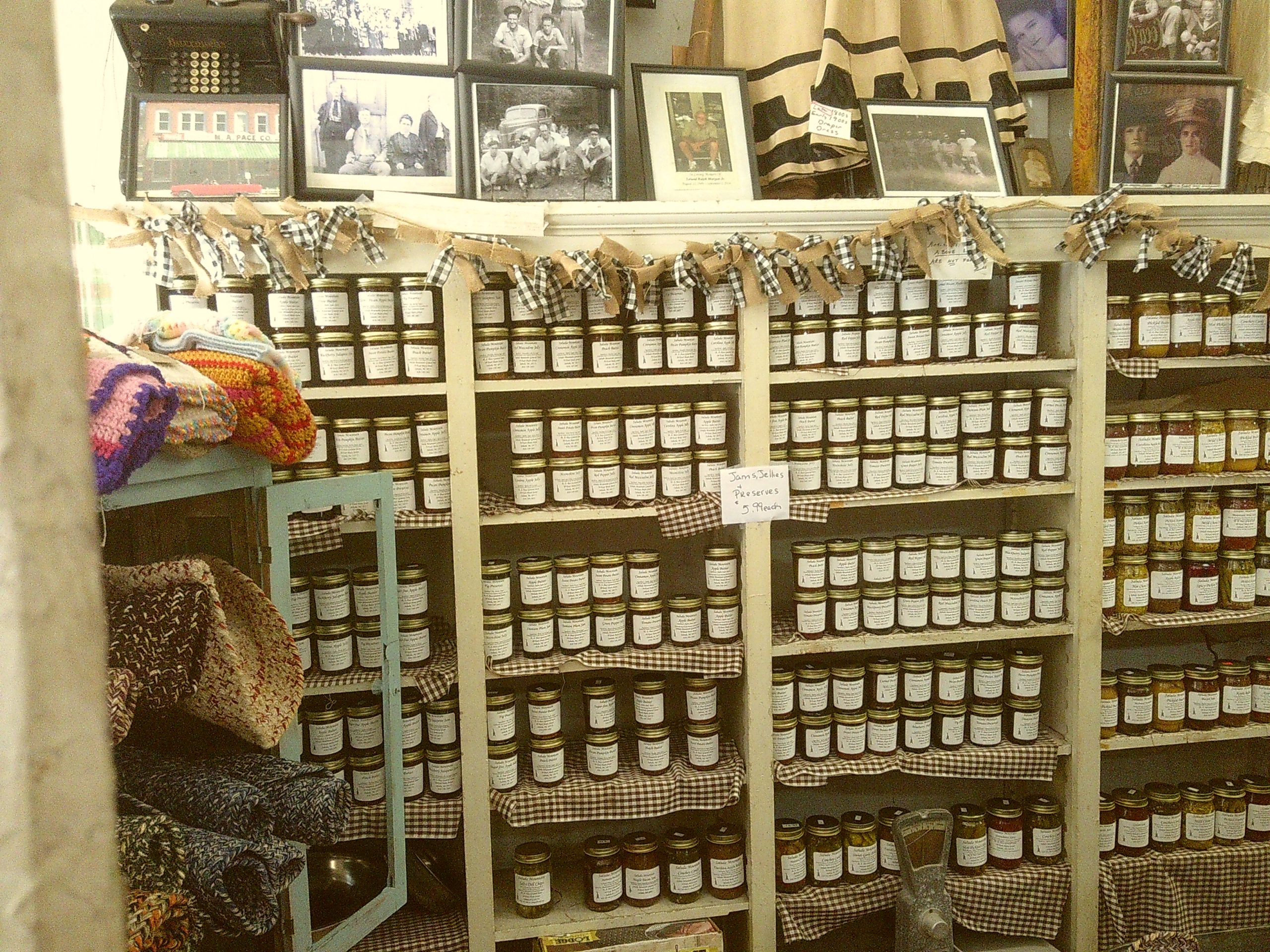
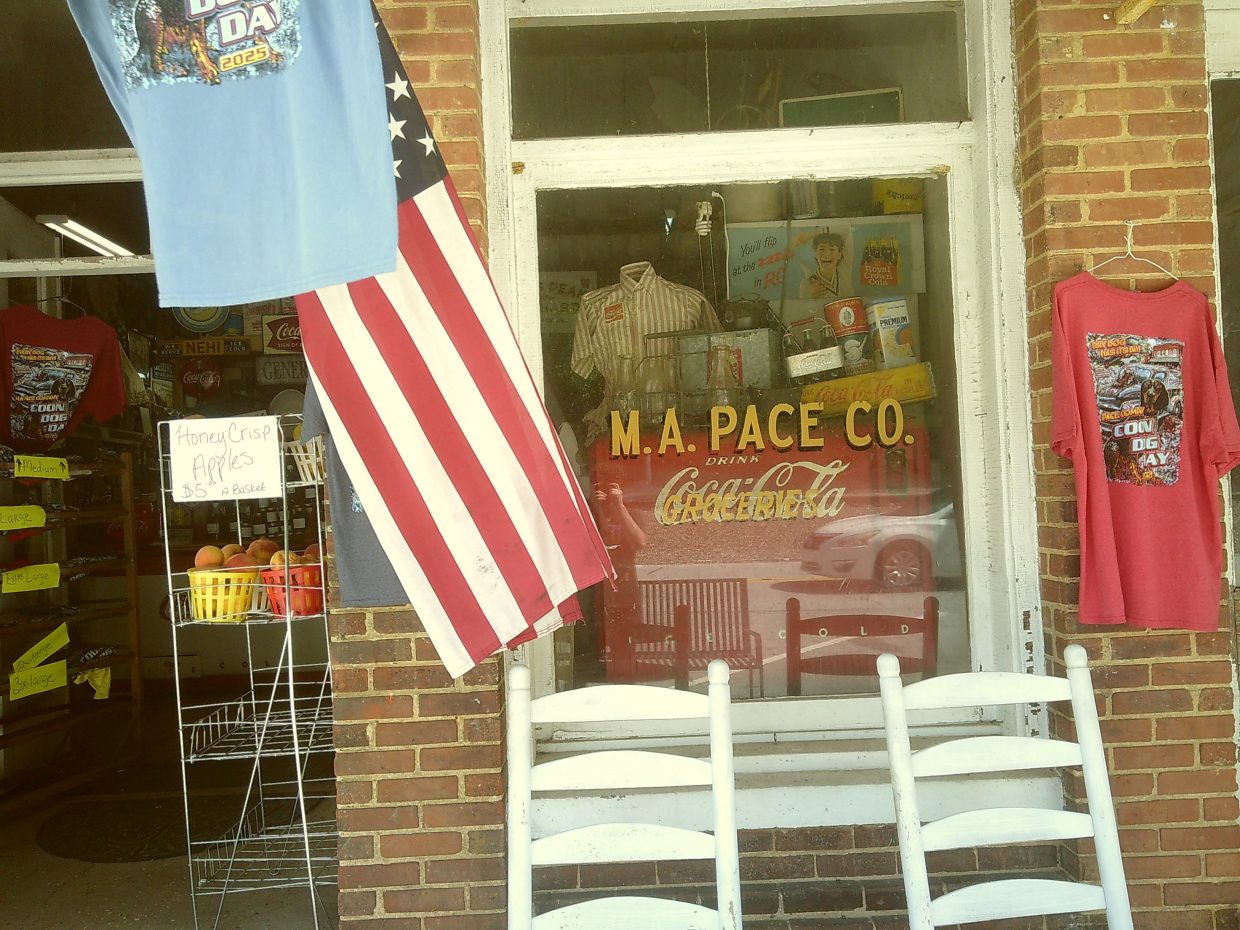
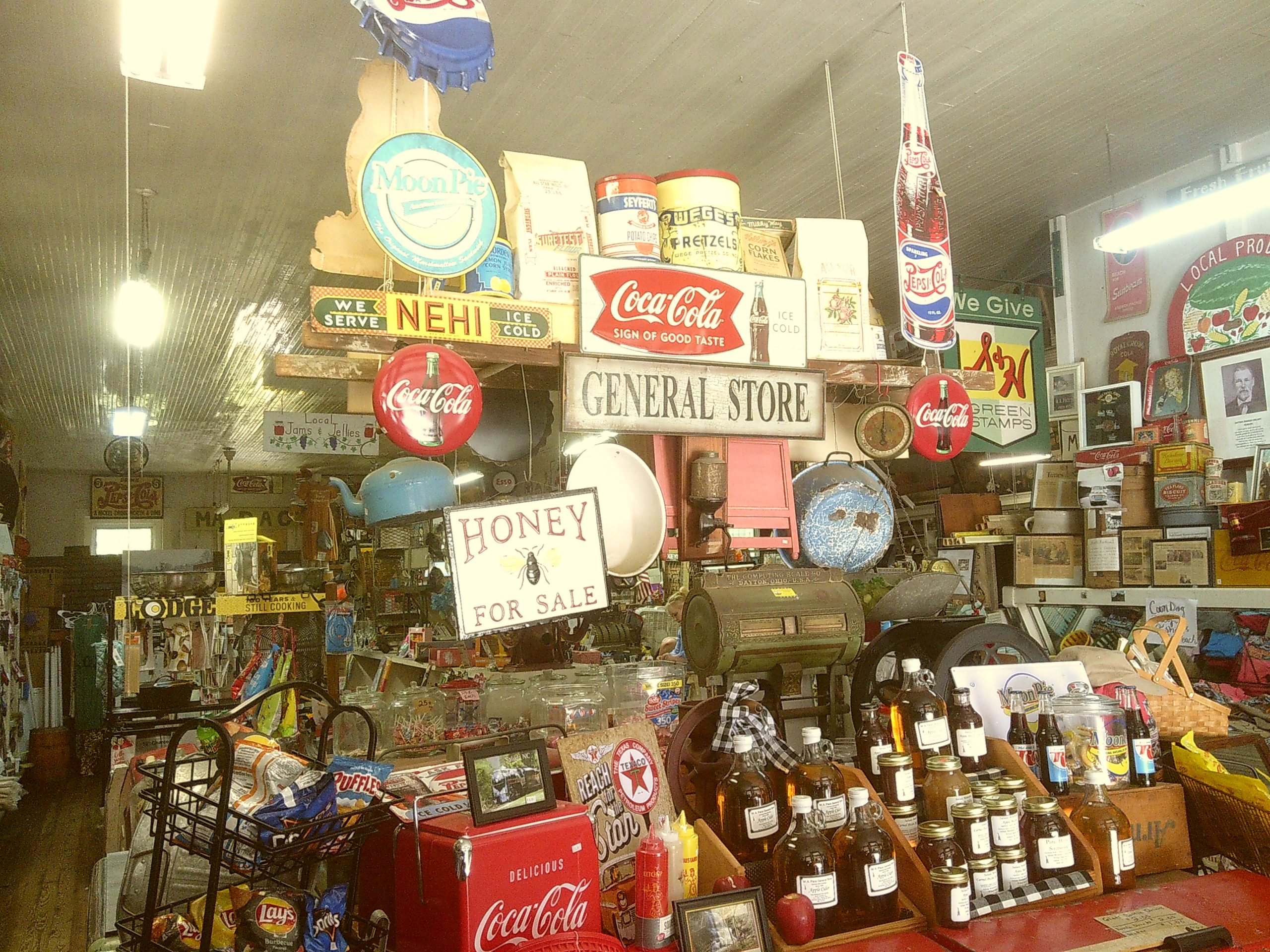
Stop inside a classic, time capsule of a shop, the M.A. Pace Co. General Store, open and in operation since 1899. Refreshing drinks, sundries, souvenirs, local produce, and an array of jams, preserves, sauces, salsas, honey, syrups, and more from local vendors are on sale.
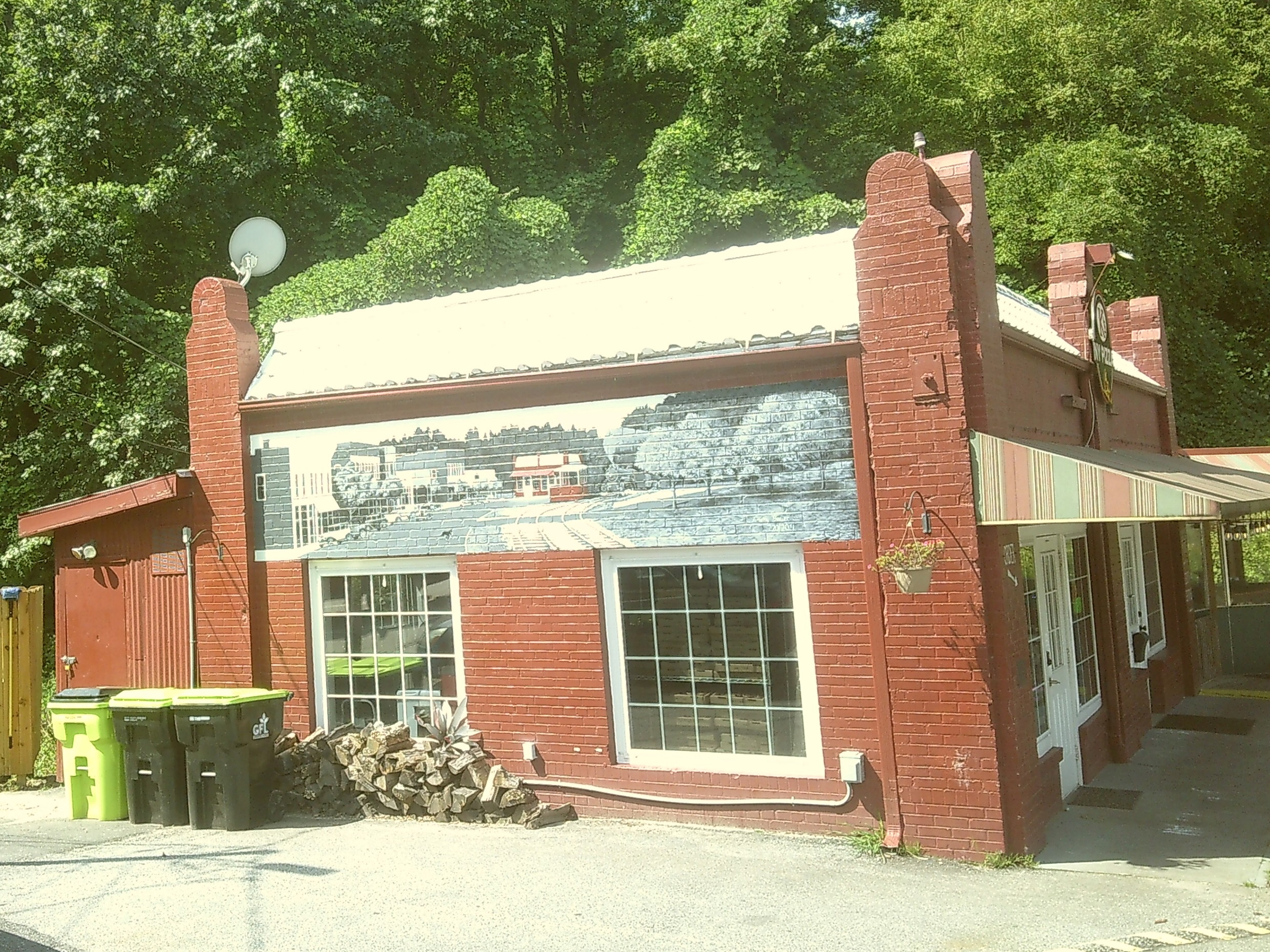
A mural depicting downtown Saluda and the iconic rail lines as seen on side of the building of K’s NY Pizza.
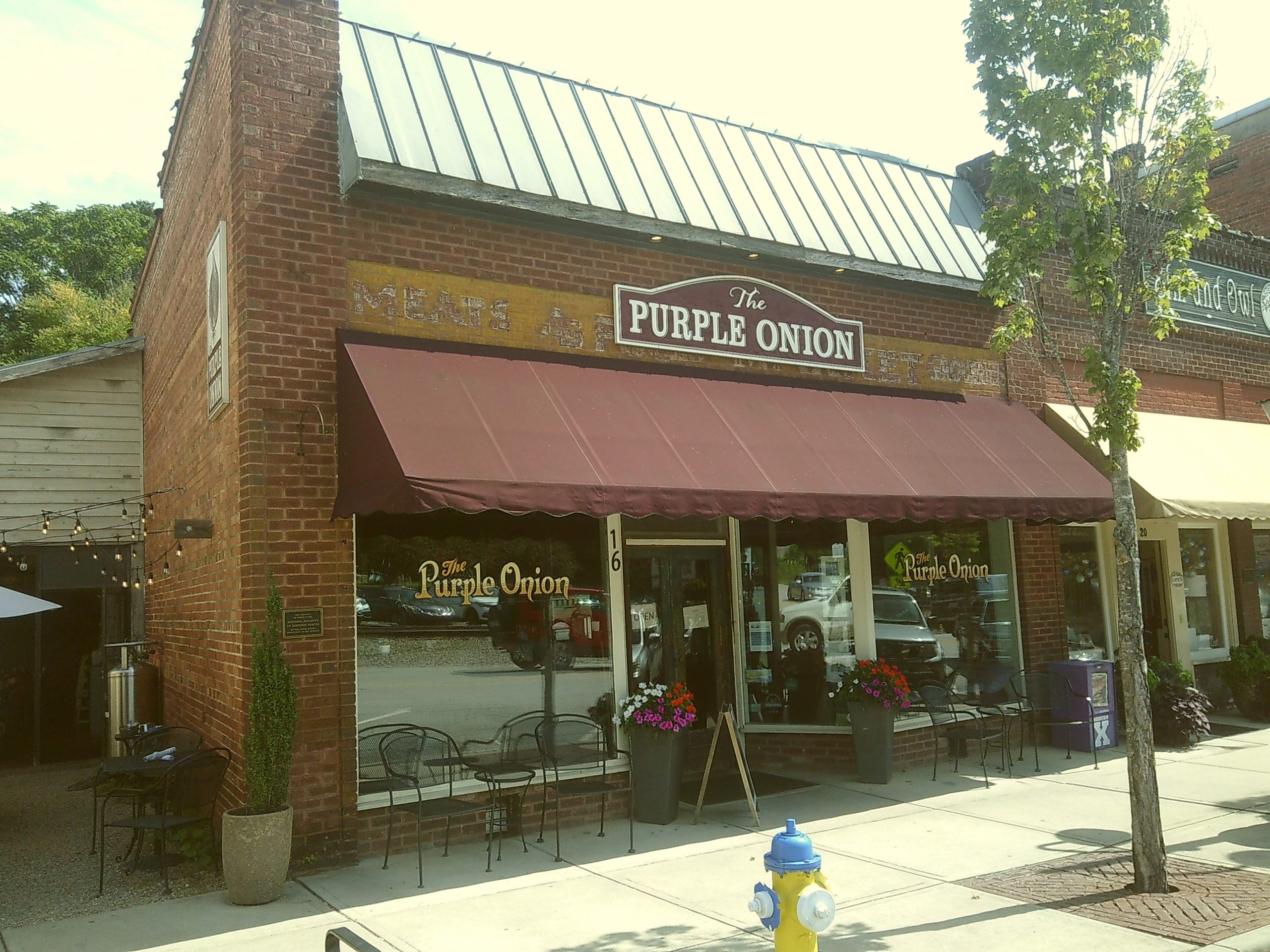
The Purple Onion is an excellent restaurant and cafe and an important community music venue at the heart of Saluda on Main Street. Bluegrass, folk, and Americana artists, bands, and songwriters perform on Thursday and Saturday nights – and select Sundays for their special Sunday Evenings Concert series. It’s intimate, the food is delicious, and the musicians they feature are incredibly talented whether local, regional, or nationally touring acts.
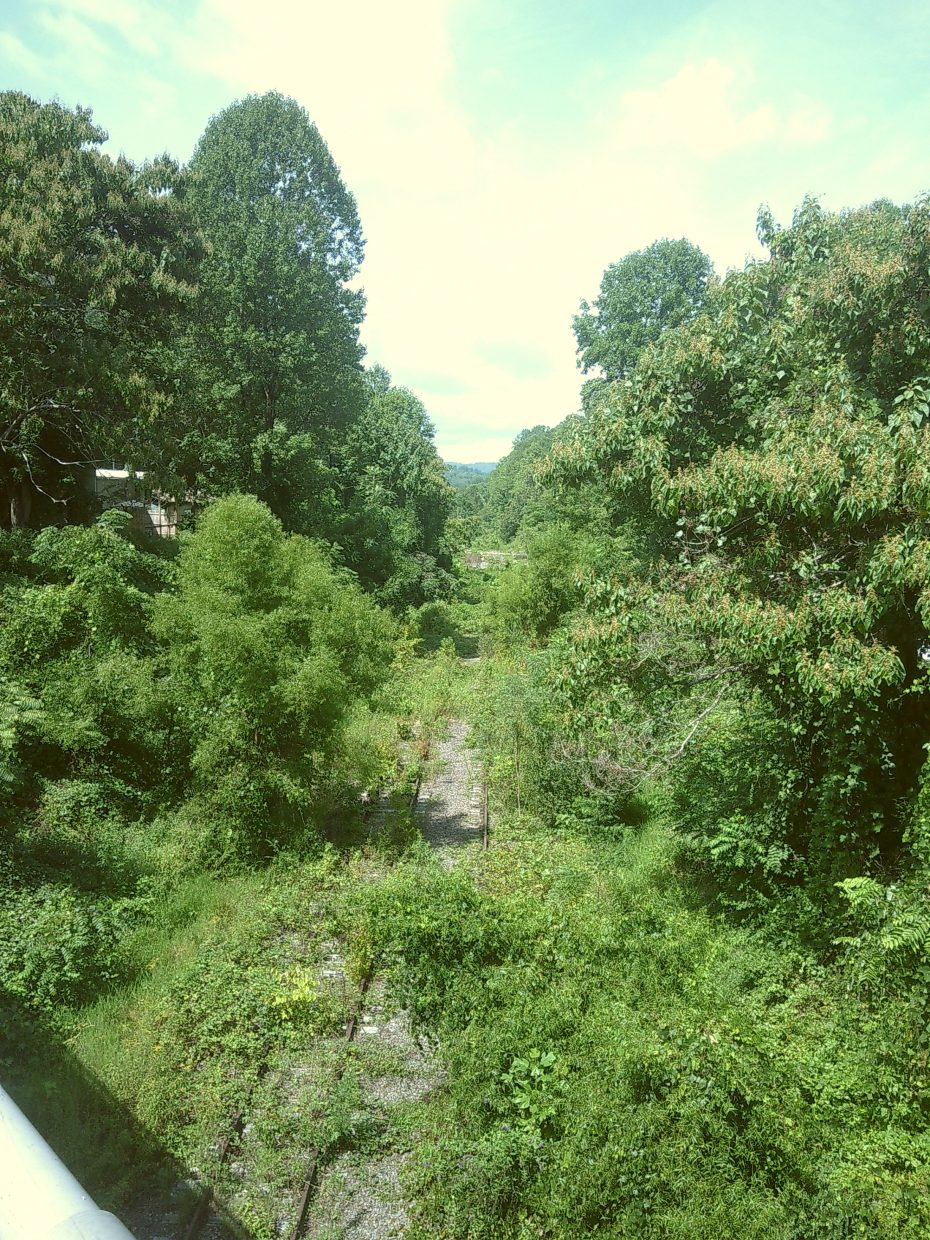
A view of the crest of the now out-of-service rail line topping the Saluda grade.
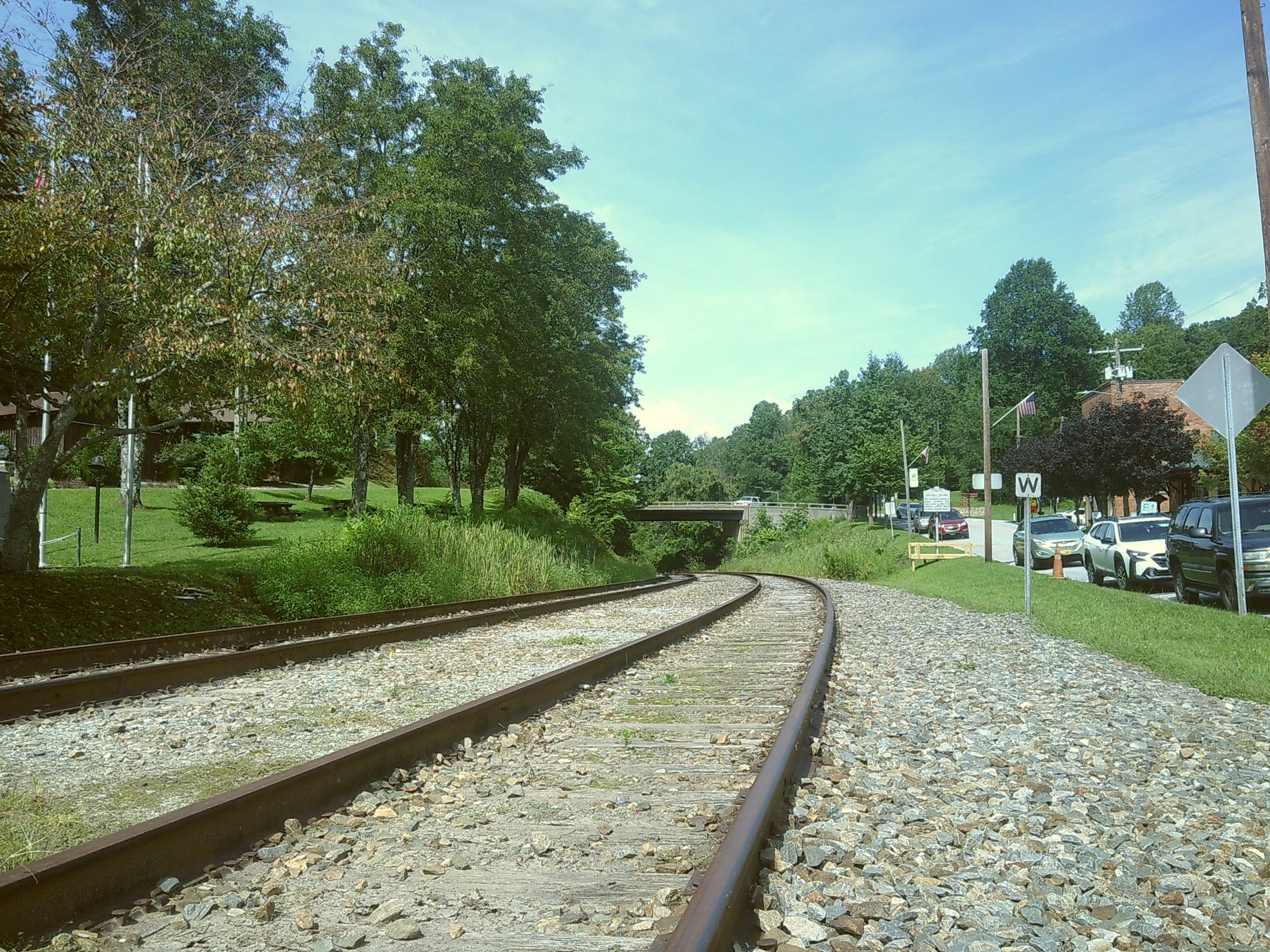
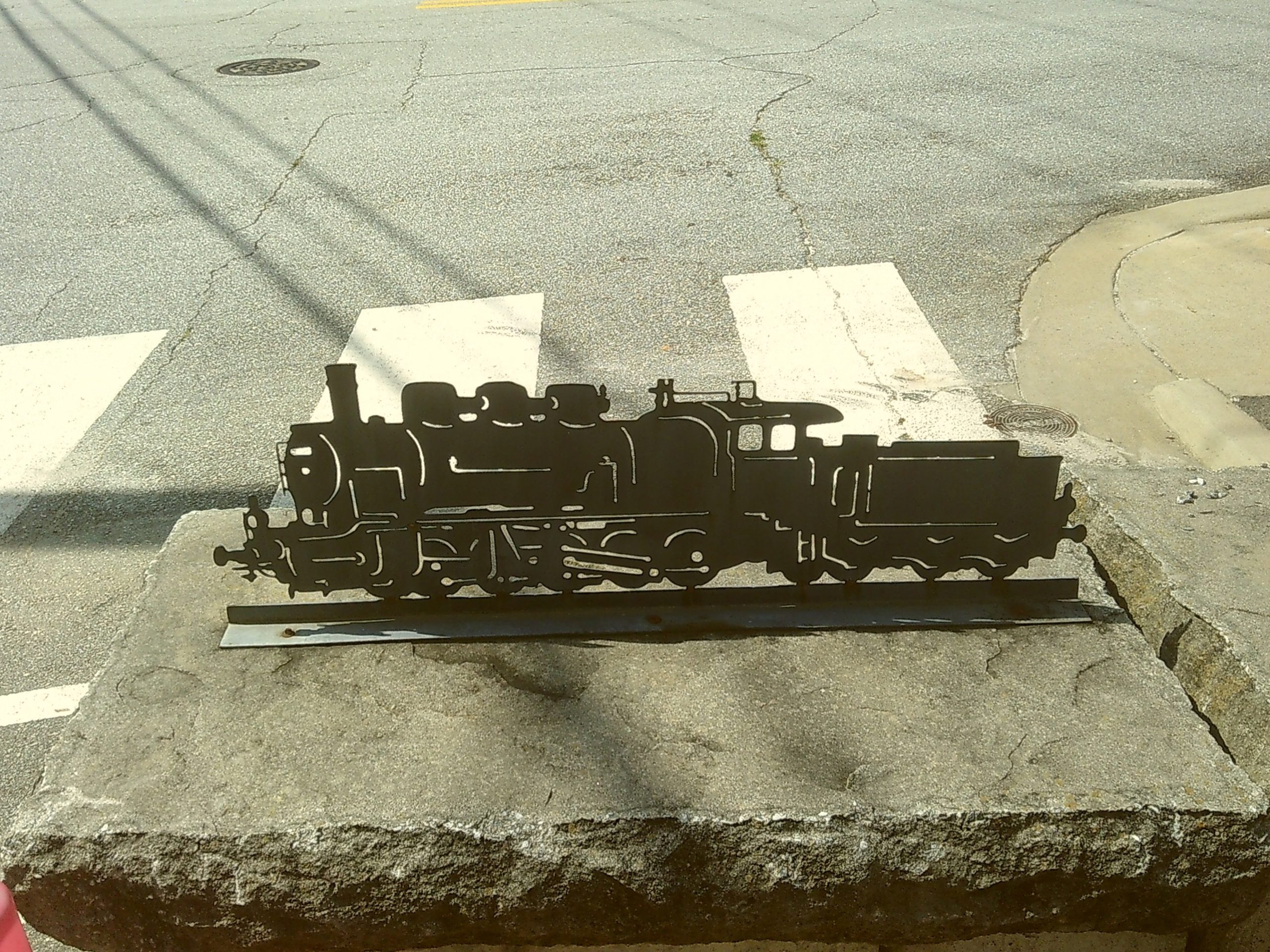
The railroad is clearly an important keystone of the Saluda community, even in the 2020s.
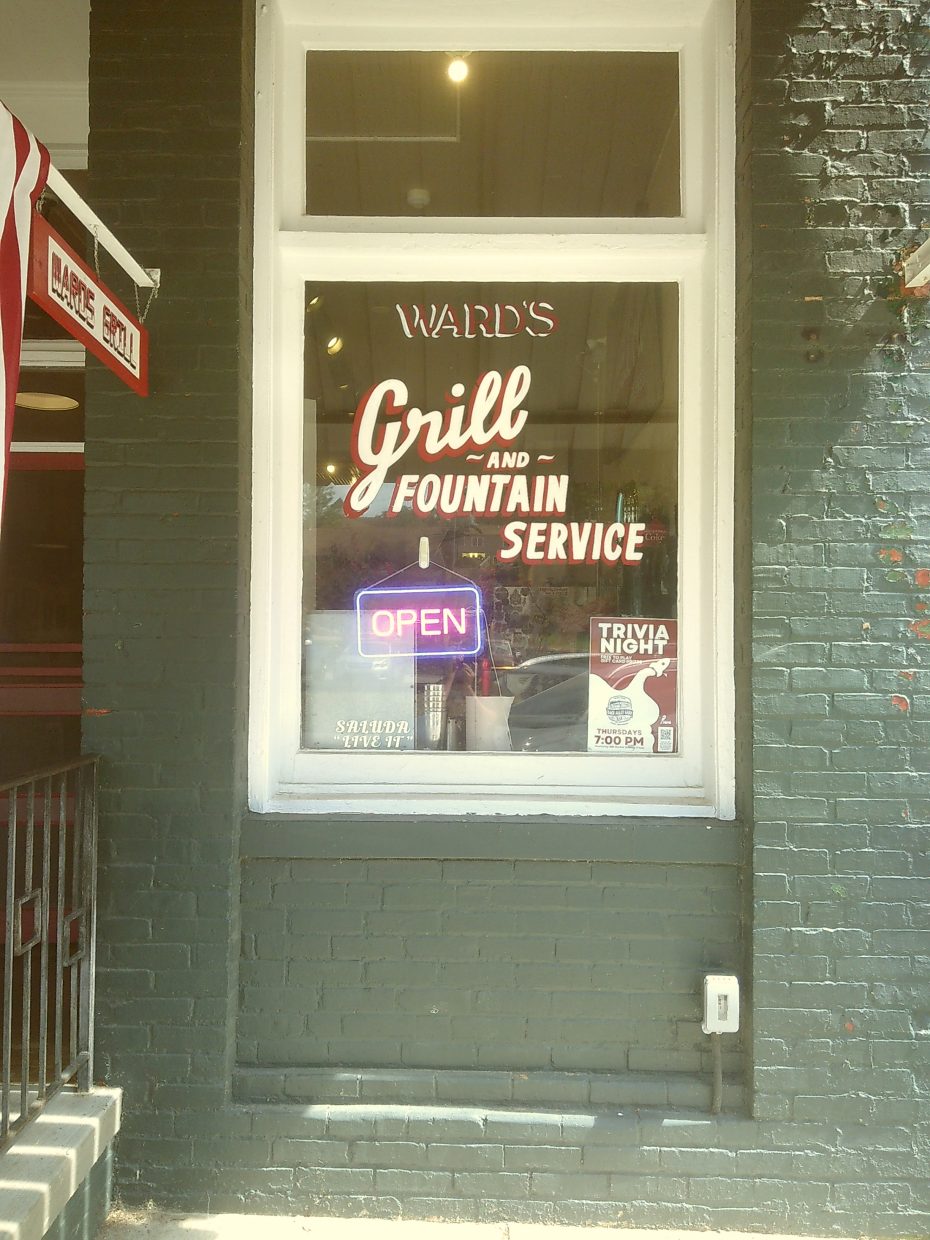
Perhaps stop in for a meal at Ward’s Grill for excellent, down-home Southern cooking and American classics. Wherever you end up in Saluda, there’s plenty to enjoy – and many fine food options for fueling up before heading down the mountains and toward Mill Spring for the festival.


Tryon, North Carolina
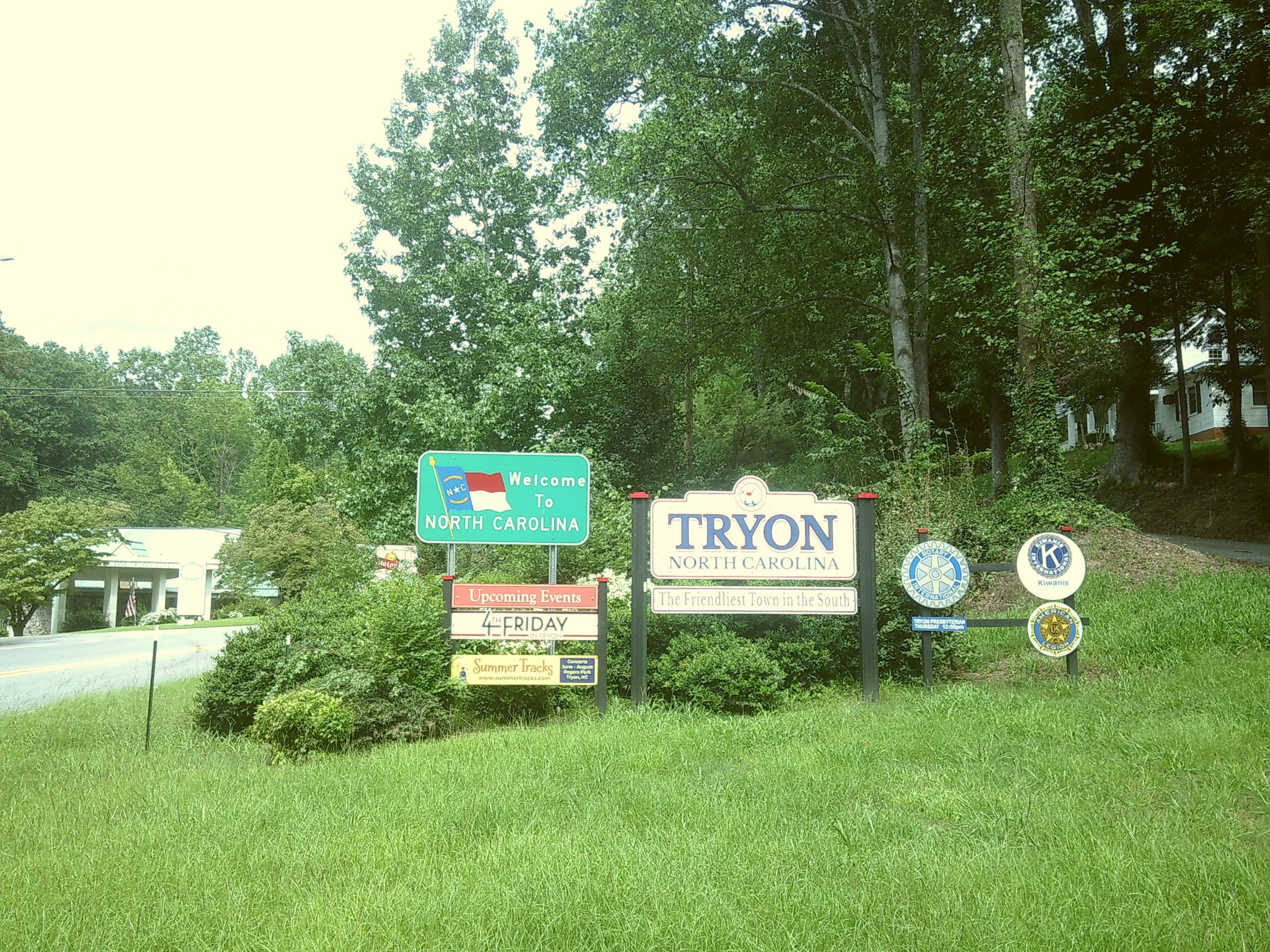
Maybe you’re coming down the grade from Saluda or perhaps you’re driving in from Charlotte, North Carolina, or from Greenville, South Carolina – or beyond! Wherever you’re coming from, Tryon is just a hop, skip, and a jump from the festival grounds at the Tryon International Equestrian Center in Mill Spring. Nestled into a holler in the foothills of the Blue Ridge, it’s a town full of art, music, culture, and heritage. You’ll find that horses and the railroad are important here, too. Stroll down the main drag and enjoy cute shops, tasty food offerings, and more.
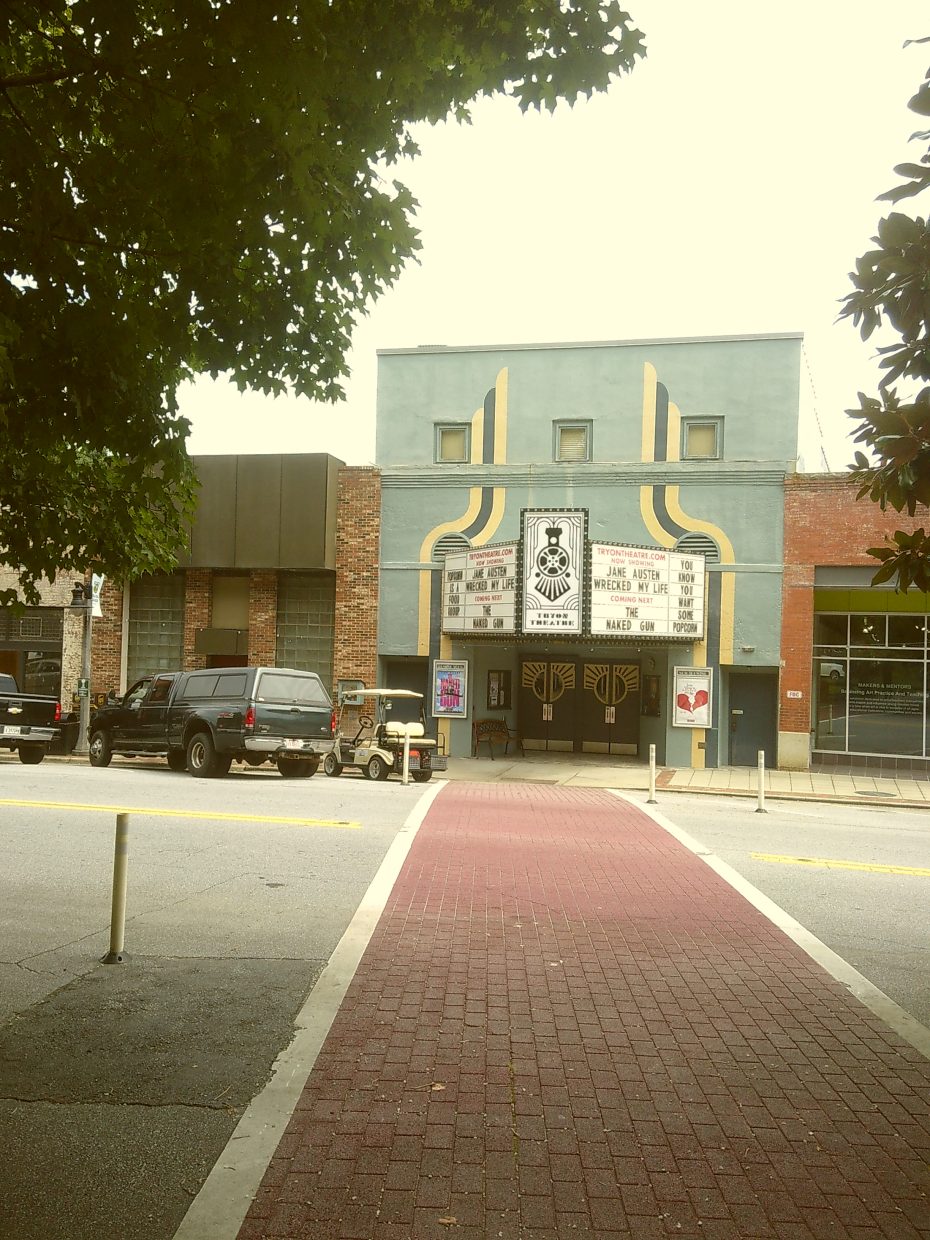
Sometimes it gets hot during the late-August/early-September festival, especially at the lower elevation of the Tryon International grounds, so why not cool off Tryon proper in the cozy dark and air conditioning watching a film at the Tryon Theatre?
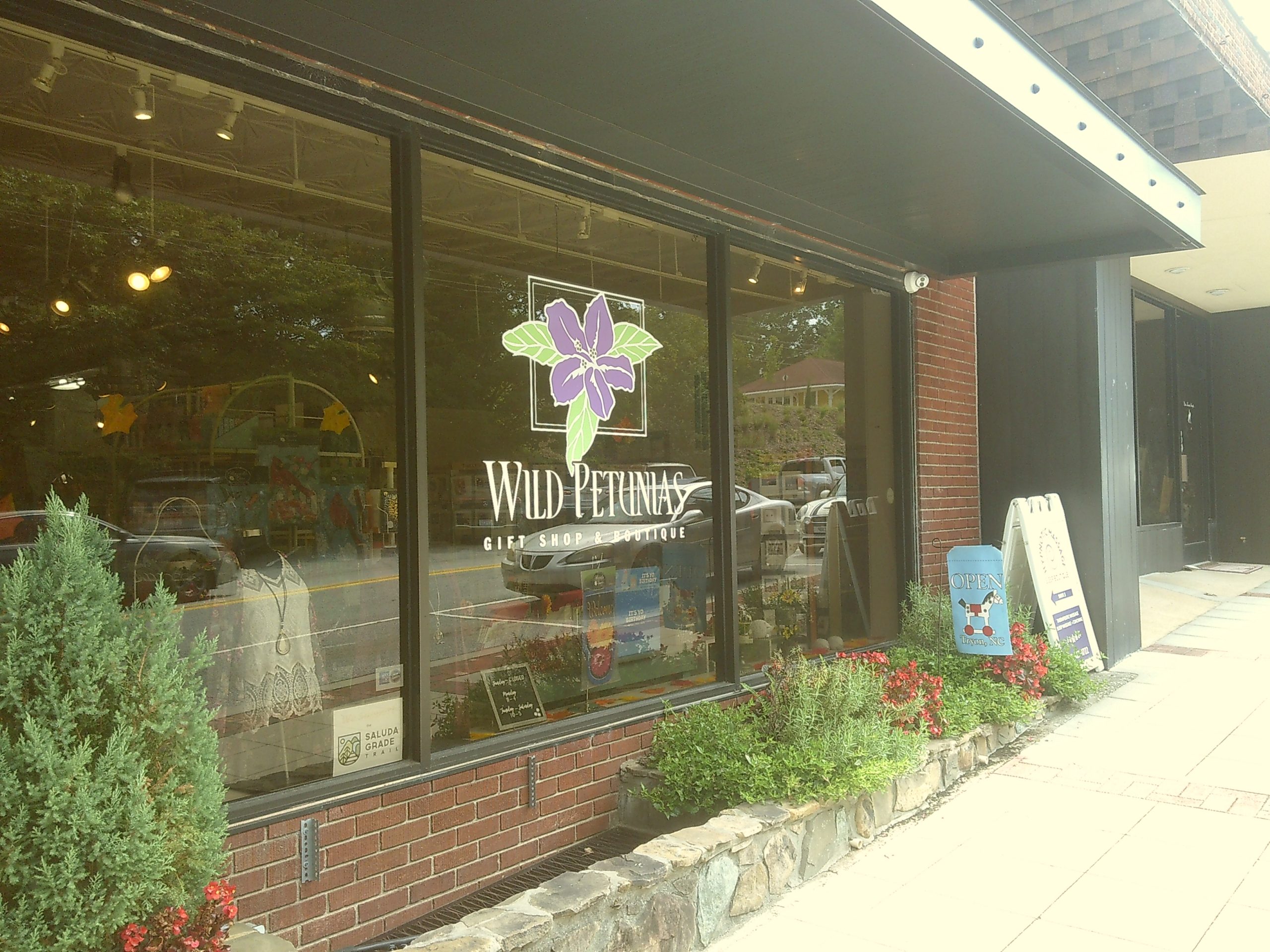
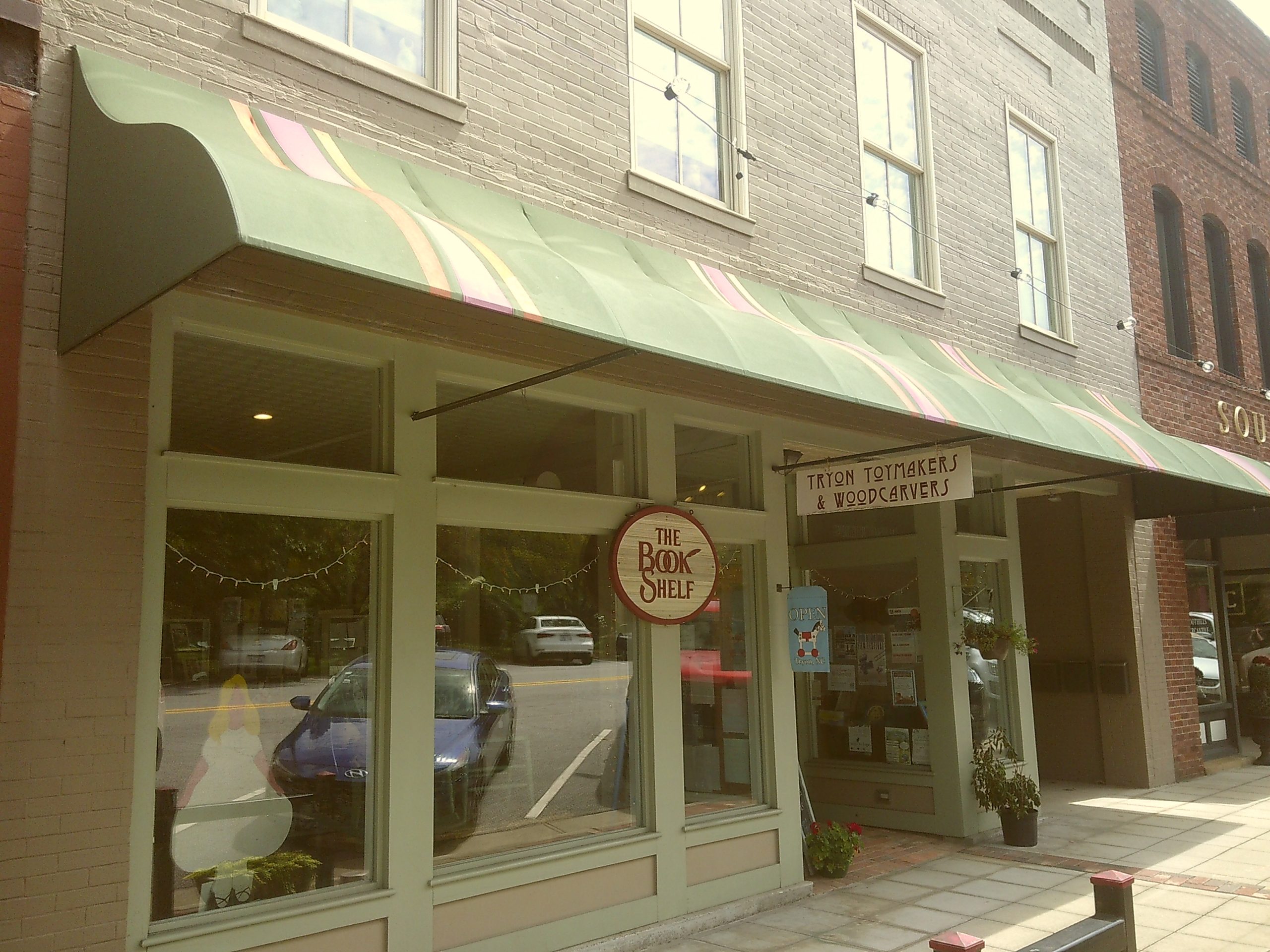
There are plenty of independent shops, boutiques, and retailers in the adorable downtown area offering local and far-flung products.
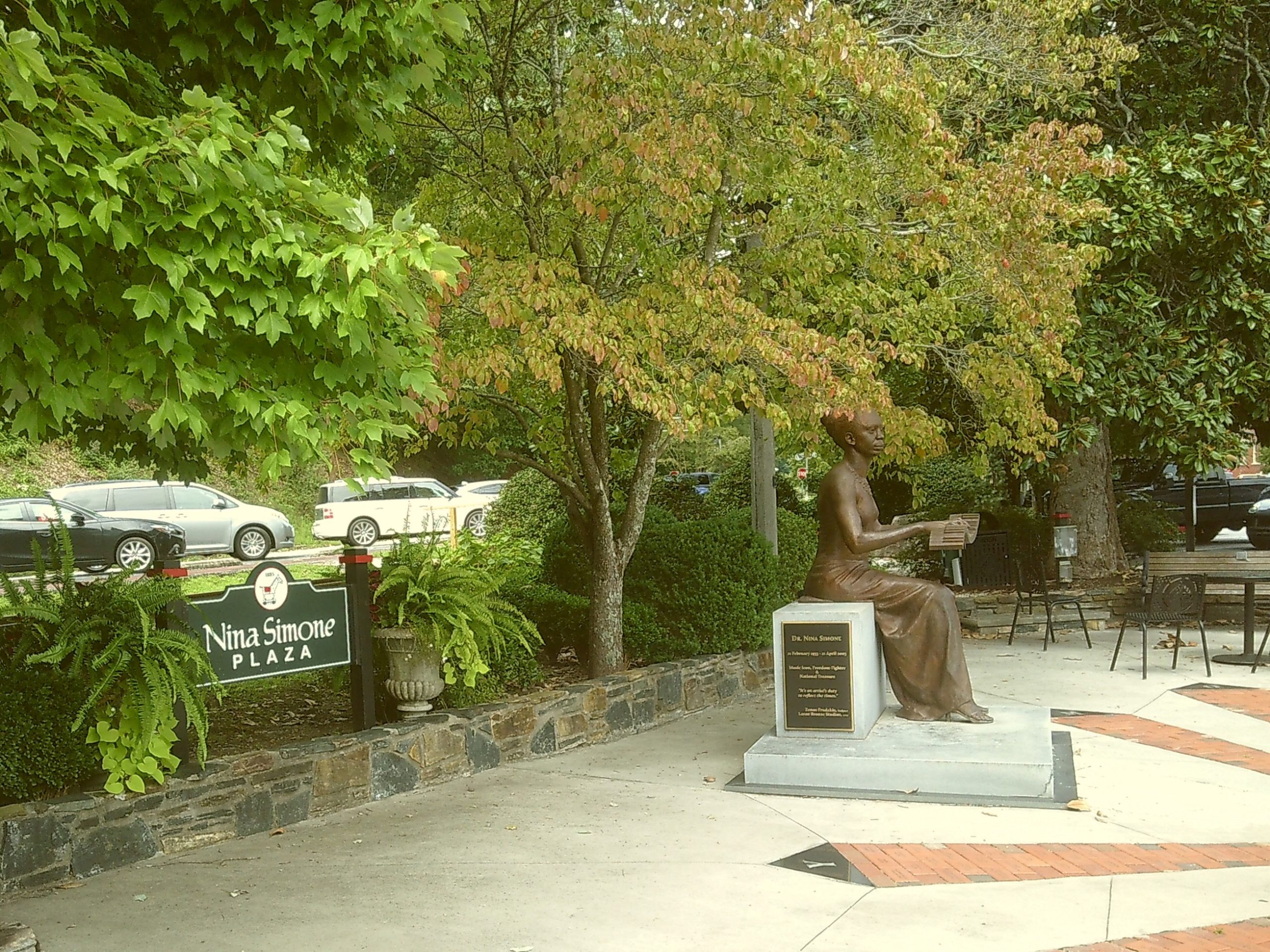
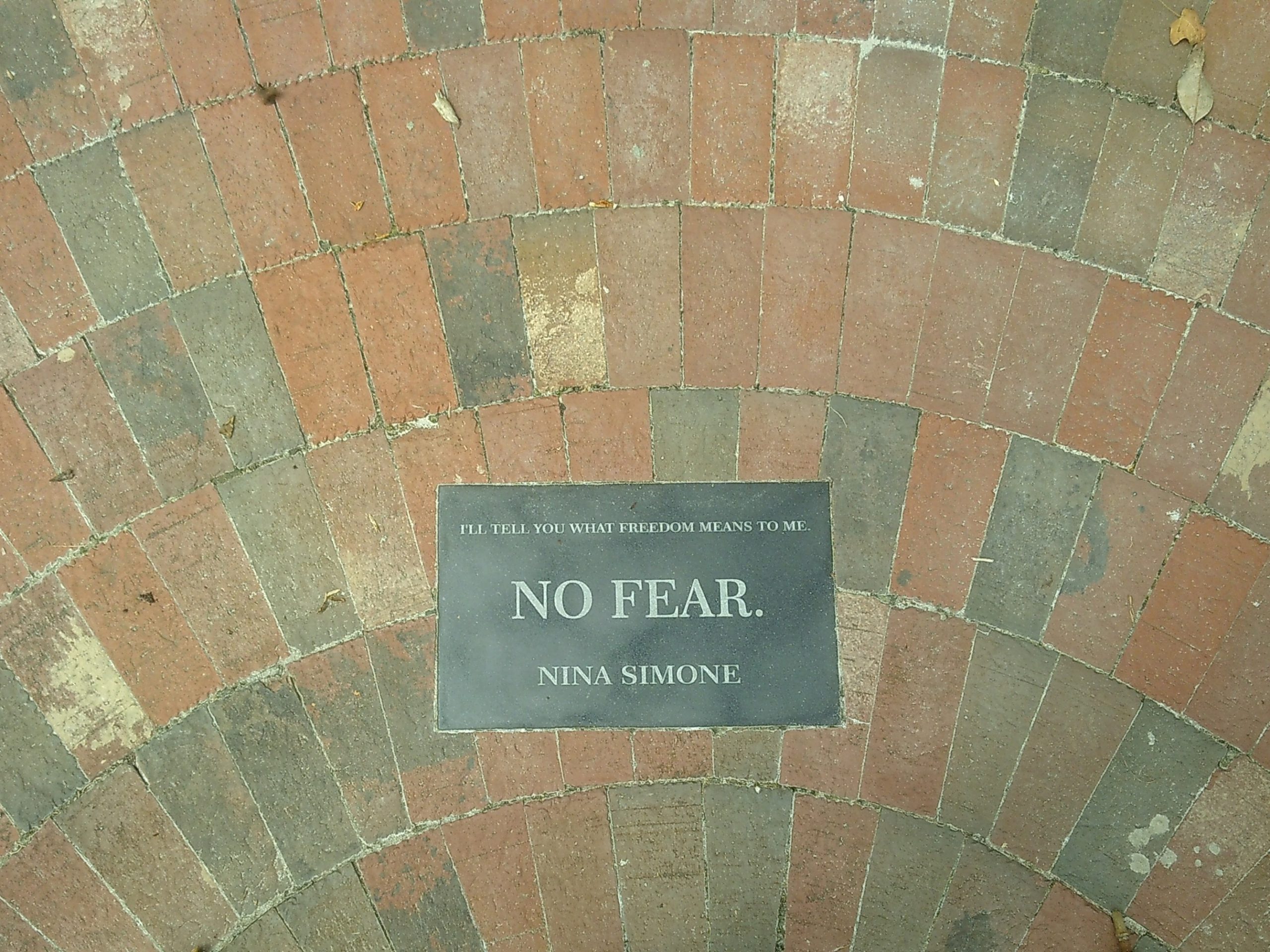
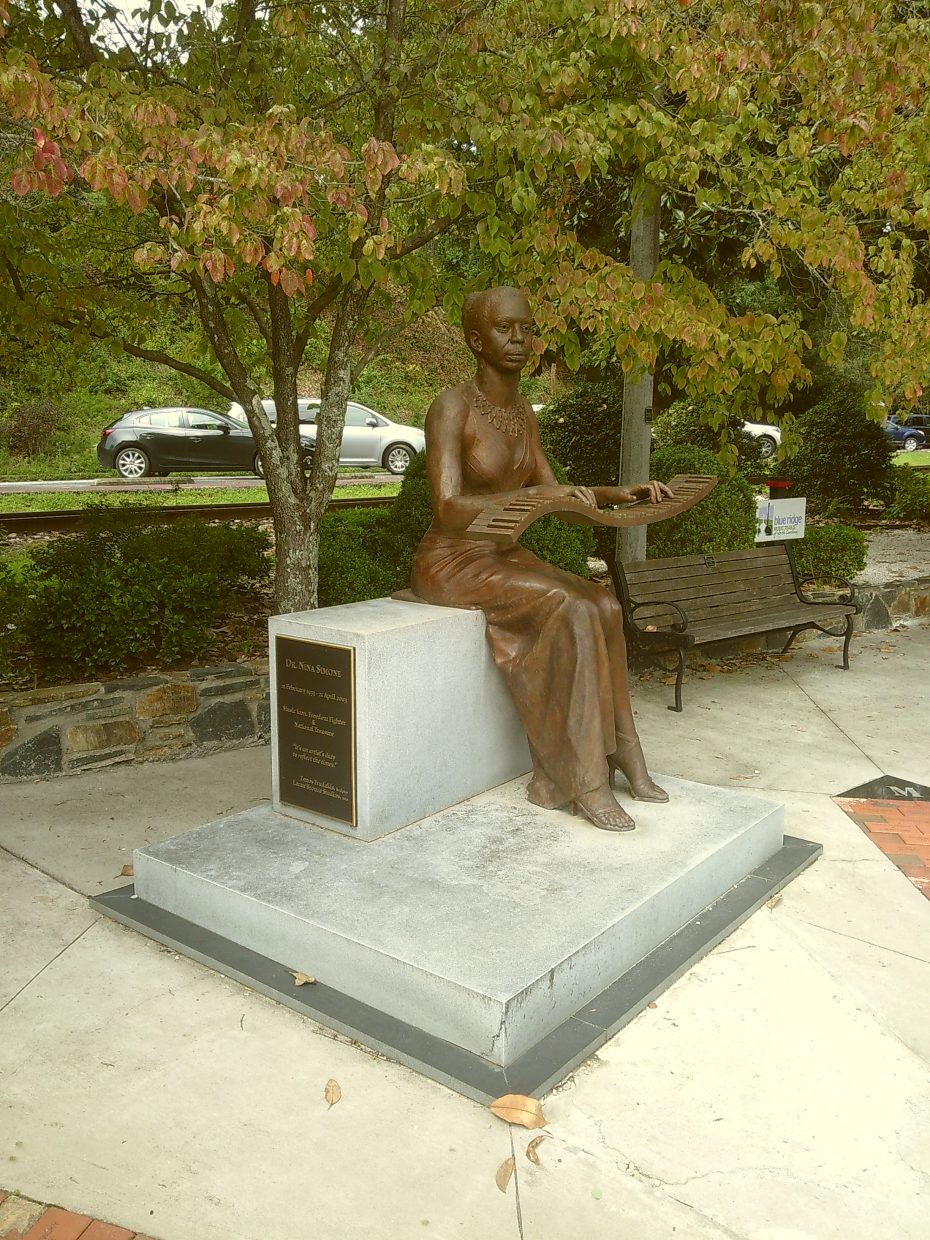
American musical icon Nina Simone was born in Tryon and her presence is felt throughout the little town. Nina Simone Plaza is conveniently located downtown and features a sculpture of Simone by Zenos Frudakis that contains a portion of Simone’s ashes enclosed inside a bronze heart within the gorgeous work of art.
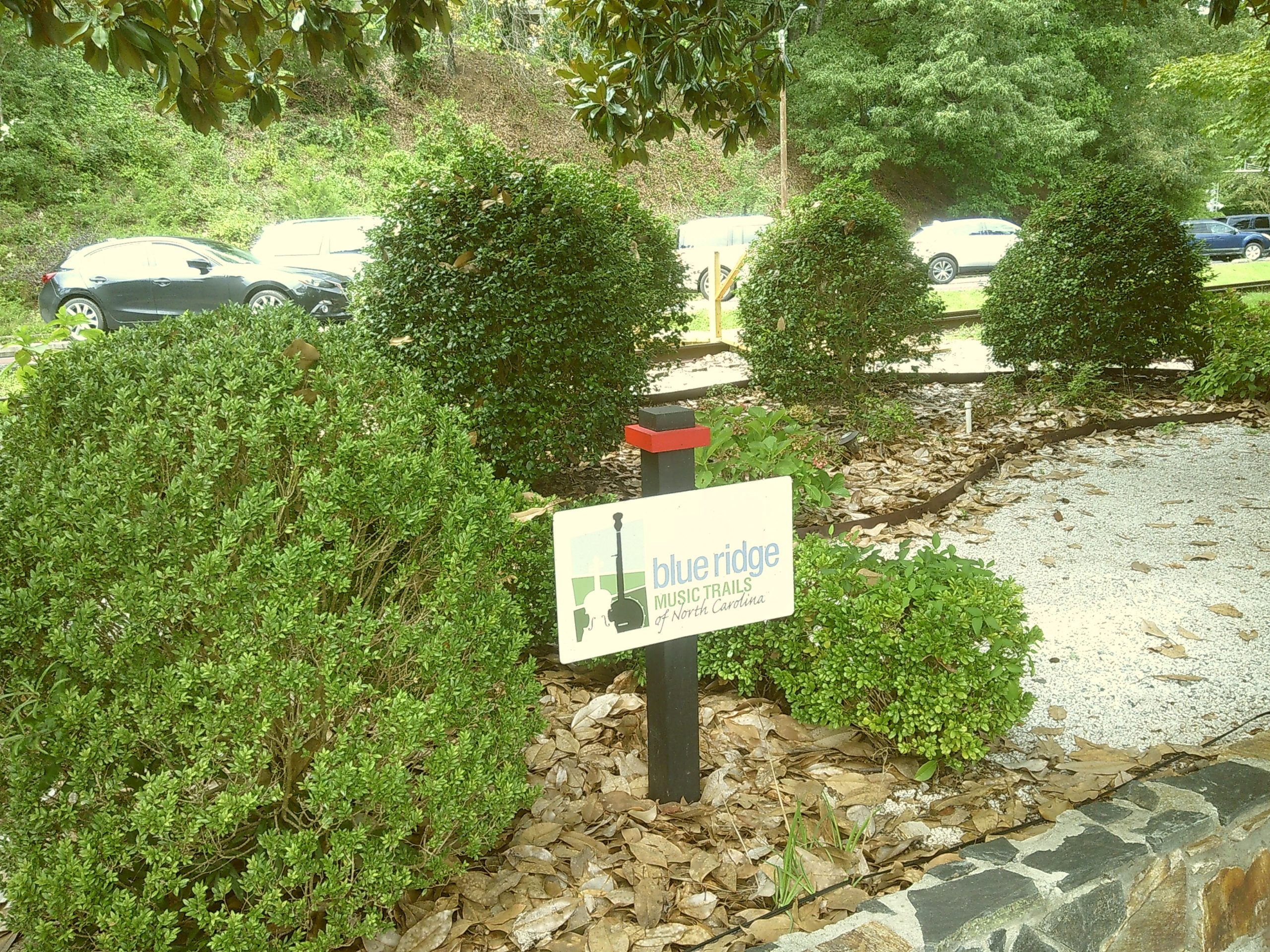
Always a good sign! Blue Ridge Music Trails of North Carolina is such a great resource and community builder in the region, highlighting art and music born in the mountains and made by mountain folk. In 2025, we partnered with Blue Ridge Music Trails, ESMF, and local partners on a special set of music at the festival called “Healing the Hollers,” which raised funds and awareness for the ongoing relief efforts after Hurricane Helene tore through and devastated the area in 2024.

There’s so much more to do, see, and explore via Blue Ridge Music Trails.
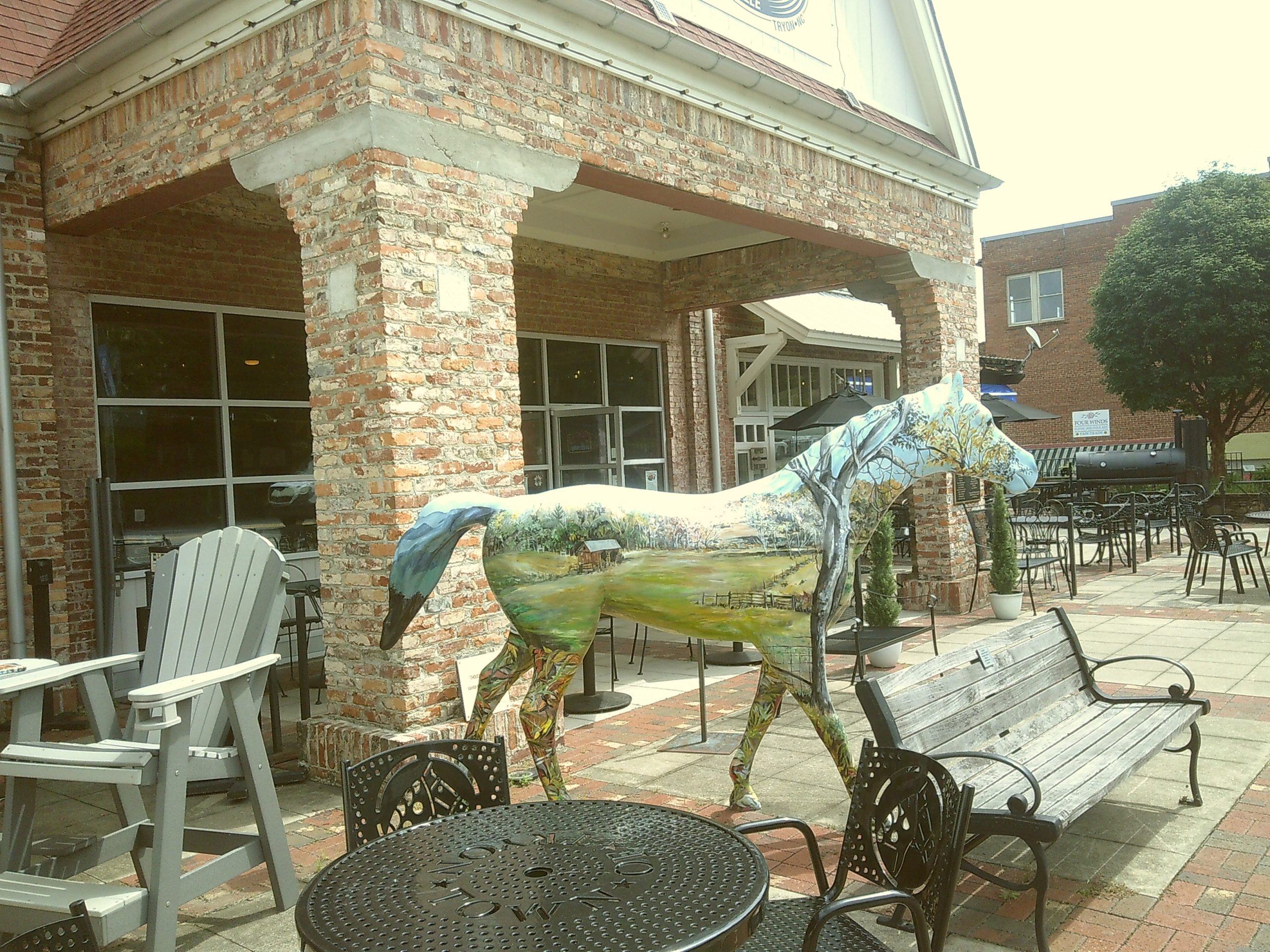
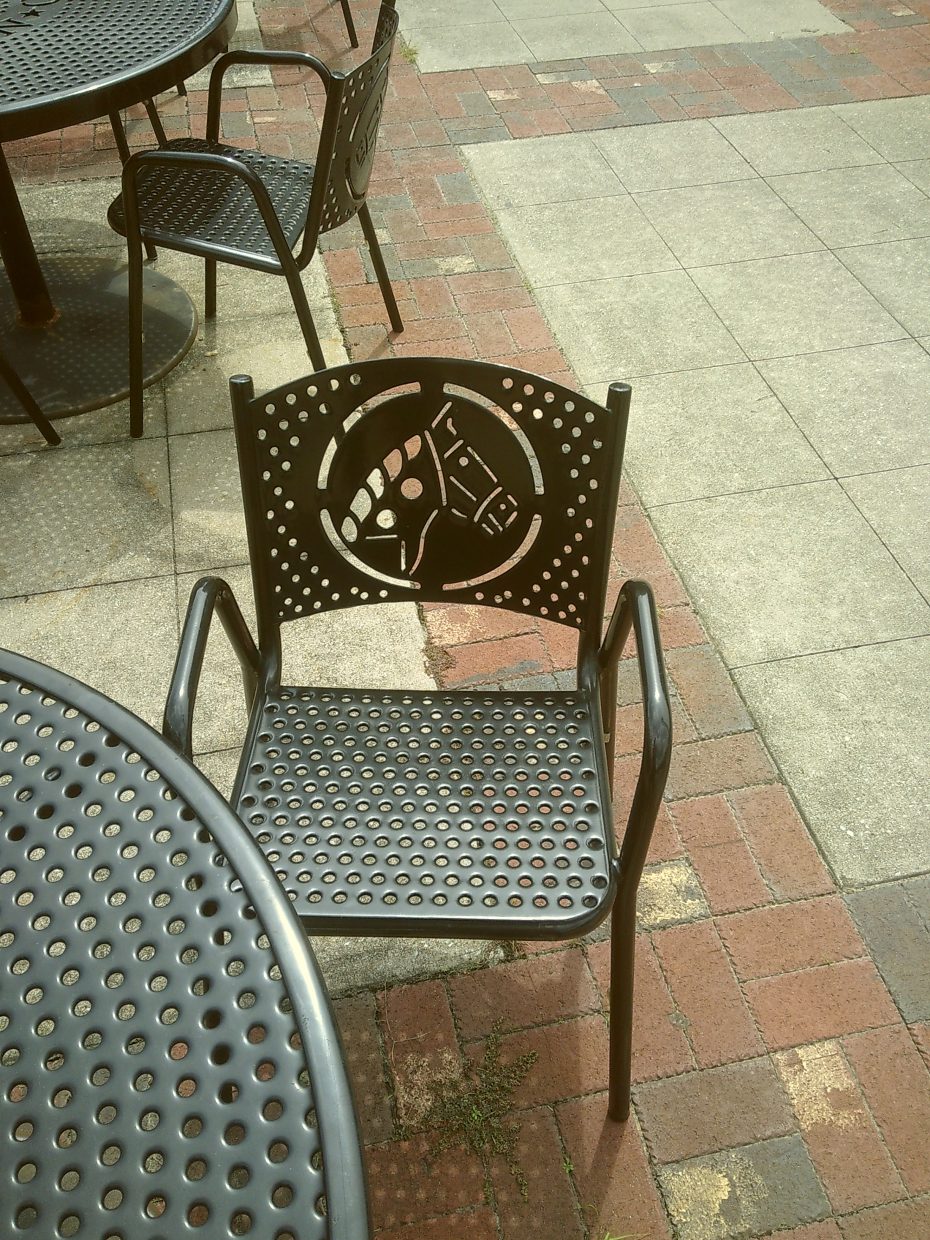
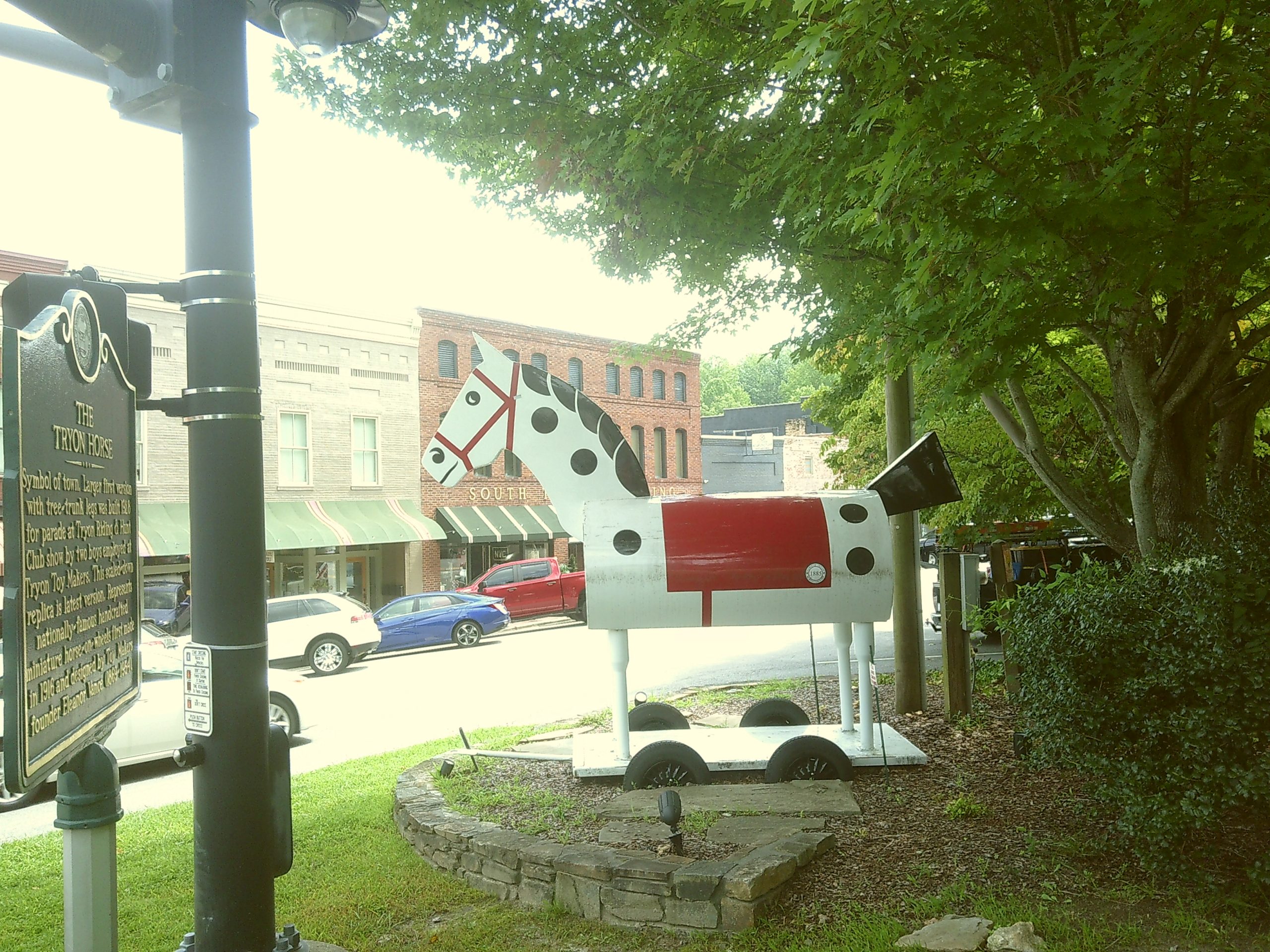
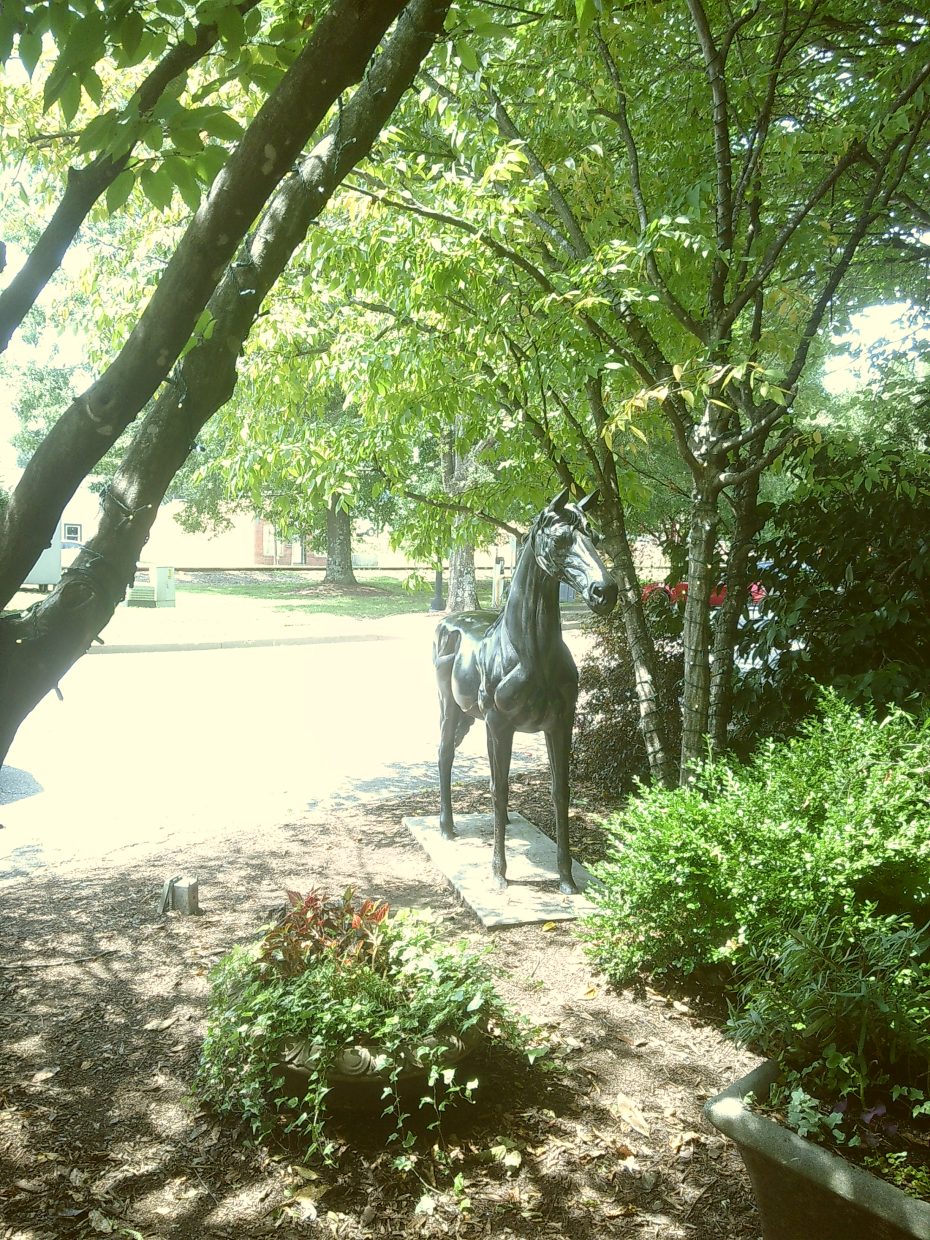
Horses show up in a variety of ways in Tryon – and not just at the equestrian center!
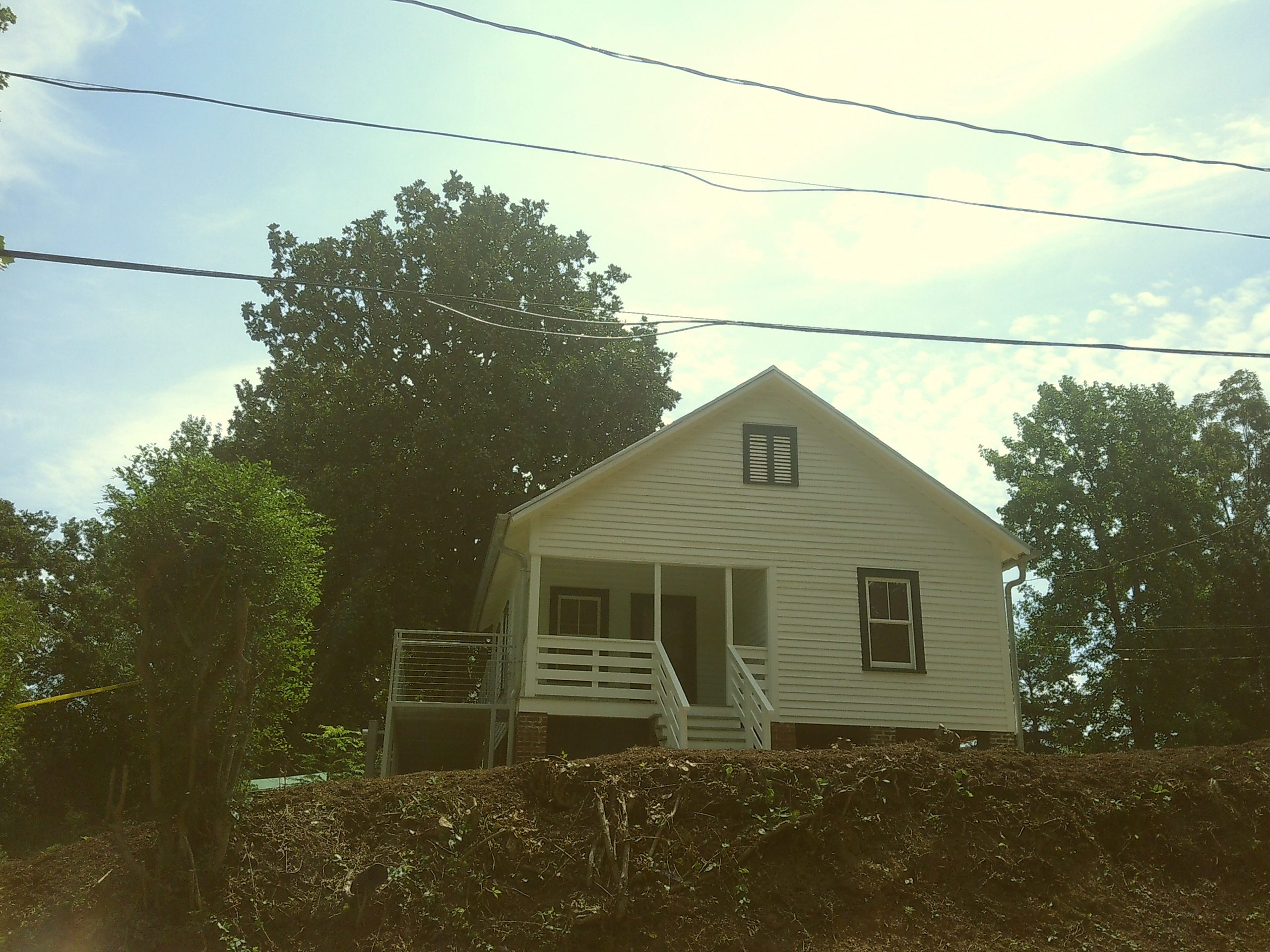
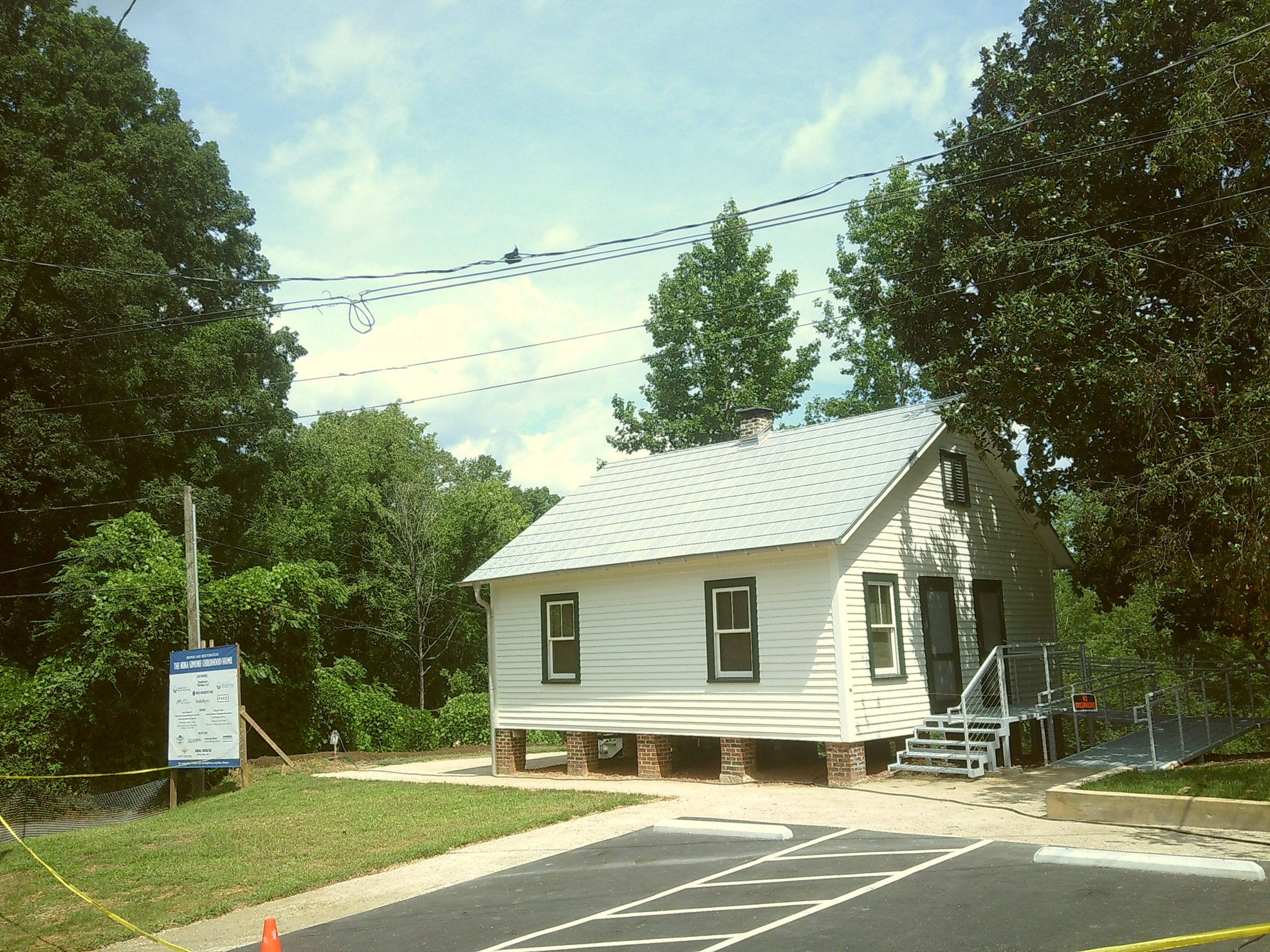
The Nina Simone Childhood Home stands on top of a hill in the middle of Tryon overlooking the village – and with gorgeous views of the surrounding ridge tops. Last year, while traveling to the festival, the humble home was in the final stages of its renovation and preservation by the National Trust for Historic Preservation and many other local, regional, and national partners.

Simone’s impact on American roots music and popular music – nationally and globally – cannot be overstated. Still, she’s rarely placed, understood, or honored as an Appalachian musician, despite where she grew up. A visit to Simone’s homeplace in Tryon is essential for all music fans, especially now that the renovations were completed in fall 2025, just after the festival.
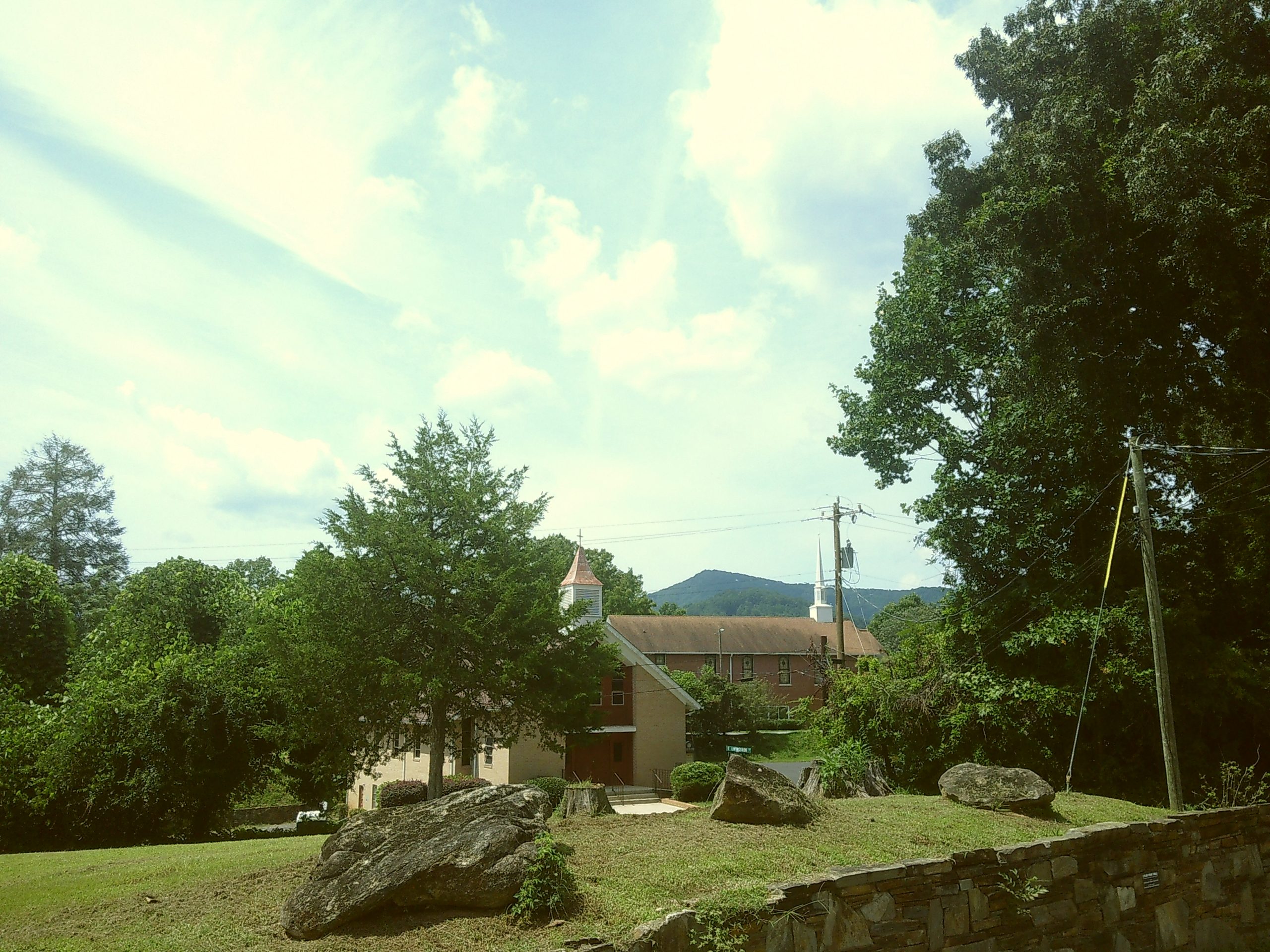
The view of the ridge line of the stunning Blue Ridge Mountains behind St. Luke Christian Methodist Episcopal Church, as seen from the property of Nina Simone’s childhood home.

You can learn more about Tryon and Nina Simone in a bonus episode of our podcast, Carolina Calling, made with Come Hear NC.

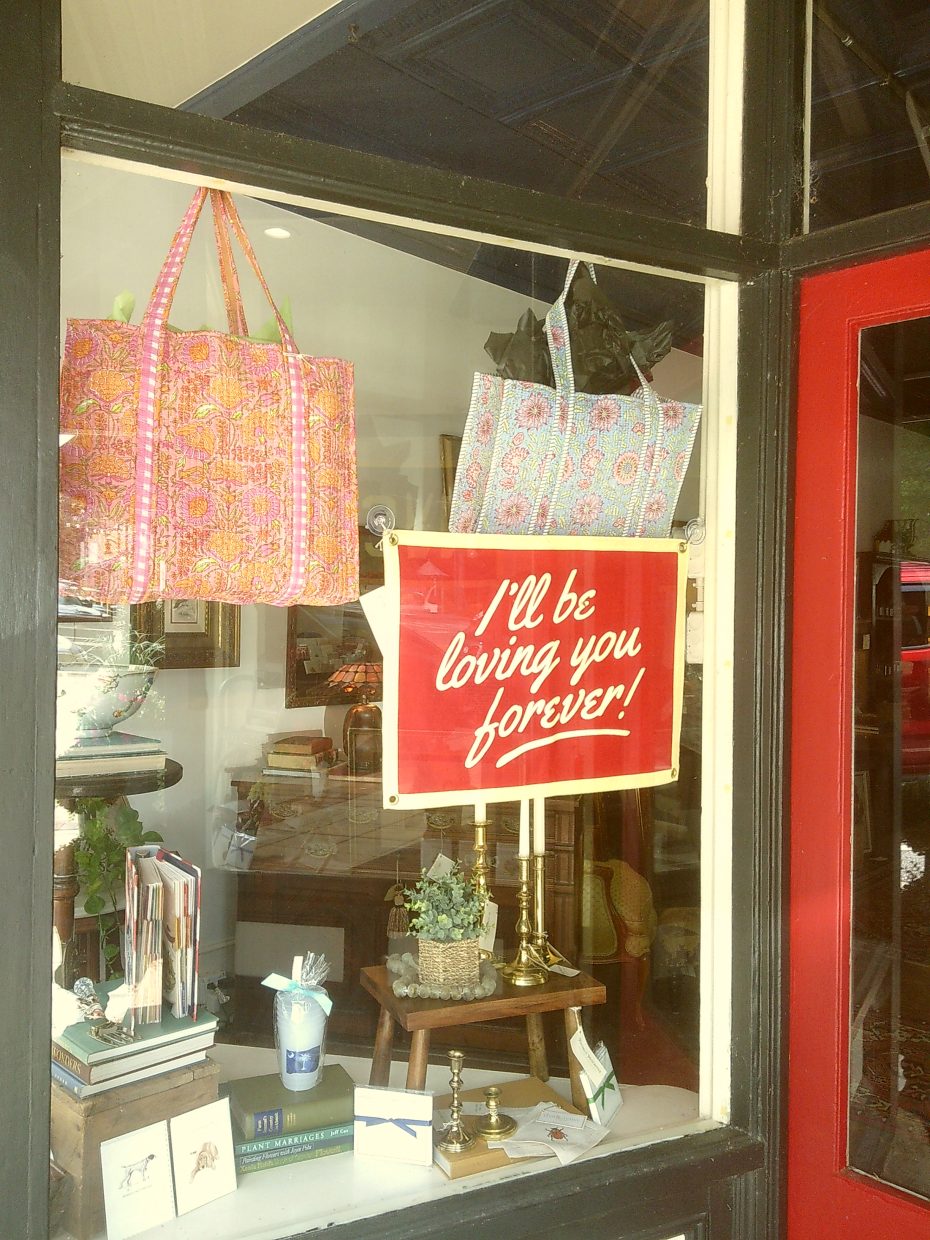
Downtown Tryon is full of adorable sights and diverting activities.
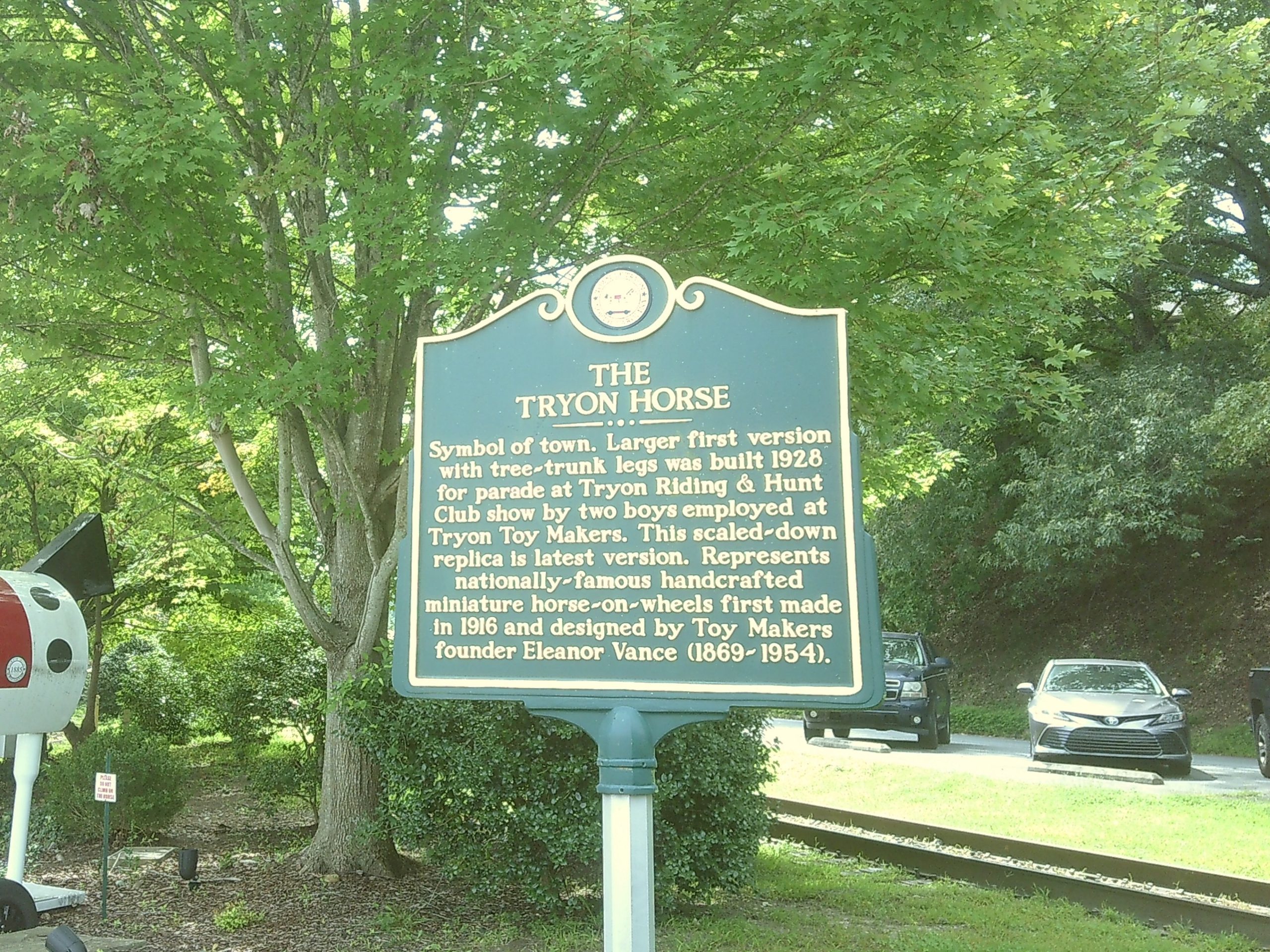
Put “Molly & Tenbrooks” or “Goodbye Old Pal” on the speakers and get into the bluegrass and equestrian mindset. No judgment if your horse is on wheels!
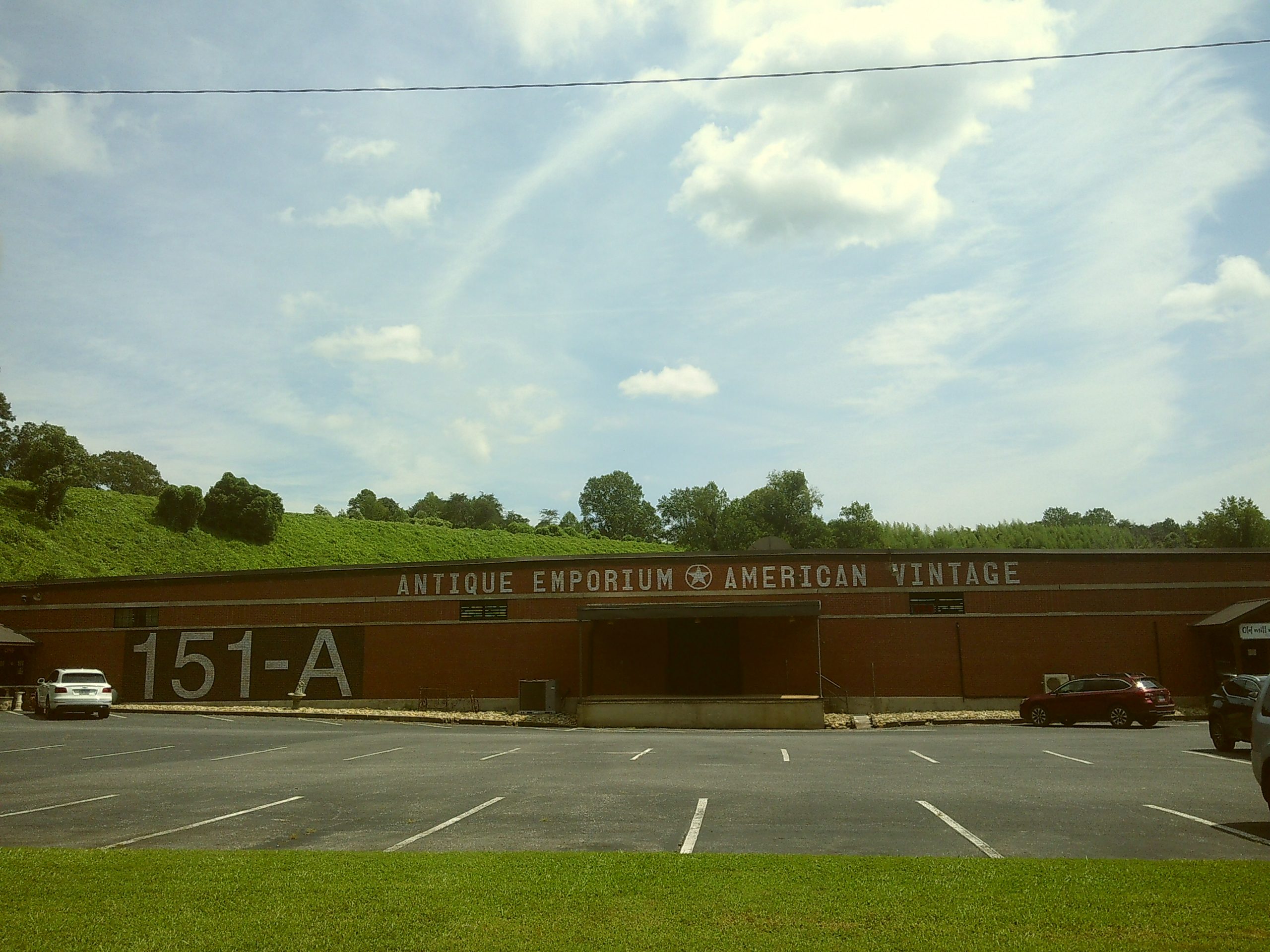
Team BGS always brakes for antique stores, and this area is dripping with excellent shops, flea markets, and antique vendors offering wares at remarkably reasonable prices. On our journey, we traveled from Tryon to Landrum, South Carolina – passing the Antique Emporium & American Vintage, Old Mill Market Square, Tryon Antique Mall & Marketplace, and Dark Horse Antique Market in one fell swoop; all are within a quarter mile of each other and are worth stopping to peruse. Plus, many more antique shops and stands and vintage stores are in the area. Keep your eyes peeled, there are plenty of treasures to find.


Landrum, South Carolina
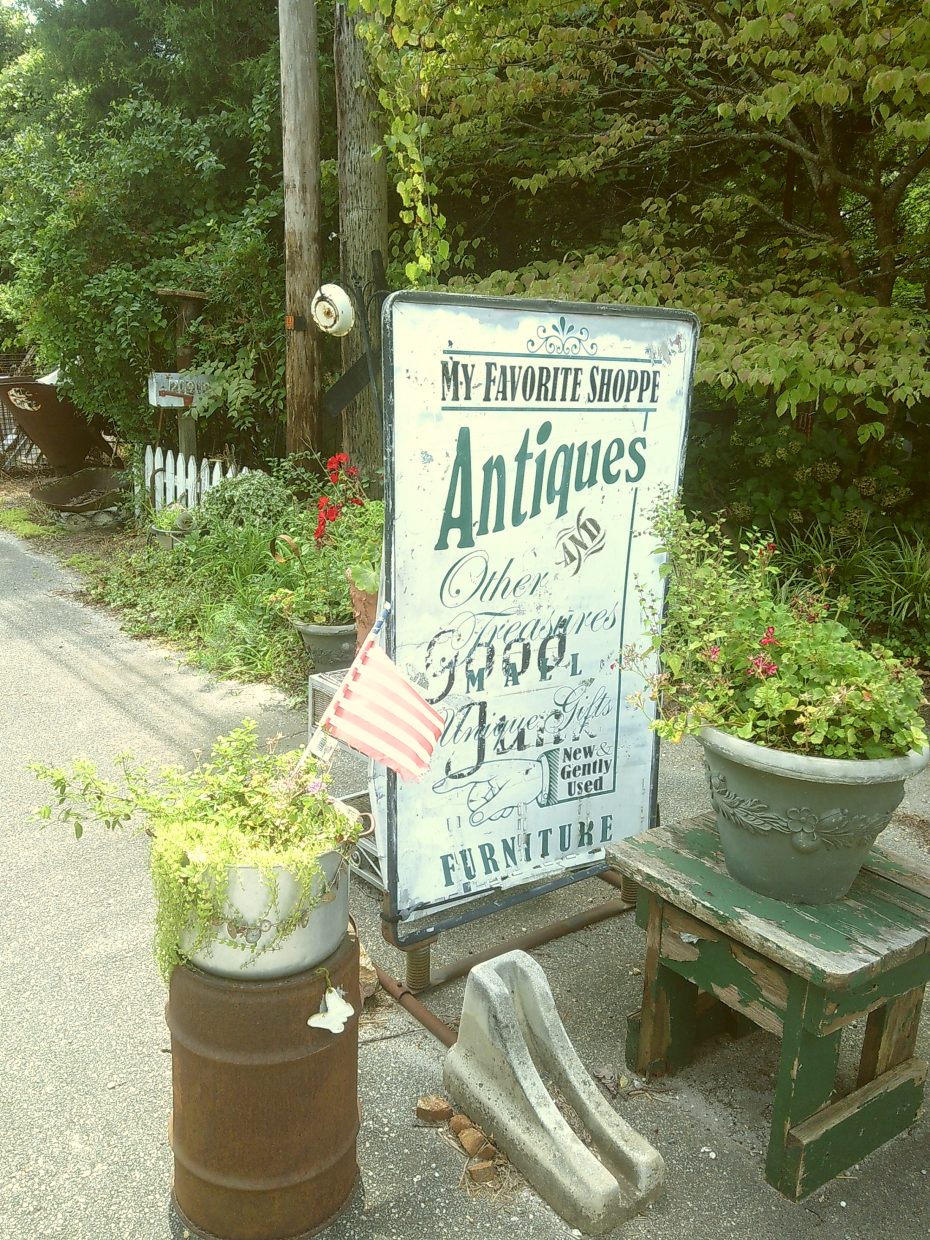
Some of the best little shops and stores we found nearby Earl Scruggs Music Festival, though, were the little holes-in-the-wall or mom-and-pop shops. Our favorite doesn’t have a name, doesn’t have posted hours, doesn’t have a website – or any kind of point on Google Maps at all. Heading out of Tryon toward Landrum, you’ll just cross over the state line on US Highway 176, Asheville Highway, when you come across a couple of small buildings covered in antiques. Stop at the intersection of US 176 and State Rd S-42-183.

Run by a pair of sisters, the shop is only open Thursday through the weekend and takes only cash, but you will find an inventory unlike any other. Sure, they may package your local North Carolina pottery finds in a (clean) reused Burger King bag. It only adds to the charm! The sisters will be happy to give you a tour and show you the historic property. We return every year and strolling through the crowded, historic house full of their collection of finds is a highlight of attending ESMF.
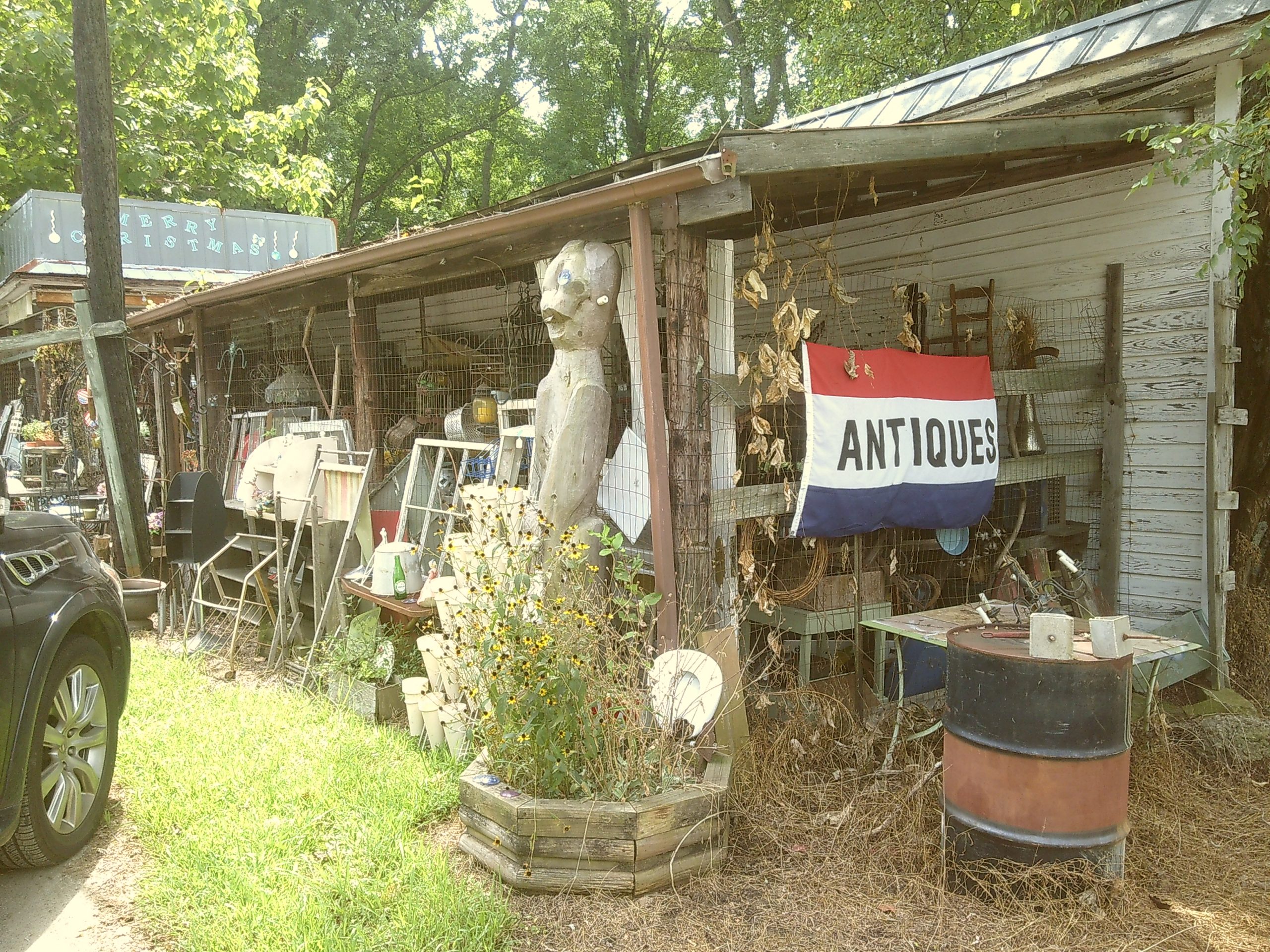

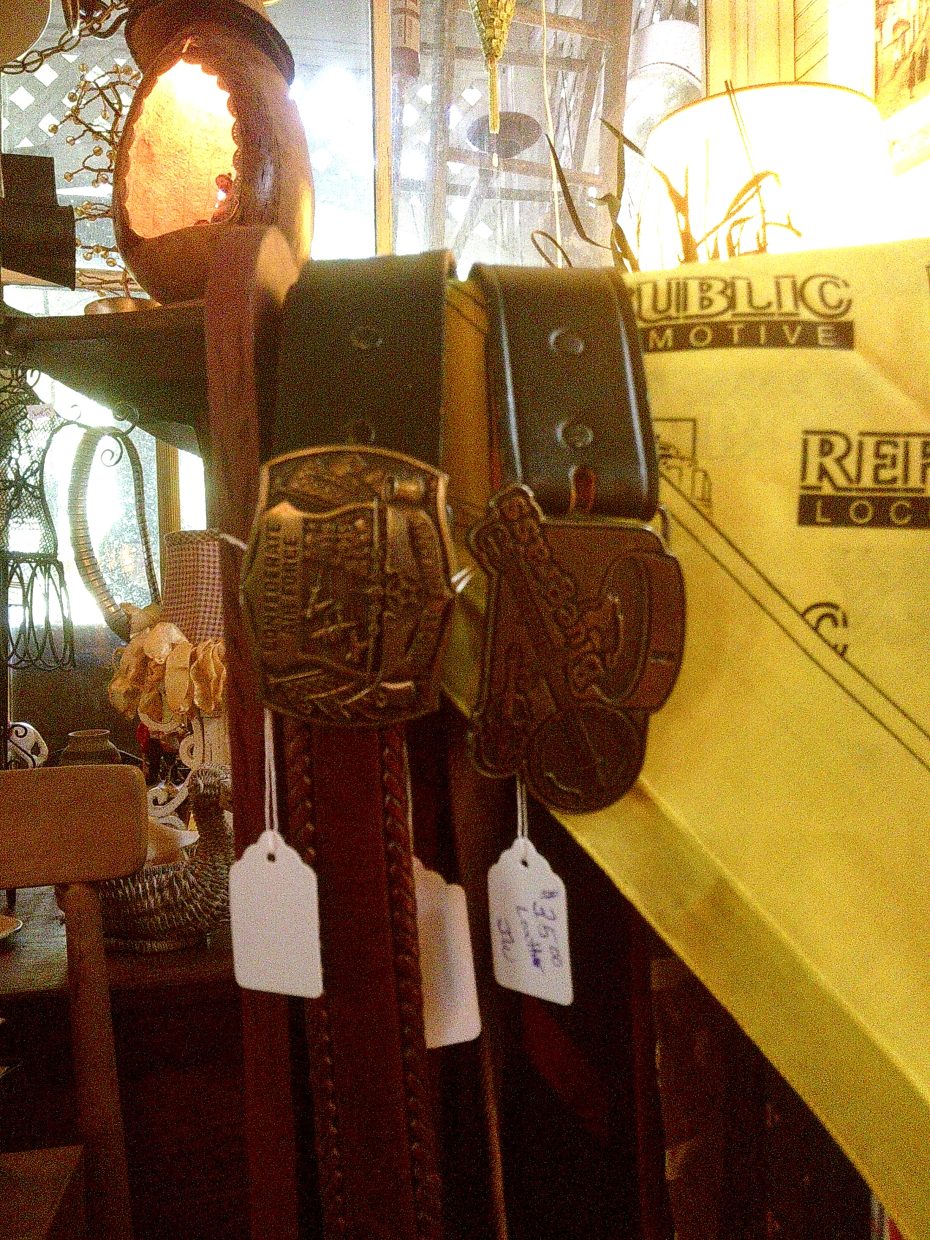
You may even find a bluegrass belt buckle along the way! While we can’t tell you the name of the business or really any more information than what’s included here, we cannot recommend a stop at 21919 Asheville Highway in Landrum enough. It is truly a hidden gem.
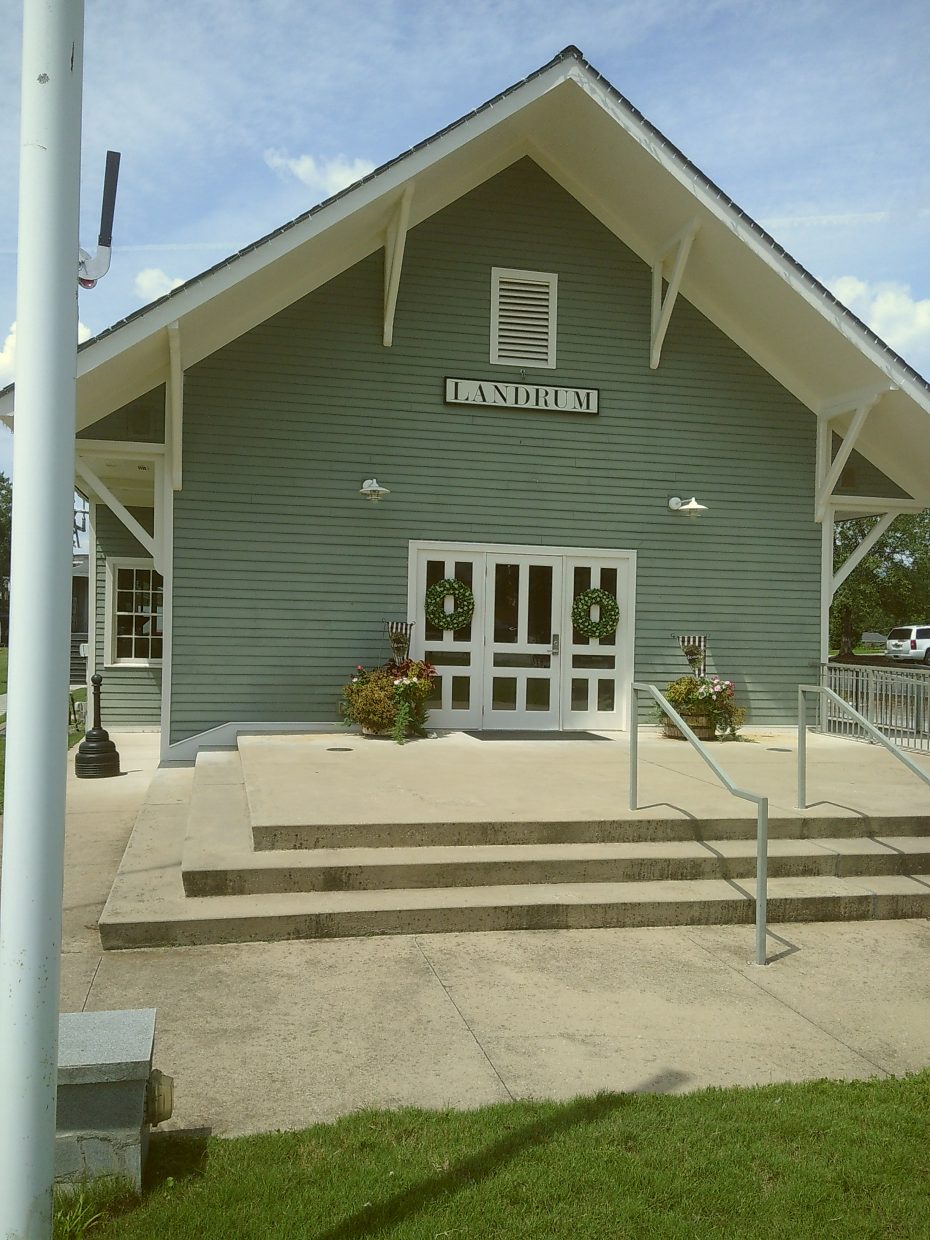
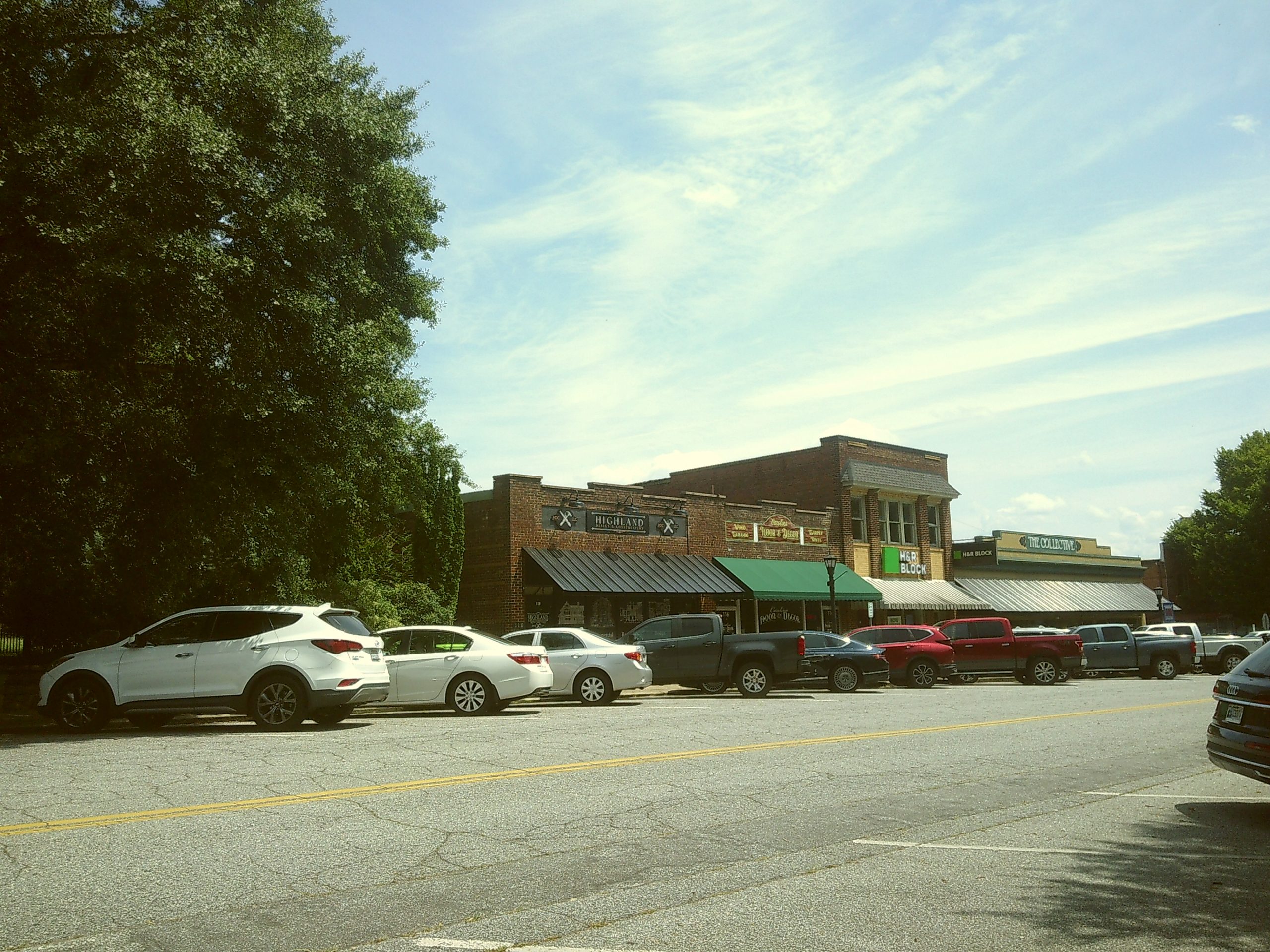
When you get to Landrum, you’ll notice we’ve rolled entirely out of the Appalachian foothills, topographically. Still, horses abound and there’s plenty to do, see, and enjoy. Stop first at the Landrum Depot, a rail and history museum, event venue, and community gathering place – including a refurbished Pullman sleeper car.
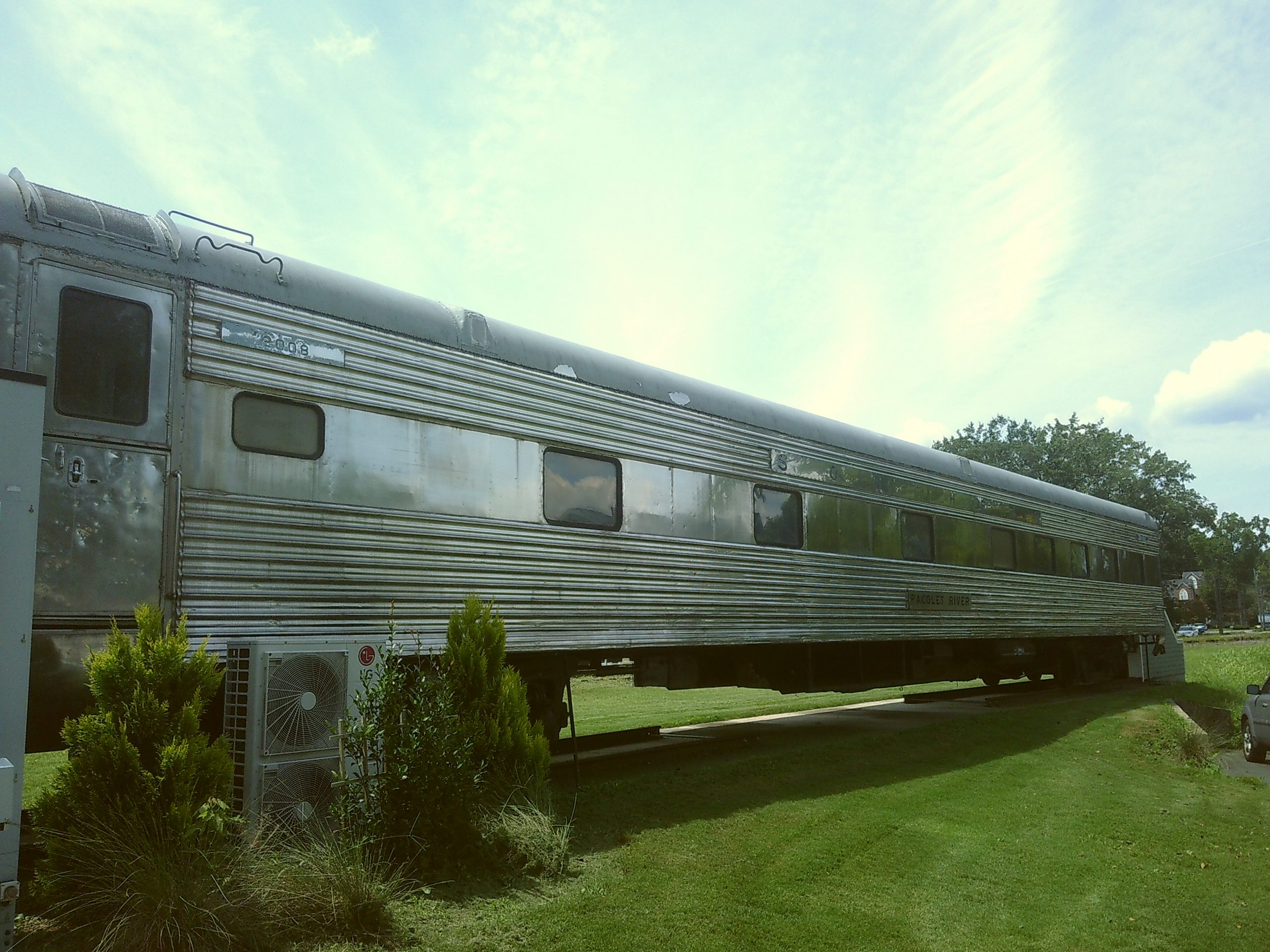
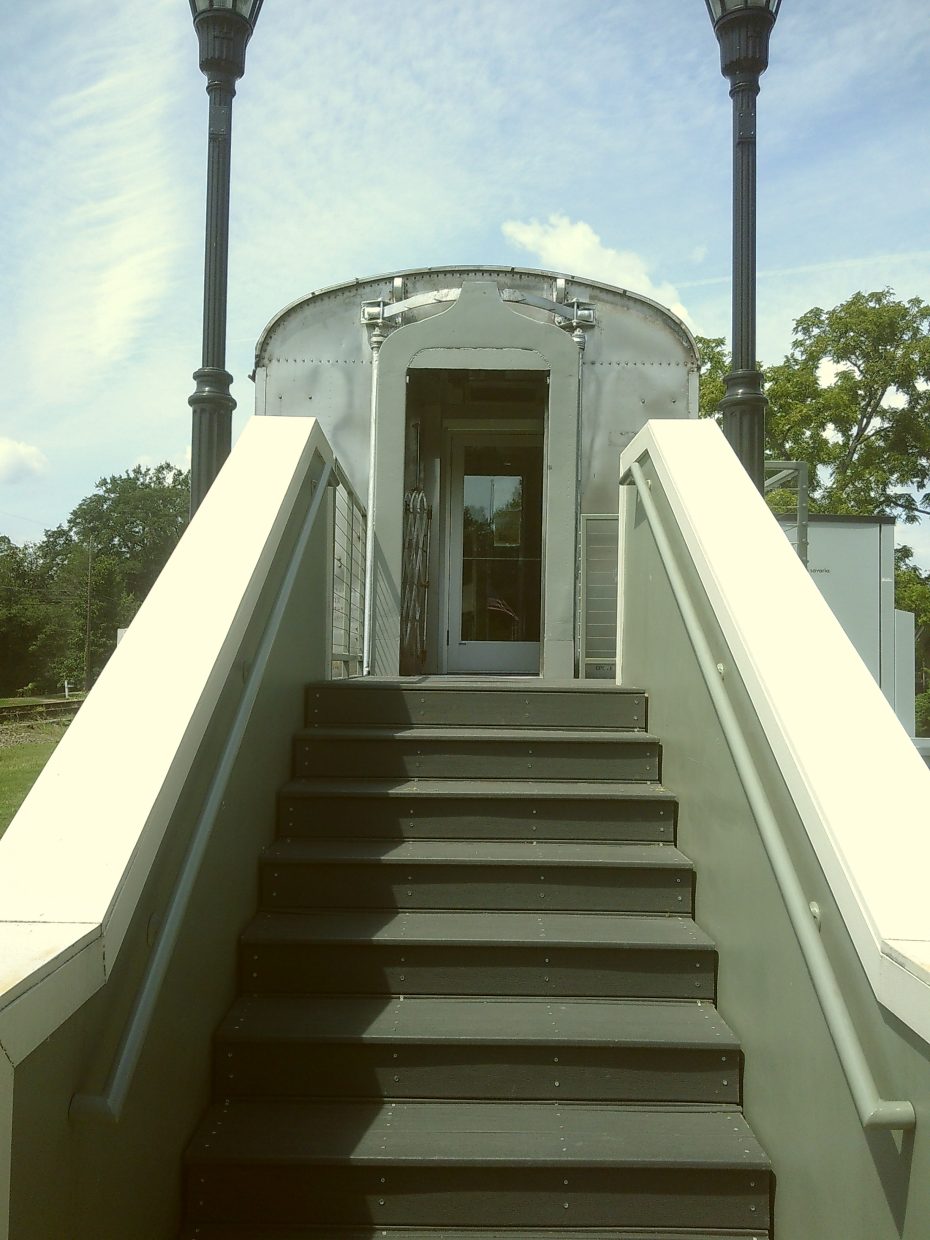
Beautiful and quaint downtown Landrum also includes many restaurants and stores ready for visitors.
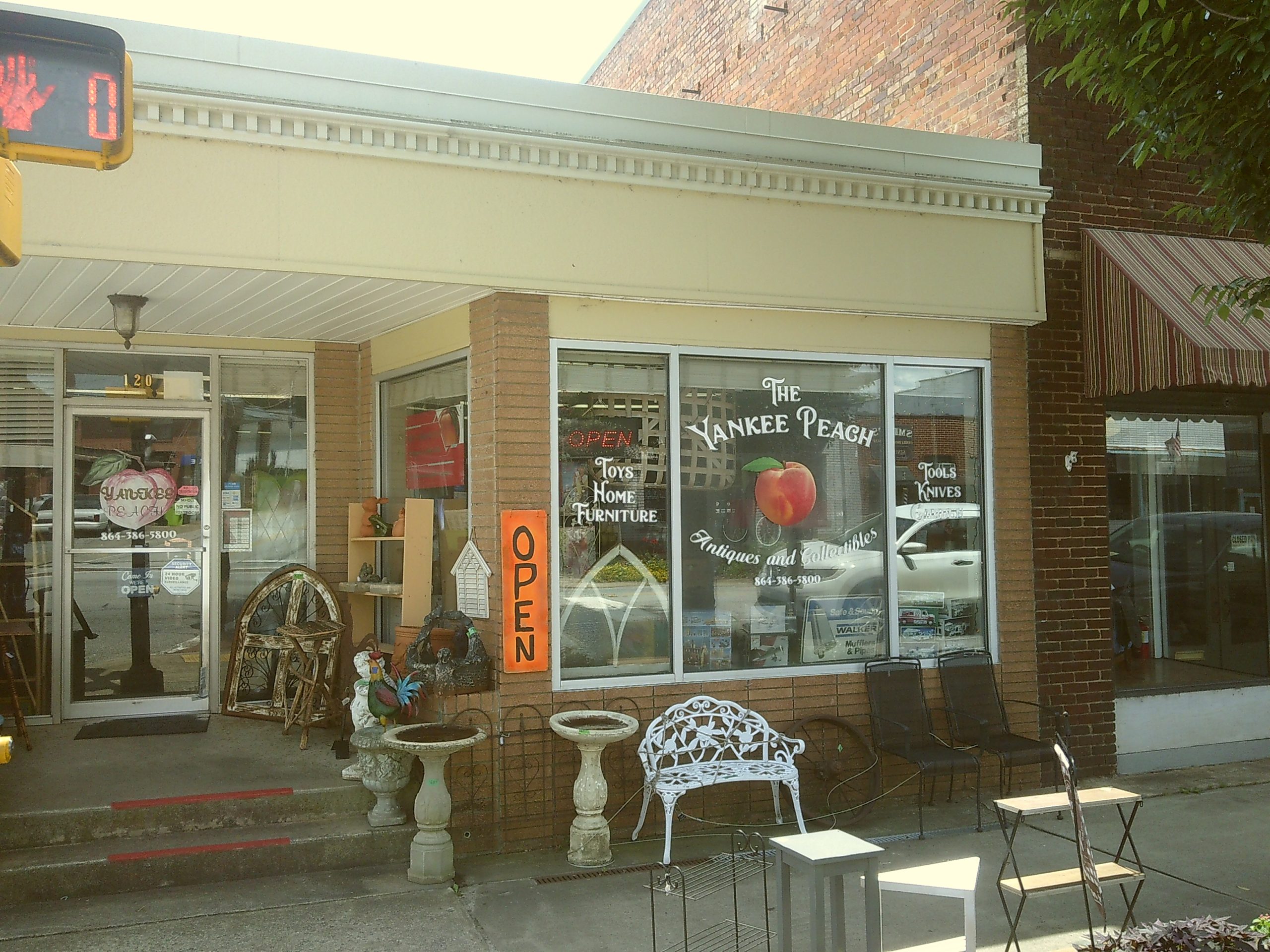
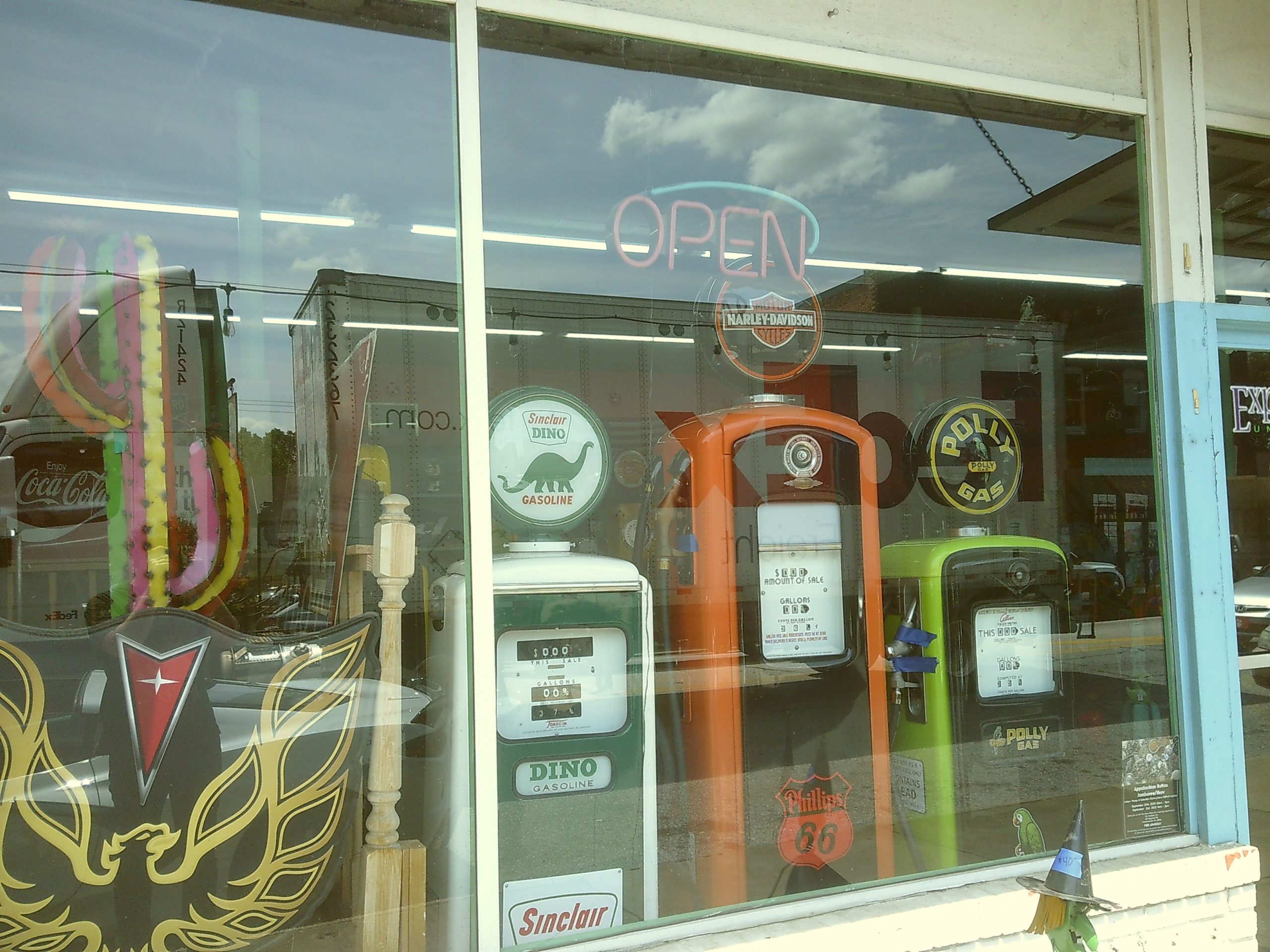
Stop and peruse antiques and goodies at stores like The Yankee Peach (above) or Expressions Antiques (below), just across the street from each other.
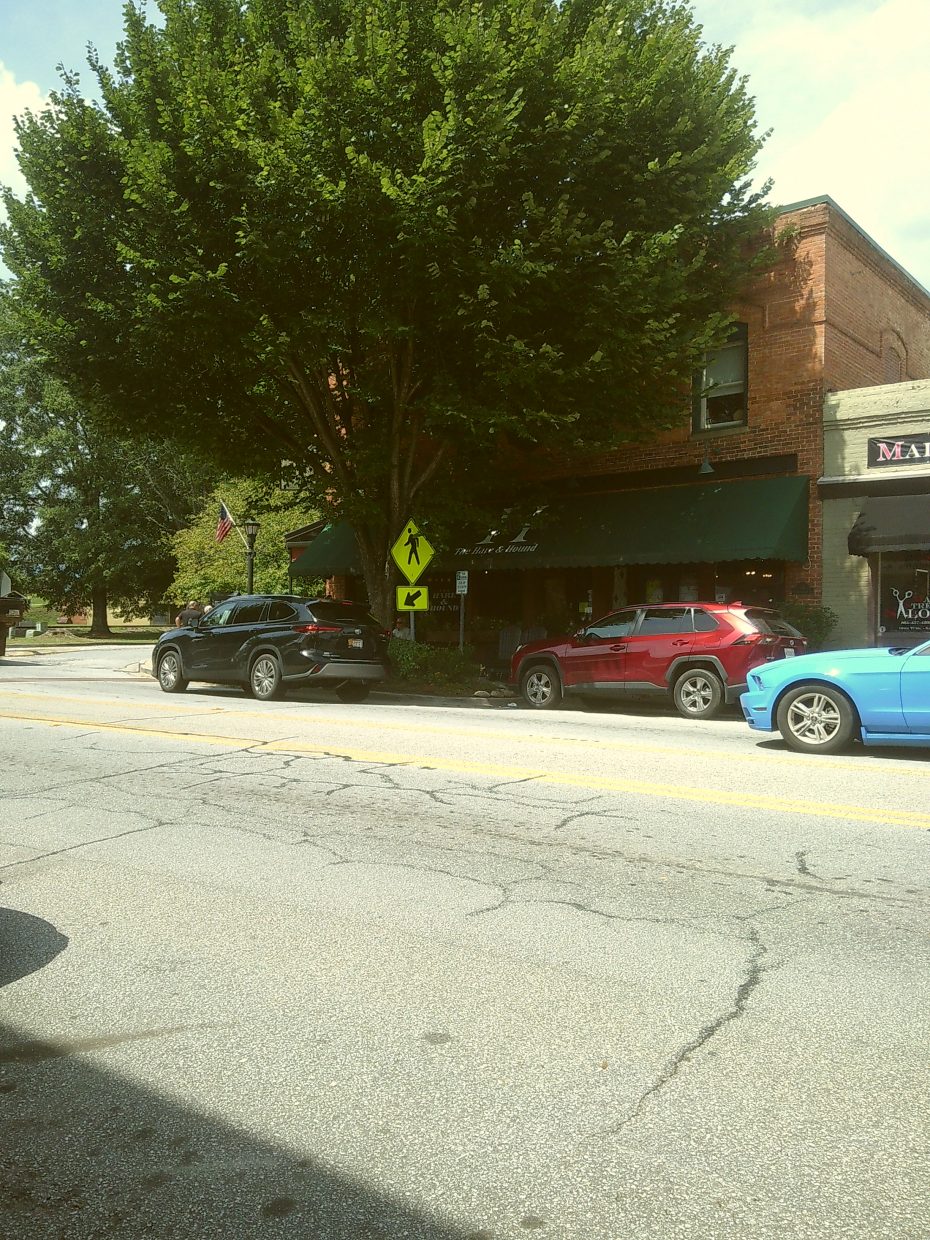
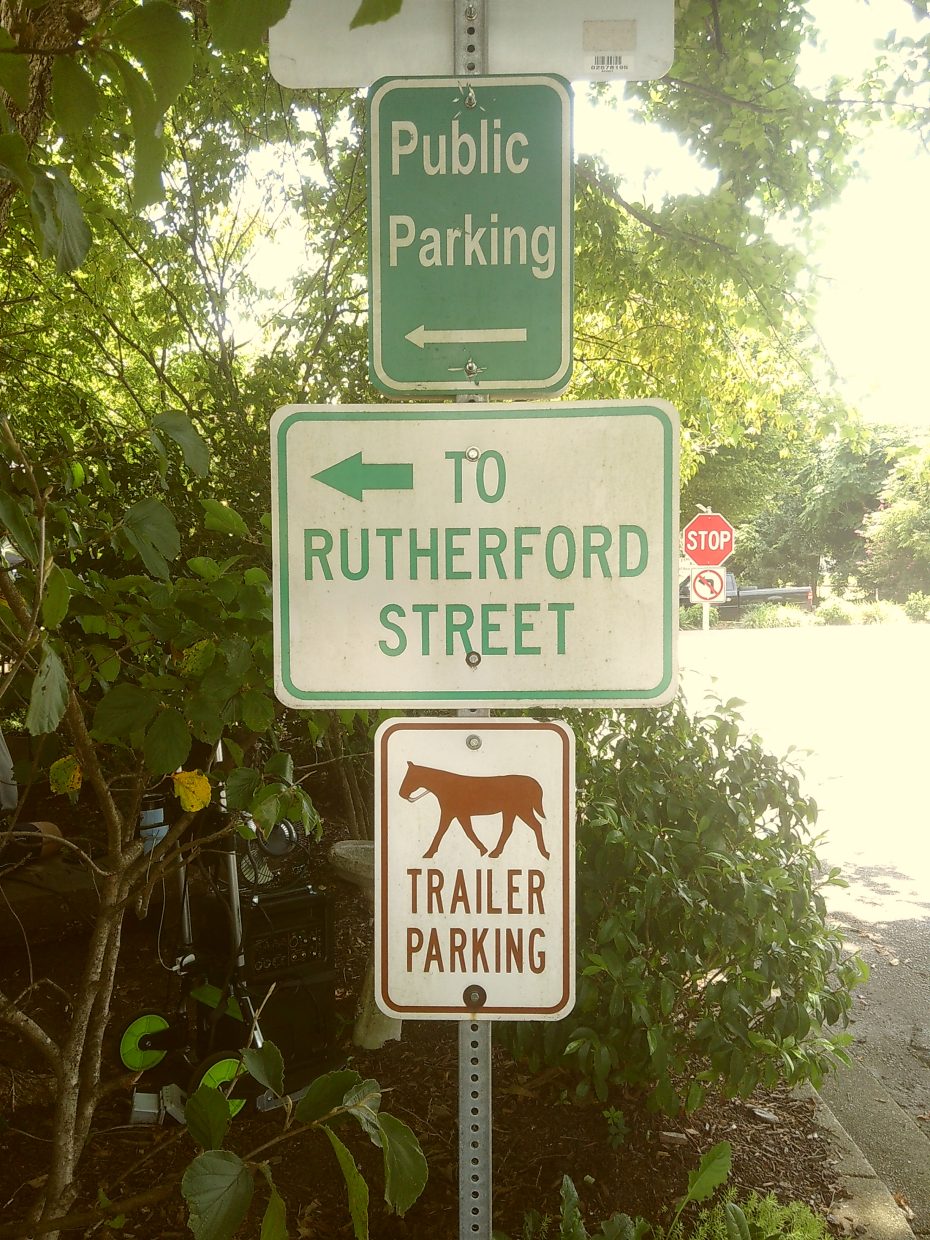
We always enjoy stopping for a drink, lunch, or dinner at The Hare & the Hound in Landrum. They often feature live music and whether you’re sitting in the cozy indoors or outside on the shady street, the vibe is perfect. Need to park your horse trailer? They’ve got that covered in Landrum, too!
The Peachoid, Gaffney, South Carolina
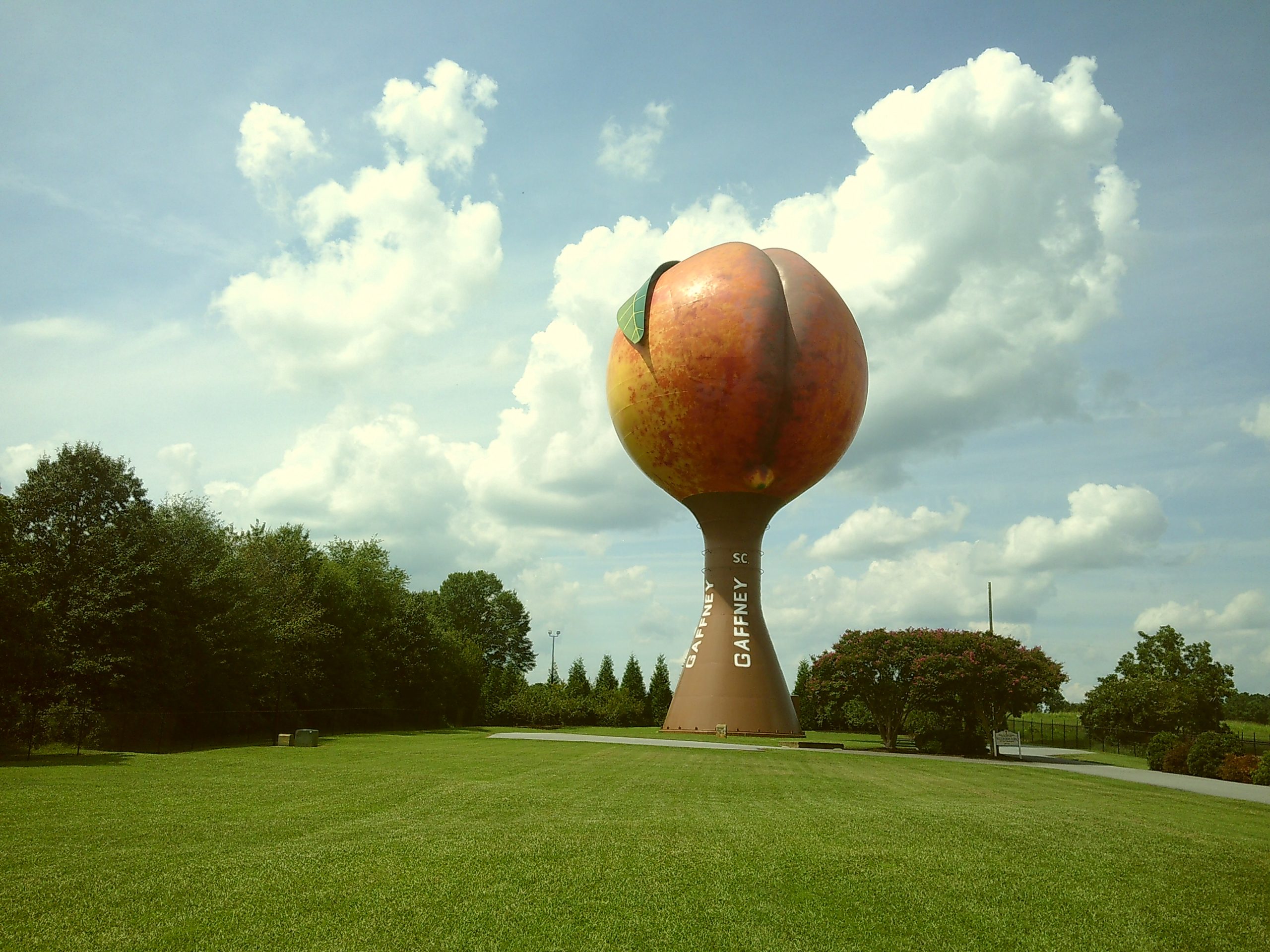
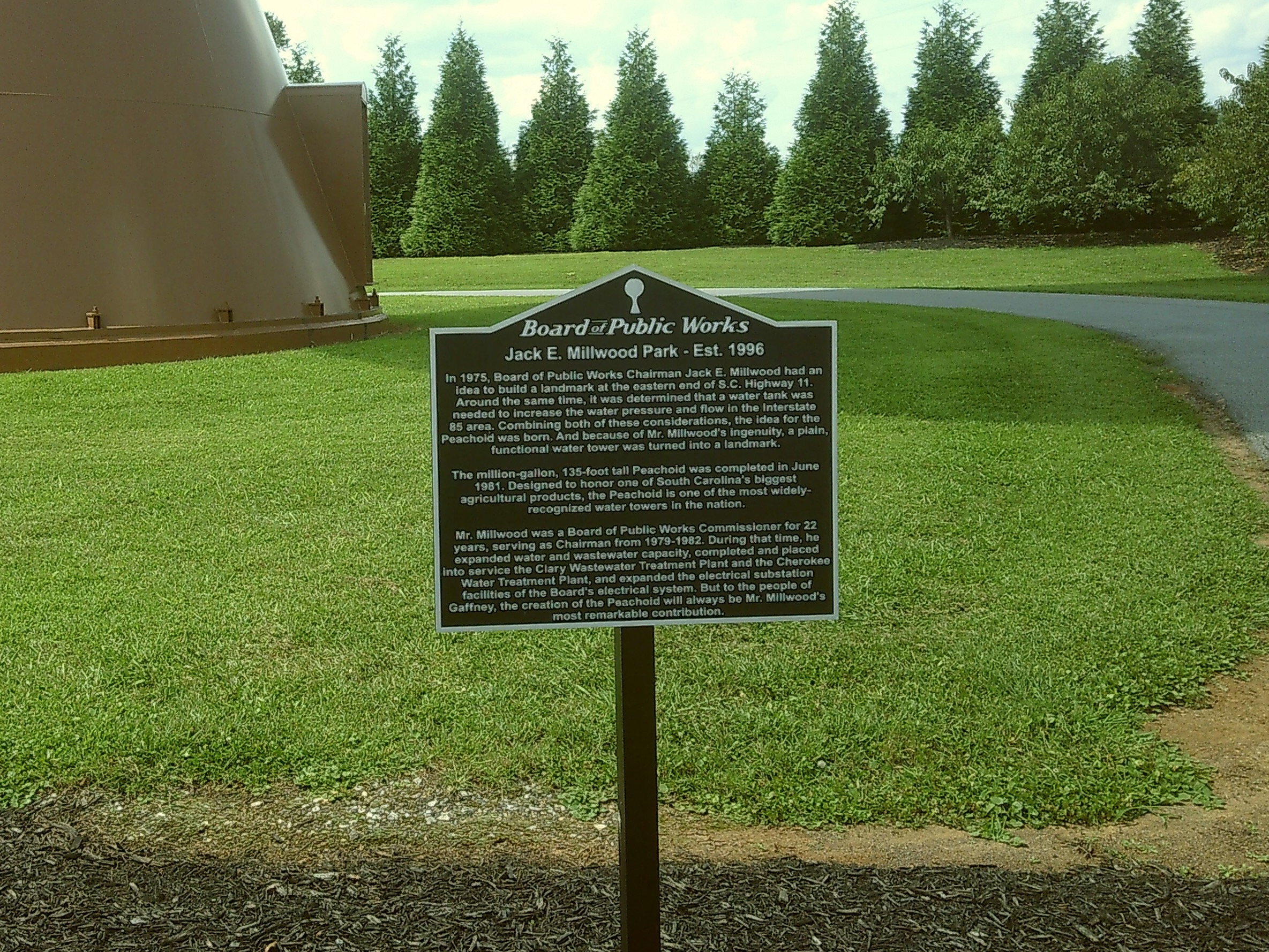
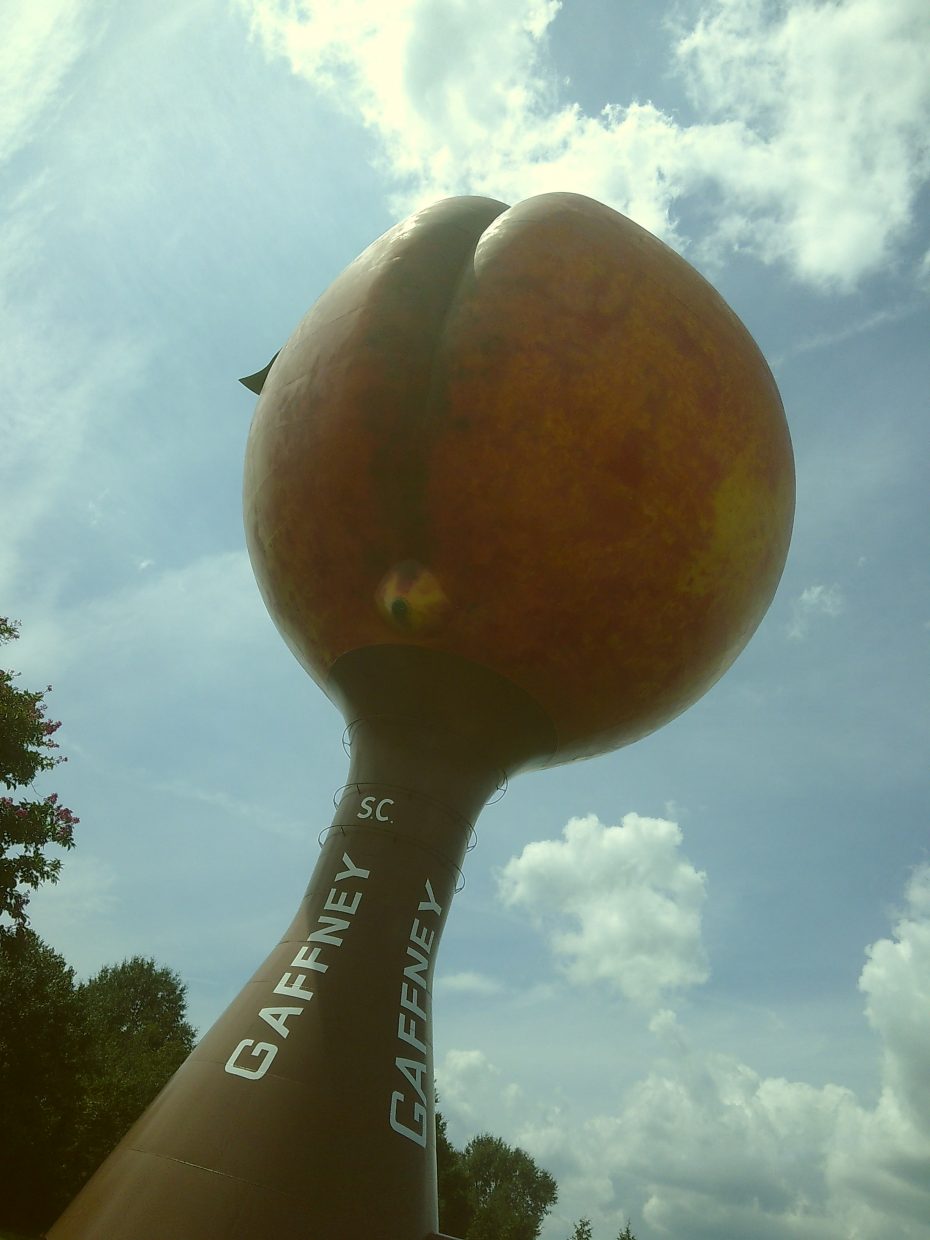
Just around the corner from Landrum and mere minutes from Earl Scruggs’ childhood home near Boiling Springs, North Carolina, is Gaffney, South Carolina, home of the infamous Peachoid. There are lots of prime roadside attractions worth a visit in the area surrounding Earl Scruggs Music Festival, but the Peachoid may top the list.

If you’re heading to or from Scruggs’ homeplace or the Earl Scruggs Center in Shelby, North Carolina, as we were, stop by for a photo opp – and put Netflix’s House of Cards theme song on full blast.
Boiling Springs, North Carolina
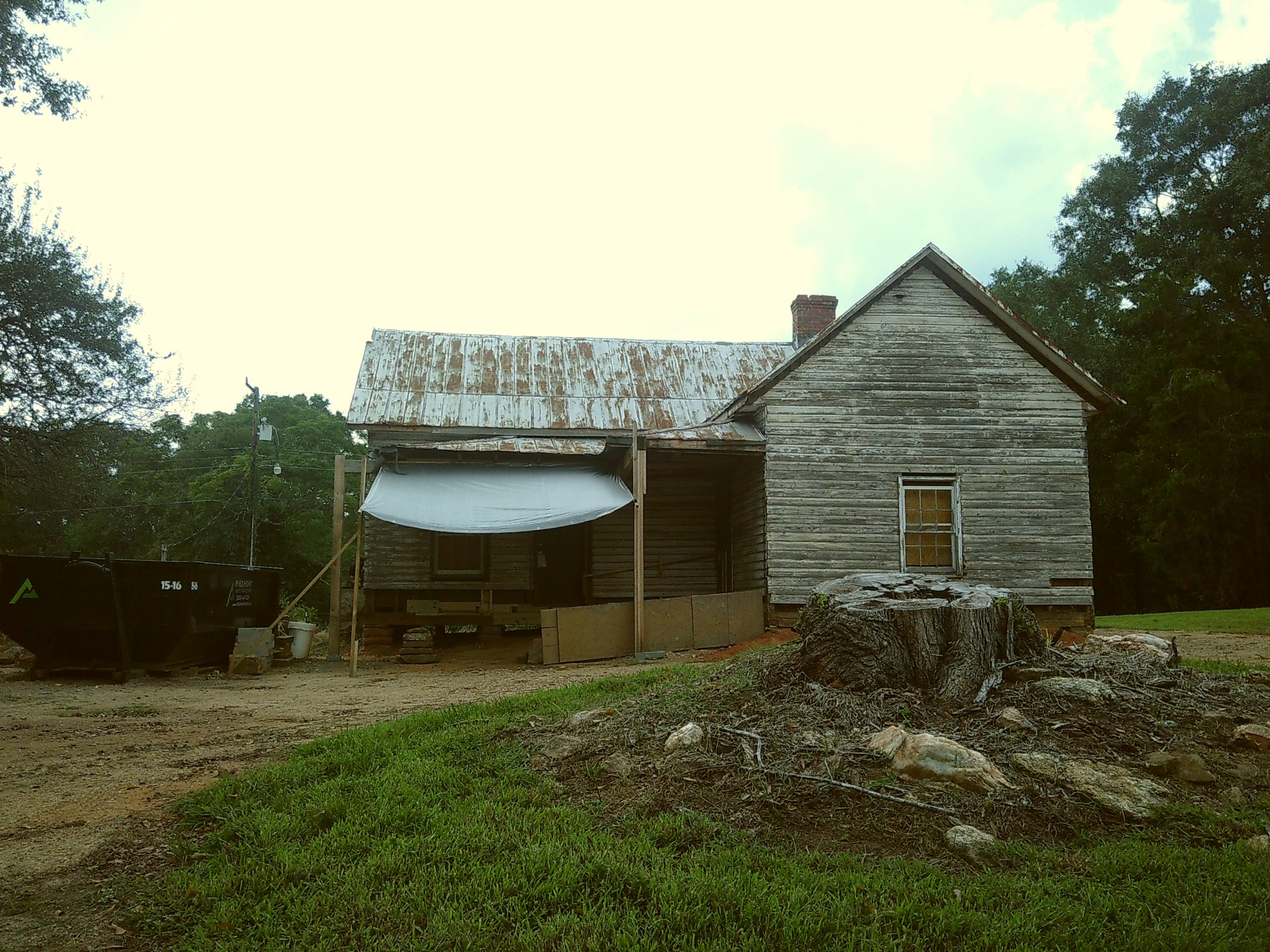
Why not take a tour of historic homeplaces while attending ESMF? The musical dichotomy of Nina Simone and Earl Scruggs is perceived as incredibly distant or far-fetched, yet the two were born and raised barely 40 miles from each other. Why do we perceive one of these megaliths of American music as Appalachian, but not the other? (Meanwhile, Scruggs was raised decidedly outside of the mountains in southern Cleveland County, while Simone was raised nestled within them.)

Scruggs’ childhood home was recently purchased by the Earl Scruggs Center and during our visit last year at the time of the festival, preservation and renovation activities had just begun at the property.
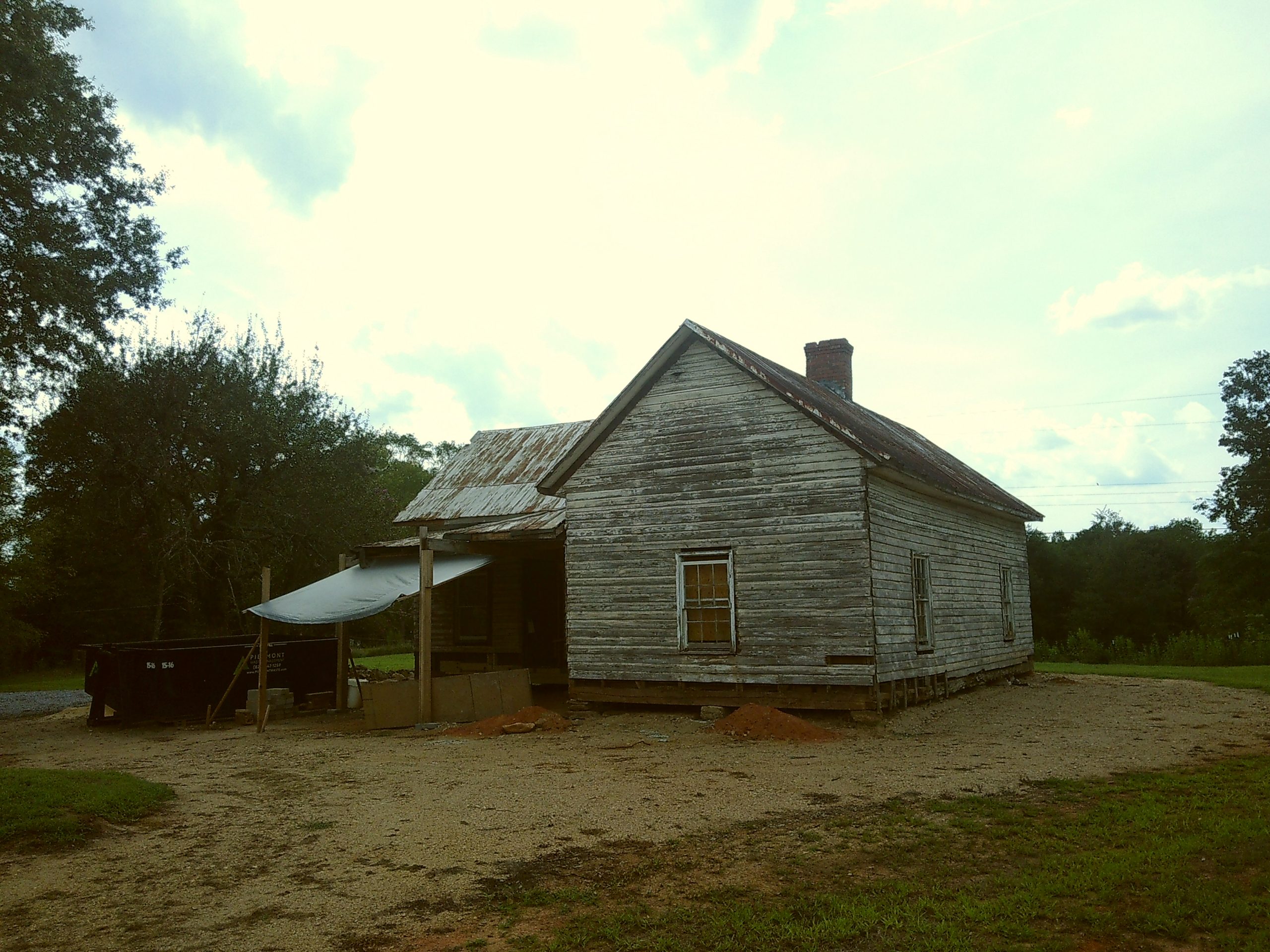
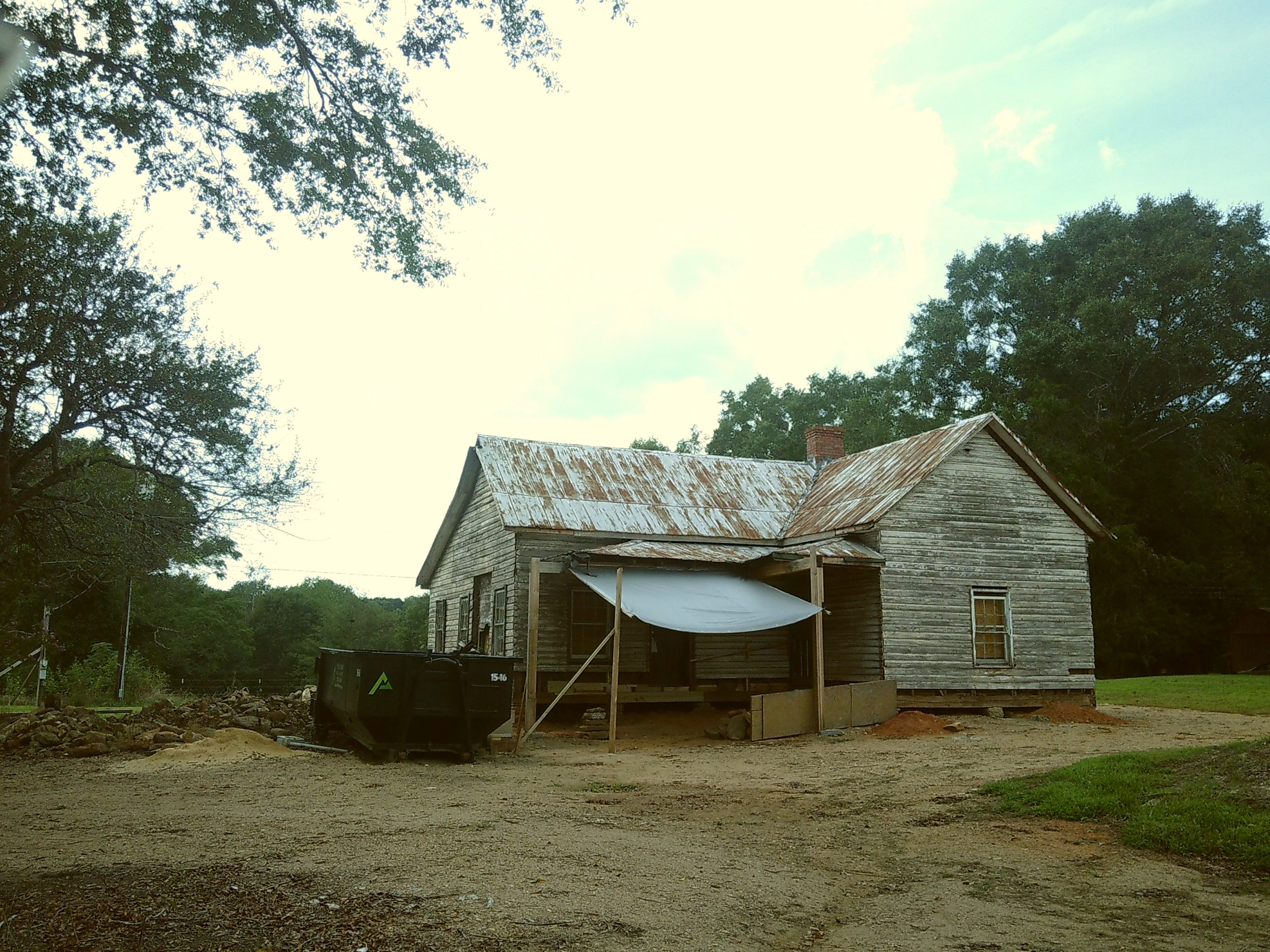
Like Simone’s homeplace, the Scruggs property on Riverside Road in the Flint Hill community of Boiling Springs feels sacred, immediately grounding fans, visitors, and passersby while reminding of the humanity of these larger than life musical figures. Hit play on “Reuben” or “Shuckin’ the Corn” and revel in being in the exact place where Scruggs first unlocked three-finger style himself and started a century-long banjo craze that’s still going today, at ESMF and beyond.

Learn more about the Earl Scruggs Center’s plans for Earl’s childhood home here.


Shelby, North Carolina
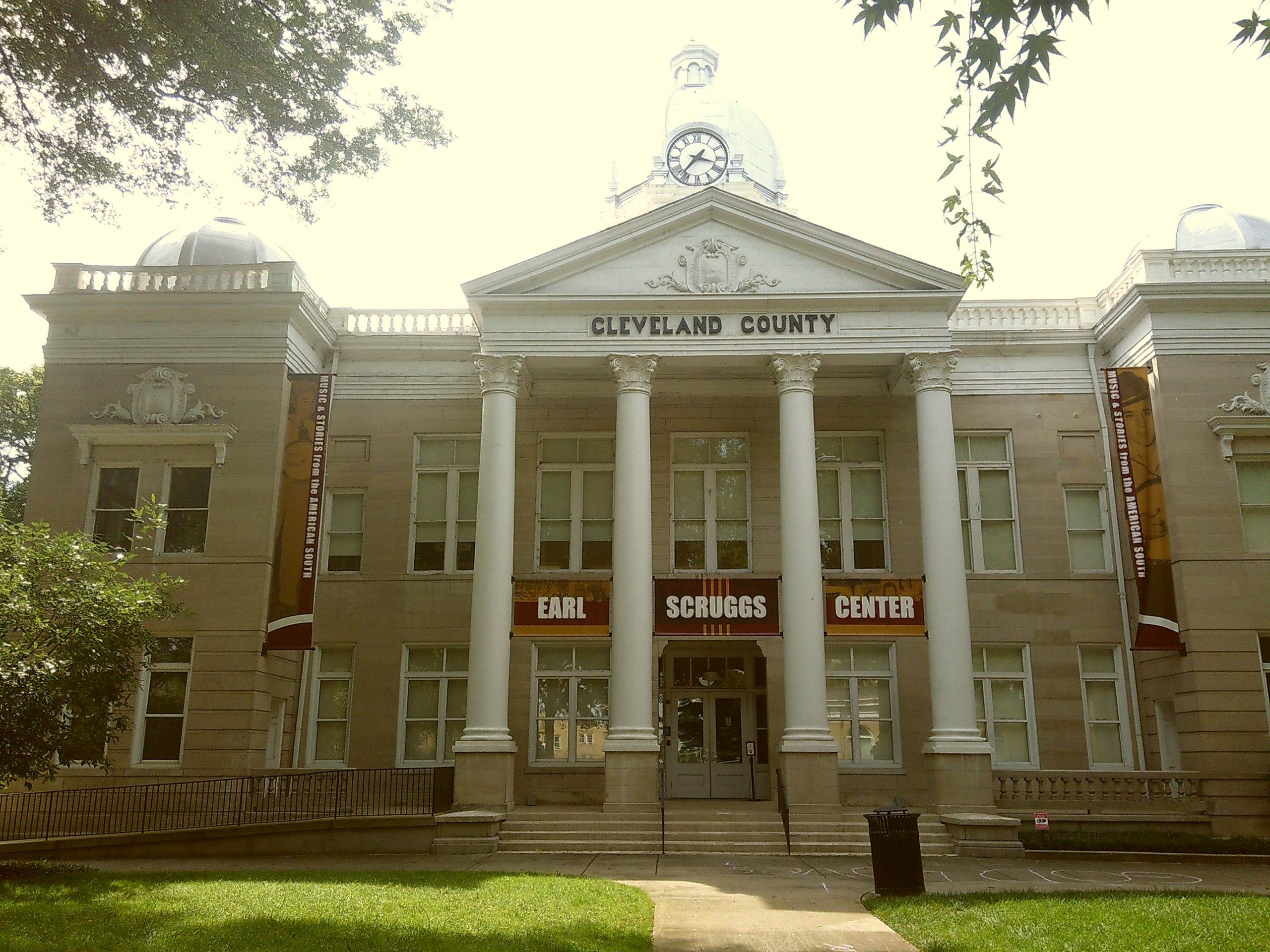
Of course, no visit to Earl Scruggs Music Festival is complete without visiting the Earl Scruggs Center in Shelby, the county seat of Cleveland County, where Scruggs was born and raised. The Center is a host and presenter of ESMF and they offer special events and ticket discounts to ticketholders during the festival.
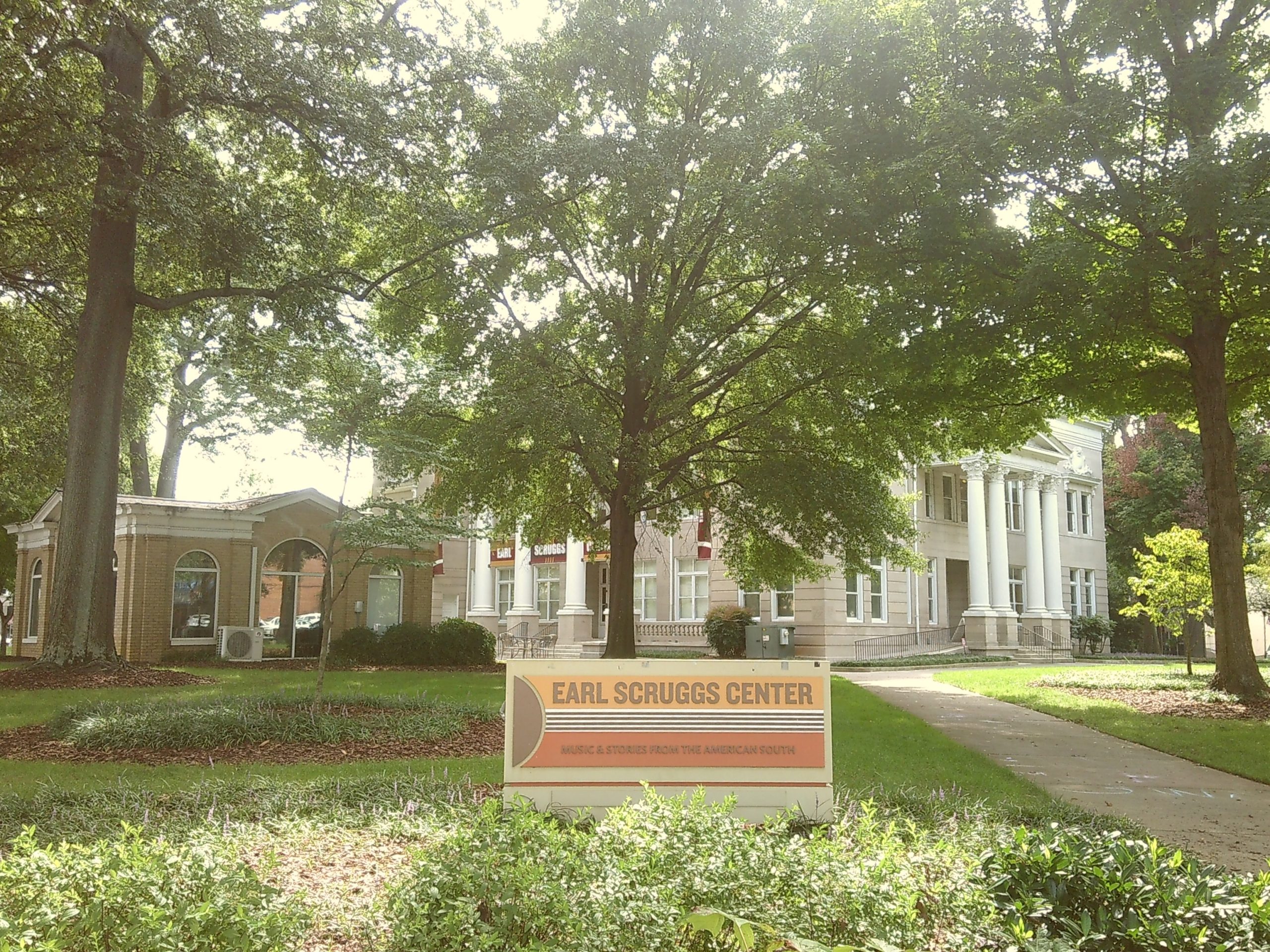
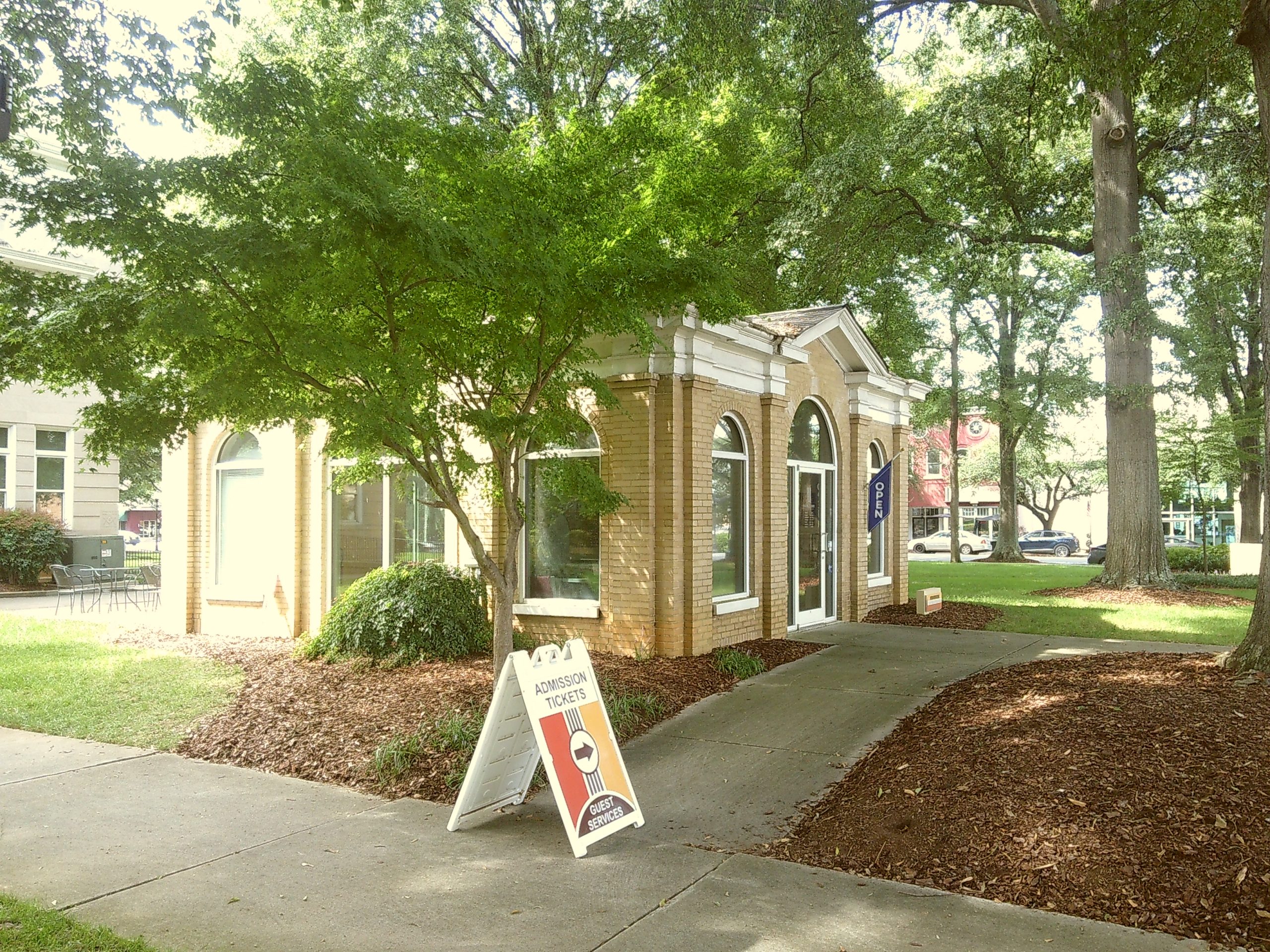
Over the winter, the Earl Scruggs Center closed for renovations, updates, and new and revitalized exhibits, so it’s worth another visit if you haven’t been in a while. An easy 30 mile drive from the festival grounds, during ESMF there’s plenty of special programming, music, and events worth the field trip. Plus, Shelby boasts great restaurants, breweries, shops, and – of course – antique stores, so there’s something for everyone to enjoy.
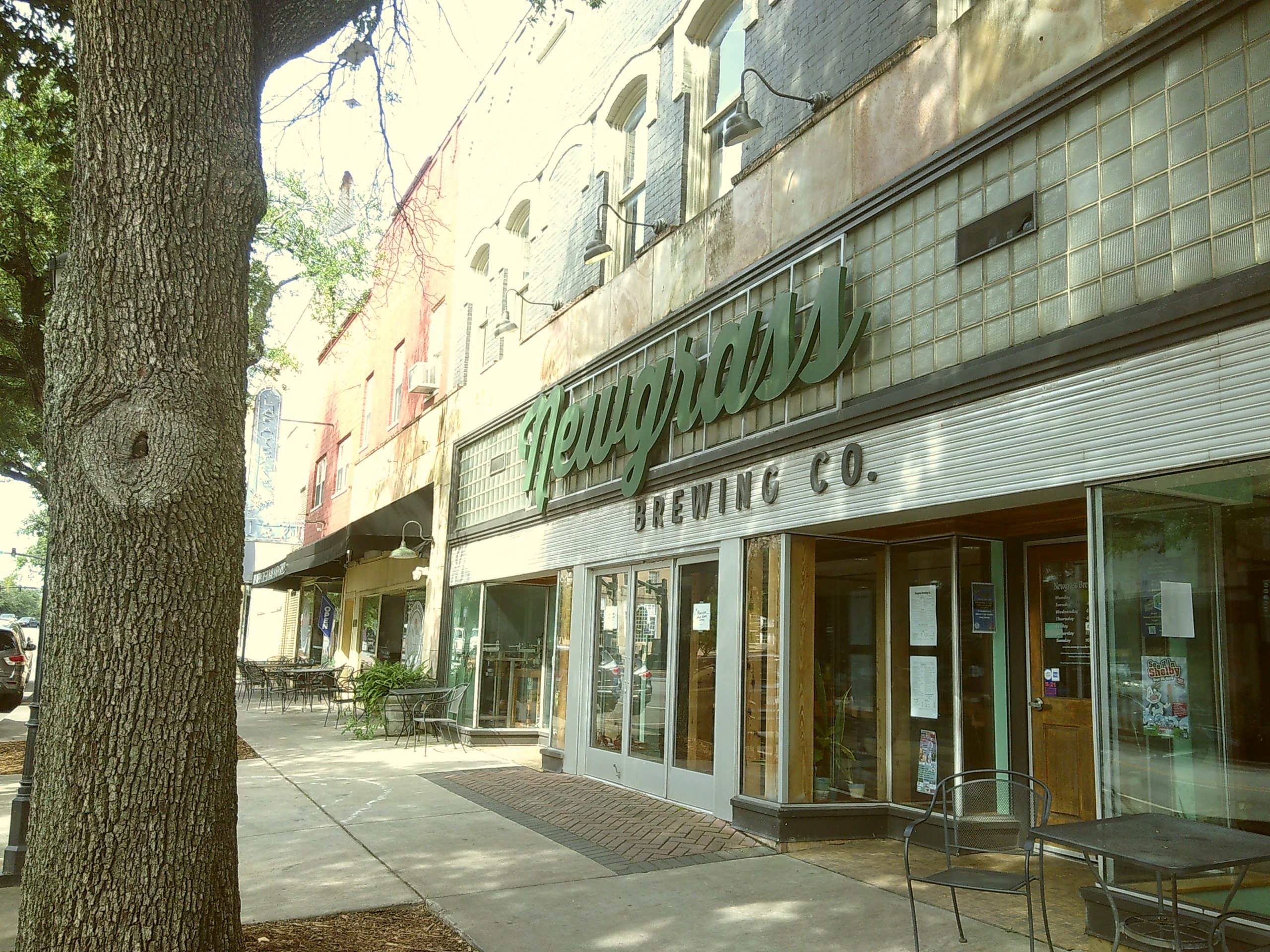
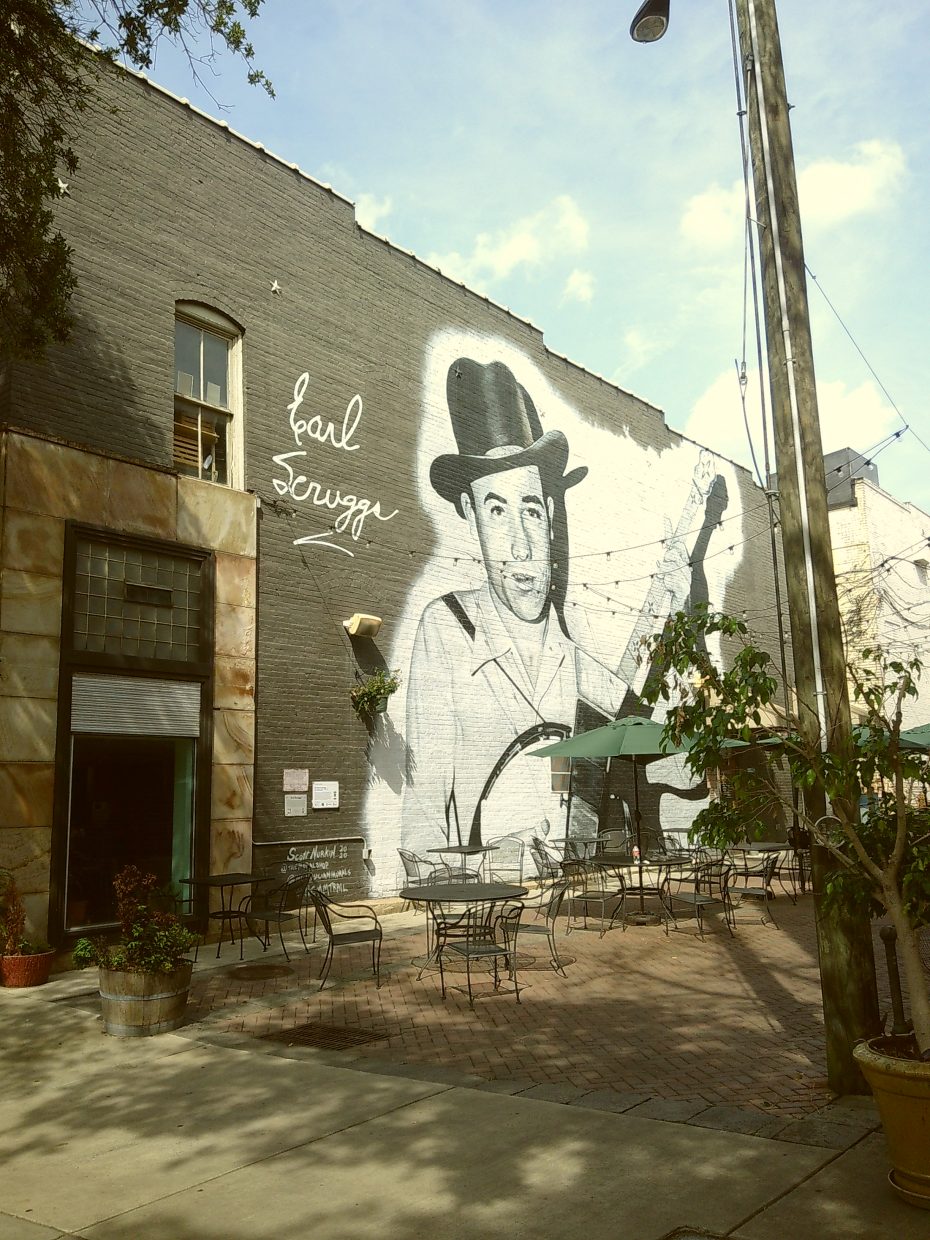
We particularly recommend Newgrass Brewing Co., where the beer is just as good as the name – and the food is excellent, too. Especially the homemade chicken tenders. It’s just around the corner from the Center. Don’t forget to step outside and take a turn into the alley, though, for a superlative mural photo opportunity of the man himself, two stories tall.
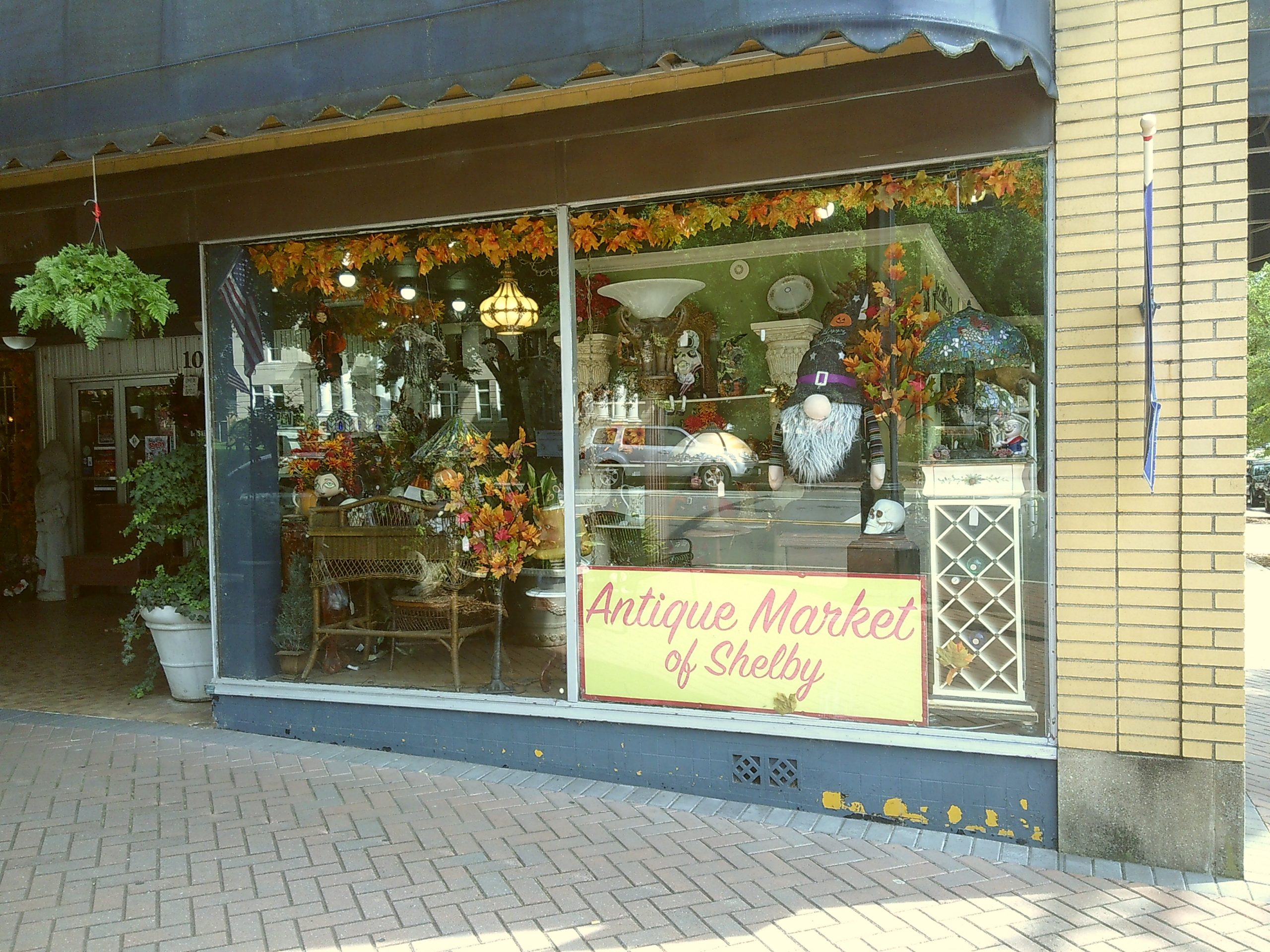
Just across the street from the Earl Scruggs Center on the square you’ll find the Antique Market of Shelby. Because we know, like us, you won’t be sick of antiques yet.
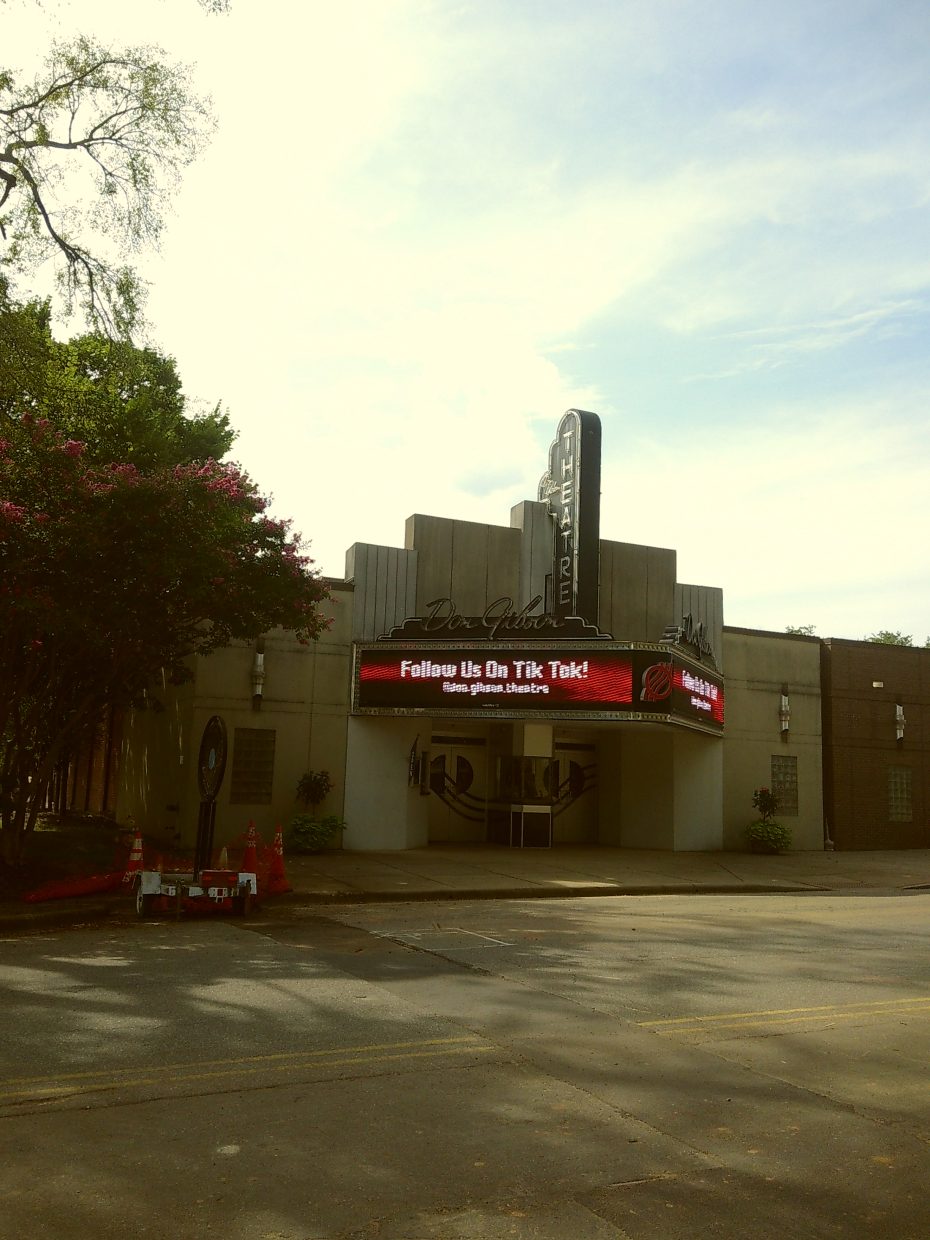
While Scruggs hailed from just down the road in Flint Hill, country star and singer-songwriter Don Gibson was born in Shelby proper. A hitmaker and stalwart of country from the late ’50s through the early ’80s, Gibson’s legacy is on display in Shelby in a variety of ways, chief among them the Don Gibson Theatre. Catch movies, live music, and special events throughout the year – including an incredible slate of bluegrass and country shows. The Don Gibson Theatre is also a stop on Blue Ridge Music Trails.

Learn more about Don Gibson and Shelby in our Carolina Calling episode about the city, featuring Gibson, Scruggs, and more.
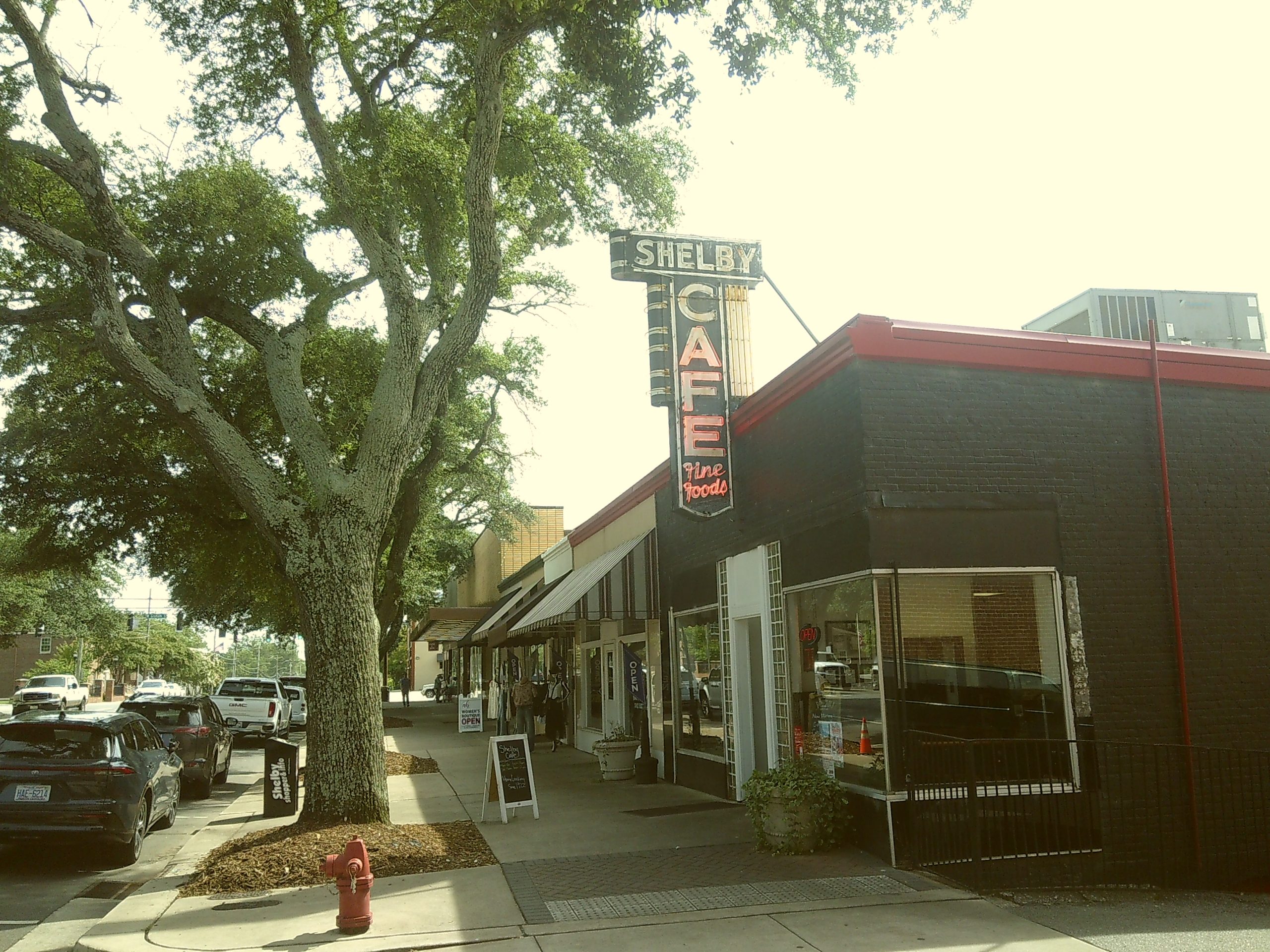
A visit to Cleveland County wouldn’t be complete without a plate of livermush, so head over to the Shelby Cafe for breakfast, lunch, or dinner and a sampling of this local delicacy. Just like Earl would have enjoyed it? Certainly!

There’s so much to see, do, and enjoy at Earl Scruggs Music Festival and the surrounding territory, we know we barely scratched the surface. Hendersonville, Chimney Rock, Gastonia, and Rutherfordton are just up or down the road; so many nature preserves, parks, and trails are nearby; Spartanburg, South Carolina, is a stone’s throw away. While Tryon International is a lush, hospitable location for the festival, we encourage all attendees to get out and enjoy the places that birthed these musical forms we all hold so dear.

We’ll see you in Mill Spring, North Carolina, for Earl Scruggs Music Festival September 4-6, 2026! Tickets are available now. And we hope we run into you out adventuring and antiquing, too. Do you have a favorite local haunt in the area? Let us know on social media.


All photos by Justin Hiltner, shot on Camp Snap. Poster art courtesy of Earl Scruggs Music Festival.

This content brought to you in partnership with Earl Scruggs Music Festival.
Laurie Lewis’ O California!
Was Made With Open Ears
and Open Minds

It’s noon in the Bay Area, and singer-songwriter/multi-instrumentalist/producer Laurie Lewis is sitting in her backyard on what she describes as “a beautiful sunny day.” She spent her morning pulling up oxalis, and now she’s painting a railing she purchased at Urban Ore.

“It’s a good handrail for our front steps and along the walkway for my partner, Tom,” she says, “so I’ve been sanding it, wiping it down, and painting it.” Later during this interview, she’ll continue pulling up weeds, noting, “It’s very liberating for me, getting my hands in the dirt. It feels really good.”

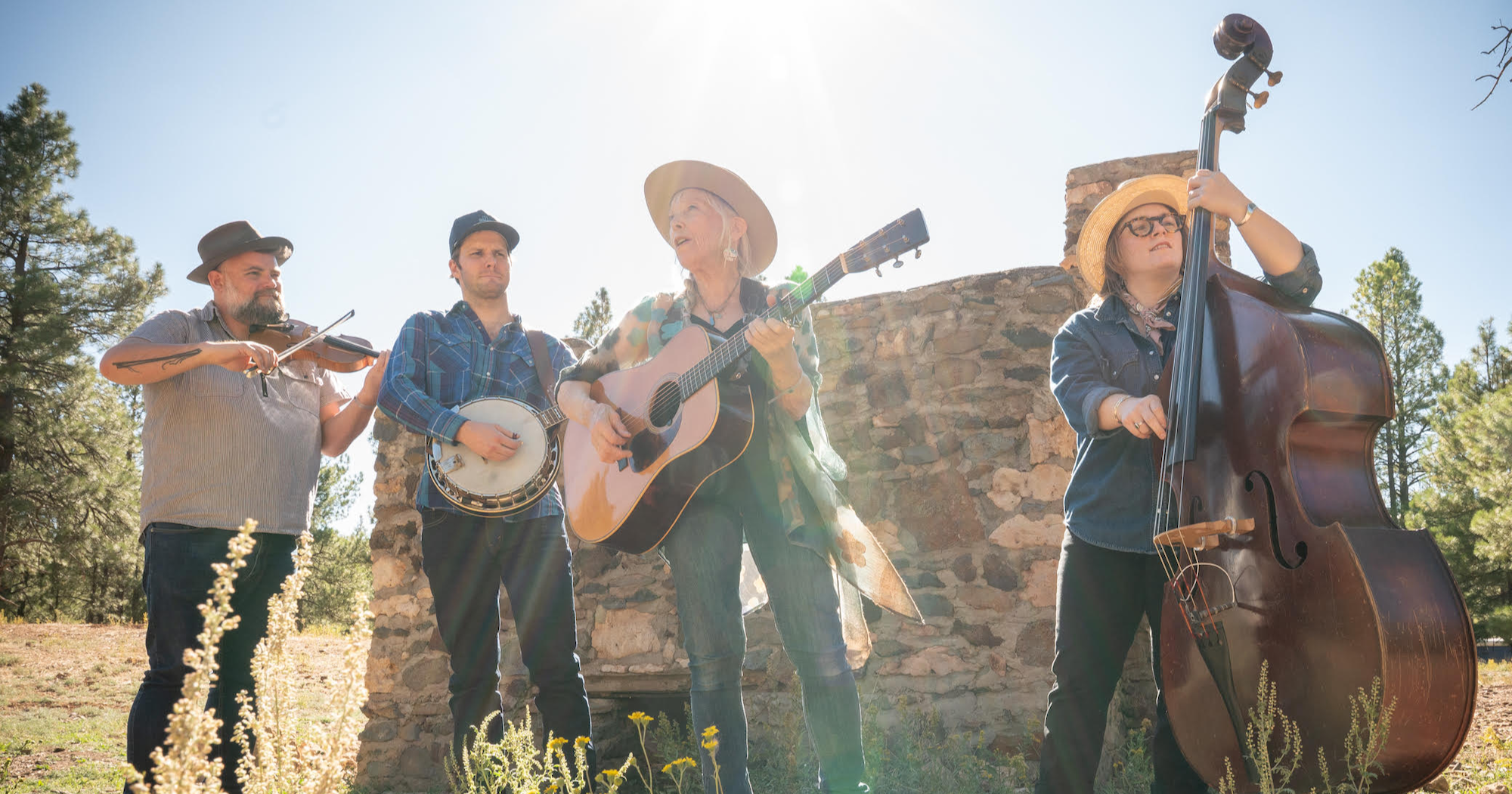
The reason for today’s call is Lewis’s new album, O California! Like its predecessors, it’s an emotional palette of songs – five originals, five traditionals, and a cover of close friend Alice Gerrard’s “Sweet South Anna River” – that blend the many genres influencing her work, from bluegrass to country, jazz, and even a hint of rock. O California! features the stellar musicianship and vocals that define Laurie Lewis and her band, The Right Hands: Brandon Godman (fiddle), Hasee Ciaccio (bass), and George Guthrie (banjo, guitar).

A two-time IBMA Female Vocalist of the Year and a two-time GRAMMY nominee, Lewis is no stranger to BGS readers, as she’s been featured many times. Dedicated fans are also deeply familiar with her longtime partner, mandolinist Tom Rozum, and his Parkinson’s disease diagnosis. “He’s doing pretty well,” Lewis says. “He had spine surgery in November and he’s recovering very well from that. He had been living with intense sciatica pain for a year and a half, and the pain is gone, so that’s great.”

What would you like readers to know about O California!?

Laurie Lewis: Let’s see… all kinds of things. I wrote five of the songs on the album and they’re all over the map, so they’ll say, “She’s got a lot of different musical influences.” We’ve also drawn from the folk tradition and some great traditional songs and thrown that in the mix. It’s all done with the same four people and same four voices on beautiful acoustic instruments. Sonically, it’s really nice. You really hear the personalities of these particular four people working together. It’s what made me want to make the album.

This is album number 25 in your catalog. Artists often speak of albums as chapters in their lives. Which chapter is O California!?

This chapter is this band at this moment in time, these particular four people. I wanted to celebrate our working relationships together. It’s something that wouldn’t have happened at another time in my career, because I wasn’t working with these particular people for as long as I have been on this album. They are all on the previous album, but that was me calling all the shots. This is me settling in, listening to everybody, and trying to make a whole out of the four parts.

How did this approach make the creative process different?

Usually I come into a recording situation with more of an idea of what I want a song to sound like. This one, I came in with snippets and vague ideas for [the band] to have their way with it. We collaborated on arrangements and we listened to every idea. It’s not that I don’t listen to other people’s ideas at other times, but generally there might be more input than just three other people if I’m doing that.

I’m a collaborative artist. One of the reasons I play music is because it’s my best way of communicating in the world. And that is, for me, to an audience. But it’s also true for me to my bandmates and other musicians. It was fun to say, “We’re making a band album. This is what it’s going to be. We’re going to let people toss out songs.” “How does this sound?” “Oh yeah, great. Let’s do that.” It was, “How shall we do it?” “I’ve got an idea.” “How about if we do this?” It’s a very free and open feeling.

[The band are] all very open-eared and open-minded about the music. It doesn’t have to be the way Earl Scruggs did it, or the way Bill Monroe did it, or anything. It doesn’t have to fit into a neat bluegrass category. I’ve played with musicians in the past who have been more or less open, and all it takes is one more closed-off person to direct the band in a particular direction.

You’ve stated in the past, paraphrasing here, that writing is sometimes specific and sometimes spontaneous, sometimes it’s almost random, sometimes it’s unfinished. What was it this time, or was it some of each?

I’d say it was some of each. With the song “O California,” I was writing lyrics in the studio. I did a scratch vocal and changed the lyrics three times before I came home and overdubbed an actual vocal. That’s unusual for me, that it was in such an unformed state when I got into the studio, but it’s when we had the time and I knew the bones of it were good. Some vocal lines, some lyrics, just were not right yet, but I knew what it was about.

When did the songs start coming together as an obvious collection? Was there an intention in mind, a theme, when you all got together?

We started this project in a different way than I have other projects. We had little tours booked, so we would get together a day early before every tour, because we all live in different parts of the country. They would fly out here, we’d rehearse a song, get what we wanted down, figure it out, and then go on our tour and play it every night. We’d have a studio day booked on the day we got back from the tour, so we’d go in and record whatever we had worked out the week before and played on the tour. It was a fun way to approach a project and it spaced it out over a long period of time. It took close to a year.

When it’s spaced apart that way, how do you make it feel like a collection, rather than recording individual pieces of music?

Because it’s all us. It’s like an old friend – you can pick up the conversation right where it was. You haven’t changed your tone or your relationship with each other so drastically that it doesn’t fit together. It would be different if I were doing something like that over a year and just getting together with whoever I thought was the right person to play on a particular song. Then, the only thing that would hold it together would be my production values.

Do you still write ideas on notes, or have you tech-ed your way up to phone apps?

Oh, no. I write. I like to write with a good pen or a pencil on a piece of paper. I will make notes sometimes on voice memos, but mostly that’s it. I’m old-fashioned. I feel like there’s something that happens, the tactile feel of a writing utensil on the paper, that is easier for me to get a thought out than to sit at a keyboard. I’ve been known to still write letters, in fact.

We live in a world of texts, emojis, phone scrolling, and what’s being called “an epidemic of isolation.” Bluegrass is associated with festivals, musicians getting together and jamming, and community. Is this still true?

Oh, definitely. In fact, here in the Bay Area it’s having a real resurgence of community jamming culture. That’s always been at the basis of bluegrass. It’s what everybody wants to do – get together and let their instruments do the talking, let the songs do the talking. It’s a wonderful thing. I love it so much.

You mentor and teach at workshops and music camps, where you connect with younger and up-and-coming musicians. What do they want to know? What do they need to know?

One of the things that I try and impart to people is the importance of finding your own voice, because many young musicians have heroes they want to emulate. That’s how you learn, but at some point you have to find what you want to say with your voice and your instrument. That’s one of the things I try to emphasize and help people feel confident that they have something to say and their own way of saying it.

There is intergenerational connection at these camps and workshops, contrary to the ageism on both sides, that society seems to push: “What do those kids know?” or “What do those old people know?” What is your perspective?

There’s still a lot of that, but luckily there are enough people, young and old, paying attention and willing to listen to each other. It’s especially helpful when there are youth music camps and stuff like that, because then the kids have each other, but they also have their mentors there. They’re there because they want to learn, and it’s usually the older people who are teaching them, but then they get to be with their cohorts, their age group, and that helps a lot.

I certainly learned a lot from teaching at kids’ camps. When I first was asked to teach at a youth-oriented fiddle camp, I thought, “I can’t do that. I don’t know how to talk to kids. I don’t know anything about that stuff.” I said yes because I tend to say yes to things, and I found it to be so enlightening and so important in my life. It’s very enriching.

On a 2021 FolkWorks podcast, you talked about The Good Ol’ Persons playing a trade show luncheon years ago in front of a room full of drunk men. You described it as being “thrown to the wolves.” Many years later, how are we doing?

In terms of women musicians out in the world, there are so many more, and it is so great to see. And the technical abilities – you can’t fault it. You can put Molly Tuttle up against any guy. It’s been some huge steps forward in the time I have been in the music business, but it’s still very male-dominated from the top. It takes generations to change things like this, these ways of thinking, and now there’s a real cultural backlash happening and I don’t know how that’s going to play out. Women have made huge strides and maybe that’s just going to be taken away. Every generation has to fight the same fights, apparently.

Overall, how is bluegrass doing, to your eyes and ears?

That’s a really hard question for me to answer. Honestly, there’s a part of it that has gotten very entrenched in staying within a particular genre. I hear a lot of songs by people singing in a bluegrass style about bluegrass music, or their cabin home and I think it’s in danger of becoming a trope instead of a living, breathing art form.

Luckily, there are enough people out there creating in the art form and doing great stuff. There’s so much of everything happening all the time now that it’s going in all different directions at once. There’s good stuff and bad stuff, and it all depends on your point of view.

Who is making an important contribution, in your opinion?

I hear a few things now and again that I respond to and like a lot. I’m not very impressed with a lot of technical brilliance. I want to be made to laugh and cry, and if it doesn’t do one or the other or both, I’m not all that interested in it.

In terms of bands, Mighty Poplar can do it, and the duo Paper Wings, two young women, Emily Mann and Wila Frank, who I actually met at a fiddle camp when they were teenagers. They’re pretty wonderful. And I always like hearing what my old friends are coming up with in terms of songs and writing. I love hearing whatever 92-year-old Alice Gerrard is coming up with. She has a way of putting her finger on the pulse of what’s happening in the world and is pretty great.

In 1998, you recorded a song called “The Refugee.” Twenty-eight years later, here we are …

Oh, I know. I find it unfortunate that [that] song is still so incredibly relevant – or more relevant. I find it very unfortunate that song has not outlived its message. It’s terrible. I wrote it when Guatemala was in such bad shape, people were fleeing, and there was all this backlash. It’s an empathetic song. These days, empathy – there’s a whole movement, “empathy’s a bad thing.” It’s so crazy.

In a 2020 interview with BGS you said, “Music has a real way of being able to soothe and heal grief.” Could you talk about that healing power, not only as a songwriter, but also as a lover of music, a listener?

Oh, yeah, it’s true. I stand by that. There’s nothing like it. It’s such a direct conduit to the heart. A song can sneak in and express something for you that you had no words for. It can help you, as a songwriter, to figure out a way to express what you might be going through in a way that makes it universal. You put it out there in the world, everybody can feel it and relate to it, and it makes you feel a part of something greater than just your little dark cell that you might be stuck in, or your own personal grief.

It has helped me deal with things, with grief in my life, to be able to learn a song that makes me cry. Every time I hear it, I learn it, and it becomes part of me. It becomes part of my way of being able to express myself, or to write a song that every time I start trying to sing it, I’m in tears or something. You learn to work through your grief by embracing it musically. It’s an incremental way of dealing with things, and it’s really healing.

It’s a sense of support through the company of songs that speak to us.

Yeah. You are not alone. Especially with all the internet stuff, people spend a lot more time not with actual other humans, having conversations or whatever. To hear something, to listen and understand that other people are going through the same alienation or grief or loss, or whatever it is that you are experiencing, makes it easier to bear.

The French author Jean Giono, who wrote The Man Who Planted Trees – I wish I could find this quote – said in an essay that an artist’s duty is to express yourself for all the people who don’t have the words or the art to express themselves. It’s your duty in society, your job, to put it out there for everybody who can’t.


Photo Credit: Dawn Kish

The Man That Made All of Us Play the Banjo

(Editor’s Note: For Earl Scruggs’s birthday, Thomas Goldsmith revisits a star-studded bluegrass festival tribute to the banjo legend from 1971 in Camp Springs, North Carolina. The 102nd anniversary of Scruggs’s 1924 birth in Flint Hill, North Carolina, is January 6, 2026.)

Like speakers at a testimonial dinner, each musician strode to the microphone in turn.

But instead of heaping on words of praise, a stage full of well-known pickers and up-and-comers used banjos to pay a lively tribute to Earl Scruggs.

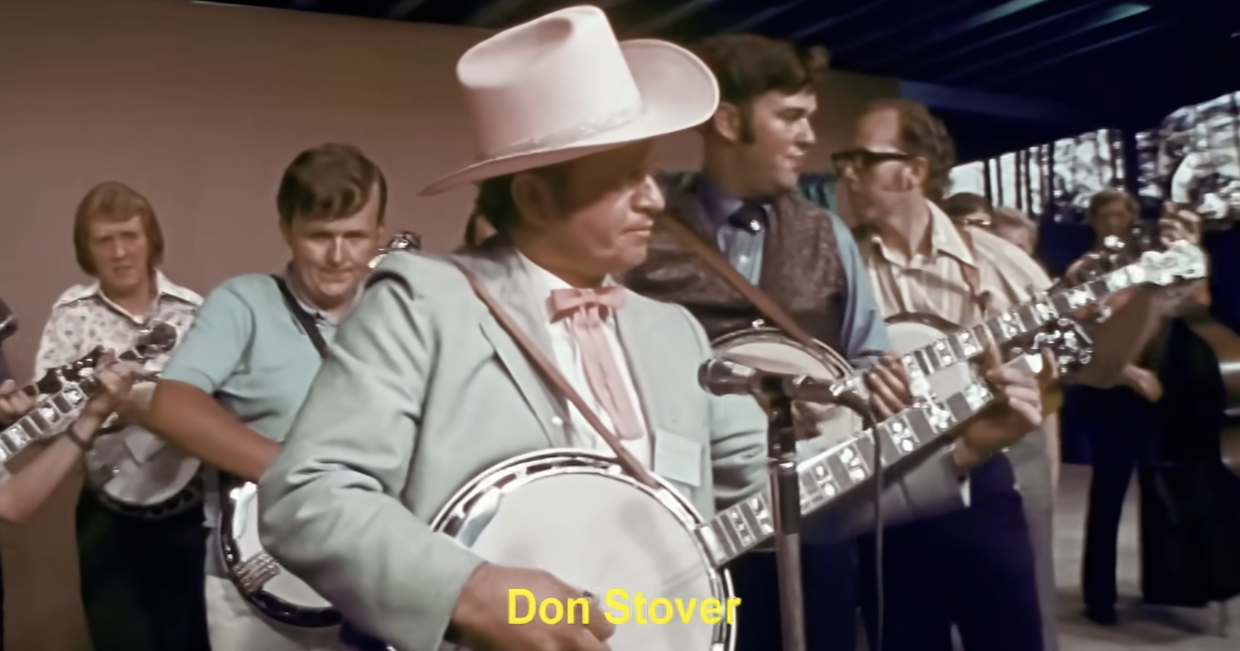
The scene was the 1971 Labor Day weekend bluegrass festival in Camp Springs, North Carolina, at a performance where some of the best banjo players around joined Scruggs on stage. Led by the five-string king himself, banjoists including Sonny Osborne, J.D. Crowe, Bill Emerson, and Alan Munde jointly played Scruggs’s signature tune “Foggy Mountain Breakdown,” some 22 years after its first recording.

The performance is a highlight of the 1972 documentary Bluegrass Country Soul, which enjoyed a 50-year deluxe re-release five years ago. Watch the clip here.


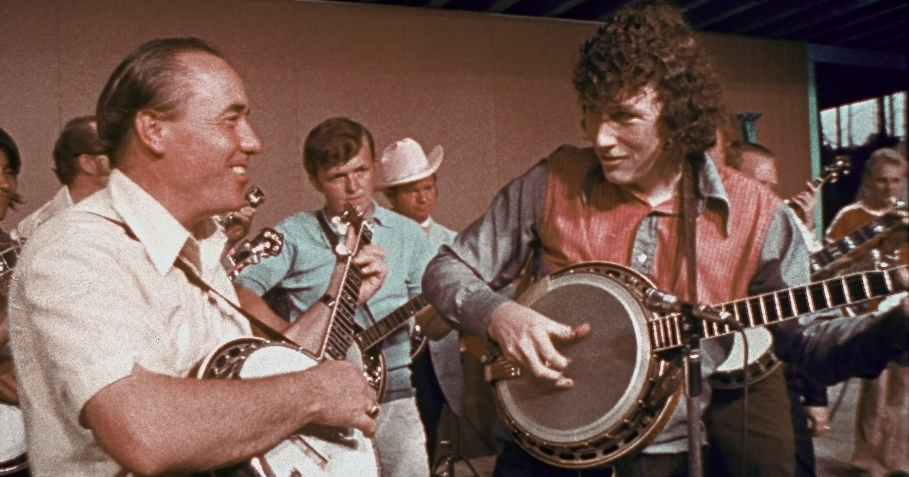
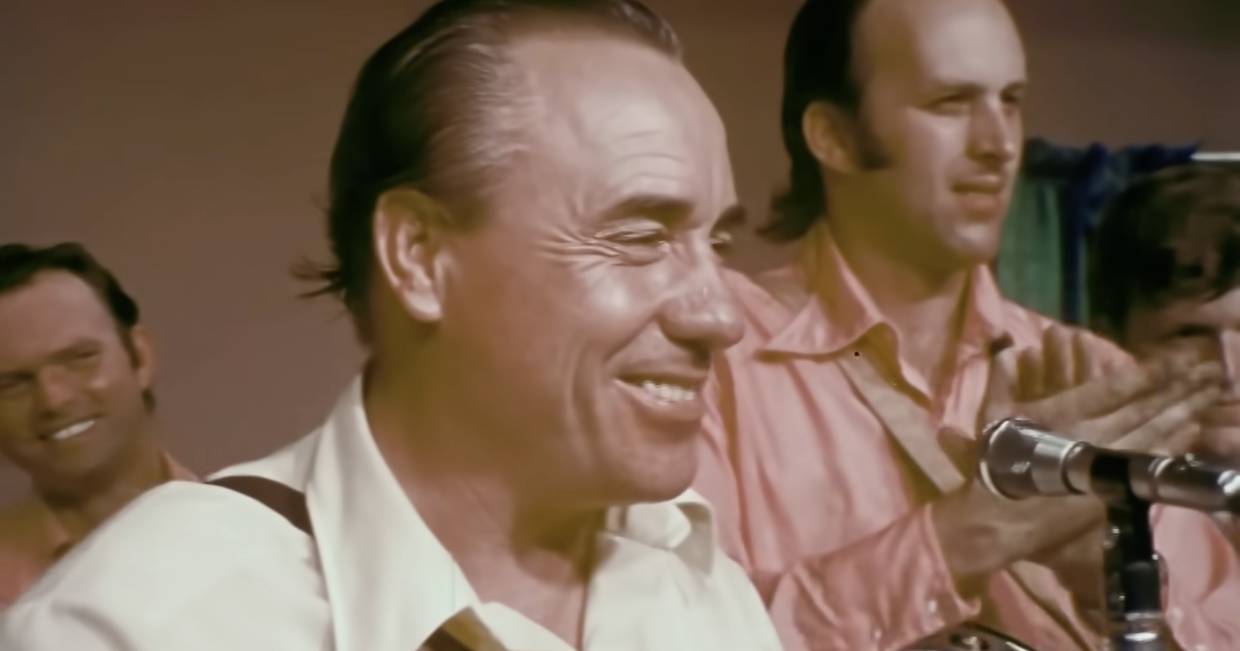
Sonny Osborne (left) gets emotional onstage after introducing Earl Scruggs (right). Screenshot from clip courtesy of Bluegrass Country Soul, Inc.

Promoter Carlton Haney invited more than a dozen banjo players on the festival schedule to play along with Scruggs, who was then 47. (A second group performance, of “Dear Old Dixie,” doesn’t appear in the film. And a couple of the “Foggy Mountain Breakdown” performers didn’t make it to the screen.)

Millions of viewers have seen the clip as part of the movie or on YouTube, with Osborne bringing Scruggs on with an introduction that sounds starstruck.

“(It’d) be only right to call out probably the man that has made all of us guys up here play the banjo, or either has been a great influence, as he has in my complete life,” Osborne said. “In my whole banjo-playing ability … I could probably credit to this one man.

“Let’s all give a tremendous welcome to probably the best in the world, Earl Scruggs!”

Scruggs seemed overwhelmed by the audience’s ovation. The cheering feels as though it lasts forever, but took only a minute and a few seconds.

“That really fills my heart with joy,” Scruggs said after Osborne introduced him. “I did want to say one thing: Thank you, and guys like this is what keeps me going, my boys who works with me and you people who keep preaching music.

“I just don’t know what to say, except I’m picking with some guys that plays a tremendous amount of banjo. Don’t underestimate anybody up here. Man, they’re great.”

Earl at a Crossroads

In 1971, Scruggs had only broken up with his longtime duet partner Lester Flatt less than two years earlier. Not even a month before Camp Springs he had recorded along with other greats for Nitty Gritty Dirt Band’s country-roots-popularizing Will the Circle Be Unbroken set. He was venturing into a country-rock sound with his band the Earl Scruggs Revue, along with his sons Randy, Gary, and Steve.

However, Scruggs’s work as a musical innovator remained – and remains – fundamental to the way a large share of bluegrass banjo players address the instrument. That’s true despite the introduction of a single-note style most associated with Don Reno and a chromatic or melodic approach heard in the playing of Bill Keith and Bobby Thompson.

Most of the pickers in the 1971 “Foggy Mountain Breakdown” performance used the three-finger picking style Scruggs introduced in a band with Bill Monroe and Flatt on the Grand Ole Opry in 1945. The exception among the Camp Springs pickers, Rick Riman of the New Deal String Band, caused something of a stir with his chromatic rendition of the tune, not to mention his long hair, full beard, and striped shirt and pants.

How did Riman, who had also studied Scruggs style closely, decide to use the flowing melodic style for “Foggy Mountain Breakdown”?

“I just thought, “OK, let’s see if I can make this work,’” Riman, 83, said on the phone from Denver, Colorado, speaking to BGS in January 2026. “Because I had not prepared anything, and I didn’t even know what was on the program. They just said they want all the banjo players up there to pay tribute to Earl. And I said, ‘OK, I’ll get up there and do it.’”

And what has the reaction been?

“Mostly negative,” he said, with a touch of humor.

“One person said they were really glad to see somebody step out of the standardized [method], and that felt very, very good. Somebody else said, ‘You won’t believe how many people thought that you shouldn’t have been on stage at all.’

“And I get that a lot. That’s mostly the reaction I get, that I shouldn’t have been on stage. I shouldn’t have even been in the parking lot, like the least talented person on the stage and probably the least talented person in the whole park.”

The chromatic style remains one effective tool in the hands of players such as Béla Fleck and Noam Pikelny, but Riman, 28 that day in 1971, has gotten a load of grief over his choice to add some variety to the line of Scruggs-style players. “I would say, over the years, it’s pretty much been like 50-plus years of derision,” he said.

Riman has had one regret. “I should have practiced more,” he said. “I should have been better, but I had no idea.”

Although at Camp Springs he performed in the more recently created melodic and chromatic styles, like everyone on the stage that day in North Carolina, Riman was schooled in the style of the man honored beside them.

“I was really fascinated by Earl and anybody else who played his style pretty well,” he said.


Earl Scruggs reacts to his introduction and audience ovation and applause onstage in 1971 in Camp Springs, NC. Screenshot from clip courtesy of Bluegrass Country Soul, Inc.


“Everybody Headed for the Stage”

We were fortunate to reach three of the banjo warriors who performed that day. Sadly, most of the players heard then have since died. Eddie Hoyle, then 14, the youngest of the Camp Springs lineup, is among the survivors and is still actively performing. He talked to BGS on the phone in December from his home in Georgia.

“I was up there playing with Curtis Blackwell and the Dixie Bluegrass Boys and I just remember them telling me that Carlton wanted all the banjo players to come down on the stage and play a tune with Earl,” said Hoyle, now 68. “So I got my banjo out, and everybody headed for the stage.

“I didn’t know if I’d get to take a break or not, but somebody got me in the line that was walking up to the mic. So it was pretty cool. And I remember I was not nervous; OK, probably didn’t know enough to be nervous.”

Most of the players that day stuck fairly close to Scruggs’s own licks on “Foggy Mountain Breakdown,” but Hoyle and others ventured a bit from the classic performance.

“I always tried to learn the right way, as Dad told us to do, but then I would try to put my own twist on it,” Hoyle said.

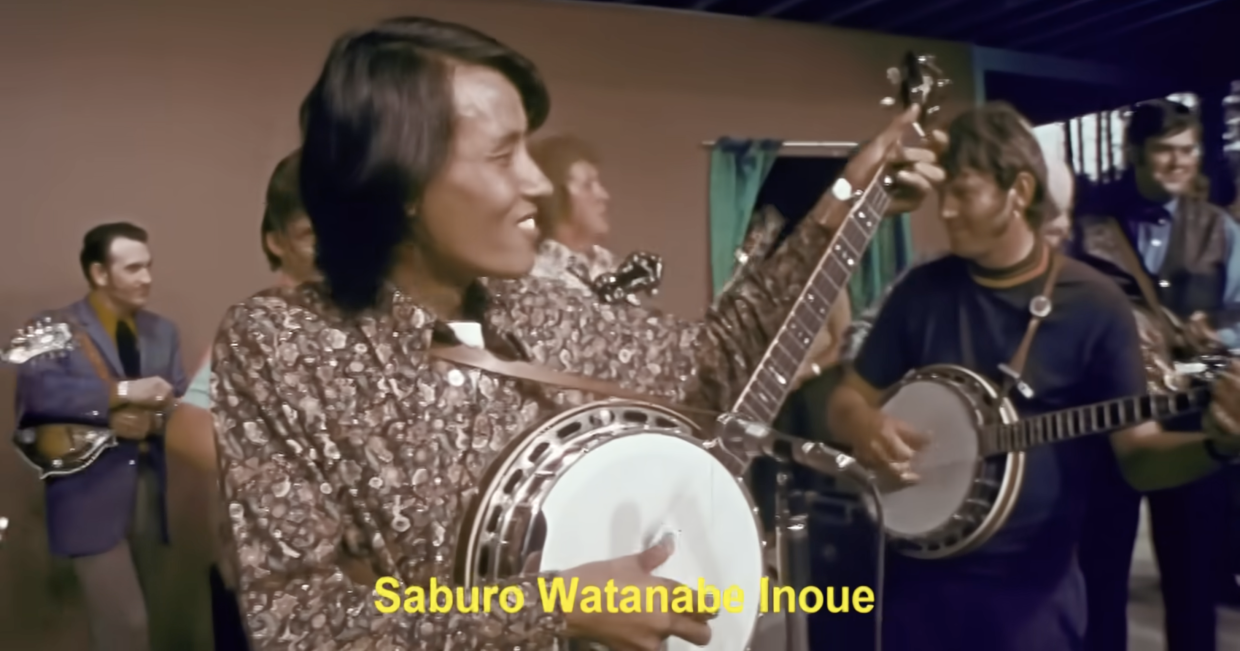
Nearly half the banjo players that day have been inducted into the Bluegrass Music Hall of Fame. They include Scruggs himself, of course, as well as J.D. Crowe, Bill Emerson, Alan Munde, Sonny Osborne, and Don Stover. Another banjo picker, Saburo Watanabe Inoue, founder of the pioneering Japanese band Bluegrass 45, won the IBMA’s Distinguished Achievement award along with his brother Toshio, in 1995.


Sab Watanabe (who passed away in 2019) of the legendary Japanese band, Bluegrass 45, takes his turn at the mic. Screenshot from clip courtesy of Bluegrass Country Soul, Inc.


Alan Munde Remembers it Well

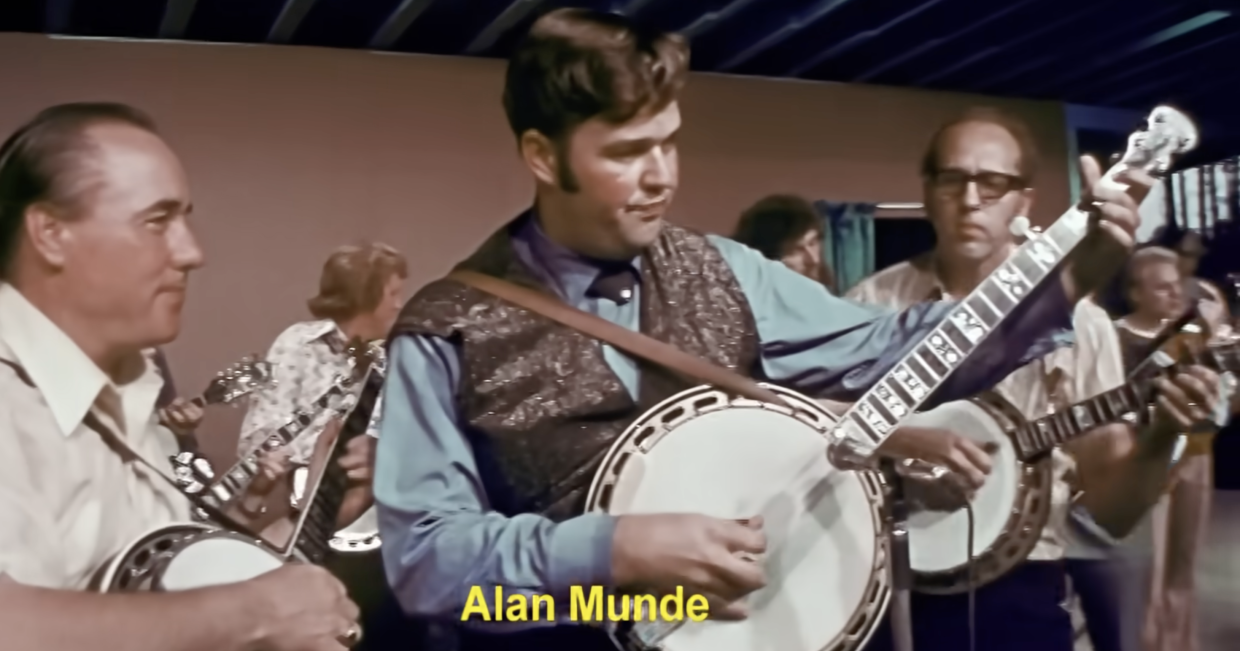
Munde, 79, still a player and teacher, also spoke to BGS about the experience from his home in Springfield, Missouri. He recalled that he was playing with Jimmy Martin and the Sunny Mountain Boys at the festival and took part in the group performance because Martin wanted him to.

“Thinking back on it and also remembering at the time, I didn’t really want to be a part of it, just because, then and now, I thought I would be so unworthy,” Munde said. “But I think Jimmy wanted me to do it, and you notice he’s there [in the film.] He thought I needed to be there, so I did it.”

Munde remembers the day as a landmark for him, the only time he heard Scruggs play live. Given all the great banjoists and backing musicians including Martin and Charlie Waller, it was an enchanting moment from the sound of Scruggs’s first lick.

“The thing that I remember so much about it is … we’re all standing there and Earl’s talking, and then he’s going to start to play,” he said. “And he, I always call this his ‘chang,’ where he just plays the first, third, and fifth string together and starts into the tune.

“As soon as he did that, I thought, ‘Oh my God, there’s that sound.’ It just was immediately apparent that he was the one.”


Alan Munde (right) is flanked by Earl Scruggs during the all-banjos jam of “Foggy Mountain Breakdown.” Screenshot from clip courtesy of Bluegrass Country Soul, Inc.

Like the first players to tune into Scruggs’s playing in 1945 and like players from Béla Fleck on, Munde appreciates Scruggs’s sound in a way that seems almost mystical. Scruggs produced something that no other banjo player could.

Jimmy Martin, Munde’s boss at the time, used to tell a story involving the great banjo man Vic Jordan to illustrate the way Scruggs’s beautifully nuanced playing and full tone stood above the crowd of his followers.

“Jimmy was kind of down on Vic Jordan a little bit,” Munde said. “And he would tell this story to show that Vic didn’t know the right way. He said when Vic met Earl, he asked him what kind of microphone he used.

“And Earl said, ‘Sometimes I use those little bitty ones, and sometimes I use those real big ones.’

“And Jimmy’s point was that, in his mind, Vic was asking because he thought it was the microphone. But it didn’t matter. It all sounded like Earl every time.”

And hearing Scruggs’s sound that day at Camp Springs, not through a mic, not on a record, but right there next to him on stage, made Munde think the whole exercise was somehow wrong.

“When he did that pinch, I thought, ‘Oh, God, I don’t want to be a part of this.’ What we should have done is just stood back and listened to him, and then said, ‘Do it again.’”

Despite his misgivings at the time, Munde has wound up glad that he took part in the Earl-fest that day.

“Looking back on it, it’s been nothing but good for me, that I got to be there,” he said. “Here it is, 50 years later, people still bring it up. It’s helped get me a little legacy recognition, that I was there, so that’s been real good.”

A Star-Studded Lineup

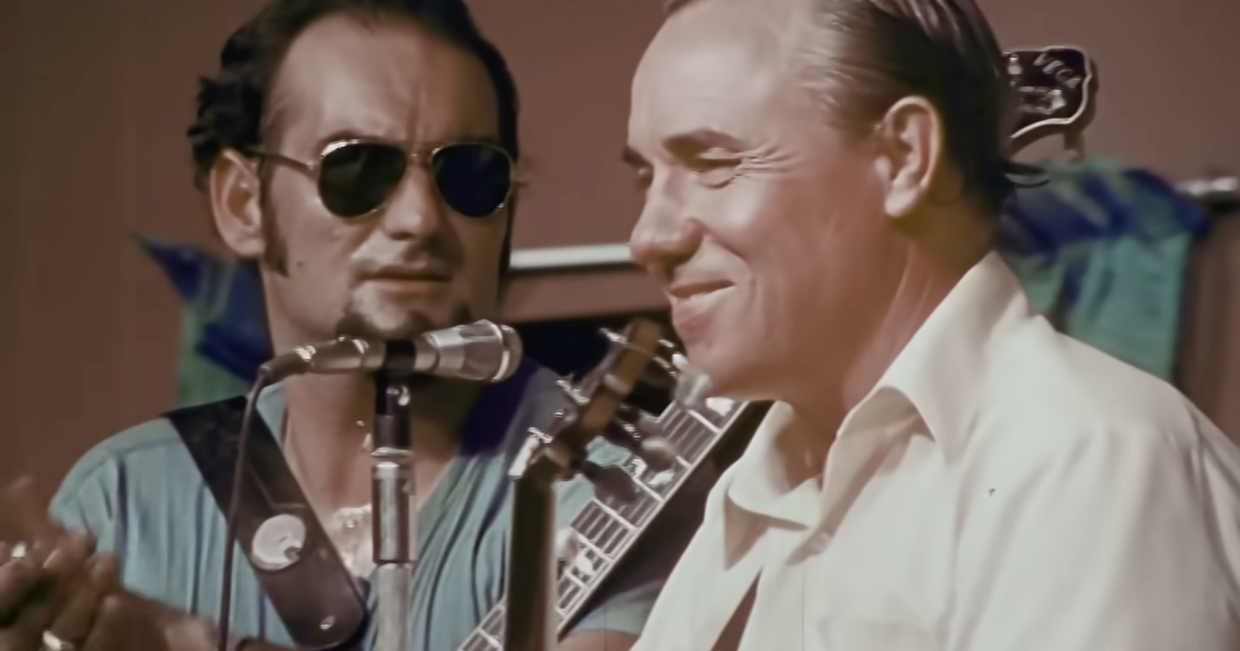
The career of Sonny Osborne has been well documented, but Bluegrass Country Soul makes clear his admiration and friendship with Scruggs. During the tumult of applause following his introduction, Scruggs asked if he could say something, and Osborne appears to grin and say, “Not yet.” And Osborne cracks up when Scruggs uses his up-the-neck solo from “Foggy Mountain Breakdown” during the last time around for the tune.

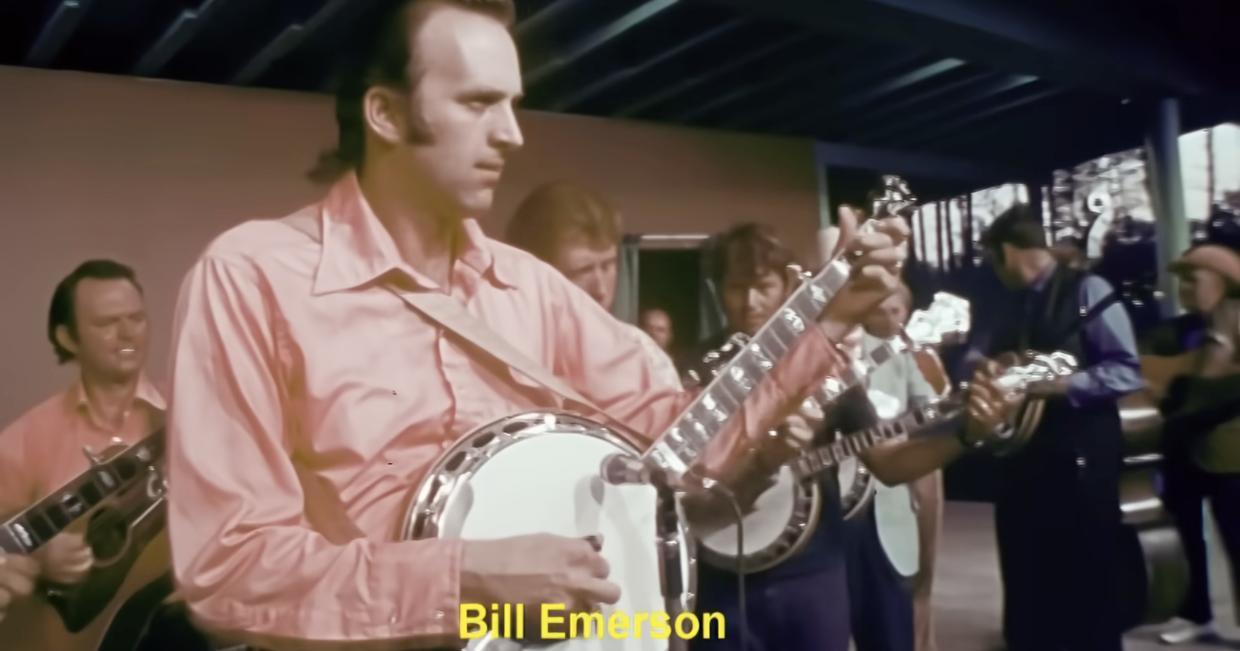
Bill Emerson, whose long career included membership in the Country Gentlemen and much more, was interviewed at the time of the re-release of Bluegrass Country Soul. He talked about the pantheon of great banjo players.

“Don Reno, he had his style on the banjo; Earl Scruggs, he had his style on the banjo; Ralph Stanley, he had a style on the banjo,” Emerson said in the set’s booklet. “And on the radio, I could listen to any of them, just the first few notes of an intro, and tell you who was playing. Just by the style that they were playing, the tone that they had, and the timbre. Most people, when they started out playing the banjo back then, they got a bunch of Earl Scruggs’s records and sat down and tried to learn to play like Earl. But it’s mighty hard to sound like Earl, I can tell you. I was never able to do that, so I just tried to sound like Bill Emerson.”


Bill Emerson takes his turn playing a solo on “Foggy Mountain Breakdown.” Screenshot from clip courtesy of Bluegrass Country Soul, Inc.

Also on the show was multi-instrumentalist Jimmy Arnold (1952-1992), whose career was one of a kind, including excursions into Southern rock and solo albums on guitar and banjo as well as stints with Cliff Waldron, Charlie Moore, and the New Tradition, according to a 1983 Bluegrass Unlimited story. The article, by Chris Wathen, quoted Arnold on Scruggs: “When you learn all of what you think is hard stuff and then go back and try to play one of his tunes, you find out what the hard stuff really is. It’s his stuff. To play with that much power and volume, you’ve really got to be on top of things.”

Another of the clip’s well-known pickers, Don Stover (1928-1996), had been an early convert to Scruggs style, learning it not long after Scruggs’s first performances with Monroe, according to the Bluegrass Music Hall of Fame.

Stover was known for his work with brothers Bea and Everett Lilly during many years of performances in Boston. He played and recorded as a member of Bill Monroe’s Blue Grass Boys in 1957, even contributing harmony vocals to “In Despair.”

Earl’s son Randy, who appears playing an archtop banjo just before the end of the clip, went on to a distinguished career as a musician, songwriter, and producer.

Doing Their Times

The 55th anniversary of this notable moment in bluegrass will arrive in September. Looking back, the picking ranges from respectable to spectacular, but doesn’t maintain the dead-even tempo that’s supposed to prevail in bluegrass music. Fans remember the story that Earl and brother Horace Scruggs, as boys, used to start playing a tune, then separate to walk around their Flint Hill house in opposite directions. The idea was to check if they were still in time with each other after being out of earshot.

The dozen players on the Camp Springs group number would not have passed this test, based on a stopwatch run-through. While Scruggs’s December 1949 original recording had consistent solos of right at 11 seconds, he started the round robin at about 12.69 seconds and tempos wavered from there.

By the start of Riman’s melodic solo, near the end, the time was more than half a second slower. Randy and Earl Scruggs wrapped things up at roughly the same tempo.

But that’s just a quibble.


A contemporary of Earl Scruggs, Don Stover also performed a rendition of “Foggy Mountain Breakdown” during the jam. Screenshot from clip courtesy of Bluegrass Country Soul, Inc.


Remembering Earl

Bluegrass Country Soul director Albert Ihde did bluegrass lovers a real service by capturing these moments and others at the Camp Springs festival. And promoter Haney had another brainstorm resembling the story, pronounced “stoah-ry,” that he recreated of Bill Monroe and former band members six years earlier at Fincastle, Virginia.

Viewers will keep calling up the video for its closeups of Earl, smiling and even bobbing up and down for his breaks, and for the scenes of several of his outstanding followers, appreciating their moments on stage as they rolled their way through “Foggy Mountain Breakdown.”

Many videos of Flatt & Scruggs can be found on the web that illustrate Earl Scruggs’s unmatched musicianship. In the Bluegrass Country Soul segment viewers can also see a strong memorial to Earl Eugene Scruggs the person, his warmth, humor, and unselfishness as well as his brilliance as a musician.


Thomas Goldsmith is an award-winning journalist based in Tennessee and North Carolina. In addition to producing many hundreds of articles for newspapers and magazines, he edited The Bluegrass Reader and authored Earl Scruggs and Foggy Mountain Breakdown: The Making of an American Classic, both books for the University of Illinois Press.

Learn more about Bluegrass Country Soul and purchase a Golden Anniversary Legacy Edition box set of the film here. Read more about the box set and the making of the film here.

All photos courtesy of Albert Ihde, Ellen Pasternack, and Bluegrass Country Soul, Inc. Lead image: Earl Scruggs (left) and son, Randy Scruggs (right), perform “Foggy Mountain Breakdown” flanked by bluegrass banjo stars of 1971.

Doc Watson & Earl Scruggs’ Friendship in Photographs

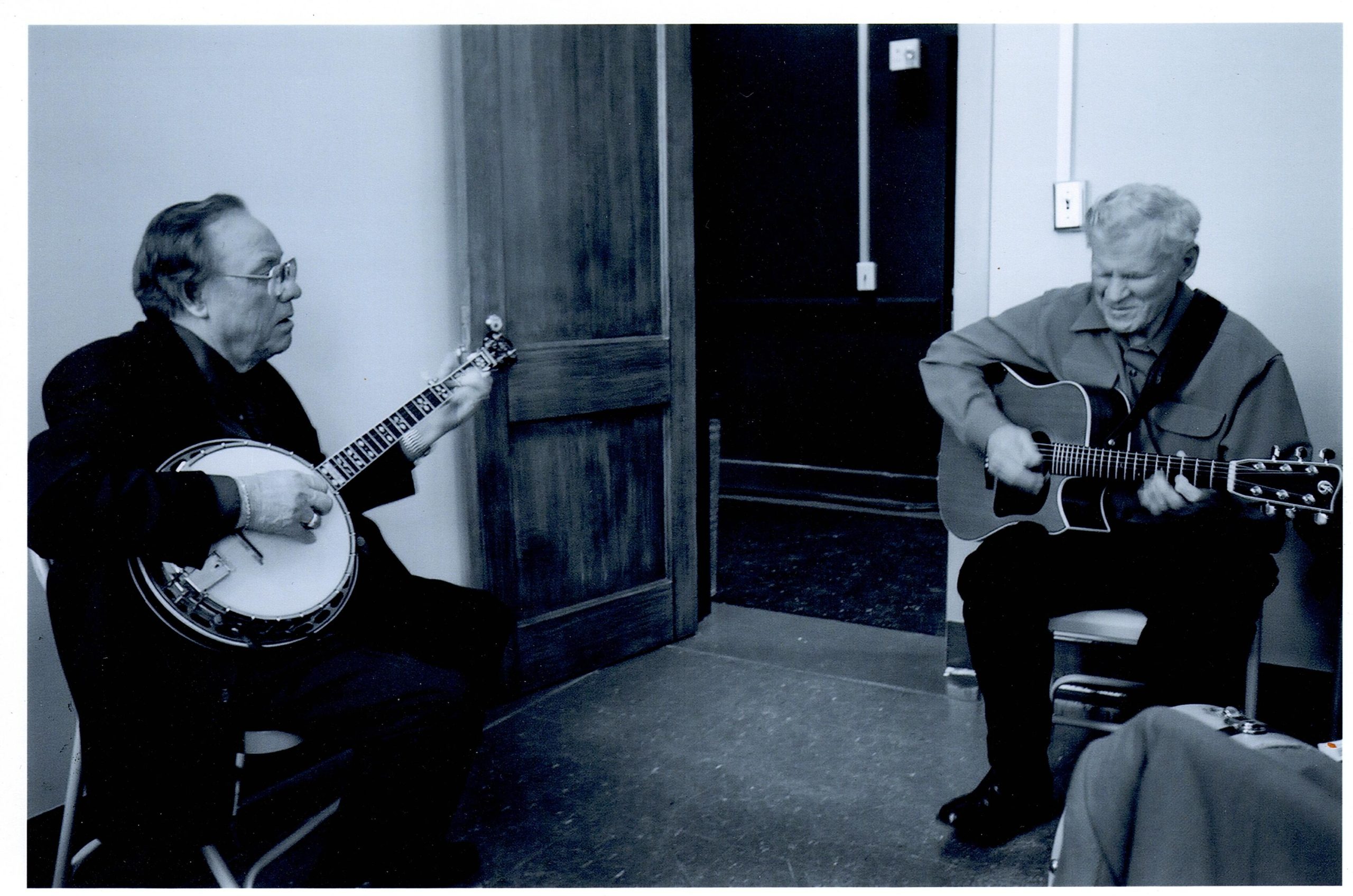
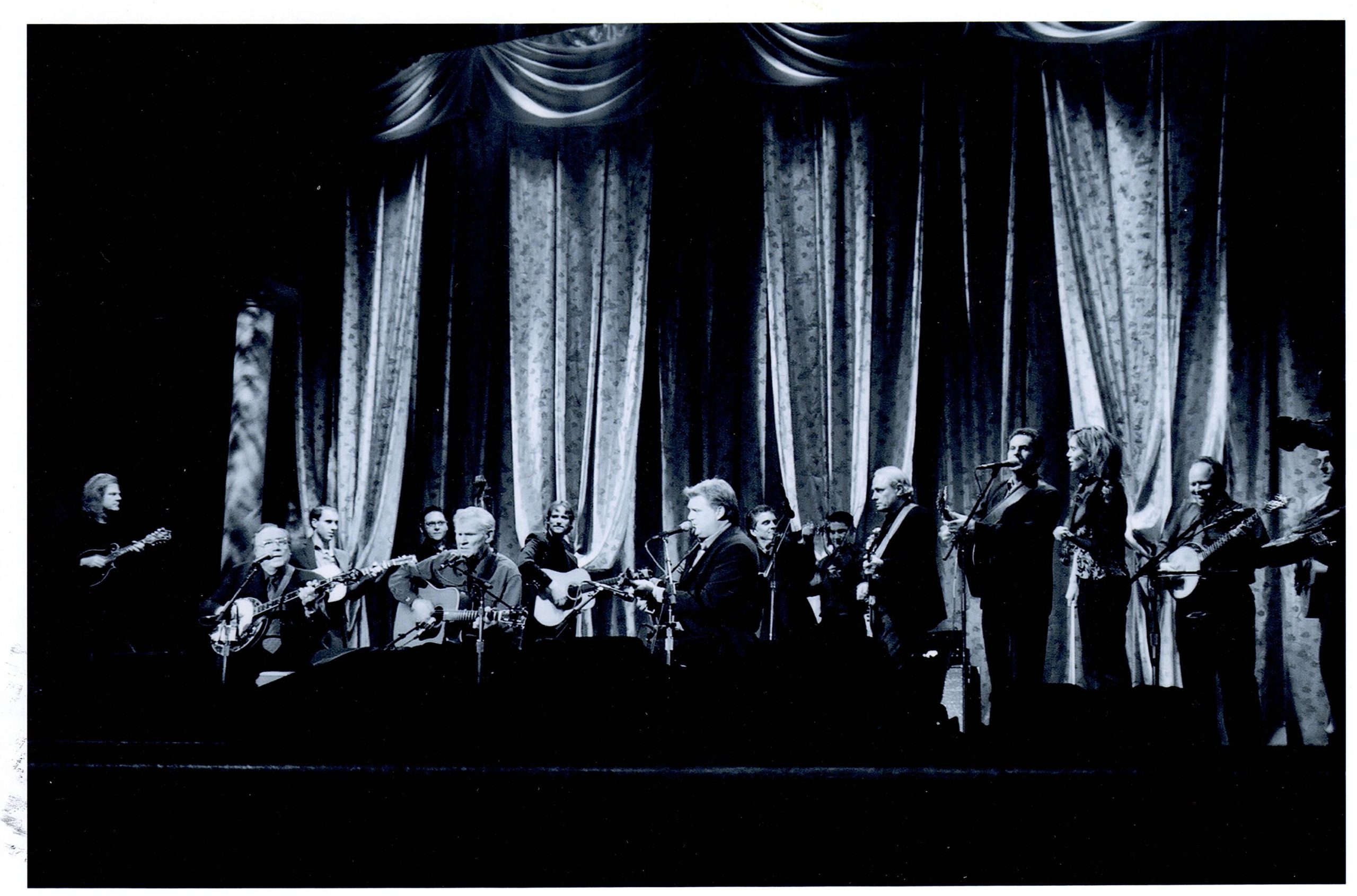
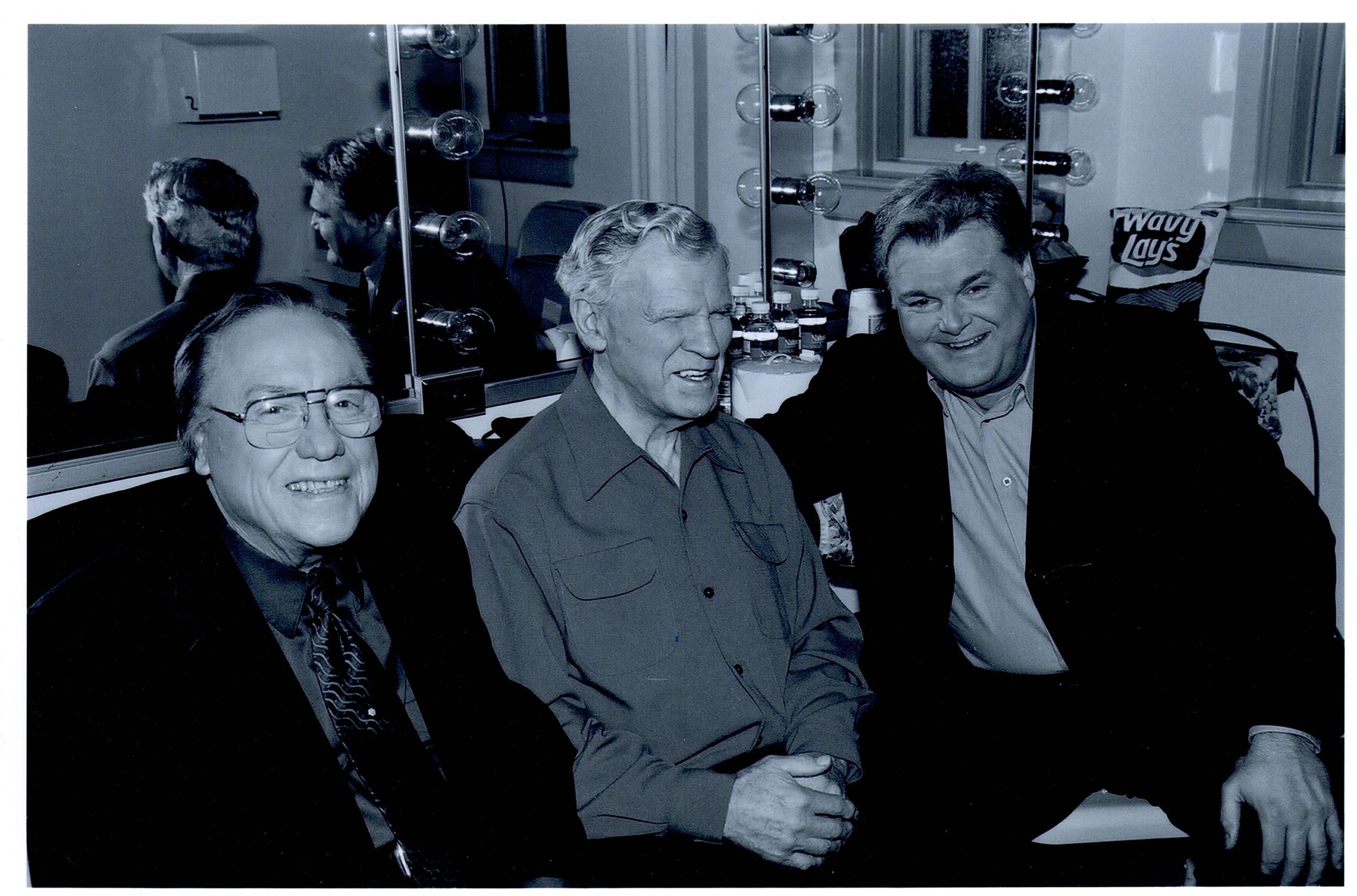
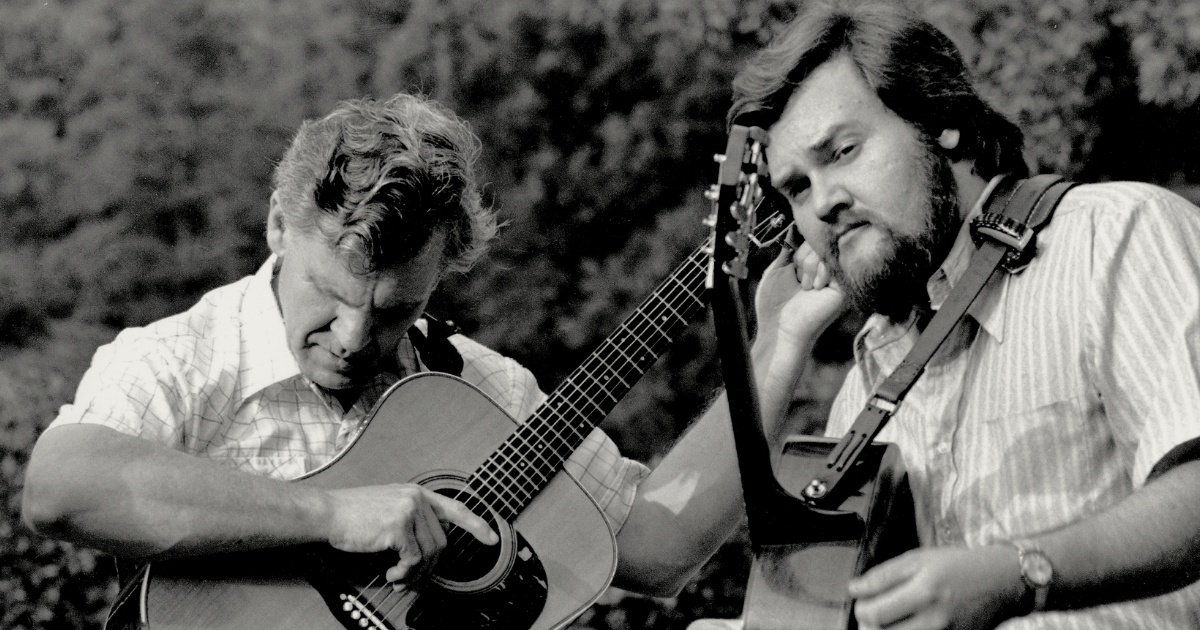
It’s no secret that Earl Scruggs and Doc Watson were great friends, collaborators, and mutual admirers. Both of the bluegrass, old-time, and mountain-music stylists took inspiration and borrowed heavily from the other across their careers, whether they were making music together or separately in any of their many endeavors. The moments they came together, though – from The Three Pickers album and concert film, to David Hoffman’s iconic backyard jam session film of the Scruggs and Watson clans picking together, to many more appearances and recordings – were always magical. Two legendary stylists bouncing musical ideas off of each other as only these two could.

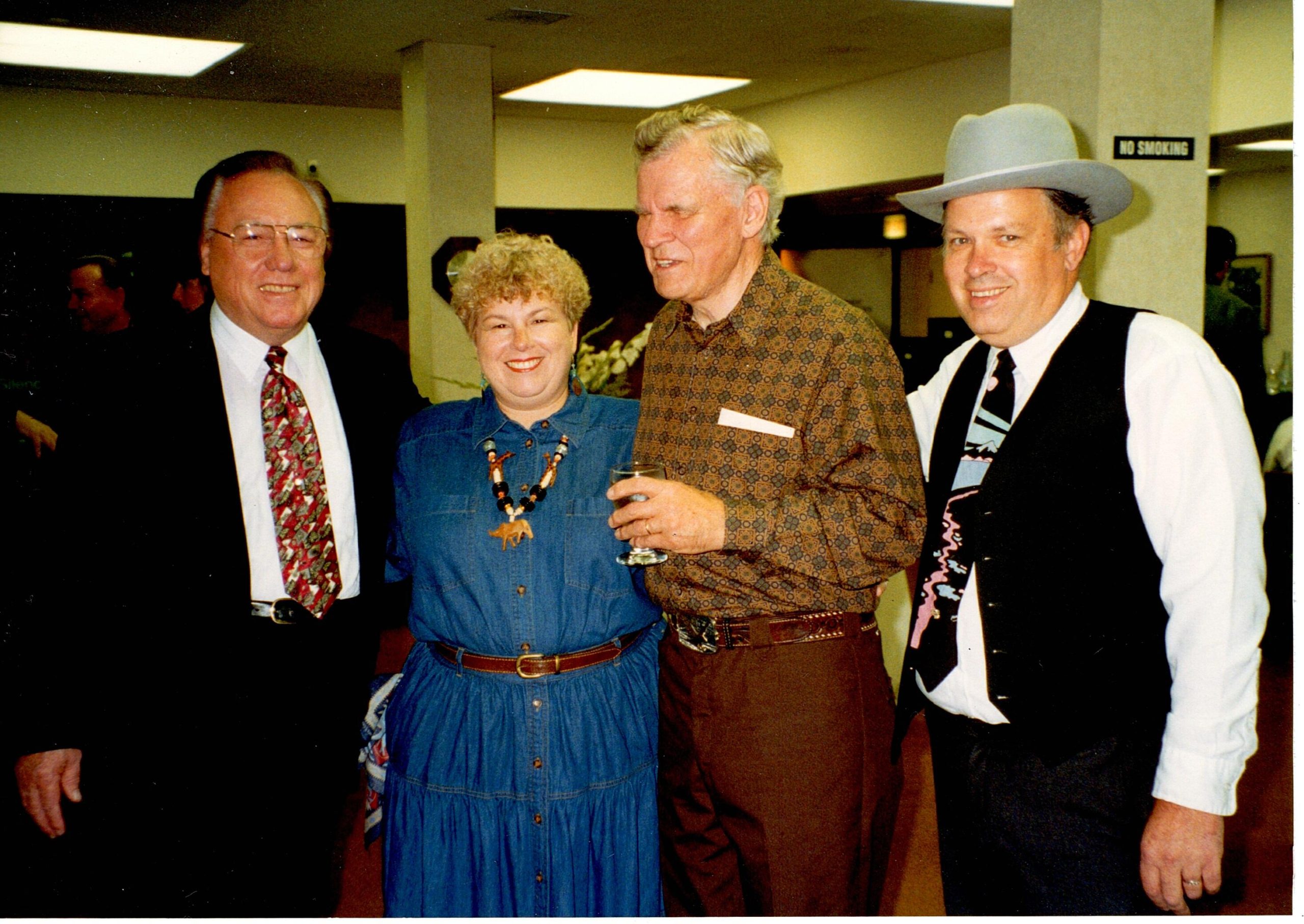
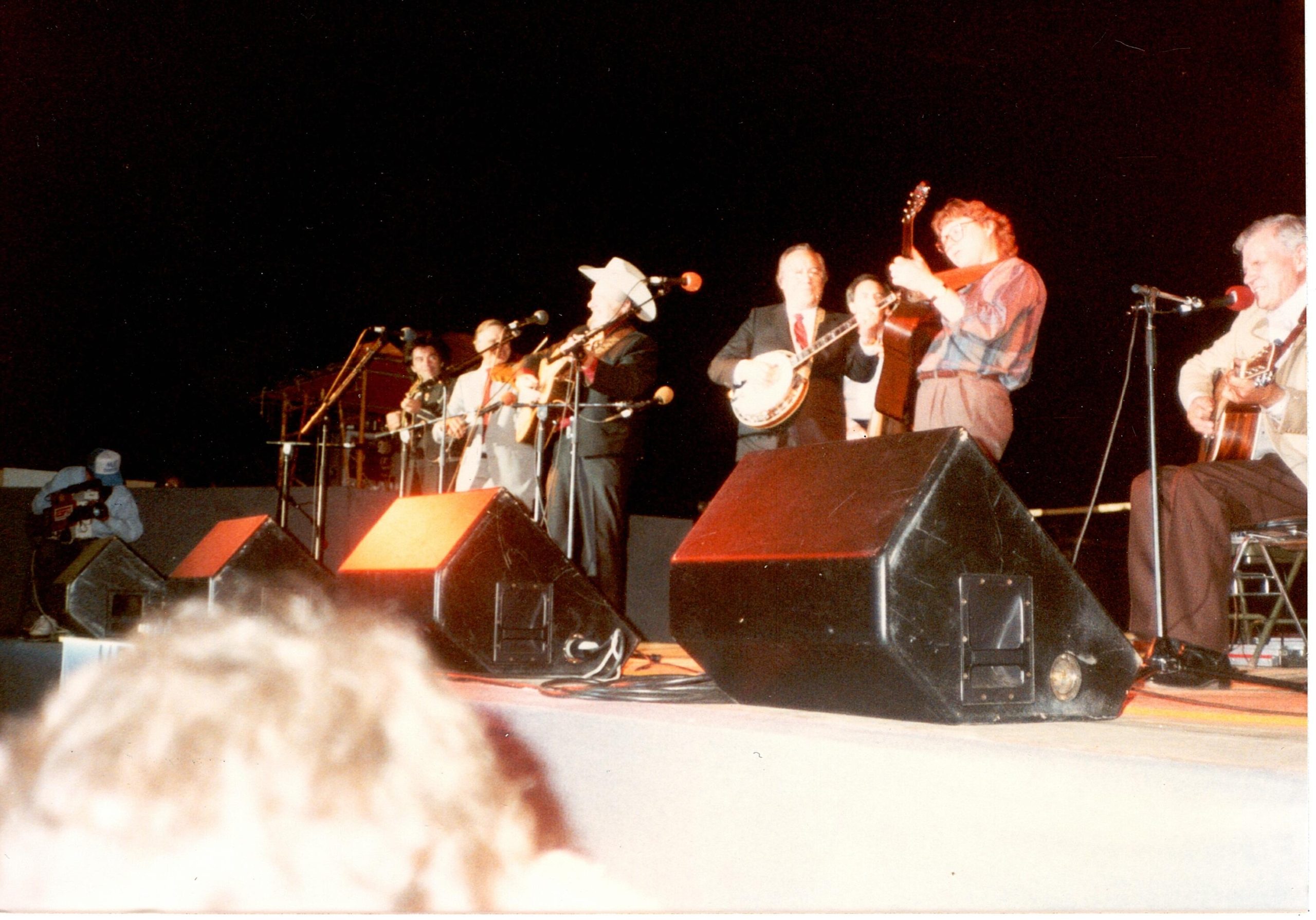
In honor of our Doc in December series for Artist of the Month, we’ve partnered with our friends at the Earl Scruggs Center in Shelby, North Carolina, to bring you an exclusive look inside their collection and archives at photos of Scruggs and Watson together. The Center’s executive director, Mary Beth Martin, pulled a selection of historic photos from the collection as well as a handwritten quote directly from Scruggs’ notes about Watson and his influence:

“There are two people’s sound no man can, in my estimation, duplicate,” Earl states in a notebook. “Of course I’m referring to Mama Maybelle and Doc Watson. I’ve had the pleasure to work [with] and visit these people. I will never cease to admire the courage of these people.”

You can certainly hear the impact and influence of Watson and Maybelle Carter on Scruggs’ playing, especially his approach to acoustic guitar, when he would most often fingerpick the six-string.

“Earl had enormous respect for Doc and admired him deeply,” says Martin of the Earl Scruggs Center via email. “Both grew up in humble North Carolina homes surrounded by rich musical traditions and went on to leave an incredible mark on music. Having Earl’s personal memories and photos of Doc in our collection makes their connection feel especially meaningful.”

Over the course of their careers in roots music, Scruggs and Watson performed, collaborated, and recorded together dozens and dozens of times. We’re very proud to be able to share these photographs from the Earl Scruggs Center Collection to celebrate the cross-pollination of these two Bluegrass Hall of Famers and Doc in December.

The Earl Scruggs Center is located in downtown Shelby, North Carolina, and celebrates the life, legacy, and groundbreaking sound of Earl Scruggs. Their collection includes many treasured Scruggs family objects and remarkable pieces from Earl’s career – including more than 2,000 photographs. In January, they’ll install new interactive exhibits that dig deep into the roots of the region’s music and the history of bluegrass. The entire ESC team is excited to welcome everyone back to the museum when they reopen on February 3, 2026, after renovations and completion of the new exhibits.

Beyond the museum, the Earl Scruggs Center team are also restoring the Earl Scruggs Homeplace in the Flint Hill community of Cleveland County, bringing Earl’s childhood home back to the formative era that shaped him as a musician.

To stay in the loop and to catch upcoming Earl Scruggs Center events like the Earl Experience Banjo Camp, visit their website and connect with them on socials. We hope you enjoy our special photo story with our friends at the Earl Scruggs Center celebrating Earl Scruggs, Doc Watson, and Doc in December.


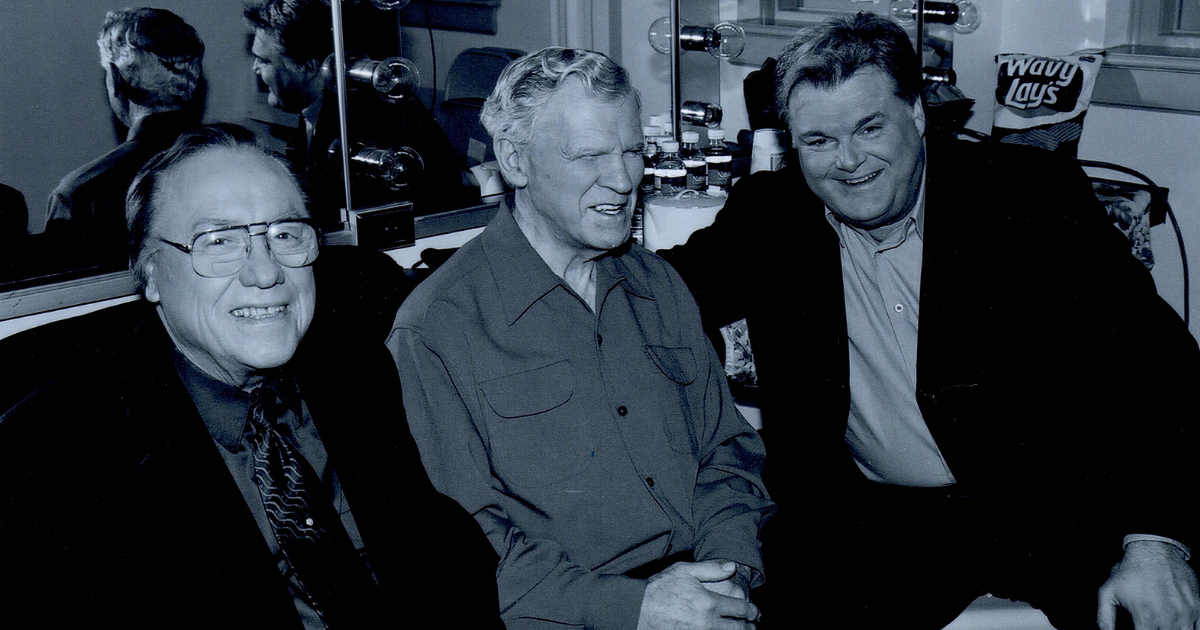
All photos courtesy of the Earl Scruggs Center Collection. Lead image: Earl Scruggs, Doc Watson, and Ricky Skaggs backstage at the taping for The Three Pickers.

Doc Watson’s Legacy in Collaboration:
8 Essential Performances

Few musicians have ever moved as fluidly between eras, genres, and generations as Doc Watson. From front-porch duets to grand-stage bluegrass revivals, Watson’s collaborations have a way of dissolving categories entirely.

His flatpicking precision, rhythmic calm, and vocal warmth made him the kind of performer who elevated everyone within earshot – young prodigies, genre pioneers, folk-tradition torch bearers, and musical iconoclasts alike. His reputation as a consummate accompanist was built not on showmanship or flamboyance, but on musical generosity and an intuitive sense of timing, phrasing, and expression that allowed others to shine while retaining his unmistakable voice.

Part of Watson’s power lies in the consistency of his musical identity. He never strained to fit into a new format or trend; instead, others bent gratefully toward his center of gravity. Whether playing an old-time fiddle tune, trading licks with a jazz-influenced mandolinist, or harmonizing with a younger bluegrass singer, he brought a sense of ease and groundedness that anchored every ensemble. That stability gave his collaborators the freedom to explore, improvise, and innovate – knowing Doc would be right there, steady and sure.

This sense of balance between precision and freedom made him a model collaborator for musicians across generations, and his impact can be traced through countless recordings, festival lineups, and mentorships of younger players.

Watson’s influence was not just technical but communal. He could guide a performance without overwhelming it, offering the ideal blend of authority and humility. In his guitar, listeners hear the voice of the North Carolina mountains, the pulse of Appalachian tradition, and the adaptability of a musician able to engage any genre without losing authenticity.

Today, YouTube’s patchwork archive of footage allows us to witness these collaborations anew: small moments of musical connection, sometimes real-time, sometimes reconstructed from archival sources. Below is a curated set of eight standout filmed or recorded collaborations that illustrate Watson’s reach. From storied duets with Chet Atkins or Earl Scruggs to meetings with newer-generation players.

“Roll in My Sweet Baby’s Arms” – Doc Watson, Earl Scruggs & Ricky Skaggs
(The Three Pickers)

This relaxed but virtuosic performance features Watson, Scruggs, and Skaggs playing with the ease of a porch jam made public. Watson’s crisp flatpicking forms a warm foundation, while Scruggs’ banjo drives with characteristic agility and Skaggs adds mandolin flourish and bounce.

The trio exhibits mutual respect and joy, and their lines interweave with natural conversation.
The recorded performance comes from the 2003 album The Three Pickers. The energy and clarity of the musicianship exemplify Watson’s ability to anchor an ensemble while remaining entirely supportive, a model of intergenerational teamwork. It is a performance that displays the combination of technical mastery and intuitive musical empathy that defined Watson’s career.

“Tennessee Stud” – Doc Watson & Nitty Gritty Dirt Band
(Will the Circle Be Unbroken)

Watson’s performance of “Tennessee Stud” on the Will the Circle Be Unbroken project exemplifies his ability to blend seamlessly with both established musicians and a younger ensemble eager to learn from him. His deep, resonant vocals float over understated but fluid flatpicking, supporting the Nitty Gritty Dirt Band’s harmony vocals and rhythmic drive.

Watson’s musical sensitivity allowed for a dialogue that bridged generations, bringing traditional songs into a contemporary context while retaining their original heart and vibrancy. This track also highlights Watson’s ability to adapt to the studio environment, shaping a sound that was both authentic and polished. The 1972 studio album is well-documented, though various YouTube versions may mix studio, rehearsal, or live takes.

“Tennessee Rag / Beaumont Rag” – Doc Watson & Chet Atkins (Reflections)

In this medley, Watson and Chet Atkins engage in a playful, masterful guitar dialogue. Watson’s flatpicking exhibits crisp, percussive articulation, while Atkins’ thumb picking introduces a smooth, jazz-inflected counterpoint. Both artists navigate tempo and dynamics with precision, creating a performance that is both technically dazzling and deeply musical.

The track appears on the Reflections album and while some online performances derive from live shows or reissued audio, the studio recording itself exalts the collaborative interplay. This duet demonstrates Watson’s ability to move effortlessly between folk and jazz guitar traditions, honoring both while creating something uniquely their own. The performance underscores his adaptability, an essential quality in a musician sought after by so many genres and generations.

“Black Mountain Rag” – Doc Watson & Merle Watson

The father-son dynamic between Doc and Merle Watson is in full display in this live rendition of “Black Mountain Rag.” Merle’s nimble, rhythmic energy dances atop Doc’s grounded guitar tempo, producing an interplay that is conversational, playful, and intricate. Their shared history and years of touring allow for spontaneous embellishments and musical commentary woven into the tune.

This performance captures the essence of the Watson family legacy, showing how Doc nurtured both musical skill and expressive interpretation in the next generation. The piece also serves as a lesson in ensemble sensitivity, as Doc balances his playing to give Merle ample space while maintaining rhythmic and harmonic cohesion.

“What Would You Give in Exchange for Your Soul?” – Doc Watson & Bill Monroe

Watson and Monroe’s pairing on this traditional tune combines the latter’s piercing, high-lonesome tenor with the former’s warm baritone, creating a striking emotional contrast. Watson’s guitar provides steady, unobtrusive accompaniment, allowing the vocal interplay to take center stage.

This recording exemplifies Watson’s ability to adapt to any partner, responding in real time to vocal phrasing and tempo shifts. The performance demonstrates his interpretive sensitivity, highlighting how he could honor a song’s emotional core while integrating his own stylistic voice.

“Shady Grove / Summertime” – Doc Watson & David Grisman

Watson’s collaboration with David Grisman blends Appalachian folk with progressive acoustic styling. In this rendition of “Shady Grove,” Watson’s rhythmic guitar backgrounds Grisman’s mandolin flourishes, resulting in a lively, conversational back-and-forth. Improvisation is key, as both musicians respond to each other’s phrasing, demonstrating mutual respect and spontaneity.

This collaboration underscores Watson’s versatility, showing he could navigate between traditional melodies and innovative interpretations, elevating both in the process. It is a reminder of his role in bridging traditional and progressive acoustic music for audiences and colleagues alike.

“Amazing Grace” – Doc Watson & Jean Ritchie

Watson and Jean Ritchie’s collaborations were well-established, including performances at venues like Folk City in the early 1960s. However, the specific attribution of some YouTube uploads titled “Amazing Grace” is ambiguous. The Live at Folk City album recording is the most reliable source, showing their complementary styles: Watson’s gentle, precise guitar lines support Ritchie’s clear, expressive vocals, blending Appalachian tradition with personal interpretation. They represent the transmission of Appalachian folk music to wider audiences and the seamless melding of their similar sensibilities.

“Summertime” – Doc Watson & Mark O’Connor

Watson’s influence on multi-instrumentalist Mark O’Connor is well-known; O’Connor cites him as a formative inspiration and their collaboration remains significant as a symbolic bridge between generations. Watson’s teachings and style informed O’Connor’s fiddle mastery, illustrating Watson’s mentorship and the continuity of American acoustic tradition. Indeed, their shared repertoire speaks to the passing of musical knowledge and the sustaining of tradition through personal and professional interaction.

These eight performances above collectively highlight Doc Watson’s role not only as a primary musician, but as a profoundly generous collaborator. He created space for others to excel, whether alongside legends like Bill Monroe, Earl Scruggs, and Chet Atkins or with younger rising stars such as Alison Krauss and Mark O’Connor. Watson’s approach combined technical mastery with emotional intelligence, allowing him to respond intuitively to fellow musicians in real time.

His collaborations illuminate the breadth of his influence. Watson moved with ease between old-time Appalachian tunes, rag medleys, gospel-inflected ballads, rocking hillbilly sounds, and improvised jam sessions. Across these contexts, he remained unmistakably himself: grounded, warm, and adaptable.

By mentoring younger musicians, bridging generations, and seamlessly adapting to new musical contexts, Doc Watson demonstrated that tradition is not static; it is a living, evolving practice. His legacy continues to teach musicians the art of generosity, the importance of listening, and the beauty of musical dialogue. Perhaps in every collaboration, Watson’s spirit resonates, ensuring that his contribution to music endures across time, space, and audience.


Lead image courtesy of MerleFest.

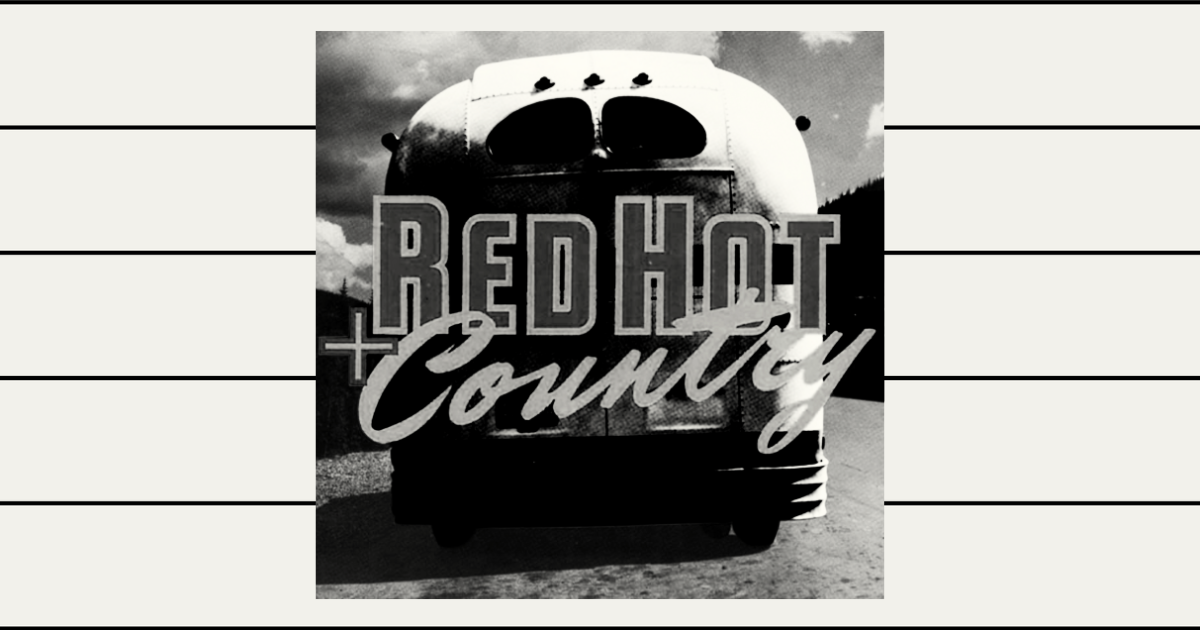
1994 AIDS Benefit Album Red Hot + Country Was Ahead of Its Time

During the 1992 CMA Awards, Kathy Mattea had a decision to make. The singer-songwriter and 1989 and 1990 CMA Female Vocalist of the Year had opted to wear four red AIDS awareness ribbons, which had become prominent at award shows such as the Tonys, the GRAMMYs, and the Oscars. In ‘92, the Country Music Association decided to hand out green ribbons to promote environmental protection. According to a Billboard article, reports of the CMA’s decision sparked controversy and the organization reacted by offering to distribute red ribbons to artists backstage.

But there was no plan to publicly address the disease on the broadcast. After a local columnist wrote that country fans may not know what the red ribbons symbolize, calling for Mattea to publicly speak out on AIDS – which had become the number one cause of death for all Americans ages 25 to 44 – Mattea realized simply wearing the ribbon was not enough.

“We went to the CMA and said, look, we’ve been called out and I don’t wanna grandstand and I don’t want to go against you guys, but can you help me?” Mattea says. “We basically got no response. So the night of the show I had to decide what I was going to do. I didn’t want to be sanctimonious… How do you stand up in a moment when you feel called to do something bigger? I just went backstage during the commercial before and searched my heart.”

When Mattea took the stage to present, she spoke the names of three of her friends who had died from AIDS. One of those names belonged to her dear friend Michael, who had died without ever telling Mattea he had the disease.

“The problem was he couldn’t tell me,” she says. “You didn’t know who you could talk to and who you couldn’t back then. It’s hard to fathom now, but that’s the way it was.

“Something in me just kind snapped and I thought, I’d like to do something to help. I had a long talk with my manager and I was like, these people in New York who are working on this, they don’t even know that I’m down here in Nashville and we’re dealing with it, too.”

Mattea got in touch with the Red Hot organization, which was founded by Leigh Blake and John Carlin in 1989 to raise awareness and financial support around the AIDS epidemic. Carlin, who got his start in the New York art world, where he curated shows at the Whitney Museum of American Art and befriended artists such as Keith Haring and David Wojnarowicz, had already experienced immense loss among his friend group.

“Being in New York in the 1980s was at the start this kind of paradise liberation. There was all this creativity. If you think of the late ‘70s and early ‘80s in New York, it’s when hip-hop, punk art, music, the East Village arts scene, graffiti, all these things were really being born culturally,” Carlin says.

“Then by the mid ‘80s, the specter of HIV and AIDS turned what felt like a paradise into an inferno. All of a sudden people that you would see at parties or at openings – you’d go, ‘Where’s Nicholas?’ and people get that kind of quiet look and say, ‘Oh, he’s sick. He’s in St. Vincent’s.’”

Carlin, who had since left his job as an art curator to work as an entertainment lawyer, began working on Red Hot’s first project, 1990’s Red Hot + Blue, a compilation album featuring pop and rock artists such as Sinead O’Connor, Debbie Harry, Iggy Pop, U2, David Byrne, and more covering the songs of Cole Porter. The album was a smash hit, raising money for AIDS organizations, including ACT UP, a grassroots protest movement which successfully pushed the government and pharmaceutical companies to release drugs that now allow people to live with HIV.

Despite its success, Carlin had no initial plans to release more Red Hot compilations. He left the law firm where he was employed after the partners gave him an ultimatum. (“My reward for [organizing the project] was basically the partners of the law firm said, ‘stop doing that or leave,’” Carlin says.) Then he received a phone call that would change everything.

“I got a call from George Michael’s manager saying George was a big Red Hot fan. He wants to contribute a song to your next album,” Carlin says. “At the time, we didn’t have a next album. But, in 1991, if George Michael says he wants to give you a track, we were like, ‘Well, we better get an album together.’”

In 1992, the organization released Red Hot + Dance, featuring Michael, Madonna, Sly & the Family Stone, Lisa Stansfield, and more. The album cover featured artwork by Keith Haring. No Alternative, featuring Nirvana, Soul Asylum, Pavement, Patti Smith, and more, followed – and even spawned an MTV special with live performances. AIDS awareness was becoming a key issue among the MTV generation, but the country music industry was still mostly silent.

“I don’t think the seriousness of the problem has hit home yet with the country audience,” Mark Chesnutt, who co-chaired the Country Music AIDS Awareness Campaign alongside Mary Chapin Carpenter, told Billboard in 1992. “Most of the people who speak about AIDS and participate in the awareness programs have been in the pop business, movie stars and rock stars.”

Starting the Conversation

If Nashville’s music industry was slower to respond to the AIDS epidemic, it certainly wasn’t because the community hadn’t been impacted.

“If people found out you were HIV positive, there were landlords who threw people out on the street,” Mattea says. “There were medical facilities that would not take them in. I had a friend who worked on my crew for a while who was legendary in Nashville for taking people in during the AIDS crisis. If you had nowhere to go, you went to his house and he had an army of volunteers. There were lots of stories like that. But there was also a lot of rejection and a lot of stigma.”

After Mattea’s statement at the 1992 CMA Awards, she was quietly approached by people who had been impacted by AIDS. At an event the morning after the award show, Mattea was approached by a man named Bubba who worked at a large radio station in the Deep South who had lost his high school best friend to AIDS. Later, a man who worked for The Nashville Network’s hit talk show Nashville Now told Mattea his son was diagnosed with HIV. Another, a Nashville radio DJ, told Mattea that he had AIDS, but didn’t feel comfortable telling anyone else in his workplace.

“There were all these people in our community who couldn’t talk to each other about it,” Mattea says. “That’s what I was wanting – some compassion and support and for people to be able to speak up about what they were struggling with and hear each other.”

In 1992, Nashville mayor Phil Bredesen and Jo Walker-Meador, former executive director of the CMA, co-chaired the city’s first AIDS Walk. Mattea and Chesnutt performed at the event. With Red Hot + Country, Mattea set out to help expand country music’s AIDS outreach beyond Music City, leaving nerve-wracked answering machine messages for anyone she thought might be interested in taking part in the project.

“Kathy was very brave. I think it’s almost like a heroic gesture for her to take a stand at that moment,” John Carlin says. “Let’s just say [there was] a lot of homophobia in the South and country music in general, and AIDS-phobia. It was not a topic people wanted to talk about. It was really difficult. I think she made it her business so that people couldn’t ignore it.”

Hunter Kelly, a country journalist who hosted Apple Music Country’s Proud Radio from 2020 to 2024, says, as a gay kid growing up in Alabama, artists who championed LGBTQ+ causes felt like a safe place. He remembers Mattea’s speech at the 1992 CMA Awards and attending Reba McEntire’s 1996 tour and seeing her bring a replica of the famous AIDS Memorial Quilt, an ongoing community project to honor the lives lost to HIV/ AIDS.

“I definitely knew on some level I was gay, but I was also in a Southern Baptist church, so I was drawn to those things,” Kelly says. “I was drawn to that mainstream representation that was more open to queer people.”

“Teach Your Children Well”

Carlin says the original idea for the Red Hot + Country album was to have country artists cover John Lennon songs. He even met with Yoko Ono, who granted the organization permission to use Lennon’s songs for the project. But when that idea didn’t come to fruition, the theme shifted to the Laurel Canyon folk-rock scene of the ‘60s and ‘70s and the songs of Jackson Browne, James Taylor, and Bob Dylan. The album would be produced by Randy Scruggs, a GRAMMY-winning musician and songwriter whose own father, Earl Scruggs, had played a significant role in the cross-generational Nitty Gritty Dirt Band album Will the Circle Be Unbroken two decades earlier.

“Randy kind of wanted to recreate that spirit of bringing generations together and, obviously, because of his dad, he had access on a level that I never could get,” Carlin says.

Alongside renditions of Crosby, Stills, Nash & Young’s “Teach Your Children Well” and Jackson Browne’s “Rock Me on the Water,” the album featured covers of country classics, such as the Carter Family’s “Keep On the Sunny Side” that had inspired California folkies of the ‘60s.

The album also features the first recording by the band Wilco, which was formed by Jeff Tweedy in 1994 after the breakup of his former band, Uncle Tupelo. The group teamed up with singer-songwriter Syd Straw to perform “The T.B. is Whipping Me,” an Ernest Tubb song inspired by his hero Jimmie Rodgers, who died of tuberculosis in 1933.

Carlin says he wanted to highlight that Rodgers, known as the father of country, had also died from a disease that weakened the immune system.

“What is the difference between tuberculosis and HIV? Really nothing other than homophobia,” Carlin says. “It’s a disease; it doesn’t choose people.”

Other standouts include Nanci Griffith and Jimmy Webb’s “If These Old Walls Could Speak,” Patty Loveless’ “When I Reach the Place I’m Going,” and Marty Stuart and Jerry & Tammy Sullivan’s cover of the traditional gospel tune, “Up Above My Head/ Blind Bartimus.”

Perhaps the most stirring song on the album is Mary Chapin Carpenter’s “Willie Short,” which was written by Carpenter’s producer and guitarist John Jennings after seeing a Newsweek feature called “The Faces of AIDS.” There, he spotted the photo of a Houston dishwasher named Willie Short.

“I was looking at the pictures, and under the picture of Willie Short, there was a very affecting caption and it just got to me: ‘Don’t forget me. From time to time, mention my name’,” Jennings told The Washington Post in 1994.

Red Hot also produced a Red Hot + Country television special, which aired on CMT. The program featured Mattea, Griffith, Earl Scruggs, Carl Perkins, Waylon Jennings, Vassar Clements, and more performing at the Ryman as well as interviews with rural and Southern folks impacted by the AIDS epidemic.

“Three Chords and the Truth”

In many ways, the early ‘90s seemed to usher in a new era in country, where queer issues were concerned. Kelly points to Garth Brooks’ song “We Shall Be Free,” which includes the line “when we’re free to love anyone we choose.”

“You also had Bill Clinton, who was a Southerner, but also a Democrat, in office,” Kelly says. “Culturally, in ‘94, there was a lot going on that dovetailed – I really see the Red Hot + Country album as country music being a part of the mainstream at that time.”

None of that translated to radio play, however. Despite the Red Hot + Country’s wealth of talent, Carlin says the album was “dead on arrival,” a huge contrast to the compilation album Common Thread: The Songs of the Eagles which was released the year prior and was certified Platinum three times by the RIAA. Red Hot + Country peaked at No. 30 on the U.S. Billboard Top Country Albums chart.

“Sadly, it was pretty clear it was homophobia in country radio,” Carlin says. “At that time, if you didn’t get played on radio, you couldn’t get arrested.”

Though Red Hot + Country didn’t gain the listenership of previous Red Hot releases, Carlin and Mattea both remain extremely proud of the project.

“It’s a beautiful cross section of musicians and music. Many of these people I know and love, and I feel proud of my community for stepping in and stepping up and doing something to try to contribute in this situation that just felt so impossible back then,” Mattea says. “I’m more of a ‘fraidy cat than it might appear, and I’m happy with my younger self that I could listen to my heart and step in.”

In the years since Red Hot + Country, LGBTQ+ representation in country music has grown tremendously. Queer artists such as Chely Wright, Brandi Carlile, Brandy Clark, Orville Peck, T.J. Osborne, and the Kentucky Gentlemen have opened doors within the genre. But Kelly says when he launched Proud Radio in 2020, he faced many of the same roadblocks Red Hot + Country faced 25 years earlier.

“There were artists whose publicists would be like ‘We don’t want to make [being gay] the main focus or we don’t want to belabor it,” Kelly says. “With the anti-DEI [diversity, equity and inclusion] thing [from the] Trump administration coming in, we might as well be in 1994, as far as the mainstream country space.”

Kelly champions LGBTQ+ country artists Adam Mac and Chris Housman’s recently released “The Outside” as an anthem for queer country artists who’ve never felt embraced by the industry.

“I keep going and keep hoping for progress, but it’s disheartening,” Kelly says. “But also I look to artists like Chris and Adam who keep making great music and purposefully [making music] in the mainstream.”

Earlier this year, singer-songwriter David Michael Hawkins, an openly gay and openly HIV-positive country artist, released his song “Sin,” which addresses the stigma around HIV.

“When I started to look back on the emotion surrounding primarily the stigma attached to the diagnosis, that’s where the emotional well ran really deep,” Hawkins says. “Stigma is rampant in a lot of LGBTQIA identities. For me, the HIV diagnosis was a big part of it, which was also surrounded by poverty, which was surrounded by substance abuse. They were all in this weird cycle of feeding each other. The healthier I got physically, mentally, and emotionally, the more I was able to put words to that deep well of emotion.”

Hawkins says he wants to expand the conversation around HIV/AIDS by helping more artists feel comfortable with sharing their personal connection to the disease.

Sin is not the first country song written about HIV. There are probably hundreds or thousands, but up until very recently and maybe up until my song, there’s no one that’s been transparent about that being the root of why the song was written,” Hawkins says.

“I think if the industry is doing our job, which is to offer a safe space for artists to come up with inspiration from anyone or anything, then the artists should feel comfortable saying, ‘Yes, this is about HIV, or this is about drug use, or this is about domestic violence,’ and however closely it’s attached to them as an individual. I think we could probably do a little bit better about letting artists know that no matter the subject matter or the inspiration, if it’s a good song and if it helps people – if it’s three chords and the truth – then we’ve done our job as country musicians.”


Artist of the Month: Opry 100

This month, BGS is celebrating 100 years of the Grand Ole Opry! It would be hard to overstate the influence of the Opry on American roots music – hell, on music in general – over the past century.

From Earl Scruggs joining Bill Monroe to create the sound of bluegrass; to DeFord Bailey becoming the first Black Opry star and the first Black musician to break into the commercial music scene in Nashville; to the legendary meeting of Johnny Cash and June Carter; the Opry has been a catalyst for so many iconic moments. Below, we kick off our “Artist of the Month” celebration with our Opry 100 Essentials Playlist, which includes some of our favorite live recordings from the Opry, songs famously debuted on that legendary stage, and some of our favorite roots songs written about the Opry and its lore, too.

Did you know that Dolly Parton made her first Grand Ole Opry appearance in 1959 at the age of 13 and received three encores? To get a sense of how young Dolly might have sounded on that stage, we’ve included one of her very first singles, “Girl Left Alone,” (the B-side of the now well-known “Puppy Love”), recorded when she was just 11 years old and released the same year as her Opry debut.

Elvis famously made his Opry debut in 1954 at the age of 19, singing “Blue Moon of Kentucky” in a style that was so poorly received a manager told him to “go back to driving a truck,” or something of that nature. You can hear his rockabilly version on our playlist.

In 1969, Linda Martell was the first solo Black woman to perform on the Opry, singing “Color Him Father” for her debut. Although she faced rampant racism throughout her career, her first performance on the Opry was met with two standing ovations and she went on to perform there 12 times over the years.

The Opry has also been fodder for songwriting, inspiring many tracks over the years. Early Opry star David “Stringbean” Akeman met Bill Monroe while playing semi-professional baseball and went on to play clawhammer-style banjo in his band from 1943 to 1945. After parting ways with Monroe’s band, Stringbean became an Opry star in his own right and penned the song “Opry Time in Tennessee.”

Stringbean and his wife were tragically murdered in 1973 by thieves who had heard of him storing cash in his home. In 2009, Sam Bush released his song, “The Ballad of Stringbean and Estelle,” co-written with Guy Clark and Verlon Thompson. “The thieves laid in wait for hours/ But things didn’t go their way/ But he wouldn’t let go of his Opry pay,” sings Bush on his album, Circles Around Me.


@cmt #SabrinaCarpenter makes her #grandoleopry debut 💋✨🎙️ #opry100 #slimpickins #mansbesfriend ♬ original sound – CMT

Shortly before the Opry was moved from downtown Nashville’s Ryman Auditorium to the newly built Opry House in 1974, John Hartford released “Tear Down the Grand Ole Opry,” a scathing commentary on the commercialization of country music. “Right across from the wax museum/ They used to line up around the block/ From east Tennessee and back down home again … Broad Street will never be the same,” Hartford sings nostalgically on his legendary Aereo-Plain album.

While the Opry is known as a country music gold standard, over its 100 years as a live-broadcast radio show it has held clout across the genres and in popular culture – not just in country. This year, as part of the celebration of its 100th anniversary, the Opry has been featuring 100 Opry debuts and first-time performances. These special appearances have showcased the broad impact of the Opry, hosting the likes of pop star Sabrina Carpenter who said, “My mom raised me on the artists who have stood up here.”

Whether in country, bluegrass, Americana, or beyond, the Grand Ole Opry continues to be a musical powerhouse, 100 years after its barn dance birth. While we look ahead to the next century of Opry magic, we’re beyond excited to join the Grand Ole Opry family in celebrating Opry 100 for the entire month of November. Enjoy our Opry 100 Essentials Playlist below and relive the Opry 100: A Live Celebration television special on NBC from earlier this year here, too. You can read our primary feature on Opry 100 right here. Plus, stay tuned all month as we have brand new and archive articles, interviews, and features we’ll be sharing here and on socials all spotlighting the incredibly legacy and community of our beloved Grand Ole Opry as we countdown to November 28, 2025 – the Opry’s official 100th birthday!


Lead Image: Opening of the Grand Ole Opry House in 1974, courtesy of Ryman Hospitality Properties.

Ethan Setiawan’s Personal Encyclopedia Mandolinnica

A short history of the mandolin in America: The mandolin is essentially a small lute which has been around since the 1300s. Italian immigrants brought bowl-back mandolins to the States in the 1800s. Mandolin orchestras were big in the 19th and 20th centuries, believe it or not. In fact, a whole mandolin family exists with mandolas, mandocellos, and mandobasses out there.

Around the turn of the 20th century, Orville Gibson started to develop flat-backed mandolins constructed more similarly to guitars. Finally, in the 1920s, Lloyd Loar created the F5 mandolin, with its longer neck and F holes. These new instruments were built to project and fill a concert hall, though they were ill-timed – the mandolin orchestra craze was fading and not ’til Bill Monroe picked up one of those instruments from a barbershop in Florida in the ’30s did they come back into their own. Since then, bluegrass mandolinists the world over have played these instruments or copies thereof. I play an instrument by John Monteleone, who started innovating on Lloyd Loar’s design in the 1980s – and so the tradition continues.

My new album, Encyclopedia Mandolinnica, turned into a survey of Western and Northern mandolin styles quite quickly. It’s very much been shaped by these inspiring musicians who were very kindly up for playing a duet with me. We go on a real journey through bluegrass both progressive and traditional, old-time, jazz, classical, and Scottish trad. The chance to get to work with these heroes of mine has been such a pleasure and invoked several “pinch me” moments. One of the most beautiful things was getting to see how everyone approached our little 8-stringed instrument so uniquely. I learned something from playing with and working alongside each of the mandolinists that agreed to be a part of the project!

In putting together this playlist I thought about my personal inspirations as well as the mandolin’s place in musical cultures across the world. It ranges from hardcore bluegrass, to Brazilian choro, over to Scottish trad – with lots of things in the middle. It mostly features folks you can hear on Encyclopedia Mandolinnica. I hope you enjoy my guided tour of the mandolin! – Ethan Setiawan

“Victoria” – Ethan Setiawan & Mike Marshall

Mike is a legend of the mandolin. He was an early member of the David Grisman Quintet and went on to collaborate with Darol Anger, among others. He helped write the book on progressive acoustic music and mandolin styles therein. This tune of mine falls within that realm and Mike was the perfect person to play it with.

“Shoulda Seen It Comin’” – Mike Marshall & Chris Thile

Mike also duetted with this young guy Chris Thile, whom you may have heard of. The live record that this cut is from is one of my very favorite recorded mandolin performances. Both mandolinists are at the top of their game. This tune was in my ear quite a bit when writing the previous tune, which maybe you can hear?

“There Will Never Be Another You” – Don Stiernberg

Don is one of the world’s foremost practitioners of jazz mandolin – a combination of words you might have never thought you’d hear. He studied with the great Jethro Burns of Homer & Jethro before forging his own path forward into a style where few mandolinists have ventured. Don was a teacher of mine during high school and it was great fun to get to be in the studio together for Encyclopedia Mandolinnica.

“Jiguaraña” – Ethan Setiawan & Maurizio Fiore Salas

Venezuela has a rich and beautiful mandolin tradition that not many folks are aware of. This tune is a co-write between myself and Maurizio. We took a jig (a Celtic form in 6/8) that I came up with and Maurizio had the bright idea of putting it over a Venezuelan rhythm called guarana (also in 6/8). It’s always a joy to play with Maurizio, he challenges me in the right ways.

“Wonderful” – Kinnaris Q (Laura-Beth Salter)

Laura-Beth is at the forefront of the Scottish trad revolution in Glasgow, Scotland. This track by her band Kinnaris Q puts the mandolin front and center – when she takes the tune at 1:52 check out the facile right hand triplets! We co-direct the Glasgow Mandolin Retreat as well and it’s always great to get a tune with LB.

“Blue Grass Stomp” – Bill Monroe

This is where it all started for a lot of us. Bill Monroe, along with Earl Scruggs and Lester Flatt, in the ’40s had something electric and powerful, so much so that in large part bluegrass has been unchanged since then.

“New Cimarron” – Matt Flinner

Matt Flinner is one of my favorite mandolinists out there. One of the many things that strikes me about his playing is how good it feels. Everything is placed so precisely and beautifully. He also writes great tunes that beautifully synthesize lots of things we love about bluegrass, old-time, and jazz. This is one of my favorite tunes of his.

“Golden” – Ethan Setiawan

In a similar tradition to the last tune, this is my take on a progressive “new acoustic” tune. Darol Anger on the fiddle here, he produced this album and it was such a joy to work with him on it.

“O Voo Da Mosca” – Jacob Do Bandolim

While bluegrass was developing up north, another mandolinist was fusing styles down south. Way down south. In short, choro is a fusion of classical forms with jazz harmony and Afro-Brazilian rhythms – similar on the page to ragtime. Jacob Do Bandolim (which translates to Jacob the mandolin, amazing) wrote many tunes that became staples of the style and was a virtuosic mandolinist to boot.

“Saint Cecilia Caprice” – Hamilton De Holanda

Hamilton De Holanda is the Chris Thile of Brazil. Amazing technically and a great musical mind. He wrote a double album of caprices and made the music public on his website, as well. Every mandolinist reading this: go download them, now!

“Salt Spring” – John Reischman

The greatest modern jam standard of our time! John is another great tune writer. He also gets the most beautiful sound out of the mandolin.

“Shetland Jigs” – Hildaland (Ethan Setiawan)

My own contribution to the Scottish trad lexicon from my duo with fiddler Louise Bichan, Hildaland. These are a couple nice jigs from Shetland. I’m playing mandola here, but I’ve tuned the highest string down a step and put on a capo so that the strings are tuned DAEA. This is inspired by the fiddle, which is crosstuned – common in old-time but not so common in Great Britain. We thought it was a cool connection to draw for our duo which goes between those styles at will.

“Canon at the Twelfth in Counterpoint at the Fifth” – Caterina Lichtenberg & Mike Marshall

Caterina is one of the greatest classical mandolinists to ever live. There have been vital classical mandolin traditions going on this whole time in Italy and Germany, which is so cool to see. Classical music is being made on the mandolin at very high levels and being taught as well.

“Queen of the Earth, Child of the Stars” – Sharon Gilchrist & John Reischman

A beautiful old-time tune, played so beautifully by Sharon on mandolin, John on mandola, and backed up by Scott Nygaard on guitar. I first heard this tune played late at night by Darol Anger and Bruce Molsky at Freshgrass a bunch of years ago now and it’s stuck with me ever since.

“Big Hill” – Ethan Setiawan & Andrew Marlin

Andrew has taken the mandolin scene by storm over the past several years with beautiful tunes and great trad bluegrass playing. Part of the thing that developed with this project was to write something that I thought might work well for each guest – not to explicitly write something that sounded like theirs, but to draw a little inspiration. I think this tune captured something there and I love the way Andrew accompanies the tune.


Photo Credit: Louise Bichan

The Must-See Bands and Artists of Earl Scruggs Music Festival 2025

We’ve said it before, we’ll say it again: Earl Scruggs Music Festival is a one-of-a-kind event. BGS is incredibly excited to return for our fourth consecutive year of partnership with ESMF. As we’re packing our bags for Mill Spring, North Carolina, and making our festival plans and short lists we can’t wait to be back in the foothills on Earl Scruggs’ home turf celebrating bluegrass, old-time, country, and Americana of the highest order.

Held each year over Labor Day weekend at the gorgeous and luxurious Tryon International Equestrian Center, ESMF is co-presented by Tryon International, the Earl Scruggs Music Center – located just down the road in Shelby, the county seat near Earl’s hometown of Boiling Springs – and WNCW. This year, headliners include the Wood Brothers, the War and Treaty, Alison Krauss & Union Station, the Del McCoury Band, and a very special performance by the Nitty Gritty Dirt Band to wrap up the stellar weekend. Of course, there’s plenty more amazing music from across the roots music spectrum set for the weekend, too (see the lineup below), plus plenty of great workshops and panels, jam sessions, and more.

The BGS team spends a lot of time attending, programming for, and covering roots music festivals, so it takes a lot for events to stand out from the crowd. With their lovely grounds, thoughtful footprint, excellent vendors, eclectic and traditional lineup, and all of the many connections this event has – with the Scruggs family, the surrounding area, and the artful communities of North Carolina, South Carolina, and the entire Appalachian and Southeastern region – ESMF continues to raise the bar for bluegrass festivals.

Below, check out a quick list of bands, musicians, and artists we can’t wait to catch at Earl Scruggs Music Festival this year. And make plans to join us – whether this year or in the future! – at one of the most enjoyable bluegrass festivals on the scene today.

Shawn Camp & Verlon Thompson: Songs & Stories of Guy Clark 

It’s always a treat when these two longtime collaborators and co-writers get together to pay tribute to their friend, mentor, and hero, the late great Guy Clark. As evidenced by this Suwannee Springfest video from 15 years ago, Camp and Thompson have been performing their Songs & Stories of Guy Clark show in some format for quite a while now, but this feels like a particularly timely chance to catch the pair performing from their repertoire of co-writes with Clark and sharing stories of their times collaborating and creating with the songwriting legend. Camp’s upcoming album, The Ghost of Sis Draper, features songs that he wrote with Clark – including one also penned with Thompson – and revisits the fantastic based-on-a-true-story narrative of a folk hero fiddler by the name of Sis Draper. We can’t wait to catch Camp, Thompson, and as many Sis Draper songs as possible.

Saturday, August 20, Silver Spoon Saloon, 12 pm to 1 pm, “The Silver Spoon Sessions with Craig Havighurst”
Saturday, August 30, Foggy Mountain Stage, 6 pm to 7 pm.


Allison de Groot & Tatiana Hargreaves

These days, sometimes the best bluegrass you can find is old-time. This incredible duo often falls into that category directly, with endless drive, expansive pocket, and a penchant for listening, responding, and following each other that’s nearly familial. We’ve caught de Groot & Hargreaves shows countless times and still never tire of these two instrumentalists, singers, and writers unspooling musical moments together and reweaving them in realtime. Though de Groot hails from Canada and Hargreaves grew up in the Pacific Northwest, this is one of ESMF’s acts whose music, and the traditions that have made it, is most deeply rooted in this lush artistic region of the world – Western North Carolina.

Saturday, August 30, Legends Stage, 9 am to 10:30 am, “Bluegrass Over Easy Breakfast.”
Saturday, August 30, Foggy Mountain Stage, 2 pm to 3 pm. 


Healing the Hollers featuring Unspoken Tradition

Western North Carolina-based bluegrass band Unspoken Tradition will host a special livestream and concert at ESMF on Saturday, August 30, featuring performances by Josh Goforth, Lance Mills, Laura Boosinger, Nest of Singing Birds, Zoe & Cloyd, and more. Healing the Hollers will shine a spotlight on the impacts and devastation of Hurricane Helene and the ongoing efforts of folks in the region – like each of the artists and bands on the show bill – to keep rebuilding their communities, neighborhoods, hollers, and homes. BGS is proud to be promoting Healing the Hollers, as well, and we’ll even be carrying the livestream of the set on our Facebook page. There’s plenty of work still to be done to heal and move forward after Hurricane Helene, but with a roster of artists like these and a community like that which surrounds ESMF, we know we’ll all get it done together. That’s the exact kind of Resilience Unspoken Tradition are talking about on their brand new album – which we hope we’ll hear from during Healing the Hollers, too.

Saturday, August 30, Foggy Mountain Stage, 3:30 pm to 5 pm. Stream live on Facebook.


Bronwyn Keith-Hynes

Oh, the places she’ll go! Award-winning fiddler, singer, and songwriter Bronwyn Keith-Hynes has not slowed down for a moment since her time in Molly Tuttle’s GRAMMY-winning ensemble, Golden Highway, came to a close earlier this summer. She’s got a packed tour schedule of sold-out or nearly sold-out dates across the country, rapidly building an engaged and energetic fan base behind her style of jamgrass built on a trad foundation. It feels like, in many ways, we’ve gotten to watch Keith-Hynes “grow up” as an individual artist so each time we get a chance to catch her band live, we enjoy marking the leaps and bounds she’s taken since the last time. She’s sure to impress and inspire yet again – and who knows what impeccable pickers she’ll have out on the road with her, too!

Saturday, August 30, Foggy Mountain Stage, 7:45 pm to 9 pm. 


Alison Krauss & Union Station Ft. Jerry Douglas

If you haven’t gotten to catch Alison Krauss & Union Station on their most extensive headlining tour in nearly fifteen years, Earl Scruggs Music Festival is your chance! With just over four weeks left in their continent-spanning Arcadia Tour, we’re the lucky ones for being able to catch the iconic band and their iconic songs at Tryon International. Social media videos from the tour show quite a few fan favorite tracks have made the set list alongside the bevy of new material from their brand new album, Arcadia. Veteran bluegrass picker and vocalist Russell Moore, who was just tapped this year to join the group, is certainly holding his own on this gig of a lifetime. We can’t wait for our evening with AKUS in North Carolina!

Saturday, August 30, Flint Hill Stage, 9 pm to 10:30 pm. 

(Alison Krauss & Union Station were our Artist of the Month in April. Explore our exclusive coverage here.)


Nitty Gritty Dirt Band

Heartbroken that the one and only Nitty Gritty Dirt Band are on their farewell tour at the moment? Us too! With only a handful of dates left in their All The Good Times: The Farewell Tour, the existential woe is creeping in fast. The best way to stave off the end-of-an-era scaries is to be there at ESMF for their headlining set, the culmination not only of a superlative festival weekend, but of a decades-spanning career of a seminal string band who took Earl Scruggs’ legacy places it wouldn’t have ever gone without them. There could be no better way to cap the main stage at Earl Scruggs Music Festival this year than with NGDB. Of all the “must-see” happenings at this year’s event, this set is truly top of the list. Once in a lifetime occurrences happen every year at ESMF.

Sunday, August 31, Flint Hill Stage, 7:45 pm to 9:15 pm.


Sister Sadie

You have not one but two chances not to miss this bluegrass supergroup at Earl Scruggs Music Festival this year. Fresh off the release of their new album, All Will Be Well, Sister Sadie are sounding better than ever – and these are IBMA Award-winning veterans, right here. Their new album is full of emotion, contemplation, and redemption while at the same time it’s just… plain fun. They strike a deft balance between heartfelt songwriting, gut-wrenching narratives, hair-raising harmonies, and bluegrass virtuosity that will make you hoot, holler, and dance. We can’t ever get enough of Sister Sadie, so you may catch us on the barricade for both of their ESMF appearances.

Friday, August 29, Flint Hill Stage, 5 pm to 6:30 pm.
Friday, August 29, Foggy Mountain Stage, 10 pm to 11:30 pm.

(Sister Sadie were our Artist of the Month in July. Catch up on our AOTM content here.)


Watchhouse

When you’ve been on the roots music beat like we have for more than 12 years, festival season isn’t just about festivals – it’s like a mobile family reunion. We can’t wait to reunite with our old pals Andrew and Emily – and in North Carolina, too! – for Watchhouse at ESMF. Like Earl Scruggs himself, Watchhouse carefully and intentionally synthesize so many different textures and inspirations from North Carolinian folk music through their own creativity and songcraft, creating something totally brand new that’s still deeply rooted in tradition and the region. That’s just one small reason why they’re a perfect lineup selection for this amazing festival. We’re geared up and ready to hear new music from their new album, Rituals, during the weekend. See you there!

Sunday, August 31, Silver Spoon Saloon, 3:30 pm to 4:30 pm, “The Silver Spoon Sessions with Craig Havighurst”
Sunday, August 31, Flint Hill Stage, 6 pm to 7:15 pm.

(Watchhouse were our Artist of the Month in June of this year. Dive into more on their new album here.)

The Wood Brothers

Blending blues, Southern rock, alt-country, and jam band music, the Wood Brothers have an eclectic and often psychedelic approach to roots music that’s all their own. They pop up along the roots music genre spectrum with ease at every waypoint, from string band folk to grungy, hard rock and roll – like the most exciting game of musical aesthetic whack-a-mole you’ll ever play. There’s something for every kind of listener in the Wood Brothers’ catalog of music and their brand new albumPuff of Smoke, is as entrancing and diverting as ever. We’ll be camped out in the grandstand for this set, for sure!

Friday, August 29, Flint Hill Stage, 9 pm to 10:30 pm. 

Default icon

These bands and artists listed above are truly just the tip of the iceberg for everything that’s going on this year at Earl Scruggs Music Festival. You also won’t want to miss Town Mountain, Sam Bush, Sierra Hull, the John Hartford Fiddle Tune Project, Tony Trischka’s EarlJam, Fireside Collective, the Earls of Leicester, the Del McCoury Band, and still many more.
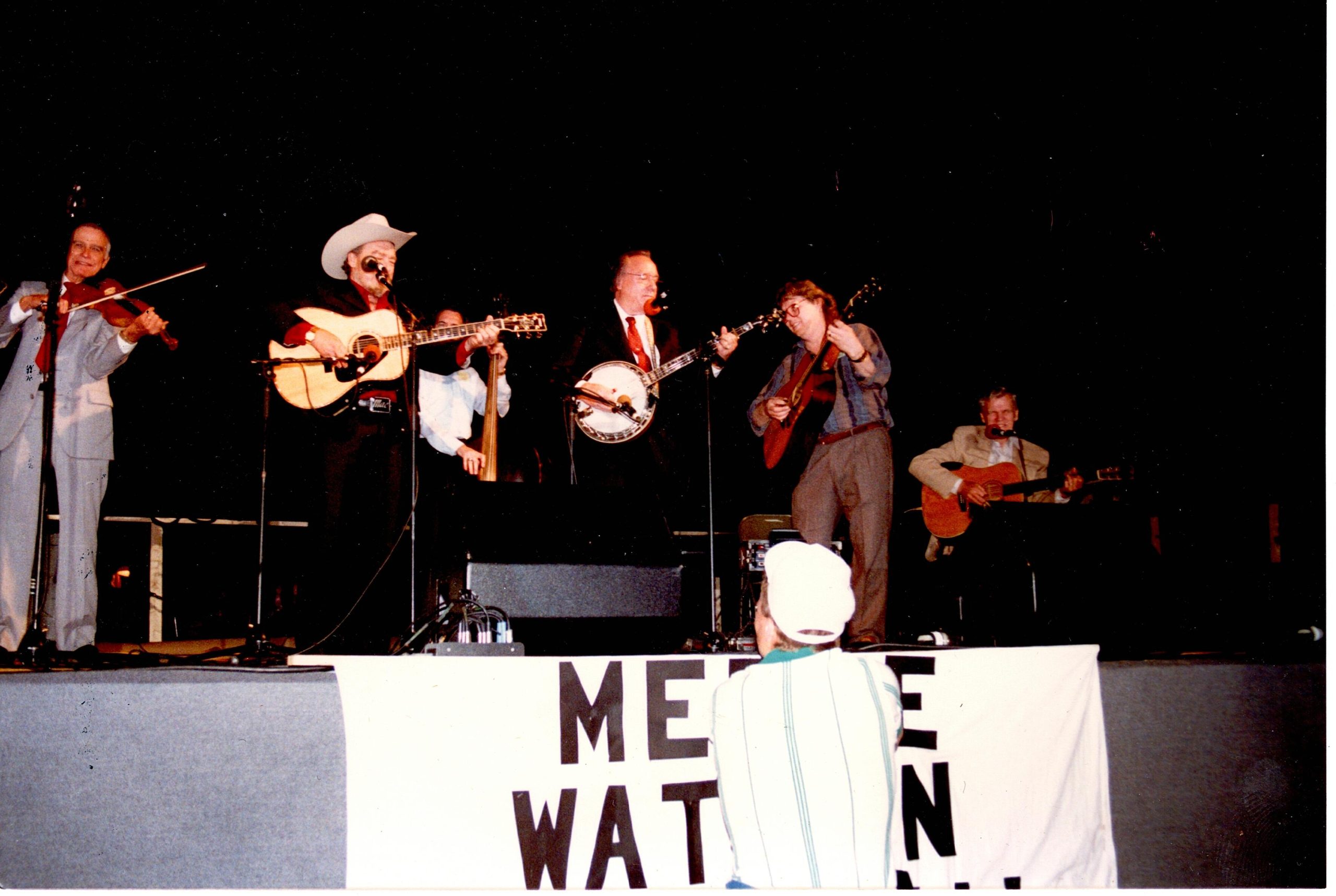
Check out the full schedule of panels, chats, performances, and acts here on the ESMF website and make plans to join us this year or in the future in Mill Spring, North Carolina, for a lovely weekend of bluegrass and roots music.


Lead image: Tanya Tucker performs on the Flint Hill Stage during ESMF 2024, shot by Jess Maples.

Alison Brown Carries on the Legacy of Louise Scruggs

Alison Brown heard Earl Scruggs playing on the Foggy Mountain Banjo album when she was 10 years old – and it changed the course of her life. More than 50 years later, Brown is the newest honoree at the Country Music Hall of Fame and Museum’s Louise Scruggs Memorial Forum.

Yes, the circle really is unbroken.

Brown has received countless awards throughout her career as a groundbreaking banjo player. This time, however, she will be recognized for her many contributions to the business side of music.

The museum states that “The Louise Scruggs Memorial Forum recognizes a music industry leader who continues the legacy of trailblazer Louise Scruggs, a formidable businesswoman who set new professional standards in artist management.”

Michael McCall, CMHOF’s Associate Director of Editorial, said, “We always try to look at the people who are important in country music, but who the public may not know about.”

The forum began in 2007 with a mission to acknowledge Louise Scruggs’ remarkable contributions in light of the fact that “women don’t always get the recognition they should,” McCall said. “The forum is a way to shine lights where they don’t always shine.” Brown is the 17th honoree.

Default icon

Marty Stuart once told writer Jon Weisberger that Louise Scruggs “was to the business what Lester and Earl were to the music.” While performing with Bill Monroe, the “Father of Bluegrass Music,” Earl Scruggs introduced audiences to the three-finger style that we now think of as bluegrass banjo. That driving syncopation was one, possibly the primary, feature that separated bluegrass from the other forms of what was then called “hillbilly music.”

Decades later, bluegrass banjo players, almost without exception, cite Earl Scruggs as a primary influence.

While Louise’s impact isn’t as widely known, she was an equal force in the music industry. She turned the management of bluegrass artists from a casual afterthought to a profession. And her instincts and cultural awareness started ripples that are still expanding today as bluegrass, folk, and country meet in the land of Americana.

Louise was born in 1927. Shortly before she died in 2006, she told The Tennessean, “My mother worked her fingers to the bone, and my daddy did, too, and I didn’t want to go out in a field chopping corn.”

She developed office skills to fulfill a desperate determination established during the Great Depression to escape farm life. Those abilities set her on a path that in some ways changed the trajectory of bluegrass music. At the time, the bluegrass world was totally male-dominated on both the entertainment and business sides.

“But Louise was so good at what she did,” McCall said, that she was a total success. She overcame any resistance with her “integrity, and by being both hard and fair in business.”

Earl Scruggs and Lester Flatt started an immensely successful band in 1948. But it wasn’t just Lester’s voice and Earl’s banjo that made Flatt & Scruggs household names. It was Louise.

Louise had been working as a bookkeeper when she fell for Earl Scruggs, seeing him on stage as a member of Bill Monroe’s Blue Grass Boys. After marrying Earl, Louise initially stayed home to raise their three children. In 1955, she took over management of Flatt & Scruggs, becoming the first female manager and booking agent in the music industry.

In addition to excelling at contract negotiation and other financial aspects of talent management, Louise was a visionary. She pursued the potential of various media previously untapped by bluegrass, as well as navigating shifting cultural trends.

When Louise negotiated with CBS for use of “The Ballad of Jed Clampett” and appearances on The Beverly Hillbillies, the sound of bluegrass banjo was heard in living rooms across the nation – well beyond the coverage of the Grand Ole Opry. The theme song to Petticoat Junction kept the momentum going.

With “Foggy Mountain Breakdown” featured in the popular film Bonnie & Clyde, banjo teachers were inundated with requests to take new students.

Louise established Earl as part of the folk revival when she booked him into the first Newport Folk Festival. New York City audiences opened their ears and hearts to Flatt & Scruggs when the band appeared at Carnegie Hall. Louise also encouraged these revered bluegrass musicians to incorporate songs written by contemporaries like Bob Dylan and Johnny Cash; Earl even made some recordings with saxophonist King Curtis.

Flatt didn’t appreciate the expanded repertoire and he split from Earl in 1969. Louise quickly helped form the Earl Scruggs Revue with their sons, a “beyond-bluegrass” ensemble enthusiastically received on college campuses and at festivals. They performed with acts like Steppenwolf and The Byrds and they appeared at a major anti-Vietnam War demonstration in Washington, D.C., in 1969.

Default icon

The Country Music Association’s CEO Sarah Trahern said of Louise, “She was blessed with charm, intelligence, a puritan work ethic, and a wonderful sense of humor.”

The same can be said about Alison Brown, the 2025 honoree. To say Alison Brown is admired as a banjo player hardly touches the music community’s regard for her talents.

Once she heard Earl play at age 10, Brown never let up on the banjo, winning contests at a young age and working across her entire career to expand the banjo’s role in acoustic music.

She was the first woman to receive an Instrumentalist of the Year award from the International Bluegrass Music Association on any instrument. She has won GRAMMYs and has been nominated for others and she is in the Banjo Hall of Fame.

Kristen Scott Benson, six-time IBMA Banjo Player of the Year – the second woman to receive the honor – recalls hearing Brown’s Simple Pleasures CD. “It was the first time I had ever heard any banjo playing outside the bluegrass realm. I was completely fascinated and my ears were opened to a whole new world of writing and playing.”

These days Brown frequently writes and performs with fellow banjo player Steve Martin and receives rave reviews for numerous other collaborations.

When Brown graduated Harvard with a history degree, she faced the question of what to do next. Realizing that neither the humanities nor banjo playing were money makers, she adopted the attitude of, “A girl’s gotta eat, right?”

She was accepted into UCLA business school and spent three years in investment banking. Then Alison Krauss beckoned her back to professional banjo in the early days of Union Station.

This eventually led her to performing with Michelle Shocked and to meeting her husband-to-be, Garry West. Cut to an Alison and Garry discussion in a Stockholm café about the elements of a good life. They still have the napkin on which they jotted words like performing, recording, having a label, a studio, publishing – and family. That was how the idea for an independent record label was born.

Small World Music began with the goal of distributing music by little-known artists they heard while on tour. Initially, they worked with a tiny Australian company, promoting six products in their catalogue.

“There was a video called ‘Coral Sea Dreaming’ that was visual music – beautiful scenes of coral reefs, set to a new age soundtrack,” Brown described. She and West thought it would be perfect for the Nature Store chain, but the buyer ignored their overtures.

So, Brown said, “We started calling Nature Stores and saying that we’d heard about this amazing video called ‘Coral Sea Dreaming’ – did they have it in stock?” And a few days later, the buyer called them.

“That was one of the first big things that helped our cash flow, leading to the launch of Compass.”

While she had been happy to leave the dry work of entry-level investment banking, she appreciates the knowledge she acquired there and in business school. “Like how to put together a business plan and the financial projections to support it. It also gave me paper credibility,” with investors.

Compass Records has evolved to become one of the most respected independent labels in the industry, specializing in niche markets like Celtic, folk, bluegrass, Americana, jazz and many varieties of roots music.

Default icon

The business environment Brown entered when she started Compass Records in 1995 was a far cry from the all-male world that Louise Scruggs operated in.

“I’m a firm believer that we all stand on the shoulders of the people who have come before us. And that’s incredibly true for me as a woman in business. I’ve never had to deal with those kinds of challenges [being undervalued or ignored] as a female.”

Brown and West planned their lives so they could start a business, support their love of music, and raise two children – building in the resources they needed for balance and family time. Technology and changing gender roles made all that possible in a way that wasn’t available in the 1950s. But while she didn’t encounter the same challenges as Louise Scruggs, she finds herself facing more profound obstacles.

“The digital transformation has changed the music business, maybe more than any other industry,” she said. “How do you exist in an ecosystem where you’re creating music and having to give it away for free?”

Brown was recently elected president of the Nashville Chapter of the Recording Academy. She has assumed a leadership role in promoting the rights of artists and labels and she is a determined advocate for equality of broadcast royalties – more important than ever when “streaming pays a third of a penny per stream.”

“That’s a rate conceived by the Copyright Board before people knew that a stream wasn’t a small river,” she said. “I feel like this is a critical time for creators, and I fear that, with so many people in Washington in the pocket of big tech, creators’ interests could very easily become marginalized in this race for AI.

“It’s a precarious moment, but at the same time, I feel like some of the best roots music and bluegrass music that’s ever been made is being made now, and I think it will stand the test of time.

“I think that cultivating your community is the key to succeeding – knowing who your fans and supporters are and making sure they know who you are. And now we have the tools to connect directly with our audience, which we didn’t have when we started 30 years ago,” Brown said.

She also reminds fans that, “If you want to support the artists, buy physical product. That’s still where the artists can make some money.”

Default icon

Marian Leighton Levy, who started Rounder Records in the 1970s along with two partners, knows the challenges of an independent label. And she is well aware of how much more competitive the industry has become in the face of consolidation; artists’ ability to produce their own product; and the devastating effect of streaming on creators’ incomes.

Levy said of Brown, “She’s one of the few people who’s been a top-level musician, someone who knows her way around the studio as an engineer and a producer, has started and been running a record company with Garry and somehow or other had as balanced a life as one can have while doing all of those things. And she’s been doing remarkably well for a very long time – it is just incredible what she’s accomplished.”

At the Hall, McCall lauds Brown not only for her success with Compass, but with all the ways she contributes to the industry – from participating in IBMA to the Recording Academy to the Country Music Hall of Fame and Museum itself.

Brown feels deeply honored to be recognized at the Louise Scruggs Memorial Forum, “having been called Girl Scruggs for so much of my childhood.”

“Louise was such a wonderful, influential force in roots music, being acknowledged as following in her footsteps is incredibly meaningful.”

She sees the forum as a great contribution to the business of music by acknowledging how far the industry has come.

“One of the things that I think is so exciting about the moment that we’re living in is that women are peppered throughout the ecosystem in a way that wasn’t the case 50 years ago. We have women promoters, artists, DJs, running record labels. Now we have this golden opportunity to create the reality that we want to live in, and we can do that by supporting each other.”


Photo courtesy of the Country Music Hall of Fame & Museum.