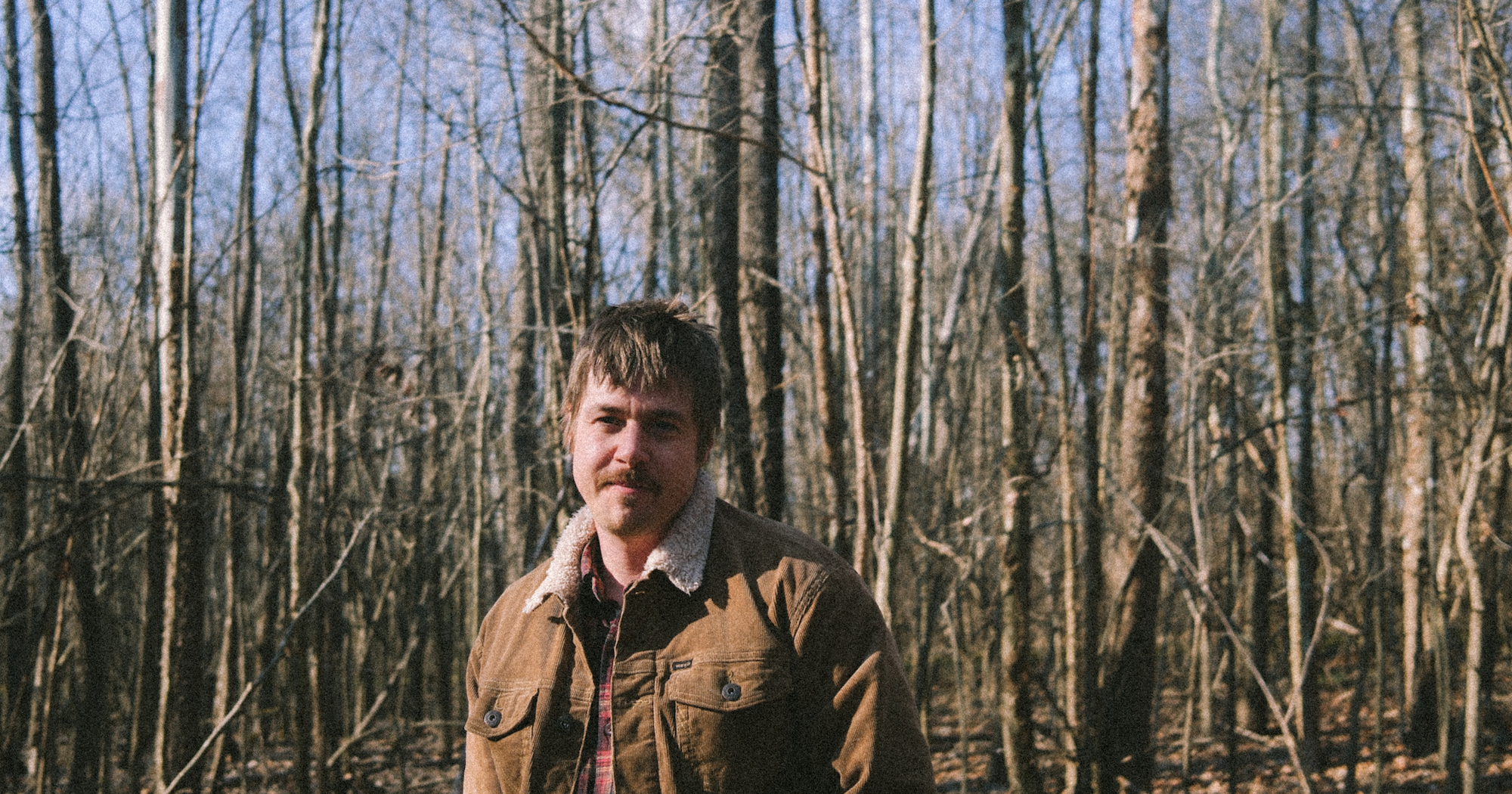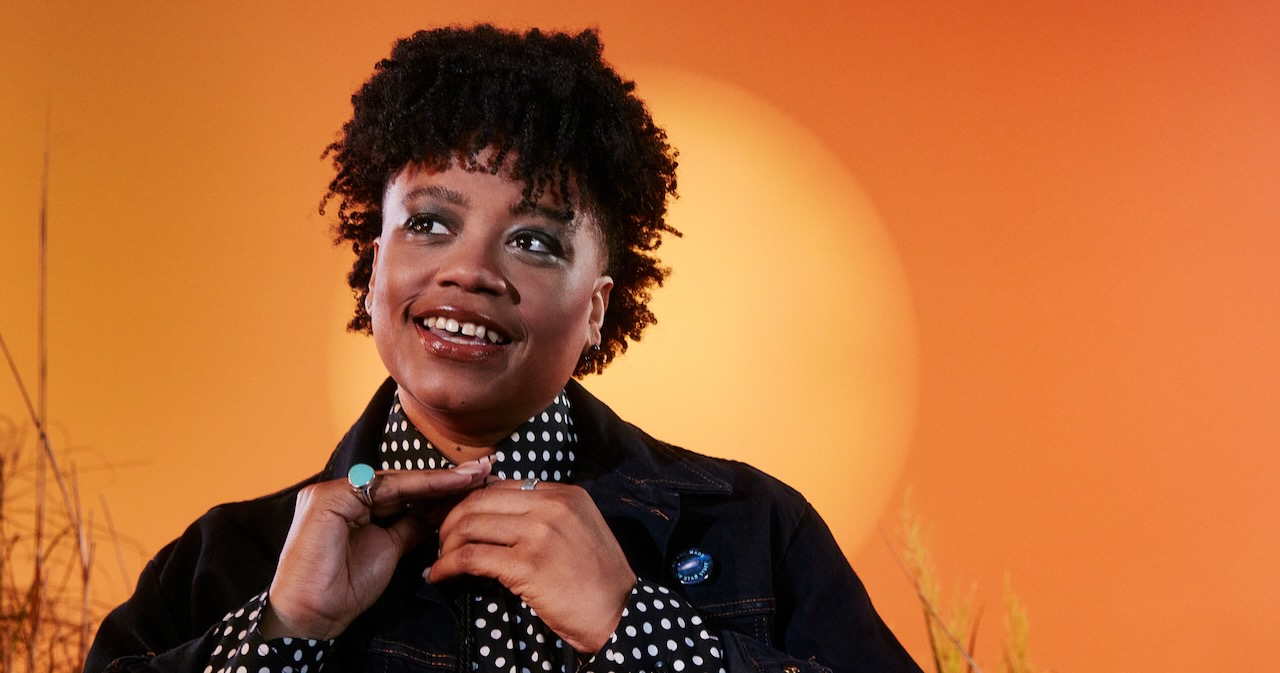
Unplugging Made Josiah and the Bonnevilles’ As Is Possible

By now, Josiah Leming is a master of reinvention. In the early 2000s, he signed a major label deal, then went indie for a while. Some of his albums leaned on his rock influences; others were more folk-oriented. He’s released a healthy number of covers projects, but can write songs as well as anybody who’s been in the business for 20 years. Leming also recorded under his own name before rebranding himself as Josiah and the Bonnevilles. And he’s about to be all over the map, literally, when he launches his Redline North American Tour in May with openers Max Alan and Brenna MacMillan.

Josiah and the Bonnevilles’ base should only grow with As Is, out May 8 on Rounder Records. Returning with a more electric approach, Leming co-produced the album with Konrad Snyder.

“It was important to me that the album sound different, but not so different that people don’t recognize it,” Leming tells BGS. “That was actually a pretty tough thing to do, because it’s easy to change things and really turn them on their head, but to have it still feel like it came from the music that came before it was something I thought a lot about.”

A proud native of Morristown, Tennessee, and now living in Nashville, Leming caught up with BGS to talk about how he picked up the banjo, the positive results of listening to Ralph Stanley, and how Jack Reacher helped him define his relationship with his fans.

I noticed the first line of the first song on the new album is, “I’ve been staying out and off the internet,” and after listening to the album a couple times, I realized that’s an important line for this whole record. Was there sort of a recentering, or a desire to disconnect, maybe, as you went into this album?

Josiah Leming: It was a huge part of it. And I still struggle with it a little bit, because the reason I got to where I am now is because I embraced the internet, I embraced social media, and I shared my life with people, day in and day out. I was 33 years old, fighting and scrapping to have a place, making music as a living. But I found as we got toward the end of 2024, the things that I was doing to sustain the level that I was at were coming directly at the cost of the essential thing that goes into the music.

Like, things had never been better. My shows were as big as they’d ever been. Everything was cooking on all cylinders, but I didn’t have any new songs that I was very excited to share. I needed to completely cut myself off from that world of the promotion cycle and the daily posting. … I have always written so autobiographically, and it would have been very easy for me to write an album about the struggles of the road or an album that would make a lot of sense to me. But I started thinking about 13-year-old Josiah in Morristown, Tennessee, and that guy doesn’t care what it’s like to be in Tulsa on a Thursday night, and maybe you’re a little lonely. Like, I gotta cut deeper to the core of this thing that’s not just about me.

That took me 30 or 40 songs to write out all of that stuff, to get to where I could look a little deeper for the meaning and the songs that somebody would understand if they weren’t a touring musician. That was the ultimate goal for me with the record, to make something where people don’t think about me when they listen to it. They can maybe just put it on in the garage. When I put on Ralph Stanley or AC/DC in the garage, I don’t think about Angus Young or Malcolm Young or Brian Johnson. I think, “Damn, this is an awesome day. This is a soundtrack to my life.” And I hope I have done that somewhere on this album.

How much of an influence did your Appalachian roots have on this album?

It’s really interesting. So the bio for the album was written by an author named Silas House. We had a chat and he actually asked me a similar question. He was like, “It feels Appalachian, even though it isn’t that obvious.” I think that’s because of the language I use that I grew up with. I think a lot about when I write, “Would my dad understand it?” My dad’s a simple, working-class man. So if things get too complicated, lyrically, then I want to change that to make it simpler.

That’s a lot of it, and I really went into the deep phase with Ralph and a lot of older stuff. That really changed my perspective on how I see myself in this industry. It’s very easy to start to get into this race to the top, and you’re looking at analytics, and you want more monthly listeners and all this stuff. Listening to bluegrass, and Ralph Stanley especially, all that kind of disappears, and it just becomes about the raw emotion of it. Which is what I fell in love with in the first place, when it felt like I had to do music.

How did Brenna MacMillan get involved with the project?

I was tracking a demo to a different song, a song I love but that’s very strange. And I was like, “I really want a banjo player.” Back in the day, I used to use Craigslist to find background singers because I love finding new people. So I put up an Instagram story and somebody sent me Brenna’s account. I watched one video and I thought, “This is just like lightning in your veins.” She’s so awesome. The energy in the banjo and the voice. And we had connected but it didn’t work out that particular moment.

So when it came time where I wanted banjo on the record, I hit Brenna up again because we’d exchanged numbers. She came in, and she’s just amazing. She doesn’t know how good she is. She’s been tour managing the band East Nash Grass, which I love. I’ve been listening to them a ton right now. I was like, “We need you in the band.” So now she’s in the band, she’s touring with us, and she’s going to open up the shows. I’m so excited for people to hear her.

When did you first pick up the banjo?

My grandpa gave me a banjo. He loved George Jones. He was a hard-drinkin’, George Jones-lovin’, bluegrass-lovin’ guy. He had a banjo and a Dobro he gave me, and I fiddled around with that. And then, all of us guitar players, when we find the six-string banjo, we’re so pumped because we don’t have to learn all these new chord shapes. So, it’s been a couple of years that I’ve been adding in the six-string banjo on things when I play, and I still play that on “Redline.” I am using the finger picks now, rather than my nails. So I feel like I’m starting to cross the bridge… if I can learn some shapes on the real banjo, maybe I can do some damage one day.

In “Redline,” it seems like you’re writing for the people you grew up with. People in your life who have hope, but it’s just hard. Who do you have in mind when you write a song like “Redline”?

It makes me emotional, honestly. I think about my dad all the time. It’s like I have all this… it’s not anger, but there’s very strong feelings. While I’m doing very well in my career, it’s better than it’s ever been, most people that I know are not winning in this modern world. Where everything is through the phone, and it’s the only way to access social circles. It’s the only way sometimes to order a damn McDonald’s sandwich. And there’s just this barrier, there’s this divide.

I see it with my dad, and my grandparents, just being left behind. And also working people. We shot the video for “Hell Without the Flames” down in Colombia, because that’s where all these jobs have gone, and now they pay these people even less than they paid before. So there’s just something that I can’t get out of my brain. I think about it all the time. That’s an important song to me. We love playing it. The band loves playing it. So I appreciate you asking that, it means a lot.

You’re welcome, and this may be a good segue to ask about “You’ll Never Leave Harlan Alive.” I found your version when I was going through your Country Covers EPs. It tells a similar story, about how grandma and grandpa had to keep working to live. Why did that song pull you in?

I probably heard that song first on Justified and I think that would have been the Darrell Scott version, the original. And I had always loved it. I mean, that’s just one of the best songs ever made. Talking with Silas about it, or anybody from the region, it’s so complicated because there’s so much pride. I like to think that there’s so much pride in working for so little, but these people are exploited over and over again. We don’t have aspirations of gold palaces or island complexes, so we’ve just been consistently taken advantage of, because we have this value system that’s a lot different. It makes you sad, sometimes it makes you angry, and sometimes it also makes you proud, and it’s really complicated feelings around all of it.

But it also seems like it’s important for you to share the music that you like. You’re writing songs that you want your audience to relate to. You’re covering songs to maybe introduce the music you like to your fans. You’re bringing musicians you like out on tour with you. Your fans can tell what you’re into through the company you keep. Is that part of your creative vision, to share with your audience who you’re listening to and what you like?

I think so, yeah. I was thinking recently, I always had service jobs growing up. I would serve tables or I would bartend. As I get older, I just see myself as having a responsibility. I think I had the responsibility to get off the internet for a year to write the best album that I could, rather than perpetuating my brand with songs that sounded similar. I feel like I have a responsibility to have the upbeat songs in the set list. If people are flying into town or driving 10 hours, it’s my responsibility to give them an experience.

There’s a great quote that I love from the Jack Reacher books. I love anything like James Bond, Reacher, or Tom Clancy. I love that stuff. But the author of Jack Reacher has a great quote about a handshake. And to make a handshake work, there’s got to be the hand on the other side that shakes back. I think about that in everything I do these days, since I read that. I wouldn’t get a lot of benefit out of just making music that I love and putting it out in the world if there’s not that hand on the other side. So I am at the point in my life where I think about those people that I’m looking at when I play live, and there’s a responsibility to me to weave what I’m excited about into what I hope will connect with them.


Want to see Josiah and the Bonnevilles live at the Fonda Theatre in Los Angeles on May 21, 2026? Enter to win tickets here!

Photo Credit: Sam Desantis

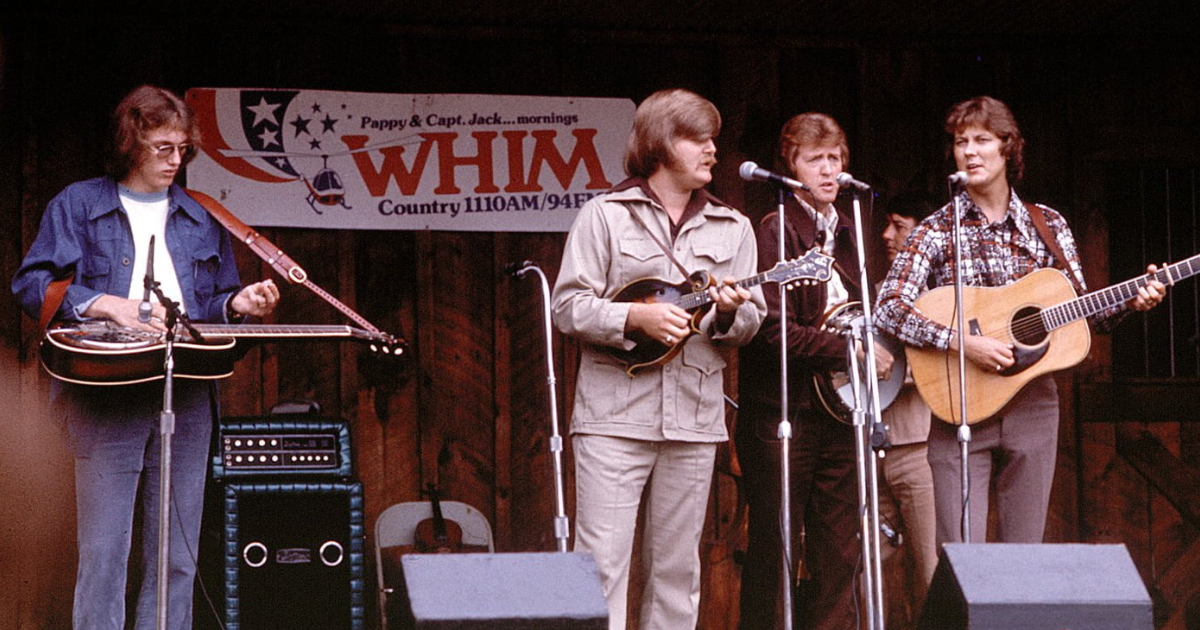
50 Years of 0044: JD Crowe & The New South’s Landmark Album

Writer Marty Godby called it “The convergence of 1975.”

The elements: a band that would only be together for 10 months, a benevolent venture capitalist who loved bluegrass, and an upstart record label from Boston. The resulting product was unprecedented and unforgettable: The New South, Rounder Records 0044. Bluegrass fans know it simply as “0044.”

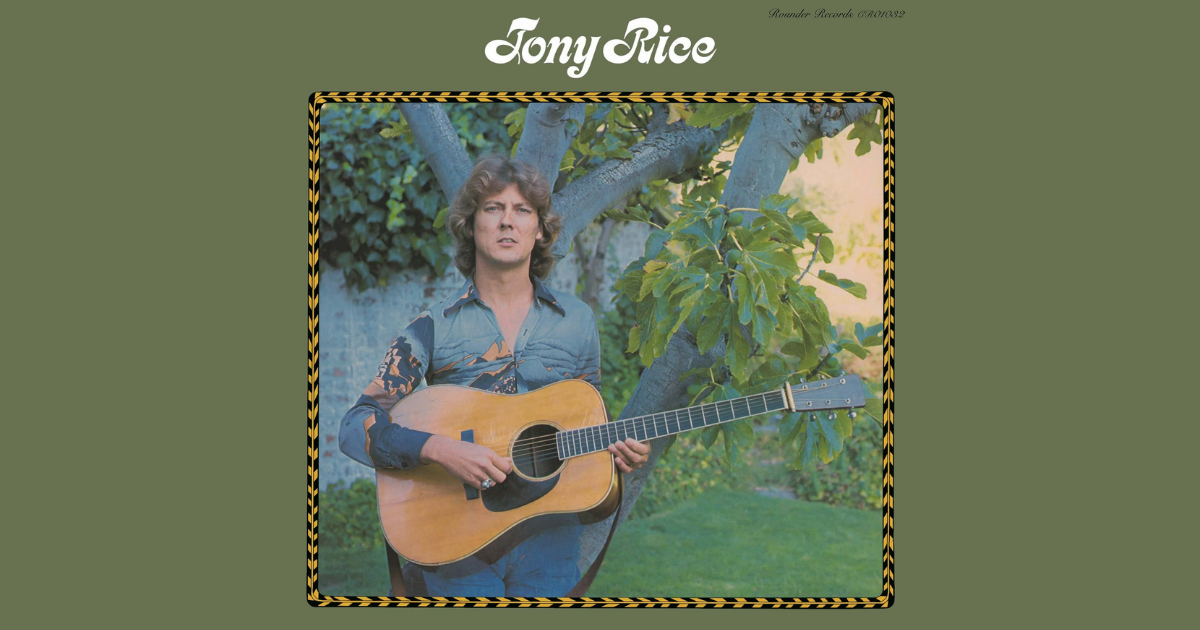
The New South of this recording was J.D. Crowe on banjo; Tony Rice on guitar; Ricky Skaggs on mandolin; Bobby Slone on bass; and Jerry Douglas on Dobro. The impact of that configuration and the album were stunning. Yet, within a year of the recording, Rice would leave to become a founding member of the David Grisman Quintet. Skaggs and Douglas formed Boone Creek. Crowe and Slone continued performing together for years.

Rounder 0044 was influential enough to be preserved in the Library of Congress’ National Recording Registry in 2024 and was awarded induction into the GRAMMY Hall of Fame this year. This month, Real Gone Music will re-release the album on vinyl, as will Craft Recordings later this year on compact disc.

Both the origin story and legacy of 0044 have inspired great narratives, probably more than any other bluegrass album. Bill Nowlin, one of the three founders of Rounder Records, wrote three articles for BGS on the album’s 40th anniversary. They offer a step-by-step look at what happened in 1974 and 75, plus hilarious and poignant anecdotes and quotes.

David Menconi dedicated a chapter of his excellent book, Oh, Didn’t They Ramble: Rounder Records and the Transformation of American Roots Music, to 0044. In 2016, radio host Daniel Mullins focused his college history capstone project on the album. Of course, it was 44 pages.

THE SHORT VERSION


J.D. Crowe, already revered for his banjo playing and baritone singing, led a band called The Kentucky Mountain Boys. From 1968, they had a six-nights-a-week gig at the Red Slipper Lounge in a Lexington, Kentucky Holiday Inn. Crowe added non-traditional bluegrass instruments and songs to the Holiday Inn repertoire. This was as much to please a diverse audience as it was to keep the musicians from getting bored. In 1971, Crowe changed the band’s name to The New South.

Of the name change, Rounder’s Marian Leighton Levy said, “It was obvious that this was a new kind of bluegrass.” From a broader view, “It was an era when the South was, in a way, trying to self-consciously reinvent itself as a new, modern place. And they [The New South] were kind of the musical representation of that wider political context.”

It was the ’70s, and change was brewing – even in the tightly controlled world of country music, Levy noted. Around the same time, Willie Nelson and his Outlaw Country compatriots were reaching out to new songwriters and moving away, physically and musically, from “the factory system of Nashville publishing companies.”

In 1974, lead singer Larry Rice left the New South and brother Tony took over singing lead. Ricky Skaggs’ pure tenor mixed with Rice’s unmistakable mid-range voice, creating a new, dynamic tension for their duets and trios. In the summer of that year, Crowe and the band toured without any product to sell. At the annual Gettysburg Blue Grass Festival, Crowe, his friend and manager, venture capitalist Hugh Sturgill, and the young founders of Rounder Records initiated “The Great Convergence” – an agreement for a studio recording. An innovative contract led to the first New South album.

THE BLUEGRASS WORLD EXPLODED


As soon as they heard the test pressing, the Rounder founders knew they had something remarkable on their hands. “Jack Tottle [who, along with John Hartford, wrote liner notes for the album] was stunned, and he kept saying, ‘This is one of the most amazing records ever made.’ And he was not given to exaggerating,” Levy said.

“It was clear. It was crisp … and the more you played it, the more you wanted to hear it.”

0044 came out in the spring of 1975. Levy said by festival season, other bands were playing the tunes from the record “pretty much note for note.” One observer said that at one festival, almost every band on stage played “Old Home Place.”

So, what is it about that record? Let’s start with the musicians. Skip Heller, who initiated the 0044 Real Gone Music reissue, said everyone in that group of players “would talk about it like it was high school prom and their first love … they had all been in good bands before, but this was the first time they had been in a band that was as great as anything in bluegrass music had ever been.”

Levy said, “They absolutely knocked each other out. … And I think that long before anybody heard the record, they knew the band would stand the test of time – because of all of them, not just one person.”

The record’s title was The New South. Only after the first printing sold out, three band members had moved on, and it was time to redo the cover (read about the cover photo – a great story in itself), was it retitled J.D. Crowe & the New South. Crowe, born in 1937, was the venerated elder and a banjo icon. After entering Jimmy Martin’s boot-camp-of-a-band at age 18, he developed impeccable timing, his own take on Scruggs-style banjo, and excellence as a baritone singer. And he knew how to pick his band members.

The influences of Tony Rice (age 24 at the time) on bluegrass and related music are limitless – from cementing the role of guitar as a lead bluegrass instrument, to modeling impeccable rhythm playing and singing, to excelling in so many genres outside the bluegrass boundaries. At 21, Skaggs had the instrumental chops, a stunning voice and the instincts to become successful in both country and bluegrass. Rounder’s Ken Irwin attributes much of 0044’s innovation to Skaggs, including bringing a teenaged Douglas into the mix.

Douglas is to Dobro what Rice is to lead guitar. Fifty years later, after 14 GRAMMY awards and countless other honors, he continues to inspire and encourage musicality and creativity in Dobro playing. Touring with Alison Krauss since 1998, it’s likely that he has been heard live by more people than any other resophonic guitar player. Of the veteran, Bobby Slone, Mullins said, “Everyone in the band wanted to make sure that Bobby got a lot of credit. … He was such a rock solid force on that band, not just on bass, but as far as camaraderie was concerned.”

By the time The New South entered the studio, Crowe, Slone, and Rice, later joined by Skaggs, had spent hundreds of hours performing together at the Holiday Inn. Individually, they were superb musicians. Together, they were as tight as a band could be.

THE SONGS


Long before 0044, Crowe had blasted out from under bluegrass constraints, incorporating songs like Fats Domino’s “I’m Walkin,” and at Larry Rice’s suggestion, The Flying Burrito Brothers’ “Sin City.” The songs on 0044 were just a small set of a huge repertoire. While the unconventional musical choices sparked controversy among traditionalists, they also sparked a flame of excitement that spread quickly and widely.

In 1975, Mullins said, Ralph Stanley & the Clinch Mountain Boys, Jimmy Martin, and Bill Monroe were still “killing it” at festivals with their first generation bluegrass sound. “On the other end of the spectrum, Seldom Scene recorded Live at the Cellar Door,” an immensely popular recording, that year. Like the Country Gentlemen, the Scene had been recording songs totally out of the bluegrass box, using bluegrass instrumentation, but with an emphasis on rich melodies and harmonies, rather than just the drive of traditional bluegrass.

Mullins said, “You go to Crowe, who’s got the street cred from all his records with Martin, but he’s also looking ahead, and so he’s able to get it all in there. A lot of bands were playing to one side or the other … but to have one that hit right in the middle, right at that time, was unreal.”

“When they saw J.D. Crowe’s name up front, and they knew that he had played banjo with Jimmy Martin on all those records they had loved for 20 years, it probably made some of those hard-edged fans pay more attention,” he said.

Whatever the dynamics of the time, The New South became synonymous with great bluegrass. And 0044 made Ian Tyson’s songs forever acceptable in bluegrass jams.

ON AND ON


Kristin Scott Benson, six-time IBMA Banjo Player of the Year, was born the year after 0044 came out. Benson said she was about nine the first time she saw J.D. Crowe. He was playing with the Bluegrass Album Band, “and that was a formative experience. That band was so explosive, and the crowd had an air of chaos, because everybody was so excited to hear the band. Every time Tony Rice ended a solo, you couldn’t hear any music.” (Because of the crowd noise.)

It would be four years until she picked up the banjo, and two more years until she learned about The New South album – and what it meant to a banjo player.

On 0044, she says, “If you just talk quintessential banjo solos, you’ve got ‘I’m Walkin’ and ‘You Are What I Am.’ His tone is aggressive. It’s just such confident, groovy, greasy, pristine banjo. It’s impossible to overstate how good it is and how influential it is.”

“But I think you should listen to his contributions on the less banjo-friendly songs [‘Home Sweet Home Revisited,’ ’10 Degrees’], because Crowe was great at that. He was a magical backup player.”

Billy Failing, who currently plays banjo with Billy Strings, agrees. Failing started out his banjo life drawn to more progressive players like Béla Fleck. But, he said, “As time goes on, the more I circle back to J.D. Crowe. I think of how much of a gold standard he is for bluegrass banjo, and how interesting his playing is.”

“He’s considered a traditional player,” Failing continued, “but then I’m always hearing some lick that surprises me. It’s been a gradual thing, but it becomes more meaningful as time goes on. I was just listening to The New South album, and on ‘Cryin’ Holy’ – it’s just so slamming! He’s turned it up to 11 constantly on that one.” And, like Benson, he points out what he calls Crowe’s “intricate touch” on banjo.

“It’s such a cool kind of push and pull between whether he’s out front or whether he’s playing backup … it catches your attention in such a cool way.”

Benson said, “It’s easy just to be drawn to those obvious picks [like ‘Old Home Place’] but the album is so much deeper than that. This particular band presented a tightness and a level of execution that was new – I don’t think there had been a bluegrass record up until that point that was so well done.”

“The vocals, the arrangements are so well thought out. Everybody’s playing so well together. It was just a special moment and a special group of people, and I think it raised the bar for bluegrass albums,” she said, and made an imprint on so many contemporary musicians.

Benson poses the question, “Who’s the most influential modern bluegrass guy? It would have to be Tony Rice, because he affected the genre with his rhythm guitar playing, which is phenomenal. And that type of rhythm playing affects the entire groove of the band. It became the new standard, what most people go for.”

“Never discount the importance of his rhythm,” she continued, “and then obviously his lead playing, but also his singing and his material choice … so if someone pinned me down and I could only name one, he might be the guy.”

Failing, speaking of his bandmates, said, “Everybody’s inspired by The New South. I hear Billy [Strings] constantly talking about his inspiration by Tony Rice, and Jarrod [Walker] by Ricky Skaggs.” (Walker wrote liner notes for the Real Gone Music re-release.)

Mullins noted that the Rice/Skaggs blend – a lead singer with a baritone-range voice coupled with a high tenor – established a hair-tingling blend that continues to be emulated, from Ronnie Bowman and Don Rigsby in Lonesome River Band through Alison Krauss’ duets with Dan Tyminski and Russell Moore.

Benson said, “It’s an important record for the genre as a whole, and it’s also an important record to me, personally, and really, to any banjo player who is serious about learning. It’s one of those essential albums.”

UNANSWERED QUESTIONS


First, how did it come to be widely known as 0044? Well, nobody’s sure. Irwin and Levy remember being in the very early stages of their operations at the time – with both a new label and a new distribution company. All three Rounders had been totally immersed in music, but they were learning the business as they went, developing it on their own terms.

Levy speculated, “It is possible that it went back to when we were just calling records by their numbers,” when there just weren’t that many products. “So, it may have been something we started when we were talking, and other people picked up on it, not intentionally. And we thought it was sort of humorous.”

And how did members of Emmylou Harris’ Angel Band get left off the credits, as well as the fact that J.D. played guitar on it? John Lawless goes into depth in his fascinating Bluegrass Today article.

HAPPY 50TH BIRTHDAY


As the liner notes to the Real Gone Music re-release say, “Virtually no other album anywhere in history is known to its audience by its label number. Not Kind of Blue, nor Pet Sounds, Glenn Gould’s Goldberg Variations, none.”

That says quite a bit about the recording’s importance. So does the fact that two labels are issuing re-releases this year.

The Real Gone Music edition is pressed on gold-colored vinyl for its golden anniversary. Both re-releases contain two cuts not included on the original product: “Why Don’t You Tell Me So?” and a version of “Cryin Holy” with Emmylou’s voice in the mix.

Failing sums up what 0044, J.D. Crowe, and the musicians he surrounded himself with mean to him and to many of the pickers making the best music today.

“Every time I circle back to the Bluegrass Album Band, The New South, and J.D. Crowe, I’m reminded, ‘that’s how it’s done!’”


Photo Credit: Phil Zimmerman

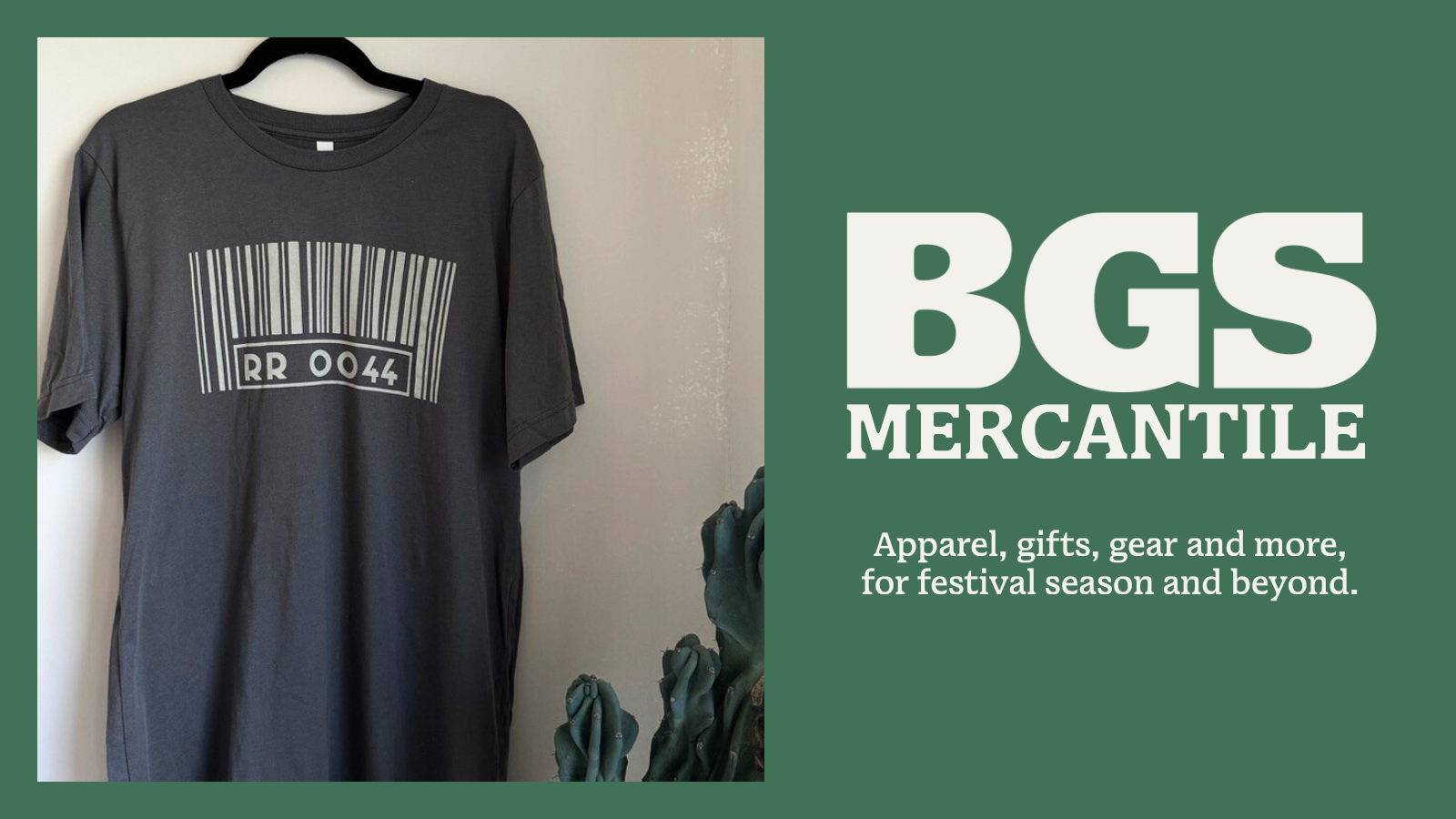
Wear your love for 0044! Shop our exclusive RR 0044 tee on the BGS Mercantile here

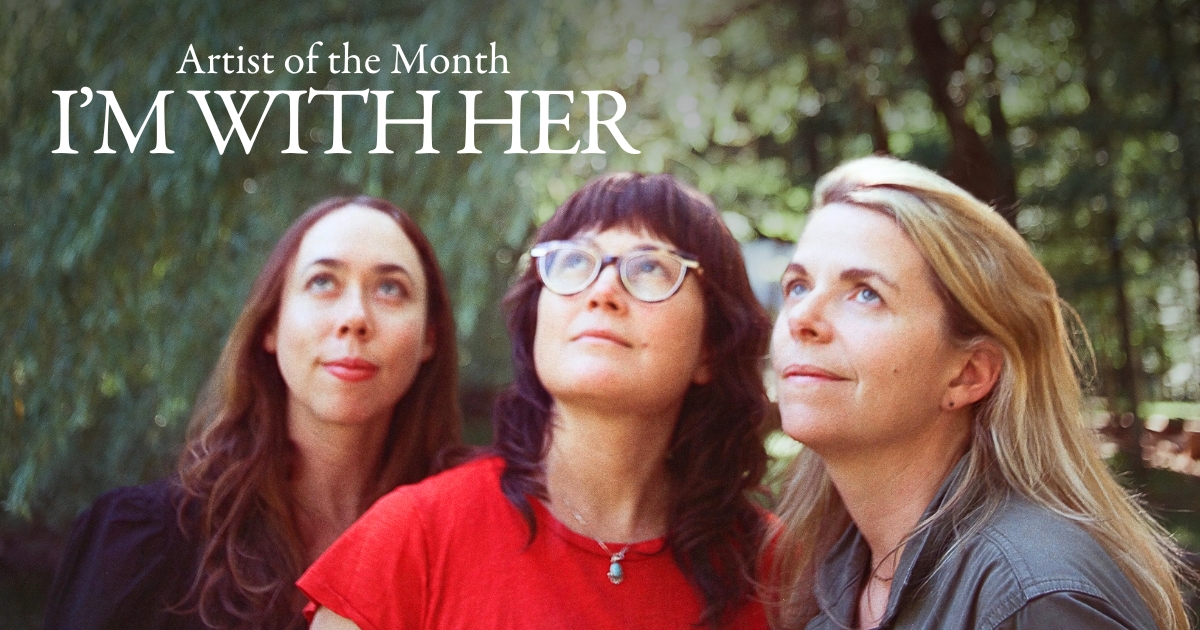
The Many Journeys of I’m With Her’s Second Album, ‘Wild and Clear and Blue’

More than eight years since the February 2017 release of their acclaimed debut album See You Around, Aoife O’Donovan, Sarah Jarosz, and Sara Watkins have come back together with an abundance of history, both individual and shared, on which to reflect as they began to craft I’m With Her‘s second full length album, Wild and Clear and Blue.

The three multi-instrumentalists and songwriters are beloved in folk and bluegrass circles and known cumulatively for a treasure trove of work as solo artists, in ensembles, and as co-writers and producers. Internationally renowned live performers, they were most recently celebrated under their collaborative moniker as part of the 62nd GRAMMY Awards, when their original single, “Call My Name,” was awarded Best American Roots Song. This accolade alone showed just how creatively in sync these women continued to be, even as time marched forward and each turned their focuses toward individual projects and significant personal life changes – marriage, next generations, moving homes, passing on of family – all while discerning unique perspectives about the broader transformations of society around them.

Once they felt the spark to start a second album, finally reuniting in 2024 to write and record, the embers of Wild and Clear and Blue grew not only from Watkins, Jarosz and O’Donovan’s pool of collectively evolved musicianship and artistry, but from their sharing of experiences and emotions as they cheered each other on from afar. The candid nature of the trio fully reuniting opened new paths of empathy and resonance between them – paths which go beyond their stunning musical chemistry and into a deeper space of what Jarosz earnestly calls “chosen family.” The songs tell assorted stories, nodding to the familial bonds and identities the three women hold dear in their respective lives but as a unified album, Wild and Clear and Blue is also an eloquent expression of the profound appreciation O’Donovan, Jarosz, and Watkins have for each other, as well as for the support and understanding they have realized and embraced in their ever-evolving bond.

Continuing our Artist of the Month coverage, O’Donovan, Jarosz, and Watkins spoke with BGS about the organic spirit of creativity built into Wild and Clear and Blue, how the preciousness of different relationships in their lives is embodied in the music, the one-of-a-kind nuances that make the experience of listening to the album especially distinct, and more.

You mention the album providing a focus on “connecting with your past and figuring out what you want for your future.” How did each of you decide what parts of your past you felt most inclined to explore and what feels most important to you going into the future?

Sara Watkins: When we came together to write the album, there was a time of just reconnecting. We haven’t seen each other or really been with each other for a couple of years and we wanted to reconnect in a way, [asking ourselves] “Who are we now?” You know, now that we’ve all gone through so much since our last record. A lot of things that we were talking about and processing in our personal lives were overlapping with each other and so it felt clear to us. The things that came up in the songwriting process all felt like it was self evident that that’s what we wanted, or desired, to share and to mine [through] a little bit.

And so it’s less of an abstract strategy of, “I’m going to share this about myself. I’m going to open up this chapter of my life for this album,” and more like, “What’s coming to the surface right now that’s affecting me and that I’m sorting through?” We found that a lot of what we were sorting through overlapped or that we related to each other, and that was the stuff that we ended up writing about.

You express that there’s an “ease to letting go when something isn’t working.” What does it look like when things are “working,” versus when something doesn’t fit and you collectively decide to move on?

Aoife O’Donovan: I think when we’re in the writing room, it’s always such an exciting moment when something starts to click and we start jamming on it and we start figuring out the groove and figuring out the melody. Then we’ll maybe get into a vibe [where] we’ll all kind of put our heads down on our laptops and be typing out words and be like, “Okay, let me try something.” When you sort of bring a line or change your melody note here, or add a harmony part, or it says this – it’s an exciting sort of burst. It’s like the champagne bottle pops and you’re like, “Okay, yes! Let’s keep going, let’s keep going!” It really fuels the next thing. And I think that with this trio, one of my favorite things to do is write music with Sarah and Sara. It doesn’t feel like a chore in the way that sometimes writing [solo music] for me can feel like a chore. When we’re together writing, it’s almost like you get to the party and you see what’s going to happen at the party.

Sarah Jarosz: The songwriting process has always felt like an extension of the vocal arranging process in a way, because I feel like that’s how we started out before we ever tried to write together. We arranged songs together. We arranged “Crossing Muddy Waters” together and that was a really cool precursor to know how we communicate with each other with a pre-existing song. Then that sort of carried over into the songwriting process to be this amazing, like Aoife said, light bulb movement. When it’s flowing, it’s just flowing so well and things that don’t work are just sort of easily falling aside. It’s really special. We’ve all worked with a lot of other people, so I think we all know how rare that is when it does just flow.

The way you all talk about the dynamic of working with each other has this very uplifting, very, “it’ll all work itself out in the end,” kind of mentality, which I think speaks a lot to your collective experience with each other.

SJ: Just to add to that, the three of us, I think, have pretty similar work ethics. It’s not just, “Oh, well, this is all free and easy and breezy.” I think part of the reason that it feels easy is that we put a similar amount of effort into it. Really showing up for each other, energetically giving each other the attention and the love. A lot of these songs start out as conversations, like Sara said, just that shared energy.

SW: I think it’s important to note that, yes, it’s magic and it works. We are so compatible. But part of that work ethic that Jarosz was talking about is staying at the table and not giving up on something completely. Maybe putting something aside and coming back to it later while you work on something else.

I love working with with these two who, if something’s not right, if any one of us isn’t completely excited about something or feels confused about the direction of a song or lyric, we all are very willing to stay at the table until things come together, until we’re all happy, or it’s really clicking on all sides. I think working and staying with it while it’s not working is what makes those beautiful moments [happen] when things are all yesses and when we are in flow. It shows the magic, because it doesn’t always happen but we were able to work through it in a way that’s crucial, I think, for ultimately getting something that we’re really proud of.

AO: It also gives a really unique sense of ownership over all of the material in this band, for each of us. I feel like when we finish a song and when we finish this album, we really can listen to the entire thing and be like, “Yep, I stand behind it” – at least that’s how I feel. Like, “I stand behind all the decisions, and I fully support how every single song turned out. And I really feel like this is our thing, and it’s not just one person’s thing.”

Sarah Jarosz mentions there’s something “beautiful” about having “Ancient Light” start the album, because it’s “addressing the heavier themes of the album in a way that’s more a celebration of life rather than grieving what’s been lost.” Yet,“Wild and Clear and Blue” was the first song written for the project and it establishes your shared embrace of generational connection as the inspired theme. These two songs feel like they could be fraternal twins of introductory tracks. To that end, how was the process of deciding track sequence, particularly given how it can significantly affect the trajectory of an album and how it’s received?

SW: We were at Outlier Studio, listening back to a couple of things and one of us started writing, maybe it was Jarosz, a sequence. We were passing this little paper back and forth. I still have this paper that has like, three separate sequences that we were considering as initial ideas. I think that it ended up somewhere close to what we came to, that first day of writing sequences, because it is so, so important. One thing that I really love, that I think we all really love, starting with “Ancient Light,” [it’s] a little bit more produced. It’s one of the more produced songs on the album or, it’s in the more produced half of the album. We wanted people to hear that. Going to “Wild and Clear and Blue” afterwards, it felt like we were letting people come back to a sound that felt more like the live shows we did on the last tour and more like the first album. It was a nice way of connecting the projects, I think. But we really wanted to have an arc, in terms of the content, and to consider all those things that then make an album feel more like a unit than a series of segmented songs.

SJ: I feel like sometimes making records, I have a sense much earlier on of what should be where, but I feel like this one it took until that last day or so to have this feeling of the arc. But, with that being said, I feel like a lot of us were saying, “Oh, ‘Ancient Light,’ it’s kind of an obvious opener for setting the stage.”

AO: I think also the opening lyric of “Ancient Light,” to me, is the biggest reason why I love that the song opens the record. “Better get out of the way/ Gonna figure out what I’m gonna say/ It’s been a long time coming…” – I just love that idea, that it has been seven years since our last record. Maybe it’s too on the nose, but I think it’s a great opening to bring people in, to sort of invite people back into our world.

You talk about a sense of unspoken synergy but conversely, how much would you say you lean into individual qualities of your writing that make each of your styles memorable?

SJ: I’m not sure that there’s a whole lot of conscious effort going into thinking, “How would each of us represent our own style?” I think that just largely happens naturally. At the end of the day, we’re trying to incorporate musical and lyrical decisions that make us stoked, that get us excited.

When we’re writing, it’s just the three of us. So I think we’re trying to utilize musical tools. That sounds really sterile, but [we’re trying] to make it interesting within the confines of just three people. And then, kind of figuring out, “How do you make a song come alive?”

This album totally feels so, so deeply visual. I feel like we were more tapped into that with this record than with the first. Utilizing those [visual ideas] in a way throughout the songwriting process that make us have a chill moment or maybe a moment where you’re moved to tears, or just doing the thing that gets you excited about the song.

Family, motherhood, and sisterhood make up prominent undercurrents of the album, but especially the latter. As you’ve formed these different bonds and have related to one another in these different ways over the years, how have these identities impacted your shared experience as a group, especially while working on Wild and Clear and Blue?

AO: Two of us are mothers and Sarah Jarosz is not a mother at this point in her life, but I think what’s been really beautiful about this record and about the themes that you brought up – the themes of sisterhood, motherhood, and the themes of being an only daughter – something that I’ve loved to point out to people is that Sarah Jarosz is an only daughter and Sara Watkins and I both have only daughters. When I was listening to this album for the first time with my daughter Ivy Jo, she was listening to it and when the song “Only Daughter” came on she said, “Mommy, is this about me?” It makes me almost cry, retelling that story, because in many ways, yes, it’s this universal experience that our daughters share with our dear friend and bandmate as an only daughter and I love that sort of circle of being.

We’re at different points in our lives within this band. Over the last several years, there’s been a lot of things that we’ve experienced – like huge life events since our last album came out. I lost my father. Sarah Jarosz got married. There have been many big moments that we’ve walked through alongside one another and I think those experiences have definitely shaped who we are, who we were when we went into the studio, and who we continue to be.

SJ: As this band has evolved and grown, those kind of shared family moments have absolutely drawn us closer as a band and allowed the music to reach this deeper level. I think one of my favorite memories as a band was actually in 2018 at Telluride, when all of our families were there. I think it was the only time when everyone was in the same place. Just getting on stage and seeing my parents, all of our parents and children, it was incredibly special and kind of rare. I feel like it has inevitably affected the music in a truly beautiful and full circle way.

In “Sisters of the Night Watch,” the verses mention things about personal sinfulness, being forced to crawl in the mud on your knees, and running into ghosts, with respite from all these things only being found in sisterhood. What inspired these particular images and personal trials?

SW: A lot of this song is about getting through the wilderness that is life and finding your respite, finding your people, or your place – even if it’s not a final destination and just along the way. I think that could take any form in someone’s life. But it does feel sometimes like we’re crawling through the mud in life, making very little progress, like everything is just wilderness around you, and you’re trying to make sense of it all. I think we’ve all felt like that at various times and are just looking for a moment or a day, where you feel safe. It could just be emotionally safe or it might just be some rest – just a break from feeling like everything is hard. I think it’s trying to find those people and trying to find that thing that makes you feel like you can rest for a little bit and you’ll be okay.

SJ: This also feels slightly related to “Only Daughter” in a way, at least for me, this idea of “Sisters of the Night Watch” that was sort of emerging in the writing process. For me, I am an only child and daughter and this band is the closest thing I’ve felt to having sisters, something we talked about a lot. I believe Aoife’s beautiful statement about our shared deep connection with our families is so amazing in this band. But also, your chosen family, as you go through life and who you walk and processes and choose to do life with, I feel like we’re this band of sisters, but then it can be so much more than that as well.

Much the same way you connected with particular artists and songs that your families shared with you in the past, what do you hope that younger generations and generations yet-to-come will connect with through this album?

AO: I hope that people will listen to Wild and Clear and Blue and be able to see themselves in these songs. This album is such a journey – I hate to use the word because it’s so overused – but it really is. There are so many songs, even when you guys are talking about the lyrics of “Sisters of the Night Watch” and crawling through the dried out river on your knees, that song is a journey. It’s one character on that journey. “Find My Way to You” is maybe a different character on the same on the same journey, but maybe experiencing it from a different perspective. Even in “Ancient Light,” you’re trying to get to that clearing and you’re trying to say that when you get there, you’re not going to put up a fight.

It’s sort of like, what is the end goal here? I think that listening to that, people who are young, old, people who are yet to come, I hope that this album does stand the test of time and that people can pick it up in an apocalyptic world, put it on, and be able to relate to it.


Find more of our Artist of the Month content on I’m With Her here.

Photo Credit: Alysse Gafkjen

Basic Folk: Sara Watkins

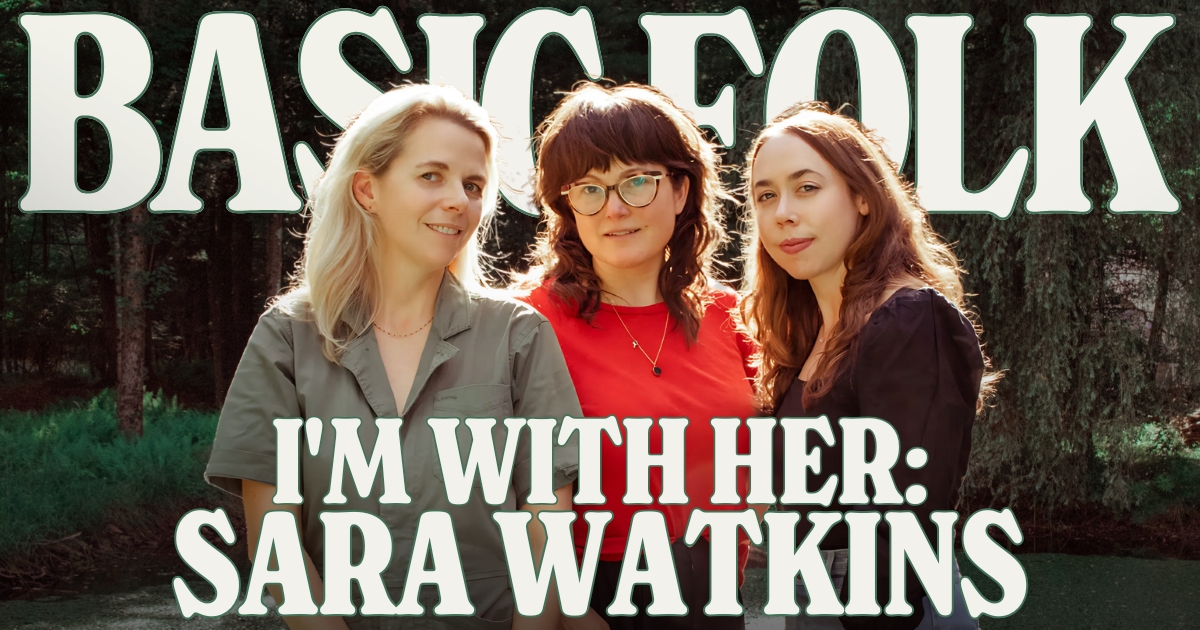
Sara Watkins joins Basic Folk to talk about Wild and Clear and Blue, the new album from I’m With Her, her band with Sarah Jarosz and Aoife O’Donovan. The new LP was inspired by looking back on your life in order to move forward, with a very witchy manner of speaking that encompasses the ancient, mysterious, and spiritual. Sara shares insights into the unique telepathic connection they feel within the band, which was palpable from their first public appearance in 2014. Watkins is at it again with her incredible vocal performances on this album, bringing to mind Fiona Apple – especially on the “Sisters of the Night Watch.”

LISTEN: APPLE • SPOTIFY • AMAZON • MP3

A longtime Angeleno, Sara gets into the meaning of another song, “Standing on the Fault Line,” which finds her reconsidering what’s safe, what’s permanent, and what is essential in order to remain in California. She also explains how the group’s tight-knit sisterhood and collaborative efforts have strengthened over the years. Elsewhere, we talk about the meaning of a “supergroup” versus a cohesive band, artistic processes, and how personal history and motherhood have impacted their music. Additionally, we explore the challenges of balancing life on tour, the importance of small talk, the necessity of doing music as a hobby for personal fulfillment, and the massive annual band party that inspired “Year After Year.”


Explore more of our Artist of the Month content on I’m With Her here.
Listen to Sarah Jarosz on Basic Folk here. Listen to Aoife O’Donovan with Dawn Landes on Basic Folk here.

Photo Credit: Alysse Gafkjen

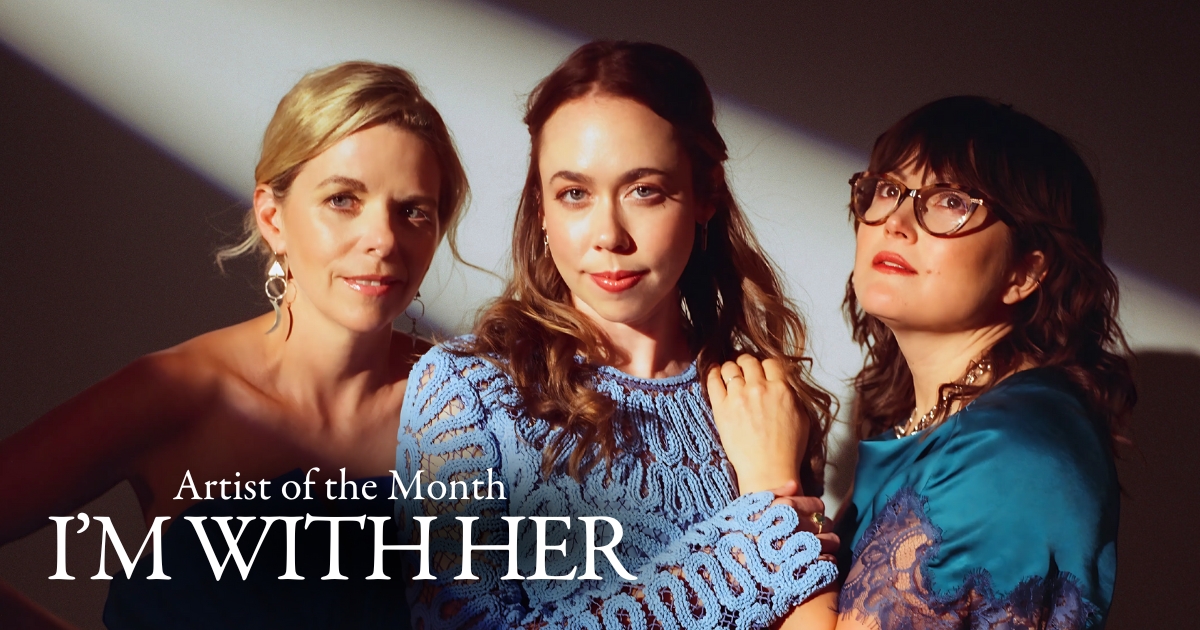
Artist of the Month: I’m With Her

Do you remember the human being you were in 2017? When the “first” North American total solar eclipse of the 2000s criss-crossed the United States, stunning millions of sky-gazers? Do you remember how dissimilar life felt then? When you look back, do your memories contain the same person you are now, or is there a vast difference between who you were then and who you are today?

In 2017, I’m With Her – an iconic assemblage of award winning roots musicians Sarah Jarosz, Aoife O’Donovan, and Sara Watkins – were already a band, but a tangible group identity had yet to fully coalesce – and external viewers, listeners or fans or industry professionals, couldn’t tell if this was a temporary “supergroup” or something greater and long-lasting. Yes, they first collaborated as a trio in 2014 at Telluride Bluegrass Festival and their chemistry, musically and otherwise, was immediately palpable. They wrote, toured, and released music together in 2015, 2016, and 2017, appearing on Prairie Home Companion, Live From Here, and festival and venue stages all across the country and around the world. “Crossing Muddy Waters,” a John Hiatt cover and their first release together under the “I’m With Her” moniker, was released in ’15; “Little Lies” followed in ’17. Then, their acoustic cover of Adele’s “Send My Love (To Your New Lover)” performed live with Paul Kowert on tour with Punch Brothers became a smash viral hit later that same year, barely a month after the moon then blocked out the sun.

By all measures, I’m With Her were a very different group 8 to 10 years ago. Neither Watkins nor O’Donovan were yet mothers. The trio had not yet been nominated for a GRAMMY (“Call My Name” would snag a gramophone for Best American Roots Song in 2020). They wouldn’t put out their debut album, See You Around, until 2018. Yet today, on the precipice of what is somehow only their sophomore album, Wild and Clear and Blue (out May 9 on Rounder Records), whether deliberately looking back or relying solely on one’s memories and recollections, it might seem like I’m With Her has always had this outsized presence and impact in bluegrass, folk, and Americana.

Auspiciously, the celestial and grounded, fantastic and natural Wild and Clear and Blue was tracked in New York State coincidentally during/under the more recent total solar eclipse of 2024. The track of that heavenly alignment almost directly crossed the studio where the trio were crafting the new album with producer Josh Kaufman (Bonny Light Horseman, the National). Leave it to the stars, the universe, and these three otherworldly musicians to convene to build yet another masterwork under such an unlikely omen as an eclipse. The results are truly magical. O’Donovan, Jarosz, and Watkins are already writers and pickers who draw heavily on the natural world, the earth, and their own bodies, hearts, and minds not only as intellectual tools, but also as biological beings to fashion their particular style of roots music. It’s difficult not to see how the ’24 eclipse – along with their journeys together over the last decade – greatly informed this new collection.

Solidarity, women uplifting women, motherhood and family, communion with the world around them, connection to nature, challenging the painful realities of our current day-to-day, and – perhaps above all – convivial, heartfelt fun run through Wild and Clear and Blue like shimmering, cosmic rays of light. Where their past releases together have been quite stark and stripped down, often utilizing only as many voices and instruments as the trio themselves could wield in realtime, Wild and Clear and Blue is expansive, confident, and bold. Are these the same humans who first began creating together only just over a decade ago?

Of course not. None of us are the same beings we were back then. Certainly not I’m With Her. They’re GRAMMY winners now, all three married and beginning families, O’Donovan and Watkins by now veteran moms. They’ve had multiple eras together as a band and multiple solo releases unto themselves, individually, too in the meantime. The miles have sped away underneath their feet as they code switch between being an ensemble and being individual artists – while racking up accolades, awards, and listeners as a collective and separately, too. They’re seen alongside other so-called supergroups like boygenius, Bonny Light Horseman, and more; not as novelties or accessories to the “real” artistry of their constituent work unto themselves, but as a sum greater than their parts. Rightfully so!

How lucky are we to be witnesses to that growth, to each of these women’s ceaseless commitment to challenging themselves – and their communities – to move forward, to crest that next mountain, to sculpt that as-yet-undiscovered song from shapeless musical clay? How lucky are we that these three women bathed in the ancient, timeless light of a solar eclipse and alchemized their experiences into this resplendent album?

The path of this incredible trio, unlike the planets in the sky, has been anything but linear – or concentric, or predictable. Still, there’s endless insight and so much joy to be gained from inhabiting this intersection, the confluence of so many occurrences: the trajectory of the group; the track of a total solar eclipse; the Wild and Clear and Blue writing and recording sessions; the terrifying and shocking burning of our planet; the rapid return of abject fascism in this country; the consideration of how to be artists – family members, mothers, community builders – amid all of these realities. It’s a bewildering intersection, but one we’ve all become undoubtedly familiar with since 2014… since 2016…  since the sun disappeared in 2017 and 2024.

Wild and Clear and Blue is a soundtrack for togetherness. For being present. For capturing the infinitesimal moments that make life what it is. It’s no surprise I’m With Her were able to create such an awe-inspiring and heartening second album with these celestial (and terrestrial) ingredients. It’s impeccable roots music made for bathing in the ancient light, for standing at the fault line, for staring into the wild and clear and blue with courage, with love, and with songs.

I’m With Her, for the very first time, are our Artist of the Month! Dive into our Essentials Playlist below and make sure to spend time with our exclusive interview with Jarosz, O’Donovan, and Watkins on the making of the project. Plus, Watkins is a guest on Basic Folk talking about the album this month, as well – and you can listen to archive episodes with Jarosz and O’Donovan, too.

And, we’ll be dipping back into the BGS archives for all things I’m With Her throughout the month of May! Each of the trio’s members have been featured as AOTM individually and/or in other groups and we have plenty of playlists, articles, interviews, and even Sitch Sessions to return to featuring their supreme talents. Buckle up for a transcendental Artist of the Month celebration.


Photo Credit: Alysse Gafkjen

An AKUS Primer: Alison Krauss and (Mostly) Union Station for Beginners

While you know better, there’s a wide swath of the music-listening world in which Alison Krauss is best known as former Led Zeppelin golden god Robert Plant’s duet partner. Yet, Krauss has had a wholly remarkable career going back nearly 40 years, in which she has exhibited profound collaborative instincts and abilities.

On the occasion of the release of Arcadia, her first album with Union Station in 14 years (as well as a reunion with the founders of her former longtime label, Rounder Records), we look back at some of Krauss’ career highlights in and out of Union Station.

“Cluck Old Hen” (traditional; 1992-2007)

We begin with a literal oldie, “Cluck Old Hen,” from the pre-bluegrass era, which demonstrates two things – that Alison Krauss has always revered the history, roots, and traditions of bluegrass; and that Union Station is one incredible ensemble. Recordings of this Appalachian fiddle tune go back more than a century, to country music forefather Fiddlin’ John Carson in the 1920s.

Krauss first released an instrumental version of the tune on 1992’s Everytime You Say Goodbye (her second LP with Union Station), and won a GRAMMY with the onstage version on 2002’s AKUS album, Live. But feast your ears and eyes on this 2007 performance at the Grand Ole Opry, with a pre-teen Sierra Hull sitting in.

1992 studio version: 

2002 live version:


“When You Say Nothing At All” (Paul Overstreet & Don Schlitz; 1994)

After a decade of steadily accelerating momentum, Krauss had her big commercial breakout with this AKUS cover of the late Keith Whitley’s 1988 country chart-topper. Krauss sang it on 1994’s Keith Whitley: A Tribute Album and it served as centerpiece of her own 1995 album, Now That I’ve Found You: A Collection. It reached No. 3 on the country singles chart and went on to win the Country Music Association’s single of the year plus a GRAMMY Award. You can hear why.

Whitley’s version:


“I Can Let Go Now” (Michael McDonald; 1997)

For any interpretive singer, the choice of material is key. And if the singer in question has Krauss’ range and chops and vision, some truly unlikely alchemy is possible. Among the best examples from the AKUS repertoire is “I Can Let Go Now,” a deep cut on Doobie Brothers frontman Michael McDonald’s 1982 solo album, If That’s What It Takes. Another amazing Krauss vocal in a career full of them.

McDonald’s version:


“Man of Constant Sorrow” (traditional; 2000-2002)

Before O Brother, Where Art Thou?, you wouldn’t have called singer-guitarist Dan Tyminski the unheralded “secret weapon” of AKUS. Nevertheless, he didn’t become a star in his own right until serving as movie star George Clooney’s singing voice in the Coen Brothers loopy, Odyssey-inspired farce. “Man of Constant Sorrow” was the hit in the movie and also on the radio, launching Tyminski to solo stardom.

Resonator guitarist Jerry Douglas especially shines on this version from 2002’s Live, recorded in Louisville – you can just tell everyone in the crowd was waiting for the “I bid farewell to old Kentucky” line so they could go nuts. Tyminski would have another unlikely hit in 2013, singing on Swedish deejay Avicii’s “Hey Brother.”

O Brother version:


“New Favorite” (Gillian Welch & David Rawlings; 2001)

Kraus sang on the GRAMMY-winning O Brother soundtrack, too, alongside Gillian Welch. It will come as no surprise that the Welch/Rawlings catalog has been a recurrent favorite song source for her. One of Krauss’ best Welch/Rawlings selections is “New Favorite,” title track of the thrice-GRAMMY-winning 2001 AKUS album. Though it’s edited out in this video, the album-closing version concluded with a rare in-the-studio instrumental flub, followed by sheepish laughter to end the record. Perhaps the AKUS crew is human after all?


“Borderline” (Sidney & Suzanne Cox; 2004)

The story goes that the first time Krauss was on the summer touring circuit, she’d go around knocking on camper doors at bluegrass festivals to ask whoever answered, “Are you the Cox Family?” Once she found them, she didn’t let go, and the Coxes became some of the best of her collaborators and song providers. Along with producing their albums, Krauss covered Cox compositions frequently; “Borderline” appeared on 2004’s Lonely Runs Both Ways, another triple GRAMMY winner.


“Big Log” (Robert Plant, Robbie Blunt, Jezz Woodroffe; 2004)

When Krauss first sang with Robert Plant at a Leadbelly tribute concert in November 2004, it seemed like the unlikeliest of pairings. But here’s proof that they had more in common than you’d expect, with Krauss covering a solo Plant hit from 1983. She sang “Big Log” on her brother Victor Krauss’ album, Far From Enough, which was released earlier in 2004.

This video pairs the Krauss siblings’ version with Plant’s original 1983 video, directed by Storm Thorgerson.


“Dimming of the Day” (Richard & Linda Thompson; 2011)

Fairport Convention guitarist Richard Thompson is one of the finest instrumentalists of his generation as well as a brilliant songwriter, especially with his former wife and collaborator Linda Thompson. This stately, bittersweet love song dates back to their 1975 duo LP, Pour Down Like Silver, and Linda sets the bar high with a stoic yet emotional vocal. Krauss more than lives up to it on the 2011 AKUS album Paper Airplane, which also offers another great showcase for resonator guitarist Douglas.

Richard & Linda’s version: 


“Your Long Journey” (Doc & Rosa Lee Watson; 2007)

Krauss isn’t just a spectacular lead vocalist, but also an amazing harmony singer, one of the few who can hold a candle to Emmylou Harris. Retitled from the Doc/Rosa Lee Watson original, “Your Lone Journey,” this closing track to 2007’s grand-slam GRAMMY winner Raising Sand has Krauss’ most emotional vocal harmonies with Plant on either of their two albums together.

Doc Watson’s version:


“Heaven’s Bright Shore” (A. Kennedy; 1989, 2015)

All that, and she’s an incredible backup vocalist to boot. “Heaven’s Bright Shore” is a gospel song Krauss first recorded as a teenager on 1989’s Two Highways, her first album billed as Alison Krauss & Union Station (and also her first to receive a GRAMMY nomination). It’s great, but an even better version is this 2015 recording in which she’s backing up bluegrass patriarch Ralph Stanley alongside Judy Marshall.

AKUS version: 


“The Captain’s Daughter” (Johnny Cash & Robert Lee Castleman; 2018)

The late great Johnny Cash left behind a lot of writings after he died in 2003, some of which were turned into songs for the 2018 tribute album, Forever Words: The Music. None of his songs ever had it so good as “The Captain’s Daughter.” This superlative AKUS version fits Cash’s words like a glove.


Continue exploring our Artist of the Month coverage of Alison Krauss & Union Station here.

Alison Krauss & Union Station figure prominently in David Menconi’s book, Oh, Didn’t They Ramble: Rounder Records and the Transformation of American Roots Music, published in 2023 by University of North Carolina Press and featuring a foreword by Robert Plant.

Photo Credit: Randee St. Nicholas

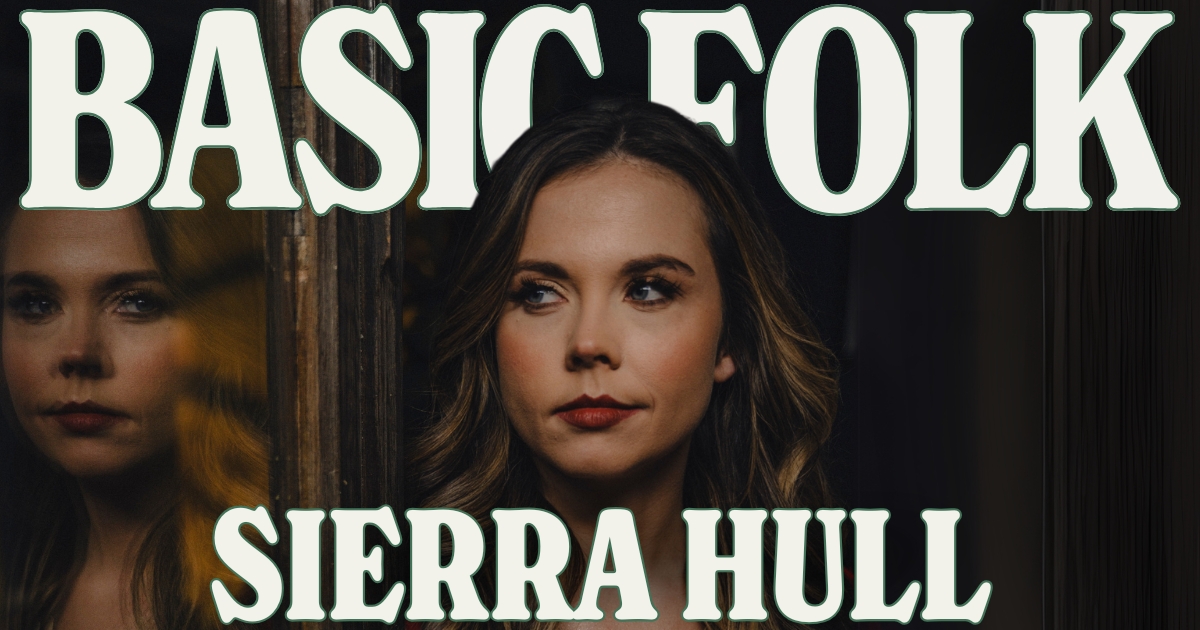
Basic Folk: Sierra Hull

(Editor’s Note: The entire BGS team would like to congratulate Basic Folk on 300 amazing episodes of the podcast! Celebrate #300, featuring GRAMMY nominee Sierra Hull as our guest, with us below.)

When mandolinist Sierra Hull was little, her dad told her she was really good “for a 10-year-old.” The older Hull knew Sierra had a fiery passion for the instrument and he knew exactly how to motivate his daughter. He went on to say that if she wanted to go to jams and porch-play for the rest of her life, she’d learned enough. He gave her realistic advice, saying if she wanted to dedicate her life to music, she would have to work really hard. Because “that 10-year-old cute thing is gonna wear off.” Sierra, who would draw pictures of herself playing at the Grand Ole Opry with Alison Krauss and doodle album covers with the Rounder Records logo, took his advice to heart and got to work.

LISTEN: APPLE • SPOTIFY • AMAZON • MP3

Since then, Hull has shared the stage with more heroes than one could count. She’s inspired a new generation of younger players, she’s released five albums, and she’s considered a master of the mandolin. Her new album, A Tip Toe High Wire, is set for release March 7. In our Basic Folk conversation Sierra reflects on how growing up in the small town of Byrdstown, Tennessee, shaped her musical identity alongside bluegrass, gospel, and family traditions. She shares memories of family gatherings filled with music featuring Aunt Betty and Uncle Junior, the profound influence of church hymns, and how these experiences continue to resonate in her playing and songwriting.

Sierra also discusses the significance of A Tip Toe High Wire, her first independent release, highlighting the freedom and growth that come with that independence. She emphasizes the importance of authenticity in her music, allowing herself to explore new sounds while remaining grounded in her bluegrass roots. Elsewhere in the episode, she opens up about her personal growth, the pressures of being labeled a child prodigy, and her journey toward embracing imperfection in her art. We also dive into what we’ll call her “Stevie Nicks Era” with the amazing cover art on the new record. Sierra enjoys playing with elaborate styles in her album artwork and red carpet looks (helloooo CMA Awards). With a candid perspective on the challenges of the music industry, she encourages listeners to find joy in the process while appreciating the beauty of vulnerability.


Photo Credit: Bethany Brook Showalter & Spencer Showalter

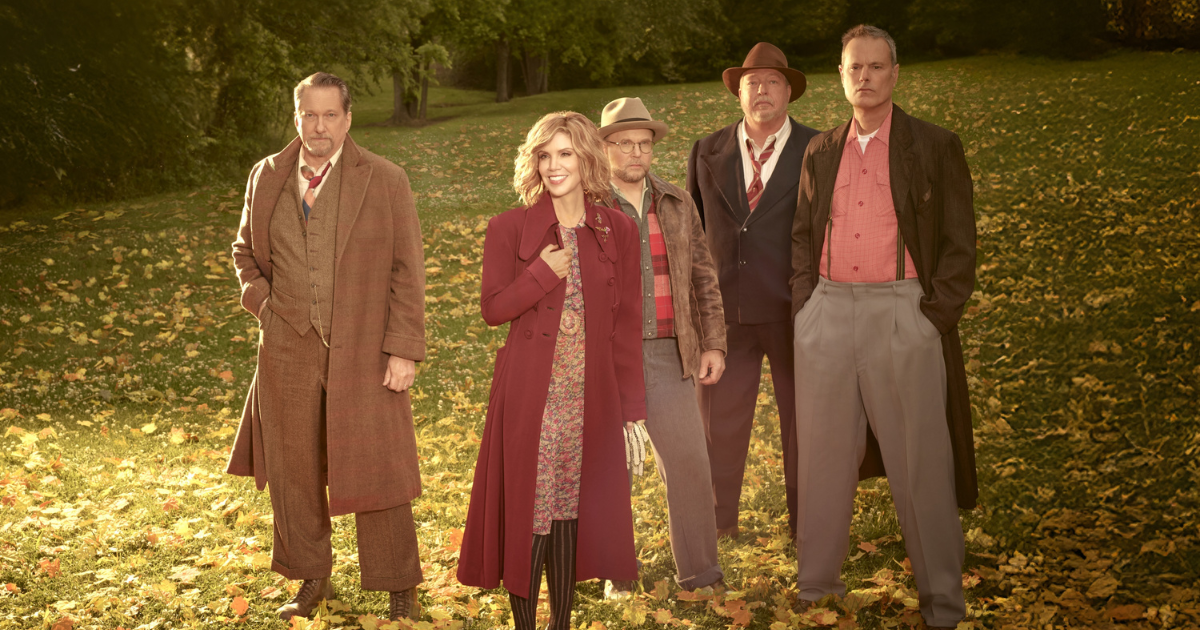
Alison Krauss & Union Station Announce ‘Arcadia,’ Their First Album in 14 Years

A few short weeks ago, Alison Krauss & Union Station made roots music waves announcing their first headlining tour since 2015, featuring dozens of dates stretching from April ’til September of this year. Now, the 14-time GRAMMY-winning bluegrass band is announcing their first album in 14 years, Arcadia, set for release on March 28 on Down The Road Records. This marks the return of Krauss & Union Station to collaborating with Rounder Records founders Ken Irwin, Marian Leighton Levy, Bill Nowlin, and John Virant, who recently began Down The Road Records. Decades ago, Irwin first signed the fiddle phenom when she was still a teenager.

With the album’s announcement, the band have released Arcadia‘s first single, “Looks Like the End of the Road,” a song written by Jeremy Lister that hearkens back to the emotive slow burns of classic AKUS albums like 1997’s So Long, So Wrong. (Listen above.) Gritty Dobro, by none other than Jerry Douglas of course, and pining mandolin tremolos are underpinned by sweeping pads and transatlantic textures. It all at once sounds like idiomatic Union Station while clearly signaling their transition from a former era to a newly minted one. “Looks Like the End of the Road” is an apropos beginning for this world-renowned group starting down a new highway.

“Usually, I find something that’s a first song, and then things fall into place,” says Krauss via press release. “That song was ‘Looks Like the End of the Road.’ Jeremy Lister wrote it, and it just felt so alive – and as always, I could hear the guys already playing it.”

“The guys,” at this juncture, include longtime band members Douglas, Ron Block, Barry Bales, and a new addition, Russell Moore, a 6-time winner of the IBMA Male Vocalist of the Year Award and a veteran frontman of bluegrass mainstays IIIrd Tyme Out.

“To say I’m excited about recording and touring with Alison Krauss & Union Station would be a huge understatement,” Moore gushed in the band’s December 2024 tour announcement. “After 40 years of playing music full-time and leading my own group for 34 years, this opportunity is among the few things at the top of the list that my music career has offered me. My hopes and desires are to fill this spot in AKUS with the same professionalism, precision, and thoughtfulness as other members who have held this position before me, and I’m looking forward to the ‘ride!'”

Tickets for the gargantuan Arcadia tour – which will feature special guest Willie Watson – are already on sale. Anticipation for the first studio album in 14 years from one of the most prominent and impactful bluegrass groups in history is remarkably high. Yet again, with Arcadia, Alison Krauss & Union Station are poised to bring their singular blend of bluegrass, Americana, adult contemporary, and stellar song interpretations to millions of fans and listeners around the world.


Want more? Listen to our exclusive Toy Heart interview with Alison Krauss here.

Photo Credit: Randee St. Nicholas

Amythyst Kiah Enjoys Challenging Assumptions

Singer-songwriter Amythyst Kiah enjoys ignoring conventional wisdom and challenging notions she considers at best outdated and at worse reactionary and restrictive, regarding what music she should choose or what subjects she should address as an artist. But at the same time, she has never wanted anyone to label or pigeonhole her approach. Since 2010, Kiah has been steadily touring and recording, both solo and with other artists whose music also cuts across multiple thematic and idiomatic boundaries.

Kiah has a prominent, robust voice and is an outstanding guitarist and banjo player. A Chattanooga native and East Tennessee State University graduate, family and community ties are a major part of her life. Kiah’s father used to be her tour manager and she credits his influence (he also was a percussionist in a touring band during the ’70s) as well as that of her late mother (a vocalist in her hometown church choir) in shaping a performance style that is equal parts edgy and disciplined, adventurous but never chaotic or unruly.

After teaching herself to play guitar while attending a creative arts high school, Kiah would subsequently complete the Bluegrass, Old Time, and Country Music Studies program at ETSU and join the school’s marquee old-time band. Her array of activities since 2010 have included releasing the LP Dig In (cut at the ETSU Recording lab in 2013); the five-song EP Chest of Glass (recorded in Johnson City in 2016); and the critically praised Wary + Strange. Wary + Strange was done in Nashville for Rounder and was finally released in 2021 after going through three different producers over a three-year period before finally settling on Tony Berg. It addressed a lot of things in Kiah’s life that were difficult, notably the loss of her mother to suicide.

Conceptually, Kiah’s growth as a vocalist and songwriter is evident from the opening moments of her brand new album, Still + Bright, to its concluding refrain. Whether it’s the extensive lyrical quest for spiritual and personal growth unveiled with vigor in “Play God and Destroy The World,” or the search for peace of mind discussed in “S P A C E,” Kiah’s powerful vocals and insightful lyrics reveal a portrait of an artist willing to acknowledge uncertainty, yet able to find a sense of belonging and salvation through taking the journey.

Musically, the production incorporates a host of sounds, everything from mandolins and fiddles to crisp, crackling guitar lines – plus memorable guest vocals like S.G. Goodman on “Play God” and Kiah’s consistently poignant, stirring lead vocals. The new album, her third solo project, was already generating lavish praise before its release. It will no doubt continue to garner critical support as well as possible mentions on numerous best-of-the-year lists for Americana, folk, and country releases.

Kiah also has her share of high profile covers and collaborations. The most notable among them include being featured vocalist on Moby’s 2021 single “Natural Blues” and doing a cover of Joy Division’s “Love Will Tear Us Apart” in 2022. But perhaps the most celebrated was appearing along with Rhiannon Giddens, Leyla McCalla, and Allison Russell in the supergroup, Our Native Daughters. Sadly, despite being a pioneering all-Black women’s group, Our Native Daughters’ music hasn’t found its way onto the airwaves at urban contemporary radio. But their LP, Songs of Our Native Daughters, was a critical and commercial hit within the Americana and roots music community. Kiah’s composition on the album, “Black Myself,” earned a 2020 GRAMMY nomination for Best American Roots Song.

All this set the stage for Still + Bright. Kiah performed some of its songs during a visit to Nashville for Americanafest 2024; she will be returning to Music City for a highly anticipated appearance on the Grand Ole Opry on December 10. She spoke at length with BGS about her new LP, the recording process, touring, and her love for science fiction, among other things.

Congratulations on the response to Still + Bright.

Amythyst Kiah: Thanks so much. I really wanted to do some different things on this album, show another side in terms of my personality. It was very important for me to say and express certain emotions on Wary + Strange and say some things that needed to be said. I did some of that with Still + Bright, but I also wanted to do some lighter things, some fun things, present other aspects of my life, and reflect more humor, more joy. I’m very happy with how it turned out and the mix of things that we covered and presented.

How was the experience recording in Nashville and how much did having Butch Walker aboard as a producer affect the recording?

Butch was and is so wonderful. Whenever I’d suggest something to him he’d just say, “OK, let’s try it and see what happens.” He was so open to everything and at the same time he knew when to step in and say, “Why don’t you try it this way?” or “Why not add this element to it?” He was so much more like a good friend and buddy than just a hired gun-type producer. When I came to town for this most recent date and asked him about playing, he not only said sure, he showed up and joined right in. It’s been such a treat working with him, a great personal and professional experience.

You describe your sound as “Southern Gothic.” Have you found that the Americana format works for you in terms of getting the necessary promotion and exposure for your music?

It’s really the ideal format, because it does fit so many different styles and types of music. One of the real problems with radio now, especially commercial radio, is that everything is rigidly categorized. If you aren’t doing a very specific thing production-wise, the content and quality don’t matter. With Americana I’ve been welcome to do and try whatever I think fits and whatever I think I want to do musically. I can’t tell you how much creative freedom that gives you as a performer. You’re not writing to fit what someone else thinks might work. You’re free to have your music unfold and develop organically, the way that you hear it.

One thing that really annoys me is that there’s a sizable audience segment out there that very well might relate to your music if they got to hear it, but for a variety of reasons they won’t. Does the restrictiveness of marketing sometimes bother you?

I want to credit the people at Rounder with doing the best job that they can in terms of getting my music out to different and diverse audiences. All I’ll say about that issue is I’ve found that when people get a chance to hear my music and songs, they’ve been universally positive. That’s all that I can do as a performer is present them to the best of my ability. Certainly I’d love to get all types of listeners; I think Rounder works on that as well.

You’ve chosen to remain in Johnson City. How would you describe the music scene there and are there any thoughts about possibly making a move to Nashville?

There’s a lot more of a music scene here than you might think and a lot of that is due to the presence of the university. But there’s an active singer-songwriter scene here. There’s a jazz and blues scene. Certainly it’s not as large as some other places, but it works well for me. I’ve been able to do a lot of playing in clubs when I’m home and also do some songwriting and collaborations with other artists around town. I’m quite satisfied with being here. That doesn’t mean at some time down the line I might not think about coming to Nashville. I really enjoy recording and playing there. Of course from what I hear about the cost of living, that’s a concern. Right now I have no plans to make that move.

One of your non-musical passions is science fiction. Who are some of your favorites?

Interesting that you bring that up. I’m a fan of H.P. Lovecraft from the standpoint of his creativity in depicting horror and fantasy. Now I’ve certainly also become aware of the problematic areas and that gets into the whole discussion of, can you effectively separate the artist and their work from things in their character that are less than desirable, to put it mildly. Clearly, there are things in the Lovecraft legacy that are totally anathema to me, in terms of my identity and all the things I espouse and believe. Do I find some value and get some joy from his writing from a technical perspective? Yes.

Octavia Butler is someone I’m just now beginning to really do a serious examination of and I’m very intrigued and delighted by what I’m seeing so far, especially in regards to how she sees the future and issues of race, class and gender. The Matrix series remains a favorite of mine as well.

You’re about to get back on the road. Does touring still remain something that’s exciting or has the thrill faded with time?

No, as a performer the interaction with the live audience is what drives you and keeps you going. Now I won’t deny that there’s a grind aspect, when you’ve been on the road for several days in a row or for months. But the chance to see new places and play your music for fresh faces and new audiences is an invigorating challenge. It’s really what you get into songwriting and singing to do, much more so than the dollars and cents of it. While no one would deny that you’ve also got to take care of business, it’s the exhilaration of performing that’s the ultimate reason for writing songs and making music. You get a reaction from audiences that you can’t get in the studio.


Photo Credit: Photography by Kevin & King

Artist of the Month: Our Tony Trischka Discography Deep Dive

Banjo master Tony Trischka is a bluegrass and roots music renaissance man whose career goes back nearly 60 years, to his early days with his first group, the Down City Ramblers. He’s been making recordings for almost as long, appearing on-record for the first time on Country Cooking’s 1971 debut for the fabled Rounder Records label.

Given the width and breadth of Trischka’s career and sprawling discography, summarizing the man’s recorded legacy is not just a tall order, but a mountainous one. Nevertheless, we’ve made the attempt. Here are a dozen recordings that give a sense of Trischka’s many artistic sides as collaborator, innovator, teacher, keeper of the flame, and all-around musical good spirit.

“Kentucky Bullfight” – Country Cooking (1974)

Trischka was one of two banjo players in this collegiate ensemble. The other was future Hot Rize member Pete Wernick, who spent some time talking up his bandmate to Rounder Records co-founder Ken Irwin. “I was writing a bunch of tunes, and Pete told Ken, ‘Tony should do a solo album,’” Trischka remembered. “Ken said, ‘Sure, go ahead.’”

Irwin cites “Kentucky Bullfight” as the Country Cooking song that convinced him Trischka would be worth signing as a solo act, too.

“China Grove” – Tony Trischka (1974)

Trischka hails from the Northern environs of Syracuse, New York, and it was fairly common for Yankee banjo players of his era to indulge some unusual tangents. “My first album was, comparatively speaking, a little on the bizarre side,” Trischka himself admits. That’s certainly the case for this instrumental from his 1974 solo debut, Bluegrass Light. “China Grove” has East Asian accents throughout and even a saxophone solo from his Country Cooking bandmate, Andy Statman.

“Roll in My Sweet Baby’s Arms” – Tony Trischka (1976)

It seems like a rite of passage that everybody has to put their own stamp on the venerable Flatt & Scruggs bluegrass classic, “Roll in My Sweet Baby’s Arms.” That goes for Trischka on his 1976 album, Heartlands, but few other artists would have the imaginative audacity to kick it off with a drum solo (plus more saxophone).

“Don’t Let Your Deal Go Down” – Tony Trischka (1978)

Another piece of classic repertoire from the wayback machine, “Don’t Let Your Deal Go Down” is the song that made bluegrass forerunner Charlie Poole a star in 1925. Trischka cut it on 1978’s Banjoland in an ambitious all-star arrangement alongside fellow banjo players Bill Keith and Béla Fleck. Also present are resonator guitarist Jerry Douglas, mandolinist Buck White, and guitarist Tony Rice, who adds a definitive vocal.

“They’ll Never Keep Us Down” – Hazel Dickens (1981)

Formerly half of the pioneering female duo Hazel & Alice (with Alice Gerrard), the late great Hazel Dickens was one of Trischka’s best longtime collaborators. His elegant banjo and her emotionally raw voice were a great match on many songs, among them this classic from Dickens’ 1981 album, Hard Hitting Songs For Hard Hit People.

“Bill Cheatham” – Béla Fleck, Bill Keith, and Tony Trischka (1981)

In which three of the foremost roots music banjo virtuosos of the 20th century mesh with tasteful seamlessness while deftly keeping out of each other’s way. From 1981’s Fiddle Tunes for Banjo, this was one of the album’s three tunes that featured Trischka, Fleck, and Keith all playing together.

“Country Death Song” – Violent Femmes (1984)

From Milwaukee, this folk-punk trio puts a gothic spin on folk music. To that end, they often enlist unexpected collaborators to do cameo appearances, adding just-right punctuation. Here is one of the Femmes’ early examples, featuring Trischka’s banjo on their 1984 second album, Hallowed Ground. Nearly two decades later, the Femmes would return the favor by appearing on “Down in the Cider House,” a track on Trischka’s World Turning album.

 “New York Chimes” – Tony Trischka (1985) 

Trischka has always had a way with clever puns, “New York Chimes” among them. From 1985’s Béla Fleck-produced Hill Country album, “New York Chimes” is also a fine example of Trischka’s higher-gear fast playing. And the band is, of course, spectacular – Jerry Douglas, Tony Rice, Sam Bush.

“Old Joe Clark” – Tony Trischka (1992)

As a dedicated keeper of the flame and teacher/mentor, Trischka has always been up for putting the music into unusual places. One of the most unusual was a 1992 episode of the children’s cartoon, “Where in the World is Carmen Sandiego?,” on which Trischka wandered on camera playing the 19th-century fiddle tune “Old Joe Clark” during a game-show segment.

“World Turning” – Tony Trischka (1993)

Among Trischka’s many virtues as a player, one of the best is that he knows how to back up great singers. And here is a classic example from Trischka’s wildly eclectic 1993 album, World Turning. The title track is a cover of the 1975 Fleetwood Mac song, sung by Dudley Connell and Alison Krauss with Trischka adding just-right banjo flair.

“Shifting Sands of Time” – The Wayfaring Strangers (2001)

Another of Trischka’s far-flung, multi-hyphenate genre experiments is his 2001 album, Shifting Sands of Time, with a wide-ranging guest list that goes from bluegrass patriarch Ralph Stanley to ’90s pop star Tracy Bonham. The title track is at least as worldly as anything his longtime mate Béla Fleck ever put out.

“Brown’s Ferry Blues” – Tony Trischka (2024)

We close with another of Trischka’s all-star collaborations, the opening track from this year’s Earl Scruggs tribute album Earl Jam. “Brown’s Ferry Blues” kicks off with very choice guitar and vocals from modern-day superstar Billy Strings, and Trischka, Fleck, Bush, and fiddler Michael Cleveland are all right there with him.

(Editor’s Note: Want more? Continue your Tony Trischka Artist of the Month exploration here.)


David Menconi’s latest book, “Oh, Didn’t They Ramble: Rounder Records and the Transformation of American Roots Music,” was published in 2023 by University of North Carolina Press.

Photo Credit: Zoe Trischka