The Story of 0044: Part 2

The Convergence of 1975

What came together, fortuitously, and not that many months before the recording of 0044, was what Crowe biographer Marty Godbey called “the convergence of 1975.” It was a turn to the acoustic that brought a new freshness to the New South, and it really began in September 1974.

Tony takes credit for it. When Larry left around Labor Day 1974 to join Dickie Betts on tour, Tony really wanted to bring Ricky Skaggs into the band, and he thought that was what it would take — to turn away from the drums and electric bass and go all-acoustic, back to the roots, so to speak. A lot of bands had success with drums and electric instruments — the Osborne Brothers, for instance. Ricky had, himself, been playing with a plugged-in mandolin “and it just wasn’t him,” Tony says.

Sam Bush had filled in for a while after Larry left, but no one ever thoughtSam was cut out to play that many sets, that many nights of the week. And then came Ricky. He was leaving the Country Gentlemen. “I didn’t get to sing a lot in that band. They used me on ‘Lord, Protect My Soul’ or something that had real high singing in it, but mostly I was there to play fiddle. I didn’t have the opportunity to get to sing a lot. I guess the main reason I turned Emmylou’s job down is because, if I went with Emmylou, I didn’t think I would get to sing very much. I had already kind of made a promise to myself that I wouldn’t work in a band where I didn’t get to sing a lot. I wanted to really keep my singing chops up.”

Ricky came to Lexington and sat in for about 10 days. (“My God, that was a workout!”) The sound changed, and it felt real good to Tony. “I was trying as hard as I could to talk him into staying on, and Ricky made it real clear that he couldn’t take the drums, the electric bass, being plugged in.” He got Ricky to agree to stay for about a year, but there was one condition, Tony told J.D. “It wasn’t real hard to coerce Crowe into what was being offered to him: Ricky would stay with the band if it would go back to being a traditional bluegrass group … I think J.D. was ready to get back to the roots of bluegrass for himself anyway, not to mention that traveling on the road, he wouldn’t have to take drums and amplifiers and whatever else. Crowe was tired of drums … by that time, electric instruments and drums had already run their course. The change that happened overnight was really incredible.” Turning back to the purer sound brought a breath of fresh air into the New South.

A New Record Deal

The Rounders (Ken Irwin, Marian Leighton, and Bill Nowlin) were at the CrazyHorse Campground in Gettysburg, Pennsylvania, the weekend of August 17 and 18, 1974, for Carlton Haney’s 8th Annual Gettysburg Blue Grass Music Festival. They had their Volkswagen bus (in which all three slept on the road and at festivals) and their set-up — a record table where they sold their albums and those of other small independent labels. The New South (with Tony and Larry both) played those two days; others at the festival included the Osborne Brothers, the Seldom Scene, Jimmy Martin & the Sunny Mountain Boys, Del McCoury & the Dixie Pals, the Blue Sky Boys, and Mother Maybelle Carter and the Carter Family. Admission each day was $6.

The Rounders well knew of J.D.’s stature. J.D.’s band was active on the festival circuit and it was at Gettysburg when Rounder Records first asked J.D. to do a recording. The Rounders never dreamed that one of the hotter bands in the business would record for their small record label out of Massachusetts, so they asked J.D. about doing a banjo album. As Ken told Crowe biographer Marty Godbey, J.D. “at that time, was a legend in our eyes.”

A banjo album would have been a foot in the door; it also would have been a great album. It still would be. But a banjo album wasn’t what interested J.D. He said no. But Ken remembers being bowled over at what happened next: “A couple of hours later, J.D. and Hugh [J.D.’s manager at the time, Hugh Sturgill] came over and said they wanted to speak to us. They said he wasn’t interested in doing the banjo record at this point, but would we be interested in doing a band record?”

J.D. remembers, “I knew that we needed … I’d rather have a band album out than an instrumental album. Band albums do a lot better. We’d been talking about doing one with somebody before Ken and Marian ever approached us. I never was into instrumentals that much anyway.”

There actually had been a New South album that had been cut back in April 1973 for Starday, but for reasons that remain unknown today, the label never released it. It was very frustrating, at the time, for J.D. because it left the band without a product to sell and wondering what went wrong. And unable to record for anyone else for two years from the date of signing, which J.D. honored. The Starday recording featured some of the standard Nashvillestudio pickers of the day, with drums and all. In the long run, it was fortuitous that it hadn’t been released, because it very well might have detracted from the impact that the nearly all-acoustic 0044 had when it landed. (Starday did eventually release the album … in June 1977.)

Why a small label like Rounder when he probably could have had his pick of the bluegrass labels of the day? “Theywere new. And they didn’t have a lot of artists. They were interested in us and I figured, ‘Well, maybe they’ll promote us.’ They don’t have a lot of artists they have to contend with. Especially bluegrass, because you all were just getting into it.”

In other words, maybe J.D. would be a bigger fish in a small pond? “That’s what I figured, you know. That’s why we went with Rounder. I just didn’t like the sound Rebel was getting. I didn’t, at all. A lot of the good groups recorded for Rebel and their performance was good, but I thought the quality was not there. I talked to the other record labels. What got me was that their budget was ridiculous. You can’t go in and do an album for $5,000, and that’s the way a lot of those groups were doing and I thought, ‘no way,’ because I heard the results. Poor recording quality. I said, I’m not doing that.

“We thought, why not? [Rounder] was a fairly new recording company and I didn’t want to go with those other people that had been doing it for a while. Anything you do in Nashville could lay on the shelf. I didn’t want to do that.”

Rounder was already known for its better-designed album covers and its extensive liner notes. And the company was willing to cut a different kind of deal with J.D. — a profit-sharing deal.

“The way we set it up was a lot better deal than most of the other record labels would do,” J.D. noted.

“I’ve known Hugh since dirt,” says J.D. Hugh Sturgill was a venture capitalist but loved the music. “This was a hobby,” Hugh says, “mostly because of my love of J.D. Crowe and Tony and Bobby Slone. Those were dear friends.” He recalled what he said to J.D. about Rounder: “Look, J.D., let’s take a different approach to this. First of all, this is a new company. I don’t know that they’re crooks like a lot of them are, but maybe we can set up the kind of deal where we can do something that, if it sells a lot, we can make a lot of money and, if not, at least you’re not out anything and you’ll have a chance to put a good sound together. I think you ought to give it a shot.”

The profit-sharing arrangement was a good one from the artist standpoint; there was no assessment for overhead or anything other than verifiable third-party charges. “I think it made a lot of sense, really,” said Hugh. “Pretty good way to do it. It’s not typically the way record businesses work.”

Why had Hugh recommended Rounder?

“I kind of liked the fact that you were young people and from a different area. I wanted to get separation from the typical hillbilly stuff — plus the fact that a lot of it was centered around D.C. and I didn’t want to be a second banana to the Scene and the Country Gentlemen. That’s part of why we picked you, yeah.”

Not long afterward, the band got even better. When Ricky Skaggs joined the band in November, there was the return to an all-acoustic aesthetic and the classic, though short-lived, New South configuration was nearly set. Ricky was wowed: “J.D.’s timing was so good and Tony’s timing was so good, that if I didn’t play 2 and 4 and put it in there, I was the one who looked like the fool. That’s right. So I had to really know where that pocket was … There was a settling and a defining that J.D. had. He had this maturity in his playing and you just didn’t push him. He set the timing … And, boy, you knew where the one was! Man, you just knew. And you could set your watch to J.D. … It really helped my timing a lot.” Tony knew they had something special, too: “There had certainly been no bluegrass band in history that had that much precision and drive.”

The Recording Session

It was close to 40 years later that the Rounders heard that the session almost didn’t happen. Tony Rice tells it: “About a week-and-a-half before the session, in January of ’75, I remember we were in the lobby of the Holiday Inn at a gig one night. I was sitting there with my pocket knife whittling something off the heel of one of my boots. It got screwed up the way the knife blade closed and it put a gash across my right thumb, the one that I used to hold my flatpicks.

“Skaggs was sitting there and he just freaked out. It was so deep that he saw blood flying and he went, ‘Oh, my God!’ We took a look at it and somebody said, ‘You can’t fool with this. You’ve got to get to the emergency room right now’ — which I did. I went down there and they patched it up. I did the first two or three cuts of the album with my thumb bandaged up, with stitches in there.”

In fact, that wasn’t the end of it — nor the only hindrance. “I managed to get through those,” Tony continued, “but I called up John Starling and I said, ‘John, can you come down here?’ I told him that I had had this accident and how many stitches and that I had this bandage that was being a pain in the butt. Starling said, ‘Hang on. I’ll be down there in a couple of hours.’ He came down and he took the bandage off and he said, ‘Yeah, man, these stitches are ready to come out.’ He said, ‘I’ll take them out right now.’ He took the stitches out and I went in and finished the album. It was so much easier to do without those stitches in my thumb because that’s where my flatpick went.”

Then there was illness, again afflicted on Tony. “When we first started, I had a head cold from Hell. Hugh said, ‘You know what’ll knock this out. There’s a drug in the pharmacy called Sudafed and that will knock this out real fast.’ It was affecting my voice. So I took a dose of Sudafed and, in no time at all, my sinuses cleared up and the session started.”

Indeed, the session did start. The recording was done at Track Recorders in Silver Spring, Maryland. And the date of the first session was January 16, the day after J.D.’s contract with Starday expired. The choice studio emerged from Ricky and Tony talking. Ricky says, “I knew Brian Ahern from working with Emmylou and we had recorded some up there with George Massenburg. He was involved somehow with that studio. I’d worked there with Brian on some of Emmylou’s early stuff.” Tony knew that Track was where his California Autumn record had been mixed, and he liked the sound of the Seldom Scene albums that had been cut there.

And it was at Ricky’s suggestion that Jerry Douglas got on the sessions. They had worked together in the Country Gentlemen and the Gents were based in the D.C. area. The band was working up the songs in Lexington at Bobby Slone’s house in the east end of the city, rehearsing a couple of afternoons a week, and Ricky began to realize how good Jerry’s dobro would sound with the New South. “J.D. said, ‘Ah, I don’t know if I want a dobro on there or not. I like what we got enough.’ I said, ‘That’s cool.’ I was the new man in the band, so I wasn’t going to say too much. But we’d do the Ian Tyson song, the Gordon Lightfoot things — the slower things — ‘Ten Degrees and Getting Colder’ — some of that slower stuff. I was thinking, ‘Jerry would just kill this stuff!’ J.D. agreed to let him come in and maybe do one or two. So I called Flux. He was still working with the Gentlemen. I asked him if he would be available and I gave him the dates and he said, ‘Yeah. Okay, that’d be great.’

“He comes over. I know J.D. knew of Jerry’s playing with the Gentlemen, but I don’t know how familiar he was with his playing. So Jerry comes in and we do some of the slower things, and J.D. liked it a lot and said, ‘Well, maybe you could do another song or two.’ So Jerry did those songs and J.D. said, ‘Man, that sounds great. Maybe you could do a couple of these other things.’ I think Jerry ended up playing on like eight of the 12 or so songs. “

Regardless of how tight the band was, the dobro fit in seamlessly and even helped knit it together; it made a big difference in the sound. Ken tells a story of how Jerry caused jaws to drop: “On ‘Summer Wages,’ when they got to Jerry’s break — and, again, you have to remember that they’re not used to playing with a dobro and not used to playing with Jerry — they were all so stunned that all three singers forgot to come back in for the tag line. Fortunately, they held the track. Everybody was really tense when we went back and listened to it. It was fine and they just came back in and did the tag line.”

“Yeah, that’s true,” J.D. said. “He did that little thing with his finger, pulled the string kind of like a pedal and I just went … [opens mouth].”

It didn’t hurt that Jerry knew J.D.’s playing well — he called Crowe “the pile driver of banjo players.” And Ricky and Tony had supplied Jerry with tapes of the songs the band had been working up for the album, so he was familiar with the repertoire and the New South’s performance of it.

Ricky had a new mandolin, a Lloyd Loar F-5 from 1924. It came from an old friend of Ralph Stanley’s who lived around Port Huron, Michigan, and was one Ricky had known about for years, but couldn’t afford. Hugh helped him get it, co-signing for a bank loan. The guy who owned it almost back-tracked on the deal, clearly reluctant to give it up, until his daughter reminded him that he’d promised his wife a new washer/dryer. “The Maytag won over the mandolin,” laughs Ricky.

Bobby played upright bass on the album, one borrowed from Ed Ferris on the first day and one he borrowed from Tom Gray on the second.

There were some other instruments in the session. Some may have wondered why the original album notes had the line “Thanks to Emmylou Harris’s Angel Band.” Ricky explains, “We used her drummer and her piano player on ‘Cryin’ Holy.’” And Bobby remembered that “Emmylou helped sing on one or two songs. They didn’t use it. Didn’t fit the trio or something. To me, she sounded good. She sounded real good but they decided they didn’t want to use that part on there.”

J.D. said, “Most of the songs we did, we had played them. We were familiar with them. The new ones, we had rehearsed those and we had played them enough that we knew them real well. So we didn’t have any problems. We had problems figuring which ones to do, because we had so many. We just picked the ones we thought would be the best.”
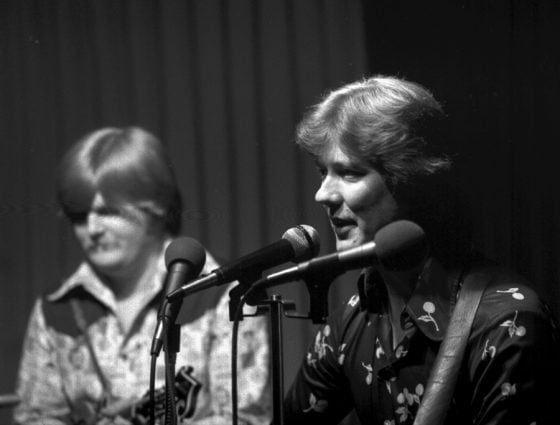

Ricky Skaggs and Tony Rice in 1975. Photo credit: Marty Godbey.

In fact, J.D. liked Jerry’s playing on the session so much that he invited Jerry to join the band. And there was a lot of mutual respect. Jerry said of Bobby, that he “just enshrined himself in the bass players’ hall of fame, when he kicked off ‘Born to Be with You.’ How in the world did he do this, and he’s left-handed, reaching across, slapping?”

It was an efficient recording session — two days.

Most of it was done live. Ricky had to overdub the viola and twin fiddles, and he did a few vocal parts, but there wasn’t much of that. Hugh said, “I had everybody’s ass outta bed and in that studio at 10 o’clock in the morning, and we finished by 5:50 or 6 in the afternoon … and went and had a good dinner! And we took a break [during the time in the studio] … we spent a little over six hours each day. That whole project took about 12 hours.”

J.D., Tony, and Ricky went back to Silver Spring and mixed the album with Bill McElroy between February 9-12. As the 0044 recording session proved, though, it was not really a matter of budget alone. Talent — on both sides of the console — made a major difference. Great albums needn’t always cost so much. The total cost for the studio and mixing, including J.D.’s expenses for the mixing — and even $10 to Ed Ferris for the loan of his bass — came to $5,931.79.

Hugh: “The bottom line is, riding back to Lexington — Bobby Slone and J.D. and I were listening to it — and Bobby said, ‘Hugh, that’s not really bluegrass. I’m not sure what it is, but I like the hell out of it.’”

So did the rest of the bluegrass world. Come the festival season, there was nothing but acceptance — the New South became, far and away, the hottest band of the summer of ’75.

The Holiday Inn came under new management as 1975 began, and the band shifted venues to the Lexington Sheraton. The band kept honing the repertoire they’d recorded, and other material compatible with their new sound. Then came the summer festival season. Jerry joined the group, and the band broke out on the road playing to great acclaim. The 0044 record wasn’t released until August, so a lot of festival goers were taken by complete surprise when they heard the new New South band live.

Hugh remembers the excitement at the bluegrass festivals: “The funny thing is, nobody wanted to follow the New South. You never heard so many damn excuses. ‘We got to get to Michigan … can we go on first?’ Nobody wanted to follow what those guys were doing. They were burning up the damn bluegrass circuit. It was great material, great vocals, and unbelievable picking.”

And Hugh didn’t want Bobby Slone to be under-appreciated. “His timing and his support and the way he was kind of the grease that kept all the wheels running … I love that man. He’s one of the outstanding human beings I was ever around in the music business. I put him and Vince Gill right at the top of the list. Bobby was the unsung hero in that whole deal.”

Bobby was, in turn, gracious in his remarks about Tony: “We had good timing. That was the main thing, right there, to start with. Tony had rhythm that just wouldn’t quit. His lead hand rhythm was so good.”


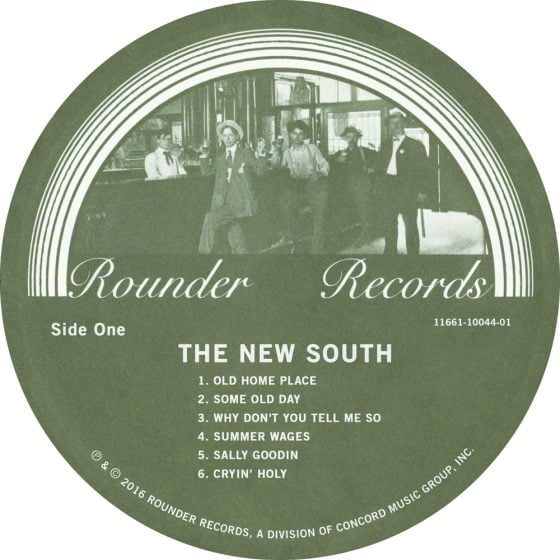
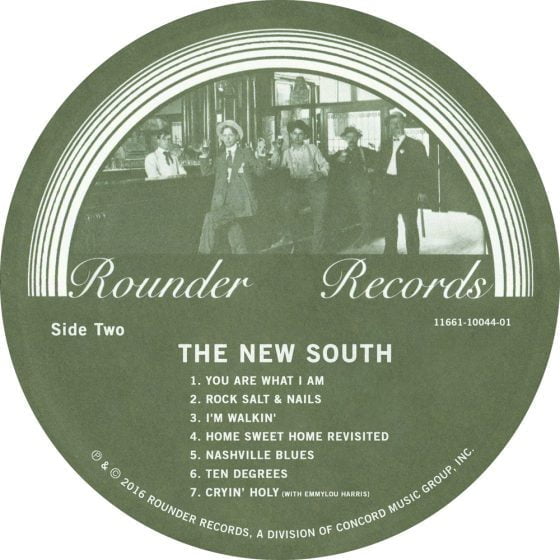
This is part two of a three-part series about the iconic bluegrass album that will be re-released by Rounder Records in an expanded vinyl edition for Record Store Day 2016. Read part three here.
The Story of 0044: Part 3

The End of the Road

They played the festival circuit that Summer and then did a quick 10-day tour of Japan that turned out to be their swan song. Eight shows in 10 days. And then the band broke up. Tony went to play with David Grisman. Ricky and Jerry formed Boone Creek. And Bobby continued his string of what became 27 years playing with J.D.

Tony takes “responsibility” for the band coming to an end. The group was at the top of its game. In talking with Tim Stafford, he alluded to Miles Davis’s best group — the group that recorded Kind of Blue. Yes, that was Miles’ best group, Tony says, but that group wasn’t together a full year, either. In the case of the Crowe band — the band that recorded 0044 — well, Tony suggests, there probably wasn’t “any real room for improvement. I think everybody had sort of a sublime awareness of that. We knew who we were as a bluegrass band. We had all the elements there: the harmonies, the drive, the tune selection. It’s almost like it was so good, it was doomed to burn out real quick.”

For that matter, going back to do another album might not have worked, as well. “That album hit with a pretty hard impact,” Tony says. “Double-oh forty-four hit pretty strong. To have done a follow-up to it a year later would have only done the same thing.”

But there wasn’t the opportunity — though years later, Tony was the key figure putting together the recording known as The Bluegrass Album (Rounder 0140, July 1981) which reunited Tony with J.D., joined by Doyle Lawson, Bobby Hicks, and Todd Phillips. That band, with some variations in personnel, recorded six albums in all for Rounder.

One still wishes the J. D. Crowe and the New South band of 1975 could have lasted a little longer and recorded at least another album or two. Tony acknowledges, “The ’75 band was really short-lived because of me.” Then he adds, “If I hadn’t left, it wouldn’t have stayed together much longer anyway, I don’t think. Ricky had a real staunch traditional side, even back then, and he wouldn’t have hung around. But the legacy still lives on. It raised the bar for what is still going on, to this day, in bluegrass music.” Another time he said, “It’s almost like it was so good, it was doomed to burn itself out real quick.”

Ricky had been talking about starting his own group with Keith Whitley, and he and Jerry had grown close while working in the Gents. But, Ricky admits, “If Tony had stayed two or three more years, I’m sure I would have stayed, because I loved singing with him. I loved making music with him. We’d have done probably another record or two. Who knows? Who knows what that band could have been?”

To be fair to Tony, on Labor Day 1975, he’d been with the band four full years, to the day. And he was only 24 years old. That was a long time to stick with any one band. He’d had the opportunity in March 1975 to play on Bill Keith’s first Rounder album and that was an eye-opener for him. “Keith was able to pull more out than I thought I had in me. As far as I know, that was the first record of significance I had ever guested on. It was probably the most significant recording of my career, in terms of setting a stage for the music that I would be most identified with, even to this day. It was at the sessions for that record that I heard David Grisman’s music … This music that I heard Grisman play on that tape machine, it instantly started flowing through the veins. I’d never heard a sound like that. I was in heaven.” New horizons beckoned.

“I think it was just time for Tony to musically move on,” Jerry says. “It was tough on J.D., and Ricky and I had been thinking of having a band together … forever. It just seemed like it was time, but I wasn’t sure. I really left half-heartedly. I hadn’t been there that long and I really liked J.D. — as a man, as a person. He was great to me. He wasn’t sure about me when I came in but, by the time I left, I really liked him and he was like a father figure to me. I suppose I was looking for that because I was 18 years old. But it was a chance — the same as Tony was doing — it was a chance to go out and do something and put it in our column.”

“Our last song was ‘Sin City,’” J.D. remembers, “and Tony was standing there with tears running down his face. While we were walking offstage, everyone felt pretty sad about the situation, but things have to change.”

Marian remembers how quickly other bands started playing New South material and, by the summer of 1976, she recalls one festival where it seemed that every band was playing something from 0044 — and one group played a whole set that was almost entirely comprised of songs from the album.

Hugh recalls that the album “was not well-received by Bluegrass Unlimited and the bluegrass experts, because it wasn’t the hillbilly stuff that they expected from J.D. Crowe. But, by God, the radio stations loved it and played it. And that’s where its strength came from. Because the next year when Glen Lawson and Jimmy Gaudreau and J.D. Crowe rolled into the parking lot, every goddamn parking lot bluegrass band there was playing ‘The Old Home Place.’”

“Not only is it one of the most important records in our catalog,” says Marian, “but I was in awe of them then, and I’m in awe of them now. There are very few bands about which I feel that way.”

The look mattered, too, she says — a lot. “I remember as much about how they looked as how they sounded. There was a whole feeling that you got from listening to them. Tony wore those colorful shirts and looked kind of like a young poet. J.D. had such stature. He paced at the back of the stage and always was there just at the right moment, at the microphone. They just had such a physical presence. It was easy to be swept away by them.”

Jerry laughs when reminded of the shirts. “We all had really weird shirts, man. If we’d come within 500 yards of a bonfire, there was so much rayon in Tony’s shirts alone that we would have melted. Those were really crazy shirts.”

The Album Cover

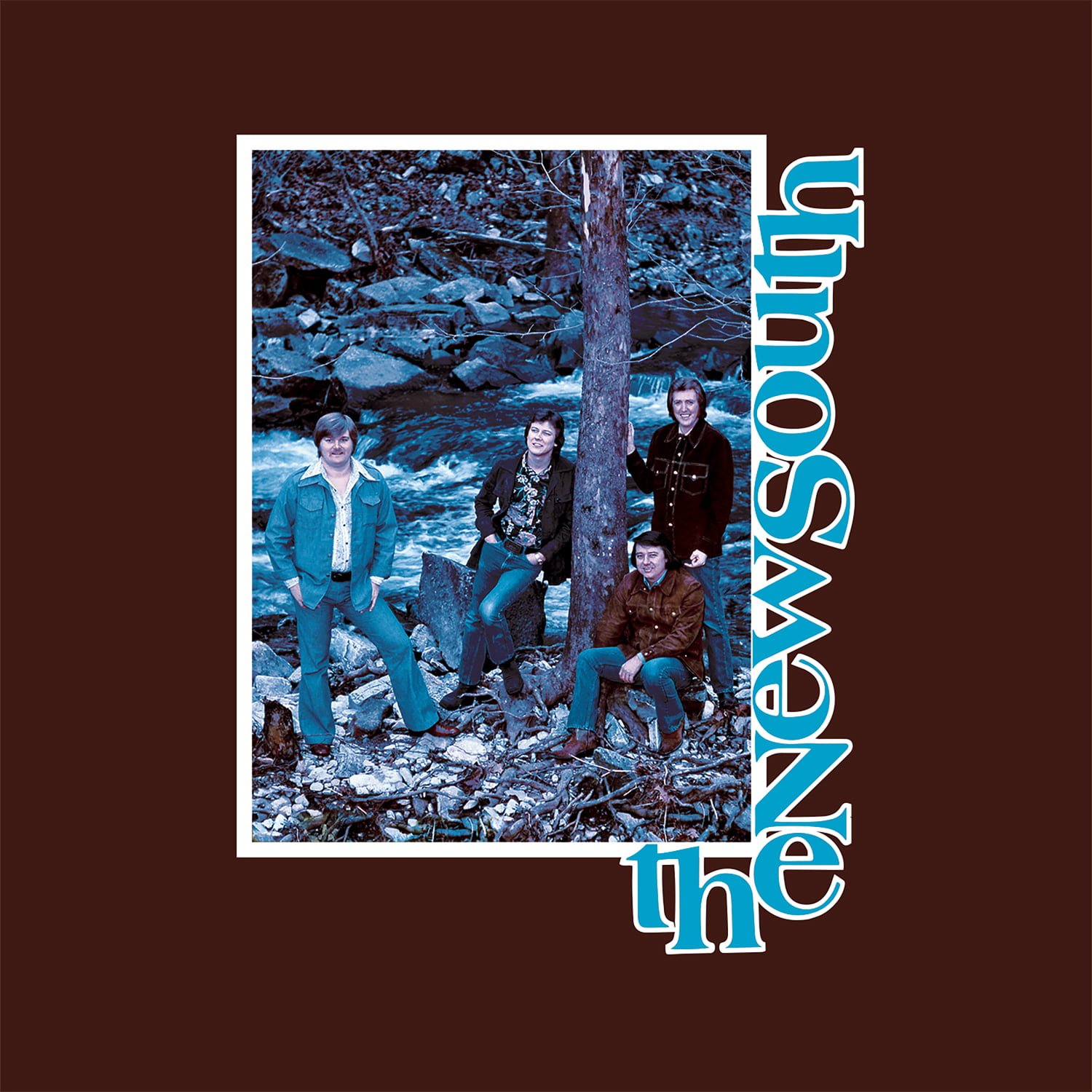
As something of a postscript, we might acknowledge a little controversy regarding the original cover of Rounder 0044. The photograph was taken, J.D. explained, “at a place called Boone Creek. It’s a big hunting area. Hunt club, is really what it was. There’s a big creek down through there. We went down there. I remember it was real cold, and it gets colder around water. He was running out of film. We were just horsing around, and that was really the only one that turned out, where we was all smiling. You know how that goes.” The only one in which the band was all smiling was the one that was used, surrounded by a dark brown chocolate border in designer Douglas Parker’s rendition. The problem was, some soon noticed, that J.D. had the middle finger of his left hand extended, pointing toward Bobby’s ear. There were some in bluegrass circles who were offended.

“We all wanted to put it out,” J.D. said. “I was kind of reluctant, but the guys, you know how they are, young. ‘Hey, man, let’s put it out.’ We were all kind of an outlaw deal … trying to do something different. Not the same old thing you get to see all the time. Gets boring. You know, I have talked to people who had that record for a year and never noticed that. They weren’t expecting it. They might have looked at it, but it didn’t dawn on them what it was. I was just goofing off with Slone. Really, like I said, it was the only one that turned out where we were all smiling, looking like we were happy.”

After an initial run of about 10,000 copies, Rounder did replace the cover with another image taken later at the same hunt club.

The record was a very successful one for Rounder over the years, and one of the records in which the Rounders take pride of stewardship. The influence the album had was clearly much greater than the sales might indicate. In the first nine months, the total sold was 8,748. It took a little longer before the new cover could be adopted, after the first 10,000 were sold. That was a big seller for Rounder in those days, around the time of America’s Bicentennial.

The album was one which had a profound influence on generations of bluegrass musicians. Alison Krauss enthused about it: “That album — that’s the one! I don’t even know how many times I’ve bought the J.D. Crowe album now. I don’t even know how many. If I can’t find it, I go and get another one. If I can’t find it within five minutes, I go and buy another one.

“All the time! I listen to it all the time! It’s a little scary. Might be time to move on. But I can’t seem to. … It’s so new, even now. Even when you hear all the people who have been influenced by it, it’s still so new.”


Notes

Interviews for these notes were conducted with every member of the band: J. D. Crowe (December 28, 2012), Jerry Douglas (January 5, 2013), Tony Rice (October 17, 2013), Ricky Skaggs (October 22, 2013), and Bobby Slone (December 28, 2012).

Interviews were also done with Hugh Sturgill on December 28, 2012, and with Ken Irwin and Marian Leighton Levy on December 6, 2012. Thanks, as well, to Fred Bartenstein and Tim Stafford for email correspondence, and to J. D., Tony, Ricky, and Jerry for reading over the notes.

In addition, the notes draw on interviews done by Tim Stafford in 2005, which were kindly made available, and correspondence with Fred Bartenstein. Marty Godbey’s biography Crowe on the Banjo (Urbana, Illinois: University of Illinois Press, 2011) was an important resource, as was Tim Stafford and Caroline Wright, Still Inside: The Tony Rice Story (Word of Mouth Press, 2010) and Ricky Skaggs, with Eddie Dean, Kentucky Traveler: My Life in Music (New York: itbooks, 2013).


This is part three of a three-part series about the iconic bluegrass album that will be re-released by Rounder Records in an expanded vinyl edition for Record Store Day 2016.

3×3: Old Salt Union on Pork Rinds, Big Time, and Rain or Shine

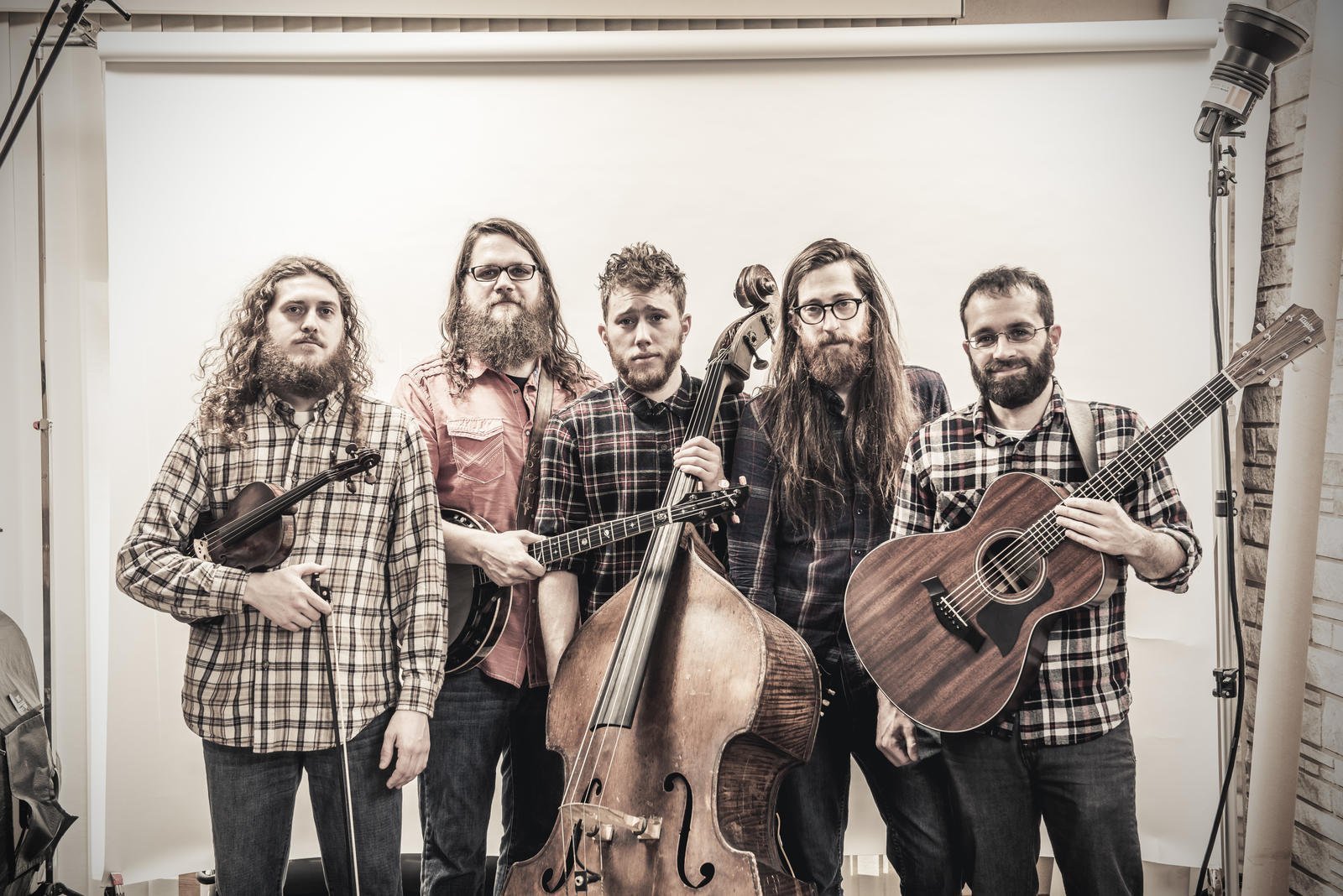
Artist: Old Salt Union
Hometown: Belleville, Il
Latest Album: Cut & Run
Rejected Band Names: Schmubbs, Big Time, DSM, Jeffe Fartat, Dethrustin'


@RockPaperPodcast time….#foreheadselfie #oldsaltunion @rockpaperpodcas

A photo posted by Old Salt Union (@oldsaltunion) on

If Jesus, Buddha, Krishna, and Mohammed were in a band together, who would play what?
Pretty sure they would be that one band that all six members play one acoustic guitar and cover Gotye songs.

If you were a candle, what scent would you be?
Any scent that smells the opposite of our bus. Pork rinds, though, if we had to choose.

What literary character or story do you most relate to?
Jack Kerouac in On the Road.


Gettin it! #squad #oldsaltunion #onfleek

A photo posted by Old Salt Union (@oldsaltunion) on

What's your favorite planet — and why?
Uranus, for obvious reasons. But Jupiter and its countless potentially habitable moons.

What's your best physical attribute?
One of us has two belly buttons. I think that physical attribute is certainly the best for all of us.

Who is your favorite Jennifer: Lawrence, Lopez, or Love-Hewitt?
Lawrence. Hands down.

Cat or dog?
Cats. Particularly the ones that don't run in front of our bus.

Rain or shine?
Shine makes for positivity. Rain makes for good writing.

Mild, medium, or spicy?
As spicy as it can get, and one of us will drink it through a straw.

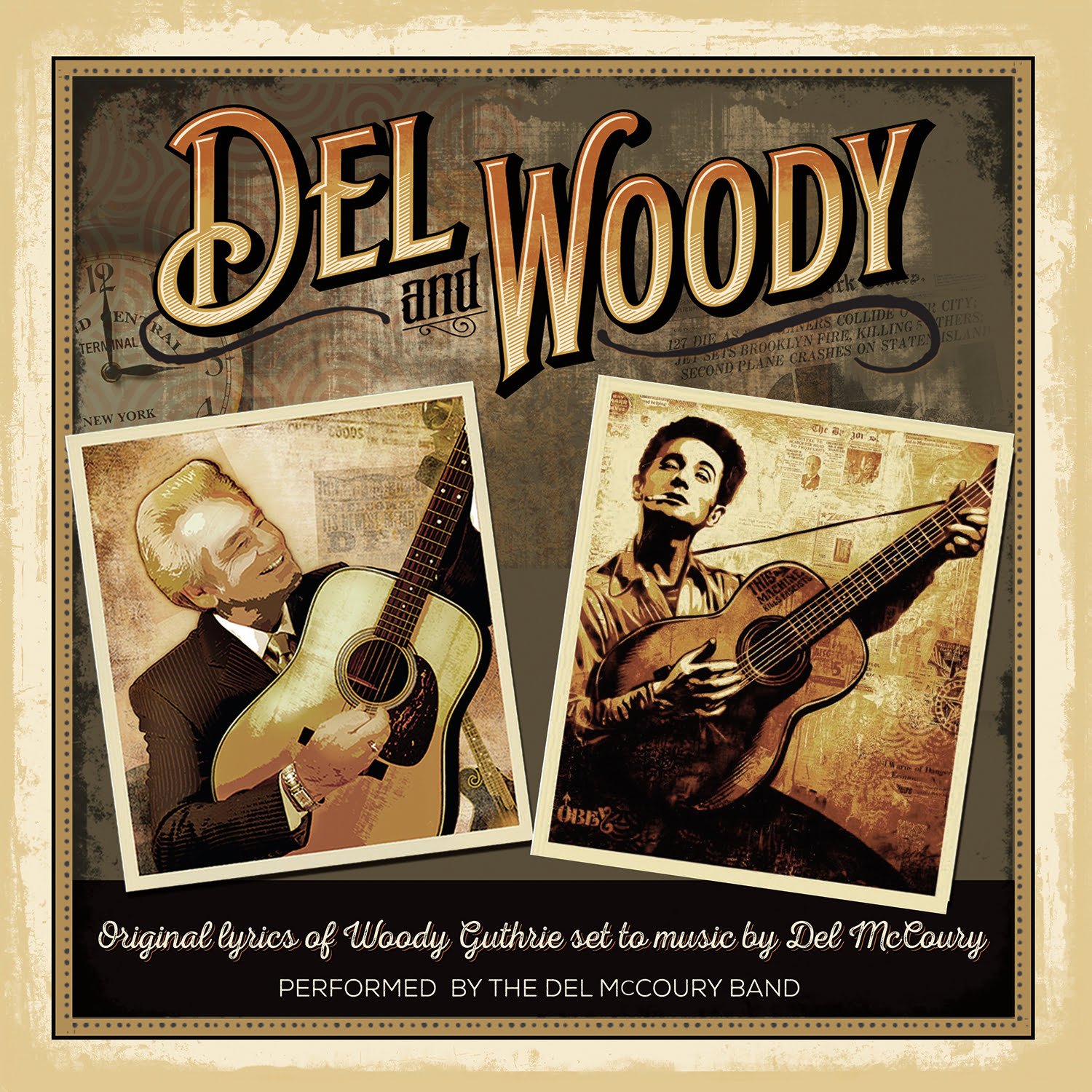
STREAM: Del McCoury Band, ‘Del and Woody’

Artist: Del McCoury Band
Hometown: Nashville, TN
Album: Del and Woody
Release Date: April 15
Label: McCoury Music
In Their Words: "We've all heard Woody Guthrie's songs for years, so being asked to put music to his lyrics is a real honor. When I read the lyrics, I knew exactly where Woody was going with the song, so I hope he'd be happy with the final product." — Del McCoury

SHIFT LIST: Chef Carla Hall Likes a Little Rhythm in Her Blues

Carla Hall had been on television a lot before she filmed the debut episode of The Chew, the food-focused daytime talk show she co-hosts on ABC alongside Mario Batali, Michael Symon, Clinton Kelly, and Daphne Oz. After all, she had been a finalist on Top Chef in 2008 and the fan favorite a few years later Top Chef: All-Stars, thanks to her indefatigable positivity, vibrant cooking, and cheery catchphrase — “Hootie hoo!” But reality TV hadn’t really prepared her for being filmed on stage in front of a live audience in the fall of 2011.

“I was so nervous on the first day,” she says.

Luckily for her, the DJ who was keeping the crowd entertained played something that struck a chord. (She doesn’t remember what, admitting, “I’m the worst when it comes to remembering people or their songs.”)

Whatever it was, it inspired her to run out into the crowd and begin dancing. A network executive, who was watching the scene unfold, ordered the crew to have a high-energy, Carla-specific playlist created. Now, it blares out of the speakers before almost every taping of the show. “It’s a way for me to connect with the audience, get out of my head, and loosen myself up,” says Hall, who put together this playlist to create a similar atmosphere.

Her gig at The Chew has given the Nashville-born chef a chance to hang out and cook with some of her favorite musicians, including Kimberly Schlapman of smooth-singing country quartet Little Big Town, Patti LaBelle, and Gladys Knight. “Food and music go hand in hand,” says Hall. “A lot of these guys spend a lot of time on the road, so they focus a lot on getting good food versus just having crap food from craft services.”

On this particular day, she’s prepping to tape a segment with Seal, where they’ll be cooking a blackened shrimp salad. “I’m so excited,” she says. “I can’t wait to meet him. There’s some music that reminds you of a certain time in your life. He reminds me of being in London when I was just beginning to get into food.”

Her mind is equally occupied with the upcoming debut of Carla Hall’s Southern Kitchen, which is set to open in Brooklyn, New York, in late April. Inspired by the cooking of her birthplace — she now divides her time between her home in D.C. and New York City, where The Chew is taped — the restaurant will specialize in Nashville hot chicken. “Because it’s a Nashville thing, there has to be country music,” she says. “It will range from bluegrass to country rock and country pop, as well as blues and R&B — some old; some new.”

It’s a far cry from what Hall listens to in the kitchen when she’s cooking. “I want something that’s really low-key, because I want to hear the food make sounds,” she says. “If I have something in the pan, I want to hear it sizzle. But if all the food is done and I’m plating up, that’s another story. Then the music becomes much more upbeat, as I shift into party mode.”

LISTEN: Fruition, ‘The Meaning’

Artist: Fruition
Hometown: Portland, OR
Song: “The Meaning”
Album: Labor of Love
Release Date: April 22
Label: Randm Records

In Their Words: "'The Meaning' is inspired by those instances when everything feels in its right place. When you are contemplating your own mortality and, for that moment in time, you feel content. Lying in the grass with someone you love, watching the shades of blue in the sky darken as the sun goes down, being present." — Kellen Asebroek


Photo credit: Cameron Browne

WATCH: The Lowest Pair, ‘When They Dance the Mountains Shake’

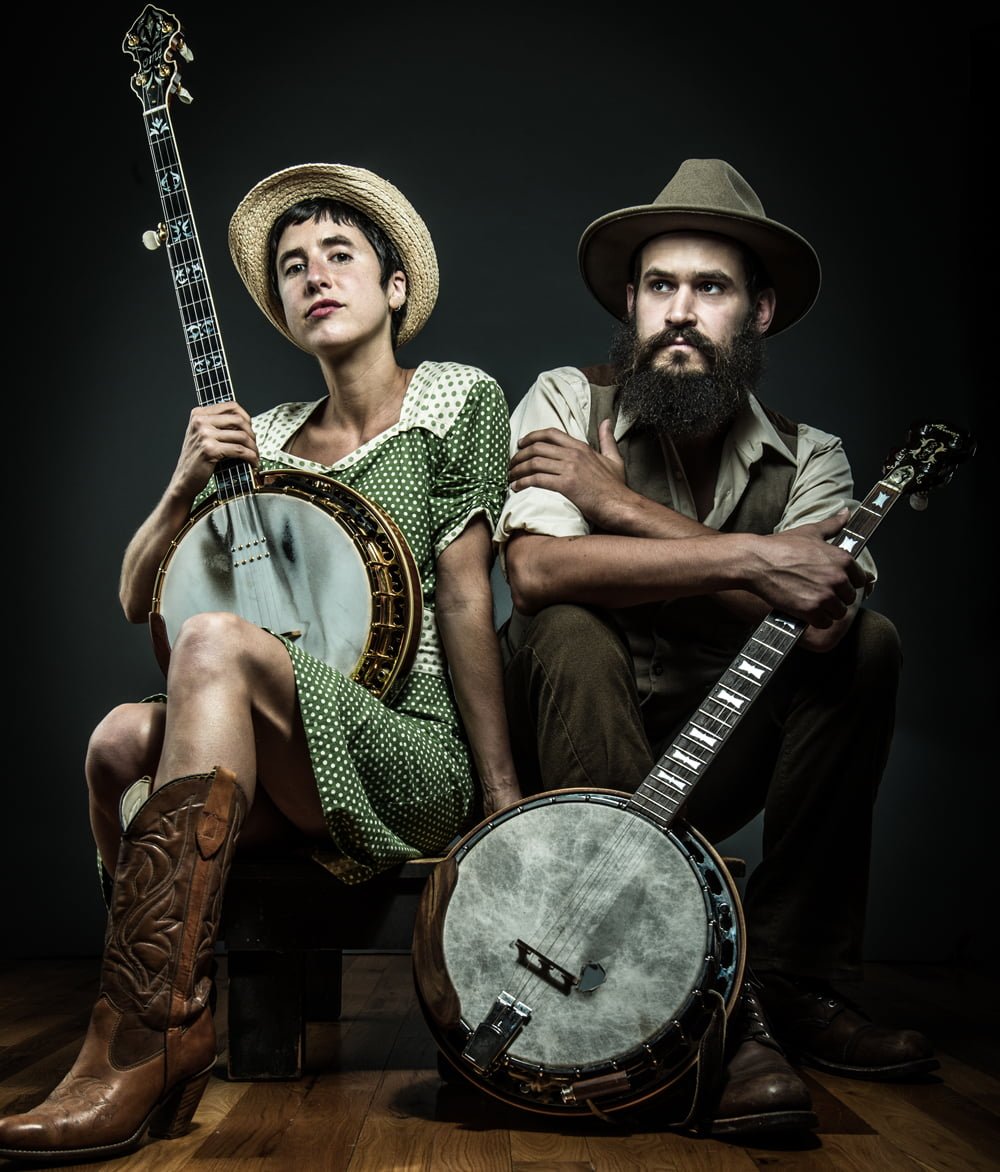
Artist: The Lowest Pair (Kendl Winter and Palmer T. Lee)
Hometown: Olympia, WA and Minneapolis, MN
Song: "When They Dance the Mountains Shake"
Album: Fern Girl & Ice Man
Release Date: April 15
Label: Team Love Records

In Their Words: "The music video for 'When They Dance the Mountains Shake' was recorded in my friend Sara Sparrow's studio in Olympia, Washington, by my good buddy Kevin Rainsberry (drummer for RVIVR). I wanted to feature the strength, art, humor, and camaraderie of my friends and community, and illustrate the retrospective story of the (if you could call it a) chorus-line that repeats itself in the song …'on the other side.'" — Kendl Winter


Photo credit: Joseph Daniel Robert O'Leary

Reading List: 5 of the Best Bluegrass Biographies

We've offered you plenty of options for learning about the history of bluegrass masters via streaming, but what about good old-fashioned books? For those of you who like your learning a bit more in-depth and enjoy the heft of a good book (or, we hate to say, the sleek screen of a Kindle) in your hands, we've rounded up a handful of the best bluegrass biographies (and autobiographies) out there. 

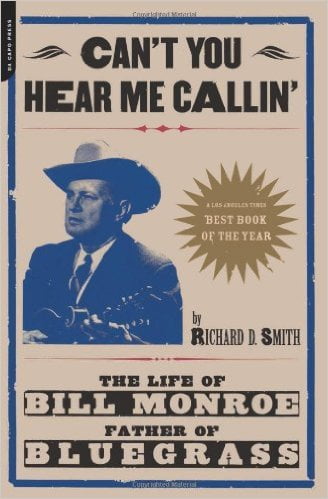
Can't You Hear Me Callin': The Life of Bill Monroe, Father of Bluegrass, by Richard Smith

Few musicians have had more influence on bluegrass than Bill Monroe, and this biography seeks to explain that influence — one that, truth be told, no book could sum up — in 352 pages of extensive interviews, thoroughly researched musical history, and rare glimpses into Monroe's personal life. There's no better lens through which to understand bluegrass than the career of Bill Monroe, and this book is as close as you can get to the man himself.

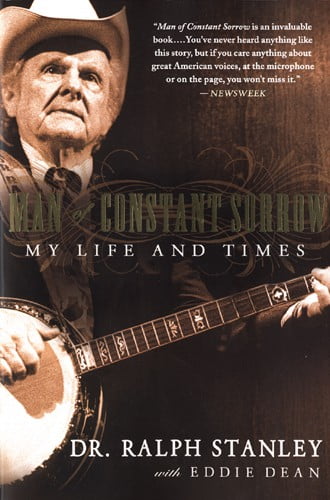
Man of Constant Sorrow: My Life and Times, by Dr. Ralph Stanley

There's nothing quite like hearing it from the man himself, and there's no man we'd want to hear "it" from more than Dr. Ralph Stanley. In this 2010 autobiography, the banjo pioneer reflects on his monumentally influential career, from his early days learning his craft in Virginia to his time touring well into his '80s. This is a must-read for any bluegrass fan.

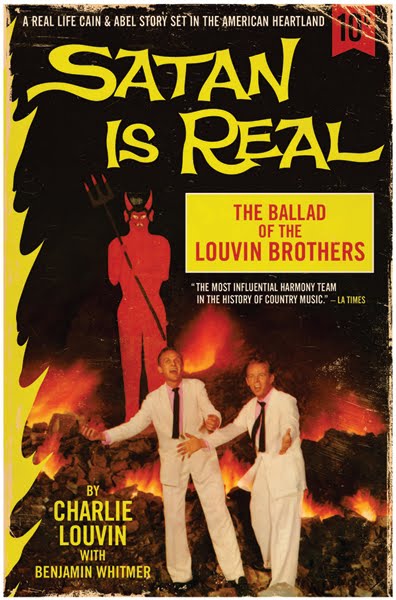
Satan Is Real: The Ballad of the Louvin Brothers, by Charlie Louvin and Benjamin Whitmer

Two of the godfathers of country harmony, Ira and Charlie Louvin traded their gospel roots for country music around the time the genre was picking up unstoppable speed in the mainstream. Devout Baptists with a handful of sinful habits (particularly in Ira's case), the brothers were a "real life Cain and Abel," as is described in this Charlie-penned autobiography. This one should appeal to fans of music and William Faulkner alike.

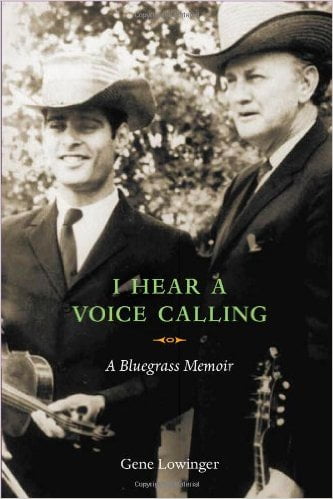
I Hear a Voice Calling: A Bluegrass Memoir, by Gene Lowinger

You may not know the name Gene Lowinger (or, hey, maybe you know enough about the genre that you should write your own book), but the New Jersey born fiddler was around for Bill Monroe's final years, and he documented the father of bluegrass in a series of intimate photographs that show the legendary musician both on and off stage. Lowinger also shares tales of brushes with other bluegrass greats, including the New York Ramblers and the Greenbriar Boys.

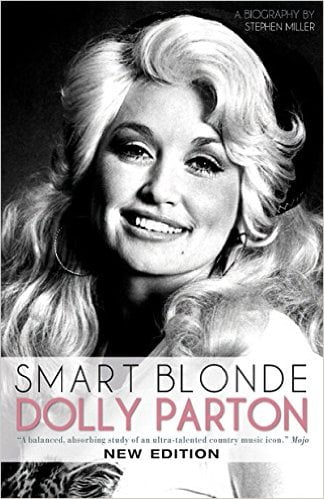
Smart Blonde: Dolly Parton, by Stephen Miller

Dolly Parton may not be a bluegrasser in the traditional sense, but her rags-to-riches tale of growing up in the mountains of east Tennessee to become one of the biggest country stars on the planet falls in line with the career trajectories of many of our grassier favorites. And while there are countless books on Parton available, this one, which will receive an updated reprint in May of this year, is often considered the definitive source.


Lede photo credit: azrasta via Foter.com / CC BY-NC-SA

The Natural Course of Things: A Conversation with the Infamous Stringdusters

What do you get when you cross a bunch of roots-minded female singers with a bunch of bluegrass-adjacent male musicians? Why Ladies & Gentlemen, of course the new release from the Infamous Stringdusters which features appearances by Joan Osborne, Lee Ann Womack, Mary-Chapin Carpenter, Abigail Washburn, and eight more of the finest voices roots music has to offer. It's the sixth record in nine years for the band — which is comprised of co-founders Chris Pandolfi (banjo) and Andy Hall (dobro), along with Andy Falco (guitar), Jeremy Garrett (fiddle), and Travis Book (bass) — and it showcases why the Stringdusters are considered one of the most innovative groups currently on the circuit.

First off, kudos on some great guests. [Joan] Osborne and [Lee Ann] Womack are two of my all-time favorite voices. So, did you guys just put a bunch of singers' names on a dart board and start throwing? How'd you figure out who you wanted?

Chris Pandolfi: The concept for this thing was two-fold: On the one hand, we wanted to do something different, as far as an album goes, just to mix it up. But a big part of it was also that we had made a lot of great friends along the way and we thought, “Who could we utilize, in terms of special guests?” And this concept evolved out of that — “What if we call on some of these awesome lady singers that we've met over the years?”

As the process started, the list was mainly comprised of people who were more in our community, in our musical scene. But, then, of course, some of those names were not, necessarily, people that we knew before the advent of this project — like Joan Osborne. The list was a combination of the two and, as the material evolved and we were getting a feel for the aesthetic of these different songs, we just did the best we could. Once the list was close to what we thought it would be and we got some confirmations from people, we — along with our producer — just did our best to match up what songs we thought would be best for each lady.

To me, that's one of the awesome successes of this album: It really uses these artists, I think, in a context that works for them. Look at the Joss Stone track or the Lee Ann Womack track … or Celia Woodsmith, who had the perfect voice for that song. All the ladies, in their own ways, brought their thing to the project and I think, in the process, they helped us take these songs and make them something that we couldn't have necessarily done on our own. They helped us make the most of all these unique and different sounds and styles that they have. It really came together that way. Certain people weren't able to do it, and the list filled out from there. But where we ended up, as far as the guests and what songs they were on, I think that's one of the cool successes of the album. The song “Have a Little Faith” was actually written for Joss Stone, with her in mind. I know that.

I was going to ask … considering that the span does run from Joss Stone to Sarah Jarosz, which came first — the singers or the songs? Did you write for specific voices or was that the only one?

Andy Hall: Yes, I believe so. Aside from that, we all write individually or co-write or whatever and bring songs to the band. So we all had songs, individually, that we were ready to bring to the next project. But I think that was the only one that was written for the singer. In other instances, say for Aoife O'Donovan, hearing that song “Run to Heaven,” it sort of reminded us of Crooked Still, just the way that sounded. In that instance, that became clear that would work that way. Each song just triggered a little something … an idea. That was one of the fun, creative parts — who would sound good on what song.

So how'd you figure out that Joss likes a little bluegrass in her soul?

AH: [Laughs] Andy Falco was hired to play in her band for a Rock in Rio festival a number of years ago. That's how that connection came about. Our connection with Joss was one of the things that inspired this record because Joss came to the States, and we opened up for her in Kansas City. She wanted to do a video of us and her playing together, during the day. She sang our song “Fork in the Road” with us backing her up for this video project she was doing, and it just sounded so cool. That was one of the sparks for this project. But that's also how that connection came about.

Interesting. Who was the first to say yes? And who was the biggest long-shot you can't believe you landed?

CP: Hmmm … Who was the first to say yes?

AH: The first person who recorded with us was, I believe, Jen Hartswick who didn't sing, but played trumpet on a number of songs. Then Mary-Chapin Carpenter was the first vocalist to put her track down. She was in Nashville while we were tracking. But, as far as asking, I don't remember.

How free were the reins when it came time to let them do their thing? Was it, “Have at it, gals!”

CP: Our producer was on hand for every session, I think, except for one or two. He did a really great job with this project — Chris Goldsmith — just in terms of staying true to his vision, which a lot of it was sonic, and he got a really cool, consistent sound across the record, although there is a real variety of styles there. I think that vision extended into how these songs would sound best. But, then again, there were cases — Joss is a great example … that track, by design, was made to let her do her thing which is to cut loose and almost improvise a lot of the phrasing. In cases where that would make the music come to life, that's what happened. In other cases, probably Goldsmith had a clearer vision of how it was supposed to sound. To some extent, every song was about letting these ladies do their thing.

The Sara Watkins track jumps to mind. She has such a compelling vocal on there and it's all because she does her thing. There's a moment where she really goes for it, and she's such an awesome singer and performer that the idea of getting her to do her thing, that's the whole point. So, to some extent, I think that was going on with everyone.

Obviously, all the guest vocalists aren't on the road with you, so how are you touring this record?

AH: We have Nicki Bluhm on the road with us for this whole tour and she is really helping. She's singing a lot of the Ladies & Gentleman songs that we do. Sometimes we'll do a few just on our own, but Nicki's on every show for the whole Spring tour so she's singing a lot of it. We also had Della Mae opening for it on a bunch of it, and Celia Woodsmith would come up and sing her song.

It's amazing how you cross paths with musicians on the road and that's, initially, how we made a lot of these contacts. We ran into Aoife O'Donovan — she was in L.A. when we were there recently, so she came and sang with us, and did a Jam in the Van session with us. We've designed part of the tour to have female bands supporting us, so we have Paper Bird coming out to open some shows and, hopefully, they're going to be able to help share some of the vocal duties. We have a lot of guests, but Nicki is anchoring all that.

More broadly speaking, you guys are very invested in being innovators within “bluegrass.” That's often a very subtle thing, though, right? So break it down … what are some of the things you guys do to open it up a bit and set yourselves apart while still honoring the traditions?

CP: One big thing that we're really focused on, consciously, is playing our own original music. The process of crafting original music is the thing that, simultaneously, helps us develop our sound as a band. We have a lot of co-writing going on, but mostly we arrange the music together. And we just try to figure out new ways to make all these instruments go together and distill all the different styles and influences into one sound that makes sense. We're pretty conscious about that.

We're really conscious about our live show. We're pretty committed to making the live experience really different every night. Of course, we're not the first band to ever do that, but we just try really hard to do our own version of that. And our fan base has come to expect a lot of variation and innovation, as far as on a night-to-night basis. They expect to see something different, and we're playing almost three hours a night, so we have to mix it up for our own sakes, too. Those are two big ones: playing our own stuff and focusing on having that live show be something that is really predicated on being different every night.

AH: One thing, specifically, that I know we've worked on a lot in the past few years is that we don't have a mandolin, which a lot of bluegrass-type bands have. The mandolin is a key rhythmic thing. Since we don't have that, we've had to get really creative with how we play rhythm and play rhythms that are not, say, bluegrass. Like on the Ladies & Gentlemen record, there are a lot of songs that don't have a traditional bluegrass beat. We've consciously spent a lot of time developing unique ways to play our instruments that you wouldn't necessarily expect or hear in other string band contexts. Myself being a dobro player, I take a lot of the rhythmic responsibilities, which is not a common thing. Not having a mandolin, we've had to get somewhat innovative with how we create rhythm and play grooves that aren't necessarily bluegrass. To me, that's something unique that we do.

It seems like there has to be a lot of trust between the band and the fans. You have to trust that they're going to follow you wherever you go, musically. And they have to trust that you're not going to do some crazy, way out of left field thing. Do you ever worry about splitting the difference in such a way that you isolate them … or any part of them?

AH: Well, yeah. The scene of traditional bluegrass and, say, the broader music scene that we're playing more in now, there is quite a difference there. We've chosen to be part of a music scene that is broader, where we play in festivals that are not just bluegrass festivals. I think, in that context, it's not quite as strange to have music that is slightly more creative, record to record. A lot of the fans we're appealing to are a little more used to that. But this is the first time we've ever done a record like this that is a very different, specific vision. Sure, you certainly wonder, “What are people going to think?” [Laughs]

CP: And we have, over the course of our career, definitely alienated people. That's part of the natural course of things. What we do is our thing. We decide where the music goes. That's one of the cool upsides of not being in what most people would perceive as a more popular style of music: You're not really beholden to any record label or anything like that. In the grassroots scene, there is some idea that your fans are going to follow you wherever you will go. Obviously, there's an extreme there and there are anomalies to that rule. But, for the most part, we're lucky: We have these great fans who want to check out all the different voices.

I have a side project that involves electronic elements and it's clearly not for the hardcore bluegrass people of the world. But there are plenty of people in our fan base who, though they don't listen to anything like that, they are excited for that to be their introduction to this musical world. I think that's a good glimpse into the way they think. They're like, “We love this band. We want to see what they're going to do. If this particular thing is not my cup of tea, then there's always going to be another album that comes out.” I think they are getting used to the fact that there are a lot of variations between projects and between songs and the live show, so it's almost part of the whole thing. So, for me, I'm not ever too worried that they're not going to dig it. As long as we make music that we believe in, I think our fans will get behind it.


Photo credit: McCormick Photos & Design, LLC

3×3: The Accidentals on Musical Obsessions, Non-Designer Jeans, and a Shared Love of Amy Poehler

Artist: The Accidentals
Hometown: Traverse City, MI
Latest Album: Bittersweet
Rejected Band Names: The Savage Kittens
Personal Nicknames:
Sav: SavvyKat 
Katie: Katie Arson is my heavy metal name. Someday we will have a psychedelic side project called the Acid Lentils (instead of Accidentals).
Michael: Big Michael, Scout Leader, Boy

What was the first record you ever bought with your own money? 
Sav: Echoes, Silence, Patience, and Grace by the Foo Fighters and Illinois by Sufjan Stevens. I bought them together.
Katie: The soundtrack to the film Juno. I listened to it obsessively in middle school. 
Michael: Seventh grade — Rocks by Aerosmith and Fly By Night by Rush

How many unread emails or texts currently fill your inbox?
Sav: I'm really OCD, so … none.
Katie: None! 
Michael: Zero, OCD like Sav.

If your life were a movie, which songs would be on the soundtrack?
Sav: 1. "Rhapsody in Blue" by George Gershwin … the Fantasia animation pretty much sums up my life. 2. "Mr. Blue Sky" by ELO. Who can resist such a happy song? 3. "Bicycle" by Queen: "I want to ride my bicycle. I want to ride my bike. I want to ride my bicycle. I want to ride it where I like." Sums it up.
Katie: Everything on the Juno soundtrack. (I am obsessed.)
Michael: Anything by Sufjan Stevens and the National, with a pinch of Animal Collective.

What brand of jeans do you wear?
Sav: Brands. Ugh. Whatever fits and doesn't have holes in it.
Katie: Flying Monkey (dig the name).
Michael: Arizona

What's your go-to karaoke tune?
Sav: When I was six years old, I performed "Paved Paradise" for my school talent show to a karaoke track. That's all I got.
Katie: Any song from any Disney movie ever.
Michael: "Don’t Stop Me Now" by Queen or "Just Like Heaven" by the Cure

If you were a liquor, what would you be?
Sav: I’m not a drinker, so I have absolutely no idea. I would guess the strong bitter kind that you have to have an acquired taste for. 😉
Katie: I don't drink, so to confidently answer, I took a quiz on quizrocket.com. RESULT: Rum — "You are sweet and friendly and sociable, but you have a laid back vibe. You are best enjoyed in a relaxed state of mind."
Michael: Fireball Whiskey = red hair. 

Poehler or Schumer?
Sav: Amy Poehler slays it in Parks and Recreation.  I'm pretty sure she's my spirit animal.
Katie: Tina Fey is my favorite, so naturally, Amy Poehler. 
Michael: Poehler all the way.

Chocolate or vanilla?
Sav: I was actually born without a sense of smell or taste, so it's all the same to me.
Katie: Chocolate
Michael: Vanilla, for sure. Chocolate is everywhere, and a good vanilla flavor is hard to come by these days.

Blues or bluegrass?
Sav: Blues-grass.
Katie: Greensky Bluegrass
Michael: Billy Strings — Punch Brothers — Bluegrass