Vince Gill Has Done It All (Part 2)

Poaching from Elvis, well over 50,000,000 Vince Gill fans can’t be wrong.

The longevity Gill discussed in Part 1 of this interview has taken him from bluegrass beginnings to a genre-inclusive 50 years as one of country’s most beloved and sought-after artists.

It’s not always been easy, however. No one, regardless of talent or fan loyalty, is immune from freedom of the keyboard and Gill is no stranger to the highs and lows of public opinion. Mostly it’s outpourings of gratitude from the millions whose lives his music touches. Sometimes it’s claptrap about his now decade-long tenure in the Eagles, or venomous spewing over songs like “March On, March On,” from Secondhand Smoke, the second in his series of retrospective EPs being released monthly.

In Part 2 of his conversation with Good Country, Gill discusses, among other things, the aforementioned decade-long tenure with the Eagles, bullying – with a few choice words for those who inflict it – his scrolling habits, and he indulges us in a rapid-fire round of closing questions.

In the arc of this 50-year project, it is not unnoticed that Hotel California turns 50 this year. Do you have memories of listening to that album as a young man, as you now find yourself onstage playing those songs?

Vince Gill: I had all the Eagles records. We did a lot of their songs in my bluegrass days, and it’s completely surreal. I’m starting my tenth year of being in that band and continuing that legacy of songs. What I value most about getting to play with these guys, what I’ve learned most, is how important songs are – all the notes, all the licks, all the riffs, all that stuff. Getting to relearn that at this stage of life has been pretty profound in the way that I’m trying to write songs. I’m patient in the way I write. I’m patient to wait for it to come – the right words, to not settle on anything, and really edit and work and edit and work and continue to try to be mindful of how important the song is.

What I’m mindful of with the Eagles is the tragedy. More important than the fact that I get to do it is that if Glenn had not passed away, I would not have gotten to do this and I’m grateful I’m the one they called. I met all those guys in, I think, 1980, when I was living [in California]. In a million years, would I have ever thought this would have happened? No. But I am careful of how I couch everything, because it came from something tragic and I am respectful of that.

Glenn was a really good friend of mine, actually, and his son Deacon is doing a great job up there of carrying on his dad’s tradition. I think I’m a great fit for them in the way I play guitar and sing, and sing harmony, and play all the instruments I do. I’m not saying I’m better than anybody else they could have gotten. I’m just saying what I do suits them really well.

Jedd Hughes described you as “one of the greatest band leaders I’ve ever worked with. He’s listening to everything and everyone, always, so you can read his cues pretty easily.” First part of the question: Where did you learn to lead?

Because I’m a musician, I think I come at it different and I operate under the mindset that every note is equal. You’re not more important because you’re the lead singer. You’re not more important because you play the lead solo in the song. I value every note the same. Spending my life in the studio like I have, knowing what you play and do has to sit well and play well with others, you have to listen to everybody else.

It’s amazing what you can accomplish if you don’t care who gets the credit. Sometimes people play only to be noticed and that doesn’t necessarily constitute the right thing for the song. They say in Nashville all the time, “Just serve the song.” That’s all I’ve ever tried to do. If someone’s playing something and doing something, don’t do something to distract it. Do something to enhance it, to support it.

Second part: How does that translate to arrangements and contributions from the musicians you work with?

Great players all listen to each other and you’re dealing with a caliber of musicians that already know what not to do, so you don’t have to waste time going, “Hey, don’t play that, that’s too much, that’s not necessary.” Every time I’m in there playing, I take every note, examine it, and make it move me, make it sit just right.

Once again, if you’re playing with that caliber of people, which I fortunately am – my band is usually made up of a lot of studio musicians and amazing players – they like playing with me because I’m a player, too. I’m not just someone up there singing the songs. So I think I have their respect, and that points you once again towards, “What’s the best thing for the song? What’s the best arrangement idea? What’s the best part to play? What’s the best part not to play?” That’s it in a nutshell.

I’m surrounded by musicians that can all play me under the table, straight up. That’s the truth. I’m grateful to have them, grateful to get to play with them, and it makes for a very democratic spirit. Even in the way we record, I’m not heavy-handed. I’m not telling people what to play. Oftentimes we’ll be in there and they’ll say, “Do you like this?” I go, “I don’t have any idea. I’ve never even heard this song before. I know I wrote it, but we’re in here trying to figure it out, so we’re just going to figure it out all together.”

It creates a great spirit in there if everybody feels like they’re all walking on equal ground, everybody has a right to an opinion, everybody has a right to try something, nobody gets shut down, nobody gets put off. It’s an amazing experience. I don’t ever do demos with my songs. I just write them and then I show them to the guys on the floor. I go, “This is how it goes. Let’s figure it out.” They naturally gravitate towards something great and you just follow them off the cliff! It’s wonderful to watch other people’s gifts.

Earlier you described yourself as “the happiest son of a bitch in the world” who just loves sad songs. In that happiness, however, you have experienced much grief. Your faith is strong. Have you ever lost or questioned it during times of loss?

When I think about faith, I don’t think of it so much [from] the religious point of view. I think faith in humanity – more than Baptist or Methodist, or heaven or hell, or any of that stuff. None of these questions have ever been answered, so to pretend you know the answers seems a little, I don’t know, pretentious almost. That might not be a good word. But, no. It all comes from loving deep. The people I love, I love them deeply. They matter to me.

Music is where I go to grieve. It’s where I go to get through loss. It’s where all those things are. I tell everybody it’s cheaper than therapy. I just write about it.

I never feel the need to fix everything in my life. My relationship with my dad, if it was funky or whatever, I said, “It’s not my place to change him. It’s my job to accept him.” Once I could do that, we had a great relationship. You don’t have to be like me for me to like you. You don’t have to think like I do for me to like you.

I’ve been told more often than not, “Why I like your songs is you are able to say what I wish I could say. You are able to express feelings I have that I don’t know how to.” Maya Angelou sought me out and asked me to come and meet her when she was in Nashville years ago. She told me, “‘Go Rest High’ was a lifesaver to me. It helped me get through the loss of my brother.” Those kinds of things make you go, “I’m going to try to find a way to be emotional about things and not only help myself, but help other people too.” I think if you can portray in a story what someone’s going through, you have a chance to make people feel better.

You can’t name-drop Maya Angelou and just go on to the next question! We need to back up a little bit.

She was speaking at Vanderbilt and wanted to meet. [My wife] Amy [Grant] and I went and afterward we got to go back and say hi. She said, “You mean a lot to me, because your song helped me get through one of the hardest times of my life.” It was a great visit.

You’ve released the fourth EP in your series. Which chapter is this and do you know what’s to follow?

It’s uptempo-y and groove-y, kind of like “Liza Jane” and “One More Last Chance” and some of those fun songs. Each record is, on purpose, similar-driven. The record after this fourth one will be a lot of real country-country stuff, real traditional stuff. The one after that is going to be more like “I Still Believe In You” and “Don’t Let Our Love Start Slippin’ Away,” from a more rocking side. I don’t want to say the word “pop,” but it is. It feels like an Eagles record or a Fleetwood Mac record at times. The inspirations are all in there.

The one after that is real bluesy R&B-ish. Are you hip to Lamont Landers? He’s a soul singer from Alabama. You look at him and go, “There’s no way this voice is coming out of that dude.” He does all these really cool things. I found him and I got him to come and sing on one of my songs that’s coming out later in the year. He’s just such a cool dude. I’ve been trying to turn people on to him.

How did you find him?

Scrolling.

You’re a scroller!

Oh, heavily guilty. I tell Amy it’s my TV now instead of channel surfing. Once in a while you’ll come upon a great young musician, or a great young singer, or a great comedian. There’s so many options, and if you stop on something, it’ll start giving you hundreds of things just like that.

The algorithm gets you.

Yeah, exactly. But it’s entertaining, and I found a couple of people to track down and
have them sing on my record because I like what they do.

What do you scroll?

YouTube, Facebook, Instagram. Most of the stuff is pointless, but there’s a nugget once in a while.

How do you handle the cruelty of social media? It can get to anyone, especially when it’s directed toward you.

It can, if you let it. That’s the life we live in now. You can’t go perform and not have everybody have a camera out and put it up and showing it and seeing it. You have a bad night and everybody’s going to rip you for it. It’s like, “How much negativity can you continue putting out there, saying negative things?” It’s never going to stop, you know that, but it’s still entertaining to read.

I read it to be informed and I don’t mind taking it. I’ve lived with critics being critical of everything I’ve ever done. It comes with the territory. If you’re brave enough to stand up there and speak through a microphone, you know you’re going to get judged to some degree. Once in a while, somebody will say something and I say, “That’s fair. That’s truthful.” Other people will say things and I go, “You don’t even know what the hell you’re talking about, but you have an opinion that’s inflammatory towards me, and you couldn’t be more wrong.” I know that, so it doesn’t have an impact.

Sadly, people have to get on there, the keyboard warriors. They think they finally have a voice. Being able to post and have an opinion, they think that gives them a voice. But in the grand scheme of things, it doesn’t. I know that, so I just take it with a grain of salt and move on.

Perhaps being 68 years old with experience and success makes that easier than for a young person just starting out.

People are still critical of me being in the Eagles. They say, “Now it’s a cover band and you shouldn’t be there,” blah, blah, blah. You know it’s coming, so press on. Say whatever you want. Say it to my face and see what happens to you!

I can’t control any of it. I can control me. I can control my heart, what my heart thinks, what my heart feels. If you hate what I do, that’s okay. A lot of people don’t like what I do. I’m used to that. You’re not going to stop me.

Earlier we talked about hope. I just hope people respond. I don’t mind if they respond negatively. You don’t want that, you’d rather not, but it’s funny how you can get a hundred good reviews on a record and one bad and you only remember the bad one. That’s human nature. It’s not a weakness. It just goes to show how being cruel and negative towards someone has an impact.

I think about the times I was in school and was talked to in a negative way, and how it lasted. I remembered it forever. There was a girl I was in a band with for a little bit. She sang in this choir at the school that was really well thought of, and the choir director told her, “You are wasting your time with that guy and his banjo and bluegrass. He’s a fool.” And I just want to go, “Na-na-na-na-na!” But you remember it. And an English teacher that kicked me out of the class for saying something she didn’t like and painted me a certain way. You remember it.

My own kids, one teacher said to my youngest daughter, “My dog has more manners than you.” Things like that … my hundred-year-old mother is still pissed off about that! She’s still, “I’d like to get my hands on that teacher!” We’ve got a good bit of redneck in us!

I watch my sweet wife take slings and arrows all the time and the way she handles it is so beautiful to watch and so inspiring. It’s helped me do the same thing.

Can you play everything you hear in your head?

Probably. I hope so! It’s funny you brought that up, because being a musician and a singer, people say, “How do you get inspired to sing?” or “How do you get inspired to play?” Well, before I play something, in my head, I’m saying, “How would you sing this?” And when I’m getting ready to sing something, I ask myself, “How would you play this? What kind of rhythm? What kind of phrasing?” All those things.

I think the real difference [between] a good singer and a great singer is the way they phrase. Ray Charles could phrase like nobody’s business. Jerry Lee Lewis, when he sang country songs, could phrase like nobody else. George Jones could phrase like nobody else. You go on and on and look at all the greatest singers, and they’re unique because more so the way they phrased than how many notes they sang.

What is the difference between playing guitar and being a guitarist?

Oh, man. I don’t know if there is. I think it’s the same thing. It all comes from the same heart. It all comes from the same ears. I just play what I think fits. I think that’s what being a great guitarist is – playing what fits.

I saw something the other day that said, “I refuse to name who I think the greatest guitar player is,” and it makes sense to me because there’s no such thing. Everybody goes at it in a different way and has a different spirit about it, has a different way they want to play and statement they want to make. Then it becomes a matter of your preference, of what you like best, that defines what the best guitar player is.

I just like people that are gifted, and people that are musical, and they play what’s in their hearts and what they feel. If you feel it like they do, game over. If you don’t, you move on. Not every great guitar player moves me. It might move you. I think we’re lucky that we can be subjective and not have to all feel the same way about the same things.

Let’s close with a lightning round. Anything goes, whatever comes to mind. An album you wish you had played on.

Hotel California.

A song you wish you had written.

’Till I Gain Control Again” by Rodney Crowell.

A session in which you wish you could have been a fly on the wall.

Together Again” by Buck Owens.

A concert you attended that made your head spin.

Paul McCartney.

A guitar solo you wish you could claim as your own.

Oh, gosh. I might have to go with a Chet Atkins solo, because he’s the first person I ever saw play live when I was a little boy.


Editor’s Note: Check out part one of our Good Country conversation with Vince Gill here.

Want more Good Country? Sign up to receive our monthly email newsletter – and much more music! – direct to your inbox.

Photo Credit: David McClister

Artist of the Month: Opry 100

This month, BGS is celebrating 100 years of the Grand Ole Opry! It would be hard to overstate the influence of the Opry on American roots music – hell, on music in general – over the past century.

From Earl Scruggs joining Bill Monroe to create the sound of bluegrass; to DeFord Bailey becoming the first Black Opry star and the first Black musician to break into the commercial music scene in Nashville; to the legendary meeting of Johnny Cash and June Carter; the Opry has been a catalyst for so many iconic moments. Below, we kick off our “Artist of the Month” celebration with our Opry 100 Essentials Playlist, which includes some of our favorite live recordings from the Opry, songs famously debuted on that legendary stage, and some of our favorite roots songs written about the Opry and its lore, too.

Did you know that Dolly Parton made her first Grand Ole Opry appearance in 1959 at the age of 13 and received three encores? To get a sense of how young Dolly might have sounded on that stage, we’ve included one of her very first singles, “Girl Left Alone,” (the B-side of the now well-known “Puppy Love”), recorded when she was just 11 years old and released the same year as her Opry debut.

Elvis famously made his Opry debut in 1954 at the age of 19, singing “Blue Moon of Kentucky” in a style that was so poorly received a manager told him to “go back to driving a truck,” or something of that nature. You can hear his rockabilly version on our playlist.

In 1969, Linda Martell was the first solo Black woman to perform on the Opry, singing “Color Him Father” for her debut. Although she faced rampant racism throughout her career, her first performance on the Opry was met with two standing ovations and she went on to perform there 12 times over the years.

The Opry has also been fodder for songwriting, inspiring many tracks over the years. Early Opry star David “Stringbean” Akeman met Bill Monroe while playing semi-professional baseball and went on to play clawhammer-style banjo in his band from 1943 to 1945. After parting ways with Monroe’s band, Stringbean became an Opry star in his own right and penned the song “Opry Time in Tennessee.”

Stringbean and his wife were tragically murdered in 1973 by thieves who had heard of him storing cash in his home. In 2009, Sam Bush released his song, “The Ballad of Stringbean and Estelle,” co-written with Guy Clark and Verlon Thompson. “The thieves laid in wait for hours/ But things didn’t go their way/ But he wouldn’t let go of his Opry pay,” sings Bush on his album, Circles Around Me.


@cmt #SabrinaCarpenter makes her #grandoleopry debut 💋✨🎙️ #opry100 #slimpickins #mansbesfriend ♬ original sound – CMT

Shortly before the Opry was moved from downtown Nashville’s Ryman Auditorium to the newly built Opry House in 1974, John Hartford released “Tear Down the Grand Ole Opry,” a scathing commentary on the commercialization of country music. “Right across from the wax museum/ They used to line up around the block/ From east Tennessee and back down home again … Broad Street will never be the same,” Hartford sings nostalgically on his legendary Aereo-Plain album.

While the Opry is known as a country music gold standard, over its 100 years as a live-broadcast radio show it has held clout across the genres and in popular culture – not just in country. This year, as part of the celebration of its 100th anniversary, the Opry has been featuring 100 Opry debuts and first-time performances. These special appearances have showcased the broad impact of the Opry, hosting the likes of pop star Sabrina Carpenter who said, “My mom raised me on the artists who have stood up here.”

Whether in country, bluegrass, Americana, or beyond, the Grand Ole Opry continues to be a musical powerhouse, 100 years after its barn dance birth. While we look ahead to the next century of Opry magic, we’re beyond excited to join the Grand Ole Opry family in celebrating Opry 100 for the entire month of November. Enjoy our Opry 100 Essentials Playlist below and relive the Opry 100: A Live Celebration television special on NBC from earlier this year here, too. You can read our primary feature on Opry 100 right here. Plus, stay tuned all month as we have brand new and archive articles, interviews, and features we’ll be sharing here and on socials all spotlighting the incredibly legacy and community of our beloved Grand Ole Opry as we countdown to November 28, 2025 – the Opry’s official 100th birthday!


Lead Image: Opening of the Grand Ole Opry House in 1974, courtesy of Ryman Hospitality Properties.

Brit Taylor’s New Momma Playlist

Sitting here in my baby’s room, feeling her kick in my belly while looking around at the dusty pink painted walls, baby owl wallpaper, refurbished 1960s furniture, a painting from her great grandmother on one wall, and her name – shared by two other great grandmothers – on the other wall, I’ve never been more certain that I’m exactly where I am meant to be in my life at this moment. Beulah Anne Chaffins. We love her so much already.

Like so many women in the music industry, I put off having a family thinking when my career takes off, then I’ll have my family. But “takes off” is so subjective, especially when you’re constantly moving the finish line for yourself. Earlier this year, I realized that if I kept waiting, I could literally wait myself forever out of the opportunity to have a family. I’m about to play Bourbon & Beyond, the biggest festival I’ve ever played, and I will be almost 8 months pregnant. It’s funny that this is actually the most outlaw thing I’ve ever done.

I didn’t grow up in a musical family. “Playing music” to my parents meant turning on the radio. I’m really excited to bring my daughter into a world of music. My husband, Adam Chaffins, and I do everything together. We garden, take care of our animals, travel, tour, write songs, and make records together. Beulah Anne already lights up when she hears us sing and play. I can feel her ball up in my belly, close to my guitar, and kick and turn as her daddy sings.

I put together a playlist of songs that I believe will be great to play for Beulah Anne when she finally gets here! It’s full of uplifting songs that don’t make us want to beat our heads against the wall. I know, I know, that will come eventually when she’s able to choose, but maybe if we start by instilling good taste early, it won’t be so bad? Wishful thinking? Maybe! – Brit Taylor

“Oo-De-Lally” – Roger Miller

Should be on any children’s playlist.

“Little Green Apples” – Bobbie Gentry & Glen Campbell

This wasn’t meant to be a kid’s song, but it is such a great love song and the melody is so simple and easy to remember. Adam and I love singing this one together.

“The Big Rock Candy Mountain” – Harry McClintock

The O Brother, Where Art Thou? soundtrack is one of my favorite albums. There’s something about the old timey sound of this one that makes me feel like we’ve travelled back in time when things were just more simple.

“Didn’t Leave Nobody but the Baby” – Gillian Welch, Alison Krauss, and Emmylou Harris

This is from the same soundtrack. I can see myself singing this one to baby Beulah, trying to get her to sleep. Maybe I’ll leave out a line or two!

“You’ve Got a Friend in Me” – Randy Newman

An amazing way to let your kid know they’re not alone. I love this one by Randy Newman from Toy Story.

“Here Comes The Sun” – the Beatles

Could put anyone in a good mood.

“You Are My Sunshine” – Norman Blake

There’s so many great versions of this song, but I love this one by Norman Blake on the O Brother soundtrack. The Dobro gets me.

“(Let Me Be Your) Teddy Bear” – Elvis

This is a requirement for any children’s playlist I make. My daddy would play this one for me – along with every other Elvis song ever recorded.

“Build Me Up Buttercup” – The Foundations

Another one my Dad would play and sing to me. I remember loving this one and naming one of our dogs Buttercup!

“I Love” – Tom T. Hall

Tom T Hall was a poet and also from my hometown of Hindman, Kentucky. I love this one from his children’s record.

“Love is Like A Butterfly” – Dolly Parton

This has such a whimsical vibe! I love having this one in the mix. It transports you to a fairytale land.

“What A Wonderful World” – Louis Armstrong

I want Beulah Anne to always be able to see the beautiful things in the world. I don’t want her to be afraid of it. Perspective is key and songs like this can do just that.

“God Only Knows” – The Beach Boys

Adam and I sang this song on a Valentine’s Day livestream when he surprised me by proposing! My answer was a big fat “yes,” obviously. I can see us singing and dancing to this one with Beulah in our arms!

“(They Long to Be) Close To You” – The Carpenters

I always loved the Carpenters when I was little. My mom would play them for me. Especially at Christmas. Karen Carpenter’s voice is like a warm hug. There’s just something dreamy about this song, and I love the lyrics.

“Top Of The World” – The Carpenters

I want Beulah Anne to have a positive outlook on life. I want to instill positive self-talk, so when she hears her inner voice it’s encouraging instead of scary or mean. I hope starting her off on music like this will help her always feel more like she’s on top of the world instead of down in the gutter, even in the hard times of life.

“Ol’ Blue” – Willie Nelson

A must. Beulah’s first dog will be our dog, Blue, so this one was definitely a sure bet.


All photos by Natia Cinco.

Artist of the Month:
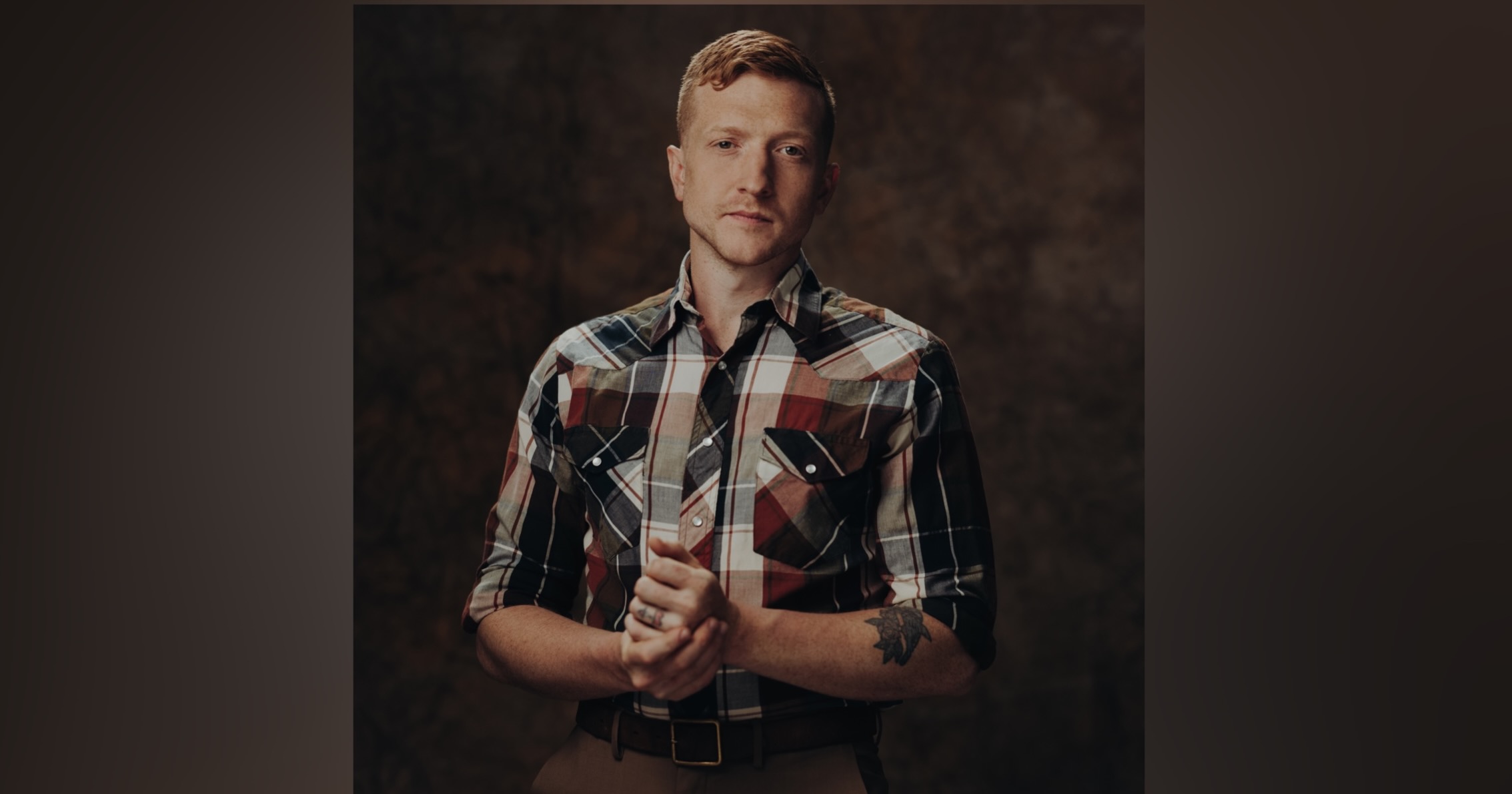
Tyler Childers

Next to fellow Kentuckians Sturgill Simpson and Chris Stapleton, you’ll be hard pressed to find a singer more influential on the Commonwealth – or on all of Appalachian music – than Tyler Childers.

The Lawrence County-born artist first began cutting his teeth on dark corner stages inside diners across Eastern Kentucky and in grainy YouTube videos prior to laying the foundation for the cult-like following that’s been enamored with him since with 2011’s Bottles & Bibles and 2016’s Live On Red Barn Radio I & II. The following year he burst onto the national scene with his Simpson-produced studio debut, Purgatory.

From a voice as gritty and raw as the black gold he sings about on songs like “Nose On The Grindstone” and “Coal” to lyrics that shatter stereotypes and perceptions cast down on his home region by those outside of it, it’s easy to see why Childers’ music has become a soundtrack for not just part but all of Appalachia.

Whether it be the combination of humility and holler-bred antics within Purgatory, the intimate honky-tonk vignettes of Country Squire, the fiddle tunes of Long Violent History, the gospel-fueled experimentation of Can I Take My Hounds To Heaven? or the spiritual embodiment of Elvis on Rustin’ In The Rain, Childers has found success by shaking expectations at every turn, keeping old fans on their toes and bringing new ones in along the way.

When violence perpetrated by police was front and center during the aftermath of George Floyd’s death in 2020, Childers opted to cap off that fiddle album with its only vocal track, the protest anthem “Long Violent History.” During a heated societal moment, he approached the tune from an angle of empathy rather than pretentiousness as he tried contextualizing everything going on with past events like the Battle of Blair Mountain. Then in 2023 he had his first hit on country radio with “In Your Love,” an epic love tale that he recast as a gay one with the help of then Kentucky Poet Laureate Silas House in 2023.

While some fans have been turned off by his “political” statements, his viewpoints ultimately led to more people going down the rabbit hole of Childers’ catalog than ever before. This growth has culminated in sold-out shows at fabled venues like New York City’s Madison Square Garden, Lexington’s Kroger Field, London’s O2 Arena and the Los Angeles’ Hollywood Bowl. It also resulted in recording a track for last year’s TWISTERS soundtrack, collaborating with Olivia Rodrigo for a cover of “All Your’n” during a GUTS tour stop in Kentucky, and performing during The White House’s Fourth of July celebrations in 2024. Close to 10 years removed from his breakthrough moment, the singer is as popular and influential as ever.

That influence is sure to grow with the release of his latest studio album, Snipe Hunter. Recorded with and produced by Rick Rubin in Hawaii in early 2024, the 13-song compilation charts the red-headed stranger’s creative and spiritual coming of age with stories of the band’s success. The project is sprinkled with a bit of anti-capitalistic sentiment (“Eatin’ Big Time”), a yearning to escape on a trek to India (“Tirtha Yatra”), his fear of Koalas (“Down Under”) and hunting for whitetail deer (“Dirty Ought Trill”).

Much like its predecessors, Snipe Hunter captures Childers signature sound while also sounding like nothing he’s released before it, a fact no doubt aided by Rubin’s knack for crafting material that sticks to the cultural zeitgeist like superglue. Songs like “Nose On The Grindstone” and “Oneida” – a story about falling for an older woman – have been in Childers’ performance rotation, on YouTube playlists for years, and traded as coveted bootlegs, but the versions captured for Snipe Hunter, with their additions of organ, synths, and other studio toys, has each feeling reborn and completely new again.

Collectively, the album feels rooted in country funk bands of old like Goose Creek Symphony just as much as it incorporates more modern influences like Charlie Brown Superstar (whose remixes for Can I Take My Hounds To Heaven? are sublime) and Eric Church, serving up the perfect combination of past, present and future sounds in the process while sticking to the deeply personal Appalachian flavoring that has long highlighted his grand storytelling.

To celebrate the release of Snipe Hunter, we’ve named Childers our Good Country and BGS Artist Of The Month for August. Throughout the month, we’ll celebrate Childers by going back into our archives for all-things-Tyler, plus we put together a retrospective look at his catalog of songs and recordings here, have shared a thoughtful examination of whether or not Snipe Hunter was created as a musical “prank,” and of course, don’t miss our Essential Tyler Childers Playlist, below.


Photo Credit: Sam Waxman

Celebrating Women’s History Month: Crystal Gayle, Rose Maddox, and More

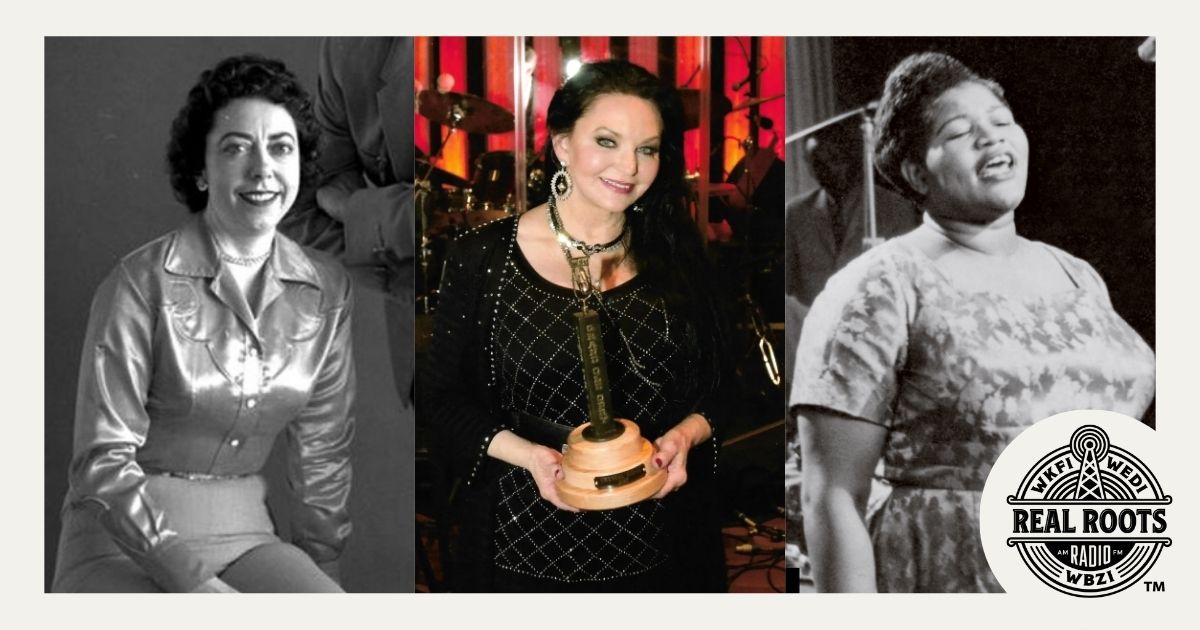
Our partnership with our friends at Real Roots Radio in Southwestern Ohio continues as we move from Black History Month to Women’s History Month! This time, we’ll bring you weekly collections of a variety of powerful women in bluegrass, country, Americana, folk, and elsewhere who have been featured on Real Roots Radio’s airwaves each weekday in March, highlighting the outsized impact women have on American roots music. You can listen to Real Roots Radio online 24/7 or via their FREE app for smartphones or tablets. If you’re based in Ohio, tune in via 100.3 (Xenia, Dayton, Springfield), 106.7 (Wilmington), or 105.5 (Eaton).

American roots music, historically and currently, has often been regarded as a male-dominated space. It’s certainly true of the music industry in general and these more down-home musics are no exception. Thankfully, American roots music and its many offshoots, branches, and associated folkways include hundreds and thousands of women who have greatly impacted these art forms, altering the courses of roots music history. Some are relatively unknown – or under-appreciated or undersung – and others are global phenomena or household names.

Over the next couple weeks, we and RRR will do our best to bring you more examples of women in roots music from all levels of notoriety and stature. Radio host Daniel Mullins, who together with BGS and Good Country staff has curated the series, kicked us off last week with Dottie West, Gail Davies, and more. This week, we’re shining a spotlight on Kristin Scott Benson, Crystal Gayle, Big Mama Thornton, Reba McEntire, and Rose Maddox. We’ll return next week and each Friday through the end of the month with even more examples of women who blazed a trail in roots music.

Plus, you can find two playlists below – one centered on bluegrass, the other on country – with dozens of songs from countless women artists, performers, songwriters, and instrumentalists who effortlessly demonstrate how none of these roots genres would exist without women.

Crystal Gayle (b. 1951)

She’s a country music icon with signature floor-length hair and a voice as smooth as silk – Crystal Gayle!

Born Brenda Gail Webb in Paintsville, Kentucky, Crystal Gayle stepped out of the shadow of her legendary sister, Loretta Lynn, to carve her own path in country and pop music. She scored her first Top Ten hit in 1975 with “Wrong Road Again.” However, her major breakthrough came in 1977 with the GRAMMY Award-winning “Don’t It Make My Brown Eyes Blue,” a crossover hit that topped the country charts and even made waves on the pop scene. It peaked at Number Two on the overall Hot 100, setting Gayle up to be one of the premiere crossover artists of the era.

With 18 Number One hits, Crystal Gayle has the fourth most chart-topping songs for a female in country music history, even more than her older sister. She became a defining voice of the late ’70s and ’80s, blending country with soft pop for her signature sound. Who could forget those long, flowing locks – almost as famous as her music! A member of the Grand Ole Opry and the Kentucky Music Hall of Fame, she even has a star on the Hollywood Walk of Fame in addition to scores of other awards, honors, and accolades. Crystal Gayle is still shining today, proving that true talent – and great hair – never go out of style!

Suggested Listening:
Wrong Road Again
The Sound of Goodbye

Big Mama Thornton (1926 – 1984)

Before Elvis shook his hips and Janis wailed the blues, there was Big Mama Thornton. Born Willie Mae Thornton in 1926, this powerhouse of a woman changed music forever.

Thornton’s deep, growling voice and raw emotion made her a legend in blues and rock and roll. She recorded “Hound Dog,” which was written specifically for her, in 1952 – years before Elvis made it even more famous. It sold over half a million copies and reached the Top Ten on the Billboard R&B charts. Her recording of “Hound Dog” is regarded as a pivotal recording in the birth of rock and roll, and truthfully, her female perspective makes the song make a lot more sense.

Like many Black artists of her time, she never saw the wealth or credit she deserved. Big Mama wasn’t just a singer – she played drums, harmonica, and wrote music, influencing generations of artists. Janis Joplin’s hit “Ball and Chain” was written by Big Mama.

As a blues icon, she toured the United States and Europe, worked at many prestigious folk, blues, and jazz festivals, and even recorded an album with Muddy Waters. Sadly, her life was cut short after years of alcohol abuse, passing away at the age of 57 in an LA boarding house; Big Mama was buried in a potter’s field.

Big Mama Thornton paved the way for rock and roll, blues, and soul, and was posthumously inducted into the Rock & Roll Hall of Fame in 2024.

Suggested Listening:
Ball and Chain
Wade in the Water

Kristin Scott Benson (b. 1976)

A South Carolina native, Kristin Scott Benson is a six-time IBMA Banjo Player of the Year and an absolute force on the five-string. She was a mandolin player as a youngster, but caught the banjo bug at nine years old when she saw Doyle Lawson & Quicksilver in the 1980s with their exciting brand of bluegrass – and a young Scott Vestal on banjo. She joined the all-female bluegrass band Petticoat Junction when she was just a senior in high school, moving to Nashville in 1994 to attend Belmont University.

Unknowingly, she made history during her sophomore year in college when she was hired by The Larry Stephenson Band. She is viewed by many as having “broke the glass ceiling” in bluegrass, by playing in a male-dominated professional bluegrass band, without being married to, dating, or being related to any of the other members – she was simply a powerful picker. Kristin worked two different stints with The Larry Stephenson Band, in addition to working with Larry Cordle & Lonesome Standard Time. She joined The Grascals in 2008, where she has remained for over fifteen years.

Pointing to Sonny Osborne as her banjo mentor, she has fit The Grascals’ sound like a glove with their heavy Osborne Brothers influence. (It was actually Sonny who recommended her to The Grascals for their banjo job.) In addition to kicking tail on stage and in the studio with The Grascals, in recent years Kristin has formed a recording duo with her husband, mandolin master Wayne Benson of Russell Moore & IIIrd Tyme Out. Together they are simply known as Benson.

Kristin Scott Benson received the Steve Martin Prize for Excellence in Banjo & Bluegrass in 2018, and was inducted into the American Banjo Hall of Fame in 2024.

Suggested Listening:
Up This Hill and Down” – The Grascals
Conway” – Benson

Rose Maddox (1925 – 1998)

She was bold, she was brash, and she helped shape country as we know it! Rose Maddox wasn’t just another singer, she was a trailblazer.

Born in Alabama and raised in Modesto, California, Rose and her brothers – The Maddox Brothers and Rose – became pioneers of the “hillbilly boogie” sound. Performing on radio as teenagers, their career really took off when Rose’s brothers returned from World War II, anchored by her powerhouse vocals. One of the first hillbilly bands to come from California, The Maddox Brothers & Rose cut a wide swathe, touring across the country, performing on the Louisiana Hayride, and making smash records.

With wild outfits, high energy, and Rose’s infectious laugh, they were country music’s first real rock stars, known as America’s most colorful hillbilly band. In the 1950s, The Maddox Brothers & Rose parted ways and Rose pursued a solo career. She broke barriers as a female country star, scoring over a dozen Top 30 hits like “Sing a Little Song of Heartache” and inspiring legends like Dolly Parton and Emmylou Harris. She also recorded several popular country duets with another legend with ties to southern California – Buck Owens. In 1962, she released the first bluegrass album by a female artist, Rose Maddox Sings Bluegrass, joined by Bill Monroe, Don Reno, Red Smiley, Donna Stoneman, and more.

She would continue to tour and record, even recording an album with Merle Haggard & The Strangers as her backing band. The Hag always pointed to The Maddox Brothers & Rose as one of his influences. Maddox also performed on stage and in studio with California bluegrasser Vern Williams, and even received a bluegrass GRAMMY nomination for her Byron Berline-produced album $35 & A Dream, shortly before her passing in 1998 at the age of 72.

Honky-tonk, bluegrass, rockabilly – Rose did it all and she did it first! So next time you hear a fiery female country singer, tip your hat to Rose Maddox, the original queen of country sass.

Suggested Listening:
Honky Tonkin’” – The Maddox Brothers & Rose
Sing A Little Song of Heartache

Reba McEntire (b. 1955)

From the heart of Oklahoma, one voice has echoed through the decades, captivating fans with her powerhouse vocals and undeniable charm. Reba McEntire, one of the true Queens of Country Music, has been breaking barriers since she first stepped onto the scene in the 1970s.

Her big break came in 1974 when country & western singer Red Steagall saw Reba perform the National Anthem at a rodeo event in Oklahoma. He then helped her land her first record deal. But she was hardly an immediate success, working to find her footing in the music industry and after four years, she scored her first Top Ten hit, “(You Lift Me) Up To Heaven.” After that, she hasn’t looked back!

Reba topped the Billboard country singles chart for the first time in 1983 with “Can’t Even Get The Blues,” the first of her many Number One hits. With over 40 chart toppers and a career spanning more than four decades, she’s done it all. From mega hits to her legendary TV show, Reba, she’s not just a country icon, she’s a cultural force. However, Reba’s most iconic hit only reached #8, from her classic 1990 album, Rumor Has It. A song she learned from Bobbie Gentry, that has been a signature song of Reba’s ever since, it has been certified double-platinum, selling over 2 million copies: everyone loves “Fancy.”

Known for her fierce spirit and down-to-earth personality, Reba’s music continues to inspire generations of fans. Whether she’s singing about love, heartbreak, or resilience, one thing’s for sure – Reba’s voice is timeless. Reba McEntire, a true legend and a voice like no other.

Suggested Listening:
Fancy
Swing All Night Long With You


Want more Good Country? Sign up on Substack for our monthly email newsletter full of everything country.

Listen to Real Roots Radio online 24/7 or via their FREE app for smartphones or tablets.

Photo Credit: Rose Maddox courtesy of Discogs.com; Crystal Gayle courtesy of the artist; Big Mama Thornton from Ball N’ Chain.

Mixtape: Yarn’s Songs Of and About Pop Culture

I make a lot of references in Yarn’s music about other bands, artists, movies, actors, etc… I didn’t realize how much until I started working on this Mixtape.  Just a few of the things I mention are Jim Croce, Dolly Parton, The Allman Brothers, George Burns, Bob Wills, Waylon Jennings, Velvet Underground, Rex Moroux – and the list goes on. This Mixtape will include references to other artists, food, and places famous in the world of pop culture during its given time of release. – Blake Christiana, Yarn

“Play Freebird” – Yarn

I figured I’d start and end with two of our songs from our new album, Born, Blessed, Grateful & Alive. My wife started writing this one about her father and I took it over and finished it. The entire song is based around another super famous song that Mandy’s dad used to play around the house when she was a kid. And now, if anyone yells out ‘Free Bird’ at one of our concerts, we’ve got something to give ’em.

“You Never Even Called Me By Name” – David Allen Coe

Such a perfect song for this Mixtape. Coe even impersonates the singers he references in this song as well as poking fun at the entire country music genre. Pretty brilliant. Waylon Jennings, Charley Pride, Merle Haggard, and he even references his own name.

“Calling Elvis” – Dire Straits

We could do a giant Mixtape with songs that just reference Elvis alone. I love this one, because just about every lyric is a reference to Elvis and the songs he recorded. Also, Mark Knopfler is THE MAN. More Elvis to come on this list.

“Bette Davis Eyes” – Kim Carnes

I had to include a quintessential ’80s tune on here and this is it. Great voice on Kim Carnes, the perfect sultry rasp. Of course she references the actress, Bette Davis, as well as Greta Garbo.

“Mrs. Robinson” – Simon & Garfunkel

Here’s one with a sports icon reference. Paul Simon has done a lot of these kinds of references in his songs, too, and I’ll include one of those later in the tape. Joe DiMaggio, the famous New York Yankee who married Marilyn Monroe, is mentioned here as ‘Joltin’ Joe.’

“Candle In The Wind” – Elton John

Nice little transition here from The Yankee Clipper to Marilyn Monroe. This entire song is written about Monroe.

“Man on The Moon” – R.E.M.

Lots of references here, but the main star of the song is Andy Kaufman, the brilliant comedian who starred in Taxi in the ’70s. Love Andy Kaufman and R.E.M. Great song. Other honorable pop-culture mentions in this song are 21, Checkers, Chess, and of course Elvis. Also a great Elvis impression from Michael Stipe.

“Nobody Home” – Pink Floyd

The Wall might have been my favorite album as a kid. And in this particular song off that album, Roger Waters sings ‘the obligatory Hendrix perm,’ a direct reference to Jimi Hendrix and his hair style. Glad I got to include Pink Floyd on here. Beautiful song.

“Walkin’ In Memphis” – Marc Cohn

This song just had to be on here. More Elvis for ya, along with WC Handy, Beale Street, Al Green, and more. Another fantastic song.

“Graceland” – Paul Simon

What do you know, more Elvis. I think I need to write a song about Elvis now. This song is too good, it paints a picture as good as any song ever written. Enough said.

“Dairy Queen” – Indigo Girls

I thought we needed some pop-culture food references, so I included these next two songs. Not to mention, Indigo Girls and Amy Ray are my wife’s favorites. Amy Ray’s recent solo records have all been really great and everyone should have a listen.

“Factory” – Band of Horses

I love this tune and its reference to the candy of my youth, Now and Laters. To me, Band of Horses is like a modern day Beach Boys. Great band, great songs, and great harmonies. This song reminds me how half my life is spent in a hotel room.

“I Want You” – Yarn

I reference the 1980 movie, Honeysuckle Rose, with Willie Nelson & Diane Cannon. Not sure anyone saw it, but it’s about an affair on the road between musicians Nelson and Cannon, and the song itself follows a similar plot line. I wrote this song with my longtime writing partner, Shane Spaulding.


Photo Credit: Bob Adamek

BGS 5+5: Matt Koziol

Artist: Matt Koziol
Hometown: Linden, New Jersey
Latest Album: Last of the Old Dogs (out April 5, 2024)

What was the first moment that you knew you wanted to be a musician?

I was probably 4 years old and I saw Elivs on TV. It was like watching lightning in a bottle and I wanted to do it. No one in my family really listened to him, but I heard the sounds and the voice and knew that what he did, I loved. It introduced me to every kind of music that has been an influence for me. Rhythm and blues, country, gospel. It all played a part in the music that moves me. I think hearing Elvis for the first time turned a light switch on in my head. It made me realize music was what I wanted and something I would always be working towards.

What’s the toughest time you ever had writing a song?

The toughest time isn’t just one moment. It happens often. Co-writing with people, my brain works fast. I had a great writing friend, Jason Nix, once say “dare to be wrong” and it changed my approach to writing in group settings. It made me fluent. When I’m writing alone is when the tough parts come, especially if it’s a subject I feel strongly about. It’s like painting, and you don’t want to use the wrong color you imagine in your mind. Sometimes you have happy accidents, but I’ll use a word or a phrase to describe something in a song and it just doesn’t always make me feel how I felt when that moment happened. The way I’ll work around it is to try and just say what happened out loud like I’m talking to a friend. Then I try to write it in simple language, but every once in a while I just get stuck. And, I mean STUCK. Not a single word comes to mind, or I’m playing the same chords that I’ve used in another song, or a melody that I’ve repeated. At that point, I just put everything down and walk away. I come back to it later, or the next day. The story will still be in my head, but if I can’t serve that feeling justice, then I’ll wait until I can.

What has been the best advice you’ve received in your career so far?

I was in high school, and I made a demo for the first time. I brought it to my middle school music teacher (Reggie Turner) and had him listen. He told me to come back a few days later to get his thoughts. What I didn’t know is that he would play it for 20 of his sixth grade students and have them write a short review on how they felt. Now, if you ever want brutal honesty, let a bunch of 10 year-olds review your songs. He then showed me the notes and it was ruthless. They said I sounded like I had a frog in my throat, that they couldn’t understand what I was saying. They said they liked the guitar, but it felt messy. I was trying, at that time, to emulate my heroes. I wanted to play like them and sing like them, but it wasn’t my voice. He then said something I’ll never forget:

“You have your own fingerprint. No one else has yours. If you sing like someone else, and try to be their fingerprint, you’ll always be number two. However, if you sing like yourself, you’ll always be number one. No one has your sound, and no one has your fingerprint.”

I take that with me everyday.

Since food and music go so well together, what is your dream pairing of a meal and a musician?

This is such an awesome question, because I love both of these things so much! I grew up in an Italian household so for me, pasta and wine go with jazz or crooners. Something about good wine and an Italian-made meal feels like Tony Bennett. It feels like Frank Sinatra. When I’m having a good steak and bourbon, I tend to lean towards bluegrass. Something about a rustic meal with my favorite drink bleeds Appalachia. I usually follow up that meal with a fire and more bourbon and a cigar. All those smells and flavors are my favorite. It also depends on people’s tastes, but for me, those are my two ideal pairings for food and music.

How often do you hide behind a character in a song or use “you” when it’s actually “me?”

I have very seldomly put a song out that’s a “character.” Songs like “Work All Day” or “You Better Run, Son” have been songs that are stories for me. Things that I’ve read or seen in movies that give me the feeling and I want to write it down. The only other time I’m writing like that is when I have a person in my life whose story I’m telling because they don’t know how. Everything else, however, is me. I’ve lived it. I don’t always love that I have, but I love that I made it through. One of the things said in writing rooms, especially in Nashville is, “How do we make this relatable?” My response to that is always, “Just write what happened. You’re not the first for it to happen to, and you won’t be the last. Someone else has been through this before, they may just need your words to get them through it.”

I think relating with a song comes from the honesty of the writing. I know that I didn’t have the exact same thing happen to me that caused John Mayer to write “Slow Dancing in a Burning Room,” but I sure as hell had something happen that made me relate to the lyrics. It was his story, and I had mine. I needed his words to find a way to understand how I felt. That’s the power of writing. If it’s honest for you, It will be honest for someone else.


Photo Credit: Kaiser Cunningham

Tyler Childers Stunning “In Your Love” Music Video Was Written by Silas House

Traditional country phenom and Kentuckian Tyler Childers has announced his upcoming album, Rustin’ In The Rain (available September 8, 2023), with a brand new single and music video, “In Your Love.” Written and creative directed by New York Times bestselling author Silas House, the video tells a gay love story between two working class, Appalachian men – played by queer A-list actors and celebrities Colton Haynes and James Scully. The visuals for “In Your Love” tell one of country music’s most prominent and visible LGBTQ+ narratives to date, entering an industry landscape that has become more and more (openly) queer over the past decade.

“In Your Love” reminds of songs and albums released not just by left-leaning, more mainstream artists like Childers and Parker Millsap, but also by queer artists themselves, telling working-class stories and histories just like that constructed and depicted by House and director Bryan Schlam. In 2015, gay banjo player, singer-songwriter, and fellow Kentucky-resident Sam Gleaves released a landmark album, Ain’t We Brothers, which dripped with the exact same lived experiences and soot-tinged patina that inform Childers’ new video. In the past couple of years, releases by LGBTQ+ identified music makers like Amanda Fields, Willi Carlisle, Adeem the Artist, Amythyst Kiah, Jaimee Harris, and more trod similar ground. It’s notable still that an artist – however outlaw- or fringe-identified – as mainstream as Tyler Childers and with as broad a fanbase as his would choose to not only highlight queer, working-class storytelling, but to do so in a way that normalizes and re-centers these ways of being in Kentucky, the South, and Appalachia.

Rustin’ In The Rain will be released via RCA Records on Childers’ own imprint, Hickman Holler Records, on September 8. Via press release, Childers describes the inspiration that birthed Rustin’: “This is a collection of songs I playfully pieced together as if I was pitching a group of songs to Elvis. Some covers, one co-write, and some I even wrote in my best (terrible) Elvis impersonation, as I worked around the farm and kicked around the house. I hope you enjoy listening to this album as much as I enjoyed creating it. Thank you. Thank you very much.”

Clearly, the legacy of “The King” is merely one way drama, mystique, nuance, entertainment, and Southern-ness coalesce within this new project from one of the most exciting voices and perspectives in country.


Photo Credit: Sam Waxman

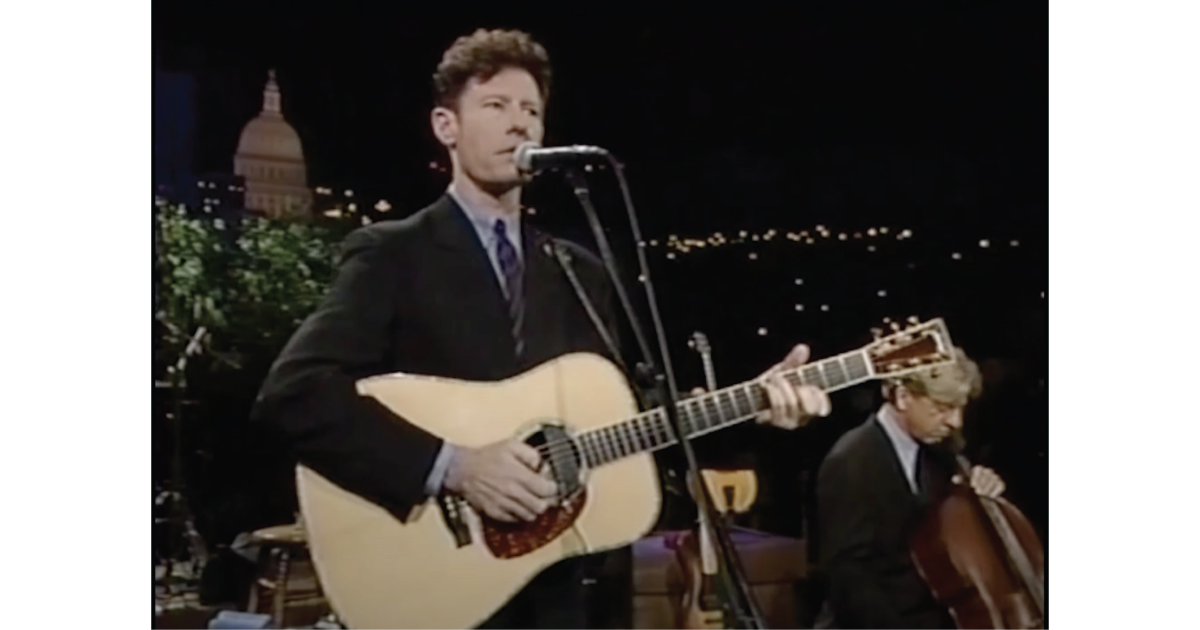
WATCH: Lyle Lovett, “Teach Me About Love” (From ‘Austin City Limits,’ 1997)

Artist: Lyle Lovett
Hometown: Klein, Texas
Song: “Teach Me About Love”
Album: Mighty Fine: An Austin City Limits Tribute to Walter Hyatt
Release Date: October 1, 2021
Label: Omnivore Recordings

Editor’s Note: This Lyle Lovett performance of Walter Hyatt’s “Teach Me About Love” was filmed in 1997 for Austin City Limits as part of a tribute to Hyatt, who was killed in a 1996 plane crash. Cut from the episode due to time constraints, the performance has been unseen until now, coinciding with the release of the full concert on CD and digital, titled Mighty Fine: An Austin City Limits Tribute to Walter Hyatt. Four unheard Hyatt recordings also appear on the album.

In Their Words: “Walter Hyatt is one of the most creative souls to come out of the Austin music scene in the past two decades. Although raised in Spartanburg, S.C., and spent his last years in Nashville, he represented the spirit of Austin. An artist of personal vision, original style and artistic integrity. During the late ‘70s and ‘80s, Uncle Walt’s Band developed a strong loyal following in Austin thanks to their expressive blend of music styles, songs that were street smart, energetic, honest, and inspirational to a lot of younger singer-songwriters like me. Walter Hyatt explored many styles – New Orleans jazz, country honky-tonk, with a bit of Elvis and course Bob Wills. His dry sense of humor made him very special in the eyes of fans and critics. His death was a personal loss for those of us who knew him, and for anyone who ever heard his music. This program is a celebration of extraordinary music by an extraordinary man with a gift for reaching hearts and minds of so many people.” — Lyle Lovett

Guided by Acoustic Demos, Paul Thorn’s New Album Finds Magic in Memphis

For years, you could always count on a Paul Thorn record for songs about insatiable lust and desire. That’s still true on his newest release, It’s Never Too Late to Call, although that carnal urgency has been overtaken by… yes, actual love. The long-awaited album isn’t exactly sentimental, as “What I Could Do” details the ways his life would be more productive without still being in love with somebody. There’s also “Goodbye Is the Last Word,” an aching slow song that basically offers advice on how to leave a relationship that’s turned toxic. Even the duet with his wife, Heather, is titled “Breaking Up for Good Again.”

Still, on the boisterous “Here We Go,” he sings, “I feel good about what the future holds.” As he should.

“I like to think I’ve just matured a little bit,” Thorn tells BGS. “I’m 57 years old and the way I looked at things 10 years ago ain’t the way I look at them now. If you’re still the same person you were 10 years ago, you wasted 10 years.”

On It’s Never Too Late to Call, there’s not a minute wasted. Thorn can still crank up that R&B groove that’s made him a must-see artist for decades. Meanwhile, “Sapphire Dream” – a duet with his daughter Kitty Jones — stands among his most evocative performances on any of his records. Here, the Mississippi musician tells BGS about how the acoustic guitar shaped these sessions, the bluegrass bands he admires, and what “Sapalo” really means.

BGS: Why was it appealing for you to make this album in Memphis?

Thorn: Sam Phillips Recording Studio in Memphis has a lot of vintage equipment and recording technology that kinda doesn’t exist anymore. The way that Elvis Presley’s records sounded, and the way that Johnny Cash’s records sounded, and many other great artists sounded — in addition to their talent, it was the way they were recorded and the sound that they caught from that studio.

And it’s not Sun Studios. Let me clarify that – Sam Phillips didn’t own Sun. He rented it, but then when he got successful he built another studio two blocks down called Sam Phillips Recording Studio. That’s the studio I’m talking about. A lot of magic was created in there for a lot of reasons. It’s an hour from where I live, so why not?

Did you have an idea of how you wanted this record to sound before you went in?

I really did, yeah. The producer of this record is Matt Ross-Spang. He’s a Grammy Award winner. He’s very good. I was sending him iPhone demos of me just singing with my acoustic guitar on all these songs. We both decided, after talking a few times, that this record should be built around those acoustic demos. I play rhythm guitar on every song, which is something that I used to not do. I used to not play on my records at all. I would just sing it once with my acoustic guitar and the band would play it.

Although that sounds good and it has its place, I think what we captured on this record more defines what I actually sound like and what I do best. It’s a lot more stripped down and it’s not like a jammy record. There are very few solos on any instrument. This record is all about showcasing the songs. I haven’t put a record out of original material in six years and there are a lot of reasons for that, some good, some bad. But I feel like over those years, these songs that I did get are my best work ever. I really feel that way.

Are there any acoustic guitarists that you really look up to?

I know two people who, in my opinion, are the greatest acoustic guitar players. One is Mac McAnally and the other one is Tommy Emmanuel. They’re not only great guitar players but I’m friends with both of them and I know them personally. They’re the monsters! And I mean that as a compliment. I’m not really a great guitar player but I do a thing that’s unique to me. Tommy and Mac, they can sit down and play with anybody. I can play good with myself but I don’t know how to follow other people. These guys are on another planet, as far as guitar players.

Are you a bluegrass listener?

I grew up around two types of music as a child. My dad was a preacher so I grew up around black gospel music and white bluegrass gospel music. You know, there’s a group named Balsam Range who recorded a song I wrote called “Angel Too Soon.” They had a No. 1 on the bluegrass charts and it stayed there a long time. I’m clearly not a bluegrass artist, but I have had songs covered by a top bluegrass artist. So, I have that in me. And when it’s done right, I love it Another group that I’m a big fan of — and in my opinion they do it as good as anybody — is The Isaacs. They do bluegrass gospel and when I watch them, I’m looking at excellence.

On this record, you start out with a couple of mellow songs but then you hit that R&B groove on “Sapalo.” So, I have to ask, what does that title mean?

I was watching a video on YouTube of James Brown, and before I clicked on it, the description said “James Brown High on PCP.” The premise of the video is that he’d just gotten out of jail and he was being interviewed by a very straight-laced lady, a local news anchor. It was clear from the get-go that he was high on drugs while he was doing the interview. She said, “Mr. Brown, how are things now that you’re out of jail?” She said, “How do you feel now?” And he goes, “I feel good! I look good! I smell good! It’s all good! I make love good!” He was saying all this off-the-wall stuff. Then she said, “What are your upcoming plans?” And he said, “Well, I’m going to Brazil. I’m going to São Paulo!” He said, “We’re going to JAM!”

So I was just writing down all of this stuff he was saying, and the song wound up being a song about redemption. At least in that moment, he was claiming that he had put his life back together, which he was lying to himself because he was on TV high on PCP. But I tried to spin it as everyone needs a shot at redemption. It’s about being optimistic with whatever time you’ve got left.

Listening to “You Mess Around & Get a Buzz,” I caught that Clarksdale reference right off. I know that being from Mississippi is a big part of your story, and I’m curious if you ever feel like you’re an ambassador for the state.

Well, I would only say this because you brought it up but I guess I am in some way. When I use the word “ambassador,” to me that means somebody who goes abroad and tells other people about how good it is where he lives. So, in that way I guess I am. I was very flattered a few years ago when the state of Mississippi invited me down to the capitol and they declared March 27 as Paul Thorn Day. So, I got a day! You know, most times you gotta die before you get a day.

You’ve got the same hometown as Elvis. I’m wondering, if you could have pitched him any of the songs you’ve written, which one would you pick?

That’s a hard question, man. I tell you, I wrote a song called “That’s Life.” All the words in that song were words my mother has said throughout my life. I’ve played it a lot and people like the song. If I could get one song recorded by Elvis, it would probably be “That’s Life.”

Your fans often become characters in your songs, too. It happens on this album on “Sapalo” and “Holy Hottie Toddy.” You’ve cultivated one of the most loyal fan bases that I’ve seen. What are some of the things you’ve done right, to keep people invested in you and your career?

That’s a hard question but if I had to answer, I think to get down to the brass nuts of it, they know I love them. You can say that, but a lot of artists will do their show and they walk off the stage and they’re ready to get to the hotel room. I understand that. I feel that way sometimes myself, but at every show – prior to the pandemic – on the last song I always go out into the crowd. And while I’m singing I’m hugging people and shaking people’s hands. And when that’s done I go out in the front and sign CDs and take pictures. I’ll stand there until the last one’s gone.

I don’t do it as a career strategy. I do it because those people got off work, got a babysitter, took a shower, bought a ticket, and they’re going to spend their whole evening with me. And my job is to give them my whole evening. That’s what I try to do. I think that’s why they stay with me, and I think that’s why they’re loyal. They’re loyal to me because I’m loyal to them.


Photo credit: Steve Roberts