From Bristol Sessions to Bessie Smith, East Tennessee Is Rich in Musical History

The Volunteer State has long been at the center of the music world, and East Tennessee destinations like Bristol, Johnson City, Knoxville and Chattanooga all have their own unique history and stories to tell about their roles in evolving the American music experience.

To shine a light on these musical destinations sometimes overshadowed by the behemoth of Nashville to the west, we’ve gathered over a dozen attractions worth visiting from Bristol’s Burger Bar to Knoxville’s Blue Plate Special and Chattanooga’s Songbirds Vintage Guitar & Pop Culture Museum. Spanning the realms of country, bluegrass, folk, hip-hop, blues and more, each stop is guaranteed to empower, inform, inspire and excite the music fan in every one of us.

Bristol

A couple years after the Grand Ole Opry launched in 1925, Ralph Peer of the Victor Talking Machine Company ventured to Bristol in 1927 to record sessions that would later be referred to as the “Big Bang” of modern day country music. Participating artists like the Carter Family, Jimmie Rodgers and the Stoneman Family are featured throughout the Birthplace of Country Music Museum. The brand new exhibit titled I’ve Endured: Women in Old-Time Music is on display now through 2023.

Located just on the Virginia side of the state line, the space digs into the circumstances that brought the sessions to Bristol in 1927 along with the artists included in them, how the sessions have and continue to shape country music in the present, and more. It also explores how festivals, the church, radio and Hollywood have helped to further propel country music into the mainstream way of life through displays, interactive exhibits, short films and more. With the museum having just been awarded over $1 million in grants to help fund expansion, visitors can expect even more from the space in the coming months and years.

Speaking of festivals, since 2001 the museum has also produced the popular Bristol Rhythm & Roots Reunion festival on the streets and in bars around the small mountain town. Over 30,000 music fans flock to the area every second weekend of September for the event honoring not only Bristol’s history as the “Birthplace of Country Music,” but the future artists that are helping to guide and redefine country and roots music in the present. Its 2022 gathering lived up to that and then some with performances from living legends like Tanya Tucker, Del McCoury and Rosanne Cash, and rising stars like Sierra Ferrell, 49 Winchester and Molly Tuttle.

A couple blocks away from the museum nestled on the corner of State Street and Piedmont Avenue you’ll find the renowned Burger Bar. In addition to serving up the best burgers and chili dogs in all of Bristol, the diner is best known for being the last place Hank Williams was seen alive. Williams was in the process of riding from Montgomery, Alabama, to Canton, Ohio, to play a show on New Year’s Eve 1952 when he died in the back seat of the car transporting him not long after leaving Bristol.

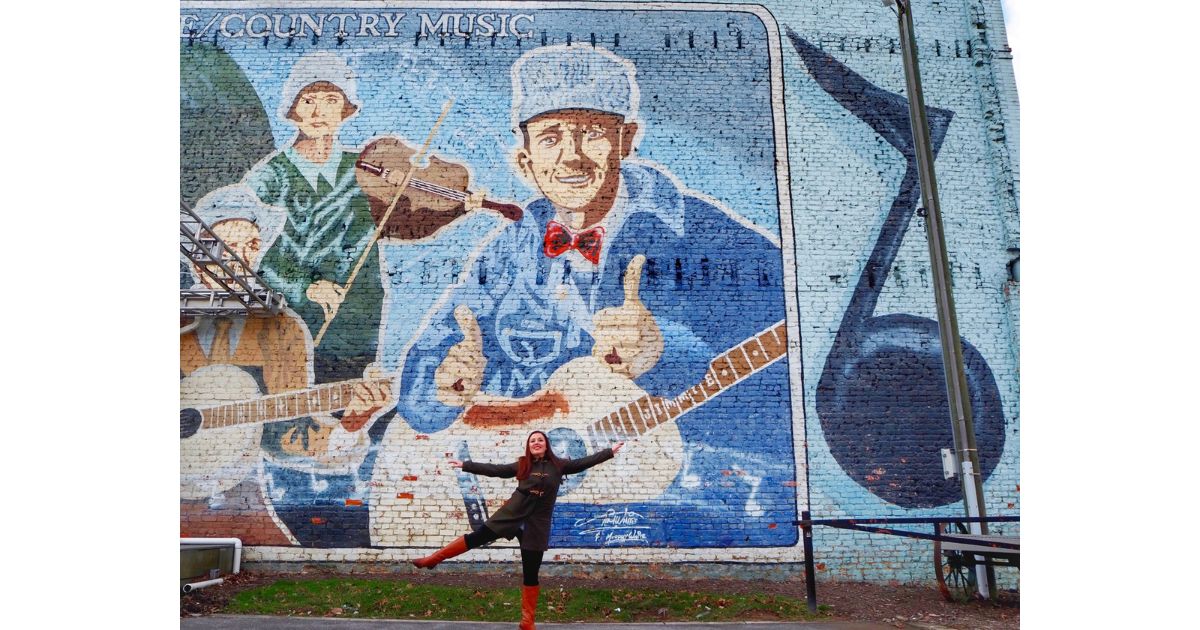
A short walk west down State Street will lead you to another tribute to the twin city’s claim as the Birthplace of Country Music, this time in the form of a 30 x 100 foot mural. First painted by artist, musician and radio host Tim White in 1986, the mural depicts the aforementioned Rodgers, Carters and Stonemans alongside Peer as musical notes flutter up the brick wall between them.

Less than a five minute drive from downtown Bristol you’ll stumble upon “Tennessee” Ernie Ford’s birth home. Born in Bristol in 1919, Ford went on to become a world famous singer, TV and radio star. The home, now owned by the Bristol Historical Association, is open for tours and houses countless personal items and memorabilia from the town’s most cherished son.

Johnson City

Twenty-five miles south of Bristol in Johnson City is another East Tennessee mainstay, The Down Home. Founded in 1976, the listening room style club has played host to artists like Kenny Chesney, Alison Krauss and The Dixie Chicks prior to them making it big. Bigger named acts like “Pancho and Lefty” songwriter Townes Van Zandt, bluesman Willie Dixon and A Prairie Home Companion collaborators Robin and Linda Williams have also performed there. More recently other local artists like Southwest Virginia’s 49 Winchester have continued that legacy by performing in the iconic space regularly, which hosts live music anywhere from two to four nights per week.

Knoxville

If Nashville is the center of music in Middle Tennessee, then Greater Knoxville is the center in East Tennessee, and it all begins before you even get into town. Located about 20 miles north of downtown, the Museum of Appalachia houses a pioneer village, historical relics and a Hall of Fame. The latter includes everything from Native American relics to collectibles from regional political, military and everyday figures along with musicians like Roy Acuff, Bill Monroe, The Carter Family, John Hartford and Redd Stewart whose music came to define the region.

Upon arriving in Knoxille proper, I’d recommend stretching out with the Cradle of Country Music Walking Tour. Comprised of 19 locations with an estimated completion time of an hour, the self-guided tour includes stops everywhere from the Tennessee Theatre (the official state theatre of Tennessee and site of the first public performance of Roy Acuff) to the Andrew Johnson Hotel (the original home of country music variety show The Midday Merry-Go-Round and where Hank Williams spent the last night of his life), to Market Square (where Sam Morrison of Bell Sales Company helped to launch Elvis Presley’s career in the 1950s by promoting “That’s All Right, Mama” on the loudspeakers).

Along the path of the walking tour you’ll also come across the Knoxville Visitor Center and WDVX 89.9 FM. Every Monday, Tuesday, Wednesday, Thursday and on Saturday from noon to 1 p.m., the independent radio station hosts its signature program, the Blue Plate Special, in front of a live audience. Hosted by Red Hickey and Sean McCollough, the show features music and conversation from a variety of up-and-coming roots musicians. Past performers have included The Avett Brothers, Old Crow Medicine Show and Chris Stapleton. However, when we visited the featured artists were Portland-based A.C. Sapphire and Kendall Lujan, along with Sierra Leone-born, Nashville-based Senie Hunt.

Once that wraps up you can finish off your musical escapades just down Gay Street at the Museum of East Tennessee History. Operated by The East Tennessee Historical Society, the building is home of everything from the Knox County Archives to the Museum of East Tennessee History, the latter of which houses an epic collection of artifacts and music memorabilia from Dolly Parton, Billy Bowman, the Bristol Sessions and more.

Sevierville and Pigeon Forge

We would be remiss if we didn’t mention Dollywood in a story about East Tennessee. After pulling over for pancakes at family-friendly Flapjacks, start your day in the town square of Sevierville. It’s impossible to tell Dolly Parton’s life story without speaking about her reverence for the Smoky Mountains and Sevier County especially. At the courthouse, you’ll want to snap a photo with the Dolly Parton statue on the courthouse lawn, created by sculptor Jim Gray.

For years, the Chasing Rainbows Museum at Dollywood has told Parton’s rags-to-riches story — and in her case, those rags led to the famous “Coat of Many Colors.” Parton herself revealed that the museum is being reinvented as the Dolly Parton Experience, set to open in 2024. (Cue: “Here You Come Again.”) One of the best breaks in the park is maybe sharing a loaf of cinnamon break in the rocking chairs in front of the grist mill. Still hungry after that? Dolly Parton’s Stampede provides a memorable, show-stopping experience and a four-course feast, sometimes served with forks.

Chattanooga

Just over an hour and a half southwest of Knoxville you’ll find another music-friendly city in Chattanooga. Located along the Tennessee-Georgia border, the city’s roots run deep in country, blues, hip hop and more, all of which you can learn about at the Bessie Smith Cultural Center and Chattanooga African American Museum. Inside you’ll find displays highlighting all of the city’s Black history including music with displays honoring hometown heroes like Usher, Kane Brown, The Impressions and the building’s namesake, Bessie Smith.

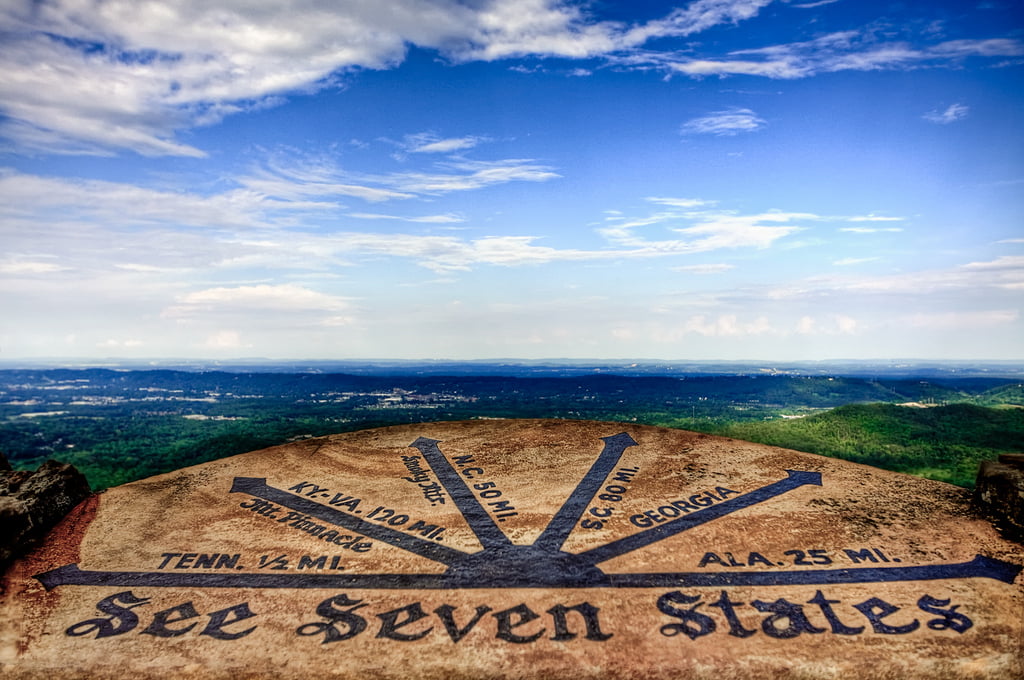
The Tennessee Aquarium draws most of the crowds downtown, while Rock City and Ruby Falls beckon tourists to Lookout Mountain. The city also has a terrific greenway system with artistic mile markers along the river. One of them just might be a silhouette of Bill Monroe. Speaking of bluegrass, drop in for breakfast at the Bluegrass Grill in downtown Chattanooga. Just around the corner you’ll find a brewpub, a chocolate shop, a distillery, and an ice cream store, all with local ties.

After singing a few lines about the famous Chattanooga Choo Choo, located on the grounds of a historic hotel, you can trace the modern history of the guitar at the nearby Songbirds Vintage Guitar & Pop Culture Museum. Much like the Bessie Smith Center, the museum recognizes local heroes while also wielding an insane — and growing — collection of vintage guitars, amps, and pedals. Current highlights on display when I visited included guitars from Duane Allman and Merle Travis, who is also featured at the Muhlenberg Music & History Museum mentioned in our previous story on Kentucky’s top music tourism destinations.

An hour northwest of Chattanooga — and just barely inside the confines of East Tennessee for the purpose of this story — sits The Caverns. The sought after getaway takes musicians and concertgoers alike underground for an unparalleled live music experience. The gritty grotto is most notably home to PBS television series The Caverns Sessions (formerly Bluegrass Underground), which has already announced performances from Sierra Ferrell, Allison Russell, The Lil Smokies and more in 2023. Guided tours of the cave system are also available seven days a week. If the timing lines up, consider checking out the Big Mouth Bluegrass Festival (July 1-2, 2023) or CaveFest (October 6-8).

For more information on tourism destinations throughout East Tennessee, visit TNVacation.com.


Photo Credit: Tennessee Tourism/Andrew Saucier
Amythyst Kiah Ends Her Shut-Up-and-Sing Policy on ‘Wary + Strange’ (Part 1 of 2)

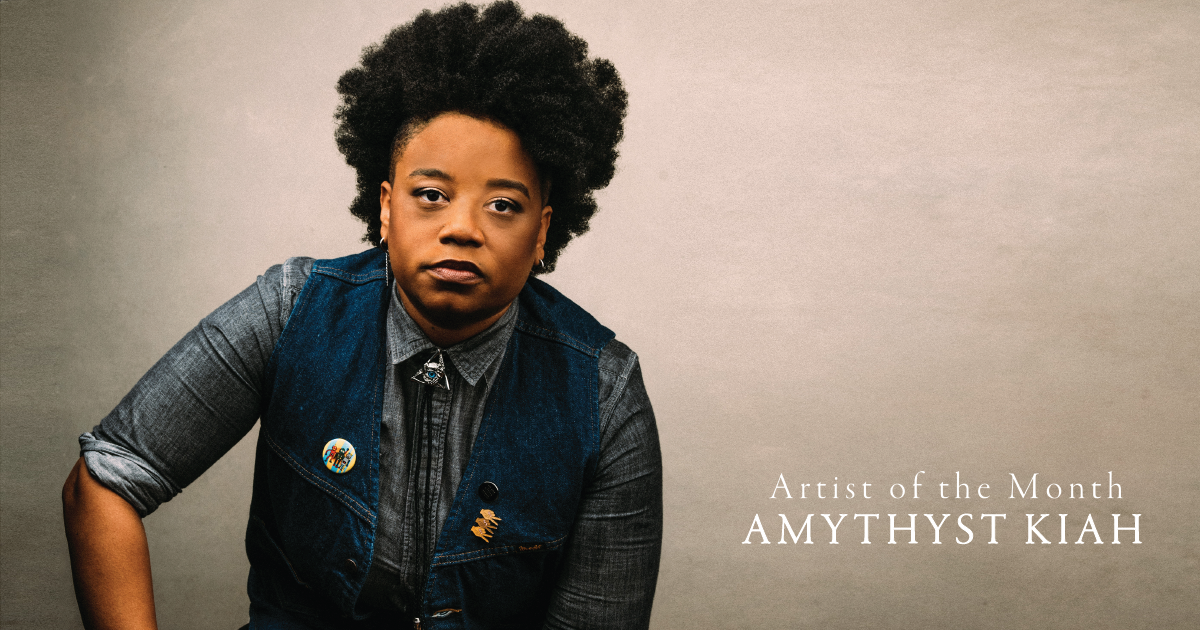
Amythyst Kiah took great pains to get Wary + Strange just right. After studying banjo and old-time music at East Tennessee State University in her twenties, she gained a reputation as an intense live performer, so much so that she was asked to join the roots supergroup Our Native Daughters, where she played alongside Rhiannon Giddens, Allison Russell, and Leyla McCalla. The group recorded Kiah’s bluesy anthem “Black Myself” as the opening cut on their 2019 album, Songs of Our Native Daughters.

The experience of working directly with her contemporaries — even the idea of considering them as her contemporaries — was a profound experience, one that stirred her to write songs that took bigger risks and told bigger truths about herself. She’d been struggling to make this record for several years by then, booking sessions with various producers, but never feeling satisfied with the results. She didn’t hear herself in the music.

That changed when she began working with producer Tony Berg (Aimee Mann, Phoebe Bridgers), and together they devised a way to combine all of Kiah’s influences rather than compartmentalize them. Wary + Strange is a headphones album, one that listeners will pore over intently. “It feels good to make music that helps people get through hard times,” Kiah tells the Bluegrass Situation.

Editor’s Note: Read the second half of our BGS Artist of the Month interview with Amythyst Kiah here.

BGS: Are you surprised by the response this record has gotten?

Kiah: This is my label debut. So it’s really the first time that I’ve worked with a giant team of people helping me get my music out into the world. So the whole experience has been completely new. My focus was really tol make this album where I’m excited about it and happy with it, so I felt pretty confident about it. Then I started promoting it and things started coming in, and I didn’t realize how much was going to come in because I’d never done it before. So now I have the craziest workload that I’ve had in a long time. I’m just drinking a lot of caffeine and hanging on as long as I can, because I’m getting an opportunity that a lot of artists don’t get.

And add to that the fact that you can actually play live shows again, if only for a little while. What has the audience reaction been like?

People are really excited to get back to playing or get back to just seeing live music. All of us that were doing virtual gigs for a year and a half. Any time I’ve played a virtual gig, I’ve made a point to say that we’re all in this weird situation together, so let’s make the best of it. The audience is just looking at me through a camera lens, and I’m looking at them through a camera lens, but we’re doing our best to share our energy with one another. I can’t tell you how many times over the past several shows that I’ve gone out to the merch table and people have told me, “This is the first show I’ve seen since quarantine.” They are so excited, so the energy has been more intense than I can remember.

You mentioned something a minute ago about wanting to make sure you were happy with this record. You recorded these songs several times trying to get to that point, and I wondered if you could talk about that process. What was missing from those early songs?

The first time I made the record, it was with Dirk Powell in Louisiana, and it was right before the sessions for Our Native Daughters. But I didn’t really have a strong idea of what I wanted. I was dealing with some writer’s block at the time, and I was putting pressure on myself to put out another record. So I was recording a lot of songs that I didn’t really play anymore, and it felt like I was just trying to fill out an album.

At the end of the recording process, it sounded like a record that was very safe. It sounded good but it was safe. It wasn’t showing any real musical growth from me as an artist. I felt like I was compartmentalizing a lot of my folk stuff and the stuff I played with my backing band. I had this folk side of me and this rock version of me, and it just slapped me in the face that all of those songs needed to be on the record.

What was the nature of your writer’s block? How did you get through it?

There was a period when I wasn’t really writing songs that much. A lot of it had to do with the fact that I was repressing a lot of emotions regarding my mother’s suicide. For twelve years I would do anything I could to avoid getting in touch with those feelings. I was in survival mode, and when you’re in survival mode it’s really hard to think deeply about some of your choices. I was just trying to ignore it all. By the time I got to Our Native Daughters, I’d written a handful of songs over the course of two or three years. That was my second year going into therapy, and I’d made a couple of breakthroughs in understanding how my grief was affecting other aspects of my life.

Being around Rhiannon and Leyla and Allison and writing songs with them, I started to understand something important about myself. We all had this similar background of being the token Black person in a genre that has some very obvious African influences. But that history and those identities had been removed and the music had been segregated. We were able to share stories about being confused with other people, stuff like that. Just to be able to have that conversation with other people who understood where I was coming from was wonderful. Being in that environment gave me the courage to write about the things I was talking about. I’d been afraid to put those experiences into songs because I have this shut-up-and-sing policy for a long time. So that was an important moment for me.

We’re telling stories of our ancestors who were able to survive the transatlantic ship voyage. They survived the Civil War. Reconstruction. Segregation. Civil Rights. We’re standing on the shoulders of so many people who survived, and we’re here because of their survival. Once you start to make those big spiritual connections beyond what you’ve read in a history book, suddenly there’s nothing to be afraid of. If they can survive, then I can survive writing a song about how I feel. There was a new sense of empowerment to really write about myself. So after that project, I wrote more songs. I wrote “Soapbox.” I wrote “Opaque.” I wrote “Firewater.”

Did that change how you approached recording the album?

Really I was still figuring myself out and how I wanted to be defined as a musician. It was a lot of self-exploration. I recorded the album again at Echo Mountain Studios in Asheville, North Carolina. But the third time’s the charm, as they say. I met Tony Berg, and he was able to help me encapsulate the inherent wariness and strangeness of all of these songs. We were also able to keep that essence of roots music while adding in these different textures and sounds. He actually told me once while we were recording, “I don’t think I’ve heard a record that sounds quite like this one.” He’s obviously listened to way more music than I ever have, so I knew we had something special at that point. I knew that would be the final time recording the album.

It sounds like you had to go through those first two versions of the album to get to that point.

Yes. I definitely don’t want to say that those first two didn’t sound good or weren’t worthy. And I’m appreciative of anybody who spent time in any capacity working on them with me. It took all of those moments to get where we are now. But something was always missing, and you shouldn’t be too afraid to explore that and figure out what’s missing. Unless you’re 100 percent excited about your record, it’s going to be hard to go out and play those songs.

There’s a malleable quality to your songs. I’m thinking about the two versions of “Soapbox” on the record, or the solo version of “Black Myself” and the Our Native Daughters version. You talked about learning not to compartmentalize your music, but the songs seem like they could fit so many different settings. “Black Myself” in particular sounds very different when you’ve got several people singing as opposed to just one person singing.

I think that’s a recurring theme that’s always going to be part of my creative process. I spent a good amount of time in my twenties focusing on reinterpreting songs that already existed and learning about the different ways to make it your own. Or at least give it another perspective. It made me hyperaware of, “OK, what am I saying? What if I deliver this particular line this way or what if I go to a minor chord here instead of a major chord. How does that change the meaning?” I’ve always been fascinated with that kind of thing.

That’s just as valuable as writing new songs, because that’s the way most of us learn music. We learn other people’s music, and within that we find our own voice. Reimagining certain songs — even if they’re your own songs — is a valid way to express yourself. Balancing that can be a little tricky. With the various incarnations of this album, I was rehashing a lot of songs that I’d already done. I was taking songs I’d already recorded and rerecording them in a different way. So I had to make myself write new material. I didn’t want to stop moving forward.

As for “Black Myself,” I remember thinking, “Man, I wish I could have some people singing with me on this song.” It’s not even just from a production standpoint. It was more personal. So it was good to record with Rhiannon and Allison and Leyla sticking up for me, you know? It’s different without them. For the version on my record I was doing my own background vocals, which is really enjoyable and helps me dig into a song in a different way. But I definitely missed singing with them. But I was really excited to record that song by myself, because it’s a way to continue that conversation about white supremacy and anti-racism. It was a good opportunity to bring the song forward.

Editor’s Note: Read the second half of our BGS Artist of the Month interview with Amythyst Kiah here.


Photo credit: Sandlin Gaither

LISTEN: Hannah Juanita, “Hard Hearted Woman”

Artist: Hannah Juanita
Hometown: Chattanooga, Tennessee
Song: “Hard Hearted Woman”
Album: Hardliner
Release Date: June 11, 2021

In Their Words: “Well, I’m glad I don’t feel like a ‘Hard Hearted Woman’ anymore! But that is how I felt coming out of my last relationship. Turning 30, moving back to Tennessee, and leaving the life I had built out West behind definitely had me feeling alone… but it was the good kind of alone. I may have felt hardened to love, but I was so ready and excited to do my own thing and make music. I remember well the night I wrote this song. All my friends were out honky-tonkin’ around Nashville, but I felt heavy-hearted and went home because it was time to sit down with my guitar and get this song written. It had been rolling around in my head for too long.” — Hannah Juanita


Photo credit: Jody Domingue

LISTEN: Strung Like a Horse, “Lookin’ for Love”

Artist: Strung Like A Horse
Hometown: Chattanooga, Tennessee
Song: “Lookin’ for Love”
Album: WHOA!
Release Date: October 30, 2020
Label: Transoceanic Records

In Their Words: “‘Lookin’ For Love’ is a tune all about that exciting feeling you only get when first falling in love. It’s meant to invoke the joy of a relationship young enough to not be complicated. I know all our longtime fans are gonna be stoked on this one. The strings were cooling off just a little, and we needed to let them open up again and meet their quota. So we took care of business the way we used to — playing live in a room all together with a few mics scattered about. This one is a helluva good time, and I think our excitement for this song made its way through the wires. We all love to fall in love, and that’s the fun part to focus on. If you’re lookin’ for heartbreak, you’re in the wrong song.” — Clay Maselle, Strung Like a Horse


Photo credit: Vincent Ricardel

Experience Your Favorite Cities Through These Vintage Photo Collections

Everyone likes to talk about the "good ol' days" of their city — the days before high rises and high-end coffee shops took over and a little bit of history got squeezed out as a result. Most people, however, neglect to look much past the decade or two they've lived in a certain spot, forgetting the years of growth and change that brought the city to its current incarnation. We've rounded up some of our favorite spots on the web to check out cool, historic photos of some of our favorite cities, and you can give them a look.

Nashville, TN

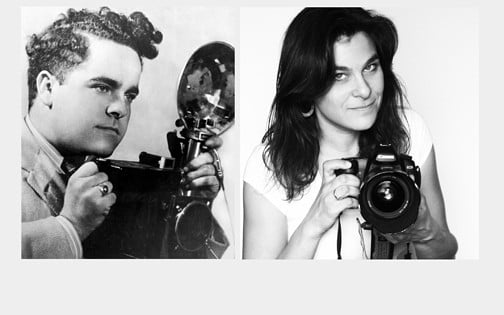
Bob Grannis and Leila Grossman

Grannis Photography has an extensive collection of vintage photos of Nashville, from way back when at the Grand Ole Opry to the days when Green Hills Market was a fixture in what is now Trader Joe's and Whole Foods territory. The site is run by professional Nashville photographer Leila Grossman, who bought the photo archives of Bob Grannis in 1997.

Denver, CO

Photo via Denver Public Library

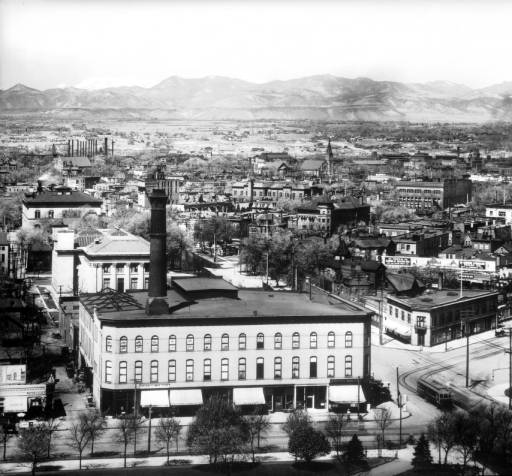
The digital archives of the Denver Public Library are a gold mine of historic photos, many of which are essential to understanding Western history. With over 50 collections of photographs available, the archive is sure to have something for everyone.

Chattanooga, TN

Chattanooga has a lot of history, and Deep Zoom Chattanooga is one of the web's best resources for exploring it. The image galleries, which are categorized by decade and go back to the 1800s, were pulled together by Sam Hall, a history enthusiast who spent years making the project into what it is today. 

Portland, OR

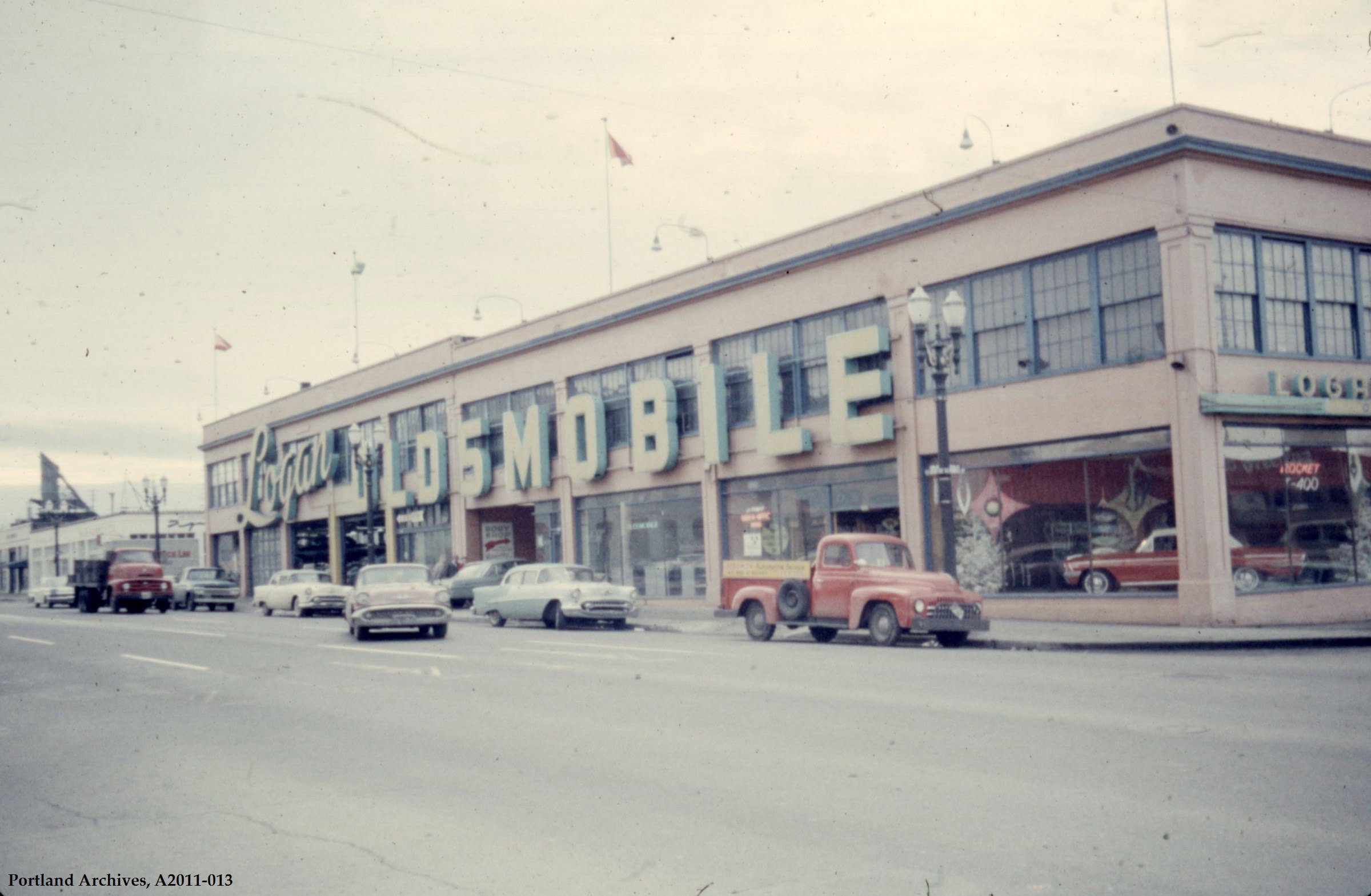
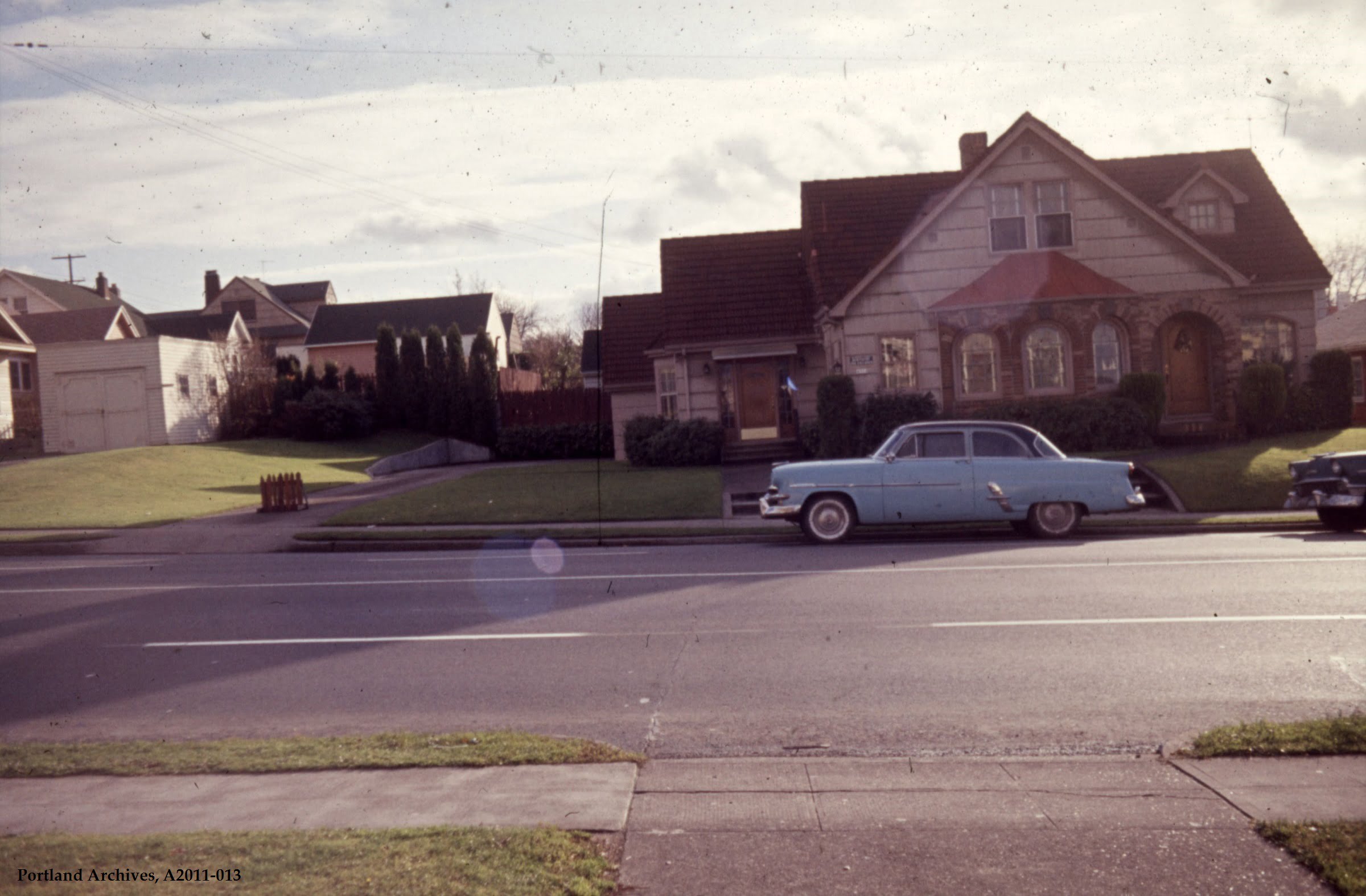
City of Portland Archives, Oregon, SE 4514 E Burnside Street near SE 45th Avenue, A2011-013, 1964

Vintage Portland is a photo blog created and run by the City of Portland Archives and Records Center. With categories broken down by both decade and geographic location, the blog is a wonderful source for anyone looking for the history of a specific Portland locale.

Los Angeles, CA

Photo via Shorpy

Shorpy, an online archive of historic photos from all over, has an extensive collection of vintage photos of Los Angeles, ranging from Old Hollywood to early businesses in some of the city's most popular neighborhoods. 

Chicago, IL

Photo via Shorpy

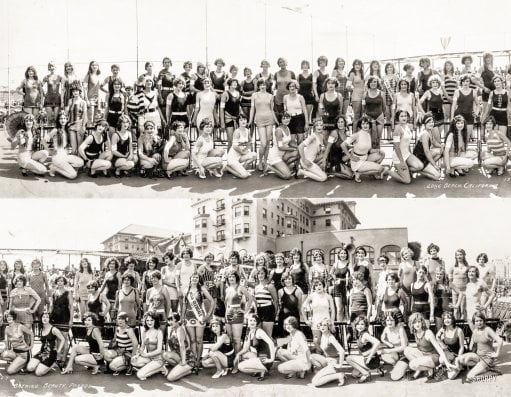
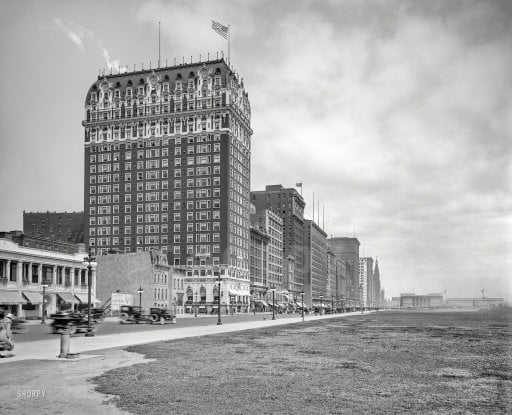
Shorpy is also a wonderful resource for historic photos of Chicago, collecting early images of landmarks like Grant Park and showing what 1910 Chicagoans saw as a "Changing Chicago."


Lede photo: City of Portland Archive, Oregon, Logan Oldsmobile Company on the corner of SE Grand Avenue and SE Yamhill Street, A2011-013, 1961

Traveler: Your Guide to Chattanooga

Once one of the dirtiest cities in the country, Chattanooga, TN, is now known as America's Scenic City … and that's not a title given lightly. Surrounded by mountains, bolstered by a thriving arts community, and situated along the banks of the Tennessee River, Chattanooga is a gem of the Southeast, one that's now known for its growing tech scene as much as it is its long-beloved outdoor culture. A native Chattanoogan myself, here are some of my favorite spots in the quickly growing city.

Getting there

If you're in the Southeast — particulary around Nashville, Knoxville, or Atlanta — getting to Chattanooga is a piece of cake. Unfortunately, however, you can no longer take the famed Chattanooga Choo Choo, which now serves as one of the city's more interesting hotels. 

Accommodations

[Photo credit: J. Stephen Conn / Foter.com / CC BY-NC]

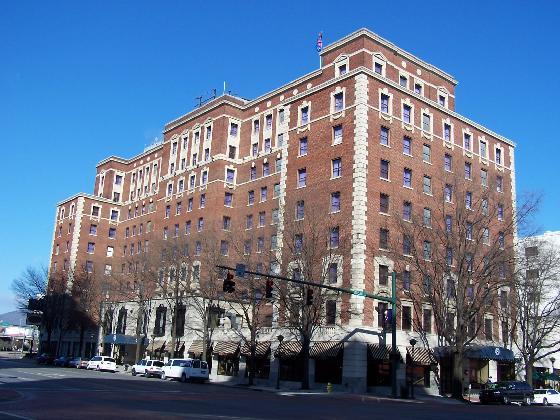
If you're gonna Airbnb it, check out upcoming neighborhoods like Southside or, for a room with a view, look for rentals on Lookout Mountain. If you'd like your stay to be a bit more historical, book a room at the aforementioned Chattanooga Choo Choo or stay at the Read House, a historic hotel known around town to be haunted. 

Food

[Photo credit: Lorenia / Foter.com / CC BY-NC-ND]

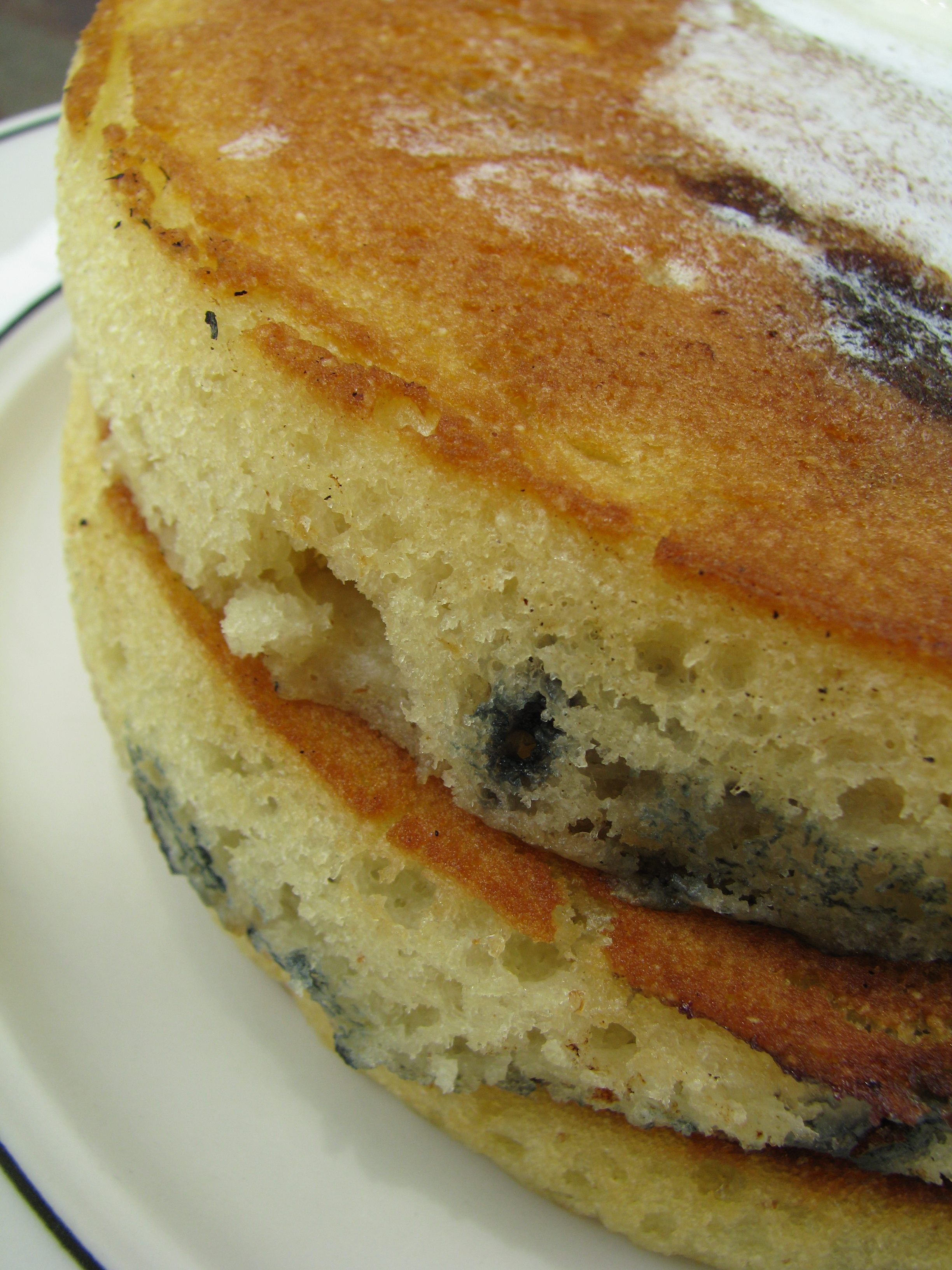
Chattanooga's food scene has grown exponentially over the years. With new restaurants popping up every day, you're sure to find good eats no matter what part of town you hit. Some highlights include the tiny breakfast joint Aretha Frankenstein's (Don't leave without trying the pancakes!), farm-to-table eatery the Farmer's Daughter, and the game-filled Southside Social. If you're in need of a caffeine boost, head over to Rembrandt's in the Bluff View Art District, which is conveniently located at the end of the Walnut Street Pedestrian Bridge and offers easy access to several restaurants, as well as the Hunter Museum of Art. 

Drink

[Photo credit: Larry Miller / Foter.com / CC BY-NC]

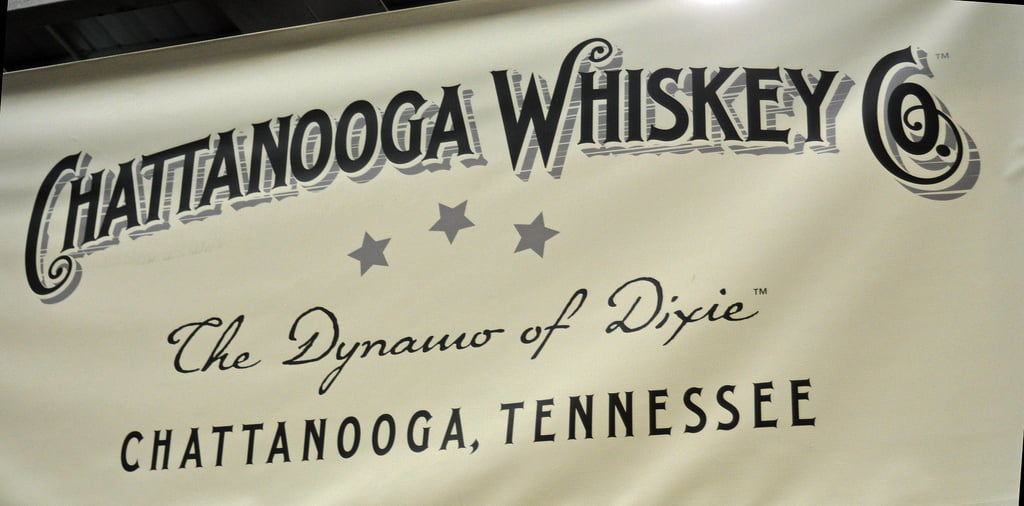
Chattanooga may be small, but it's drink scene is not. The Chattanooga Whiskey Company recently opened the Tennessee Stillhouse, where guests can sample the first whiskey made within Chattanooga city limits in over a century. You can also hit up breweries like Chattanooga Brewing Co. and Hutton & Smith Brewery, both of which have taprooms and food for a more leisurely drinking experience. Check out basement bar the Bitter Alibi and the multi-level Flying Squirrel when you need a nightcap after a long day exploring.

Local Flavor

[Photo credit: Kay Gaensler / Foter.com / CC BY-NC-SA]

There's too much to do in Chattanooga for one weekend trip, but a great way to experience a touch of the local culture is to take your own walking tour. Start with the locally owned shops and galleries on Frazier Ave., take a stroll and a carousel ride in Coolidge Park, cross the Walnut Street Pedestrian Bridge, and visit the Hunter Museum of American Art in the Bluff View Arts District. If you have the time, don't miss the Tennessee Aquarium, one of the country's largest freshwater aquariums, and be sure to head up Lookout Mountain for my own personal favorite Chattanooga landmark, Rock City. (If you go during the holidays, be sure to go check out the Christmas lights at night.) There are also outdoor activities galore — from hiking to climbing to SUP — so be sure to pack your outdoor gear, if you really want to see the best the city has to offer. Chattanooga was voted Outside Online's Best Town Ever, after all.


Lede photo courtesy of C Simmons / Foter.com / CC BY-NC