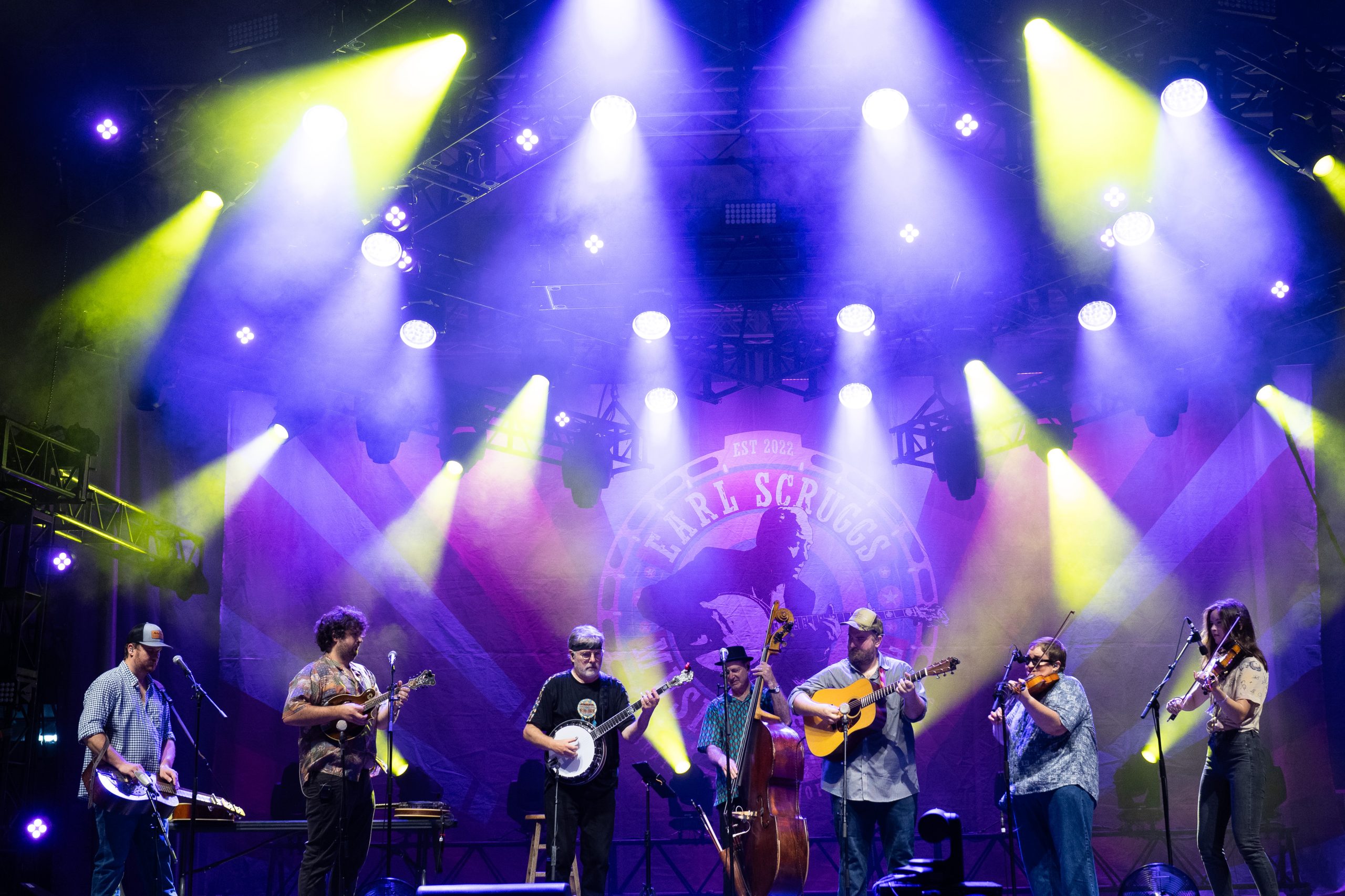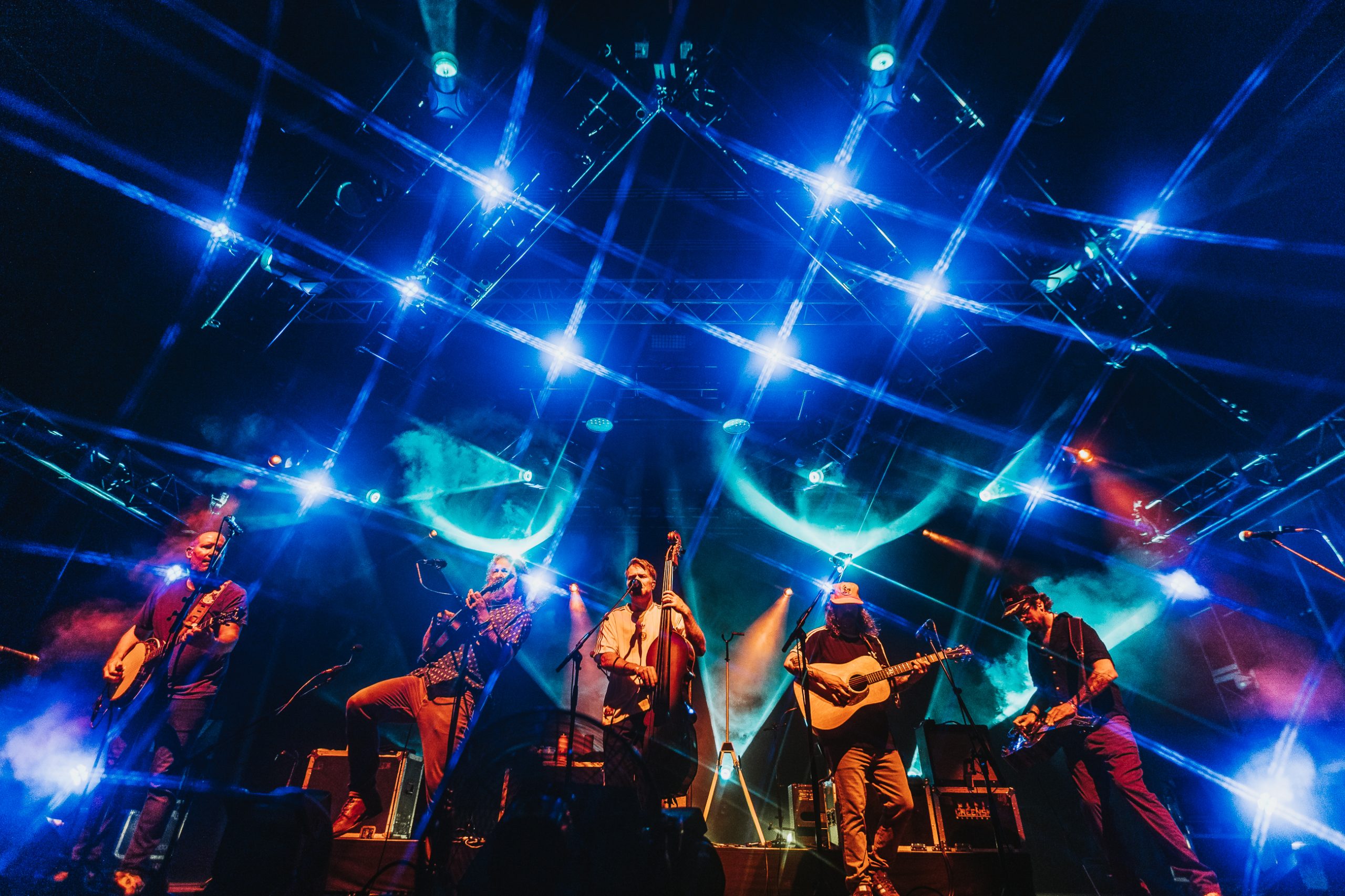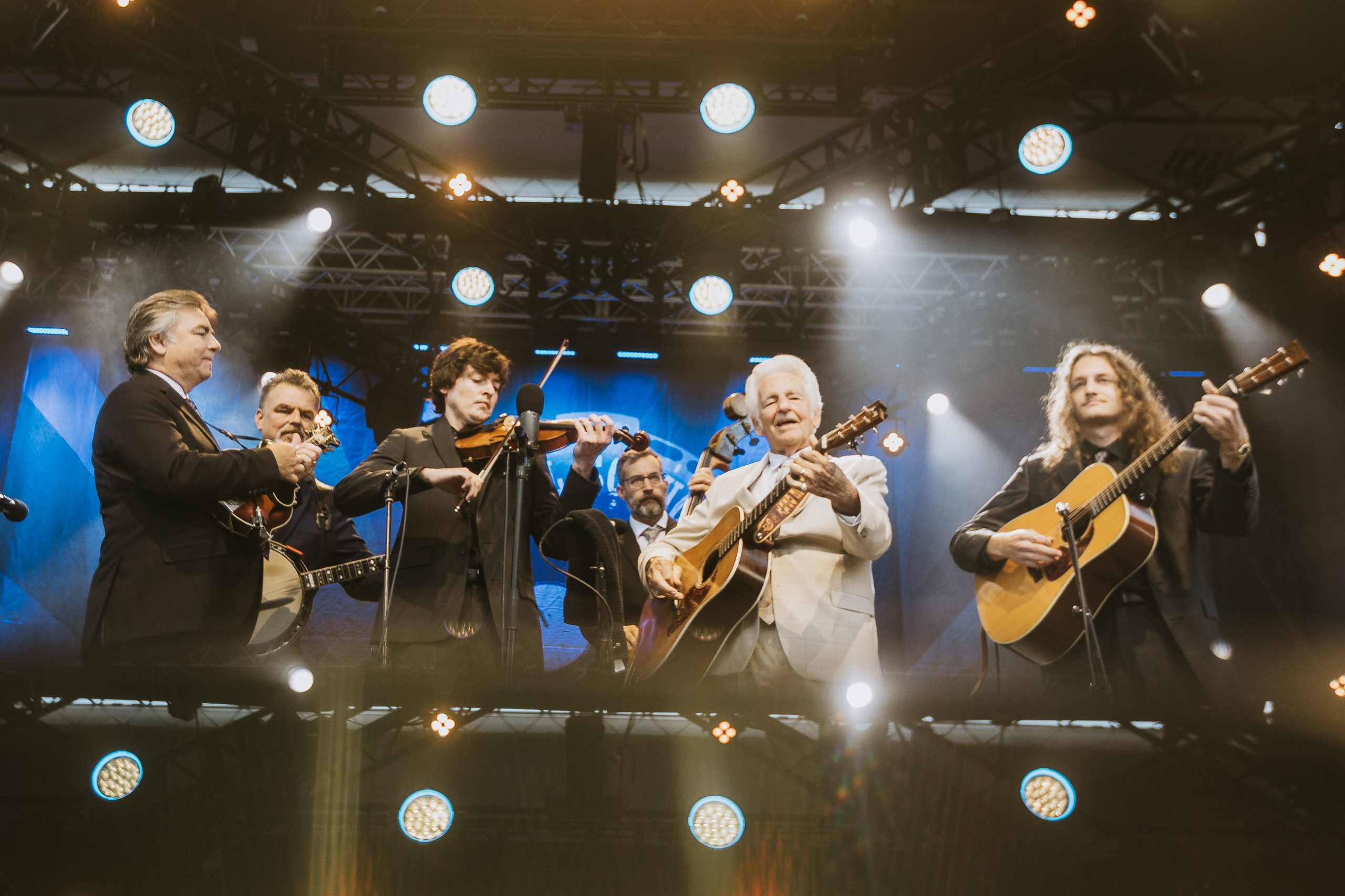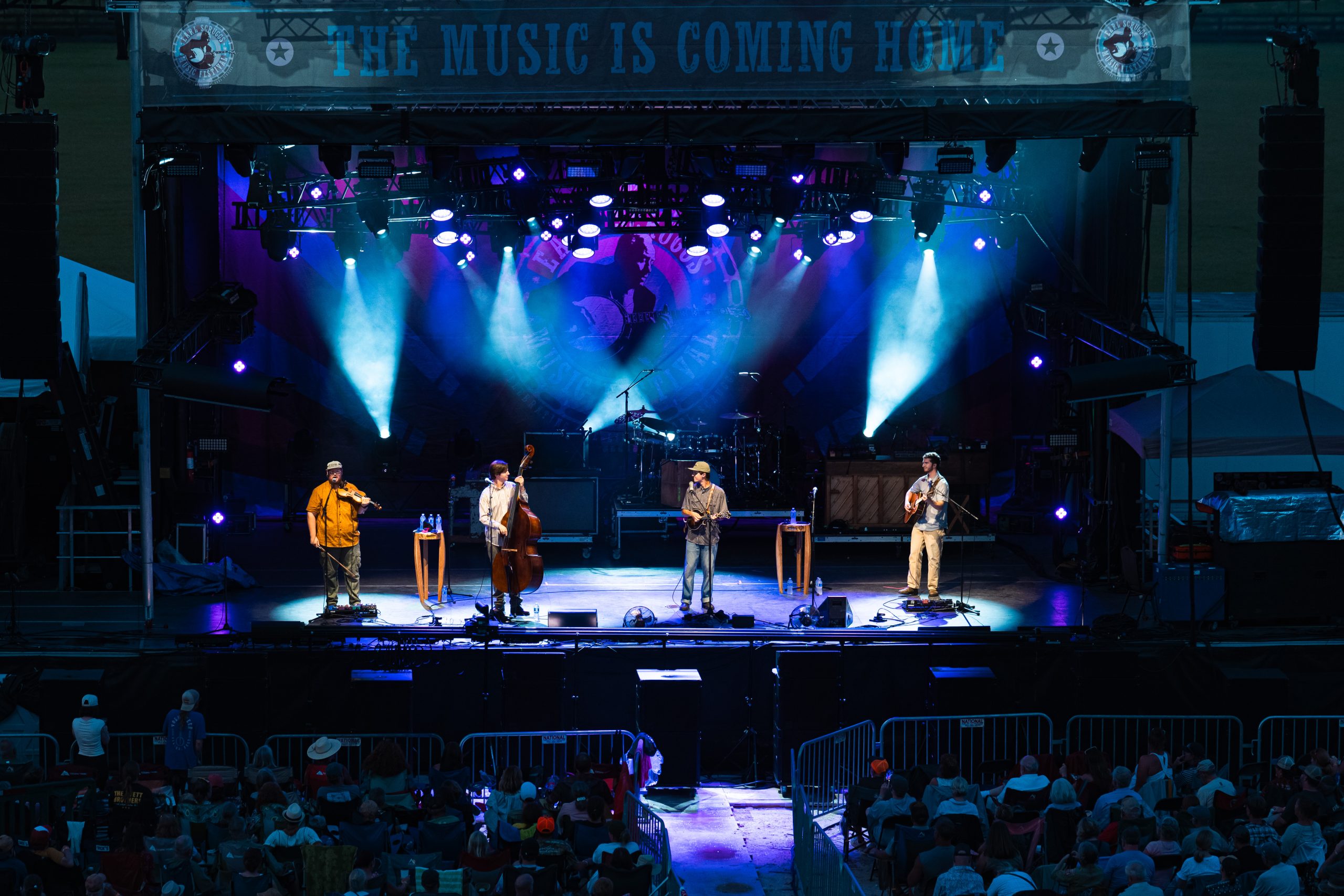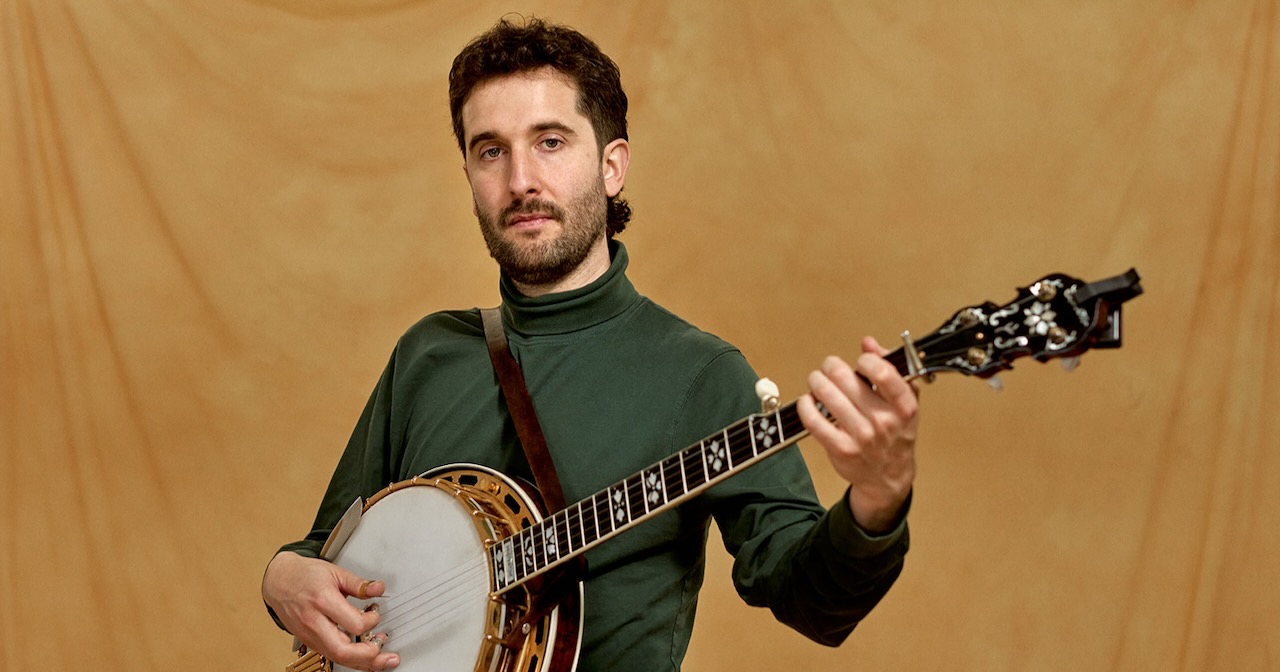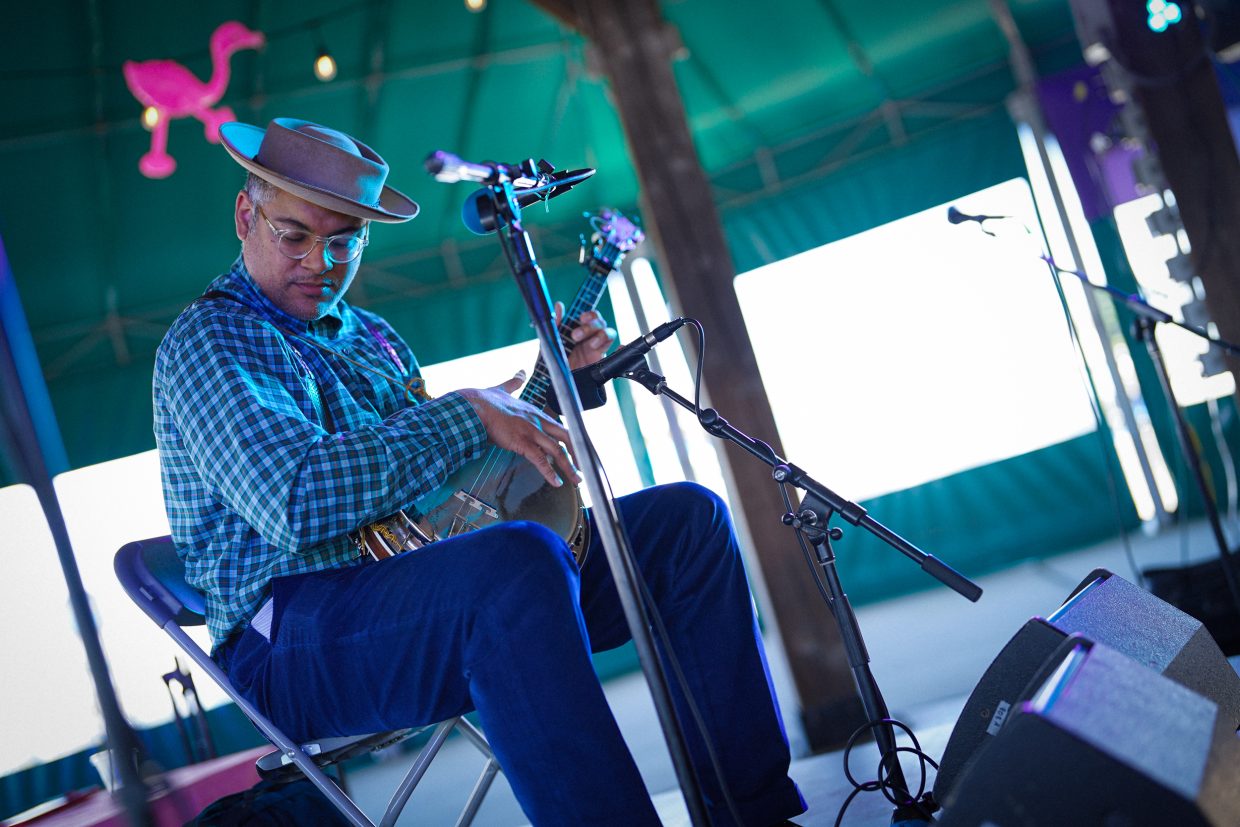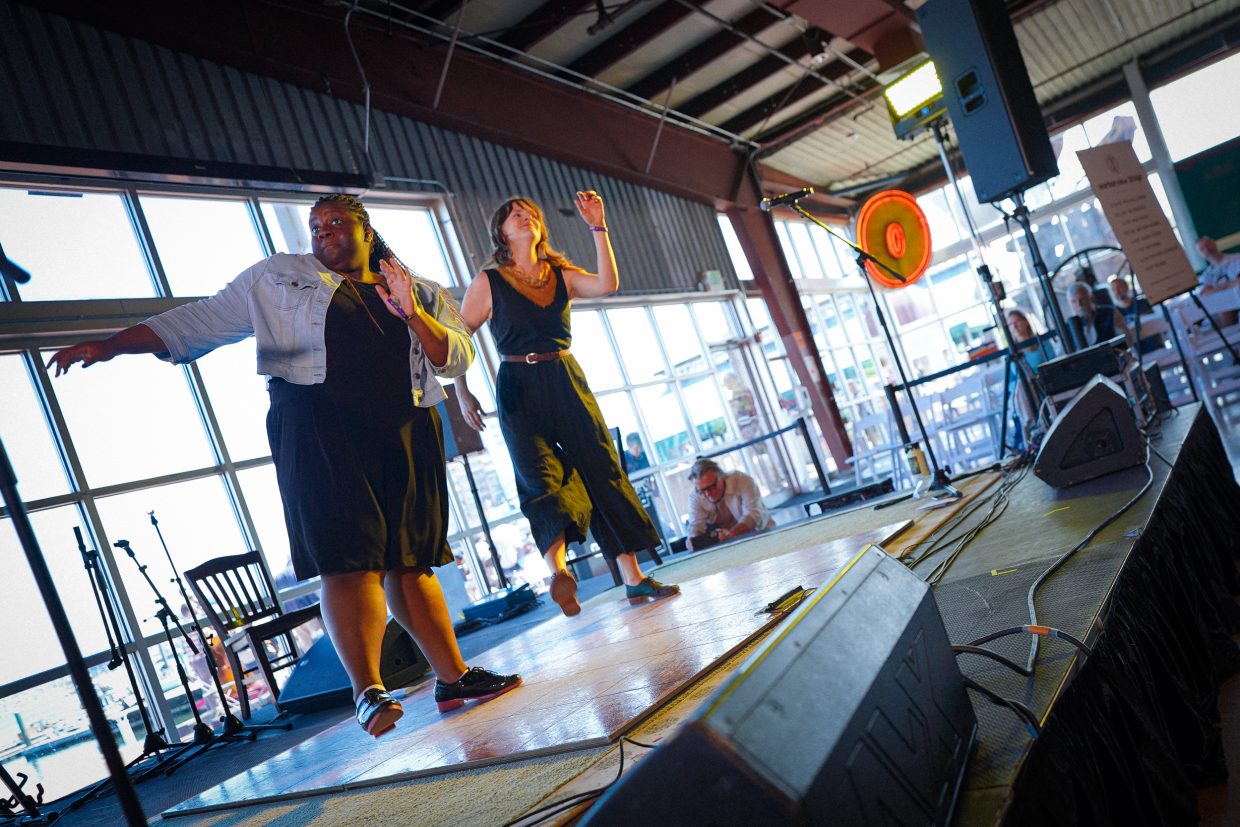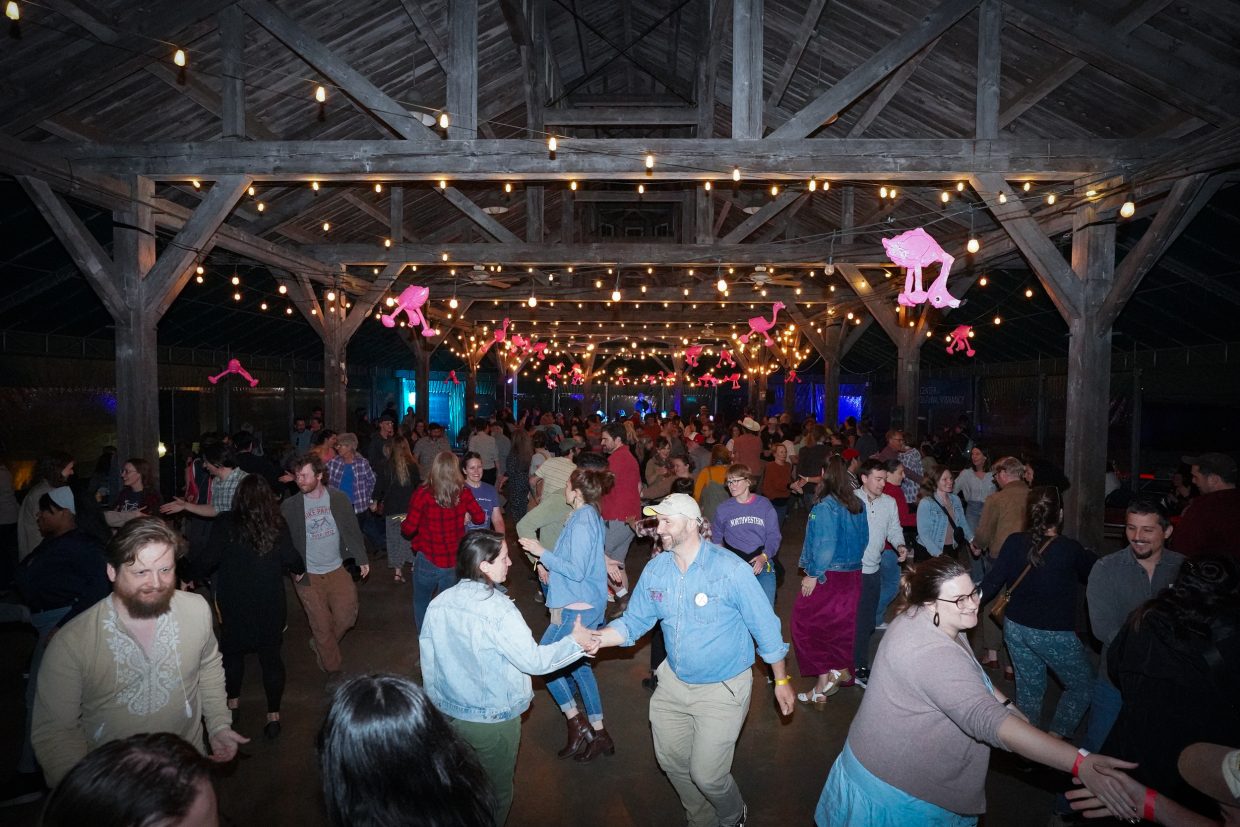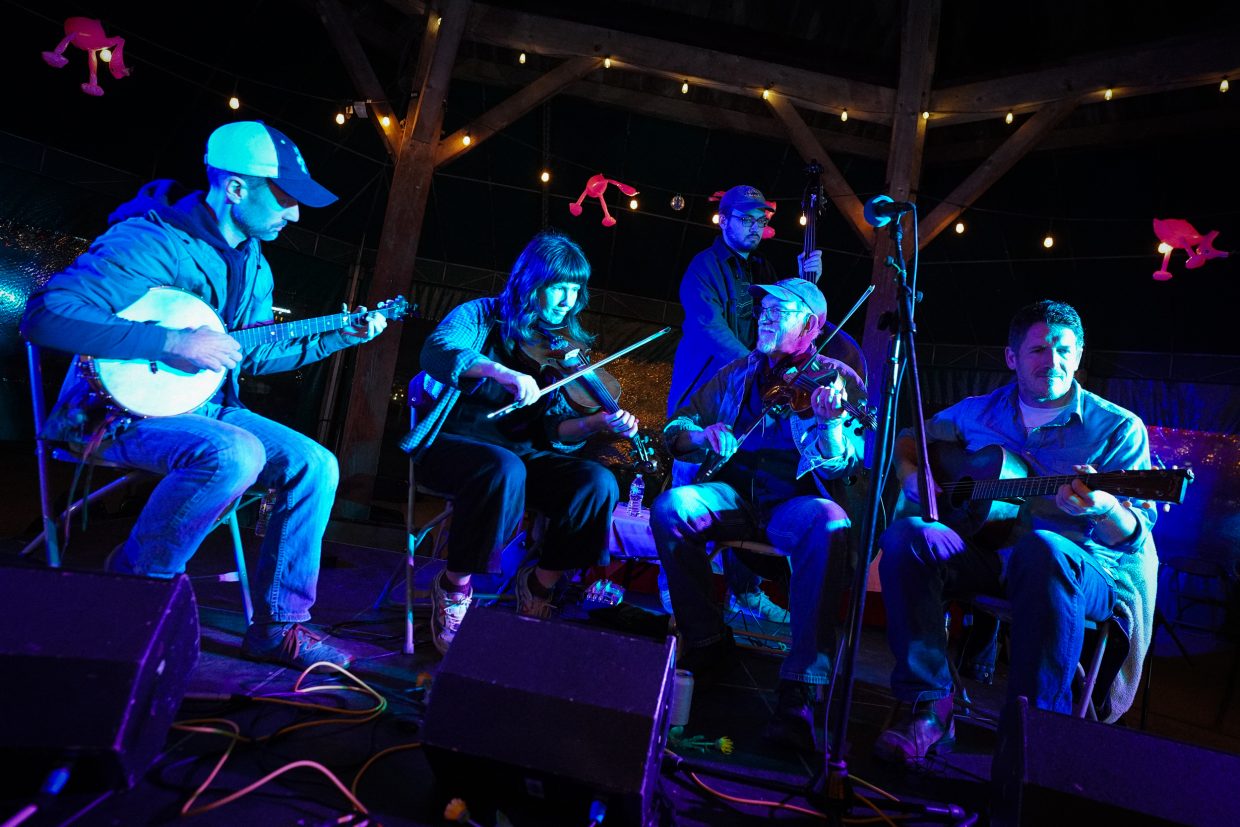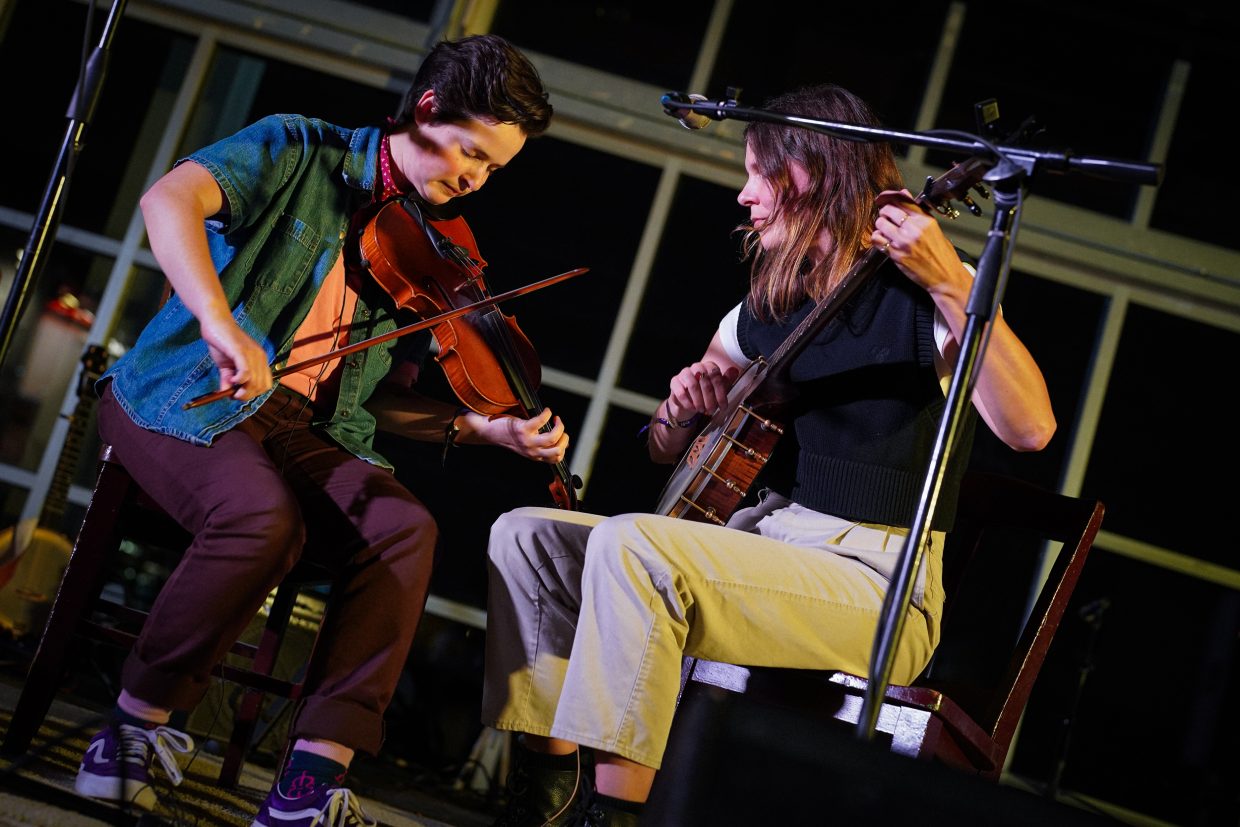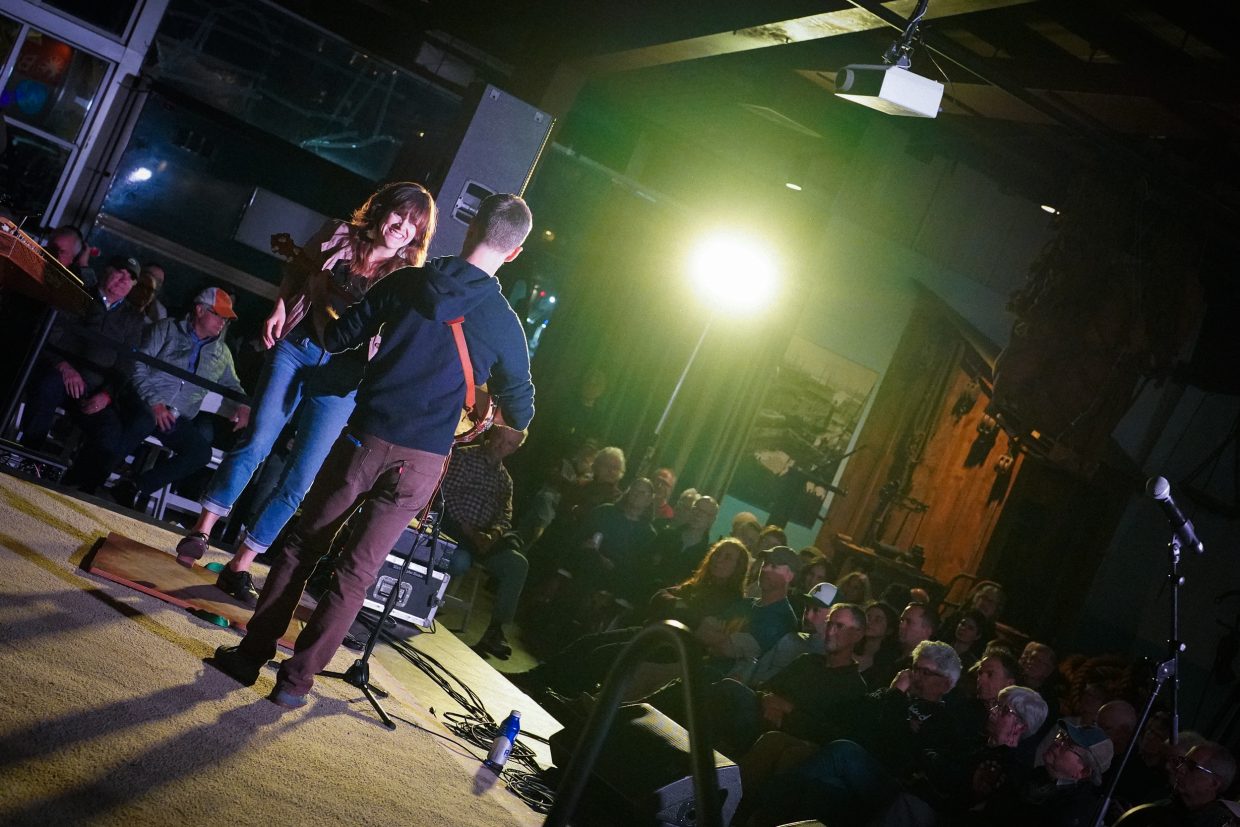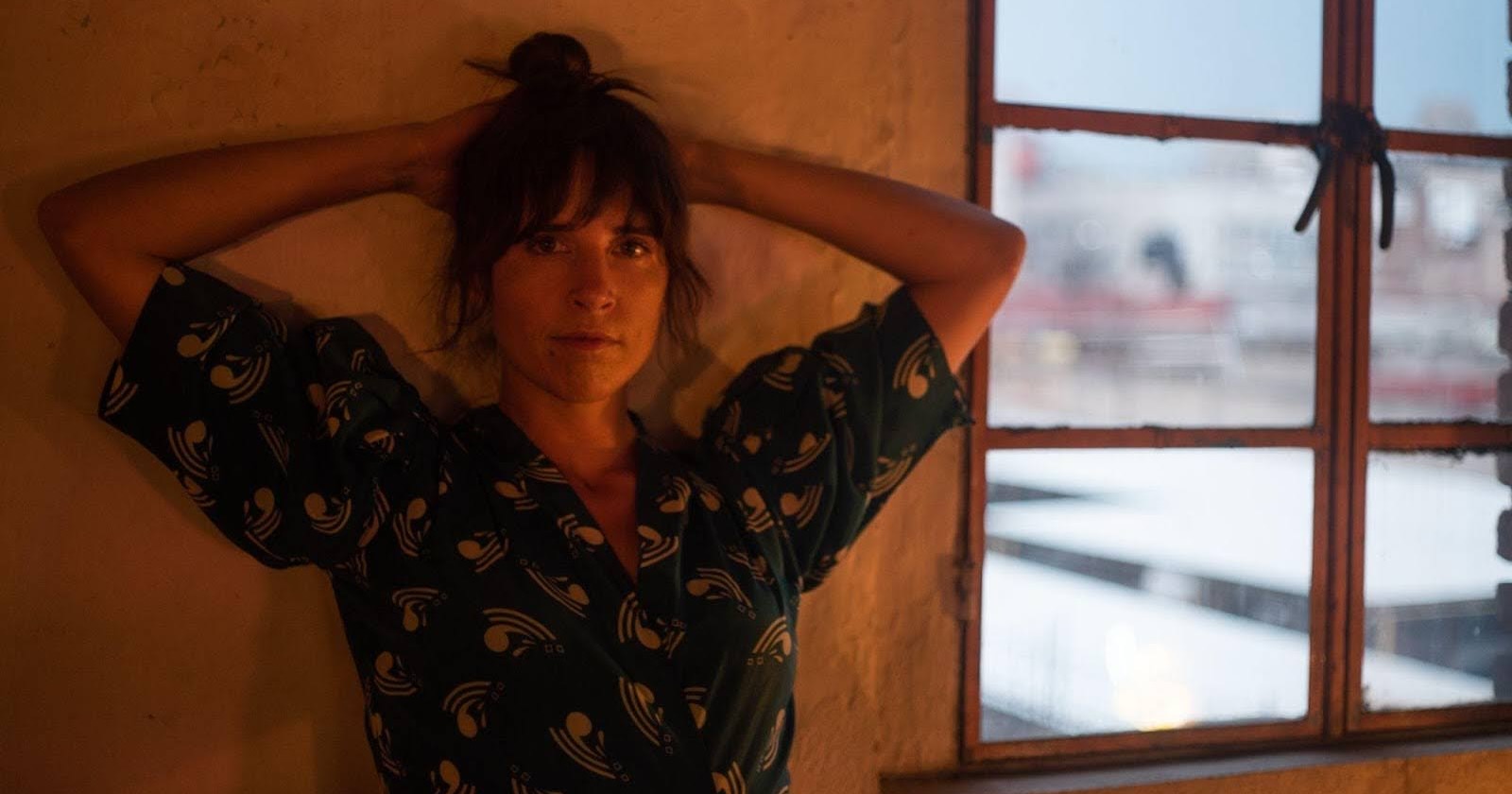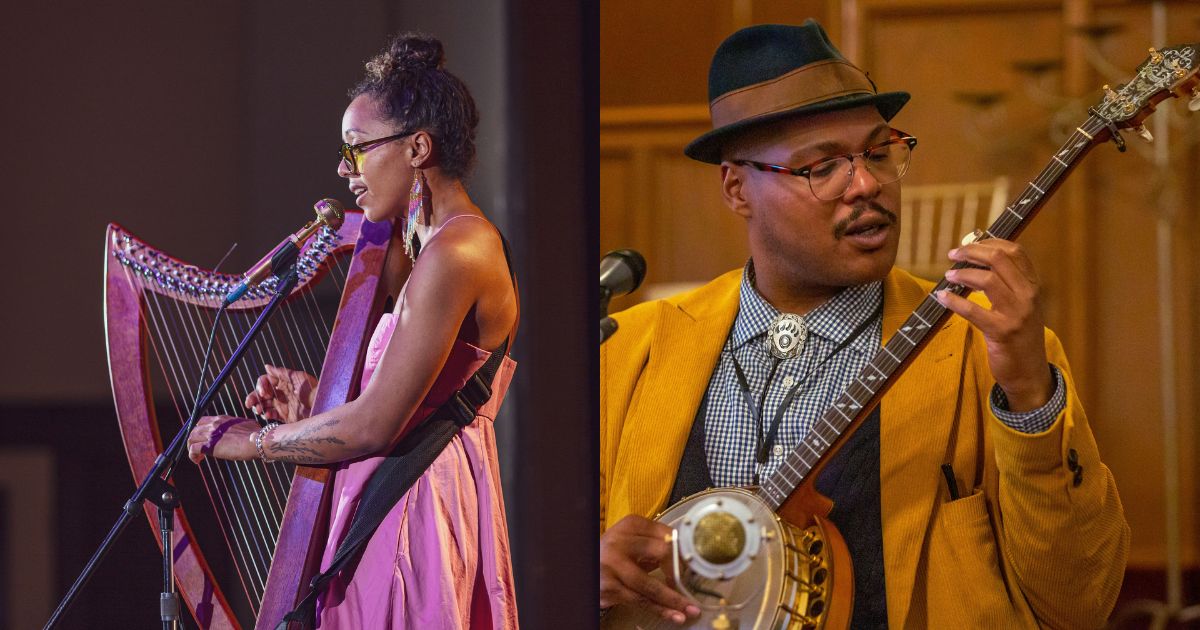
Earl Scruggs Music Festival Honors a Bluegrass Banjo Hero

The sheer beauty and alluring magic of the Earl Scruggs Music Festival is akin to the film Field of Dreams. That adage of, “If you build it, they will come.”

Why else would one of the premier bluegrass gatherings be held at an equestrian center in the middle of nowhere, just off a rural highway, surrounded by vast farm fields in the foothills of the Blue Ridge Mountains of Western North Carolina, and work to absolute perfection year after year?

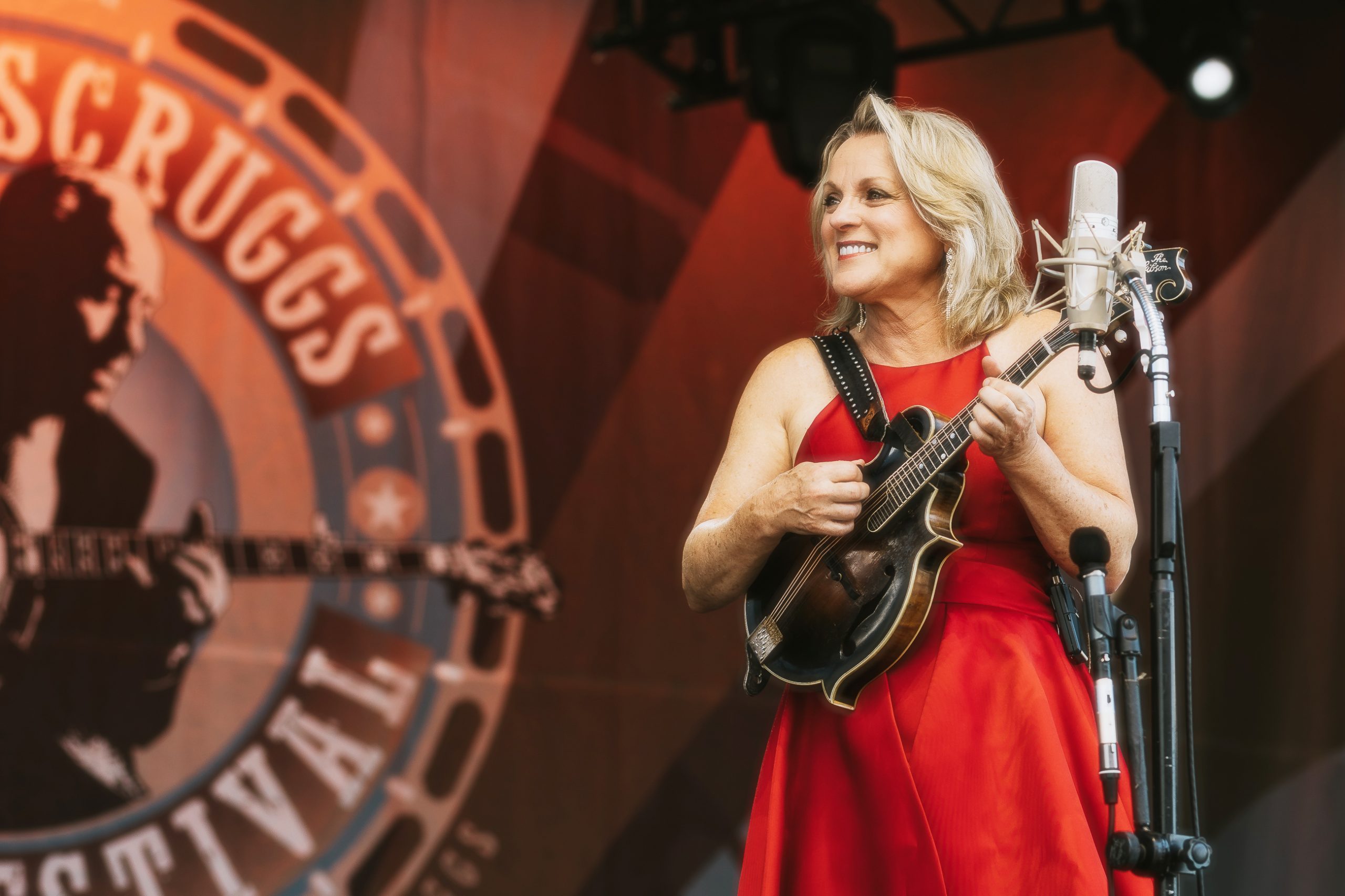
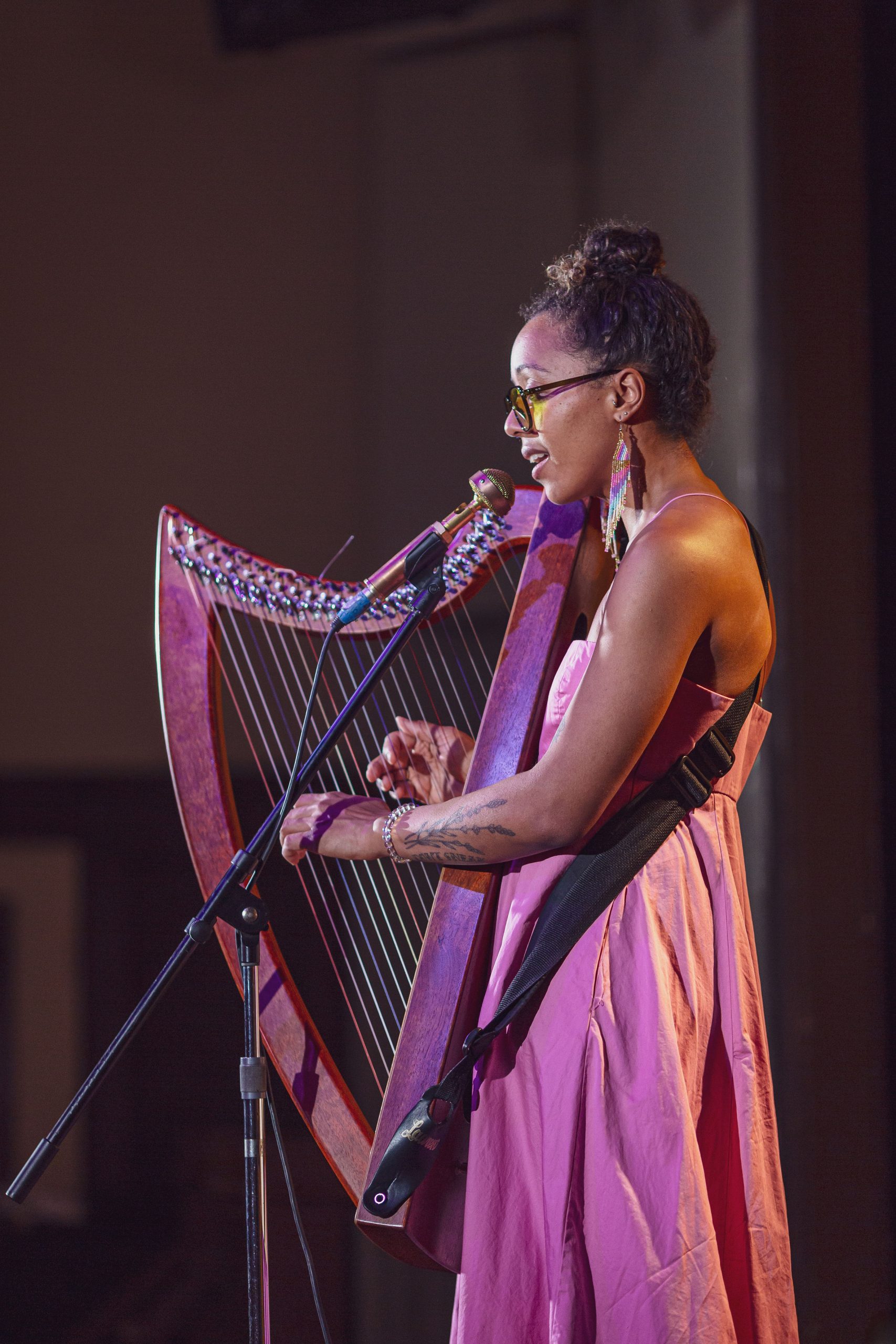
Well, it does. And for its fifth anniversary, the festival, held at Tryon International, once again invited a slew of the marquee names when it comes to the “high, lonesome sound” and those arena acts orbiting the genre itself: The Avett Brothers, Greensky Bluegrass, The Del McCoury Band, Béla Fleck, Rhonda Vincent & The Rage, Alison Brown, Mountain Grass Unit, Lindsay Lou, Della Mae, East Nash Grass, The Earls of Leicester, and more.

“He was my gateway. If it weren’t for Earl, I wouldn’t be me,” says Brown, a world-renowned banjoist and co-founder of Compass Records. “Earl was a traditionalist, in the sense that he created this style that we all play, which we consider to be the cornerstone of bluegrass. But, he was an adventurer. He was not afraid to take the banjo to places it hadn’t been before.”

Born just down the road from the festival grounds in Cleveland County in 1924, Scruggs revolutionized the banjo when he perfected a three-finger approach to the instrument. With clawhammer banjo using down-picking (using the thumb and middle or index finger), “Scruggs Style” utilized the thumb, middle and index, resulting in a rapid picking tempo known as “rolls.”

“When I was first starting to learn [banjo], I was playing out of the Earl Scruggs book,” says Michael Bont, banjoist for Greensky Bluegrass. “And I’ll never forget, there was this morning where I had been practicing the rolls and trying to play the songs, and it was ‘Little Cabin Home on the Hill.’ That’s the song [where I went], ‘Oh my god, I’m doing it.’ It never ceases to amaze me [how Earl developed] this new style of playing an instrument.”

At age 21, Scruggs joined Bill Monroe & His Blue Grass Boys. On Dec. 8, 1945, Scruggs found himself on the Grand Ole Opry at Nashville’s Ryman Auditorium when Monroe debuted his new sound to numerous standing ovations. Although Monroe had built this “muscle car” of a band that would showcase a whole new genre of music, it was Scruggs who was the gasoline that put Monroe’s vision into motion. Not long after, Scruggs would form the wildly popular Flatt & Scruggs with his Blue Grass Boys bandmate, guitarist Lester Flatt; when that duo broke up, he created the groundbreaking Earl Scruggs Revue with his sons Randy and Gary. A third son, Steve, later joined the group, too. In 2012, Earl Scruggs passed away at age 88.

Behind the festival is a partnership between the Earl Scruggs Center in Shelby (in Cleveland County), Isothermal Community College and WNCW 88.7 FM (both located in nearby Spindale). Coming together to share the story of Scruggs and expand his legacy in the 21st century, the trio built this annual gathering from the ground up, where it’s now become a bona fide bastion of bluegrass music and camaraderie.

“When you go into the first [festival], you never know if it’s going to be successful, and you always hope the next year is bigger,” says Mary Beth Martin, executive director of the Earl Scruggs Center. “But, then to be crossing this milestone of year five is pretty amazing — people are marking it on their calendar every year.”

Since its inception, the festival has showcased some of the biggest names in bluegrass and beyond: Alison Krauss & Union Station, Marty Stuart & His Fabulous Superlatives, Tanya Tucker, Yonder Mountain String Band, The Wood Brothers, Peter Rowan, Old Crow Medicine Show, Nitty Gritty Dirt Band, etc.

“Honestly, just the love that people have for the music and for the acts we’re bringing in is really touching and inspiring,” Martin says. “Because, at the same time, they also have that same love for Earl, and we’re continuing to put his legacy front and center.”

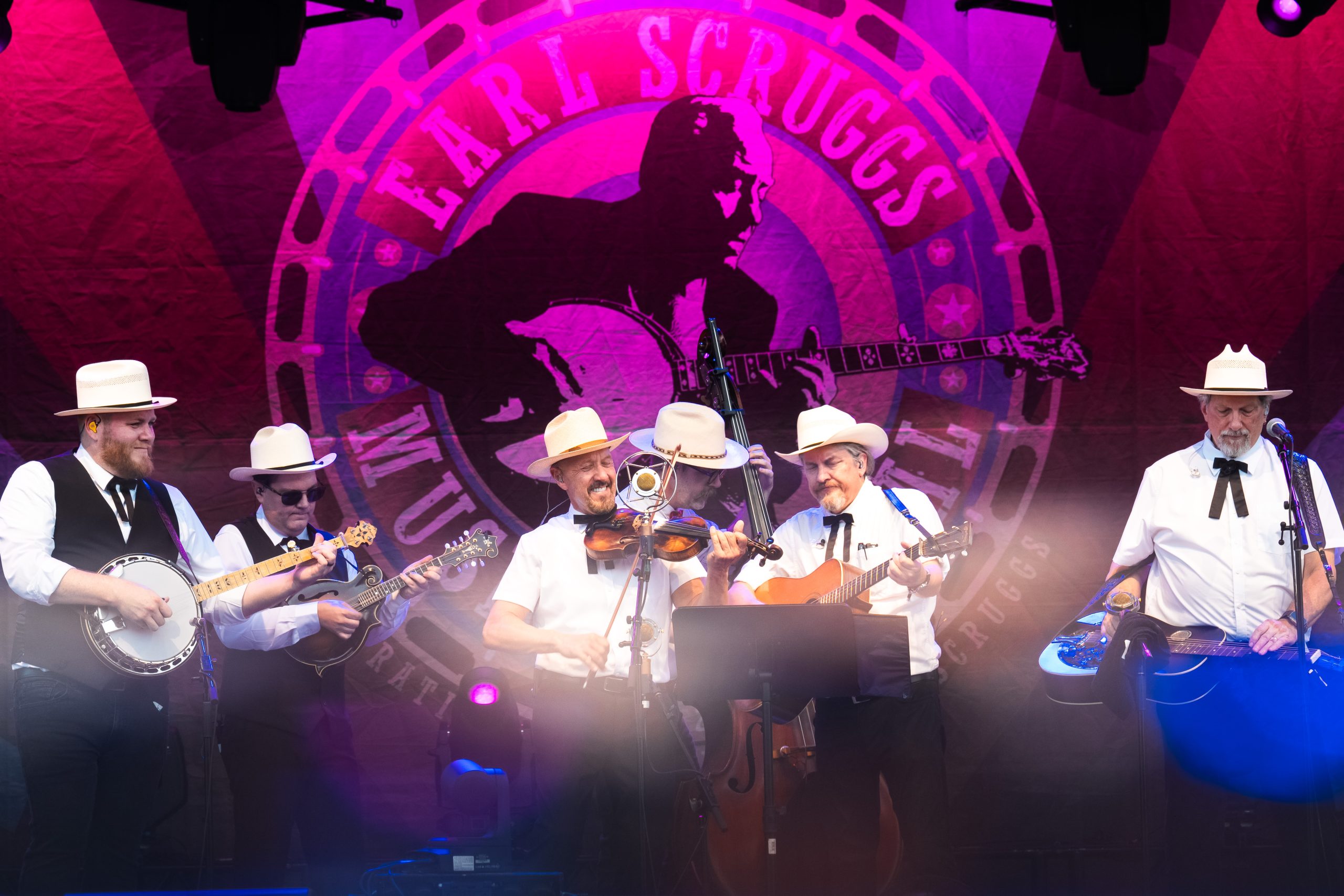
Friday afternoon. Heading backstage, I approach the green room trailer for The Earls of Leicester, a Grammy Award-winning bluegrass group that exclusively performs songs from the Flatt & Scruggs repertoire. Knocking on the door, dobro legend Jerry Douglas answers. As someone who personally knew Scruggs and spent decades getting to interact with the man himself, onstage and off, Douglas can’t help but be proud of what the festival is cultivating from both sides of the microphone.

“Every little niche of [Earl’s] musical life is being explored here,” Douglas says. “And, like Earl, the festival is doing [what he did] — staying open-minded and taking the music forward. There’s room for everybody, and we’re just pushing the envelope a little bit more.”

For Douglas, he remains in awe of Scruggs and the music he created.

“Every time I go away from it and come back to it and listen to it again, I’m amazed all over again that it even happened the first time,” Douglas notes. “And how a guy like him played this kind of music, and was able to push a whole band, a whole idiom that far.”

Before I exit the trailer, Douglas pulls an antique red bow tie out of his travel bag. Placing it on the table, he looks at it, then looks at me. “That was Cedric’s,” Douglas says.

“Cedric Rainwater?” I reply in amazement.

“Yep,” Douglas grins. “I’m letting our bass player wear it tonight.”

That evening, EOL bassist Daniel Kimbro is sporting the bow tie, this incredibly powerful symbol of Howard “Cedric Rainwater” Watts, a first-generation name etched into the bedrock of bluegrass, a musician who played bass in Bill Monroe’s Blue Grass Boys, the “Original Bluegrass Band” when Monroe debuted his new sound alongside Scruggs in the mid-1940s. Watts would later become a member of Flatt & Scruggs’ Foggy Mountain Boys and Hank Williams’ Drifting Cowboys.

Right after the whirlwind performance ends, Kimbro walks sidestage and tracks down Douglas. He hands the tie back and thanks him for letting him wear it, if but for a moment. “Keep it, it looks good on you,” Douglas says with a smile. Kimbro is rendered speechless by the poignant gesture.

Following EOL was Béla Fleck, who closed out the Flint Hill Stage on Friday night with his project, My Bluegrass Heart, which has been the banjo wizard’s highly successful return to his musical roots in recent years.

“I didn’t know I was a banjo person. Then I heard Earl Scruggs play the banjo, and suddenly I was a banjo person. He was the spark, and he’s that for a lot of people,” Fleck says backstage. “Something about Earl has that sound that makes people go, ‘Well, I don’t know what that is, but I’ve got to hear more, and I’ve got to figure out what it is’ — he had that effect on me.”

Featuring a rotating cast of stellar musicians, Fleck presented fiddler Michael Cleveland, bassist Mark Schatz, guitarist Jake Stargel, Dobro player Jeff Partin, fiddler Maddie Denton and mandolinist Harry Clark (the latter two of East Nash Grass) to a raucous audience soaking it all in.

“The part of that [musical] language that all banjo players always come back to is Earl Scruggs,” Cleveland says. “It doesn’t matter what else I’m doing, I can always turn on Flatt & Scruggs and it’s like hearing it for the first time.”

The festival grounds also showcase an endless sea of bluegrass activities and educational opportunities to immerse oneself in the history and lore of not only the genre itself, but that of Western North Carolina, too. There were numerous musical workshops and live audience Q&A sessions with artists, and even the “Spirits of Bluegrass,” a cultural collaboration and tasting area sponsored by The Bluegrass Situation and featuring local/regional distillers.

Saturday evening. The Del McCoury Band is headlong into its Flint Hill Stage set. Nowadays regarded as the elder statesmen of bluegrass, the 87-year-old McCoury represents the finest in traditional sounds. He also remains this sponge of curiosity, this open-minded, kind heart and carefree, welcoming soul that mirrors the ethos of Scruggs in more ways than just the music.

“If I hadn’t heard Earl Scruggs when I did, I wouldn’t be playing today,” McCoury says in a humble tone. “There’s something that just struck me about him. He was a genius. All of those great banjo players learned from Earl.” (To note, although McCoury is well-known for his guitar playing, he originally started out in the bluegrass realm as a banjo picker.)

“High on a mountain oh, wind blowin’ free/Thinking about the days that used to be,” McCoury’s high, powerful tenor voice rings out, his signature tone ricocheting around the arena and across the nearby fields. “High on a mountain oh, standin’ all alone/Wondering where the years of my life has flown.”

Sitting sidestage watching McCoury intently was 19-year-old Murphy Campbell. Performing earlier in the day as part of the Blue Ridge Music Trails presentation, Campbell, a native of Western North Carolina, is a rising old-time banjo player/singer. For her, music is not only tradition, it’s life, and to see McCoury in all his glory was something she was grateful for, and inspired by.

“We all have this common goal of preservation, and to see people do it on such a large scale is deeply encouraging,” Campbell says. “I’m not used to stuff like this, it’s crazy to watch it from [sidestage]. I never thought that me playing the banjo would get me here to sit and watch [Del] play.”

As of late, Campbell is in the midst of recording new renditions of old ballads that were cherished and collected by her ancestors over a century ago in Mitchell and Yancey counties in North Carolina. Those tunes were cataloged in the book English Folk Songs from Southern Appalachia, with Campbell’s relatives writing down their ballads back in 1918, on a date that coincides with Campbell’s exact birthday.

“We’re all grasping onto something that has roots, because no one feels like they [have roots] anymore” Campbell says when asked about the massive revival in string music in recent years. “And they hold on hard, real hard.”

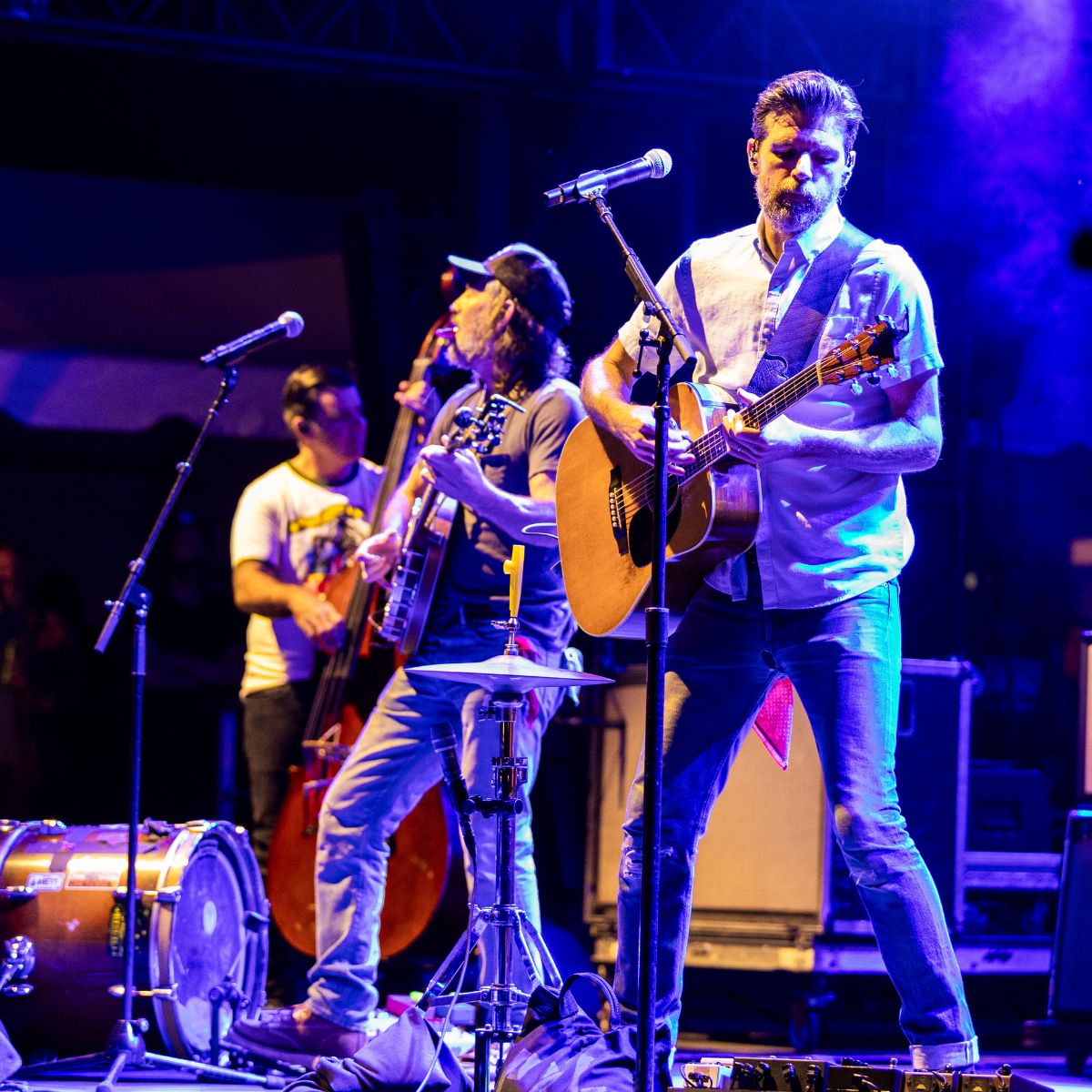
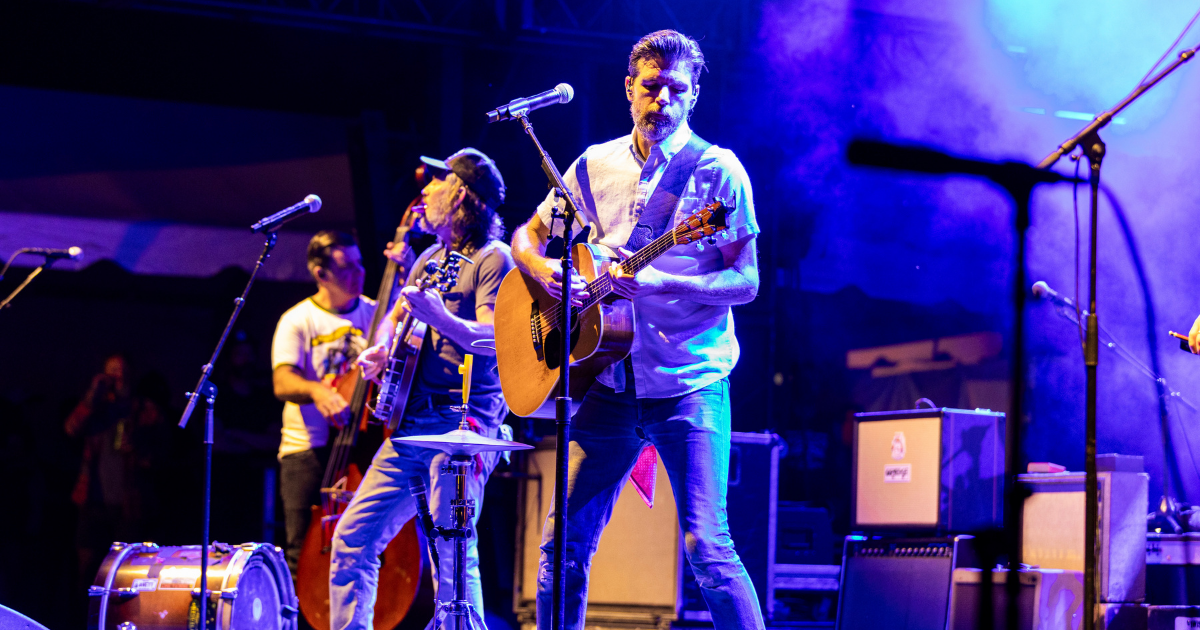
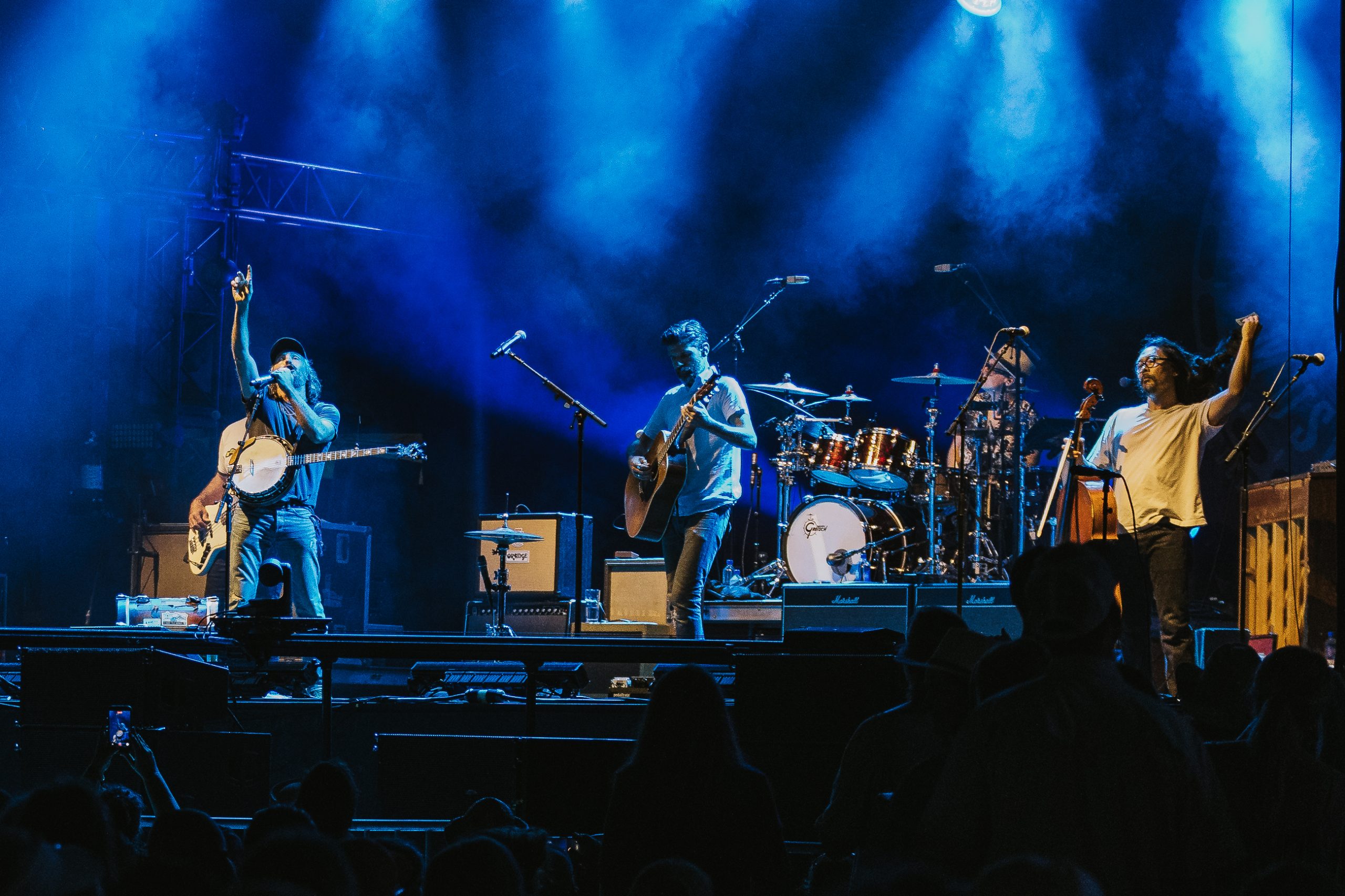
And when it comes to North Carolina musical roots, you’d be hard-pressed to find deeper ones than those of The Avett Brothers. Tying a bow on the weekend with the honors of playing the Sunday finale, the Avetts roared across the stage with their mesmerizing blend of Americana, bluegrass and folk stylings, the culmination of which being this incredibly vibrant tone of heart and soul.

“Three words that became hard to say/I, and love, and you,” Scott Avett howled to the heavens, an audience of thousands of joyous faces in the grandstands completely mesmerized and singing along to every single word. “What you were then, I am today/Look at the things I do.”

“Earl Scruggs used to be the model for a technique when I started [playing banjo],” Avett says. “And the more I learned about Earl, followed what he did, and paid close attention to his creativity, I realized he was a pioneer in more than just a technique, he was a pioneer in being an individual.”

For Avett, “being an individual” is a core value of the band’s ethos, and something that genuinely reverberates throughout the festival and the artists taking the stage. All of this circling back to Earl Scruggs and what it means to be original and authentic, whether it’s in reference to one’s music and art or simply the way one interacts with the world at-large — this deep, intrinsic sense of curiosity and camaraderie, passion and purpose.

“Doc [Watson] told us personally, ‘You’re on your path. Stay on your path. You’re not on Doc Watson’s path,’” Avett says. “Tom T. Hall told us the exact same thing, Willie Nelson would say the same thing now. I think Earl would say, ‘You guys need to do what you do,’ and we take that to heart.”

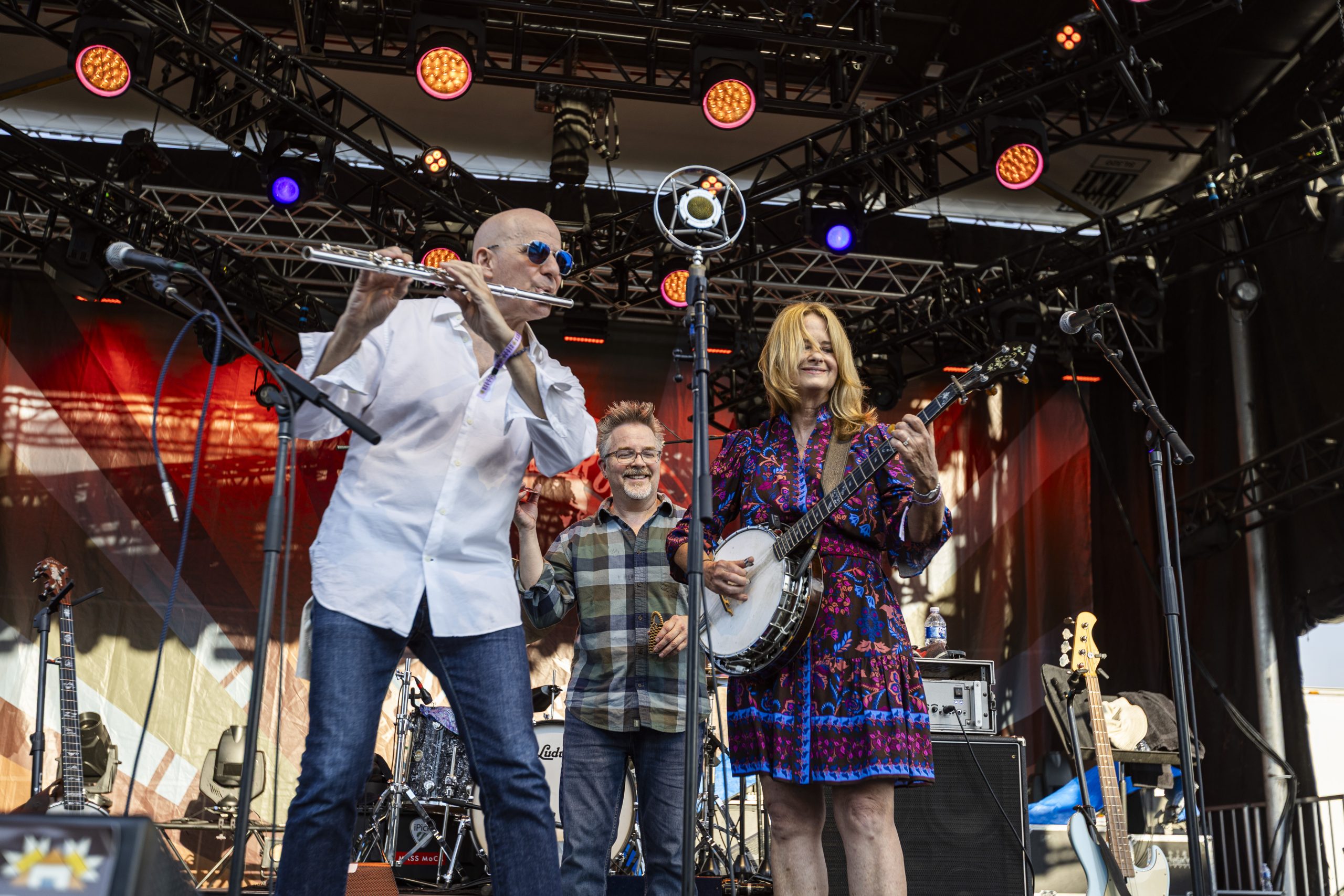
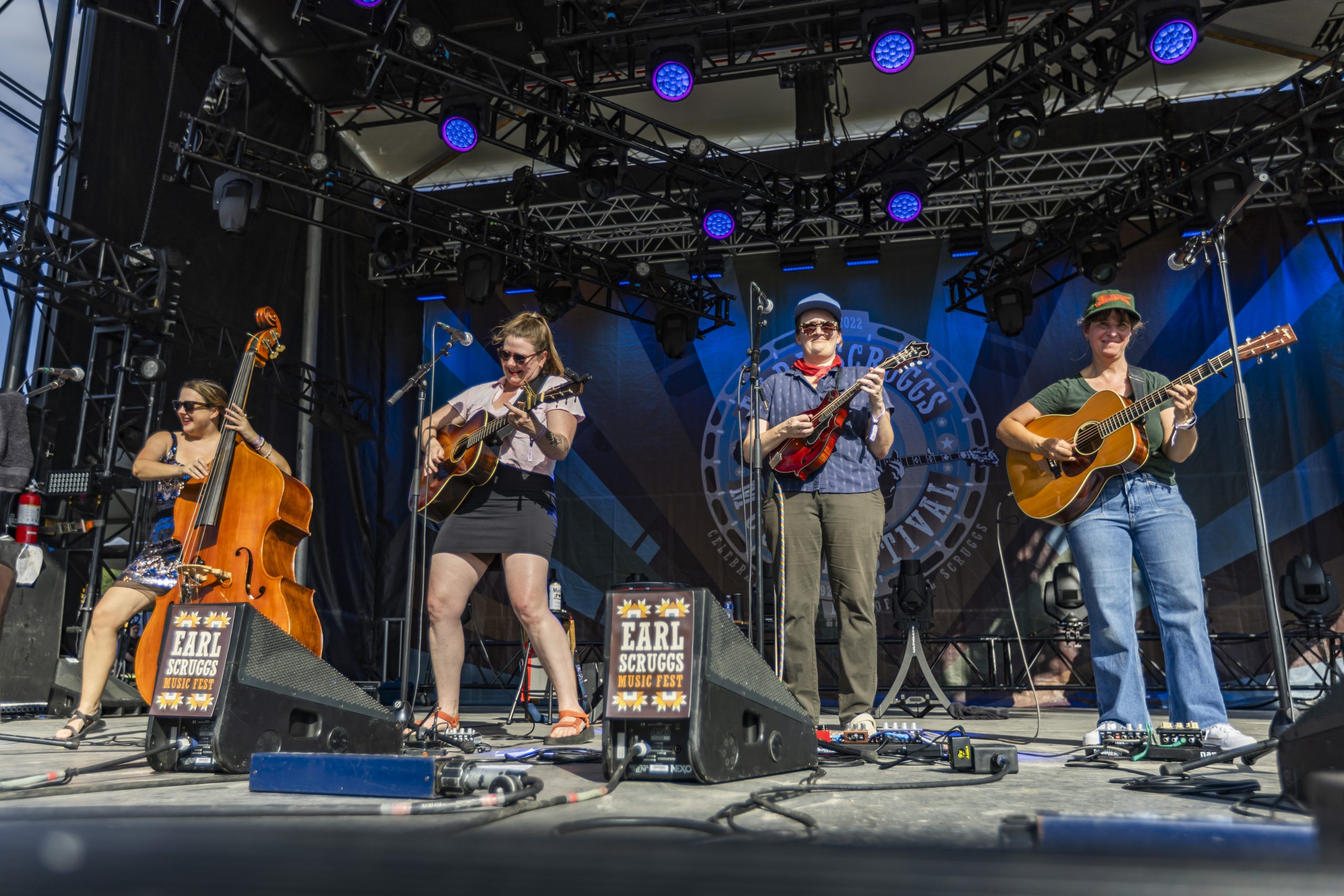
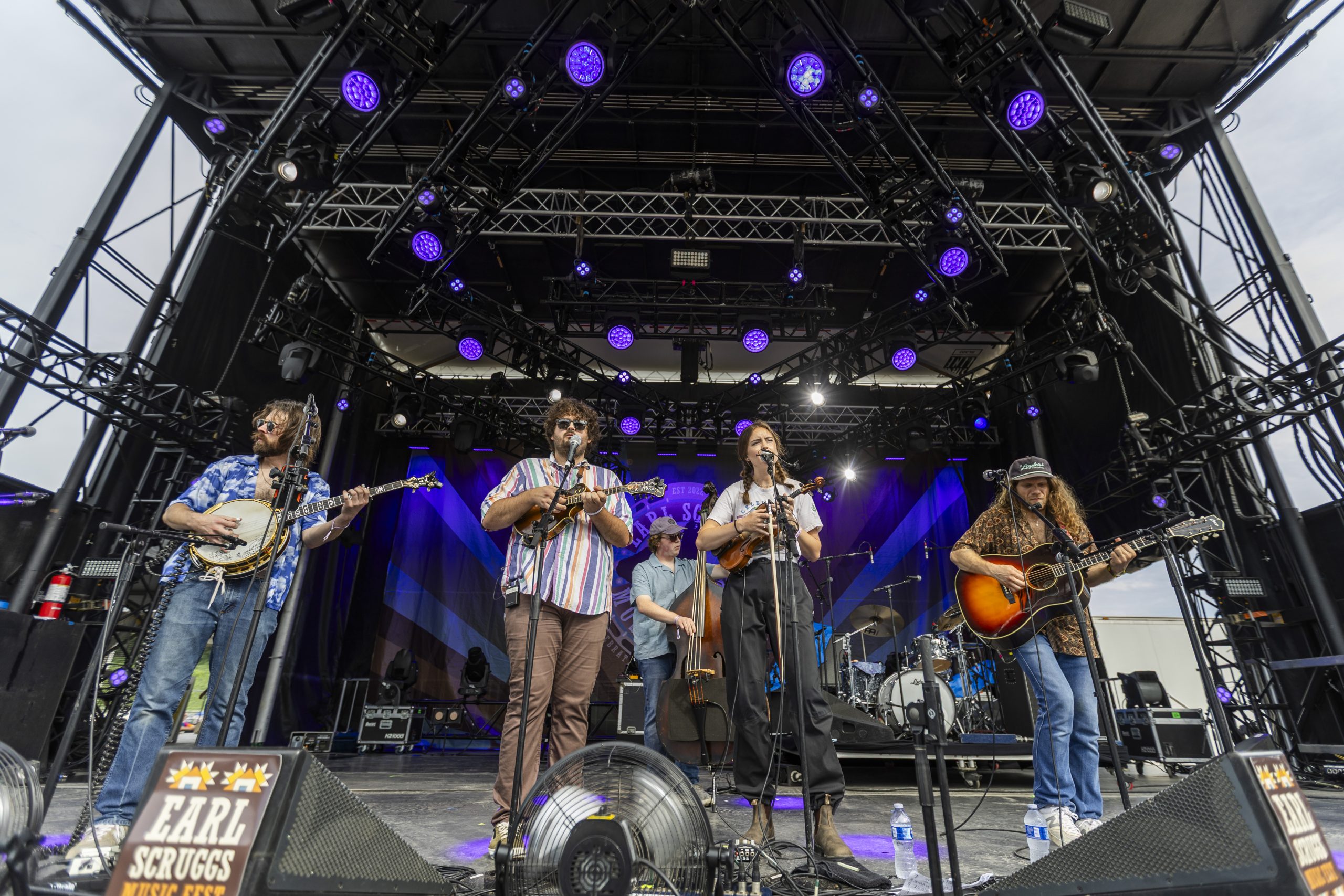
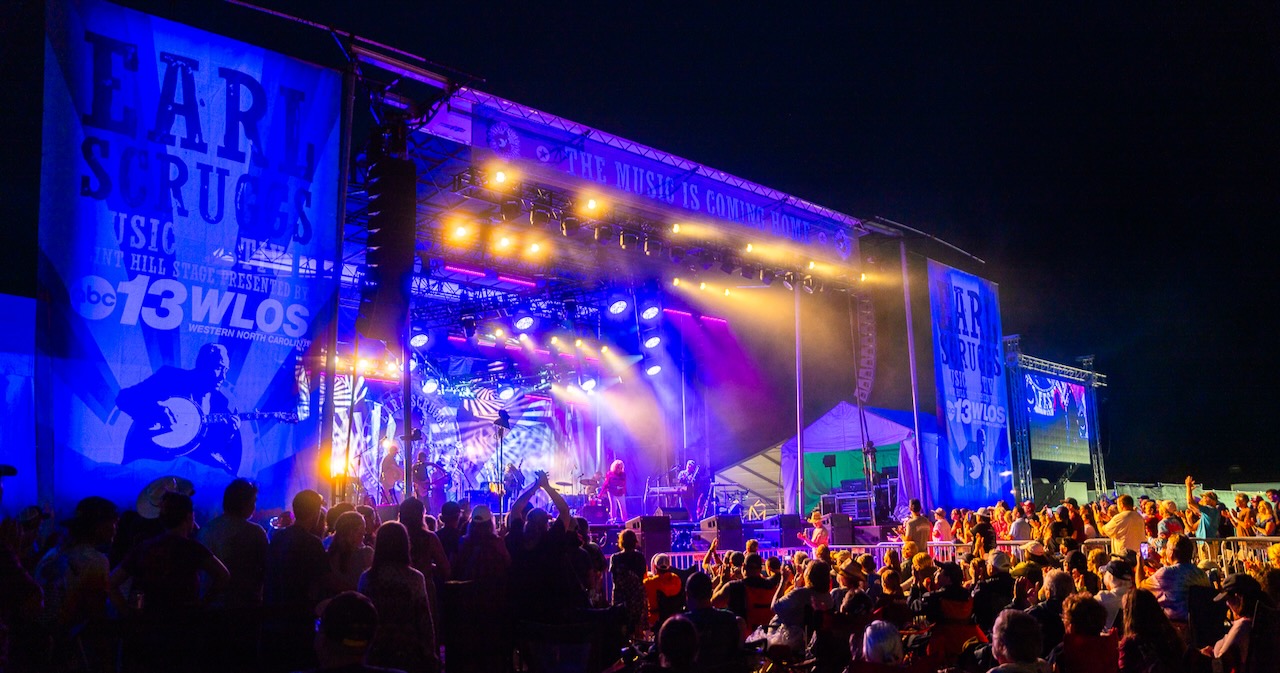
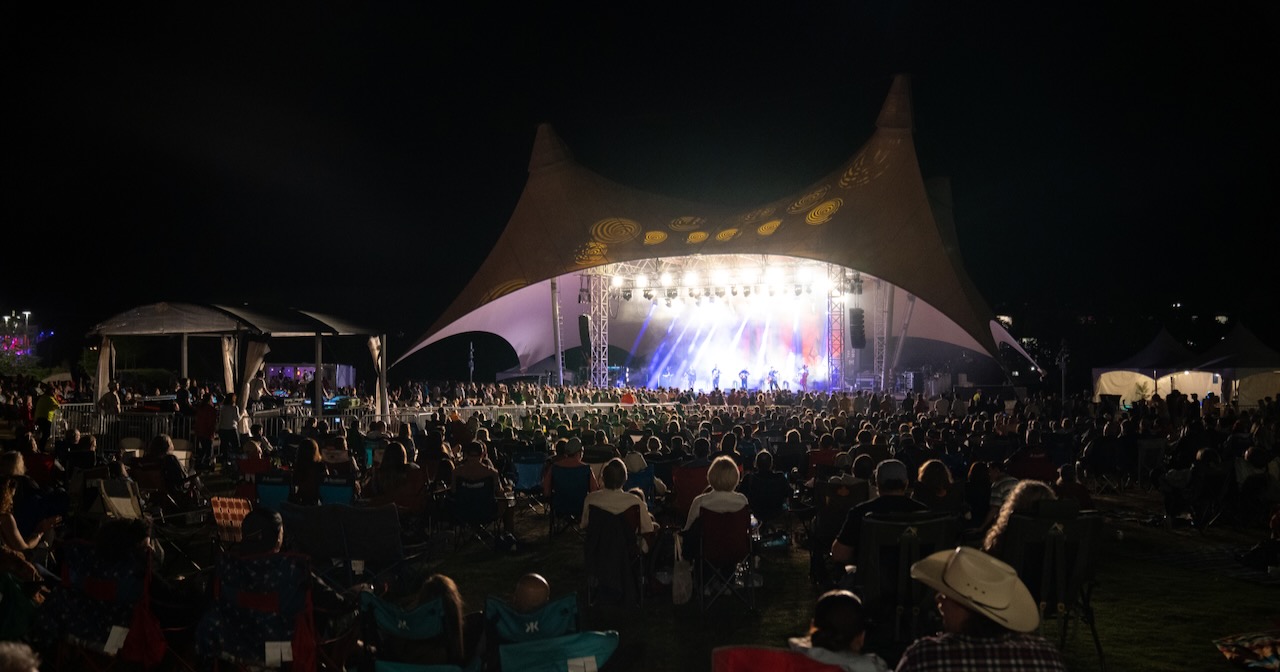
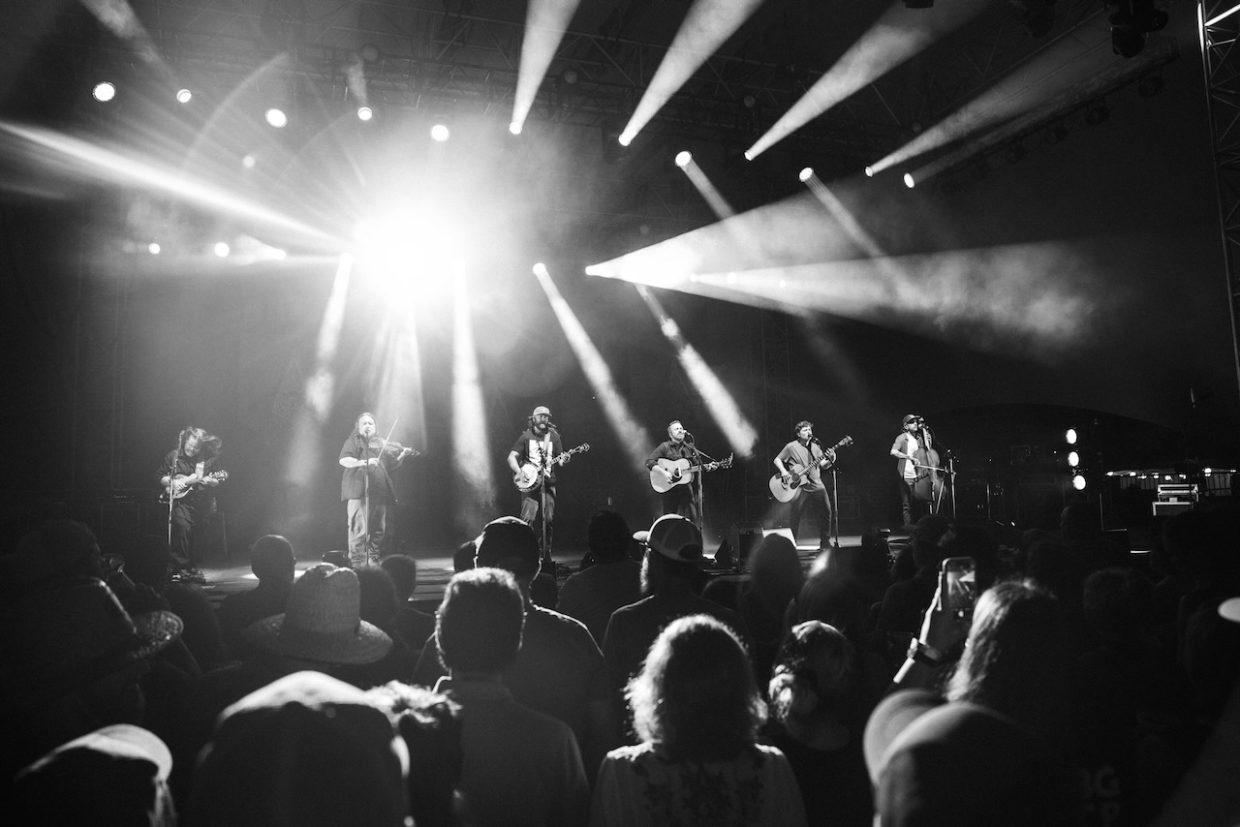
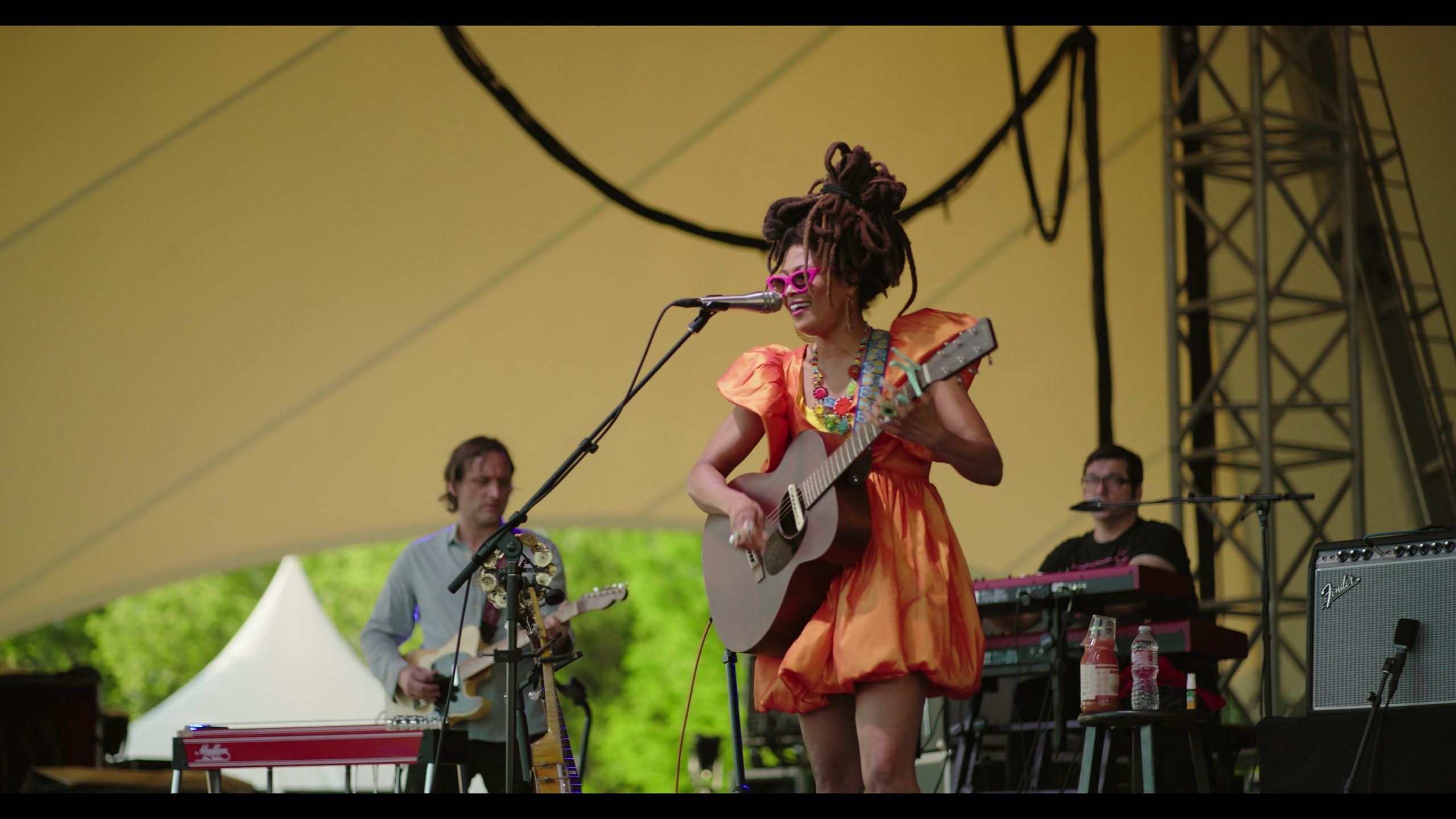
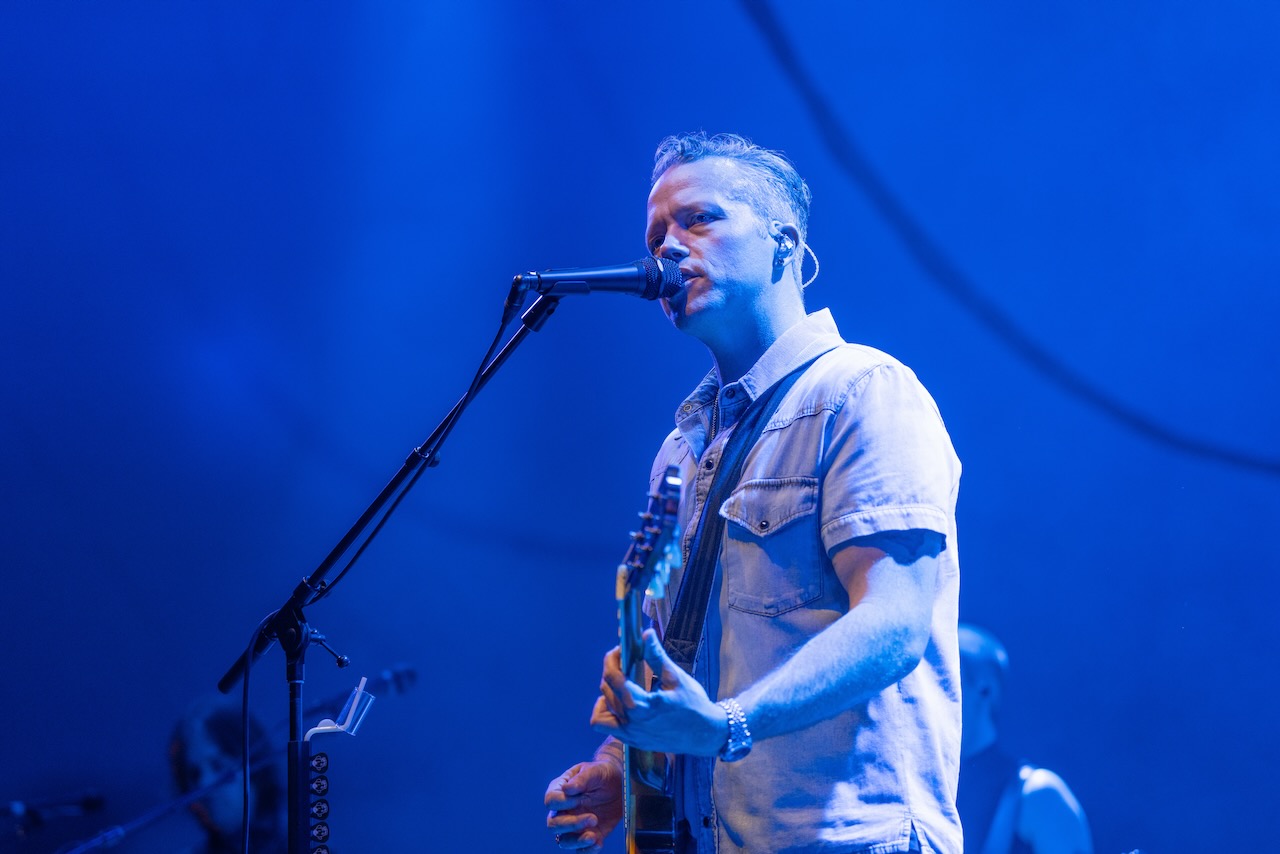
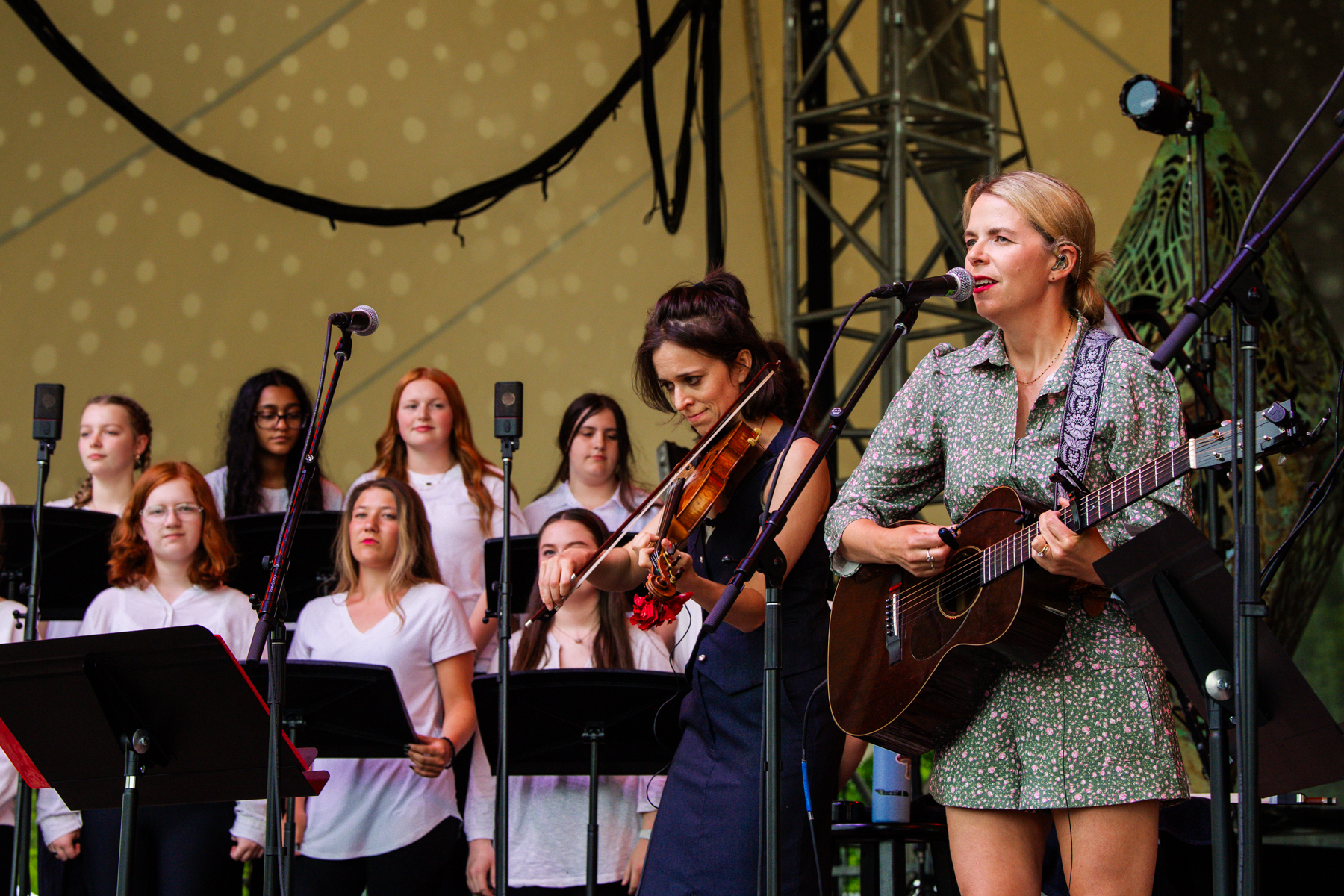
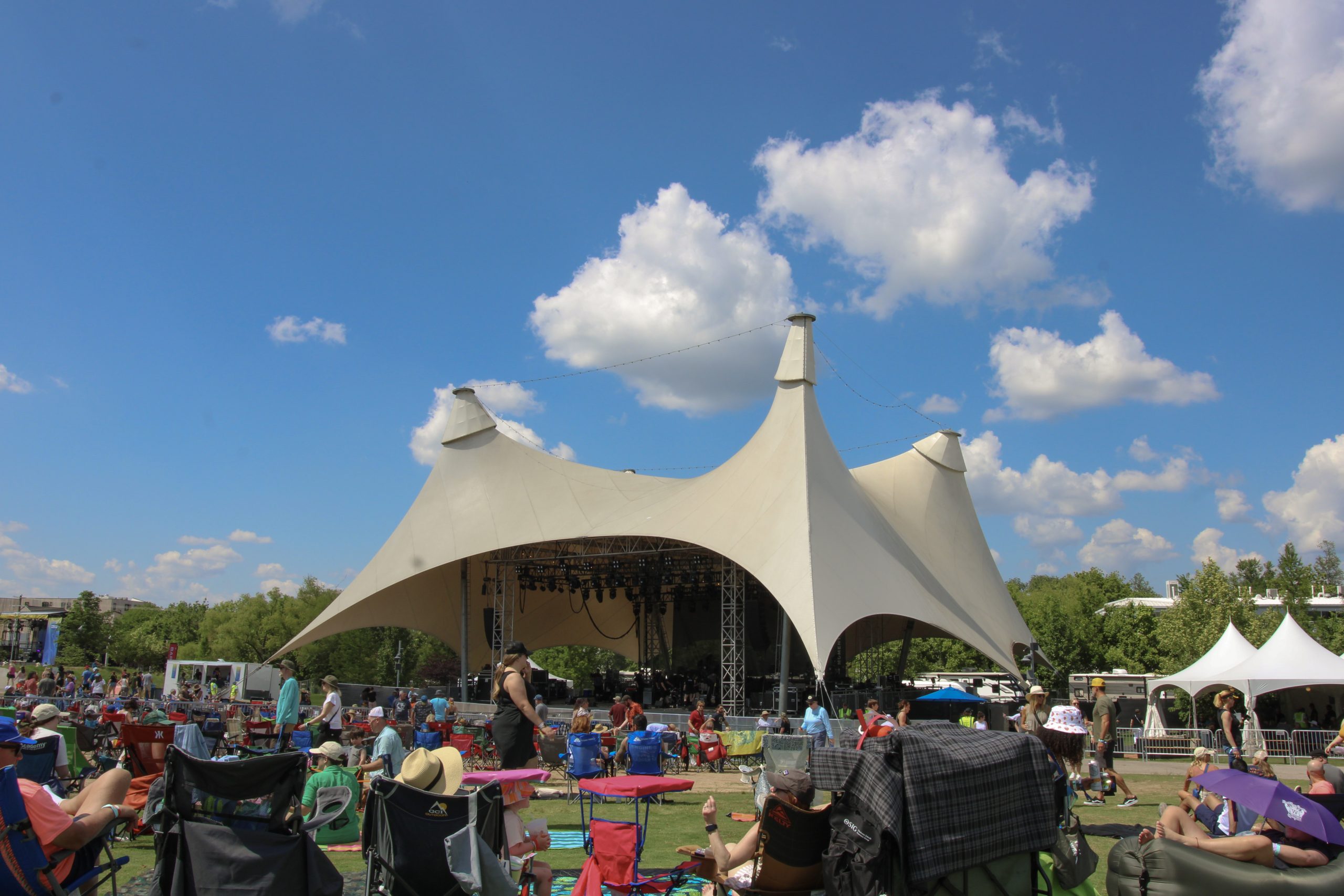
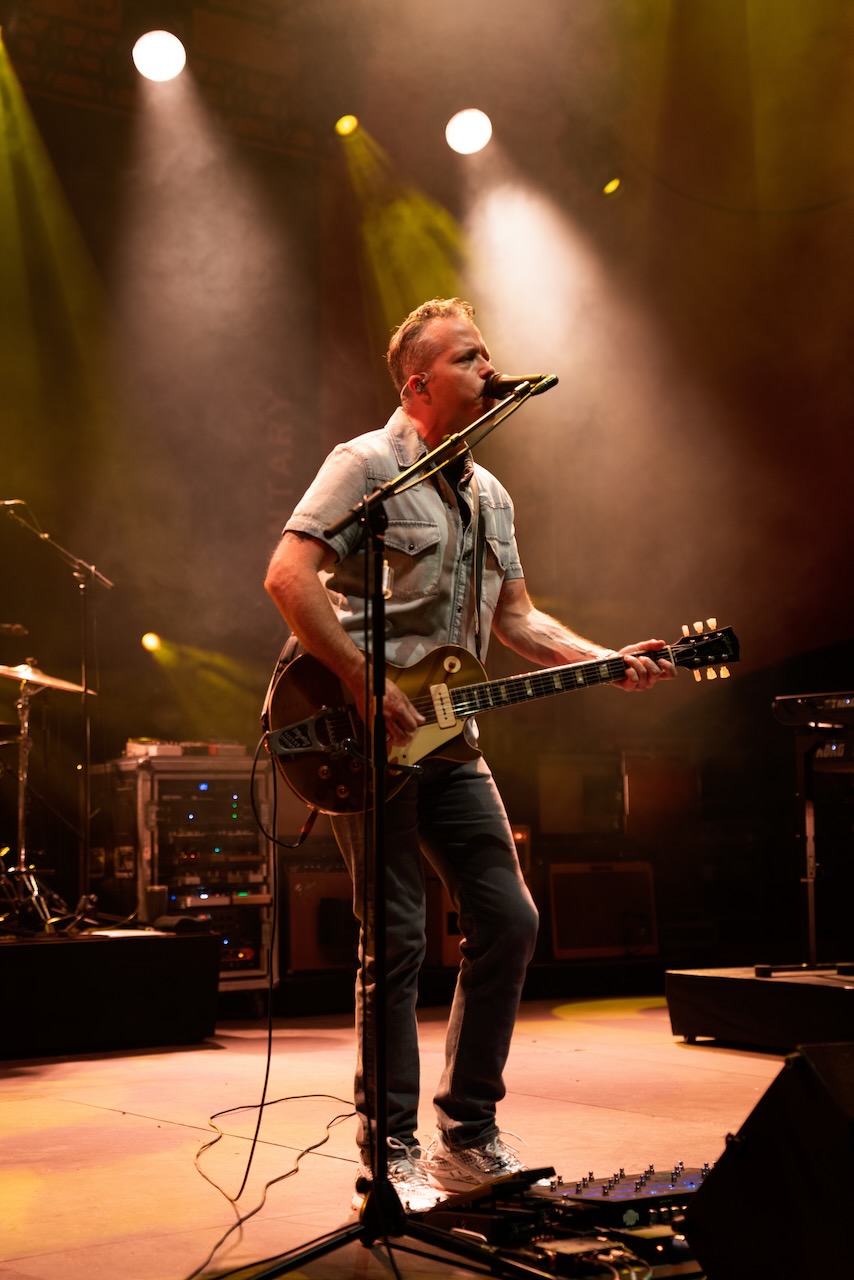
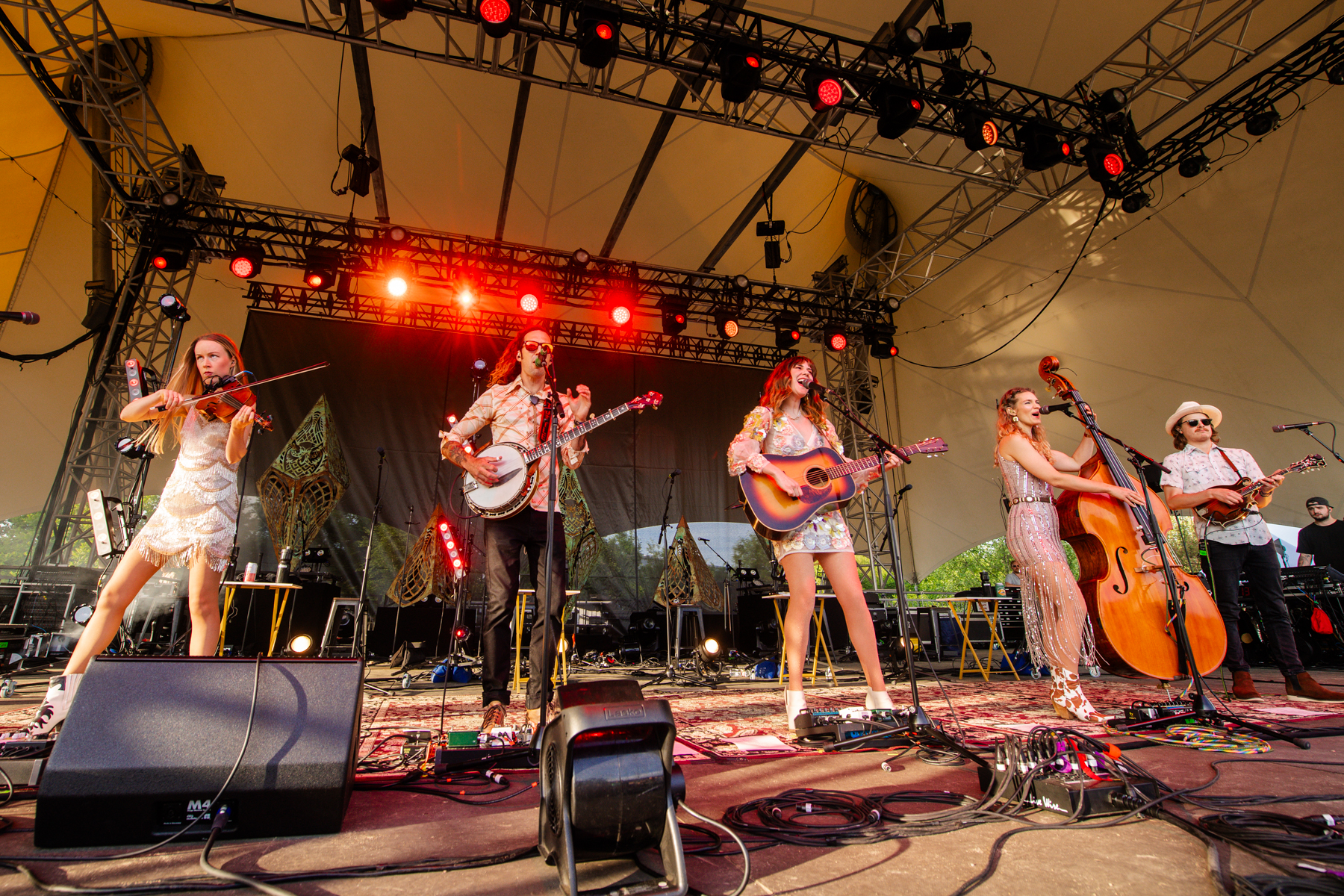
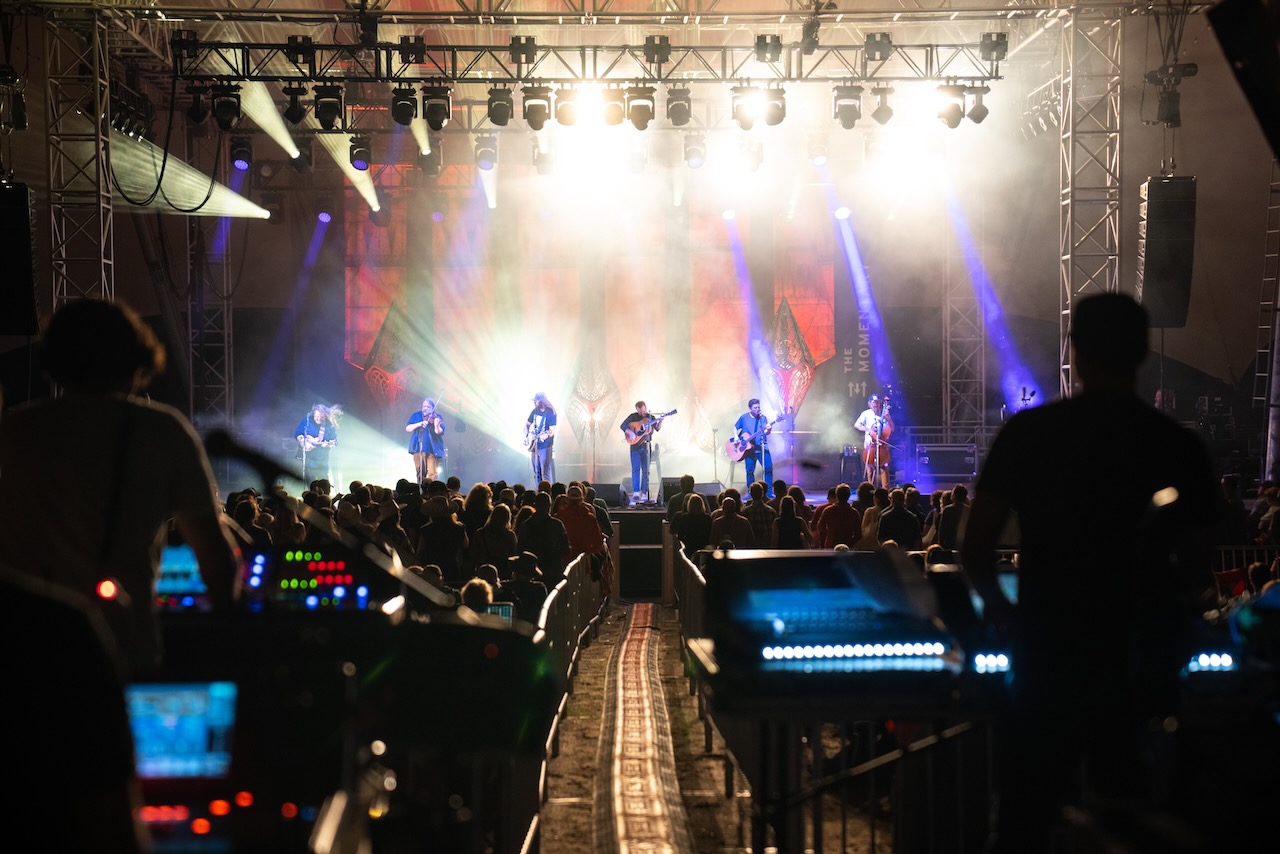
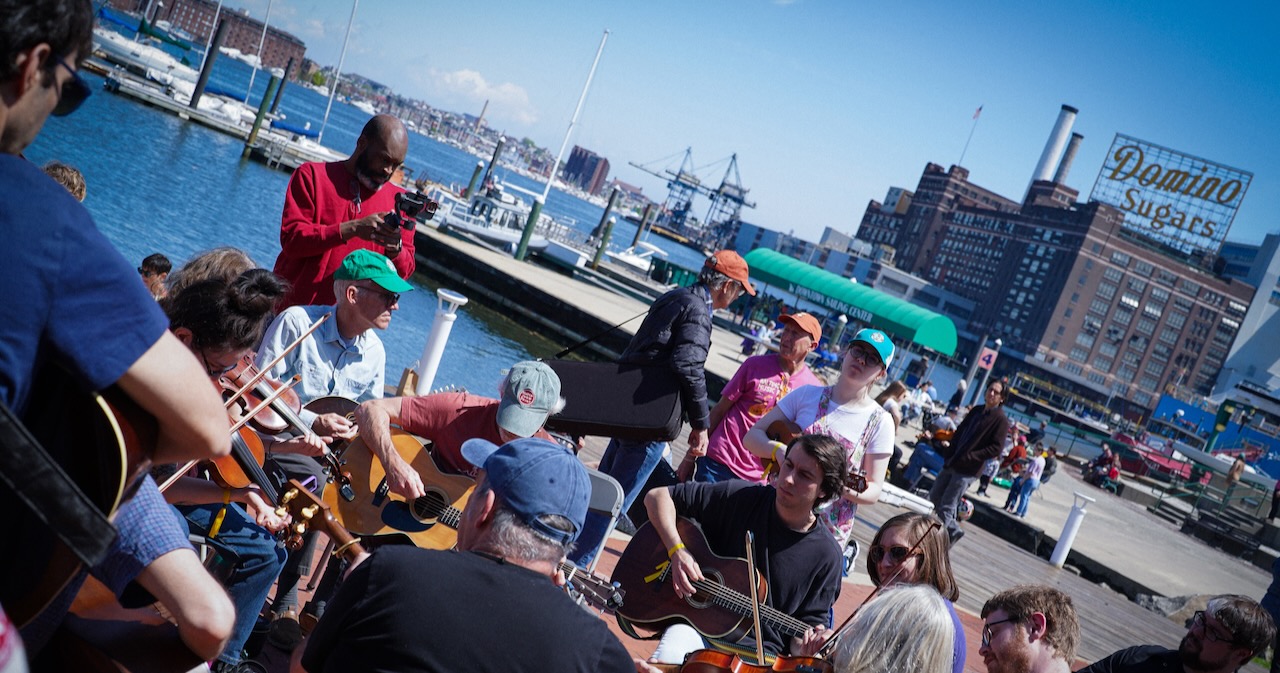
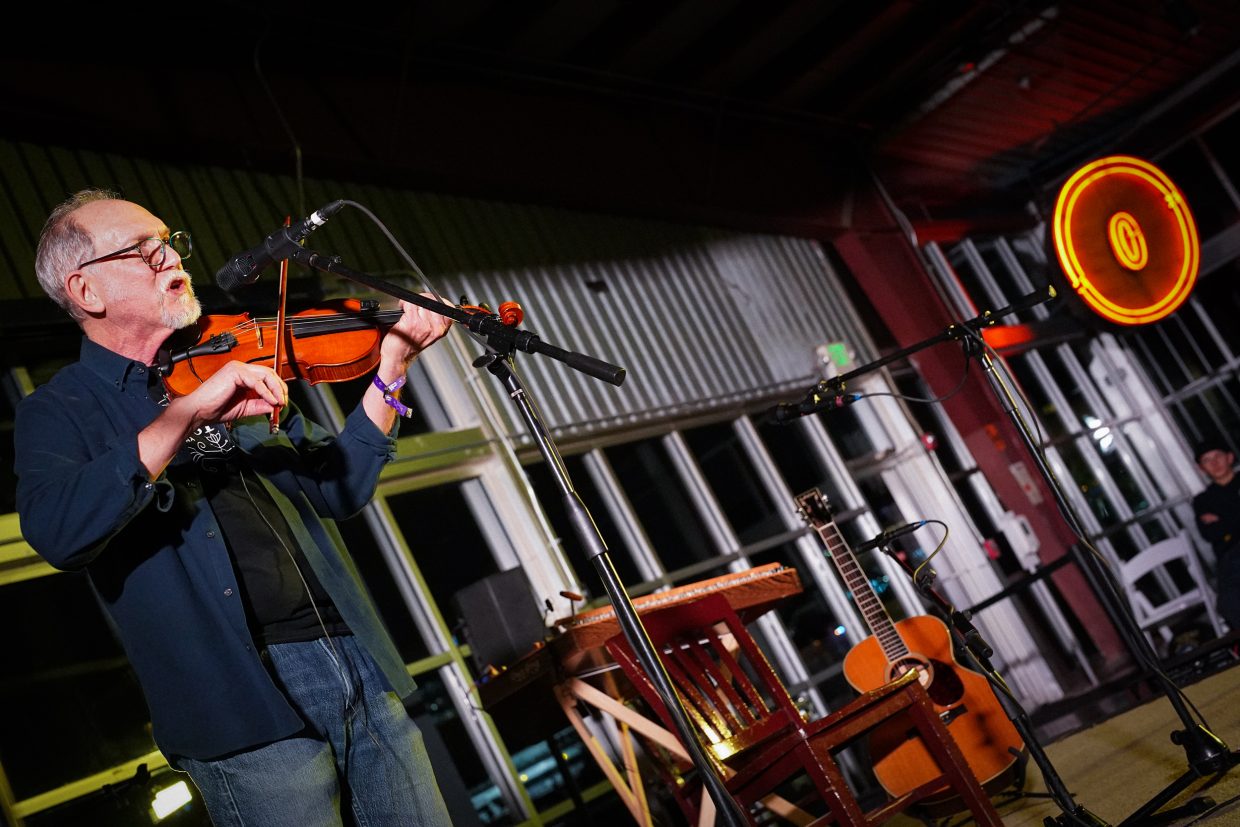
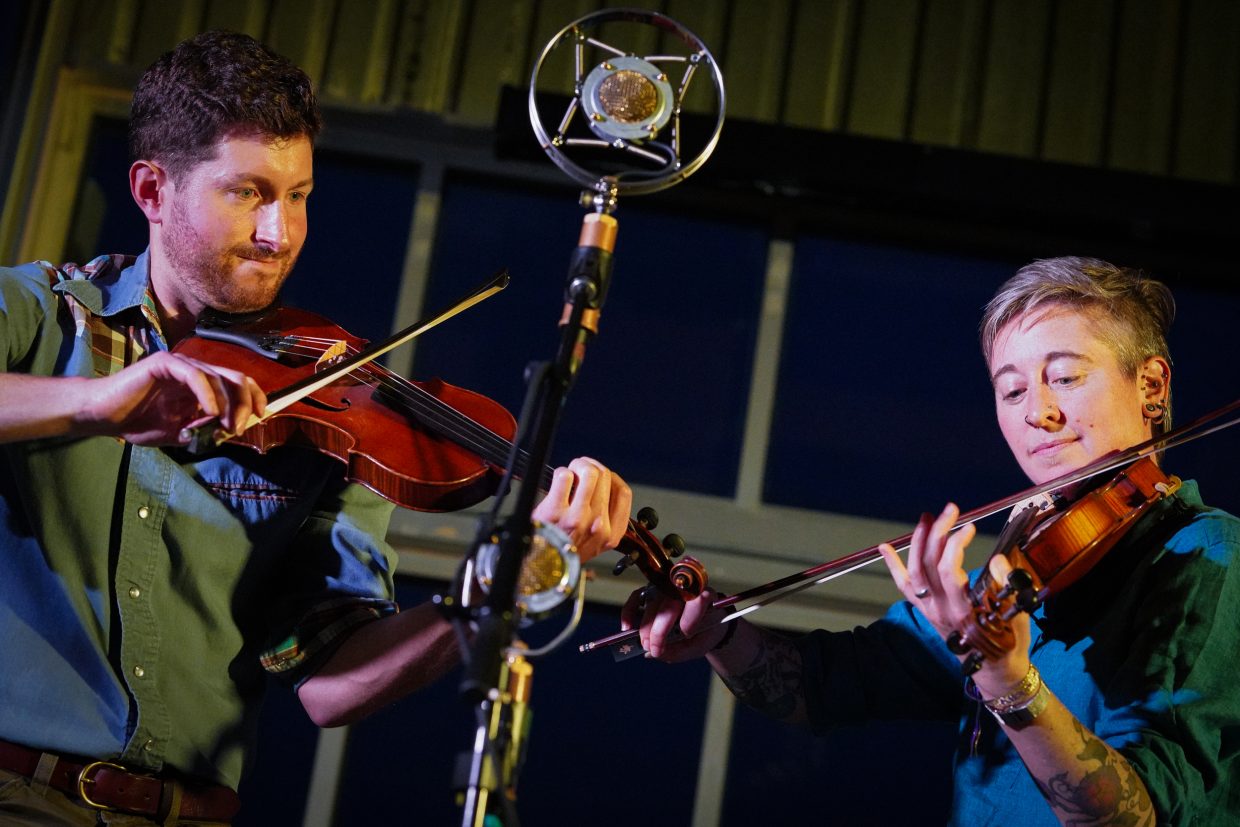
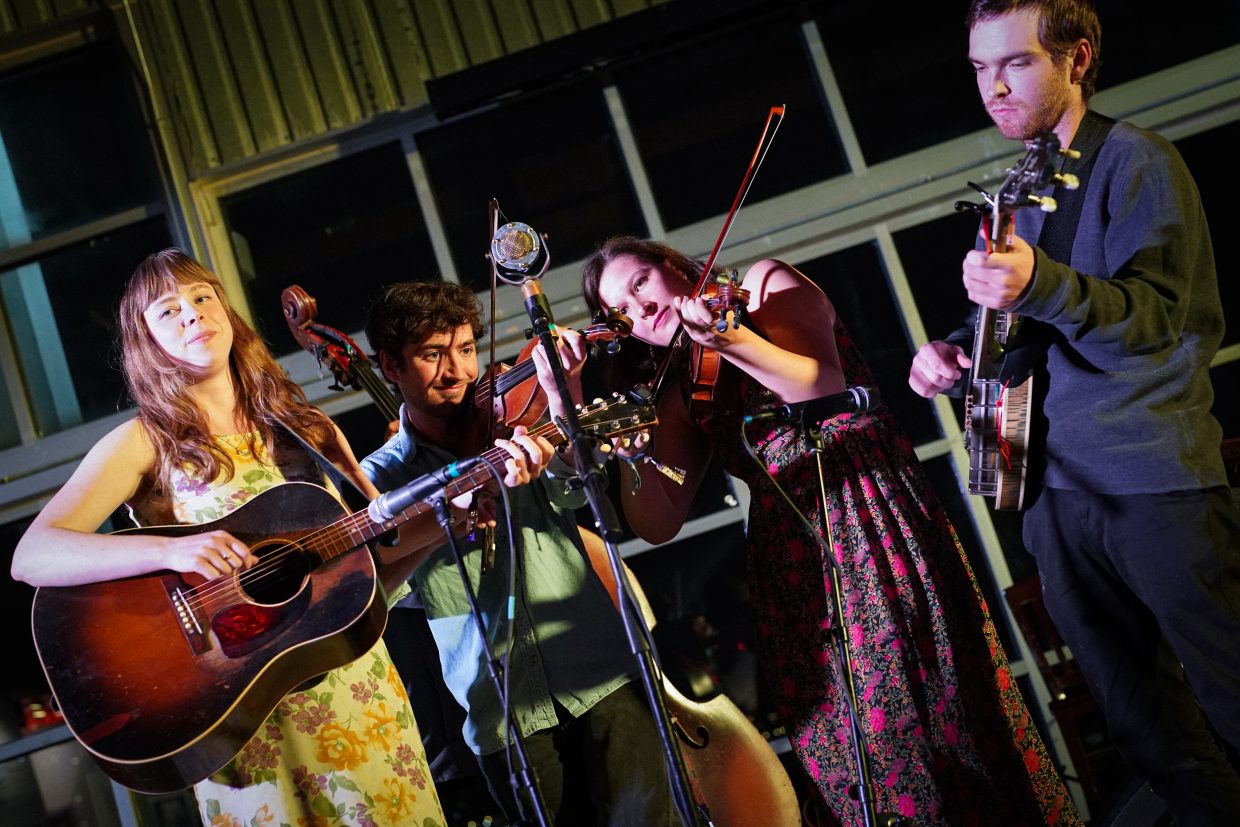
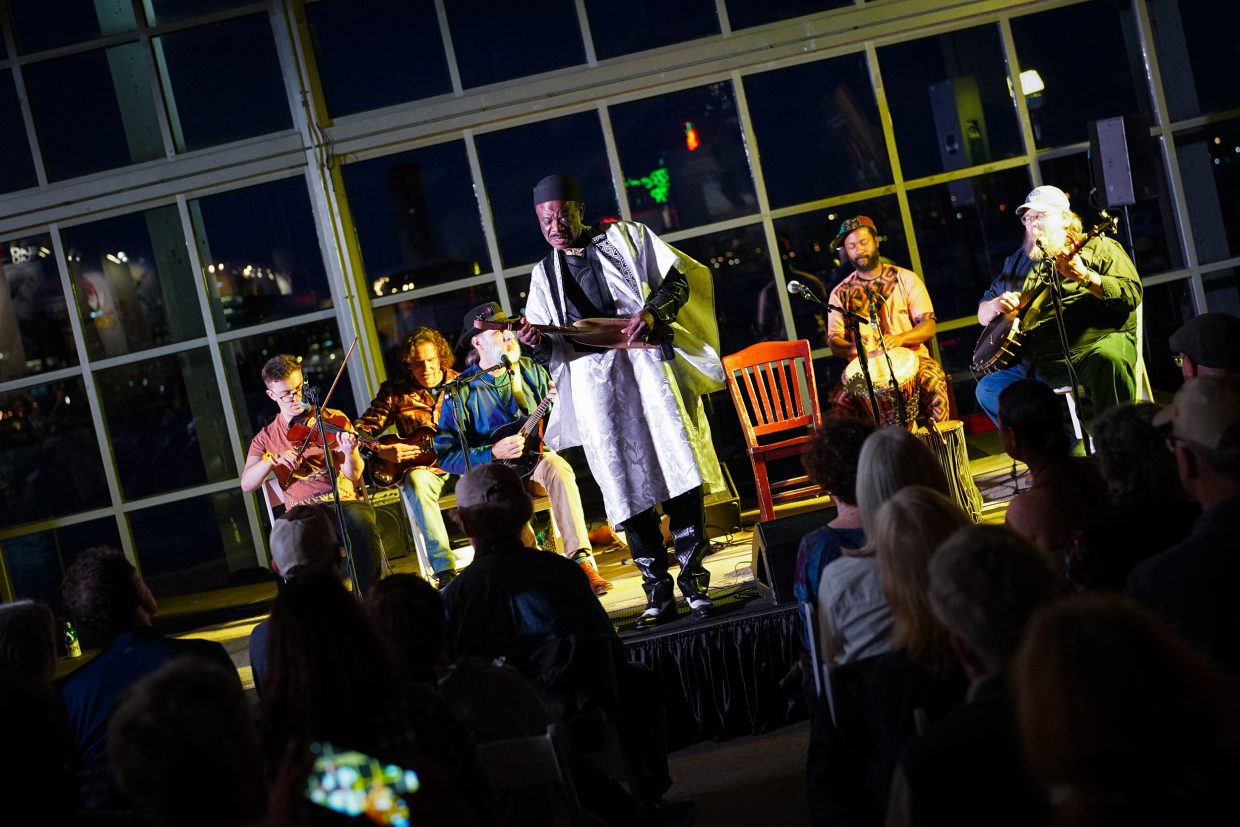
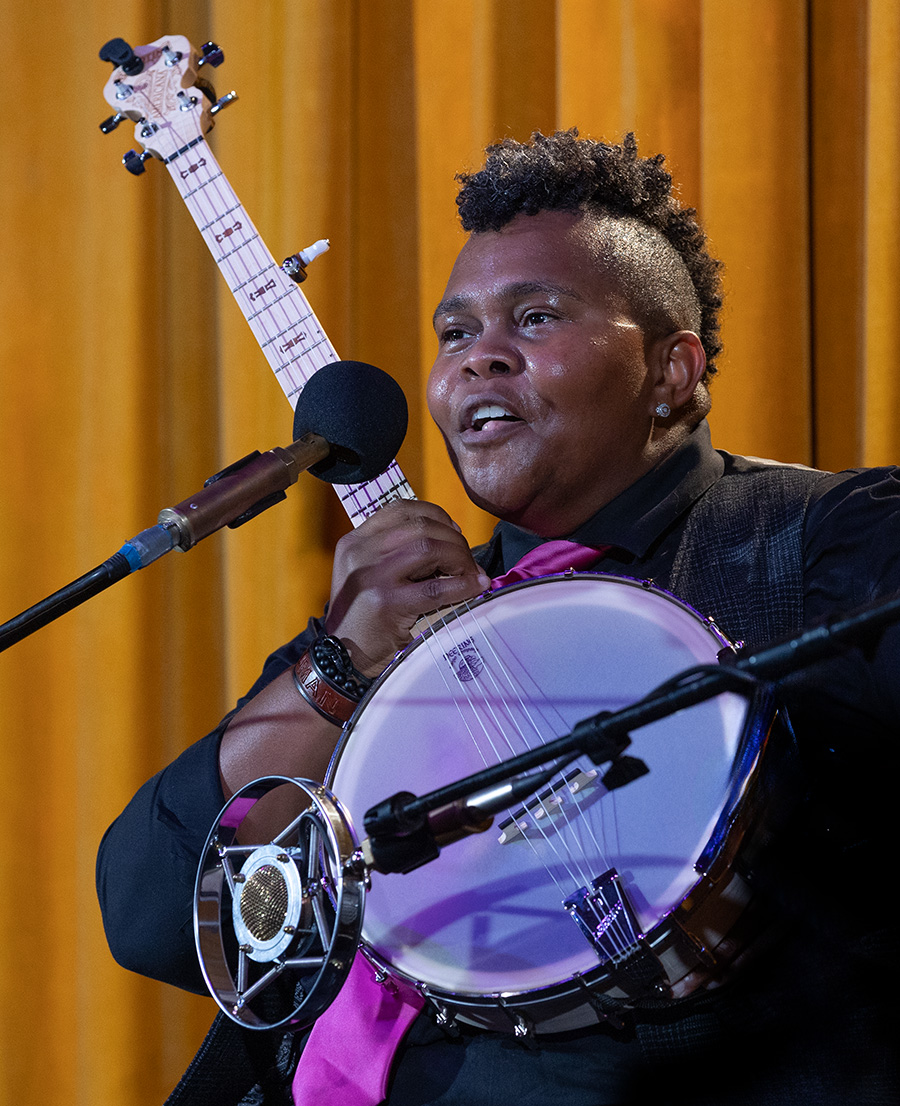
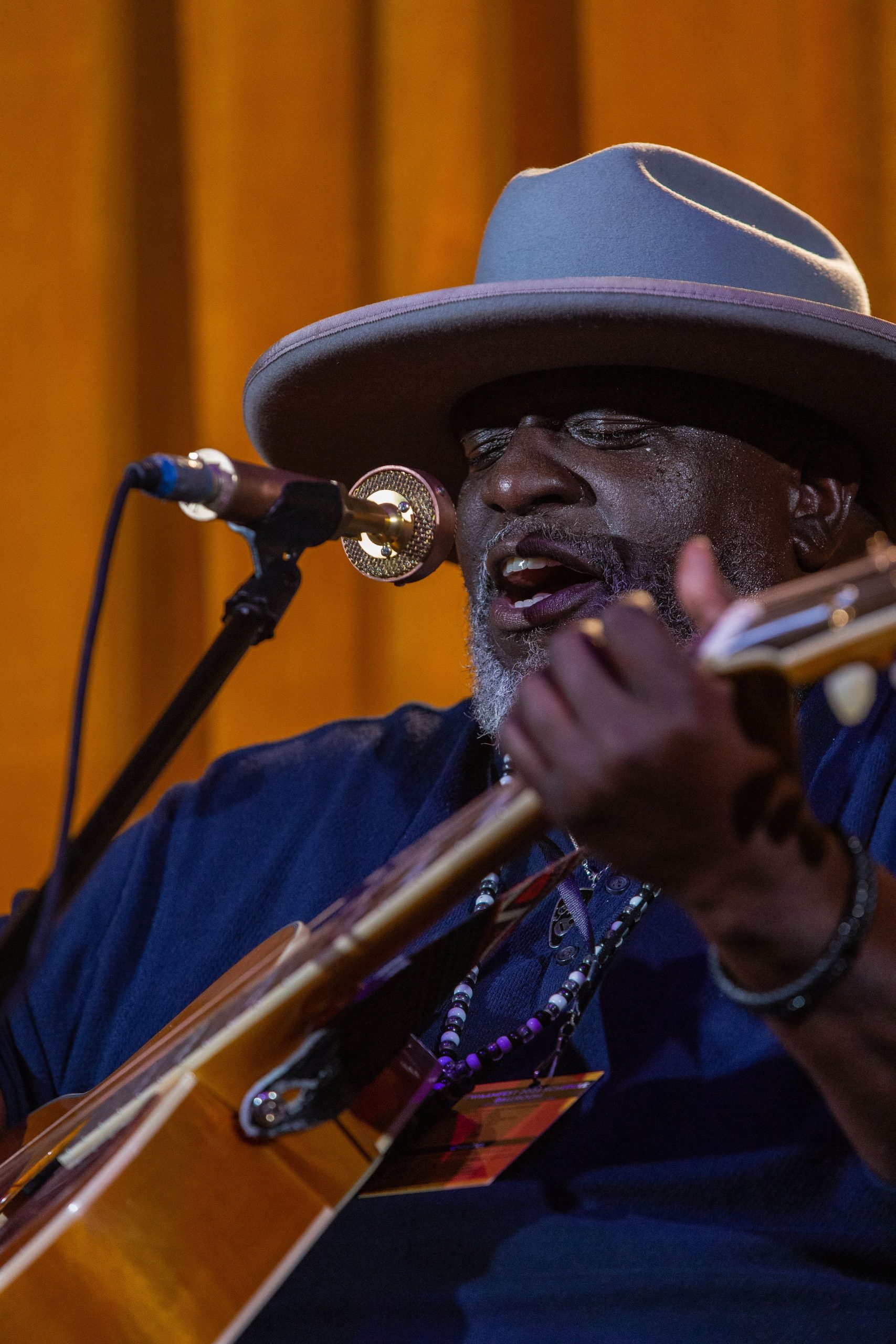
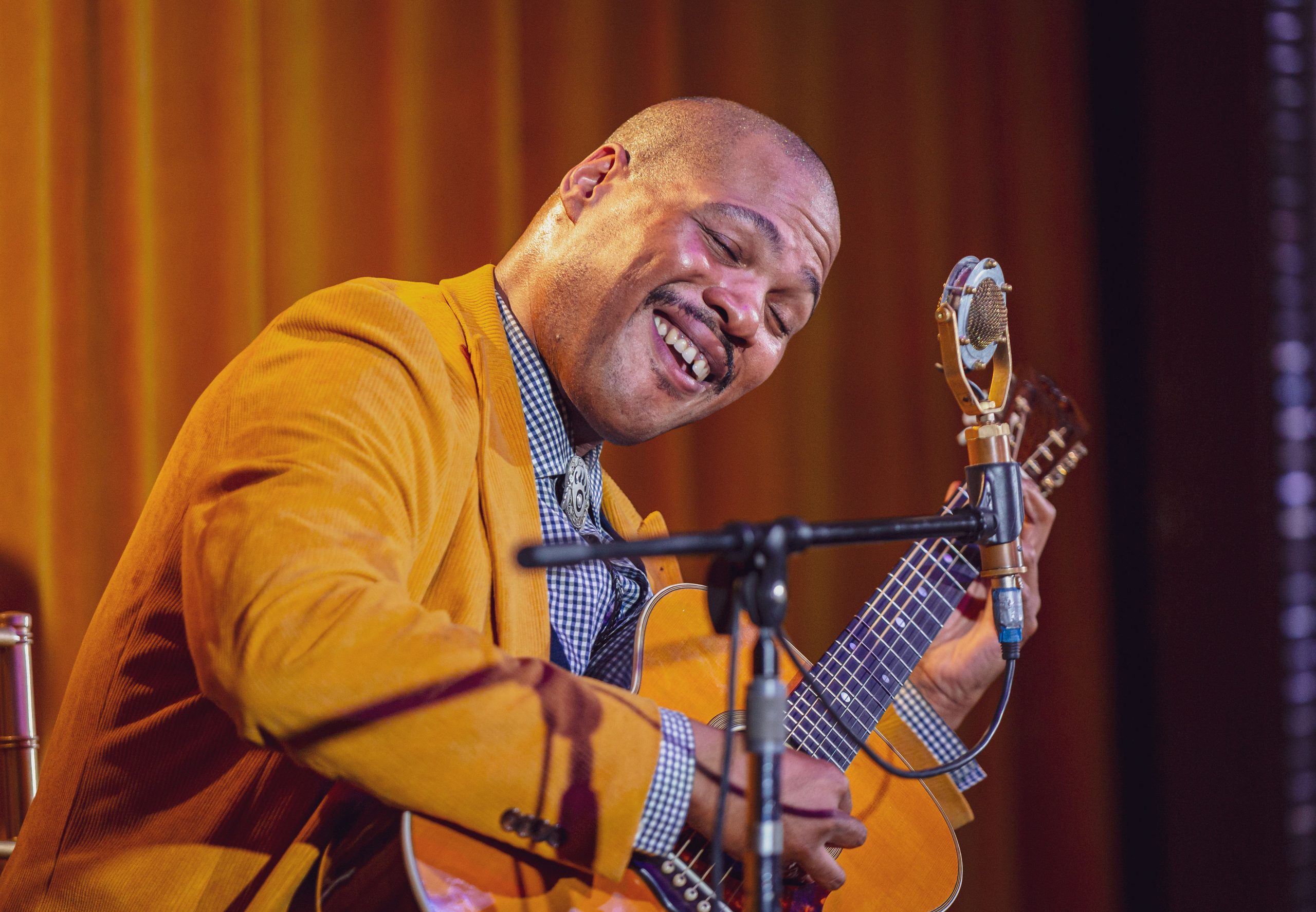
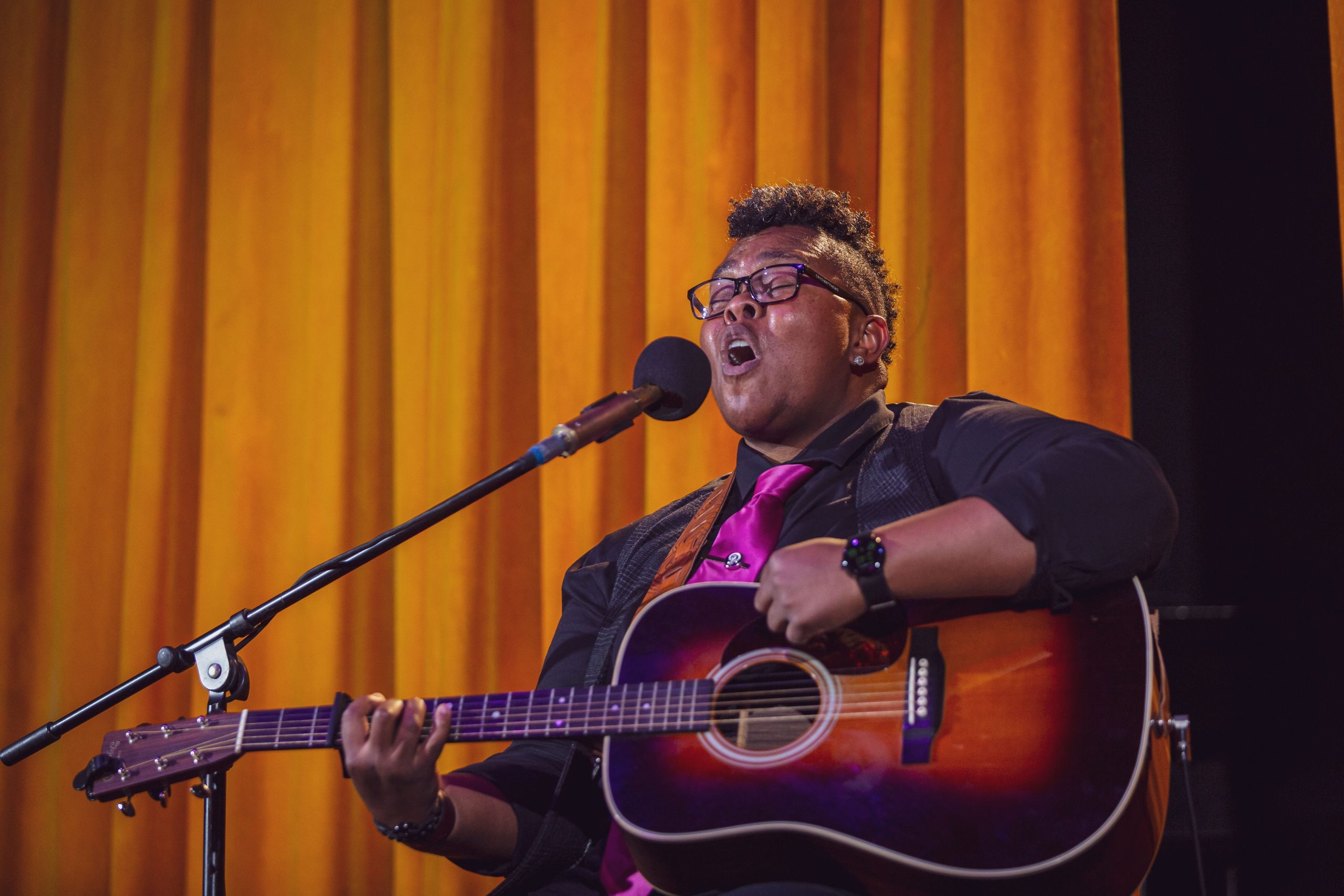
See photos from the Flint Hill Stage at the 2026 Earl Scruggs Music Festival.

All photos courtesy of Earl Scruggs Music Festival. Lead image of The Avett Brothers: Bain Stewart.
PHOTOS: Rhiannon Giddens’ American Tunes at the Hollywood Bowl

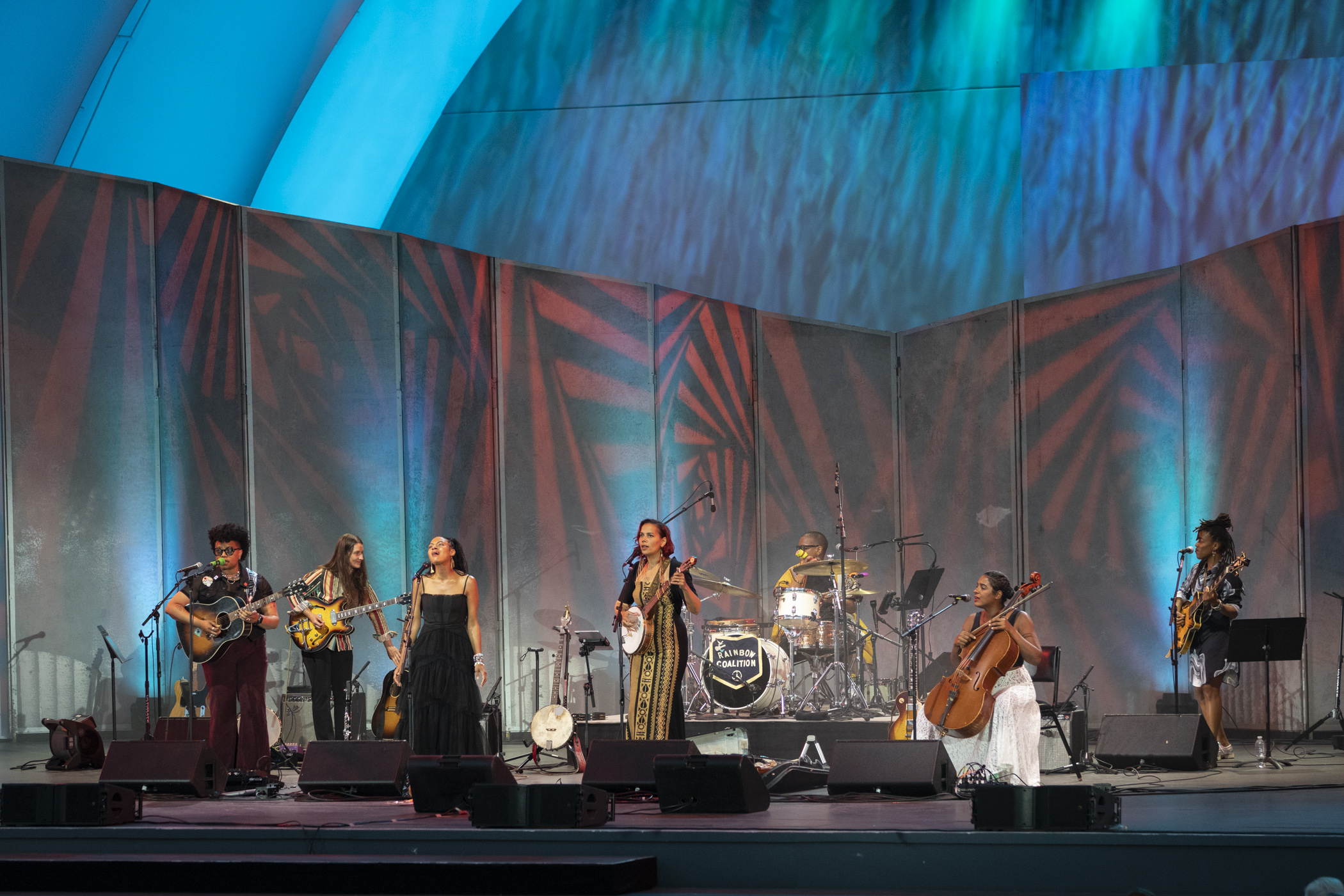
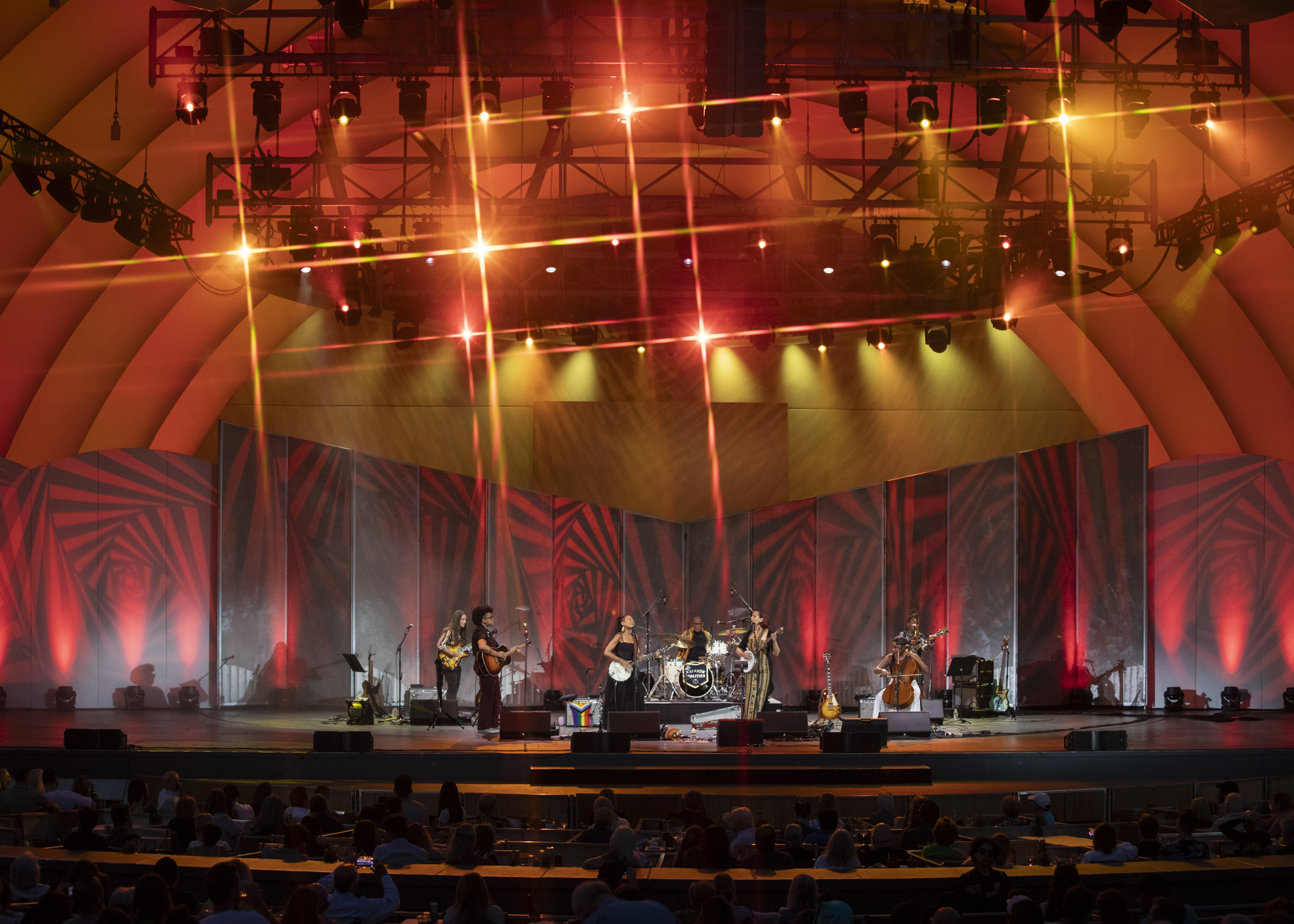
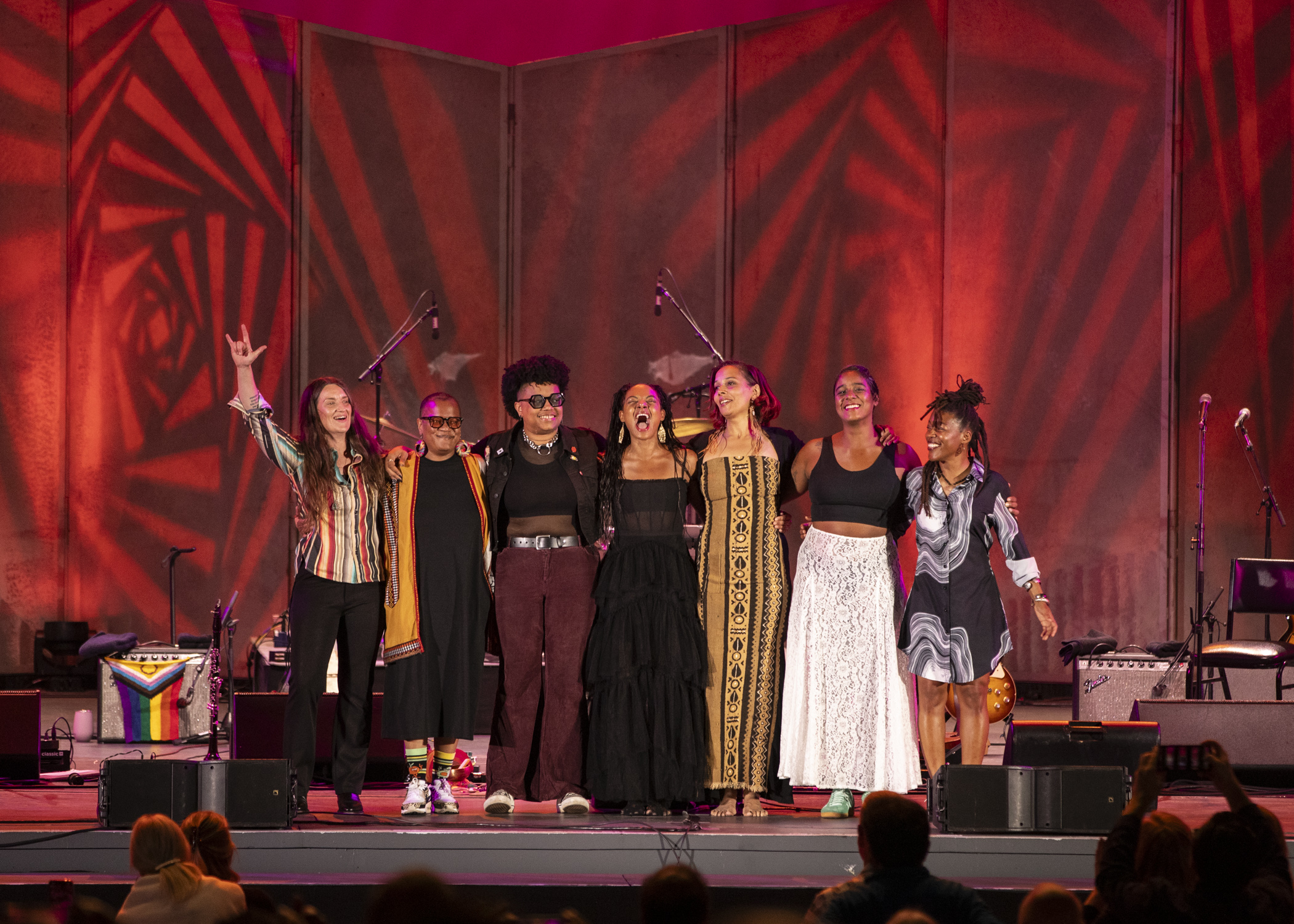
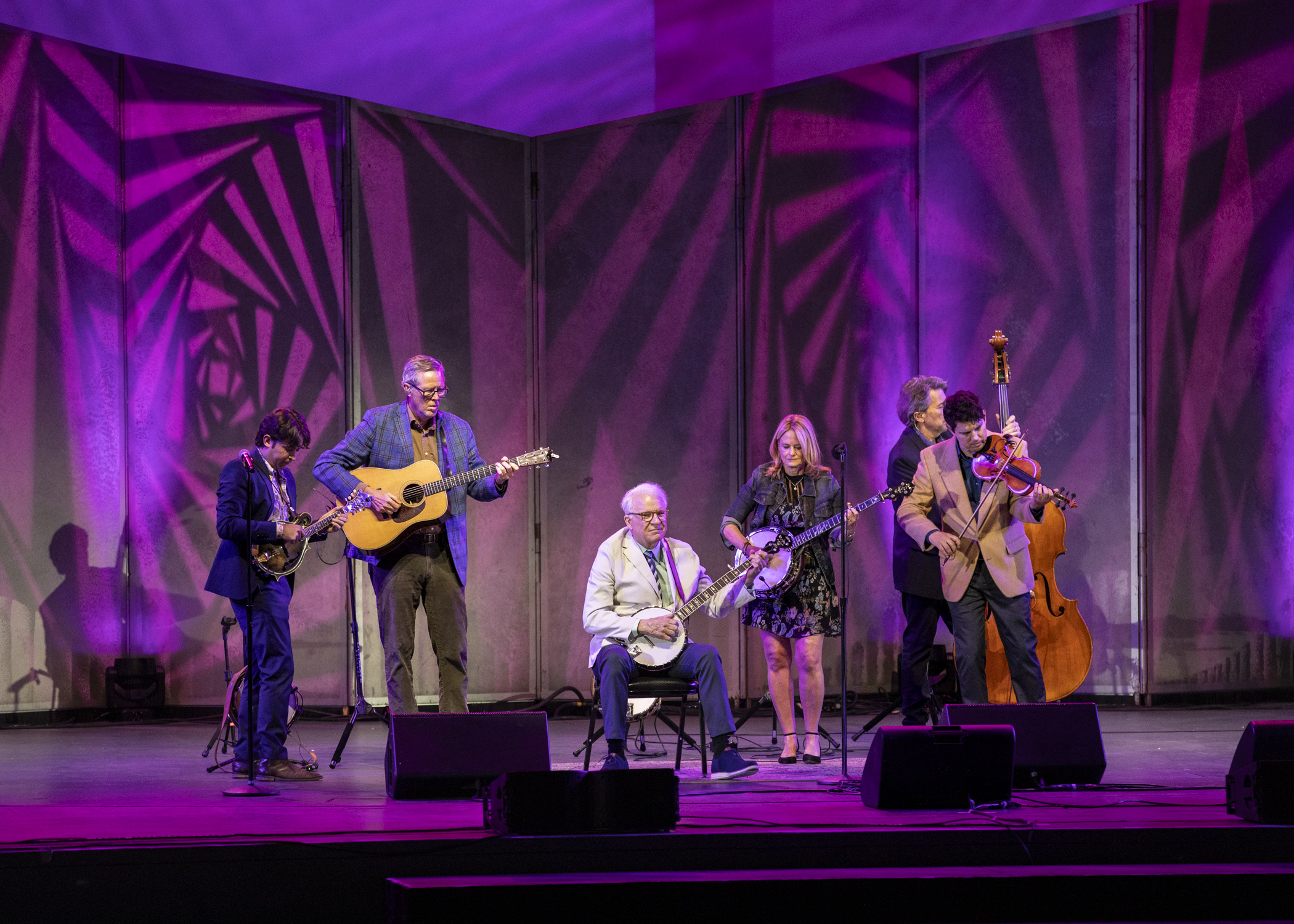
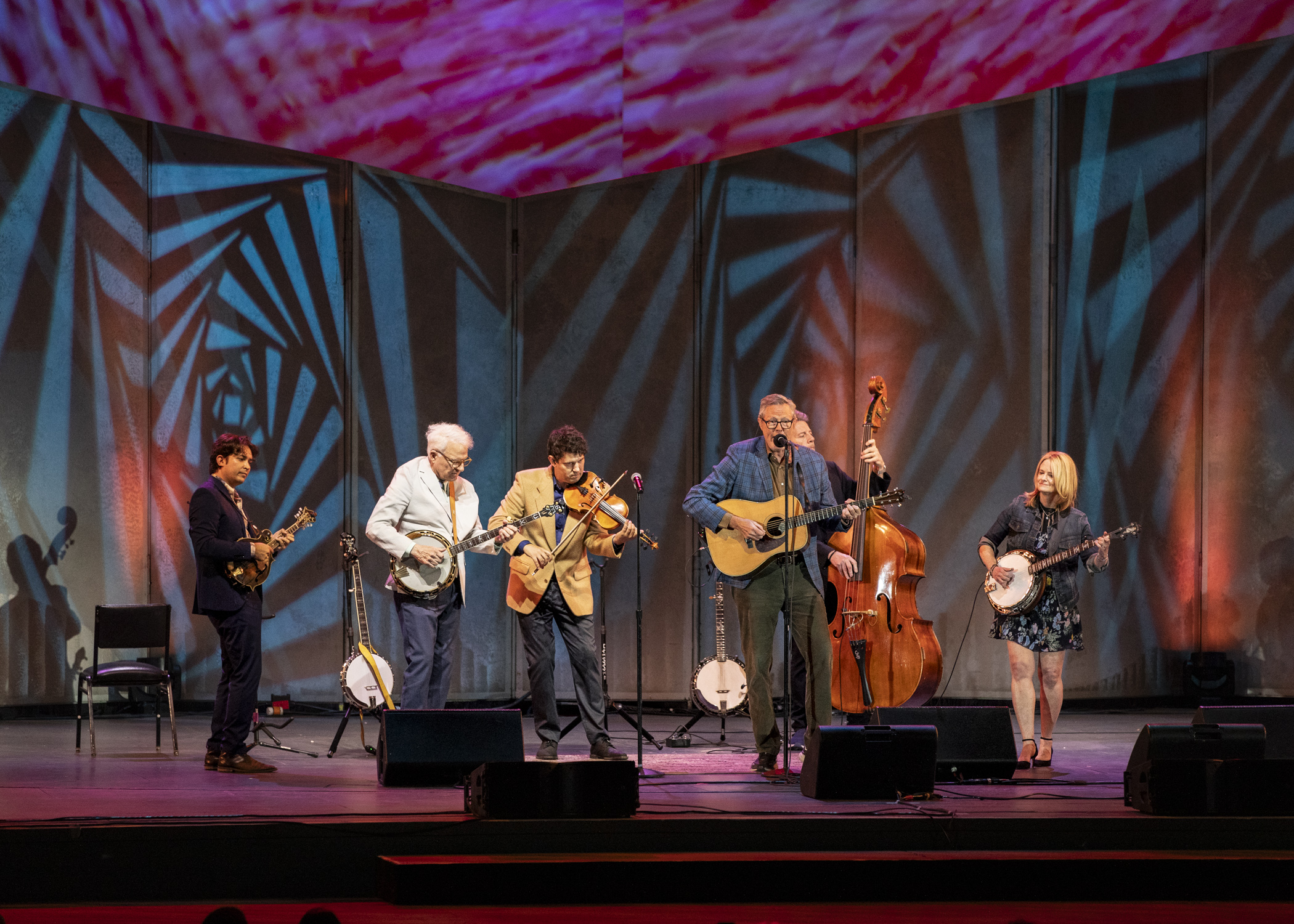
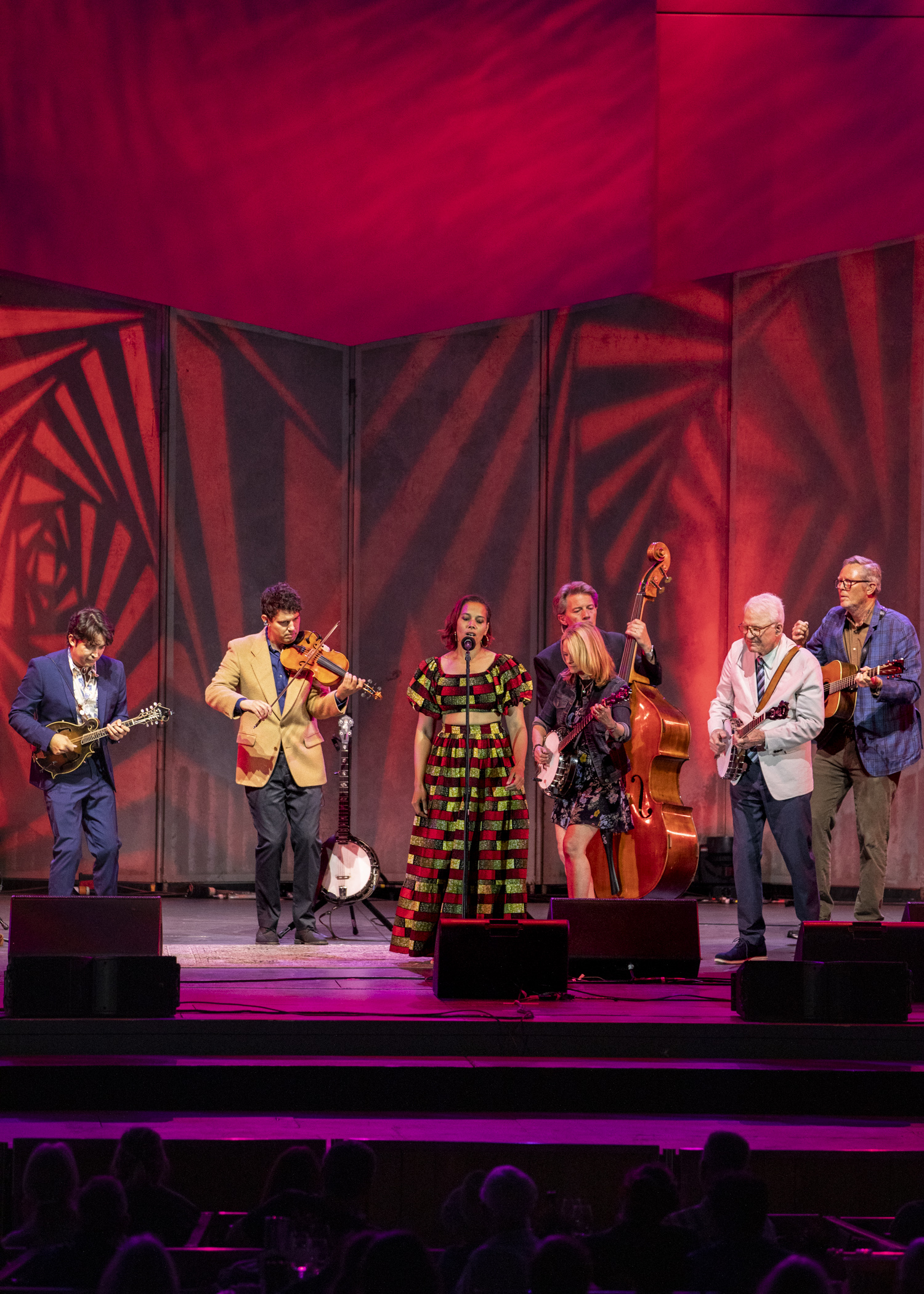
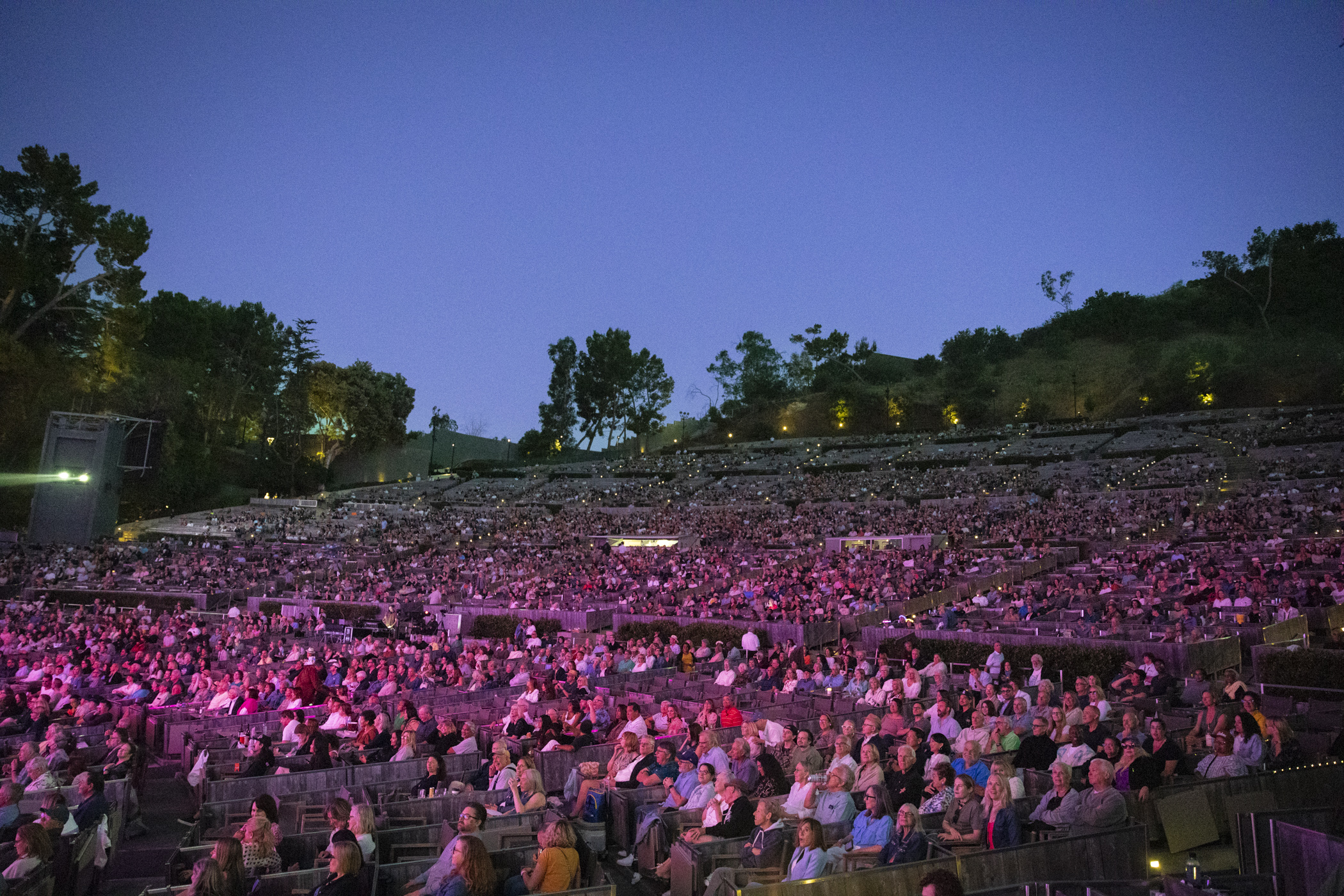
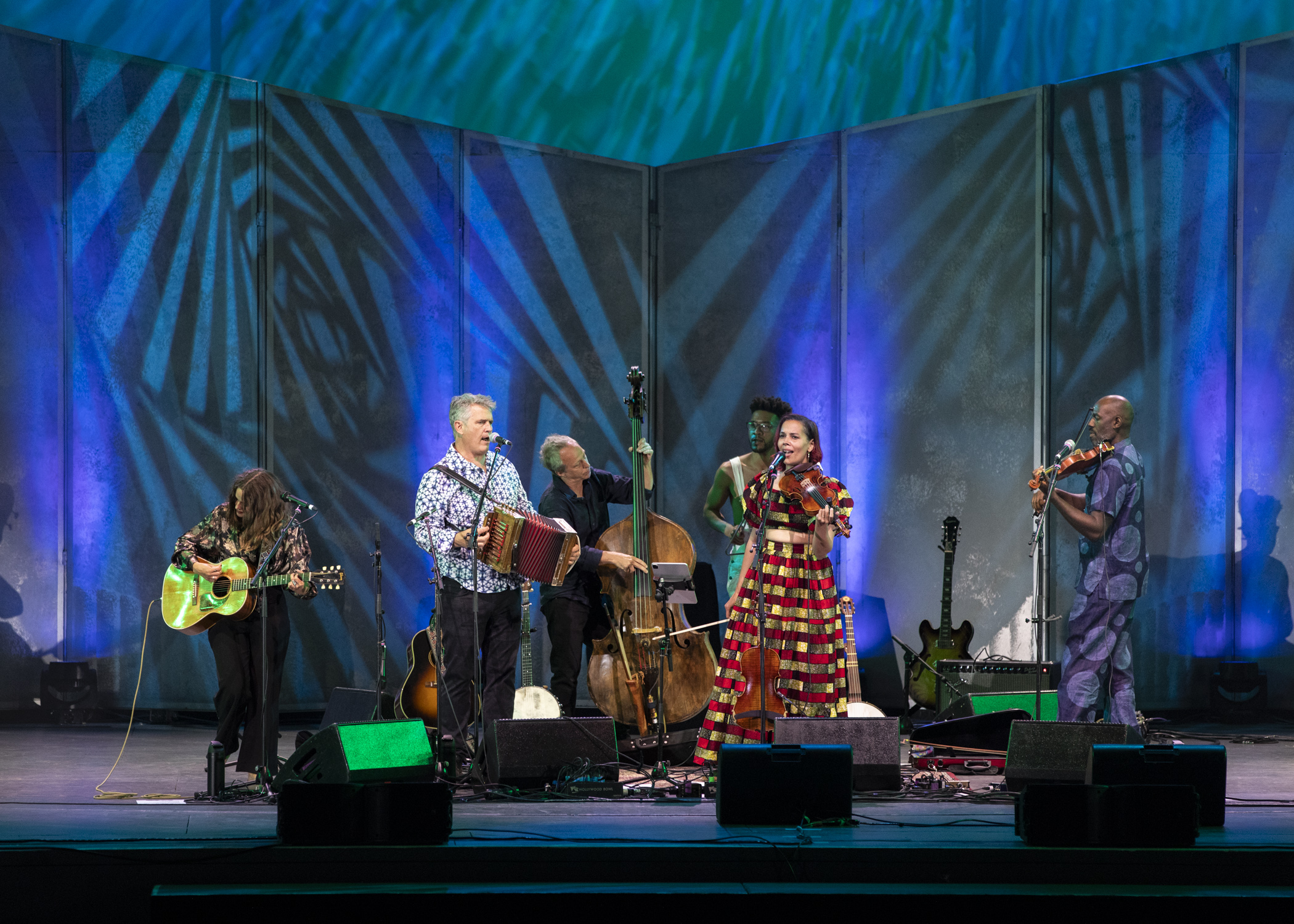
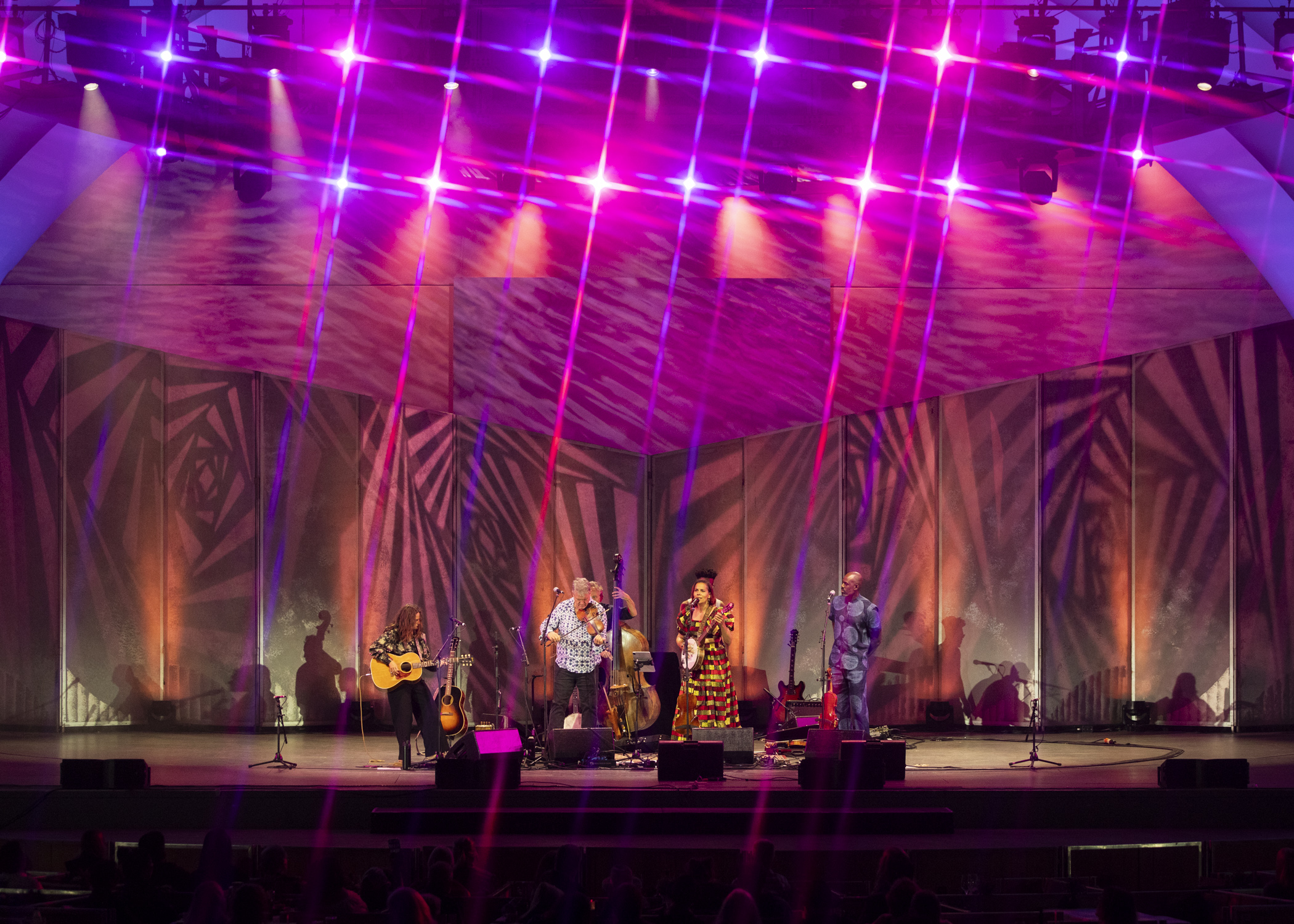
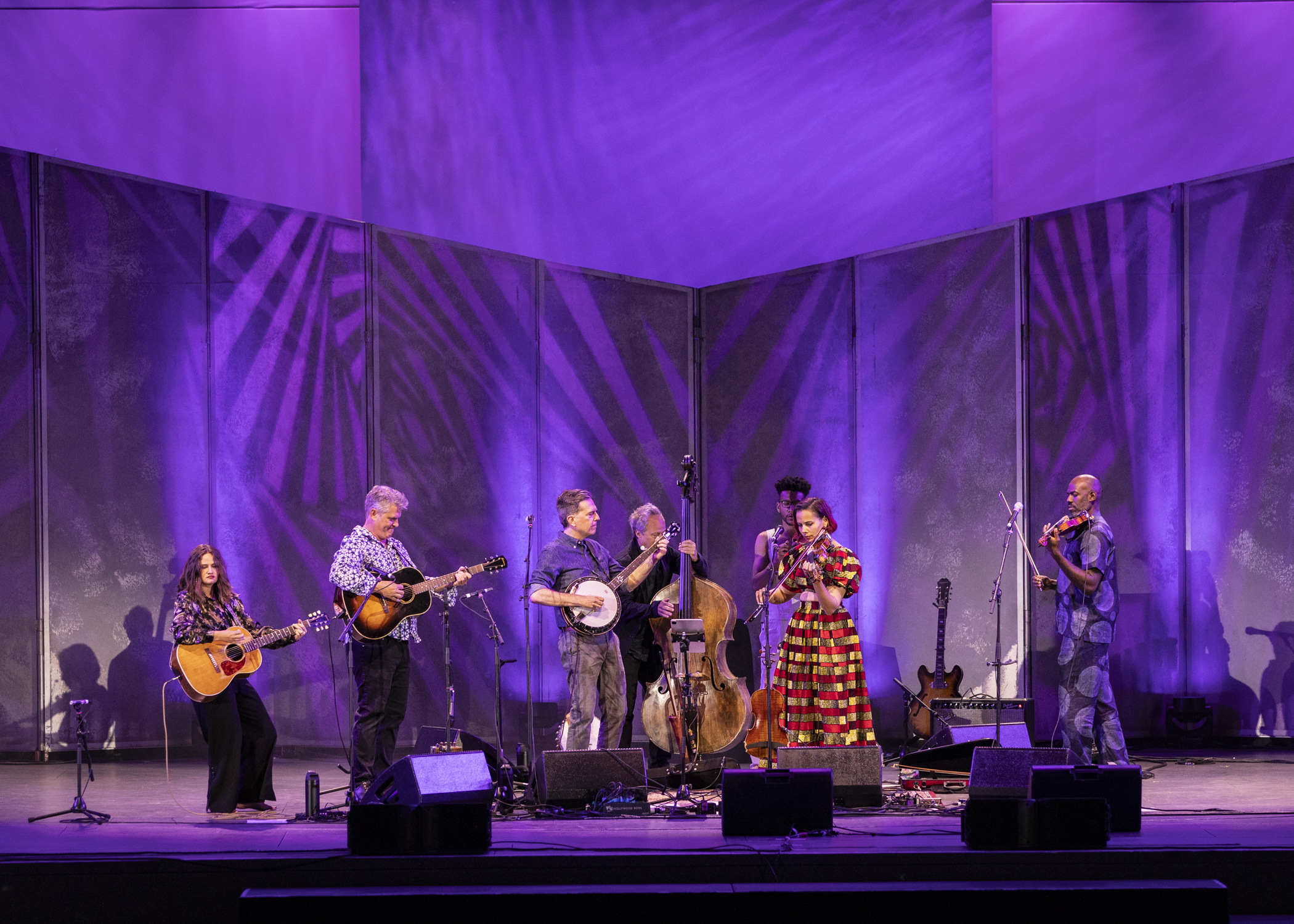
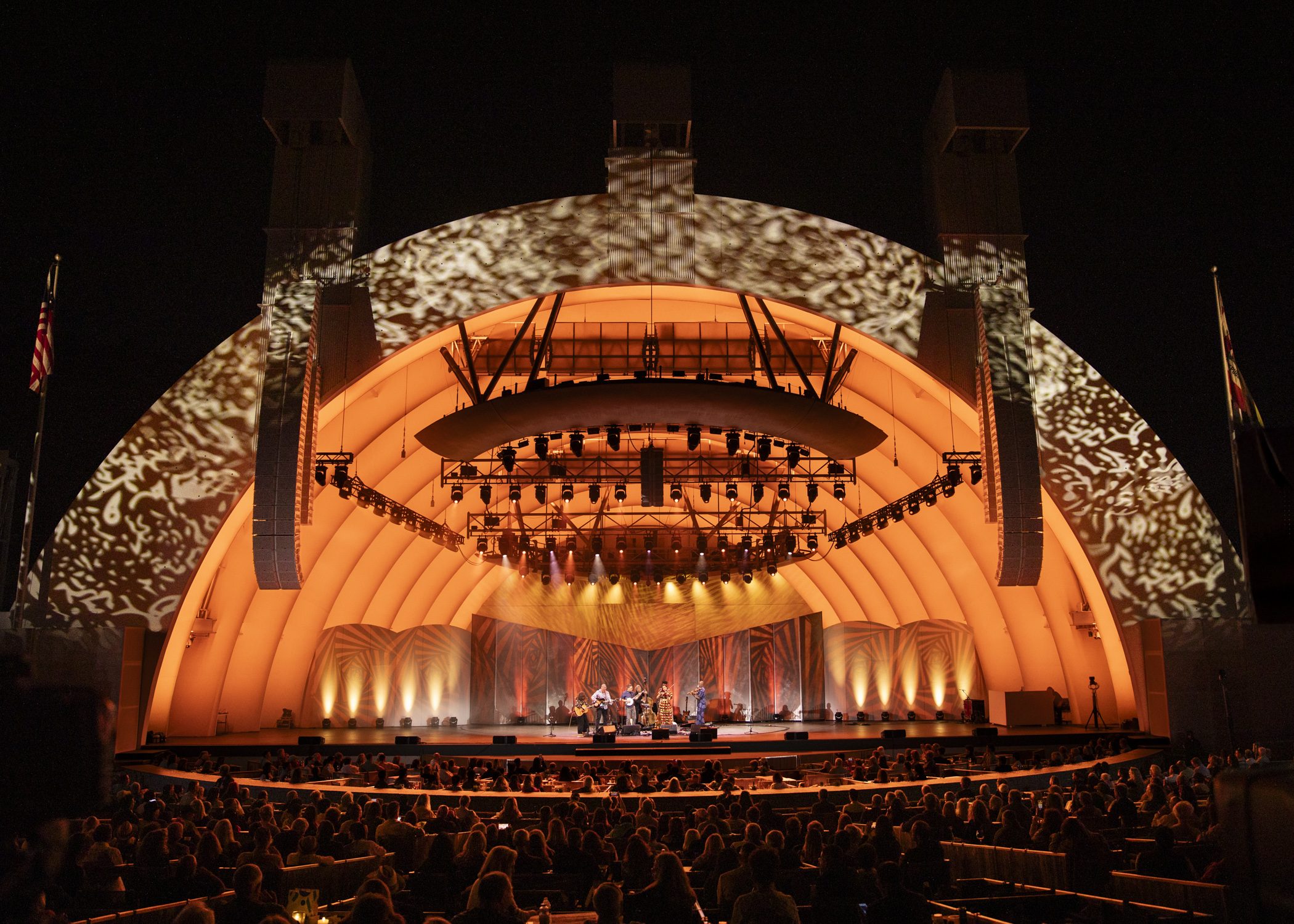
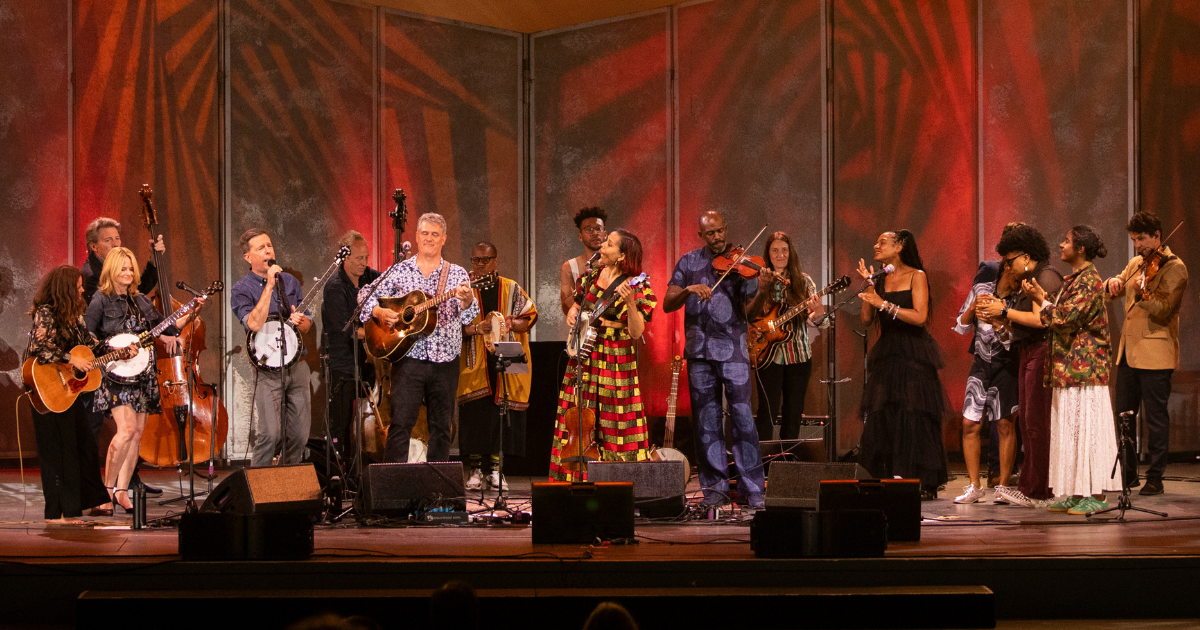
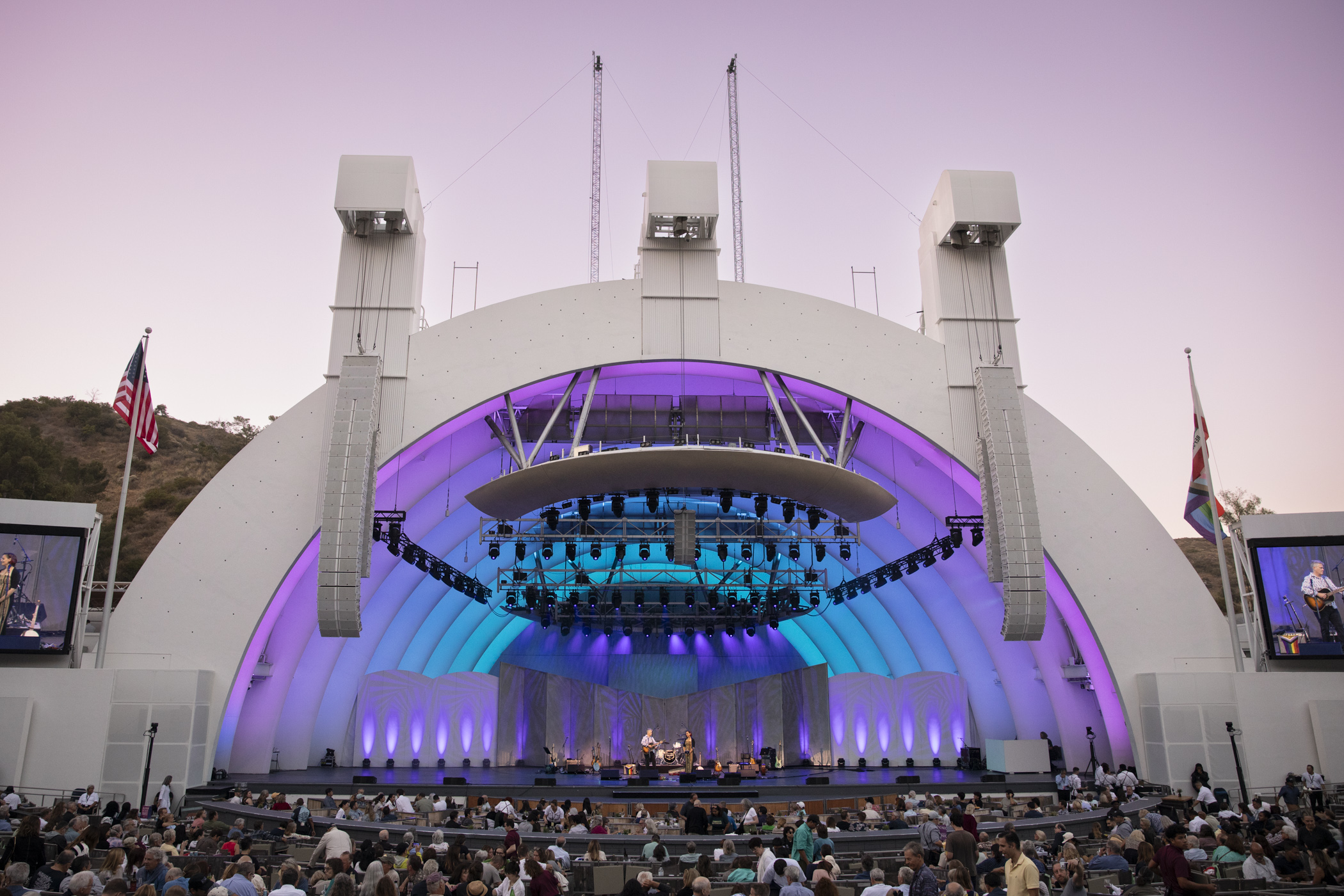
Earlier this week, on Wednesday, June 18, GRAMMY winner and MacArthur “Genius” Rhiannon Giddens brought American Tunes – a star-studded edition of her Old-Time Revue – to the Hollywood Bowl in Los Angeles, California. The evening featured a vast array of American roots music spanning eras and genres, from old-time and cajun to bluegrass and blues, Americana and folk, all brilliantly interconnected by Giddens’ masterful curation.

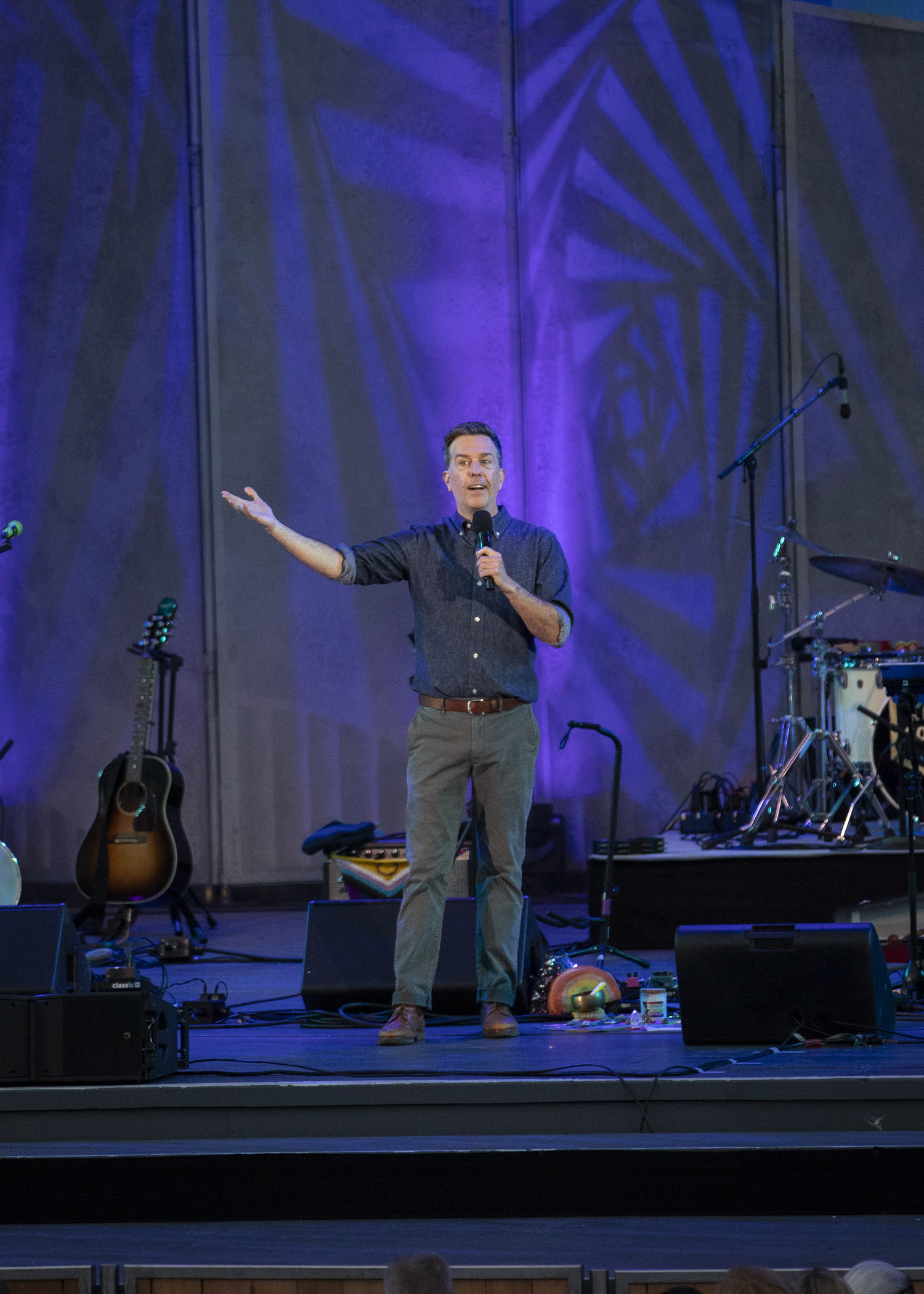
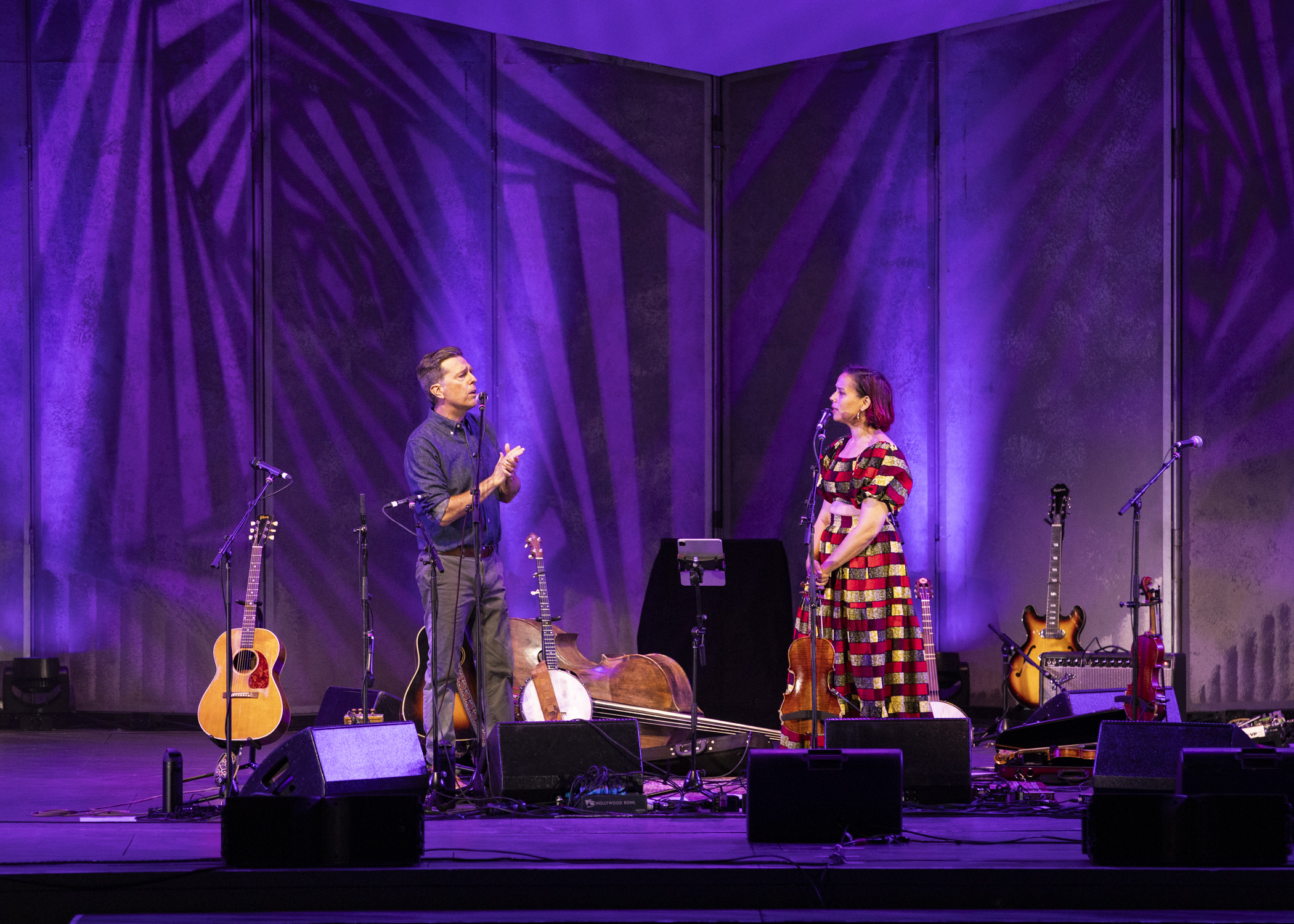
Taking the stage in front of the 18,000 capacity venue, Rhiannon welcomed the audience to her front porch – probably the biggest front porch ever – before kicking off the evening with Dirk Powell, her powerful vocals echoing the Bowl.  After welcoming the audience, BGS’ own Ed Helms has on hand to introduce Our Native Daughters, Giddens’ female quartet supergroup featuring Amythyst Kiah, Allison Russell, and Leyla McCalla (instrumental backing by Russell’s Rainbow Coalition band filled out the songs, making them feel lush and all the more powerful).

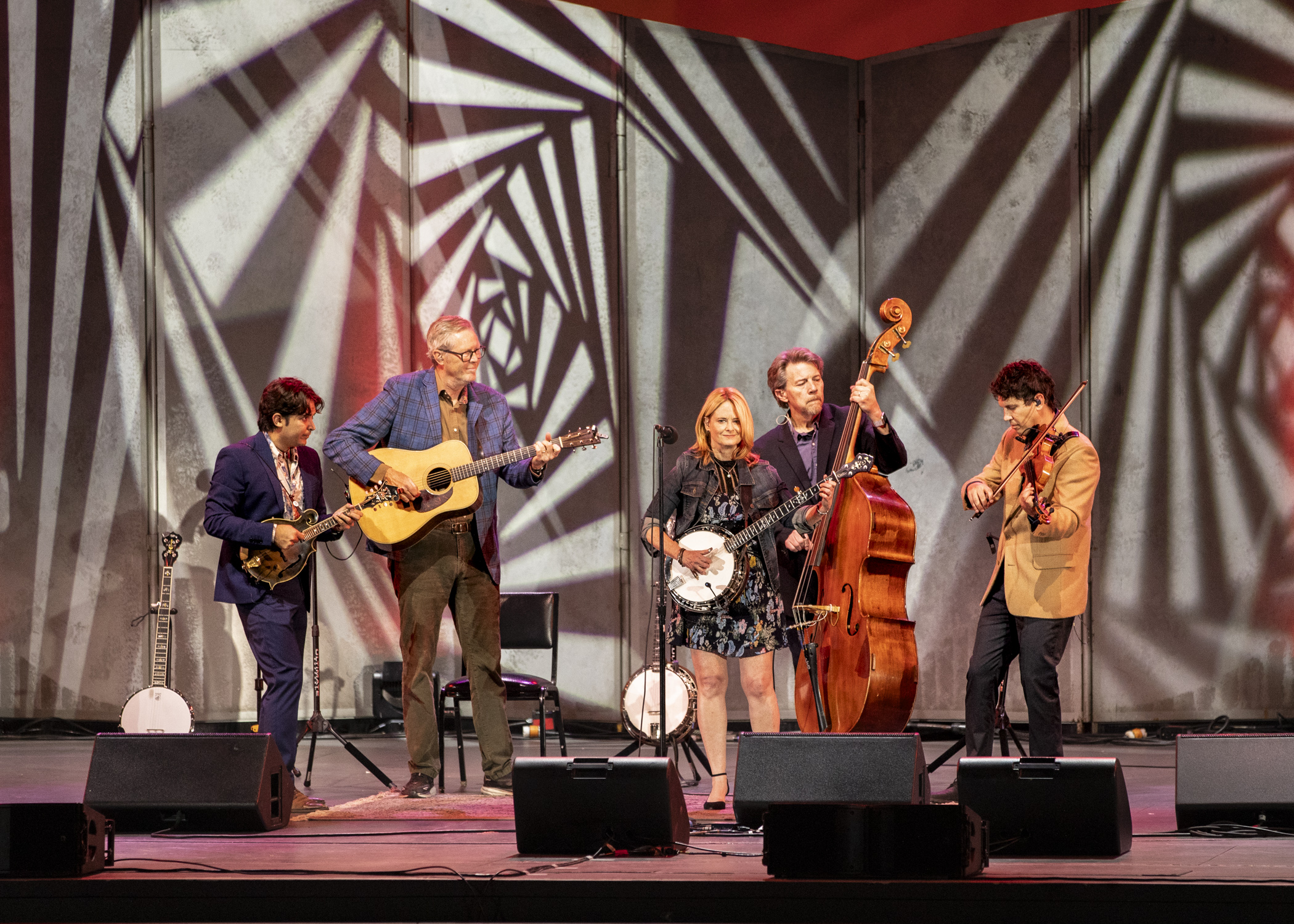
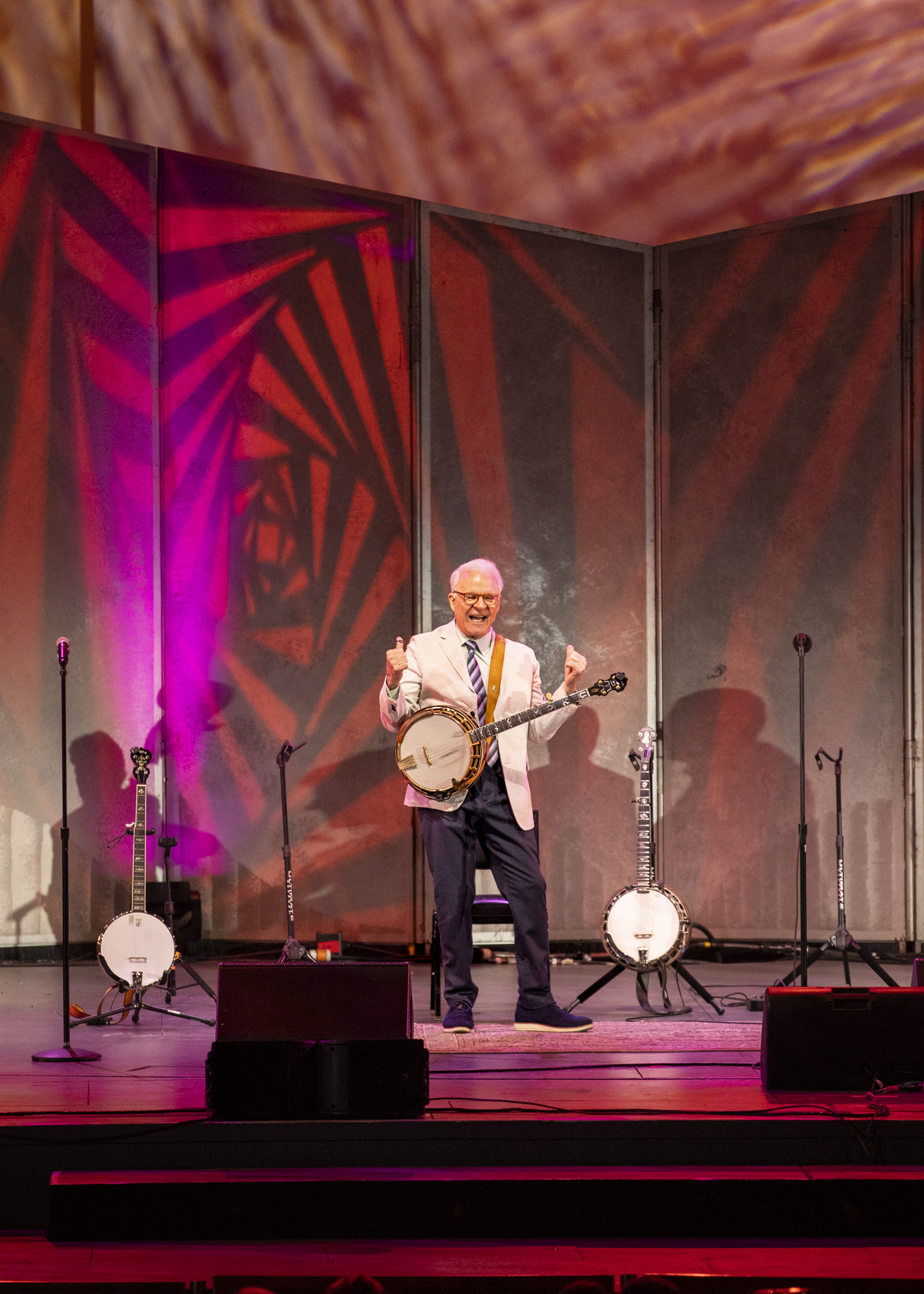
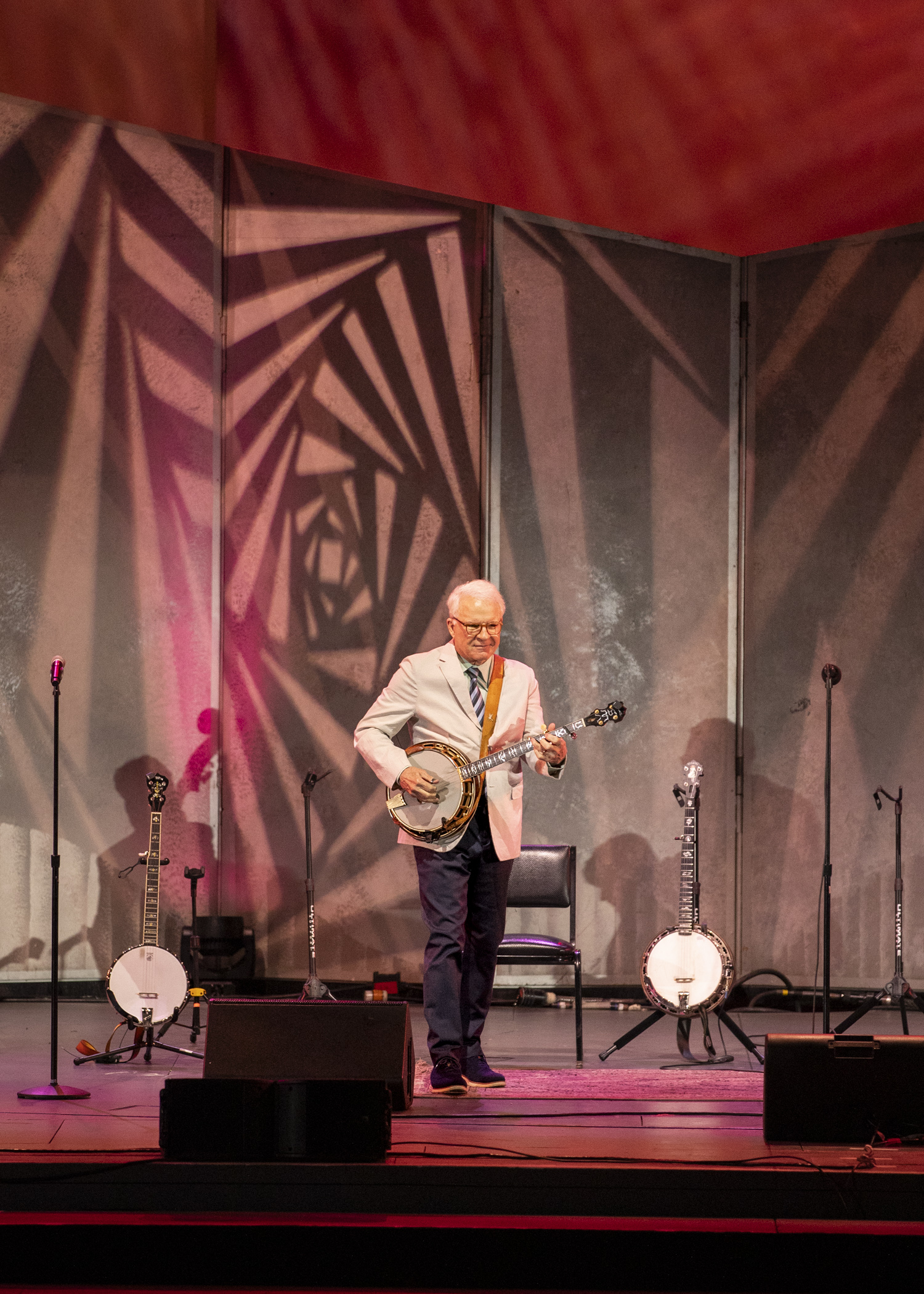
After a brief intermission, it was time for another roots supergroup: this time with Steve Martin and Alison Brown. Both were in fine form: Alison as expert as ever on the five string banjo, and Steve doing as close to a solo comedy set as we’ve seen in years.  It was a portion of the show who’s only fault was that it felt much too short.  But there was still plenty of music to come…

Helms returned to the stage with Rhiannon for an a capella duet before picking up the banjo and joining her Old-Time Revue.  Finally, we were back on that massive front porch. For the final portion of the evening, Rhiannon, Dirk, and the rest of the band (Dirk Powell, Amelia Powell, Jason Sypher, Demeanor) made a very large group of strangers feel like we were home.  And in the immortal words of Paul Simon with which Giddens closed the show “We [came] in the age’s most uncertain hours // To sing an American Tune.”

Below, enjoy our BGS exclusive photos from American Tunes.


All Photos: Elli Lauren Photography

PHOTOS: The 2025 Desert Bluegrass Festival in Marana, Arizona

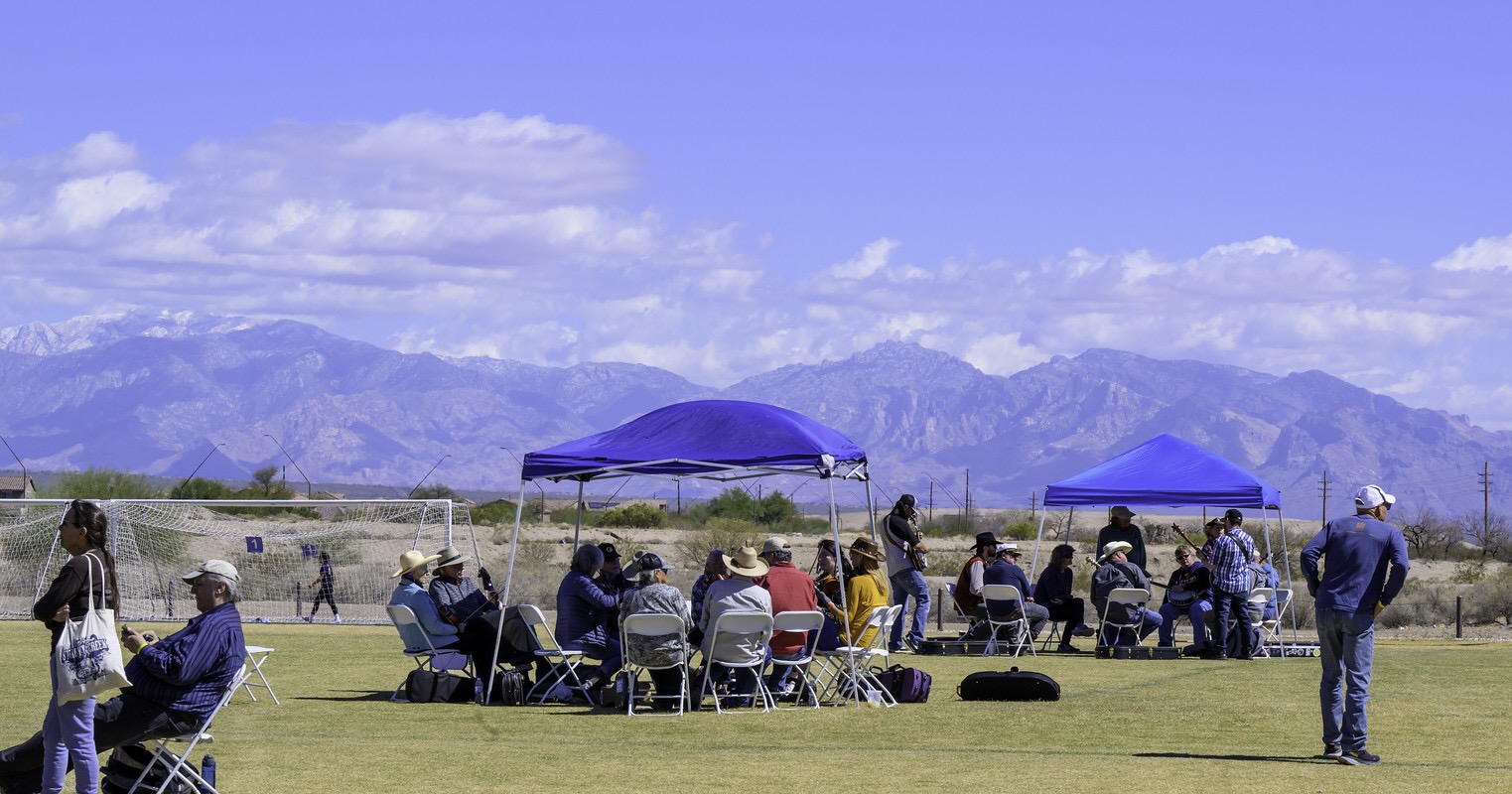
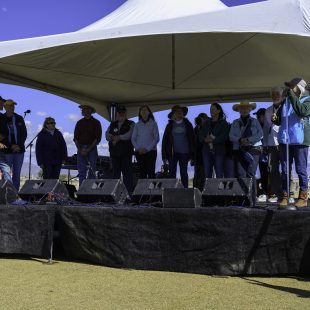
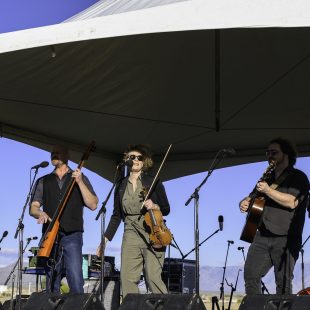
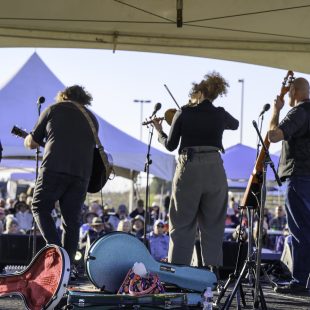
The first Desert Bluegrass Festival was held in 2000. Its 2025 iteration took place over the weekend of March 7 to 9 just northwest of Tucson in a beautiful desert park in Marana, Arizona. Despite a windy and rainy Friday night, the festival artists played on Saturday and Sunday bathed in beautiful south Arizona sunshine. The festival is 100% volunteer-run and its mission is to bring “family-oriented, high quality bluegrass and acoustic music entertainment” to the community and to visitors.

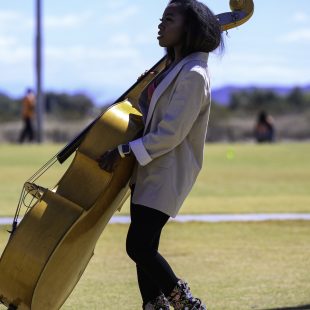
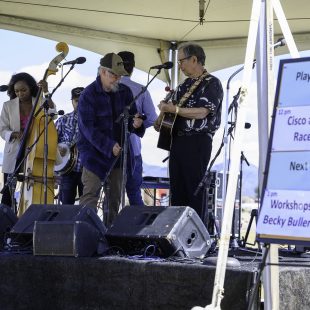
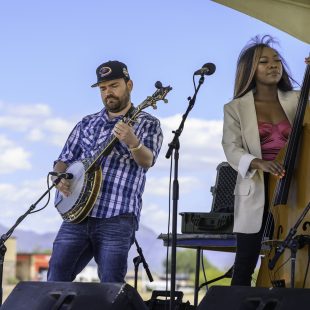
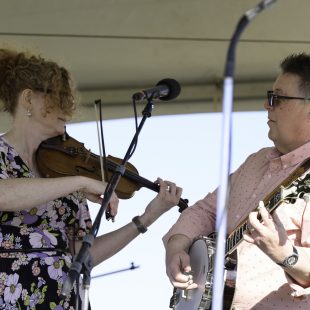
Perhaps this was not a high-powered festival, but it stayed true to its ambitions by creating a friendly atmosphere and a comfortable way to hear and see some excellent performances. The sound system was first class, there was plenty of room to sit, stretch out, or to get as close to the stage as anyone could want. Festival organizers made sure there was enough shade for listeners to cope with the bright desert sun and the artists performed with the beautiful Rincon Mountains and a snow-capped Mt. Lemmon in the background. Several hundred people arrayed themselves around the stage. As is often the case at bluegrass festivals, artists were accessible and friendly. And there were plenty of well-behaved bluegrass dogs enjoying the music.

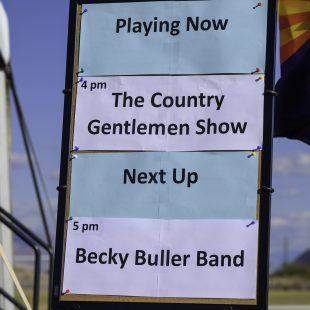
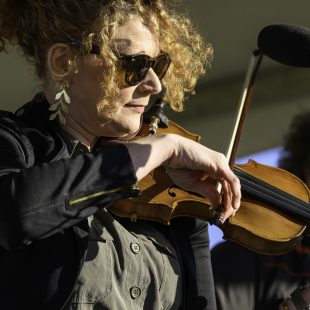
Saturday’s headline group was the Becky Buller Band. Band members had been slated to lead workshops during the lunch break, but due to the crapshoot that is airline travel they were unable to get to the venue in time. However, they did an engaging set to close out a beautiful evening. Fiddler and band leader Buller led her outstanding fellow musicians through a performance of the song cycle of her newest album, Jubilee, with its message of hope, survival, and healing. This, together with some bluegrass-ified versions of Simon & Garfunkel and Joni Mitchell, contributed a more contemporary feel.

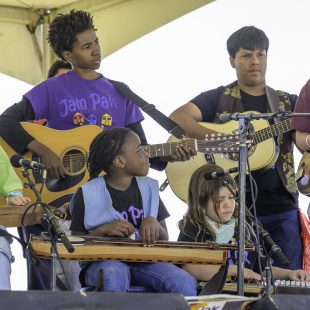
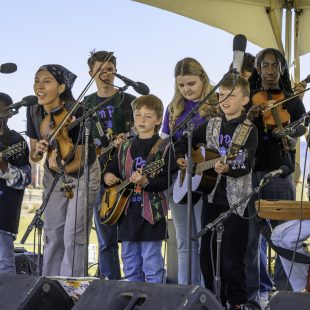
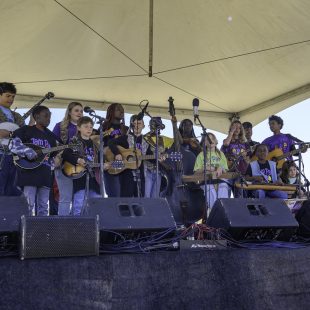
JamPak Blues ‘N’ Grass Neighborhood Band kicked off Sunday morning’s program. Based in Chandler, Arizona, the venerable Mrs. Anni Beach leads this long-running community youth band. JamPak musicians start young and some have played long enough to do some very respectable picking. Musical values are strong, and JamPak has spun off several generations of performers, including another band featured on Saturday, Cisco & the Racecars.

This was never going to be a jamgrass festival (as one attendee grumbed), given that its headline act took the stage before sunset. But the 2025 Desert Bluegrass Festival achieved a good mix of contemporary and traditional music, with consistently high level performances. It was a good chance to catch some regional bands, listen to some good sounds, and enjoy the beautiful desert setting. – Peggy Baker, Mad Angel Photos


All photos by Peggy Baker, Mad Angel Photos.

BGS 5+5: Max Wareham

Artist: Max Wareham
Hometown: Middletown, Connecticut
Latest Album: DAGGOMIT! (releasing February 21)
Personal Nicknames or Rejected Band Names: The Bluegrass Pagans, The Bluegrass Feds, The Bluegrass Paranormal Investigators, The Bluegrass Rats

Which artist has influenced you the most – and how?

I play in Peter Rowan’s Bluegrass Band – he’s been a pretty big influence on me. His spirit as an artist burns strong; he has a vision that isn’t restricted by parameters of tradition or genre and he has an incredible way of singing and playing from the heart. Who else has played in a band with both Bill Monroe and Jerry Garcia? I was honored to have him produce my album, DAGGOMIT!. He’s also a distant cousin of mine.
What other art forms – literature, film, dance, painting, etc. – inform your music?

I like to write and practice photography, especially film. The great French photographer Eugene Atget is a huge inspiration to me. His photographs have profound harmony in them – every proportion is perfect and the simplest lines can be so expressive. To me, it’s very musical. I also love the German author W.G. Sebald. His writing often explores themes of decay and loss through a gauzy lens of nostalgia, not unlike bluegrass music.

What’s the most difficult creative transformation you’ve ever undertaken?

I’ve worn lots of different musical hats, so I generally don’t find it difficult to transform creatively. While bluegrass and the banjo are my primary focus, I played electric bass for years in psych-pop band, Sun Parade, and studied jazz guitar performance at school. I write and record some non-bluegrass songs under the name Sir Orfeo and was in the chamber-pop studio band Cousin Moon – to me, it’s all music.

If you didn’t work in music, what would you do instead?

I’d probably work in archaeology. I quit music for a short while and worked on an archaeological dig in eastern Tennessee, excavating a 16th century Cherokee settlement. There’s something I love about digging, whether that’s literal or uncovering the history of forgotten banjo players.

I crewed for a hot air balloon pilot for a while, too, but that’s a tough gig.

Since food and music go so well together, what is your dream pairing of a meal and a musician?

Well, I did once find myself grilling a steak in a parking lot behind a venue with Dobro legend Jerry Douglas. I thought his company and the steak were a perfect pairing. He was wearing denim and the steak was medium-rare.


Photo Credit: Sasha Pedro

Photographer Mario Alcauter’s Beautiful Portraits From Park City Song Summit

In August earlier this year, BGS was on hand for the latest edition of Park City Song Summit in Park City, Utah. An intentional and unique event focusing on songwriting, songcraft, singer-songwriters, and more – like mental health, community, wellness, and thought leadership from a musical and artistic perspective – PCSS is a premier event. It’s certainly one-of-a-kind, and in so many ways.

This year, the lineup included artists like Nathaniel Rateliff & the Night Sweats, Mavis Staples, Larkin Poe, Tank and the Bangas, Steve Poltz, Duane Betts, and many more, as well as programming like song summits, sound baths, and panels, conversations, and dialogues.

Beautiful Park City is the perfect home for such a festival, with stunning natural surroundings, an excellent art scene, incredible food and restaurants, but a relatively cozy and small-town feel.

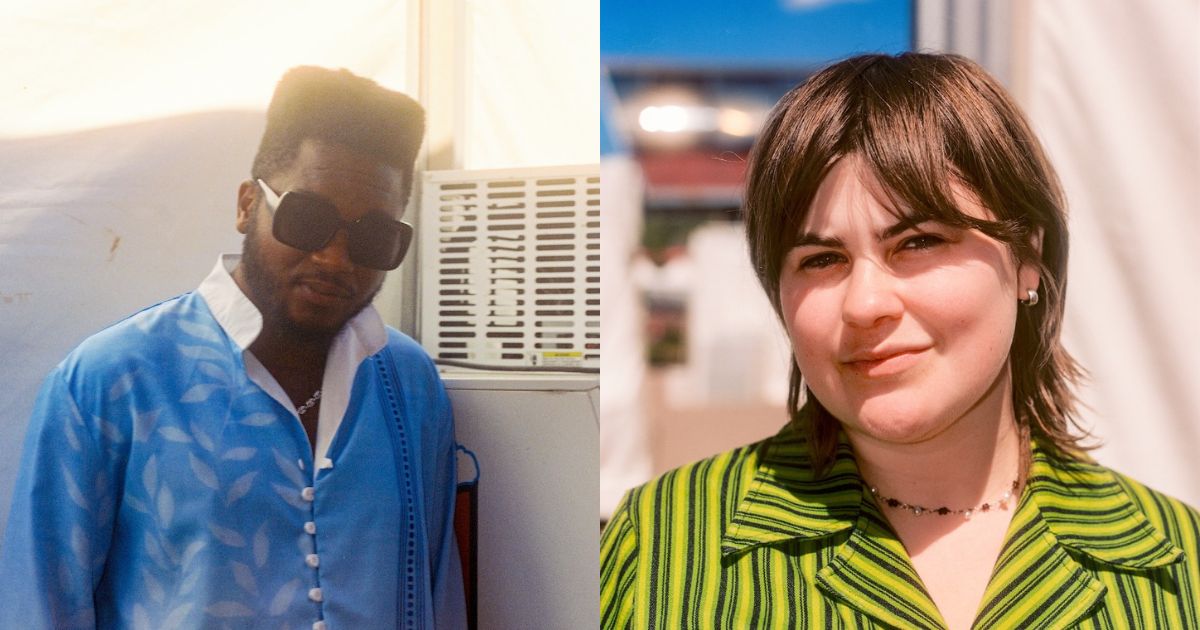
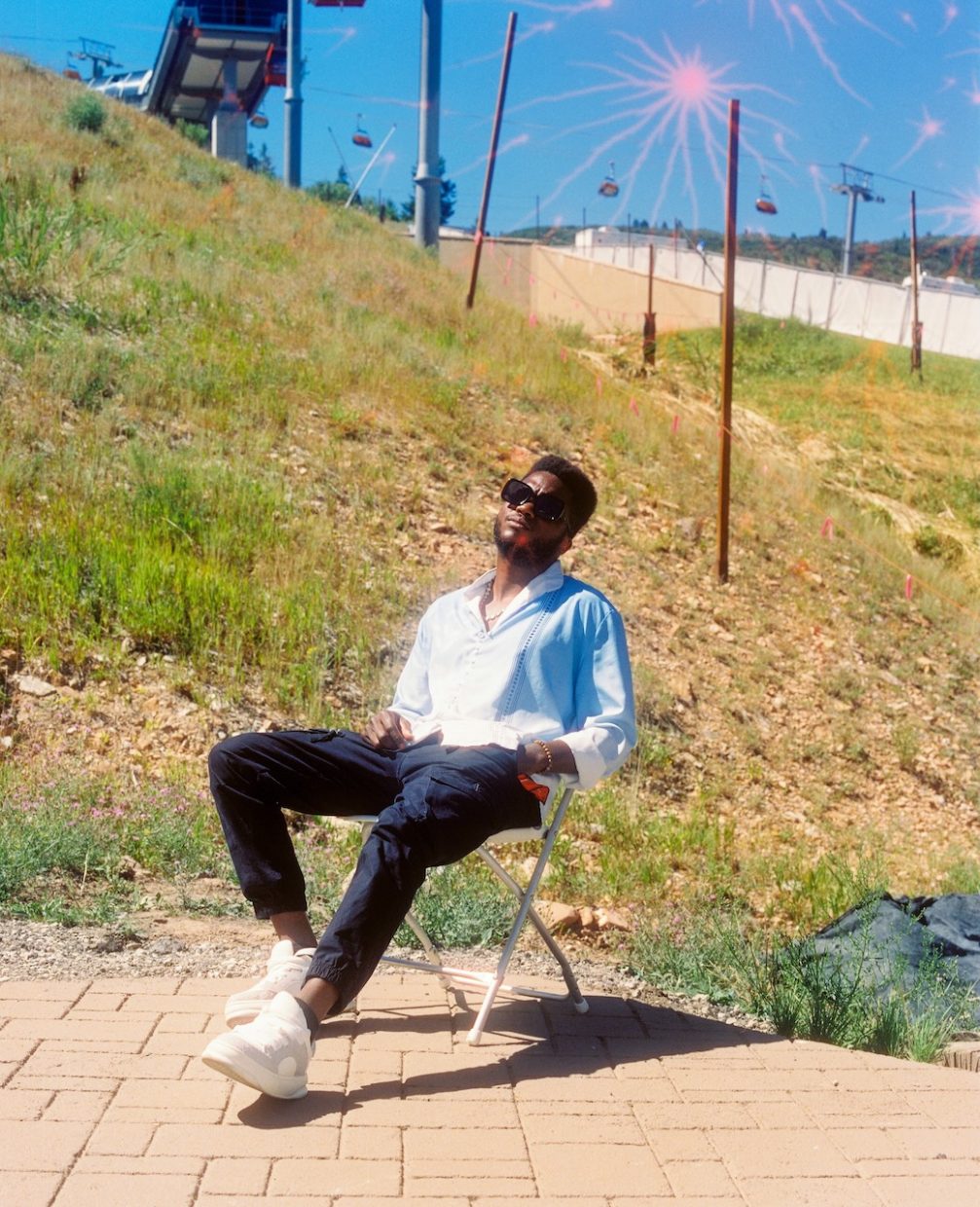
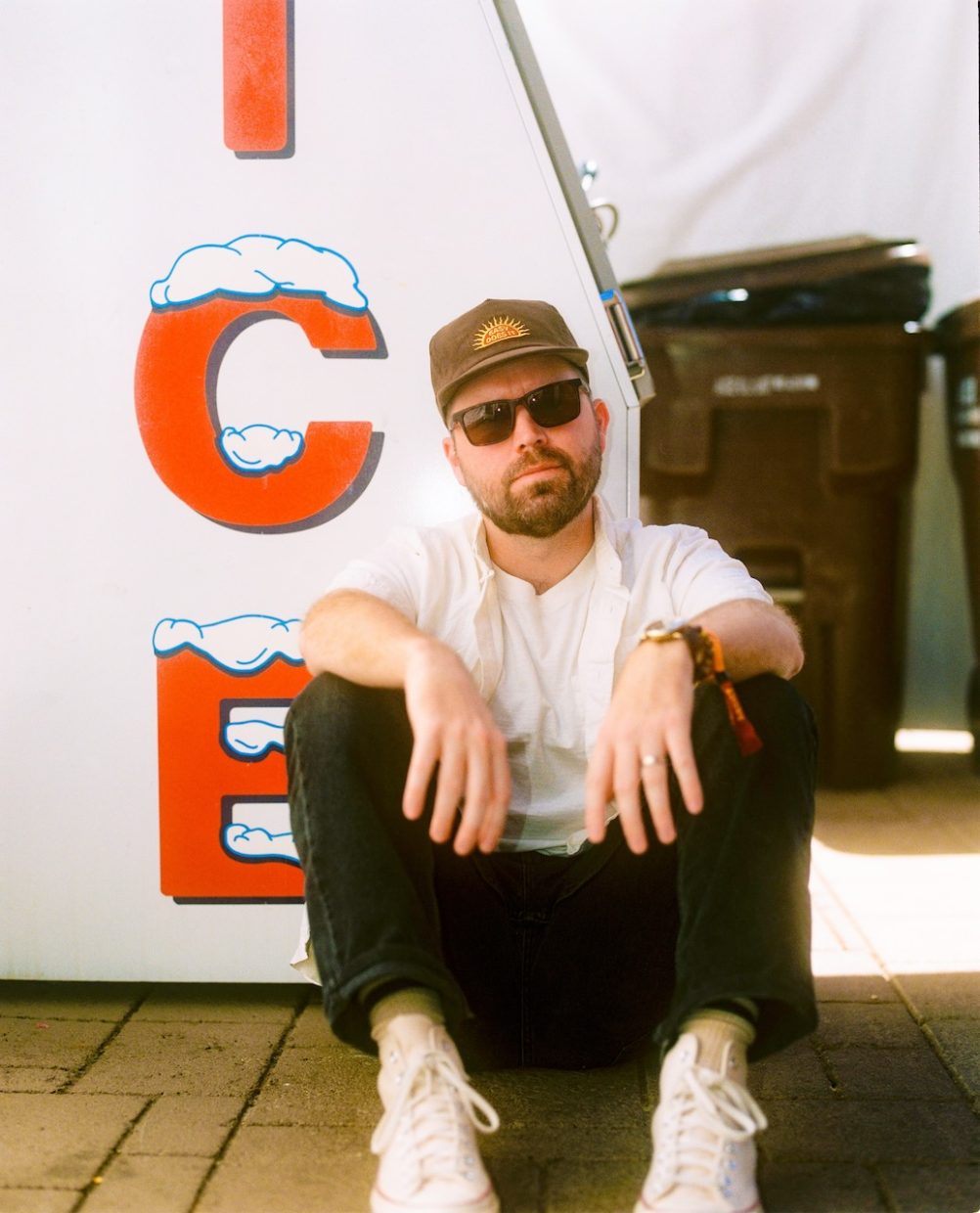
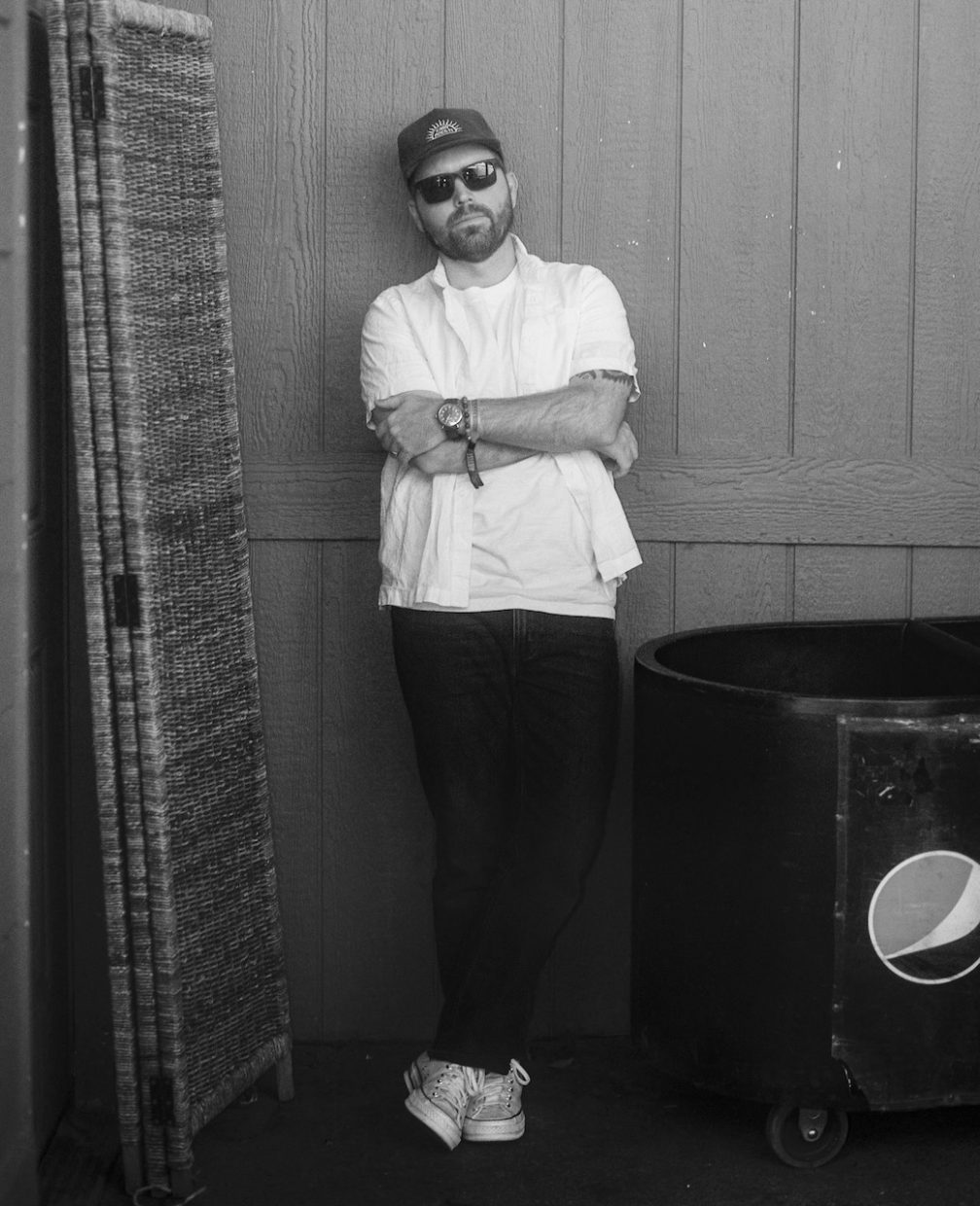
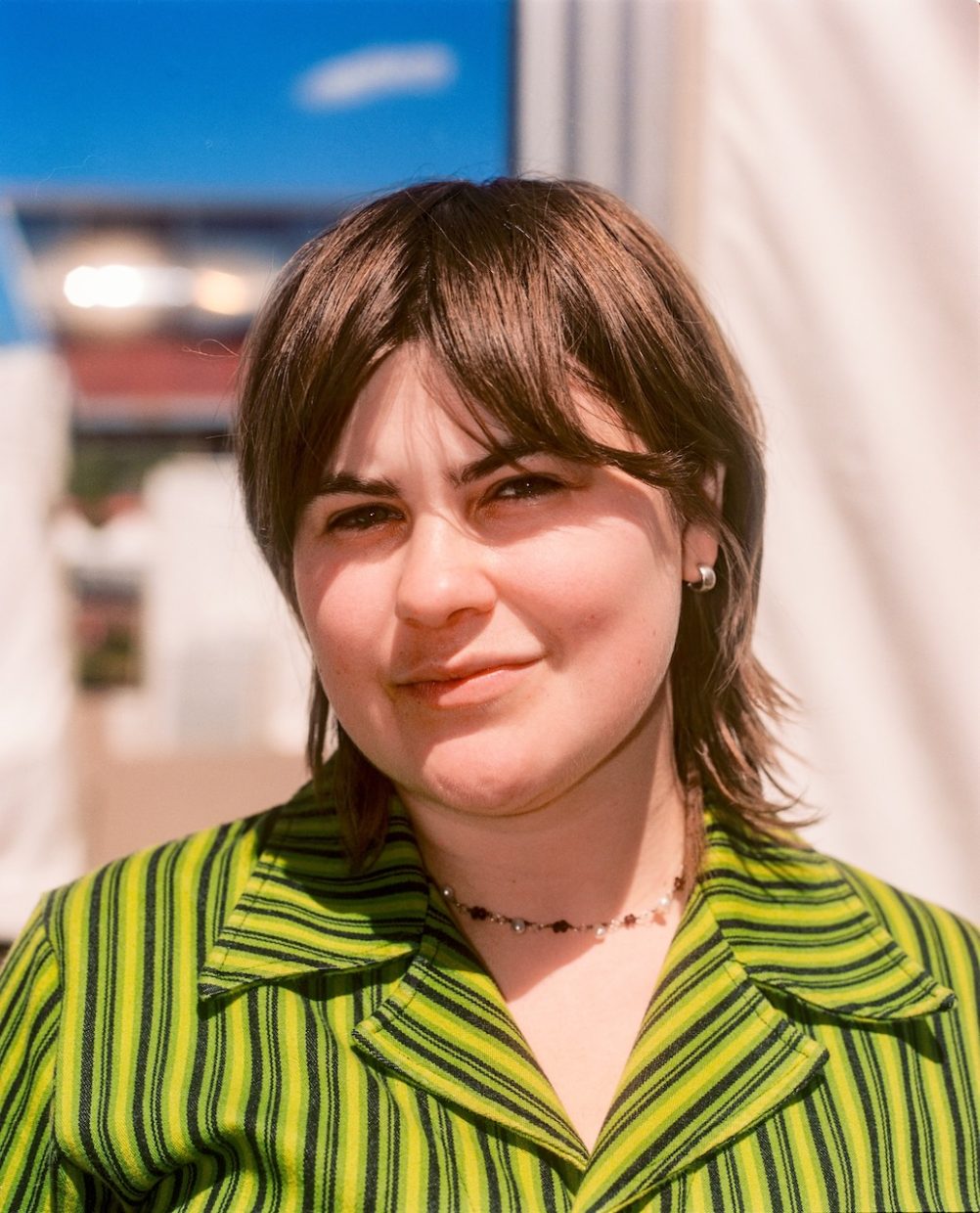
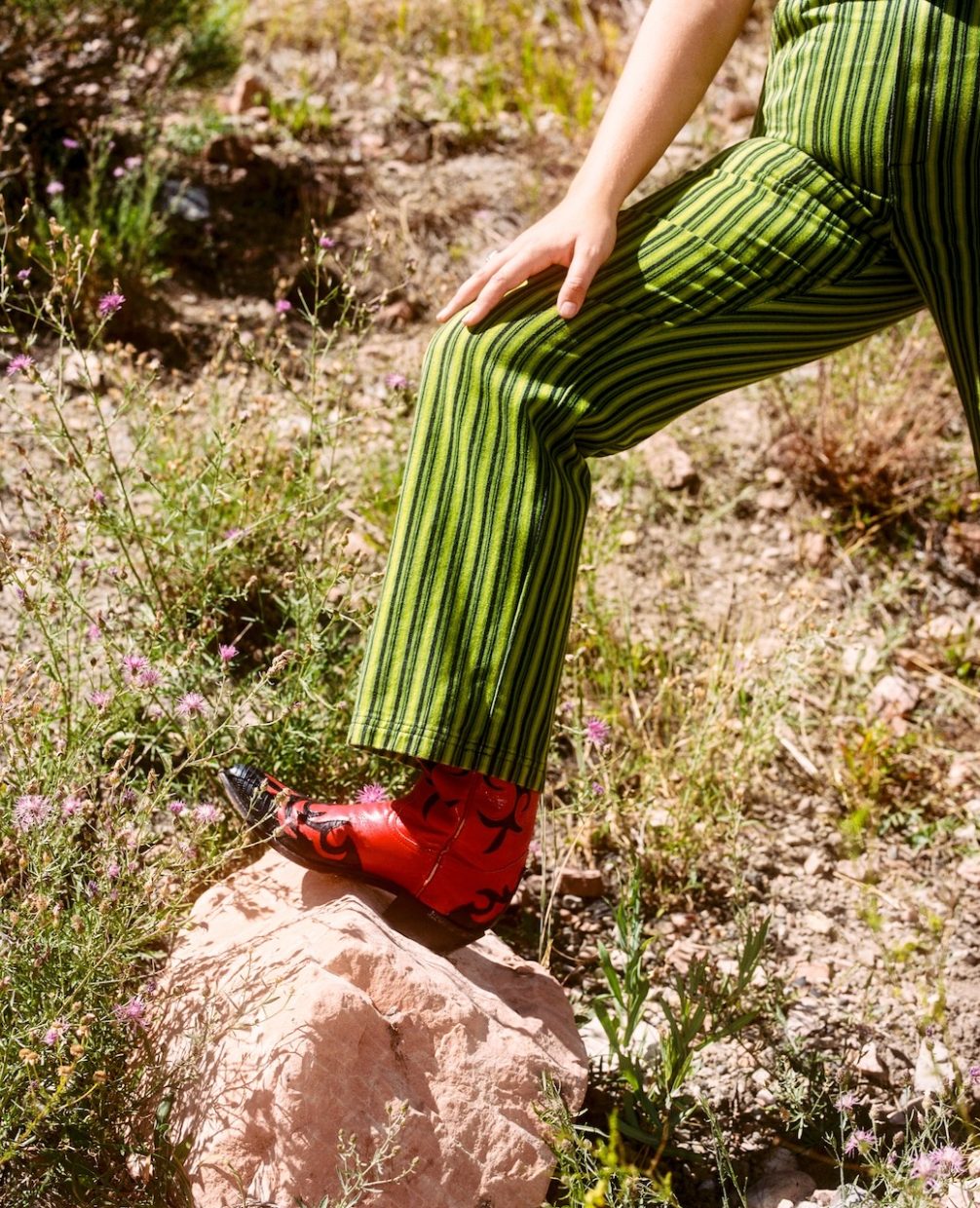
This year at PCSS, photographer Mario Alcauter shot a series of gorgeous portraits of many artists on the PCSS lineup. For BGS, Alcauter collects a handful of his favorite shots and subjects, sharing his thoughts on each.

Check out the photographs below – featuring artists and songwriters Cimafunk, Primera Linea, Sean Marshall, and Jobi Riccio – and make plans to join us in Utah for Park City Song Summit next year, August 14 to 16, 2025.

Cimafunk

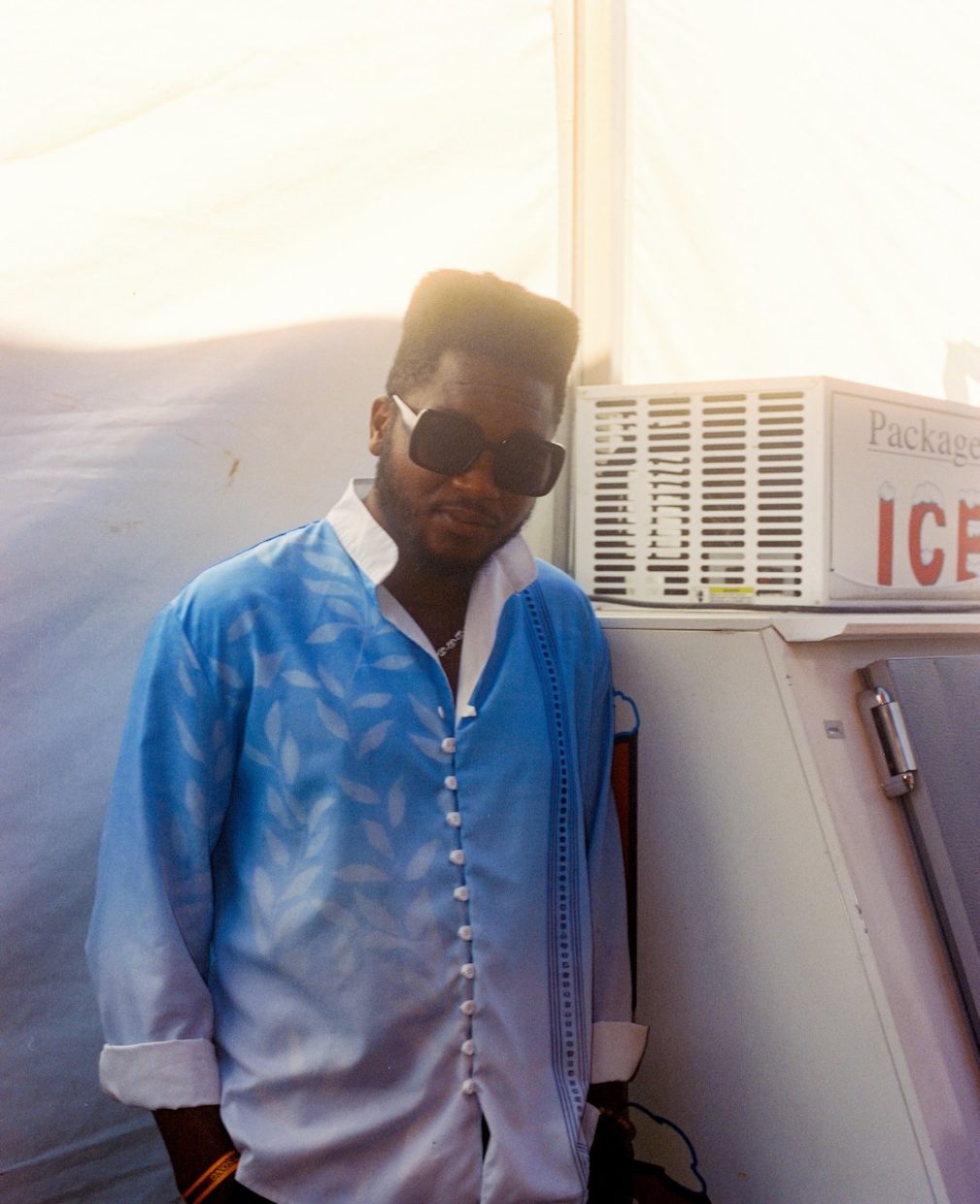
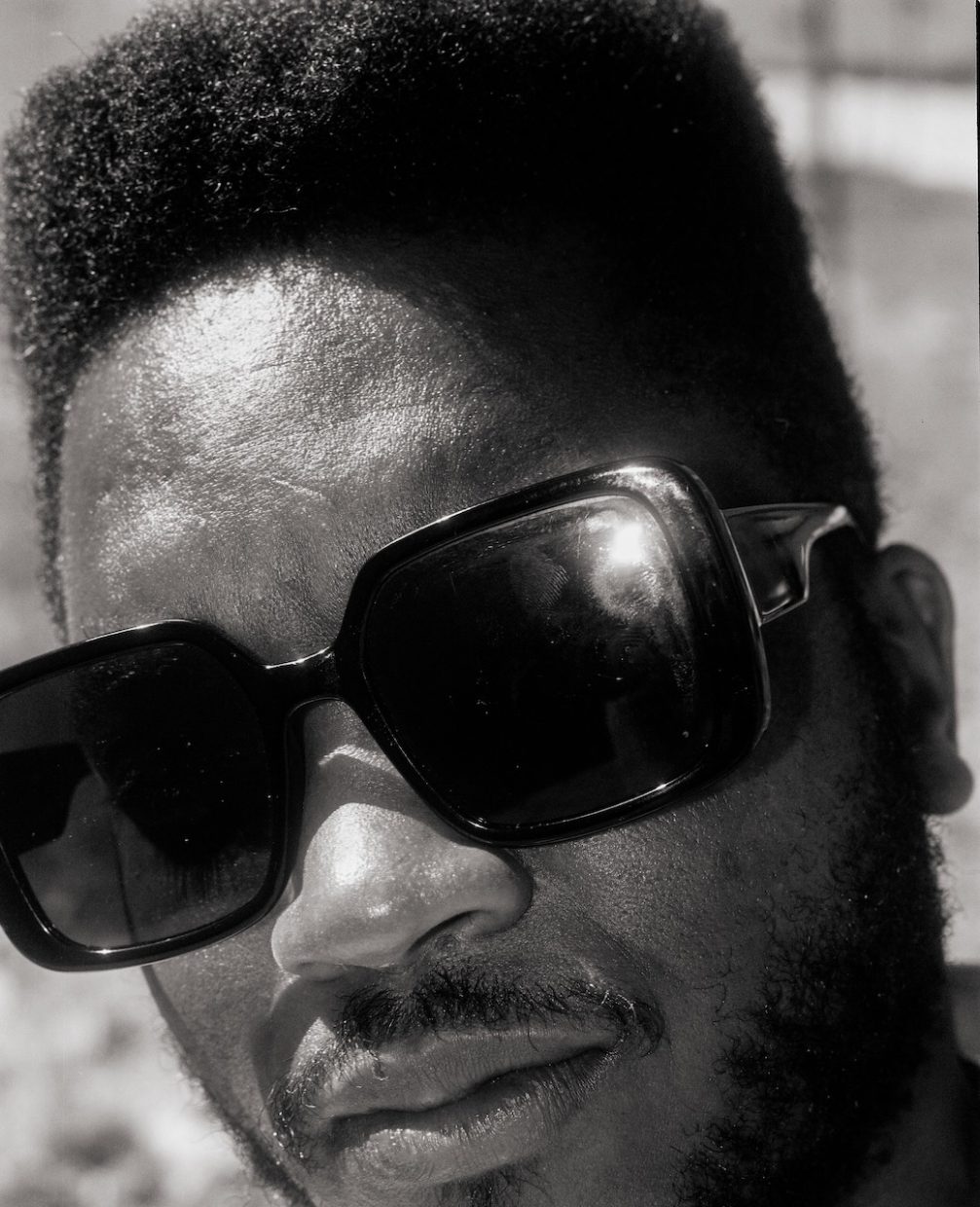
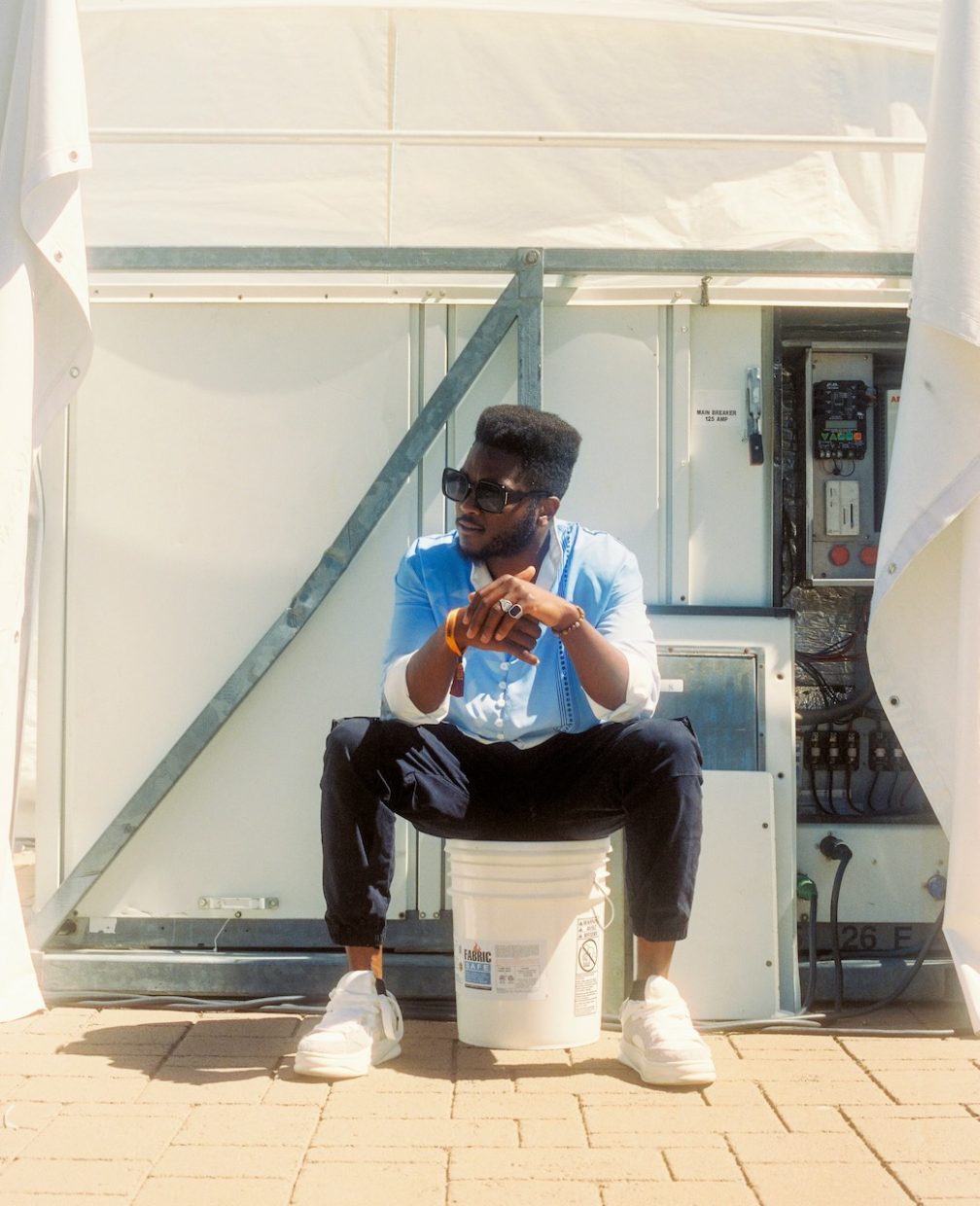
Mario Alcauter: “Channeling Cimafunk’s vibe – bold, soulful, and effortlessly cool, just like those iconic shades. This is something I wanted to capture with the short time I had with him. His music isn’t just sound; it’s a whole aesthetic.”


Primera Linea


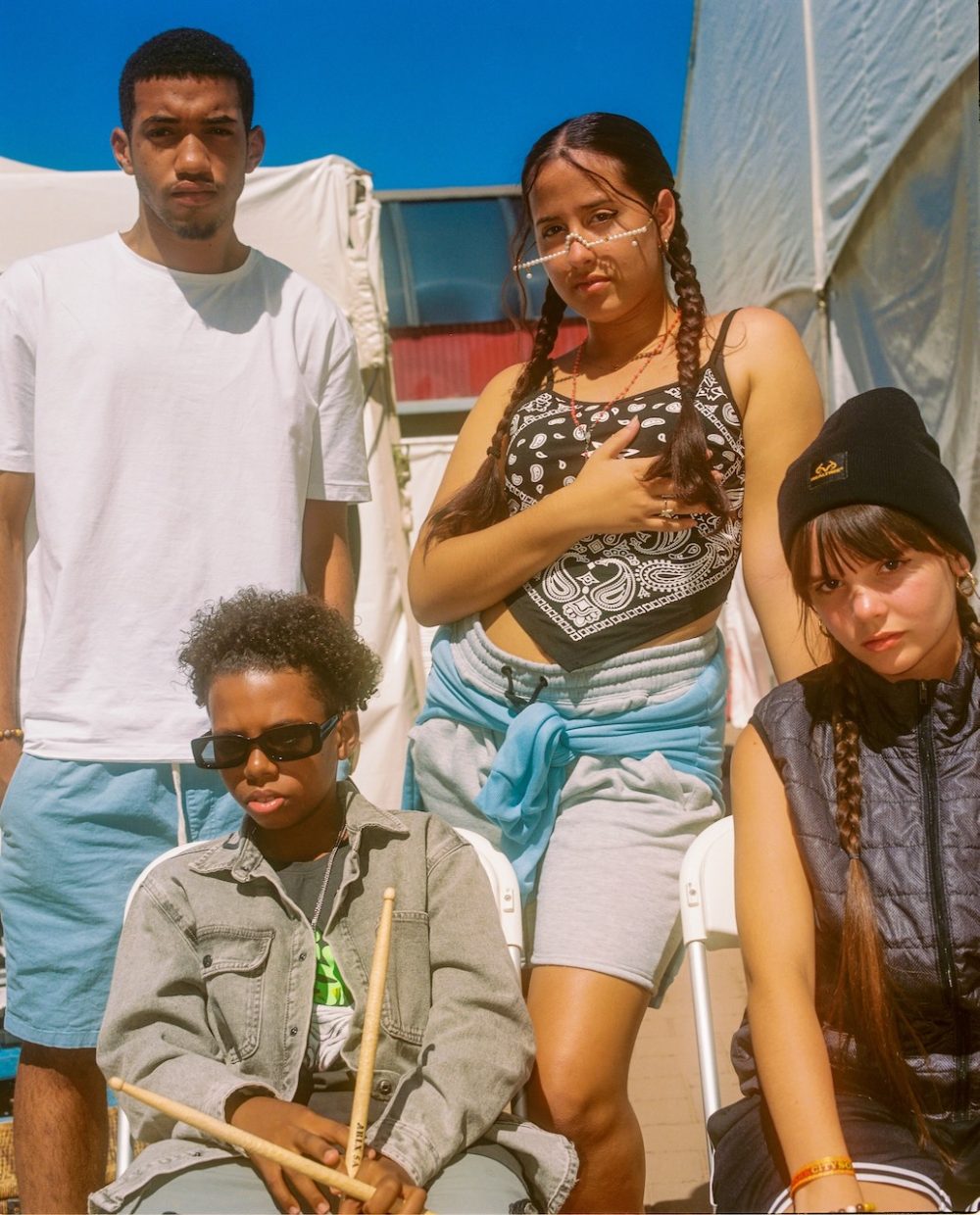
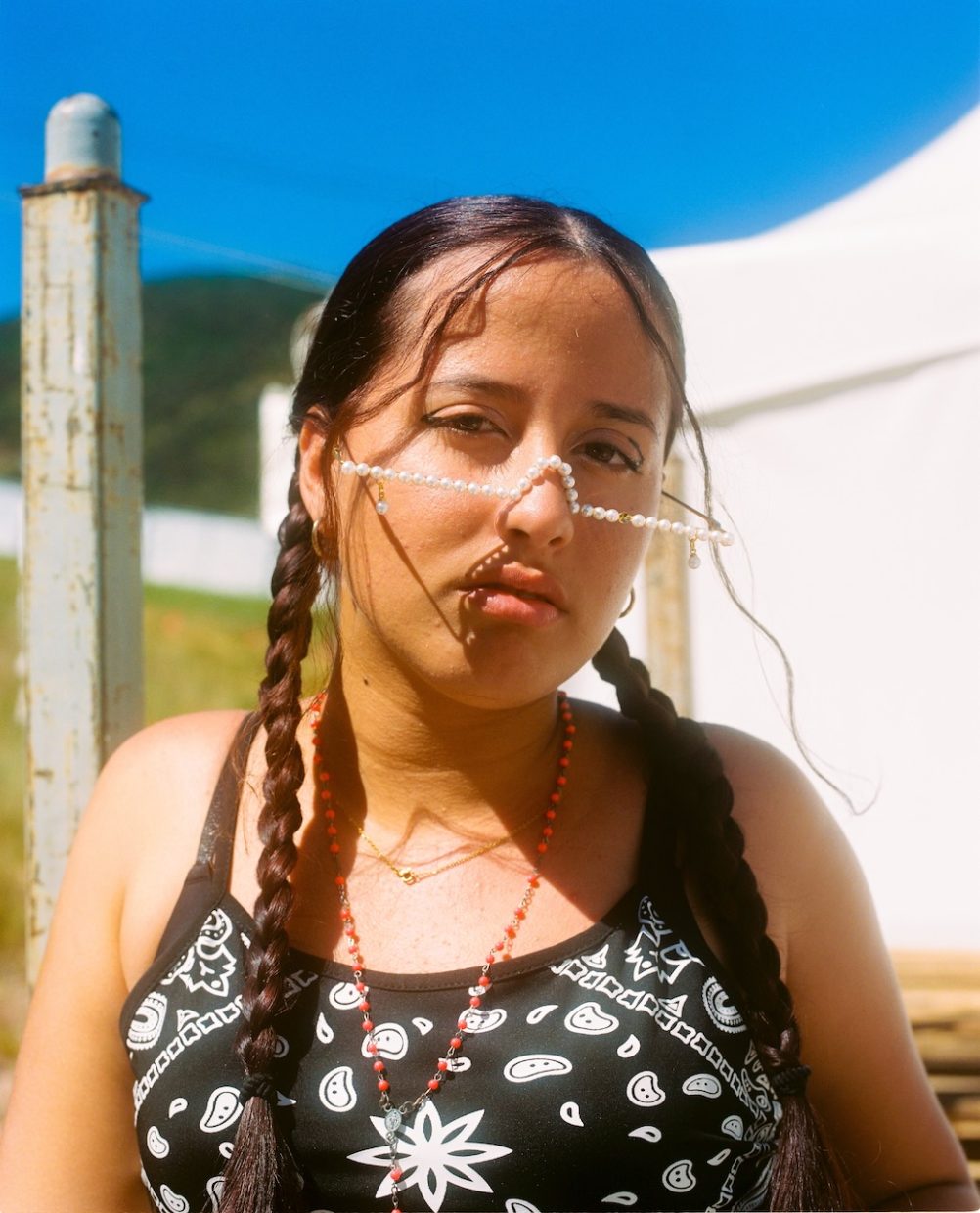
Mario Alcauter: “Photographing Primera Linea, I wanted to capture their raw, collective energy – young, grounded, and proud of their AfroCuban roots, fused with New Orleans funk. Each member brings their own style, yet together they stand as a united ‘First Line’ from Havana, ready to share their vibrant sound with the world. This shot shows their casual confidence and the pride they carry as they redefine tradition.”


Sean Marshall

Mario Alcauter: “Shot Sean Marshall by an ice machine – low-key and real, just like his blend of folk, indie, and country. His music is as honest and I wanted to capture that in this environment.”


Jobi Riccio

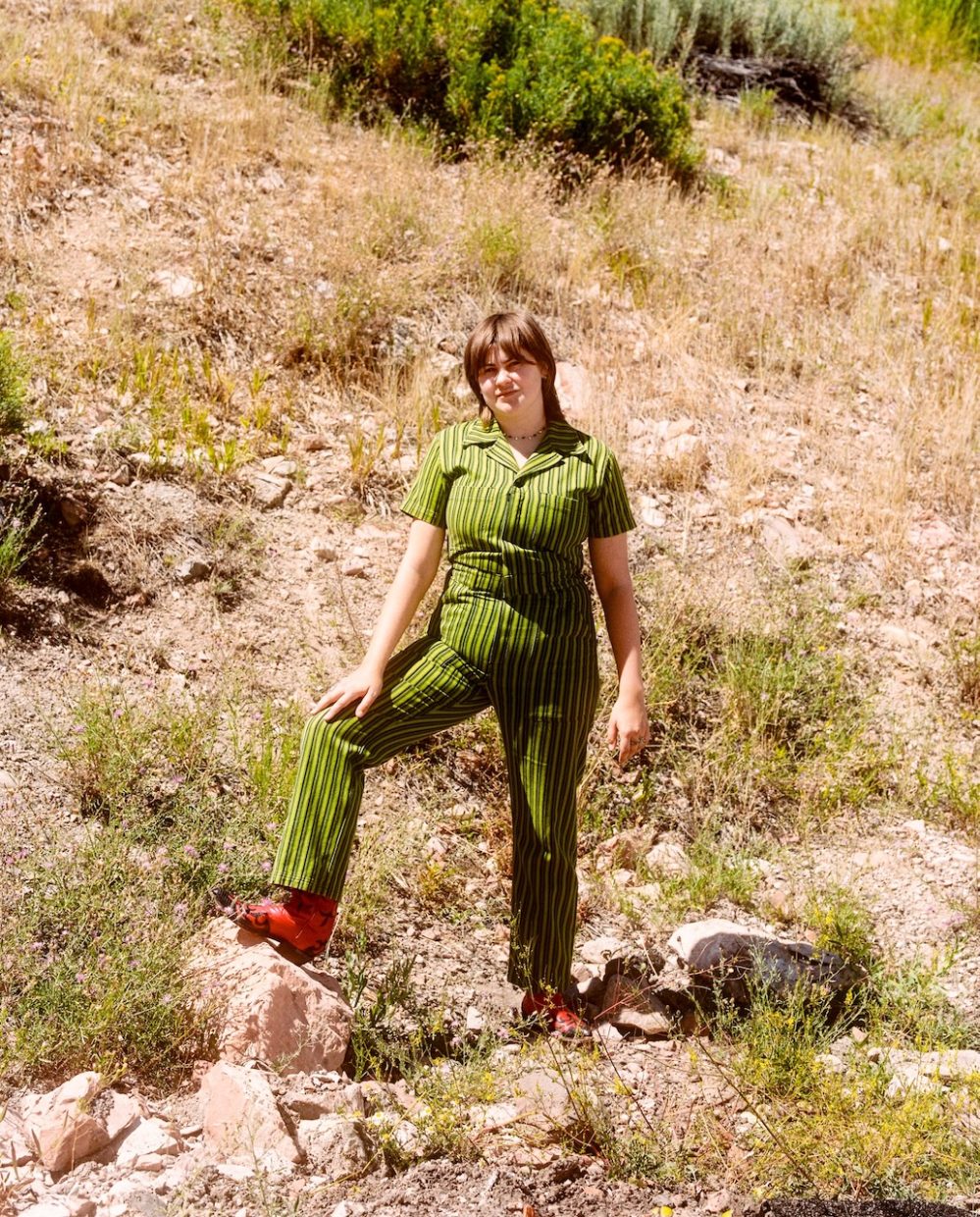
Mario Alcauter: “Capturing Jobi Riccio – authentic, grounded, and a bit rebellious, just like her music. Her songs weave together folk and Americana with a fresh, honest voice, and this outfit – bold stripes, red boots, and all – perfectly reflects that. I wanted this shot to feel like her sound: down-to-earth yet striking, with a personality all its own.”


Mario Alcauter is a Mexican photographer based in Utah who focuses on combining fashion and documentary-style images.

All photos: Mario Alcauter

PHOTOS: North Carolina’s Earl Scruggs Music Festival is One-of-a-Kind

The 3rd Annual Earl Scruggs Music Festival was a smash hit! Held over Labor Day weekend at the stunning, luxurious grounds of the Tryon International Equestrian Center in Mill Spring, North Carolina – a short drive from Scruggs’ hometown of Shelby and the small crossroads of Flint Hill, where he was born and raised – the event featured bluegrass, old-time, country, and Americana made at the highest levels on three stages. Featuring brick-and-mortar restaurants, a shaded grandstand, dozens of vendors and boutiques, a large campground, posh tiny home cabin stays, and so much more, this is not your standard flatbed-trailer-in-a-hay-field festival. It’s so much more.

BGS was on hand at this year’s event to once again co-present a special tribute set, renamed The Scruggs Sessions and paying tribute to Flatt & Scruggs’ iconic live album, At Carnegie Hall! Festival hosts Jerry Douglas and the Earls of Leicester helmed the special show on the Foggy Mountain Stage, a crowd favorite in years past that formerly highlighted the Earl Scruggs Revue. This year, artists and bands like Shadowgrass, Wyatt Ellis, Lindsay Lou, Chris Jones & the Night Drivers, Twisted Pine, the Faux Paws, Old Crow Medicine Show, and more played selections from Flatt & Scruggs’ legendary performance at Carnegie Hall in 1962. The ESMF crowd delighted in note-for-note replications alongside brand new reimaginations of the album’s essential songs and tunes – complete with a rendering of “Martha White” that elicited plenty of raucous singing along.

Horse jumping demonstrations were held nearby the Legend’s Workshop Stage, where artists from the lineup told stories, shared songwriting pointers, talked about banjo techniques, and so much more. Fine spirits and wines were available for sale at the Spirits of Bluegrass stands and the Earl Scruggs Center – a fantastic museum focused on Scruggs that calls the former courthouse in Shelby its home – sold their Scruggs-ian wares and passed out hand fans to festival goers throughout the weekend.

It was a perfect festival to mark the 100th year since Scruggs’ birth, with artists, bands, and musicians from across the musical spectrum demonstrating the wide scope of the innovative banjo picker’s impact and legacy. On the Flint Hill Stage, headliners like Marty Stuart & His Fabulous Superlatives – featuring Chris Scruggs, who received multiple standing ovations from the audience – Mighty Poplar, Yonder Mountain String Band, Old Crow Medicine Show, and Tanya Tucker illustrated that bluegrass is certainly not a monolith. And, that traditional-leaning festivals such as ESMF can be just as expansive and broad as their more Americana-geared or rootsy competitors.

Though Friday and Saturday were blisteringly hot and Sunday saw more than one weather delay while lightning storms rolled out of the Appalachians and over the foothills, the crowds were resilient and energized and the festival showed, yet again, that this event is being built for the long haul. Conveniently located a short drive from Greenville, SC, Asheville and Charlotte, NC and a mere five hour drive from Nashville, ESMF is a must-visit destination festival where everything you could ever need – from banjos to horse jumping to wood-fired pizza to glamorous camping to high-quality interviews and workshops to international superstars – are all combined in one convenient, luxurious location.

Below, check out select photos from the 2024 edition of the Earl Scruggs Music Festival – and make plans to join us next year over Labor Day weekend in 2025! Tickets are on sale now.

Tickets for Earl Scruggs Music Festival 2025 are on sale now.


All photos courtesy of Earl Scruggs Music Festival and shot by Cora Wagoner and Jess Maples, as marked.
Lead Image: Tanya Tucker performs on the Flint Hill Stage, photo by Jess Maples. 

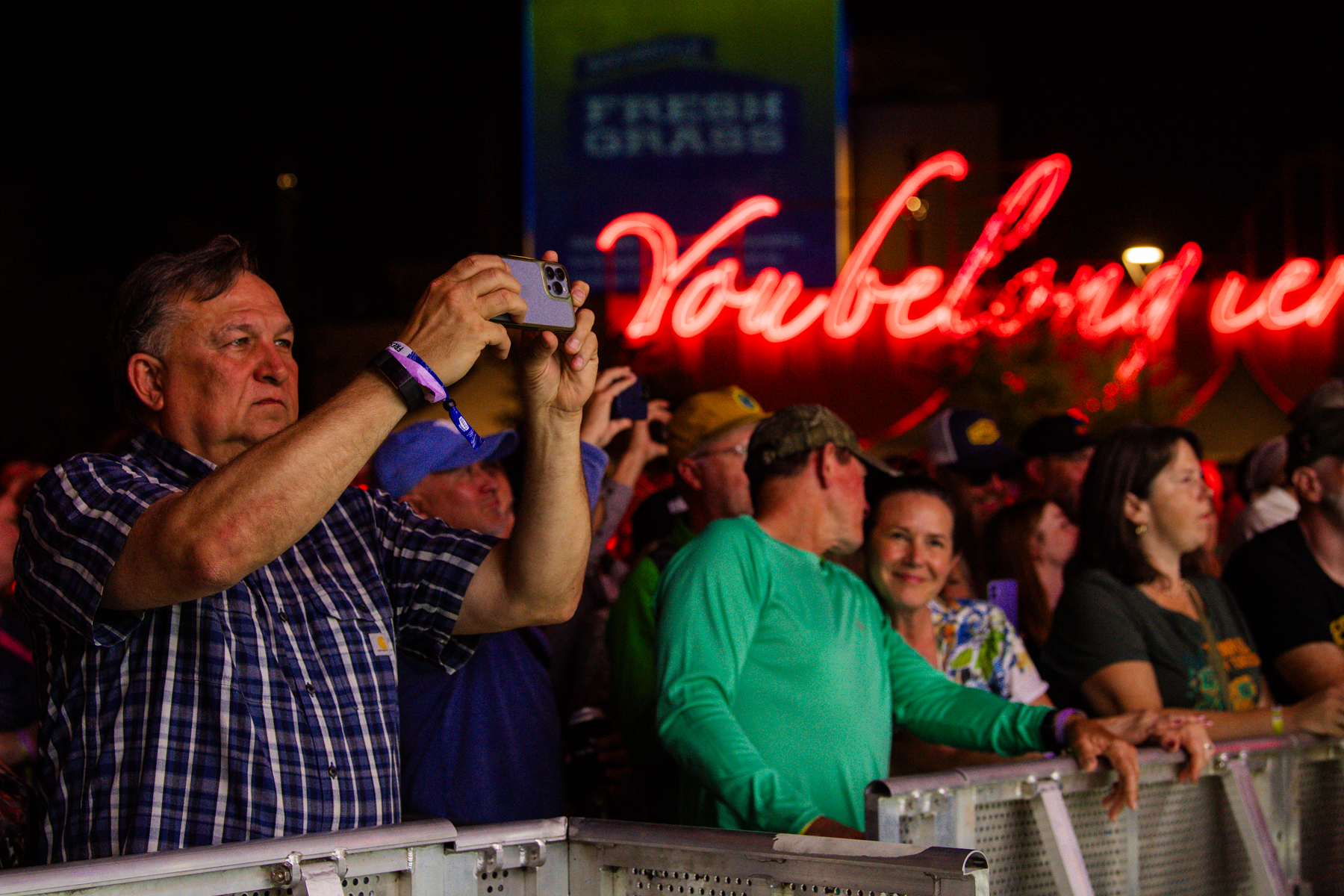
PHOTOS: Trampled by Turtles and the Unique Appeal of FreshGrass Bentonville

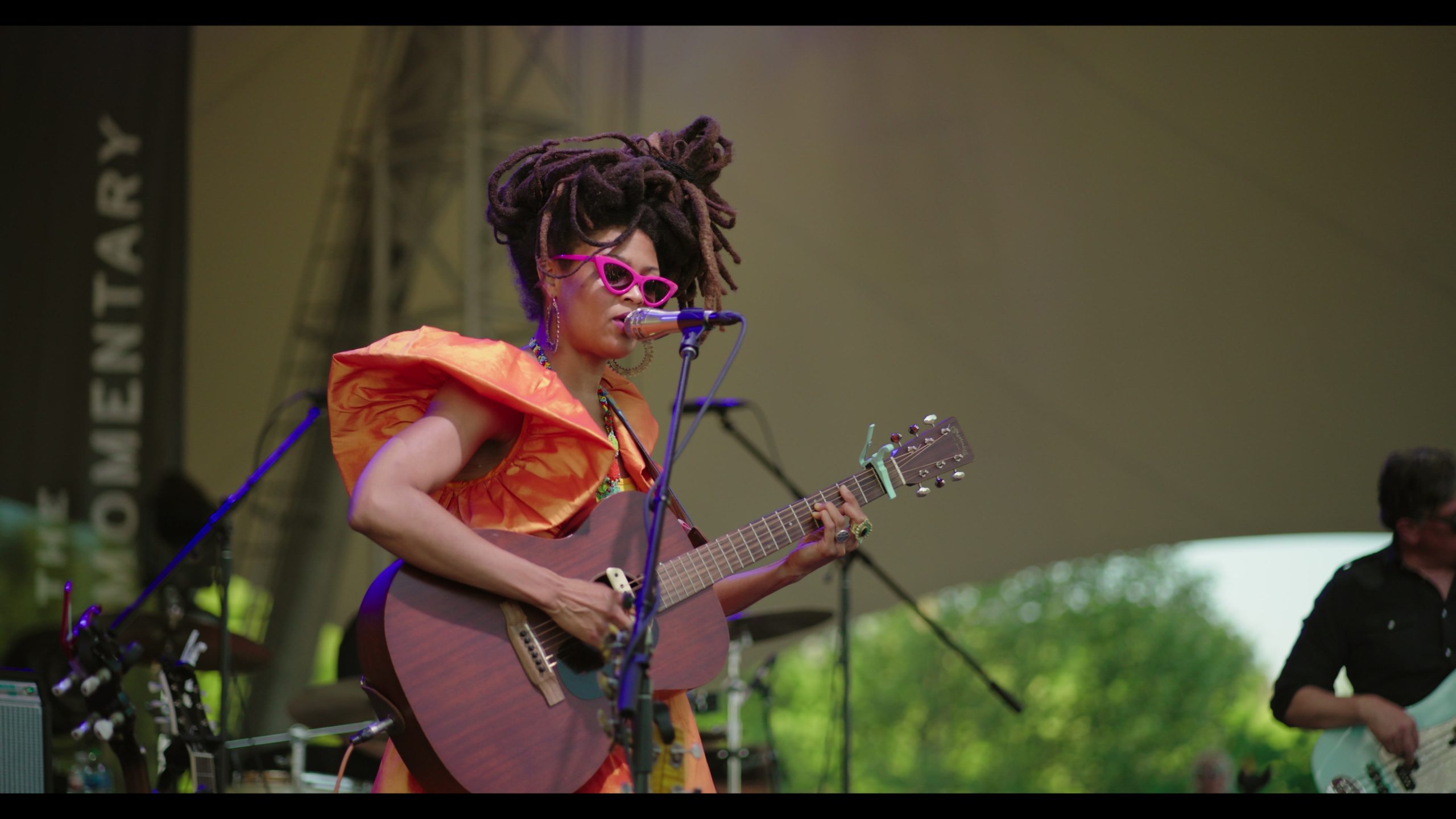
On my way from the Northwest Arkansas International Airport to the apparently booming town of Bentonville, Ron, the man driving the van, pointed at an old farmhouse that was now sticking out like a sore thumb among its newer, beige-r neighbors. “I remember when that house was way out in the country,” he told me. The town is growing rapidly, and the surrounding countryside is disappearing at the same rate. Bentonville is probably best known as the birthplace and headquarters of mega-retailer Walmart. However, it is also now home to a couple high-quality art museums, miles and miles of mountain biking trails (the city’s Chamber of Commerce website dubs Bentonville “The Mountain Biking Capital of the World”), and a very cool festival, FreshGrass. I’m here to play that festival with my band, Trampled by Turtles.
Trampled by Turtles perform under the lights at FreshGrass Bentonville. Photo by Cooper Baumgartner.

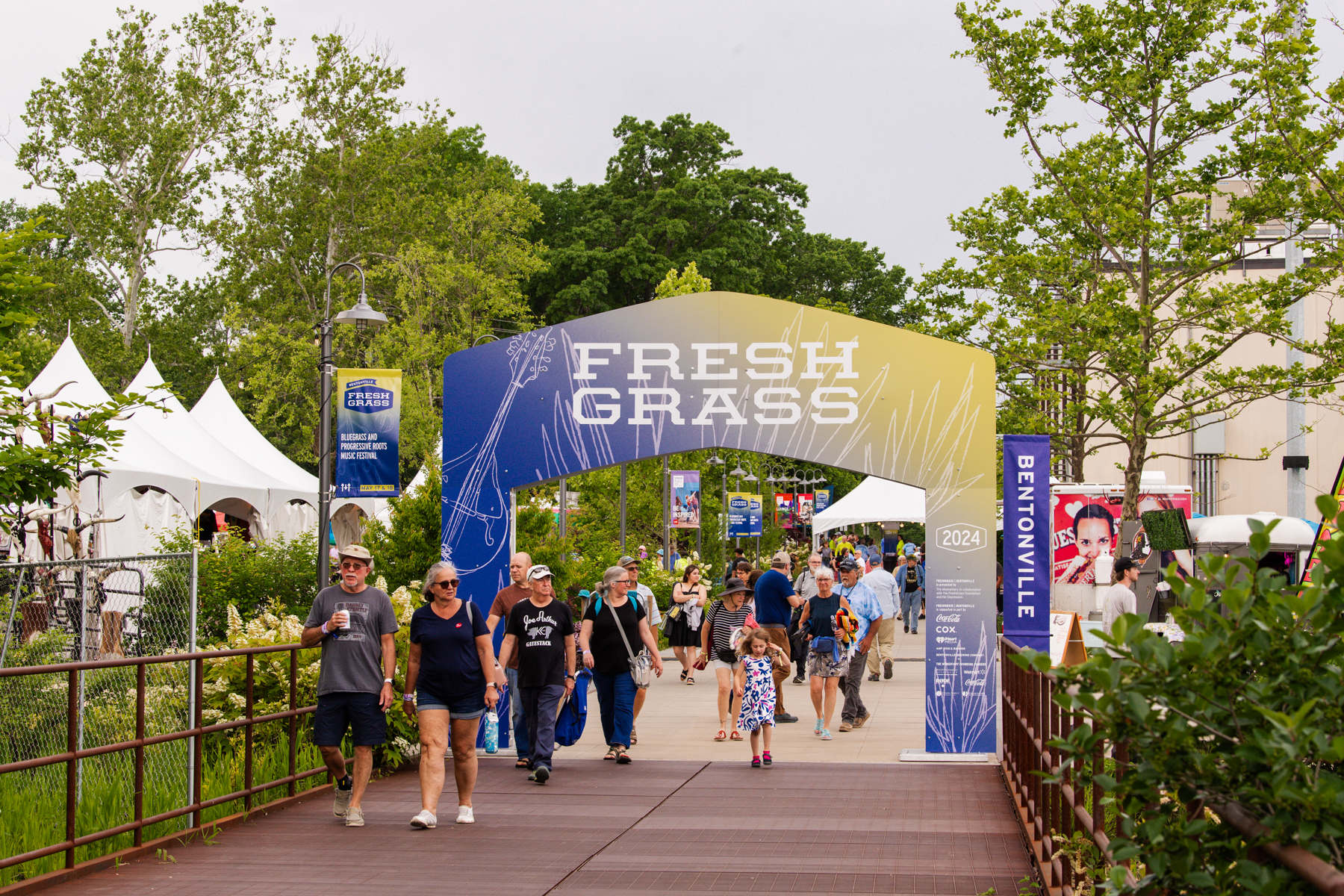
We have played FreshGrass a couple times before, but those shows were at its other and original location way up in Massachusetts. This being our first foray into the burgeoning Arkansas version, I was curious to see how it would compare. As with its Massachusetts sibling, FreshGrass Bentonville is set up on the grounds of a multi-use art space. The Momentary, as it’s called, is a decommissioned cheese factory that is now a hub of artistic activity in the region. There are indoor and outdoor installations, several performing arts venues, a variety of food experiences, and for our purposes here, a large outdoor concert area. I mean, what a cool place to play a show! I love the venues this festival chooses. We have played all manner of these things and though it probably goes without saying, the setting has so much to do with the experience of the ticketholders and the performers alike. There is something about a concert being surrounded by an atmosphere of artistic creativity that gives the FreshGrass festivals their unique flavor. Don’t get me wrong, we have had great times at festivals set up in nameless fields, but given the choice, I would choose this. I enjoy playing a show at a place that I would go anyway.

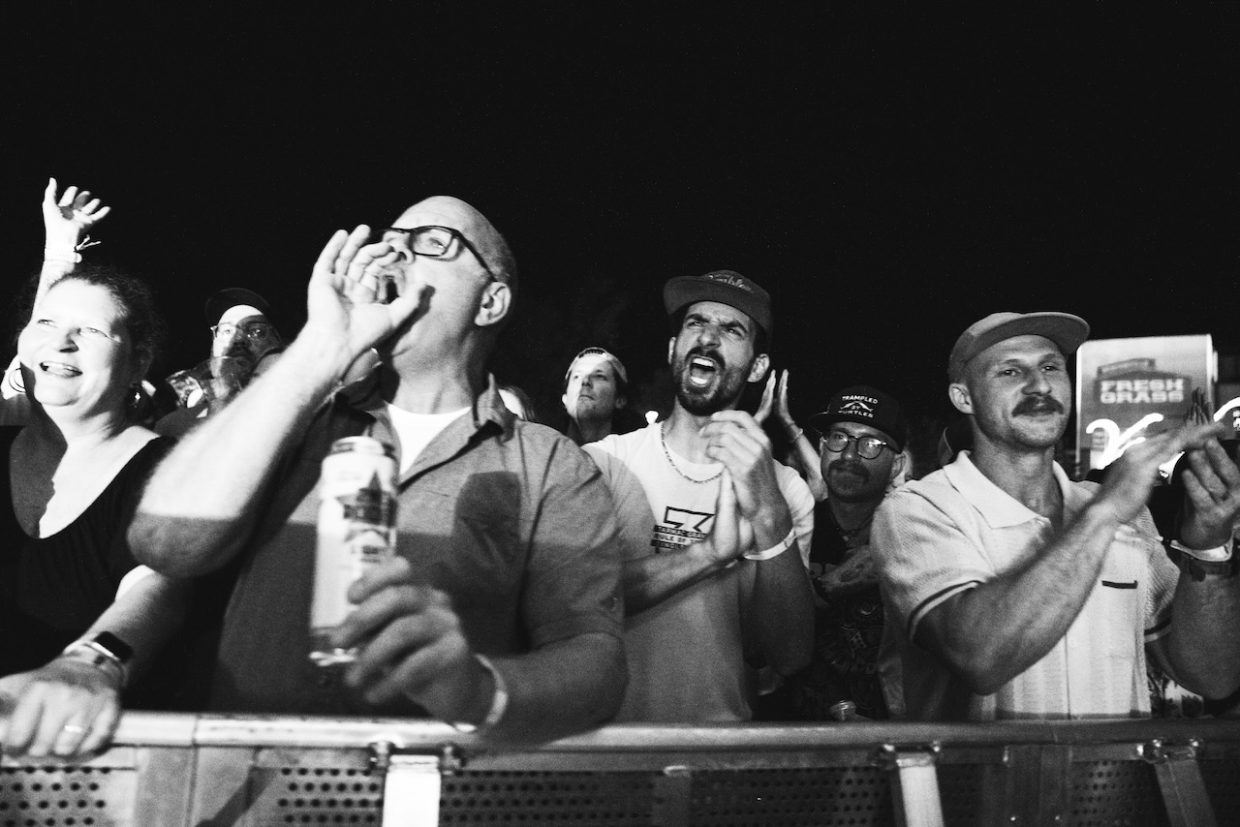
Fans react to Trampled by Turtles. Photo by Cooper Baumgartner.

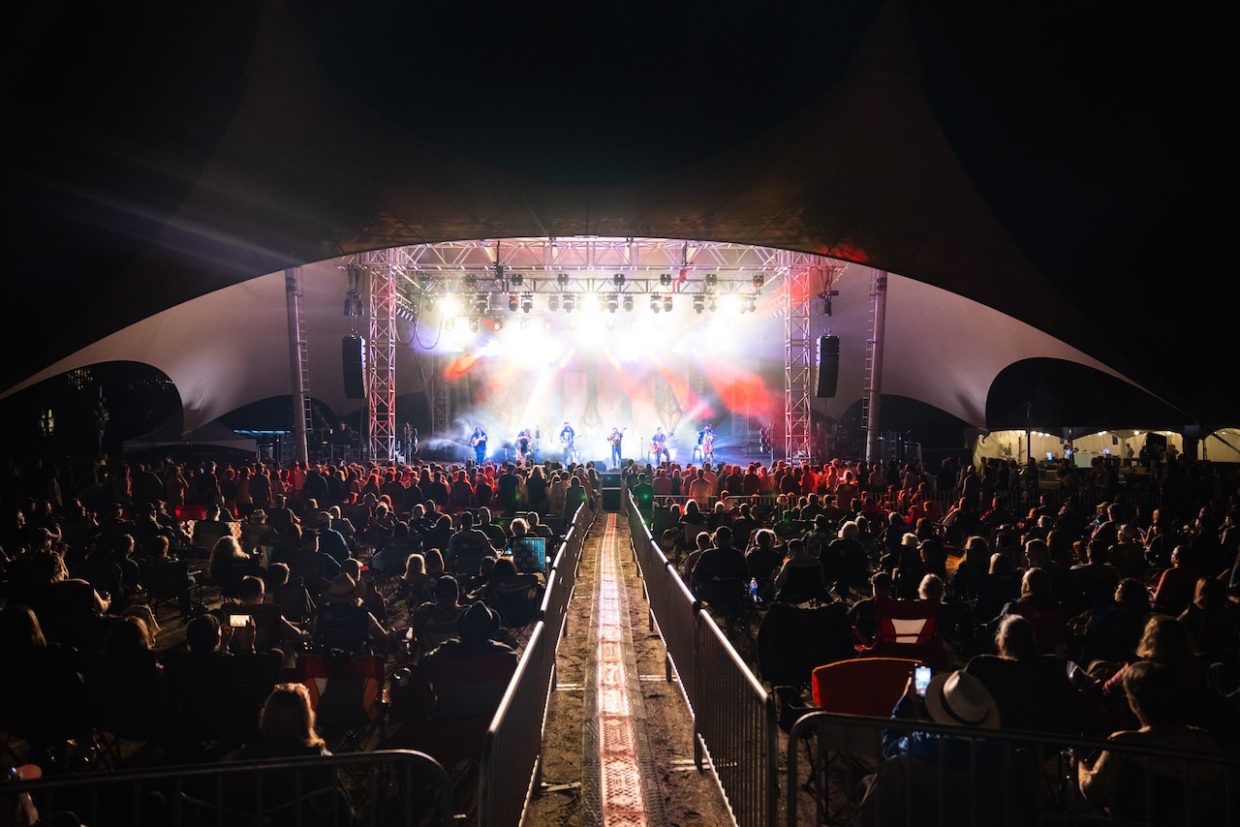
We had a lovely experience here. The crowd seemed very happy to be there and all the music I heard was great. I want to give a little shoutout to whoever set up the main stage concert bowl as well. Often at outdoor venues with both seated and standing areas, the seats are up against the stage and the standing lawn is way in the back. At The Momentary they’ve made a bit of a hybrid setup. There are small standing room areas right up in front, a large section of seating, and then a wide lawn in the back.  Everyone can enjoy the show in the way they choose, whether that’s dancing like demons in the front row, having a comfortable chair in the middle, or spreading out on a blanket with the family in the back. Having standing room up against the stage is such a boon for the band that’s up there, as well. There is an energy partnership with those wilder, bouncing audience members and it can feel weird to have them way behind the seated crowd. I don’t know if that was the reason for this layout, but we enjoyed its effect at our set last night.
Trampled by Turtles and a “full house” at FreshGrass Bentonville. Photo by Cooper Baumgartner.

I am not surprised to be impressed with the younger FreshGrass. This festival has consistently proven its desire to provide a unique and art-forward experience for both band and crowd alike. They invest in interesting lineups and create visually exciting venues in which to show them off. They’ve made us feel very welcome over the years and I hope we get to play these festivals forever.  – Dave Simonett, Trampled by Turtles

Make plans to attend FreshGrass Bentonville next year May 16 – 17, 2025 at the Momentary.


Dave Simonett is the lead singer, guitarist, and a songwriter for fan-favorite bluegrass group Trampled by Turtles. Subscribe to his Substack, Good Record, here.

Photo Credit: All photo credits as marked. Lead image and Trampled by Turtles photos by Cooper Baumgartner. All other photos courtesy of the Momentary.

PHOTOS: The 5th Annual Baltimore Old Time Music Festival

More than 1,500 people from 26 different states made their way to the fifth annual Baltimore Old Time Music Festival, bringing pickers, fiddlers, and players of all stringed instruments to rejoice along the waters of the Charm City’s Inner Harbor last month, on April 19 and 20.

A convincing demonstration of the city’s thriving old-time and roots music scene, the Old Time Festival saw attendance more than triple from 2023 as it packed the Baltimore Museum of Industry (BMI) in the first year at its new location after four memorable years at Creative Alliance.

Presented by the Center for Cultural Vibrancy and hosted by father-son duo Ken & Brad Kolodner, this year’s event boasted a lineup of high-profile artists and groups both honoring the traditions of old time, and seeking to broaden them.

BMI and its astonishing collection of artifacts set a remarkable scene that grew to life with performances early Friday evening on the Harborview and Pavilion stages, each presenting splendid views of the Inner Harbor and famous landmarks, like the Domino Sugar sign glowing just to the southeast.

Old Time legend Bruce Molsky at the festival Kickoff Concert.
Saturday afternoon brought a loaded schedule of not only live music, but workshops, presentations, and open jam sessions in every nook and corner of the fascinating museum – and outside on its docks, too, where old pals reconnected and total strangers became friends as they played underneath the warm sun all day long.

“We’re clearly witnessing a huge period of growth for our old time community,” said Brad Kolodner, who’s a member of numerous Baltimore-based string bands and, as he does each spring, performed alongside his dad at this year’s festival.

Twin fiddling from festival co-founder Brad Kolodner and Rachel Eddy.

“This marks 10 years that my father and I have been organizing events, square dances, jams and concerts, and this is the culmination of those efforts and work done behind the scene as well. We know that this is already a landmark event for Baltimore, but we took it to another level this year thanks to so much support, the amazing venue and of course the artists, who were incredible.”

Ascending Seattle-based string band The Onlies headlined both nights and served up numerous delightful sets across Friday and Saturday, as did Allison de Groot & Tatiana Hargreaves, the Horsenecks, and Bruce Molsky, a widely respected fiddler, banjoist, guitarist, vocalist and educator.

The Onlies dazzling at the Kickoff Concert.
“This festival brought together all the most positive and wonderful aspects of roots and old-time music,” said Molsky, who has recorded and performed with a long list of legendary musicians.
“It really represented all the things I love about this music, including the community,” he continued. “The cross-section of music and kinds of musicians that Brad and Ken programmed was kind of perfect.”

From Africa to Appalachia (one of the weekend’s most anticipated acts) is the fascinating project featuring Grammy-nominated master Malian griot Cheick Hamala Diabate, old-time banjo player Riley Baugus and multi-instrumentalist Danny Knicely.

From Africa to Appalachia featuring Cheick Hamala Diabate, Riley Baugus and Danny Knicely.

Through its uncommon blend of sound and perspective, the dynamic group illustrates and educates on the historical connection between West African and Appalachian music, a theme crucial to the Baltimore Old Time Music Festival.

“This band — these people — is my heart,” said the spirited Diabate as he detailed his adventures in America, where he’s worked with star musicians and been cast in major motion pictures.

Diabate mesmerized with blazingly fast fingers on the ngoni and played his custom gourd banjo that was handcrafted by Baltimore’s own Pete Ross.

Dom Flemons, the American Songster, performs on the Pavilion Stage.

In each of his unforgettable appearances, Diabate riveted with stories and offered advice to concert goers. Presenting a session on Old Time Roots, he spoke alongside modern day old-time pioneer Dom Flemons — a co-founder of the award-winning Carolina Chocolate Drops and himself a Grammy nominee, who delivered two unforgettable performances on Saturday.

Another spectacular presence at the event, Becky Hill is a percussive dancer, choreographer, square-dance caller and educator who has focused her research on Appalachian percussive dance, flat footing and clogging. She considers the old-time space one where dancers are an equal part of the conversation with instrumentalists.

As a performer on both Friday and Saturday at the festival, Hill displayed her interest in the intersections of clogging, flatfooting and tap dance. To do so, she invited tap dancer Roxy Hill to join her at BMI, where they used old-time sounds to examine the relationship between the different dance styles.

Tap dancing and flatfooting with Roxy King and Becky Hill.

“They’re all American roots percussive dance forms. Both tap and flatfooting originated here and are unique to this complicated melting pot of the U.S. … To have the space to present our dance dialogue on stage feels really significant,” Hill said.

“It opens up new audiences for both tap dancing and flatfooting and it shows that there’s connective tissue across music and dance genres in the U.S. … In particular, what the festival is doing with the Center for Cultural Vibrancy is to expose that connection between all different aspects of old-time music.”

Dance, as it is each year, was a primary feature of the latest Old Time Music Festival, and the two days were capped with a jubilant old fashioned Baltimore square dance that twirled and howled into the late hours on Saturday night.

Square dancing in the pavilion with over 300 participants.

The lively affair took over the pavilion as hundreds of attendees let loose with friends and family. Veteran caller Janine Smith, who’s stoked many Charm City celebrations, led the way with the help of the Horsenecks and other performers from the lineup before all the artists on site joined together to close out the special occasion.

For Molsky and others deep into their careers, the festival provided a refreshing post-pandemic chance to catch up with longtime friends forged on the old time touring circuit, but also to interact with festival goers themselves.

“This kind of music isn’t the thing where a big star is sequestered until they walk out on stage,” he said. “Part of it is walking out there and remembering people’s names and getting to know them. I don’t consider that to be work. I love that.”

Molsky lived in the D.C. area for years and spent time in Baltimore, but he was impressed by what he sees as an undeniable “vibrancy” in the Charm City’s music landscape and its people.

The all star square dance band featuring Bruce Molsky and the Horsenecks.

“I think Brad has a lot to do with that,” Molsky said. “When somebody walks up to me and says, ‘Hey man, I’ve been listening to your music for 20 years, it’s so nice to meet you in person,’ I’m moved by that. This festival was just a great festival for meeting people.”

Beyond introducing artists to listeners, the Kolodners intentionally designed the event to help cutting-edge musicians show what they’re doing to expand the traditional confines of the old-time genre.

“It’s going to grow into something beautiful and it already is,” Hill observed.

“It’s unique because it highlights all the different ways that this tradition is evolving by not only celebrating its roots but by having new conversations within it, too, like what Tatiana and Allison are doing or like Roxy and myself,” she continues. “We’re pushing the boundaries and we’re experimenting within the structures that old-time music provides. And I think that is part of how vernacular music traditions keep evolving.”

Allison de Groot and Tatiana Hargreaves perform at the Kickoff Concert.

With its 2024 version in the books, the Baltimore Old Time Music Festival has firmly established itself as one of the fastest growing and most influential gatherings of its kind anywhere in the country. Eyeing sustainable growth and a balance of honoring and augmenting old-time customs, the Kolodners are optimistic for what the future holds.

“We’re pleased to make so much progress, to create an enriching experience for everyone involved and we’re thrilled to be at BMI for years to come,” said Brad Kolodner.

“We’re proud of the intergenerational aspects we’ve built into it. We offer children’s programming and make it free for families, all with the hope that we can keep driving interest and participation in old time moving forward. Above all, we aim to celebrate diversity and the true roots of this music through the performers we invite to be here with us.”

Be sure to save the date for next year’s Baltimore Old Time Music Festival, which will return to BMI on April 18 and 19, 2025. More information here.

Becky Hill and Ben Nelson, in conversation with feet and banjo.

Photo Credit: All photos by Casey Vock and courtesy of the Baltimore Old Time Music Festival.

MIXTAPE: Bridget Kearney’s Photographic Memories

From my early days of being photo editor of my high school newspaper to my current tour hobby of photographing bizarre regional potato chip flavors in their native lands for @chipscapes, I have long held a fascination for photography. As life rushes by us at a mile a minute a camera has the ability to freeze the frame for a second, capture a moment in time, and provide photographic evidence that the moment actually existed. Though the waves may have crashed into your impossibly magnificent sand castle, you can keep it standing forever in a photo. And though time may have drowned out a love that once burned impossibly bright, a security camera may have accidentally captured the most blissful moments of that love and if you can track down the footage and find those moments, you could potentially kick back on the couch and watch those moments on infinite loop forever.

This is the premise of my song, “Security Camera,” from my new album Comeback Kid. Beyond that song, the subject of photos, memories, and trying to hold on to a moment for what it was, to love that moment forever in spite of its ephemeral nature, weaves its way through the album as a common thread. I put together a playlist of songs on the theme of cameras and memory and it turns out a lot of my favorite songwriters and biggest influences have also been fascinated by this subject. Recorded music is basically the audio version of a photo/video, so it makes sense. Hope you enjoy these songs as much as I do. – Bridget Kearney

“Kamera” – Wilco

Jeff Tweedy seems to be using the camera as a self-revealing truth teller in this song. He’s lost his grip on reality and only a camera can tell him “which lies that I been hiding.” I have loved Wilco for a long time and have a very specific visual memory of listening to them on headphones in college: I was on a semester abroad in Morocco and I was going for a run along the beach in Essaouira and came upon these big sand dunes. I spontaneously decided to run up to the top of the dunes and then bound down them into the water. This joyous discovery of dune jumping on a perfect sunny day will always be soundtracked to Wilco’s song “Theologians” in my mind.

“Kodachrome” – Paul Simon

Paul Simon was always playing around the house when I was growing up and this song has a particular significance to the origin story of my band, Lake Street Dive: We were on one of our first tours and we were driving my parent’s minivan around the Midwest. The only way to listen to music in the van was through the CD player. It was in the pre-streaming era where we all would have had a big library of digital music on our laptops (probably illegally downloaded from Napster or the like). So we decided to co-create a mystery mix CD by passing around someone’s laptop and letting each of us put in songs one-by-one, not telling each other what we’d put it in. Then we burned out the mystery mix CD and listened to it together.

As four students studying jazz at a conservatory we had mostly listened to Charles Mingus and The Bad Plus together thus far, but the mystery mix exposed all four of us pop music fiends. Song after song kept coming on and we’d go, “Oh my god, you like Lauryn Hill too?!” and “You also know every lyric to David Bowie’s ‘Life on Mars’?!” This culminated in the moment when the mystery mix played Paul Simon’s “Kodachrome” THREE TIMES IN A ROW! That was when we knew we should be a band forever. The groove on this song is also part of the inspiration for the song “If You’re Driving” from Comeback Kid.

“Hey Ya” – Outkast

Not actually a song about photos and you’re not actually supposed to shake Polaroid pictures, but Andre 3000 is one of the greatest musicians of our time and I’ve learned so much from him about music and language and spirit! Also this song is a total jam.

“Security Camera” – Bridget Kearney

I live in Brooklyn and there are security cameras everywhere here – at the bodegas, at the clubs, on the rooftops. Their purpose is to capture criminals in the act of committing a crime, but they are also capturing so many other things. Everyday things and extraordinary things. Moments of extreme beauty and moments of extreme pain. The idea behind this song is to track down security camera footage of the very best moments of your life so you can watch them on repeat.

“Pictures Of Me” – Elliott Smith

I went through a huge Elliott Smith phase in college and had an instrumental Elliott Smith cover band. His harmonies and melodies are so good that you don’t even need the lyrics, but adding them in, of course, makes it all the better. This one seems to say that pictures can lie to you, too.

“Picture In a Frame” – Tom Waits

This is one of those songs that seems like it has existed forever. “Ever since I put your picture in a frame” sounds to me like he is saying, “Ever since I decided to love you.”

“Body” – Julia Jacklin

My friend Michael Leviton (a great photographer and musician!) told me about this song and its passing but gutting reference to a photo. We were talking about how I had realized that a lot of my songs are about cameras and photography and how funny it is to look back at your own songs and see patterns and discover what you’ve been obsessed with the whole time. Michael said his thing is “curtains,” which appear over and over again in his songs.

“Bad Self Portraits” – Lake Street Dive

A song I wrote for Lake Street Dive years ago about what happens when the person you want to take a picture of steps out of the frame. What you’re left with and how to make the most of it.

“Videotape” – Radiohead

I always thought this song was about when you die and you are at the pearly gates of heaven, they are deciding whether you get in or not and watch back videotapes of your life to see if you were good or bad. I don’t know if that’s what Radiohead meant, but that’s my interpretation! The production is so cool, the way the drum loop is slightly off tempo and moves around the phrase slowly as it cycles around. Damn, Radiohead is so cool!!

There are a few songs on Comeback Kid that are directly Radiohead influenced. “Sleep In” is like Radiohead meets Ravel (or that’s what I was going for!) When I graduated from Iowa City West High School, I arranged a version of “Paranoid Android” that some friends and I played instrumentally at the graduation ceremony. In retrospect, that is a really weird song for us to have played at graduation! But I think it’s cool that they let us be brooding teenagers and go for it.

“When the Lights Go Out” – Sarah Jarosz

The song that gave Sarah’s brilliant new record its title, Polaroid Lovers. I feel so inspired by the music that my friends make, and Sarah’s songs from this album really knocked me off my feet when I heard the album and even more so when I heard them live!

“People Take Pictures of Each Other” – The Kinks

A festive little song about taking photos of things to prove that they existed.

“I Bet Ur” – Bridget Kearney

This is a song from the album I put out last year, Snakes of Paradise. The narrative is built around seeing a picture of something that you don’t want to see, letting your imagination fill in the details, and learning to accept it as truth.

“I Turn My Camera On” – Spoon

Groove goals. The camera here puts a bit of distance between you and the world.

“Photograph” – Ringo Starr

A song about photographs by my favorite Beatle? Yes, please!

“My Funny Valentine” – Chet Baker

I love Chet Baker’s singing, his pure, dry, affectless delivery, his deadpan panache. And I love the way this song manages to rhyme “laughable” and “un-photographable” and stick the landing.

“Camera Roll” – Kacey Musgraves

Photography has been around for a long time now but carrying thousands of photos of our lives organized in chronological order in our pockets at all times is relatively new. And both wonderful and terrible.

“Come Down” – Anderson .Paak

Just a passing reference to pictures in this song, but I had to get Anderson .Paak on the playlist because he’s the best!

“Obsessed” – Bridget Kearney

A song about falling quickly, unexpectedly, insanely in love with someone and trying to understand how it happened. You look back at the pictures as evidence trying to gather clues, see the train of events that led to this madness.


Photo Credit: Rodneri

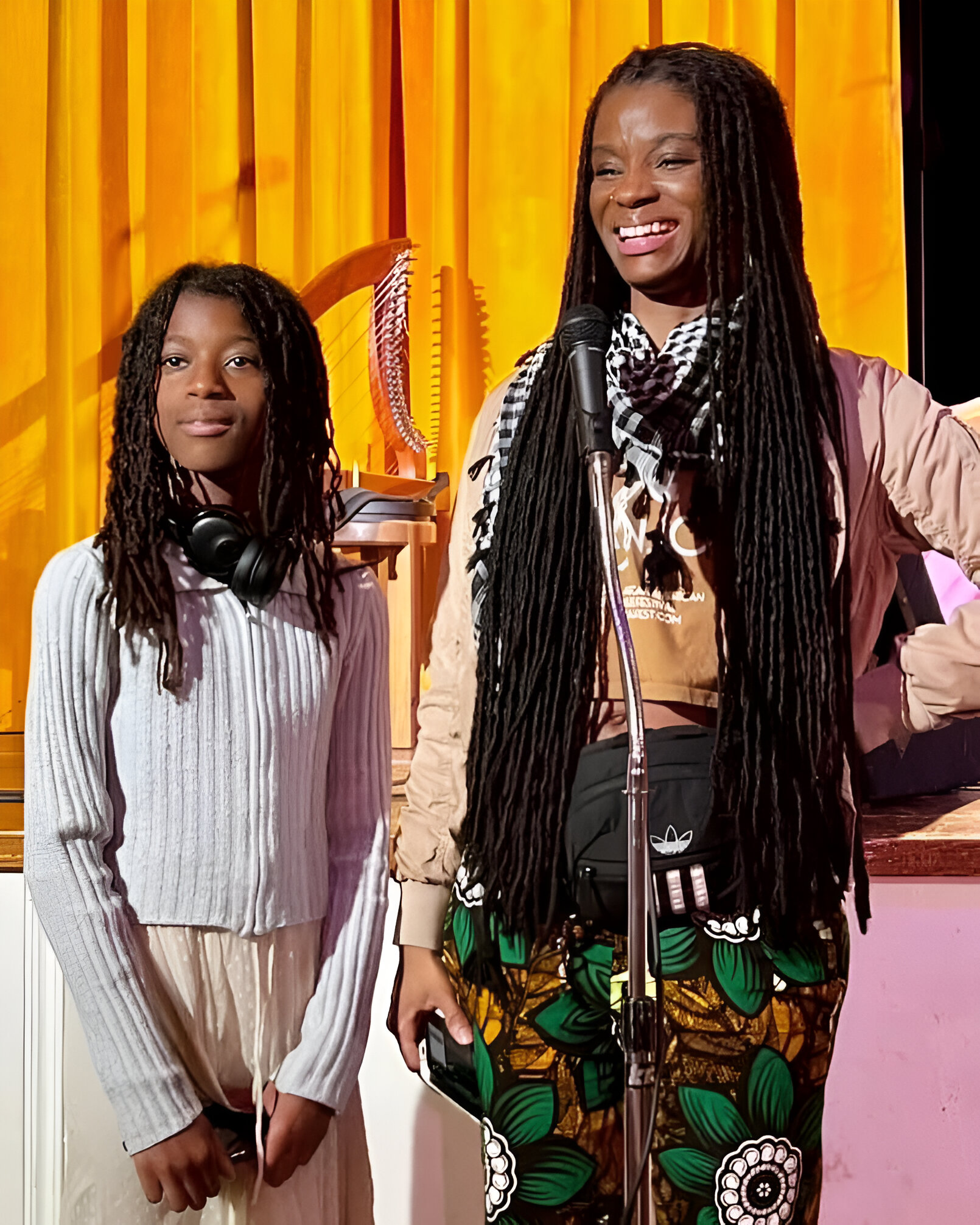
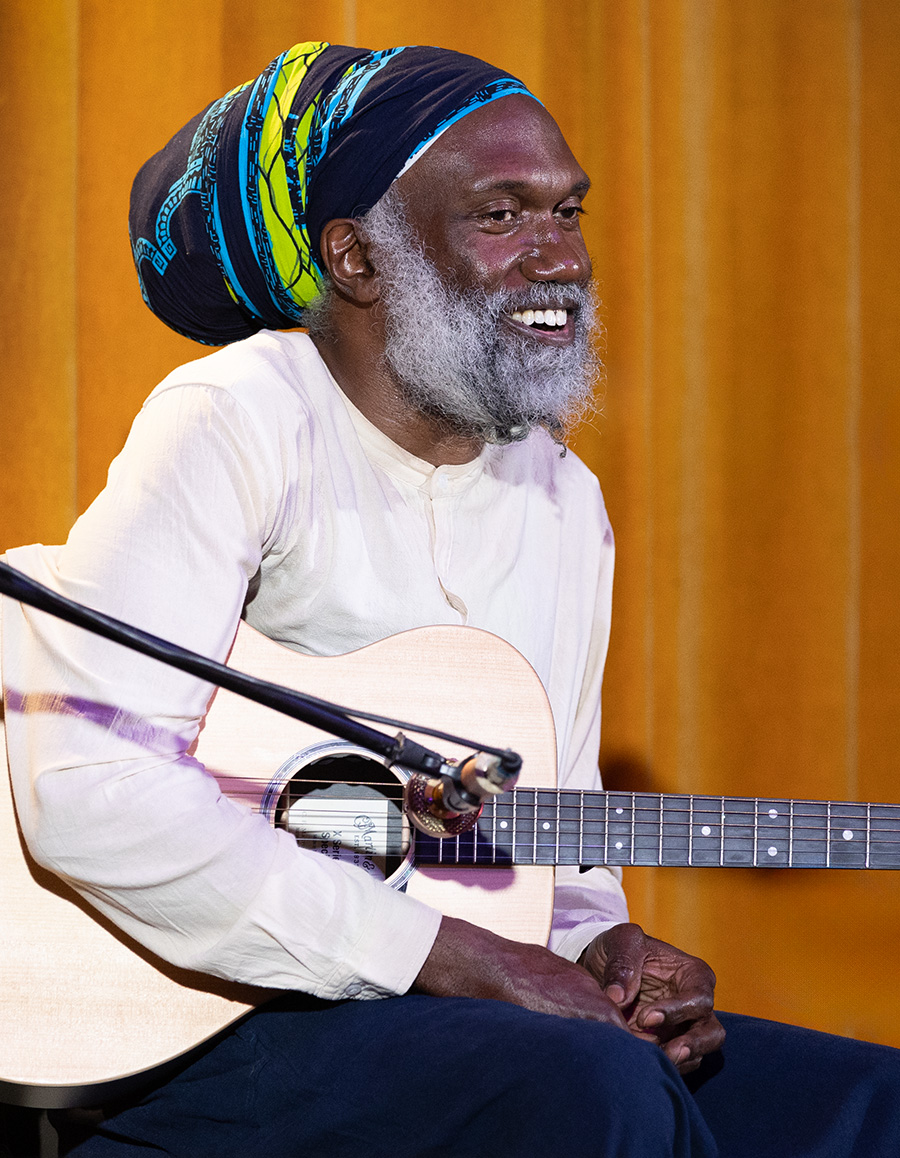
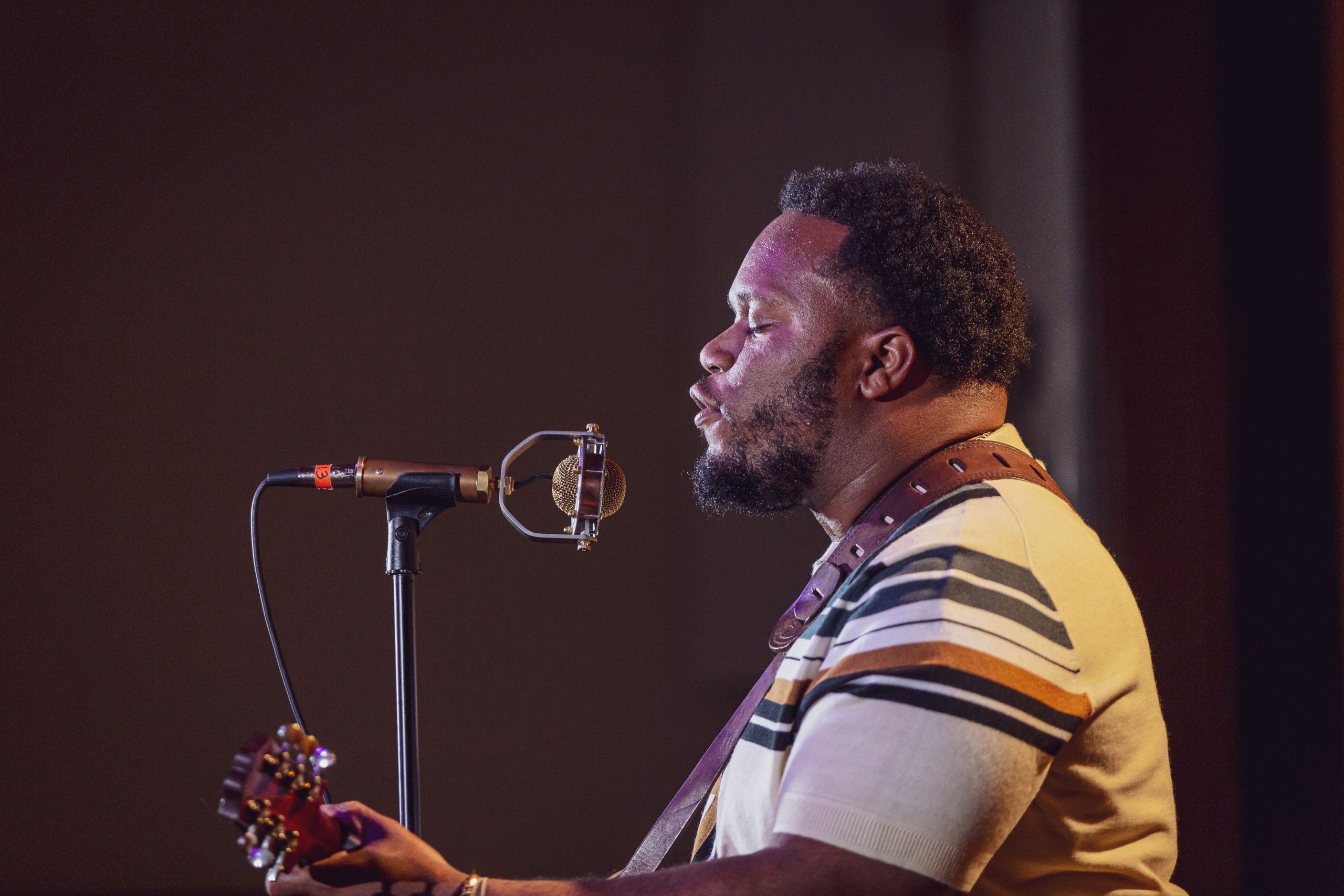
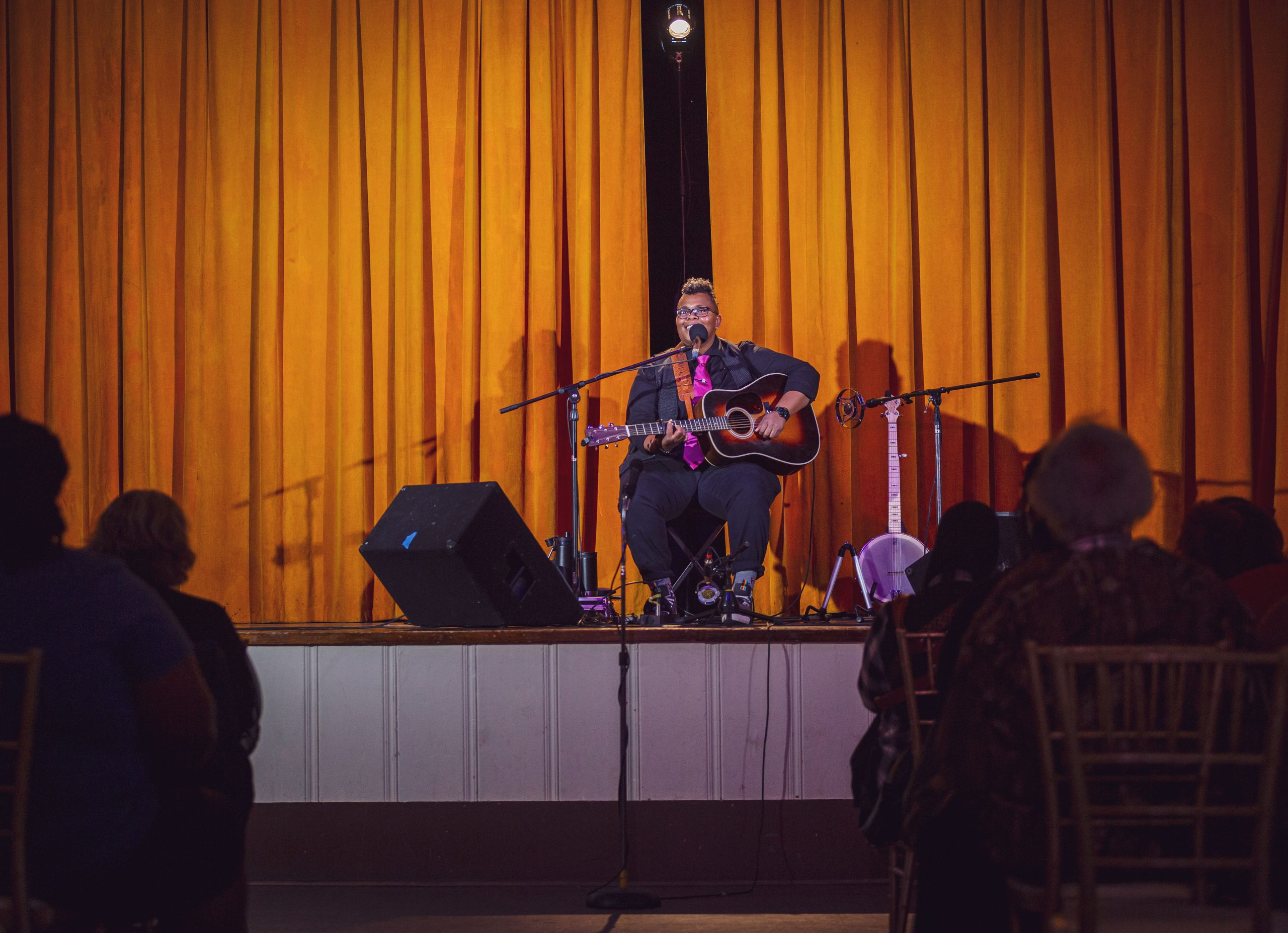
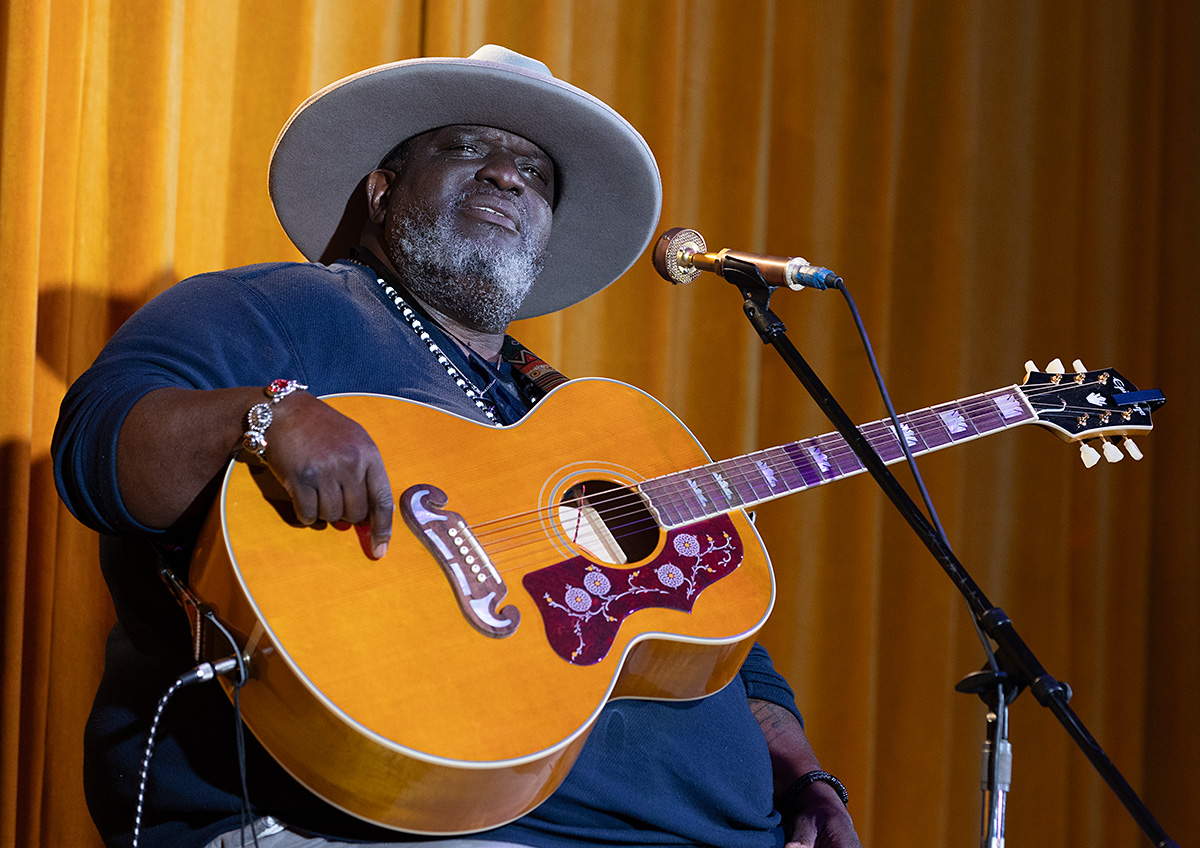
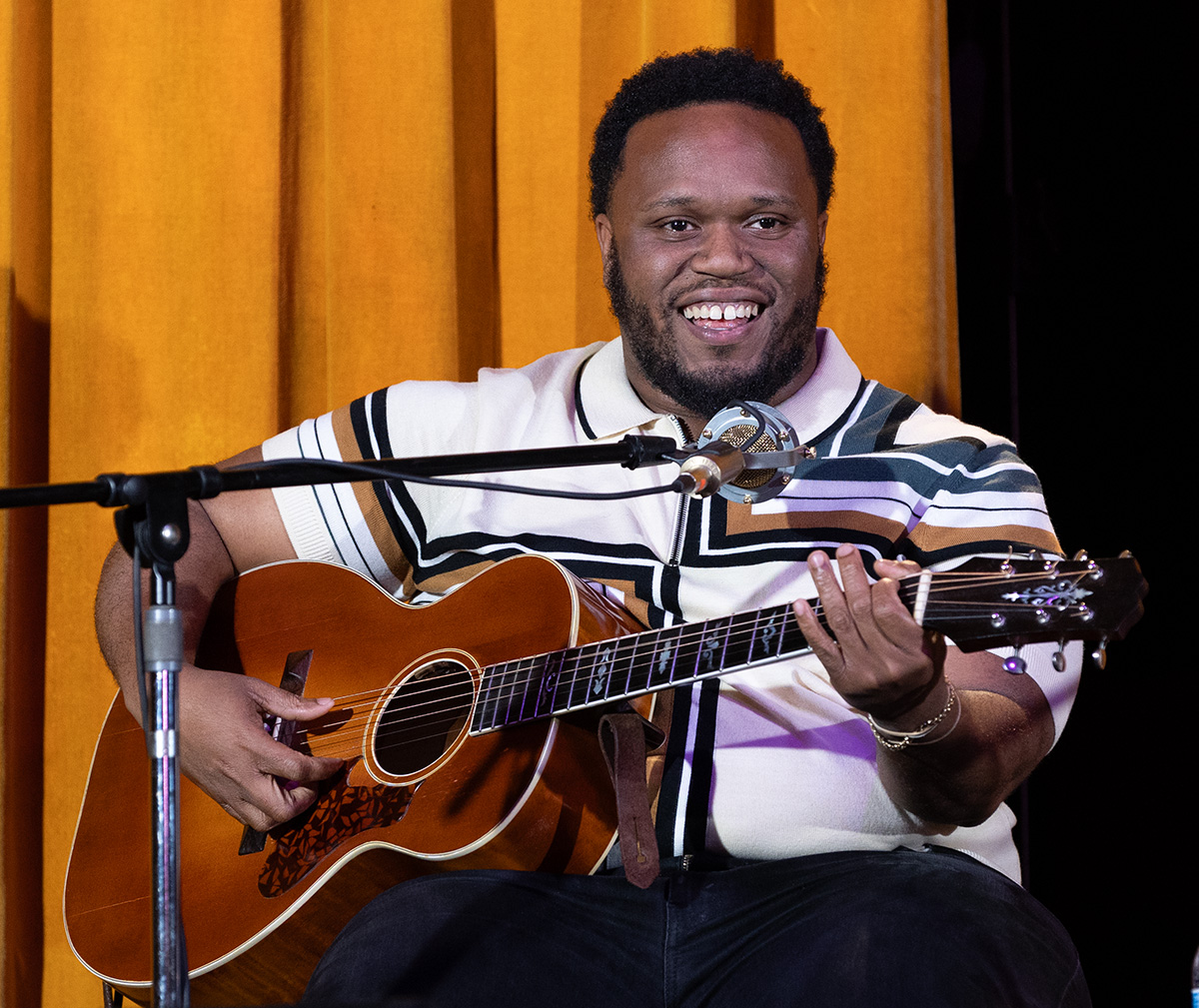
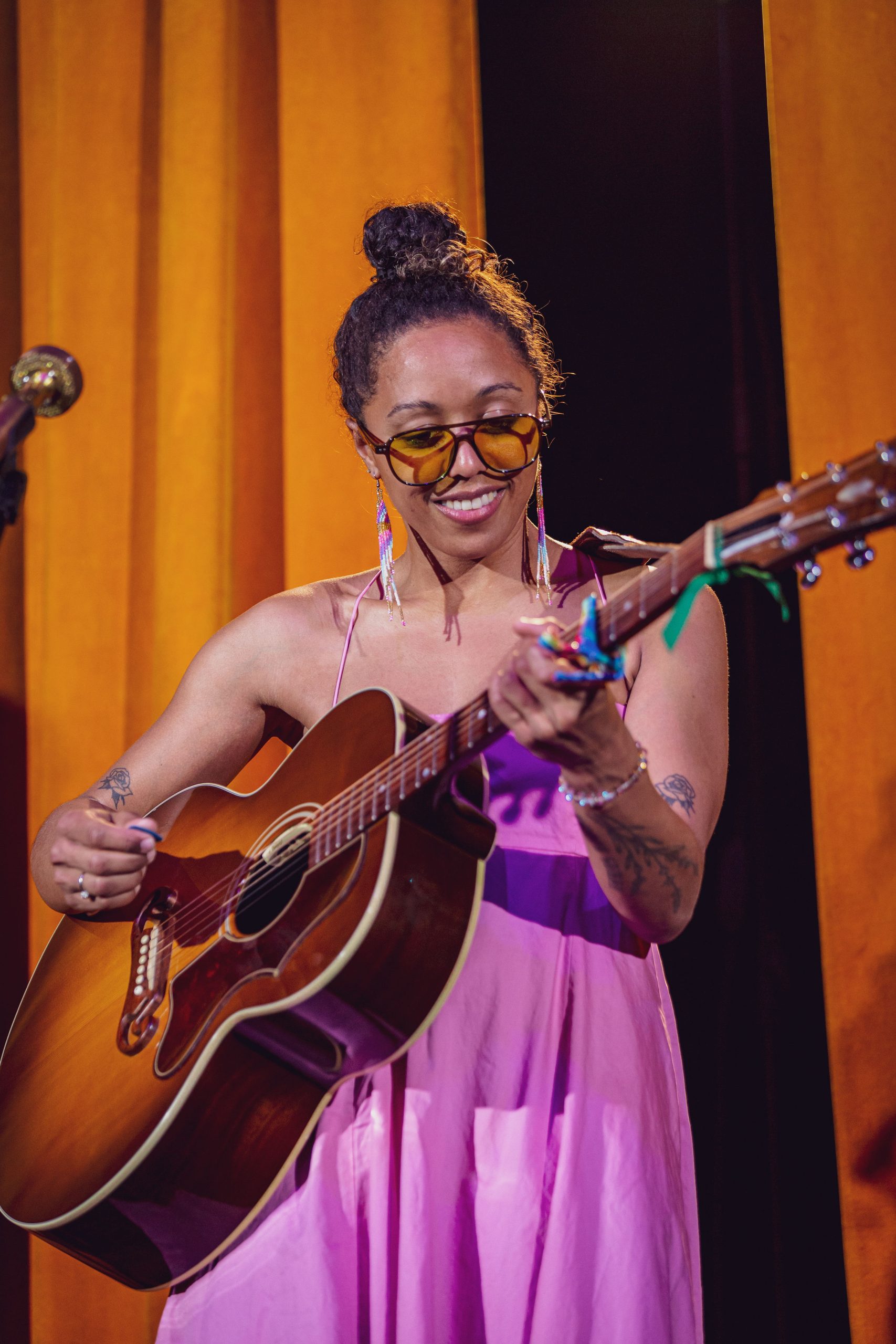
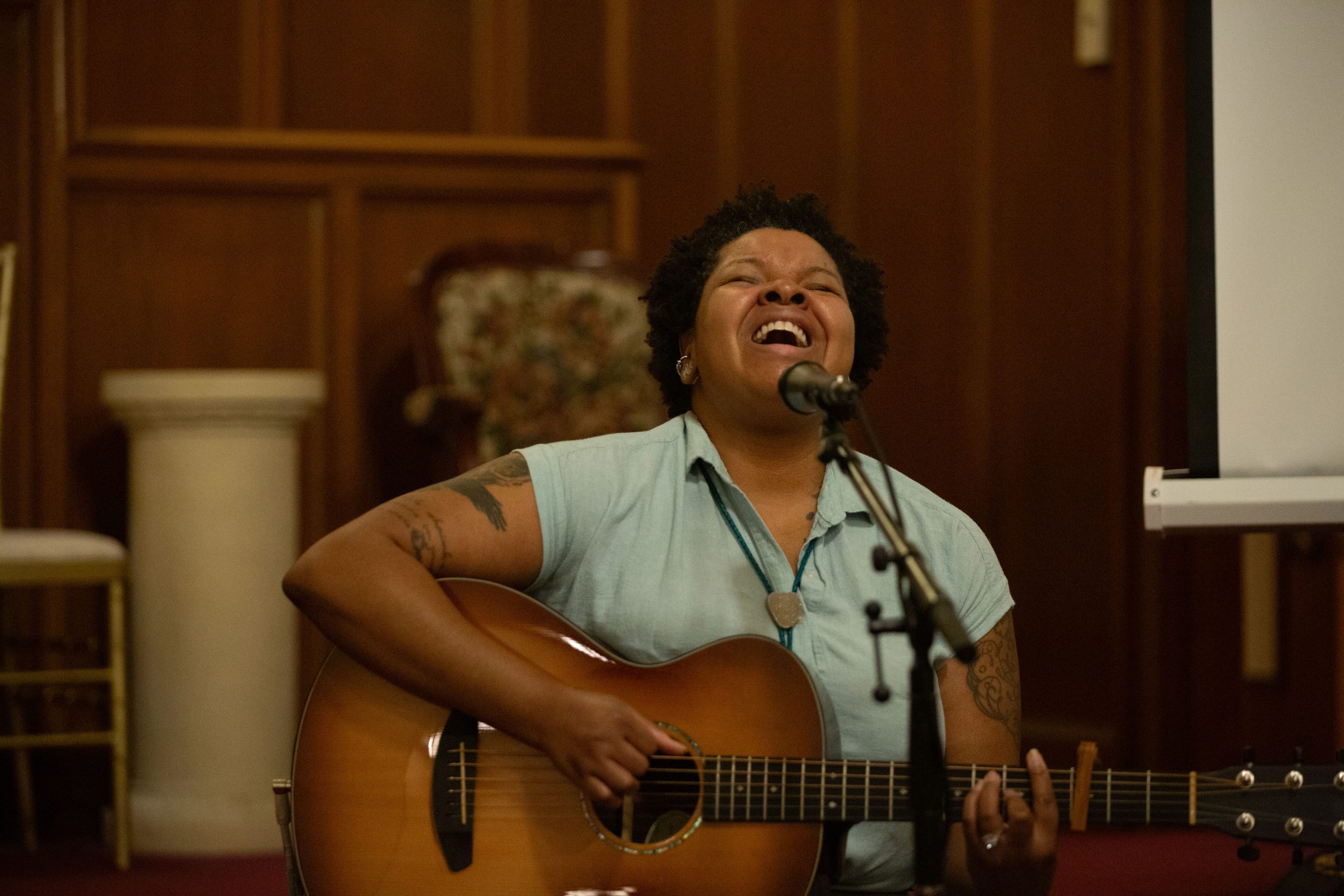
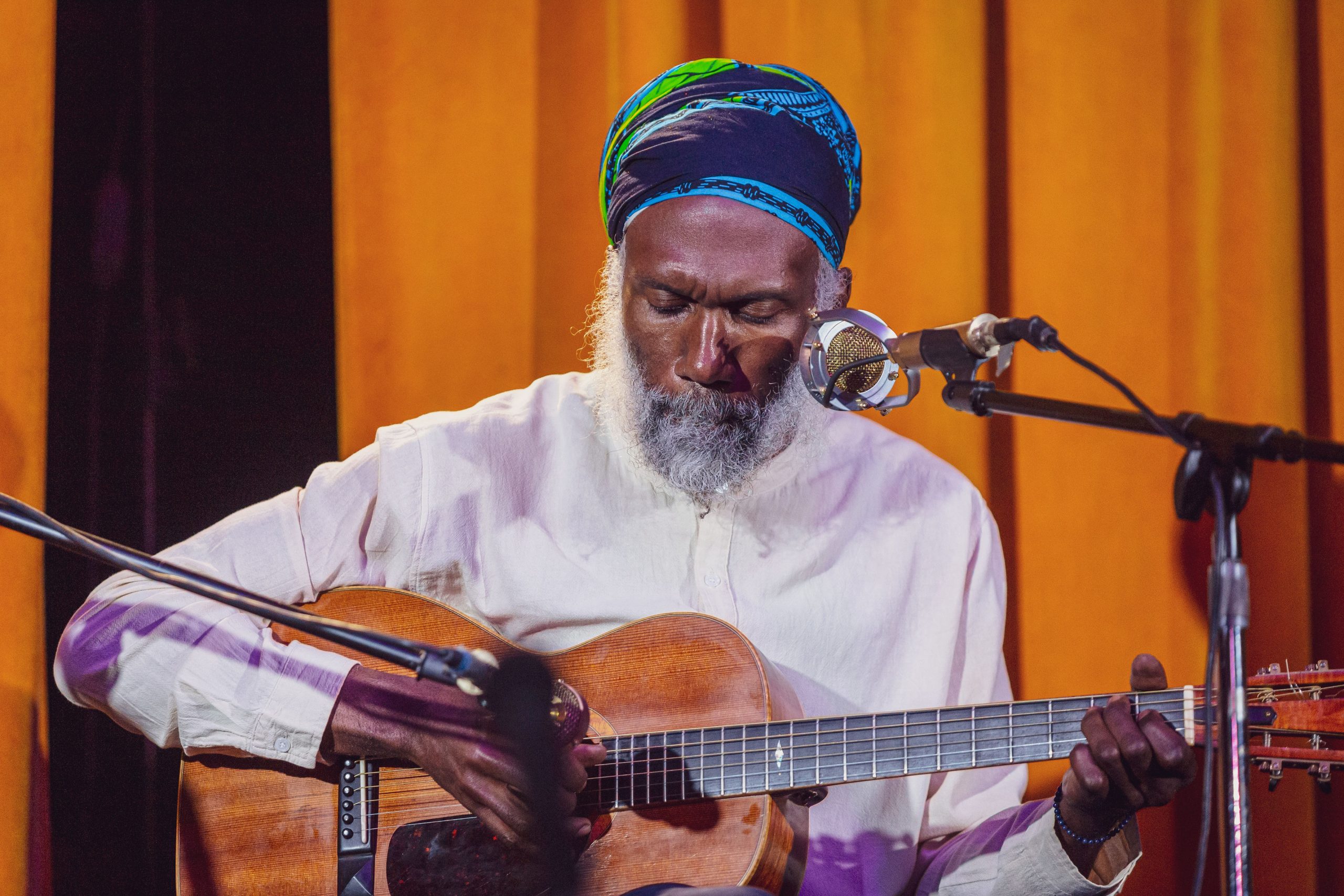
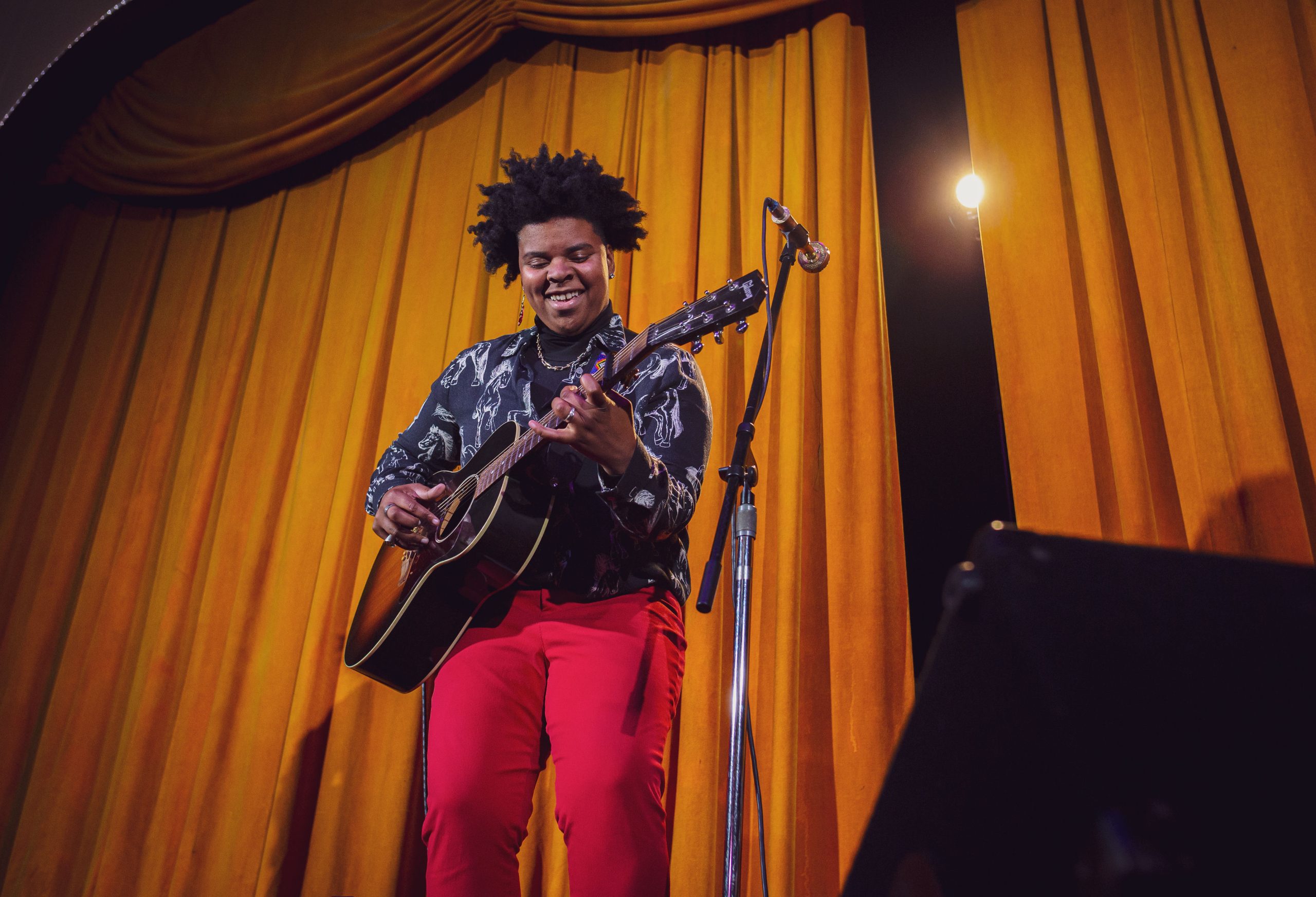
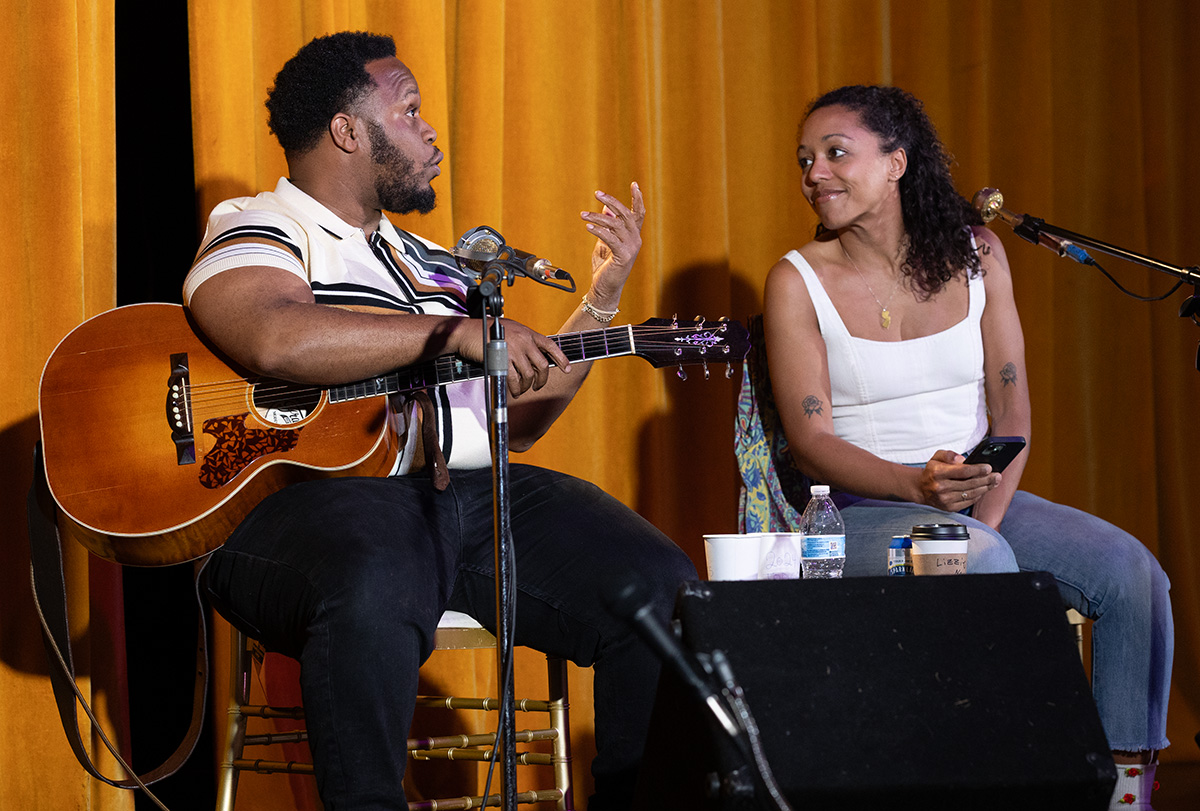
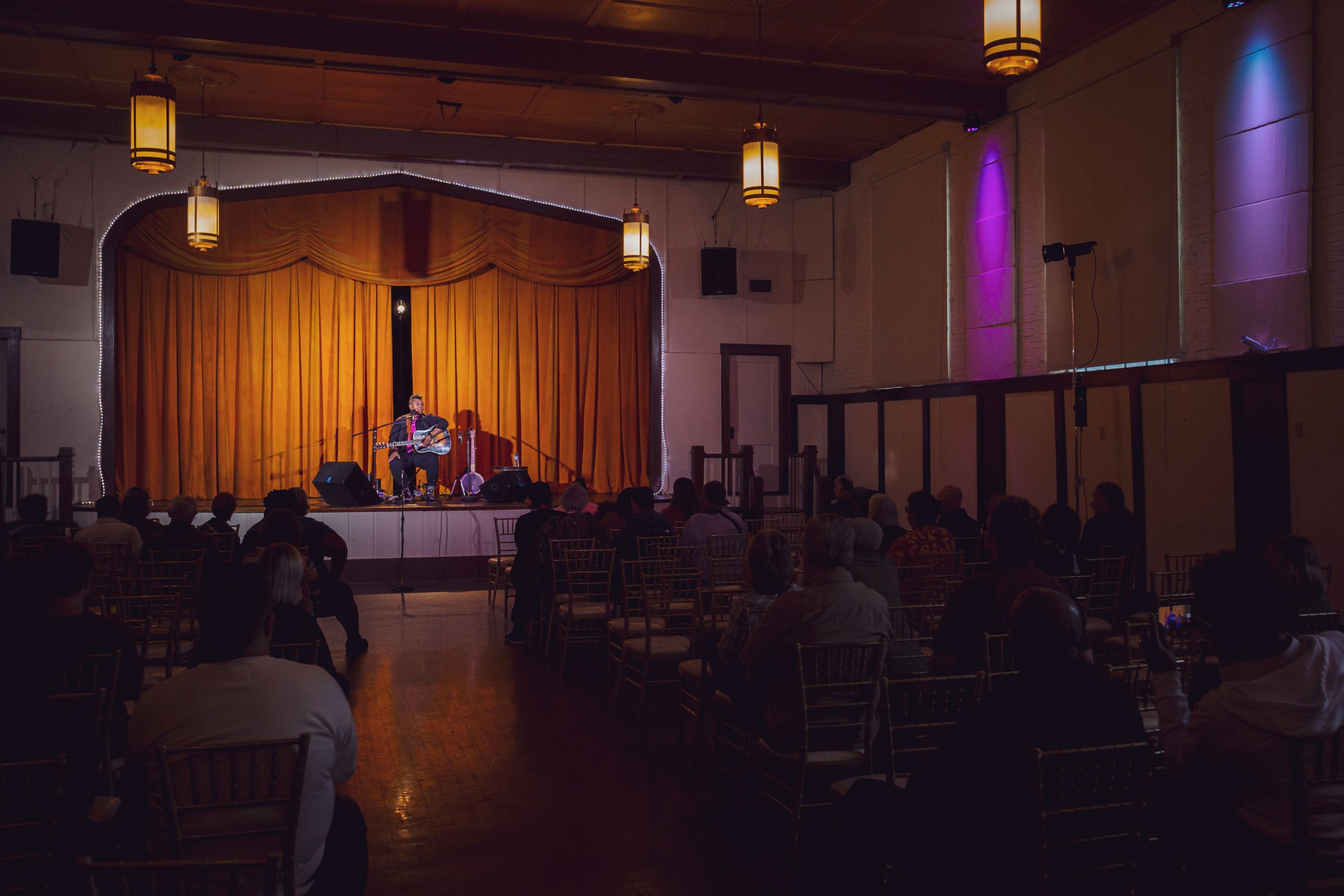
PHOTOS: Our Recap of the Fort Worth African American Roots Music Festival

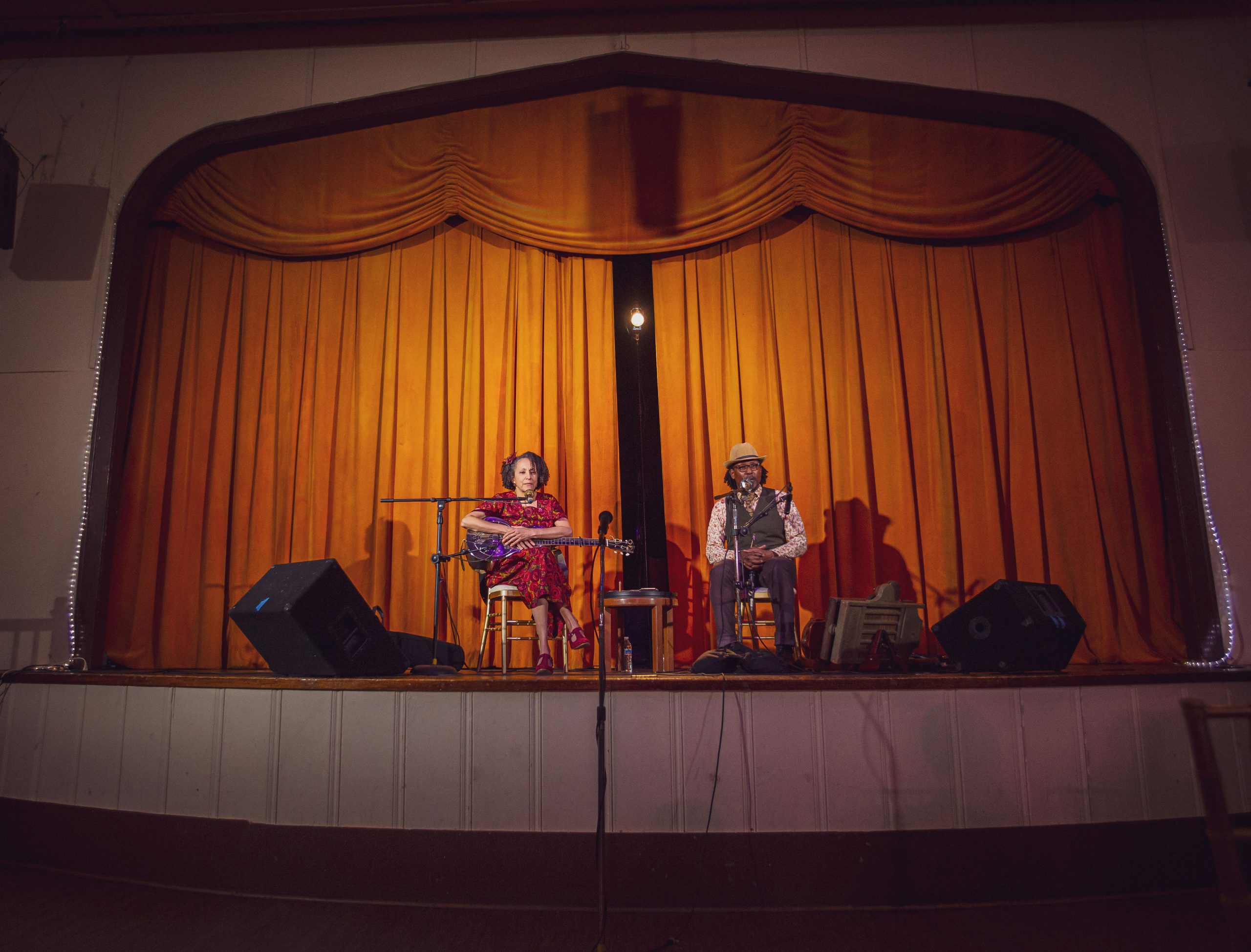
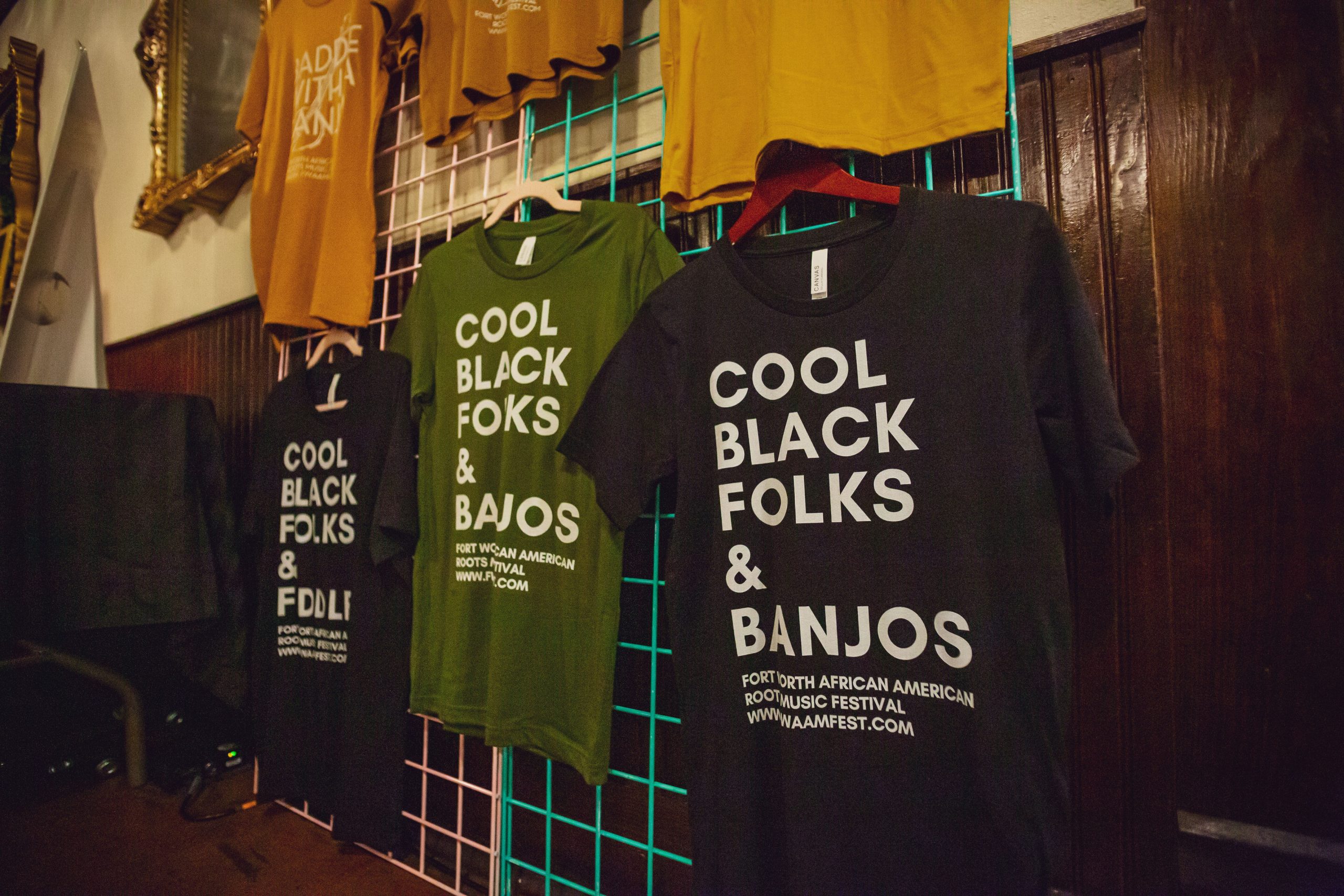
Last weekend, on March 16, musicians and artists from across the country descended on Fort Worth’s Southside Preservation Hall for the 2024 edition of the Fort Worth African American Roots Music Festival – known affectionately as FWAAMFest. This year’s event was the biggest yet in the annual festival’s four-year run, boasting a lineup of country, old-time, blues, ragtime, folk, Americana, and so much more.

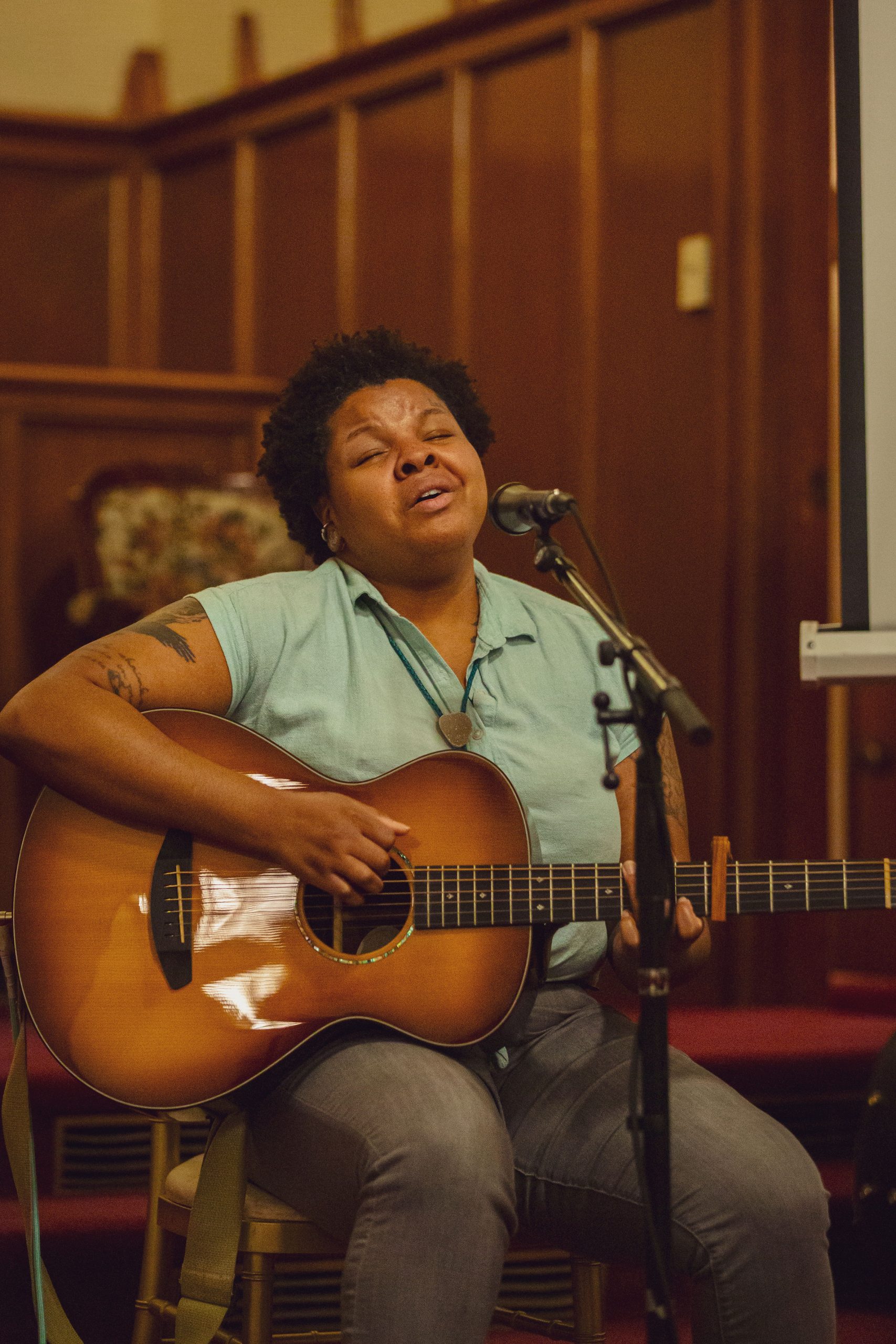
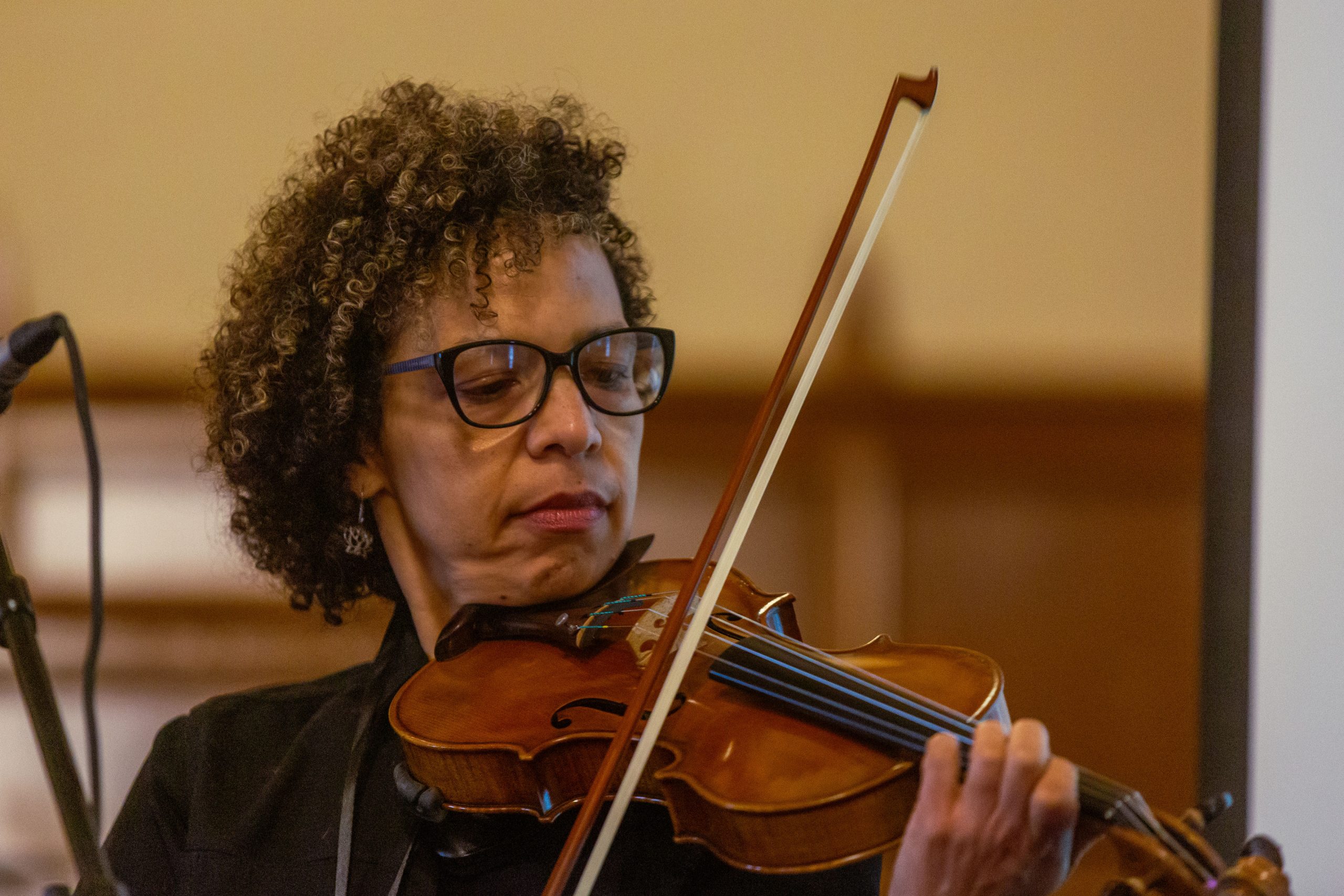
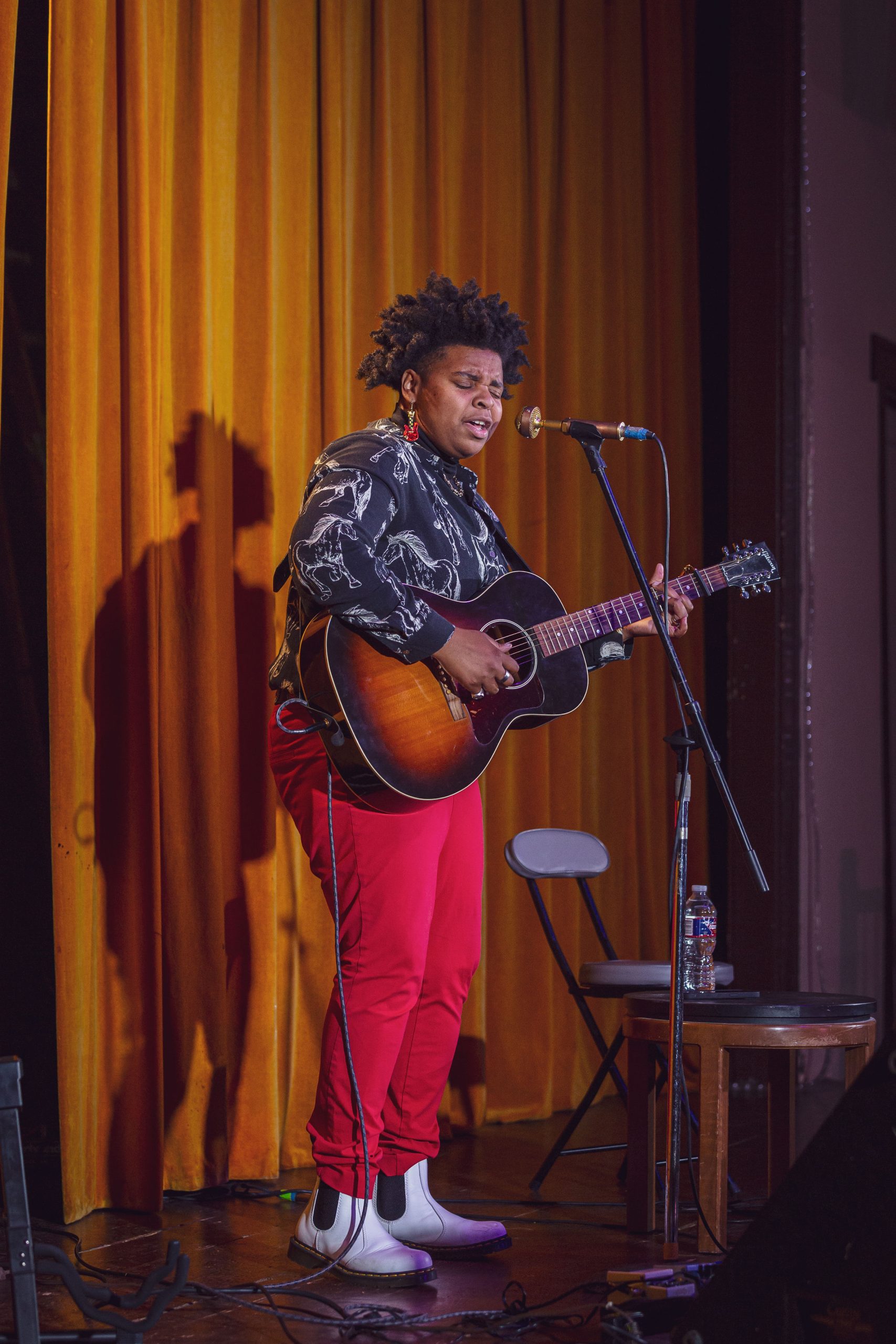
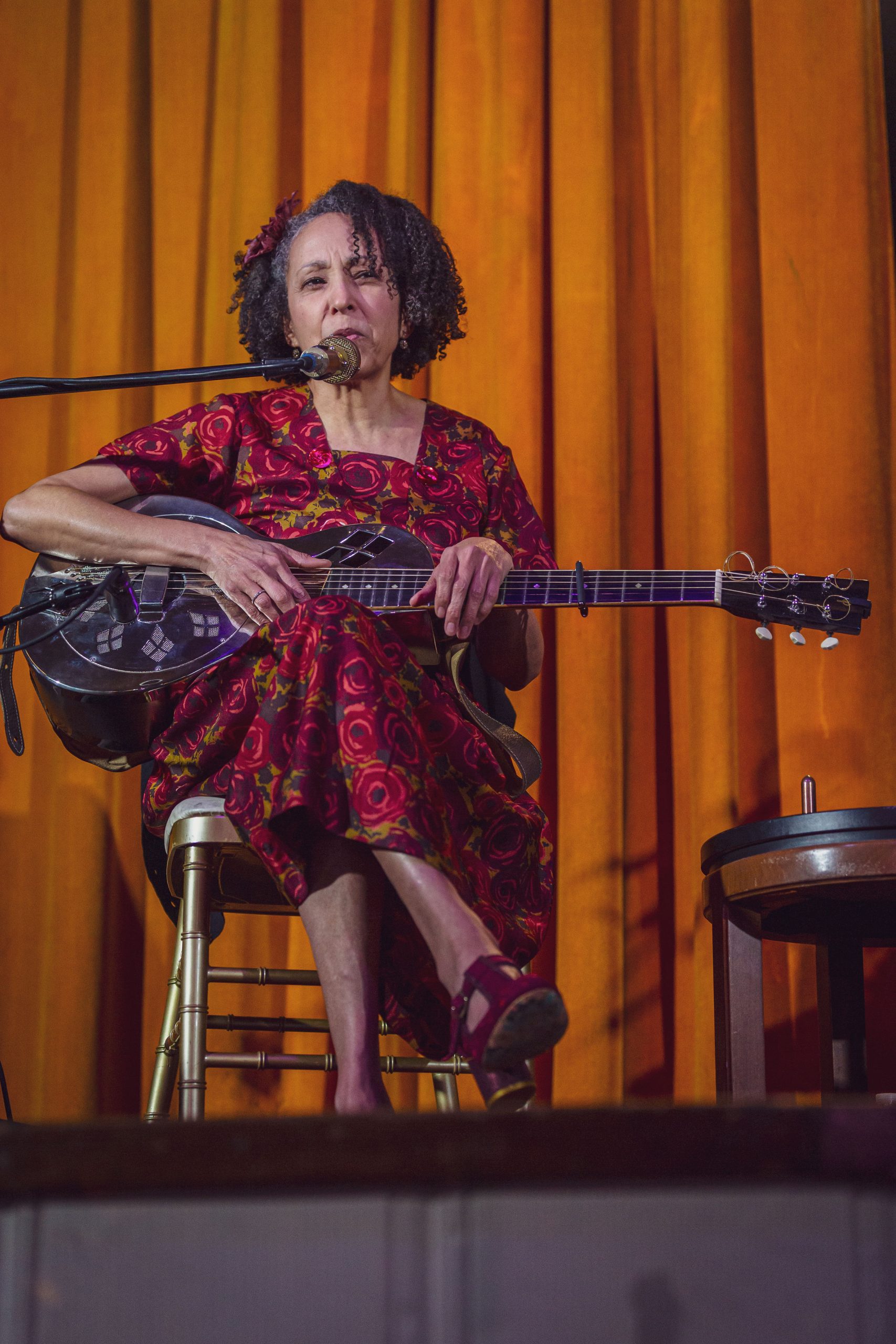
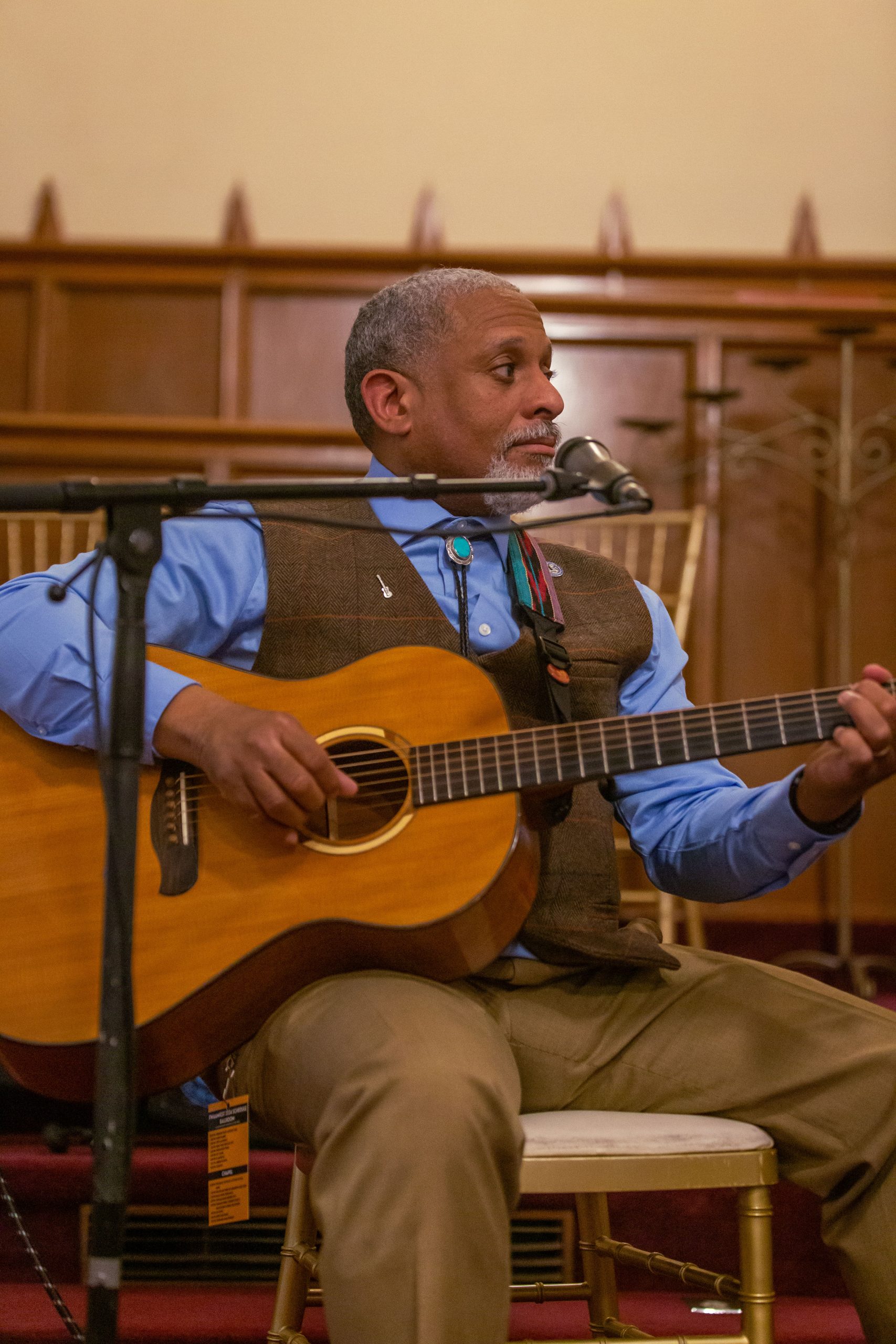
Below, check out select photos from FWAAMFest that highlight the mission and scope of this quickly up-and-coming festival and community-building event. There’s truly something for everyone at FWAAMFest, including workshops and lectures on pre-World War I banjo playing, a live taping of BGS’s and Folk Alley’s podcast, Basic Folk, delicious soul food and ice cream provided by Carpenter’s Cafe & Catering, Lil Boy Blu, and Cow Tipping Creamery, and a superlative lineup of musicians, artists, songwriters, and instrumentalists. (Learn more about the artists on the lineup here.)

FWAAMFest is programmed and presented by Decolonizing the Music Room, a non-profit organization founded by festival director Brandi Waller-Pace. DtMR has a mission of building more equitable futures in music education, music performance, ethnomusicology, and beyond. As such, their success – and the continuation of the remarkable FWAAMFest – is dependent upon the generosity of roots music fans such as yourself.

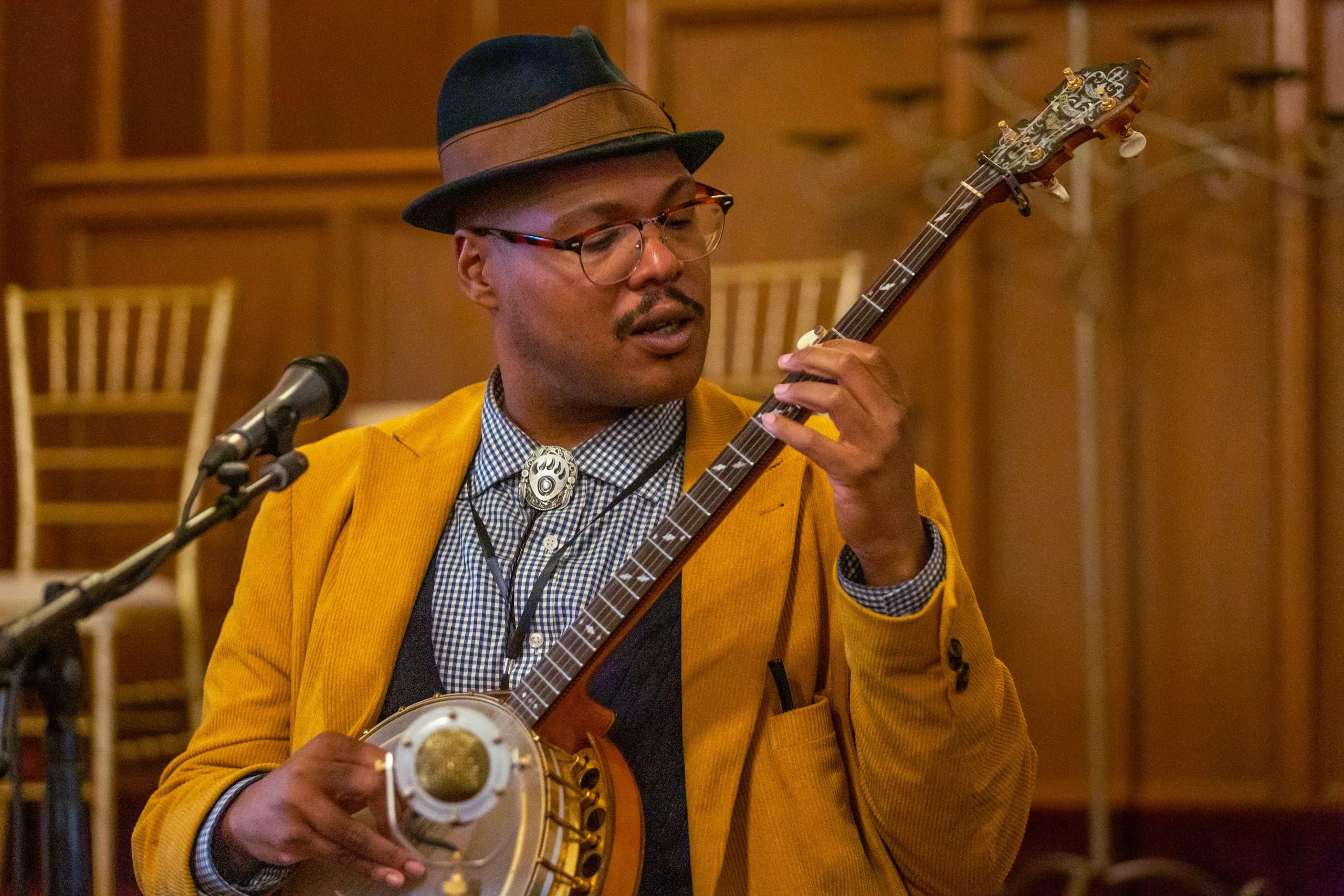
If you believe in the future of FWAAMFest and Decolonizing the Music Room and want to help it continue into the future, you can donate now on the official festival website. Additionally, banjo player, songwriter, and scholar Rhiannon Giddens has pledged a $5,000 matching donation if two or more high level donors give at that dollar amount. If you have the resources, consider devoting funds to the important and vital mission of FWAAMFest and DtMR.

As you will see from our photo recap below, this is an event worth investing in. Make plans now to attend FWAAMFest in the future and, if you’re able, donate!


All photos by Justin Ikpo Photography unless otherwise noted. Additional photos by Ben Noey Jr. and IJ Routen.

Learn more about the artists on the FWAAMFest lineup here.