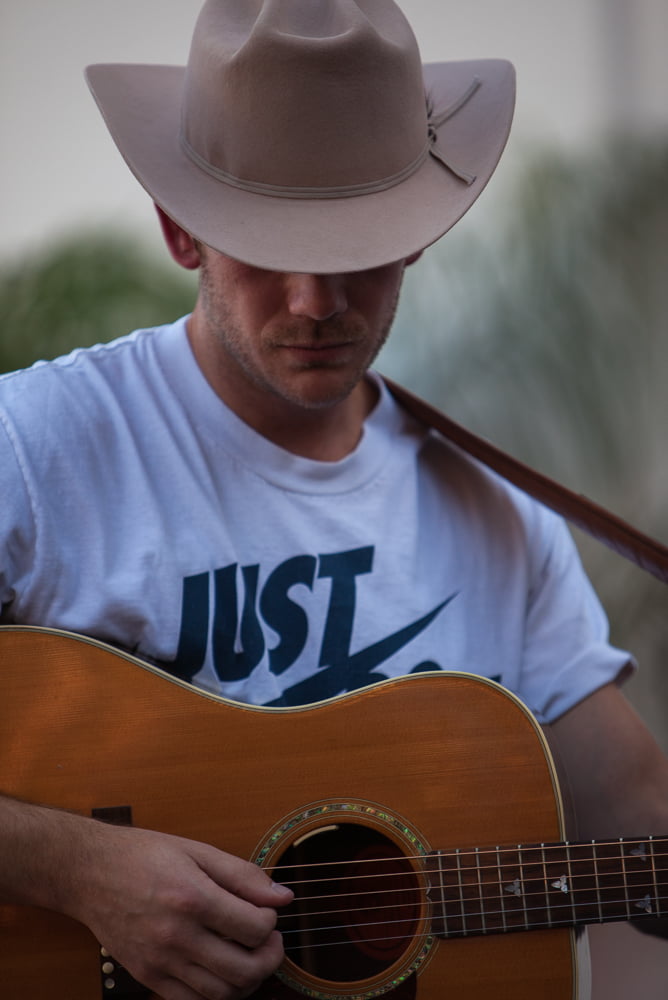
Inspired by Dylan, J.S. Ondara Spreads His Own ‘Tales of America’

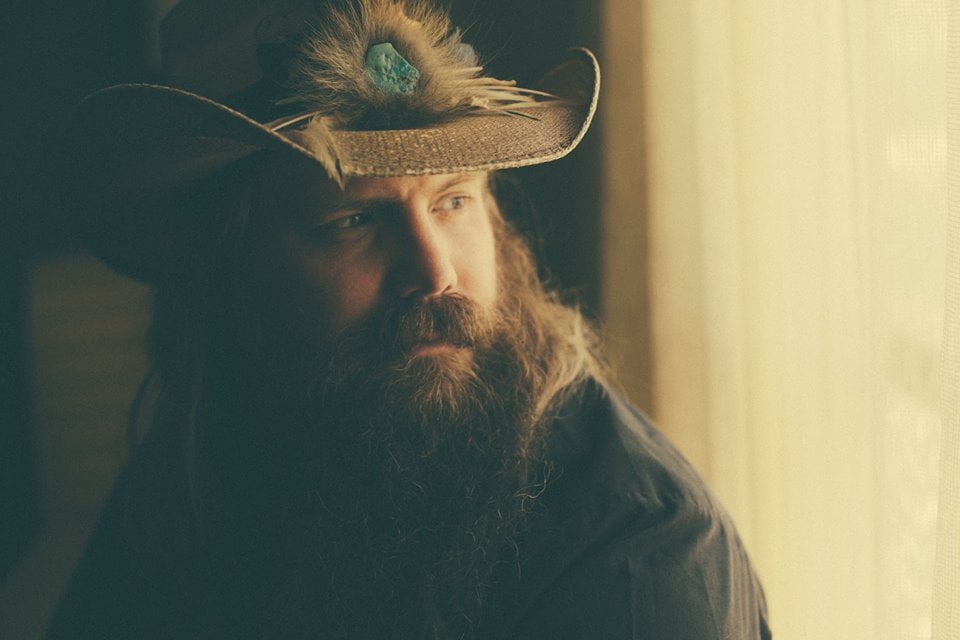
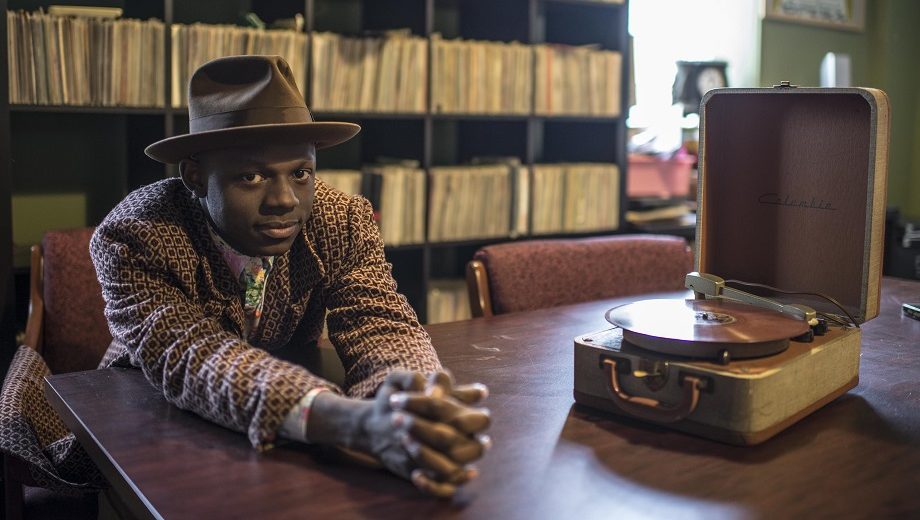
Six years ago just about now, J.S. Ondara landed in Minneapolis on a pilgrimage, lured by his love of Minnesota native son Bob Dylan’s music. He made his way north to Duluth, where Dylan was born, and Hibbing, where the singer-songwriter was raised. It was not quite what he expected.

“I thought I’d go to Hibbing and it would be a magnificent city with music coming from all over the place,” he says, now, laughing at his thoughts of the small town as the Emerald City. “There wasn’t much to find.”

We can forgive him his youthful fantasies. He’d never traveled like that before. He’d never seen snow before, let alone a Minnesota winter. He’d never really been away from home, and home was a long way from there — Nairobi, Kenya, where as a teen he’d fallen completely for the music of Dylan. But at just 20, he impetuously decided to trek to where his hero’s story began.

“It was all very romantic for me,” he says. “I just said, ‘Oh, I’m going to do this. It makes sense right now.’ It was all a very romantic choice, a thing I tend to do regularly in my life, make all these romantic decisions and not have any expectations out of it other than, ‘Let’s see how it goes.’”

That, uh, freewheelin’ spirit went pretty well for him. This month sees the release of his own debut album, Tales of America, on Verve Records. It’s a collection of moving, personal folk-influenced songs drawn from the journey he’s made and the observations along the way, produced by veteran Mike Viola (who as vice president of A&R at Verve signed him to his deal) and featuring appearances by such fellow Dylan acolytes as Andrew Bird, Dawes’ Taylor and Griffin Goldsmith and Milk Carton Kids’ Joey Ryan. The release comes on the heels of his first major tour, opening for no less than Lindsey Buckingham, and a subsequent European jaunt.

And while the Dylan influence is present, this is in no way an imitation or even homage, per se. With an almost jazzy looseness, often swaying around stand-up bass played by Los Angeles stalwart Sebastian Steinberg, there’s a closer resemblance to Van Morrison’s Astral Weeks. At the center is Ondara’s high, pure, finely controlled voice, an instrument unlike any of his heroes’, though you might hear some Jeff (and Tim) Buckley in it, at times piercing the heavens with an otherworldly falsetto, movingly unguarded on the haunting a cappella “Turkish Bandana.”

Hibbing wasn’t Oz, but he’s definitely not in Kenya anymore. And what swept him to this new life was, of all things, grunge and indie-rock.

“We really didn’t have much growing up,” he says. “Had food, a place to sleep and that’s about it. And a tiny little radio, about the size of my iPhone. That was all we had.”

Through that little radio came Nirvana, Radiohead, Death Cab for Cutie, transmissions from another world in a language the Swahili-speaking youth didn’t understand. It was magical.

“I was intrigued by the music and language, all these sounds,” he says. “I couldn’t make any sense of it. To me it was a spaceship to another universe.”

He tried imitating those sounds, though not knowing the language he sang gibberish — well, maybe not that far off with some of Kurt Cobain’s often hard-to-decipher mumbling. But it worked its way into him.

“I heard all these songs and developed a kinship for a long time, and used them to study English because I wanted to understand what Cobain was saying, or [Radiohead’s] Thom Yorke or [Death Cab’s] Ben Gibbard,” he says. “I was curious about the language and the spirit and that spurred me to learn English, and I built my vocabulary listening to these songs.”

Another song that caught his ear was “Knockin’ on Heaven’s Door” — the Guns ’N Roses version, which he assumed was an original by that band. It was only after losing a bet to a school mate about the song’s authorship that he discovered the music of Dylan himself. It was an epiphany.

“I wrote stories and poems, from a very young age,” he says. “I wrote about a puppy, about school, I wrote a lot about the sun for some reason. I was fascinated by the universe in general and wasn’t really receiving the answers I needed. So I would write poems and stories about it as a way to process it and learn about the world. But I never wrote songs. One reason I believe I was drawn to Dylan was listening to his records I thought, ‘These are poems with melodies! I could probably do this!’ I felt I saw a path for me. ‘Perhaps there is hope. I can take these stories and poems and put them in melodies and perhaps people could like them in a grand way. This is something people like? Great! Maybe I’m not lost in my path!’”

He soon set his sights on America, where he had a few relatives and friends scattered about, including an aunt in Minneapolis. But finding a way was rough.

“I started by applying to the University of Minnesota and looking for work opportunities in the state, but nothing bore any fruit,” he says. “As I ran into a wall and was running out of options, I was suddenly awoken, quite rudely, in the wee hours of the morning to be told that I had won a green card lottery and could move to the States. Turns out an aunt had applied for these green cards for a few of us and mine went through. I had no idea. The mischief of the universe!”

His family helped get the money together for the trip after he told them that he was going to become a doctor. That was a fib, he admits. Once settled in Minneapolis, he dove into music-making seriously.

“I picked up a guitar and learned a couple Dylan songs, a couple Neil Young songs, then would go back to those melodies and these poems I’d written, turn them into a melody, call it a song and then go out and try to play for people. That’s how it began for me.”

He hit up the open mic nights around town, started getting some small club bookings, “gradually, very gradually trying to get these songs in front of people.”

And with some money he’d saved from work via a temp agency, he made an acoustic EP that he put online. Soon a local public radio station put his songs in regular rotation. Word spread and contacts started to come in from the music business, both in Minneapolis and around the country.

Among those reaching out was Viola, a veteran musician (the band the Candy Butchers, as well as singer of the title song from the movie That Thing You Do) who had recently taken the job at Verve. The two hit it off right away.

“I had done meetings with others, but with Mike there was a connection,” he says. “I’d do meetings and mention favorite Dylan records and no one knew what I was talking about. Freewheelin’ remains my favorite. When I met with Mike I brought this up, the idea of trying to make a very stripped-down record like that. A few things happen, but not crazy, doesn’t take away from the stories. And I brought up Astral Weeks, which does the same thing. A few things on it that embellish the stories. Those two records. He went, ‘Oh yeah! Those are my favorite records, too!’ There was just chemistry I hadn’t had before.”

From there it was simple.

“It was the old troubadour style of making folk records,” he says. “You get into the studio — you wrote a bunch of songs and maybe get some people around you and play this, and that’s the record.”

The result is an album that portrays the wonder and delight — and also the struggles and heartbreaks — of his time in America, with a facility for language that escapes most native speakers. (An essay he wrote about his life, “The Starred and Striped Fairy of the West,” shows another facet of that.) The opening song, “American Dream,” is equal parts welcoming embrace and distancing suspicion, his poetic images boiling the national spirit to an intimately personal level, a dream world, as it were. That inner view is there throughout the album.

It all came naturally from his experiences.

“I wrote the words ‘I’m getting good at saying goodbye’ just a month after moving to America,” he says of the chorus of the somber “Saying Goodbye.” “They were just words at the time. I didn’t know what they meant. But after turning them into a song and singing them over and over, I can see that I was grappling with thoughts of the past and future. I could see that the totality of my past — being family, culture, upbringing, all of it — was stopping me from becoming not just who I wanted to be but who I’d be best at being, which is the true ‘self’ within.”

That said, he’s also found that echoes of his past can be heard in some of these songs, even if very faintly. He wasn’t a big fan of Kenyan music, traditional or modern while growing up, but it seems some of it crept in anyway. A few of the songs, notably the loping “Lebanon,” bear rhythms echoing those common in music of that region of Africa — the national benga or Nigerian highlife, Tanzanian taraab and Congolese soukous, all quite popular in Kenya. And there’s something ingrained in the vocals that even Ondara only heard after the fact.

“I was listening back to some of the songs and I can hear toward the end of some that I start to make some sounds influenced by my native language, which is not something I tried to do,” he says. “There is African influence there, but subconscious. The more I listen, the most I can track down those sounds.”

Dawes’ Taylor Goldsmith, The Over-Sharing Songwriter

Taylor Goldsmith is done trying to be cool.

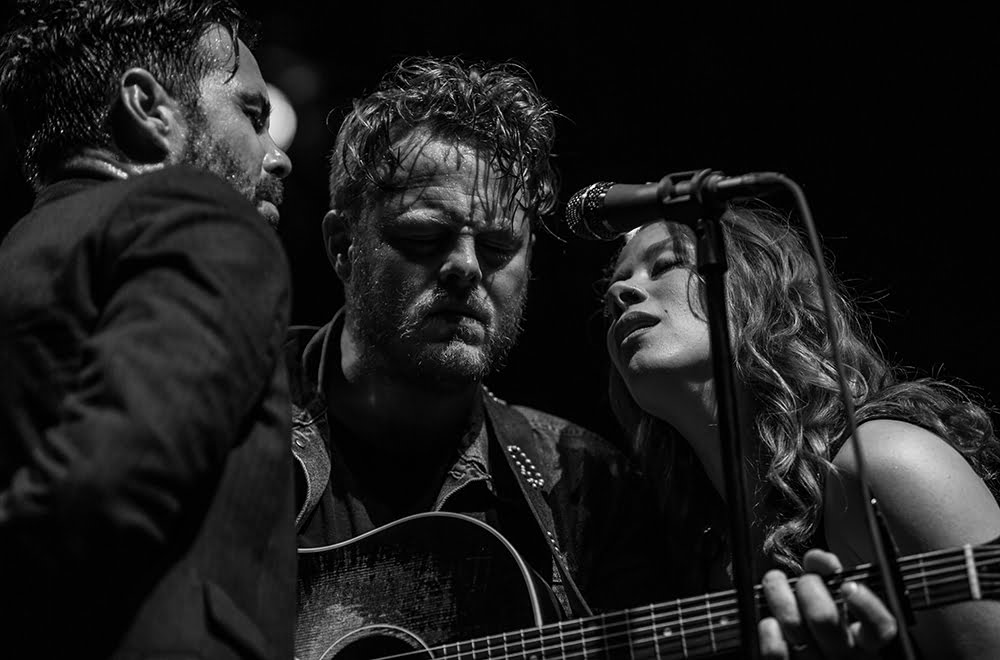
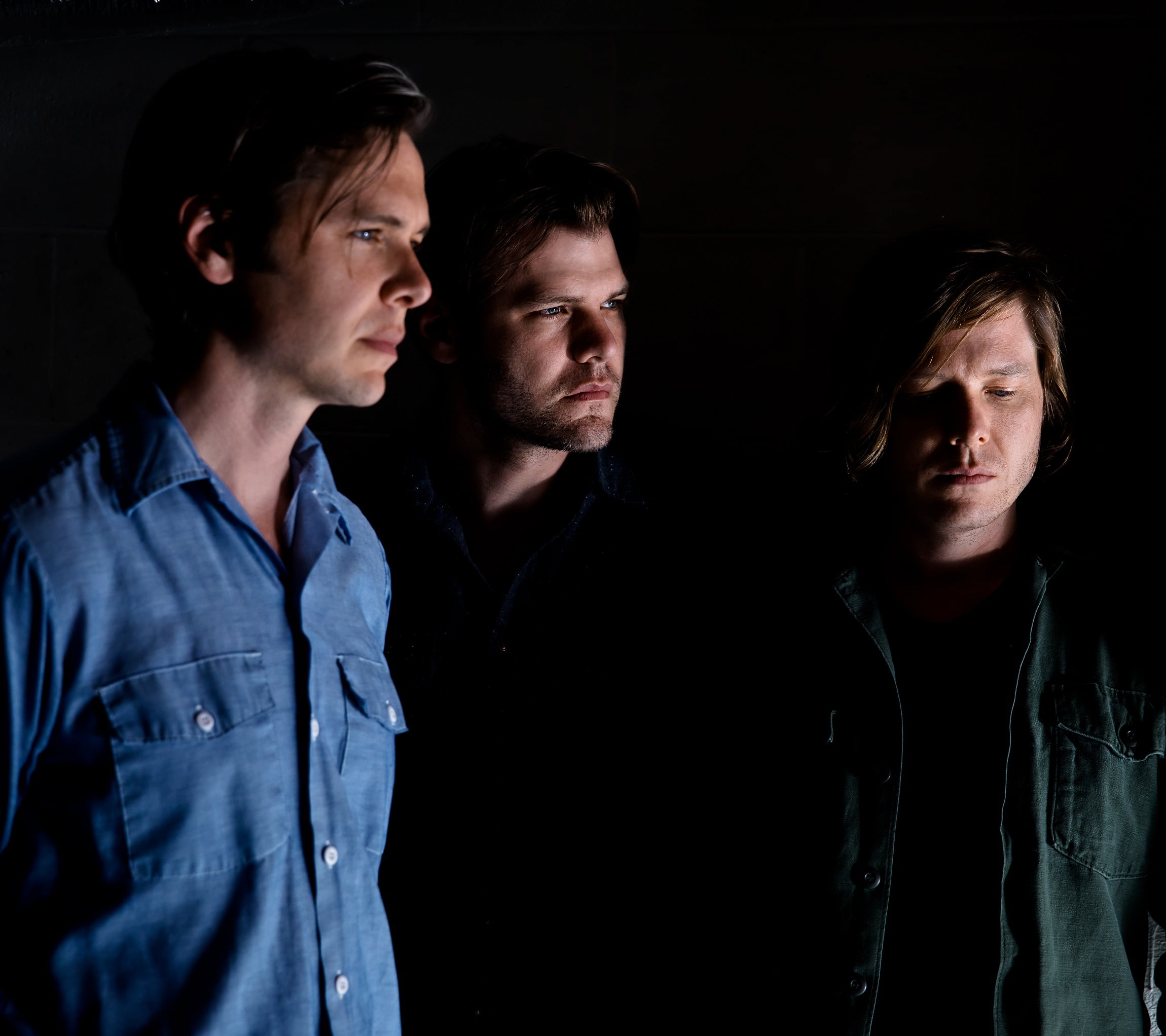
“I feel like there’s an aversion to sentimentality in 2018,” the Dawes frontman (pictured far right) says from his home in Los Angeles. “And I think for a long time I wanted to try to figure out a way to play by those rules. I would write the songs in a certain way; I would maybe even carry myself onstage in a certain way because I was aware of that fact. There was a coolness that had always been there I guess to varying degrees, but I feel like now more than ever it’s important that if you’re a guy in a band, you have to not mean what you say, not know what it means, you have to kind of keep your ballcap pulled down as far as it can go and just kind of recede into the shadows of coolness. And as time goes on and when I feel most myself, I find that just not who I am, and I’m never gonna be.”

That self-awareness is evident on Passwords, the band’s sixth record. It’s an outward-looking album, one that deals with modern themes ranging from the current political climate to social media’s effect on our lives, but it also sees Goldsmith stretching his wings as a songwriter by both pushing himself out of his comfort zone and leaning in to an emotionality that has always been a part of Dawes’ oeuvre.

Case in point: the lovely “Never Gonna Say Goodbye,” written for his fiancée, the actress Mandy Moore. That song poured out of him one night while he was on tour in Detroit. (“Songs typically don’t come out that fast for me,” he says. “They take a good month or two sometimes.”) It was meant as a private “I miss you,” and Goldsmith never intended for it to be heard by anyone besides Moore until she and his brother Griffin convinced him it belonged on the record.

“The main thing [I struggled with] really was the sort of lover’s language that’s really nobody’s business, like the way anyone speaks to the person they’re with when they’re going to bed at night or waking up in the morning or the way they look at each other,” Goldsmith says. “That is the most sacred, private world that I would never dream of wanting any access to. So for me, I was like, ‘Man, this is a very vulnerable moment for me, to say “I love you and I miss you.”‘ It was just a quick thing and I didn’t really want everyone to be eavesdropping, you know? But that ended up being what I liked about it. Because it was like, ‘Okay, what is art? What is music supposed to be other than sharing these personal attitudes that can resonate with someone else?'”

Producer Jonathan Wilson, who worked with the band on their first two records and reunited with them on Passwords, helped Goldsmith feel that he made the right choice about “Never Gonna Say Goodbye” when they got into the studio to record it.

“I was talking to Jonathan about it, and I was like ‘Is this song a little too…much?'” he explains. “I feel like we would all love it if Willie Nelson recorded it in 1973 maybe, but in 2018 is that acceptable now? And Jonathan was like, ‘That’s exactly why I like this song so much. That’s exactly why this should be on the record, because people don’t have the guts to go to this more vulnerable and intimate and earnest place.’ And so that’s something that I used to be scared of because I wanted to be this sort of obtuse artist that was impenetrable because that’s what I’ve always admired in songwriters, but the reality is I’m never gonna be that. The more I embrace what comes out naturally, the better it all feels.”

That approach helped him unlock the album’s themes; though Passwords is not a concept record, its songs share a commonality that make it feel cohesive and uniquely tethered to life in 2018. Goldsmith credits “Crack the Case,” a call for empathy in a time when our country is more divided than ever, with helping him find a direction for the rest of the album’s tracks.

“Oftentimes I find that the themes and ideas present themselves,” he says. “‘Most People’ and ‘Things Happen’ are pretty much about the same thing, and I think that’s pretty cool. I think that’s indicative of a certain attitude being consistent, or something that was really on my mind. Or when I listen to ‘Born to Run’ and ‘Thunder Road,’ one’s almost a continuation of the other, but it’s something that I love about those two songs and that time in Bruce Springsteen’s career, where ‘there’s a better world out there and get on my motorcycle and I’m gonna take you there.'”

He laughs. “In every Bruce Springsteen song, it becomes the identifying mark. It becomes the fingerprint. So with this album, after writing ‘Crack the Case’ and then all of a sudden writing ‘Living in the Future,’ in a way it’s like these songs are about the same thing. One of them comes from a much more paranoid place, but it’s still in the chorus like ‘we’re living in the future, so shine a little light.’ That line could be in ‘Crack the Case.’ So the way that certain songs would bleed into each other and kind of play different angles of the same conversation, that’s something I didn’t think about until it was all written.”

But his plea for entertaining other perspectives on “Crack the Case” isn’t just directed at others. As he gets older, he has challenged himself to get out of his own head and try writing more through the eyes of others, whether it’s the fear and resignation of “Stay Down” or the weariness of “Feed the Fire,” where he’s “working for attention I’ll eventually resent.” (“The song is in this mode of ‘I,’ it’s in first person, but it’s not representative of how I feel,” he says.)

“I think that as time goes on, like anything, anyone who does anything for a living, there become things where you feel like, ‘Cool, I did that and I don’t want to do it anymore because I know how to do it now. I wanna do something that I don’t know how to do,'” he explains. “And for a long time certain approaches to songwriting or to song structures became what I would go back to because that’s what I wanted to learn how to do, especially like ‘Coming Back to a Man’ or ‘That Western Skyline,’ songs that I’m very proud of but also songs that were sort of building blocks for me to take those concepts and then follow into the way I speak as an adult rather than a young guy looking to be a songwriter. There’s a lot of talk of like sunsets and mountains and rivers on our first few records.”
He laughs before continuing, “It is very songwriterly. And that’s because I was learning the language, and as time has gone on, I’ve been trying to figure out how to find the lyrical, find the song in something that otherwise wouldn’t seem like one, you know? When I wrote ‘From a Window Seat’ I was really excited, I was like, ‘This is a song about the weird, obscure metaphysical fear of flying, and it should be off-limits from a band like Dawes, but here it is.’ And I try to keep chasing that down, finding things that just seem like they’re not lyrical and they’re not up for discussing through song. But then more than that, the thing that’s important to me is trying to explore the difference—like when I listen to early music that I wrote, it’s a lot of just me, me, me.”

He adds, “And that’s still the case, and that’ll always be the case, but at the same time, I want to make sure I’m coming from a place where I can adopt attitudes that I don’t identify with….certain perspectives that are not my own, certain narratives that I’m not even a part of, that stuff I feel like is newer. That’s how my writing’s changed. I feel like it’s all as indicative to how I view the world as it ever has been, but trying to take it beyond ‘I love you and you love me, let’s not lose each other, blah blah blah.’

“Because that’s part of what it is to be in your early 20s, but now I look at these songwriters that have these long, rich careers, and a lot of it is because they know how to tackle concepts that are bigger than relationships, that are bigger than self-reflection. They might involve those qualities, but they reach for more ambitious concepts. And so that’s something that I try not to think about too much, but I know that when I sit down to write a song, if it’s going to motivate me to finish it, I want to feel like it’s terrain that I haven’t covered before.”

Even when he doesn’t necessarily agree with what he’s singing, there’s a certain sincerity at the heart of Goldsmith’s songs—perhaps stemming from his ability to place himself in someone else’s shoes sans judgment—that he’s learning to take pride in, no matter how unhip that makes him.

“There’s this coolness that exists right now, and when we come across people that stand up against it and just say how they feel and they don’t mind being emotionally available and earnest and clear and proud, it’s an inspiring attitude,” he says. “I mean, that can come from a person like Bruce Springsteen or it can come from a person like The Rock. His attitude and his sense of gratitude and the way he presents himself in this world, I think there’s something very deep and enlightened about it. He has transcended coolness, and that’s amazing because he’s not here to pretend like he’s some impenetrable artist. He’s not here to pretend like he doesn’t care. He definitely cares, and he’s definitely grateful, and he’s definitely proud, and if we all took a bit of a tip from that attitude towards life, I think it would actually edify us. It would motivate us.

“And so I think for me as a songwriter, after all this time of not knowing where I stood, like, ‘Well, how do I be the cool guy? How does David Bowie be David Bowie? How does Father John Misty be this kind of enigmatic Father John Misty?’ And the reality is that’s just who those people are. And I am the person talking to you right now; I’m the over-sharer. And me coming to terms with that has been kind of the best feeling I’ve had as a songwriter in a long time, like the more I embrace myself directly corresponds to how true I feel my music is. It should be a simple enough lesson to learn pretty early on, but it’s not. It’s really hard. There are few things harder than getting to know yourself and then committing to it. So if someone heard this new album and felt like ‘I’m more willing to be myself. I’m more willing to be open and earnest and share the way I feel,’ I dunno, it sounds cheesy saying it out loud, but I feel like if that were to be something that someone was left with, that would mean a lot.”


Photo credit: Magdalena Wosinska

MIXTAPE: Sons of Bill’s Songs by Other Brothers (and Sisters)

“What is it like to be in a band with your brothers?” is always the introductory question we’re asked in interviews. Sadly, I never really have any salacious stories of drama or rivalry. I just love, trust, and respect my brothers, and we share a deep history. There’s just no one I’d rather be in a band with. — James Wilson

The Louvin Brothers – “The Great Atomic Power”

The Louvin brothers made such terrifying and beautiful music. They are the first band that comes to mind when I think of the famous Tom Waits quote – “beautiful melodies telling me terrible things.” Their gospel music can seem so superficially brimstone Baptist but that’s all just a front for brothers who really knew the depths. You can hear it in their voices. Ira was a wild man – his wife shot him four times. Their gospel music still gives me chills and strangely seems to increase in depth and staying power with the passing decades.
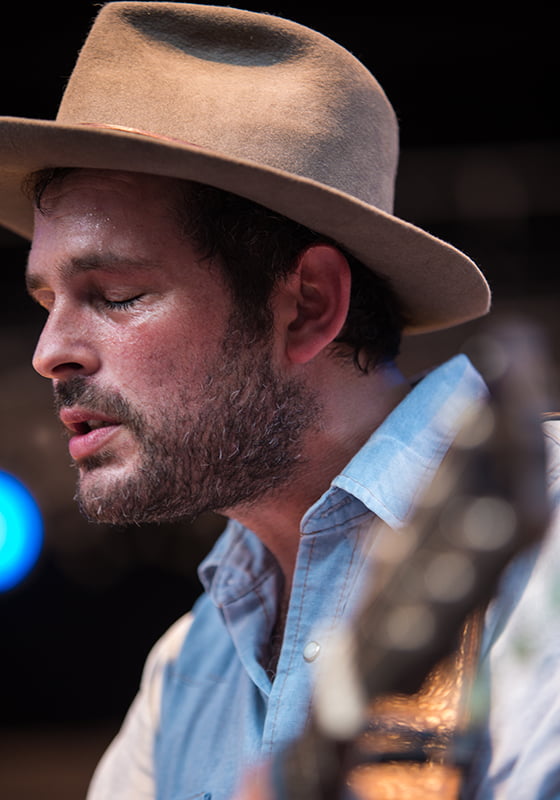
The Beach Boys – “Warmth of the Sun”

This is band that definitively kept us from laying claim to “The Wilson Brothers.” We grew up with their music from my mom’s record collection. I know the term genius is thrown about too often, but Brian Wilson deserves it. He did all of the writing, all of the elaborate vocal and instrumental arrangements, and yet completely abandoned the glory of performing live at the height of their careers. Such a pop music purist.
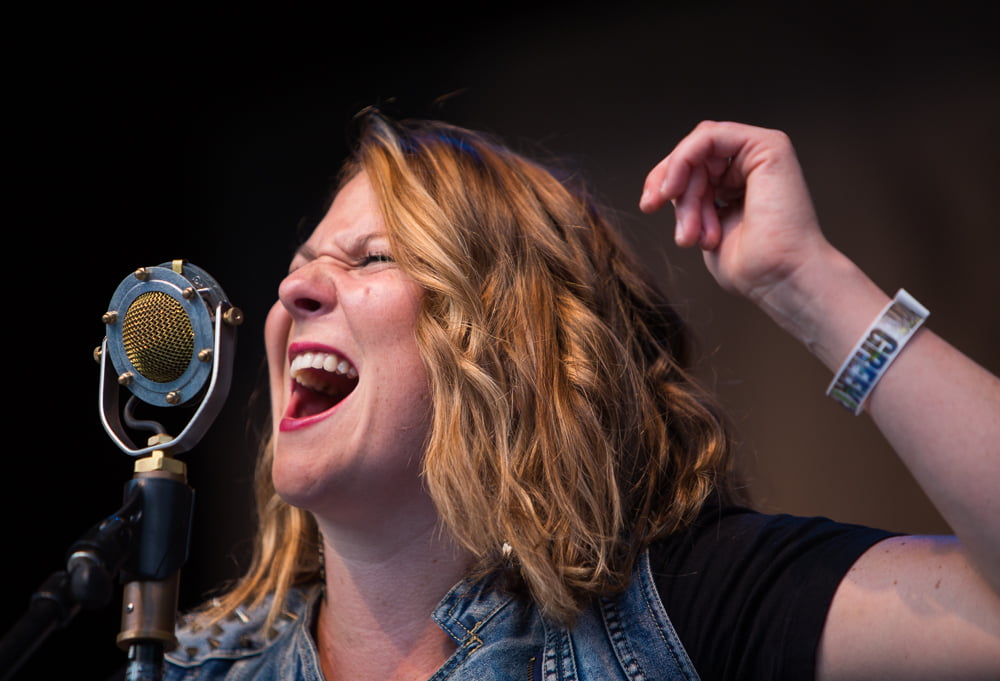
The Replacements – “Left of the Dial”
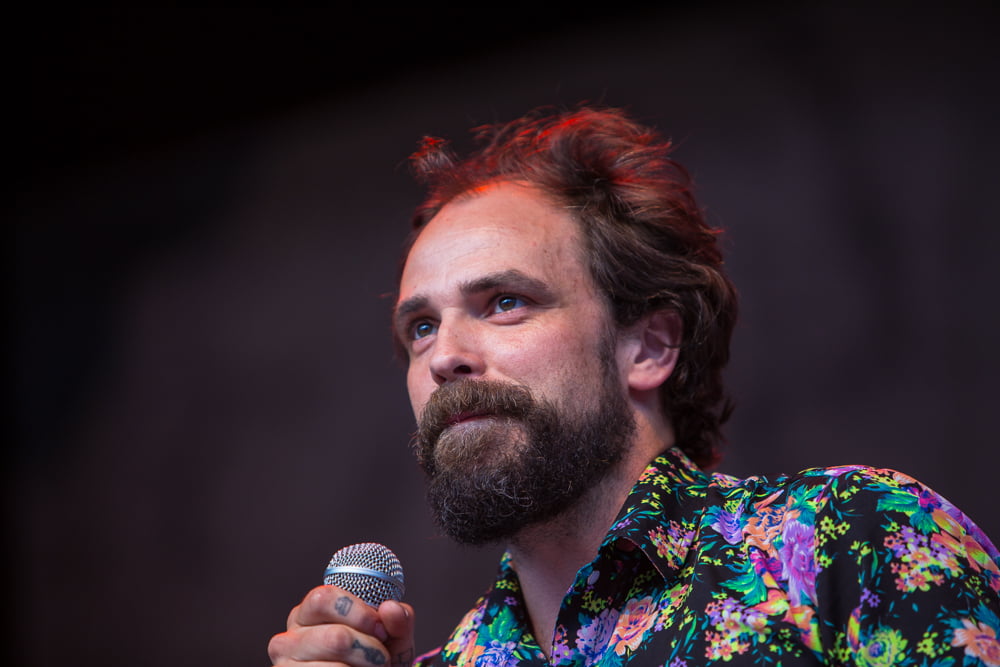
We don’t often think of the Replacements as a brother band, since Paul Westerberg is considered the main artistic force of the group, but I think that Bobby and Tommy Stinson are a big part of what made this band so legendarily great. They gave the band this shambolic-fearless-Midwestern-blue collar front which Paul wore like a mask, giving him the courage to be the face of the Replacements. It always seemed that the Replacements “thing” — the drinking, the self-defeating “fuck you” attitude — was all some sort of elaborate defense mechanism for a guy who was probably much too existentially sensitive to handle life without it. It’s this strange combination of ennui and bone-head rock and roll that made me fall in love with this band.

Lamb of God – “Walk With Me in Hell”

As Virginians we’ve got to give it up for Richmond’s Lamb of God. The Adler brothers manage to make virtuosic angry music that is completely free of pretension. We’re taking a band field trip to see them again this summer with Slayer on their farewell tour.

The Jesus and Mary Chain – “April Skies”

I just love this band. You could say they were the brothers that made me want to start a band but it’s more accurate to say they’re the band that made me want to have brothers.

The Stanley Brothers – “Are You Afraid to Die”

My dad loved the Stanley Brothers and we grew up with their songs long before I heard their recordings when bluegrass music came back into fashion in the early 2000s. Individually the Stanley Brothers voices are so raw and honest but when they sing together something altogether different happens—their voices take on this angelic purity. We learned how to sing harmony from a lot of these songs.

The National – “Fake Empire”

Matt Beringer is often the face and spokesman for this group, but I think it’s the two sets of brothers that make them one of my generation’s greatest rock bands, instead of a summer art project. The depth of compositions and chemistry between the brothers is so compelling. You’ve got to experience it live.

The Everly Brothers – “Bye Bye Love”

We grew up with the songs from the Everly Brothers and it’s still some of the best pop music ever recorded. I find myself listening to the Everly Brothers when I want to listen to the Louvin Brothers, but don’t want to hear so much about Satan. It’s a rare occurrence but it does happen.

AC/DC – “Thunderstruck”

Angus got most of the air time but Malcolm held it all together. Everything you could ever possibly want from two guitars.

Dawes – “That Western Skyline”

When you see this band live you can really detect a special chemistry between Taylor and Griffin Goldsmith. It’s such a cool thing to see a band whose primary trust and chemistry is between the drums and vocals. It anchors the song and creates such a cool space and freedom.

Radiohead – “The National Anthem”

Jonny and Colin greenwood are such masters of their respective instruments. So much of what breaks up bands with brothers is ego, but all of their parts feel so perfectly and completely egoless. They are both of one mind in simply serving the music.

Haim – “Falling”

This band gives me faith in modern pop music. It’s so important to be reminded in 2018 that pop music doesn’t have to be terrible.


Sons of Bill’s new album, Oh God Ma’am, will be released on June 29. Photo credit: Anna Webber

MIXTAPE: Newport Folk Festival’s History of Memories

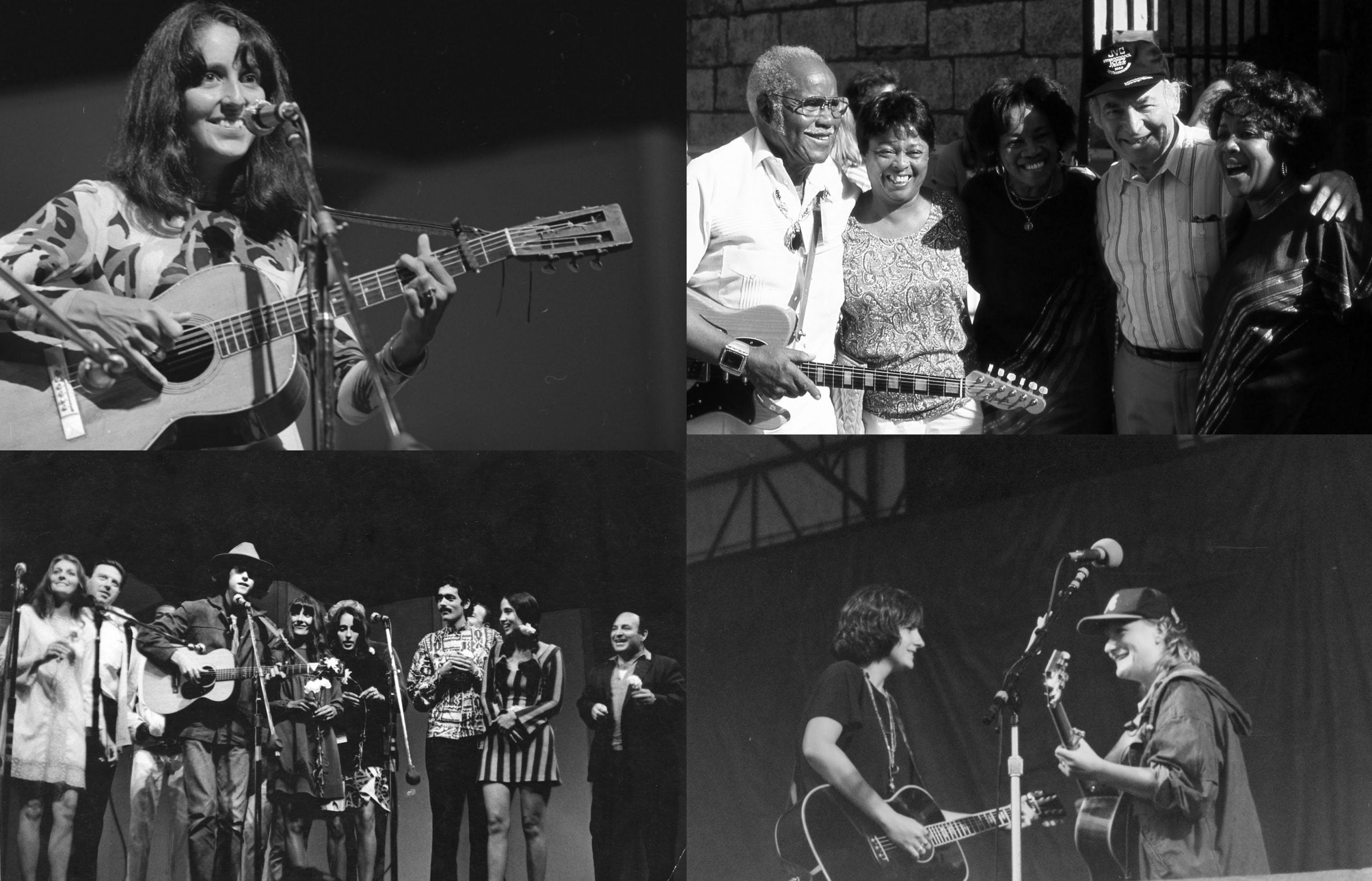
To celebrate the release of his book, I Got A Song: A History of the Newport Folk Festival, and this year’s upcoming event, Rick Massimo rifled through his memory (and notes) and put together a list of some of Newport’s most memorable mainstays from across its 58-year history. 

Pete Seeger — “Bells of Rhymney” (at the Newport Folk Festival, 1959) 

Because you can’t start with anyone else. Pete Seeger wasn’t always an official organizer of the Newport Folk Festival, but he was the guiding light, the conscience, from the beginning, and in many ways, even though he’s no longer with us, he still is. “America’s tuning fork” is what Studs Terkel called him in the introduction to this performance, and who’s gonna argue with that?

Bob Gibson with Joan Baez — “Virgin Mary Had One Son” 

Also from the first festival, this was Joan Baez’s major-venue debut. She was 18 years old and wasn’t on the bill, and she knocked the crowd unconscious. “I didn’t faint; I sang, and that was the beginning of a very long career,” she said years later. Gibson was later credited with discovering her — he scoffed and said that was like being credited with discovering the Grand Canyon.

The Freedom Singers; Theo Bikel; Pete Seeger; Joan Baez; Bob Dylan; Peter, Paul and Mary — “We Shall Overcome”

Coming at the height of the Civil Rights Movement, this was one of the defining moments of the early days of the Newport Folk Festival. “We felt we were speaking to the aspirations of our country to be a moral nation,” Peter Yarrow told me, remembering the moment. “And, for that reason, it was a very precious experience.”

Bob Dylan — “Like a Rolling Stone”

If someone only knows one thing about the Newport Folk Festival, it’s probably about Bob Dylan going electric for the first time there in 1965. Did some people boo? Did some people love it? Did Pete Seeger say he wanted to cut the PA cables with an ax? Did he deny saying that? The answer to all of these questions is “yes,” and the chapter I wrote about this night is structured like a narrator-less documentary: It didn’t take me long to realize that the thousands of refractions of this performance, through the thousands of eyes who saw it, was in fact the real story … much realer than any one interpretation.

Arlo Guthrie — “Alice’s Restaurant Massacree”

After Dylan’s electric performance, he was done with Newport. And as he moved into rock, the folk movement that sustained Newport’s early days deflated. The festival disbanded from 1970 to 1985. That’s not to say there wasn’t some great music made at the late-‘60s festivals, and Guthrie debuted his signature song at Newport. It went over so well, they brought him back to do it twice more that weekend, in front of steadily larger crowds.

Judy Collins — “Both Sides, Now”

Written by Joni Mitchell, who played at the last of the “original” Newport Folk Festivals in 1969 along with a passel of future legends including Van Morrison and James Taylor. Collins was a long-time Newport board member and one of the headliners when the festival was revived in 1985 as something of a statement by a generation of singers and songwriters who had seen the pop landscape pass them by but still had plenty left in the tank, in terms of both creativity and popularity.

Indigo Girls — “Closer to Fine”

They dominated the Newport Folk Festival in the 1990s, playing nine times in 10 years and packing Fort Adams each time. They loved Newport as much as the festival loved them: They once took a year off live playing with the exception of the festival, and Amy Ray told me that her favorite memories of Newport involve not playing but soaking up the music, the friendships, and the traditions.

The Avett Brothers — “Talk on Indolence”

The 2009 Newport Folk Festival ended with Jimmy Buffett — yeah, I know — and as the Parrotheads took over Fort Adams, other fans left in droves. The Avett Brothers were playing on the stage set up right by the exit, and gobs of people got introduced to their power, speed, and sense. I was recently asked which Newport performances were my most memorable, and I could only answer that what sticks out most is seeing an artist go from the smallest stage to the biggest over the course of a few years. That’s true of the Avetts, Old Crow Medicine Show (who looked about 12 the first time I saw them), and of course …

Low Anthem — “Ticket Taker”

This Rhode Island-based group’s first Newport experience wasn’t a show — it was rambling through Fort Adams bagging up the recyclables for Clean Water Action. But they gave out demos by the handful while they were doing it. The next year, they were on the smallest stage, and it wasn’t long before they were on the main stage, mystifying and captivating as ever. I still recall Ben Knox Miller and Jeff Prystowsky tossing a baseball around Fort Adams long after their first festival as performers was over. They clearly didn’t want it to end.

Deer Tick — “Christ Jesus”

Also from Rhode Island, Deer Tick and John McCauley may be a little louder than the typical image of a folk festival, but they’re Newport to the bone, including reviving the tradition of late-night shows at several nightclubs downtown after the festival is through for the day at the Fort. Informal and spontaneous collaborations are the rule at the nighttime shows, and a kind of community feeling reigns.

New Multitudes — “My Revolutionary Mind” 

Jim James is a new Newport mainstay, and few people have more respect for the traditions of the folk festival. “For me, [Newport] is the festival that you go to for two or three days, and you get lost in the world of it,” he told me. “… you’re playing looking at the water, looking at all the boats. It’s like everything’s drawn in pastels or something.”

Dawes — “When My Time Comes”

Dawes has opened for and backed Jackson Browne (including at Newport). Jackson Browne was part of the Laurel Canyon scene in the 1960s and 1970s. So was Joni Mitchell, who played at Newport in 1969, in the singer/songwriter wake of Bob Dylan, who played at Newport in 1965. See how this works?


Staples Singers photo by Ken Franckling. Other photos by Diana Davies, Ralph Rinzler Folklife Archives and Collections, Smithsonian Institution.

Jonny Fritz, ‘Are You Thirsty’

Somewhere along the way, when everyone in folk and country songwriting started to get just a little too serious, there was one unexpected casualty: detail. Just ask Taylor Goldsmith of Dawes: Mention a "chicken wing" in your song, as he did in "A Little Bit of Everything," and Reddit riots break out. Even though some of our greatest writers thrived — and still thrive — on very specific narrative imagery (well, hello, Bob Dylan and John Prine), it's far from an accepted thing — especially when it's used in any subversive or slightly satirical context. Any time we hear that sort of combination, we immediately classify it not as smart wordplay that captures the shadier side of human existence, but as comedy. Who knew that a chicken wing could be so divisive?

Such is the case, often, with Jonny Fritz, who happens to have featured Goldsmith and his brother Griffin on his Jim James-produced LP, Sweet Creep. Fritz has always been an extremely detailed writer, singing about trash cans, panty liners, and, now, alcoholics and seedy hotels; and sometimes that can make people a little uncomfortable. It's a lot easier to laugh than to actually appeal to the visceral nature of his work. "Are You Thirsty," the song that opens Sweet Creep, is deliciously specific: "Are you packing on the pounds now that you quit?" Fritz asks over a chugging countrypolitan doo-wop. It's about an alcoholic who left the bottle behind, and Fritz never buries his ideas in too many metaphors or grand, sweeping statements — he's simply turning life to lyric. And, really, life is almost always a combination of funny, imperfect, weird, and sad … a meaningful one, anyway. Same goes for music. Fritz knows this well, and delivers, whether or not your instinct is to laugh or cry.

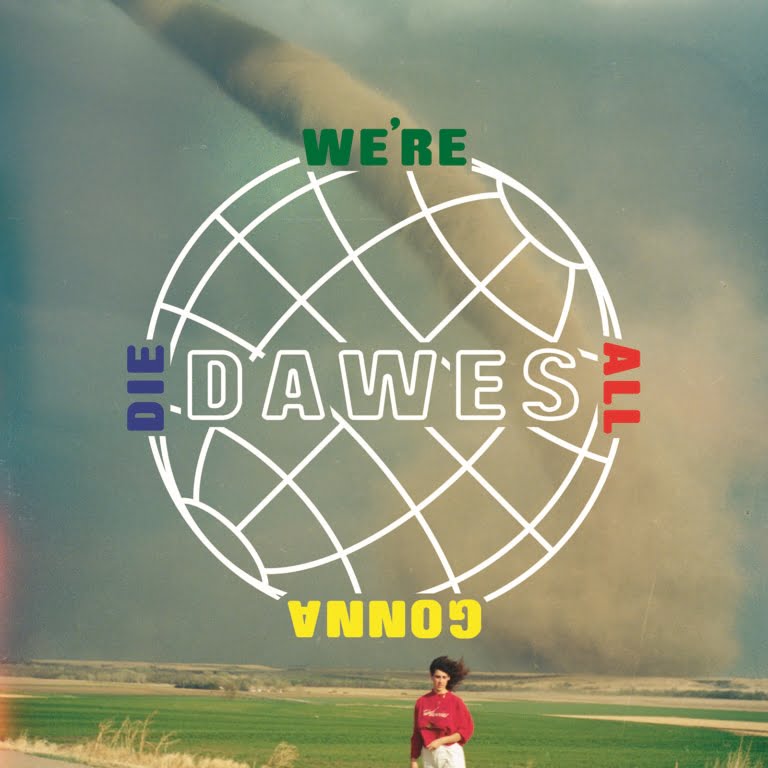
Dawes, ‘We’re All Gonna Die’


If you've always considered Dawes' folk-drenched rock to be easily identifiable, prepare for a double-take. The band's latest full-length, We're All Gonna Die, opens with a synthy sound and a singable, almost robotic chorus. But before die-hard fans decry the Dawes of the future, they'd be smart to listen on: As We're All Gonna Die soldiers through, the album contains the same understated contemplation in the lyrics and threads of country influence that drew fans in, but with the kinds of thoughtful advances that signify a continued growth.

The title track exemplifies the band's evolution. The song has a heavy, orchestral feel that's subtle enough to lay the framework for Taylor Goldsmith's sullen, laid-back vocals. It calls upon a concert-goer whose enthusiasm seems to outshine that of the singer: "I need to know your secret. I'm asking you for help. How do I fall in love with anything like you seem to do so well?" It's familiar territory for Goldsmith, who has always had a knack for delivering glossy-eyed nostalgia or relatable bummer jams in a format that still feels fit for the good time. "How can it be that bad, if we're all gonna die?"

At one point, Goldsmith wonders aloud whether he's "still the victim of [his] fears," but as the band takes strides on "We're All Gonna Die," the answer to that musing seems to be a resounding "no." By the time the final refrain floats away, the title phrase has successfully morphed from frantic paranoia to calming mantra — a metamorphosis that can only do the mind good.

Get Off Your Ass! It’s 2016!

From now until the end of time, we'll be asking you to Get Off Your Ass with monthly concert picks. We're taking a look at the top shows we want to see in L.A., Nashville, and New York.

Goodnight, Texas & Whiskey Shivers // January 5 // Bootleg Theater // Tickets

The pairing of Goodnight, Texas’s rich, dark molasses sound with the shinier plucking and crooning of Whiskey Shivers provides an incredibly interesting mix for a night out.

Josh Ritter & the Royal City Band // January 19 // The Fonda // Tickets

Ritter and the gang are full steam ahead promoting the new album, Sermon on the Rocks, that’s full of dance-worthy and sing-along pop/rock tunes.

The Wood Brothers // January 21 // El Rey Theater // Tickets

Paradise is indeed that, another paradise for fans of the feel-good harmonies and scratchy, full voices of the Wood Brothers.

Dawes // January 23 // The Theater at Ace Hotel // Tickets

Dawes is heading to L.A. for the last U.S. date of their tour and this homecoming is definitely going to be an awesome party, celebrating the quality romanticized roots that the group has defined for themselves.

The Devil Makes Three // January 29 // The Wiltern // Tickets

TDMT hones in on the old-time sound they’ve perfected, but with a heavy lean into smooth country twang on their latest release, I’m a Stranger Here.

New Year’s Day Extravaganza with Langhorne Slim and Friends // January 1 // City Winery // Tickets

There’s a fireball trail of sass and growling vocals wherever Mr. Slim and his friends go — making him the perfect performer to jumpstart your 2016.

Smooth Hound Smith // January 15 // Exit/In // Tickets

Equally capable of rocking guitar-picking lullabies as they are sliding blues songs, come join the band for the release of their anticipated sophomore album.

Chris Young, Ashley Monroe, and Michael Ray // January 15 // Opry at the Ryman // Tickets

Take in an evening at the historic Ryman featuring Grammy-nominated singer/songwriter Ashley Monroe and velvety country crooner Chris Young (and many more!).

Jordan Hull // January 17 // Bluebird Café // Tickets

Somewhat of a self-proclaimed music archaeologist with a vast interest in the country/folk poets of former generations, Hull’s indie tunes showcase a wise storytelling that sound well beyond his years.

Sonia Leigh with Daphne Willis // January 21 // 3rd and Lindsley // Tickets

The gritty and powerfully voiced country anthems of Sonia Leigh team up with the alt-pop quirkiness of Daphne Willis.

Mandolin Orange with Nora Jane Struthers & the Party Line // Rockwood Music Hall (Stage 2) // January 15 // Tickets

Folk-roots duo Mandolin Orange teams up with folk-country singer Struthers (think an electric Patty Griffin meets Dixie Chicks) for a cozy performance on the main stage of Rockwood.

St. Paul and the Broken Bones // Bowery Ballroom // January 16 // Tickets

Get up and get your soul on with electric and heartfelt vibes that transcend any audience with the pleasure of watching the magic of St. Paul and the Broken Bones.

Hootenanny (various artists) // Jalopy Theater // January 16 // Tickets

If you haven’t had the opportunity to take in a performance at the Jalopy, the Hootenanny is an excellent starting point providing an evening filled with community, lots of musical friends, and collaborations.

Bumper Jacksons // Rockwood Music Hall (Stage 3) // January 18 // Tickets

The Bumper Jacksons are your must-see for the month, if you’re craving a ragtime country group that has their priorities damn straight with songs about whiskey and their adoration for bacon.

BGS Class of 2015: Albums

From Jason Isbell debuting at the top of three Billboard charts to Chris Stapleton sweeping the CMA Awards to Alabama Shakes nabbing five Grammy nominations, this year has proven that roots music is alive and very, very well. But, because our coverage area is so dang wide and deep, we decided that making a ranked list wasn't fair to anyone. After all, Sam Lee is baking apples while Dawes is juicing oranges. So, here are 21 of our favorite graduates from the BGS Class of 2015: Albums. For a whole bunch of others, check out BGS Class of 2015: Songs.

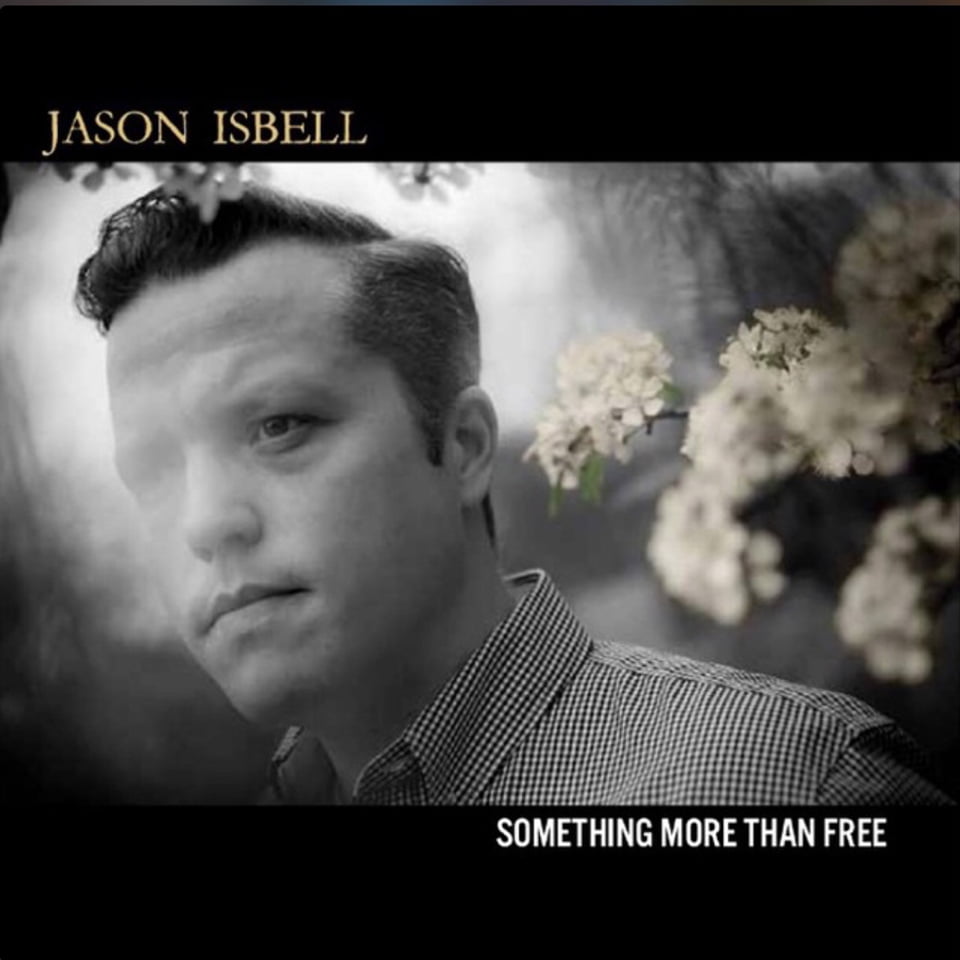
Valedictorian/Prom King/Class President: Jason Isbell, Something More Than Free

It's no wonder this album topped the rock, folk, and country charts when it dropped. Jason Isbell made another masterpiece of an album that absolutely defies the lines of genre and the limits of genius. Meandering through throwback country-rock and contemporary folk, Something More Than Free is a cornucopia of sonic goodness and solid songwriting. — Kelly McCartney

Best Avoidance of the Sophomore Slump: Alabama Shakes, Sound & Color

If you've only ever heard Boys & Girls, forget what you know — or think you know — about Alabama Shakes. Brittany Howard had a vision and, on Sound & Color, she let it rip, roar, rock, and roll. This album blasts soulful Southern rock into a whole new dimension. Indeed, the last third gets pretty trippy, but it's a ride worth taking. — KMc

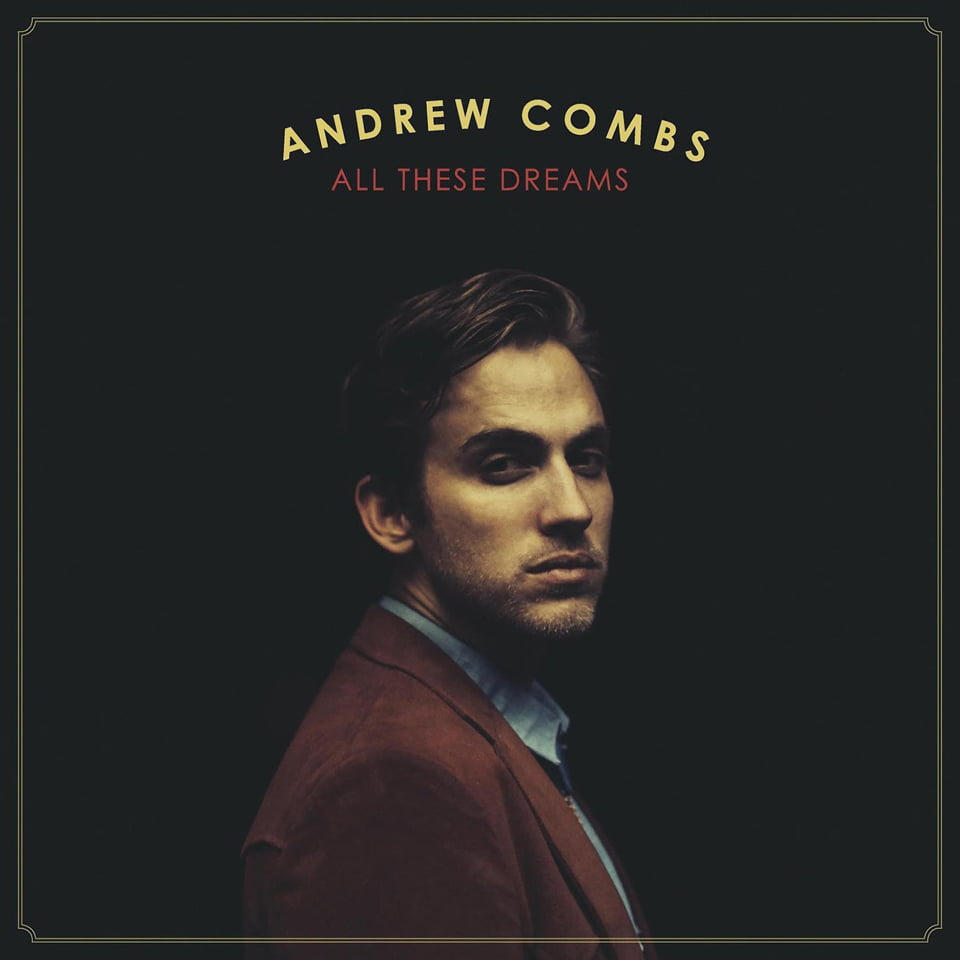
Best Ameripolitan Hat Tip to '70s FM Radio: Andrew Combs, All These Dreams

Andrew Combs has been in and around the Nashville music scene for years now, but it's with All These Dreams that he truly came into his own as an artist to be reckoned with. From the gentle melancholy of "Rainy Day Song" to the heartful vulnerability of "In the Name of You," Combs proves that all those years listening to Guy Clark and Mickey Newbury have paid off in spades. — Brittney McKenna

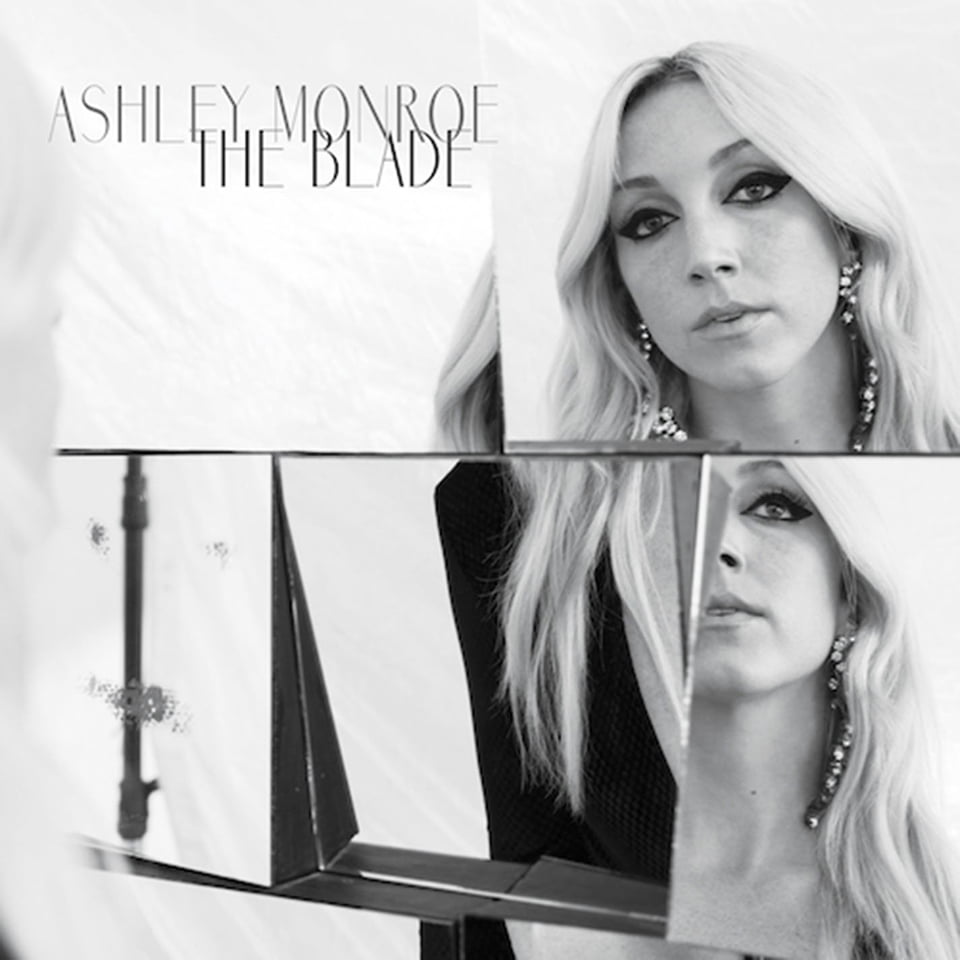
Most Likely to Give You Hope for Contemporary Country Music: Ashley Monroe, The Blade

Since she couldn't make a better record than 2013's Like a Rose, Ashley Monroe made a different record with The Blade — one that is equally exquisite. Much like Lee Ann Womack, Monroe turns heartache into an almost enviable position. This is what country music is supposed to sound like. — KMc

Most Likely to Make You Shoot Some Whiskey: Chris Stapleton, Traveller

Bearded, burly, and bounding with heart and soul, the rise of country music's "new savior" is no surprise when you speak of Chris Stapleton. The Kentucky-born, Nashville-based songwriter (and former bluegrasser) has been penning tunes for big stars for years. Now it's his time to shine. Traveller isn't your typical country album: Influenced by R&B and Southern rock, it'll throttle you with different shades and colors of the genre — in a good way. — Cameron Matthews

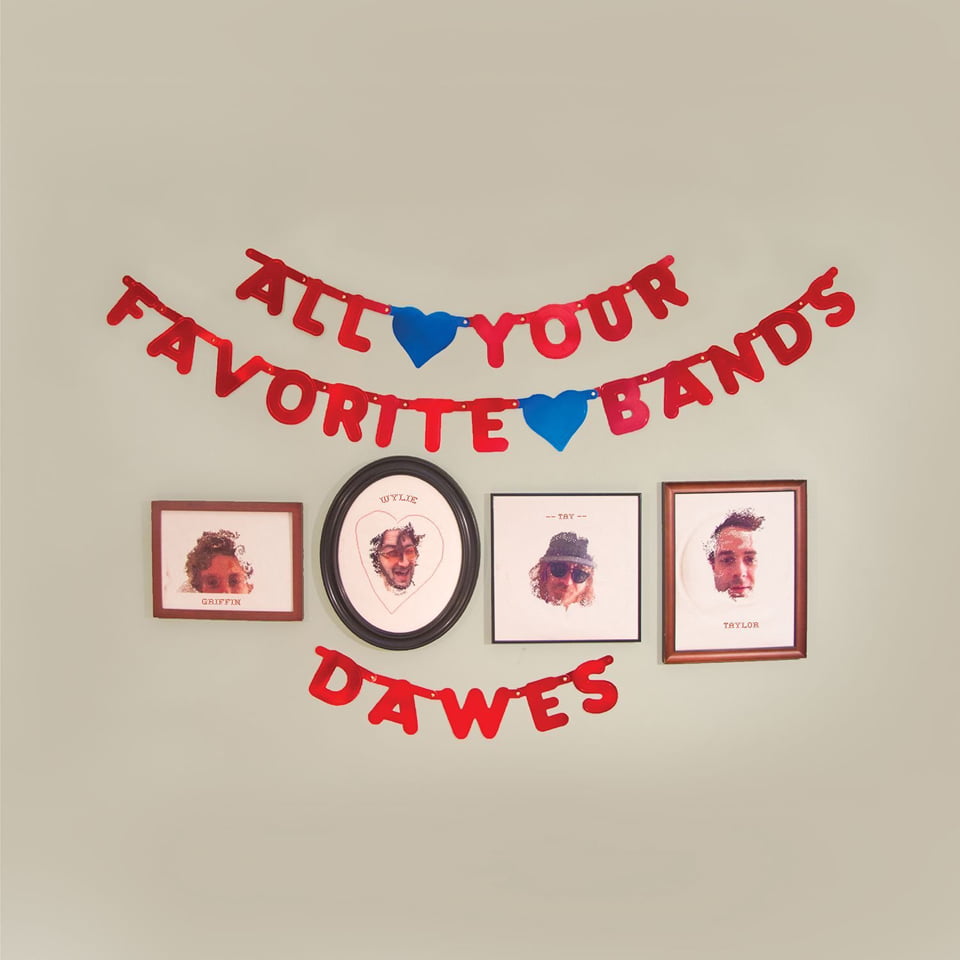
Most Likely to Be Played in Parked Cars: Dawes, All Your Favorite Bands

The title song says it all: "May all your favorite bands stay together." Please Dawes, never never never break up … if only so we can always have albums as wonderful as this. — Amy Reitnouer

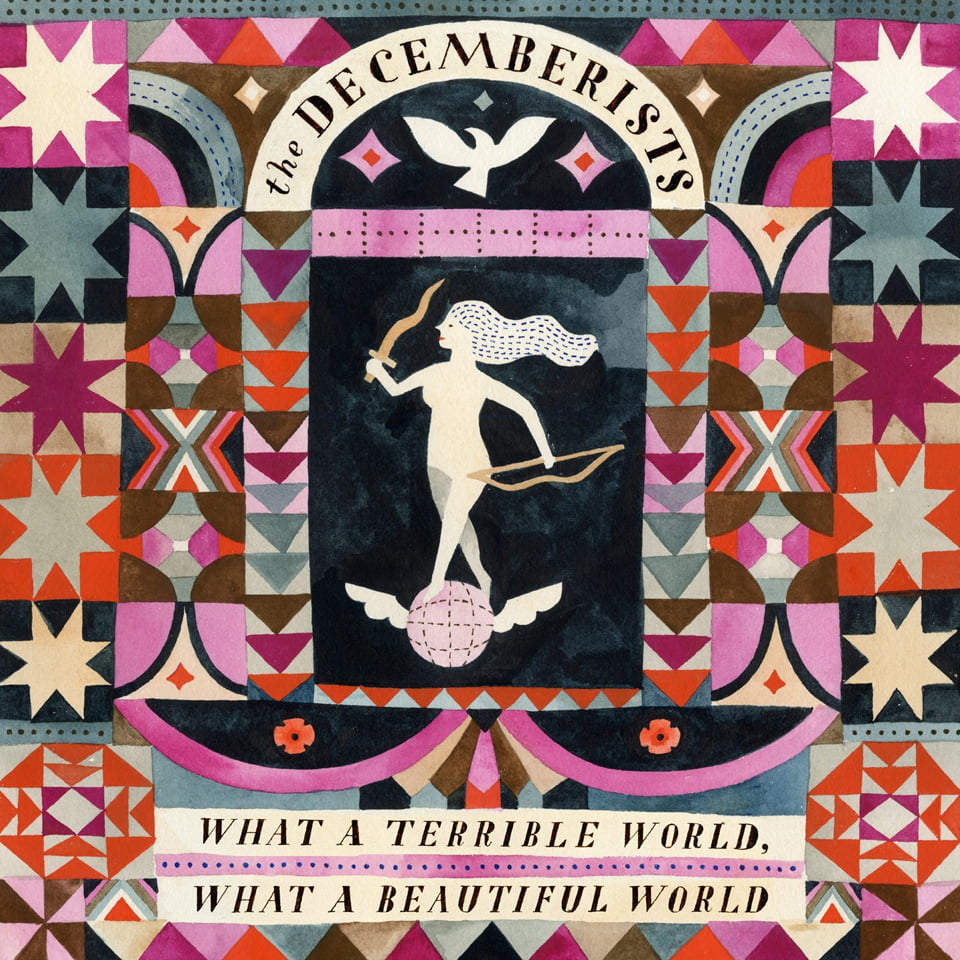
Most Likely to Make You Want to Be a Sea Captain: The Decemberists, What a Terrible World, What a Beautiful World

It would be easy to take the Decemberists' joy and jauntiness for granted, if not for the humility and humanity that they temper it with. As evidenced by the title, this one balances out those scales pretty gloriously and very gracefully. — KMc

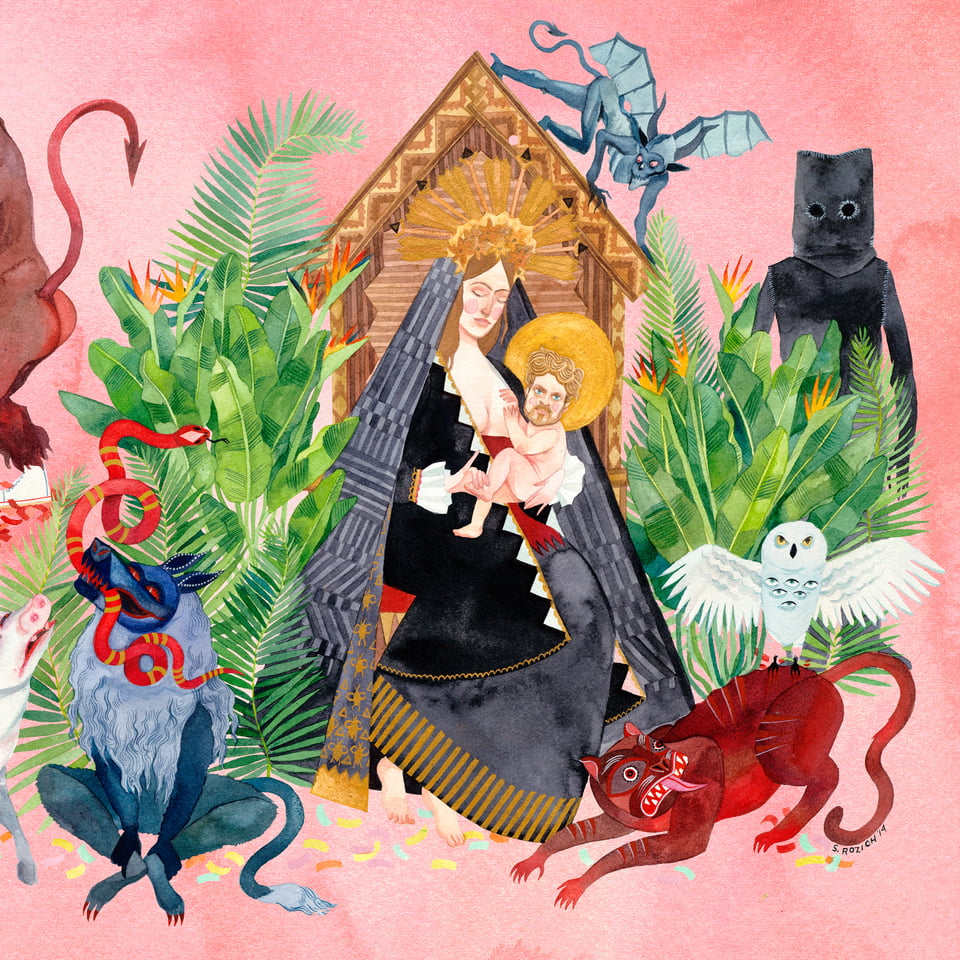
Most Likely to Make You Give Up the American Dream: Father John Misty, I Love You, Honeybear

Who knew that the twilight of the American Dream could be a time of celebration? Singer/songwriter Josh Tillman's sophomore release as the dirty reverend, Father John Misty, encapsulates all of our fears of earning less, dying younger, living harder, and feeling nothing. But Misty wants you to be in on the joke. He's not laughing at how you bought into it all. He's laughing with you, man. I Love You, Honeybear is a brilliant satire, an absurdist love story, and, above all, one of the most important albums of the decade. — CM

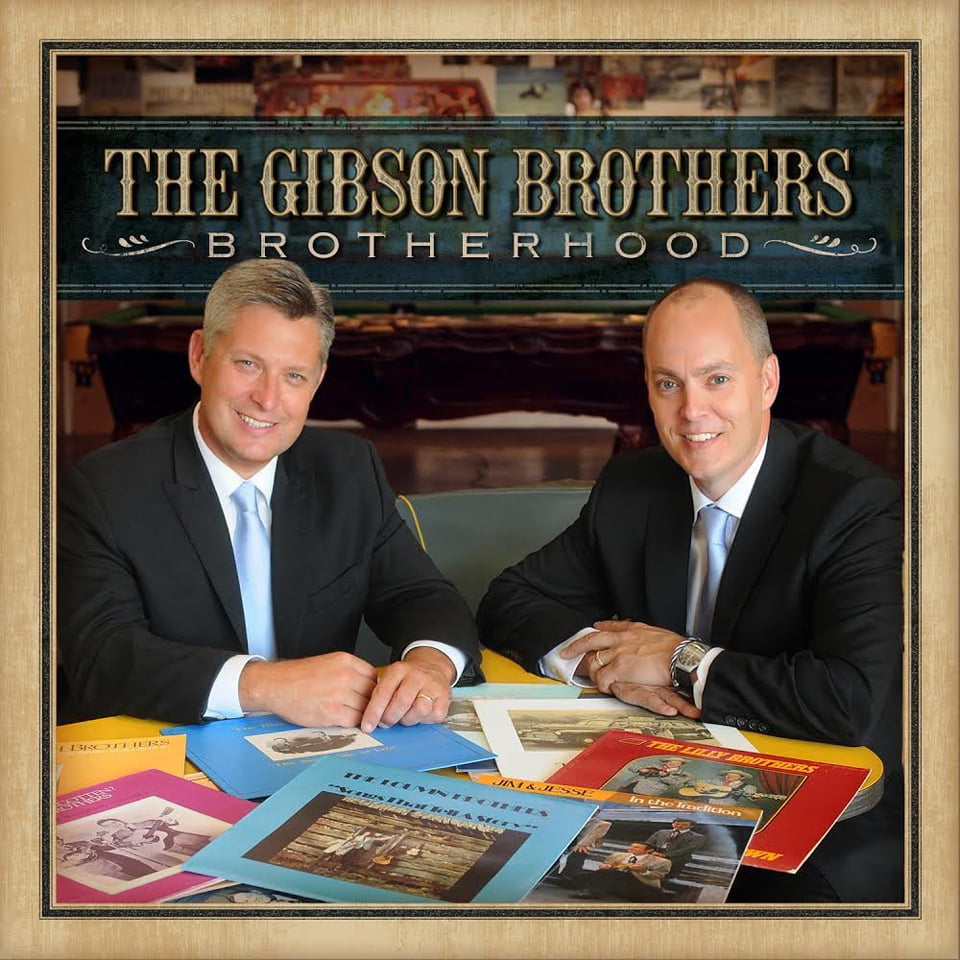
Most Likely to Get You into Bluegrass (Least Likey to Start a Blood Feud): The Gibson Brothers, Brotherhood

The hermanos Gibson are a powerhouse of emotion and vocal talent in the world of bluegrass and folk music. On Brotherhood, the pair cover myriad brother bands — like the Everlys and Louvins — with grace and crystalline vocal arrangements. Put this one on the ole speakers and, after you're finished sobbing, realize that you've been a bad brother and call up Missouri asking for forgiveness. — CM

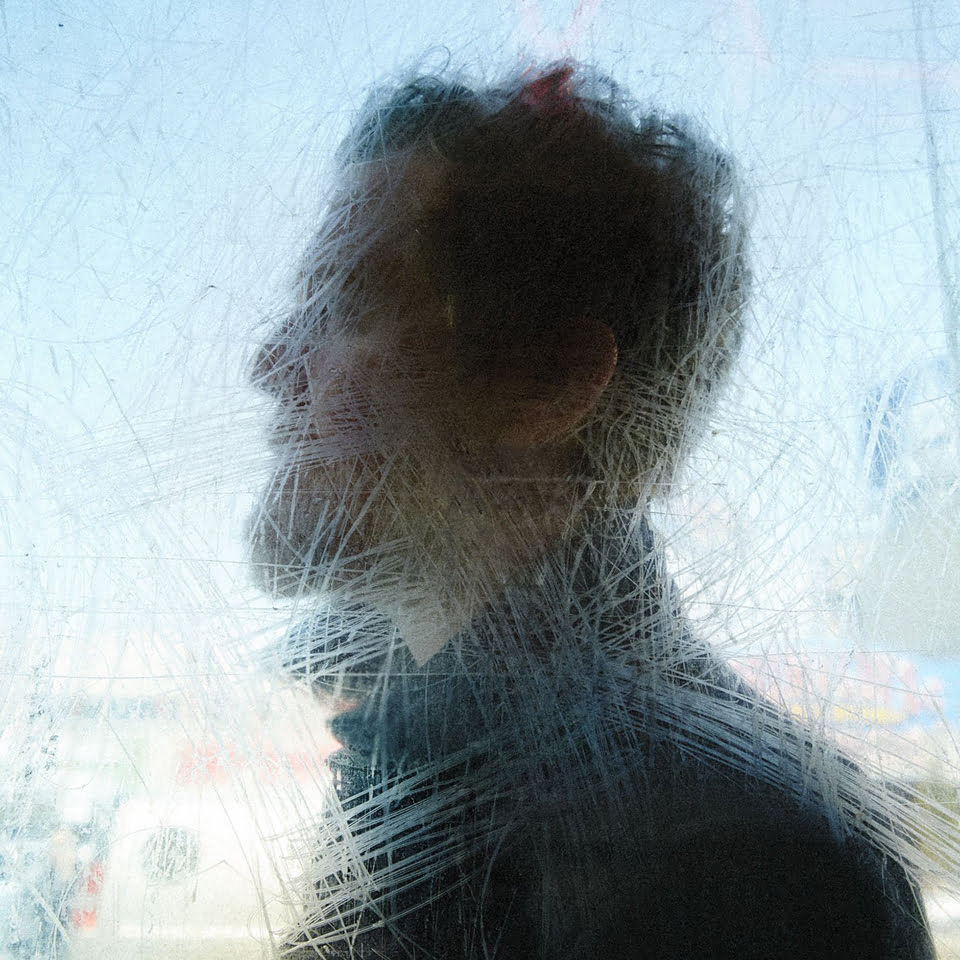
Best Soundtrack to a Love Affair: Glen Hansard, Didn't He Ramble

The man who gave us one of the most heart-wrenching love stories ever on film (He won an Oscar for Once.) is back with an equally emotional second solo record. The songs on Didn't He Ramble are all about asking for grace, forgiveness, and mercy, and by the end of the record it's the listener — like the jilted lover in one of his songs — who comes crawling back for more. — AR

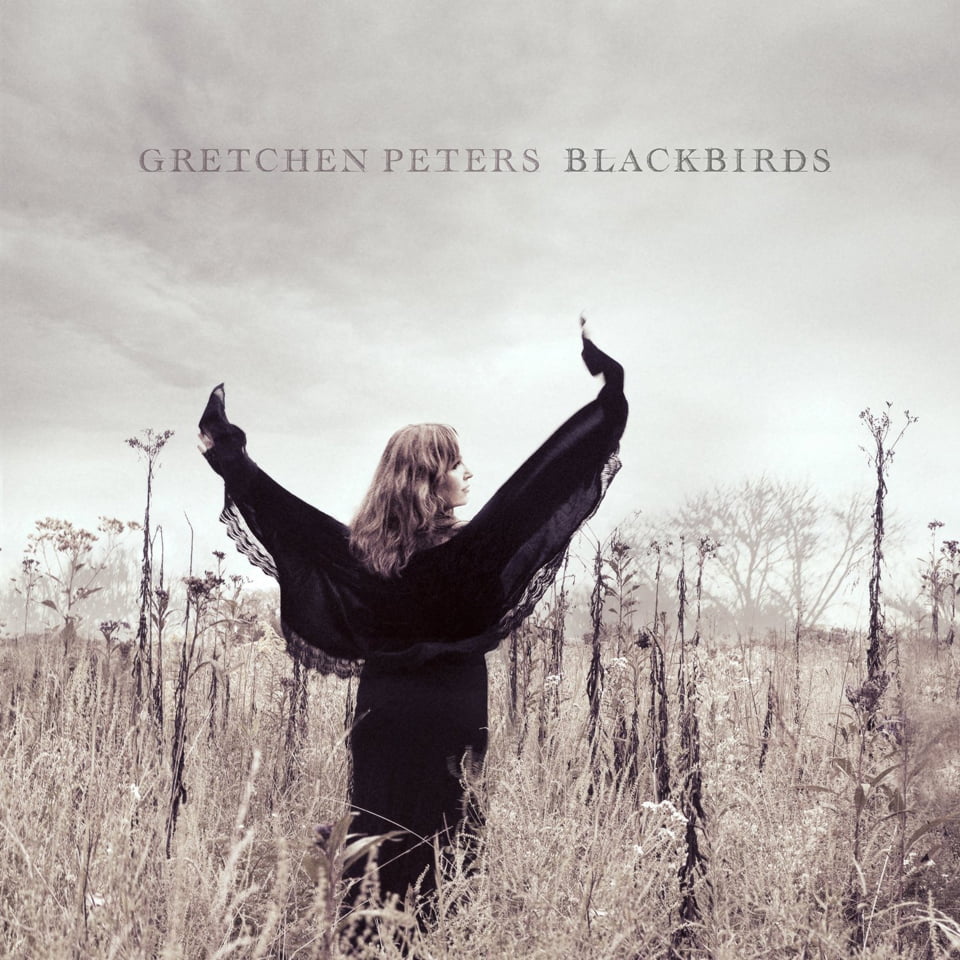
Most Likely to Help You Through Some Dark, Dark Times: Gretchen Peters, Blackbirds

On Blackbirds, Gretchen Peters stretches out her glorious wings and soars into some deep valleys. This album offers not so much a light at the end of the tunnel as a candle along the way. — KMc

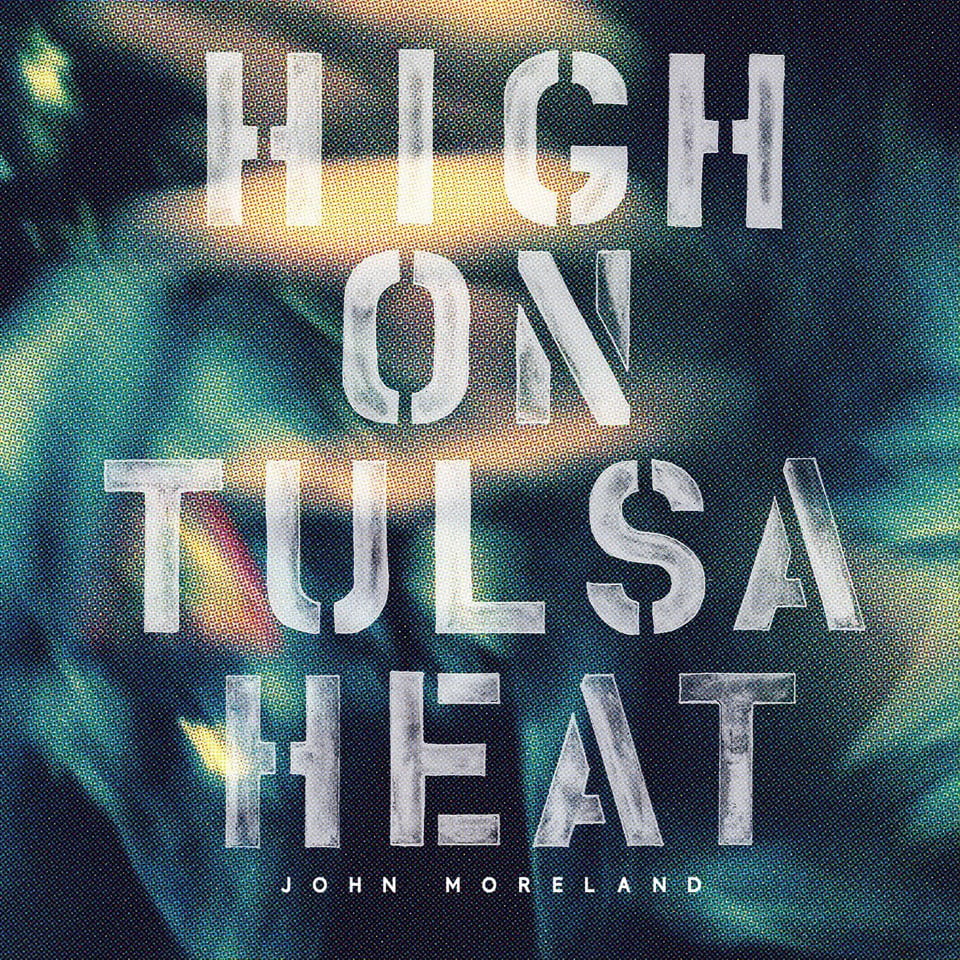
Most Likely to Make You Wish You Were a Better Songwriter: John Moreland, High on Tulsa Heat

With his sophomore album, In the Throes, John Moreland proved himself one of the best songwriters making music, and he somehow managed to out-do himself on this most recent collection — one that is a truly jaw-dropping listening experience from start to finish. — BMc

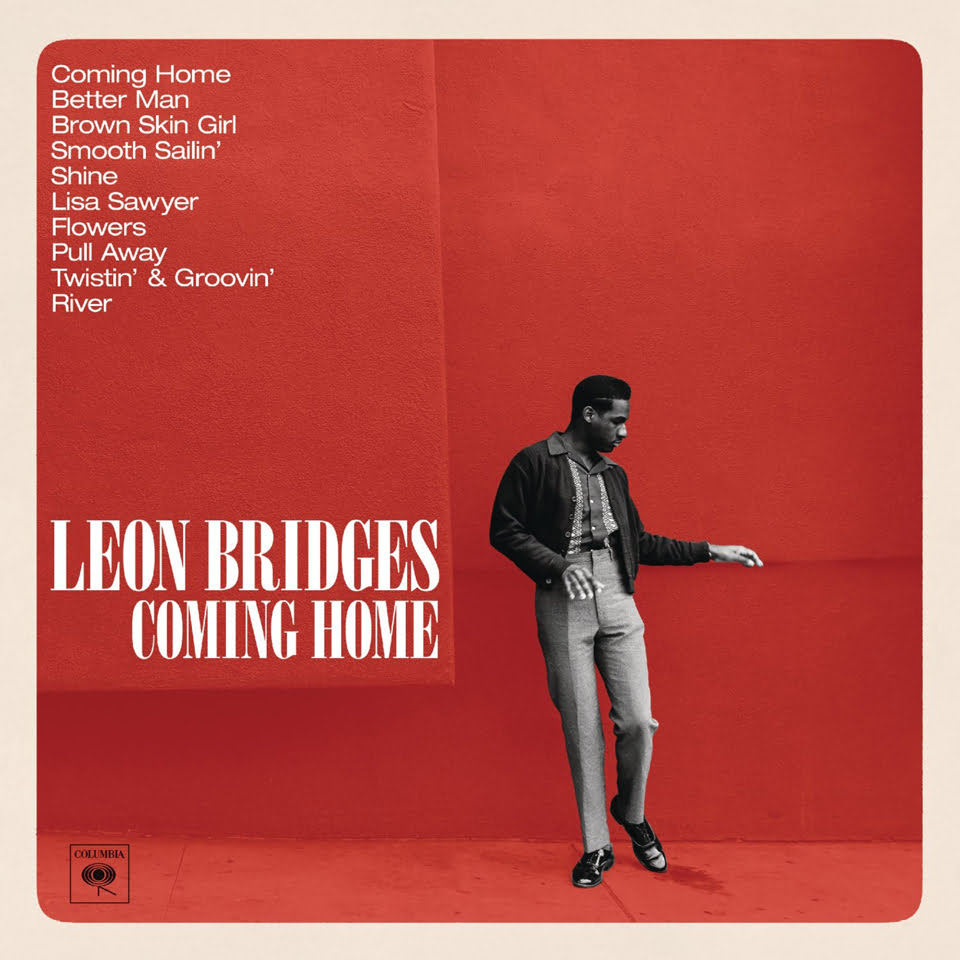
Most Likely to Bring About a Soul Revival: Leon Bridges, Coming Home

Soul music had a good year this year. Much of it, though, came in the blue-eyed form, from guys like Anderson East and Nathaniel Rateliff putting a modern spin on an old sound. What sets Leon Bridges and Coming Home apart is his attention to detail, as evidenced by the album's art. He's not remaking the music in his own image; he's doing exactly the opposite. And it flat out suits him. — KMc

Best Aural Equivalent of Red Wine: The Milk Carton Kids, Monterey

The Milk Carton Kids have long been known for their intricate guitar arrangements and gentle harmonies, becoming outliers in a genre that often favors banjos and bombast. On Monterey, they double-down on what sets them apart, crafting a gorgeous, cinematic album that proves sometimes it's the quiet guys who have the most to say. — BMc

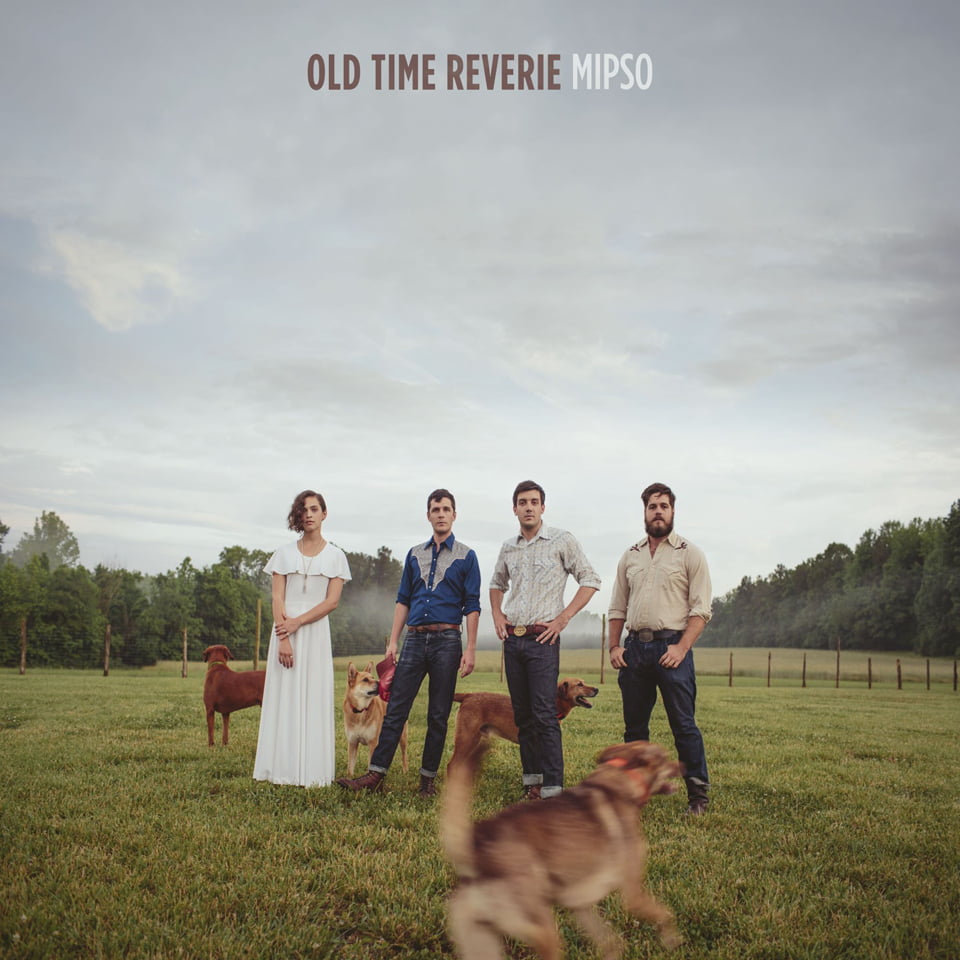
Best New Kids on the Block: Mipso, Old Time Reverie

The guys and gal of this North Carolina quartet are an exciting distillation of modern bluegrass. They dress in the fashions of today, sing about issues new and old, and incorporate the athletic musicianship necessary to be a top-notch string band. Mipso's sophomore release can best be described as deliberate and care-filled. Each song is executed with a steady hand, beginning with the palindromic "Marianne." But it's the addition of Libby Rodenbough on fiddle that makes Old Time Reverie required listening. Prepare yourself a tall bourbon and enjoy this one on your city balcony. — CM

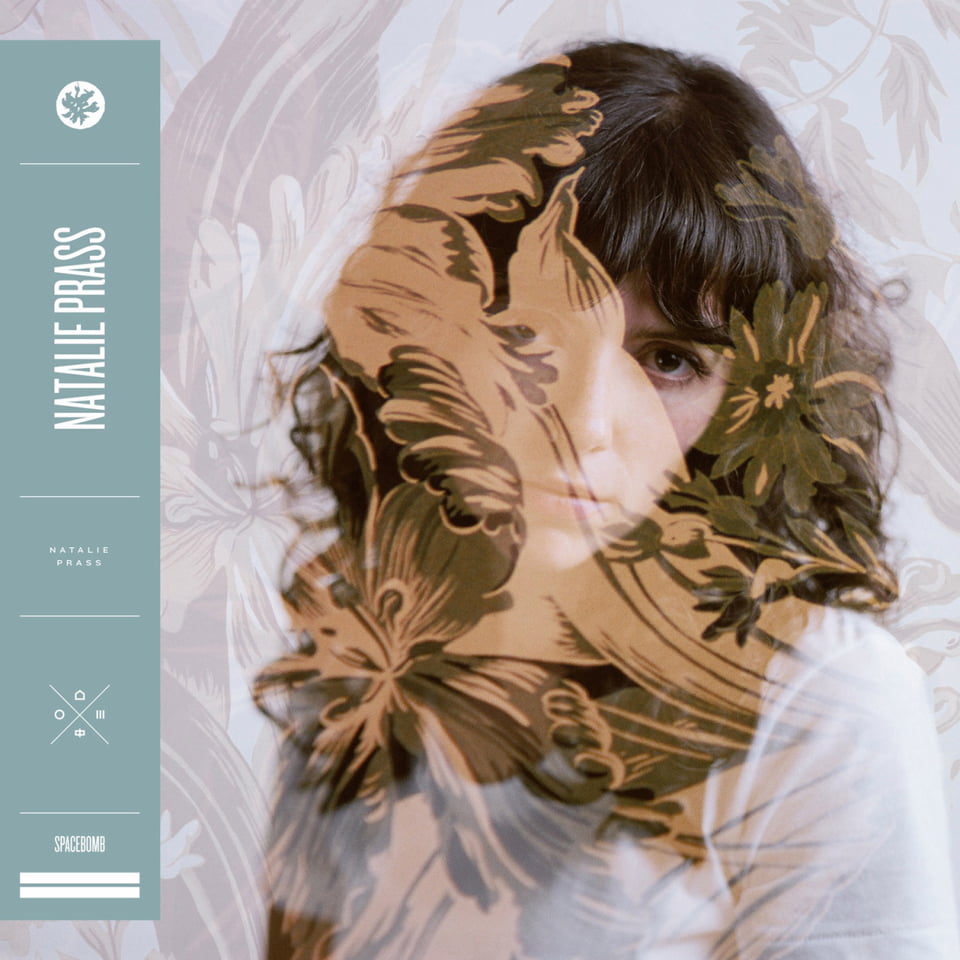
Most Likely to Make You Cry and/or Burn a Box of Photos of Your Ex: Natalie Prass, Natalie Prass

Break-ups suck and if, like Natalie Prass, you need to turn love lost into found art, you might as well do it with a kick-ass horn section. Lyrics like "our love is a long goodbye" may have you in tears, but the '70s-inspired brass will have you dancing on your way to grab those Kleenex. — BMc

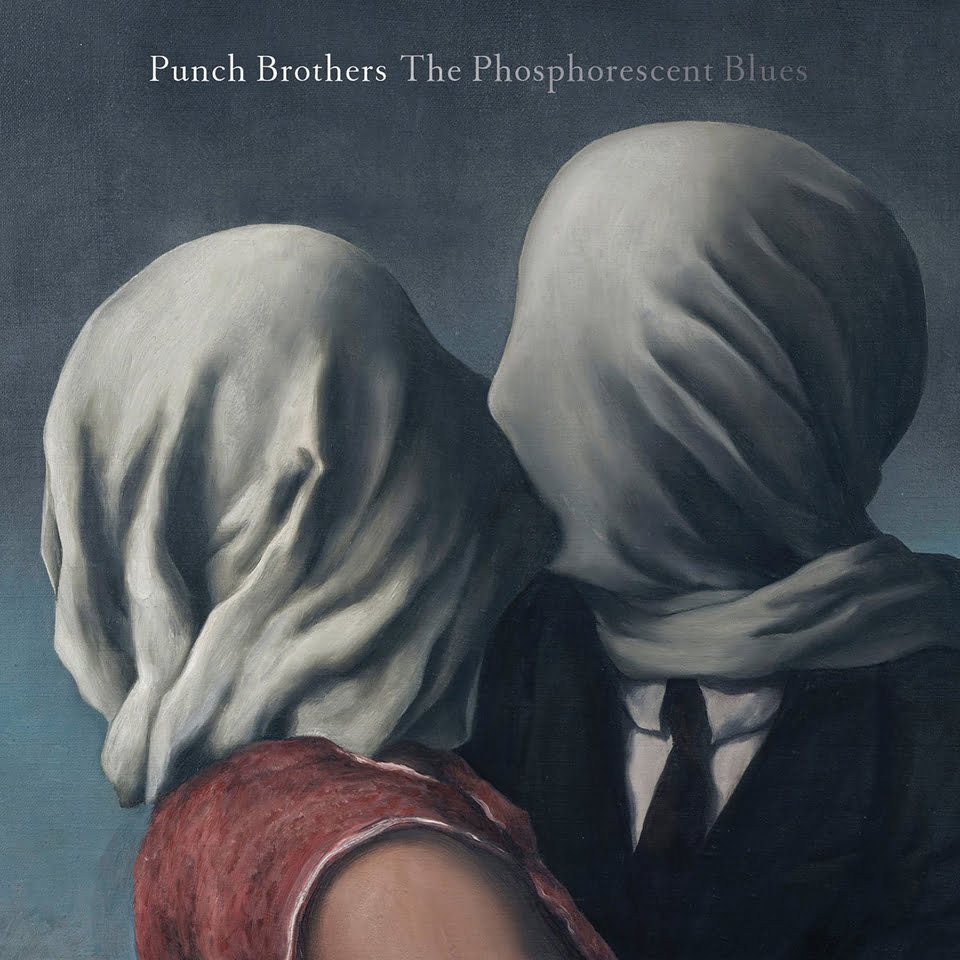
Best Dystopian Opera by a String Band: Punch Brothers, The Phosphorescent Blues

Punch Brothers' latest album is the band's most mature offering to date — it's also their most difficult to handle. Lyrically, The Phosphorescent Blues is heavy, even burdensome, but it saves itself from being a droll appraisal of modernity through boundary-pushing string music. Fiddle player Gabe Witcher introduced drums into the Brothers' world, while the rest of the band acheives a synergy they have not seen before. If we're talking simply, it's like Yes made a strings album with the lyrics of Louis Carroll. — CM

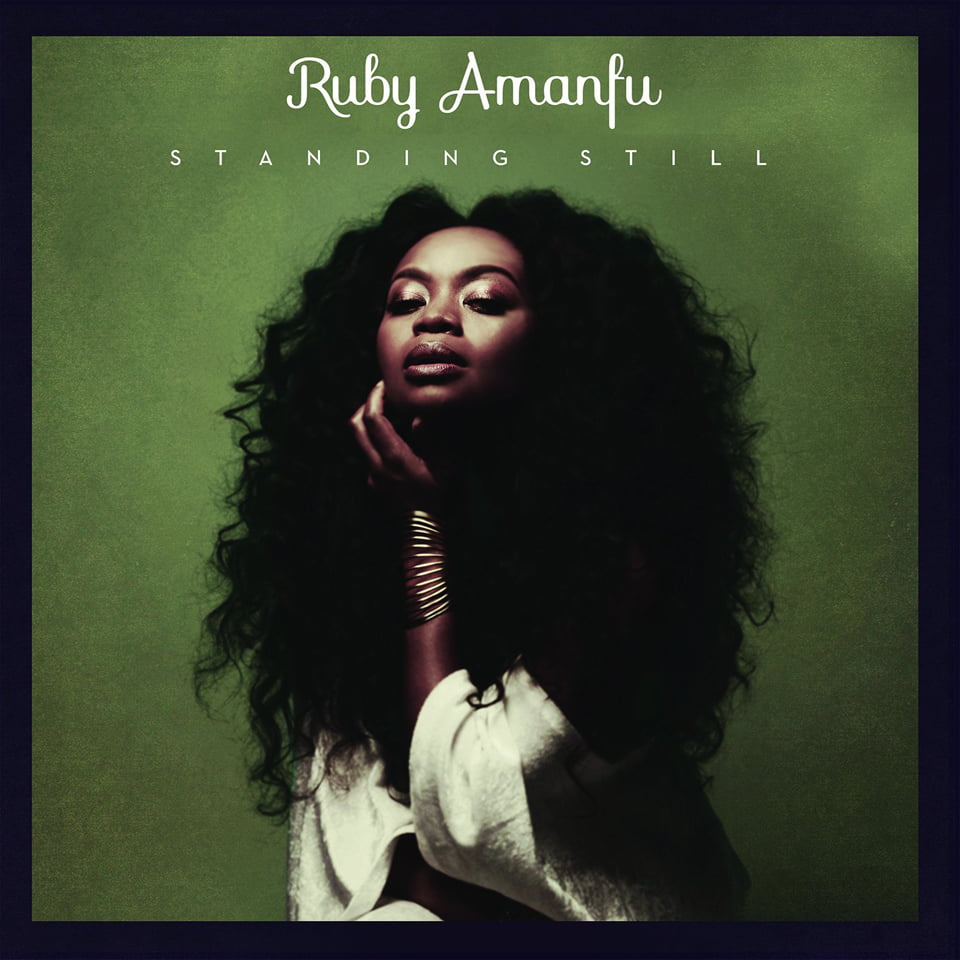
Most Likely to Make You Love a Kanye West Song: Ruby Amanfu, Standing Still

Not every singer knows how to make a song their own. Ruby Amanfu does and, with Standing Still, she offers a master class in the art of interpretation. Here, she takes tunes by Bob Dylan, Jimmie Dale Gilmore, and, yes, Kanye West and turns them on their ears. The results are stunning to behold. — KMc

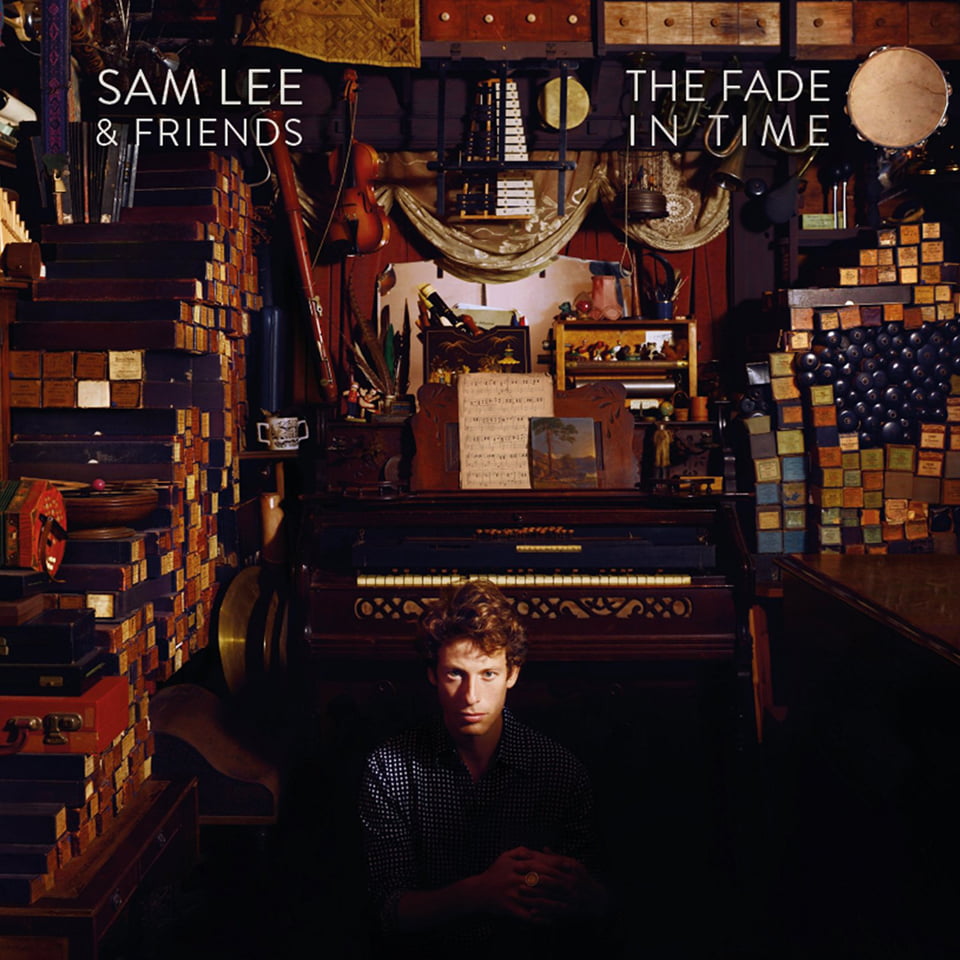
Best Gypsy Revival Not Starring Patti Lupone: Sam Lee & Friends, The Fade in Time

Every artist in the "heritage" movement could learn a thing or two from UK artist and song collector Sam Lee. The Fade in Time is a mystical mix of traditional folk songs and gypsy tunes — often incorporating the original recordings that Lee himself has captured — with innovative, modern, and at times tribal sounds. Highly recommend turning this up during late-night trips driving through the desert (as we did en route to Telluride Bluegrass this June). Pure magic. — AR

Most Likely to Make You Re-Think the Blues: Son Little, Son Little

Blues is one of those genres that people love to debate: Is it still alive? And, if so, is it well? Son Little is here to tell you that, yes, the blues is indeed alive and, in capable hands like his, it will be well for many years to come. — BMc

Best Multi-Generational Supergroup: Watkins Family Hour, Watkins Family Hour

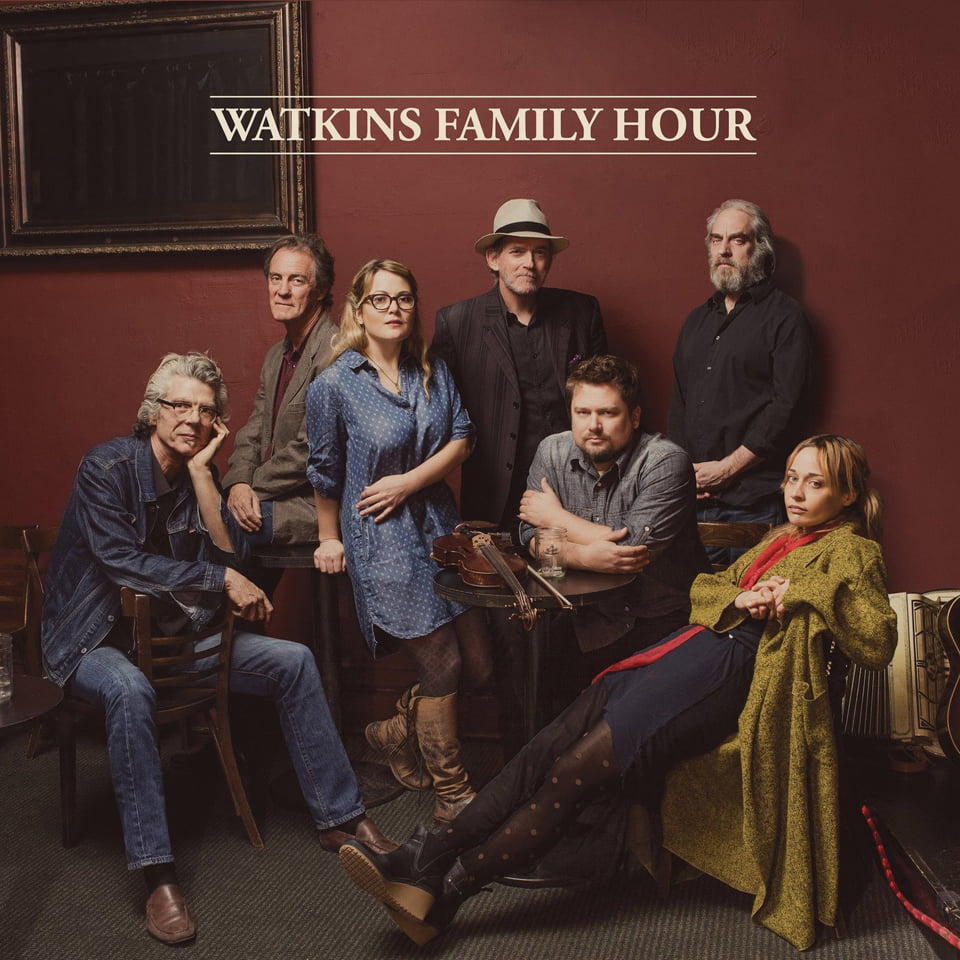
When WFH announced their record early in 2015, we had serious doubts as to whether anything could encapsulate the special experience that is Sara and Sean Watkins' monthly variety hour at Largo in Los Angeles. But lo and behold, this self-titled record not only captures the warmth and camaraderie that makes the live show so special (featuring the likes of Benmont Tench, Fiona Apple, Greg Leisz, and others), but it stands up as one of the best roots albums of the year. — AR


For more musical goodness, check out the full Class of 2015. Follow the playlist on Spotify and add your own favorite songs to it:

LABS 2015: A Big Fat Greek Hootenany

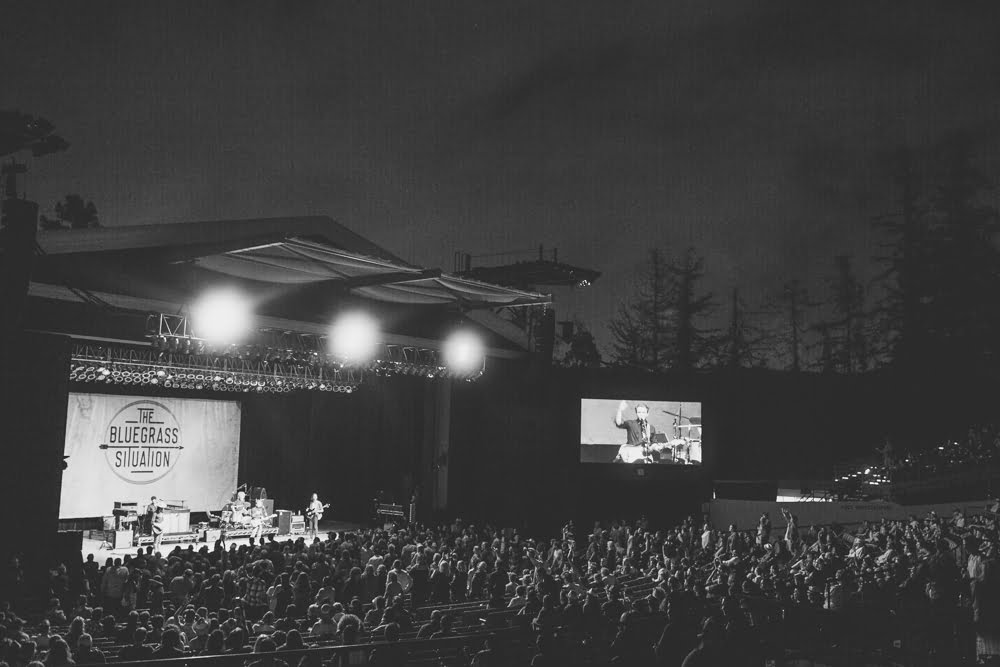
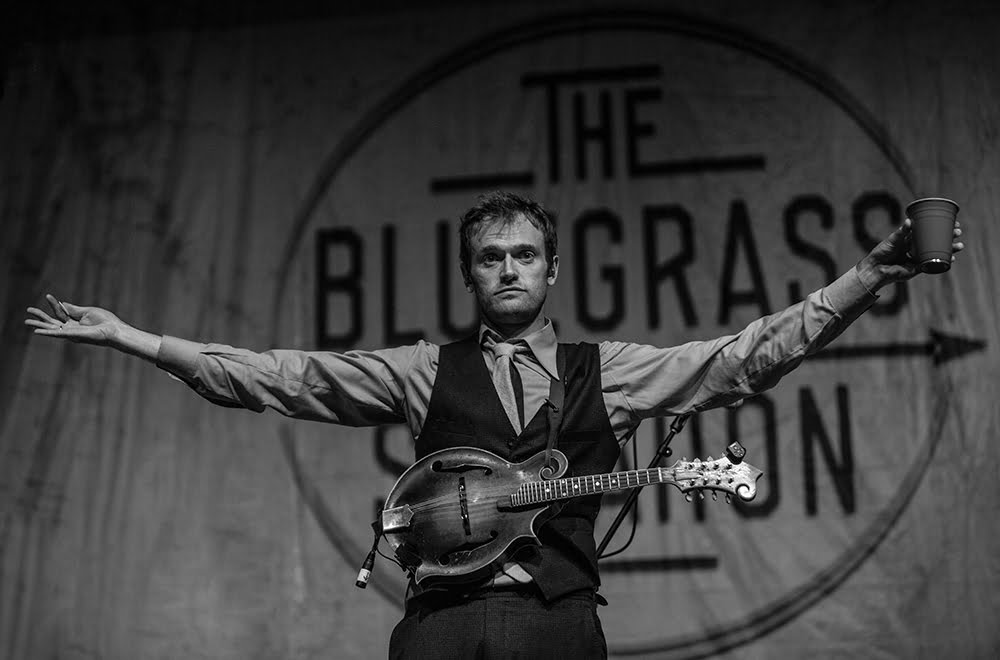
The gargantuan, sand-colored Bluegrass Situation banner that formed the backdrop for Saturday’s Greek Theater main stage performances has flown in Tennessee at three Bonnaroo super-jams, but until this weekend, it had never been hoisted in the BGS's home town of Los By God Angeles.

In other hands, very large logos can be obnoxious, as we know. But the inherent whimsy and humor of the BGS’s name, the sly Steve Martin arrow-through-the-head allusion in the design, and the endemic friendliness of the BGS’s mission made this super signage anything but Trumpian. Founder Ed Helms didn’t build this spotlight to shine on himself. For the five years since its founding, the BGS has been about elevating the finest roots/Americana talent and enlarging the audience for those artists.

They certainly succeeded with that this past weekend, attracting the biggest audience yet to the festival. And, this, when nationwide, there were more choices than a roots music fan could quite process: Hardly Strictly Bluegrass in San Francisco, World of Bluegrass in Raleigh, and Austin City Limits Festival in Texas. I swear, I had no advance warning about the deluge in North Carolina that would force IBMA indoors (and a grand time was reported there, in any event). I chose to attend the Bluegrass Situation out of fascination with this one-of-a-kind entity, and I was well-rewarded with an array of astonishing talent, including my favorite set ever by my favorite acoustic band working today. But that’s later.


[The Wild Reeds; photo by Austin Nelson for BGS]


[Dustbowl Revival; photo by Austin Nelson for BGS]


[Sam Outlaw; photo by Austin Nelson for BGS]

The Greek — a 5,800 seat amphitheater — was opened in 1930 in the hills of Griffith Park, so it’s seen and made some history. Just a few miles away and a few hundred feet below, there are palm trees. Up here you’re in the beginnings of the Santa Monica Mountains with oak and walnut and some rugged hilltops visible from the theater seats. The architecturally iconic sentinel that is the Griffith Observatory stands just nearby.

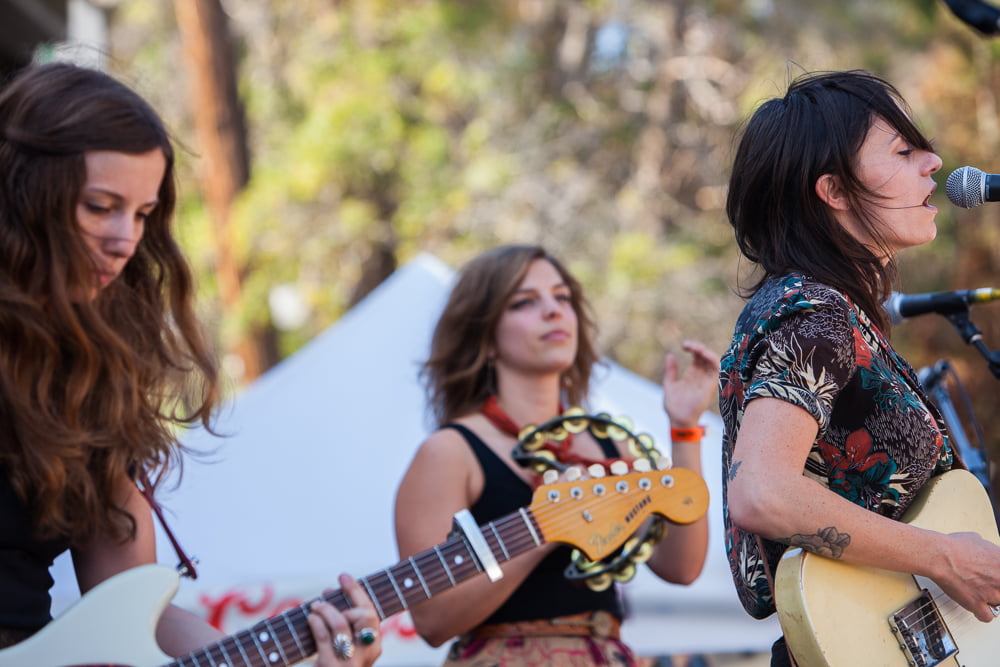
Before they opened the gates to the main theater, the Situation got situated with four sets on a plaza stage as visitors lolled around, queued up at the hipster instant haiku booth (manual typewriters), and played cornhole in the shade. The L.A.-based Wild Reeds got things started with a mix of banjo and Telecaster. Three women carried the floaty harmonies with a two-dude rhythm section lending propulsion. I was taken by the hand pump organ surging behind their sound. Maybe those are the wild reeds they’re talking about.

The Dustbowl Revival, also local, proved it’s one of the best party bands in the country with a super-crisp groove and a spot-on, two-man horn section. Whether lending new lyrics and mod touches to old-time fiddle tunes or playing spanky R&B with trombone/trumpet stabs, they impressed and made people dance. As a closer, they moved their act off stage and down amid the crowd on the plaza to blow horns, shake tambourines, and lead a lusty sing-along of Lead Belly’s “Midnight Special.”


[Spirit Family Reunion; photo by Austin Nelson for BGS]


[Gregory Alan Isakov; photo by Austin Nelson for BGS]


[Della Mae; photo by Austin Nelson for BGS]

Next came Brooklyn’s Spirit Family Reunion (the only non-L.A. act of these opening sets), doing their rambunctious, rollicking thing. Their instruments always sound like tin cans, but their Pete Seeger-ish enthusiasm drowns that out. A rather overflowing crowd had gathered in the sunny plaza by the time Sam Outlaw and his band took the stage. I was able to hear him at AmericanaFest just a couple weeks ago, and his new Angeleno album is now well in my ears. So it was a joy to hear these great, easy-going songs rendered so well. Outlaw is bringing traditional country music back to Los Angeles and, from my limited knowledge, I’d say it’s due for a comeback. He did his wry “Jesus Take the Wheel (And Drive Me to a Bar)” which made good use of pedal steel. Outlaw’s got melodies to spare, as on the lush title track, “Angeleno.” And the set closer, “Keep It Interesting,” sets marriage counseling to an infectious groove.

With that, the main amphitheater opened up and its wild architecture was revealed. It has flights of seats on the wings that float above the rocky hillside. There’s no lawn. But folks were mellow about seating so we could wander a bit and sit and visit as the music got going. And the music grew compelling very fast as Della Mae took the first set. They’ve been part of just about every BGS event I’ve ever seen, and rightly so, since they’re injecting so much visionary, feminine badassery into the old tradition. The material from the new self-titled album drifts a ways from bluegrass, and the quintet opened the set with the opening of the record, the fist-in-the-air feel of “Boston Town” and the soul sway of “Rude Awakening.” But, before long, Kimber Ludiker was leading a pulsing, knockout fiddle tune that led to fiery solos from mandolinist Jenni Lyn Gardner and guitarist Courtney Hartman. Lead vocalist Celia Woodsmith really uncorked on the Rolling Stones cover, “No Expectations,” which suited the California air. She also summed up the whole deal with the proclamation that “We’re in a pretty good spot in the world right now.”

Gregory Alan Isakov, the South African-born, world-traveling songwriter, proved an inspired choice for a sundown set amid wilderness ambience. His quartet was adept at sounding like three times that many musicians, and the experience couldn’t have been any warmer or dreamier. I was struck by “St. Valentine” with its sprightly banjo lines contrasting with a melancholy story and fiddle. Isakov has recently worked up his music with the Colorado Symphony, which he cited as “a mind-blowing experience,” and even without that support, a few tunes built to orchestral peaks that could only be described as gorgeous. A patient, refined poet is Isakov — my friend fell ears over wallet for him and bought his CD on her way home.


[Jonny Fritz; photo by Austin Nelson for BGS]


[The Lone Bellow; photo by Austin Nelson for BGS]


[Punch Brothers; photo by Austin Nelson for BGS]

The Lone Bellow would only up the ante on scale and power. If there’s a better all-around vocal trio in folk-rock than Zach Williams, Kanene Pipkin, and Brian Elmquist, I don’t know of it. Add a powerful rhythm section, steel guitar, and TLB’s cagey, dynamic arrangements, and you’ve got a flood of sound and beauty. Typically rapturous on this lovely evening was “Green Eyes and a Heart of Gold” with its proud stomp- and clap-along feel. And to prove they can move with subtlety, too, the sidemen left and the three voices sang into one mic for “Watch Over Us” from the new Then Came the Morning. It’s hard to hit exact pitches and evoke tears with just humming, but that’s what happened. The place was transfixed even as the women behind me gasped in disbelief at both the blended voices and at Elmquist’s leads. Mumford and who?

Then came the set about which I could — but won’t — write six paragraphs. Punch Brothers put together the finest repertoire of their career as they set out to promote this year’s The Phosphorescent Blues album. And they’ve refined that material over a busy 2015. The vocal parts — dense and complex like Brian Wilson’s greatest work — have been honed to thrilling perfection for up to all five guys. The songs are fascinating art, yet retain a pop hookiness. The tenderness of “My Oh My” flowed into the snark of “Boll Weevil.” The now quite old and classic “Watch ‘at Breakdown” showed dense construction and funky freedom in the breaks. “This Girl” took on a swing I’d never heard that made for some blazing solos. Some of the new material features Gabe Witcher shifting from fiddle to drums and band-wide syncopation so stark and hard core I about came unglued. Then they played classic bluegrass around one mic and segued from that into an arrangement of a Debussy piano movement from 1890 arranged for five of the most complete musicians I’ve ever seen at work.

It was the perfect contrast and spacer between rapturous power folk and the earthy California rock of Dawes.


[Dawes; photo by Austin Nelson for BGS]


[A finale for the ages; photo by Austin Nelson for BGS]

Lead singer Taylor Goldsmith told the crowd ever so nicely that he and his Dawes brothers had grown up seeing their favorite bands play the Greek and that never did they dream their “garage band” would one day play here. Hell, I would have thought they had, given their widespread acclaim and deeply appealing sound. Seated so close to Laurel Canyon, the band’s 1970s Jackson Browne vibes really stood out, but Dawes draws from a lot of wells — from Billy Joel to San Fran Jam. This was my first time catching these guys live and I’m no expert, but I heard an endearing culmination of a Golden State day with catchy tunes and some really fine songwriting. Standing out for me was “A Little Bit of Everything,” the multi-scene epic from the 2011 debut album. And who wouldn’t love the breezy, clean lines of “From a Window Seat.” I see the band had a parting of the ways with its keyboard player just before this show, but I was really struck by this piano man and his interplay with drummer Griffin Goldsmith. This was just tuneful, rocking, and sing-along good.

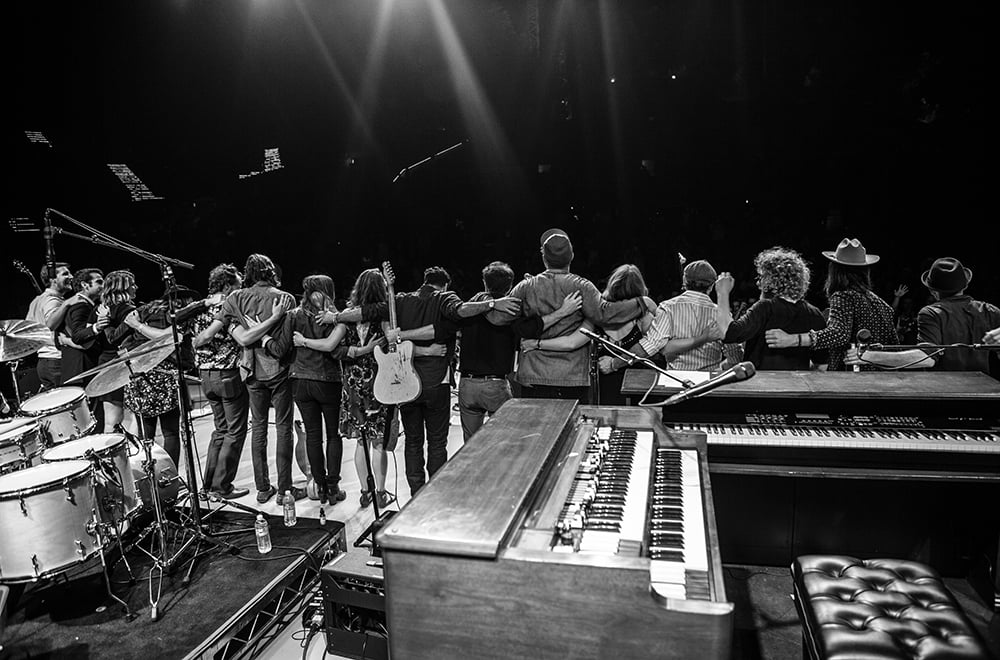
There was a two-part finale, in which Dawes brought a few guests/friends out for their sardonic anthem that prays that “all your favorite bands stay together.” That included song co-writer Jonny Fritz, who did a kind of backward stroll then a fair amount of ballroom dancing with the Lone Bellow’s Elmquist. So as not to end the night with irony, a dozen more of the evening’s musicians came back for a solid, benedictory of “Knocking on Heaven’s Door.” I was then extremely amused that the first track of recorded walkout music was Randy Newman’s “I Love L.A.” — not because that was in any way an odd choice, but because it was the walkout music I’d heard exactly 24 hours prior after my first-ever Dodgers game. And while I wouldn’t have said it five years ago in my ignorance and inexperience, I think now I do love L.A., and the Bluegrass Situation is one very big reason.


Lede photo by Elli Papayanopoulos for BGS