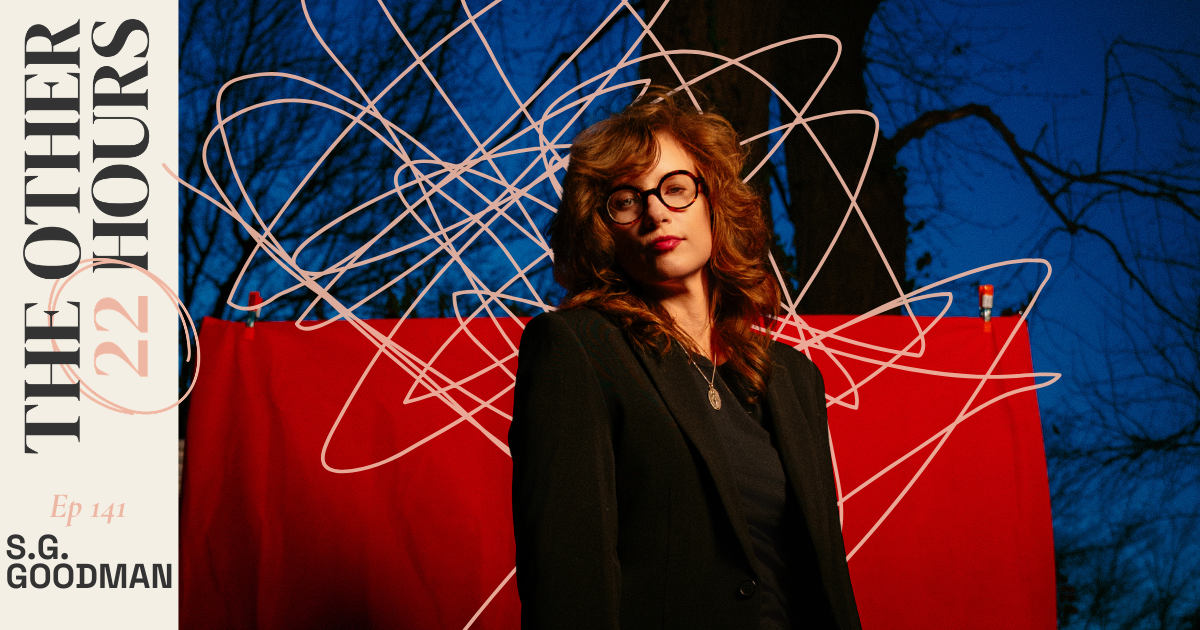
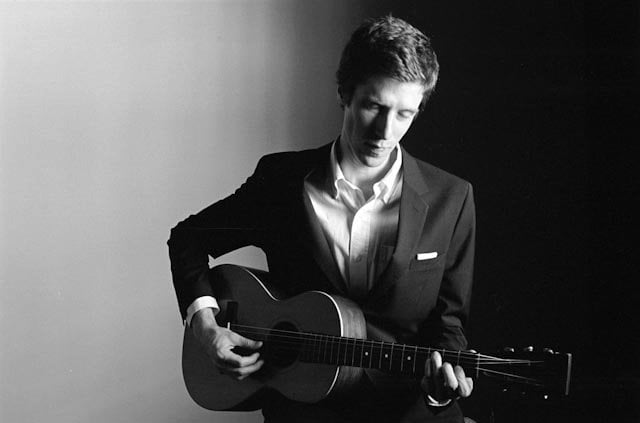
Singer-songwriter S.G. Goodman has earned critical acclaim, award nominations, and has worked with legends like Tyler Childers, Jason Isbell, and Jim James of My Morning Jacket. In this episode of the Other 22 Hours, we discuss the grueling physical and mental requirements of “making it.” From working manual labor to stay afloat while not on the road to navigating the complex realities of running a bona fide business, S.G. opens up about scarcity, OCD, and the hard-won wisdom of learning to drive the lawnmower instead of letting it drive you.
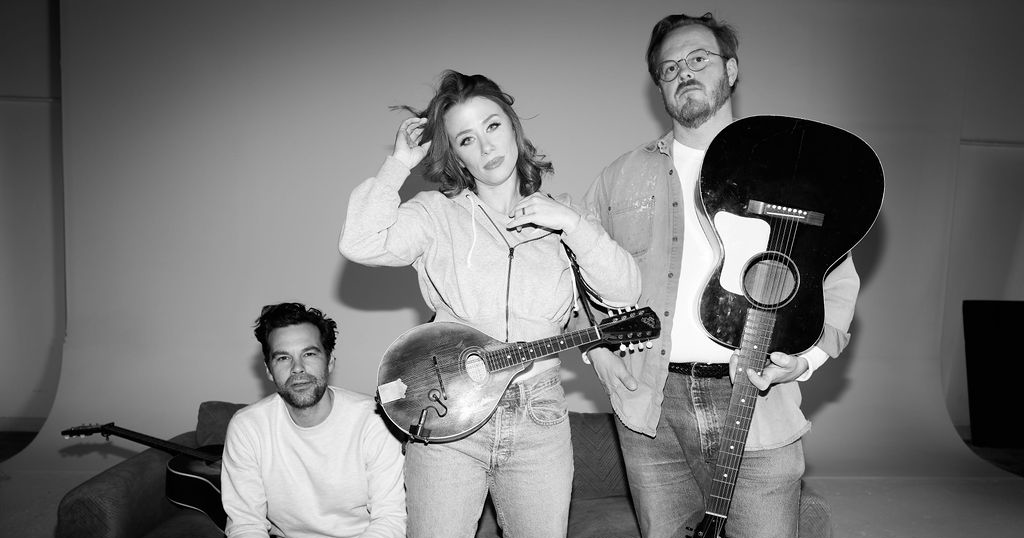
The Lone Bellow are far from alone with the launch of their new album, What a Time to Be Alive.
Released on their own label, the collection conveys a shared vision, even beyond the founding members of Zach Williams, Kanene Pipkin, and Brian Elmquist. Williams wanted to factor in the ideas from their touring bandmates – namely, multi-instrumentalist Tyler James (formerly of Escondido) and drummer Julian Doro (formerly of the Whigs), ensuring everybody felt like they had a say. The group prepared the bulk of the material in a formerly abandoned firehouse in Henderson, Kentucky and polished the project in Muscle Shoals, Alabama, with Elmquist serving as producer.
When the album was in the mixing phase, the hard drive storing the new music was stolen during a van break-in while the group were on tour in Chicago. The band turned to GoFundMe, hoping to recoup some of the costs of rerecording. They were surprised to wind up with nearly $25,000 in donations, arguably making their fans just as invested in the project as everyone else in the band.
Not unlike the Lone Bellow’s full-throttle live shows, the new music practically begs the listener to sing or shout along. Indeed, What a Time to Be Alive does feel communal.
“This is what our hope was with this one,” Williams says. “You know, this is our sixth record, and this is definitely a way of life for us, and we’re very, very grateful for it. But it was also the record where we were like, you know what? We don’t have to try to write some hit radio single. We don’t have to play some ambiguous game. We can just make the beautiful record that we want to make, and we’ll just release it in the way we want to release it.”
Zach Williams caught up with BGS by phone on a sunny afternoon in Nashville, where the group relocated from Brooklyn in 2016.
What was the energy in the studio like as this record was taking shape?
Zach Williams: We did this one a bit different than we’ve done other records. One of the main things that I love that we did with this one is, usually somebody writes a song, and they come in and that intellectual property belongs to the songwriter. That’s it. And I wanted to make a record where everything was just split evenly between all five members of the band, no matter what. We decided to do that and that really created a very different atmosphere to work in.
It alleviated a bit of the quiet little murmurs. … You know, when you’re making something with somebody, and you don’t have any ownership in the song, sometimes you can just show up and be like, “All right, I play the drums. Here’s me playing the drums. Bye.” But when it was like, “Hey, you’re going to have an actual piece of this thing,” everybody just showed up, ready to pour their whole selves into it.
One of the most fun songs on here is “Honeysuckle.” I haven’t heard The Lone Bellow do something with that kind of old-time vibe. How did it feel to put that song together?
George Jones and Willie and a few of the old guys, they would have these murder ballads, is what I call them. They would just be singing their little heart out about burying a guy. And I was like, “I want to write a murder ballad.” So that’s our murder ballad. I did change the last verse. The original last verse was talking about how the trash man didn’t know that he was carrying out dead bodies to a truck. I was like, “You know what? I’ll fix that. I’ll clean that up just a little bit.”
Personally, I usually don’t get to play guitar on records, because I’m not a technically savvy guitar player. The guitar is basically a means to an end for me to try to write a melody or lyrics. And on that one, Brian was like, “Hey, you have this way of playing this riff that you wrote that has a sense of humor to it, and I can’t do it.” So, I play my thing and then he doubles up and plays with me. And they decided to keep the little laughs that were in the microphone, where I’m literally laughing at myself because of how bad I think it sounds. Brian was like, “No, we’re keeping all the laughter.”
That’s a big thing that we did with this record. We kept a lot of the human nature of it. …We made this record a while back. We started our own little record label to release it. That took about a year to put that whole thing together, with Thirty Tigers and distribution and all that. So, we’ve been sitting on this record for a second, and this was before AI started dropping hits. Now I’m so glad that all of that human nature is captured in this record, because there’s no denying that it’s absolutely as real as it can get. And I hope that that will just ease some souls out there.
I like the line in “I’m Here for You” about slipping down the water slide. I could picture that exactly where you are in that scene.
That’s literally how I met my wife. I was 12 years old at summer camp. In the late ‘80s, early ‘90s, there was this couple called Jim and Tammy Faye Bakker and they had a strange Christian-themed theme park in South Carolina. After the poo hit the fan, they shut the theme park down, and then these other people opened it back up and called it New Heritage USA. The week that they opened it up was the week that I went there for summer camp.
At the turn of the century, [the Associated Press] collected the top 100 most influential pictures taken of the century. One of the top 100 pictures is of a man named Jerry Falwell in a suit sliding down that slide. It’s because of the story of how he corralled his way into taking over that whole establishment. … So, that’s literally the slide that that song mentions, and that’s just the memory of how I fell in love as a little boy, as a 12-year-old idiot, maybe even younger.
Are you a bluegrass fan? Or did you grow up listening to bluegrass?
Man, I’m a huge bluegrass fan. Being in a van with Kanene, who grew up in Fredericksburg, Virginia, she knows bluegrass! I grew up like white trash. So, if there’s like a white trash bluegrass…
I grew up in a family where you’d sit around in the basement and play music together. I think that’s a base level for bluegrass. And I grew up thinking that was totally normal and now I know it was not. So I’m really grateful for bluegrass.
How old were you when you picked up the guitar?
I picked up the guitar at, like, 13, but I didn’t have any guitar lessons or anything. I had a sweet Charvel, which was like Jackson Charvel. It was super heavy metal. I think someone gave it to me, but I didn’t know that you needed a guitar amp for the first several years. [Laughs] A scary amount of time passed where I was like, “I guess this is just how a guitar is supposed to sound.”
But you held on. There’s something about the guitar sound, I guess, that you loved.
Yeah, my grandpa played the guitar, and I would go and live with him in the summers. He would play old hymns at night. I’d fall asleep listening to him playing the old spirituals.
That makes a lot of sense, because one thing your band does as well as any band, it has that dynamic. It has that rise and fall of the voice and in the arrangements. I hadn’t thought about that being based in spirituals and gospel. Did that influence the way you write?
One hundred percent, man. For good and for bad, it’s there. All the baggage is there, and there were beautiful parts of growing up in that kind of culture, too. I don’t want to throw the baby out with the bathwater, but it was also pretty weird. … I grew up in a church where the pastor would run all the way around the room and jump up and down on the couches and scream and holler. It was wild. It was like big tent revival kind of stuff. We didn’t ever go down to snake handling or anything. But there was some wild stuff. And it wasn’t until probably college, and then living in New York, where I was like, “I don’t know if all that stuff was good for everybody.”
But the core of a human being, wanting to feel the beauty, wanting to feel the presence of God, if you want to call it God or energy, I believe that’s very real. That’s what I love about especially live shows is everybody literally invests in the night. They buy tickets and they show up, and we’re facing each other, and it’s like, we’re going to try to create something memorable here. I think, especially right now, it’s such an important moment to just feel alive and connect with other humans, face to face.
How would you personally describe that feeling of being on stage? What’s that energy like from your perspective?
Jim James gave an interview a couple months ago and he nailed it. Like, every night, I have a pretty bad wrestling match in my own mind of, “Am I doing this to try to entertain? Is there a competitive spirit in me where I want to try to sing better than other people?” And the best nights are when I can just be, and let go, and just be alive and a part of the moment. And it doesn’t happen a terrible amount.
What usually happens is, I’m in my head battling thoughts of impostor syndrome on stage in front of 2000 people, night after night, which is really annoying. You would think by now that I would be like, “It’s cool, everything’s fine.” But that’s just not how it works for me. So, on the nights when I can let go of that impostor syndrome and just be another spoke in the wheel, those are the nights where we all ascend to a different place in our souls. I love those nights.
S.G. Goodman’s Kentucky upbringing is front and center in a lot of her songwriting. She is an artist concerned not just with her roots, but also with what it means to stay and invest in community even when it is hard. We started our conversation digging into the DIY music scene that inspired S.G.’s Jim James-produced debut album, Old Time Feeling.
Goodman’s new record, Teeth Marks, portrays the scars of love and grief. It is a complex, rock-inflected album rooted in relationship. Whether telling a story of romantic love, playfully establishing a connection between the artist and audience, or interrogating a community’s attitude toward the “other,” these songs made me think long and hard about what we are really doing when we talk to each other.
S.G. was also down to talk religion and politics, addressing which issues she wishes more artists would discuss in their works. She is a serious person, a singular artist, and a fascinating person to talk with.
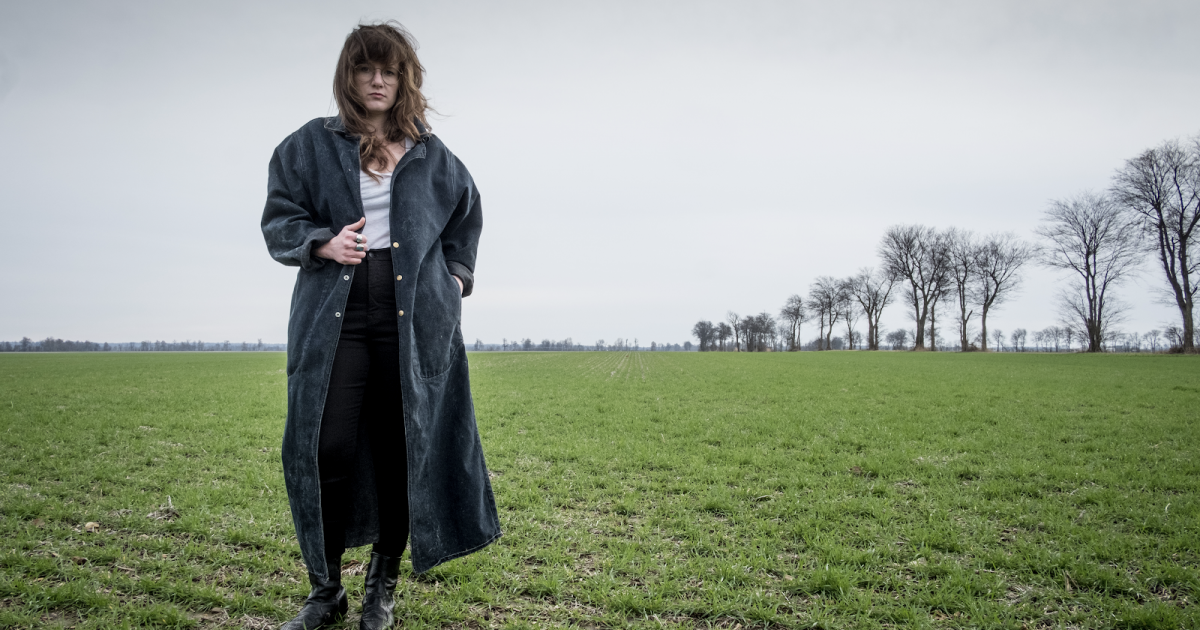
S.G. Goodman has a lot on her mind. That much is immediately clear in the Kentucky musician’s voice, her songwriting, and throughout her new Verve Forecast debut, Old Time Feeling. Produced by Jim James of My Morning Jacket, the confessional album encapsulates her experiences on a personal level as well as the environment that’s influenced her.
Growing up a farmer’s daughter in rural Western Kentucky may not be the most common background for a musician who finds their community in a college town post-punk scene. Yet, Goodman is proof that where you come from has not much to do with fitting in. In a time where so much of our world seems polarized, Goodman — despite the way she talks — found her place in a post-punk “Mecca for weirdos.”BGS sat down with Goodman to talk about her hometown, how she encountered her tribe, and her defense of Southern people and culture.
BGS: For someone who’s never been to your Kentucky hometown, how would you describe it?
Goodman: My hometown is Hickman, Kentucky, and it’s a river town. Mark Twain described it as “a pretty town, perched on a handsome hill.” I’d say he’s right on the money. But, at the time Mark Twain was passing through, Hickman was a lot different. Now it’s a bit of a ghost town with a lot of soul. There’s no stop lights, one convenience store… it’s a beautiful place. Less than 3,000 people, but no place like home.
How did you find your community in music?
Well, I don’t live in my hometown anymore. I live in Murray, Kentucky, which is a college town, so there’s an influence of people from all over. I kinda got plugged in hanging out at a local record store in college and met some of my best friends that way. Murray is an interesting place, because a lot of people don’t think of Western Kentucky as having a thriving post-punk scene. Probably around 2010, 2011, there were a lot more shows, a lot more bands passing through. We have a really conveniently-located record store called Terrapin Station. We pass around an offering plate — bands get taken care of really well for such a small community — it’s like a true listening environment. It’s just kind of a Mecca for weirdos, where everybody is welcome. It’s not pretentious at all, perfect place to cut your teeth.
Were you already playing music at that point?
Yeah, I was. By the time I was just about to turn 19 years old I made a record, it was pop. I dropped off a bunch of copies to the record store and said, “Put one in every bag that leaves here.” That’s how I met my good friend Tim Peyton, who’s managed that store and worked at that store since he was 14 years old. Probably two years from that point, we’d be best friends, going to house shows together.
When I was 15 — I was a big athlete in school — I convinced my mother to let me not play basketball anymore so I could take music lessons. And I did for over a year, but I had to drive an hour away to take them, plus I found out I was teaching myself more than what I was learning in the classes. You know, I’d say my biggest musical influence was probably just being raised in church. I’m not a churchgoer anymore, but I could never deny the fact that going to three concerts a week was highly influential to how I view melodies and lyrics.
The opening song, “Space and Time,” seems to be saying something that’s important to you. What was on your mind as you wrote it?
That’s a special song. Being very point blank in my lyrics — when I first wrote those lyrics, I was a little unsettled by that. A friend asked me once, “Did you say everything you needed to say?” So I look at songs like that a lot now. I don’t think there’s anything wrong with letting people know how you feel about them and what they mean to you, just really contemplating what makes a life.
While a song like “Space & Time” is so personal, the very next track, “Old Time Feeling” is a call to action. How do those two sides of your songwriting work together and compliment each other?
A lot of people ask if I conceptualized this album before I wrote it, but I just write songs as they come to me, and try to respect them enough to see them through. If people look at this album as a moment in time over the course of my life, then they shouldn’t be shocked for me to have some political thoughts. I’m bound to walk around with my eyes open. There’s a lot of people who paved the way for artists to not just write songs about getting their heart broken. Artists are supposed to comment. How could you not? If I want to write a song about a red Corvette or something, I’ll do my best to make it a good one. But at the end of the day, I do wonder why so many artists these days aren’t commenting through their art on what’s going on in the world.
What do you remember about the recording sessions?
We did this in April 2019. The studio — it’s in Louisville, Kentucky — is called La La Land. It had been owned for years and started by a Kentucky guy named Kevin Ratterman, who’s on a lot of people’s records. He’s an amazing person, a total beam of light when he walks through the door. It was really important for me to make sure that this music was made in Kentucky, because so much of my music is about this place.
What do you want people to understand about the way it really is in the South?
I can’t speak for the South — as a writer I’m speaking from my POV — but I would say, don’t write off the South for its regressive policies. That does nothing for those who are working daily to change that. There are progressive pockets all through the South and through Kentucky who are devoting their time and their lives to make sure that their neighbors are safe and taken care of. In my opinion, America, for a very long time, has used the South as a scapegoat for a lot of its backwards problems.
Now that the album is out in the wild, what goes through your mind when you hear it?
I’m proud of it. There’s little moments — at the end of my last track (“Big Girl Now”) you can hear my drummer and friend for nearly 10 years talk at the end of the track. I’m so glad that we were all represented, and our friends were all represented, in that music. I’m not sick of listening to it. It’s not like I go out and listen to it every day, but you have to keep in mind I’m gonna be playing these songs for years. So, I better love ‘em!
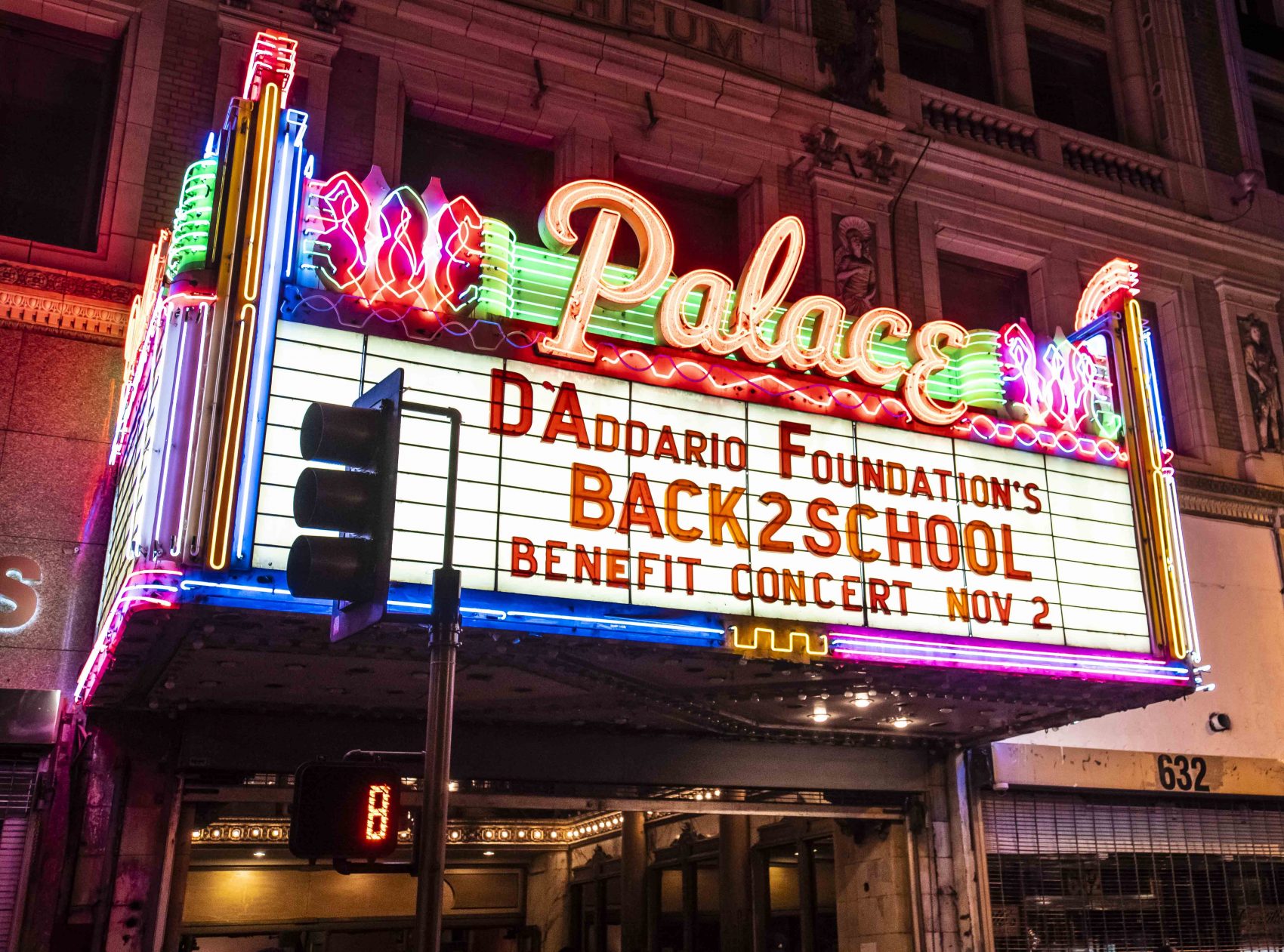
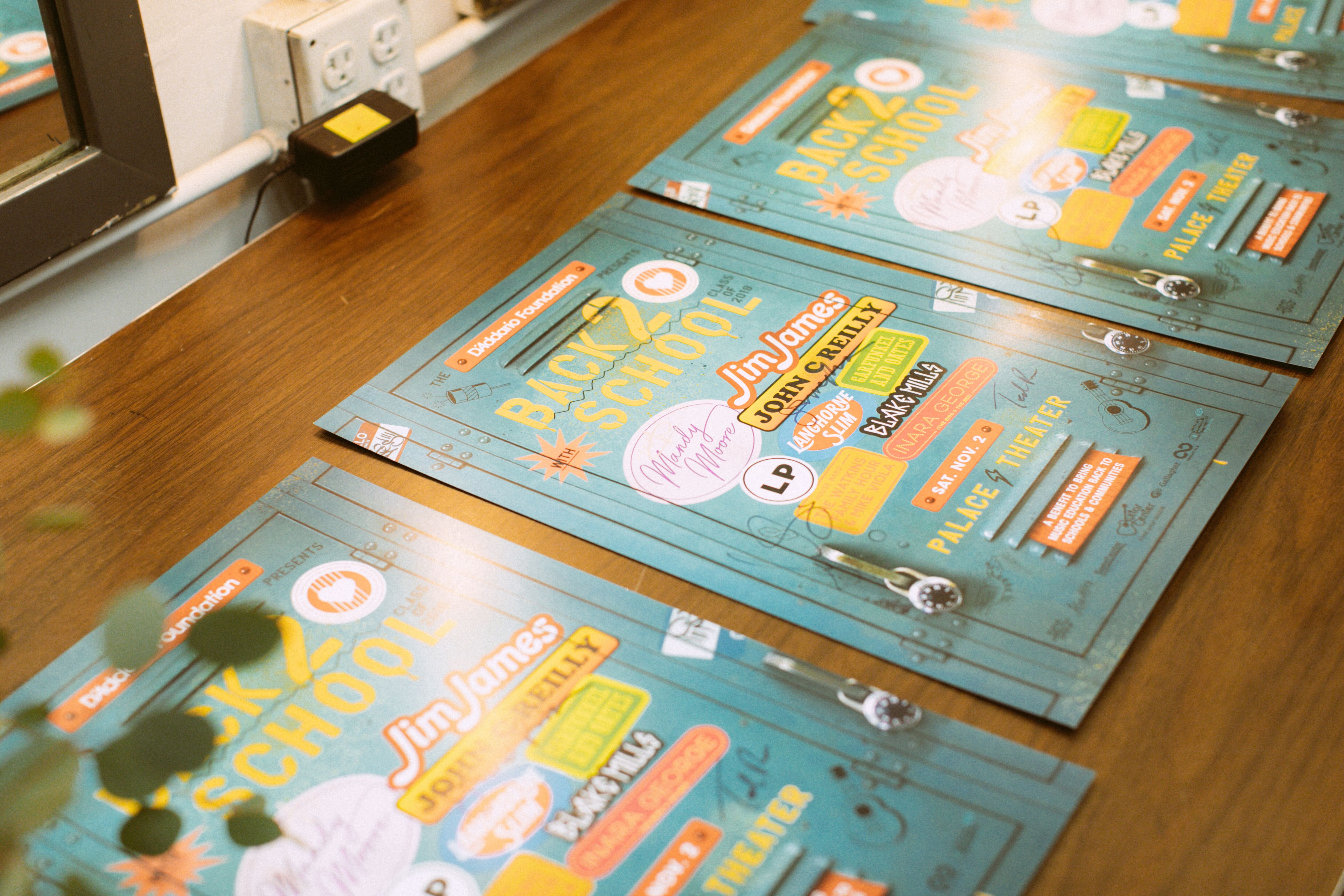
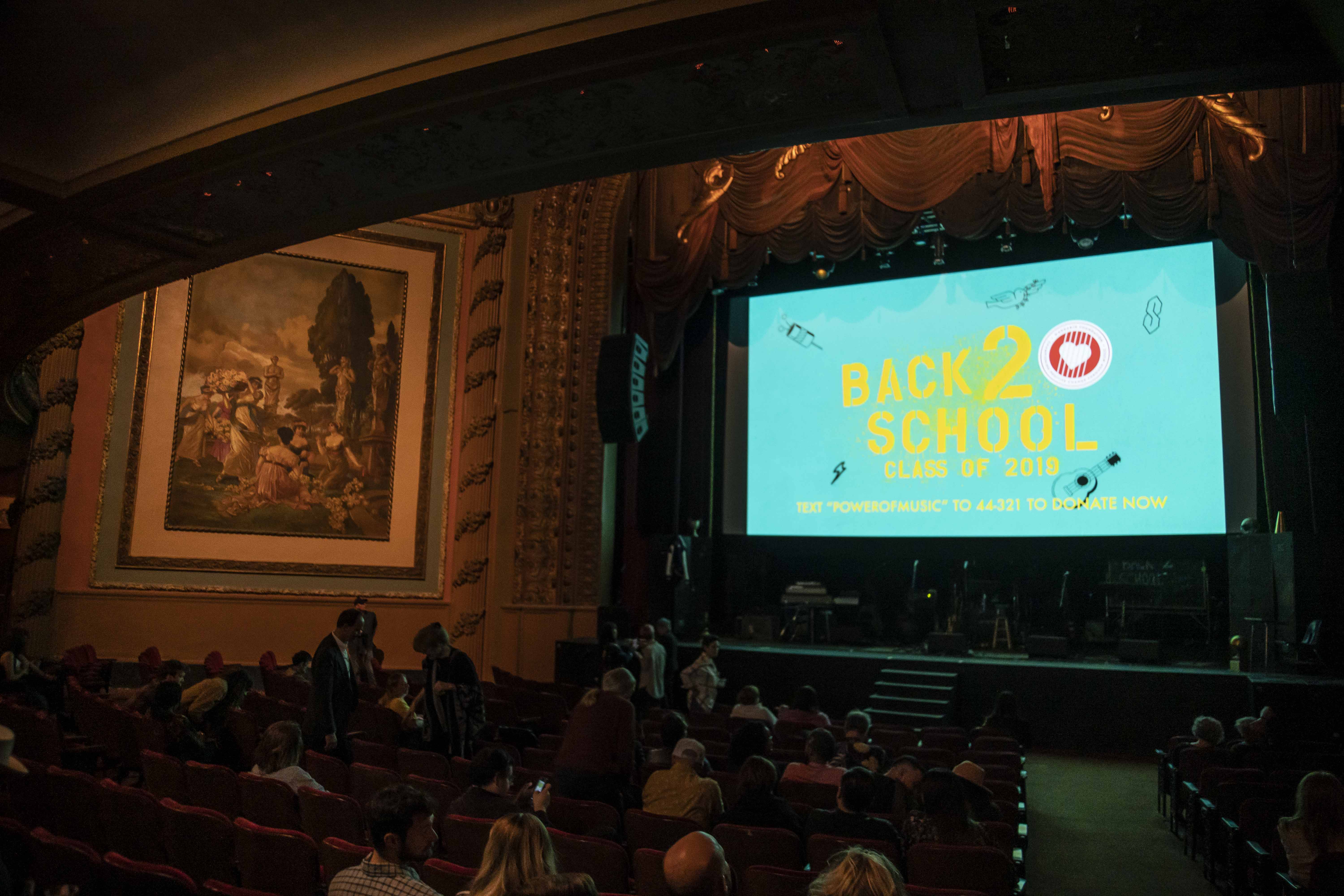
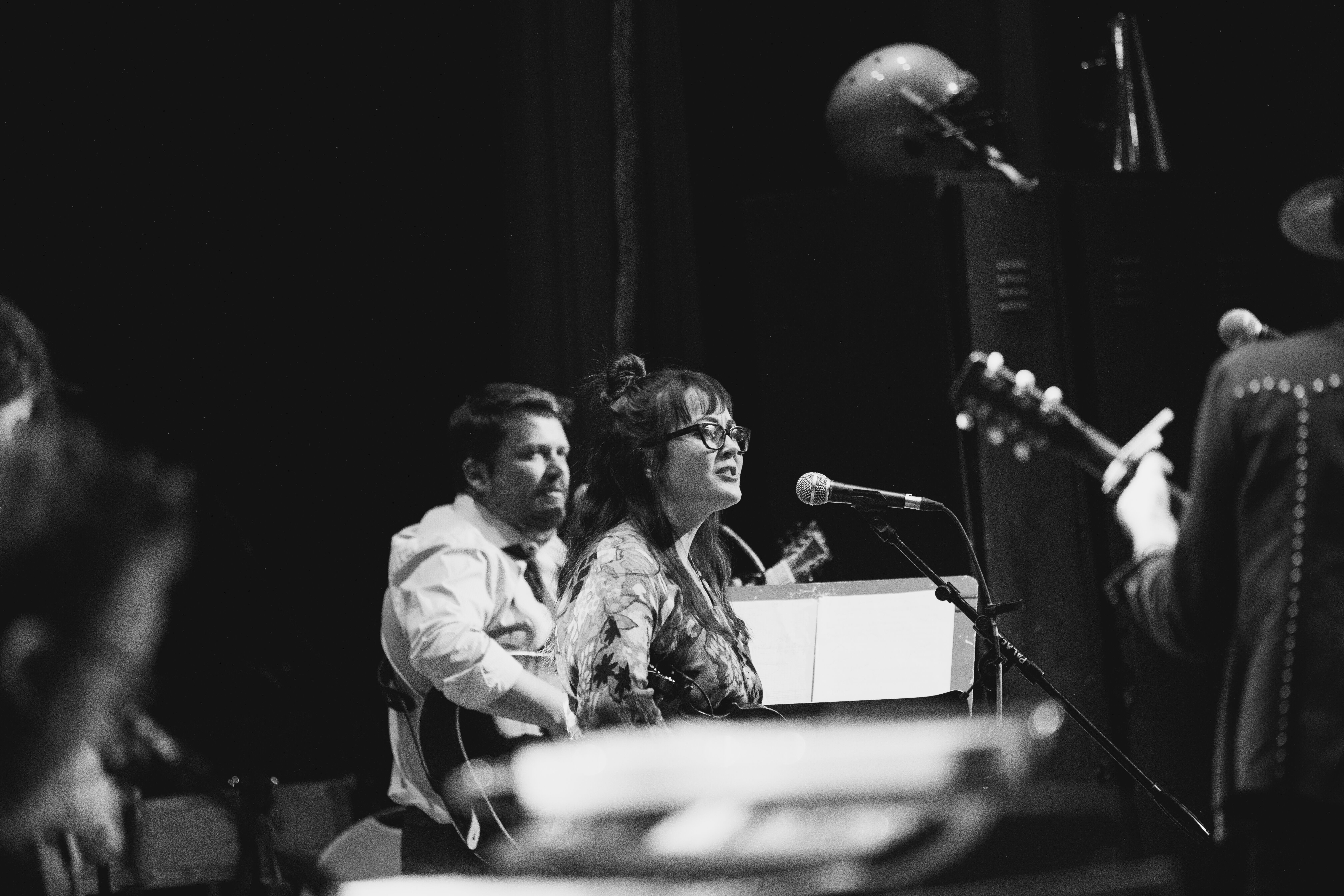
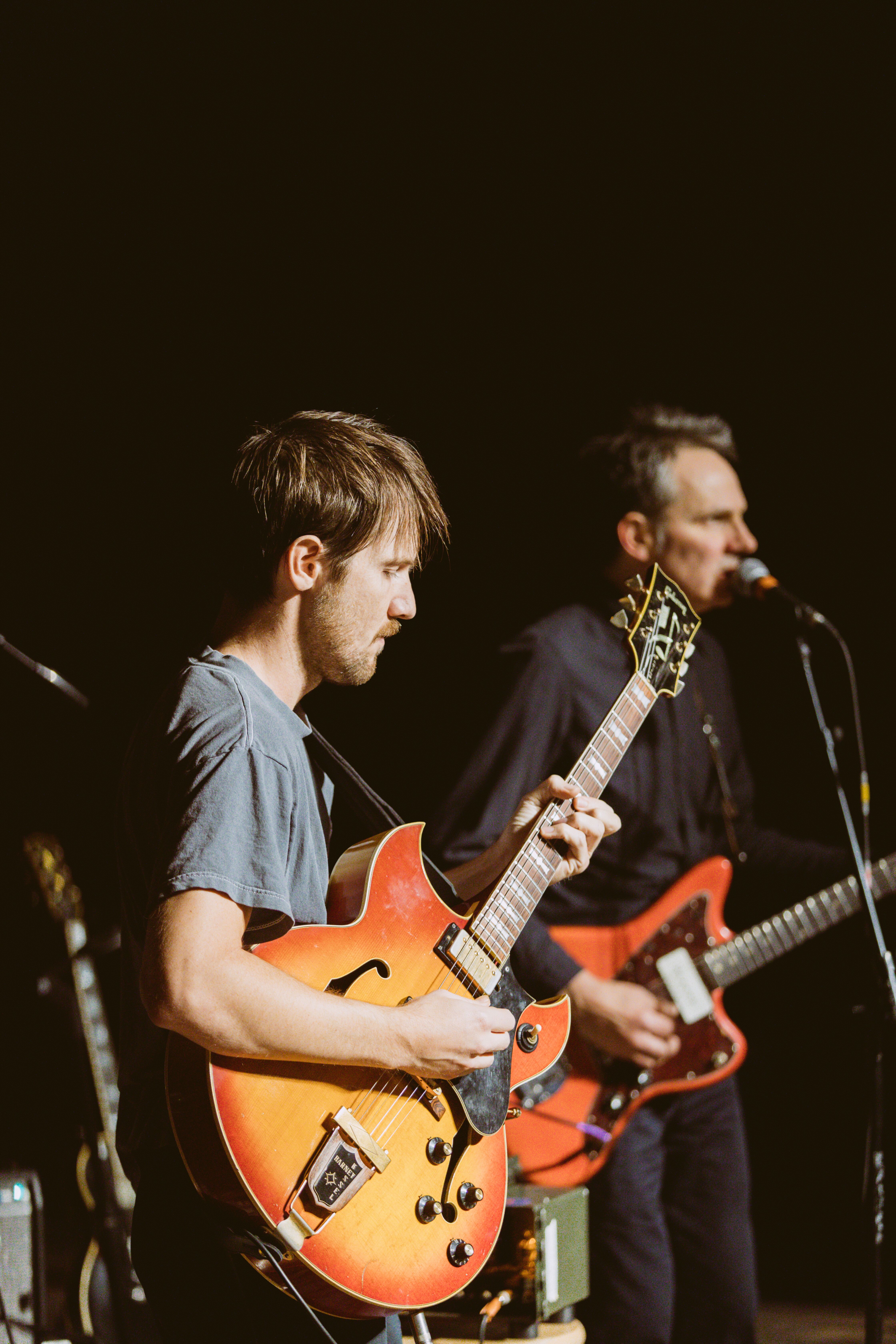
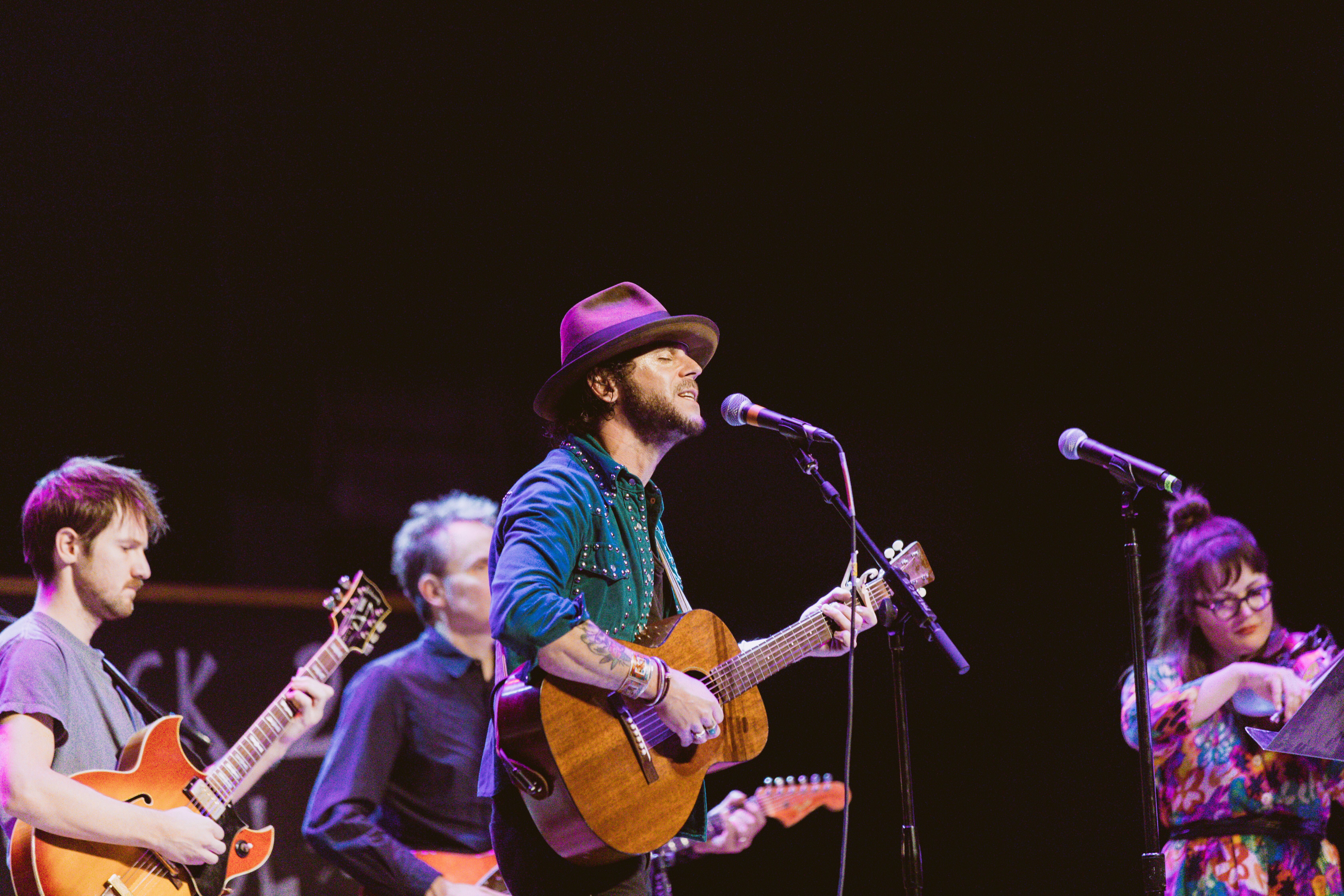
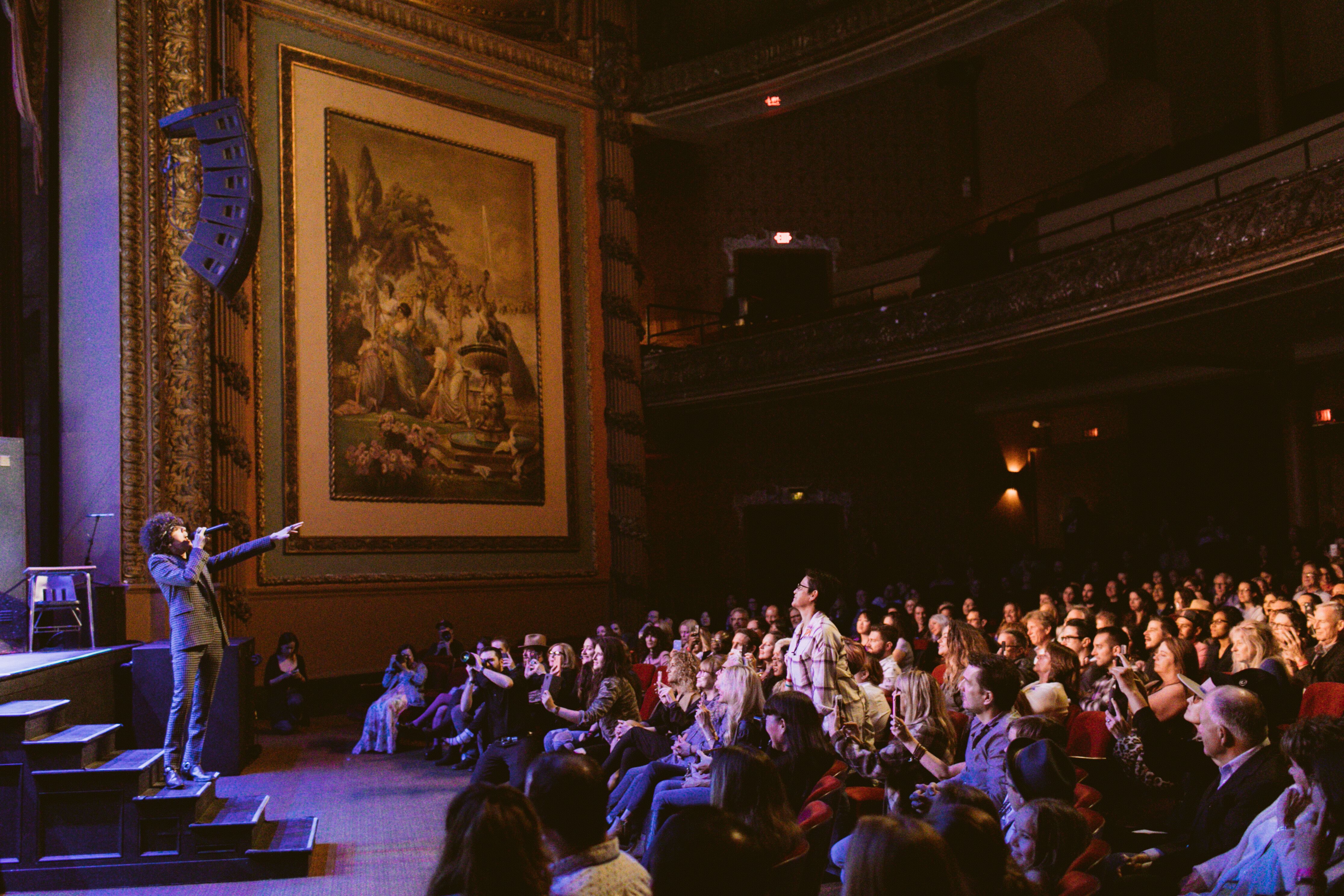
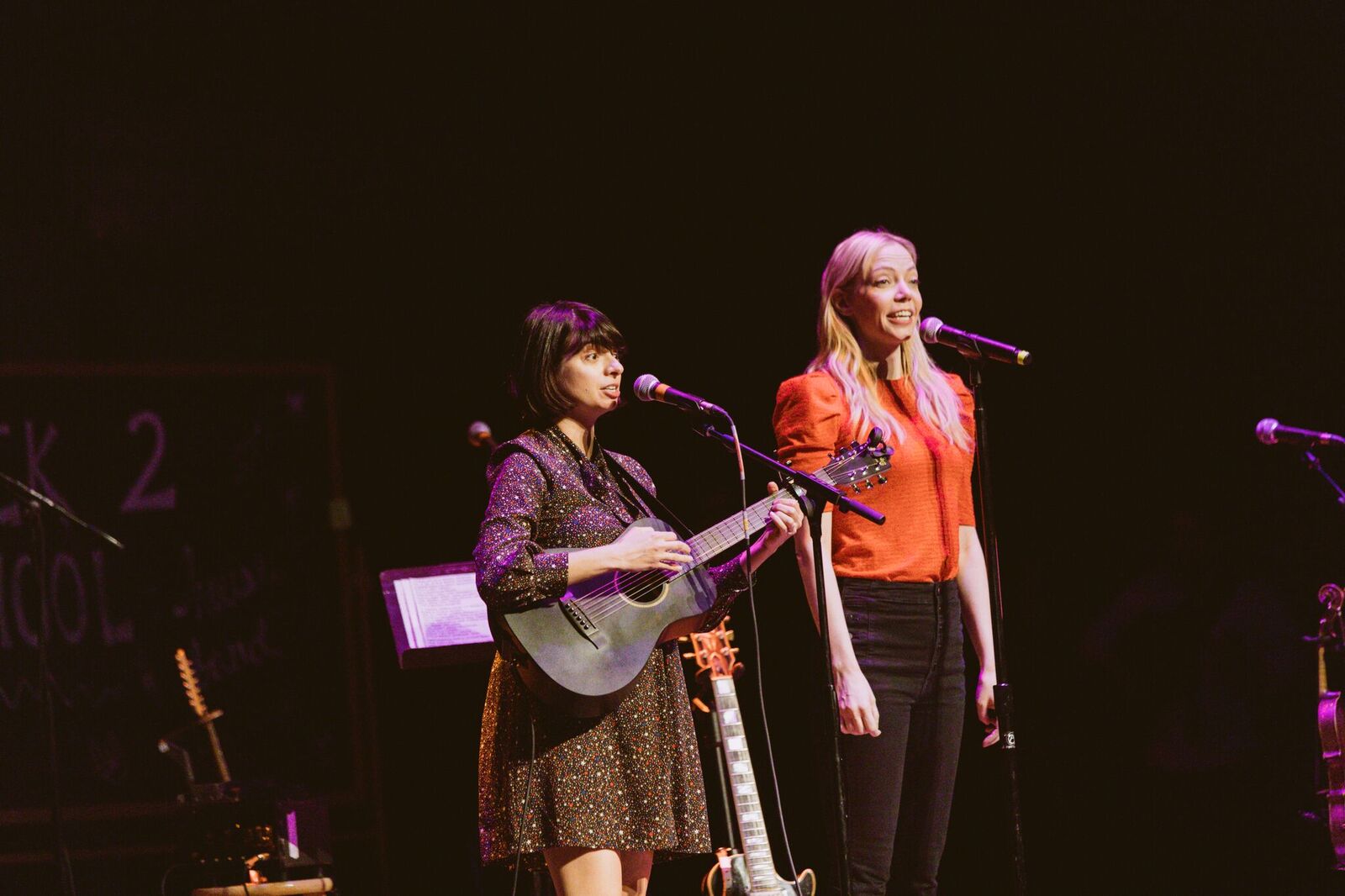
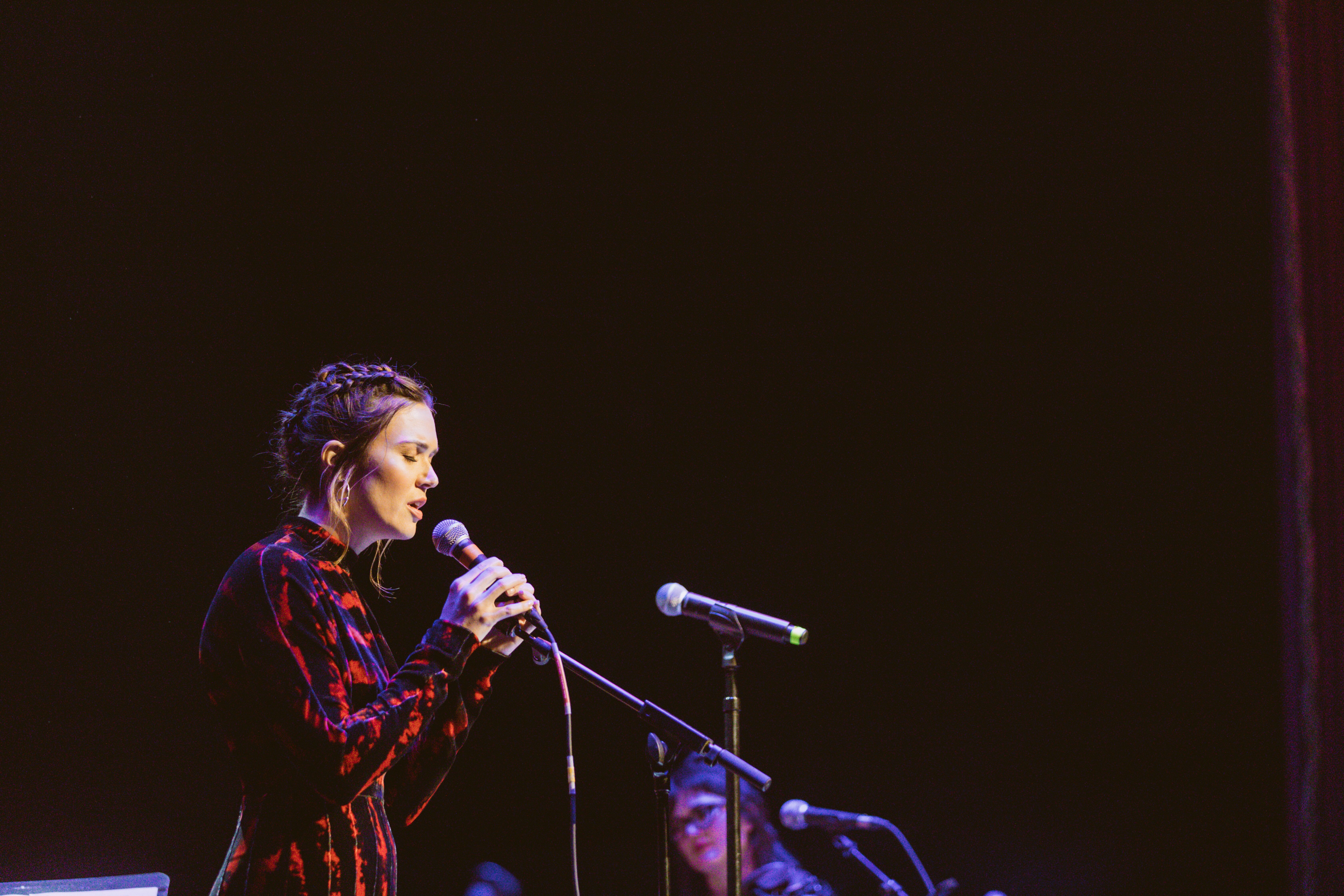
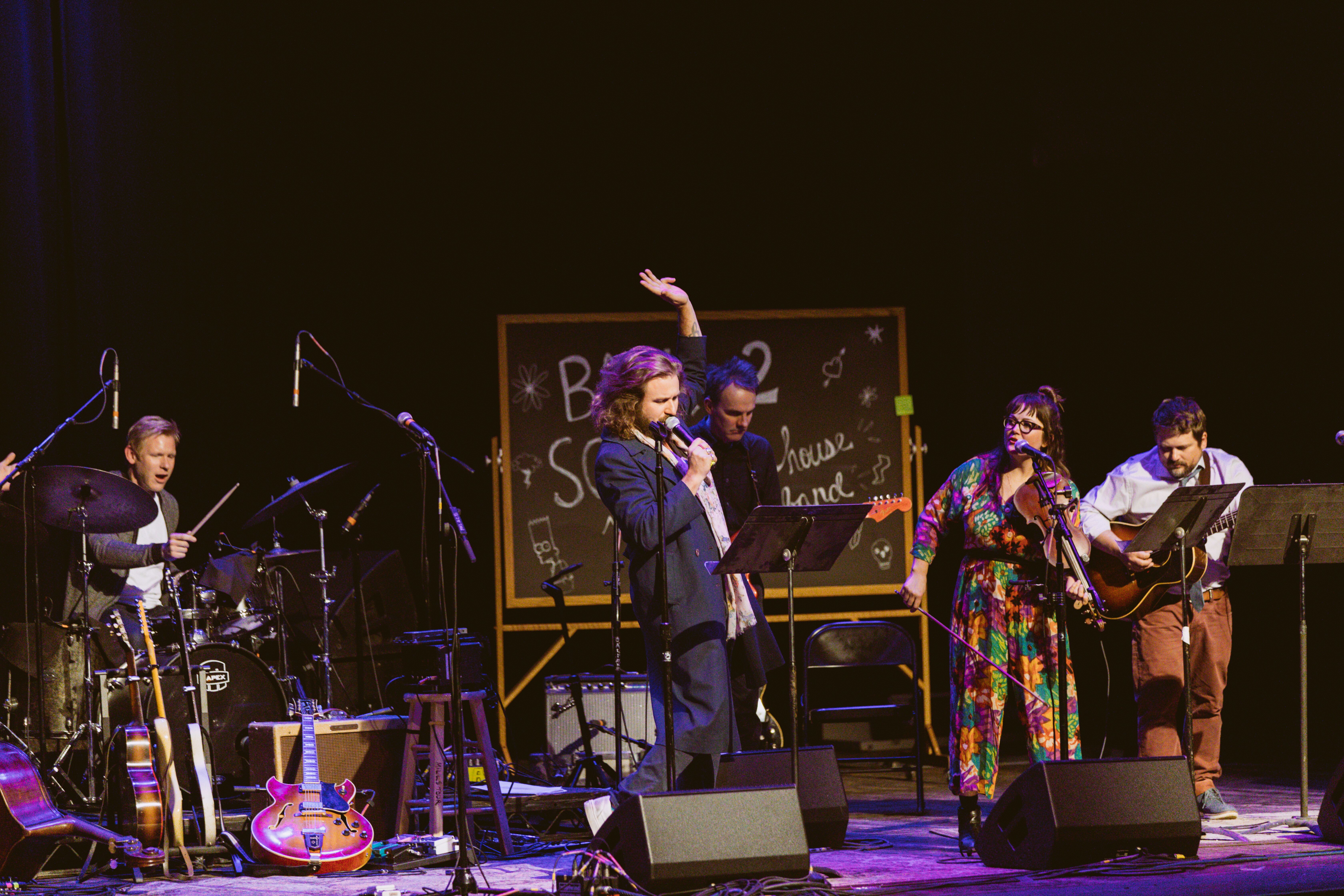
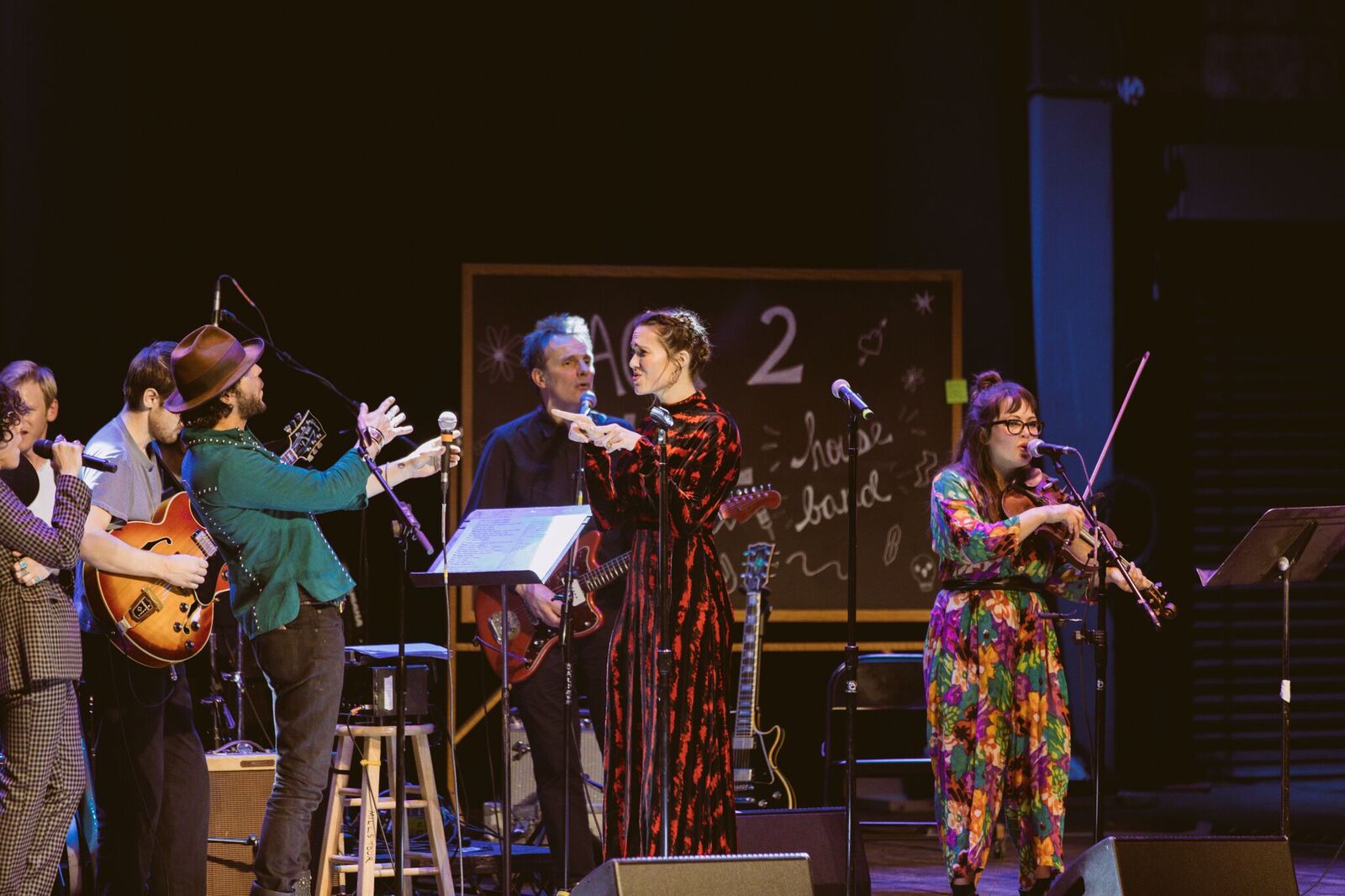
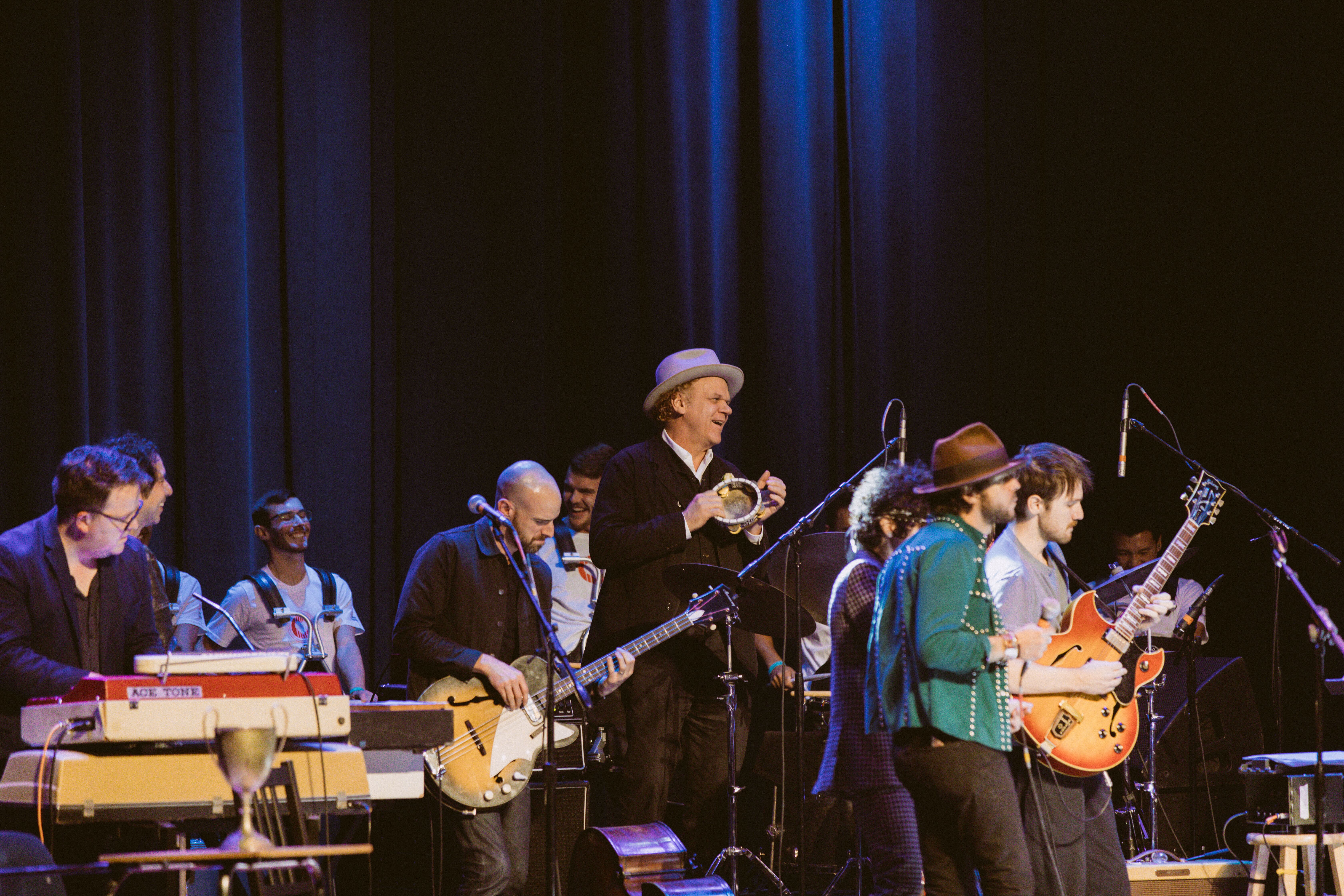
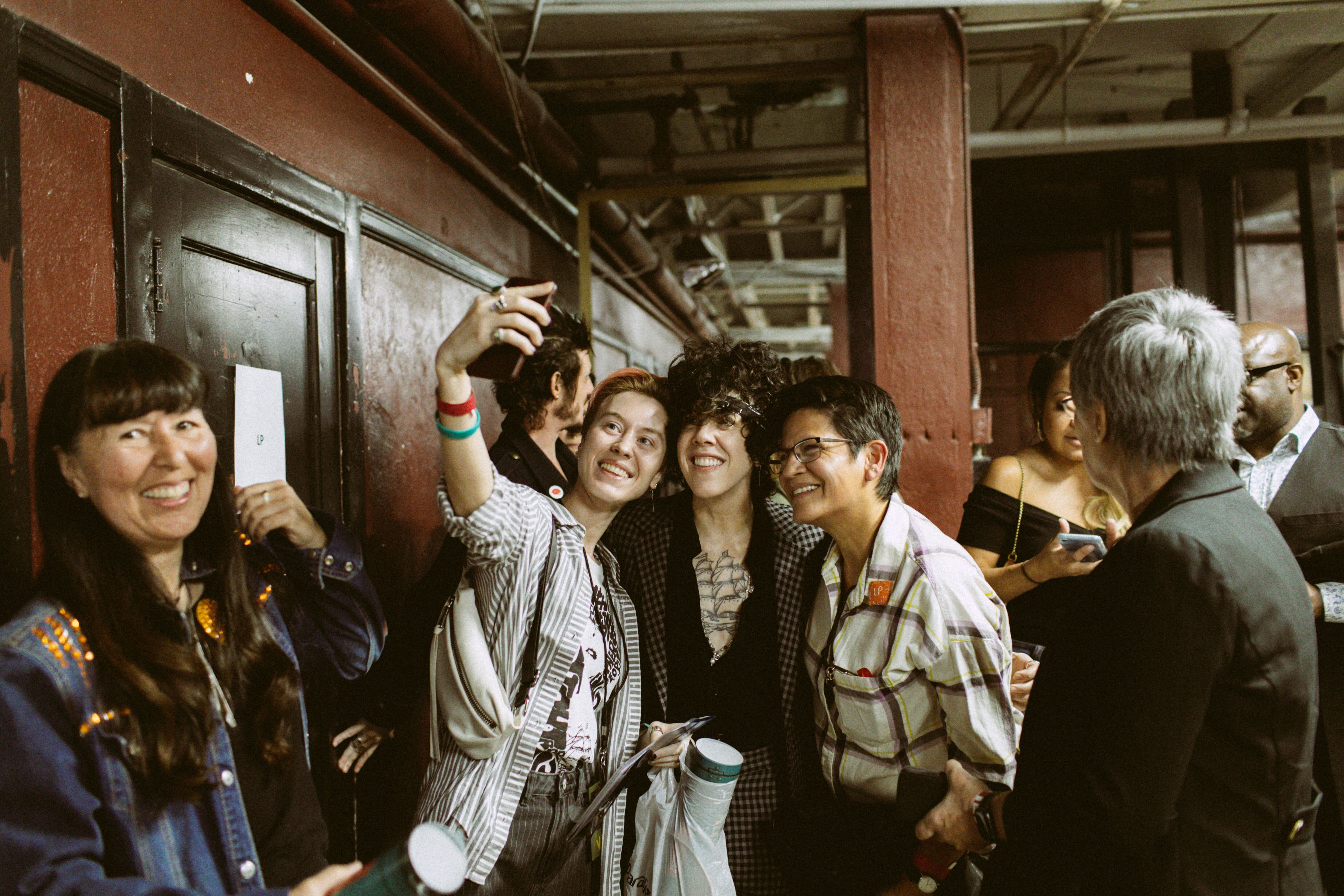
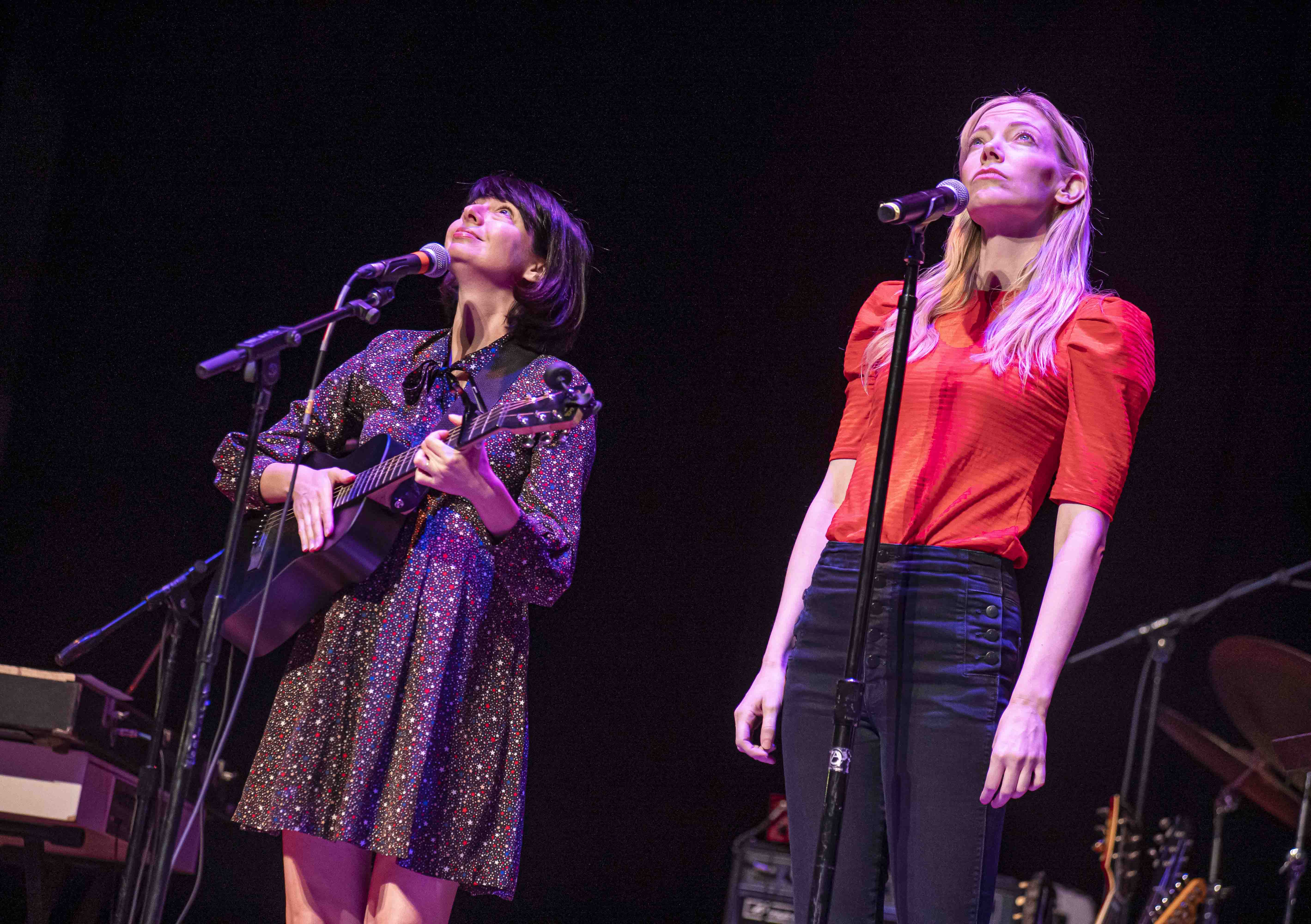
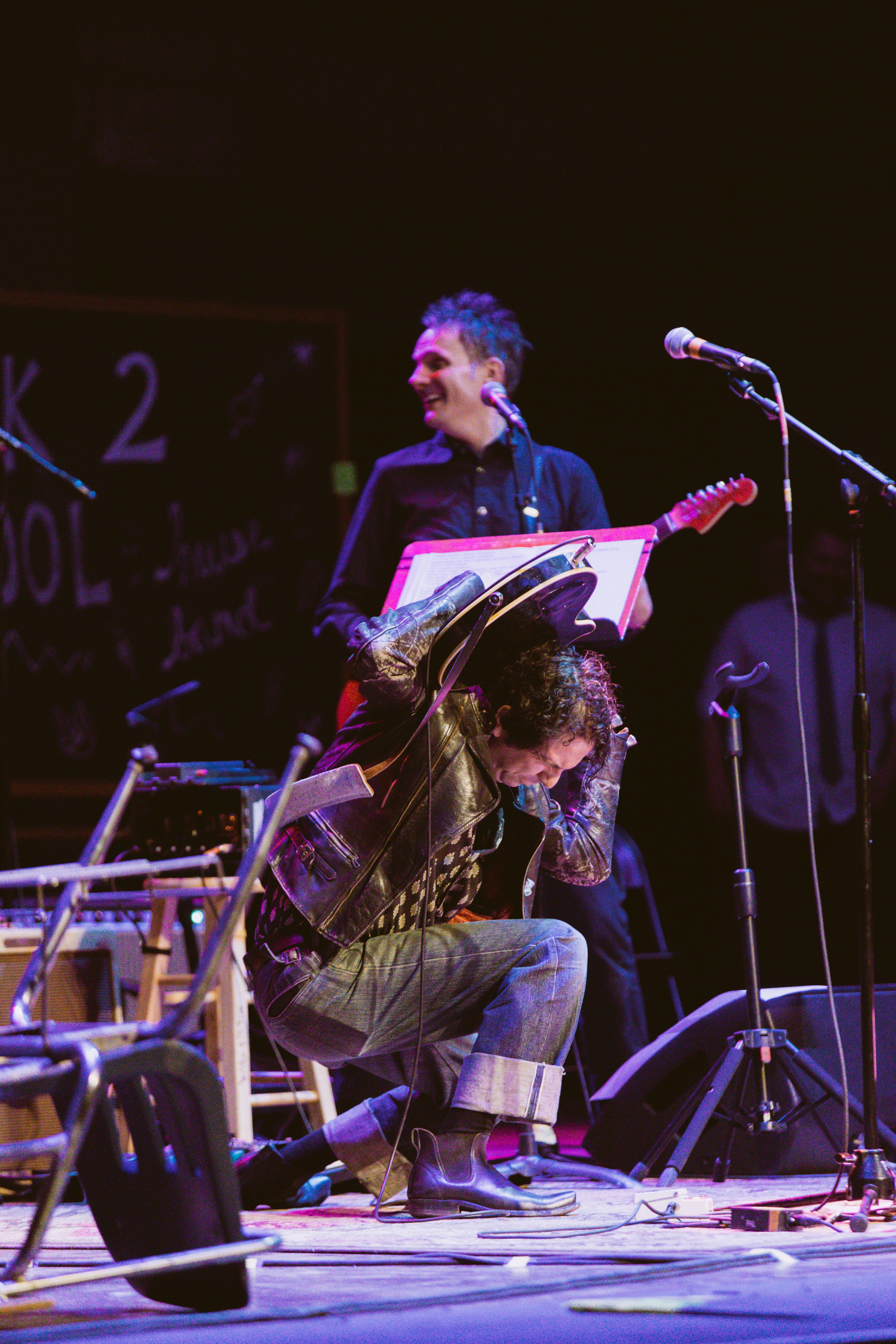
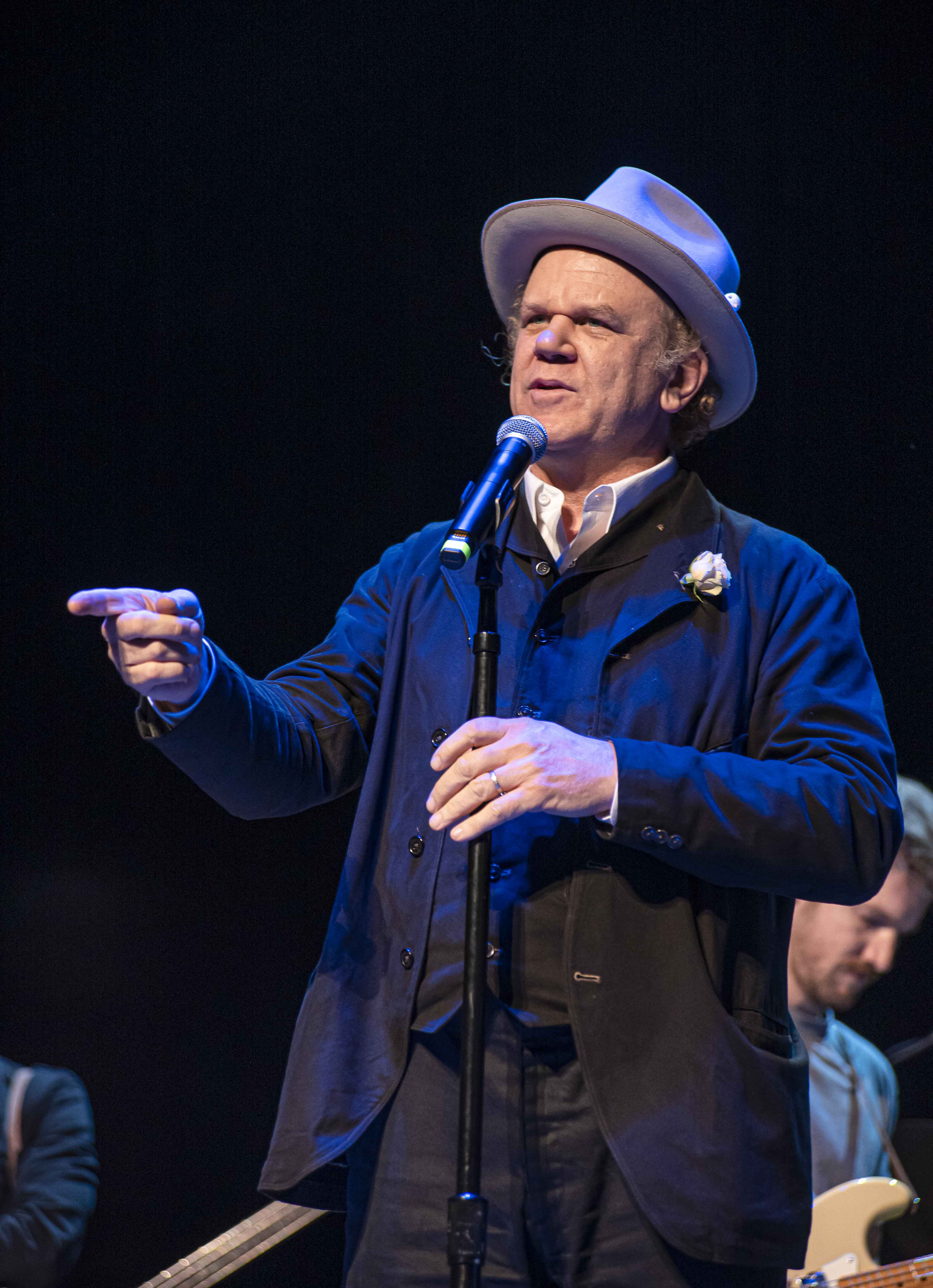
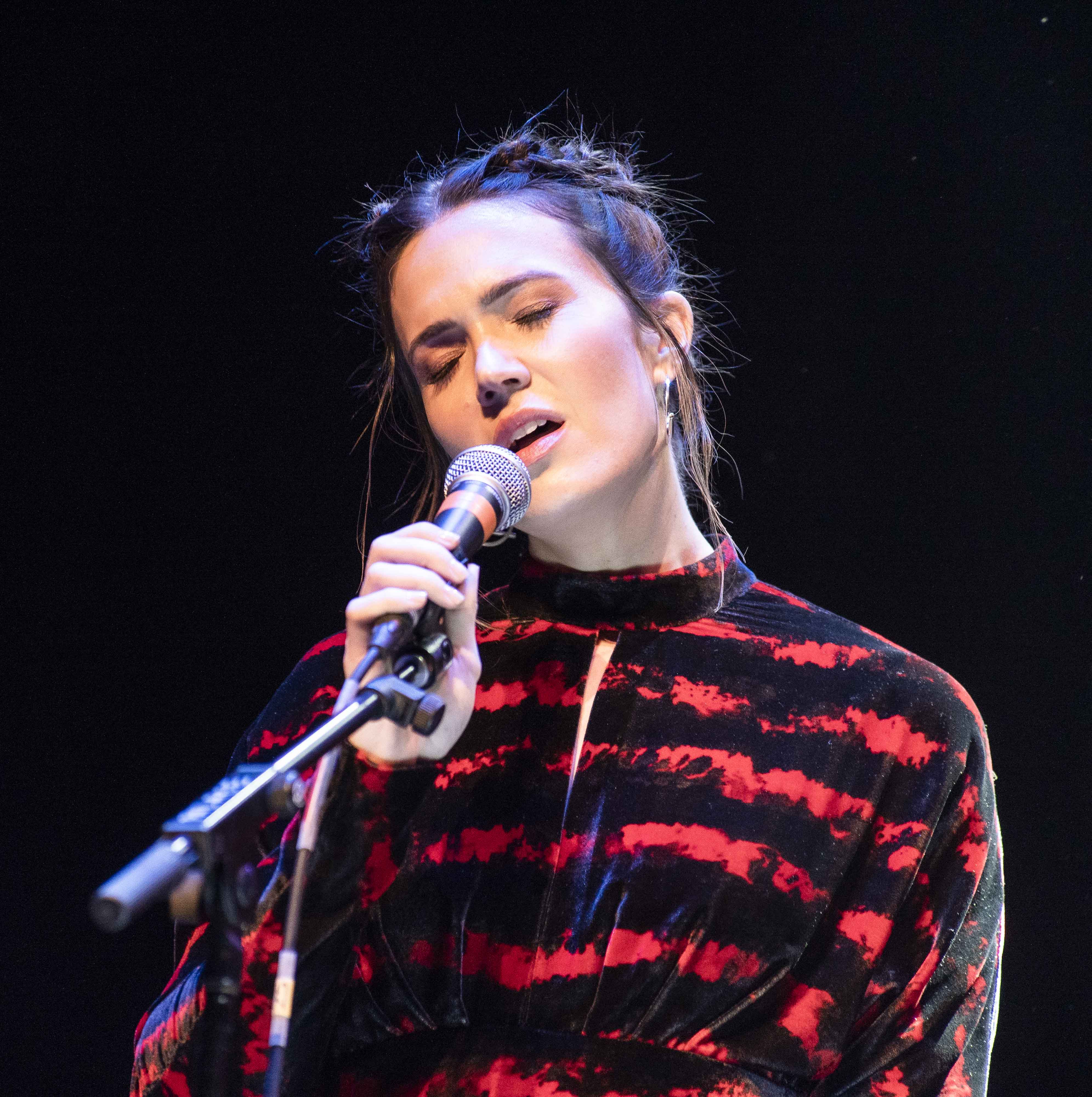
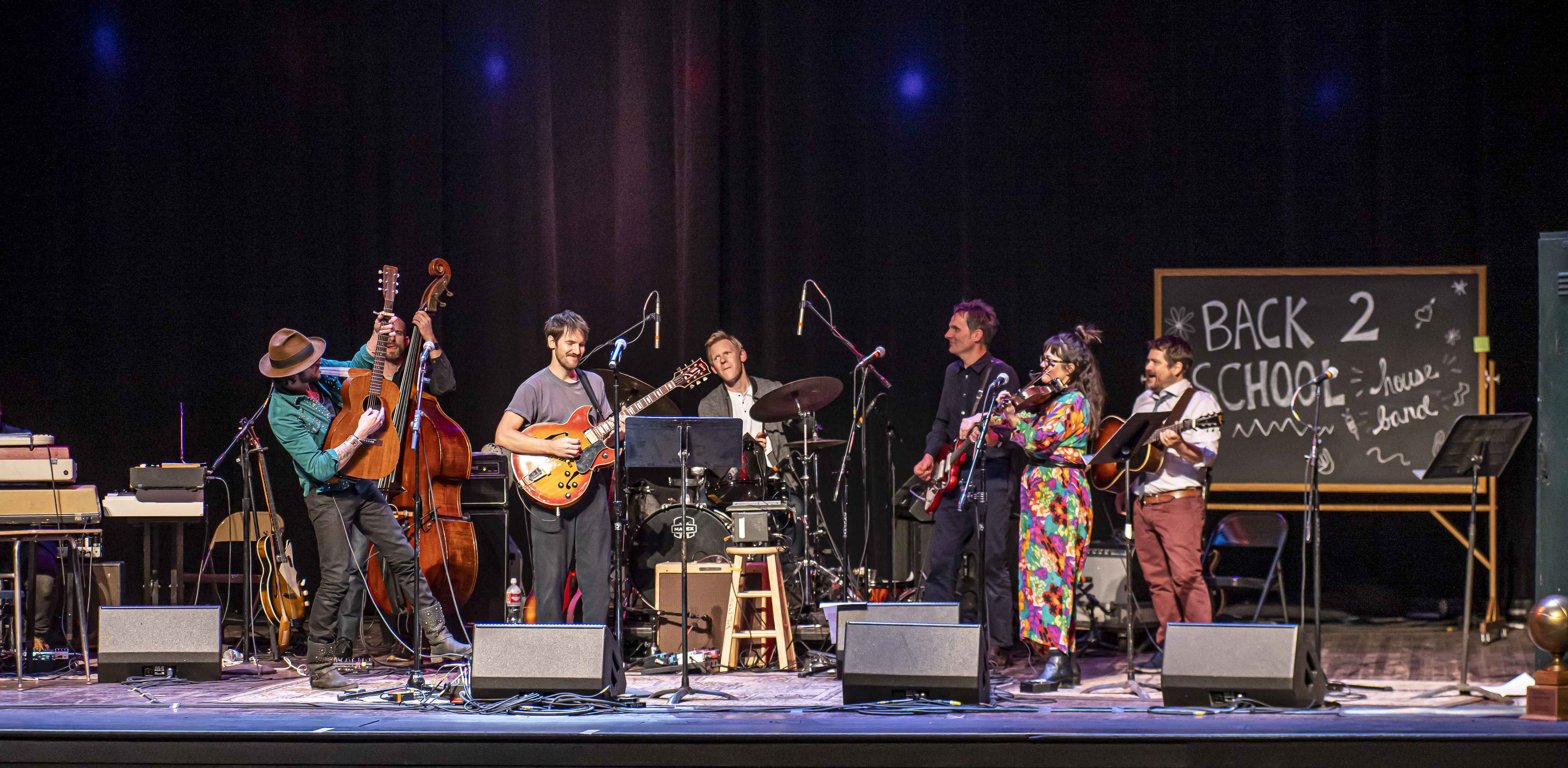
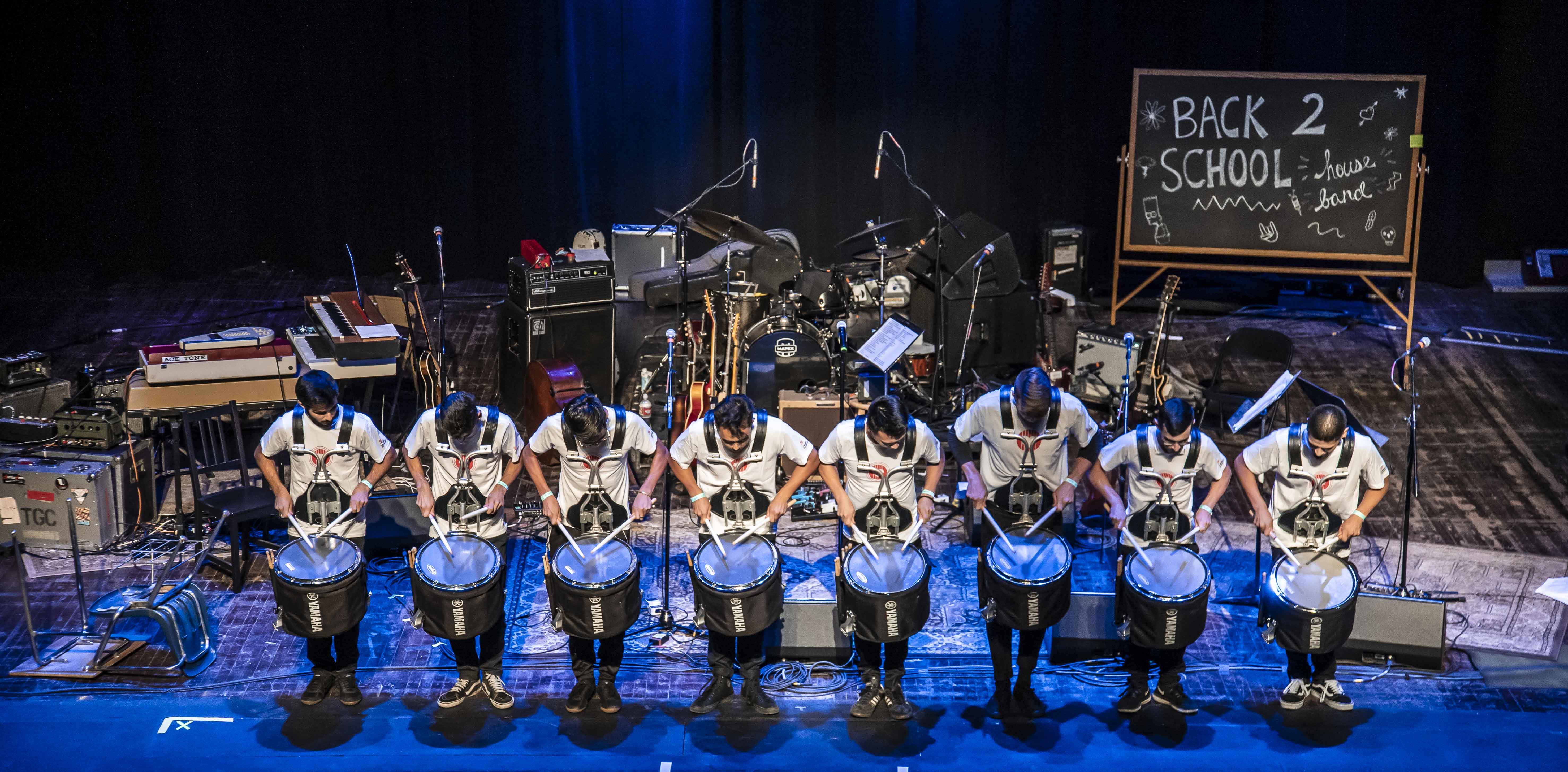
On Saturday, November 2, community-minded music fans from all across Southern California gathered at the Palace Theatre in Los Angeles for Back 2 School. The variety show, presented by Kensington Presents, the D’Addario Foundation, and BGS, benefited the D’Addario Foundation’s important work supporting music programs in underserved schools and communities. John C. Reilly, Jim James, Mandy Moore, Garfunkel & Oates, and many others took to the stage with our five-star house band — helmed by the Watkins Family Hour and Mike Viola — to share music, songs, and laughter to bolster the cause.
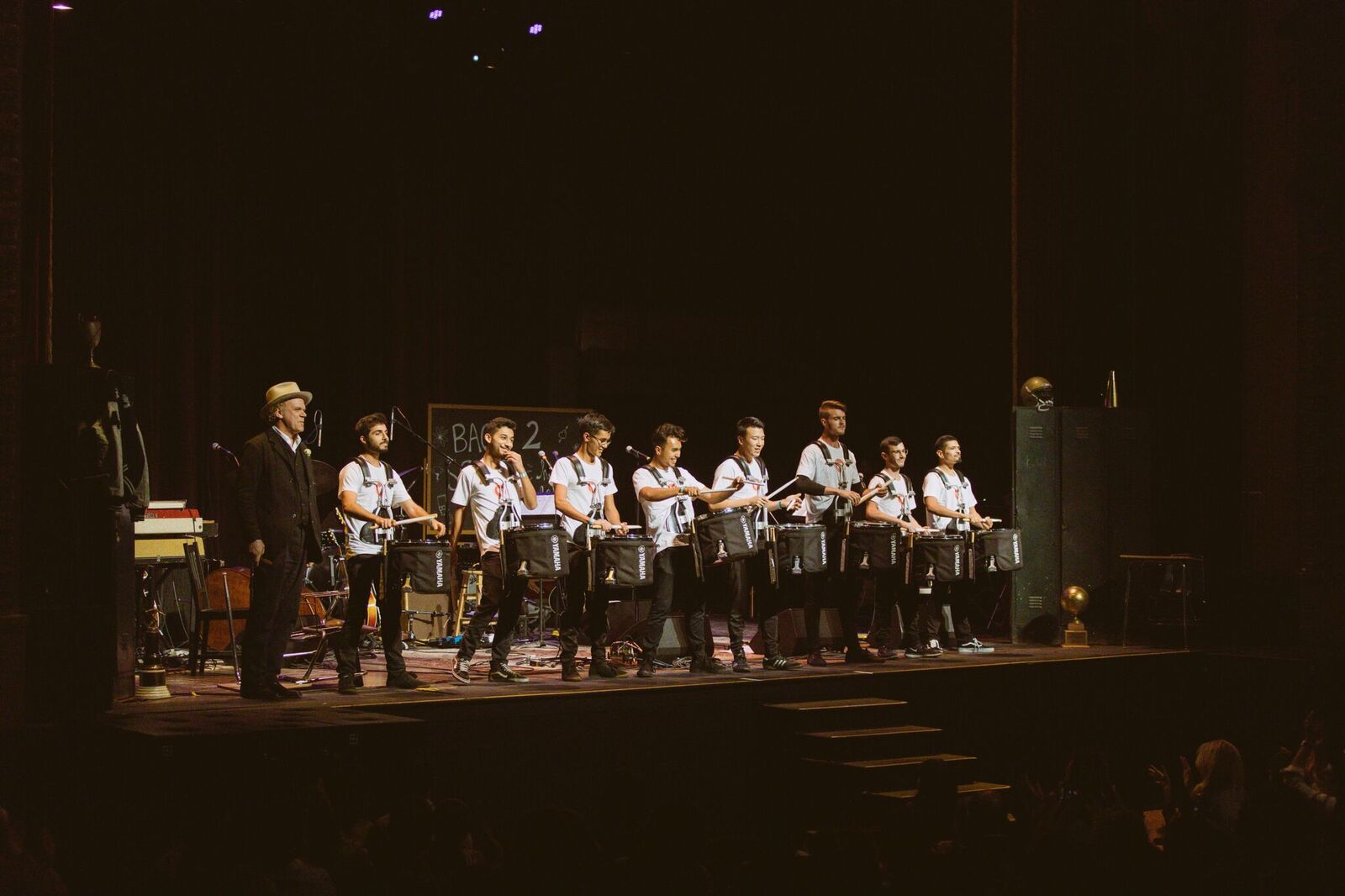
If you didn’t have the good fortune to be in attendance on Saturday night, check out the magic of Back 2 School (thanks in no small part to our stellar drum line) right here on BGS. Good news, too: You can give to the D’Addario Foundation at any time, wherever you are. Donate here.
A great night, a great cause.
Photo by Ellie Lauren Photography
All smiles -- and oh so much fun -- during pre-show run throughs.
Photo by Ellie Lauren Photography
(L to R:) Ted Poor, Blake Mills, and Mike Viola.
Photo by Ellie Lauren Photography
A simply stunning room.
Photo by Harrison Pearl Photography
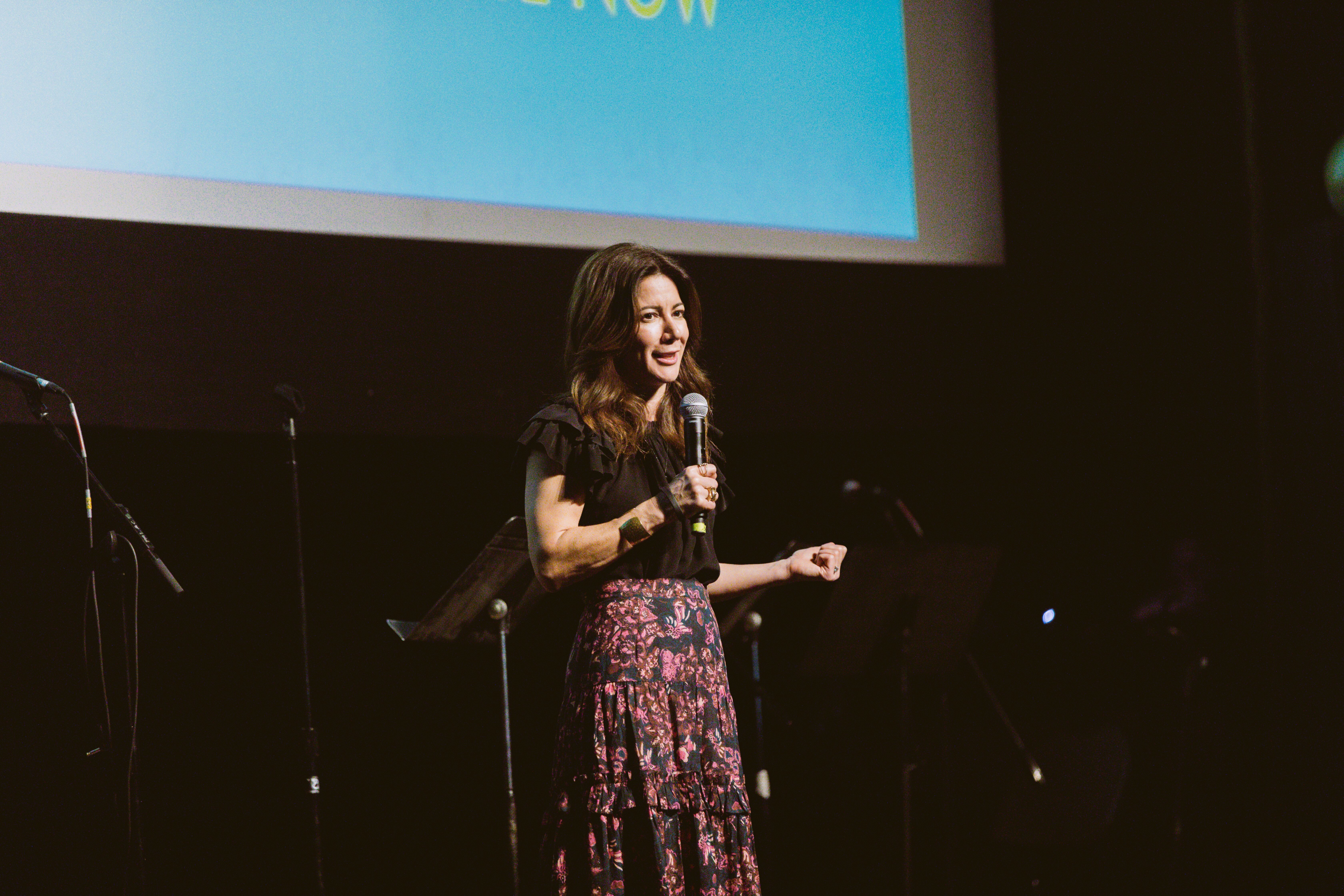
Suzanne D'Addario Brouder of D'Addario and the D'Addario Foundation speaks about the important work of funding music programs in schools and communities.
Photo by Ellie Lauren Photography
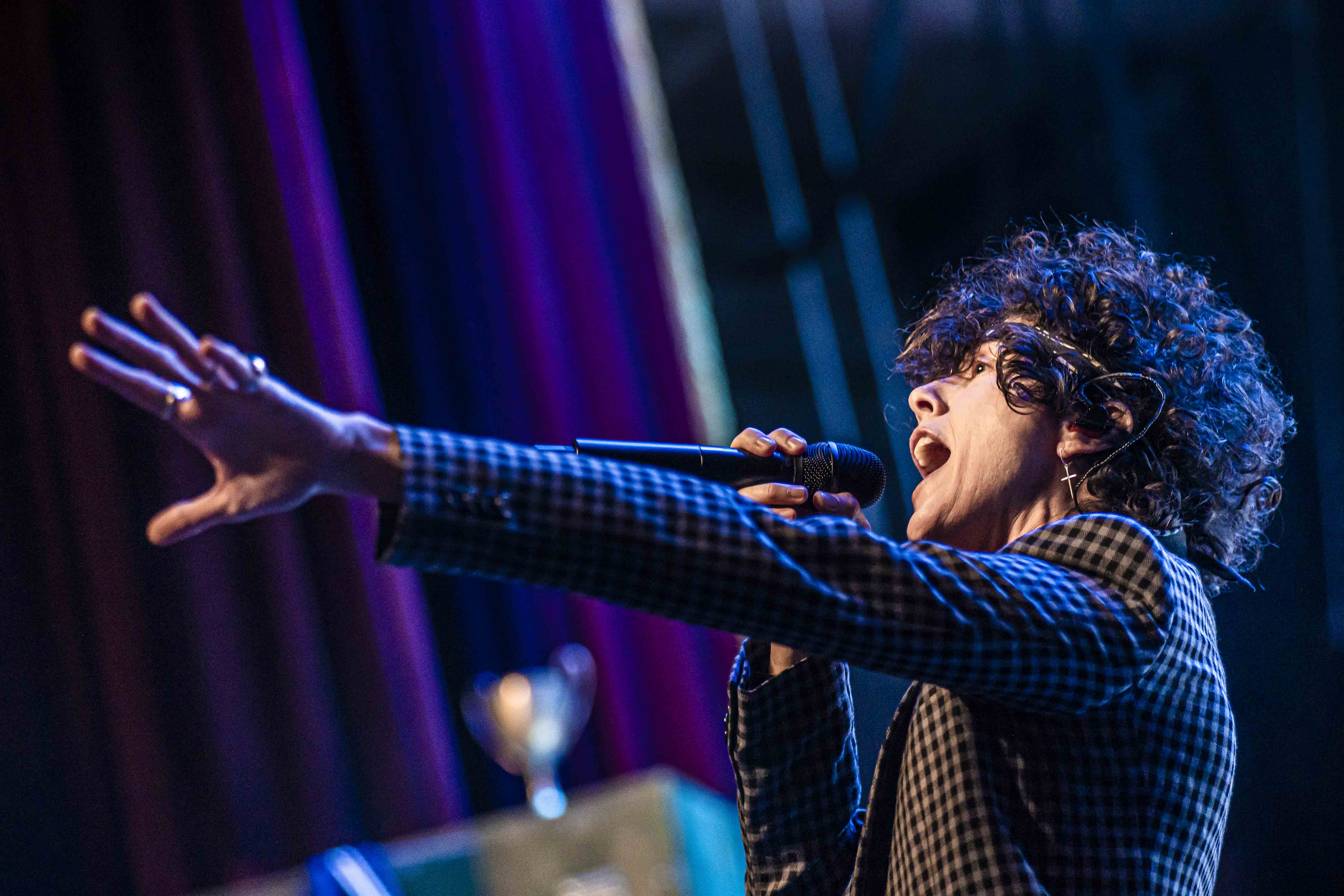
LP takes the stage!
Photo by Harrison Pearl Photography
These two. The best house band leaders anywhere. Sean and Sara Watkins.
Photo by Ellie Lauren Photography
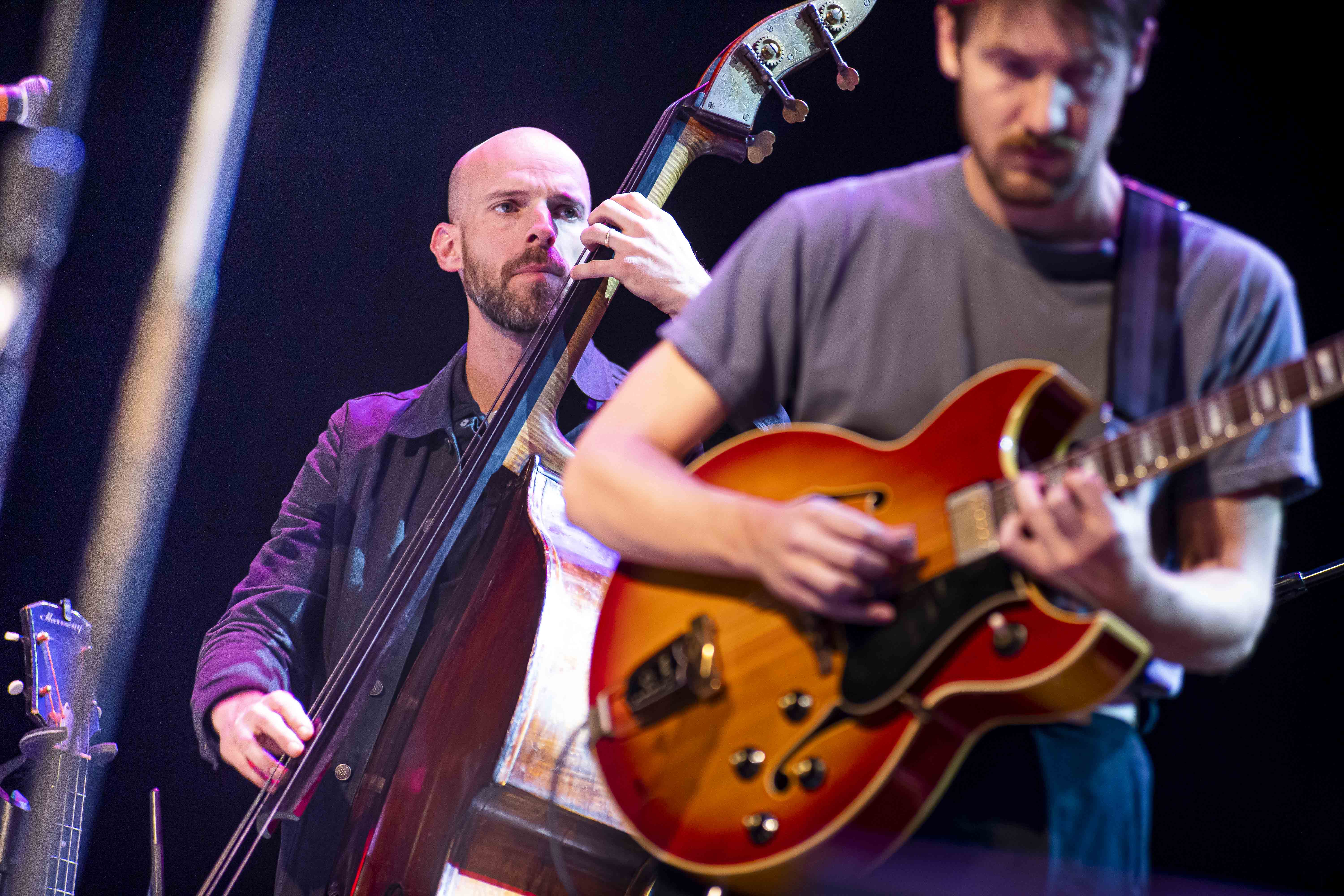
Blake Mills (foreground), Mike Viola.
Photo by Ellie Lauren Photography
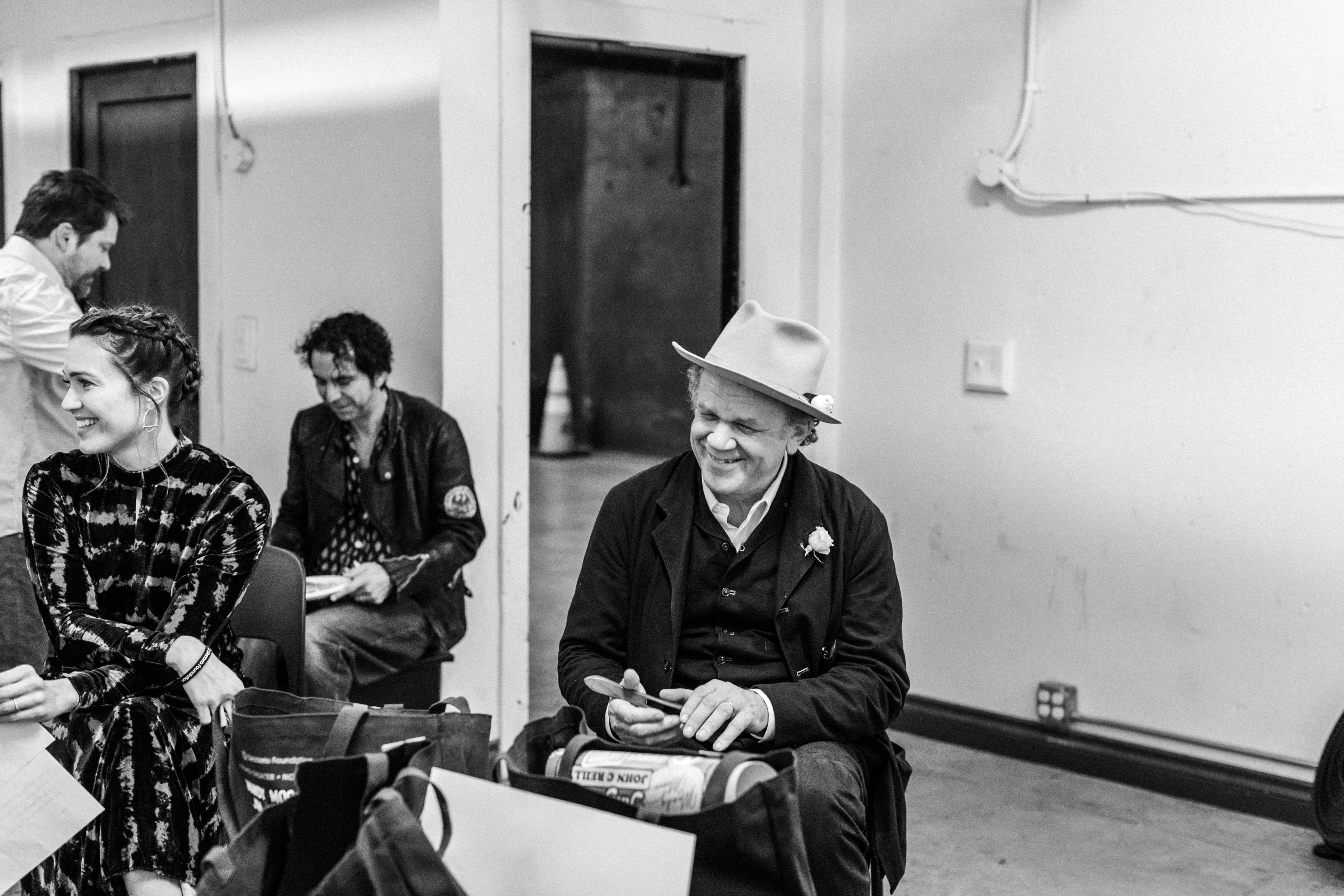
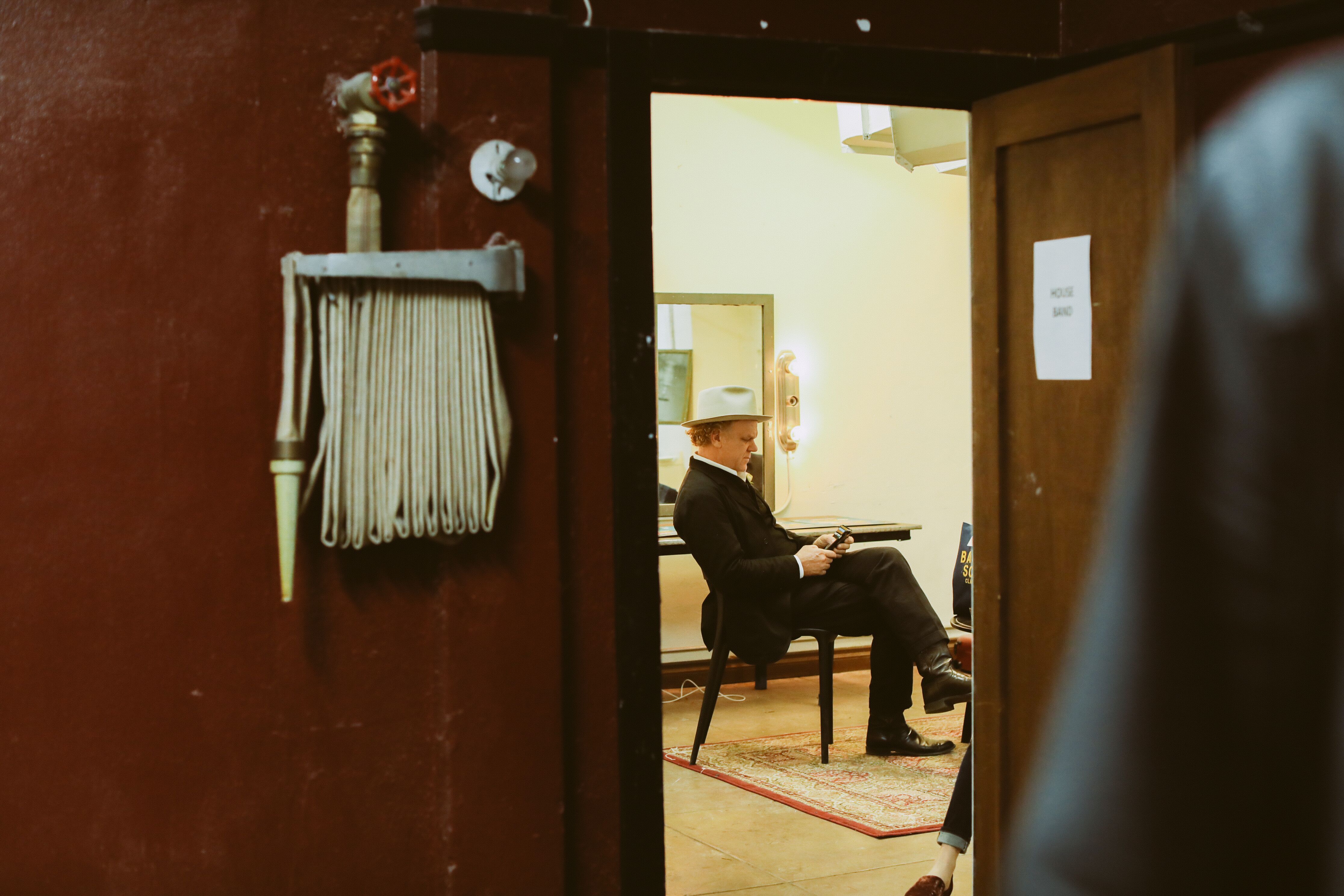
John C. Reilly takes a quiet moment backstage.
Photo by Ellie Lauren Photography
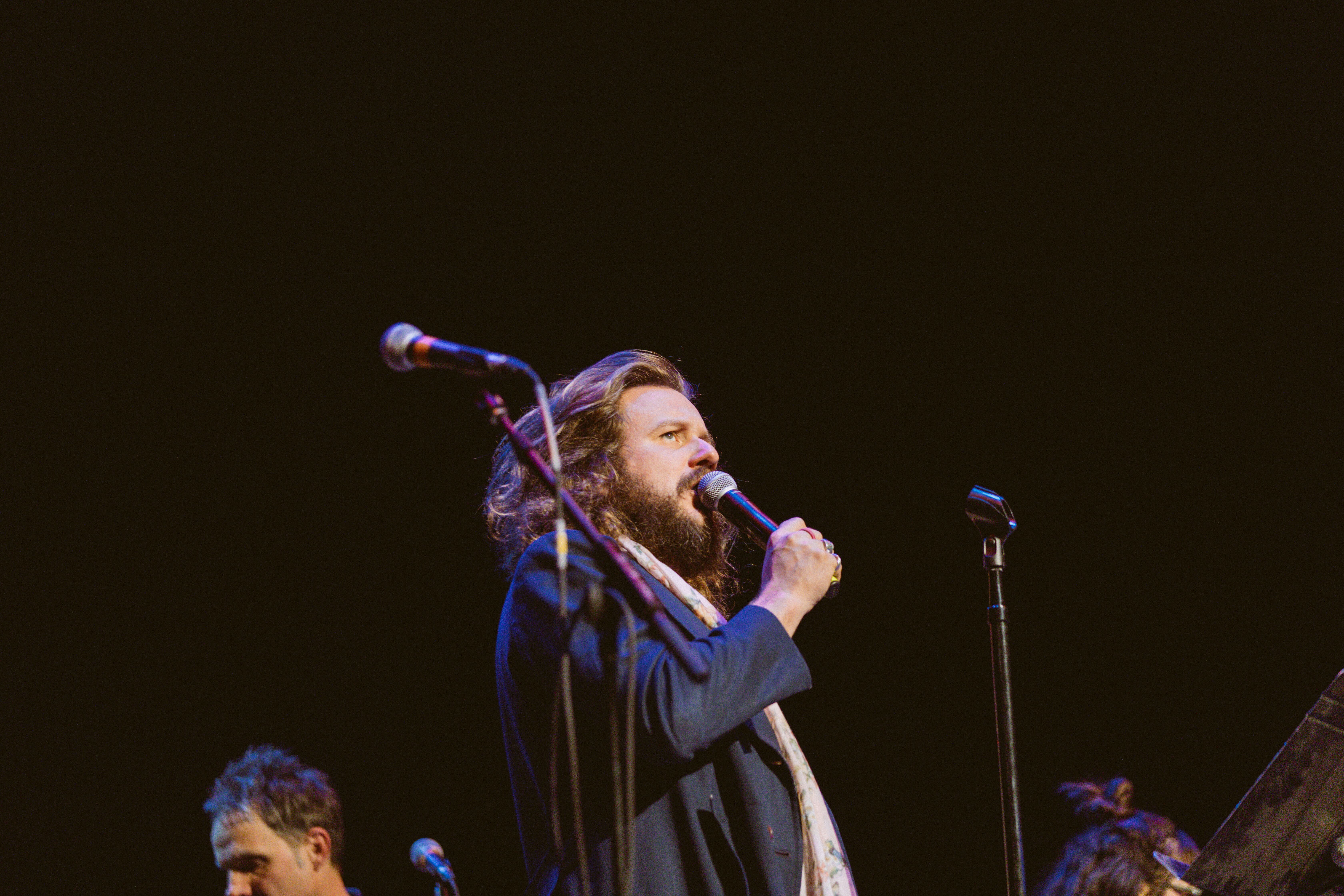
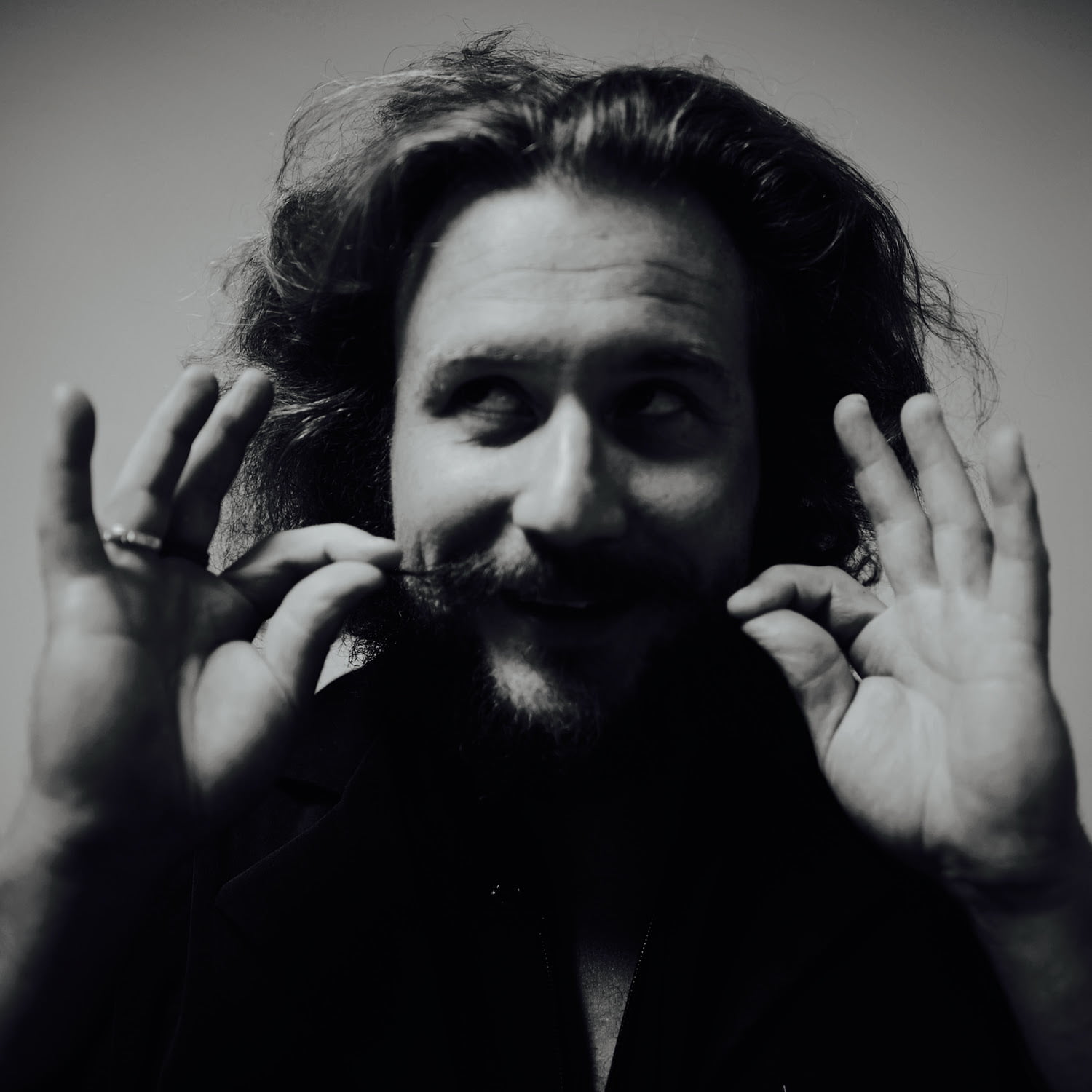
Jim James himself.
Photo by Ellie Lauren Photography
Alan Hampton on bass,
Photo by Harrison Pearl Photography
Langhorne Slim serenades the Palace Theatre crowd.
Photo by Ellie Lauren Photography
LP brings it to a rapt crowd.
Photo by Ellie Lauren Photography
The ever hilarious Garfunkel & Oates!
Photo by Ellie Lauren Photography
THE Mandy Moore, y'all.
Photo by Ellie Lauren Photography
Every show needs a surprise guest. For Back 2 School, that was David Garza!
Photo by Harrison Pearl Photography
Langhorne Slim in his dressing room.
Photo by Ellie Lauren Photography
Jim James bringing a number home.
Photo by Ellie Lauren Photography
A soon-to-be hug we'd like to make a group hug, for sure.
Photo by Ellie Lauren Photography
What a group!
Photo by Ellie Lauren Photography
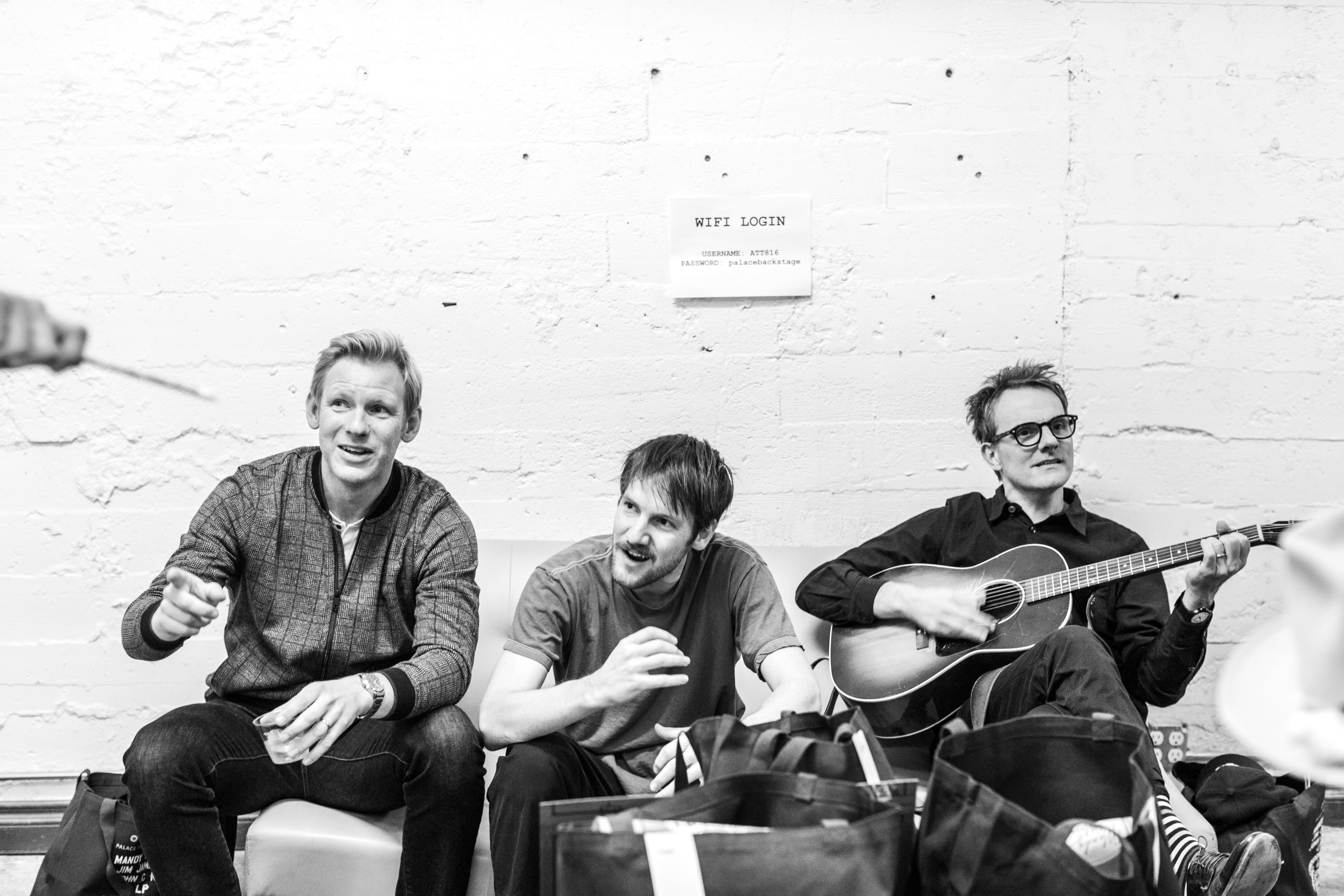
The hang backstage was 10/10.
Photo by Ellie Lauren Photography
Garfunkel & Oates.
Photo by Harrison Pearl Photography
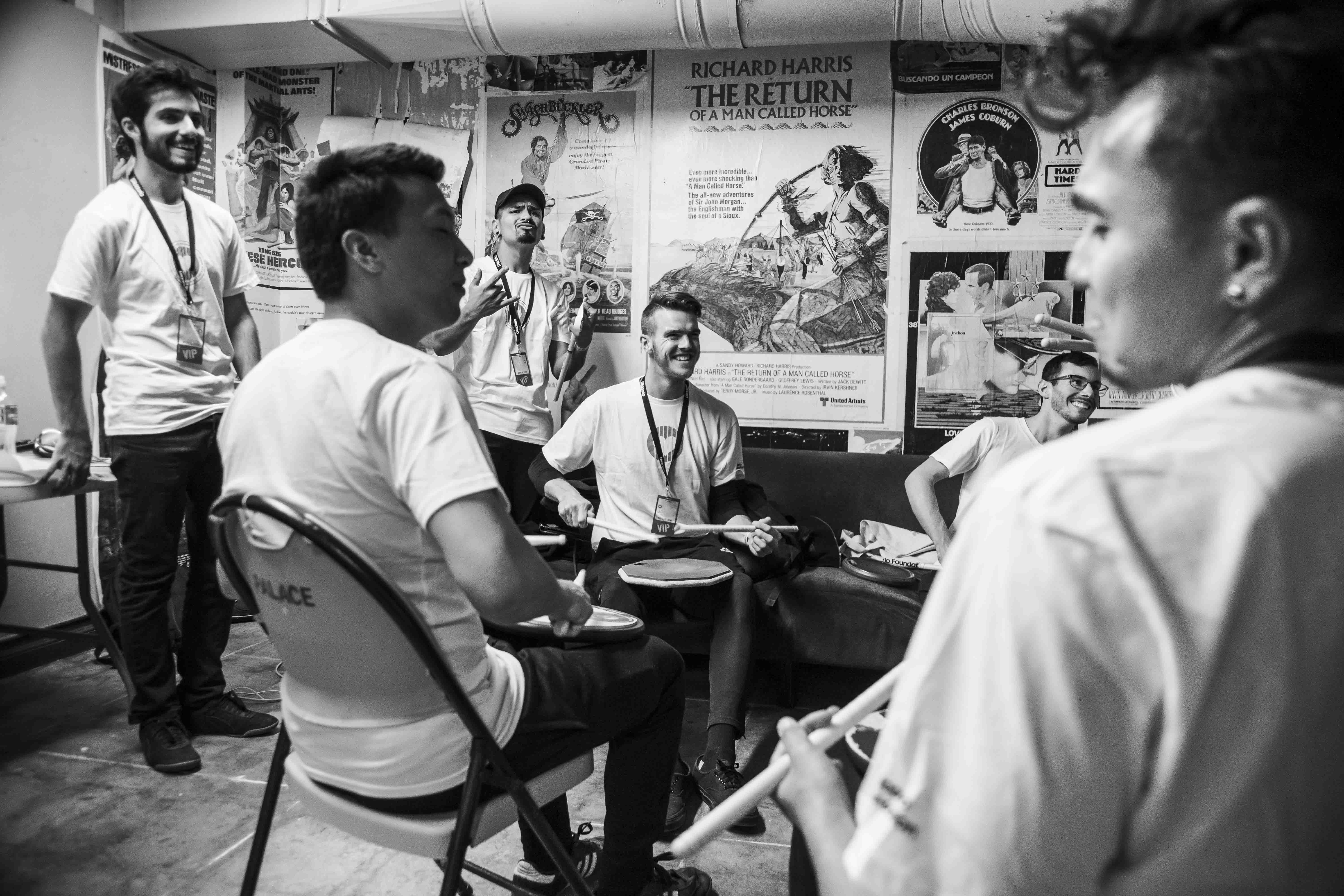
It is "Back 2 School," after all. The evening would not have been complete without a drum line.
Photo by Ellie Lauren Photography
David Garza shows everyone how it's done. ("It" being guitar solo acrobatics, of course!)
Photo by Ellie Lauren Photography
Our valiant drum line warms up backstage.
Photo by Harrison Pearl Photography
Only YOU can help fund music programs in schools and communities. - John C. Reilly, in this photo probably.
Photo by Harrison Pearl Photography
Mandy Moore, once again.
Photo by Harrison Pearl Photography
Pinch us, we must have been dreaming of the best band ever.
Photo by Harrison Pearl Photography
What a night. On behalf of Kensington Presents, the D'Addario Foundation, and BGS we'd like to thank everyone who made it possible!
Photo by Harrison Pearl Photography
Photos by Elli Lauren Photography and Harrison Pearl Photography as noted. Lead photo: Harrison Pearl Photography
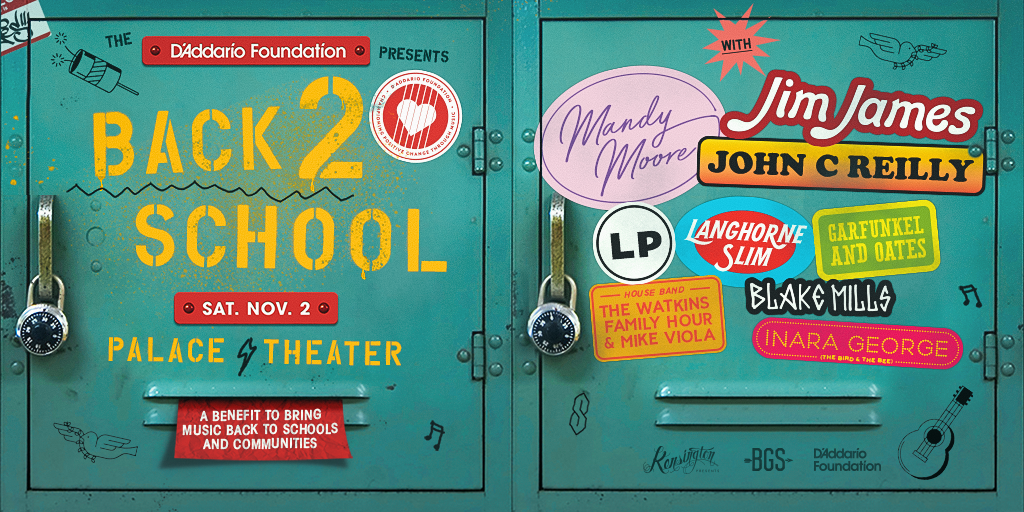
Along with our partners The D’Addario Foundation, longtime champions for accessible music instruction, and Kensington Presents, BGS is proud to announce Back 2 School: Class of 2019, which will take place at Los Angeles’ historic Palace Theatre on November 2. The first event of this kind in Southern California, the money raised by the 501(c)(3) D’Addario Foundation will provide kids access to amazing music programs, provide college assistance scholarships, and encourage gender parity in music and guitar playing through D’Addario’s Girls In Music Initiative.
Back 2 School will feature house band and Los Angeles institution, The Watkins Family Hour, joined by acclaimed producer, songwriter, and artist Mike Viola. A world-class cast of musicians will join Sara and Sean Watkins and their collaborative Family Hour crew over the course of the evening. Prolific songwriter and My Morning Jacket frontman, Jim James, platinum-selling musician and Emmy-nominated actress Mandy Moore, silver screen troubadour John C Reilly, straight-shooting singer-songwriter LP, everyman Americana hero Langhorne Slim, Los Angeles’ own comedy-folk duo Garfunkel & Oates, six-string renaissance man Blake Mills, and one half of The Bird And The Bee, Inara George, will all take the stage to raise money for The D’Addario Foundation. Fans should keep an eye out for additional artist announcements in the coming weeks. Tickets, priced from $50 to $250, will be available on Friday, September 20th. Use code BACK2SCHOOL to purchase pre-sale tickets now.
VIP ticket options are also available for those who wish to upgrade their Back 2 School experience. VIP will include premium seating (center orchestra or first two rows of mezzanine), a VIP laminate, and a priority entry lane. Gold Circle VIP includes premium seating (first four rows of orchestra), a free drink/cocktail, an event poster, and the aforementioned VIP laminate and priority entry lane.
In addition to catching once-in-a-lifetime performances and collaborations among world-class musicians, Back 2 School attendees will be contributing directly to The D’Addario Foundation’s mission to put music education back in the forefront and into the lives of those who otherwise might not have these opportunities. “The bottom line is kids need lots more music as part of their education and your support makes that possible,” says D’Addario Foundation Executive Director, Suzanne D’Addario Brouder, emphasizing their mission statement. “We believe in the power of music to unlock creativity, boost self-confidence, and enhance academics. By making music education accessible, we can positively affect social change and foster better citizens of the world.” Purchase your tickets now.
“The news is really very sad,” so goes a line in Abbey Lincoln’s 1990 song “The World Is Falling Down,” a poetic lament with the contrast of jubilant horns laced through. Singing through the Civil Rights movement and nearly up to her death in 2010, she is one of music history’s most dynamic and under-appreciated figures, particularly in the mainstream: While lovers of jazz would hold her modern influence as tantamount, particularly as a vocalist, she didn’t become the kind of household name to survive the internet generation.
Jim James, of My Morning Jacket, tried to change that in his version of “The World Is Falling Down,” off of his new LP, Tribute To 2. It’s a follow up to his first record of covers, 2009’s Tribute 2, devoted to George Harrison. This time, James picks songs that could easily have come straight from current times — and, looking back on 2017, it has often felt as if the world was indeed falling down. And fast. Beneath the news and the Twitter feeds and the noise, it’s hard not to panic, and even more difficult to find beauty beneath it all. James takes Lincoln’s version and slows things down into a gorgeous, acoustic folk song, gently singing in the softer side of his range through lyrics that so closely mirror our daily struggle. But he makes sure to reinforce the most important point: When times are tough, reach out. Find a hand to hold, and walk together through turmoil. And don’t let go. “The world is falling down, hold my hand.” Don’t let go.
We're well into the swing of Fall now, with the leaves turning tremendous shades of red, orange, brown, and, of course, gold. The threat of winter might bum you out, but you ought to consider letting Daniel Martin Moore's new "Golden Age" soundtrack a pensive walk through those crunchy, gorgeous leaves. Hailing from Kentucky, Moore has a major gem with this tune: It's soft and thoughtful, but hardly morose. As the song slides along, you'll find yourself slowing down to appreciate your own golden age in the here and now.
"Golden Age" is the title track to Moore's brand-new record, something that developed as Moore realized the larger applications of the song's themes. "As is most often the case with my writing, I was thinking on a small, immediate scale — of my dearest ones — in our current little corner along the arc of space and time. But, as we worked, the themes in the song only grew in magnitude, coming to underpin the whole album, and it felt right that it should be the title track," Moore says.
His gentle voice rings clearly over a piano, with strings and percussion simmering patiently in the background. Moore had a few assists from friends like My Morning Jacket's Jim James and fellow Kentuckian Joan Shelley on the LP, but he's long been a strong songwriter — his 2011 record, In the Cool of the Day, has held up as a beautiful collection itself. You can catch up to Moore and the rest of Golden Age now, or try to find him on one of the handful of tour dates he's booked this fall.
Somewhere along the way, when everyone in folk and country songwriting started to get just a little too serious, there was one unexpected casualty: detail. Just ask Taylor Goldsmith of Dawes: Mention a "chicken wing" in your song, as he did in "A Little Bit of Everything," and Reddit riots break out. Even though some of our greatest writers thrived — and still thrive — on very specific narrative imagery (well, hello, Bob Dylan and John Prine), it's far from an accepted thing — especially when it's used in any subversive or slightly satirical context. Any time we hear that sort of combination, we immediately classify it not as smart wordplay that captures the shadier side of human existence, but as comedy. Who knew that a chicken wing could be so divisive?
Such is the case, often, with Jonny Fritz, who happens to have featured Goldsmith and his brother Griffin on his Jim James-produced LP, Sweet Creep. Fritz has always been an extremely detailed writer, singing about trash cans, panty liners, and, now, alcoholics and seedy hotels; and sometimes that can make people a little uncomfortable. It's a lot easier to laugh than to actually appeal to the visceral nature of his work. "Are You Thirsty," the song that opens Sweet Creep, is deliciously specific: "Are you packing on the pounds now that you quit?" Fritz asks over a chugging countrypolitan doo-wop. It's about an alcoholic who left the bottle behind, and Fritz never buries his ideas in too many metaphors or grand, sweeping statements — he's simply turning life to lyric. And, really, life is almost always a combination of funny, imperfect, weird, and sad … a meaningful one, anyway. Same goes for music. Fritz knows this well, and delivers, whether or not your instinct is to laugh or cry.
This website uses cookies to improve your experience. We'll assume you're ok with this, but you can opt-out if you wish.AcceptRejectRead More
Privacy & Cookies Policy
Privacy Overview
This website uses cookies to improve your experience while you navigate through the website. Out of these, the cookies that are categorized as necessary are stored on your browser as they are essential for the working of basic functionalities of the website. We also use third-party cookies that help us analyze and understand how you use this website. These cookies will be stored in your browser only with your consent. You also have the option to opt-out of these cookies. But opting out of some of these cookies may affect your browsing experience.
Necessary cookies are absolutely essential for the website to function properly. This category only includes cookies that ensures basic functionalities and security features of the website. These cookies do not store any personal information.
Any cookies that may not be particularly necessary for the website to function and is used specifically to collect user personal data via analytics, ads, other embedded contents are termed as non-necessary cookies. It is mandatory to procure user consent prior to running these cookies on your website.