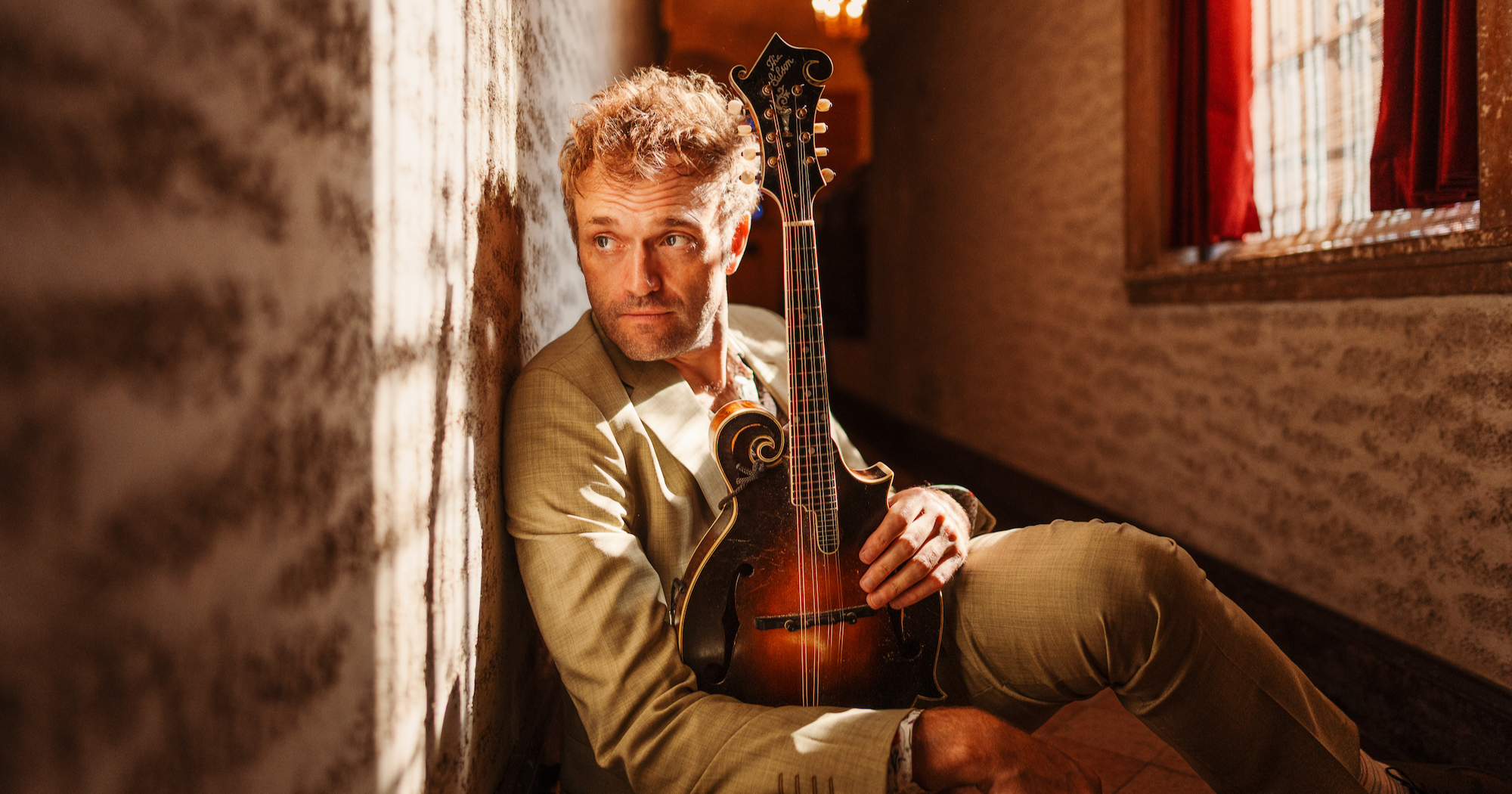
Chris Thile Infuses Himself Into Bach’s Partitas and Sonatas

How many years does it take for a musician to master the music of Johann Sebastian Bach? This isn’t the start to a joke, but the answer to the question can be a bit amusing considering that, for Chris Thile, there’s no such defined number of years or fixed amount of time.

It’s an apropos viewpoint for the GRAMMY-winning mandolinist, composer, vocalist, and collaborator to have, given that Thile is reviving a Bach-related pursuit he began more than 12 years ago. In January 2013, Thile recorded three of the six works that make up Bach’s Sonatas and Partitas for Solo Violin. That August, he released Bach: Sonatas and Partitas, Vol. 1. The logical question following the record’s release and enthusiastic public praise was, “When would volume 2 arrive?”

There’s no disputing the abundance of professional endeavors and musical collaborations that Thile dove into since then, recording with the likes of Yo-Yo Ma, Brad Mehldau, Edgar Meyer, Punch Brothers, and Nickel Creek; winning a MacArthur “Genius” Grant; hosting Live From Here; releasing other solo albums; and even creating a new musical variety show with Claire Coffee, The Energy Curfew Music Hour, which just released its second season on Audible. The extended wait has been understandable. Still, it became difficult not to wonder if Bach’s sonatas and partitas would ever see completion in Thile’s extensive and stylistically diverse discography. Thankfully, Thile renders the other half of the collection on a new solo recording, Bach: Sonatas and Partitas, Vol. 2, released November 7.

The undertaking sounds simple enough: record the remaining two partitas and one sonata. However, Thile embraces Bach’s work with a completely different aim from the first volume. Vol. 1 stayed true to Bach’s written intentions as much as possible. Now, Thile has allowed himself to consider his inner desires for what he feels the music needs – particularly where his music-making process is concerned.

The result is music that is not only pristinely performed, but also offers moments that occur naturally as Thile puts each piece together. Whether that means the ethereal decay of an individual harmonic, harnessed and expanded to ignite a particular feeling between movements I and II of Partita No. 3 in E major, or listeners’ ears traveling from one place to another as a piece blends audio from two completely different settings – like a concert hall, public park, or Blackberry Farm. Vol. 2 is an enlightening peek into Chris Thile’s mind and a bit of a walk in his shoes. In fact, he goes so far as to say that the process of learning Bach’s music is eternal, ongoing, and personal to every musician.

“It’s never done,” he says. “I think you could keep living and growing with Bach forever. But god, what a rewarding process!”

Chris Thile spoke to BGS on a call from Ann Arbor, Michigan, amid a cluster of solo tour dates. He reflects on the different ways musicians become inspired to explore Bach’s music, some of the very subtle but unrelenting dissatisfaction he encountered during the recording process, how practicing Bach is like practicing yoga, and much more:

Given the profundity you view Bach’s music as having, how did you negotiate its iconic place in music history with your desire to explore the possibilities you feel when listening to it, learning it, and making it part of yourself?

Chris Thile: I think that almost every ambitious musician’s relationship with Bach begins when someone tells them they should check it out, you know? Some of us just encounter it in the wild and have a major moment with it, but for me, my grandmas on my mom’s side – my grandma and my step-grandma – they both are excellent pianists and taught piano, performed a bunch, and both are gigantic Bach fans. When they realized their little mandolin-playing, bluegrass grandson was pretty serious about music, they were like, “Well, this boy needs to know about Bach!”

Sometimes it takes an expert to tell you that something is amazing and that you should see what’s there in it for you. And, sometimes, you’re just intrinsically aware of the thing’s value. I think mine was kind of both that helped. Having these women in my life who were so important to me tell me that this guy was really, really good helped [foster curiosity].

When [my grandma Sal] sat me down with Bach, it was with Glenn Gould’s second recording of The Goldberg Variations. She was also underlining that Gould’s performances of the music were more notable. That, I think, impressed itself on me, too; that we don’t have recordings of Bach playing Bach. So someone makes those for us or we make them for ourselves. Then it introduces this other music-making entity into the equation.

That’s a big and very long transition going from “Bach, the Almighty” to Bach, a human being whose music I am interested in having a real relationship with. And by “real relationship,” I mean a two-way, back-and-forth conversation. Yes, the text is fixed, but you can still have a living, growing relationship with it. And it takes a long time to learn how to do that. I think it’s lovely to have people giving you advice along the way.

You’ve said that practicing Bach “is like practicing yoga” and that it’s something you do everywhere you can. What does that mean for you?

Being someone who plays Bach and being someone who does yoga, I did want to figure out a way that the recording could represent that [connection] – the living, changing, growing, aspect of being someone who interacts with this music regularly. That these pieces could go from one place to another, potentially mid-movement. And then realizing that would also potentially mirror my experience of playing the pieces.

Because it’s not like I’m only playing them in my workspace. I might play them at the Elbphilharmonie in Hamburg and then a couple months later be at a Hampton Inn in Carbondale, Illinois. Or, it’s just too nice outside and I gotta practice outside today. So, multiple locations ended up serving two ends: wanting to be able to utilize the studio and [all that’s] possible when you’re recording music, to trying to figure out a way to sonically represent that life of practicing Bach.

Did you have a lot of thoughts on Bach going through your mind even while planning Season 2 of the Energy Curfew Music Hour?

Yeah! That was all happening concurrently. Every now and then, Punch Brothers would be in a practice room and I’d show my bandmates something, [asking,] “What do you think of this random thing I’m trying to do with the C major Fuga?” Just trying to get a read on people and playing a little bit of it on the side, to see if I can gauge a natural reaction to it and see if that gives me any ideas for future shenanigans. And it definitely did.

You’ve said that once you hear something in your head and enjoy it, you have to chase it until your ears tell you differently. That making peace with that aspect of your musicianship “is actually kinda the B story of this whole record.” What does it mean for you to “make peace” with this facet of your artistic spirit?

I am compelled to make this music. I don’t always understand the nuts and bolts of why I think it’s important to do it. First and foremost, I love the music. I love hearing other people play it. I love it on the page, I love the physical sensation of playing it, and I love the sound of me playing it.

But then, as is my custom, I’m voice memo-ing myself playing [the sonatas and partitas]. I heard the voice memos back and did not like how it sounded. There was something insincere about it. It was very, very strange, like something reflexive. It was almost the sensation of seeing video of me back and having some sort of physical mannerism that I was unaware of and not liking it. Or like, hearing the tone of my voice on a recording and thinking, “That’s what I sound like?” I think we’ve all had that sensation before.

So it was really disorienting and vexing, my perception of what was happening: the music that was actually being made was so off and somehow struck me as inauthentic and non-additive – and like regurgitation. So I had to do something.

The thought struck me, “I’m not ready to make this record.” The way I approach making music has changed over the last 12 years. I went back into this music thinking that my methods from when I was 31-32 were gonna be great and yield a good result. I just like to get my hands dirtier these days. The musician that I am takes everything down to the studs and blends it with everything else that’s swirling around in my musical life. That’s what I do. That’s how I make music. It’s how I write music and it’s how I approach performing any other music besides Bach. I think my reverence and awe that I hold [Bach’s] work in was preventing me from actually engaging with the music the way that I do with every other piece of music in my life.

It was scary for me, because I’m not any less reverent of what Bach did. I don’t love it any less. I don’t think it needs to be different. But when it’s me playing it, it has to go through my process, like everything else does, or else it doesn’t sound sincere and doesn’t sound authentic. That was an almost painful realization to have, and to have to basically scrap an approach and build a whole new approach to working on this music. But again, it wasn’t a new approach. It was just applying everything I know about music to Bach for the first time.

What was your intention when you decided to record in different settings – New York City’s Reservoir Studios and Tomkins Square Park, Tennessee’s Blackberry Farm, and Farrell Recital Hall at Murray State University – as well as choosing to merge audio together?

The different locations thing was part of the initial impulse, in terms of turning the thing into an actual record. It was a fairly radical move – to go from just recording in a nice studio or nice hall and getting a great sound and letting that be the sound and playing the music.

There were two reasons to do it: One of them is that, increasingly, I feel if you’re going to make a record, you should utilize the studio as an instrument. You should make sure that you’re using the medium. I guess it’s not a “should.” You can utilize the medium. For me, I’ve made a lot of archival records where really it’s just, “This is what happened in the room. Enjoy!” But I’ve realized about myself that often, when I’m listening to an archival recording, I have FOMO or something. I wish I were there, because clearly this happened in a room just like this and imagine if you had been there when it happened.

Whereas, I don’t have that when I’m listening to something that’s really taking advantage of the tremendous tool that the recording studio can be. For example, a record like Radiohead’s Kid A, where it’s something that can’t happen live. If you had been there in the room, it would have been really interesting to hear them discover the sounds. But then the flight that performance takes in the hands of a great engineer, who’s been set free in terms of exercising their own creativity in the mix environment, or artists who are very hands-on during that part of the process.

Again, it’s like a performance that’s happening over the course of months, even years at times. What happens live in the room is part of it. And then what happens in the editing booth is part of it, and what happens in the mixing room is part of it. If you’re going to make a record, it’s just interesting to note the difference. You can use the studio as an instrument or it can merely be the camera with which you’re taking the snapshot of where you’re at with a piece of music at a given time. I wanted to mess around with the former on this album.

The more I listened to something like that in my head, the more I liked it. The more committed to it I became, the more I considered, “[What if I] allow myself to record these things in multiple locations and even stitch performances together from from very tangibly different environments?” Really, sort of leaning into the surrealism of it. Now you’re in a studio and now you’re in a corner of Tomkins Square Park in the East Village. If I’ve allowed myself to do something like that, then what wouldn’t I allow myself to do?

Track 10, the first movement of Partita No. 3 in E major, I. Preludio, ends with nearly 13 seconds of ominous, rising, distorted feedback that pivots right into the clean first notes of movement II. Loure. What role is that very intentional ending meant to play?

It wasn’t something I knew that I needed until I had everything quote-unquote “done.” And then it was like, these moments in this medium need a little extra something. To give the [Partita No. 3 in E Major II.] Loure this kind of psychodrama towards the end of it was important to me. And then to prepare that [piece] with that crazy delay loop, grabbing that last harmonic [in the first movement, Preludio] was also important to me. So I asked my mixing engineer, Joseph Lorge, to find something. Bless him, I love what he found. That is almost like the harbinger of what’s going to happen on the Loure. What happens during the Loure was really important to me, artistically. But then I wanted there to be some sort of trumpet call like, “Hey, look out. Something’s coming.”

What stands out as something unique about making Bach’s music more your own this time around, especially knowing this is a solo endeavor?

There’s so much in today’s society about “Be yourself!” “Follow your dreams!” I’m talking about how important it is for me to have a two-way conversation with this music and not just revere Bach to the point that I’m taking myself out of the equation as a creator.

But we are so “Me, me, me, me” now. “This is me, just deal with it.” It can be really interesting to consider, “What happens when you expose yourself to the taste of other people?” It’s ultimately going to happen anyway, but what if there’s a practical concern? Can you go through that kind of exercise? It’s one of the reasons I love being in bands. In Punch Brothers, for instance, I need [all four of my bandmates] to be as happy with the music as I am. It’s not done until then. When I make music by myself, I have to figure out ways to trick myself into considering more than just me while I’m doing it.

[However,] you do have to make sure that you’re pleasing the only ears that you actually have any control over pleasing, which are your own. That’s first and foremost. But yeah, you’re always looking for any way to give shape to the very nebulous process of creating something from nothing.

What do you think musicians and composers of today can learn from Bach’s approach to music that would bring today’s songs, performances, and practice mentality closer to the timeless, ever-insightful, and continually inspiring nature of Bach’s work?

One thing that I keep trying to learn from Bach, just as someone who does try and write music or make it all the time, is how much of his art was happening anonymously. He had his professional duties – as he was a court composer and then he was a church composer – so there were those things, where he was writing music for very definite purposes with very definite deadlines. A ton of it was really theoretical and him working on the craft without any promise of getting a reaction out of his fellow humans – really his own curiosity and work ethic and desire to know and discover.

So I’m constantly thinking about, “Are people going to like this? Is it going to help me grow my audience? Is it going to help me make rent? Pay the mortgage?” Of course, [Bach] had those kinds of concerns. I think human beings in the early 1700s were not immune to ego. It’s not like Bach didn’t care what people thought of him – I’m sure he did. But I’m also sure that [thought process] took a very different form in those days and I think being able to make music – just for the love of it and with the patience that it takes to really explore your materials – is a thing that I at least keep trying to learn from Bach.


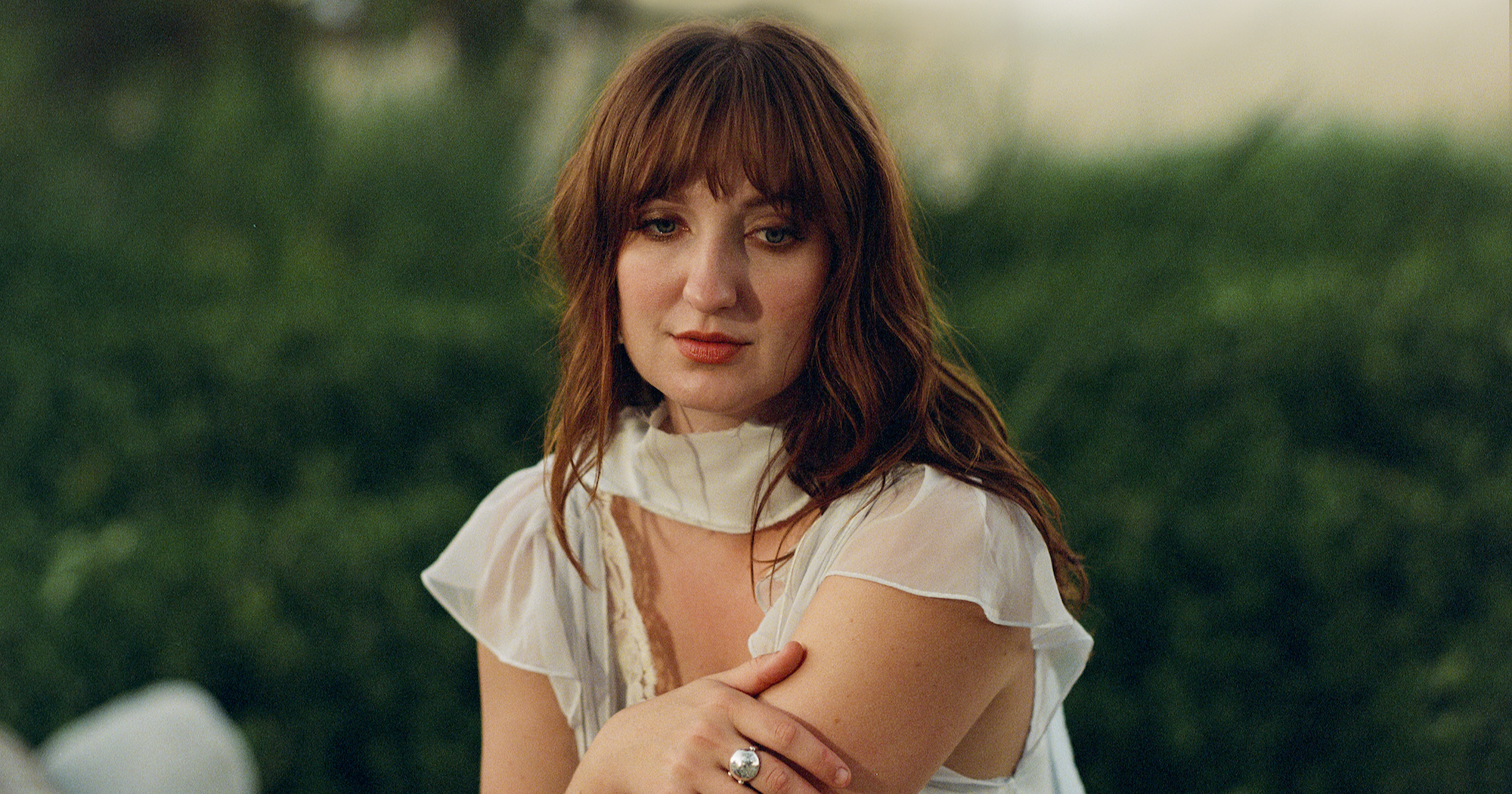
Photo Credit: Josh Goleman
Laurel Premo’s Songs of Grief and Opening

On Halloween, I released an album of griefwork music. Laments features four compositions for solo fiddle and voice born out of an instinctive and spontaneous draw into lamentation when my body demanded it as part of its healing processes.

In both my vocal and instrumental soundings, the role of a traditional lamenter has long been rooted in my identity and how I seek to be of service as a community member who helps others enter into emotion or move through to the other side of an emotion. That work is not limited to sorrow, but can move joy as well. Music can help to bring more aliveness and connectedness to one previously detached, as I’ve been lucky to experience in my work of being a dance musician or a wedding fiddler.

Since my initial education on the topic of “lament” around age 20 while studying in Helsinki, I have held the possibility of a similar role as a guide into or through feeling at the core of my work. It wasn’t until the middle of the last few years, when I had been writing this music on fiddle and voice, wailing music with few words, that I realized I was working with actual lament and that I had found myself knee deep in a river of tradition. So I am here, coming full circle.

Seventeen years later, I returned to research and to listen to archive sources after I had birthed this work, to begin to understand the context of my path, to grab on to some railings, and to move into whatever comes next. I have since come to understand that performative ritualized mourning is a global phenomenon of traditional cultures. While my record is a performance of prepared arrangements and echos of what I experienced in liminal spaces, as opposed to my live lamentation or ritual, it’s my hope that the music can represent the shallows of what is available inside of the great depths of the tradition. (For more reflections on this work, read on via the extended notes booklet for Laments.)

For this Mixtape, I thought back through time to craft a collection of tracks that have been medicinal to me in seasons of heaviness, in times when I needed assistance to reopen a closed self. The tunes span many genres – please take them with open ears and meet them with what they offer. Through different modes, they all have the power to help bring in a glimpse or a full serving of transformation, whether that’s delivered from the quietest breath of the mechanics inside of a piano or from the wall of supportive pressure that is the embrace of the Scottish smallpipes. Three traditional lament forms are featured (Ireland, Scotland, and Peru) nestled here alongside music that I think works in related ways. It is music that helps us enter ourselves. – Laurel Premo

“Riverside” – Tim Lowly

(Listen on Bandcamp.)

This is the first song that came to my heart for this Mixtape, possibly because it was an early memory of the expansive potential of music as a tool in grief. I heard Tim Lowly sing this song at an intimate house concert in Kalamazoo sometime in the 2010-2015 range and his album traveled with me over many touring miles in America that decade. Tim is a painter and writer, and the central protagonist of much of his work has been his daughter, Temma, who has cerebral palsy with spastic quadriplegia. The melody and lyrics in this piece surrender to “slipping down” until they land on some solid new core.

“Pililiù” – Bridghde Chaimbeul

I’ve been very moved by the sounds from Scottish pipes player Bridghde Chaimbeul, who’s just recently completed her first US tour. I listened to her rendition of “Pililiù” during a high intensity breath practice once and it produced an immediate outpouring of tears. Some deep thread of connection existed there. A few months later, while researching vocal roots and lamentation, I recognized that this melody that she had recorded instrumentally is indeed an example of a traditional keening melody. The melody of this lament is a recreation of birdsong of the Redshank. In Scottish tradition, this coastal bird inhabits the liminal space between solid earth and the vastness of the fluid ocean, between known and unknown eternity.

“Body” – Emma Ruth Rundle

A few winters ago Engine of Hell hit me in a heavy way and seemed to be the exact medicine of resonating my own experience that was needed. When music reflects some color of what we’re feeling, it can vibrate our emotional body into become something bigger than we can see and relate to, converse with, question, and be held by.

“Visit Croatia” – Alabaster DePlume

This nostalgic journey is created from patience, deep listening, and real breath. Alabaster DePlume is an English musician and poet.

“Batonebo – Rachan” – Ensemble Ialoni

This is a pre-Christian healing song from an incredible Georgian women’s ensemble. In traditional Georgian belief, “Batonebi” is the name of spirit beings that are the cause of childhood infectious diseases. Songs like this are sung to these spirits, alongside other ritual, to appease them and ask them to leave the sick child so that they may heal. This whole record contains traditional folk song in complex harmony that work as chants for the singer and listener (including the Batonebi spirit audience!).

“My Friend The Forest” – Nils Frahm

Nils Frahm presents deep texture and intimacy here. The flex and breathing of the piano, akin to the live breath of the forest, takes you on a whispering trail of release. Other tracks that have a similar vibe from this record are “A Place” and “Forever Changeless.”

“Gorm” – Susan McKeown

I was introduced to this recording through the master’s thesis of Michelle Collins who investigated the de-ritualization and re-ritualization of keening in contemporary Ireland. This original song from 1996 is written in the traditional form of Irish lament and sings grief related to emigration and grief caused by AIDS. Listen for the traditional cry of “ochón.”

“Nude” – Radiohead

Bringing in some movement now after our ‘set one’ of still listening. Feel the tilt of this waltz gently push you around while the vocals reach and spin.

“Without The Light” – Kelly Joe Phelps

Kelly brings in some sonic reverence here, reaching upward and swimming through memory. “I can see better without the light.” This relaxing into surrender here, perhaps even some praise for the grief in how this song is presented, is an important point in the process. We throw up our hands at the mystery of it all. We sit in awe of the many threads that connect to our heart from all we’ve lived through, from all those we have shared love with. This expression of love – our grief – is actually nourishment towards those living strands that connect us through worlds.

“Vuela Golondrina” – Coral Rojo

Morning light beams through this tune from Chilean vocal ensemble Coral Rojo. The lyrics here speak (again) of birds, both the swallow and the condor, of water, of revolving and renewing time, and the patterns and daily rituals of the natural world healing and waking us to new days. “Cry your sorrows while the mountain range shines as the day arrives.”

“Acid Rain” – Lorn

I’m including this dark ambient, industrial track from Milwaukee artist Lorn to honestly reflect the variety of tunes that do this work for me, personally. Here, bringing in the big guns of bass and synth grit to massage out angst and sorrow stored deep in the muscle. Sometimes you need to order size large.

“Surrender” – Rotana, Superposition

The tunes on this project from Palestinian/Saudi vocalist Rotana and duo Superposition are truly animated prayers and meditations. By that I mean, breathing life, bringing into life, and making alive old and new words. It takes a lot of experience and intention to keep that devotion in your music. Rotana sings codes of freedom.

“Song of Marriage” – Young girl in Huancavalica, Mountain Music of Peru, Vol. 1 

I found this song very recently while listening through a track that shared five-second samples of all of the music on Voyager’s Golden Record (a project that served as a “message in a bottle” for extraterrestrial life led by Carl Sagan in the 1970s). It stuck out to me, even though it was a sweet young voice, I could tell it was some form of blues. Looking up more information about the track, I learned that it was actually lament. Across cultures, in addition to lamentation being used to accompany death, laments are sung quite often to accompany the journey crossing the threshold of entering marriage, as ritual protection in that liminal space, particularly for the bride leaving her family and entering a different life.

“Oh Aadam, sino essitus” – Anonymous, Heinvaker

This project from an Estonian vocal ensemble featuring folk hymns and runic songs was one I listened to a lot in the first summer of the pandemic. The sound is such a balm. A close friend once remarked that this music gave him such pride and hope in what humans are capable of. The actual singing of it, that we are capable of creating this resonance with each other, shows us that we hold such power to shape our world, that we can be positive citizens in the large environment. On our theme today, let this tune speak to the transformation that we lead ourselves on through the journey of grief. We are capable, and we are deeply belonging to this big web of creation.


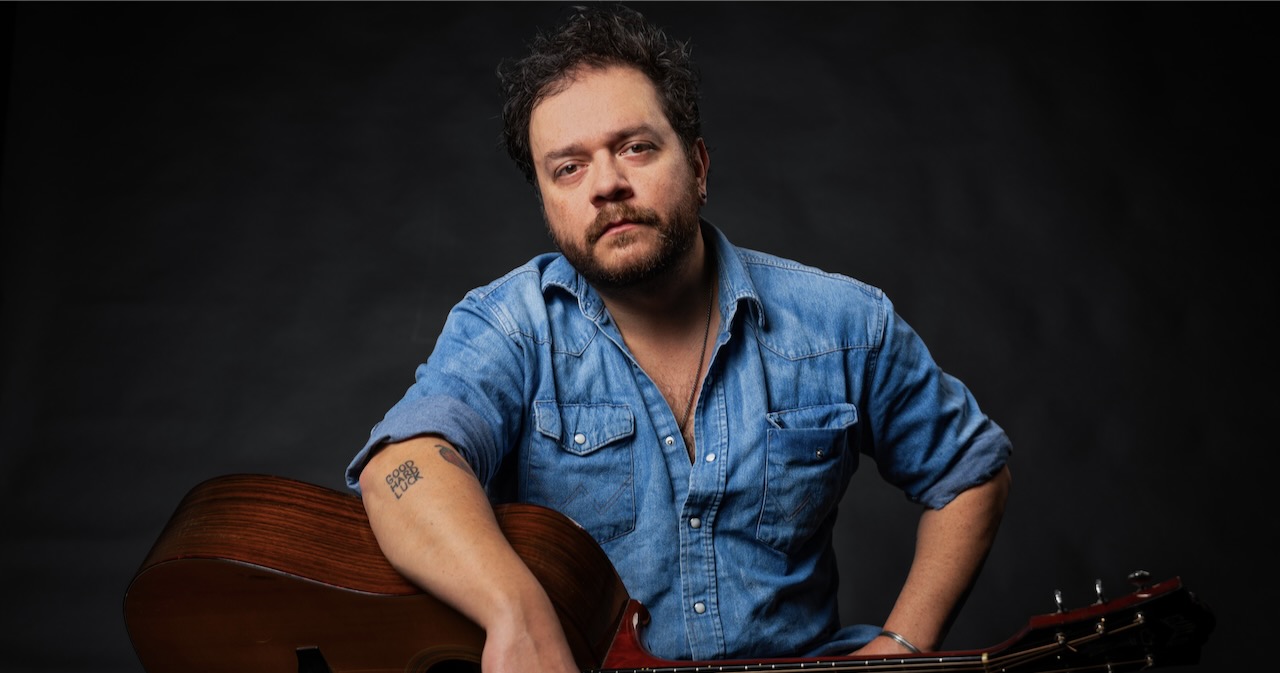
Photo Credit: Harpe Star

How “Guidelines” Made Madison Cunningham’s Ace Feel Totally Free

It is no news that Madison Cunningham is among the top tier of artists and musicians doggedly pursuing their craft; her newest record, Ace, casually echoes this. Soberly confronting a mountain of grief at home and transmuting its impressions through her open-minded, mature songcraft, the record encourages listeners through a seamless track list whose performances take on the form of open letters to its subjects. She treats an album as the dignified platform it once was and should be and this stance feels radical in today’s streaming-focused world.

A most striking feature of Ace (released on October 10, 2025) is the presentation of her vocals in a more expansive and spacious light, putting aside her much-associated – and anticipated – guitar for the piano, a more than suitable vehicle for this new terrain. Cunningham returns to her native instrument, the keys, as a “lost sojourner,” using it to strip away all but the most critical aspects of the record’s narrative, while highlighting its grooves and timbres.

All the songs played on piano started on guitar and later migrated to it. This practice seemingly grew out of her fascination with embracing the uncomfortable, like the open tunings she is known to use in her celebrated approach to the guitar as an instrument to be challenged and played with. From a new-to-her tuning, to the piano, and then to her band, this game of telephone still allowed Cunningham to sound more like herself.

The game doesn’t stop there. At a lair in Woodstock, New York, in the fall of 2024, Madison and her band committed themselves to a few simple principles: No demos. No vocal comps. “Do the thing that feels most musically true and curious.” And, “Don’t give a shit about what people have known you for.” These rules, in many ways, allow the anthropology of the moment in time during which this record was made to speak loudest. It goes without saying that this path is impossible to tread without a rigorous knowledge of oneself, trust in the folks around you, and, most centrally, the chops to back it up. The consequence of these choices is a record with a narrative “spine” throughout, animating what Cunningham likens to a ballet in its transitions – something she has been working toward both in the studio and on the road since her triumphant, full-length debut in 2019, Who Are You Now.

The song “Wake,” a duet with Robin Pecknold of Fleet Foxes, evokes the kaleidoscopic nexus of Alison Krauss & Robert Plant’s Raising Sand, the orchestration of Gillian Welch & David Rawlings, and the cinematic flair of Gustavo Santaolalla on top. More stripped-down performances, such as “Take Two” and “My Full Name,” demonstrate Madison’s subtle confidence as both a devoted curator and a fearless innovator. Woodwinds underscore and bookmark this collection’s ethereal climate, thanks to the work of Jesse Chandler. Taken as a whole, Ace brings the listener into the same trenches Madison found herself in and onward toward truth in the face of its hardships.

BGS reached Madison Cunningham via Zoom in mid-September to discuss Ace, its making, and the guidelines and rules by which she brought these songs into the world.

I noticed that you described the record as “light” when making it, despite its sober depiction of difficult subject matter. Which aspects were light to you?

Madison Cunningham: That’s a great question. The mission for making the record was really clear and all the “guidelines” were set up well in advance, which was something I had never done before. In the past, my process has been more about figuring it out as we go. This time, my band and I were very prepared. I used the touring band that I’ve been with for the last five years, and the deep collaboration and shared language we’ve developed over that time made everything feel so fluid.

We were all “cracked open” in this special way and we laughed the whole time. That’s probably what I mean the most about the record being “light,” how joyful it felt. I didn’t feel much fear while we were making it. I just had a picture of how I wanted it to sound, and it already was sounding like that. That felt like a relief.

Did you feel like you had less to prove in a superficial sense?

I guess there’s always something to prove. I don’t mean to erase the feeling that I had, which was, of course, a certain amount of pressure or wanting it to level up in some way. But, in light of being quite devastated in my personal life, everything else felt so small compared to the mountain I felt like I was climbing at home.

And maybe that was the gift and that’s why everything felt like it. For whatever reason, everything felt like green lights. It just couldn’t have been easier. Also, I’d never had a more fluid relationship with my label; there was no argument about how this was going to happen. It just was like, “Go. Do it.”

How would you describe the guidelines you had in place for this record and how did they differ from your usual process? Also, did playing the piano more for this record affect your writing style, perhaps making it more expansive in some ways?

I started as a kid on piano first and it had a resurgence in my life in the last three years. I fell back in love with it and I enjoyed the feeling of being a lost sojourner on it, just being like, “Oh, I’m finding all these things that I now am – I found a style here that I’m injecting into my guitar playing.” I wanted to play guitar more like a pianist.

One of my guidelines was, “Just don’t give a shit about what people have known you for, what they might expect. Do the thing that feels most musically true and curious.” And that sounds a lot like permission, but it was also a guideline. Another guideline was, “Make sure that there’s emotional delivery over anything that sounds too perfect. And don’t compromise on that.”

The other set of guidelines were between me and my band: we did a lot of rehearsal beforehand, but we didn’t record anything, so there were no demos. That was a huge rule. I also said, “I don’t want to do any vocal comps. I just want to sing the songs live.” That was helpful. It was another way of being like, “Okay, focus, and be in the room for the moment that these songs are being captured.” So, yeah, there was no previous, “Ah, but shit, we gotta out-beat that one demo we made.” Because that slate was so clean, I think everything was clearer.

During the recording process, do you listen to other music for comfort or do you stay entirely within the feedback loop of your own project? I’m also curious if the recording period was a continuous block of time, which would obviously influence your ability to listen to music.

We did record it continuously, and I don’t usually listen to music while I’m making a record. Honestly, destination recordings help so much with that, because you’re just immersed in the physical and spiritual environment of the whole thing. We were up at a lair and it was fall – it was this time last year – and there’s this beautiful hike that allowed you to look over the reservoir and the golden, brown, red leaves. I felt so romantic that whole time. Even if there was something that wasn’t working, I just had such faith it was going to get there.

We also had a crazy sort of work cycle, which was [that] we would start the skeleton of the song in the morning and then we would record until 2:00 AM and finish it. Again, I think because we all had the guidelines, we were like, “We want every song to have woodwinds pretty much, unless it doesn’t call for it, so we’re going to try and flesh it all out in the same day.”

Jesse Chandler did all that. He’s a genius. We would both talk through things we were both hearing, and then he would just play it all. It was like building a puzzle in real time, and it felt so wonderful to be able to see it all and to feel moved by it. We barely did any overdubs. We did another session in LA a month later after those two weeks up at Woodstock and did a few little overdubs, but we had mainly done everything while we were there.

Ace feels like a return to the “record” as a dignified format. In the lead-up to making it, did you think about the songs as individual tracks – as it relates to streaming culture – or did you focus on creating a cohesive narrative for the entire album?

There are so many examples of records that feel like a full statement and we’ve lost that. That feels radical now. I feel like I’ve made records that have been molded to the current format and I was so disinterested in that this time. I am so over the, “Hey, let’s just do what everyone else is doing,” and, “It’s guaranteed to work.” I really mistrust people when they say that to me, and that mistrust has usually been right.

Even if I see the “format” working for someone else, I’m like, “But that’s not me. That’s not my music, so we can’t say that’s the target, that’s the answer.” I was so interested in making the record feel like a ballet and feeling like the transitions were seamless. It was the first record I felt like I made that had a spine that connected the whole thing and I still find such value in that.

To be honest, we also made efforts to make sure that the songs were not too long. They were separated from their instrumental tracks so that it could work for playlisting. We weren’t, like, fully in protest.

When working on a song like “Wake,” where did that start? How different does it look from when you’re playing it on the couch, versus sitting down with Robin [Pecknold] to record it? Could you walk me through how that song got made? I love how active the guitar parts are, the closeness of the vocal harmonies, and how relaxed everything feels in the recording.

MC: I love that. I really appreciate that it comes across that way. That was the goal and the way that it was written. I wrote it with another songwriter named Will Taylor and we were both just playing these counterparts. And that’s where the seamlessness of it kind of took place; on the recording, that’s the direction I wanted it to go in. Then I just added some different flavors.

All those guitar parts you hear were added and layered, but I didn’t do very many takes of them, so that’s how it might feel live. I didn’t get in there and try to overly correct things. I wanted it to breathe. That has to be one of my favorite songs on the record because we wrote it in a Nashville blizzard and it sounds like that. The guitar part sounds like snowflakes falling in different directions to me, and Robin’s voice is just like a warm fire.

Did you record that in Nashville, or did you just write it in Nashville?

Wrote it in Nashville, recorded it in Los Angeles a year later, and we did all of that, everything that you hear, in one day. I recorded the main guitar and sang at the same time and then Robin sang in the other room. And once we figured that out, we added all the guitars, then Daniel Rhine added upright bass, and then we did the foot stomps at the end. And that was the song.

For the guitar-centric people, is “Wake” in an open tuning, and do you mind sharing what that is?

No, I always forget it, but I’m going to pull it up on my “favorite tunings” column.

It is C-G-D-F-A-C, from low to high. It’s basically an open suspended chord and it’s so tricky. At first, you’re like, “There’s no possible way through this tuning.” And that’s the tuning I wrote all the record on. Every guitar here, it’s in that tuning.

Your music contains rhythmic feels that seem to be informed by drums or percussion, outside of the guitar. I know you’ve played percussion – does your drumming experience influence your songwriting on other instruments? Do you workshop things back and forth with your drummer, Kyle [Crane] in this way?

I feel like if I were to show you the original demos of these songs, there was already such a strong, informed rhythmic thing, more than in the past for me. And Kyle, I think he was playing into, “How do I make this feel like we thought of this at the same time? Or, “How can it feel like that?” For example, “Break the Jaw” came out of a band jam. I wrote the lyrics to it, but the feel of the song wasn’t something Kyle tried to figure out after the fact. We were figuring it out in real time and I think that’s why it came out so cool. Everybody put their stamp on it.

The whole process was us trying to figure out the skeleton of rhythm and how to make it feel like it wasn’t fighting with itself.

I’m wondering how you approach sequencing an album. When you consider the interludes, the streaming world, live performance, and recording, are there specific ideas, people, or records that have helped you learn how to think about the flow and energy of a record from start to finish?

Ooh, yeah, I’m sure. Radiohead is a big one for me. I think the sequencing of their records is so specific. Their opening track is always perfect to me and their closing track is always perfect. From the beginning of making this record, before all the songs were written, I knew which was going to be the first and which was going to be the last. And then Robbie Lackritz – who made the record with me – and I spent a lot of time delineating over sequencing.

The story of the record is important. Obviously, the tempo arc, and the keys melded together. The story has a plot, so that was a big thing. I wasn’t trying to write it like that, but from an aerial view, I was like, “Oh yeah, this is how it connects.”

In the song “Take Two,” you mention a fear of writing simple songs. Did this perceived fear influence the guidelines you set for yourself when writing the album? Also, were the initial ideas for the songs primarily written on guitar or piano?

For every song that ended up on piano, it actually started on guitar – with the exception of the instrumental pieces, which were formed from the piano.

For example, “Shore” started on guitar and so did “My Full Name,” but they felt like piano songs to me because I was doing a lot of transposing between instruments to see if the song was good. I would transfer it between instruments and say, “Yeah, it still has a message.” In doing that, I fell in love with “My Full Name” on the piano.

“Take Two” also started on guitar, and I was like, “I don’t like this song very much. I love what it’s saying, but I find it to be so boring.” It was a song that everybody on my team was attached to. When we got to Woodstock, the song came together on the piano before we were going to record it and I was like, “I love this song.” Something made me say, “Hell yeah.”

On a more technical note, I’m curious about the guitar sound for “Skeletree.” It sounds like a low-tuned nylon string guitar with a contact mic. What was it?

Killed it. That’s exactly what it is. There was this big bedroom with a tall ceiling and that’s where we stored the amp. The contact mic was also sitting in a really big room, which contributed to the fairy dust.

Very cool. Were there any other notable guitars on the record that were new to you or were just lying around the studio?

I used a hollow body for the bridge of “Break the Jaw.” I think it might have been a 330 or something. I really love that you can hear a crunchy, kind of reverb thing just break out for a second. I also used my Collings acoustic. I know I had that for a few, but mainly it was just that nylon string that I stuck with. A little bit of the Collings, and then that electric guitar once, for one section of a song, and then all piano after that.

I did play electric bass for “Golden Gate” and “Mummy” too.

Do you ever write on bass or play along with records on bass?

I do, and I wrote “Golden Gate” on bass. That line that you hear at the beginning, it started with that.

Do you have any advice for people who want to feel like they don’t have anything to prove, especially if they are working toward a platform in the process?

I feel like the thing that I’ve learned the most from is, even if you don’t fully have your sound yet, make it a mission to just make music you like the sound of. Even if you haven’t fully found yours yet, you will, by way of learning what it is that you love and what you like coming out of your own body and mouth and fingers.

I think the things that have spoken the most to people is going, “I can tell that you love what you’re doing.” And even though in my earlier years, you could definitely see a lot of comparisons, I needed those because those were the things that made me believe in music and what I was doing. And then I think those faded away and now this record is the first time I’ve ever been like, “This is what I’ve always wanted to make. This sounds like me.” It just took a minute, but I enjoyed the whole ride.

I also feel like I was never not myself. Everything that I did, I felt was a risk in some way or stretched me as an artist. … What I loved the most about making this record was that all of it felt in balance. Finally, my voice was the loudest.

That’s just because I finally, like you said, trusted myself, trusted the process. I knew enough to know that even if something isn’t working the first time, there’s always a second, third, or fourth to try. So, trust your curiosity and do whatever it takes to make sure your curiosity is above the fearful, negative self-talk.


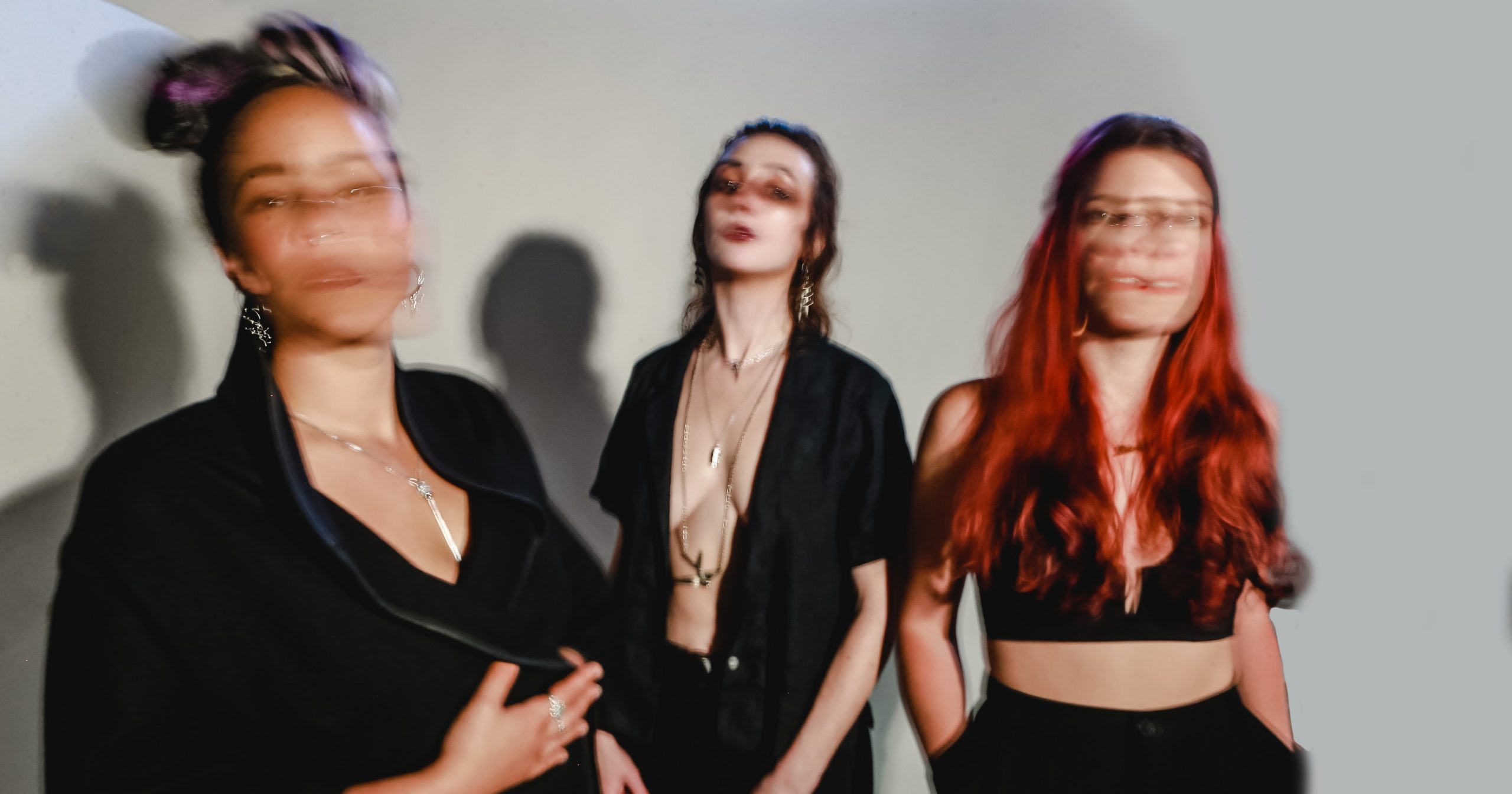
Photo Credit: Sean Stout

David Ramirez Shares His Dreams on ‘All the Not So Gentle Reminders’

The first key to All the Not So Gentle Reminders, the sixth album by singer-songwriter David Ramirez releasing on March 21, is “Maybe It Was All a Dream,” the moody, elegiac song that opens his first LP in five years.

There are no lyrics to spell it out for the listener. It’s an instrumental, mostly a synthesizer riff over drums and a stately organ interspersed with a muffled, mysterious, and unintelligible voice. It’s more about mood – think Twin Peaks – than anything specific.

“The connection I have with it, which is a little too personal for me to share, it just felt right to open the record,” Ramirez said. “I had already gone into it knowing that I wanted some very long and dreamlike intros and outros to some of these songs. So it just seemed like a very fitting thing to have it all tie in by introducing the record with a musical number.”

The second key to the album is “Waiting on the Dust to Settle,” the second track, where Ramirez confides he doesn’t yet know where he’s headed.

“Amen, I can see it in the distance, the potential for a new beginning,” he sings. “I don’t recognize this place anymore … [I’m] waiting for the dust to settle.”

In our BGS interview below, you’ll learn the identity of the third key song on All the Not So Gentle Reminders, why it took so long to record and release the new material, and how the album’s lush string arrangements are a sign of the maturation of the artist.

The string arrangements on the album are very prominent, a counterpoint that duets with the lyrics. What brought that on?

David Ramirez: Yeah, for sure. I’ve never worked with strings before and just to kind of stay in the same lane of this dream world that I was trying to build, it made sense. … I’ve been doing this thing for a while now, but I feel like bringing strings into an album, I felt very adult for the first time. It felt good. It was really exciting.

Why did it take you five years to get this album out?

It was COVID and a breakup that kind of paralyzed me from being creative. I didn’t want to directly reference [the breakup]. There is one song on the album called “Nobody Meant to Slow You Down” that is direct from my last relationship. But the rest of it, I wanted to explore some other things.

You have Mexican heritage. Things are going badly for Mexicans and Mexican Americans — and immigrants and their families from many nations and backgrounds — in the U.S. now. Any reason you didn’t tackle that?

I have a couple of political tunes on past records and it’s something that I address during shows. This record for me, especially with the state of my heart recently going through a pretty big breakup that was extremely world-shaking for me, I didn’t want to put out for personal reasons a heartbreak record. … I did write some songs that were more social and politically heavy and I’m reserving those for an EP or my next album. I have this new song that I’ll release sometime later this year, called “We Do It for the Kids,” which is probably my most political tune to date and it’s a pretty heavy one.

To get the full effect of your songs, close attention must be paid to the lyrics. Is that a challenge during shows where people are also socializing?

I’m lucky enough to have people here in the states who’ve been following me for a while and they enjoy the lyrics. They enjoy how meditative it is. But the shows aren’t just that. I do not like going to see a songwriter and they sing for two hours and it’s just dark and depressing the whole time. So we mix in a lot of music from a lot of different records and make sure that there’s a dynamic and it’s fun and it’s funny and it’s upbeat.

Sure, there are slower and more contemplative moments. But we like to put on a show. … In Europe, they’re very polite and you can put on the most rocking show and they’re going to give you a golf clap. They’re there for the songs and the stories. So I generally have to curate a different set when I’m overseas.

You’re based in Austin, Texas. Did you grow up there?

I was born and raised in Houston, playing baseball growing up. It wasn’t until my senior year in high school that I met these fellow students who were all in theater and choir, and those relationships led me to stop playing ball and join choir and join theater and pick up an instrument and start writing my songs. I went to Dallas for a brief time to attend [Dallas Baptist University], and that’s where I started playing out in front of people for the first time, whether it was just open mics or the midnight slot at a metal club where they allowed an acoustic songwriter guy to show up and close out the evening. I was just so desperate to play that I didn’t really think twice about it. In 2007 and 2008 I lived in Nashville and then I moved here to Austin, Texas, in December of 2008 and I’ve been here ever since.

A third key track on the album is “The Music Man,” where you credit your father for helping spur you to make music.

“The Music Man” is a song I wrote about my father who gave me a Walkman when I was 10 years old. There are many people I can thank and [to whom I can] attribute my passion and my love for not just music itself, but for writing and performing it. But if I’m really upfront and honest, I think it goes back to when my father gave me his favorite cassette tapes and how that led to this life as a 41-year-old where I make records and tour the world full-time.

Who were the artists on those cassettes?

The Cars Greatest Hits. That’s obviously a rock band, but the song that I was so obsessed with was [the downbeat] “Drive.” Then I went to the Cranberries, and then to Fiona Apple, and then I went to Sarah McLachlan and that led to Radiohead.

… There’s this melancholy nature and mood that all those records have that at such a young age made a deep impression on me. I didn’t start playing music till seven, eight years after that, but by the time I did pick up a guitar or pick up a pen or piece of paper and start writing down my feelings, I think all those influences from such a young age really started to show their faces.

Any one artist in particular that inspired you to take up songwriting?

When I was 21 I got Ryan Adams’ Gold and that was just a big, massive influence musically for me. … That really locked in for the first time how I wanted to tell stories and what kind of stories I wanted to tell. Ryan and I don’t know each other, but his records led me to folks like Gillian Welch & Dave Rawlings, Neil Young, and Bob Dylan. He was the doorway to a lot of a lot of greats that weren’t really coming my way when I was in high school.

Are you comfortable with your music being categorized as Americana?

I don’t mind it, but I don’t really understand it either. If you say it’s Americana, people assume that it’s more country and I don’t feel that way at all. The more I do it, [I prefer] just “singer-songwriter,” because at least that offers freedom. Because every record I’ve released sounds different than the last. So at least with singer-songwriter, I can kind of have the freedom to evolve and change.


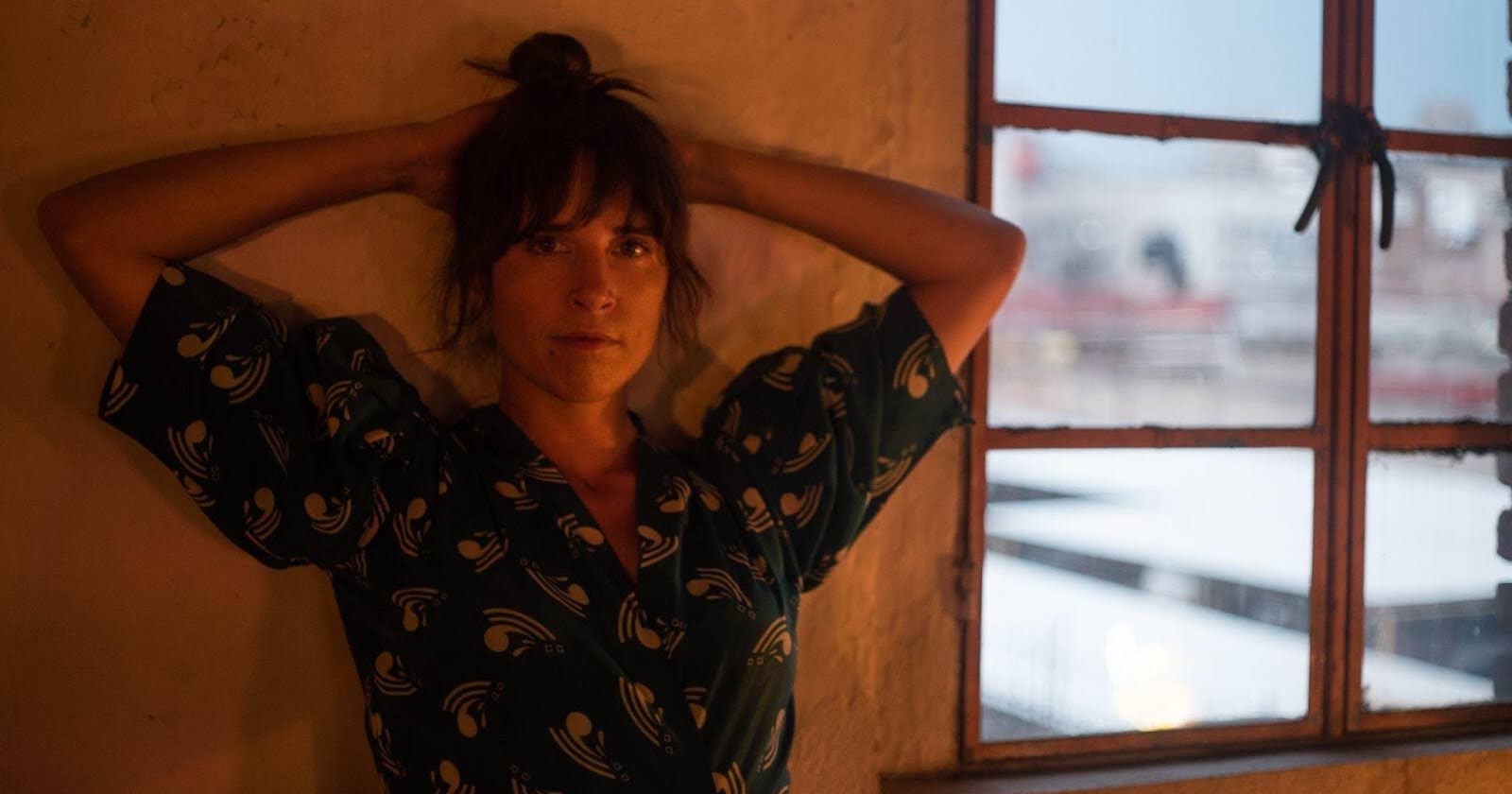
Photo Credit: Black Sky Creative

MIXTAPE: Rainbow Girls’ ‘HAUNTING’ Inspirations

Hey BGS! Erin from Rainbow Girls here. Our new record, HAUNTING, just came out October 13th and we put together this Mixtape of reference tracks that inspired the writing or making of the songs on our record. We ended up choosing one reference track per song. Got some help from Caitlin and Vanessa for a couple of these and we ended up creating an awesome playlist. Hope you enjoy! – Erin Chapin, Rainbow Girls

“Sadness as a Gift” – Adrianne Lenker (for “sixth grade girlfriend”)

I’ve always been so inspired by Adrianne Lenker’s style of guitar playing. There’s an intricacy and an intimacy that lends itself so perfectly to the lyrics; the guitar and the poetry of the words stand like a power couple, instead of one falling into the background as support. “Sadness as a Gift” is this beautifully poignant song about losing a relationship, but still wanting to hold the memory in your hand like a moth – it just breaks me. – Caitlin

“Let It Be Me” – The Sweet Inspirations (for “paying my tab”)

The Sweet Inspirations’ 1967 version of “Let It Be Me” inspired me to write a song with a similar groove. I heard that simple intro and it immediately grounded me. Griffin Goldsmith from Dawes played drums on our song, “paying my tab,” and he took this reference track and ran with it to the moon and back.

“Cold Little Heart” by Michael Kiwanuka (for “you must not feel the way i do”)

“you must not feel the way i do” was written after we had already started recording for HAUNTING, but we knew it was the single. We had all the vocals and main instruments recorded, but it needed a hook to open the song. I kept demo-ing this weird sound with my voice we were calling the “vocal theremin” – this ghostly, half-human/half-instrument sound. I knew it would sound too crazy for anyone else in the band to get excited about, so I sent them Michael Kiwanuka’s hit, “Cold Little Heart,” to exorcise any doubts. Thanks, Michael.

“Running Down a Dream” – Tom Petty (for “loser”)

Nirvana loomed large when writing the chord progression for “loser,” but it was a Petty classic that kept rearing its head and ultimately snuck its way into the lyrics. “Running Down a Dream” takes us on a journey that winds towards aspiration. The road is wet and laden with obstacles, but it’s the act of surmounting those blocks that makes accessing the dream so much sweeter. – Vanessa

“Song for Prine” – Jordan Smart (for “how to deal”)

Caitlin wrote “how to deal” the day John Prine died. Part of it is a response to our friend Jordan Smart’s “Song for Prine,” which is about all his attempts to see John Prine perform live, which ultimately he never got to do. But life goes on.

“The Boy Who Blocked His Own Shot” – Brand New (for “if i saw you now”)

The progression and mood of “if i saw you now” was inspired by Brand New’s “The Boy Who Blocked His Own Shot.” Brand New has a way of holding the morose and appalling within their songs that few other artists can capture.

“Ageless Beauty” – Stars (for “ageless beauty, pt ii”)

When we first met and started playing music together in college, “Ageless Beauty” by Stars was on repeat. It was one of the first songs we ever sang together. Our song “ageless beauty, pt ii” reflects on our experience at that time and the beginning of Rainbow Girls.

“Fake As A Dream” – Rainbow Girls (for “sms to the void”)

“Fake as a Dream” is one of our songs, off our record Rolling Dumpster Fire. We had asked our friend Chris Lynch to arrange a string part for it, but what he sent back was so much more. It took the song to another dimension. When we decided that “sms to the void” should be more than an a cappella song, we knew Chris was the person to take the reins. And he did it again – the string arrangements, the piano. It’s both subtle and heartbreakingly gorgeous.

“Last Night” – The Lostines (for “a subtle f u”)

I heard the song “Last Night” by The Lostines and realized there was an entire element of “haunting” missing from our record. Their song opens up with this sweet-yet-spooky melody on an ambiguous keyed instrument and the sound conjures memories of classic ’90s Halloween-esque movies and tv shows like Hocus Pocus, Nightmare Before Christmas, Goosebumps, and Are You Afraid of the Dark. I knew we needed to have a layer like that somewhere on HAUNTING and our song “a subtle f u” won the draw.

“Subterranean Homesick Alien” – Radiohead (for our cover of it)

A cover of one of our favorite Radiohead songs. Alien contact, abduction, insanity. Everything you could ever need from a spooky social commentary.

“motel” – Hot Brother (for “spread me thin”)

We were in the studio recording our song “spread me thin” when we realized that we had 3/4ths of the band Hot Brother recording on the track with us (Nick Cobbett – drums, Ben Berry – bass, Jeremy Lyon – guitar). We decided to ask the 4th (and really first) member, Brittany Powers, to sing on it and that ended up transforming the song into a duet between two women singing about their community. Brittany performs with several other artists in the Bay Area and her voice is an iconic part of the music scene in Northern California. “motel” is the first song off her/Hot Brother’s upcoming record and it is a sheer banger.

“I Want Jesus to Walk With Me” – Mississippi Fred McDowell (for “dead ringer”)

Our song, “dead ringer” is a slide-heavy, minor blues song about being buried alive. It is musically inspired by Mississippi Fred McDowell’s 1959 version of “I Want Jesus to Walk With Me.” The vocal melody parallels the slide guitar’s melody interchangeably throughout the song, creating an eerie, almost trance-like soundscape.

“Cinnamon Tree” – Marty O’Reilly & the Old Soul Orchestra (for “goodnight angel”)

The last track on HAUNTING functions as a sort of secret track, though not-so-secret in the age of streaming platforms. “goodnight angel” is a lullaby we often sing to our friends at the end of long, inebriated nights that was actually a drunken, collective-consciousness co-write with our friend Marty O’Reilly while on tour together in the UK in 2013. We used to play shows together all the time when we first started out and “Cinnamon Tree” was one of our band favs from his first release.


Photo Credit: Kory Thibeault

MIXTAPE: Bridget Kearney’s Photographic Memories

From my early days of being photo editor of my high school newspaper to my current tour hobby of photographing bizarre regional potato chip flavors in their native lands for @chipscapes, I have long held a fascination for photography. As life rushes by us at a mile a minute a camera has the ability to freeze the frame for a second, capture a moment in time, and provide photographic evidence that the moment actually existed. Though the waves may have crashed into your impossibly magnificent sand castle, you can keep it standing forever in a photo. And though time may have drowned out a love that once burned impossibly bright, a security camera may have accidentally captured the most blissful moments of that love and if you can track down the footage and find those moments, you could potentially kick back on the couch and watch those moments on infinite loop forever.

This is the premise of my song, “Security Camera,” from my new album Comeback Kid. Beyond that song, the subject of photos, memories, and trying to hold on to a moment for what it was, to love that moment forever in spite of its ephemeral nature, weaves its way through the album as a common thread. I put together a playlist of songs on the theme of cameras and memory and it turns out a lot of my favorite songwriters and biggest influences have also been fascinated by this subject. Recorded music is basically the audio version of a photo/video, so it makes sense. Hope you enjoy these songs as much as I do. – Bridget Kearney

“Kamera” – Wilco

Jeff Tweedy seems to be using the camera as a self-revealing truth teller in this song. He’s lost his grip on reality and only a camera can tell him “which lies that I been hiding.” I have loved Wilco for a long time and have a very specific visual memory of listening to them on headphones in college: I was on a semester abroad in Morocco and I was going for a run along the beach in Essaouira and came upon these big sand dunes. I spontaneously decided to run up to the top of the dunes and then bound down them into the water. This joyous discovery of dune jumping on a perfect sunny day will always be soundtracked to Wilco’s song “Theologians” in my mind.

“Kodachrome” – Paul Simon

Paul Simon was always playing around the house when I was growing up and this song has a particular significance to the origin story of my band, Lake Street Dive: We were on one of our first tours and we were driving my parent’s minivan around the Midwest. The only way to listen to music in the van was through the CD player. It was in the pre-streaming era where we all would have had a big library of digital music on our laptops (probably illegally downloaded from Napster or the like). So we decided to co-create a mystery mix CD by passing around someone’s laptop and letting each of us put in songs one-by-one, not telling each other what we’d put it in. Then we burned out the mystery mix CD and listened to it together.

As four students studying jazz at a conservatory we had mostly listened to Charles Mingus and The Bad Plus together thus far, but the mystery mix exposed all four of us pop music fiends. Song after song kept coming on and we’d go, “Oh my god, you like Lauryn Hill too?!” and “You also know every lyric to David Bowie’s ‘Life on Mars’?!” This culminated in the moment when the mystery mix played Paul Simon’s “Kodachrome” THREE TIMES IN A ROW! That was when we knew we should be a band forever. The groove on this song is also part of the inspiration for the song “If You’re Driving” from Comeback Kid.

“Hey Ya” – Outkast

Not actually a song about photos and you’re not actually supposed to shake Polaroid pictures, but Andre 3000 is one of the greatest musicians of our time and I’ve learned so much from him about music and language and spirit! Also this song is a total jam.

“Security Camera” – Bridget Kearney

I live in Brooklyn and there are security cameras everywhere here – at the bodegas, at the clubs, on the rooftops. Their purpose is to capture criminals in the act of committing a crime, but they are also capturing so many other things. Everyday things and extraordinary things. Moments of extreme beauty and moments of extreme pain. The idea behind this song is to track down security camera footage of the very best moments of your life so you can watch them on repeat.

“Pictures Of Me” – Elliott Smith

I went through a huge Elliott Smith phase in college and had an instrumental Elliott Smith cover band. His harmonies and melodies are so good that you don’t even need the lyrics, but adding them in, of course, makes it all the better. This one seems to say that pictures can lie to you, too.

“Picture In a Frame” – Tom Waits

This is one of those songs that seems like it has existed forever. “Ever since I put your picture in a frame” sounds to me like he is saying, “Ever since I decided to love you.”

“Body” – Julia Jacklin

My friend Michael Leviton (a great photographer and musician!) told me about this song and its passing but gutting reference to a photo. We were talking about how I had realized that a lot of my songs are about cameras and photography and how funny it is to look back at your own songs and see patterns and discover what you’ve been obsessed with the whole time. Michael said his thing is “curtains,” which appear over and over again in his songs.

“Bad Self Portraits” – Lake Street Dive

A song I wrote for Lake Street Dive years ago about what happens when the person you want to take a picture of steps out of the frame. What you’re left with and how to make the most of it.

“Videotape” – Radiohead

I always thought this song was about when you die and you are at the pearly gates of heaven, they are deciding whether you get in or not and watch back videotapes of your life to see if you were good or bad. I don’t know if that’s what Radiohead meant, but that’s my interpretation! The production is so cool, the way the drum loop is slightly off tempo and moves around the phrase slowly as it cycles around. Damn, Radiohead is so cool!!

There are a few songs on Comeback Kid that are directly Radiohead influenced. “Sleep In” is like Radiohead meets Ravel (or that’s what I was going for!) When I graduated from Iowa City West High School, I arranged a version of “Paranoid Android” that some friends and I played instrumentally at the graduation ceremony. In retrospect, that is a really weird song for us to have played at graduation! But I think it’s cool that they let us be brooding teenagers and go for it.

“When the Lights Go Out” – Sarah Jarosz

The song that gave Sarah’s brilliant new record its title, Polaroid Lovers. I feel so inspired by the music that my friends make, and Sarah’s songs from this album really knocked me off my feet when I heard the album and even more so when I heard them live!

“People Take Pictures of Each Other” – The Kinks

A festive little song about taking photos of things to prove that they existed.

“I Bet Ur” – Bridget Kearney

This is a song from the album I put out last year, Snakes of Paradise. The narrative is built around seeing a picture of something that you don’t want to see, letting your imagination fill in the details, and learning to accept it as truth.

“I Turn My Camera On” – Spoon

Groove goals. The camera here puts a bit of distance between you and the world.

“Photograph” – Ringo Starr

A song about photographs by my favorite Beatle? Yes, please!

“My Funny Valentine” – Chet Baker

I love Chet Baker’s singing, his pure, dry, affectless delivery, his deadpan panache. And I love the way this song manages to rhyme “laughable” and “un-photographable” and stick the landing.

“Camera Roll” – Kacey Musgraves

Photography has been around for a long time now but carrying thousands of photos of our lives organized in chronological order in our pockets at all times is relatively new. And both wonderful and terrible.

“Come Down” – Anderson .Paak

Just a passing reference to pictures in this song, but I had to get Anderson .Paak on the playlist because he’s the best!

“Obsessed” – Bridget Kearney

A song about falling quickly, unexpectedly, insanely in love with someone and trying to understand how it happened. You look back at the pictures as evidence trying to gather clues, see the train of events that led to this madness.


Photo Credit: Rodneri

Radiohead Reunites For Carter Family Tribute Album

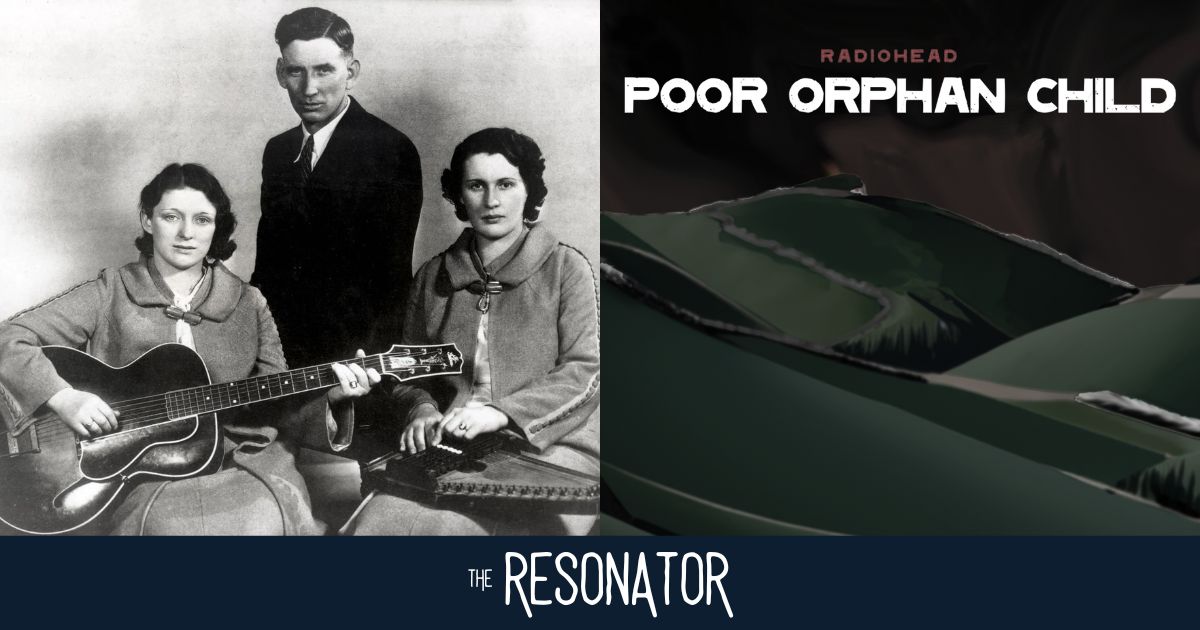
ENGLAND, UK — After a seven year hiatus, Radiohead, the iconic alt-rock band known for its genre-defying sound, has announced their latest endeavor: a tribute to American country-folk pioneers, The Carter Family.

“There is no Kid A without ‘Wabash Cannonball,’” said lead singer Thom Yorke, speaking from the glass orb he calls home in Oxfordshire.

“I felt it was time to finally pay tribute to the only group Radiohead has consistently ripped off for years.”

The new album is a radical departure for Radiohead and will contain no original compositions. Instead, it’s a musical scrapbook of early Carter Family classics like “Poor Orphan Child” and “Single Girl, Married Girl.”

“I like it because the songs aren’t your typical Thom Yorke word salad,” guitarist Johnny Greenwood quipped. “When Sara Carter sings about a wandering boy, it’s not a cryptic reference to late stage capitalism. It’s literally about a time she misplaced a kid and couldn’t find it.”

Radiohead fans were thrown into a whirlwind of excitement with the announcement of the new record. However, tensions within the band were revealed when a demo track from the album leaked online. The tune “John Hardy Was a Desperate Little Man” features Yorke on vocals, Colin Greenwood on upright bass, Ed O’Brien on autoharp, and Phil Selway on spoons. But when Johnny Greenwood attempted to distort a 1928 Gibson L-5 through a Korg Kaoss Pad, it led to an expletive-laced tirade from Yorke.

“You put a f—ing sampler on Mother Maybelle and I’ll rip your f—ing throat out!” Yorke is heard screaming, followed by a loud crash before the recording is cut short. Greenwood was later seen exiting a clinic in rural Abingdon, Virginia with a bandaged head and a newfound appreciation for the dobro.

“I suppose I was ready to move on from all the squawks and beeps and boops I normally toss in there anyway,” he smiled sadly.

Radiohead’s upcoming 2024 summer tour schedule is as surprising as their newfound Carters obsession, and includes appearances at festivals like the Silver Dollar City Pick Fest and Tidewater Tunes Crab Boil before settling into a bi-weekly jam at Shenandoah Pizza Co.


Greg Hess is a comedy writer and performer in Los Angeles. His work has been featured in The American Bystander, The Onion, Shouts & Murmurs, Points in Case, and he cohosts the hit satirical podcast MEGA.

Explore the Essential Songs of Sarah Jarosz’s Discography

Stripping away convention, honing in on narrative, and keeping complex melodies afloat with her ethereal vocals, Sarah Jarosz is a superlative presence in the roots music landscape. The daughter of two schoolteachers hailing from Wimberley, Texas, she began learning to play the mandolin at age 9. By the time she turned 12, Sarah was already gracing stages alongside the likes of musical giants David Grisman and Ricky Skaggs.

Her multi-instrumentalist capabilities and songwriting proficiency only grew from there; at the age of 16, Jarosz signed a deal with Sugar Hill Records and released her first album, Song Up in Her Head, in 2009. This critically acclaimed record would be the first of what now surmounts to seven full-length, tremendously lauded projects. Polaroid Lovers, Jarosz’s latest and the muse of her current tour, is set to be released on January 26, 2024.

Over the span of nearly two decades spent recording and touring, Sarah Jarosz has established herself as a foundational thread in the tapestry of modern roots music. From impeccable collaborations (with Punch Brothers, David Grisman, Sierra Ferrell), to forming a supergroup alongside Aoife O’Donovan and Sarah Watkins (I’m With Her), to a whopping 5 hours and 45 minutes of music published under her name, Jarosz stands firmly in her power. As she forges ahead, she only continues to outdo herself.

While her entire catalog is sure to edify any listener, this compilation showcases some of Jarosz’s most essential tracks. Tracing the arc of her musicianship from adolescence to adulthood, the following 17 songs demonstrate the particular sonic maturity, lyrical astuteness, and emotional evocation that span all she creates.

“Mansinneedof”

From Jarosz’s first album, Song Up in Her Head, this indelible instrumental boldly answers the question, “Can a mandolin be a lead instrument?” with a resounding, “Of course!” The first of many Grammy nominations acquired throughout her career, this tune was considered for Best Country Instrumental in 2009. Impossibly advanced beyond her years, Jarosz’s nimble and articulate melody is akin to a sonic coast through star-studded galaxies.

“Come On Up To The House”

In a clear demonstration of the range of her musical influences, the most-streamed song from Sarah’s inaugural album is a cover of Tom Waits’s “Come On Up To The House.” Her cool, slippery voice lends a new angle to the iconic tune. Paired with astute backing vocals from Tim O’Brien and a slick fiddle solo by Alex Hargreaves, this song grooves right along – an ingenious, albeit unlikely, bluegrass cover.

“Annabelle Lee”

Jarosz’s sophomore album, Follow Me Down, is latent with a mystical quality that reaches towards the ethers, shepherded into expansiveness by a creative spectrum of influences. The third track, “Annabelle Lee,” features lyrics adapted from the illustrious Edgar Allen Poe poem of the same name. Jarosz sets the eerie tale against a conglomerate of haunting textures – the heightened pace and drums evoke a sense of urgency while Jerry Douglas makes his lap steel wail, a somber cello moans, and Dan Tyminski’s backing vocals lend fullness to the ravenous depths of this dark tune. It is also worth noting that Jarosz performed and recorded this tune, very fittingly filmed in an old hunting lodge in the Scottish Highlands, for the Transatlantic Sessions in 2011. (Watch above.)

“The Tourist”

Sarah sure knows how to pick a cover. From Prince to the Decemberists to Joanna Newsom, she can masterfully braid her grace and artistry into anything. “The Tourist” offers Jarosz’s take on Radiohead, an influence cited among many of Jarosz’s contemporaries, including Madison Cunningham and Chris Thile. In fact, Punch Brothers provide the musical backdrop on this track, their syncopated rhythms and blustery fills meeting Jarosz and Thile’s airtight harmonies to create a sense of whirling, palpable, delicate angst.

“Build Me Up From Bones”

Off of her Grammy-nominated third album, this titular track received an additional nom for Best American Roots Song of 2014. This song is SJ’s most popular of all time, having racked up a total of 70.7M streams on Spotify. Here, Jarosz’s songwriting forges into new territory; her lyrics are both poetic and measured, imbued with textures of velvety longing. The form matches the content, from Aoife O’Donovan’s dewy harmonies to the pizzicato string section to the gorgeous cello solo. Effectively, listeners are bathed in a most intimate listening experience that beckons infinite re-listens.

“1,000 Things”

In another track off of Build Me Up From Bones, here SJ shares songwriting credits with the legendary Darrell Scott. The result? Pure synastry. Underscored by pulsating Celtic rhythms, this uptempo earworm says 1,000 things despite its brevity.

“House of Mercy”

This tune, along with the album carrying it – Undercurrent – won Sarah her first two Grammys in one night. “House of Mercy” was crowned Best American Roots Performance of 2017, and it was indubitably worthy. Jarosz shares songwriting credits with Australian singer-songwriter Jedd Hughes, and together they achieve a dark story arc as the encumbered narrator addresses an unwanted visitor. Jarosz opens up her sound into cutting, fierce Americana twang – effectively offering audiences a new layer to her multitudes of sound.

“Jacqueline”

The closing track of Undercurrent is stark, honest, and bewildering. The song is named after the Jacqueline Kennedy Onassis Reservoir in New York City where Jarosz, who once lived nearby, would often do her pondering. Accompanied solely by an electric guitar, Jarosz’s voice is agile and glimmering as liquid silver. She muses over the reflective surface and projected companion while disclosing her own state of unease, immersing listeners in an intimate, unyielding pensiveness.

“Your Water” (with Parker Millsap)

The first of a two-single release titled the Luck Mansion Sessions (2017), SJ here collaborates with fellow singer-songwriter and multi-instrumentalist Parker Millsap. The track, written and originally released by Millsap, is delivered as a duet. The groove opens up into a soul-type feel, allowing for Sarah to showcase a more raw, bluesy, unmeasured latitude of her voice.

“See You Around”

“See You Around” is the title track off of supergroup I’m With Her’s first and – to every listener’s chagrin – only full-length album. In 2018, Jarosz linked up with two of the most astounding women in roots music, Aoife O’Donovan and Sara Watkins, to form a trio of unadulterated excellence (it should be noted that that group won Americana Music Association’s Music Duo/Group of the Year). The album waffles between the three songwriters’ contributions, with each vocalist singing lead on an approximately even number of tracks. “See You Around” is driven by Jarosz’s signature poetic lyrics and fluttery melody, elevated to new horizons by the pristine, angelic blend of harmonies from Watkins and O’Donovan. The musical chemistry these women share evokes the divine; every single song on this album delivers listeners into the sublime.

“Johnny”

For her also Grammy-winning fifth studio album, World on the Ground (2020), Sarah Jarosz invites listeners to experience an array of vignettes; her songs on this album, more than ever, become vehicles for potent storytelling.“Johnny” is the second of three tracks on the album named, presumably, for a character the song aims to illustrate. Jarosz has said that during this album, she “[Tried] to take a step back and look out at the world in my songwriting, rather than looking inward,” and spent much time constructing the album as a patchwork of memories from her hometown in Texas, both faithful and fictionalized.

“Johnny” conveys the psychological landscape of a slightly drunk, slightly disillusioned man who is “just waitin’ on the stars/ that will never align.” It’s all slightly devastating, yet the melody latches onto an unforgettable earworm of a hook uplifted by its folk-pop flavor. Jarosz incorporates a strings section alongside drums, electric guitar, and mandolin, seamlessly using the nuances of sound to bolster the complex mundanities of Johnny’s life.

“Pay It No Mind”

Jarosz shares the songwriting credits on “Pay It No Mind” (also off of World on the Ground) with the renowned John Leventhal, who also produced the album and plays a slew of instruments sprinkled throughout. The song begins with just Sarah and a pensive guitar riff, musing upon a bird and her ponderings. The song then builds in dynamics, layering percussion and eventually a full orchestration of instruments and vocals. It’s slick, it’s sly, and it looks at the world with a cool sense of distance.

“I Still Haven’t Found What I’m Looking For” / “my future”

In the midst of quarantine, Sarah Jarosz committed to staying connected with fans by using Garageband and her home microphone to record one cover each week from July to October of 2020. In January 2021, she released two of the covers, U2’s “I Still Haven’t Found What I’m Looking For” and Billie Eilish’s “my future,” on streaming services. These barebones covers are a time capsule of a moment drenched in emotion, isolation, and fear. Catharsis swells through the minimalistic recordings – Jarosz cradles her whole soul into these songs, and the results are absolutely astounding.

“Mama”

For her sixth full-length studio album, Blue Heron Suite (2021), Sarah Jarosz released a song cycle that she first premiered at Freshgrass in 2017, whereupon she was awarded with the Freshgrass Composition Commission. At the time, Sarah was reckoning with her mother’s cancer diagnosis and reflecting upon childhood trips to the town of Port Aransas, Texas, which at that time had recently been severely affected by Hurricane Harvey. Named for the Great Blue Herons she and her mother used to observe along the town’s shore, this album is imbued with love and hope in its deepest forms. “Mama,” the opening track, is an utterly gorgeous, pared-down arrangement of voice and guitar – a most gentle and tender ode to Jarosz’s mother, who is thankfully now in remission.

“For Free” (with David Crosby)

An astonishing songwriter and pioneer of three-part harmony in American roots/folk music as we know it, David Crosby was a long time supporter of Sarah Jarosz’s work up until his passing last January. Sarah graced the title track of Crosby’s final full-length solo album, For Free (2021). The two sing the entirety of this Joni Mitchell cover in tight harmony, their voices mirroring one another perfectly. The pared back solo piano accompaniment highlights the duo’s vocal finesse; every riff is intertwined with precision and elegance.

“Jealous Moon”

“Jealous Moon” was the first of four singles SJ released from her upcoming album, Polaroid Lovers (out this Friday). Co-written alongside Daniel Tashian, the record’s producer, Sarah remarks of the song, “I’m always seeking to push myself into new sonic territory, and this song gave me permission to not hold back.” In this track, she boldly steps away from her traditional acoustic tethers and moves towards a more pop-rock-twang fusion. Jarosz successfully elicits a sense of novelty while still embodying the sense of fullness and depth she puts into all she creates – reminding us that we still have yet to see the full bloom of her artistry.


Photo Credit: Shervin Lainez

MIXTAPE: The Musical Inspirations Behind Darlingside’s New Album

Our past albums were written very collaboratively and we sang together almost all the time, whether in harmony or unison, trying to create a unified voice where individuals were difficult to pinpoint. For our new album Everything Is Alive, we made a conscious effort to let the individual voices and minds of our four singers/writers show through. Here are some of the recorded songs by other artists that inspired us in writing and producing the album, to give you (and maybe each other?) a sense of where we were coming from and who to blame if you don’t enjoy the results! – Darlingside

“Cecilia” – Simon & Garfunkel

I enjoy how the energy of this song comes from snaps, claps, and non-traditional-drum-kit percussion — it’s uptempo, but also sparse. I referenced it a number of times while working on “Eliza I See,” whose percussion is mainly the sound of slapping my legs and banging on a desk in my bedroom. – Harris Paseltiner

“A Rose for Emily” – The Zombies

I’ve always been sweet on the key change into the chorus here combined with the entrance of the harmony vocals. I love a moment in a song where I get transported into a whole new place, even while the basic instrumentation maintains course — that’s the same basic move I tried on our song “Darkening Hour,” where the minor chord you’ve been hearing in the verse pivots to major right at the downbeat of the chorus and the harmonies drop in all at once right on top. – Don Mitchell

“King of Carrot Flowers Pt. 1” – Neutral Milk Hotel

There’s so much in this track that I love, but the two easiest things to point to are the double-tracked vocal and the louder-than-expected Uilleann pipes that come in at 0:46. “Right Friend” features both double-tracked (triple-tracked, even!) vocals and a loud, buzzy pad coming in on the second verse. – Auyon Mukharji

“I Love You Always Forever” – Donna Lewis

I heard this song for the first time in years at a friend’s wedding and was reminded of how incredible it is. A few days later I asked Don (middle name Lewis, no relation) to come up with a “Don(na) Lewis” guitar part (mimicking the guitar that comes in at 0:38) for “All the Lights In the City,” and he did, and I love it! – Dave Senft

“Simple Man” – Graham Nash

I’ve always loved the distant, nostalgic piano sound at the beginning of this song — it brings memories immediately back to life, like the sound of my brother practicing piano down the hallway in another room of the house. For our song “Sea Dogs” we decided to stick with a distant iPhone recording of the piano rather than a hi-fi recording because it had this same quality. – HP

“Santa Fe” – Beirut

I love how angular and buzzy the brass is on this track — it was definitely in the back of my head while I was putting an early, MIDI, brass-heavy demo of “Baking Soda” together. – AM

“We Did It When We Were Young” – Gaslight Anthem

We listened to this song on a loop when our band was in its early youth, and something about that insistent eighth-note pulse stayed lodged deep in our brains. A decade later, Auyon was learning guitar and sent out a voice memo with that familiar rhythmic feel which became the starting point for “Lose the Keys.” (The vocal melody doubled in octaves later in the song also points back to Gaslight origins!) – DM

“If You Could Read My Mind” – Henry Jamison, written by Gordon Lightfoot

This song was a guiding light for me while I was working on “Can’t Help Falling Apart,” and I think it influenced “All the Lights In the City” a bit as well. It feels honest and confessional and unresolved in a way that I’ve always admired and just feels like an emotional gut punch to me. I love the original, but the version I have been listening to more recently is this great cover by Henry Jamison. – DS

“Amie” – Damien Rice

There were a good few months of my early 20s wherein I was listening to this track daily. The plaintive, orchestral strings in “Down Here” can claim lineage. – AM

“Gulf War Song” – Moxy Fruvous

I think of this song as the gold standard for handling controversial/political subject matter in an effective way. “How Long Again” was very consciously informed by it from its inception. – DS

“Dancing and Blood” – Low
Some songs make me feel things by sounding “real” — humans playing music in a room. This song goes the opposite direction: Everything is surreal and a little unsettling and it seems like things are about to go off the rails at any moment. I think this Low album inspired me to push the boundaries a bit with gated/distorted/off-kilter sounds around the margins of songs that still have a real human performance at the core. – DM

“Bloom” – Radiohead

This song is built on a few measures of extemporaneous piano noodling looped over and over, like an infinitely repeating moment of humanness. For our song “Green Light” we used an old voice memo of a mandocello that I was trying to learn how to play in Dave’s basement, which, when looped, resulted in the rhythmic core of the song. – HP


Photo Credit: Shervin Lainez

LISTEN: The Cleverlys, “Creep” (Radiohead Cover)

Artist: The Cleverlys
Hometown: Nashville, Tennessee
Song: “Creep”
Album: Solid Butter
Release Date: July 28, 2023
Label: Mountain Home Music Company

In Their Words: “The audience is loving ‘Creep’ in our live show. Starting with the initial recognition of the iconic Radiohead tune and the irony of us doing it — classic. The 3/4 timing gives it a fresh sound and sets it apart from other covers of the song, but the shining moment comes when Haggis sings the bridge. There’s a point, when he hits and holds out the last note, that the audience explodes, sometimes even giving him a standing ovation in the middle of the song. It’s a chill pimple moment for sure.” – Dr. Digger Cleverly


Photo Credit: Libby Danforth