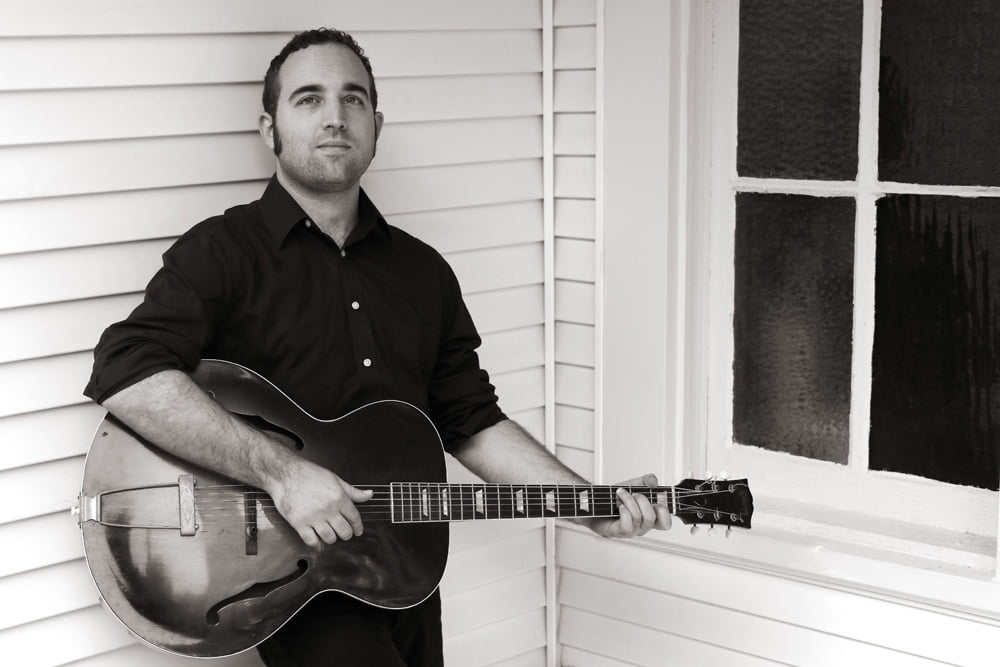
The Producers: Cathy Fink and Marcy Marxer

Cathy Fink and Marcy Marxer have devised a clever game to play when they’re traveling — something to keep their ears sharp, when they’re away from their home studio outside Washington, D.C. “We’ll go into a room,” says Marxer. “Big room or small, it doesn’t matter. We’ll clap our hands and see if we can figure out what reverb setting we would need to copy that sound. It’s geeky all the way.”

The pair have visited a lot of rooms together over the years. For nearly four decades, they’ve been playing and recording and touring together: Fink is one of the best banjo players alive, and Marxer plays nearly everything else. They’ve released 45 albums covering a range of styles and set-ups, mostly folk and old-time, bluegrass and children’s tunes. Their latest, Get Up and Do Right, is their first collection of duets for two voices and two acoustic instruments, featuring a handful of originals and covers of songs penned by Alice Gerrard, Pete Seeger, and Bob Dylan.

Gently political and certainly timely, the album digs into folk’s enormous capacity for dissenting voices combining in beautiful harmony. For Fink and Marxer, making music is a way to get up and do right: an inherently radical act. Their DIY process extends into the studio, where they work as their own producers and, occasionally, their own engineers and mixers. Marxer is the more technical-minded of the two (see below for her favorite piece of equipment), while Fink is the conceptualist — the one who keeps the big picture in perspective. Together and separately, they have produced roughly 150 records, including Sam Gleaves’ 2015 breakout Ain’t We Brothers and Tom Paxton’s new album, Boat in the Water.

What unites this disparate catalog is a warmth of sound and an idea of music as a communal undertaking, a labor and a joy to be shared. “We both do many things and wear many hats,” says Marxer. “Sometimes we produce together and sometimes separately.” Adds Fink: “Even when we have separate projects, we have an open door with each other for what we call continuous consulting. It’s pretty hard for one of us to get involved in something where the other person doesn’t have some influence to make it better.”

How did you move into the role of producer?

Cathy Fink: We’ve both been playing music professionally since the early 1970s and, in the early days, I had the opportunity to work with some really great producers. Two who were very influential on me were David Essig and Ken Whiteley, both from Canada. Ken has produced probably 2,500 albums over the last 40 years. In both cases, I was a musician who was confident in what I wanted to accomplish, but didn’t feel like I had the knowledge to take my dream and get it on tape. By working with lots of producers I really trusted and whose music I enjoyed, I was able to pay attention to how they accomplished things. After a few projects like that, it was time for a transition, so I did an album where I co-produced. Marcy was involved, along with a lot of other people, and I bounced ideas off them. As we continued working together, we really relied on each other to the point where most of these things became co-productions.

Marcy Marxer: I started out very differently. When I was a kid, my dad used to go to the junkyard and collect wires and speakers and thermostats and things like that. He’d come home and give them to me to take apart and look at. When I was in the eighth grade, I built my first tube amp. That really developed the techno-geek side of my brain. Eventually, I got a job with Macmillan/McGraw-Hill producing 120 songs for an educational project. Since then, Cathy and I have been able to join forces, and it just mushroomed. We push each other to get better. We have a bit of a competitive streak, but it works in our favor.

It sounds like together you cover nearly every aspect of the recording process.

CF: You don’t need to be an engineer to be a good producer, but we found it so helpful to get those skills in order to better speak with the engineers we were working with. It really rounded out our abilities, and I’m in a better position to know what I’m looking for, how I might get it, and whether or not we’re getting it. In turn, we try to pass that along to other people. Our Grammys actually say Artist, Engineer, and Producer.

MM: It’s crucial to know every step, but it’s not crucial to do every step. It’s good to have a bigger team, people you trust, people who are fast at certain things, people who are the house painters of their field or the Rembrandts of their field. If we didn’t play and engineer and produce and mix, I don’t think we could efficiently speak with the other team members.

CF: We do lots of projects that we don’t engineer on. The reason we started engineering really had to do with a combination of convenience and health issues a long time ago. We wanted to do these things at home and at our own convenience. When you’re traveling as much as we do, we would sometimes book a date in the studio, and then the day would come and, oh man, we’re just too tired to do that today. So we learned to do our own tracks and our own overdubs at home. It gives us a whole new way of producing our own projects. Time is a big factor, so if we have two weeks to make an album, we’re not going to sit in the studio with all of the crayons and start creating the painting. We’re going to visualize the painting before we go in, and then we’re going to take the right steps to make it happen. When we do it all at home, we have the opportunity to take out all the crayons and try out different colors. We might do a take with different banjos or different harmonies and decide which one works better for a particular track.

Is that how you made Get Up and Do Right?

CF: Most of it was recorded in our home studio. There were two tracks recorded live at AirShow, and there are two tracks recorded at Jim Robeson’s studio. We wanted to do those tracks live, but didn’t want to have to deal with the mechanics of being engineers at the same time. Everything else was done at home, sometimes live, sometimes overdubbed, but always with the feeling of, “This is what it sounds like when we play together.”

MM: The great thing about the studio at home is that all of my instruments are here. When I’m working on other people’s projects, I might be doing some overdubs or filling some holes, and I’ll just fill up the car with instruments and see what I can do to finish it up. If I didn’t bring an instrument with me, then I can’t use it. So it’s much easier having everything in one place.

CF: We don’t have to think ahead to which five guitars we might need. If we’re at home, we can go, “What this song really needs is the electric baritone guitar,” and we can run and get it. But if we’re at someone else’s studio, too bad. We recently produced Tom Paxton’s newest album, and we worked with our engineer Jim Robeson at his studio. Tom did all of his tracks there, and a lot of other people came in, but when it came time to do our own tracks, we decided to do them at home. Another example is the project we did called cELLAbration!, which was a tribute to Ella Jenkins that includes an amazing array of artists, including Sweet Honey in the Rock, Red Grammer, and Riders in the Sky. I’d say about 60 percent of that album was done in a variety of commercial studios and about 40 percent was done at home. It’s a really fun way of filling out the whole puzzle.

Something that strikes me about your new album and Paxton’s new album is how rich and complex the instruments sound.

MM: We mic all the instruments in stereo. We almost never single-mic an acoustic instrument because we want it to sound like we’re listening with both of our ears. Both of those albums are so sparse, and you really want to hear all the detail. If something was going to sound really big, we might be inclined to leave it off. We want you to feel like you’re sitting in a living room with us — a really nice-sounding living room.

CF: We don’t have a giant collection of gear, though. What we’ve found is that we’re very good at using a handful of things, so we stick with a couple of mics that sound fabulous. We know how to deal with them, and sometimes we’ll cart them around, if we go to another studio. What you’re most familiar with is usually what you’re going to sound best with. I just have to give a huge amount of credit to Greg Lukens and Jim Robeson for the incredible tutelage they gave us. There aren’t a lot of female engineers who are well known, and we’ve certainly worked in a lot of studios where it was assumed that we couldn’t possibly know what we were talking about. But Greg and Jim really empowered us to do all of this stuff for ourselves.

MM: Every once in a while, I’ll be working with an engineer that I might not be very familiar with, somebody that I might not have a lot of faith or trust in or just might not know very well. If there’s a man in the room, then all the production questions will be addressed to him instead of me. It seems impossible in this day and age, but it does happen. I’ve stopped working with people like that, people I don’t absolutely trust. I’m not the kind of person who will put my foot down and demand something. Cathy is a little bit better at that, but I just try to avoid those people.

You seem to be at the center of a very large musical community, which reflects in the music itself — not just who’s on the record, but how those people interact.

CF: It is a very large, very close musical community in the D.C. area. One of the advantages of working in a place like this is that, when people think of where the hotbeds of music are in the United States, they may pinpoint New York or Los Angeles or Nashville. But in D.C., there isn’t such a competitive atmosphere. When I moved to town, I was welcomed into the world of session players and there wasn’t really a hierarchy. Musicians are very supportive of each other, and the engineering world, in particular, is not competitive at all. If one person has a problem, everybody’s going to help them out.

The other thing is, we have a pretty active touring schedule both nationally and internationally, so we’ve had a good time making that community even bigger. Twenty-two years ago, we played at the Auckland Folk Festival in New Zealand, where we met a couple of musicians that we’ve remained friends with all these years. One of them is Chris Newman, and the other one is a traditional harp player named Máire Ní Chathasaigh. We’ve played on their records through the magic of the Internet. And we just got back from a UK tour, where we did 10 days with Tom Paxton and then a week in the Orkney Islands in Scotland. Talk about off the beaten track. Our friends Hazel and Jennifer Wrigley have spent 10 or 15 years touring nonstop around the world as a fiddle and guitar duo playing traditional Scottish music. They’re just spectacular. They settled back in their home of Orkney to open up this place called Wrigley and the Reel, which is a music shop, café, venue, and educational facility. We’ve played on their records and, when they come to the States, they stay with us. So the community just gets larger and larger.

MM: We also find that when we meet other producers and engineers, they’re thrilled to discuss equipment and show you their gear. It can get pretty geeky. And if you’re wondering, my favorite preamps are simple and easily accessible. They’re APIs, and we use a full preamp rack mount that would sell online for $2,500 or something like that. They’re absolutely clear, beautiful, pristine sounds.

CF: We do get buried in the geekiness, but we try not to forget that what we’re really doing here is using the medium as a way to share the music that we love. When we produced Get Up and Do Right, we wanted to use all that gear to highlight the music — the feeling of the music and the message of the music. There is always something to discover and that’s what makes it fun.

MM: I’ll tell you two of my favorite recordings. One is Cowboy Calypso by Russ Barenberg. The vinyl sounds absolutely gorgeous. The other, which was done digitally, is John Fogerty’s Blue Moon Swamp. And anything Gary Paczosa produces always sounds beautiful.

There is something very direct about the music on this album, something very refreshing about its optimism during hard times.

CF: We have to stay optimistic. On our tour of the UK, we played to about 4,500 people, and the song “Get Up and Do Right” was a rabble-rouser every single night. It’s a song we loved, when we heard it two years ago and, when we recorded it, no one thought Donald Trump was going to win the election. We just knew that it was a great daily meditation, but we didn’t realize that it could be this ultimate rallying cry. I just finished a down-and-dirty video for the song that’s based on pictures that people sent us from marches all over the world. We went to a march in Kirkwall, in the Orkneys, a very tiny place, and the first night we’re there, there’s a vigil in front of the local church. We were very welcomed. When we got there, Marcy announces, “We’re Americans and we’re with you!” That got a big cheer, and we made a bunch of friends. It feels like our job every day is to get up and do right. Do the best we can to make the Earth a good place to live. Negativity breeds negativity. Action breeds positivity. Rather than get bogged down in the negative stuff, we’re just going to continue to get up and do right.

MM: Cathy and I are old enough to have lived through the civil rights movement, so we’ve done this before and we’ve come out better than we were for it. My parents went to marches, and it was really the music that kept us moving forward. It was the music that brought everyone together and kept us going. This was back when you used to have to dress up in your Sunday clothes and your Sunday shoes for a march. For a little kid, that’s not easy. But music gave us support and energy. Something happens when everybody is singing at the same time. They all take a breath at the same time, and that’s power. It’s real power.

Can you tell me how that sense of social responsibility informs your children’s music, especially the Children of Selma album from 1988?

CF: Children of Selma is a project that I still deeply love. I was brought to that project by Jane Sapp who was, at the time, working with the Highlander Center. That’s the place where Rosa Parks went for a workshop two weeks before she wouldn’t go to the back of the bus. Jane had met a woman named Rose Sanders who had worked with a group of kids after school in Selma. Rose is a civil rights attorney, but her purpose was to give the kids something useful to do after school. She turned out to be quite a prolific and incredible songwriter. I went down there and we went to an old YMCA or community center, where there was an out-of-tune piano, and Rose gathered the kids around to sing a bunch of these songs. I was blown away by the spirit of these songs and by the magic that happened when she engaged the kids who were singing about their real lives. One of the songs that comes back to me every election is “Vote for Me Until I Can.” That project was a big challenge: I had to go to a location where I didn’t know anyone and I didn’t know how to take a group of kids, who had never recorded before, into a studio. But the important part was taking their message to a bigger audience. Even though, commercially, it’s one of the least successful things I’ve done, in my heart, it’s one of the most important projects I’ve ever worked on.


Photo credit: Michael Stewart

Broadband Download: A Ramble through Folk Alliance

Of the three big roots music conferences — World of Bluegrass, AmericanaFest, and Folk Alliance International — Folk Alliance demands the most mental musical bandwidth. More than 1,000 musicians were on hand in Kansas City, Missouri, between February 15 and 19, organizing themselves into more than 3,000 individual showcases, designated either “official” (jury-selected for the hotel meeting and ball rooms) or “private” (hosted by labels or other groups in the rooms and suites of the fifth through the seventh floor between 11 pm and about four in the morning).

Folk Alliance may have the biggest stylistic tent in the field, as well. It’s an explosion of variety-spanning established folk forms from around the world and some pretty heady fusion. The organization has wrestled in years past over musical orthodoxy and come out the other side as perhaps the most diverse and inclusive of the roots music frameworks, even if that comes with some trade-offs in careful curation. Still, there was more great music than one person could possibly hear, so I approached it with curiosity and excitement, as well as an inevitable sense of inadequacy to the task.

I checked one important Folk Alliance artist off my list before leaving for Folk Alliance by catching Austin fiddler/singer Phoebe Hunt and the Gatherers at Nashville’s Basement early in the week. She is back with a refreshed take on the bluegrass/gypsy jazz that distinguished her first band, the Belleville Outfit. Travels in India and study with an Indian violin master have injected a microtonal raga sensibility into her songs, which are arranged with great subtlety for a six-piece band.

Turning to Kansas City, I arrived too late for the Wednesday night awards show, where Bruce Cockburn accepted a People’s Voice Award from Kris Kristofferson and where Michael Kiwanuka, Sarah Jarosz, and Parker Millsap received (in absentia) “of the year” prizes for song, album, and artist, respectively. But Thursday evening, I plunged into FAI’s swift river of music.

Chicago’s wise and funny Susan Werner offered new songs inspired by a trip to Cuba. Nearby, Australian all-female quartet All Our Exes Live In Texas showed resourceful stagecraft, keeping the audience entertained during a PA outage. When the sound returned, they cooed with quirky chord changes and an urbane mix of accordion, mandolin, uke, and acoustic guitar. And Kayln Fay, a Cherokee country rocker from Tulsa, Oklahoma, led a band formed around understated drumming and washy steel guitar. Fay, an endearing singer, offered a lot to think about and closed her set with a brand new “protest song” that was actually more like a plea for better listening and more understanding.

From the Midwest to Coal Country I went, for a set by rising Appalachian star Sam Gleaves. So tall he almost bumped the ceiling in the Brookside Room, he had a boyish look, longish hair, and a sweet disposition. Performing with the support of duo Cathy Fink and Marcy Marxer, he bravely and bluntly sang about being a gay hillbilly from rural Kentucky. Folk hero Tom Paxton was in the audience and could be heard gushing post-performance.

Upstairs in the private showcase halls (the most poster-festooned place I’ve ever been), Music City’s Wild Ponies previewed new music from an upcoming album cut entirely in a rustic Tennessee farmhouse. Married couple Doug and Telisha Williams play guitar and bass, respectively. He’s got country power and she’s got a sort of brassy refinement. Their song “The Tower” about a mighty tree’s long lifespan just floored me. I wrapped the night with beautiful Spanish-language songs of lament and protest by Brooklyn’s Ani Cordero in the Bloodshot Records room.

Somebody took great care with the audio systems for the official showcases, from small to large. And, on Friday night in the main ballroom, Peter Bradley Adams and his tasteful three-piece band sounded like God’s hi-fi. It helps that the artist has a dreamy silk-and-sand voice and a penchant for Celtic folk-rock vibes blended wtih a modern pop feel. He was joined for a song or two by Caitlin Canty who followed his set with a moody folk-pop performance of her own. Her energetic and melodic debut album impressed me in 2015 and, based on this live impression, she ought to be a thing with anyone who ever loved Sheryl Crow or Alison Krauss.

Way up the elevator in the 20th floor club with fabulous views of downtown Kansas City, British rock ‘n’ roll cat Robyn Hitchcock showed off some of the solo acoustic sound he’s been cultivating during his recent years living in Nashville. He’s a finger-picking balladeer who’s been challenging the status quo for a long time, evidenced by his 1989 song “Queen Elvis” with its lyric “coming out’s the hardest part.” He told the crowd after singing that one, “I never dreamed we’d be dealing with the same old homophobic shit, 30 years later.”

At Folk Alliance, one can almost, at any time, seek out and plunge into old-time sounds, and my urge toward same led me to Molsky’s Mountain Drifters, led by fiddling icon and educator Bruce Molsky. He adapted FAI keynote speaker Billy Bragg’s “Between the Wars” to an old-time dirge and excelled on the old mining song “Black Hills.” Rounding out the clockwork trio was brilliant clawhammer banjo picker Allison de Groot and flattop guitar player Stash Wyslouch, about whom there will be more to say later.

That segued right into one of the most refreshing sets I saw all week. Laura Cortese and the Dance Cards of Cambridge, Massachusetts, head-faked me into thinking they would be a swingy retro quartet, when in fact they’re out there on the searching edge of chamber folk and minimalist pulse grass. From the risk of opening with an emotional four-way harmony ballad to the serene beauty of “California Is Calling” (the title track to an upcoming album that’s been featured on the Bluegrass Situation), their close and complex harmonies and imaginative arrangements signified the best of folk right now.

It came as no surprise that John Fullbright was astounding in the big ballroom. “Where my Okies at?” he asked from the stage as part of his very funny banter. His songs peel the skin right off of the truth, which means sometimes revealing sweet fruit underneath and sometimes a painful scraping. “Social Skills” was blistering and self-effacing. “All the Time in the World” is a rambling, witty meditation with a hard country-blues backing. Fullbright’s remarkable harmonica solos would have been difficult for someone who wasn’t playing guitar at the same time, yet he was.

Upstairs, my favorite stumbles of the night led me to a sophisticated jazz/grass fusion set by Nashville’s Frazier Band, featuring a hip rhythm section with electric bass and keys. Leader John Frazier plays the fire out of the mandolin and sings with echoes of John Cowan, the voice of the New Grass Revival. And then I made my way with purpose to see the Lonesome Ace Stringband from Toronto. I became a fan of fiddler/singer John Showman when he led the defunct New Country Rehab. Now he’s focused on this exciting old-time band — one that surges and pulses with that perfect push-pull feeling. They covered “Hills of Mexico” and a surreal Mississippi John Hurt song, but also offered Showman’s original “Pretty Boy Floyd,” an alterative take on Woody Guthrie’s magisterial ballad.

On Saturday night, Showman took his fiddle downstairs and joined Nashville’s Matt Haeck on stage for a set of vibrant songs that included the uncomfortably true line “All the world’s watching America; America’s watching TV.” Later, Haeck lent a Marty Robbins vibe to a duo with the wonderful Tim Easton. Staying on in this room proved smart because William Prince brought his insightful and deeply traditional country songwriting from Winnepeg. He’s absolutely magnetic, with a burnished pewter voice that could stand up to Keith Whitley’s on the radio. Prince is baby-faced and almost uncannily kind and gentle, but his songs — while romantic — are not wimpy. “Little Things” was an insightful song about marriage. “Breathless” was similarly heart-piercing.

Nashville’s incredibly tiny old-time and bluegrass duo Giri and Uma Peters fired up a set featuring fiddles, banjo, and mandolin. The Indian-American siblings, who were inspired to pick up traditional music by the Goat Rodeo Sessions, have garnered a lot of attention for their youth (12 and 9 years old, respectively) and their cross-cultural journey. They’ll have to develop some more rhythmic suppleness and their voices will mature, but there’s a lot to celebrate and enjoy in their music today. File for the future.

He’s no secret in or out of Music City, but Anthony da Costa is an artist who is more than ready to be signed and take the world by storm. Playing textural electric guitar with a tidy bass and drum backing, he dazzled. His voice can float or penetrate. His songs can brush like a feather or hammer with power. He offered “Neighbors,” a favorite of mine. There are not many triple threats like this guy.

I should have found my way to the Colorado Room earlier in the week because that sky-high state has done as much to diversify and advance roots music as anywhere. And sure enough, there were the Railsplitters to validate my theory. I expected old-time, but heard and felt something like Crooked Still meeting Strength in Numbers. The coursing, melodic style banjo of Dusty Rider and the clean singing of Lauren Stovall framed the music, but the super lush harmonies (up to four parts) lifted it higher.

Even with all these bands, the staple of Folk Alliance is still the songwriting troubadour and I caught several excellent such artists in a row. Levi Parham from Tulsa brought his gravel voice and country blues finger-picking to the Oklahoma Room. Nashville’s Mary Bragg hit a tender spot and brought up Becky Warren, a co-writer, for some joyful fun. And Hope Dunbar from little Utica, Nebraska, caught me off guard with some incredible language and truth telling, including the mystical “We Want.” It’s these kinds of surprises in the after-midnight hours, when the endorphins of music ecstasy meet the endorphins of fatigue, that make Folk Alliance special.

Two newgrass offerings rounded out my final night, the first a shocking revelation.

Remember Stash Wyslouch who played old-timey guitar with Bruce Molsky? The Deadly Gentleman alum invited me to see his own Stash! Band and, holy hell, it was a whole brain experience. It’s Frank Zappa meets the Red Hot Chili Peppers at the Berklee College of Music. Stash and fiddler Duncan Wickel deadpanned their way through lightning fast, dissonant melodic figures like some Return to Forever fever dream. Yet there was also a flood of emotion from the leader as he vamped, pounded, jammed, and, somehow, rapped (in Portuguese?) too fast to be believed.

Stunned by this outer-reaches folk music, I sought the familiar for a nightcap in the form of Bay Area band turned Nashville-based Front Country. In the Alaska Room, with a stuffed bear looking on, Melody Walker led the crafty quintet in songs that will be coming out on an album later this year. Want to release this prize-winning band’s foray into what they’re calling roots pop? They’d love to talk to you.

In recent years, Folk Alliance has earned more affectionate buzz among musicians than any other conference. The official showcases sounded great and gave the artists room to stretch out. The private shows, as roulette-like as they can be for the wandering fan, offer the abundance and energetic intimacy that bluegrassers fondly remember from the Louisville days of IBMA. While a few rooms set up PA systems, most of them are as unmediated and acoustic as folk music was 100 years ago. Players play and sing. Listeners listen. There is a kind of unforced but focused attention that ennobles the music and those who make it. The “alliance” in Folk Alliance speaks to a collaborative business development mindset, but it gets just as well at the union between artist and audience. We are one.


Lede image: On Saturday evening at Folk Alliance, several hundred conferees stood on the roof of the Westin Hotel at sunset where they held up pocket copies of the US Constitution provided by the American Civil Liberties Union and sang “We Shall Overcome.” Photo credit: Jayne Toohey

LISTEN: Curtis McMurtry, ‘Loves Me More’

Artist: Curtis McMurtry
Hometown: Austin, TX
Song: “Loves Me More”
Album: The Hornet’s Nest
Release Date: February 24, 2017

In Their Words: “The narrator of ‘Loves Me More’ endorses free love in all directions, while remaining irreverent and competitive. I’m excited about the arrangement, especially the interplay between the cello and the muted trumpet. Using three-part vocal harmony added another layer to the lyrics, as well, since there are at least three people involved in the story (probably more).” — Curtis McMurtry


Photo credit: Todd V. Wolfson

I Am a Poor Wayfaring Stranger: 20 Versions of an American Classic

While the traditional “Wayfaring Stranger” has been at the foundation of North American music for at least two centuries, its origin is far from exact.

Some historians have traced its genesis to the 1780s, others, the early 1800s. Depending on who you’re talking to the song may be a reworked Black spiritual, a lifted native hymn, or even a creation of nomadic Portuguese settlers from the southern Appalachian region.

The song, which features its singing protagonist contemplating better times with their family in the afterlife, first gained popularity at Appalachian revivalist sermons before slowly spreading westward with the pioneers. Though “Wayfaring Stranger” has remained a gospel constant ever since, what has probably done more to solidify its place in the American musical tapestry is its constant rediscovery and renewal in the near-secular and popular musical worlds.

In the 1940s, renowned actor and singer Burl Ives made “Wayfaring Stranger” one of his signature songs. By the hippie era late-1960s it was Joan Baez who introduced the free love set to the song. Next, Emmylou Harris turned it into a minor hit in 1980 and then The Man In Black himself, Johnny Cash, reclaimed it in 2000 during that magical late-career renaissance he had. In the song’s latest resurgence, British pop star Ed Sheeran has turned a near a cappella-and-vocal loops version of “Wayfaring Stranger” into a much-copied YouTube phenomenon.

With its evocative lyrics and magnetic melody it’s hard to do “Wayfaring Stranger” wrong. After all, Sunday school teachers and folk festival third-stagers have been churning out entirely competent versions of the song for decades. That said, the best versions of “Wayfaring Stranger” can be so much more. When a musician captures that gravitas and world weary challenge just right it’s like a lightning bolt right to the soul.

We’ve collected 20 soul-stirring performances of “Wayfaring Stranger” below.

16 Horsepower
16 Horsepower/Wovenhand singer David Eugene Edwards has made “Wayfaring Stranger” one of his signature songs, with a version of the track appearing on the 16 Horsepower album Secret South as well as the 2003 Jim White documentary-adventure Searching For The Wrong-Eyed Jesus.

Neko Case
The fire-haired singer recorded a particularly stirring version of “Wayfaring Stranger” for her 2004 album The Tigers Have Spoken.

Bill Monroe
Bluegrass pioneer Bill Monroe performed this version of “Wayfaring Stranger” on the early-1990s TNN program American Music Shop.

Dusty Springfield
British pop star Dusty Springfield’s elegant, melancholy take on the song anchored an episode of her 1966 television show.

Johnny Cash
This song, which appears on Cash’s 2000 album American III: Solitary Man, perfectly captures the mortality that infused much of the Man In Black’s latter period recordings.

Emmylou Harris
Seen here performing the song on Pop Goes The Country in 1980, Harris recorded the song for her album Roses in the Snow. Her version would hit #1 on the Billboard Hot Country Singles chart and #1 on the RPM Country Tracks chart in Canada.

Jack White
White Stripes/Raconteurs band member and Loretta Lynn appreciator Jack White recorded a version of “Wayfaring Stranger” for the Cold Mountain soundtrack. White also had a role in the 2003 film which featured Jude Law, Nicole Kidman and Renée Zellweger.

Tift Merritt
Here’s former Grammy Award nominee Tift Merritt performing “Wayfaring Stranger” in a library in Ringwood, New Jersey. Just because.

Ed Sheeran
The British pop singer’s version of the song uses loops of his own voice as musical accompaniment. The YouTube video of his unique performance has over 12 million views so far and numerous imitators.

Joan Baez
Baez recorded “Wayfaring Stranger” for 1969’s David’s Album, a record of mostly traditionals. It was created by Baez for her then-husband David Harris who was about to be sent to jail for resisting the draft.

The Pine Hill Haints
As this 2007 live version by The Pine Hill Haints attests, adding some rock ‘n’ roll to “Wayfaring Stranger” can yield impressive results. See also defunct gospel-punk band The Schomberg Fair’s version.

The Broken Circle Breakdown Bluegrass Band
Taken from the must-see-for-any-bluegrass-fan Belgian film The Broken Circle Breakdown, this version perfectly bolsters the movie’s tragic narrative.

Sam Bush, Bobby Hicks, Allison Brown
This all-star trio of bluegrass-newgrass players got together to perform a rather epic eight-minute instrumental version of “Wayfaring Stranger” at Harvard University’s Barton Hall in 2010.

Throwing Muses’ Kristin Hersh
Kristin Hersh, from first wave alternative rockers Throwing Muses, performs a rather haunting version of the song.

Tim Buckley
This version by late troubadour Tim Buckley was recorded in 1968 but only came to light in 1999 with the release of his Works In Progress compilation.

Eva Cassidy
Knowing the tragic story of American singer Eva Cassidy’s short life adds a sad edge to this mellifluous rendition from the Eva By Heart album which was released after her death in 1996.

Glen Campbell
The Glen Campbell Goodtime Hour‘s titular country star used his early-1970s variety program to showcase this brisk version of “Wayfaring Stranger.”

Alison Krauss & Union Station
Bluegrass fiddler and Robert Plant collaborator Alison Krauss performed a standard-bearing version of “Wayfaring Stranger” along with Union Station at the Philadelphia Folk Festival in 1987.

Tennessee Ernie Ford
Complete with dark mood lighting, this 1961 performance on The Ford Show perfectly showcased Tennessee Ernie Ford’s booming bass-baritone.

Natalie Merchant
Former 10,000 Maniacs’ vocalist Natalie Merchant unfurled a hypnotic version of “Wayfaring Stranger” on her 2003 traditionals album The House Carpenter’s Daughter.


What versions did we miss? Tell us your favorites in the comments below.

Americana’s Complicated, Resonant Relationship with the UK

Defining the special relationship is pretty hard right now. Donald Trump and Theresa May were pictured holding hands on their very first meeting. Two days later, 10,000 Britons protested against Mr. Trump outside the prime minister’s Downing Street residence. The most appropriate Facebook status update would be: “It’s complicated.” It’s 130 years since Oscar Wilde wrote, “We really have everything in common with America nowadays except, of course, language.” For many Brits, still reeling from our unexpected lurch into Brexit, Trump’s shock election is proof that the two countries still walk a similar path. But to others, our cousins across the pond have never felt more distant and alien.

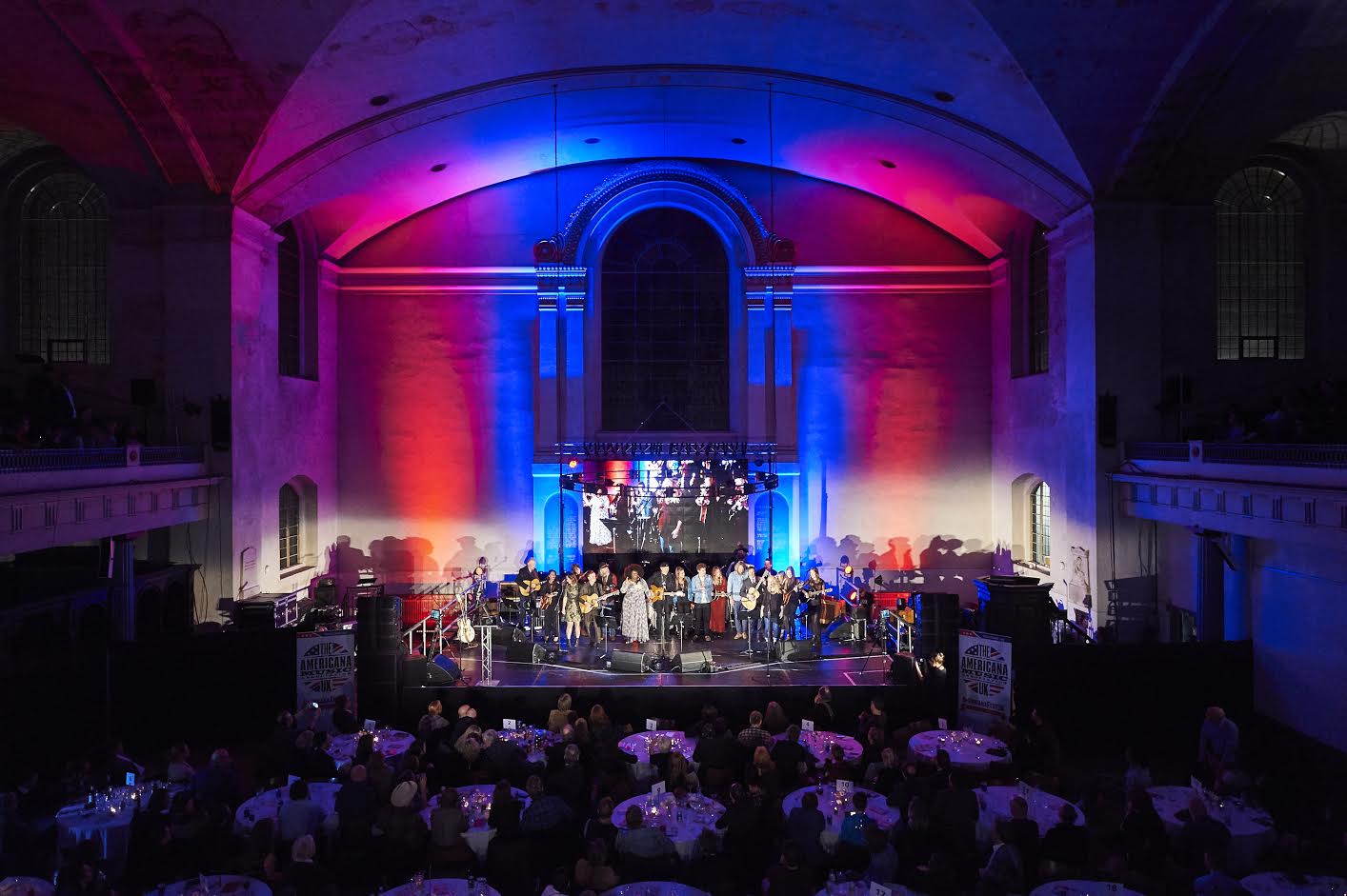
It was in this context that the UK’s Americana scene celebrated itself last week. A fledgling organization, the Americana Music Association UK was hosting its second-ever awards, as well as a two-day conference that offered a chance to consider not only the future of the music here in Britain, but also its present.

Americana has strong roots (excuse the pun) on this side of the Atlantic. Since Mumford & Sons’ mid-2000s breakout, bands like Fleet Foxes, Foy Vance, the Lumineers, and the Shires have found a ready audience, particularly during festival season. Country music has had its own revival — but it can seem remote to the British sensibility and way of life (and its costumes, frankly, outlandish). There’s something in the understated wistfulness of Americana that resonates with our national character: It’s why so many British households own Simon and Garfunkel albums, and why Bob Dylan has long been treated as one of our own.

The contemporary Americana scene is, however, still finding its identity in the UK — as demonstrated by the festival-cum-conference that preceded the AMA UK’s 2017 awards. The two-day affair took place in Hackney, London’s hipster haven where venues such as a vintage clothing store added to the retro appeal of the music; audiences were neatly split into 30-somethings who had raided their dad’s vinyls and the dads, themselves, many wearing jackets they’d had since the ’70s.

Lewis & Leigh

The acts, showcased simultaneously in three neighbouring venues, were more varied. Performances ranged from the folk-inspired Honey Ants to the bluegrass-pop blend of Cornish band Flats & Sharps, from the wild intensity of Henry Senior, Jr.’s pedal steel instrumentals to the delicate voice duos of Ben Smith & Jimmy Brewer. Robert Vincent, winner of last year’s Emerging Artist award, punctuated his charismatic country rock with an unexpected Merseyside accent. Across the road, Glen Phillips (of Toad the Wet Sprocket fame) suppressed his alt-rock instincts in a solo acoustic set that brought the night to a quiet, almost melancholic close.

Growing a more diverse audience will be key for Americana’s development in the UK, industry insiders were admitting. A panel, convened to discuss the genre’s future in the UK and Europe, noted that until recently the very label caused resistance among musicians and promoters, alike. “What has changed recently is that the whole scene has stopped being defensive,” said Sara Silver, head of UK operations at Thirty Tigers, the Nashville-based company that promotes and distributes artists from Lucinda Williams and Patty Griffin to Jason Isbell and the Avett Brothers. “At the beginning, it felt it had to justify itself, but last year’s awards event made me really proud.”

The instigation of an official Americana chart top 40 — some time before the U.S. began their own — is another example of the genre’s newfound confidence, even if 2017’s best-selling album went to a man who has been making music so long that the other nominees could well have been conceived to one of his records. And if Van Morrison’s appearance to accept his award for Keep Me Singing sprinkled stardust (“You’ve made a happy man very old,” he quipped), a performance by Mary Chapin Carpenter, Americana’s grand dame, gave everyone present a masterclass in expressive storytelling.

There was something gloriously authentic about staging the awards at St. John at Hackney — a dilapidated church where the marks in the ceiling aren’t artfully distressed, just genuine leaks — and a similar lack of pretension throughout the ceremony, including the bare-stage performances by nominees like Danni Nicholls, Yola Carter, and Sam Outlaw (who won International Album of the Year for Angeleno).

Perhaps fittingly, the biggest winners of the night were Lewis & Leigh, whose transatlantic partnership (Alva Leigh is from Mississippi, Al Lewis from Wales) claimed Best UK Album and Song. The gentle duo were celebrating the three-year anniversary of writing their very first number together, and their rendition of their award-winning “The 4:19” was the evening’s musical highlight, one whose romantic yearning would give Nashville’s Gunnar and Scarlett a serious run for their money.

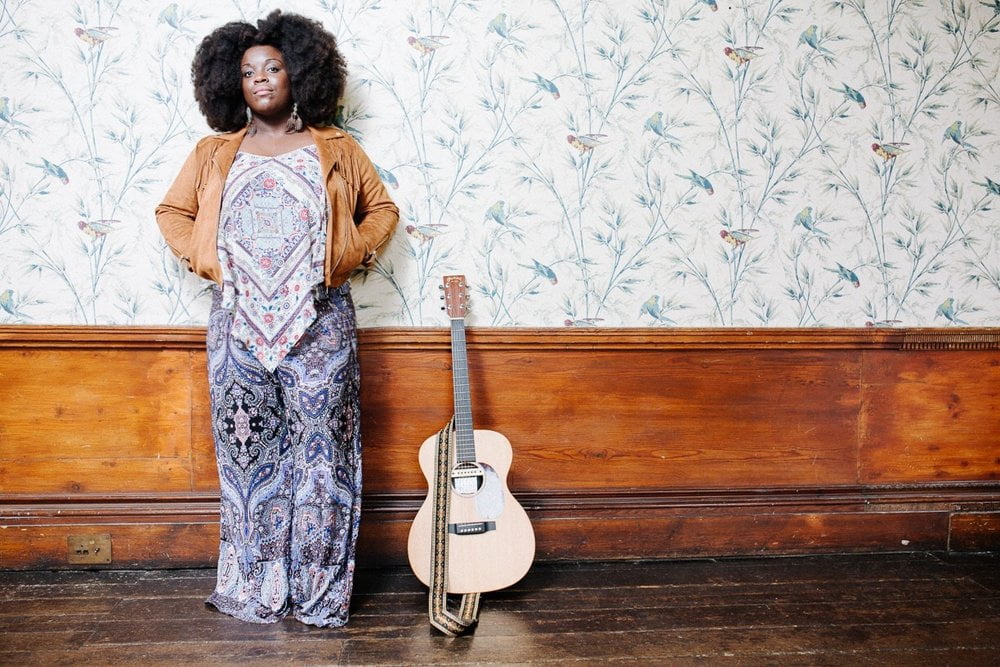
Yola Carter

The event is, at its heart, a chance for what is still very much a family-style musical community to recognize and foster their younger kin — literally so, in the case of Wildwood Kin, the sibling trio from Devon who DJ (and awards host) Bob Harris named his emerging artists of 2017.

Carter, named UK Artist of the Year, pointed out that only 12 months ago she was singing a minor showcase at this same event — “Now, I’m here receiving an award,” she said, acknowledging the “encouragement and community” provided both by her fellow AMA members and by Arts Council-funded organisations like British Underground.

At the end of the night, Richard Thompson was honoured with a Lifetime Achievement Award, in the year that his band Fairport Convention celebrates its 50th anniversary. It was presented by his friend Harry Shearer, who called him a “craftsman, artist, and visionary” and praised his “absolutely idiosyncratic career.”

“This isn’t a subculture,” said Thompson, when he took to the stage. “It’s a parallel culture. And …” — cue huge applause — “it’s getting better.”

No Expectations, High Hopes: Sallie Ford in Conversation with Charlie Cunningham

On first listen, it would seem Sallie Ford and Charlie Cunningham have little in common, except that they are human musicians. A singer/songwriter born in North Carolina but based in Portland, Oregon, Ford writes soul-baring lyrics that reveal a caustic wit, a persistent self-deprecation, and an abiding love for doo-wop, rockabilly, punk, and crunchy guitars. With her backing band, the Sound Outside, she released two albums, then went solo with 2014’s Slapback. But her latest, Soul Sick, may be her best yet: a set of lean, mean songs that reveal an ongoing battle with her baser urges, an emotional landscape where “the feeling of failing … is freeing.” Her music is blunt and direct, like a fist applied swiftly to your jawline.

Cunningham’s music, by contrast, starts as a gentle caress but ends as a deep scratch — fingernails digging into skin to draw blood. Through a series of EPs and singles, this London-born, Oxford-based musician has established himself as a formidable guitar player and a songwriter with a brutal economy of language. “I’m not here to pick a fight,” he sings on “An Opening,” “but we can, if you like.” Released on the Swedish label Dumont Dumont, his debut album, Lines, is taut and tense, with flourishes of synth and drums that underscore his percussive guitar playing.

Aside from a certain musical violence, Ford and Cunningham happen to share an understanding of music as a fundamentally cathartic endeavor, of songs as vehicles for the kinds of dark secrets you wouldn’t normally admit to a roomful of strangers. Never exactly grim nor simply self-absorbed, they are hyper-confessional lyricists, which means their albums are equally harrowing and relatable. Beyond that, they both come across very differently in conversation than they do in their music: amiable and animated, Cunningham speaking quickly and Ford punctuating her remarks with a piercing laugh.

One of the reasons I wanted to get you two on the phone together is that you’re both incorporating some styles that I don’t hear in a lot of music right now — Sallie with doo-wop and early rock, Charlie with flamenco. Those styles seem integral to your songwriting, rather than just sounds you’re dabbling in.

Sallie Ford: I just like retro music, in general. I grew up listening to a lot of oldies. My parents really liked the Beatles and Aretha Franklin and James Taylor, and we would have dance parties in the living room. [Laughs] So a lot of my music is about nostalgia. If you’re going to be influenced by anything, it has to be something that just calls you. What about you, Charlie?

Charlie Cunningham: First, I want to say well done on your album. There’s so much going on there, especially on that song “Unraveling.” You can definitely hear your soul influences coming through. As for me, I’ve always liked all sorts of music, but particularly acoustic guitar music. I used to listen to a lot of people like John Martyn and Nick Drake and Leonard Cohen — those kinds of people, playing that finger-picking style. I wanted to learn how to do that. I’d run out of tools, as far as playing goes. I went for flamenco because it seemed like the kind of thing I could understand. It sounded alien, but it also sounded somewhat familiar. It sounded very human and relatable. Once I did learn it, I was off. It just took a long time. I don’t know about you, Sallie, but it took me a very long time before I was ready to say, ” Here’s my music, people. This is what I do. This is me singing. This is me playing guitar.” That was the biggest hurdle for me.

SF: I grew up playing music, but it always mortified me to perform in front of people. My mom would have to make me. I played classical violin, and she would throw these concerts at her friends’ houses, and I would just die from embarrassment. It took me moving to a new city where no one knew who I was to realize that maybe I actually did like performing. Which is strange, because my whole family are performers. They’re much better than me. My father is a puppeteer, and he would make puppets with us. We lived way out in the boonies, and I was home-schooled. It was a pretty unusual upbringing. What about you?

CC: I was born in London, but I grew up about an hour outside of the city in a bit of country. I say “a bit of country” because you have these cities like London and Birmingham and Northampton, and then you have the bits of country between them. I lived in one of those. There was always music playing in my house, but there weren’t many players in my immediate family. My granddad used to sing. I’ve got lots of brothers and sisters — I’m one of five — and we were always trying to out-sing each other, not with any kind of skill, just in terms of volume. It was mainly a thing I did on my own, really. Music struck me early. I’d watch a lot of MTV, back when it was just one channel, and VH-1, and I stared to get interested in the world of music. We listened to a lot of Stevie Wonder and Elton John and these classic songwriters at a very young age … Why does my answer suddenly seem so much longer than yours?

SF: Ha! I think you’re just good at talking. I tend to clam up.

CC: I don’t think I am. You’re quality over quantity. Anyway, do you feel any relief now that your album is done, or do you feel anxious putting it out there in the world?

SF: I’m really excited. I’ve had a whole year off, and I have a new band, so I’m excited about all that. This will be my fourth album, which is crazy. But one thing I am nervous about is just now realizing how hard it is to be a musician, and I think it’s getting harder with digital downloading. Are you familiar with that really nerdy TV show in the U.S. called Nashville?

CC: No, I don’t know it.

SF: It’s not great. It’s a lot like a soap opera, but the reason I bring it up is because they’re all talking about how musicians are being affected by downloads. The fact that they’re talking about it on a major network television show about pop-country musicians is scary to me. I’m like, “Oh my god, what did I get myself into?” Maybe it’s not as bad in Europe, so I guess I could stop touring the U.S. and just tour over there.

CC: When I was listening to your stuff, there’s definitely this sense of being aware that what will be will be — like in that song “Failure,” when you’re talking about failure being freeing and a fleeting thing. That’s a good way to think about doing music, just knowing not to expect much. It really can be liberating. It does free you up writing-wise, because you don’t have to worry if it will sell. I think live music is one of the only things now that’s actually flourishing, perhaps more than ever, just due to the fact that people have to play gigs and tour to make a living. That’s the only way I can do it. So, in a way, maybe there are some positives, but it’s a bit of a Wild West, at the moment.

SF: I feel like I’ve written my most important album, and it’s just … I’m trying not to think about the past and how it’s been such a struggle. I want to change my way of thinking. I feel like I’ve been doing this long enough that I start to make assumptions about how things are going to go. Maybe that’s just how I am — always preparing for the worst.

CC: Preparing for the worst and hoping for the best.

SF: That is my motto, actually, although I word it slightly differently: No expectations, high hopes.

CC: That’s the only way to be, isn’t it? Because, at the end of the day, it’s the music that’s going to stay forever. That’s not going anywhere. That’s your thing that you’ll look back on and say, “I’m so glad I did that.” And it’s such a good record. I like the guitar sounds. What’s going on with the guitars there? Were those vintage amps?

SF: Yeah. I have tube amps. It’s actually all new equipment, but it’s modeled to sound old. I really dig Fender guitars, especially if you put them on the most trebly sounding pickup. I really love a thin, trebly sound. I love surf music. Actually, when I first learned guitar, my first teacher was trained in flamenco playing. He could do all this fast picking because of that training. He got some of the chops. Here’s a question for you: Do you play solo when you tour, or do you have a band with you?

CC: I’ve been playing solo for the last couple of years, but I’ve got a European tour starting pretty soon and there are going to be a couple of other people on stage with me. It’s still really minimal stuff, just some light percussion and some soft synths underneath to give it a bit of a lift. It’s still fairly simple and calm stuff, nothing too dramatic. I think the only way I was able to play music for the last couple of years was to do it on my own. Otherwise, it’s just too expensive to travel with a group of people. But I could usually say yes to anything because it’s just me and my guitar and a bag. But now I think I could probably justify getting some people on board, so I’m looking forward to traveling with other people for a change.

SF: Sometimes I think I might go back to doing that. I never did it that much. I did open mic nights, when I first started playing. My biggest goal right now is to go to Japan, and I feel like that’s not going to be a money gig. So maybe the next record will be a solo record that lets me tour in Japan.

Why do you want to go to Japan?

SF: I went to Japan when I was 12 because I had a bunch of pen pals. Since I was home-schooled, my parents would let me write to pen pals as part of my homework. So I would spend hours researching the countries they were from, and I was obsessed most of all with Japan. I learned Japanese and had a Japanese teacher, and she took me back with her to Japan to meet some of my pen pals. I’d really like to go back. I find that most Americans are pretty fascinated by Japan. What’s your dream tour, Charlie?

CC: To be honest with you, I really want to tour across the pond in your part of the world. I’ve never played a gig in America, but I’m coming over for the South by Southwest festival in March. Hopefully I can get some other dates during that trip. That would be fantastic. It’s a bit of a dream, but growing up in England, watching the telly and listening to American music, we knew American culture really well over here. So I think it would be interesting to see it and play some gigs over there. I’m just going to go over on my own, not with a band or anything. So, you’re from Portland, right?

SF: I lived here for about 10 years. I moved from this little city in North Carolina called Asheville, which is like a miniature Portland but not as famous. It’s one of the most liberal college towns in the South. Have you heard much about Portland over there?

CC: I’ve been to the States once, and one of the places I went was Portland. I went there and Seattle. I really like Modest Mouse, so I was excited to see the city. I heard this band called Mimicking Bird. Did you ever hear them? I think they’re on the label that Isaac Brock from Modest Mouse runs. It’s really nice music. And Johnny Marr from the Smiths lives in Portland, I think. I’ve seen that program Portlandia, as well, which I love.

SF: So many cool musicians who live here, for sure, but it still feels like a small town. That’s what I like about it. You run into people you know all the time, and most people know each other, especially in the music scene. Most of the time people aren’t very competitive with each other.

CC: A little bit of healthy competition can be okay, but generally you need to be supportive. That sense of community is important. I think that’s why I keep ending up back in Oxford. There’s a sense of community here, and good music. People go to each other’s shows and they keep an eye out for what everybody else is doing. That really helps the creativity and makes you feel involved.

What took you to Oxford?

CC: It’s not a million miles away from where I grew up. Basically, I grew up between Oxford and London, and I ended up studying there — not at Oxford University. I should just clear that up right now. But I did study at a university in Oxford for a little bit. I met a lot of people there, and there’s a big music scene going on there. You’re only an hour away from London, so you can be really involved in that scene, but then you can step out of it and be in this much smaller town. It’s an inspiring place to be. There are lots of people from all over the world in Oxford, because of the university. So you get to meet a lot of different people. And I love a bit of history. It’s nice to walk into town and see all these really old buildings. It’s a clam place to be. When I get home from touring, Oxford is a good base. I’ve lived here for eight or nine years total, but I keep moving away and coming back. Maybe I’ll end up staying a bit longer this time.

SF: I saw something on your Facebook about how you went to Abbey Road. What was that like?

CC: Yes! I went there to master the album. I recorded it in New Cross in south London, and then I did the mastering at Abbey Road. What a great day that was. I was such a Beatles fan when I was growing up, so it was just crazy to be there. You go through the studio and see all these pictures of people who have played there. And it’s everyone. It felt humbling, and I was really trying to be present for it. There’s a lot of stuff that happens and you don’t sit with it properly, but I spent most of that day really trying to take it all in. And they did such a job with the mastering. They really took it to another level, and it was incredible to watch and hear that happen.

Here’s a quick question for you. That song “Get Out,” is that about trying to get songs out of you, trying to get music out of yourself?

SF: I love that interpretation. It’s cool when songs can mean different things to different people. When I wrote it, I was thinking about how I tend to give up pretty easily. If I’m feeling overwhelmed by a situation, my first inclination is to remove myself, especially struggling to do music. It’s overwhelming, and I tend to give up on things too quickly. I’ll take some new class or try some new hobby and, before I even start, its like, “Oh no, I’m already over this.” You can’t do that before you’ve even started. You can’t be the best at something as you’re learning to do it.

I recently took this weird circus class, and I had this competitive feeling, like I want to be really good at it. But it was so hard and I struggled so much that I swore in front of the whole class. They were trying to get me to hang upside down, and I finally went, “Screw this!” It was the very first class. I made the mistake of going with my friend who was really good at it. I was jealous.

CC: At least you went to the class. Some people might not even try. I think that’s admirable.

SF: I started doing hip-hop dancing a few years ago. I was pretty bad, but it was so much fun that it kept me coming back. I would never do it in front of anyone, but there’s so much about it that I love. It shuts your mind off. Everybody talks about yoga shutting your mind off, but for me, it’s dancing.

CC: I used to dance a lot more than I do now. I need to dance more. I used to enjoy going to clubs and dancing, but when I got older, I got more self-conscious. Maybe that’s something to fix. Maybe when I’m in Austin, I should have too much to drink and end up dancing somewhere. Note to self …


Sallie Ford photo by Kim Smith-Miller. Charlie Cunningham photo by Louisa Stickelbruck.

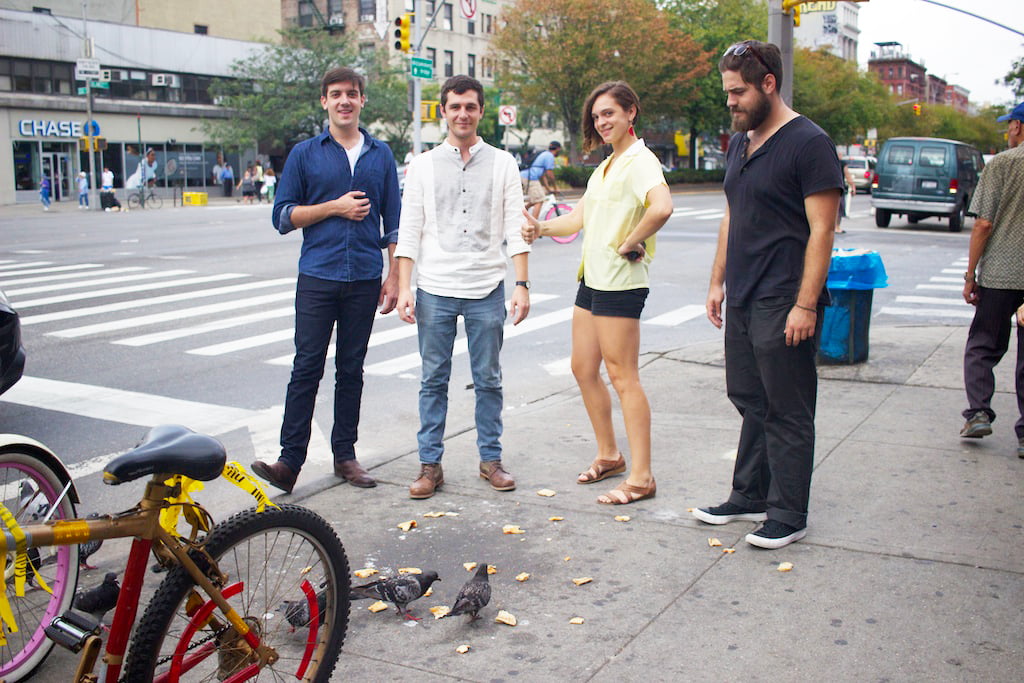
Feeding Pigeons and Eating Pizza with Mipso

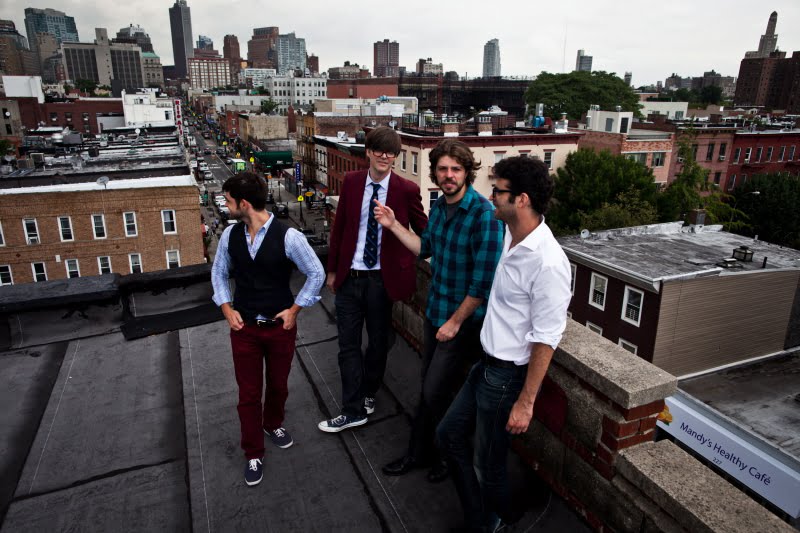
It’s a mellow Fall afternoon in Carrboro, NC, shortly before the early-evening hustle to get home. A lot of students make up the little town’s population thanks to the adjacent town of Chapel Hill and the University of North Carolina, but Carrboro is also a home to artists and other creatives — its cheap living, easy-going attitude, and compact layout make it an attractive spot to set up camp.

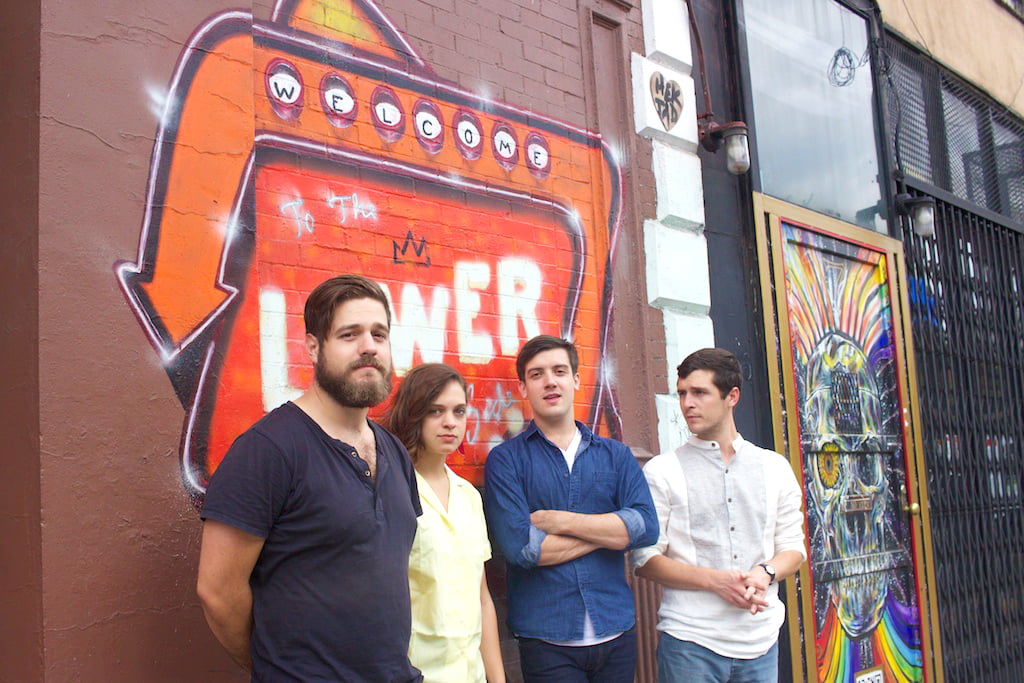
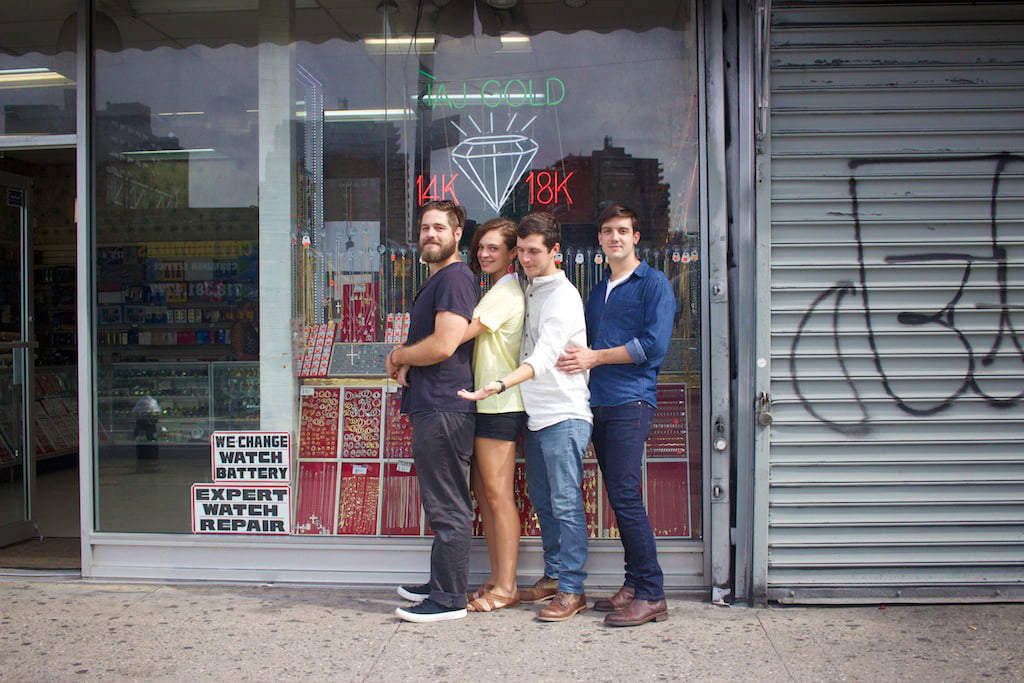
The roots music upstarts in Mipso call Chapel Hill home, though they hang out more in Carrboro. Singer/mandolin player Jacob Sharp sits in a small brewery downtown, as the band’s new record, Old Time Reverie, pours out of the speakers. Sharp is quick to admit it’s weird, but that’s one of the perils of the area’s tight-knit music community — it’s as common to hear locals’ tunes playing on shop stereos as anything else.

But this is hardly the most exciting thing going on for Sharp and his cohorts at the time: The day before, the newly released Billboard charts featured Old Time Reverie at the top of its bluegrass listing, at number 20 on its folk chart, and number 23 on its Heatseekers chart. The band spent the previous 24 hours fielding dozens of phone calls about the feat, but they didn’t see it as a big deal. For Mipso, the chart numbers were merely a passing recognition of something the band has already put years of hard work into, and its members hope that Old Time Reverie will help push them along even further toward a sustainable, long-term music career together. Guitarist Joseph Terrell, bassist Wood Robinson, and fiddler Libby Rodenbough join Sharp to discuss the band’s work up to this point and what they hope lies down the road.

Joseph, you mentioned in another interview that bluegrass was a big tent, and I think we’ve all talked about that together, at some point. Could you talk about that a little more and how y’all fit into that?

Joseph Terrell: I think there are a lot of great young artists that we’ve gotten to know, touring over the last couple of years. We have great respect for some of the early bluegrass guys like Bill Monroe and the Bluegrass Boys, Flatt & Scruggs, and the Stanley Brothers, but don’t feel like loving them and respecting them and playing music that feels informed by them necessarily means playing music that sounds exactly note-for-note like them.

Jacob Sharp: Within the context of the charts, it’s funny, because we’re also on the folk one, which is probably how I think more people would understand this album if they hadn’t seen the tags beforehand. I would think it’s a little more naturally under that point. I think it’s cool for Billboard to put it up on a couple, and I think it’s good for bluegrass that — as a genre and as a home — it’s become broad enough to sneak over there because, previously, that probably wasn’t as much the case. There were enough bands that pulled heavily enough from bluegrass to get cross-catch, but I don’t think any of us would really say this is a bluegrass album or that we’re a bluegrass band. But we’ll totally take being on the charts, and we love learning from that place and being a part of that community.

JT: I think it’s interesting from the charts' perspective, too, because the folk charts have Jason Isbell and Ryan Adams’ 1989 album. And that’s rock ‘n’ roll. They’re all a bit blurry, I think, right now. And I can imagine traditional bluegrass people saying, “Wait a second: If you’re not going to use this as a bluegrass chart, then why have it? If you’re going to broaden it to be acoustic music, then call it acoustic music, not bluegrass.” So I can understand how the terms get frustrating when you try to really understand what they mean.

You’ve spent a lot of the last year on the road. How has that been? Do you feel like you've gotten into the swing of it now?

JT: It’s definitely been a big adjustment. We live in Chapel Hill, but to say we live anywhere is kind of a stretch. At some point in a touring musician’s life, when you’ve been a musician for a long time and traveling a lot — for example, like we were talking about earlier, when you wake up on a Tuesday in the middle of Iowa in February, you have that sense of, “How did I get here? Where am I going? What am I doing?”

JS: That question of “How did I get here, where am I going” is in both senses — like, “Where was I yesterday? How did I actually arrive in this location? And what happened over the last two-and-a-half years of my life that I thought this was rational? What major glitches in logic have I found?”

JT: There are great things, too. We’re all grateful for having gotten to know so much of the country. I think that sounds like you’re trying to find a way to make it sound good, but genuinely, it’s been super cool.

Before you hit the road, how much of the Old Time Reverie was done? How did you fit recording and writing into your touring schedule?

Wood Robinson: The songs were pretty much written before we got in the studio in December of last year. We had a week there, and another week in early January, and a final week in early February between the Northeast run and the Midwest run. It was basically all done before the breadth of the year happened.

JS: When we were touring in 2014 — Summer and Fall — that was really our transition into full-time touring. We had carved out time. We wanted to understand the motions of touring before getting into the studio.

Libby Rodenbough: There were very discrete sections. We had to very intentionally set aside time for recording, and it was very scheduled. I know some people who record as they’re on the road, and they do a few days here and leave for a few weeks, and do a few days here. For us it was like, “This is now studio time,” and then back to the road again after that.

Many contemporary folksy bands style themselves to be sort of old-timey looking, and y’all definitely don’t do that. Has that been a really conscious choice?

LR: It is not really that important, and I don’t think that we spend so much time thinking about it. But it is kind of tricky to negotiate that. I find myself wondering sometimes if I’m playing too much into a stereotype. I think, even though we dress in regular 21st-century clothing, it’s also kind of influenced by our general aesthetic tastes. It’s not a mistake that we’re all from this area, and we all listen to some acoustic music, and we like leather boots. We like rural-influenced-type clothing — it’s not like we’re dressing up like cowboys all the time, but we have those inclinations.

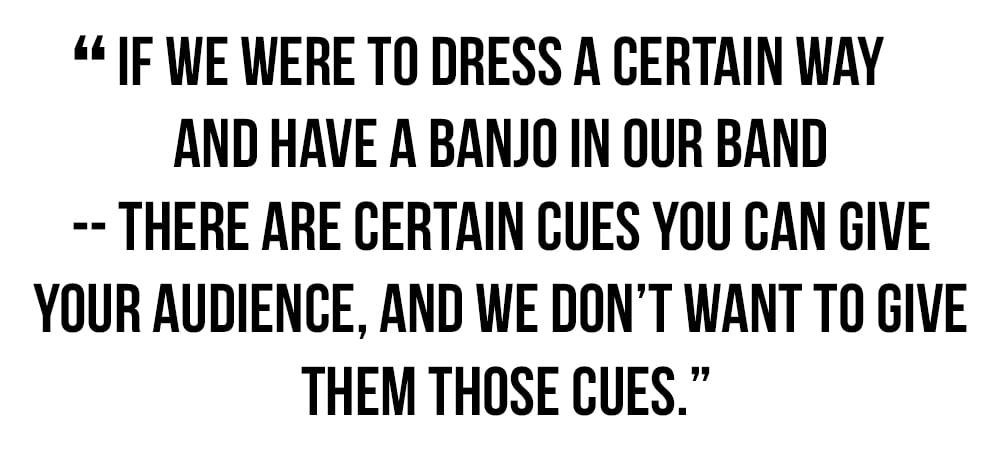
 I think it has to do with family history, but also, in our lives, we’re drawn to many things like that. I studied a lot of folklore in school, and I’m drawn to the traditions of the South — musically and culturally, generally, and also aesthetically. So I think that’s part of the way we dress, for sure. But you don’t want to be too thematized in a band in a certain genre. And I think that has to do, too, with the fact that we don’t want to be pigeonholed as playing a particular type of music exclusively. And if we were to dress a certain way and have a banjo in our band — there are certain cues you can give your audience, and we don’t want to give them those cues.

JS: I think style, like everything else you do from day to day, the more you do it, the more you think about it in more nuanced and critical ways. Going into this album process, we were thinking about the imagery of the cover and the clothes we were wearing in a different way than we had previously. Libby thinks about that stuff a lot, individually, and we thought about that stuff, collectively. This time, we worked with Dear Hearts, from Durham.

LR: I think it is worth noting for someone like me — who spends way too much time and way too much money on clothing anyway — I would be doing this regardless of whether or not I was a performer. It’s just a passion of mine. But when you get to be onstage and wear some of this stuff, there is some semblance of justification for it, which makes me feel better about myself. I would say it’s one of the perks of being a performer that, if I buy, for example, gold sequin pants, I can be like, “Well, this is for the stage! This is just a business purchase.” I don’t write it off, but I do buy some things like that with a very slight sense of justification, and I appreciate that.

JT: An example for me is, I recently saw a band performing with a microphone that was as big as a dinner plate. I said to the other guys that I thought that it was a real failure of the microphone that it amplified the voice well, but it distracted from the performance completely. If I wore gold sequin pants, and someone left the concert and all they thought about was my gold sequin pants, I think that would be a failure of my style. I want people to leave our concerts thinking about music and thinking about our songs. That being said, it starts to make sense to be thinking about how your clothes play a role in what people think about you. I don’t think it’s wrong to wear something you think is cool, but we’re not David Bowie exactly.

LR: We are the David Bowie of bluegrass.

What do you see for yourselves in the next year-plus?

LR: I think a lot of what we see is the same … but more. The same … but better. Probably hitting a lot of the same areas and doing a similar level of touring, in terms of how many days on the road, but hopefully better gigs and better attendance and cooler venues. The things that we see happening already — the people that we’re meeting, the bands we’re getting to play with and stuff — leads me to believe that that will happen. It feels like we’re headed in the right direction.

JS: It’s a funny thing to be learning about. You start to understand it in these cycles that are, like, 16 months in the future. This album was done in January, the songs are just now new to the stage but they’re old songs to us. We’re excited to get into the studio, but we understand that when that happens sometime later next year, there’s no way it can come out before February of 2017. You start to understand stuff in a weird world, these chapters that kind of have a slow roll.

LR: Somebody asked me recently, “Is it full-time?” I thought, it’s way more than full-time. It’s full life. It’s what I think about all the time. When we’re on the road, it’s pretty hard to fit anything else into your brain that isn’t band-related. I would love to have the time and, thus, the brain space to remember the other parts of who I am. I love being invested in the band, but I think it can get a little too much and, if we’re looking at longevity as a group, I think that actually depends on having some individual focuses that are far afield.

WR: There are only so many years you can tour 180 shows, which translates to, like, 220 days a year. You just can’t. You physically reach a wall, and we’re young enough to maybe prolong that wall a little bit further down the road. But it feels good to be consciously making changes in that regard.

Do you find it difficult having to balance thinking about all these long-term things with being present in everyday life?

WR: The one thing that catches up with me — it is my life, so it’s relevant and it isn’t just business. But, often times, when I call a friend, I don’t want to talk about music. And that’s impossible if that person is in music. It feels fake or something like that, sometimes, when you’re talking about your career, because it feels like you’re having a business talk about your hopes and dreams and stuff like that when you’re talking to a friend you’ve had for years. It subconsciously happens. You’re not actively trying to push your career on other people, but that is basically everything we do, so that is what’s been going on.

LR: And you get used to conversations that are kind of about you, and they’re uncomfortable, a lot of the times. There are a lot of conversations after shows, where you’re trying to learn how to gracefully reply to a lot of compliments that start to feel kind of meaningless. I find that when I return to talking to a friend who doesn’t give a shit that I play shows, it’s refreshing but also kind of disconcerting. I sort of snap out of a fog I’ve been in on tour. And, when you have those moments, you realize a certain kind of unreality or different reality that you’re in when you’re on tour. But sometimes it’s not other people imposing it on you. You can’t get yourself to stop talking about work. I’m in my own head, fighting with myself, like, “Stop talking about the band,” but I can’t think of anything else, because it’s all I do and think about most of the time.


Photos by Katie Chow for BGS

3×3: Jones Street Station on Lead Belly, Yellow Mustard, and the New York Bluegrass Scene

Artist: Jones Street Station
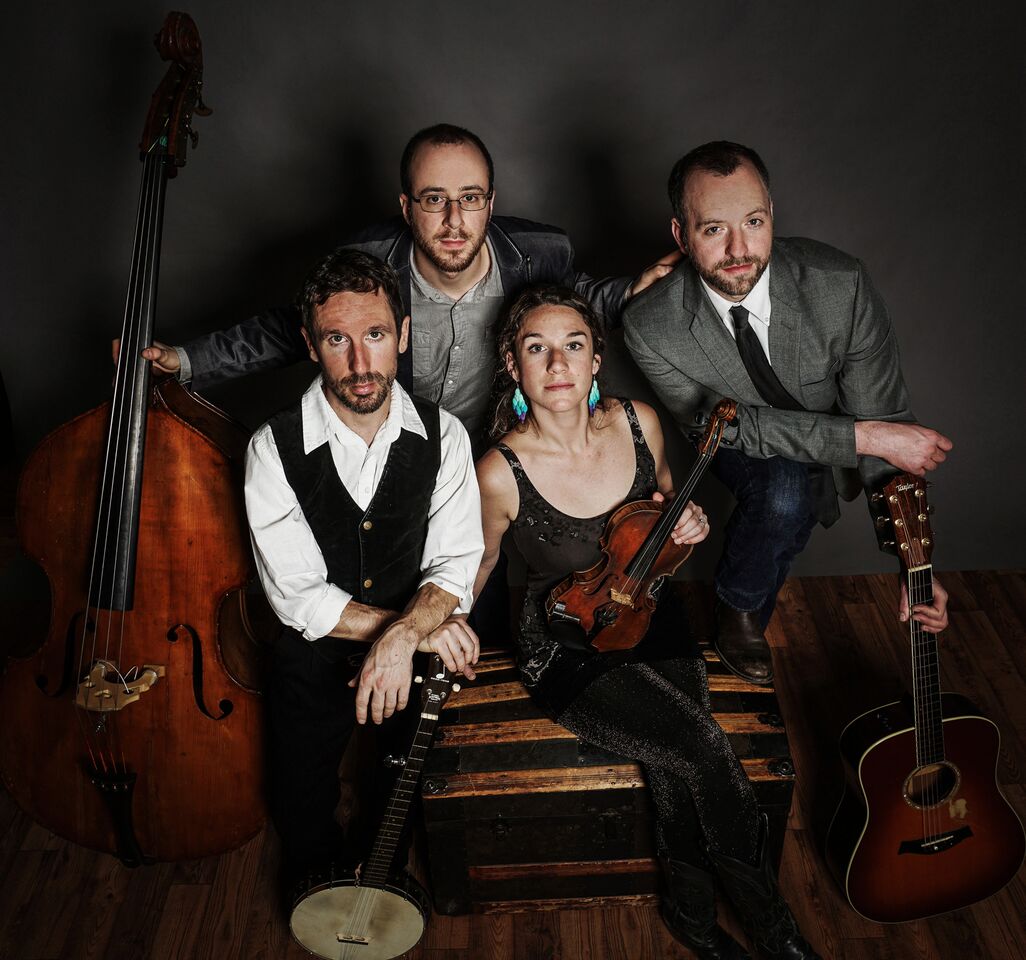
Hometown: Spread across the U.S. — Boston, Brooklyn, Chicago, San Francisco, Minneapolis
Latest Album: Wolf at the Door
Rejected Band Names: Formerly “the Jones Street Boys” named after a random gang in The Warriors

What song do you wish you had written?

“Walls of Time” and “The Weight” 

Who would be in your dream songwriter round?

Bob Dylan, Lead Belly, John Prine, Cole Porter, Willie Dixon, Bill Monroe, Buddy Holly, Joni Mitchell, Guy Clark

If the After-Life exists, what song will be playing when you arrive?

“Sweet Heaven When I Die,” of course

How often do you do laundry?

Lots

What was the last movie that you really loved?

The Big Short

If you could re-live one year of your life, which would it be and why?

23 when we met had just moved to N.Y. and found the bluegrass scene there.

What’s your favorite culinary spice?

Nutmeg

Morning person or night owl?

Night owls

Mustard or mayo?

Yellow mustard on a Chicago hot dog!

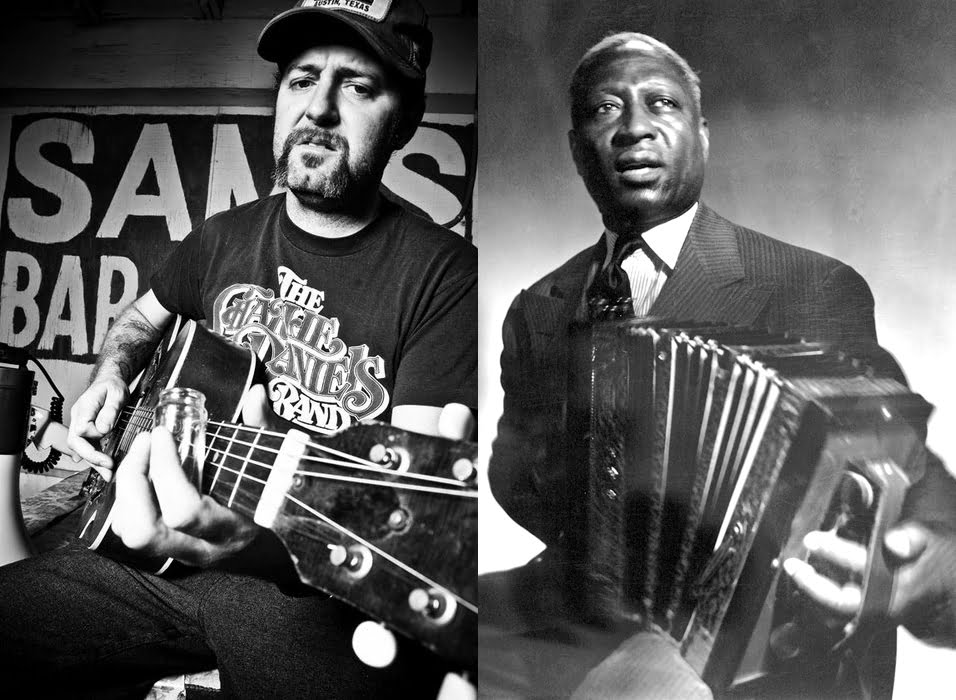
Squared Roots: Scott Biram on the Legend of Lead Belly

Though Lead Belly was merely a man, his story reads like the stuff of legends. He had multiple encounters with the law, was sentenced to a chain gang, escaped, killed a relative, and got thrown back in the hoosegow, earned himself a pardon because the governor was a fan. But then he stabbed someone else and got put back in prison, this time in Angola, where Alan and John Lomax found him. He was released, again, after serving his minimum and pleading with the governor, but committed a second stabbing, in the late ’30s. All the while, he so impressed everyone who heard him that he also landed himself in the Rock and Roll Hall of Fame. Known primarily for playing 12-string guitar, Lead Belly also played the piano, mandolin, harmonica, violin, and diatonic accordion on the hundreds of songs he recorded over the course of his all-too-brief career.

Texas songwriter Scott Biram grew up on those songs and, later, learned the stories that went with them. In his own bluesy, folky, soulful Americana style, Biram hears the inevitable echoes of Lead Belly coming through, including on his latest release, The Bad Testament. The influence is there in the miscegenation of musical styles, but also in the way Biram approaches his role as raconteur.   

Why Lead Belly?

Well, Doc Watson was taken! [Laughs]

[Laughs] Fair point.

I would definitely say he’s among my biggest influences — Doc and Townes Van Zandt are my other two. Lead Belly has been in my life my whole life. My dad listened to him a lot when I was a kid. I have quite a few songs where I do a little rant in the middle, where it’s not really singing as much as it’s telling a little story or saying something. I think I got that from listening to Lead Belly.

Right. Must be nice to have parents who listened to cool music. I grew up on Barry Manilow and Dionne Warwick.

[Laughs] There was definitely a lot of Eagles and Crosby, Stills, and Nash at my house. But my dad listened to a lot of Doc Watson and Lightnin’ Hopkins and stuff like that.

I can see why he would gravitate toward that stuff. Lead Belly really did have a singular style — this mix of blues, folk, gospel, and country on a 12-string guitar. What was it that spoke to you in that mish-mosh or maybe it was the mish-mosh?

I think a lot of it had to do with just being a part of my life when I was a kid with my dad listening to it so much. We had this vinyl record that was the soundtrack to the film Lead Belly which is a pretty obscure movie, not really easy to find. I think they filmed it in ’76 or something like that. I was a little kid. They filmed it in the little town that I lived in and I was in my dad’s arms on the edge of the set while they were filming the scene where Lead Belly shot his friend and went to prison.

Well, one of the times he went to prison …

One of the times … yeah. [Laughs] So I heard that soundtrack a lot, which wasn’t actually Lead Belly playing on the soundtrack. It was Sonny Terry and Brownie McGhee and someone named Hi Tide Harris who I haven’t been able to find too much on, even with the Internet.

Once I got into roots music, when I was a little older and started playing bluegrass and started really playing the guitar a lot and learning blues, Lead Belly was just naturally somebody that I gravitated toward. And his story is so interesting. I read all the biographies. I read a lot of biographies on musicians that influence me so that I don’t just have a shallow knowledge of them. If I’m going to be playing some of their music, I want to definitely know as much about them as possible.

That’s awesome. I had never studied much of his life until prepping for this. But, I mean … the guy recorded hundreds of songs, worked with the Lomaxes, had a radio show on WNYC, went to Europe, and was in and out of prison multiple times — sang his way out of jail a couple times — all before dying at 50 or 51. That’s some hard living. Can you imagine spending even a couple years in his shoes?

No. [Laughs] I mean, I can imagine, but I’m probably not going to do a very good job of imagining what something like that would be like. I’m just a guitar player. [Laughs] Actually, he only sang himself out of prison once. There’s a legend about him that he sang himself out twice, but really, the second time was kind of exaggerated. I think he was in prison in Louisiana, at that time, and he got out on something called “good time” which is, I think, probably good behavior.

Right. He served his minimum and got out. Here was an interesting thing that I learned: He played at the Apollo, but the Harlem audience didn’t really resonate with him as deeply as the folkies did. He had a lot in common with Woody Guthrie, maybe more so than some of the old blues guys, but why do you think the Black audience didn’t connect?

First of all, he was a country guy. And I don’t mean country music; I mean from the rural South. So I’m not sure anyone from New York would really see it as anything but a spectacle, at that time. But, also, I wonder — and I’m just guessing here — I know that John Lomax used to kind of have him dressed up in a prison uniform and stuff like that, kind of clown him around out there and make him seem like he was just straight from the prison. I imagine that might have been a turn-off to some people in Harlem back then. I know Woody Guthrie, when he went to New York and was supposed to be on something and they wanted him to dress, as he described it, “as a clown,” he said he’d be back in a few minutes, went downstairs, and left. Didn’t even come back to the studio. [Laughs]

[Laughs] Yeah. I read that Life magazine did a three-page spread on Lead Belly and the title of the article is not something I’m going to repeat.

Yeah, I get ya.

And it was considered an honor that he was getting this prominent placement. But it makes sense that the minstrel thing wouldn’t fly.

It might’ve been a turn-off to people in Harlem. If there was anyone from the South who lived in Harlem at that time, they probably weren’t impressed by it because, to them, it was just a reminder of what they just left.

The other thing I love about listening to his stuff and pouring over his stories is that he lived through an era of history that was rife with huge moments and he documented history as it happened, writing songs about the Titanic, the Hindenburg, Jim Crow, FDR, Hitler, etc. Pete Seeger carried his style forward. Bob Dylan, to a certain extent. Who else do you hear carrying the Lead Belly torch?

You mean documenting history as it happens?

Yeah. Ani DiFranco does a bit, which she picked up from Pete Seeger.

Honestly, nobody comes to mind that is documenting current events in music so much that it’s actual historical stories in the songs. There are a lot of people saying their thoughts about the current states of everything, but I can’t think of anyone that actually sings a story about a tragedy.

Santiago Jiménez, Jr. — Flaco Jiménez’s brother — has a record called El Corrido de Esequiel Hernandez: Tragedia de Redford. The album is titled after the song about a kid in Redford, Texas, down in the desert on the border, who was walking his goats one day and the guys in the DEA or Border Patrol came and shot him because he had a rifle walking, like he did every day, with his goats. He was basically a shepherd and he got shot. That’s the only one I can think of that pops out and that’s not a popular artist or anything. [Laughs]

[Laughs] Right. I was just thinking Hurray for the Riff Raff does it a little bit. Rhiannon Giddens, a little. But no one to the same extent. I mean, if you read Lead Belly’s song titles, you can trace history.

A lot of the time you have to listen to it as “The Hindenburg Disaster, Part I” and “Part II” because they couldn’t fit the whole song on the single. They had to put it on both sides!

WATCH: Driftwood, ‘Too Afraid’

Artist: Driftwood
Hometown: Binghamton, NY
Song: "Too Afraid"
Album: City Lights
Release Date: November 4, 2016
Label: Yellow Bike

In Their Words: "'Too Afraid' is a song about the girl you know you shouldn't see anymore, but you just can't help it. It's about that kind of attraction. I think everyone has someone in their life, at some point, that fits into that category so it seems to be very relatable, making it so much fun to play at shows. Plus it earned us our first FCC warning which seems like some sort of achievement." — Joe Kollar


Photo credit: Marc Safran