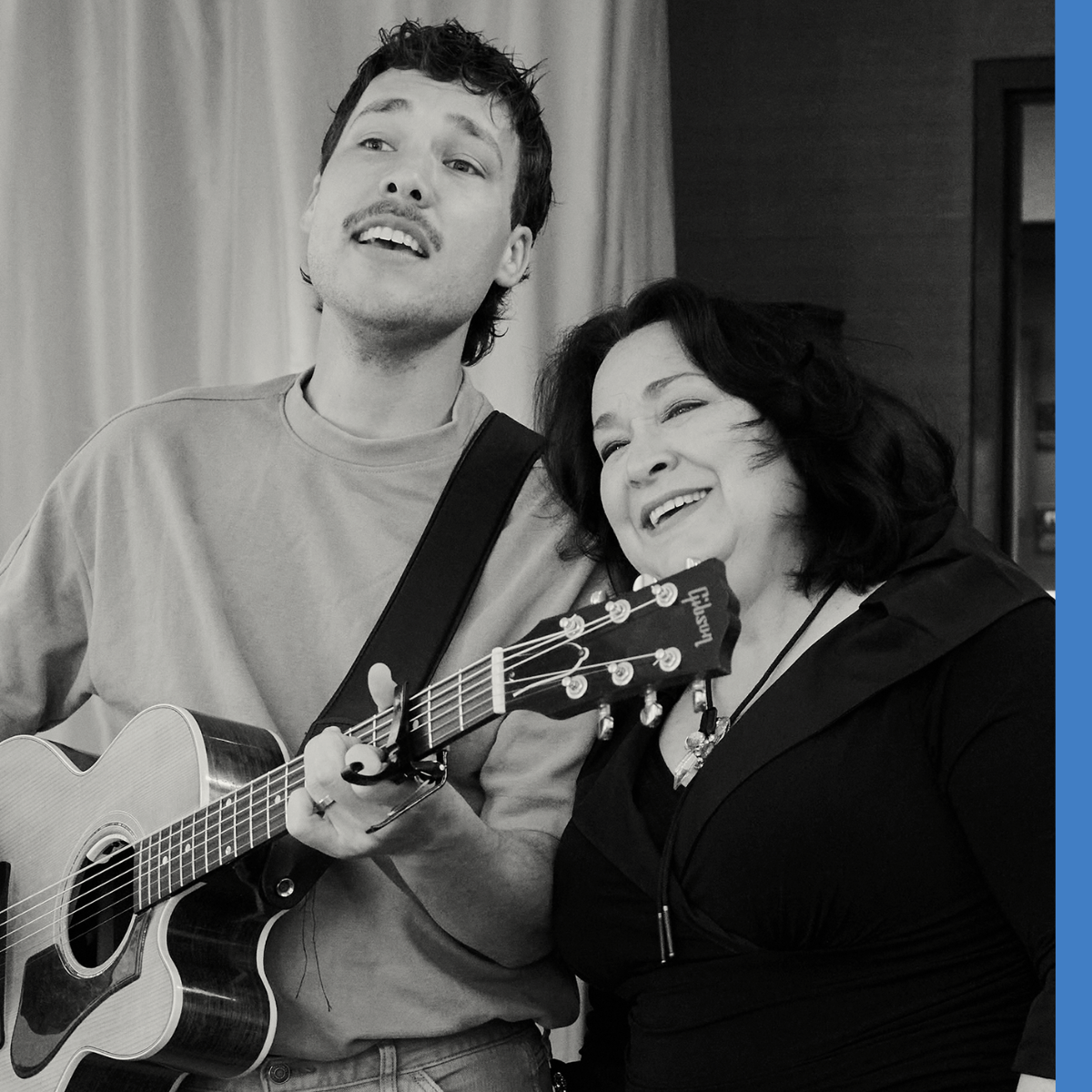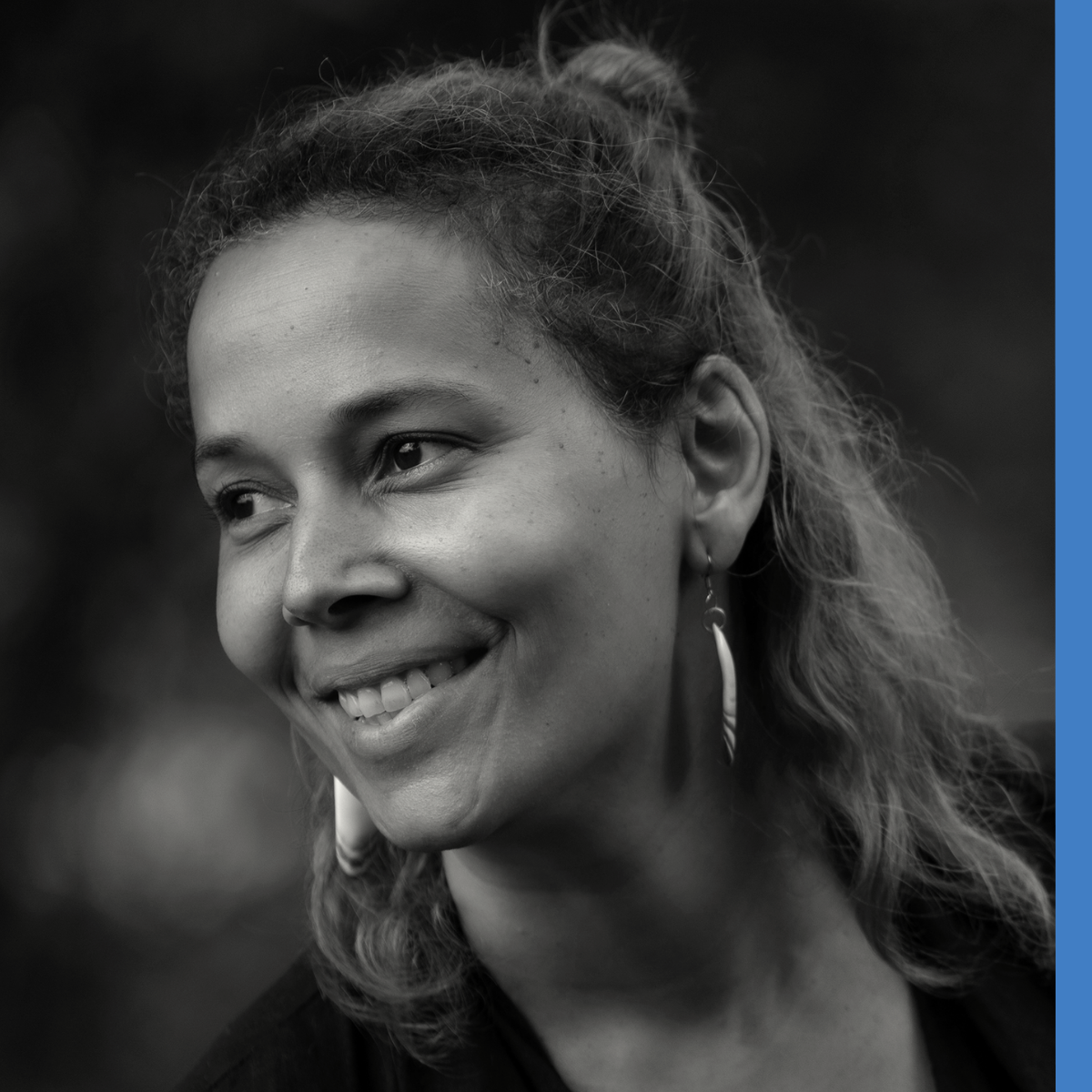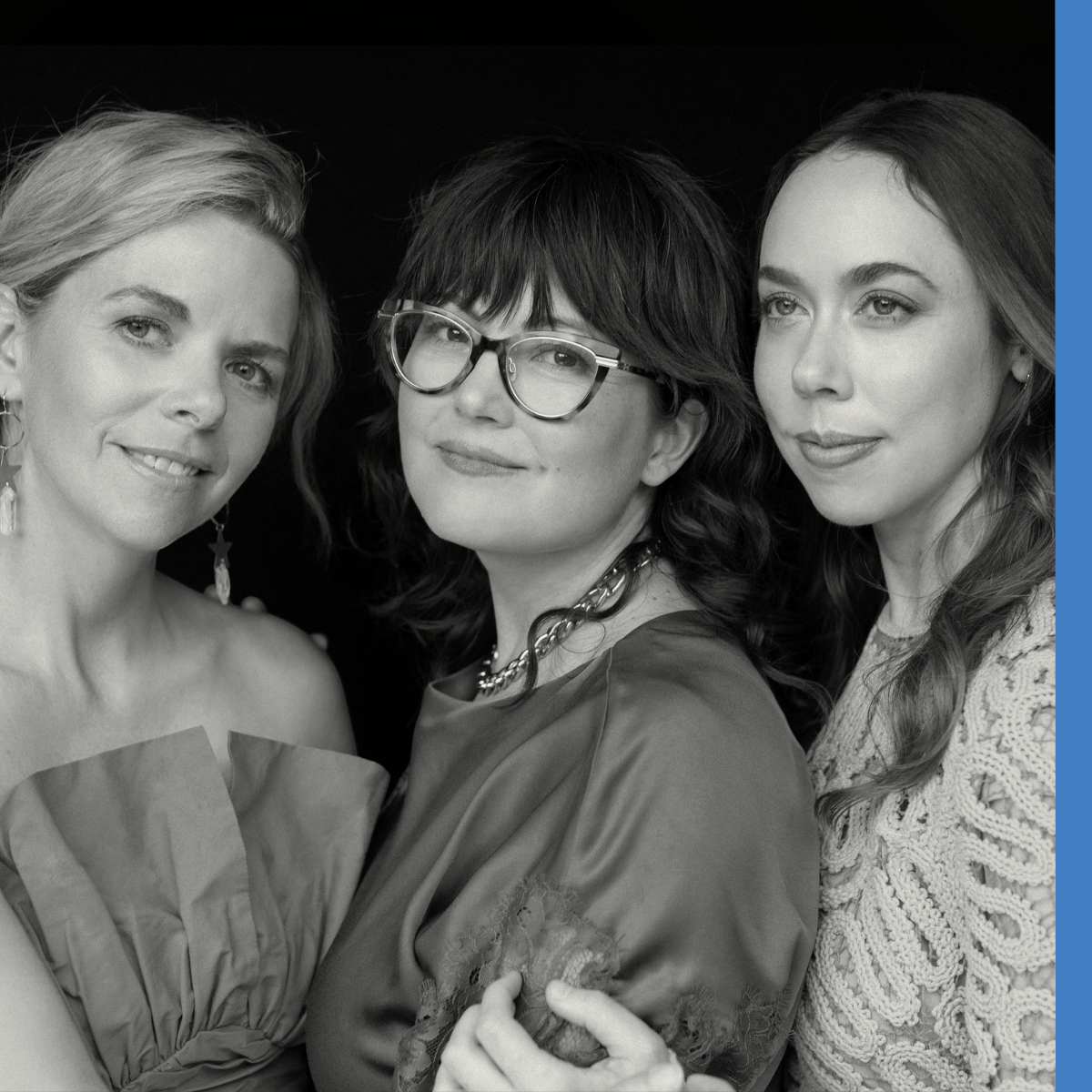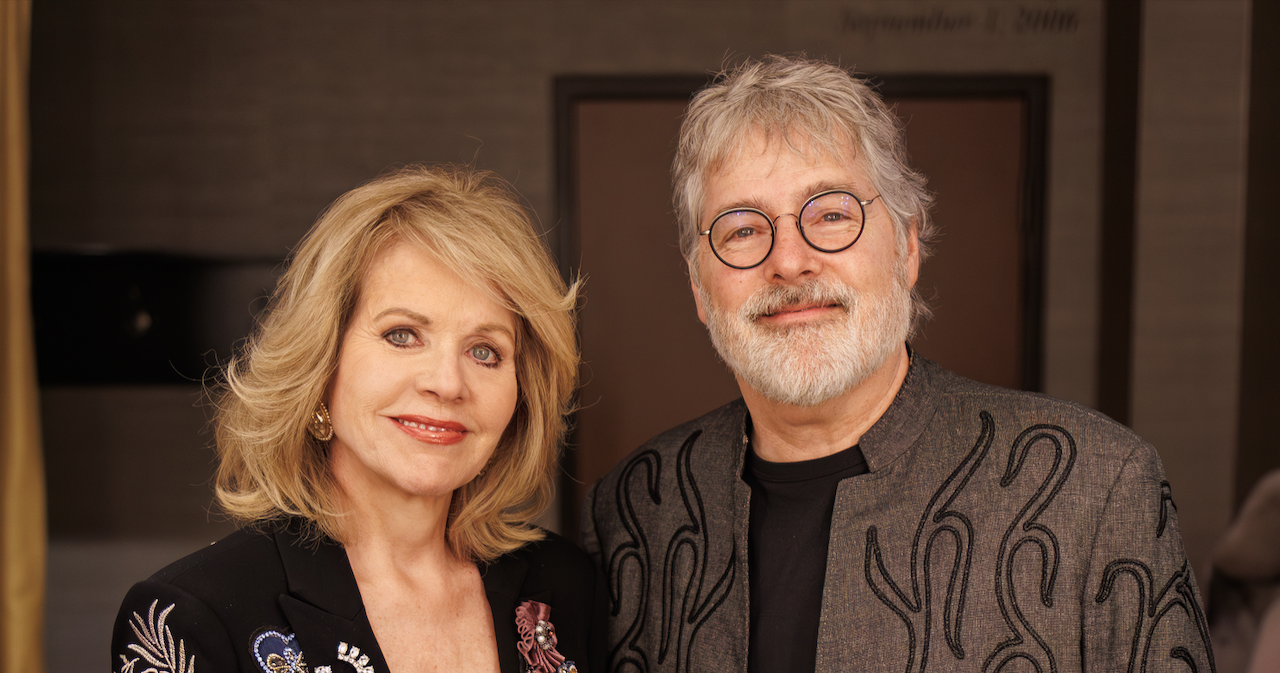
Renée Fleming and Béla Fleck in Conversation

Renée Fleming, Béla Fleck, Appalachia, and an all-star bluegrass band. Though the knee-jerk reaction to this list might be to play “one of these things is not like the other,” there is much more to this premise than meets the eye – and ear.

Fleming is one of the most renowned opera singers of the modern day, but the internationally acclaimed soprano has a long history of musical curiosity and often enthusiastically indulges thereof. From this trait alone, she and Béla Fleck found a resonance within one another, embracing and making music beyond the bounds of their respective claims to fame. This resonance sparked an idea that endured for more than 20 years, culminating in The Fiddle and the Drum, an album of Appalachian songs sung by Fleming and produced by Fleck – one that, more than anything, reveals a journey of familiarity and discovery for both artists.

The pair joined BGS on a phone call to delve into the musical, historical, and personal connective dimensions of this record. The memories shared are rich and many. Some extend as far back as Fleming’s preteen years. Others revive Fleck’s contemplations of how each song might come to life through Fleming’s vocal prowess. Every one of their recollections is imbued with immense mutual respect and awe for each other as well as the album’s many collaborators; it’s clear they both appreciate the gifts each and every person brought to this record.

Our conversation isn’t without painful realities, as the album’s focus on love and loss and war prompts reflections on fights and fatalities happening today. But, ultimately, it’s a conversation colored by a range of emotions and experiences, not unlike the very music of The Fiddle and the Drum itself.

Renée, you’ve spoken extensively about your upbringing and how you formed your relationship with a lot of folk music and folk artists. In that vein, how would you describe the initial perspective you formed about the music of folk, bluegrass, and Appalachia during the younger formative years of your life?

Renée Fleming: I think it was in middle school that they offered a guitar class – which I think is a fantastic way to get kids interested in music, because it’s an instrument you can carry around and you can read tablature pretty easily and pretty quickly. So that got me interested in [music], but also some of the music that I really genuinely liked [and got me interested] came a little later, including my discovery of Joni Mitchell in junior high school and high school. Then I was exposed to it through my family as well, because my grandfather was a fiddler and a drummer, so we had very eclectic tastes in music. I just was constantly exploring. [I] wrote a lot of songs and wrote a lot of music, starting probably when I was 12 years old, and it just branched out from there.

Where did Béla Fleck initially come into the picture for you?

RF: I was already a fan of Béla because of Béla Fleck & the Flecktones. In college, I really started singing jazz with a big band and also with the trio every weekend, so I was a big fan of his [at that time].

Obviously everything worked out the way it was meant to, but you still carry those glimpses into other worlds – folk, jazz, and so on – and it helped somewhat shape where we are now. I think it’s really brought a lot of extra color, showing people that [music] doesn’t have to be so rigid and doesn’t have to be about genres and specific labels and I think that’s something that really shines through with The Fiddle and the Drum.

Béla Fleck: I think we all have a tendency to pigeonhole people and put them into a black-and-white kind of a concept. You know, “They do this, they don’t do that,” but people are nuanced and love all kinds of things, especially when growing up and you’re open, you’re trying things and figuring out where you’re going to land.

I was also a huge fan of Joni Mitchell, and I was a vocal major in school, even though I couldn’t sing worth a darn and was secretly working on the banjo in the closet. But being exposed to classical music in high school – and my stepfather is a cellist, so I was listening to string quartets and stuff when I was a kid. People might be surprised by that, or maybe not, considering the kind of music I like to do, which is very varied. But I think it makes all the sense in the world that all of these other interests make Renée an even better opera singer, if that’s the right thing to call her. But the bigger your world is, the more you can bring to the specific things that you do.

RF: I never heard that you were a voice major before. I love that.

BF: Don’t think I’m gonna sing, because I want to protect you from awful pain, agony, despair.

RF: I don’t believe it.

BF: Nobody ever gave me a voice lesson, but they started me on French horn. I got into my school playing guitar and then it became clear that I wasn’t going to be able to play the French horn. They said, “Listen, you could just go stand in the chorus and still be in the school.”

So they put me back in there, but they needed tenors. I wasn’t a tenor so I just kind of screamed, looked at the music, and tried to figure out what they were singing and sing along. Then, when I got to my final year, they said, “Oh, we found out we’re doing Rhapsody in Blue for the semi-annual concert, and we found a banjo part so you can get out of chorus. If you want to get out of chorus, you can play this banjo part on the final concert.” I was like, “I think I’ll stay in chorus.” I liked it at that point.

Then on the last day of school, the chorus teacher – a woman named Mrs. S, who was an amazing vocal teacher – she had never spent any time with me, but she got me in front of the piano and said, “Stand up straight, sing from your diaphragm!” And she gave me a few quick things she made me do and I was singing like a bird. I was like, “Holy cow, I wish you had given me a lesson when I started at the school. I would actually be able to sing!” She knew exactly what I needed to do. It was remarkable.

Speaking of singing technique, Renée, when you were preparing to record the songs for the album, where on the spectrum of vocal expression did you anticipate needing to steer your voice?

RF: I think it was Béla who kind of clocked that a lot of the songs we were choosing kind of fell in line with [themes of] love and loss – and war, as well.

One of the things that I do, especially when I’m singing outside the classical genre, is I try to avoid an obviously classical sound. That, typically for me, means the upper register. But we worked it in some songs and you just have to be mindful of vibrato. It’s really thinking about style and, for me, that’s the same as when I’m singing on a program of French art song versus an Italian aria. So I may sound the same, but the style is completely different.

What struck me as I listened to the album was just how subtle and yet impactful the differences in how you sing can be. It’s just shaping and forming your voice around the mood that needs to come through. And I visualized that, if your voice was some kind of an entity or something that could be shaped, that you just have this beautiful ability to mold it and manipulate it into exactly the shape and form and size it needs to be to express whatever the music calls for.

RF: I like to record. I like the idea of focusing only on what we hear and not adding so many other elements like you do in a live performance, where it’s also your acting and your movement and how you look and your facial expression. This is a very much more focused activity and we would do many versions of the same song. I left it to Béla to choose which versions he liked. I had almost no complaints about the choices he made.

BF: I loved to hear your voice on all the takes. And then sometimes there would just be a magic moment of, “Oh my god, the song is really happening here. We’ve got to make sure this is part of the final takes.”

I have a frustration when you have something killer that happens in one portion of the take and then the rest of the take isn’t as good. I like to find those magic moments and have them all end up on the record. But I also think for Renée, there’s an unconscious element to being a musician. [To Renée:] You’re inspired by a moment, and sometimes it’s hard to put into words all the things that you’re [doing]. You put the material in front of yourself, you decide [to] embody it, and the music is correct and things are happening in the right way – you just know what to do. And it’s hard to say how you know.

Renée and I worked really, really hard on our craft, but I think the craft is there to serve something that’s a little harder to quantify, which is just what the unconscious – what our bodies and our souls – wants to doubt when it’s time to make the music.

RF: And it has to do with the expression. I’m also thinking of specific pitches and words that relate to the song, but [to Béla:] I was really thrilled to hear how much you could vary what you were playing. Sometimes your harmonies would just come from another world and I’d say, “Wow, that’s so cool. Béla can kind of put in a jazz harmony once in a while.”

BF: You also pushed for that. I remember the first arrangements you said, “I think this could be more interesting.” And then in the moment, I had to come up with a better arrangement, a more interesting arrangement, for the first song on the record [“He’s Gone Away/Storms Are on the Ocean”]. I’m really proud of it. I think if you hadn’t pushed and I hadn’t reacted, we wouldn’t have ended up with that arrangement, which was quite unusual for that song, and then that kind of led the way to being a little bit more open.

It’s funny, when I’m playing with the Flecktones, or Chick Corea, or somebody like those folks, I feel very open harmonically. When I’m playing music that’s more traditional, I’m very careful not to get too harmonic. So, when I discovered this was a safe place to explore a little bit and look for just the right kind of harmonic additions to the basic chords, it was very freeing and inspiring. And of course, getting to work with a great vocalist like Renée… I’ve been a big fan of female vocalists since Joni Mitchell and Joan Baez and Linda Ronstadt and all of these people. I saw that there was a lot of art to working with a great vocalist like that. I was eager to have that opportunity and thankful to get a chance to try and figure out how to make it work from my end.

RF: It’s funny you say that, because I’m a huge fan now of Hazel Dickens, and you said that you had worked with her. Because there’s something so plaintive about the way she sings, it’s like Roscoe Holcomb, too. There’s something– I can’t describe it. It’s authentic and it’s immediate simplicity. I just absolutely love it.

BF: We used to talk about the “ancient tones” in the bluegrass world, and Bill Monroe had this quality. It might not always be perfectly in tune but it didn’t matter. It was just so pure and so powerful. And Hazel has that. It’s like it’s coming from another planet, almost. It’s so deep and powerful the ordinary rules don’t apply. It’s something else.

RF: I agree.

Connecting this topic of the intangible with the themes of the record, how are you both feeling about the album’s thematic focus, given the various experiences of war and loss that are happening in the U.S. and abroad?

BF: What happened was, we had a certain amount of songs we were committed to and we were excited about, and we were looking at quite a large list of additional songs that might finish out the record. That’s when I started looking at the original six songs we had recorded and thought, “You know, there really is a thematic arc.” Some of these songs were not working for me, and I couldn’t explain why until I put my finger on the fact that the six songs that we’d already recorded were telling me a story. When I explained what I was seeing to Renée, she said, “Oh, I see that. That makes all the sense in the world.”

It kind of starts with a romantic relationship that leads to commitment and then the man, in this case, goes off to war and doesn’t make it back. The woman is left on her own, maybe with a child, and then in the end, there’s a rumination about life and the way it goes like this often in the world. So that’s the story arc. Basically, to me, that is about when you make a man your boss, you give yourself up. You give up your beauty. You give up your individuality and all the promise that you could be if you weren’t in that kind of a relationship, you know what I mean? And in a way, the woman in this story is taken advantage of by bigger forces, a war.

Well, this stuff is happening every day, all over the world. And we’re in a big one right now, and there’s a lot of questions as to whether we should be there. Those questions usually come out a few years after the war is over, and everybody will say, “Oh, this was a terrible idea, and here’s why.” You don’t have to be a genius to know that we’re going to be saying the same thing about a lot of these conflicts before long. So to me, it just makes the record have that much more meaning. It’s happening right now, just like it always does – this is what people do. This is what mankind does. And it’s very disappointing that it keeps going back to this place.

RF: [My and Béla’s] generation has been fortunate that, in a way, we’re too young to have really understood what was happening in Vietnam. A lot of this repertoire really relates specifically to Vietnam. But there’s also the Civil War. And every once in a while, things really fall apart. We’re in a period now where the same thing is happening. And it’s really not useful. It’s not going to move the needle for Iranian citizens – it might even make it worse for them. So I just think it’s tragic when leaders feel like the only alternative is war.

BF: Renée also mentioned she wasn’t sure that “Scarlet Tide” would fit with the other songs, but we went ahead and did it because we both loved it. And then when we looked at what we had – again, those first six songs – it made all the sense in the world. The songs were leading us in a direction, one that, unfortunately, mirrored what mankind does.

RF: And my heart goes out also to people in the Ukraine. There are always conflicts happening around the world. There have been so many reasons for these things, it’s shocking that sometimes it’s just [plain] political. I find that really sad.

It certainly has just felt like a very heavy time, for quite a long time. So even though the themes on this album are rather heavy and emphasize a lot of the sadness that’s going on, I think it’s also very cathartic.

BF: It’s funny how in blues and bluegrass, sometimes you’ll sing the most terrible lyrics – little girl and the awful, dreadful snake or a guy killing a woman – and make this very happy, jolly song about it. It’s bizarre! And in blues, a lot of time you’re singing the saddest things, but it’s uplifting somehow to bring them out in the open and treat them maybe in a different way that allows you to experience them differently and work them through in different ways. Some bluegrass songs are really, really sad but they’re so jaunty you don’t quite realize it.

RF: Well, it’s also that we are practicing grief. That’s one of the things that scientists have come up with, that sad songs really help us process and learn how to process actual grief, because we’ll all experience it.

BF: I think also having kids – we’re both parents – but you realize that people process grief in really different ways. Some people don’t show it for a long time, but then it comes out. It’s handled in a lot of different ways.

When you were putting the music together, what kind of unexpected creative sparks came up amongst the two of you and also among the large group of immensely creative artists that are contributing to the album?

BF: I think with music, you can be over prepared because there’s a lot of things that happen very spontaneously when you have musicians of this caliber – people like Sam Bush, Jerry Douglas, Stuart Duncan. Just like Renée colors every take differently, they’re going to do the same. They’re going to be very responsive. Things are going to happen on the floor. Someone’s going to want to stay on the floor in the studio while we’re doing takes, someone’s going to say, “Yeah, I don’t know, that part’s not working for me.” And we’re going to solve it in a matter of seconds and something’s going to work.

It’s a very emotional place to get into when you’re recording, especially songs like this. As we’re all listening to Renée, we’re all inspired by how she’s singing them. They’re different than we’re used to hearing. So we’re playing differently than we’re used to. But we also come up with an arrangement, develop it, and do it a few times so we really think we have something and try not to rush through it. But there’s a tendency for things to really work out very quickly.

So with the producer role that I was in – and Renee didn’t have that experience with these folks, although she has with a lot of other musicians that are improvising musicians – where the parts are not written down and they’re very spontaneous, she was able to ride those waves very well. And whenever she spoke up, she gave me a lot of latitude, a lot of rope. But whenever she spoke up with any comment, it was always dead on the money. It was going to make it better. We listened and we tried to incorporate everything we could to make it her music.

RF: I think also that collaboration, for me– the example I would use is working with a conductor is, at best, very intuitive. You’re reading each other’s signals that you’re giving musically, in terms of dynamics, and it’s never the same way twice. I think that was true in this process as well. And having Béla, who had really created the structure for each of these arrangements, helped to anchor everything.

But to have those other musicians playing – they’re the crème de la crème of Nashville I think, and the singers as well. I mean, the way Dolly Parton was able to add her voice to the track I had already created [“In the Pines”] and just blend in amazingly, but then to also add so much to it. And the same was true for Jerry Douglas. Aoife O’Donovan, I already knew and had worked with her already on a project at the Kennedy Center. I didn’t know Sierra Hull and Sarah Jarosz, who are also just extraordinary musicians and terrific artists. For me, it was really a delight to be working with so many truly great musicians.

I’ve been fortunate to see Béla perform live in other genres with other musicians. [To Béla:] You never do anything easy, because I just wondered at your ability to manage these polyrhythms and changing meters, and then also to keep track of where you are. I mean, it just boggles my mind.

BF: Thanks. I feel like the banjo is like a percussion instrument. Like a tuned percussion instrument, similar to maybe a marimba. The rhythm of things is very fundamental to what makes me tick and what makes the banjo tick, because we don’t have sustain. So everything’s all about where you place the note.

So when they say, if you [lose or] don’t have a sense, your other senses become stronger – I think, as a banjo player, we have certain limitations that are almost like senses we don’t have. We can’t take a note and hold it for a long time. It’s just not possible. So we get better and better at timing and rhythm. If we’re on top of it, and we understand that, then we become rhythmicists.

It’s more challenging for me to do music with a lot of space, because I can’t do it. Banjo won’t do it. So notes will hang in the air for a little while. I can’t sustain like a piano with the whole pedal or things like that, but I find ways to work around it. In this case, I got to play the band. I couldn’t sustain, but I sure know who could. Jerry Douglas, Stuart Duncan, they know how to hold a note and have it mean something. It’s not just a length, it’s a feeling and a depth. So, I know I can step out of the way.

I mean, for a record that you’re kind enough to want my name on the record as an equal, I felt like I was really playing more of a producer role most of the time, and I really enjoyed that opportunity.

As the producer for the album, did you have a vision for the overall sonic profile of the music? Was there a particular way you envisioned blending the typical folk and bluegrass instrumentation with Rénee’s voice before you hit the record button?

BF: I did have the experience of hearing her sing live, doing opera in China. But I also listened to her recordings before taking the project on, because part of me was wondering, “Well, can she do this? Is this going to work?” I listened to some of her recordings and I heard some stuff that she did with Bill Frisell on one of her records, where she used a lower range. It was almost like a different person. I was amazed at how much I loved it. I love hearing her do her opera thing, because it’s the best it can be. It’s just so good. It’s like how I was not a basketball fan, but when Michael Jordan played, I wanted to watch.

I feel like Renée is like that with opera. Even if you don’t know about opera, or the form is strange to you and you’re not sure what you think about it, when you get a chance to hear her, do it. You want to see it. You want to do it, you want to hear it. I knew she was a world-class singer, but I didn’t realize that she had this other gear that was possible for her in her low range. I’m not trying to say that the opera stuff isn’t unbelievable. It’s just in a different language. It’s a different world of music. It’s a role. She plays these roles on every song.

I just didn’t know if she could translate her honest, personal humanity to these songs. And when I heard these Bill Frisell tracks, I went, “She can, she can! And it’s not a bluegrass/country singer doing their thing. It’s a whole different authenticity. I guess I didn’t know at that time that she had it in her family, and that it was music that she’d heard the whole time. So she wasn’t sitting there thinking or singing down to it, “Well, I can do this. This is easy. I do hard stuff.” She wasn’t like that. She was like, “I’m committing. I’m really going to do this thing.” So I was very impressed by her professionalism but also in the way she could summon up the emotion that felt true and authentic.

I think the album will just keep reinforcing to the listening population out there that people should embrace differences, embrace new, and embrace change – and maybe even embrace the unknown.

BF: I think it’s important to remember that it’s not just the idea that’s good or bad, it’s how it’s done. The same idea could be a disaster if it’s not done the right way.

We have something called a mashup, when you take two people that do completely different things and you throw them onto the same song and they alternate doing their thing. To me, that can be fun and enjoyable, but it’s not a true collaboration – where the artists actually have to change, grow, and listen to each other. You have to actually learn things. I look for those kinds of collaborations, where you’re doing something different from what you normally would do in order to play with this person.

But again, and you can talk about politics [in the same framing], too. Sometimes it’s not the thing that they’re doing, it’s the way that they’re doing it that is either good or bad. When you put musicians together from different musical worlds, often we can figure something out. We can work something out.

When I play with musicians from different parts of the world, people get really excited and happy. I do, the other musicians do, and we find a common ground. We find some way to play together. The people around that are there hearing it are uplifted by the idea that, “Hey, you guys worked it out.” And again, that’s what we need to do politically, too. We need to find ways to reach each other and connect with each other and listen to each other. It doesn’t need to be as hard as it feels like it is.

My most uplifting times have been playing with musicians from other cultures or from other musical worlds and finding common ground – finding a way to be yourself, together, and accommodate each other in that aural space.


Photo Credit: Madison Thorn
From Lonesome, Gorgeous Texas Hill Country
to the World

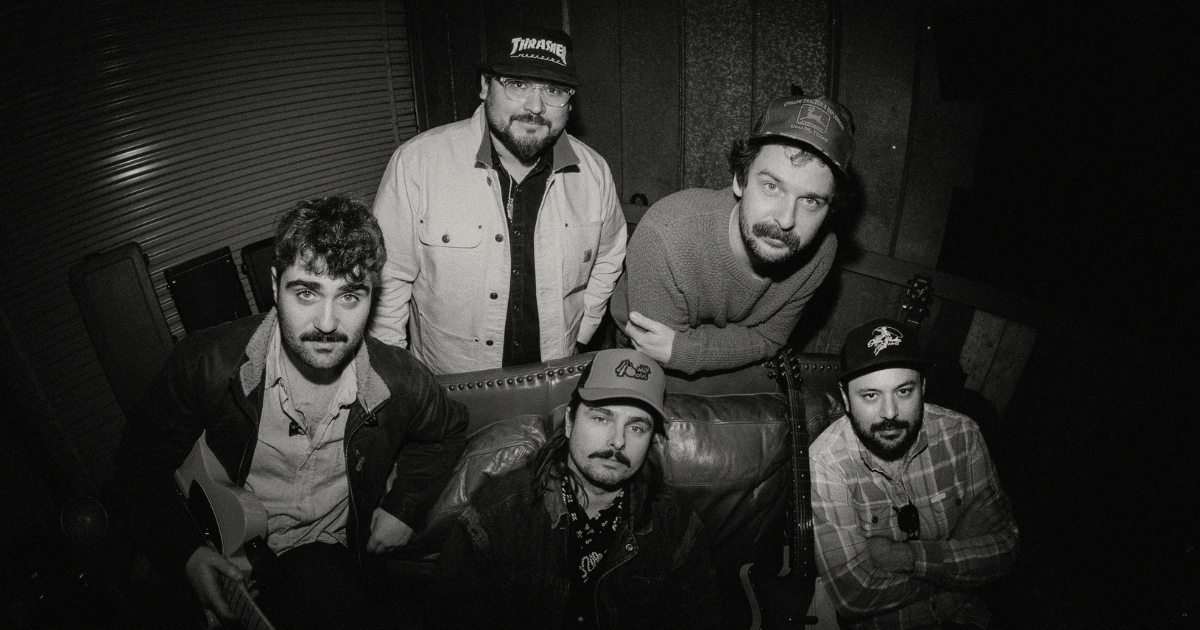
There’s little to no stage banter when the Droptines play a show, with the Austin, Texas-based band sometimes cramming 30 songs into a 90-minute set. However, as their new album, Drought Flower proves, they still have plenty to say. Their original songs touch on broken relationships (“Old Tricks”), family grief (“Mamaw,” featuring Sarah Jarosz), and losing loved ones to addiction (“What Ate My Friend”). As a nod to classic country, there’s often a little bit of clever wordplay to offset the drama, too.

Named for the downturned deer antlers that are prized by hunters, the Droptines (rhymes with “stop signs”) first took shape with an EP release in 2019. Lead singer-songwriter Conner Arthur has since guided the group through indie albums, relentless touring, and now their debut set on Big Loud Texas, the label founded by Miranda Lambert and Jon Randall. The five-piece band hasn’t yet moved into a tour bus, though. Instead, they travel in a retrofitted school bus with upgrades that would impress any road musician. (It sleeps 10 people and has a bathroom, two air conditioners, and a built-in trailer space.)

Growing up in the Texas Hill Country town of Concan, Arthur watched countless musicians play at his family’s venue, House Pasture Cattle Company, during the summer season of city folks floating the Frio River. But the rest of the year, when nothing was really going in town, influenced him just as much.

“I learned how to be alone in Concan,” Arthur says. “I learned how to clear my mind and ignore my hunger pangs. But I would always watch and study people. Especially because if you’re driving through Concan in, say, January, and you see a car that you don’t recognize or someone you don’t recognize, you’re shocked and you want to go talk to them. You’re just caught in your own little village for so long. Having an outside perspective from my little narrow worldview was very, very important to me.”

A few days ahead of a full slate of tour dates (and just before stocking the school bus), Arthur called into Good Country to talk about what inspired the new music.

For people who haven’t been to the Texas Hill Country, how would you describe it?

Conner Arthur: The drama of the limestone bluffs, the crystal clear waters of the Frio River – man, it’s hard not to have a religious experience every other day. Especially when it rains and the floodwaters start moving. Everything there is so dramatic and explosive and chaotic. From the summer to the off-season, you have three months of complete and utter chaos, then the rest of the year is just silent. There are some days where I’d walk out and just sit there looking at River Road waiting for a car to drive by. And I was starting to freak out, thinking that I was the last person on Earth.

More than likely I think that made its way into my personal life. It’s just a large juxtaposition, and a dichotomy of high highs and low lows. But I learned how to handle it, growing up there. We didn’t get internet or cell phone service until 2012, and that’s a great way to grow up. My backyard was 200,000 acres. I could ride horses without hitting a fence line for miles. I wish that more people had that upbringing. I wish that I could provide that for my kids.

If you didn’t get the internet until 2012, then you got to experience live music at your family’s venue before the cell phones in the air and people documenting every show.

Oh yeah. The funny thing about House Pasture is [that] it’s changed hands but it stayed in the family. My biological father and my uncle started it. They failed, so my grandpa bought it from them. And then it was kind of a “break even” type of venue. It was just an addendum for someone who’s gonna go down to Concan and float the Frio anyway. Like, “Oh, we can go see so-and-so.” I mean, I’ve got scars all from being this tall and women ashing cigarettes out on my collarbone. Not on purpose!

I learned more about what I didn’t want to be, seeing the evolution of the Texas country scene come through there. I saw that evolution get commercialized in the mid-2000s, like 2005 and 2006. But when I was a little guy, I got to see the Great Divide. I got to see Gary P. Nunn. I got to see John Conlee. I got to see Earl Thomas Conley. I got to see all these really high-class acts. Reckless Kelly is still one of my favorites from that era. Robert Earl Keen, the list goes on. Even if I didn’t like it, the song’s going to be in my head. It is still red dirt Texas country. I still know every word to all these other musicians’ stuff that I’m not a fan of, because it’s just ingrained in you. You can’t avoid it in that environment.

What were you doing before you jumped into music?

I was in construction throughout high school and I’ve gone back and forth over the years when I needed money. But when I was 18 years old, my mom pretty much gave me an ultimatum. She said, “If you don’t go to college, you’re cut off.” And I was like, “Well, I don’t really care. I don’t like ultimatums.” So I grabbed my banjo and I hitchhiked the country for about a year and a half.

I got back home, and that was like going 90 miles an hour into a brick wall. The fantasies in my head were dashed out by my mom’s disappointment. She said, “You’re gonna have to get a job.” So I went back to construction for a little bit, then I joined up in the oil field. I was an oil field mechanic for about two years, and I said, “I’m not going to die out here in the Eagle Ford Shale.” So I made a decision. Just to give me some more confidence, I went to the bluegrass program in Levelland, Texas, at the [South Plains] College. I did that for two years and went home and knocked out our first EP with David Beck.

I knew you played the banjo, but I didn’t know that you had studied bluegrass.

Dillon [Sampson], our bass player, and I both went to South Plains and he’s way more of a bluegrass cat than I, but my story about how I got into playing banjo is just kind of happenstance. My older brother came into some money when we were young, and I won’t go into the details on how he got it, but it was burning a hole in his pocket. He bought this Deering Goodtime open-back banjo and it was sitting in the back of his truck. I was about 14 and I had plenty of guitars floating around the house. And I had a piano, but I never really broke through on it because it was just an instrument for me to get a song out.

I don’t know if it was the open tuning or just the fact that it’s hard to not have a good time playing banjo, but I broke through on it. I could start developing an understanding of music theory and scales. I don’t know why it made sense in my mind that it was less intimidating than 72 keys or six strings. You go down that road, and then are you a gimmick banjo player or are you good? That’s what led me to South Plains. I’m not going to disrespect the institution of bluegrass or the instrument of banjo. I’m going to do my best to play it. But I need to play more. I need to stay on it, because that is not a bike. Your agility and endurance of playing the banjo collapses if you’re not tickling it once or twice a day.

Is that the same for writing with you? Do you need to consistently write, or can you put that away for a while and come back to writing?

I’m always kind of writing in my head and building concepts, then I’ll scribble it down. I’ll more than likely lose the piece of paper I scribbled it down on, but I’ve always said if it’s worth remembering, then I’ll remember it. But I probably lost a thousand songs that way. It’s like a floodgate. I sit around and I’ll have an idea, and I’ll get a quarter way through it, blah, blah… But it’s not until the band all sits down in a room and we all have the intention to write, and these things just… “Boom!” There goes the dam.

In several of your songs, there are references to pills or addiction. On this record, you have “What Ate My Friend.” That’s a reality for a lot of people. When you’re tackling a heavy topic like that, how do you get into that headspace, knowing you’re going to jump into something serious?

A lot of that, it’s lived in for sure. I’ve had men that came before me that did it so I didn’t have to. Back to, I know what not to do now. And my brother Landry being one of them. I lost him to all that shit a couple years ago. He and I were Irish twins. The same thing happened to my biological dad’s brother. At the same age, the same exact circumstance, and they both died on their birthday.

“What Ate My Friend,” I can’t even remember writing that one, but I know that I showed up with all of it, and that’s rare. I have this band to lean on, but I showed up with every bit of that. This was all here. It’s not just about my brother, but a couple friends I have. Just like, “I know you’re on meth, dude, but why is it making you a liar?” Like, you can be honest with me, just tell me. It’s getting in the way of our friendship if you’re going to turn into a liar.

I thought there was a nuance, kind of, what I refer to as the days of country gold, the wordplay of like, “She’s Acting Single (I’m Drinking Doubles).” That’s so important in country and bluegrass music – that play on words – and that one is like, “Hey man, what’s eating at you?” All right, what’s the extreme of that? “What ate my friend?” I thought it was pretty decent, but yeah, that’s a rough one, you know, but it’s real, unfortunately. It’s real for a lot of people. And I hate that. I hate that anybody has to suffer.

You’ve been around music from the time you’re a kid, and now you’re doing this full time. What has surprised you the most about this career path that you’re on?

The main one is that there’s viability. I said this in an interview before, but I just thought playing music was a good excuse to be a loser. And then to see it all pan out! It starts to feel like work, but work is good, especially if it bears fruit, which it is, and it’s starting to even more so. But to be able to build a foundation for my future family off of the back of these songs, that right there is top tier, number one, the most important thing. I can’t be more grateful for that and the blessings that God’s given us. Just having people come religiously to your shows, and singing words, it gives you faith in live music, for sure. It is a little shocking to me, at the end of the day that I didn’t make all this up.


Want more Good Country? Sign up to receive our monthly email newsletter – and much more music! – direct to your inbox.

Photo Credit: Jessie Addleman

Friends New and Old

Editor’s Note: Each issue of Good Country, our co-founder Ed Helms shares a handful of good country artists, albums, and songs direct from his own earphones in Ed’s Picks.

Suzanne Cox & Brandon Ratcliff

Suzanne Cox (of the GRAMMY-winning bluegrass band the Cox Family) and her son, country singer-songwriter Brandon Ratcliff, are taking the internet by storm with their lovely and tender familial harmonies. Their duets have racked up millions of views and likes on social media, leading to a new EP, Mother/Son Volume 1, and a recent appearance on the Grand Ole Opry. Those voices!


Rhiannon Giddens
Rhiannon Giddens

You may have seen, I’ve had the good fortune of getting to spend a lot of quality time making a film – and doing plenty of banjo pickin’! – with Rhiannon Giddens recently. Since shooting An Ode to Mary Jo together, I keep going back to Rhiannon’s catalog of recordings and cannot get enough. This duet with fiddler Justin Robinson is from her most recent release, 2025’s What Did the Blackbird Say to the Crow. Fantastic old-fashioned, down-home fiddle and banjo music drawn from North Carolina.


I'm With Her
I'm With Her

I’m with I’m With Her, too. One of our favorite trios in Americana and bluegrass released a brand new live album today, Sing Me Alive, packed with 20 tracks captured at performances across the country and in Canada. Many familiar favorites can be found alongside cover songs and tracks they’ve never released before. Here, they’re joined by Ye Vagabonds in Rocky Mount, Virginia, on “Rhododendron” in November of 2025.


Tenille Townes
Tenille Townes

Our Good Country and BGS Artist of the Month, Tenille Townes, released the first full-length album of her independent era last week. As she describes in our exclusive Artist of the Month interview, she took a much different approach to recording this music, doing most of the tracking herself, alone. The songs are deep, meaningful, and cathartic – and damn good. But it’s not an entirely solo album, as I’m With Her (how perfect) and Lori McKenna both feature on tracks. Hear McKenna join Townes on the title track, “the acrobat.”


Charlie Worsham
Charlie Worsham

Our old pal Charlie Worsham is back at it – though he truly never stops. A sideman, radio and podcast host, session player, songwriter, and artist, Charlie does it all. He’s got new music of his own out and the GC team can’t wait for more. As he usually does, he’s once again calling on his superlative cohort of friends in Music City. On his most recent single, “They Never Do,” it’s Lainey Wilson joining in. From some teases on social media, though, we’re expecting many more special guests on Charlie’s outings in the future!


Listen to this issue of Ed’s Picks in one YouTube playlist here.

Listen to the full Ed’s Picks archive playlist here.


Want more Good Country? Sign up to receive our monthly email newsletter – and much more music! – direct to your inbox.

Photo Credits: Suzanne Cox & Brandon Ratcliff by Chase Hentges; Rhiannon Giddens by Karen Cox; I’m With Her by Alysse Gafkjen; Tenille Townes by Madison Rensing; Charlie Worsham courtesy of the artist.

An Opry Celebration of the O Brother, Where Art Thou? Soundtrack

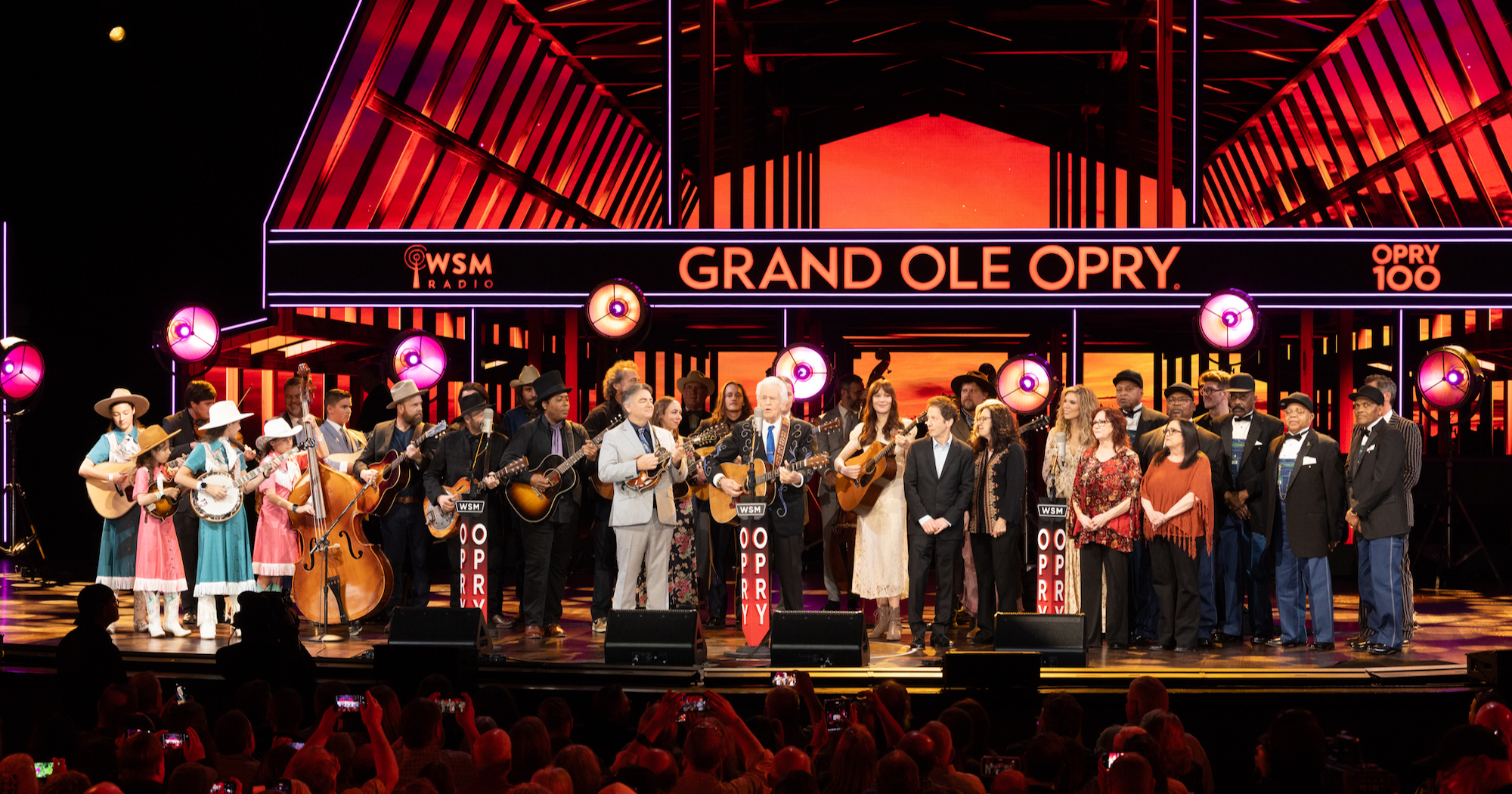
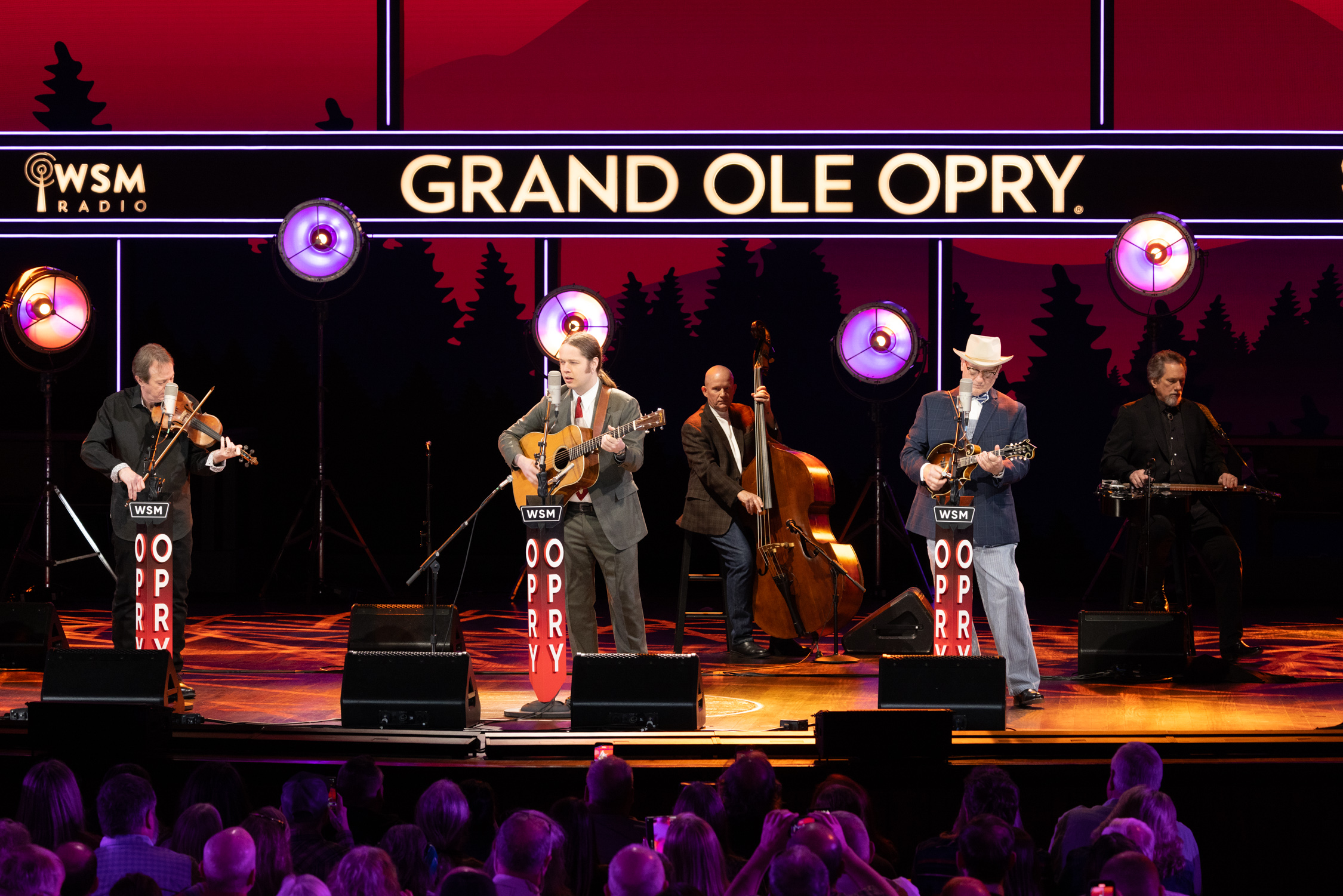
In an all-star acoustic tribute, the timeless music of O Brother, Where Art Thou? rambled across the Grand Ole Opry airwaves for a 25th anniversary celebration on Saturday, February 28.

In some ways, this night in Nashville felt different from a typical Opry show – no drum kit, no square dancers, and not a lot of commercials. On the other hand, it would be hard to find a more suitable place to stage a salute to O Brother than on the world’s longest-running radio show.

The GRAMMY-winning, 8-times platinum soundtrack was performed in its entirety by Opry stars such Alison Krauss, Emmylou Harris, Del McCoury, Old Crow Medicine Show, and the Whites, as well as guest performers like the Alaskan Sunnyside Sisters, the Fairfield Four, the Fisk Jubilee Singers, and Colin Linden alongside contemporary masters like Sarah Jarosz, Billy Strings, and Molly Tuttle. (To put the time frame in perspective, Jarosz was 9 years old when the soundtrack was released, Strings was 8, and Tuttle was 7.)

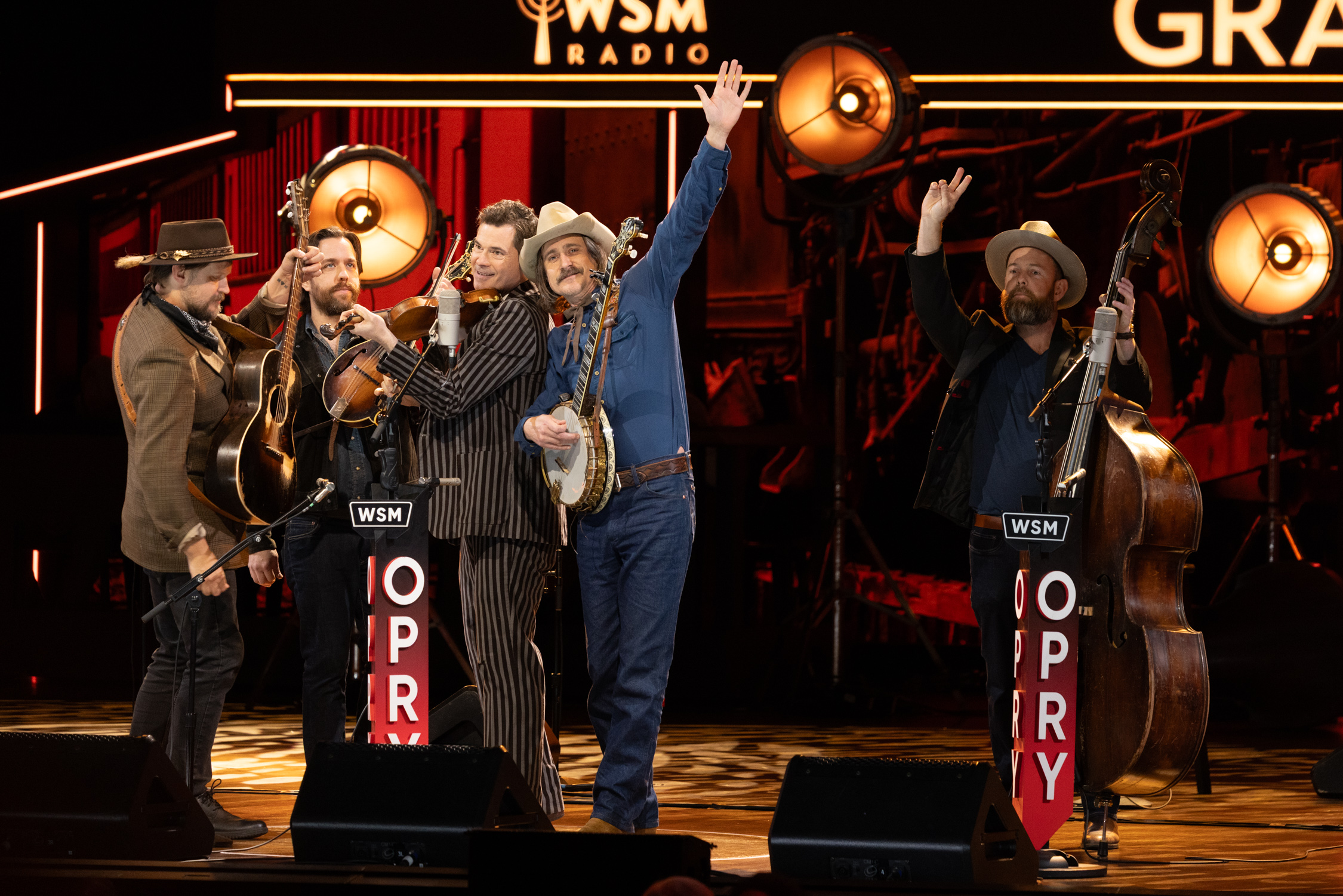
Old Crow Medicine Show perform during the Opry’s tribute to ‘O Brother, Where Art Thou?’

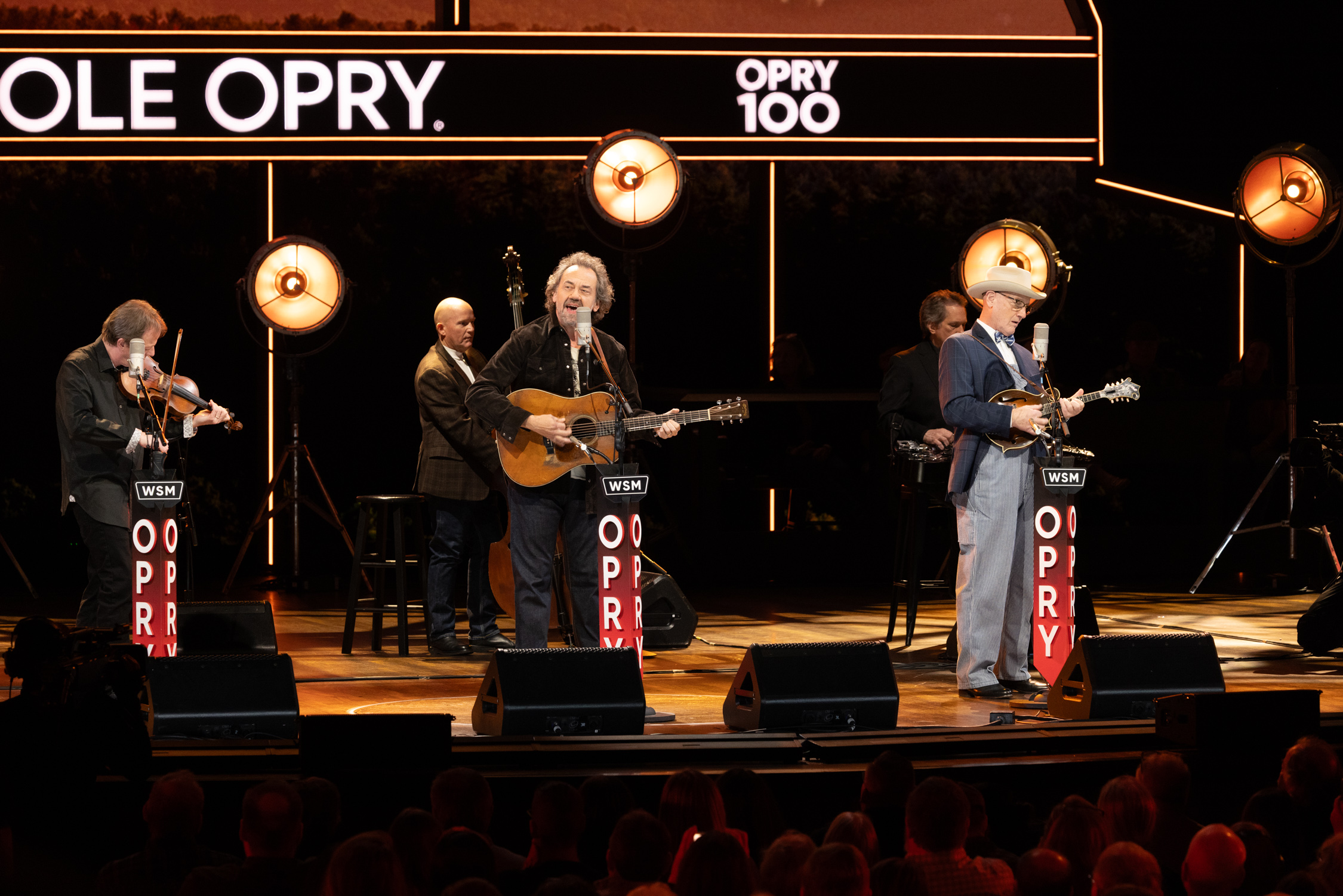
In addition, Chris Thomas King and Tim Blake Nelson also reprised their performances from the film, while the A-list house band was composed of Mike Compton on mandolin, Dennis Crouch on bass, Jerry Douglas on Dobro, Stuart Duncan on fiddle. And what O Brother tribute would be complete without Dan Tyminski delivering “I Am a Man of Constant Sorrow”?

As a bonus selection not included on the landmark collection, Krauss and the Fairfield Four opened the special evening with a lively rendition of “Every Time I Feel the Spirit,” which immediately immersed the audience in that same spirit. After Krauss stepped away, the Fairfield Four performed the soundtrack’s original opener, “Po’ Lazarus,” accompanied only by hand claps. Old Crow Medicine Show roused the crowd with “Big Rock Candy Mountain,” an enthusiastic choice that fit their high-energy demeanor. Bandleader Ketch Secor also co-hosted the event alongside Opry announcers Bill Cody and Mike Terry.

Dan Tyminski sings “I Am a Man of Constant Sorrow” with the evening’s house band.

Backed by the house band, Jarosz engaged the audience to sing along with a perennial favorite, “You Are My Sunshine,” and the sold-out Opry House was happy to oblige. Krauss returned with the Fisk Jubilee Singers for a sterling performance of “Down in the River to Pray,” where the audience sat almost perfectly still in reverent silence. Following the song, Krauss was presented with a commemorative scarf designed by the famed clothier Manuel; all Opry members are receiving the scarf as part of the Opry 100 celebration. The house band then shared an instrumental version of “A Man of Constant Sorrow,” which was a nice touch referencing the handful of variations of the song on the soundtrack.

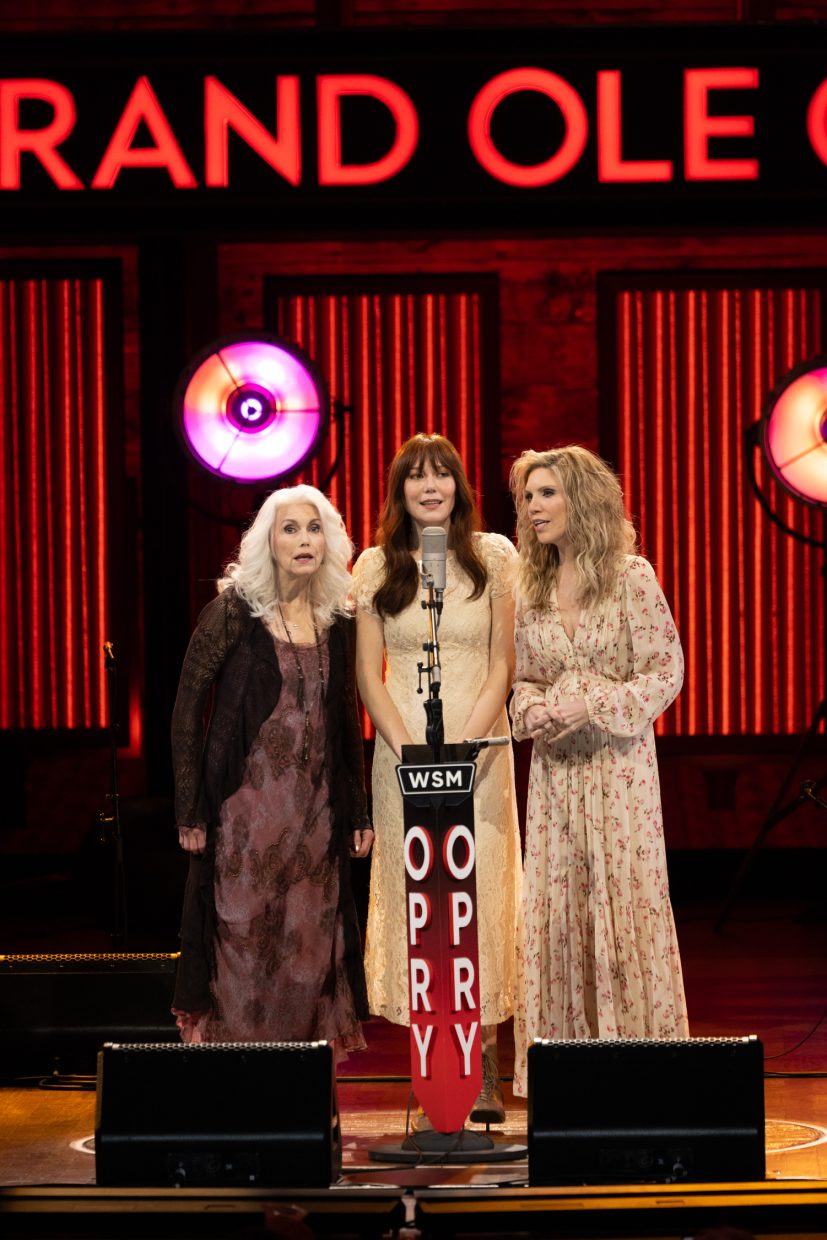
That soundtrack practically came to life with Colin Linden and Chris Thomas King’s “Hard Time Killing Floor Blues” and The Whites’ “Keep on the Sunny Side.” Jarosz  on mandocello and Molly Tuttle on guitar teamed with the house band for a wonderful take on “I’ll Fly Away.” Emmylou Harris and Alison Krauss then stood on either side of Tuttle for a trio rendering of “Nobody But the Baby.” (Gillian Welch, who sang with Harris and Krauss on the original album, was unable to participate in the show.)

Emmylou Harris and Alison Krauss, both of whom appeared on the soundtrack, are joined by Molly Tuttle for an a capella rendition of “Nobody But the Baby.”

Folks, that’s only the first half!

After decades away from the spotlight, the Peasall Sisters returned to the stage to introduce “In the Highways,” the song they recorded as children; on this night, it was sung by an endearing kid quartet – and viral internet sensations – the Alaskan Sunnyside Sisters. Molly Tuttle returned for the emotional “I Am Weary (Let Me Rest),” which led into bluegrass phenomenon Billy Strings singing “Wild Bill Jones,” which appeared on the 2000 O Brother concert album, Down From the Mountain. Strings then welcomed Dan Tyminski for a duet of “O Death,” which was sung by the late Doctor Ralph Stanley on the soundtrack. (Incidentally, Stanley joined the Opry cast the same year the O Brother soundtrack was released on Lost Highway Records. The newly resurrected label co-presented the show with the album’s award-winning producer, T Bone Burnett.)

Billy Strings takes the stage to sing “Wild Bill Jones” with the house band.

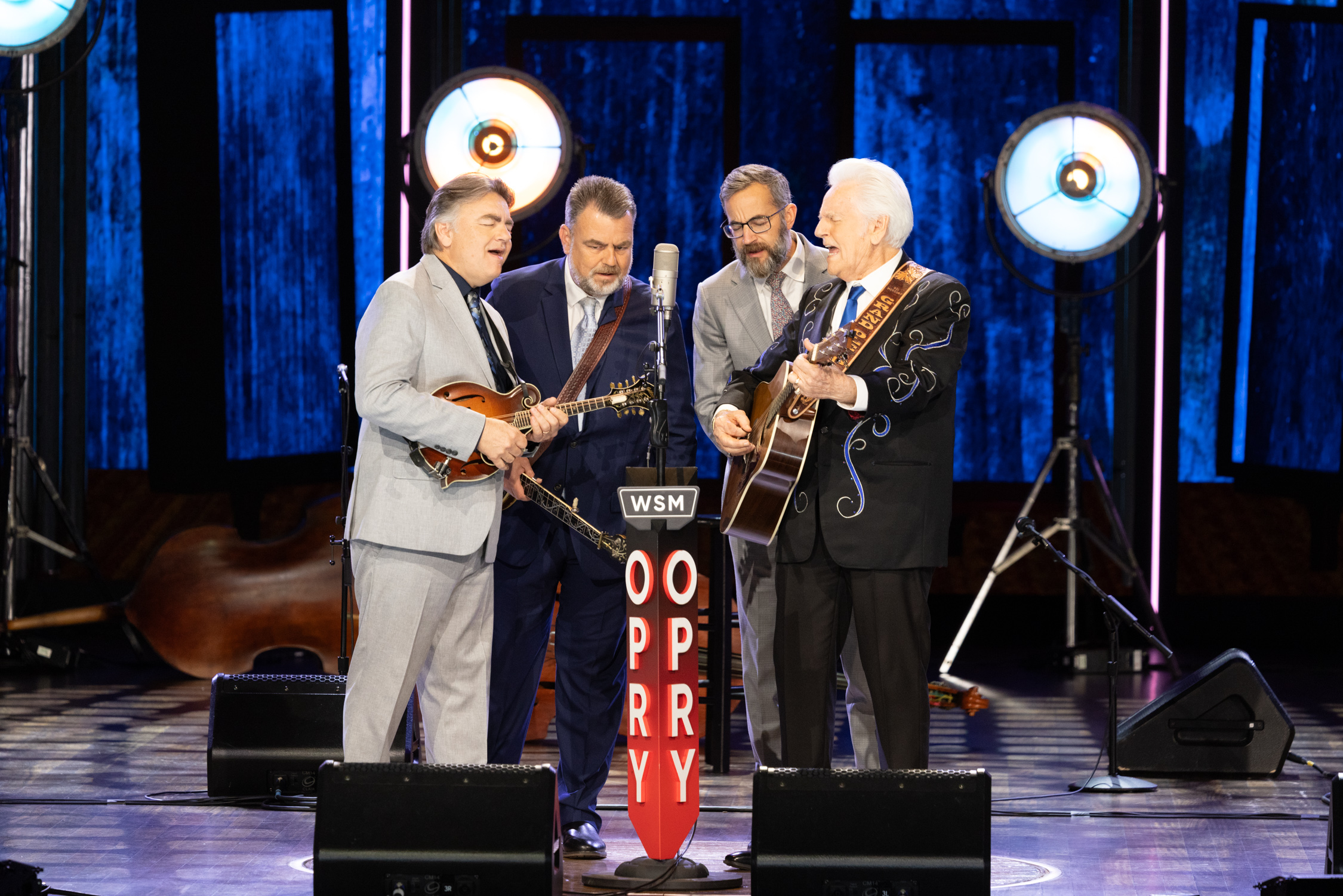
The audience especially loved seeing and hearing one of the film’s stars, Tim Blake Nelson, revive “In the Jailhouse Now” on the Opry stage. Tyminski (who voiced George Clooney’s singing in the film) naturally brought the house down with “I Am a Man of Constant Sorrow,” then Old Crow Medicine Show offered the vivacious “Indian War Whoop,” recorded by John Hartford for the original project. The Fairfield Four also returned to the stage to sing “Lonesome Valley” just ahead of Del McCoury Band’s performance of “Get Down on Your Knees and Pray.” (That one’s not in the film, but it was a terrific addition.)

The Del McCoury Band sing “Get Down on Your Knees and Pray” before leading a sing along with the entire cast of performers.

In his brief remarks, Burnett took a moment during a brief speech to acknowledge Denise Stiff, a visionary Nashville manager who recruited many of the musicians for the soundtrack back in the day. But of course, it wouldn’t be a tribute without everyone coming back on stage and singing at the end – in this case, “Angel Band” and a reprise of “I’ll Fly Away.”

Twenty-five years ago, the O Brother soundtrack brought old-time and bluegrass music into the national spotlight. This long-awaited encore underscored the staying power of this classic album.


Photo Credit: All photos by Chris Hollo for the Grand Ole Opry.

Lead Image: The entire cast of the Opry’s O Brother, Where Art Thou? tribute show take the stage to sing “Angel Band” and “I’ll Fly Away” to conclude the evening.

See the Winners from the 2026 GRAMMY Awards

The 2026 GRAMMY Awards were handed out on February 1, 2026, by the Recording Academy at the Crypto.com Arena in Los Angeles, California. Broadcast live on CBS, the primetime awards show is now viewable on demand on Paramount+. Earlier in the afternoon, the GRAMMY Premiere Ceremony, which was streamed via the GRAMMYs website and on YouTube, was held at the Peacock Theater, handing out dozens and dozens of additional awards across fields and categories.

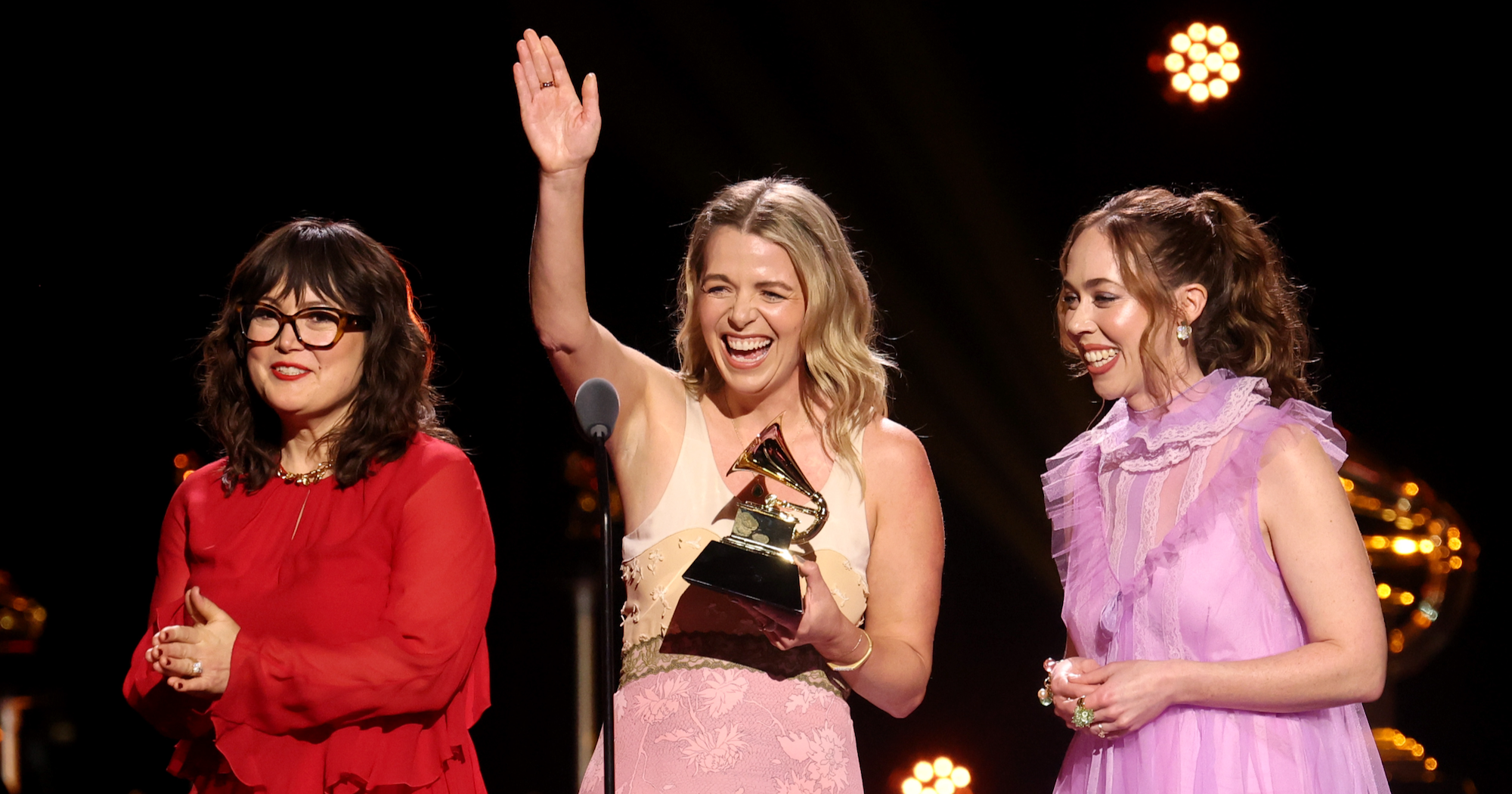
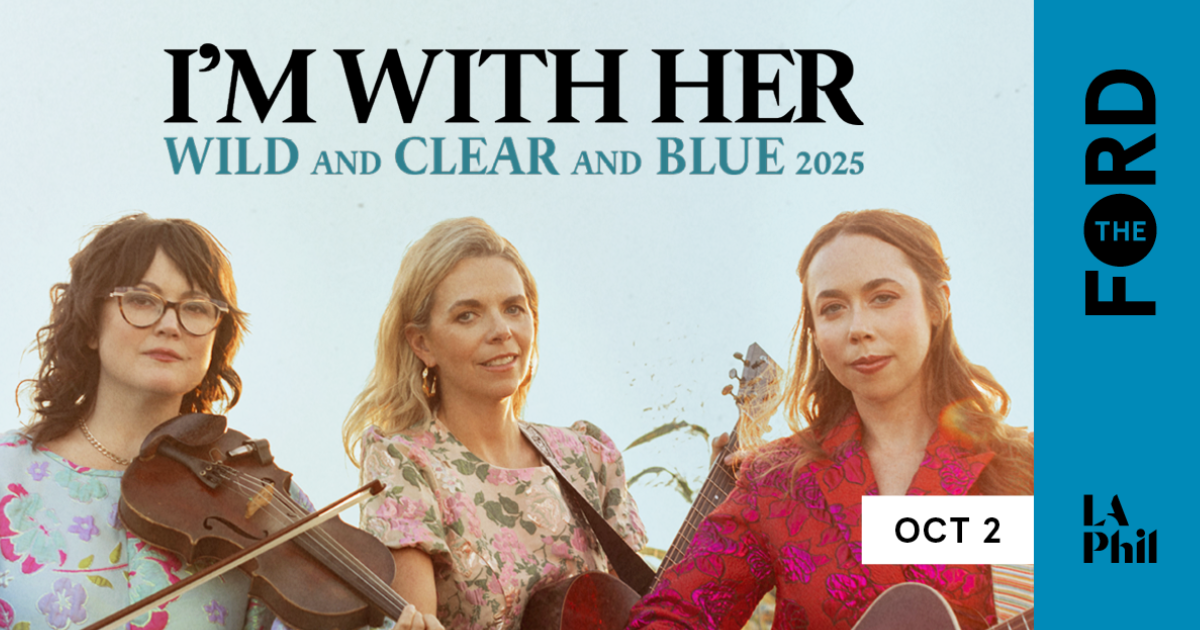
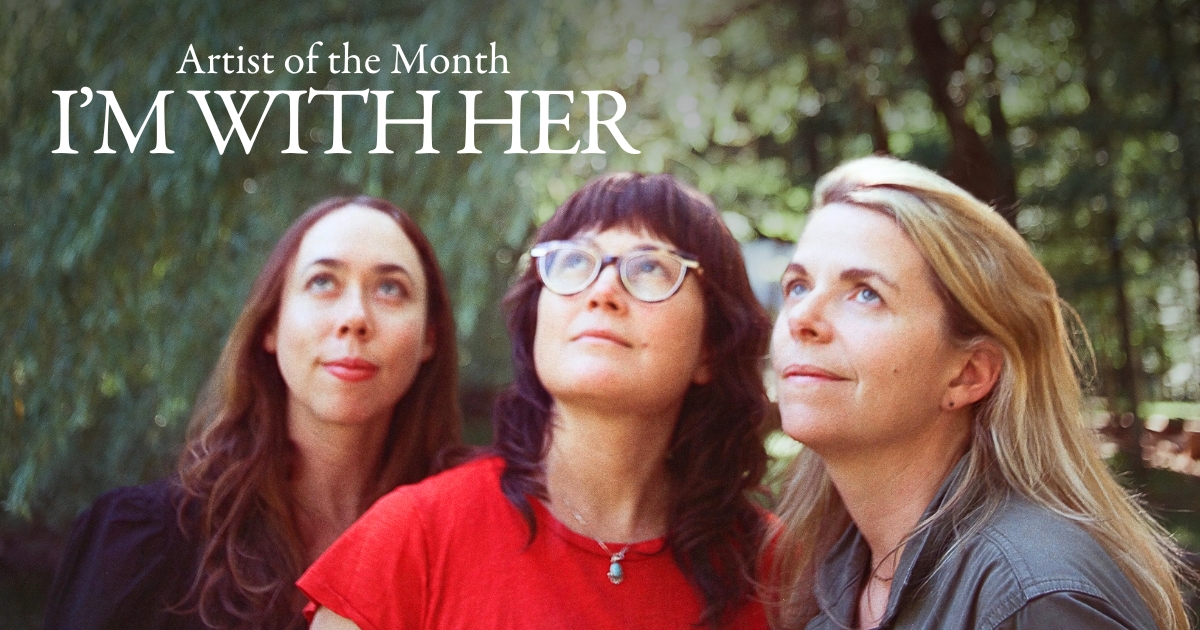
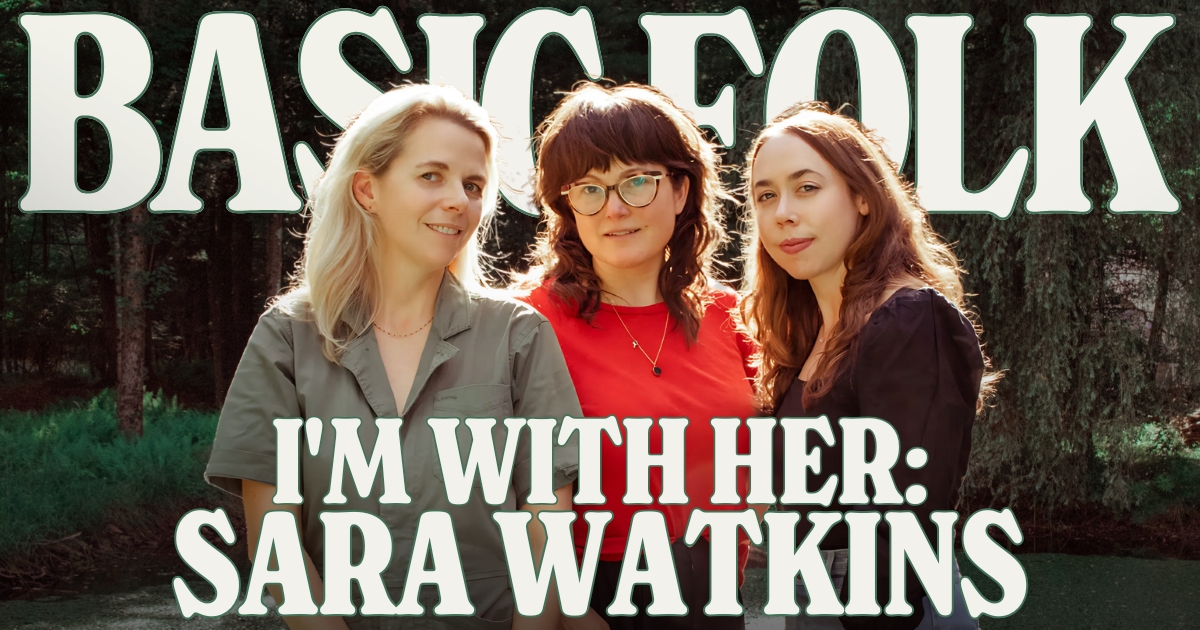
Best Bluegrass Album was announced during the Premiere Ceremony. This year, nominees included Michael Cleveland & Jason Carter (Carter & Cleveland), Sierra Hull (A Tip Toe High Wire), Alison Krauss & Union Station (Arcadia), the SteelDrivers (Outrun), and Billy Strings (Highway Prayers). Strings took home the award, racking up his third gramophone in the category. While Hull, who was nominated in four categories, including Best Bluegrass Album, did not take home any GRAMMY Awards yesterday, she was featured during the Premiere Ceremony as a presenter and she made an appearance on the red carpet for the primetime awards show. Roots/bluegrass/folk supergroup I’m With Her – featuring Sarah Jarosz, Aoife O’Donovan, and Sara Watkins – were nominated and won twice, taking home the Best Folk Album trophy for Wild and Clear and Blue and the award for Best American Roots Song for “Ancient Light.”

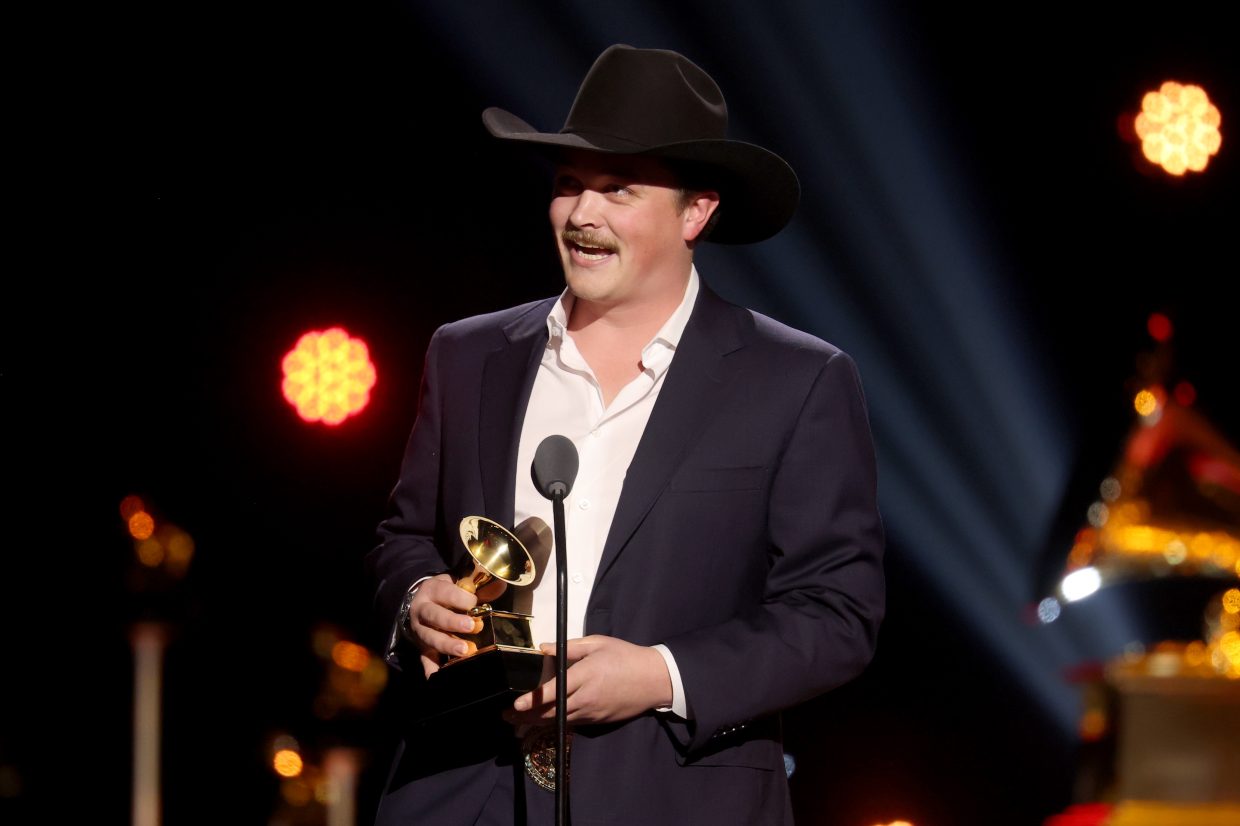
Tyler Childers, who was nominated in four categories this year, received his first-ever GRAMMY Award for Best Country Song for “Bitin’ List,” a viral sensation from his critically acclaimed 2025 album, Snipe Hunter. The LP had been nominated for Best Contemporary Country Album – in one of the much buzzed-about split categories of Best Contemporary Country Album and Best Traditional Country Album – but the trophy went to Jelly Roll’s Beautifully Broken instead. In the other split category, upstart fan favorite Zach Top took home the Traditional Country honor for his sophomore release, Ain’t In It For My Health. It marks Top’s first GRAMMY Award.

Of course, beyond the Country & American Roots Music field, folk and roots music were represented in peak form across the many genres and categories of the 68th Annual GRAMMY Awards. Album of the Year was awarded to Bad Bunny’s DeBÍ TiRAR MáS FOToS, one of the best roots projects of last year as selected by the BGS Class of 2025. From the Premiere Ceremony and Best Bluegrass Album to the primetime broadcast and Album of the Year, roots music is and always has been a keystone of the biggest night in music.

Below, find the complete list of winners (in bold) from the Country & American Roots Music field, plus select categories featuring roots musicians, artists, and projects from across the various other GRAMMY fields and categories.

Country & American Roots Music

Best Country Solo Performance

“Nose On The Grindstone” – Tyler Childers
“Good News” – Shaboozey
“Bad As I Used To Be” – Chris Stapleton
“I Never Lie” – Zach Top
“Somewhere Over Laredo” – Lainey Wilson

Best Country Duo/Group Performance

“A Song To Sing” – Miranda Lambert, Chris Stapleton
“Trailblazer” – Reba McEntire, Miranda Lambert, Lainey Wilson
“Love Me Like You Used To Do” – Margo Price, Tyler Childers
“Amen” – Shaboozey, Jelly Roll
“Honky Tonk Hall Of Fame” – George Strait, Chris Stapleton

Best Country Song

“Bitin’ List” – Tyler Childers, songwriter. (Tyler Childers)
“Good News” –  Michael Ross Pollack, Sam Elliot Roman, Jacob Torrey, songwriters. (Shaboozey)
“I Never Lie” – Carson Chamberlain, Tim Nichols, Zach Top, songwriters. (Zach Top)
“Somewhere Over Laredo” – Andy Albert, Trannie Anderson, Dallas Wilson, Lainey Wilson, songwriters. (Lainey Wilson)
“A Song To Sing” – Jenee Fleenor, Jesse Frasure, Miranda Lambert, Chris Stapleton, songwriters. (Miranda Lambert, Chris Stapleton)

Best Traditional Country Album

Dollar A Day – Charley Crockett
American Romance – Lukas Nelson
Oh What A Beautiful World – Willie Nelson
Hard Headed Woman – Margo Price
Ain’t In It For My Health – Zach Top

Zach Top accepts the Best Traditional Country Album award for ‘Ain’t In It For My Health’ during the 68th GRAMMY Awards Premiere Ceremony. (Photo by Matt Winkelmeyer/Getty Images for The Recording Academy.)

Best Contemporary Country Album

Patterns – Kelsea Ballerini
Snipe Hunter – Tyler Childers
Evangeline Vs. The Machine – Eric Church
Beautifully Broken – Jelly Roll
Postcards From Texas – Miranda Lambert

Best American Roots Performance

“LONELY AVENUE” – Jon Batiste, Featuring Randy Newman
“Ancient Light” – I’m With Her
“Crimson And Clay” – Jason Isbell
“Richmond On The James” – Alison Krauss & Union Station
“Beautiful Strangers” – Mavis Staples

Best Americana Performance

“Boom” – Sierra Hull
“Poison In My Well” – Maggie Rose, Grace Potter
“Godspeed” – Mavis Staples
“That’s Gonna Leave A Mark” – Molly Tuttle
“Horses” – Jesse Welles

Best American Roots Song

“Ancient Light” – Sarah Jarosz, Aoife O’Donovan, Sara Watkins, songwriters. (I’m With Her)
“BIG MONEY” – Jon Batiste, Mike Elizondo, Steve McEwan, songwriters. (Jon Batiste)
“Foxes In The Snow” – Jason Isbell, songwriter. (Jason Isbell)
“Middle” – Jesse Welles, songwriter. (Jesse Welles)
“Spitfire” – Sierra Hull, songwriter. (Sierra Hull)

Best Americana Album

BIG MONEY – Jon Batiste
Bloom – Larkin Poe
Last Leaf On The Tree – Willie Nelson
So Long Little Miss Sunshine – Molly Tuttle
Middle – Jesse Welles

Best Bluegrass Album

Carter & Cleveland – Michael Cleveland & Jason Carter
A Tip Toe High Wire – Sierra Hull
Arcadia – Alison Krauss & Union Station
Outrun – The SteelDrivers
Highway Prayers – Billy Strings

(L-R) Brandy Clark, Reba McEntire, and Lukas Nelson perform onstage during the 68th GRAMMY Awards. (Photo by Kevin Winter/Getty Images for The Recording Academy.)

Best Traditional Blues Album

Ain’t Done With The Blues – Buddy Guy
Room On The Porch – Taj Mahal & Keb’ Mo’
One Hour Mama: The Blues Of Victoria Spivey – Maria Muldaur
Look Out Highway – Charlie Musselwhite
Young Fashioned Ways – Kenny Wayne Shepherd & Bobby Rush

Best Contemporary Blues Album

Breakthrough – Joe Bonamassa
Paper Doll – Samantha Fish
A Tribute To LJK – Eric Gales
Preacher Kids – Robert Randolph
Family – Southern Avenue

Best Folk Album

What Did The Blackbird Say To The Crow – Rhiannon Giddens & Justin Robinson
Crown Of Roses – Patty Griffin
Wild And Clear And Blue – I’m With Her
Foxes In The Snow – Jason Isbell
Under The Powerlines (April 24 – September 24) – Jesse Welles

Best Regional Roots Music Album

Live At Vaughan’s – Corey Henry & The Treme Funktet
For Fat Man – Preservation Brass & Preservation Hall Jazz Band
Church Of New Orleans – Kyle Roussel
Second Line Sunday – Trombone Shorty And New Breed Brass Band
A Tribute To The King Of Zydeco – Various Artists

Molly Tuttle walks the red carpet at the 68th GRAMMY Awards. (Photo by John Shearer/Getty Images for The Recording Academy.)

General Field

Producer of the Year (Non-Classical)

Dan Auerbach
Cirkut
Dijon
Blake Mills
Sounwave

Jazz, Traditional Pop, Contemporary Instrumental & Musical Theater

Best Jazz Performance

“Noble Rise” – Lakecia Benjamin, Featuring Immanuel Wilkins & Mark Whitfield
“Windows – Live” – Chick Corea, Christian McBride & Brian Blade
“Peace Of Mind / Dreams Come True” – Samara Joy
“Four” – Michael Mayo
“All Stars Lead To You – Live” –  Nicole Zuraitis, Dan Pugach, Tom Scott, Idan Morim, Keyon Harrold & Rachel Eckroth

Best Jazz Instrumental Album

Trilogy 3 (Live) – Chick Corea, Christian McBride & Brian Blade
Southern Nights – Sullivan Fortner, Featuring Peter Washington & Marcus Gilmore
Belonging – Branford Marsalis Quartet
Spirit Fall – John Patitucci, Featuring Chris Potter & Brian Blade
Fasten Up – Yellowjackets

Best Alternative Jazz Album

honey from a winter stone – Ambrose Akinmusire
Keys To The City Volume One – Robert Glasper
Ride into the Sun – Brad Mehldau
LIVE-ACTION – Nate Smith
Blues Blood – Immanuel Wilkins

Best Traditional Pop Vocal Album

Wintersongs – Laila Biali
The Gift Of Love – Jennifer Hudson
Who Believes In Angels? – Elton John & Brandi Carlile
Harlequin – Lady Gaga
A Matter Of Time – Laufey
The Secret Of Life: Partners, Volume 2 – Barbra Streisand

Best Contemporary Instrumental Album

Brightside – ARKAI
Ones & Twos – Gerald Clayton
BEATrio – Béla Fleck, Edmar Castañeda, Antonio Sánchez
Just Us – Bob James & Dave Koz
Shayan – Charu Suri

Sierra Hull speaks on stage during the 68th GRAMMY Awards Premiere Ceremony. (Photo by Matt Winkelmeyer/Getty Images for The Recording Academy.)

Gospel & Contemporary Christian Music

Best Roots Gospel Album

I Will Not Be Moved (Live) – The Brooklyn Tabernacle Choir
Then Came The Morning – Gaither Vocal Band
Praise & Worship: More Than A Hollow Hallelujah – The Isaacs
Good Answers – Karen Peck & New River
Back To My Roots – Candi Staton

Latin, Global, Reggae & New Age, Ambient, or Chant

Best Música Mexicana Album (Including Tejano)

MALA MÍA – Fuerza Regida, Grupo Frontera
Y Lo Que Viene – Grupo Frontera
Sin Rodeos – Paola Jara
Palabra De To’s (Seca) – Carín León
Bobby Pulido & Friends Una Tuya Y Una Mía – Por La Puerta Grande (En Vivo) – Bobby Pulido

Best Global Music Performance

“EoO” – Bad Bunny
“Cantando en el Camino” – Ciro Hurtado
“JERUSALEMA” – Angélique Kidjo
“Inmigrante Y Que?” – Yeisy Rojas
“Shrini’s Dream (Live)” – Shakti
“Daybreak” – Anoushka Shankar, Featuring Alam Khan, Sarathy Korwar

Children’s, Comedy, Audio Books, Visual Media & Music Video/Film

Best Song Written For Visual Media

“As Alive As You Need Me To Be” [From TRON: Ares] – Trent Reznor & Atticus Ross, songwriters. (Nine Inch Nails)
“Golden” [From KPop Demon Hunters] – EJAE & Mark Sonnenblick, songwriters. (HUNTR/X: EJAE, Audrey Nuna, REI AMI)
“I Lied to You” [From Sinners] – Ludwig Göransson & Raphael Saadiq, songwriters. (Miles Caton)
“Never Too Late” [From Elton John: Never Too Late] – Brandi Carlile, Elton John, Bernie Taupin & Andrew Watt, songwriters. (Elton John, Brandi Carlile)
“Pale, Pale Moon” [From Sinners] – Ludwig Göransson & Brittany Howard, songwriters. (Jayme Lawson)
“Sinners” [From Sinners] – Leonard Denisenko, Rodarius Green, Travis Harrington, Tarkan Kozluklu, Kyris Mingo & Darius
Povilinus, songwriters. (Rod Wave)

Production, Engineering, Composition & Arrangement

Best Instrumental Composition

“First Snow” – Remy Le Boeuf, composer. (Nordkraft Big Band, Remy Le Boeuf & Danielle Wertz)
“Live Life This Day: Movement I” – Miho Hazama, composer. (Miho Hazama, Danish Radio Big Band & Danish National Symphony Orchestra)
“Lord, That’s A Long Way” – Sierra Hull, composer. (Sierra Hull)
“Opening” – Zain Effendi, composer. (Zain Effendi)
“Train To Emerald City” – John Powell & Stephen Schwartz, composers (John Powell & Stephen Schwartz)
“Why You Here / Before The Sun Went Down” – Ludwig Göransson, composer. (Ludwig Göransson, Featuring Miles Caton)


Photo Credit: All photos by Getty Images for the Recording Academy, courtesy of the Recording Academy. Photographer credits as marked.

Lead and Alternate Images: I’m With Her, (L to R) Sara Watkins, Aoife O’Donovan, and Sarah Jarosz, accept the GRAMMY for Best Folk Album. Shot by Matt Winkelmeyer/Getty Images for the Recording Academy.

BGS Class of 2025: Best in Bluegrass

If you’re looking for a definitive, qualitative, and deliberate ranking; a firm and scientific rubric; or an unbiased, sterile reckoning of the best albums made in bluegrass this year, this roundup may not be for you.

Truthfully, as someone who’s worked, been acquainted, and become friends with many of the artists on this list in various capacities – from bio writing to onstage performances to media coverage to pickin’ parties to recordings and beyond – objectivity isn’t something I, personally, could establish anyway. And such year-end or other merit-based lists and collections aren’t all that interesting, are they, if not just to argue with their curation and selections.

I would not even attempt such things, because to me – to many of us – that’s not what bluegrass is about anyway. Bluegrass is about a feeling. It’s about innovation. It’s about virtuosity. It’s about tradition, loving it or retooling it or coaxing it or turning it upside down. It’s about adrenaline and a high pulse – and passing a mason jar around. It’s about feeling downtrodden or alone, shedding tears into that very ‘shine, and wailing along with the high lonesome sound. It’s folk music as much as it’s abject commercial country in “poor people drag.” It’s endlessly interesting and complex, but pretty damn simple, too.

Anyone with even an ounce of sense knows and understands that bluegrass can’t ever be objective. So indeed, why try? Why not acknowledge that bluegrass is always a matter of taste, of preference, of whimsical or capricious or convicted opinion? Bluegrass is always debatable, because, after all, bluegrass is always in the eye of the beholder.

In the eyes – and especially ears – of this particular beholder, these albums released in 2025 were the best, the most memorable, the most engaging. These collections stick to ribs like ham hocks, or stick in your throat like the tastiest clod of emotional peanut butter. They each advance, subvert, perpetuate, or wrinkle our core ideas of what bluegrass is – and what it can be.

Are each and every one of these LPs the best in bluegrass from 2025? Perhaps not… But also definitely yes.

Big Richard, Girl Dinner

In January, we gobbled down a heaping helping of Big Richard energy with the nourishing and nutritious Girl Dinner. The project may have been the band’s album debut, but this Colorado all-women quartet had already been making remarkable waves in the bluegrass, jamgrass, and string band scenes – and each of the members had extensive and glitzy musical resumés before they even convened. With a new album, Pet, on the horizon for February 2026, a signing with Signature Sounds, and an upcoming co-bill tour with fellow femme outfit Della Mae, we can tell this Girl Dinner is set to become an ongoing traveling feast.

Shawn Camp, The Ghost of Sis Draper

I remember attending Station Inn shows in Nashville in the early 2010s and sitting with rapt attention – like Martha’s sister Mary at the feet of Jesus – as Shawn Camp performed his suite of Sis Draper songs with his star-studded bluegrass bands. Often you’d hear just “Magnolia Wind” or just “Sis Draper.” Sometimes he would perform a more complete handful of the tracks he had written, individually and with his hero and mentor Guy Clark, about the mythical roots music figure from his home state of Arkansas. Now, he’s collected the slate of material – what could easily become a musical or multi-disciplinary theatre work of some kind – into one commanding, lovely, and visceral album. These are timeless songs, written and rendered as only Camp could.

Jason Carter & Michael Cleveland, Carter & Cleveland

Every now and again a new collaborative duo album comes along and makes you think, “Oh! This must have been what it felt like when Skaggs & Rice was released.” Or Tone Poems. Or Ralph Stanley and Jimmy Martin’s First Time Together. A monumental occasion, captured for posterity’s sake in the studio. When fiddlers Jason Carter & Michael Cleveland released their duo debut, that was the feeling. History made in the present, a work that will be regarded as seminal ages into the future being enjoyed in real time. Carter and Cleveland have collaborated quite a bit over the decades they’ve known each other, but what a gift to have that musical friendship ensconced forever on this album. We hope there is more to come.

Wes Corbett, Drift

Look, if all modernist banjo players sounded like Béla Fleck and Noam Pikelny, that would certainly be great. But thankfully there are dozens of five-string pickers continuing to expand on the Fleck (and Pikelny and Munde and Keith and Trischka) school of Scruggs-style, each in their own veins. Corbett is one of the best. Though he blends effortlessly into Scott Vestal’s former role in Sam Bush’s band – or into any number of recordings and one-off pick-up bands that boast his playing in newgrass and bluegrass and beyond – Corbett is a true idiosyncratic banjo player and composer. Drift, his latest, often employs traditional techniques as tools for innovation and contemporary tunesmithing. He recalls the great melodic pickers while always sounding first and foremost like himself.

East Nash Grass, All God’s Children

A few years ago, if you had told me the ragamuffin band holding down Monday nights at Dee’s Country Cocktail Lounge in Madison, Tennessee, would in 2025 release an album you’d describe as “heartfelt, contemplative, and intentional,” I would have probably laughed. East Nash Grass were just as jaw-dropping good then as they are now, but with that down-home silliness and clumsy charm all the great bluegrass bands born of indentured residencies have had. All God’s Children finds the band all the way grown up (but not really), and they never forsake their banter-rich, never-know-what-you’re-gonna-get roots. That overlap – of silly and heartfelt and virtuosic and not too serious – is where most (if not all) of the best bluegrass is born, anyway.

Sierra Hull, A Tip Toe High Wire

Every single time Sierra Hull releases a new album, journalists and critics love to talk about how she’s now “found herself” and “found her sound.” This writer, however, disagrees. I first saw Hull perform when we were both in our mid-teens and then as now I knew, wholeheartedly, this is someone who knows who they are. Granted, Hull has done plenty of finding herself along the way, as we all do, but the songs and tunes of A Tip Toe High Wire were obviously not born of someone just locating her voice, musically or otherwise. They don’t feel experimental or out on a limb, they are each solidly in her wheelhouse. They do still push the envelope, though, and they all tell personal stories, draw on individual experiences, and chase those treasured Hull-ian melodies wherever they lead.

I’m With Her, Wild and Clear and Blue

Perhaps all future I’m With Her albums should be made while basking in the “Ancient Light” of a total solar eclipse, given the striking sonic successes of Wild and Clear and Blue. Is that cosmic magic why their second full-length release feels so distinct and metamorphosed from their debut? Is it all the years and personal growth in between recordings? It’s not like they reinvented the wheel, they’re the exact same band – but something feels different here. Whatever the special sauce may be, all of I’m With Her’s offerings over the course of the band’s lifespan have been stellar, but this latest full-length project stands apart. As long as Jarosz, O’Donovan, and Watkins are making music together, we will be unendingly grateful they offer us these recorded windows into their creativity.

Kissing Other ppl, Kissing Other ppl

Bluegrass and old-time birth new projects, bands, and collaborations all the time. Some are purposefully momentary, some are unintentional flashes in the pan, some are such long strings of last names ampersand-ed together you know there’s no future for them. We hope Kissing Other ppl are here to stay. Rachel Baiman and Viv & Riley joined forces on the album – and band – turning mainstream and pop songs into bluegrassy and old-timey string band arrangements that positively vibrate with passion and life. “Sad boi” covers these are not, though you may at times find them subdued or tender or mild. Long may this old-time Americana musical polycule reign.

Cameron Knowler, CRK

If you’ve been craving a contemporary storyteller and poet who utilizes the guitar as their medium – like Norman Blake or Doc Watson or Tony Rice or so many others – I am so pleased to step onto my soapbox to tell you about Cameron Knowler. Also a writer (at times for BGS), archivist, photographer, and visual artist, Knowler’s guitar-centered album, CRK, is almost anything but a “guitar album,” despite each and every composition centering on the instrument. The LP paints vivid and haunting musical portraits of a place Knowler loves, longs for – and despises or begrudges, too – Yuma, Arizona. Knowler wouldn’t even pretend to compare himself to Norman Blake or state that he’s deliberately taking up Blake’s heavy, heavy mantle in the 2020s, but I’m saying he is. Thank goodness.

Bryan McDowell, Bryan McDowell

You may recognize multi-instrumentalist Bryan McDowell from his time performing, recording, and touring with artists like Claire Lynch, Sierra Hull, Molly Tuttle, Alison Brown, and many, many more. He’s an incredibly talented sideman and session player, so when I first received his new self-titled solo album, I imagined the sort of formless instrumental project most pickers with similar resumés create. What a pleasant surprise to find a fully fledged, well-rounded, complete song sequence chocked full of original songs and McDowell’s lovely, honeyed singing voice. (I know Bryan and I didn’t know he sang like this!) It’s on me, really – I shouldn’t have been surprised at all – but McDowell’s skill set is clearly no longer just geared towards backing others up. I am looking forward to seeing what’s next.

Shelby Means, Shelby Means

Speaking of artists ready to step out of the role of sideperson or session musician. Bassist, singer, and songwriter Shelby Means’ debut solo album is fantastic. Since departing Molly Tuttle’s Golden Highway, Means has already built striking momentum as an artist unto herself, and the quick success of her album has played a huge role in that. With originals, tasteful (and surprising) covers, and a star-studded roster of pickers – Tuttle, Ron Block, Michael Cleveland, and more – the project certainly doesn’t feel like a debut. And it shouldn’t, Means has crisscrossed the country and the globe for decades, she’s more than ready to step to the center of the stage. She’s done it before, she’s doing it again – and now a lot more frequently, I’d bet.

The Onlies, You Climb the Mountain

All the best bluegrass is old-time these days. (I say that over and over again, here’s what it means.) While mainstream bluegrass sounds more like ‘90s country played by a bluegrass string band, or jamgrass, or “MASH” – all of which depart greatly from the 1945/1946 sound of its origin – modern old-time becomes more and more of an audio swatch of essential parts of what bluegrass used to sound like and used to include. One album this year that epitomizes this phenomenon is the Onlies’ You Climb the Mountain. Is it phenotypical bluegrass? Oh, no. It’s not. But it also has plenty of textures and tones endemic to original bluegrass that are becoming increasingly rare in its modern forms. I shouldn’t sell the Onlies short, though, they aren’t here because they’re “better bluegrass” than bluegrass, or more authentic, or more “real.” They’re here because this album is excellent, on its own terms.

Danny Paisley, Bluegrass State of Mind

Danny Paisley is celebrating 50 years of bluegrass with his latest album, Bluegrass State of Mind. Still looking for new challenges and trying to add fresh sparkle to his dyed-in-the-wool traditional sound, the new LP includes Dobro (for the first time), drums (sacrilege!), and a bit of an Americana lean. (Don’t you dare call it “grassicana.”) To BGS readers, the project will most likely sound like straight down the middle bluegrass of the highest order. Longtime fans of Paisley & the Southern Grass, though, may notice that very sparkle Danny has been chasing, as he targets new audiences and still sets new goals, five decades into his career as a bluegrass tradesman. It’s the family business.

Missy Raines & Allegheny, Love & Trouble

Missy Raines is one of the winningest musicians in the history of IBMA, amassing 10 Bass Player of the Year trophies over the years and and a handful of honors in other categories, as well. She may have won her biggest prize, though, when she landed on her latest band lineup, Missy Raines & Allegheny, a few years ago now. Her second album with the group, Love & Trouble, continues building upon the chemistry and collaboration that dripped from 2024’s Highlander. They often rise to the occasion of my preferred nickname for them, Mashy Raines & Allegheny, but they remain a consistently dynamic group capable of gritty, barn-burning bluegrass and contemplative and emotive slow burners, just the same.

Red Camel Collective, Red Camel Collective

They began as Junior Sisk’s backing band, and like many of the great “spinoff” bluegrass bands of yore – Quicksilver (Authentic Unlimited), the New South (American Drive), and many more – Red Camel Collective have quickly shown they’ve got the chops to take the same route. Their debut self-titled album was released earlier this year and was made at Sisk’s suggestion – and with his blessing. (He regularly steps off the stage at his own shows to spotlight the Collective and their music, as well.) This band of lifelong pickers have clocked so many miles playing bluegrass and executing the visions of others that, when charting their own course as Red Camel Collective, they’re able to sound exactly like themselves. It’s tough to sound singular in modern, radio-inclined bluegrass. But Red Camel Collective do. Is that why they won New Artist of the Year at the IBMA Awards this fall? It sure ain’t coincidence.

Sister Sadie, All Will Be Well

Sister Sadie’s All Will Be Well is like dropping the needle on a 45-minute bluegrass therapy session. I don’t say it flippantly or sarcastically; it is indeed shocking the level of earnest contemplation, processing, emoting, and growth evident in the songs on this album. At the same time, when you hear the tracks played down at a bustling bluegrass festival or a packed rock club or a subdued listening room, they never feel twee or try-hard or sodden with greeting-card level sentiments. They never feel heavy, actually – this is fun, often hilarious, party-ready music. Dance-along music. Shout-along songs. You’ll laugh, you’ll cry. (At the vocals alone.) These are real human ideas, thoughts, and feelings set to bluegrass. Imagine.

Larry Sparks, Way Back When

How does this album seem like it could have been pulled from any year, any decade of Bluegrass Hall of Famer Larry Spark’s sceptered career? Because it could have been, damnit. He’s Larry Sparks. Way Back When sounds warm and live, like listening to tape or vinyl over earbuds or cell phone speakers. Like being in the room with that resonant, vibrant, and patinated voice. The material is timeless, but never tired or lost in retrospection. Sparks is obviously making bluegrass in the present, as he always has. He just sounds exactly like this. And the way he talks about making music – as he did in a BGS interview set for publish in January 2026 – you can tell, for him, it’s essential to inhabit the present and inhabit the song. Bluegrass really is his calling, and we’re all all the better for it.

Billy Strings & Bryan Sutton, Live At The Legion

One of the best bluegrass albums of the year? Of course. One of the best live shows and tours of the year? Doubly, triply, quadruply of course. You’d think it would be brain-melting to listen to hours of two acoustic guitars and an electric bass pick through bluegrass, fiddle tunes, and Doc Watson classics, but it was divine. Trance-like – not with eyes glazed over, but on the edge of your seat. I wasn’t at that show at the Legion when they tracked the album, but was lucky enough to catch their show this fall at the Ryman in Nashville. If you weren’t so fortunate, don’t worry, ‘cause this isn’t an incredibly exclusive club. This record really does capture all that’s ineffable of being “in the room.” (No one is surprised.) Turns out, you can actually bottle and sell it, if you’re these two. Now if only you could buy the skillset, too…

Thompson the Fox, The Fox in Tiger’s Clothing, vol. 1 & vol. 2

Maybe once a year I trip over or into a new music discovery that gets me so excited I start getting annoyed with myself from having to hear me recommend them over and over again. With Thompson the Fox, it never got annoying (not to me, at least) and the excitement of turning folks onto their music still hasn’t worn off. So here we are, again. If this is your initiation, don’t thank me, thank the people who sent Thompson the Fox my way. Jazz, newgrass, bluegrass, bebop, ragtime, and oh-so-many more styles and textures combine in a completely fresh and distinctive form. I’ve never heard new acoustic music quite like this, yet it’s clearly rooted in that tradition. The simple math of xylophone, banjo, bass, and drums doesn’t quite math, but this group sounds resplendent, rich, and fascinating. Takumi Kodera on banjo is a revelation and Rie Koyama (xylophone), Akihide Teshima (bass), and Tomohito Yoshijima (drums) complete the Tokyo-based ensemble.

Cristina Vane, Hear My Call

Cristina Vane exists at an intersection of roots music that far too few inhabit, because very few can manage there. Vane can. She does blues, bluegrass, old-time, country, and Americana. Sometimes blended, sometimes compartmentalized. She’s got short-form, short-attention-span, vertical-video appeal for days, but her songs are never vapid or playing to any kind of commercial common denominator. Her instrumental skills and the passion for learning and song collection across roots and folk genres that she exhibits bring it all together. I’d not want to subject either woman to the corniness of comparing one to the other, but for folks who love Sierra Ferrell and are looking for more artists in a similar roots-meets-mainstream space, Cristina Vane can do it. She is doing it.

Vickie Vaughn, Travel On

Vickie Vaughn has won IBMA Bass Player of the Year for three years in a row and on the heels of that remarkable accomplishment, she’s released her debut full-length solo album, Travel On. Produced by Deanie Richardson of Sister Sadie, it’s Vaughn’s first recording under her own name released in 10 years. Original songs and covers are packaged in a sound that’s always trad bluegrass, but often infused with a dash of Osborne Brothers from the ‘80s or Jim & Jesse with a drum kit. It’s an Earl Scruggs Revue sort of flair, troubadour-steeped bluegrass-country. And it’s divine.

To conclude this long yet non-exhaustive and surely myopic list of the best bluegrass albums of 2025, let me leave you with this gentle reminder. What’s bluegrass and what’s best are always in the eye – and the ear – of the beholder.

What was your favorite bluegrass album of 2025? Let us know on social media. We hope you discover some new music to love in our BGS Class of 2025 and we can’t wait to make new discoveries with you, too.


BGS Staff contributed to this list.

Photo Credit: Shelby Means by Hunter McRae; Shawn Camp by Neilson Hubbard; Sierra Hull by Spencer Showalter.

Charley Crockett, Gillian Welch & David Rawlings, Waxahatchee Among Americana Nominees

The Americana Music Association has announced the nominees for its 24th annual Americana Honors & Awards. This year’s nominations were revealed by Brandi Carlile, Kashus Culpepper, S.G. Goodman, Jim Lauderdale, Kacey Musgraves and Molly Tuttle in a social media announcement.

The winners will be announced during the Americana Honors & Awards on Wednesday, Sept. 10, 2025, at the historic Ryman Auditorium in Nashville. The celebrated program is the hallmark event of AMERICANAFEST, which returns for its 25th year on Sept. 9-13, 2025.

A full list of categories and nominees for the Americana Music Association’s 24th annual Americana Honors & Awards is below the video player.

ALBUM OF THE YEAR:

Lonesome Drifter, Charley Crockett; Produced by Charley Crockett & Shooter Jennings

Foxes in the Snow, Jason Isbell; Produced by Jason Isbell & Gena Johnson

Manning Fireworks, MJ Lenderman; Produced by Alex Farrar & MJ Lenderman

South of Here, Nathaniel Rateliff & The Night Sweats; Produced by Brad Cook

Woodland, Gillian Welch & David Rawlings; Produced by David Rawlings

ARTIST OF THE YEAR:

Charley Crockett

Sierra Ferrell

Joy Oladokun

Billy Strings

Waxahatchee

DUO/GROUP OF THE YEAR:

Julien Baker & TORRES

Dawes

Larkin Poe

The Mavericks

Gillian Welch & David Rawlings

EMERGING ACT OF THE YEAR:

Noeline Hofmann

MJ Lenderman

Medium Build

Maggie Rose

Jesse Welles

INSTRUMENTALIST OF THE YEAR:

Fred Eltringham

Alex Hargreaves

Megan Jane

Kaitlyn Raitz

Seth Taylor

SONG OF THE YEAR:

“Johnny Moonshine,” Maggie Antone; Written by Maggie Antone, Natalie Hemby & Aaron Raitiere

“Ancient Light,” I’m With Her; Written by Sarah Jarosz, Aoife O’Donovan & Sara Watkins

“Wristwatch,” MJ Lenderman; Written by MJ Lenderman

“Sunshine Getaway,” JD McPherson; Written by Page Burkum, JD McPherson & Jack Torrey

“Heartless,” Nathaniel Rateliff & The Night Sweats; Written by Nathaniel Rateliff


Photo Credits: Charley Crockett courtesy of the artist; Gillian Welch & David Rawlings by Alysse Gafkjen; Waxahatchee by Molly Matalon

The Many Journeys of I’m With Her’s Second Album, ‘Wild and Clear and Blue’

More than eight years since the February 2017 release of their acclaimed debut album See You Around, Aoife O’Donovan, Sarah Jarosz, and Sara Watkins have come back together with an abundance of history, both individual and shared, on which to reflect as they began to craft I’m With Her‘s second full length album, Wild and Clear and Blue.

The three multi-instrumentalists and songwriters are beloved in folk and bluegrass circles and known cumulatively for a treasure trove of work as solo artists, in ensembles, and as co-writers and producers. Internationally renowned live performers, they were most recently celebrated under their collaborative moniker as part of the 62nd GRAMMY Awards, when their original single, “Call My Name,” was awarded Best American Roots Song. This accolade alone showed just how creatively in sync these women continued to be, even as time marched forward and each turned their focuses toward individual projects and significant personal life changes – marriage, next generations, moving homes, passing on of family – all while discerning unique perspectives about the broader transformations of society around them.

Once they felt the spark to start a second album, finally reuniting in 2024 to write and record, the embers of Wild and Clear and Blue grew not only from Watkins, Jarosz and O’Donovan’s pool of collectively evolved musicianship and artistry, but from their sharing of experiences and emotions as they cheered each other on from afar. The candid nature of the trio fully reuniting opened new paths of empathy and resonance between them – paths which go beyond their stunning musical chemistry and into a deeper space of what Jarosz earnestly calls “chosen family.” The songs tell assorted stories, nodding to the familial bonds and identities the three women hold dear in their respective lives but as a unified album, Wild and Clear and Blue is also an eloquent expression of the profound appreciation O’Donovan, Jarosz, and Watkins have for each other, as well as for the support and understanding they have realized and embraced in their ever-evolving bond.

Continuing our Artist of the Month coverage, O’Donovan, Jarosz, and Watkins spoke with BGS about the organic spirit of creativity built into Wild and Clear and Blue, how the preciousness of different relationships in their lives is embodied in the music, the one-of-a-kind nuances that make the experience of listening to the album especially distinct, and more.

You mention the album providing a focus on “connecting with your past and figuring out what you want for your future.” How did each of you decide what parts of your past you felt most inclined to explore and what feels most important to you going into the future?

Sara Watkins: When we came together to write the album, there was a time of just reconnecting. We haven’t seen each other or really been with each other for a couple of years and we wanted to reconnect in a way, [asking ourselves] “Who are we now?” You know, now that we’ve all gone through so much since our last record. A lot of things that we were talking about and processing in our personal lives were overlapping with each other and so it felt clear to us. The things that came up in the songwriting process all felt like it was self evident that that’s what we wanted, or desired, to share and to mine [through] a little bit.

And so it’s less of an abstract strategy of, “I’m going to share this about myself. I’m going to open up this chapter of my life for this album,” and more like, “What’s coming to the surface right now that’s affecting me and that I’m sorting through?” We found that a lot of what we were sorting through overlapped or that we related to each other, and that was the stuff that we ended up writing about.

You express that there’s an “ease to letting go when something isn’t working.” What does it look like when things are “working,” versus when something doesn’t fit and you collectively decide to move on?

Aoife O’Donovan: I think when we’re in the writing room, it’s always such an exciting moment when something starts to click and we start jamming on it and we start figuring out the groove and figuring out the melody. Then we’ll maybe get into a vibe [where] we’ll all kind of put our heads down on our laptops and be typing out words and be like, “Okay, let me try something.” When you sort of bring a line or change your melody note here, or add a harmony part, or it says this – it’s an exciting sort of burst. It’s like the champagne bottle pops and you’re like, “Okay, yes! Let’s keep going, let’s keep going!” It really fuels the next thing. And I think that with this trio, one of my favorite things to do is write music with Sarah and Sara. It doesn’t feel like a chore in the way that sometimes writing [solo music] for me can feel like a chore. When we’re together writing, it’s almost like you get to the party and you see what’s going to happen at the party.

Sarah Jarosz: The songwriting process has always felt like an extension of the vocal arranging process in a way, because I feel like that’s how we started out before we ever tried to write together. We arranged songs together. We arranged “Crossing Muddy Waters” together and that was a really cool precursor to know how we communicate with each other with a pre-existing song. Then that sort of carried over into the songwriting process to be this amazing, like Aoife said, light bulb movement. When it’s flowing, it’s just flowing so well and things that don’t work are just sort of easily falling aside. It’s really special. We’ve all worked with a lot of other people, so I think we all know how rare that is when it does just flow.

The way you all talk about the dynamic of working with each other has this very uplifting, very, “it’ll all work itself out in the end,” kind of mentality, which I think speaks a lot to your collective experience with each other.

SJ: Just to add to that, the three of us, I think, have pretty similar work ethics. It’s not just, “Oh, well, this is all free and easy and breezy.” I think part of the reason that it feels easy is that we put a similar amount of effort into it. Really showing up for each other, energetically giving each other the attention and the love. A lot of these songs start out as conversations, like Sara said, just that shared energy.

SW: I think it’s important to note that, yes, it’s magic and it works. We are so compatible. But part of that work ethic that Jarosz was talking about is staying at the table and not giving up on something completely. Maybe putting something aside and coming back to it later while you work on something else.

I love working with with these two who, if something’s not right, if any one of us isn’t completely excited about something or feels confused about the direction of a song or lyric, we all are very willing to stay at the table until things come together, until we’re all happy, or it’s really clicking on all sides. I think working and staying with it while it’s not working is what makes those beautiful moments [happen] when things are all yesses and when we are in flow. It shows the magic, because it doesn’t always happen but we were able to work through it in a way that’s crucial, I think, for ultimately getting something that we’re really proud of.

AO: It also gives a really unique sense of ownership over all of the material in this band, for each of us. I feel like when we finish a song and when we finish this album, we really can listen to the entire thing and be like, “Yep, I stand behind it” – at least that’s how I feel. Like, “I stand behind all the decisions, and I fully support how every single song turned out. And I really feel like this is our thing, and it’s not just one person’s thing.”

Sarah Jarosz mentions there’s something “beautiful” about having “Ancient Light” start the album, because it’s “addressing the heavier themes of the album in a way that’s more a celebration of life rather than grieving what’s been lost.” Yet,“Wild and Clear and Blue” was the first song written for the project and it establishes your shared embrace of generational connection as the inspired theme. These two songs feel like they could be fraternal twins of introductory tracks. To that end, how was the process of deciding track sequence, particularly given how it can significantly affect the trajectory of an album and how it’s received?

SW: We were at Outlier Studio, listening back to a couple of things and one of us started writing, maybe it was Jarosz, a sequence. We were passing this little paper back and forth. I still have this paper that has like, three separate sequences that we were considering as initial ideas. I think that it ended up somewhere close to what we came to, that first day of writing sequences, because it is so, so important. One thing that I really love, that I think we all really love, starting with “Ancient Light,” [it’s] a little bit more produced. It’s one of the more produced songs on the album or, it’s in the more produced half of the album. We wanted people to hear that. Going to “Wild and Clear and Blue” afterwards, it felt like we were letting people come back to a sound that felt more like the live shows we did on the last tour and more like the first album. It was a nice way of connecting the projects, I think. But we really wanted to have an arc, in terms of the content, and to consider all those things that then make an album feel more like a unit than a series of segmented songs.

SJ: I feel like sometimes making records, I have a sense much earlier on of what should be where, but I feel like this one it took until that last day or so to have this feeling of the arc. But, with that being said, I feel like a lot of us were saying, “Oh, ‘Ancient Light,’ it’s kind of an obvious opener for setting the stage.”

AO: I think also the opening lyric of “Ancient Light,” to me, is the biggest reason why I love that the song opens the record. “Better get out of the way/ Gonna figure out what I’m gonna say/ It’s been a long time coming…” – I just love that idea, that it has been seven years since our last record. Maybe it’s too on the nose, but I think it’s a great opening to bring people in, to sort of invite people back into our world.

You talk about a sense of unspoken synergy but conversely, how much would you say you lean into individual qualities of your writing that make each of your styles memorable?

SJ: I’m not sure that there’s a whole lot of conscious effort going into thinking, “How would each of us represent our own style?” I think that just largely happens naturally. At the end of the day, we’re trying to incorporate musical and lyrical decisions that make us stoked, that get us excited.

When we’re writing, it’s just the three of us. So I think we’re trying to utilize musical tools. That sounds really sterile, but [we’re trying] to make it interesting within the confines of just three people. And then, kind of figuring out, “How do you make a song come alive?”

This album totally feels so, so deeply visual. I feel like we were more tapped into that with this record than with the first. Utilizing those [visual ideas] in a way throughout the songwriting process that make us have a chill moment or maybe a moment where you’re moved to tears, or just doing the thing that gets you excited about the song.

Family, motherhood, and sisterhood make up prominent undercurrents of the album, but especially the latter. As you’ve formed these different bonds and have related to one another in these different ways over the years, how have these identities impacted your shared experience as a group, especially while working on Wild and Clear and Blue?

AO: Two of us are mothers and Sarah Jarosz is not a mother at this point in her life, but I think what’s been really beautiful about this record and about the themes that you brought up – the themes of sisterhood, motherhood, and the themes of being an only daughter – something that I’ve loved to point out to people is that Sarah Jarosz is an only daughter and Sara Watkins and I both have only daughters. When I was listening to this album for the first time with my daughter Ivy Jo, she was listening to it and when the song “Only Daughter” came on she said, “Mommy, is this about me?” It makes me almost cry, retelling that story, because in many ways, yes, it’s this universal experience that our daughters share with our dear friend and bandmate as an only daughter and I love that sort of circle of being.

We’re at different points in our lives within this band. Over the last several years, there’s been a lot of things that we’ve experienced – like huge life events since our last album came out. I lost my father. Sarah Jarosz got married. There have been many big moments that we’ve walked through alongside one another and I think those experiences have definitely shaped who we are, who we were when we went into the studio, and who we continue to be.

SJ: As this band has evolved and grown, those kind of shared family moments have absolutely drawn us closer as a band and allowed the music to reach this deeper level. I think one of my favorite memories as a band was actually in 2018 at Telluride, when all of our families were there. I think it was the only time when everyone was in the same place. Just getting on stage and seeing my parents, all of our parents and children, it was incredibly special and kind of rare. I feel like it has inevitably affected the music in a truly beautiful and full circle way.

In “Sisters of the Night Watch,” the verses mention things about personal sinfulness, being forced to crawl in the mud on your knees, and running into ghosts, with respite from all these things only being found in sisterhood. What inspired these particular images and personal trials?

SW: A lot of this song is about getting through the wilderness that is life and finding your respite, finding your people, or your place – even if it’s not a final destination and just along the way. I think that could take any form in someone’s life. But it does feel sometimes like we’re crawling through the mud in life, making very little progress, like everything is just wilderness around you, and you’re trying to make sense of it all. I think we’ve all felt like that at various times and are just looking for a moment or a day, where you feel safe. It could just be emotionally safe or it might just be some rest – just a break from feeling like everything is hard. I think it’s trying to find those people and trying to find that thing that makes you feel like you can rest for a little bit and you’ll be okay.

SJ: This also feels slightly related to “Only Daughter” in a way, at least for me, this idea of “Sisters of the Night Watch” that was sort of emerging in the writing process. For me, I am an only child and daughter and this band is the closest thing I’ve felt to having sisters, something we talked about a lot. I believe Aoife’s beautiful statement about our shared deep connection with our families is so amazing in this band. But also, your chosen family, as you go through life and who you walk and processes and choose to do life with, I feel like we’re this band of sisters, but then it can be so much more than that as well.

Much the same way you connected with particular artists and songs that your families shared with you in the past, what do you hope that younger generations and generations yet-to-come will connect with through this album?

AO: I hope that people will listen to Wild and Clear and Blue and be able to see themselves in these songs. This album is such a journey – I hate to use the word because it’s so overused – but it really is. There are so many songs, even when you guys are talking about the lyrics of “Sisters of the Night Watch” and crawling through the dried out river on your knees, that song is a journey. It’s one character on that journey. “Find My Way to You” is maybe a different character on the same on the same journey, but maybe experiencing it from a different perspective. Even in “Ancient Light,” you’re trying to get to that clearing and you’re trying to say that when you get there, you’re not going to put up a fight.

It’s sort of like, what is the end goal here? I think that listening to that, people who are young, old, people who are yet to come, I hope that this album does stand the test of time and that people can pick it up in an apocalyptic world, put it on, and be able to relate to it.


Find more of our Artist of the Month content on I’m With Her here.

Photo Credit: Alysse Gafkjen

Basic Folk: Sara Watkins

Sara Watkins joins Basic Folk to talk about Wild and Clear and Blue, the new album from I’m With Her, her band with Sarah Jarosz and Aoife O’Donovan. The new LP was inspired by looking back on your life in order to move forward, with a very witchy manner of speaking that encompasses the ancient, mysterious, and spiritual. Sara shares insights into the unique telepathic connection they feel within the band, which was palpable from their first public appearance in 2014. Watkins is at it again with her incredible vocal performances on this album, bringing to mind Fiona Apple – especially on the “Sisters of the Night Watch.”

LISTEN: APPLE • SPOTIFY • AMAZON • MP3

A longtime Angeleno, Sara gets into the meaning of another song, “Standing on the Fault Line,” which finds her reconsidering what’s safe, what’s permanent, and what is essential in order to remain in California. She also explains how the group’s tight-knit sisterhood and collaborative efforts have strengthened over the years. Elsewhere, we talk about the meaning of a “supergroup” versus a cohesive band, artistic processes, and how personal history and motherhood have impacted their music. Additionally, we explore the challenges of balancing life on tour, the importance of small talk, the necessity of doing music as a hobby for personal fulfillment, and the massive annual band party that inspired “Year After Year.”


Explore more of our Artist of the Month content on I’m With Her here.
Listen to Sarah Jarosz on Basic Folk here. Listen to Aoife O’Donovan with Dawn Landes on Basic Folk here.

Photo Credit: Alysse Gafkjen