Nitty Gritty Dirt Band: An Unbroken Circle

In 1971, Richard Nixon was president and the United States was divided. It was an era marked by civil rights struggles, Vietnam War demonstrations, and labor union losses. The counterculture movement that evolved in the 1960s was continuing to take shape and was intrinsically linked to the outpouring of a whole generation’s worth of musical innovation. Amidst social upheaval, at a time when your music reflected your politics, a common ground was forged among unlikely sources. The Nitty Gritty Dirt Band’s milestone 1972 album, Will the Circle Be Unbroken, single-handedly bridged generational and cultural gaps by pairing country music veterans with young hippies from Southern California.

“I don't think we realized the sociological impact that that record would have,” says Jeff Hanna, founding singer and guitarist of the Nitty Gritty Dirt Band. “On the surface, it looked like, 'What the hell are they doing making music together?'”

The Nitty Gritty Dirt Band formed in Long Beach, California, in 1966 and became a staple of the wave of California rock that included acts like the Byrds, the Flying Burrito Brothers, and the Eagles who were all exploring old-time country sounds in their own music. By the time the recording sessions for the Circle record began, the Dirt Band was fresh off the success of their cover of Jerry Jeff Walker’s “Mr. Bojangles,” which had become a Top 10 pop single. Record executives and fans, alike, were anticipating a follow-up in the same vein. But the band’s manger and producer, Bill McEuen — brother of band member John McEuen — had another idea: to get the band in the studio with the bluegrass and country musicians that had influenced them when they were coming up.

“I have a lot of respect for [the Dirt Band] for doing it, for going out on a limb, you know, and doing that kind of thing in the middle of a career that was just really on its way up at that point,” says multi-instrumentalist and longtime Dirt Band collaborator Jerry Douglas. “They were the famous people on the record and their guests were the people that they were introducing to their audience, you see. So it was kind of going out on a limb for them. You know, the record company didn't wanna do it. Nobody wanted to do it. They just kind of pushed it through and it was a success.”

When it came time to recruit a slew of Nashville greats for the project, the generational divide ended up working in the Dirt Band’s favor. Their friendship with the Scruggs family began when Earl Scruggs brought his children, who were fans of the band, to a gig they played at Vanderbilt University in 1970. Scruggs became the first artist they invited to guest on the Circle record. They snagged Doc Watson the same way: his son, Merle, was a fan of the band.

“One of the things that was really interesting with a lot of these acts is, their kids were fans of the band. There was kind of a stamp of approval from the younger generation,” recalls Hanna. “And Merle Watson said something like, ‘Well daddy you love the way they sing and play.’ And also the invitation was, ‘We've got Earl Scruggs.’ And Doc said, ‘Yeah, that sounds like fun,’ so there it went.”

Other guests included heavyweights like Jimmy Martin, Mother Maybelle Carter, and Roy Acuff.

“I mentioned to Bill McEuen, at one point, that I'd read this article about Roy Acuff where he said he'd play real country music with anybody anywhere. And we talked about that and Bill said, ‘Well, let's see if he'll put his money where his mouth is,’” Hanna says.

But Acuff wasn’t an easy sell: His initial meeting with the band didn’t go as well as they were hoping. It turns out that the idea of West Coast hippies in their early 20s recording in Woodland Studios in Nashville was a bit of a hard pill to swallow.

“[Acuff] came in and he was just largely unimpressed with us. He was kind of like — he wasn't totally negative — it's just kind of flat and he said later, ‘Well, I don't trust a man that I can't see his face,’ and we all had like massive beards and mustaches and long hair,” Hanna remembers. “Meanwhile, we got in the studio and recorded our tracks with Merle Travis and, lo and behold, Roy Acuff comes strolling in, or sort of quietly walks in the back of the studio at the end of the day. And Bill played him — it was either ‘Nine-Pound Hammer’ or ‘Dark As a Dungeon’ — one of those. And Roy got this big smile on his face and he said, ‘Well, that ain't nothin' but country. I'll be here tomorrow. Be ready.’ So we cut those tracks, so he was in.”

The result was a monumental cross-generational album that combined genres and styles.

“Just to put it in context: You've got Merle Travis's Travis-picking; you've got Earl Scruggs' Scruggs-style banjo; you've got Maybelle Carter, Carter scratch; and Doc Watson — even though flat-picking isn't named after him, it should be,” says Hanna. “I mean, just all these guys that were just so big in our world.”

The Dirt Band’s love of country and old-time sounds goes way back, so it was a natural progression for them to want to honor and record with these musicians.

“A lot of us got into bluegrass because of the folk boom in the mid-60s. A lot of us also had older siblings and they'd bring home these records by Peter, Paul, and Mary or the the Kingston Trio,” says Hanna. “When I first started playing guitar, I bought a Pete Seeger instructional LP and book that had a section about the Carter Family and Maybelle Carter and her playing style, as well … I was a huge fan of the Everly Brothers. We all were. The Everlys, Buddy Holly, Eddie Cochran, Chuck Berry, Little Richard: that stuff killed us. But I think something we all had in common was our deep love of the sounds of Appalachia. And blues for that matter. But a lot of it was acoustic music, I've gotta say.”

Singer/songwriter Jackson Browne joined the Nitty Gritty Dirt Band when he was 17 years old, after meeting them at a gig at the Paradox club in Tustin, California, a little town in Orange County. “Getting to play with them was a huge installment in my musical education because I got to sit there and play these really intricate songs,” Browne recalls. “I mean, they were all better players than me, so I learned a lot.”

What struck him immediately about the band, he says, was their vast musical palette.

“The Dirt Band was great because they were true music fans and music aficionados. They weren't just kids that were playing folk music that they heard. They dug deep, is what I'm saying,” says Browne. “They found recordings of the Memphis Jug Band and those things were hard to find. I mean, like that wasn't just lying around. And they were kind of musicologists even then, from the very beginning.”

This year, the Nitty Gritty Dirt Band celebrated their 50th anniversary as a band. In commemoration, they returned to Nashville for a star-studded concert at the famed Ryman Auditorium last September, which aired on PBS and was released on DVD. Aptly titled Circlin’ Back, the show was both a nod to the first Circle record and a career retrospective that incorporated the musicians that have impacted the band’s history. Vince Gill, Alison Krauss, Rodney Crowell, Jerry Jeff Walker, John Prine, Jerry Douglas, and Jackson Browne were among the handpicked guests.

“What was even cooler to me than playing the show that night was the rehearsals that we had before,” Douglas recalls. “The first time you do a run-through of one of those songs is so magical. It has all of this extra spark and fear and everything in it. So there were sparks flying in the rehearsal hall when we were doing these things and trying to figure out who played on what.”

Just as the Dirt Band introduced their audience to their earlier influences on the first Circle record, the Circlin’ Back anniversary show connected the next generation of artists and fans together. Musicians like Vince Gill and Jerry Douglas, who remember buying the first Circle record when it came out, are now considered “little brothers” of the Dirt Band. Although they are each musical powerhouses in their own rights, the anniversary show was an opportunity for them to play with some of their heroes.

“I think the first time I played on the song with Jackson Browne that I played lap steel on, I held my breathe through the whole thing,” Douglas says. “I'm such a fan of all of those guys and then they bring Jackson Browne in, and I'm playing on this thing with Jackson Browne and I'm just going nuts inside. So much raw emotion that's happening.”

The Nitty Gritty Dirt Band has always had the ability to tap into emotion. Through their shared love of traditional music, they impacted legions of listeners by bridging generations and styles. Their legacy is littered with stories of parents and children bonding over the first Circle record, which is arguably one of the most significant releases in the history of music. At a time of cultural unrest, it showcased music’s ability to bypass divides and cross boundaries. The Nitty Gritty Dirt Band was Americana before Americana had a name, and their genre-bending illustrates the most important facet of music: how it connects us all.


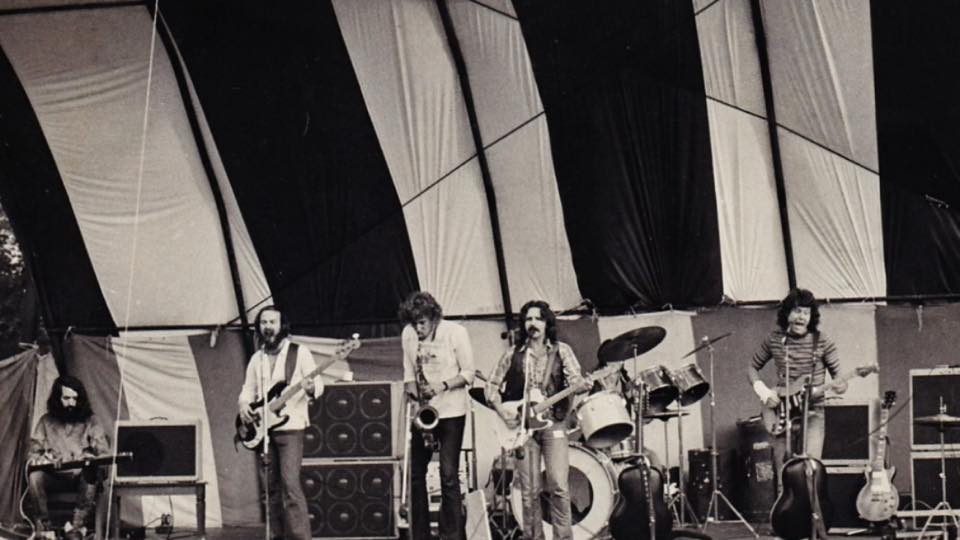
Photo of the Nitty Gritty Dirt Band in the early 1970s courtesy of the artist.
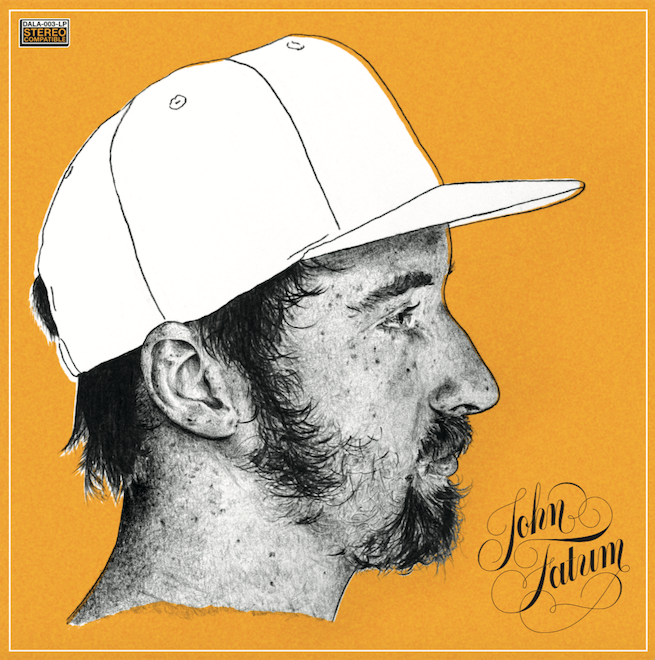
STREAM: John Fatum, ‘John Fatum’

Artist: John Fatum
Hometown: Chicago, IL (now based in Brooklyn, NY)
Album: John Fatum
Release Date: December 9
Label: Dala Records

In Their Words: “There’s a nebulous aspect to rhythm that you can’t write or put down. It’s not definable. You couldn’t create unless a human was playing it. I really believe that life is a rhythm, that we’re all on some trajectory through time. Music provides us that pulse that tracks us through life. And it’s a steadying thing, instead of free fall.” — John Fatum

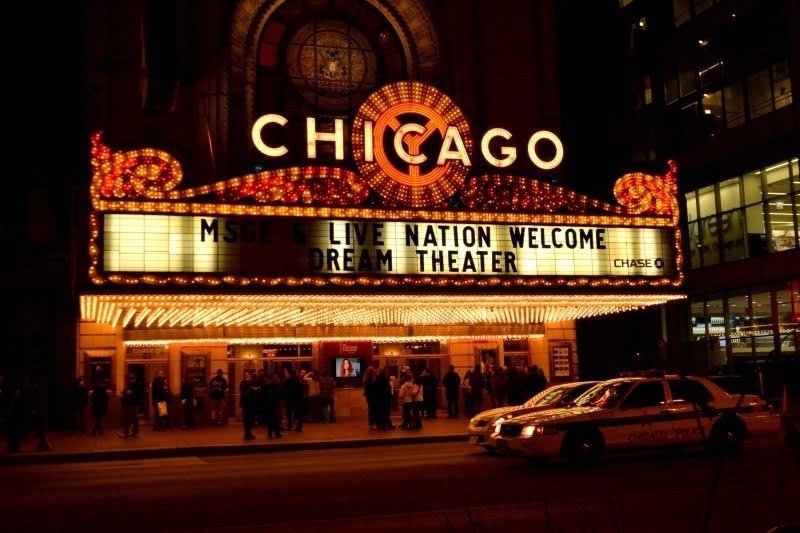
MIXTAPE: Bloodshot Records’ Chicago Sounds

Bloodshot Records has been operating in Chicago for the entirety of its 20+ years as a record label. As the story goes, the label was birthed — written on a bar napkin at local watering hole Delilah’s — to compile the sounds and ideas of a burgeoning country/punk scene in and around the city in the mid-’90s. On our site, it says, “We’ve always been drawn to the good stuff nestled in the dark, nebulous cracks where punk, country, soul, pop, bluegrass, blues, and rock ‘n’ roll mix and mingle and mutate.”

And while Mike Smith and I haven’t been there since Bloodshot’s inception, we grew up on the catalog (Heartbreaker, anyone?), along with other sounds of similar ilk and of similar community. If you spend enough time in Chicago going to and playing shows, drinking at the Hideout or Schuba’s or Empty Bottle, or just meeting people who are vaguely into music, there are names that consistently arise — ones that have the respect of other musicians, live music show-goers, and casual standers-by.

Here, we’ve compiled our own mixtape of Chicago’s current roots/alt-country artists. Maybe none of them implicitly fall under those umbrella (and sometimes unwanted) terms, but they all possess some sort of grit, twang, or attitude that slots in with the roots aesthetic. — Josh Zanger

Wilco — “Casino Queen”

The band took shape after the split of alt-country originals Uncle Tupelo and, as Wilco progressively leaned more toward pop/indie rock, Chicago has happily claimed them as a musical staple. Early in the band’s career, you could still hear the alt- influences, especially on their debut album, A.M., songs like “Casino Queen” and “Box Full of Letters” remind me of Jeff Tweedy’s creative work with Jay Farrar (now of Son Volt) and Brian Henneman (of Bottle Rockets).

Robbie Fulks — “Aunt Peg’s New Old Man”

Robbie is a Bloodshot original — his first album is catalog number BS011 — and, in my opinion, what keeps the Chicago alt-/roots scene relevant and vibrant. If you think I’m partial, take a trip to the city and go see his residency at the Hideout on a Monday night while he’s in town. Every show is different, with different themes and different guests, but ALL of them feature Robbie’s excellent musicianship and high-wire wit.

Hoyle Brothers — “How Many More Nights”

Since I moved into the city many years ago (and for many years before that), the Hoyle Brothers have been a local honky tonk treasure. They’ve been doing weekly happy hour residencies at the Hideout and Empty Bottle since early 2000s, and it feels like a rite of passage to have attended and gotten drunk at one of their performances.

Lawrence Peters — “Another Year”

If you’ve been to the Hideout, you’ve seen Lawrence behind the bar slingin’ PBRs and cheap whiskey shots. There’s also the chance that you’ve seen him playing honky tonk and country music as the Lawrence Peters Outfit, in one of many renowned local bands, or DJing country tunes at various bars and clubs.

Waco Brothers/Jon Langford — “Receiver”

Jon Langford is a man about town — making art, playing shows, making music, making his political voice heard, kissing babies — and I have yet to meet a person who doesn’t love him. Also, every time he comes to the Bloodshot offices, he makes it a brighter place and then leaves with, “Thank you, good people of Bloodshot, and keep up your great work!” On his own or in various projects, he’s beyond prolific. With the Wacos, content comes a little more slowly, but always carries an added punch in the band’s potent rock ‘n’ roll/punk/country form. In full disclosure: A Waco Brothers 7” is the label’s third release.

State Champion — “There Is a Highlight Reel”

I haven’t seen the band play in a while, so I’m not sure if they even call Chicago home — their Facebook page lists “Chicago/Louisville.” They have a grungey, garage, twangy sort of sound that brings to mind an alternate genre Uncle Tupelo. Freakwater’s Catherine Irwin lends guest vocals to this song, giving it an extra bit of eerie grit.

— Josh Zanger, publicist at Bloodshot Records

Al Scorch — “Everybody Out”

In Chicago over the last five years or so, Al Scorch has been at the forefront of the roots music scene. His combination of bluegrass, folk, country, and punk-rock is uniquely Chicagoan — it’s a direct cross between tradition and rebellion. In the city, you can see Scorch telling urban stories over his lightning-fast banjo pickin’ everywhere from punk clubs to square dances, DIY spaces to theaters. He is a true everyman. I grew up on punk music, and I moved to Chicago from the beautiful Shenandoah Valley in Virginia, a hotbed for roots music and traditional bluegrass, in particular. When I first saw Al Scorch at the famed punk club the Empty Bottle on a Saturday afternoon, it was the first time Chicago truly felt like home to me.

Ryley Walker — “On the Banks of the Old Kishwaukee”

Ryley Walker has been playing multiple styles of guitar (classical, jazz, psychedelic, bluegrass … you name it) in punk bars and jazz clubs around Chicago for years, both solo and with some of the Chicago underground’s most iconic musicians. In local music circles, everyone knows his name for different reasons. In 2014, Walker signed to Dead Oceans, a Bloomington, Indiana, label that specializes in indie rock with splashes of roots music, and released three terrific albums in two years. Just like Walker’s guitar-playing, the albums span a wide genre map, much of which draws from folk, bluegrass, and classic country. Throw in a few jazz and psych numbers, and it’s a unique blend of guitar-led American music.

Devil in a Woodpile/Rick Sherry — “Shake It and Break It”

Devil in a Woodpile is a roots music fixture in Chicago, and Rick Sherry is the carnival barker-like vocalist fronting the unplugged string band. His baritone bellow is earth-shaking while his harmonica playing is to be reckoned with. Devil is also uniquely Chicagoan, as they mix Appalachian-era bluegrass, country (the stuff that floated up the river and landed in the old juke joints and square dances of mid-century Chicago), and folk with the brand of blues that was born in Chicago. Folks will gather in the small Hideout barroom (there’s a reason we keep mentioning the Hideout — it is truly THE roots music haven in Chicago) to watch Devil in a Woodpile play unmic’d in the middle of the room, right on the checker-tiled floor. It’s an event every time. Sherry can also be seen playing in the swingin’ Sanctified Grumblers and the acoustic pickin’ Hatstretchers.

Whitney — “No Matter Where We Go”

Though they aren’t your typical “alt-country” or punk-infused roots that often defines the Americana underbelly of Chicago, Whitney is a band not to be overlooked in the conversation. Born out of the ashes of the short-lived indie rock band Smith Westerns, Whitney combines soul, AM radio pop, late-Wilco-leaning guitar wizardry, and ‘70s-era country music that would make Gram Parsons tap his foot. It’s a unique sound amongst the psychedelia and garage vibes that currently permeate the Chicago indie rock scene. You’ll often see them playing with a brass section and a pedal steel guitar, simultaneously, as evident in their hometown hero set at the 2016 Pitchfork Music Festival.

Henhouse Prowlers — “Leaving You for the Interstate”

As made clear in this piece, a multitude of Chicago bands incorporate bluegrass into their music, mish-mashing it with punk, blues, and country. But the Henhouse Prowlers (previously known as Sexfist — yes, you read that correctly) are one of the few that play traditional bluegrass in the Windy City. Crowded around a mic, pickin’ away on banjo, guitar, dobro, upright bass, and fiddle at Martyrs on almost any given weekend, the Prowlers sound more like the Cumberland Gap in the 1950s than Chicago in the 21st century. Their lyrical allusions are what bring it back around to modern times. They have a song called “Spoiler Alert.”

Jim Elkington — “Slow Train”

If you’ve seen live music in Chicago, you’ve seen Jim Elkington play guitar. The virtuoso has played with everyone from Wilco’s Jeff Tweedy to Eleventh Dream Day (with Freakwater’s Janet Bean) to various Mekons-related projects. (I once saw him play a David Bowie tribute set with Jon Langford and Sally Timms at the Chicago Museum of Contemporary Art that felt like a bad acid trip — but you’d never know it through Jim’s deadpan while he shredded away.) I can’t tell you how many shows I’ve been to in which I didn’t even know he was playing until he emerged from the shadows on stage. He’s ubiquitous. Elkington has also released several albums of superb guitar instrumentals steeped in country, bluegrass, and other roots stylings on the Paradise of Bachelors label.

— Mike Smith, new media publicist at Bloodshot Records


Photo on Foter.com

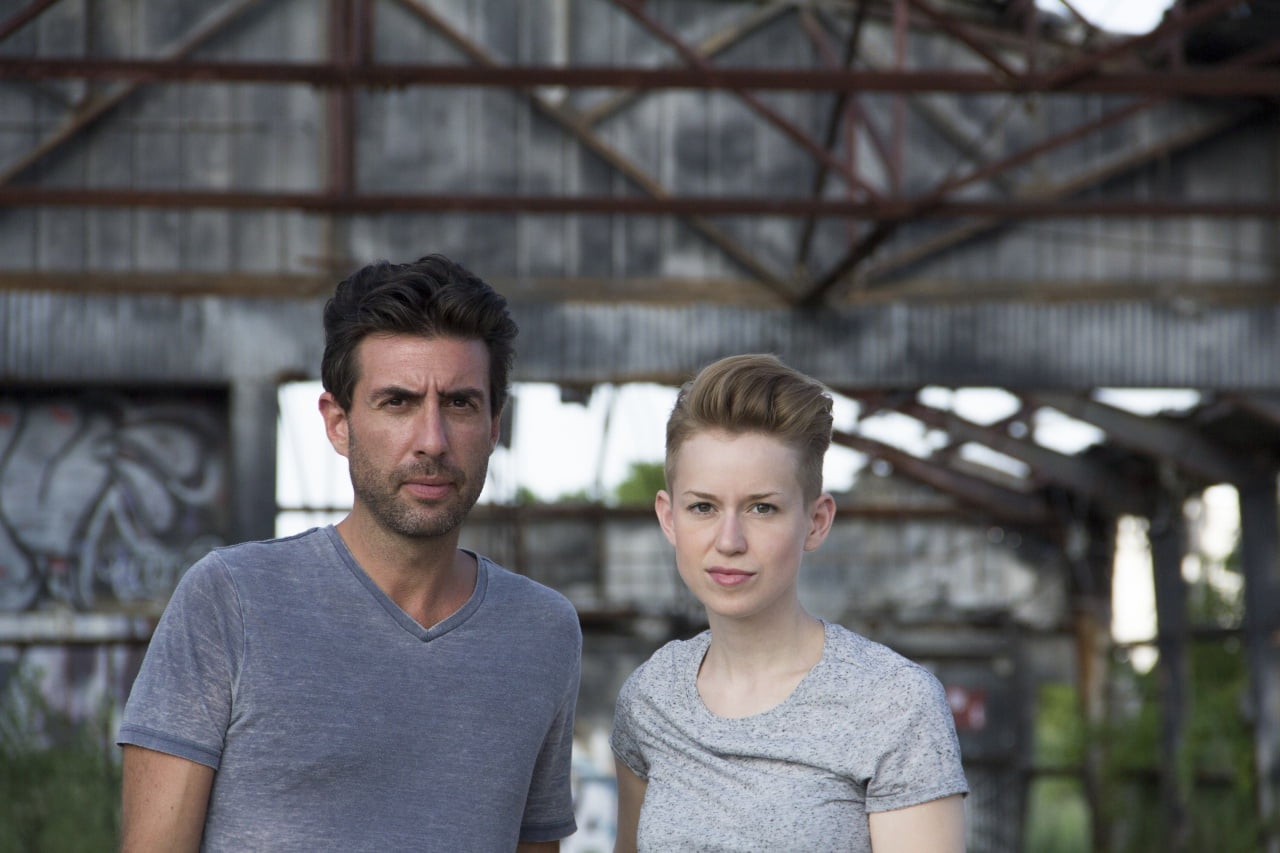
LISTEN: Almond&Olive, ‘Mulberry Hill’

Artist: Almond&Olive
Hometown: Chicago, IL
Song: "Mulberry Hill"
Album: Standing at the Precipice
Release Date: January 27, 2017

In Their Words: "'Mulberry Hill' was one of the first songs Natalie and I played together. I wrote it year or so before I brought it to the band, and immediately our voices meshed together perfectly, with Natalie's beautiful guitar melody completing the arrangement. The song was a hit right away with our fans, who seemed to relate to the wistful tone of love not realized, as well as the forlorn refrain of forbidden romance. The song tries capture that moment of dreaming and hope right when you realize you love someone you can't have, but think, just for a minute, maybe it will all work out." — Ollie Davidson


Photo credit: Natalie Alms

Smithsonsian Folkways Brings New Life to Arhoolie Records Catalog

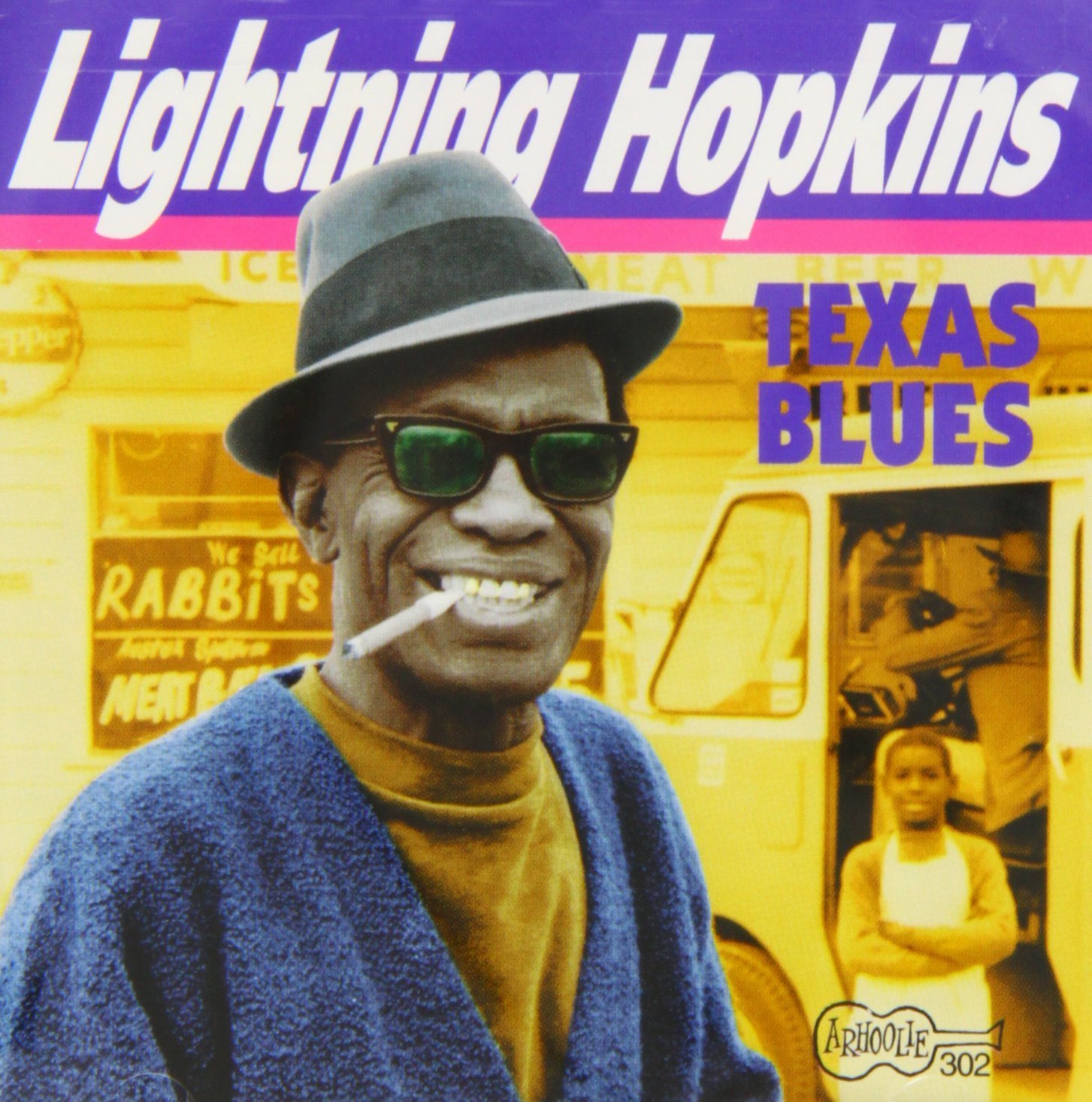
Arhoolie Records is one of the most important labels in roots music history. Founded by Chris Strachwitz in 1960, the El Cerrito, California-based label, which has built a reputation for sharing and preserving traditional American music, was responsible for releases from such roots, blues, bluegrass, and R&B greats as Lightnin' Hopkins, Mance Lipscomb, Mississippi Fred McDowell, Flaco Jiménez, and Del McCoury. In May of 2016, Smithsonian Folkways Recordings acquired the extensive Arhoolie catalog from Strachwitz and and his Arhoolie partner, Tom Diamente, with plans to make the label's 650+ albums available to the public across a variety of media. 

Since its acquitsition of Folkways Records in 1987, the nonprofit record label of the Smithsonian Institution has amassed a vast catalog of diverse music, including collections from the Blue Ridge Institute (music from Ferrum College's collection of recordings made between the 1920s and 1980s), Fast Folk Records (a project of Fast Folk Magazine boasting cuts from Tracy Chapman and Shawn Colvin), Paredon Records (an assortment of songs, spoken word, and poetry recorded at the tail end of the Civil Rights movement of the late 1960s), and the UNESCO Collection of Traditional Music (an impressive collection of out-of-print world music). 

The Arhoolie collection featuring music from more than 1,000 artists launched on October 21 by making a number of the label's catalog album available digitally, on CD, and on limited edition vinyl LPs. A glance at the 395 titles currently available shows a number of rarities, like out of print 7" records from Big Mama Thornton and Hank Williams, as well as CDs and digital downloads from everyone from Freddy Fender to Elizabeth Cotten. The collection also features albums from Peruvian label Discos Smith and regional Mexican labels Ideal, Falcon, and Rio.

Look for more titles from the Arhoolie catalog to be released in coming months. In the meantime, listen to a selection of Smithsonian's Arhoolie titles on Spotify and browse titles available for purchase here. 

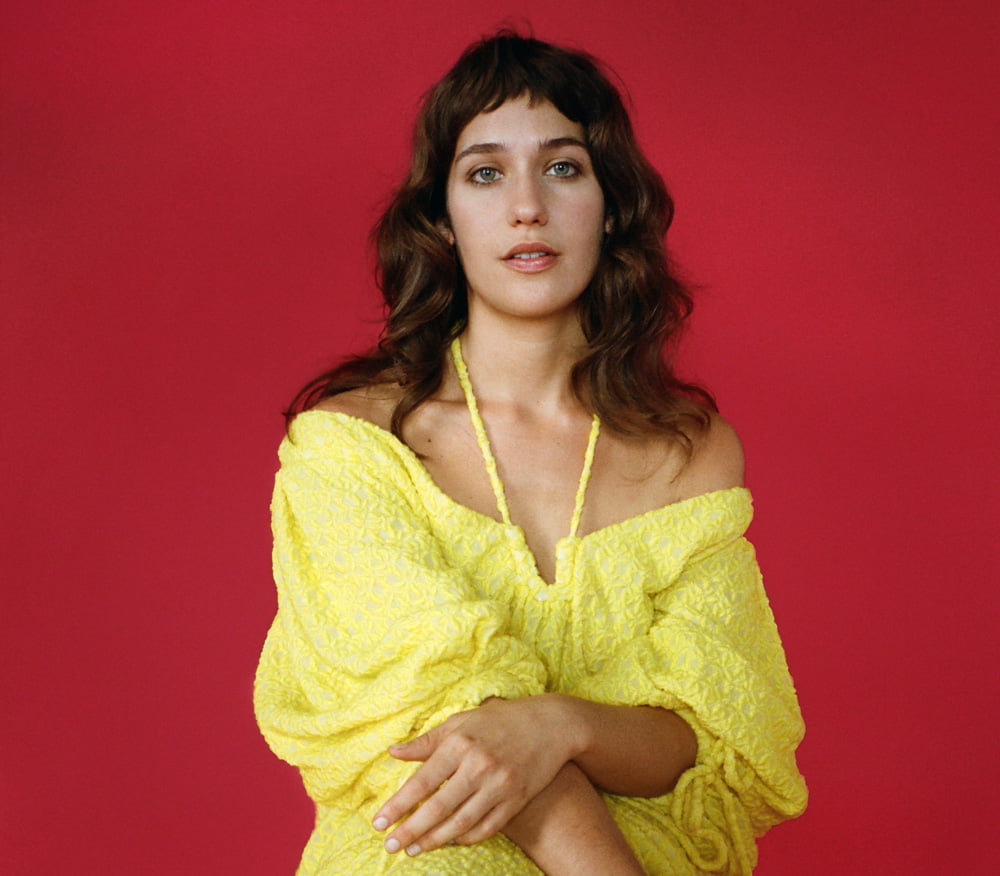
3×3: Lola Kirke on Frank Sinatra, Morning People, and Working Girls

Artist: Lola Kirke
Hometown: New York
Latest Album: Lola Kirke
Personal Nicknames: Lo, Lols, Lolita


A photo posted by Lola Kirke (@lolakirke) on

What song do you wish you had written?
"That's Life" by Frank Sinatra

If money were no object, where would you live and what would you do?
Somewhere in the past, but I would also time travel!

If the After-Life exists, what song will be playing when you arrive?
The entirety of Grateful Dead, Go to Heaven.


A photo posted by Lola Kirke (@lolakirke) on

How often do you do laundry?
Monthly.

What was the last movie that you really loved?
Working Girl!

If you could re-live one year of your life, which would it be and why?
18, so I could be badder and pick up the guitar sooner.


A photo posted by Lola Kirke (@lolakirke) on

What's your favorite culinary spice?
Cayenne.

Morning person or night owl?
Ew … I'm becoming a morning person.

Mustard or mayo?
Both!

Root 66: Cris Jacobs’ Roadside Favorites

Name: Cris Jacobs
Latest Project: Dust to Gold
Hometown: Baltimore, MD

Backstage hang: The 8×10, Baltimore, MD. A great club run by great people in my hometown.  I’ve played this club more times than I can count and had some epic back stage hangs. We’ll leave it at that, as to not implicate or incriminate anyone.

Late-night radio: Coast to Coast, 680 AM. A talk radio show where everything from aliens, time travel, vortexes, government conspiracies, UFOs, and the like are discussed.  The deadpan demeanor of the host and the way the guests on the show seem to really believe what they are saying makes me feel like I’d be a fool to doubt any of it.  On those weird, dark, desolate stretches of highway when I’m pulling a solo late-night drive, listening to this show can pass hours at a time without even realizing how tired I am because I’m so transfixed on the discussions.

Tour hobby: Reading. I get super excited to pick out a new book or two to have for the tour. I recently picked some good ones, too. I just finished All the Light We Cannot See by Anthony Doerr and Confessions of a Wine-Stained Notebook by Charles Bukowski.


A photo posted by Cris Jacobs (@cris_jacobs) on

Record store: Cactus Music, Houston, TX. I did an in-store performance there a few years ago and was relieved to know that there are still stores like that (besides Barnes and Noble) where you can get lost searching through records and books. Took me back to the '90s where one of my favorite activities was going down the rabbit hole of sampling CDs at the music store and discovering new stuff.

Day-off activity: Exercise. A good hike in the mountains or woods, or a good long run. Or, if not, poker. If there’s a casino close by, I can’t say that I won’t not not consider playing a few hands.  So one of those two things. I’m a Gemini.

Driving album: Bill Frisell records provide some of the best soundtracks to highway drivies. Especially if it’s a nice day and a particularly scenic route. Good Dog, Happy Man for day drives, and Blues Dream after the sun goes down.

Breakfast: Mama’s, Mill Valley, CA. For my money, the best benedict I’ve ever had. The homemade hollandaise is orgasmic. It’s the kind of place you plan around, even if it means going out of your way or waking up earlier to make sure you get a good sit down.


A photo posted by Cris Jacobs (@cris_jacobs) on

Highway stretch: Doesn’t get much better than Route 1 from L.A. up the coast to Washington. It’s not the usual route for bands, because it’s not meant for trailers, and it’s not a quick route. But I’ve done a few solo tours in a little rented compact car out there and driven it any chance I’ve had. It’s like you instantly feel like Jack Kerouac or something.  

Listening room: The Birchmere, Alexandria, VA. A historic place with a Hall of Fame pedigree. I remember going there as a teenager to see heroes of mine like Doc Watson and Tony Rice. Pristine sound, a cool roadhouse/dinner theatre vibe, and super kind, friendly staff.

Coffeehouse: Stumptown Roasters, Portland, OR. I recorded an album at Jackpot Studios right down the street once, and we thanked Stumptown in the liner notes. You walk in and smell them roasting the beans, and then you get a damn fine cup of coffee. I’m a coffee snob (and addict) and it’s one of my favorites.

Pizza: Anything open after the show.

3×3: Aldous Harding on Sunlight Soap, Little Puppers, and Driving in Rain

Artist: Aldous Harding
Hometown: Lyttelton, New Zealand
Latest Album: Aldous Harding
Personal Nicknames: Hannie, Hanwa, Handjob, Old Yeller, Heem, Babu, Lambykins, Bunnykins, Slazenger, Aldous. 

If Jesus, Buddha, Krishna, and Mohammed were in a band together, who would play what?
Krishna would play bass and guitar simultaneously because he had the eight arms for a while there (?). Not drums because it's not all about him; it's about the whole group. Mohammed on drums. I imagine Buddha and Jesus would share the keyboard. And they'd play "Tears" by the Crocodiles.

If you were a candle, what scent would you be?
Sunlight soap.

What literary character or story do you most relate to?
I have actually forgotten every book I've ever read after making this album. Probably Koroviev of The Master and Margarita.

How many pairs of shoes do you own?
Four​

What's your best physical attribute?
Well, it's certainly not my hair or teeth, is it?

Who is your favorite Bruce: Willis, Springsteen, or Lee?
I don't know much about any of them except Bruce Lee really loves water.

Animal, mineral, or vegetable?
Mineral. Lead, so I could rain down on all these cute little puppers.

Rain or shine?
You know I love both. We all do. Love being in the car when it's raining.

Mild, medium, or spicy?
Medium. Give me food and, as long as I'm not on some weird trip about body image, I'll f**king eat all of it.


Photo credit: William Lacalmontie

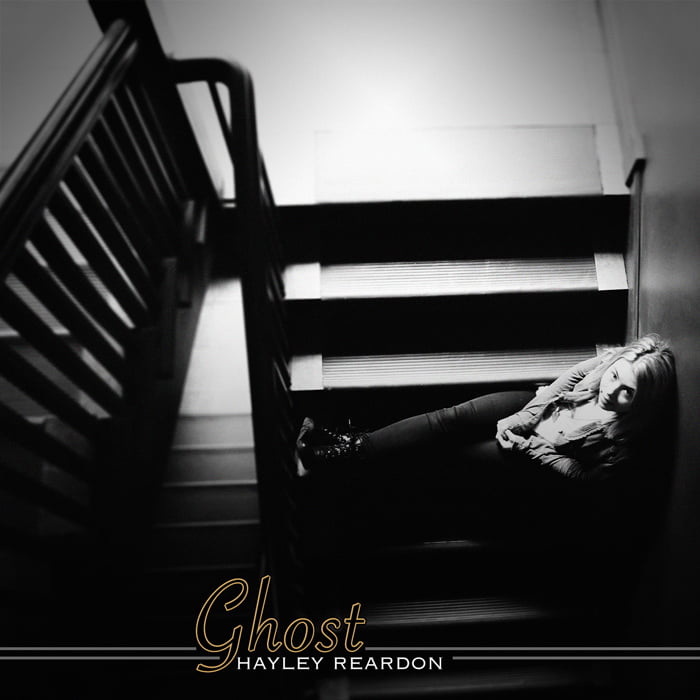
LISTEN: Hayley Reardon, ‘Ghost’

Artist: Hayley Reardon
Hometown: Boston, MA
Song: "Ghost"
Album: Good
Release Date: October 28

In Their Words: "Plain and simple, this is a song about shaking loose of our ghosts — all the things (fears, memories, people) that haunt our minds and hang around longer than we know is good for us." — Hayley Reardon


Photo credit: Lindsay Brandt

3×3: Ariel Bui on Southern Manners, Fiona Apple, and Analog-Loving Freaks

Artist: Ariel Bui
Hometown: Nashville, TN (now)
Latest Album: Ariel Bui
Personal Nicknames: Ms. Ariel. In the South, it's considered polite to put "Ms." in front of ladies' first names, especially when you're also a piano teacher.​

What song do you wish you had written?
"I Know" by Fiona Apple

If money were no object, where would you live and what would you do? 
If money were no object, I'd build and live in an off-grid Earthship somewhere rural, but not too far from civilization and travel a lot from there. I love Taos, New Mexico, and the Mediterranean, and would love to travel the world and see where else I'd like to land. I want to learn more about my Vietnamese roots and would love to learn to play Vietnamese traditional folk instruments and songs. Also, if money were no object, I'd go all out with my art and compose an opera or a symphony, become an opera singer, learn to conduct, paint, weave baskets, knit, grow my own food, bird watch, volunteer all over the world with activist organizations, and do whatever I want.

If the After-Life exists, what song will be playing when you arrive?
"Videotape" by Radiohead

How often do you do laundry?
Not often enough. Probably every two to three weeks. Luckily, I have way too many hand-me-down clothes.

What was the last movie that you really loved?
Fight Club

If you could re-live one year of your life, which would it be and why? 
I would re-live 2015 — the year I recorded this album to analog tape with producer/engineer Andrija Tokic at the Bomb Shelter in East Nashville; the year I flew up to Brooklyn to be a part of the analog mastering process with Paul Gold at Salt Mastering; the year I collaborated with musicians Jon Estes, Dave Racine, Jem Cohen, Emma Berkey, and Lizzie Wright in the making of music. I truly enjoy being deep in the throes of the musically creative process, in a collaborative effort that is true to my artistic vision. Andrija is really fun to work with. He is a wonderful human and is very respectful of my integrity and artistic vision. He really brought forth his own genius to accentuate my songwriting, guitar playing, and singing, while introducing me to the otherworldly experience of working with amazing session musicians. I met so many other great people who float in and out of the Bomb Shelter, too, and I feel like I got inducted into some family of insanely talented, analog-loving freaks.

What's your favorite culinary spice?
Cinnamon

Morning person or night owl?
Night owl

Coffee or tea?
Tea


Photo credit: Jessica Ferguson