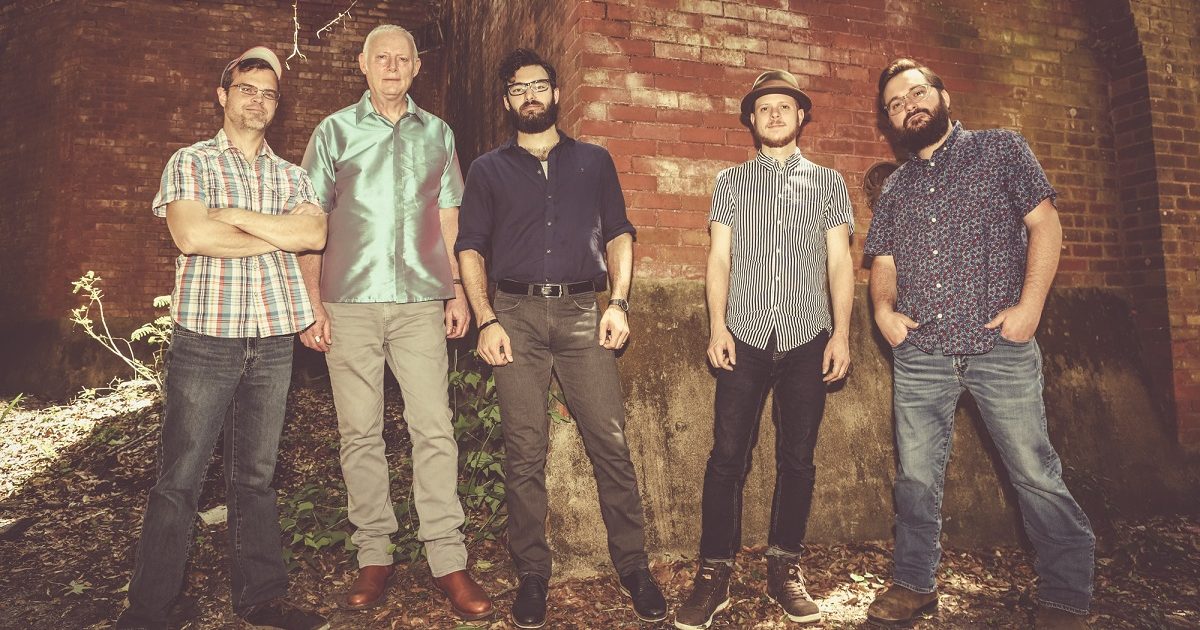
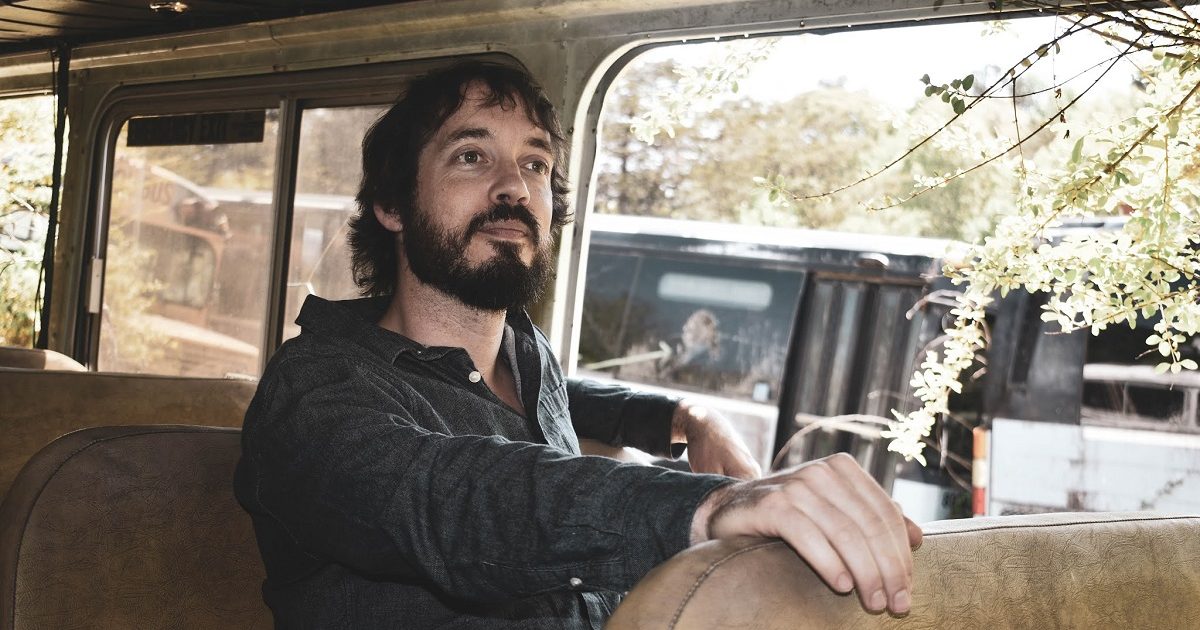
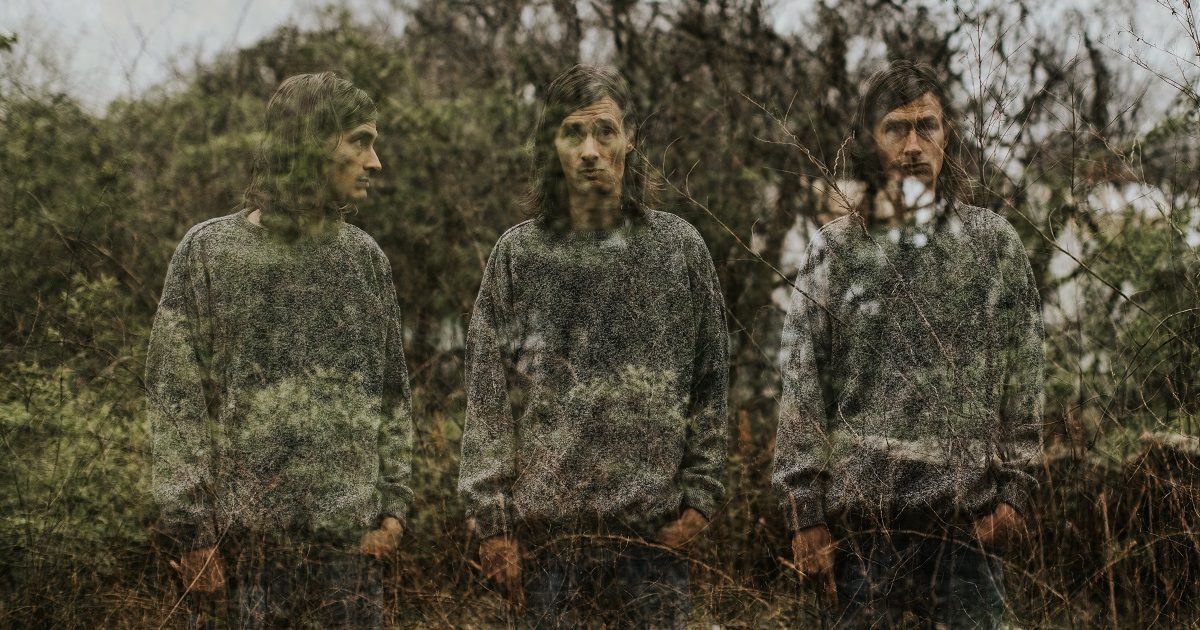
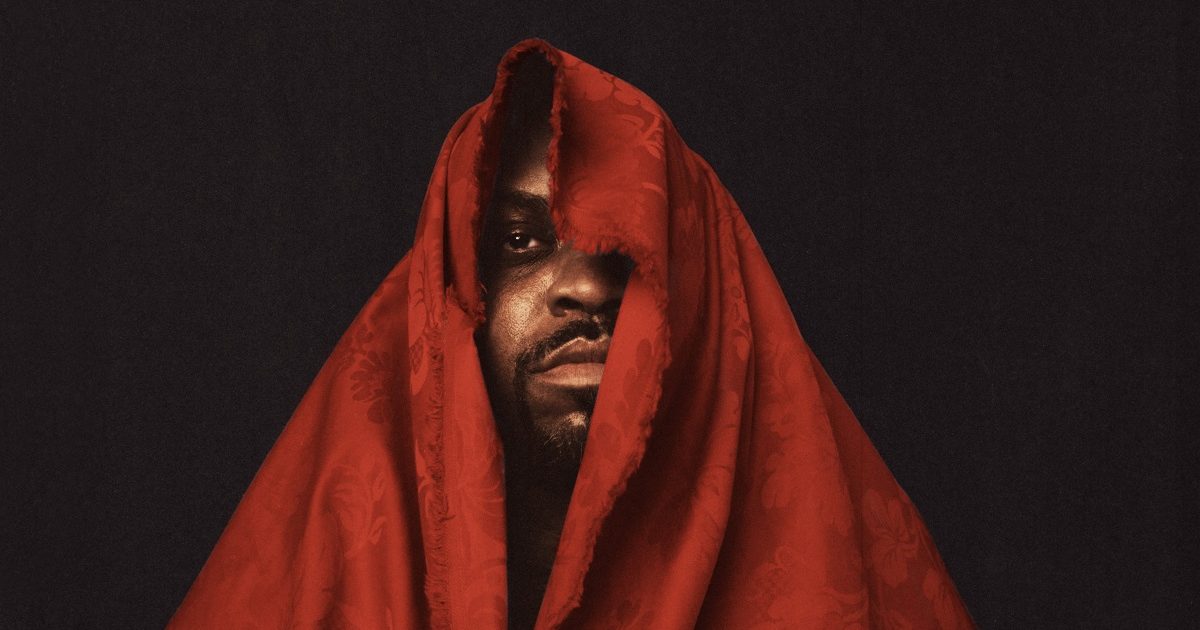
LISTEN: Caleb Lee Hutchinson, “I Must Be Right”

Artist: Caleb Lee Hutchinson
Hometown: Dallas, Georgia
Song: “I Must Be Right”
Album: Slot Machine Syndrome
Release Date: September 17, 2021

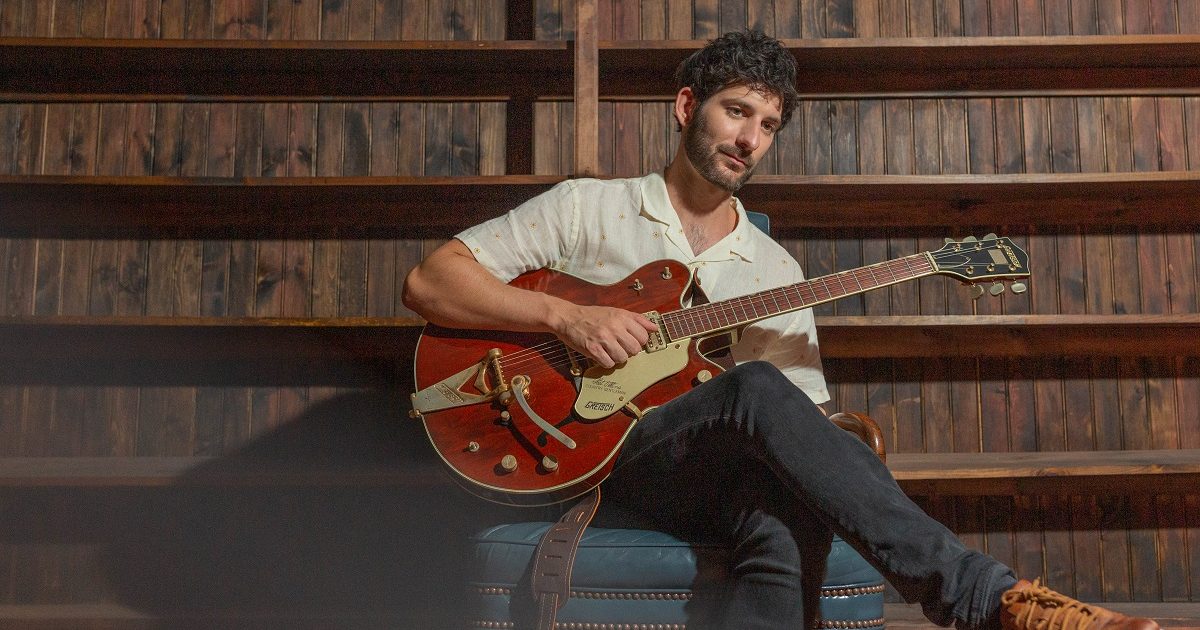
In Their Words: “‘I Must Be Right’ is a song I wrote with the incredible Trey Hensley on Zoom during the middle of 2020. I have been a fan of Trey for quite some time and was very excited to write with one of my favorite guitar pickers of all time. I tried to bring some kind of guitar lick into the write, which ended up being what you hear in the first few seconds of the song. Trey had the idea for the lyric and it only took us maybe an hour to write it. Trey is such an amazing writer and player so it didn’t take much for us to write a song like ‘I Must Be Right.’ It’s one of my favorite songs I’ve ever written as a result.” — Caleb Lee Hutchinson


Photo credit: Don VanCleave

LISTEN: Swamptooth, “The Owl Theory”

Artist: Swamptooth
Hometown: Savannah, Georgia
Song: “The Owl Theory”
Album: B-Flat Earth
Release Date: September 17, 2021

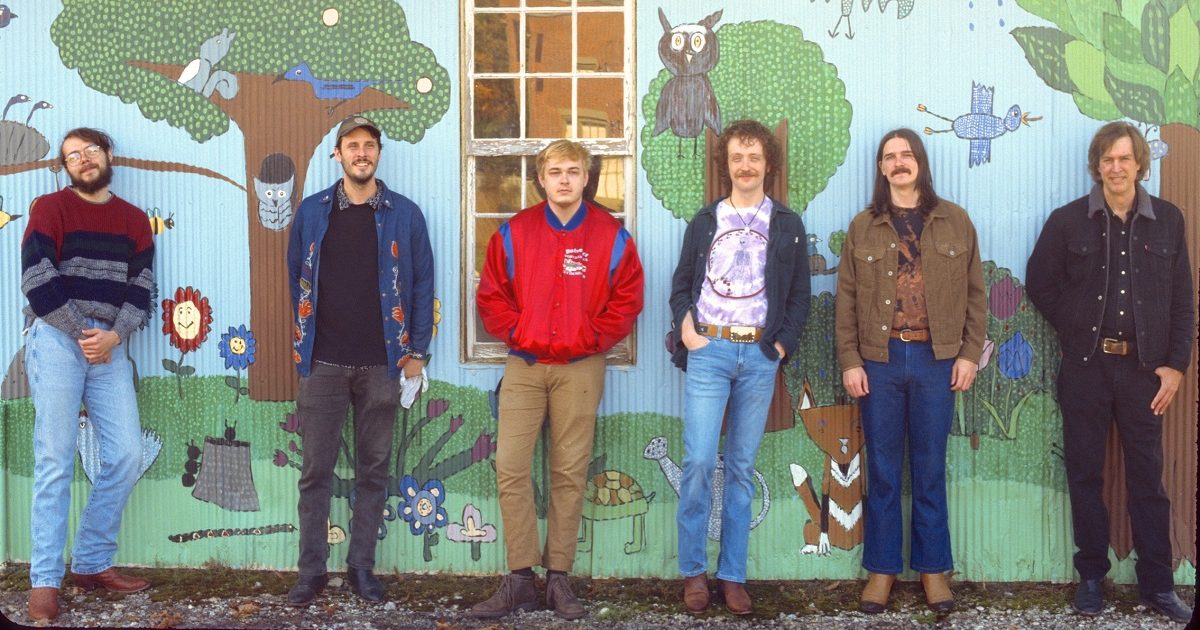
In Their Words: “This song was written by guitarist Jay Rudd. In the Netflix series The Staircase, crime novelist Michael Peterson was convicted of murdering his wife who was found dead at the bottom of the stairs in their home. A few years later a neighbor brought forth a new theory that an owl had attacked Peterson’s wife on her way inside the home and she had fallen down the stairs during the resulting confusion. Many have argued that the theory is plausible due to evidence such as microscopic owl feathers found in her hand. This song manifested after visualizing the owl attack and subsequent fall down the staircase.” — Swamptooth


Photo credit: Kelly Roetto

LISTEN: Ben Bostick, “Like Old People Do”

Artist: Ben Bostick
Hometown: Born in Beaufort, South Carolina. Currently resides in Lilburn, Georgia
Song: “Like Old People Do”
Album: Grown Up Love
Release Date: August 20, 2021

In Their Words: “My friend Pam Hobby, a great songwriter herself, came to one of my shows, and we were chatting between sets. She told me that she and her boyfriend had been down in the Keys doing nothing, sitting at the end of the dock on rocking chairs and watching the sunset ‘like old people do.’ My songwriter brain latched onto that phrase and immediately started writing the song. I think I had it mostly written by the time I played my next set. It was a perfect sentiment for my life.

“My wife Cari and I had been rushing around to doctor’s appointments, therapies, pharmacies, going sleepless with a newborn and also our oldest daughter’s Carmela’s terrible sleep disturbances (due to Rett Syndrome), and generally going at a hundred miles an hour. We needed to slow down just to maintain our sanity. We needed to take a page out of the old people’s book of love, and just sit still, saying nothing, holding hands like old people do. Of course taking a vacation to the coast with two babies during COVID wasn’t possible, because of so many different reasons, but this song helped us realize that we needed to take a breath whenever possible.” — Ben Bostick


Photo credit: Carey Hood

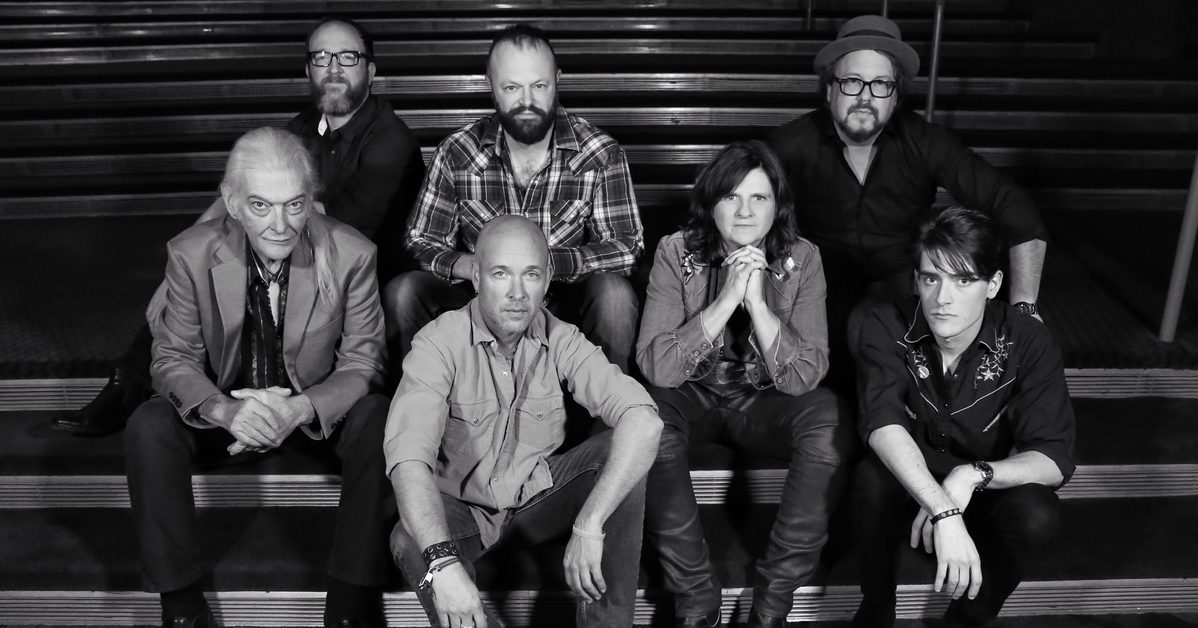
WATCH: Amy Ray Band, “Chuck Will’s Widow”

Artist: Amy Ray Band
Hometown: Decatur, Georgia
Song: “Chuck Will’s Widow”
Release Date: July 23, 2021
Label: Daemon Records, Inc.

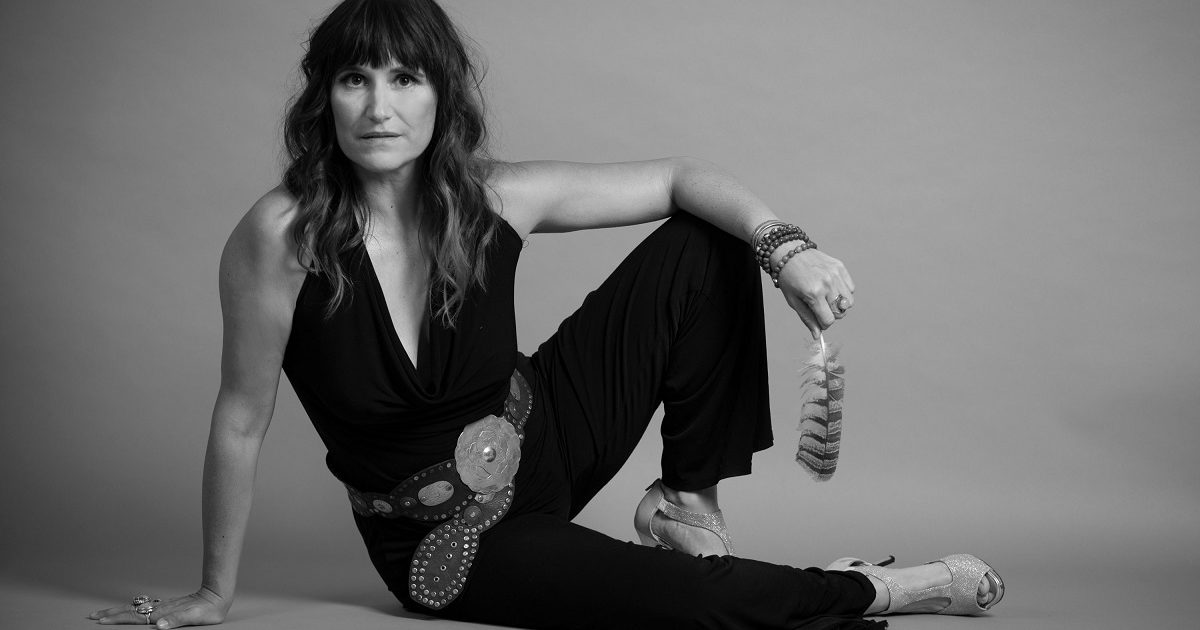
In Their Words: “The songs of the Chuck-will’s-widow, along with its fellow Nightjar, the Whip-poor-will, have always haunted me; their relentless, compelling exchange happens all night when the summer comes to my neck of the woods. I find that I witness the most profound moments in the midst of their songs, when everyone else is asleep. While I am often in need of rest, the respite I find in being awake under a miraculous and melodic night sky is too tempting for me to sleep. It’s a conundrum that inspires me, but also leaves me bleary-eyed.

“I laid down a scratch track of electric guitar and singing, then we built this one from a foundation of Jim Brock’s drums and percussion, with Kerry Brooks’ bass. The rhythm track was important to get right, it had to feel sad and happy at the same time…ha ha… that’s my sweet spot. The first melodic instrument for us to play off of was Dan Walker’s accordion riff, then we added Matt Smith’s pedal steel. I put some mandolin and acoustic guitar down and sang a final vocal track, then we had Jeff Fielder record last. He usually goes first, so it was a lot of experimentation for him to find which instruments he wanted to play. We came around to both the dobro and electric guitar being what the song needed.

“We always had in mind what we wanted for harmonies, using both The Band’s version of Springsteen’s ‘Atlantic City’ and the classic record Trio from Emmylou Harris, Dolly Parton, and Linda Ronstadt as inspiration. Georgia singer Michelle Malone was a perfect fit for this. Then I asked my heroes Tanya and Michael Trotter from The War and Treaty to give us the other two harmony parts to make it complete.” — Amy Ray


Photo Credit: Cowtown Chad

WATCH: T. Hardy Morris, “Shopping Center Sunsets”

Artist: T. Hardy Morris
Hometown: Athens, Georgia
Song: “Shopping Center Sunsets”
Album: The Digital Age of Rome
Release Date: June 25, 2021
Label: Normaltown Records

In Their Words: “There is a run-down shopping center not far from my house that is one of the best places in Athens to see the sunset. It’s just this big expanse of irony to me at that time of day. I go to the liquor store there and my wife and I sometimes take our kids there for mediocre tacos and cheese dip. One evening I was pulling in when there was an especially pretty sunset and I just sang out ‘shopping center sunsets!…’ in the exact melody of the song… and that became the song. I think I still have the a cappella version recorded on my phone.

“The song is supposed to be darkly funny and entertaining like a shopping center sunset. There is this big, beautiful neon sign of God in the background, but the foreground is man’s attempt at commercialization (which only ever results in urban decay). Nature overpowers every time. We filmed the video there in the shopping center and just tried to have fun and capture some of that irony. Like trying to enjoy nature in this very unnatural setting that we take for granted as this very normal place. The American shopping center.” — T. Hardy Morris


Photo credit: Alec Stanley

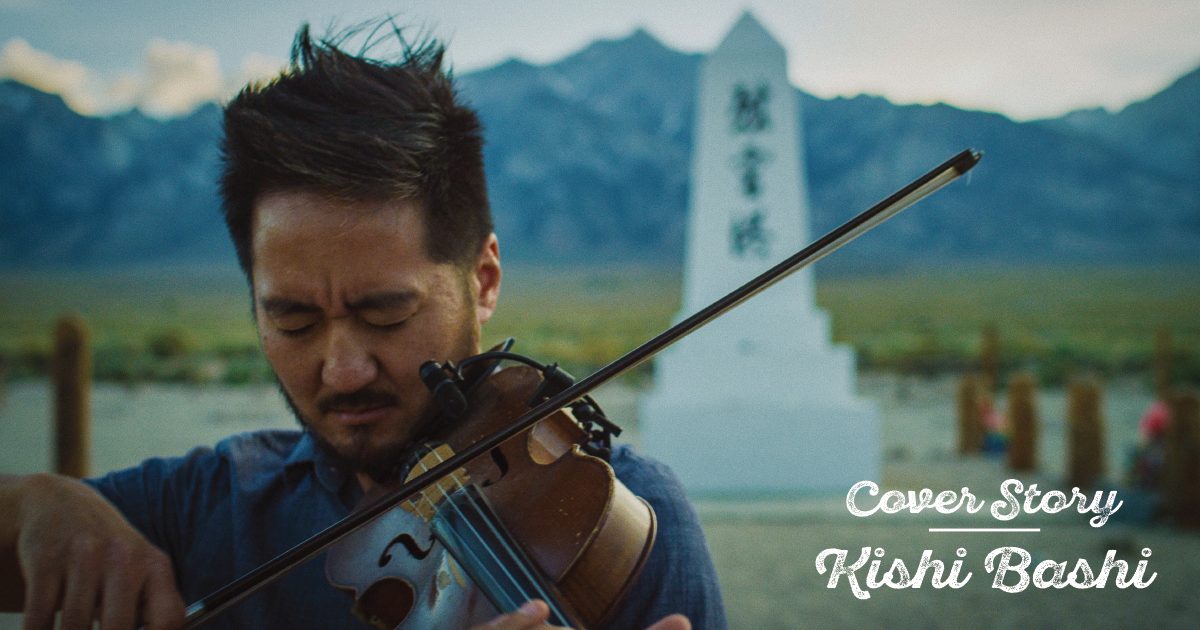
Kishi Bashi Finds a New Comfort Zone in Folk Music on ‘Emigrant’

There’s a particular knowledge that is born only from a road-worn trek, like literature’s hero’s journey, where a protagonist adventures in pursuit of higher knowledge or power, someone like Captain Ahab or Tom Joad.

Kaoru Ishibashi, the musician known as Kishi Bashi, packed a camper during the pandemic and left his home of Athens, Georgia, wandering northbound through the American frontier that’s woven throughout the Western narrative. With newfound time and his daughter in tow, this journey was a personal exploration of Ishibashi’s own identity through the sprawling American terrain.

His trip took him to places like Heart Mountain in Wyoming, a World War II Japanese internment camp — a location he has visited many times during research for his upcoming documentary, Omoiyari: A Songfilm by Kishi Bashi, where he visits similar sites throughout the United States searching for the history that still persists today. The journey also carried him through the Ozarks and the Dakotas, and to small Montana towns like Emigrant — population 271 — just north of Yellowstone, and ultimately across the great expanse of the States to Oregon.

BGS chatted with Kishi Bashi about how this trip is intrinsically tied to his new EP, Emigrant.

BGS: What was the concept behind creating Emigrant? What drew you to creating the theme around the EP?

Kishi Bashi: I’ve been spending a lot of time in Montana the last several years — especially this year, since I had so much time. I took the camper out, took my daughter out, and we did this huge trip cross-country all the way to Oregon; we spread it out over a period of months. I got to enjoy nature in a way that I hadn’t in the past, to kind of imagine what it was like back then. A lot of rural places are pretty much intact; it pretty much is what it was like 100, 200 years ago. In Montana, it’s really cold, so there’s a reason not many people live there — but that’s changing. Emigrant is a town in Montana north of Yellowstone where a friend of mine had a cabin. I borrowed it from her family, and I stayed there for a few days and fleshed out a lot of the EP.

How is the title tied to the name of the town?

To be an emigrant is to leave somewhere in search of a better place to live. I found myself really searching my own identity, my own place in this country — as a minority or even as a musician in these COVID times — trying to find what makes me happy or what makes me a person. The symbolism was really great. [Emigrant] was a frontier town for a lot of people. It was literally the frontier of this violent place, both naturally from the weather, and it was a really cutthroat environment. I was also watching a lot of Deadwood before that — it’s up around there. It may not be historically accurate, but the vibe is definitely accurate. It was that frontier, settler, colonialism type thing. It was a really harsh place to live.

How did you plan your route? What were some of the lessons taken from the road trip?

With my daughter, we started in Athens, so we went up north, and there was a lot of driving. It was a good history lesson for her because we went to the Black Hills in eastern Wyoming — actually, that’s where Deadwood takes place — and how it was Sioux territory. We went to Mount Rushmore, and it was pretty unimpressive. There’s a Crazy Horse Memorial they’re building, which looks interesting and amazing. I was getting her to understand that this is a very complicated, nuanced, but violent history that existed in these lands.

I had the realization that if you live in a city — a town that’s been modernized over and over and over — you don’t feel what it was like back then. That paved road you stand on was a dirt road at one point. Before that, it was just a trail. You don’t really get to see that unless you go out to Montana or some rural area. We basically went straight up through Tennessee, Arkansas, South Dakota, and then cut over through Wyoming.

It sounds like this road trip was an American history lesson. Did you purposefully choose locations around Indigenous or Asian American histories?

Heart Mountain [in Wyoming] — where the internment camp was — I had been there many times. And my daughter as well; she has been there a couple times in the summer, because we’re filming there a lot for this documentary I’m doing. You can’t avoid Native American spaces in this place. It was interesting to see that a lot of the reservations were closed to outside travelers because their health infrastructure was so shoddy, and that people around them were bringing in COVID irresponsibly. That was heartbreaking to see; they were really desperate to keep it out.

Tell me about “Town of Pray.” Was it inspired by the actual town of Pray, Montana?

More by the name; the town of Pray is such a stoic name. I was reading this book — do you know who Jeremiah Johnson is? He’s this folk hero [also called John “Liver-Eating” Johnson], I think a real person, pioneer, Montana mountain man. I don’t know if you know the legend, but it’s such a violent place to exist. He had a Flathead [now known as the Confederated Salish and Kootenai tribes] wife, and she was murdered by the Crows. Then he went on a murderous rampage against the Crows, and then they respected him, and he joined forces against a different tribe. We have a very narrow narrative of what history is. When you see this violent history, it just makes me grateful that I don’t have to, like, kill other people to thrive, which may have been the case if you lived around there back then. You’re always watching your back. You’re always susceptible to trauma.

What are some lessons you hope listeners take away from this EP? Or lessons you learned through making it?

If people have the opportunity to go out and visit nature, get outside of your comfort zone and explore this country. And even more social justice issues, if you wander into any of these small towns, like in Montana — Bozeman used to be like 20 percent Chinese. Now it’s like zero. There’s a reason a lot of towns are white. After they built the railroad, they drove everyone out of town. Wonder why this country is not being shared by everyone?

You included two covers on your EP, [Dolly Parton’s “Early Morning Breeze” and Regina Spektor’s “Laughing With”]. Why were those chosen, and how do they tie into the overall theme?

One of the reasons was I definitely wanted to showcase female songwriters, because I looked at the Rolling Stone top 100 songwriters, and there were like two women in there — like Madonna and Dolly Parton. And it’s embarrassing. So I made an effort to do that. Of course, I love Dolly Parton just like everybody else. I always liked that song, and I thought it fit the vibe. The Regina Spektor song — I used to play for her; I was in her band — I always thought she was underrated, especially amongst musicians and as a songwriter. Lyrically, she’s brilliant, and she’s a huge inspiration for me. For the next generation of people who may not know her music, I wanted to point out that I have the deepest respect for her songwriting by covering her song.

Why lean into the folk or bluegrass genre for this EP?

It’s something I always wanted to do. This is also a disclaimer: I’m not a bluegrass musician. I don’t have much of a bluegrass situation amongst me, but I’m bluegrass adjacent. I went to Berklee College of Music and I studied with Matt Glaser, who’s an Americana teacher. But I played jazz violin. Gypsy swing, that’s my thing. I always loved bluegrass music, but I never felt, culturally, it was something I could attach myself to. I had this whole stigma, like imposter syndrome, of not being from a rural place. I’m a city dweller. It took me a while to own up to a fiddle tune.

As I became more comfortable with my own identity of being an American musician — an Asian American musician — I was like, “What if I just want to play something folky?” It was something I always wanted to do. So there are a lot of fiddle elements, especially in “Town of Pray.” If you think about “What is American music?” There’s jazz, there’s blues. Fiddle tunes come from a lot of Irish and Scottish roots in the mountains. American music is this huge conflagration of all these different cultures melding into each other. I think that’s the beauty.

And where’s my place in that? I’m an Asian guy playing a European instrument — violin — playing jazz, which is from the South with African American contributions. I always felt like I didn’t have a real identity as an American, so that’s probably why I felt so comfortable singing bluesy stuff, or putting a fiddle tune in there — just because I want to.


Photo credit: Max Ritter
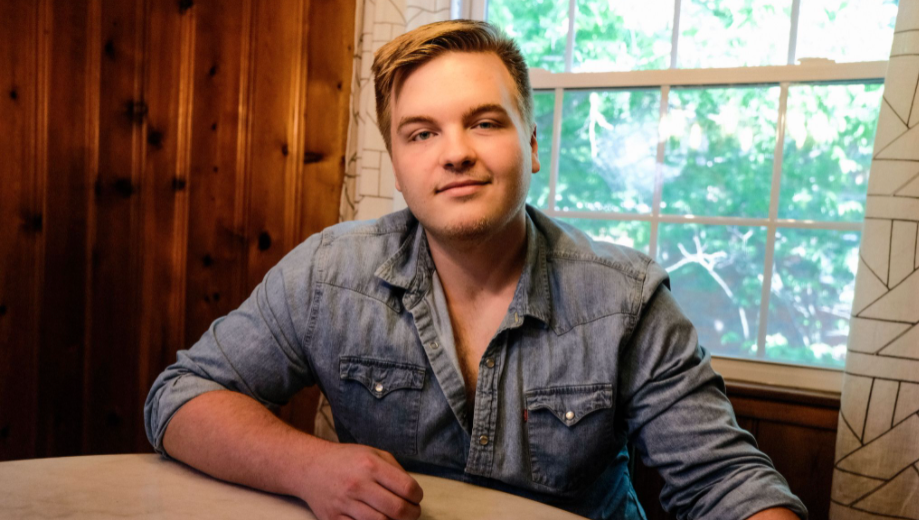
WATCH: Josephine Johnson, “Where I Belong”

Artist: Josephine Johnson
Hometown: Savannah, Georgia
Song: “Where I Belong”
Album: Double High Five EP
Release Date: April 16, 2021

In Their Words: “‘Where I Belong’ is inspired by characters from those Patrick O’Brian British Navy novels set during the Napoleonic wars. Love and high seas adventure, to be sure. Andrew Sovine and I recorded the song in hopes of paying homage to the ethos and spaciousness of Daniel Lanois. Andrew plays electric leads, slide guitar, and Omnichord over my acoustic guitar. Mike Kapitan adds subtle keys and did the final mix and master. Alison Davis, a crew of local Savannahians, and I filmed the video in 18 hours all in one day on Tybee Island and Thunderbolt, Georgia.” — Josephine Johnson


Photo credit: Bailey Davidson

WATCH: John Splithoff, “Steady”

Artist: John Splithoff
Hometown: New York, New York
Song: “Steady”
Album: All In
Release Date: April 23, 2021

In Their Words: “I felt a lot of doubt about making music and was stuck creatively when I wrote ‘Steady.’ The words came from a place of gratitude for the people who keep me grounded and have helped me get through just about anything. Checking in with friends and family through everything was key to staying inspired and encouraged this last year. Shooting this video outside Savannah, Georgia, on a summer evening accompanied by crickets made for a really peaceful night.” — John Splithoff


Photo credit: Lauren Jones

LISTEN: The Pink Stones, “Put Me On”

Artist: The Pink Stones
Hometown: Athens, Georgia
Song: “Put Me On”
Album: Introducing…The Pink Stones
Release Date: April 6, 2021
Label: Normaltown Records

In Their Words: “‘Put Me On’ is a song I wrote a little while back, but it’s still a tune that I love a lot. It’s a pretty straightforward country tune about making yourself sick over someone, trying to get to them, and then realizing that all the signs had really been telling you to turn around and go the other way the whole time. We had some fun with this one in the studio, too. Used some groovy amps, had our buddy Jessica Thompson come in sing with me, and Wandy really got to have some fun on the B3.” — Hunter Pinkston, The Pink Stones


Photo credit: Taylor Chmura

WATCH: CeeLo Green, “Slow Down” (Live From Easy Eye Sound Studio)

Artist: CeeLo Green
Hometown: Atlanta, Georgia
Song: “Slow Down”
Album: CeeLo Green… Is Thomas Callaway
Label: BMG / Easy Eye Sound

In Their Words: “The song ‘Slow Down’ is ironic because it actually speeds up the process, pulling you closer to the climatic heights of this heartfelt album and the consumer just continues to soar from there. Recording this video with Dan was like experiencing déjà vu… surreal and exciting. To be able to get that feeling working with him on the album and then reliving it to record this live version was amazing. This album was just a thought and we turned it into a full body of work. From start to finish, to express ourselves the way we did writing this song… it was like an out of body experience.”” — CeeLo Green


Photo credit: Alysse Gafkjen