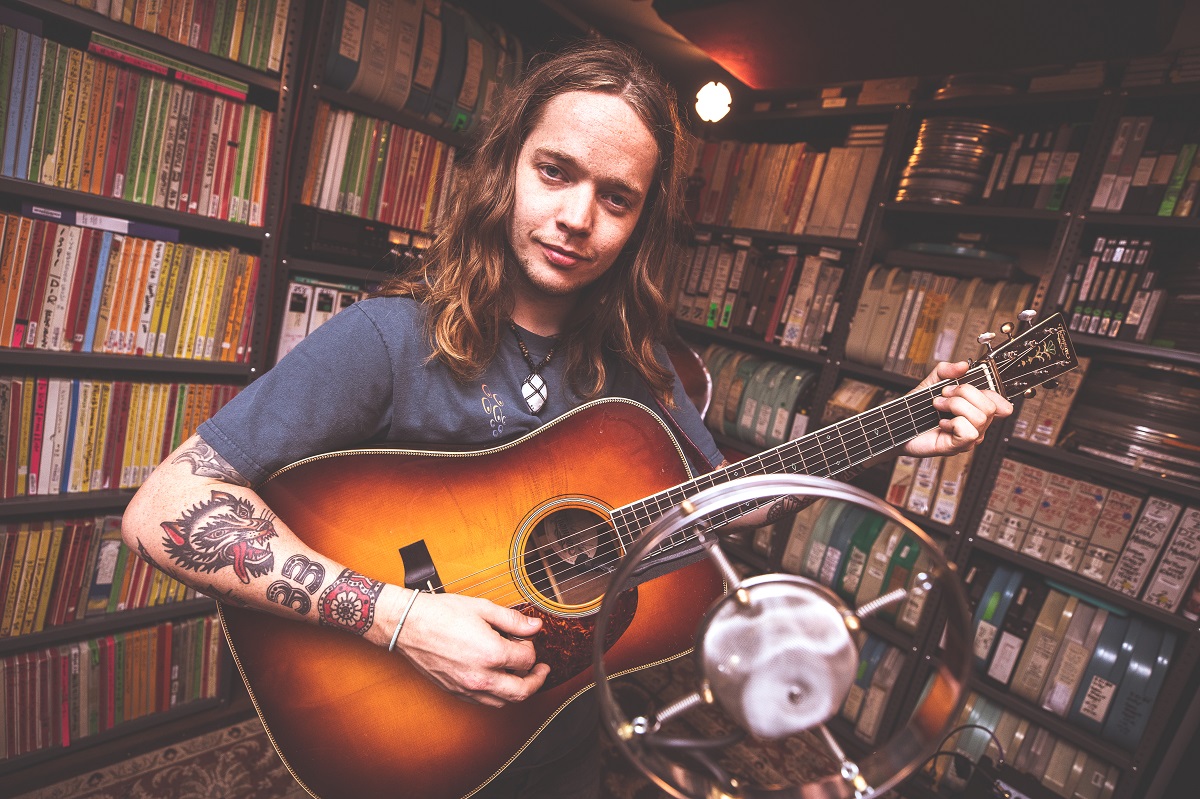
Billy Strings Brings Nine Shows from Five Nashville Venues to Your Screen

It’s rare for Billy Strings to play a show in Nashville. This month, he’s doing nine of them.

The reigning IBMA Guitar Player of the Year will be hopping from venue to venue as part of a livestream series that serves as a fundraiser for important organizations, as well as a reunion with his band. He’ll launch the series at Nashville’s newest venue, Brooklyn Bowl, for a pair of shows on July 16 and 17. The run concludes on July 26 at 3rd & Lindsley. (Get the details.)

“Those are my boys and I’m just lucky to play with them,” he says of mandolinist Jarrod Walker, banjo player Billy Failing, and bassist Royal Masat. “I haven’t been able to hang with them a bunch. We went from being around each other 24/7, for months and months and months on end, to never seeing each other, period. So I’m just excited to get back together with my band, and not only play music, but just to be with them, and hang out, and make jokes. I just love those guys, you know?”

With time off the road, Billy Strings says he’s been redirecting his attention to his other hobbies, including fishing and hot rods. Looking ahead, he’ll also compete for IBMA’s 2020 Entertainer of the Year – his first time nominated in that category. (He’s also the reigning champ in the New Artist category, as well as Guitar Player of the Year.) In between visits to the lake and the garage, he called in to BGS.

BGS: Do you think you’ll approach each of these nine shows differently?

Billy Strings: Yeah, we usually try to do that anyway with the set lists. Each show has its own set list and its own vibe. It depends on where we are and where we’re playing. When I write the set list, a lot of times I take into consideration geographic locations or famous people that may have lived around there. Anything like that I can throw into the set to make it relevant. So, yeah, for each show, we’re going to approach them just like we would in that way.

Also, we might cater to the specific venues. We’re playing the Station Inn and that’s a classic bluegrass place, so we might play a bunch of bluegrass that night. We’re playing Exit/In and City Winery and those are different vibes. City Winery can be our real classy, Frank Sinatra show, and at Exit/In we can get really psychedelic and rock out.

You’ll have an international audience tuning into these shows, so this is a chance for people who have never been to Nashville to see what it’s like. For those who may not understand the diversity of the music community here, how would you describe it to them?

It’s a big melting pot. Like you said, it’s very diverse. And there’s a lot of younger musicians that are on fire! Marcus King and Molly Tuttle and Sierra Hull… just so many people that are killing it. They all live around there. It’s a really great place to be as a musician. There are always people to make music with, and to pick with, and write music with. We’ll see if we can get a couple of guests to come down. Yeah, Nashville’s just crazy, man. You walk into the grocery store and you run into your favorite musician.

There’s money being raised through these concerts, and one of the beneficiaries is Backline, which supports mental health in the music industry. What is it about Backline that made you want to include them?

I, myself, personally have struggled with anxiety and panic attacks on tour, on the bus, on stage, and there’s a lot of people in the industry that suffer with the same shit. A lot of people may not speak out about it, or try to hide it, or don’t know who to look to for help. We just lost Jeff Austin and we just lost Neal Casal. There are a couple of other folks that are good friends of mine, that are traveling musicians that have been working so hard, and I think that has a huge deal to do with anxiety and depression.

I mean, when you’re in the limelight and you’re on stage and everybody wants to take your picture all the time, a lot of times it almost can be lonely. You never get any alone time and it can get weird. I know Jeff probably struggled with that. He told me about how he struggled being in the limelight and everybody critiquing his every move and everything he does is under scrutiny. That’s not a good place to be. …

The music industry can be really tough, believe it or not, for people who are on the stage and for people who are in the crews. There are plenty of organizations that help with that, whether it’s getting musicians health insurance or dental work or finding somebody a therapist. Backline is a huge, generalized hub where you can research and find all those different organizations and read about what is the right direction for you. You can even get with somebody on Backline and they’ll help you figure it out.

You also have the ACLU and the NAACP Legal Defense and Educational Fund as beneficiaries of this event. Why was it important for you to include them?

Well, because there’s a huge movement happening right now that I think is very important. Black people have been treated like shit, a lot, for a long time. And I just want to be on the side of history that is not an asshole. I got a lot of Black friends and my niece is Black. I’ve got family and friends and people that I love — and it shouldn’t even matter. …There’s a lot of miscommunication, a lot of divide, a lot of crazy shit going on in the country right now. I’m just all for love, man. I’m all for equality, I’m all for peace, so I wanted to donate a portion of the proceeds from these events to those organizations, just to help out.

Who are some Black musicians that influenced you?

Jimi Hendrix, definitely. Right off the bat. That’s the first guy I think of. He was amazing. Mississippi John Hurt, you know, he was a huge influence on Merle and Doc Watson. That’s who I grew up listening to, and I heard all that Mississippi John Hurt flavor in Merle Watson’s playing. That comes from the blues, the Delta blues. It goes on to Muddy Waters, B.B. King, all those cats. James Brown, come on!

I mean, without Black music, would there even be rock ‘n’ roll? I don’t even know if there would be bluegrass! Bill Monroe learned the blues from Arnold Schultz, a Black man who got him his first job. If you think about “bluegrass” – the word “blue” is in there from the blues. It’s got blues notes in it. A lot of bluegrass is just fast blues. And that’s Black music. Arnold Schultz taught Bill Monroe about that, and then he incorporated it into his music. All the music that we’re all inspired by has roots in Black music.

You mentioned Doc Watson, and of course he was loved by the folk community and the bluegrass community. Did folk music influence you, coming up?

Yeah, I think there was a point where I really got turned onto Bob Dylan and his lyrics. A lot of the old songs that I grew up playing is considered folk music. The Carter Family stuff and a lot of the Doc Watson stuff. …My friend Benji’s family used to have these gatherings, like family reunions, where they would all play bingo. I went to one of those and won a bingo, so I got to go up to the table and pick a prize. And I picked Blonde on Blonde. …I started really getting into those lyrics and all of those words.

That’s where I started realizing, OK, I like Doc Watson a bunch because he’s such a beautiful guitar player and singer, among many other reasons. Bob Dylan does what Doc Watson does on his guitar with his words. … And then I got into John Hartford really heavy, and if you listen to John Hartford’s early music, man, it is some of the most lyrically proficient stuff you’re ever going to hear! It’s amazing! There’s that old saying, “Three chords and the truth.” I really think there’s something to that. A lot of those old folk songs are so simple, but what they’re saying is so real that it cuts you.


Photo credit: Jesse Faatz
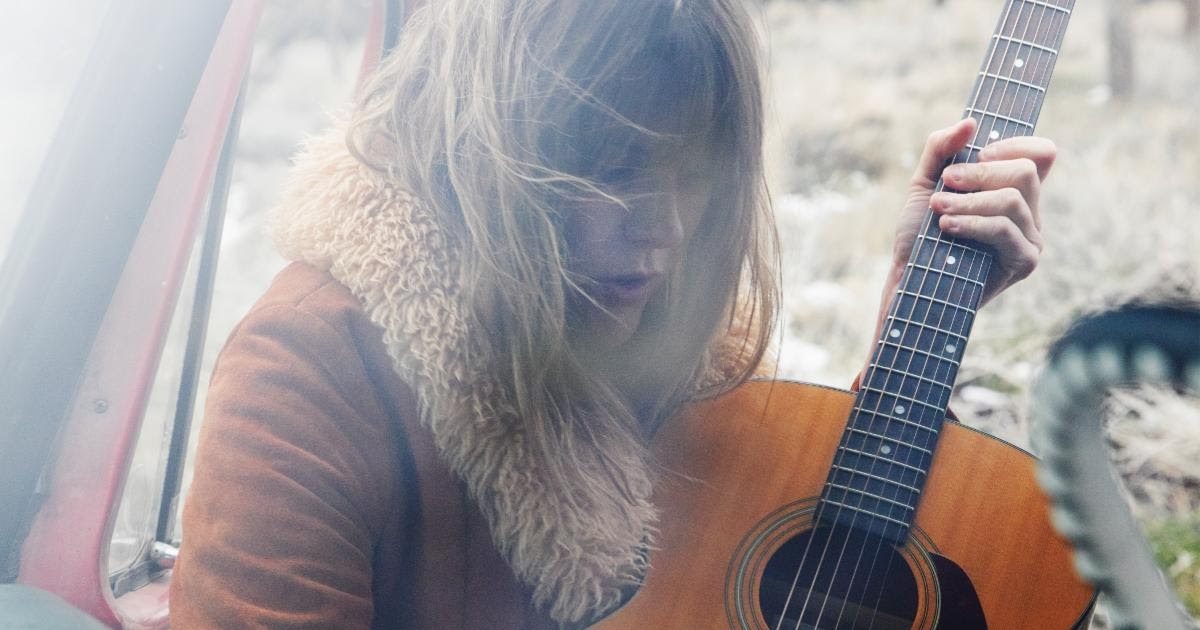
LISTEN: Grace Potter, “Eachother” (Feat. Jackson Browne, Marcus King, & Lucius)

Artist: Grace Potter (Featuring Jackson Browne, Marcus King, and Lucius)
Single: “Eachother”
Release Date: May 22, 2020
Label: Fantasy Records

In Their Words: “The chorus of the song just kind of exploded out of my heart all at once. It was about five days into the quarantine, and I had just gotten off the phone with a friend who was having a really tough time with the isolation. I was in our living room, watching my son and husband fixing our broken train set and found myself flooded with an overwhelming sense of gratitude and contentment. The onset of COVID-19 was a shock to humanity’s system and has brought on so many reality checks. We may not all be affected in the same ways, but we are all going through this pandemic together as a human race. It is incredibly humbling. It’s invited me to really take account of the things that matter most, which aren’t things at all…they’re people.” — Grace Potter


Photo courtesy of Fantasy Records

BGS Long Reads of the Week // May 1

It’s gonna be… May! Welcome to a new month of long reads, where each week we look back into the BGS archives for some of our favorite content from across the years. If you haven’t yet, follow our #longreadoftheday series on social media [on FacebookTwitter, and Instagram] and as always, we’ll put all of our picks together right here at the end of each week.

Our long reads this week are southern rock and blues, bluegrass and rock and roll, Americana and country, and a dash of… hard-to-put-a-finger-on-it, too. Read on:

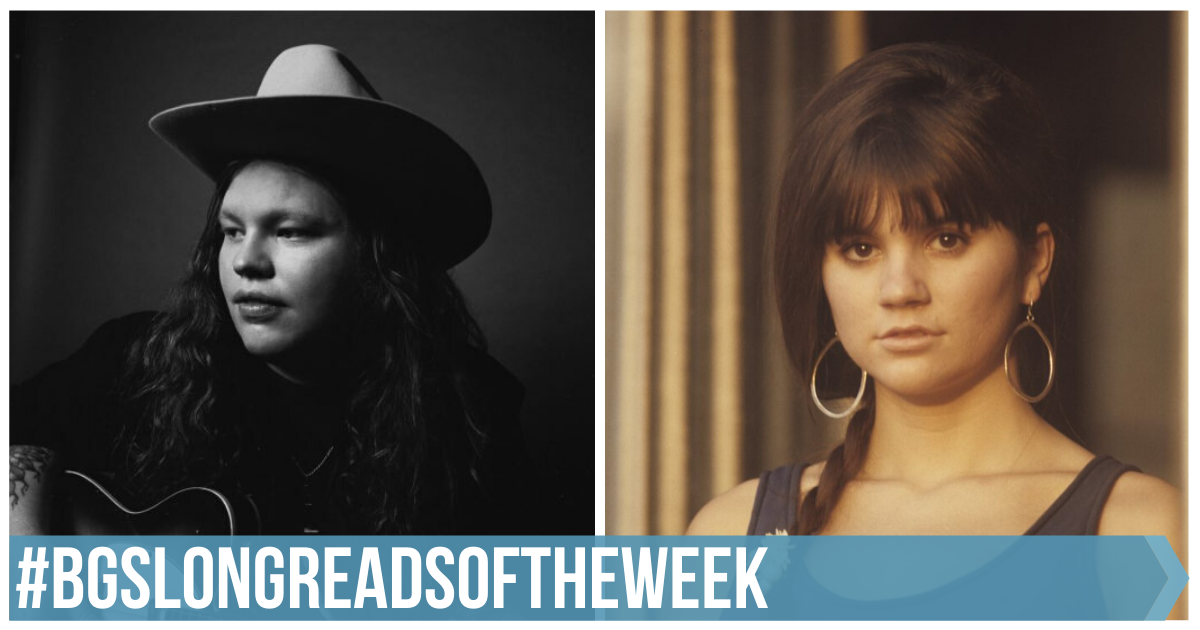
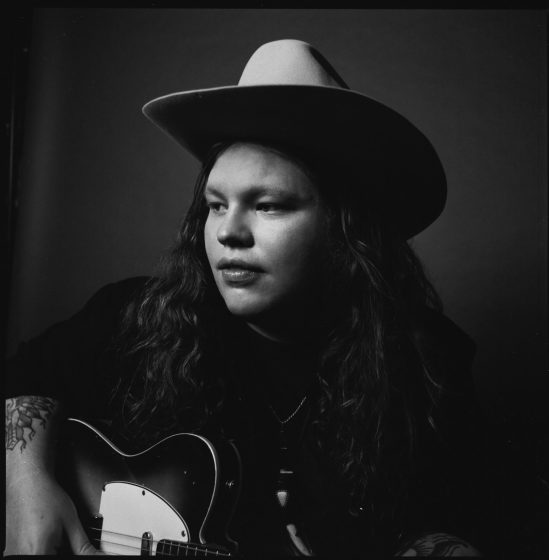
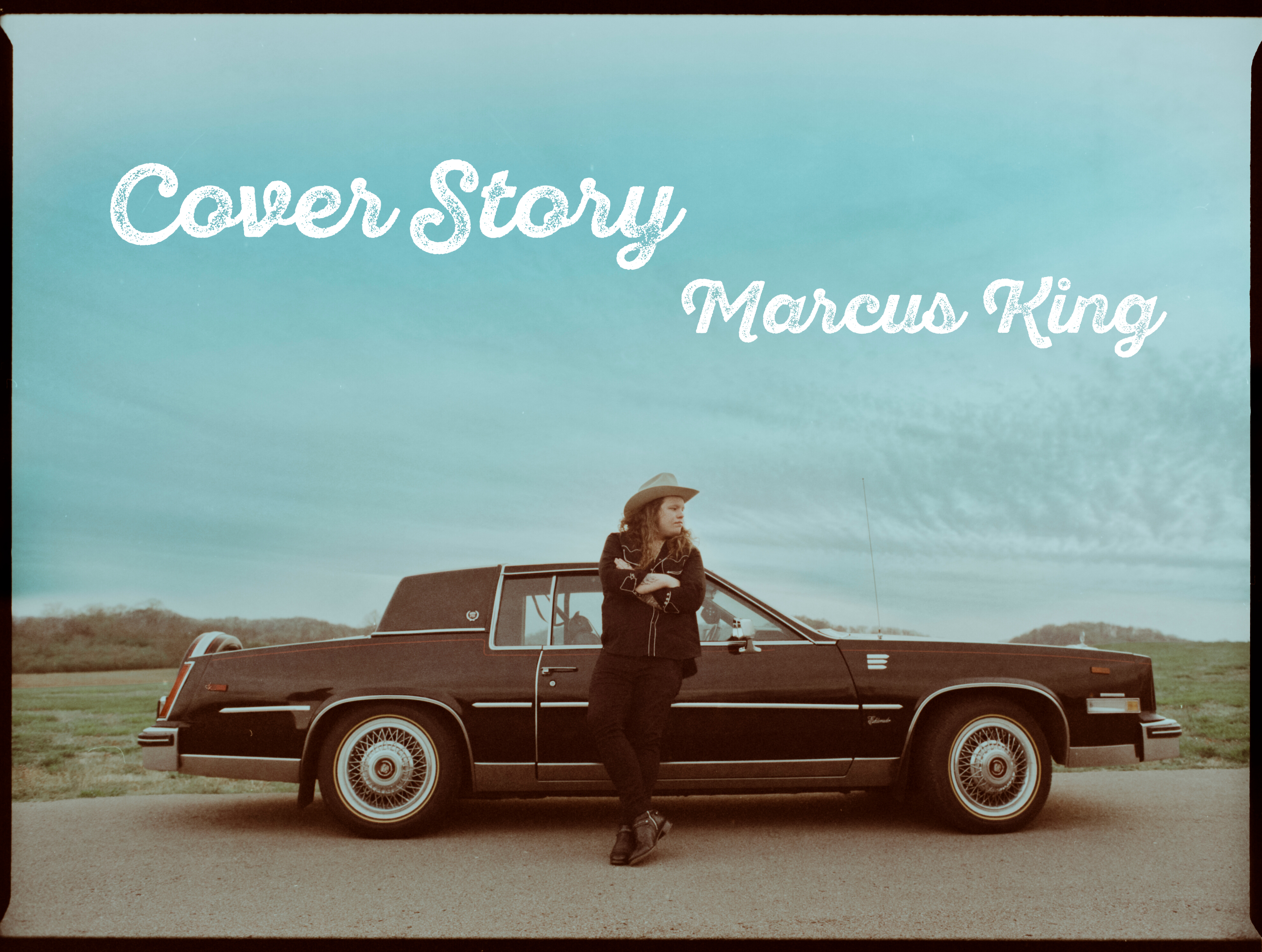
Marcus King: A “Young Man’s Dream” Come to Life

A cover story from earlier this year, our conversation with 23-year-old singer/songwriter/guitarist Marcus King digs deep into the creative processes that shaped his debut album, El Dorado — his first project outside of his critically acclaimed group, The Marcus King Band. With Dan Auerbach producing and an absolutely stacked roster of studio musicians, the project came together “on the fly,” yes, but that turned out to be a pretty natural pace. [Read the entire interview]


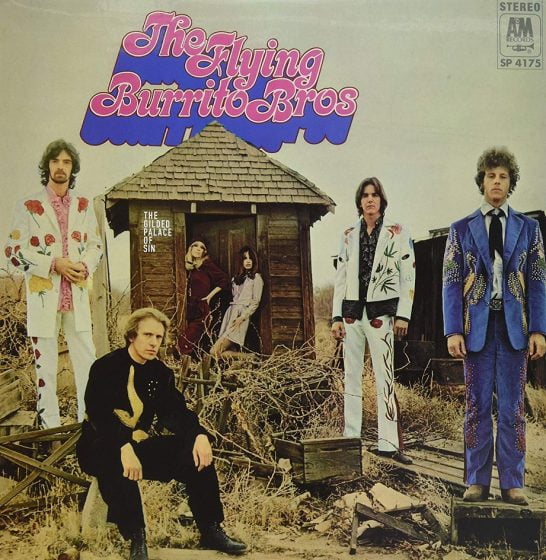
Canon Fodder: The Flying Burrito Brothers, The Gilded Palace of Sin

Given the canonization of Gram Parsons over the last few decades, as well as the gradual breakdown of genres and styles over time, it’s easy to forget just how contrarian it would have been for a West Coast rock band to embrace country and bluegrass. But that’s exactly what the Flying Burrito Brothers did. This edition of Canon Fodder explores their first album, The Gilded Palace of Sin, which despite its near-flop at the time of its release is perhaps their most important work. [Read more]


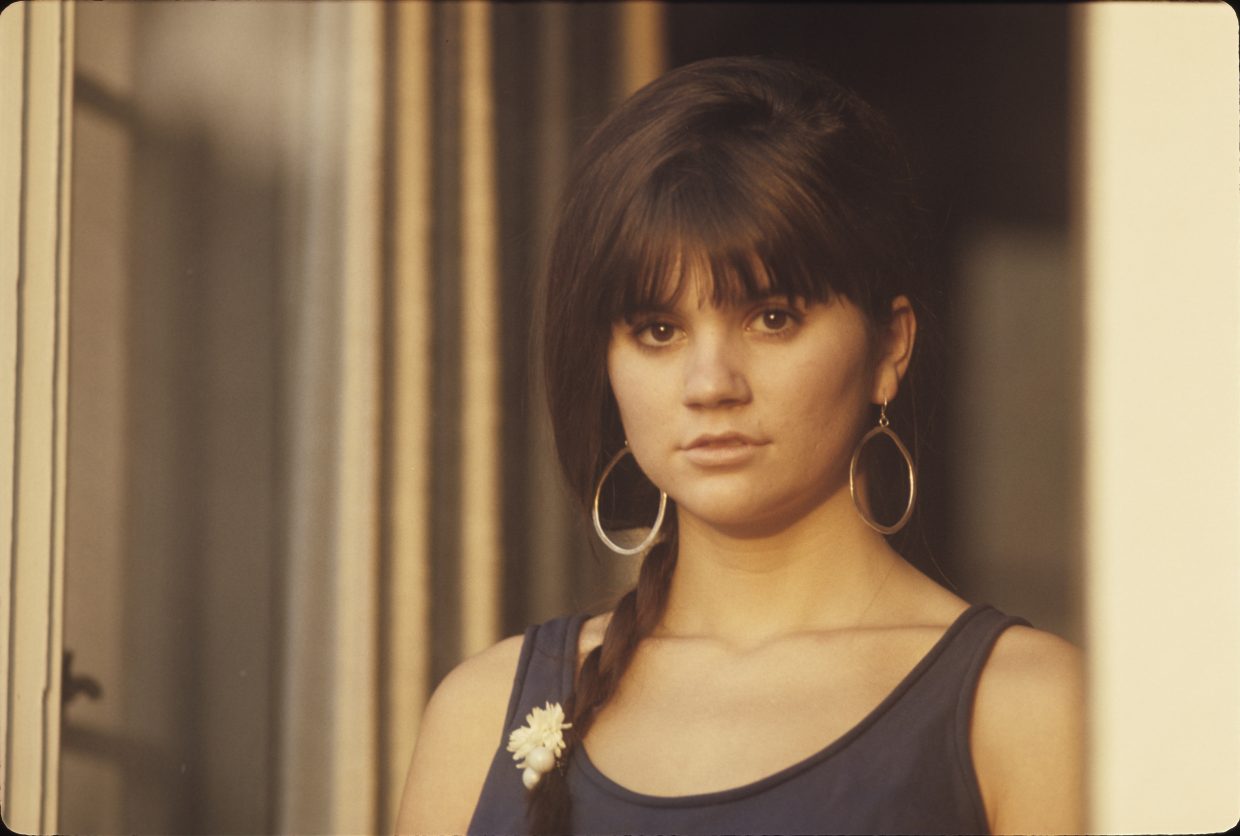
Linda Ronstadt Talks Bluegrass

One of the most important vocalists/artists in rock and roll and popular music over the last century, Linda Ronstadt also knows a thing or two about bluegrass — as evidenced in this 1996 interview from Bluegrass Unlimited magazine. We pulled this fascinating article out of the BU archives to commemorate the release of the documentary film, Linda Ronstadt: The Sound of My Voice last year. It’s a two-parter, so we spread it out over a couple of days this week!
[Read part one] [Read part two]


John Moreland Figures out How to Love Music Again

Turns out there are drawbacks to any career – even when it’s your dream job – and you can confirm that with dark-folk and Americana favorite, John Moreland. The Oklahoman singer/songwriter released his latest album, LP5, earlier this year. The project surprised some listeners by exploring new sonic territory for Moreland — new territory that revived the spark that got Moreland into writing to begin with. [Read our conversation]


Marcus King: A “Young Man’s Dream” Come to Life

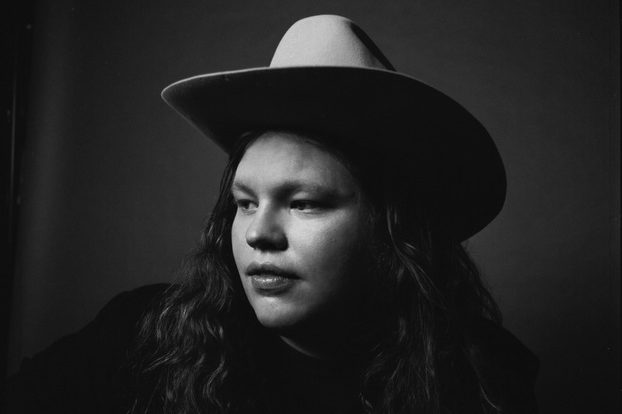
A first encounter with Marcus King’s voice is nothing short of wondrous. The 23-year-old singer/songwriter/guitarist functions less like a singer and more as conduit for raw emotion, his dynamic, melodic singing grounded in soul, rock and roll and a preternatural sense of musical intuition. To boot, he is also one of our best young guitar-slingers, wowing legends and fans alike with his emotive, inventive take on modern, electric blues music.

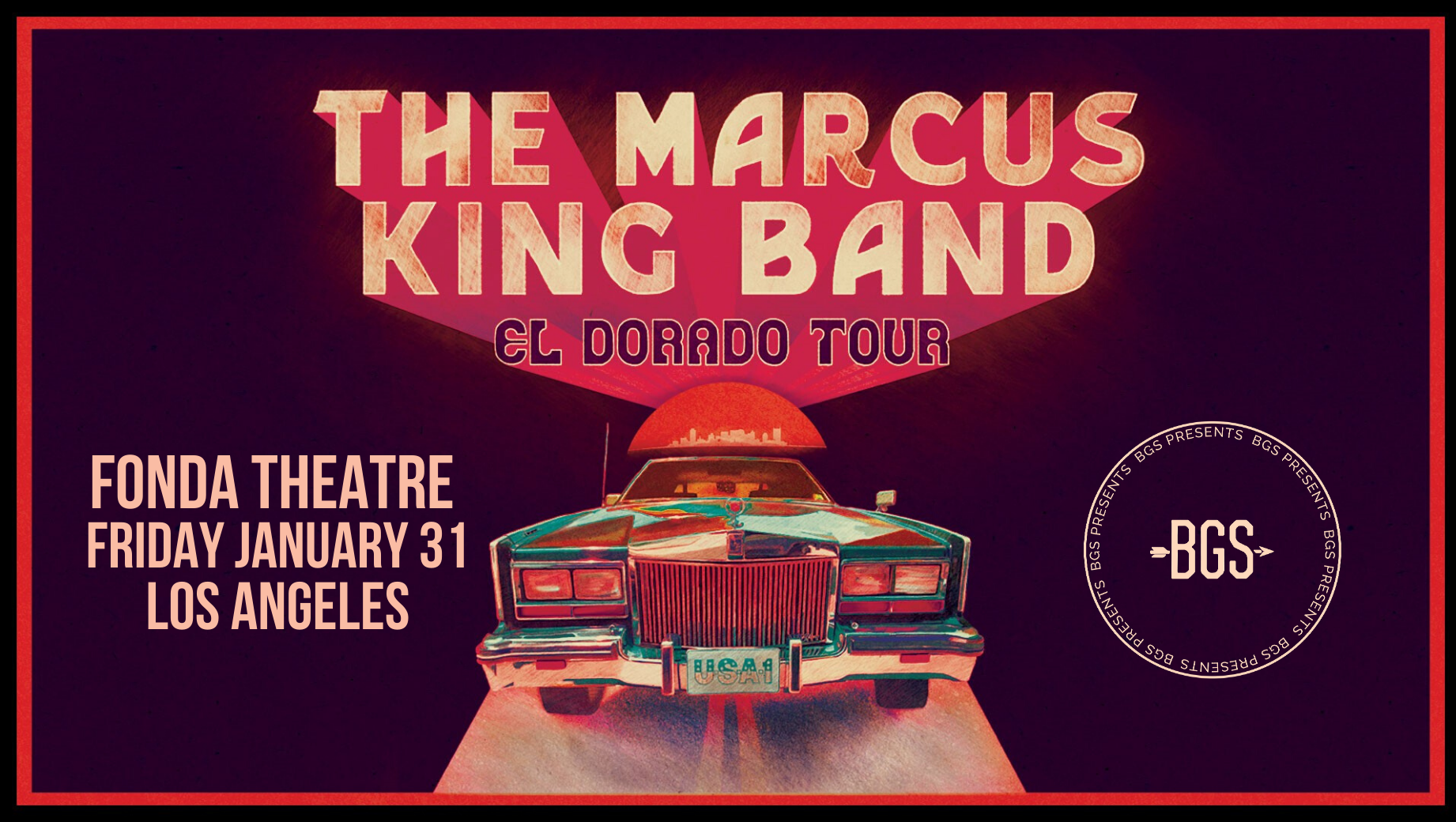
On January 17, King released his first solo album, El Dorado. Produced by Dan Auerbach, it marks the first time King has offered a full-length project outside of his critically acclaimed Marcus King Band; accordingly, the project feels particularly intimate and honest, with King reaching new heights as not just a singer and player but as a storyteller and lyricist.

BGS caught up with King as he was getting ready to perform on Jimmy Kimmel Live to chat songwriting, working with Auerbach, and how it feels to strike out on his own.

BGS: It’s only been a couple of days since El Dorado released. What have the last few days been like for you?

MK: Man, it’s been a bit of a circus. But I always liked the circus when I was a kid. So it’s working out fine.

You had a couple of release shows in Nashville on Friday, too. What was it like getting the new music out to people?

It’s fun, man. Those solo acoustic shows can be a little nerve-wracking, just because there’s no one to share with. It’s a lot more vulnerable. I feel a little exposed during those, in a way. But it makes it that much more gratifying, you know?

Was there a particular song or idea you were kicking around that made plotting the album click into place for you?

It all started with “Young Man’s Dream.” We wrote that two years ago, almost to the day. It was right before I was going in to do [the Marcus King Band’s 2018 album,] Carolina Confessions. We already had plans to work with Dave Cobb, which was a surreal experience. Before that, Dan Auerbach reached out and asked if I could come do some writing sessions with him. I jumped at the chance. That’s the first tune we ever wrote together, “Young Man’s Dream.” Then the theme fell into place for this to be a storytelling album, a coming of age story.

Given that you and Dan had written that one song together and felt strongly enough about it to do this entire project, what would you say makes your creative partnership with one another so special and fruitful?

Working with somebody is a really intimate relationship. Writing is really personal. I had never really co-written before, and Dan was really particular about who we brought in to write with me on this record. He and I were able to write together two years ago and continue to do so over the past couple of years. Our friendship and our writing partnership led to a very organic process in the studio. Writing together [for the first time] is really kind of like a first date. It’s a little awkward and you really have to bare your soul and hope you don’t freak anybody out.

To that point, when you are writing, how heavily do you draw from your own life? Are you the kind of writer who puts it all out there or are you more inclined to share your personal experiences through metaphor and more universal stories?

I pull directly from my personal experience, because I feel like that’s what I want to hear from a writer and from my favorite singer/songwriters. I love a good metaphor and all, but I really enjoy the personal experience you can hear behind the words, and their conviction. If I like a song it’s because I feel a personal kinship to that music. On this record, everything we wrote came from personal experience.

With further regard to your songwriting, you’re such a dynamic, melodic singer. When you’re writing the vocal parts of your music, do you tend to have a melody first or a lyric first? Or does it vary song by song?

The melody comes first for me. Especially if I’m working with a keyboard player, like Bobby Wood, who played on the record. He comes up with these really beautiful, gorgeous parts and I’ll just start humming, and hum more and more until it starts to form words. I just allow my soul to fill in the blanks, as to what those notes are trying to say. I’ve found that to be a pretty different way to approach it, but it’s fun.

When you get to the point when you’re ready to record a song – and I know y’all recorded this album particularly quickly, over just three days – when you go to record a song, do you have a note-by-note sense of what you’re going to sing or are you more likely to follow your instinct, particularly with regards to ad-libs and runs?

It’s mostly on the fly. The only time I would ever change it would be if Dan and I thought it should go a little differently. Then I’ll go back and fix it.

I actually ran into someone last night and they complimented me and said there were a lot of well-thought-out [guitar] solos on the record which, to me, is shocking to hear, because I can’t write a guitar solo or a vocal melody. It just comes. It’s a natural thing. To me, that’s against what I know. I was almost offended – I wasn’t actually offended, obviously – but you know that’s my whole approach to the record, to free it up melodically.

You touched on this a minute ago, but you had an incredible roster of players who joined you in the studio while you and Dan were recording. What was your time together like?

The whole reason we work so well together is that their work ethic and mine really align. The only time I have to wake up early is if I’m working on new music or I’m working on something really important to me; otherwise I’m a late riser. On this record, I would get in around nine and all the cats would already be there. They’re all in their late seventies and early eighties, so they all get up at sunrise. They’d already have had their coffee and would just be waiting on me to get there. We’d get to work around 9:30 and go until 9:30, 10 at night.

Given that they’re all such seasoned players, did you give them free reign to write and play their parts, or did you have a firmer sense of what you wanted each player to do?

We had our work tapes of the writing sessions. We’d play the tape for them and they’d write their charts and give us the chart. We’d play the song and that would be the take. Everyone is writing their own parts on the spot, you know? It’s really a beautiful way to record. The stuff that comes out that way is really beautiful. Everyone added their own part and I never had any notes. The only note I had was at the end of “Wildflowers & Wine,” the outro is a little different. I recommended that change. That’s the only little note I had. Otherwise it was all great.

We touched on playing these songs live solo at the beginning of the conversation, but you’ll have your band out with you on the road in support of the album. What are you most looking forward to about playing these new songs live?

I’m excited to showcase it to people in a way that they’ve never heard it before. I always like to talk about the importance of having a studio version and live version. I think having the live version sound exactly like the studio is almost a farce. We stay true to form; we aren’t going like Radiohead with completely different versions. But we add more improvisation and play a bit with the structures of songs. We also have two horn players, so the songs have a different vibe. Why would someone want to leave their home and come all this way to hear it exactly the same? I like to offer up something different, you know?


Photos: Alysse Gafkjen

LISTEN: Marcus King Takes on Tough Times with Blues Guitar in “The Well”

Marcus King has a voice that’s made for the blues, with a story to match. An undiagnosed bipolar disorder and the death of a close friend at 13 deeply affected him, so he turned to music to cope. At 23 years old, he’s been playing professionally for half of his life. His incredible gift as a guitarist has led to appearances with Chris Stapleton, at Crossroads Guitar Festival, and even on the Grand Ole Opry.

These experiences have led him to “The Well,” his latest single. “When you have a $70 check go bad, you know times are tough,” King tells Rolling Stone. “’The Well’ for me symbolizes the source of all my influences. It is everything that has happened to me to make me the man I am today.”

Dan Auerbach produced King’s upcoming album, El Dorado. Set for release on Fantasy Records in 2020, the 12-track project was written and recorded at Auerbach’s Nashville studio, Easy Eye Sound, with legendary songwriters including Paul Overstreet, Ronnie Bowman and Pat McLaughlin.


Photo Credit: Alysse Gafkjen

WATCH: Marcus King, ‘The Man You Didn’t Know’

Artist: Marcus King
Hometown: Greenville, SC
Song: "The Man You Didn't Know"
Label: Evil Teen Records

In Their Words: "Walking into the Big House, there's an energy that overcomes you. Playing Duane Allman's Hummingbird was certainly a spiritual experience for me. I felt compelled to play a tune I recently wrote, 'The Man You Didn't Know.'" — Marcus King


Photo credit: Jay Sansone