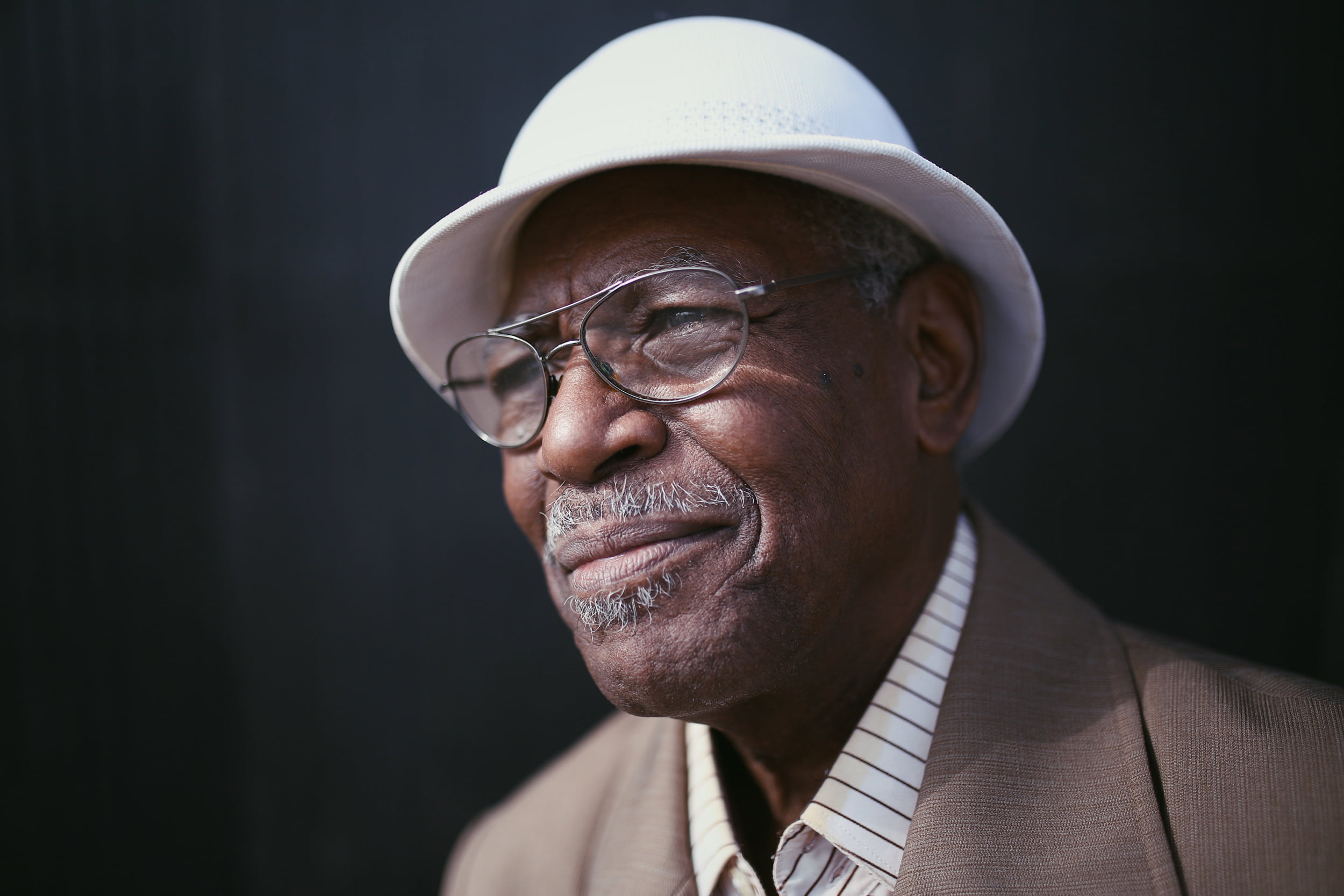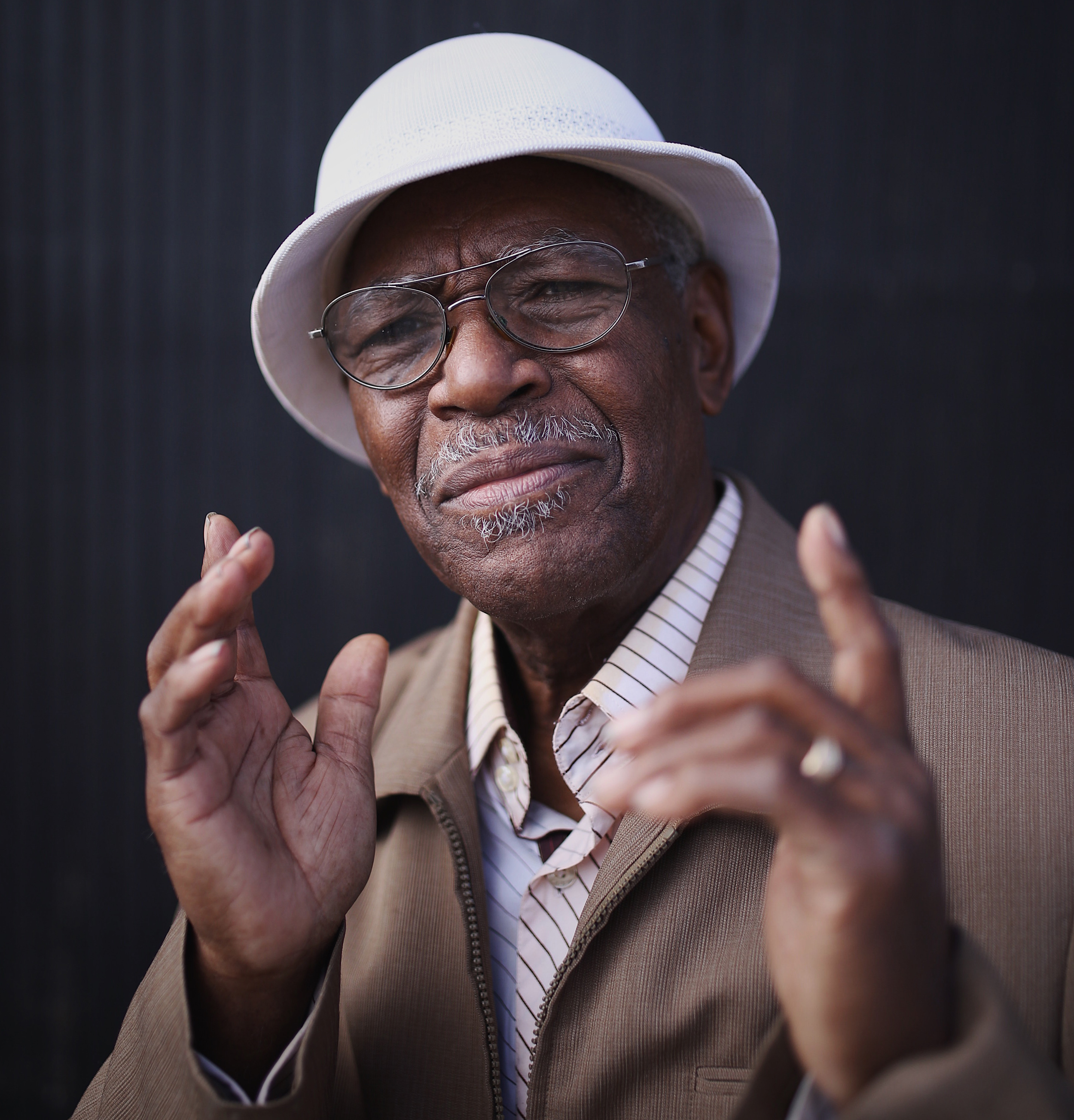
Counsel of Elders: Don Bryant on Second Chances

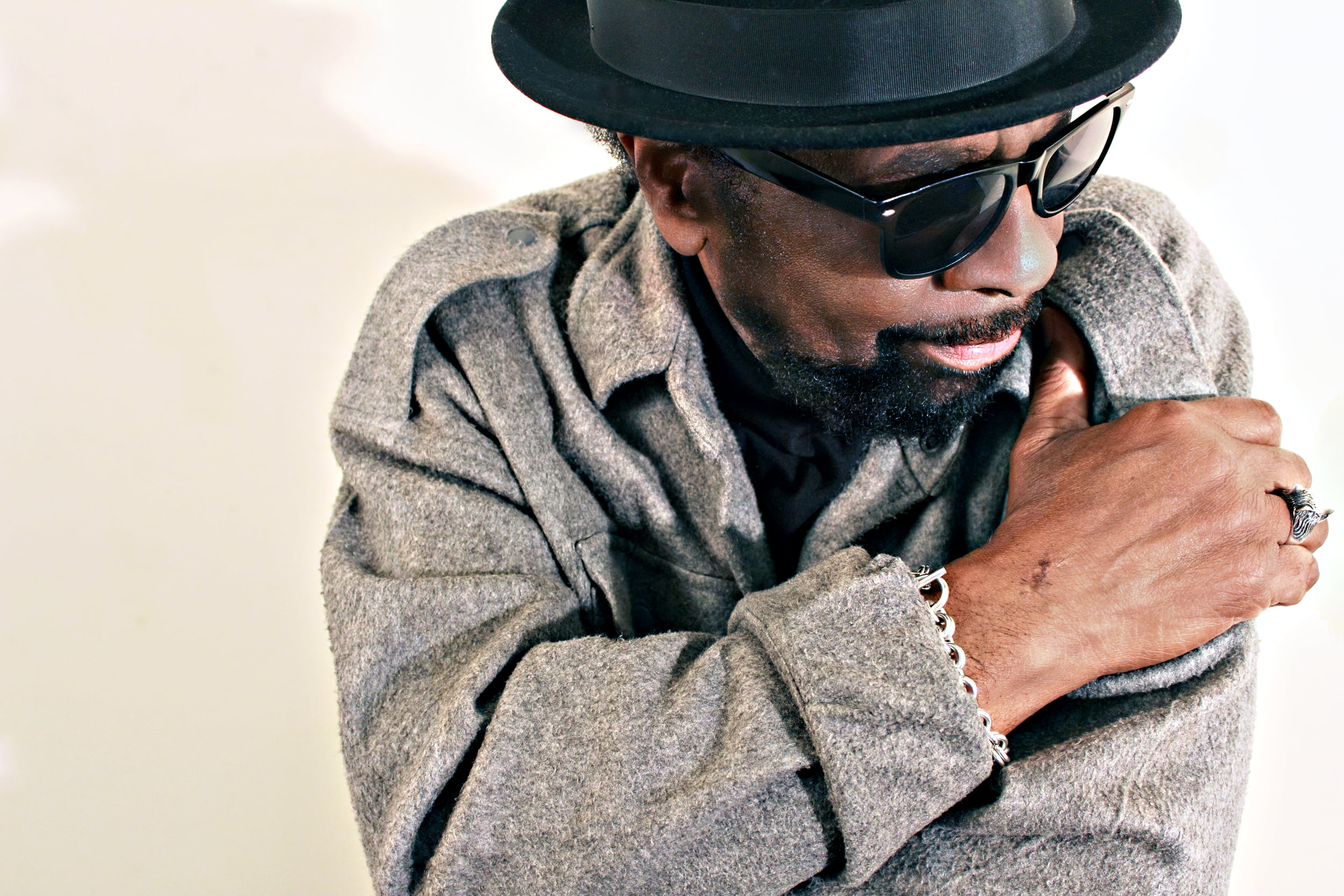
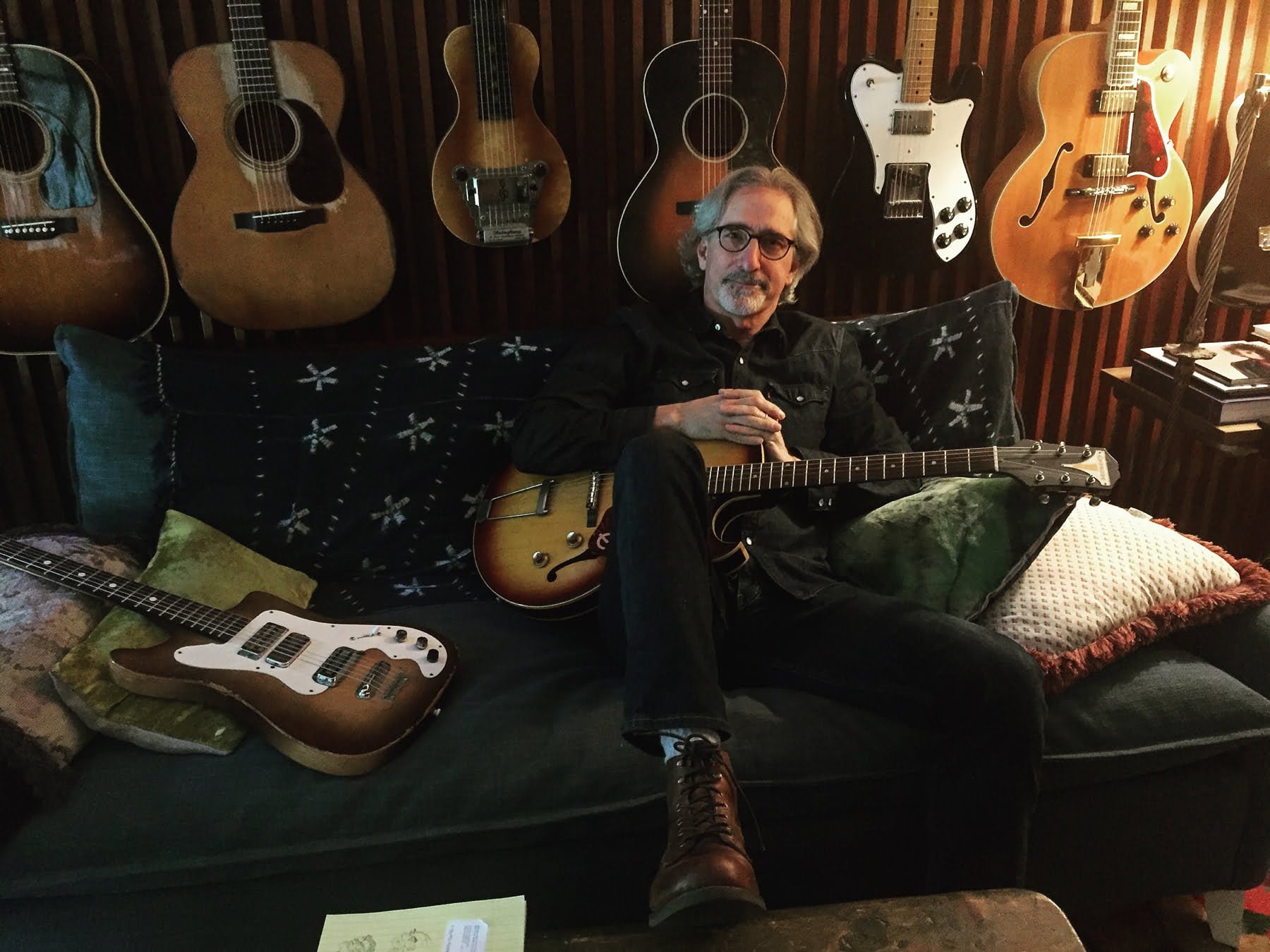
What’s the time limit on second chances? Don Bryant is learning that it really can take a lifetime, or at least a few decades. Since the 1960s, the Hi Records songwriter has been putting pen to paper for other people’s voices. Label owner Willie Mitchell recognized his talent and tapped Bryant to help keep churning out the hits in the late ‘60s and early ‘70s, contributing to the catalogues of the “5” Royales (“I Got to Know”), O.V. Wright (“I Can’t Take It”), and Etta James (“A Love Vibration”). And then, of course, there were his many collaborations with Hi Records signee Ann Peebles. The two co-wrote their most famous single, “I Can’t Stand the Rain,” one year before they married in 1974. But Bryant also has a talent for singing and, at 75 years old, he’s getting the chance to showcase his own voice.

Bryant released his second album, Don’t Give Up On Love, this year via Fat Possum Records. It follows his 1969 release, Precious Soul. If 48 years seems like a long time to go in between projects, it only allowed Bryant to marinate. He never stopped writing, and he certainly never stopped singing. He simply chose less public platforms to share those two gifts. For his latest project, Bryant reunited with Hi Records players, like drummer Howard Grimes and organist Charles Hodges. Their resultant joy cannot be contained. Each song plays like old friends having an absolute ball together. “I couldn’t have scripted it no better,” Bryant says. “That’s why I’m embracing it so much and enjoying it so much.” Besides covering O.V. Wright’s “A Nickel and a Nail,” and recording his version of the song he originally wrote for the “5” Royales, “I Got to Know,” he touches on subjects including love, jealousy, cheating, and what lies beyond. On “How Do I Get There,” Bryant digs into his gospel side, growling runs and all, to pose a rhetorical question: If the afterlife is really paradise, then what do I have to do now to get to then? The song feels plucked from his best session writing days at Hi Records, offering listeners a transporting and transformative experience. Don’t Give Up On Love, then, is less an album about second chances, and more a celebration of restitution. If patience is a virtue, then Bryant’s virtuosity has yielded a soulful answer.

People have been describing your new album as a second chance, but it feels closer to restoration.

It does, because I never stopped singing. I was doing some gospel things, and getting in touch with my spiritual side. Music and singing have always been my life, since I was a small kid, so I’ve been enjoying it, even if I just sing to myself. And write songs. I’ve been writing, too! I enjoy putting down demos for myself. I never know what’s going to happen with them, but just put ‘em down because they’re there.

In a way, it’s like practicing. You do it enough and, eventually, you’re called up to the big stage.

Look at that! Who would’ve known?

What is the soul man’s role in the 21st century?

I feel that there are still a lot of people that love the music and enjoy the music, but we’re not getting a lot of [soul] right now. That was one of the main reasons I embraced doing this album. Some people had confidence in saying, “Hey, it might work.” There are so many people that still love the R&B field and, according to the crowds that I’ve performed before, it seems like they love it just as they did then.

The soul man has been an uplifting force throughout history, but there’s often an important message that accompanies that presence, which you’ve been able to tap into. And we need it more than ever!

Oh, yes. I think that was one of the reasons I was writing those songs [on Don’t Give Up on Love]. I feel that we need them. I had no idea how I would be able to get them done, or what have you, but they keep coming. I got to write them down.

Does it happen in one go for you, or do you have to come back to the table a few times?

Sometimes I do, because sometimes I only get a title. Then it takes time to examine that title and the different ways it’s been said. Is it possible to say the same thing in a different way and get a great feel on it?

Was “How Do I Get There” an instance of getting a title first?

Well, to tell you the truth, it was one of those writing spells that I had. When I’m in one of those situations, and the title or something comes to me — I don’t know if it’s an automatic thing — I start searching what I’ve heard, what I’ve seen, what have you, to add to this equation to be able to write a song that will reach more people. I’ve talked to people about that situation, and a lot of them had questions. The question was the main thing: How do I get there? When the title hit me, I just started looking for different directions to go in, and once I gathered it in my head, it didn’t take me long to write the song.

It’s gorgeous. It’s funny how beautiful things sometimes come so quickly.

That is so true. And I’m so glad and thankful that it’s still happening to me. It don’t take much to just get off into something. Even with the songs that I wrote for the new album — Scott Bomar told me, “Hey, we need to write some for this new album” — the light came on! Everywhere I went, I started hearing things. Bands playing and maybe a phrase they used would trigger something in my mind. It’s a beautiful feeling.

It’s got to be. I think there’s a certain kind of receptivity writers have, so how do you keep yourself open to ideas? It’s easy to get tired and stressed out, and you’ve certainly experienced personal tribulation.

Well, that’s my free space. You know what I’m saying?

Yeah, a place to work it out.

I can be there and, at that moment, regardless of how long it lasts, the rest of the [stressful] things are not taking advantage of me. I can sit it on the shelf for a minute and get off into something that I enjoy doing, and it compensates for all those rough times that you think about.

You need that outlet, otherwise it would all be rough times.

Definitely so. And to me that’s always been one of my outlets, to be overly involved in writing songs. Sometimes I might write two or three different versions of a song before I’m finished with it, and then put the chords to it and, the majority of the time, the chords and everything come along while I’m doing it. It’s just a beautiful feeling.

So what happens to that second or third version?

I hold on to it! There’s something in there that I might be able to use on another song. I don’t ever throw it away. I’ve got a catalog of unfinished songs.

If you ever wanted to release those …

Stop putting ideas in my head! It’s beautiful, though; I enjoy it. There are some things that I need to get off my mind.

You’ve mentioned how you wrote this album with Ann in the back of your mind and it’s dedicated to her. Turning to your song, “Don’t Give Up On Love,” it’s a striking number coming at a time when it’s harder for people — especially in my generation — to invest in one another. They want things to come fast and easy.

[Singing] “When I fall in love, it will be forever.” We’ve had a beautiful life; we’ve enjoyed each other. It’s had its ups and downs, but we’ve really enjoyed each other. She was there in the studio with me, and she was boosting me along and giving me ideas when I was recording the album. It was very important to me. You don’t find it all the time, and everybody don’t find it, and I’m thankful that I found it.

That is such a blessing.

It’s a blessing. I’m trying my best to hold on! And then there’s just so much, even after all these years. Everybody’s going to have problems. There are ways of getting beyond problems without a whole lot of commotion. You learn these things as you get on in life. I want to apply these things rather than move in the other direction.

Was there ever a single piece of advice you received that helped you in your relationship?

Yeah. “Don’t give up on love.” [Laughs] That’s the main thing. Love eliminates a whole lot of stuff. A lot of different things happened: I seen a lot of my brothers and sisters give up because this happened and that happened, and they didn’t want to go no further. But, I mean, in life, things are going to happen that you don’t like. I don’t care whether you’re in love or out of love, sometimes you just have to brace it and go on because that’s not the end.

It can seem like it, in that moment.

It can, but hey, “This too shall pass.” I can say [Ann and I] still enjoyin’ each other because we got so much in common. The music thing we got it in common, the way we came up — the big families. I think there were 11 in her family and 10 in my family. It took time for us to find those things out.

Of course. It’s a process, years in the making.

And through it, we were able to help each other.

What prompted you to cover O. V. Wright’s “A Nickel and a Nail”?

I don’t know. That has been one of my favorite songs, ever since he recorded it. I love it, and I used to just walk around singing it. It brought back memories of when that was going on as a kid, with a nickel and a nail, and the other kids around. [Laughs] You could jiggle that nickel and a nail and they’d think you had some money in your pocket. [The song] said a whole lot to me. I don’t how much it said to other people, but it said it a lot to me. And O.V. had such a voice, it was hard to duplicate his voice.

Were you trying to duplicate him or find your own way?

It was a mixture of both. There were some phrases he did that I don’t think nobody else could’ve done any better.

Speaking of memories, when you were recording with Charles Hodges and Howard Grimes, what did that unearth?

Well, I’ll tell you what, it was just like being back home again. Everybody had such a joyous mood to be able to come back together and do it again.

You can hear it on the album!

It was great. Everybody enjoyed it. Me, most so, because I’m standing there saying, “Hey, this is me.” I’m really getting another opportunity to do this and I’m so thankful that I’m able to do it. It’s time for me to enjoy it: Embrace it and enjoy it.

I love that. It seems there are not many opportunities to really be yourself in a public way.

That’s so true. This is me. It’s been me for a whole lot of years. I don’t know if there’s anyway to top it, but we will see.

You’ve set the barometer for yourself.

I’m not worried about that. I’m just sitting here and working on enjoying that one right now.


Photo credit: Matt White

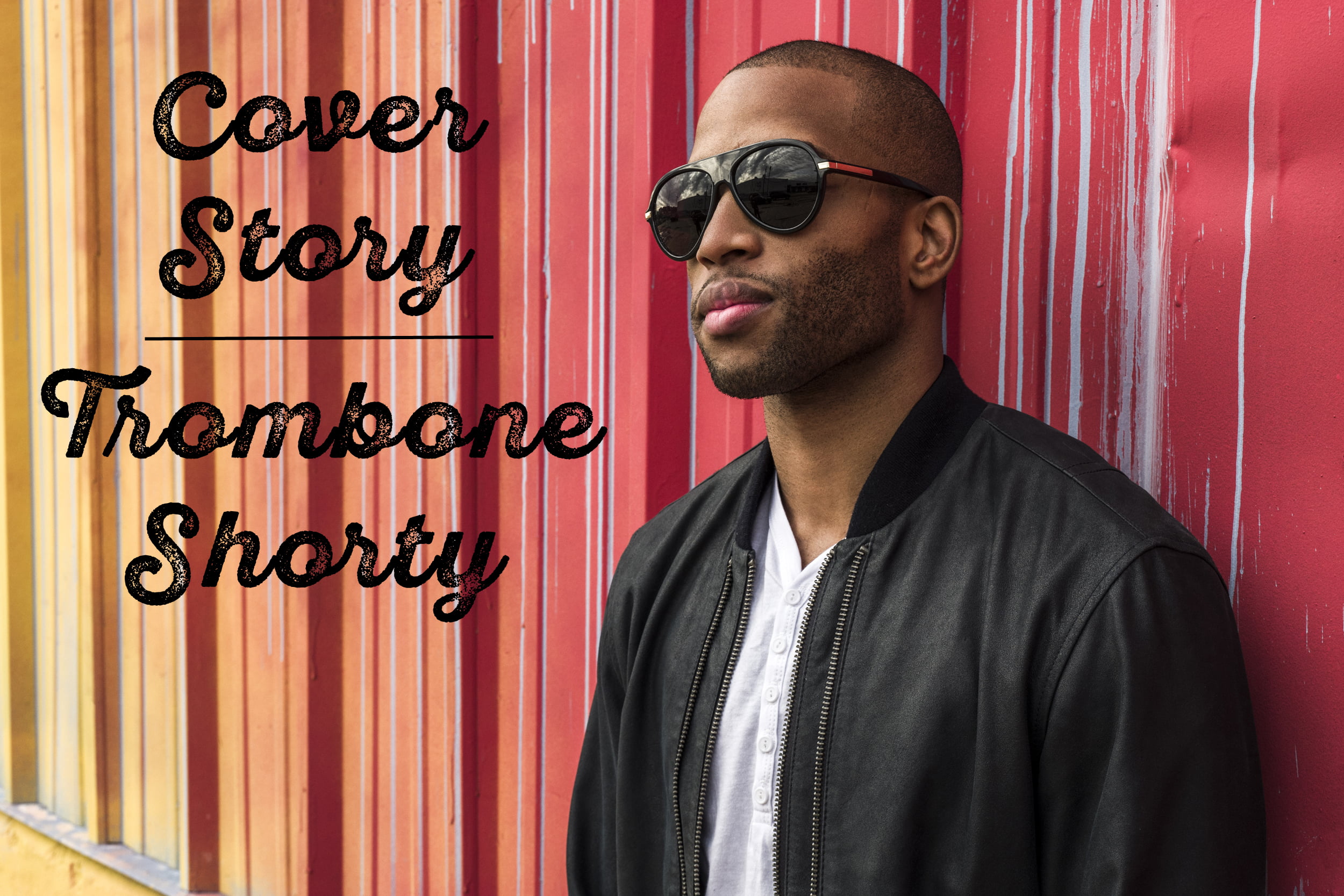
Keeping the Culture Alive: A Conversation with Trombone Shorty

If recent reports are to be believed, New Orleans has usurped Las Vegas’s drunken, fluorescent-pink crown as the go-to spot for bachelorette parties. Gaggles of girls trouncing down the Tremé sporting satin bride-to-be sashes are not an uncommon sight, as brash replaces the sound of brass that defined the city that Troy Andrews, known to most as Trombone Shorty, grew up in. Like everywhere with a deep and steely soul, gentrification has landed, bee to flower, and Andrews, who became a bandleader before most children had their training wheels removed, is intent on keeping that spirit alive: but in a way that makes sense for the modern world, not despite it.

On Parking Lot Symphony, his newest LP, Andrews collaborates with everyone from members of Edward Sharpe and the Magnetic Zeros to Aloe Blacc, and has previously shared the stage with country, rock, and pop greats — including Dierks Bentley, Red Hot Chili Peppers, and Madonna, to name a few. There’s a lot of arguing these days about how to best ensure that music keeps thriving in a bachelorette party-inundated, streaming- and synth-heavy world, and Andrews’ school — one that fuses R&B, jazz, blues, and big band — is the type to actually keep the art of song cogent. It’s full of tradition but never once traditional, rich in talent and technique, but never trying to fly out of reach.

The title track, written with Alex Ebert of Edward Sharpe and the album’s producer, Chris Seefried, is this dichotomy in action: It’s slick and funky but joyfully unpredictable, adorned with pulls of the trumpet that are as lyrical as the words itself. Parking Lot Symphony is partly inspired by a youth spent playing anywhere outside of four walls, marching down the Tremé in street parades, and partly by Andrews’ sponge-like approach to current culture — more often than not, he’s browsing the Spotify Global Top 50 over any individual record.

“We played everywhere from Jackson Square to parking lots, funerals, backyards, on street corners, on street cars, everywhere,” says Andrews. “So Parking Lot Symphony really means music can go anywhere, be played anywhere, and take you anywhere.” True to form, the record feels blissfully free of any sonic or physical walls.

It’s been four years since your last record (2013’s Say That to Say This) was released. Was there a song that kicked things off for this new collection and made you realize the direction you wanted to take things?

I don’t know if it was one song; it was more a process of letting inspiration come to me while I was traveling and working on the road. Then some sparks of inspiration would come up to do some new music, and I’d be writing a hook. I went into the studio by myself for two weeks and played all the instruments before I introduced the band to the songs. I wanted to get a bunch of ideas out first, then have the musicians play the parts better than I could while we perfected the arrangements.

You have such an interesting roster of co-­writers on the record: Kevin Griffin from Better Than Ezra, and Ebert amongst them. On “Familiar,” with Aloe Blacc, you even create a new palette you’ve called “trap funk.” What do you do to stay connected to every corner of music, regardless of genre?

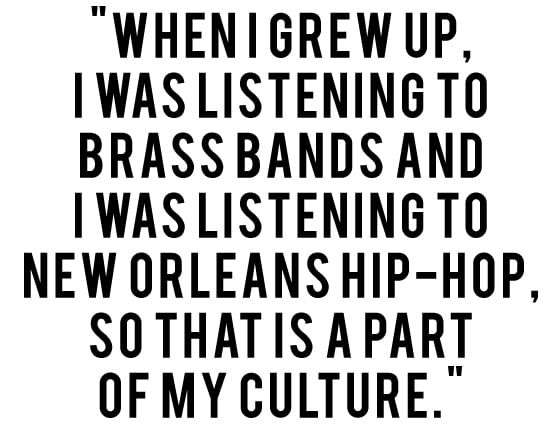
I think it is a natural progression. When I grew up, I was listening to brass bands and I was listening to New Orleans hip-hop, so that is a part of my culture. I started, then, playing my horn to hip-hop beats and rock beats. It’s part of knowing where you come from, but trying to move the music forward.

You chose two covers for this record, both from local legends: “Here Come the Girls” by Allen Toussaint, and the Meters’ “Ain’t No Use.” What musical gaps were you hoping those would fill?

I didn’t want to play standard songs and, when I heard “‘Here Come the Girls,” even though it was written before I was born, I almost feel like it was written for me to perform. I just thought that the horns in “Here Come the Girls” would fit really well with the sound I was creating at this moment. “Ain’t No Use” is a song we have played live.­­ The Meters are New Orleans legends. Their sound to me is New Orleans, and you can hear in their music how they adapted and grew and expanded on the traditions they started in, which we try to do.

Is there a song on the record that you are most nervous to play live?

I don’t really get nervous, but singing, in general, for me, can be a little challenging. It’s easier and more natural for me to play than it is for me to hear my own voice. Singing feels more like jumping over a hurdle. And I feel like I really pushed myself vocally on this album and I’m looking forward to doing that in our shows, as well.

Speaking of nerves, you’ve played at the White House before. Would you do it now? Do you think musicians should be overtly political?

It’s a personal choice to be political or not, and I don’t want to tell anyone what to say. I did play four or five times for President Obama at the White House, and a few times were for Turnaround Arts to support arts education. Those were tremendous experiences because I also got to collaborate with kids, as well as some artists that I never thought I would get to play with. It was just great to be on stage there, be among some of the greatest musicians in the world, and be able to play in front of the President and the First Lady.

You’ve also played with country musicians like Dierks Bentley and Zac Brown. Do you enjoy modern country?

I love all music. Garth Brooks is probably right at the top of the list for me, as far as artists I respect and would love to work with. Seeing Zac Brown live when we toured with him, I learned a lot from that, how he plays with so much emotion. And playing with Dierks Bentley and with Little Big Town … you can just feel the power of their talent.

New Orleans is once again becoming one of the biggest tourist destinations — a hot destination for bachelorette parties with AirBnbs everywhere. Does that worry you? Do you ponder gentrification much?

It does, when I go to the old neighborhood and realize how many of the people who made it a special place aren’t there. The Tremé is the neighborhood where I grew up, but since the storm, many of the original Tremé people I grew up with can’t afford to stay there any more. So, in some ways, it is already a New Orleans that lives on in my music.

We’re in a world of synthesizers and automation — as a musician, do you think about instruments themselves being at risk long-term, and kids growing up not wanting to play an instrument? What do you think can be done to ensure we keep kids picking up guitars and trombones, not just computers?

I can remember playing and marching down the street in the Tremé. Without that, and the people around me who taught me or provided access to instruments, I wouldn’t be who I am. That’s why I feel the responsibility to carry on the traditions that raised me. I don’t want to wait until late in my career to give back. I want to do it while things are growing for me. I felt an unspoken responsibility to give back.

What do you hope people take away from this record emotionally?

My goal is to put out great New Orleans music, and I’ve taken everything that I’ve learned, everything I’m interested in, everything I’ve played onstage with different people from country and western, to rock ‘n’ roll, to funk, to hip-hop, and I’m just putting that in the context of my own tradition of what I grew up with in New Orleans. So I hope people take that you can be true to your roots and still make your own way forward.


Photo credit: Mathieu Bitton

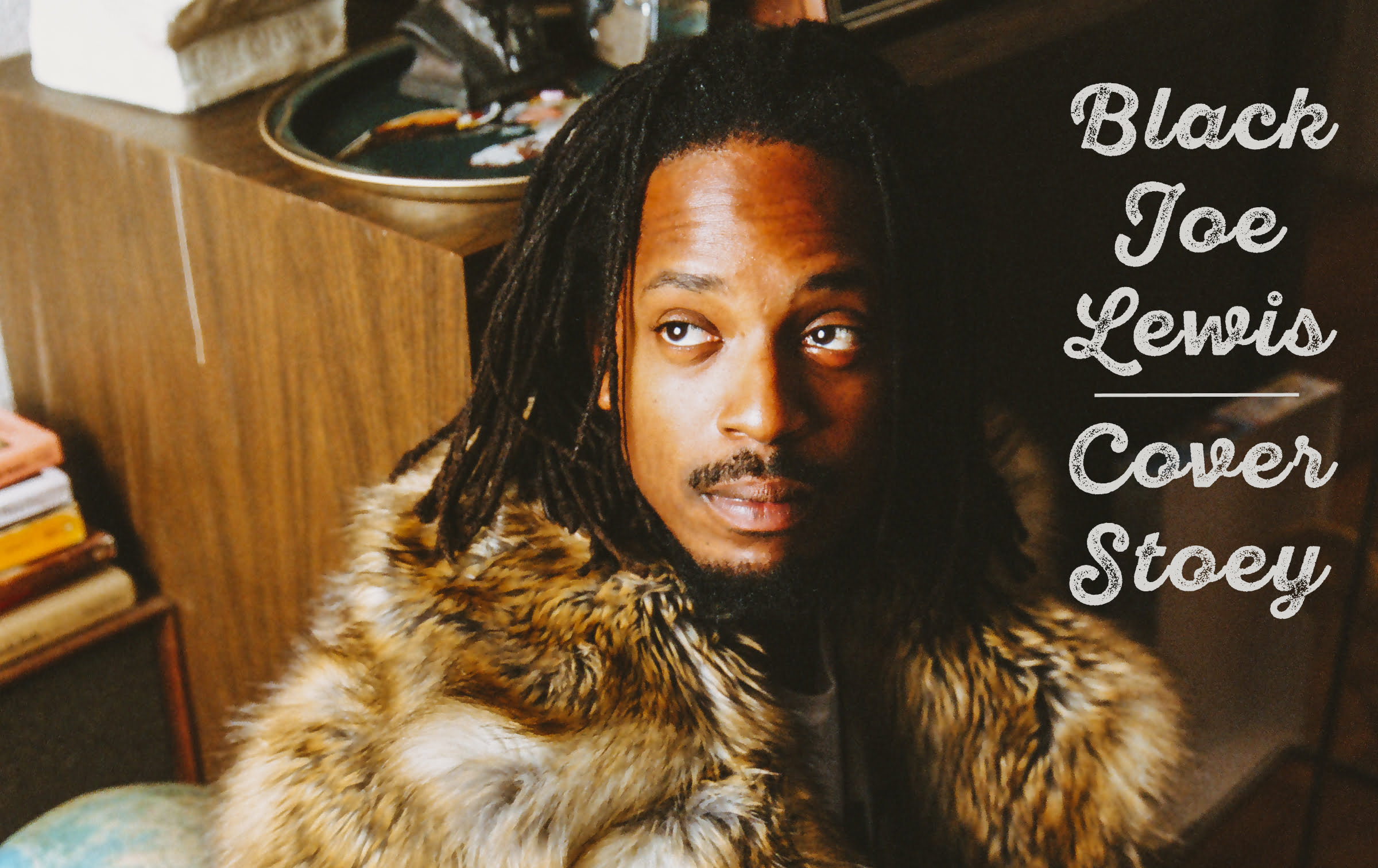
Rock ‘n’ Roll Isn’t Dead: A Conversation with Black Joe Lewis

The acronym, as unsexy of a word it might be, has been the base of hundreds of great songs: Michael Jackson’s “P.Y.T,” Kanye West and Jay-Z’s “H.A.M,” Grand Funk Railroad’s “T.N.U.C.” Part of the mystique is often figuring out what the hell those letters actually stand for and why they’re even important to begin with. Or, sometimes, it’s because the result is simply N.S.F.W. (not safe for work). “PTP,” from Black Joe Lewis & the Honeybears‘ new LP, Backlash, is a little bit of all of that. The track, deliciously raucous with unpredictable spirals of guitar and crunched aggression, stands for “Power to the Pussy,” a bit of a calling card he picked up from his cousin Tiffany. It’s a chant about female sexual freedom that seems even more topical in the Trump era, with pink pussy hats marching everywhere from Main Street America to Washington, D.C. There’s a lot of forecasting on Backlash, the band’s fourth album, which even has some Russian lettering on the album art (a covert way to mention, in another language, that he’s back with the Honeybears).

Lewis isn’t a spy for the Kremlin, but he is quite good at taking elements of American sonic lore — classic soul, R&B, and blues — and mixing them with full-throttle rock ‘n’ roll. Though some might tag him “throwback,” it’s really anything but: The urgent grooves of “Sexual Tension,” the blast of horns that ends “Lips of a Loser,” and the punk energy of “Shadow People” are all as modern as anyone who might choose a Big Muff over synth keys.

Backlash is the Austin-based Lewis’s first album in three-and-a-half years — the longest break of his recording career, and a product mostly of a careful, thoughtful process that took a little longer than the normal recording cycle tends to allow.

Backlash has an incredibly strong rock ‘n’ roll spirit, beneath all of the soul references. Does it bother you to constantly be referred to as throwback?

It doesn’t bother me really. You have to have a way to classify stuff. That’s just what people do. I’m more annoyed with how, nowadays, people won’t find out about you unless they’re told by a blog that it’s something good versus actually checking it out. It’s gotten so cheapened.

Do you feel like rock ‘n’ roll, itself, gets a fair shake in the scheme of things? And on those blogs?

In popular music, it’s tougher: Rock ‘n’ roll is just not big anymore. And I feel like, back in the day, you had to go to the record store and actually check shit out, to see if you liked it. There was a word of mouth, but now people need to be told.

So is the live show even more essential these days because of that?

Yeah, with the way that stuff is now, it’s the best way to get the music out. You gotta prove the hype versus what you actually are.

These days, a lot of soul music doesn’t always fall under the umbrella of “Americana,” maybe limiting how much the music is found from those very audiences. Do you think soul and R&B should have more of a table in Americana?

Yeah, dude, for sure. I think blues is; but I would say Americana is traditional American music, if you ask me. And this is classic stuff.

You’ve been outspoken on your Twitter page about the Trump administration. Do you think artists have an obligation to speak out on social and political issues?

I try to keep politics to a minimum because I feel like people want to hear me play music. I think it’s better to say things through your music. Social media is not real life, and I don’t think you can judge a person on social media. I put crazy shit up. But I can’t stand Trump. I fucking hate him and I don’t feel like he’s making people feel like they are welcome in this country. He’s spreading the hate.

Do you think all the resistance and reaction to Trump’s reign will breed music that’s activist at its core?

Yeah, I hope he’ll spark a wave, like in the ’70s or ’80s with angry punk rock stuff. Or the ’60s — you had war and all that shit inspiring music. We’ll see what the youth has, what they’re going to say.

Do you think you’ll react politically in your music?

We’ll see. I think eventually. I try to let the songs go where they want to go, and there will probably be a song.

There’s some Russian lettering on the cover art of Backlash. You sure you’re not trying to send a message to Putin?

I did that before that shit even happened. It’s kind of crazy. That was the Honeybears thing. We tried to drop the name and everyone got confused. I figured, if I had to put the name [of the band] on there, it might as well look cool. People just don’t like to do the research, I don’t think. It was always the same band, but different dudes. It’s kind of weird that stuff is like that now. It blows.

“Power to the Pussy” could be an anthem from the Women’s March, so that’s probably more evidence that you aren’t spying for Russia.

It’s the power of the pussy, dude! My cousin coined the term. It kind of falls into what’s going on — we’ll see if I get it to be in the next march.

A grand marshal role, maybe?

[Laughs] Yeah! We’ll see what’s up.

Where did the phrase “Flash Eyed,” the album’s opener, come from?

That’s from Amos Tutuola, a Nigerian folk dude. He has a story about being lost in a jungle with all these different ghosts and one is “flash-eyed.”

It seems like you take inspiration from all kinds of places — Nigerian folk stories, your cousin, and everything in between.

I take inspiration from life, I guess. I like to read, and I’ll read a cool story about someone and go with that. Life in general — anything I see around me — it ends up coming out in the songwriting. I like having a cleaner vocal sound so you can understand what’s going on lyrically.

What are you reading right now? Do you feel like the value of literature has decreased in the social media era?

Overall, people read less with all the stuff that we have out there, though not artists, I don’t think. I’m reading [Russian writer] Maxim Gorky. I’ve been reading all his stuff lately. One’s about this spoiled rich dude, the Russian version of There Will Be Blood. The kid grows up and is an asshole.

Like Trump?

[Laughs] Kinda. Yeah.

3×3: AJ Hobbs on Hot Chicken, Wet Weather, and a Drum Circle of Gods

Artist: AJ Hobbs
Hometown: Los Angeles, CA
Latest Album: Too Much Is Never Enough
Personal Nicknames: Mom calls me Adam. Some people still call me Cal King — they never even called me by my name?


A photo posted by A.J. Hobbs (@ajhobbsmusic) on

If Jesus, Buddha, Krishna, and Mohammed were in a band together, who would play what?

I gotta be honest, I just see a cacophonous drum circle happening.

If you were a candle, what scent would you be?

“Fingers after BBQ”
 
What literary character or story do you most relate to?

The Cat in the Hat. Sometimes you gotta mess shit up to have fun, as long as you clean it up. 


A photo posted by A.J. Hobbs (@ajhobbsmusic) on

How many pairs of shoes do you own?
About four pairs of boots, two pairs of hiking shoes, running shoes, dressy shoes for when my friends get married and house slippers nice enough to go to the store in.

What’s your best physical attribute?

My wife says I have striking blue eyes.

Which is your favorite Revival — Creedence Clearwater, Dustbowl, Elephant, Jamestown, New Grass, Tent, or -ists?
Creedence. Hands down.


A photo posted by A.J. Hobbs (@ajhobbsmusic) on

Animal, mineral, or vegetable?

We all become minerals eventually. 
 
Rain or shine?

What is rain? 

Mild, medium, or spicy?

I’ve always been a spicy guy, growing up around amazing Mexican food, but Bolton’s in East Nashville turned me into a medium guy. A painful lesson.

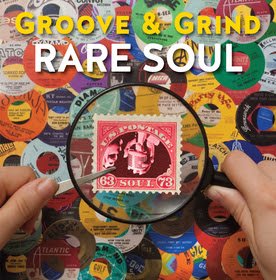
‘Groove and Grind: Rare Soul 1963-1973’

As R&B collections go, this four-disc, 108-song set gets high marks for its intelligent and well-conceived presentation. Producer James Austin wisely eschews the folly of the eye-burning, 5,000 word "expert essay" in six-point type in favor of a few hundred introductory words of enthusiasm for the music, the kinds of singles for which every crate digger lusts with every weekend expedition to the local swap meet.

The rest of this box set’s 120 pages of verbiage (written by an actual expert — Bill Dahl) is housed in a glossy, well-constructed, 8" x 8" hardcover book and focuses exactly where it should: on the songs and the artists who made them. In the case of Don Gardner, whose 1966 single “My Baby Likes to Boogaloo” opens the collection, we learn from whence he came (Philly), what he did (He was once part of the duo Don and Dee Dee.), and where he recorded “Boogaloo” (in the '50s and '60s unofficial Black music capitol of the world — Englewood Cliffs, NJ). There are plenty of photos of the actual singles (a nice touch), a long list of resources (including one of the great R&B blogs, Funky 16 Corners), and a helpful tracking of the songs in each of the collection’s four subgenres: urban soul, group soul, Southern soul, and funky soul.

Musically, the collection stays true to its purpose as stated in the introduction: “There’s not much in the way of hits here, but the grooves are skin-tight, the singers are utterly amazing, and this collection won’t cost you a small fortune that these selections would in their original 45 form.” In many cases, the grooves are strong and the singers are amazing. Gardner’s “Boogaloo” certainly qualifies on the former count, as does the Tempos’ Motown groove of “(Countdown) Here I Come,” the Dynamics’ “Bingo!” (tracked by Ed Wingate, Berry Gordy’s biggest competitor during the '60s). and the Mandells’ ultra-funky “There Will Be Tears, Part 1.” On the latter count, Alvin Robinson leaves his heart on the studio floor on the April ‘66 cut, “You Brought My Heart Right Down to My Knees”; Hoagy Lands channels Sam Cooke on the ‘71 single, “Do You Know What Life Is All About”; and Willy McDougal’s slinky “Don’t Turn Away” is just that — as slinky as it gets.

Passing R&B fans will fail to see the point — not every song here is off the charts and most never made the charts — and audiophiles might be miffed about the mastering as it’s clear a lot of the material was lifted from vinyl, master tapes likely being long gone. But when all's said and done, this is a welcome document of some excellent music which, as the producers noted, wouldn’t be accessible to us without their efforts. To that, they’re owed a tip of the hat.

The Essential Bill Withers Playlist

Nobody crossed the bridge between R&B and folk during the 1970s quite like Bill Withers. His music embodied the silky groove of Memphis mavens like Otis Redding and Al Green while speaking to the deep acoustic tradition of the American South. It was — and still is — as perfect for a sing-at-the-top-of-the-lungs joyride in a ‘72 Malibu as it was — and still is — the perfect soundtrack for an encounter of the horizontal kind.

For all of his influence on American popular music, it wasn’t immediately evident Withers would make a career out of singing and songwriting. He was born the youngest of six children in Slab Fork, WV. He was just 13 years old when he lost his dad and a mature 18-year-old when he enlisted in the Navy. Singing and songwriting was on his mind as early as 1967, though, when he took his Navy discharge and headed for Los Angeles. During the day, he worked a factory job; at night, he wrote songs, performed the club circuit, and shopped his demos about the industry.

In 1970, he scored a deal with Sussex Records and the legendary Booker T. Jones was hired to produce Withers’ first record. What was planned to be a quartet of quick three-hour sessions ended up trimmed back and spread out over the course of six months. Finally, with Stephen Stills guesting on guitar, Just As I Am was released in 1971. It yielded one of his three biggest hits — the Grammy Award-winning classic "Ain’t No Sunshine" — and launched him on a touring schedule with legends like James Gadson and the Watts 103rd Street Rhythm Band. As his star began to rise, Withers remained professionally conservative, holding down his factory job even after "Ain’t No Sunshine" reached platinum status.

In 1972, during a break from touring, he convened in the studio with some of his touring band members to create his excellent Still Bill album. It was a massive hit, in no small part because of his two biggest singles, "Use Me" (which reached number two) and "Lean on Me" (an all-time pop classic that landed at number one).

Legal wrangling with Sussex in ‘74 found Withers heading off to Columbia Records, leaving behind an album called +’Justments (that was ultimately released in 2010). In the interim, Withers recorded somewhat sporadically over the next 10 years, making four marginally successful smooth R&B records and one million seller — the 1977 long player called Menagerie (which included his hit, "Lovely Day").

Though his work on Columbia has its strengths, it’s his recordings with Sussex that ring true with us. Bearing that in mind, here’s our version of The Essential Bill Withers Playlist, a sweetly concise set of songs that concisely covers the sweetness of the music he made in the early 1970s.


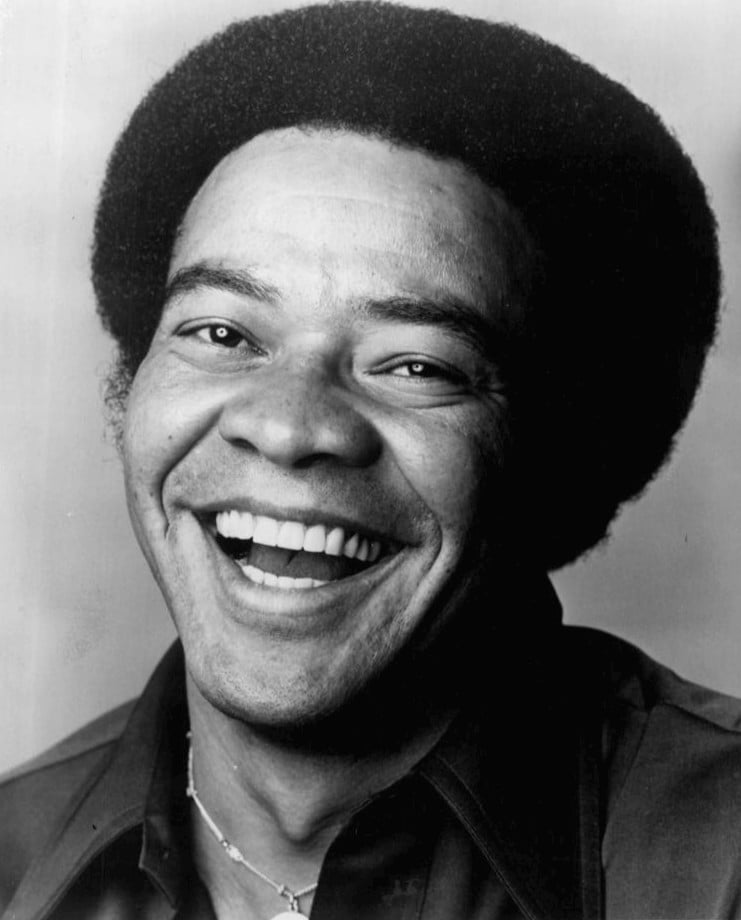
Photo: Columbia Records publicity shot of Withers, circa 1976 (Public Domain)

There Will Be Dancing: Erin McKeown in Conversation with Chastity Brown

It’s a wonder that we journalists ever get away with describing an artist as a singer/songwriter and leaving it at that, as though the meaning of the categorization is so simple, stable, and straightforward as to be universally self-evident. Singer/songwriters, themselves, conceive of what they do in vastly different and ever-evolving ways.

Chastity Brown and Erin McKeown exemplify just how dynamic the role can be. Last week, Brown announced her signing to the folk label Red House Records and McKeown recently released her EP, According to Us, but both are at least a decade into the process of responding to their changing understandings of themselves and the world around them through their music. Along the way, they’ve recalibrated how they want to communicate in, around, and between songs. They were both up for a bracingly honest conversation about what their work requires of them.

Have you two ever crossed paths before now?

Erin McKeown: We haven’t, no. I spent a little time this afternoon perusing Chastity’s website, listening to some music. And I see that you’re on the road with Ani DiFranco right now, which I’ve done before. So I’m surprised we haven’t crossed paths.

Chastity Brown: But I’m glad to cross paths today.

I didn’t consider the Ani overlap when I asked you both to do this interview.

CB: No pun at all, because that’s one of Ani’s songs — “Overlap.” People think that women are constantly trying to compete against each other. There have been several possible opportunities of me opening for other people — other women — and managers have been real quick to be like, “No, we don’t want two women on the bill.” Ani’s ethos is really about locking arms and supporting each other, even if we do such different shit [musically]. It makes sense that we would cross paths today, in my opinion. For me, and probably for the both of us, it’s really about locking arms. The music business is difficult enough without trying to compete with your comrades.

EM: I totally agree. Some number of years ago I was like, “I’m just going to play shows and make records with people that make me happy.” Just remove the, like, “Could this person advance my career?” Any of that stuff, in my experience, nine times out of 10, it doesn’t. And in the meantime, I would just rather have a more interesting experience that arouses my curiosity, rather than just punching a clock toward some goal that may or may not materialize.

It seems to me that both of you have evolved in how you think about a particular aspect of being singer/songwriters — whether, why, and how to say things of social and political significance in your music. Erin, you sort of poked at traditional notions of gender and relationships on your album Grand, but your writing on more recent projects, including your new EP, has a different sort of directness and urgency. Chastity, the sound of your music, in itself, makes a statement about how country, soul, and R&B traditions are intertwined, but up until recently, your lyric writing hasn’t been explicitly political in nature. Could you both speak to how your priorities have changed, in terms of what you seek to express?

EM: I appreciate you pointing to what was happening on Grand. Such a long time ago, by the way. At that time, I was definitely knee-deep in trying to advance my career, and I was working with a big — not huge — but big record label at the time. … I was trying to advance my career by a blueprint that was laid out by more or less the label and a more traditional path of the people that had come before me. It’s not that I didn’t know about Ani, of course, but I was sort of trying out this thing and hoping it would work for me. I was definitely exploring politics and relationships in my music, but it was quite cautiously. Some of that was my own personal journey about my internalized homophobia and my internalized misogyny. That’s been a long journey for me of becoming more accepting and open about myself for myself, and that naturally gets reflected in songs. But, at the time, I was very sure that, if I spoke out more clearly or openly or in a less coded way in my songs, there would be some sort of commercial consequence. … Now I’m just looking for an effective song to connect with people. For me, that has been more effective, if I have been more clear about stuff.

CB: I’ve always just sung whatever’s on my mind. And in the beginning, on stuff that wasn’t properly released, it was very hippie-dippy: I love the trees. And I still do — I still fuckin’ love trees.

[All Laugh]

CB: It centered around, “What is this song about? And how can I exhaust this story but not exhaust the listener — like, get the full story out?” It wasn’t ever specifically political. But 10 years later, what I’ve realized is that the personal is political. Just by me being a bi-racial, half-Black, half-white woman living in the world in America right now is political. My focus, as far as this last record, I guess it’s really been psychological. I’m really intrigued by the perseverance of the human spirit and the complexities and contradictions that we embody as human beings. At my live shows, I use the time between songs to dig a little deeper with the folks that are listening about where these things are coming from, whether it’s a blues song that I wrote about Detroit, Michigan, going bankrupt and people losing their retirement. That song is essentially about putting your trust in something that you later realize you shouldn’t have. But if someone doesn’t know that, they might just think it’s a love song, that I’m saying “Fuck you” to somebody.

That rang true for me — what you said, Erin, about trying to be as clear as possible. But because we’re making art, there’s this room, this ambiguity. What happens when you release art to the public is, no matter what narrative I give you, you still may extract pieces of that narrative. People will make it their own and make it applicable to their own spheres. But that’s one huge realization for me as a 34-year-old woman and what’s been happening in Minneapolis — Philando Castile’s murder and last year with Jamar Clark. Just being a person of color, a queer woman of color, for that matter, is freaking political. I don’t even have to say anything; I just leave my house, and that’s a statement. I practice good eating habits and I exercise; radically loving myself is also political. I see that now, and my hope is that that comes out in my work. There are other stories to tell other than just the specifics of politics or my stances on things.

It sounds like those are realizations you’ve come to and priorities you’ve embraced over time.

CB: An author I love, Octavia Butler, she’s freakin’ blowing my mind. Such imaginative writing. She was the first Black woman to write sci-fi. I was geeking out yesterday and watching these YouTube clips of interviews with her. The interviewer asked her about her stance on current politics, and she was just like, “There’s so much that Black people can write about other than just being hated.” There’s so much more to life experience other than just constantly defending your queer self and your queer and transgender brothers and sisters. I love the way that Octavia put it: There’s far more vast creativity within us.

EM: I love that. I also love the reminder that art gets at things in oblique ways that are often just as useful as clear ways.

Erin, on your new EP, you play with the power of a person claiming an identity for herself. You noted in an interview a few years ago that, when first you began to get attention for one aspect of your identity — being queer — it wasn’t because you’d decided that you wanted to start writing or talking about it, but because a blog labeled you that way. Once there was the expectation that you’d be speaking from that identity, what’d you do with that?

EM: Basically, what happened was, I did an interview with a lesbian website. Up to that point I had never come out, and that had been on purpose. We never talked about it in the interview. Then when the article was published, the headline was “lesbian singer/songwriter.”

CB: Oh, damn!

EM: I know! I started getting these emails from people that said, “Oh my God! You’re a lesbian! That’s so great! Thank you for coming out. That means so much to me.” Besides the functional piece of I wasn’t really ready and it wasn’t on my terms, I also felt the responsibility to those folks to say, “Right on! You’re okay as you are!” Because that’s the underlying message that I would hope to give anyone. I just felt like I didn’t have any choice but to just jump off the deep end and accept that it happened and try to work on my own fear about it and try to be a kind and loving example for other folks who could identify with me in that way. I don’t identify as lesbian; I’ve always identified as queer. But I think 10 years ago that was a conversation that wasn’t as nuanced as it is now, which I’m really glad to see.

I played on sports teams in high school — I still play on sports teams — but I always hate putting on the same shirt as somebody else. I think my journey has been to try to recognize that impulse in myself and put it aside and kind of work with the identities that get foisted on me, even though they’re not always my choice or the timing is not my choice.

Once that happened, how did you make creative use of it?

EM: I ignored it. I ignored it in my writing for a while. So much of this work happens, like Chastity said, in between songs. And I’ve always been someone that likes to go out and meet folks after the show and talk. So much of this work in those spaces, as well. I just found, in those interactions, that I could make better use of these identities, if I just gave people space to put their own into the conversation with me.

Chastity, in an interview you gave a few years back you reflected that making political music had become a more isolating practice than it might’ve been for previous generations. At that time, political songwriting didn’t really seem attached to a movement. So much has happened since then. Have your feelings about that changed? Do you feel musically connected to the Black Lives Matter movement?

CB: I’ve never been so specific on stage about current events than I have as of late, on these last few tours. I think it’s this realization that my personal life is political and that I have the fortune to be elevated and amplified night after night; I’m the loudest thing in the room. And what am I gonna do with that type of power?

I came home after the mass demonstration that we did for Jamar Clark through the streets of Minneapolis and wrote this song called “Hey You.” It’s very gentle. Initially, the song was more like, “Fuck you.” [Chuckles] But what I realized was that that changed the focus. If I’m saying, “Fuck you,” that means that I’m on such high guard that I’m also not celebrating. Alice Walker says, “Where there are tears, there will be dancing.” I wanted to write a song in solidarity that sets up these different scenes of brown folk culture and is celebrating it, and then give the listener an opportunity to think about that. The song closes with a bridge saying, “I was wanting you to see me to show you that I exist, but I put that down when I raised my fist.” I would’ve never written a song like that had I not participated in these protests where we’re all crying and then moments later thousands of us are jumping in the streets, dancing to Kendrick Lamar.

I just finished watching the Nina Simone documentary. She was doing her thing; she was rocking it; she was blowing up all over the world. And then the Civil Rights movement happened, and she couldn’t help herself. I felt a kinship to that feeling: I cannot help myself. I talk about Black Lives Matter at ever single concert, and I often will follow it with a Nina Simone song, because she’s such an eloquent woman. I lean on her in that moment, and say, “If I can’t be eloquent enough, let Nina Simone do it.”

Erin, I love what you were saying about the folks who come up to you, because I also have that, especially with little mixed girls. Those of us who grew up in a small town with an afro, you’re really, really aware. And I’m not even dark-skinned, you know? But there were all these nuances that I didn’t have a language for, until I started seeking out images of myself. And there’s nothing more powerful than that sentiment. Even if I’m playing a show in front of a thousand people and I sure as hell know there are only eight people of color there, those eight people of color are definitely gonna link up after the show and just be each other’s echo or be each other’s mirror.

Because I play Americana, it’s been interesting reminding even the Black community that the banjo is an African instrument: “We’re so diverse. We’re so capable of everything.” I end up, in certain ways, educating both sides of me, the white side of me and the white audience and the Black side of me and the Black audience.

I’m glad you brought up the Black banjo tradition. You said that your very existence is political — so is your musical imagination. You have a song called “Banjo Blues” on a recent album where you’re singing over an abstract programmed loop. You’ve incorporated loops in earlier tracks, too, like “House Been Burning.” That album, Back-Road Highways, opens with a very laid-back loop that could work just as well for you if you were a rapper rather than a singer.

CB: Oh, I wish I could rap.

You incorporate hip-hop production elements and myriad rooted musical traditions, including soul, gospel, and country, into what you do. What possibilities do you see for expanding our notions of rooted musical traditions to include hip-hop?

CB: One thing I’ve always said to my band is, “If I don’t feel the kick drum, it ain’t a fuckin’ song.” There’s just something with Black folk music — the beat is essential to everything. What I layer on top of the beat just so happens to be the acoustic guitar.

Since I’ve been playing publicly, people have always questioned me about my genre-blurring. I never had the language for it until this past year. It’s truly, I am both things; I am just as much one as the other. I love Dolly Parton just as much as I love Beyoncé, but for different reasons — or as much as I love Mavis Staples or Van Morrison or Ryan Adams. I grew up listening to Americana and old-school country, and I grew up listening to R&B and gospel, and Irish music. This is just me. If you can’t get it by now, I’m putting out my sixth album and I’ve been pretty consistent. I am soulful, and I’m country. That’s just what’s up. I feel like I’m better able to articulate that this whole duality that people are seeing is, in fact, me. It’s not a duality to me because it’s the life that I live.

EM: Chastity, I appreciate hearing your experience with the assumptions that people make and the way that you don’t even consider having to reconcile those things in yourself. There’s nothing to reconcile. It’s just you. … In the second or third season of Orange Is the New Black, it seemed like there was a tiny little theme running through the whole season where anything any of the characters had a chance to talk about what music they liked, it was never …

CB: … what the stereotype would suggest.

EM: The, I think, racist assumption that, if you’re Latina, you have to listen to Latin music, or if you’re African-American, you have to listen to soul music. I was thinking, “In what ways do I have my own version of answering these questions in my own work?” Obviously, as a white woman, I come with a different set of privileges to unpack and participate in this conversation in a different way than you do. Something that’s been important to me to do in my work is to notice these assumptions and to try to make a space to undo them with actual songs.

CB: I like that. Hell, yeah.

Musically speaking, Erin, you’ve created a lot of space for yourself to maneuver and experiment. In a previous interview, you said that rhythm is often the engine for your songwriting .

EM: Yeah. That’s always been my deal. I don’t know why or where that came from for me, but it’s always been rhythm is the most important thing to me. Then I found Garage Band 10 years ago; the premade loops in Garage Band are the canvas that I start everything on. Stuff evolves or takes left turns, but that’s been my main way of writing of for a long time now.

You’ve expanded into the producer role on your more recent projects. It has to be empowering to have the tools at your disposal to explore these rhythmic ideas and build tracks like you did for “Where Did I Go” and “Histories.”

EM: I could definitely relate to Chastity when you said, if you can’t feel the kick drum, it’s not a song. … For me, that sense of propulsion and directness and body has to be there for me to be interested in music.

I wanna throw something in here. This is something I’m thinking about for the first time as I’m listening to this conversation. It’s making me realize no one has ever asked me, as a white person, to reconcile the different types of genres that have been in my music. No one’s ever asked me that. And I think that there’s something there. There’s a dominant paradigm of “it’s not that interesting if a white person loves soul music.” People don’t question it. It sounds like, from the experience you’re talking about, Chastity, people ask you that question — "These genre that are unexpected from a person of color, why is that in your music?" People don’t ask me that.

CB: Almost every interview I’ve ever had. … That’s crazy that no one’s ever asked you. That blows my mind.

EM: They’ve never asked it to me in the context of me being white. I’ve been asked that in the context of, “Isn’t it unusual for jazz to sit next to rock in your songs?” But I think it actually is an explicitly racial question. No one’s asking me that because I’m white and there’s a long history of it being ”okay” for white people — I’m going to use this word on purpose — to dabble in the music of people who are not like them.

CB: I appreciate you recognizing that.

Erin, I’m surprised that no one’s asked you about some of your global sources, things like borrowing West African blues sounds for “The Jailer.” So that’s not a conversation you’ve ever had?

EM: I have spent lots of time with African music and love it, and it comes through in my writing because of my love of it. I always think about [the fact] that I’m a white person working with those texts, for lack of a better word. I think about that stuff and I try to be as responsible as I can. I certainly have conversations with other musicians about it. But my point was, I’ve never been asked that, in terms of people trying to make sense of my music. And I think that that’s relevant to what we’re talking about.


For more on race, politics, and community in music, read Jewly's conversation with Heather McEntire and Sweet Honey in the Rock.

Counsel of Elders: William Bell on Learning Your Craft

When William Bell speaks, he peppers his sentences with laughs — big, boisterous sounds of joy that burst forth from his being. He is a happy man whose gratitude and graciousness arise through the chuckles that begin, end, and sometimes interrupt his answers. Bell’s newest album, This Is Where I Live, finds the singer and songwriter returning home to Stax Records, the label that launched him when he recorded his debut single in 1961, “You Don’t Miss Your Water (Until Your Well Runs Dry).” From the sound to the poignant lyricism, there’s a classic Stax feel that runs throughout the album, juxtaposed with the growing and stretching and learning Bell has done along the way.

His newest effort is full of original songs, including the moving, introspective “The Three of Me.” It’s a steady jam punctuated with slow-building horns, as Bell waxes philosophical about “The man I was, the man I am, and the man I want to be.” That kind of perspective can only be gained through time and experience, and, thankfully for listeners, Bell remains willing to share what he’s discovered. Beyond that, the album focuses on the highs and lows of love — especially the beauty and pain memories can deliver — the communities that made him, and a new take on an old classic. The album contains a fresh version of “Born Under a Bad Sign,” the renowned song Bell co-wrote with Booker T. Jones. It’s been covered and covered and covered again, but producer John Leventhal put together a new arrangement for Bell that strips away some of the song’s most memorable parts to show off another, somehow more crackling, side.

The lyrics in your opening song, “The Three of Me,” are quite striking. It reminds me of something Joan Didion once wrote about remaining on speaking terms with your past selves. How do you reconcile all the versions of yourself as you’ve grown over the years?

Hopefully, I’m a little bit better. The cards aren’t all in yet, but I hope so. You know, you grow as you grow older, so I hope I’ve grown some and improved my outlook on life and everything else — my values and everything.

How do you handle regret or disappoint, when you don’t live up to that idea of the man you want to be?

It’s all a learning process. As long as you learn from your mistakes, I feel like it’s okay. Just don’t keep repeating the same ones over and over. Life is a learning experience, that’s how I look at it. A long time ago, my grandfather told me, “The only way you can keep from making a mistake is that you never do anything.”

Right, and that’s not living a life.

Right, it’s not.

As you’ve gotten older, what are you still learning about what it means to be a part of this world and how to contribute to it?

Well, the first thing that you learn is to try to treat everyone as you would like them to treat you. Once you learn that, you’re able to deal with life problems in a much better manner and everything. Once you reach a certain age, if you’re smart, you’ve made all the mistakes that you’re going to make. It’s pretty smooth sailing, once you reach a certain age. You still have problems to deal with, but you deal with them on a different level.

Can you take me through this particular version of “Born Under a Bad Sign”? As I understand, your producer John Leventhal came to you with a different approach.

Yeah, he did. He came and said, “I want to do ‘Born Under a Bad Sign’ on you.” And of course I’m going, “Uhh, I don’t know, John. I’ve done that song a couple of times. It’s such an iconic song. I don’t know what we could do to reinvent the wheel.” He said, “I’ve got an idea I’d like to try on and I hear it in a different, almost acoustic, swampy kind of way.” I said, “Well, lay a track and let me see what you’re feeling.” And he laid a track for me and, at first, because it didn’t have the iconic bass line — and me, being one of the writers, that’s what I look for — I’m saying, “Let me live with this a couple of days.” I lived with it a couple of days, listening to it, and the more I listened, the more I got into it, and I think about the third day, I came in and I said, “Okay, let’s cut it.” I did one take on it. He said, “Great, great.” I said, “No, let’s cut it again.” He said, “No you can’t do it any better.”

Does it still surprise you that, after all this time, there’s still a different version out there?

Yeah, interpretations are, I guess, what makes life go around. Individualities and stuff like that. It always amazes me when another artist or another producer hears something in a totally different way. It broadens my outlook on it. I’m going, “Okay, I can hear this now. I never thought of it in that sense.” It’s like the version we did on it is almost like back porch picking.

It totally has that feel. There is a growing roster of artists who like to reference classic sounds in their music — I’m thinking of Leon Bridges, in particular, here. All music is referential to some degree, but what do you make of these new artists putting a contemporary spin on these older styles?

I think it’s great because we all are influenced by something or other. When younger artists can look back on one of my songs or one of the classic songs, and do their interpretation of it and the way they are feeling in this day and time … because I found out one thing in traveling around the world: People are people, the world over. We have the same wishes, frustrations, desires, and all of that. It’s just great to listen to another artist who has a different approach to a lyric or song.

Why do we need these new takes on old styles?

Creativity needs to be enhanced and broadened, as we grow older and as the generations change. I think it’s good for an artist to not only learn the origin of a certain sound, but to improve on it. I’m happy with these youngsters that come along, like Bruno [Mars] with “Uptown Funk.” When I listen to it, I’m thinking, “Okay, I heard that sound before,” but to a 20-year-old, it’s brand new. It’s great that they take that particular sound and add their particular rhythmic concept and a little rap here and there and make it work for them. That’s great.

Unless the listener thinks that they’ve invented the wheel, in which case it might be helpful to go back and study the history.

That’s absolutely true, and once they find out, it will enhance their creativity.

As a writer, is it more difficult to write a happy or more melancholy song?

It’s harder to write a happy song. When you write a sad song, usually you’ve lived it or you’ve seen someone else live that particular situation. You’ve got a concept there already, just from experience. But with a happy song, you’ve gotta find a way to bring that exuberance to the forefront and make it connect with people. Sometimes the simplest way is the best way, but that’s the hardest way.

How has the message in your songwriting changed, if at all?

It’s changed a little bit, in terms of it is more reflective now. When you’re younger, you write about things in the moment, as you live it and experience it. When you grow and live a life, you can be more reflective and expressive in a different sense and make sense of it all.

Your newest album is a return to Stax.

Full circle. Absolutely. It was like coming home. Even though the personnel who were at Stax — the new Stax — were different, they knew the history of William Bell and they knew what I was about as an artist. They welcomed me with open arms. We were like a family at Stax, of course. It just feels good to come home.

Especially if we’re talking about songs as memories. I know your new album involves original compositions, but to revisit some of what you had done. How interesting.

Yeah, and from time to time, I run into my label mates and we have a reunion, but that’s rare, so it’s good to get back to the actual logo and the thing. Actually, on this particular project, we did vinyl and CD, so it’s just great. I’m going “Okay, we’re doing vinyl again.”

It’s so popular. Lastly, what is the best piece of advice you ever received about writing or performing?

When I was really young, like 14 … 15, I had a bunch of great musicians around me and jazz people and R&B people and blues, growing up in Memphis. The best advice I ever got was "learn your craft." Get an education and then learn your craft — learn how to write a song, learn the behind-the-scenes aspect of the industry so you will have a full, well-rounded idea of what you’re going into. I got that from B.B. [King] and Rufus Thomas and some of the other people who were a little older than I was.

Interesting, like any kind of information you can gather will only help you make better negotiations and what not.

A lot of the business stuff came from Sam [Cooke]. He was a stickler, even back then when it was not fashionable for an artist to own his own publishing and do his own production and everything. He was one of the forerunners of that. I had a chance to sit with him and talk with him about production and publishing. I said, “Oh, you can make money from publishing. Okay.” But that was good advice, from a business aspect.


Photo credit: Ginette Callaway

The Producers: John Leventhal

John Leventhal makes records that are almost impossible to categorize. Is Shawn Colvin’s 1989 debut Steady On folk or country? Is Rosanne Cash’s The River & the Thread country or blues? Are they roots or rock? Americana, perhaps? The man himself, a native New Yorker with a genial sense of humor and a geek-level knowledge of pop history, refers to his wheelhouse as “singer/songwriter,” but he says it in the off-hand way that lets you know it’s merely a placeholder: shorthand for a music much larger and more complicated than one simple term could ever convey.

Call it simply American, then. Nearly 30 years after his first producing gig — Steady On, which won a Grammy for Best Contemporary Folk Album — he works with musicians whose songs sprawl across many genres, alluding to various styles without settling into one in particular. In addition to Colvin and Cash, he’s worked with Michelle Branch, Kim Richey, Joan Osborne, Jim Lauderdale, Rodney Crowell, and Loudon Wainwright III, among others. He’s backed many more artists and co-written with even more than that. His fingerprints are on an impossible array of records; even if you don’t know the name, you’ve heard a Leventhal song before.

Fittingly, he defines the role of producer very loosely and admits it can change from one project to the next. He’d rather not sit idly in the control room fidgeting with the levels or supervising a small army of engineers and session players. Instead, he likes to dig in, get his hands dirty, and work as closely as possible with his collaborators, whether that means co-writing songs, choosing good covers, plucking out a bass line, banging a drumbeat, firing off a guitar lick, or laying down a bouzouki riff, if that’s what the song needs. From one moment to the next, he’s a sensitive sideman or a one-man band, Bacharach to your Hal David or Felice to your Boudleaux Bryant.

Perhaps his greatest gift as a producer, however, is that fanboyish excitement over every aspect of the music: his simple joy in the act of creation. That animates the music he makes with other artists, lending it a distinguishing liveliness, a sense of energy and urgency. All of those traits come to bear on Leventhal’s latest project, This Is Where I Live, the first album by Stax soul legend William Bell in 10 years, not to mention his first for Stax in more than four decades. Bell is most famous for penning hits like “You Don’t Miss Your Water” and “Born Under a Bad Sign,” both of which are American standards by now, and, at 76 years old, his voice retains all of it vigor and expressiveness.

It’s ostensibly a soul record, but for Leventhal, it’s something more — it’s a “singer/songwriter” record.

At what point in the process did you come in on William Bell’s album?

Right from the get-go. A year-and-a-half ago, I was doing a show in San Francisco and I was walking to a soundcheck. The phone rang and it was Joe McEwen, who works at Concord, which owns the Stax imprint. He asked if I would be interested in producing William Bell. Really, it was like a lightbulb went on and, within a few seconds, I not only knew I wanted to do it, but knew what it should be. If people even think about me at all, they know I do a lot more singer/songwriter stuff, but I actually grew up playing R&B and soul music. It was the first music I learned when I became a musician. It’s a huge part of my DNA. So I was really excited. I knew all about William. I love his voice and I love a lot of those old records. The only caveat I had was that I wanted to write the songs with him.

Why did you want to do that?

I want to say this in the right way so I don’t sound arrogant. I can’t explain it. I just knew I would be able to do it really well. I felt confident. I do a lot of collaborating and a lot of songwriting, and maybe that’s slightly unusual among producers of rootsy music. But I just felt immediately this intuitive sense that I knew the shape of the record. I knew immediately that it should have some substance to it and that it shouldn’t be a pastiche or a nostalgic rehashing of Stax and Muscle Shoals clichés. I knew it needed to honor that tradition, but move past it at the same time. I can’t explain why, but I just understood that intuitively. So that was how I approached it. I had to woo William a little bit. He’s a reserved guy. I don’t think he had done any real collaborating for a while.

It doesn’t seem like a soul revival album. It’s a bit more comfortable in that style, and it sounds like you put a lot of thought into that aspect of the record.

This kind of project can fail if it gets too enamored of the language and clichés of when the music was vibrant and on the radio — the early '60s through the mid '70s. When people fall in love with that language, they just rehash it and spit it out again. But it can never be as great as it was. So I’m not going to go in and make this the Stax cut or make this the Motown cut. You can hear when people do that. But, for me, it’s always a losing proposition. I trusted that enough of this language was in my DNA, and I know it’s in William’s DNA, so I knew we could honor what had already been done without getting bogged down in it.

But I want to say this the right way. I say this with a creative and loving attitude. I love the tradition of great soul music, but in some ways I’m completely uninterested in re-creating it. That’s not interesting to me, in the least. What it really boils down to is this: It’s just like doing any other record. I really want to write and produce great songs with meaningful vocals and some real feeling at their core. I want to listen to a song and really be moved by it. William was communicating some real feelings, some deep feelings. That voice is so glorious. Even though I love soul music and wanted to make a soul record, at the end of the day, for me, it just boils down to great songs, great vocals, and hopefully some thoughtful arranging and production.

What kinds of conversations did you have to prepare?

It’s hard to put into words. William is a reserved guy, and he didn’t know me from Adam. We had arranged for him to come up to New York and hang for a couple of days at the studio. I was already so inspired that I had come up with ideas for four or five songs … some lyrics mostly. William is 75, and he’s in amazing shape physically and vocally. But when you’re that age, you can’t sing what you sang about when you were 25. You’ve lived 50 more years. You want to pick the songs a more experienced man is going to sing. And William has got this beautiful, dignified reserve. He’s ultimately a ballad singer. He can get down with the best of them, but when you think of “You Don’t Miss Your Water” and “Everybody Loves a Winner,” those are two of the best soul ballads ever written. Those songs cast long shadows.

Short version is, my friend Marc Cohn and I had started this song “The Three of Me.” I had some music and we had a little bit of the lyric. I played it for William and he started singing it, too. So that was a good first song. We finished the lyrics, and he sang on the demo, which basically ended up being the final record. I was lucky enough to play everything.

It sounds like an extension of what you’ve done in the past — the singer/songwriter album as a soul album. Which is interesting because, when most people think of roots music, I feel like they think of country or folk. They don’t think of R&B or soul.

I am so with you on that, man. I really am. I love country music, and I love bluegrass, too, but so much of roots seems to come from those perspectives. I look at what I did with William to be exactly the same thing that I did on Rosanne’s last record, which won Americana awards. I see them coming, in many ways, from the same tradition. The language is slightly different, but I think you’re right. I hope William is embraced by the roots community, because this record sits right there.

You mentioned that R&B was the first music you learned and played professionally.

When I was growing up in New York, if you were going to make a living playing guitar and bass, it meant you were going to play in bars and clubs. If you were going to play in bars and clubs, it meant you were going to play music that people liked to dance to. And the music that people liked to dance to was R&B and soul music. Not exclusively, but that was what you had to play and you had to play it well. I’m very grateful for it.

One of the first gigs I got as a working musician was with this guy Billy Vera, who lives in L.A. now but grew up in the New York area. I was in his band, and we played for dancers. Billy pulled deeply from the soul and R&B tradition. I studied all the great drummers and bass players and guitar players. Cornell Dupree was the premiere R&B guitar player in New York, and I used to go hear him play all the time. My guitar ideas tend to be people like him and Curtis Mayfield and Reggie Young and Bobby Womack. I just inhaled all that stuff. My favorite bass players were James Jamerson and this guy Tommy Cogbill, who played on a lot of great Muscle Shoals records, including “Chain of Fools.” So working on William’s album felt like I was coming back to the beginning for myself. In some ways, soul music is closer to who I am than all this singer/songwriter stuff I’ve done up to now.

How did you transition from that role to producing?

My first successful collaboration as a songwriter and producer was Shawn Colvin’s first album, Steady On, in 1988. I produced and co-wrote most of that album, and it won a Grammy. That was the first thing I did. Up until then, I was a sideman and was starting to get slightly disgruntled. I wanted to do my own thing, whatever that might be. Luckily, I developed this collaboration with Shawn. The next thing I know, I’m a record producer.

It sounds like you play three roles: producer, songwriter, and sideman. Do you feel like a good producer needs to be able to multi-task?

The short answer is, I think it’s unbelievably valuable. But I also think you could probably be a successful small producer without knowing a whole lot about music or engineering. It’s an amorphous job description. It can go from someone who knows when to order the right bottle of wine, to someone who’s hands on and is essentially an engineer and arranger. I’m, at heart, an arranger and a musician. I love songwriting. I love playing. I love arranging great rhythm tracks. I just love all of it. In some ways, my perspective is, it’s my life. I love all of it. So, if I can do all of it, all the better.

In the beginning, I think I approached it in a slightly more traditional way, where I stayed in the control room and cut tracks. Over time, I learned how to be a recording engineer and started playing more instruments. For me, it’s great, but I can’t say if it’s right for other people, particularly current producers — because I’m probably not as up to date as I should be about what other people have been doing. People can make valid records even when they don’t know that much about music. But my heart tends to be drawn to people who are very musical, as well as very soulful and creative. To me, just being musical alone isn’t enough. You have to have a creative, soulful heart and a thrust toward originality. There are a lot of factors that go into making great music for me.

The role of the producer, especially in the roots world, is so nebulous that people can define it very differently. They can be hands-on or hands-off. They can play or they can find the right musicians to play. They can write songs or help others write songs.

For me, it’s really hands on. I think the hands-off approach has value to it, as well, and I should probably try it occasionally, but it’s just not as much fun for me. I get really excited. That’s the musician in me — the fanboy. On one hand, the producer part of me needs to retain a detached perspective on what’s happening in the studio, but the musician part of me gets really excited and wants to get in there and play bass. So it’s really hard for me to resist, and at the point it’s like, "Why even bother resisting?" It’s such a joyful thing, and I have to say this: Making this record with William was one of the most joyful things I’ve done in my life. Hopefully that comes through when you listen to it.

Like a lot of the albums you produced, This Is Where I Live was recorded at the place where you live. But it doesn’t sound like all of these records are coming from the same place or the same studio.

Some effort does go into not repeating the same old strategies. If you do this job long enough, you’ll start to develop some paths or strategies — certain ways to record instruments, certain ways to write a song, certain ways to arrange them — which will give you decent results but nothing new. That path will be too well worn. So I have definitely put some effort, spiritually and specifically, into not doing those familiar things all the time. I try to inject some element of mystery and surprise on all levels. I’m always looking for moments that end up having a little bit of surprise — an unexpected chord change, a surprise lyric, a mysterious piece in the arrangement. All that stuff is important to me, and I think it keeps the listener involved, as well.

How does that work for an artist that you’ve had a long-term collaboration with, like Shawn Colvin or Rosanne Cash?

You always needs a break, at a certain point, to recharge, but there are certain people I just click with. Shawn Colvin and I, we just get each other. She’s done plenty of records without me, but the records we’ve done have been pretty successful. Rosanne and I have a complicated deal since she’s my wife. Our collaboration is awesome now, but if I go back to the beginning, maybe it wasn’t quite as awesome. It took us a while to really find the best in each other. I’m always up for doing new stuff.

Rosanne’s most recent album, The River & the Thread, grew out of a road trip that you took together.

We had been looking at whatever her next record was going to be. I really wanted to write with her, and I kept thinking it would be great to do … I hate this word, but it would be great to do a "concept" record. What I really wanted was to find something to write about other than just the random collection of your next 12 songs. Not that there’s anything wrong with a random collection of your next 12 songs, particularly if they’re great songs. But I thought it could be amazingly powerful and fun to find something to hang it on, and we just happened to be taking a trip to Memphis and rural Arkansas to look at the house that her dad grew up in. It had been falling apart, and Arkansas State University was making plans to rehabilitate it. So, we decided to make a road trip of it.

We had a friend in Muscle Shoals, and I had always wanted to go there because so much great music has come out of that area. A few things happened on the trip that seemed incredible — like something you could write about — and we had this vague idea that we could write an album about these places and these people. We wrote two songs right away, one called “Etta’s Tune” and another called “A Feather’s Not a Bird.” One is bluesy and the other is country. I took those as the parameters of what we were gonna do, and we just ran with it. It was really fulfilling for both of us, and thankfully it seems to have connected with a lot of people.

I associate your records with a strong sense of place, especially that album, but also others like Rosanne’s Rules of Travel and the Wreckers’ Tennessee. Is that something that’s important to you?

It certainly was on [The River & the Thread]. You know what, I don’t think it’s ever come to the forefront in the way I think about myself or how I’m inspired, but I do think you’re right. Both Rosanne and I travel a lot. We do 50 shows a year. I love going to American towns and cities and trying to soak up some of the vibes on all levels, musically and spiritually, just to get a feel for places and people outside of my own New York experience. I think that’s inspiring. Shawn and I wrote a song called “Wichita Skyline,” and I remember thinking that, when we were kids, that tradition of writing songs about places and folding a compelling story into a place was a big part of some of the great songwriting when I was younger. I think it has a lot of power, but I think I carry with me this sense of being an outsider when I go to a new place and just hover. There’s a gulf between being somewhere and feeling like you belong there. What is the idea of home? What does that even mean? That’s a thing I always carry with me.

Especially since home is a place not only where you live but where you have your studio, where you create, where you turn those experiences into music.

There’s a song on William’s record along these lines. Part of my job as his producer and collaborator was to get a sense of him on the record. He has a slight reserve to him, and I wanted to inject … I didn’t really care about injecting a lot of Autobiography with a capital "A." But I thought it would be great to have elements of his story in some of his songs. We were in the studio one day, talking about how we knew all these musicians who, as they got older, maybe they grew up in Shreveport or New Orleans or wherever. At their heyday, they either went to L.A. or Nashville, but when they got older or the recording scene dried up or the vibrant part of their career ended, they ended up moving back home. That happens with a lot of people. And Williams said, "People just want to go home." Everybody wants to go home — metaphorically, spiritually, literally. So the last song on the record is us playing around with that idea. Everybody wants to go home. Everybody wants to have that place that feels like them, that centers them.

I heard that as a gospel song, where home is heaven. Everybody wants the comfort of salvation.

It’s definitely a gospel tune, and of course it could be read as heaven. The soul tradition is heavily indebted to the church. A lot of those feelings people can have toward Jesus, a lot of those feelings people can have toward their lover. The yearning is similar, I think. We all need it. We all want it. It’s why we write all these damn songs.

The Heart and Soul of Daptone Records

A young girl asks her mother, "How can Santa Claus visit them, when they don’t have a chimney? How can he leave presents under the tree, when he can’t even get into their apartment?" These are common questions most parents hear around the holidays, but it resonates powerfully in Sharon Jones & the Dap-Kings’ new Christmas chestnut, “Ain’t No Chimneys in the Projects.” “I said, ‘Mama, how can this be?” Jones sings in that outsized voice of hers, gift-wrapping every syllable for the listener as the horns flare and flash around her, the rhythm section grooves and the backup singers repeat her not-quite-rhetorical question. Somehow she conveys the innocence of the daughter pondering the rules of Christmas, as well as the affectionate concern of the mother who concocts a story about a magic chimney.

“Ain’t No Chimneys in the Projects” could easily have been cheesy and goofy, especially with its references to the projects and the ghetto — terms that sound antiquated in the context of a Christmas tune. Fortunately, the musicians play it straight, grooving hard to reinforce the powerful emotional resonance of the lyrics. It’s only when the little girl grows up and stops believing in Santa that she starts believing in something even more magical: It was her own mother who saved money throughout the year and put those presents under the tree. “Mama, now I know that you were the one!”

In addition to appearing on the new Oxford American Music Issue CD sampler, the song anchors It’s a Holiday Soul Party, the first holiday album from the venerable indie R&B label Daptone Records. It’s billed to Sharon Jones & the Dap-Kings, but it sounds like they invited the entire roster: Charles Bradley testifies mightily on “World of Love,” Saun & Starr harmonize beautifully on “Big Bulbs,” and seemingly the entire office staff sits in with the Dap-Kings. The album more than lives up to its party designation: With its lively energy and inventive interpretations of well-worn carols (This “White Christmas” is more Tina Turner than Bing Crosby.), it’s easily the best holiday album of the year.

“There’s some cute stuff on there and there’s some traditional stuff, as well,” says Neil Sugarman, who co-founded Daptone, produced the new record, and played saxophone on almost every song. “The nice thing is that there was no pressure. It was very impromptu. We just went in and jammed. And Sharon sings her ass off.”

The same, of course, could be said of nearly every Daptone release. Since it opened in 2001, the label has cornered the market on neotraditional soul music while also showing how loose that word “soul” can be. It obviously applies to the Stax- and Motown-derived R&B sung by Sharon Jones, Charles Bradley, and Saun & Starr. But it also includes the instrumental grooves of the El Michels Affair and the Sugarman 3, as well as the raw gospel of the Como Mamas and Naomi Shelton — even the cinematic funk of the Budos Band and Antibalas. Their records all sound like they could have been made in the 1960s or 1970s then excavated by extremely dedicated crate diggers at estate sales or junk stores. Yet, the music remains anchored in the 21st century and targeted to a contemporary audience.

It’s not a soul revival, precisely because no one at Daptone believes that soul needs to be revived. “People don’t say jazz music is retro or Latin music is retro,” says Sugarman. “But they do say soul music is retro.” It’s an odd popular prejudice, one that Daptone combats with music that consciously emphasizes the past while remaining doggedly engaged with the present. “It’s absolutely roots music,” he says, noting that it’s more urban than rural, more ghetto than holler. “We wear our influences on our sleeves, and there’s a lineage that we pay homage to every time we pull our instruments out of our cases. We try to groove as hard as the records that we love.”

When they formed Daptone nearly 15 years ago, Sugarman and Gabriel Roth tried to emulate the labels they loved, establishing a particular sound, a strong brand, and a loyal following that would take a chance on unknown artists. Charged with running a business, they both remained musicians first and foremost. Roth (sometimes known as Bosco Mann) plays bass, Sugarman blows the sax. “At this point in my life, I like having both. I like controlling the business and controlling my destiny as a recording artist. I love getting on the road with people like Sharon and Charles, and getting the kind of insight into their music that I couldn’t get if I was just sitting in the office answering emails and writing checks.”

For most of its life, Daptone only signed New York artists, many of them older and practicing their craft on the margins of the music industry. Charles Bradley was trained as a carpenter and had been hired to help Roth and Sugarman build a new studio, but he turned out to be an amazing singer whose live shows have galvanized audiences around the world. “He’s the guy we would call any time we needed help. We loved this guy so we wanted to work for this guy. We wanted to help him build a career.”

Similarly, Saundra “Saun” Williams and Starr Duncan Lowe originally came into the Daptone fold as back-up singers in the Dap-Kings, after having performed for decades as the Good 'N Plenty Girls. They quickly established themselves as a core part of the band’s sound — both in the studio and on the stage. “We always talked about making a record with them, but it takes a while to figure out who these people are,” says Sugarman, noting that it took them five years to plan, write, and record their debut, Take a Closer Look, released in May 2015. It was worth the wait, as the album reveals two spry singers with incredible chemistry, not to mention a band that adapted to complement their dynamic.

But the present is not what the past used to be. The market is changing, with newer labels like Colemine and 180 Proof crowding the scene, soul revivalists like Leon Bridges jumping straight to major labels, and consumers relying more and more on streams rather than outright purchases. “I’m not going to lie — it’s getting tricky,” Sugarman says. “Streaming services are taking a big chunk out of our revenue. When you look at the numbers, close to two million people per day click on a Daptone song. It’s exciting to see those numbers. The audience is there, but we’re not getting compensated. It could get to the point where it’s not sustainable as a business anymore, so you have to figure out how to keep putting records out.”

One way of surviving is to grow and expand, albeit very carefully and very gradually. In 2015, Daptone founded an imprint — Wick Records — to release 7-inch singles by New York garage rock bands, starting with a ferocious debut by the Mystery Lights. The label also signed a reggae band called the Frightnrs, whose first full-length is slated for release in 2016. Another upcoming release stands out even more: James Hunter’s Daptone debut, Hold On!, will hit stores (and, of course, streaming services) in Feburary. “He’s an English artist, so he’s the first artist we’ve signed who’s not from New York.”

Sugarman insists that the key to Daptone’s success has been — and will continue to be — its emphasis on community over market shares or compensation. “Not only do we need to like someone’s music, but they have to function within this family. That’s the way it has to be for the music to progress and stay honest. I don’t think we could have pulled off Daptone any other way.”


Photo courtesy of the artist