The String – The McCrary Sisters

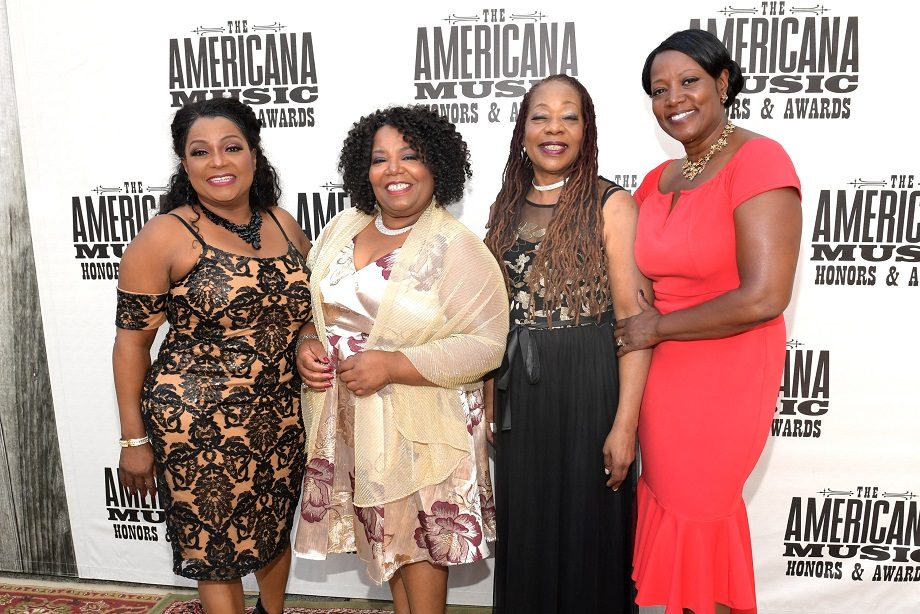
The McCrary Sisters — Alfreda, Ann, Deborah, and Regina — grew up in Nashville in the home of legendary preacher and singer Reverend Sam McCrary, a key member of the Fairfield Four and a major figure in gospel music.

LISTEN: APPLE PODCASTS

They’ve sung, together and apart, on stages and in studios around the world. And they’ve become beloved anchors of roots music communities in Music City. After working with producer/artist Buddy Miller, they answered popular demand to form their own quartet, and after several albums through the 2010s, the McCrarys delivered their first Christmas album. It became a leaping off point for a joyful conversation about four remarkable lives in music.

The Show On The Road – Liz Vice

On this week’s episode of The Show On The Road, Liz Vice – a Portland born, Brooklyn-based gospel/folk firebrand who is bringing her own vision of social justice and the powerful, playful bounce of soul back to modern religious music.

Listen: Apple PodcastsMP3

Liz Vice is following a rich tradition that goes back generations to powerful advocates like Sister Rosetta Tharpe, Sam Cooke, the Staples Singers, the Ward Sisters, Aretha Franklin, and especially Mahalia Jackson, who was the soundtrack to the civil rights movement. It was Mahalia who pushed Martin Luther King Jr. to tell the assembled masses in Washington, D.C. about his dream.

We often forget how much religious music was infused in the counterculture back in the 1960s, and as the BBC mentions in a great article about the era, “The music of the black church was infusing and inspiring the political consciousness of folk music; gospel was no longer just for the religious but the foundation for much ‘60s protest.” And so we bring you Liz Vice — and a little clear-eyed Christmas spirit to usher you into the twinkling darkness of December.

WATCH: Brittany Howard’s Big Sound at NPR’s Tiny Desk

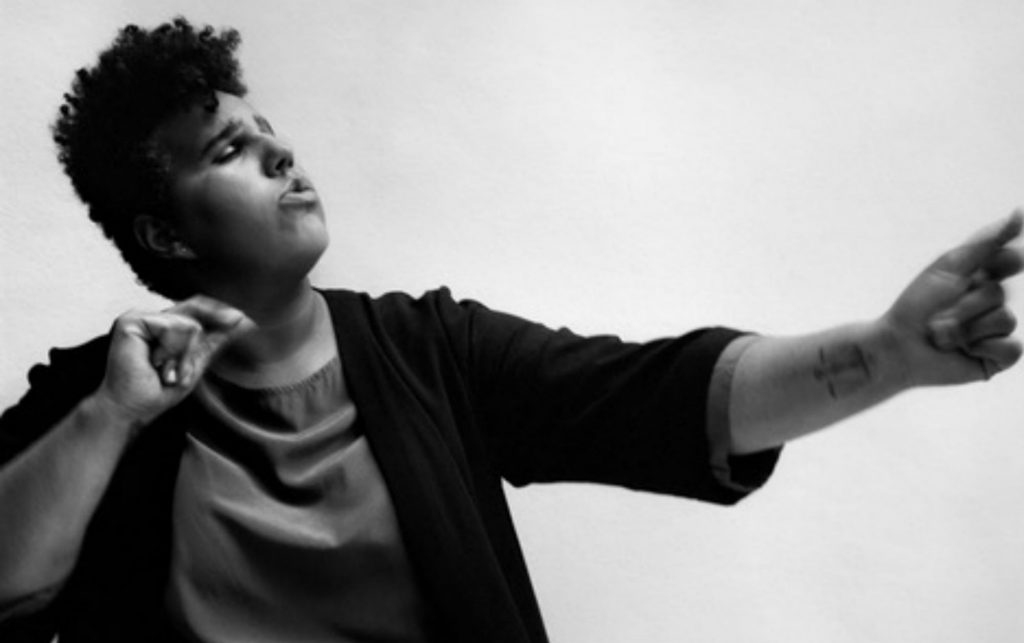
Alabama Shakes alumnus and Bluegrass Situation Artist of the Month, Brittany Howard has maintained a steady course through her journey in blues and roots music. Driven by a resilient spirit and equipped with a stout voice, Howard has seen her fair share of peaks and valleys. From tragically losing a sister to cancer to breakout success and Grammy nods with Alabama Shakes, Howard has faced more in her 31 years than most of us will see in our whole lives.

After playing founding roles in two other rock bands (Bermuda Triangle and Thunderbitch), she decided it was time to take a step forward and release an album as a solo artist. The debut record was a tribute to Howard’s sister and was also named after her; Jaime was released this past September.

Howard’s addendum to the record offers some insight to the music: “Every song, I confront something within me or beyond me. Things that are hard or impossible to change, words and music to describe what I’m not good at conveying to those I love, or a name that hurts to be said: Jaime.” Brimming with emotion and truth, Jamie is available now, as are tickets to her  tour. Watch her Tiny Desk concert here, on BGS.


Photo credit: Danny Clinch

WATCH: Boyz II Men Bring Out Steep Canyon Rangers

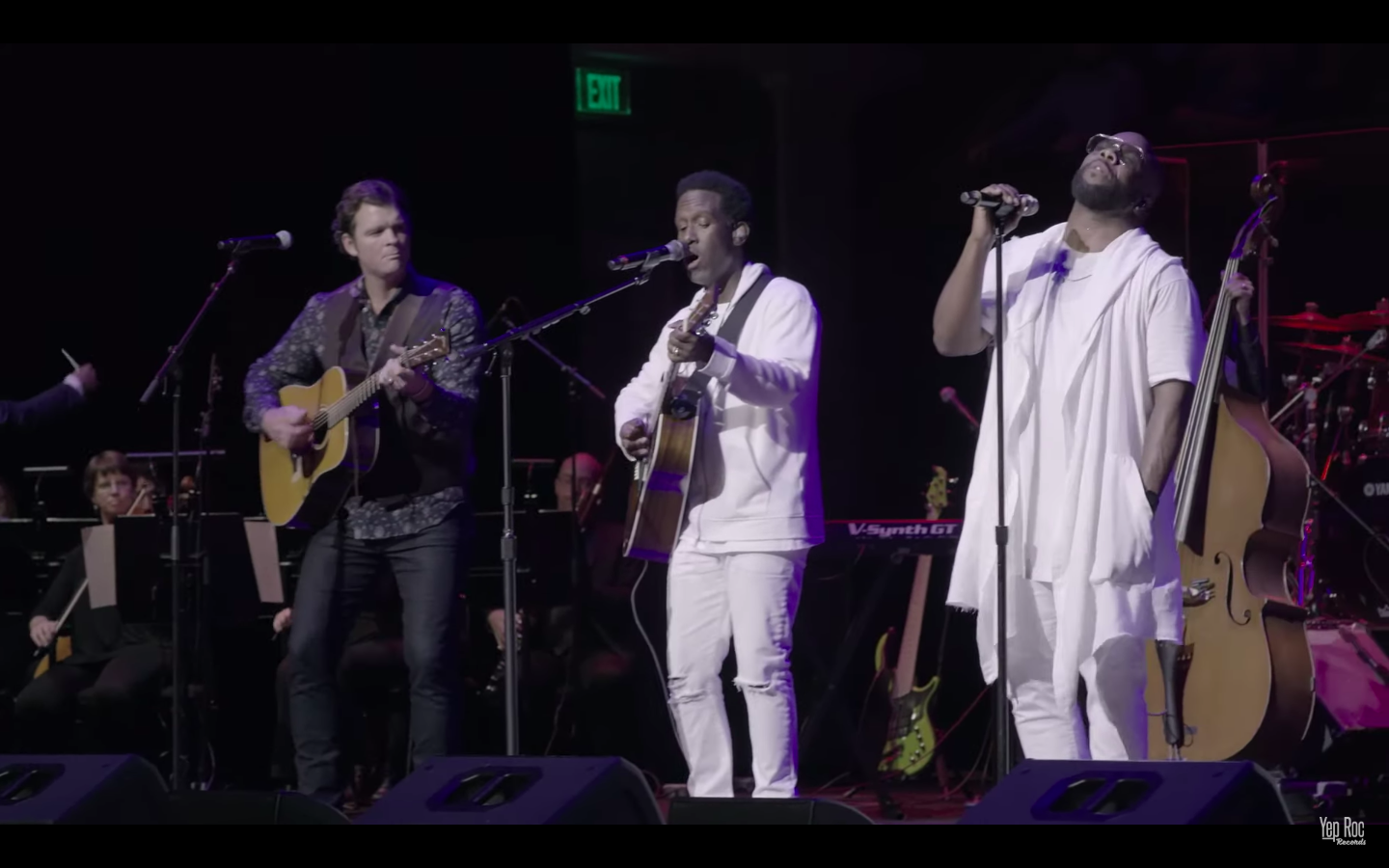
Boyz to bluegrass?! You read that right. R&B legends and vocal virtuosos Boyz II Men have collaborated with North Carolina’s Steep Canyon Rangers for this stunning reproduction of the bluegrass group’s 2007 song “Be Still Moses.” During a Boyz II Men performance at Nashville’s Schermerhorn Symphony Center, twelve members of the Asheville Symphony joined the Rangers for this video, capturing what may very well be a once-in-a-lifetime performance of the song.

Boyz II Men’s Nathan Morris remarks, “The other day someone said ‘Boyz II Men does bluegrass?’ We laugh cause it sounds crazy, but to us good music is good music no matter what genre.” Graham Sharp of the Steep Canyon Rangers adds, “I give credit to our producer Michael Selverne and to Michael Bearden for their vision of bringing together two very different musical worlds for a moment that transcends any genre designation.”

Watch as musical traditions collide and stars align in this illuminating performance.

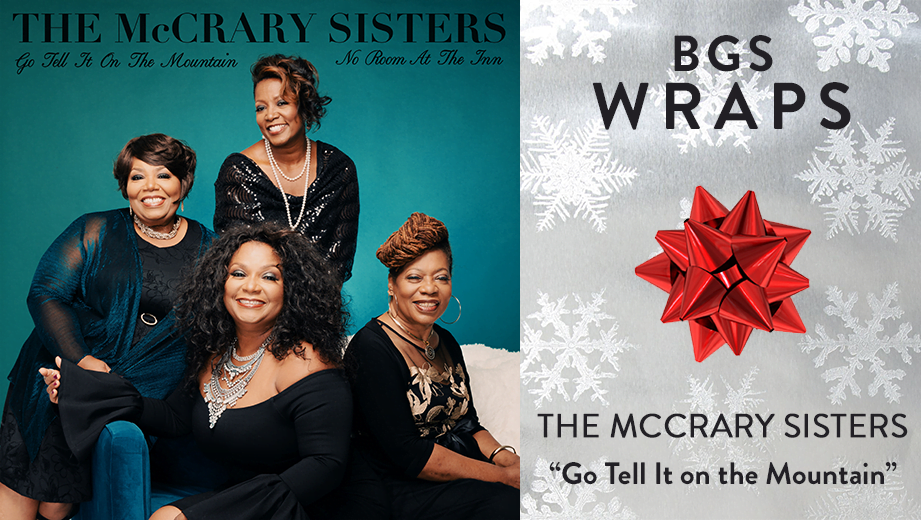
BGS WRAPS: The McCrary Sisters, “Go Tell It on the Mountain”

Artist: The McCrary Sisters
Song: “Go Tell It on the Mountain”
Album: Go Tell It on the Mountain/No Room at the Inn

In Their Words: “I have always loved the Staple Singers, so when our producer Scott Billington at Rounder Records shared his idea of using the song ‘Respect Yourself’ for the groove of this song and put ‘Go Tell It On the Mountain’ to that feel, we jumped all over that opportunity. I love it, I pray — and yet I know — you will love it too. So join us on the highest mountain and lowest street corner to proclaim the message of love, joy, peace, and happiness!” – Regina McCrary

Enjoy more BGS Wraps music.

Mixtape: Jackie Greene & Band’s Soul and Funk

This is a playlist about the new band’s favorite soul and funk music at the moment. We’re a diverse group of musicians with different tastes and backgrounds, and these are genres we all like and listen to together while rehearsing and recording.

Jackie Greene (Lead):

Sly & the Family Stone – “You Can Make It If You Try”
Who doesn’t love Sly? This is the funkiest circus I’ve ever heard.

Lee Dorsey – “Neighbor’s Daughter”
Sort of an obscure record, The New Lee Dorsey has a bunch of Allen Toussaint songs and all of them are awesome, but I always really liked this one.

Bill Withers – “Ruby Lee”
One of the baddest, rawest grooves ever. The album +’Justments is one of my favorite albums of all time.


Ben Rubin (Bass):

Marvin Gaye – “Got to Give It Up (Pt. 1)”
I love this song because the pocket is so deep and sparse and Marvin lays on top so sweet (yes I meant that figuratively and literally).

Prince – “Sign ‘O’ the Times”
I love this song, because to me it represents some of Prince’s best work. When the song came out, it was so ahead of the times in terms of lyricism AND production.


Megan Coleman (Percussion):

Aretha Franklin – “Day Dreaming”
The groove and musicality of this song legit brings tears to my eyes. Also, I’m a sucker for a good ole fashioned love song.

Michael Jackson – “Don’t Stop ‘Til You Get Enough”
I mean…how beautiful is he in this music video? This was one of the first songs I fell in love with as a child and it will always hold a special place in my heart.


Jon “Smoke” Lucas (Drummer):

D’Angelo – “Playa Playa”
This is the intro to the era that captured my soul at 12 years of age. The sound, feel, and performance of this record is priceless! All-time favorite of mine…


Nathan Dale (Guitar):

Otis Redding – “Ole Man Trouble”
I wore out both sides of my The Dock of the Bay cassette during the summer of ’92. “Ole Man Trouble” was the last song before the auto-reverse tape deck flipped back to side 1. The song hooked me every time. There is some kind of magic happening between Cropper’s guitar parts and Otis’s painful vocal delivery. Otis opened the door to soul music for me.

Prince – “Sign ‘O’ the Times”
Prince’s brew of pop craftsmanship is something I was never embarrassed to admit I loved. His blend of funk, soul, blues, and R&B along with the addictive hooks is a perfect kind of music to me. The genius of his artistry is captured brilliantly in “Sign ‘O’ the Times.” Its sparse musical approach keeps the funk but leaves room for the lyric’s heavy topics of the 1980s.


Alex Kettler (guitar tech)

Lettuce – “Phyllis”
It’s a simple groove that opens up to a plethora of synths and horns. The song keeps progressing while always lightly grasping the main line until it goes full-circle.


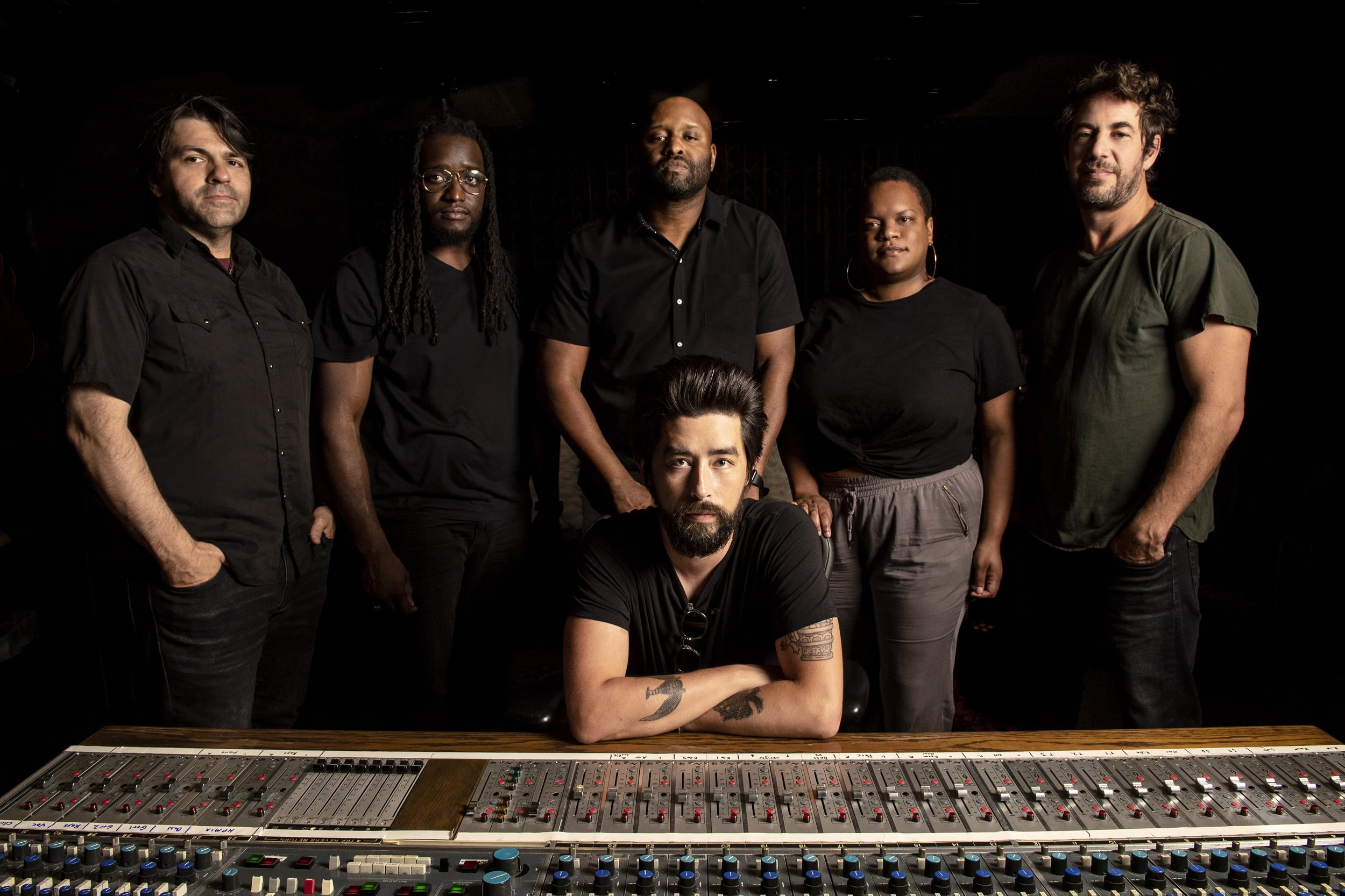
Photo credit: Michael Weintrob. Pictured front: Jackie Greene; Back row (L-R): Nathan Dale (guitar), Jon “Smoke” Lucas (drums), Shannon Sanders (musical director, organs), Megan Coleman (percussion), Ben Rubin (bass).

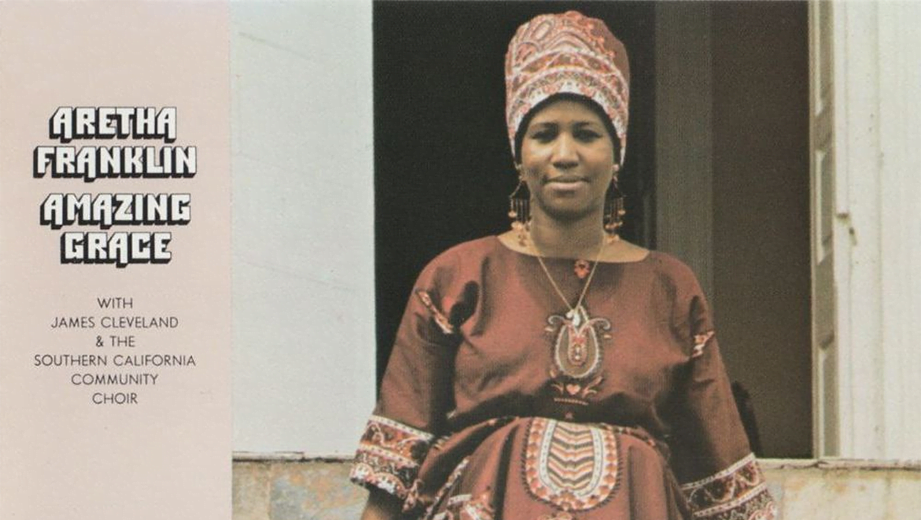
Canon Fodder: Aretha Franklin, ‘Amazing Grace’

Listen to Aretha Franklin sing “Amazing Grace.” The hymn was nearly 200 years old when she tore into it on her 1972 double-live gospel album with the same title. Her version is nearly eleven minutes, and she spends most of that time wringing those lines of every emotion that has ever been felt in those intervening centuries. Aretha delivers those lines like she’s preaching, and the congregation answers in kind: applauding when she hits that high note on “a wretch like MEEEE” and voicing their excited approval when she locates untranscribable vowels in those simple words “amazing grace.” It is a vibrant collaboration between performer and audience, each pushing the other to new heights of spiritual ecstasy. The Southern California Community Choir comes in like a band of angels, but Aretha isn’t even done yet. Instead, she shakes them off and tests the limits of her upper register.

That is just one of many goose bump-inducing moments on Amazing Grace, which remains her best-selling album as well as the best-selling black gospel album of all time. While it has been overshadowed by the secular albums she recorded for Atlantic Records in the late 1960s and by her unprecedented comeback albums in the 1980s, it remains a touchstone in her catalog, an album that explains her complicated relationship to the gospel world as well as to the pop charts. Beyond that, it’s just an incredible set of music, with all the intensity, all the purposefulness, and all the spontaneity of her own or anybody else’s live albums. Amazing Grace surpasses even her 1971 Live at the Fillmore West, which is saying a lot because that album is a stone classic.

It is, however, an unusual album in her catalog: Title track aside, her voice is often subsumed into a larger choir. She was never one to be upstaged (the only instance I have found is when the violence outside the 1968 Democratic National Convention overshadowed her performance of the national anthem inside), but she slips in and out of the choir, harmonizing with them one moment and soloing the next. The point of the album—the point of gospel, in general—is to share the spotlight with a host of friends and family. Aretha understood that gospel was not a solitary pursuit; the music is not private or internalized.

Rather, it is public, communal: the sound of many voices united in a joyful noise unto the Lord. Even when she is pushing heavenward on “Amazing Grace,” she is no longer the diva she was in the secular world; perhaps this project offered her some escape from the royal demands of pop stardom, the tabloids printing rumors, the endless tours, the complicated business machinations, the physical drain of being the best-known pop singer on the planet. In church, surrounded by people she loved and trusted and admired, with only God as her audience, perhaps she felt at ease.

Nearly fifty years later, the origins of the project are still debated. Jerry Wexler, president of Atlantic Records, claims he encouraged her to record a gospel album, believing she needed to issue a major statement after so many singles-oriented albums. Aretha, however, claims the idea was hers all along, as was the plan to record it live in church. Others claim her father, the Rev. C.L. Franklin, pressured her to reconnect with the church, although he had instilled in her at a young age the belief that spiritual gospel and secular pop both sprung from the same well of black history. “If you want to know the truth,” proclaims a very proud C.L. during his short sermon, “she has never left the church!”

Aretha surrounded herself with some of her gospel heroes, including James Cleveland (the King of Gospel to her Queen of Soul) conducting the choir. Also taking part were her brothers and sisters, her grandmother, and her idol and mentor Clara Ward of the Famous Ward Singers. According to David Ritz’s 2015 biography Respect: The Life of Aretha Franklin, Wexler “was determined to sneak the devil’s rhythm section into church,” which meant hiring some of the session musicians that had been backing Aretha on her recent records: bass player Chuck Rainey, drummer Bernard Purdie, guitarist Cornell Dupree, and percussionist Pancho Morales. Even that rhythm section is in dispute, however, as Aretha denied the devil had anything to do with the way they played.

And that is where the disputes end, because as soon as Aretha enters on the opener “Mary, Don’t You Weep,” she presides over the album. She is the choir director, the producer, the soloist, the choir member, the preacher. She hammered out the track list with Cleveland in the weeks before the performances, favoring a repertoire that mixed old hymns and new pop songs often in the same arrangements. “Precious Lord, Take My Hand” bleeds so gracefully into “You’ve Got a Friend” that it’s nearly impossible to distinguish Thomas A. Dorsey’s composition with Carole King’s hit. She swaggers through Marvin Gaye’s “Wholly Holy” as well, but the most commanding arrangement is her gospelization of “You’ll Never Walk Alone,” which had recently debuted in Rodgers & Hammerstein’s Carousel. Not exactly churchly fare, but Aretha and the musicians playing with her find the kernel of spiritual steadfastness in each one. “He walks beside you,” the choir testifies, and she interjects, “He’ll put all of his angels beside you!”

Perhaps she doesn’t mean heavenly angels. Perhaps she means earthly angels: the people up on stage with her and the people down in the pews. In those words are echoes of the Civil Rights movement, a reminder of all the marches and demonstrations that showed strength and righteousness in unity. Gospel was integral to those events; in fact, Aretha performed with Martin Luther King Jr. repeatedly both as a gospel singer and a pop star. Perhaps that connection is what made Amazing Grace so popular at the time; it’s definitely what makes the album so powerful nearly fifty years later.

“Can I get y’all to help me sing?” she exhorts the congregation on closer “Never Grow Old,” and by “congregation” I mean everyone in the church and everyone who ever listens to the album. No one can sing to the heavens like Aretha, but by inviting everyone to sing along, these performances continue to provide an example of how all of America might sing in one beautifully harmonized voice.

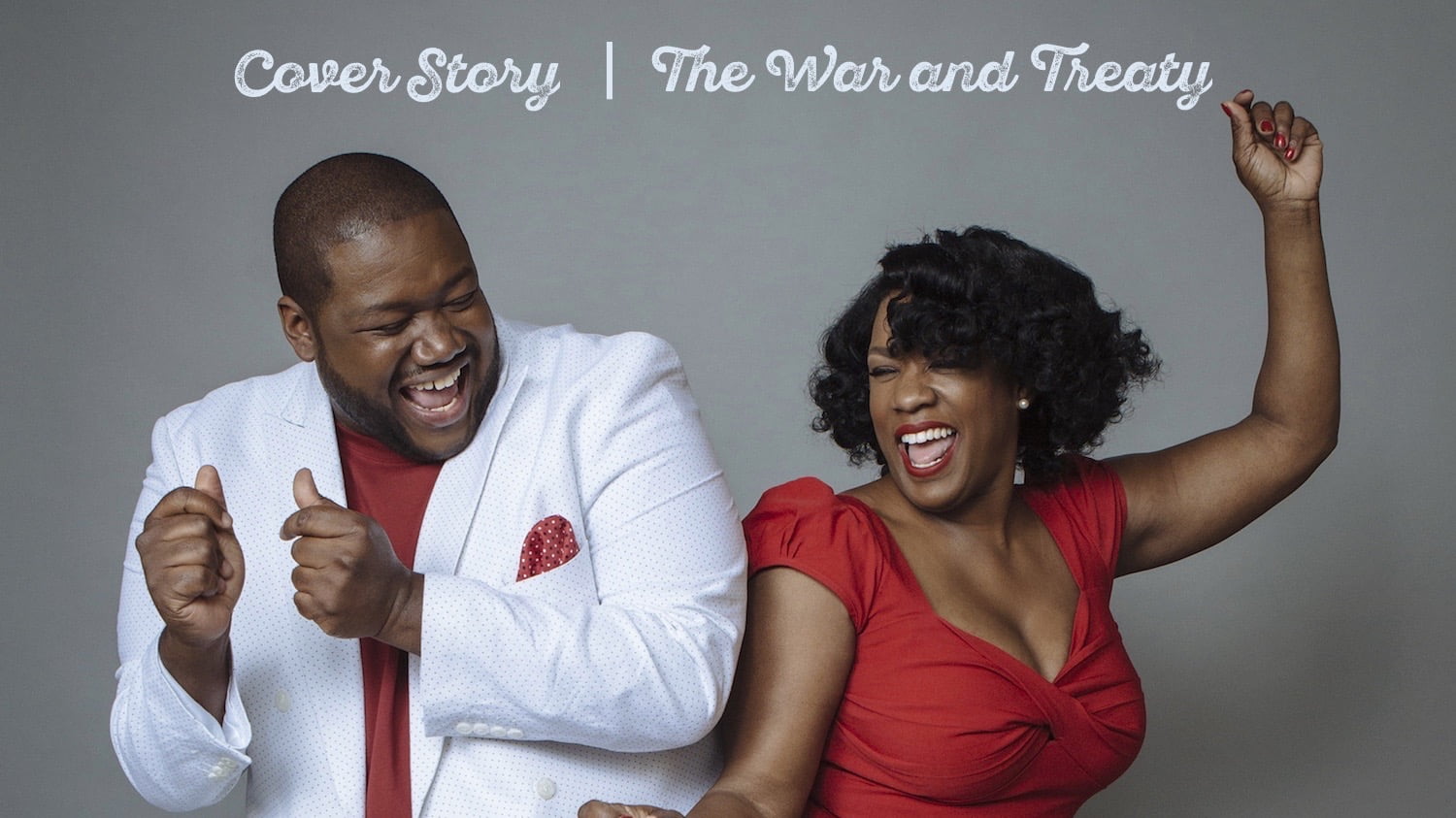
The War and Treaty Bring Their Love to ‘Healing Tide’

More often than not, it seems, the telling of the story of the War and Treaty begins with the war, specifically a piano in the basement of one of Saddam Hussein’s palaces. It is a tantalizing tale, and we’ll get to that.

But this time, let’s start with the Treaty: the moment Michael Trotter Jr. and Tanya Blount first met and two formidable talents took hold in life and in music.

“We have probably two different accounts,” Michael says by phone from Nashville, Tanya audible in the background, laughing as she agrees with the prediction.

Spoiler alert: There is to be much laughter in the ensuing chat, from giggles to hearty peals, and much weighing in from whoever doesn’t have hold of the receiver. And some tears and choking up too. It’s a real delight, everything up-front and on the table, just as anyone who has seen them perform would expect, and every bit of it captured in their new debut album, Healing Tide, a wonder of gospel-soul-country-rock-folk carried on their from-the-heart vocals, both of them capable of gale-force belting and whispered-breeze tenderness, sometimes, somehow, both at once.

It’s a love story through and through, evidenced in song titles along: “Love Like There’s No Tomorrow” (the album’s foot-stomping gospel invocation), “Are You Ready to Love Me?,” (swampy Southern soul), “Here Is Where the Loving Is” (fiddles and guitars and Emmylou Harris!) among them. And a belief that love is contagious, that it can repair the world — the boisterous title song (a bit of Ike and Tina and a lot of Delaney & Bonnie, perhaps), the steamed-windows twinkle of “Jeep Cherokee Laredo.” And in “One and the Same” they have given us unity anthem for the ages. All of the ages. And in album-closing “Little New Bern,” Michael wrote a vivid ode to Tanya’s large, loving family and the former plantation land where it began and at which all the cousins still gather with her grandparents (73 years of marriage!) every summer.

But back to that meeting: “I remember going to Laurel Lakes Park for an event, the Love Festival, Aug. 28, 2010,” he says of a day of music in Laurel, Maryland, near where each lived at the time, at which they were both scheduled to perform. “I was led under this awning and I saw this most beautiful woman I ever saw in my life.”

A “wow” is heard in the background, as if she’s never heard this before.

“And she did what any beautiful woman would have done with a slouch like me. She ignored me,” he says. “We introduced ourselves and she thought nothing of me. I thought everything of her. So I got on stage and performed, and then after I saw this woman running across the field in heels toward the stage, and it was her. She just wanted to know about my songwriting. The rest is history.”

Tanya grabs the phone: “He’s kinda telling the truth,” she allows. “Mine is the part where he says I ignored him. I was out there with some friends and a young lady working with me at the festival kind of whisked me away and said, ‘I want you to meet Michael.’ Which kind of came as he said it. It may come off as I was ignoring him. But I wasn’t. I was trying to do two things at once.”

As to her reaction to his songs, well, on that she agrees wholeheartedly.

“Oh my goodness! I lost my mind!” she says. “After he finished performing I ran over and bought six of the CDs he had and was a crazy person handing them out to people — ‘This is the best thing I’ve heard!’ He was amazing.”

And then?

“We exchanged numbers — and he would have a different account here,” Tanya says. “He lost my number! Threw it in the trash can. So I proceeded to call him and ask him if he could write songs for my brother and I. We were working on a project. I invited him over to the house. He wrote 10 songs in about two hours. He had songs ready, came over and sang them to me and we became friends, inseparable friends. And after I had a birthday party, that was September of 2010, and from there, the next day, we never separated. He moved into my house the next day.”

Michael’s take?

“You know? That’s accurate.”

Okay, then. Now let’s skip ahead to March this year, when the couple, having made their home in Albion, Michigan, found themselves in Nashville, being produced by Buddy Miller at his house — “We wanted to give Buddy Miller a chance to be discovered,” Michael says, barely containing silly giggles. “Just wanted to help him out” — and surrounded by such stellar musicians as drummer Brady Blade, fiddler Sam Bush, pedal steel and banjo player Russ Pahl and multi-instrumentalist Jim Hoke, realizing the love-filled vision they’d been honing tirelessly in the intervening years.

Oh, and there’s Emmylou Harris climbing the porch stairs, not only to add her voice to “Here Is Where the Loving Is At,” but to deliver a batch of birthday brownies to Michael one day.

“Another lady who might need to be discovered,” Michael says, not succeeding at holding back the giggles, before adding, “Everyone knows her for her singing, but people don’t know she makes the BEST BROWNIES EVER.”

The sound is a realization of an array of influences and passions, some shared ones including Aretha Franklin, Ella Fitzgerald, Nat King Cole, the gospel icons the Gaither Singers and James Cleveland. A big influence when they started performing together, Michael says, was the Civil Wars — he sheepishly notes running into that act’s John Paul White and, tongue-tied, blurting out that his act was called the Civil Wars. But what the War and Treaty draw on together is distinctly their musical DNA.

“We really have different backgrounds,” Tanya says. “My mom was from Panama. I grew up listening to Calypso and opera. My dad was from New Bern, North Carolina, and we also listened to Christian music, gospel, but also secular music — Whitney Houston. A plethora of sounds growing up. My dad loved western, so some country songs. We would have a guitar player in church, or sometimes just foot-stomping and clapping. ‘Love Like There’s No Tomorrow’ comes from that. Michael comes from a Seventh Day Adventist background and grew up listening to incredible harmonies and some of his writing comes out of that. His uncle Zilbert Trotter plays organ like no one I ever heard before. We took all that and married it together and it came together with the help of Buddy Miller as a beautiful piece of art.”

Though they’d made a well-received EP, Down to the River, spawning some viral videos to match the word-of-mouth from their dynamic concert performances, this was a whole other world for them, with new expectations, intimidating ones.

“When you get those musicians in the room, they know that no matter what accolades they have, they say, ‘Lead us,’” Michael says. “I had to learn to lead. Buddy Miller is not going to let you escape that responsibility. You come in and have a vision, he’s going to hold you to it. He’s a sweet man, but he has a way to make sure you stay authentic. He’s not going to do take 17, take 18. We did two takes of everything. We had it in the first one. Did the second one because Buddy felt guilty that we had it in the first one.”

He continues, “They all wanted to see where I wanted to go — show us what you’ve got. The intimidation factor was sky high. I don’t consider myself of the caliber of those giants, but then you have to believe you belong there. I remember playing my minor 7ths and diminished chords and this and that and they were laughing, had to explain to me what I was doing. Russ Pahl said, ‘How does it feel to have millions of dollars of education, and never gone to school a day in your life?’ I said, ‘Feels pretty good, Russ.’ He popped me on the head with a wad of paper and walked away.”

The closest he had ever gotten to a music education was under the most unusual circumstances, which brings us back to Saddam’s piano. Michael, having enlisted in the Army in 2003, was sent to Iraq, scared and unprepared. He found himself in a platoon stationed in one of Hussein’s abandoned palaces. A captain heard him sing, heard the inspirational power of his voice and took him to the basement where there was a piano and told him to go at it, learn to play, make music. Not long after, the captain was killed and Michael was asked to sing at his service, the first time he ever sang a song he wrote in public.

But as he talks here, that wasn’t the part of the Iraq story he wanted to tell.

“No one knows this,” he confides. “This is special. I was singing in Baghdad once, and it was probably two in the morning, singing to the troops. And they were singing and clapping with me. And one of the soldiers on guard duty said, ‘You all gotta come see this!’ And when I looked over the gate, the Iraqis with their tea were sitting down at the gate, listening to me sing. And they were clapping and patting their thighs with me. That’s the power of music, the power of songwriting. The war stopped for at least 30 minutes.”

That’s the kind of thing he remembers as his and Tanya’s life accelerates, as success builds and the demands grow — not least being having to spend more time away from their child.

“I’ve cried on the road and broken down,” Michael says. “We travel with our son, but time has now come where we have to leave him with someone for two or three weeks at a time, all for the call of the mission and honoring our life.”

That mission. That call.

“I’m singing with my wife, songs I wrote for us, and we’re on the road and helping bridge humanity in our way. Toughest thing we have to deal with is leaving our son. But no one’s calling us derogatory words.”

He cites a couple of rough epithets that in past have been hurled at many from various directions.

“No one is doing that. There are no signs that you have to drink from the black water fountain. That’s not happening,” he says. “We are blessed that we have not faced it that way. We have a multi-cultural band that reminds folks of what we have overcome. I’m not here to promote the black race or white race, but am genuinely invested in unifying the human race. I do believe there ain’t no better thing in life. I’m almost coming to tears just thinking about if Dr. King’s dream can be a reality daily. We make sure at every concert that everyone hugs each other and tells each other they matter, black or white, foreign or domestic. We are all human beings.”

As the song says, with equal grace and power, we are all “One and the Same.”

Tanya puts it simply and profoundly: “This project is an act of love.”


Photo credit: David McClister

MIXTAPE: Bette Smith’s Soul Salvation

Who doesn’t like soul music? Come on! My big brother Junior absolutely loved it, too. Also, he was my protector throughout my rough and tumble childhood growing up in gang-infested Bedford Stuyvesant, Brooklyn. I stood there, as he lay dying from kidney failure, under that heartless hospital sign that read, “Do Not Resuscitate.” I sang to him at his bedside at Kings County Hospital, trying to maintain my composure. At the time, I was completing my bachelor’s of science degree with an emphasis in creative arts therapy. Overcome with emotion, I sang to him our favorites songs. — Bette Smith

Donny Hathaway — “He Ain’t Heavy, He’s My Brother”

Sometimes this soul/gospel powerhouse moves me to tears, especially when Hathaway utters the title lines “He ain’t heavy, he’s my brother …” It only adds to the impact when I look at the profile of Hathaway and see the striking resemblance to my dear brother Junior. It’s like wow, wow, wow!

Otis Redding — “The Happy Song”

Yes, everyone knows Pharrell Williams’ recent hit with the similar title, but check out Otis’s brilliant soul ditty. Simply put, this song makes me feel happy whenever I’m down! Like Bounty, it’s the “quicker picker-upper!”

Bill Withers — “Ain’t No Sunshine”

I will never forget the “Do Not Resuscitate” request, which broke my heart on account of my big bother passing away just a week afterward. Now, every time I sing this song, I remember him on his deathbed, saying to me “Keep singing no matter what.” And especially this song. Now, wherever I travel for gigs, I hear that same old song playing on the radio, or by a live band at Louis Armstrong Airport in New Orleans, or pumping through the speakers at the Memphis airport, or the t-shirt store in Hawaii, or at the bar at La Guardia. I am grateful that he’s letting me know that he’s still with me. And Junior continues to make his presence known — loud and clear.

Esther Philips — “Try Me” 

I loved Esther Philips as soon as I heard her sassy and soulful voice. The way she enunciates her words is just so classy. I very much relate to her cheeky and heartfelt style — often delivering it at the same time! See also “Just Like a Fish.”

Otis Redding — “Try a Little Tenderness”

Although I recall hearing this song in classic movies like The Crying Game, it wasn’t until earlier this year I discovered, on YouTube, Otis Redding’s live in London version. Mr. Redding does like a gazillion encores and really brings the house down. What an inspiring performance! It’s really influenced the way I delivered my songs from that point on. Otis encourages me to “break down the wall” that separates the singer from the audience.

Sugar Pie DeSanto / Etta James — “In The Basement”

This is one of the ultimate “get-down” songs. But, what else could I expect from collaboration between two soul goddesses — Etta James and Sugar Pie DeSanto?

Nina Simone — “Ain’t Got No — I Got Life” 

What can I say about this inspirational song that hasn’t already been said by the original High Priestess of Soul? It’s one of those songs that gets you up and off to work on a rainy Monday morning, when you’d rather call in sick and stay in bed all day. (Or why not just stay in bed all day and listen to it?) Either way, it makes you feel grateful just to be alive.

Charles Bradley — “Changes”

This tune was written by heavy metal legends Black Sabbath, but Bradley transforms it into an iconic soulful vibe with his poignant voice. It makes me experience the emotion of regret for every experience of deep friendship that I somehow let slip away because of my inherent shyness. Ugh!

Wilson Pickett — “Mama Told Me”

This song has a fiery, up-beat tempo complete with Wilson’s smooth timeless lyrical interpretation, which I enjoy so much.

Nina Simone — “I Put a Spell on You”

This hauntingly “gutsy” song makes me feel empowered and vulnerable — simultaneously.

Etta James — “I’d Rather Go Blind”

A lawyer who moonlights as my stand-by drummer once said to me, “I never really understood the meaning of that song, until I heard you sing it.” What a compliment! This tune, which I was once hesitant to perform because it’s emotionally demanding, really gets to me. Now I love performing it, as well as listening to it. It’s the ultimate “break up” song.

Danny White — “Kiss Tomorrow Goodbye” 

Songs like this remind me of when my Muhammad Ali-looking big brother tapped his size 15 foot along the cold, hard, aluminum hospital bed frame in time to my singing classic soul tunes. And, like the proverbial “Little Drummer Boy,” I sang my best for him. But he winced with pain soon as I came to the end of my chanting. Then I sung one last verse before saying goodbye for what I didn’t know would turn out to be the last time.


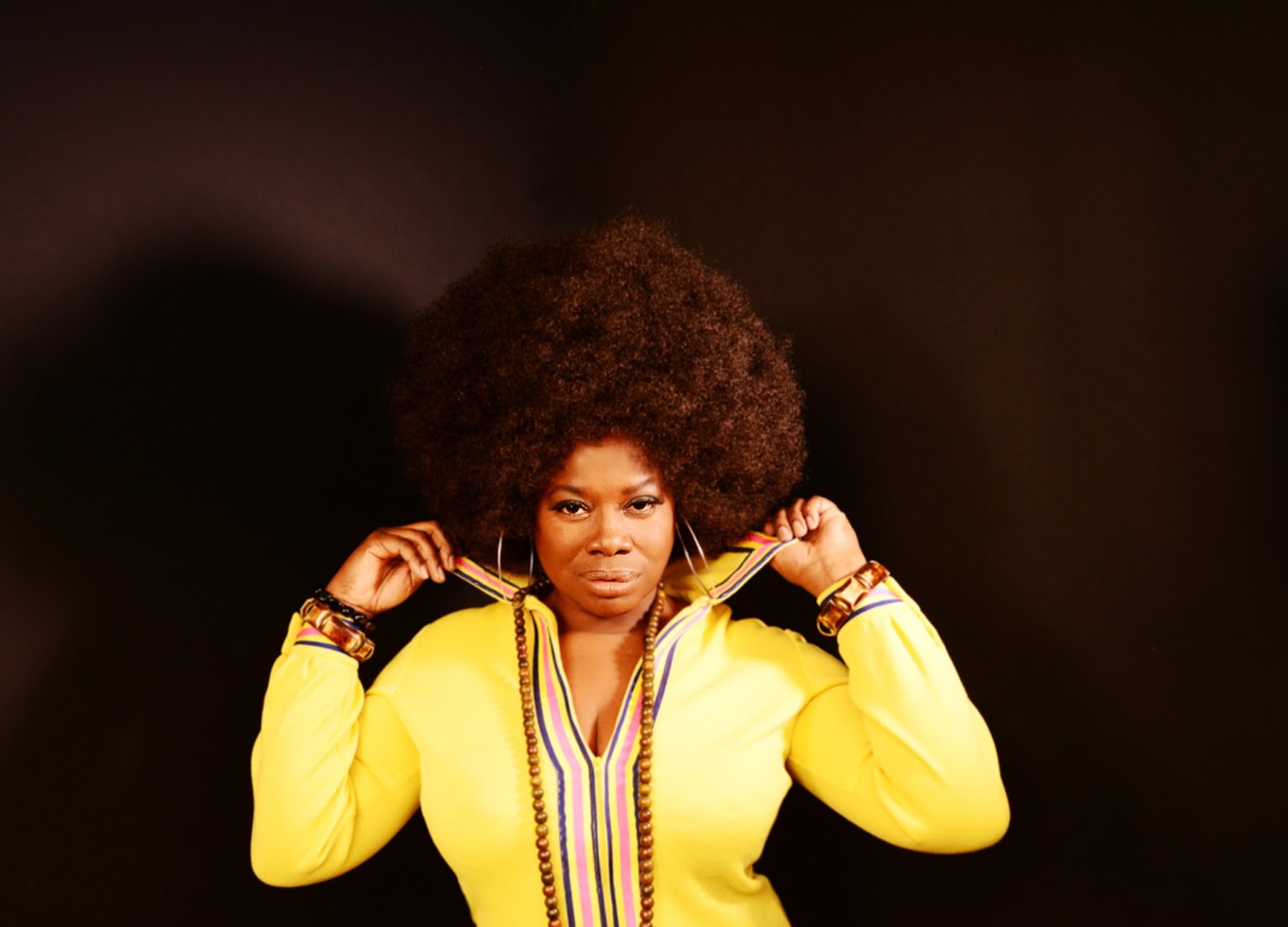
Photo credit: Shervin Lainez

MIXTAPE: Amy Black’s Memphis Mood

I didn’t know it until recently, but man, I love Memphis. After touring for two years on an album I did in Muscle Shoals, I decided it was time to move on to a next project, and Memphis was the obvious choice. In order to soak up the music of Soulsville, I dove in deep, visiting the city, hanging with the locals, touring the studios, and listening to everything I could get my hands on that was recorded in Memphis back in the booming Stax, Hi, Sun, and Ardent days. I knew most of the staples, but there were so many more artists and songs to discover. I was in music heaven. What I experienced informed my songwriting for the project, as well as the covers I would select for the album and my live show. My fourth album, Memphis, features some of the architects of the infectious Memphis sound that I just can’t get enough of. This Mixtape is a sampling of the music I discovered on my Memphis journey. It’s got the Memphis grit, heart, and soul. Get ready. It will make you want to shout, dance, sway, shake and sing! — Amy Black

Otis Redding  — “My Lover’s Prayer”

Otis. The superstar of Stax Records. Do you know how much we love you and miss you? Your spirit comes through in every one of your songs. I love this ballad. Even though you don’t “go off” on the same level as some of the other songs, we feel your emotion, your desperation to make things right. Gets me every time.

Ann Peebles — “I Pity the Fool”

How did I miss Ann Peebles? I knew “I Can’t Stand the Rain,” but there is so much more to her. Now here’s a singer who can move from gentle to fierce without blinking. On “I Pity the Fool,” her line “look at the people” feels like a gut punch. A good gut punch. Ann Peebles, there’s no one who can “sock it to me” like you can.

O.V. Wright — “Blind, Crippled, and Crazy”

I love, love, love me some Al Green, and we will talk about that, but fellow Hi Records artist O.V., now he’s got his own thing going on. He brings it every time. He’s got that Memphis grit in his voice. He sings with urgency. He makes you sit up and listen — and believe every word. “Blind, Crippled, and Crazy” is a killer example of this. It love it so much, I start every show with it.

Carla Thomas — “B-A-B-Y” 

Carla Thomas of Stax Records … if Ann Peebles has the growl, Carla’s got the purr. Her smooth voice and upbeat songs just make you happy, especially this favorite number. I was glad to hear “B-A-B-Y” is in the new Baby Driver movie. What a sweet, groovy song. I got my very own baby niece this last year (my first one) and this is her song. I sing it to her all the time and we dance to it. I’ll keep doing that until she begs me to quit out of embarrassment.

Jackie Brenston and His Delta Cats — “Rocket 88”

Going old school here. There’s a whole lot of history behind this one, so look it up. A few key points: Sam Phillips recorded it; many say it was the first recording of a rock ‘n’ roll song; the band and song were really Ike Turner’s but Jackie got the credit; oh, and that fuzzy guitar sound was a new thing. Something about a dropped amplifier? What I can tell you for certain is when one does this song live in 2017, people still go crazy over it. Long live rock ‘n’ roll!

Jerry Lee Lewis — “Night Train to Memphis”

Great to play these two back-to-back. This is song is absolutely infectious. Just stand still and don’t dance to it: I double dog dare you. I end the show with this one and usually go Pentecostal. It can’t be helped.

The Staples Singers  — “City in the Sky”

Okay, now we are talking. Mavis, you are MY girl. No one else can have you. Okay, I’ll share. Seriously, Mavis is one of my greatest musical and spiritual inspirations. I’m so grateful for her and her family and all the positivity and honesty they have put out into the world for decades. Mavis is still going strong at 78! Love this song. What a great message and a great groove. XOXO

Al Green — “Old Time Lovin’”

This Hi Records superstar just oozes soul. That Hi groove and all that feeling. Sexiest music available (and yes, I know about Barry White). If “Old Time Lovin” doesn’t get you in the mood, you might need to see a doctor.

Bobby “Blue” Bland  –“I Wouldn’t Treat a Dog (the Way You Treated Me)”

I didn’t grow up listening to the blues or being exposed to this kind of music at all. You could think it’s sad or that I had some pretty excellent music to discover as an adult — I go with that latter line of thinking. To discover Bobby “Blue” Bland in my 40s was just the right time. I love this man’s full catalog. He is oh so smooth (they say “Frank Sinatra of the blues”) but can bring that Memphis grit in a heartbeat. Love this song. It’s groovy and is sure fun to do live.

William Bell — “You Don’t Miss Your Water”

A classic from the ballad master of Stax, William Bell. This is a beautiful song. It’s simple and stunning. More from William below. (He is still making music … and winning Grammys.)

Albert King — “Walking the Backstreets and Crying”

This is Memphis. We’ve got to have some serious blues on this playlist. This Albert King version of a song originally recorded by Little Milton stopped me in my tracks the first time I heard it. The drama. Bring it, Albert. And those Memphis horns blaring in the background. Yes!

Big Star — “September Gurls”

As I write about these songs, I’m listening to them. I have a huge smile on my face right now. Does Big Star do that to you, too? Just make you happy? Just make you want to dance around the room? That’s what they do for me. It’s not soul music, but it gets to my soul. Having the chance to hang with Big Star drummer Jody Stephens at Ardent while mixing my record also made me smile. What a guy. What a band.

The Bo-Keys — “High Roller”

Quintessential Memphis. These guys are keeping that amazing Memphis sound alive and well. I had the pleasure of working with Bo-Keys leader Scott Bomar as my producer for the new album. I came to him because I love the sound that he gets. This song is a perfect example. So good!

William Bell — “Poison in the Well”

We are back to William Bell. He’s the only person who gets two songs. I just can’t help it. He’s 77 years old and making a comeback. But to those who have always loved him, he didn’t go anywhere. I’m digging his new Grammy-winning album and I gotta share. I’ve been rocking out to this song all summer in the tour van. Enjoy!

Don Bryant — “What Kind of Love”

Speaking of comebacks … Don Bryant is the husband of Ann Peebles and wrote many of her hits, but he’s also a amazing singer. He’s been singing gospel for years, but this summer released a new soul/R&B album that Scott Bomar produced. He’s touring with the Bo-Keys and killing it.

North Mississippi Allstars — “Meet Me in the City”

The Dickinson family is legendary in Memphis. Jim was one heck of a musician and producer, and his kids — Luther and Cody — are following in his footsteps. Glad there’s a next gen of Dickinsons to bring us more great music.

Valerie June — “Wanna Be on Your Mind”

Valerie June calls Memphis home. She’s described her sound as “organic moonshine roots” (found that on Wikipedia). While it’s not classic Memphis soul or blues, both are certainly influences, along with folk, gospel, country, Appalachian, and bluegrass … otherwise known as Americana music! This is one of my favorites from her debut album, Pushing Against a Stone.

City Champs — “The Set-Up”

Joe Restivo is a killer guitar player. Al Gamble slays on the organ. George Sluppick is wicked on the drums. Put these guys together, and you have the excellent Memphis trio, City Champs. Treat yo’ self and listen to this song and many others. These fellas played on my Memphis album. Yes, I’m a lucky lady.

Amy Lavere — “Killing Him”

I remember the first time I heard of Memphis-based singer/songwriter and bass player Amy Lavere. An industry guy played me a murder ballad of hers and said, “If you want to do a murder ballad, this is the way to do it.” I talked to him today and he stands by that. She worked with the late great Jim Dickinson on the album this track is from, Anchors and Anvils. Fun fact: Amy played Wanda Jackson in Walk the Line. How freaking cool is that?

John Paul Keith — “We Got All Night”

I’ve had the pleasure of seeing John Paul play live several time in Memphis and got to hang out while he was doing some recording at Scott Bomar’s studio. His music is a sweet and soulful mix of rock ‘n’ roll, country, rockabilly. Dig it. He plays a lot in Memphis. Make sure to catch him next time you are in town!

John Nemeth — “Three Times a Fool”

From Idaho to California to Memphis. That was John’s path. Definitely a great move resulting in some excellent music. He won the Blues Music Award for “soul blues male artist of the year” in 2014 and has recorded several albums in Memphis. He also plays a mean blues harp. Next time you are in Memphis, check out his killer side project called the Love Light Orchestra. Big band. Big sound. Big time.

Amy Black — “The Blackest Cloud”

Yes, I have to put one of my songs on this playlist. But I did put it at the end, so there’s that. I picked producer Scott Bomar’s favorite song, “The Blackest Cloud,” for your listening pleasure. It’s a mix of old and new and features HORNS. If you like what you hear, stream the full album on Spotify. Okay, advertisement over.

Bruno Mars and Mark Ronson — “Uptown Funk”

You made it this far. I’m going to either reward you or punish you. It’s all based on your perspective. I love the song “Uptown Funk.” What’s not to love? And the coolest part is that it was recorded at Royal Studios, the historic spot where all of the Hi Records artists recorded with the Hi Rhythm section. Boo Mitchell (heir of famed producer Willie Mitchell) is running the studio and following in Willie’s footsteps as a producer and engineer. They are celebrating its 60th year right now in 2017. What a great testimony to how relevant Memphis is to today’s music scene!

<hr>

Photo credit: Stacie Huckeba