BGS 5+5: Sweet Undertow

Artist: Sweet Undertow
Hometown: Alphabet City, New York, New York
Latest Album: Days Without Names (releasing July 17, 2026)
Personal Nicknames (or rejected band names): Fast Eddy; Slow and Steady Eddy

What other art forms – literature, film, dance, painting, etc. – inform your music?

I read a lot – like a lot a lot. Language is such a strange thing: these agreed-upon movements of our mouths and these little scribbled symbols allow us to build civilizations. New York and Paris are built out of words way more than they are brick and steel.

And make no mistake, speech and the written word are the same thing as singing. When you order coffee or curse the guy who cut you off – you are singing. There’s melody and rhythm and all that in speech. So listening to some author build castles inside your head. It’s the same thing as song. Listen to Marx here: “You have nothing to lose but your chains.” Put it on a loop in your head, you’ll start to groove to the rhythm. The 4-on-the-floor beat marches like a dialectic. Or take Christ, “My God, my God, why have you forsaken me?” That’s music – you can imagine Kurt or Aretha or anyone else singing that line.

In fiction especially, narrative and voice and imagery and sound – it’s all there. You get to dig around inside of these lunatic genius minds all from the comfort of your own home for like 10 bucks a throw. And they don’t even really charge more for longer books – you can’t say no to that kind of bargain these days.

Read these and tell me I’m wrong:

One Hundred Years of Solitude
The Wind Up Bird Chronicle
2666
Infinite Jest
Blood Meridien
Never Let Me Go

What was the first moment that you knew you wanted to be a musician?

It;s tricky. The word “artist” suffers a great deal of abuse from global culture writ large and the music industry in particular – from Subway’s sandwich artists to most of the “artists” you hear on the radio. But for artists, you’re born an artist and it’s a matter of how quickly you can find your medium. It’s long been said that the most dangerous thing in the world is an artist without a medium, and for me it’s hard to say when I found mine. I sang in a punk band in high school, then stole a guitar at 19 and taught myself to play from Muddy Waters records. And I’d play gigs from time to time, but it just never occurred to me to be a musician.

This is the important thing – it never occurred to me to want to be anything. I didn’t think about things in those terms. The best way I can describe my thinking at the time is this: Every year was so totally different than the year before that even the thought of making a long-term plan sounded laughable. Hubris in the face of the capricious gods of time. But I never even really had the thought. Being anything just didn’t occur to me.

So I didn’t have money or stuff or a home, but I traveled the world. Lived in half a dozen countries. There was love, adventure, terror, sickness, laughter, lonesomeness. Damn near got eaten by alligators and, later, a leopard. I worked as a firefighter, a garbageman, a teacher, a student, an organizer, a newspaper reporter, a salesman, and a security guard. Mainly a rambler, Odysseus-ing around, but not trying to get anywhere exactly.

But I guess if there was a moment when I realized I was a musician it was in Singapore. I was playing tunes at this bar in Geylang and this pilot named Spinks came up to me after, grabbed my shoulders, and said, “Brother, you’re a musician.” And like a punch to the chest I realized he was right.

Genre is dead (long live genre!), but how would you describe the genres and styles your music inhabits?

Genre is 99% marketing speak – so it isn’t dead in as much as it has essentially nothing to do with music at all.

That said, Sweet Undertow makes country disco, outerspace Americana, hardcore folk, and babymakin’ rock ‘n’ roll.

What is a genre, album, artist, musician, or song that you adore that would surprise people?

People’s sense of surprise is their own business, so far be it from me to try and influence that, but here’s some fun facts:

When I get the blues (surprise surprise, I get the blues!) I put on the Rebirth Brass Band, Dr. John, the Meters, Curtis Mayfield, and Parliament. And while it doesn’t cure the blues, per se, it is definitely harder to be sad when you’re dancing.

And for the lightning round:

1) Marvin Gaye is maybe the greatest musical genius of the 20th century.
2) Django Reinhardt is the greatest guitarist player who ever lived.
3) Ella Fitzgerald is some kind of goddess who briefly took mortal form.
4) Standards by Tortoise – chef’s kiss.
5) My favorite band for a goodly while was Los Crudos.

If you didn’t work in music, what would you do instead?

If I couldn’t play music I’d jump off a goddamn bridge – it’s the only thing I like.


Photo Credit: Jessica Lee
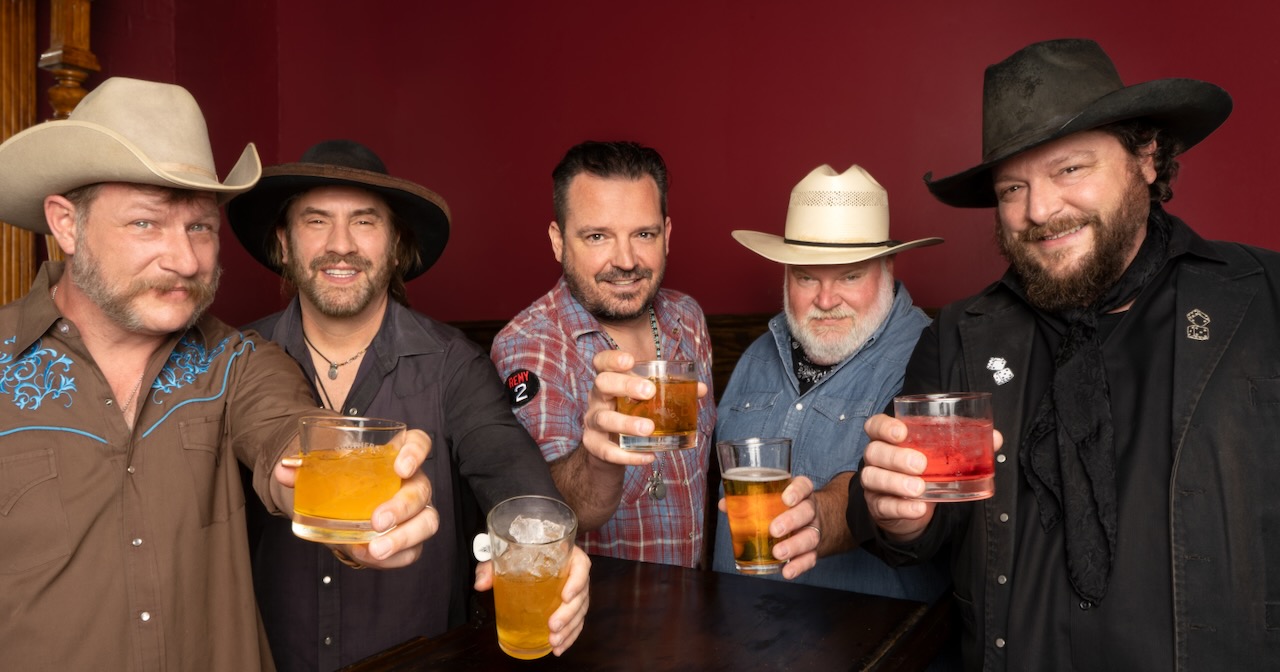
BGS 5+5: Reckless Kelly

Artist: Reckless Kelly
Hometown: Austin, Texas
Latest Album: The Last Frontier

(Editor’s Note: Answers supplied by Willy Braun.)

What’s your favorite memory from being on stage?

My favorite memory of being on stage is usually the last song at the Braun Brothers Reunion. We always close with a Bob Dylan song, “You Ain’t Going Nowhere.” It’s been a tradition for a long time and that’s always the end of our set. Reckless Kelly always closes Saturday night of the festival. We bring all of our artist friends out to do a big grand finale jam on that song. It’s always really fun, because it’s following a week of great times, great shows, great music, and people getting together having a ball. The crowd is always singing along with it. It’s just a good little crescendo to end the BBR every year. So that’s one of my top ten right there for sure.

What other art forms – literature, film, dance, painting, etc. – inform your music?

I get a lot of inspiration for songs from reading. Actually, I borrow lines from books and maybe story lines or direct quotes. Not sure if that’s considered stealing or not, but haven’t been sued yet; so that’s good. But no, I try to read a lot, especially when I am up in Idaho in the wintertime and I keep a notepad by the chair or by the fire where I’m reading. I’ll jot down lines that jump out at me or you know sometimes when you’re reading a story you’ll get an inspiration for a song. But yeah, I take a lot of inspiration from reading books.

Which elements of nature do you spend the most time with and how do those impact your work?

The nature element that inspired me the most is probably just being in the mountains up in Idaho. Kind of out in the middle of nowhere in the high desert. My place is pretty secluded, so I don’t have a lot of people stopping by, especially in the wintertime. I’m able to just kind of shut the phone off and do some writing. It’s just a great place to just sit and stare out the window at the mountains and just be inspired by the solitude and silence of it all. So I would say the mountains are my number one place to go and get away from it all.

Does pineapple really belong on pizza?

This is two questions rolled into one. First question being, “What’s the most random question you’ve been asked in an interview?” followed by, “Does pineapple belong on pizza?” I think that’s the most random thing I’ve been asked, so we’re going to answer it for you.

The answer is, yes, pineapple belongs on pizza. If you don’t think so, then you’re only fooling yourself, you’re trying to be cool, and trying to be a little more Italian than maybe you are. I can just tell you this from experience. When we have more than one pizza delivered to the bus and one of them contains pineapple, it’s the first one to go. Even though half the guys in the band claim they don’t like pineapple on their pizza, like it is some kind of abomination. So, I’ll take my pizza with pineapple, canadian bacon, and jalapeño, thank you very much. Preferably on thin crust and if you don’t like it, you can go back to Sicily.

If you didn’t work in music, what would you do instead?

If I didn’t work in music, I would probably be a carpenter. I’ve always liked building stuff. My grandpa was a carpenter; he taught me how to build stuff when I was a kid. I just enjoy creating things; whether it’s a coffee table, a cabin, a house, or a picture frame, whatever – if it’s made out of wood. It’s fun, I like to build stuff out of wood. I’m not much of a mechanic, but I can work with wood. Yeah, I’d be a woodworker/carpenter if this whole music thing doesn’t work out.


Photo Credit: Cassy Weyandt

BGS Class of 2023: Reading Recommendations

I call January my reading month. To be clear, I do of course still scan words and decipher syntax throughout the remaining 11 months that fill the calendar, but I always seem to start and finish the most books in the first month of the year. I don’t think it’s because I have a romantic notion of what my new self will be like in this new year – always reading and writing more or doing xyz to “better” myself (though if I’m being honest, that’s probably part of it). Rather, I think it’s more so that in the hangover of the holidays, when the gatherings are over, and there are months of dreary winter to look forward to, I take comfort in the ability to transport myself to another time or place, or simply get lost in someone’s thoughts for hours at a time. 

This community, as much as any, understands the import of passing stories on – allowing a new generation to take the torch and keep honored traditions burning while evolving its culture and extinguishing the shameful parts of its priors. That’s why we at BGS compile notable books that tell the stories by or about these genres’ songs and songwriters and the scenes, places, and events that made them. 

Maybe you’re like me, looking for ideas of books to get lost in this winter, or maybe you are looking for a way to turn the page on the calendar and become your most “badass self” (we’ve got a book for that). You might be here looking for a last minute gift idea for that special music-loving person in your life. In all those cases, you’ve come to the right place! 

We’ve got a book by an esteemed songwriter who waxes poetic on the art form he loves. We’ve got titles about how certain times in certain places scenes have blossomed and sub-genres formed so palpable that listeners can identify a song by its roots. We’ve got biographies of famous musicians, and some of whom have looked back at their own lives and careers. Find all that and more in our list of reading recommendations, organized by categories below: 

Sense of Place

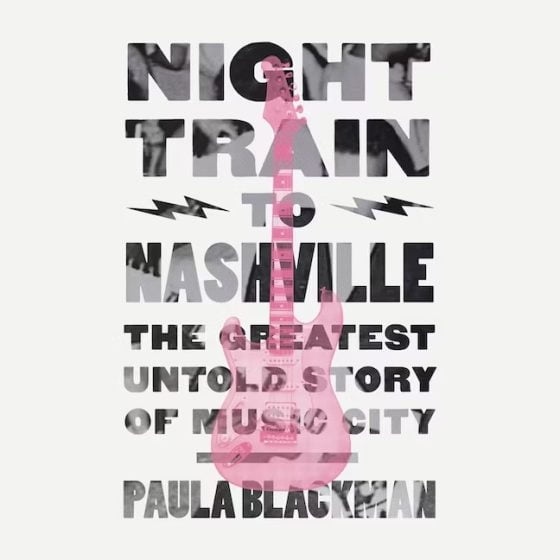
Night Train to Nashville: The Greatest Untold Story of Music City, Paula Blackman

Drawing on stories from her grandfather, E. Gab Blackman, a 30-year radio executive at WLAC, Paula Blackman shares the story of how the Nashville radio station became a pioneering source for Black rhythm and blues music in the 1940s and ‘50s. Seeing the opportunity to reach a more diverse audience – not, as Paula notes, to be a “white savior” – Gab teamed up with disc jockey Gene Nobles to play “race records.” In Night Train, Blackman also profiles William Sousa “Sou” Bridgeforth, the owner of New Era Club, a prominent Black nightclub in Nashville that blossomed as a result of the new artists being spun on WLAC airwaves, many of whom were introduced to Gab by Sou. Fitting that the story of Nashville, in the time leading up to the civil rights era, is told through the music played on the AM radio speakers throughout the city. 

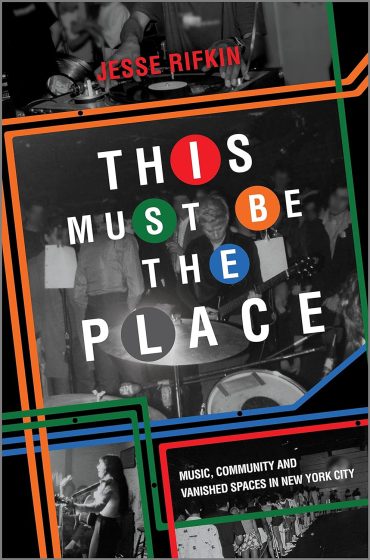
This Must Be the Place: Music, Community and Vanished Spaces in New York City, Jesse Rifkin

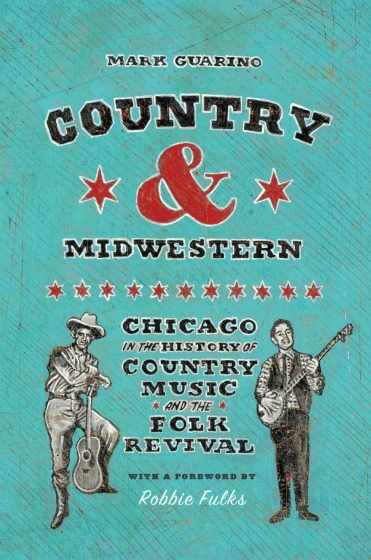
Country and Midwestern: Chicago in the History of Country Music and the Folk Revival, Mark Guarino

In Their Own Words

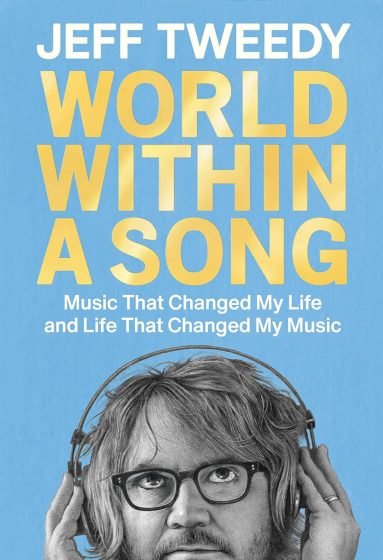
World Within a Song: Music That Changed My Life and Life That Changed My Music, Jeff Tweedy

Wilco frontman and New York Times bestselling author Jeff Tweedy follows up on Let’s Go (So We Can Get Back) and How To Write One Song with a gushing love letter to songs. In it, Tweedy dedicates chapters to many (but clearly not close to all) of the songs that have resonated deeply with him for one reason or another. From Bob Dylan to Billie Eilish, from The Clash to ABBA, Tweedy sheds any and all pretense of what might be considered “cool” in his selections. 

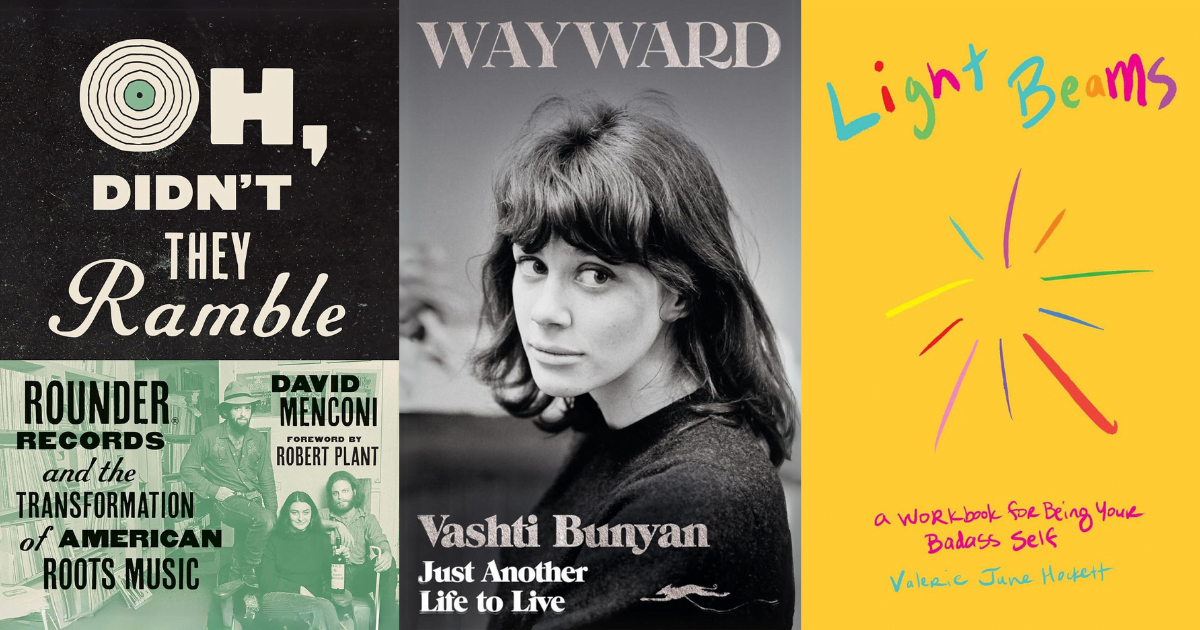
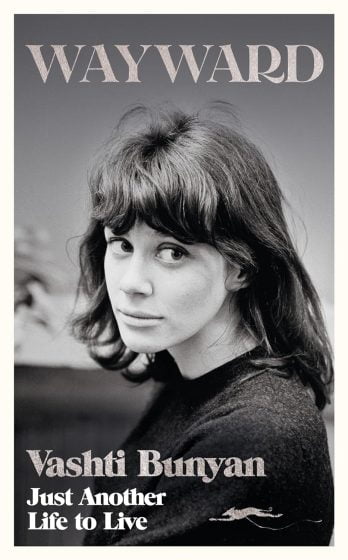
Wayward: Just Another Life to Live, Vashti Bunyan

In Wayward, Vashti Bunyan, an English singer-songwriter, recounts her early career in the mid ’60s leading to her debut release, Just Another Diamond Day, in 1970. Disillusioned by its lack of success (at the time) and the fact that her songs, life, and career were all dictated by men, she left the music industry entirely before re-emerging in the early 2000s. Pick this up for the story of what happened in between, how she reclaimed her life, and is taking her second act in music on her own terms. 

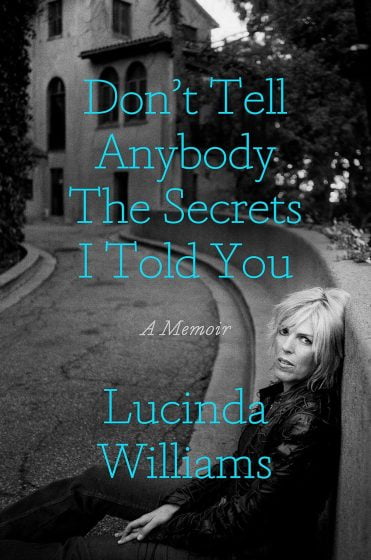
Don’t Tell Anybody the Secrets I Told You: A Memoir, Lucinda Williams

3-time Grammy award-winning songwriter and now New York Times best-selling author, Lucinda Williams, recounts her upbringing and bumpy ride to fame. Once getting feedback from a record company who said her music was “too country for rock and too rock for country,” Williams stayed the course, and became one of the greatest and most influential songwriters of our time.

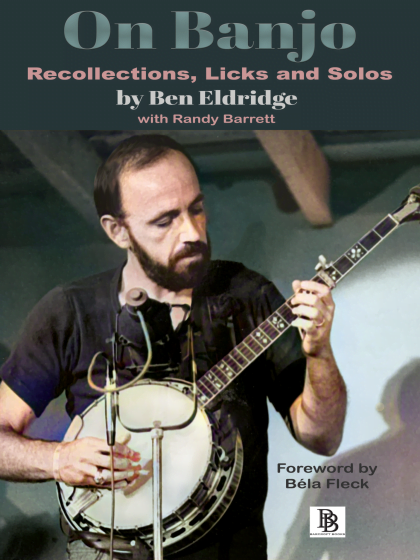
On Banjo: Recollections, Licks and Solos, Ben Eldridge

Born in Richmond, VA, Ben Eldridge fell in love with roots music watching WRVA’s Old Dominion Barn Dance. In this memoir-meets-tablature book, he recalls his path from upbringing to moving to D.C. to become a mathematician, and ultimately going from jam sessions to forming a group that would change bluegrass henceforth – the Seldom Scene. This conversational book with pictures that set the scenes even comes with licks and transcriptions for banjo playing fans. 

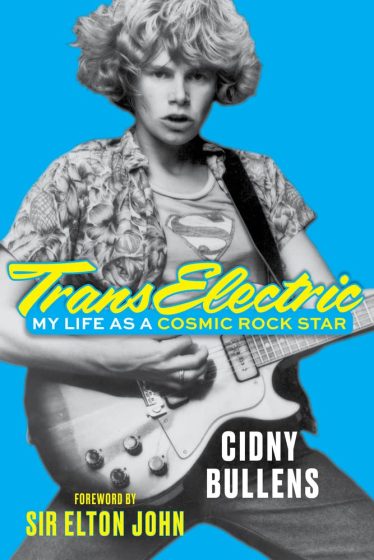
TransElectric: My Life as a Cosmic Rock Star, Cidny Bullens

This book starts with a bang! And I’m not even talking about the foreword from Elton John. As just a 24-year-old Cidny (then referred to as Cindy) had shown up uninvited to a live recording session for Dr. John at Cherokee Studios in Hollywood, and eventually found himself starting an impromptu jam with Ringo Starr, Eric Clapton, Dr. John, and Joe Cocker. This retrospective traces his arc from a backing vocal career in the drug-fueled ’70s for the likes of Elton John and Rod Stewart, and having trouble finding his footing as a solo artist who had expectations of how a woman could behave and perform. Bullens settled into the life of a typical suburban mom, experienced a personal tragedy, and eventually found his true voice. 

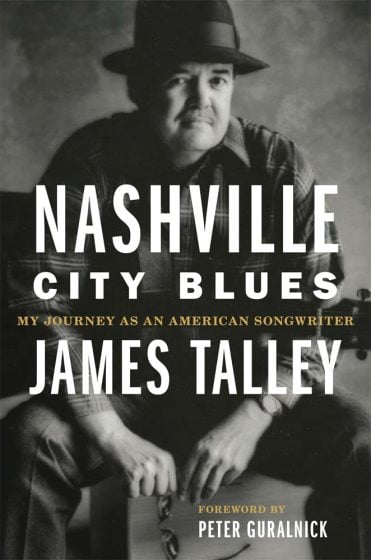
Nashville City Blues: My Journey as an American Songwriter, James Talley

Biographies & Histories

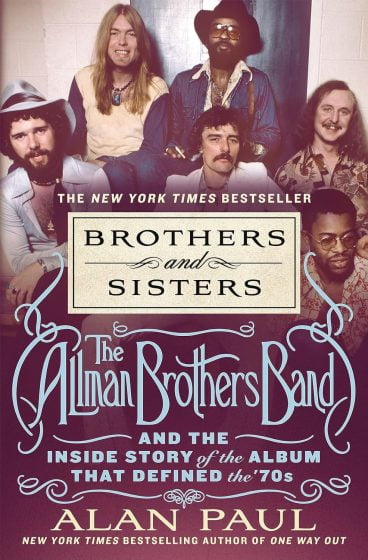
Brothers and Sisters: The Allman Brothers Band and the Inside Story of the Album That Defined the ’70s 

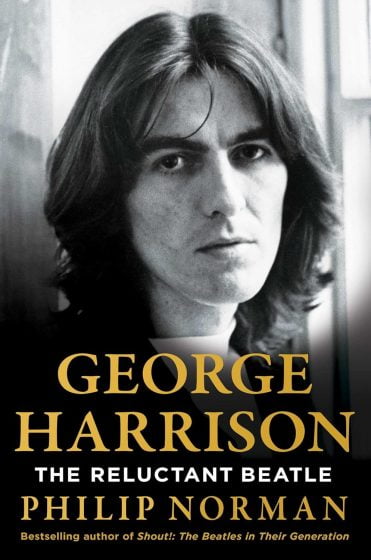
George Harrison: The Reluctant Beatle, Philip Norman

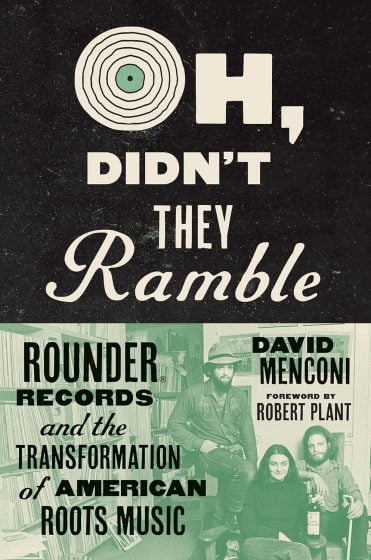
Oh, Didn’t They Ramble: Rounder Records and the Transformation of American Roots Music, David Menconi

Oh Didn’t They Ramble chronicles the comprehensive history of the quintessential folk record label for the last 50-plus years. With extensive access to Rounder artists, staff, and founders Ken Irwin, Marian Leighton Levy, and Bill Nowlin, BGS contributor David Menconi is able to tell Rounder’s story, from its humble but audacious and idealistic beginnings to becoming one of the most influential record labels in the history of recorded music. 

The Downhome Sound: Diversity and Politics in Americana Music, Mandi Bates Bailey

How-Tos

Light Beams: A Workbook for Being Your Badass Self, Valerie June

Like I mentioned, this workbook/journal might be coming just at the right time as you resolve to become your most “badass self.” But even if you’re reading this well into the new year, then there’s no time like the present! Published on Jack White’s Third Man Books, Valerie June’s Light Beams offers its readers “contracts and agreements, self-healing wishes and spells, and maps and prescriptions in exercises” on a journey to self-love and waking up with a promise of choosing kindness and shining like a “badass.”

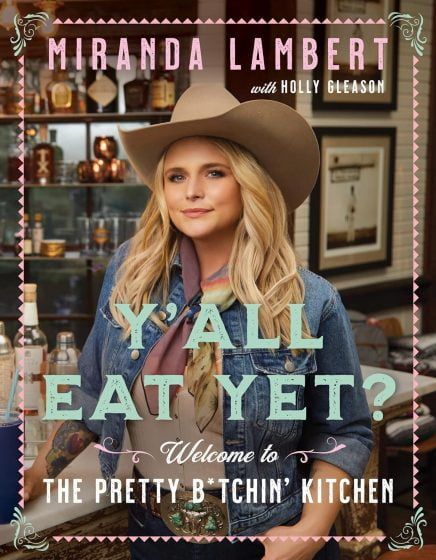
Y’all Eat Yet?: Welcome to the Pretty B*tchin’ Kitchen, Miranda Lambert

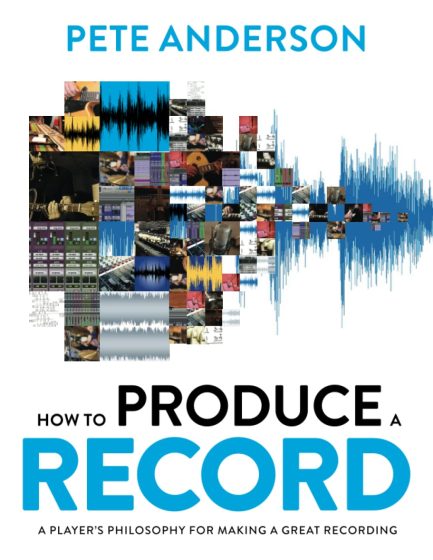
How To Produce A Record: A Player’s Philosophy For Making A Great Recordings, Pete Anderson

Other

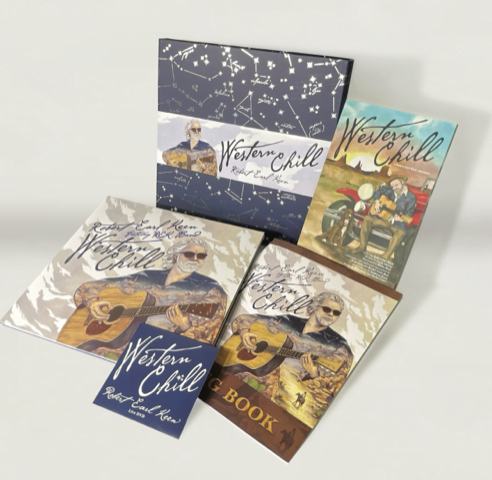
Western Chill, Robert Earl Keen

As a set that features a double sleeve album, a DVD with music videos for every song, a graphic, illustrated novel that explains the writing process, and a songbook with lyrics, notes, and chords so the purchaser can play along, this title certainly belongs in a category of its own.