An Oral History of the Infamous Stringdusters

BGS was founded 14 years ago and from the very beginning, we’ve been covering, collaborating with, and cheering on the Infamous Stringdusters. Our first posts about the group published to our site in 2013 – not even a year after our launch – spotlighting banjoist Chris Pandolfi’s Bluegrass Manifesto, the band’s only-four-years-old marquee event The Festy Experience, and their most recent album at that time, Silver Sky. Now, in 2026, they’re not only our Artist of the Month for the second time, they’ll be headlining our stage at Bourbon & Beyond this September, too. But, our love for the band – and the many partnerships we’ve built together – began, like most, back in 2007 with their now iconic debut album Fork in the Road and a banner year for the group at IBMA’s World of Bluegrass and the IBMA Awards.

Back then, when the Stringdusters took home trophies for Song of the Year (“Fork in the Road”), New Artist of the Year, and Album of the Year, perhaps no one – not even the band themselves – would have predicted the seismic, existential impact they would end up having on bluegrass and the as-yet-unnamed subgenre thereof: jamgrass. Twenty years on, the Stringdusters celebrate their duo of decades with 20/20, an album of 20 songs celebrating 20 years of defining and redefining bluegrass and jamgrass.

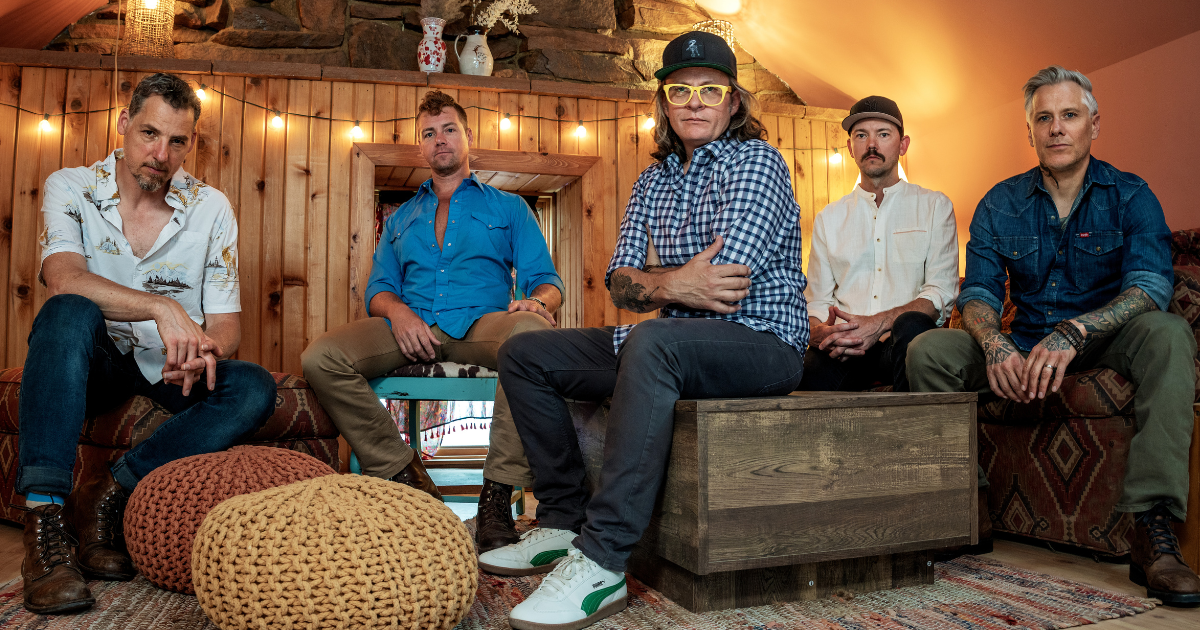
For our Artist of the Month coverage, BGS and Good Country co-founder Amy Reitnouer Jacobs sat down with all five members the Infamous Stringdusters for a wide-ranging conversation of a band that epitomizes bluegrass, jamgrass, and psychedelic string band music in the 2000s.

First of all, again, I wanna just thank you for doing this. We are so thrilled to have you guys as our Artist of the Month and congratulations on 20 years of the ‘Dusters.

I wanna start this with Panda actually, and this is not gonna be just an oral history interview, but I think, looking back on 20 years, it feels appropriate to start from the beginning. So let’s talk about origins and start back at Berklee [College of Music], if that’s cool. Tell us a little bit about the beginning of the band.

Chris Pandolfi: I arrived at Berklee in 2001, which was the year that Andy [Hall] had just left Boston for Nashville. I first met Critter [Chris Eldridge] through Zach Hickman, who was playing in Josh Ritter’s band. He went to Oberlin [University] with Critter. We got together and we were playing, and Zach had some free studio time at a spot in New Hampshire and we were gonna go record some music, just for fun. Our careers were not underway in any way, shape, or form. We didn’t have any grand designs here. We were just gonna go record some music and have some fun.

Then, on the precipice of this recording, we went down to the Cantab Lounge to meet this guy named Andy Hall. We went there and–

Andy Hall: [It was] The Plough and Stars.

CP: The Plough and Stars! Andy was playing–

AH: I don’t remember exactly if I was playing or if you were playing.

CP: And the next day we were in New Hampshire at this recording studio and we made this EP called Stable Horse. Essentially, Andy was already living in Nashville, so around that same time, he had met Jeremy [Garrett] and they were playing together. It was that recording session that got the wheels turning for me. Like, “Oh, we could do this thing with other people our age,” and not fall into the very sort of common thing in bluegrass where you get hired by someone else and you’re essentially a sideman.

We were recording and teeing things up, and we all had other gigs at that time. It was me, Andy, Jesse [Cobb], Critter, and Alan Bartram from the Del McCoury Band. But that was my earliest memory of “We could start a band with our contemporaries.” And Zach Hickman, I give him credit, he facilitated that.

I don’t even think we had the name “Stringdusters” yet. Alan got the offer to go play with Del McCoury and we had met Travis [Book] at IBMA, so we called him up and he came and lived in my driveway for a few months. True story.

Travis Book: You can really get away with a lot if you park your car in someone’s driveway and then try to stay outta the way.

So Andy and Jeremy, what are the origins of you guys starting to play together?

AH: Was it Ronnie Bowman? Was that the first time? I was in Ronnie Bowman’s band and the fiddle player and Ronnie had a bit of a falling out while we were on the road and–

CP: We were all at a festival, so we scooped up Jeremy and he got on the bus with Ronnie Bowman!

Jeremy Garrett: Yeah, I definitely knew about you two beforehand. And, of course, in bluegrass everyone’s a fan of Ronnie Bowman. He’s such a crooner and such a cool cat. I definitely had plenty of experience before, but this was like one of my first major Nashville gigs. And it was eye-opening very quickly that, as a sideman, it’s pretty limiting.

The conversations I remember started happening pretty fast in the back rooms: “Hey, let’s maybe consider doing something of our own. Long-term, how can we make this happen?” But it was just like whispers. I remember going to IBMA – that’s where I met Chris Pandolfi and he blew me away with his melodic banjo playing style and this futuristic sound that he had. I’d really never played with that before, because I came from a very traditional side of bluegrass.

CP: Didn’t I give you a copy of my record? I remember you telling me that.

JG: Yeah. And I listened to that record all the way home from IBMA – I’ll never forget – and my dad was riding with me. I was just like, “This guy’s awesome.” Overall, it felt like all of us coming together through our connection in Nashville and these music parties that used to happen on the reg. I don’t know if they still do. We would have huge jam sessions, especially at Panda’s Pad. There’d be 20-30 people all gathered up in somebody’s backyard, picking. And it was almost every night. So you can’t help but get tight and start seeing the writing on the wall, the possibilities, through those kind of connections.

CP: These days in Nashville are so different. It’s so much “cooler” now. There’s so many young people playing bluegrass and when you hear about a lot of the socializing in Nashville, it’s a lot of young musicians. When we were having these parties, it was a real diverse mix of ages. You had Sam Bush there, you had Scott Vestal, you had Ronnie Bowman, and the McCourys. We were the young cats around and there wasn’t a very vibrant young scene. We were intermingling with a lot of the elder statesmen of bluegrass.

That’s a really special time in Nashville. I can remember that’s when I started hanging out in town and there was like a magic in the air. That intergenerational mix doesn’t organically seem to be happening as much, but maybe it is and I’m just not invited to parties anymore.

So Travis, were you coming to Nashville from Colorado? Where were you before then?

TB: Yeah, I was living in Durango and Anders Beck from Greensky [Bluegrass] and I started playing music together in maybe 2002. There were gigs and we were learning this music and then Andy Thorn and some other friends – that’s Leftover Salmon – they just showed up in a music store one day. Andy was probably 19 on college break and we hung out with him for three days straight. When he went back to North Carolina, we called him up. We’re like, “Dude, you gotta come back! We gotta make a band! We’ll play RockyGrass, you’ll win the banjo contest, we’ll win the band contest.” Anders and I were like, “We can see the future, but we need Andy Thorn,” because he was such a compelling musician and just such a natural. Still is.

We started this band called the Broke Mountain Bluegrass Band with Jon Stickley, who’s also a visionary in our music. We were all picking and almost entering that same path as Leftover Salmon or Yonder [Mountain String Band]. We were already doing this like hippie bro band, just loving playing music and camping and playing festivals and going to hot springs and just fucking around. It was brilliant.

But then we went to IBMA, which at the time was the best way to show off your band and position yourself in the context of the larger [bluegrass] world. Try to get some gigs and go party your absolute brains out for a week. We were pretty rough around the edges, but one night I stepped off an elevator and Chris Eldridge came around the corner. [He] was like, “We need a bass player for this jam. Will you come jam with us?” I went into this little alcove and it was essentially the Stringdusters. It was Critter and Pandolfi and Andy Hall and Jeremy and Jesse Brock. I was just hanging out, holding on for dear life. I’m partying, I have a backpack full of beer, I have no shoes on, and I looked around and all my band mates were just there sitting along the hallway floor listening to the jam.

Andy’s partner at the time, Janice, said, ” Do you ever think about moving to Nashville?” I just laughed. Absolutely not. But I had fixed myself in their mind and once they exhausted all the possibilities of people who could play bass in Nashville – at least this is my understanding – they dug into their collective consciousness and called me up to audition. They’re like, “We think you’re the guy. When can you move to Nashville?” So I went out there to work on Fork in the Road that summer. What was this, 2004? Am I right, guys?

AH: I think that would’ve been 2005.

TB: Yeah, you’re right. 2005. [I] moved out there in September and lived in this guy’s driveway. It was kinda wild.

Falco, I promise we’re getting to you. We’re almost there!

In pretty quick succession though, you’ve got the core crew with Critter and Jesse [Cobb] at that time, you record the album, and get signed to Sugar Hill. And then things just start happening! Can you walk me through the time between recording and the IBMA Awards in ’07?

CP: There’s a lot of extremely disorganized touring. We’re driving around in two cars. I still have the notebook from the gigs – we were getting paid a few hundred bucks a night, maybe a thousand on a good night. Doing everything that we could.

We didn’t have grand designs on anything. The IBMA Awards was a really big moment for our band. Thinking back, it was a moment of legitimacy, of just getting [to] one of the hardest things as a band, which is the collective feeling that this thing is gonna stick together. That’s the peril of starting a band with players who you think are really good: at any time anyone could get hired away for something. But we were playing gigs, we were loving life, we were working on our music, and we were poor as could possibly be. I just remember the IBMA Awards as a big moment of solidity, of that feeling like we could really do this, we could really be in this for a long time.

TB: There was that first summer we had a couple of big anchor gigs, but a lot of it was really just driving around and killing time in between these anchors and hoping that we could reach the right audiences. I think that the big bluegrass scene was ripe for some young pickers who were taking it seriously and committed to each other.

JG: Yeah, getting gas in the tank right off the bat was huge for us, that’s for sure. And we spent a lot of time in between those gigs just going to be in the wilderness and spending time together. I don’t know, for lack of a better way of explaining it, [we were] bonding like a band.

But man, when you’re a real band and you’re not just like a frontman or whatever, you’ve got a real synergy with other guys in a group. It’s special. And I feel like a lot of what brought us together and [what] makes us as tight as we are now was those off times where we were discovering our lives and just doing cool stuff like that. Creating this thing together.

I do need to know who came up with the name. Where did the name come from?

CP: Ben Eldridge.

AH: Yeah!

CP: We were working with a list of pretty mediocre names and Ben came up with “Stringdusters.” After 20 years, I can say there’s a lot of bad band names out there, but the Stringdusters – I think it’s a cool band name and it suits us.

All right. Now we bring Falco into the mix. So how did you get mixed up in all this? Tell us your origin story.

Andy Falco: So, Critter fell off the back of a truck and I got picked up – no! What happened was, I’d known Pandolfi and Andy Hall from the Northeast bluegrass scene. I was playing with this guy, Buddy Miriam, who’s on Long Island, and who actually was friends with Bill Monroe because he got struck by lightning at the Berkshire Mountain Bluegrass Festival, which of course was Grey Fox. And Monroe found out about it and reached out and they became friends. So he learned a lot of mandolin directly from Monroe.

My brother was getting into bluegrass and was like, “You should come to this bluegrass festival.” I went up there and saw Doc Watson and really got into playing bluegrass. ​I moved to Nashville maybe a year after Panda and Critter did. Andy Hall was already playing in Dolly Parton’s band. And I had met Jeremy, actually by accident, at SPBGMA. My first time in Nashville, some guy came up to me and said, “Hey man, how are you doing? How’s everything been?” I was like, “Great. This is my first time in Nashville. Everything’s been great.” Then he stopped and said, “Man, I thought you were someone else.” And he says, “Come meet my son.” That was Jeremy’s dad, and that’s the first time I met Jeremy.

When I moved to Nashville, these guys were starting the band. I was watching them doing their sets at IBMA. It was killer. Then when Critter left, they asked if I’d be in. I wasn’t gonna start until September and one month later was the IBMA Awards. So I just joined the band and here they are, winning all these awards.

JG: I would like to say, I’ll never forget your first gig. You killed it harder than literally anybody I’ve ever worked with to this day. Absolutely stepped into the role and blew it away. And it was very obvious at that moment that he was the right man for the job, for the Stringdusters.

AF: I had big shoes to fill with Critter – and Critter and I were friends. In fact, I knew Critter before I met anybody in the Stringdusters. We met at seven o’clock in the morning on the last day of IBMA, when we’d pick all night and our door was open. And here comes Critter with his guitar.

CP: Critter introduced us.

AF: Yeah.

CP: He said to me, “Do you want to go hear the fastest guitar player alive?” And I said yes.

AF: I worked with Critter, too. Critter was very supportive of coming over when I was preparing to join the band, showing me the parts that he played on the record. So I had a really good foundation, thanks to Critter, of what he had done. Then I was able to put my stamp on it.

So what is that pivot then? You all mentioned the kind of shift that occurred, moving you away from traditional bluegrass and more towards jamgrass. How did you find your own sound? What was the decision to pivot?

AH: I remember a specific show where we decided we were gonna try and extend some [of the] set. I think it was the Animus Theater in Durango and it was a Colorado bluegrass crowd, which was more of a dancing crowd. They were used to more diverse sounds. I don’t remember, we were just like, “Let’s try and put a jam in this one song,” or whatever. So we’re playing, we’re jamming, and we’re extending whatever song it was. The whole crowd was just dancing. The energy was feeding back and forth and it was like, “Whoa! This is so much more exciting,” in contrast to everyone sitting silently and clapping in between songs. We made a choice one night and we saw the crowd just light up and dance and lose themselves in the music, and that fed our energy.

CP: Also, we were into that stuff.

AH: Yeah.

CP: But we hadn’t really made that connection yet. The real moment that I remember is we opened three shows for Railroad Earth. We played the 9:30 Club. We played Theater of the Living Arts and, I think, and we played Burg Williamsburg, when our van broke down and we showed up last minute. Those are the gigs that I referenced in the Bluegrass Manifesto. When I did the IBMA keynote that grew out of that, it really referenced those. I remember a few shows, too, where we would come off stage and we’re like, “Oh my god, that jam. Let’s do that again.”

We played these shows with Railroad Earth and it connected some dots that didn’t connect automatically, even though we had Grateful Dead, Phish, playing all the time. We were really coming from that IBMA buzz and awards. And, like anything, it took some time to discover, [it took] some experience. That was when some real change started happening around our business. Then the music really followed that trend.

JG: I’ll say, you guys, don’t forget about the Zeltfestivals. They were beyond anything that I personally had ever experienced. We went out and these people were going absolutely bonkers for our music – they had barricades out there and stuff. I’d never seen any of that at a bluegrass show. To me, that was fire in the tank.

AF: I think that also a big part of that is just, I know for myself, not growing up playing bluegrass music and then getting turned onto it by Garcia and Grisman and people like that. But I think it was just like when I started learning bluegrass. There’s a way that you have to do it and then, finally, you get to a certain point where all these dots are being connected, where you start to let these other influences come out, because you start to get more comfortable as a band. You start to allow that like, “Yeah, why can’t we do it? Why can’t we mix these things?” Even just as individual players. Why can’t you play this style? Blending these kind of jammy elements and these rock elements and then seeing how it worked.

You all have such varied individual projects and influences. Do you still think that you’re shifting your sound? What are you listening to and is that influencing what you’re doing?

AH: It’s definitely influencing what we’re doing. I think, to Falco’s point, I feel like I’m allowing [in] more and more of my original influences that I grew up with. I was a metal dude in high school. I think the older I get, the more I enjoy letting in who I am.

AF: Getting away from the “that ain’t a part of nothing” bullshit, right? Like, what? Who’s to say, right?

JG: Yeah, at the end of the day it’s art and you gotta let that lead itself, if you’re a true artist. Otherwise, you’re doing a preservation society kind of thing in the bluegrass world. For the longest time, I felt we were all paying homage to this awesome music, but we’re not letting it breathe like it should sometimes. It’s very fun to be an artist and be able to have the permission to just kinda let it flow, which is what we let ourselves do. We let the art dictate what we did, and we were true to ourselves in that way. That was something that served us very well. Still does.

You all live in different places now. I know the band is not as centered in Nashville as it used to be, but you did talk about the off-times and how that bonded the group early on. How do you stay bonded as a band now? How have things shifted? Being a decentralized band, how has the writing recording process changed for y’all over the last 20 years?

JG: I think that’s an important point. Yes, we’ve changed a lot over the years, but we’ve been able to stay tight because of those early formative years when we were all just broke traveling around in a band. I didn’t have any brothers growing up, but these guys are definitely my brothers and they know more about me than anybody else in this world. To allow each one of us to have the freedom to live where we wanna live and come together the way that we want to come together, I think that has been really one of the main things that have kept us together.

Over the years we’ve all developed little side things outside of the band. I think that’s been healthy. For me, I like to do my own solo music, music that I write and I like to perform – and stuff that wouldn’t necessarily fit within the confines of the Stringdusters. But I still want to get that art out there. We continue to challenge each other. Music can be competitive in a not-healthy way. But I feel like we do it in a healthy way, in the sense that we drive each other to just be the best that we can be at what we do.

CP: I got married last fall and in the run up to my wedding, one of my aunts asked me, “Are all your bandmates gonna be there?” In my mind I had this moment where I was like, “Are my band mates gonna be there?” You might as well ask me if my family is gonna be there! It’s just life at this point. After 20 years, it’s cool to observe the level to which you become each other’s family.

That’s the definition of community and you don’t think about these things when you’re going into this life, but there are some incredible unintended consequences. That informs the music and that informs all the life experiences too.

And here we are, 20 years later. That’s pretty cool.


Explore more of our Artist of the Month coverage of the Infamous Stringdusters here.

Photo Credit: Daniel Milchev
The Seldom Scene: a New Release, a New Member, and a Farewell to a Revered Singer

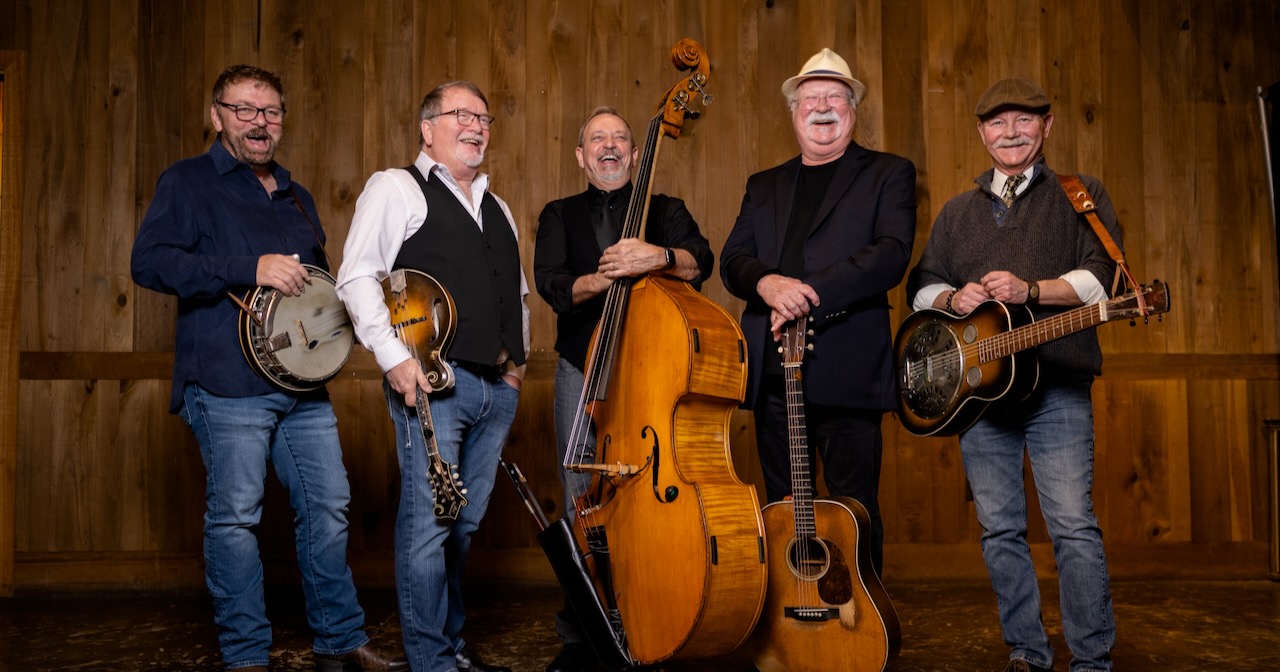
After 53 years and 23 albums, the release of the newest Seldom Scene recording is still something to celebrate. Remains to Be Scene is their first recording since the death of founding banjo player Ben Eldridge in 2024 and the last before Dudley Connell announced his retirement. In addition to Connell, the album features Fred Travers on Dobro, bassist Ronnie Simpkins, mandolinist Lou Reid, and Ron Stewart on fiddle and banjo.

Since its earliest days, the Seldom Scene has been known for busting open once-limiting bluegrass boundaries. The latest album continues this tradition, with songs pulled from sources like The Kinks, Woody Guthrie, and Jim Croce. Another tradition is incorporating new talent.

In 1995, three of five band members left to form another group. Looking to replace them, founding member John Duffey invited Simpkins, Connell, and Travers to a picking session. To those who didn’t know him, Duffey, with his huge stage personality, was intimidating.

Remembering that day, Simpkins said, “I did not want to be late, but I did not want to be early. So, I got there way ahead of time, and I kept an eye on John’s house to see who else got there.

“And I noticed this other car down the street. That person was just sitting there and would ease the car up closer to John’s as the time drew near. And I came to find out it was Dudley. So, we timed it until Ben got there, and we all went in together.”

Simpkins takes Connell’s retirement as a continuation of the band’s legacy: “The band has always transitioned.” Today he welcomes Clay Hess, a band leader and a former lead guitar player with Ricky Skaggs & Kentucky Thunder, who stepped in quickly when Connell, injured in a fall, was unable to play the last few shows of 2024.

As always, the Seldom Scene is committed to the same scalp-tingling vocals, remarkable song selection, and quirky, sometimes outrageous, stage shows that fill festival seats after five decades. Simpkins said, “I just feel blessed to be in this group … and to try to keep the same spirit the original guys had when they started out back in 1971.”

On the release of his last recording as a Seldom Scene member, Dudley Connell spoke to BGS about Remains to Be Scene, his musical career – starting in the 1970s – and his memories of some of the greatest characters in bluegrass.

The Seldom Scene has a tradition of pulling songs from everywhere and the latest recording is the same way. How do you decide on songs?

Dudley Connell: If you look back at the Scene’s recording career, all the way back to the original guys, it was unique. John Duffey had very eclectic taste. He brought “Rider” into the band from the Grateful Dead. He brought “Sweet Baby James” in from James Taylor. And continuing that tradition, I brought in “Boots of Spanish Leather” by Bob Dylan and “Nadine” from Chuck Berry.

It’s interesting having a band of five people, all with slightly different tastes, but with commonality at the same time. So, that’s the way we’ve continued the work all the way through our 30 years together. Everybody would show up with a basketful of songs. Sometimes, Lou might bring a song in that he really liked and say to me, “I could hear you singing this more than me.” Likewise, I could say to Fred, “I really like this song, but I don’t think I could sing it as well as you could sing it.” And it worked that way really well.

How does a band stay together so long?

We, of course, spent a lot of time together, but we also spent a lot of time doing our own thing. Now, with [a band leader] like Bill Monroe or Ralph Stanley, they take the fee and then they give you whatever they want to pay you per show. But with the Scene, John [Duffey’s] feeling was that if you’re out there on the road and you’re doing the work, you deserve equal cut. So, everything we made was split equally. You could fly, you could drive, you could stay at the Waldorf Astoria, or you could stay at the Super Eight. It was your money to spend and to travel as you wanted.

I think it created a certain sense of camaraderie that continues to this day. Everybody’s getting paid the same, so everybody’s expected to do equal work, and it gives you a sense of belonging. There’s no boss, everybody has an equal say, and that was true from the very first rehearsal.

Every group you’ve been with has been known for exceptional harmonies. Can you talk about harmony a bit?

I think a musician’s greatest asset and greatest tool is his or her ears. If you’re singing a trio, you want the blend to be there. You don’t even have to actually know who’s singing what part. There’s a certain buzz you get when the harmony is just right, and you hit a chord just right, and everybody’s phrasing together, and their mouths are in the same sort of position. When that happens, this is just like magic.

Let’s go back to the Johnson Mountain Boy days, when I first met Richard Underwood. Richard learned to sing with me. When we sang together and I switched from lead to tenor on a chorus, you could hardly hear the switch. It came natural to him, because I’m the only person he ever sang with. You know, he later went on to become a great singer on his own right, but he was the first singer that I really worked with a lot on blending and making a pleasing sound.

Now, my experience with David McLaughlin was more organic, as it was with Don Rigsby. Don and David and I all grew up as disciples of the Stanley Brothers. They had such a tight blend.

Now a more challenging partner for me was Hazel Dickens. Hazel and I toured quite a bit together in the ’70s and ’80s. But Hazel had a completely different sort of approach. Hazel was full bore, wide open all the time, and sometimes she could get just a little bit pitchy. I looked at it as my job to try to keep her close to the melody. It was great for me, because it taught me how to blend and also how to pull her to the proper pitch when necessary.

When I came to work with The Scene, it was completely different. They were all about the harmony.

What are your memories of The Scene before you joined them?

The Scene were a huge influence on everybody in D.C. The Scene was almost like a gateway drug to bluegrass music. They were largely playing for urban audiences in the early days, and a lot of young people really responded to it. In fact, The Seldom Scene record Live at the Cellar Door almost has cult-like status. When I was a teenager, we’d go to each other’s houses to listen to music. Right next to Led Zeppelin and Jimi Hendrix and Bob Dylan would be The Seldom Scene Live at the Cellar Door.

I think what made that record so absolutely deserving of cult status is that it’s really freewheeling, it’s really the band live. It’s not just the music and the wonderful singing, the wonderful song selection. It’s also the playfulness with the audience.

As far as I was concerned, John Duffey was The Scene. It wasn’t just that he was a great singer and instrumentalist, but also he had this gift – presenting the music to all kinds of different audiences. You couldn’t not respond to John Duffey or his emcee work – or his pants, for that matter. An interesting thing about John that a lot of people don’t realize is that he was actually kind of shy, kind of insecure. This bigger-than-life character that emerged on stage – I’m not saying that it was phony. It really was John. But when he walked on stage, it was like a switch kicked on, and he became a great entertainer and a great communicator.

I think people who weren’t familiar with bluegrass, it put them at ease a little bit. It drew a lot of people in who maybe wouldn’t have paid attention to a banjo or a Dobro. All entertainers feed off audiences. If you’ve got a really lively, energetic audience, you pour a lot of that back. If the audience feels more relaxed, you slow down a little bit with your delivery and your introductions. And John was an absolute master of that. I learned a lot about presenting a show from my year with John.

And how did you come to play with The Scene?

The Johnson Mountain Boys were on their way out. I’d done a little bit of work with Longview by this time. Then I got this notice in the mail that T. Michael Coleman, Mike Auldridge, and Moondi Kline were leaving the Scene and forming a band called Chesapeake. And it was sort of assumed that the Scene were going to dissolve. I knew John well enough and I called him on the phone and said, “John, I’m really sorry to hear about this. It sounds like the end of an era.”

And he said in the off-the-cuff, John Duffey style of talk, “Well, we’re really not dissolving the band. We’re just looking for a lead singer, guitar player, tenor singer, bass player, baritone singer, Dobro player.” You know, basically replacing three-fifths of the band. I don’t know where it came from, because I really had not called John looking for a job, but after he told me what he was looking for, I said, “Well, John, let’s get together and sing sometime.” Complete silence.

After the initial silence, he said, “Well, do you know of any of our stuff?”

So, I went over to John’s, and Ronnie was there, and Fred. John had given me about half a dozen songs to learn and when I look back at it now, he was testing me. He wanted to see if I could sing harmony parts over and under him. By that time, I’d had the experience with Hazel and had sung with a lot of different people. I was ready.

So, we started these Wednesday rehearsals and we’d done this for about two or three months in preparation for our debut – New Year’s Eve at The Birchmere, 1995. By the time it actually came to play our first show. I was really, really into it. And it was one of the toughest shows I think I ever played, because all the original guys were there – John Starling, Mike Auldridge, Tom Gray. Lou Reid was there, too. And I’m thinking, “I don’t know, man. I don’t know if I belong in this – with these people that I’ve listened to for years.”

One of the things I remember was our opening song, “Our Last Goodbye,” which is this old Stanley Brothers song. I had worn these baggy chino kind of pants and I was so grateful that I didn’t wear tight pants because my legs were literally shaking, and I didn’t want anybody to see that.

So, it was a very exciting night, and after that we had a year with John.

You were quite young when you formed the Johnson Mountain Boys. Can you tell us about those years?

I came along at a very fortunate time in the Washington, D.C. area in the ’70s, and actually on through the ’80s as well. You could see bluegrass every night of the week between Washington and Baltimore.

Now, I’m not going to tell you that the places were swank and nice. They were kind of seedy bars. But when I look back on it now I think that was actually a very beneficial thing for us. We were young, we were very enthusiastic about the music, and we could go into these bars and play four or five sets ’til, you know, one or two in the morning … and then go play another one the next night. So, by the time that the ’80s rolled around and we started actually playing festivals for larger crowds, we were pretty well rehearsed.

I found that the musicians that we met, like Del McCoury and Bill Harrell and a lot of the acts around Washington, embraced us because we were doing something different – actually doing something [traditional bluegrass] that had been done before, but we were kids doing it.

Ben Eldridge– the first time I ever met him, we were playing this indoor bluegrass event. Ben came over and said, “I wish I was doing what you guys are doing.” I know that he was kidding me, but the point being that he really respected the traditional stuff. He said it because he was very sweet man and very kind man. But I think there was some truth in that, too.

How much time was there between you playing in the two bands?

We actually intertwined for just a little bit. When we got off the road full-time in 1988, we were kind of burned out. I went back to college. David [McLaughlin] started selling real estate. Eddie [Stubbs] went to work with his father and we just sort of drifted apart, personally and musically.

Now, we did get together and play some in the ’90s and we produced a record that was nominated for a GRAMMY, Blue Diamond. But that was not like the previous Johnson Mountain Boy records. So, The Seldom Scene coming along at that time in my life, when I was curious about experimenting with different kinds of music, was perfect.

They played a lot locally and I was working full-time for the Smithsonian and didn’t want to travel very much. And the Scene, to this day, has followed that model. We don’t get on the tour bus and go out for weeks at a time. It reminds me of the reason John Duffey left the Country Gentleman. He said he got tired of saving up to go on tour. I understand what he meant. They were just going out trying to get their name out there. The Johnson Mountain Boys did the same thing. I remember once we drove to Florida to play for 900 bucks for three days.

That’s another thing that John did, he just set the price to where it made it worth his while to go. Here’s a kind of famous John Duffey story: A promoter in California called John and said, “I really, really like what you’re doing, and I’d like to get you out here to California.” John said, “Great! Make me an offer.” The promoter said, “Will 500 bucks do it?”

John thought for a minute and said, “Which one of us do you want?”

I’d like to talk a bit about your career as an archivist. Did you go to school to learn that?

Actually, I didn’t. After the Johnson Mountain Boys got off the road, I went back to college. One of my classes was Career Development. There were a lot of people around my age who were looking for a change in their work and their livelihoods.

One of my assignments was to interview someone that I thought had a really interesting job. So, I chose to interview the curator and the director of Smithsonian Folkways records. His name was Tony Seeger, and yes, he is a part of the Mike and Pete Seeger world. The Smithsonian had just acquired Folkways Records. I went into the interview asking Tony how he got his job, what his educational background was, how he ended up at Smithsonian Folkways, what his life was like. About halfway through the interview, he started asking me about my background and what I’ve been doing.

Before I left his office, he basically hired me to come in and try to figure out how to how to keep Folkways alive.

And then you did archive work for another organization?

It’s called the National Council for the Traditional Arts. Since 1933 they have put on folk festivals with all kinds of ethnic and roots music. They started recording all the festivals in 1972. When I got there, they were just quite a thing of beauty – 5,000 hours of one-of-a-kind recordings in a non-climate-controlled room. So, I went to work there, preserving the recordings. And oddly enough, the very first that I put up to digitize was Alison Krauss. I thought, “I think I found the right place.” I worked there for 19 years.

Why retire now, and what’s next?

My wife, Sally, had retired from 40 years at the Smithsonian’s Natural History Museum. I had retired from the National Council for Traditional Arts. This would have been the end of 2023, so I was still traveling on the weekends.

During the pandemic, we got a dog named Woody. It’s almost like having a child in the house. He was adopted and he was afraid of everything, so we spent a lot of time with him. Before that, Sally used to travel with me everywhere and it got to be that she had to stay home and take care of the dog when I was out on the road. I wanted to have time to travel, to Europe and to different places that I’d not really been able to explore. I think it’s a misconception some people have about a traveling musician: “Wow, you got to go to all these great, cool places. You must have seen a lot.”

Well, I saw a lot of hotel rooms. I saw a lot of backstages, but I didn’t see some of the things these towns are known for. What Sally and I want to do now is, while we’re in reasonably good health and while we can still get around well on our feet, we want to do some traveling and not be restricted by a schedule.

Favorite memories?

Marrying Sally, definitely a favorite memory. In the ’80s, an organization called the United States Information Agency USA had a subgroup called Arts America. They created cultural exchanges with third world countries. I got to travel to Southern Africa and later Southeast Asia. You can’t buy that kind of education. It’s quite an eye opening event. I remember coming back from those trips and having a different way of looking at my lifestyle and where I live and how fortunate we are.

Another highlight was getting to meet my heroes and finding out that they were really nice people who didn’t want anything more than to see me and our bands, whether it be the Seldom Scene or the Johnson Mountain Boys, succeed. I never felt any jealousy or any animosity, you know, toward us, these young upstarts. In the ’70s and ’80s, everybody knew everybody, and everybody wanted everybody else to succeed.

But probably the biggest thing was having a year with John Duffey and many years with Ben Eldridge; hearing their stories, the hardships, and the fun stuff and the silliness that happens on the road. All those things are highlights for me.

Closing thoughts?

The music of the Scene is completely unique to anything else in the bluegrass world. I think the Scene could follow just about anybody. We followed Alison Krauss and we followed Ricky Skaggs, and I never really felt uptight about our performance following these major acts, because nobody else does what the Scene does. That’s true with Clay Hess taking my place, too. I’ve heard some of their performances on Facebook – sounds like the Seldom Scene to me.

I feel like I’ve lived a very full life. It’s like when Tony Trischka was asked, “Tony, have you been playing banjo all your life?” He answered, “Not yet.”

That’s the way I feel about music – I’m not done yet.


Photo Credit: Jeromie Stephens

BGS Bytes: Your Roots Music Social Media Round Up

Welcome back to BGS Bytes, our monthly column designed to spare you the scroll and key you into the most notable roots-related social media posts! From birthdays to tributes to the dawning of festie season, we’ve got something for everyone. Check out these buzzworthy and viral internet moments from Randy Travis, Molly Tuttle, Chris Eldridge, the Brothers Osborne, and more.

AI Gives Randy Travis’ Voice A Second Chance

@randy.travis Randy’s fans and their desire to hear his voice again inspired Randy to make “Where That Came From” a reality with the help of his team. We are blessed to share this moment with you. Your love inspires Randy to keep on going! Thank you for singing along, always. – Team RT #CountryMusic #NewMusic ♬ Where That Came From – Randy Travis

In 2013, Randy Travis suffered a major stroke following his hospitalization for cardiovascular issues, resulting in aphasia that severely diminished his capacity to speak and sing. Devastated, the world thought Travis might never sing again — until just a couple of weeks ago.

Working alongside Cris Lacy, a co-producer from Warner Music Nashville who previously produced Travis’ music, and Travis’ longtime producer Kyle Lehning, a small team of songwriters, musicians, and computer programers put together a new song for Travis, “Where That Came From.”

The track uses scratch vocals laid down by singer James Dupre, which were then filtered through an AI system informed by dozens of sound bytes from Travis’ catalog. Through trial and error, Lehning and engineers worked to ensure that the song seamlessly evoked Travis’ essence. Travis and his wife, Mary, are absolutely elated by the results, calling the experience “magical,” “beautiful,” and “overwhelming.”

Stevie Wonder Celebrates His 74th Birthday by Becoming a Citizen of Ghana

On May 13th, the legendary Stevie Wonder celebrated his 74th birthday while attending a ceremony that granted him Ghanaian citizenship. The first African country to become independent in 1954, Ghana has historically been an epicenter for many African Americans disenchanted with rampant anti-Blackness in the states. In 1975, Wonder began to dream about moving to Ghana to reconnect with his ancestral roots. Though he reconsidered, remaining in the U.S. to record his lauded Songs in the Key of Life, his 50-year dream came full circle this month.

He spoke on the monumental nature of this moment in his speech at the ceremony, stating, “Now, as a Ghanaian citizen, I am committed to fulfilling the dream we’ve cherished for so long — uniting people of African descent and the diaspora.”

Chris Eldridge Pays Homage To His Father, Ben Eldridge

Throughout its history, bluegrass has been well known as an intergenerational genre, passed down through familial, social, and geographical lineages. One glowing example is Chris “Critter” Eldridge (widely known for his role as a vocalist and guitarist with Punch Brothers) and his father, Ben Eldridge, who sadly passed away on April 14th of this year.

In a beautifully written tribute, Chris speaks about Ben’s incandescent banjo playing, the cultural significance of his band the Seldom Scene within the bluegrass and folk landscapes, Ben’s uncanny knack for mathematics, and his beautiful heart. A legend of his time, Ben will be missed greatly and forever revered.

DelFest Turned into Adelefest

Memorial Day weekend was a legendary one at the 16th annual DelFest, a four-day bluegrass festival taking place alongside the verdant mountains and flowing Potomac river of Cumberland, Maryland.

Listeners were in for a treat when the ethereal Sierra Ferrell came out to join Lukas Nelson’s set with the Travelin’ McCourys for a few songs. Among them was a cover of Adele’s hit, “Someone Like You,” infused with all the melancholy that a little country twang can offer. During a backstage pre-festival rehearsal, Lucas posted a Reel to warn Adele, “You’re going country whether you like it or not!”

Molly Tuttle Pays a Visit to Her First Martin


View this post on Instagram


A post shared by Molly Tuttle (@mollytuttle)

In this sweet and heartwrenching post, Molly Tuttle, queen of flatpicking, tells the sweet story of her first Martin guitar. Penny by penny, she saved up enough at the ripe age of 12 to purchase her very own Martin. It is now on display at the Musical Instrument Museum in Phoenix, Arizona, alongside instruments from musical giants like John Hartford, Elizabeth Cotten, Earl Scruggs, Mississippi John Hurt, and more.

AJ Lee & Blue Summit Release New Single, “He Called Me Baby”

A song that has lived many lives, AJ Lee & Blue Summit put their own spin on the classic, “He Called Me Baby.” Written by Harlan Howard, the song was most commonly sung as “She Called Me Baby” until Patsy Cline covered it in 1963. Throughout its history, it’s shifted through many genres and forms, perhaps most notably becoming a Top Ten R&B hit in 1971 with Candi Stanton’s recording.

The Brothers Osborne Guest Judge on RuPaul’s Drag Race

@brothersosborne Temporarily trading in our guitars 🎸 for the judge’s panel on @RuPaul’s Drag Race #AllStars9 ♬ original sound – Brothers Osborne

And, being that we’re a few days into June, we simply must include a quick Pride Month teaser! This past week, brothers TJ and John Osborne, most commonly known for their country duo The Brothers Osborne, were featured as guest panelists in Season 9 of RuPaul’s Drag Race All Stars. This iconic crossover is the perfect kickoff to a month sure to be filled with reminders of the inextricable weavings of queer culture and roots music.


Photo Credit: Randy Travis by Marisa Taylor; RuPaul’s Drag Race All Stars production still courtesy of QPrime.

BGS Class of 2023: Reading Recommendations

I call January my reading month. To be clear, I do of course still scan words and decipher syntax throughout the remaining 11 months that fill the calendar, but I always seem to start and finish the most books in the first month of the year. I don’t think it’s because I have a romantic notion of what my new self will be like in this new year – always reading and writing more or doing xyz to “better” myself (though if I’m being honest, that’s probably part of it). Rather, I think it’s more so that in the hangover of the holidays, when the gatherings are over, and there are months of dreary winter to look forward to, I take comfort in the ability to transport myself to another time or place, or simply get lost in someone’s thoughts for hours at a time. 

This community, as much as any, understands the import of passing stories on – allowing a new generation to take the torch and keep honored traditions burning while evolving its culture and extinguishing the shameful parts of its priors. That’s why we at BGS compile notable books that tell the stories by or about these genres’ songs and songwriters and the scenes, places, and events that made them. 

Maybe you’re like me, looking for ideas of books to get lost in this winter, or maybe you are looking for a way to turn the page on the calendar and become your most “badass self” (we’ve got a book for that). You might be here looking for a last minute gift idea for that special music-loving person in your life. In all those cases, you’ve come to the right place! 

We’ve got a book by an esteemed songwriter who waxes poetic on the art form he loves. We’ve got titles about how certain times in certain places scenes have blossomed and sub-genres formed so palpable that listeners can identify a song by its roots. We’ve got biographies of famous musicians, and some of whom have looked back at their own lives and careers. Find all that and more in our list of reading recommendations, organized by categories below: 

Sense of Place

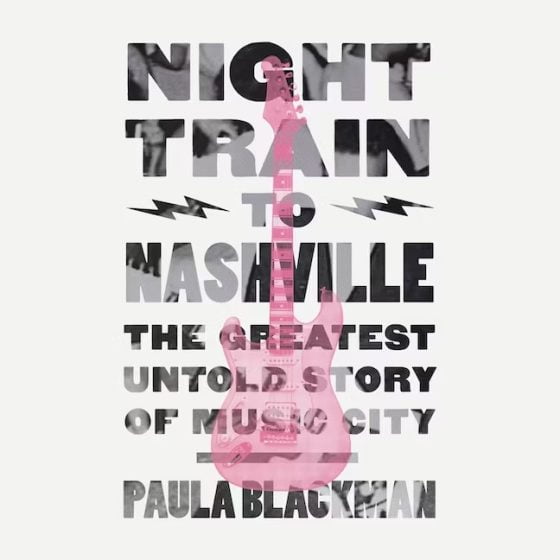
Night Train to Nashville: The Greatest Untold Story of Music City, Paula Blackman

Drawing on stories from her grandfather, E. Gab Blackman, a 30-year radio executive at WLAC, Paula Blackman shares the story of how the Nashville radio station became a pioneering source for Black rhythm and blues music in the 1940s and ‘50s. Seeing the opportunity to reach a more diverse audience – not, as Paula notes, to be a “white savior” – Gab teamed up with disc jockey Gene Nobles to play “race records.” In Night Train, Blackman also profiles William Sousa “Sou” Bridgeforth, the owner of New Era Club, a prominent Black nightclub in Nashville that blossomed as a result of the new artists being spun on WLAC airwaves, many of whom were introduced to Gab by Sou. Fitting that the story of Nashville, in the time leading up to the civil rights era, is told through the music played on the AM radio speakers throughout the city. 

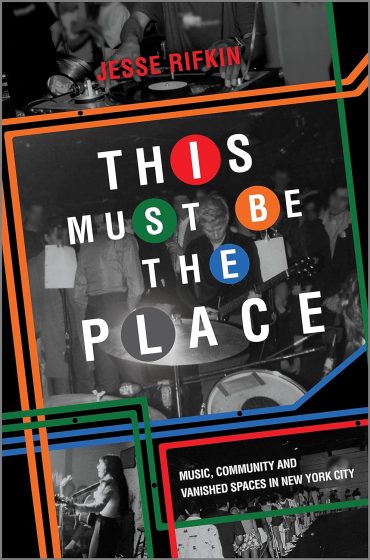
This Must Be the Place: Music, Community and Vanished Spaces in New York City, Jesse Rifkin

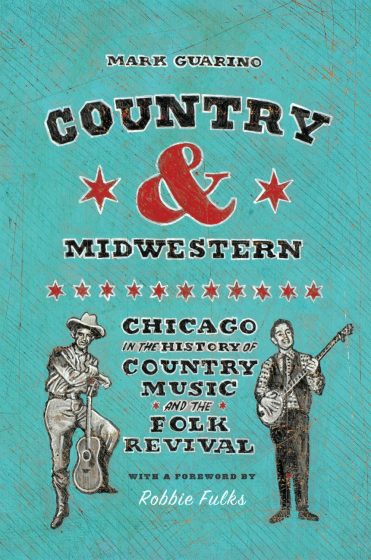
Country and Midwestern: Chicago in the History of Country Music and the Folk Revival, Mark Guarino

In Their Own Words

World Within a Song: Music That Changed My Life and Life That Changed My Music, Jeff Tweedy

Wilco frontman and New York Times bestselling author Jeff Tweedy follows up on Let’s Go (So We Can Get Back) and How To Write One Song with a gushing love letter to songs. In it, Tweedy dedicates chapters to many (but clearly not close to all) of the songs that have resonated deeply with him for one reason or another. From Bob Dylan to Billie Eilish, from The Clash to ABBA, Tweedy sheds any and all pretense of what might be considered “cool” in his selections. 

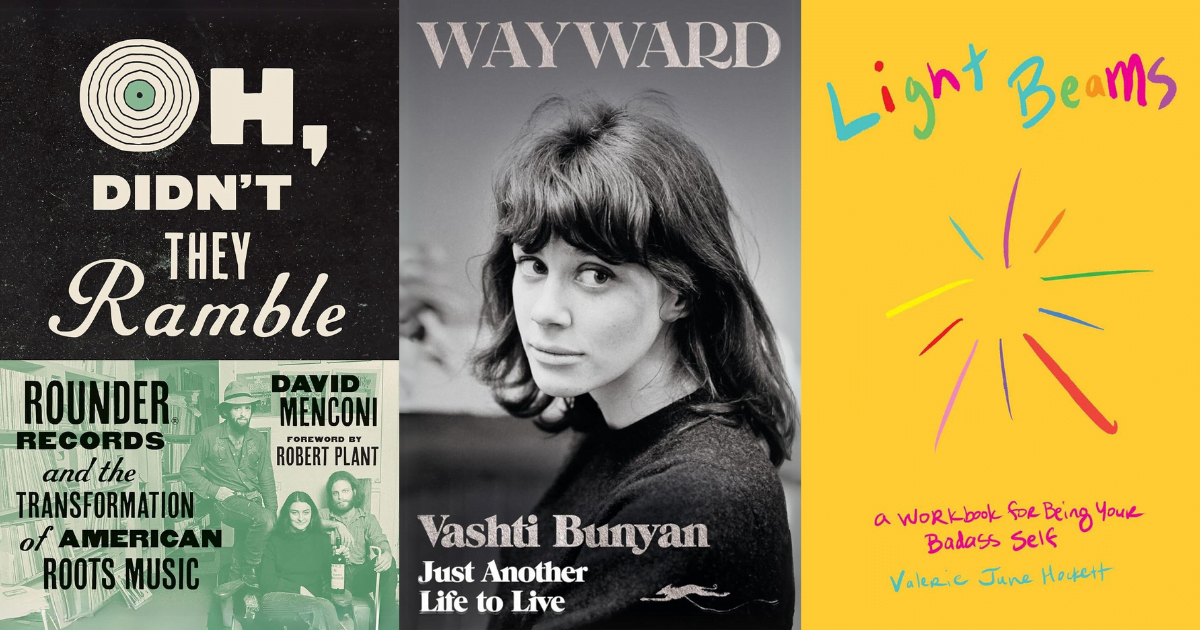
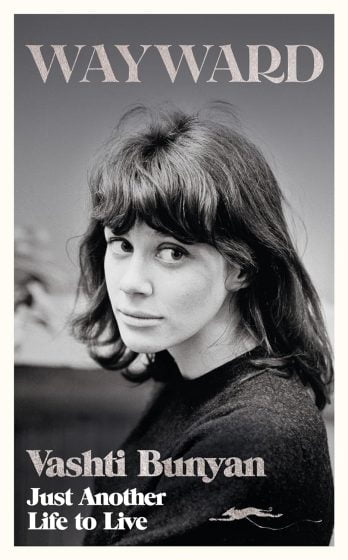
Wayward: Just Another Life to Live, Vashti Bunyan

In Wayward, Vashti Bunyan, an English singer-songwriter, recounts her early career in the mid ’60s leading to her debut release, Just Another Diamond Day, in 1970. Disillusioned by its lack of success (at the time) and the fact that her songs, life, and career were all dictated by men, she left the music industry entirely before re-emerging in the early 2000s. Pick this up for the story of what happened in between, how she reclaimed her life, and is taking her second act in music on her own terms. 

Don’t Tell Anybody the Secrets I Told You: A Memoir, Lucinda Williams

3-time Grammy award-winning songwriter and now New York Times best-selling author, Lucinda Williams, recounts her upbringing and bumpy ride to fame. Once getting feedback from a record company who said her music was “too country for rock and too rock for country,” Williams stayed the course, and became one of the greatest and most influential songwriters of our time.

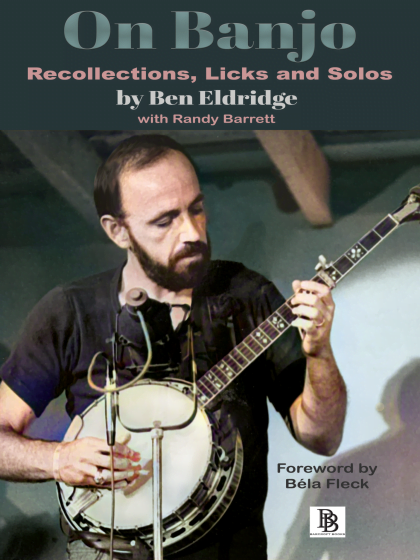
On Banjo: Recollections, Licks and Solos, Ben Eldridge

Born in Richmond, VA, Ben Eldridge fell in love with roots music watching WRVA’s Old Dominion Barn Dance. In this memoir-meets-tablature book, he recalls his path from upbringing to moving to D.C. to become a mathematician, and ultimately going from jam sessions to forming a group that would change bluegrass henceforth – the Seldom Scene. This conversational book with pictures that set the scenes even comes with licks and transcriptions for banjo playing fans. 

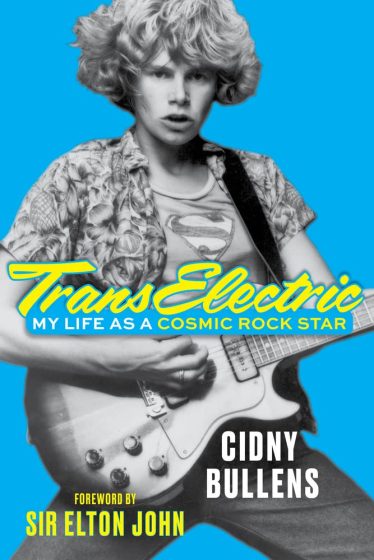
TransElectric: My Life as a Cosmic Rock Star, Cidny Bullens

This book starts with a bang! And I’m not even talking about the foreword from Elton John. As just a 24-year-old Cidny (then referred to as Cindy) had shown up uninvited to a live recording session for Dr. John at Cherokee Studios in Hollywood, and eventually found himself starting an impromptu jam with Ringo Starr, Eric Clapton, Dr. John, and Joe Cocker. This retrospective traces his arc from a backing vocal career in the drug-fueled ’70s for the likes of Elton John and Rod Stewart, and having trouble finding his footing as a solo artist who had expectations of how a woman could behave and perform. Bullens settled into the life of a typical suburban mom, experienced a personal tragedy, and eventually found his true voice. 

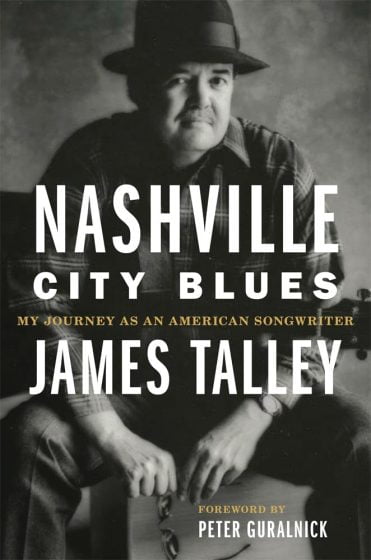
Nashville City Blues: My Journey as an American Songwriter, James Talley

Biographies & Histories

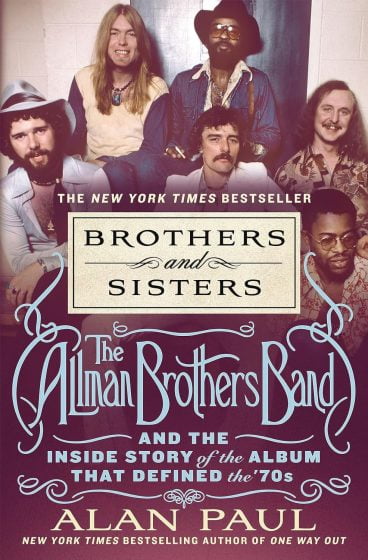
Brothers and Sisters: The Allman Brothers Band and the Inside Story of the Album That Defined the ’70s 

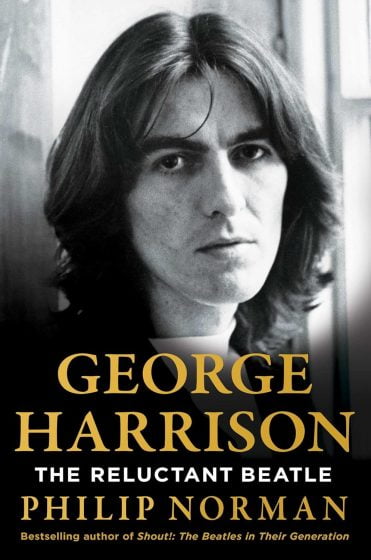
George Harrison: The Reluctant Beatle, Philip Norman

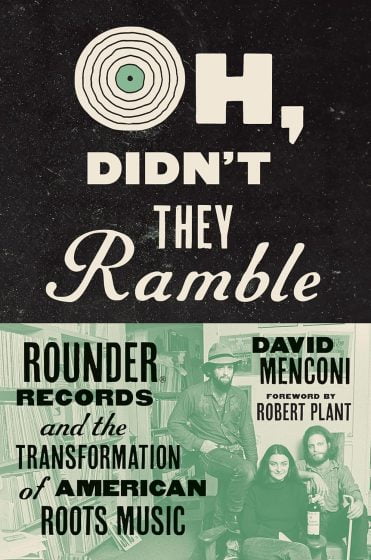
Oh, Didn’t They Ramble: Rounder Records and the Transformation of American Roots Music, David Menconi

Oh Didn’t They Ramble chronicles the comprehensive history of the quintessential folk record label for the last 50-plus years. With extensive access to Rounder artists, staff, and founders Ken Irwin, Marian Leighton Levy, and Bill Nowlin, BGS contributor David Menconi is able to tell Rounder’s story, from its humble but audacious and idealistic beginnings to becoming one of the most influential record labels in the history of recorded music. 

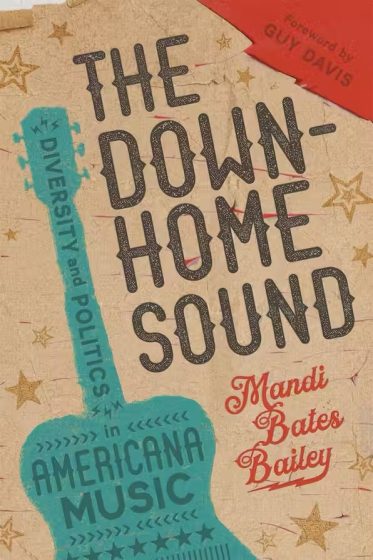
The Downhome Sound: Diversity and Politics in Americana Music, Mandi Bates Bailey

How-Tos

Light Beams: A Workbook for Being Your Badass Self, Valerie June

Like I mentioned, this workbook/journal might be coming just at the right time as you resolve to become your most “badass self.” But even if you’re reading this well into the new year, then there’s no time like the present! Published on Jack White’s Third Man Books, Valerie June’s Light Beams offers its readers “contracts and agreements, self-healing wishes and spells, and maps and prescriptions in exercises” on a journey to self-love and waking up with a promise of choosing kindness and shining like a “badass.”

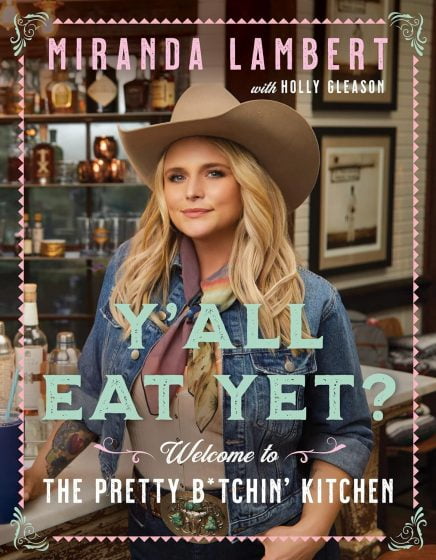
Y’all Eat Yet?: Welcome to the Pretty B*tchin’ Kitchen, Miranda Lambert

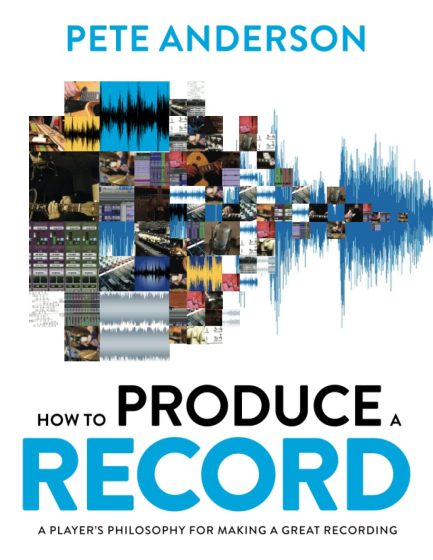
How To Produce A Record: A Player’s Philosophy For Making A Great Recordings, Pete Anderson

Other

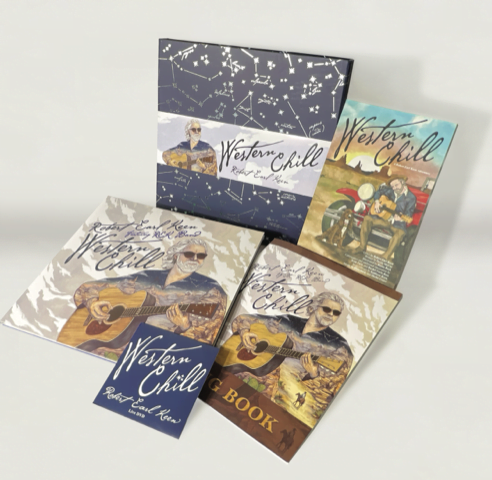
Western Chill, Robert Earl Keen

As a set that features a double sleeve album, a DVD with music videos for every song, a graphic, illustrated novel that explains the writing process, and a songbook with lyrics, notes, and chords so the purchaser can play along, this title certainly belongs in a category of its own. 


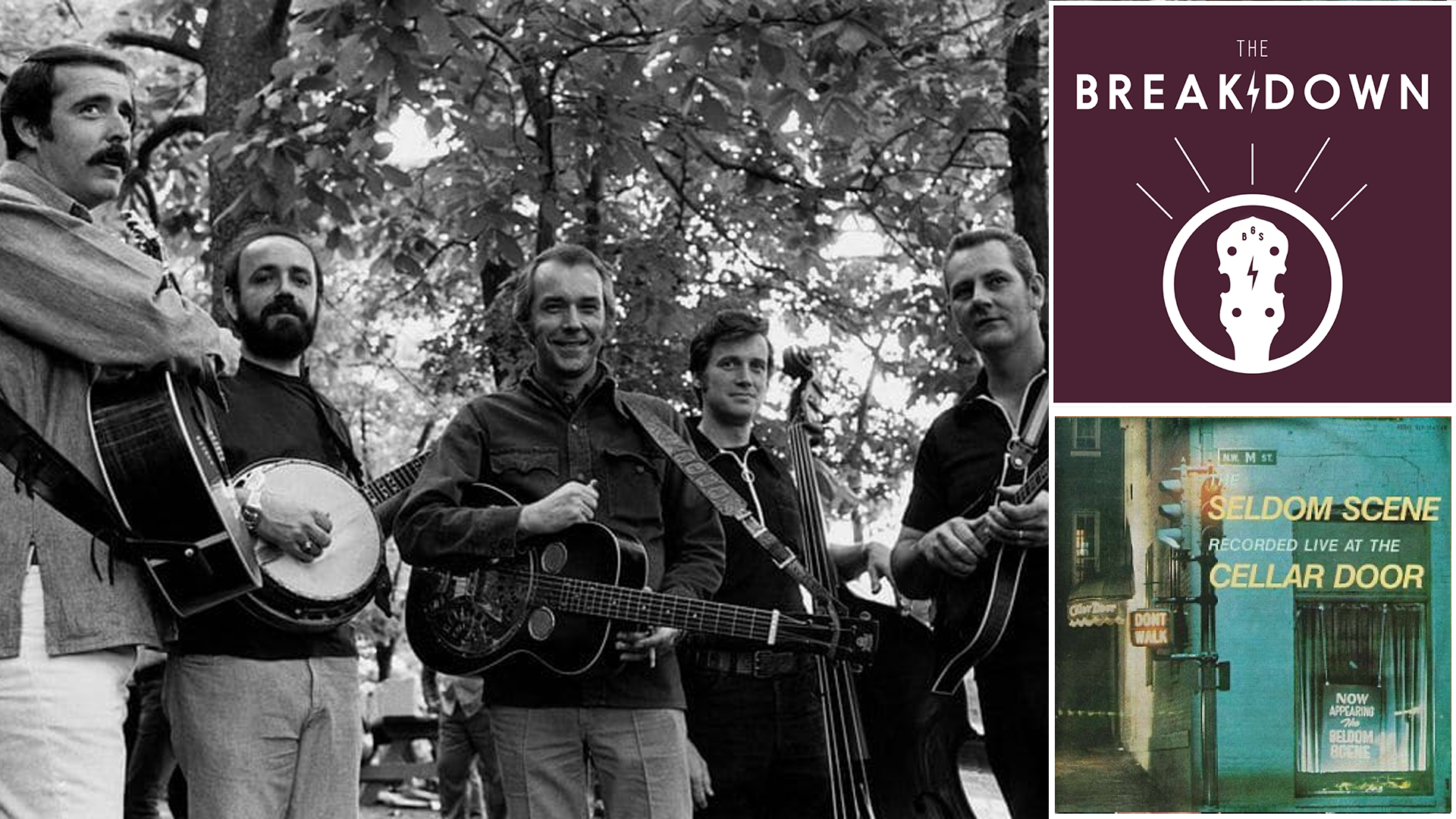
The Breakdown – The Seldom Scene, ‘Live at The Cellar Door’

Advertisement
On our latest episode of The Breakdown, the Seldom Scene’s classic 1975 release, Live at the Cellar Door, is featured, and if ever there was a party of a bluegrass album, this is it.

LISTEN: APPLE PODCASTS • MP3

Hosts Patrick M’Gonigle and Emma John interview original Seldom Scene band members Tom Gray and Ben Eldridge to find out what was really going down on that mad and marvelous night in 1975.

Season 2 of The Breakdown is sponsored by The Soundtrack of America: Made In Tennessee. Visit TNvacation.com to start planning your trip.

Punch Brothers’ Chris Eldridge: Influences and Integrity

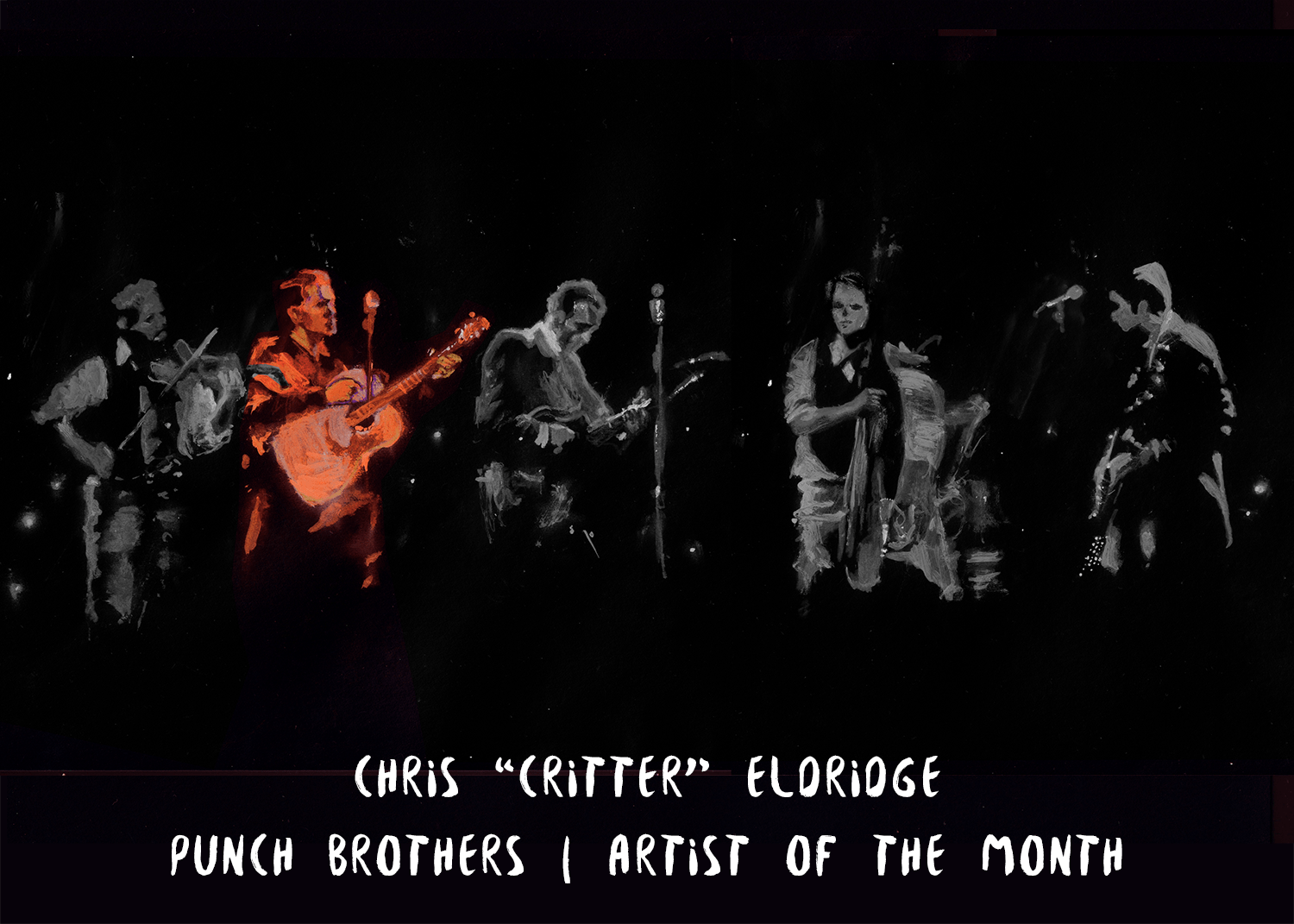
Chris Eldridge, the good-natured guitarist for Punch Brothers, comes by his bluegrass pedigree honestly. As a young man, he attended innumerable shows by Seldom Scene, a pioneering ensemble whose lineup included his father, banjo player Ben Eldridge. After studying at Oberlin Conservatory, he co-founded the Infamous Stringdusters, which won three IBMA Awards following their 2007 debut project, Fork in the Road. Indeed that album title proved auspicious, as Eldridge took a different path with the formation of Punch Brothers – a rewarding partnership that a decade later has yielded their newest project, All Ashore.

This interview is the third of five installments as the Bluegrass Situation salutes the Artist of the Month: Punch Brothers.

When I saw you guys at the Ryman, I noticed you were wearing a Hawaiian lei, so I take that as a sign that things are going well on the tour. What’s the vibe so far?

The vibe has been really fun and it’s great because the band’s back together, as they say. We’ve been connected, all of us in various ways, even in this time off from the band. I see Thile a bunch because I’m usually playing guitar on Live From Here. Paul lives really close to me, so I see him like every other day in Nashville. And Noam is close, and I see Gabe, but to have all of us in the same place out on the road for me is a really fun thing because one of the real privileges of my life is getting to play music in Punch Brothers, getting to be the guitar player in a band with those guys.

One of my favorite songs on this record is “The Gardener.” I feel like it sets a nice tone and tells a hopeful story. Tell me what the band was hoping to capture with that song.

Well, the music was started on that years and years ago, probably in 2012. We were in London doing a thing with T Bone Burnett for a movie and this simple melody kinda just sprung up. We were trying to brainstorm some stuff for this movie and it almost sounded like a Christmas carol. And so it was this thing that we always really liked, and we didn’t give it to that project that we were there working on. We wanted to hold it close to our chest and keep it ourselves. It was something that we had sitting around, even for The Phosphorescent Blues, but we just didn’t develop it into anything.

And then Thile had come up with that kind of weird, modulating, tonally ambiguous guitar that starts the song. He showed that to me and it was really cool. The way it works for us is, we always work on music before there’s any content, in terms of story. That’s pretty much how it tends to progress for the band. We’re definitely a music-first band. So it was a matter of making both of those ideas interesting. And the original idea from 2012, the Christmas carol idea, was really neat and we really liked it but it had a limited amount of development. A lot of Punch Brothers music, the song will have to have a certain amount of development. It’ll tend to go places. Usually we won’t just repeat a thing over and over.

And as we were trying to develop that, someone had the idea, “What happens if we do that crazy, weird, finger-picked guitar thing — the ambiguous tonal thing – and pop it together?” We had to change the key around a little bit but we found a key relationship that worked and it solved this problem.

So then it’s a matter of figuring out what the song is going to be about. Thile had this idea about a gardener, some guy kinda tending. You know, because the music is not lonely exactly but there’s like a forlorn imagination, like optimistic vibes, that are encoded into the sound of that melody. So it was trying to find a story to go along with it. And it dovetailed with a lot of the things that we’ve been thinking about and talking about as a band, in terms of society today. People who have things and people who don’t have things. People who feel protective of themselves and their tribe. It’s a meditation on a lot of those kinds of thoughts. I’m barely touching on them, but that’s kind of where it came from.

You guys would make a pretty cool Christmas record. Has that ever come up?

We’ve talked about it before. I don’t know if we’ll ever do it, but I think that would actually be really fun. There are so many cool, beautiful songs. Really timeless, gorgeous melodies. There is some solid music there in that canon of holiday music. It’s so hard to get everybody’s schedules to align now. People have three children in the band at this point, and three wives, and essentially all of us are in completely and deeply committed relationships … and we’re all older. The band can’t sit totally in first place anymore, which is necessitated by having families and that’s now the most important thing. So we really have to be deliberate about our time and it means that we don’t do as much stuff together – but when we do, we try to really make it count. That being said, I would love to make a Christmas record.

I thought with your connection to Seldom Scene, I’d ask if you knew John Duffey well.

I didn’t know him that well, but I certainly grew up around him. John didn’t really know how to relate to little kids. I have a lot of memories of being around John, just being around the band, but I didn’t really interact with him much until towards the very end of his life. We’re talking probably the last less-than-six months he was alive really. He started to acknowledge me because I was probably 13 or 14 years old. I was just getting to the age where he related to me as more than just a small child. I was starting to feel a little more like someone he could relate to.

I remember the last time I saw him alive. I was sitting backstage at the Birchmere. They have these big chairs and I was sitting in one of them. He came up behind me and just scruffed me by the hair and said, “Hey there, guy.” That’s kind of where the story ends but I was just so blown away, like, “Whoa! John Duffey just talked to me!” That was an amazing thing!

I have very clear memories of the sound of his voice. I probably went to hundreds of Seldom Scene shows and I heard those guys play hundreds of times when I was a kid and the sound of Duffey’s tenor, the sound of his mandolin playing, the sound of Mike Auldridge’s Dobro bouncing off the walls. That stuff is burned so deeply within me. I’m so thankful and grateful for that. It’s this crazy privilege that I was just born to have those experiences. As I get older, I appreciate more and more how cool it was. But I don’t think I ever really took it for granted. I loved the music, I loved the sound of that band from the time I was a boy.

I know that Tony Rice is one of your heroes too. How has his music shaped the music that you’re making now?

Oh man, profoundly. He provided such a great example of musical integrity. In terms of rhythm, not just rhythm guitar playing, but actual timing, his sense of time and elegance and grace and power and intelligence – all these things that I really try to emulate. The goal was never to be a clone of Tony. I mean, it’s easy to learn the note that he plays. It’s not that hard but I feel like once you do that, then the real learning begins. What’s he doing with those notes? Why is it so good when he plays them? What’s going on there? That to me is when the rubber hits the road and that has everything to do with his musicianship and his sensibility. And so those are the lessons that I studied so hard and it affected my outlook and approach to how I want to present music on acoustic guitar. And just music in general.

But I would argue that Tony had strong ideas about that and his enormous integrity to those kind of musical values was really influential to everybody in the acoustic music community. His high level of musicianship – and how he retains some of the essence of bluegrass, the rhythmic essence – sets the stage for a lot of the modern music that we like. And certainly Punch Brothers. Certainly all of us were deeply influenced by that example of musicianship.


Illustration: Zachary Johnson