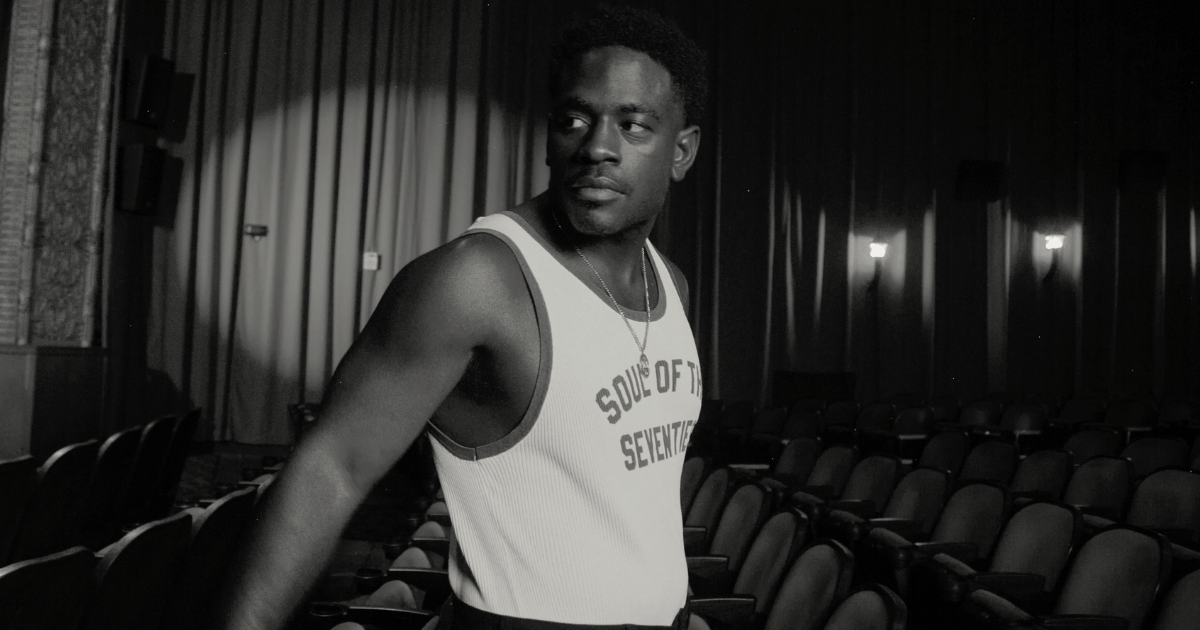
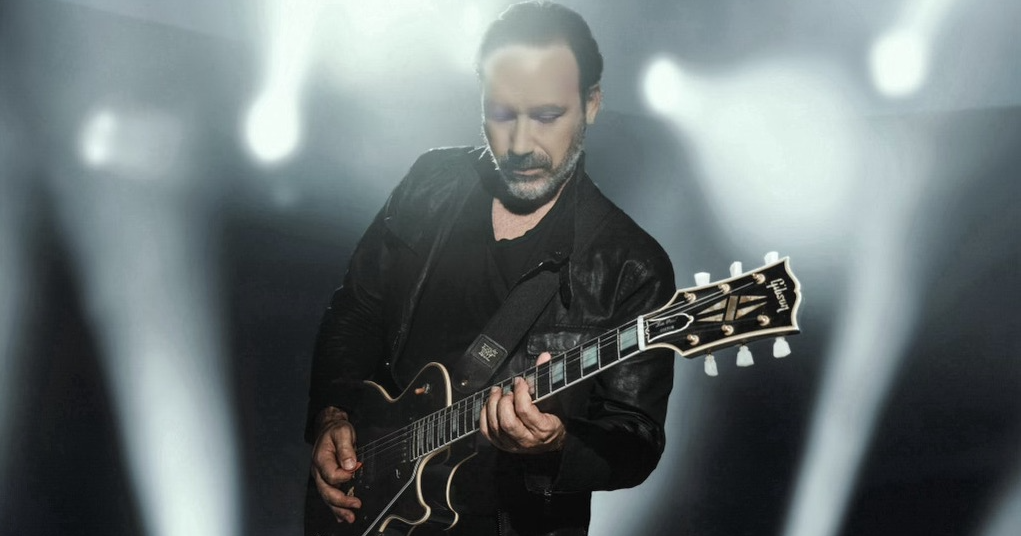
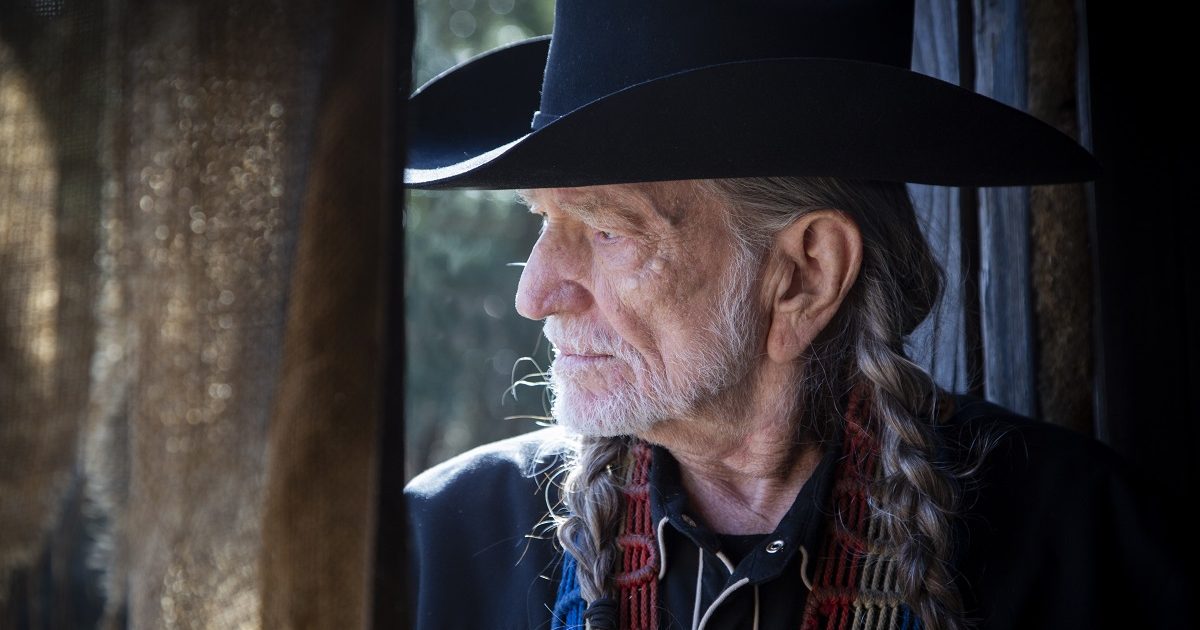
Artist:Natalie Del Carmen Hometown: Los Angeles, California Latest Album:Pastures (released January 20, 2026) Personal Nicknames (or rejected band names): Natalie, Nat
Which artist has influenced you the most – and how?
Brandi Carlile has been such a north star for me. There just aren’t enough big kid words to describe how much Brandi Carlile has influenced me. I heard The Firewatcher’s Daughter and never looked at songwriting the same. Then In These Silent Days came out and there just wasn’t a higher artistry bracket I could’ve dreamt of reaching.
My favorite writer these days is Izaak Opatz. I found him about 3 years ago now. I feel sorry for folks who haven’t gotten the chance to take a road trip and listen down to his discography and have a full meltdown over how good the material is alone in your vehicle. Opatz will never tell you how to feel about anything, but somehow, you leave every song feeling like you were just exposed a little. This guy overflows with ways to punch you in the gut without saying much at all.
What other art forms – literature, film, dance, painting, etc. – inform your music?
I like to joke to people around me that it really is just me and my hobbies. “Natalie and her hobbies. And one day, may she make money off of one of them!”
I suppose I’ve always been interested in learning new things with my hands and indulging in anything creative. I taught myself guitar, cross stitch, knitting, paint by number… I believe the internet is an endless place to learn a number of things on your own. That being said, I tend to walk a pretty straight and narrow path. Songwriting and artistry will always be my first priority, but I happened to have chosen a career that doesn’t always offer stability in the ways I crave it. Something about my creative hobbies gives me something to do mentally when the world gets kind of loud. I can’t ever just sit there.
How often do you hide behind a character in a song or use “you” when it’s actually “me”?
It’s funny, I think the answer should be pretty often, just to avoid outing myself so much. But the real answer is almost never, at least these days. These days, I’m usually writing in first person and admitting exactly what I hope to say, as me. But, it was something I wrestled with on my first record as a late teenager, the whole “you” versus “me” dilemma. I wrote a lot more cutting back then, cutting and directed to one person, without the confidence to really back it up. I hid behind “you” a lot. It’s like walking into a fight and saying, “Actually, put someone else in my place to throw it down for me.” When I’m choosing storytelling, “you” still works beautifully and I love it. But my favorite songs, from any artist, are always known and personal.
What is the most random interview question you’ve ever been asked?
I got asked recently what my go-to karaoke song was and I said “Goodbye Yellow Brick Road” by Elton John, which was a solid choice upon a very quick answer, but the actual response is “Anywhere But Here” by Hilary Duff, so this is me setting the record straight.
What is a genre, album, artist, musician, or song that you adore that would surprise people?
I really love a few alternative or indie bands that I don’t get the chance to talk about often. Music from the band Hippo Campus is some of the best you’ll ever hear, honestly. Big Djo fan. Besides that, one of my favorite songs is “Tubthumping” by Chumbawamba and I’m really glad I get to say that in at least one interview.
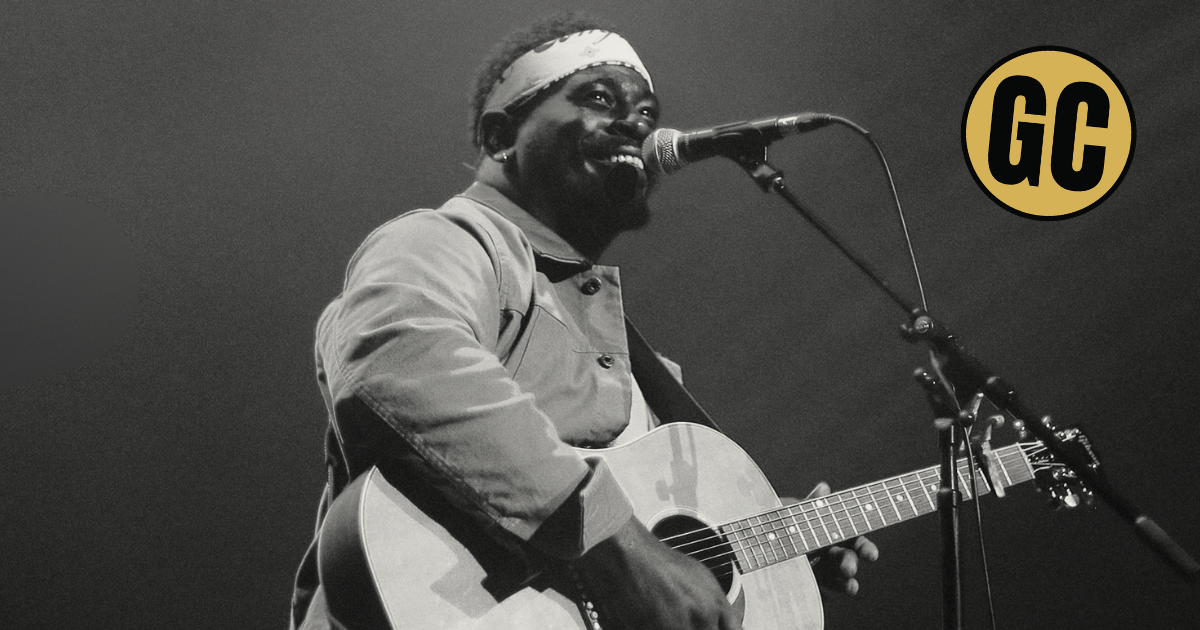
Elton John described him as “if Bill Withers made country music,” but for Kashus Culpepper that only scratches the surface of his unique sound, the multitudes of which are displayed in full force on his full-length debut Act I, which was released January 23.
Growing up in Alexander City, Alabama, the singer was always around music, whether it be in church or in the car, but aspirations for a career performing didn’t materialize for the former firefighter and EMT until he found himself stationed in Spain as a Navy corpsman during the pandemic.
“I wasn’t much of a player, but I was listening to so much music growing up,” recalls Culpepper. “I had headphones on all day, even at school, which caused me to get in trouble quite a bit. I would’ve loved to play back then too, but garage bands weren’t really a thing in our town when I was growing up. If they were, I would’ve tried jumping in with folks in a flash.”
During his period of isolation abroad, Culpepper was gifted a guitar, leading him to learn how to play and to eventually post cover songs online. After leaving the Navy in 2022, he returned stateside and began booking cover act shows at honky-tonks and dive bars across the Mississippi Gulf Coast. Although he immediately loved what he was doing, he also noticed that only playing other people’s material would have a short shelf life.
“Once I realized the cover thing would run its course, I knew in order to make a career in music that I needed to start writing my own songs,” he explains. “For so long the thought of writing my own songs and having people sing them back to me was just a silly dream, but now, less than three years later, I’m releasing an 18-track album I helped write the entirety of.”
Ranging from country to blues, rock and roll, pop, and soul, Act I is a full-on musical onslaught that caps off an amazing five-year journey for Culpepper, setting the stage for a continued meteoric rise in the years to come. On the album he’s joined by fellow stars-on-the-rise Marcus King (“Southern Man”) and Sierra Ferrell (“Broken Wing Bird”). But where the compilation really shines is on the tracks in between, like “Alabama Beauty Queen” and “Break Like Me,” that see Culpepper not only pouring his heart out, but doing so with catchy hooks and differentiating styles while remaining fully authentic to who he is – a Southern man making Southern music.
Less than two weeks before Act I’s arrival, Culpepper spoke with Good Country over the phone about his love for Tyler Childers, the importance of co-writing all the album’s material, what it was like earning the support of Samuel L. Jackson, how his collaboration with Sierra Ferrell on “Broken Wing Bird” came about, and more.
How far back do the origins of these 18 songs go? Are most from those early days of writing in 2023 or more recently as you’ve refined your voice?
Kashus Culpepper: Well, the ones that’s already been out [as singles], they’re definitely from around the same time that I was starting out writing. But a lot of songs that haven’t been put out yet, aside from “In Her Eyes” and “Mean To Me,” are all a little more recent.
In reality, none of these songs are that old if you didn’t start writing until 2023!
Exactly! When you think about it, none of these are that old. There’s so many artists who’ve been holding on to songs for years and years – like Chris Stapleton, who just won a GRAMMY for “White Horse” over a decade after first writing it.
Why was it important for you to have a hand in writing all 18 of these songs?
I’m all about developing myself as a songwriter, because it’s something that I can do for the rest of my life even after all the performance stuff is done. Songwriting is something that I truly believe in and love, so I want to be the best at it that I possibly can be. And to be the best at what you’re trying to do, you have to do it all the time and you have to write with people that are way better than you. That’s what I’ve been able to do with this record. I’ve been writing with people that are way better at writing than me. It’s been amazing.
The record is called Act I. Does that mean it’s part of a larger body of music to come?
At the moment, I don’t really know. I called it Act I not as an introduction to who I am, but because I’m a big movie guy. I love theater, movies, dramatics, all of it.
With that in mind, I know you had a run-in with A-list movie star and one of your biggest heroes, Samuel L. Jackson. What was that like?
Samuel L. Jackson is one of my favorite actors of all time. I got a connection with him when “After Me?” was coming out. It definitely makes the world feel a lot smaller when some of your favorite actors or your favorite artists know who you are. A lot of times growing up you think you will never be in connection with your idols, so it really was a humbling experience. It made me realize that anything is possible.
If you have a dream, you can do it. If one day you want to talk to Oprah Winfrey, you can. Don’t take your foot off the pedal just yet!
Has that one happened for you?
No, I have not talked to Oprah Winfrey, but I would like to! And you get a car! And you get a car! [Laughs]
With regard to “After Me?,” wasn’t that one of your first original songs to gain traction online?
My first big song on socials was “Who Hurt You,” but following that I posted a clip of “After Me?” and everything just went crazy. I’m really glad I put it up on socials after writing it with my boy Mark Addison. We didn’t think anything of it at the time – we were just writing. It’s been insane seeing what the song has turned into since then, especially live.
That’s another thing – it’s been cool to see all the new songs develop their own personality with the crowd. For a while, “After Me?” was people’s favorite song, but now it’s been overthrown by some of the newer ones, which I like because it tells me that I’m continuing to write new songs that people want to hear.
Was it always your vision for your debut project to be this massive or did it unknowingly balloon to 18 songs while in the studio?
I think it was the fact that I had so many great songs in my brain that showed the timestamp of a point in my music career and what I’m doing as an artist. Also, I didn’t want to hold back songs that I thought would be cool for my next project – I needed to put them out right now. When people listen to it, I want them to know exactly what was in my head at the moment I was creating it. That way it and everything I do that comes after it can always stand on its own.
You mentioning a desire to curate a specific moment in time reminds me of the intro track that kicks off Act I, where you’re playing the role of a radio DJ on KC 97 FM. Was that intentional on your part?
That’s exactly where I was trying to go with it. I was just trying to show people what it’s like in my head and trying to transport them to a new world as soon as the record starts. If you listen to it start to finish it feels like a radio station tailored by me. My goal is to bring listeners into my world. I hope people don’t skip it, because if they listen to it top to bottom, they’ll understand. It’s like, “Okay, Kash is curating a playlist with all kinds of influences, because he is a man with different sides to him as a person and musically.” I don’t really care about this or that in terms of genre, so long as the song makes me feel something.
And who knows… maybe someday Apple Music or iHeartRadio will come calling and give you the keys to your own real-life KC 97 FM?!
Don’t tempt me! [Laughs] I would love to do something like that. I don’t have time for it right now, but I would make time!
I know the church was a large part of your early musical upbringing, but what role did the radio play in all of it, if any?
For sure. I don’t remember the name of the radio stations, but there was something about summertime in small town ‘Bama, driving around with the windows down that was so freeing. And country music has always given me that same type of feeling. At the same time, I have so many memories not only with country, but also with soul and pop records. I remember a time when I’d even go around singing along to Lady Gaga.
Then when I was in the military and I found out about guys like Tyler Childers, Sturgill Simpson, and Kolton Moore, they turned into my backroad jams and even went on to inspire me to eventually start writing songs myself.
Speaking of Tyler Childers, didn’t you have a moment with his song “Messed Up Kid”?
Yeah, that was one of the first ones that really started popping off for me. Since then I’ve also done “Lady May” – which got a good response, too. I just love Tyler’s music. He’s got one of the most soulful voices I’ve heard in a long time. It reminds me of people I was in church with. In a way, I feel like Tyler and I probably went to the same church growing up. I’ve just connected with his music so much. Not just Tyler, but a lot of other people in Kentucky, too, now that I think about it. One thing musicians from there have in common is they love singing from their soul and being authentic.
Since you were just speaking about soul, one of the most soulful songs on Act I from my perspective is “Break Me Like.” Mind telling me about it?
That song definitely draws from the fact that I am with someone that I should not be with, but it’s okay because we’re in this moment and I know what she’s gonna do to me and it’s fine since right now I need to be with somebody. “Break Like Me” started with that idea in mind, then I had these really weird chords that I came up with while writing with Grady [Block] and Hank [Compton] over at Big Loud. After fumbling around with the lyrics that I had in my head, I came up with something that had a real funky, low-fi kind of vibe. We wanted it to tell a story and be relatively heavy, but while giving it production worthy of cruising to and vibing out with.
What about “Broken Wing Bird” with Sierra Ferrell. How did you bring her aboard, and did you always envision the song as a duet?
I wrote that song with my producer, Brian Elmquist, and at the time wasn’t thinking about it as a duet. We’re both lovers of Willie Nelson and wanted a song that felt like you could be on your back porch and listen to it morning, afternoon, or night with a drink in hand and not have to think about it too much. It’s a song that makes you feel warm and feel at home, but it wasn’t until the production of it when we thought about doing it as a duet.
Once the idea got brought up, one of us made the comment that whoever it is, it would have to be someone that has a voice that feels like it’s not from this time. Eventually Sierra’s name came up and it was like a lightbulb going off. She’s literally the first person that I would want in the whole world to be on this record, but I wasn’t sure if she’d be available to do it. Once we got the green light my excitement went through the roof. I’m so proud that she’s on this record, because she’s an artist that I truly love. I’m hoping somewhere down the line we might have something in the works that’s a bit longer of a project too.
I (and most other people) would not be against that one bit!
Looking back over the past five years, what has your musical journey thus far and bringing Act I to life taught you about yourself?
For so long, I thought I didn’t belong in places, that I wasn’t able to do this or that. The biggest thing I’ve learned is to just dream big because you never know what could happen. You just have to believe in yourself and you can do anything, no matter how crazy it sounds. For the longest time, I didn’t have a dream of doing music because I just thought I couldn’t do it. I thought I wasn’t the kind of person to be singing songs on stage, but look at me now!
With you referencing dreaming big I have to ask, what’s next on your musical bucket list?
My goal is to just keep creating, growing as a songwriter and learning more about myself along the way. If I do that I feel like everything else will follow and I’ll keep growing as a songwriter and as a promoter.
It’s 2026 and the world remains deeply shaped by persistent conflicts and social divisions, making songs of peace and love an essential “universal language” for fostering unity. As global tensions in regions like Ukraine and the Middle East continue to create an us-versus-them mentality, music serves as a critical bridge that transcends cultural and linguistic barriers to remind us of our shared humanity.
These songs do more than provide comfort; they act as a tool for disarming hearts and promoting reconciliation in an increasingly polarized landscape. By lowering anxiety and increasing empathy – the emotional foundation for peaceful coexistence – music provides a rare space where diverse groups can connect without prejudice. Now more than ever, these songs are needed to shift the global narrative from division and “moral degradation” toward a future built on compassion, harmony, and collective resilience. The lyrics of these amazing songs epitomize “peace & love” and speak for themselves. – Jason Sinay
“Imagine” – John Lennon
This song still remains a timeless global anthem that serves as a “hymn for peace.” It transcends cultural and political boundaries by challenging listeners to envision a utopian reality free from the divisions of nationality, religion, and material possessions.
“Blowin’ in the Wind” – Bob Dylan
Dylan uses evocative symbols like the “white dove” to represent the enduring human quest for a world without conflict. Its series of rhetorical questions challenges listeners to confront social injustices and the “cannonballs” of war, suggesting that while the answers for global harmony are as ever-present as the wind, they require collective courage to grasp and implement.
“Get Up, Stand Up” – Bob Marley & the Wailers
Marley emphasizes that true harmony can only be achieved through justice and the active defense of human rights. The song challenges listeners to seek fulfillment and equity “on earth,” rather than waiting for divine intervention, serving as a global rallying cry for unity against all forms of oppression.
“Give Me Love (Give Me Peace On Earth)” – George Harrison
This amazing song’s lyrics act as a personal mantra for divine guidance, asking for the “light” and “life” necessary to heal a world filled with conflict and social burdens.
“Ripple” – Grateful Dead
“Ripple” promotes a sense of shared humanity by acknowledging that while every individual must walk their own path, we are all “in the same boat” and should reach out to help one another.
“Heart Of Gold” – Neil Young
Written while Neil was physically vulnerable and recovering from a back injury, he describes himself as a “miner” traveling across oceans and forests. The song emphasizes that the pursuit of a loving and compassionate soul is a lifelong, global journey that connects us all.
“She’s a Rainbow” – The Rolling Stones
This incredible tune captures the vibrant spirit of the Summer of Love through its whimsical, baroque-pop arrangement. It functions as a “pure love song,” departing from the Stones’ typically gritty style to offer a colorful, psychedelic tribute to femininity and universal beauty.
“Ophelia” – The Band
While this song is often interpreted as a lively, Dixieland-style track, it functions as a song of peace and love in exploring the deep emotional bonds and protective concerns shared between friends or lovers.
“Feels Like Home” – Randy Newman
This song truly captures the profound sense of safety and belonging found in a deep connection. The lyrics contrast a harsh external world with the sanctuary of a relationship.
“The Best Part of the Day” – Elton John & Leon Russell
This incredible tune celebrates the simple sanctuary of a deep, lifelong friendship. It portrays a serene “peace of mind” found in the presence of someone who has shared one’s “crazy ways” and provides comfort through life’s trials.
To say Kashus Culpepper’s life has changed over the last five years is an understatement. A former state champion wrestler, firefighter, and EMT, the Alabama native developed a raspy, smoke-and-voodoo vocal while stationed in Spain with the U.S. Navy in 2020, forced to pass the pandemic in his bunk. Since then, he’s knocked over one milestone after another.
With a distinctive mix of country, blues, Southern rock, and soul, the 27-year-old cites Robert Johnson, Bill Withers, and Hank Williams as inspirations and is now bringing his roots-renegade instincts to mainstream fans. Despite only releasing his first official track in June of 2024, the music industry short-timer has earned big-time appreciation.
That includes the respect of heroes like Elton John and John Mayer, a Grand Ole Opry debut, tour dates around the country, and inclusion on 2025 “artist-to-watch” lists at GRAMMY.com, Apple, Billboard, Pandora, and more. Culpepper just finished a run of dates with Leon Bridges and he’ll hit the road with Whiskey Myers in June before joining tours by Sierra Ferrell, Darius Rucker, and others later on in the summer. It would all be overwhelming, if he had time to think about it.
“I’ve just been taking it day by day,” Culpepper tells Good Country with a hearty laugh, waiting to perform at a community festival in Arkansas last month. “I think that’s the best course of action. Don’t think too far in the future and just take each show, each writing session, each recording session one at a time. Just pray everything works out and keep going. … Because when things started happening, I was like, ‘Oh, snap.’”
We wanted to get to know Culpepper before anything else “happens,” and figure out what’s fueling the hype. As it turns out, this all-natural talent is just going with the flow.
I read that you didn’t even start playing guitar until you were in Spain for the Navy, right? What made you want to do that?
Kashus Culpepper: Yeah, in Spain we got shut down and I didn’t have nothing else to do, man. I mean, literally I was bored out my mind. It’s a different type of boredom, because during COVID you couldn’t do nothing. It’s not like you can just go outside or go to a bar or hang with your friends. We couldn’t do nothing. So this was a weird point in my life and my buddy had a guitar in the barracks. I was like, “Well, this is a perfect time. I literally have nothing to do.” I just went on YouTube and looked up covers I wanted to learn. Music has always been something I go back to whenever life is hard. So I resorted back to music and that ended up leading me to learn guitar, eventually learn to write songs.
You seem to have a lot of diverse tastes, but that bluesy, soulful country thing – why did that speak to you?
I think maybe that’s just my music taste. My first taste of music was gospel, and I’m from Southern Alabama, so gospel there, it’s really rootsy already. It already sounds like a folk song. And the way they sing it sounds so bluesy, like old Son House type of vibes. From there I got into blues music outside of church. I got into country music and R&B and folk music a little. I’m all over the place when I listen to music. I can go from Allman Brothers to a Conway Twitty song really quick.
But I know you like John Mayer and all that stuff, too, right?
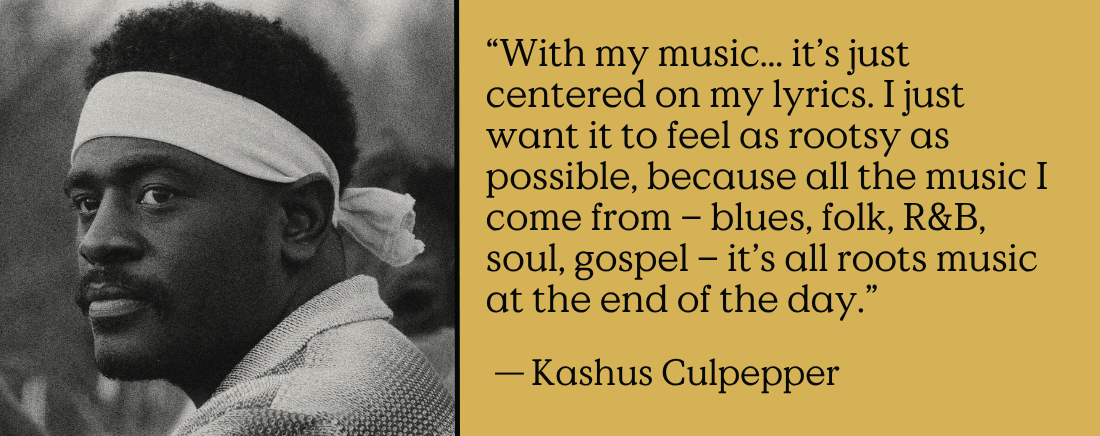
Yeah, yeah. I mean, I love so many of those rock artists, ZZ Top, Led Zeppelin, Skynyrd. People ask me all the time my influence and I’m just like, “Bro, it’s so hard to name everybody.” John Mayer was a huge thing for me. Recently I went back to Norah Jones, I’m like, “Man, I used to love this record.” But with my music, at the end of the day, it’s just centered on my lyrics. I just want it to feel as rootsy as possible, because all the music I come from – blues, folk, R&B, soul, gospel – it’s all roots music at the end of the day.
Your voice is so good at expressing these really raw emotional states, I think. Is that how you are naturally? Or does that only come out in your music?
Most of the time? Honestly man, it’s just with the music. It’s hard to open up to the people. I think for me music has been great, just to express how I actually feel through my singing and my lyrics. I don’t usually just tell people.
So you’re from Alabama. After the Navy, did you go home and keep playing?
I got out the Navy in 2022 and by that point I already had gigs booked on the Mississippi Gulf Coast. I was booked at all these casinos, all these bars. I was booked out for a year in advance. I got out and went straight to full-time doing cover band shows pretty much for another year, until I literally couldn’t take any more of it. Then that’s when I decided I really want to write songs. Literally, I decided “I’m going to move back home to save as much money as I can and move to Nashville.” I was home for maybe a week or two and posting a lot on TikTok and I remember I was in my mom’s living room. I posted a TikTok, I went out because I had an interview for a job, I got back home, and it had reached 100,000 views. From there it was just, “Oh, snap. It’s going on.”
That’s awesome. Congratulations on how that all turned out. I think one reason for it might be that your music seems so unconventional, almost untamed. Maybe because you did it on your own? Do you feel like fans are hungry for that?
I think so. We talked about John Mayer. John Mayer is kind of like that. He’s all over the place. Sometimes he’ll do a blues song and then straight up pop, and then an R&B song with Leon Bridges. I think people just love that from artists. Artists just being artists. Just do whatever the song feels like. That’s how I feel with songs.
“A Man of His Word” is super soulful, with lots of that gospel influence and a big raspy vocal. Tell me about being the man a girl deserves. Where’s that theme coming from?
I wrote that song with Natalie Hemby and at the time we was just talking about life. The song is from a perspective of a guy looking into a girl and she’s going through hardships, because she don’t have a man of his word. She’s drinking a lot, doing a whole bunch of stuff. The song has a lot of me in it. I grew up with a single mother and you don’t know how those things can affect you without having somebody in your life you can trust. You get the feeling you can’t really trust nobody, because that’s not part of your life, and that leads to mental health problems or substance abuse. You don’t even notice it at the time, until you look back and you’re like, “Dang, that’s why I feel that way.”
After that comes “Broken Wing Bird” with Sierra Ferrell and it’s on the opposite end of the spectrum. Very threadbare and folky, right?
Oh man. So I’m a huge fan of Willie Nelson. One of my favorite songs is “Funny How Time Slips Away” – I just love so much the crooner era that he was doing – and I wanted a song that felt like that.
I wrote the song about somebody that’s not really good for you and you just keep taking ‘em back regardless, because you love them and no matter what they do, you’re always going to. So she’s like my broken-winged bird – no matter what she does, she’s flying back and I’m always going to help her out and then she’ll probably be on her way again.
It’s been good getting to know you a little. Big picture, what do you hope people take away from your music?
I think overall, I hope they can see I’m just an artist trying to express the way I see things, and I hope in some way they can find music that can fit every part of their life. Whether they’re trying to have a good time out partying, or if they want to soak into the sadness of a lover they lost, I just hope my music can fit some aspect of their life. And I hope they can enjoy it.
Photo Credit: Cole Calfee
Sign up here to receive Good Country’s monthly newsletter direct to your inbox.
Upon relaying my artistic moniker to people, I’m usually met with one of two reactions: 1. “Oh, weird…that’s interesting” or 2. “Oh, weird… I don’t get it.” (I guess a third option would be, “Well, that’s stupid.”)
My process of finding a moniker came out of a desire for artistic freedom in my writing, as I felt constrained performing under my government name, the far less interesting sounding “Matt Longo.” Within a moniker, my writing (in my mind) could be uninhibited despite me being, you know, the same human.
Originally, I was thinking I’d go by “Tin Ear,” as I simply liked the sound of the way the words sat together, but I quickly discovered that was already a glam band from the ’70s. Then, around the time of my name hunt, I had a very strange dream wherein I sat on a subway car across from a gaunt, regal-looking king. I awoke with the words “Thin Lear” in my head, no doubt the result of my brain privately re-working “Tin Ear” and conveniently giving me a dream origin story to go along with it.
What a journey, I know. So, to celebrate the release of my new EP, A Shadow Waltzed Itself, I’ve put together a Mixtape of some of my favorite solo artist monikers, for various reasons, all paired with choice tracks. Enjoy. – Thin Lear
“Maybe I’m the Only One for Me” – Purple Mountains
A sad and beautiful song from a modern master, David Berman. The moniker is pitch perfect; it conveys majestic sadness, like so much of his art.
“Golden Wake” – Mutual Benefit
An underrated moniker for an underrated artist, Jordan Lee. It’s off Love’s Crushing Diamond, which is really one of the finest complete albums of the 2010s, with its homespun warmth.
“Come Down in Time” – Bedouine
The thoughtful moniker of Azniv Korkejian, whose music is equally as carefully considered. Her take on Elton John’s track from the classic Tumbleweed Connection really rivals the original and wraps the melody in an achingly delicate arrangement.
“Beauty of the Shifting Tide” – Thin Lear
Oh, hey, would you look at that? It’s me. How’d that get in there?
This tune is the closing song off the new EP, A Shadow Waltzed Itself, and also the most personal, unfortunately. I had been walking along the beach in a bad mood for seemingly no reason one day, so removed from my surroundings, watching my partner and daughter enjoy themselves ahead of me. I began to envision myself as this sullen entity that was just kind of trudging behind joy – and the uselessness of that role in a family. This isn’t a place I find myself in all the time, but it happens; I wrote the song later that night as I was so disgusted with my default settings. In the song, my narrator acknowledges his envy of the tide, how it can change on a dime with all its might and that his own will “breaks in half the time.”
It sums up my greatest fears in a few minutes and is my least favorite song I’ve ever written, as I depict myself in such harsh lighting, but it felt like I needed to put it out for that very reason.
“Tyrant Destroyed” – Twin Shadow
A cool, catchy moniker for an artist who makes cool, catchy music. And what an opening track this is off his debut album, Forget. It’s such a sure-footed, fully-realized artistic mission statement to kick off a career.
“Noon” – Twain
I really can’t express why the moniker of Mat Davidson is so perfect. Maybe it’s because the arrangements and vocals in his music are so careful and delicate that the whole thing feels like it could split in two at any moment.
“Honey” – Drugdealer & Weyes Blood
Two excellent monikers for the price of one. Michael Collins & Natalie Mering doing a pitch perfect ’70s pastiche.
“Hood” – Perfume Genius
Maybe the most brilliant moniker on the list, achieving a level of poeticism we can only all aspire to with our monikers. “Hood” is one of the best songs ever written that clocks in at under two minutes, delivering a devastating gut punch in no time at all.
“The Mermaid Parade” – Phosphorescent
Matthew Houck’s music does indeed sound like a radiant glow in the dark. A killer breakup song from 2010’s Here’s to Taking It Easy.
“Only Son of the Ladiesman” – Father John Misty
Well, you knew this one was coming. Truly a perfect moniker for Josh Tillman, as it conveys a mystical sleaze and it’s funny, mysterious, and inviting.
Welcome to the playlist you probably didn’t have on your bingo card this year: a series of songs spanning from gospel music to ’90s folk to contemporary singer-songwriters, all curated by a drag queen with a number one Christian album under her belt. I’m Flamy Grant, and I’m honored that BGS invited me to share the songs that healed my very gay, very religious trauma.
My first record was called Bible Belt Baby, so I know a thing or two about growing up in the shadow of a religious fervor that wants boys to be boys, girls to be girls, and gays to keep it in the closet. Here are a few of the songs that helped me not only to come out, but to let this little light of mine keep shining in the faces of a lot of people who’d prefer it were hidden under a bushel. Not today, gatekeepers. Not today. – Flamy Grant
“If You Ever Leave” – Flamy Grant
Oh, hello darling. I’m a drag queen with wares to sell. Of course I’m starting off this playlist with my new single! It is, at least, very much on topic. This ballad from my forthcoming record, CHURCH, pretty much speaks for itself, but I will offer this one, brief, supplemental thought: if there’s a God demanding your worship, but as you get to know him you discover that you are capable of loving people better and more completely than he is… don’t worship that God. Girl… it’s a trap.
“Undamned” – Over the Rhine
Outside of Amy Grant, no artist has had as much of an impact on me as Ohio-based duo Over the Rhine. Karin and Linford have saved my life ten times over. “I’m not your little lost lamb, God might still get my world undamned.” This song somehow manages to be both defiant (personally, my favorite posture) and repentant. Brazenly owning your apostasy while unabashedly surrendering to a cosmic, supernatural love at the same time? Slay. (Bonus: Lucinda Williams delivers an absolutely divine featured vocal. Undamn me anyday, Over the Rhine.)
“Wrap My Arms Around Your Name” – Sarah Masen
When I was growing up, I was only allowed to listen to Christian music. Sarah Masen was always a bit of a square peg in a round Christian music industry hole, and one of the first songwriters I encountered who addressed the conflict, doubt, and dissonance inherent to the faith everyone else around her was putting such a sheen on.
From the first line, “Mystery’s walking on my head again,” I was hooked on this song about yearning to feel deeply spiritually connected. “Does hallelujah wear the same old face?” Excellent existential question, Sarah. Thanks for giving my teenage angst a place to freely ask it.
“Amy’s Song” – Matt Simons
Back in 2018, I was a worship leader for a queer-affirming church in San Diego and we decided for Pride month that year that we would put on a worship service that was 100% produced, led, and delivered by our queer members. I even wanted to make sure every song we sang had been written (or co-written, in this case) by a card-carrying member of the alphabet mafia. I found “Amy’s Song” and loved the music and the message: “Does your God really give a damn” about who I love?
The twist for me was in discovering that one of the song’s co-writers, and its namesake, Ames, and I had played a show together years before in when we were both closeted and going by different stage names. I led “Amy’s Song” at our church that Sunday and Ames and I have since reconnected online. We’ve even been talking about writing something together one of these days. “Amy’s Song 2: The Ballad of Flamy,” perhaps? (Pro tip: after you listen, go watch the music video and making-of mini-doc, both on Matt Simons’ YouTube page. Bring Kleenex.)
“breathe again” – Joy Oladokun
Honestly, it was hard to pick just one song from Joy Oladokun’s extensive repertoire of musical remedies for the religiously wronged. She is both plainspoken and poignant, capturing the heartbreak so many queer people experience when we grow up in families and cultures that suffocate us in a shame-inducing, manipulative desecration of divine love. Joy’s voice in this song just melts me, and it’s a breath of fresh air for the closeted kid I used to be when she uses it to sing, “If I hold my breath until I’m honest, will I ever breathe again?”
“Someday You’ll Wake Up Okay” – Spencer LaJoye
This is inner child work of the highest order and nobody translates the specific into the universal with such clarity as my friend Spencer. “You won’t hear me, but I’ll think it from the future.” Oof. Also, who knew healing your inner child could be such a bop?
“Holy Sunlight” – Steven Delopoulos
Something about the music of Stephen Delopoulos, who fronted the ’90s Christian band Burlap to Cashmere, just feels reverent. It’s like high-church Paul Simon. This song reminds me that even when we’re leaving, we’re really not. “Pack my luggage, fake a smile/ Don’t cry, we’re all connected like the ocean sea.”
“Faith” – Semler
No one is more emblematic of a reckoning for the Christian music industry to me than my pal Semler, who was the first out queer artist to have a number one Christian record a couple years back. In “Faith,” they are eye-level with the abusers of power in the church they’re confronting. “Don’t pretend I’m not your body.” GOOSEBUMPS, HUN. And it’s a song that somehow doubles as a powerful worship anthem of sorts for the disenfranchised? We’re here, we’re queer, and we still have faith, dear. I live.
“Shiloh” – Audrey Assad
I had stopped listening to CCM by the time Audrey got her record deal with juggernaut Christian label Sparrow Records back in 2010, so I missed most of her early career. But during the pandemic, I learned about this (wildly-talented) artist that Christian media outlets were criticizing for “backsliding.” Don’t tempt me with a good time, I said. Audrey and I have become friendly on social media since then, and she’s so much more than a good time. She’s a healer. This song in particular patches up a new part of me every time I hear it. God bless the ones who leave the church but never stop providing care for souls.
“The Way You Get Found” – Story & Tune
I’m proud to say I was the first person to ever hear this excellent song, in the basement of the San Diego house I shared during pandemic with its writers, Karyn and Ben. The line that got me then still gets me today: “I bless the way you carve your name on the gate-kept inner sanctums where they said you couldn’t stay.” Absolute pros, these two, crafting an artful turn of phrase that not only perfectly fits the demanding cadence of the song, but delivers a well-placed gut punch to folks who know what it’s like to stand up to religious bullies when they say we can’t be on their playground.
“Jacob from the Bible” – Jake Wesley Rogers
This song came through my Spotify algorithm one day and stopped me in my tracks. Of course, now Jake is a world famous colorful crooner and besties with Elton John, etc., but when this song came out, I was able to reach him online and successfully petitioned him to be on my podcast. You can still listen to that conversation. We talk about this song, where it came from, what it meant to each of us, and why Jake should definitely be our first gay president. For me, it feels like a life-giving extraction from all the oppressive weight of religious expectation. “I don’t want to be held down by a heavenly man.” Makes me think of Jacob from the Bible when he defeated the angel in an all night wrestling match. (Hot!) And honey, wrestling with God? Relatable.
“Testify to Love” – Wynonna
Okay, this might be the only bonafide CCM hit in the mix. It was originally recorded by Christian supergroup Avalon and if you were anywhere near Christianity in 1997/98, this song is In. Your. Bones. Every once in a while when I’m playing to an audience of a certain age — the ones who were in youth group about the same time as me — I’ll bust this out as a cover during my set and, well, let’s just say it’s so cute to watch half the room have a dramatic That’s So Raven-style flashback. But I propose to you that at the end of the day, it’s a gay song. I mean, the opening lyric is, “All the colors of the rainbow!” It’s all about how love wins!
What really seals the deal is Wynonna Judd’s countrified cover of the song from a very special episode of Touched by an Angel. I dare you to listen and not agree that Christianity peaked in 1997 and we should frankly just ignore everything that’s come out of evangelicalism since this song ruled the airwaves.
“House of Spirits” – Allman Brown
London-based singer-songwriter Allman Brown taps right into all of our generational trauma and father wounds with this achingly gorgeous spiritual about how it feels to sit vigil by the deathbed of a parent who “damned my soul to the fires.” As someone with a damaged and deeply strained relationship with an ultra-religious father who’s still alive, this song gives me a glimpse into the journey ahead, and I find myself praying along with Allman that one day that house of spirits “will feel like home.”
“What You Heard” – Amy Grant
An Amy Grant song on this list was inevitable, but far less likely is a song from a parent who learned better communication skills by going to family therapy with her kids. But that’s exactly what we have in this, the first new song from the Queen of Christian Pop in a decade. I saw Amy perform it last year and she told the story of how group therapy with her family helped her understand that some of the ways she thought she was communicating love to her kids weren’t exactly landing that way on their ears. It’s the kind of thing most survivors of religious trauma can only dream of: a God-fearing parent gaining perspective later in life and using therapy tools to change behavior? A better relationship through effective communication? May we all be so fortunate. But even if we’re not, my favorite diva (she would never call herself that, so someone has to) has gifted us with this beautifully-written song that shows it’s possible. Amy and amen.
“May I Suggest” – Susan Werner
I’ll leave you with the best benediction that’s ever been spoken (sung) over me. I wish someone had invited me to the Susan Werner party years ago, so I’m making it my mission to bring as many plus-ones as possible now that I’m here. Actually, in a way, I’ve been here since high school, I just didn’t know it. The first time I heard this song was as a cover by Ellis Paul and Vance Gilbert back in the late ’90s, but I just assumed it was theirs. Then about a year ago, a friend sent me a track by Susan called “Our Father,” in which she expertly/hilariously reimagines the Lord’s Prayer (“Deliver us from those who think they’re you”). I was hooked and started working my way through her catalog, but it wasn’t until I saw her live at the Kerrville Folk Festival earlier this year that I learned she was the composer of this song I loved when I was 17.
When she sat down at a baby grand and soulfully set out to convince a field full of festival-goers that “this is the best part of your life,” I openly wept. It’s tempting after you escape from oppressive, high-demand religion to fall into the trap of regret for a lost youth and years of missed chances. Susan invites us to consider the other side of that coin: thanks to the trauma you’ve survived, “Inside you know what’s yours to finally set right.” The next time Susan is anywhere near you, drag yourself (yes I said DRAG) and everyone you love to the show — and hope that she sings this benediction over you, too.
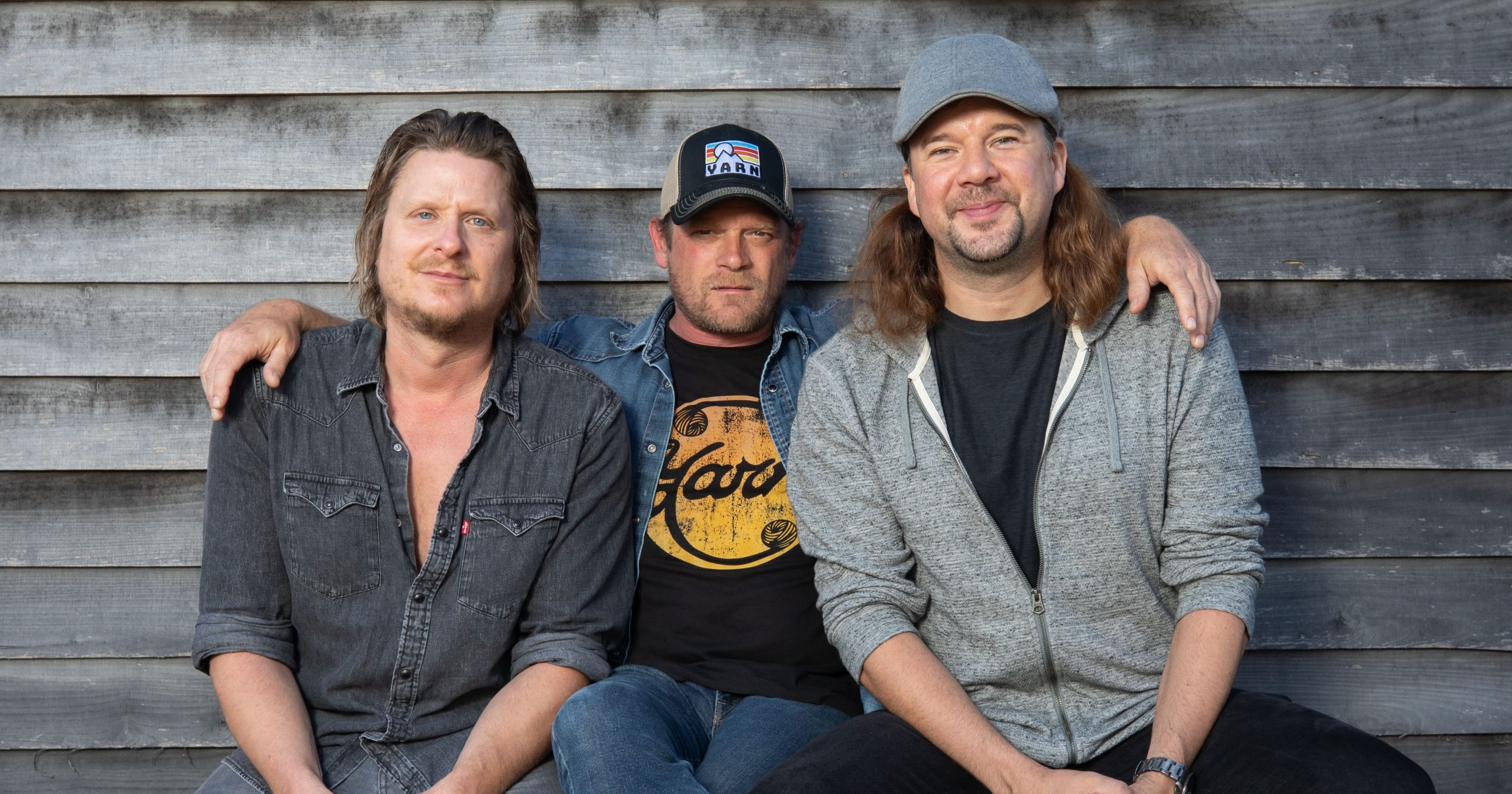
I make a lot of references in Yarn’s music about other bands, artists, movies, actors, etc… I didn’t realize how much until I started working on this Mixtape. Just a few of the things I mention are Jim Croce, Dolly Parton, The Allman Brothers, George Burns, Bob Wills, Waylon Jennings, Velvet Underground, Rex Moroux – and the list goes on. This Mixtape will include references to other artists, food, and places famous in the world of pop culture during its given time of release. – Blake Christiana, Yarn
“Play Freebird” – Yarn
I figured I’d start and end with two of our songs from our new album, Born, Blessed, Grateful & Alive. My wife started writing this one about her father and I took it over and finished it. The entire song is based around another super famous song that Mandy’s dad used to play around the house when she was a kid. And now, if anyone yells out ‘Free Bird’ at one of our concerts, we’ve got something to give ’em.
“You Never Even Called Me By Name” – David Allen Coe
Such a perfect song for this Mixtape. Coe even impersonates the singers he references in this song as well as poking fun at the entire country music genre. Pretty brilliant. Waylon Jennings, Charley Pride, Merle Haggard, and he even references his own name.
“Calling Elvis” – Dire Straits
We could do a giant Mixtape with songs that just reference Elvis alone. I love this one, because just about every lyric is a reference to Elvis and the songs he recorded. Also, Mark Knopfler is THE MAN. More Elvis to come on this list.
“Bette Davis Eyes” – Kim Carnes
I had to include a quintessential ’80s tune on here and this is it. Great voice on Kim Carnes, the perfect sultry rasp. Of course she references the actress, Bette Davis, as well as Greta Garbo.
“Mrs. Robinson” – Simon & Garfunkel
Here’s one with a sports icon reference. Paul Simon has done a lot of these kinds of references in his songs, too, and I’ll include one of those later in the tape. Joe DiMaggio, the famous New York Yankee who married Marilyn Monroe, is mentioned here as ‘Joltin’ Joe.’
“Candle In The Wind” – Elton John
Nice little transition here from The Yankee Clipper to Marilyn Monroe. This entire song is written about Monroe.
“Man on The Moon” – R.E.M.
Lots of references here, but the main star of the song is Andy Kaufman, the brilliant comedian who starred in Taxi in the ’70s. Love Andy Kaufman and R.E.M. Great song. Other honorable pop-culture mentions in this song are 21, Checkers, Chess, and of course Elvis. Also a great Elvis impression from Michael Stipe.
“Nobody Home” – Pink Floyd
The Wall might have been my favorite album as a kid. And in this particular song off that album, Roger Waters sings ‘the obligatory Hendrix perm,’ a direct reference to Jimi Hendrix and his hair style. Glad I got to include Pink Floyd on here. Beautiful song.
“Walkin’ In Memphis” – Marc Cohn
This song just had to be on here. More Elvis for ya, along with WC Handy, Beale Street, Al Green, and more. Another fantastic song.
“Graceland” – Paul Simon
What do you know, more Elvis. I think I need to write a song about Elvis now. This song is too good, it paints a picture as good as any song ever written. Enough said.
“Dairy Queen” – Indigo Girls
I thought we needed some pop-culture food references, so I included these next two songs. Not to mention, Indigo Girls and Amy Ray are my wife’s favorites. Amy Ray’s recent solo records have all been really great and everyone should have a listen.
“Factory” – Band of Horses
I love this tune and its reference to the candy of my youth, Now and Laters. To me, Band of Horses is like a modern day Beach Boys. Great band, great songs, and great harmonies. This song reminds me how half my life is spent in a hotel room.
“I Want You” – Yarn
I reference the 1980 movie, Honeysuckle Rose, with Willie Nelson & Diane Cannon. Not sure anyone saw it, but it’s about an affair on the road between musicians Nelson and Cannon, and the song itself follows a similar plot line. I wrote this song with my longtime writing partner, Shane Spaulding.
This week, it feels a bit like musical spring has sprung, and new music is truly blossoming in our current edition of You Gotta Hear This – our once-weekly premiere round-up.
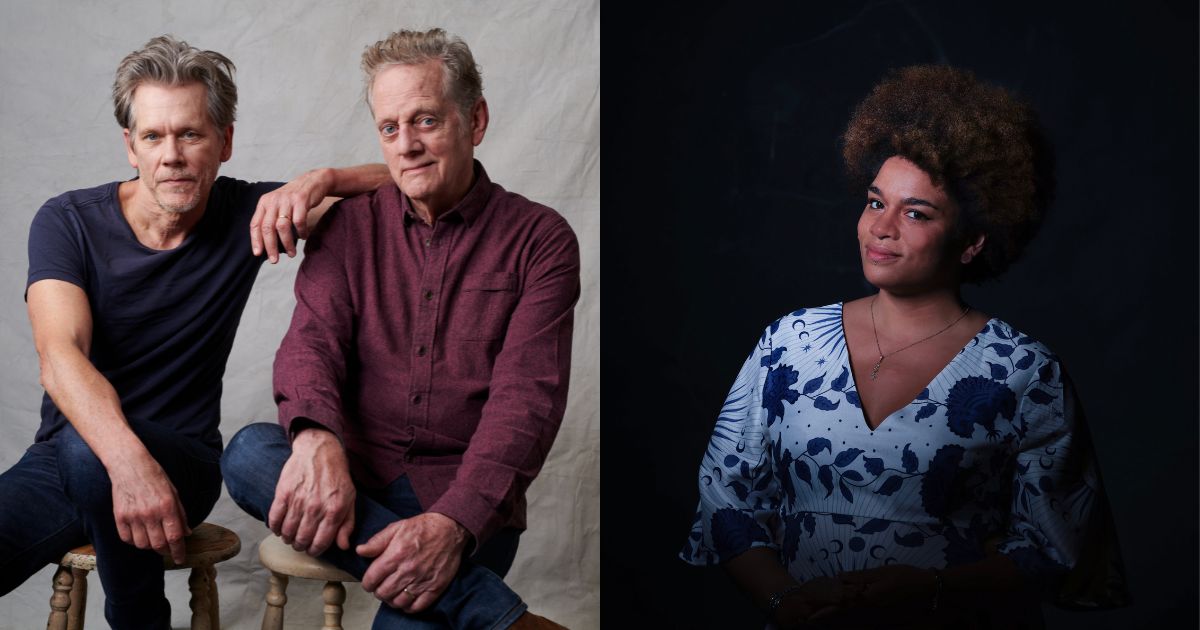
Below, you’ll find a new live performance video from the Bacon Brothers (Kevin Bacon and his brother, Michael), plus singer-songwriter Rachel Maxann has brought us a new track and video, “The Tides.” You’ll also enjoy songs from bluegrasser Darren Nicholson, southern rocker JD Clayton, a bespoke line dance from Buckstein, Rosy Nolan, string band Jake Leg, and a tribute to Mississippi John Hurt from the Tennessee Warblers. Don’t miss the latest edition in our Rootsy Summer Sessions series, too, featuring two original numbers by Jackson Scribner.
There’s so much good music to enjoy, You Gotta Hear This!
The Bacon Brothers, “Losing the Night”
Artist: The Bacon Brothers Hometown: Philadelphia, Pennsylvania Song: “Losing the Night” Album: Ballad Of The Brothers Release Date: April 19, 2024 Label: Forosoco Music / Forty Below Records
In Their Words: “Sitting down with our co-writer, Casey Beathard, took me back to the early ’70s when I was a staff writer at Combine Music: Set a date and time, drink a lot of coffee, and crank out a song. Songwriters rule in Nashville and always will. Casey’s the top of the top. If you can listen to ‘Boys of Fall’ with a dry eye, then ‘Mister, you’re a better man than I…’ (Yardbirds.)” – Michael Bacon
“Yeah, writing with Casey was great. When we were cutting vocals, I kept returning to the recording we made on my phone as we wrote the song because I wanted to sing it like he did. The autoharp idea just came together at the last minute, but I think it’s pretty cool.” – Kevin Bacon
Video Credit: Bradley Wagner Audio Engineer: Juan Soria
Rachel Maxann, “The Tides”
Artist:Rachel Maxann Hometown: Memphis, Tennessee Song: “The Tides” Release Date: March 4, 2024
In Their Words: “‘The Tides’ is a soulful, folk love song that beautifully captures the ebb and flow of emotions in a relationship. With poetic lyrics and melodic acoustic arrangements, this heartfelt ballad explores the depth of love, drawing parallels to the rhythmic patterns of the tides. Each verse unveils a tale of connection, mirroring the gentle waves that bind two hearts together.” – Rachel Maxann
Buckstein, “Addicted to Love”
Artist:Buckstein Hometown: Denver, Colorado Song: “Addicted to Love” Release Date: March 8, 2024 Label: Rock Ridge Music
In Their Words: “When my producer brought this classic to me, I just assumed we’d be doing it for fun, never to be released. Robert Palmer is a TOUGH act to follow. Leave it to a damn good producer like Mr. E to bring out of the best in me. When he played me the rough cut, I got incredibly excited about where it was going. The production on our ‘Addicted to Love’ is some of my favorite I ever sang to, and I hope people consider it a fond tip of the hat to the late Mr. Palmer. He was a legend, and this song is timeless. Thank you for listening. I hope it’s as much fun for you as it was for us.
“P.S. We have a line dance. Check it out in the video while you listen (and there are dance instructions at the end of the video).” – Buckstein
Rosy Nolan, “One of Your Songs”
Artist:Rosy Nolan Hometown: Los Angeles via San Francisco, California Song: “One of Your Songs” Release Date: March 15, 2024 (single) Label: Blackbird Record Label
In Their Words: “‘One of Your Songs’ is a two-tempo song about a woman strung along by a two-timing man. In the first chorus, she protests, ‘Don’t play me like one of your songs,’ only to surprise him later when he becomes one of her songs.
“I was looking to write a song that oscillated between a high energy old-time tune and a traditional country two-step. I wanted the song’s tempo to reflect the extreme highs and lows of a tumultuous relationship.
“My dear friend, Dave, from Grand Ole Country Bunker suggested I shoot my music video at Sassafras Saloon, a bayou-themed bar in the heart of Hollywood. He produces widely-attended country showcases at the venue. It’s New Orleans meets Old West and contains an entire Savannah townhouse inside the bar. The townhouse was shipped out from Georgia and reassembled inside the venue. Word is that it’s haunted by several spirits. It was the perfect backdrop for the video, equipped with a balcony stage, old time relics, and a rotating bottle conveyer belt.
“Our friends, The Cowpokes from Nashville, performed that evening and they graciously allowed us to shoot the crowd shots during their performance. After a 10 hour shoot day, we were fortunate to have a lot of footage to work with.
“Jack Hackett and his crew were fantastic. I used to act when I was younger so it was a thrill to put the guitar down for a bit and get into character. Fellow cast members, Levi Petree and Frankie Lawson, made it easy and fun.” – Rosy Nolan
Darren Nicholson, “Ain’t No Sin”
Artist:Darren Nicholson Hometown: Canton, North Carolina Song: “Ain’t No Sin” Release Date: March 8, 2024 Label: Mountain Home Music Company
In Their Words: “This is our raucous, tongue-in-cheek story of mountain folk separating sin from survival. I wrote this with Charles Humphrey III, and it’s even more ironic as I’m currently several years into sobriety myself. It is a fictional tale of people (The Baker Boys) who did what they had to do to provide for their families and communities. The moonshiner way of life was embraced and woven into so many rural circles. Heck, my dad made illegal whiskey to survive; and he made it for everyone from the grannies to the politicians to the preachers. In many cases, the quality of liquor and how it benefited both producer and consumer, was a point of pride for certain areas. What many people fail to realize is, historically, corn liquor production was a way for people to earn a living when times were hard, like during the Great Depression. Early on, it wasn’t a hobby so much as a way to supplement one’s income as a necessity.
“Where the ‘sin’ part comes into play is when one can acknowledge that whiskey by itself is not a sin, but rather the overindulgence or the behaviors resulting from too much to drink, which are viewed as sinful. This song speaks to the ones who find it most sinful; the ones who can’t control the distribution of it or profit from it. I hope all who listen have fun with this track. That’s the intention!” – Darren Nicholson
In Their Words: “‘High Hopes & Low Expectations’ tells a story about a young man who is searching for his better self and greener pastures. He finally has a chance and enough money to leave town for the big city, leaving behind his home and family. He meets an older gentleman that gives him a bit of free advice: ‘Live with High Hopes & Low Expectations.’ The perspective changes halfway through the song. The young man grows old and tells the listener that the old man who gave him advice long ago was right. Go live and live well with high hopes and low expectations. Life won’t always work out right but you’ll be able to sleep well at night.
“This is really a song to myself. It makes me think of leaving Arkansas for Nashville to make it in music. I love the song so much. I wanted the song to feel like a blend of James Taylor and Elton John. I think we got close. It tells a really cool story and I especially love the word choices in the lyrics. ‘Ferry ride for western skies,’ ‘Whiskey wisdoms poured over ice,’ ‘It feels like dark chocolate, honey butter, and hot coals in a cast iron stove in a library.’ Come on!! I cowrote the song with Kendell Marvel. He has become such a good friend and has been so kind to me as I have started my career. I think of myself as the young man in this song and Kendell as the older man giving me this sage advice. It felt like we were living out the song literally as we penned it. I am still learning to live everyday with ‘High Hopes & Low Expectations.'” – JD Clayton
The Tennessee Warblers, “Louis Collins”
Artist:The Tennessee Warblers Hometown: Nashville, Tennessee Song: “Louis Collins” Release Date: March 8, 2024 (Mississippi John Hurt’s Birthday)
In Their Words: “We’ve been warblin’ this mournfully beautiful murder ballad for a number of years and thought it would be fun to release it in celebration of Mississippi John Hurt’s birthday. First recorded in 1928, the tune has become one of Hurt’s most popular and enduring numbers. Perhaps the juxtaposition of melancholy melody and murder is the reason?
“In 2012, I went on a road trip with photographer, Michael Rooney, to trace the Mississippi Blues Trail. We recently regrouped to pore over the images in search of one to represent Louis Collins’ grave to which the ‘angels laid him away.’ Unfortunately, not long after we settled on the photograph we received news that John Hurt’s home and museum in Avalon, Mississippi had burned down.
“We’d like to urge folks to donate to the Mississippi John Hurt Foundation so that they may rebuild a museum celebrating John Hurt’s kind presence, songs and one of a kind guitar style that continues to entertain and inspire all these years later.” – Adam Dalton
Jake Leg, “Fire on the Prairie”
Artist:Jake Leg Hometown: Lyons, Colorado Song: “Fire on the Prairie” Album:Fire on the Prairie Release Date: March 8, 2024
In Their Words: “‘Fire on the Prairie’ is the title track of our upcoming debut full-length album and we loved the energy we captured in the studio so much that we made it the first track on the record. I wrote ‘Fire on the Prairie’ when I was reflecting on a story I’d heard about some individuals whose entire lives seemed to revolve around the coming of the apocalypse, in a way that was almost romanticized. I found myself thinking about how growing up in an environment like that might impact a person and how they relate to the world. It’s a somewhat ominous song, thematically, and we aimed to reflect that musically with the sonic landscape of the song having sort of a looming sense of something unknown lurching toward you. I think Eric’s vocal performance on this one fits the song perfectly and the band plays with a sense of urgency that really drives it home.” – Dylan McCarthy
Rootsy Summer Sessions: Jackson Scribner
Last summer, flanked by roadside flowers and backgrounded by a softly cooing dove, singer-songwriter Jackson Scribner graced the videographers from I Know We Should with two beautiful, original songs. It’s the latest installment of our Rootsy Summer Sessions series, shot at Rootsy Summer Fest ’23 in Falkenberg, Sweden on the banks of the Ätran.
Scribner, who was born and raised in rural Texas, first performed “Front Porch Rain,” a track from his 2021 self-titled album, with backing vocals by his brother and duo partner, Levi Scribner. Jackson’s voice is soft, but confident as he sings, “Though I see it now/ watch for the weather, wanted to kill it to stay/ it’s a front porch rain…” a striking lyric beneath the summer Swedish sun. There’s certainly a familial quality to the harmonies, though Levi leaves plenty of breathing room, allowing Jackson’s lyrics to come forward.
I call January my reading month. To be clear, I do of course still scan words and decipher syntax throughout the remaining 11 months that fill the calendar, but I always seem to start and finish the most books in the first month of the year. I don’t think it’s because I have a romantic notion of what my new self will be like in this new year – always reading and writing more or doing xyz to “better” myself (though if I’m being honest, that’s probably part of it). Rather, I think it’s more so that in the hangover of the holidays, when the gatherings are over, and there are months of dreary winter to look forward to, I take comfort in the ability to transport myself to another time or place, or simply get lost in someone’s thoughts for hours at a time.
This community, as much as any, understands the import of passing stories on – allowing a new generation to take the torch and keep honored traditions burning while evolving its culture and extinguishing the shameful parts of its priors. That’s why we at BGS compile notable books that tell the stories by or about these genres’ songs and songwriters and the scenes, places, and events that made them.
Maybe you’re like me, looking for ideas of books to get lost in this winter, or maybe you are looking for a way to turn the page on the calendar and become your most “badass self” (we’ve got a book for that). You might be here looking for a last minute gift idea for that special music-loving person in your life. In all those cases, you’ve come to the right place!
We’ve got a book by an esteemed songwriter who waxes poetic on the art form he loves. We’ve got titles about how certain times in certain places scenes have blossomed and sub-genres formed so palpable that listeners can identify a song by its roots. We’ve got biographies of famous musicians, and some of whom have looked back at their own lives and careers. Find all that and more in our list of reading recommendations, organized by categories below:
Sense of Place
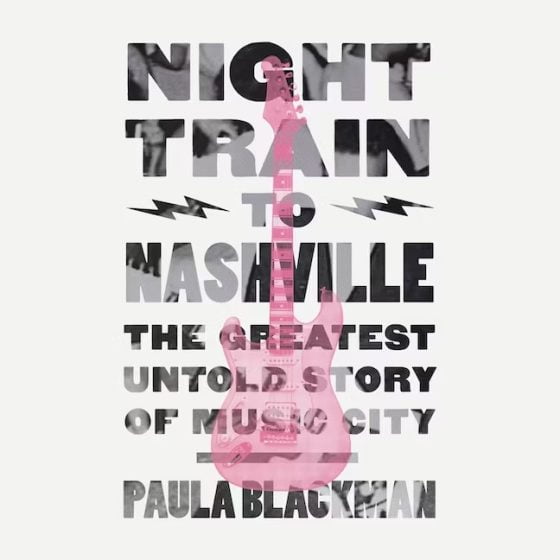
Night Train to Nashville: The Greatest Untold Story of Music City, Paula Blackman
Drawing on stories from her grandfather, E. Gab Blackman, a 30-year radio executive at WLAC, Paula Blackman shares the story of how the Nashville radio station became a pioneering source for Black rhythm and blues music in the 1940s and ‘50s. Seeing the opportunity to reach a more diverse audience – not, as Paula notes, to be a “white savior” – Gab teamed up with disc jockey Gene Nobles to play “race records.” In Night Train, Blackman also profiles William Sousa “Sou” Bridgeforth, the owner of New Era Club, a prominent Black nightclub in Nashville that blossomed as a result of the new artists being spun on WLAC airwaves, many of whom were introduced to Gab by Sou. Fitting that the story of Nashville, in the time leading up to the civil rights era, is told through the music played on the AM radio speakers throughout the city.
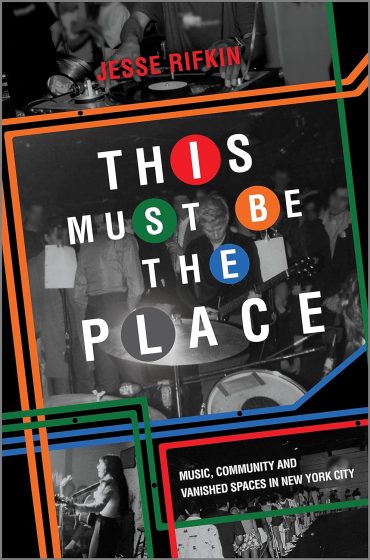
This Must Be the Place: Music, Community and Vanished Spaces in New York City, Jesse Rifkin
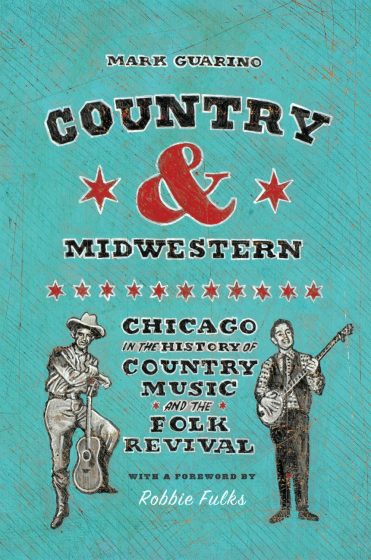
Country and Midwestern: Chicago in the History of Country Music and the Folk Revival, Mark Guarino
In Their Own Words
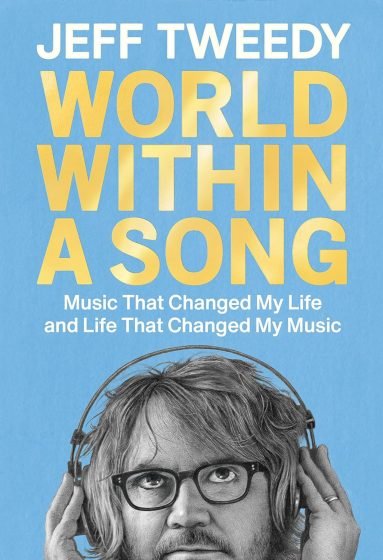
World Within a Song: Music That Changed My Life and Life That Changed My Music, Jeff Tweedy
Wilco frontman and New York Times bestselling author Jeff Tweedy follows up on Let’s Go (So We Can Get Back) and How To Write One Song with a gushing love letter to songs. In it, Tweedy dedicates chapters to many (but clearly not close to all) of the songs that have resonated deeply with him for one reason or another. From Bob Dylan to Billie Eilish, from The Clash to ABBA, Tweedy sheds any and all pretense of what might be considered “cool” in his selections.
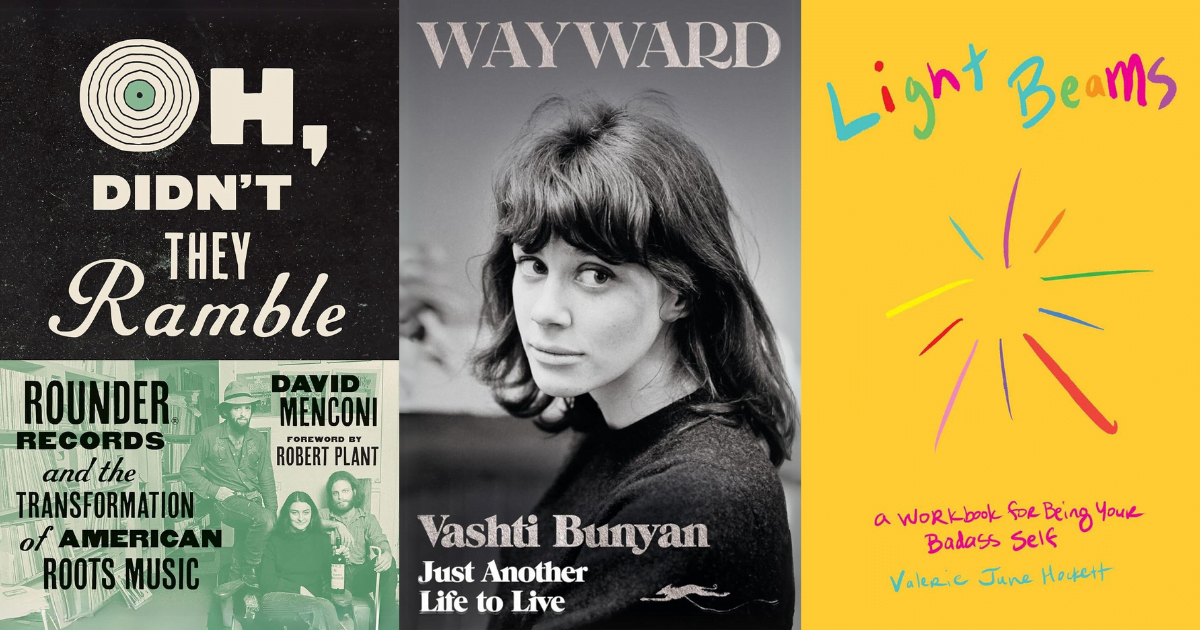
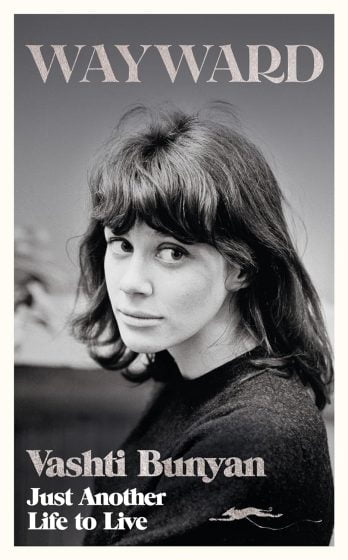
Wayward: Just Another Life to Live, Vashti Bunyan
In Wayward, Vashti Bunyan, an English singer-songwriter, recounts her early career in the mid ’60s leading to her debut release, Just Another Diamond Day, in 1970. Disillusioned by its lack of success (at the time) and the fact that her songs, life, and career were all dictated by men, she left the music industry entirely before re-emerging in the early 2000s. Pick this up for the story of what happened in between, how she reclaimed her life, and is taking her second act in music on her own terms.
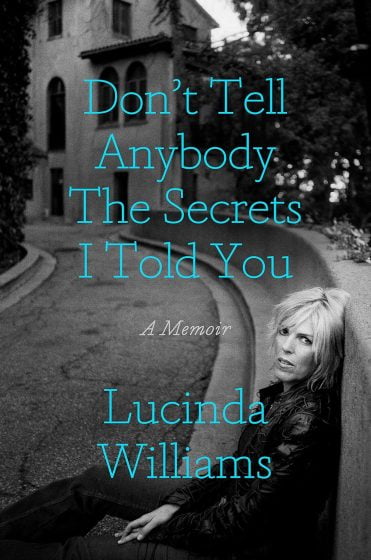
Don’t Tell Anybody the Secrets I Told You: A Memoir, Lucinda Williams
3-time Grammy award-winning songwriter and now New York Times best-selling author, Lucinda Williams, recounts her upbringing and bumpy ride to fame. Once getting feedback from a record company who said her music was “too country for rock and too rock for country,” Williams stayed the course, and became one of the greatest and most influential songwriters of our time.
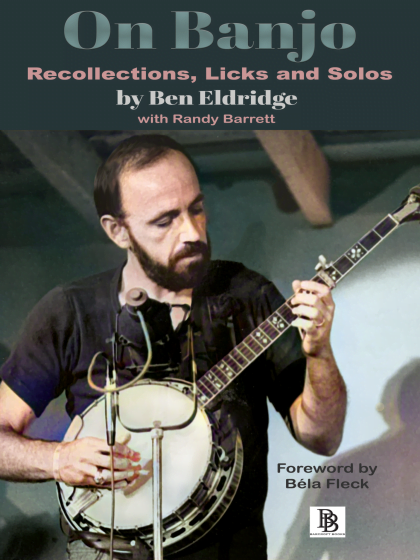
On Banjo: Recollections, Licks and Solos, Ben Eldridge
Born in Richmond, VA, Ben Eldridge fell in love with roots music watching WRVA’s Old Dominion Barn Dance. In this memoir-meets-tablature book, he recalls his path from upbringing to moving to D.C. to become a mathematician, and ultimately going from jam sessions to forming a group that would change bluegrass henceforth – the Seldom Scene. This conversational book with pictures that set the scenes even comes with licks and transcriptions for banjo playing fans.
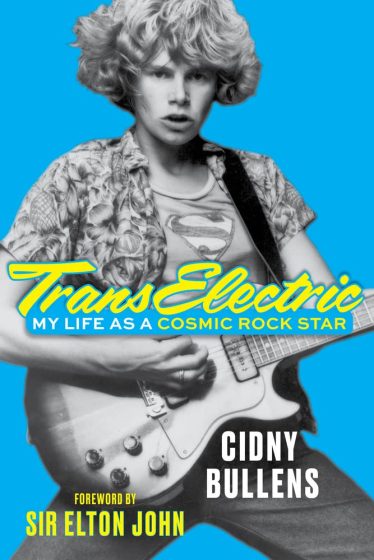
TransElectric: My Life as a Cosmic Rock Star, Cidny Bullens
This book starts with a bang! And I’m not even talking about the foreword from Elton John. As just a 24-year-old Cidny (then referred to as Cindy) had shown up uninvited to a live recording session for Dr. John at Cherokee Studios in Hollywood, and eventually found himself starting an impromptu jam with Ringo Starr, Eric Clapton, Dr. John, and Joe Cocker. This retrospective traces his arc from a backing vocal career in the drug-fueled ’70s for the likes of Elton John and Rod Stewart, and having trouble finding his footing as a solo artist who had expectations of how a woman could behave and perform. Bullens settled into the life of a typical suburban mom, experienced a personal tragedy, and eventually found his true voice.
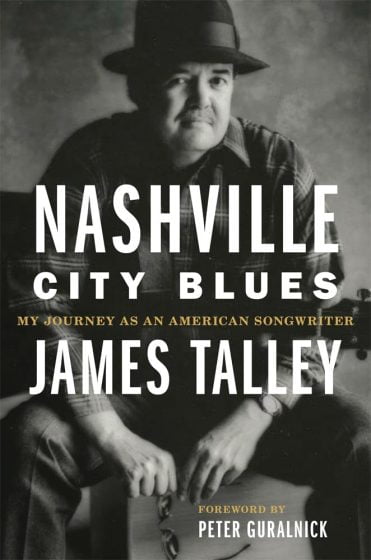
Nashville City Blues: My Journey as an American Songwriter, James Talley
Biographies & Histories
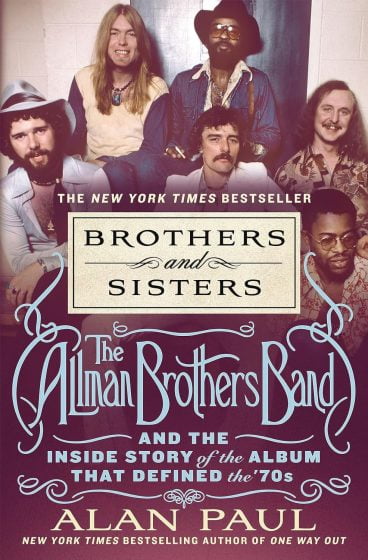
Brothers and Sisters: The Allman Brothers Band and the Inside Story of the Album That Defined the ’70s
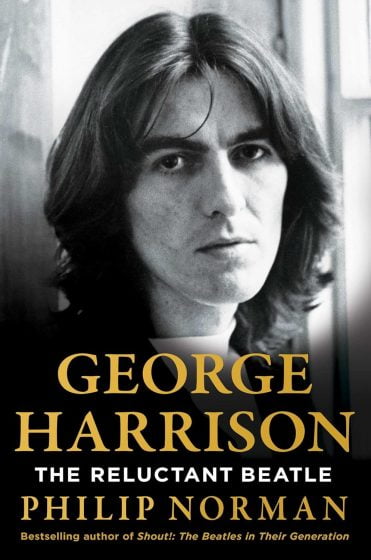
George Harrison: The Reluctant Beatle, Philip Norman
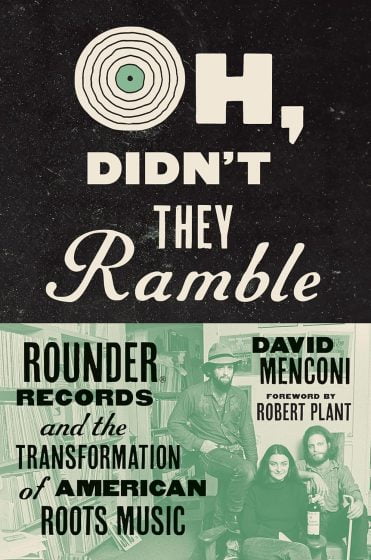
Oh, Didn’t They Ramble: Rounder Records and the Transformation of American Roots Music, David Menconi
Oh Didn’t They Ramble chronicles the comprehensive history of the quintessential folk record label for the last 50-plus years. With extensive access to Rounder artists, staff, and founders Ken Irwin, Marian Leighton Levy, and Bill Nowlin, BGS contributor David Menconi is able to tell Rounder’s story, from its humble but audacious and idealistic beginnings to becoming one of the most influential record labels in the history of recorded music.
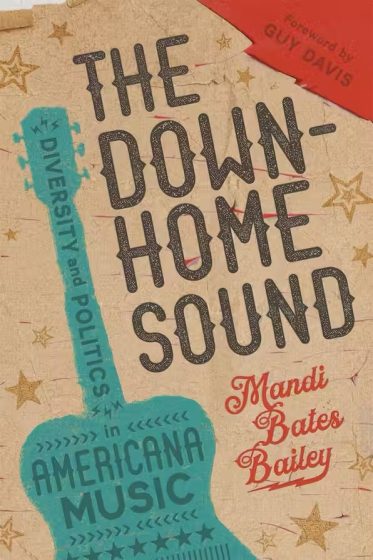
The Downhome Sound: Diversity and Politics in Americana Music, Mandi Bates Bailey
How-Tos
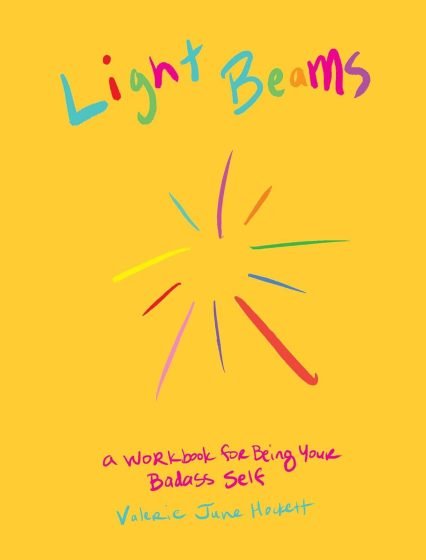
Light Beams: A Workbook for Being Your Badass Self, Valerie June
Like I mentioned, this workbook/journal might be coming just at the right time as you resolve to become your most “badass self.” But even if you’re reading this well into the new year, then there’s no time like the present! Published on Jack White’s Third Man Books, Valerie June’s Light Beams offers its readers “contracts and agreements, self-healing wishes and spells, and maps and prescriptions in exercises” on a journey to self-love and waking up with a promise of choosing kindness and shining like a “badass.”
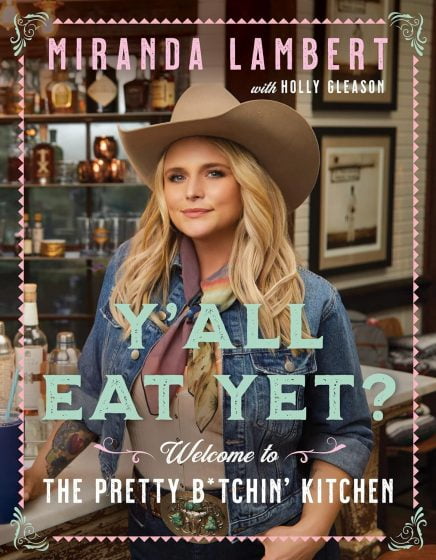
Y’all Eat Yet?: Welcome to the Pretty B*tchin’ Kitchen, Miranda Lambert
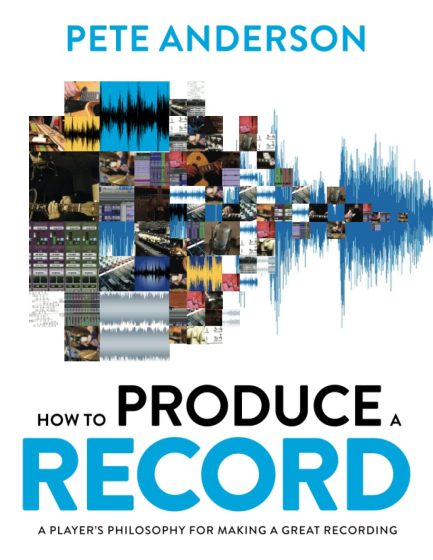
How To Produce A Record: A Player’s Philosophy For Making A Great Recordings, Pete Anderson
Other
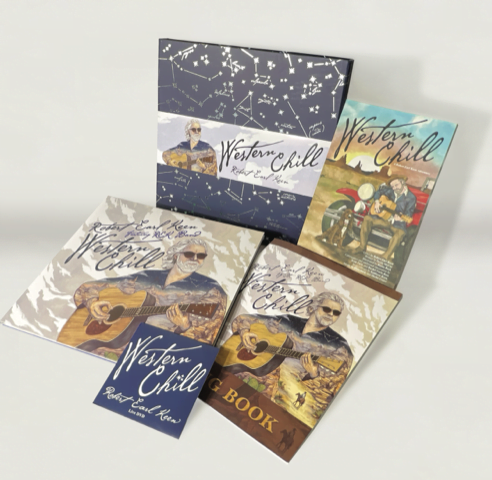
Western Chill, Robert Earl Keen
As a set that features a double sleeve album, a DVD with music videos for every song, a graphic, illustrated novel that explains the writing process, and a songbook with lyrics, notes, and chords so the purchaser can play along, this title certainly belongs in a category of its own.
“He was exceedingly cool and easy,” long-time Bill Monroe bassist Mark Hembree remembers about Willie Nelson’s presence at a 1983 recording session where Nelson sang and played with Monroe. “I never had a say in Bill’s mixes, but they had Willie’s guitar way up and as we listened to playback he mentioned it, then turned and asked what I thought,” Hembree wrote in a recent exchange of messages. “I agreed, a little surprised he would ask me.”
People who hear about Willie Nelson’s latest album, Bluegrass, before hearing the music might ask, “Wait, what? What does Willie Nelson have to do with bluegrass music?”
Upon listening, at least two answers come to mind: 1) Much more than you might think. 2) Don’t worry so much.
With tunes by Nelson, one of the best American songwriters, played by notable pickers, the record contains strong music that should sound welcome to fans of Nelson, of bluegrass, and of the field with the loose label, “Americana.”
It’s a given that in more than 60 years of major-label recording, Nelson, 90, has been better known for presenting his own songs, enduring tunes such as “Crazy,” “Hello Walls,” and “On the Road Again,” the last of which is heard here in a new version. But he’s also made his name with notable covers – like “Blue Eyes Crying in the Rain,” “Seven Spanish Angels,” “Blue Skies,” and others – in a welter of styles, including blues, pop standards, and even reggae. Nelson’s core music enfolds ‘40s and ‘50s country, traditional fiddle tunes, four-square gospel, ragtime, some swing flavorings, and definitely a heap of blues. The mix also includes more contemporary pop. Subtract some of that last bit of material, throw in some lonesome mountain banjo and ballads, and you’ll find, in different proportions, foundational bluegrass as designed by chief architects like Bill Monroe and Earl Scruggs.
Legacy Records, the Sony division putting out Nelson’s Bluegrass disc, says the style “was given a name by Kentucky songwriter/performer/recording artist Bill Monroe and the Blue Grass Boys, whose post-war recordings profoundly influenced Willie’s songwriting sensibilities and the direction of American country music in general.” They go on to say, “Willie chose songs combining the kind of strong melodies, memorable storylines and tight ensemble-interplay found in traditional bluegrass interpretations of the roots (from European melodies to African rhythms) of American folk songs.”
And it’s pretty much on target. But what else speaks to Nelson’s involvement with bluegrass?
Let’s return to the early ‘70s, when he famously abandoned a Nashville scene where he had achieved songwriting fame and a recording career. But Music Row had flagged in creativity and opportunity, he and others thought. And yes, at the end of 1969, his house had burned down. By 1972, Nelson’s persona was changing as his new approach revisited his Texas roots. The year saw new-breed stars like Kris Kristofferson showing up at the first Dripping Springs Reunion, a Texas country music festival. The show, which was to morph int0 a string of outdoor throwdowns known as Willie’s Fourth of July Picnic, presented a bluegrass contingent led by Monroe, with foundational figures Earl Scruggs and Lester Flatt leading their post-breakup bands, as well as additional notables including Jimmy Martin.
Jo Walker, executive director of the Country Music Association, told the Austin-American Statesman that the trade group was delighted to hear about the Dripping Springs Reunion. “So many of the rock festivals and similar events have reflected so unfavorably on the music industry that we are particularly happy that your reunion will be a Country Music show.” But with Nelson embracing a new, youth-driven fan base and a long-haired, bandana-ed look, what did country music even mean?
There was a growing correlation, it seemed, between the increased popularity of bluegrass and the emergent outlaw (read: long hair, free-thinking, whiskey-drinking, dope smoking, etc.) movement in country music, led by Nelson and Waylon Jennings. Its bluegrass surge was sparked in part by the Earl Scruggs Revue’s broad acceptance in non-traditional venues like college campuses and hot sales for the Nitty Gritty Dirt Band’s Will the Circle Be Unbroken. Back in Nashville, in 1973, wider acceptance of bluegrass also meant that Monroe, his former Blue Grass Boy Flatt, the brilliant wildman Jimmy Martin, and the great brother team of Jim & Jesse McReynolds would join Nelson amid the crowd of stars at CMA’s second annual Fan Fair celebration.
In 1974, both Scruggs and Monroe, as well as Grand Ole Opry stars Ernest Tubb, Jeanne Pruitt, and Roy Acuff appeared on stage singing with another wildman, country-blues rocker Leon Russell. That’s documented in a photograph of this period, likely from a Willie’s Picnic. Quite a lineup.
A version of the picture found on the web says the shot is from A Poem is a Naked Person, a documentary on Russell by esteemed filmmaker Les Blank shot between 1972 and 1974, but not released until 2015. Nelson appears in the movie to sing “Good Hearted Woman” – also on this new album – playing guitar bass runs that would work fine in bluegrass. He also backs up fiddler Mary Egan, of the Austin “progressive-country” band Greezy Wheels, on an energetic version of the bluegrass-country perennial “Orange Blossom Special.”
In 1974, Nelson went to work in the soul-music capital of Muscle Shoal, Alabama, to record a milestone disc on his road to making records his own way. The album, Phases and Stages, which won over both fans and critics, contains prominent five-string played Scruggs-style on the hit “Bloody Mary Morning,” which also returns on Bluegrass.
The 1983 Bill Monroe session referenced above came after a last minute February 22 phone call from Nelson to let Monroe know he was available to appear on the in-progress Bill Monroe and Friends album for MCA Records. That’s according to a passage in the indispensable book, The Music of Bill Monroe, by bluegrass scholars Neil Rosenberg and Charles Wolfe.
“[Engineer, Vic) Gabany recalls that on February, 22, 1983, Monroe called the studio and asked if it was free that afternoon,” Rosenberg and Wolfe write. “Willie Nelson was in town, and he wanted to rush in and cut the duet with him. Fortunately, it was. Moreover, the Blue Grass Boys were all available, and Haynes was able to round up studio musicians Charlie Collins and Buddy Spicher.”
Monroe’s original tune with Nelson, “The Sunset Trail,” shows the impact of another style, cowboy music, that both men favored. Nelson reaches into his upper range to sing below Monroe, who’s going way up there, as was his wont. “It’s a thrill of my life to be here with you,” Monroe says as he and Nelson exchange praise in the track’s introduction.
In 1990, Monroe accepted Nelson’s invitation to perform at the April 7 Farm Aid IV concert in Indianapolis. “We’re glad to be here with Willie Nelson!” he said to kick off a set marked by powerful singing, crisp mandolin picking, and a little crowd-pleasing buck dancing. The show placed Monroe, 79, in a lineup that included stars such as Elton John and Lou Reid. The Indianapolis Star estimated the crowd at 45,000.
During Monroe’s last years — he died in 1996 — he often spoke to Nelson on the phone, according to a person who didn’t want to be identified, but often spent time at Monroe’s home on the farm outside Nashville during that period. “He valued their friendship immensely,” the person said.
Bluegrass‘s 12 songs contain several Nelson compositions that became standards of his repertoire, along with less familiar tunes that also fit in the recording approach overseen by Music Row’s Buddy Cannon. A songwriter and producer, Cannon is known for delivering big songs, like “Set ‘Em Up Joe” for Vern Gosdin, and chart hits for more recent mainstream acts such as Kenny Chesney, John Michael Montgomery, and Reba McEntire. A frequent Nelson collaborator, Cannon assembled a list of Nashville co-conspirators: Union Station members Barry Bales, on bass, and Ron Block, on banjo; former Union Station member and current rising star Dan Tyminski on mandolin; fiddler Aubrey Haynie; Dobro man Rob Ickes; Seth Taylor also on mandolin; as well as harmonica player Mickey Raphael, who’s worked for decades in Nelson’s band.
The music mostly doesn’t come off as hard-core bluegrass in the mode of, say, the Stanley Brothers. But it leans on the elements that Nelson has in common with the style — lonesome melodies, classic country, swing and blues.
The mournful “You Left Me a Long, Long Time Ago,” from 1964, reflects the straight-country songwriting to which Nelson and others brought a terse, modern beauty in the late ‘50s and early ‘60s. It was a time when bluegrass enjoyed a closer co-existence with mainstream country, as opposed to straining against the tight format borders that limit today’s music business. Among the many artists who crossed back and forth freely were guitarist-songwriter, Carl Butler, fiddler Tommy Jackson, and Cajun star Doug Kershaw. They all worked with Monroe.
A new version of “Sad Songs and Waltzes” mourns in tones not too different from Monroe favorites ranging from “Kentucky Waltz” to “Sitting Alone in the Moonlight.” The song also recalls the 3/4 time Lone Star tunes that Nelson might have heard at the Texas Fiddlers Contest and Reunion.
That show got going in 1934 in Athens, Texas, just one year before Nelson arrived on the scene in Abbott, less than 90 miles away.
The fiddle contests that influenced so much of Texas music beginning in the 19th century, had parallels in the 18th century Southeast, where contests featured both the fiddle and the banjo, with its African roots. This music went around, and it still comes around.
The sock-rhythm backing of “Ain’t No Love Around” recalls early Blue Grass Boys recordings such as “Heavy Traffic Ahead,” recorded September 16, 1946, and featuring Earl Scruggs’ first recorded banjo solo. Elsewhere, the laidback favorite, “On the Road Again,” gets a more intense reading from Nelson, with some vocal and instrumental improvisation to spice it up. The mystical “Still is Still Moving to Me” leaves plenty of room for pickers to range far and wide on banjo, mandolin, fiddle and Dobro.
“You give the appearance of one widely traveled,” Nelson sings in “Yesterday’s Wine.” He’s singing from a faraway spot in time, in myth, in history. It’s a stance that’s earned a place on bluegrass playlists for more recent songwriters such as Guy Clark, David Olney, and Gillian Welch.
“Bloody Mary Morning,” from Phases and Stages gets the most recent of several revivals from Nelson, who led a jam-grassy version in the 1980 film Honeysuckle Rose and later sang it in a duet with Wynonna Judd. The song’s forthright tale of fighting the blues by having a highball on a plane seems somehow classier than the constant tales of beer and pickups that populate country radio.
In the end it seems clear that for decades, both Willie Nelson and bluegrass music have served, in different ways, as a conscience of country music. Just as the Solemn Old Judge, WSM radio announcer George D. Hay, commanded, they “Keep her close to the ground, boys,” although their paths have diverged, at times.
In any case, this new collection brings Nelson together with bluegrass pickers for music that might even work to serve that same worthy purpose.
Photo Credit: Pamela Springsteen
This website uses cookies to improve your experience. We'll assume you're ok with this, but you can opt-out if you wish.AcceptRejectRead More
Privacy & Cookies Policy
Privacy Overview
This website uses cookies to improve your experience while you navigate through the website. Out of these, the cookies that are categorized as necessary are stored on your browser as they are essential for the working of basic functionalities of the website. We also use third-party cookies that help us analyze and understand how you use this website. These cookies will be stored in your browser only with your consent. You also have the option to opt-out of these cookies. But opting out of some of these cookies may affect your browsing experience.
Necessary cookies are absolutely essential for the website to function properly. This category only includes cookies that ensures basic functionalities and security features of the website. These cookies do not store any personal information.
Any cookies that may not be particularly necessary for the website to function and is used specifically to collect user personal data via analytics, ads, other embedded contents are termed as non-necessary cookies. It is mandatory to procure user consent prior to running these cookies on your website.