From Lonesome, Gorgeous Texas Hill Country
to the World

There’s little to no stage banter when the Droptines play a show, with the Austin, Texas-based band sometimes cramming 30 songs into a 90-minute set. However, as their new album, Drought Flower proves, they still have plenty to say. Their original songs touch on broken relationships (“Old Tricks”), family grief (“Mamaw,” featuring Sarah Jarosz), and losing loved ones to addiction (“What Ate My Friend”). As a nod to classic country, there’s often a little bit of clever wordplay to offset the drama, too.

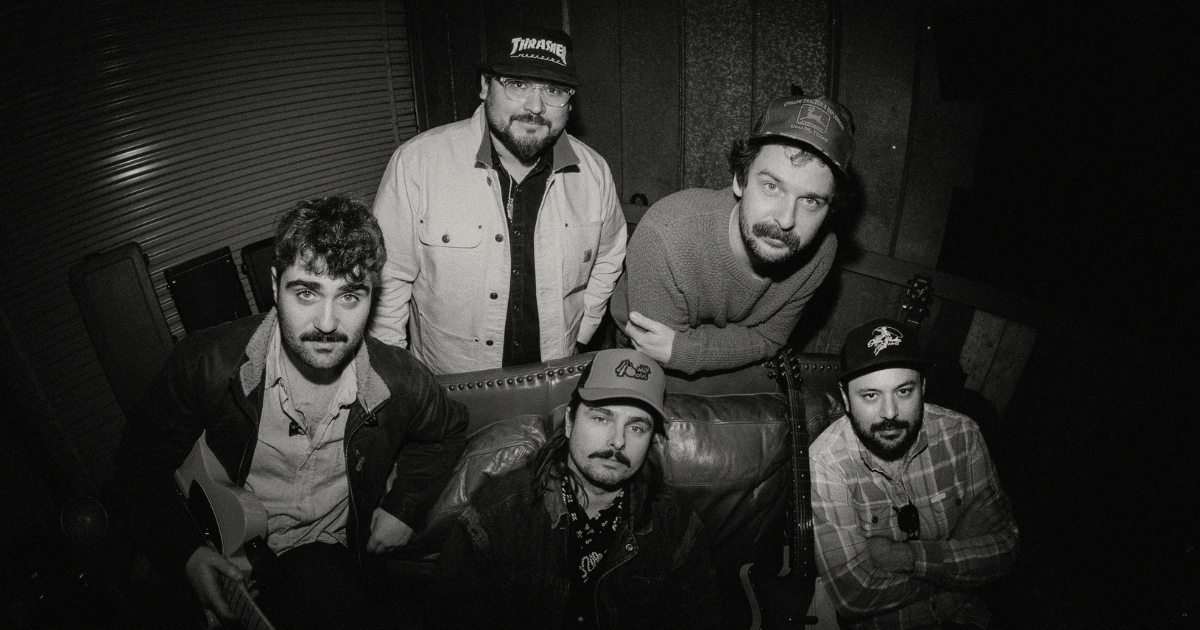
Named for the downturned deer antlers that are prized by hunters, the Droptines (rhymes with “stop signs”) first took shape with an EP release in 2019. Lead singer-songwriter Conner Arthur has since guided the group through indie albums, relentless touring, and now their debut set on Big Loud Texas, the label founded by Miranda Lambert and Jon Randall. The five-piece band hasn’t yet moved into a tour bus, though. Instead, they travel in a retrofitted school bus with upgrades that would impress any road musician. (It sleeps 10 people and has a bathroom, two air conditioners, and a built-in trailer space.)

Growing up in the Texas Hill Country town of Concan, Arthur watched countless musicians play at his family’s venue, House Pasture Cattle Company, during the summer season of city folks floating the Frio River. But the rest of the year, when nothing was really going in town, influenced him just as much.

“I learned how to be alone in Concan,” Arthur says. “I learned how to clear my mind and ignore my hunger pangs. But I would always watch and study people. Especially because if you’re driving through Concan in, say, January, and you see a car that you don’t recognize or someone you don’t recognize, you’re shocked and you want to go talk to them. You’re just caught in your own little village for so long. Having an outside perspective from my little narrow worldview was very, very important to me.”

A few days ahead of a full slate of tour dates (and just before stocking the school bus), Arthur called into Good Country to talk about what inspired the new music.

For people who haven’t been to the Texas Hill Country, how would you describe it?

Conner Arthur: The drama of the limestone bluffs, the crystal clear waters of the Frio River – man, it’s hard not to have a religious experience every other day. Especially when it rains and the floodwaters start moving. Everything there is so dramatic and explosive and chaotic. From the summer to the off-season, you have three months of complete and utter chaos, then the rest of the year is just silent. There are some days where I’d walk out and just sit there looking at River Road waiting for a car to drive by. And I was starting to freak out, thinking that I was the last person on Earth.

More than likely I think that made its way into my personal life. It’s just a large juxtaposition, and a dichotomy of high highs and low lows. But I learned how to handle it, growing up there. We didn’t get internet or cell phone service until 2012, and that’s a great way to grow up. My backyard was 200,000 acres. I could ride horses without hitting a fence line for miles. I wish that more people had that upbringing. I wish that I could provide that for my kids.

If you didn’t get the internet until 2012, then you got to experience live music at your family’s venue before the cell phones in the air and people documenting every show.

Oh yeah. The funny thing about House Pasture is [that] it’s changed hands but it stayed in the family. My biological father and my uncle started it. They failed, so my grandpa bought it from them. And then it was kind of a “break even” type of venue. It was just an addendum for someone who’s gonna go down to Concan and float the Frio anyway. Like, “Oh, we can go see so-and-so.” I mean, I’ve got scars all from being this tall and women ashing cigarettes out on my collarbone. Not on purpose!

I learned more about what I didn’t want to be, seeing the evolution of the Texas country scene come through there. I saw that evolution get commercialized in the mid-2000s, like 2005 and 2006. But when I was a little guy, I got to see the Great Divide. I got to see Gary P. Nunn. I got to see John Conlee. I got to see Earl Thomas Conley. I got to see all these really high-class acts. Reckless Kelly is still one of my favorites from that era. Robert Earl Keen, the list goes on. Even if I didn’t like it, the song’s going to be in my head. It is still red dirt Texas country. I still know every word to all these other musicians’ stuff that I’m not a fan of, because it’s just ingrained in you. You can’t avoid it in that environment.

What were you doing before you jumped into music?

I was in construction throughout high school and I’ve gone back and forth over the years when I needed money. But when I was 18 years old, my mom pretty much gave me an ultimatum. She said, “If you don’t go to college, you’re cut off.” And I was like, “Well, I don’t really care. I don’t like ultimatums.” So I grabbed my banjo and I hitchhiked the country for about a year and a half.

I got back home, and that was like going 90 miles an hour into a brick wall. The fantasies in my head were dashed out by my mom’s disappointment. She said, “You’re gonna have to get a job.” So I went back to construction for a little bit, then I joined up in the oil field. I was an oil field mechanic for about two years, and I said, “I’m not going to die out here in the Eagle Ford Shale.” So I made a decision. Just to give me some more confidence, I went to the bluegrass program in Levelland, Texas, at the [South Plains] College. I did that for two years and went home and knocked out our first EP with David Beck.

I knew you played the banjo, but I didn’t know that you had studied bluegrass.

Dillon [Sampson], our bass player, and I both went to South Plains and he’s way more of a bluegrass cat than I, but my story about how I got into playing banjo is just kind of happenstance. My older brother came into some money when we were young, and I won’t go into the details on how he got it, but it was burning a hole in his pocket. He bought this Deering Goodtime open-back banjo and it was sitting in the back of his truck. I was about 14 and I had plenty of guitars floating around the house. And I had a piano, but I never really broke through on it because it was just an instrument for me to get a song out.

I don’t know if it was the open tuning or just the fact that it’s hard to not have a good time playing banjo, but I broke through on it. I could start developing an understanding of music theory and scales. I don’t know why it made sense in my mind that it was less intimidating than 72 keys or six strings. You go down that road, and then are you a gimmick banjo player or are you good? That’s what led me to South Plains. I’m not going to disrespect the institution of bluegrass or the instrument of banjo. I’m going to do my best to play it. But I need to play more. I need to stay on it, because that is not a bike. Your agility and endurance of playing the banjo collapses if you’re not tickling it once or twice a day.

Is that the same for writing with you? Do you need to consistently write, or can you put that away for a while and come back to writing?

I’m always kind of writing in my head and building concepts, then I’ll scribble it down. I’ll more than likely lose the piece of paper I scribbled it down on, but I’ve always said if it’s worth remembering, then I’ll remember it. But I probably lost a thousand songs that way. It’s like a floodgate. I sit around and I’ll have an idea, and I’ll get a quarter way through it, blah, blah… But it’s not until the band all sits down in a room and we all have the intention to write, and these things just… “Boom!” There goes the dam.

In several of your songs, there are references to pills or addiction. On this record, you have “What Ate My Friend.” That’s a reality for a lot of people. When you’re tackling a heavy topic like that, how do you get into that headspace, knowing you’re going to jump into something serious?

A lot of that, it’s lived in for sure. I’ve had men that came before me that did it so I didn’t have to. Back to, I know what not to do now. And my brother Landry being one of them. I lost him to all that shit a couple years ago. He and I were Irish twins. The same thing happened to my biological dad’s brother. At the same age, the same exact circumstance, and they both died on their birthday.

“What Ate My Friend,” I can’t even remember writing that one, but I know that I showed up with all of it, and that’s rare. I have this band to lean on, but I showed up with every bit of that. This was all here. It’s not just about my brother, but a couple friends I have. Just like, “I know you’re on meth, dude, but why is it making you a liar?” Like, you can be honest with me, just tell me. It’s getting in the way of our friendship if you’re going to turn into a liar.

I thought there was a nuance, kind of, what I refer to as the days of country gold, the wordplay of like, “She’s Acting Single (I’m Drinking Doubles).” That’s so important in country and bluegrass music – that play on words – and that one is like, “Hey man, what’s eating at you?” All right, what’s the extreme of that? “What ate my friend?” I thought it was pretty decent, but yeah, that’s a rough one, you know, but it’s real, unfortunately. It’s real for a lot of people. And I hate that. I hate that anybody has to suffer.

You’ve been around music from the time you’re a kid, and now you’re doing this full time. What has surprised you the most about this career path that you’re on?

The main one is that there’s viability. I said this in an interview before, but I just thought playing music was a good excuse to be a loser. And then to see it all pan out! It starts to feel like work, but work is good, especially if it bears fruit, which it is, and it’s starting to even more so. But to be able to build a foundation for my future family off of the back of these songs, that right there is top tier, number one, the most important thing. I can’t be more grateful for that and the blessings that God’s given us. Just having people come religiously to your shows, and singing words, it gives you faith in live music, for sure. It is a little shocking to me, at the end of the day that I didn’t make all this up.


Want more Good Country? Sign up to receive our monthly email newsletter – and much more music! – direct to your inbox.

Photo Credit: Jessie Addleman
Drayton Farley Asks the Big Questions

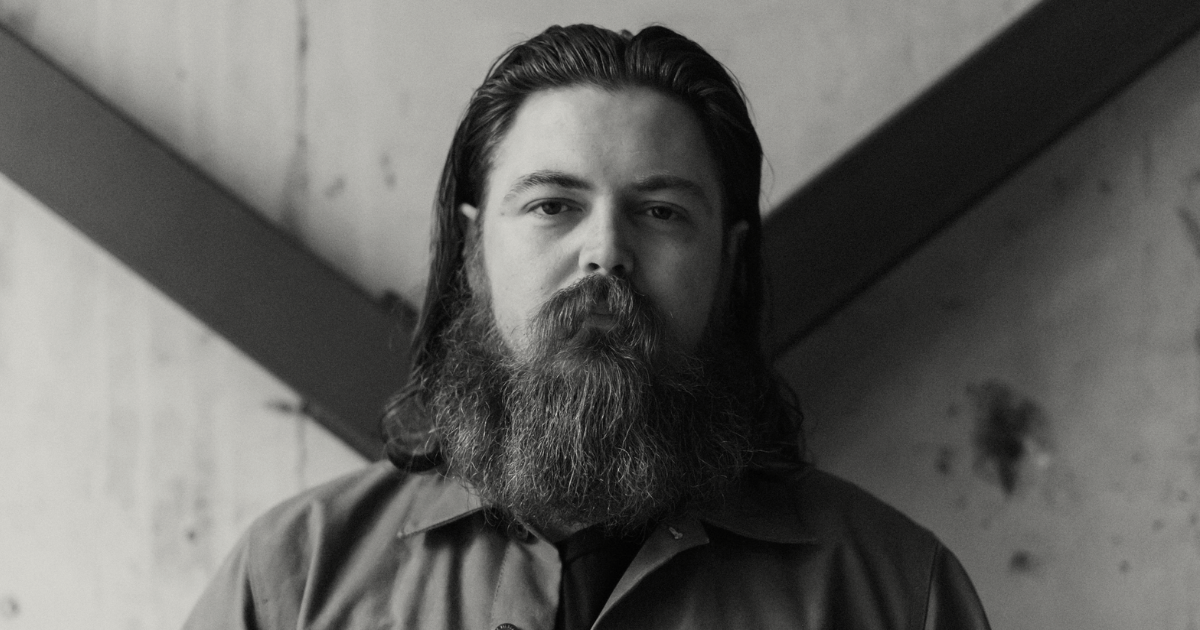
You’ve got to have some durability to name your album A Heavy Duty Heart. For Drayton Farley, paying a decade’s worth of dues is an important part of the story.

After a slow but steady build of recording albums and relentless touring, Farley picked up four significant synch placements in 2025, with songs “Blue Collar,” “Touch and Go,” and “It’s Called Doubt” heard in the Paramount+ series Landman, and “Turn Around” appearing in the CBS show Sheriff Country. That remarkable achievement seemed like a perfect way to set up A Heavy Duty Heart, which was recorded with his touring band and produced by Sadler Vaden.

“What I found is, usually the biggest enemy is me when it comes to how I’m feeling about how it’s going,” Farley says. “When things like that happen, it pulls you again out of your head and reminds you, ‘No, everything’s going great, actually. You’re doing really well, and you should just keep doing it and get out of your head a little bit.’”

In an interview with Good Country, the Birmingham, Alabama-based singer-songwriter retraces his trajectory to becoming one of roots music’s most promising performers. He explains why he considers Robert Earl Keen a role model and shares the song that still makes his wife cry.

The opening song, “Love We Mean,” captures that moment in a relationship where you have a rare moment to reflect. What was on your mind as that song was taking shape?

Drayton Farley: Yeah, it was pretty much that. I wanted to write a song about that moment where the kids are gone and you’re not on the road and there’s not a lot going on. All of a sudden, you’re both just at the house and there’s nothing to do or worry about. [Laughs] And you’ve both been going a hundred miles an hour, sometimes in the same direction, sometimes in the other direction, but all of a sudden, everything just kind of stops and gets quiet. Then you’re both looking at each other like, “What the hell just happened?” And you start kind of taking stock and checking in.

I sensed a theme throughout this album of assessing where you are in life and asking those big questions. Then I looked you up and saw that you’re just 30 years old. Have you always been the kind of guy who’s willing to look inward and analyze the world around you?

Yeah, I think so. I don’t know why. I think that feels easier to do. I celebrate my 10th wedding anniversary in May. You know, I’m only 30, but I guess I’ve worked enough of the real jobs and been married long enough with two daughters now, these kinds of things feel required to do.

What were the day jobs you had before you could finally dedicate yourself to music?

Out of high school, I spent about three and a half years working on the railroad [as a subcontractor for Norfolk Southern doing derailment cleanups]. I got married while I was working there, then quit that job, and I got a job working for Mercedes-Benz. I worked on the assembly line building cars for the next four years. During that last year is when I started releasing music. I spent the last two years there, kind of gigging after work every day that I could, just trying to build whatever local presence I could and release as much music as I could and build a catalog. And this is just me and a guitar with a few microphones. Just lo-fi. It’s really demo tapes. They’re live recordings really, just in the house.

Then I left that job so that I could gig more. I got a job working for Safelite, doing auto glass for about two months. Then I booked myself opening a few tours and I booked a little headline run for myself. I told my boss, “Man, I gotta do music. I thought I could just open my schedule a little more and that would make me happier. But it’s pretty obvious now that music is what I have to do.” In the next month or two, I met my agent at CAA, met my manager, and hit it off with David Macias at Thirty Tigers. All the dominoes started falling immediately. Within three months of quitting that last job, I was already booked to open two shows for Willie Nelson. So it all happened fast, and it’s like reassurance that I’d made the right choice.

I’m going to quote a lyric back to you, which is “Somewhere deep inside I knew/ And I know you knew it, too/ Couldn’t be more proud to see we saw each other through.” That’s got to be the best feeling to know it actually happened for you. You held onto the dream. How did you stay motivated when things weren’t exactly going fast for you?

I think, especially for those times, the struggle was the motivation. It came pretty naturally. That song specifically, “Dream Come True,” that is mine and my wife’s story. I spent those years working the jobs – and even on the railroad I brought my guitar with me to write songs in the hotel rooms. I played open mics after work. We traveled for work on that job. So, those days, all the way leading up to, I guess around ‘22, that was it.

It was always just like, “How do you even make a career in music?” You know, “I’ve never been to Nashville. I don’t know anybody in Nashville. I really don’t know anyone in the Birmingham music scene. I don’t even know where to start or what to do, other than use social media to try to get my stuff out there.” And then fast forward to Mercedes. I was gigging after work for a few years, like Thursday, Friday, Saturday, as many shows as I can play, and I’m releasing EPs that I’ve self-recorded. The dream was always to do music and just find a way to be able to support us with music, instead of these other jobs that aren’t what I’m supposed to do.

We were trying to have kids and start a family and we ended up losing the first pregnancy. We kept trying after that, we had a second pregnancy, and we lost that one. So there for a while, it just felt like music wasn’t going to happen. How do you get that to kick off? And we’ve lost two pregnancies, so who knows if we can even have kids? That was our shared dream. That is what the whole song is about. We have two daughters now and this is what I do. When my wife hears that song now, she cries.

Being married myself, I appreciate these songs about the depth of that relationship, just leaning on each other and trusting each other.

I just needed something in my catalog that would reflect those parts of my life, because I’ve written so much about other things. Just looking back through all the songs, I was like, I have a severe lack of love songs going on, you know? Why not write an entire album of it?

I also picked up on the Robert Earl Keen reference in “Feel Like Getting High.” What do you enjoy about the music that he’s made over the years?

It spans a lot of different moods and I want to be more that way. So far, a lot of my projects and albums and catalog have had a similar atmosphere around it all. What he’s talking about, and what he sings about and writes about, is a pretty broad spectrum. As a writer, I want to get more in that direction where I’m not gridlocking myself to a certain topic or a certain mood. I would say that’s inspiring from him.

Why did the album title, A Heavy Duty Heart, seem to fit?

That was the hardest part of this whole thing, just naming it. It had me stuck for a while, trying to figure out the name. I don’t know where that came from. It was just a thought and I kind of liked the way it rolled off the tongue. Looking through the songs, almost all of these songs say the word “heart,” and it’s talking about the inward, deeper, zoomed-in struggles and details of my life, being a touring musician and having children and a wife, and our journey to get there. So, it felt like it would take a pretty strong heart and will to keep going through all that and keep your eye on the prize. I thought that title reflected the overall idea of the album.

I really like “Turn Around” right there at the end of the record. What was going on in your life when you were when you wrote that song?

That was a similar thing to what I was talking about earlier, where it was kind of throwing yourself a pity party and losing perspective. “Why is this going on?” “Why are these tickets not selling more?” “Why is this artist doing more than I’m doing? Two years ago, we were at the same place.” It’s just a game of comparison on social media and that can really begin to affect you, just wondering if you’re stalling, or if you’re doing well or not.

But the truth is, that’s just your mind going to those places because you haven’t kept your own perspective on everything. Like, me five years ago wouldn’t believe anything that me right now would have to tell them about all the things I’ve done and accomplished. That’s the real perspective. And when you lose it, you get too far in your head, for no good reason. And then stopping and turning around, kind of taking stock of where you’re at, and what all you have, and measuring yourself again.


Photo Credit: Leah Dockery

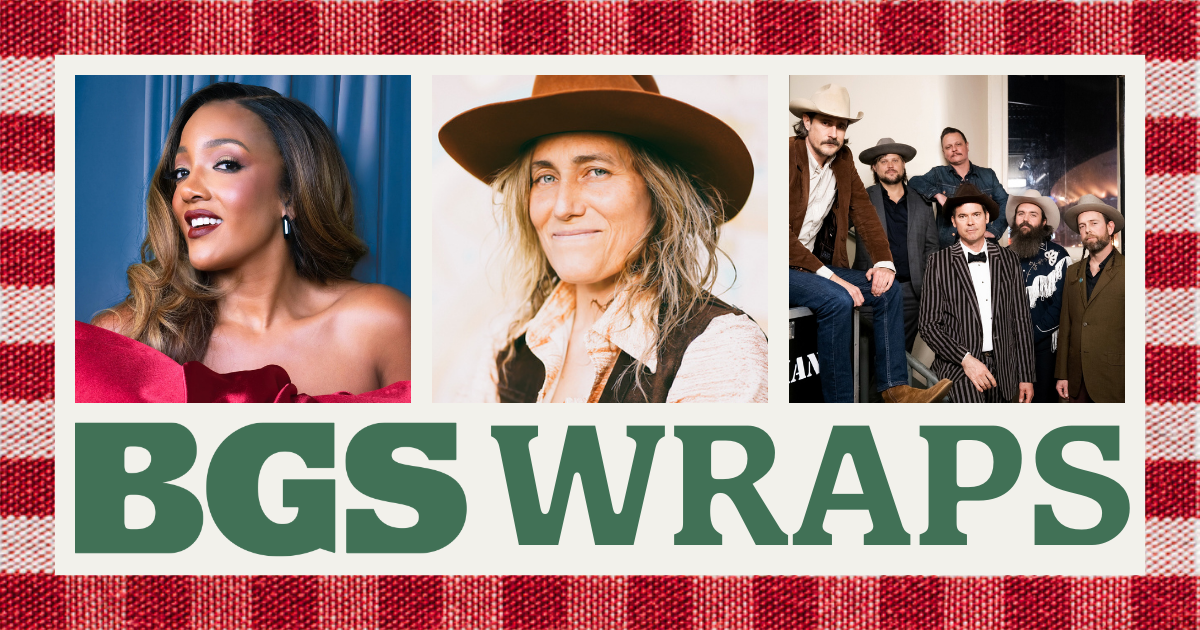
BGS Wraps: Roots Music for the Season

In our eyes and to our ears, there’s no better family of musical genres to usher in the holiday season than roots music. Bluegrass, Americana, old-time, country, blues, and beyond – they’re all perfectly suited for the coziest time of year, for togetherness, for parties and gift giving and cookie icing. Whether you celebrate Christmas, Hanukkah, Kwanzaa, or Winter Solstice – or even if you feel like opting out of the ruckus altogether – there is roots music for you.

Each year, we like to share our picks for the rootsiest time of the year in BGS Wraps, a weekly collection of songs, videos, albums, shows, tours, and events that celebrate the season. We share a few of our favorites, mostly brand new but often classics and timeless selections, too. Plus, we collect all that we can into a running playlist so you’re ready when the family or party hands you the aux cable.

To kick off the season this year, we’ve got a BGS Wraps full of Good Country, jingle bells, Texas snow, holiday generosity, and plenty of glittering lights and joyous cheer. We hope you enjoy BGS Wraps and tune in the next two weeks as we continue our series celebrating the holiday season.

A Very Carper Christmas, Melissa Carper

One of our favorite purveyors of Good Country in the most legit old-school, Texas, Western swing, and outlaw styles, Melissa Carper has just launched her own album of holiday music, A Very Carper Christmas. It boasts quite a few originals and co-writes and a couple covers of classics, too. The collection is silky smooth and timeless, a perfect accompaniment to holiday cooking, decorating, gallivanting from store to store, or cozying up by the fire with your loved one of choice.

Starting December 4, Carper will join JD McPherson’s “Socks: A Rock & Roll Christmas” tour around the Southeast, East Coast, and Midwest. So don’t miss your chance to catch these Good Country seasonal songs live in person. Melissa Carper tour details here.


“When It Snows in Texas,” Chaparelle & Sierra Ferrell

Let’s keep it going with more Austin-based Good Country! Last month, alt-country supergroup Chaparelle announced a brand new co-write and collaboration with everyone’s current favorite old-time Americana goddess, Sierra Ferrell. “When It Snows in Texas” is the perfect seasonal holiday number, apt for each and every rootsy holiday playlist and certainly suited to occasions beyond just Christmas. With a languid, loping groove, it’s all wrapped up in alt sounds that remind of Nitty Gritty Dirt Band and a casual sing-along sidled up to a shiny wooden bar all at the same time. This is the country & western (heavy on the ampersand western) vibe we all crave – this time of year or anytime.


Feels Like Christmas, Mickey Guyton

Singer-songwriter and country star Mickey Guyton is no stranger to festive song releases, but Feels Like Christmas is officially her first full-length holiday album. From the adorable “Sugar Cookie” to the classic pop trappings of the title track to her “Christmas Isn’t Christmas” duet with the Michael Bolton, Feels Like Christmas feels… well, grown up. Fully realized. Ready for your moody, ambient Christmas cocktail hour or a laughter-rich, full kitchen, too. Guyton makes some of the best crisp, modern, radio-ready country around today, and this holiday collection – like most if not all of her discography – feels made to last the ages, too.

Further leaning into the festivities of the season, Guyton will also appear in a brand new Hallmark movie, A Grand Ole Opry Christmas, which is premiering this year during Hallmark Channel’s 16th annual Countdown to Christmas programming event. Guyton certainly has our number, and we’ll be camped out in front of the TV with our hot ciders and sugar cookies ready and waiting for this incredible Opry, country music, and Hallmark crossover.


I’ll Be Home for Christmas, Drew & Ellie Holcomb

Drew & Ellie Holcomb have added to their deep-and-wide catalog of holiday and seasonal music with a brand new EP entitled I’ll Be Home For Christmas. The project adds three lovely covers of Christmas favorites to the stacked roster of selections the couple and their Neighbors trot out each winter for the season. This year, they’ll perform two “Neighborly Christmas Special” shows in Tennessee – in Memphis on December 5 and in Nashville on December 12 – before heading out on their next headline tour in February. Find ticket info here, then put on I’ll Be Home For Christmas while you make your holiday lists and check them twice.


The Greatest Christmas On Earth, Robert Earl Keen

Now this right here sounds like our kind of Americana Christmas circus! Robert Earl Keen kicks off his “The Greatest Christmas On Earth” tour this week, crisscrossing the South and Southeast through the month of December spreading cheer, joy, silliness, and light – and keeping the party going down the road forever, as he does.

The tour will kick off on December 4 in REK’s hometown of Kerrville, Texas, and you can be sure each night will feature his paean to the beauty and dysfunction of families at the holidays, “Merry Christmas From The Family.” Put all your own rowdy relatives in the van and don’t miss these shows. Ticket info here.


“Dream a Dream of Christmas,” Lydia Luce

Lydia Luce just released her excellent brand new album, Mammoth, in late October, but even before the project’s release she was looking ahead to the winter and holiday seasons with a A-side / B-side single release, “Dream a Dream of Christmas.” Like her songs in general, the A-side selection is contemplative, emotional, and rich with text painting and lush piano and vocals. Resonant strings play along with the contours of her vocal, punctuated by Christmas-y percussion and scoring, like Hollywood holiday offerings of the ’50s and ’60s. The track’s B-side is a delightful rendition of the beloved carol “Silent Night” that’s dramatic and rich – and features guest vocals by Caroline Spence. Both songs would be excellent additions to your themed playlists for the season.


OCMS XMAS, Old Crow Medicine Show

It’s hard to believe one of bluegrass and old-time’s longest running party string bands, Old Crow Medicine Show, have just released their first holiday album this year – but it’s true! OCMS XMAS is zany, rollicking, and unhinged. (As it should be.) It’s a collection of stories, songs, and tableaus that are just as fantastic and engaging as any of their rip-roaring live shows or any of their adored albums from their stacked discography. It’s a Christmas album as only Old Crow could make, and frontman Ketch Secor’s fingerprints are all over the track listing. From “Corn Whiskey Christmas” to “Breakin’ Up Xmas” to “Krampus Night” and beyond, this set of material will certainly be a Holiday Hootenanny on stage. Catch their Holiday Hootenanny on tour through December 20, before the band returns yet again to the Ryman Auditorium for their iconic annual New Year’s celebration performances to close out the year.


Sweet Relief’s Annual Holiday Auction

Sweet Relief is a non-profit organization with a mission that we all – in the music industry and outside of it – can get behind. For more than 30 years Sweet Relief has worked to provide financial assistance to musicians and music industry workers who are facing illness, disability, or age-related challenges. Just last week, they launched their annual holiday auction yet again, offering signed memorabilia and in-person experiences with a variety of artists in roots music and beyond, all of which benefit their important mission and vital work supporting music professionals’ mental and physical health.

Folks can bid on offerings from artists and musicians like Billy Strings, Hozier, Pearl Jam, Walker Hayes, The Decemberists, the Black Keys, Amanda Shires, Gregory Alan Isakov, and many, many more. If you’re planning your Giving Tuesday donations and also wondering what to get the music lover in your life who already has everything, perhaps you can check two things off your list in one go by supporting Sweet Relief. Learn more and view the auction items here.


Jingle All The Way Tour, Béla Fleck & the Flecktones

No holiday season would be complete without regularly returning to one of the best roots holiday albums ever made, Béla Fleck & the Flecktones’ Jingle All The Way. Released in 2008, the GRAMMY Award-winning album is beloved in and outside of roots music spheres – it even landed a mention in Oprah’s O Magazine back in ’08! Now, Fleck and the band – including Victor Wooten, Roy “Future Man” Wooten, Howard Levy, and special guests Jeff Coffin, Alash, and Sierra Hull (on select dates) – are taking their virtuosic cheer back on the road with a full slate of Jingle All The Way Tour shows. The tour kicked off in Nashville and will continue through December 20 hitting performing arts centers and theaters in the Midwest and across the Eastern U.S. To mark the occasion, Fleck & the Flecktones released their first holiday music since Jingle All The Way, a single medley of “The First Noel/Joy To The World.” If you can’t make the shows, put the original album and new single on the stereo – but we really recommend snagging tickets and seeing them live, with this superlative lineup, if you can.


Lead Image: Mickey Guyton, Feels Like Christmas; Melissa Carper by Lyza Renee; Old Crow Medicine Show courtesy of the artist.

Briscoe Hit The Road and Wrote a Country Album

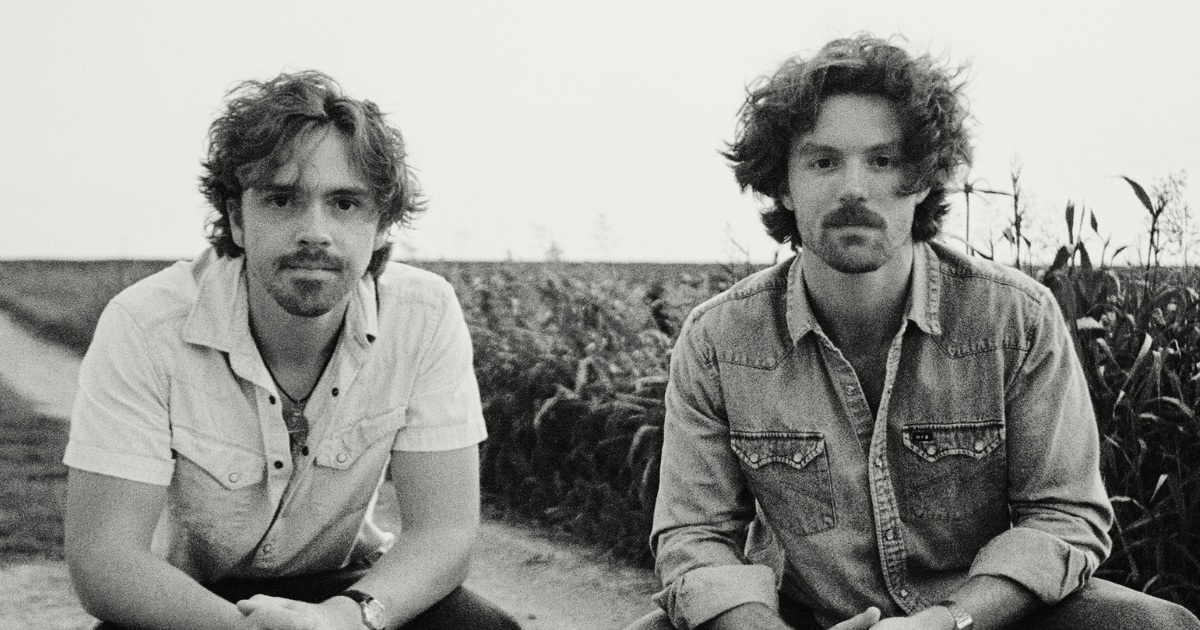
Through the windshield of their Ford Transit van, the duo Briscoe drew songwriting inspiration from the Southwestern landscape during a long, meandering road trip after graduating from the University of Texas. However, this trek was more than just a rite of passage, as band members Philip Lupton and Truett Heintzelman were launching their first national tour. In those seemingly endless miles between show dates, they would trade lyrical ideas to flesh out once they got back home to Austin.

Described by the band as “Texas folk-rock,” those cinematic songs have now surfaced on Briscoe’s second album, Heat of July. Produced by Brad Cook and released by ATO Records, the collection is a generally optimistic highway companion set against the backdrop of sunsets somewhere south of Alpine, Texas, long drives to Denver, and Mexican eagles circling overhead.

During a brief break from the road, Briscoe spoke with Good Country about how banjo fits into their sound, discovering bluegrass through YouTube videos, and the John Prine classic that set it all in motion.

I found it interesting that you were writing this album as you were driving around the country. You’re going 80 miles an hour as these songs are coming to you. Can you set the scene of what that looked like?

Philip Lupton: Yeah, that’s a great question. A lot of this record was written on the road just because we were touring hard on our debut album, West of It All. You’re in the van for so many hours a day that you eventually get tired of listening to music, no matter how much you like music. You just need some silence. I think that’s when Truett and I can find a little bit of inspiration. Like, “OK, cut the music.”

“Arizona Shining,” the second song on the record, is very much written as I’m taking in the landscape through the window. You just start to mumble a few things under your breath. And then you hold up your phone and take a little voice memo. You get back home in a couple weeks, you come back to that idea, and then, finally, get to put it to a progression and bring it to life.

When you’re out on tour, coming out of your hotel, and you see that van hooked up to a trailer, does it ever strike you, like, “We’re really out here making this happen”?

PL: Yeah, absolutely it does! There’s this old Hayes Carll song called “I Got a Gig.” I listen to that song and I’m like, “OK, we’re doing it. We’re road dogging it.” We’re staying at the cheap hotels and playing gigs for cash at the door and whatever. We’ve seen a lot of growth and success in a lot of markets, but when you’re taking it all across the country, up into Canada, there’s a lot of those same stories you can experience any time on the road.

The opening song, “Saving Grace,” seems to set a tone for the album. There’s a very positive tone in that song. Is that a fair statement, do you think?

Truett Heintzelman: Super fair, yeah. A lot of this record is written over the last year and a half to two years and one of the big components of that time for both of us is that we both got married. So that’s what we were wanting to convey. We view marriage in a positive light and, God willing, we’ll always view it in a positive light. “Saving Grace” was written about marrying our respective wives.

For me, that song was about meeting my wife and realizing early on, “OK, this feels different and I don’t want this to go away.” We just tried to write as much as we could about our lives and experiences and our time between now and the last record. And, obviously, getting married is something that takes up a lot of your brain, you naturally end up thinking about it a lot.

You’ve got a cool banjo vibe on “Saving Grace” and a couple other songs on the album, too. Philip, what pulled you into the sound of the banjo?

PL: It goes back to learning guitar when I was middle school-age. I just had a desire to learn an instrument that was different and would allow me to jam with my buddies. So, I bought a banjo at a secondhand music store in San Angelo, where I’m from, for like 150 bucks, and I ended up really falling in love with the Avett Brothers. Back in the day, when Truett and I were both learning to play guitar and sing, I’d play the banjo and Truett would play the guitar and we’d cover the Avett Brothers. That was how we fell in love with playing together.

The banjo always had a strong presence. When we started writing, it was almost second nature to incorporate the banjo in some way. If Truett was handling most of the rhythm guitar, I picked up the banjo in lieu of a lead guitar. We just kind of rolled with that, way back when.

You mentioned middle school. Is that around the same time you guys met?

PL: Yeah, I was a year older than Truett in school and we met at summer camp. We just hit it off and we were both learning guitar and both interested in similar music. We saw each other every year after that at camp and became really close in high school. San Angelo is a smaller town and we’d have to go to a major city for any big need, like a big hospital system. So, my family would go to San Antonio quite a bit. I’d get dropped off at Truett’s house and we’d play guitar until my family was ready to go back to San Angelo.

Do you guys remember the first time you sang together?

TH: Oh yeah, that first summer we met at camp, we met on the first day of the session, which was two weeks long. We both brought acoustic guitars, so it was like, “All right. You play, I play.” “What do you like to play?” “Oh, I like that song too.”

We started going back and forth, kind of jamming all throughout that week. At the end of that week, we played “Paradise” by John Prine at our camp talent show, which was really just for us. We joke that I don’t think anyone else in that camp auditorium had any idea what we were saying, but they were just excited that we were singing and we were too.

How did John Prine hit your radar in middle school?

TH: There’s a guy named Joshua Lee Turner who’s in a band called the Other Favorites and he has this YouTube channel, it’s like a gold mine. He’s super talented, an awesome artist, and he and his buddies cover all these incredible songs. I owe watching Joshua Lee Turner on YouTube for a good chunk of the artists and the music that I love. I consume a ton of bluegrass music and a lot of that is because of him. The song “Old Home Place” is one that I fell in love with after watching him. When Philip and I put it together that we both loved him, that served as a blueprint, too, for us to start posting videos on YouTube.

How did you come up with the name Briscoe?

PL: Briscoe was my grandfather’s middle name. I never met that granddad, but I always loved that name. It’s a name that goes back in my family on that side a few generations. It was in consideration for my name before I was born, but my grandma on the other side of the family didn’t like it. I always liked the name and I started Briscoe in San Angelo before we got to UT, just as a name to put music under. I knew someday Truett and I would be able to do it together, so I just chose Briscoe and rolled with it and then we never had any reason to consider changing it. And that was that.

You guys have seen the whole country by now, touring coast to coast. What is it about living in Texas that makes you want to settle there?

TH: I’ll just get this out of the way now – when you’re born in Texas and raised in Texas, you’re just inherently proud of that. So, from the get-go, you probably have an inflated sense of pride to be from Texas. But we’re now at this place where we’ve gotten to see everything in North America, pretty much. There are so many beautiful parts of this country, and of Canada and Mexico. In all these cities, you’re like, “Wow, this is such a great city. It would be fun to live here.” But I have never found a place where I’ve been like, “I would rather live here than where I live in Texas.” This is where our roots are.

Philip, how about you?

PL: The older I get, the more I appreciate Texas’ contribution in the music world on all different levels, and especially this Texas country/outlaw kind of thing. To name a few guys in particular, Jerry Jeff Walker, Guy Clark, Lyle Lovett, and Robert Earl Keen. The more we appreciate them, the more that we want to resemble what they did. No matter what level of popularity or success they achieved as musicians, they never forgot where they were from. We respect those guys a lot for that, and how they blazed their own path.

We are very proud to be part of the greater Texas subgenre of Americana, folk, and country music, and we feel like that’s where we’re always going to want to be.


Photo Credit: Justin Cook

Good Country, Good Community

Editor’s Note: Each issue of Good Country, our co-founder Ed Helms will share a handful of good country artists, albums, and songs direct from his own earphones in Ed’s Picks.

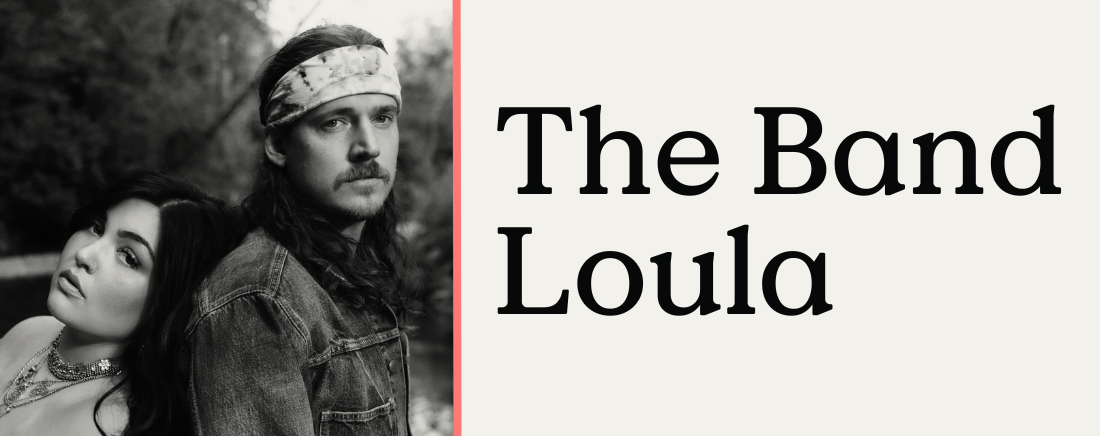
Gospel-infused, blues-inspired “swampgrass” from North Georgia, this Americana duo reminds of the Civil Wars, the SteelDrivers, and the Secret Sisters. Even so, they certainly have a sound all their own. Their new EP, Sweet Southern Summer, arrives August 22.

Read more about the Band Loula in conversation with Dierks Bentley here.


Our old favorite Timmy Ty has done it again! Snipe Hunter is a masterpiece of traditional postmodern Appalachian music. It’s hilarious and heartfelt, entirely unserious and devastating, too. No matter the textures and genres he references in his work, Tyler has always been Good Country (and very bluegrass, too).

Tyler Childers is our Artist of the Month. Dive into our coverage here.


Greensky Bluegrass

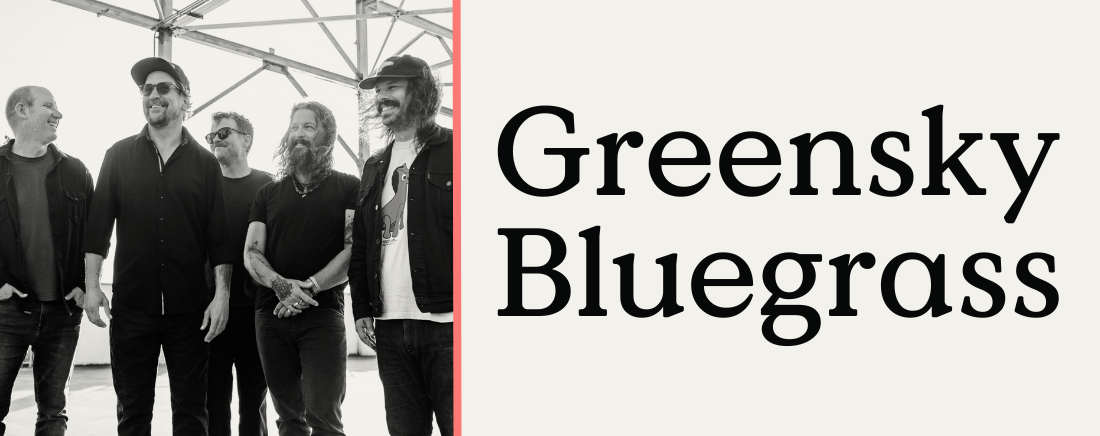
Bluegrass and jamgrass fans rejoiced in late July when our longtime pals in Greensky announced their upcoming album, XXV, marking 25 years of this incredibly impactful string band. With the announcement they released “Reverend,” featuring their Michigan compatriot Billy Strings. Here’s to the new album – and to the next 25 years! We can’t wait.


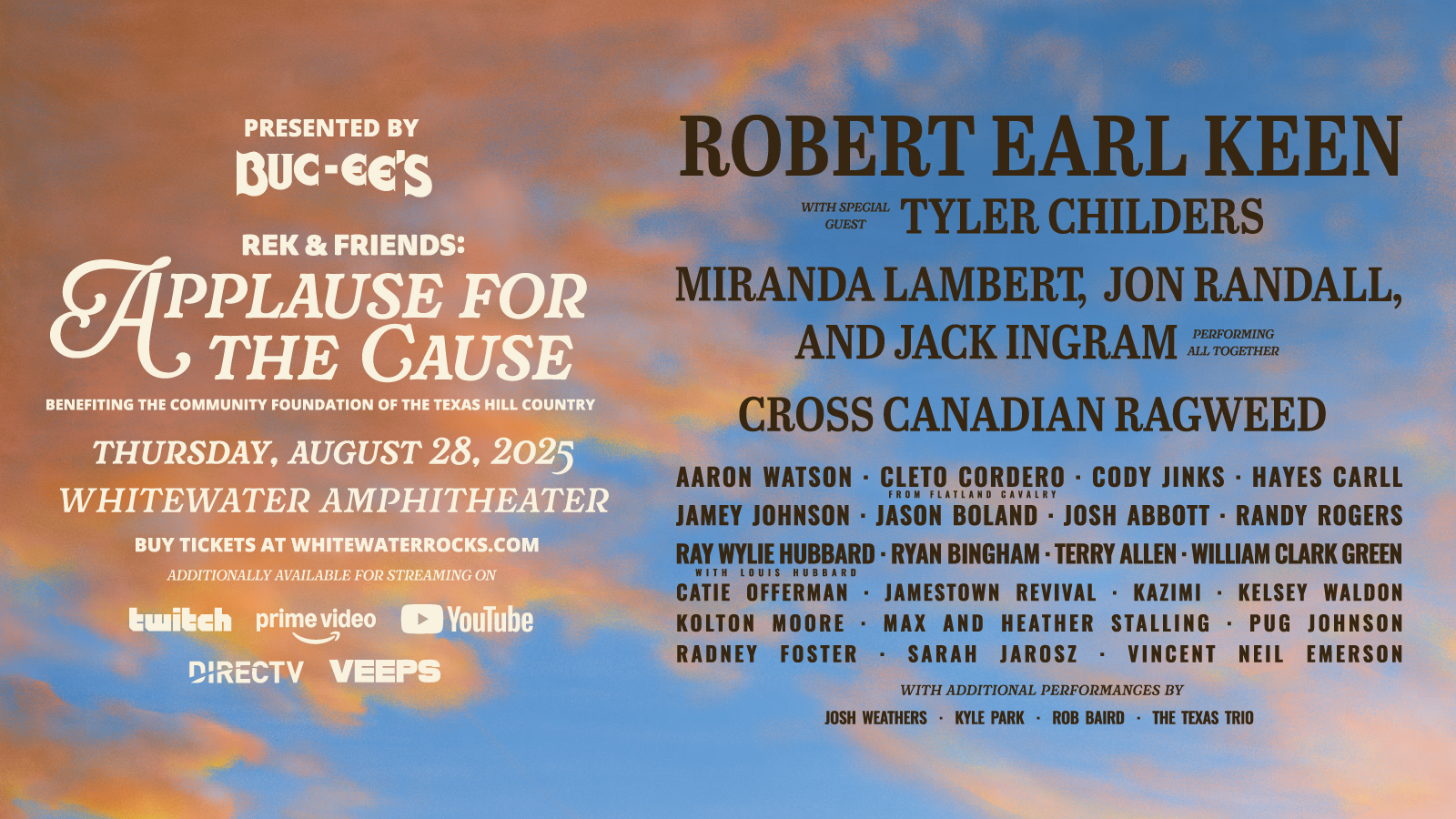
Robert Earl Keen & Friends: Applause for the Cause

The Texas Hill Country floods devastated fertile territory for roots music and Good Country in west Texas in early July. The artistic community has responded en force, quickly assembling quite a few star-studded benefit shows, concerts, and on-the-ground relief efforts.

Robert Earl Keen – together with a host of partners and sponsors – has convened a superlative lineup for just such an event, Applause for the Cause, to be held August 28 in New Braunfels, Texas. Featuring appearances by luminaries such as Tyler Childers, Miranda Lambert, Cody Jinks, Ray Wylie Hubbard, Kelsey Waldon, Jamey Johnson, and many more, the show almost immediately sold out. The good news is you can watch the performances via streaming (Amazon Music, DIRECTV, Veeps) and REK’s YouTube channel. The even better news is you can still donate directly to the Community Foundation of the Texas Hill Country, beneficiaries of the evening, to support the cause.


Trisha Yearwood

Yes, Trisha Yearwood is a country legend of stage and screen, but did you know she’s a stellar songwriter as well? Her brand new album, The Mirror, reflects this fact with 15 tracks all co-written by the Grand Ole Opry member. Plus, the collection features guests like Jim Lauderdale, Charles Kelley, and Hailey Whitters. THIS is Good Country!


Want more Good Country? Sign up to receive our monthly email newsletter – and much more music! – direct to your inbox.

Photo Credits: The Band Loula by Sara Katherine Mills; Tyler Childers by Sam Waxman; Greensky Bluegrass by Dylan Langille; Robert Earl Keen by Emma Delevante; Trisha Yearwood by Russ Harrington.

Terry Allen, For All Reasons

(Editor’s Note: Below, singer-songwriter and filmmaker Scott Ballew reflects on his relationship with legendary Texan musician Terry Allen for an exclusive BGS op-ed. Ballew, who directed a 2019 documentary about Allen’s life and music, Everything For All Reasons, will release a brand new album, Rio Bravo, on March 29 via La Honda Records.)

I moved back to my hometown of Austin, Texas in 2016 after 10 years of treading water in LA. California never felt like a permanent home to me, but over the course of a decade out there I was finally able to become ME. Part of that process was accepting that I was, in fact, a Texan and learning how to celebrate that.

Terry Allen’s cult album, Juarez, was reissued in 2016 around the same time I crossed state lines. It was given to me by a friend as a welcome home present. At the time, I embarrassingly only knew of Terry as the man who wrote “Amarillo Highway” as covered by Robert Earl Keen. Juarez was the first record I put on my turntable once I finally set everything up in my new south-Austin house, and it stayed there for four years. I was doing a lot of traveling back then making documentaries, and Terry’s voice traveled with me as “Cortez Sail” and “Dogwood” blared through my rental car speakers while driving through New Mexico, Colorado, Montana, and beyond.

Where had this been all my life? Was this written specifically for me? Who is Terry Allen? And how can I find him?

After a few years being back in Austin, I started a songwriting documentary series with Ryan Bingham. As the format started to take shape, we began talking about potential guests and Ryan casually mentioned he was very close with Terry and that he might be a great option. Holy shit. There wasn’t another name on the planet he could have mentioned that would have made me more excited than Terry’s.

Making The Midnight Hour was the first time the adage “don’t meet your heroes” proved to be false for me. Terry was kind, genuine, and funny. Terry reminded me that it’s ok to be Texan. And it’s ok to be creative.

Other things I’ve picked up from Terry along the way are:

  • The audience is irrelevant.
  • You have to fight for love.
  • Take care of your Art and your Art will take care of you.
  • You can have more than one calling.
  • Be kind.

I went on to make a longer documentary about Terry called Everything For All Reasons. I learned more about him during that process and came out liking him even more (not the case with most film projects). I tried to get David Byrne to address how unique and creative Terry was and David chose instead to focus on Terry’s family life, as that seemed more unique to him than anything else these days. He was right, and that ended up being the heartbeat of the entire film. 

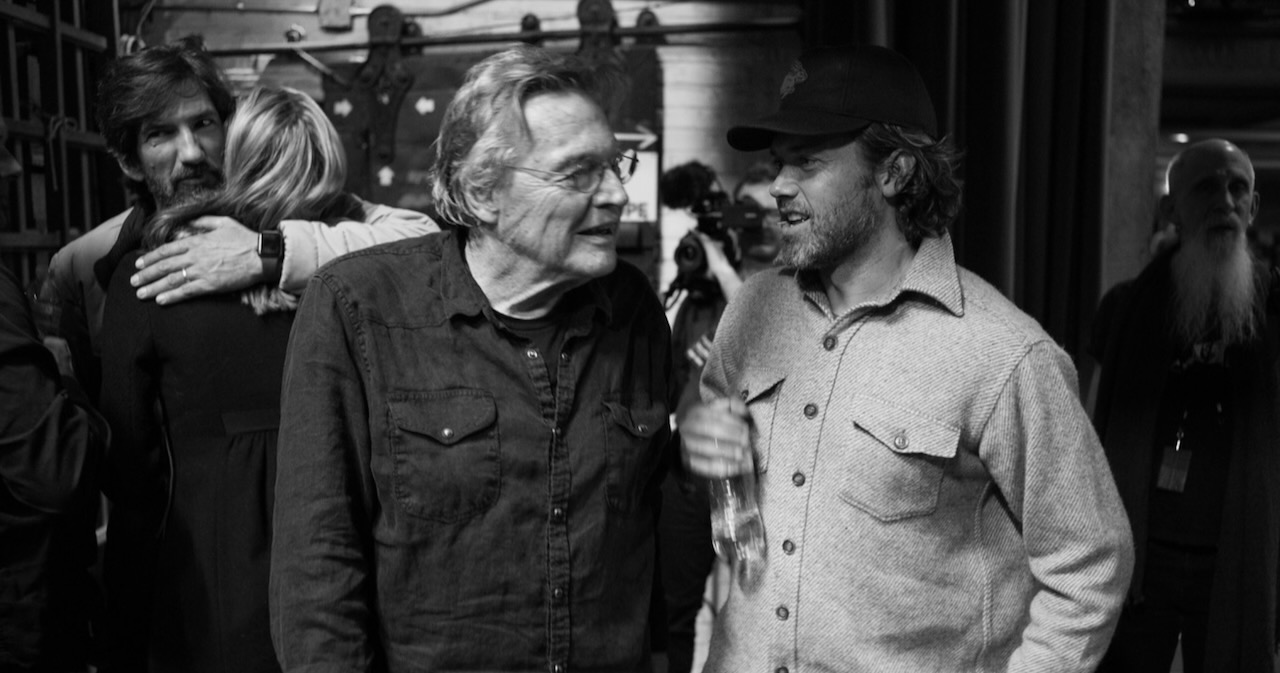
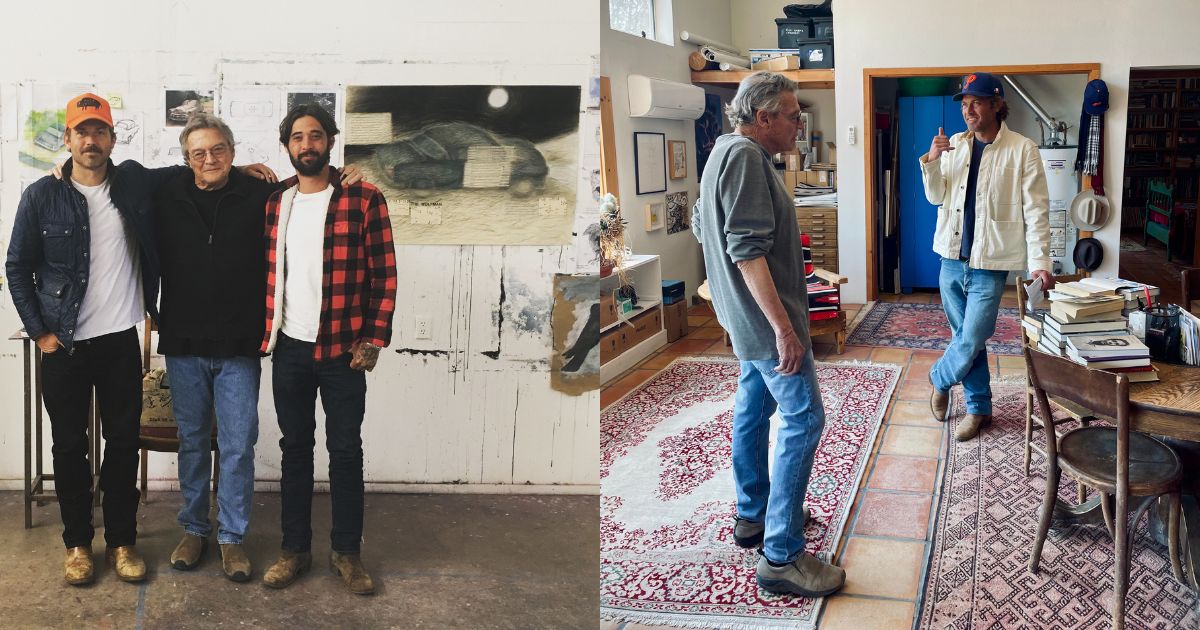
L: Scott Ballew, Terry Allen, and Ryan Bingham. R: Terry Allen with Scott Ballew.

At this point I like to think of Terry as my creative Godfather and someone I can always reach out to when I need a nudge to have some guts and do the right thing. He is the sole reason I started writing songs and why I had the naïve confidence to follow through and actually record them. Thank you Terry, for everything.


All photos courtesy of Scott Ballew. Lead image by Greg Giannukos.

BGS Class of 2023: Reading Recommendations

I call January my reading month. To be clear, I do of course still scan words and decipher syntax throughout the remaining 11 months that fill the calendar, but I always seem to start and finish the most books in the first month of the year. I don’t think it’s because I have a romantic notion of what my new self will be like in this new year – always reading and writing more or doing xyz to “better” myself (though if I’m being honest, that’s probably part of it). Rather, I think it’s more so that in the hangover of the holidays, when the gatherings are over, and there are months of dreary winter to look forward to, I take comfort in the ability to transport myself to another time or place, or simply get lost in someone’s thoughts for hours at a time. 

This community, as much as any, understands the import of passing stories on – allowing a new generation to take the torch and keep honored traditions burning while evolving its culture and extinguishing the shameful parts of its priors. That’s why we at BGS compile notable books that tell the stories by or about these genres’ songs and songwriters and the scenes, places, and events that made them. 

Maybe you’re like me, looking for ideas of books to get lost in this winter, or maybe you are looking for a way to turn the page on the calendar and become your most “badass self” (we’ve got a book for that). You might be here looking for a last minute gift idea for that special music-loving person in your life. In all those cases, you’ve come to the right place! 

We’ve got a book by an esteemed songwriter who waxes poetic on the art form he loves. We’ve got titles about how certain times in certain places scenes have blossomed and sub-genres formed so palpable that listeners can identify a song by its roots. We’ve got biographies of famous musicians, and some of whom have looked back at their own lives and careers. Find all that and more in our list of reading recommendations, organized by categories below: 

Sense of Place

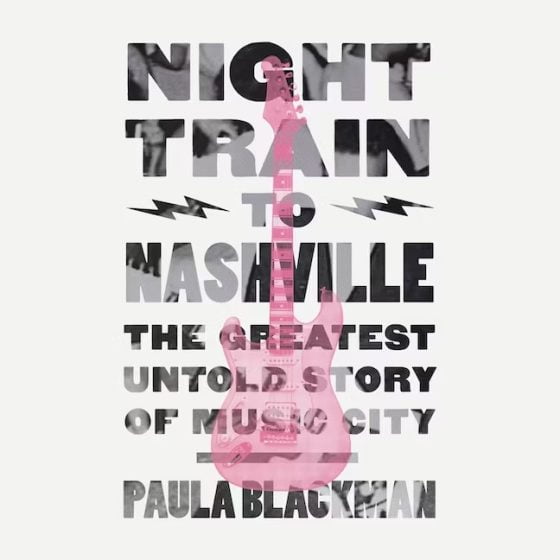
Night Train to Nashville: The Greatest Untold Story of Music City, Paula Blackman

Drawing on stories from her grandfather, E. Gab Blackman, a 30-year radio executive at WLAC, Paula Blackman shares the story of how the Nashville radio station became a pioneering source for Black rhythm and blues music in the 1940s and ‘50s. Seeing the opportunity to reach a more diverse audience – not, as Paula notes, to be a “white savior” – Gab teamed up with disc jockey Gene Nobles to play “race records.” In Night Train, Blackman also profiles William Sousa “Sou” Bridgeforth, the owner of New Era Club, a prominent Black nightclub in Nashville that blossomed as a result of the new artists being spun on WLAC airwaves, many of whom were introduced to Gab by Sou. Fitting that the story of Nashville, in the time leading up to the civil rights era, is told through the music played on the AM radio speakers throughout the city. 

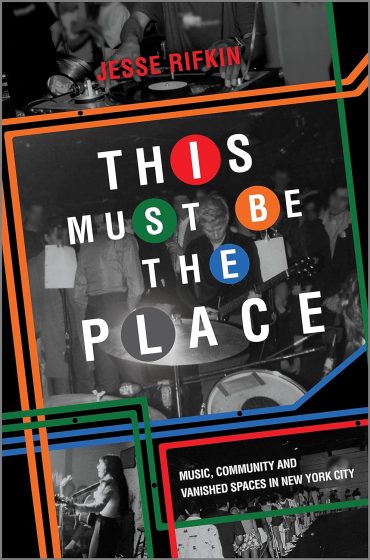
This Must Be the Place: Music, Community and Vanished Spaces in New York City, Jesse Rifkin

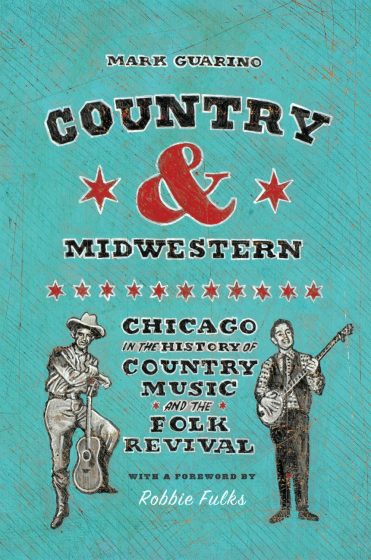
Country and Midwestern: Chicago in the History of Country Music and the Folk Revival, Mark Guarino

In Their Own Words

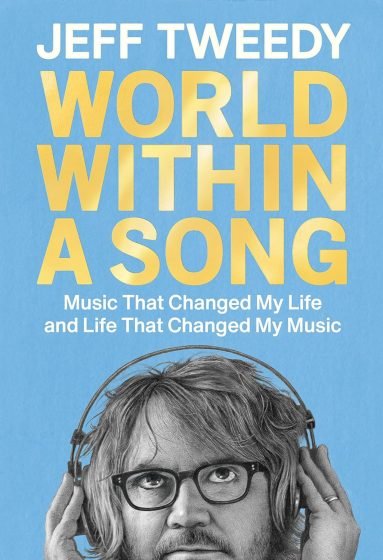
World Within a Song: Music That Changed My Life and Life That Changed My Music, Jeff Tweedy

Wilco frontman and New York Times bestselling author Jeff Tweedy follows up on Let’s Go (So We Can Get Back) and How To Write One Song with a gushing love letter to songs. In it, Tweedy dedicates chapters to many (but clearly not close to all) of the songs that have resonated deeply with him for one reason or another. From Bob Dylan to Billie Eilish, from The Clash to ABBA, Tweedy sheds any and all pretense of what might be considered “cool” in his selections. 

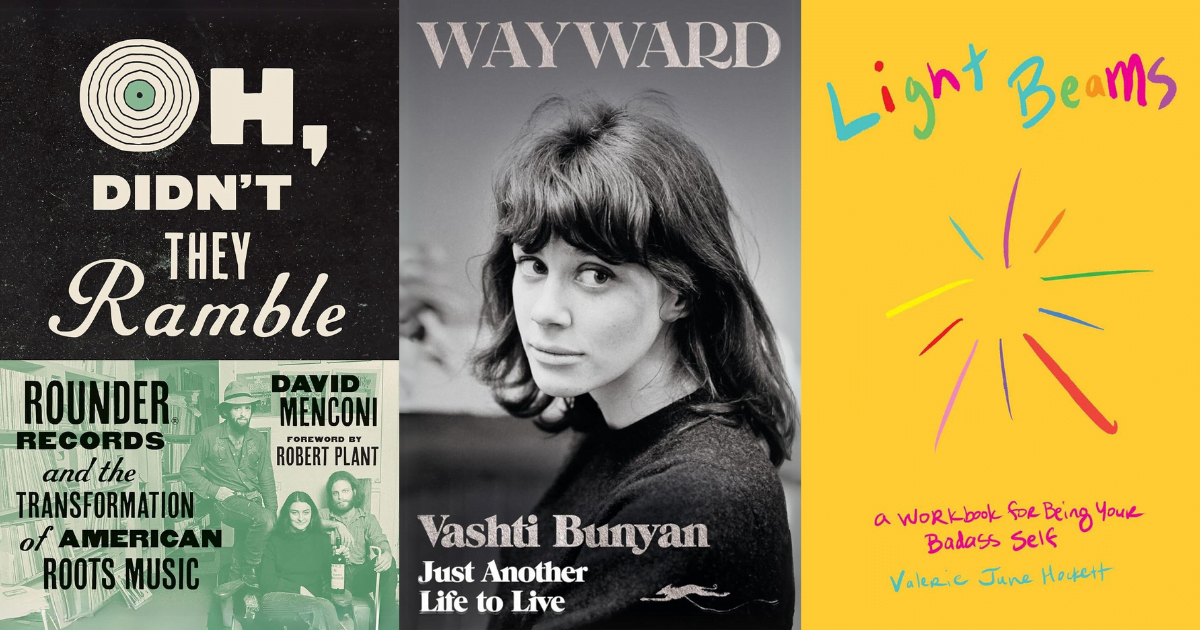
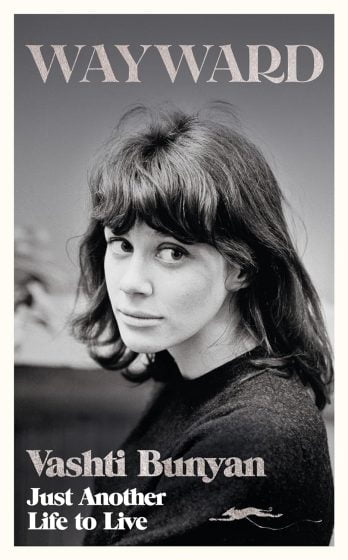
Wayward: Just Another Life to Live, Vashti Bunyan

In Wayward, Vashti Bunyan, an English singer-songwriter, recounts her early career in the mid ’60s leading to her debut release, Just Another Diamond Day, in 1970. Disillusioned by its lack of success (at the time) and the fact that her songs, life, and career were all dictated by men, she left the music industry entirely before re-emerging in the early 2000s. Pick this up for the story of what happened in between, how she reclaimed her life, and is taking her second act in music on her own terms. 

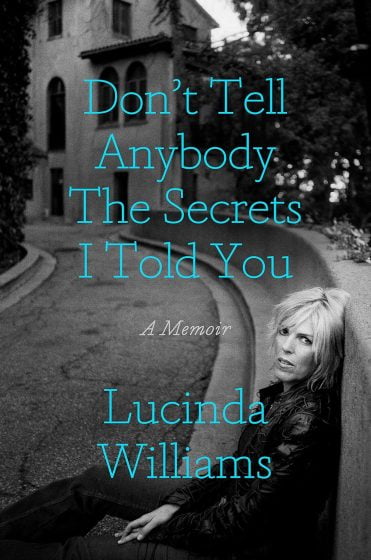
Don’t Tell Anybody the Secrets I Told You: A Memoir, Lucinda Williams

3-time Grammy award-winning songwriter and now New York Times best-selling author, Lucinda Williams, recounts her upbringing and bumpy ride to fame. Once getting feedback from a record company who said her music was “too country for rock and too rock for country,” Williams stayed the course, and became one of the greatest and most influential songwriters of our time.

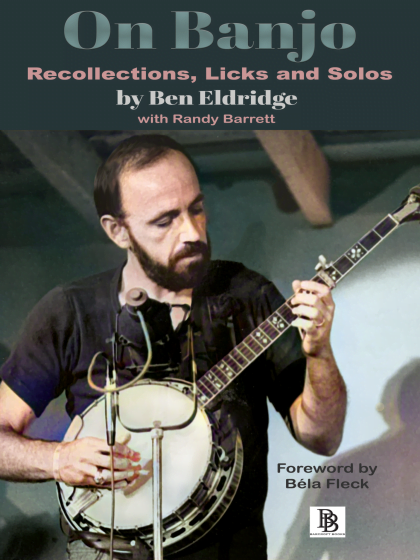
On Banjo: Recollections, Licks and Solos, Ben Eldridge

Born in Richmond, VA, Ben Eldridge fell in love with roots music watching WRVA’s Old Dominion Barn Dance. In this memoir-meets-tablature book, he recalls his path from upbringing to moving to D.C. to become a mathematician, and ultimately going from jam sessions to forming a group that would change bluegrass henceforth – the Seldom Scene. This conversational book with pictures that set the scenes even comes with licks and transcriptions for banjo playing fans. 

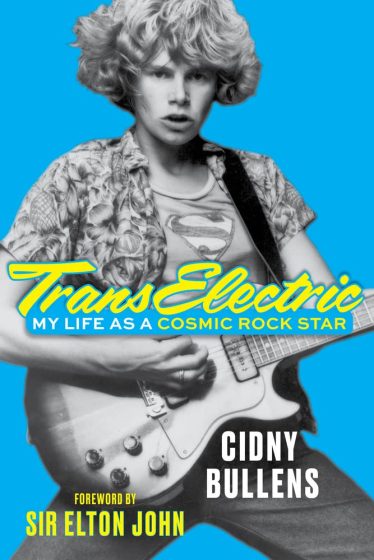
TransElectric: My Life as a Cosmic Rock Star, Cidny Bullens

This book starts with a bang! And I’m not even talking about the foreword from Elton John. As just a 24-year-old Cidny (then referred to as Cindy) had shown up uninvited to a live recording session for Dr. John at Cherokee Studios in Hollywood, and eventually found himself starting an impromptu jam with Ringo Starr, Eric Clapton, Dr. John, and Joe Cocker. This retrospective traces his arc from a backing vocal career in the drug-fueled ’70s for the likes of Elton John and Rod Stewart, and having trouble finding his footing as a solo artist who had expectations of how a woman could behave and perform. Bullens settled into the life of a typical suburban mom, experienced a personal tragedy, and eventually found his true voice. 

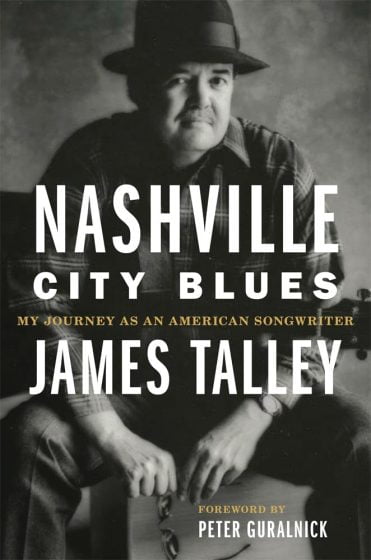
Nashville City Blues: My Journey as an American Songwriter, James Talley

Biographies & Histories

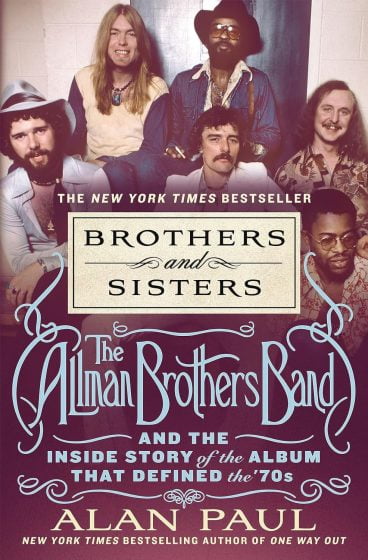
Brothers and Sisters: The Allman Brothers Band and the Inside Story of the Album That Defined the ’70s 

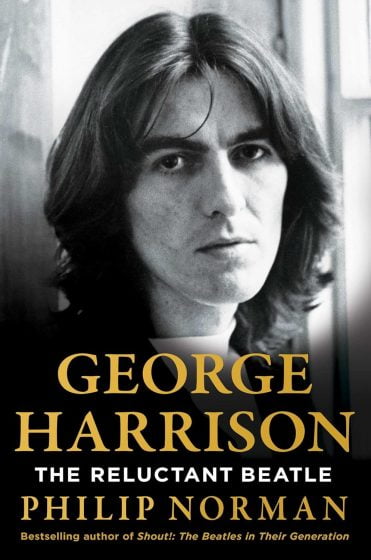
George Harrison: The Reluctant Beatle, Philip Norman

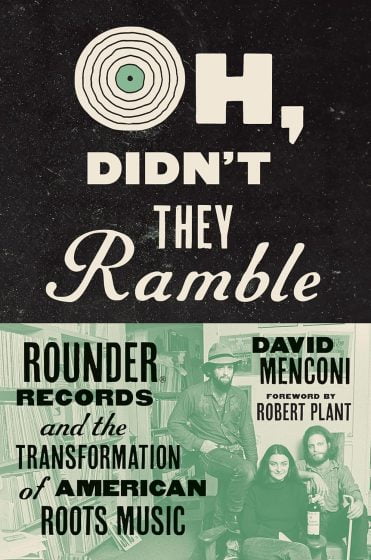
Oh, Didn’t They Ramble: Rounder Records and the Transformation of American Roots Music, David Menconi

Oh Didn’t They Ramble chronicles the comprehensive history of the quintessential folk record label for the last 50-plus years. With extensive access to Rounder artists, staff, and founders Ken Irwin, Marian Leighton Levy, and Bill Nowlin, BGS contributor David Menconi is able to tell Rounder’s story, from its humble but audacious and idealistic beginnings to becoming one of the most influential record labels in the history of recorded music. 

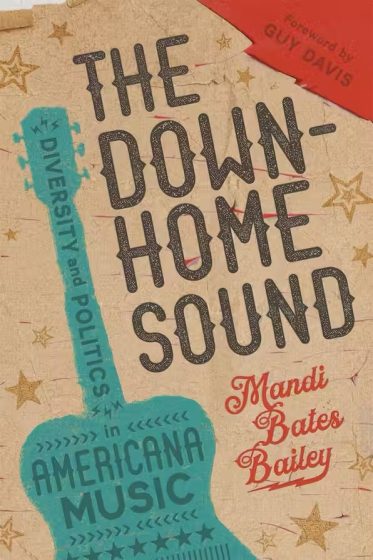
The Downhome Sound: Diversity and Politics in Americana Music, Mandi Bates Bailey

How-Tos

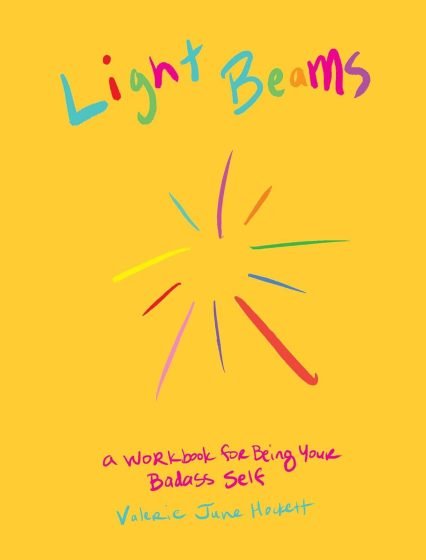
Light Beams: A Workbook for Being Your Badass Self, Valerie June

Like I mentioned, this workbook/journal might be coming just at the right time as you resolve to become your most “badass self.” But even if you’re reading this well into the new year, then there’s no time like the present! Published on Jack White’s Third Man Books, Valerie June’s Light Beams offers its readers “contracts and agreements, self-healing wishes and spells, and maps and prescriptions in exercises” on a journey to self-love and waking up with a promise of choosing kindness and shining like a “badass.”

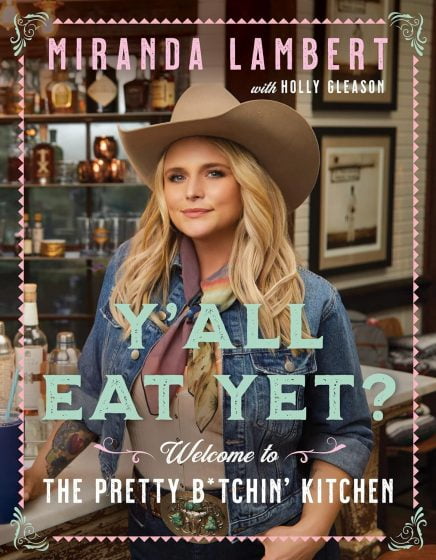
Y’all Eat Yet?: Welcome to the Pretty B*tchin’ Kitchen, Miranda Lambert

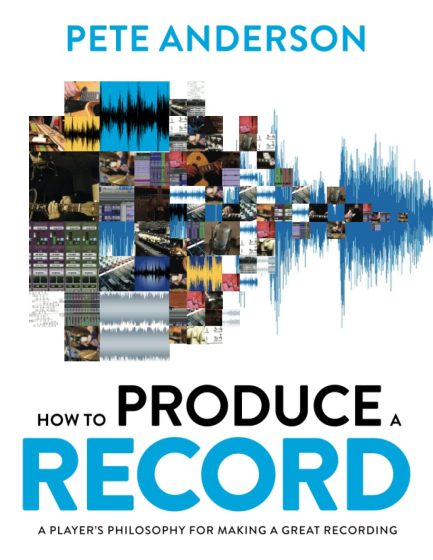
How To Produce A Record: A Player’s Philosophy For Making A Great Recordings, Pete Anderson

Other

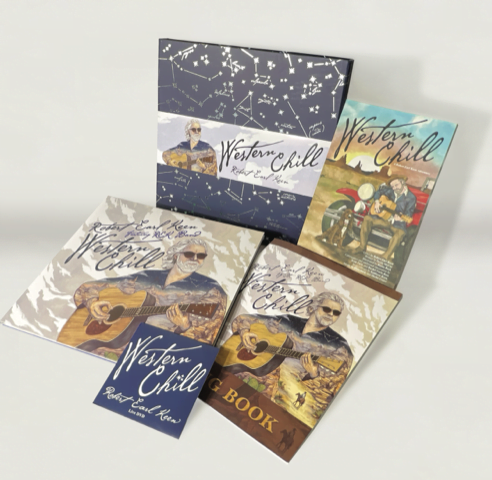
Western Chill, Robert Earl Keen

As a set that features a double sleeve album, a DVD with music videos for every song, a graphic, illustrated novel that explains the writing process, and a songbook with lyrics, notes, and chords so the purchaser can play along, this title certainly belongs in a category of its own. 


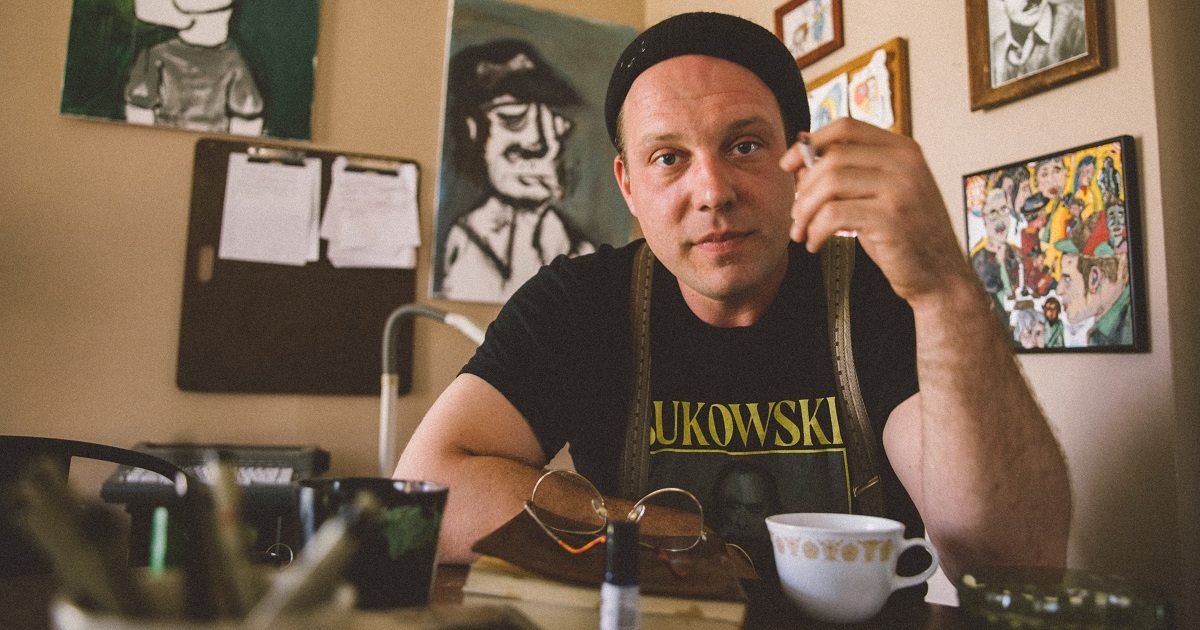
BGS 5+5: Darrin Bradbury

Artist: Darrin Bradbury
Hometown: Nashville, Tennessee
Latest Album: Artvertisement

What’s your favorite memory from being on stage?

It’s not from being on stage, but this one time, my tour manager Josh and I broke down an hour outside of Charlotte, North Carolina, on the way to opening for Robert Earl Keen. The van just up and died. We were on the side of the highway wondering what to do when we called AAA. It turned out that we were just below the amount of miles that AAA would tow — making our arrival to open for Robert Earl Keen, pulling up right behind the tour bus in a tow truck, jumping out of said tow truck, running on stage, plugging in and playing.

How often do you hide behind a character in a song or use “you” when it’s actually “me”?

Unfortunately, I find that often characters hide behind me, making me speak for them as they cower behind me, quite frankly it’s exhausting. I wish they’d just speak for themselves, I just keep collecting them, as voices in my head.

What rituals do you have, either in the studio or before a show

Before every show I’m usually pretty antsy. Offstage I’m fairly introverted. One of my best friends from back in New York wrote this song about a decade ago on a road trip we were on through the Midwest called “Moon in the Blue Sky.” I always find a quiet spot to sing it to myself.

What other art forms — literature, film, dance, painting, etc. — inform your music?

Abstract expressionism, gestural painting, de Kooning, Pollock, Picasso, as well as authors Kurt Vonnegut, Charles Bukowski, John Fante. I also dance when no one’s looking.

What’s the toughest time you ever had writing a song?

Every song is the toughest, roughest, most pain in the ass, shit kicker, tooth knocker, sock rocker, and you don’t always win.


Photo credit: Weston Heflin

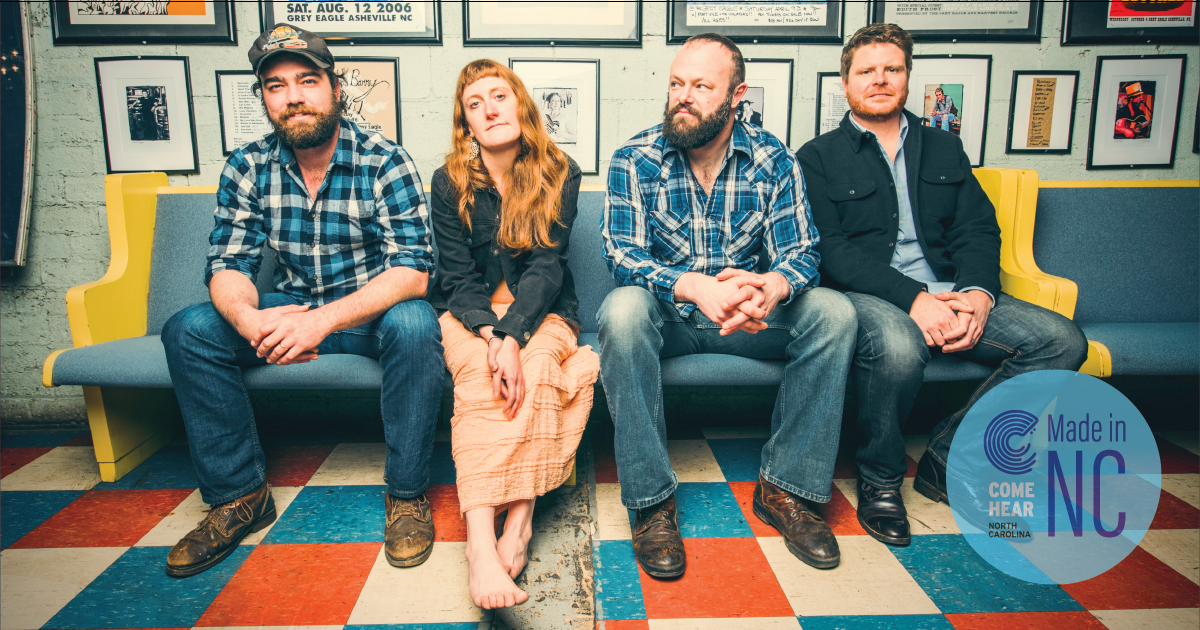
BGS 5+5: Amanda Anne Platt

Artist name: Amanda Anne Platt & The Honeycutters (answered by Amanda)
Hometown: Asheville, North Carolina
Latest singles: “Desert Flowers” and “There May Come a Day”
Personal nicknames (or rejected band names): I was in a band with my brother and my cousin when I was 8 that was called Crusty Chinchilla Rejects Recently Escaped from a Mental Institution…

What’s your favorite memory from being on stage?

I feel really lucky as I sit here and try to work out what my favorite memory of being on stage is… it’s nice that there have been so many. I think one of my favorites from recent memory was the last show of our 2019 tour opening for Amy Ray. It was at Club Café in Pittsburgh and I got to get up on stage for her last song, “I Didn’t Know a Damn Thing,” which is one of my favorites from her album Holler, and then the encore which was Tom Petty’s “Refugee.” I was enormously pregnant and the stage was already crowded so it was a tight squeeze! But I felt so cool just getting to sing along and dance. The energy in the room was fantastic.

What other art forms — literature, film, dance, painting, etc — inform your music?

Probably literature and film, the most. When someone can tell a story in a highly relatable, moving way, I am very inspired by that. When I finish a good book or leave the theater after a really well-made film I almost always want to sit down and write a song.

What rituals do you have, either in the studio or before a show?

I really enjoy making my band “quack” like the Mighty Ducks, but I would be lying if I said they were as into it as I am. And you can’t do it alone. So, mostly I just cry in the bathroom. Actually I am usually just scrambling to write a set list and eat something moments before we go on stage.

Since food and music go so well together, what is your dream pairing of a meal and a musician?

I grew up in the land of all-night diners, and I’ve really been missing that especially now during the pandemic. So I would love to have a post-show burger at a proper diner somewhere… I feel like John Prine would have been a great guy to share a booth at a diner with. I have some questions for him about his songs that I kind of always hoped I’d have a chance to ask him in person.

How often do you hide behind a character in a song or use “you” when it’s actually “me”?

I might actually do the reverse more… I tend to always use “I” even though I don’t write autobiographically very often. So in that way I guess I turn every character into “me” and I hide myself in that way…?


Photo credit: Sandlin Gaither

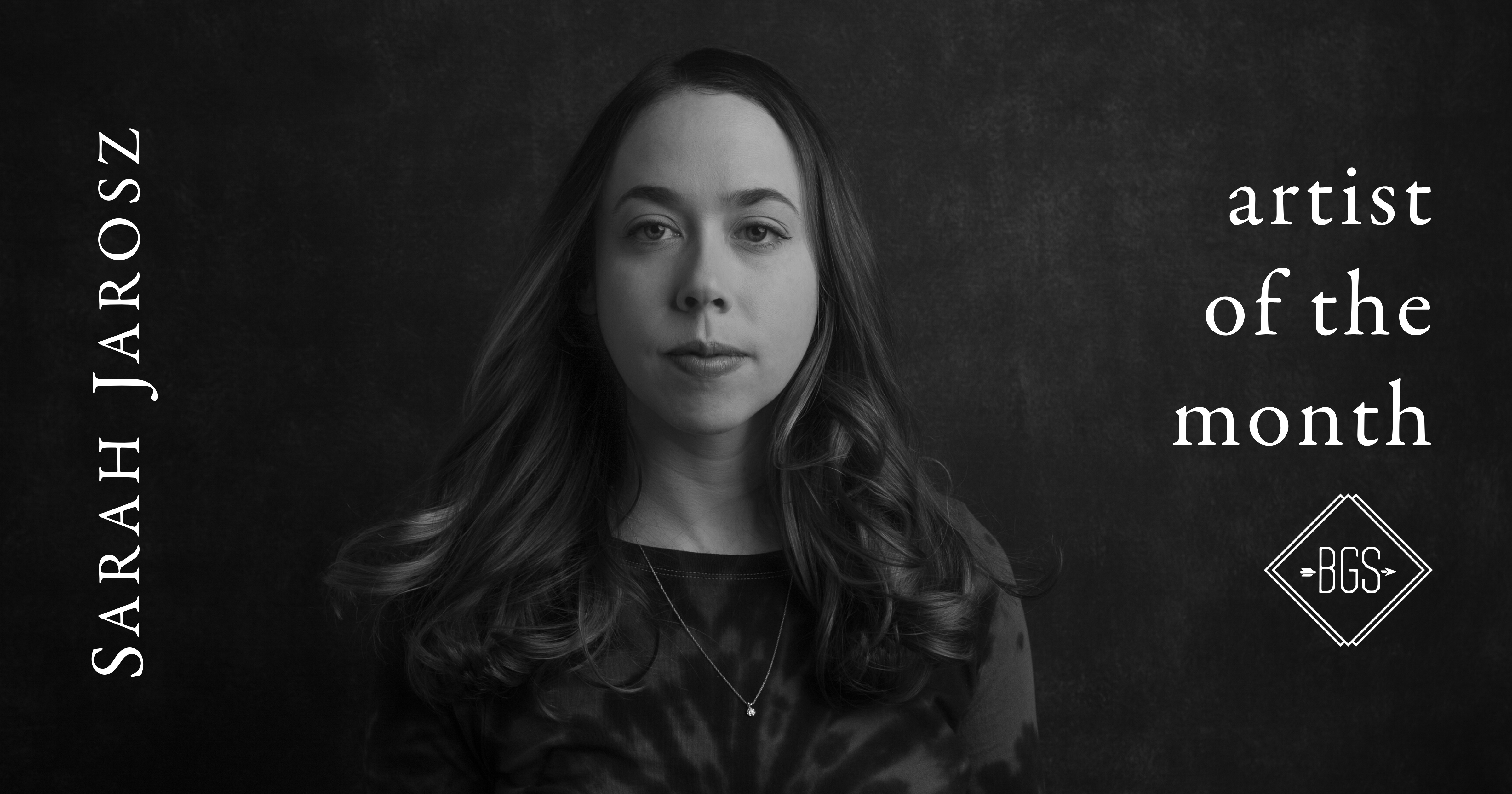
Sarah Jarosz Studies Her Heroes While Staying True to Herself (Part 2 of 2)

Wimberley isn’t just another “little Texas town” for Sarah Jarosz. It’s where she grew up, where she first fell in love with bluegrass, and where she found seeds of inspiration that grew into World on the Ground, her first album with producer John Leventhal and her fifth overall. From the sharp-eyed opener “Eve” to the quick-picking of closer “Little Satchel,” Jarosz gives voice to the stories of hometown life and the dreams that grow beyond it — a radically empathetic detour through her past that gives relatable depth to World on the Ground.

“Ultimately, if I’m being true to myself, if I’m moving myself within my music, then that’s the most that I can try to do as a songwriter,” she says. “That’s what has to be at the basis of any great song: a real feeling that you believe in more than anything. Even the songs where it’s written from another perspective, it’s still me in there, trying to inject what my beliefs are and what I am feeling at any given time, but in a poetic way that feels like you’re reading a story. That’s what so many great songwriters do and have done. I’m studying them and trying to honor them, but also be myself, just try to find that balance of honoring tradition and doing my own thing.”

In the second half of our two-part Artist of the Month interview, Jarosz reveals which Texas songwriters she turned to for guidance on this musical trip home, how to tackle a song about a small town, and more.

Editor’s Note: Read part one of our interview with BGS Artist of the Month Sarah Jarosz here.

The American small town is definitely well-trodden songwriting territory, and all the greats have returned to that endlessly inspirational well. Based on everything we’ve been talking about, you have different perspectives to explore, scenes to describe and a wealth of landscapes to uncover in that one place. What were you listening to when you were working on World on the Ground? Which artists did you turn to for inspiration?

Jarosz: I feel like in a way, the people I was listening to leading into this and during the recording process [were] a lot of what made me want to turn back to even writing about my Texas upbringing at all. When I was going into this, I think I had this moment. Sometimes as a writer I feel like, what should I write for the people who love my music? But I think it’s more important to say, what music do I love, and just get that zingy feeling from? How can I create that music myself? I want to write a song that I can sing and that I can believe in, because ultimately that’s all I can do.

Before John and I were locked in to work together, we met up in New York, and I played him a few ideas that I had lying around. From the get-go he was like, “Why don’t you try to change your approach and not necessarily write about your feelings and looking inward towards yourself? What if you tried to be more of a storyteller?” Just the simple act of him saying that, it changed my perspective a little bit. Simultaneously I was listening to all these Texas singer/songwriters. James McMurtry is one of my favorites of all time. I really did study his lyrics, because I think he’s one of the greatest in terms of creating these characters, but it doesn’t feel contrived — it’s like reading a novel in a song. Guy Clark, Nanci Griffith, Robert Earl Keen, Lyle Lovett — Shawn Colvin, obviously, her music was why I wanted to work with John in the first place.

I was realizing, OK, yes, so many other people have written about their hometowns — but I never have. When I started writing music as a high schooler, so much of the feeling when you’re that age is wanting to leave, writing about what you’re longing for and what’s not right in front of you. There is such a wealth of images and landscapes and memories that I have that are a part of who I am as a person, and I had never really taken the time to write about them. That’s what led to a lot of these songs. With that being said, it was never, “I want to make a concept record about my hometown.” I realized there were all these throughlines after all the songs were recorded and done.

What’s the most difficult, or moving, song for you to listen back to, or one that was hard to tackle when you were writing it?

“Maggie.” That one is based on a real person, and I don’t think that’s something that I’ve done before as a writer. Thankfully, she actually has written me since it’s been out and told me how moved she was by the song. It’s funny because there’s so much truth and honesty in a song like that, but then it’s also still being creative. The blue Ford Escape in “Maggie,” that was a car of my parents’, so it’s still songwriting and pulling images in from different inspirations but it’s not all necessary literal or the actual story.

It’s trying to pull symbols together in a way that makes the most meaning. That’s what I tried to do there. In a way, if that was the most difficult song for me to face, it’s actually turned out to be my favorite song on the record. I felt that way when we were recording it, that I was kind of hitting on something that I’ve always wanted to do and write about, but wasn’t quite ready for before. I think “Hometown” would be the other one that’s just very, very moving for me, even still, to sing — sometimes it’s hard for me to get through. Those two songs stand out in that way.

It sounds like you experienced a lot of firsts that shook up World on the Ground. How do Undercurrent and World on the Ground separate themselves in terms of the growth that went into each of them?

I think Undercurrent was a step towards wanting to just be me. The three albums prior to that were full of tons of guests on a lot of the songs. The way we made those, I would record my part, and Gary [Paczosa, who produced her first four albums] and I would invite so many of my heroes and musical friends in, and we’d just layer, layer, layer, layer with lots of different people. Undercurrent was the first album where I was like, no, this needs to be more truthful to me, and sound like that. There are four songs on that record that are literally just me and a guitar, no other instrumentation, no drums — I tried to keep things very small with that in an effort to start peeling away and finding out who I am as an artist and trying to convey that in a record format.

That felt like the beginning of that journey, and World on the Ground feels like I’m fully in that journey. I just feel like I believe in these songs more than I have in the past — nothing against my old songs, because the thing that means the most is when people say songs mean something to them, and moved them in hard and good times in their lives. I’m not trying to detract from that, but I really try to see these songs through in a lyrical way that I haven’t before. John was really key in helping me do that and trimming the fat and being really clear about what the purpose of each song, and the story that each song told. I believe in every single song so much. That’s a really kind of beautiful feeling. I’ve loved all of my records, but I haven’t felt it this strongly before.

What did World on the Ground teach you about yourself as a songwriter you didn’t already know?

It taught me that there’s always room to grow. Before I started writing this record, I had this sense of myself, where I was like, okay, these are the sorts of songs that I write, this is the vibe, and this felt like a departure from that. No matter how much you think you know or how much experience you have or whatever life has thrown your way, there’s just always more, and there’s always more to be discovered and learned. I think that was a beautiful lesson that this record taught me and sort of inspired me going forward. For me, it’s all about the songs — I think that’s also what I realized with this record. The music that I love, it all boils down to the song. That’s what I tried to focus on this time around.


Photo credit: Josh Wool