25 Roots Artists Under 25

Roots music has long been known as a family affair, with folks gathered on porches or around campfires pickin’ and pluckin’. For that reason, players often get started at a very young age so, by the time they hit 25, they are well on their way to greatness. To prove this point, we’ve gathered 25 of the best roots artists still under the ripe young age of 25. Check out the whole playlist below, after hitting some of the highlights: 

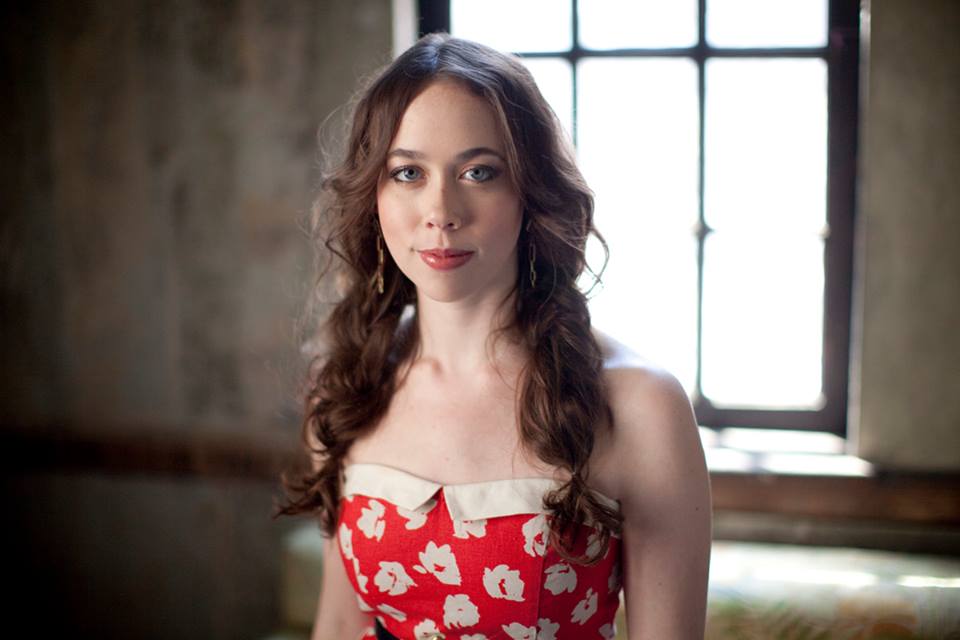
Sarah Jarosz — “House of Mercy”

From Sarah Jarosz’s most recent album, Undercurrents, this cut is reminiscent of Fleetwood Mac’s “Gold Dust Woman” with open chords, eerie bends, and powerful harmonies topping off the quietly epic feel. As if that was not enough, about a minute before its end, Jarosz lets loose on an acoustic guitar solo that is much better heard than it is described. Even with all the amazing women that are gracing the roots music scene today, Jarosz still stands in a league of her own, and she proves that in this song. 

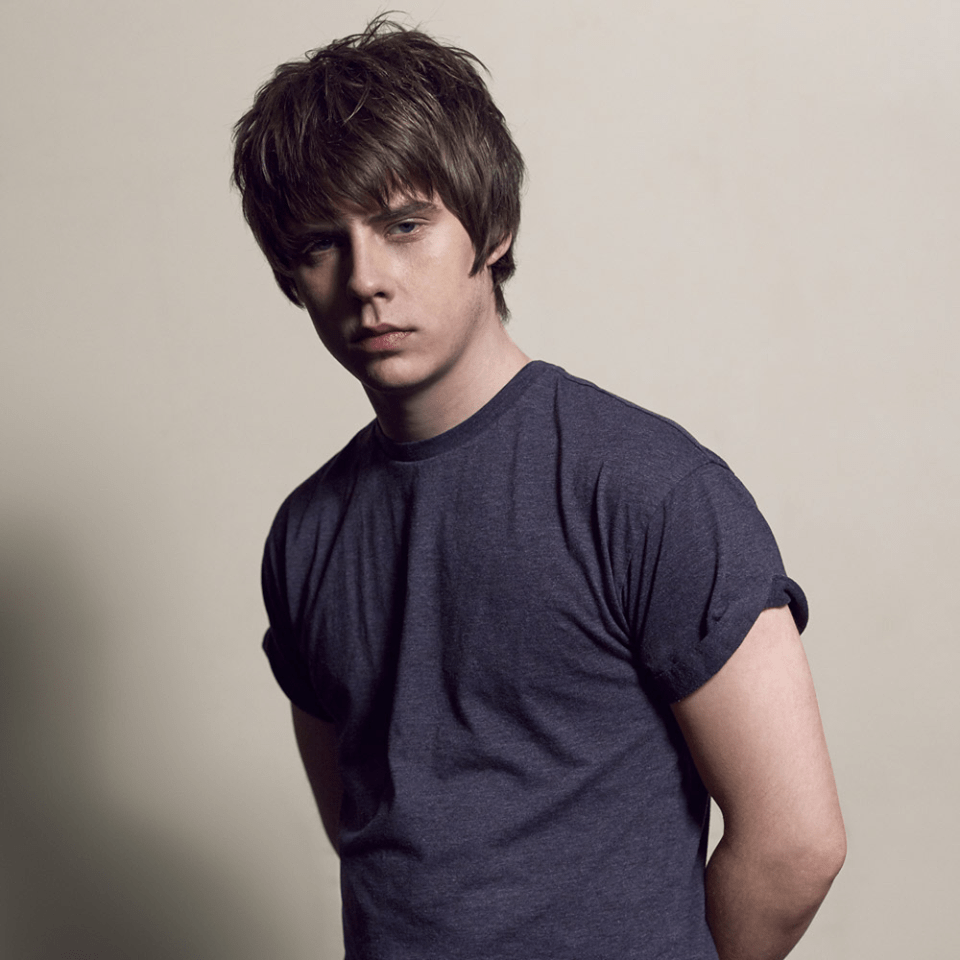
Jake Bugg — “On My One”

Jake Bugg exploded onto the scene with “Lightning Bolt,” the lead track from his self-titled debut album in 2012, and toured heavily for the years that followed. This track, “On My One,” and the collection of songs on the 2016 album by the same name, tells a story of loneliness on the road and the often unclear path to finding oneself. Bugg tones down his guitar playing and his singing throughout the album, with the natural grit of his voice taking care of the trademark sound he’s come to be known for.

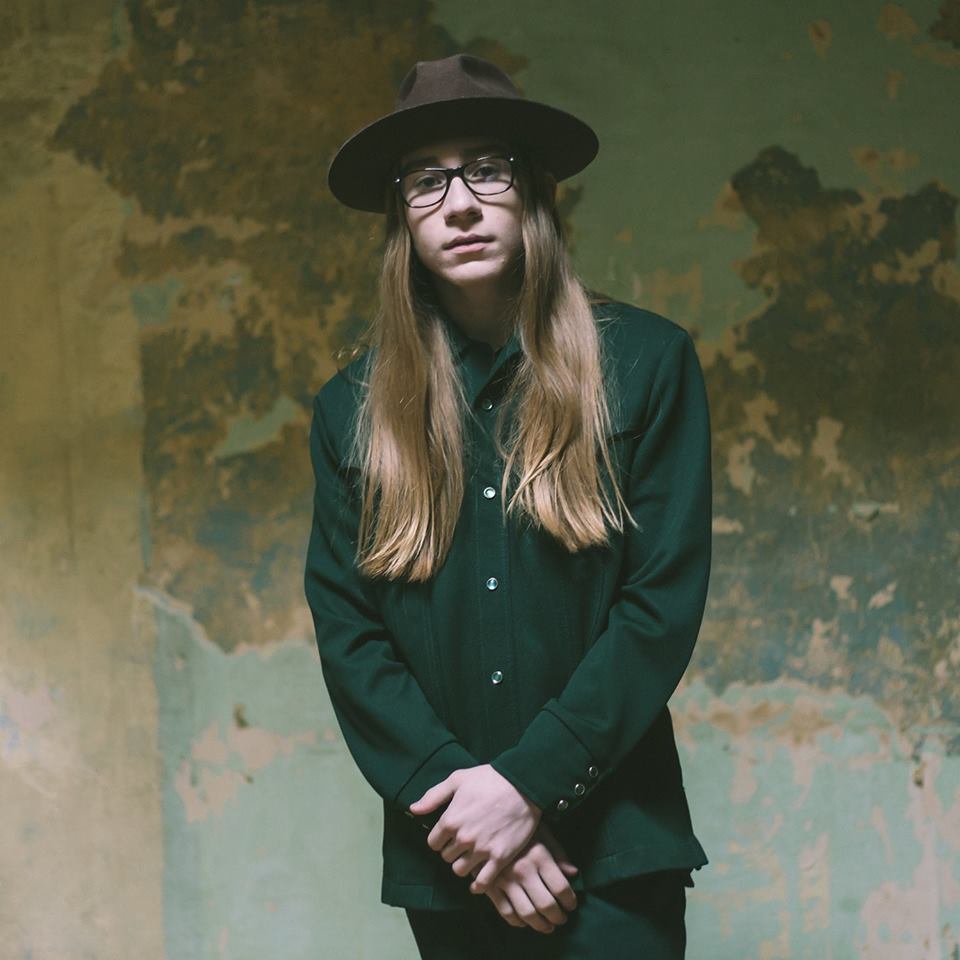
Sammy Brue — “Once a Lover”

At just 15 years old, Sammy Brue has wisdom and maturity, as conveyed through this calming and somber tune, that are truly unbelievable. The story feels like it could only have come from someone who has lived and learned for many years. Brue, instead, merely listens and observes, then puts those stories into his music, somehow making it feel genuine and capturing every ounce of emotion necessary to make a great song. Look out for Brue — who knows what kinds of music he will continue to make as he grows and has his own experiences to draw from.

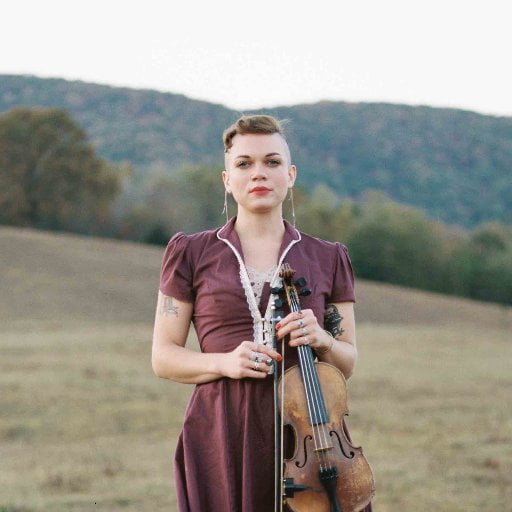
Lillie Mae — “Over the Hill and Through the Woods”

A classic country voice with a badass rock ‘n’ roll presence can be found in Lillie Mae and on this song. The twang of the electric guitar cuts through as the rest of the instrumentation fills the space elegantly, with Mae’s voice and accompanying harmonies adding even more beauty. The balance of grit and grace is what makes Mae such an exciting talent, and at the age of 25, this is only the beginning. With glowing endorsements from Jack White and many others, Mae is poised to become a powerhouse in music for many years to come. 

First Aid Kit — “You are the Problem Here”

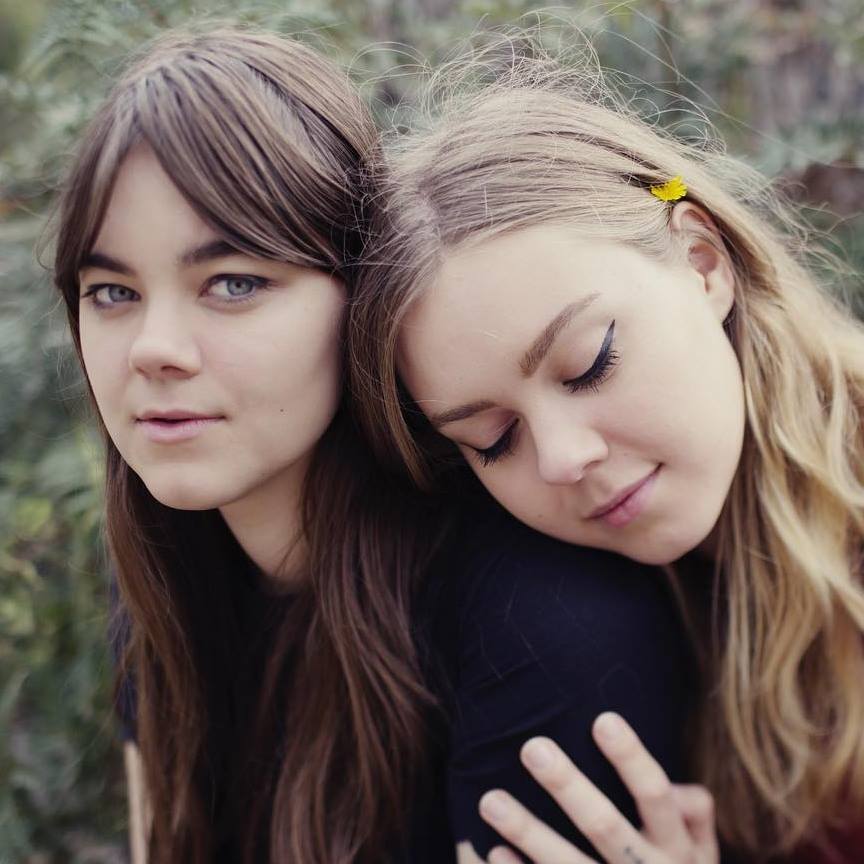
After a three-year hiatus, the Swedish sisters are back with “You Are the Problem Here,” a track that switches out their usual charming harmonies for rage-driven, sociopolitical vocals with heavy guitars to match. Lead vocalist Klara Soderberg bluntly tells her audience how she feels about the patriarchy and sexual assault in the world today, evidenced most clearly at the end of the first verse: “When did you come to think refusal was sexy? Can’t you see the tears in her eyes? How did you ever think you had the right to put your entitled hands up her thighs?” It’s a powerful, important, and timely message. And, yes, half the duo is not under 25, but a little First Aid Kit never hurt anyone, right?

The Transatlantic Sessions Hop the Pond for MerleFest

Named in honor of guitarist Eddy Merle Watson, the 30th anniversary of MerleFest is taking place on April 27-30 at Wilkes Community College in Wilkesboro, North Carolina. Flat-picking legend Doc Watson founded the annual four-day festival in memory of his son, highlighting music that embodied the “traditional plus” moniker he ascribed to the genres they played together. Every lineup since has included a range of styles from bluegrass, folk, and old-time to jazz, roots, and blues. Keeping in line with this multi-genre approach, a special collaborative production is making its U.S. debut on the MerleFest stage this year: The Transatlantic Sessions.

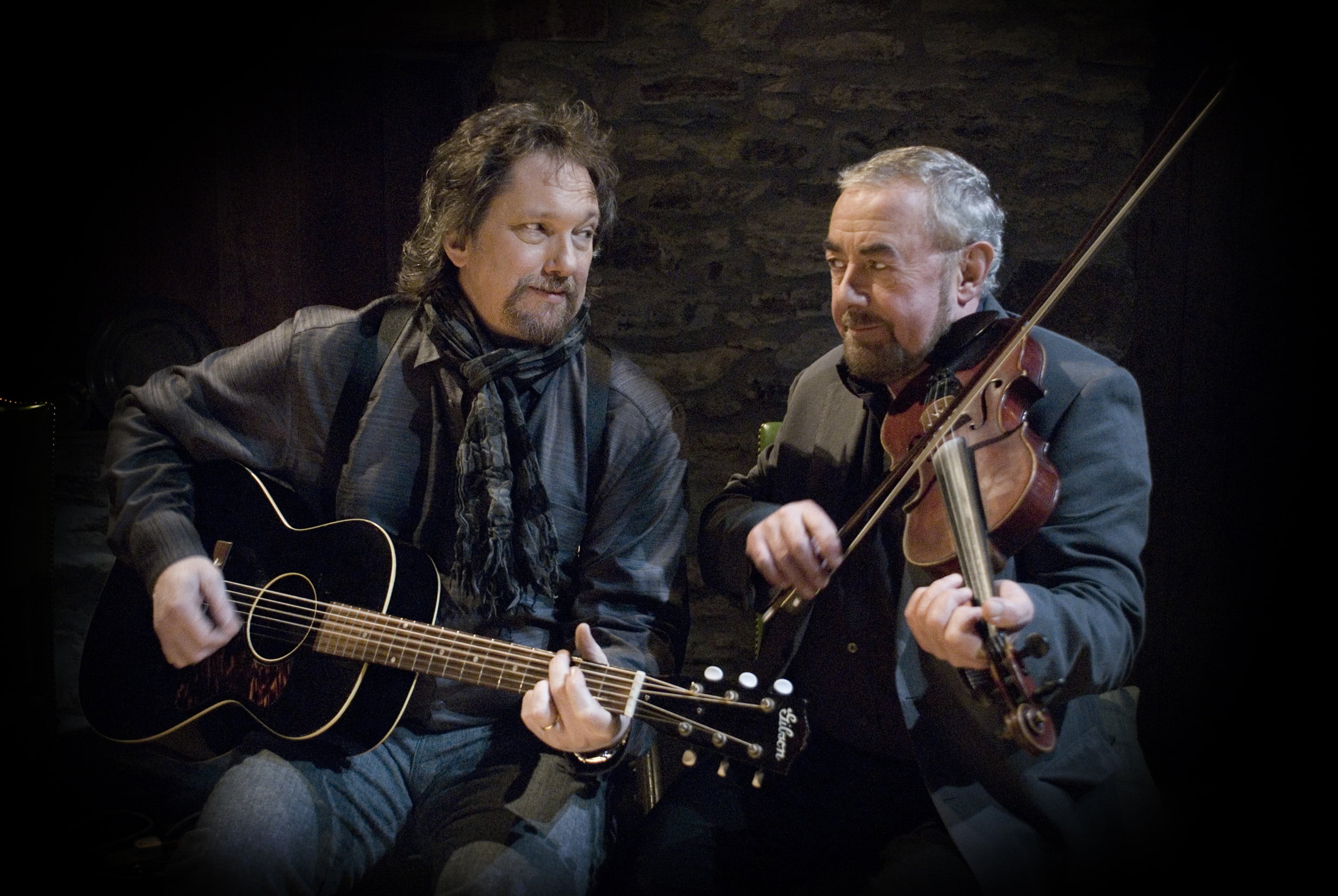
The Transatlantic Sessions began as a series of televised musical performances produced by the BBC that brought together accomplished UK and North American roots musicians to play music from Scotland, Ireland, England, and North America. Since its inception in 1995, a total of six sessions have been recorded in various locations in Scotland and subsequently released on CD and DVD. Under the direction of dobro extraordinaire Jerry Douglas and Scottish fiddler Aly Bain, the core group of musicians who comprise the Sessions’ “house band” took the Transatlantic Sessions on the road throughout Ireland and the UK, rotating special guests in and out along the way.

“We all have so much fun with each other that we’re all kind of like a family at this point, after doing this many shows,” says Jerry Douglas. “And I think we have about 250 songs filmed and recorded in the can, and it’s quite a legacy for me and for everybody involved.”

So when the organizers of MerleFest approached Douglas and asked if he had any ideas for a special set for the festival’s 30th anniversary, he immediately thought of the Transatlantic Sessions.

“I wanted to bring it over here because people would completely get it here, you know, because of all the Scottish people and the Irish people that have immigrated to this country and are such a big part of it and have a lot of that blood running through their veins,” Douglas says. “And a lot of old-time musicians, especially at MerleFest, that music there, that was created in Scotland. So it’s nice for the people who live in North Carolina. I mean, you have a Highlands in North Carolina that still has Scottish games. And so there’s a huge connection between this country and Scotland and Ireland.”

In addition to the house orchestra, the Transatlantic performance at MerleFest will also feature special guests James Taylor, Sarah Jarosz, Maura O’Connell, Declan O’Rourke, Karen Matheson, and Joe Newberry.

“It’s all about collaboration — this whole thing — so the American guests, I tell them, ‘Just think transatlantic.’ You want songs that these musicians can relate to or you can hear them playing some version of some song of yours,” Douglas explains. “It’s the transatlantic style. You rehearse for that and some of it you remember and some of it you wing, but it’s always in the same spirit and it always turns out just great — everybody’s smiling. It’s a smiley kind of music. And then the Celtic guys, Aly [Bain] and Phil [Cunningham], and the fiddles and the pipes and all of that, when all of that starts going, it’s like blood-boiling music; it’s like viking music. But we’ve all got a little bit of that in us somewhere and it just kind of brings it to the surface, and it’s just impossible not to smile and not to just have a really great time.”

Seminal Irish guitarist John Doyle has been part of the Transatlantic house orchestra since 2000.

“One of the most beautiful things about it is, you get people who are very, very high up in the musical world to come in and play … and you’ll see them kind of be tense because there are 14 people looking at them going, ‘Okay, what do you have for us?’ But by the end of the first day of rehearsals, it’s just great fun,” Doyle says. “We just have a great laugh and enjoy ourselves and it’s become something more than music. It’s a collaboration of ideas and a collaboration of souls, in a way, and that’s what we love about it and that’s why we keep coming back to it because there’s something undefined about it that we can all sit down together and play music from any culture because it really is true that music goes beyond boundaries. And that’s the beauty and the joy of it: We communicate through music.”

The Transatlantic Sessions will make its Stateside debut on the Watson Stage at MerleFest on Friday, April 28, with musicians from the band playing additional sets throughout the weekend. Tickets for MerleFest 2017 are on sale now and may be purchased at MerleFest.org or by calling 800.343.7857. An advance ticket discount runs through April 26, 2017. Gate pricing begins on the first day of the festival.


Photo credit: Louis DeCarlo

Yo-Yo Ma and the Silk Road Ensemble: Tearing Down the Wall

Election years are rife with divisive rhetoric, with 2016 perhaps taking the cake — thanks to deeply split parties and a man named Donald Drumpf blathering about building a literal wall between Mexico and the United States — for the most inflammatory, insufferable year yet. It’s during times like these that people often turn to art for comfort, whether through searching for answers in protest music or simply turning up the volume to drown out all of the noise. 

It’s appropriate, then, that Yo-Yo Ma and the Silk Road Ensemble just released their latest album, Sing Me Home. It is an eclectic collection of genre-defying songs put together by Ma and his virtuosic group of performers and composers, whose backgrounds span 20 countries. The Ensemble is built on collaboration and cross-cultural conversation, an approach that sees players taking turns leading the group, choosing and arranging songs that either represent their cultural heritage or contain personal significance. The resulting music would best be described as what Ma calls “humanist” more than it could easily fit any genre label or regional attribution.

“What I love about the Ensemble is that there are so many people who can both be part of a group but also can lead a group,” he explains. “The idea is that obviously everyone has such individual personality and identity and voice that you want to celebrate it. Cristina [Pato], for example, is from Galicia in the northern part of Spain. She was a rock musician bagpipe player and played in sort of a girl band as a teenager and then came to the States. She’s learned so much about the cross-cultural references that went back and forth between Spain, Portugal, North and South America, and Africa. She found a way to bring all of her experiences in both Galicia and the United States together. So that’s another wonderful way of her leading us, taking us to a place that is familiar to her and that we were guests and then became participants in.”

Accordingly, listening to Sing Me Home takes you on a sonic trip across the globe, hopping from India to Portugal within the span of a couple minutes. In addition to representing their traditions through song selection, Ensemble members also had the opportunity to choose the album’s impressive roster of guest musicians, which includes Abigail Washburn, Sarah Jarosz, Bill Frisell, Shujaat Khan, and many others.

“[The guest roster] is all chosen by different Ensemble members,” Ma says. “Colin [Jacobsen] loved Martin Hayes, the fiddler, so he initiated that and that was fantastic. In each case it was, I think, friendships. Kayhan [Kalhor] brought the great Indian sitarist Shujaat Khan. They’d been playing together for 45 years and they are like family to one another. So I think friendships, that’s key. Friendships where the trust and the admiration for what somebody does are probably the key ingredients that made all of those relationships work.”

Rhiannon Giddens also guests on the album, adding vocals to a remarkable version of the classic folksong “St. James Infirmary Blues” that the Ensemble arranged after accordion player Michael Ward-Bergeman heard the tune in a London pub, worked through it with a group of Romanian musicians, and ultimately brought it to Silk Road. Giddens, known for both her solo work and as part of the Carolina Chocolate Drops, adds an Appalachian touch, seamlessly bridging the gaps between her own North Carolina upbringing, Ward-Bergeman’s Romanian flourishes, and the cover’s fortuitous origin in a British pub.

“She is so fantastic,” Ma says of Giddens. “I’m so moved by what she does. I don’t know what it is. It’s so strong and so powerful and it’s like she’s giving 100 percent. It’s so authentic. It’s just amazing.”

Even with such a talented group of performers and composers, bringing those seemingly disparate elements together was no easy task. Ensemble member Johnny Gandelsman, who produced the album in addition to playing violin, was able to do exactly that. “Johnny is our heart and soul,” Ma says. “And he actually did put his heart and soul into it. He is so immensely talented. Sometimes, when people have so much talent, you can actually not know how to go about doing it all. But he has such a gift for organizing, for getting everybody lined up, making everything go on time, making guests feel comfortable. It was amazing because we never knew that side existed in him.”

For Ma, making great music is important, but uniting players across cultural lines and providing listeners with global reference points they may not have otherwise are the utmost goals of the Ensemble. In an election year, especially, Ma sees music and culture as invaluable components of civilized society, and as a chief method through which damaging walls between social and cultural groups get torn down.

“It’s not about, ‘We must build a wall.’ It becomes a much more nuanced approach to looking at people, traditions, and, in that context, you can look at socio-political and economic situations,” Ma says. “Without the culture, we get into having a war and not planning for what happens afterward. With the culture, you know what you’re getting into. You think carefully about what to do afterward. When you think about how your friends will react to some information you might bring, you’re careful about the way you say it, the tone. And this is true of everything. I think that’s where cultural knowledge can really help. We may not be able to solve the situation, but at least we can help add nuance to the way certain communications are made.” 

Sing Me Home is nothing if not nuanced, both in its musical performances and its meticulous homage to the home countries of the Ensemble members. That it still manages to balance that attention to detail with a scope that — sonically and socially — encompasses such a diverse range of perspectives is a testament to the talent, vision, and kindness of those involved with the group. Ma’s own assessment of the music is spot on: This is human music (or, let’s be honest, superhuman — we’re talking about Yo-Yo Ma, after all), made for and by people who care deeply for others, regardless of borders or party affiliations. 

“We want to be a society that is actually open, not only to one another, but open humanistically,” Ma says. “We just want to make sure that we’re dealing with humans as three-dimensional people and not just as statistics. So, even though we may not be able to solve the situation, the least we can do is make sure that the dignity of humans is always in everybody’s mind, no matter which sector they’re coming from, in trying to solve a problem. And I think the music does that.”


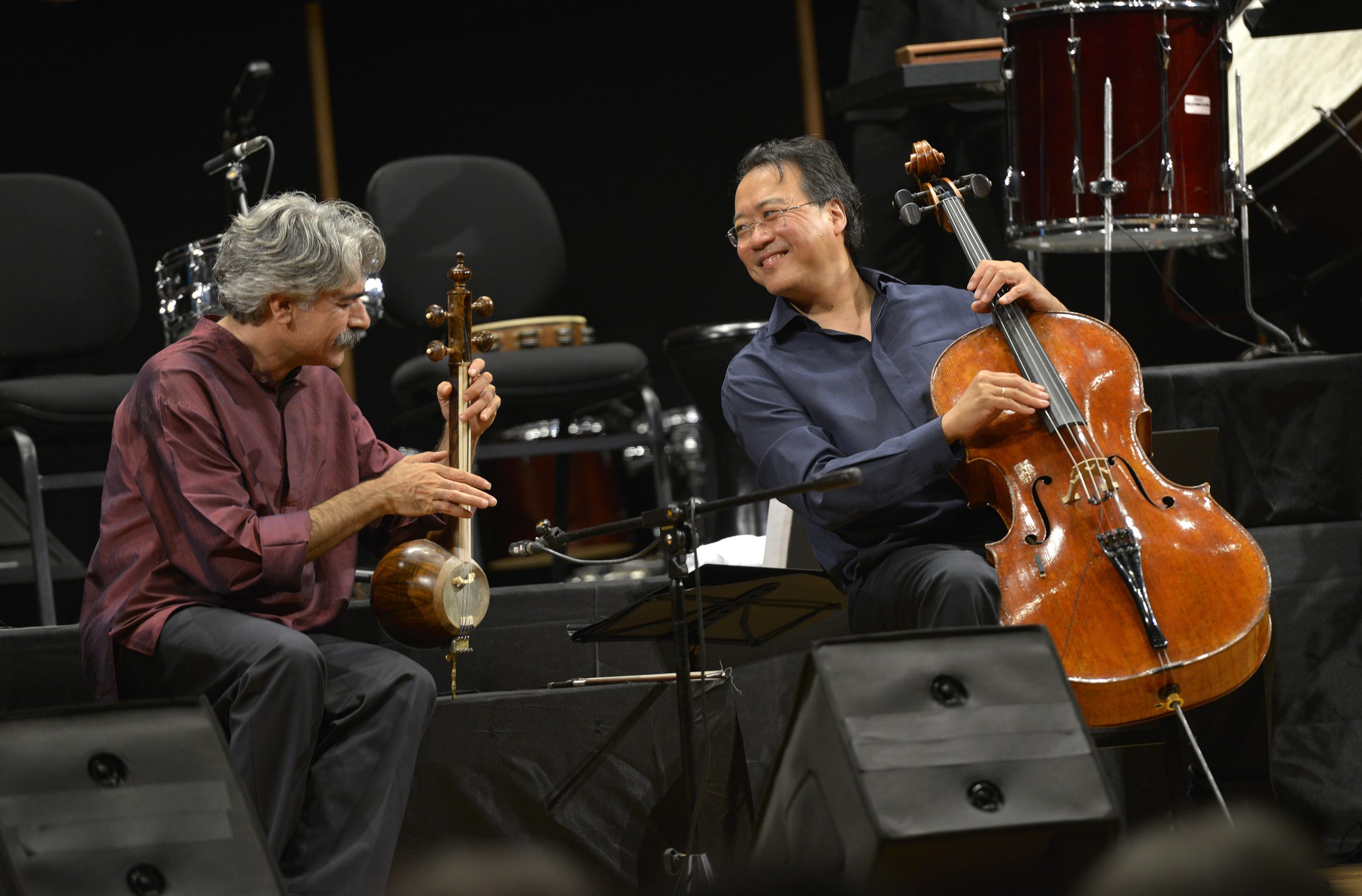
Lede photo: Kayhan Kalhor and Yo-Yo Ma. Photo by Aykut Usletekin, courtesy of International Izmir Festival

Broadband Download: A Ramble through Folk Alliance

Of the three big roots music conferences — World of Bluegrass, AmericanaFest, and Folk Alliance International — Folk Alliance demands the most mental musical bandwidth. More than 1,000 musicians were on hand in Kansas City, Missouri, between February 15 and 19, organizing themselves into more than 3,000 individual showcases, designated either “official” (jury-selected for the hotel meeting and ball rooms) or “private” (hosted by labels or other groups in the rooms and suites of the fifth through the seventh floor between 11 pm and about four in the morning).

Folk Alliance may have the biggest stylistic tent in the field, as well. It’s an explosion of variety-spanning established folk forms from around the world and some pretty heady fusion. The organization has wrestled in years past over musical orthodoxy and come out the other side as perhaps the most diverse and inclusive of the roots music frameworks, even if that comes with some trade-offs in careful curation. Still, there was more great music than one person could possibly hear, so I approached it with curiosity and excitement, as well as an inevitable sense of inadequacy to the task.

I checked one important Folk Alliance artist off my list before leaving for Folk Alliance by catching Austin fiddler/singer Phoebe Hunt and the Gatherers at Nashville’s Basement early in the week. She is back with a refreshed take on the bluegrass/gypsy jazz that distinguished her first band, the Belleville Outfit. Travels in India and study with an Indian violin master have injected a microtonal raga sensibility into her songs, which are arranged with great subtlety for a six-piece band.

Turning to Kansas City, I arrived too late for the Wednesday night awards show, where Bruce Cockburn accepted a People’s Voice Award from Kris Kristofferson and where Michael Kiwanuka, Sarah Jarosz, and Parker Millsap received (in absentia) “of the year” prizes for song, album, and artist, respectively. But Thursday evening, I plunged into FAI’s swift river of music.

Chicago’s wise and funny Susan Werner offered new songs inspired by a trip to Cuba. Nearby, Australian all-female quartet All Our Exes Live In Texas showed resourceful stagecraft, keeping the audience entertained during a PA outage. When the sound returned, they cooed with quirky chord changes and an urbane mix of accordion, mandolin, uke, and acoustic guitar. And Kayln Fay, a Cherokee country rocker from Tulsa, Oklahoma, led a band formed around understated drumming and washy steel guitar. Fay, an endearing singer, offered a lot to think about and closed her set with a brand new “protest song” that was actually more like a plea for better listening and more understanding.

From the Midwest to Coal Country I went, for a set by rising Appalachian star Sam Gleaves. So tall he almost bumped the ceiling in the Brookside Room, he had a boyish look, longish hair, and a sweet disposition. Performing with the support of duo Cathy Fink and Marcy Marxer, he bravely and bluntly sang about being a gay hillbilly from rural Kentucky. Folk hero Tom Paxton was in the audience and could be heard gushing post-performance.

Upstairs in the private showcase halls (the most poster-festooned place I’ve ever been), Music City’s Wild Ponies previewed new music from an upcoming album cut entirely in a rustic Tennessee farmhouse. Married couple Doug and Telisha Williams play guitar and bass, respectively. He’s got country power and she’s got a sort of brassy refinement. Their song “The Tower” about a mighty tree’s long lifespan just floored me. I wrapped the night with beautiful Spanish-language songs of lament and protest by Brooklyn’s Ani Cordero in the Bloodshot Records room.

Somebody took great care with the audio systems for the official showcases, from small to large. And, on Friday night in the main ballroom, Peter Bradley Adams and his tasteful three-piece band sounded like God’s hi-fi. It helps that the artist has a dreamy silk-and-sand voice and a penchant for Celtic folk-rock vibes blended wtih a modern pop feel. He was joined for a song or two by Caitlin Canty who followed his set with a moody folk-pop performance of her own. Her energetic and melodic debut album impressed me in 2015 and, based on this live impression, she ought to be a thing with anyone who ever loved Sheryl Crow or Alison Krauss.

Way up the elevator in the 20th floor club with fabulous views of downtown Kansas City, British rock ‘n’ roll cat Robyn Hitchcock showed off some of the solo acoustic sound he’s been cultivating during his recent years living in Nashville. He’s a finger-picking balladeer who’s been challenging the status quo for a long time, evidenced by his 1989 song “Queen Elvis” with its lyric “coming out’s the hardest part.” He told the crowd after singing that one, “I never dreamed we’d be dealing with the same old homophobic shit, 30 years later.”

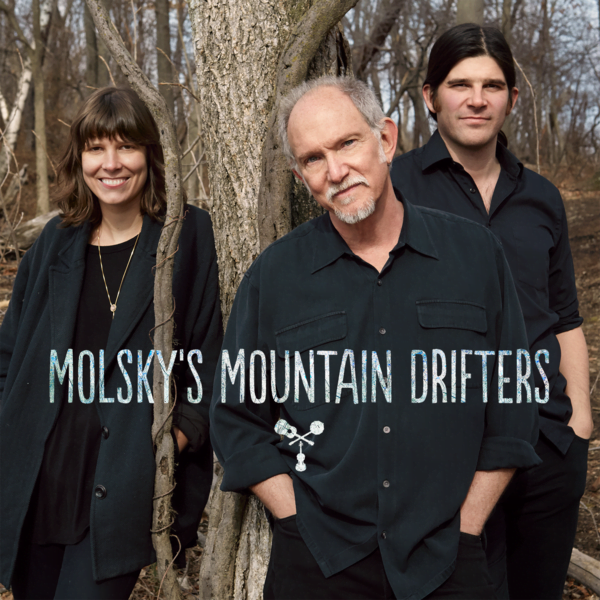
At Folk Alliance, one can almost, at any time, seek out and plunge into old-time sounds, and my urge toward same led me to Molsky’s Mountain Drifters, led by fiddling icon and educator Bruce Molsky. He adapted FAI keynote speaker Billy Bragg’s “Between the Wars” to an old-time dirge and excelled on the old mining song “Black Hills.” Rounding out the clockwork trio was brilliant clawhammer banjo picker Allison de Groot and flattop guitar player Stash Wyslouch, about whom there will be more to say later.

That segued right into one of the most refreshing sets I saw all week. Laura Cortese and the Dance Cards of Cambridge, Massachusetts, head-faked me into thinking they would be a swingy retro quartet, when in fact they’re out there on the searching edge of chamber folk and minimalist pulse grass. From the risk of opening with an emotional four-way harmony ballad to the serene beauty of “California Is Calling” (the title track to an upcoming album that’s been featured on the Bluegrass Situation), their close and complex harmonies and imaginative arrangements signified the best of folk right now.

It came as no surprise that John Fullbright was astounding in the big ballroom. “Where my Okies at?” he asked from the stage as part of his very funny banter. His songs peel the skin right off of the truth, which means sometimes revealing sweet fruit underneath and sometimes a painful scraping. “Social Skills” was blistering and self-effacing. “All the Time in the World” is a rambling, witty meditation with a hard country-blues backing. Fullbright’s remarkable harmonica solos would have been difficult for someone who wasn’t playing guitar at the same time, yet he was.

Upstairs, my favorite stumbles of the night led me to a sophisticated jazz/grass fusion set by Nashville’s Frazier Band, featuring a hip rhythm section with electric bass and keys. Leader John Frazier plays the fire out of the mandolin and sings with echoes of John Cowan, the voice of the New Grass Revival. And then I made my way with purpose to see the Lonesome Ace Stringband from Toronto. I became a fan of fiddler/singer John Showman when he led the defunct New Country Rehab. Now he’s focused on this exciting old-time band — one that surges and pulses with that perfect push-pull feeling. They covered “Hills of Mexico” and a surreal Mississippi John Hurt song, but also offered Showman’s original “Pretty Boy Floyd,” an alterative take on Woody Guthrie’s magisterial ballad.

On Saturday night, Showman took his fiddle downstairs and joined Nashville’s Matt Haeck on stage for a set of vibrant songs that included the uncomfortably true line “All the world’s watching America; America’s watching TV.” Later, Haeck lent a Marty Robbins vibe to a duo with the wonderful Tim Easton. Staying on in this room proved smart because William Prince brought his insightful and deeply traditional country songwriting from Winnepeg. He’s absolutely magnetic, with a burnished pewter voice that could stand up to Keith Whitley’s on the radio. Prince is baby-faced and almost uncannily kind and gentle, but his songs — while romantic — are not wimpy. “Little Things” was an insightful song about marriage. “Breathless” was similarly heart-piercing.

Nashville’s incredibly tiny old-time and bluegrass duo Giri and Uma Peters fired up a set featuring fiddles, banjo, and mandolin. The Indian-American siblings, who were inspired to pick up traditional music by the Goat Rodeo Sessions, have garnered a lot of attention for their youth (12 and 9 years old, respectively) and their cross-cultural journey. They’ll have to develop some more rhythmic suppleness and their voices will mature, but there’s a lot to celebrate and enjoy in their music today. File for the future.

He’s no secret in or out of Music City, but Anthony da Costa is an artist who is more than ready to be signed and take the world by storm. Playing textural electric guitar with a tidy bass and drum backing, he dazzled. His voice can float or penetrate. His songs can brush like a feather or hammer with power. He offered “Neighbors,” a favorite of mine. There are not many triple threats like this guy.

I should have found my way to the Colorado Room earlier in the week because that sky-high state has done as much to diversify and advance roots music as anywhere. And sure enough, there were the Railsplitters to validate my theory. I expected old-time, but heard and felt something like Crooked Still meeting Strength in Numbers. The coursing, melodic style banjo of Dusty Rider and the clean singing of Lauren Stovall framed the music, but the super lush harmonies (up to four parts) lifted it higher.

Even with all these bands, the staple of Folk Alliance is still the songwriting troubadour and I caught several excellent such artists in a row. Levi Parham from Tulsa brought his gravel voice and country blues finger-picking to the Oklahoma Room. Nashville’s Mary Bragg hit a tender spot and brought up Becky Warren, a co-writer, for some joyful fun. And Hope Dunbar from little Utica, Nebraska, caught me off guard with some incredible language and truth telling, including the mystical “We Want.” It’s these kinds of surprises in the after-midnight hours, when the endorphins of music ecstasy meet the endorphins of fatigue, that make Folk Alliance special.

Two newgrass offerings rounded out my final night, the first a shocking revelation.

Remember Stash Wyslouch who played old-timey guitar with Bruce Molsky? The Deadly Gentleman alum invited me to see his own Stash! Band and, holy hell, it was a whole brain experience. It’s Frank Zappa meets the Red Hot Chili Peppers at the Berklee College of Music. Stash and fiddler Duncan Wickel deadpanned their way through lightning fast, dissonant melodic figures like some Return to Forever fever dream. Yet there was also a flood of emotion from the leader as he vamped, pounded, jammed, and, somehow, rapped (in Portuguese?) too fast to be believed.

Stunned by this outer-reaches folk music, I sought the familiar for a nightcap in the form of Bay Area band turned Nashville-based Front Country. In the Alaska Room, with a stuffed bear looking on, Melody Walker led the crafty quintet in songs that will be coming out on an album later this year. Want to release this prize-winning band’s foray into what they’re calling roots pop? They’d love to talk to you.

In recent years, Folk Alliance has earned more affectionate buzz among musicians than any other conference. The official showcases sounded great and gave the artists room to stretch out. The private shows, as roulette-like as they can be for the wandering fan, offer the abundance and energetic intimacy that bluegrassers fondly remember from the Louisville days of IBMA. While a few rooms set up PA systems, most of them are as unmediated and acoustic as folk music was 100 years ago. Players play and sing. Listeners listen. There is a kind of unforced but focused attention that ennobles the music and those who make it. The “alliance” in Folk Alliance speaks to a collaborative business development mindset, but it gets just as well at the union between artist and audience. We are one.


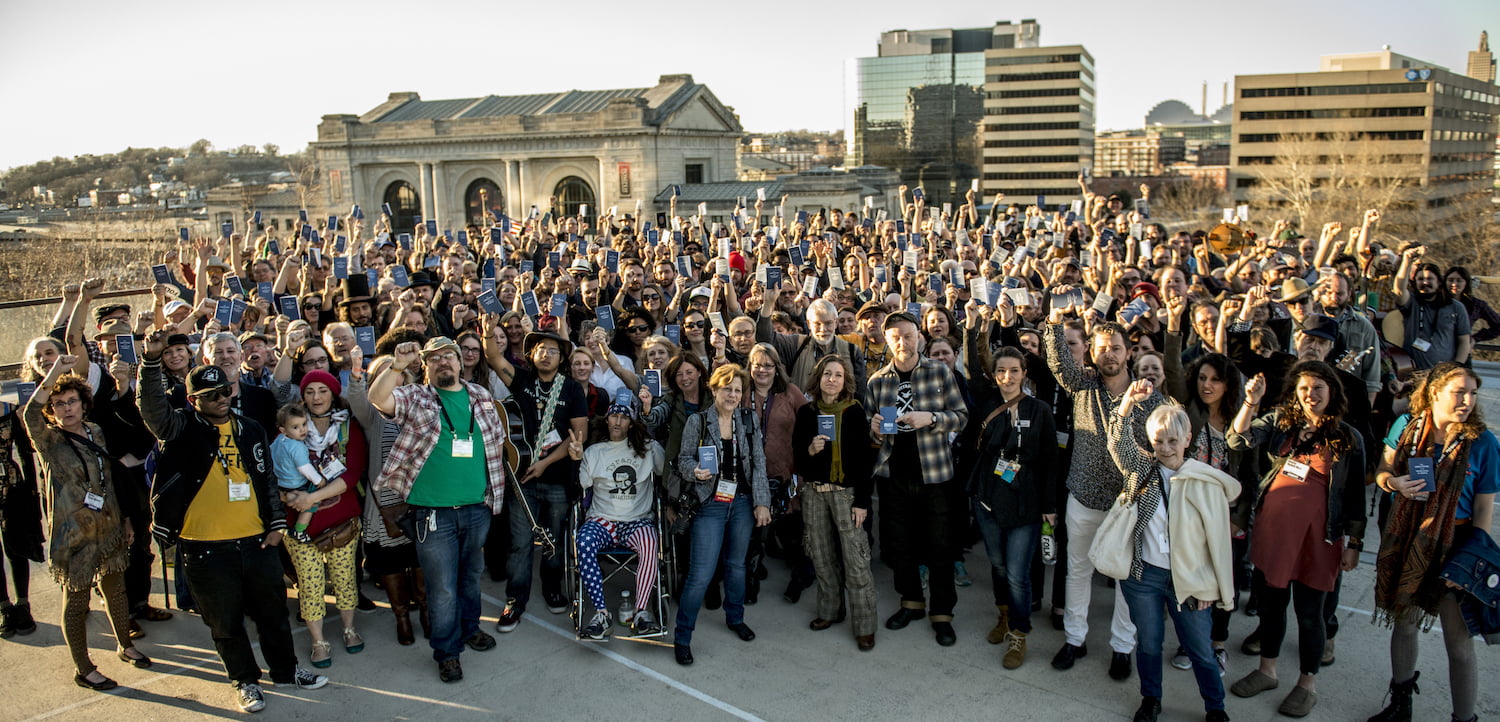
Lede image: On Saturday evening at Folk Alliance, several hundred conferees stood on the roof of the Westin Hotel at sunset where they held up pocket copies of the US Constitution provided by the American Civil Liberties Union and sang “We Shall Overcome.” Photo credit: Jayne Toohey

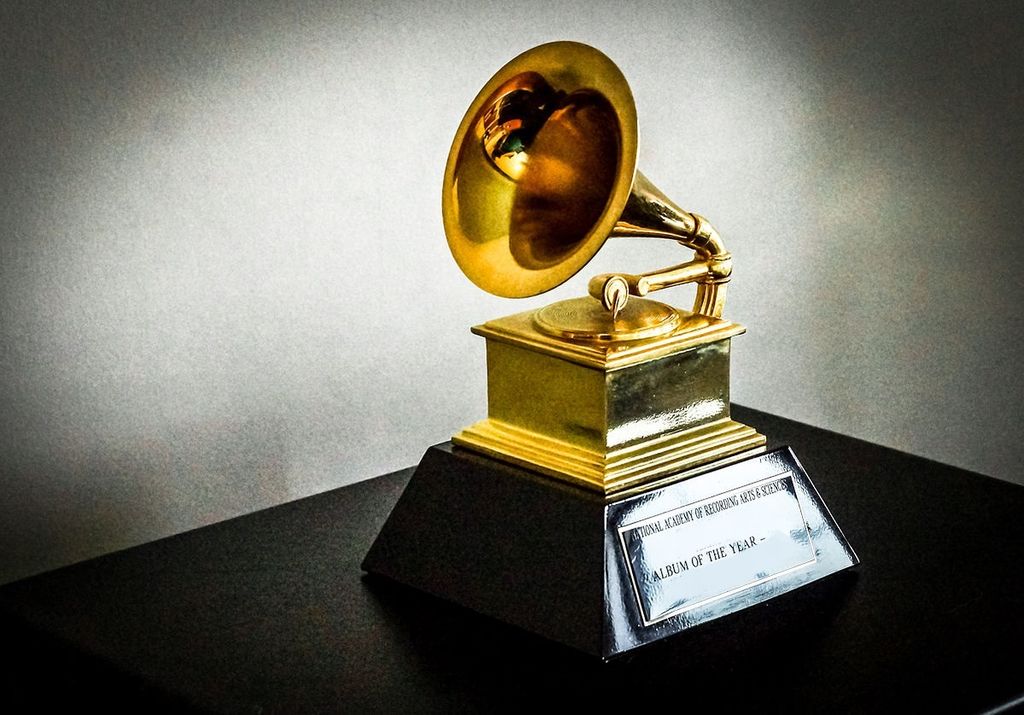
ANNOUNCING: 2017 Roots Music Grammy Nominations

Album of the Year:
25 — Adele
Lemonade — Beyoncé
Purpose — Justin Bieber
Views — Drake
A Sailor’s Guide to Earth — Sturgill Simpson

Best Contemporary Instrumental Album:
Human Nature — Herb Alpert
When You Wish Upon a Star — Bill Frisell
Way Back Home Live from Rochester, NY — Steve Gadd Band
Unspoken — Chuck Loeb
Culcha Vulcha — Snarky Puppy

Best Traditional R&B Performance:
“The Three of Me” — William Bell
“Woman’s World” — BJ The Chicago Kid
“Sleeping with the One I Love” — Fantasia
“Angel” — Lalah Hathaway
“Can’t Wait” — Jill Scott

Best Country Solo Performance:
“Love Can Go To Hell” — Brandy Clark
“Vice” — Miranda Lambert
“My Church” — Maren Morris
“Church Bells” — Carrie Underwood
“Blue Ain’t Your Color” — Keith Urban

Best Country Duo/Group Performance:
“Different for Girls” — Dierks Bentley Featuring Elle King
“21 Summer” — Brothers Osborne
“Setting the World on Fire” — Kenny Chesney & P!nk
“Jolene” — Pentatonix Featuring Dolly Parton
“Think of You” — Chris Young with Cassadee Pope

Best Country Song:
“Blue Ain’t Your Color” —  Clint Lagerberg, Hillary Lindsey & Steven Lee Olsen, songwriters (Keith Urban)
“Die a Happy Man” — Sean Douglas, Thomas Rhett & Joe Spargur, songwriters (Thomas Rhett)
“Humble and Kind” — Lori McKenna, songwriter (Tim McGraw)
“My Church” — busbee & Maren Morris, songwriters (Maren Morris)
“Vice” — Miranda Lambert, Shane McAnally & Josh Osborne, songwriters (Miranda Lambert)

Best Country Album:
Big Day In A Small Town — Brandy Clark
Full Circle — Loretta Lynn
Hero — Maren Morris
A Sailor’s Guide to Earth — Sturgill Simpson
Ripcord — Keith Urban

Best Roots Gospel Album:
Better Together —  Gaither Vocal Band
Nature’s Symphony In 432 — The Isaacs
Hymns — Joey+Rory
Hymns and Songs of Inspiration — Gordon Mote
God Don’t Never Change: The Songs of Blind Willie Johnson — (Various Artists)

Best American Roots Performance:
“Ain’t No Man” — The Avett Brothers
“Mother’s Children Have a Hard Time” — Blind Boys of Alabama
“Factory Girl” — Rhiannon Giddens
“House of Mercy” — Sarah Jarosz
“Wreck You” — Lori McKenna

Best American Roots Song:
“Alabama at Night” — Robbie Fulks
“City Lights” — Jack White
“Gulfstream” — Roddie Romero and the Hub City All-Stars
“Kid Sister” — The Time Jumpers
“Wreck You” — Lori McKenna

Best Americana Album:
True Sadness — The Avett Brothers
This Is Where I Live — William Bell
The Cedar Creek Sessions — Kris Kristofferson
The Bird & the Rifle — Lori McKenna
Kid Sister — The Time Jumpers

Best Bluegrass Album:
Original Traditional — Blue Highway
Burden Bearer — Doyle Lawson & Quicksilver
The Hazel and Alice Sessions — Laurie Lewis & the Right Hands
North by South — Claire Lynch
Coming Home — O’Connor Band with Mark O’Connor

Best Traditional Blues Album:
Can’t Shake This Feeling — Lurrie Bell
Live at the Greek Theatre — Joe Bonamassa
Blues & Ballads — Luther Dickinson
The Soul of Jimmie Rodgers — Vasti Jackson
Porcupine Meat — Bobby Rush

Best Contemporary Blues Album:
The Last Days of Oakland — Fantastic Negrito
Love Wins Again — Janiva Magness
Bloodline — Kenny Neal
Give It Back to You — The Record Company
Everybody Wants a Piece — Joe Louis Walker

Best Folk Album:
Silver Skies Blue — Judy Collins & Ari Hest
Upland Stories — Robbie Fulks
Factory Girl — Rhiannon Giddens
Weighted Mind — Sierra Hull
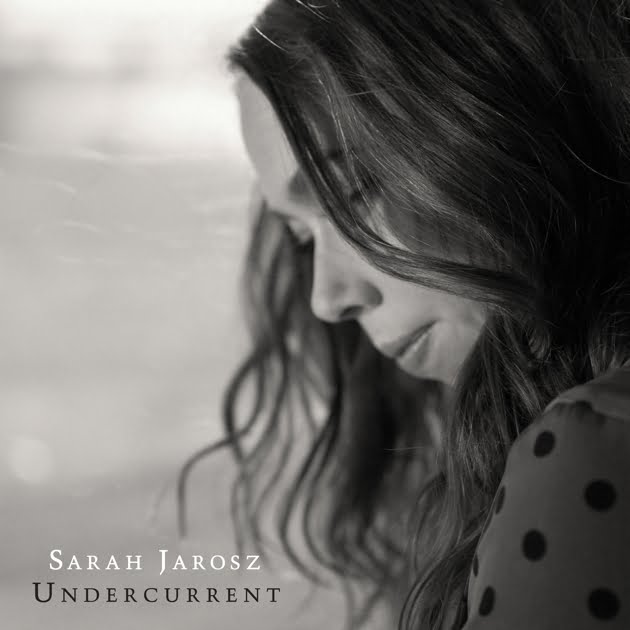
Undercurrent — Sarah Jarosz

Best Regional Roots Music Album:
Broken Promised Land — Barry Jean Ancelet & Sam Broussard
It’s a Cree Thing — Northern Cree
E Walea —  Kalani Pe’a
Gulfstream — Roddie Romero and the Hub City All-Stars
I Wanna Sing Right: Rediscovering Lomax in the Evangeline Country — (Various Artists)

STREAM: Molsky’s Mountain Drifters, ‘Molsky’s Mountain Drifters’

Artist: Molsky’s Mountain Drifters
Hometown: Boston, MA and Beacon, NY
Album: Molsky’s Mountain Drifters
Release Date: September 9
Label: Frog Tree Music

In Their Words: "Bruce Molsky has long been one of my musical heroes, and it is such a joy to hear him in this configuration with the Molsky Mountain Drifters, featuring two of my good friends — Stash Wyslouch and Allison de Groot — accompanying him seamlessly on guitar and banjo. Together, they are a force to be reckoned with and are creating some of the most soul-stirring music out there today. It's hard to believe they are a new trio since the sounds they create together instantly feel so at home. The effortlessness and ease with which Bruce plays and sings has always been something I've deeply admired, and that is only highlighted alongside Stash and Allison. It is a rarity to hear music that lacks ego and puts soulfulness and a respect for tradition at the forefront. Bruce is simply one of the greatest musicians there is, period." — Sarah Jarosz


Photo credit: Kate Orne

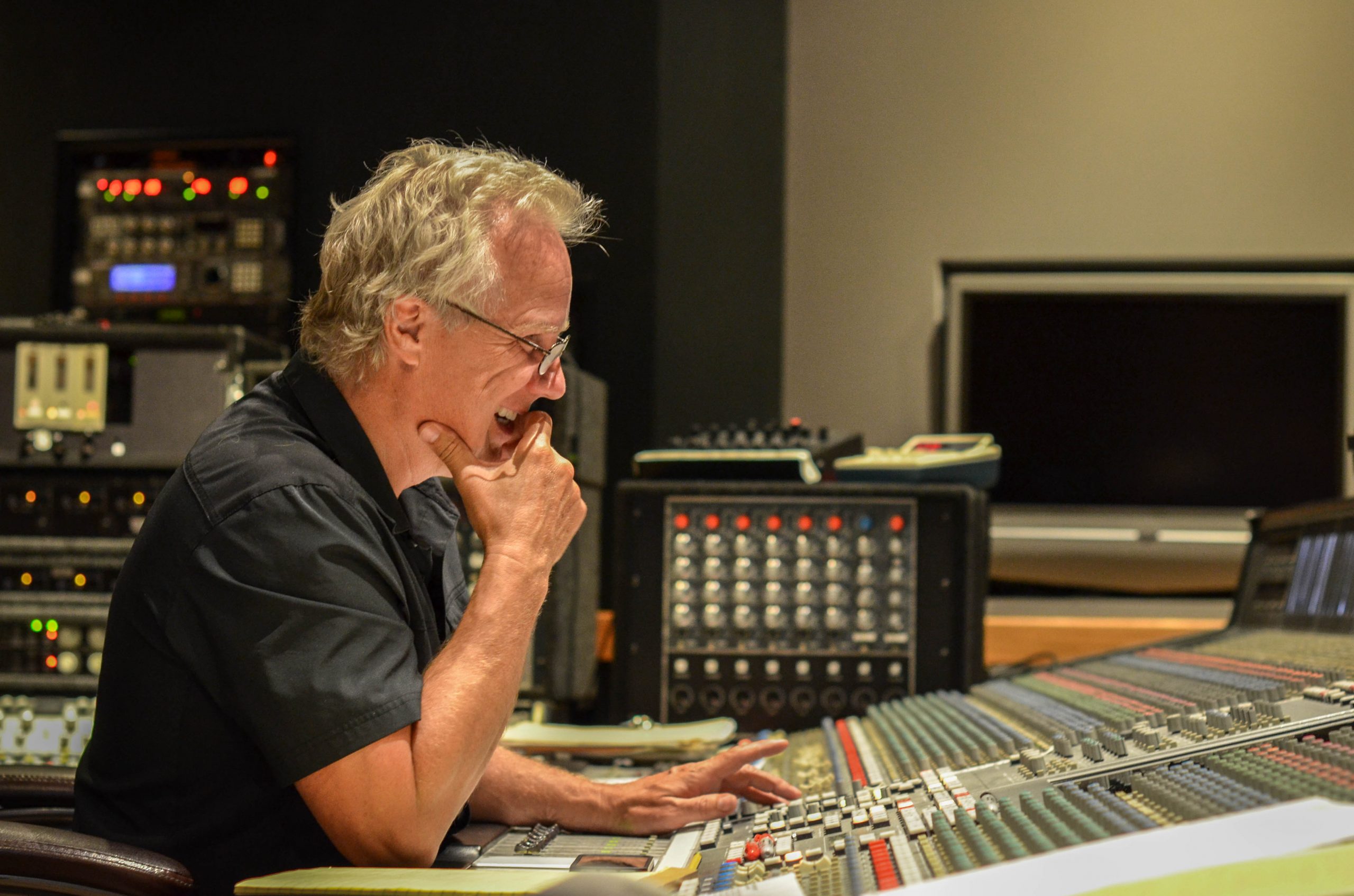
The Producers: Gary Paczosa

It’s almost a cliché to say, but Gary Paczosa wears many hats. He’s a producer who has helmed albums for an array of artists, most recently Sarah Jarosz’s Undercurrent and Parker Millsap’s The Very Last Day. He’s an engineer who has worked with many more artists. He’s an A&R rep for Sugar Hill Records, signing and developing others.

And if that’s not enough, he also runs something like a bed & breakfast at his home in Nashville, a kind of home-away-from-home for local musicians and traveling acts alike. That means cooking and cleaning, making beds, washing towels and linens, mixing cocktails, and even supplying the beer. “I brew my own beer,” he says, adding that, “I’ve got four on tap. Funny how important that’s become.”

Paczosa records most, if not all, of the albums he works on at his home studio, which means there are always musicians lurking around the house. “Even if they’re off making a record of their own with someone else, they’ll come by in the evening and we’ll hang out, talk about what they’re doing in their sessions and listen to what we’re doing in our sessions. It’s a unique situation, and I think the people who stay here really love it for that. It’s a lot of work, but it’s a good way to participate in what’s going on.”

Paczosa has slowly built this community up over long years in the business, playing multiple roles that allow him to work closely and repeatedly with artists representing several generations. A Colorado native and nephew of the country singer Michael Johnson, he started working as an engineer in the 1980s, eventually winning a Grammy in 2000 for producing Dolly Parton’s The Grass Is Blue. Since then, he has worked with some of the biggest names in the Americana field, including Joey + Rory, the Steep Canyon Rangers, Kathy Mattea, and the Lonesome Trio.

His range is considerable, but to each project, Paczosa brings a remarkable facility for emphasizing the interplay between so many instruments and instrumentalists, whether it’s a bluegrass outfit or a rock band. He can make even the biggest superstar sound like they’re tearing it up right in your living room. 

I wanted to start by asking about Sarah Jarosz’s new album, which has a much more minimal sound than her previous efforts. What kinds of conversations did you have with her before you went into the studio?

There were a lot of discussions that started about six months before we even went into the studio. She came through Nashville and played through 12 or so songs in the studio, and we talked about the direction she wanted to go. She knew she wanted to make a very minimalist record. I’m always pushing her to explore other instruments and other approaches, and in the past, we’ve managed to create some new textures combining different sounds. We really went back and forth, because I felt like I wanted to push her further than where we were on the last record, and I thought she was going backwards. In truth, we ended up somewhere right in between. There was a lot of debate about drums or no drums, and I even tried adding them to a few tracks. Actually, it was more just percussion that I was pushing for. In the end, though, she decided not to go that route. I think it serves the record really well, and what people are grabbing on to is the fact that that stuff isn’t there.

When you’re having that kind of disagreement, how do you know when to argue for something and when to back off?

In this case, we started working together when she was 16. This is our fourth record together so the point, first and foremost, is growth. I’m responsible on the A&R side of things to bring in a record we can sell, because that’s what we do at the label. We sell records. If the artist provides the right material, then we can go to radio and have a much better chance of success. We want to make sure we can further her career and bring people out to see her play live. The record is the main tool, so I argue for those elements that I think will help. It’s a tough place for me to be, because I never want to be seen as the label guy. I want to be seen as the collaborator in the studio. So I have to be there to make the best record for her. It’s Sarah’s name on the album cover, so it has to be her vision. It’s her record, so we just have to find something that makes us both happy. Ultimately, it really is up to her what the final product is.

It seems like you really have to balance these different roles, which could potentially have very different goals, or it could give you an interesting perspective.

It’s a perspective that’s really interesting today because it’s so hard to sell records. Sarah wants to be successful selling records. That’s one of the rewards of making a great album, but it’s certainly no indicator of what makes a great record. Sarah treats records as a whole collection, top to bottom, not just an iTunes project where we know people are going to only download their top three tracks or put one or two songs on a playlist. For her, it’s all about a complete musical statement.

In the studio, though, we treat everything song-by-song. That’s just how you have to work. But then you can look at the bigger picture once you get deep into the process and say, "We’ve got a lot of ballads here, so we definitely need some uptempo songs right here." You’re trying to balance it all out. As far as what you’re looking for at the record label, it’s just anything that might work at radio. Our formats are Americana and, hopefully, Triple A.

Can you tell me about recoding these songs — in particular, how you approached tracking the instruments on the record? That’s such an important aspect to so much of your work, that fine placement of instruments.

We definitely wanted as many live performances as we could get on the record. We didn’t want it to sound labored or worked over or overthought, so the point was just to get great live performances — and also to have the musicians play together, whenever possible. Sometimes that’s not always possible, but my favorite songs on this record are the ones that were performed live. Like “House of Mercy,” which was live on the floor with vocals and guitars and bass. It really makes that track special. You can hear that interplay between them. They’re not separated in the booths, but are sitting in the same room face-to-face. You always want that. You always want to get live performances, but I would say it’s possible only about 50 percent of the time. The musicians might not quite know it or they might need more time to get the guitar part down so they can focus on the vocals.

That seems to be the approach you took with Parker Millsap’s record, which sounds very different but plays up that same dynamic.

That record was very similar in that we wanted live performances. I always admire records that do sound live. There are a lot of rough edges and stuff that might be out of tune or out of time, and they don’t fix it. I’ve spent so many years fixing that stuff and trying to make everything maybe not perfect, but close to it. Parker’s record was really fun, because we stuck to the plan to stay live with everybody in the room together.

Part of the process of producing records is one, casting musicians, and two, setting up where you’re going to record. Sarah’s always at my house because she’s comfortable in my studio there. It feels like home to her. We’ve talked about going different places, maybe out of time, but she says it’s home to her, so we just do it here.

But for Parker, we talked about going to Echo Mountain in North Carolina. There was also a studio in Texas, but when I mentioned Lousiana and Lafayette, Parker jumped at that. He’s from Oklahoma, and it just felt like a natural place where we could bring these songs to life. Where we were played into how that record came out — not only because of the studio, but because of the food and the people and the culture around Lafayette. I definitely hear that.

Do you always leave it up to the artist to decide where you go, or do you have any say?

Honestly, it’s usually about the budget. If there’s room in the budget to go somewhere else, I’ll suggest some good places to record, like Echo Mountain. With Sarah, I suggested a few places because we’d already done three records at my place and I thought we needed to change things up. But when I heard the songs she was bringing in and realized it was going to be a bit more sparse, I thought about it and agreed with her that we should stay here. But you have to make sure you’re taking someone somewhere they’re going to feel at home. If you end up going to a place that doesn’t fit an artist, it just won’t work out.

I would imagine that would keep things fresh for you and keep you from getting into too much of a routine in the same space all the time.

Very much so. That is a big part of my reasoning in going elsewhere: I want to be pushed and I want to be stretched. New spaces inspire new ideas. I co-engineered these records with Shani Gandhi, who I’ve worked with for three years now. She really pushes me to try different things. I have a couple of approaches on every instrument that work for me, that are my go-tos. But the point is to try to come at it from another angle. On both of these records, Shani was great at pushing me and coming up with ideas of her own. Co-engineering is fairly new to me, but I’m trying to give her more latitude to pitch sound and production ideas. She was a big part of both of these records. She comes out of a rock world, where she was working with a metal producer. And she’s Australian and has very different musical tastes than I do, so even though we’re in this acoustic world, there’s a lot of what she learned elsewhere that we apply to this. She doesn’t always know the different musicians that I’m talking about — and she might not always know the band we’re referring to — but she’s coming at it from the outside and, therefore, brings a very different take.

How did you get started in this field?

Even when I was a young kid, I knew that music was going to be a big part of my life. I took music lessons and worked hard at that for a while, but it just wasn’t a natural fit. I loved music, especially Pink Floyd and Emerson Lake and Palmer records, which just sounded beautiful. They were layered with amazing textures, so I would listen and try to figure out how they created them. I went to a couple of different schools for engineering, then moved to Nashville and ended up working with Dolly Parton and Alison Krauss. In the beginning, it was a lot of country records, some Christian stuff, some rock, but then a record came through our studio called Strength in Numbers. It was Jerry Douglas, Sam Bush, Béla Fleck, Mark O’Connor, and Edgar Meyer. I spent two weeks working on that just as an engineer, but that’s the first time it really clicked for me. This is what I wanted to do. This is what I wanted to be a part of. So I gravitated toward those types of projects, using gear that was suited for acoustic music. I’m pretty lucky, because it’s been an amazing career making records that I would actually go out and buy.

How have things changed during that time?

Funnily enough, I would say the biggest difference is that I’m alone in the studio. Twenty years ago, we were recording to tape, and you couldn’t save a lot of options. You have to work a lot harder with a band or, if you’re doing overdubs with the singer, you’ve got to really work hard to get things exactly the way you want them. You can’t just do take after take. Nowadays, when you have a workstation, you can keep every take and pretty much make anything happen, any kind of performance. If I have enough versions of a take, I can move things around and piece it all together in a way that makes for a great performance. I don’t necessarily think that’s better or worse, but I do miss the days when you worked harder on takes and you couldn’t manipulate it the way you can today. So now I spend a lot more time in the studio by myself.

Plus, 20 years ago, it always seemed like you were in a studio with other rooms around you, multiple studios in the same building, so the camaraderie informed what you were working on. You’d bump into people and invite them to come over and play on your record. So today, on the plus side, I work at a studio in my house, and the bands I work with just stay there, along with other musicians who are traveling through town. Parker might stop by and cut a song with Sarah. The house is full all the time with people passing through.

You seem to have reached a good balance between the technical and artistic aspects of the job.

It’s a good balance for me because I work with the right artists. I’m a producer now more by default — partly because of smaller budgets and partly because I have a home studio. But I don’t really see myself as a producer, certainly not first and foremost. I’m an engineer first and a producer second. I work with the artists more in a collaborative capacity. It’s never just my vision. It’s harder to balance that with my A&R responsibilities, but the label is very forgiving when I’m working on an album. They allow me to be away and not be chained to a desk. I’d much rather be chained to the console.


Photo courtesy of Gary Paczosa
Get Off Your Ass: July Won’t Wait Forever

Sarah Jarosz & Sara Watkins // Hollywood Bowl // July 1

The Dustbowl Revival // Levitt Pavilion // July 2

Joe Pug // Echo // July 7

Lyle Lovett & Emmylou Harris // Greek Theatre // July 10

Chris Thile // The Theatre at Ace Hotel // July 20

Dixie Chicks // Irvine Meadows // July 20

Hayes Carll & Luke Bell // Teragram Ballroom // July 21

Billy Strings // Levitt Pavilion // July 22

Jim Lauderdale // McCabe's Guitar Shop // July 24

Joseph // Fig at 7th // July 29

Buckwheat Zydeco // The Mint // July 30

Honeyhoney // The Troubadour // July 30

Marcus Blacke // The Basement // July 1

Mary Gauthier // The Bluebird Café // July 2

Brandy Clark // Riverfront Park // July 3

Robert Ellis // 3rd & Lindsley // July 3

Sheryl Crow, Ruby Amanfu, & Andrew Combs // Ascend Amphitheater/Riverfront Park // July 4

Chris Stapleton // Nissan Stadium // July 9

Leon Russell // City Winery // July 10

Andrew Leahey & the Homestead // The 5 Spot // July 12

Gary Clark, Jr. // Ascend Amphitheater // July 16

Sam Lewis // Acme Feed & Seed // July 16

Sarah Jarosz // Station Inn // July 21

John Moreland // The Basement East // July 29

Colvin & Earle // 92nd Street Y // July 13

Drive-By Truckers // Brookfield Place // July 13

Ray Wylie Hubbard // Hill Country Barbecue // July 13

Earls of Leicester // City Winery // July 14

Deer Tick, Margo Price, & Anais Mitchell // Hudson RiverStage // July 16

The Wood Brothers & Hiss Golden Messenger // Prospect Park Bandshell // July 16

Buddy Guy // Theater at Madison Square Garden // July 20

Ryan Adams // Central Park // July 20

Alabama Shakes // Randall's Island // July 22

The Wild Reeds // Union Pool // July 23

The Cactus Blossoms // Rough Trade // July 26

case/lang/veirs // Prospect Park Bandshell // July 26

Sarah Jarosz, ‘Everything to Hide’

There's something about Sarah Jarosz that gives the impression that she could — and might — make any or every kind of music known to man. Though a prodigy on the banjo and mandolin, she treats her instruments with the mastery of both a studied, careful hand and what seems to be an infinite amount of natural talent: Together, they are a most precious weapon that she uses to create an atmosphere filled with smoke and mystery on her fourth album, Undercurrent, never resting on her proficiency to showboat away. People who have studied at the New England Conservatory of Music, been nominated for a Grammy, and snagged a record deal at the age of 16 might fall into the trap of wanting to prove how deserving they are of those credentials, but not Jarosz. There is a calm control over her sonic world, a way of treating roots music with a slick sophistication that it so sorely deserves.

On "Everything to Hide," a stark and ethereal track that features Jarosz's vocals and picking alone, nothing is lost in what is near deceptive simplicity: Where some might load a moment like this with orchestral embellishments or punches of percussion, she tells the story with the fewest tools, yet the most power. She virulently pushes and pulls with each note, like the dangerous romance that sits at the backdrop of the song. "When I'm with you baby, we've got everything to hide," she sings, burying those secrets in the music — if we listen carefully enough, they're all ours to discover.

The Natural Course of Things: A Conversation with the Infamous Stringdusters

What do you get when you cross a bunch of roots-minded female singers with a bunch of bluegrass-adjacent male musicians? Why Ladies & Gentlemen, of course the new release from the Infamous Stringdusters which features appearances by Joan Osborne, Lee Ann Womack, Mary-Chapin Carpenter, Abigail Washburn, and eight more of the finest voices roots music has to offer. It's the sixth record in nine years for the band — which is comprised of co-founders Chris Pandolfi (banjo) and Andy Hall (dobro), along with Andy Falco (guitar), Jeremy Garrett (fiddle), and Travis Book (bass) — and it showcases why the Stringdusters are considered one of the most innovative groups currently on the circuit.

First off, kudos on some great guests. [Joan] Osborne and [Lee Ann] Womack are two of my all-time favorite voices. So, did you guys just put a bunch of singers' names on a dart board and start throwing? How'd you figure out who you wanted?

Chris Pandolfi: The concept for this thing was two-fold: On the one hand, we wanted to do something different, as far as an album goes, just to mix it up. But a big part of it was also that we had made a lot of great friends along the way and we thought, “Who could we utilize, in terms of special guests?” And this concept evolved out of that — “What if we call on some of these awesome lady singers that we've met over the years?”

As the process started, the list was mainly comprised of people who were more in our community, in our musical scene. But, then, of course, some of those names were not, necessarily, people that we knew before the advent of this project — like Joan Osborne. The list was a combination of the two and, as the material evolved and we were getting a feel for the aesthetic of these different songs, we just did the best we could. Once the list was close to what we thought it would be and we got some confirmations from people, we — along with our producer — just did our best to match up what songs we thought would be best for each lady.

To me, that's one of the awesome successes of this album: It really uses these artists, I think, in a context that works for them. Look at the Joss Stone track or the Lee Ann Womack track … or Celia Woodsmith, who had the perfect voice for that song. All the ladies, in their own ways, brought their thing to the project and I think, in the process, they helped us take these songs and make them something that we couldn't have necessarily done on our own. They helped us make the most of all these unique and different sounds and styles that they have. It really came together that way. Certain people weren't able to do it, and the list filled out from there. But where we ended up, as far as the guests and what songs they were on, I think that's one of the cool successes of the album. The song “Have a Little Faith” was actually written for Joss Stone, with her in mind. I know that.

I was going to ask … considering that the span does run from Joss Stone to Sarah Jarosz, which came first — the singers or the songs? Did you write for specific voices or was that the only one?

Andy Hall: Yes, I believe so. Aside from that, we all write individually or co-write or whatever and bring songs to the band. So we all had songs, individually, that we were ready to bring to the next project. But I think that was the only one that was written for the singer. In other instances, say for Aoife O'Donovan, hearing that song “Run to Heaven,” it sort of reminded us of Crooked Still, just the way that sounded. In that instance, that became clear that would work that way. Each song just triggered a little something … an idea. That was one of the fun, creative parts — who would sound good on what song.

So how'd you figure out that Joss likes a little bluegrass in her soul?

AH: [Laughs] Andy Falco was hired to play in her band for a Rock in Rio festival a number of years ago. That's how that connection came about. Our connection with Joss was one of the things that inspired this record because Joss came to the States, and we opened up for her in Kansas City. She wanted to do a video of us and her playing together, during the day. She sang our song “Fork in the Road” with us backing her up for this video project she was doing, and it just sounded so cool. That was one of the sparks for this project. But that's also how that connection came about.

Interesting. Who was the first to say yes? And who was the biggest long-shot you can't believe you landed?

CP: Hmmm … Who was the first to say yes?

AH: The first person who recorded with us was, I believe, Jen Hartswick who didn't sing, but played trumpet on a number of songs. Then Mary-Chapin Carpenter was the first vocalist to put her track down. She was in Nashville while we were tracking. But, as far as asking, I don't remember.

How free were the reins when it came time to let them do their thing? Was it, “Have at it, gals!”

CP: Our producer was on hand for every session, I think, except for one or two. He did a really great job with this project — Chris Goldsmith — just in terms of staying true to his vision, which a lot of it was sonic, and he got a really cool, consistent sound across the record, although there is a real variety of styles there. I think that vision extended into how these songs would sound best. But, then again, there were cases — Joss is a great example … that track, by design, was made to let her do her thing which is to cut loose and almost improvise a lot of the phrasing. In cases where that would make the music come to life, that's what happened. In other cases, probably Goldsmith had a clearer vision of how it was supposed to sound. To some extent, every song was about letting these ladies do their thing.

The Sara Watkins track jumps to mind. She has such a compelling vocal on there and it's all because she does her thing. There's a moment where she really goes for it, and she's such an awesome singer and performer that the idea of getting her to do her thing, that's the whole point. So, to some extent, I think that was going on with everyone.

Obviously, all the guest vocalists aren't on the road with you, so how are you touring this record?

AH: We have Nicki Bluhm on the road with us for this whole tour and she is really helping. She's singing a lot of the Ladies & Gentleman songs that we do. Sometimes we'll do a few just on our own, but Nicki's on every show for the whole Spring tour so she's singing a lot of it. We also had Della Mae opening for it on a bunch of it, and Celia Woodsmith would come up and sing her song.

It's amazing how you cross paths with musicians on the road and that's, initially, how we made a lot of these contacts. We ran into Aoife O'Donovan — she was in L.A. when we were there recently, so she came and sang with us, and did a Jam in the Van session with us. We've designed part of the tour to have female bands supporting us, so we have Paper Bird coming out to open some shows and, hopefully, they're going to be able to help share some of the vocal duties. We have a lot of guests, but Nicki is anchoring all that.

More broadly speaking, you guys are very invested in being innovators within “bluegrass.” That's often a very subtle thing, though, right? So break it down … what are some of the things you guys do to open it up a bit and set yourselves apart while still honoring the traditions?

CP: One big thing that we're really focused on, consciously, is playing our own original music. The process of crafting original music is the thing that, simultaneously, helps us develop our sound as a band. We have a lot of co-writing going on, but mostly we arrange the music together. And we just try to figure out new ways to make all these instruments go together and distill all the different styles and influences into one sound that makes sense. We're pretty conscious about that.

We're really conscious about our live show. We're pretty committed to making the live experience really different every night. Of course, we're not the first band to ever do that, but we just try really hard to do our own version of that. And our fan base has come to expect a lot of variation and innovation, as far as on a night-to-night basis. They expect to see something different, and we're playing almost three hours a night, so we have to mix it up for our own sakes, too. Those are two big ones: playing our own stuff and focusing on having that live show be something that is really predicated on being different every night.

AH: One thing, specifically, that I know we've worked on a lot in the past few years is that we don't have a mandolin, which a lot of bluegrass-type bands have. The mandolin is a key rhythmic thing. Since we don't have that, we've had to get really creative with how we play rhythm and play rhythms that are not, say, bluegrass. Like on the Ladies & Gentlemen record, there are a lot of songs that don't have a traditional bluegrass beat. We've consciously spent a lot of time developing unique ways to play our instruments that you wouldn't necessarily expect or hear in other string band contexts. Myself being a dobro player, I take a lot of the rhythmic responsibilities, which is not a common thing. Not having a mandolin, we've had to get somewhat innovative with how we create rhythm and play grooves that aren't necessarily bluegrass. To me, that's something unique that we do.

It seems like there has to be a lot of trust between the band and the fans. You have to trust that they're going to follow you wherever you go, musically. And they have to trust that you're not going to do some crazy, way out of left field thing. Do you ever worry about splitting the difference in such a way that you isolate them … or any part of them?

AH: Well, yeah. The scene of traditional bluegrass and, say, the broader music scene that we're playing more in now, there is quite a difference there. We've chosen to be part of a music scene that is broader, where we play in festivals that are not just bluegrass festivals. I think, in that context, it's not quite as strange to have music that is slightly more creative, record to record. A lot of the fans we're appealing to are a little more used to that. But this is the first time we've ever done a record like this that is a very different, specific vision. Sure, you certainly wonder, “What are people going to think?” [Laughs]

CP: And we have, over the course of our career, definitely alienated people. That's part of the natural course of things. What we do is our thing. We decide where the music goes. That's one of the cool upsides of not being in what most people would perceive as a more popular style of music: You're not really beholden to any record label or anything like that. In the grassroots scene, there is some idea that your fans are going to follow you wherever you will go. Obviously, there's an extreme there and there are anomalies to that rule. But, for the most part, we're lucky: We have these great fans who want to check out all the different voices.

I have a side project that involves electronic elements and it's clearly not for the hardcore bluegrass people of the world. But there are plenty of people in our fan base who, though they don't listen to anything like that, they are excited for that to be their introduction to this musical world. I think that's a good glimpse into the way they think. They're like, “We love this band. We want to see what they're going to do. If this particular thing is not my cup of tea, then there's always going to be another album that comes out.” I think they are getting used to the fact that there are a lot of variations between projects and between songs and the live show, so it's almost part of the whole thing. So, for me, I'm not ever too worried that they're not going to dig it. As long as we make music that we believe in, I think our fans will get behind it.


Photo credit: McCormick Photos & Design, LLC