Never Be Lonesome: The Bluegrass Inclusion Movement Sweeps Raleigh

Well after midnight on Thursday at World of Bluegrass in Raleigh, North Carolina, Molly Tuttle and her quartet took the stage of the Lincoln Theater for a surprise show. The room quivered with anticipation because, a few hours before, Tuttle had been named the IBMA Guitar Player of the Year — the first woman to ever be nominated for the prize.

Women have won in the instrumental categories of banjo, bass, fiddle, and mandolin (Sierra Hull earned her second trophy on the same September night). But lead guitar felt like a bluegrass Rubicon. Weighing against Tuttle, and fellow feminine flatpickers like Courtney Hartman and Rebecca Frazier, are decades of societal coding of guitar in rock ‘n’ roll as a phallic proxy for masculine sexuality. But even beyond that, the bluegrass world, as good as it’s been cultivating its youth, has strongly suggested that girls coming of age should play rhythm and sing. Playing machine gun solos a la Tony Rice or daredevil cross-picking like David Grier seemed anathema for way too long. Where there reasons for this? Anything physical, emotional, or intellectual? Uh, no.

Tuttle’s win coincided with a few other signifiers of progress in the long slog toward full inclusion for women in the music. Hazel Dickens and Alice Gerrard were inducted last week (belatedly) into the Bluegrass Hall of Fame. A smart display in the foyer of the Raleigh Convention Center depicted the history of women in bluegrass, from Sally Ann Forrester to Alison Krauss and the abundant riches of today’s scene.

Feminism was bluegrass music’s first go at civil rights and inclusion, and it took a long, grinding time to arrive at something resembling parity in the modern world. As Murphy Hicks Henry points out in her 2013 book, Pretty Good for a Girl: Women In Bluegrass, one early scholarly work on the genre literally defined the bluegrass band as “four to seven male musicians (Henry’s emphasis) who play non-electrified stringed instruments.” And that was after Bessie Lee Mauldin played bass for Bill Monroe for eight years. Henry’s definitive history set out, she wrote, “to lay that tired myth of bluegrass being ‘man’s music’ to rest. Bluegrass was and is no more ‘man’s music’ than country music was ‘man’s music,’ than jazz was ‘man’s music,’ than this globe is a ‘man’s world.’”

Carry that to its logical and uproariously banal conclusion, and one might dare to propose that bluegrass is everybody’s music. And, in fact, that premise is being put to the test nationally, including in the hothouse environment of IBMA. The most pressing issue and exciting conversations at World of Bluegrass 2017 were about inclusion and diversity in a genre that has, for decades, presented an almost uniformly white, straight, Christian face to the world. Ain’t nothing wrong with any of those things. I’m two of them and love many who are all three. But that is clearly not everybody, and it would be cool if LGBTQ+ people and people of color could, you know, skip ahead to the good part without the decades of hand-wringing and foot dragging that women endured. Hazel & Alice didn’t go the distance for themselves alone or for women alone, after all. They bid the stranger, per the Carter Family, to “put your lovin’ hand in mine.” They sang for the marginalized, all of them.
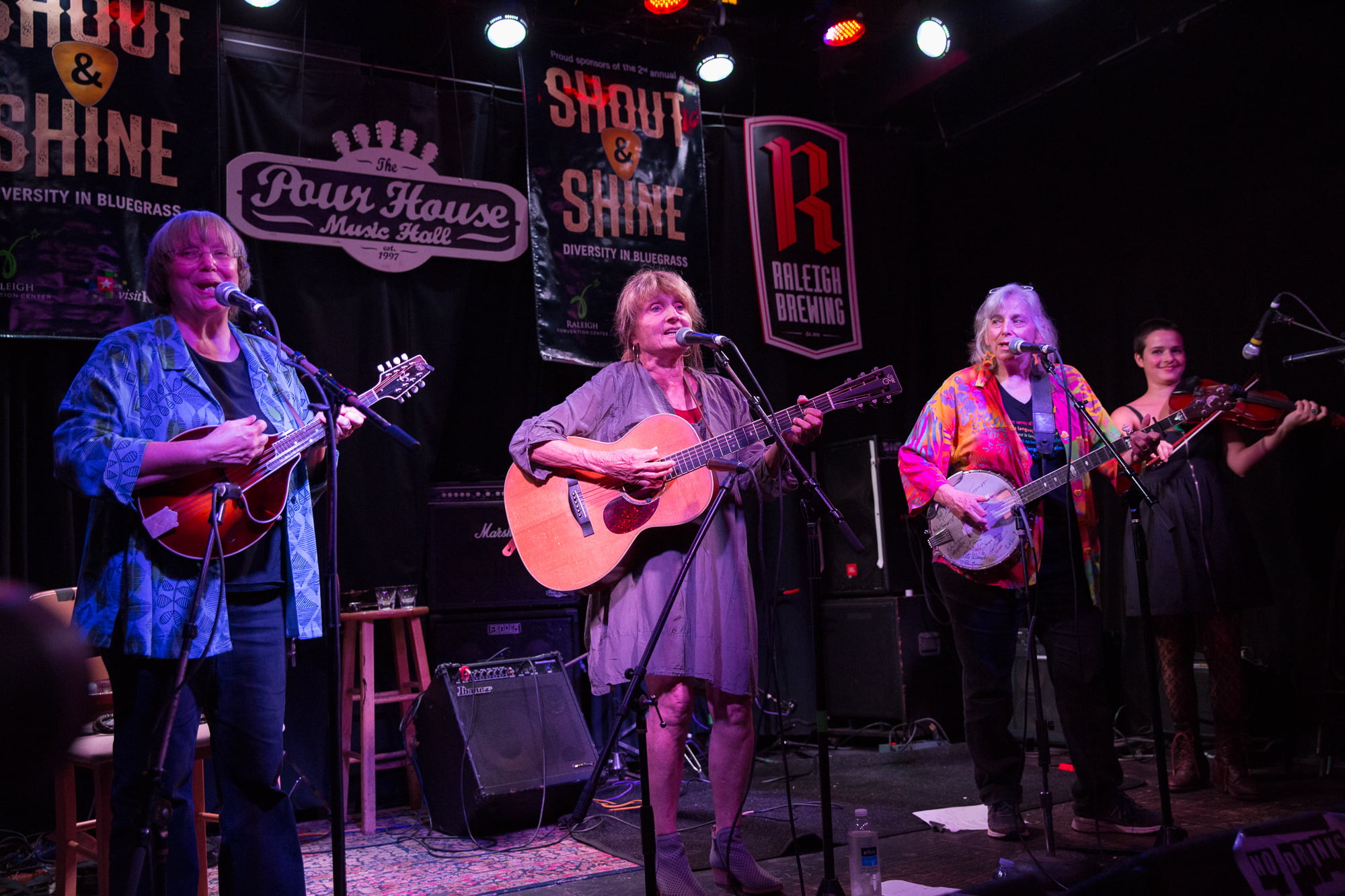
Alice Gerrard, flanked by Cathy Fink and Marcy Marxer, at Shout & Shine

Over the past 12 months, the inclusion movement has been on a forward roll. The most talked about event at the 2016 IBMA convention was the semi-sanctioned, upstart Shout & Shine diversity showcase, with musicians who were Black, brown, and queer throwing down on banjos and fiddles. If any one thing put a new face on bluegrass music in modern times, it was this. Organizer Justin Hiltner (the BGS’s social media director) stepped up in a leadership role, not only by example as an openly gay banjo-playing dude from Nashville, but by challenging the IBMA institutionally and professionally to be explicitly and publicly inclusive, or risk leaving new generations of potential members uninterested.

Minor controversy broke out last spring when members of the California Bluegrass Association sponsored a float in the June San Francisco Pride Parade. A thread on the association’s forum is full of respectful conversation and overwhelming support for putting a float with a live bluegrass band in one of the Bay Area’s biggest public gatherings. While there seem to be no reports of outright hostile homophobia, a minority of the membership took the more oblique path of objecting to their music and association being tied to “religion and politics.” One fellow wrote, “I see the gay pride parade as a promotional event for the gay lifestyle and the in-your-face display of that lifestyle.”

The CBA contingent went ahead, of course, and besides having a triumphant day, the float went on to win the SF Pride Best of the Best Overall Award, the highest honor for Pride participants. In the end, a small handful of people resigned from the CBA, but even more appear to have joined. And Bluegrass Pride’s rainbow forward t-shirts and buttons became the hot thing to wear at Raleigh’s World of Bluegrass.

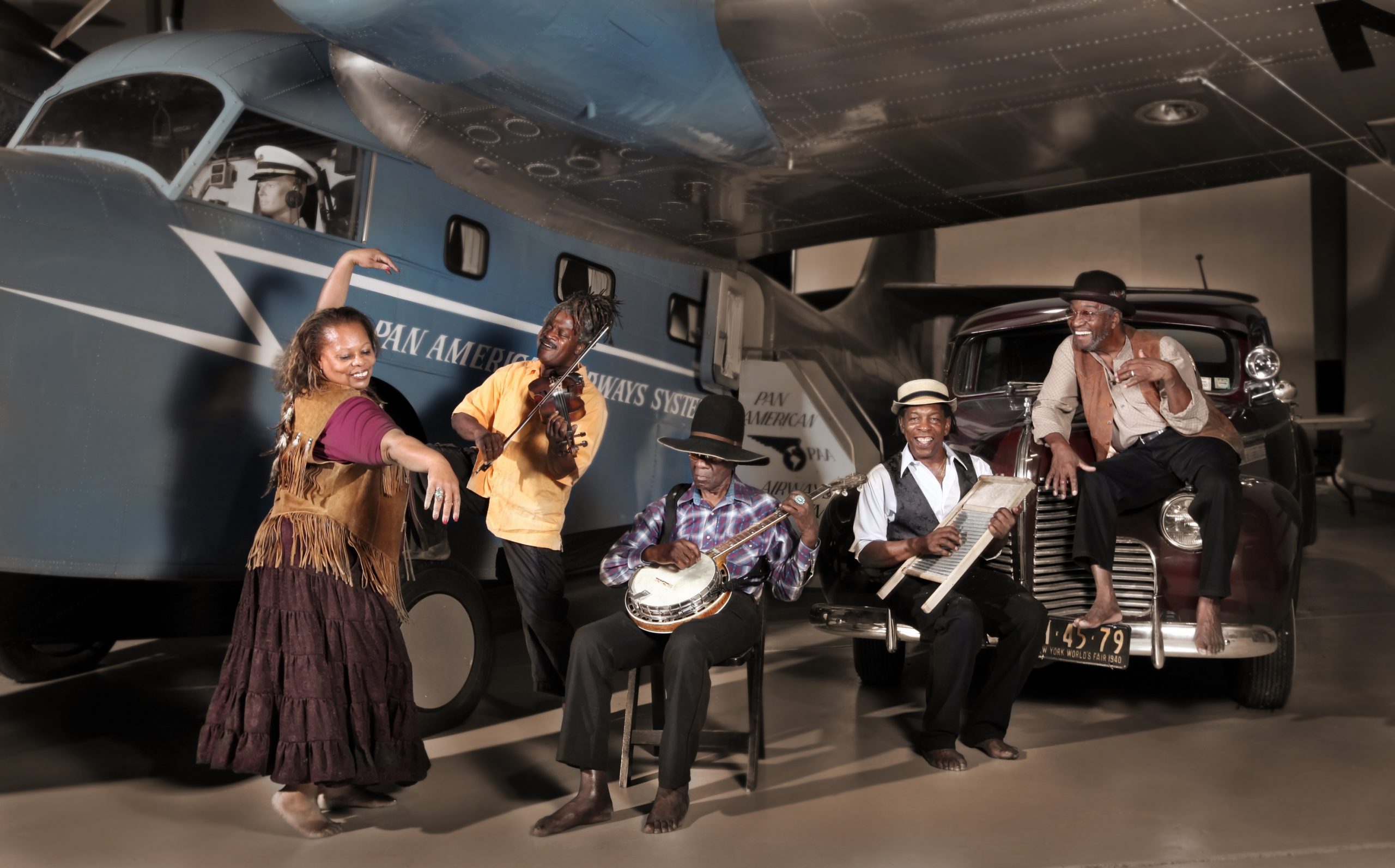
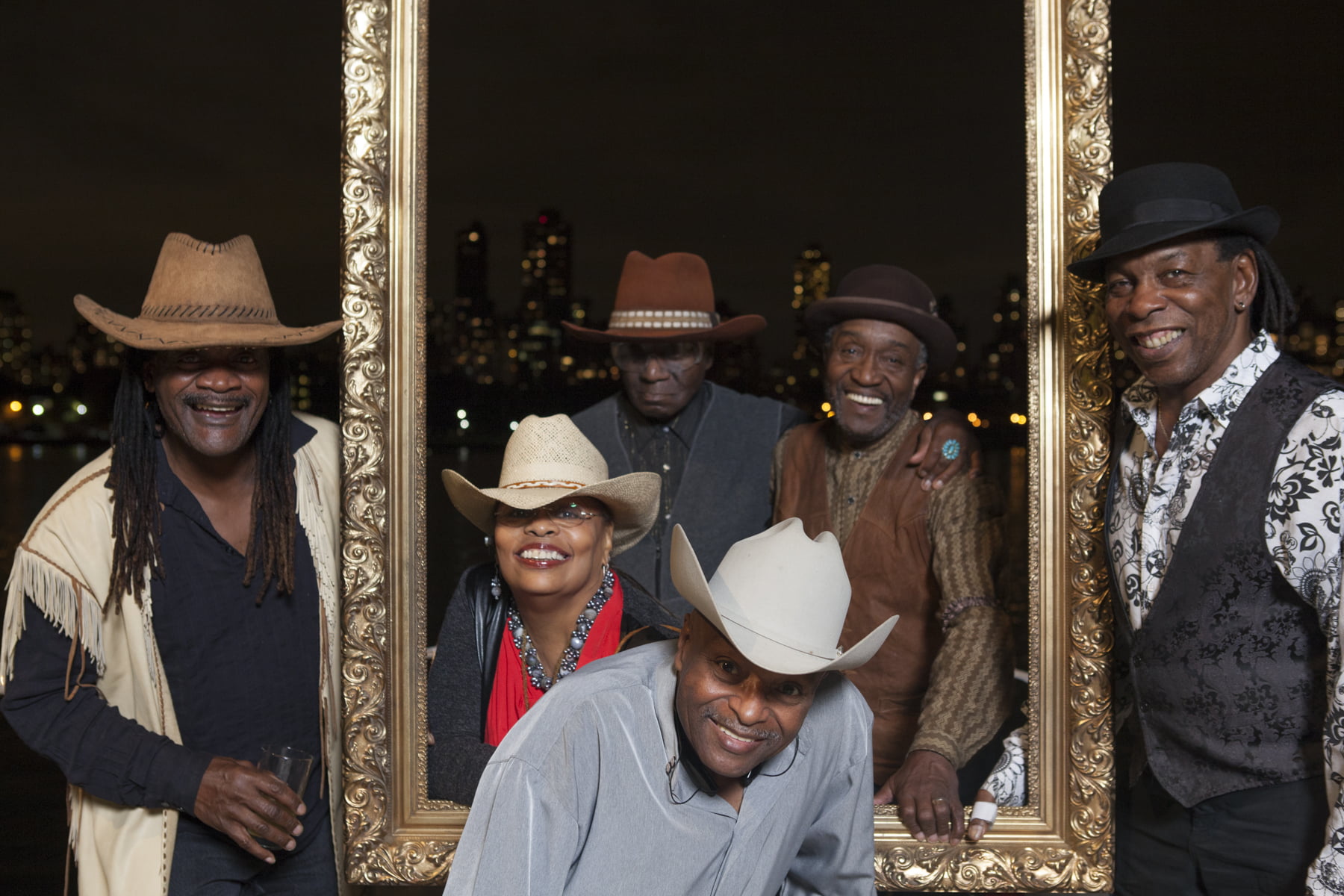
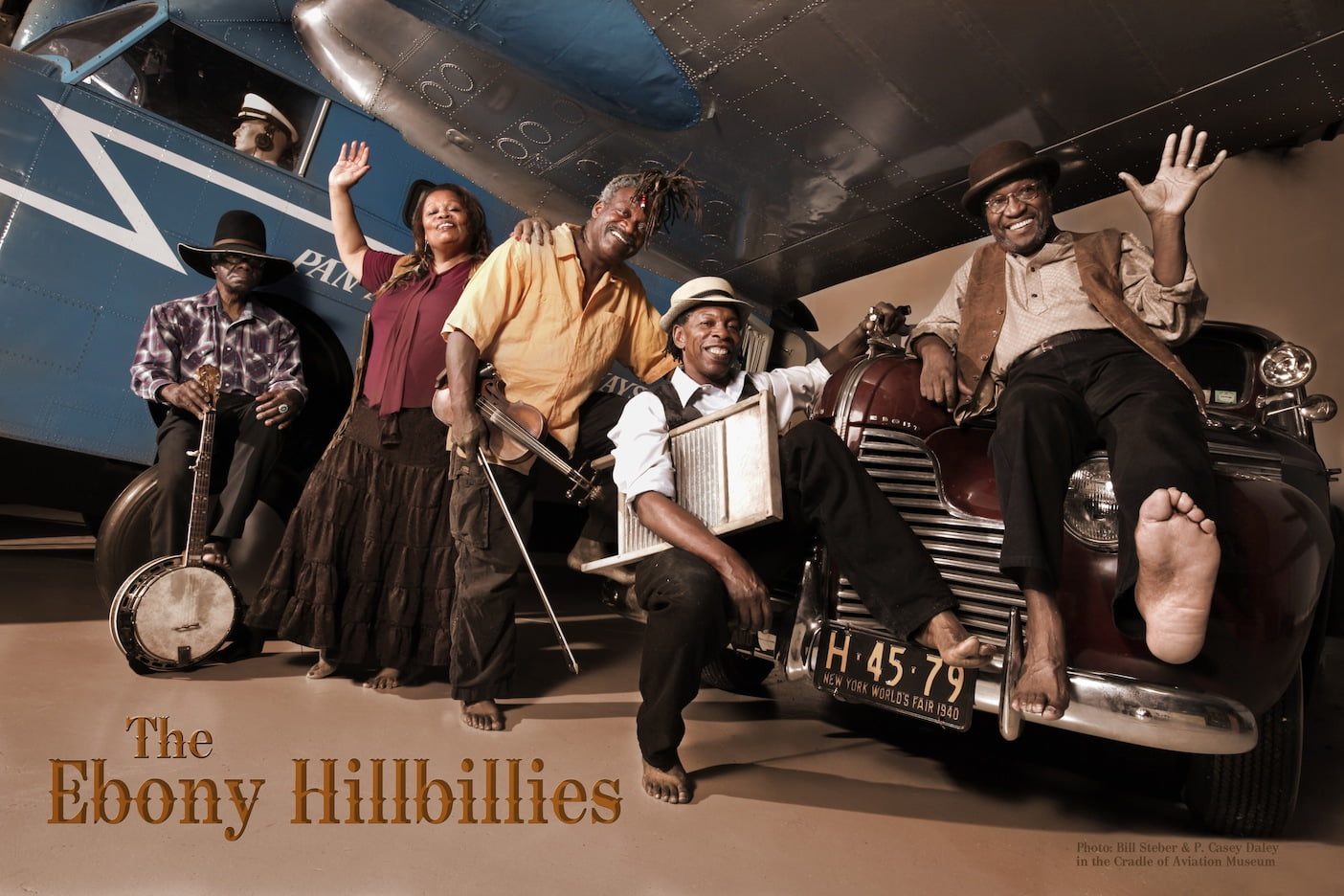
Likewise, this year’s second Shout & Shine concert was a hit, with performers that included the African-American string band the Ebony Hillbillies and openly gay Kentucky folk singer Sam Gleaves, plus his mentors, married folk duo Cathy Fink and Marcy Marxer. Gleaves told me he found the event “heartening and really fabulous,” but this most humble gentleman tends to emphasize the aspirations of others more than his own identity, be it a more prominent place for people of color or old-time folk music itself.

Melody Walker, whose band Front Country led the show-closing super jam, said that the “Shout and Shine showcase was the most diverse stage and audience I’ve ever seen at IBMA. It was really beautiful and it kind of feels like a window into the future of what IBMA could be, if we express love and openness to the world and let people know that it’s safe to fall in love with bluegrass and they have a place here.”
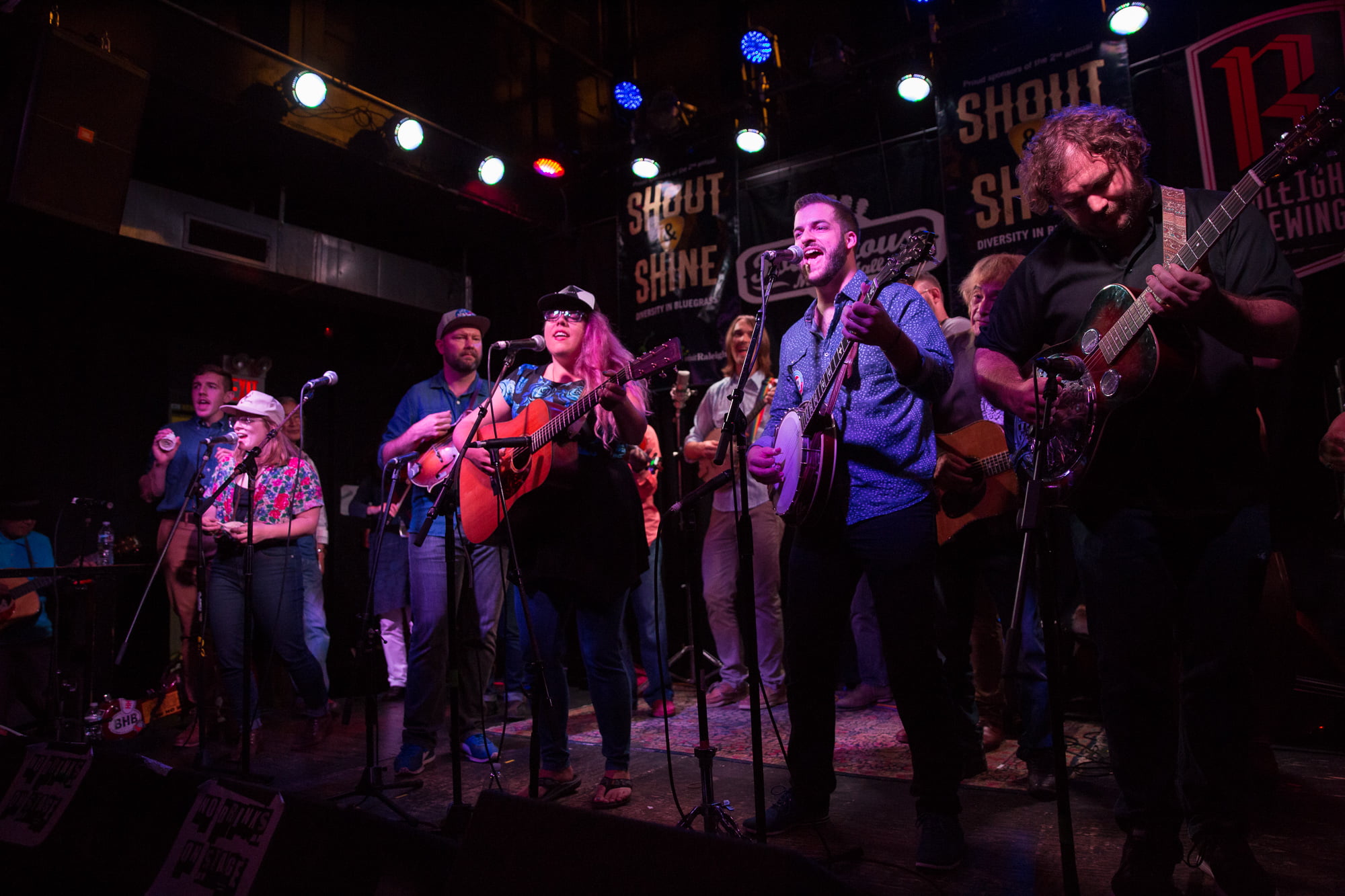
Justin Hiltner and Sam Gleaves join Front Country for the Shout & Shine super jam

I kept looking for somebody to break out in hives. Because, seriously, people in bluegrass will do that over the wrong kind of banjo tone ring. But even amid the hustle and bustle of the convention center and town hall meeting, I heard not a discouraging word. Somehow, with a mixture of diplomacy, facts, humanity, and appropriate assertiveness, the Bluegrass Pride movement made its impression and the ecosystem took it in stride.

Likewise, for the Thursday afternoon keynote address by Rhiannon Giddens, founding former member of the Carolina Chocolate Drops and the 2016 winner of the Steve Martin Banjo Prize. IBMA officials who conceived of and worked on the invitation described some board members as wary, for reasons that are hard to discern. Nobody went public. Nobody’s come up to me and said, “What’s she doing here?” But was IBMA truly ready for an authoritative African-American figure with a major label deal, an acting role on CMT, and other high-profile platforms to come to their stage and talk candidly about bluegrass and race?

Apparently so. Reaction to the Tuesday afternoon speech was, spitballing here, 90 percent rapture and 8 percent relief. (I’ll assume 2 percent unspoken upset or non-attendance.) Sounding for all the world like Barack Obama, with her biracial family story and her sense of only-in-America (for good and otherwise), she spoke of bluegrass music as honestly and completely as I’ve heard it told. I expect that fans, musicians, and scholars will replay and review its layers for years to come because it was dense with truth and a powerful revision of our standard origin story. She offered her own account of growing up in and near Greensboro, North Carolina with a white uncle who played bluegrass and a Black grandmother who simply adored Hee Haw. Her carefully documented recounting of Black string bands and the appropriation of the banjo were full of similar counter-intuitive revelations.

“In order to understand the history of the banjo and the history of bluegrass,” she said, “we need to move beyond the narratives we’ve inherited, beyond generalizations that ‘bluegrass is mostly derived from a Scots-Irish tradition with influences from Africa.’ It is, actually, a complex Creole music that comes from multiple cultures, African and European and Native — the full truth that is so much more interesting and truly American.”

This was the wind-up to the line that’s been most widely quoted, the thesis sentence, if you will: “Are we going to acknowledge the question is not ‘How do we get diversity into bluegrass?’ but ‘How do we get diversity back into bluegrass?’” This line resulted in one of a half-dozen of rounds of mid-speech applause that led to the ultimate standing ovation.
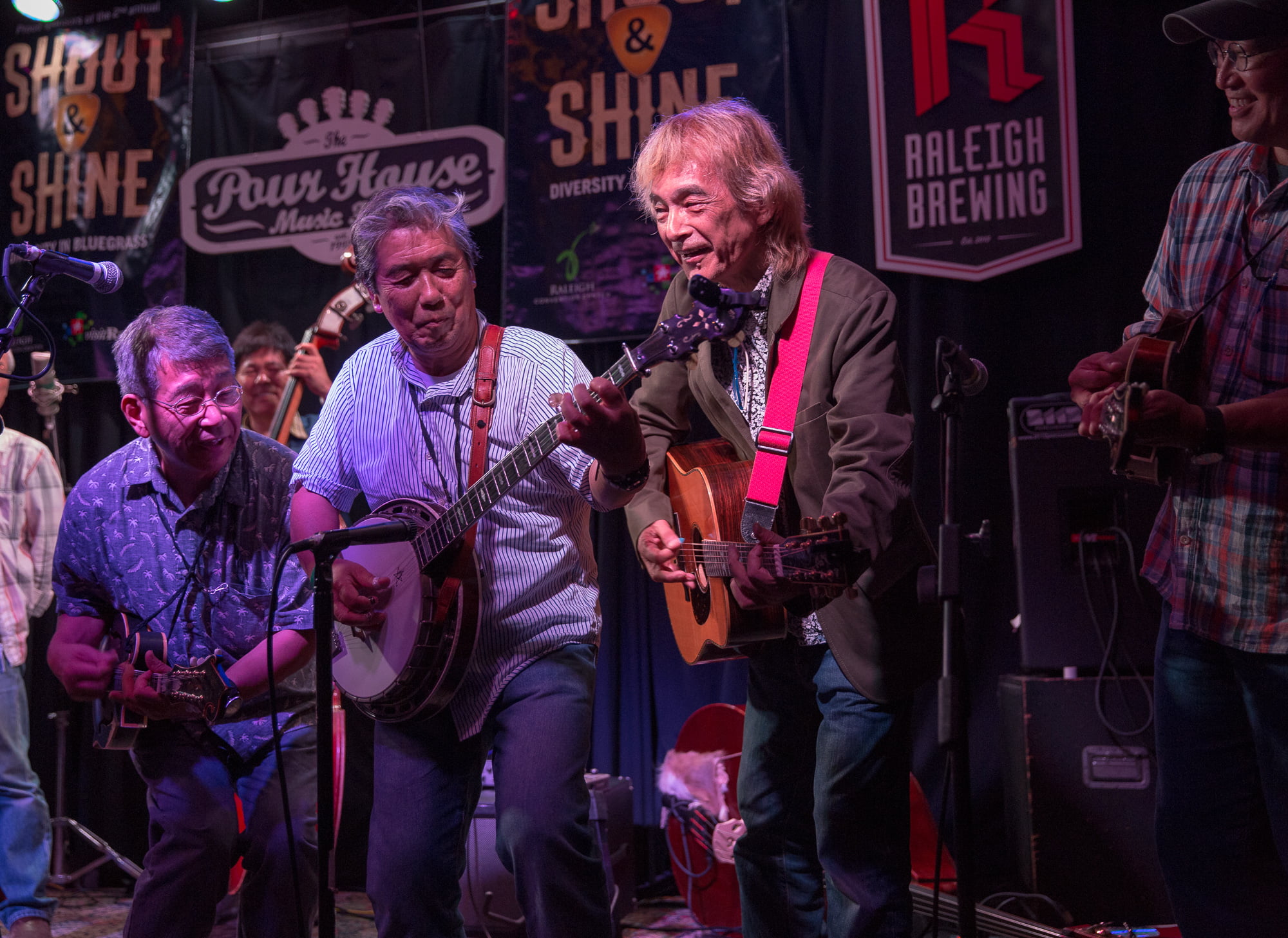
Member of Bluegrass 45 lead the Japanese Jam

For years, my joke about bluegrass is that it’s very diverse. It attracts all kinds of white people. The serious sentiment behind that veil is is my early and ongoing impression that, besides being an exciting and powerful musical form with an American heartbeat, bluegrass attracts what pundit and podcaster Ana Marie Cox calls an “uneasy coalition.” Bluegrass festivals are one of the rare places I’ve seen rural Red Staters and urbane Blue Staters enjoying life and mingling together. The scene is somewhat like Willie Nelson’s ecumenical shows of the 1970s, with Christians and hippies and farmers and nerds. This variety show can also be found in sports, but frankly at NBA or NFL or MLB contests, you can easily arrive, cheer, and leave without engaging with anybody not of your tribe. In the musically charged environment of bluegrass, that’s far less likely. We go to church apart. We vote apart. But we all love Flatt & Scruggs and Sam Bush.

This is more than merely cool. It’s important. Immediately outside IBMA’s confines, as all this was going on, in real time, President Trump was fanning flames of anger over peaceful, protected protest of police brutality. Issues of LGBTQ+ inclusion regularly produce cascades of vitriol and culture war, where all that was hoped for was the same thing artists hope for on stage — listening — and maybe some empathy and vulnerability for good measure.

Shout & Shine takes its name from a Christian hymn written in the 1950s that’s been covered by gospel groups and bluegrass bands. The first verse is heavy-handed with its promise of being issued a robe and crown upon entry into paradise. But the second and final verse has a nicer prophesy for the musically minded:

I’ll never be lonesome in that city so fair

And all will be so divine.

Many of my loved ones and neighbors will be there.

In heaven, we’ll shout and shine.

We want people to sing about being lonesome in bluegrass. But actually being lonesome? Not so much.


Photo credit: Willa Stein. Lede image: The Ebony Hillbillies headline Shout & Shine.

Craig Havighurst is music news director and host of The String at WMOT Roots Radio in Nashville. Follow him on Twitter @chavighurst
 

My First IBMA

Ahead of this year’s annual gathering of bluegrass lovers at the IBMA’s World of Bluegrass festival in Raleigh, North Carolina, we asked some of our favorite players to recount a memory of their first time attending the illustrious event. Here’s what they told us:

Chris Pandolfi (Infamous Stringdusters)

“While my first IBMA was certainly exciting, driving roundtrip by myself from Boston for several days of nothing but jams and live music, it was my second IBMA that will always be my most memorable. It was a more formative, purposeful mission — my first trip there as an aspiring ‘professional musician,’ even though I wouldn’t necessarily describe my agenda as ‘professional.’ I had no formal engagements, no hotel reservation, no tickets, no real money to spare, and no worries about any of it. We were there to make music, meet new people, and tap into that magical, living art form that we all know as bluegrass.

The seeds of the Stringdusters had been planted, but we needed to find a few more players, and IBMA was the universal meeting place for anyone serious about the music. So when Travis Book sauntered off the elevator, no shoes and a backpack full of beer, we knew we had a good candidate on our hands. I also met Jeremy for the first time that year at IBMA, and it was definitely the first time that we five jammed together as a group, which was memorable, to say the least. That trip was a key part of the advent of the Infamous Stringdusters, which has become my passion and my life’s work.

Though our main purpose was to get a band going, we were also there as fans. I loved the sound. I was there to chase that passion, and just as important as meeting my bandmates was the ability to get that much closer to the music. I didn’t need a plan to know that making the pilgrimage to IBMA would be worth it, and it most certainly was, as there is no better place to connect with bluegrass.”

Casey Campbell

“I’ve been lucky enough to attend IBMA’s World of Bluegrass all my life. There are so many pictures of me as a baby and little kid running around Owensboro and Louisville. However, I didn’t really start making memories until the event came to Nashville in 2005. At that point, I was starting to get into playing music and discovering that there was more to WOB than just the hotel hallway jams. Thanks to Deanie Richardson and Kim Fox, I joined the Kids on Bluegrass program the following year, and my world opened up as I met these incredible young musicians like Molly Tuttle, AJ Lee, Cory & Jarrod Walker, Seth Taylor, Tyler White, and more. In fact, the majority of the folks I met during my Kids on Bluegrass tenure are still kicking ass across the bluegrass and acoustic music scenes today.

It has been such a joy over the past 10 years to watch so many other great musicians come through that program and find their groove in the musical world. I look at kids like Presley Barker and Giri Peters (who are way better than I ever thought of being at their age) and think that, without Kids on Bluegrass, those two might not have crossed paths for another decade. Of course, there will always be plenty of hallway jamming, exhibit hall perusing, and more hallway jamming, but one of my favorite World of Bluegrass memories will always be in the rehearsal rooms with those other musicians my age and thinking 1) I’ve found my people, and 2) Shit, I need to go home and practice!”

Michael Stockton (Flatt Lonesome)

“The very first year I attended IBMA was in 2008. I believe it was called Fan Fest at the time, and it was still at the convention center in Nashville, Tennessee. I had been hanging out with a few friends through the day on the Friday of that weekend. I worked up an appetite from all of the jamming I had been doing, so I went up to the Quizno’s that was on the top floor of the convention center and got myself a sandwich. Lucky enough for me, as I was walking into the grand ballroom, the Lonesome River band was taking the stage. Being that I was very new to bluegrass, I had no idea what I was in for. I can vividly remember sitting in the very back row of the hall, enjoying my sandwich and the music.

The part of the story that stands out the most, though, is from the last song on their set. They ended with the song ‘Them Blues’ (still one of my favorite LRB songs to this day), and they were getting after it! The song got around to the second banjo break where Sammy hangs on the seven note for the first few measures, and I came unglued! I completely forgot that I had a sandwich sitting in my lap and, when I heard that break for what was the first time in my life, I couldn’t help but jump up out of my seat and holler as loud as a I could! I spilled my sandwich, chips, and coke all over the floor, and I don’t regret it one bit. That was one of the first times I really pictured myself on stage. I put myself in Sammy’s shoes and told myself that I wanted to make someone spill their sandwich one day.

Fast forward to 2017: Flatt Lonesome has won four IBMA awards, and we are nominated again for Vocal Group of the Year and Entertainer of the Year. I never would have dreamed, back in the days of spilling sandwiches, that I would share the stage with my heroes. IBMA has been invaluable for me as a young musician. IBMA is where my dream to play professionally was cultivated, and it’s where that very dream has come true.”

Bronwyn Keith-Hynes (Mile Twelve)

“My first IBMA was wonderful and bizarre and totally exciting and, at one point, I found myself playing a set with two of my biggest heroes. I ran into Peter Rowan at the breakfast of the Super 8 I was staying in, and he recognized me because I’d played fiddle for him once before up in Boston. He told me to come to his set later that day and play fiddle, and I thought it was odd that he hadn’t found a fiddler yet, but I was happy to show up and play, so I didn’t ask any questions. Then I got there and realized he did already have a fiddler and it was Michael Cleveland — one of my biggest fiddle heroes. That was my first time meeting Michael and, once I got over my initial terror of playing in front of him, playing fiddle on stage with him and Peter was one of the coolest moments I can remember from any IBMA I’ve been to.”

Sierra Hull

“I went to my first IBMA when I was nine years old, when I was invited to be part of the Kids on Bluegrass showcase. I had never been to a bluegrass festival of that size before — anything I had ever been to had been very small, local festivals. Seeing a crowd of 1,000 people would have seemed like more than 10,000 to me. I was so excited to see IIIrd Tyme Out; they were my favorite band at the time — they’re still one of my favorites — and Steve Dilling took me under his wing the whole week.

One night, he brought me up to a hotel suite to meet Earl Scruggs. I couldn’t believe I was getting to meet him! Earl wasn’t picking while I was up there, he was just hanging, but they had me get out my mandolin to play some for him. I had only been playing for about a year and I didn’t know a whole lot yet; I just knew a few fiddle tunes. At one point, I remember Earl asking me, ‘Can you play “Pike County Breakdown?”‘ And I said to him, ‘I don’t believe I’ve ever heard that one.’ I couldn’t believe Earl Scruggs had asked me to play a song I didn’t know so the first thing I did when I went back to my mandolin teacher was tell him the story. I said, ‘You’ve gotta teach it to me! Next time I see Earl I need to know this song.’ My teacher just said, ‘You know he wrote that, right?’ Needless to say, I was super embarrassed, but I learned it! That definitely got me into learning more and more fiddle tunes. I had to be ready the next time Earl asked what I knew!”


Photo credit: Joerg Neuner via Foter.com / CC BY-ND

The Ebony Hillbillies: Becoming a Part of the Music

For most listeners of bluegrass, the history of the music begins (and often ends) in December of 1945, when Bill Monroe brought his Blue Grass Boys — Earl Scruggs and Lester Flatt, included — on stage at the Grand Ole Opry. Bluegrass was created by the men on that historic stage, straight from their brains through their fingertips. Right?

For roots musicians whose identities don’t fit the proverbial mold, this telling of history is not nearly so convenient. Henrique Prince and Gloria Thomas Gassaway, of the New York-based Black string band the Ebony Hillbillies, tell a much different story. When the Hillbillies headline our Shout & Shine showcase at the International Bluegrass Music Association’s World of Bluegrass conference, there will almost undoubtedly be attendees questioning the band’s place beneath the umbrella of “bluegrass.” But omitting or excluding any pieces of the music — and its history — deprives us all of some of its best parts … like the music, tradition, and dances of the Ebony Hillbillies.

How did roots music and string band music come into your lives?

Gloria Thomas Gassaway: I grew up with parents from the South who played this music and knew the history and roots of it. My dad played banjo and he knew all this music; he knew where it came from and how it evolved. I did move into other music genres, but I always had those roots from South Carolina.

Henrique Prince: My parents were Caribbean. My father’s parents were a bunch of musicians. They had bands and they played old folk music from their culture. I wanted to learn how to play violin pretty young, but nobody could afford lessons and nobody knew what to do. I was really precocious about it. Little folk tunes were what I could do and play. I started to learn everything I could about that music. That’s how I sort of learned to play — learning those old folk melodies. I learned a lot of the history. I tried to find out everything I could. There’s a whole connection to Caribbean music, as well, in the mainstream of American folk music.

Why do you think a bluegrass fan or roots music fan might look at the Ebony Hillbillies and think that you’re a novelty or that you don’t have equal claim to string band music as a traditional, Appalachian bluegrass band does?

HP: It’s because people have been fed a convenient story that makes it seem like it’s all about themselves. The history is told so people won’t have a lot of strange feelings about the past. The truth is that the banjo is an instrument that is generations removed from the original instruments that came out of Africa. The most likely history of the word “fiddle” is an erosion of a Latin word for “string,” which came about because the Romans got bowed stringed instruments out of Ethiopia 2,000 years ago. All of this stuff, this music, has been in the Black community, in the Moor and Arab community, since the 11th century. This stuff goes back, back, back, back beyond Appalachia. But it’s never been convenient here in America, for various reasons, to explain all of that.

The interesting thing for us, when we play for our own audiences, Black people are delighted that there’s a Black band that plays this because, some of this music, they’ve actually liked, but they’ve never been able to be involved in these kind of things. We’ve done these big dances, big hoedowns in Harlem where our arms want to fall off playing a reel long enough that all of the dancers can go through the arches and do all the steps, because there are so many people involved. They’re having so much fun.

If you want to teach the story so it only involves one group of people, then you’re going to leave out most of the history. If you tell more or less the truth, then the story might become more complicated or have more parts — some of which may even be uncomfortable — but it will be a much more interesting story.

GTG: And it is much more interesting. I come from a long line of musicians in my family out of South Carolina. I’ve been able to go back through the history of my dad’s family — my family is native — to trace the interaction of (my ancestors) playing this music all the way back to the 1800s. They taught people how to play the instruments and this music.

It seems like the Ebony Hillbillies found each other pretty serendipitously. How did you all come together to form the band?

HP: That would take a couple of beers! [Laughs] It all started with an idea of specializing in dance music, because I really liked the idea of the violin as a dance instrument. I thought it’s the greatest dance instrument in the world, outside of the drum. I tried to learn all different kinds of dance music to play and then began doing it as a duo with different bass players. Then, when I finally found a banjo player, it was the real deal. Banjos and bowed stringed instruments go way back. This is African. This goes back to some place in the 12th century. People would hear the music, I’d explain to them the history, and musicians would respond by coming on board. Then, suddenly, we were a band. That’s basically — to make a long story short — how it happened.

What does it mean to you to be coming back to IBMA’s World of Bluegrass conference and festival this year with the whole band, representing Black string band music at Shout & Shine: A Celebration of Diversity in Bluegrass?

HP: That’s a wonderful thing, a very wonderful thing. Sometimes you’d wish that musicians’ welcome would be more like a welcome back because, in a sense, we’re bringing back something that really hasn’t been associated on this level since the 1920s, very early on in the music, even before the recording industry started. We just hope to bring what we do, which is hopefully a joyful sound, and relate it to what other people do so they can understand it. We play the same instruments and even play some of the same songs. We play for audiences that usually never get a chance to enjoy this music with people they can connect with emotionally or culturally. So it’s interesting to be with people of different cultures because, again, the connection will be the music. We all know this music. It will be a lot of fun.

GTG: And, a lots of times, people don’t realize that they can actually get up and really dance to this music!

HP: That’s true. In so many experiences we’ve had playing nationally and outside of New York, one of the things we’ve noticed is that a lot of bluegrass audiences tend to be sit-down audiences. I don’t know how much that’s changed in the time since we started doing this. We’ve been in situations where people who never get up got up for our band and danced. Which is okay with us, because we just love to get people dancing!

Why is it that you actively, overtly work to spread dance with your music?

HP: This is one of the celebrations of diversity that you’re going to have (at Shout & Shine.) Black music has very much to do with dance.

GTG: They go hand-in-hand.

HP: It’s like a form of communication. It’s a cultural form of language. It’s always been part and parcel of the music. Movement and physical participation with the music means you dance. Slaves, displaced Africans here in America, working for this economy, they developed this music in order to give them relief from the incredible hard work and the psychologically demeaning situation they found themselves in. The only things they had were making their banjos, making their fiddles, stomping their feet, and clapping their hands. The power of music was transporting them, making them dance, giving them joy, taking them away. That’s one of the things that’s appealing about this music. It is chock-full of joy, this ancient joy from people that was put in there because it had to be. When someone played the banjo, you just had to move your feet.

That’s the way we play the music. We play the same tunes as anybody else. Ours aren’t any better than anyone else, but we have a certain attitude that makes it affect that part of you that makes you move. You could just sit down and listen, but this music has always been designed to make you react, become a part of it, and enjoy yourself. Part of the way to express and enjoy yourself is to dance and clap your hands.

If you read that poem “The Party,” where [Paul Laurence Dunbar] talks about going to a slaves’ party and, when a fiddler comes in and starts to play, nobody can stand still anymore. That’s talking about a Black fiddler. Dance is the required and sought-for reaction. [Laughs] When that’s missing, something bigger is missing. A downside of reorganizing the history is that you end up leaving some parts out that are really good for you.

I think about the “transportive” quality of this music a lot, and I try to unpack this with people in roots music communities because, to me, being gay, it makes sense that this music — which was designed and created to take people away from the hardship of their lives — would have something to offer all marginalized people, from women to LGBTQ+ individuals to people of color to immigrants and on and on. Do you feel this potential as well?

HP: You definitely hit on something there. The mainstream culture, the narrative that’s spoken, “This is what the history is. It is what we say it is,” is the dominant culture that’s interested in being one certain way. That way excludes people who don’t fit, people who are expected by the mainstream to have certain behaviors. We don’t know which musicians were gay 200 years ago. You don’t know who people were or what they were thinking. Just because you suppress something doesn’t mean it goes away. All the evidence proves it doesn’t. You might have some hero in the past and, if you got in a time machine and found out, you would be shocked. [Laughs] These are ideas that are not only outdated, they are just wrong. You can’t leave out people — we need all hands on deck — because you don’t particularly, supposedly approve of their behavior or something about them. These people are very, very valuable people and have valuable ideas.

We’re trying. It seems like the whole community is trying. We’ve raise a real pimple recently in this whole society that’s about to bust. But it’s always been here. It’s been sitting by, unaddressed, getting bigger and bigger and uglier and uglier for years. Everybody feels like they have to tiptoe around the truth with people, or they threaten death, destruction, and mayhem if you dare say certain things. It’s always been that way, but finally, in the end, the only thing that could save us — the only thing that could organize us enough to save our own lives, our own houses, our own anything — is the truth.

GTG: It’s sad that, in this day and age, people cannot understand that all people are different and just let them be who they are. It’s sad. It sickens me. It sickens me in race, in people’s gender, and who they choose to be and love in their lives. I’m not a young chicky, but years before it became fashionable, someone came to me and asked me if I’d sign a petition for LGBT rights. I was in an upscale area of Queens, New York, and I looked at him and said, “Is water wet? Is James Brown funky? Is King Kong a great big monkey?” [Laughs] I said, “Can I sign more than once?” I was sick and tired because I know how it is to be treated a certain way. I said, “Give me another sheet of paper cause I’m going to take it around and get it signed.”

You guys will be at IBMA for the Shout & Shine showcase, but you’re also playing Bluegrass in the Schools throughout the week, and you’re playing a couple of sets at the Wide Open StreetFest, so what are your hopes for your time in Raleigh?

HP: We hope people will just love it so much they’ll be dancing around and that people like it so much that they won’t want it to stop and the cops will have to come and clear the place. [Laughs] It’s going to be a big ol’ wang-dang-doodle of a time.

GTG: Oh yeah, we’re gonna have a ball. We just hope people enjoy the party.

ANNOUNCING: The Second Annual Shout and Shine: A Celebration of Diversity in Bluegrass

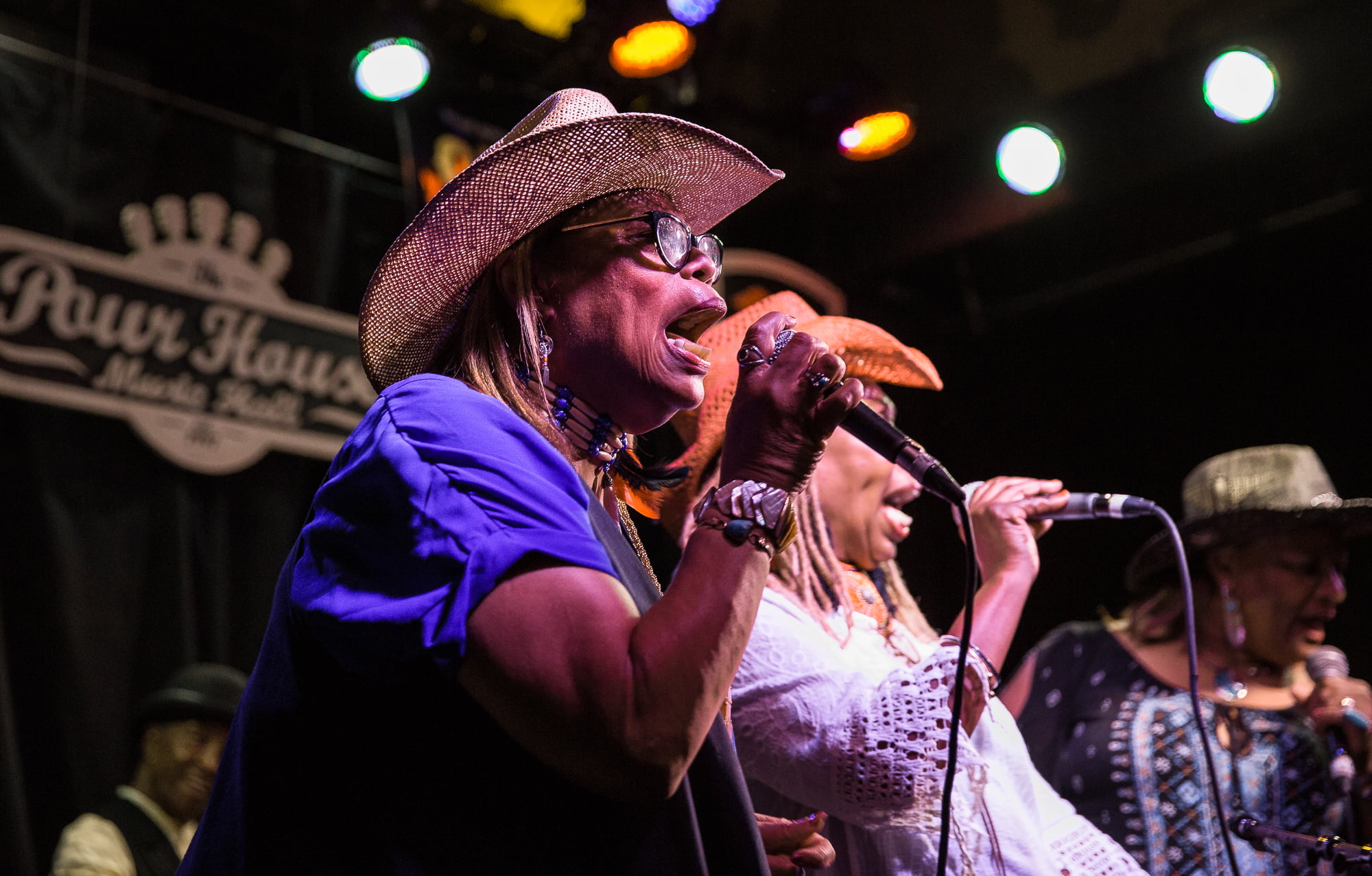
The Bluegrass Situation and PineCone are excited to announce the second annual Shout & Shine: A Celebration of Diversity in Bluegrass showcase at World of Bluegrass. The event — which was created to foster representation and encourage inclusion of the diverse artists, musicians, and professionals who love and create bluegrass and roots music — will take place at 10 pm on Tuesday, September 26, 2017 at the Pour House in Raleigh, North Carolina, and is a part of IBMA’s official showcase schedule/lineup, the Bluegrass Ramble.

Shout & Shine’s lineup includes the Tyler Williams Band, the Ebony Hillbillies, Sam Gleaves, Cathy Fink & Marcy Marxer, the Otsuka & Watanabe Brothers’ Japanese Jam, and 2017 IBMA Hall of Fame Inductee Alice Gerrard. There will also be a SuperJam hosted by Emerging Artist of the Year nominees Front Country. Each artist was carefully chosen to celebrate and encourage diversity within the bluegrass and roots community. In addition to working toward universal inclusion of LGBTQ+ and POC (people of color), Shout & Shine recognizes the importance of representing people with disabilities and working toward universal access for all people at music events, clubs, and festivals.

The showcase was born in 2016 as a direct response to the North Carolina General Assembly’s controversial “bathroom bill,” HB2. The Bluegrass Situation and PineCone joined forces with the shared belief that celebrating folk music means supporting its rich and varied history. By amplifying diverse and underrepresented voices, we present a reminder that this music belongs to all and that inclusion strengthens our communities, our businesses and organizations, and our art. Multiple advocacy organizations will have representatives present and information available, including Equality NC, Triangle Friends of African-American Arts, and NC Asian Americans Together, who will have voter registration information available (the event falls on National Voter Registration Day).

“We are excited to have the Bluegrass Situation and PineCone producing another great Shout & Shine showcase this year, putting into practice the IBMA’s value statement around diversity and inclusion as a fundamental characteristic of our music community. Bluegrass is for all of us, and we’re stronger together than we could ever hope to be individually,” notes Paul Schiminger, Executive Director of IBMA.

Shout & Shine is made possible through the support of sponsors, which include Raleigh Convention Center, Greater Raleigh Convention and Visitors Bureau, VAE Raleigh (via the Ignite Fellowship), Larry’s CoffeeMontgomery Violins, and the Press House. For those who cannot attend but would like to be part of the event, the showcase will live stream on the Bluegrass Situation’s Facebook page.

7 Artists We’re Stoked to See at IBMA’s World of Bluegrass 2016

April may be the cruelest month, but September is by far the coolest one because we get to head to Raleigh, North Carolina, for one of our favorite events — IBMA's World of Bluegrass. Taking place September 27 – October 1, the event brings bluegrass fans from around the globe together for the pickin'- and grinnin'-est party this side of, well, anywhere. If you're heading to Raleigh and struggling to get your schedule together — we get it, there's a lot to choose from! — allow us to do some of the heavy lifting for you and check out seven of the acts we can't wait to see.

10 String Symphony

Nashville duo 10 String Symphony, also known as Christian Sedelmyer and Rachel Baiman, are no strangers to the stage, with Sedelmyer a member of Jerry Douglas's touring band and Baiman having fiddled alongside the likes of Kacey Musgraves. Their project together, though, brings those individual talents together for an acoustic, genre-defying sound that is truly like no other.

Missy Raines and the New Hip 

Missy Raines has more Bass Player of the Year IBMAs than anyone out there, and there's no better way to find out why that is than to watch her kicking bass and taking names on stage. She and her band, the New Hip, fuse elements of jazz and Americana with her more traditional bluegrass leanings.

Bill and the Belles

Johnson City, Tennessee, quartet Bill and the Belles pay homage to their mountain upbringings with Tin Pan Alley covers and Appalachian-inspired arrangements. They're a joy to watch live, and we bet you can't make it through their set without smiling.

Hot Buttered Rum

With a name like Hot Buttered Rum, the music better be good, and, sure enough, it is. Just like the drink, a live set from Hot Buttered Rum goes down easy and leaves you with a smile on your face.

Molly Tuttle Band

Nashville multi-instrumentalist Molly Tuttle has a sonic range unlike many musicians out there, able to captivate listeners with tender vocals just as easily as she is with virtuosic guitar chops. This full band set should deliver, as the kids say, all the feelings.

Ricky Skaggs and Kentucky Thunder

If one of the greatest living mandolin players doesn't tickle your fancy, well, you just might be at the wrong festival. Whether you've never seen Skaggs live or this will be your 12th rumble with Kentucky Thunder, this is a set you won't want to miss.

Greensky Bluegrass

Just over a decade-and-a-half into their career, Greensky Bluegrass has never sounded better. Their forthcoming album, Shouted, Written Down and Quoted, is a sure sign that bluegrass is still alive and well.

SaveSaveSaveSave

Traveler: Your Guide to Raleigh

Coined the "Research Triangle," the Raleigh-Durham-Chapel Hill area is a hotbed of creativity and invention located in the northeast central region of North Carolina. As one giant “college town” encompassing North Carolina State University, Duke University, and the University of North Carolina at Chapel Hill, the Triangle has nurtured indie rock, punk, hip-hop, metal, and, of course, roots music. Historically, North Carolina has played a key role in the long-standing tradition of bluegrass and old-time, which makes it the perfect setting for the World of Bluegrass homecoming.

Getting There

Just 20 minutes from downtown Raleigh, the Raleigh-Durham International Airport is the main airport serving the Triangle. Ground transportation is provided by the airport tax service, the Triangle Transit Authority, and local shuttle companies. Cab fare is an estimated $30, but hotels typically offer their own shuttle services to and from the airport. For non-flight options, try Amtrak or Megabus.

Lodging

Outdoor lounge area at the Umstead Hotel and Spa

The Umstead Hotel and Spa is technically in Cary, North Carolina, just five minutes from the Raleigh-Durham International Airport. Set on 12 acres of land with a lake and wooded gardens, this is a luxury option for travelers looking for some R&R in their down time. For something more affordable, an Airbnb search pulls up over 300 listings in the Raleigh area, ranging from historic homes to downtown condos.

Coffee

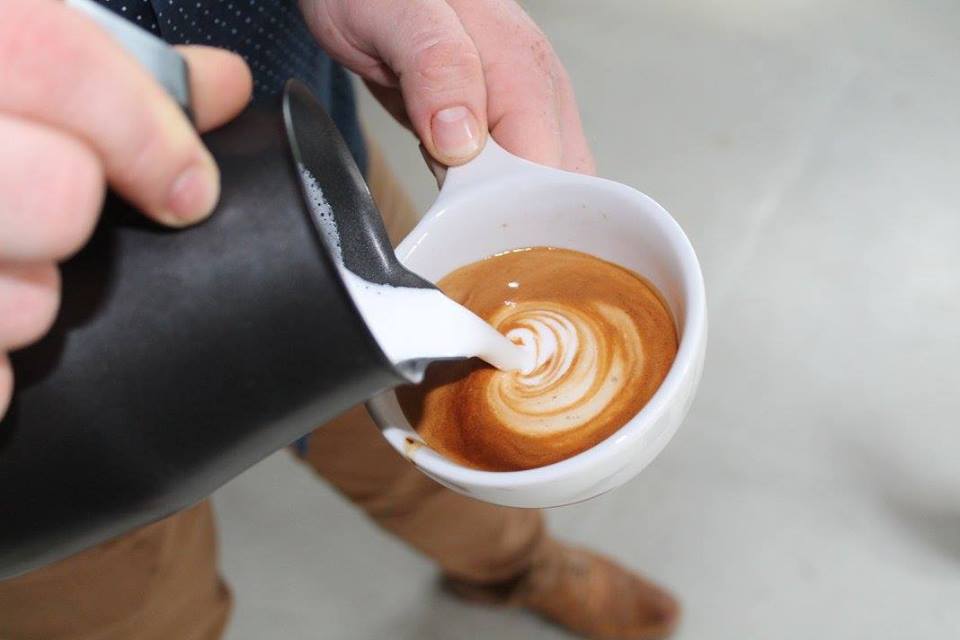
A delicate pour at 42 & Lawrence

Located in the new Skyhouse building in downtown Raleigh, organic coffee bar 42 & Lawrence is a must. This inventive coffeehouse comes complete with a row of taps and a juice rail for pressed juice on-site. Some of the tap offerings include kombucha, cold brew coffee, nitro cold brew, and experiments like the “draft latte” (a mixture of cold brew coffee, Jersey cow milk, and housemade vanilla syrup) and a “Black and Tan” (cold brew coffee combined with the draft latte).

Food

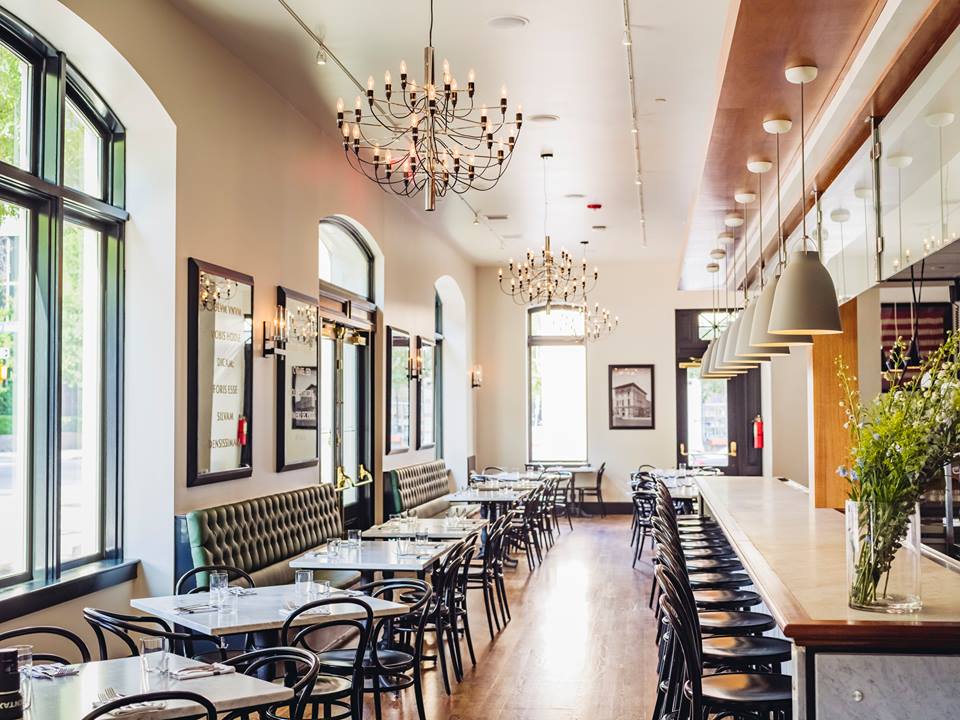
Dining room at Death + Taxes restaurant

Since moving to Raleigh, Chef Ashley Christensen has carved out a niche refining Southern comfort food. Each new venture she opens is even more anticipated than the last, so it’s worth stopping by any of her establishments while you’re in town. Opened back in 2007, Poole’s Diner was one of downtown Raleigh’s first restaurants, while Joule Coffee + Table combines Durham-based Counter Culture coffee with moderately priced Southern fare. If you’re looking for a fine dining option, one of the latest offerings from AC Restaurants, Death + Taxes, is your go-to. It’s a culinary playground where octopus is an appetizer and “foraged and ‘fought for’ mushrooms” soaked in sherry and brown sugar is an entree.

Drink

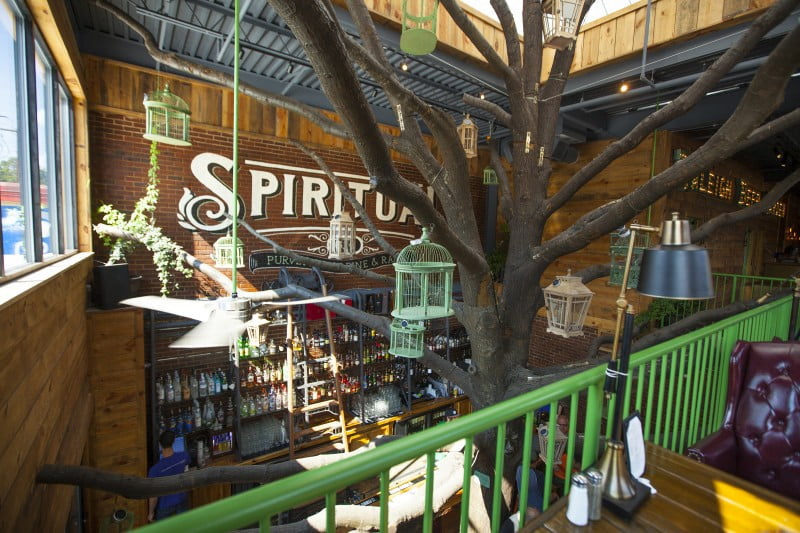
Front room at the Raleigh Beer Garden

The aptly named Raleigh Beer Garden is three stories high and boasts the world’s largest draft beer selection in one restaurant. With over 350 beers on tap, there’s a sizable amount of North Carolina craft beers. A large tree extends to the ceiling in the front room, so you get that natural feel even from indoors. But it wouldn’t be a beer garden without an outdoor space and, with a patio and rooftop, there’s plenty to go around.

The brand new Whiskey Kitchen in downtown Raleigh’s Nash Square specializes in — you guessed it — whiskey. But there are beer and wine offerings, too, along with a dinner menu. The site of an old automotive shop, the bar has large garage doors and an open kitchen. Exposed brick walls and ceiling pipes, along with a wall-spanning mural by local artist Taylor White, lends the space an air that’s one part industrial and one part Southern comfort.

Shopping

Mid-century seats at Father & Son Antiques

Whether you’re on the hunt for designer steals or kitsch novelty, Father & Son Antiques has you covered. The West Hargett Street shop has become a destination for locals and out-of-towners alike, notorious for its stock of highly coveted mid-century modern furniture and accessories at moderate prices. It’s chock full of other goodies, too: vintage clothing, books, and, most importantly, records.

Music Venues

Koka Booth Amphitheater in Cary

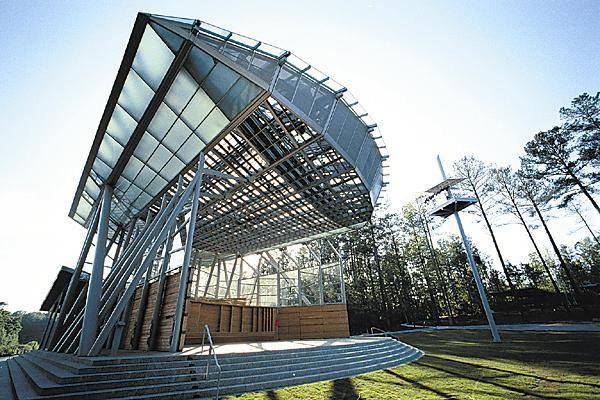
While North Carolina is a breeding ground for roots music, it’s also home to a wider array of genres from hip-hop to punk to metal. In order to accommodate all of this diversity, the Triangle is equipped with venues of all shapes and sizes. As far as larger, outdoor venues, there’s Red Hat Amphitheater in downtown Raleigh, Walnut Creek Amphitheater, and the picturesque Koka Booth Amphitheater in Cary. For a more local vibe, check out the Pour House Music Hall in Moore Square Art District in downtown Raleigh, Cat’s Cradle in Carrboro, or the Pinhook in Durham.

Local Flavor

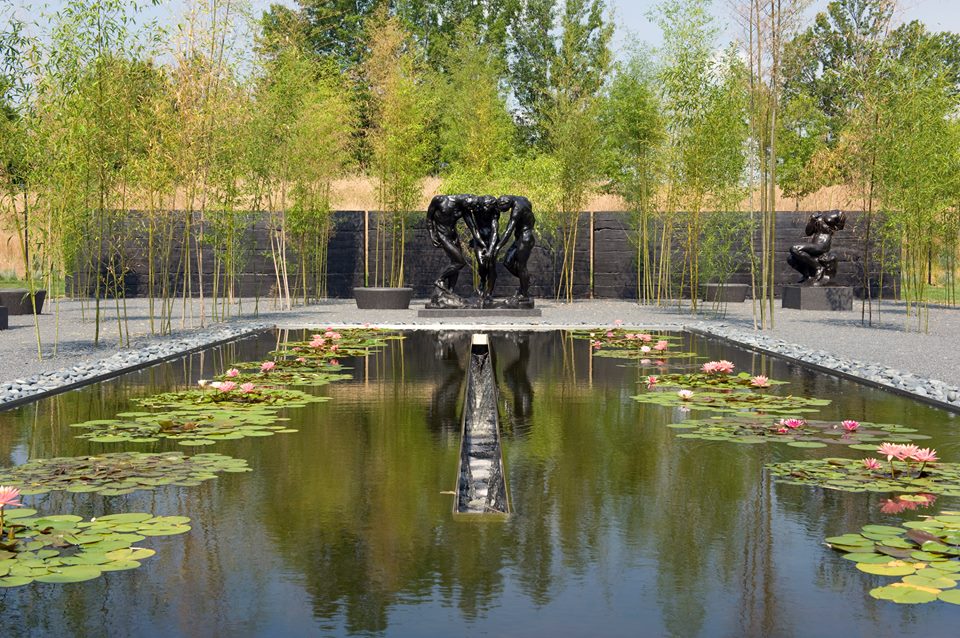
The pools at NCMA

The North Carolina Museum of Art (NCMA) is a behemoth of artistic innovation in itself. This month, it was selected as one of the top 125 most important works of architecture built since 1891 by Architectural Record. This free admission museum is home to contemporary art, works from the European Renaissance, Greek and Roman vases, and American art from the 18th through the 20th centuries. It also hosts concerts, films, classes, and performances. In the midst of a $13 million expansion, the museum’s outdoor park boasts 164 acres and is accentuated by landscaped sculpture gardens, courtyards, and reflecting pools.


Lede photo: Durant Nature Preserve. Photo credit: rharrison via Foter.com / CC BY-SA.

IBMA’s Big Move

BY THOMAS GOLDSMITH 
GUEST COLUMNIST


Please come to Raleigh in 2013.

That’s the message being sent out by the International Bluegrass Music Association and from my hometown of Raleigh, North Carolina.

After checking out a number of different locations, the IBMA announced this May that its annual World of Bluegrass event would land in Raleigh for the years 2013, 2014 and 2015. It will stay in Nashville again this year and previously was in Owensboro and Louisville, Ky.

But why Raleigh?

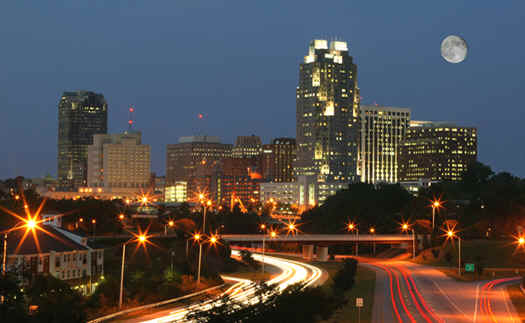
There are plenty of good reasons. (I promise I will get to a few drawbacks here in a minute…) One major plus consists of a new downtown convention center, an outdoor amphitheater across the street and a walking-distance complex of three performance halls.

Also, not only Raleigh but also the neighboring towns of Chapel Hill, Durham and Cary have thriving bluegrass, acoustic and old-timey music scenes. That means there will be ready-made audiences for the public parts of the event.

We don’t (yet) have an Allison Krauss or a Del McCoury living here, but the immediate area is home to folks such as picker-dealers Jim Mills and Tony Williamson; bands such as Russell Johnson and Grass Cats and Carolina Road; record company founders such as Barry Poss and Dave Evans; old-timey legends such as Alice Gerrard and the Red Clay Ramblers; and new standard-bearers such as the Steep Canyon Rangers. Thrown in the burgeoning jam-grass field symbolized by Charlotte’s Avett Brothers and you’ve a little world of bluegrass right around home.

Maybe just as significantly, the Triangle (consisting of Raleigh, Durham and Chapel Hill) can also claim a rich history involving the dawning years of bluegrass. It was while appearing on local powerhouse radio station WPTF that brothers Bill and Charlie Monroe built a huge audience in the Carolinas and made their first recordings for Victor. Of course, they also broke up their partnership in Raleigh, but how else was Bill going to start the original Blue Grass Boys?

WPTF was also home to Lester Flatt and Earl Scruggs in 1952, when the Foggy Mountain boys took up residence in Raleigh at least long enough for Earl’s son Randy to be born here. Generations of hillbilly music fans kept their radios locked in to 680 AM to hear the Stanley Brothers, Jim Eanes, Mac Wiseman, Clyde Moody, Kitty Wells, Johnny and Jack, Chet Atkins and countless others who did stints at WPTF.

“In terms of the history, I think North Carolina is every bit as much the birthplace of bluegrass as Kentucky,’ mandolinist Williamson told me during an interview for the local paper newspaper, The News & Observer.

Moving into the 1960s, the beginnings of the newgrass movement found an early welcome in the Triangle, with the homegrown New Deal String Band and frequent visitors New Grass Revival building a fan base for their rock-influenced sound and long-haired look among the area’s tens of thousands of college students. Through the decades bluegrass, has kept a strong hold on listeners in North Carolina, from small-scale picking sessions to major festivals such as North Wilkesboro’s Merlefest.

And those drawbacks? Raleigh often shows up on national best-of lists in categories such as business environment, percentage of college graduates, low crime and livability. It’s a great place to raise children in and … local voices tend to trail off before muttering the b-word: ‘Boring.’

At one point, true enough. Until quite recently, a big night in downtown Raleigh might consist of trying to get into one of the few restaurants that stayed open after business people headed home to the suburbs, then maybe locating one of the few clubs that featured live music. And there’s the city’s symbol of a giant acorn in a city park, eh? Not perhaps the most riveting trademark: ‘The City of Oaks, where you can watch trees grow.’
But in the last few years, a new public and private emphasis on downtown has brought thousands of new residents and plenty of good restaurants to the area that includes the convention center and walking distance thereof. There are also a number of of live-music spaces expected to feature live bluegrass during the IBMA event.

It should be noticeably less expensive to be in Raleigh than in Nashville for several days. And attendees will be surrounded by locals who are crazy about music of all kinds. 
While far from a traditional bluegrass show, folk-pop-rocker Natalie Merchant recently had to pop out from backstage after she had performed for about 90 minutes at the Meymandi Concert Hall, one of the top-level venues near the convention site. A packed house had been standing, cheering, pleading for an encore for close to 10 minutes when Merchant came back out and signaled for quiet.

‘We’re coming back!’ she said, ‘It’s just intermission.’
   
For more information about the International Bluegrass Music Association, or to register for this year’s World of Bluegrass conference, visit http://ibma.org/.  For a list of other events to visit while in North Carolina check out www.carolinamusicfests.com