Nominees for IBMA’s 2020 Industry Awards and Momentum Awards Announced

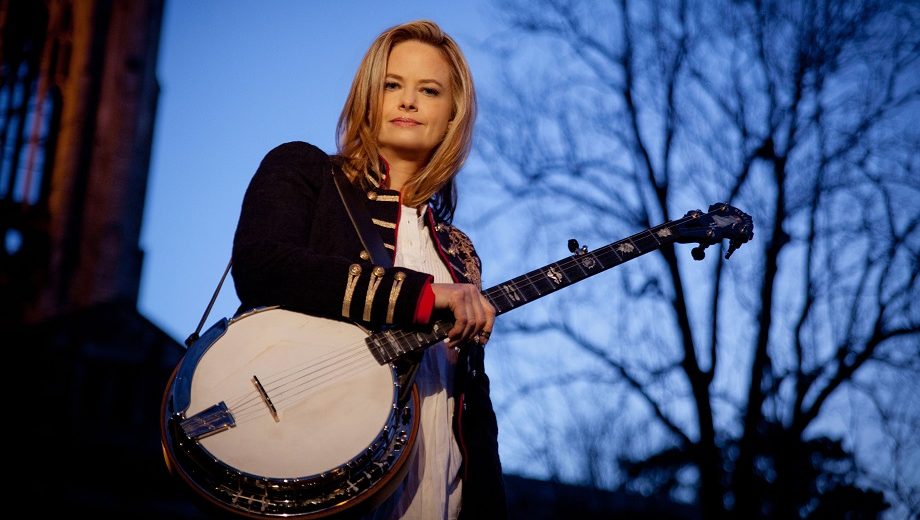
The International Bluegrass Music Association has announced the nominees for this year’s IBMA Industry Awards and IBMA Momentum Awards, which will be presented during IBMA’s Virtual World of Bluegrass event. The announcement was made today on SiriusXM’s Bluegrass Junction channel.

The IBMA Momentum Awards will take place Tuesday, September 29; the IBMA Industry Awards will take place Wednesday, September 30, and will include the presentation of the 2020 Distinguished Achievement Awards. Specific times and additional details for both events, and for other IBMA World of Bluegrass 2020 virtual events, will be shared in the coming weeks.

IBMA INDUSTRY AWARDS

The Industry Awards recognize outstanding work in categories including Broadcaster of the Year, Event of the Year, Graphic Designer of the Year, Liner Notes of the Year, Writer of the Year, Sound Engineer of the Year, and Songwriter of the Year. Nominees are selected by specially appointed committees made up of bluegrass music professionals who possess significant knowledge of that field. The recipient of each award is decided on by the Panel of Electors, an anonymous group of over 200 veteran bluegrass music professionals selected by the IBMA Board of Directors.

The 2020 IBMA Industry Awards nominees are:

Broadcaster of the Year
Barb Heller
Michael Kear
Brad Kolodner
Peter Thompson
Alan Tompkins

Event of the Year
The 2019-2020 Emelin Theatre Bluegrass Concert Series – Mamaroneck, NY
FreshGrass – North Adams, MA
Bloomin’ Bluegrass Festival – Farmers Branch, TX
Augusta Heritage Center Bluegrass Week – Elkins, WV
Tell It To Me: The Johnson City Sessions 90th Anniversary Celebration – Johnson City, TN

Graphic Designer of the Year
Grace van’t Hof
Eric Barie
Michael Armistead
Carla Wehby
Lisa Berman

Liner Notes of the Year
Katy Daley – Live at the Cellar Door, The Seldom Scene
Bill Nowlin – The Early Days of Bluegrass, Various Artists
Katie Harford Hogue & Matt Combs – The John Hartford Fiddle Tune Project, Volume 1, Various Artists
Craig Havighurst – Bad For You, The SteelDrivers
Ted Olson – Tell It to Me: Revisiting the Johnson City Sessions, 1928-1929, Various Artists

Songwriter of the Year
Ronnie Bowman
Louisa Branscomb
Milan Miller
Jerry Salley
Donna Ulisse

Sound Engineer of the Year
Van Atkins
Adam Engelhardt
Randy LeRoy
Stephen Mougin
Jason Singleton

Writer of the Year
Bill Conger
Thomas Goldsmith
Derek Halsey
Justin Hiltner
Kip Lornell

IBMA MOMENTUM AWARDS

The Momentum Awards recognize musicians and bluegrass industry professionals who, in the early stages of their careers, are making significant contributions to or are having a significant influence upon bluegrass music. These contributions can be to bluegrass music in general, or to a specific sector of the industry. The Mentor Award, in contrast to the other Momentum Awards, recognizes a professional who has made a significant impact on the lives and careers of newcomers to the bluegrass industry. Starting with recommendations from the IBMA membership, nominees are chosen by a multi-stage process by committees made up of respected musicians and industry leaders in the bluegrass world.

The 2020 IBMA Momentum Award nominees are:

Mentor of the Year
Alan Bibey
Rick Lang
Scott Napier
Annie Savage
Valerie Smith

Industry Involvement
Malachi Graham
Adam Kirr
Kara Kundert
Jonathan Newton
Kris Truelsen

Vocalist
Tabitha Agnew
Amanda Cook
Victoria Kelley
Leanna Price
Melody Williamson

Instrumentalist (2 selected)
Tabitha Agnew
Thomas Cassell
Alex Edwards
Miles Quale
Lauren Price Napier
Liam Purcell
Sullivan Tuttle

Band
AJ Lee and Blue Summit (San Jose, CA)
Colebrook Road (Harrisburg, PA)
Midnight Skyracer (UK)
Seth Mulder & Midnight Run (East Tennessee)
The Slocan Ramblers (Toronto, Ontario)

“While most genres of music only award high profile artists and recordings, the bluegrass music community also celebrates other industry professionals and rising stars achieving excellence during the year,” said IBMA’s Executive Director Paul Schiminger. “The IBMA Industry Awards recognize the exceptional contributions of those talented professionals behind the scenes who are essential to bluegrass music. The IBMA Momentum Awards were added several years ago to shine a bright light on the many early-stage professionals making a huge impact in bluegrass music and the generous mentors providing them invaluable guidance and support. Congratulations to each and every nominee!”

In June, the IBMA and its Local Organizing Committee partners in Raleigh, North Carolina announced that due to ongoing health concerns relating to COVID-19, and the logistical challenges of creating a safe in-person event experience, this year’s IBMA World of Bluegrass will take place virtually, set for September 28-October 3.


Lead image courtesy of IBMA
The String – The Bluegrass Episode 2019

Host Craig Havighurst browsed World of Bluegrass in Raleigh in September and caught up with four artists who make for a pretty good cross section of the genre circa 2019: Tim Stafford of Blue Highway, an iconic band celebrating its 25th anniversary, Irene Kelley, a veteran songwriter who’s on top of the bluegrass charts, Appalachian Road Show, a new supergroup with a cultural mission, and The Dead South, a young band of Canadian folk rockers who represent the adventuresome edge of bluegrass music.

LISTEN: APPLE PODCASTS

Notes and full versions of these edited interviews can be found at WMOT.org.

The Dead South Have a Message for Bluegrass Purists

The Dead South is actually from up north, but the Canadian band has cultivated a following in stateside circles too. With a raucous approach to roots music, they’ve been guests of SiriusXM’s Bluegrass Junction, showcased at IBMA’s World of Bluegrass, and recorded their newest album, Sugar & Joy, in Muscle Shoals, Alabama. Upon its release, they debuted at No. 1 on Billboard’s top bluegrass albums chart.

That grand entrance is setting the stage for significant touring over the winter, with West Coast dates starting in November, followed by Midwest gigs in December. They’ve already confirmed European dates for February through May 2020.

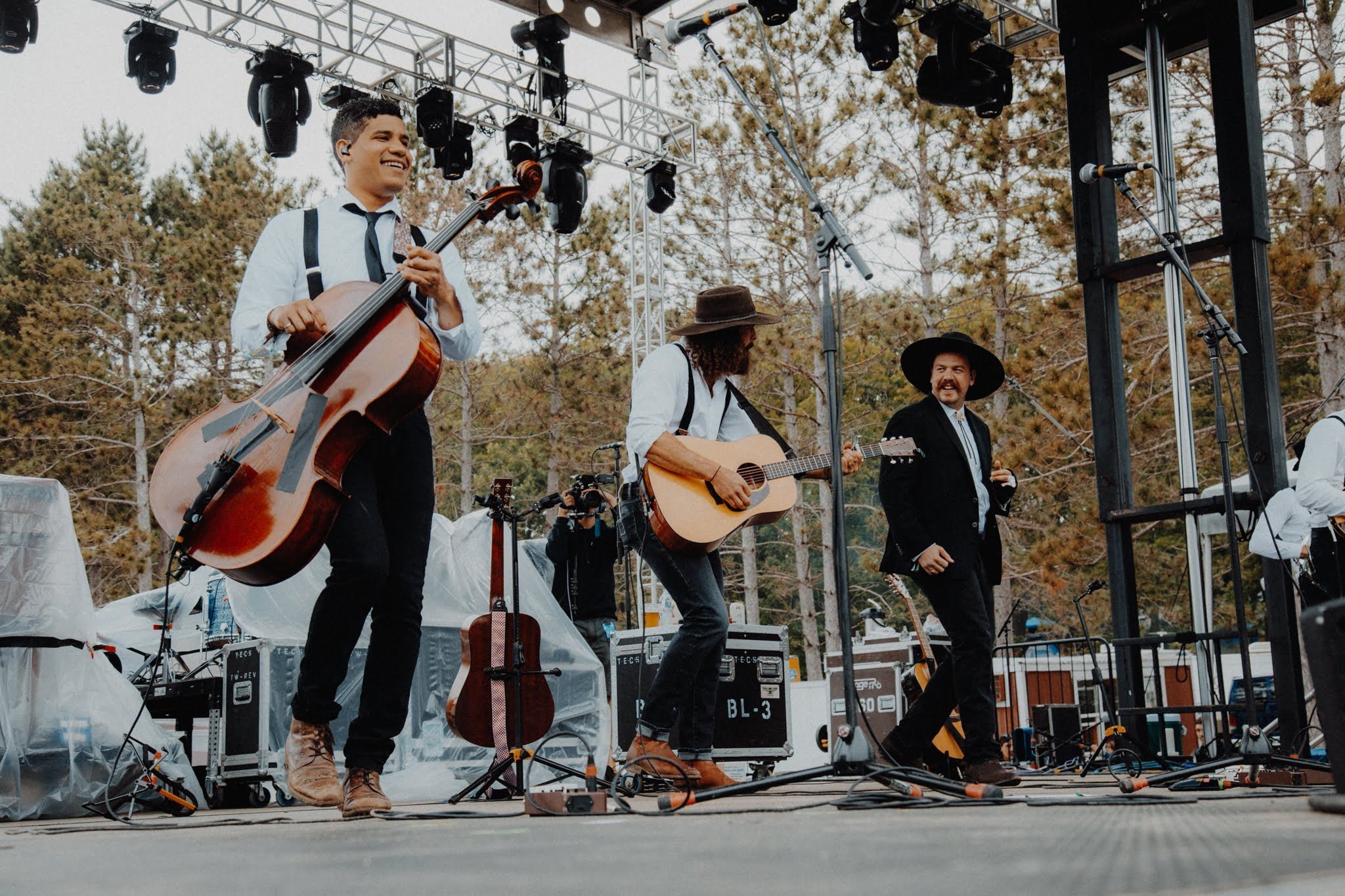
Formed in 2012, the band is back in its original lineup of Nate Hilts (vocals, guitar, mandolin), Scott Pringle (guitar, mandolin, vocals), Danny Kenyon (cello, vocals) and Colton Crawford (banjo). Maybe it’s important to note that there’s neither a fiddle player nor a drummer in this band — or you know, maybe it doesn’t matter one bit. Hilts and Crawford chatted with BGS during some downtime at IBMA’s World of Bluegrass business conference.

BGS: “Diamond Ring” but doesn’t end well for one of the characters, which is common in bluegrass. What story were you trying to tell in this song?

Nate Hilts: It’s a story of a man who’s trying to appease his partner. She finds that a diamond ring would make her happy and so he is going to do whatever he can to make sure that he gets that diamond ring for her. And it turns out to be a tragic ending, of course. Just like all of the songs I write. [Laughs]

Did you know it would end so gruesome?

NH: You know what, no! But when you’re doing a video it’s like, yeah, we need a body count!

Videos have been a crucial part of your career. Do you find that that’s been a good way to be introduced to new fans?

Colton Crawford: Yeah, I think so. We had our first big splash with the “In Hell I’ll Be In Good Company” video. So I think a lot of our fans discover us through YouTube. I think like our songs work well with music videos, too. They’re cinematic and “soundtrack-y.” We’re definitely inspired by film soundtracks and Tarantino and Spaghetti Westerns.

Are there filmmakers that inspire you or that really resonate with you?

CC: Clint Eastwood for sure. Tarantino for sure. Even those old B horror films, Wes Craven and that kind of stuff.

NH: You could give us an array of movies and we’ll find stuff that we like about it. Who did Drive?

CC: That was Nicholas Winding Refn. That movie is all about the atmosphere. I think our songs are kind of like that too.

Was there a certain encounter that triggered you to write “Blue Trash”?

CC: Lyrically, yes. [Laughs]. This one was a lot of fun for me because the verses and the chorus are the same banjo part. It’s just the choruses are played in halftime with that shuffle feel, but it’s the same thing. I do a couple of different bends and stuff like that. I came up with that slow part first and wanted to “Scruggs-ify” that slow part, so it was a lot of fun.

NH: But lyrically that song was triggered by listening to a purist group on Bluegrass Junction [that was dismissing] bands like us, who aren’t quite pure. You know, we stem from bluegrass, but we do our own thing with it. And this song we heard was basically telling us to go away.

CC: “Blue Trash” is sort of like a cheeky love letter to bluegrass. It’s a bit of a response to that.

NH: It’s not a hateful or hurtful response. It’s more like, you know what, we’re here and we love bluegrass music.

So what’s your response when someone’s like, “Well, they don’t play bluegrass…”?

NH: “Yes, you’re absolutely right, but what do you want us to do?” We’re not saying that we’re playing bluegrass. We love bluegrass. The reason that this band was started was bluegrass. And here’s what we do with bluegrass. We take our parts of it. Colton on the banjo, he’s playing better than half the folks you hear on Bluegrass Junction, and [it’s] fantastic that we can have those elements, but we’re not claiming to be the best, or to be stealing it. We’re just trying to be a part of the community and play music.

Tell me about what you mean when you say the band started because of bluegrass.

NH: Oh, when I first met Colton, I was listening to a lot of Old Crow Medicine Show and Trampled By Turtles and listening to some older bluegrass. Colton had just got a banjo, started playing.

CC: Steve Martin was the first actual banjo player that I listened to. Actually there were indie bands that I was into in high school and university, like Modest Mouse — their one record Good News For People Who Love Bad News, there’s a lot of banjo on that. I always just loved the sound of it. And then I discovered that Steve Martin was a world class picker.

I was always a metal guitarist. So there was actually a lot of crossover. I just love that fast picking style… Growing up, my guitar lessons were all classical fingerstyle guitar, but then I played in metal bands in high school. So the banjo is like the perfect middle ground between an acoustic fingerstyle guitar and metal guitar.

Colton, did you take some time off?

CC: I did, yeah. When we first started the band, we just hit the ground running with the touring and we were making no money. So we’d be on the road for a month and a half to two months at a time in a minivan, playing every single day. … I’ve always had this tough time sleeping, but I had a year of really, really bad insomnia. I think the worst part about insomnia is that you’d think at a certain point you get so exhausted that your body would just pass out and you’d have a great sleep. But the thing with insomnia is the more tired you get, the less likely you are to sleep. It’s the worst, it’s just hell.

I went through a year of that and I just said, OK, I’ve got to step away from this. And of course, like two weeks after I left, “In Hell I’ll Be In Good Company” got posted to Reddit and everything started to blow up. But I was still really good friends with Nate, kept in touch with the guys all the time, always figured that’d be part of writing the next record regardless. And then I got some help and figured it out a little bit. Then sort of approaching it a couple of years later, I just said, you know, I want to take another swing. Thankfully these guys, they could’ve told me to fuck off, but they didn’t. So I’m grateful for that.

NH: Yeah, Colton wouldn’t even look me in the eyes when he sat down with me. He was doing a lot of this [looking down]… “I’ve been thinking…” and just staring at the table and I’m like, “What’s he going to say? What’s coming?”

CC: I had no idea how you guys were going to react at all.

NH: He said, “Hey, we should go for a beer, I want to talk about something.” I was like, “I think he’s going to come back.” [Laughs]. In our minds I was like, he’s probably never coming back because we travel a lot and that was a big, big part of it. So what do you do? Unless we stop traveling as much as we focus just on writing or something.

CC: It’s not realistic.

NH: Yeah, for what we do, besides YouTube content, the way that we’re able to function so well is by touring.

CC: Yeah. Our main product is our live show. I love our records but definitely our show is what we do.

Tell me about when you’re off stage. What is your dynamic like?

CC: It’s pretty much just like this. Just hanging out and everyone gets along pretty well for the most part, which is really nice. We’ve been a band for almost seven years now and we still like being around each other, so that’s good. Yeah, it’s a lot of fun. We always say we’re friends first, a band second, and a business third, so we try and keep that in mind.

What do you hope people will take away from that experience of seeing you guys play live?

CC: I think most people show up for a really, really good time, and that’s what we’re trying to do. We’re not a political band. We don’t really have any kind of message. I think our main focus with the live show is just fun. It’s a weird thing because it’s almost frowned upon in the arts. You know, [the perception is that] if something’s fun, it can’t really be true art. We don’t agree with that at all. I don’t think there’s enough fun these days. Everything’s so serious all the time, so we just want people to come and enjoy themselves and have some fun.

It stands out when a band’s having fun, because there’s a lot of serious songwriting and sadness out there.

NH: We write tragically, but a lot of times we have humorous spins on stuff, or the song sounds super cheery but it’s actually quite sad. But we still have fun with it. We don’t take ourselves too seriously.


Photo credit: Brandon White

Where Business Meets Banjo, Alison Brown Prepares IBMA Keynote Address

The first time Alison Brown gave a keynote address at IBMA’s annual conference in 2002, the bluegrass industry gathering was still held in Owensboro, Kentucky. So much has changed since then, but not everything. Asked about memories from those early conferences, she replies, “Oh, it was like it is now. I always kind of think of it as a family reunion. It was just a slightly smaller family then, but no less enthusiastic or supportive, as far as I’m concerned.”

Brown is one of bluegrass’ most prominent figures, adept as an artist, a producer, and co-founder of Compass Records. She’s also won a mantle of IBMA awards in multiple categories, including Banjo Player of the Year in 1991 and a Distinguished Achievement Award in 2015.

This year she will present a new keynote address, “Four and a Half Things I’ve Learned,” on Tuesday at IBMA’s World of Bluegrass in Raleigh, North Carolina. She spoke with BGS by phone.

BGS: What was it about this opportunity to present the keynote address that appealed to you?

AB: I was thinking about the fact that this is Compass Records’ 25th anniversary, and so I thought that, personally, it would give me an opportunity to reflect a little bit on where we’ve been and what we’ve learned in the process of doing what we’ve been doing over 25 years. And maybe share a few things with folks that could be edifying for them.

You’re seeing this bluegrass world as an artist and producer, as well as a business owner. What do you hope that the creative side of the bluegrass community will take away from your presentation?

Hmmm, maybe a better understanding of the landscape that we’re all trying to navigate. And how to better position yourself for success. I think some of the idiosyncrasies of the business, from the view of the record company — I wouldn’t expect that most creatives would be as immersed in that as we are, running a record label. And so I think if you know the challenges that you’re dealing with, you’re better able to position your music and your career to take advantage of the opportunities that do exist, and stand a better chance to succeeding.

What are some of the bluegrass community’s greatest strengths right now, do you think?

I really mean this — I think that we are incredibly fortunate to have an organization like IBMA that’s kind of the centerpiece of our community, that’s looking out for all of us and keeping the community together. I really think that’s incredibly valuable, even more than people know. Other roots music genres that don’t have that are not as fortunate as our community, in my opinion.

What are some things that the bluegrass community can really take pride in?

I gave the keynote address back in 2002, so this is actually my keynote redux. You know, looking back at that keynote, a lot of what that was about was embracing diversity, and musical diversity. That was 17 years ago and that was a rallying cry at that point in time, but it’s not like it was a revolutionary idea. I’m really proud of our community for the strides that we have made. Expanding the envelope conceptually, welcoming in people whose music may be more on the fringes of bluegrass, and not exactly emulate what Earl and Lester and Bill did in 1945.

So there’s the musical aspect, but there’s also the demographic diversity, like gender diversity and racial diversity. Those are things that are community is still grappling with — but we are grappling with them and I’m proud of us for that.

One thing I’ve noticed over the last 20 years in bluegrass is that the music videos are better, the websites and album covers are modern, and the band photos are more contemporary. How important are visuals, do you think, for a bluegrass artist to get attention from press, festivals, and audiences in general?

I think visuals are more important than they’ve ever been. It’s my experience that people can’t just listen to music anymore. They have to see music. We have people in the studio all the time and you want to play them a new track, and I can just see their eyes wandering around the room, looking for the screen. “Where do I look while I listen to this?” So, I think it’s more important than ever.

I’ve also noticed that some bluegrass labels are choosing not to put their new music on Spotify. Why is it important for Compass to be represented there?

That’s where the audience is moving. Granted, the traditional bluegrass music audience is slower to adopt a new technology than a more youthful pop audience would be, but still we’re seeing our audience move there and it’s a great place for people to discover new music. It’s one of the new revenue sources for selling music. We’re seeing the music industry move more and more into the streaming arena. It would seem to be crazy not to be there, as frustrating as the economics may be.

It hasn’t really been our experience that having bluegrass on Spotify has meant that we sell less bluegrass in physical form. And it only really supports the artists’ efforts because maybe the older audience is used to consuming physically but the young audience is used to consuming through streaming and digital. So if you’re not present in that space, you’re never going to expand your audience into that younger demographic, and obviously an artist needs to grow their audience. You need to keep trying to make the average age of your audience younger, rather than older, just in terms of your own longevity as an artist.

So many bluegrass musicians are friends with each other, as well as colleagues in a sense. In bluegrass, it’s pretty rare to send a business-related email to someone you don’t know. How do you think that familiarity shapes the business side of bluegrass?

I completely agree with you but I’m not really sure how to answer the question, though. I guess I can really only answer it personally — that that is part of what gives me a lot of joy, to be in the business of the bluegrass world, because this community has meant a tremendous amount to me personally. I’ve been in the bluegrass community since I was 12, which is crazy to think about, and there are people that I see at IBMA that I have known since I was 12 years old. I think about how much others have given me as I’ve come up in this music. So to be able to have a hand in making this music stay healthy, and paying it forward, is very meaningful to me.

Looking back, is there advice you wish you’d been given in 2002 that you had to learn the hard way?

That’s an excellent question. That’s probably something I should ponder for my keynote and see if I can come up with a good answer. I guess the one thing that I would say is, big things can happen in small steps. We’ve been pedaling this bike for 25 years, building this label, and it’s amazing to look back over a quarter of a century and see how something that you literally started at the kitchen table can grow into an entity that some would consider to be a significant force in bluegrass music. I mean, I think I might have known that going into it, so it’s not really a revelation. It just takes a long time, but if you continue to do the work to the best of your ability, over that long period of time, at the end you can stand back and you will have built something that is amazing to see, and that it did really happen.


Photo courtesy of IBMA

IBMA 2019: The Top 5 Reasons to Go

It’s September. Festival season is going strong — music conference season, too! — and it seems, just about everywhere you turn, roots music is being made and enjoyed.

On September 24, the International Bluegrass Music Association’s business conference and festival will begin in Raleigh, North Carolina. Last year more than 230,000 attendees descended upon the Triangle area to take in the bluegrassy spectacle. We’ll be there once again this year. Here are the top five reasons we think you should be, too:

1. World of Bluegrass

Starting on Tuesday, the World of Bluegrass business conference kicks off the entire week of programming in Raleigh with panels and seminars, a keynote speech by Alison Brown, IBMA constituency meetings, a gig fair, a health fair, showcases, and focused business tracks for songwriters, broadcasters, talent buyers, and more. Learn about the Music Modernization Act, engage in one-on-one songwriting mentor sessions, and don’t miss the exhibit hall! It’s not just a place to stock up on strings ‘n’ Shubbs, you’ll almost undoubtedly bump elbows with the genre’s greatest pickers and artists, too. Like this moment at the Gibson booth when luthiers and musicians Dave Harvey and Brian Christianson share an impromptu tune.

2. Bluegrass Ramble

Did we mention showcases? This year, IBMA’s showcase extravaganza, the Bluegrass Ramble, will include more than 200 sets from over 30 bands all around downtown Raleigh. Don’t miss the World of Bluegrass Kickoff Party with Special Consensus at the Lincoln Theater on Tuesday night.

Need another couple suggestions to help narrow down your options? We’re excited to see acts like California bluegrass band AJ Lee & Blue Summit, banjoist Gina Furtado’s solo effort, the Gina Furtado Project, and newcomer Jaelee Roberts. Set aside time for a new band from Clinch Mountain Boys alumnus, banjo player Alex Leach, and High Fidelity, perhaps the best truly traditional bluegrass band on the scene right now, too.

3. The Awards

The 30th Annual IBMA Awards Show will be held Thursday, September 26 at the Duke Energy Center for the Performing Arts just down the block from the Raleigh Convention Center. Hosted by Del McCoury and Jim Lauderdale, bluegrass’s biggest night will see awards handed out for Gospel Performance, Collaborative Recording, Entertainer of the Year, and more — including three inductions into the Bluegrass Music Hall of Fame.

But, this is not the only awards event during the week! BGS is proud to sponsor the Momentum Awards luncheon the day before the “big” awards show, where young, up-and-coming, and just-getting-started musicians, events, and professionals are recognized for their contributions to the bluegrass community writ large. The lunchtime presentations are peppered with showcase bands, as seen here in 2016 with Loose Strings.

The IBMA Industry Awards (formerly the Special Awards), for categories such as Event of the Year, Sound Engineer of the Year, and Broadcaster of the Year — and more — will be announced during a luncheon on Thursday, as well. It’s an awards-packed week!

4. Wide Open Bluegrass

For the first time, the entirety of IBMA’s “fan fest,” Wide Open Bluegrass, is free! Yes, you can even get into the main stage at Raleigh’s Red Hat Amphitheatre for free. (Tickets for reserved seating are still available!) This year’s lineup at the main stage includes a special tribute to Hazel Dickens and Alice Gerrard and a celebration of Bluegrass Hall of Famer Del McCoury.

Don’t miss the StreetFest, too! Vendors line Fayetteville St. from the capitol to the Duke Energy Center with more than a handful of stages and a world-class lineup of bluegrass, string bands, old-time, folk, and Americana. Wide Open Bluegrass is the biggest bluegrass festival east of the Mississippi, and if you’ve been you understand why.

Also, make plans to join us for our Fourth Annual Shout & Shine: A Celebration of Diversity in Bluegrass on Friday, September 27! With our friends at PineCone we’re taking over the StreetFest’s dance tent for an entire day of dance, music, and celebrating the vast array of diverse voices and creators who love bluegrass. Music starts at noon and goes til 11:00 pm! Did we mention there’s going to be a Shout & Shine Square Dance Party?

5. THE JAMMING

If you don’t spend at LEAST two to three nights out of the week staying up ‘til dawn camped out in a hallway or a hotel room enjoying some of the best off-the-cuff music the world has to offer, you just aren’t doing IBMA right. We recommend the whole enchilada, going to the business conference, the Bluegrass Ramble, the main stage at the Red Hat — but if there’s just one thing you can muster during the week of bluegrass events at World of/Wide Open Bluegrass, it should be a mosey through the Marriott for a little bit of jamming. A lotta bit of jamming. Who knows who you’ll run into on the elevator or around the corner…


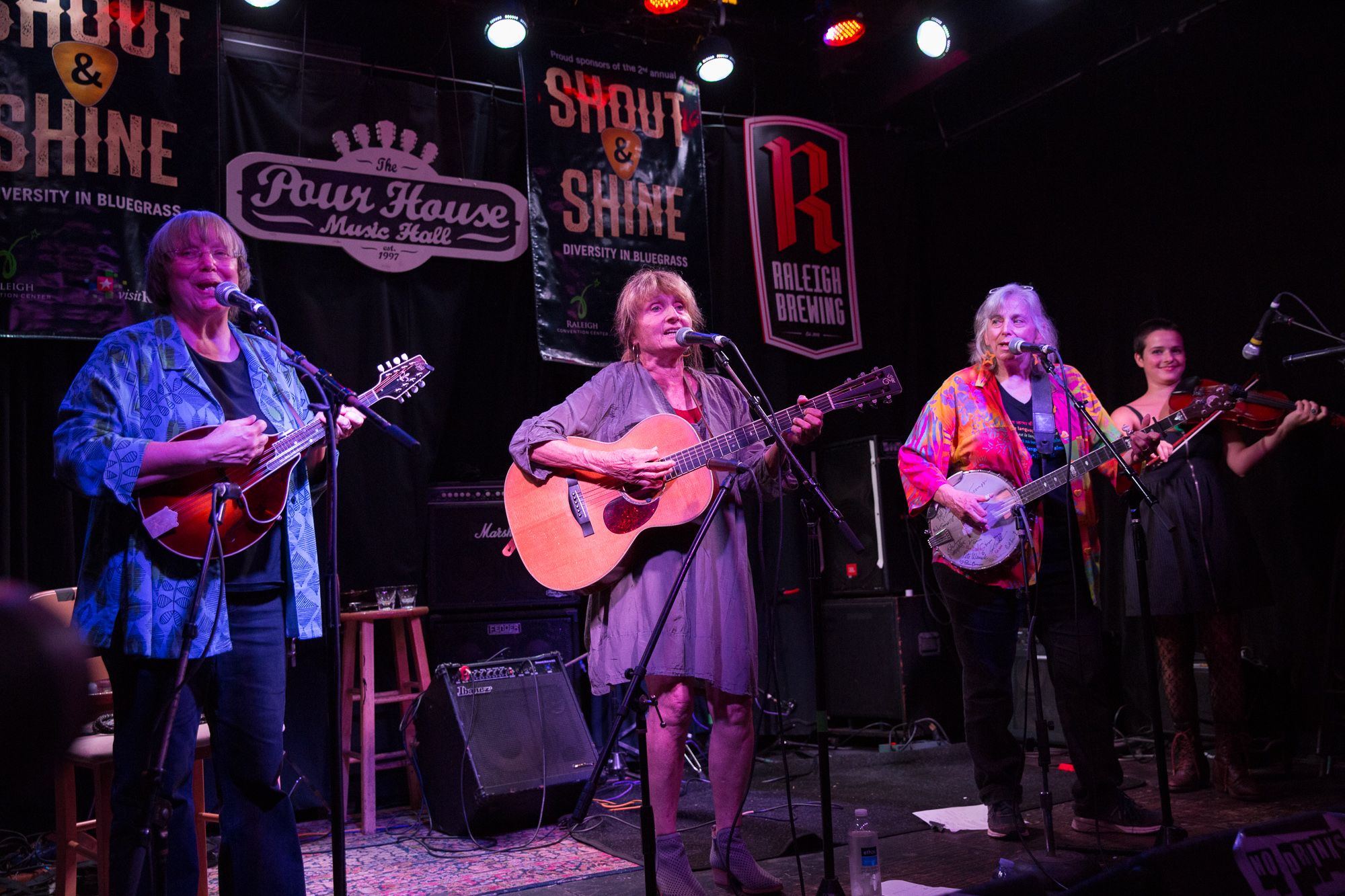
Photo of Marcy Marxer, Alice Gerrard, Cathy Fink, and Tatiana Hargreaves at Shout & Shine 2017: Willa Stein

ANNOUNCING: BGS and PineCone Present Shout & Shine 2019

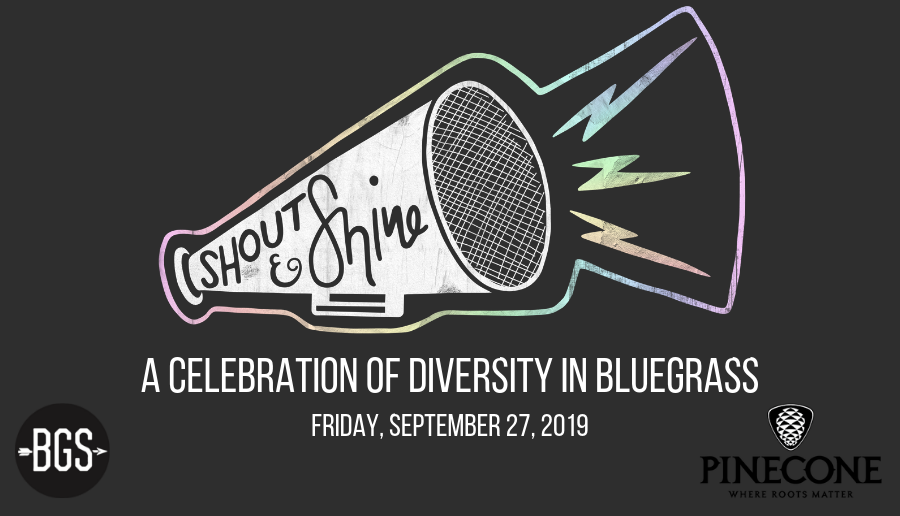
Along with our partners at PineCone, the Piedmont Council of Traditional Music, we are proud to announce our Fourth Annual Shout & Shine: A Celebration of Diversity in Bluegrass. The 2019 iteration will be the event’s biggest year yet, taking over the Dance Tent during IBMA’s Wide Open Bluegrass festival in Raleigh, North Carolina, on Friday, September 27, from 12 noon to 11pm. (See full schedule below.)

In 2016 Shout & Shine became the first event of its kind at the week-long bluegrass business conference and festival. Born as a direct response to the North Carolina General Assembly’s controversial “bathroom bill,” HB2, Shout & Shine’s fourth year continues the showcase’s growth and strengthens its mission of highlighting and reincorporating the voices and perspectives of underrepresented and marginalized artists, musicians, and performers — not only at the showcase, but throughout the convention and festival.

Headlining the year is the Shout & Shine Square Dance Party, led by banjoist and ethnomusicologist Jake Blount and jaw-dropping fiddler Tatiana Hargreaves. The dance will feature Michigan-based square dance caller Boo Radley (AKA Brad Baughman), who specializes in using gender neutral directions for dancers, opening up the square dance — traditionally regarded as a conservative, white, heteronormative space — to non-binary and non-heterosexual participants. All are welcome to participate, with no prior experience or partner required!

The day will kick off with Crying Uncle Bluegrass Band, prodigies from the Bay Area led by Asian American brothers Teo and Miles Quale, who have just returned from a tour of Finland and are fresh off an appearance on the Grand Ole Opry. Percussive dancer and ethnochoreologist Nic Gareiss will give a step dancing performance with old-time banjoist Allison de Groot, followed by a set of music from Hubby Jenkins, who is a blues and old-time multi-instrumentalist, Grammy winner, and veteran of the Carolina Chocolate Drops.

Prolific folk, children’s music, and bluegrass stalwarts Cathy Fink & Marcy Marxer bring their Grassabilly Rockets, featuring Jon Weisberger and George Jackson, to the dance tent as well, followed by their friends, compatriots, and IBMA Momentum Award nominees Cane Mill Road — North Carolina natives who will be joined by Williette Hinton, buckdancer and son of acclaimed blues musician and dancer Algia Mae Hinton.

Realizing a longtime goal of Shout & Shine’s producers, the showcase will feature an Indigenous artist for the first time, Lakota John, a local North Carolinian and his trio with deep roots in Piedmont blues and old-time, down-home acoustic music. Finally, bluegrass legend and trailblazer Laurie Lewis will headline the evening with her band, the Right Hands, before the night’s rollicking, square dance conclusion.

Shout & Shine is made possible by these partners: the Raleigh Convention Center, the Greater Raleigh Convention Center and Visitors Bureau, and IVPR. Shout & Shine 2019 presenting sponsors are Ear Trumpet Labs, Jamie Dawson of ERA Dream Living Realty, Pre-War Guitars, and Straight Up Strings. The Dance Tent is sponsored by WakeMed, FOX50, and Golden Road.

Shout & Shine 2019 is dedicated to the memory of dancer, choreographer, innovator, and roots music luminary Eileen Carson Schatz. Admission is FREE. More information can be found through IBMA at worldofbluegrass.org.

Full Schedule:

12:00-12:45pm – Crying Uncle Bluegrass Band (open dance)

1:15-2:15pm – Nic Gareiss & Allison de Groot (step dance demonstration)

2:45-3:30pm – Hubby Jenkins (open dance)

4:00-4:45pm – Cathy Fink & Marcy Marxer and the Grassabilly Rockets (open dance)

5:15-6:15pm – Cane Mill Road with Williette Hinton (open dance, buckdancing demonstration)

6:45-7:30pm – Lakota John (open dance)

8:00-9:00pm – Laurie Lewis & the Right Hands (open dance)

9:30-11:00pm – Shout & Shine Square Dance Party with Jake Blount, Tatiana Hargreaves,
Boo Radley (caller), and friends (inclusive square dance)


Bluegrass is One ‘Big Family’ in New Documentary

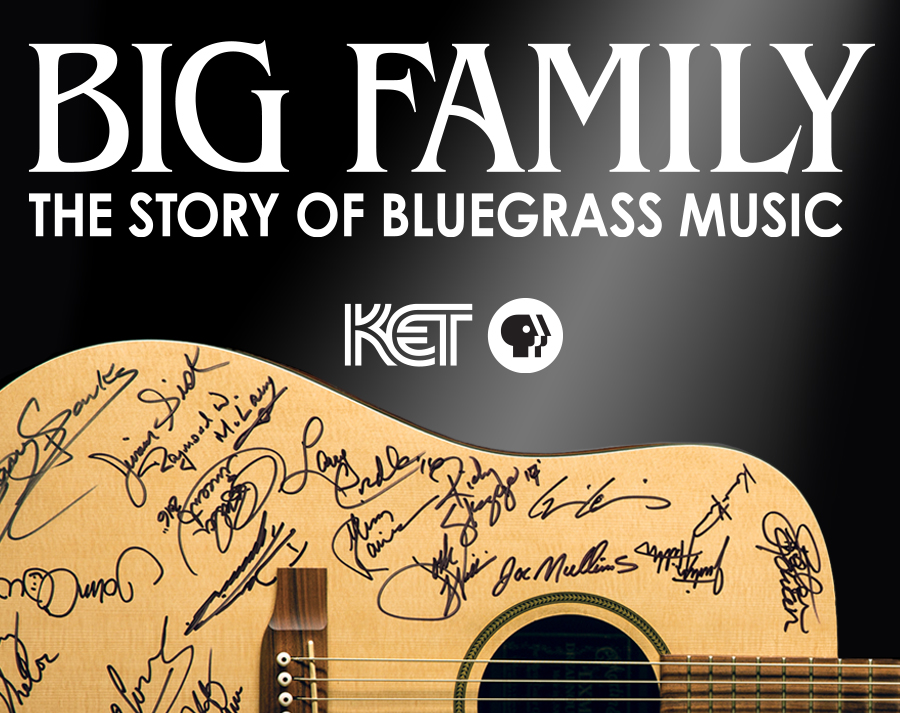
On Friday, August 30 a brand new feature-length bluegrass documentary will premiere nationally on PBS. Conceived and created by Kentucky Educational TelevisionBig Family: The Story of Bluegrass Music offers a comprehensive look at bluegrass — its origins, the pioneers who shaped its sound, and its Kentucky connections and worldwide appeal. More than 50 stars, musicians, and personalities appear in the film, including Alison Brown, Dale Ann Bradley, Sam Bush, JD Crowe, Bela Fleck, Laurie Lewis, Del McCoury, Bobby Osborne, Ricky Skaggs, and Chris Thile. The Bluegrass Situation co-founder Ed Helms lends his voice as narrator.

Here’s our interview with filmmakers and producers Nick Helton and Matt Grimm.

BGS: How was the idea for this documentary conceived — and, was the “big family” concept a theme you expected to find going in? Did the perspective inform the content and footage, or vice versa?

Nick Helton: We had an idea of a bluegrass family tree going in, but realized that the connections between all the musicians wasn’t that straight. But the “Big Family” theme was a constant and seemed the obvious choice for the title. I’d say the content influenced the writing and editing.

Matt Grimm: That’s right, we would often ask our interviewees, “How would you describe bluegrass music in one word?” Several people responded that bluegrass music is just like a “family.” That theme continued to resonate as we conducted other interviews and could see the interconnectedness within the genre.

There have been bluegrass documentaries along these lines made in the past. What new ground did you hope to cover by making this film?

MG: Our aim was to tell the comprehensive story from the perspective of a wide breadth of those in the genre, while also sharing some great music and rare footage at the same time. While formulating the script with our writer, Teresa Day, we saw parallels between the evolution of bluegrass and America’s larger societal issues. For instance, the effect that economic migration had on the music in the 1930s or how the social revolutions of the 1960s played out in bluegrass music also. By including these larger themes, we hope the film will also have broad appeal and reach a wider audience.

NH: We hadn’t seen a documentary that went this in-depth, especially with interviews and narration telling the story. We wanted a film that would introduce a new audience to the genre, but also entertain and inform the fans of bluegrass music.

Kentucky’s bluegrass heritage certainly informs the film — and its inception — but how deep is that connection to you and the team at KET?

MG: KET has a long history with bluegrass music. Beginning in the 1970s, KET has routinely shared bluegrass music with its viewers. I grew up in New York State and was probably first introduced to bluegrass as a child watching The Andy Griffith Show reruns with my family. Watching “The Darlings” (The Dillards) pick together onscreen was so much fun. I have always enjoyed the music, but have grown to understand and appreciate it so much more now.

NH: I’m a Kentucky native so there was some pride in making a film about our native-born music. I formerly produced/directed the KET bluegrass music show Jubilee, so I have been involved in the bluegrass music scene in a television capacity since 2007.

There’s quite an array of stars, artists, and interviewees who appear. What informed your selection process?

MG: We wanted the film to include a chorus of musicians from across the genre. All the interviewees bring their own bluegrass story and perspective. Hearing from those from California, New York, or even Tokyo was just as important to us as hearing from bluegrassers from Kentucky and Tennessee.

NH: We are lucky that the IBMA World of Bluegrass event exists. We attended that week-long conference twice during the interview process, which allowed us to interview dozens of people in one location. Other interviews were based upon availability of artists and their role in the story.

We definitely recognize that narration voice work. How’d you come to work with our friend and co-founder Ed Helms?

NH: Ed was on a very short list of narrators we felt had a tie to the music in addition to the chops for narration. We met someone from The Bluegrass Situation at IBMA in 2016 and when the time came to pursue narration used that connection to inquire about Ed’s interest. Ed was quick to reply, his schedule worked out, and he gave us a perfect narration read. We couldn’t be happier to have Ed involved.

MG: That’s right, Ed was perfect. We were thrilled he agreed to be a part of the project.

What do you hope the film accomplishes as it is released into the world? What response have you gotten from the bluegrass community?

NH: We’ve had a few preview events around Kentucky this summer to promote the film; the response has been overwhelmingly positive. We received a standing ovation at the first screening, which was an amazing feeling. We hope the bluegrass community is proud of how they are represented and that we bring some new fans to the genre.

MG: We hope the film connects the dots for some who have never heard the bluegrass story in this way. It has been wonderfully received. People have expressed their surprise over learning new aspects of the story and, I think, have found it very entertaining. We approached the task with a great deal of respect and admiration for the music. It has been our privilege to share this story. It’s been a lot of fun too.


Image courtesy of KET

The String – Talking Tradition at the World of Bluegrass

What is tradition in music? It turns out that’s a tricky but illuminating question, and this week Craig puts it to a range of folks at the World of Bluegrass in Raleigh, NC.

LISTEN: APPLE PODCASTS

CJ Lewandowski of the hot new Po’ Ramblin’ Boys (pictured) want to build bridges between fans of the inside and outside. Doyle Lawson applies it to the atmosphere he’s set at his 39-year-old festival in Denton, NC. John Showman describes how the Lonesome Ace String Band produces traditional sounding music without thinking like preservationists. Multiple IBMA Award winner Becky Bullerknows how to write songs from across the trad/rad spectrum. Jordan Laney brings her scholarly background to the question. East Tennessee State bluegrass music program director Dan Boner says he’s seen tradition take many forms in his students. Asheville fiddler Natalya Weinstein and her husband John Miller tap their respective family histories in their music. And string music educator Happy Traum has helped pass down tradition via video lessons. It’s a fascinating ramble, with music throughout.

Jamie Dailey Previews IBMA Keynote Speech on “Branding Bluegrass”

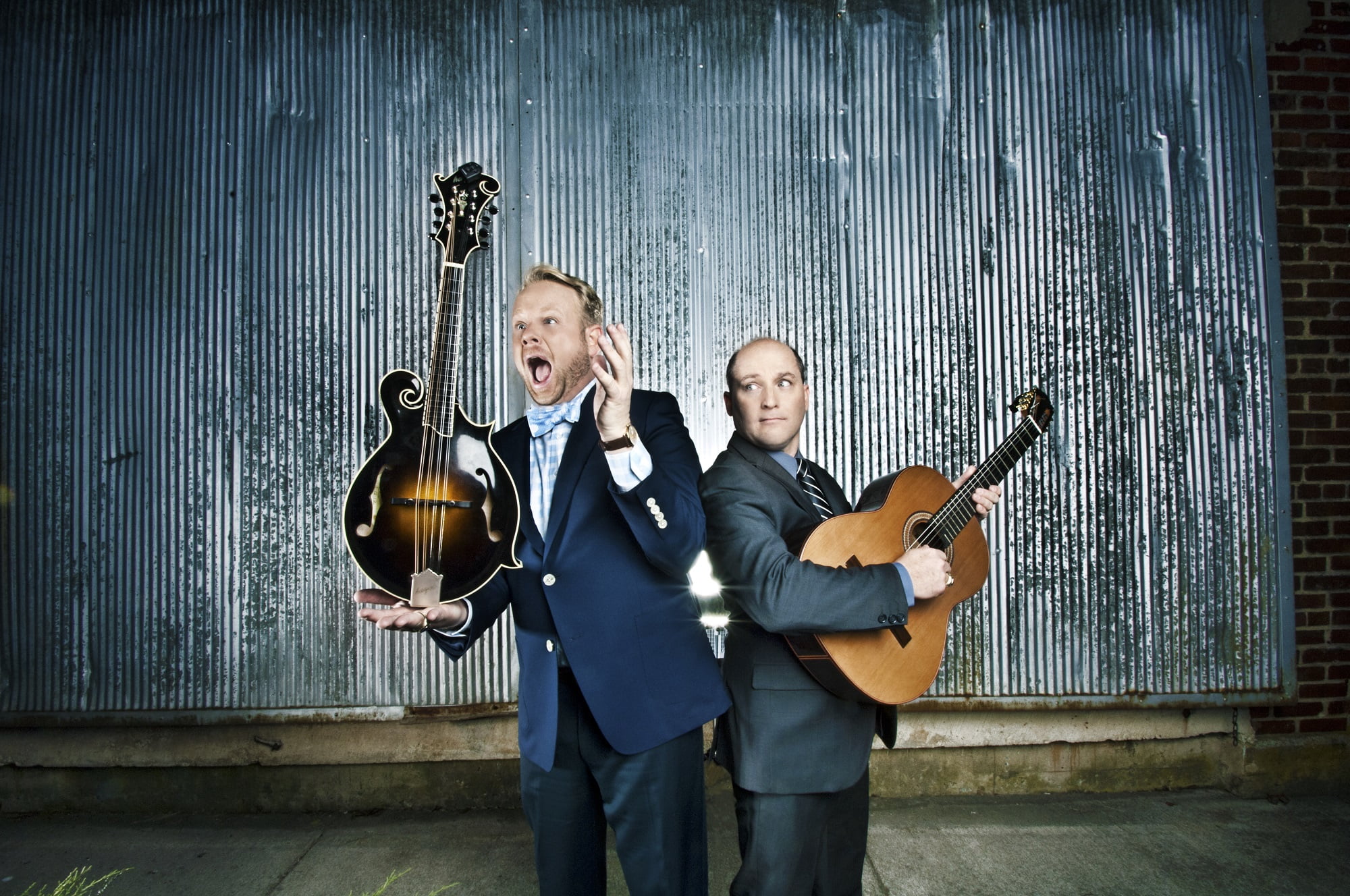
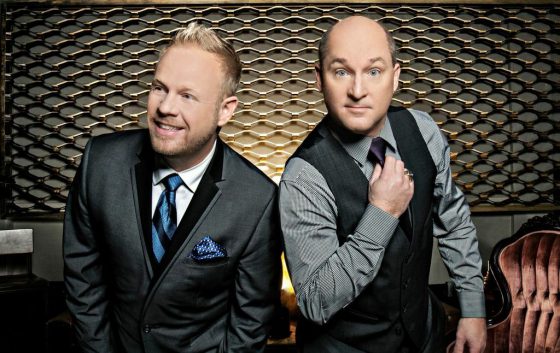
Ten years ago, the duo of Jamie Dailey and Darrin Vincent—former members of Doyle Lawson’s Quicksilver and Ricky Skaggs’ Kentucky Thunder respectively—burst onto the bluegrass scene in a big way, winning six awards at the International Bluegrass Music Association’s (IBMA) annual gala that ranged from Emerging Artist to the marquee Entertainer of the Year title. It was an auspicious debut, echoed over the next couple of years by more IBMA trophies and other awards, too.

But the accolades of the bluegrass industry, welcome as they were, didn’t deter Dailey & Vincent and their crackerjack band from striking out on a path that’s led them far beyond the pastoral outdoor festivals that still account for much of the music’s presentation. They’ve partnered with Cracker Barrel Old Country Stores to release an immensely popular set of Statler Brothers songs; hosted their own TV shows on PBS and RFD-TV, featuring a wide array of musical styles and entertainment; toured across the country and around the world; and will be producing a Christmas special and associated album later this year. In 2016, they were inducted into the cast of the Grand Ole Opry by the noteworthy pairing of Jeannie Seely and Old Crow Medicine Show.

This year Jamie Dailey will give the keynote address at the World of Bluegrass business conference in Raleigh, North Carolina, on Tuesday, Sept. 25. The theme: “Branding Bluegrass.” Asking him about the invitation seemed like a natural place to begin our conversation.

When you got the invitation to give the World of Bluegrass keynote, did you have to think about it for a while?

Yes, sir, I was quite apprehensive about it. I have something of a different opinion about what’s going on than many do, and the way that I go about doing things business-wise—and creatively—is really not in the bluegrass vein, though it has the foundations. And as you know, when you do things like that, you’re already getting the stink-eye, as I call it. So that’s why I didn’t want to do it. But I called three of my music friends who are pretty much heavyweights in bluegrass, and one in country music. I told them and they said, “Oh, you have to do it, you have to do it.” And they kept pressuring me!

I’m not a theologian, and I don’t have 16 different degrees from Harvard hanging on the wall. But what I do have is experience and instincts. And I can see the dangers that are facing this industry, because we’re too bound by traditions—and we should be bound by traditions in general, but we can’t let that drive us to the point that the music begins to die. And that’s my concern about where we are as an industry.

You started as a full-time musician with Doyle Lawson in 1998, so you came in at the very tail end of the way things had been, and right into the thick of things—Napster, satellite radio, and so on. It seems like the industry has changed completely over your career.

It has. When I started with Doyle, I started watching what was going on. I could see the industry starting to roll over, and I could see changes coming. And I would talk with him a lot about how we needed to get a team. And we did that; we got Don Light as manager, and we went with Rounder Records. From that time to the time I left, which was after nine years, there was even more of a change in the industry. So when we got ready to start Dailey & Vincent, one of the first things I said to Darrin was, we need a publicist, a manager, a booking agent, a business manager, and a good attorney. And for a minute, Darrin looked at me like I’d lost my marbles. But I knew that with the things that were going on, with the way the business was changing, we needed a strong team. And that’s how we started. I wish more bands would take that a little more seriously than I think some do.

You guys started around the same time and place that the Infamous Stringdusters did, and even though you’re very different musically, it seemed like what you shared was an understanding that you need to take care of business.

If you want to talk about branding, the Infamous Stringdusters are a great place to start; look at what they’re doing. The Infamous Stringdusters are headlining Red Rocks; I was talking to Chris Pandolfi on the phone recently about that. They’re doing it their way—with bluegrass foundations, but adding their art form and their hearts to it. And I love to see that. They have a strong team, they have good instincts and lots of good sense, and I’m just very proud of what they’re doing.

That’s got to be a piece of the message — that you need to have a musical identity, but also have some kind of business vision to match.

You do. And if you don’t, you have to get people with you that do, to help you create that and keep it intact.

Now, here’s the other side of it all on branding, and this is something I wish our industry would get better at realizing. We live in the most interdependent age in history. And basically, interdependency means the borders of the world are more like nets than walls now; we can reach more people now than we’ve ever been able to reach. But I don’t feel like, as an industry, that we’re really taking full advantage of that. Darrin and I are trying to take all the advantage of it that we can—by TV, by radio, by doing different kinds of records, from country to bluegrass to gospel. Because we love all of it, and we like to sing and play all of it. That’s what we need to be taking more advantage of.

What do you think stands in the way of bluegrass artists doing that?

Looking at it from a bird’s-eye view, I think they’re scared to do things differently. Because they’re bound by tradition, by bluegrass music lovers who want them to do the same thing over and over and over again. They don’t want to see anything outside of a three-chord song, they don’t want to see anything that’s past a four- or five-piece bluegrass band, that takes it any different direction that what our forefathers did. But listen here: I sat with Earl Scruggs, and I asked Earl, what do you think about adding, say, drums, to a bluegrass band, and doing some different things, even a piano? He said, “I think what you are trying to do is great. Be an artist, play the music you want to play.” And he said, “Son, you’ll always have those bluegrass foundations, because it’s the way you sing.” That really stuck with me.

It seems to me that if you feel that traditional bluegrass’s existence is threatened—and it certainly is economically—then the flip side of that is, you have to be really proactive in reaching out as broadly as you possibly can.

It’s interesting that you bring that up. The first year that I booked our group, 22 of the festivals I called—that I had played with Doyle Lawson for years—had cancelled. By year two, another 13 were gone. And it kept happening. And I told Darrin and Don, here’s what we need to do: we need to start finding buildings that we can promote in; hire a promoter to do it; start learning how to fill those buildings up and put butts in those seats—get people coming to see us.

So we started that by our third year. And what has happened through that is, we grew from 300 or 400 people the first time into complete sellouts now as we go across America. Those people are telling their friends, and they’re telling their friends, and you get more people coming; our demographic is all the way from 15 years old to 95. We just have a broad-ranged audience. And now out of the 115 dates we do a year, about 75 are by ourselves in those buildings. We’re working on pulling new people, and using our TV appearances to do that; that has been an important part of our brand. The rest of the time, we do play Merlefest, or Grey Fox, or some Norman Adams festivals—and that way we make sure that our foundation is still intact with the traditions but not completely bounded by them, because the brand has to grow.

We are living in an ever-changing world, every day. Look at how the record companies are struggling to try to find ways to sell records. Look at the brand new cars that don’t even have CD players in them. People that buy new cars who don’t like to use their phone to listen to streaming services are going to have to learn to buy the records; put them on their phones; hit the Bluetooth and play them in the car. We’re faced with changes whether we want them or not, and we have to meet them head on, we have to think about it, and we have to be proactive.

What’s the biggest challenge coming in the next 10 years? Biggest opportunity? What’s on the horizon?

The biggest challenge that I do see, honestly—and I could be wrong, we’ll revisit this in five years and maybe you’ll say, “boy, Jamie, you really missed on that one”—for bluegrass artists is watching some of these festivals decline. Some of them are still in really good shape, and hopefully will continue to be, but a lot have declined. I see a demographic that follows this music that is starting to roll out, that I don’t see anymore, because they can’t get out now, they’re not as mobile.

And a lot of the younger listeners won’t come in and watch a straight-ahead bluegrass show. They might want to see Dailey & Vincent, and they might want to see the Grascals, but they also want to see Billy Strings and Molly Tuttle. So the biggest opportunity is to market to that, to become more diverse with shows like that, where everybody wins. Because if you have Billy Strings fans and Molly Tuttle fans coming, and you’ve got Dailey & Vincent fans coming and Grascals fans coming, where you have them all there, listening to all the artists, more than likely we’re going to make some fans from each other’s fan base. Our industry is making some progress there, but I think we’re running a little bit slow on that, a little bit behind.

What Darrin and I figured out very quickly is, play the music we feel in our hearts. Whether it’s original or not, whatever it is, play what we love; play it the way we like to play it, and let the chips fall where they may. And in my simple country boy head, it comes down to, if you like it, you’ll buy it and come see it. And if you don’t, you’ve got plenty of other choices to go and see other artists. And that’s kind of where we are with it. I love bluegrass. I love gospel. I love country. But we’ve got some work to do in the bluegrass industry, because I feel like we are behind.


Photo courtesy of the artist.

Che Apalache: Connection Through Context

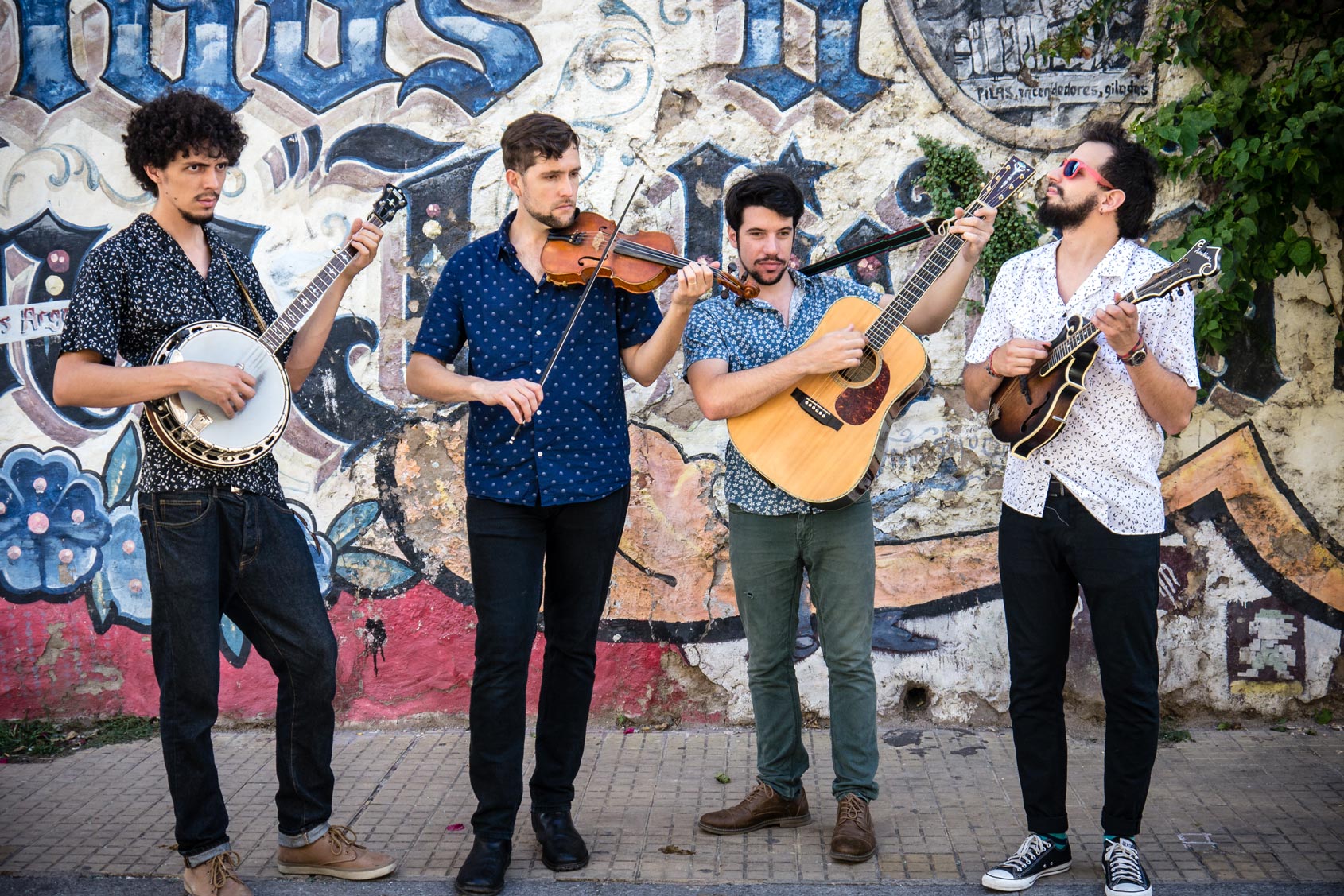
As a column, Shout & Shine tends to hinge on unpacking, refuting, and/or subverting expectations about who does and doesn’t  “own” American roots music and its constituent genres. So it’s interesting that, in a conversation with Joe Troop, frontman of Argentina-based, bluegrass-flavored, Latin-infused string band Che Apalache, not only would we come up against those sorts of expectations — and how the band refuses to fit any molds set forth by them — but also in certain cases, we realize they fit quite tidily into the norm, the tradition, and the heritage of the music. Despite however far or wide a band may stray from what we may automatically suppose these genres ought to look like, feel like, and sound, roots music will almost always demonstrate that we are more connected and more similar than we’ve been led to believe.

We connected with Troop on the phone ahead of Che Apalache’s performance headlining our Third Annual Shout & Shine: A Celebration of Diversity in Bluegrass — the namesake of this column — at the International Bluegrass Music Association’s World of Bluegrass conference and Wide Open Bluegrass festival in Raleigh, North Carolina, next week.

This whole slew of unspoken, subtle expectations about who has a claim to roots music is already being subverted by just the existence of Che Apalache, so I wonder, as you tour — especially right now, as you tour the U.S. — how have you felt yourselves coming up against those expectations with your audiences, or perhaps anyone who wouldn’t ever suppose someone from a different hemisphere would even want to play bluegrass?

I fell in love with bluegrass because it’s amazing music, really. It’s such a beautiful thing to have happened in the world. This instrumentation, this ensemble, I tend to think of it also outside of bluegrass, but bluegrass is what gave it technique, there’s a lot of evolution that came from bluegrass. Don’t get me wrong, I love bluegrass, but there are some social issues in the bluegrass world — but there are also things that are understandable, because it’s an extension of American society. As American society continues to evolve and change, bluegrass is naturally going to do the exact same thing. It’s kind of a self-evident history. Being historically accurate is something that bluegrass musicians were never good at. They took something that wasn’t an Anglo-Saxon “pow-wow” and they made it into that.

Americans are not good at historical accuracy; our culture is predicated upon the exact opposite.

America’s perhaps the most hyper-nationalized country in the world right now. That’s something that you get to reflect upon a lot when you spend years — I, personally, have been out of the country for thirteen years of my life, so I’ve thought about that a lot, how nationalism seeps into every nook and cranny of your construct of identity. It’s pretty frightening. I would say bluegrass never escaped from that. Because of advertising and marketing and corporate dominance, Americans basically just want sunshine shoved up their asses 24/7. They just want to be told how great they are.

Not only because you come from South America, but the array of backgrounds and starting points for all of you in the band, I wonder how you feel you are working to deconstruct that paradigm? Is that an active thing?

Yes. Absolutely. It’s 100 percent intentional. I’m also cognizant of the fact that I’m privileged, regardless of the fact that I’m gay. I’m a middle-class American, that puts me way ahead of almost anyone anywhere else in the world, as far as having economic ability and being able to go to college without breaking a sweat, all that. My parents were not privileged growing up. They’re baby boomers, they had this idea of what they wanted for their children, that’s what they procured for us, but that gave me a different view than most of my family, who were blue collar. I grew up between two worlds and my parents were the segue between those worlds. Back then, identity was constructed very differently and there wasn’t much wiggle room.

So why be intentional through art? Personally, I developed an empathetic point of view because I had multigenerational friendships, and bluegrass is a brilliant genre because it does — unlike almost any genre in the United States — allow you to intermingle with people of different social statuses. Bluegrass is more of a launching pad than almost anything else, contrary to the very conservative ties it may have. If not the best, it’s one of the best musical forms with which to cultivate a greater sense of empathy. Then, when you want to make a greater artistic statement, you know how to untangle that mess a little bit more. Che Apalache tries to put out things that are very intentional, to help people reflect who may not have had any exposure to certain belief systems before — and I’m referring to my own belief systems as well. I have an agenda, clearly. Mainly that’s to help this process [of breaking down these paradigms] along in some sort of way where people are obligated to think.

I want people who hate these things — immigrants’ rights and gay people — to first fall in love with us almost like someone would as a child, because art has that innocence and beauty that’s primordial. If we can hook them in with artistic prowess and then challenge them to grow, that’s social art. That’s what we’re going for.

Musically then, what are the similarities and differences in your approach to string band music coming from the perspective of Argentina and South America, rather than North Carolina or Appalachia?

So we’re in Latin America, and in the 1970s, the United States backed Operation Condor, which was an intentional ousting of and/or assassination of democratically-elected governments in the southern cone of South America. They were replaced by very violent dictatorships. American intermingling in Latin America has led to the basic destruction of young intellectuals in the ‘70s, their baby boomers, who were pressing very important social issues. All of this led to some serious bullshit down in South America. Our histories are very intertwined. Talk about Americans needing sunshine shoved up their asses — to deny the fact that America and the CIA were directly responsible for what happened in South America would be equivalent to saying that Hitler and the Third Reich weren’t responsible for the Holocaust. It’s an important thing to understand when presenting a string band in South America, because most people are going to simply reject it. A lot of people would not look favorably on anything iconically American. That’s just part of what you have to understand before you even start to understand what an Argentinian string band means. You have to have context to know what you’re doing in the world. That’s what Americans are so pitiful at, having context. The inherent symbolism of a string band in South America is something that we’re conscious of both there and here.

What I hear you saying is that you’re patently, obviously American in Argentina and Latin America, but at the same time, you’re existing in this odd middle ground where, in the U.S., folks will view you as patently foreign. How do you bridge that divide?

Through queerness! [Chuckles] That’s my guiding light. It all started because of queerness. I fell in love with bluegrass simultaneously with the recognition of my own sexuality. That was the major defining factor in the construct of my identity. Being different, while at the same time being 100 percent Anglo-Saxon, North Carolinian, banjo and fiddle player, was like trying to tame two wild, bucking mules with a rope around each, trying to pull them back together.

Something that I continually go back to is that if we, as othered folks, are able to stand in the center of disparate halves like this–

Yeah! Who else is going to do it? I think being “other” means that you’ve already had societal defeat, you’re nothing. Back when I was coming to terms with my sexuality, gay meant death. I went to Spain when I was 19 and no one gave a shit. I have to give Spain a hand, I love that place. In a personal way, queerness plus Latin culture gave me the liberty to deconstruct my own idea of my identity.

I want to be very clear in connecting all of these thoughts, for our readers, to Che Apalache’s music. Let’s talk about “The Wall.” I love how it subverts that style of song with what it talks about. I feel like it’s the perfect synergy of all of these things you’re talking about.

That song was again, very intentional. I knew it had to be about the wall. It took getting piss drunk on a bottle of whiskey and writing it all out, in my friend’s bathroom crying — it had to be exactly that. The whole mission there was to create a song inspired by Ralph Stanley and what he represented. He’s one of those luminous voices that comes once in a century, he sounded like he was a hundred years old even in his 20s. He was an amazing but also very humble guy. He campaigned for workers’ rights, unions, and workers’ syndicates. He may have fallen into the clenches of Obama, in a way — because Obama didn’t deliver on a lot of the key issues he campaigned for — but the symbolism of Ralph Stanley campaigning for Obama, that speaks for itself, regardless of what happened afterwards. The idea was to put democracy back into the hands of the people. Ralph Stanley has that legacy.

Sure, there are degrees of radicalism — it all tends to be relative.

In southwest Virginia, what he did was extremely radical. You have to contextualize it.

There’s such a history and legacy in that region of folks who would have been relegated to the forgotten pages of history being on the front lines of progressive issues.

Totally. So that song, [“The Wall,”] on a musical and ethnomusicological level, comes from that! Four-part vocal harmonies and Southern gospel unify our band. In April we even did a residency in southwest Virginia through the Crooked Road. We got to play at the Ralph Stanley Museum and his birthplace. In those regions, a lot of those folks are conservative, they identify as Trump voters. We couldn’t think of a better way besides taking that style of music and try to somehow rope them in, then when the fourth verse comes through, they’ve already fallen in love with us, but then we’re tearing their wall down.

And that act isn’t something that you’ve set out to do just because Trump is president; you’re building on what all of these artists and people have done before you, using this specific style of music to make these changes in the world.

Totally. Exactly. We performed this song at [the Old Time Fiddler’s Convention in] Galax, Virginia, and you can see a lot of people listening politely, and only a couple of folks getting angry, but most sat listening respectfully. But hopefully, when they got up the next morning, it made them think.

Once again, queer people, othered people, are the perfect example of this hot button issue of “come togetherness.” We, the othered folks, are leading the way, showing how to come together despite our differences in a way that honors ourselves and our identities, without being complicit in our own oppression. That’s the power we have, to show people what it looks like to truly come together, to start these dialogues, and conversations. Whether it’s at IBMA and Shout & Shine, or at Galax, or around the country, or in Latin America.

That’s it exactly. I made a promise to myself to fly the gay flag, the rainbow flag at Galax next year over our campsite, because it’s usually just stars and bars there. I think that it would be nice to have other folks there to be a part of that! There’s strength in numbers. I would be reticent to go in there with an overt political agenda, though. Because that’s not strategic enough. I think what people like about Che Apalache is that it’s fresh, it’s breathing new energy into something, that for a lot of people has grown stale. That’s the majority of the comments we get. There are a lot of traditional bluegrass fans that follow us because they feel that the genre is doing what it always has — a resurgence of a new kind of thing. That new kind of thing isn’t going to be tipping the hat to the past in a cheeseball, more mash sort of way. People aren’t stupid. People want symbolism. People want string band music.


Photo courtesy of the artist.