The String – Caleb Caudle

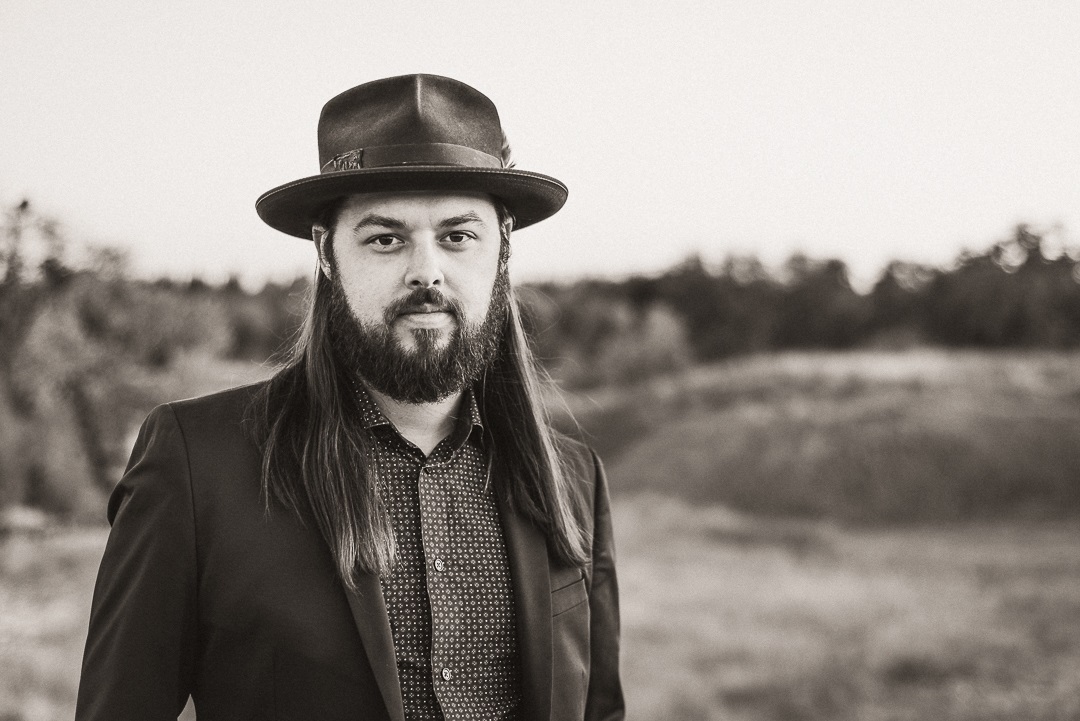
Caleb Caudle grew up in rural North Carolina outside of Winston-Salem, captivated by music far beyond what his school peers cared about — English punk, folk, and Bob Dylan among them.


LISTEN: APPLE MUSIC

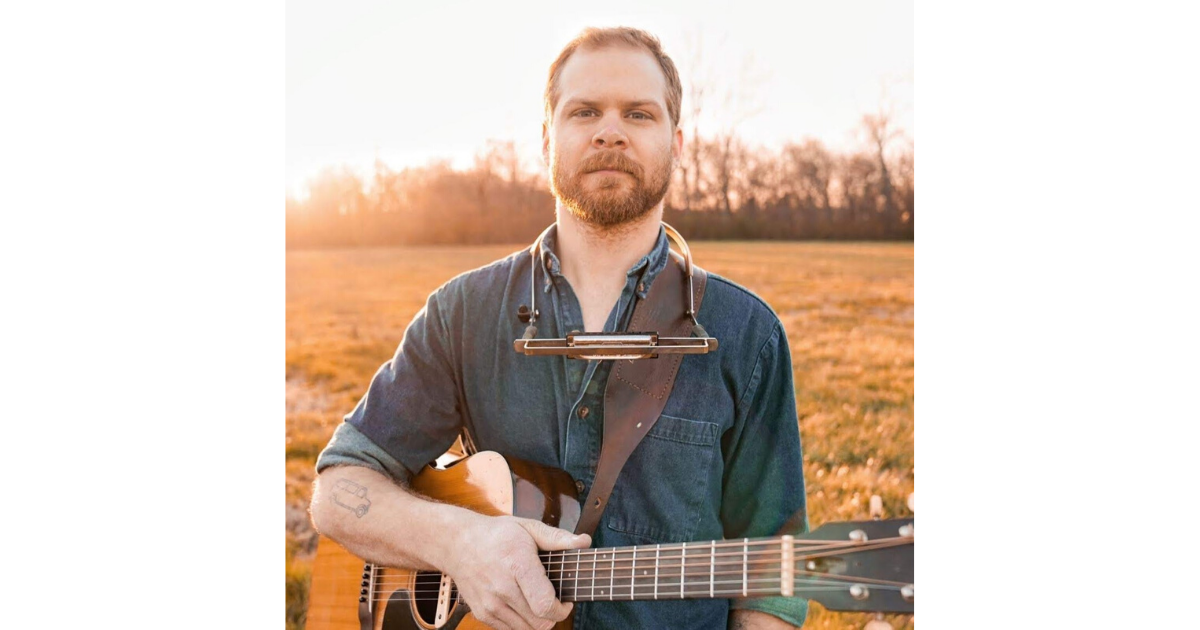
Since entering the music industry fray as a singer/songwriter in the mid-2000s, Caudle has released seven studio albums, with a brand new one available now. Better Hurry Up was cut in 2019, just days after he and his wife moved to Nashville. A crack band set up shop at the Cash Cabin in Hendersonville, TN, surrounded by the spirit of Johnny and June. Great things resulted. Also in the hour, bass playing sideman turned impressive singer/songwriter, Adam Chaffins.


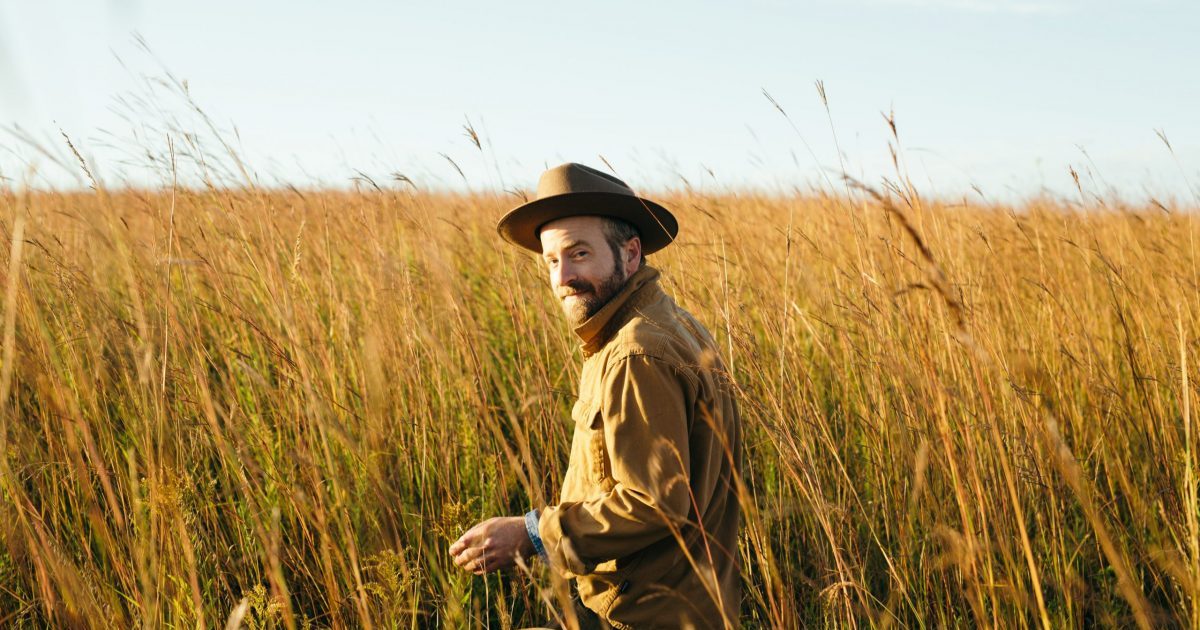
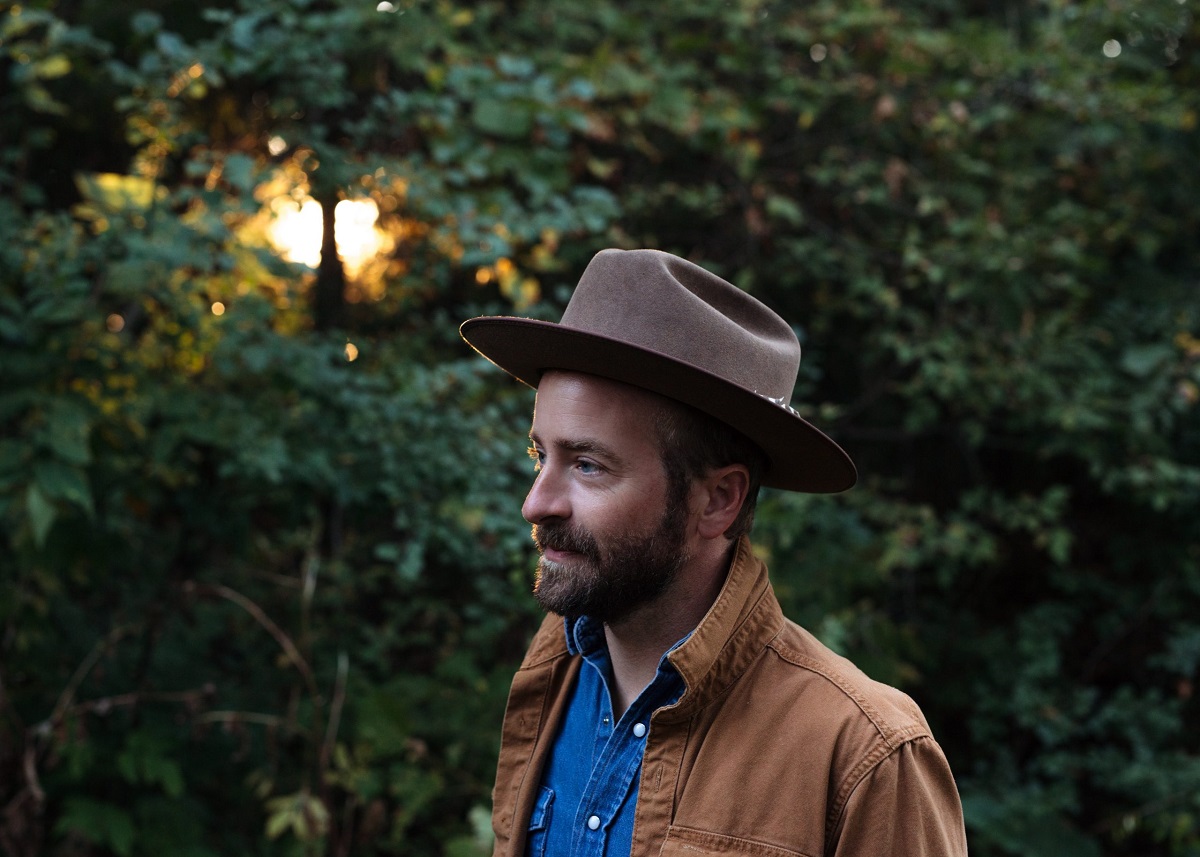
Photo Credit: Bret Scheinfeld

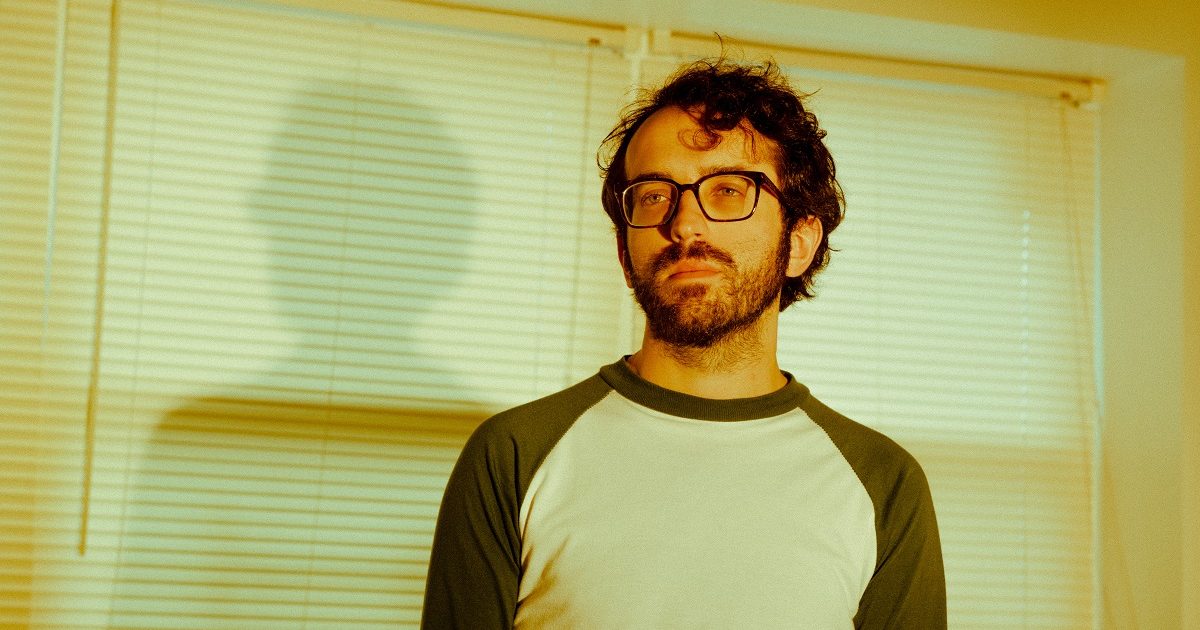
MIXTAPE: Anthony da Costa’s Quarantine Chill Out Roots-Grass Mix-Up

I know what you’re thinking, Anthony da Costa doesn’t really bluegrass…but hey, I live in Nashville and I have friends and I even say “y’all” now. And there’s something about roots music that cuts to the core of everything and deeply influences what I do…even if it doesn’t always sound like it. Here are some tracks to not go outside to! — Anthony da Costa

David Francey – “Border Line”

David Francey is one of my favorites ever and nothing will change that. I lucked out by sharing a stage with him at the Tønder Festival many years ago. He blew me away with his simple approach, golden voice, and powerful storylines. He stood there like a bard and held our hearts in his hand. After our show, I asked his guitarist which album I should start with and he emphatically stated Torn Screen Door. “Border Line” is track one from David’s debut album, which he made when he was 45 years old. Let’s take a journey with him, since we can’t really go anywhere else.

Jordan Tice – “Chicken Dog”

This playlist has a lot of mood, interspersed with that spontaneous dance party that we could all use right now. You don’t even have to put on real clothes, just dance. Jordan Tice is one of my best friends and also happens to be my one of my favorite acoustic guitar players on planet Earth. He has a fabulous new album that will be coming out soon… but until then, let’s jump to this scorcher of a bizarre bluegrass song called “Chicken Dog.” I still don’t know what it’s about, but also, like, who cares?

Molly Tuttle – “When You’re Ready”

This playlist wouldn’t really be complete without something from Molly Tuttle. I had the pleasure of touring with Molly for her album release in 2019. When the bluegrass kids all told me that Molly had made a “pop” album, my first thought was “ALRIGHT. Calm down, kids. What, are there drums or something? Are you scared?” But the young “queen” of the bluegrass world and honestly craziest picker out there made one of the best albums of last year: pop in the ’90s Aimee Mann singer-songwriter kinda sense. Molly knows how to write a poignant, catchy chorus — and then somehow squeezes in some pretty insane bluegrass runs –in the SAME SONG. Are you ready?

Bill Frisell – “I’m So Lonesome, I Could Cry”

Because, you know, quarantine sucks, right? And I live alone. And it HAS gotten lonesome at times… so lonesome that I could pull up this great compilation entitled The Best of Bill Frisell, Vol. 1: The Folk Songs and just mellowly and totally NOT CRY to myself. ♥

Sam Amidon – “Blue Mountains”

Speaking of Bill Frisell, he features on this pretty mesmerizing track from Sam Amidon. This record made me a believer. I don’t know that anyone else can do what Sam does with folk music. I don’t even know what this music is. It’s Sam Amidon music.

John Mailander – “Forecast”

John Mailander is one of the nicest people in the world, but PLEASE don’t tell him that I said that… it might go to his incredibly large and insufferable ego. All kidding aside, John released his debut solo album (as far as I’m aware) last year. It’s called Forecast and this is the title track… and it’s one of those “get up off your couch and dance” songs I was talking about before. John is as versed in Phish as he is the oldest of old-time fiddle and bluegrass. He is very dear to me and his music endlessly inspires me to push things further.

Rachel Baiman – “Something to Lose”

I met Rachel Baiman within the context of her duo with Christian Sedelmeyer, 10 String Symphony (check them out, they’re out of this world). I’m so glad that Rachel has been doing a lot of her own music these days in addition. This record, produced by Andrew Marlin from Mandolin Orange, has a warm, “right there in the room” kinda feel to it. This song makes me cry. There, I said it. Love is fine, OK? Will I ever see anyone again!?

Aoife O’Donovan – “Pearls – Live”

I recently revisited this live album I got to make with the inimitable Aoife O’Donovan. Lots of people know Aoife from her work with Crooked Still, as well as her more recent recordings and travel as part of I’m With Her. I toured with Aoife as her guitarist and harmony singer from 2016 into 2017. We toured her album In the Magic Hour, which was produced by Tucker Martine and features gorgeous arrangements of strings, horns, fuzzed out guitars, drums, voices… We had to recreate Aoife’s music live with three people and no bassist… which means we made it our own. This particular song is a favorite deep cut of mine.

Paper Wings – “As I Walk Down”

I’ve been saying to anyone who will listen, and I will say it to you now: Paper Wings is currently my favorite band. This is as rootsy as I get and I’m quite alright with it. Wilhelmina Frankzerda and I met when we were touring in Joy Williams’ Front Porch band. One night in Houston, Wilhelmina gave me a pair of headphones and showed me some mixes from what became Paper Wings’ Clementine album. It’s my favorite album of 2019. They’re clearly drawing from a very deep well of tradition but with new, crooked and inventive melodies…plus, they’re writing SONGS! New songs. Great, great songs.

Mipso – “Coming Down the Mountain”

Because we’re all going to come out of this eventually, right? Here’s a song to take off your mask to. See you all on the other side. ♥


Photo credit: Jacqueline Justice

BGS Podcast Network: Weekly Roundup // March 27

Well, it looks like some of you folks might be finding yourself with a bit more time on your hands! And in the age of podcasts, this situation presents a wonderful opportunity. Thankfully, here at BGS we’ve had a steady stream of episodes flowing each week, and have no intention to stem that flow any time soon.

So grab yourself a cup of coffee, settle in, and tune in to our roundup of this week’s podcast releases. And make sure to follow along on our social media [Facebook, Twitter, and Instagram] and right here, where we’ll round up our new releases each week, as well as some past favorites:

The String – Ron Pope

Ron Pope is a case study in good indie art and commerce. He’s an admired songwriter with an avid following for his cathartic, detail-laden songs and his wide-ranging command of roots and rock and roll genres. A Georgia native, he got his career moving in New York and then moved to Nashville, where he’s raising a daughter and keeping the songs flowing.

Craig Havighurst meets with Pope in this latest episode of The String, and takes a radio field trip to Nashville’s shrine of analog recording, Welcome To 1979.


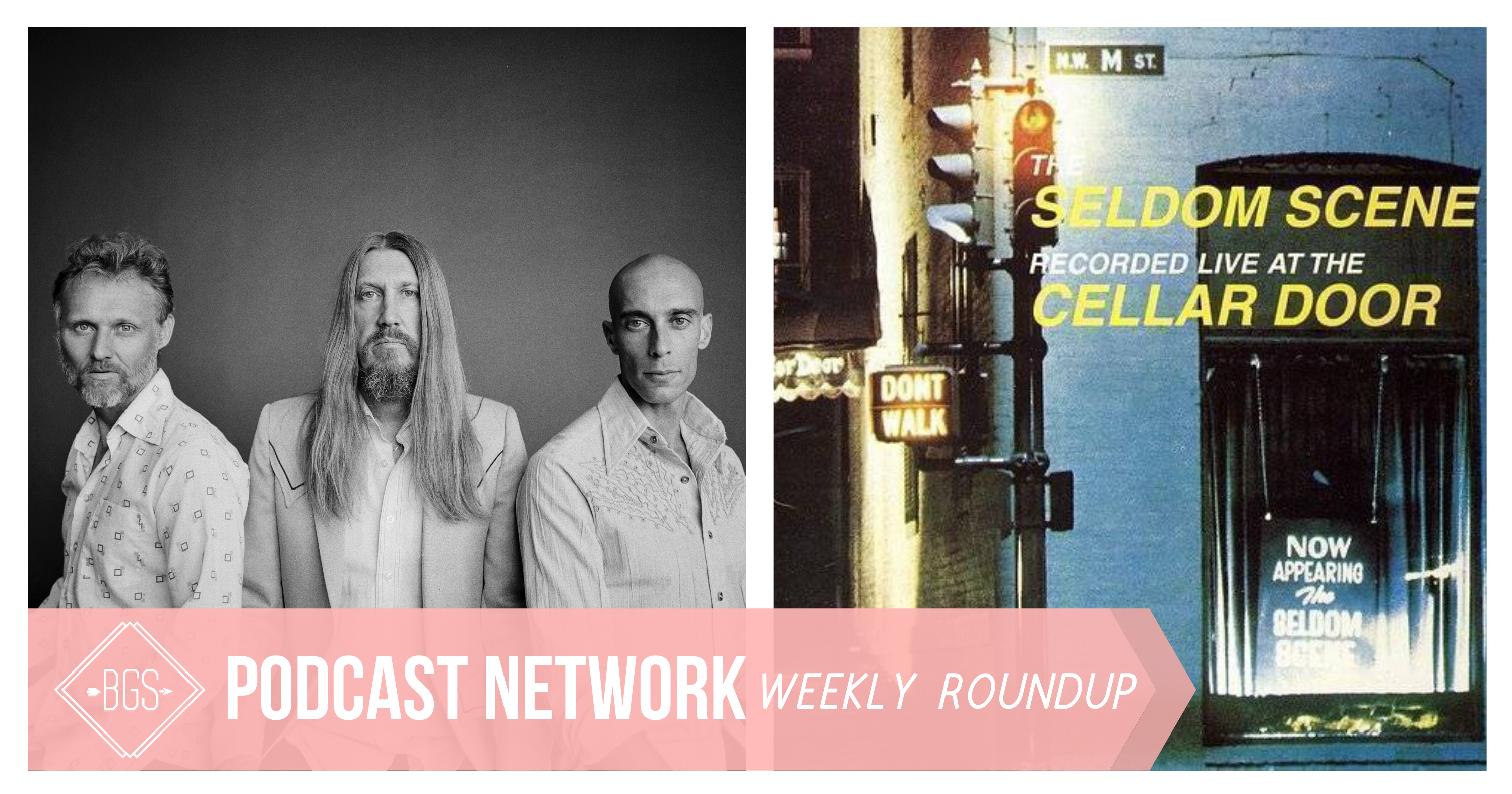
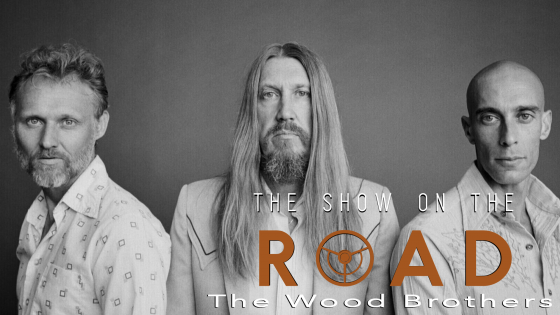
The Show On the Road – The Wood Brothers

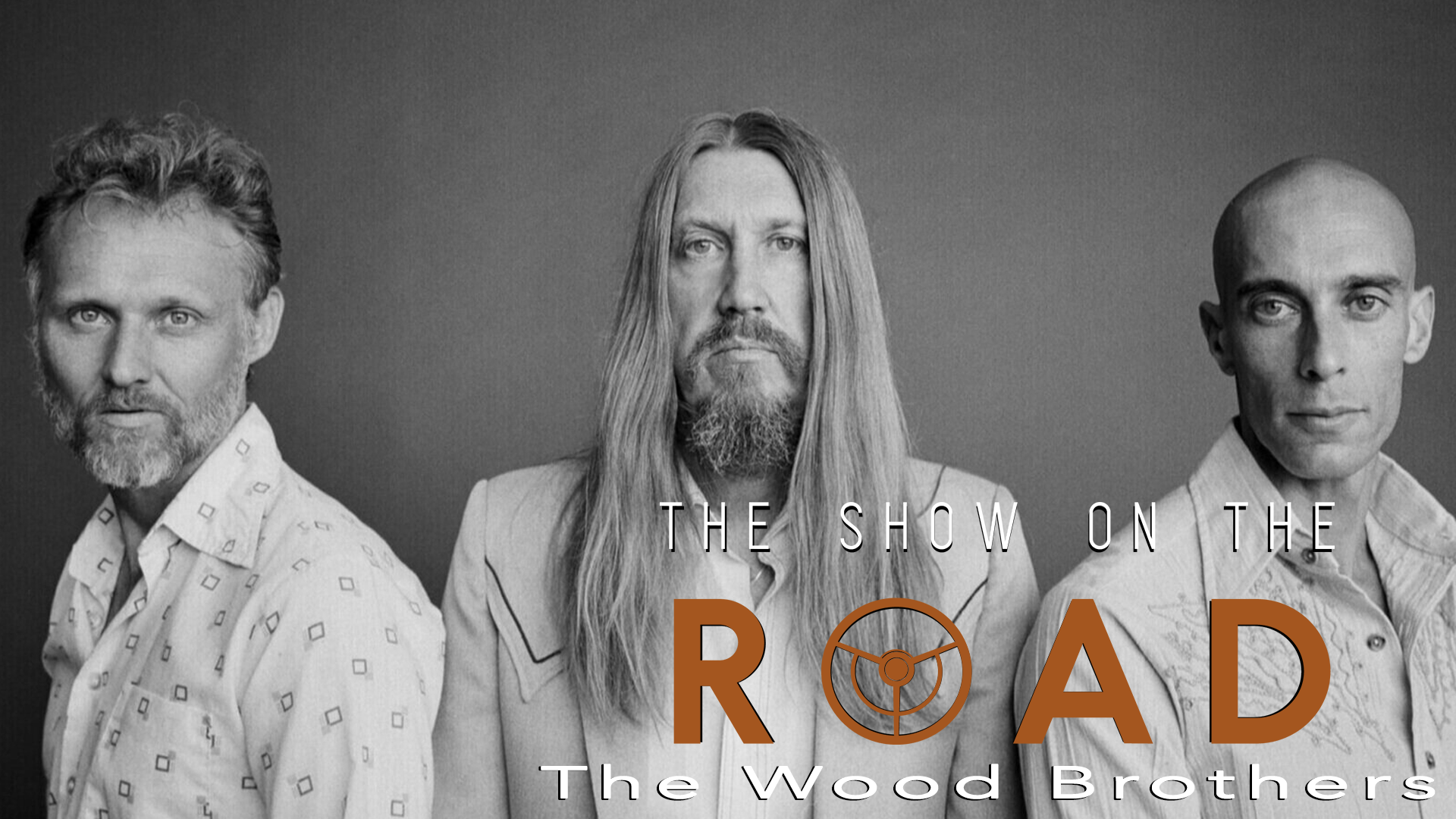
Just before our world as we know it shut down, putting a halt to The Wood Brothers’ West Coast tour – along with the entire live music scene – Oliver and Chris Wood spoke with host Zach Lupetin about their renewed musical bond, their brand new album Kingdom in My Mind, the East Nashville tornado, and much more.

Give this episode a listen and then give the album a spin to help you groove through the lockdown.


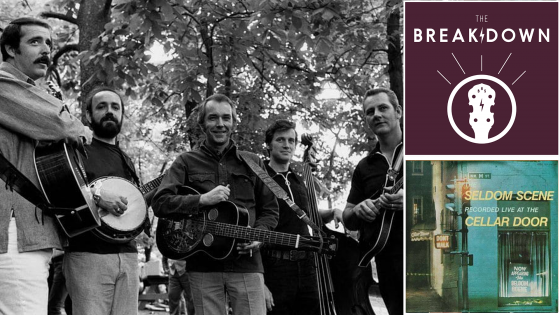
The Breakdown – The Seldom Scene, “Live at the Cellar Door”

If ever there was a party of a bluegrass album, the Seldom Scene’s classic 1975 release, Live at the Cellar Door, is it.

Hosts Patrick M’Gonigle and Emma John interview original band members Tom Gray and Ben Eldridge to find out what was really going down on that mad and marvelous night.


The Shift List – Restaurant Workers Relief Program

This week on the Shift List, a replay of our conversation with Chef Edward Lee, recorded back in 2018.

Chef Lee is helping to lead the way in bringing restaurant workers relief with his Restaurant Workers Relief Program through The Lee Initiative. Due to the closure of restaurant and worker across America, thousands of restaurant workers have an urgent need for assistance, and they need our help now more than ever.

In partnership with Makers Mark Bourbon, Chef Lee is transforming restaurants across the country into relief centers for any restaurant worker who has been laid off or has had a significant reduction in hours and/or pay. The Lee Initiative, in conjunction with local chefs in every majorly affected community across the country, is offering help for those in need of food and supplies, and each night, they’re packing hundreds of to-go meals that people can come to pick up and take home.

For more information and to donate, visit leeinitiative.org, and in the meantime, while we’re all trapped indoors, continue to support your local community by ordering takeout and pickup.


BGS Long Reads of the Week // March 27

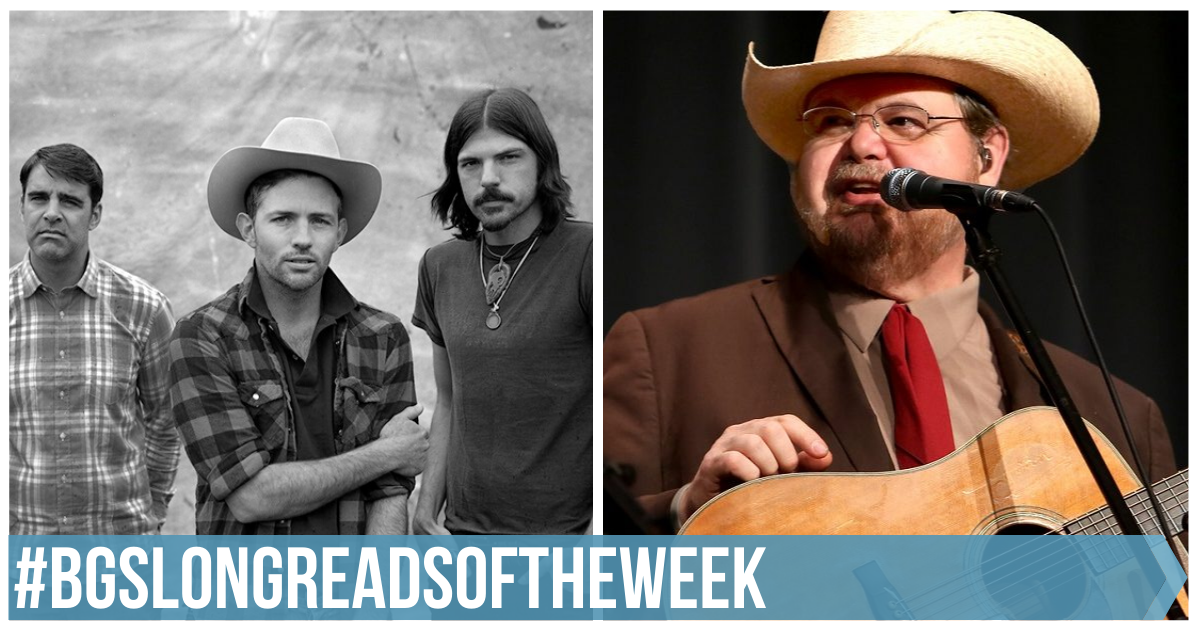
If you’ve got the time, we’ve got the reading material! Our brand new #longreadoftheday series looks back into the BGS archives for some of our favorite reporting, videos, interviews, and more — featured every day throughout the week. You can follow along on social media [on FacebookTwitter, and Instagram] and right here, where we’ll wrap up each week’s stories in one place.

Check out our long reads of the week:

Avett Brothers Film Captures the Power of Character

A long read pick that can also be your TV choice pick! Available for streaming on YouTube and Amazon Prime Video, May It Last: A Portrait of the Avett Brothers is an intimate documentary made by Judd Apatow and Michael Bonfiglio that tells the story of the famed North Carolina string band. In 2017 we spoke to Scott, Seth, and Bonfiglio about the making of the film and its premiere at SXSW and on HBO. [Read our feature in preparation for your movie night!]


Alice Gerrard: Unearthed Tapes and Unintentional Activists

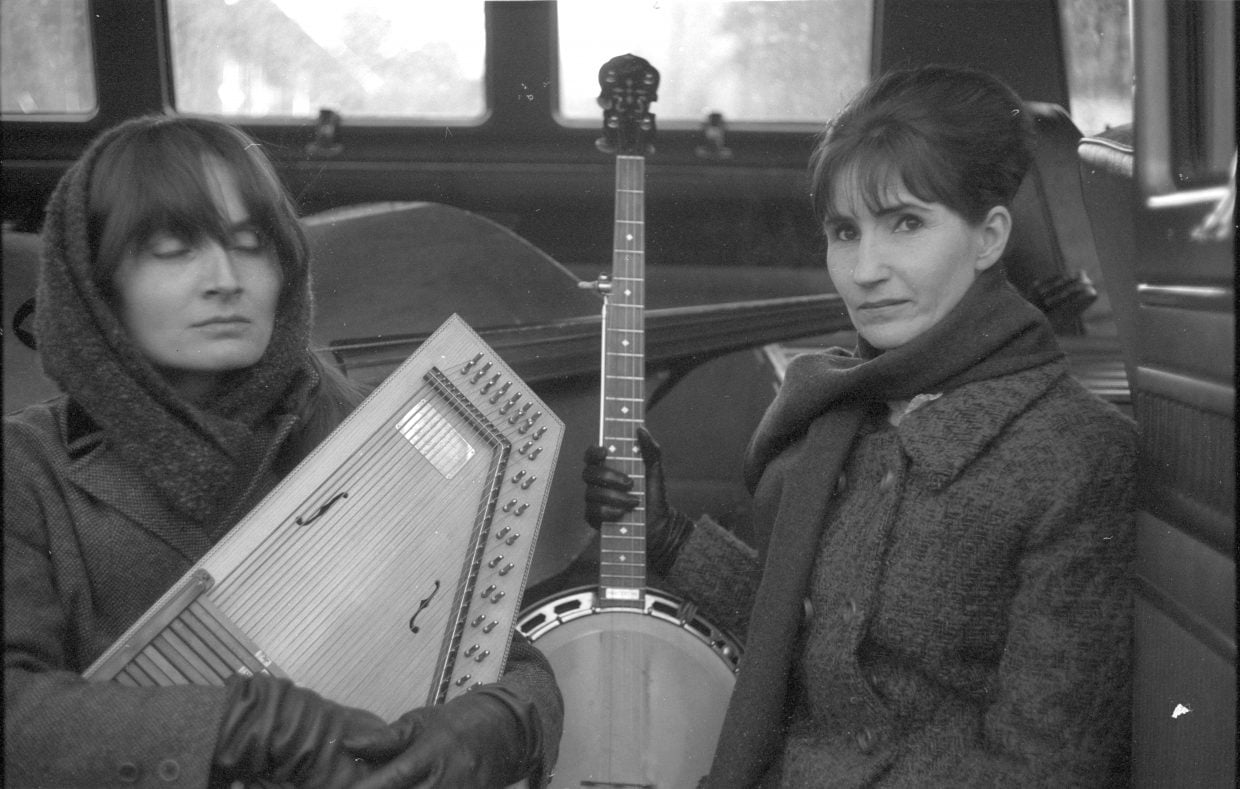
None of us at BGS require any sort of excuse to return to one of our favorite duos of all time, Hazel Dickens & Alice Gerrard, but mining for long reads is definitely pretense enough! For this pick, we bring back an impeccable interview with the Bluegrass Hall of Famer herself, Alice Gerrard. She speaks about almost literally tripping over the forgotten practice tapes that became the 2018 Free Dirt Records release, Hazel Dickens & Alice Gerrard Sing Me Back Home: The DC Tapes, 1965-1969. Another great choice for a Women’s History Month wrap up, as well. [Read our conversation with Alice Gerrard]


Nitty Gritty Dirt Band: An Unbroken Circle

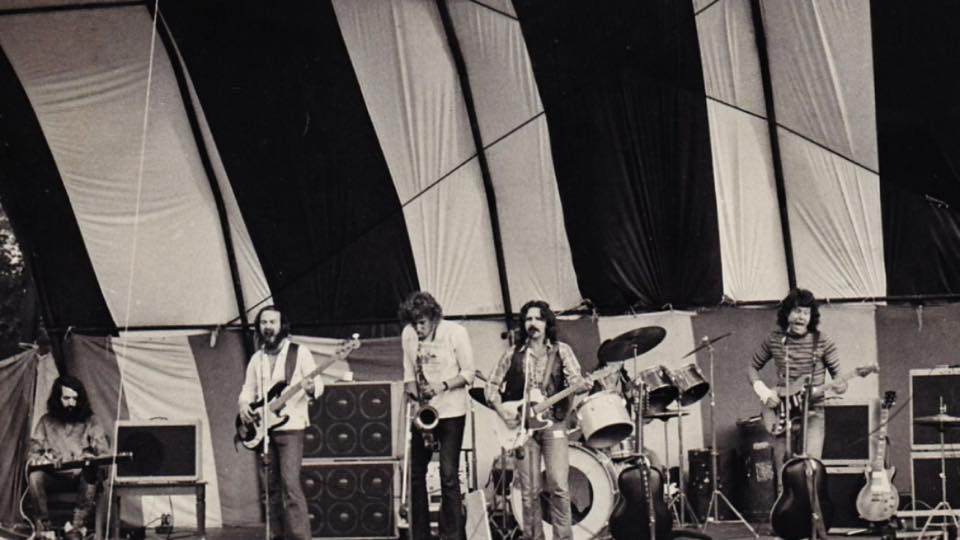
One of our most popular features in BGS history, this long read pick dives into the cross-generational impact of this iconic string band — a group that embraced “Americana” before that genre even had a name. The Nitty Gritty Dirt Band remains relevant to this day, not only in Nashville but around the world; their Will the Circle records will remain in the indispensable American roots canon forever. [Read our 2016 feature]


Gaby Moreno and Van Dyke Parks Take a Vibrant Trip Across the Americas

Plenty of albums have been released since… let’s say 2016… that attempt to reckon with the tumultuous times we’re in politically and otherwise. Not many do so in a way that acknowledges these problems are not new, and have been festering and stewing for ages. Van Dyke Parks and Gaby Moreno’s ¡Spangled! does just that. It’s a welcome perspective, and directly tied to the combination of the duo’s disparate experiences — and the commonalities that tie them together. [Read this edition of Small World]


Junior Sisk Hitches His Wagon to the Stars of Traditional Bluegrass

To wrap up the week, how about a heavy dose of dyed-in-the-wool, traditional, straight up and down bluegrass!? Junior Sisk is carrying the banner for keeping the history of this music alive and well — and with one of the best voices in the biz, too. In our interview, Sisk relates how he regards himself as being in the direct line of artistic descendants from Bill Monroe, the Stanley Brothers, and Flatt & Scruggs. Even the most casual fans of his music will know that it’s true. [Read more about Junior Sisk]


WATCH: Lee Henke, “Captain of the Ship”

Artist: Lee Henke
Hometown: Nashville, Tennessee
Song: “Captain of the Ship”
Album: Captain of the Ship
Release Date: June 26, 2020

From the Artist: “‘Captain of the Ship’ is the title track of the upcoming album. I wrote this tune after a somewhat depressing gig at a casino. I decided to drink as much free beer as I could and spent the entire $50 I made from the show on one hand of poker. I don’t remember going to sleep but I woke up in the morning to some chicken-scratch lyrics on a bar napkin. The theme seems to dance around the romanticized idea of being the only person affected by the decisions you make, or the unrealistic freedom of being all on your own.” — Lee Henke


Photo credit: Ira Wolf

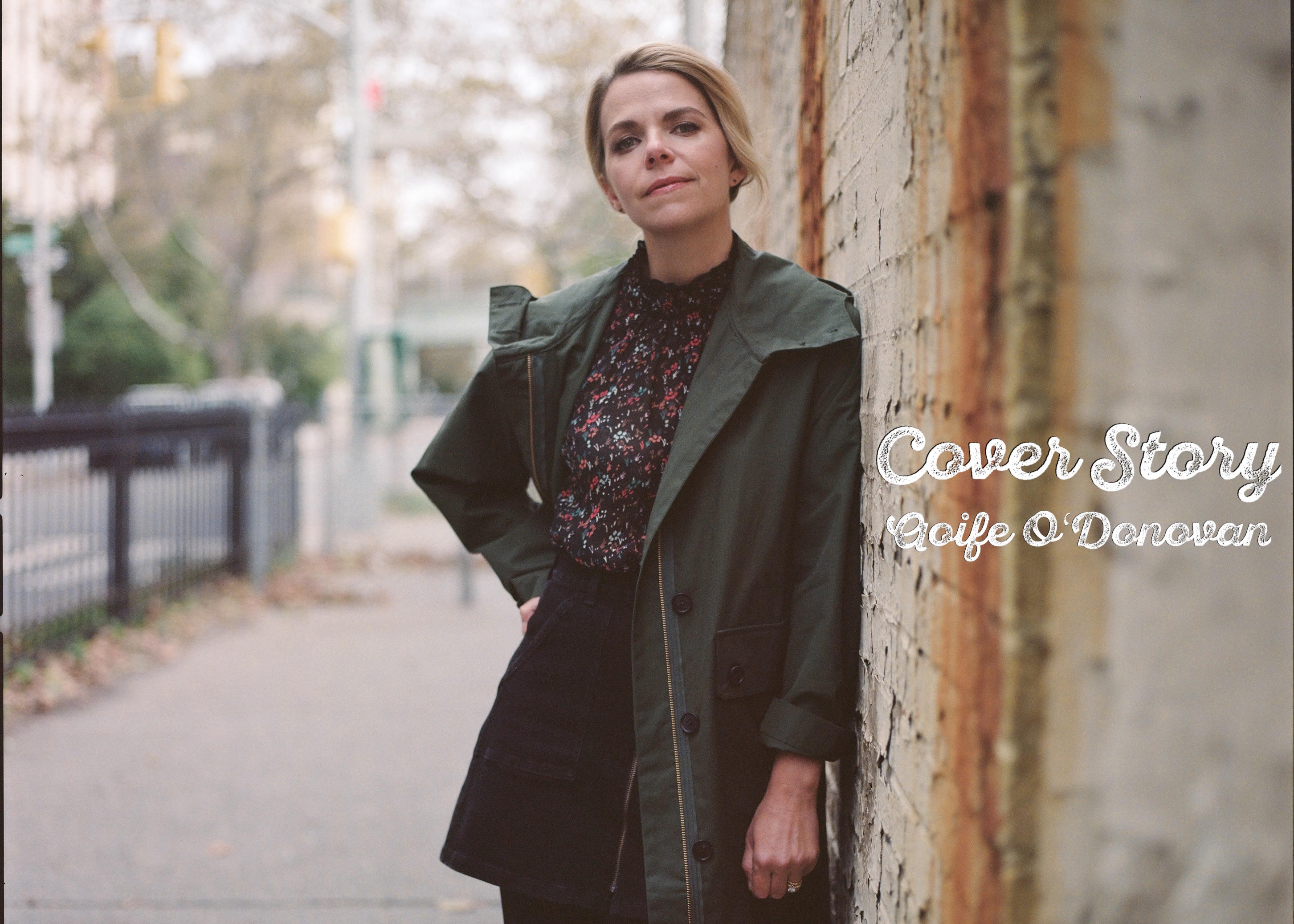
Aoife O’Donovan Finds Her Heart in the Verse of Others

It’s not easy keeping up with Aoife O’Donovan. The 37-year-old Boston native grew up in a musical family, cutting her teeth with Crooked Still, a progressive bluegrass group she founded with four friends in 2001, and Sometymes Why, an Americana trio. She worked with Goat Rodeo Sessions (Yo-Yo Ma, Stuart Duncan, Edgar Meyer, and Chris Thile) on an album that won a Grammy in 2013. Then, after an impromptu collaboration at Telluride Bluegrass Festival, she turned around and formed I’m With Her with Sara Watkins and Sarah Jarosz, winning a Grammy for “Call My Name.”

Meanwhile, it’s been ten years since O’Donovan released her first solo record, Blue Light, and since that time she’s released five more — with a new EP appearing this month. On Bull Frogs Croon (And Other Songs), she applies her soothing vocals and folk sensibilities to the poetic verse of others. The EP builds upon three numbers that bring to life the poetry of the late Peter Sears through songs O’Donovan wrote and arranged with Teddy Abrams and Jeremy Kittel for the 2015 Britt Festival in Oregon. Pared down from orchestral arrangements to a tour-friendly string quartet, she rounds out the five-song EP with two covers: Hazel Dickens’s “Pretty Bird” and traditional folk song “Lakes of Pontchartrain.”

BGS caught up with O’Donovan about what drew her to Sears’s poetry, the qualities of a great folk song, and how she stays grounded while throwing herself into so many creative endeavors.

BGS: What drew you to his Peter Sears and his poetry?

I had never heard of Peter Sears before getting a call to write a piece for the Britt Festival in Oregon. My friend and colleague Teddy Abrams suggested that we look to the poet laureate of Oregon for inspiration, so I got a book of Peter Sears’ poems at my local bookstore and was immediately in love with his writing. I absolutely loved his work. I loved the way he was able to write about simple things, everyday things, everyday feelings — it felt like these were the thoughts of my own heart. I loved it so much. In sifting through these books, I found these three poems — that didn’t go together, weren’t from the same collections — and I put them together. I was lucky to get to meet Peter Sears at the premiere of the piece in Oregon, back in 2015. He passed away a couple of years later. But he was a really special guy.

You didn’t write these lyrics, but did any of these lines or themes coincide with something you were going through personally?

The whole song cycle of Bull Frogs Croon has that. I set these songs to music at a very different time in my life, four years ago, five years ago. They’re three songs that are incredibly relevant to the human experience. The opening song, “Night Fishing,” is a meditation on stillness, on finding comfort in your own solitude. That’s definitely a human experience — I go through that all the time. “The Darkness” [describes] the idea that waves of emotion can come over you. The final song, “Valentine,” is a love song. It’s a two-stanza poem about the simple act of being in love with somebody, and I think that’s also universal — I hope people can relate to that!

In addition to the trio of songs inspired by Sears, you included two covers — one of which is “Lakes of Pontchartrain,” which is an Irish folk song you’ve included in live shows for a while. What are your roots with that song?

It’s one of my all-time favorites. My uncle James sings this song at certain jam sessions; as I was growing up, I would hear him sing it all the time. Every time I sing it at a concert, it’s the one song that people come up to me afterward and say, “I love that song! I love that song!” I hadn’t yet recorded it. The Paul Brady version of this song is the main recorded version, in my mind. It’s just the most beautiful song.

You grew up playing folk music with your family, and you performed many traditional songs early in your career with Crooked Still. From your perspective, what makes a good folk song?

“Lakes of Pontchartrain” is a classic example of what makes a folk song good: It has a long story, and you can really follow along with this guy. You can see yourself in his shoes. He’s lonely, he doesn’t know where he is. He doesn’t recognize anybody. And then he meets this beautiful girl who just shows him kindness. It’s not like it has a happy or a sad ending: It’s just an ending that could happen to anybody. She’s engaged to somebody else. But that doesn’t stop her from being kind and from them having a beautiful connection. I actually love that part of the story: “Fair thee well… I never will see you no more, but I’ll ne’er forget your kindness.” I wish there were more songs in the world that were about that.

You also included a Hazel Dickens song. Tell me about your relationship with her and her music.

Hazel Dickens is a very special person in the bluegrass and folk community. There aren’t tons of women who are as lauded as she is, of that age certainly. She wrote beautiful songs, and she was an incredible performer, singer, and musician. “Pretty Bird” is a very tragic song. I recorded it years ago for a Hazel Dickens tribute record that never came out, and then we re-recorded it with Crooked Still, just violin and voice. I wanted to have a string quartet recording of this. Jeremy wrote this arrangement years ago, and I think it’s just stunning. I’d been doing it live — any time I was around a string quartet, I would do “Pretty Bird” — and I just wanted to have [a recording of] it.

What’s someone or something you’ve seen in music recently that makes you feel excited or hopeful?

I have been listening non-stop to the Bonny Light Horseman record. I saw that live a few weeks ago and was absolutely floored. I had not enjoyed a live concert so much in a long time. The singing was so good. The record is so good, and the live show was just even better — more enhanced, and oh my God it was just so good. I just can’t even… I loved it so much. It was like the record on steroids. Everybody should be listening to that.

You’re involved in so many ongoing projects. What keeps you going on a daily basis?

One thing I love to do daily is go for a run. When I’m running, often I’ll get song ideas, or have some lyrics pop into my mind. Sometimes I don’t remember them, or I’ll remember them days later I’ll say, “Oh, I had that idea, I had that idea” and I’ll write it down. But I think making sure to carve out at least a little time for yourself is crucial, as an artist and as a musician.

And then of course, getting to connect with my husband and my family — little tiny things, like when my daughter does something amazing. Surrounding myself with people that I love and friends and family are a huge part of that for me. When I am home, one thing we’ve been doing is trying to have meals together, even when the timing is inconvenient. Maybe it means we have lunch at 11, or we have dinner at 5:30 — earlier than most musicians would probably like to be eating — but we’re really sitting down and talking about our day. I love that. My two-year-old is now saying things like, “Tell me how your day was! Tell me how your day was!” It’s a nice moment to just put the phones away, put aside everything not at the table, and really talk to each other.


Photo credit: Rich Gilligan

The Show On The Road – The Wood Brothers

Right before the whole world as we know it shut down and they shortened their West Coast tour due to COVID-19, host Z. Lupetin spoke to Oliver and Chris Wood — Americana pioneers The Wood Brothers — about their renewed musical bond, how they grew up in Colorado jamming with their biology professor dad, and how they just barely missed the great East Nashville tornado earlier this month. When it rains it does pour, it seems.


LISTEN: APPLE PODCASTS • MP3

The Wood Brothers’ brand new record, Kingdom in My Mind, is a sweetly funky, ballsy, bluesy, booty-shaking, and romantic improvisational masterwork. Do yourself a favor and turn it up loud and proud — it will help you groove through the lockdown. If there is anything that’s clear in this deeply strange and unsettling time, it’s that we need music more than ever.

LISTEN: The Mammals, “Radio Signal”

Artist: The Mammals
Hometown: Woodstock, New York
Song: “Radio Signal”
Album: Nonet
Release Date: March 27, 2020 (single); May 22 (album)
Label: Humble Abode Music / Soundly

In Their Words: “The day of the 2017 Charlottesville riot I got a text from our friend, Vern, reading: ‘PLEASE for the song that kills fascists.’ ‘Radio Signal’ was written in the next 10 minutes. Where is the hope in our twisted culture? Bob Dylan says it’s in the wind. Daniel Quinn described a sacred ‘blaze of life’ that connects all things. Pete Seeger showed us the power of many people making small contributions: the ‘tea-spoon brigade.’ Each verse of ‘Radio Signal’ is a nod to one of those three great teachers, melodically informed by the beautiful old folk song, ‘Shenandoah,’ and transformed into the anthemic rock song we share with you today. ‘And I roll, and I roll, down the backroads of my soul. Lookin’ for light like a radio signal…'” — Mike Merenda, The Mammals


Photo credit: Tom Eberhardt-Smith

LISTEN: Sarah Jarosz, “Johnny”

Artist: Sarah Jarosz
Hometown: Wimberley, Texas; now living in New York City
Song: “Johnny”
Album: World on the Ground
Release Date: June 5, 2020
Label: Rounder Records

In Their Words: “The first time we met to talk about the record, John [Leventhal, who produced the album in his Manhattan home studio,] said he wanted me to try to take a step back and look out at the world in my songwriting, rather than looking inward. It completely opened the gates for me, and I started thinking a lot about growing up in Texas and diving into those memories in a way I’d never really done before. I think it has something to do with being in my late 20s, and starting to enter the phase where I’m looking back at what got me to where I am now — as opposed to constantly looking forward, as you do when you’re younger. It felt like the right time for me to return full circle to my roots and my home.” — Sarah Jarosz


Photo credit: Josh Wool

Dave Simonett Offers Clarity and Community on Solo Debut, ‘Red Tail’

Dave Simonett has proven himself to be a man no genre can hold. Some days the Minnesota-based singer/songwriter is fronting prominent Duluth string band, Trampled by Turtles. Some days he’s playing with a full rock band behind him as Dead Man Winter. Now his latest project comes in the form of his first full-length solo album, Red Tail. In a phone conversation with BGS, he discussed his freedom from expectations, the project’s emotional clarity, his love of musical diversity, and more.

BGS: Tell me about making this album. What’s memorable or special about it for you?

DS: Well, I started out just making it by myself. That was kind of what I had in mind for the whole thing, initially. I have a studio in Minneapolis and I was working there. I recorded pretty much all of the songs that ended up being on the record and thought I was done, but at the end of that process I thought I’d like to expand a few of them with some other players.

So I ended up going down to Pachyderm Studios outside of Minneapolis with a small band and re-recorded about half of it down there. Still used some of the stuff from my studio, some from Pachyderm, and just kind of smashed it together. This happens to me pretty often. I’ll have what I think is a concrete idea of what I want to do at the beginning of a project, and then it evolves from there. I’ve learned over the years to let that process happen.

You mention that Red Tail benefited from a freedom from expectations because you recorded it without really knowing if anyone would ever hear it. How do you think that freedom helped flavor the album?

I do think there’s a freedom to that and I think it’s the first time I’ve ever done that. Normally when I started to record anything there was an end product in mind: “We’re going to go make a Trampled by Turtles record,” or something like that. That carries with it a certain amount of pressure, which this didn’t really have. I just had these songs and I wanted to record them. I didn’t know what it would be, I just wanted to record them. So I had a little bit of time on my own doing it, and then I thought, “Well, let’s see what they sound like with the other people and a little bit of time in the studio.”

The whole time I was thinking, “You know, this could be something or not. Maybe this is just demos for another band.” But as the process went on, it started to fuse together into something that felt like a record to me. It ended up being a really easy and natural feeling, and that came from the thought process at the outset when I thought, “This doesn’t have to be anything.” I didn’t have a deadline. I didn’t have anything like that. It was really open, and in a weird way it took away a lot of stress.

From the point that you realized this album was something that you’d be releasing, did the songs change in any way from an arrangement or textural standpoint?

Yeah, definitely. Both of those. They even changed from a lyrical standpoint, and I think that a lot of times when I’m working on a record it will do that throughout the process. It’s something as simple as adding some different people in there. That in and of itself just changes it so much.

We recorded everything pretty much live, which is how I generally like to work, so there wasn’t a whole lot of forward thinking in that way. It was more like, let’s get these guys in a room and see what happens when they play the song however they feel like it. And then maybe a couple little adjustments, but that was really all of the arranging we did. Just the fact that there were other people contributing stuff from their own creativity was enough to change it quite a bit.

You say that recording this album was the best you’ve ever felt in your personal life while recording. Do you think that helped give you the clarity to better examine some of the darker subject matter on the album?

Yeah, and I generally get the same vibe from other writers that I’ve talked to. I think that maybe depression, or hard times in general, get a little bit romanticized in music. It might be like the whole Townes Van Zandt myth or something like that; that you have to be super messed up to write music. In my life, in periods where I’ve been like that, I can’t make anything. I feel like creativity and the drive to go make something are at their peak when I’m feeling good.

I think that’s a pretty simple equation when you think about it. Sometimes it’s hard to get out of bed, let alone go to a studio and write all day, along with all of the stuff that goes into making a record. I do think that “clarity” is a good way to put it. Everybody has rough patches in their life. Being at a point to look at some of those and examine them, I think the best way to do that is from a different place. For me it is.

A healthy mindset keeps you from being sucked down an emotional rabbit hole that can end up impacting the entire album and recording process.

Yeah, that’s a good point. You can look at it and almost have a sense of humor about it instead of taking it, and yourself, too seriously in that subject matter.

You talk a lot about how special it is when the listener can apply a song to their own life. At the same time, this is your solo album and sort of a vulnerable look into your life. How do you write in a way that’s specific enough for these songs to mean something to you, but also broad enough that any listener can apply it to their own lives?

I have no idea. [Laughs] I don’t think it’s very intentional. I feel like most of the time I’ll just write, and once in a while I’ll see a line and recognize that from some experience in my life. Instead of thinking about an experience and writing towards that, I just write and then I can look back on it and say, “Oh, I know what that was about.” Most of my work has been that way. It starts like that for me. It starts kind of ambiguous.

It all comes from inside. All the stuff that’s jumbled up in my brain comes out as this, so it’s by its own nature personal. I’ve never really been good at writing stories about things that didn’t happen to me. Some other people are really good at that, but I can’t do that. It all comes from me, but very rarely does it get very specific, and I think that’s just my general style. Maybe a comfort level thing.

“There’s a Lifeline Deep in the Night Sky” strikes me as one of the purest representations of the community and fellowship that surrounds roots music. For somebody who may not know anything about this music, what would you want them to know about the community that surrounds it?

I don’t know if I can think of anything that specifically applies to roots music. This might be a roundabout way to say it, but when I started playing music in Duluth with Trampled, and a couple other bands before that, the music community was really tight. It was also really diverse. There wasn’t another string band in that town. The scene was small and creative enough to sort of only allow for one or two bands who sounded similar, and then nobody else would want to start something like that because it’s already being done. So my sense of musical community comes more from the diversity of the scene.

[Trampled by Turtles] didn’t really start out in an Americana scene. We’ve grown in that world since then, but I think community applies to music in general. I think a lot of people divide stuff up into genres a little too harshly. The people who came down and sang with me on “There’s a Lifeline Deep in the Night Sky” were just a gathering of people who happened to be at the studio. These were people, a lot of them musicians and a lot of them not, who were from all over the place musically. It was more like, let’s all get in a room together and sing a song. I feel like you could probably find that in hip-hop, metal, or anywhere. I hope so, anyway.

I felt really lucky to grow up musically in Duluth in the early 2000s. Every show we played would be with two or three bands. It would be us and a punk band, a hip-hop band, a straight-up rock ‘n’ roll band, but we were all friends. It was celebrated that we were all different from each other, and that’s why we were all doing this together. That’s one of my favorite things about local music scenes across the country. Finding that stuff. You’re right, we do have a great roots and Americana scene around here in the Midwest, but there’s great everything. When people get too caught up in one thing it can get a little poisonous. I feel like music itself brings communities together.

Recording a song like “There’s a Lifeline Deep in the Night Sky,” we recorded it with one microphone onto a cassette player. It was about as informal and unrehearsed as it gets. It was just fun. Nowadays, especially with the modern recording process, it’s easy to make a perfect song. You can make the tempo perfect, the pitch perfect, and everything. Still nothing compares to getting a bunch of people in a room and playing a song live. Embracing the little imperfections that happen as part of the uniqueness of the recording.

Playing with punk bands and metal bands, how does coming from a place like Duluth impact your scope? Does coming from a scene with so many different types of music open your borders and give you some freedom to explore new ideas?

Absolutely. If nothing else, it helped me get out of my own head. If I wanted to go see some live music I would see so many different kinds of music. It wasn’t like it is in some places, where I could go see a folk act every night. I can’t go see a bluegrass band every night in Duluth. It forced me, and hopefully a lot of other people, to celebrate all these different bands.

To me, the genre doesn’t matter at all. A song could be on a banjo or a laptop, but if the song connects with me then I’m into it. I don’t really give a shit which instruments are played. It’s about the song, or if you can see some kind of art in the performance that you really connect to. To me, that’s the most important part. That’s what I want to celebrate. When I record, this is how I like to do it, but that doesn’t mean I don’t want to go see Atmosphere some time. Just because I can’t play that music myself doesn’t mean I don’t love it.

I try to be honest with myself in the recording process, where if something comes up that I want to try I’ll give it a shot. Sometimes it works and sometimes it doesn’t. But to your question, I really am thankful for that diversity in my music growing up. That’s helped me keep an open mind. I feel like the older people get, and the older I get, it’s even more important to keep your mind open.


Photos: Zoe Prinds