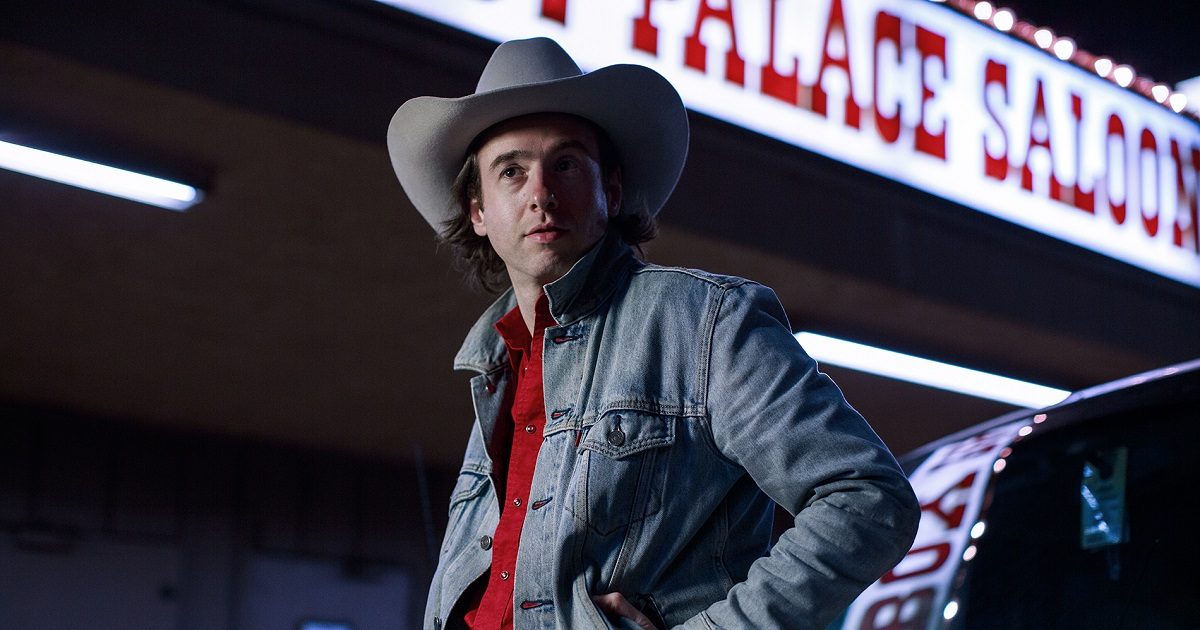
LISTEN: Jeff Crosby, “My Mother’s God”

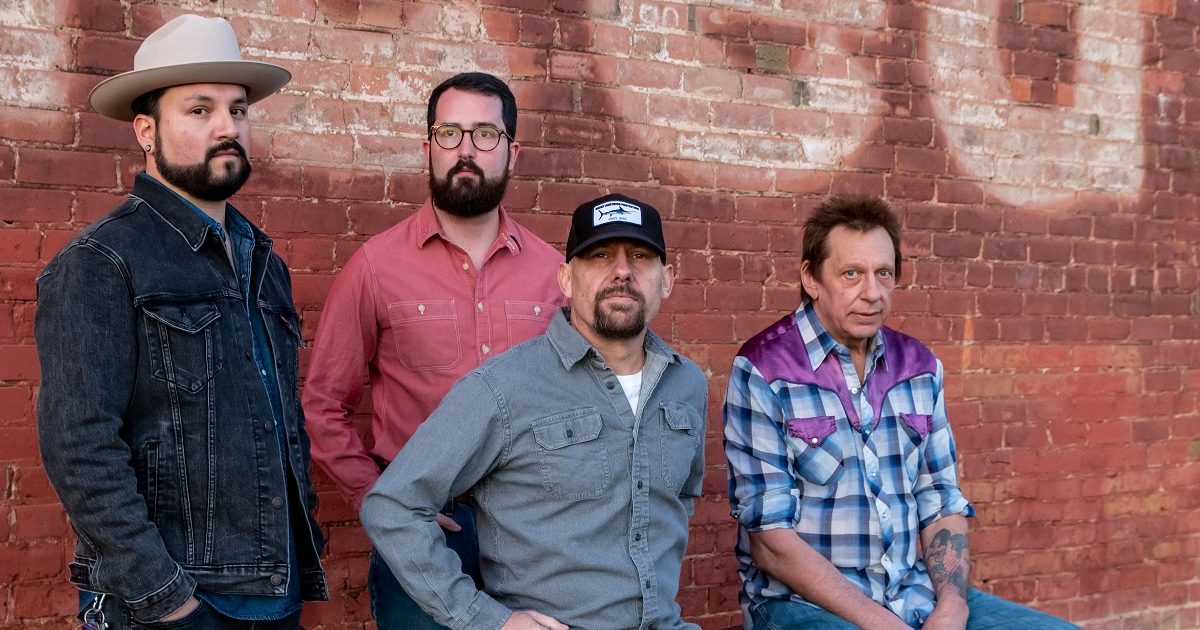
Artist: Jeff Crosby
Hometown: Nashville, Tennessee
Song: “My Mother’s God”
Album: North Star
Release Date: April 24, 2020

In Their Words: “I wrote this song with Micky Braun in Boston last year and it ended up on the new Micky and The Motorcars album as well. I’ve never been very religious, but my friend Brian in Idaho sent me the line: ‘I should thank my mother’s god’ and it set the theme for the rest of the song. I’d also been hanging on to the chorus line: ‘Throw your heart in the river and hope it sees the ocean someday’ for a while. Micky came up with some really great lines for both verses and helped me round out the chorus. We probably finished the tune in 10 minutes over a bottle of wine. Lyrically it’s one of my favorite tracks on the album. My favorite songs are always the easiest to write it seems.” — Jeff Crosby


Photo credit: Scott Simontacchi

LISTEN: Matthew McNeal, “Michael”

Artist: Matthew McNeal
Hometown: Fort Worth, Texas
Song: “Michael”
Album: Good Grief
Release Date: April 3, 2020
Label: Matte Black Sound Company

In Their Words: “This was the first song I wrote for the album. Right before we left for the Good Luck record release tour in 2018, my father passed away out of the blue. I chose to carry on with the tour in [an] effort to heal and cope the only way I knew how — sharing stories with people out on the road and letting the highways settle my mind. Within the first couple of days on tour, my bandmate and best friend Andre and I had a few voice memos that laid the foundation for the song.

“It was a tough loss, losing my dad. I was actually named after him, we share our first name, ‘Michael’ (I have always gone by my middle name) and that gave me an even more introspective look into my own life upon his passing. My folks split up when I was six, but we tried to see each other whenever we could. There was anger held against him on my end, growing up with a single parent for many years was just my ‘normal.’

“We made our memories together over the years, though they were often few and far between due to the quick pace of life, but we had started to become much closer after I graduated college. We could see each other eye to eye a little more, there was a new level of shared understanding between us. I was beginning to find out a lot about myself by being around him, seeing some of the similarities that we shared that I had never noticed. Our relationship was coming full circle in a way that my heart had sought after for a long time, whether I could put a finger on it or not.

“Within the span of two days, he was here and gone. I lost my dad on the morning of my 25th birthday and it completely changed my life. Being able to write a song honoring him, and sharing the feeling that your loved ones are never truly gone — they always stay with you in your mind, your heart, and your soul. Losing loved ones is part of this story that we all live and I hope that ‘Michael’ offers a little bit of peace and comfort to those who have felt that same pain.” — Matthew McNeal


Photo credit: AJ Aiello

BGS Long Reads of the Week // April 3

We all tell ourselves we want to read more, now is the chance! Our #longreadoftheday series looks back into the BGS archives for some of our favorite reporting, videos, interviews, and more — featured every day throughout the week. You can follow along on social media [on FacebookTwitter, and Instagram] and right here, where we’ll wrap up each week’s stories in one place.

Our long reads this week say goodbye to March and hello to April, they look to the stars and to family members for inspiration, and above all else they spread the joy of music far and wide. Check ’em out:

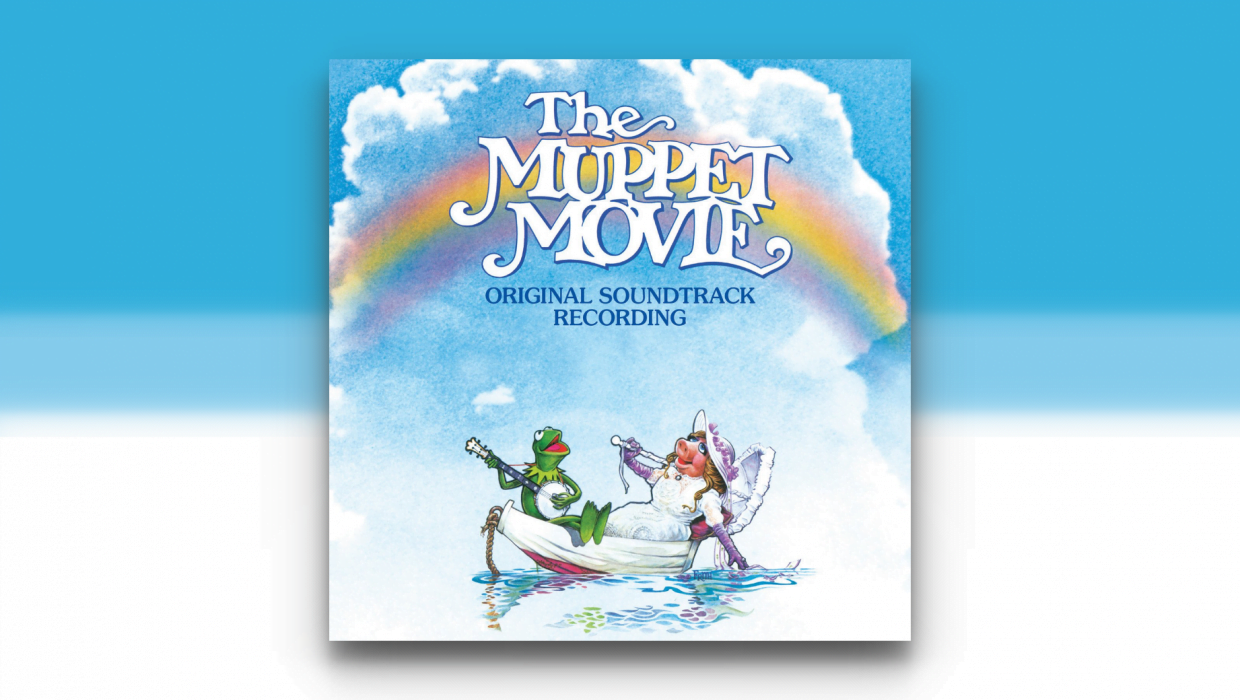
“The Rainbow Connection” at 40: Paul Williams Reflects on Kermit the Frog’s Banjo Classic

One day we’ll find it, the rainbow connection. It’s a song of dreaming, of looking to the stars at night for guidance and inspiration. To mark the 40th anniversary of this iconic song, we spoke to its songwriter, Paul Williams, for an edition of our column, Roots On Screen. For many viewers, Kermit the Frog would have been their introduction not only to this modern classic, but the banjo, too. [Read about “The Rainbow Connection”]


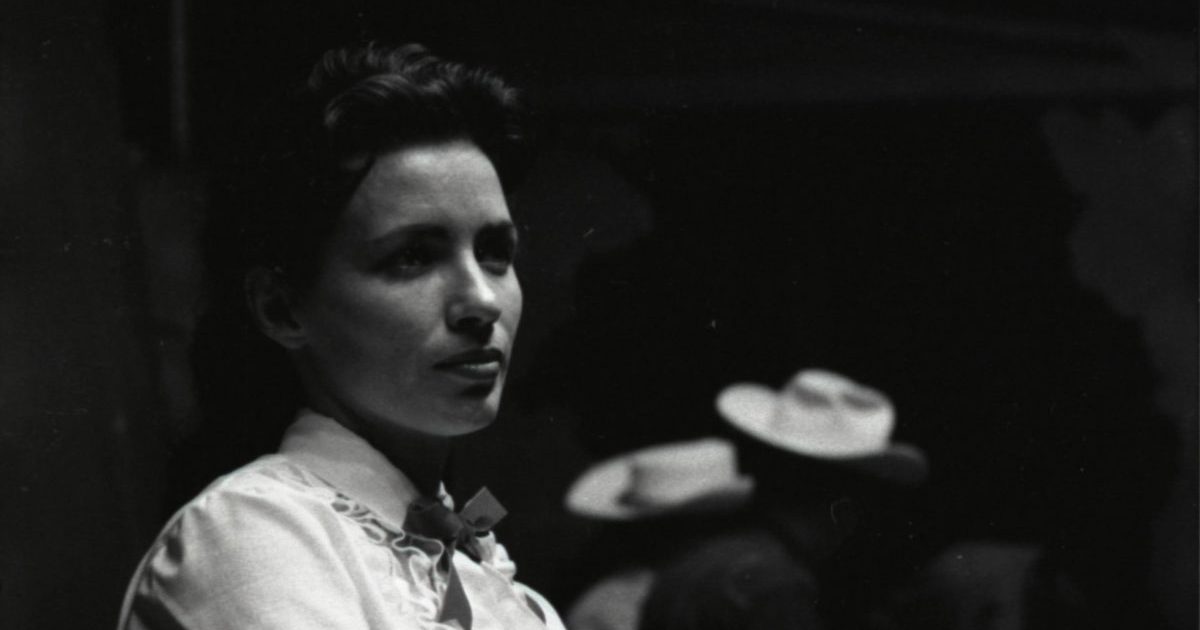
June Carter Cash Connects the Classic Eras of Country Music

To say goodbye to Women’s History Month we spent a day going back to each of the stories in our Women’s History series, starting with this history of June Carter Cash’s career. Known often as an addendum to others — including her era-defining husband Johnny Cash and her genre-creating family — June was a consummate performer, musician, and something of a comedian herself. [Read the story and watch June perform]


Ranky Tanky Takes Gullah Culture Around the Globe

South Carolina quintet Ranky Tanky won a Grammy Award for their latest album, Good Time, a project that took Gullah music and culture around the world. Not familiar with Gullah? Don’t worry, that’s kind of the point. While many fans of American roots music are familiar with zydeco, Cajun, creole, and other cultures, Gullah remains largely unknown — a music of the African diaspora that’s peppered up and down the coasts and sea islands of South Carolina and Georgia, where it’s known as Geechee culture. [Read more and introduce yourself to Gullah]


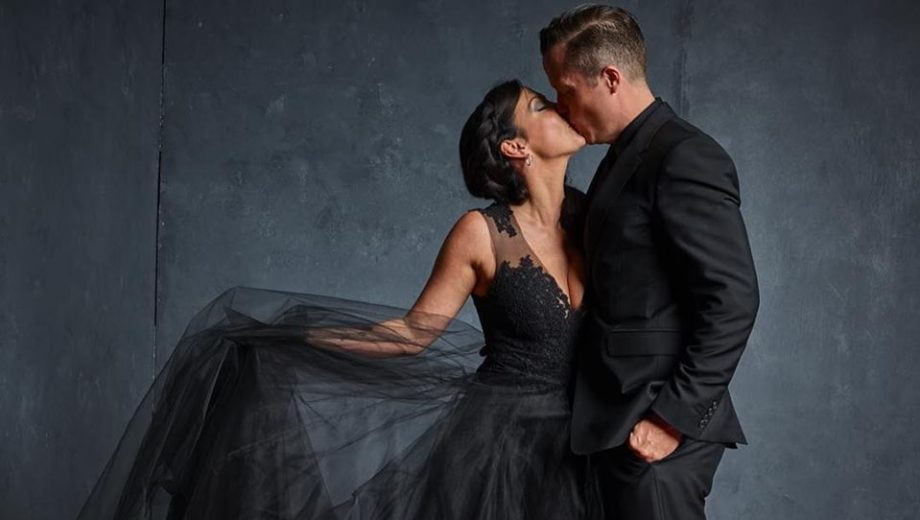
Why “Cover Me Up” Is the Truest Love Song Jason Isbell Will Ever Write

Month after month, year after year, this is one of our all-time best-performing stories on BGS. And it’s no wonder; “Cover Me Up” speaks to folks. It’s a wedding song, a break up song, an anniversary song, a first love song. (It’s also not so bad for your isolation playlist, either.) Until more recent Isbell-penned treasures like “If We Were Vampires” came along, it was unparalleled. Even so, it still stands apart. Find out why music fans the world over keep flocking to this particular piece of writing. [Read the feature on BGS]


The Haden Triplets Share Their Musical Legacy in The Family Songbook


Here’s a piece that keeps it all in the family! Calling The Haden Triplets a family band is definitely an understatement. The three sisters channel cross-generational musical inspiration on their most recent album,
The Family Songbook. While they’re looking back, their idea was not to recreate the old days, but to interpret and pay homage. [Read more]


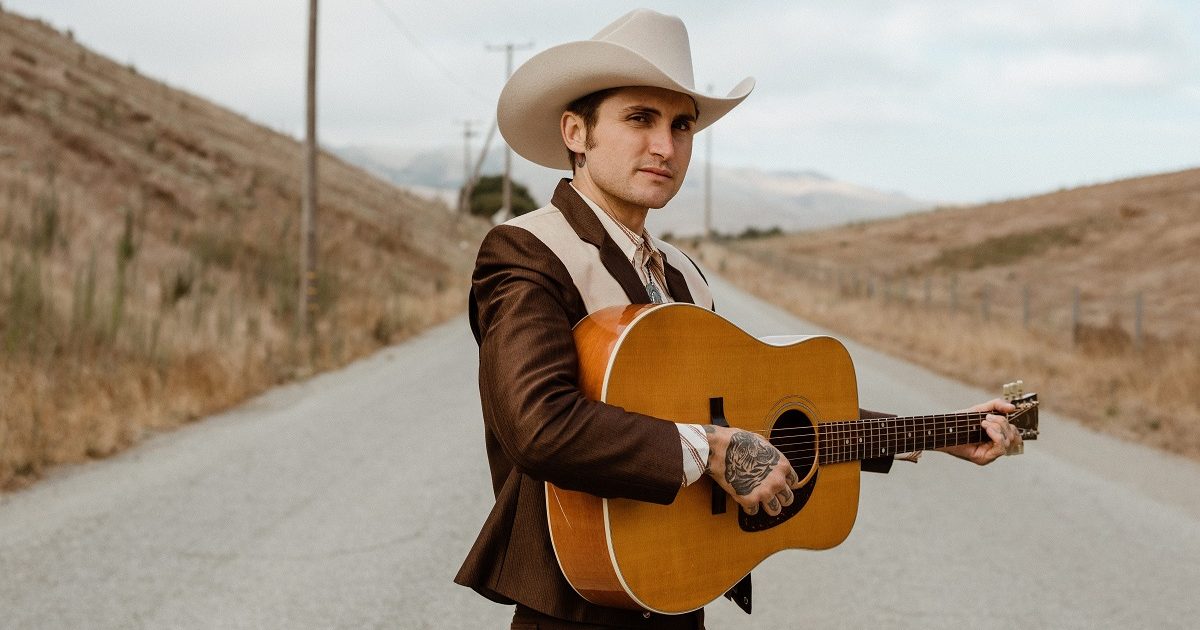
Jesse Daniel: ‘Rollin’ On’ After Rocky Times

To quote the title of his new album, Jesse Daniel is indeed rollin’ on, moving past the setbacks of his past and now celebrating three years sober. One thing that hasn’t changed? His dedication to classic country music. With its echoes of Buck Owens, Ray Price, and other legends of the ‘50s, Rollin’ On simply extends the traditional country sound Daniel explored on his self-titled debut album in 2018. He recorded it in San Antonio with producer Tommy Detamore.

“I’ve been telling people that the record I did before was songs that I had written over a period of years that dealt with a lot of past stuff,” he says. “This one has some of that, but it’s a lot more about moving forward, and to me, even physically driving, moving forward. It’s symbolic of that. I think it naturally fell into place with the theme of this record.”

That drive is evident in “Tar Snakes,” “The Mayo and the Mustard,” and the rousing title track. He knows something about mileage, too. Raised in a rural mountain town near Santa Cruz, California, and now living in Austin, Texas, Daniel caught up with BGS during a tour stop in Nashville.

BGS: I hear a positive attitude coming through several of these songs, like “If You Ain’t Happy Now (You Never Will Be)” as an example. Do you consider yourself an optimist, or in a pretty good place these days?

JD: Yeah, definitely. I’ve been a pessimist before in my life. I know what that’s like, but at this point, yeah, I definitely consider myself an optimist. And that song, it’s funny, the title of the song might seem almost like a slam on someone or something. When you listen to the lyrics, I wrote that song as a reminder to myself. You could have everything in the world and still be miserable if you’re not focusing on the here and now and what matters.

At what point did you begin to write songs?

I’ve been writing songs and short stories since I was a young kid in elementary school, and I would always write wild stories. You know, I had a crazy imagination as a kid, and then I got into punk rock when I was in my teen years. And country songwriting and writing in this style started as a cathartic thing because I always loved country music, but it naturally progressed.

How do you progress from punk to country? How did that happen?

I’ve seen there’s a common thread. I’ve talked to a lot of other musicians who play country music now that were into punk rock, and I think that there’s something about the spirit of it that was similar, that called me to it. …For me, I was introduced when I was really young to Buck Owens and Hank Williams and guys like that, and I always loved that music. There’s a lot of older punk rock guys that I knew that were listening to Black Flag and things like that. But they were also listening to old Hank Williams records. I got influenced by that. To me, it was almost the turning point, a maturity thing. I didn’t feel quite as angry, and even if I was, I wanted to do something constructive about it. And that, to me, was a more constructive form of expression.

Do you remember when you wrote your first country song you liked?

Mm-hmm [Affirmative]. I had been writing for a while and none of them really got completely finished. They were all ideas and things that turned into other things later on. But the first one that I finished that I remember liking was a song called “Don’t Push Your Luck.” I wrote that in a hospital bed in a rehabilitation center in Oakland, California. I was going through a lot of rough times in my life, and that was the head of everything where I decided to really start pouring myself into that. That was the first country song I was ever really proud of.

Was there a turning point where you got healthy or decided to take care of yourself?

Definitely, yeah. There was a guy who was in that program, and he worked there, and he’d come in and play guitar for us. I was sick for about a week detoxing, and I would hear him playing guitar in the other room. He’d come in playing Hank Williams songs and Emmylou Harris and all kinds of classic country songs. I went in and talked to him when I started feeling good enough to get up and walk around. I remember I said, “Man, I want to play music like you someday and do what you’re doing and play country music.” And he was like, “Why don’t you?” And he said it matter-of-fact, just like that. It really stuck with me and I always looked at that as a big turning point when he said that.

So I was sitting at a diner in Austin the other day, and I see this guy walk by, and I knew it was that guy, looked just like him. So I chased him down the street and it turned out that was the guy who told me that. He lives in Austin now, and I told him, “You changed my life, man. You really set this whole thing that I’m doing in motion.” And he is actually a musician and he’s going to sit in with us, hopefully, coming up at a couple of our shows. Pretty crazy twist of fate.

The musicianship on this record is really good. You and Tommy must’ve gotten along pretty well. What do you like about working with somebody a few generations older than you?

I’ve always had an affinity for older people and picking people’s brains, and I figured that it’s life experience. There’s something I can usually learn from those people, and with Tommy, that was definitely the case. He was full of stories and wisdom and experience. So yeah, working with him, with his age and experience, was awesome. Not to say that somebody younger wouldn’t have been great, too. My partner Jodi always jokes around that I will go someplace, and I’ll find the nearest 89-year-old person, and I’ll latch onto them. We’ll be hanging out and catching up.

Are you a bluegrass fan?

Yeah, I love bluegrass.

Tell me about how you discovered bluegrass music.

Oh, man. Actually there’s a lot of bluegrass where I grew up, up in the mountains and stuff, and there’s tons of players. But I first got my hands on a bluegrass compilation from a teacher I had, and she had a bunch of burned CDs. And one of them was a bluegrass mix. I remember she put it on one day, and my ears perked up. I was like, “I love that.” And it was Flatt & Scruggs, or something like that. I ended up borrowing it from her and taking it home and listening to it. I didn’t even know who all the artists were, but that was my intro to bluegrass. And then, over the years, I got exposed to it a lot growing up there.

How did you learn about who the artists were? Did you just start buying records?

Yeah, exactly. Buying records and finding records. I used to shop in the bargain bins a lot, and they had a bargain bluegrass section and country section at the local record shop. So I’d find a lot of stuff there. A lot of the guys that I’ve had in my bands over the years have also been bluegrass players. They’ve introduced me to a lot of that stuff. There’s also a really big old-time scene in Santa Cruz, so there’s an overlap with the old-time and bluegrass.

“Son of the San Lorenzo” is a neat way to close the record. It seems like a very personal song. What was on your mind when you were writing that?

“Son of the San Lorenzo” was really autobiographical. More than any of the other ones on the record, I think that is the most about myself and where I grew up in the San Lorenzo Valley. I didn’t mention it in the song outright, but I’ve had a lot of friends that I grew up with from that area pass away in the last four or five years. There’s a whole lot of drugs in that area, and that song was about leaving that area and leaving not those people, but those issues and past things behind. I’m glad that was the last one on the record, too. That’s why we put it there. It’s like a cathartic, moving forward type of thing.


Photo credit: Molly Gisholm
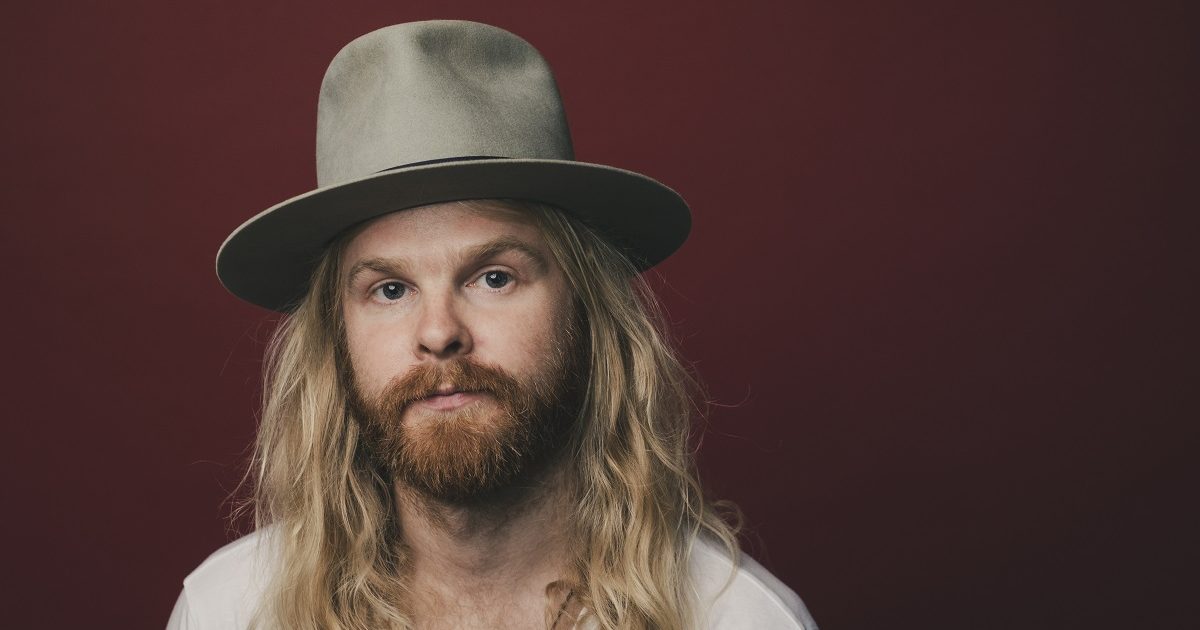
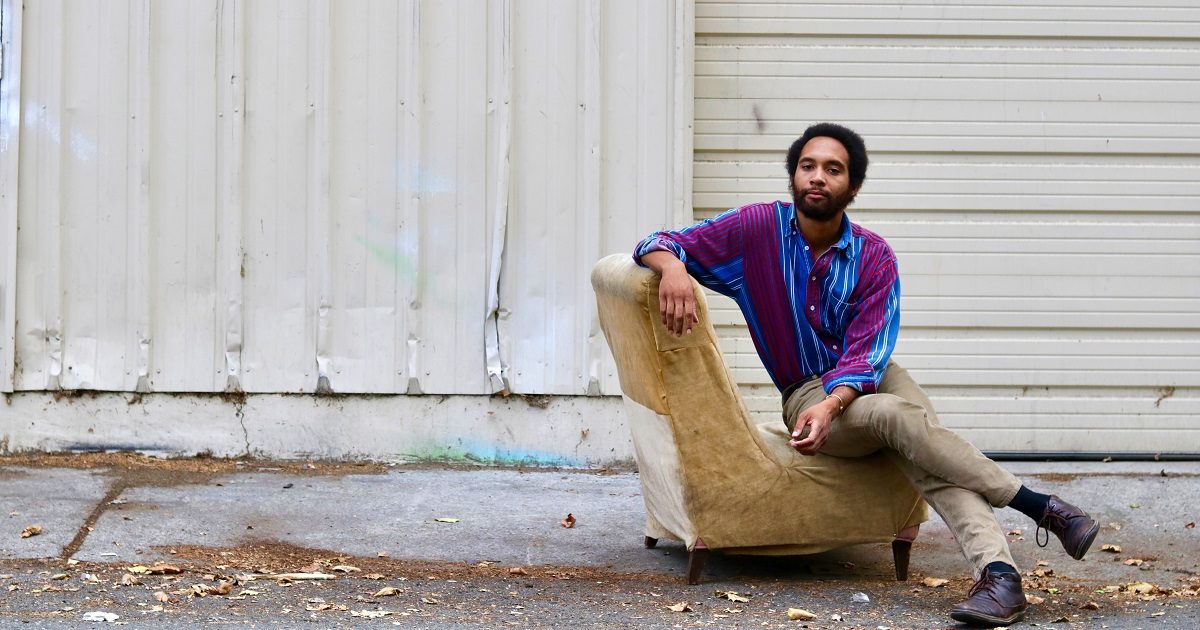
WATCH: Tré Burt, “What Good” (Live From the French Quarter)

Artist: Tré Burt
Hometown: Sacramento, California
Song: “What Good” (Live From the French Quarter)
Album: Caught It From the Rye
Label: Oh Boy Records

In Their Words: “A really good friend of mine confided in me about a recent falling out she had had with her best friend since childhood. I guess that’s what started me writing the song, at least the first verse, then I got thinking about impermanence, time and how it (time) is like a vehicle that everyone is traveling on together. The jet plane, steamboat, race car references… On a beautiful sunny day in New Orleans in January we took a walk with the folks from Northern Cowboy films (UK) around the French Quarter and found a spot we all felt good about. The homeowner was happy and gracious to let us film outside his house. Traffic on foot, car and horse all slowed down to see what we were up to and stopped to listen too.” — Tré Burt

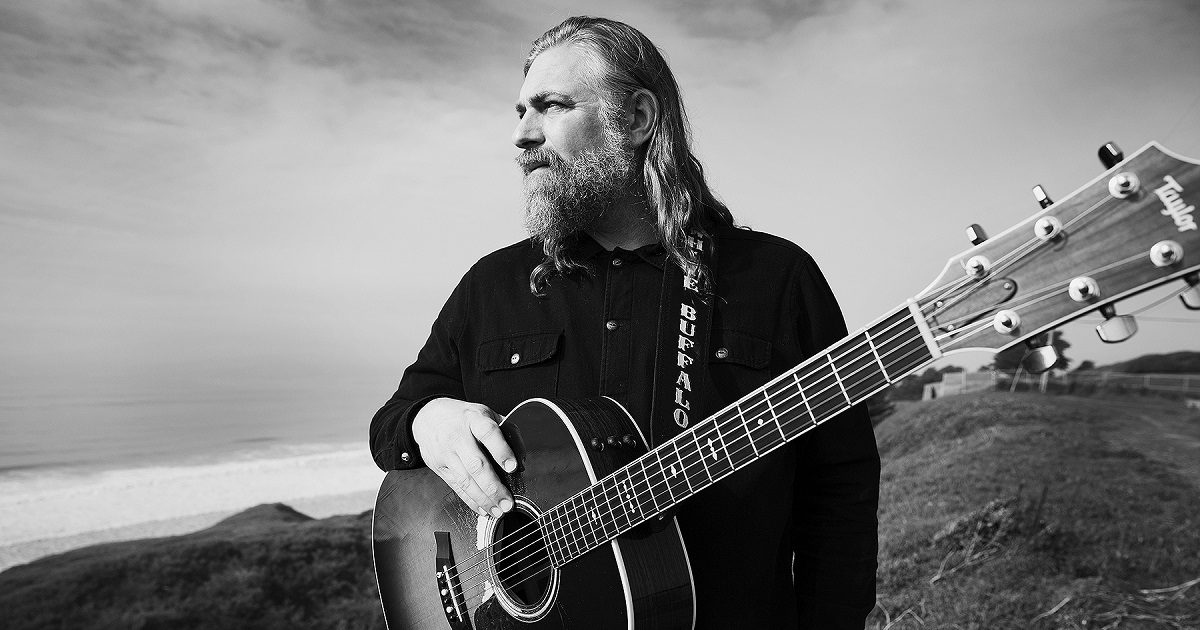
The White Buffalo Gives Fans an Escape with Live-Streamed Set, New Songs

With a tour scrapped and a new album to unveil, The White Buffalo (musician Jake Smith) will be bringing the concert experience — and a bunch of previously unheard songs — directly to fans for a live-streaming experience on Sunday, April 5. By email, Smith fielded a few questions from BGS about what his loyal listeners can expect, both from the streaming concert and the upcoming project, On the Widow’s Walk, out on April 17.

BGS: You have found an interesting way to connect with fans during this time. Can you tell us what the visual component of this show will look like?

The White Buffalo: It won’t be a bunch of smoke and mirrors. That being said we are shooting for something of a much higher quality both sonically and visually. It will be lit and shot on multiple cameras. We are really trying to elevate the live online streaming experience and people’s homes.

How about the sound — acoustic, full band, or a mixture of both?

We are recording in a studio so the sound will be of the highest quality. It’s going to be full band, a trio like we’ve toured with for years. This time we’re going to have Christopher Hoffee who plays bass on piano on some songs and I’m trying to elevate my guitar tone to bring some dirtier sounds to match the new album.

This event differs from a tour date to some degree, but what goes through your mind in the moments before taking the stage?

I just try to step back and appreciate that this is my job. I feel very lucky to have people care and connect with what I have to say. The live setting cannot be replaced. I think it’s the most visceral way to absorb music.

With a new record on the way, I am sure you will drop in some new material. What is that experience like for you as a writer, sharing something new for the first time?

It’s a bit nerve-racking playing songs that no one’s ever heard but it’s exciting for the most part. On the upcoming album I again tried to run the scope and breadth of emotions. Dark, gothic, lighter, hope-filled, optimistic, heartfelt, heavy… It’s hard to judge what songs will really resonate with crowds until you get out and play them.

You have already introduced the world to “The Rapture” prior to the album. What was on your mind when you wrote that?

That one’s a twisted, primal tale of murder. The first few lines just spilled out of silence as they do. From there I put myself in the shoes of this fantasy character and it was obvious to me where he’d end up. He’s trying to restrain his evil ways but the animal in him is too wicked and strong.

What surprised you the most about the time you spent making the new record?

Truly how fast everything came to be. I wrote and finished the bulk of the songs within a couple weeks after an inspired and validating meeting with Shooter. During two sessions we recorded the whole thing in 6-7 days. The recording process was the most honest, organic thing we’ve done to date. With Shooter Jennings producing and sitting in on piano, we’d all sit in a room and record what happened. Recording and documenting live takes until we felt like we had the right feel and emotion for the song. It sounds simple but it was about catching those real, live, special moments.

So much of the live experience is about connection. Will there be a way for fans to have that interaction with you during this event?

I’m hoping so. I’m hoping they’ll feel it. We plan on bringing the same unbridled passion for performance as we do to live shows. There will be an interactive part of it as well, a little Q&A. That’s something we don’t do at shows, so trying to fill the distance a bit with that.

What would you like your audience to take away from this experience, in the midst of these uncertain times?

Hoping to give people an escape. To connect with them through the music… make them feel pain, joy, hope, fear… Take them on an emotional journey… for them to have a respite in the these crazy times and be entertained and lose themselves in the moment.


Photo credit: Cheyenne Ellis

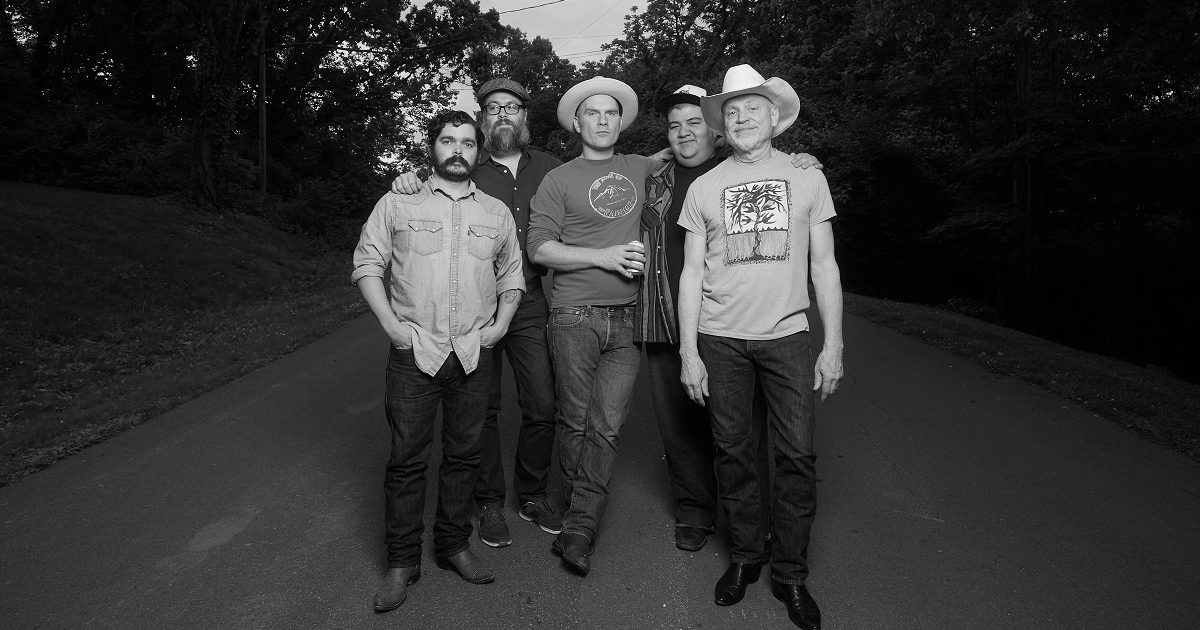
BGS 5+5: Western Centuries

Artist: Western Centuries
Hometown: Seattle, Washington
Latest album: Call the Captain
Personal nicknames (or rejected band names): Country Hammer (our first band name, since rejected)

All responses by Jim Miller

Which artist has influenced you the most … and how?

When I was 17 years old, living in Branford, Connecticut, the only music I considered “real” was Jimi Hendrix. Nothing else mattered. Then, for reasons I can’t recall, some friends and I went to a concert by Ralph Stanley and the Clinch Mountain Boys in a small venue at Yale University called The Enormous Room. His band at that time included Ricky Skaggs and Keith Whitley, who appeared to be teenagers, like I was. From that point on, my musical life was forever changed. I became a “Ralph Head” and would hitchhike pretty much anywhere on the Eastern Seaboard to see his band play. Even though it’s hard to draw a direct line from Ralph Stanley to the music I write and perform today, I hope that some spiritual elements of his music have seeped into my own.

What’s your favorite memory from being on stage?

I spent 20 years touring with the band Donna the Buffalo. One year, we were hired to play MerleFest and our set, with Peter Rowan as part of the band, was scheduled to close the main stage, going on after Dolly Parton. We of course thought that this was our big break. But it turns out that Dolly talks quite a bit between songs and certainly nobody is going to cut her off. The length of our closing set kept shrinking.

When it got down to where it would be 20 minutes long, the stage manager asked: “Do you still want to go on?” Yes! So we rushed up there and started playing in our long-winded, jammy style. The stage crew could see where this was headed — I can’t remember whether we got through two or three songs before they shut down the house PA and monitors and turned the stage lights off. But our amps still worked! So we raged on as the audience stampeded for the exit gates. Priceless.

What was the first moment that you knew you wanted to be a musician?

I spent my formative years in Saskatoon, Saskatchewan. When I was 7 years old, I auditioned for the Saskatoon Boys Choir and somehow made the cut. We got to wear a turquoise vest, a little white jacket, and a black bow tie. Unlike the other kids, I couldn’t read music, but I somehow faked it — learning my parts by ear. We toured the Prairie Provinces, performing in churches and schools, and it became clear to me that being a musician was my true calling.

Which elements of nature do you spend the most time with and how do those impact your work?

I’m a Lepidopterist by training, the study of butterflies and moths. I’ve hiked endless miles through the jungles of Central and South America, searching for rare species. Those travels have opened my eyes to the vastness and beauty of the natural world. They’ve also exposed me to people in different countries who speak different languages, eat different food, and live day-to-day in intimate contact with nature. Such experiences inform my world outlook and provide musical inspiration in ways I can acknowledge, but not easily explain.

Since food and music go so well together, what is your dream pairing of a meal and a musician?

I would go to Bob Seger’s house — in Detroit I assume — and ask him to cook cheeseburgers on the grill. I can make the coleslaw.


Photo credit: Bill Reynolds

LISTEN: Saints Eleven, “My Home Is”

Artist: Saints Eleven
Hometown: Denton, Texas
Song: “My Home Is”
Album: This Town EP
Release Date: March 27, 2020

In Their Words: “‘My Home Is’ is basically an apology to my son. I’m not even sure that he was aware of what was going on or why. He’s been around my ‘music career’ all of his life. It was just something Dad did. Maybe I just felt guilty the night I wrote it, in a hotel room, on the road. I’m so passionate about what I do, I sometimes forget what’s really important. This song was more for me I think. I wanted to let him know that even though music has consumed most of my life, he’s still the most important thing to me…. With that being said though, I wouldn’t change a thing. I think you have to stay focused on the goal in order achieve success…. I’m probably wrong, but it’s how I feel.” — Jeff Grossman, Saints Eleven


Photo credit: Texas Red Photography/Melissa Arnold

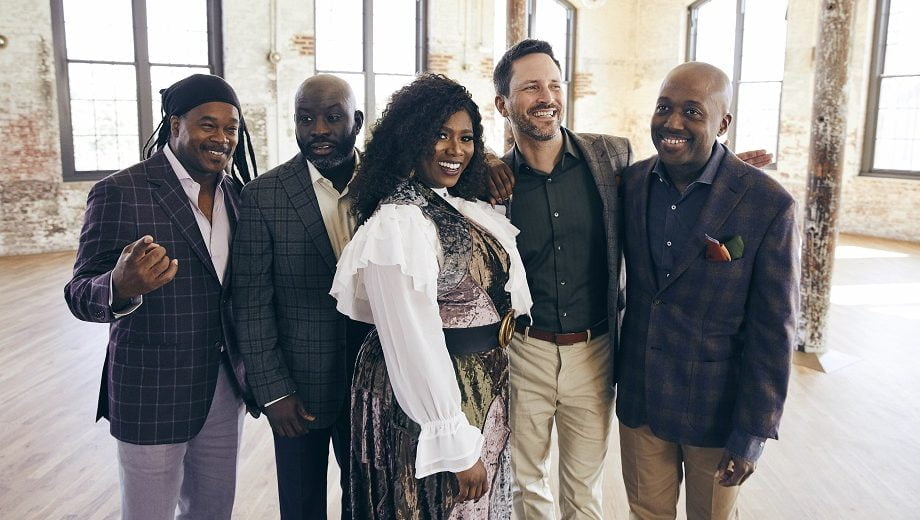
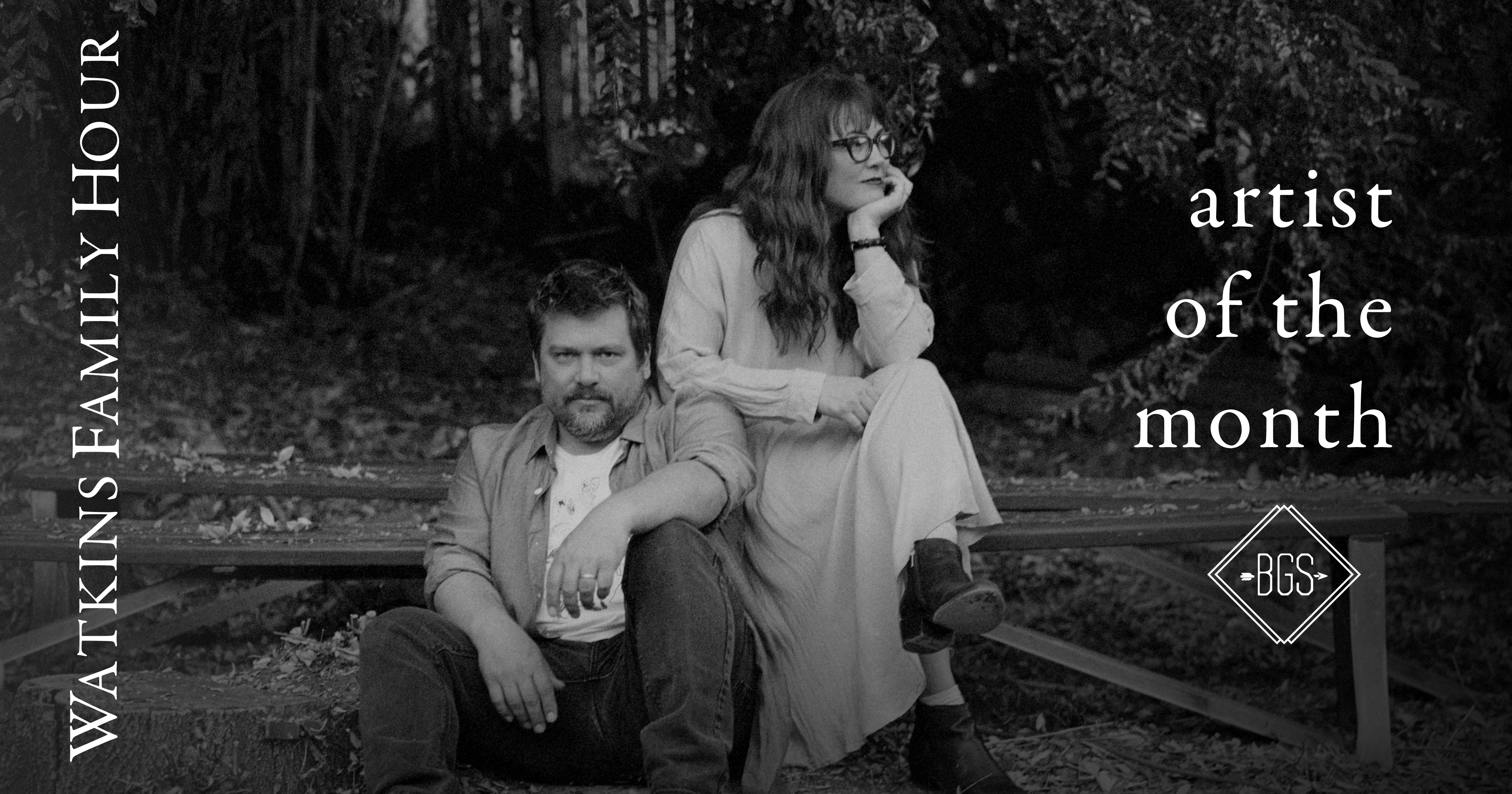
Artist of the Month: Watkins Family Hour

Sean Watkins and Sara Watkins have factored into some of the most accomplished and creative ensembles of the last two decades, while building a cool catalog of their own solo albums, too. Familiar to many as co-founders of Nickel Creek (with Chris Thile), the California siblings are once again teaming up as a duo for brother sister, their second album as Watkins Family Hour.

“From the beginning, our goal was to work on these songs to be as strong as they could be, just the two of us,” Sara says. “And with a few exceptions on the record, that’s really how things were. It was a tight little group of us, working dense days where we could squeeze them in.”

Sara won a Grammy earlier this year for “Call My Name” as a member of I’m With Her (with Aoife O’Donovan and Sarah Jarosz). In addition to producing, Sean has recorded with collectives such as Fiction Family, Mutual Admiration Society, and Works Progress Administration. Their appearances at the Los Angeles club Largo have inspired a number of impromptu collaborations on stage as well. Together, however, the siblings make a powerful unit, capturing a band sound with essentially two people — but incorporating a fresh perspective through producer Mike Viola.

“Mike brings a diverse musical history to his production work,” Sean says. “He’s worked with a lot of people [from The Figgs to Fall Out Boy] that surpass just bluegrass or folk, but his sense of the songwriting craft and melody is right in line with us. He was bringing ideas that we would have never had, and vice versa.”

Enjoy new tracks from Watkins Family Hour in our BGS Essentials playlist, plus choice cuts from throughout their brilliant careers.

Our Artist of the Month interviews are here! (Read part one here. Read part two here.)


Photo credit: Jacob Boll

LISTEN: Elijah Ocean, “Good Clean Livin'”

Artist: Elijah Ocean
Hometown: Los Angeles, California
Song: “Good Clean Livin'”
Album: Blue Jeans & Barstools
Release Date: May 1, 2020

In Their Words: “I wrote this song a few years back while working a casino in Las Vegas. It started from a snippet of a conversation I overheard and ended up being about an addicted gambler who finds salvation through the modern American dream. I originally recorded a version for my barn record, but it didn’t make the cut. So I wound up recycling the pedal steel (played by my good friend Philip Sterk in Nashville) and re-tracking everything else in my home studio in LA. I was basically trying to find some middle ground between The Byrds and Alan Jackson.” — Elijah Ocean


Photo credit: Sean Rosenthal