Basic Folk: Matt Smith (Club Passim)

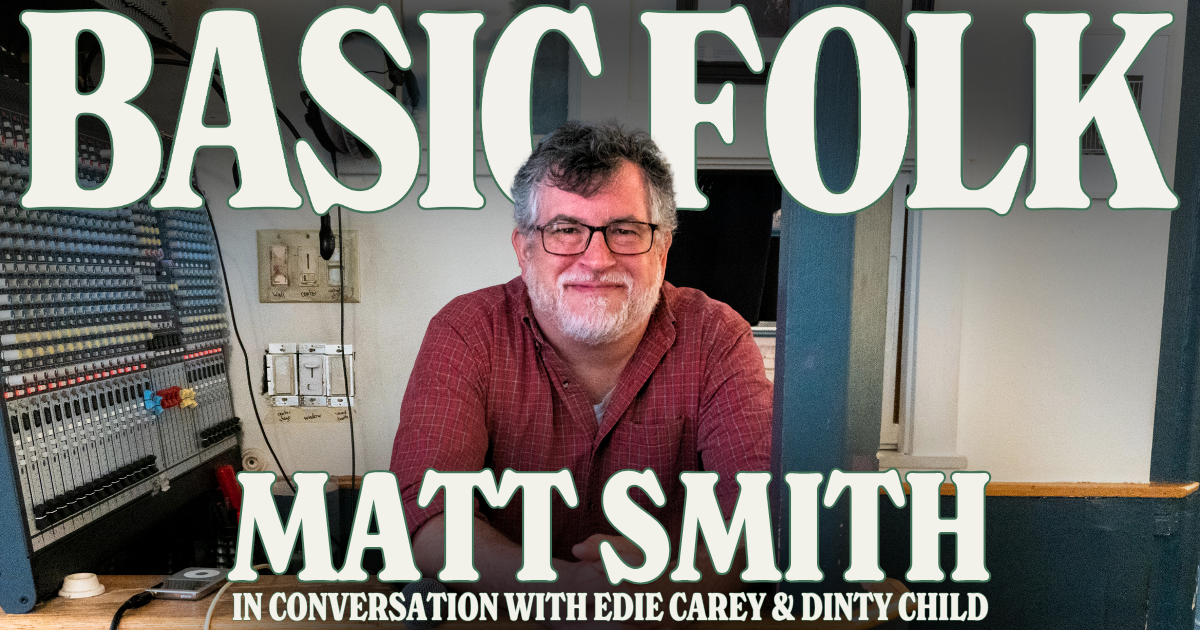
Matt Smith is a living legend with his unbelievable 30-year run at Club Passim, the historic folk venue nestled in a Harvard Square basement. Currently in the role of Managing Director at Passim, Matt is the most passionate music lover I know. He has used his platform at the club to help establish artists like Lori McKenna, Anaïs Mitchell, Lake Street Dive, and so many more. I met Matt while working as a student at WERS 88.9FM, where he brought fantastic shows to a listening room filled with people who were clamoring for honest music in an intimate space. He’s been a very good friend and mentor to myself and thousands of musicians since he began his tenure at the club in 1995.

LISTEN: APPLE • SPOTIFY • AMAZON • MP3

In honor of Matt’s 30th anniversary at Passim, we brought two longtime friends on the pod to talk to him about his role in the Passim community – and beyond. Musicians Edie Carey and Dinty Child join us in conversation with Matt; he shares advice he would give his younger self, we chat about what a vacation without music would look like, and his incredible memory. That memory is tested in our lightning round where he answers Passim trivia (almost 100% correctly). There’s also a discussion about what Matt is most proud of in all his years at the club: the campfire. festival, which takes place every Memorial Day and Labor Day weekends featuring sets in-the-round of mostly unknown new acts. I would imagine if you’re listening to this episode of Basic Folk, you either know Matt or Club Passim. Hello to all our friends and I hope you enjoy this window into one of the best people we’ve ever known: Matt Smith!


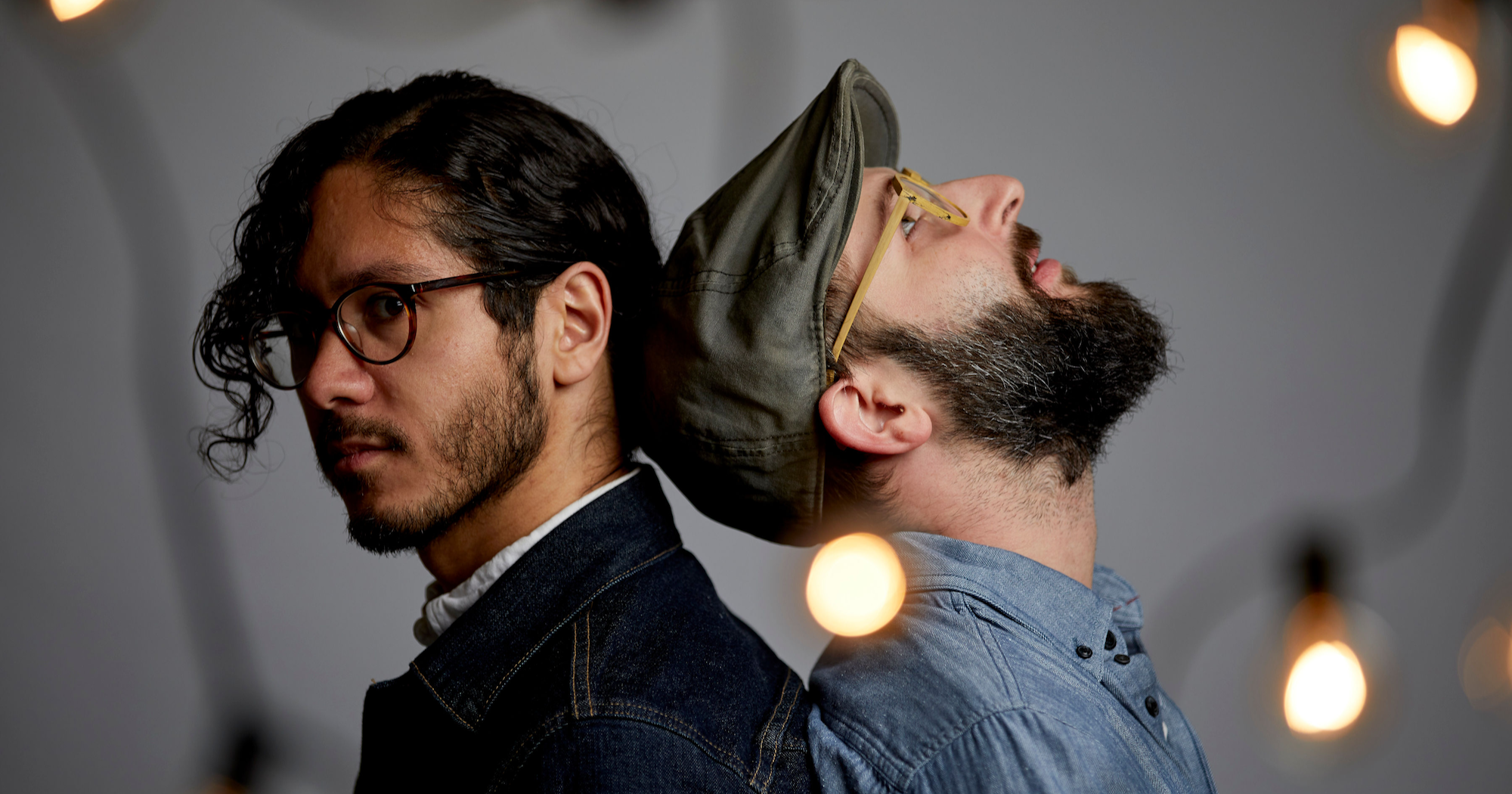
Photo Credit: Barry Schneier

Sweet Petunia Grew Into Their Foggy Mountain Mental Breakdown

Little did Mairead Guy and Maddy Simpson know upon enrolling in Greg Liszt’s 21st Century String Band ensemble at Berklee College of Music that the course of their musical careers were about to be forever altered. Upon being paired up for a rehearsal by chance, Mairead and Maddy unearthed their musical synastry quickly. The two wove a vocal blend of sibling-like precision and their musical instincts coalesced with ease. After several jam sessions, the inevitable was clear – Mairead and Maddy were meant to make music together. With banjos in hand, the two joined forces to establish the cherished Boston alt-folk duo, Sweet Petunia.

2026 sees Sweet Petunia unfurling its petals even further – on March 13, the duo released their inaugural LP, Foggy Mountain Mental Breakdown via Ani DiFranco’s Righteous Babe Records, their first release since their 2021 EP, Lovingly. Laden with ripe lyrics and expansive sonic landscapes, Sweet Petunia harvests new growth with 12 tracks navigating dynamic emotional thresholds and lyrics that cover themes from gender identity to toxic relationships to heartbreak and beyond.

BGS was elated to sit back down with Sweet Petunia and discuss all things Foggy Mountain Mental Breakdown.

We last got to chat in 2024 for One to Watch. What has the shape of the last two years looked like for y’all?

Maddy Simpson: Lowkey pretty crazy! We started working with a booking agent and got hooked up with our label, Righteous Babe. We’re also in talks with a manager, so we’ve kind of legitimized in that way. I think the last time we spoke we didn’t have any of that.

So exciting! How has that changed the scope of your project?

Mairead Guy: They’ve been doing this so much longer and the range of people that they can connect us with is so vast compared to what we’ve been able to build so far, which is really cool.

MS: Yeah, it’s interesting to have other perspectives to bounce off of, too. The team is very thoughtful in many ways and they think of things that we would have never thought of. It does feel like this has legitimized the record and the band in a big way. Not that we weren’t legit before, but now we’re thinking about things on a much wider scale.

Speaking of which, congratulations on the new record! What about this moment in time do you feel like influenced the birth of Foggy Mountain Mental Breakdown?

MS: Truly, once we started working with the label, we just wanted to get it out as quickly as possible. March just worked best for them to slot it in, so we went with it!

MG: And March 13th must be a cosmically good day to put out an album, because we have a couple friends putting out albums that same day – Anjimile and Grace Givertz.

How fortuitous! So what was it like putting this album together? How was it different from the process for your EP, Lovingly?

MS: We recorded Foggy Mountain Mental Breakdown essentially four years ago at this point. It was our first try recording a full-length album and we did it in a kind of hybrid format – some in a couple different home studios, and then an actual recording studio. It was the first time we really brought in additional people to play on it, which was cool. We were much more thoughtful about the arrangements and the production and all that. It was the biggest thing we’ve ever done, and it was a lot, but it was incredible to see how it all turned out.

MG: We definitely learned a lot about what works and what doesn’t and what we want for next time. Even if all that was the only thing that came about from this process, it would have made it worth it.

Could you say more about what you learned?

MS: I think we both grew a lot. I learned a lot more about what I wanted and how I want things to sound. It was really awesome to work with some really close friends of ours; I learned more about collaborating, which was really cool. I also learned that it takes a really long time to put out a full-length record. Even once it’s finished, it takes quite a while, which I already knew in theory, but then to live it – it can take years sometimes, which is crazy.

MG: I feel similarly. It is cool to have the time to dedicate to thinking about the way that you want things to sound in their recorded form. That was great to learn about, especially differentiating between the ways in which that can be helpful and then also the ways in which you can get stuck in a loop of overthinking.

Now I have to ask, the title of the album is Foggy Mountain Mental Breakdown, and I’m curious if there’s anything you’d like to say about the influences behind that – Earl Scruggs, mental health, etc.?

MG: We thought it was funny! We were around a lot of bluegrass at the time – I think we came up with it at a bluegrass festival, and then a lot of our songs are pretty sad. There was sort of this trend where a lot of people were giving their projects jokey names that were plays on words, like Dolly Spartan or Chet Faker. Stuff like that was popular at the time.

MS: And it’s a little bit of an “if you know you know” vibe, because nobody knows “Foggy Mountain Breakdown” unless you play roots music and if you do, it’s the most old news bluegrass song. It’s like “Free Bird.” But then normal people have no idea what it means, which is kind of silly. It’s also a nod to our origins. Though we never really played bluegrass music, for the first three or so years that we were a band, we were almost exclusively around traditional roots music and a lot of those people were playing bluegrass. It is a huge part of our band, even though we’re more so old-time people, we love bluegrass.

The folks over at BGS definitely catch your drift!

So on FMMB, there’s a ton of lush instrumentation — what was that like? How did you find the additional musicians for all of these orchestrations?

MS: Most of the people that played on the album were people that we knew who were friends and musical collaborators of ours already. We know a lot of musicians, so it was pretty easy to put a lineup together. For example, we knew Lucy Nelligan – who plays all the fiddle on the album – from college and had played with her before. It was really a no-brainer to just have her come in and track a bunch of fiddle, just letting her go and do whatever she was gonna do. It’s cool to have that trust built with people where you know they’re going to produce quality tracks. We’re lucky that we are around so many amazing and talented musicians.

“Wilting” is the track with all the woodwinds and that was really cool because our producer, Leah Gutman, found a bunch of people to play on that session. All those people are now friends of ours, though at the time we didn’t really know any of them that well. It’s wonderful to see how our relationships have grown over time with the people that live in our community and play in our scene. For “Wilting,” our friend Christian Schmidt, who’s my roommate, played flute, but then our friend Brendan Wright from the band Tiberius was playing clarinet. And Miles Chandler from Clifford came in and played, our friend Nate Scaringi and our friend Maria – all these people that we’ve gotten to know over the years, but they were virtually strangers when they came in and tracked that song.

Do y’all have any dream collabs?

MS: Dolly Parton. Sabrina Carpenter got to do it, so…

Oh, and Willie Nelson! I’d really love to play Luck Reunion.

MG: Paul Simon. Or like, Simon & Garfunkel 30 years ago. When they reunited at Central Park we could’ve opened. Or Rhiannon Giddens would be cool.

MS: Gillian Welch and Dave Rawlings would also be awesome.

What track on the album do you each feel a deepest kinship to? Or is that like asking a parent to choose their favorite child?

MS: Hmm. I really like how “In David’s Living Room” turned out. I really love all of the auxiliary stuff that happens. I remember when Leah and I were cooking on that, I was just very excited with the direction that track was going in, because it felt like our indie moment in a record that’s pretty traditional. Though there’s other moments like that too, I think that’s my standout right now.

MG: For me, it’s probably “Grub.” That’s just one of my favorite songs that we’ve ever worked on together. You know, there’s a lot of songs on the album that, because they’re so old, don’t necessarily feel as relevant to where I am now, but “Grub” is one that I feel very protective of. The flute that Christian put on it is just so beautiful. It was also really fun to record — we did it on a 4-track while sitting on Maddy’s washer-dryer. Plus my roommate, Riley Halliday, made a beautiful stop-motion puppet music video for it.

Oh, tell me more about the music video.

MG: Yeah, so my roommate Riley – they’re an incredible visual artist, and they are really good at making puppets. We came to them about three years ago, probably, and asked them if they’d be interested in making this video. They did a combination of stop-motion, claymation, hand-drawn animation, and puppets that they built completely themself. They handbuilt everything and made this perfect video that I feel just represents the song so well.

Talented friends seriously make the world go round! Was there anything outstandingly difficult about making this album?

MG: Well, I was living in Maine at the time, so I was commuting down every weekend. In terms of life, it was great for me to be down there every weekend, but it definitely made things take a little bit longer. And it was harder, for sure, because we couldn’t just pop in really quick and do something. Everything had to be planned out pretty far in advance.

MS: Yeah, that was tough. Also, it’s really expensive to put out a record. Often it’s something most people can’t do unless they crowdfund or save up hella money for. For us, it just took a lot of saving and being very smart with money – and lowkey we ran out of money in the process. So if anyone wants to buy some merch!

A hypothetical for you – if you each could wake up tomorrow having mastered any instrument, what would it be?

MS: I’ve actually been thinking about this a lot lately, because I kind of want to learn how to play the drums. Our friend Andre M is so crazy on the drums. He has this beautiful technique – it’s very beautiful to watch him play. Every time I see his band, I’ll have like one Miller High Life and then I’ll be like, “I’m gonna do that!” So yeah, I’d definitely love to learn how to play the drums better.

MG: I always thought that I maybe have the vibe of a bass player, so that could be fun. Maybe we’ll start our drum and bass era – we could be a drum and bass duo.

I’d so be here for that. How would you each sum up FMMB in five words?

MG: College angst and bad dreams.

MS: Lowkey sad, but it’s chill.

Okay, y’all killed that.

So what’s coming up for y’all? Where can the good people find you?

MS: We are going on an album release tour in April. We’ll be out for most of April and the beginning of May all over the place – the Northeast and the South. We’re so excited to be playing five dates supporting Ani DiFranco. Our full list of tour dates is out now. Come through!


Photo Credit: JJ Gonson
BGS 5+5: Cold Chocolate

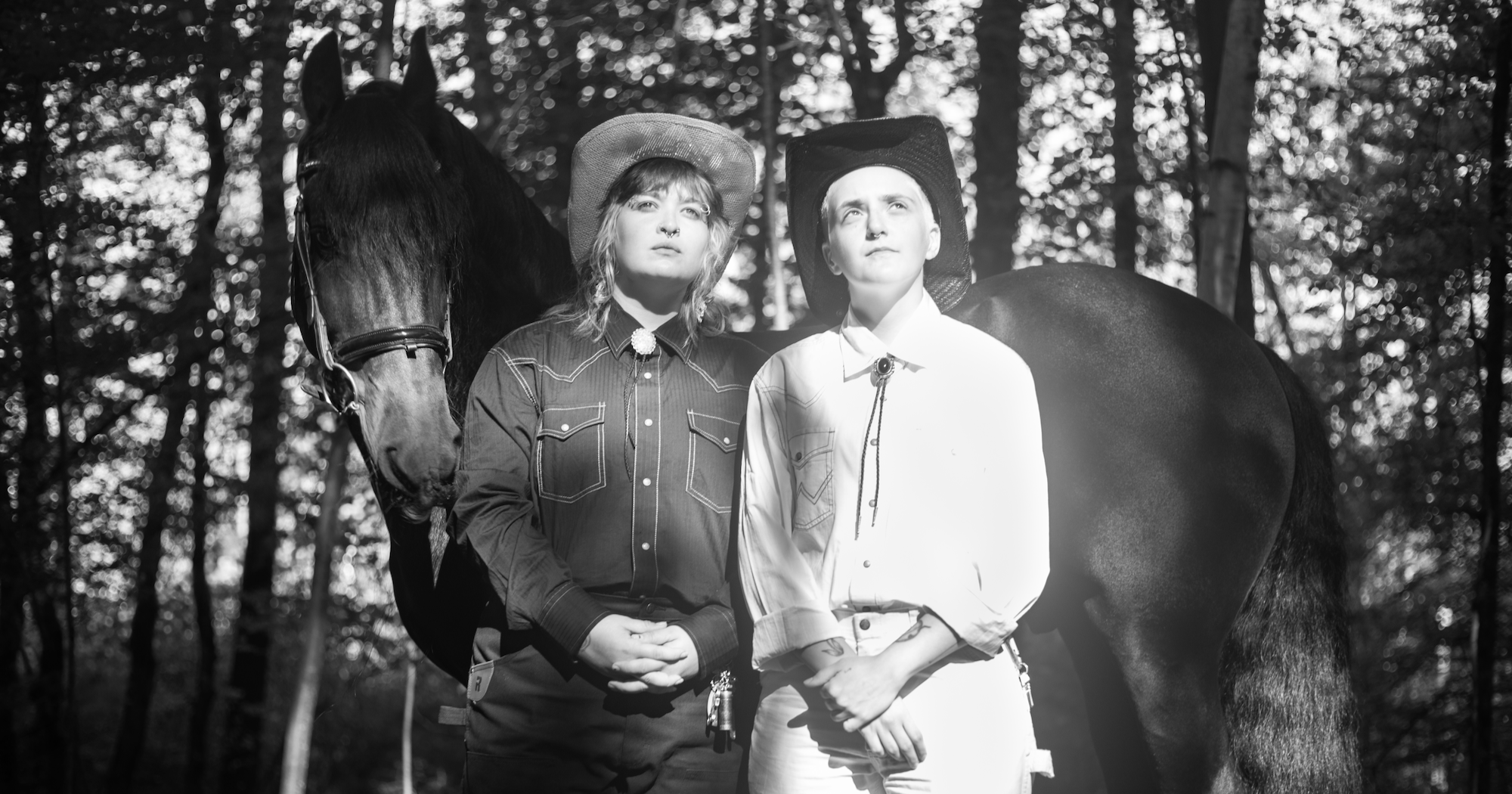
Artist: Cold Chocolate
Hometown: Boston, Massachusetts
Latest Album: Not Gonna Stop (released February 13, 2026)

(Editor’s Note: Answers supplied by Cold Chocolate’s Ethan Robbins.)

What’s the toughest time you ever had writing a song?

In May of 2020, smack dab at the beginning of the pandemic, my wife and I were expecting our second daughter. At the time, among other things, we were worried about whether or not I would be allowed to accompany my wife to the hospital to give birth – that’s the way the protocols were set. Fortunately I was able to, but unfortunately the birth didn’t go as smoothly as one always hopes it will and Casey, our daughter, had to remain in the hospital for 17 days after she was born. Because of the protocols at the time, my wife and I were not allowed to stay with her. So all we could do each day was call the hospital to find out when she was coming home. If you recall, back in the early pandemic days, each day felt like a year. Those 17 days really felt like 17 years.

It was an incredibly emotional time. I’d find myself crying out of nowhere, in the middle of the day, without any warning. It was during that emotionally charged period that I wrote “How You’re Feeling Today,” and although it was hard to find the right words to write and sing, it was incredibly cathartic in that moment. Through the writing of that song, I was able to start to see the light at the end of the tunnel. Now, when we play that song live, I get to revisit some of those feelings, but in a much more positive light – because Casey is 5 years old now. Incredibly healthy, incredibly beautiful, incredibly hilarious, and one of the best dressers I know.

Genre is dead (long live genre!), but how would you describe the genres and styles your music inhabits?

We call our music Americana. It’s a broad term that’s meant to encapsulate many different genres, as does our sound. Our band goes back a long way, over a decade, and has evolved considerably over that time. When we began the band over 10 years ago, we had a banjo player and an upright bass player and the music we were playing was very much bluegrass-forward – or at least, that’s what we considered it to be. We always had drums, so some people may never have considered us a bluegrass band, but we did.

The issue for us back then was that the entire time our banjo player was touring with us he was also studying to get his PhD in Physics from Harvard University. So when he graduated and became a doctor, he had to make the very difficult decision whether to pursue his career in science or his career in banjo. He made the wrong decision that day – and we obviously continued on as a band and our music continued to evolve as anything and everything does over 10+ years of time.

We began to get enthralled by the music of bands like the Wood Brothers and the Black Keys, and I started playing electric guitar live more than ever before. Ariel [Bernstein] and I delved pretty far into what this electric sound allowed us to do. We found we were now able to play things and express things that we’d been unable to achieve before. So we went forth as an electric “power duo” (trademark pending) and wrote and performed a ton in that duo setting. Then, bam! – pandemic hits, and we don’t see each other for more than two years.

In May of 2022, I showed up at Ariel’s house and he says, “Oh, I play banjo now!” Through his banjo and my mandolin’s addition to our band, we were able to revisit some of the bluegrassy material that we’d started with so many years ago. We breathed fresh life into tunes that were as old as the band itself and now they feel like some of our newest songs. It’s added an arc to our albums and live shows that we adore. So in a live setting, we’ll play everything from electric funk and rock with a drum kit and guitar amp to acoustic bluegrass and folk with banjo and mandolin around a condenser mic. It’s hard to put one word on what we do. It’s all… us.

What was the first moment that you knew you wanted to be a musician?

I started classical violin lessons when I was 4 years old. I studied with the same teacher until I went to college at 18. At the beginning, although there was certainly a level of enjoyment that I was aware of, I never connected with classical music in a way that made me want to take complete ownership of my music education. When I was 14, I started teaching myself guitar and my love of playing music started to grow. I was finally able to play things that I wanted to play. At the time, that was a lot of Dave Matthews Band – but it was the first time I realized that music could be so soul-fulfilling.

When I got to college at Oberlin, at that point listening to a lot of Grateful Dead, I met some people who were really into bluegrass. I didn’t know what that was at the time, but the first time I heard Old & In the Way I was sold. I went to the very first DelFest in 2008, right before spending the summer working for HeadCount – the voter registration organization – on a six-week tour with the Dave Matthews Band. It was that juxtaposition, seeing my favorite childhood band rock out every night then going to sleep listening to Peter Rowan and Vassar Clements in my headphones, that I started to visualize a life path for me as a musician.

It certainly took us some time as a band to figure out how to make that dream a feasible reality and, in some ways, we are still figuring that out. But truthfully, I just met the right friends at the right time, saw and listened to the right music when it mattered most, and that sparked the dream.

What is a genre, album, artist, musician, or song that you adore that would surprise people?

When I was at IBMA in 2024 in a meeting setting, as an icebreaker, someone asked what the first album each person had ever purchased was. Most people responded on-brand with a classic bluegrass or newgrass album, Bill Monroe’s Uncle Pen or Alison Krauss & Union Station’s Paper Airplane. For me, it was an easy answer: Third Eye Blind’s self-titled record. I know all of the words to all of the songs on that record and it’s still a personal fave of ours as a band. During late-night drives, we’ll blast that album front to back in the van. It still pumps us up, sets the vibe and energy high, and keeps us going full-speed ahead toward our next destination. ’90s pop, across the board, is a winner for this band, but that album specifically will always and forever hold a special place.

Since food and music go so well together, what is your dream pairing of a meal and a musician?

Great question. My top act to have seen live, hands down, would have to be the Band. Certainly Cold Chocolate’s musical vibe has been modeled after those raw, rootsy sounds of theirs. Their songs transcending genre, while being just so totally “them.” I’m not sure what food would pair best with seeing them. At The Last Waltz it was a Thanksgiving dinner, which is honestly one of my favorite meals of all time. But [with] a heavy meal, I’d want to dance my ass off at that show.

Southern BBQ is another obvious choice for Levon’s Arkansas-growl, but again maybe too heavy. I think I could get down with a fish boil at a show by the Band, thrown out across a table, family-style. Then I could grab little bites throughout the show while belting out “The Shape I’m In” with my idols on that stage.

WBUR recently wrote about us that our song “I Know This Girl” has “enough grit, drive and backbeat to make Cold Chocolate worthy heirs to The Band,” which is maybe the best thing ever written about us in the media.


Photo Credit: Lead image by Kelly Davidson, alternate images by Joe Navas.

FARHOF’s Roots That Built the Hall Playlist

Located inside the historic Wang Theatre and founded by the Boch Center, the Folk Americana Roots Hall of Fame is Boston’s premier cultural and educational initiative dedicated to celebrating America’s rich musical heritage. Since its launch in 2019, FARHOF has honored the artists, songs, and movements that have shaped folk, Americana, and roots music while creating immersive exhibits, educational programming, and live experiences that connect audiences to the stories behind the sound. Guided by iconic artists and industry leaders, the Hall exists to honor the past, celebrate the present, and nurture the future of these genres.

On March 24, 2026, FARHOF will host its 2026 Induction Celebration at the Wang Theatre, an unforgettable evening recognizing the artists and industry leaders who helped build the foundation of folk, Americana, and roots music. This year’s honorees, whose collective achievements include 30 GRAMMY Awards and countless other accolades, represent the influence and ongoing evolution of the genres we preserve.

Our playlist theme, Roots That Built the Hall, celebrates the legacy and influence of this year’s inductees. Each song reflects the innovation and cultural impact of the artists who shaped Folk and Roots music, reminding us why this music endures and continues to inspire. – Denise Arellano, The Boch Center

“(I’m Your) Hoochie Coochie Man” – Muddy Waters

Muddy Waters electrified the Delta blues and carried it into the urban North, shaping the sound of modern roots music. This track demonstrates that blues roots continue to inspire folk and Americana, exemplifying the music and legacy the Folk Americana Roots Hall of Fame celebrates.

“Chain of Fools” – Aretha Franklin

Aretha’s voice bridges gospel, soul, and rhythm & blues, reminding us that roots music is inseparable from the Black musical traditions that shaped America. Her artistry embodies FARHOF’s mission to celebrate music as both cultural expression and social force.

“Suzanne” – Leonard Cohen

With poetic lyricism and folk instrumentation, Cohen represents the storytelling tradition central to folk music. His work highlights how intimate songwriting can shape national culture and influence generations to come.

“Make Me A Pallet On Your Floor” – Mississippi John Hurt

Hurt’s fingerpicking style and oral storytelling roots in this country blues standard echo the preserved histories and rare artifacts celebrated within FARHOF’s exhibits.

“My Journey To The Sky” – Sister Rosetta Tharpe

Blending gospel and the electric guitar, Sister Rosetta Tharpe helped lay the groundwork for rock ‘n’ roll. Her inclusion reflects FARHOF’s commitment to honoring artists whose innovations continue to ripple across genres.

“Running on Empty” – Jackson Browne

A pillar of folk and Americana, Browne captures the restless spirit of life on the road. His songs blend roots traditions with raw, lived experience, shaping the sound and soul of a generation.

“Both Sides Now” – Judy Collins

A defining voice of the 1960s folk revival, Collins helped bring reflective and socially aware songwriting to the mainstream. Her work showcases the genre’s power to spark dialogue and deepen cultural understanding.

“Harvest Moon” – Neil Young

Young’s blending of folk intimacy and country influence illustrates the fluid evolution of roots music. Songs like this show how tradition can feel timeless while still speaking to contemporary audiences.

“The Last Thing on My Mind” – Tom Paxton

Paxton’s songwriting embodies the heart of the folk process, simple melodies carrying profound emotional truth. His legacy reinforces FARHOF’s mission to preserve the craft of storytelling through song.

“Urge for Going” – Tom Rush

Rush played a pivotal role in championing emerging songwriters and expanding the Boston folk scene. His work connects directly to FARHOF’s educational spirit by nurturing future generations while honoring those who paved the way.

“Go Down Sunshine” – Odetta

Odetta’s commanding voice became a soundtrack to the Civil Rights Movement, proving music’s power to inspire social change. Her artistry ties directly to FARHOF’s belief that folk and roots music are not just entertainment, but vessels for justice, unity, and cultural preservation.

“All I Want” – Joni Mitchell

Joni Mitchell’s intricate songwriting and emotional clarity helped redefine the possibilities of folk music in the 1970s. “All I Want” is built upon the deeply personal storytelling that continues to influence generations of artists, embodying FARHOF’s commitment to honoring innovation within tradition.

“Tear the Fascists Down” – Woody Guthrie

Woody Guthrie stands as one of the foundational voices of American folk music, using song as a vehicle for social conscience and collective resilience. This track underscores how roots music has amplified the voices of working people and movements for justice, a legacy FARHOF preserves.

“Black Betty” – Lead Belly

Lead Belly’s recordings carried traditional work songs and prison chants into the American mainstream, ensuring these stories were not lost to time. “Black Betty” represents the oral traditions and lived histories that form the foundation of roots music and the cultural preservation FARHOF continues to strive for.

“It Ain’t Me Babe” – Joan Baez

Joan Baez helped bring folk music into the national spotlight during a pivotal era of cultural change. Her interpretation of this song reflects the genre’s spirit of independence and social awareness, qualities that continue to shape the folk and Americana traditions celebrated within the Hall.


Graphics courtesy of the Folk Americana Roots Hall of Fame.

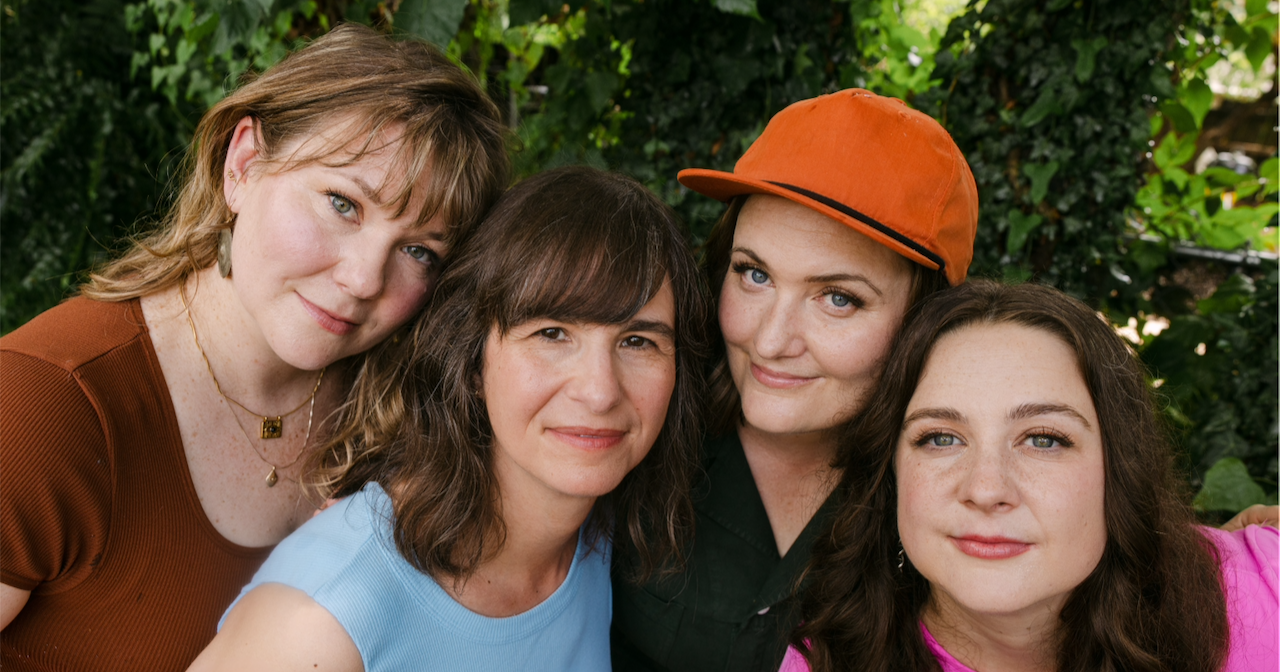
Life Is a Magic Accident and Della Mae Say Make the Best of It

Fifteen years ago, bluegrass band Della Mae’s vocalist Celia Woodsmith wrote her future self a letter. She was 25 years old, burned out on trying to make it in Boston’s rock scene, and reeling from the loss of her father.

“If you can just die, why would you be doing something that you didn’t love to do?” she asked.

Her answer – and her hopes for her future self, which Woodsmith wrote into that letter – inspired the title track and underlying message of the band’s new album, Magic Accident, which marvels at the improbability of existence. As Woodsmith sings on “Magic Accident”:

We all start with something
No one comes from nothing
It took a millennia to get you here
You’re a magic accident, the way that fate bent
With a little carbon and gravity
Carbon and gravity

“Our life is just a series of these little accidents – my parents meeting, their parents meeting. And it’s a beautiful and magical thing that we’re all here right now. It’s a beautiful and magical thing that Della Mae is here,” Woodsmith says. “That’s the basis behind that song, and it’s the basis behind how I think about a lot of my life. It’s just a beautiful accident that I’m here at all. So I might as well enjoy it and do the best thing, the best that I can, while I can.”

Magic Accident, as an album, a song, a concept, and a band ethos, celebrates following one’s own path. All four members of Della Mae – Woodsmith, founder and fiddler Kimber Ludiker, guitarist Avril Smith, and bassist Vickie Vaughn – lost their fathers prematurely, which bonds them as a band and altered how each woman sees the world. And making it as one of the few all-women bluegrass bands inherently required the Dellas to push boundaries and carve out space for their lives and stories.

“If I could talk to the little girl inside of me/ I’d let her know the world ain’t what it seems/ And if she would listen/ Could I keep her safe from making my mistakes?” the band wonders on “My Own Highway,” the album’s second track. Later, they remind the next generation of the same sentiment in “Out Run ‘Em,” written by Smith (co-written with Caroline Spence) for her pre-teen daughter, advising, “If you go with the crowd, you can’t out run ‘em.”

Indeed, all of Magic Accident listens like a set of love and advice letters to the band’s younger and current selves.

“I don’t think we could have written this album as young women. This is an older, wiser woman sort of thing,” Woodsmith says.

Elsewhere on Magic Accident, the band appreciates life’s small, sweet, desperately important moments. “Nothing at All,” which Woodsmith wrote with Spence, is a gentle appreciation of love that’s aged comfortably, while “Little Bird,” which the pair also wrote, relishes slow days and simple life joys.

“What do they say? One of the biggest forms of revolution is having joy in spite of what’s going on around you,” says Vaughn, about including these kinds of emotional interludes on the album. “And sometimes, the little things are all we have right now, whenever all this bullshit is happening.”

These songs would not be confused with light subject fare, though. The weight and wisdom of lived experience grounds Magic Accident in conviction and clarity, even when it may appear uncomfortable. “Family Tree,” a furious track driven by producer Alison Brown’s banjo picking and Ludiker’s fiddle, explores what it takes to break harmful generational cycles. “What You’re Looking For” ends a relationship that no longer serves the narrator. On the album’s only cover, Bruce Robison’s “Lifeline,” Vaughn on vocals (with Mary Bragg on harmony), reaches a hand down to anyone struggling to find their footing in the buffeting of life.

“The weight has become unbearable,” Woodsmith says. “We speak our minds and we fight for the things that we think are right; we all feel strongly about a lot of the same things, like women’s rights. But that can be a heavy load to bear and to sing constantly night after night.

“Sometimes we choose not to sing some of these songs that we believe so strongly, just because it’s become hard to bear that weight. I think this album lets us see the light a little bit.”

Though it’s full of interpersonal songs, on the final track of Magic Accident Della Mae zooms out to consider the state of the world. Sonically bluegrass and lyrically a protest, “Takes All Kinds” – co-written by Vaughn and singer/songwriter Melody Walker – asks the world to consider its future, as well:

Oh, the politicians who write the laws
(Oh, lord it takes all kinds)
They say they stand for the underdog
(Oh, lord it takes all kinds)

But then they take my rights away
(Oh, lord it takes all kinds)
For a greenback dollar at the end of the day
(Oh, lord it takes all kinds)

Ludiker started Della Mae in part out of frustration with how few women she saw on concert bills and in bluegrass bands. “After talking with a lot of people, it was pretty clear that maybe those bands also wouldn’t hire women for various reasons; I eventually got the idea to start my own band,” she says.

“My brain just wouldn’t accept the fact that [otherwise] maybe I wouldn’t have some of the [same] opportunities that I would have if I was a boy.”

To that end, Della Mae has been part of building a more inclusive, supportive community in bluegrass. Indeed, Woodsmith joined the band soon after writing herself the letter that inspired “Magic Accident.” At the time, she planned to quit music and join the Peace Corps. Instead, 15 years on, Della Mae has produced six studio albums (including their GRAMMY-nominated This World Oft Can Be on Rounder Records) and toured over 30 countries with the U.S. State Department music diplomacy program.

Della Mae is, by their own estimation, the longest-touring all-woman bluegrass band. Which would prove, as they put it on their website, “once and for all, that a band of all women is not, nor has ever been, a mere novelty.”

“Hopefully we can inspire other little magic accidents,” Woodsmith says. “Like other women or other young people who want to play, who see us at the right time in their lives to push them forward to playing music, and to step outside of their comfort zones and do something they thought might be impossible.”


Photo Credit: Laura Schneider

Wasn’t That A Time: Post-Revival Folk

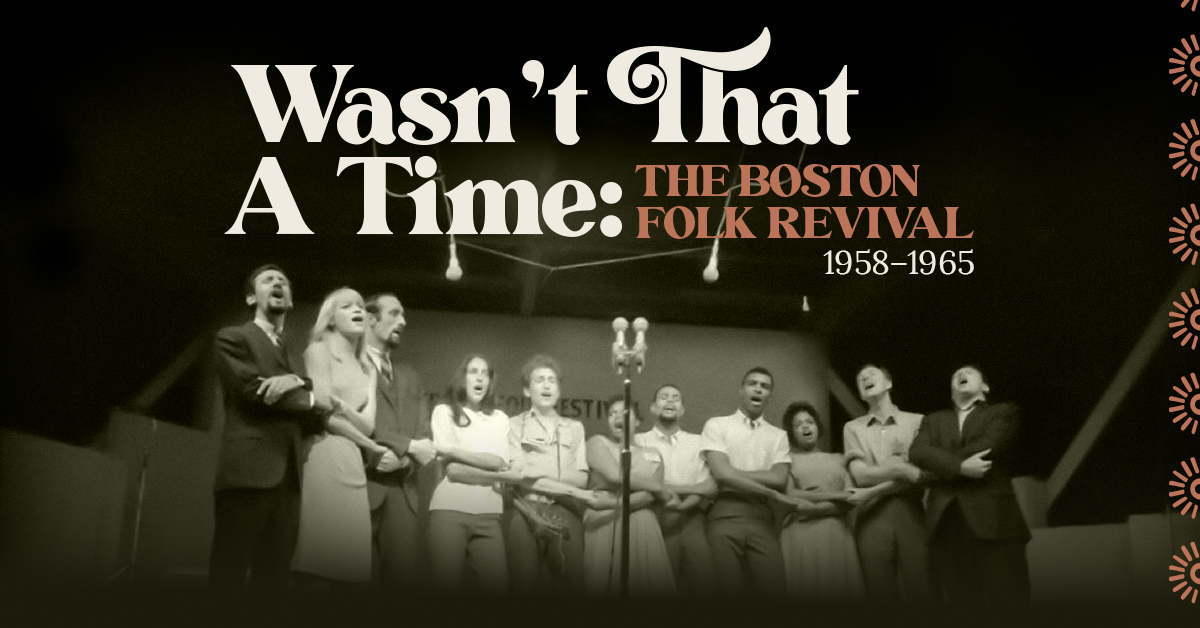
Editor’s Note: On September 27, 2025, the Folk Americana Roots Hall of Fame in partnership with the Bruce Springsteen Archives and Center for American Music held a collaborative symposium entitled Wasn’t That A Time: The Boston Folk Revival 1958-1965. Over the course of the day, attendees at the Arrow Street Arts Center in Cambridge, Massachusetts, enjoyed sessions and panels on such subjects as Club 47, Joan Baez, Bob Dylan at Newport Folk Fest, a conversation with Peter Wolf, and much more. The symposium programming was captured and filmed, and over the last few weeks we’ve shared select sessions with our audience right here on BGS. We hope you’ve enjoyed learning more about how Boston was at the epicenter of the folk revival in the ’50s and ’60s. 

Our fourth and final installment focuses on the state of folk today, “Post-Revival Folk.” Watch above, learn more below. (Watch the first video in the series here. Watch the second in the series here. Watch the third in the series here.)

“Post-Revival Folk”

Speakers: Deana McCloud (moderator), Tom Paxton, Ralph Jaccodine, Ellis Paul, Jim Brown

About the Video: After the Folk Revival era, how has “folk” changed? What were the pivotal moments and artists who influenced these changes, while continuing the traditions of folk? What do you see as today’s folk scene and why is it still relevant?

“… Sadly, this is our last panel of the day. I say ‘sadly,’ because I’ve enjoyed and learned so much today and I hope all of you have, too. I hope that if we do this again that you all will come again, because it’s been such a great day for this community.

“Our final session today is on ‘Post-Revival Folk’ and it will be moderated by Deana McCloud and she’ll be speaking with Ralph Jaccodine, Ellis Paul, Tom Paxton, and Jim Brown. Enjoy!” – Casey Soward, President and CEO of the Boch Center


Check out the latest exhibits and events happening at the Folk Americana Roots Hall of Fame here. Learn about the 2025 inductees to the Folk Americana Roots Hall of Fame here.

Wasn’t That A Time: Dylan Goes Electric at Newport ’65

Editor’s Note: On September 27, 2025, the Folk Americana Roots Hall of Fame in partnership with the Bruce Springsteen Archives and Center for American Music held a collaborative symposium entitled Wasn’t That A Time: The Boston Folk Revival 1958-1965. Over the course of the day, attendees at the Arrow Street Arts Center in Cambridge, Massachusetts, enjoyed sessions and panels on such subjects as Club 47, Joan Baez, Bob Dylan at Newport Folk Fest, a conversation with Peter Wolf, and much more. The symposium programming was captured and filmed, and over the course of the next few weeks we’ll be sharing select sessions with our audience right here on BGS. Tune in and enjoy learning more about how Boston was at the epicenter of the folk revival in the ’50s and ’60s. 

Our third installment focuses on Dylan’s 1965 appearance at Newport Folk Festival. Watch above, learn more below. (Watch the first in the series here. Watch the second in the series here.)

“Dylan Goes Electric at Newport ’65”

Speakers: Bob Santelli (moderator), Elijah Wald, Douglas Brinkley, Jeannie Brand, Court Carney.

About the Video: When Bob Dylan traded his acoustic guitar for electric at the 1965 Newport Folk Festival, he ushered in a shift to the traditional folk scene. How did the audience and his fellow performers respond, and why? How did this change folk at the time and continue to influence the genre?

“Continuing the series from our Symposium, we tackle one of folk music’s defining moments: Dylan going electric at Newport ’65. What followed changed everything. This panel brings clarity, context, and insight to a moment that continues to shape American music.” – Casey Soward, President and CEO of the Boch Center


Check out the latest exhibits and events happening at the Folk Americana Roots Hall of Fame here. Learn about the 2025 inductees to the Folk Americana Roots Hall of Fame here.

Wasn’t That A Time: Joan Baez in Cambridge and Beyond

Editor’s Note: On September 27, 2025, the Folk Americana Roots Hall of Fame in partnership with the Bruce Springsteen Archives and Center for American Music held a collaborative symposium entitled Wasn’t That A Time: The Boston Folk Revival 1958-1965. Over the course of the day, attendees at the Arrow Street Arts Center in Cambridge, Massachusetts, enjoyed sessions and panels on such subjects as Club 47, Joan Baez, Bob Dylan at Newport Folk Fest, a conversation with Peter Wolf, and much more. The symposium programming was captured and filmed, and over the course of the next few weeks we’ll be sharing select sessions with our audience right here on BGS. Tune in and enjoy learning more about how Boston was at the epicenter of the folk revival in the ’50s and ’60s. 

Our second installment focuses on Joan Baez’s work in Cambridge and beyond. Watch above, learn more below. (Watch the first installment in the series here.)

“Joan Baez in Cambridge and Beyond”

Speakers: Aimee Zoeller (moderator), Betsy Siggins, Mitch Greenhill, Douglas Brinkley, Mitch Blank

About the Video: Joan Baez first played Club 47 when she was 17 and performed there every Tuesday night until her career took off at Newport Folk Festival. How did this shift from local coffeehouse performer occur, who and what were the pivotal influences on Joan and her career, and how do music archaeologists study her career?

“This panel on Joan Baez is one of the richest conversations we hosted at our September Symposium – a panel that captures Joan Baez’s artistic legacy through the voices of people who’ve both lived and studied her story up close. It’s smart, emotional, and full of perspective you won’t hear anywhere else. We’re excited to share it with BGS readers.” – Casey Soward, President and CEO of the Boch Center


Check out the latest exhibits and events happening at the Folk Americana Roots Hall of Fame here. Learn about the 2025 inductees to the Folk Americana Roots Hall of Fame here.

Wasn’t That A Time: Origins of Boston and Greenwich Folk Scenes

Editor’s Note: On September 27, 2025, the Folk Americana Roots Hall of Fame in partnership with the Bruce Springsteen Archives and Center for American Music held a collaborative symposium entitled Wasn’t That A Time: The Boston Folk Revival 1958-1965. Over the course of the day, attendees at the Arrow Street Arts Center in Cambridge, Massachusetts, enjoyed sessions and panels on such subjects as Club 47, Joan Baez, Bob Dylan at Newport Folk Fest, a conversation with Peter Wolf, and much more. The symposium programming was captured and filmed, and over the course of the next few weeks we’ll be sharing select sessions with our audience right here on BGS. Tune in and enjoy learning more about how Boston was at the epicenter of the folk revival in the ’50s and ’60s. 

Our first installment focuses on the origins of the folks scenes in Boston and Greenwich. Watch above, learn more below.

“Origins of Boston and Greenwich Folk Scenes”

Speakers: Melissa Ziobro (moderator), Mitch Greenhill, Jim Brown, Jim Rooney, Tom Paxton

About the Video: “Recorded at the Wasn’t That A Time: The Boston Folk Revival 1958-1965 symposium presented by the Folk Americana Roots Hall of Fame, ‘Origins of Boston and Greenwich Folk Scenes’ traces the beginnings of the American folk revival through the voices of those who lived it. Moderated by Melissa Ziobro, curator at the Bruce Springsteen Archives and Center for American Music, the panel features Jim Brown, Jim Rooney, Mitch Greenhill, and Tom Paxton in a wide-ranging conversation about the artists, venues, and cultural currents that gave rise to one of the most influential movements in American music.” – Casey Soward, President and CEO of the Boch Center


Check out the latest exhibits and events happening at the Folk Americana Roots Hall of Fame here. Learn about the 2025 inductees to the Folk Americana Roots Hall of Fame here.

Basic Folk: Joe K. Walsh

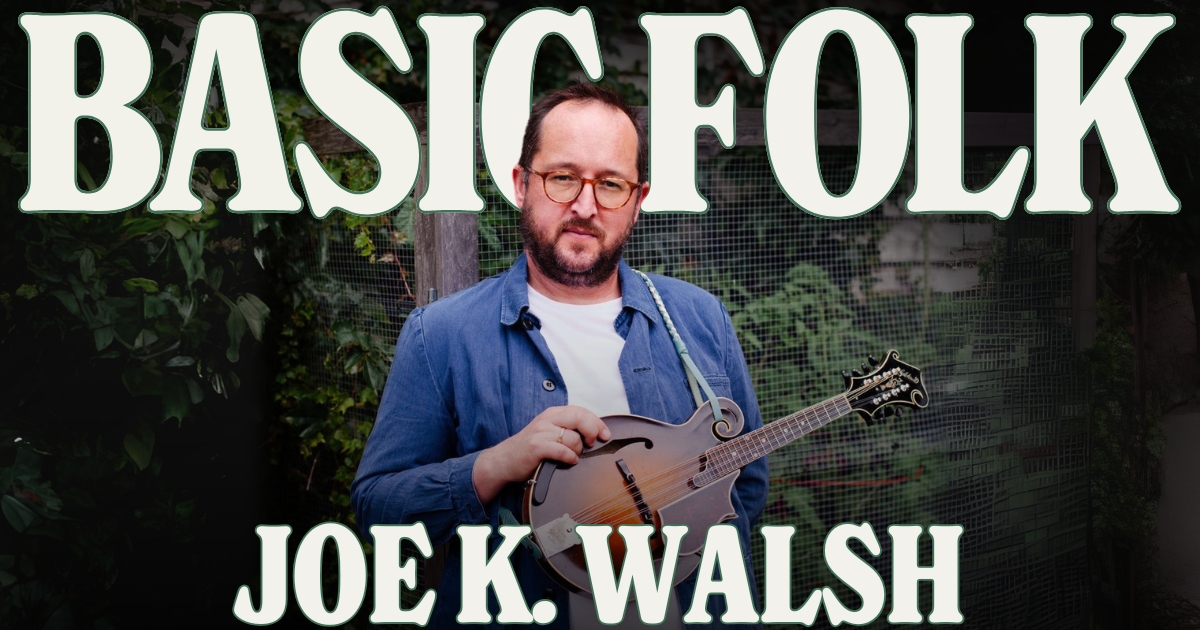
Joe K. Walsh grew up in Duluth, Minnesota, and became enthralled with the mandolin (his primary focus, currently) after hearing the first David Grisman Quintet record. His dad got the young Joe his own mando. He ended up getting very serious about the instrument and found himself studying at Berklee College of Music in Boston (where he is now on faculty in the string department). Joe, in fact, was the first mandolin student at Berklee in a town that is now flooded with amazing mandolin players. His already strong sense of community and collaboration led him to becoming a main player in the Boston scene with his string band Joy Kills Sorrow, and with the Gibson Brothers. He now resides in Portland, Maine, and plays solo as well as with Mr. Sun, a group led by fiddler Darol Anger.

LISTEN: APPLE • SPOTIFY • AMAZON • MP3

In our Basic Folk conversation, we talk about taking over at Berklee after the death of professor John McGann, a beloved trad player who recorded with David Grisman, Mark O’Connor, Tim O’Brien, and the Boston Pops, among others. Joe addresses the question of whether bringing folk music into a college setting is “academizing” it or perhaps “folking” music academia. He also gets into hot button issues like improv, simplicity, and restraint. And, of course, he finally reveals his true feelings about the “other” Joe Walsh. Joe’s new instrumental album, Trust and Love, is a peaceful listen in these wild times. I’m happy to know Joe and have already benefited from his friendship! He and his wife gave my family a ton of baby hand-me-downs that have proved so useful. Everyone has a friend in Joe. K Walsh.


Read our feature interview with Joe K. Walsh on his latest album, Trust and Love, here.

Photo Credit: Natalie Conn