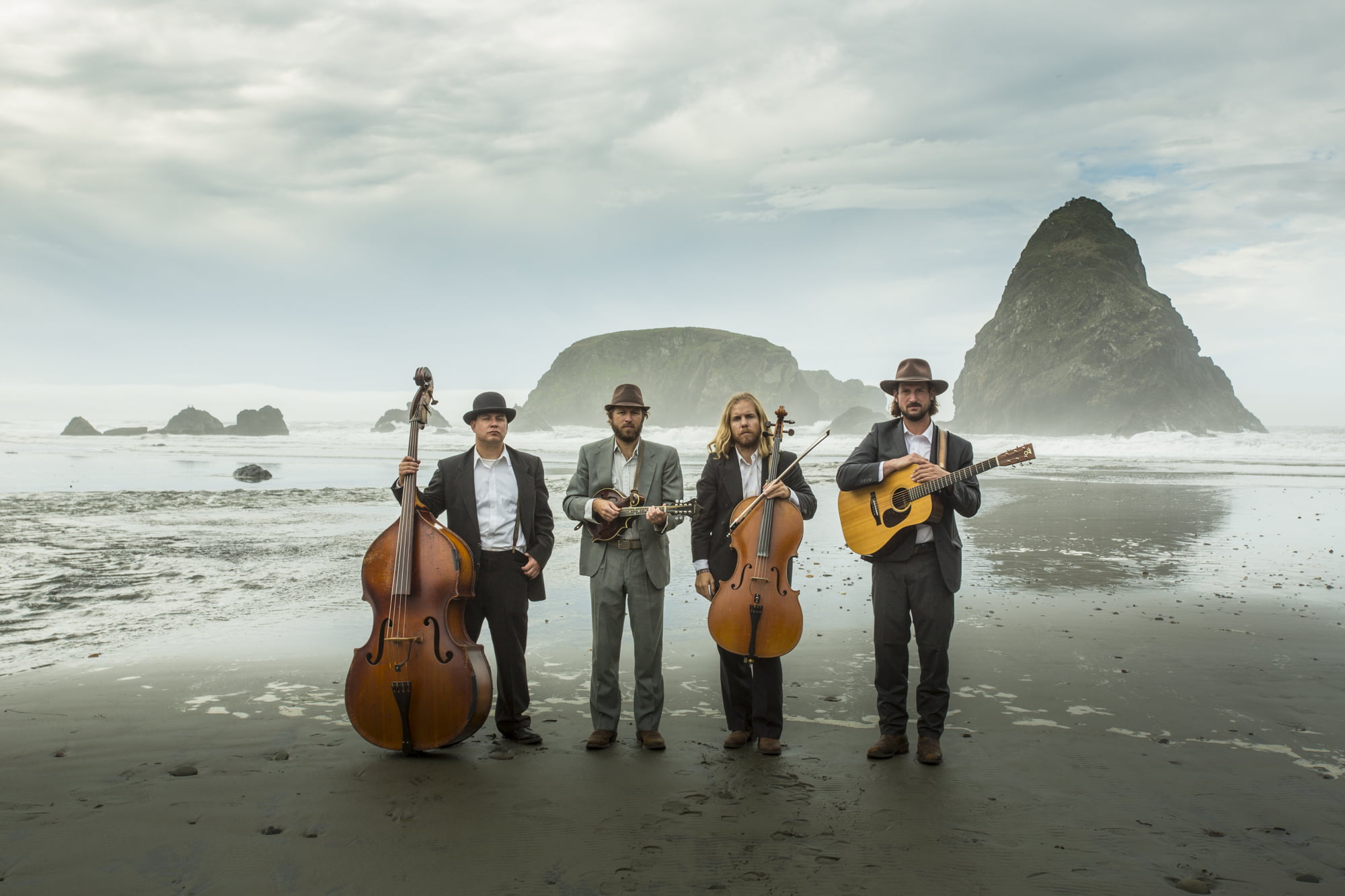
The Ebony Hillbillies: Becoming a Part of the Music

For most listeners of bluegrass, the history of the music begins (and often ends) in December of 1945, when Bill Monroe brought his Blue Grass Boys — Earl Scruggs and Lester Flatt, included — on stage at the Grand Ole Opry. Bluegrass was created by the men on that historic stage, straight from their brains through their fingertips. Right?

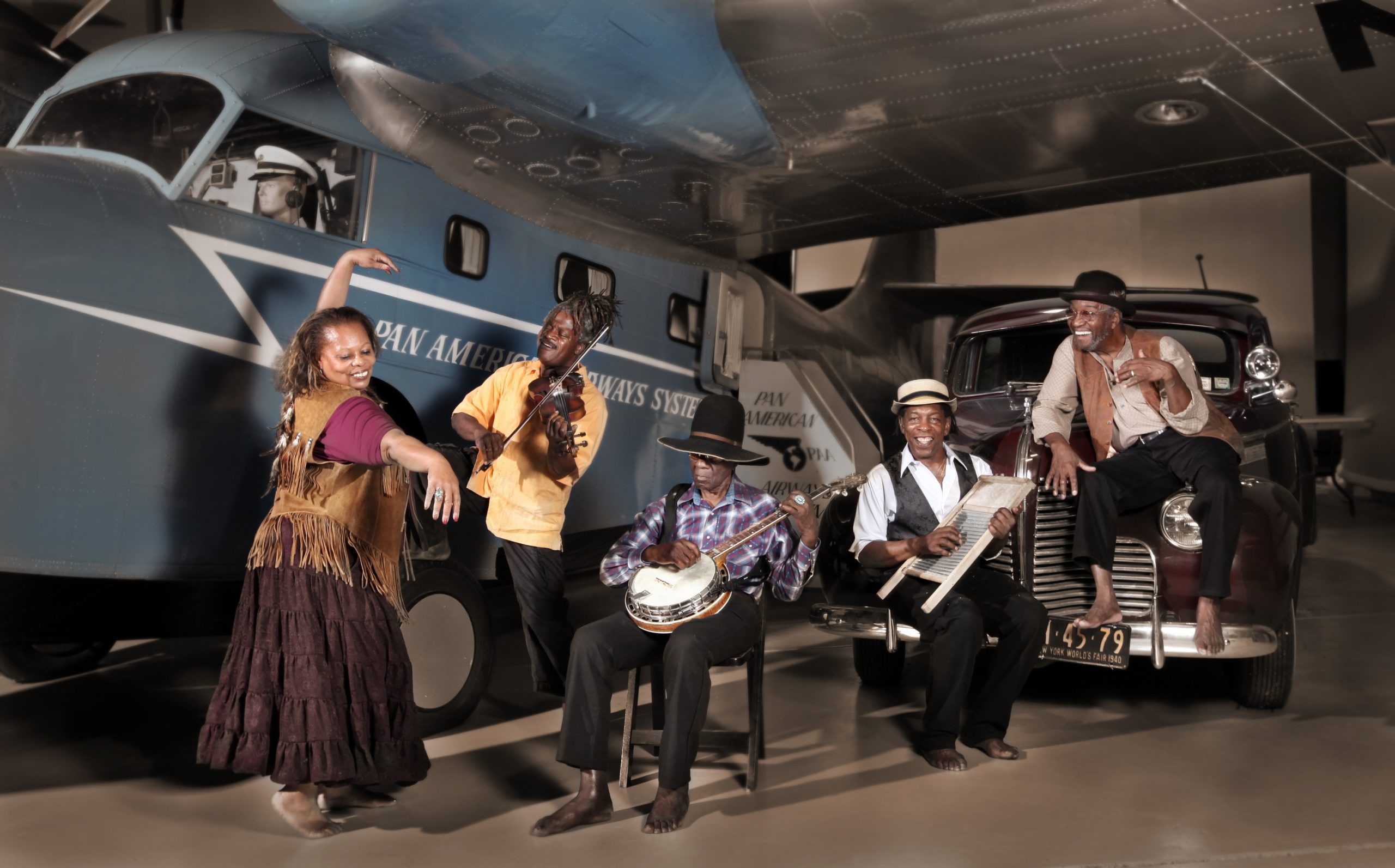
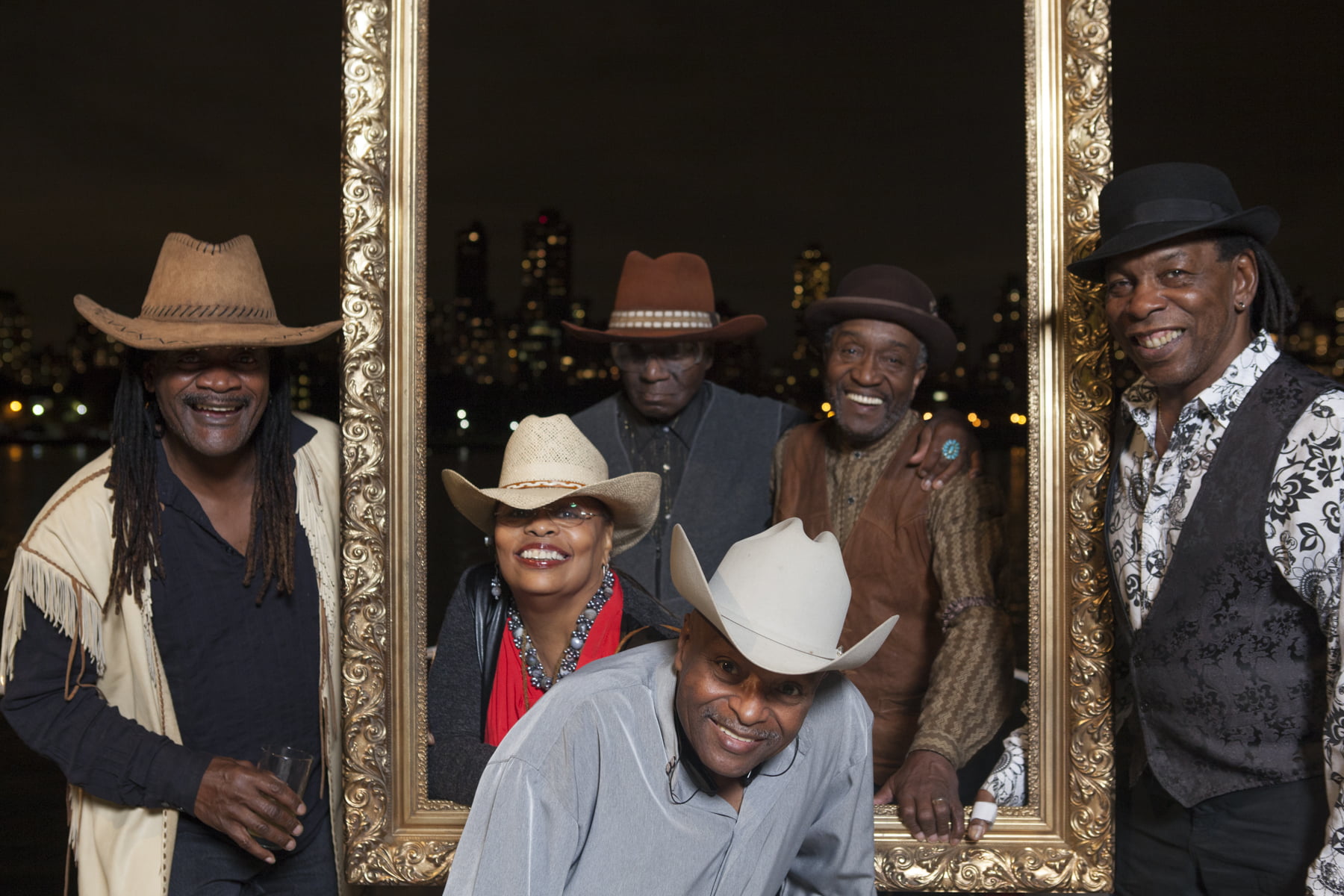
For roots musicians whose identities don’t fit the proverbial mold, this telling of history is not nearly so convenient. Henrique Prince and Gloria Thomas Gassaway, of the New York-based Black string band the Ebony Hillbillies, tell a much different story. When the Hillbillies headline our Shout & Shine showcase at the International Bluegrass Music Association’s World of Bluegrass conference, there will almost undoubtedly be attendees questioning the band’s place beneath the umbrella of “bluegrass.” But omitting or excluding any pieces of the music — and its history — deprives us all of some of its best parts … like the music, tradition, and dances of the Ebony Hillbillies.

How did roots music and string band music come into your lives?

Gloria Thomas Gassaway: I grew up with parents from the South who played this music and knew the history and roots of it. My dad played banjo and he knew all this music; he knew where it came from and how it evolved. I did move into other music genres, but I always had those roots from South Carolina.

Henrique Prince: My parents were Caribbean. My father’s parents were a bunch of musicians. They had bands and they played old folk music from their culture. I wanted to learn how to play violin pretty young, but nobody could afford lessons and nobody knew what to do. I was really precocious about it. Little folk tunes were what I could do and play. I started to learn everything I could about that music. That’s how I sort of learned to play — learning those old folk melodies. I learned a lot of the history. I tried to find out everything I could. There’s a whole connection to Caribbean music, as well, in the mainstream of American folk music.

Why do you think a bluegrass fan or roots music fan might look at the Ebony Hillbillies and think that you’re a novelty or that you don’t have equal claim to string band music as a traditional, Appalachian bluegrass band does?

HP: It’s because people have been fed a convenient story that makes it seem like it’s all about themselves. The history is told so people won’t have a lot of strange feelings about the past. The truth is that the banjo is an instrument that is generations removed from the original instruments that came out of Africa. The most likely history of the word “fiddle” is an erosion of a Latin word for “string,” which came about because the Romans got bowed stringed instruments out of Ethiopia 2,000 years ago. All of this stuff, this music, has been in the Black community, in the Moor and Arab community, since the 11th century. This stuff goes back, back, back, back beyond Appalachia. But it’s never been convenient here in America, for various reasons, to explain all of that.

The interesting thing for us, when we play for our own audiences, Black people are delighted that there’s a Black band that plays this because, some of this music, they’ve actually liked, but they’ve never been able to be involved in these kind of things. We’ve done these big dances, big hoedowns in Harlem where our arms want to fall off playing a reel long enough that all of the dancers can go through the arches and do all the steps, because there are so many people involved. They’re having so much fun.

If you want to teach the story so it only involves one group of people, then you’re going to leave out most of the history. If you tell more or less the truth, then the story might become more complicated or have more parts — some of which may even be uncomfortable — but it will be a much more interesting story.

GTG: And it is much more interesting. I come from a long line of musicians in my family out of South Carolina. I’ve been able to go back through the history of my dad’s family — my family is native — to trace the interaction of (my ancestors) playing this music all the way back to the 1800s. They taught people how to play the instruments and this music.

It seems like the Ebony Hillbillies found each other pretty serendipitously. How did you all come together to form the band?

HP: That would take a couple of beers! [Laughs] It all started with an idea of specializing in dance music, because I really liked the idea of the violin as a dance instrument. I thought it’s the greatest dance instrument in the world, outside of the drum. I tried to learn all different kinds of dance music to play and then began doing it as a duo with different bass players. Then, when I finally found a banjo player, it was the real deal. Banjos and bowed stringed instruments go way back. This is African. This goes back to some place in the 12th century. People would hear the music, I’d explain to them the history, and musicians would respond by coming on board. Then, suddenly, we were a band. That’s basically — to make a long story short — how it happened.

What does it mean to you to be coming back to IBMA’s World of Bluegrass conference and festival this year with the whole band, representing Black string band music at Shout & Shine: A Celebration of Diversity in Bluegrass?

HP: That’s a wonderful thing, a very wonderful thing. Sometimes you’d wish that musicians’ welcome would be more like a welcome back because, in a sense, we’re bringing back something that really hasn’t been associated on this level since the 1920s, very early on in the music, even before the recording industry started. We just hope to bring what we do, which is hopefully a joyful sound, and relate it to what other people do so they can understand it. We play the same instruments and even play some of the same songs. We play for audiences that usually never get a chance to enjoy this music with people they can connect with emotionally or culturally. So it’s interesting to be with people of different cultures because, again, the connection will be the music. We all know this music. It will be a lot of fun.

GTG: And, a lots of times, people don’t realize that they can actually get up and really dance to this music!

HP: That’s true. In so many experiences we’ve had playing nationally and outside of New York, one of the things we’ve noticed is that a lot of bluegrass audiences tend to be sit-down audiences. I don’t know how much that’s changed in the time since we started doing this. We’ve been in situations where people who never get up got up for our band and danced. Which is okay with us, because we just love to get people dancing!

Why is it that you actively, overtly work to spread dance with your music?

HP: This is one of the celebrations of diversity that you’re going to have (at Shout & Shine.) Black music has very much to do with dance.

GTG: They go hand-in-hand.

HP: It’s like a form of communication. It’s a cultural form of language. It’s always been part and parcel of the music. Movement and physical participation with the music means you dance. Slaves, displaced Africans here in America, working for this economy, they developed this music in order to give them relief from the incredible hard work and the psychologically demeaning situation they found themselves in. The only things they had were making their banjos, making their fiddles, stomping their feet, and clapping their hands. The power of music was transporting them, making them dance, giving them joy, taking them away. That’s one of the things that’s appealing about this music. It is chock-full of joy, this ancient joy from people that was put in there because it had to be. When someone played the banjo, you just had to move your feet.

That’s the way we play the music. We play the same tunes as anybody else. Ours aren’t any better than anyone else, but we have a certain attitude that makes it affect that part of you that makes you move. You could just sit down and listen, but this music has always been designed to make you react, become a part of it, and enjoy yourself. Part of the way to express and enjoy yourself is to dance and clap your hands.

If you read that poem “The Party,” where [Paul Laurence Dunbar] talks about going to a slaves’ party and, when a fiddler comes in and starts to play, nobody can stand still anymore. That’s talking about a Black fiddler. Dance is the required and sought-for reaction. [Laughs] When that’s missing, something bigger is missing. A downside of reorganizing the history is that you end up leaving some parts out that are really good for you.
I think about the “transportive” quality of this music a lot, and I try to unpack this with people in roots music communities because, to me, being gay, it makes sense that this music — which was designed and created to take people away from the hardship of their lives — would have something to offer all marginalized people, from women to LGBTQ+ individuals to people of color to immigrants and on and on. Do you feel this potential as well?

HP: You definitely hit on something there. The mainstream culture, the narrative that’s spoken, “This is what the history is. It is what we say it is,” is the dominant culture that’s interested in being one certain way. That way excludes people who don’t fit, people who are expected by the mainstream to have certain behaviors. We don’t know which musicians were gay 200 years ago. You don’t know who people were or what they were thinking. Just because you suppress something doesn’t mean it goes away. All the evidence proves it doesn’t. You might have some hero in the past and, if you got in a time machine and found out, you would be shocked. [Laughs] These are ideas that are not only outdated, they are just wrong. You can’t leave out people — we need all hands on deck — because you don’t particularly, supposedly approve of their behavior or something about them. These people are very, very valuable people and have valuable ideas.

We’re trying. It seems like the whole community is trying. We’ve raise a real pimple recently in this whole society that’s about to bust. But it’s always been here. It’s been sitting by, unaddressed, getting bigger and bigger and uglier and uglier for years. Everybody feels like they have to tiptoe around the truth with people, or they threaten death, destruction, and mayhem if you dare say certain things. It’s always been that way, but finally, in the end, the only thing that could save us — the only thing that could organize us enough to save our own lives, our own houses, our own anything — is the truth.

GTG: It’s sad that, in this day and age, people cannot understand that all people are different and just let them be who they are. It’s sad. It sickens me. It sickens me in race, in people’s gender, and who they choose to be and love in their lives. I’m not a young chicky, but years before it became fashionable, someone came to me and asked me if I’d sign a petition for LGBT rights. I was in an upscale area of Queens, New York, and I looked at him and said, “Is water wet? Is James Brown funky? Is King Kong a great big monkey?” [Laughs] I said, “Can I sign more than once?” I was sick and tired because I know how it is to be treated a certain way. I said, “Give me another sheet of paper cause I’m going to take it around and get it signed.”

You guys will be at IBMA for the Shout & Shine showcase, but you’re also playing Bluegrass in the Schools throughout the week, and you’re playing a couple of sets at the Wide Open StreetFest, so what are your hopes for your time in Raleigh?

HP: We hope people will just love it so much they’ll be dancing around and that people like it so much that they won’t want it to stop and the cops will have to come and clear the place. [Laughs] It’s going to be a big ol’ wang-dang-doodle of a time.

GTG: Oh yeah, we’re gonna have a ball. We just hope people enjoy the party.
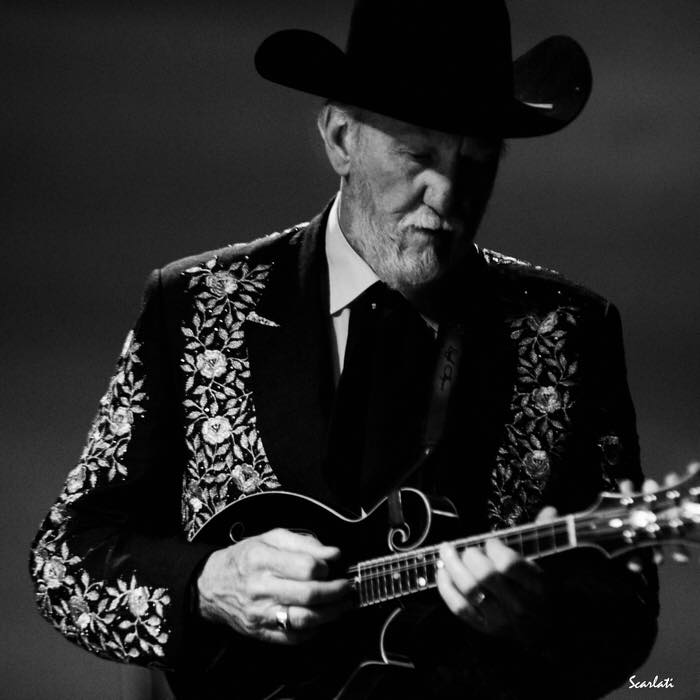
WATCH: Doyle Lawson and Quicksilver, ‘Blue Train’

Artist: Doyle Lawson and Quicksilver
Hometown: Fordtown, TN
Song: “Blue Train”
Album: A Tribute to John D. Loudermilk
Release Date: September 15, 2017
Label: Vector Recordings

In Their Words: “When I was getting songs together for the Hard Game of Love recording, I was thumbing through an old Country Song Roundup magazine. I turned a page and there was ‘Blue Train of the Heartbreak Railroad Line’ written by John D. Loudermilk. It was first recorded by George Hamilton IV, and I remembered the melody. My first thought was that it would be the opening song for the CD. The fans fell in love with the song as soon they heard it and it stayed at #1 on the bluegrass charts for about six months. I still close most of my shows with it. Every artist hopes that, someday, they will have a signature song and ‘Blue Train’ is mine.

I have long been a fan of John D’s writing because he wrote outside the box a lot of times. After I met John, he told me that he had written ‘Blue Train’ when was in South Africa and noticed that he was on the blue train. When he arrived at his destination, he had finished the song. John could — and did — write songs the way a lot of us wish we could. And you can put me at the top of the list of wishers.” — Doyle Lawson


Photo credit: Anthony Scarlati

LISTEN: Sweetwater String Band, ‘Window’

Artist: Sweetwater String Band
Hometown: Mammoth Lakes, CA
Song: “Window”
Album: At Night
Release Date: September 29, 2017

In Their Words: “When the night air starts to cool in the early fall, many people like to leave their bedroom windows open at night and let the cool air in. You never know what kind of spirits and creatures may be entering the window, as you drift to sleep at night and appearing in your dreams. That’s what this song embodies.” — Scott Roberts


Photo credit: Dave Huebner

LISTEN: Masontown, ‘Rainy Day’

Artist: Masontown
Hometown: Denver, CO
Song: “Rainy Day”
Album: In This Time
Release Date: October 13, 2017

In Their Words: “I wrote this song late one evening while dealing with some leftover emotions from a unexpected breakup. Just when you think you are over someone, it can take only the slightest reminder to flood you with loneliness and take you back to what once was. To capture the mixed emotions of healing, I played with the concept of having long notes that soar above a quick, nervous tempo, giving an unsettling feeling of longing. We are so grateful to have guest artist George Guthrie’s driving banjo on this track.” — Natalie Padilla


Photo credit: Russ Dixon

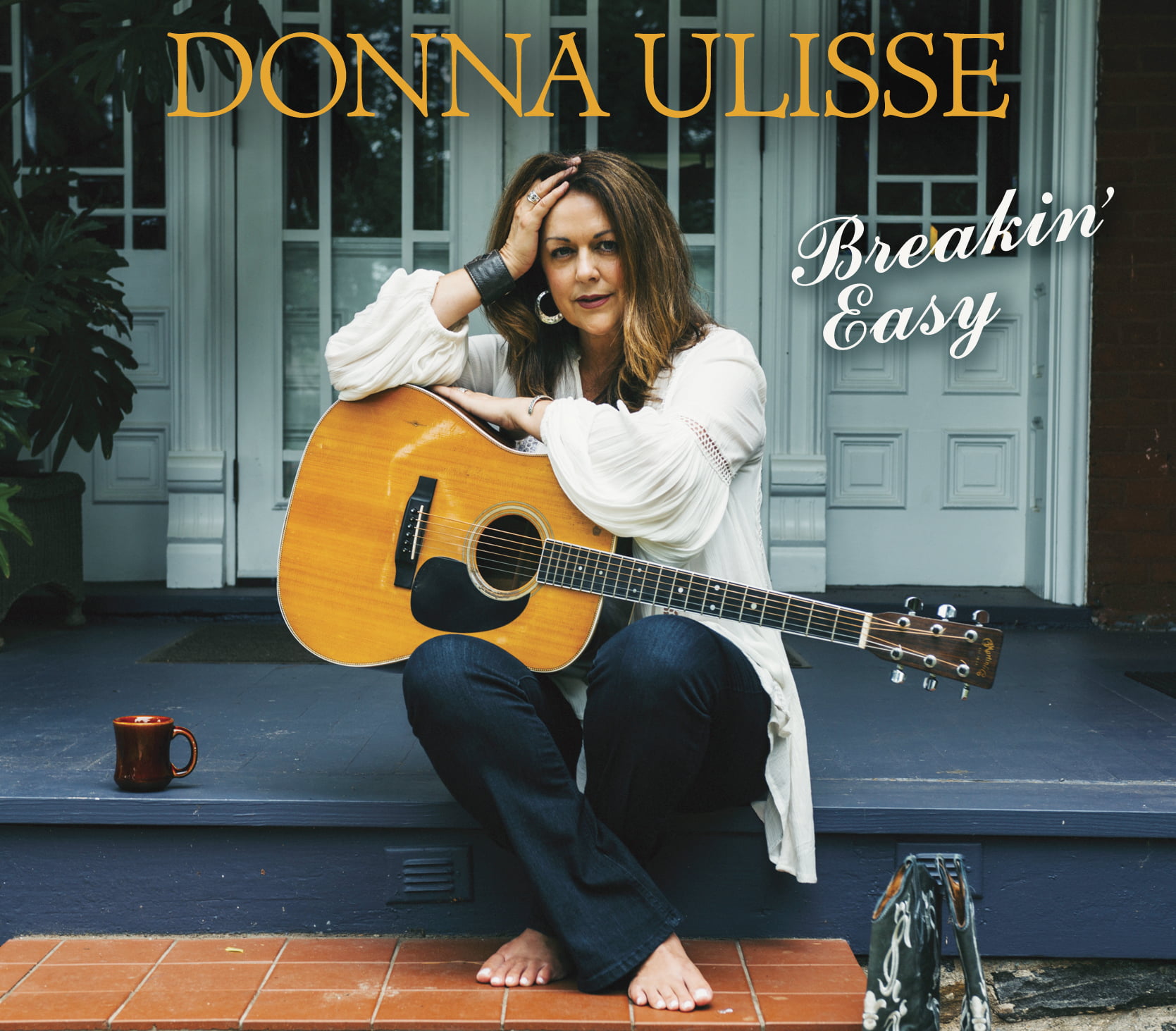
LISTEN: Donna Ulisse, ‘Back Home Feelin’ Again’

Artist: Donna Ulisse
Hometown: Lebanon, TN
Song: “Back Home Feelin’ Again”
Album: Breakin’ Easy
Release Date: September 22, 2017
Label: Mountain Home Music Company

In Their Words: “It’s an incredible mixture of excitement and calm that I have about this album. I have a new label and some new team members, and I enjoyed the remarkable experience of having Doyle Lawson as my producer. I have felt so free to concentrate on artistry, and the result is an album that makes me so happy to share.” — Donna Ulisse

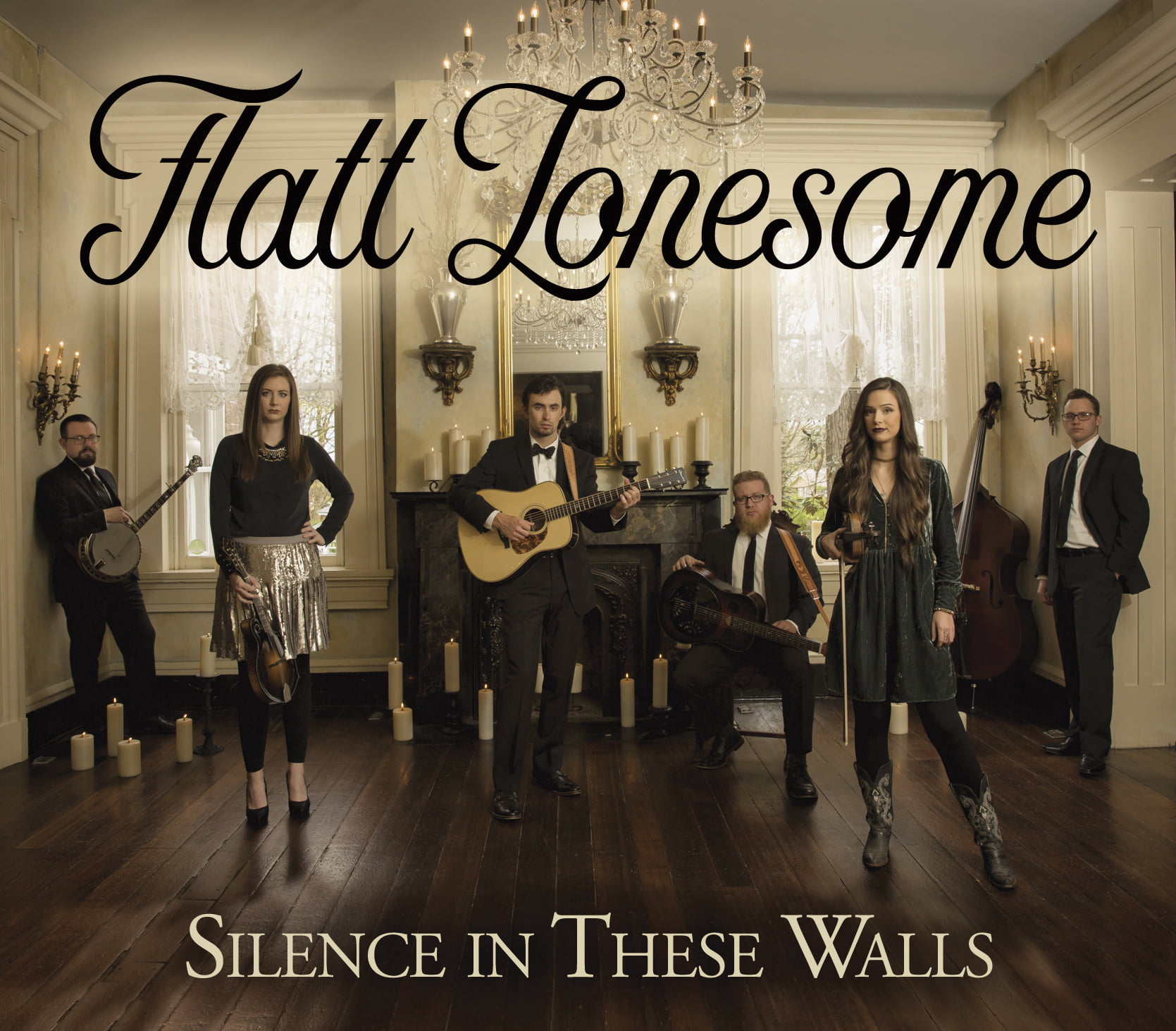
LISTEN: Flatt Lonesome, ‘All My Life’

Artist: Flatt Lonesome
Hometown: Murfreesboro, TN
Song: “All My Life”
Album: Silence in These Walls
Release Date: September 29, 2017
Label: Mountain Home Music Company

In Their Words: “Looking back on six years of traveling and making music together, it’s so cool to see how each of us have matured musically — especially when reflecting on our debut album, Flatt Lonesome, to this fourth album, Silence in These Walls. This album really shows who we are — not only as a band, but also individually. It has nine original songs and seven were written or cowritten by Kelsi and Paul. They are both awesome writers, and I’m glad they’ve gotten to show that talent off with this album.

Personally, the playing and singing on this record came so easy for me. It felt so natural because it’s the music that I love so much. Over time, you learn what works and feels good for you and your band, and I think this album reflects that. I hope people enjoy listening to it as much as we enjoyed making it!” — Charli Robertson

Art Achieved and Abandoned: Charlie Parr in Conversation with Gina Clowes

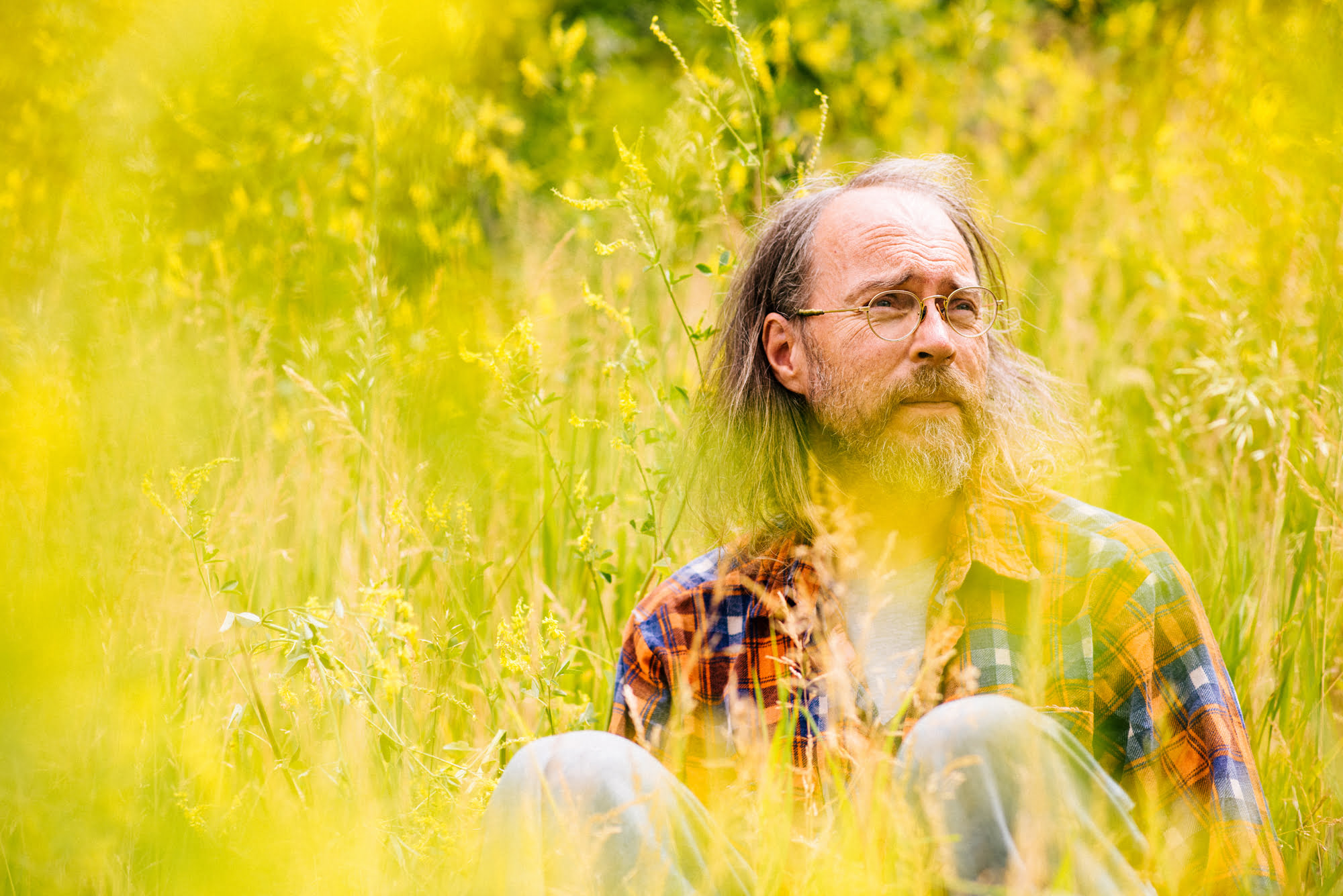
Charlie Parr and Gina Clowes both have a thing for banjos and dogs.

Parr’s new album is actually called Dog, and the title track argues that even man’s best friend has a complex inner life: “A soul is a soul is a soul is a soul,” insists the furry one as the Minnesota human picks out an acrobatic acoustic blues riff. Parr is an especially deft and intuitive player who jumps from old-time to bluegrass to blues to folk faster than a greyhound, but Dog is first and foremost a songwriter’s album. Parr inhabits various points of view — a dog, a hobo, another dog, a hoarder — as useful projections of his own depression.

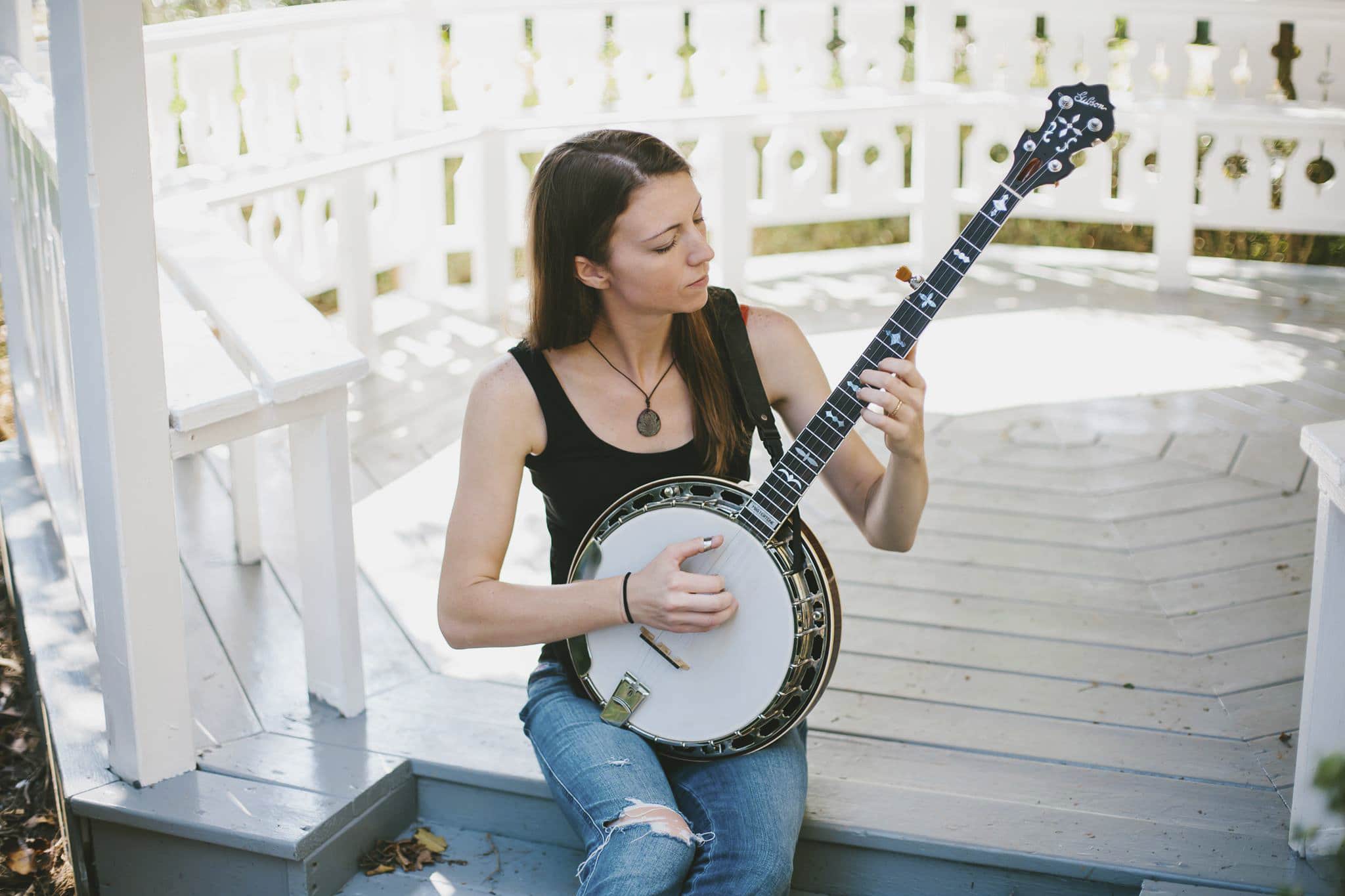
Clowes’ new solo album, titled True Colors, isn’t canine-themed, but it similarly presents her as an exceptionally well-rounded artist. After dominating banjo competitions for 20 years, the Virginia native (perhaps better known under her birth name, Gina Furtado) joined the ace bluegrass outfit Chris Jones & the Nightdrivers last year, so it’s no surprise that her songs would showcase her swift and graceful picking. But songs like “Good Old-Fashioned Heartbreak” and “The Wayward Kite” reveal a graceful singer and an insightful songwriter.

And she has farm animals.

Gina Clowes: I’m battling my frisky little goat. She’s been jumping all over the place and following me around as we talk. Charlie, I think with that song “Dog,” you’re asking the question we all have in our hearts. I grew up with a border collie by my side all the time. Now I have a boxer mix. It’s actually my son’s dog.

Charlie Parr: Reuben is a miniature schnauzer, so she’s not a very big dog, but she’s an enthusiastic walker. One of our cats died, and we ended up getting this little dog, and she’s just an amazing addition to the family. She’s very dedicated to the notion of not taking walks that have much to do with where you, the human, want to go, but with what she’s interested in and the smells she smells. My idea of a walk is very different, and I used to make her take the routes I wanted to take. Suddenly it occurred to me that it’s cruel if the only time you get to go for a walk is when somebody else lets you and then they make you do what they want to do. I felt like, “Oh my God, that’s so terrifying.”

What did you do?

CP: I started following her around town and letting her stop and do whatever she wanted to do. And the walks took on this epic strangeness where I would find myself in parts of town that I had no idea existed. She would take me to these odd places that I’d never seen before. I live on the shore of Lake Superior, and she would take me to new parts of the shore I had never seen before. You think you have a handle on where you live, but you don’t at all. I felt like I owed her a debt of gratitude for reminding me that it’s not about me. It’s not even really about her. It’s about something else. We did this together, not to sound too crunchy about it.

GC: Growing up with my border collie, Maggie, I feel like I came across so many more adventures than I ever would have without her. We spent all of our time out in the woods. She would find these injured animals. She had a very different view of the world that we don’t have.

Is the time you spend with these animals good for writing?
CP: The way I write songs is weird, because I end up writing stories and distilling them into songs. Those walks with Reuben are always good for that. Some weird story will come out of them, and I jot down stuff when I get home. Three-quarters of the time I throw it away, but that last little bit of time, it will turn into something that I think is not too bad.

GC: Part of it, too, is getting away from listening to music. You get out in nature and your brain has a chance to put together whatever influences it’s been absorbing when you’ve been in the car or in the kitchen listening to music. It’s a quiet time, and that’s when I come up with some of my better ideas.

CP: I listen to a lot of music. Obviously you do, too. But I have to spend a certain amount of time each day deliberately not listening to music. When I’m walking with Reuben, I never listen to music, partly because I don’t like things in my ears. When I do long drives, I listen to music. I’m a child of the ‘70s. We’re album-oriented people, so I will listen to a record and then I will stop for about the length of a record. I listen to music and then not listen to music about as much time.

That seems like an interesting idea. It gives you time to absorb and think about what you’ve heard, rather than just cramming even more notes into your ears.

CP: When I was growing up, I had my father in the front of the house. He grew up in the ‘30s, so his primary listening was around songs. He was interested in songs. His record collection was weird and shambolic, and he had a lot of 78s and old LPs from the ‘50s. He wasn’t into album-oriented anything. My sister, on the other hand, was listening to album-oriented rock from the ‘60s and ‘70s. The Grateful Dead and Captain Beefheart were playing in the back of the house. So I got interested in both of those things. But I find it hard to stop listening to an album after I’ve started. I have to let them play through, because you feel like you haven’t finished it somehow.

GC. It’s like an opera. You miss part of the story. I’m the same way. I’m just behind the times, and I would rather just pop in a CD rather than listen to Spotify.

CP: I’m part of that generation that was not raised with that technology. We had just enough technology to be spoiled, but not enough to be weird about it. I hate to be that way. I end up being that way around my son a lot, starting a lot of sentences with, “In my day …”

GC: So, Charlie, I noticed you’re using a slide on your left hand. Are you doing that with the banjo, too?

CP: Sometimes I do. I play a fretless banjo, so it can be hard to tell. But I do like using a slide. When I started playing, I had an interest in slide guitar, so the very first thing I did, when I was eight years old, was try to play slide guitar. I’m completely self-taught, so I’m doing everything upside-down and backwards. The slide adds something like two tones to every fret space, so it becomes really interesting. I’ve played a lot of slide on the banjo. Lately I haven’t been playing much banjo, but I’m trying to get back into it.

GC: I love the slide on the banjo. You don’t hear it very often, but one of my favorite players, Tony Furtado, does that sometimes. Last week, I went to the music store to pick up something really small, just a button for the guitar strap. When I tried to pay, they said, “Sorry, we can only accept a credit card if it’s over five bucks.” So I grabbed one of the bottle slides because it was sitting on the counter there. Might as well. Somehow that makes me more inspired to give it a try.

CP: It’s a unique sound. Banjos are a lot like resonator guitars: The attack isreal swift and the delay is real swift. So you have to do some stuff to keep your tones going, and bottleneck is a really an answer to that. I borrowed a friend of mine’s banjo that had a magnetic pickup installed in it. I wasn’t really into the sound of the pickup, but what I was into was the fact that I could take an E-bow and play it on the banjo. It works on the magnetic pickup, and the tones I got out of that were otherworldly. I was completely fascinated. I really like a lot of experimental music. Paul Metzger plays a 23-string banjo and used a lot of electric manipulations with it.

GC: I feel like the banjo has been boxed in, maybe because it’s relatively new to be doing it three-finger style.

CP: I think you’re right. It has been boxed in. People have decided that there’s only one tuning that’s associated with the banjo. I asked Dock Boggs about that. He would re-tune his banjo for almost every song, and I asked him about it. He said something to the effect of, “The song comes out of the tuning.” I thought that was fascinating.

GC: Yes. If you listen to a lot of old-time banjo playing, they change their tuning so much more, and it really does open up the spectrum of moods you can get out of it.

CP: I use a lot of open C, except I end up pitching the D string all the way up to E. I really like that a lot. It’s a little tight, but it’s a cool chord.

GC: Just make sure you point it away from your eyeball when you tune that one!

Is that something you’re actively pursuing? Are you always looking for new ways to play this instrument?

GC: For me, it’s not so much about trying to find a new sound. It’s more about just trying to find a better way to evoke a particular feeling. I like Scruggs-style banjo playing. Earl was awesome and he created this super-cool style that was him expressing something. It works out as a great template for players to use now, but I’m looking more at trying to figure out different methods of explaining the mood that I’m going for. There are many more ways to do that.

CP: It’s a bit of a mixture, sometimes, between manipulating the mechanics of the instrument and manipulating the technique. In 2006, I developed a brain disorder called focal dystonia, which completely destroyed my picking hand. I had to re-learn everything from scratch because I could only use my index finger. I used to use my middle finger a lot, but now it’s like a trigger finger — it just sucks up into my palm. I spent about a year looking at players like the Reverend Gary Davis and Elizabeth Cotton and Roscoe Holcomb to get some inspiration for how to do everything with just thumb and index finger. I had never had to do anything like that in my whole life, but at the end of the day, it turned into … well, it had to turn into a good thing or it was going to turn into a truly bad thing. It forced me really rapidly to change things about the way I played, even the way I sit and the way I hold the instrument. I found some places that I didn’t think I would ever find, and I had a little more power in my picking than I had before. Some of the frilly stuff had to go away, but I found other things to replace it and developed some self-confidence I didn’t have before.

GC: I can’t even imagine going through that. Is it physical or psychological?

CP: It’s repetitive stress syndrome in your brain. That’s what I’ve been told. I started playing guitar when I was eight and became very quickly obsessed with it. I tried to play all the time, but I didn’t have any lessons. No one every told me, “Don’t do that or you’ll end up with a problem in your future.” I did everything wrong for a long, long time. Now I’m 50 years old and I’m playing a little catch-up to get things to sound right. But it’s made me develop some different ways to look at things. When I want to get certain sounds, I have to work within the parameters of what I have. Sometimes that means manipulating instruments. I’ve added strings to guitars or taken strings away. I’ve put snares on the banjo head to get that buzzy sustain out of it. I try to do whatever I think needs to happen to get where I want to go. Half the time, I don’t even know what I want, and then something will come out that I like and I’ll amplify that a little bit more.

You’re both playing in traditions that can be very conservative, very restrictive. But on these new records, it sounds like you’re very consciously trying to find new ways to play.

GC: I love bluegrass. I was raised on it. I’ll always love it. But it does put you in a small box. There’s a specific form to every song — two A parts and two B parts and so on. That’s part of what makes it so great. It’s easy to get up on stage and jam. There’s a big repertoire that everybody knows, so you can all play together. But I don’t like the idea of genre, because it’s always going to be too small for all the ideas you want to use. You can’t use them all, if you’re trying to stick them all into a very small box.

CP: Musicians didn’t make up genres, anyway. It was record companies and radio stations and furniture stores that decided what the genres were. I don’t like them, either. All of the most exciting music that I’ve heard — including bluegrass music — has come from that weird in-between space where somebody did something slightly different, like Bill Monroe or Captain Beefheart. It’s happening now with a lot of groups, like Megafaun, for example. They blended a lot of electronic sounds with accordion and clawhammer banjo and came up with a couple of brilliant records before they stopped. It’s hard to say what genre they’re in because they’ve added so much stuff. I think that’s brilliant.

It gets back to an idea we were discussing earlier of how you listen to music. You don’t just listen to one style of music. You listen to a lot of different stuff. So why would you play just one narrow kind of music.

GC: Something I latched onto early: When I was learning to play the banjo, I was told I should imitate my banjo heroes. But someone else told me, “Why don’t you imitate other instruments? Why not imitate the guitar or the saxophone or whatever? Try different forms of imitation.” That opened the door for me to try new ideas and come up with new things.

CP: I had a conversation with Dakota Dave Hull, a player in Minneapolis who told me, “Don’t listen to so much guitar music. Listen to piano music. Listen to horns. Listen to jazz. Listen to a lot of different stuff.” You end up taking those voices back to the instrument you’re playing, and it adds a lot. I was also inspired by Spider John Koerner, who was constantly messing with his own songs and with other people’s songs. At one point, I was talking to him about an older song, and he pointed out that we wouldn’t be talking about that song if people had messed it and forced it through that folk process. Without that, it would have died. We’re only talking about it because people loved it enough to screw with it.

GC: Everything I put on True Colors turned out to be so very personal that it was a little uncomfortable. I had this idea that I could blame it on a friend: “Oh, a friend of mine went through that experience, not me!” But those songs are based on real feelings that I had, real experiences, and it was therapeutic for me to write about them. It helps to process everything that I go through. It’s what we talked about earlier — spending some time in quiet and working things out. Last summer, when I was writing everything for the album and getting ready to record, I stopped writing in my journal and I stopped listening to music. I just stopped cold turkey. My husband was worried, but I was just processing things and writing about them. And there they are now.

CP: That sounds familiar. I had a lot of bad internal stuff that kept getting recycled and regurgitated and, after a while, I needed to write the songs and get them away from me. I only really broke loose of them when I got other people involved. I was going to make this a completely solo record, but then I thought that would be devastating. The songs are already horrifying and way too personal, so I need to bring in other people and let them become an influence on the music. It changed stuff a little, but it also didn’t sound so dark anymore, I guess.

GC: I know what you mean about bringing people in. I was nervous showing my songs to people, but they came in and they’re happy and they played the living daylights out of the songs. Everybody just got the mood. It helps to get out of that space in your mind.

CP: There’s a certain amount of lightness that’s created by playing with other people. I’ve played mostly by myself, but when I play with friends, it’s a massive relief, just the amount of joy it creates. It’s hard to explain that kind of lightness that comes into even the darkest music, when you have other people there.

You both talk about getting these songs out of you and away from you, but then you record them and take them out on tour. You have to live with them every night. Is that difficult?

CP: I don’t ever regard songs as being finished. I’m not writing a book or painting a picture. I’m creating something new every time I sit down to play a song. In a weird way, I’m rewriting the song, which is now influenced by the audience and their energy. It’s not the same song as it was when I first came up with it. Now it’s something different. It’s not a song about A or B. It’s a song that includes something else. It becomes easier to deal with, because it’s no longer my burden alone. I’m sharing it with a lot of people who have all these different interpretations.

GC: That hits the nail on the head, Charlie. I write to distance myself from something. I write to let it be free and do whatever it will, so it doesn’t feel very personal when I share the song with somebody. It doesn’t have the same sense of being a deep, dark secret anymore. Now it’s out in the world. I’m free from it.

CP: Exactly. For me, it’s all about process. When a song feels finished, I just quit playing it. It’s not interesting to me anymore. You can’t work on it anymore. It reminds me of Simon Rodia, a folk artist from Los Angeles. He created the Watts Towers out of cement and junk, broken pieces of porcelain. He took 34 years to build them. He would come home every day from his job and he would cement little bits of pottery on these weird sculptures. Then, one day, he came home and there was no more room to add anything else. So he went next door to his neighbors and gave them the keys to his house and then he left and never came back. You can go and visit those towers, and there’s a sign out front that reads, “Art achieved and abandoned.” His art was all in the process. It’s not the finished product. That’s what the song is. It’s a process. When a song is finished, I have a tendency to just leave them behind. Even if I’m just learning a song, I usually won’t ever play it again because the process of learning is over.


Charlie Parr photo credit: Nate Ryan

Best of: Grand Ole Opry

When I think of country music, I think of the Grand Ole Opry. As far as I’m concerned, the two are synonyms. What began as the WSM Barn Dance radio show in 1925 has grown into an entire entertainment experience (their YouTube even has style videos), and solidified Nashville as the Country Music Capital. With its rich history, it is no wonder that aspiring country and bluegrass musicians across the globe dream of making an Opry debut. Here are five performances from “country’s most famous stage” for your enjoyment:

Johnny Cash — “Ring of Fire”

Let’s start off with this throwback video of Johnny Cash performing one of his most famous songs, “Ring of Fire,” at the Ryman Auditorium in 1968. While Cash had a tumultuous relationship with the Opry — and was even banned from the show for a period of time in the middle of his career — there is no doubt that his music is always a treat to listen to.

Carson Peters & Ricky Skaggs — “Blue Moon of Kentucky”

While the Opry is an integral part of country music’s rich history, it also ensures a bright future for country music by recognizing young talent. In this 2014 video, then 10-year-old Carson Peters, joined by seasoned Opry member Ricky Skaggs, breathes new life into Bill Monroe’s “Blue Moon of Kentucky.”

Alison Krauss & Jamey Johnson — “My Dixie Darlin’”

Every time Alison Krauss and Jamey Johnson make music together, the result is magical. While Johnson holds down the lead vocals beautifully on this stripped-down rendition of the Carter Family classic, “My Dixie Darlin’,” Krauss’s sweet harmonies and fiddle playing are icing on the cake.

Merle Haggard — “Workin’ Man Blues”

Country music legend Merle Haggard never became an Opry member, but he did perform there many times during his long career. Here, Haggard sings his anthem for the working class, “Workin’ Man Blues,” on the Opry in 1977. Make sure to stick around untill the end to catch an amazing guitar solo!

Steven Curtis Chapman & Ricky Skaggs — “What a Friend We Have in Jesus”

Many musicians across various genres have recorded and performed the old Christian hymn “What a Friend We Have in Jesus,” but this rendition by Steven Curtis Chapman and Ricky Skaggs is my favorite, by far. Chapman and Skaggs deliver the song with a certain tenderness that pairs perfectly with the already comforting lyrics of the song.

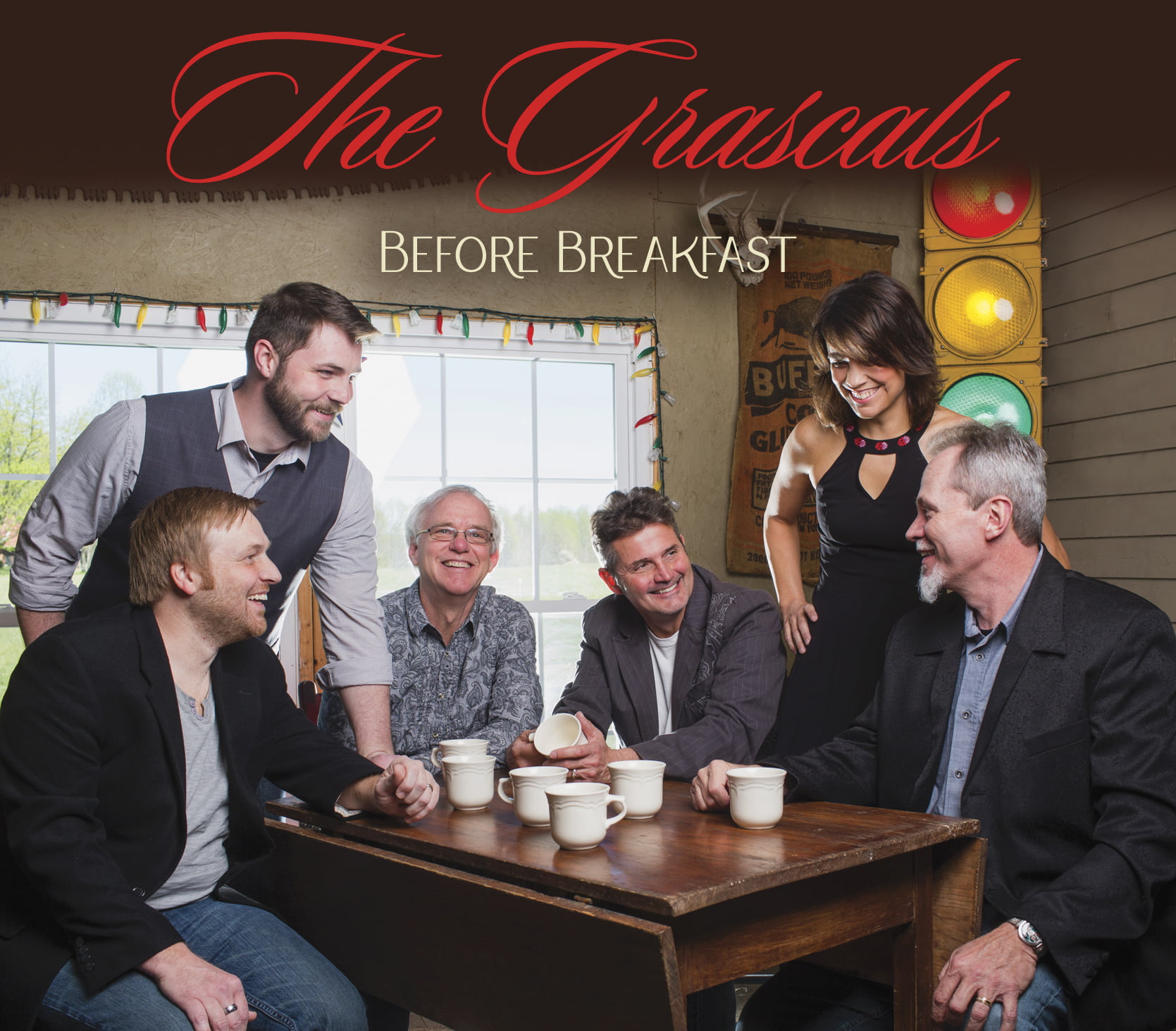
STREAM: The Grascals, ‘Before Breakfast’

Artist: The Grascals
Hometown: Nashville, TN
Album: Before Breakfast
Release Date: September 1, 2017
Label: Mountain Home Music Company

In Their Words: “It’s really my favorite album we have ever done. It’s more natural. The recording process was so easy; everything just flowed. It’s like we went in and everyone did their thing and this is what came out. I think we took the same approach as the last album, but this material separates it from the previous release. Nothing was preconceived — we just chose the songs we liked and it turned into a little different mix than ever before. Vocally, we’re gotten much stronger. We’ve had time to sing together, and all the little details, like phrasing, have become better. We’ve naturally evolved vocally by having time to really get to know each other as singers, and John is such a strong vocalist that El and I can sing strong, too. He’s inspired us.” — Terry Smith

Hee Haw’s Best Banjo Moments

The first record I ever owned on vinyl was Roy Clark and Buck Trent’s Banjo Bandits. (Excellent record. Hokey, silly, bouncy, double banjo nirvana complete with bluegrass piano.) Roy Clark and Buck Trent eventually led me to Hee Haw, which gave me hours of entertainment and caused hundreds of that-joke-was-so-so-bad facepalms. The music, though, was first rate — and the ratio of banjos to literally everything else was exactly as high as it should be. Check out these amazing best banjo-y Hee Haw moments.

Jimmy Henley and Roy Clark — “Orange Blossom Special”

Jimmy Henley was a world champion banjo player at just 10 years old. Sure, “Orange Blossom Special” is an overplayed trick song, but dang, Jimmy could play fast and clean as a little kid.

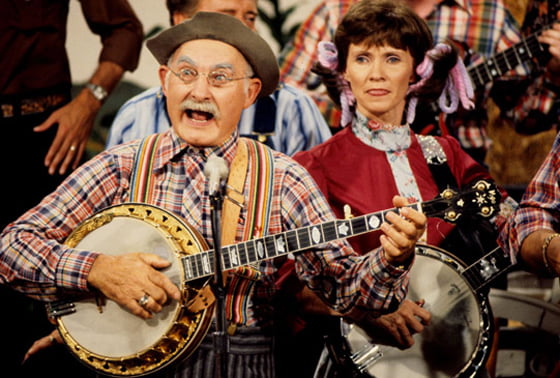
Stringbean and Grandpa Jones — “Little Liza Jane”

Two of the classics of the Grand Ole Opry and Hee Haw — and they were neighbors, too, living in the same holler north of Nashville. Look at Stringbean’s face when he forgets they’re repeating the chorus the first time through it. Let us know if you happen to know who the unidentified dancer is.

Roy Clark and Bobby Thompson — “Bury Me Beneath the Willow”

The world needs more double banjo. Full stop.

Cathy Barton — “Redwing”

Now here’s some clawhammer! “Redwing” is a simple tune, but it’s executed expertly and tastefully. Cathy Barton still plays and teaches today, and she tours with her husband Dave Para.

 Grandpa Jones, Roni Stoneman, Buck Trent, Roy Clark, Bobby Thompson — “Pretty Little Bird”

How many banjos is too many banjos? There’s no such thing. Line ‘em all up in front of a haystack, and you’ve got a party.

Roy Clark & Buck Trent — “Dueling Banjos”

Leaving off right where we started, with the original banjo bandits, Roy Clark and Buck Trent pickin’ an absolute bluegrass banjo staple!