You Gotta Hear This: New Music From River Shook, Bryan Sutton, and More

It’s another edition of our weekly collection of new roots music! You Gotta Hear This…

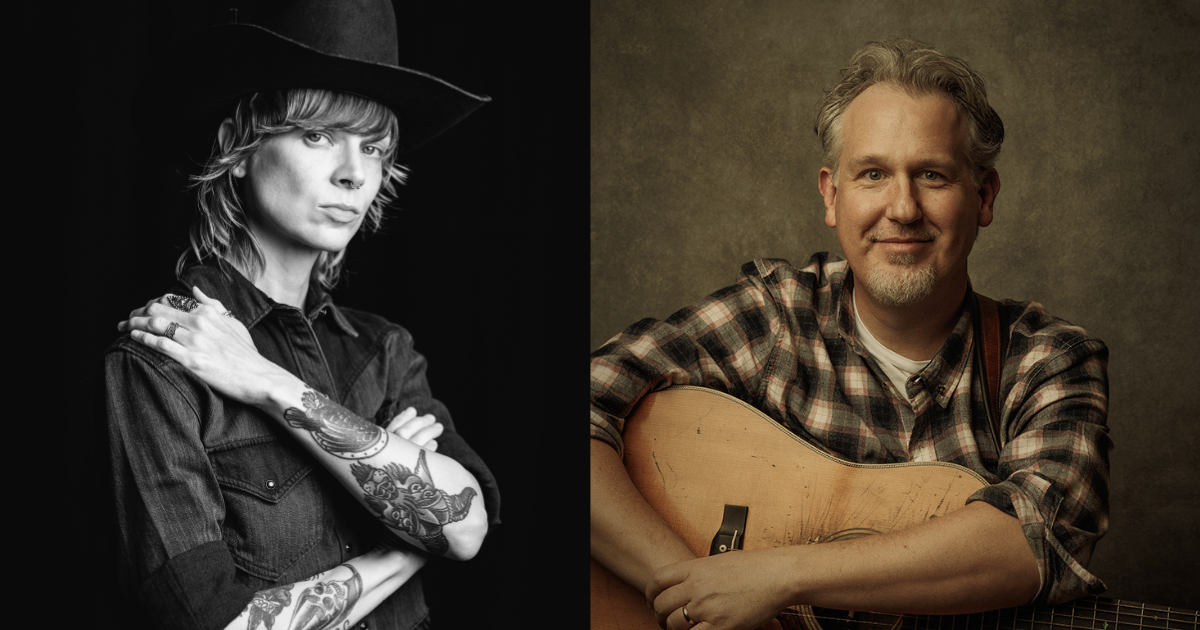
To get us started, singer-songwriter Jenn Grinels is giving us a preview of her upcoming single, “Always On The Run,” which will arrive next week. The track combines Californian indie twang with straight-ahead country & western and a gothic twist. While Grinels is an accomplished songwriter herself, in this instance she composed the music while the evocative, text-painting lyrics were penned by Alfred Howard, a poet and musician. We’re also very excited for new music from River Shook, who you may know from their prior project, Sarah Shook & the Disarmers. Their new roots-folk single, “Wildlands,” is actually a song begun more than 10 years ago – and in a completely different set of circumstances. Shook completed the song channeling feelings from their recent shift from the Disarmers to this new era, performing and releasing music solo, under their own name. With this track, we’re certainly looking forward to what comes next from Shook.

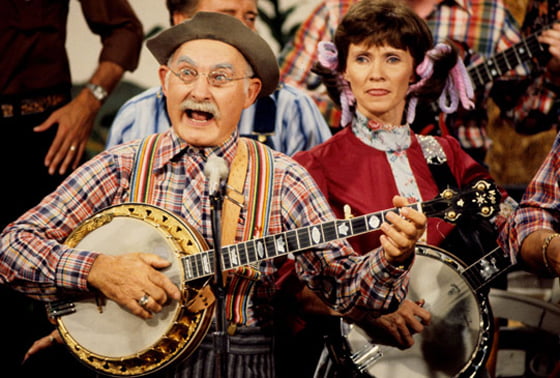
In bluegrass, Lonesome River Band pull a song seen performed by Stringbean (David Akeman) on The Porter Wagoner Show for their new single. “Pretty Little Widow” is hilarious and first rate, even employing an all-too-rare traditional bluegrass instrument, the Telecaster. Its twangy punctuations are a perfect addition to the single, out today. Acclaimed guitarists Bryan Sutton and Kenny Smith also launch a track today, “Three Star Hornpipe,” from Sutton’s upcoming album of six-string duets. Sutton and Smith’s decades-long friendship is easy to hear on the relaxed and loping modern fiddle tune.

There are a couple of great cover songs included today, too. Nashville-based artist Sweet Megg shares her new video for her most recent single, “Come On Up to the House,” her interpretation of the Tom Waits classic. She was inspired by her own family homeplace, a literal and figurative refuge where she grew up in New York City. Plus, after a lifetime of playing sets of cover songs, Jessie Wilson finally releases a cover – and it’s none other than Dolly Parton’s “Jolene.” A failsafe choice for a first cover release, Wilson’s take on the iconic favorite has a deep pocket, head-bobbing feel changes, and bluegrass instruments tucked into every one of the track’s nooks and crannies.

We hope you enjoy these songs as much as we have. You Gotta Hear This!

Jenn Grinels, “Always On The Run”

Artist: Jenn Grinels
Hometown: Originally Cupertino, California; currently working out of New York City
Song: “Always On The Run”
Release Date: April 10, 2026

In Their Words: “This song is a collaboration, with lyrics by Alfred Howard and music by me. I’ve always admired Al’s poetry, spoken word, and lyricism, so when he first reached out about collaborating, I was thrilled. These were the first lyrics he sent me – of many songs we ended up working on together – and when I read them, I was instantly inspired. The songwriting process was so quick, which definitely doesn’t always happen, and that ease ended up inspiring and setting the tone for the rest of the record.

“The imagery in Al’s writing naturally leant itself to this western feel that carries throughout the album – and a lot of that is rooted in the desert landscapes of Southern California that inspire him.

“At its heart, the song is about endless ambition – and the exhaustion that can come with it. We’re always reaching for our dreams, both of us having spent so many years in this business, constantly chasing that setting sun – and to metaphorically walk into it. It’s special to work with someone who’s in a similar place in life. He can write something deeply personal that I immediately connect to, and that sparks something in me musically.” – Jenn Grinels

Track Credits:
Jenn Grinels – Vocals, acoustic guitar, composer
Alfred Howard – Lyricist
Mike Butler – Guitars, lap steel, percussion, producer, engineer
Jason Littlefield – Bass
Jake Najor – Drums


Lonesome River Band, “Pretty Little Widow”

Artist: Lonesome River Band
Hometown: Floyd, Virginia
Song: “Pretty Little Widow”
Release Date: April 3, 2026
Label: Mountain Home Music Company

In Their Words: “Jesse [Smathers] brought this song to our attention from a video of Stringbean on The Porter Wagoner Show from the 1960s. We all love Stringbean’s music, and it was a song I had not heard before. He was backed by Porter’s country band and the electric guitar had a great part in the song. So it was an obvious choice of tunes for this project. Rod Riley on the Tele captures the vintage sound of that era of country music.” – Sammy Shelor

Track Credits:
Sammy Shelor – Banjo
Jesse Smathers – Acoustic, lead vocal
Mike Hartgrove – Fiddle
Adam Miller – Mandolin, harmony vocal
Kameron Keller – Upright bass
Rod Riley – Electric guitar


Bryan Sutton, “Three Star Hornpipe” with Kenny Smith

Artist: Bryan Sutton with Kenny Smith
Hometown: Nashville, Tennessee
Song: “Three Star Hornpipe”
Album: From Roots to Branches
Release Date: April 3, 2026 (single)
Label: Mountain Home Music Company

In Their Words: “I met Kenny when I first moved to Nashville. He had been there already a few years and was living down there near Wartrace, Tennessee, doing some work with Gallagher. And I forget exactly where I might have met him, but I was probably around the Station Inn or one of the music stores in Nashville. I went down and hung out with him. I had a guitar that I had some questions about and wanted to show it to him – you know, some structural issues – and he took a look at it and we played a little bit and I’ve just known him ever since. This is the early ’90s, over 30 years ago, and I just maintained a friendship with him all through these years.

“I’ve always loved the way Kenny is reverential towards fiddle tunes when he plays. He really finds that sweet spot of his guitar artistry, but you hear the melodies – he’s playing the tune and presenting the melody. I found this old song, ‘Three Star Hornpipe,’ that I’d heard from a fiddler named Roger Howell here in Western North Carolina. Tommy Hunter had recorded it years and years ago. I found an original recording and sent it to Kenny and went like, ‘What do you think? Here’s a tune that neither of us have ever played.’ Again, I didn’t necessarily want to do an obvious, low-hanging fruit kind of fiddle tune. So here was a newer tune and he was game to do it. That’s how we got into that tune, and I just love what he did with it.” – Bryan Sutton

Track Credits:
Bryan Sutton – Acoustic guitar
Kenny Smith – Acoustic guitar


River Shook, “Wildlands”

Artist: River Shook
Hometown: Chapel Hill, North Carolina
Song: “Wildlands”
Release Date: April 3, 2026

In Their Words: “I started writing ‘Wildlands’ when I was seeing a deeply controlling, scary person. One summer day, I snuck out of the house and went to the Haw River to clear my head. I sat writing at the water’s edge, feeling brave for the first time in years, and when I got back home, I hid the piece of paper with the lyrics deep in my closet. Nothing came of the song for almost a decade.

“Last year, when I decided to end my band (Sarah Shook & the Disarmers) and start over under my new name (River Shook), those old feelings came rushing back – fear, bravery, clarity, strength – and I remembered ‘Wildlands.’ I kept the original first verse, reworked the other two, and wrote a new chorus. Releasing this song is such a beautiful full-circle moment in my life. I feel so lucky to share ‘Wildlands’ with you.” – River Shook

Track Credits:
River Shook – Vocals, acoustic guitar, electric guitar, songwriter, producer
Blake Tallent – Drums, bass, acoustic guitar, electric guitar, pedal steel, harmonica, percussion, producer

Video Credits: Samantha Kniskern


Sweet Megg, “Come On Up To the House”

Artist: Sweet Megg
Hometown: New York City; based in Nashville, Tennessee
Song: “Come On Up To the House” (Tom Waits cover)
Album: Massive Negroni
Release Date: April 1, 2026 (single); May 1, 2026 (album)

In Their Words:  “When I heard this song, it reminded me of home – not just a place, but a feeling. My family came from Ireland in the 1920s and settled in the house where my mother grew up and where I grew up too. That house holds so many memories of family and friends. It’s a sacred space.

“When the world feels like it’s on fire, I can step inside and enter another dimension of peace and tranquility. That’s what home can be. This song by Tom Waits carries that feeling for me. It’s an invitation, a prayer I offer to others: when the world is getting you down, come on up.” – Sweet Megg

Track Credits:
Sweet Megg – Vocals
Hunter Strasser – Guitar
Norbert McGettigan – Bass
Chris Gelb – Drums

Video Credits: Filmed and edited by Matthew Farrell.


Jessie Wilson, “Jolene”

Artist: Jessie Wilson
Hometown: Phenix City, Alabama
Song: “Jolene”
Album: Rebel & Reverie (EP)
Release Date: April 3, 2026 (EP)

In Their Words: “As a girl who has played hundreds of cover shows in my lifetime, I’ve never actually released a cover song. I play ‘Jolene’ frequently at my live shows and we perform it a bit different. We play the choruses in double time and the verses in a half time, giving it our own spin.

“I recorded this version after jumping in a session with musicians I hadn’t met yet, who all happened to be monster musicians. We recorded at Station West in Nashville with Ilya Toshinskiy (acoustic guitar), Steven Sinatra (drums), Jimmy Nichols (keys), Kris Donegan (electric guitar), and Rob Cureton (bass). It surpassed my expectations and the session felt so natural and easy despite being in a room filled with all musicians that I was meeting for the first time. Sometimes, you just feel so ‘at home’ with a song, it feels like it gives you no choice but to release it.” – Jessie Wilson

Track Credits:
Jessie Wilson – Lead vocal
Nicole Boggs – BGVs
Steve Sinatra – Drums
Ilya Toshinskiy – Acoustic guitar
Jimmy Nichols – Keys
Kris Donegan – Electric guitar
Rob Cureton – Bass
Andy Ellison – Dobro


Photo Credit: River Shook by Jillian Clark; Bryan Sutton courtesy of the artist.
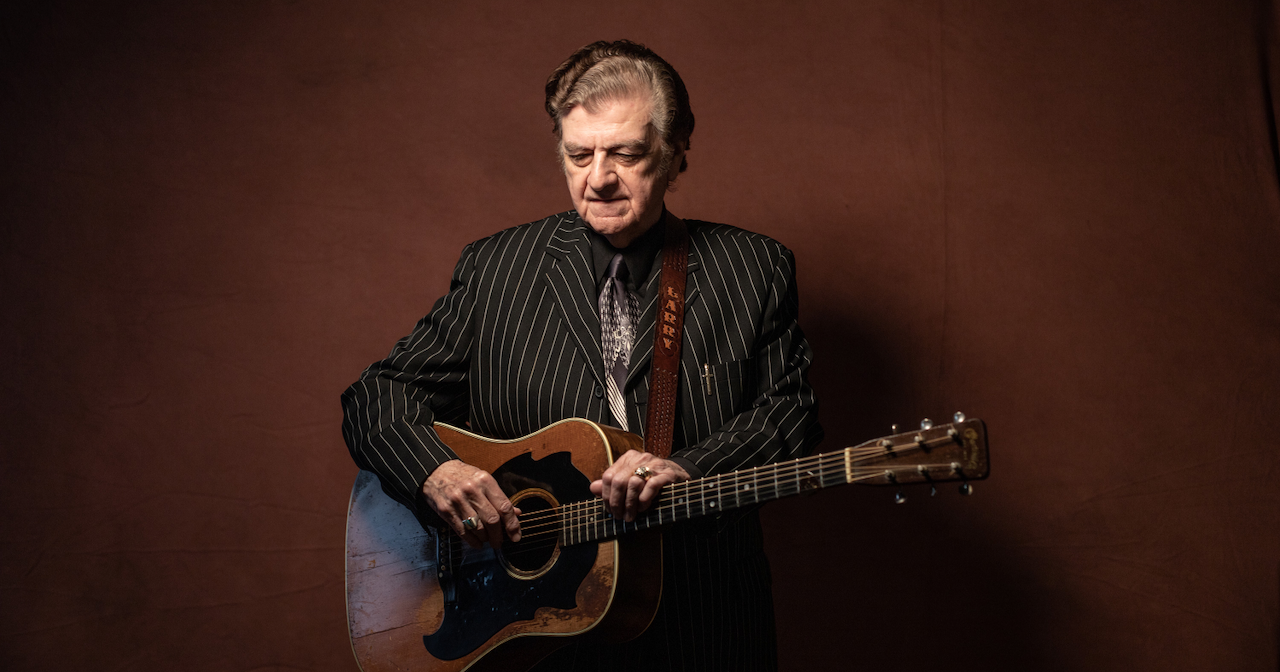
Larry Sparks Is a Surprisingly Zen Bluegrass Star

Speaking to Bluegrass Music Hall of Fame inductee and IBMA Award winner Larry Sparks over the phone, you might never guess you’re conversing with a living legend. He’s remarkably humble, down to earth, and plainspoken. And his approach to making bluegrass – as he has professionally for more than 60 years – is surprisingly zen.

His latest album, Way Back When, was released in late October 2025 and the project finds Sparks in exactly the same sonic space as any of his excellent LPs from the last six decades. If you were to take a short audio sample of Way Back When, it would be genuinely difficult to identify from which era of his lauded career it came. The project is warm, lively, and resonant, sounding like you’ve been dropped into a cozy living room with perfect acoustics and a superlative bluegrass string band.

The songs, as well, are timeless and classic, whether fresh tracks, iconic covers, or an old-timey instrumental fiddle tune with familial origins. Like his vocal style, guitar picking, and production preferences, Sparks’ song curation also feels like an intuitive extension of his personality. When he describes how he accomplishes this consistency across eras and executes the timelessness of his albums, it seems as though he becomes a sort of bluegrass guru.

“When songs touch me, they touch my feelings,” he explained to BGS . “When the song touches me, it’s saying something. I’ll take that and see what I can work with, and make it my song.

“The song’s me and I’m the song. And that’s the way that they did it back in the day. They become that song – the older singers, they became those songs. That’s the way that I do it, I try to make that song me and me the song.”

It’s a secret ingredient lacking from too many bluegrass records out there today. Not just his inhabitation of songs so that they can inhabit him, but also treating bluegrass like the forebears of this music did. As a living, breathing, cutting-edge thing that doesn’t need to be built on a foundation of regurgitation and emulation and litmus testing. Like Sparks puts it so simply – and eloquently – in our conversation, bluegrass has mainstream appeal. It requires heart, soul, and being present – becoming the music and becoming each song.

That right there is exactly how Sparks became a Bluegrass Music Hall of Famer and a hero to many – Alison Krauss, Billy Strings, and this writer included. It’s also how he’s maintained a consistent (never boring, stale, or regressive) sound over the course of his 62-year career. And, it’s what keeps him motivated to continue looking forward while inspiring all of us and reaching new audiences.

Let’s start by talking about your excellent new album, Way Back When. When I first listened to it in the fall, when it was released, I was struck by how old-school it sounds. The production style sounds so timeless, it sounds so warm and live – like real bluegrass. It also feels like it could have been pulled from almost any era of your career. with the way that it’s produced and the way that it stands out sonically. I wondered how you accomplished that?

Larry Sparks: I try to do things normal and just go for it. And all of the band– you just feel what you’re doing. You make it real. It’s hard to explain. It’s just, I sing and play from my heart, soul, and mind. Some songs you don’t have to do that, you just – like the old saying – rear back and let it go.

But some songs need attention, and you have to become that song and the song becomes you. That’s the way that I think probably all these songs are, everything I sing is pretty much that way. But, I don’t know, the feel just comes out natural. It’s more of an older feel, the real feel. That’s the way I like things. So much [that’s] added in today’s recording and music and everything, it’s okay – I’m not saying anything about it! But myself, I’d rather keep it pretty real, just like it used to be.

Are you tracking in isolation booths? Or are y’all tracking in the same room and live? It doesn’t sound like you’re putting the music under the microscope, as it were.

No, I don’t like that. You have to [sometimes], but I’d rather [not]. It’s [an] all in the same room deal. Sometimes you’ve gotta do an overdub break or something. You miss your hot lick, you gotta do it over again. Overdubs are good to use, but I don’t like to depend on them. I’d rather do it straight down the line, and if you make a mistake you do it over, you can overdub a spot or something.

Something else that stood out to me listening to the album is how consistent your sound has been over the decades. You have your own way of singing, you have a style that’s really consistent – as well how you pick the songs that go on your recordings. And you certainly have your own guitar-picking style. Almost no one picks like you these days. How do you think it is true, across 60 years in music, that when you listen to Larry Sparks, you know you’re hearing Larry Sparks and Larry Sparks alone?

It’s a natural style for me. I respect the older songs an awful lot. The older music and the older singers, that came along before I did, in the ‘30s, ‘40s, and ‘50s. I was a kid, but I remember the music mighty, mighty well in the ‘60s. All the older country singers were embedded in me, too. Some of the people just stayed in me. They were good singers and their music, their singing was real. It embedded in me.

I still had my own way of singing and playing. I never did wanna copy someone else. And although I respected what they did very much, the older music and the older country and bluegrass [artists] and whatever else – there is other music, too. It just became natural for me to have my own style of singing and playing, and I never really worked on it to do that. It’s just me, and the band pretty well feels what I’m doing.

The whole thing, you gotta keep it natural, real, and feel what you’re doing, from your heart and soul. That’s the way I do it. It’s nothing I plan to do. It just comes out that way.

I think that’s why it works and is so consistent across your entire career, because it’s not a costume that you put on, it’s not affectation, it’s not a target that you’re trying to hit. It’s just you being you.

People can feel that, too. The audience can feel what you feel. Most of ’em, they can feel exactly what you feel, what you do.

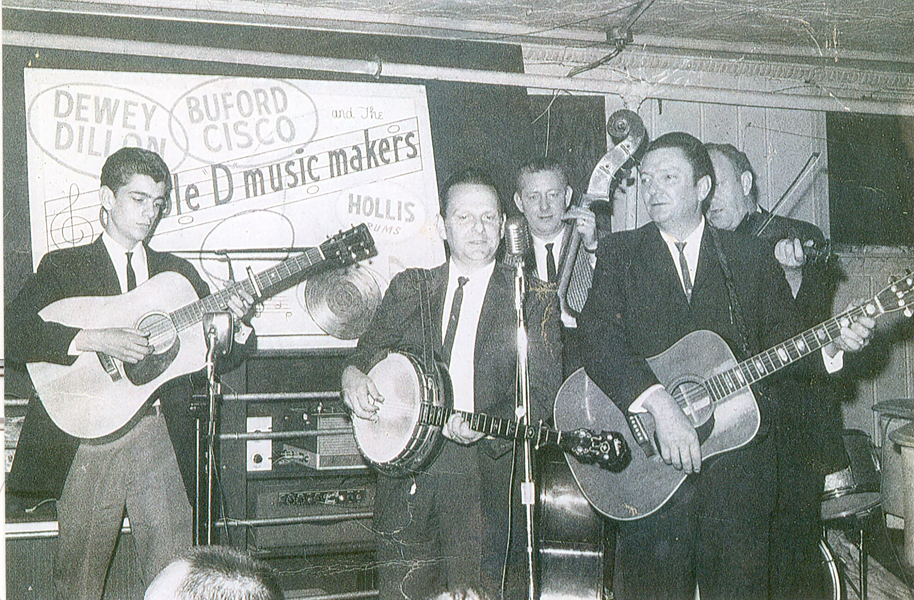
Larry Sparks (far left) performs with the Stanley Brothers before Carter Stanley’s death. Circa 1964. Image courtesy of Rebel Records.

I so appreciate that you bring up heart and soul, because I think people make the assumption that bluegrass is not a music that’s based on heart and based on soul. Especially when you listen to some barn burning, shredding bluegrass or jamgrass.

But for me, this music has always been as much about the stories, the heart, and the soul – and the feeling of it. And that’s clearly such an important part of it for you, too, and the storytelling. I think a lot of people don’t realize heart and soul are an important part of the tradition of bluegrass.

Yeah, sure it is. I’ve worked under the bluegrass name for years. Bluegrass is about 80 years old now, and I have been into it 62 of those years.

Wow.

I can’t believe I’ve been into it that long under the bluegrass name. My music is considered bluegrass, but actually a lot of my stuff could go either way. I’m considered bluegrass and that’s fine. I appreciate it. I’m honored, but a lot of my stuff can go into country or some other direction, too.

I just hold to what I’m doing and [what has] been a good business for me over the years. But you have to make it work and look ahead. The music is music, but you gotta make a business out of it. If you don’t, it’s not gonna work. And that’s what I did. It’s worked out for me. A lot of the bluegrass [industry] is not easy. It’s not one of the easiest forms of music to “make it” in.

And, it’s always been set behind [other] forms of music. I’d really like to see it be possible for bluegrass to be played on all stations. To play it [alongside] new country, modern country, rock and roll. Whatever it is, mix it up. But get bluegrass to program directors. If it ever could get played on other stations, with the right songs and the right artist – put in with everything else they’re doing – it would work. I don’t know if it’ll ever come to that or not, but that’s what it’s always been. We’ve always – like the old saying – took the backseat to the other forms of music.

But we got enough fans and that keeps it [going]. … I’m honored and I’m thankful for it. But it takes a lot of years, a lot of hard work. It’s not easy. I’ve done it all myself. I’ve done my own management, my own booking, my own phone calls, my own writing. This, that, this, that, this, that. I’ve done it all. Like I said, I’m gonna keep doing it, it’s working. It’s fine.

Like you mention, these songs really could go both ways. I love how much country is on this album, and you do such a great job of illustrating that bluegrass and country will always be related and that they cross-pollinate.

And I totally agree, bluegrass has mainstream appeal. And always has! I don’t know why we pretend like it doesn’t.

Yeah, we need more promotion on bluegrass. I wanna keep doing everything I can for it, because I respect it very much. Bill Monroe, the Stanley Brothers, and Flatt & Scruggs – these three names put [bluegrass] on the path and all that played bluegrass come after those three names.

Those three names are in you. I never did want to actually copy any one of those three names, but you take those three names – just to give you an idea. Take those three names I said and you put the Osborne Brothers with ‘em. Put Jim & Jesse with ‘em. Put Jimmy Martin, Mac Wiseman and others – and Larry Sparks – all those names. Every one of ’em are different sounds, different style. But they’re still on the same path. That’s what you gotta have. That’s what I knew, “I better stick to that and not be a copy.”

Let’s talk a little bit about your guitar playing style, because I think you’re carrying on a tradition of a particular kind of guitar picking in bluegrass that is rarer and rarer today. So few people who still make records and perform shows pick like you do. I love how front-and-center your guitar is on this album. Could you talk a little bit about your picking style and maybe who your influences were or how you came up in that type of picking?

Other guitar players are really good and there are a few players out there that can. But the way I do things, my playing is like my singing. I play the melody. And I don’t play over the melody. There’s less notes than normal guitar, it’s more of a feel. It’s hard to explain, but I just play the feel of the song and the melody. I try not to overdo it. I play it and when I hit a note or a slide or a backward– or whatever I do, a pull-off, I want it to come from me. I want it to be me and I wanna feel that note I’m doing, feel that slide I’m doing, whatever I’m doing. And [I want to] keep it that way and not overplay the song.

I also wanted to talk about the instrumental on the album, “Sleepin’ Lula.” Speaking of things that are rarer and rarer in bluegrass, having the clawhammer banjo on it is excellent. It feels like no one flogs the banjo anymore. There’s a lot of old-time players, a lot of clawhammer players, but it doesn’t really seem like anybody’s flogging it anymore. Hearing the instrumental, when the clawhammer kicks in, it was reminding me of that era of early bluegrass when you were just as likely to hear frailing banjo as a three-finger in a bluegrass band.

That’s great. Yeah, I thought it turned out pretty good. I was pleased with it. That’s an old tune. My grandpa, I got a recording of him playing that in 1953. Him and some guys, and he’s from Jackson County, Kentucky. Very good fiddle player. Very good. He was one of the best, he could’ve done something with his talent. He was born in 1877. Back in those days, up to the turn of the century, ‘20s, ‘30s, ‘40s, and ‘50s, he just played square dances around locally and stuff. He never did really go out. Stringbean asked him to go out with him some, but he never wanted to leave or go ‘round traveling and stuff. But he could have filled the bill for anything. He was that good.

I heard the tune from him. And I had never heard it before. “Sleepin’ Lula” – that was my grandma’s name, his wife’s name. She died in 1910 in childbirth and I never got to see her, of course. But her name was Lula, and so he recorded that “Sleepin’ Lula.” And I don’t know, I’m not going to say for sure if he wrote it. There’s a couple other fiddle players I heard play that from back in the ‘20s or ‘30s. But all respect to him. There wasn’t a player like my grandpa.

I don’t know who it came from. I don’t know if it came from my grandpa and he put it together because his wife’s name is Lula. Or if “Sleepin’ Lula” was the name [he gave another tune.] Someday I may try to trace that out a little further.

The other fiddlers that you know played it, did they use the same title for it, too?

Yeah!

Interesting. That’s so cool!

Yeah, it’s something else.

You’re a famous bluegrasser. You’ve been famous to me, for instance, my whole life. I was honestly nervous and a little starstruck to have this conversation. [Laughs] But you’re also becoming more famous at this moment, because two of the biggest bluegrass names to ever come out of the genre – Alison Krauss and Billy Strings – they’re such big fans of yours. I feel like both Alison and Billy see your legacy, they see how important it is, and they are translating that importance to people that maybe don’t know who you are or are just learning about you for the first time.

So I’ve just been curious to ask you, how do you feel about having these prominent “fans” – and it’s not just Alison and Billy, obviously. What does it mean to you to be part of that constellation of people that they look to as influences? And, what does it mean to you to see your music reach new audiences thanks to them and others?

It’s a new world. It’s a different world than what I’m used to. Which, there’s nothing wrong with it. I’m very honored that they stand behind what I do and my music. And, for the music, I’m very honored and thankful that they like it and that they maybe have it in their shows sometime or whatever.

But yeah, the new crowds in bluegrass – we have a very good crowd, but it’s bigger than it ever has been, now, bluegrass music is. But we still have that limited crowd [coming] from other forms of music. And that’s why I said, if it ever got to play on the big stations, give us a little room and respect for the bluegrass. It’s very important music and if the big country stations would give us some respect and get bluegrass to their program directors…

Don’t just [throw it out there]. You gotta be careful. Give it the right thing, the right artists, the right songs, and it would really help our music. It really would help.

But if it never happens, we still got a good crowd and we get more people all the time coming in. It’s a kind of a new crowd coming in, a new age group coming in. We still have a lot of the older people, but the younger people are coming into it. Teens to 20 years old, I’m seeing that happen more. That’s good. Bluegrass, it needs more push, it needs more promotion.

Do you see what Billy Strings is doing as that push or as that promotion? Can you tell, with younger fans coming in, that they started as Billy Strings fans and found you that way? I wonder, is there any way you’re measuring the impact of people talking about you and pushing your music?

I can’t really tell on that, for sure. I can’t. I’m just seeing people that’s young – teenagers and stuff – that wants to learn to play the music and are trying to play. And then that age group I was telling you about is. It’s coming in stronger all the time.

I’ll be honest with you. I don’t listen to other music. I don’t listen to anything hardly, music-wise. You gotta keep yourself fresh. But I respect other music. I respect it. All forms of music. I don’t have anything against the big bands and all the new names. But I like that old stuff. Of course, bluegrass and old country. And other things, blues, I like a lot of that.

You seem remarkably humble and so down to earth. You follow the songs, you put heart and soul into ‘em. But you’re literally a Hall of Famer and you’re one of the last of the first big generation of bluegrass makers that are still doing it today. You’re a legend to all of us. Does it feel like you’re a legend? To you, on the inside? Or no?

I would be to a lot of people, a legend, and to a lot of people I would be famous, I would be a star. But when I went into this business, went into music in my teens, I never looked at it as wanting to be a star or to be famous. I never looked at those two things. I wanted to take what talent I had. I knew I had something to offer. I had to put it together and see what I could do [to] make it work.

I don’t know if I’m a star or famous to people. I hope so, because that’d be nice. I’m pretty honored.


Photo Credit: Images courtesy of Rebel Records. Lead image by Michael Wilson.

Artist of the Month: Opry 100

This month, BGS is celebrating 100 years of the Grand Ole Opry! It would be hard to overstate the influence of the Opry on American roots music – hell, on music in general – over the past century.

From Earl Scruggs joining Bill Monroe to create the sound of bluegrass; to DeFord Bailey becoming the first Black Opry star and the first Black musician to break into the commercial music scene in Nashville; to the legendary meeting of Johnny Cash and June Carter; the Opry has been a catalyst for so many iconic moments. Below, we kick off our “Artist of the Month” celebration with our Opry 100 Essentials Playlist, which includes some of our favorite live recordings from the Opry, songs famously debuted on that legendary stage, and some of our favorite roots songs written about the Opry and its lore, too.

Did you know that Dolly Parton made her first Grand Ole Opry appearance in 1959 at the age of 13 and received three encores? To get a sense of how young Dolly might have sounded on that stage, we’ve included one of her very first singles, “Girl Left Alone,” (the B-side of the now well-known “Puppy Love”), recorded when she was just 11 years old and released the same year as her Opry debut.

Elvis famously made his Opry debut in 1954 at the age of 19, singing “Blue Moon of Kentucky” in a style that was so poorly received a manager told him to “go back to driving a truck,” or something of that nature. You can hear his rockabilly version on our playlist.

In 1969, Linda Martell was the first solo Black woman to perform on the Opry, singing “Color Him Father” for her debut. Although she faced rampant racism throughout her career, her first performance on the Opry was met with two standing ovations and she went on to perform there 12 times over the years.

The Opry has also been fodder for songwriting, inspiring many tracks over the years. Early Opry star David “Stringbean” Akeman met Bill Monroe while playing semi-professional baseball and went on to play clawhammer-style banjo in his band from 1943 to 1945. After parting ways with Monroe’s band, Stringbean became an Opry star in his own right and penned the song “Opry Time in Tennessee.”

Stringbean and his wife were tragically murdered in 1973 by thieves who had heard of him storing cash in his home. In 2009, Sam Bush released his song, “The Ballad of Stringbean and Estelle,” co-written with Guy Clark and Verlon Thompson. “The thieves laid in wait for hours/ But things didn’t go their way/ But he wouldn’t let go of his Opry pay,” sings Bush on his album, Circles Around Me.


@cmt #SabrinaCarpenter makes her #grandoleopry debut 💋✨🎙️ #opry100 #slimpickins #mansbesfriend ♬ original sound – CMT

Shortly before the Opry was moved from downtown Nashville’s Ryman Auditorium to the newly built Opry House in 1974, John Hartford released “Tear Down the Grand Ole Opry,” a scathing commentary on the commercialization of country music. “Right across from the wax museum/ They used to line up around the block/ From east Tennessee and back down home again … Broad Street will never be the same,” Hartford sings nostalgically on his legendary Aereo-Plain album.

While the Opry is known as a country music gold standard, over its 100 years as a live-broadcast radio show it has held clout across the genres and in popular culture – not just in country. This year, as part of the celebration of its 100th anniversary, the Opry has been featuring 100 Opry debuts and first-time performances. These special appearances have showcased the broad impact of the Opry, hosting the likes of pop star Sabrina Carpenter who said, “My mom raised me on the artists who have stood up here.”

Whether in country, bluegrass, Americana, or beyond, the Grand Ole Opry continues to be a musical powerhouse, 100 years after its barn dance birth. While we look ahead to the next century of Opry magic, we’re beyond excited to join the Grand Ole Opry family in celebrating Opry 100 for the entire month of November. Enjoy our Opry 100 Essentials Playlist below and relive the Opry 100: A Live Celebration television special on NBC from earlier this year here, too. You can read our primary feature on Opry 100 right here. Plus, stay tuned all month as we have brand new and archive articles, interviews, and features we’ll be sharing here and on socials all spotlighting the incredibly legacy and community of our beloved Grand Ole Opry as we countdown to November 28, 2025 – the Opry’s official 100th birthday!


Lead Image: Opening of the Grand Ole Opry House in 1974, courtesy of Ryman Hospitality Properties.

With Dirty Laundry Piling Up Followers, Marcus Veliz Embraces the Banjo Vibe

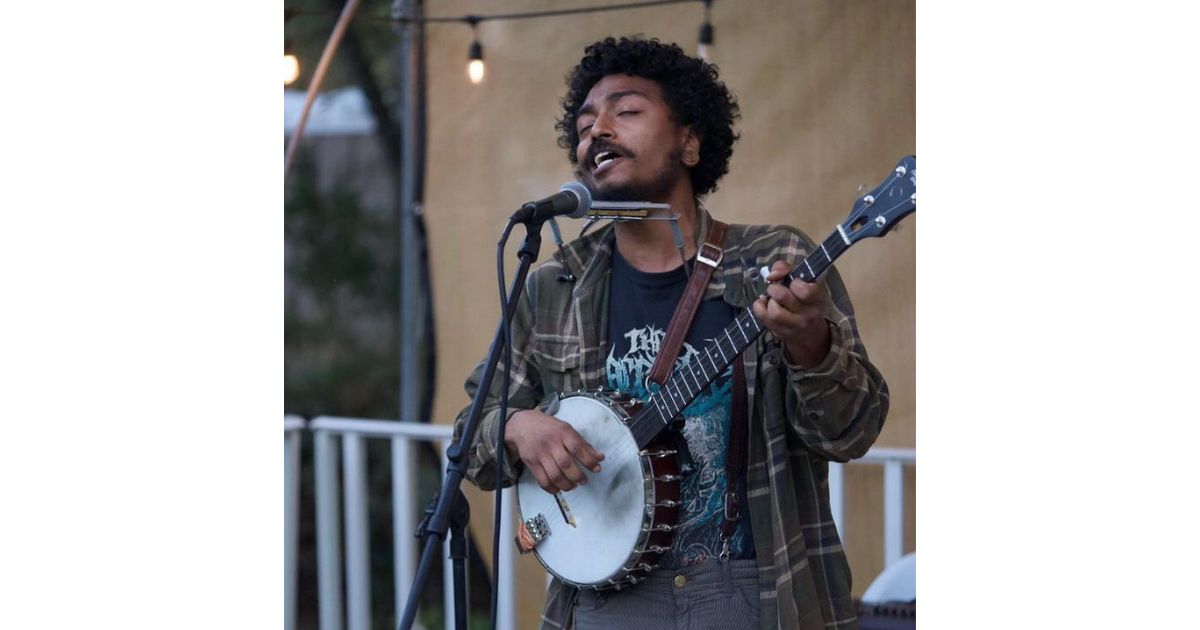
A crystalline river flows lazily over rocks, a green hillside rising just beyond it to meet the bluest sky, and Marcus Veliz is clawhammering a hypnotic lick on his banjo in the foreground. “Ever try tuning to the river?” reads the caption to this picturesque reel on his Instagram profile @dirtylaundrytheband. “It might give you a new tune.”

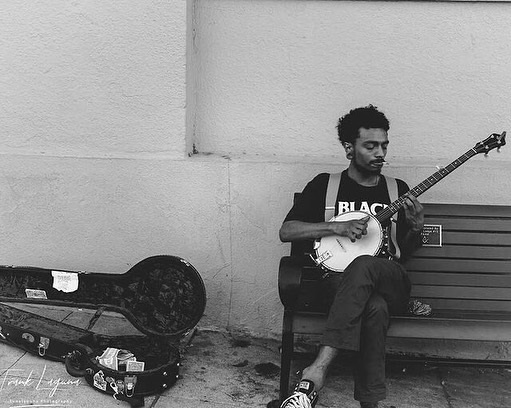
This video, like so many on Veliz’s feed, was taken on one of his “banjo walks” near Reno, Nevada. Veliz likes to go out exploring with his instrument—an RK-OT25-BR, to be exact—when he’s camping or visiting a new city, find a spot that inspires him, and start riffing. “That’s just meditation, chill vibes,” he says. “You’re just trying to kind of tap in. You never know what’s gonna happen.”

The 26-year-old banjo phenom was born in Portland, Oregon, but grew up outside Sacramento in Orangevale, California, where he still lives…sometimes. Life has become more transient these days as he roams freely, a skateboard and banjo in tow, meeting and collaborating with fellow musicians all along the West Coast. His Dirty Laundry project (which sometimes includes other musicians) has drawn nearly 24,000 followers to his Instagram page since he picked up the banjo around three years ago. A musician since childhood, Veliz says the banjo is the latest in a long line of instruments after trumpet, autoharp, fiddle, accordion, spoons, and guitar, and it’s the one that has really stuck.


“I tell most people, with the banjo, I already knew how much effort you would need to put into something that’s new. So, when I picked it up, I expected it to take a while, but it kind of just loved me back,” he says. “I probably only had one day off that whole first year. It was really easy. It showed me a bunch.”

While many artists begrudgingly use social media to do the obligatory promotion of their music and upcoming shows, Veliz has wholeheartedly wrapped his arms around it and is using it to carve out a place for himself before ever even releasing a record. In a conversation from the backseat of his car, Veliz expands on what drew him to the instrument, his DIY approach, and what’s next for his music career.

BGS: What was it that made you pick up the banjo?

Veliz: There’s a lot of different things. It was always kind of around. I had a best friend whose dad was a big influence. They’d play Flatt & Scruggs and other stuff. There’s a band called Rail Yard Ghosts, and I got into them and their lead singer—Riley Coyote—the way he plays banjo made me think you didn’t have to just pick, you could do something new with it. I got one and saw what happened, right away started trying clawhammer style and just didn’t take a break from it for like a year. It just kinda clicked. My first banjo was 15 bucks. I went on the letgo app and found one in a town over. They had it as a wall hanging decoration. Everything was there, I just put new strings on it.


You mentioned Flatt & Scruggs and Rail Yard Ghosts. Who have been some of your other influences?

Stringbean from Hee Haw is really big to me. Grandpa Jones. They just have a jokey-ness about them. Stringbean has these long suspenders that are way down by his ankles and a long shirt, so he just looks super weird, but it’s on purpose. Grandpa Jones has funny banjo songs, too, but they’re both clawhammer style. Then there’s this dude Dock Boggs, he’s like two-finger-style picking, but his playing is just completely rhythmic and different.

In the first year [I was playing banjo], I conveniently got to see Steve Martin, and the Steep Canyon Rangers were with him, so that was a big gnarly experience. All those clawhammer players and seeing old videos of it and stuff, and just the history of it. I started dipping into the gourd banjos in Africa, you got the Caribbean roots and stuff. There’s just too much there for me to leave alone.

You’ve been playing music since middle school. Were you in any bands?

There were probably two, but we never did anything at all. It was just going to a friend’s house and playing and stuff. Then I fell into a whole thrash metal, death metal thing for a long time and got really technical on guitar. And I was doing folk around the same time as kind of an outlet, and then that just kinda took over.


So, thrash metal, punk, folk music, bluegrass, African and Caribbean—are you pulling from these influences when you’re writing or even just noodling, or are you trying to create your own sound?

I feel like I’m making my own lane in a way. I’ll listen to others saying I’m making a new sound, but I won’t say that I’m making a new sound. It’s refreshing and cool to hear, but I also know anybody that picks up a banjo and plays like clawhammer or two-finger style isn’t gonna sound the same, so it’s hard for me just listening to myself to be able to say anything like that. When I pick it up, I let it do its thing now.

How do you describe your style?

The best way I can describe it is, it’s a vibe. It gives you a mood. I’ve heard other people say it and I think it’s just the easiest way to explain it. It’s all over the place. There’s a lot of songs on guitar that don’t have bridges, but it works better without it. I hate bridges. When it stays like this verse-little thing-verse-bigger thing, but no bridge, it becomes just a vibe, like a lo-fi beat. It doesn’t change, it just keeps going. Dirty Laundry, I always tell people, it’s an idea of sound and vibe. It’s this living entity that I serve. I would just like to please “it,” this idea of sound.

Guided by feeling more than technical prowess?

Yeah, it’s all feels.


What does Dirty Laundry mean?

Dirty Laundry is kind of my outlet for shit, stuff you’re working through in life, just growing.

You’ve used Instagram and social media to build your audience. How organic or strategic was that?

For the Dirty Laundry project, as far as Instagram, I think I was on there in 2016 even, but it was all guitar-oriented and small. Then [a few years later], Charlie Marks—he’s a banjo player in Reno—we hit each other up and decided to get together and play, so I finally went out there. And I was asking him, “How are you blowing up on Instagram?” and he was like, “Dude, just start posting reels.” It was also a good time for that, so I started doing it. Just every other day, go post something. Then after a while it just started snowballing. It’s been wild.

It’s algorithmic stuff, too, cause if you’re gonna post something in a certain area and tag the place, it’s gonna work with the [other stuff for that tag]. I always wanna put my print that I’ve been here, played in your park. It’s gonna show up on everyone’s feed. There’re people that will post the updates of the algorithm and how it’s gonna work, so you can get smart around that stuff. But it’s kind of more a scavenger hunt in places I’ve been. I’m definitely trying to do some album work in the future. Right now, it’s just kinda been a blessing because I’ve been able to play all these places and not have an album and open for people with nothing.

You’re sort of subverting the traditional process in favor of a truly independent approach, while also subverting assumptions or expectations about what the banjo has to be.

There are definitely some fools watching, managers reaching out. It’s cool, but it’s also like, who else is looking? Makes you want to be hungrier for it.


How do you feel about TikTok?

I had one and I deleted it because it didn’t feel right. TikTok feels like you post something for it to be seen, but no one really goes to see more of it… I feel like there’s more incentive with Instagram to go to a page and see all the videos, to sit on a page and look at everyone’s content. TikTok’s just built to scroll and leave. I already feel like I have too many people where I’m just their pocket banjo guy.

Is there a scene you’ve experienced on your travels that you want to carve out space for yourself in, or is it more important to you to hang back and establish a stronger one where you already are/where it’s maybe more needed?

A bit of both. Everyone needs to leave their hometown to do something or become something. But definitely New Orleans, with artists like Rail Yard Ghosts and other folk punk, I definitely want to go out there and see if I can even hang with all the other musicians out there that are making a living out of playing on the street. I would like to earn my badge out there. And go to the East eventually and just play everything over there that I can.

I’m more Sacramento area, and there’s still a whole bunch of indie sounds going on. It’s like indie hardcore, and like dad rock bands. It’s not bad for the banjo folk scene. You’re definitely going other places for it, traveling to see better parts of it. But I see it coming up again because of Billy Strings and Sierra Ferrell.

All the heavy hitters I’m definitely watching and observing, taking notes. There’s also this small group in this area, like Charlie Marks, Two Runner, Bar Jay Bar, Water Tower Band. This is all California area. There’s just a bunch of local folk people that are on this side of the coast. It’s funny how we’re lumped in with each other, like we’re all just different corners of the same cloth and we’re all representing folk on the West Coast.

Stone and Sue, they’re like a moving picture from the 1920s. I’m kind of waiting for them to take over. They’re in Oregon. They just play super old-style stuff. I’m so happy to see a band like them. I feel like I have my hands full with so much old stuff. I’m researching still, from ‘20s or ‘30s, so it’s hard to keep an eye on all the stuff going on. I’m still trying to meet Matt Heckler, people like that. It’s all gonna happen eventually.


Photo Credit: Ryan Joseph Moody

BGS 5+5: Danny Barnes

Artist: Danny Barnes
Hometown: Port Hadlock, Washington
Latest album: Man on Fire
Personal nicknames (or rejected band names): Possum Grunt. Crawfish Ate Your Face. Why Me Lord. The Crumbled Earth. Dirt Is My Witness.

Which artist has influenced you the most … and how?

I’d say Stringbean. I saw him in about 1970 when I was nine. The type of work a man was expected to do where I was from was roofing, something in the farming industry or construction, which were really hard and not fun, and here was this guy traveling around the country making people happy with a banjo, and I thought, “That’s what I’m going to do for the rest of my life,” and that turned out true, at least the traveling and the banjo part.

What other art forms — literature, film, dance, painting, etc — inform your music?

Well I love poetry, especially William Blake, and I read the Bible a lot, and I’ve read lots of classic novels and philosophy. I got the idea from John Hartford and Paul Leary of the Butthole Surfers to make records that were like movies in your head, so I do get quite a few ideas from old movies. I like Westerns and sci-fi, old ones.

If you had to write a mission statement for your career, what would it be?

To uplift people when they are really down, especially when you are of an unmoneyed heritage and things are overwhelming and it seems like the cops, society, the church, your family, God, and everybody has it in for you. And also to show that despite all the conventional wisdom on the subject, if you want to make art you can, especially if you must make it!

Which elements of nature do you spend the most time with and how do those impact your work?

I walk on the beach every day when I’m home. I like the salt water. And I like seeing God’s handiwork in the sky and in the plants and animals.

How often do you hide behind a character in a song or use “you” when it’s actually “me”?

Well, a normal person only has about four songs based on their life, then you run out of life and you have to start making up stuff, or reading an awful lot. So, pretty much never. I write about some horrible characters, ha ha. Though in my defense, it’s not that they are “bad,” they are just trying really hard to figure out a way to lay their burdens down.


Photo credit: Sarah Cass

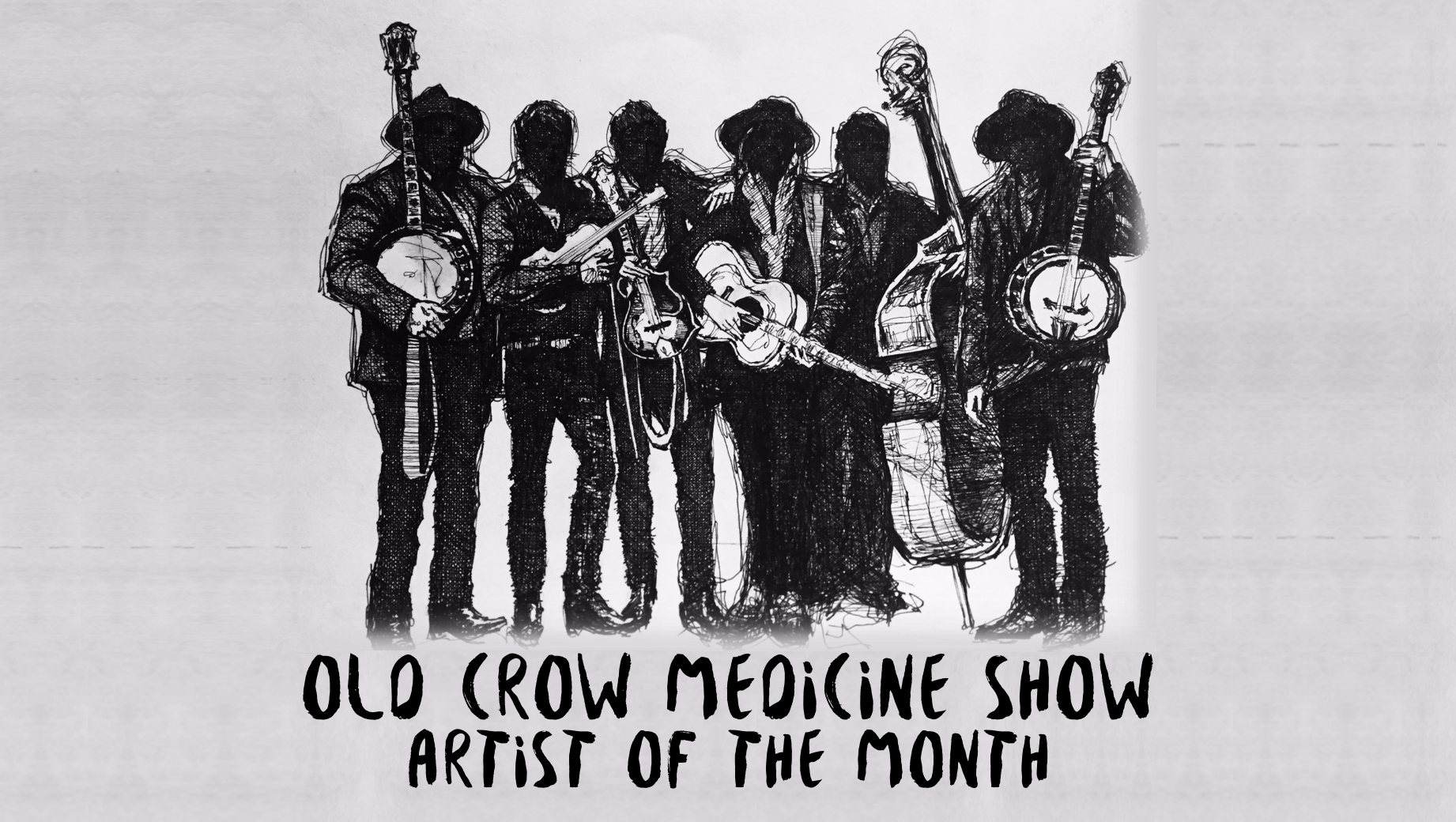
Old Crow Medicine Show’s Ketch Secor Learned This From ‘Country Music’ (Part 2 of 2)

In Ken Burns’ documentary opus Country Music, a weaving path from the hollers of Appalachia to Garth Brooks’ theatrical stadium concerts was laid out for all to see. But mapping that trail has always been a complicated, cumbersome task.

The sheer number of influences at play required 16 hours of footage for Burns to tell the story – and lots of help from the artists themselves. One of those artists was Old Crow Medicine Show’s Ketch Secor, who gladly jumped in to tackle the unwieldy narrative of his favorite subject.

Secor had a two important roles to play in the series. Most obviously, he related a lifetime’s study of country’s earliest touchstones and how they combined into something uniquely American. But the outspoken frontman was also tapped in the beginning of Burns’ process as a behind-the-scenes consultant, helping guide the project’s tone and ultimately delivering one of its final and most powerful lines.

“It’s almost like [country music] needs to be exhumed, and new life breathed into it,” Secor proclaimed. “The part that is the songs of the people, the hopes and aspirations of the people — the pain and suffering of the people — that needs to remain embedded in country music. If it isn’t there, I’m out.”

Backstage at the Grand Ole Opry House on the night the series premiered, Secor explained what the project meant to a history buff like himself, and how Burns unwittingly played a role in Old Crow’s founding.

BGS: Old Crow Medicine Show’s music has always shined a light on the past. What made you interested in that to begin with?

Secor: I was always interested in history, and I really attribute that to Ken Burns – I saw The Civil War when I was 11 years old. I lived in the Shenandoah Valley, and I wondered why the kids went to Robert E. Lee High School and why we played Stonewall Jackson, why the name of the shopping mall and the subdivision and the motel was what it was — it was all the war. It was everywhere, and we took some field trips but I didn’t really understand it. I could feel this echo, though. Seeing that movie on PBS really helped me to take this tour of my own backyard and see how history was alive. I credit that to him.

Knowing how deeply you care about country music’s history, what did you think when you found out Burns was going to present it?

I thought immediately, “Thank God. Finally somebody is going to tell our story and get it right.” I don’t trust any of these people to our story [gestures to photos Opry stars dotting the dressing room walls] because they’re all right in the middle of it. Everyone here has a very, very different story, and everybody has “The True Story” — but only their truth. Country music is richer than any one truth, so it takes an outsider’s perspective because of Nashville’s tendency toward this clan-ishness, the good ol’ boys network and these sorts of forces.

I mean, we’re the genre that has told its own history ever since it started. The radio charts today are full of songs about the good old days — and they’re talking about the ‘90s. That’s the good old days now. But it doesn’t matter, whatever the good old days were, the ethos here is that times ain’t like they used to be, they used to be better. That’s what they’ve been selling from the start, but they can’t tell our history without making it a commodity. So it takes this outsider, and you can’t ask for a better outsider than America’s most beloved documentarian, because he was the outsider who told us how jazz was born and flourished, how baseball was created, the Roosevelts, the National Parks, the Brooklyn Bridge. Country music is just as important as all that.

What did they actually ask of you?

I talked about slavery and the plantation system, the penal system — because incarceration was a great cultural conversationalist. It kept people locked up in isolation, which is one of the keys to making country music so rich. How long did the Scotch-Irish people live in Appalachia before being disturbed? Well, the great disturbance comes in Bristol in 1927. The record companies came in and said “Whaddya got?” And what they had was so specific to one region that it might sound different one holler over.

Then I talked about the Opry, and then I tried to talk about more New Age-y hip-fangled things, but they didn’t use any of that [laughs]. The other way I’ve been involved is by being an advisor to the film, so I read all the early scripts for the past eight years. But it was great, they just asked me, “How would you tell the story? Where was the birth? Who was important to mention?”

This has been in the works for eight years?

Yeah, he conducted like 140 interviews, and of that maybe 50 or 60 of his interviewees have died. See, the other thing about Ken is he knows when it’s time to tell a story, and by doing the story when he did, he was able to get Little Jimmy Dickens, Merle Haggard, numerous artists who wouldn’t be here — George Jones is in this film.

Did you get surprised by anything?

Oh yeah, a trove of knowledge is in this documentary, I learned a ton. And lots of things made me cry. What I learned primarily was a real self-reflective thought of, “Oh my God, this is my life.” I think almost all of these folks on the wall are in the movie, and when they watch they’ll be crying, too, because they’ll see themselves in the Bristol Sessions. They’ll see themselves at the earliest days of the Grand Ole Opry, they’ll compare themselves to the Outlaw movement and the traditional movement of the ‘80s, the development of the star system, and contextualize their own career.

You talked about isolation. We’re in this weird moment where country is more popular than ever, but rural life is changing fast. It’s easy to connect with people all over the world. How does the film address that?

One of the things that’s great about the film is that it stops around 1996, because Ken Burns isn’t a journalist, he’s a documentarian. He’s not making a movie about today, and here’s why: Historians say you’ve gotta have a generation pass before you can tell what happened. I just think it’s gonna go a lot deeper than anybody could say right now.

Like if you told the story of why Randy Travis mattered in 1986, it would be a lot different. And also the forces that are at play in country music, they need time to gestate for us to understand what they’re saying. Who’s gonna last? Who are we going to be talking about in 25 years? Blanco Brown? Chris Stapleton? Who’s gonna have their picture on this wall in 25 years? I don’t know.

Editor’s Note: Read Part 1 of our interview with Old Crow Medicine Show’s Ketch Secor.


Photo credit: Crackerfarm

Old Crow Medicine Show: “Time to Start Doing Exactly What We Feel Like Doing” (Part 1 of 2)

I can still remember the first time I saw Old Crow Medicine Show live. It was a sweltering summer night in Nashville around 2008 (back before the bachelorettes and Bird scooters) and they played from a massive barge moored at Riverfront Park. The thing was huge — far too big for six skinny street musicians to budge — but I swear it moved while they stomped and hollered, the Cumberland rolling by lazily behind them.

I was familiar with the band and already loved the unapologetic mix of tradition and edgy intensity, but that live show was revelatory. It gave me a new appreciation for the sense of community Old Crow was trying to forge, so it’s always surprised me that they didn’t record live albums. That has finally changed with this month’s release of Live at the Ryman.

Backstage at the Grand Ole Opry House on another hot summer night, front man Ketch Secor spoke with BGS about the project, why Old Crow is just now getting around to a live album, and what their style of music needs most right now.

BGS: Part of the idea of this album is that Old Crow has played the Ryman over 40 times. For a band that started out busking in the Northeast, how does it feel wrap your head around that?

Ketch Secor: Actually, I wish I had a real count because Lord knows I’ve played there more than 40 times. I think that’s how many times we’ve headlined, but if you add them all up I bet it’s a triple-digit number. We’ve been openers there for Dolly Parton back in 2002 for, like, a daytime show. We’ve done a lot of film and television there, all kinds of awards shows. It always felt like the place to shoot for — it’s the moon, the Ryman Auditorium, and we were always a shoot-for-the-moon kind of band because we figured “Well, we’re not supposed to be here anyway, so we might as well try and go as far with it as we can.”

You self-released one live album in 2001, and then nothing else until now. Why did it take 18 years to do another, since the live show has always been the foundation of what you guys do?

Oh, I think because we’ve always tried to put out a new studio record every couple of years, and here at the 21-year mark it’s probably time to start doing exactly what we feel like doing.

You haven’t been doing that the whole time?

Nah, not with those studio records. There’s a lot of stuff you’ve gotta do. Yeah, we always did it “our way” in the fact that we always played our own music. But just being in the music business means doing it everybody else’s way.

So you had to make a few compromises here and there?

Oh yeah, there was a lot of playing the game in ways that never seemed to pan out, but it never stopped us. That was just the way it was, and we were impressionable, so that’s what we did. We did it the way we were advised to do it.

Can you elaborate a little?

Like playing Napster. Doing shows for radio programmers in L.A. who never played us. Trying to make videos for CMT that were never in rotation, ever. …Opening up for Carrie Underwood at [Country Radio Seminar], it’s like, “What were we doing there?” Those guys, they might have liked it, but they were never gonna play it. And I don’t care if they like it, I want them to fucking play it, or I don’t want to play that show.

So now that you feel freed up to do it your way, what’s that look like?

Live at the Ryman. Here we are singing a Merle Travis song! Here we are singing our songs or selling popcorn and tickets and people brought their buck-dance shoes! I mean, we’ve set beer records at the Ryman. I’d rather sell beer at the Ryman than sell records! …I’d rather sell beer at the Ryman than digital streams! What’s the fun in that?

“Tell it to Me,” “Methamphetamine,” those are interesting songs to present because rural America has a new drug problem going on with opioids. Why is it important for you guys to sing songs like that, especially at the Ryman?

Well, “Tell It to Me” was recorded in Johnson City in 1928 I think. The band that brought that song to the studio had been an original backing band for Jimmie Rodgers… Anyway, I’m just saying this because if you like country music, you should probably know that drug songs have been part of the canon since recording studios first illuminated a red light bulb and said, “You’re on.”

I don’t think people do know that. We’re just now starting to get radio songs with pot references that people don’t flip out over.

Yeah, I mean it was blow in the ‘20s and now it’s pot in the 2010s. And then “Meth” is a really different kind of song because it’s more topical. We recorded it a long time ago but it seemed important to bring it back and revamp it, make it more intense, and Charlie Worsham plays some really great electric guitar on it. It just feels like it’s knocking on your door, like a hurricane.

Tell me about doing “Louisiana Woman, Mississippi Man” with Margo Price.

We were down in Oxford, Mississippi, doing a show with Margo. She was opening up for us down there near Ole Miss, and we were looking for a song that seemed to fit, so we tried that one. Our duo thing felt really good, and I feel like I’m a little bit in the Conway range — and she’s definitely in the Loretta range — so it worked out pretty good. We heard the playback we thought it sounded great so we wanted to put it out. I saw her at the grocery store the other day and she said she loved it.

Why did you include a song like “C.C. Rider,” which has Lee Oskar playing harmonica?

I really love his band War. We did “Lowrider” onstage at the Ryman, too, maybe that will come out on Volume 2. But what I really loved about that moment on the Ryman recording is that it has twin harps. You know the old guys don’t have their pictures up here [gestures at photos of Opry stars on the dressing room wall]. …But the story of the twin harp playing of the Crook Brothers — Herman and Louis Crook — lives a long time, because Herman and Louis lived, like, into their 90s. What they were great at was two harmonicas playing in unison.

That’s interesting. In your music you’re often looking to the past for inspiration, but what do you think is the future of string bean …. er, string band music, Americana?

You just answered it, man. We need a new Stringbean. Nobody’s acting like that and that’s what’s missing. Who’s gonna be the clown? What happened to the kind of entertainment that’s self-effacing? Everybody on this wall loves the clowns, but none of them are. They’re “the vocalists” and we’re supposed to take them seriously. I’d love to see this genre — whether it’s country or Americana or whatever — just not take itself so damn seriously. Let’s just have a grand ole time. Let’s poke some fun at each other, and especially at ourselves. I’d love to see that.

Editor’s Note: Read part 2 of our interview with Old Crow Medicine Show’s Ketch Secor.


Illustration: Zachary Johnson

Hee Haw’s Best Banjo Moments

The first record I ever owned on vinyl was Roy Clark and Buck Trent’s Banjo Bandits. (Excellent record. Hokey, silly, bouncy, double banjo nirvana complete with bluegrass piano.) Roy Clark and Buck Trent eventually led me to Hee Haw, which gave me hours of entertainment and caused hundreds of that-joke-was-so-so-bad facepalms. The music, though, was first rate — and the ratio of banjos to literally everything else was exactly as high as it should be. Check out these amazing best banjo-y Hee Haw moments.

Jimmy Henley and Roy Clark — “Orange Blossom Special”

Jimmy Henley was a world champion banjo player at just 10 years old. Sure, “Orange Blossom Special” is an overplayed trick song, but dang, Jimmy could play fast and clean as a little kid.

Stringbean and Grandpa Jones — “Little Liza Jane”

Two of the classics of the Grand Ole Opry and Hee Haw — and they were neighbors, too, living in the same holler north of Nashville. Look at Stringbean’s face when he forgets they’re repeating the chorus the first time through it. Let us know if you happen to know who the unidentified dancer is.

Roy Clark and Bobby Thompson — “Bury Me Beneath the Willow”

The world needs more double banjo. Full stop.

Cathy Barton — “Redwing”

Now here’s some clawhammer! “Redwing” is a simple tune, but it’s executed expertly and tastefully. Cathy Barton still plays and teaches today, and she tours with her husband Dave Para.

 Grandpa Jones, Roni Stoneman, Buck Trent, Roy Clark, Bobby Thompson — “Pretty Little Bird”

How many banjos is too many banjos? There’s no such thing. Line ‘em all up in front of a haystack, and you’ve got a party.

Roy Clark & Buck Trent — “Dueling Banjos”

Leaving off right where we started, with the original banjo bandits, Roy Clark and Buck Trent pickin’ an absolute bluegrass banjo staple!