End of the Road: A Conversation with Norman Blake

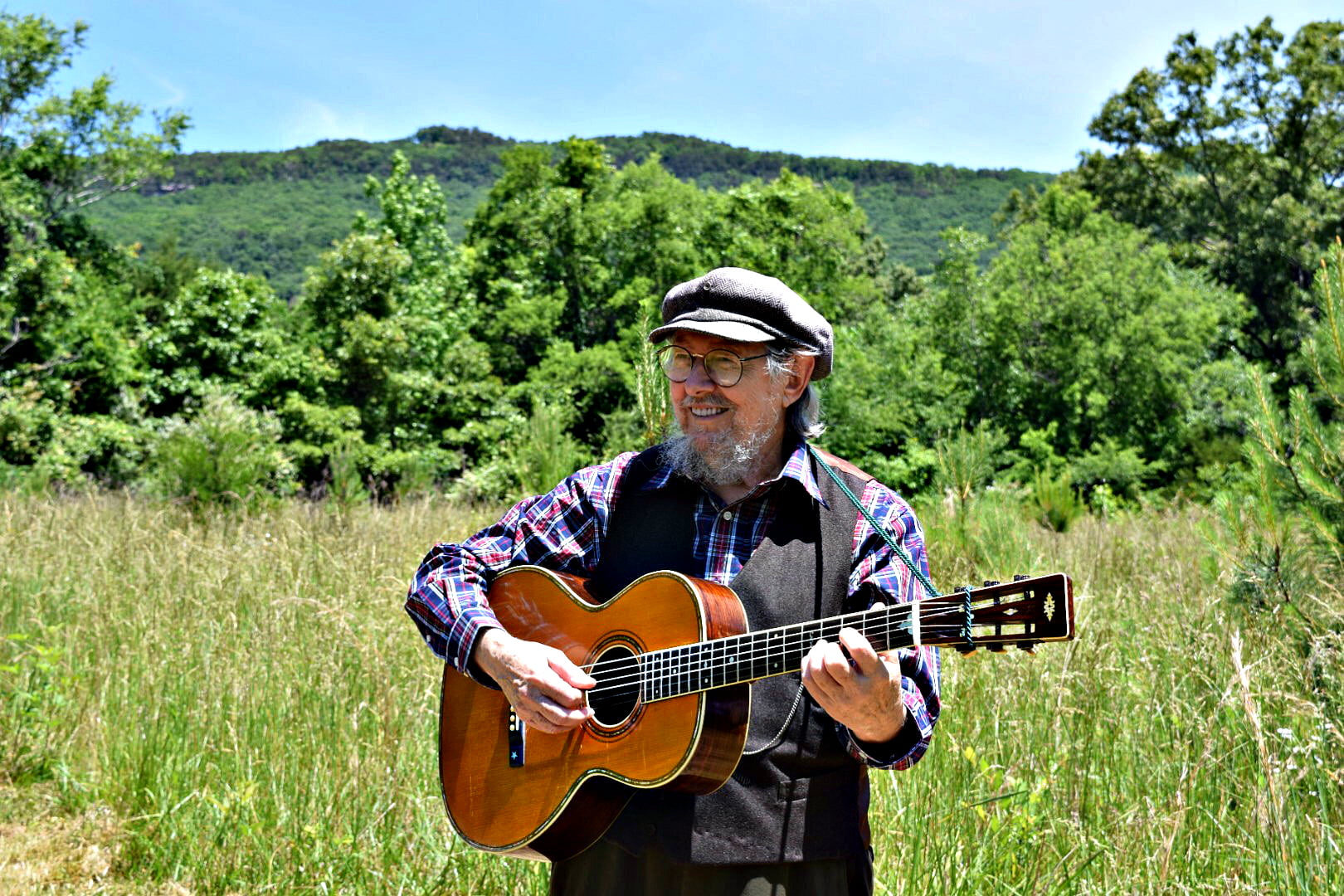
Few would dispute Norman Blake’s place on the Mount Rushmore of acoustic guitarists. He’s spent 50 years defining a flat-picking style adopted by guitarists from Tony Rice to Dave Rawlings. He’s also been a translator of traditional ballads, an influential folk songwriter, and an A-list sideman for the likes of Johnny Cash, Bob Dylan, Joan Baez, and Kris Kristofferson.

But the bullet point version of his career misses what makes him fascinating: a stubborn integrity in his approach to making music — commercial pressures be damned — and a bizarre serendipity that’s led him right into the center of some of folk music’s most important moments of the past half-century. Now he’s capping off his long career with Brushwood (Songs & Stories), an album of beautiful, spare folk that is jarringly modern and political. The songs would sound timeless except that Blake is singing about social media and the Internet — and he often sounds righteously pissed off. It’s hard to explain Norman Blake briefly, but the back-story is worth it.

Born in 1938 on a farm near the Georgia-Alabama line, Blake grew up without electricity, learning songs from a radio jerry-rigged to an old car battery. He dropped out of school at 16 to play in bluegrass bands, made it to the Grand Ole Opry in his early 20s, then was drafted into the Army where he played mandolin in a bluegrass group voted “best band in the Caribbean Command.” Fresh out of the service, he ran into Johnny Cash at a recording session in Chattanooga. Cash asked him if he played the dobro, and 25-year-old Norman said, “Well, yeah.” Cash hired him on the spot.

Then, on the seminal, tide-turning albums of the era, he was right there. It’s hard not to notice the Forrest Gump-ian serendipity of it all.

Blake played guitar on Bob Dylan’s Nashville Skyline in 1968, one of the founding albums of country-rock; on John Hartford’s Aereo-Plain in 1971, which marked the beginning of Newgrass; and on the Nitty Gritty Dirt Band’s Will the Circle Be Unbroken in 1972, which sold approximately as many copies as there were college students in America and introduced old-time country and bluegrass to a longer-haired generation. Thirty years and dozens of albums later, Gillian Welch recommended Blake to producer T Bone Burnett as just the guy to help introduce classic American old-time and folk to another, slightly shorter-haired generation. The O Brother, Where Art Thou? soundtrack, in 2000, won a truckload of Grammys, sold eight million copies, and made enough money for Blake — along with his wife and frequent collaborator, Nancy — to start his retirement from the road.

Now, in true Norman Blake style, he’s adding an unexpected chapter to his idiosyncratic story. The sound of Brushwood (Songs & Stories) is classic Norman and Nancy: guitar and fiddle and voices in harmony. But its content is mostly no-holds-barred fire and brimstone of the modern, progressive variety — as well as some instrumental rags, a couple of train ballads, and a spoken word ghost story. In other words, this 79-year-old master of the craft just put out an album of traditional folk songs about climate change, old time religion, the Koch brothers, train wrecks, the NRA, and Wall Street greed. He predicts it will be his last album, and damn. What a way to tie a bow on it. God bless Norman Blake.

I know, in your music, you’ve never shied away from being political, but it seems like, on this record, there’s a lot more explicitly political songs.

Yeah, I somehow just felt like doing that. I don’t know why. It just came out that way, some of the stuff that I ended up writing.

On some of these songs, like “The Truth Will Stand (When This World’s on Fire),” you’re combining observations about modern life — climate change, the NRA, billionaires running the country — with the spiritual language you’ve been using in traditional songs for a long time. Did that feel like a new thing to do? Or did that come naturally?

Yeah, what I write is just the way it comes out. There’s nothing calculated there. It’s just how I write, yeah.

Well, maybe I’ll go back in time a little bit here. I’ve read that the success of the O Brother, Where Art Thou? soundtrack allowed you and Nancy to stop touring, and you felt that was a welcome relief. I’m wondering what your feelings about performing were earlier in your career. Was there a time when you enjoyed touring, when it was an important part of making music to you? Or did you want to stop earlier?

I had considered stopping earlier, yes — 2007 is when I actually quit touring, quit the road due to age and things like that. You know, just getting tired of the actual road itself at that point. Of course, we did everything on the ground, driving. Just got to where we couldn’t stomach that part of it anymore.

I guess what I’m getting at is, do you think if money hadn’t been a part of the equation, your career would’ve been very different? Would you have traveled less, written more?

Yeah, money was a factor in why we did it. I suppose so, yeah. I had the artistic inclination to want to do it, but the money — certainly making a living … we had a family and everything and had to do something. A lot of times, when we made records through the years, the reason we’d make the record was, we had so much money from the record company — they’d give us x amount of money to make a record — and what we had leftover then that we didn’t spend, we’d usually use that to pay our income tax every year. [Laughs] So we made a record about every year, in some ways, you might say, to pay the income taxes. But it was also artistic at the same time.

So why do you make records now?

More for an artistic sense, I think. The way the world is now, the record business is nothing like it was when we started. It’s a whole different thing. My records have never been huge sellers, so they had to be artistic on one level, I guess. Now they’re more artistic, certainly.

At the end of this record, particularly with “Nameless Photograph” and “Stay Down on the Farm,” I couldn’t help but think it sounded like a goodbye.

It’s trying to be. I think maybe this might be my last one — my last full record that I’ll make. I’ll be 79 years old here in less than two months. So I’m pushing 80 years old. I had a light stroke four years ago, had artery surgery on my neck, and that kind of thing. I never was a great singer, as far as having a great voice, but that’s left my voice pretty gravelly. I just wonder, how long do you inflict yourself on the public as you grow old? [Laughs]

It’s a lot of work to make a record, and I just don’t have the inclination. I have vowed this year — like I said, we quit the road in 2007, but we’ve played a few gigs around home — but this is the first year that I have said that I will not perform this year in public. And I will say this: I may never again perform in public, if possible, unless it’s a money consideration and I have to. I may never perform in public again. That’s what I’m thinking.

Do you still enjoy making music at home?

Oh, I play all the time. I play every day. Oh yeah, yeah. I’ll never quit that. I’m totally committed to playing. But not in public. As you grow older, for me, it takes a lot more practice to keep the playing and the voice and everything to where it’s passable to make records. As far as the performing, that’s also something that’s getting to be too much for me physically. All of the getting ready for it, and all of the traveling that you may have to do, even if it’s around home. I just don’t weather up that good. And I just don’t need the performance pressure, with these medical conditions and things. And I will say this, not to belabor the point, but we — speaking of Nancy and me, both — feel very much that with the climate of the country right now, the political climate and the attitude in the country in general, I don’t feel like I want to entertain some people. I don’t want to go out and put my music before some of them.

That’s interesting. I remember your song from the early 2000s during the Bush administration, “Don’t be Afraid of the Neo-Cons.” I guess the natural follow-up would be, do you think we should be afraid of Trump?

Yeah, I suppose so. But I don’t know that I would go and do that. I feel like there are enough people — obviously, as we saw this past weekend — there are enough people speaking out. I don’t know what the outcome is going to be. The political climate we don’t agree with at all. So we maybe just as well stay home. That’s, like I said, that’s one reason I said I don’t feel like trying to entertain some folks. I don’t feel like putting myself out in front of them when I know that I disagree with them and they disagree with me so radically. The way that people are nowadays, there’s so much weird stuff going on, I feel like some — excuse my French, but I feel like some son of a bitch is liable to shoot us or any of us for being freaks or for playing hillbilly music or singing the wrong song at the wrong time. Somebody is liable to shoot you up there on a big stage in front of a big crowd at a festival. You never know what the hell’s going on now.
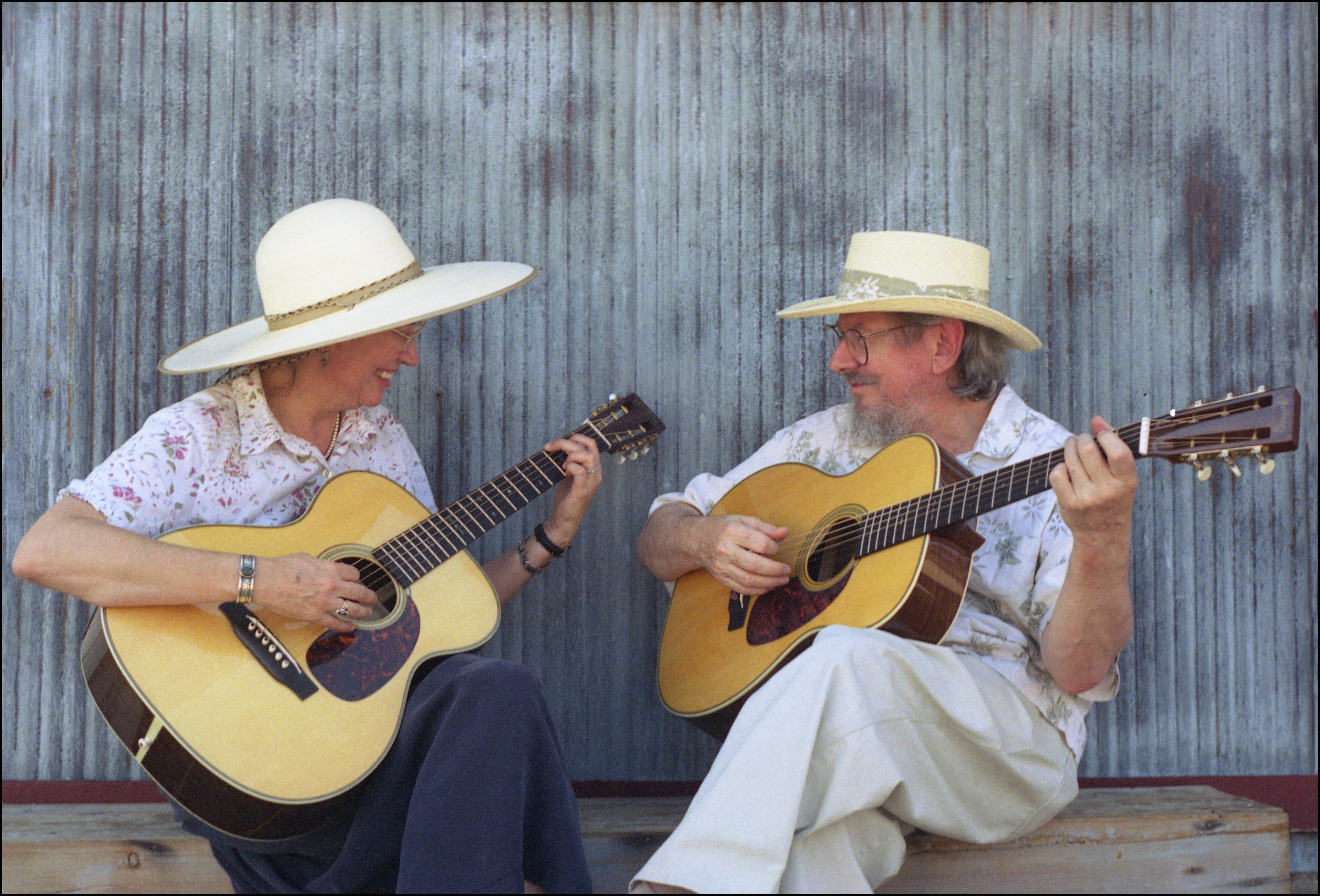
Well, a lot of folks have compared the current political turmoil to what happened in the late ’60s. You lived through that, and you were a musician then. So are you optimistic at all about the country now? I think a listener to the new record would hear that you’re not.

Am I optimistic about the country? No, I’m not, in some ways. In other words, considering what’s just happened, how can you be? I understand why a lot of people might have elected him, voted for him, but he took them for a ride. He’s a con man. He conned a lot of these people. And I feel like a lot of them that put him where he is today, how can they look at what he’s doing … it should be painfully obvious, just from the time he got into office, that he’s doing exactly the opposite to what he told them, in a lot of ways. So, no, I’m not optimistic about it. I feel like they really got snookered. Just a minute …

[Nancy’s voice in the background: “Democracy doesn’t come with a guarantee!”]

Nancy says that democracy doesn’t come with a guarantee.

That’s a good reminder.

Yeah, she has some good ideas. She says some good things. In fact, some of the songs on there are inspired by her. She helped write them. I get some good ideas from her!

Speaking of writing, I’m really curious about how you became a songwriter, because it seems like — and you can correct my dates, if I’m slightly off — but you became a professional musician in the late ’50s, early ’60s, but you didn’t make your first solo recording until ’72.

That’s right.

Were you writing songs all along, or were you learning along the way from the great songwriters you were playing with?

No, what singing I did then was mostly just singing harmony parts or something on the chorus in bands, things like that. When I got ready to make that first record — people were saying, “You should make a record” — when it came about that I had the wherewith to do that, with Bruce Kaplan — he was with Rounder at that point, then it became Flying Fish, but it was still Rounder at that time … I thought to myself, “Well, I won’t make a record unless I have some original material.” So I said, “Well I need to write some stuff.” So I started writing then.

Wow. Just like that. For a while after that, you toured pretty hard, and it seems like you didn’t write as much. Is that because you lost interest in it?

Too busy. Too busy driving and performing. And competing in the bluegrass world, trying to survive in the bluegrass world knowing we were playing something that was completely off the beaten track and away from what they were playing. So we just took too much time being professional and performing and driving and getting to gigs and all that. We just didn’t have time to want to be that creative.

What do you mean by competing?

When you sent me and Nancy and James Bryan [The Rising Fawn String Ensemble] out on a bluegrass festival with a fiddle and a cello and a guitar, you know, out there in five-string banjo world, so to speak, we were kind of an oddity. We were fish in a tree.

How did it feel to be so different at those festivals?

Well, we did a lot of musical crusading to survive in that world. And we managed to. But that’s something else — we grew tired of crusading musically over the years.

It seems like you’ve influenced a lot of people over the years that have become very influential in their own right. Might even say you’ve influenced people even more than the folks in strictly five-string banjo world. I’m thinking of Gillian Welch and others. Do you feel like your crusading kind of won in the long run?

Oh, I don’t know. I never knew who I really influenced in the long run. I do relate a lot to Gillian and David. They’re some of my friends, and I respect what they do. They do some great things, and I admire their grit to do it. But I never thought about who I influenced or didn’t. I was never sure about that. I guess I’m never sure of my role in any of it. I just was too busy trying to survive and make a living in the music business, and it was hard enough for any of us. Playing acoustic music has always been a hard way to make a living.

Sure. It seems like, from the outside, at least, that it must’ve taken a lot of backbone to do what you did just because you felt like it’s what you should do, rather than because it was lucrative or because there was a successful niche for it.

We always did what we felt like doing artistically. We played what we knew to play and what we could play and felt like playing. We didn’t really tailor ourselves into any particular thing. We never tried to be commercial in any sense.

Just doing what you felt like you needed to do — is that what it felt like to drop out of school at 16 to become a musician? Was that a popular decision with your family?

I was always pretty well supported by my parents in what I did musically. But they were never quite up for me leaving home at the point that I did starting off on it. I think that worried them a little bit. But they encouraged me, musically, very much in what I did …they were surprised by some of it, you know, that I’d had as much success as I’d had. They didn’t expect that! I think they always considered it as something you couldn’t make a living out of.

After growing up listening to the Grand Ole Opry on the radio in the ’40s, what did it feel like to get up on the Opry stage in your early 20s? To play on that program you grew up on.

Oh, it was a big deal. It was a big deal for us to be on it in any way back in the day. That’s back when it was down at the Ryman. It was the world. It was it. In fact, when I was real young, we couldn’t think past the Opry, hardly. That was the pinnacle, the top of the heap.

I’m wondering about your early guitar education. On the Opry, when you were growing up in the ’40s, there wouldn’t have been many lead acoustic guitar players, right?

No, no, it was not a thing you heard featured very much. It was in the bands. But Sam McGee was playing guitar. He was on there. He was playing solo-type guitar, playing with his brother Kirk. So I heard him.

Sam McGee? I’ve never heard of Sam McGee.

You’ve never heard of Sam McGee!

Well … [Laughs] I’ve heard of a good number of guitar players from back then, I think, but I don’t know of him.

Well, the McGee brothers. Sam and Kirk McGee, the boys from sunny Tennessee, they were billed. They played with Uncle Dave Macon. Sam played a lot with Uncle Dave, made records with him, and then he and his brother Kirk also made records. And then they played with Fiddlin’ Arthur Smith, band called the Dixieliners.

What was his guitar style like?

Sam was a finger-style guitar player, played guitar-banjo and played guitar, kind of a ragtime style. They were extremely good, some of my favorite people. I used to hear them on the Opry when I was a kid.

Did you study his style, learn to play like him?

I never tried to play their stuff that early on. I’m sure I play in that style, that same old finger-style playing — similar songs and stuff. They were very good performers.

Who else was an early influence on your guitar playing?

Mother Maybelle [Carter] was a big influence. Very much so. On those early records of the Carter Family, then later on when I got to know her in Nashville.

What did Doc Watson mean to you when you first heard him?

After I came out of the army in ‘63, I was giving guitar lessons in Chattanooga. One of my students asked me had I ever heard of him, and I said no. I had never heard of Doc. They brought me some records, loaned me some of his records to hear. I was doing mostly finger-playing at that point. I always had played mandolin with a flat pick. I had picked the guitar a little bit that way, too. Then I heard him, and he was getting popular, getting a lot of notice at that point, so I thought to myself, “My goodness.” I thought this was a novelty to play the guitar this way! I had learned from the old way, the thumb and finger style, but then I thought, “Well, I can do this too. This is something I know how to do.” So I started working on it more at that point …

Then, when I got to Nashville, the whole thing opened up. I realized there was a whole word of this going on, so I got right in the middle of it quick as I could. I went through a phase that played both ways. I played with a flat pick part of the time — did that with John Hartford — then I also played alternate thumb and finger style, you know, single string stuff. Ended up finally just pretty well flat-picking.
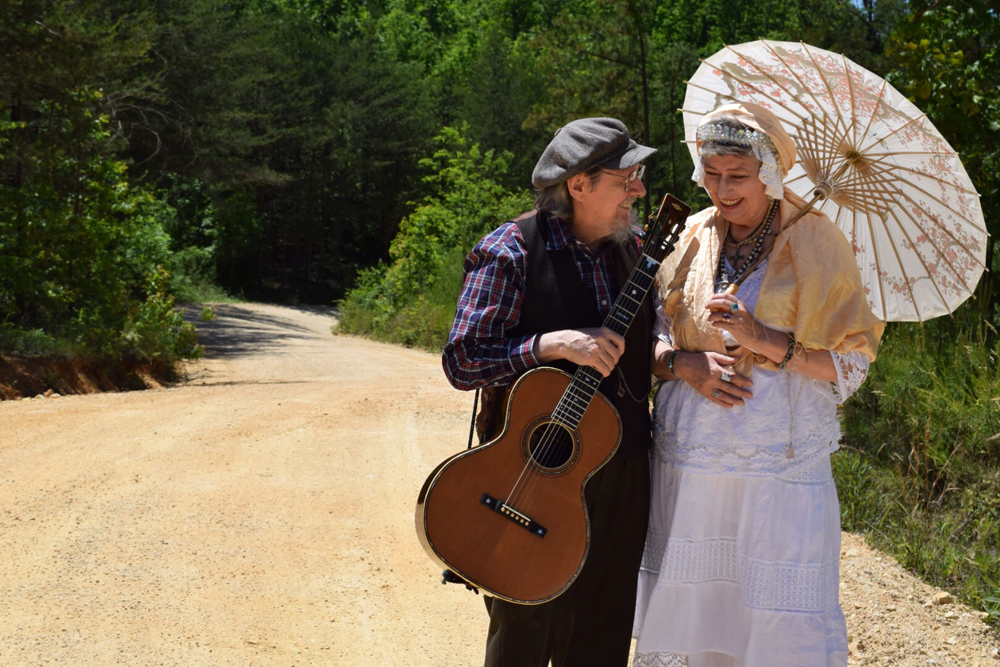
It’s interesting to think — I mean, a lot of folks listened to the Skillet Lickers back in the ’20s and must’ve known Riley Puckett’s style, and then also were familiar with Maybelle Carter’s melodic guitar playing, but then you said people thought more modern pickers like Doc Watson sounded like a novelty. Why do you think that is? What was the difference?

Well, they just weren’t used to hearing that much played on the guitar with a pick like that. The guitar was more in the bands. When it started becoming a prominent lead instrument, it created a whole new thing. And we never called it flat-picking. That’s a term that came on later. We always referred to a pick like that as a “straight pick.”

Did Doc ever teach you or give you any advice?

Well, I’ve always said I learned from anybody I ever liked. We played gigs with Doc. I’ve had the good fortune to hang out some with him, had some good conversations and things. Got along pretty good.

Compared to learning from folks you’ve played with and folks you listened to and by going on the road, nowadays a lot of young musicians — even folk and bluegrass musicians — are going to conservatory programs to study. Do you think there’s a big difference between those learning styles?

Nowadays, people do everything in a different way. They have to. There’s so much going on. They’ve got access to so much that we didn’t have. I guess any way you can learn it is what you do. We were a lot more rural in our approach. Nowadays, rural life is a lot less involved with it. It’s become more of a fad, in a lot of ways. But they just don’t come from the same world that we did. They didn’t grow up down in the country. A radio to listen at is all we had, and a handful of records on a wind-up Victrola or something. Nowadays, they can access anything that’s out there.

Do you think that access to everything, that lack of common influences, is changing the way people make music? It seems like older generations of musicians always talk about these common touchstones, like listening to the Opry on the family radio or watching the Beatles on The Ed Sullivan Show …

Yeah, I don’t know. I wouldn’t know. But when I first started hearing music, we just had the Opry on the radio and a few other radio programs — of course, it was live music on the radio, on our battery-powered radio. We didn’t have electricity, when I was a kid, so we had a battery radio, a phonograph, a few records, and whatever you heard people playing around the community. That’s all we had to draw on.

Why did you decide to incorporate storytelling onto this record — I mean, spoken stories?

Just stuff I’d written. I figured, “Well, if I’m not going to make another record, then these things are never going to get heard.” Whether they should or shouldn’t. They were just things I’d written that weren’t a song, so I said, “Well, I’ll put them on there.”

Do you think younger folk musicians have a responsibility to tell it like it is, like you do, to talk about the modern world or politics in their songs?

I don’t think they have a responsibility to, no. They just have to do what they feel like. It’s their own decision. If they feel like that, they should do it … I always felt that I didn’t want to overdo that aspect of things, I mean politically. If I was really trying to entertain people like years ago, out where people would expect me to play the guitar, I didn’t feel like going out and getting too political — just like a lot of performers get too religious on stage. I think it turns people off, if they didn’t go there for that. If it’s a political rally and you want to be political, then that’s a different thing. But just to go out in a general manner to entertain people, I think politics and religion are some things that should be avoided to some degree. That doesn’t mean you shouldn’t sing a religious song! We always did. But I mean, you shouldn’t go out and get on the stump, if people aren’t expecting it or didn’t go there to hear that.

So now that you don’t perform live, you feel free from those considerations?

Yeah, I put it on a record. I’ve always said I’ll use a record for any kind of soapbox I decided to get on. In public, I wouldn’t want to play this latest record. If I went out to play, I wouldn’t do that stuff!

Well, let me finish with one more question for you.

Go ahead.

I haven’t really heard anyone sing about social media or the Internet in a folk song before, and it was sort of … well, refreshing, I guess.

[Laughs] Well, thank you.

It strikes me as funny that most young folk musicians seem committed to using their parents’ and grandparents’ vocabulary and, as far as using modern words, you’ve beaten us to it.

Well, I feel like it’s all there, you know. The old stuff’s there and the new stuff’s there and it’s out in the world. It just fell out that way. It was not calculated, it just came out that way.
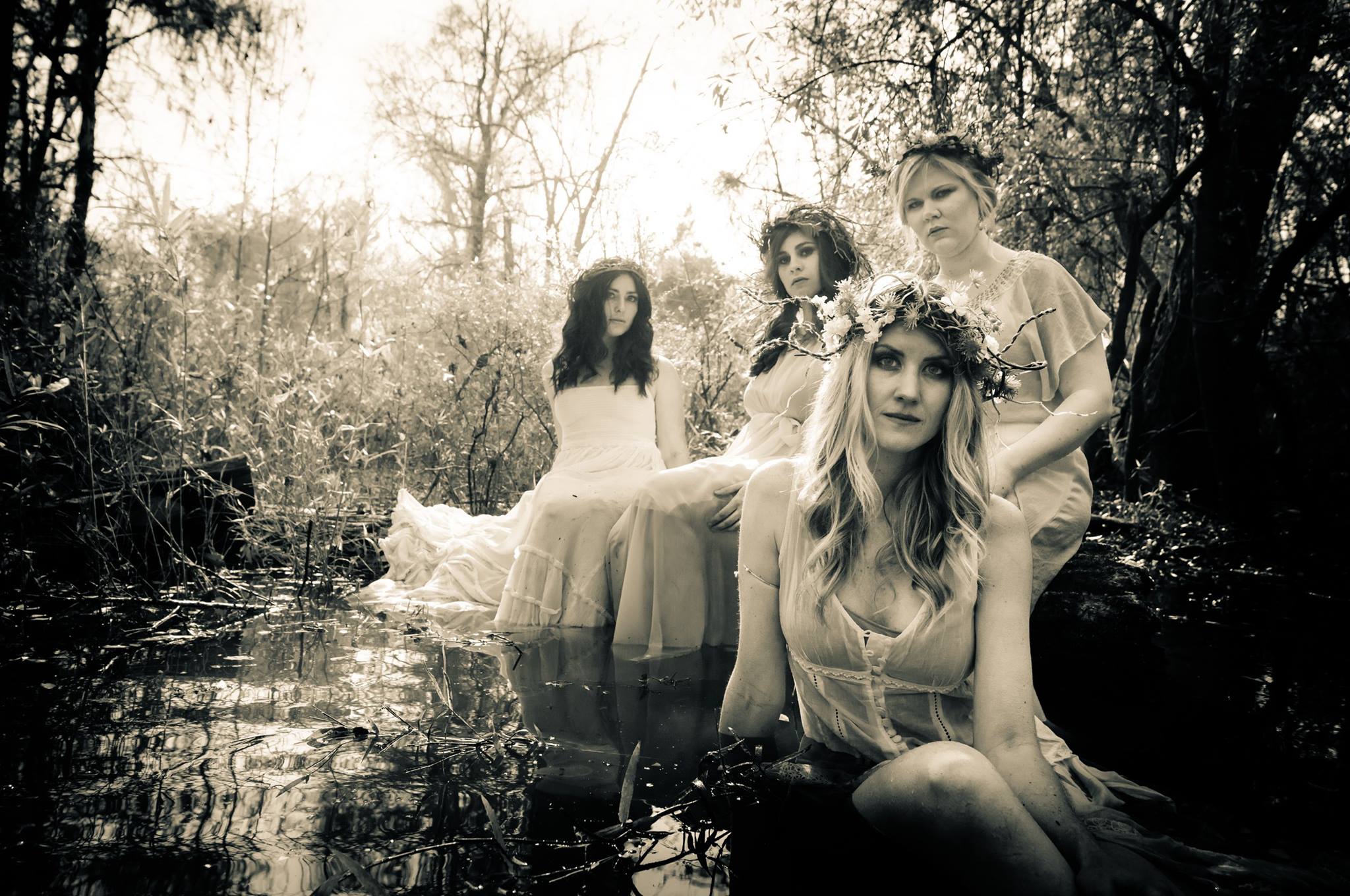
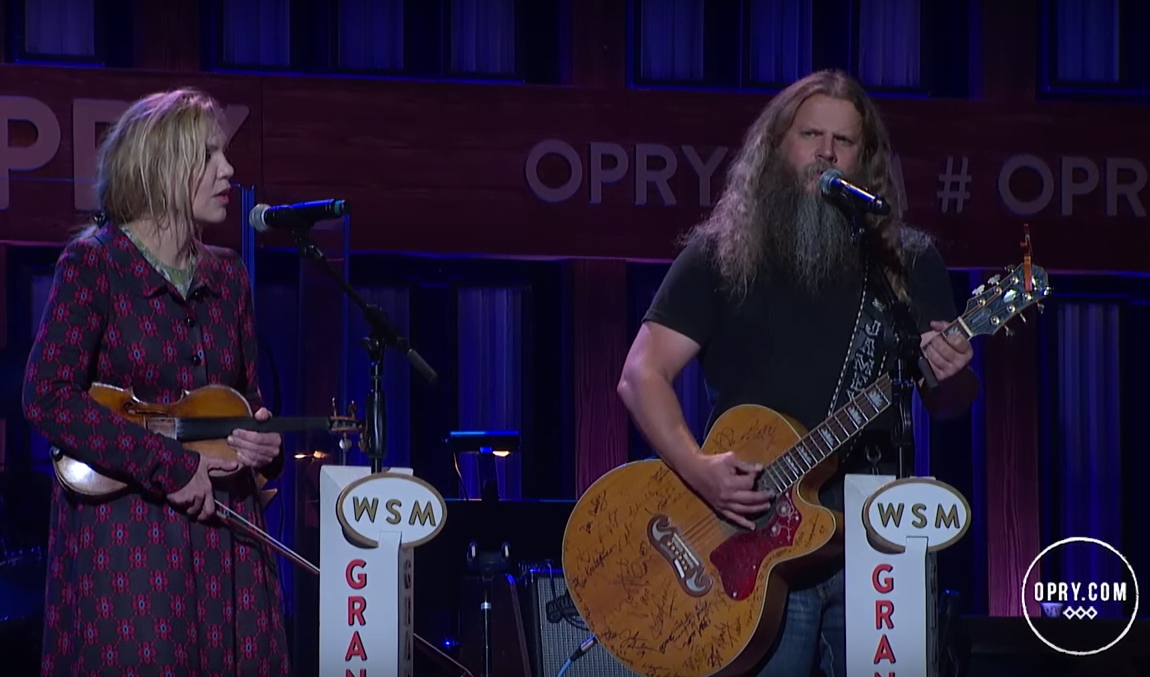
3×3: The Krickets on Japanese Tea, Disappearing Acts, and Mediterranean Islands

Artist: The Krickets
Hometown: Fairhope, Alabama (Emily); Auburn, Alabama (Melissa); and Mobile, Alabama (Katrina).
Latest Album: Spanish Moss Sirens
Personal Nicknames: Melissa: Lissa. I tried to get people to call me “Shades” in third grade, but it never took.


#nakedcowboy

A photo posted by The Krickets (@thekrickets) on

If you had to live the life of a character in a song, which song would you choose?

Emily: “Caldonia” by B.B. King
Melissa: I would be a siren from “The Song of the Spanish Moss Sirens.” Is it fair for me to pick my own song? I just really like sirens!
Katrina: The narrator in “Freeborn Man,” but as a woman.

Where would you most like to live or visit that you haven’t yet?

Emily: The Mediterranean Islands
Melissa: I would love to visit every continent before I die, but especially go to Japan and have a Cha No Yu (tea ceremony).
Katrina: I’d love to travel anywhere new. Doesn’t matter where.

What was the last thing that made you really mad?

Emily: No sleep.
Melissa: The last thing that made (insanely) mad was this afternoon, when I was taking an online orientation that took an hour and then magically disappeared right before I finished it. I have to do it all over again.
Katrina: They didn’t have the dipping sauce I wanted at the Little Caesar’s tonight.


Thanks for having last night, @firstcityartcenter!:). Photo cred- Season Ammons

A photo posted by The Krickets (@thekrickets) on

What’s the best concert you’ve ever attended?

Emily: Dr. John sitting in with Widespread Panic.
Melissa: The best concert ever was Nine Inch Nails in Atlanta in 200….4?
Katrina: Any bluegrass fest.

Whose career do you admire the most?

Emily: Julie Sweet
Melissa: The career I admire the most is my sister’s. She’s a wine maker in Oregon and has given up so much to pursue her passion. She always faces her fears head on and follows her wildest dreams.
Katrina: I admire anyone with passion who does anything with love.

What are you reading right now?

Emily: Uncommon Faith — Felicia McQuaid
Melissa: Right now I’m reading The Lost World and a compilations of short stories by H.P. Lovecraft.
Katrina: Choke by Chuck Palahniuk


We  NYC!!

A photo posted by The Krickets (@thekrickets) on

Whiskey, water, or wine?

Emily: Wine
Melissa: Whiskey. Jameson.
Katrina: Whiskey

Facebook or Twitter?

Emily: Facebook, Twitter leaves me clueless
Melissa: Facebook. I’m still not sure how to use Twitter
Katrina: FB. (Why is the Gram not an option?)

Grammys or Oscars?

Emily: Grammys
Melissa: I’ve never been a big awards ceremony fan. I’ve never paid attention to them.
Katrina: Grammys

MIXTAPE: Lee Ann Womack’s Country Primer

When we needed an artist to make us a Mixtape of classic country tunes, we turned immediately to Lee Ann Womack … and not just because we love her very, very much, but also because she grew up hanging out in an East Texas radio station while her father played some of the greatest country music ever made. LAW noted that these aren’t, necessarily, her favorite country songs and they don’t go all the way back, but they are certainly a solid representation of the genre’s great past which has absolutely informed its wonderful present.

Johnny Cash — “I Walk the Line”
The ultimate crossover artist, he took country beyond all boundaries. He’s not just one of the greatest country artists, but one of the greatest American artists of all time.

Bill Monroe — “Blue Moon of Kentucky”
He might have been known as the Father of Bluegrass, but music in the country genre was heavily influenced by Bill Monroe. I love — and have borrowed from — the mournful sound of his vocals, the electricity of the harmony vocals, and the drive of the instruments in his music.

The Carter Family — “Wildwood Flower”
Nicknamed the First Family of Country Music, the Carter Family were pioneers of mountain gospel and country music, utilizing harmony vocals in a way that would influence the country genre for many years to come.

Waylon Jennings — “Lonesome, On’ry and Mean”
He had a career as a sideman for Buddy Holly and as a disc jockey in radio before he ever came to Nashvillle to make country records. He was part of the first platinum country album, Wanted: The Outlaws, along with Willie Nelson, Tompall Glaser, and Jessi Colter. To me, Waylon was the epitome of the marriage of rock and country, bringing all of his West Texas vibes to ’70s country.

Tammy Wynette — “Stand by Your Man”
You’d be hard pressed to find someone who isn’t familiar with Tammy and her song “Stand by Your Man.” It’s been a controversy several times over! Her voice is like a broken heart poured directly through stereo speakers and her life seemed like a living, breathing country song.

Loretta Lynn — “Coal Miner’s Daughter”
The ultimate country female singer, she wrote and sang about her life, which reflected so many of the people in rural America and the things they were going through. Listening to her music, one could learn a lot about the times she grew up in, and that’s country music: real life.

Dolly Parton — “Coat of Many Colors”
Her Appalachian roots, so present in her voice and music and, obviously, in the lyrics she wrote. The perfect example of a country girl with bluegrass/mountain influences.

Buck Owens — “Together Again”
From Sherman, Texas, and, along with Merle, created the Bakersfield sound. As is often told, Buck influenced countless other artists in and outside the country genre, not the least of which was the Beatles. I always loved his use of the telecaster and harmonies via Don Rich, and could hear their influences in so many of the country acts that followed.

Merle Haggard — “Okie from Muskogee”
The smoothest and prettiest voice of the male country singers, I always loved Merle for his music and his appreciation of music. I love his playing and especially love his studious approach, pouring over the catalogs of masters like Bob Wills and Jimmie Rodgers — not to mention the blues and jazz music influences you can hear in him. He fascinates me. Along with Buck, they created a whole new country music scene in Bakersfield and refused to play by the rules. I love it.

George Jones — “He Stopped Loving Her Today”
I could do a whole list of just George Jones songs. To me, he surpasses all others because he actually created a new style of singing. Often imitated but never, ever has anyone come close to duplicating. As Gram said, “He’s the king of broken hearts.”

Hank Williams — “I’m So Lonesome I Could Cry”
A country boy with so much soul, he transcends any genre and is one of the greatest songwriters in all of music.

Willie Nelson — “Crazy”
An American treasure, Willie is another artist who really transcends all genres, but there’s no mistaking his country upbringing. He puts music first, before any kind of labels or boxes, and he definitely influenced Nashville and Texas music in a huge way and showed that, when it’s honest, country music and country artists can have mass appeal.

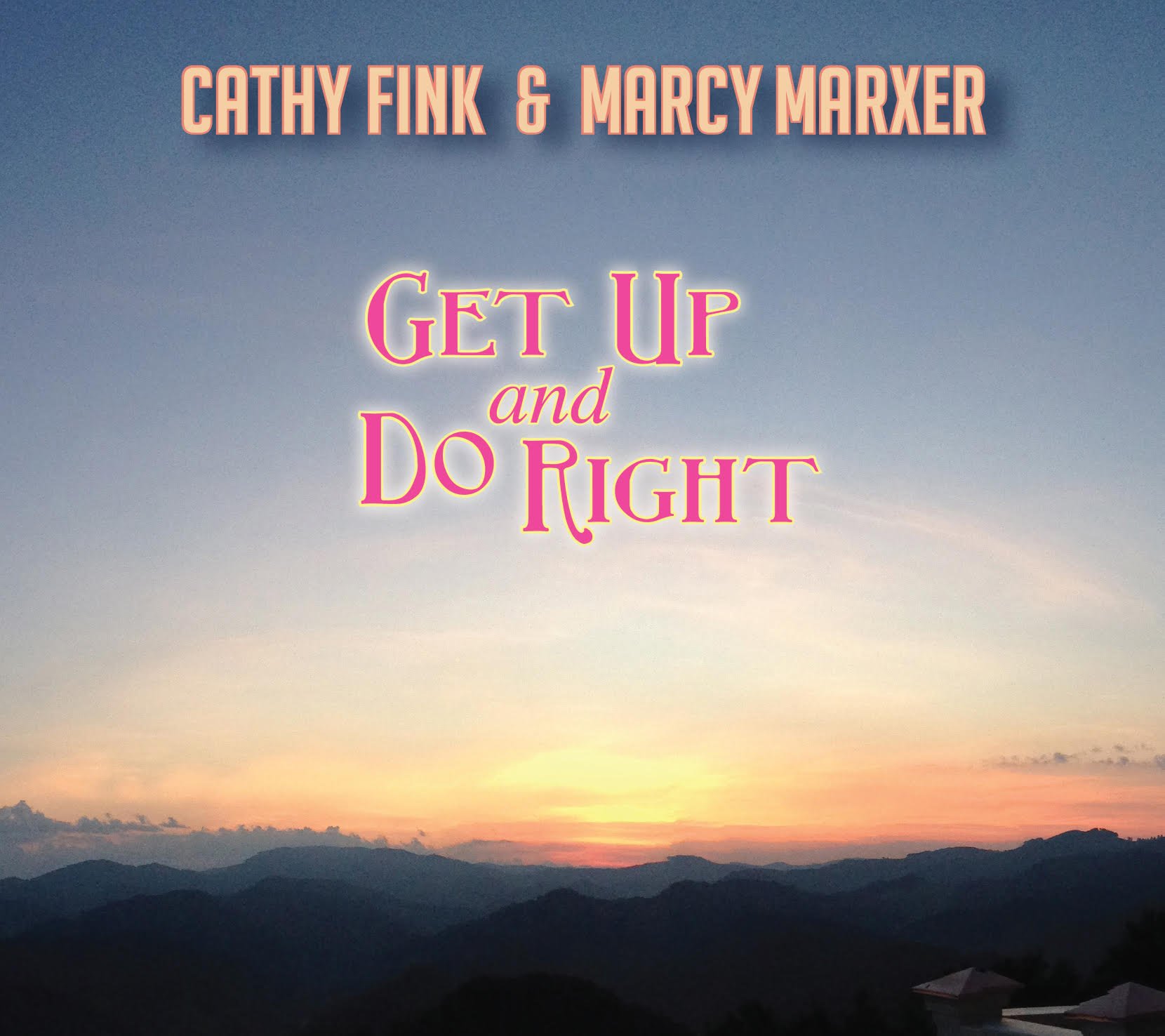
STREAM: Cathy Fink & Marcy Marxer, ‘Get Up and Do Right’

Artist: Cathy Fink & Marcy Marxer
Hometown: Silver Spring, MD
Album: Get Up and Do Right
Release Date: February 10, 2017
Label: Community Music Inc.

In Their Words: “Get Up and Do Right is our 45th recording and our first recording that is primarily of duets. We love the intimacy of a duet — which is the primary configuration we perform in. We love the combination of five-string and cello banjo, cello banjo and ukulele, two guitars, five-string banjo and ukulele, and vocal harmonies. Alice Gerrard’s song, ‘Get Up and Do Right,’ is a perfect anthem for the social justice activism that we are engaged in right now. Pete Seeger’s inspiration shows up in ‘Had I A Golden Thread’ and “Well May the World Go,’ along with the ‘Letter to Pete’s Banjo’ that I recite during that track. And, in these crazy times, playing music and making art to share is a big part of getting up and doing right. For us, this is the right album at the right time.” — Cathy Fink

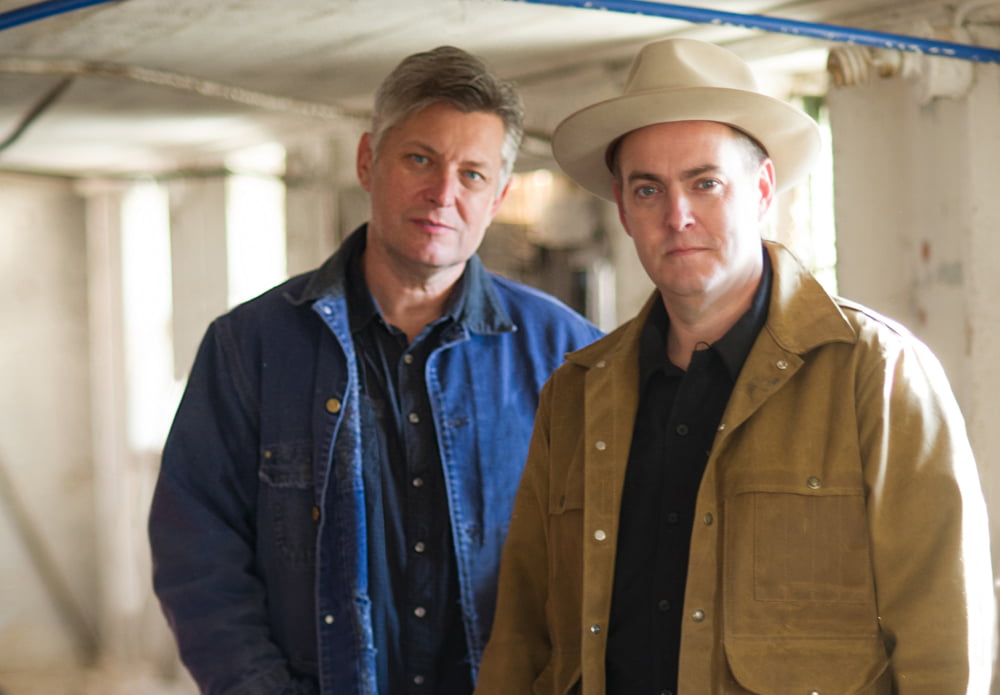
LISTEN: The Gibson Brothers, ‘In the Ground’

Artist: The Gibson Brothers
Hometown: Ellenburg Depot, NY
Song: “In the Ground”
Album: In the Ground
Release Date: February 17, 2017
Label: Rounder Records

In Their Words: “As we travel around the country with the Gibson Brothers, I notice fewer and fewer small family farms — farms that not only raise a product for market, but also a family. Economic pressure has just been too great for many of these small farms to continue and the beautiful farm life Eric and I lived in our youth becomes more of a rarity as time slips by. I know that things change and the world moves on. I get that. But I don’t have to like it.

That’s where ‘In the Ground’ comes from. It’s really me mourning the loss of the world I grew up knowing and loving. As a child, I saw that world as common and forever. When I left the farm as a young man, I thought that it would always be there no matter where I went. And now I can’t find it.” — Leigh Gibson


Photo credit: Lisa Carbone

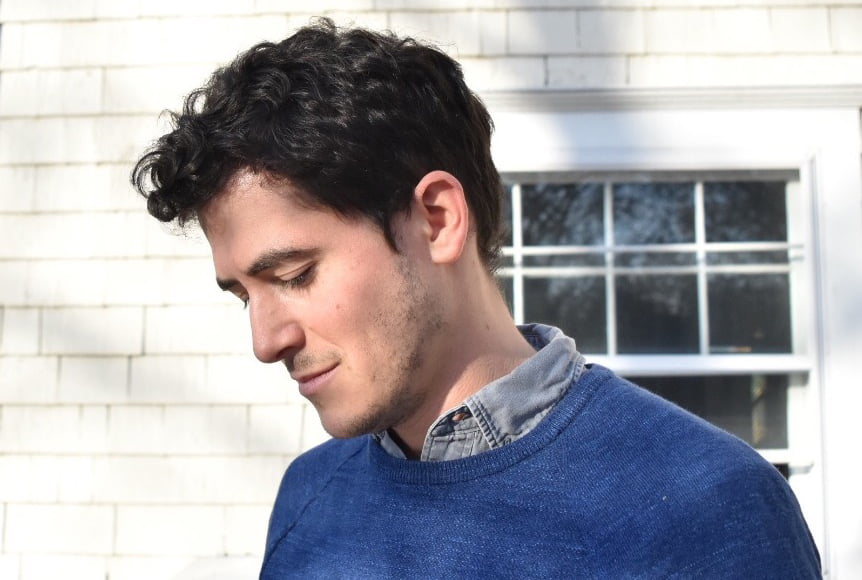
WATCH: Sam Reider, ‘The Murder’

Artist: Sam Reider
Hometown: Brooklyn, NY
Song: “The Murder”

In Their Words: “‘The Murder’ speaks for itself. It is wordless murder ballad with a hauntingly beautiful melody that came to me one night in a dream. A little bit Morricone-Western-film-score, a little bit Andrew Bird, it was the first composition I wrote in the FutureFolkMusik series and inspired all the others that followed.” — Sam Reider

Sammy Miller and the Congregation, ‘Mahogany Hall Stomp’

We here at the BGS love the twangy stuff plenty, but American roots music stretches far, far beyond banjos and fiddles. This week's Song of the Week is a part of that stretch, coming from New York-based act Sammy Miller and the Congregation. Their "Mahogany Hall Stomp" is a wonderful new tune that sounds like it came straight out of New Orleans with its hot and fast, classic big band jazz sound.

A saxophone, trumpet, and clarinet flurry among each other over a quick rhythm section and big, round tuba parts. Behind it all, you can hear plenty of hooting and hollering — and you'll want to holler along yourself. Later in the song, ragtime piano riffs yield to a blurry drum solo that gives way to a swinging, trumpet-led reprise. The song never stops moving at full-tilt and, though it sounds like it could fly off the rails at any minute, the tilt-a-whirl feel of the tune is nothing short of delightful.

Though "Mahogany Hall Stomp" sounds like what most people might call jazz, frontman Sammy Miller says the band pulls from a wide range of influences to inform its distinct performance style. "Whether it be Delta blues, Appalachian bluegrass, or New Orleans traditional jazz, we embrace it all. These various influences have helped shape our style of playing: joyful jazz music that feels good."

It may have been inspired by the blues somewhere down the line, but "Mahogany Hall Stomp" is indeed a bright and brilliant tune that will clear away any and all bad vibes. It's loose, celebratory, and mostly just great fun. And we could all use more of that, right?

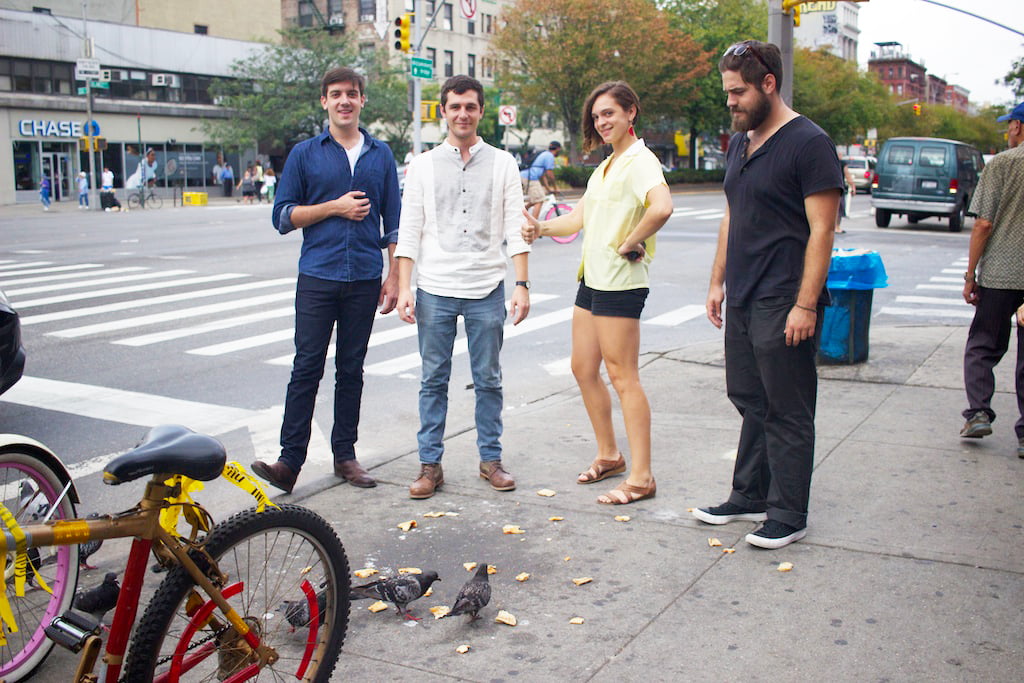
Feeding Pigeons and Eating Pizza with Mipso

It’s a mellow Fall afternoon in Carrboro, NC, shortly before the early-evening hustle to get home. A lot of students make up the little town’s population thanks to the adjacent town of Chapel Hill and the University of North Carolina, but Carrboro is also a home to artists and other creatives — its cheap living, easy-going attitude, and compact layout make it an attractive spot to set up camp.

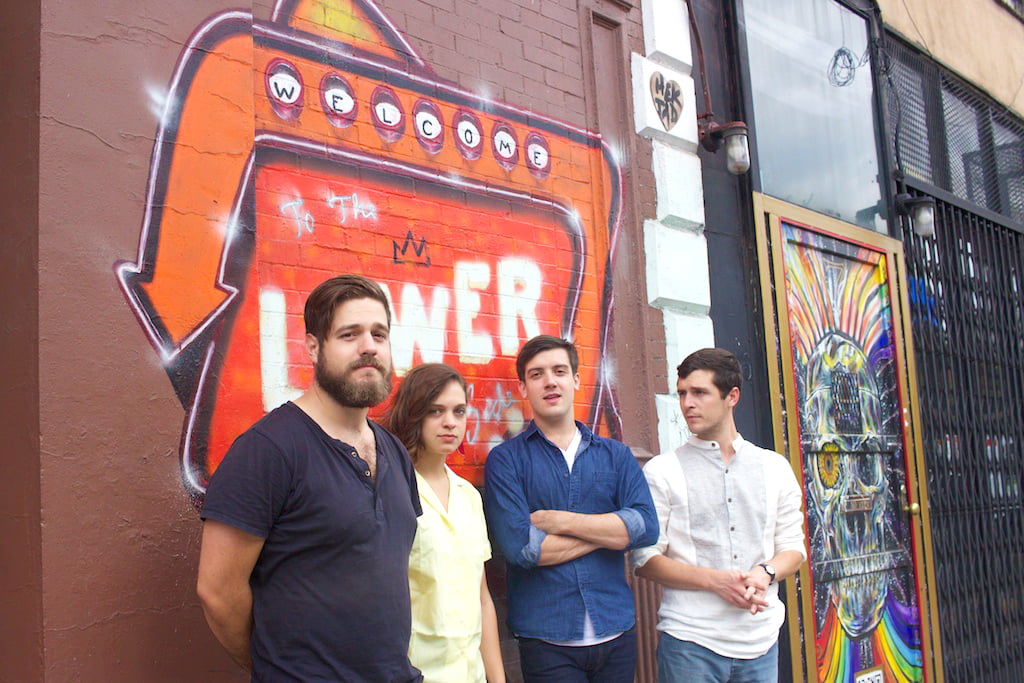
The roots music upstarts in Mipso call Chapel Hill home, though they hang out more in Carrboro. Singer/mandolin player Jacob Sharp sits in a small brewery downtown, as the band’s new record, Old Time Reverie, pours out of the speakers. Sharp is quick to admit it’s weird, but that’s one of the perils of the area’s tight-knit music community — it’s as common to hear locals’ tunes playing on shop stereos as anything else.

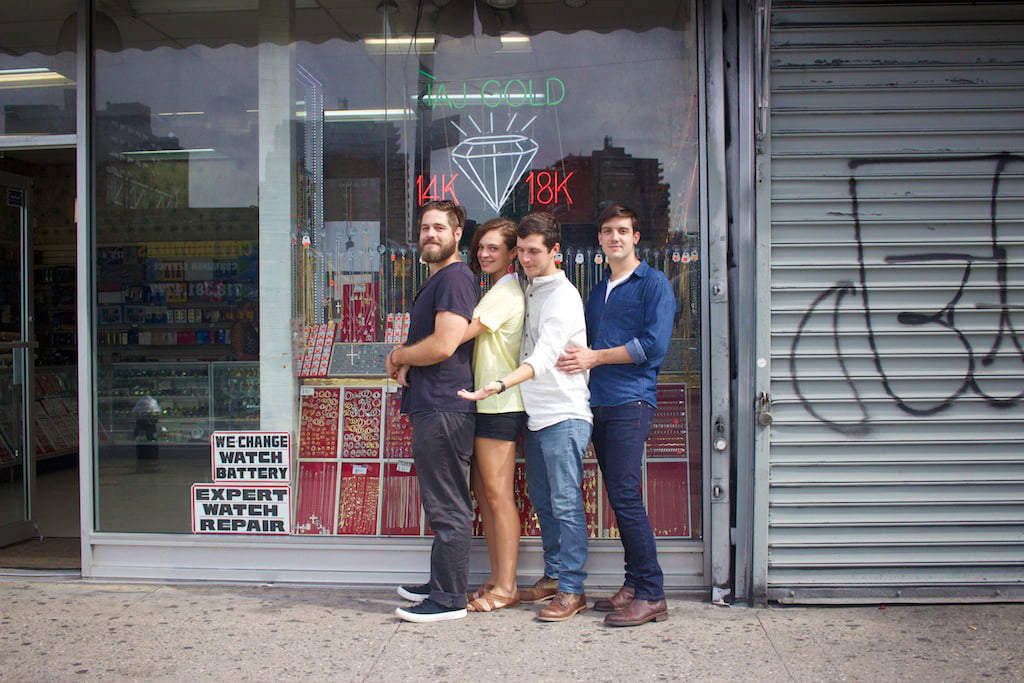
But this is hardly the most exciting thing going on for Sharp and his cohorts at the time: The day before, the newly released Billboard charts featured Old Time Reverie at the top of its bluegrass listing, at number 20 on its folk chart, and number 23 on its Heatseekers chart. The band spent the previous 24 hours fielding dozens of phone calls about the feat, but they didn’t see it as a big deal. For Mipso, the chart numbers were merely a passing recognition of something the band has already put years of hard work into, and its members hope that Old Time Reverie will help push them along even further toward a sustainable, long-term music career together. Guitarist Joseph Terrell, bassist Wood Robinson, and fiddler Libby Rodenbough join Sharp to discuss the band’s work up to this point and what they hope lies down the road.

Joseph, you mentioned in another interview that bluegrass was a big tent, and I think we’ve all talked about that together, at some point. Could you talk about that a little more and how y’all fit into that?

Joseph Terrell: I think there are a lot of great young artists that we’ve gotten to know, touring over the last couple of years. We have great respect for some of the early bluegrass guys like Bill Monroe and the Bluegrass Boys, Flatt & Scruggs, and the Stanley Brothers, but don’t feel like loving them and respecting them and playing music that feels informed by them necessarily means playing music that sounds exactly note-for-note like them.

Jacob Sharp: Within the context of the charts, it’s funny, because we’re also on the folk one, which is probably how I think more people would understand this album if they hadn’t seen the tags beforehand. I would think it’s a little more naturally under that point. I think it’s cool for Billboard to put it up on a couple, and I think it’s good for bluegrass that — as a genre and as a home — it’s become broad enough to sneak over there because, previously, that probably wasn’t as much the case. There were enough bands that pulled heavily enough from bluegrass to get cross-catch, but I don’t think any of us would really say this is a bluegrass album or that we’re a bluegrass band. But we’ll totally take being on the charts, and we love learning from that place and being a part of that community.

JT: I think it’s interesting from the charts' perspective, too, because the folk charts have Jason Isbell and Ryan Adams’ 1989 album. And that’s rock ‘n’ roll. They’re all a bit blurry, I think, right now. And I can imagine traditional bluegrass people saying, “Wait a second: If you’re not going to use this as a bluegrass chart, then why have it? If you’re going to broaden it to be acoustic music, then call it acoustic music, not bluegrass.” So I can understand how the terms get frustrating when you try to really understand what they mean.

You’ve spent a lot of the last year on the road. How has that been? Do you feel like you've gotten into the swing of it now?

JT: It’s definitely been a big adjustment. We live in Chapel Hill, but to say we live anywhere is kind of a stretch. At some point in a touring musician’s life, when you’ve been a musician for a long time and traveling a lot — for example, like we were talking about earlier, when you wake up on a Tuesday in the middle of Iowa in February, you have that sense of, “How did I get here? Where am I going? What am I doing?”

JS: That question of “How did I get here, where am I going” is in both senses — like, “Where was I yesterday? How did I actually arrive in this location? And what happened over the last two-and-a-half years of my life that I thought this was rational? What major glitches in logic have I found?”

JT: There are great things, too. We’re all grateful for having gotten to know so much of the country. I think that sounds like you’re trying to find a way to make it sound good, but genuinely, it’s been super cool.

Before you hit the road, how much of the Old Time Reverie was done? How did you fit recording and writing into your touring schedule?

Wood Robinson: The songs were pretty much written before we got in the studio in December of last year. We had a week there, and another week in early January, and a final week in early February between the Northeast run and the Midwest run. It was basically all done before the breadth of the year happened.

JS: When we were touring in 2014 — Summer and Fall — that was really our transition into full-time touring. We had carved out time. We wanted to understand the motions of touring before getting into the studio.

Libby Rodenbough: There were very discrete sections. We had to very intentionally set aside time for recording, and it was very scheduled. I know some people who record as they’re on the road, and they do a few days here and leave for a few weeks, and do a few days here. For us it was like, “This is now studio time,” and then back to the road again after that.

Many contemporary folksy bands style themselves to be sort of old-timey looking, and y’all definitely don’t do that. Has that been a really conscious choice?

LR: It is not really that important, and I don’t think that we spend so much time thinking about it. But it is kind of tricky to negotiate that. I find myself wondering sometimes if I’m playing too much into a stereotype. I think, even though we dress in regular 21st-century clothing, it’s also kind of influenced by our general aesthetic tastes. It’s not a mistake that we’re all from this area, and we all listen to some acoustic music, and we like leather boots. We like rural-influenced-type clothing — it’s not like we’re dressing up like cowboys all the time, but we have those inclinations.

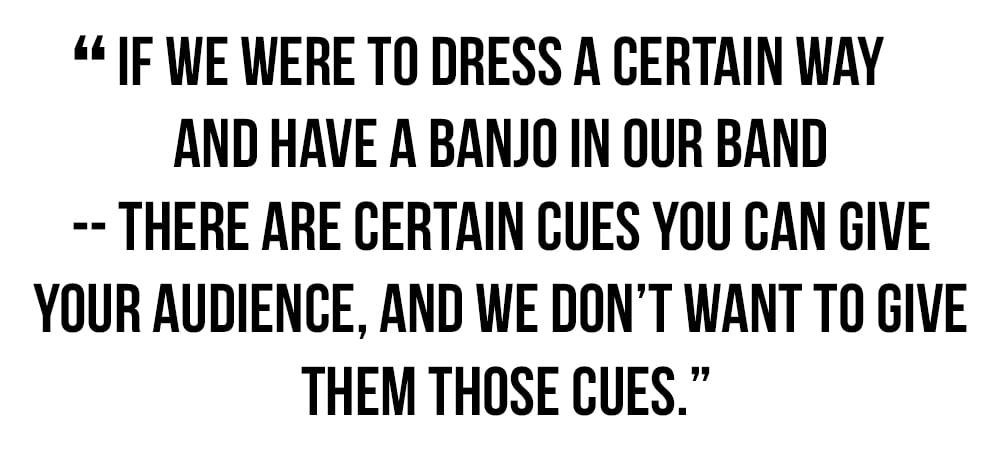
 I think it has to do with family history, but also, in our lives, we’re drawn to many things like that. I studied a lot of folklore in school, and I’m drawn to the traditions of the South — musically and culturally, generally, and also aesthetically. So I think that’s part of the way we dress, for sure. But you don’t want to be too thematized in a band in a certain genre. And I think that has to do, too, with the fact that we don’t want to be pigeonholed as playing a particular type of music exclusively. And if we were to dress a certain way and have a banjo in our band — there are certain cues you can give your audience, and we don’t want to give them those cues.

JS: I think style, like everything else you do from day to day, the more you do it, the more you think about it in more nuanced and critical ways. Going into this album process, we were thinking about the imagery of the cover and the clothes we were wearing in a different way than we had previously. Libby thinks about that stuff a lot, individually, and we thought about that stuff, collectively. This time, we worked with Dear Hearts, from Durham.

LR: I think it is worth noting for someone like me — who spends way too much time and way too much money on clothing anyway — I would be doing this regardless of whether or not I was a performer. It’s just a passion of mine. But when you get to be onstage and wear some of this stuff, there is some semblance of justification for it, which makes me feel better about myself. I would say it’s one of the perks of being a performer that, if I buy, for example, gold sequin pants, I can be like, “Well, this is for the stage! This is just a business purchase.” I don’t write it off, but I do buy some things like that with a very slight sense of justification, and I appreciate that.

JT: An example for me is, I recently saw a band performing with a microphone that was as big as a dinner plate. I said to the other guys that I thought that it was a real failure of the microphone that it amplified the voice well, but it distracted from the performance completely. If I wore gold sequin pants, and someone left the concert and all they thought about was my gold sequin pants, I think that would be a failure of my style. I want people to leave our concerts thinking about music and thinking about our songs. That being said, it starts to make sense to be thinking about how your clothes play a role in what people think about you. I don’t think it’s wrong to wear something you think is cool, but we’re not David Bowie exactly.

LR: We are the David Bowie of bluegrass.

What do you see for yourselves in the next year-plus?

LR: I think a lot of what we see is the same … but more. The same … but better. Probably hitting a lot of the same areas and doing a similar level of touring, in terms of how many days on the road, but hopefully better gigs and better attendance and cooler venues. The things that we see happening already — the people that we’re meeting, the bands we’re getting to play with and stuff — leads me to believe that that will happen. It feels like we’re headed in the right direction.

JS: It’s a funny thing to be learning about. You start to understand it in these cycles that are, like, 16 months in the future. This album was done in January, the songs are just now new to the stage but they’re old songs to us. We’re excited to get into the studio, but we understand that when that happens sometime later next year, there’s no way it can come out before February of 2017. You start to understand stuff in a weird world, these chapters that kind of have a slow roll.

LR: Somebody asked me recently, “Is it full-time?” I thought, it’s way more than full-time. It’s full life. It’s what I think about all the time. When we’re on the road, it’s pretty hard to fit anything else into your brain that isn’t band-related. I would love to have the time and, thus, the brain space to remember the other parts of who I am. I love being invested in the band, but I think it can get a little too much and, if we’re looking at longevity as a group, I think that actually depends on having some individual focuses that are far afield.

WR: There are only so many years you can tour 180 shows, which translates to, like, 220 days a year. You just can’t. You physically reach a wall, and we’re young enough to maybe prolong that wall a little bit further down the road. But it feels good to be consciously making changes in that regard.

Do you find it difficult having to balance thinking about all these long-term things with being present in everyday life?

WR: The one thing that catches up with me — it is my life, so it’s relevant and it isn’t just business. But, often times, when I call a friend, I don’t want to talk about music. And that’s impossible if that person is in music. It feels fake or something like that, sometimes, when you’re talking about your career, because it feels like you’re having a business talk about your hopes and dreams and stuff like that when you’re talking to a friend you’ve had for years. It subconsciously happens. You’re not actively trying to push your career on other people, but that is basically everything we do, so that is what’s been going on.

LR: And you get used to conversations that are kind of about you, and they’re uncomfortable, a lot of the times. There are a lot of conversations after shows, where you’re trying to learn how to gracefully reply to a lot of compliments that start to feel kind of meaningless. I find that when I return to talking to a friend who doesn’t give a shit that I play shows, it’s refreshing but also kind of disconcerting. I sort of snap out of a fog I’ve been in on tour. And, when you have those moments, you realize a certain kind of unreality or different reality that you’re in when you’re on tour. But sometimes it’s not other people imposing it on you. You can’t get yourself to stop talking about work. I’m in my own head, fighting with myself, like, “Stop talking about the band,” but I can’t think of anything else, because it’s all I do and think about most of the time.


Photos by Katie Chow for BGS

The Essential Nitty Gritty Dirt Band Playlist

The Nitty Gritty Dirt Band were born out of the burgeoning Southern California folk-rock scene of the late '60s and early '70s. The band was the brainchild of the singer/guitarist duo of Jeff Hanna and Bruce Kunkel, who had worked together as members of the New Coast Two and the Illegitimate Jug Band. Along with Ralph Barr, Les Thompson, Jimmie Fadden and, briefly, Jackson Browne, the band started gigging around Long Beach, California, in early 1967.

After Browne departed for his solo career and John McEuen signed on as a multi-instrumentalist, the band released their eponymous debut disc and won themselves enough attention to score a Top 40 hit, appear on The Tonight Show with Johnny Carson, and open for a strange melange of performers that ranged from the Doors to Jack Benny.

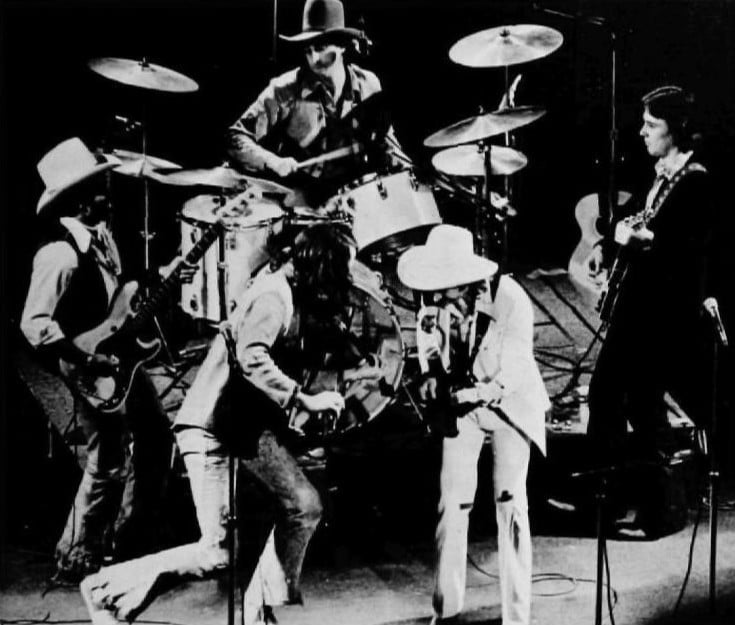
The next several years were difficult for the band as they released a string of commercially unsuccessful records, struggled with disagreements about the band’s direction, and found themselves being treated much like a novelty act. That all changed in 1972 when Jimmy Ibbotson joined the band and they embraced the sound of traditional country and bluegrass. They released their most commercially successful album, Uncle Charlie & His Dog Teddy, won another Top 40 hit (“Mr. Bojangles”), and opened the door to recording what was their career-defining album, Will the Circle Be Unbroken.

Tracked in Nashville, Will the Circle Be Unbroken was a monumental triple album that paired the long-haired, anti-establishment California boys in the band with country legends like Earl Scruggs, Doc Watson, Roy Acuff, and Maybelle Carter. By making that record, the band effectively bridged the gap between two generations of country musicians … and produced amazingly beautiful music in the process.

By the early '80s, the band had changed its name (to just the Dirt Band) and winnowed its roster down to four key members: Hanna, Fadden, Ibbotson, and keyboardist Bob Carpenter (with McEuen leaving in ‘86 and returning in 2001). Musically, the band adopted a contemporary country sound that played well on the radio — and at the record stores — scoring themselves three Top 40 and two Top 10 albums. Their quirky left-of-center style remained even as their sound softened, as witnessed by their appearance in Steve Martin’s hit, “King Tut,” as the Toot Uncommons.

In ‘89, Will the Circle Be Unbroken II was recorded (with contributions from John Hiatt, John Prine, Levon Helm, and Bruce Hornsby) and a third Unbroken collaboration was created in 2002 with a guest list that included Alison Krauss, Emmylou Harris, Tom Petty, and Dwight Yoakam. In the midst of these collaborations, the band spent the 1990s and 2000s making records that blend country, rock, and string music into their own unique sound.

Herein, we offer a brief playlist of tunes that we consider essential to knowing the Nitty Gritty Dirt Band, from their days as cosmic cowboys through their latter-day hits (and, of course, all three versions of "Will the Circle Be Unbroken.")