The Essential Del McCoury Playlist

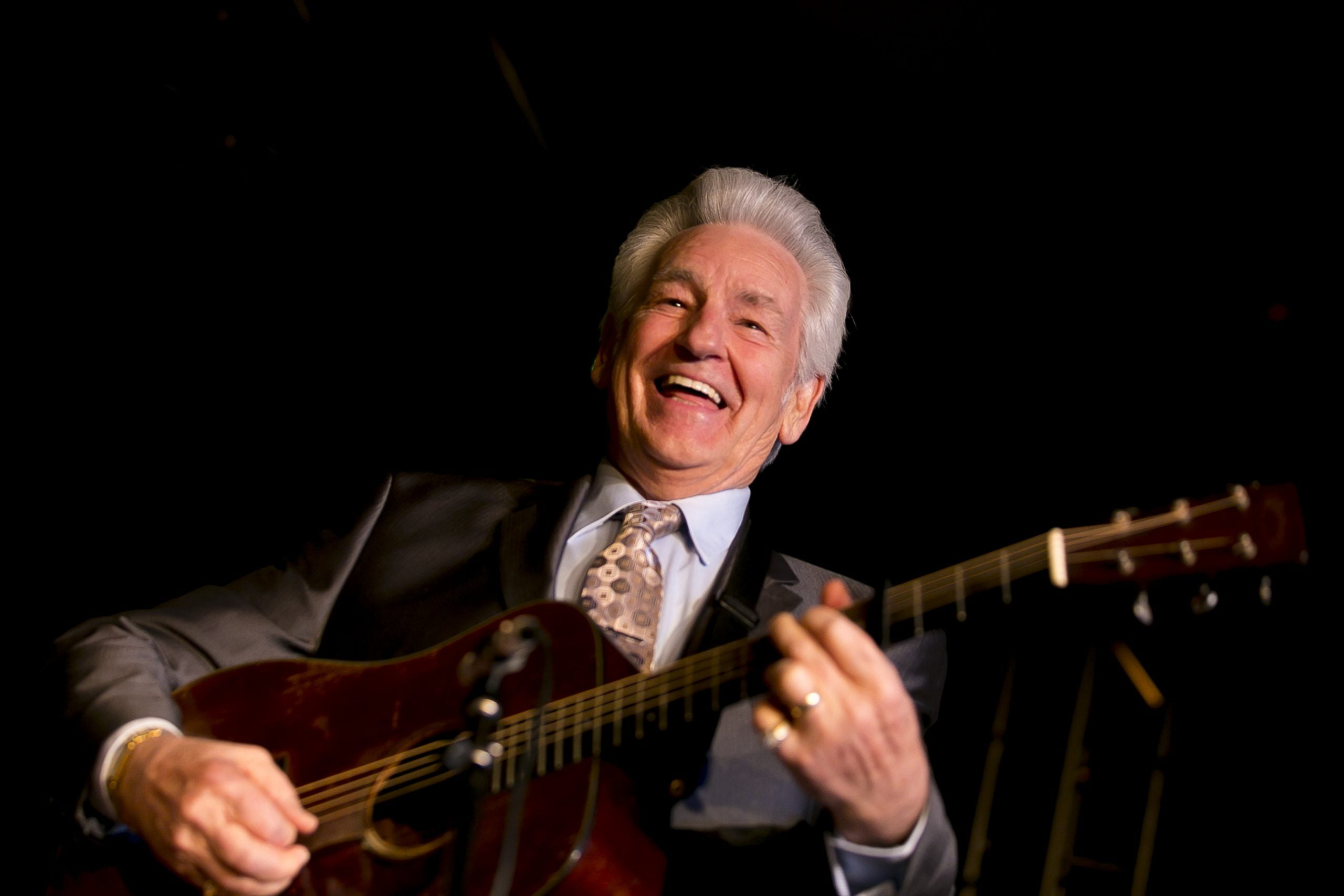
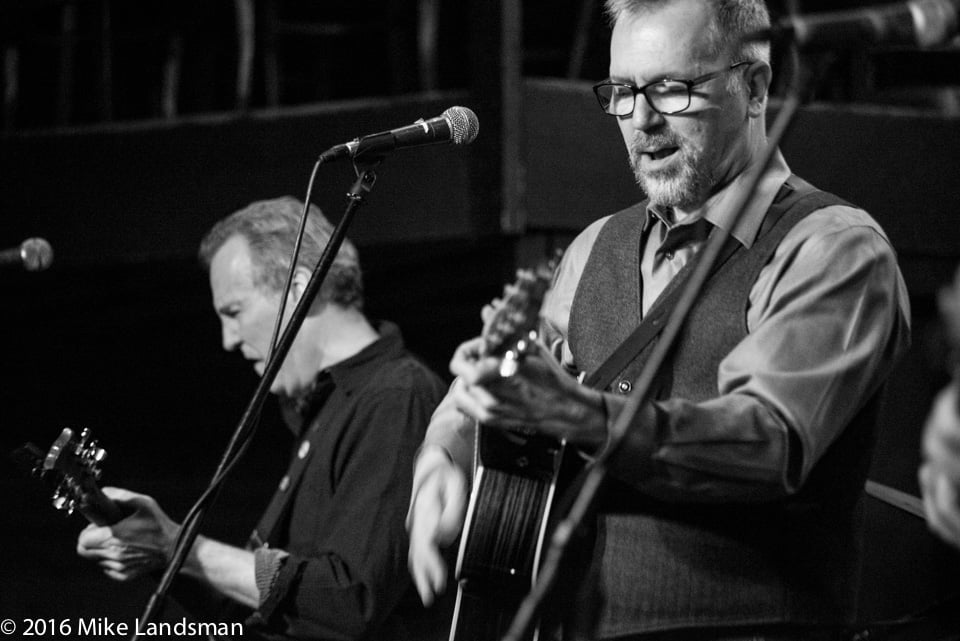
Delano Floyd McCoury was born in York, Pennsylvania in 1939. He began his career in the 1960s playing with the great Bill Monroe and his Blue Grass Boys. At first, McCoury was hired as a banjo player, but eventually graduated to lead vocals and rhythm guitar — a coveted position in the first generation of big time bluegrassers. 

McCoury, who is now 76 years old, is known for his perfectly tailored suits, extravagantly coiffed hair, and high tenor voice. And would you believe that he nearly ended his career after his tenure with Monroe?

It's true — in the '70s, the guitarist took up a few construction and logging jobs (see this vintage photo of McCoury with a pile of wood he chopped for reference) but returned to playing professionally in the 1980s.

Since then, he has become one of the world’s most beloved bluegrass musicians … and rightfully so. He has remained true to the traditions of the genre — from the sartorial splendor of his stage appearance to his repertoire of classics — while creating a new and youthful audience with his family band’s incendiary live performances. 

Drawing from a Spotify-approved list of albums McCoury has cut with his boys (Ronnie and Robbie) as the Del McCoury Band, we offer this excellent playlist of songs that draws from some of their best albums, like The Cold Hard Facts, It’s Just the Night, The Company We Keep, and The Promise Land.


Photo Credit: Michael Verity

LISTEN: Rayna Gellert, ‘Grey Bird’

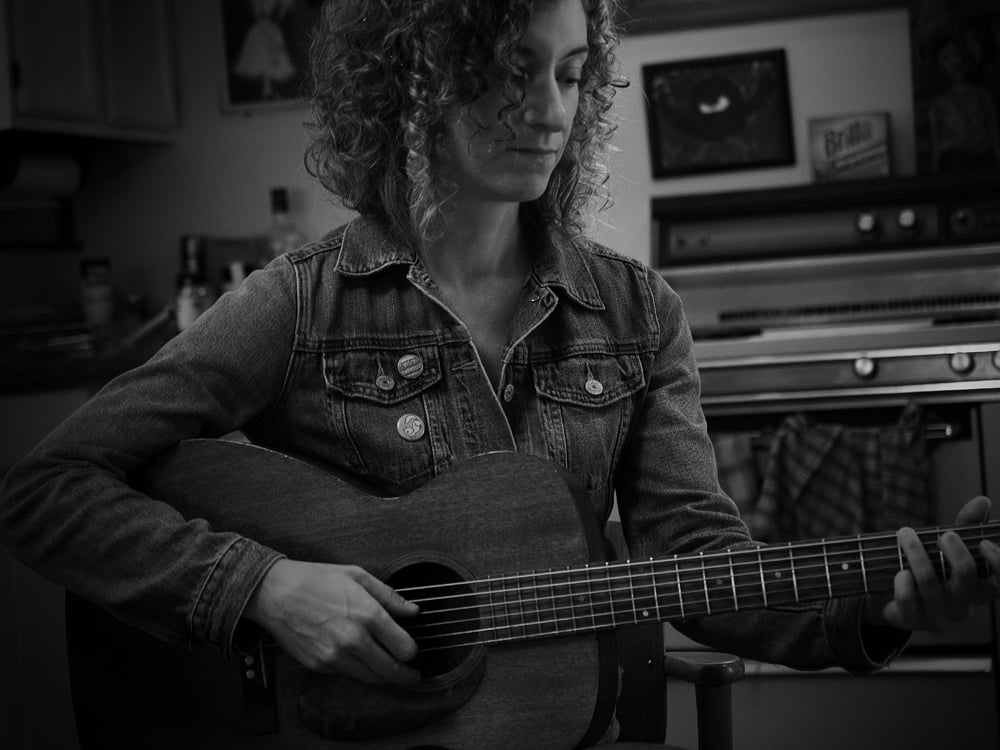
Artist: Rayna Gellert
Hometown: Elkhart, IN
Song: “Grey Bird”
Album: Workin’s Too Hard
Release Date: January 20, 2017
Label: StorySound Records

In Their Words: “We thought the album was done and dusted, ready to master, and then ‘Grey Bird’ came flying in. Kieran and I, in the instant inspired, finished it sitting in the studio, and then we all chased down the arrangement together. Working with such versatile musicians makes it hard to narrow down the options. But as soon as I heard the octave-mando-and-electric-guitar combination, I knew we’d captured it.” — Rayna Gellert

3×3: Jon Stickley on Small Cuts, Fire Trucks, and a Healthy Fear of Child Prodigies

Artist: Jon Stickley
Hometown: Asheville, NC
Latest Album: Triangular
Personal Nicknames: Stick. Sticky. Stickles. Sticky Rice.

If you could go back (or forward) to live in any decade, when would you choose?

Hmmm … interesting question. Maybe the ’80s. From what I remember, they were a happy time, and I would love to hear Tony Rice sing in his prime. I’m apprehensive of the future, and don’t want to go too far into the past because of the lack of medical technology.

If you weren’t a musician, what would you be?

A Park Ranger. It’s what I went to college for. Whenever I’m setting up a tent, I tell everyone, “I have a DEGREE in this!”

If a song started playing every time you entered the room, what would you want it to be?

“Smells Like Teen Spirit”


MERRY CHRISTMAS Y’ALL! #outtake #familyphoto #pups

A photo posted by Jon Stickley Trio (@jonstickleytrio) on

What is the one thing you can’t survive without on tour?

Earplugs. I wear them pretty much constantly. No one seems to notice I can’t hear what they’re saying.

What are you most afraid of?

Small cuts that may become infected and cause loss of life or limb. Also, child prodigies.

Who is your favorite superhero?

Quailman from Doug


@martinguitar #D18 @echomountainrecording @songsfromtheroad

A photo posted by Jon Stickley Trio (@jonstickleytrio) on

Pickles or olives?

Another great question! I love them both, but if I had to choose … hmmm … olives. Oh no! Did I choose wrong?

Which primary color is the best — blue, yellow, or red?

Fire trucks are red. Russians are red. Fire trucks are always rushin’, so I’d probably say blue because, “Go USA!”

Summer or Winter?

Definitely Summer because I don’t ski and why else would you like Winter?

LISTEN: Darin and Brooke Aldridge, ‘Mountains in Mississippi’

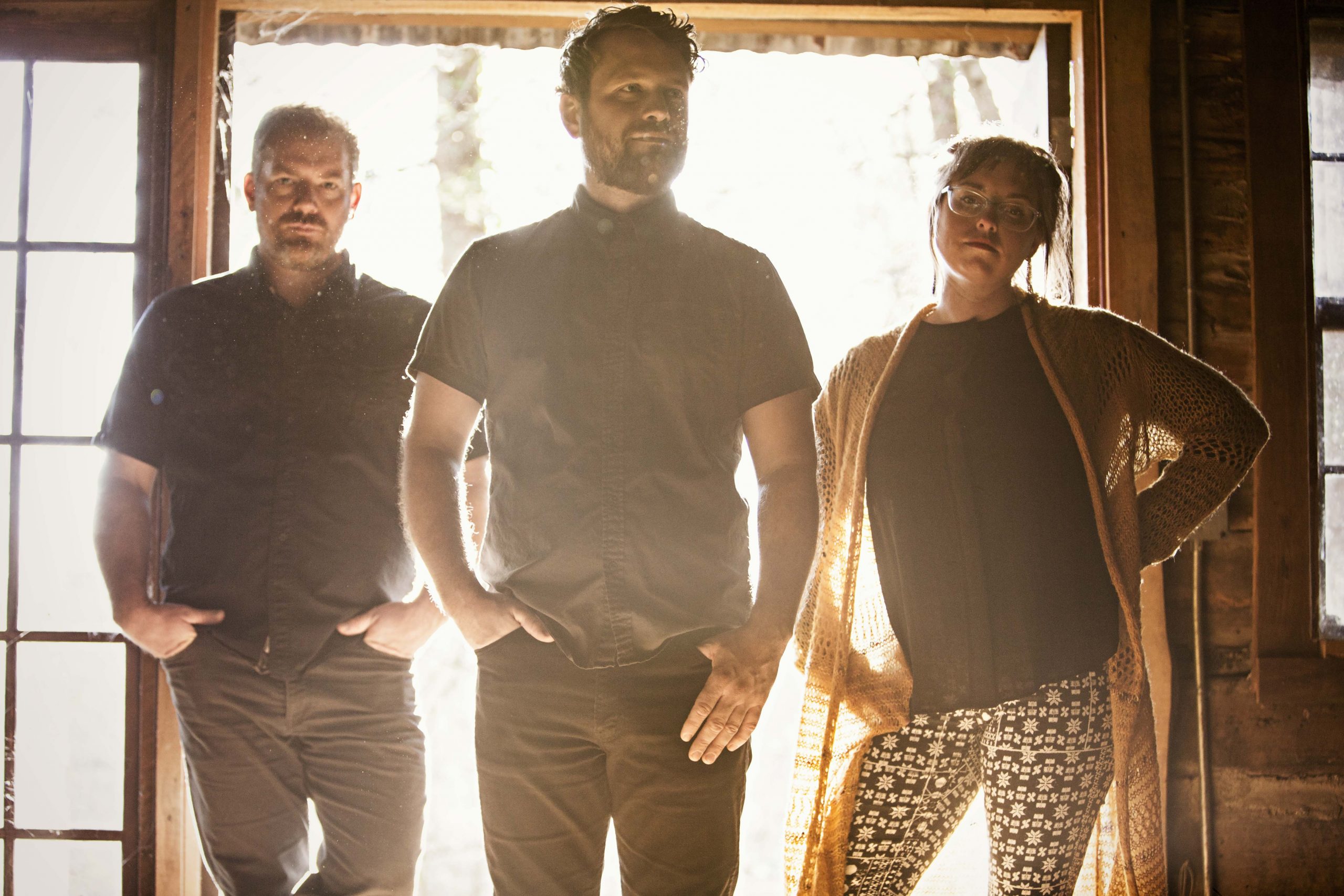
Artist: Darin and Brooke Aldridge
Hometown: Shelby, NC
Song: "Mountains in Mississippi"
Album: Faster and Farther
Release Date: February 10, 2017
Label: Mountain Home Music Company

In Their Words: "The vocal and instrumental arrangements for 'Mountains In Mississippi' give the song a positive vibe, but there is an undercurrent of heartache that is revealed by metaphor. Subtle, subliminal, and brilliantly written. A joy to sing." — Brooke Aldridge


Photo credit: Mark Mayo Photography

Root 66: The Linemen’s Roadside Favorites

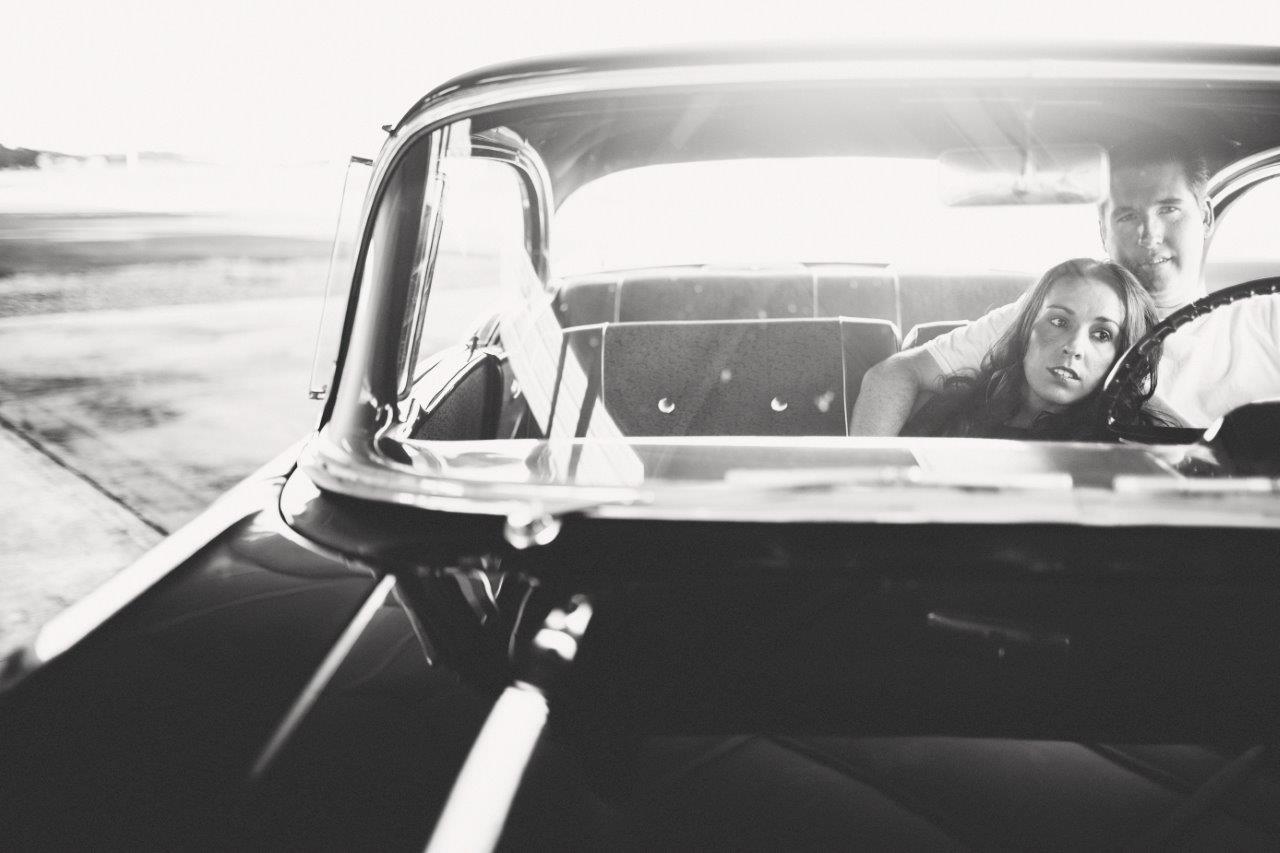
Names: Kevin Johnson and Jonathan Gregg (of the Linemen)
Hometowns: Van Buren, AR / New York, NY
Latest Project: The Linemen / Close the Place Down

BBQ: 
KJ: Jones BBQ, Marianna, AR — More than a bit off the beaten path, serving BBQ like no other for over 100 years.
JG: Hard Eight, Stephenville, TX — In the middle of cowboy country … the exterior serving area is along the side of the building, with a long counter where a guy with a cleaver will cut you sausage by the yard, ribs, chicken, brisket, and two-inch-thick pork chops that they then dip in butter. Nuff said.

Roadhouse: 
KJ: The Sunset Grille, Annandale, VA — This has to be my choice, even though it closed in 2012. Beer in pitchers, bikers, and Bill Kirchen tearing it up. Cannot be topped.
JG: Blue Moon Saloon, Lafayette, LA — A venue and boarding house all in one in this magical, sultry little outpost. That extra drink is never a problem when you're playing about 30 feet as the crow flies from where you're going to sleep.

Coffeehouse: 
KJ: Red Emma's, Baltimore, MD — The ultimate leftist coffee hang. Not recommended for Trump apologists.
JG: Heine Bros., Louisville, KY — Great joe and a good place to while away some hours, which also connects to Carmichael's, an excellent bookstore.

Dive Bar:
KJ: Mount Washington Tavern, Baltimore, MD — Open after the apocalypse. With mediocre pizza that tastes amazing when consumed at 1 am.
JG: Nick-a-Nees, Providence, RI — In a town with a storied history of dive bars, this place has the vibes and a very game audience to go with the fine music they present. Check out Mark Cutler when he plays there.

Record Store:
KJ: The True Vine, Baltimore, MD — The end of the line for vinyl geeks. If you recognize what they're spinning when you come in, you may be offered a job.
JG: Amoeba, Berkeley, CA — One of a dying breed, a veritable bazaar of waxings of all vintages. You could spend hours.

Gear Shop:
KJ: Appalachian Bluegrass, Frederick, MD — Was told by multiple "certified" repairmen over a 12-year period that my 1969 Martin D35 was beyond repair. These guys said, "It will be ready next Wednesday." And it was.
JG: Guitar Emporium, Louisville, KY — Good stuff at good prices, run by cool cats in a cool town.


Taco truck across the street from 2A in Manhattan. The best in the city. #masterofnone #tacotruck #treehouse2a

A photo posted by The Linemen (@thelinemen_official) on

Listening Room:
KJ: The Village Vanguard, NYC — Want to know exactly what it was like when Coltrane played there in 1962? It's still exactly the same. Drinks only.
JG: Tom Clark's Treehouse at 2A, NYC — TC's labor of love is one of the hippest scenes in Manhattan on Sunday nights. Great sound, great bands, wonderful host, and no cover.

House Concert:
KJ: Club 603, Baltimore — Have seen everyone from Vandaveer to the Bottle Rockets in this intimate, acoustically perfect safe haven for greatness.
JG: Boudin Dan's, Peace Dale, RI — Dan and his wife are incredibly gracious and dedicated to presenting music in the most agreeable way for both the artist and the audience. I wish there were hundreds more like them.

Highway Stretch:
KJ: I-40 from Memphis to Little Rock — Feel what is beyond the emptiness.
JG: Blue Ridge Parkway, NC — Breathtaking. Just don't drive a vehicle with a commercial logo on it or a kindly trooper will steer you to the next exit.

Car Game:
KJ: Make Jonathan like Hall & Oates deep tracks.
JG: Making Kevin laugh. Since I don't drive, I have to make myself useful somehow.

Day Off Activity:
KJ: Back Alley Dice in nearest back alley.
JG: Practicing. They don't call it "playing" for nothing.

Driving Album:
KJ: Freedy Johnston, Can You Fly?
JG: NRBQ, At Yankee Stadium — There is no mood that America's most underrated band can't improve, "any old time …"

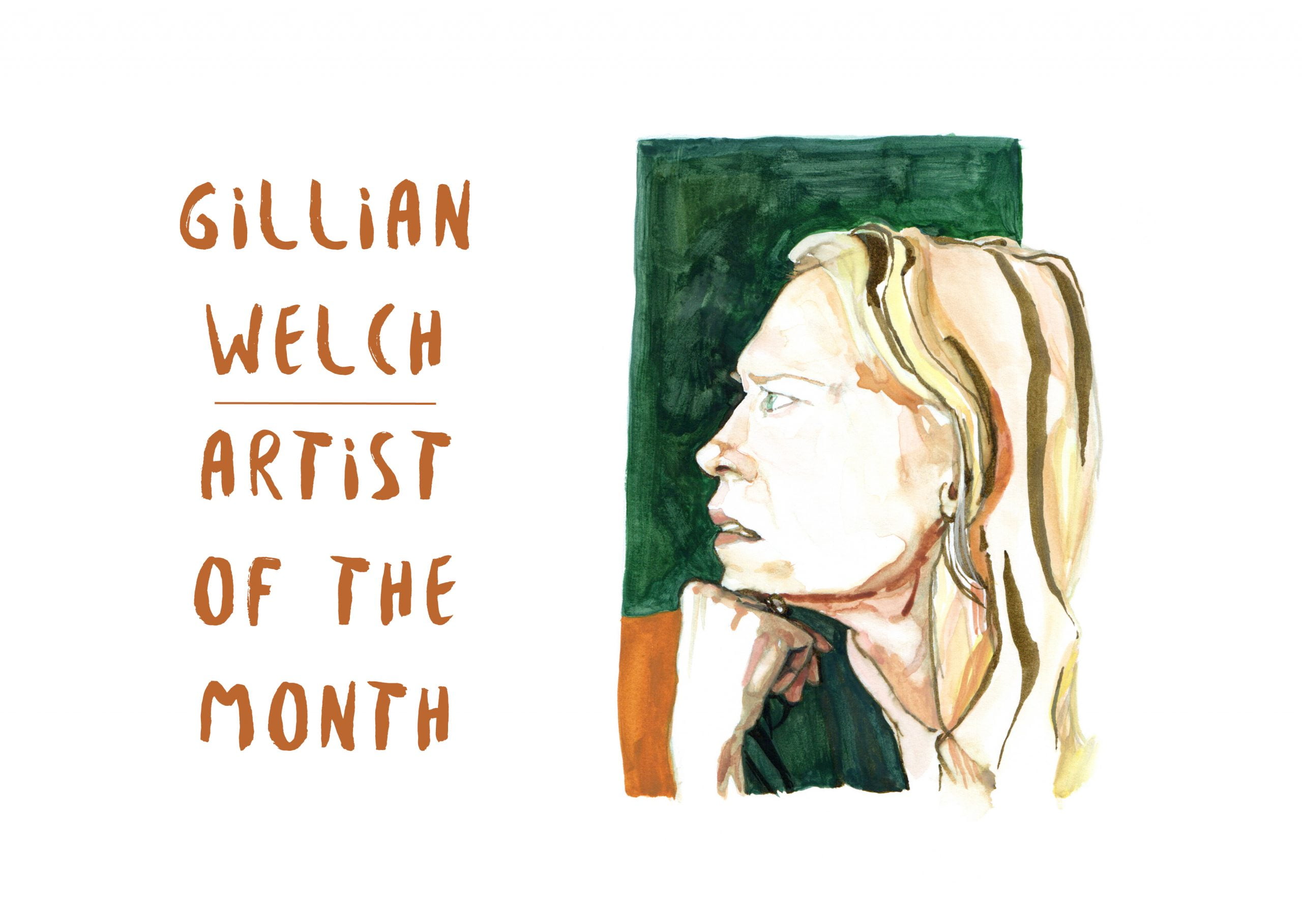
Gillian Welch: Retracing the Miles of Music

There’s something about looking back at an old photograph — especially a candid one, a moment you didn’t ever know would be dug up and reflected upon some-odd years later — that makes you look at the present differently. Sometimes you recognize long-ingrained mannerisms that still pop up. Other times, you exhale with relief at the fact you’ve kicked a regrettable habit, letting out a smirk or a quick pang of embarrassment at the passing trends you rocked for the cameras or the half-smiles you favored to hide your braces. It’s a pretty personal thing, to take a piece of your life preserved in print and trace the way it led you to where you are now. Gillian Welch’s latest release, Boots No. 1: The Official Revival Bootleg, is the musical incarnation of that kind of endearing deep-dive into the past.

“I hear me before I really sound how I sing,” says Welch of the 21-song release, which is comprised of early demos and unreleased recordings from the time period leading up to her breakout debut, Revival, in 1996. “My voice is in there, but it's just not quite as focused, and there aren't as many miles on me. Dave [Rawlings] and I often talk about being able to hear the miles on a singer. There's just no substitute for the years and the hours and all of the gigs — literally, all the miles.”

For an artist like Welch, whose careful interpretation of bluegrass and gospel music effectively laid the groundwork for today’s thriving Americana scene, rewinding the mileage is all the more rewarding. A 1993 living room tape of “Orphan Girl,” for example, reveals a lighter, higher vocal than the one fans came to know three years later. (It’s a thrill, too, to realize that Emmylou Harris likely decided to record the number based on this very tape.)

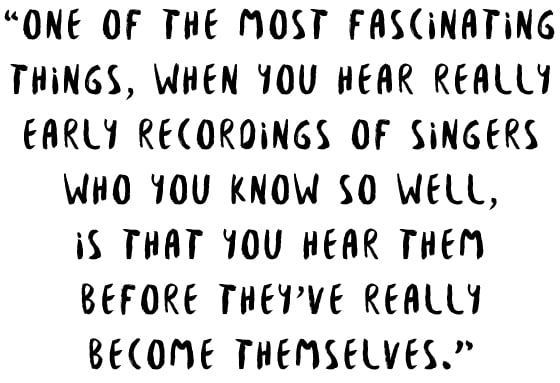
“[These sessions] were some of the first times I was ever recorded, and you can hear my influences,” Welch says. This act of retracing early work is one she’s enjoyed as a fan of other artists, too. “I think it's interesting to hear where they started and what they changed. One of the most fascinating things, when you hear really early recordings of singers who you know so well, is that you hear them before they've really become themselves.”

In addition to the novelty of hearing a greener Gillian on the more popular songs from her catalog, Boots No. 1 also boasts songs like “Wichita,” which appeared on set lists and a live DVD but never made a proper album, and “Dry Town,” which was written by Welch but recorded by Miranda Lambert and Nitty Gritty Dirt Band.

“I guess we just didn't feel like they fit in. I don't think we had any agenda, didn't have anything against these songs. We're really album-oriented artists,” says Welch. “This was a great way to have them come out in to the world, because they really make sense in context with Revival.”

The sessions for Revival began in the Summer of 1995 in Los Angeles, bounced down to Nashville in the Fall, and wrapped up back in L.A. at the end of the year. These recordings formed the basis for the archival project — after all, the fact that these forgotten sessions were mixed live was an unusual luxury.

“This is very rare now, and was fairly uncommon in the mid-'90s,” notes Welch. “This would have been how people were making records in the '60s and before. But it was great for this project because it meant that we actually had mixes of takes that never got used, alternate takes. People these days aren't often in that situation.”

Welch had lived in Nashville for about three years when the recordings featured on Boots No. 1 went to tape, mostly performing as a duo with partner Rawlings in small clubs and on writers’ rounds while finding a voice as a songwriter. “We were playing as much as we could,” she says, though the out-of-town gigs were only beginning to roll in.

“I had moved to town with two songs,” she says. “By the time we were going in to make Revival, I was going into the session with something like 35 songs. It had been, for me, an incredibly productive couple of years.”

Specifically, she cites a songwriting competition at North Carolina’s Merle Watson Memorial Festival as the catalyst for better gigs and more credibility as a writer, and the community she found there continued to push her forward.

“After that, people like Peter Rowan, and Tim and Molly O'Brien, and the Nashville Bluegrass Band, all these people suddenly knew who we were and started asking us to open for them. The bluegrass world was really the first place where we got acceptance. That was our home,” she says. “Actually, the night that I met T Bone [Burnett], we were opening for Peter Rowan at the Station Inn in Nashville.”

Burnett was the perfect fit for Welch and Rawlings in the studio, but if the final product he helped to sculpt on Revival sounds like a departure from what listeners hear on Boots No. 1, it’s not because the veteran producer was out to change their sound.

“Dave and I knew what we liked,” says Welch. “We really did, going into it; but even so, it's hard when you're that young and you've never done any recordings to just go in there and do it and feel confidence. He gave us that strength — not even to mention the fact that he knew his way around record-making like crazy. Nothing got put on that record that Dave, T Bone, and myself weren't happy with.”

That attention to detail is as evident today as it was in 1996 and, although each of the songs on Boots No. 1 is its own glimpse into Welch’s roots, each half of the double album stands as its own: a Revival for parallel universes.

“Dave felt very strongly that whatever we made should be playable like a record, not feel like a library project. I felt very strongly the same way,” she says.

These recordings may have been cast aside as the songs themselves evolved into live anthems and borrowed cuts. But to hear them emerge unchanged as puzzle pieces that fit together in such a meticulously curated collection as Boots No. 1 is a compelling message for any artist or maker: that even the less-polished parts of the past can be a vital part of the future.

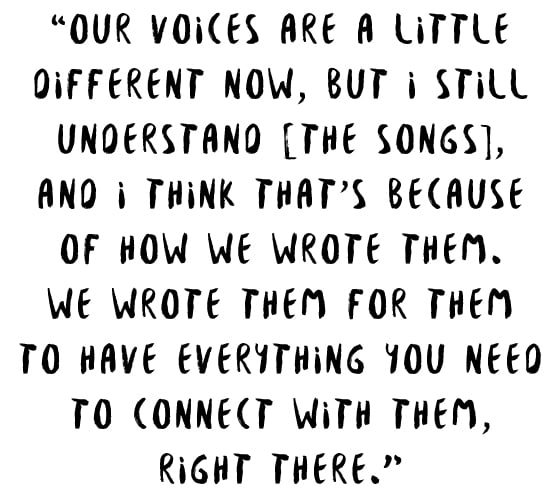
“I hear a starting place to where we ended up going, and hopefully that's interesting to people. I know, as a listener, it's interesting to me,” she says. “Obviously we play [the songs] a little differently, and our voices are a little different now, but I still understand them, and I think that's because of how we wrote them. We wrote them for them to have everything you need to connect with them, right there.”


Lede illustration by Cat Ferraz.

WATCH: The Barrel Boys, ‘Find Yourself Again’

Artist: The Barrel Boys
Hometown: Toronto, Ontario
Song: "Find Yourself Again"
Album: TBA
Release Date: June 2017

In Their Words: "‘Find Yourself Again’ was written toward the end of a wild and unforgettable tour of Canada’s east coast. The song speaks to the cycles that are felt and lived when we find ourselves travelling in familiar places, and the experiences that collect like dirt under our fingernails." — Tim O’Reilly


Photo credit: Ally Payetta

FILM PREMIERE: Michael Daves, ‘The Making of Orchids and Violence’

Artist: Michael Daves
Hometown: Brooklyn, NY
Project: The Making of Orchids and Violence
Release Date: December 27, 2016

In Their Words: "Nobody can dispute that Michael Daves is one of the most influential bluegrass guitar players around today. So when we heard that he was recording a double album in December of 2014, we asked if we could make a documentary about it.

The next two years took us on a journey from the bluegrass album that was recorded at the Old First Reformed Church in Park Slope, Brooklyn, to the electric album that was recorded in Michael's home studio, to the three release shows at Rockwood Music Hall, Knitting Factory, and the Bell House. Making this documentary was a true labor of love. It was such a privilege getting to work with the incredible musicians involved with this project. And, with Michael at the helm, there was no doubt that the final product would be anything but mesmerizing. Orchids and Violence is an absolute masterpiece, a one-of-a-kind album that features two very distinct sides of a musician at the top of his game." — Jason Zucker

The Making of 'Orchids and Violence' from Paper Swan on Vimeo.


Photo credit: Jason Zucker

WATCH: Driftwood, ‘Too Afraid’

Artist: Driftwood
Hometown: Binghamton, NY
Song: "Too Afraid"
Album: City Lights
Release Date: November 4, 2016
Label: Yellow Bike

In Their Words: "'Too Afraid' is a song about the girl you know you shouldn't see anymore, but you just can't help it. It's about that kind of attraction. I think everyone has someone in their life, at some point, that fits into that category so it seems to be very relatable, making it so much fun to play at shows. Plus it earned us our first FCC warning which seems like some sort of achievement." — Joe Kollar


Photo credit: Marc Safran

Nitty Gritty Dirt Band: An Unbroken Circle

In 1971, Richard Nixon was president and the United States was divided. It was an era marked by civil rights struggles, Vietnam War demonstrations, and labor union losses. The counterculture movement that evolved in the 1960s was continuing to take shape and was intrinsically linked to the outpouring of a whole generation’s worth of musical innovation. Amidst social upheaval, at a time when your music reflected your politics, a common ground was forged among unlikely sources. The Nitty Gritty Dirt Band’s milestone 1972 album, Will the Circle Be Unbroken, single-handedly bridged generational and cultural gaps by pairing country music veterans with young hippies from Southern California.

“I don't think we realized the sociological impact that that record would have,” says Jeff Hanna, founding singer and guitarist of the Nitty Gritty Dirt Band. “On the surface, it looked like, 'What the hell are they doing making music together?'”

The Nitty Gritty Dirt Band formed in Long Beach, California, in 1966 and became a staple of the wave of California rock that included acts like the Byrds, the Flying Burrito Brothers, and the Eagles who were all exploring old-time country sounds in their own music. By the time the recording sessions for the Circle record began, the Dirt Band was fresh off the success of their cover of Jerry Jeff Walker’s “Mr. Bojangles,” which had become a Top 10 pop single. Record executives and fans, alike, were anticipating a follow-up in the same vein. But the band’s manger and producer, Bill McEuen — brother of band member John McEuen — had another idea: to get the band in the studio with the bluegrass and country musicians that had influenced them when they were coming up.

“I have a lot of respect for [the Dirt Band] for doing it, for going out on a limb, you know, and doing that kind of thing in the middle of a career that was just really on its way up at that point,” says multi-instrumentalist and longtime Dirt Band collaborator Jerry Douglas. “They were the famous people on the record and their guests were the people that they were introducing to their audience, you see. So it was kind of going out on a limb for them. You know, the record company didn't wanna do it. Nobody wanted to do it. They just kind of pushed it through and it was a success.”

When it came time to recruit a slew of Nashville greats for the project, the generational divide ended up working in the Dirt Band’s favor. Their friendship with the Scruggs family began when Earl Scruggs brought his children, who were fans of the band, to a gig they played at Vanderbilt University in 1970. Scruggs became the first artist they invited to guest on the Circle record. They snagged Doc Watson the same way: his son, Merle, was a fan of the band.

“One of the things that was really interesting with a lot of these acts is, their kids were fans of the band. There was kind of a stamp of approval from the younger generation,” recalls Hanna. “And Merle Watson said something like, ‘Well daddy you love the way they sing and play.’ And also the invitation was, ‘We've got Earl Scruggs.’ And Doc said, ‘Yeah, that sounds like fun,’ so there it went.”

Other guests included heavyweights like Jimmy Martin, Mother Maybelle Carter, and Roy Acuff.

“I mentioned to Bill McEuen, at one point, that I'd read this article about Roy Acuff where he said he'd play real country music with anybody anywhere. And we talked about that and Bill said, ‘Well, let's see if he'll put his money where his mouth is,’” Hanna says.

But Acuff wasn’t an easy sell: His initial meeting with the band didn’t go as well as they were hoping. It turns out that the idea of West Coast hippies in their early 20s recording in Woodland Studios in Nashville was a bit of a hard pill to swallow.

“[Acuff] came in and he was just largely unimpressed with us. He was kind of like — he wasn't totally negative — it's just kind of flat and he said later, ‘Well, I don't trust a man that I can't see his face,’ and we all had like massive beards and mustaches and long hair,” Hanna remembers. “Meanwhile, we got in the studio and recorded our tracks with Merle Travis and, lo and behold, Roy Acuff comes strolling in, or sort of quietly walks in the back of the studio at the end of the day. And Bill played him — it was either ‘Nine-Pound Hammer’ or ‘Dark As a Dungeon’ — one of those. And Roy got this big smile on his face and he said, ‘Well, that ain't nothin' but country. I'll be here tomorrow. Be ready.’ So we cut those tracks, so he was in.”

The result was a monumental cross-generational album that combined genres and styles.

“Just to put it in context: You've got Merle Travis's Travis-picking; you've got Earl Scruggs' Scruggs-style banjo; you've got Maybelle Carter, Carter scratch; and Doc Watson — even though flat-picking isn't named after him, it should be,” says Hanna. “I mean, just all these guys that were just so big in our world.”

The Dirt Band’s love of country and old-time sounds goes way back, so it was a natural progression for them to want to honor and record with these musicians.

“A lot of us got into bluegrass because of the folk boom in the mid-60s. A lot of us also had older siblings and they'd bring home these records by Peter, Paul, and Mary or the the Kingston Trio,” says Hanna. “When I first started playing guitar, I bought a Pete Seeger instructional LP and book that had a section about the Carter Family and Maybelle Carter and her playing style, as well … I was a huge fan of the Everly Brothers. We all were. The Everlys, Buddy Holly, Eddie Cochran, Chuck Berry, Little Richard: that stuff killed us. But I think something we all had in common was our deep love of the sounds of Appalachia. And blues for that matter. But a lot of it was acoustic music, I've gotta say.”

Singer/songwriter Jackson Browne joined the Nitty Gritty Dirt Band when he was 17 years old, after meeting them at a gig at the Paradox club in Tustin, California, a little town in Orange County. “Getting to play with them was a huge installment in my musical education because I got to sit there and play these really intricate songs,” Browne recalls. “I mean, they were all better players than me, so I learned a lot.”

What struck him immediately about the band, he says, was their vast musical palette.

“The Dirt Band was great because they were true music fans and music aficionados. They weren't just kids that were playing folk music that they heard. They dug deep, is what I'm saying,” says Browne. “They found recordings of the Memphis Jug Band and those things were hard to find. I mean, like that wasn't just lying around. And they were kind of musicologists even then, from the very beginning.”

This year, the Nitty Gritty Dirt Band celebrated their 50th anniversary as a band. In commemoration, they returned to Nashville for a star-studded concert at the famed Ryman Auditorium last September, which aired on PBS and was released on DVD. Aptly titled Circlin’ Back, the show was both a nod to the first Circle record and a career retrospective that incorporated the musicians that have impacted the band’s history. Vince Gill, Alison Krauss, Rodney Crowell, Jerry Jeff Walker, John Prine, Jerry Douglas, and Jackson Browne were among the handpicked guests.

“What was even cooler to me than playing the show that night was the rehearsals that we had before,” Douglas recalls. “The first time you do a run-through of one of those songs is so magical. It has all of this extra spark and fear and everything in it. So there were sparks flying in the rehearsal hall when we were doing these things and trying to figure out who played on what.”

Just as the Dirt Band introduced their audience to their earlier influences on the first Circle record, the Circlin’ Back anniversary show connected the next generation of artists and fans together. Musicians like Vince Gill and Jerry Douglas, who remember buying the first Circle record when it came out, are now considered “little brothers” of the Dirt Band. Although they are each musical powerhouses in their own rights, the anniversary show was an opportunity for them to play with some of their heroes.

“I think the first time I played on the song with Jackson Browne that I played lap steel on, I held my breathe through the whole thing,” Douglas says. “I'm such a fan of all of those guys and then they bring Jackson Browne in, and I'm playing on this thing with Jackson Browne and I'm just going nuts inside. So much raw emotion that's happening.”

The Nitty Gritty Dirt Band has always had the ability to tap into emotion. Through their shared love of traditional music, they impacted legions of listeners by bridging generations and styles. Their legacy is littered with stories of parents and children bonding over the first Circle record, which is arguably one of the most significant releases in the history of music. At a time of cultural unrest, it showcased music’s ability to bypass divides and cross boundaries. The Nitty Gritty Dirt Band was Americana before Americana had a name, and their genre-bending illustrates the most important facet of music: how it connects us all.


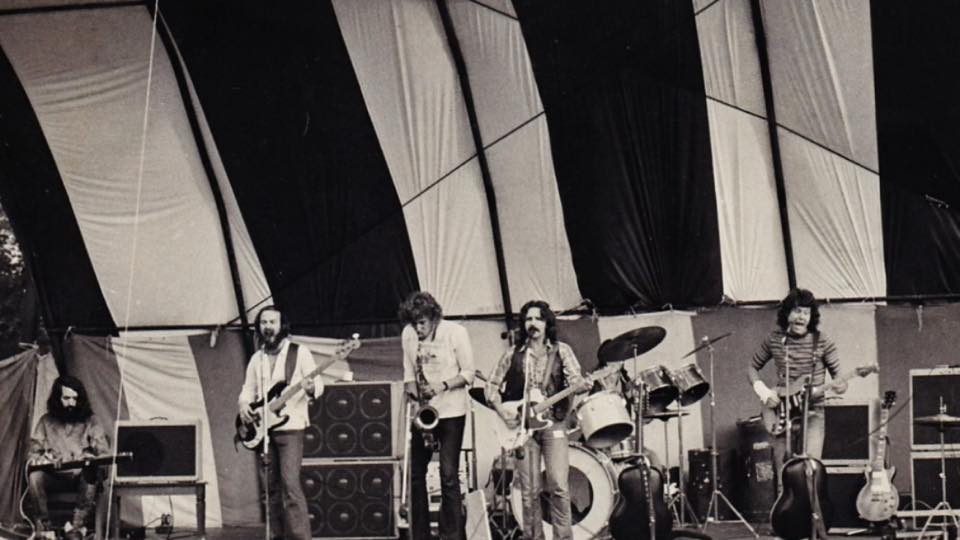
Photo of the Nitty Gritty Dirt Band in the early 1970s courtesy of the artist.